Artwork
Table
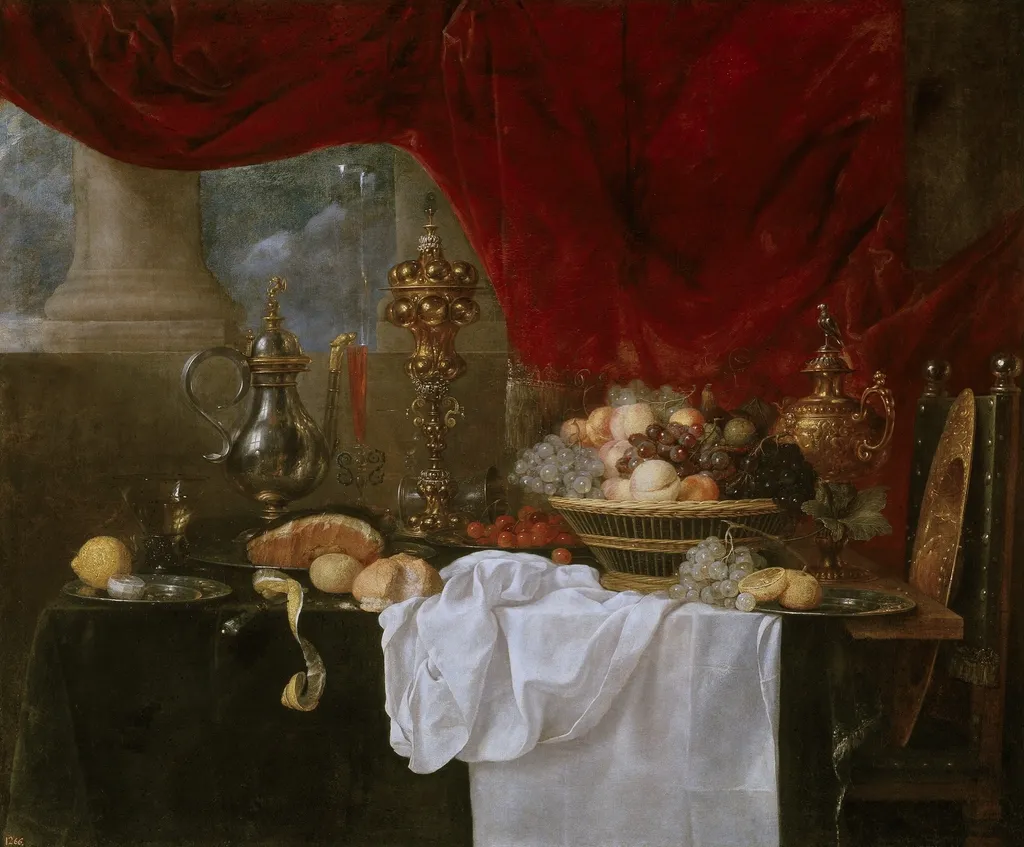
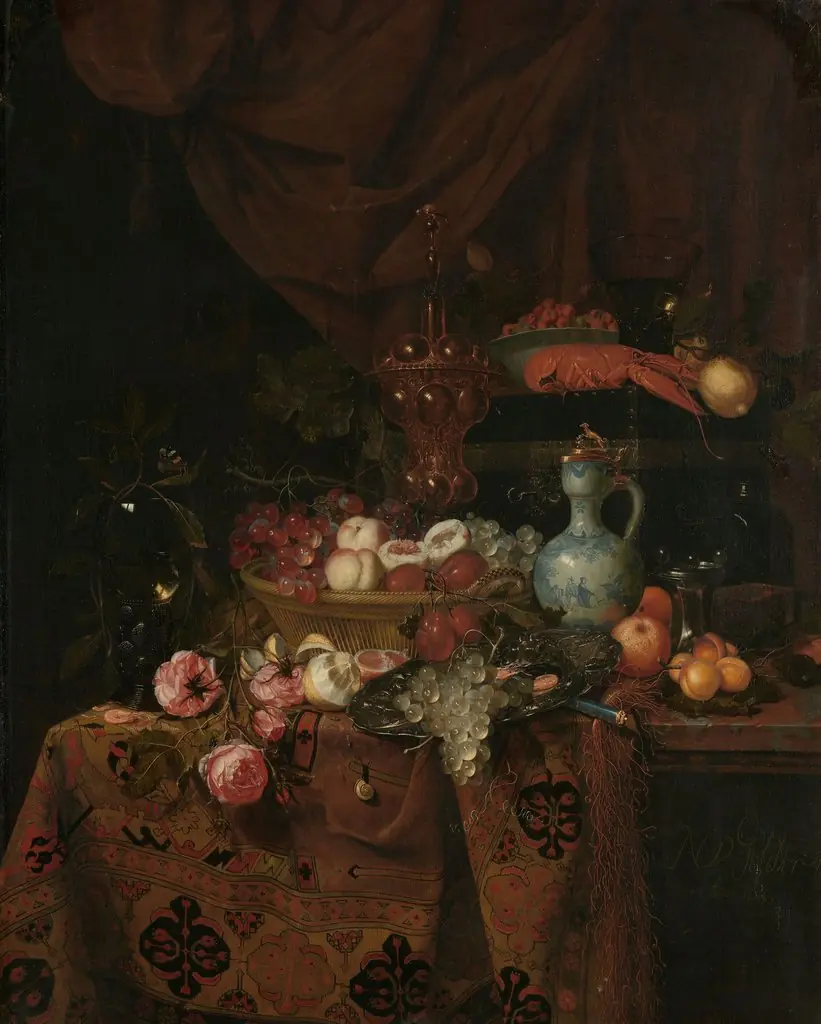
Table is an oil painting by the Dutch Golden Age artist Andries Benedetti. It is held in the collection of the Museo del Prado.
About this work
If you're interested in learning more about this technique, you can explore the work of other artists who have used it, such as Rembrandt.
The painting "Table" by Andries Benedetti, created in 1650, showcases a still life scene. The arrangement features various objects, including a knife, bread, and eggs, set against a dark background. The use of oil paint adds depth to the scene.
A closer look reveals the intricate details of the objects, with the knife and bread appearing to be the central focus. The eggs are depicted in a basket, adding a sense of texture and depth to the scene.
The use of chiaroscuro, a technique that emphasizes contrasts between light and dark, adds a sense of drama to the scene. This technique is characteristic of many still life paintings from the same era. If you're interested in learning more about this technique, you can explore the work of other artists who have used it, such as Rembrandt.
Subject & Meaning
Andries Benedetti's 1650 still life presents a domestic arrangement of foodstuffs and household objects, specifically an egg, bread, and a knife alongside a fountain and a seat. As a work of the still-life genre, the painting focuses on the representation of these everyday items rather than on a specific narrative or complex symbolic program documented in the available records. The inclusion of a fountain and a seat within the composition suggests a broader depiction of a domestic environment or pantry setting, grounding the work in the observation of tangible reality.
Technique & Style
Andries Benedetti's Table is executed in oil paint on canvas, classifying it as a painting within the still-life genre. The work measures 121 cm in height by 147 cm in width. Its subject matter encompasses a range of objects including eggs, bread, a knife, a fountain, and a seat, consistent with the compositional conventions of seventeenth-century still-life painting.
History & Provenance
The painting was created by Andries Benedetti in 1650 in oil on canvas as a still life. It belonged to the Spanish royal collection of Ferdinand VII and is now held by the Museo del Prado in Madrid, where it is recorded as oil on canvas measuring 121 cm in height and 147 cm in width. No further details of its commission, intermediate ownership, or exhibition history are documented in the available sources.
Overview
Andries Benedetti, a Flemish painter working in Antwerp, created Table around 1650. This oil painting is a still life composition featuring common household items, such as bread, an egg, and a knife, arranged against a dark backdrop. The artwork exemplifies the detailed observation and dramatic lighting characteristic of the era, and it is currently housed in the collection of the Museo del Prado.
Context
Active during the Dutch Golden Age, Andries Benedetti was a Flemish artist based in Antwerp, specializing in still life painting, particularly known for his fruit compositions. Table reflects the period's broader artistic interest in depicting the material world with precision and evocative atmosphere. It aligns with the tradition of still life art that flourished in the Low Countries, showcasing domestic scenes and objects.
Own this work as a print
Artist & collection
Artist
Andries Benedetti or Andrea Benedetti (1615/18 – after 1649 and before 1660) was a Flemish still life painter mainly active in Antwerp who is known for his fruit still lifes and pronkstillevens.

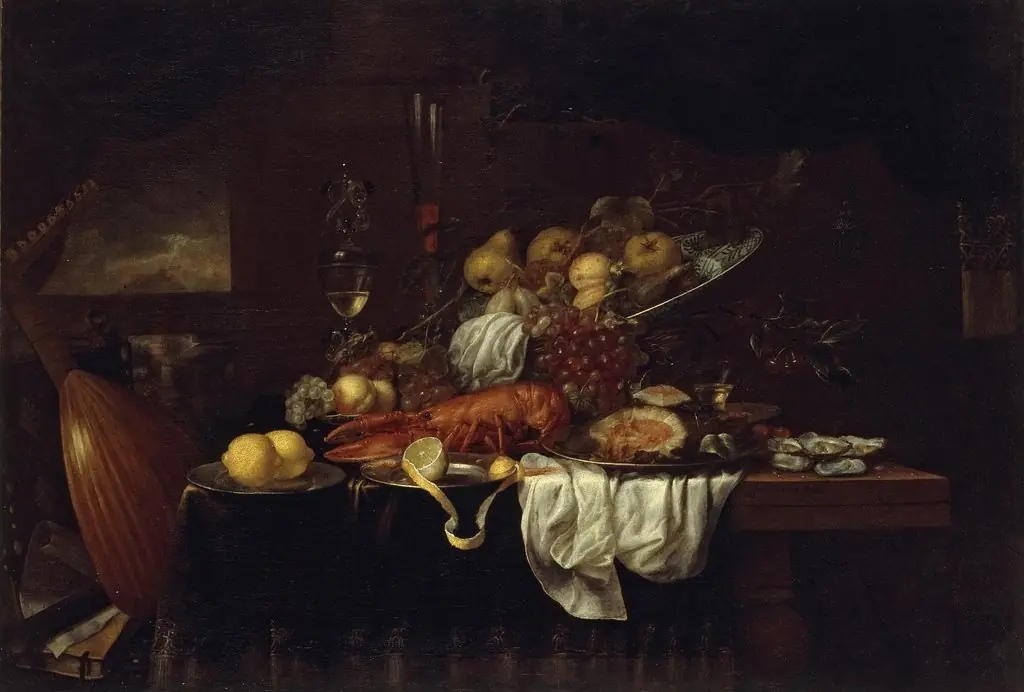
- Lobster, Oysters and Fruits on the Table
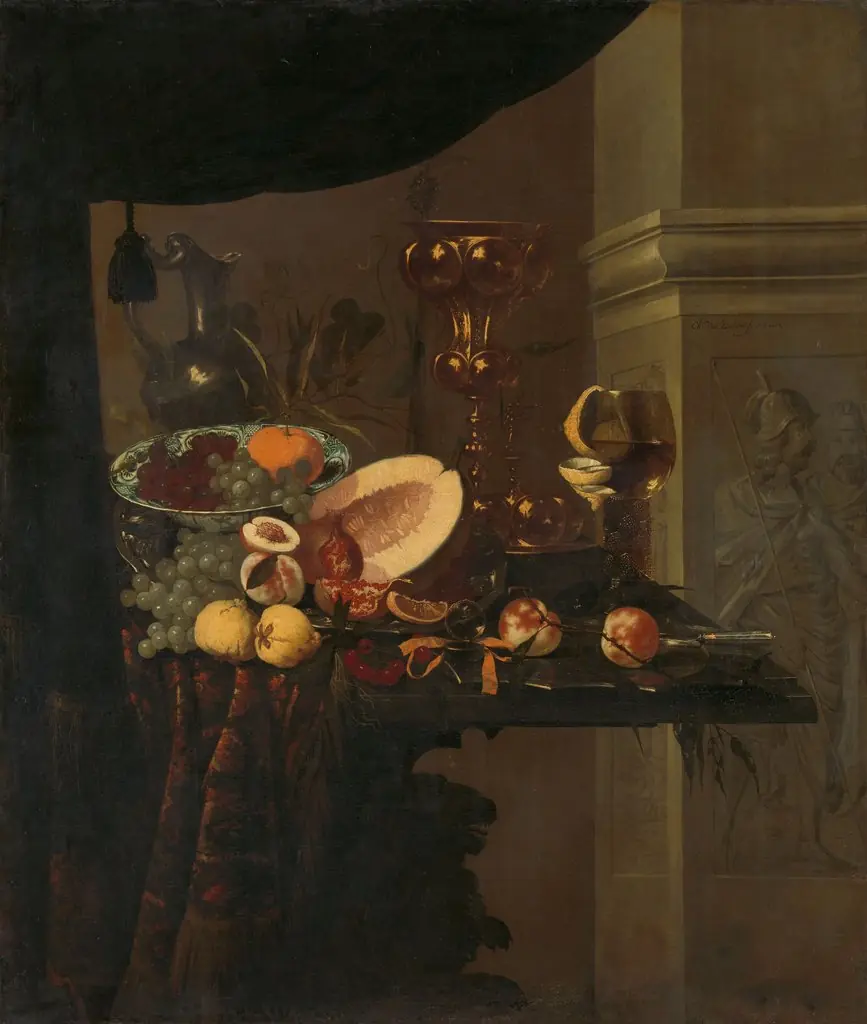 Still Life
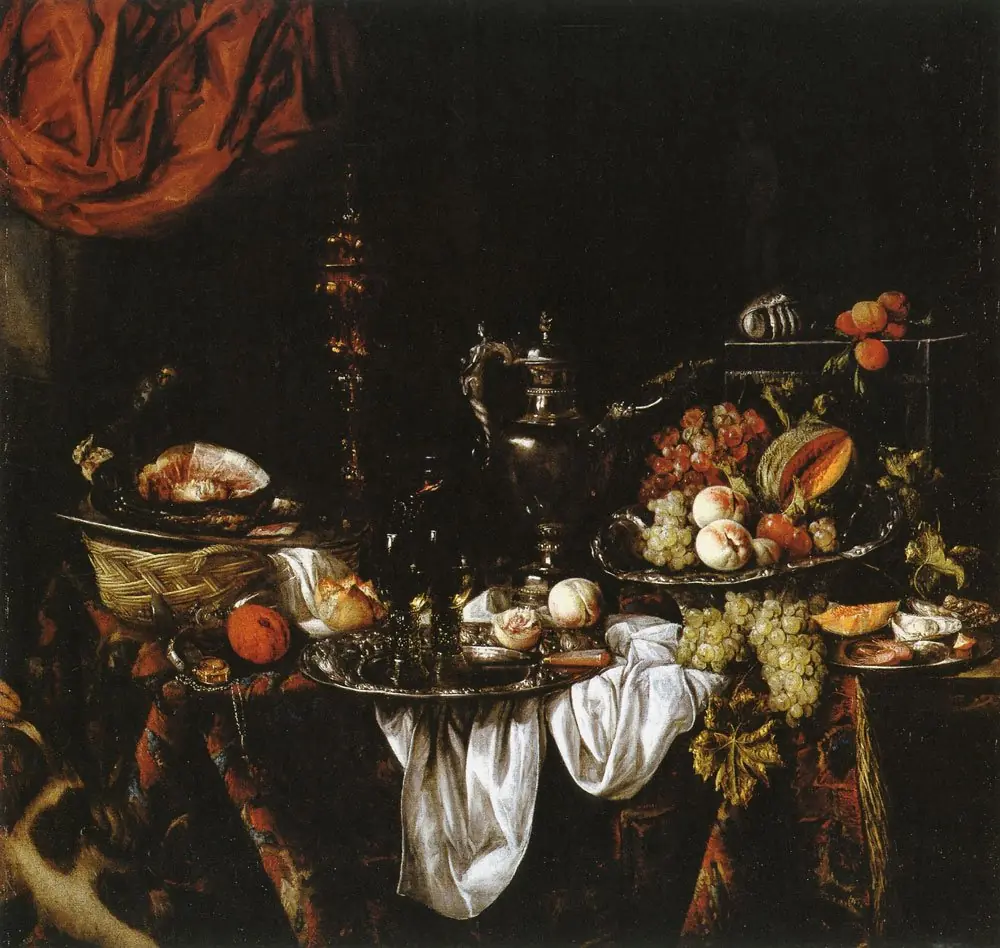 Still life on a draped table with a sculpture of Venus in a niche behind a curtain
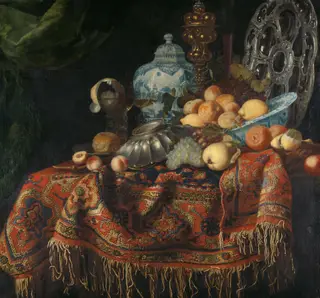 Still Life with Fruit, Plates and Dishes on a Turkey Carpet
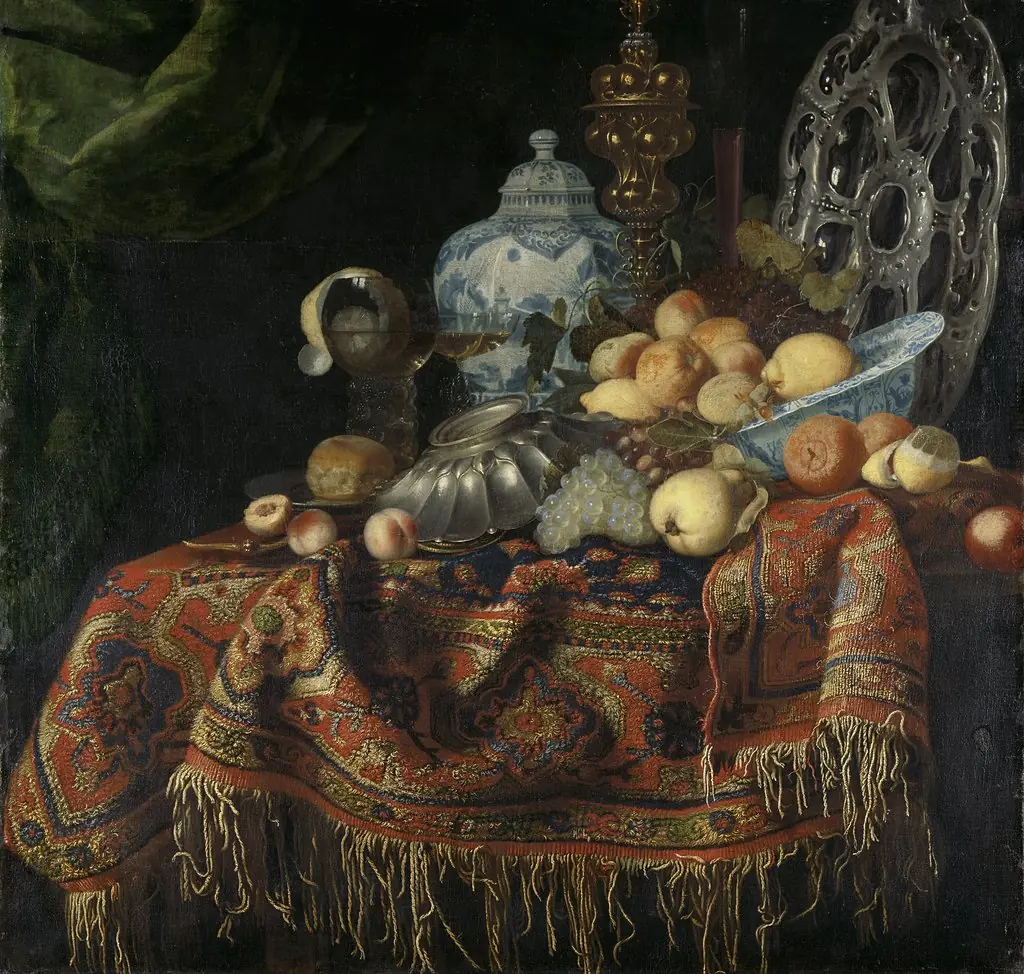 Still Life with Fruit, Plates and Dishes on a Turkey Carpet
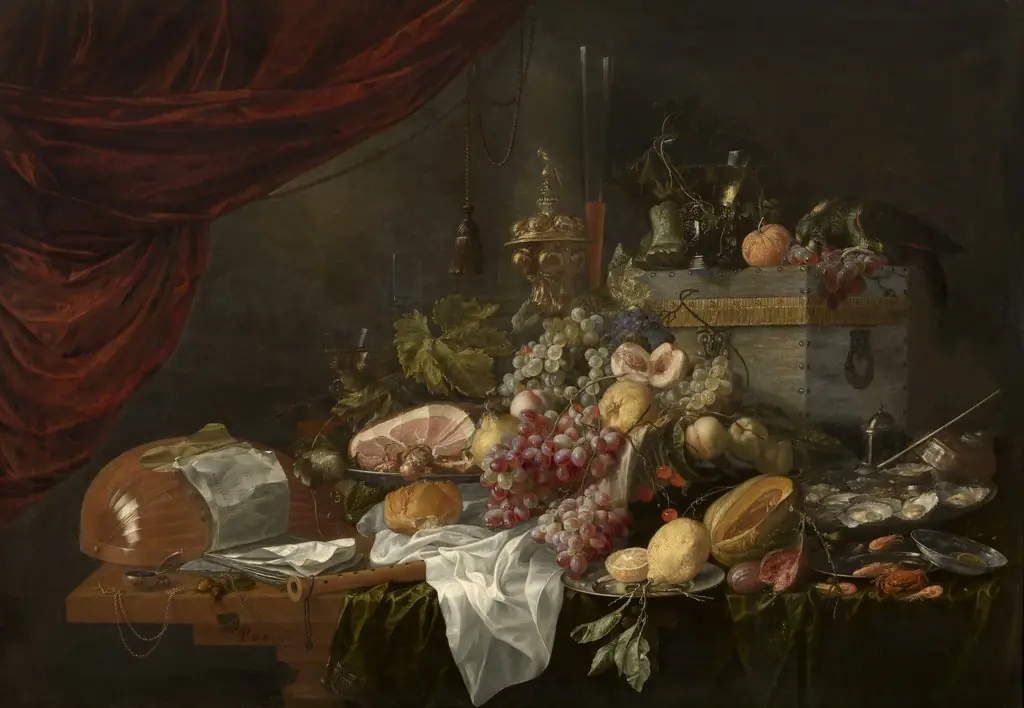 Still Life
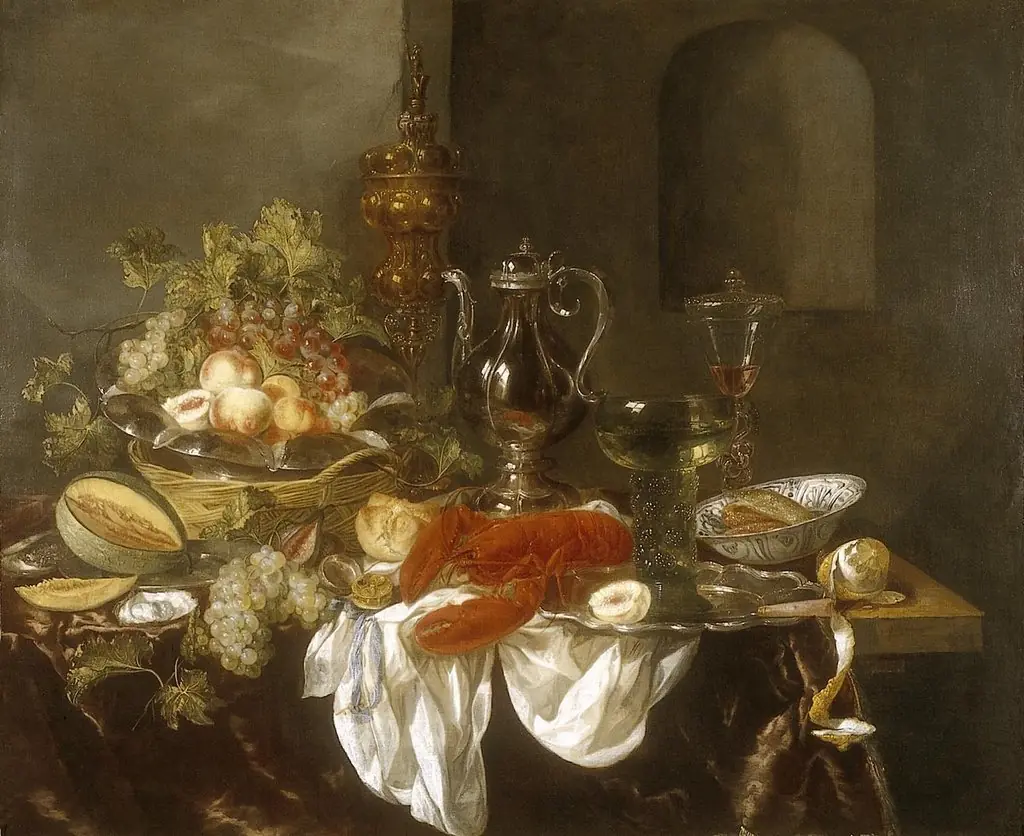 still-life
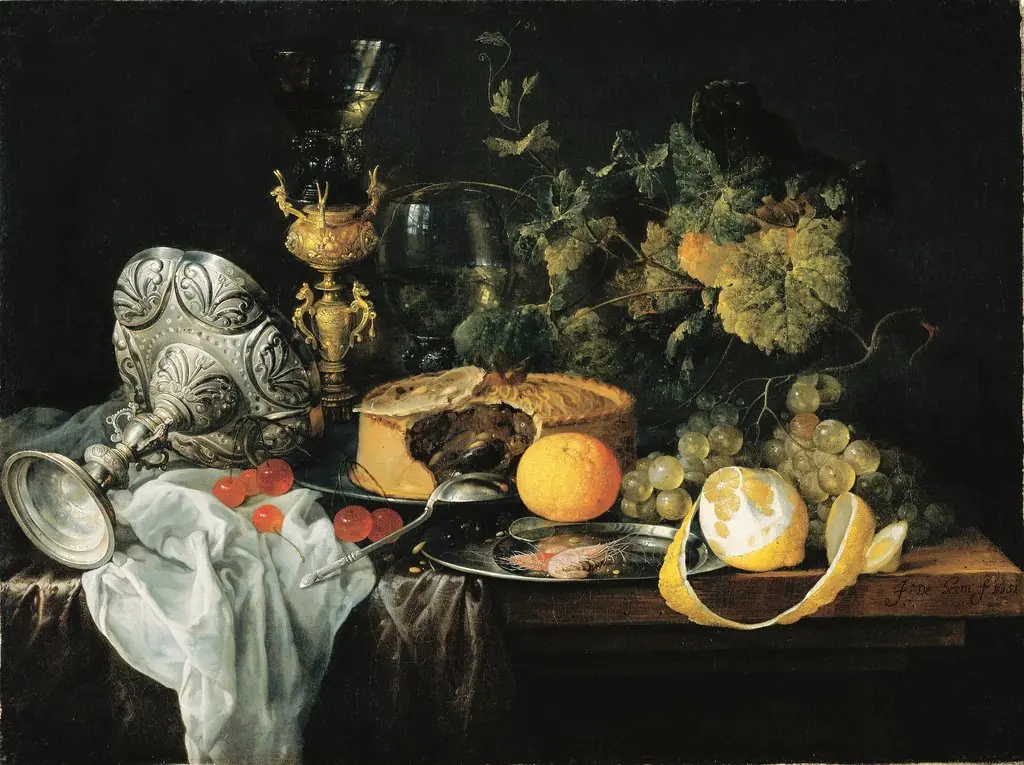 Sumptuous Still Life with Fruits, Pie and Goblets, 1651
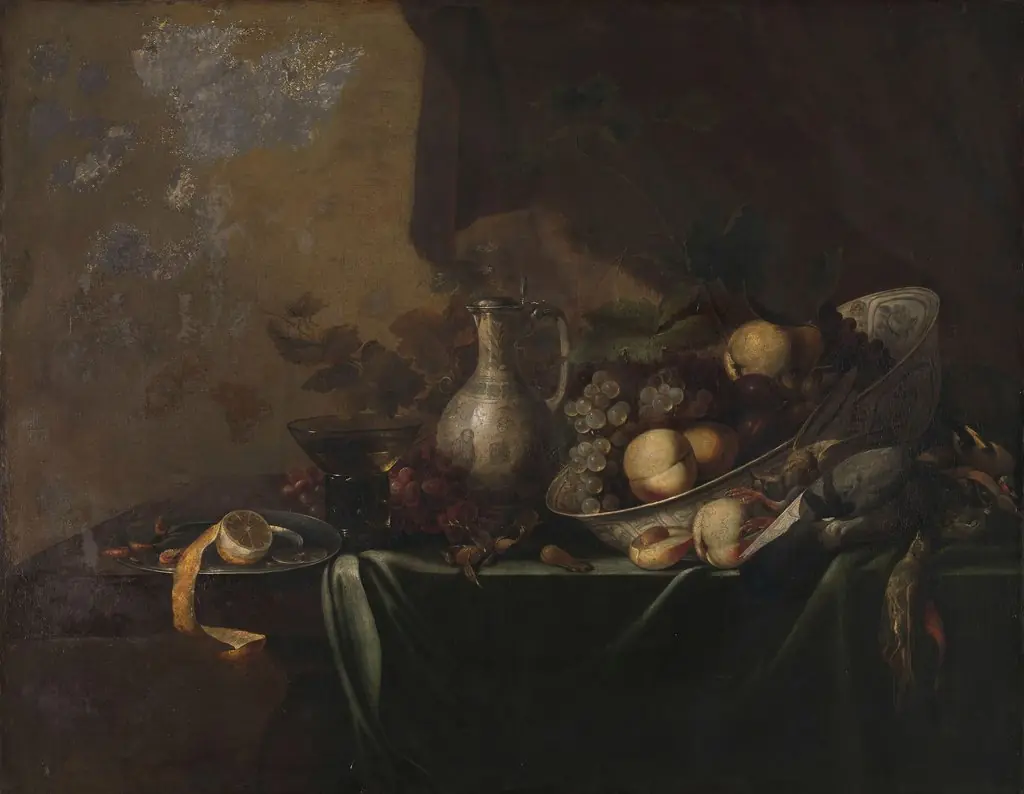 Still Life with Fruit
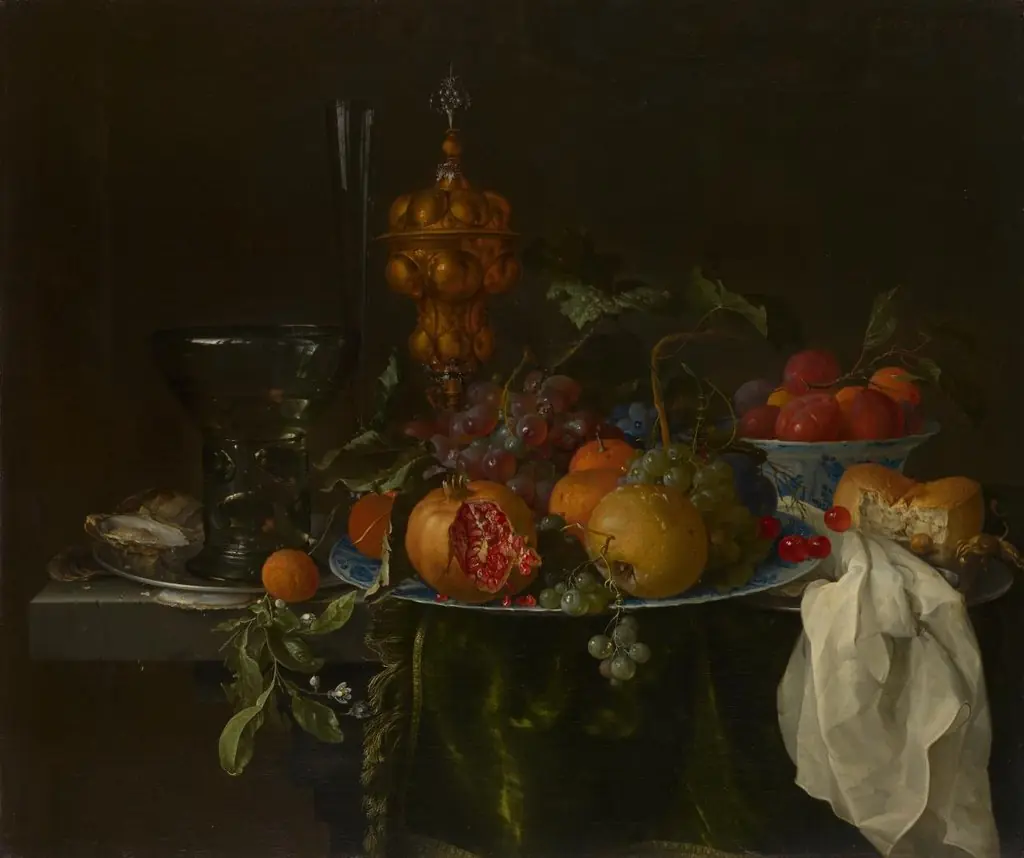 Still life with fruit
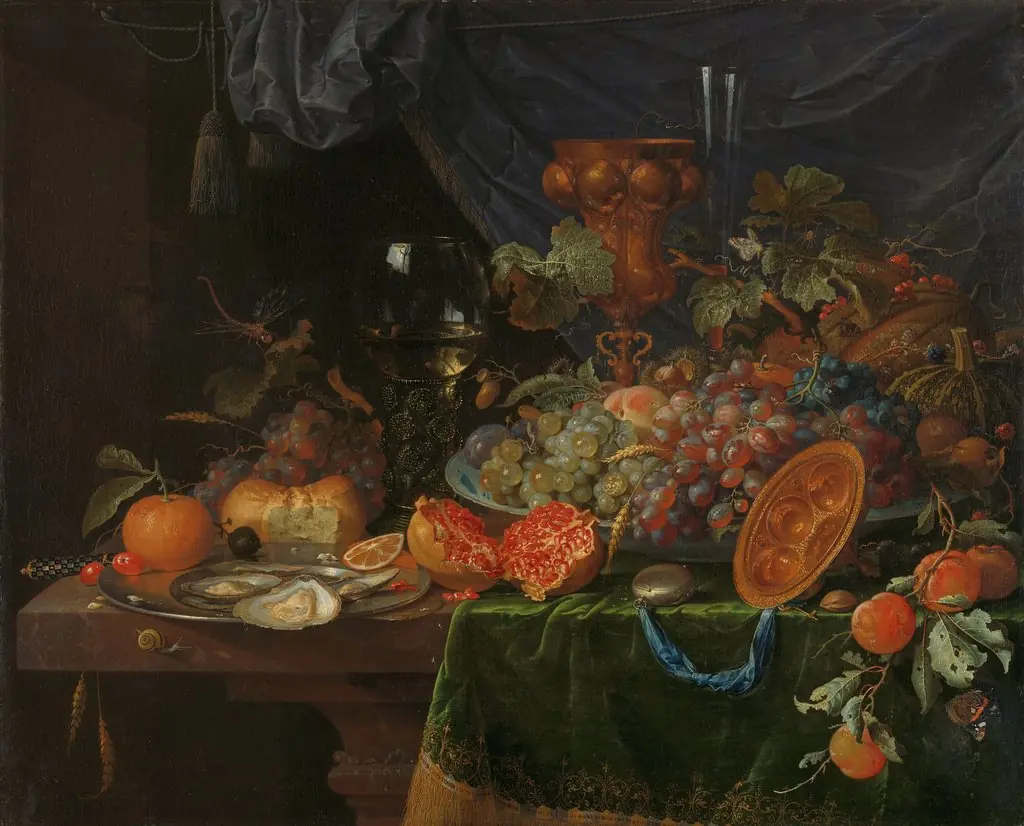 Still life with fruit and oysters
 Still life