Artwork
Împăratul Franz I al Austriei (în Registrul inventar: Împăratul Ferdinand I)
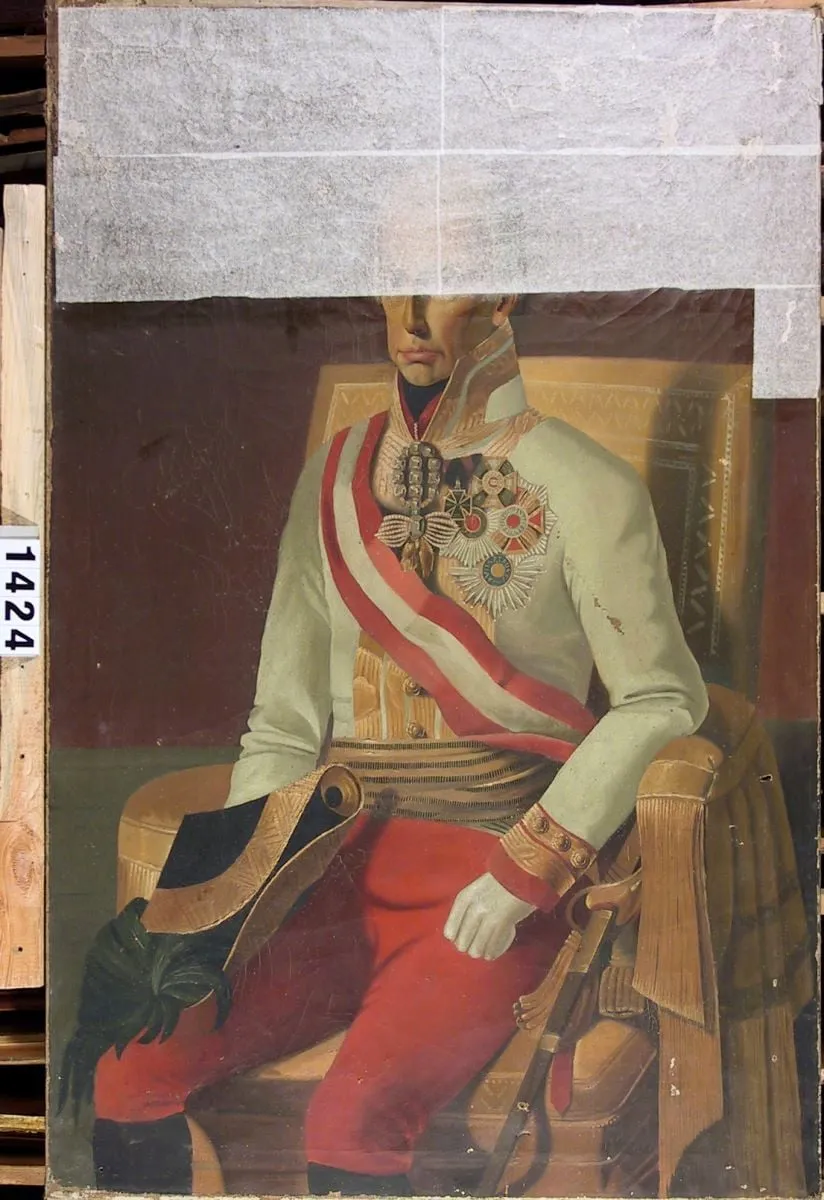
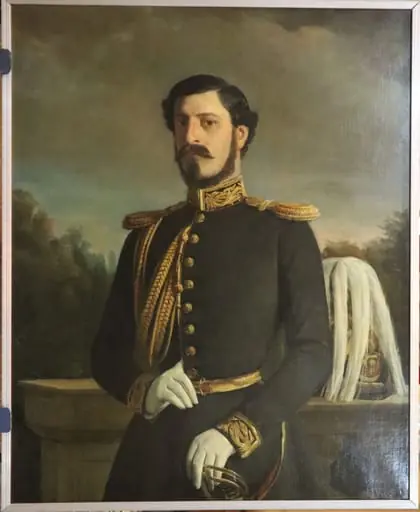
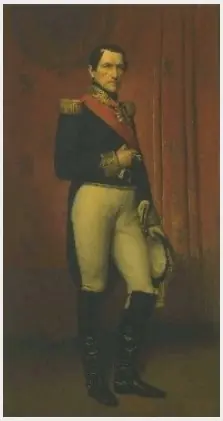
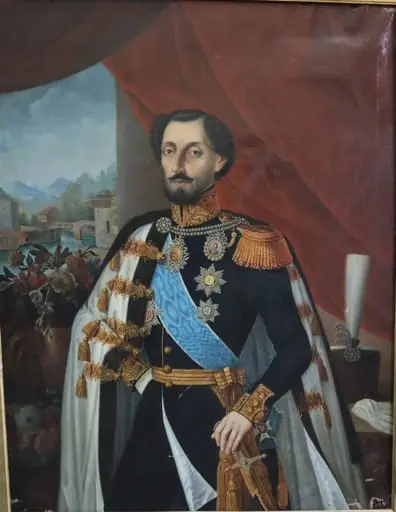
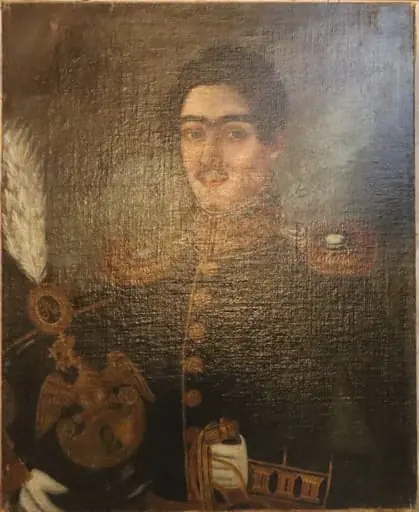
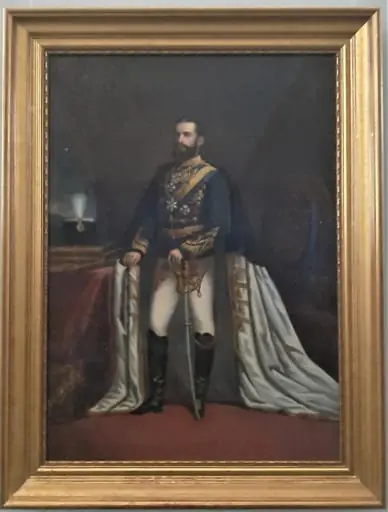
Împăratul Franz I al Austriei (în Registrul inventar: Împăratul Ferdinand I) is a print by anonim. It is held in the collection of the Brukenthal National Museum. This portrait portrays a Habsburg monarch, identified in inventory records as Ferdinand I of Austria, though mislabeled in the title.
About this work
Overview
The figure is rendered in formal court attire, emphasizing rank through symbolic elements: gold-trimmed white jacket, red sash, medals, and a sword.
This portrait portrays a Habsburg monarch, identified in inventory records as Ferdinand I of Austria, though mislabeled in the title. The figure is rendered in formal court attire, emphasizing rank through symbolic elements: gold-trimmed white jacket, red sash, medals, and a sword. The composition is restrained, with a dark background and a single framed image above, focusing attention on the sitter’s presence and regalia.
Subject & Meaning
The subject is depicted not in action but in stillness, conveying authority through static dignity rather than narrative. The sword, held but not drawn, suggests military leadership without aggression. Medals and sash denote honors received, reinforcing state service and imperial legitimacy. The portrait functions as an emblem of continuity and institutional power within the Habsburg monarchy.
Technique & Style
The painting employs a traditional academic approach, with careful attention to textile detail and metallic surfaces. Lighting is even, avoiding dramatic chiaroscuro; instead, the richness lies in texture and color contrast, white fabric against dark walls, gold embroidery against red silk. The background’s single framed image adds subtle depth without distraction, aligning with 19th-century portraiture norms.
History & Provenance
The work is cataloged under Ferdinand I, who reigned from 1835 to 1848, a period marked by political instability and reformist pressures. Likely commissioned by the court, it served to project stability amid rising nationalism. Its current inventory label reflects archival confusion, common in imperial collections where titles were inconsistently recorded across decades.
Context
Portraits of monarchs in this era were tools of political messaging, often produced by state-appointed artists. The emphasis on uniform and insignia reflects a shift from romanticized heroism to bureaucratic legitimacy. Similar images circulated in government buildings and royal residences, reinforcing the emperor’s role as symbol of unity in a multi-ethnic empire.
Legacy
The painting remains a document of imperial visual culture, illustrating how monarchy maintained presence through controlled imagery. While not widely exhibited today, it contributes to understanding the aesthetic language of legitimacy in 19th-century Central Europe. Its misattribution underscores the challenges of archival accuracy in dynastic collections.
Artist & collection
Artist
This anonymous painter made small religious scenes with bold, flat colors and shaky lines, following old church traditions.

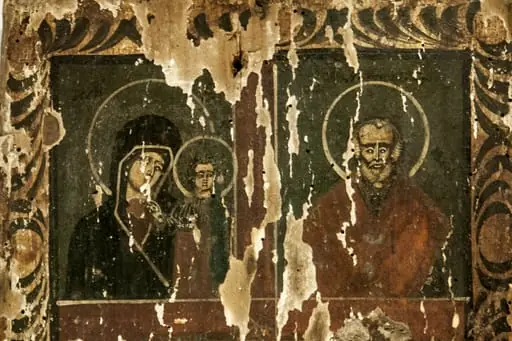 Un câmp central sub formă de cruce, împarte spațiul pictural în patru casete dreptunghiulare care conțin următoarele scene: Stânga sus Maica Domnului cu Pruncul tipul Kazanskaia. Este reprezentată până la piept, nu se văd mâinile, înveșmântată cu maforion negru cu galon alb. Are chipul îndurerat, privirea tristă, capul ușor înclinat spre Prunc. Iisus – Emanuel, binecuvintează cu dreapta, privirea îndreptată lateral, către sfântul Nicolae..Chiton brun deschis, himation verde. Dreapta sus - Sf. Nicolae în veșminte simple, capul descoperit, cărunt, cu barba rotundă și scurtă, privind la rândul său către pruncul Iisus. Înveșmântat cu sacos verde și omofor mare orange, care îi acoperă umerii. În casetele de jos sunt redați doi sfinți în vârstă, în picioare, în veșminte preoțești, întorși unul către altul, cu privirea îndreptată către scenele din registrul superior. Inscripția ce denominează primul dintre ei a fost ștearsă, cel de al doilea posibil sfântul Savatie?. Icoana are un vădit caracter popular, naiv. Spațiul cruciform pictat cu roșu, fondul scenelor verde închis, 2/3 din fondul scenelor de jos galben-orange. Nimburi trasate cu alb, inscripții caligrafice, litere cursive, cu negru. Compoziția este încadrată de un chenar cu decor vegetal, motive ample de factură populară, specifice spațiului slav.
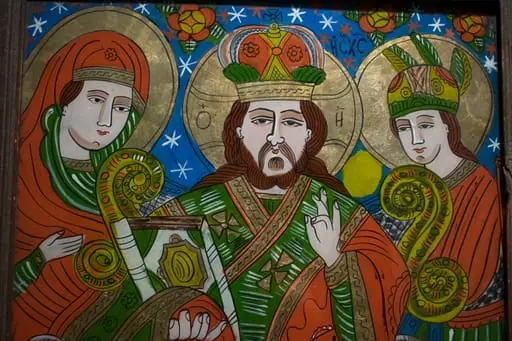
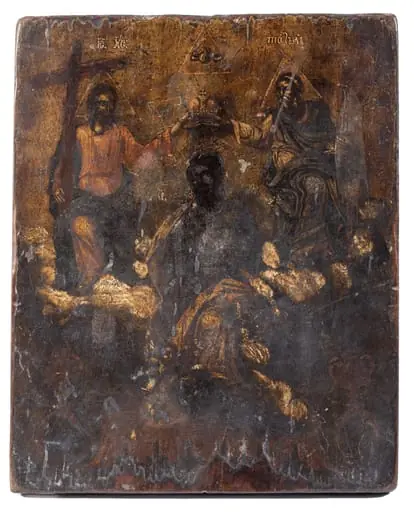 Încoronarea Fecioarei - reprezintă în centrul compoziției pe Fecioara Maria, în planul al doilea pe Iisus Hristos și Dumnezeu Tatăl ținând o coroană în mâini.
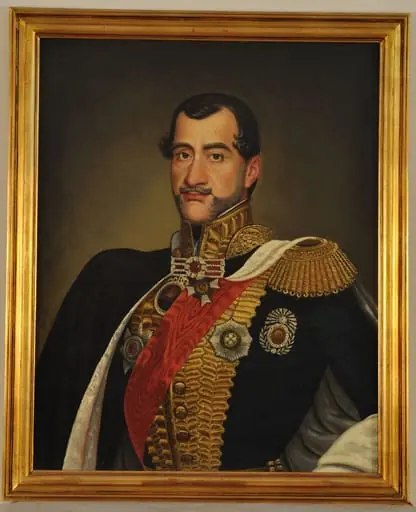 Alexandru Dimitrie Ghica
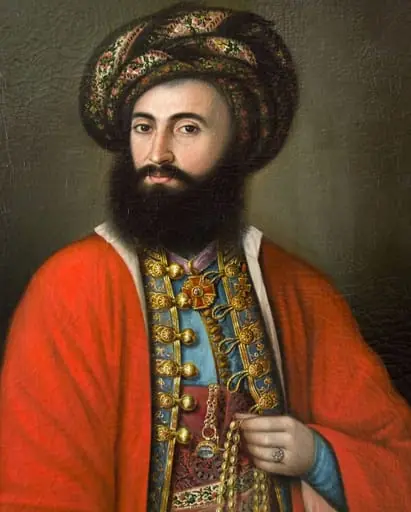 Constantin G. Cantacuzino cu turban (1793 - 1877)
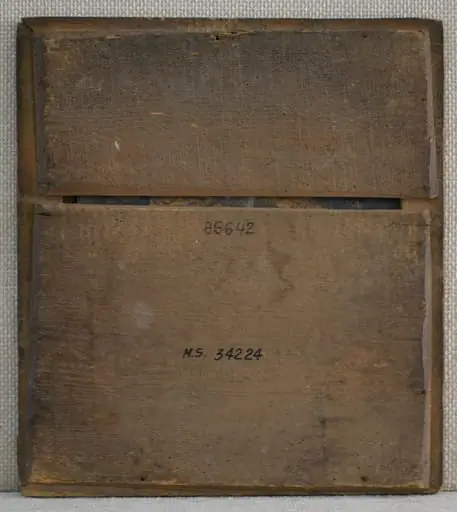 Icoana este pictată pe dosul unei bucăți de glajă de formă dreptunghiulară în ax vertical. Sfântul Nicolae este redat în prim plan, așezat pe un tron, ținînd Evanghelia închisă în mâna stângă în timp ce cu dreapta binecuvintează. Sfântul Nicolae este înveșmântat ca Mare Arhiereu, cu mitră înaltă, bipartită, omofor mare, verde, decorat cu cruci "patee", sacos roșu cărămiziu cu galon auriu cu motiv spiralat, stihar roșu. De mâna dreaptă îi atârnă bedernița, percepută ca decor al veșmântului. Chipul este sobru, barba albă,scurtă,la fel părul scurt, ondulat. Ochii sunt negri, bine definiți, arcadele evidențiate. Nimb auriu. Tronul, cu spătarul înalt, are marginea aurită realizată în trepte(surmontatea de câte o cruce) și decorată cu motiv spiralat. Spătarul este alb, decorat cu o rețea de linii negre dublate cu bleu, întretăiate. În colțurile de sus câte un serafim pe nori. Câmpul verde intens în partea de jos, până la nivelul jilțului, albastru de Prusia în registrul superior. Desenul este îngrijit, compoziția aglomerată, paleta cromatică variată, culorile tari, Inscripția cu negru în partea de sus, greu vizibilă. Rama, din lemn de brad băițuit, este alcătuită din patru șipci profilate pe o porțiune mică spre interior, îmbinate oblic la colțuri, decorată cu un motiv ușor ondulat, imitînd fibra lemnului, dispus oblic. Dos din scândurele subțiri de brad, dispuse orizonal și fixate în cuie.
 Icoacrip
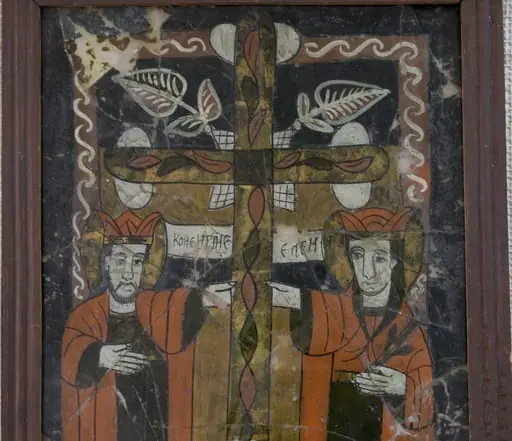 Pictură în oglindă, pe spatele unei bucăți de glajă, ax vertical.Sfinții Împărați Constantin și Elena, 3/4 , în picioare, semiprofil, sub brațele crucii pe care a fost răstignit Isus( găsită de Împărăteasa Elena la Ierusalim) Amândoi au plete castanii, lăsate pe umeri, coroane înalte, veșminte identice, simple, lungi, cămăși verzi și mantii roșii. Plasarea personajelor sub brațele crucii, în jumătatea inferioară, pe fond ocru sugerează complementaritatea celor două planuri(terestru și ceresc). Împărăteasa ține în mână o ramură verde, element ce o însoțește în majoritatea reprezentărilor populare. Fețele sunt ușor diforme, ochii negri. Crucea dreaptă, plasată în centrul compoziției, decorată cu frunze și o spirală în partea de jos, creează simetrie. La întretăierea brațelor crucii elemente vegetale cu contur alb. Chenarul specific icoanelor de Nicula, linia albă(zăluțe, funie) pe fond roșcat. Icoana este caracteristică perioadei de înflorire a picturi pe sticlă de la Nicula. Rama profilată, din lemn de brad, pictată cu o culoare roșcată. Dosul subțire. Sticla spartă în mai multe fragmente.
 Icoana este pictată "în oglindă", pe un suport de sticlă de formă dreptunghiulară în ax vertical. Cuvioasa Parascheva, 3/4, redată din ușor semiprofil, ține în mâna dreaptă o ramura verde, sinuoasă, în stânga o cruce. Fața butucănoasă, ochii căprui, sprâncenele arcuite, gura marcată cu roșu, bărbia pătrată, părul castaniu, lung, revărsat pe umeri. Pe cap poartă o tocă înaltă tripartită. Este înveșmîntată cu o mantie roșie și cămașă albastră. În jurul capului, aureolă realizată cu bronz auriu. Câmp bicolor(1/2 superior -bleu, 1/2 inferior ocru) două ramuri de trandafiri dispuși pe laturile verticale, întâlnindu-se deasupra capului sfintei. Desenul stângaci, dar destul de îngrijit, corola de flori, predominanța culorii roșii, abundența detaliului, fondul bicolor, utilizarea bronzului auriu, sunt caracteristici ale fazei târzie a picturii din centrele Nicula și Gherla. Rama subțire din lemn de brad, de culoare închisă, este completată cu un "dos" nou din scândură de brad.. Țăranii considerau că sfânta Parascheva păzește de grindină și de dureri de cap.