Subject
Chair
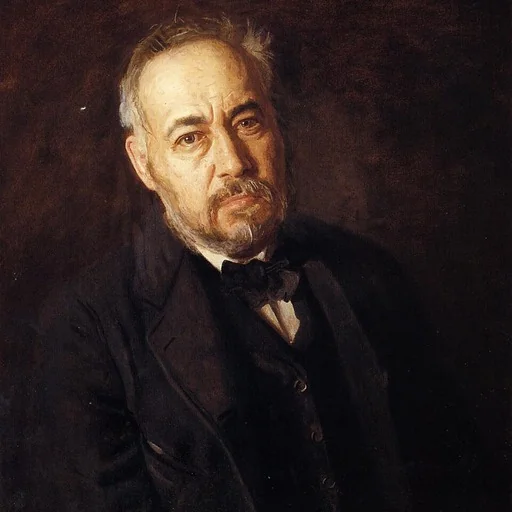
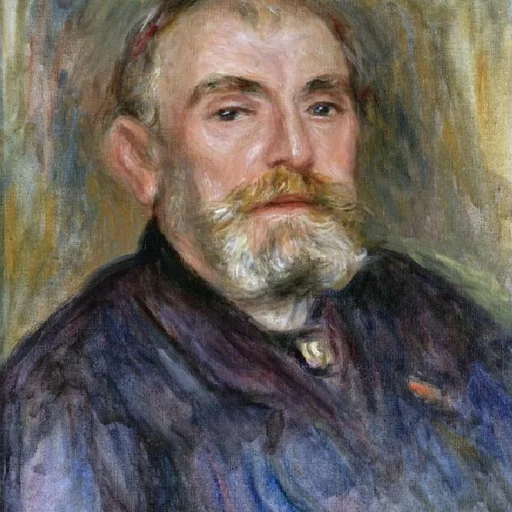
Chair is a subject in art. The gallery holds 200 works in this subject in art, including works by Thomas Eakins, Jean Honoré Fragonard and Henry Lerolle.
Among the oldest forms of furniture, the chair entered art long before it became an everyday object, and it arrived freighted with meaning. In antiquity a seat was rarely neutral: the Greek *thronos* and the elevated chairs of Achaemenid Persia—where the king is shown enthroned with his feet on a footstool so they never touch the earth—marked their occupants as gods or rulers. That symbolism proved remarkably durable. Through the medieval and Renaissance periods a high-backed chair, armrests, or an overhead canopy signalled the right to judge and govern; attendants and commoners stood or perched on benches while the principal figure was isolated and lifted above them, the furniture itself enforcing a vertical social order. To depict a chair was, first, to depict rank.
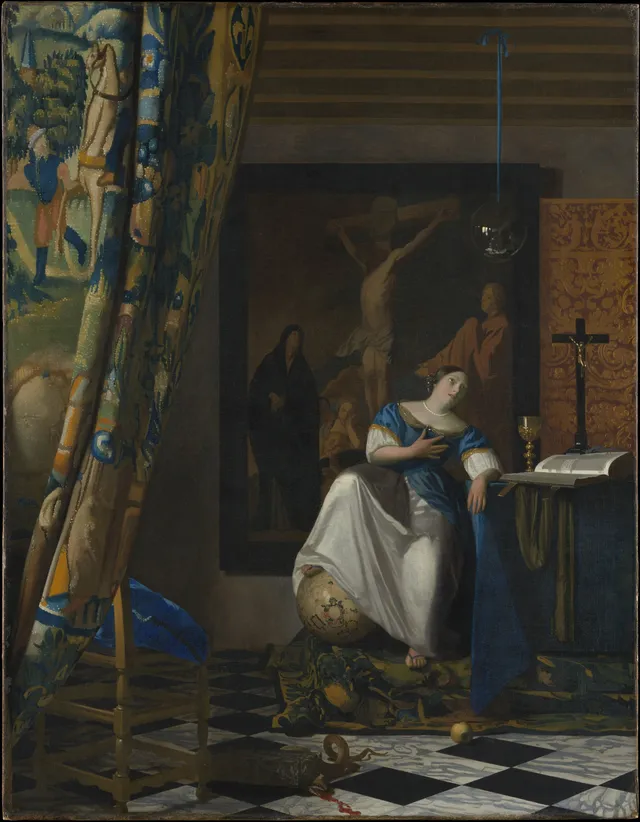
As portraiture and interior genre painting matured, the chair shifted from emblem of office to instrument of characterisation and design. It anchors the sitter, structures the composition, and sets a mood of domestic quiet. James McNeill Whistler's *Arrangement in Grey and Black No. 1* (1871), universally known as "Whistler's Mother," turns a seated figure into a study of poise and tonal harmony, while Thomas Eakins built brooding interiors—our own *The Chess Players* (1876) among them—that hover between portrait and genre scene. The same furnishing logic governs Johannes Vermeer's *Allegory of the Catholic Faith*, Henry Lerolle's *The Organ Rehearsal*, and the chairs ranged across the terrace in Claude Monet's *Garden at Sainte-Adresse* (1867).
The chair's most concentrated power, however, lies in its emptiness. Sir Luke Fildes's watercolour *The Empty Chair* (1870), made in Dickens's study at Gad's Hill on the day of the novelist's death and reproduced in *The Graphic* that Christmas, fixed the vacant seat as a public image of mourning. Vincent van Gogh seized on the idea in Arles in 1888: *Van Gogh's Chair*, a plain rush seat in blue and yellow, and its pendant *Paul Gauguin's Armchair* in red and green, function as surrogate portraits of two artists sharing the Yellow House—the absent sitter conjured by the seat alone.
That legacy runs forward into modern art and design, where the chair became a touchstone object for movements from Post-Impressionism to the Bauhaus, prized precisely because so familiar a form could carry portraiture, still life, and emotion at once.
Key artists


Overview
A chair is a type of seat, typically designed for one person and consisting of one or more legs, a flat or slightly angled seat, and a back-rest. It may be made of wood, metal, or synthetic materials, and may be padded or upholstered in various colors and fabrics. The motif of the chair recurs throughout art history not merely as a functional object but as a carrier of social, political, and symbolic meaning. From ancient Egyptian thrones to modernist design icons, the chair serves as a visual marker of status, a compositional anchor in narrative scenes, and a subject of aesthetic innovation in its own right. Its ubiquity in painted, sculpted, and decorative art reflects both the universal human need for rest and the culturally specific ways societies have organized hierarchy, domesticity, and public life around the act of sitting.
Iconography & meaning
The chair has long functioned as an emblem of authority and rank. In ancient Egypt, chairs were articles of state and dignity rather than everyday objects; the higher an individual's rank, the taller and more sumptuous the chair. Pharaohs sat on thrones with footstools, while the average family seldom possessed chairs at all. This symbolic dimension persists in the term "the chair" as the emblem of authority in legislative bodies such as the House of Commons in the United Chapmans and Canada, and in academic and corporate titles like "chairman" or "department chair." In European art, the chair could signal the social standing of sitters in portraiture, with armchairs reserved for the head of household while benches and stools served others. The chair also carries religious and ceremonial weight: the bishop's cathedra, the papal throne, and the folding chairs of imperial China all denote sacred or temporal power. In narrative painting, an empty chair may suggest absence, death, or expectation, while an occupied chair anchors a figure within a social or domestic order. The materials and ornamentation of depicted chairs, whether carved ebony and ivory or simple turned wood, further encode messages about wealth, taste, and cultural identity.
Across movements & periods
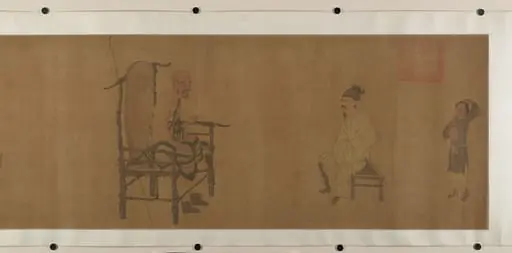
The treatment of the chair in art shifted markedly across periods and cultures. In ancient Egypt and the Near East, chairs were rare luxury items, and their depiction in tomb paintings and sculpture emphasized royal and divine prerogative. Greek art of the fifth century BCE introduced the klismos, a chair with curved back and legs that became ubiquitous in representations of mortal and mythological figures alike. Roman consuls were identified with the curule chair, a folding seat without back that signified magisterial authority. In medieval Europe, chairs remained scarce outside ecclesiastical and seigneurial contexts, with most people sitting on chests, benches, or stools. The Renaissance democratized the chair in Europe, transforming it from a privilege of state to an attainable object for the affluent, a shift reflected in the increasing variety of chairs depicted in domestic and religious painting. Chinese art shows chairs entering widespread use only around the twelfth century CE, following earlier rare appearances in Buddhist mural art. The Industrial Revolution and twentieth-century modernism brought new materials, molded plywood, tubular steel, and plastics, into chair design, with movements from Bauhaus to Pop Art treating the chair as a site for formal experimentation and mass production.
Notable depictions
Canonical depictions of chairs in art and design include the ancient Egyptian thrones depicted in tomb paintings and the Roman curule chair preserved in sculptural reliefs. In European painting, Vermeer's Allegory of the Catholic Faith features an ornate chair as part of its symbolic apparatus, while his Girl with a Pearl Earring, though seated, famously omits the chair itself to focus on the figure. The collection's Self-Portrait with Two Pupils by Adélaïde Labille-Guiard uses a draped chair to assert the artist's professional status. In the realm of design, the twentieth century produced chairs that became icons of modernism: Ludwig Mies van der Rohe's Barcelona Chair (1929), originally created for the German Pavilion at the International Exposition; Marcel Breuer's Wassily Chair (1925), among the first to employ bent tubular steel; Charles and Ray Eames's Lounge Chair (1956) and molded plywood LCW (1946); Eero Saarinen's Tulip Chair (1956); Arne Jacobsen's Egg Chair (1958); and Verner Panton's eponymous plastic chair (1967). These objects, though often originating as commercial designs, have been exhibited in museums including the Museum of Modern Art and the Vitra Design Museum, and reproduced in countless films from 2001: A Space Odyssey to Iron Man, attaining the status of cultural touchstones.
Legacy
The chair's later influence extends far beyond furniture making into broader domains of visual culture, social history, and design theory. Specialized institutions such as Wycombe Museum, known as "The Chair Museum," preserve and narrate the history of chair making as local and national heritage, with Wycombe's collection of over 24,000 items documenting the transformation of English furniture from woodland craft to industrial manufacture. Exhibitions such as The Art of Seating: 200 Years of American Design at the Mint Museum have elevated the chair to a subject of scholarly and public attention, tracing how American design responded to technological, political, and aesthetic shifts. The Vitra Design Museum's collection of over 7,000 pieces, distilled into posters and exhibitions, presents the chair as an index of modernity itself. As Rolf Fehlbaum, President of Vitra, observed, "We can deduce and understand an era, its social order, its materials, its techniques and its taste by observing its chairs." The chair's afterlife in popular culture, from the Barcelona Chair's repeated appearance in Hollywood films to the Eames Lounge Chair's association with mid-century American aspiration, confirms its role as both functional object and cultural symbol.
Works
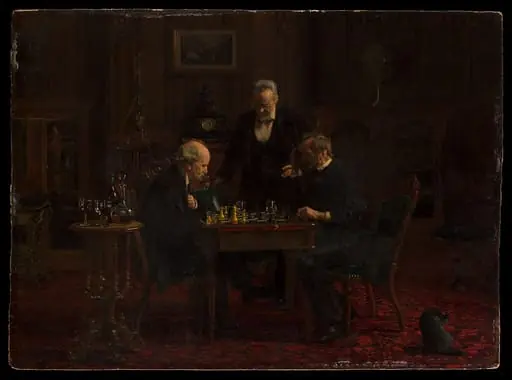 The Chess Players
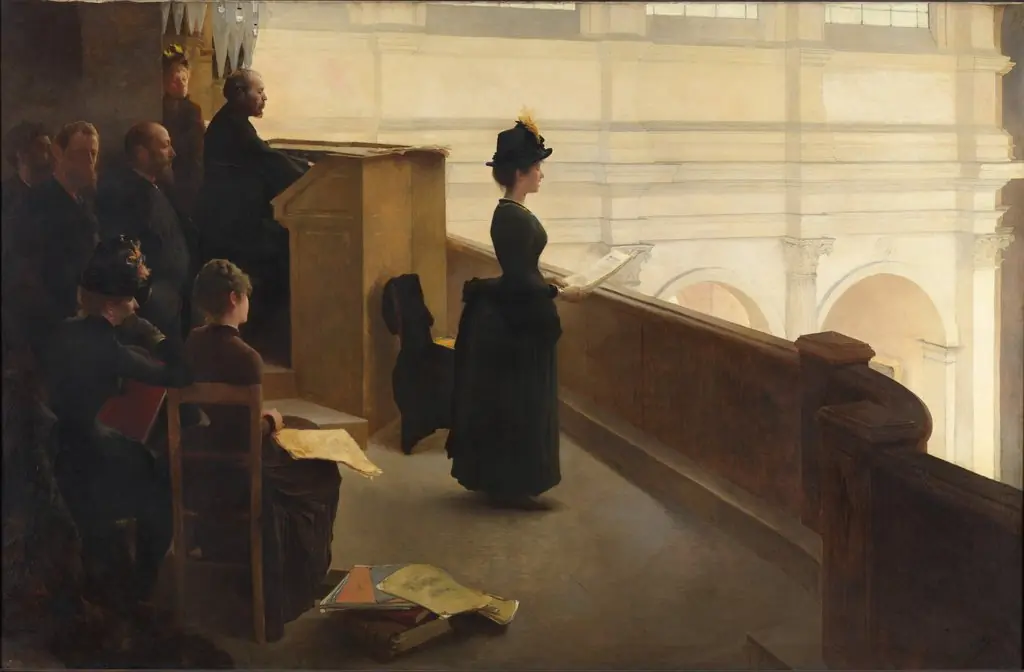 The Organ Rehearsal
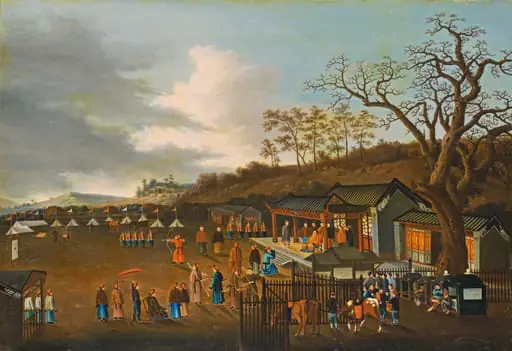 Archery Contest
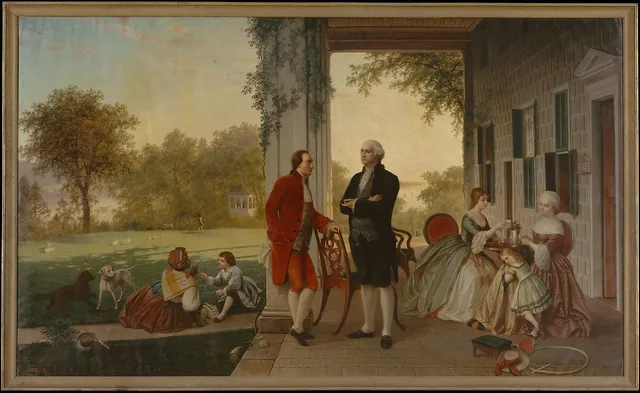
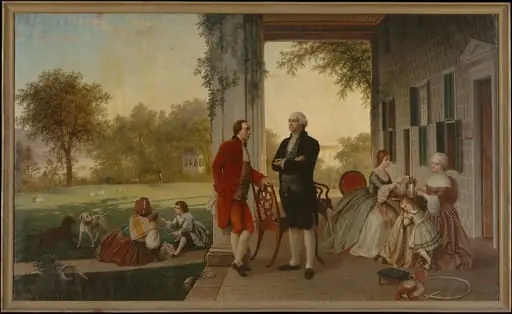 Washington and Lafayette at Mount Vernon, 1784 (The Home of Washington after the War)
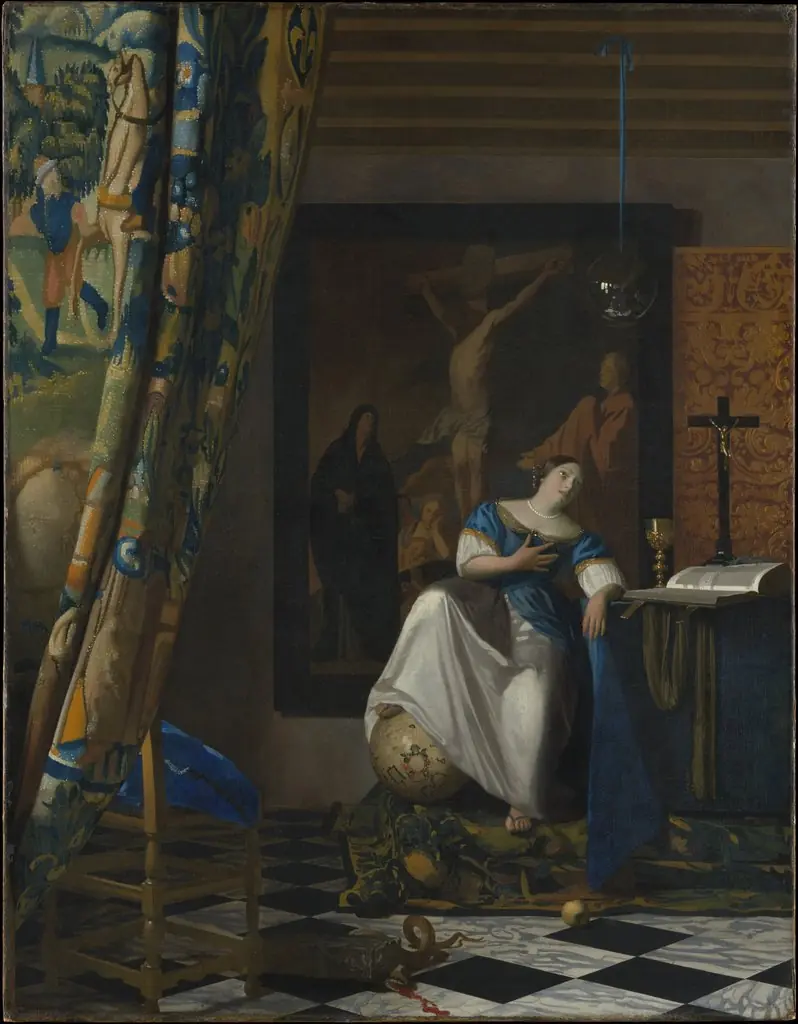 Allegory of the Catholic Faith
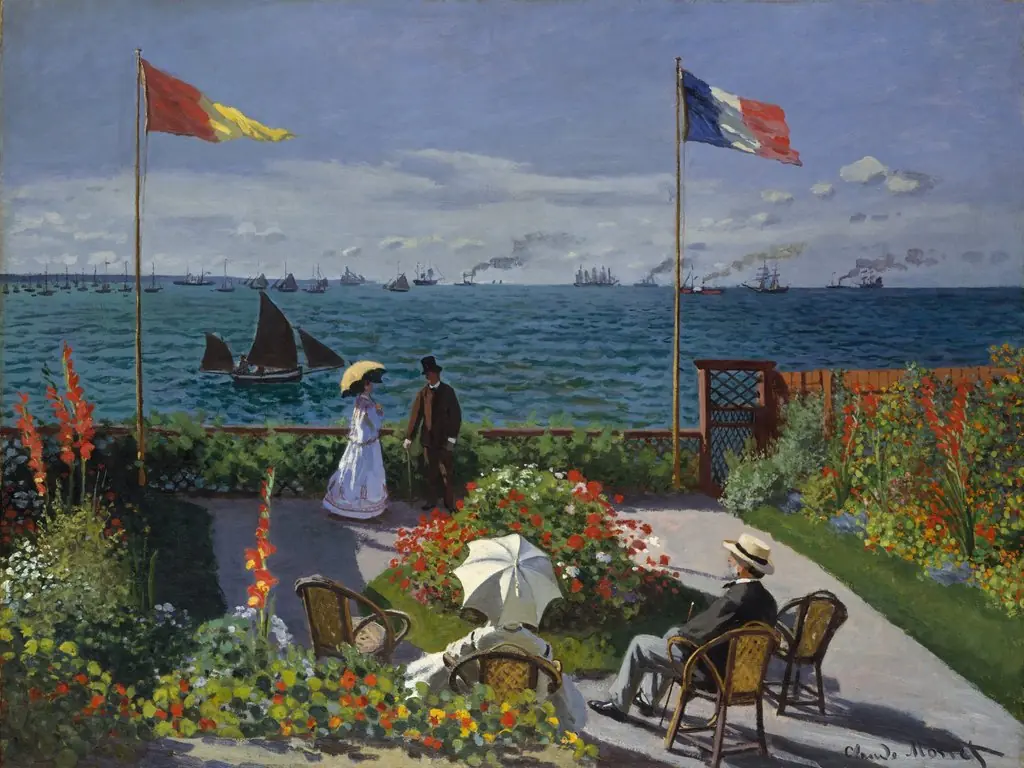 Garden at Sainte-Adresse
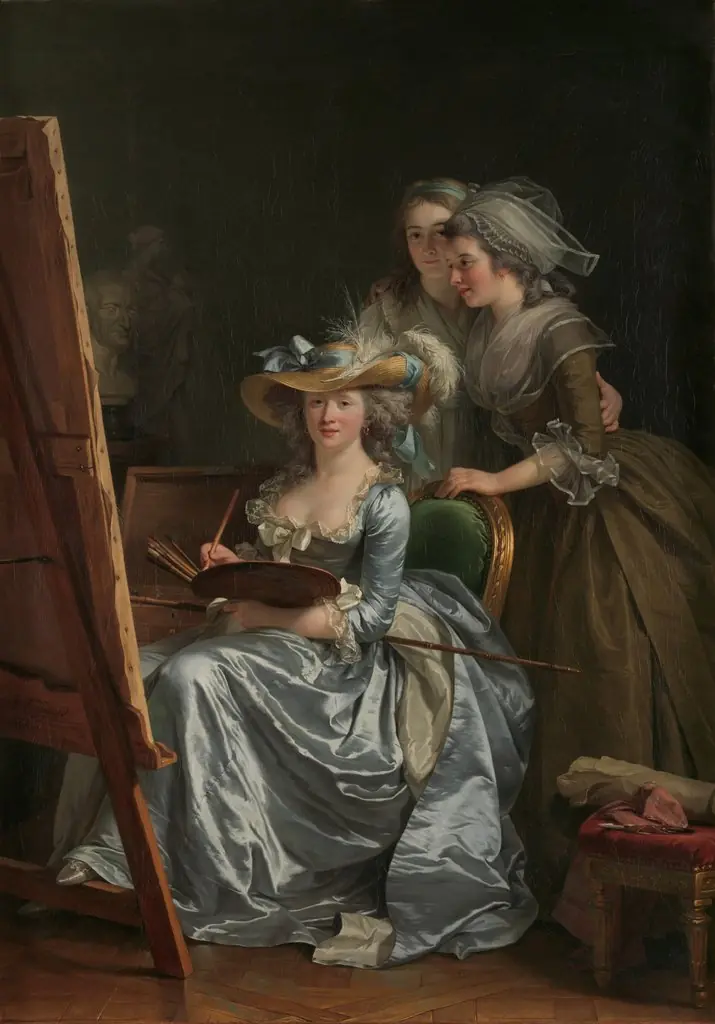 Self-Portrait with Two Pupils
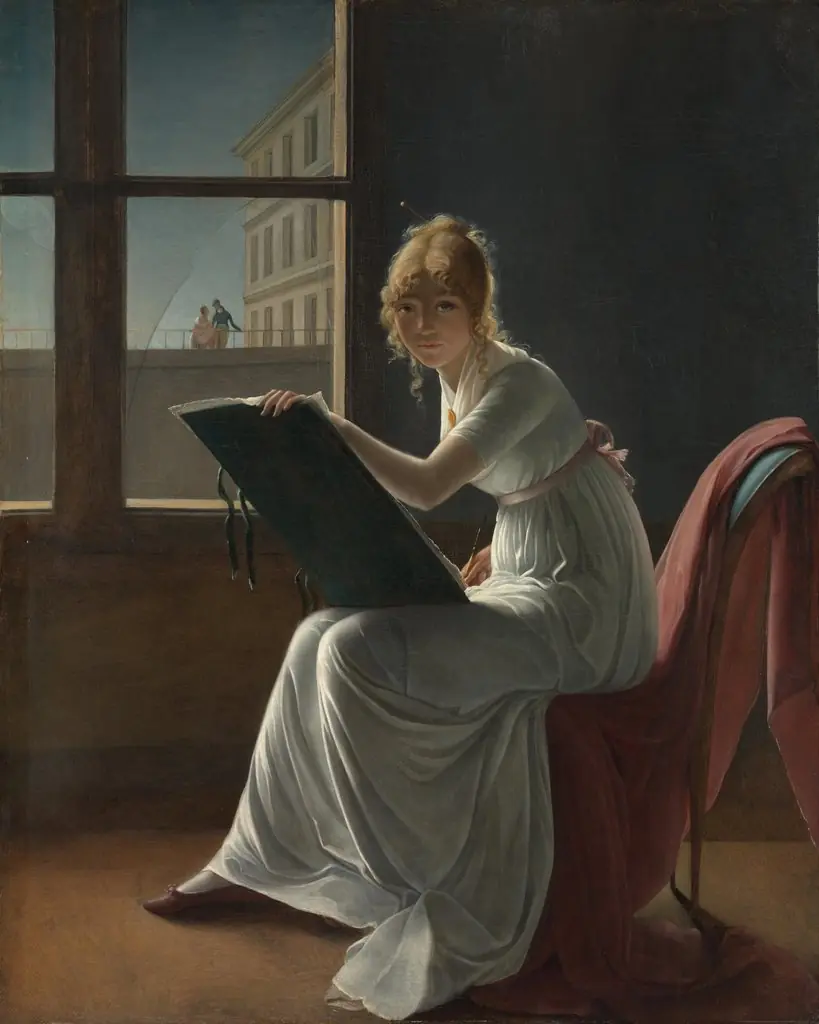 Portrait of Charlotte du Val d'Ognes
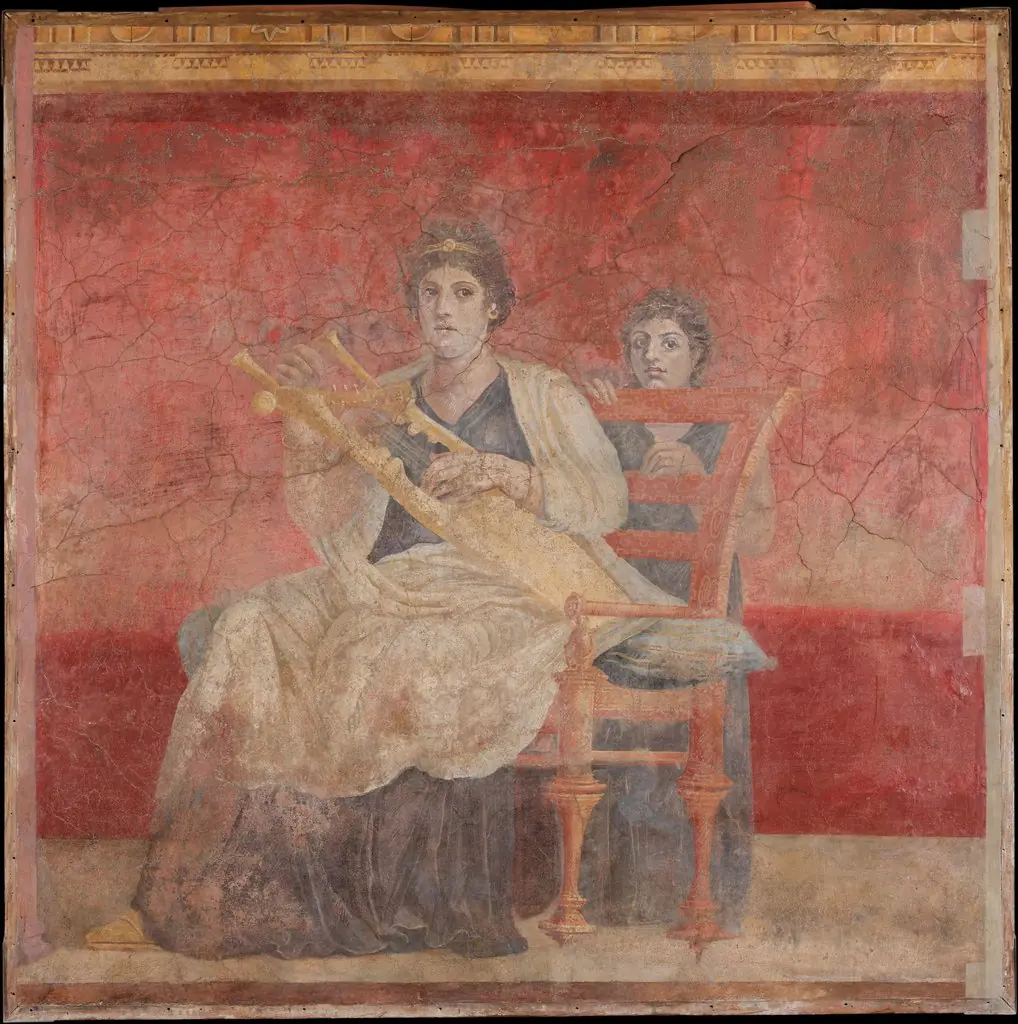 Wall painting from Room H of the Villa of P. Fannius Synistor at Boscoreale
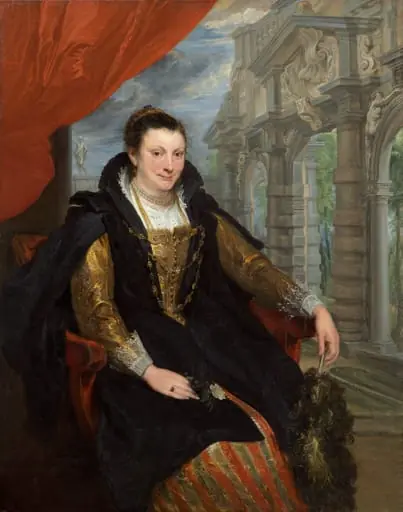 Isabella Brant
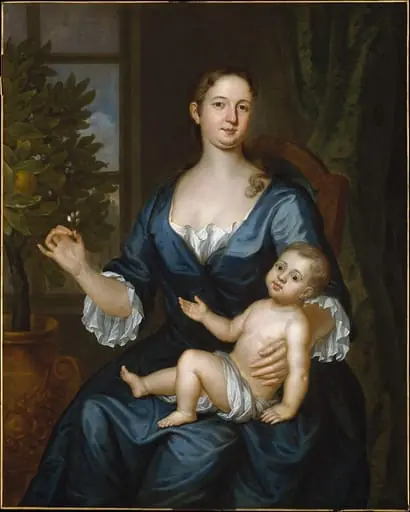 Mrs. Francis Brinley and Her Son Francis
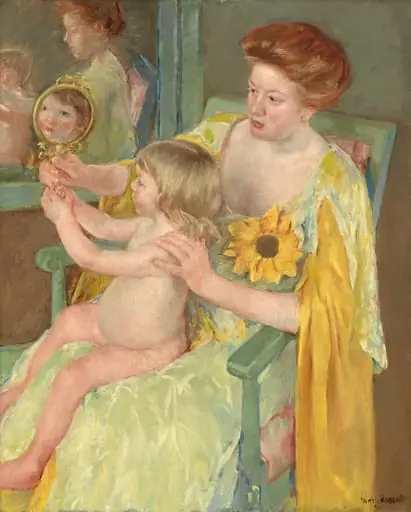 Woman with a Sunflower
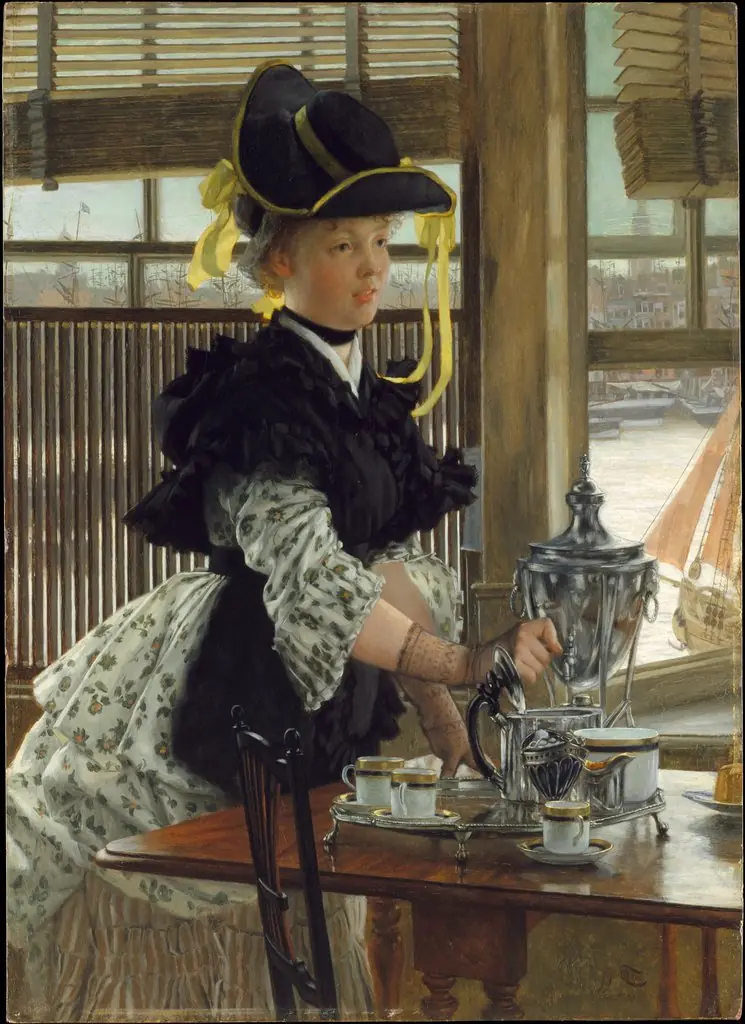 Tea
Tea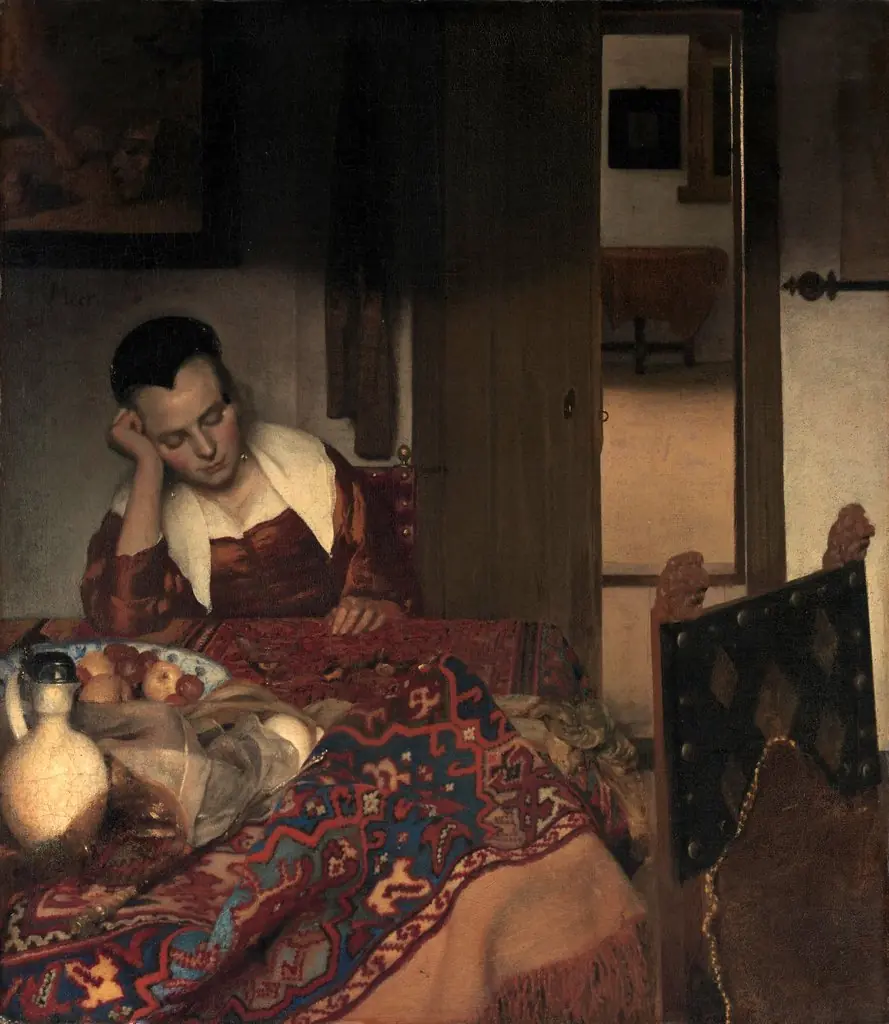 A Girl Asleep
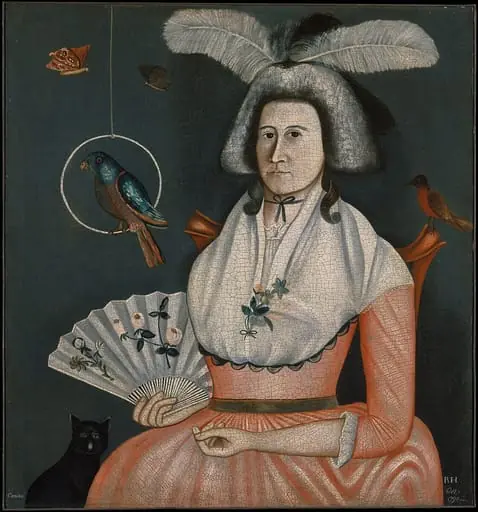 Molly Wales Fobes
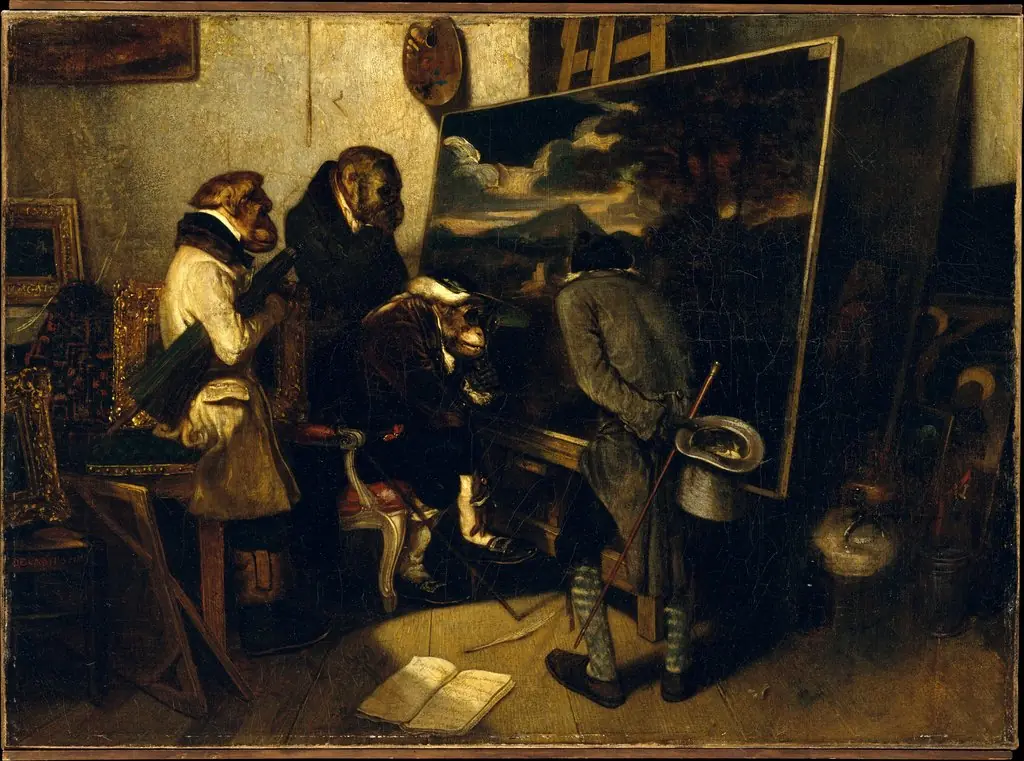 The Experts
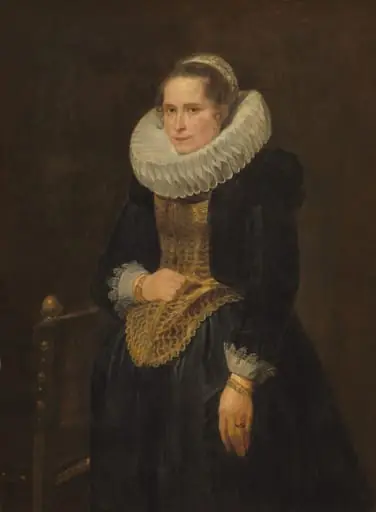 Portrait of a Flemish Lady
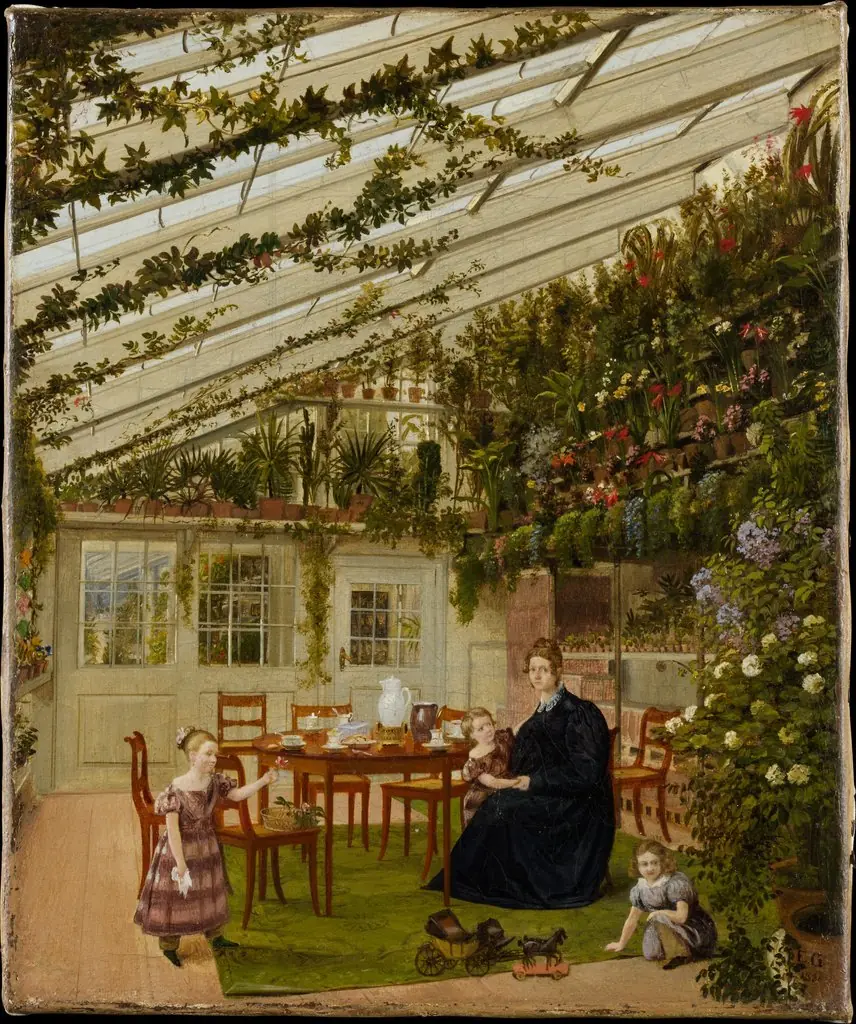 The Family of Mr. Westfal in the Conservatory
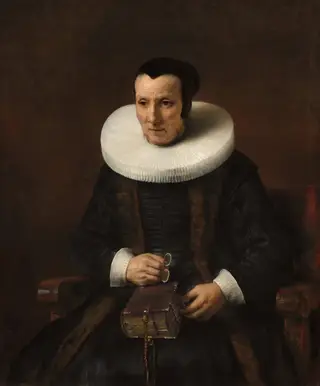 An Old Lady with a Book
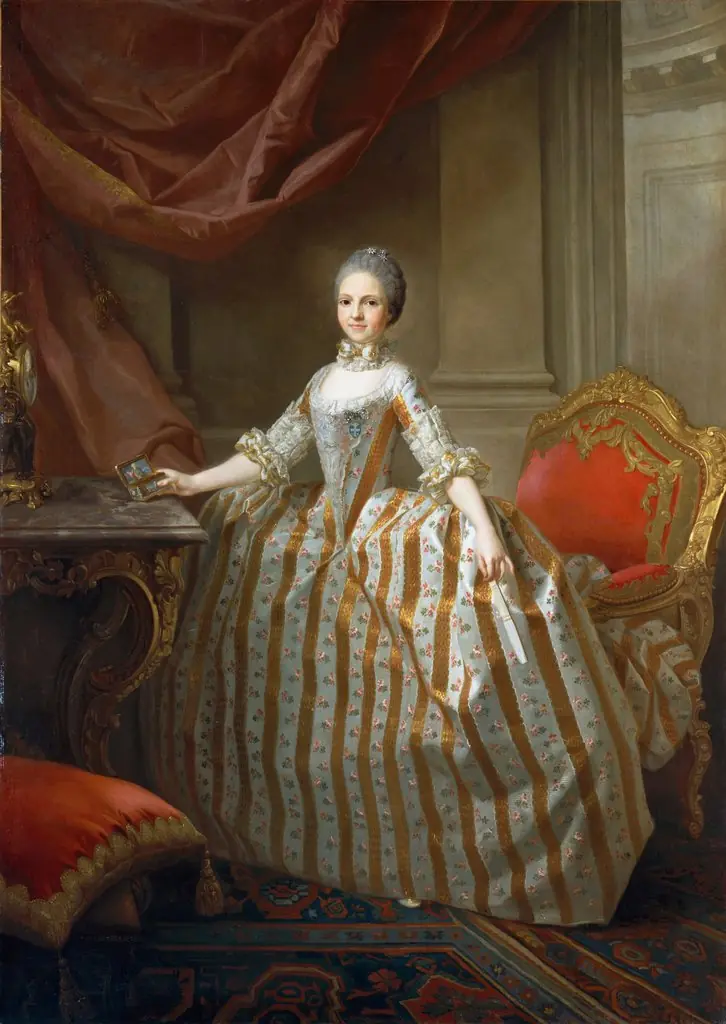 Maria Luisa of Parma (1751–1819), Later Queen of Spain
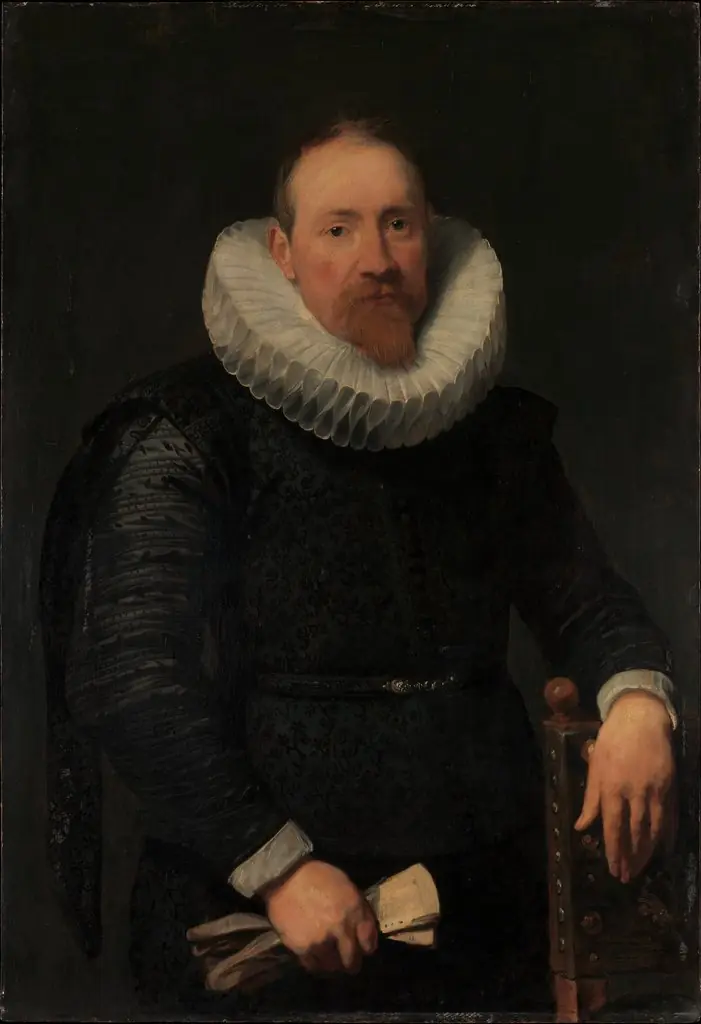 Portrait of a Man
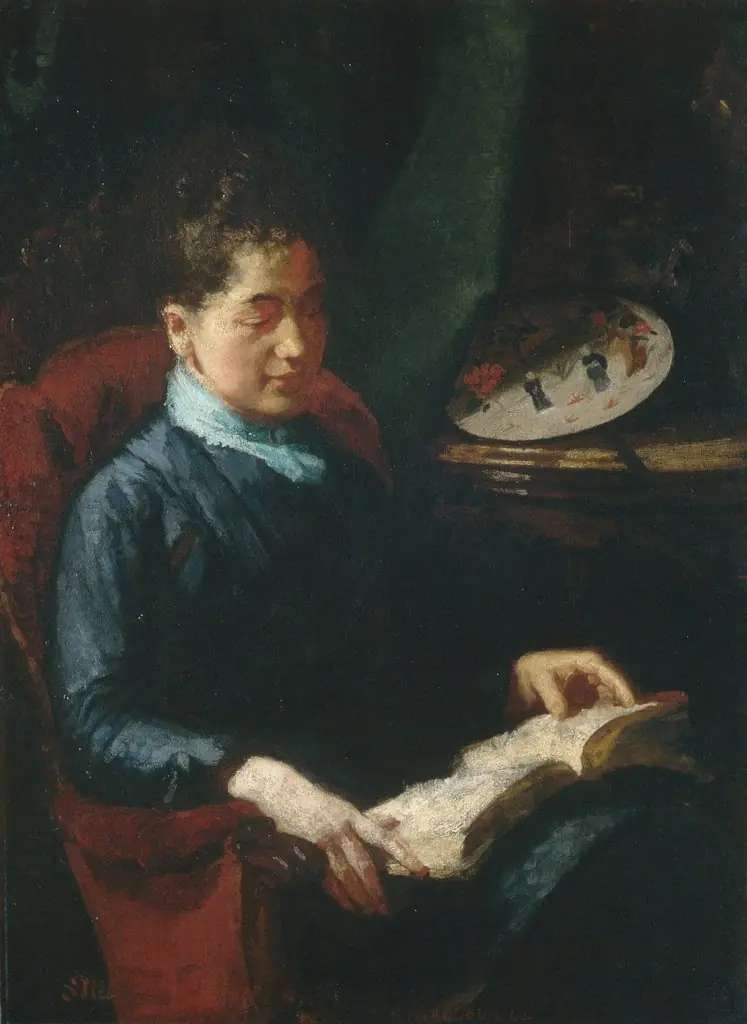 Woman Reading
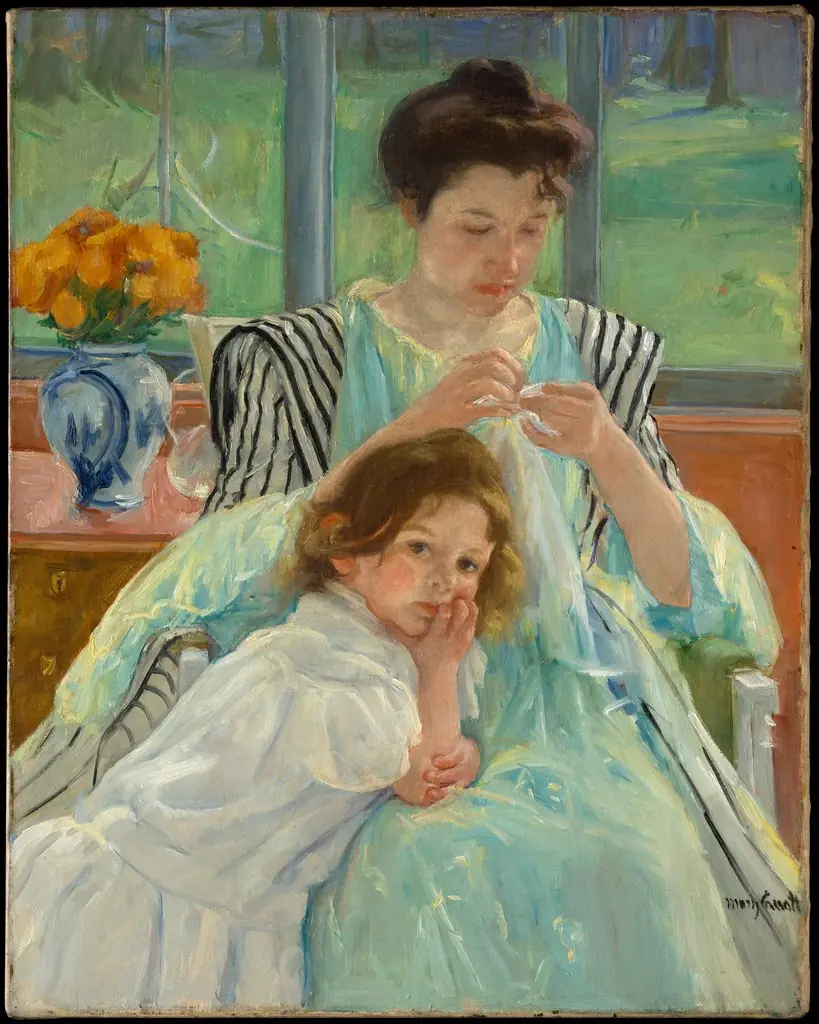 Young Mother Sewing
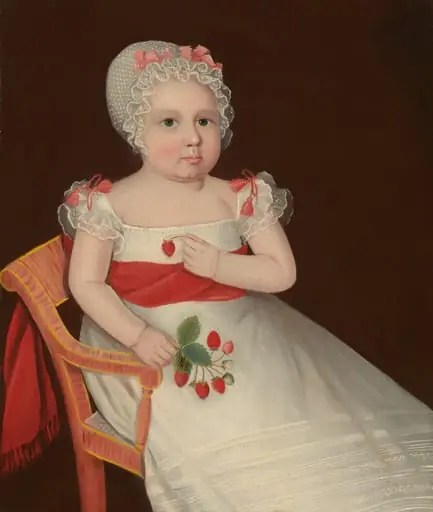 The Strawberry Girl
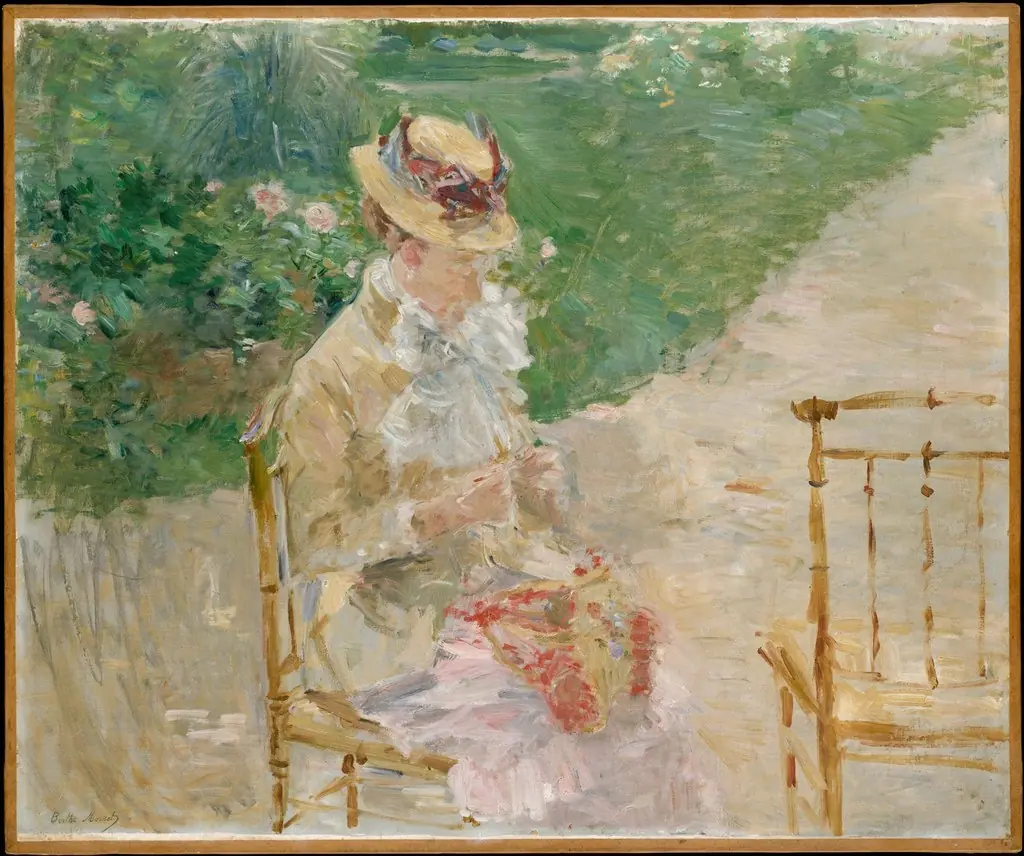 Young Woman Knitting
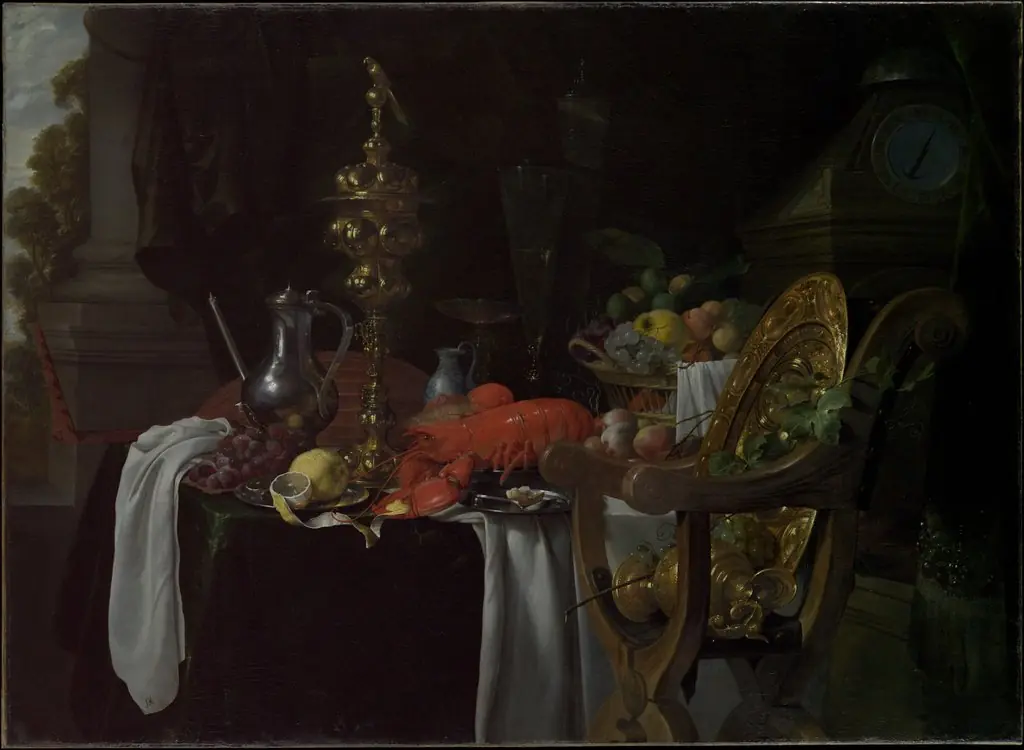 Still Life: A Banqueting Scene
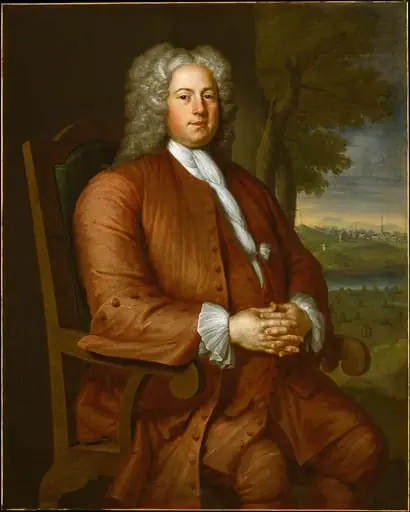 Francis Brinley
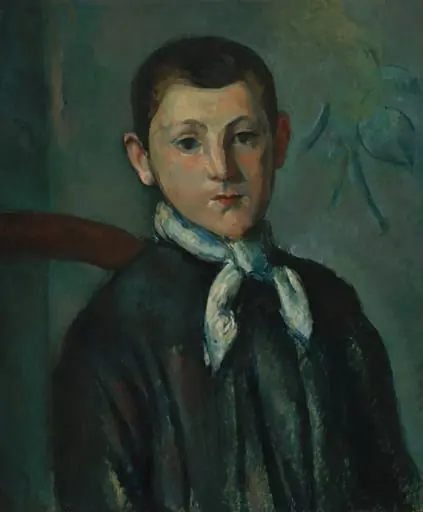 Louis Guillaume
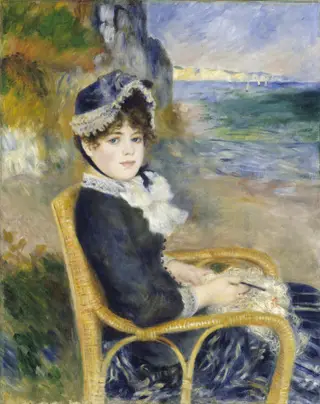 By the Seashore
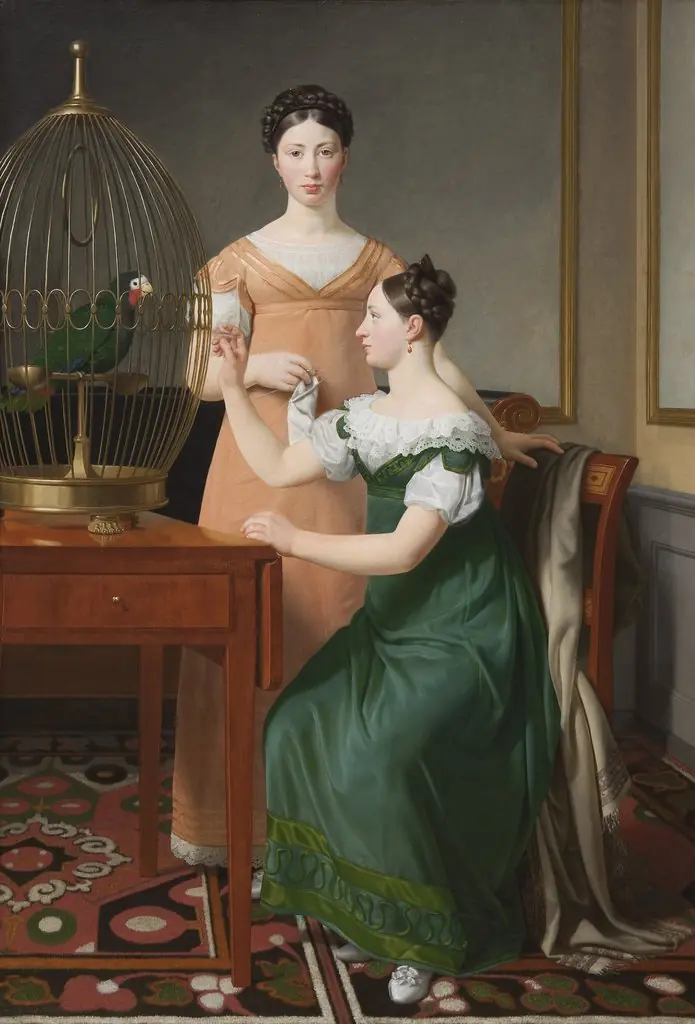 Bella and Hanna. The Eldest Daughters of M. L. Nathanson
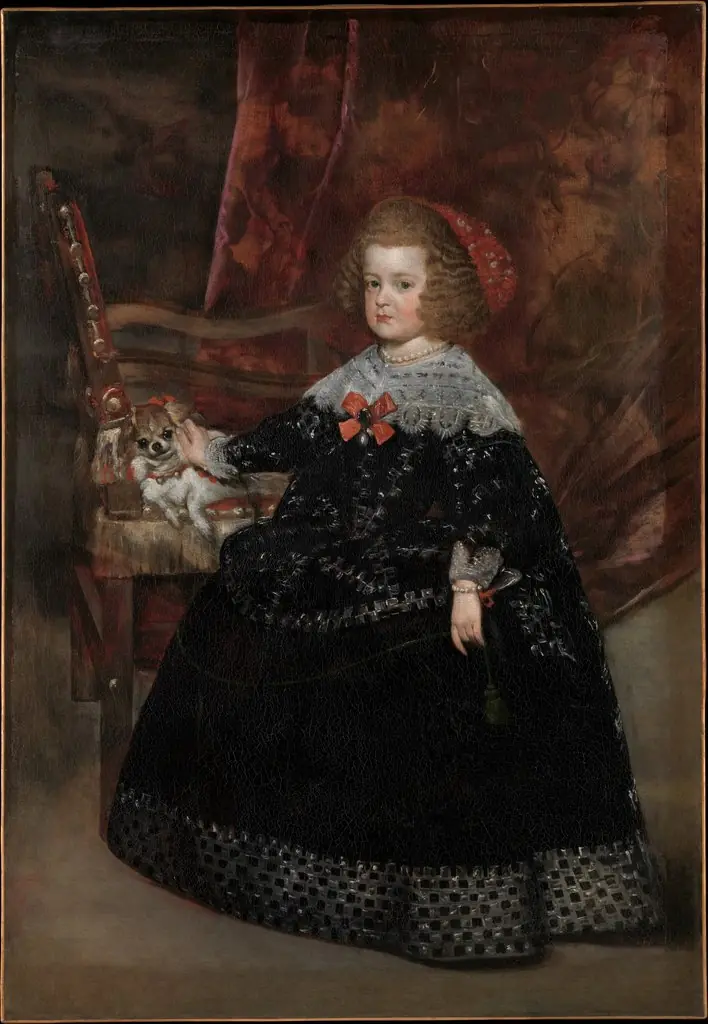 María Teresa (1638–1683), Infanta of Spain
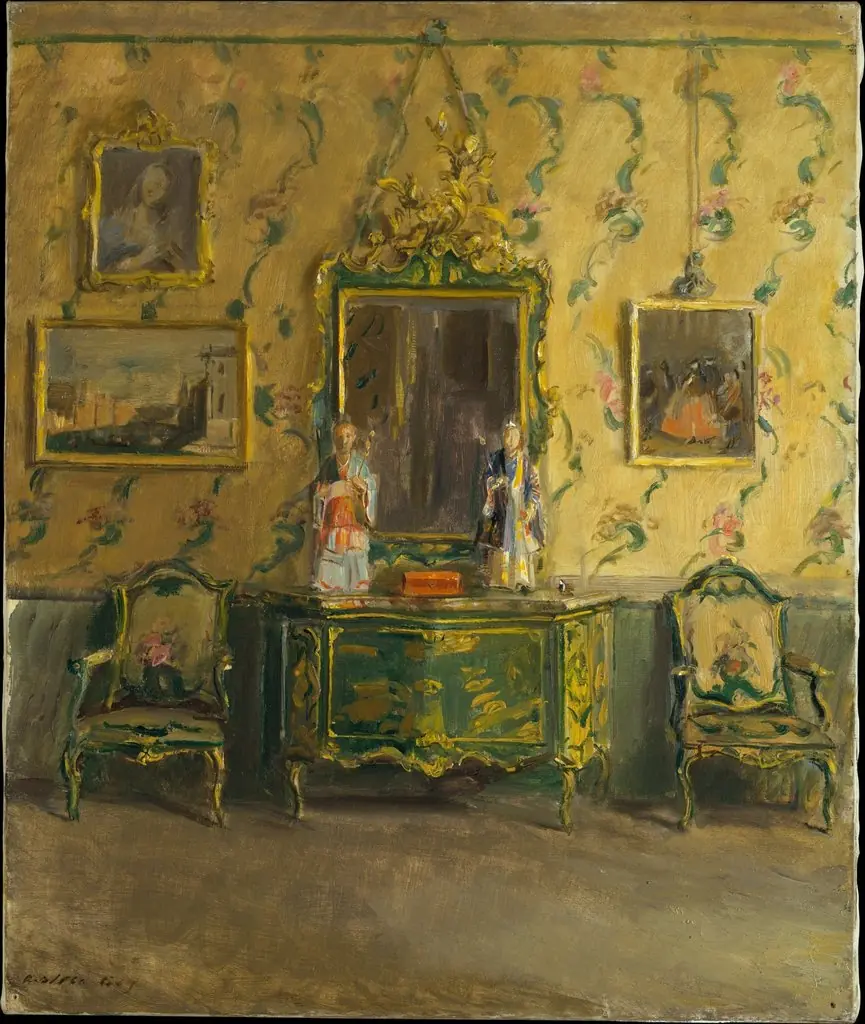 The Green Lacquer Room, Museo Correr, Venice
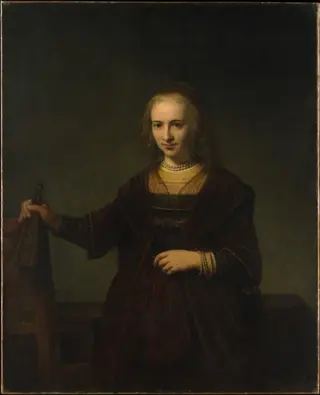 Portrait of a Woman
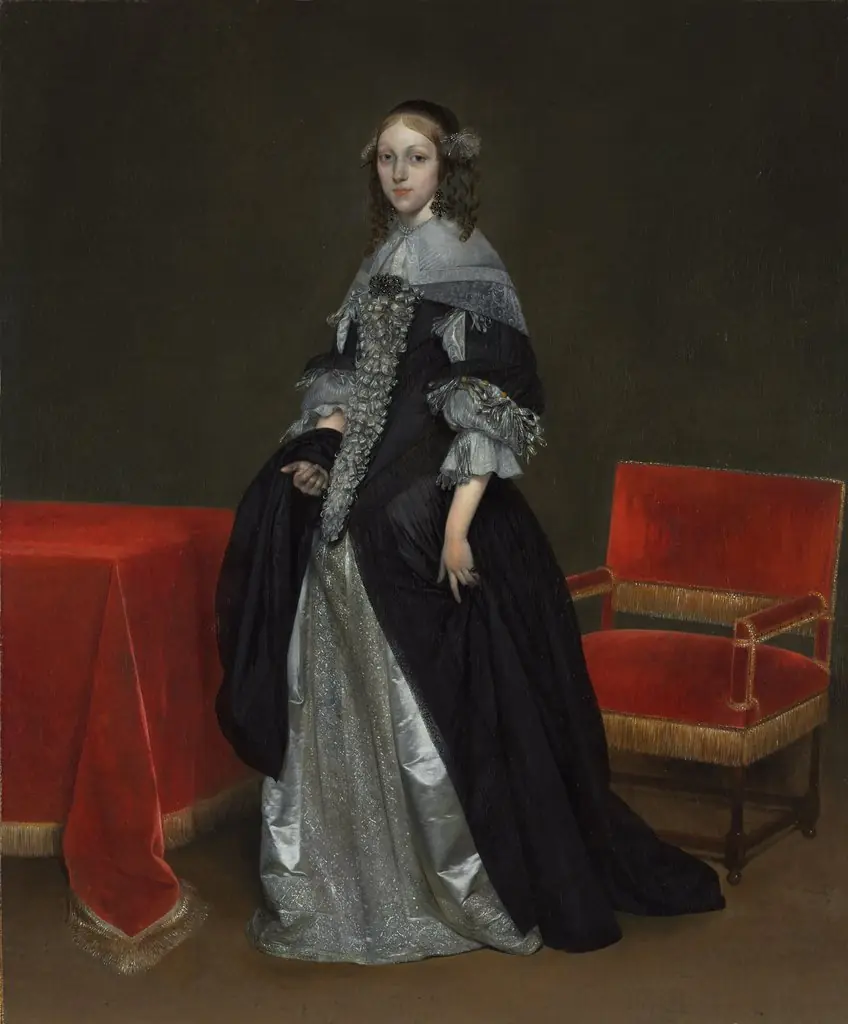 Portrait of a Woman
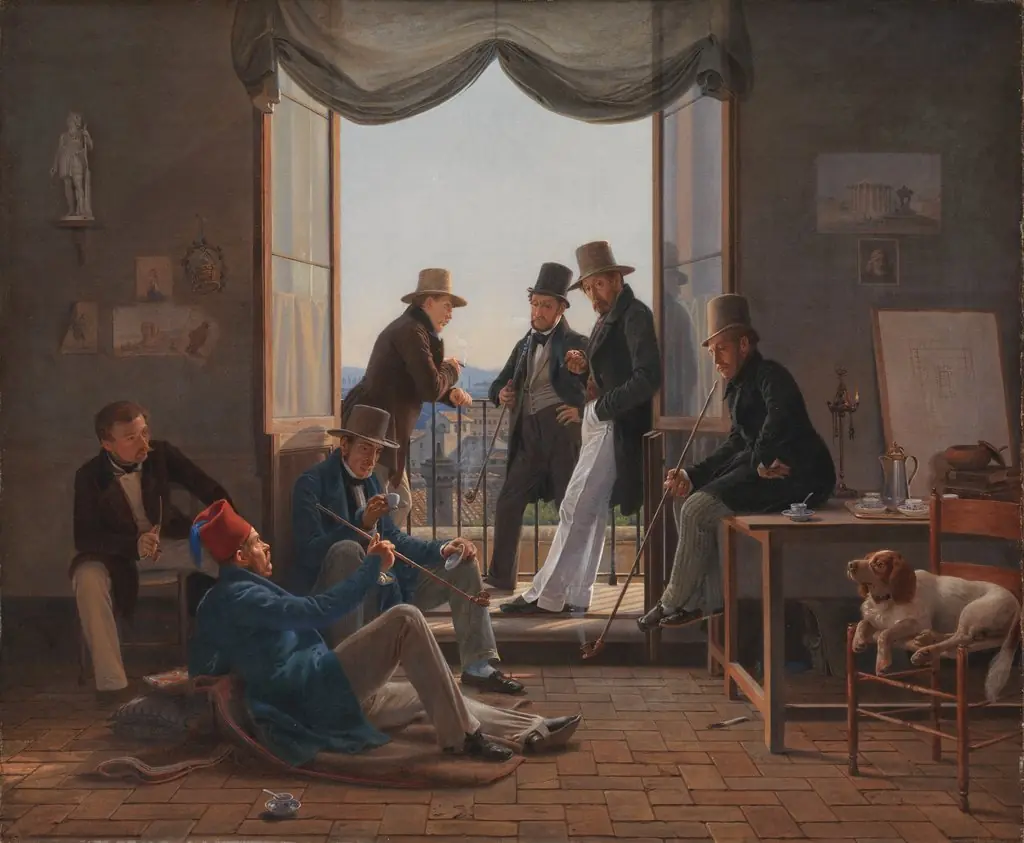 A Group of Danish Artists in Rome
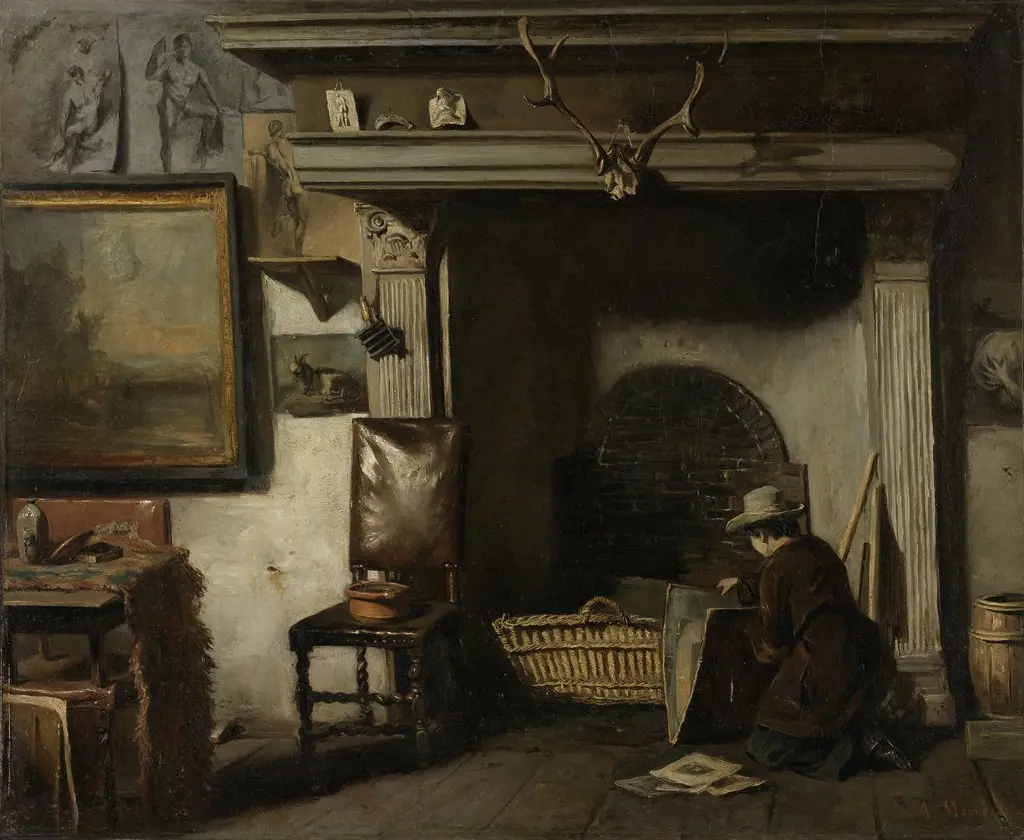 The Studio of the Haarlem Painter Pieter Frederik van Os
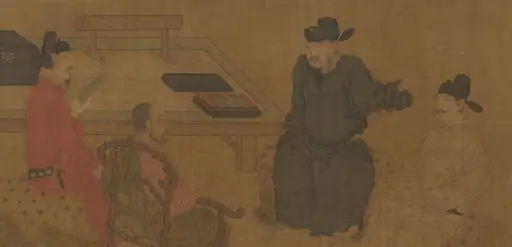 南宋 佚名 舊傳五代周文矩 琉璃堂人物圖 卷|Scholars of the Liuli Hall
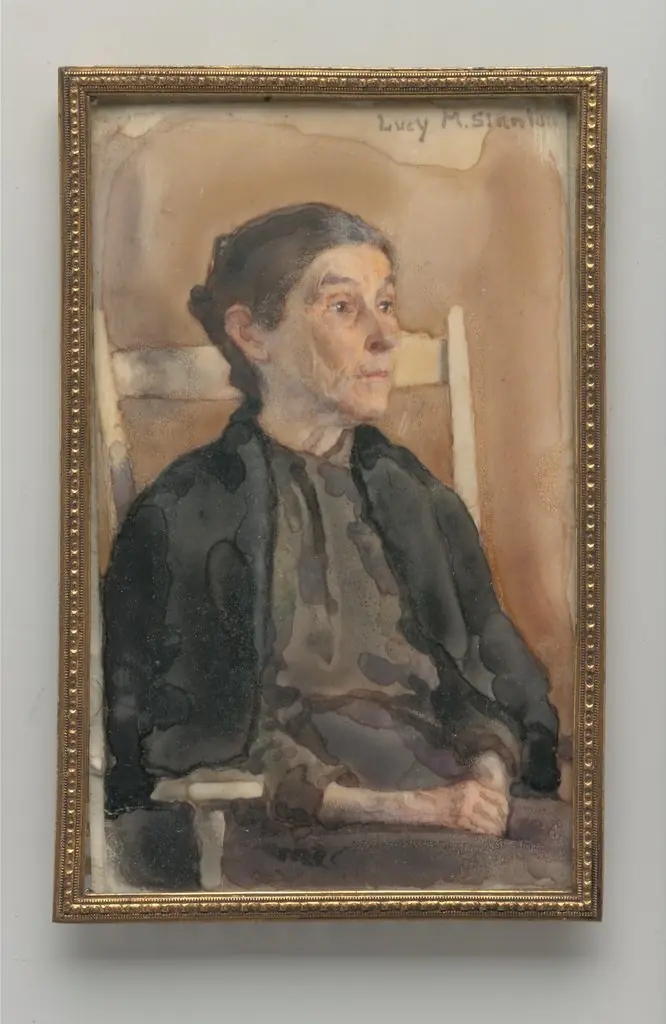 A North Carolina Mountain Woman
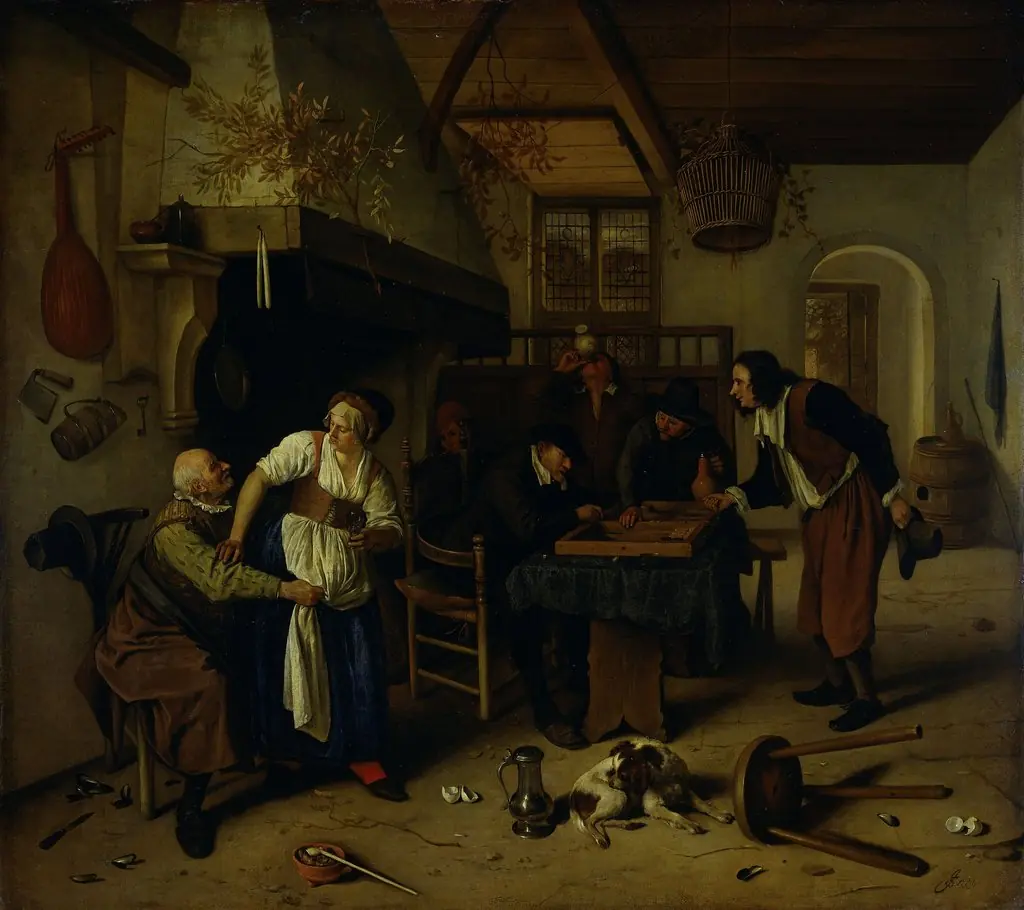 Interior of an inn with an old man amusing himself with the landlady and two men playing backgammon, known as 'Two kinds of games'
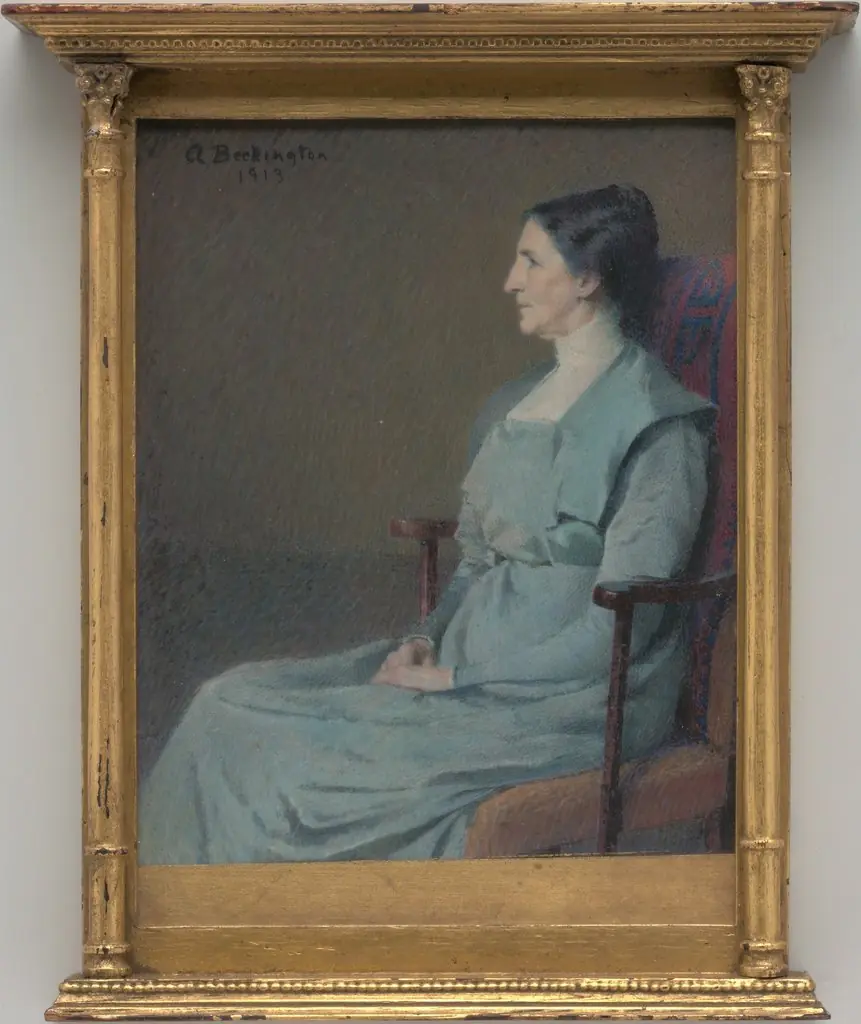 Mrs. Beckington
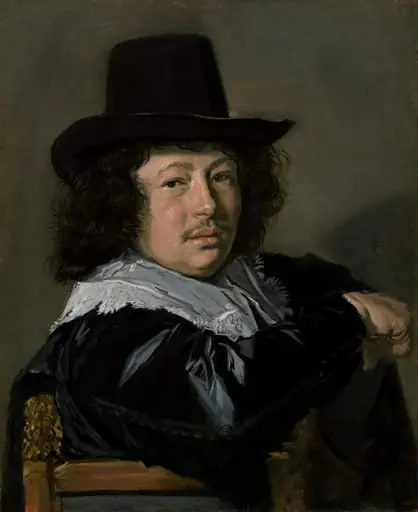 Portrait of a Young Man
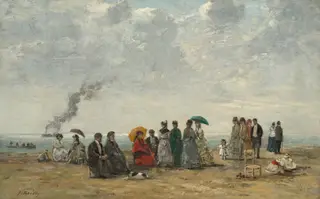 Figures on the Beach
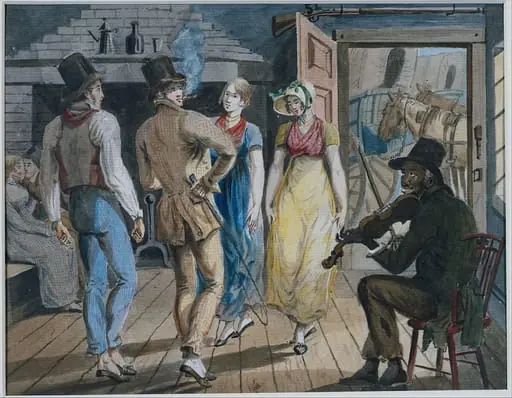 Merrymaking at a Wayside Inn
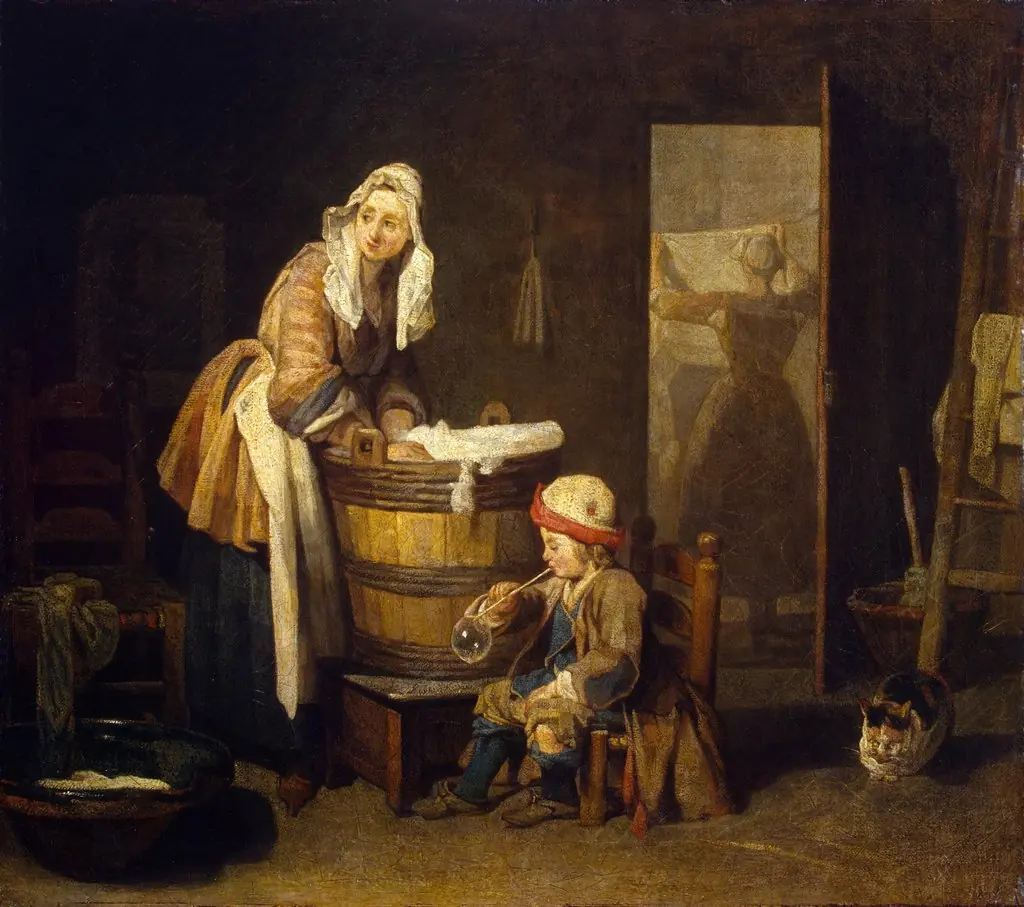 The Laundress
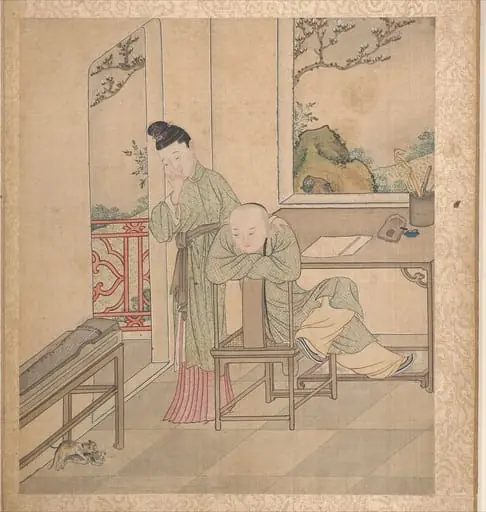 Untitled
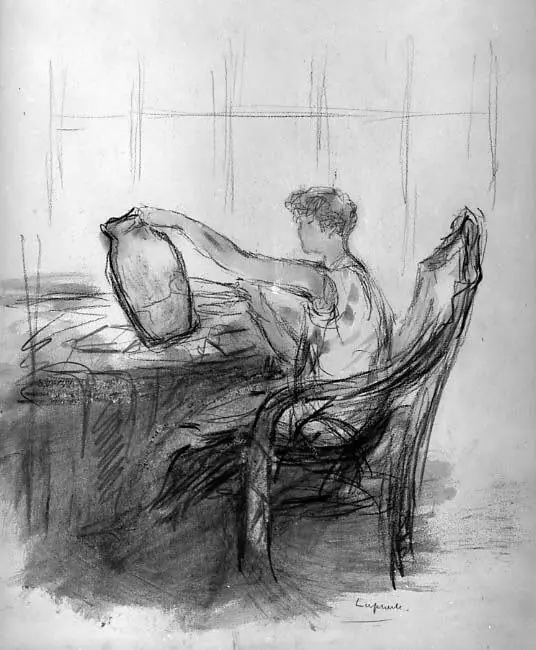 Woman Painting a Vase
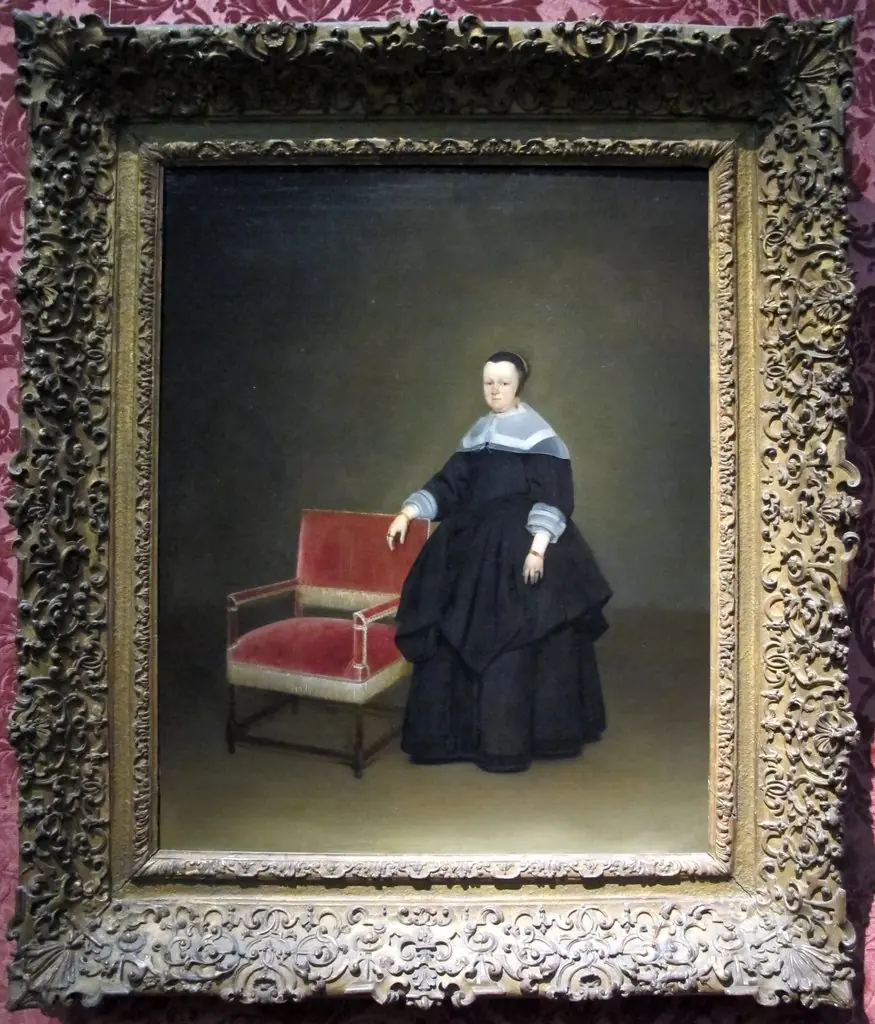 Margaretha van Haexbergen (1614–1676)
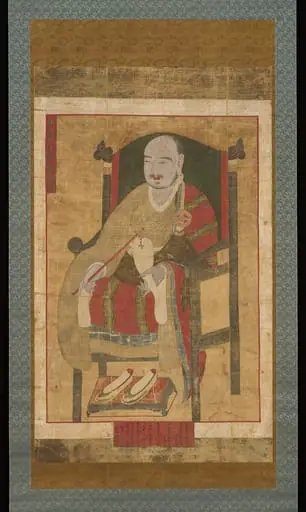 Untitled
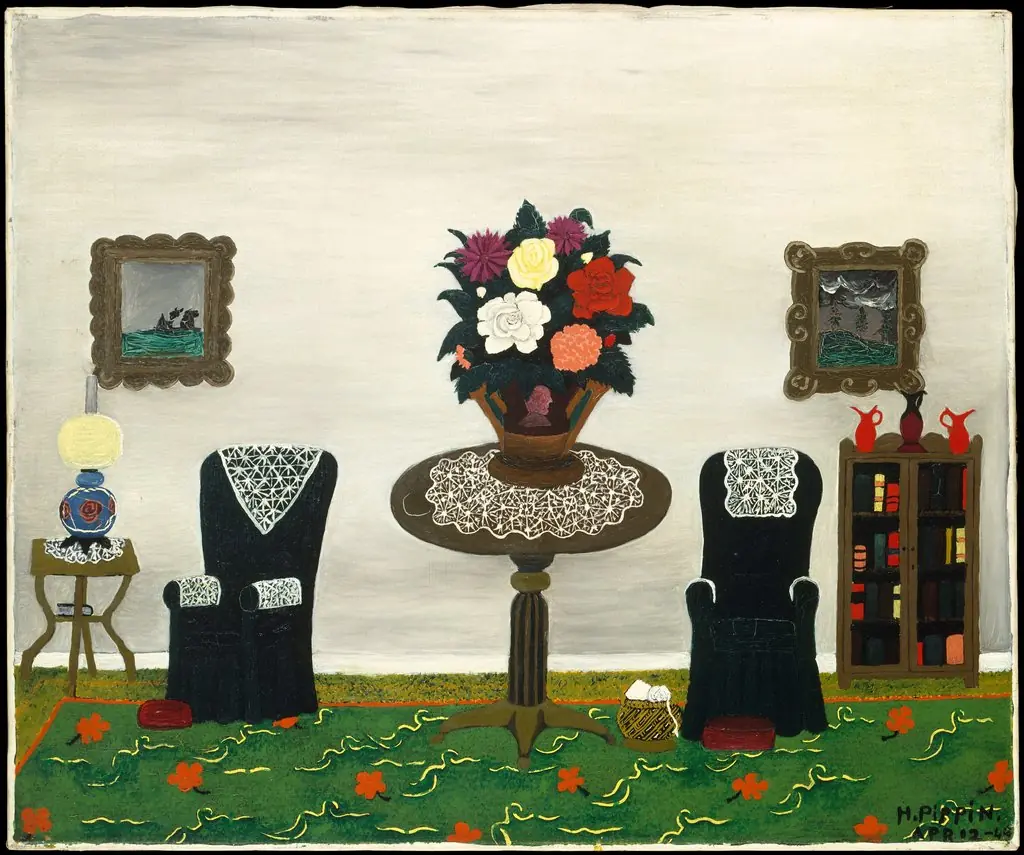 Victorian Interior II
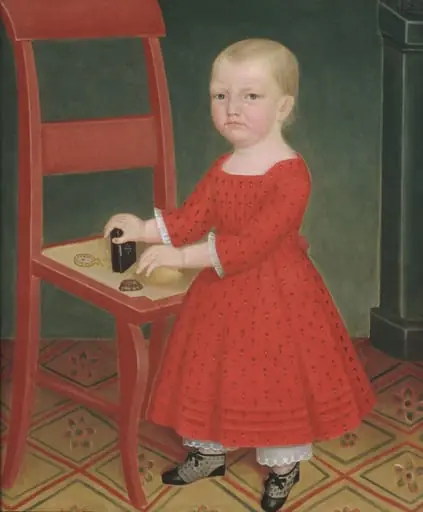 Boy with Blond Hair
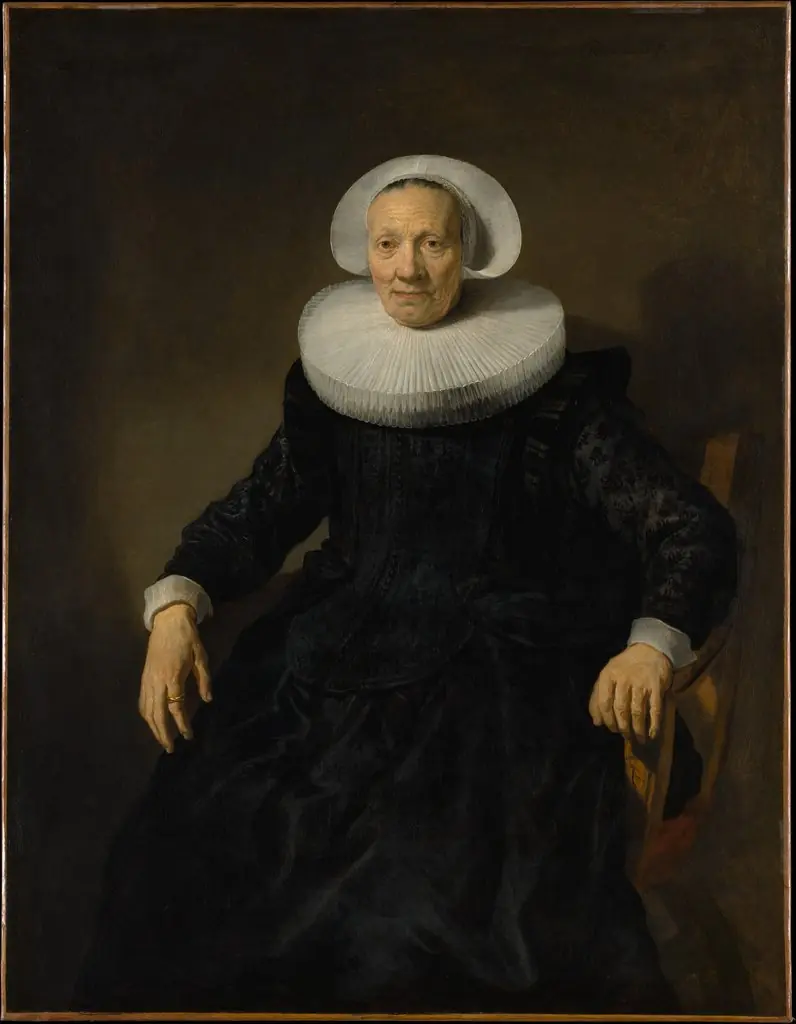 Old Woman in an Armchair
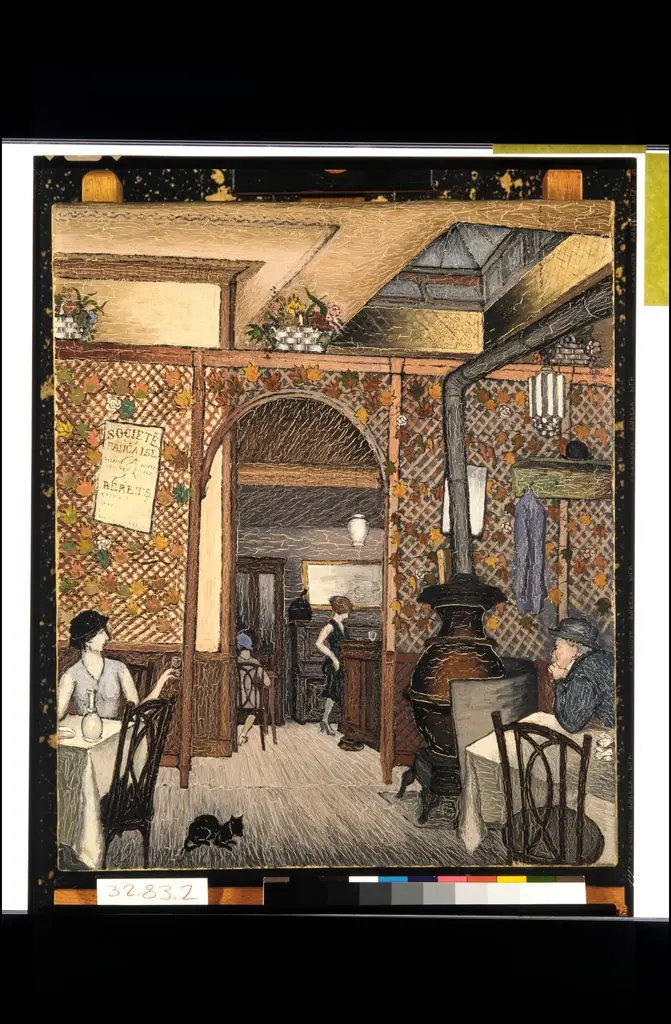 Speakeasy
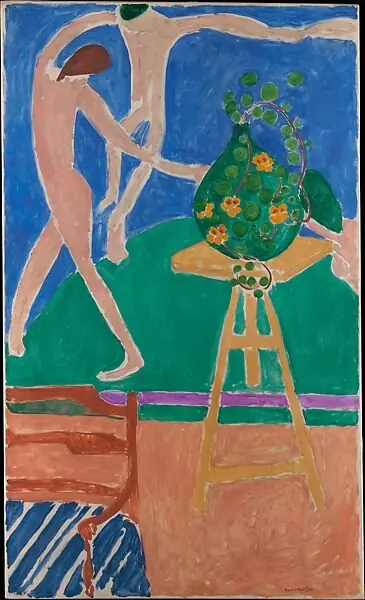 Nasturtiums with the Painting "Dance" I
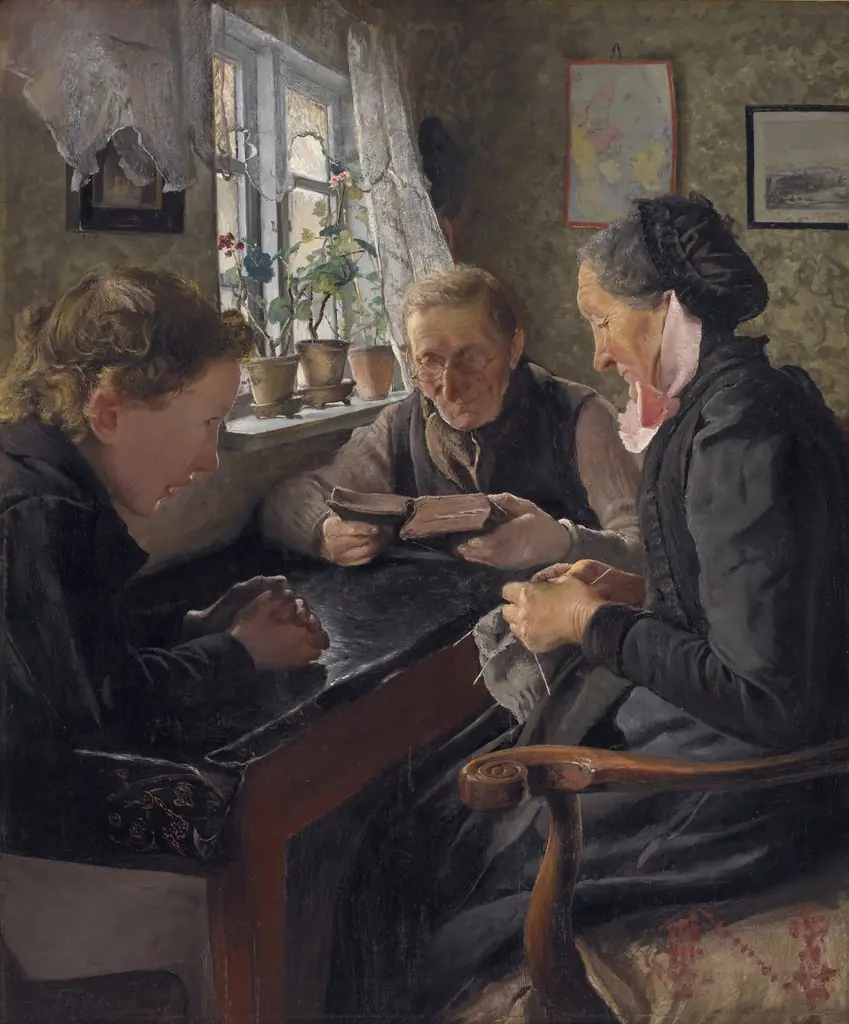 A Child Visiting his Grandparents on a Sunday
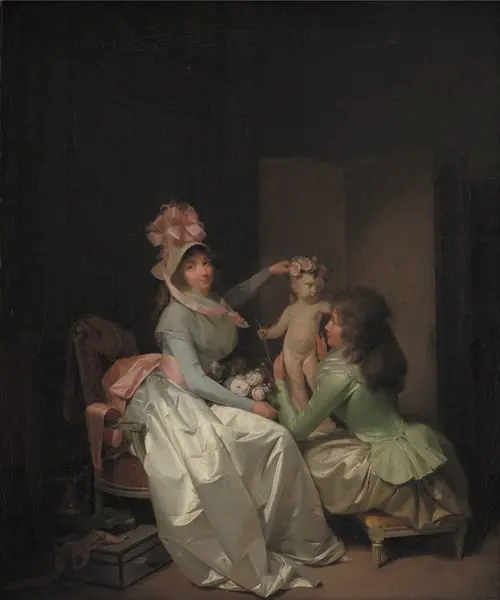 Garlanding the Statuette of Cupid
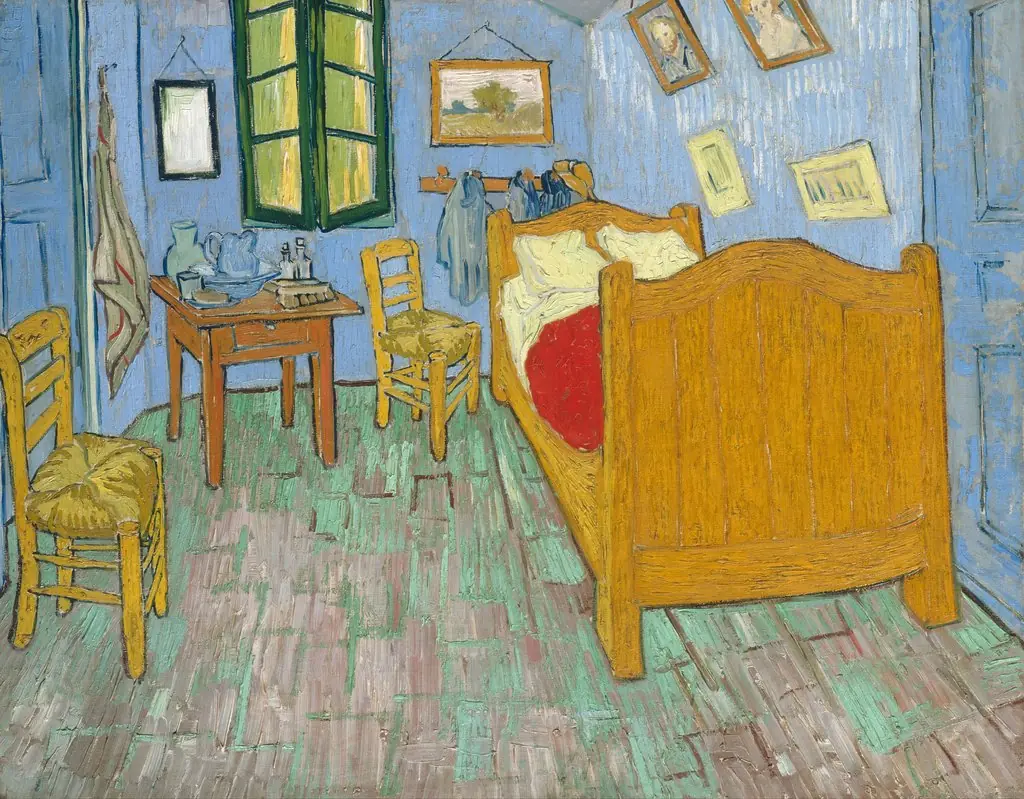 Bedroom in Arles
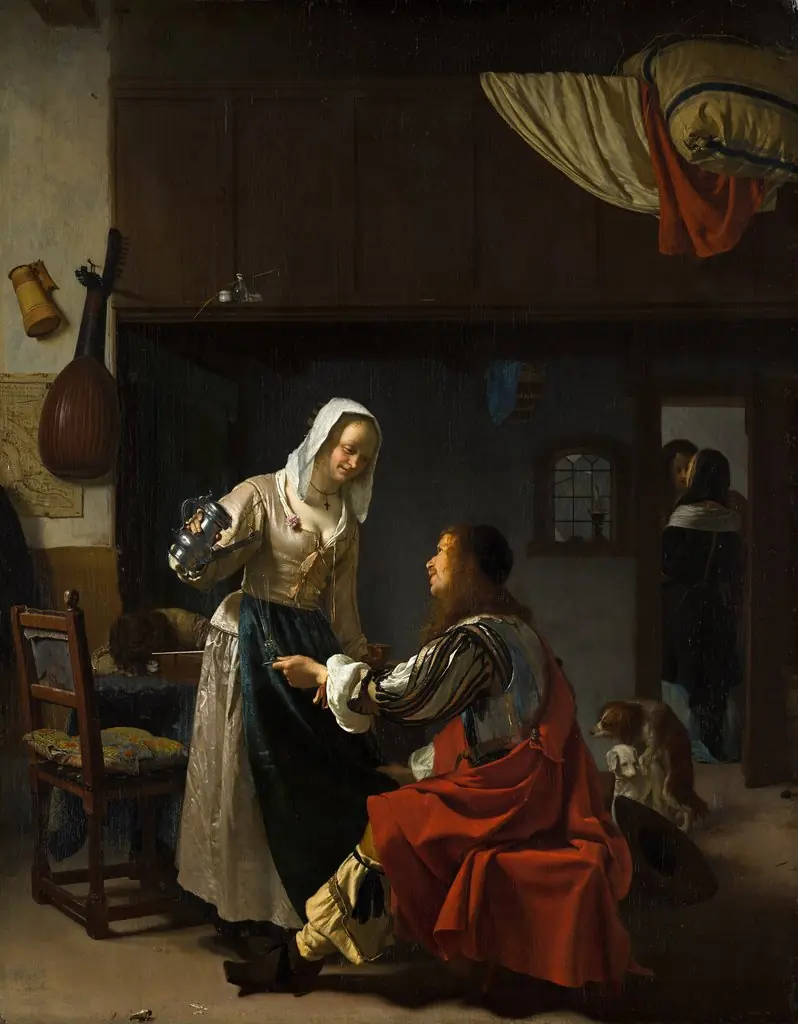 Brothel Scene
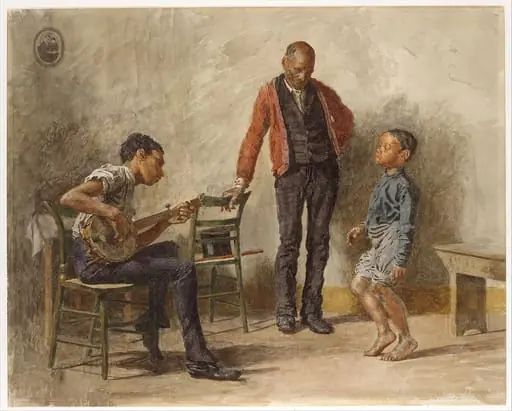 The Dancing Lesson
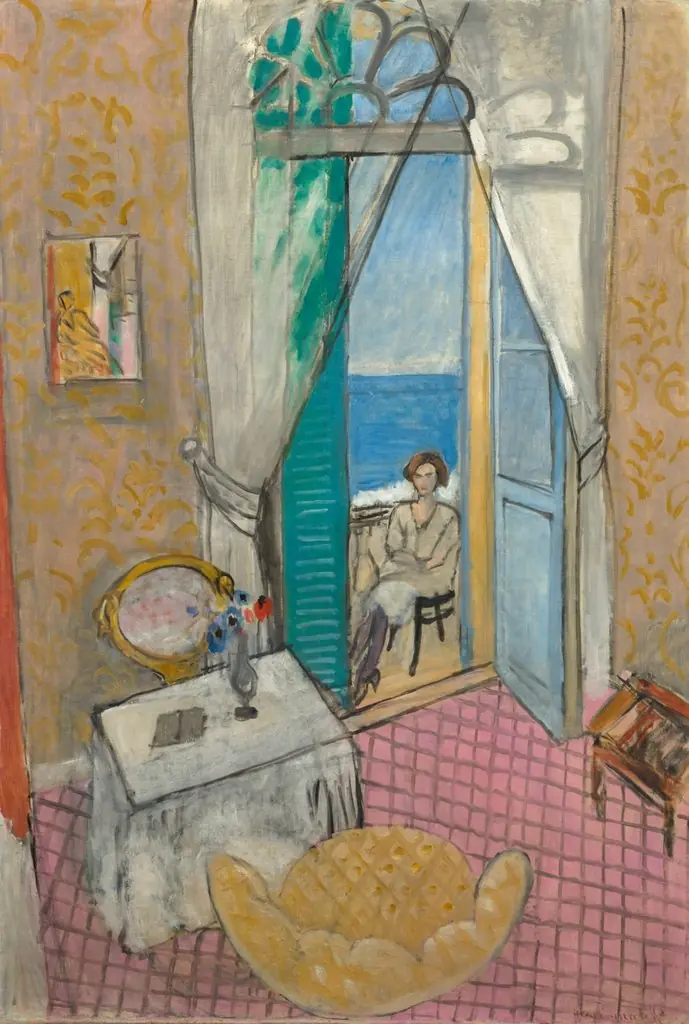 Interior at Nice
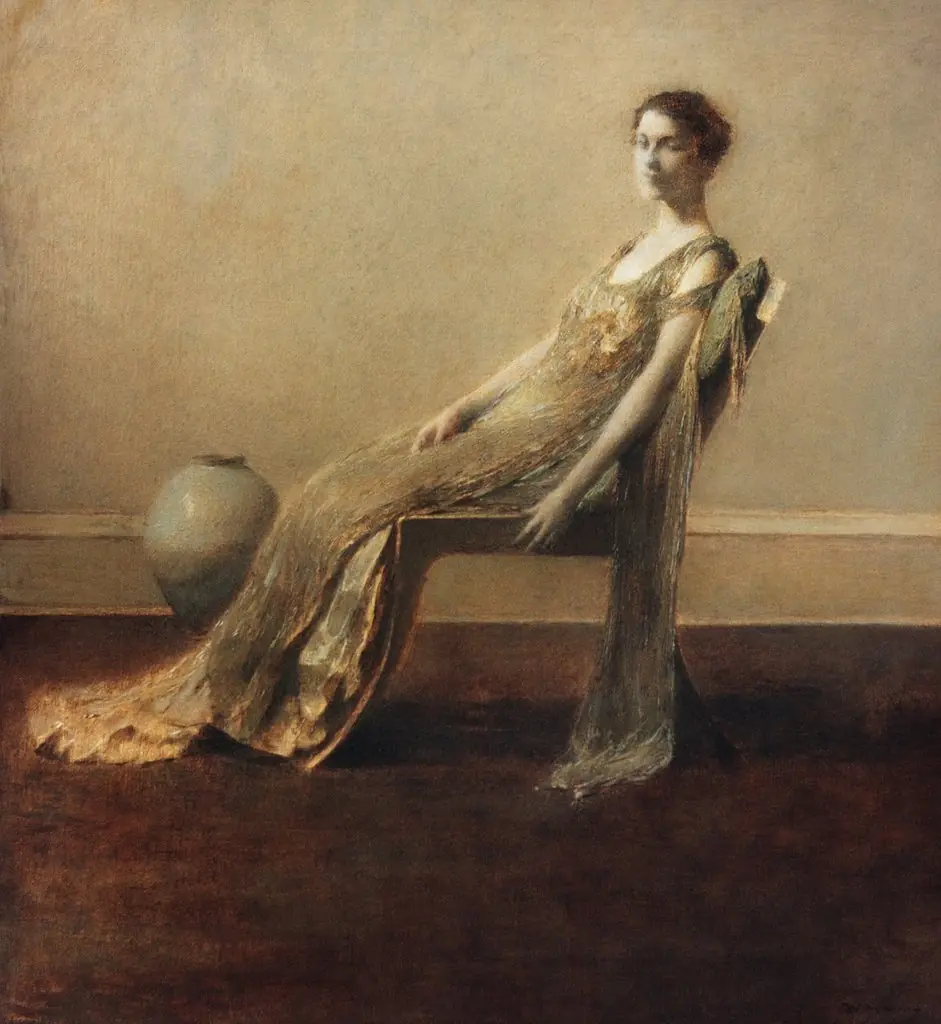 Green and Gold
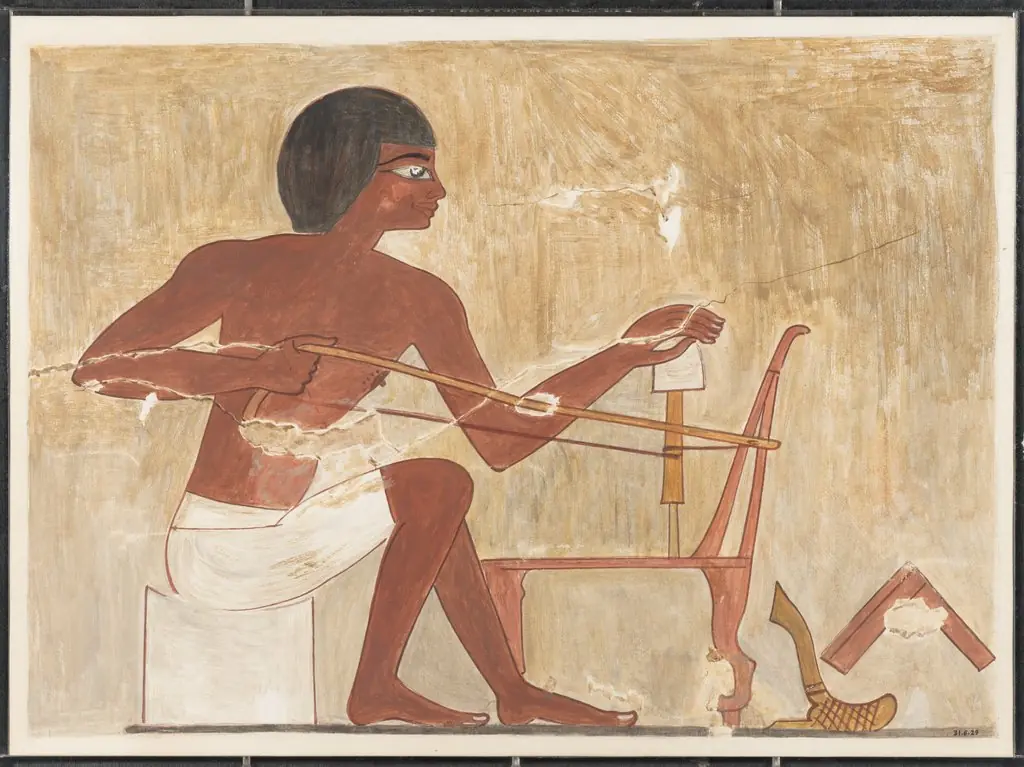 Carpenter Making a Chair, Tomb of Rekhmire
 Untitled
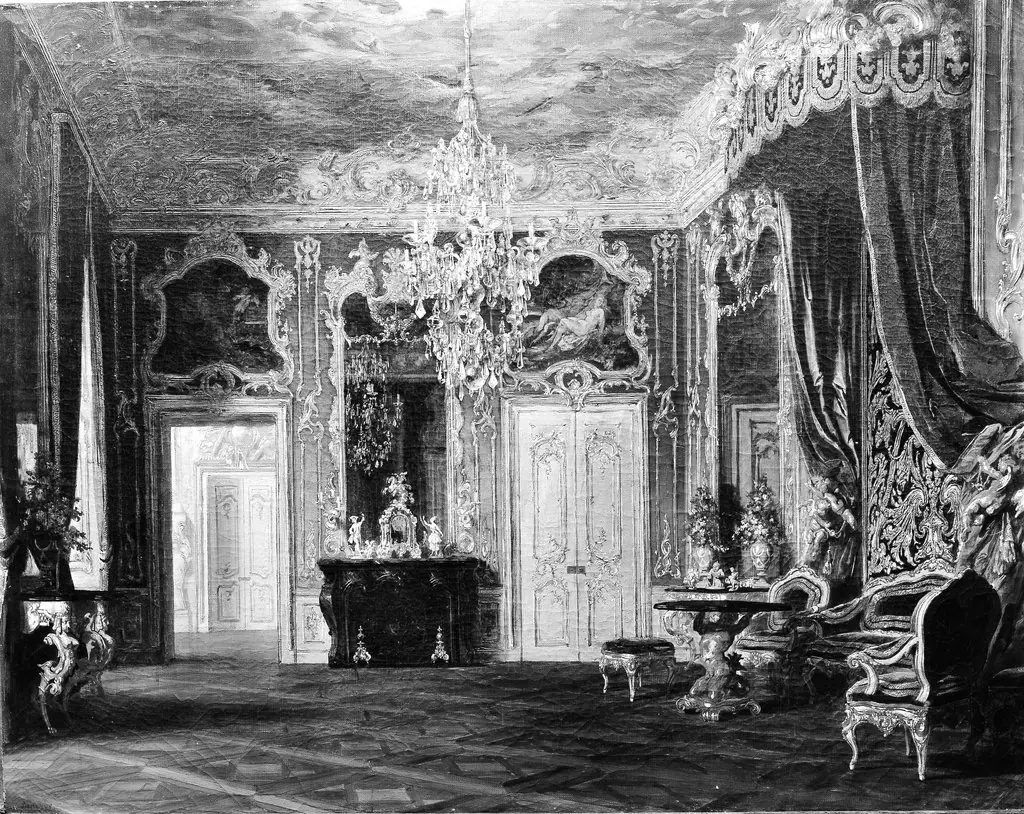 Project for a Room for King Ludwig II (1854–1886) of Bavaria
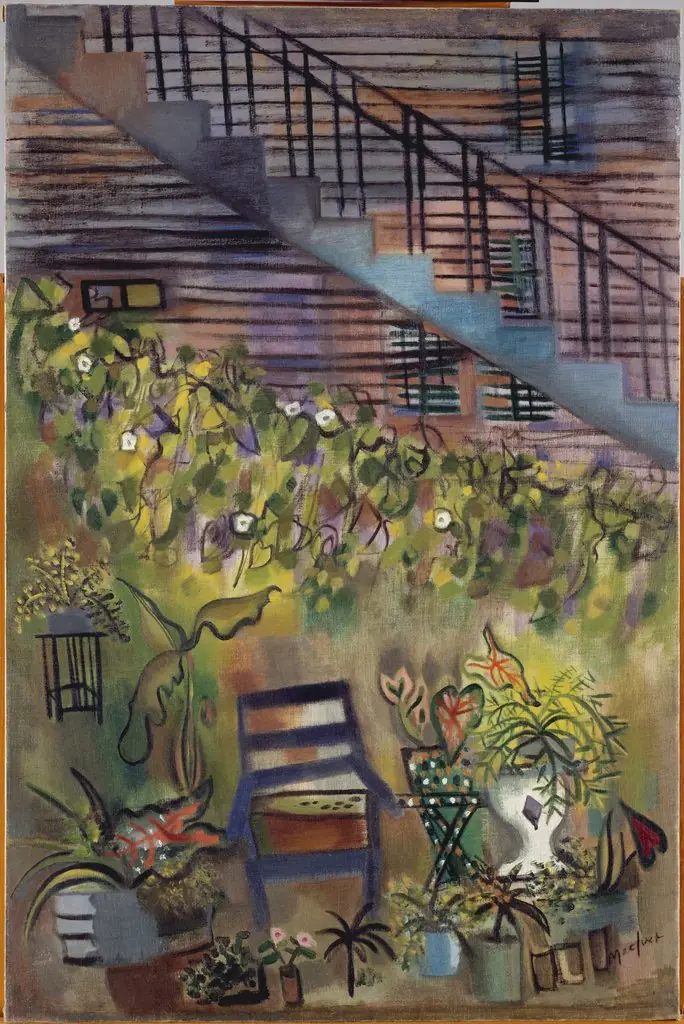 Carey's Backyard
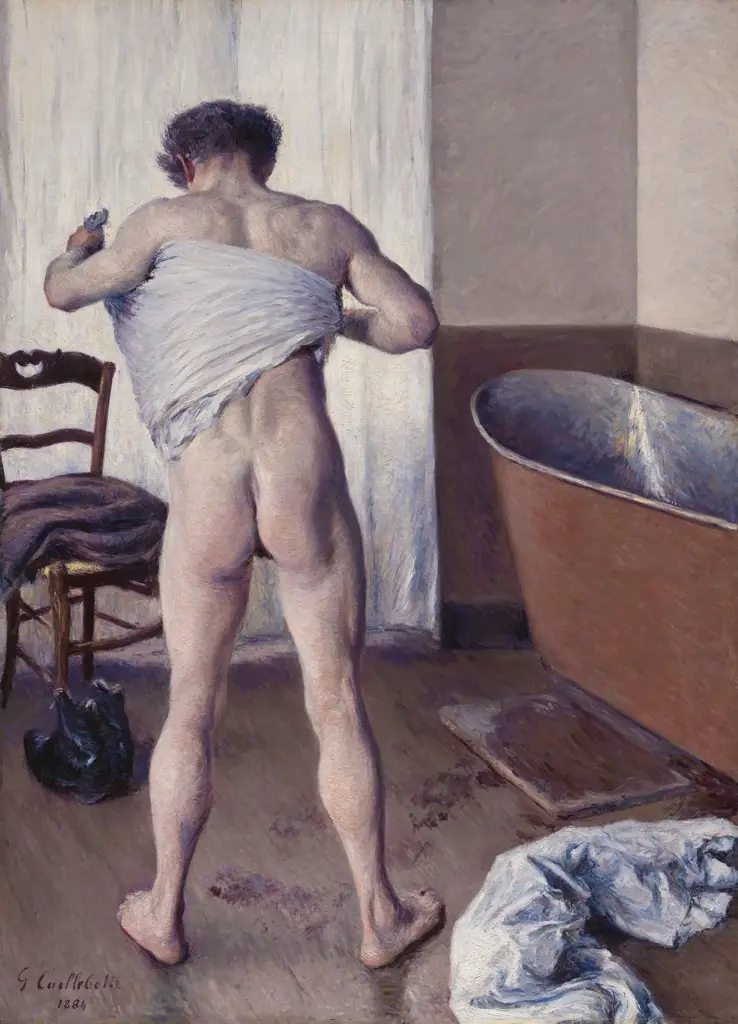 Man at His Bath
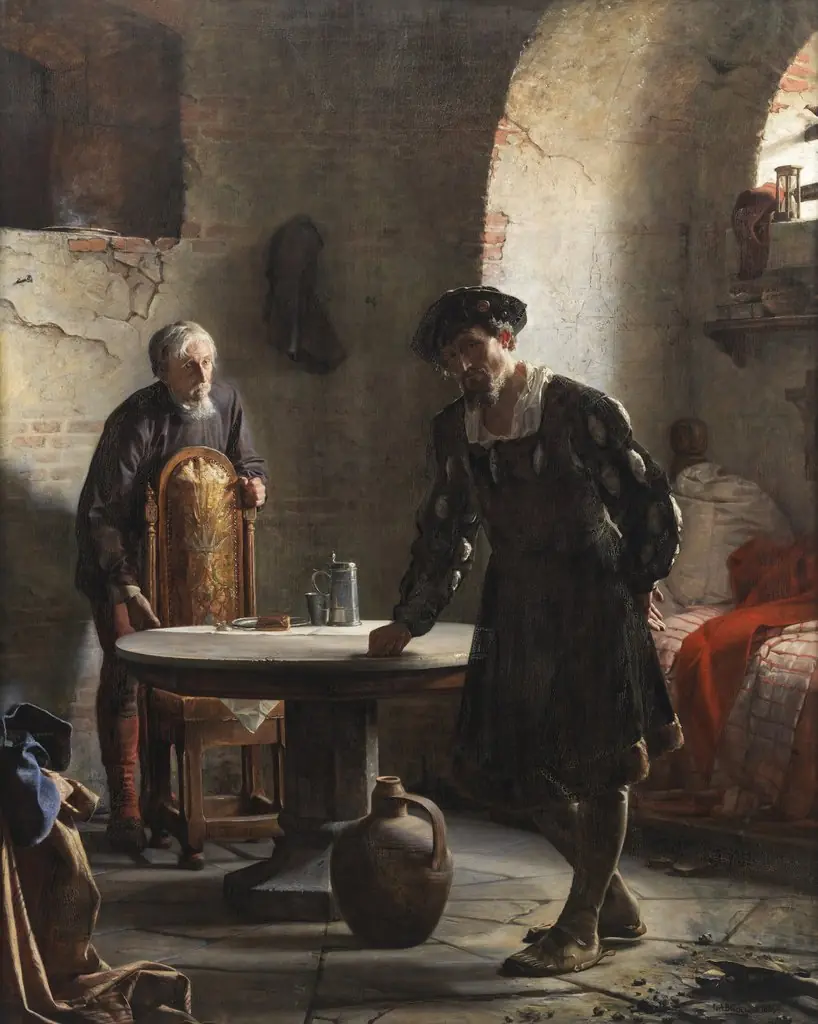 Christian II i fængslet på Sønderborg Slot
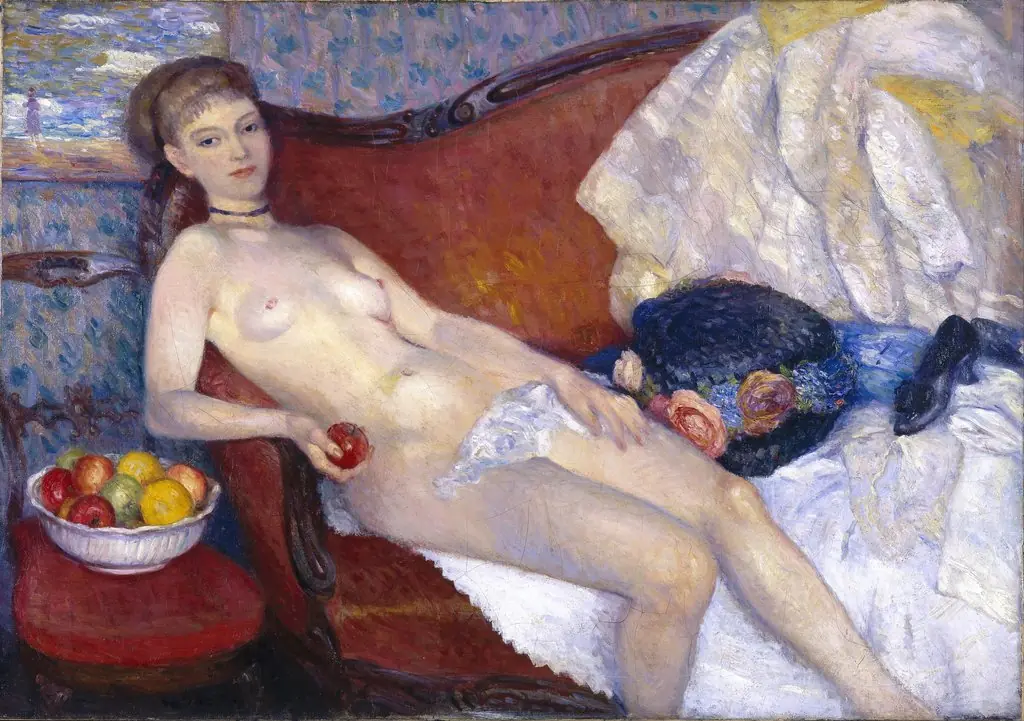 Nude with Apple
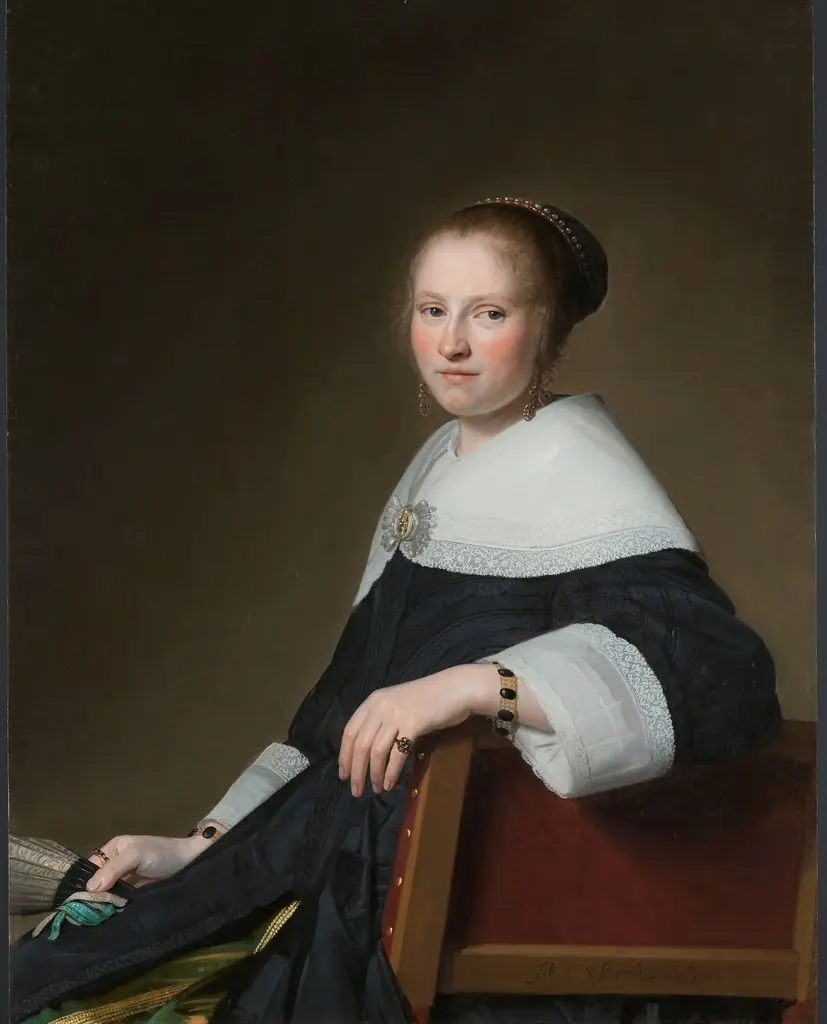 Portrait of Maria van Strijp
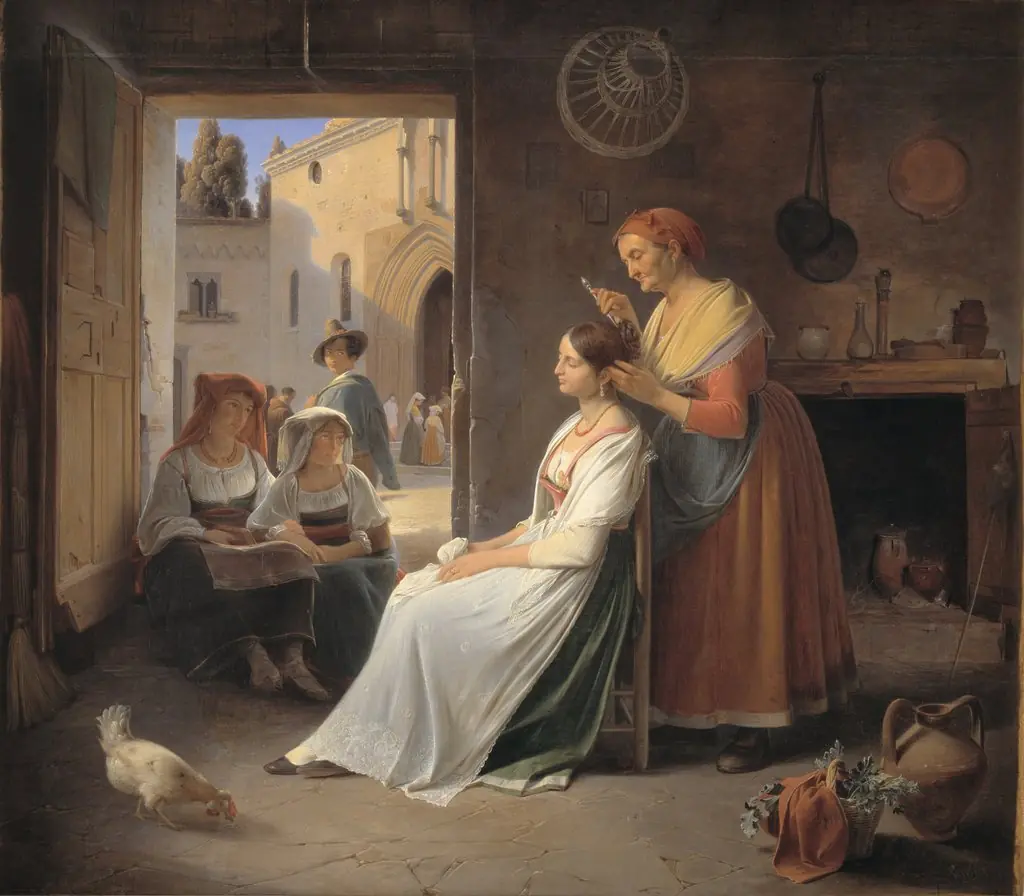 A Young Italian Woman being Adorned by her Mother
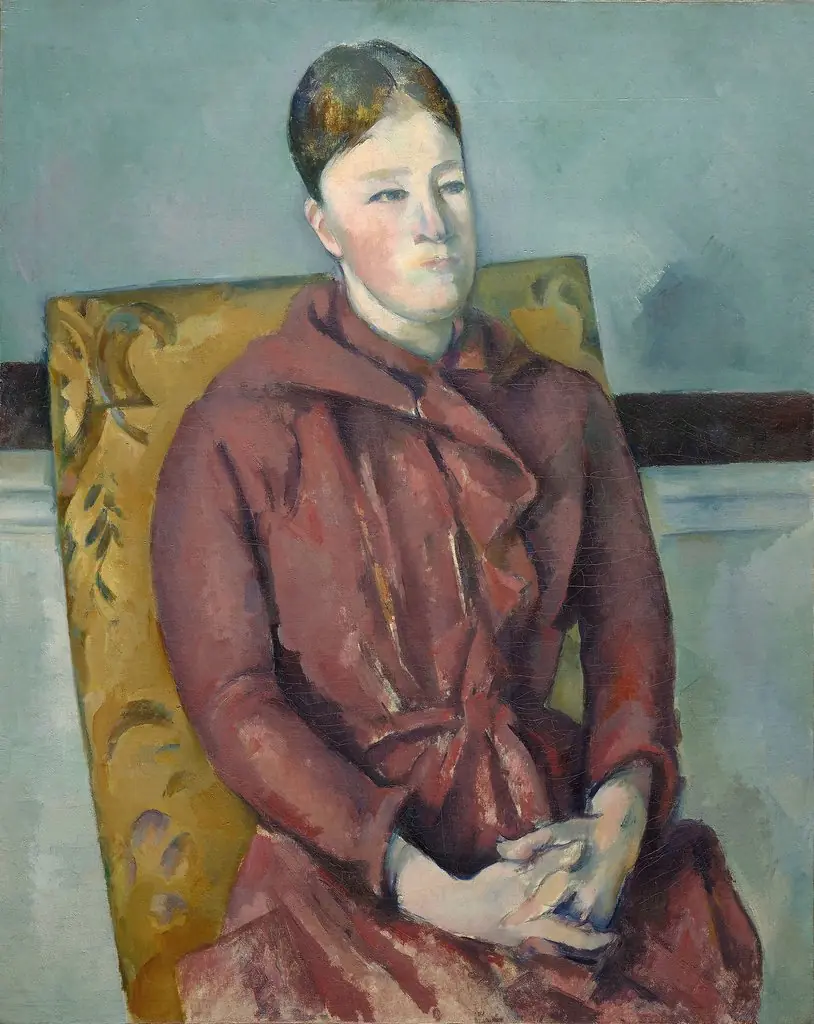 Madame Cézanne in a Yellow Chair
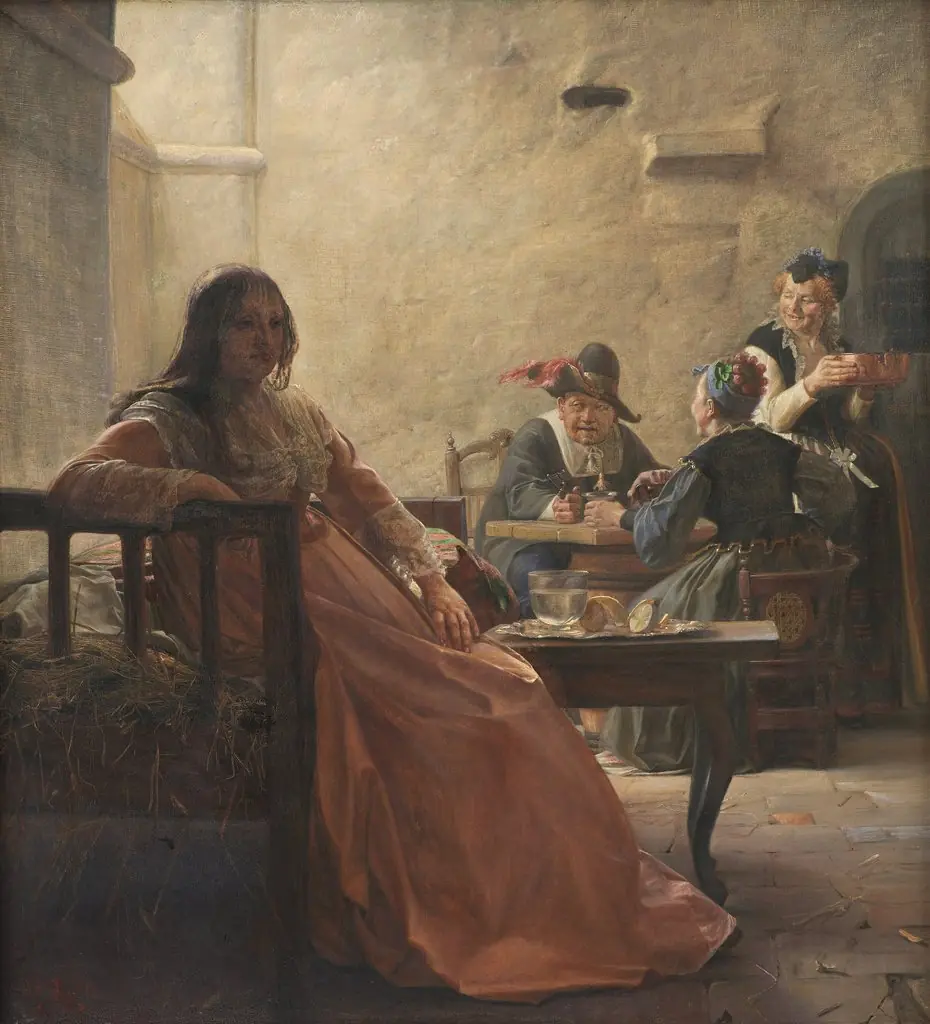 Leonora Christina in Prison
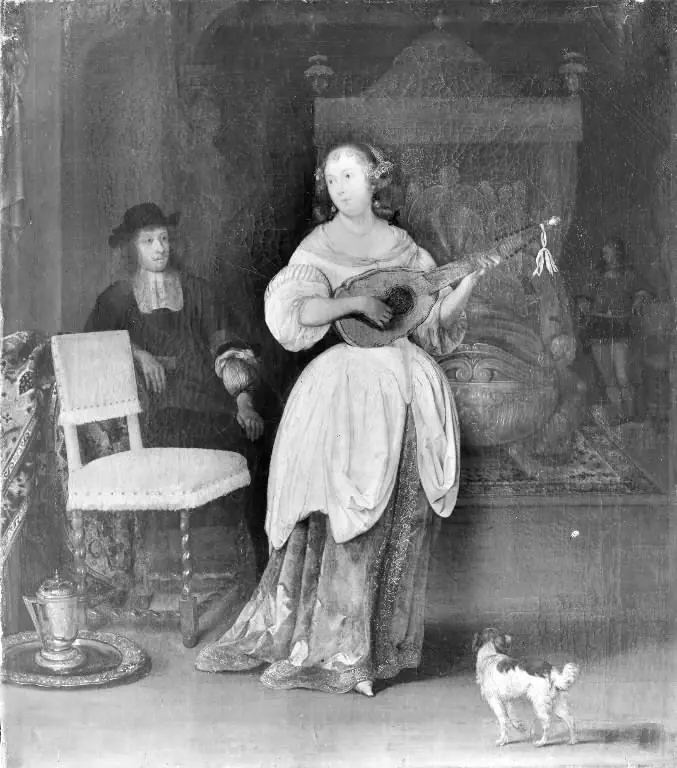 A Woman Playing the Bandora
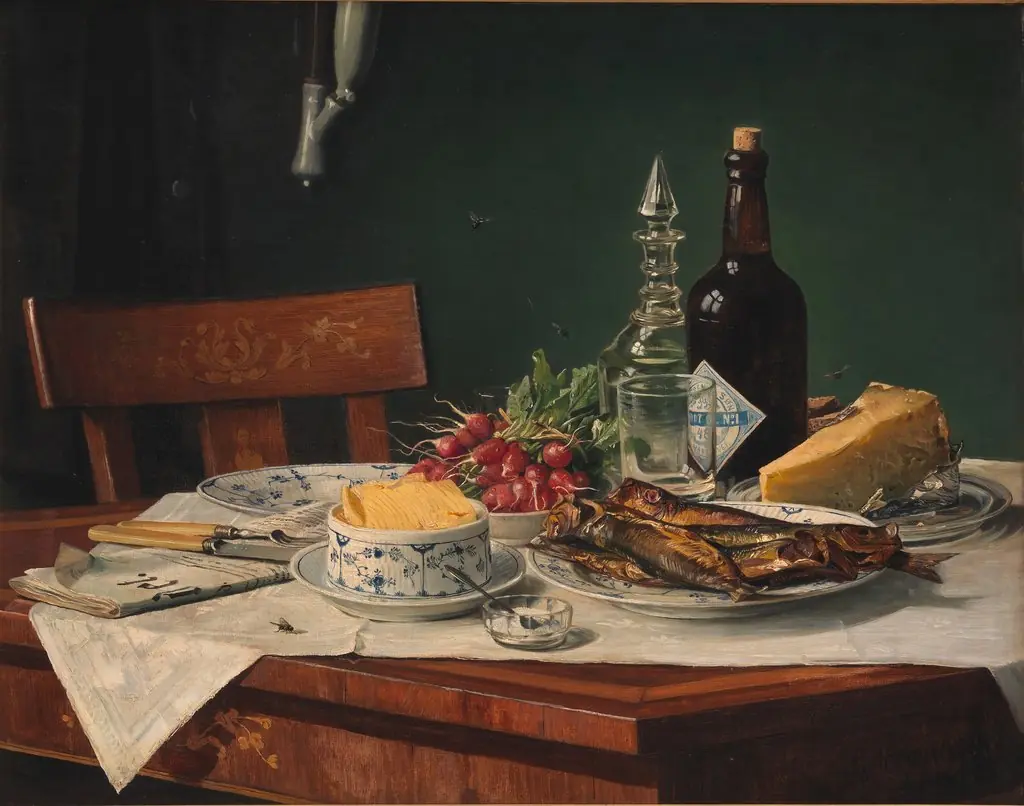 Et frokostbord
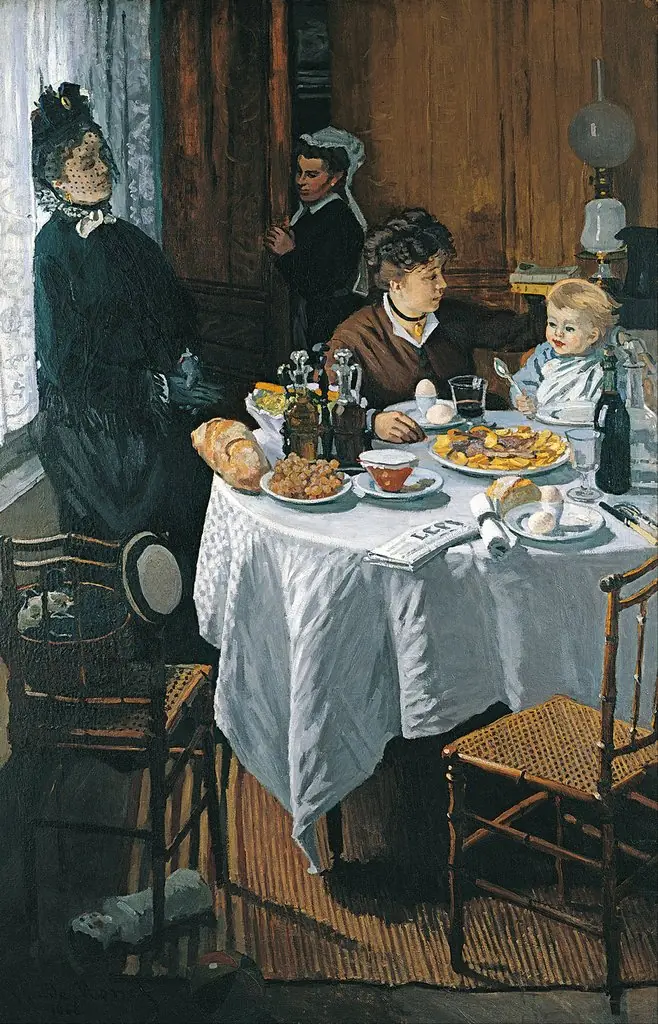 The Luncheon
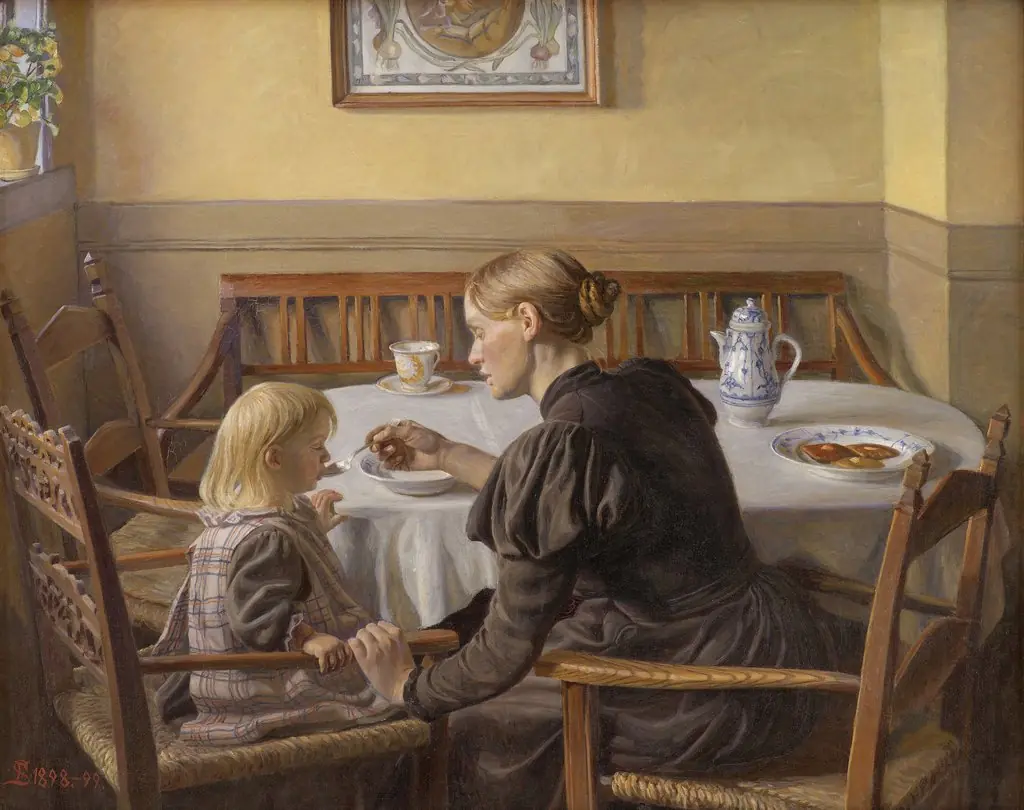 Mother and Child
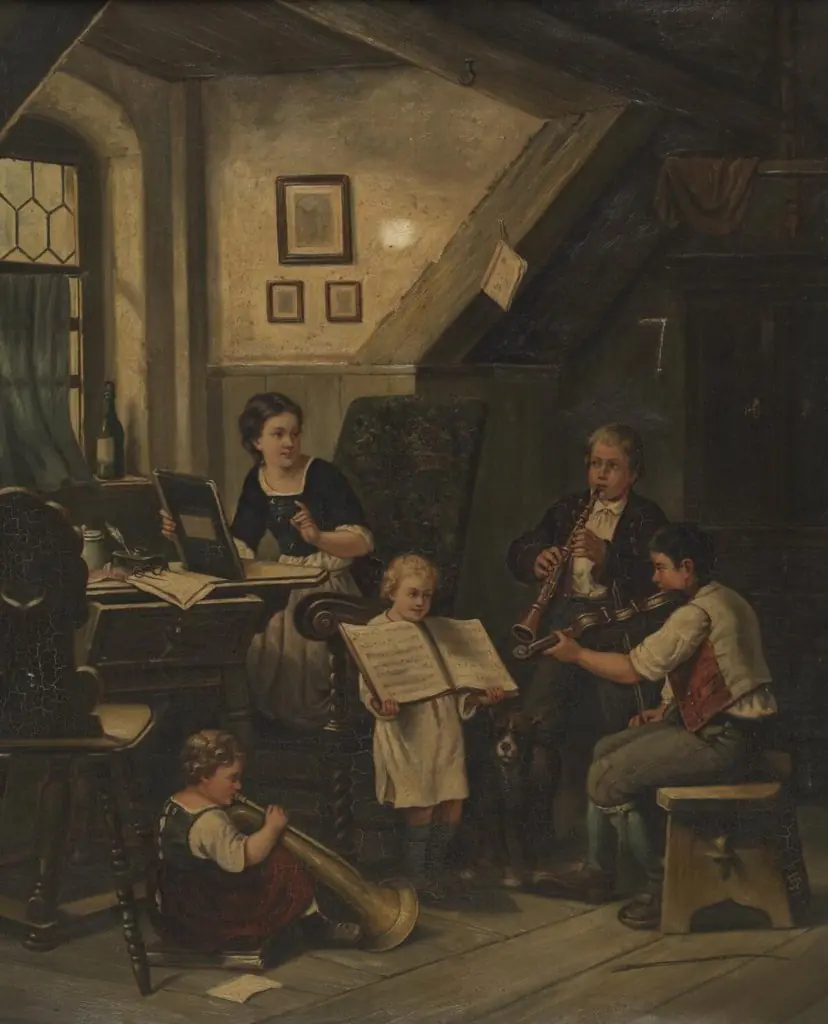 musical party
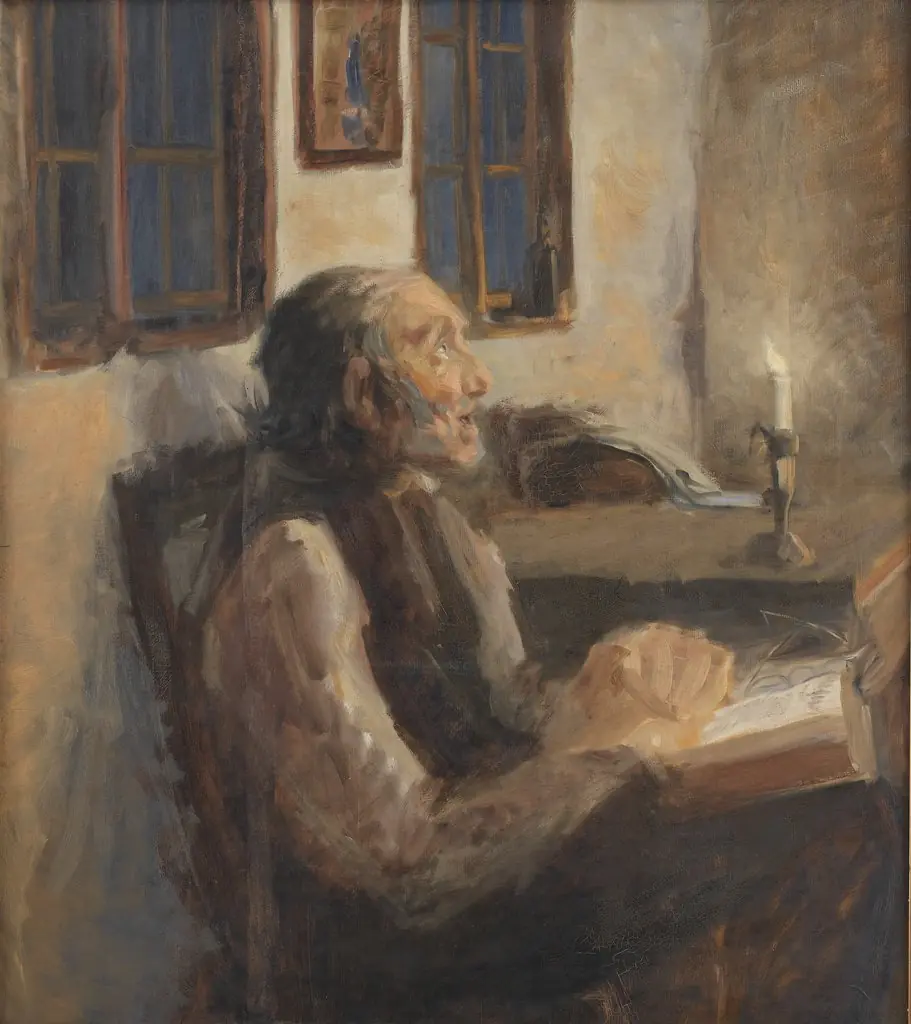 Den gamle mand ved spedelyset
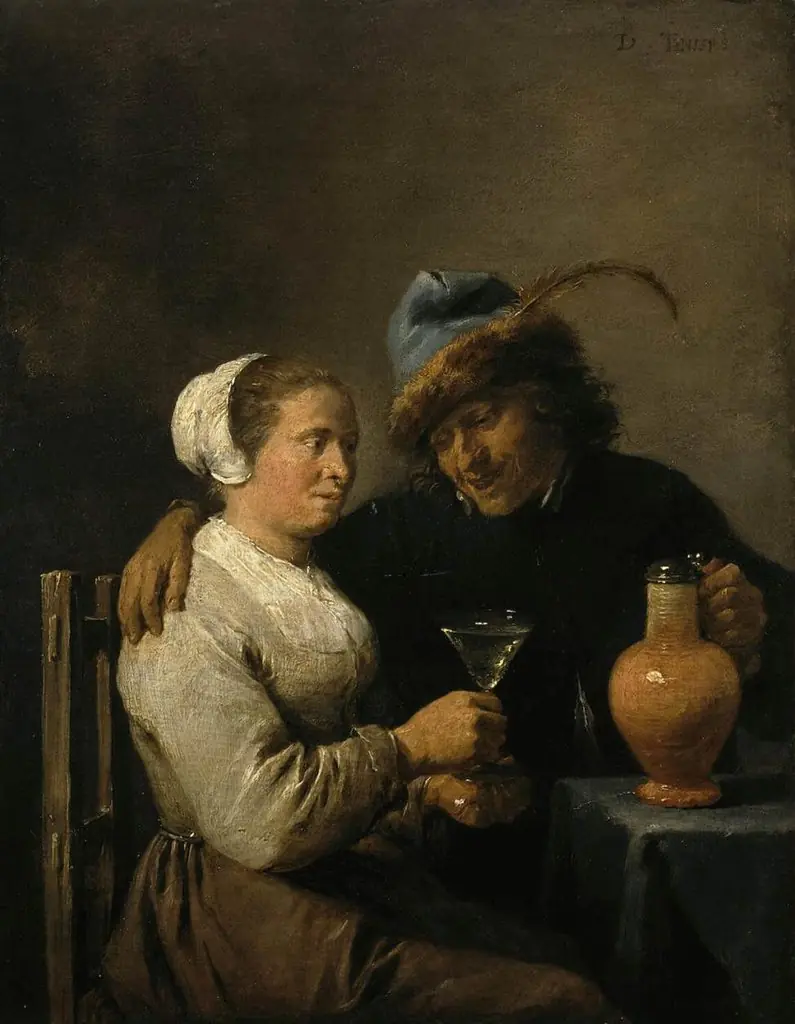 Scene in a Tavern
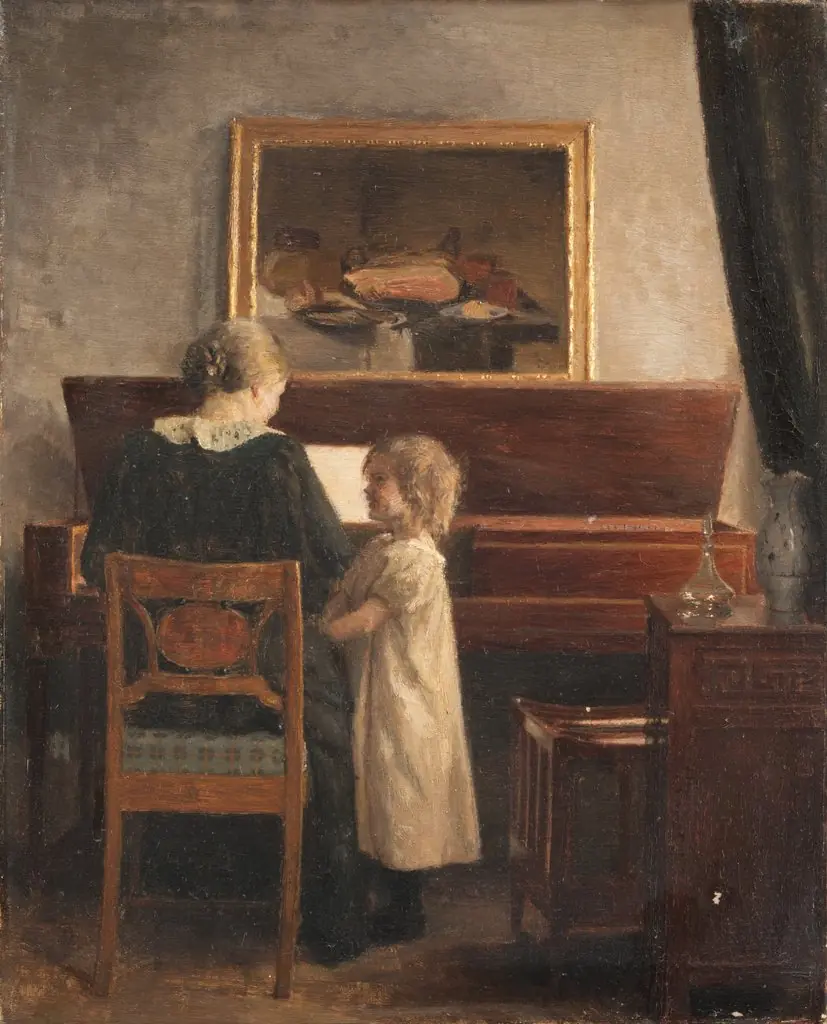 Ved klaveret
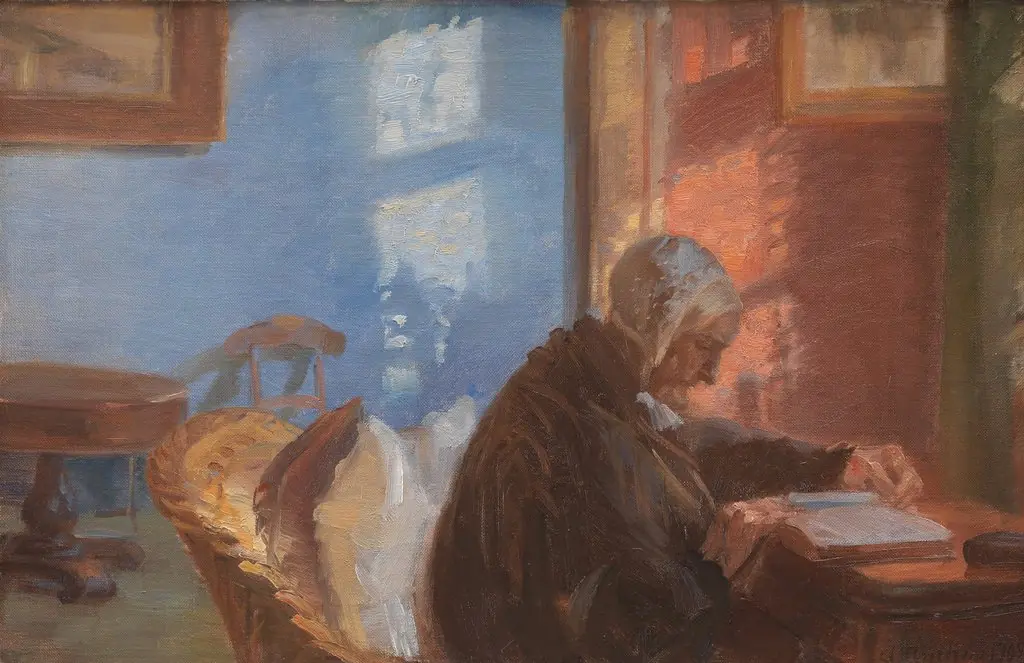 The Artist's Mother Ane Hedvig Brøndum in the Red Room
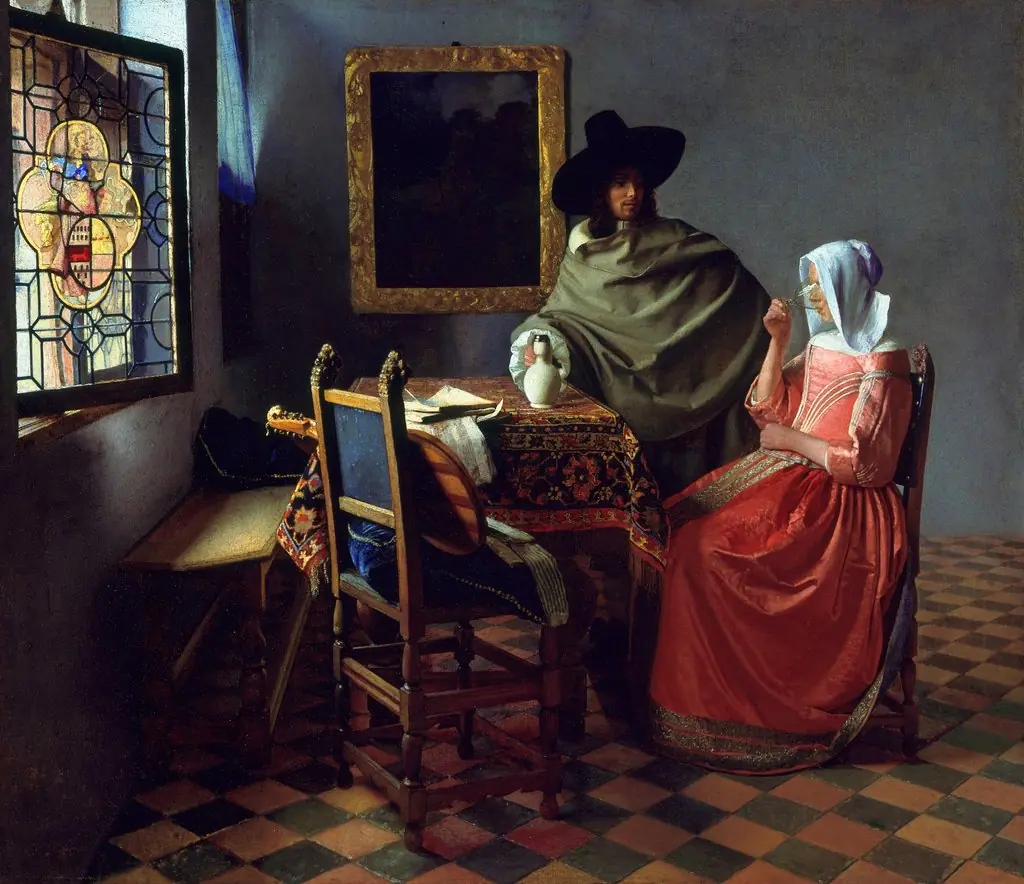 The Wine Glass
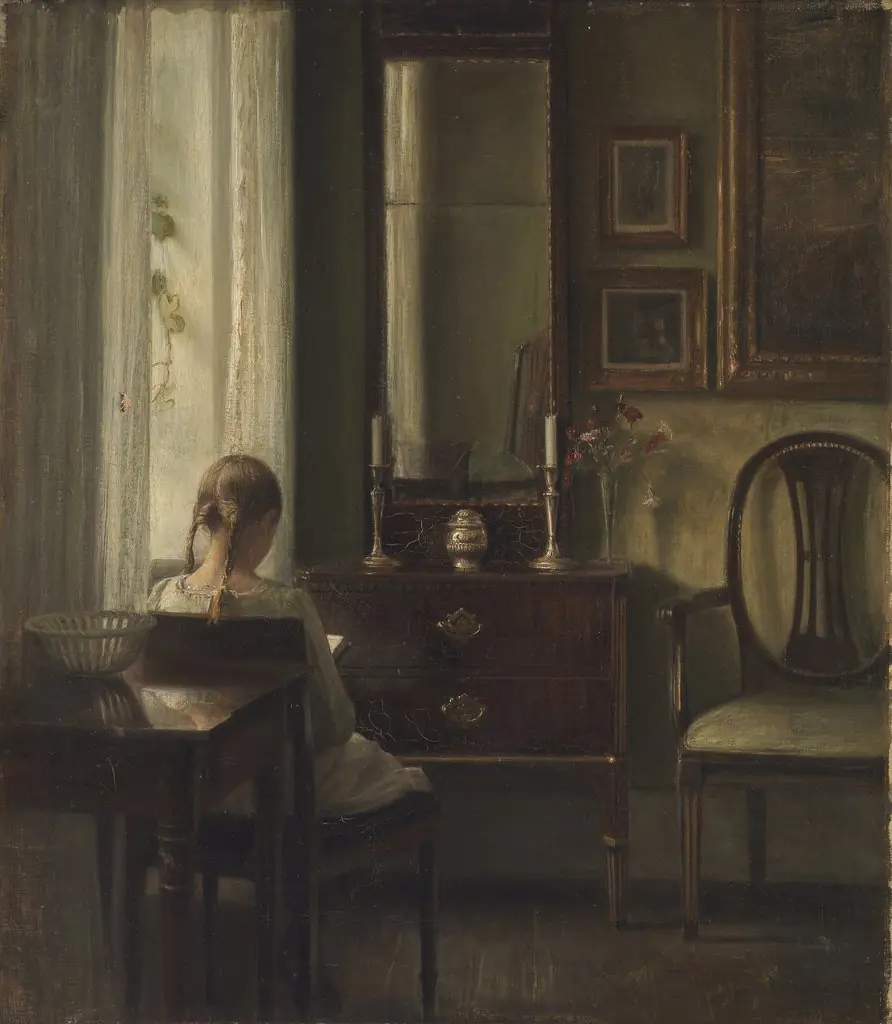 Interior with a Girl Reading
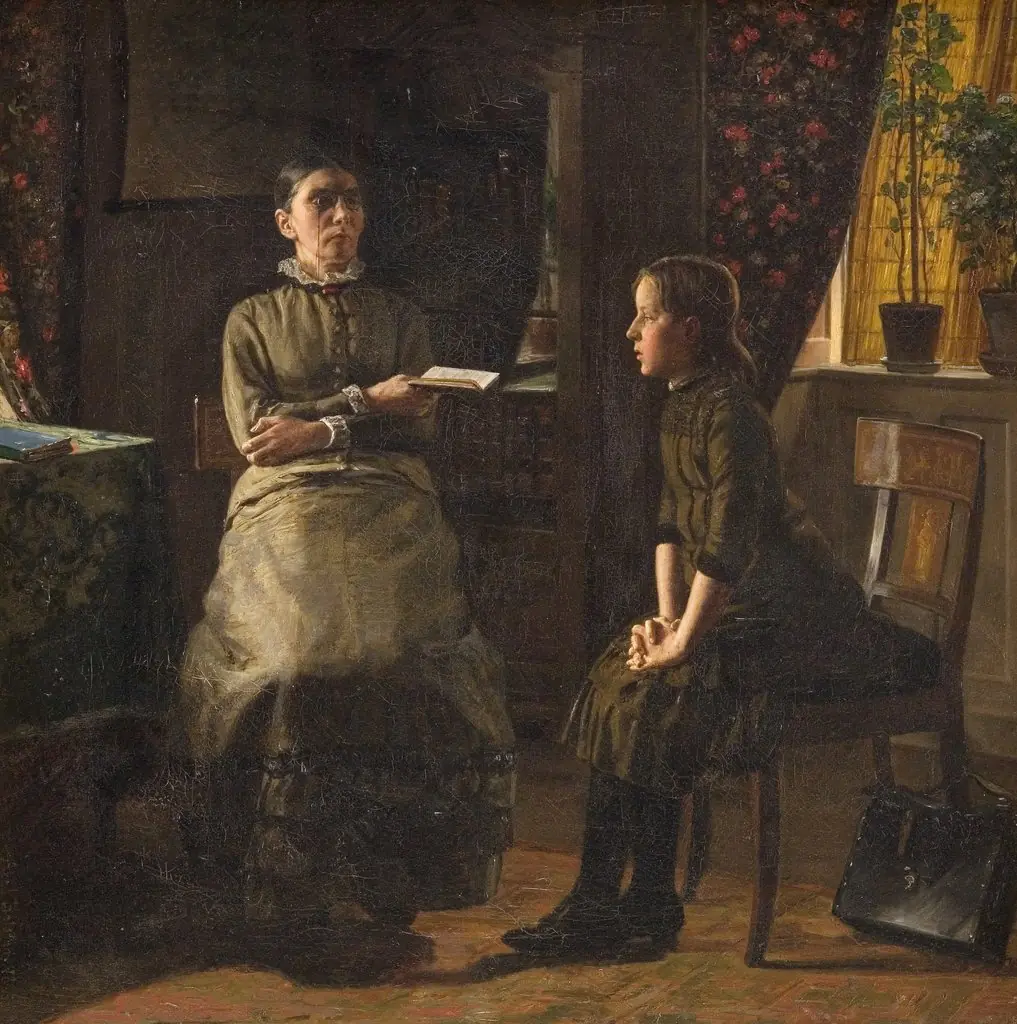 Lærerinde og elev
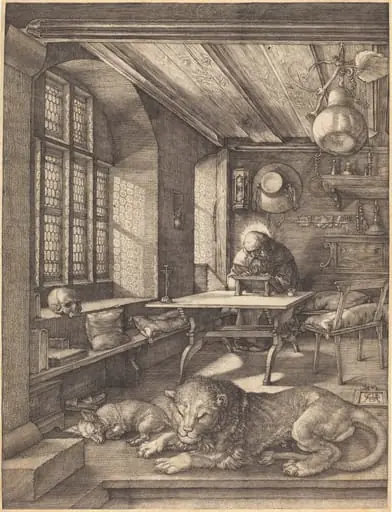 Saint Jerome in His Study
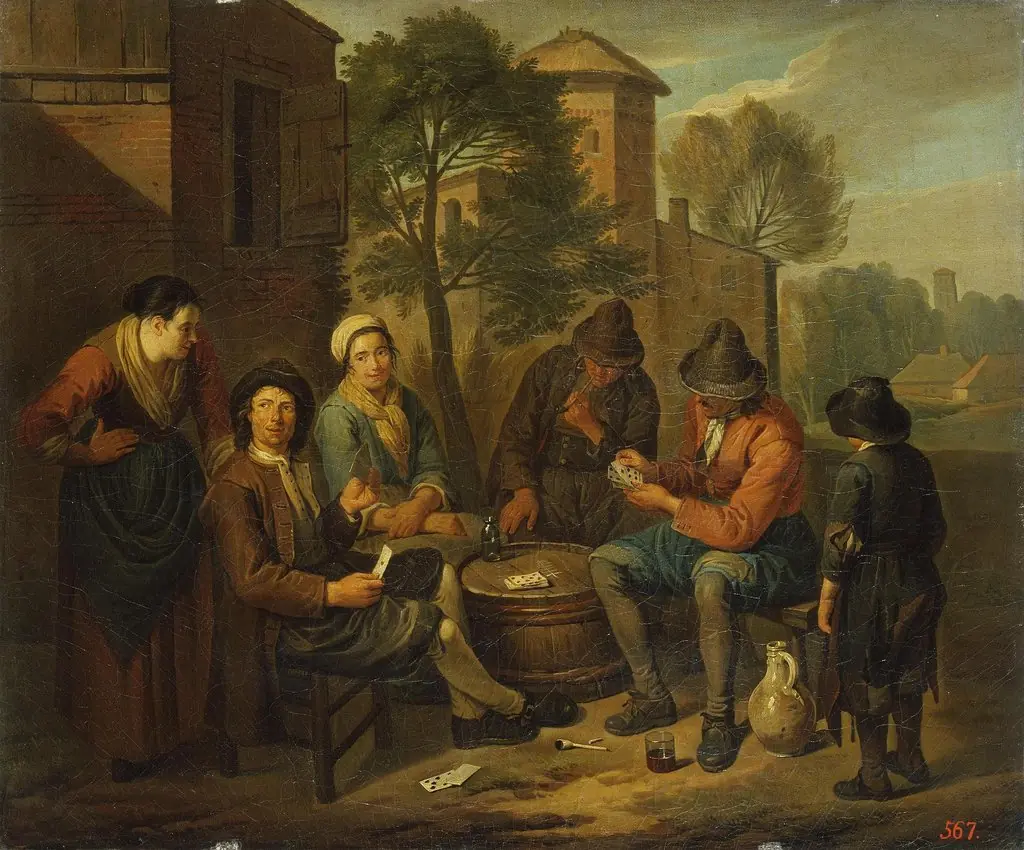 Peasants Playing Cards
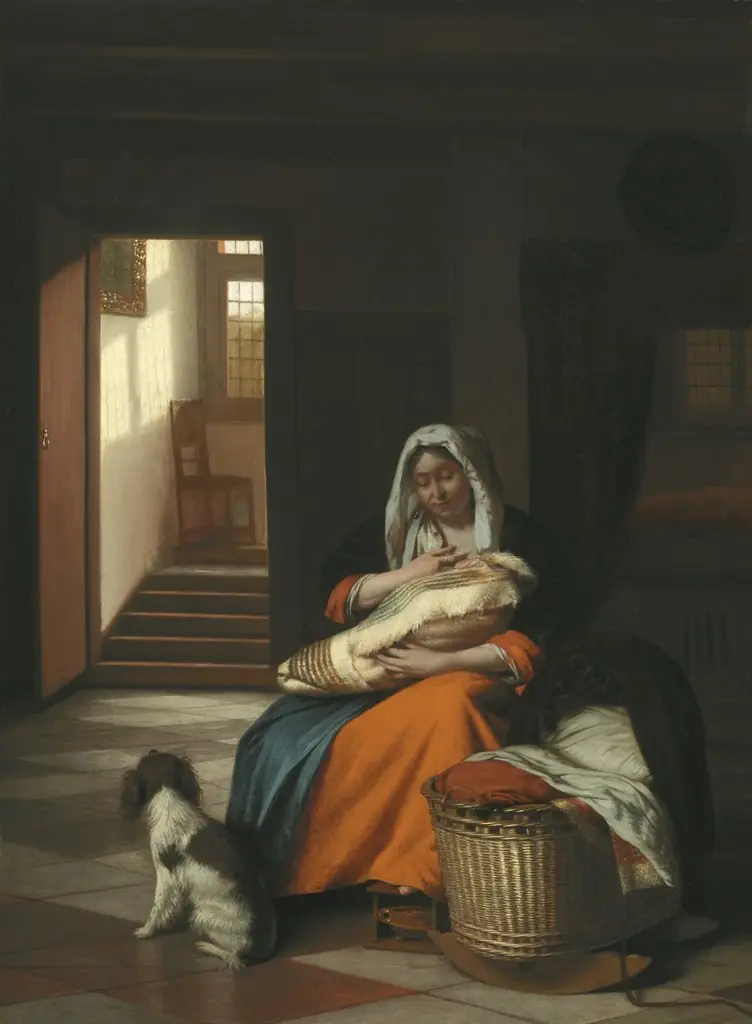 Woman nursing by a cradle with a dog at her feet
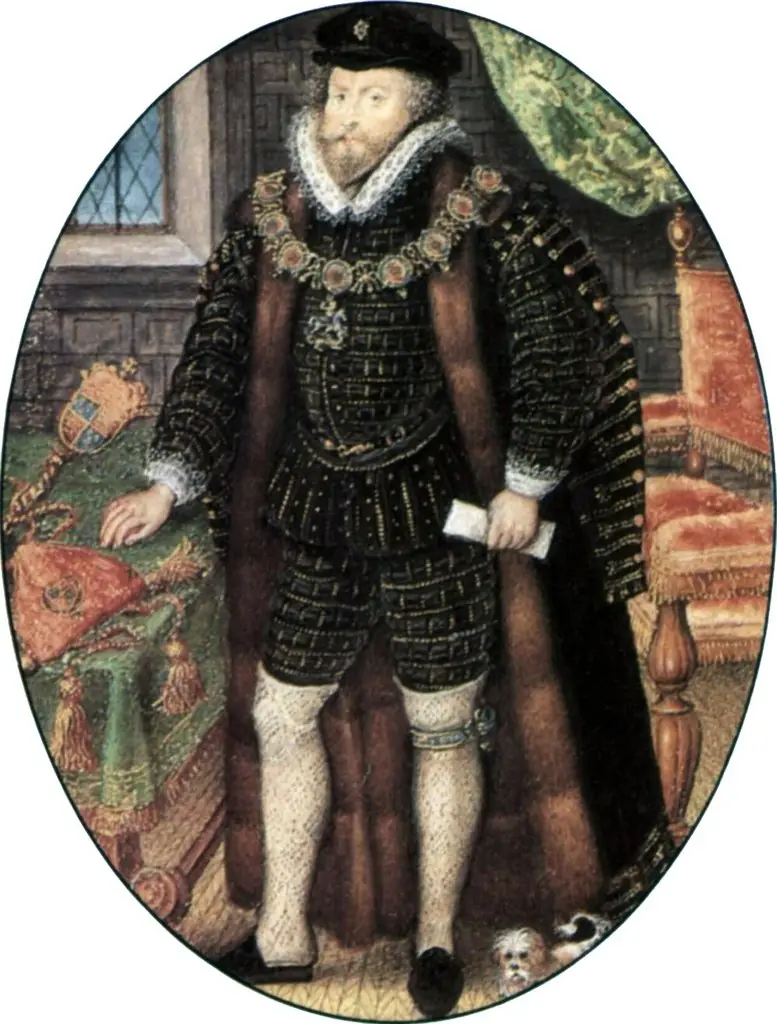 Sir Christopher Hatton
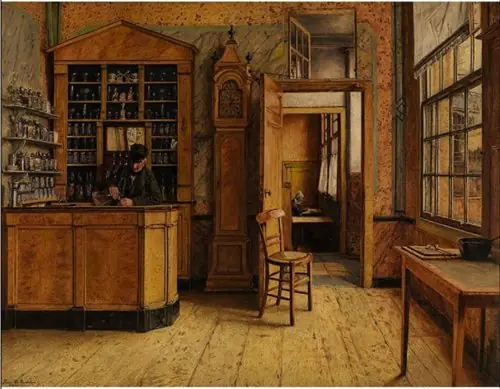 The old inn
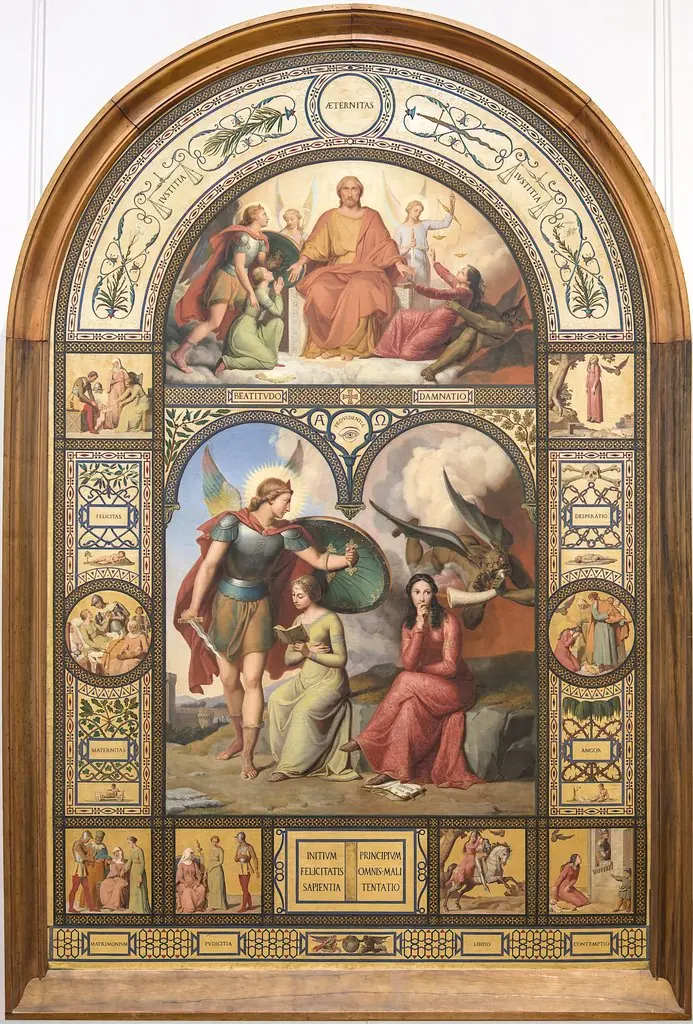 Good and Evil
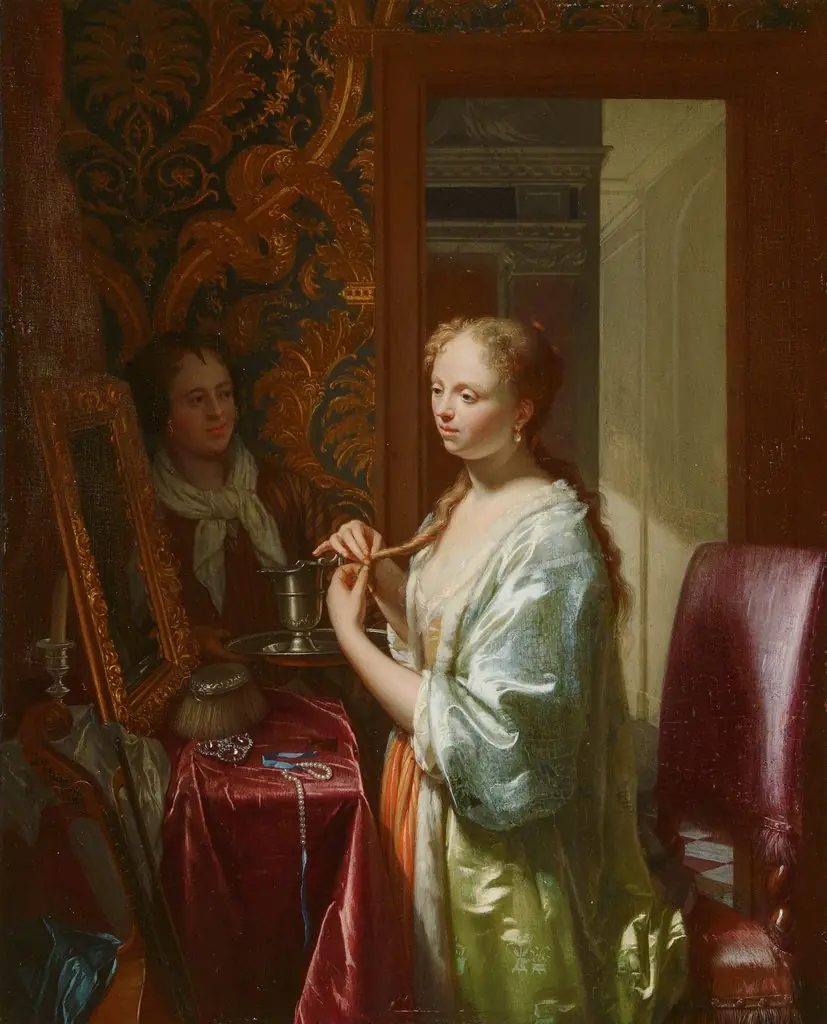 Lady attending to her toilet
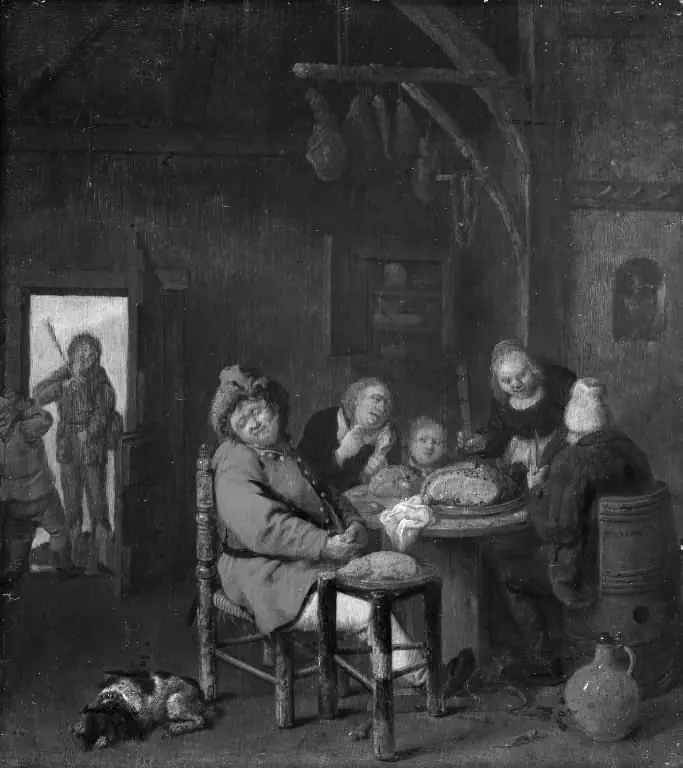 Peasant Family
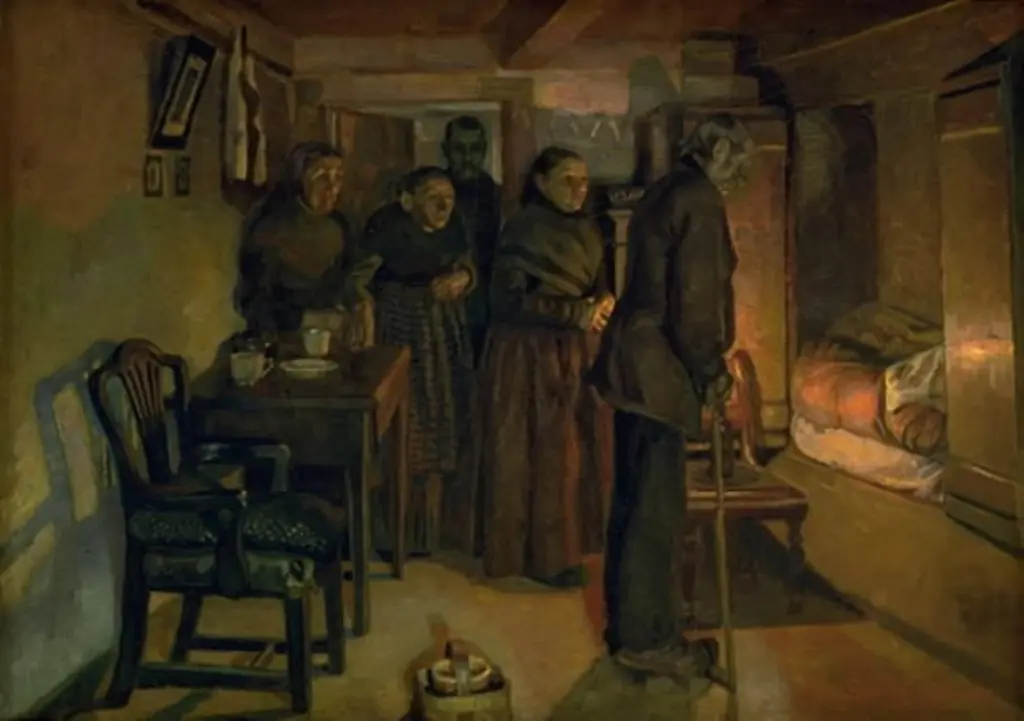 At a Deathbed
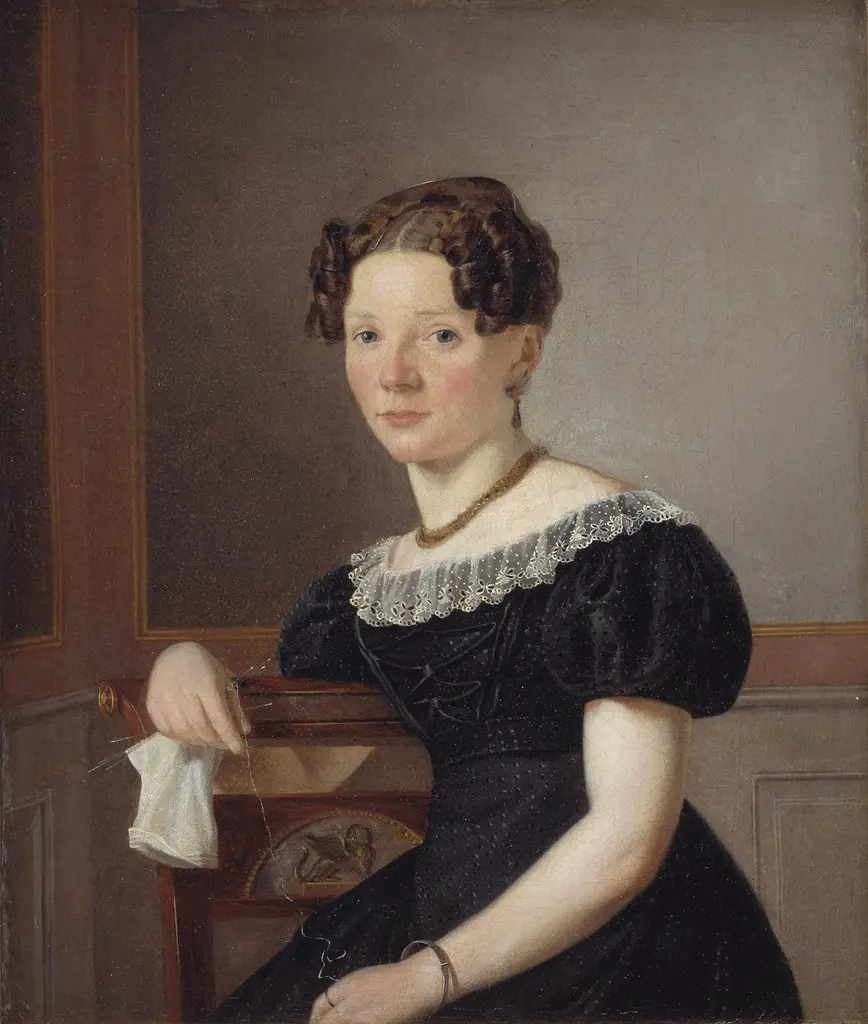 Dame med strikketøj. En af kunstnerens søstre (?)
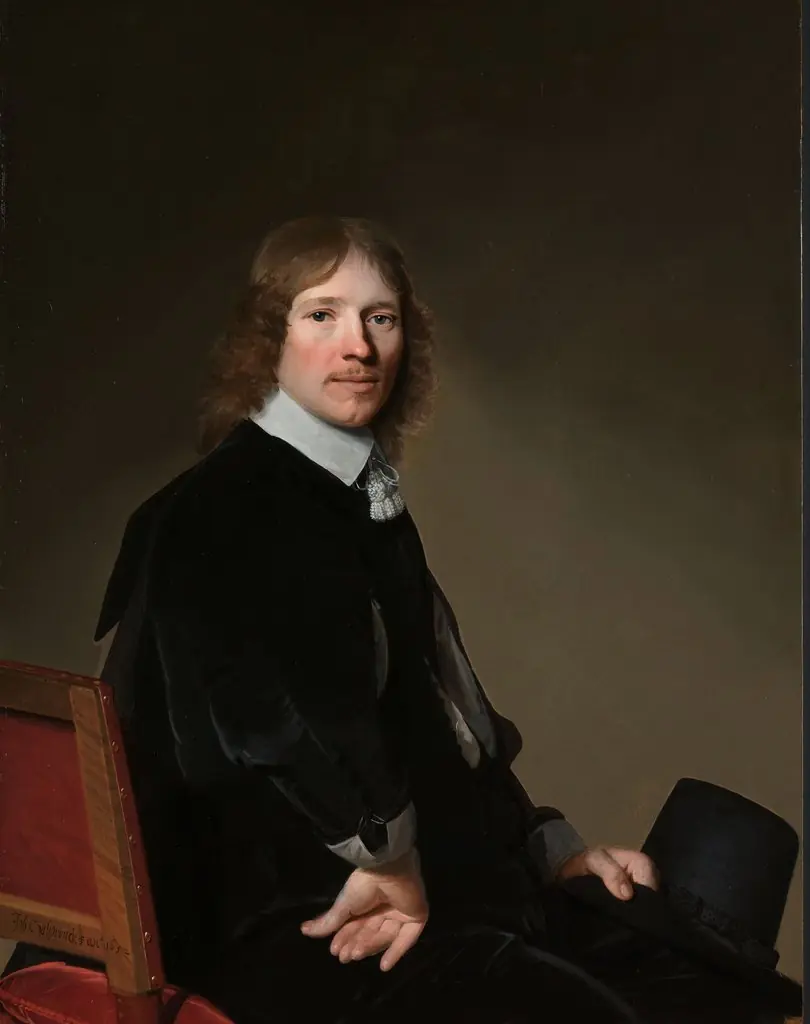 Portrait of Eduard Wallis
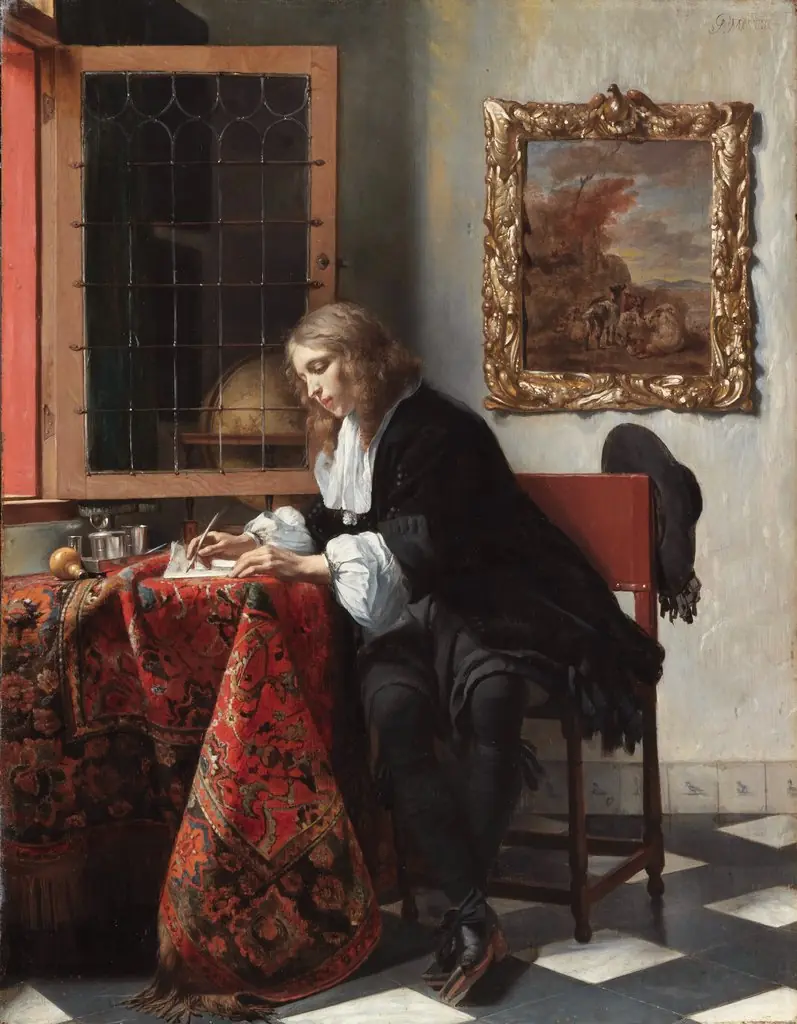 Man Writing a Letter
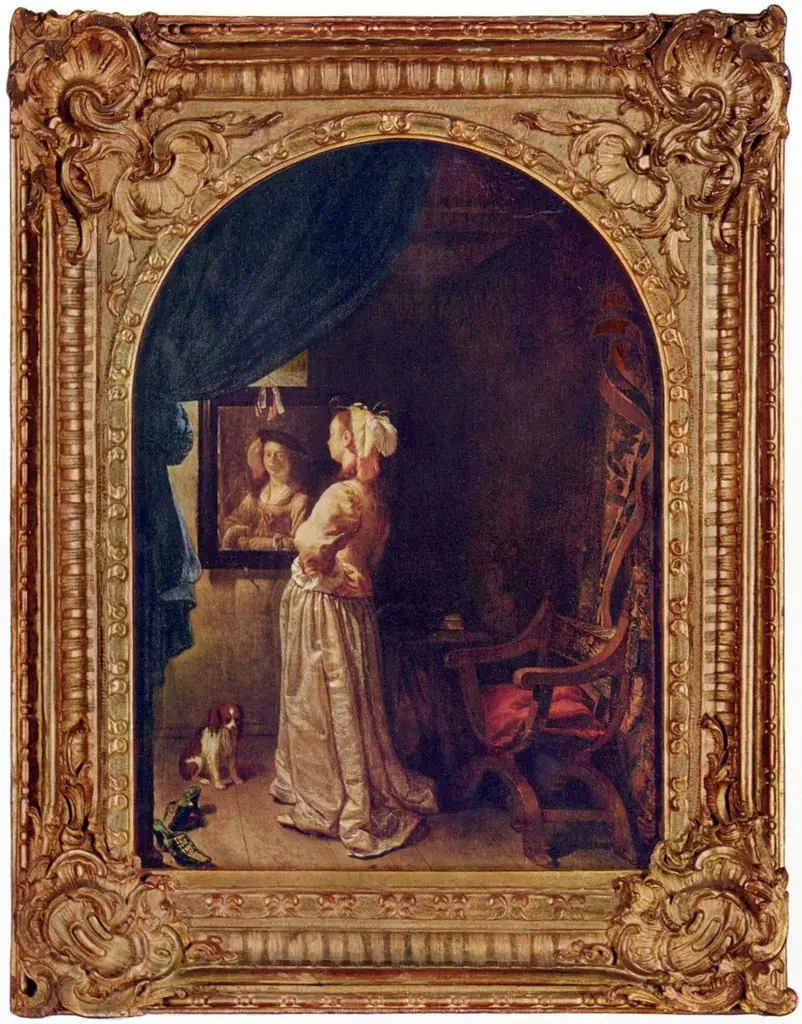 Woman before the Mirror
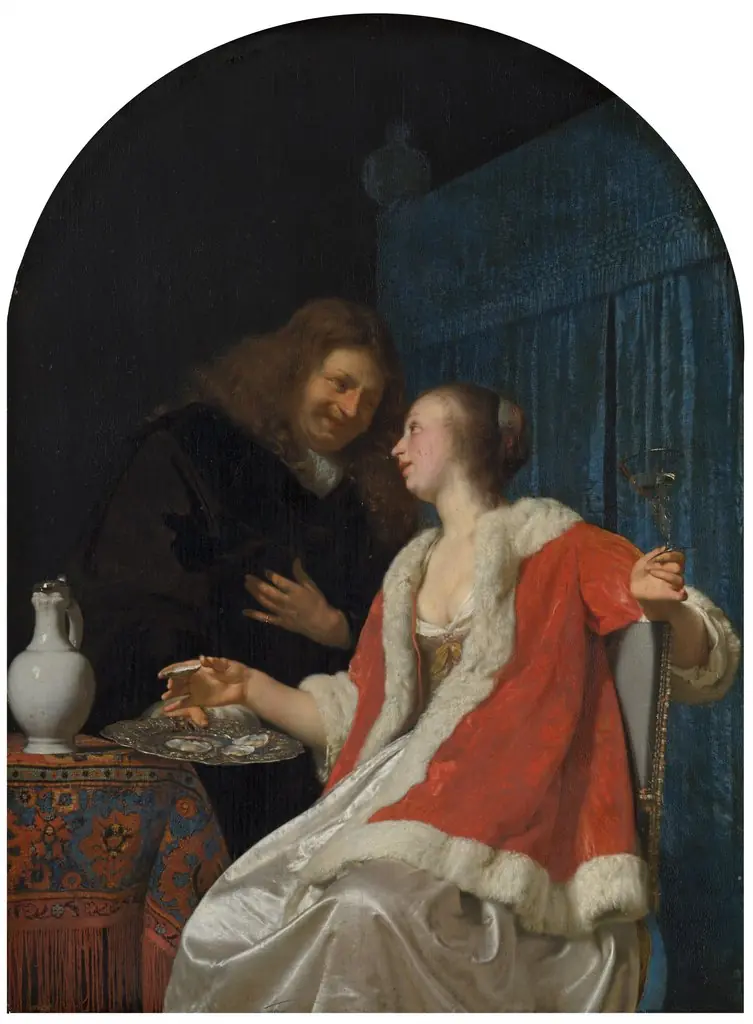 A Meal of Oysters
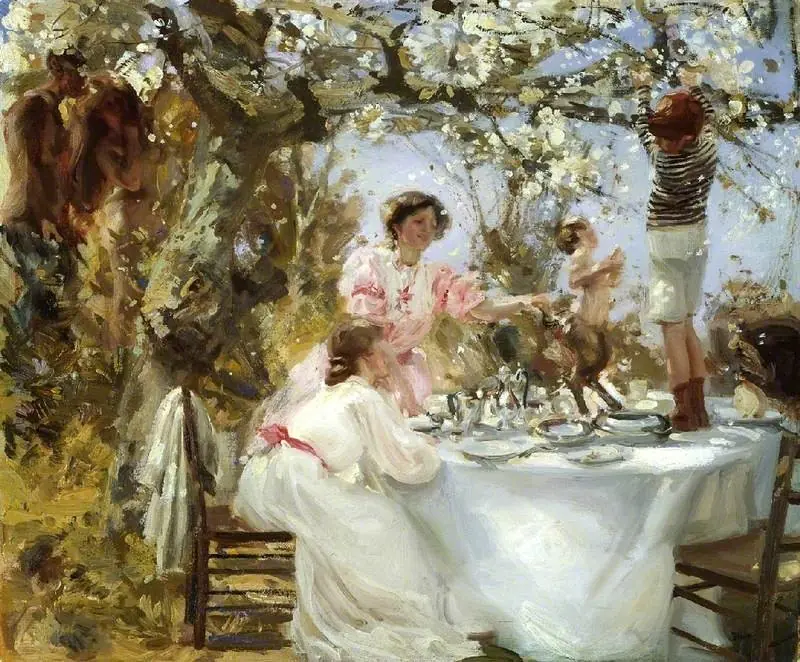 The little faun
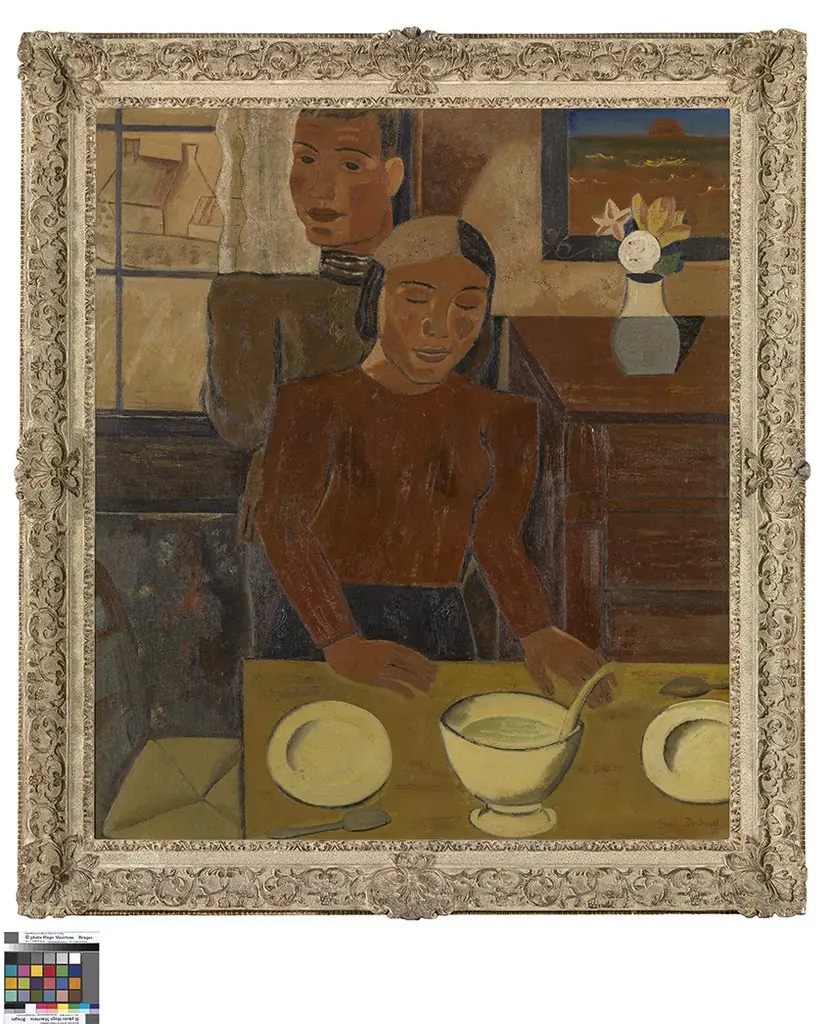 De maaltijd
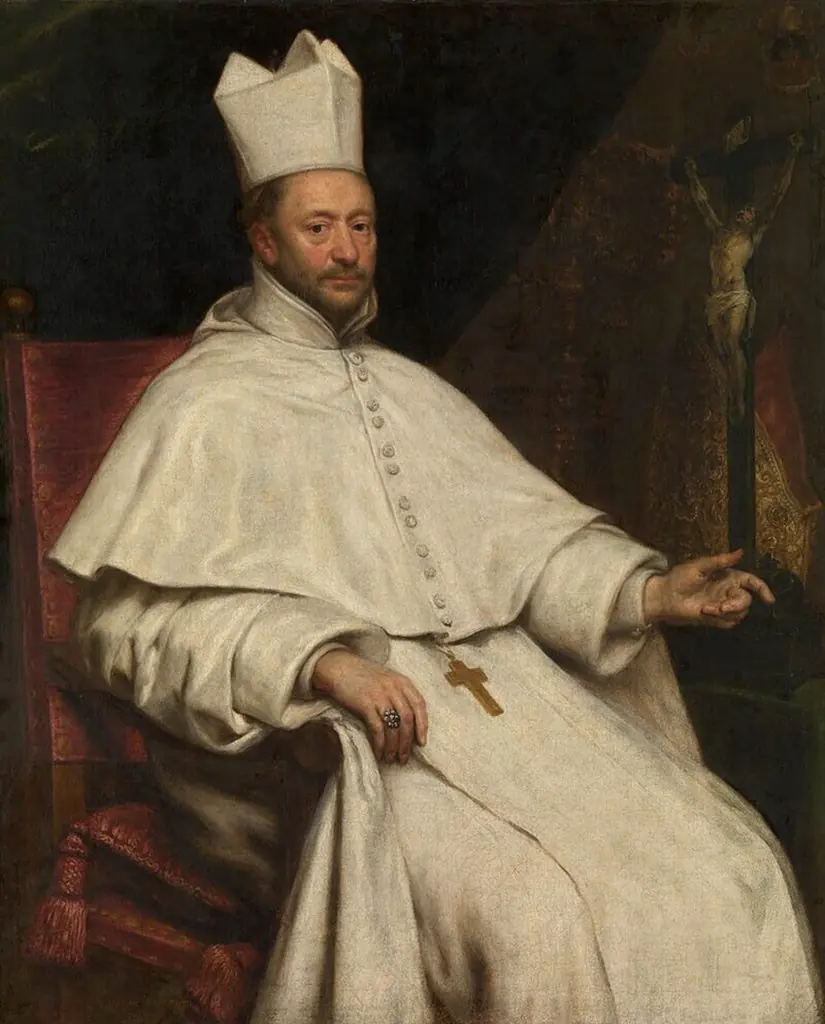 Norbertus van Couwerven, abbot of St Michael's
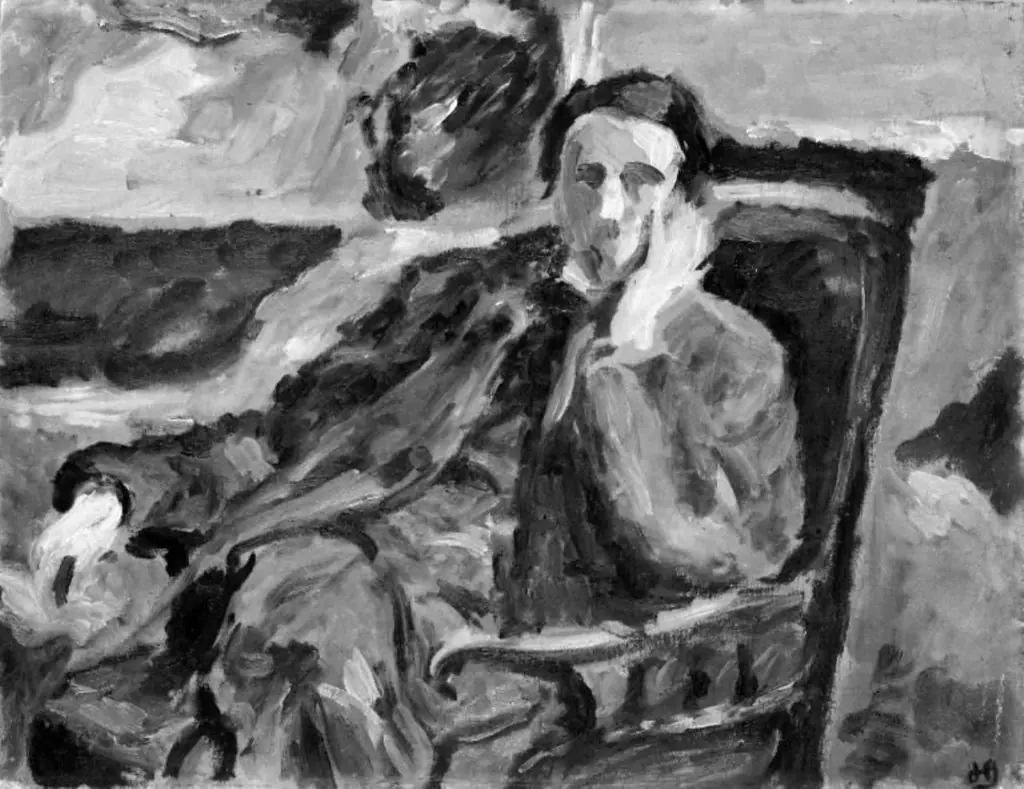 The Painter Sigurd Swane
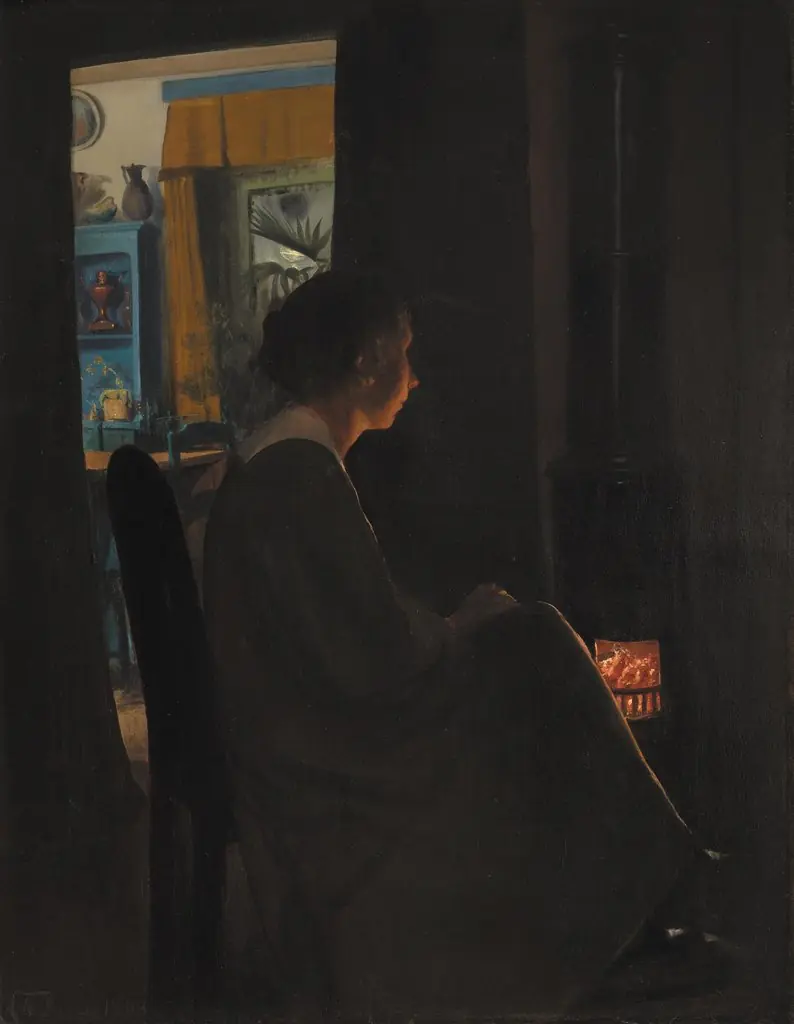 Twilight. The Artist's Wife
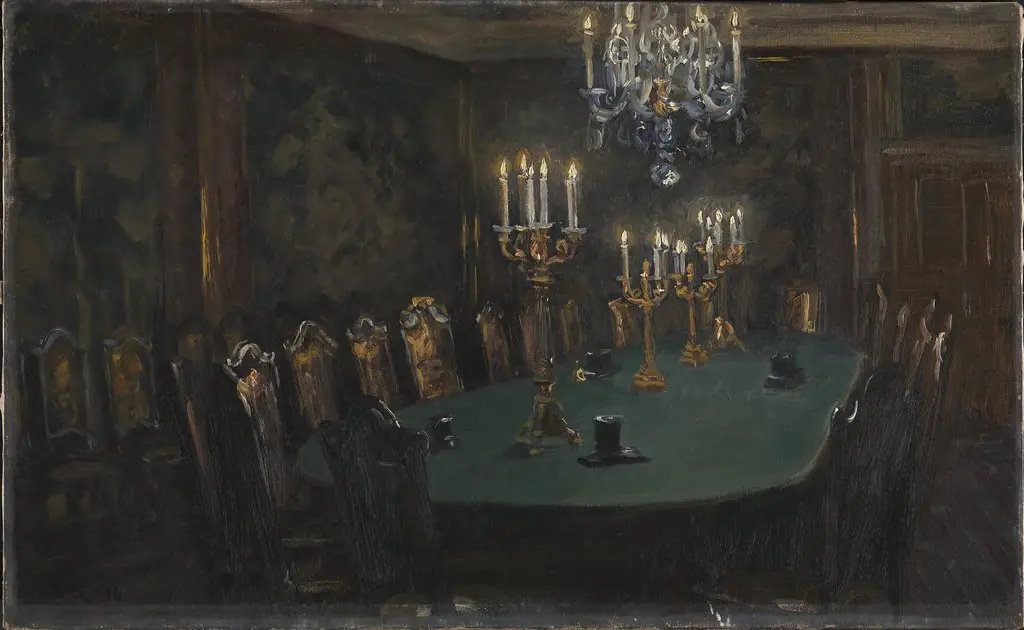 Interiør
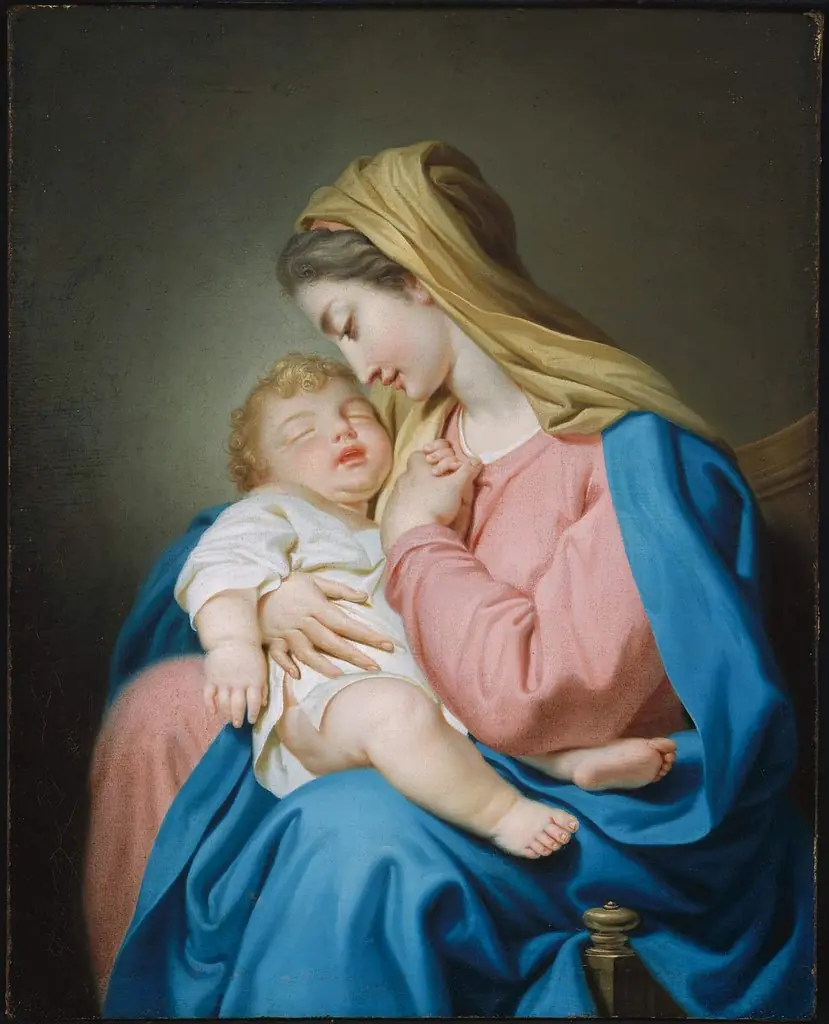 Virgin and Child
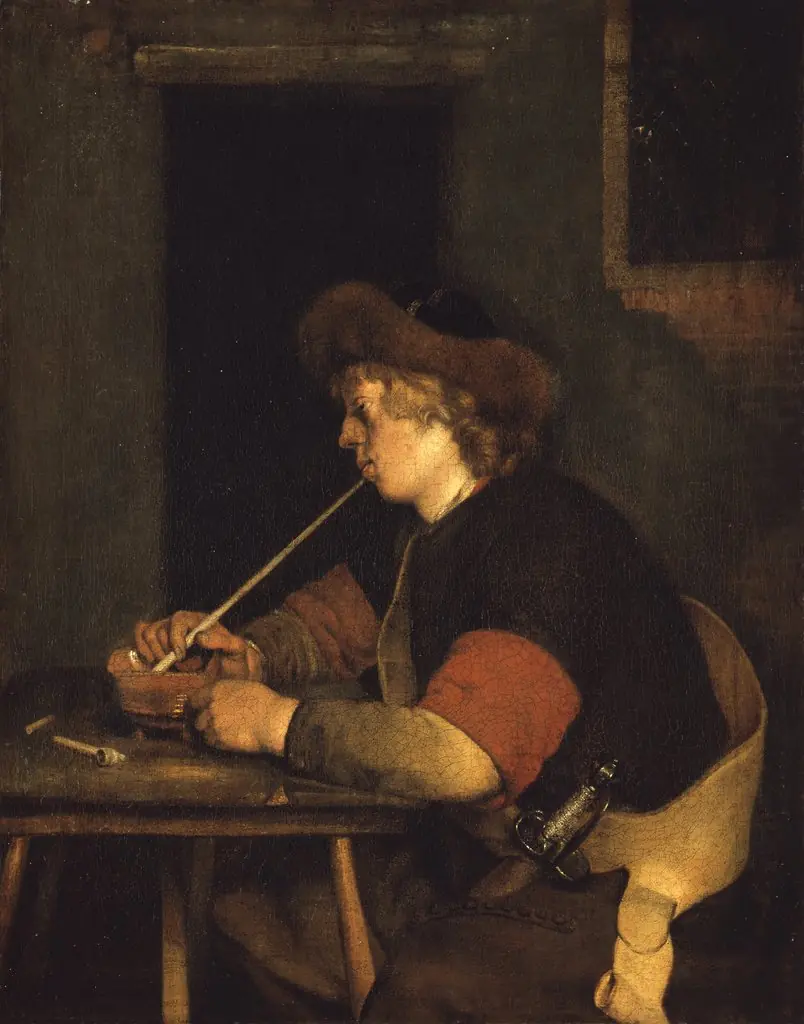 Man Smoking a Pipe
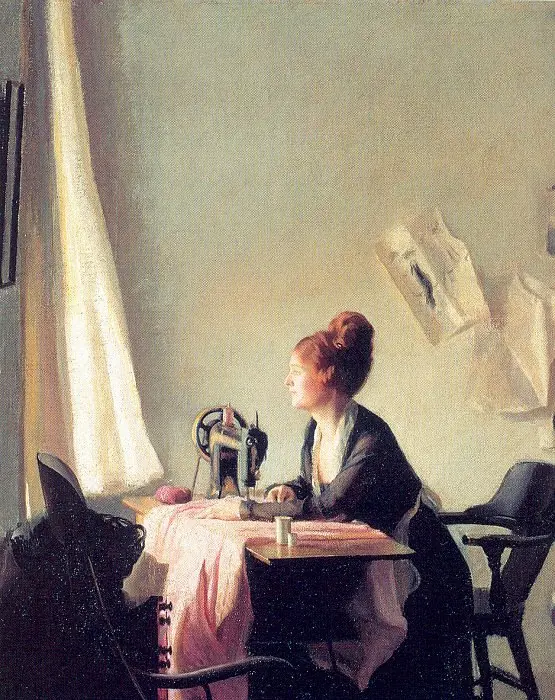 The Open Window
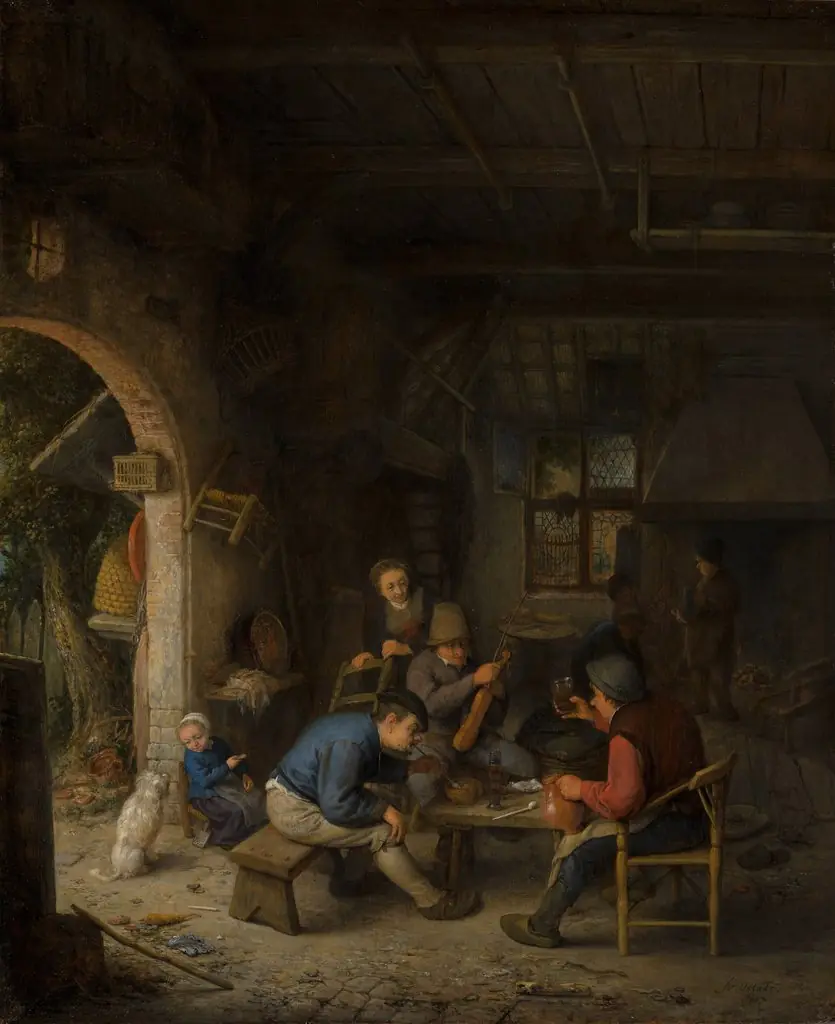 Peasants in an inn
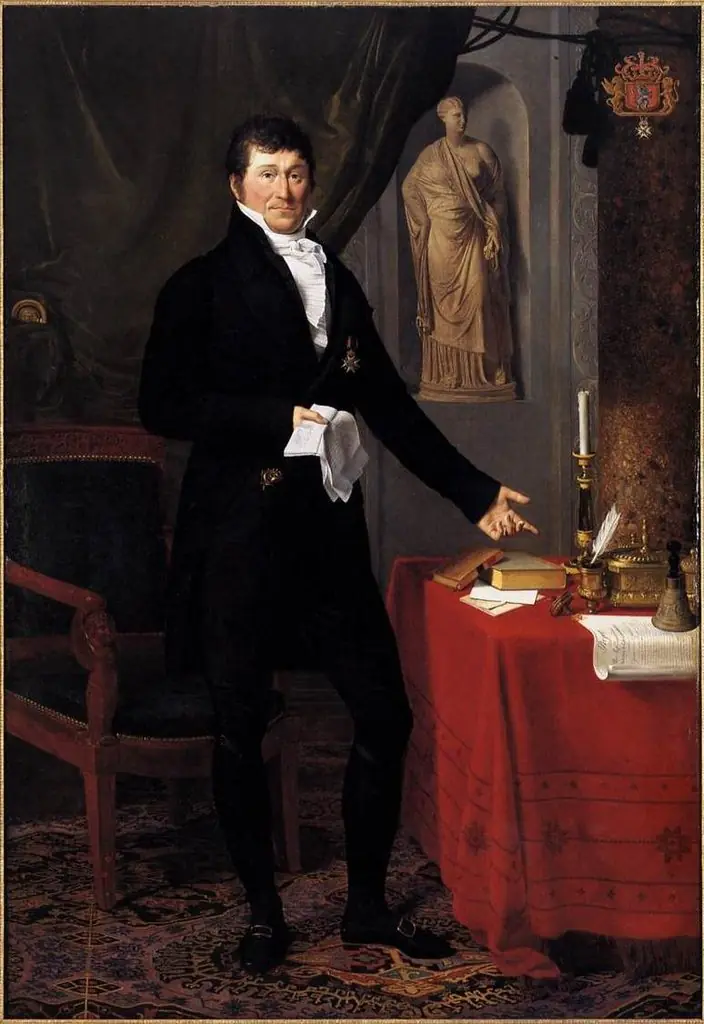 Portrait of Charles-Louis Baron de Keverberg de Kessel
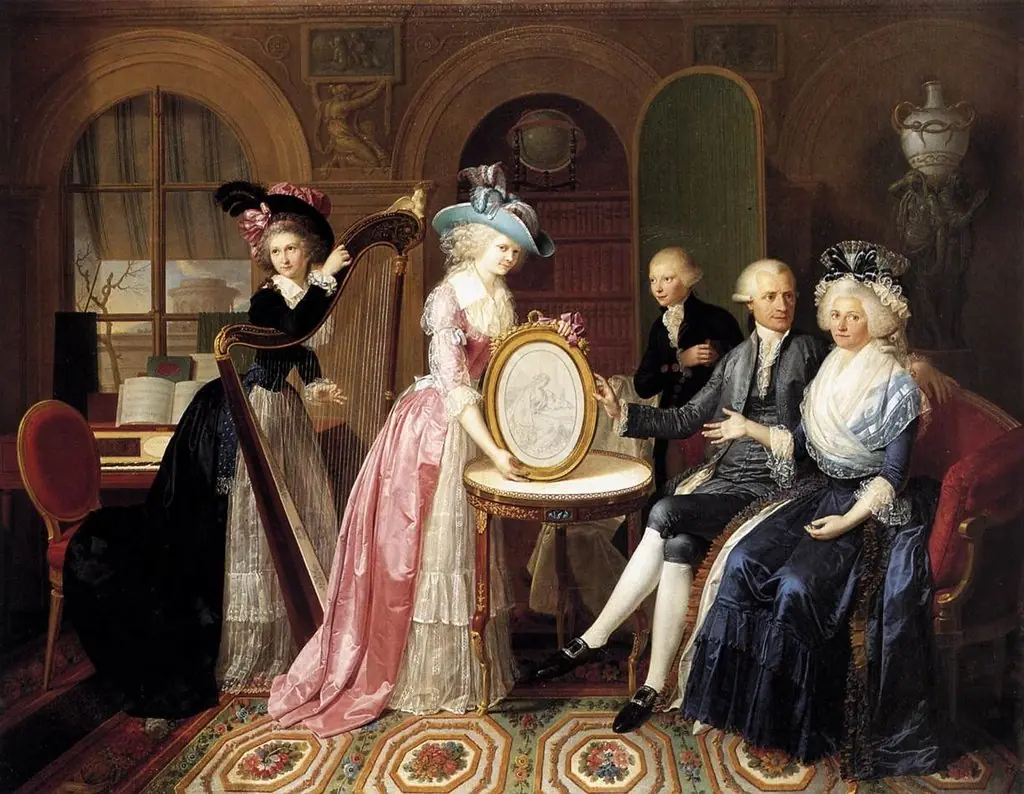 Portret van de familie Villers
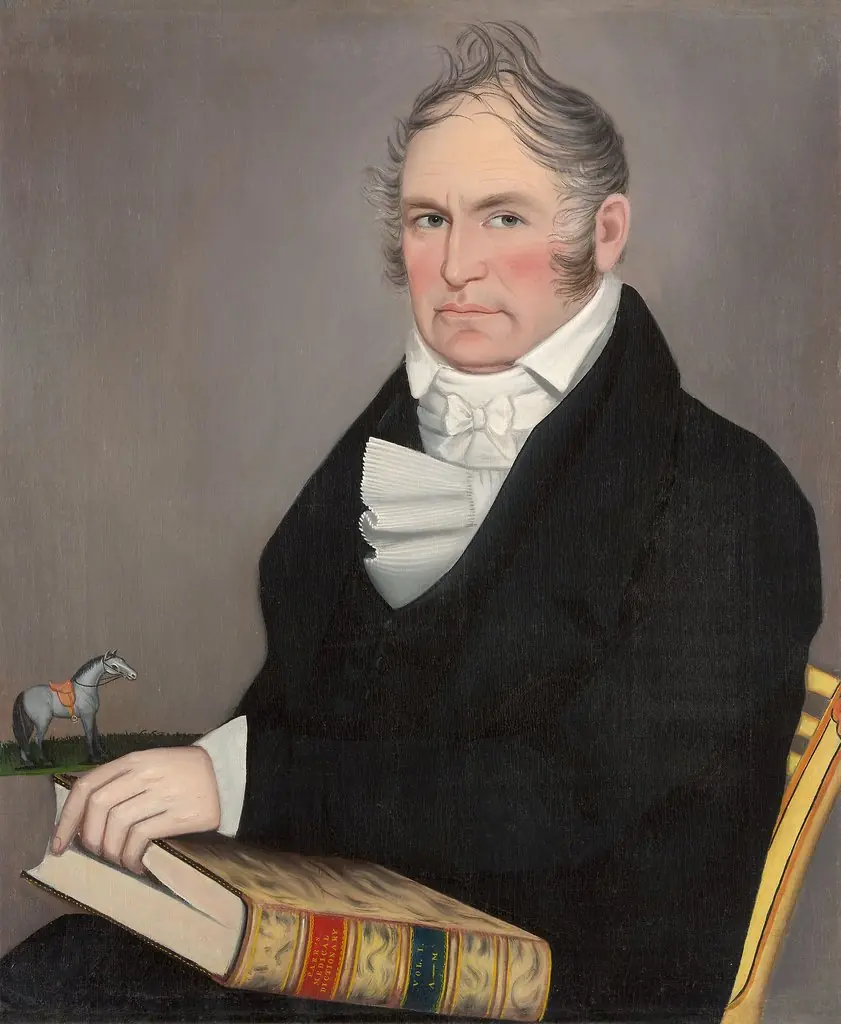 Cornelius Allerton
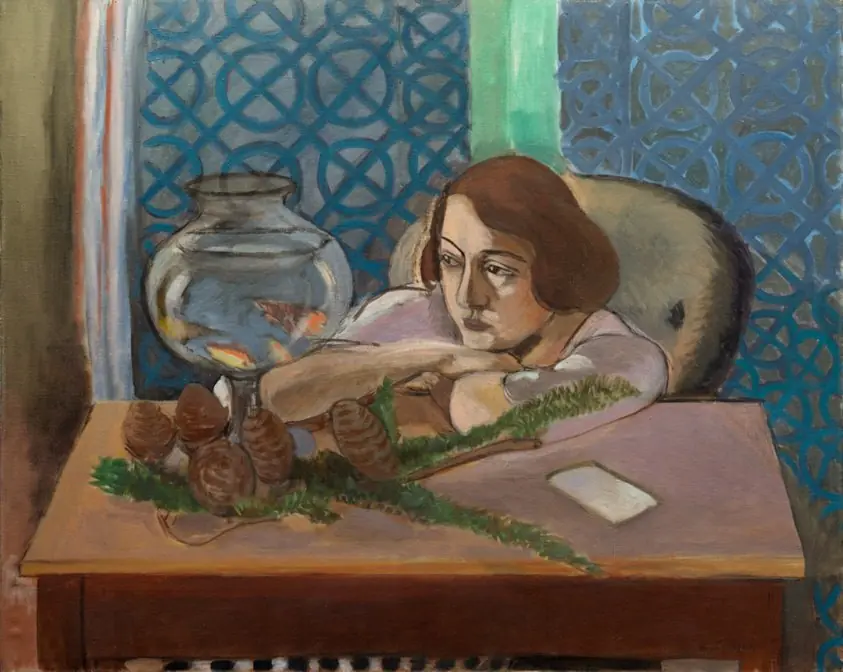 Woman Before an Aquarium
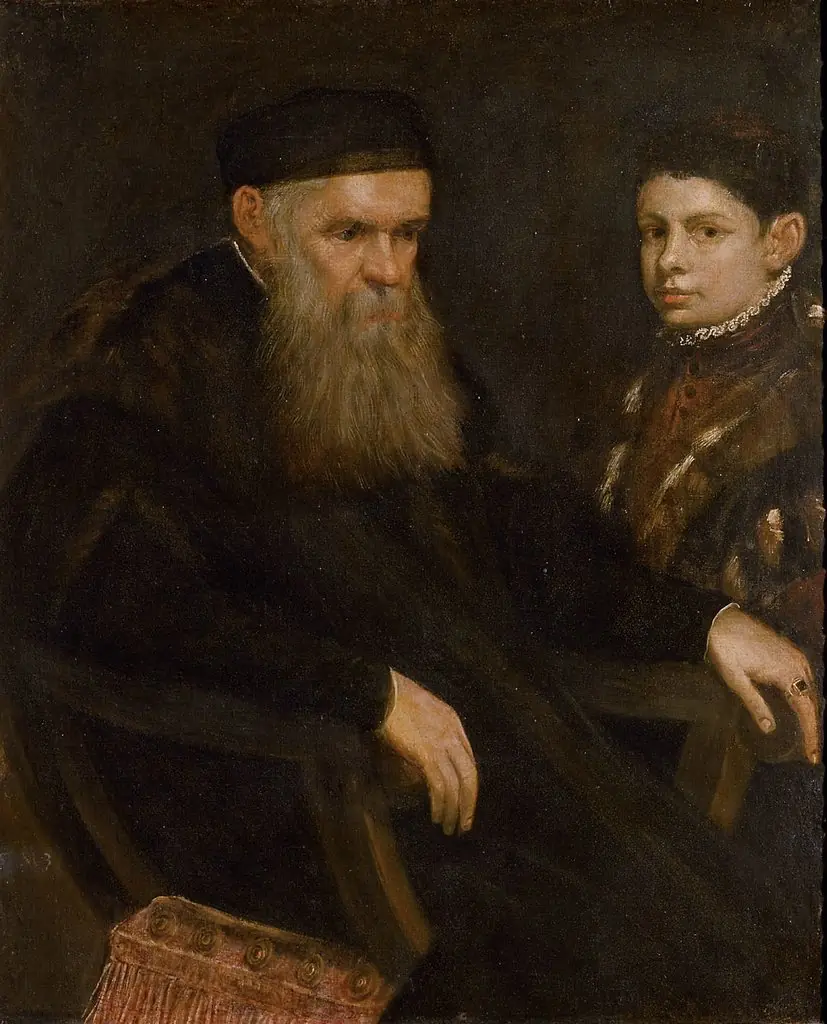 Old Man and a Boy
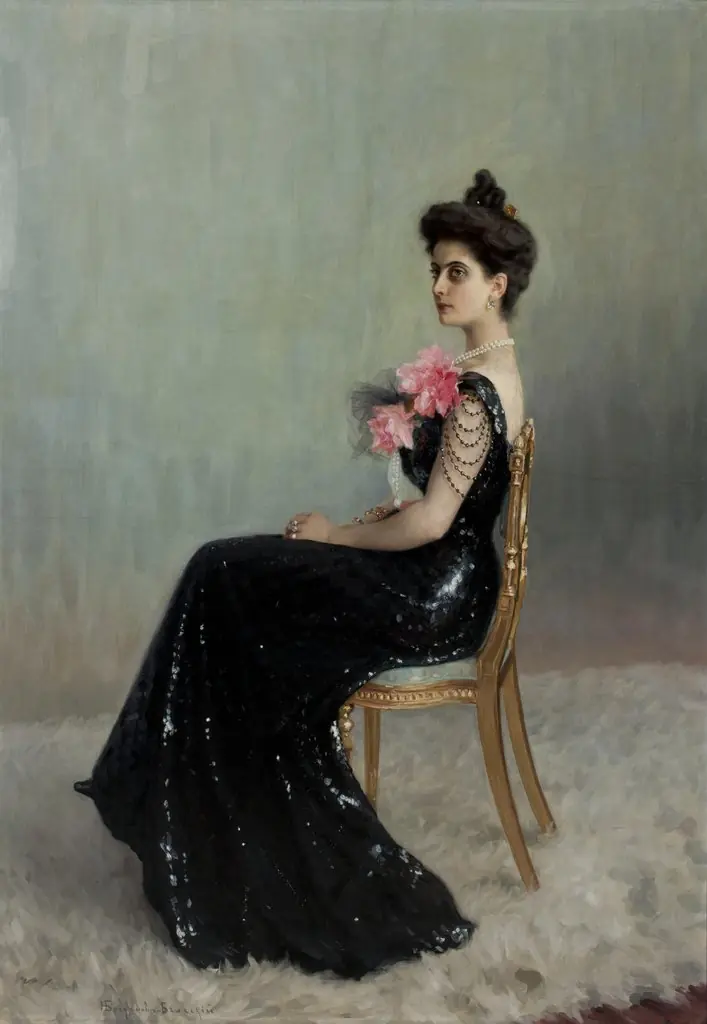 Portrait of Princess Maria Abamelek-Lazareva
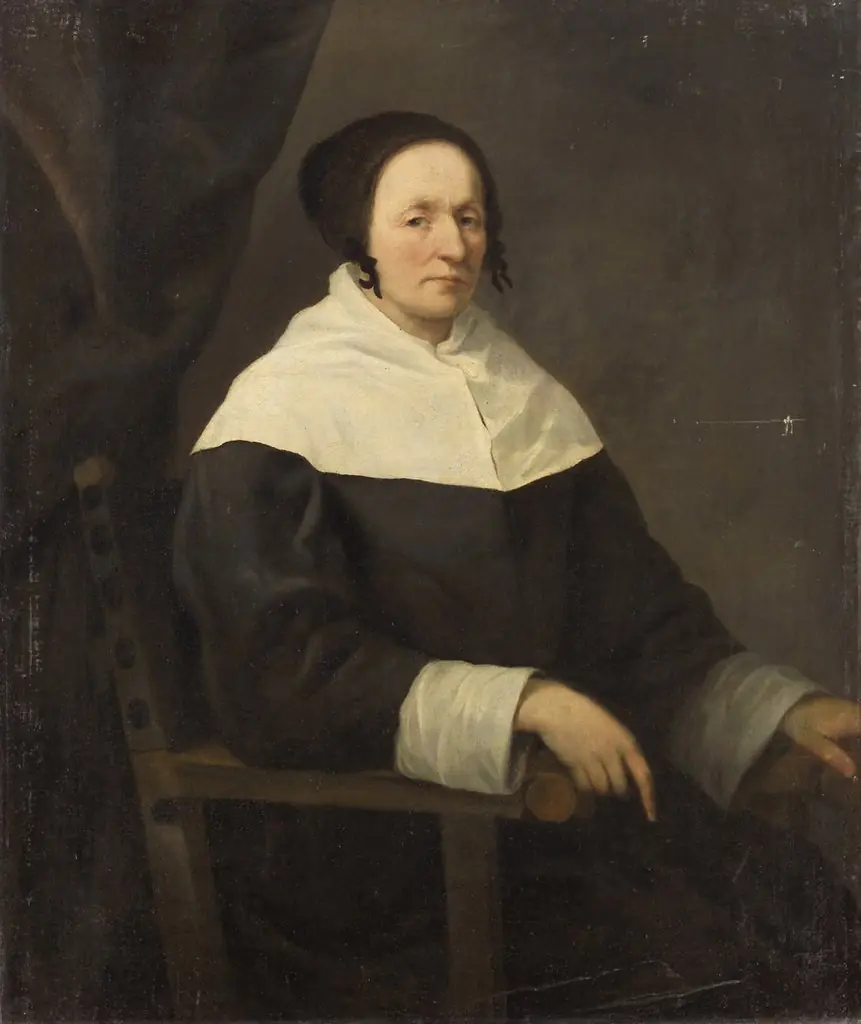 Portrait of a Seated Old Woman
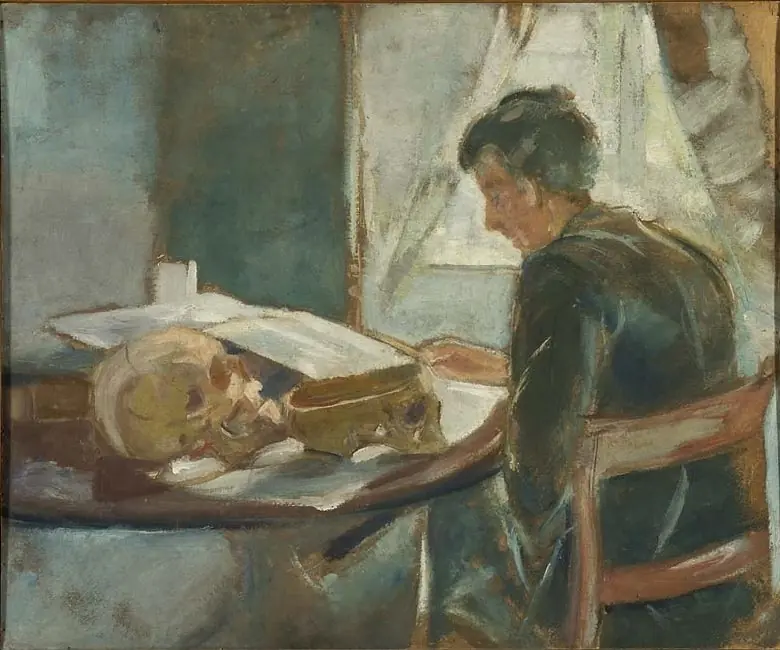 Andreas Munch Studying Anatomy
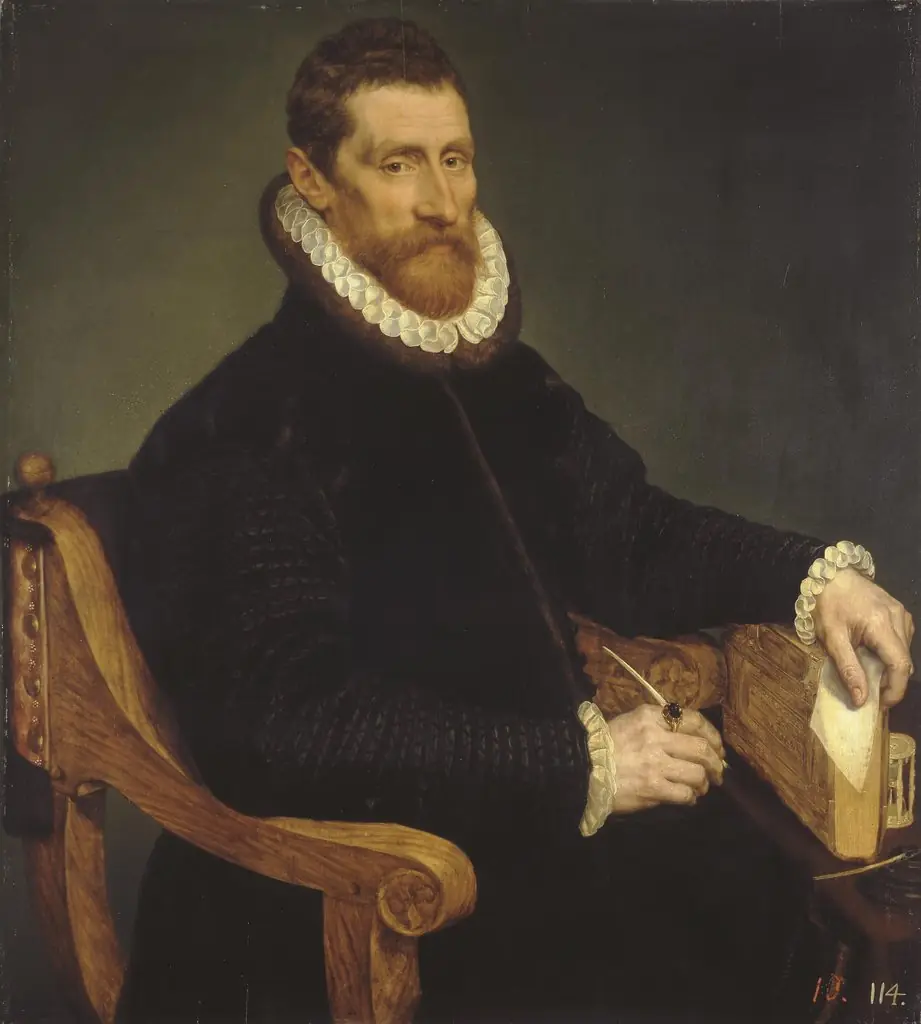 Portrait of a Man
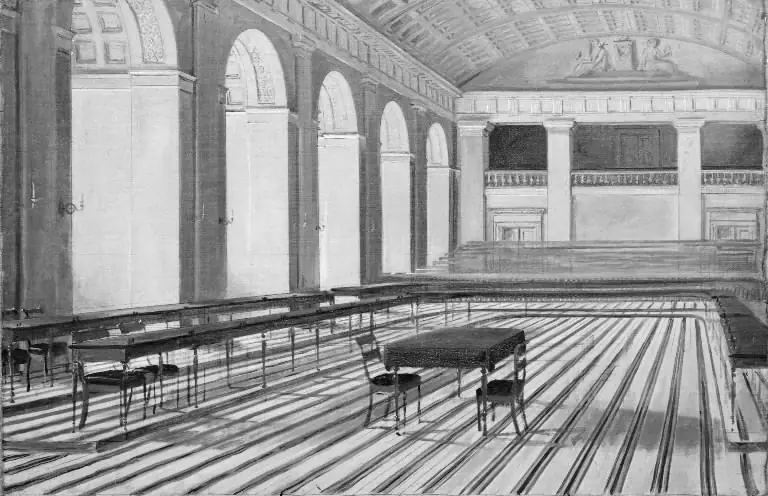 Interiørstudie
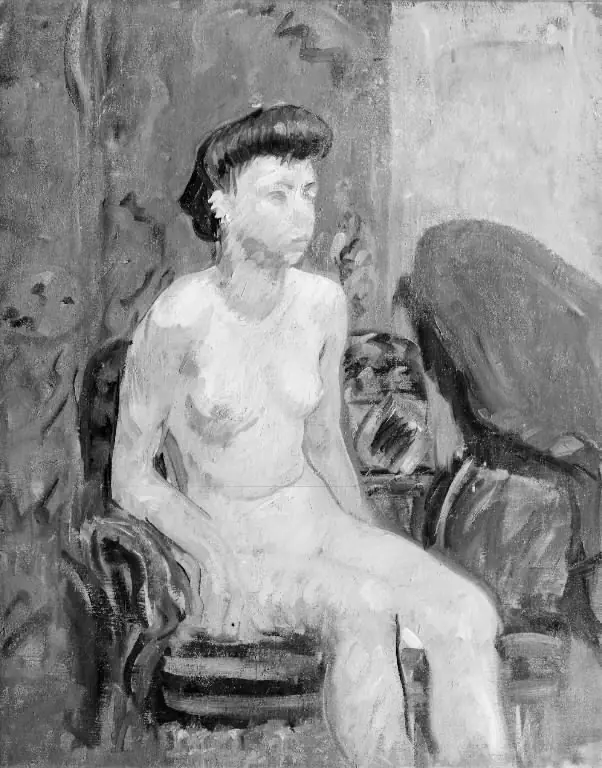 Seated Female Nude
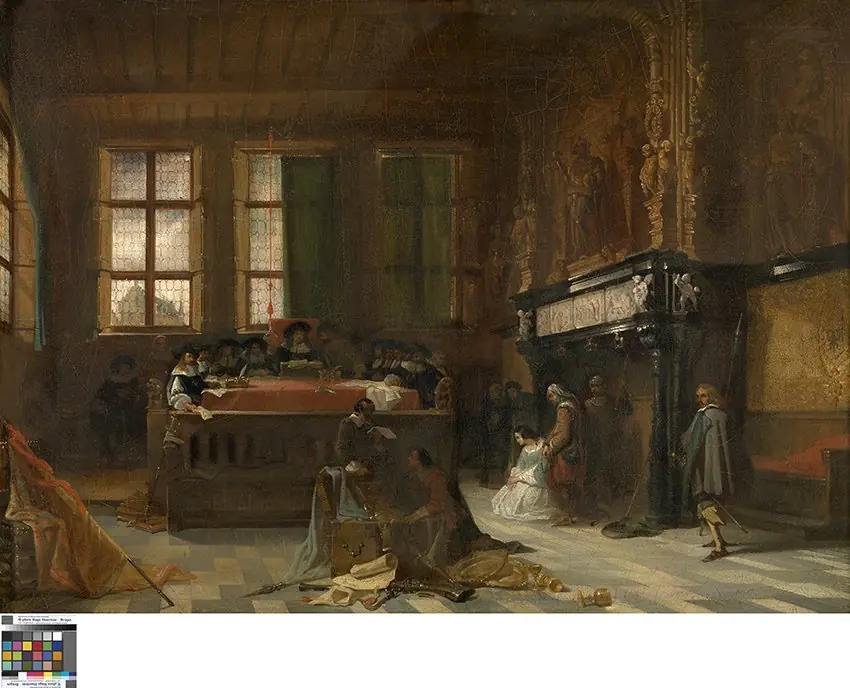 De zitting van de rechtbank
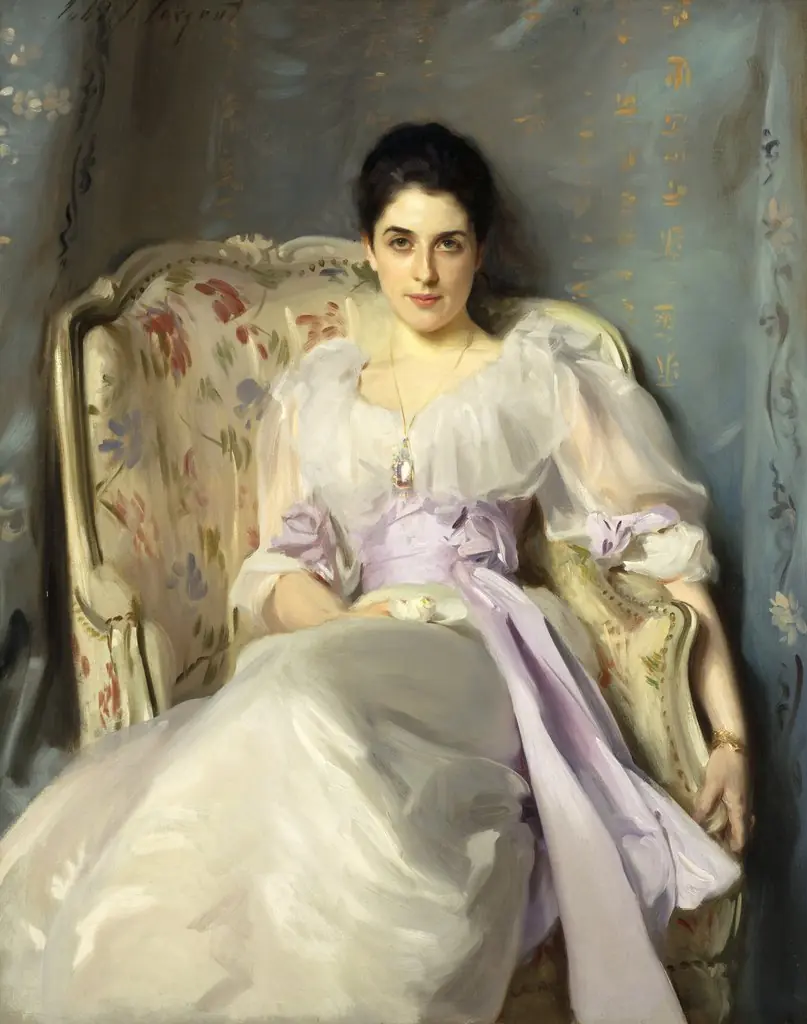 Lady Agnew of Lochnaw
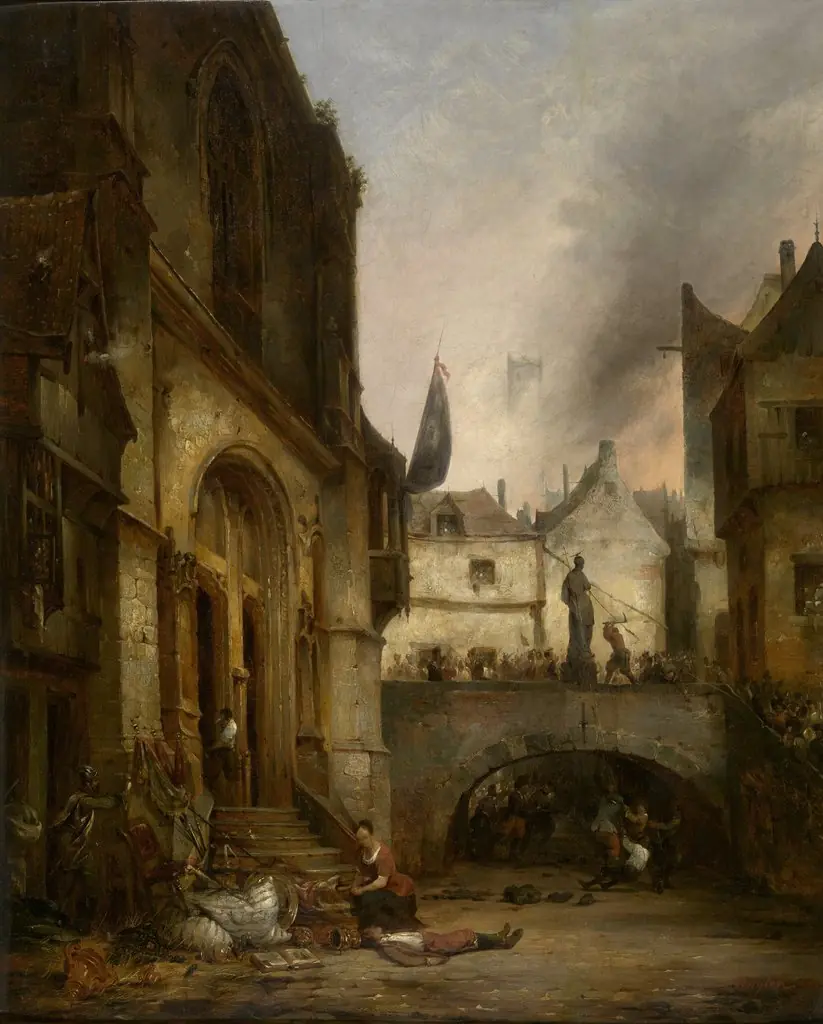 De beeldenstormers
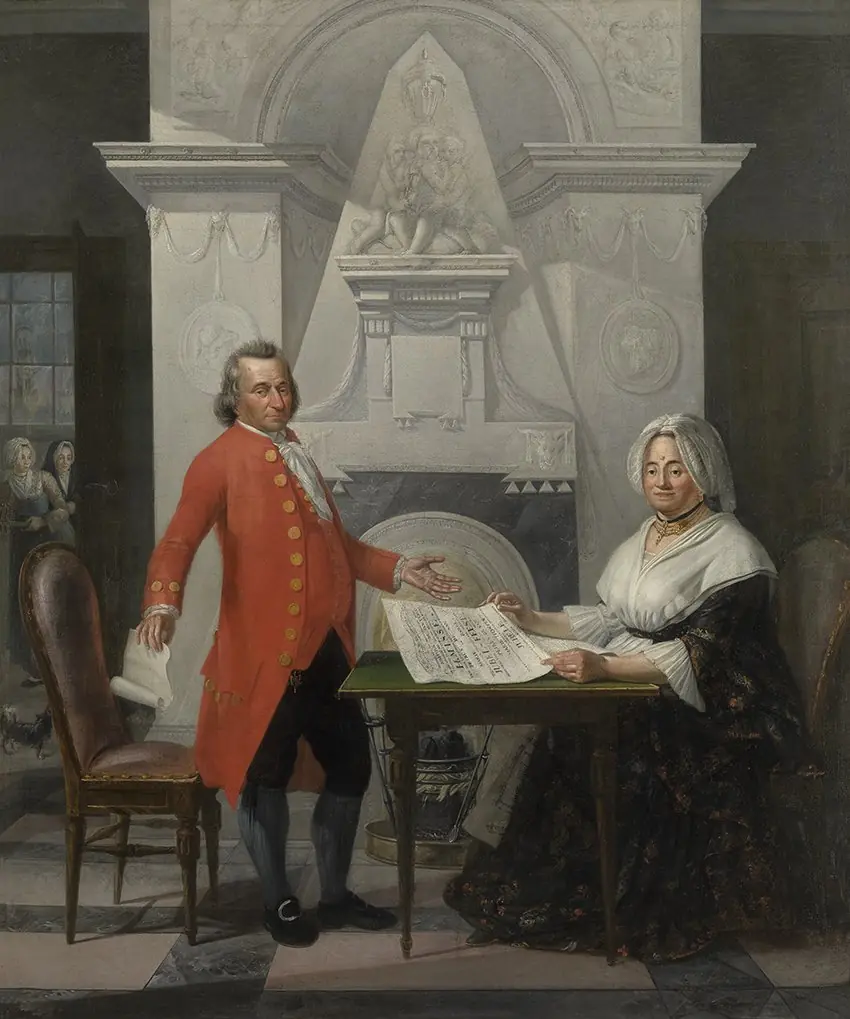 Jubileumportret van de familie De San
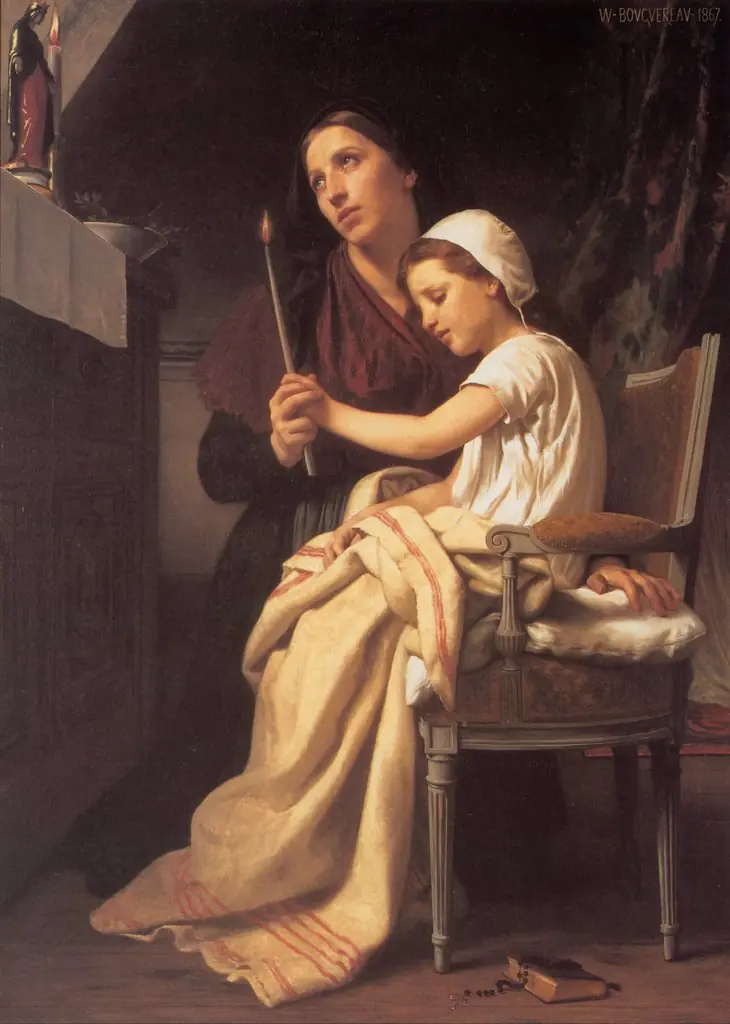 The Thank Offering
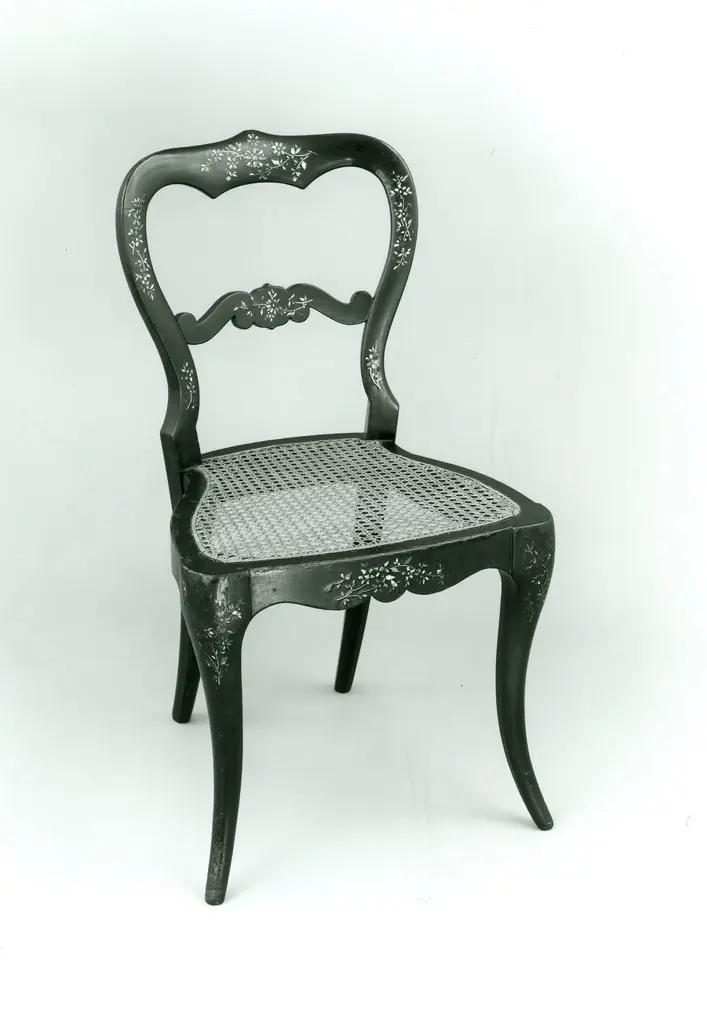 Papier-mâchè side chair
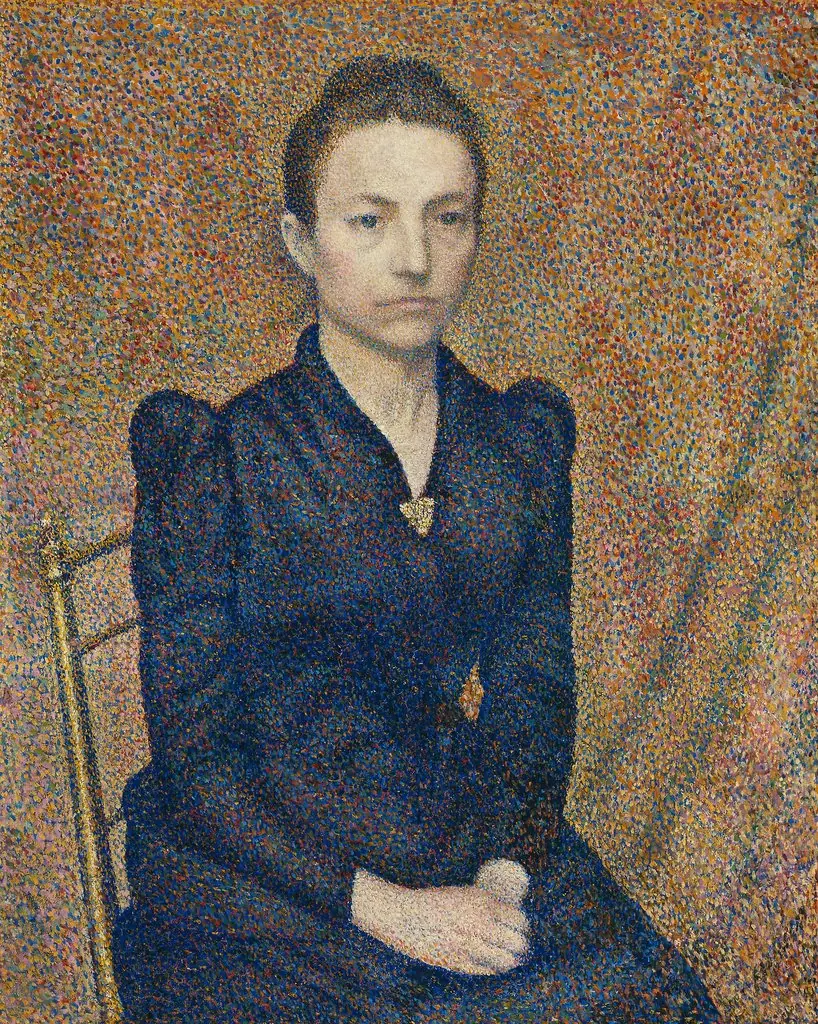 Portrait of the Artist's Sister
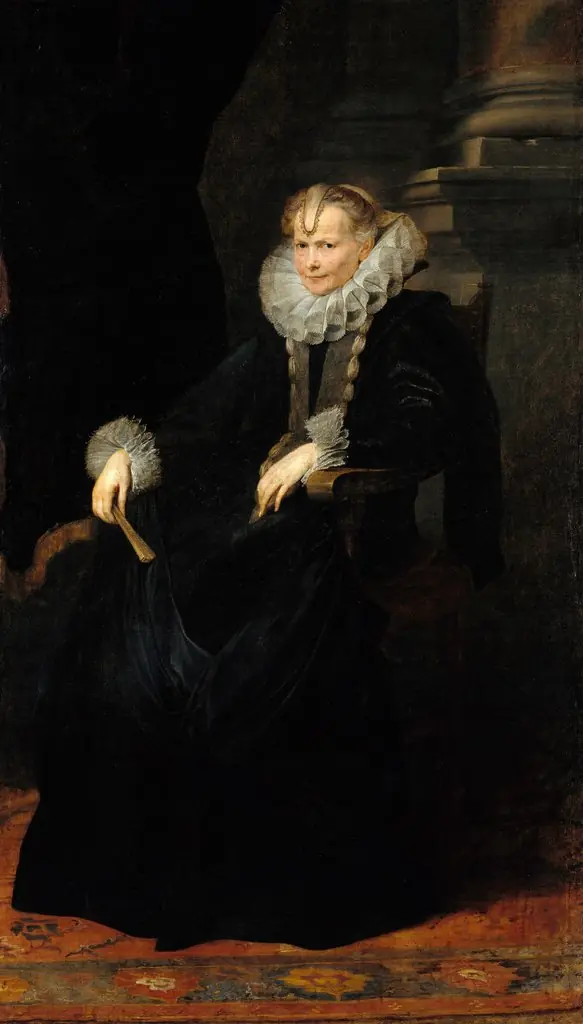 Portrait of a Genoese Lady
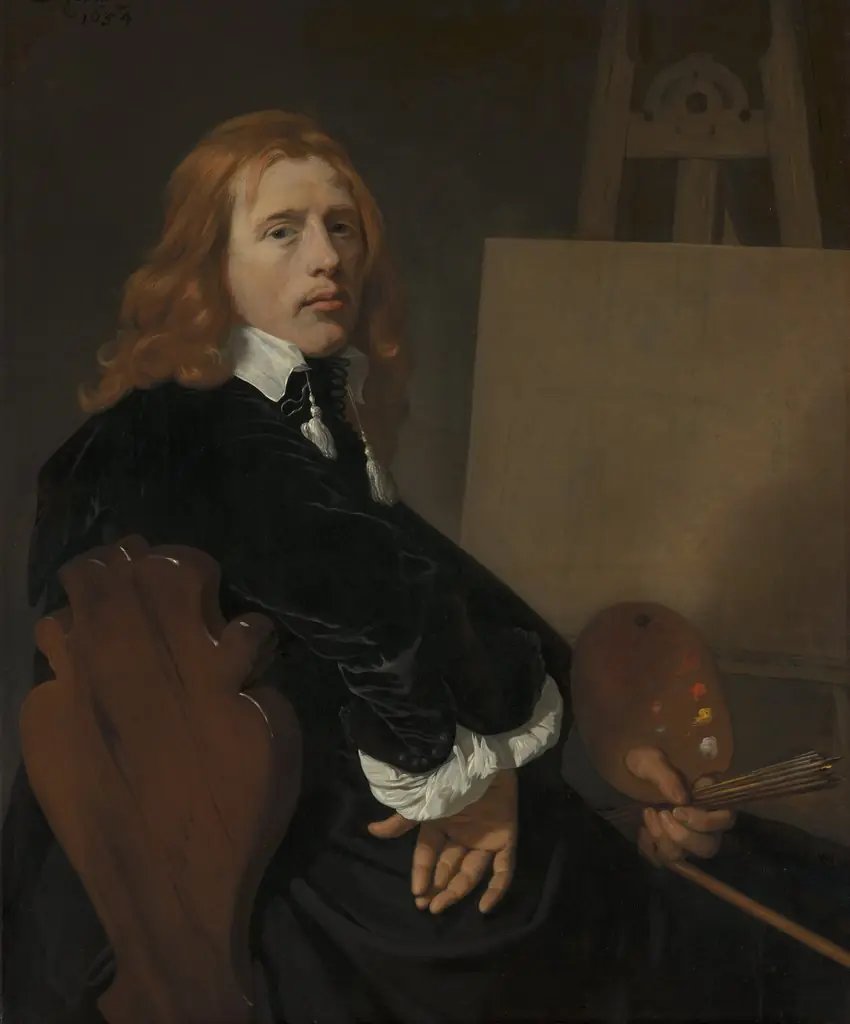 Portrait of Paulus Potter
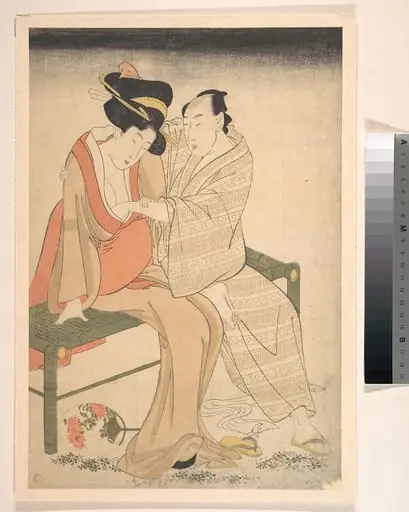 Untitled
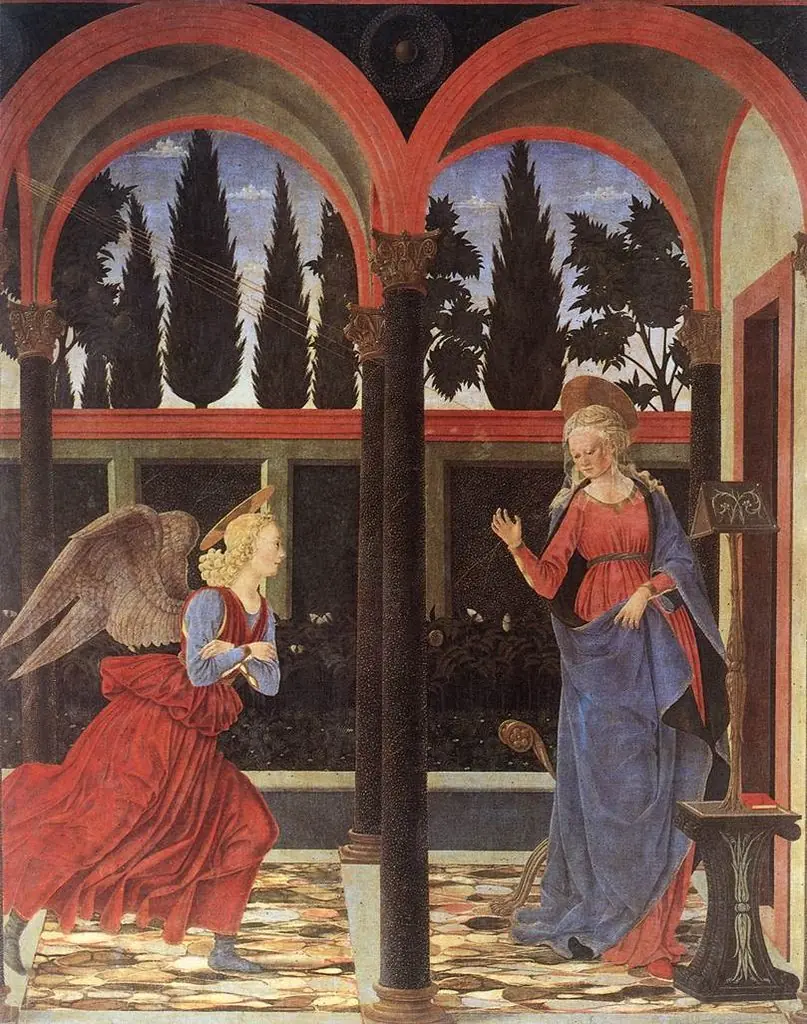 Annunciation
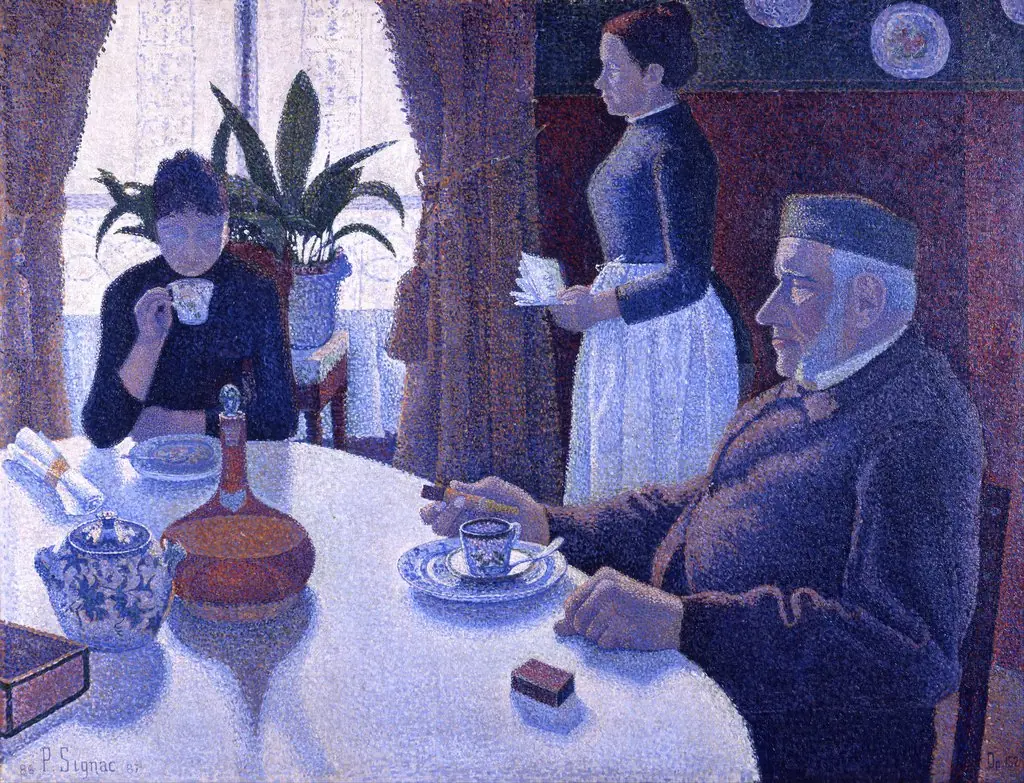 Breakfast
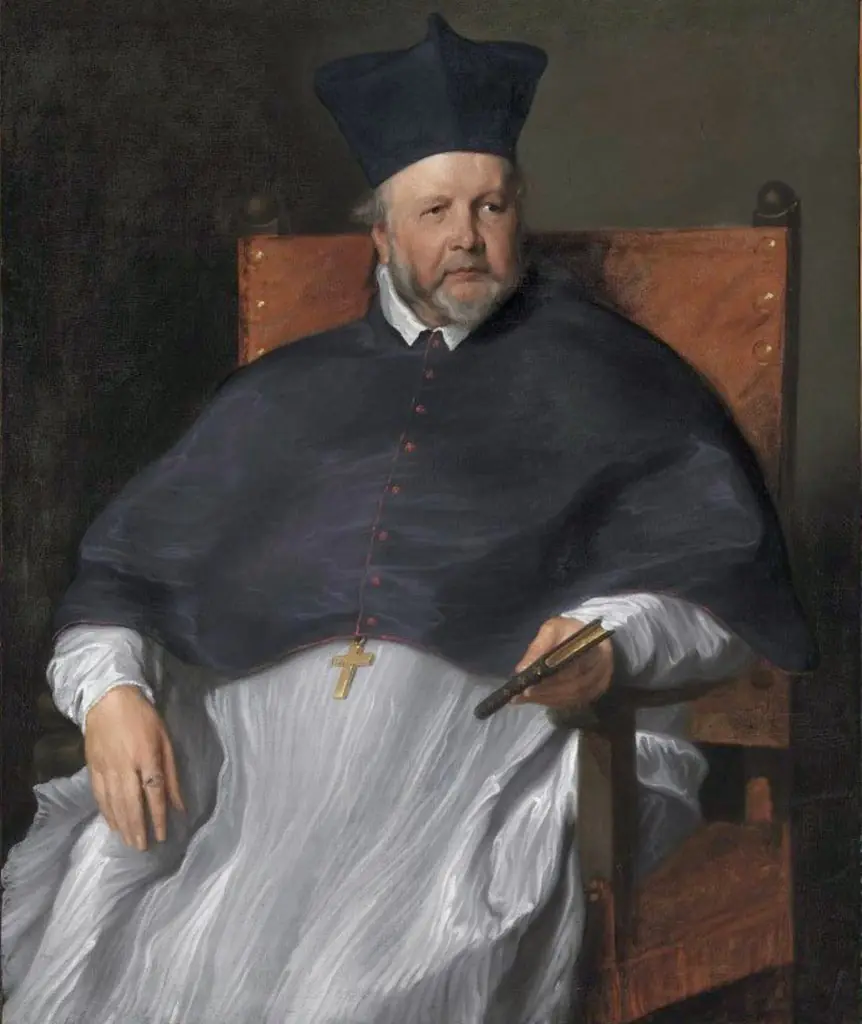 Portrait of Joannes Malderus, bishop of Antwerp
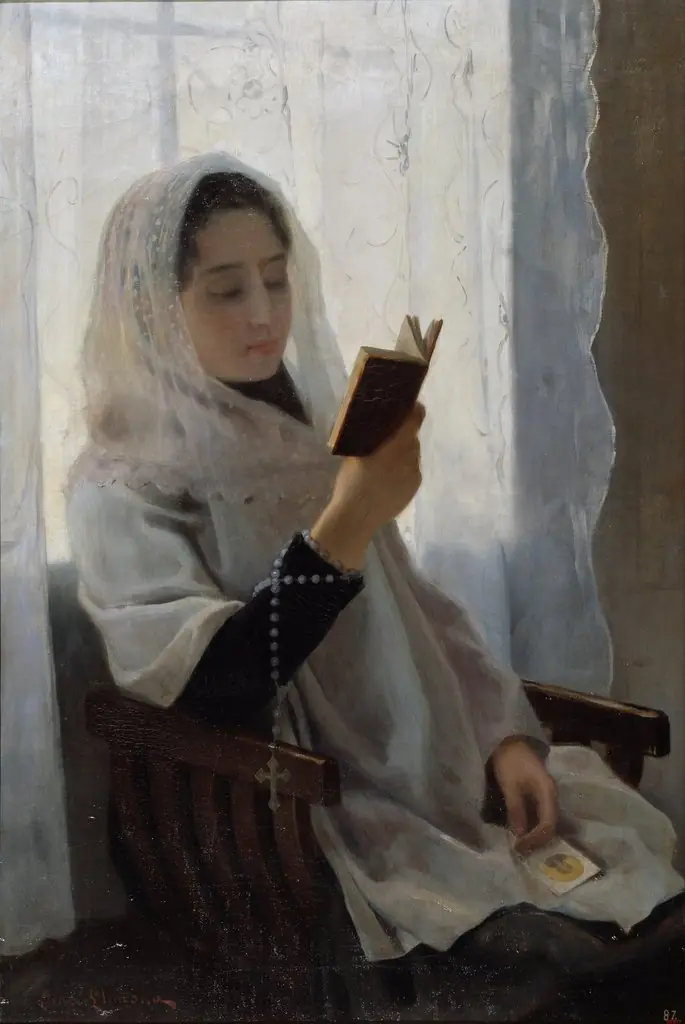 Reading
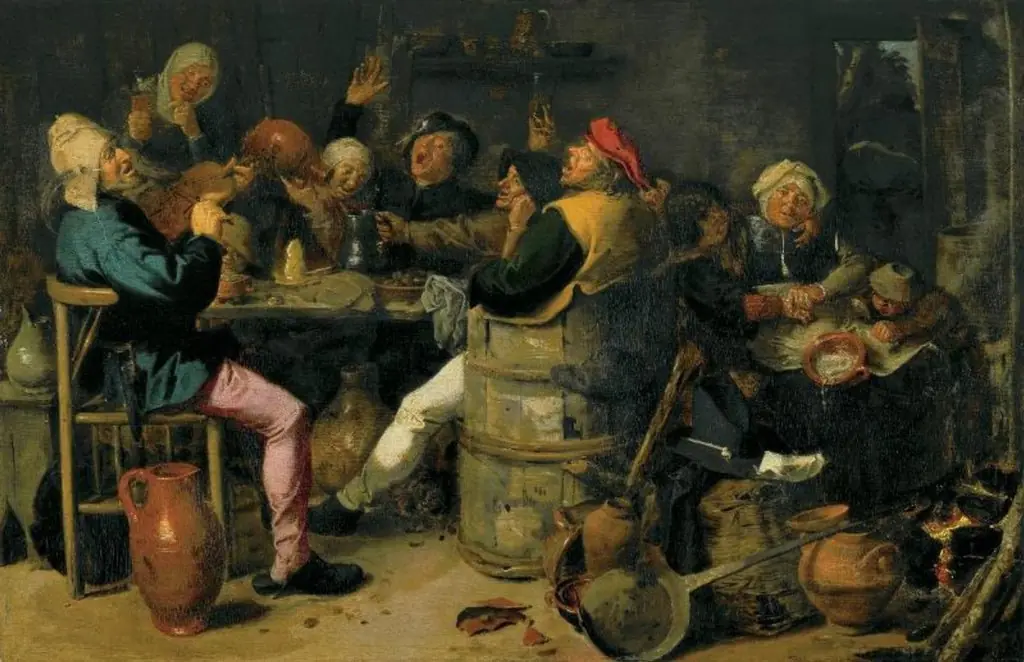 Peasant Feast
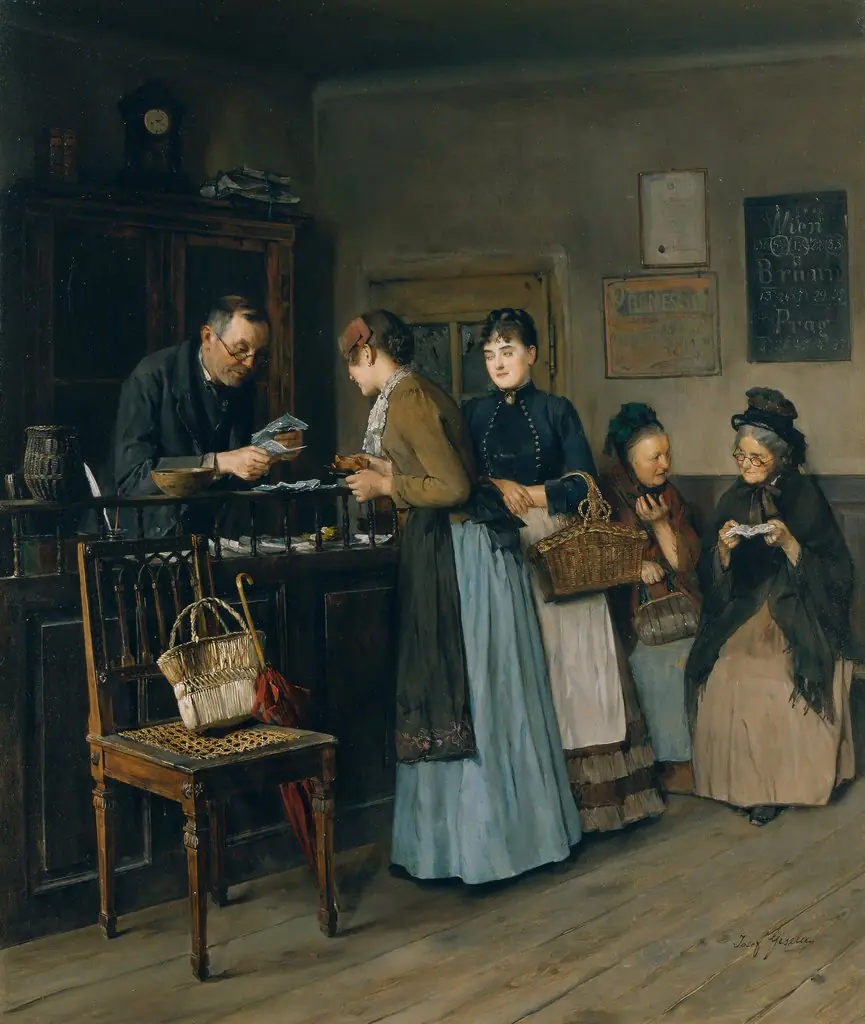 Lottery Sisters
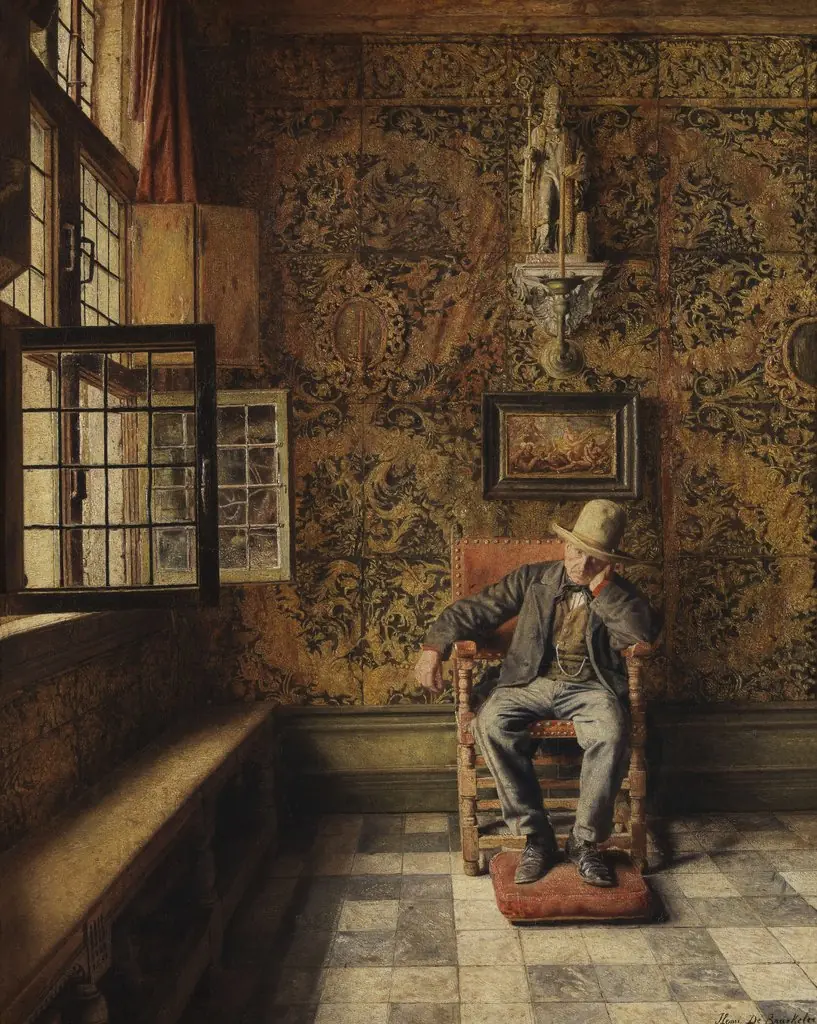 The Man on the Chair
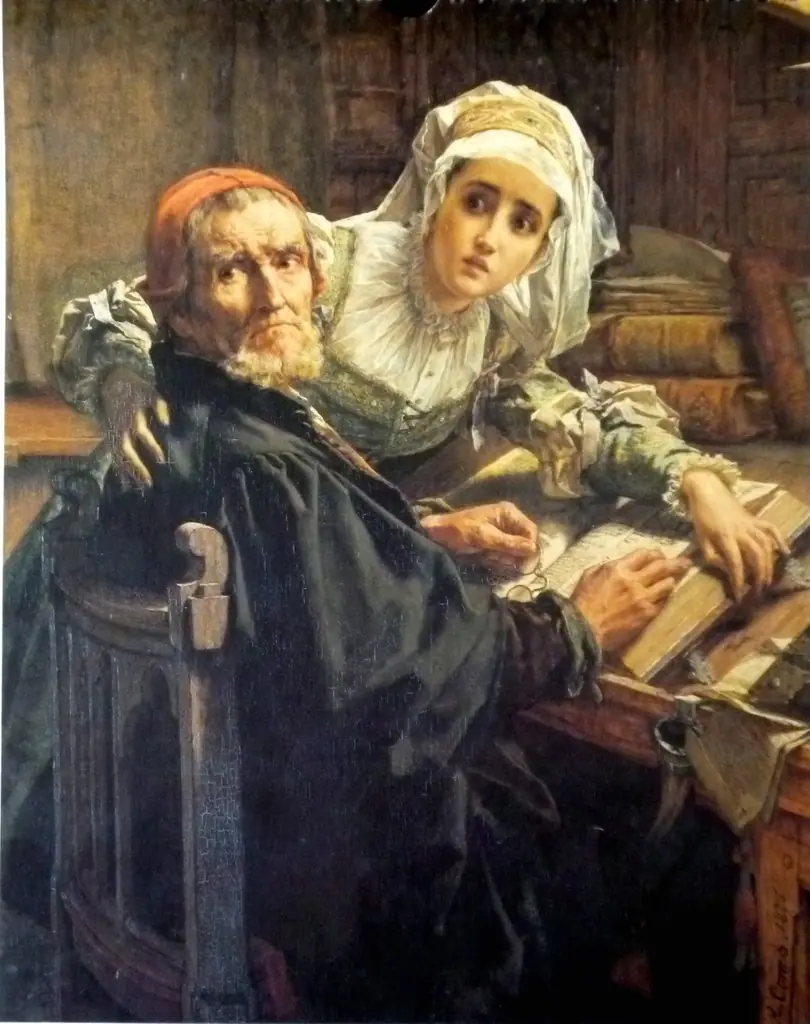 The prohibited reading
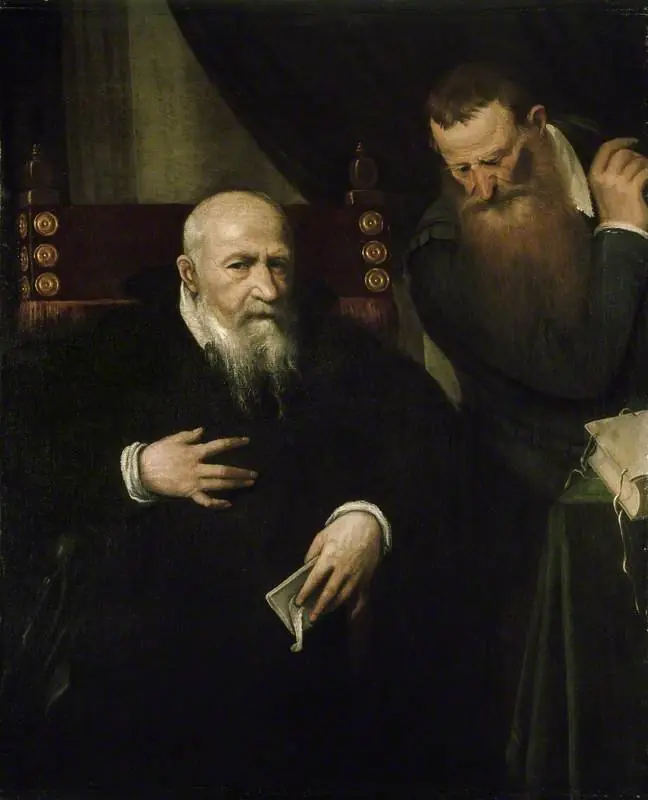 Portrait of a Man and his Secretary
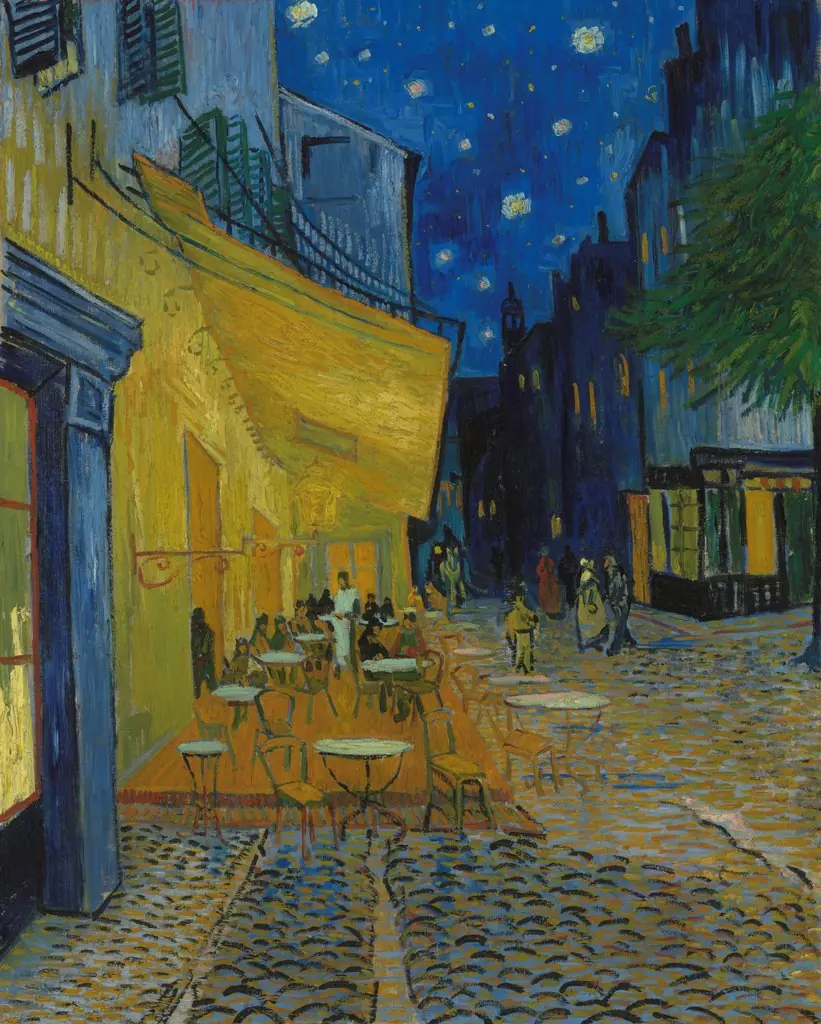 Café Terrace at Night
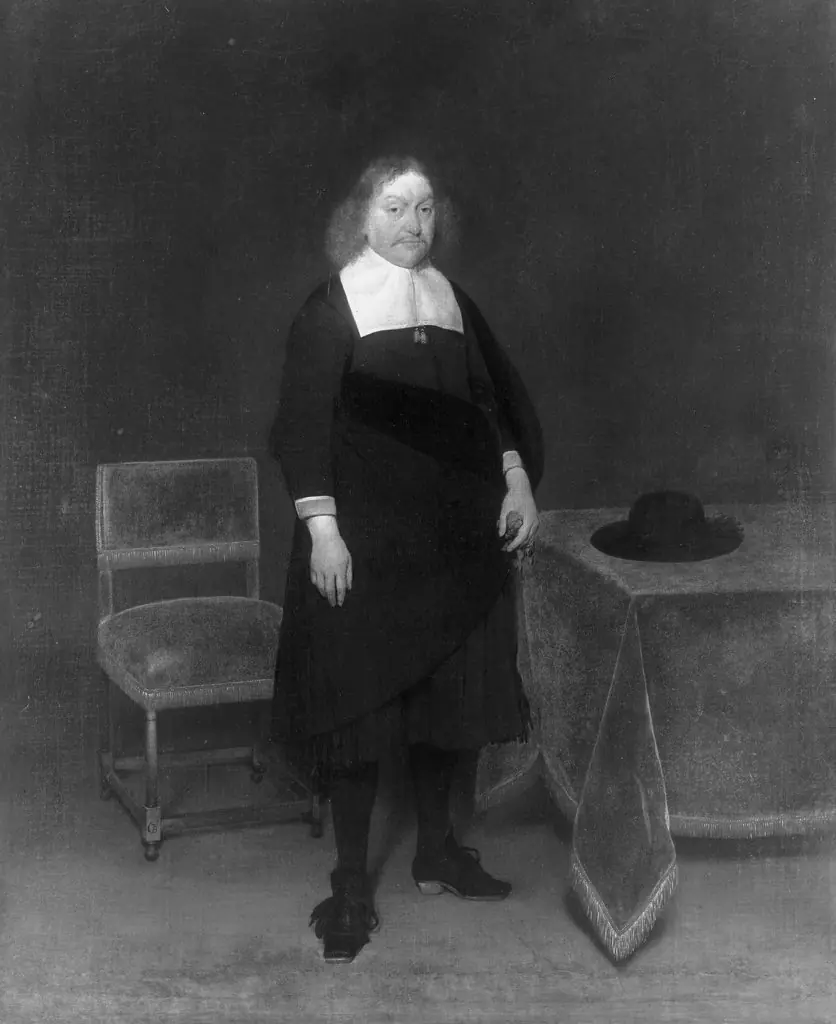 Portrait of a Middle-Aged Man
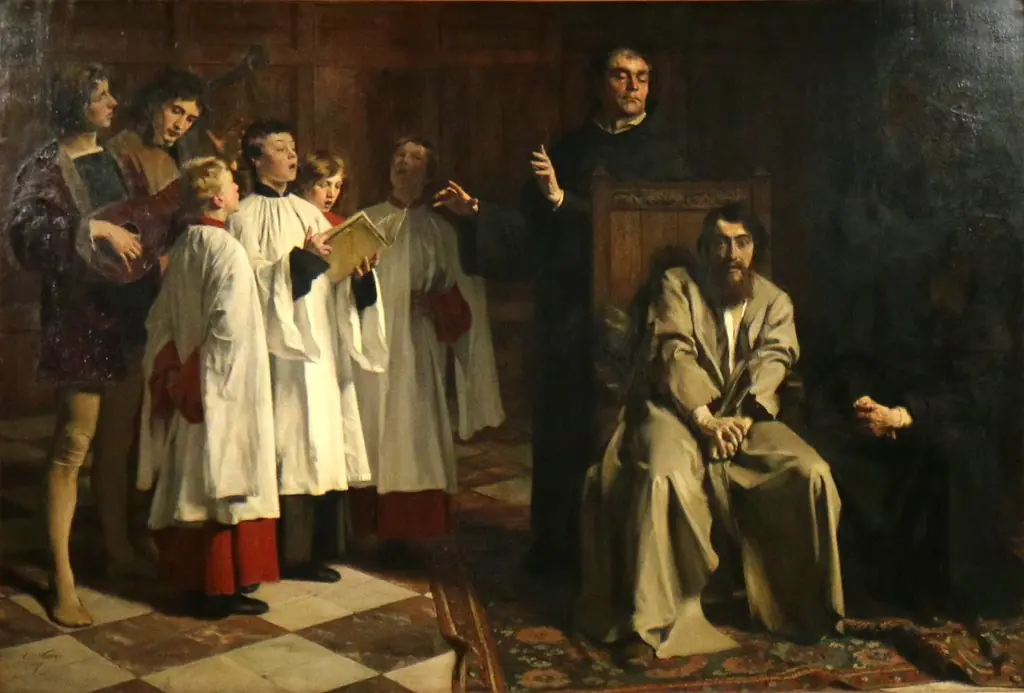 The painter Hugo van der Goes in the Rouge-Cloître Abbey
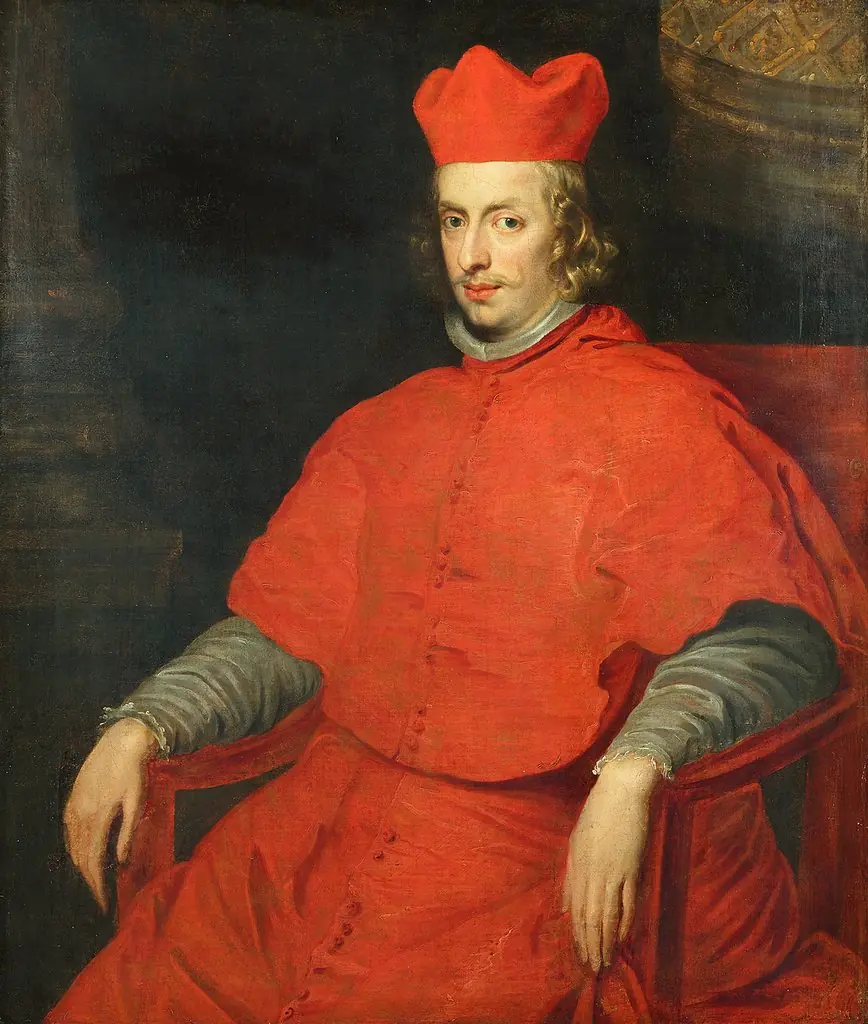 Portrait of Don Fernando, Cardinal-Infante of Spain (1609-1641)
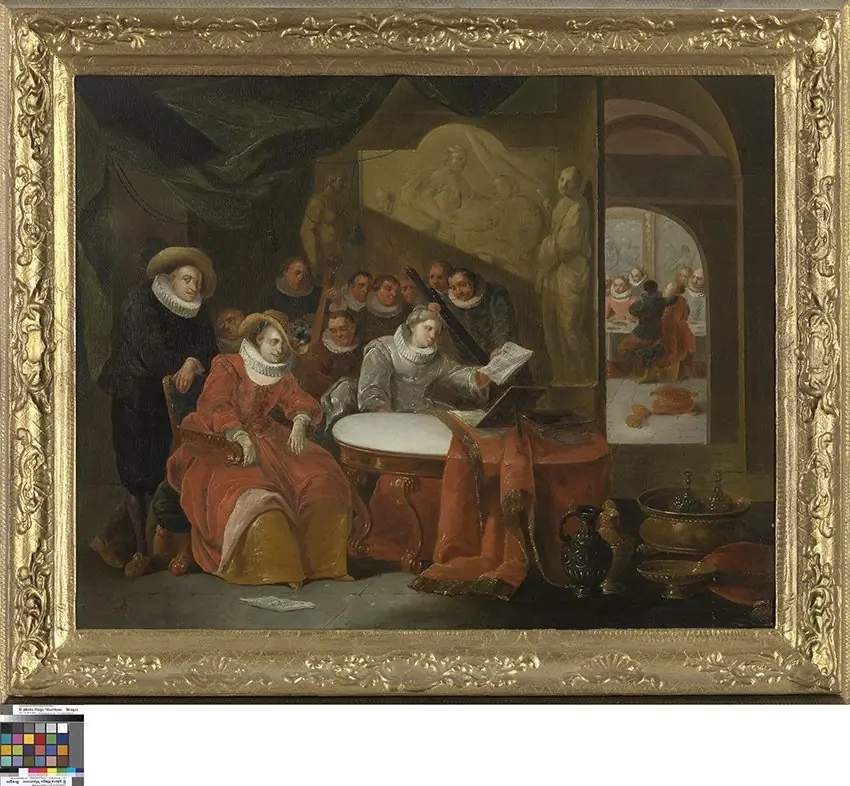 Galant gezelschap
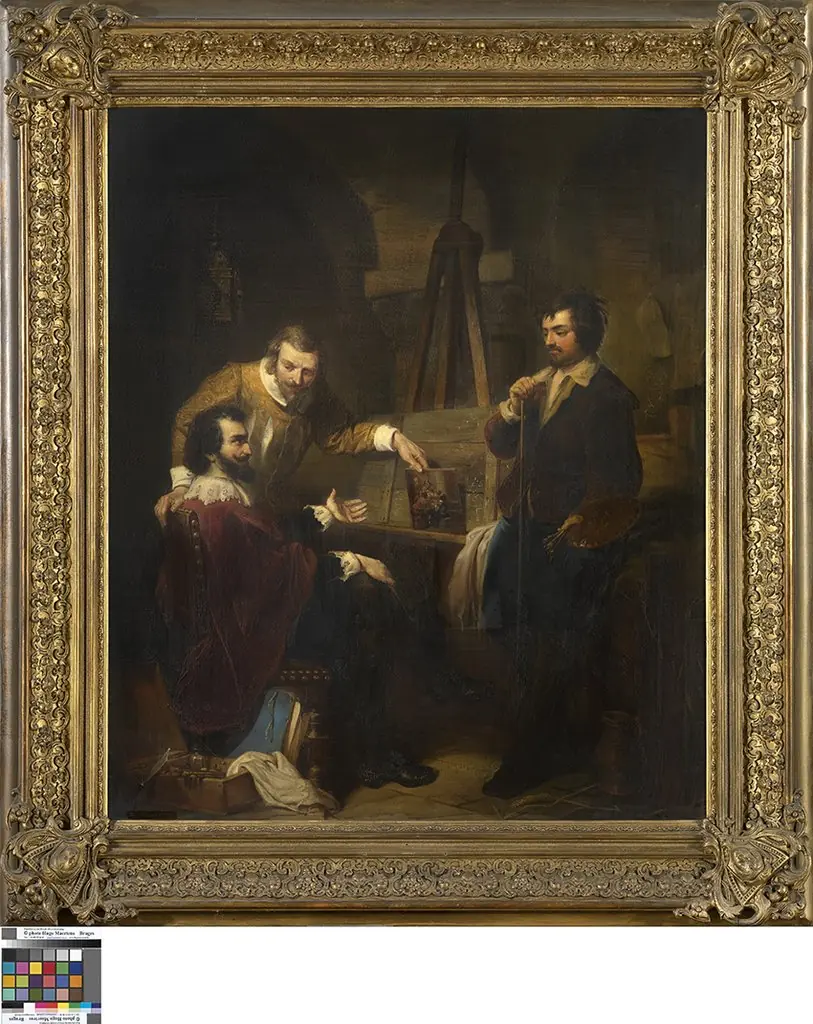 Peter Paul Rubens bezoekt Adriaen Brouwer in de Citadel van Antwerpen
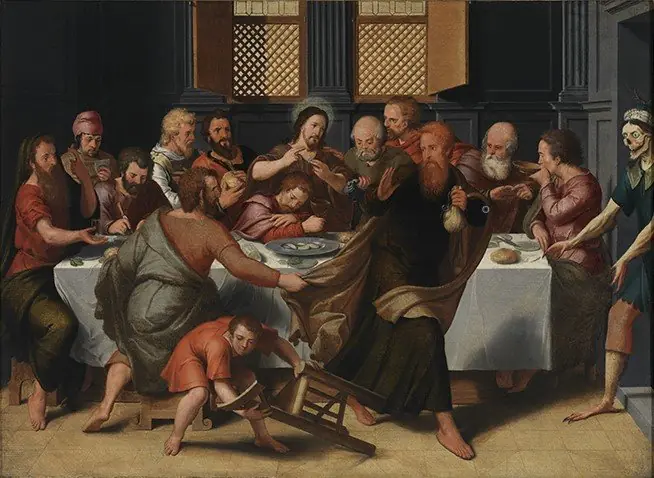 Last Supper
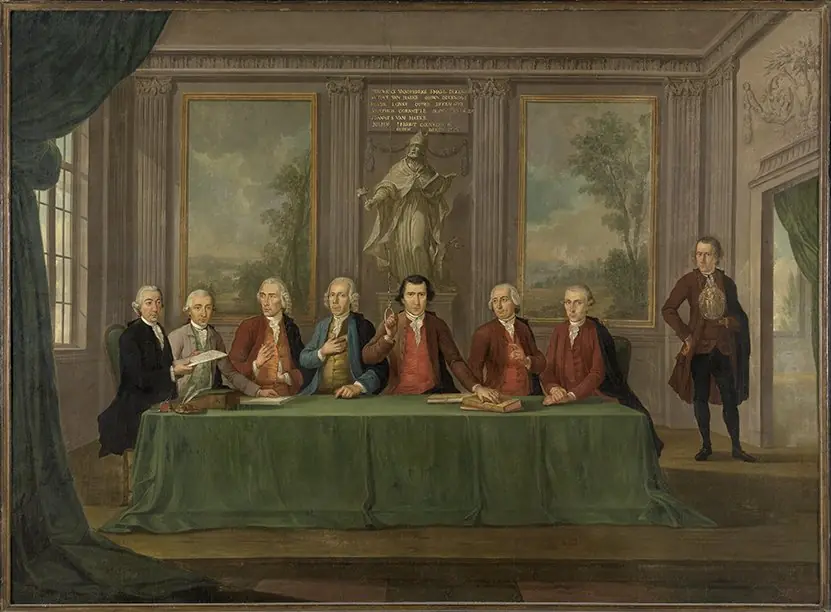 Het bestuur van het Brugse smedenambacht
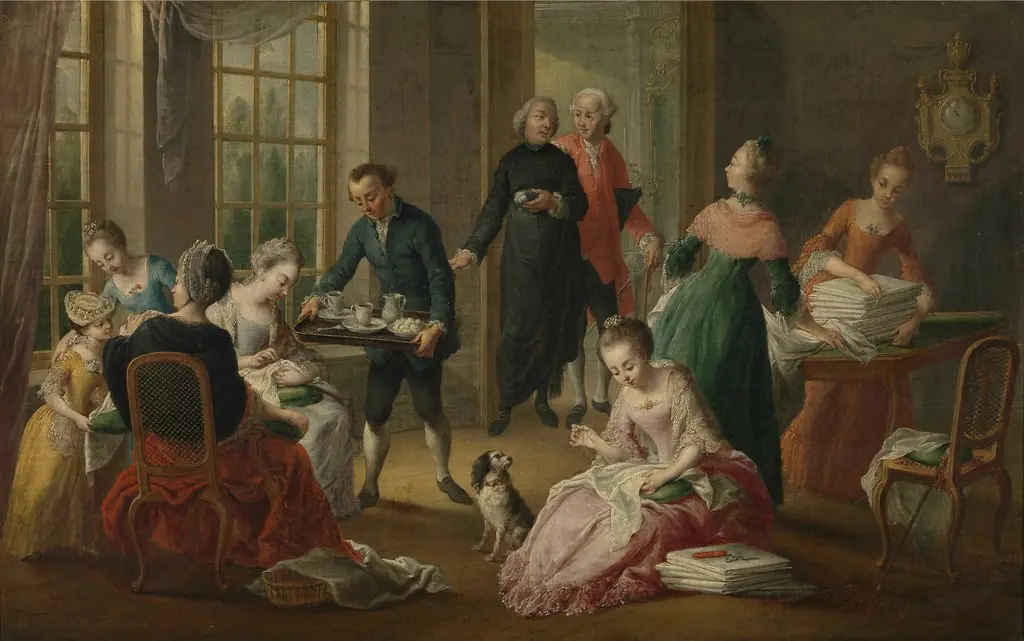 Afternoon Tea
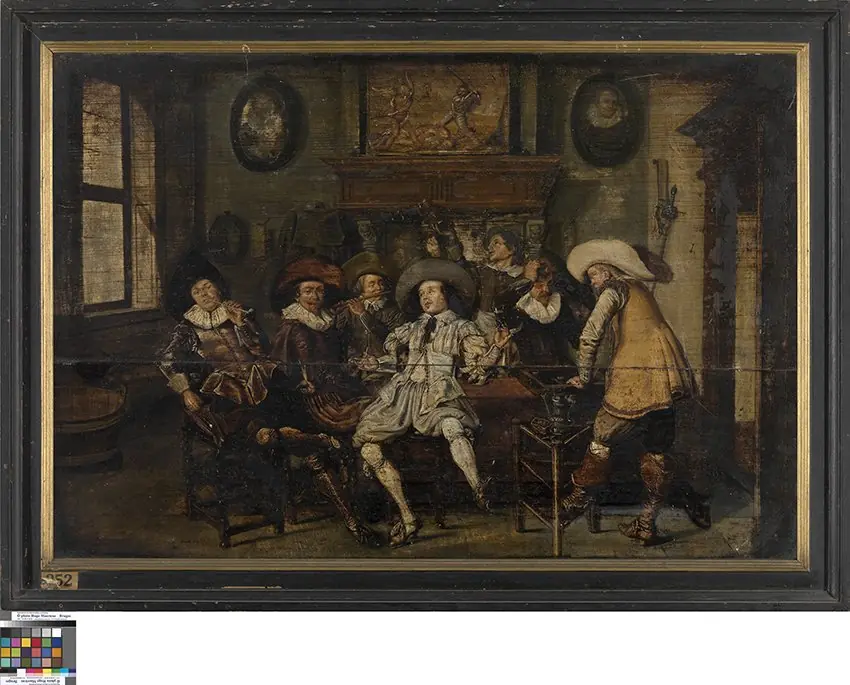 Musicerend en drinkend gezelschap in een herberg
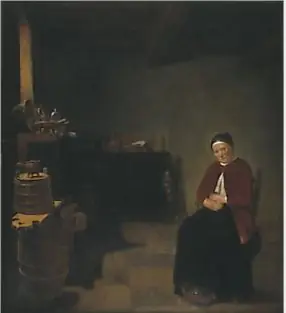 A Dutch Kitchen Interior
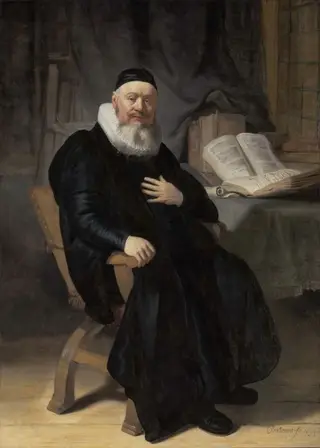 Reverend Johannes Elison
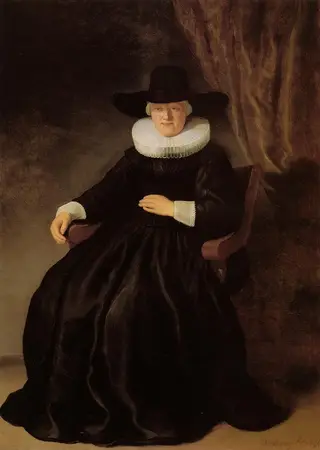 Portrait of Maria Bockenolle (Wife of Johannes Elison)
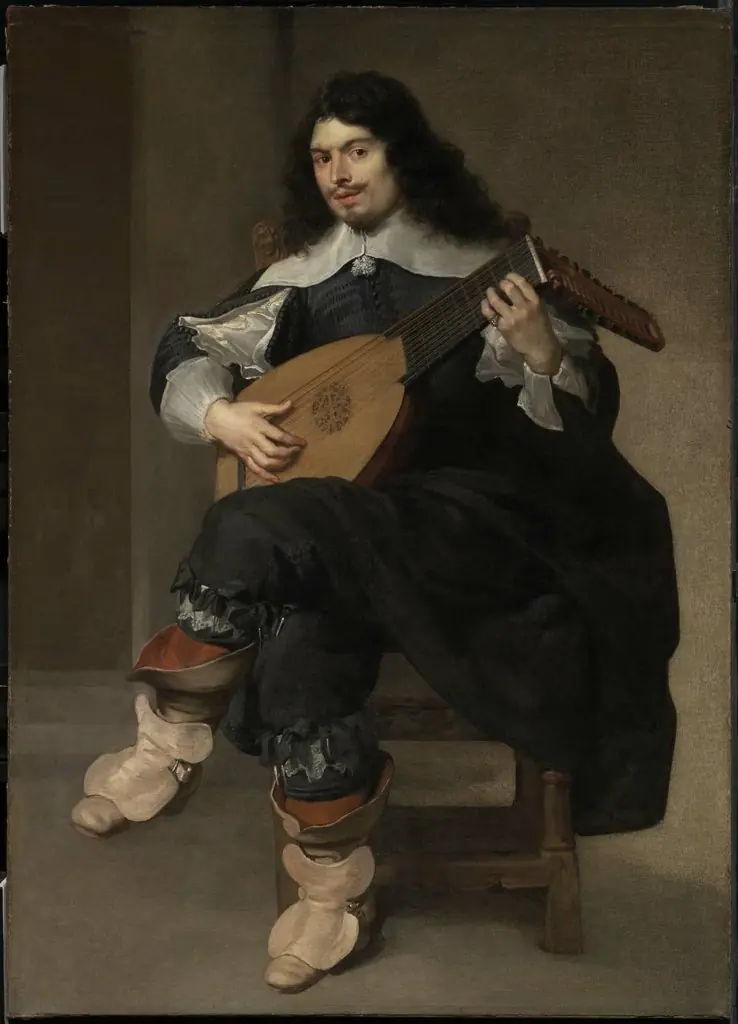 Lute Player
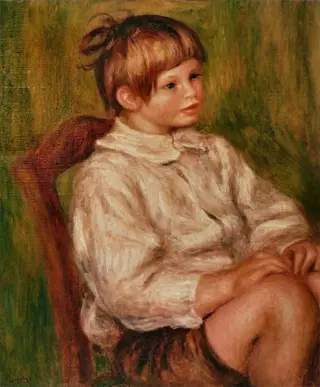 Coco (Claude Renoir)
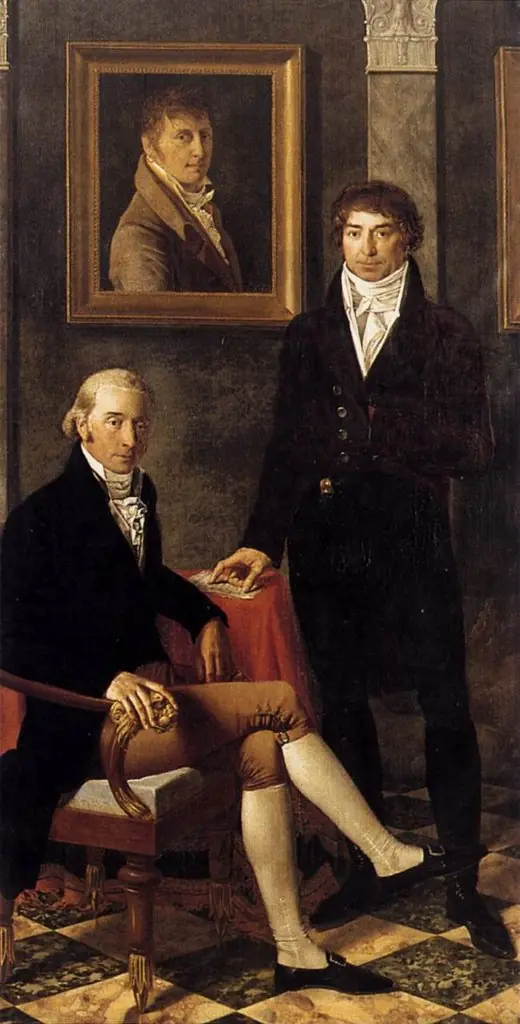 Friendship portrait of the artists François Wynckelman, François van der Donckt and Joseph Odevaere
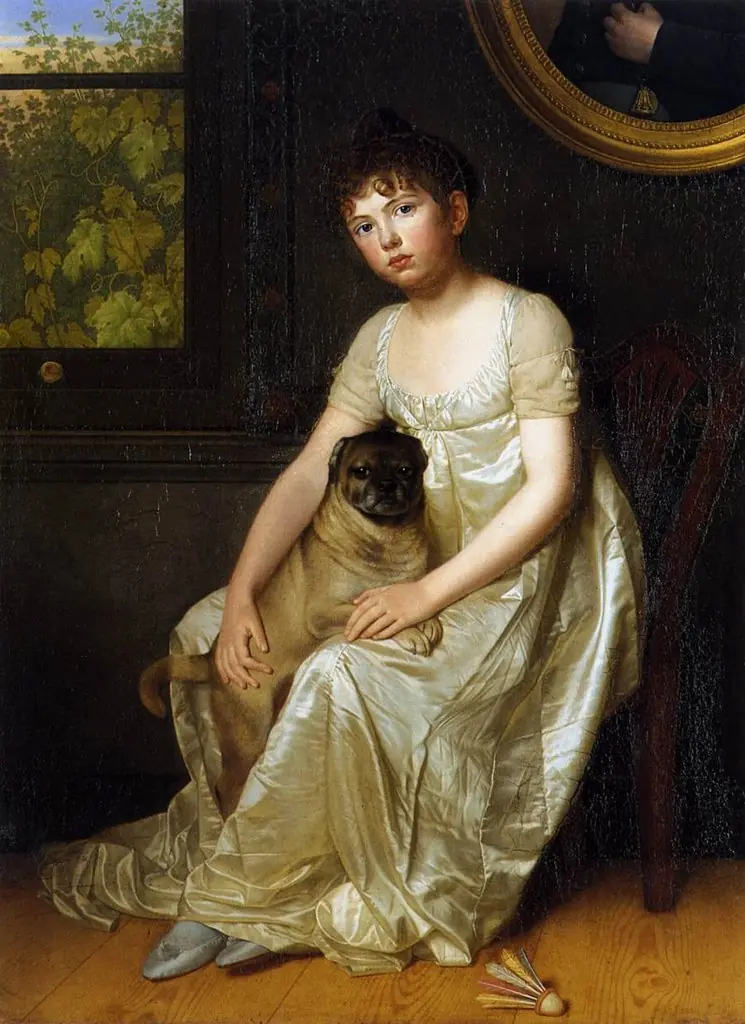 Portrait of Sylvie de la Rue
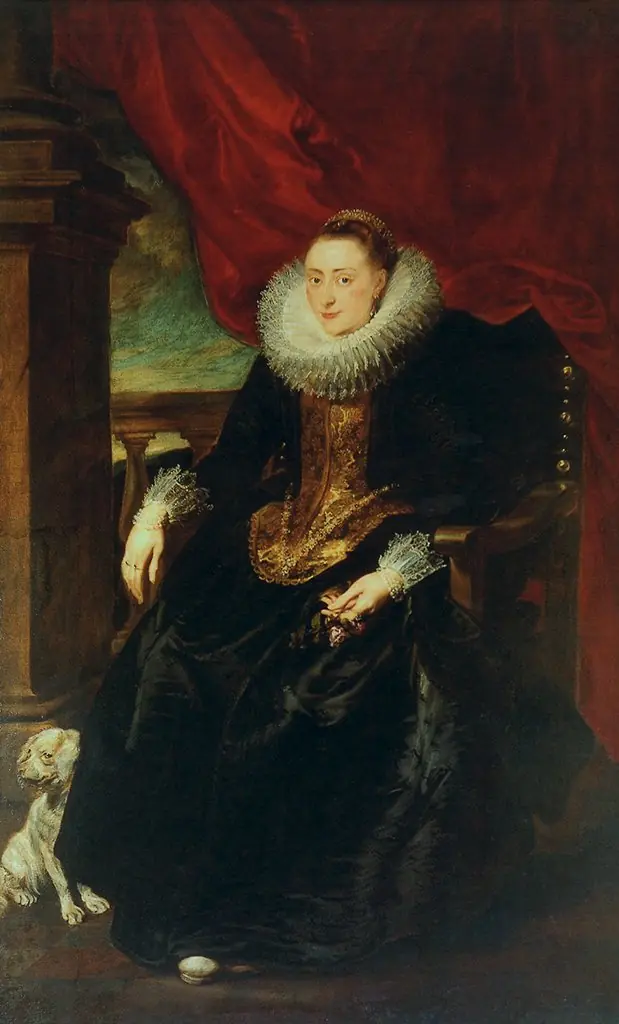 Portrait of a woman of the Vinck/Vincque family
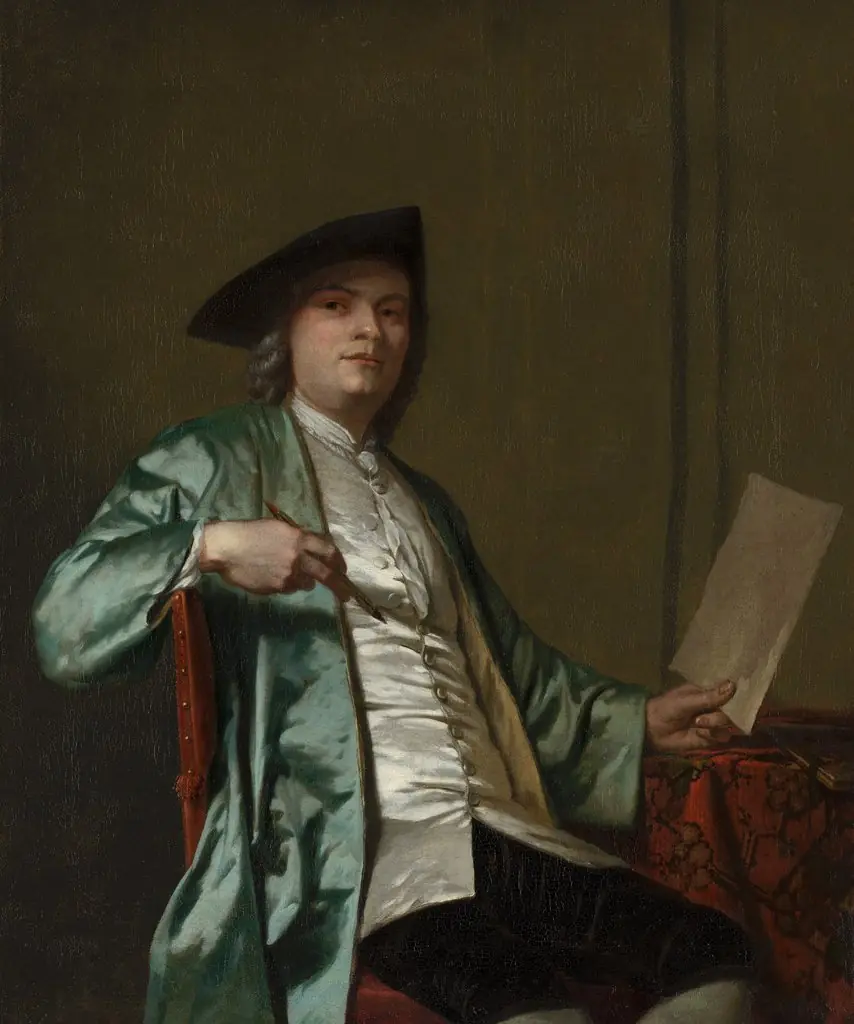 Portrait of Cornelis Ploos van Amstel (1726-1798)
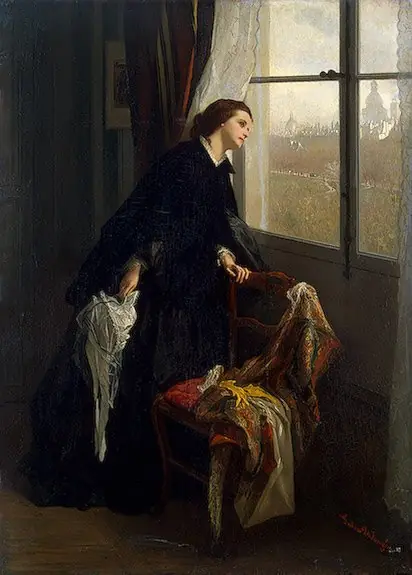 Changeable Weather
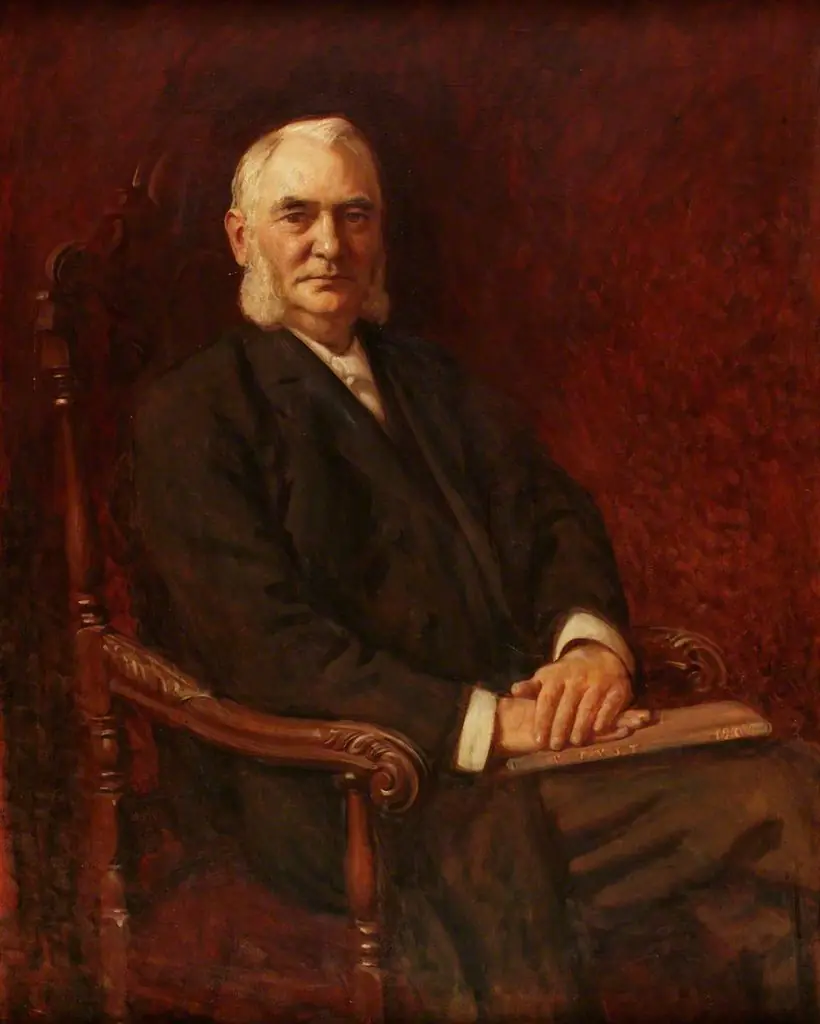 Parchedig J. Thomas
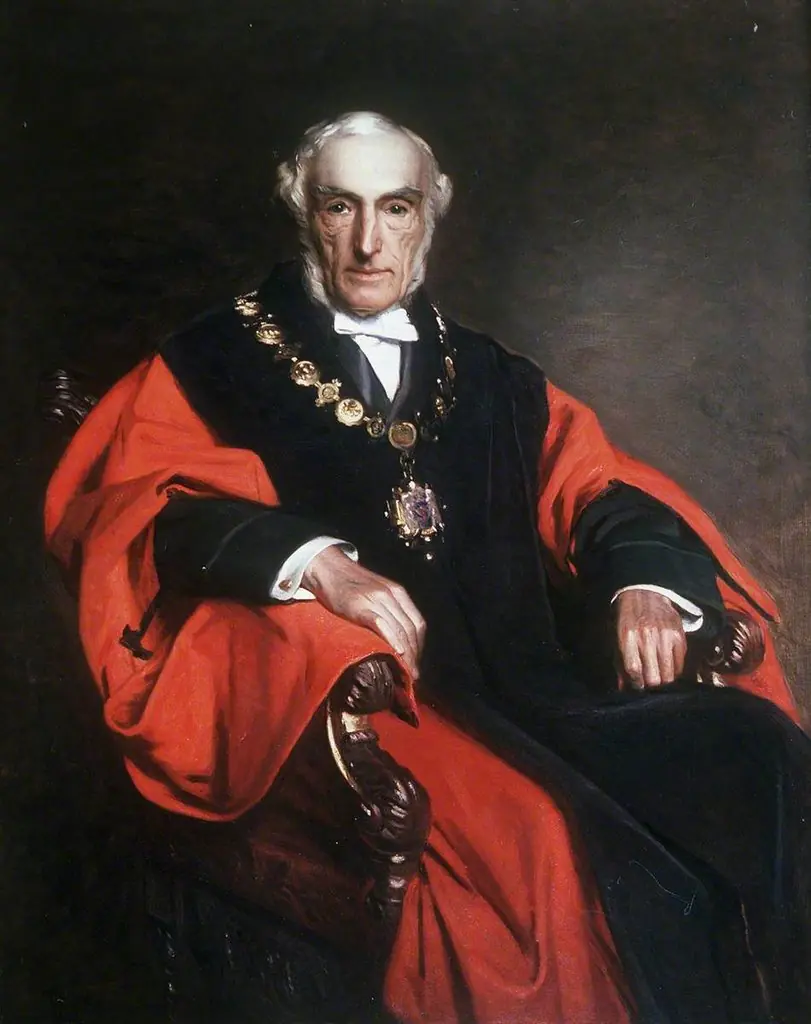 Alderman John Gwynne James
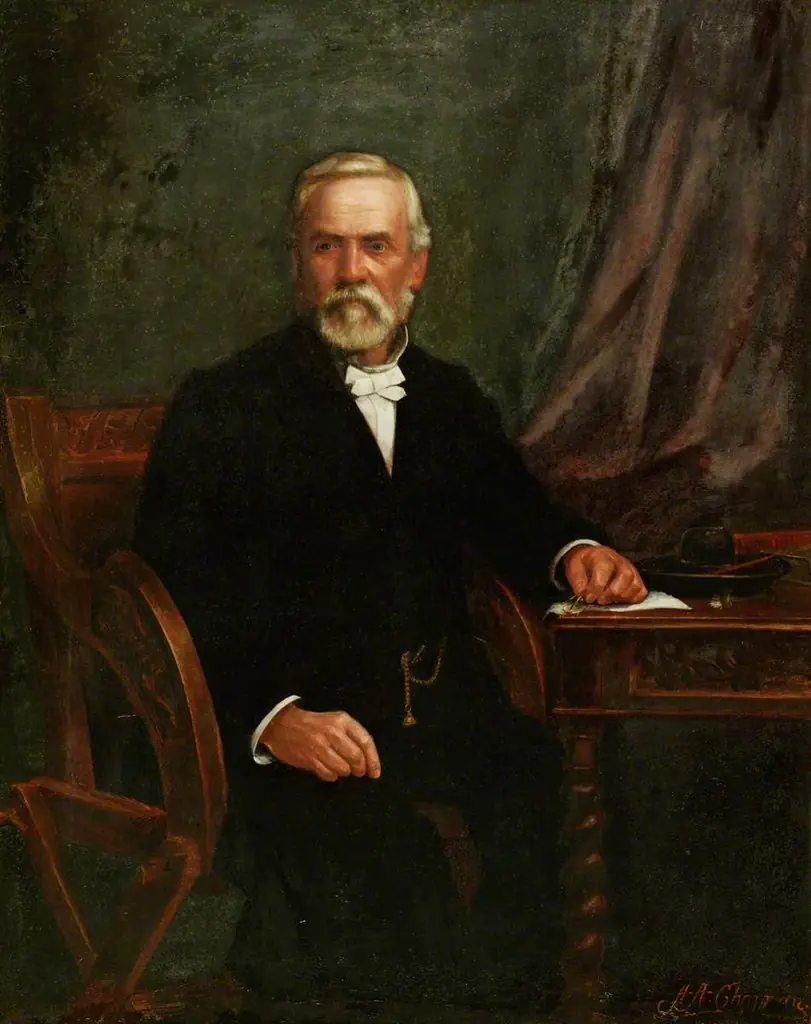 Reverend Thomas Rees (1825–1908)
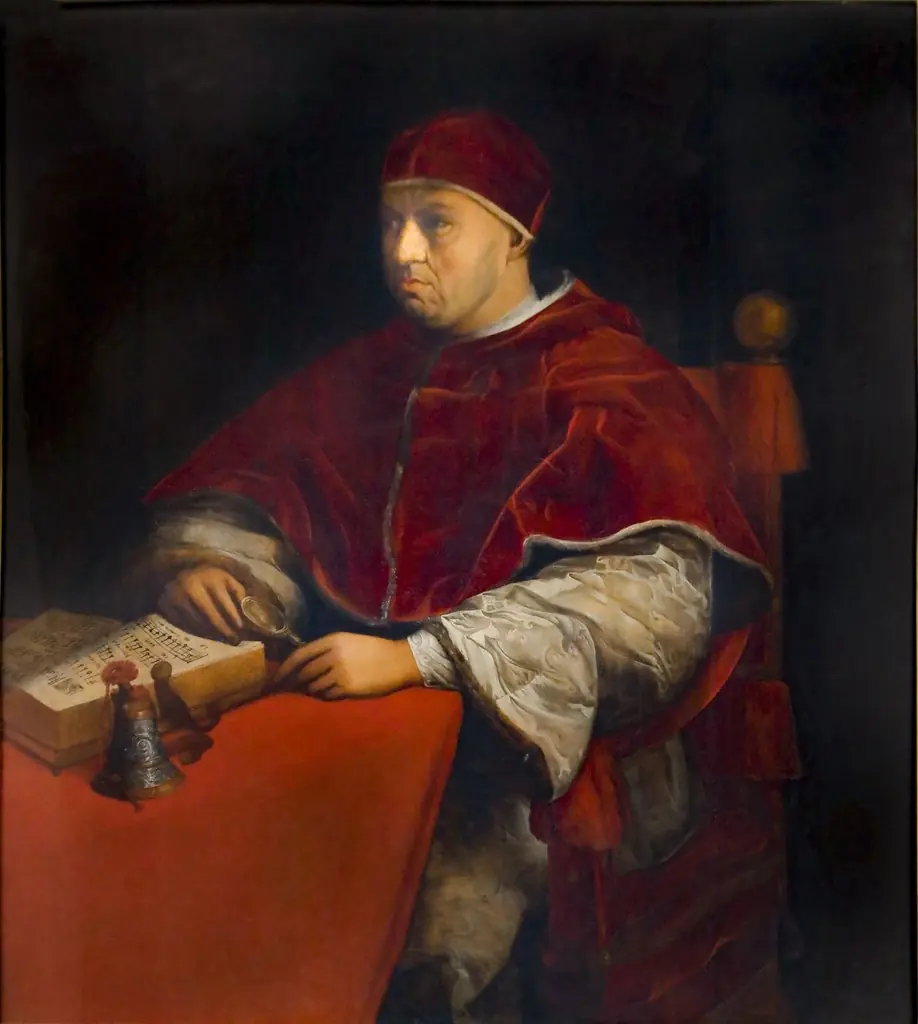 Portrait of Pope Leo X
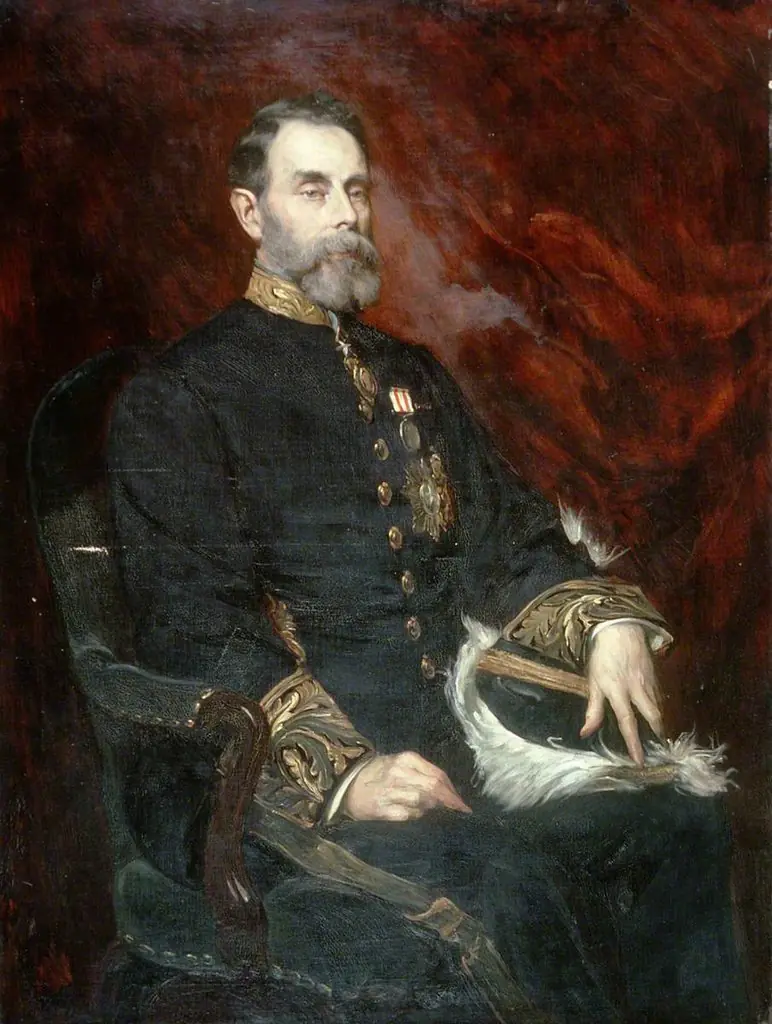 Sir Robert Henry Davies (1824–1902)
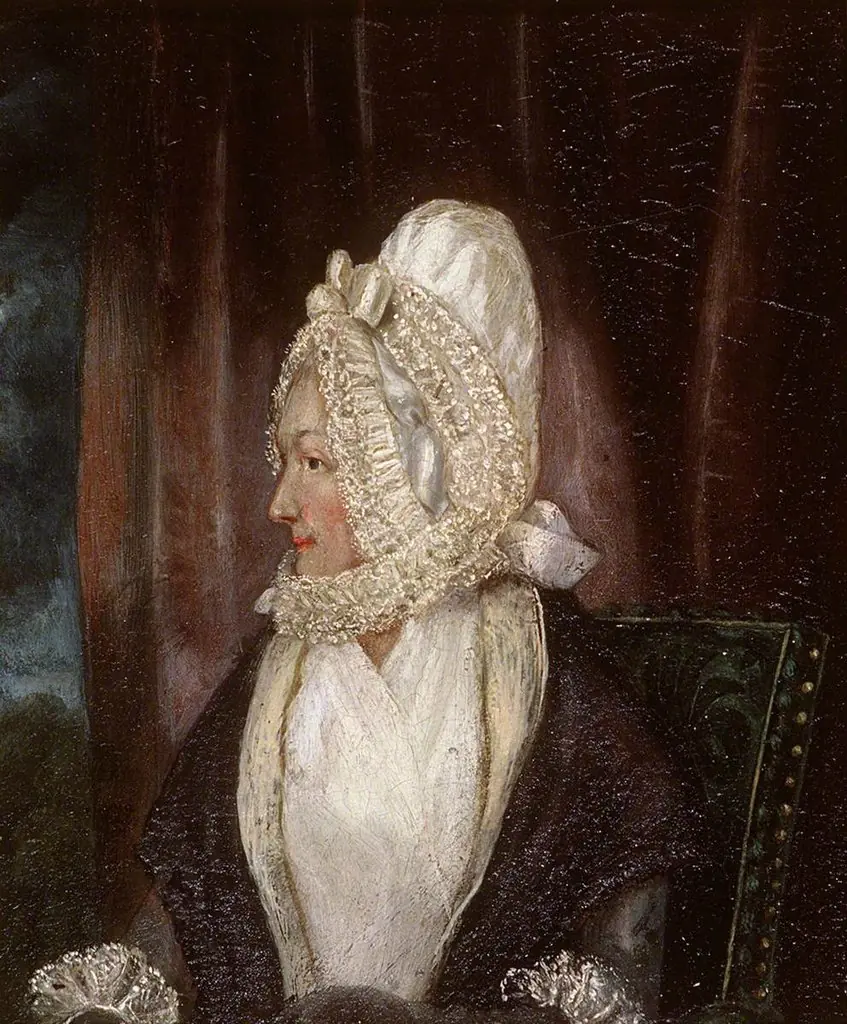 Portrait of a Lady in a White Bonnet
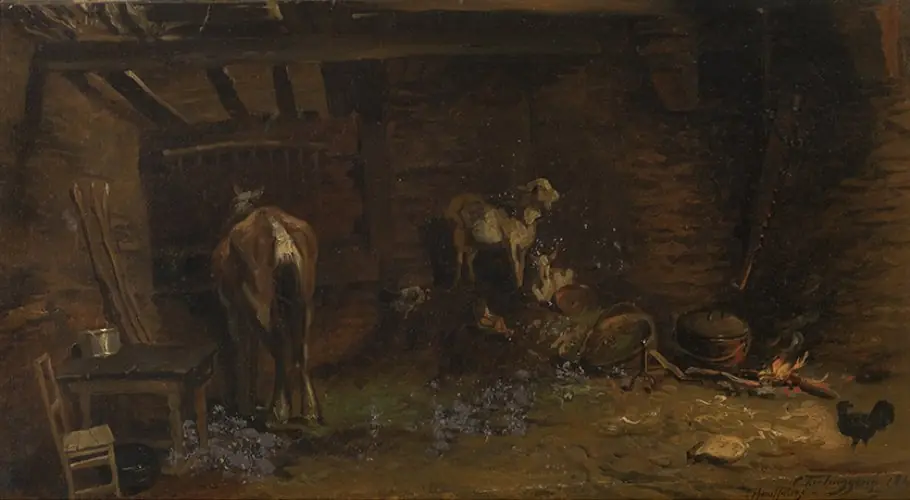 Interior view at Houffalize
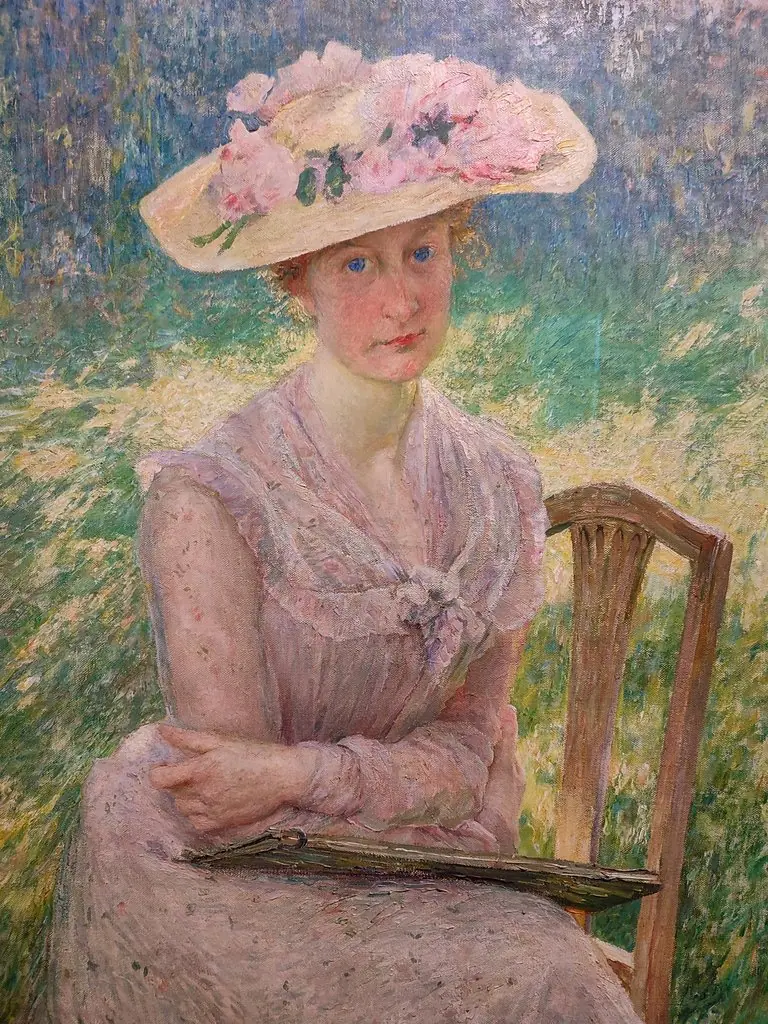 Portrait of Jenny Montigny
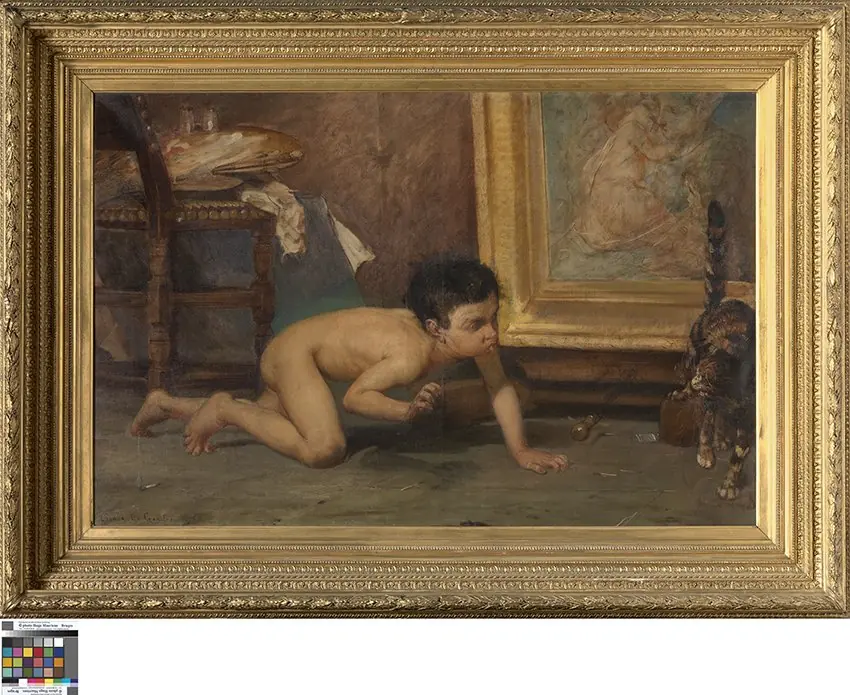 Alleen in het atelier
 David Teniers (III) learns to draw
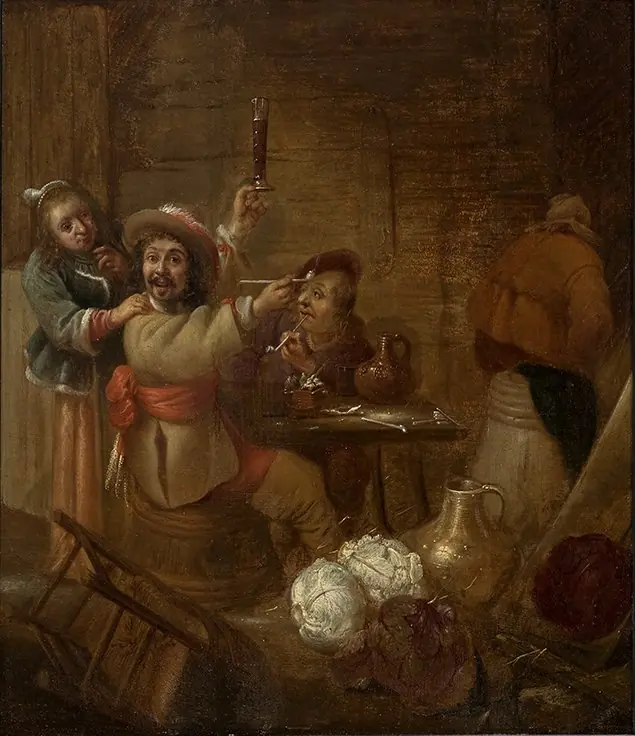 Tavern scene
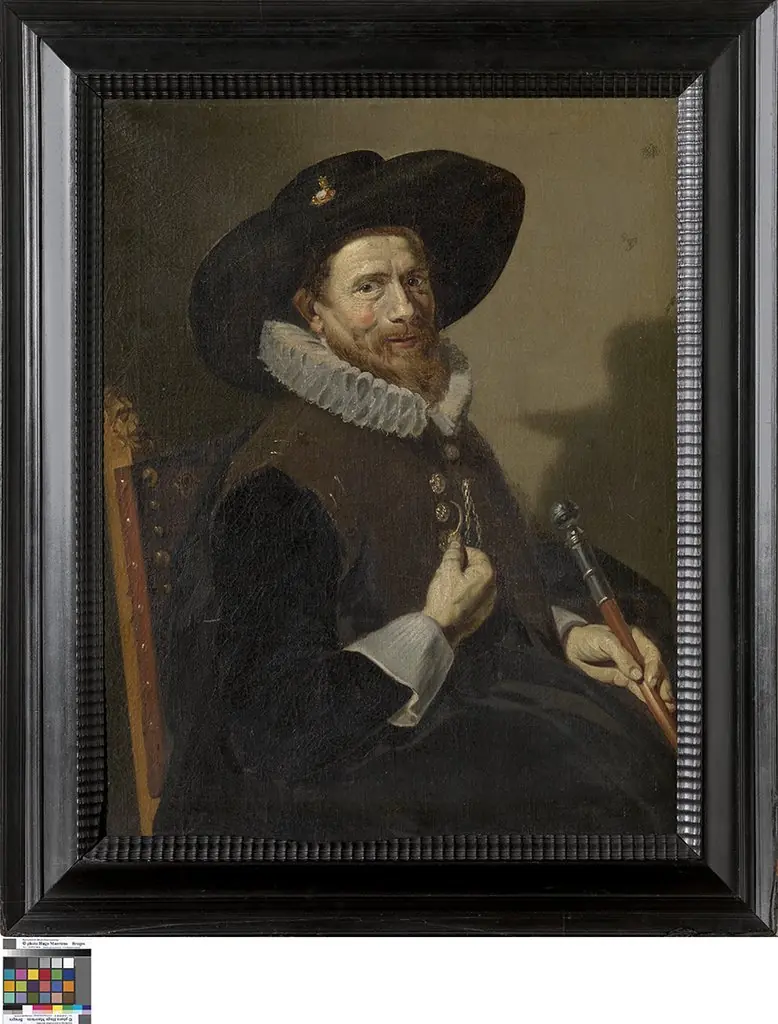 Portret van een man
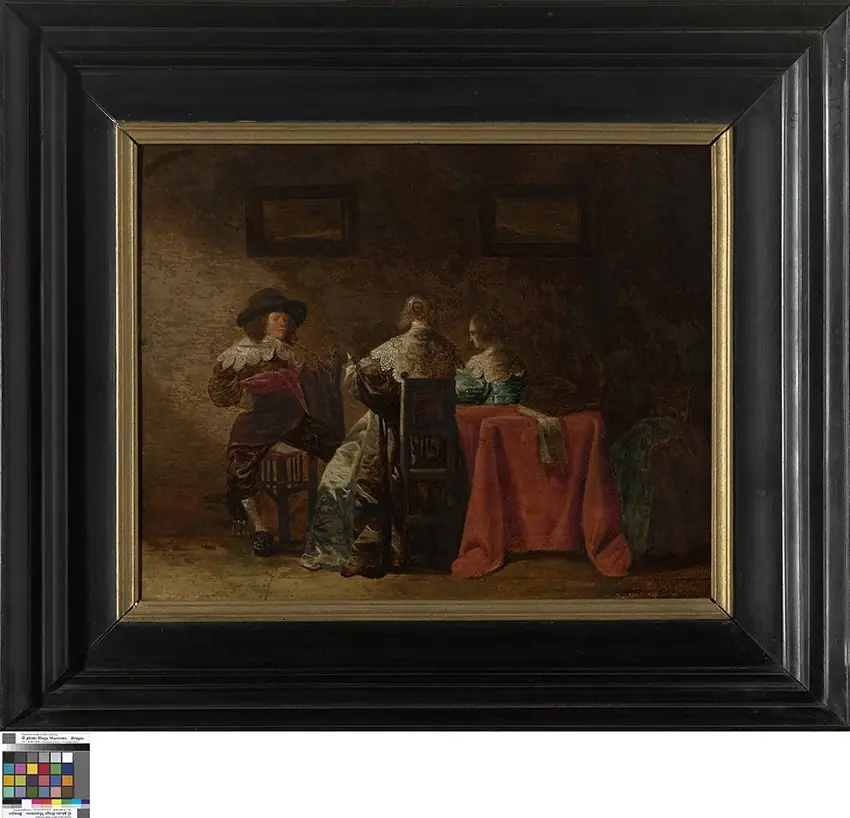 Musicerend gezelschap
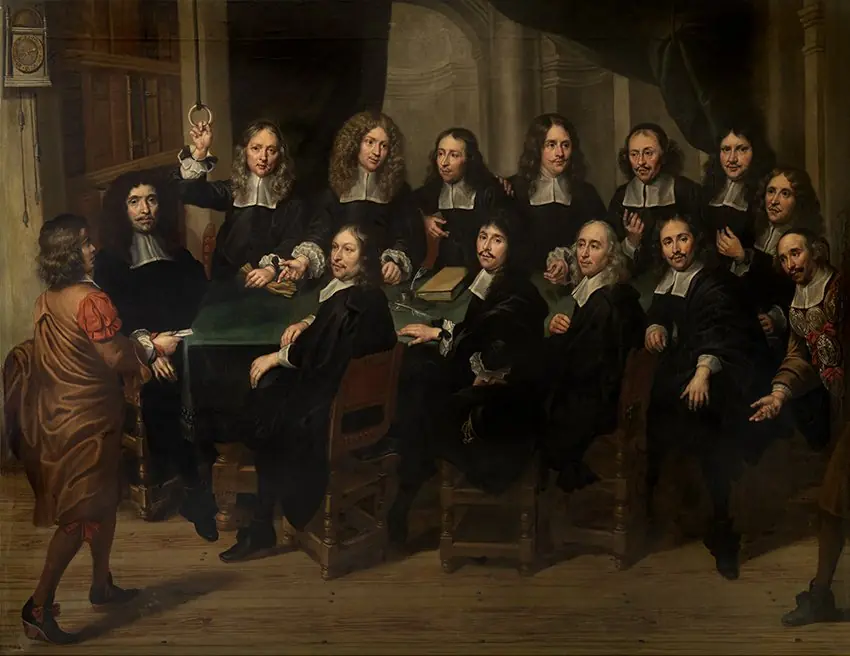 Het bestuur van het Brugse chirurgijnsambacht
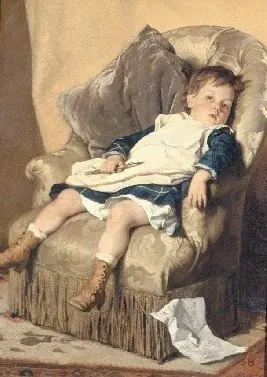 A Vocation
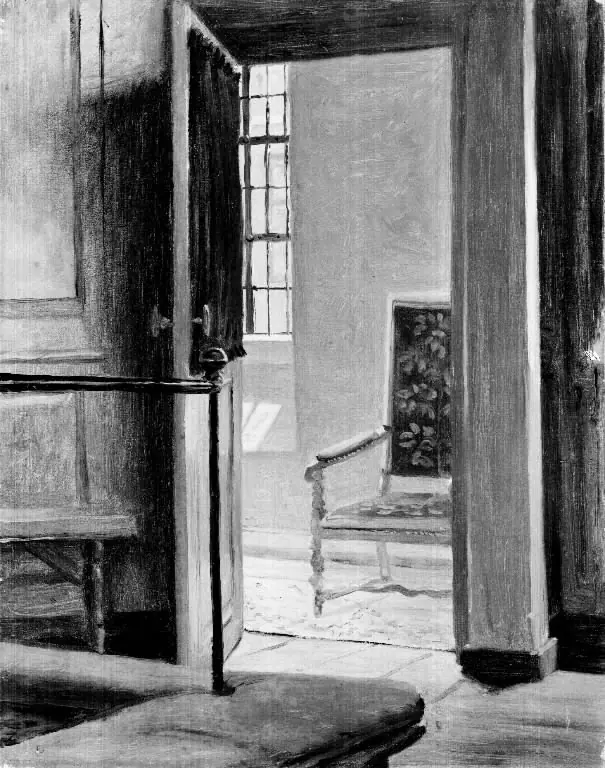 Study from the Interior of Vartov Church in Copenhagen
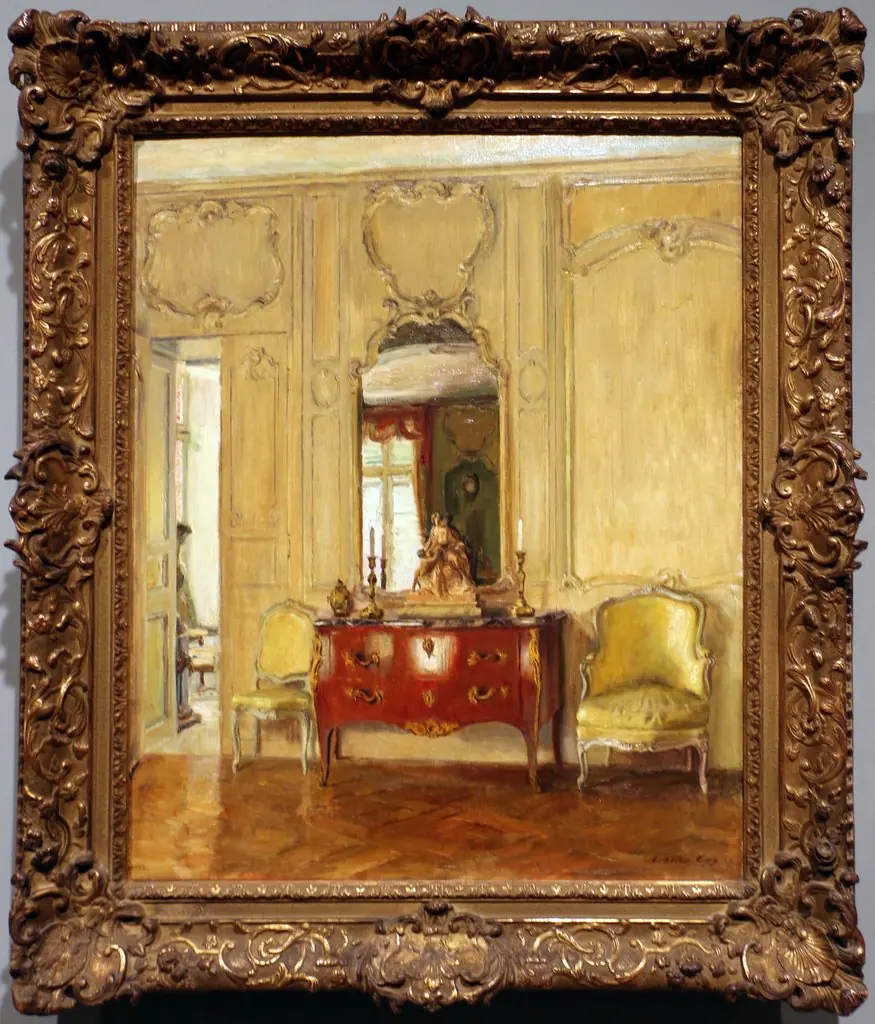 The Commode
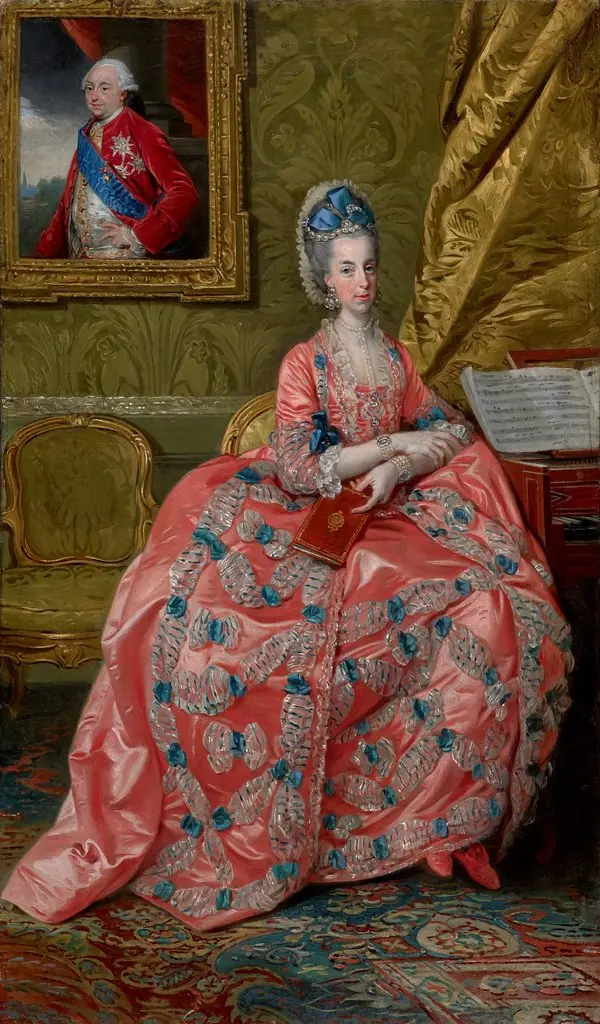 Portrait of the Archduchess Maria Amalia of Austria, Duchess of Parma
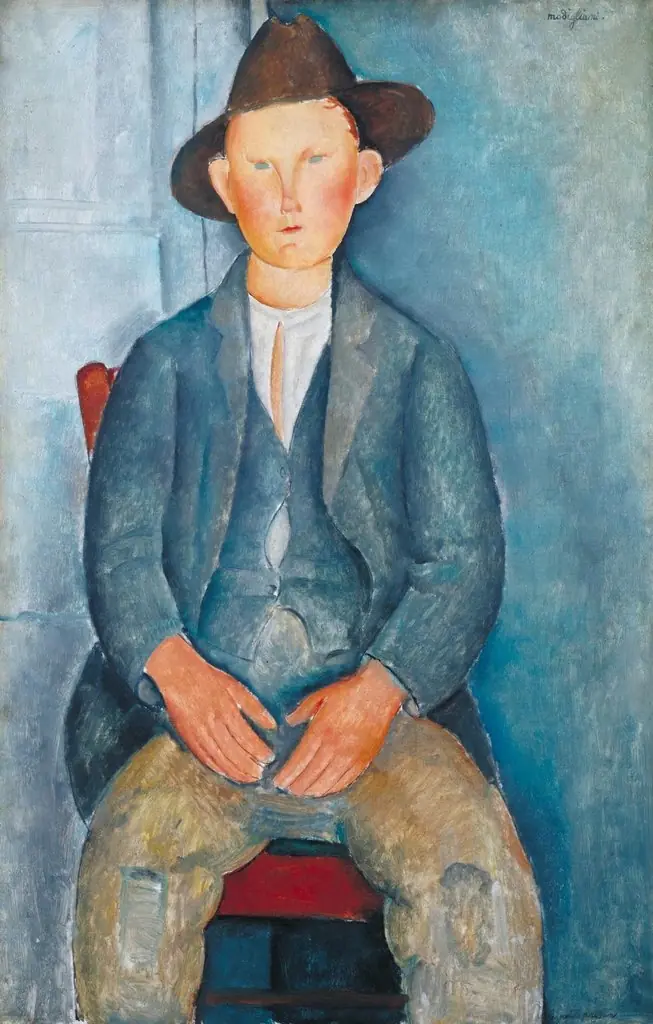 The Little Peasant
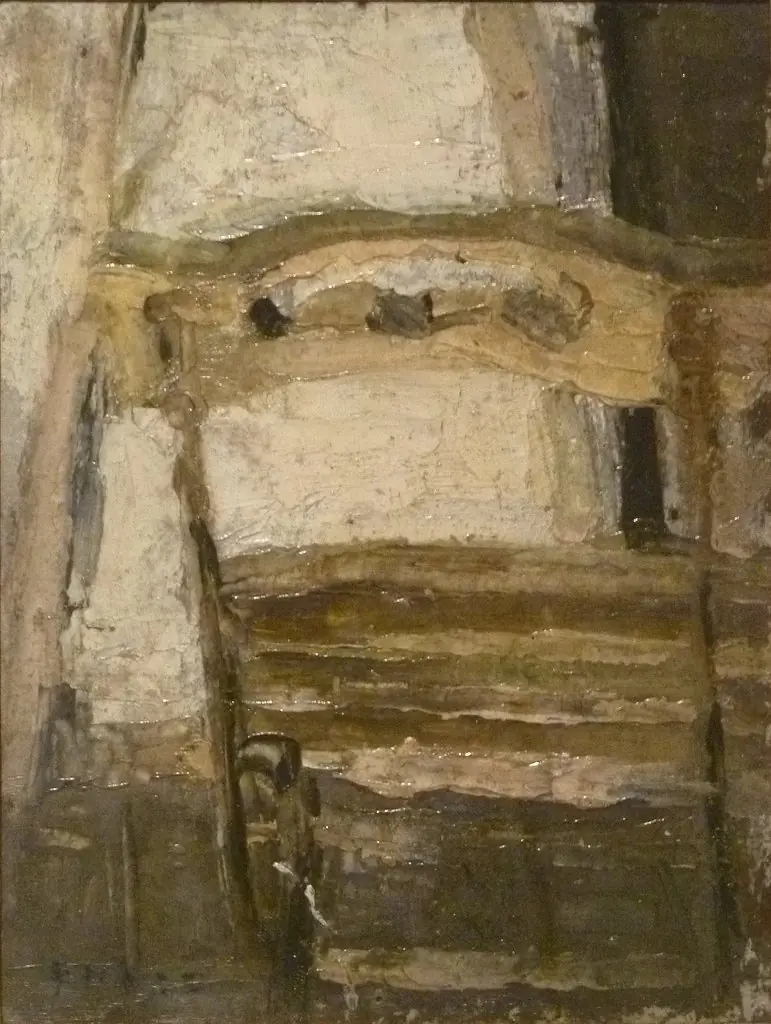 Back of a Chair
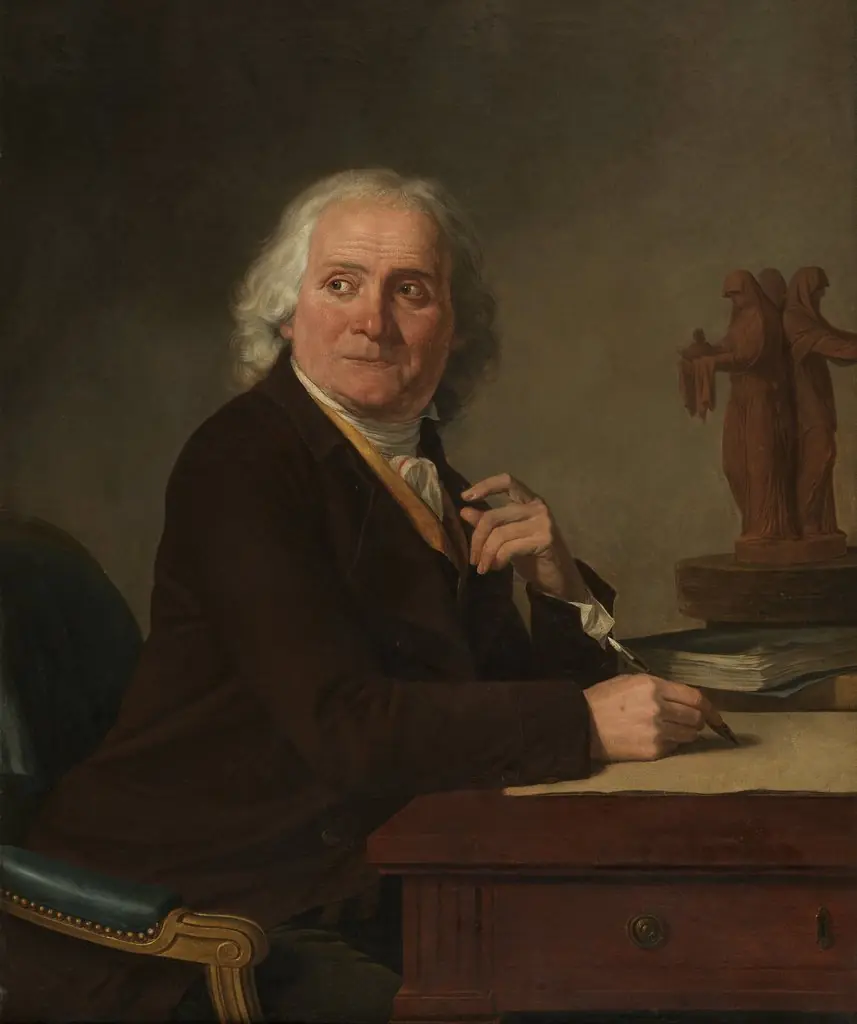 Portrait of Jean Rameau
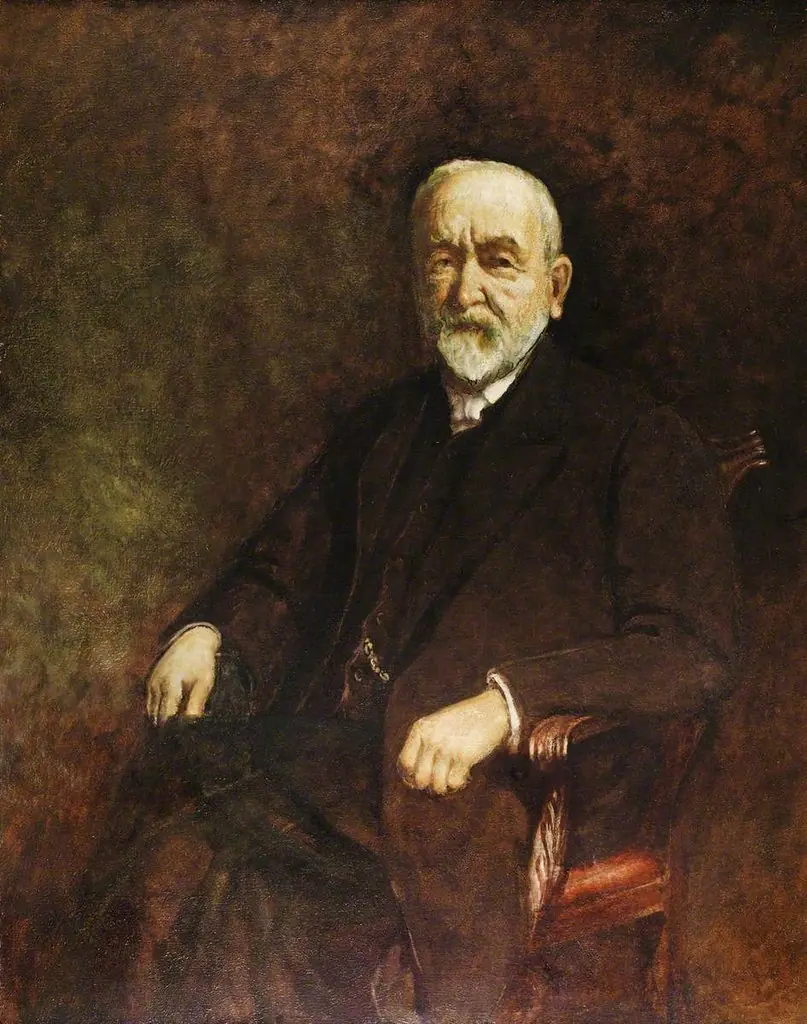 Reverend W. E. Prydderch (1846–1931)
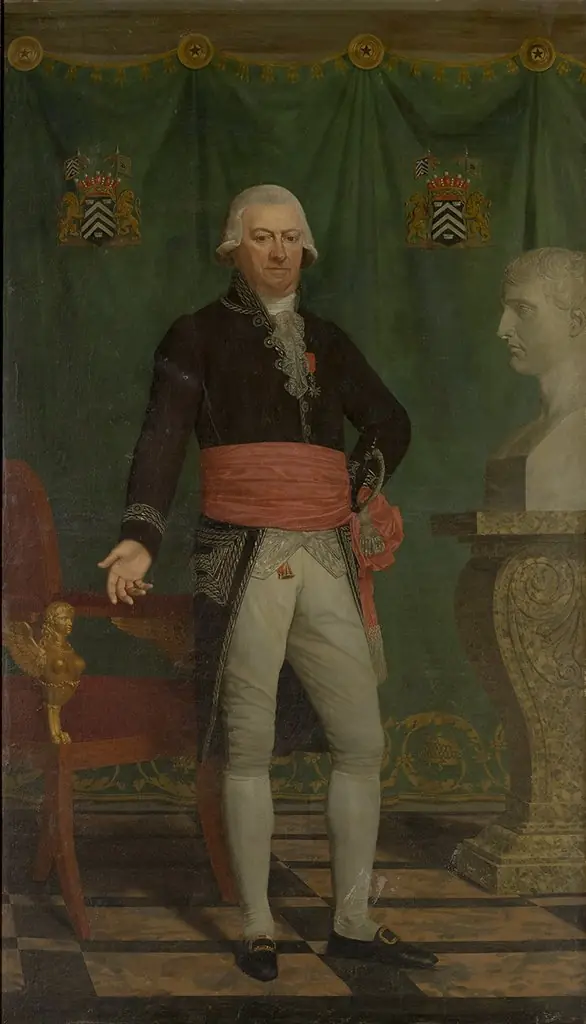 Portret van burggraaf Karel Aeneas de Croeser, burgemeester van Brugge
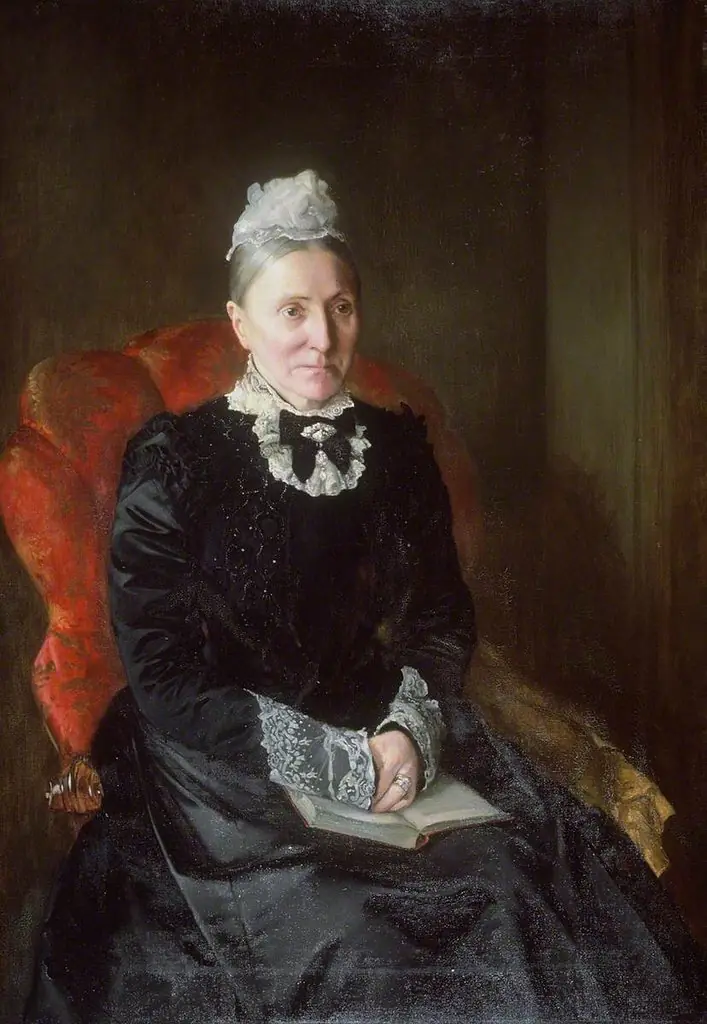 Lady Pryse (d.1925)
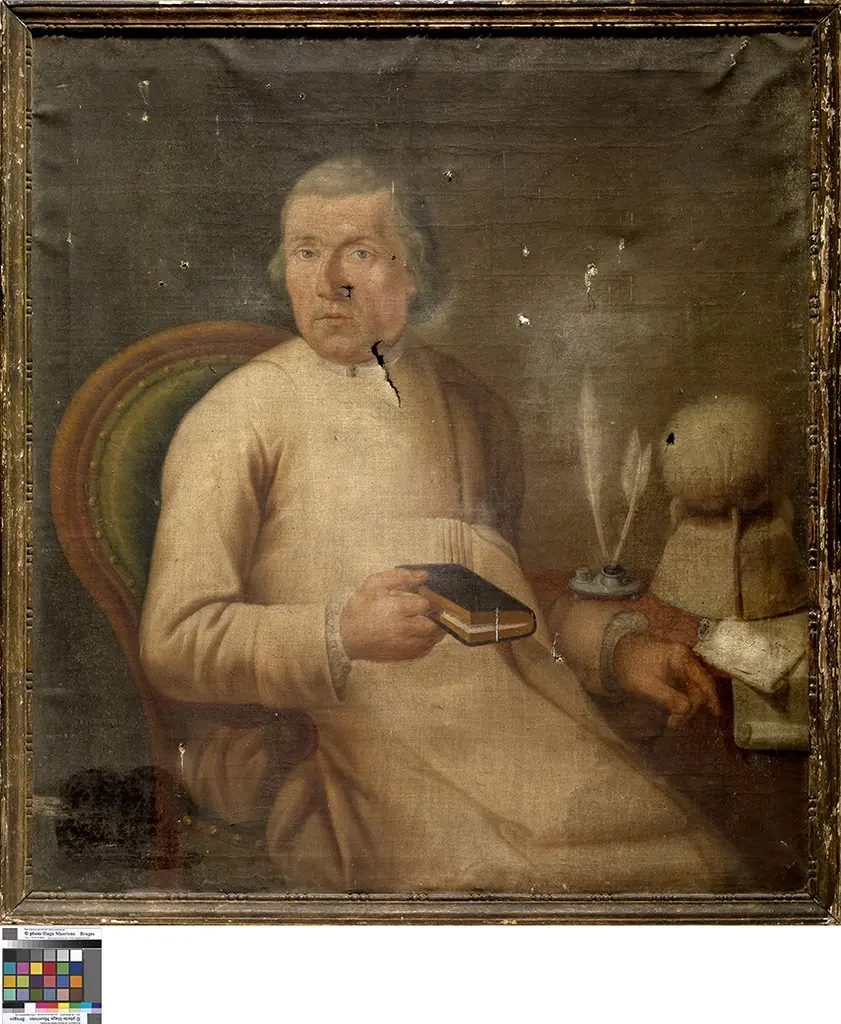 Portret van een monnik
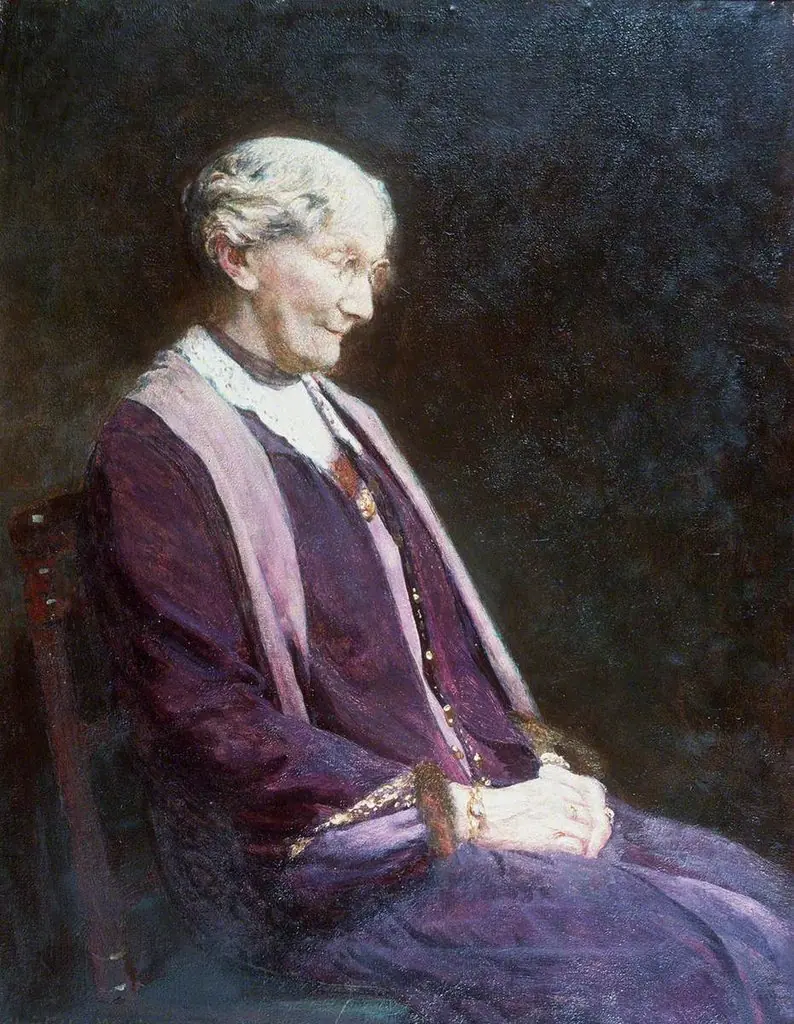 Mrs Parry Jones
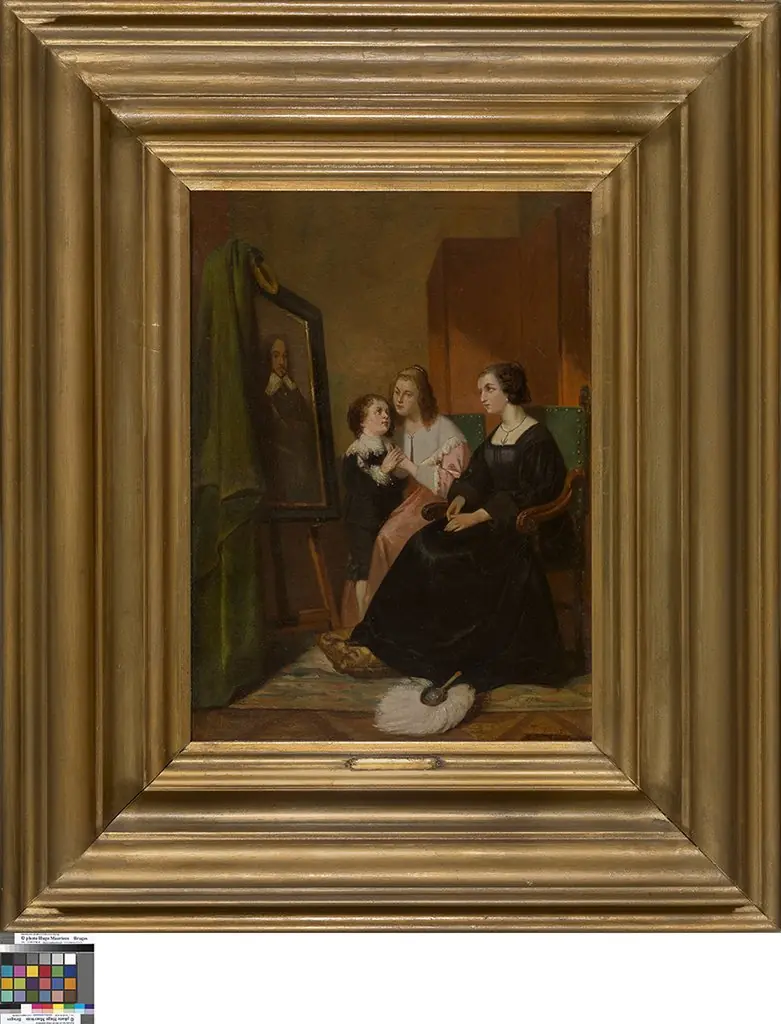 Weduwe voor het portret van haar echtgenoot
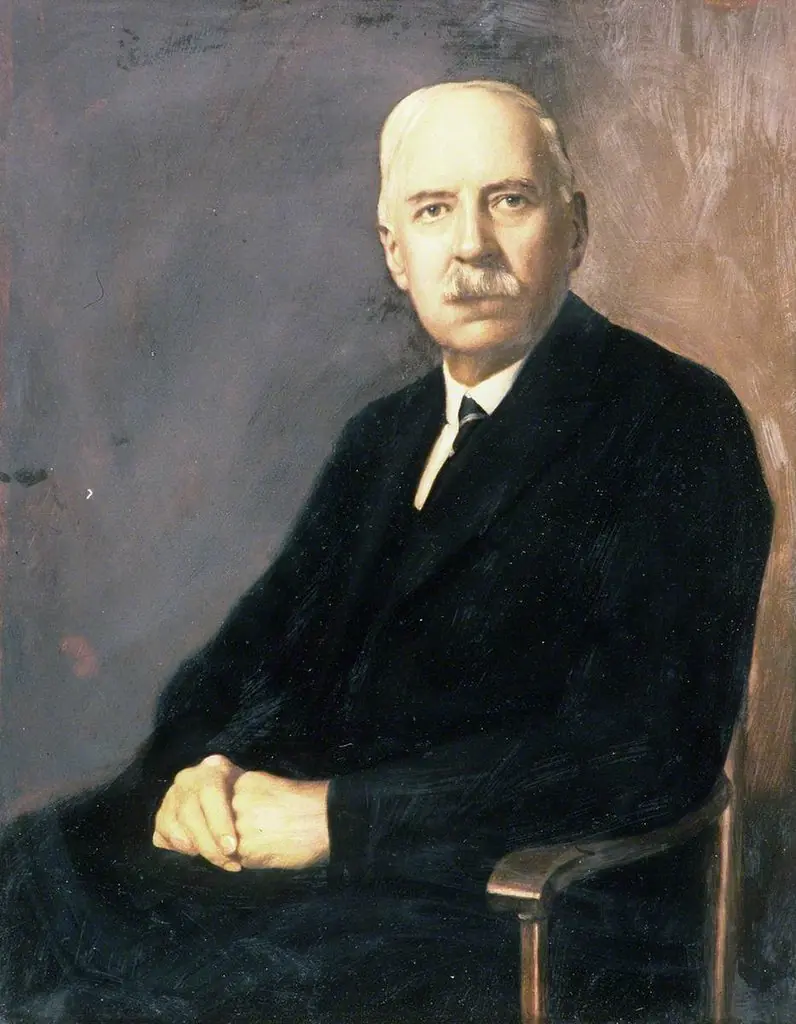 T. Gwynn Jones (1871–1949)
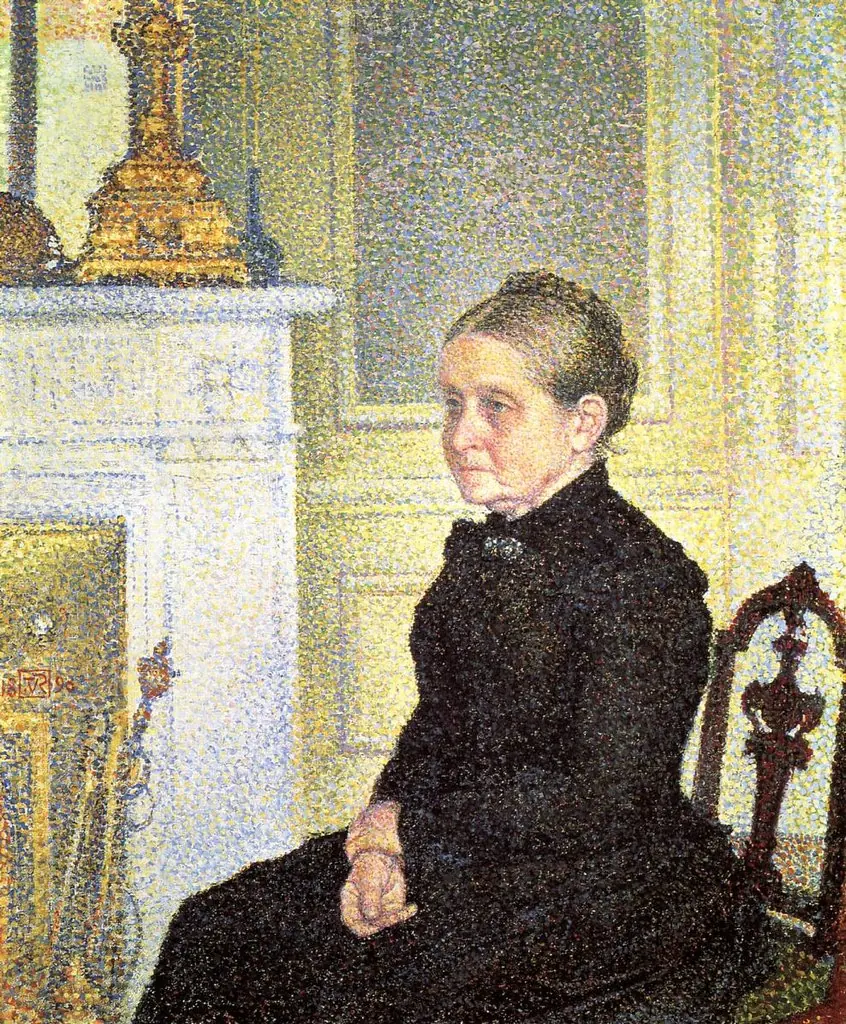 Portrait of Madame Charles Maus
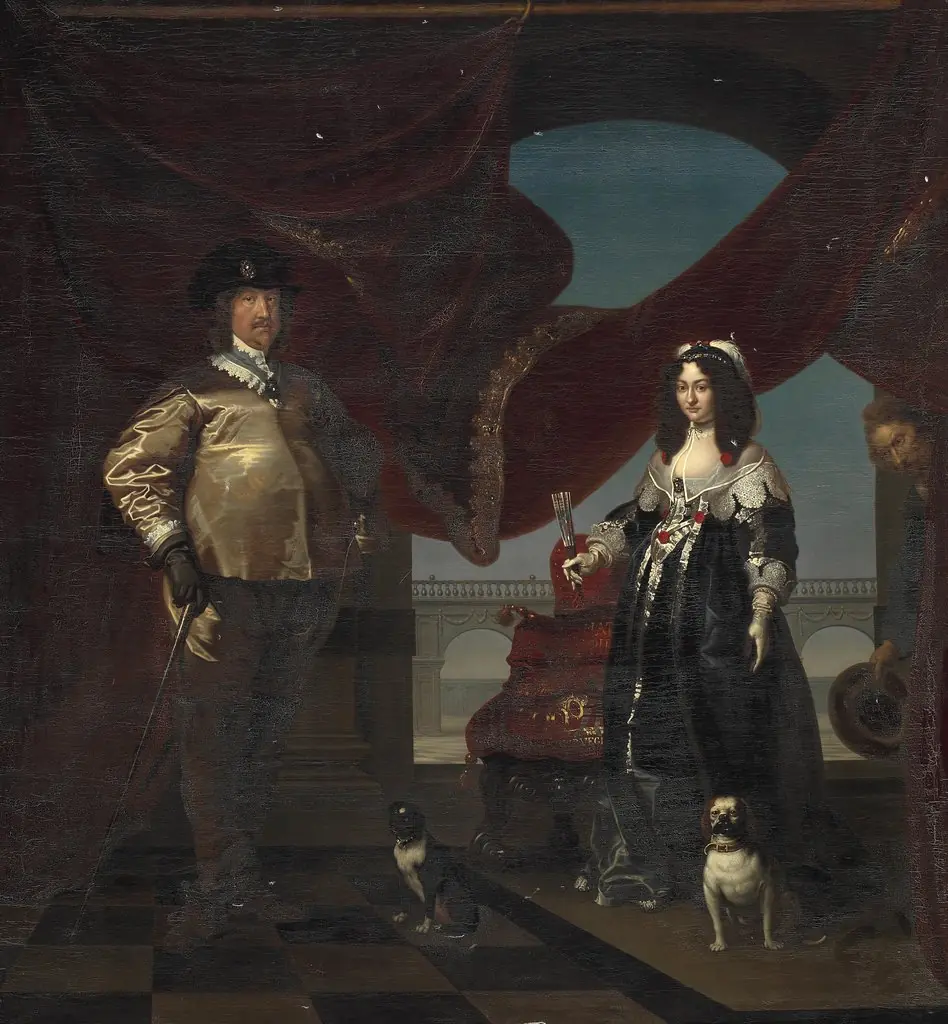 Portrait of Prince Elect Christian (1603-1647) with his consort, Princess Magdalena Sibylla of Saxony (1617-1668)
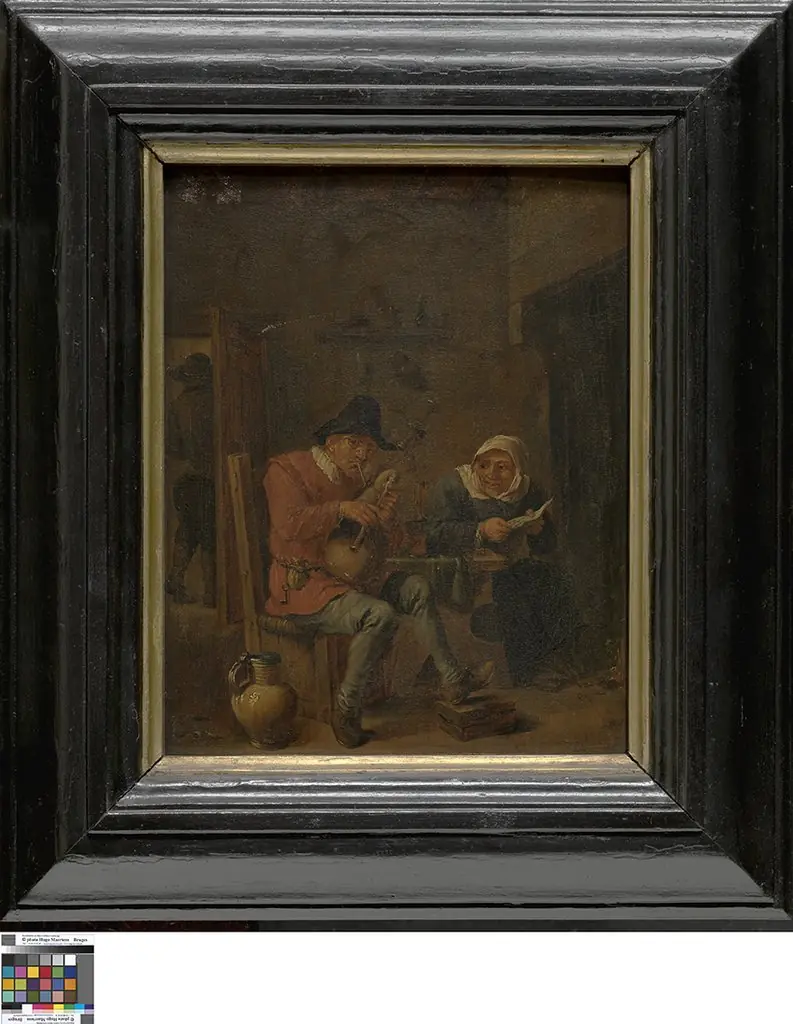 Musicerend paar
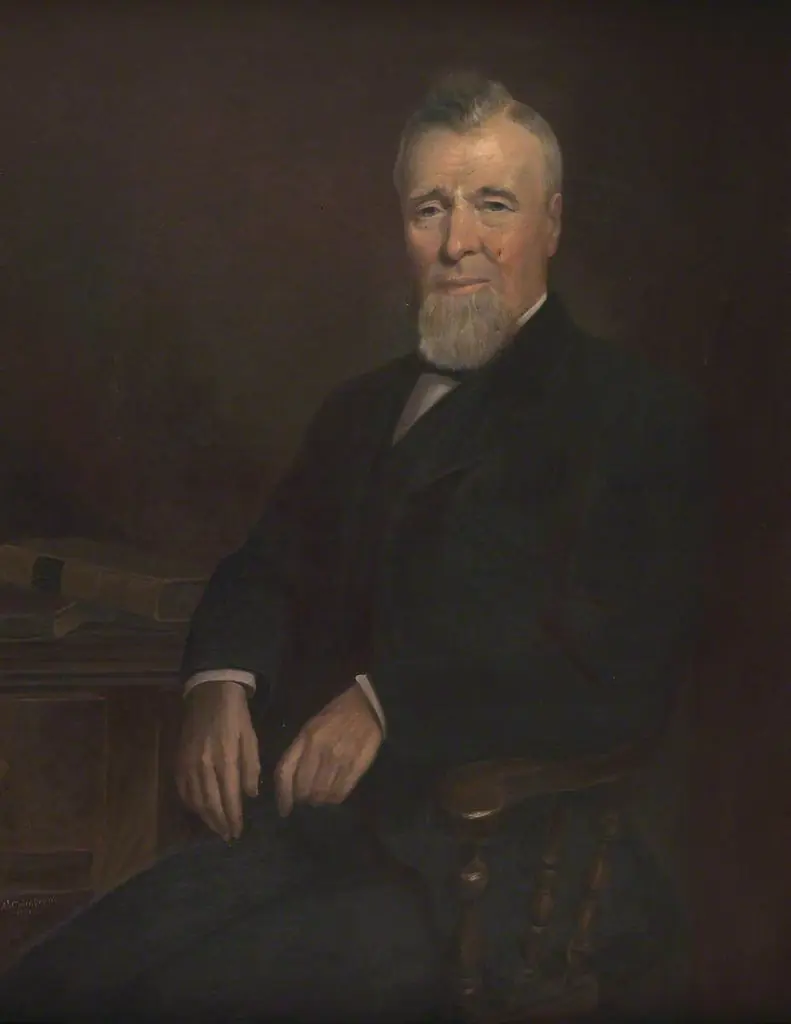 Reverend J. G. Morris of Newport, Pembrokeshire (1833–1919)
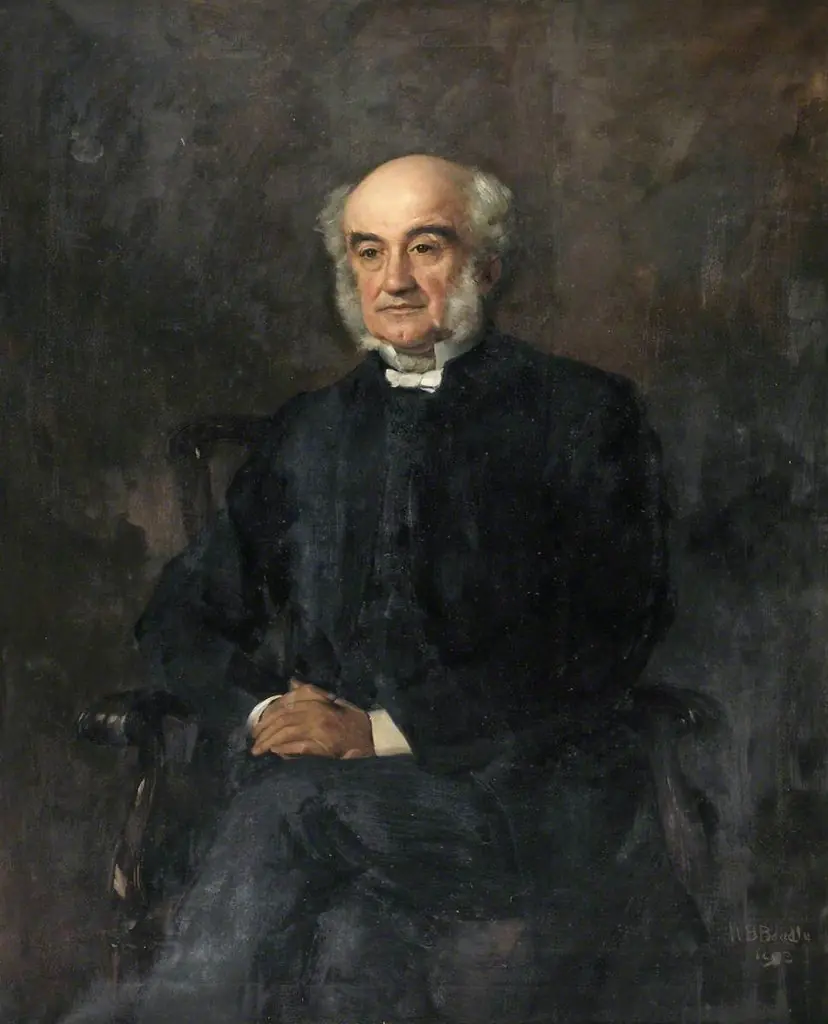 Parchedig Thomas Owen (1860–1902)
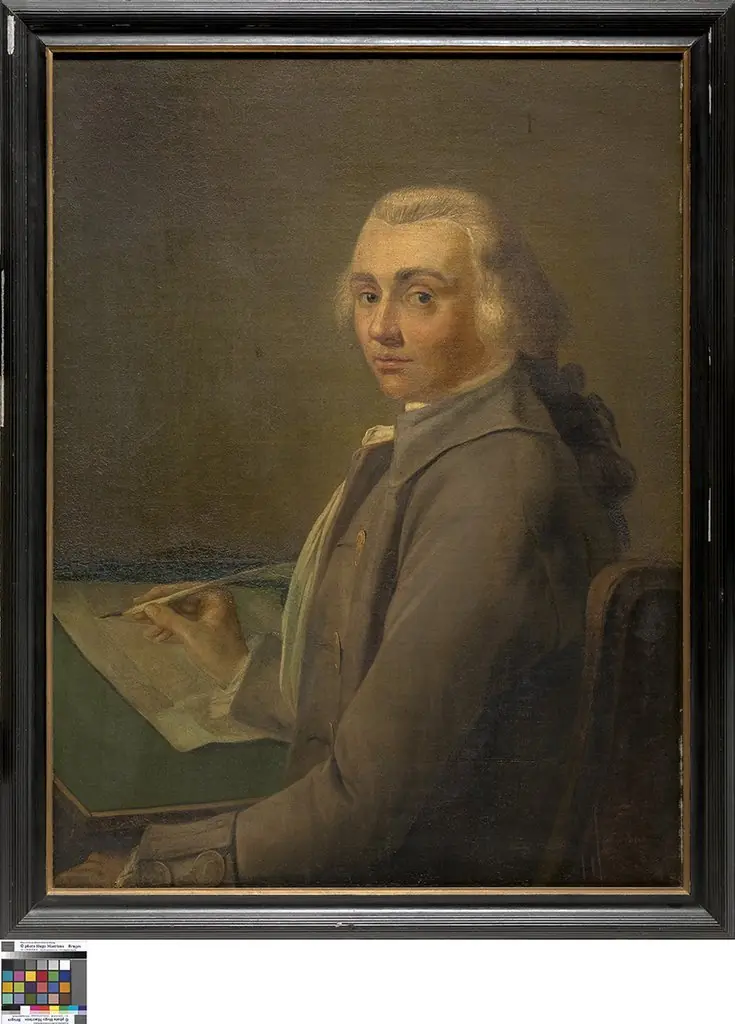 Portret van een man
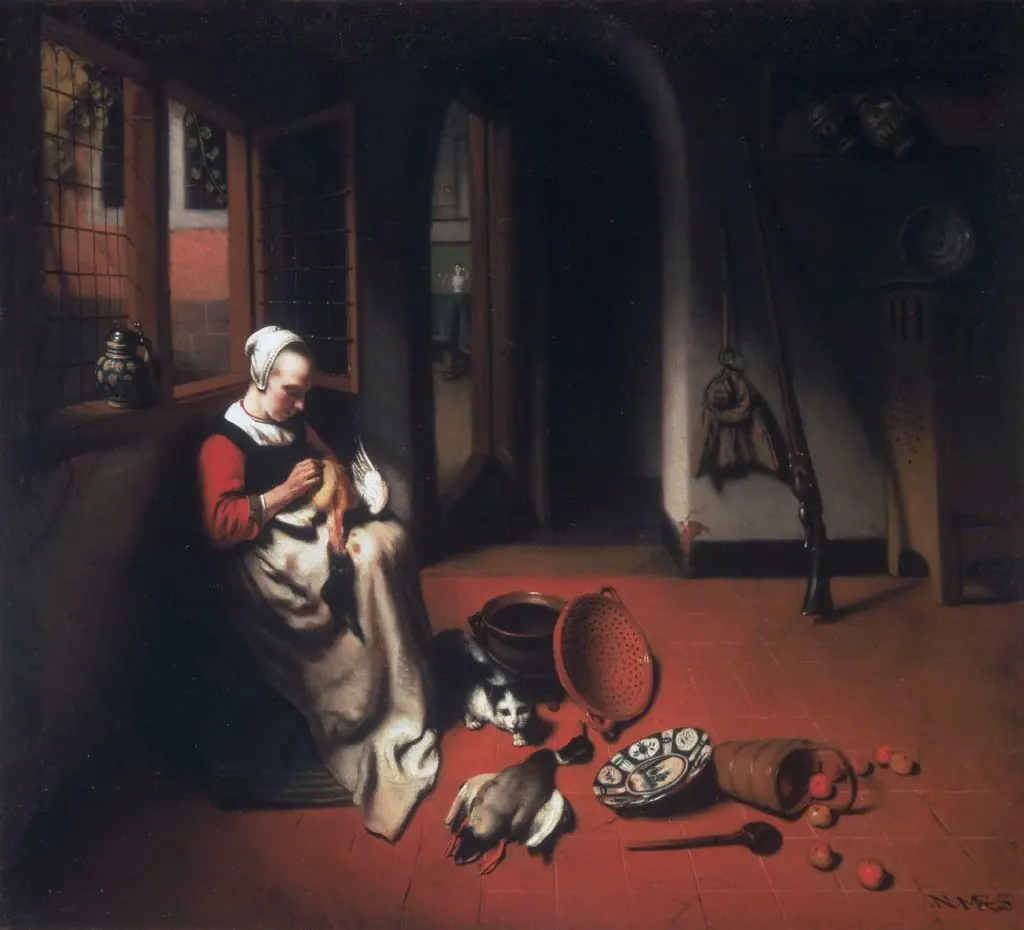 Woman Plucking a Duck
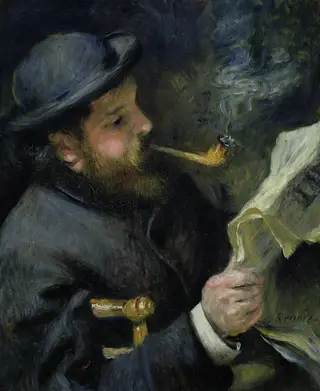 Monet that reads
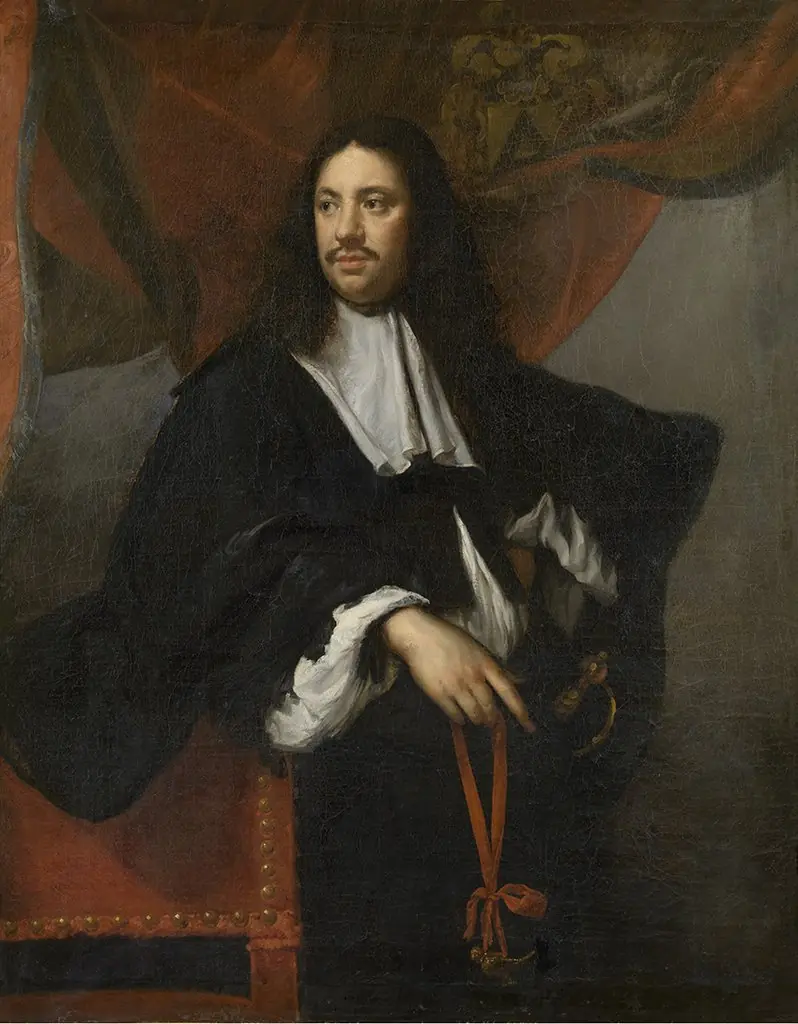 Portrait of Jan-Filips van Boonem, Dean of the Guild of St. George in Bruges
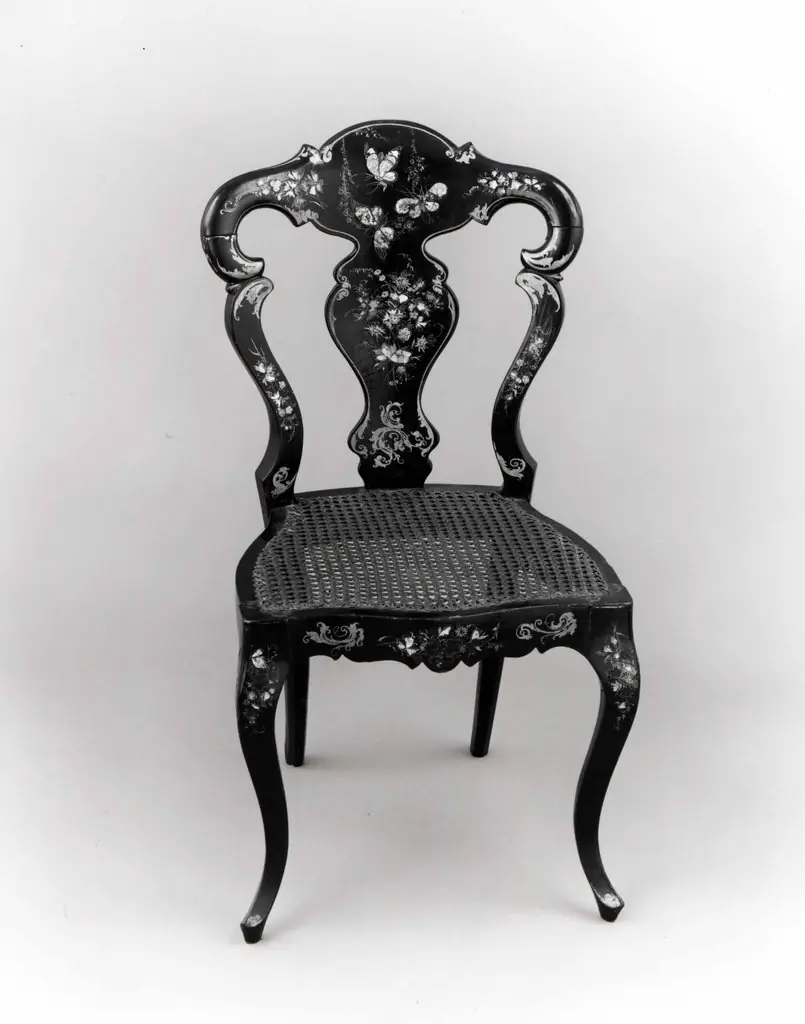 Papier-mâché side chair
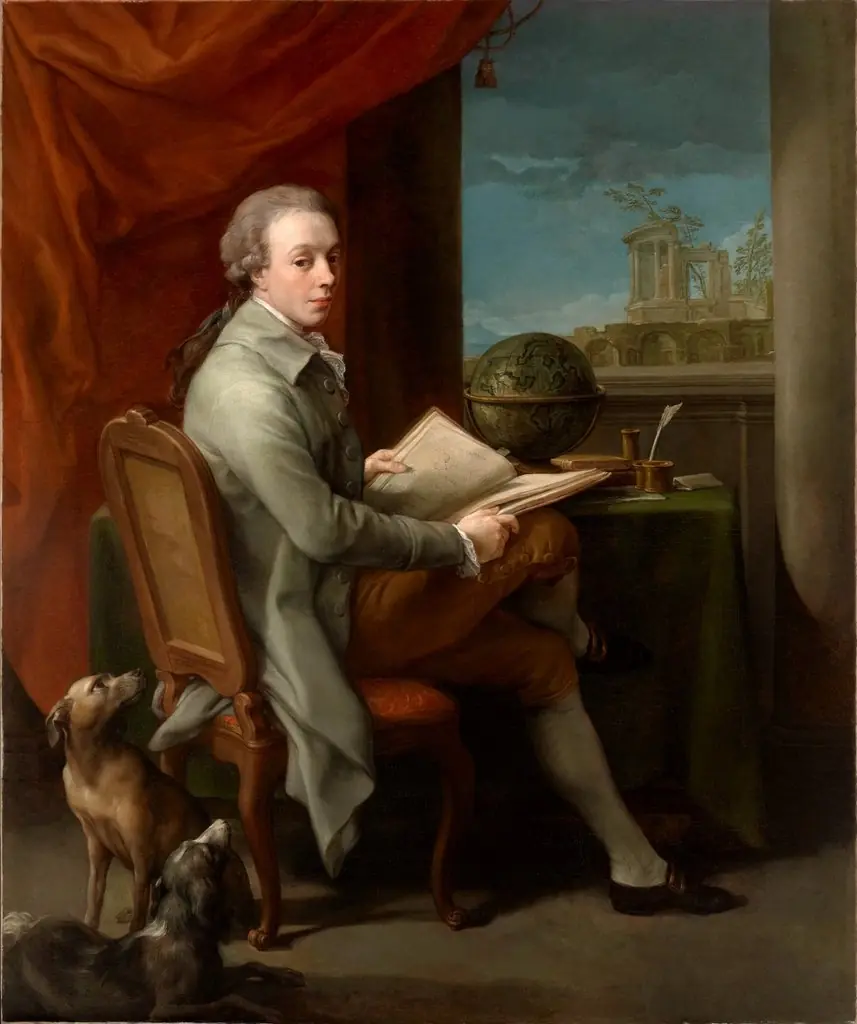 Thomas Taylour, Viscount of Headfort, later 2nd Earl of Bective and 1st Marquess of Headfort (1757–1829)
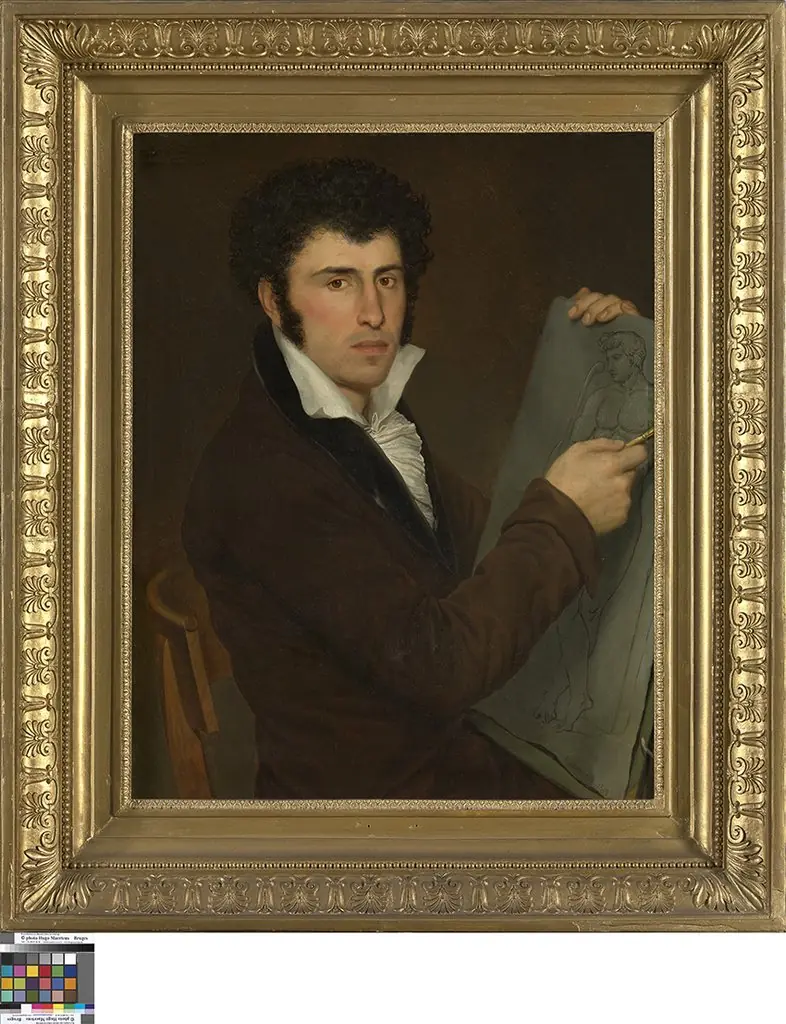 Portret van Filips Jacob Van Houtte
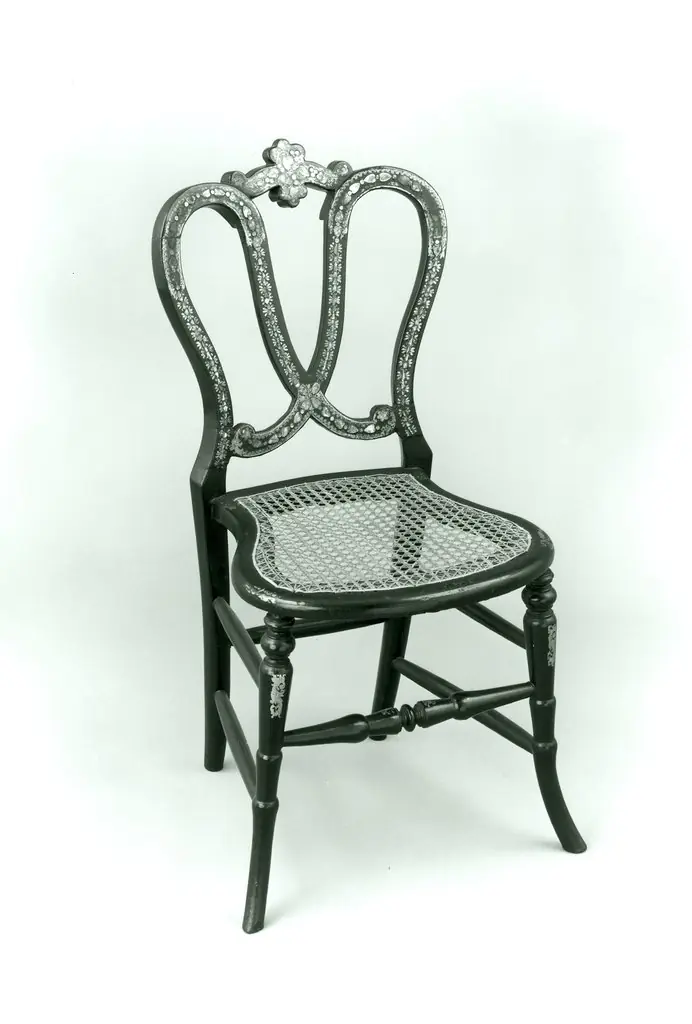 Papier-mâchè side chair
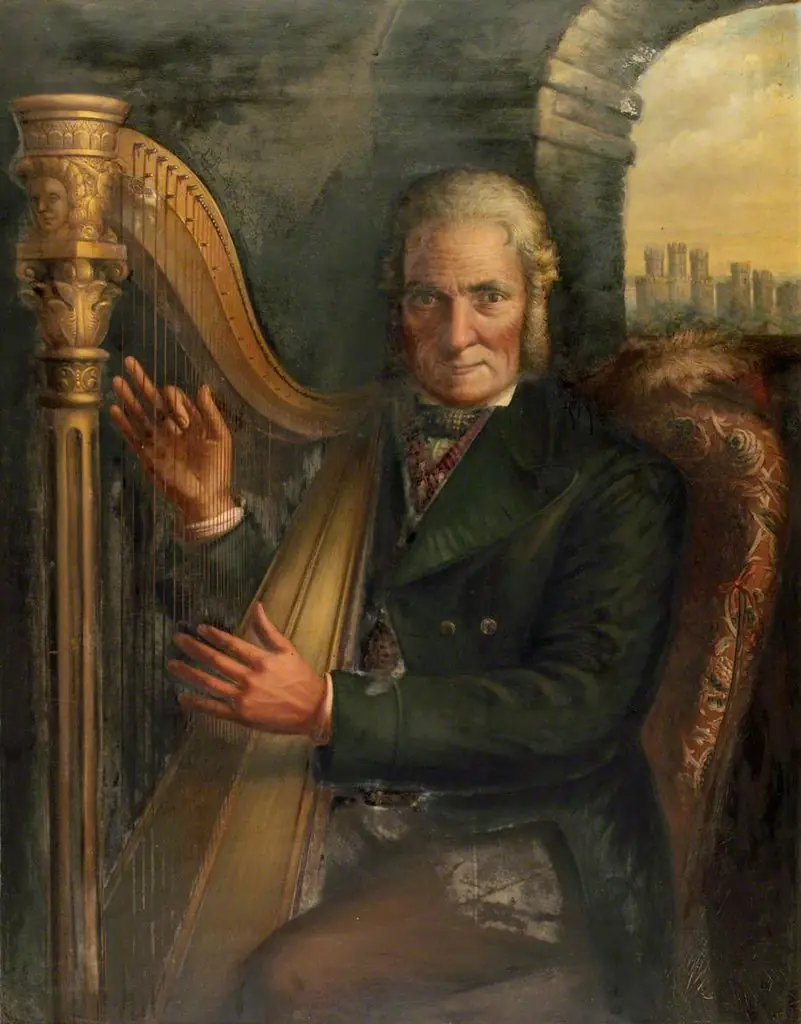 Bardd y Brenin, Edward Jones (1752–1824)
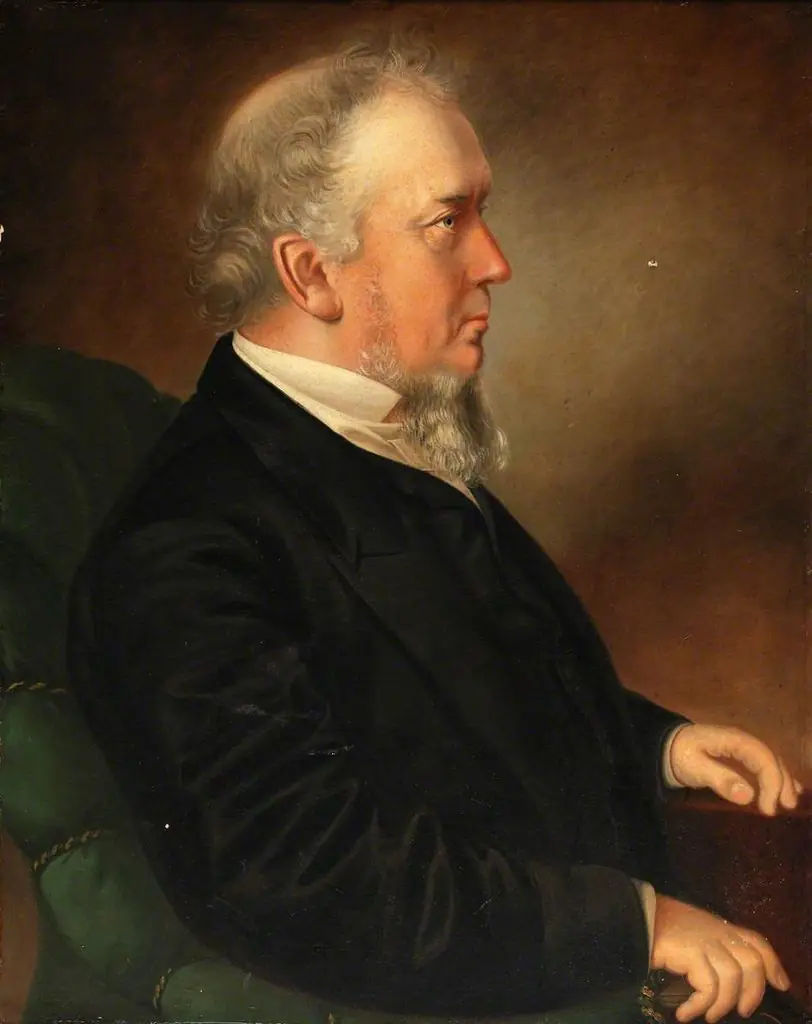 Portrait of a Minister
Frequently asked questions
What is Chair?
Chair is a subject in art. A chair (/t͡ʃɛɚ/ ) is a type of seat, typically designed for one person and consisting of one or more legs, a flat or slightly angled seat, and a back-rest.
How many Chair works does Artifact World Gallery have?
Artifact World Gallery holds 200 public-domain Chair works, all free to view and download.
Who are the key Chair artists?
Key Chair artists in the collection include Thomas Eakins, Jean Honoré Fragonard and Henry Lerolle.
Where can I see Chair works?
Chair works in the collection are held by Metropolitan Museum of Art, Groeningemuseum and Statens Museum for Kunst.