Artwork
Andrea de' Franceschi
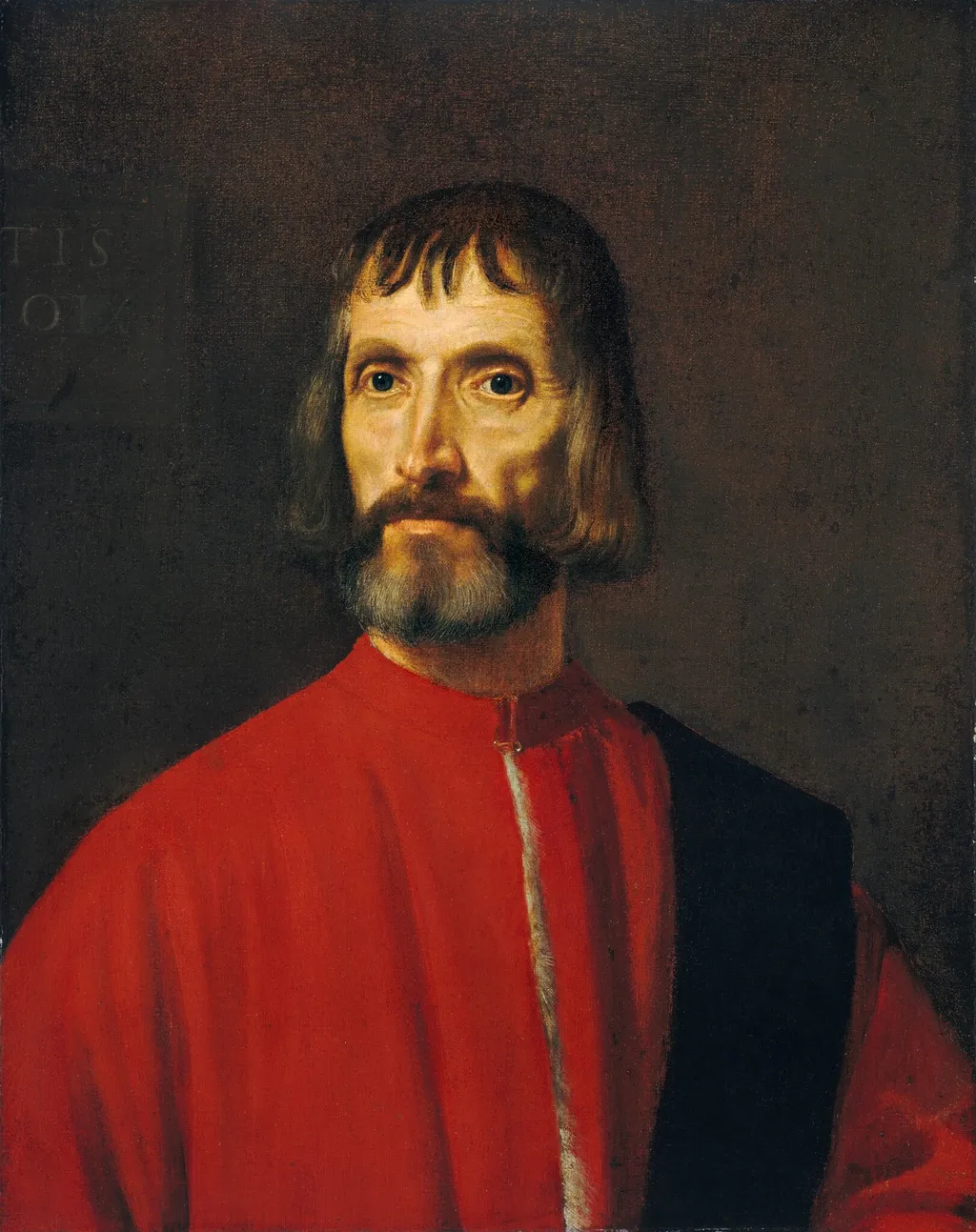
Andrea de' Franceschi is an oil painting by the Early Baroque Italian artist after Titian. It dates from 1600 and is held in the collection of the National Gallery of Art.
- Inscription
- Inscribed:upper left on tablet: ...TIS/...OIX
About this work
Subject & Meaning
The iconography emphasizes the sitter's age and political gravity through the incisive rendering of deep facial furrows and a gray, fringed hairstyle.
The work depicts Andrea de' Franceschi, who served as the Grand Chancellor of the Venetian Republic from 1529 to 1532. Rendered as a half-length portrait against a dark background, the subject is shown with his head turned slightly left while his torso faces right, creating a dynamic compositional effect. The iconography emphasizes the sitter's age and political gravity through the incisive rendering of deep facial furrows and a gray, fringed hairstyle.
Consistent with the fashion of the era, the figure is portrayed with long beard and mustache. An inscription reading "TIS...OIX" appears on the canvas, linking the image to the artist Titian, who served as the official painter during the Chancellor's tenure. The portrait functions as a formal representation of a high-ranking state official, capturing the dignity and weathered experience of a key Venetian administrator.
Technique & Style
The portrait is executed in oil on canvas, a support confirmed by the National Gallery of Art records and by the work’s documented dimensions of approximately 65 × 51 cm. It belongs to the Venetian school and was produced in Titian’s workshop around 1532. The composition shows a half‑bust format with the sitter’s head turned left while the torso faces right, creating a subtle sense of movement; the face is rendered with pronounced wrinkles and a grey, closely cropped haircut typical of early‑sixteenth‑century portraiture. The handling of light on a dark background emphasizes the sitter’s age and authority, while the brushwork reflects the workshop’s standard practice of layered oil paint on canvas.
History & Provenance
Acquired before 1859 by Francis Richard Charteris, Lord Elcho, the half‑length portrait entered the Wemyss family collection and remained at Gosford House until sold in 1928 to the London dealer M. Knoedler & Co., then bought that same year by Andrew W. Mellon; it was deeded to the A.W. Mellon Educational and Charitable Trust in December 1934 and gifted to the National Gallery of Art in 1937. The work, documented as a workshop portrait of Andrea de' Franceschi, a Venetian statesman who served as gran cancelliere from 1529 to 1532, is dated circa 1532 and measures about 65 × 51 cm; it was likely commissioned to record his office and was created in Titian’s studio, a fact confirmed by its attribution to the Venetian school in the National Gallery of Art catalogue.
The painting is housed in the National Gallery of Art, Washington, D.C., where it entered the collection through the 1937 gift from Andrew W. Mellon, having been deeded to the Mellon Educational and Charitable Trust in 1934; its accession is recorded as part of the Andrew W. Mellon collection. Earlier, the work was displayed at the British Institution in 1859 on loan from Lord Elcho, and it later featured in the 1957 exhibition of Pictures from Gosford House at the National Gallery of Scotland, which showcased the earl’s Italian holdings.
Context
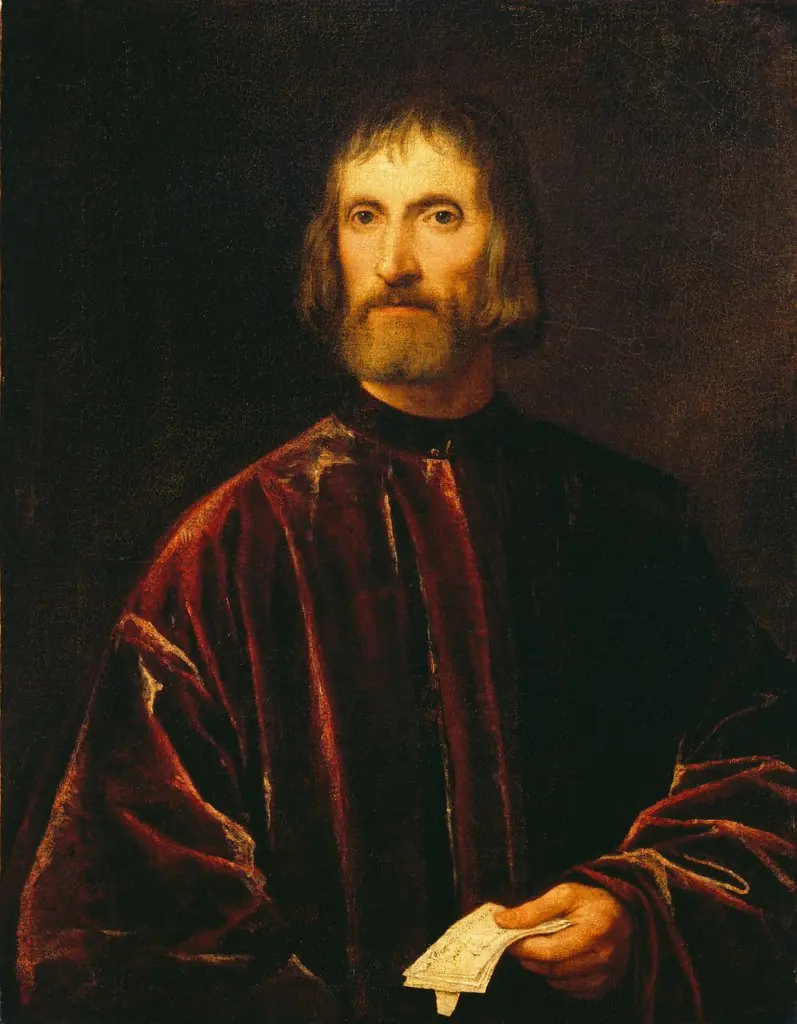
The portrait of Andrea de' Franceschi is central to discussions regarding Titian's workshop practices and the development of Venetian portraiture in the early sixteenth century. While the work in the National Gallery of Art, Washington, D.C., is frequently linked to Titian himself and dated circa 1532, scholarship acknowledges the existence of multiple versions, including a half-length figure in the Detroit Institute of Arts and a workshop replica in the Indianapolis Museum of Art. Art historians debate which version represents the original prototype, with some attributions suggesting the Washington canvas may be a product of the master's workshop rather than his direct hand.
The painting depicts the Grand Chancellor of the Venetian Republic during his tenure, capturing the incisive characterization typical of the artist's official commissions. This multiplicity of versions complicates the work's art-historical placement, serving as a case study for distinguishing between autograph works and high-quality workshop productions within the Venetian school.
Legacy
The portrait, recorded as a workshop copy of Titian’s likeness of Andrea de’ Franceschi, entered the National Gallery of Art via the collection of Andrew W. Mellon, whose bequest shaped the museum’s early Italian holdings (1). Its provenance through the Wemyss family and successive sales highlighted the painting’s role in 19th‑century Scottish collecting and later American philanthropy (1). Scholarly attention, from Valcanover’s 1969 catalogue to contemporary Wikidata entries, emphasizes its significance as an example of Titian’s workshop practice and as a benchmark for later portraiture, including a second version held by the Detroit Institute of Arts (3). The work’s enduring reputation rests on its documented influence on subsequent depictions of Venetian statesmen.
Overview
This oil on canvas painting, titled Andrea de' Franceschi, presents a seated male figure. The work captures the likeness of its subject, Andrea de' Franceschi, depicting him within an interior setting. The artist employed a meticulous approach, rendering the sitter's attire and expression with careful detail, conveying a sense of gravity and historical presence through the portrait.
Artist & collection
Artist

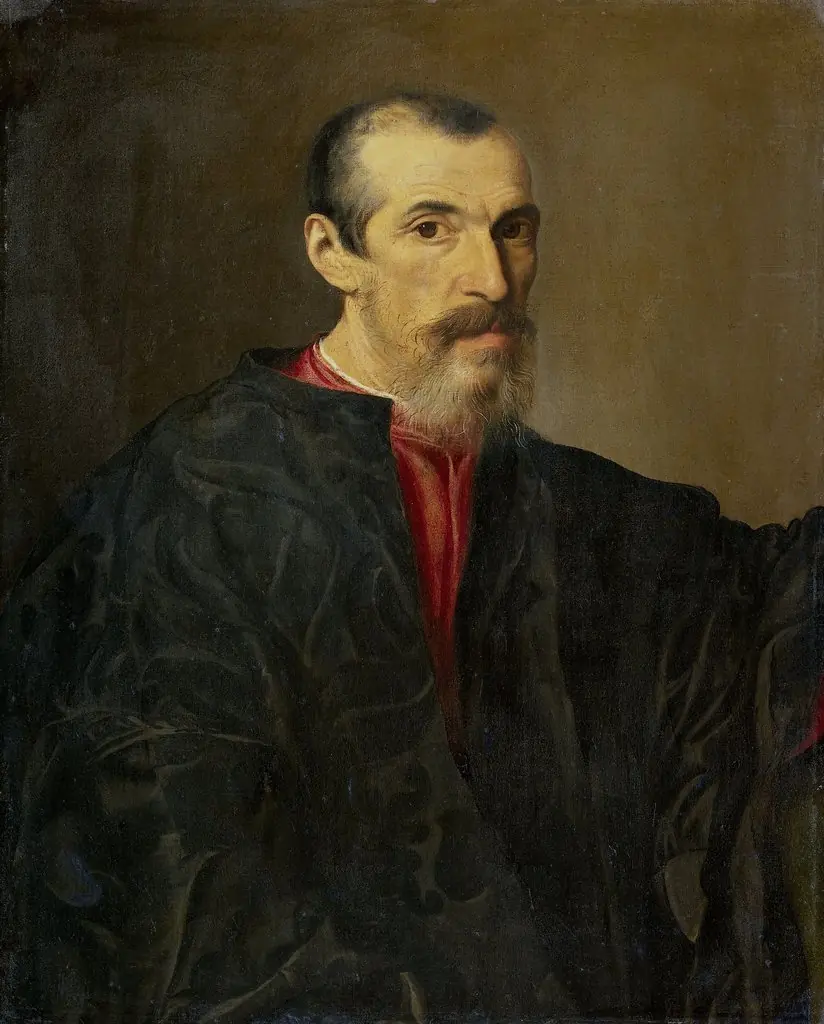 Portrait of a man in Brescia
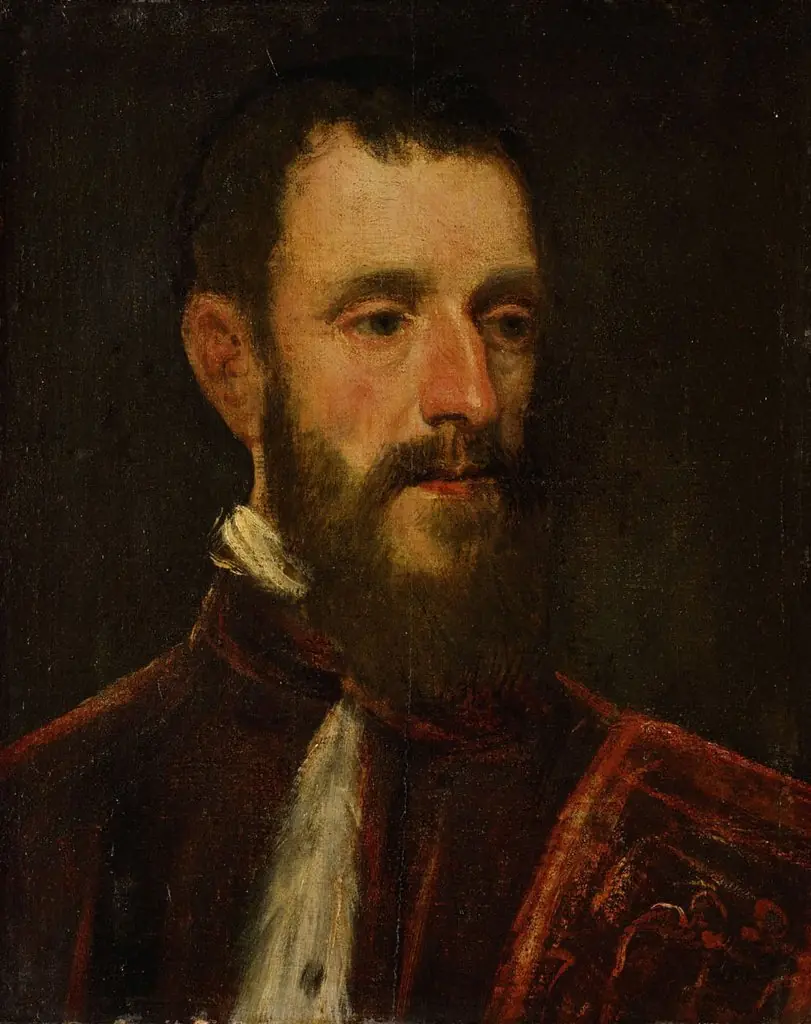 Bildnis eines Prokurators
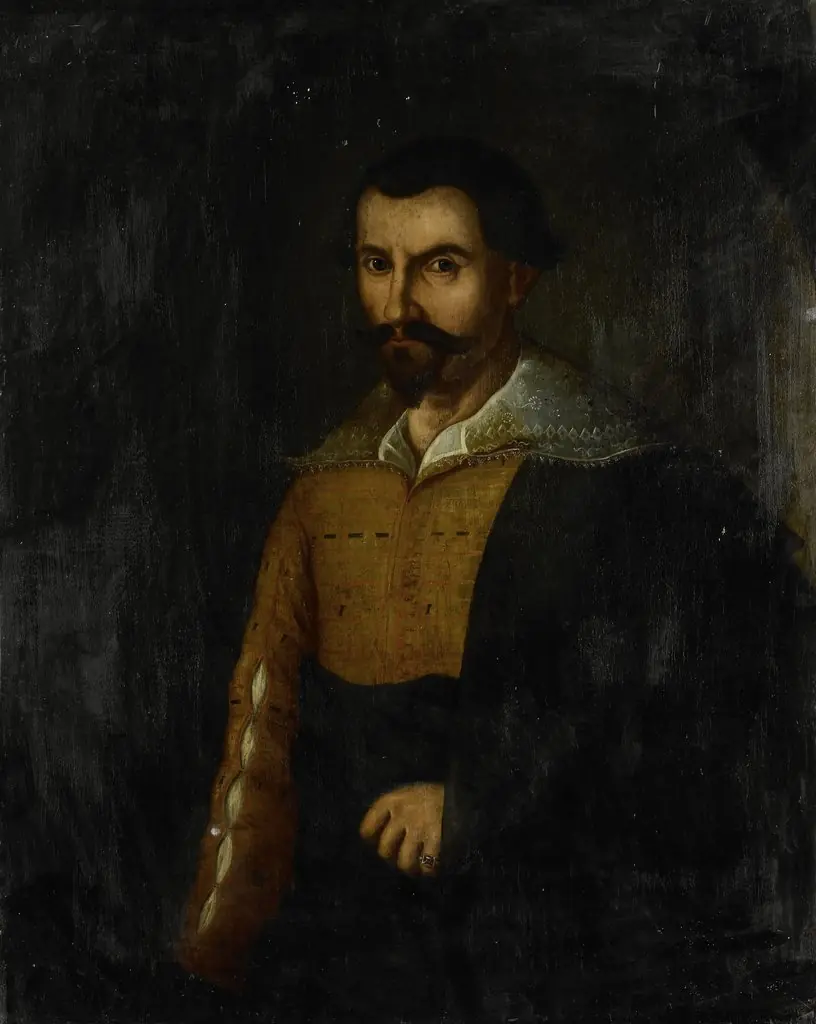 Portrait of Pieter de Carpentier, Governor-General of the Dutch East Indies
 Portrait of Titian
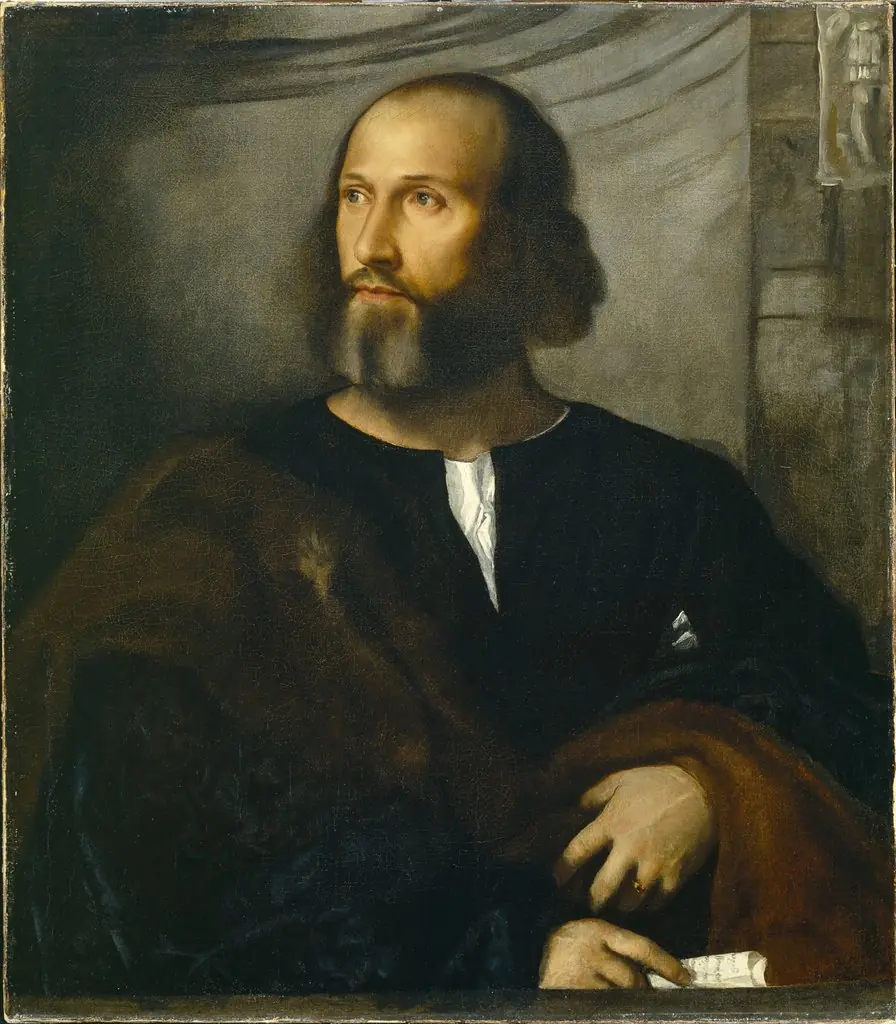 Portrait of a Bearded Man
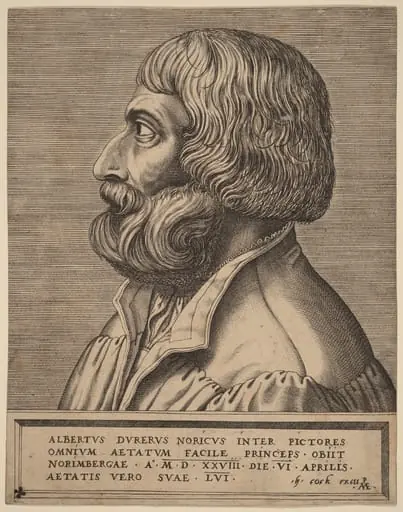 Albrecht Durer
 Portrait of Roberto Castiglione
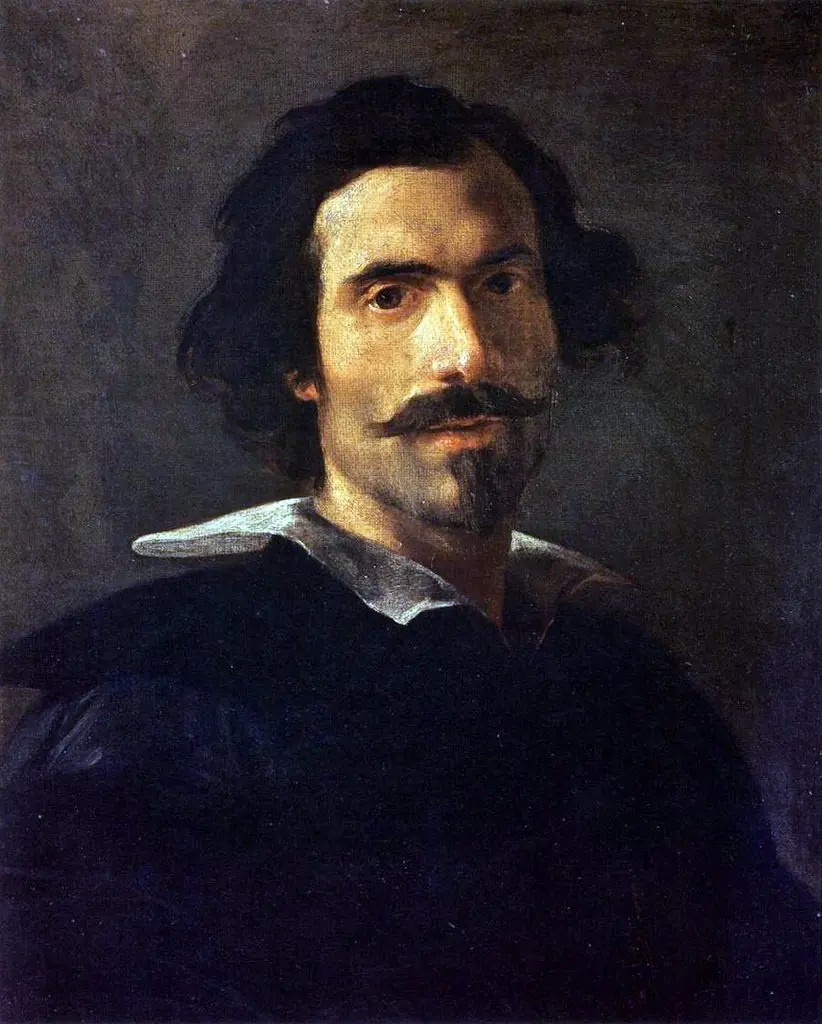 Self Portrait of Gianlorenzo Bernini
 Gabriello Chiabrera
 Portrait of a Man, presumably a member of the Medici Family
 Pietro Bembo as prior of the Order of Saint John of Jerusalem
- Portrait of Andrea dei Franceschi