Movement
Venetian School
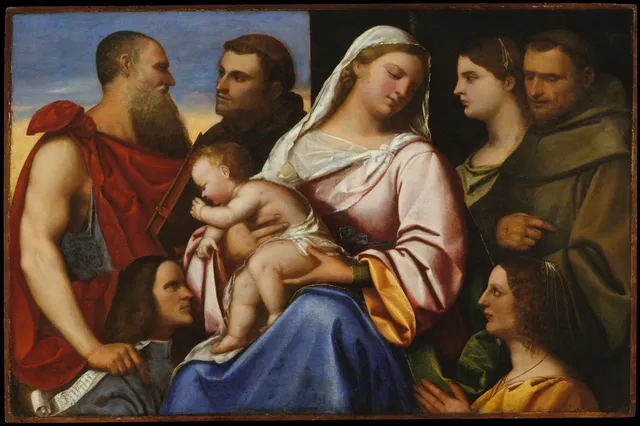
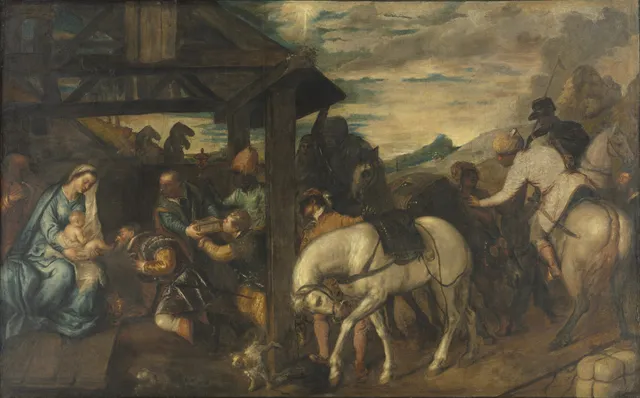
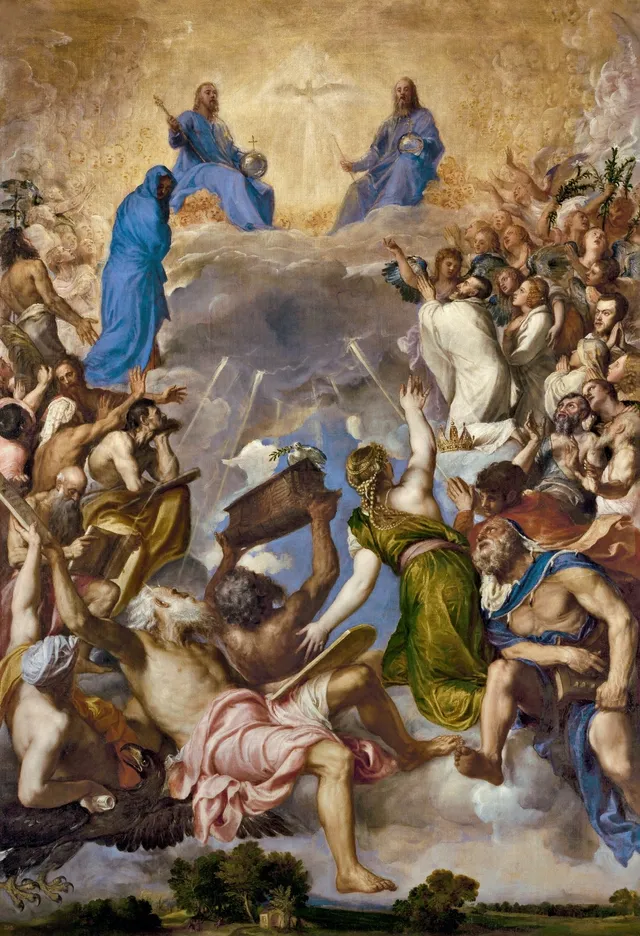
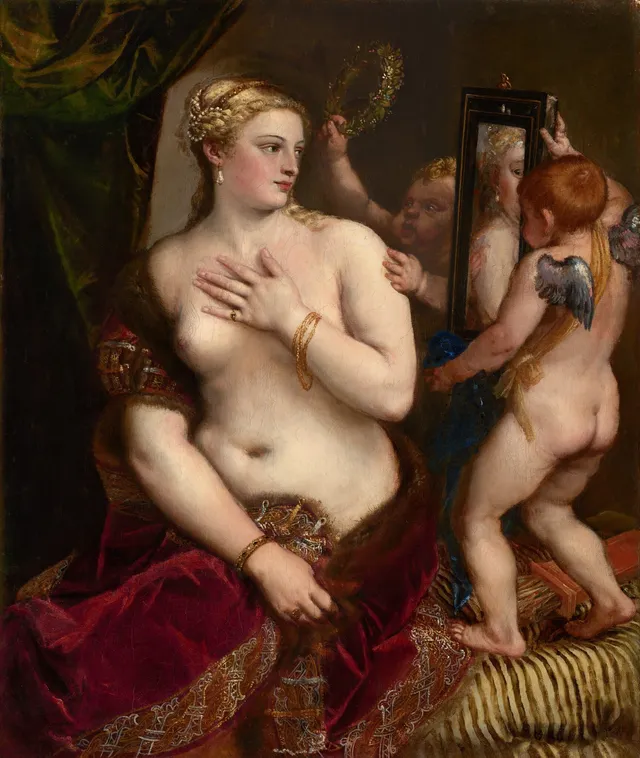
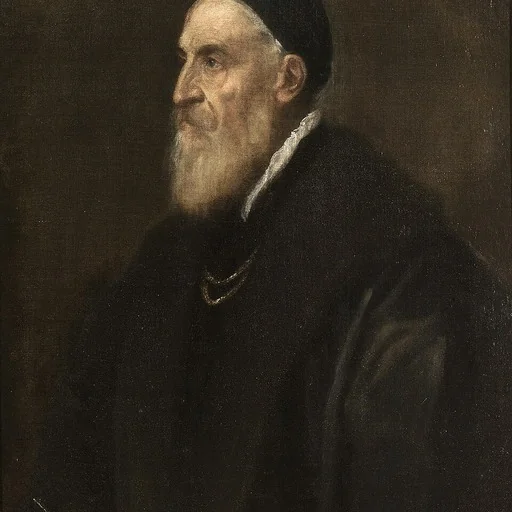
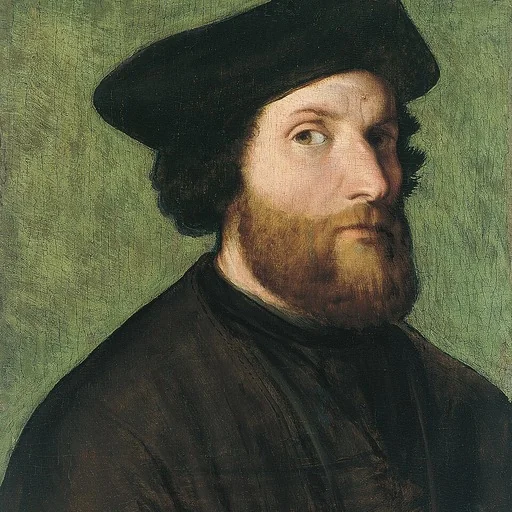
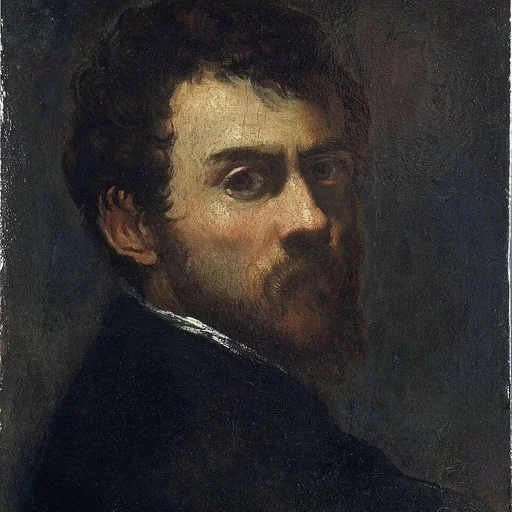
Venetian School is an art movement. The gallery holds 183 works in this movement, including works by Titian, Paolo Veronese and Lorenzo Lotto. Browse Venetian School paintings, portraits, pictures and artworks from the world's public-domain museum collections.
The Venetian School was the distinctive tradition of painting that flourished in Venice from the late fifteenth through the sixteenth century, the wealthy maritime republic's contribution to the Italian Renaissance. Its character was shaped by the city itself: a trading hub awash in light reflected off canals and lagoon, with ready access through its merchant networks to costly pigments such as ultramarine and to the new medium of oil paint, which arrived from Northern Europe. Where Florentine and Roman artists prized *disegno* — the precise linear drawing of form — Venetians championed *colorito*, building images directly in color and brushwork. This regional rivalry became one of the defining debates of Renaissance art theory.
The school's defining technique was the slow layering of oil glazes over a luminous ground, often on canvas rather than panel, allowing soft gradations, atmospheric depth, and saturated, resonant color. Bellini, Giorgione, and Titian even ground glass into their pigments to heighten the reflection of light. Compositions favored mood, sensuous surface, and the play of light over crisp contour, frequently dispensing with preparatory drawing in favor of spontaneous adjustment on the canvas itself.
Giovanni Bellini established the foundations in his Venetian workshop, and from it emerged Giorgione, whose poetic, enigmatic works such as *The Tempest* introduced a new lyricism. Titian, the towering figure of the school, carried *colorito* across a long career toward an increasingly free, almost dissolved late manner; his mythologies — among them the *Venus and Adonis* and *Venus with a Mirror* held in this collection — became models for European painting. The next generation brought Jacopo Tintoretto, dramatic and energetic in works like the cycles at the Scuola Grande di San Rocco, and Paolo Veronese, master of opulent, silvery festival scenes. Lorenzo Lotto, Cima da Conegliano, Sebastiano del Piombo, Vittore Carpaccio, Palma il Giovane, and Cariani widened the school's range.
The Venetian emphasis on color and painterly handling proved enormously influential, feeding into Baroque painting through Rubens and Velázquez, and much later inspiring the loose brushwork of Romantic and Impressionist artists. As a counterweight to the linear classicism of central Italy, the Venetian School established color and light as expressive ends in themselves — a legacy that reshaped the course of Western painting.
Key artists
Works
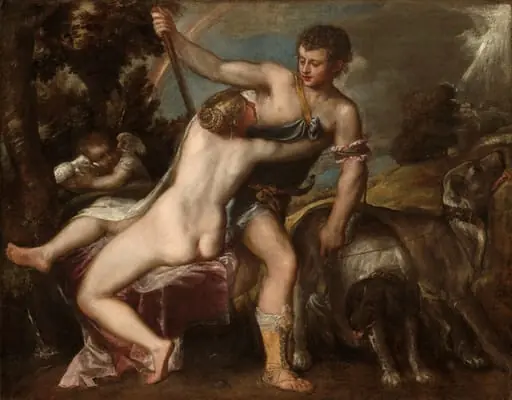 Venus and Adonis
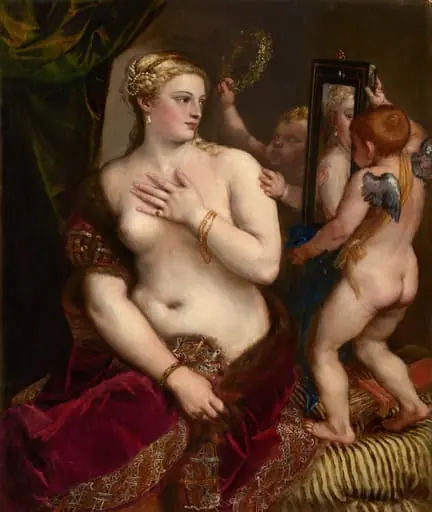 Venus with a Mirror
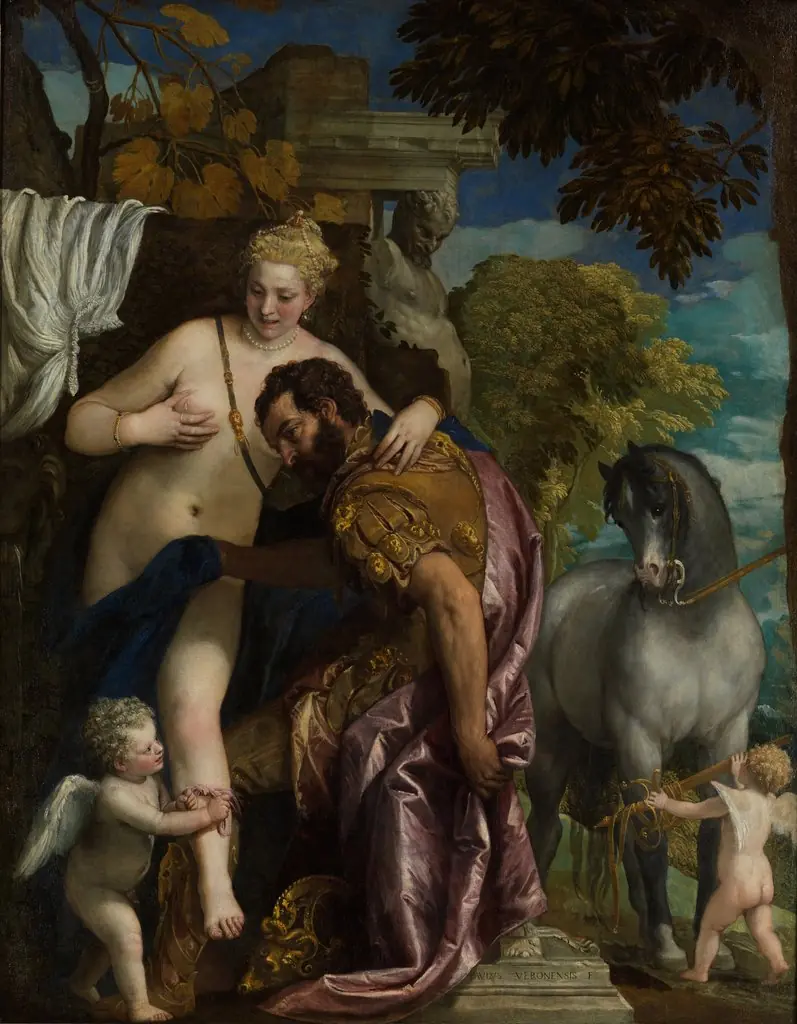 Venus and Mars
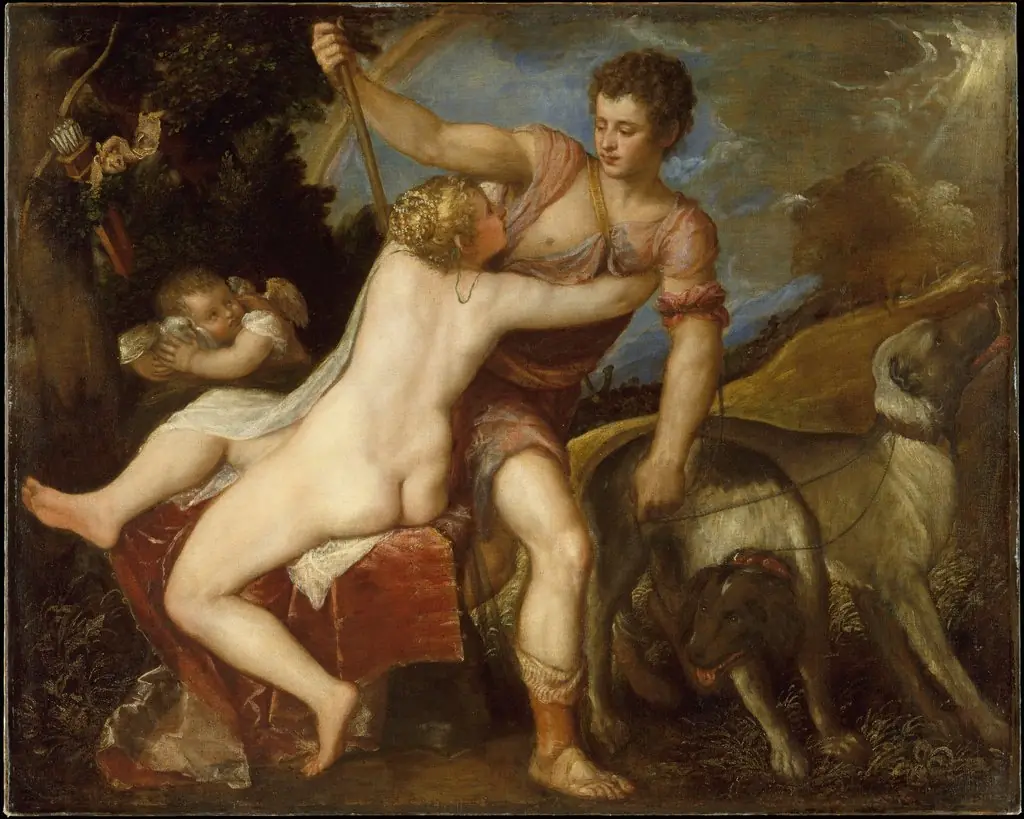 Venus and Adonis
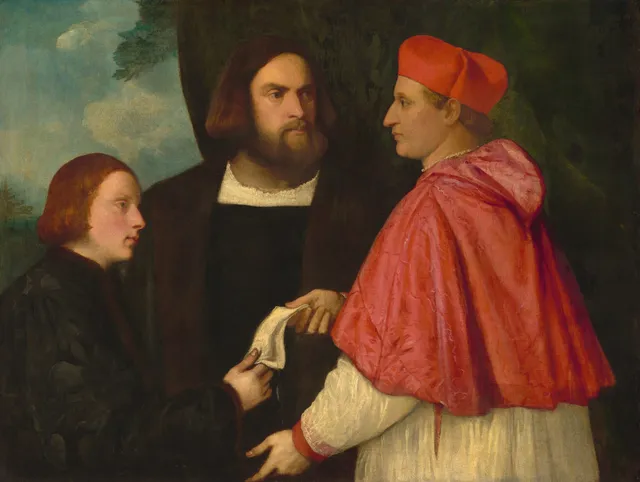
 Giacomo and Cardinal Marco, investing Andrea, Abbot of San Zeno, with his Benefice
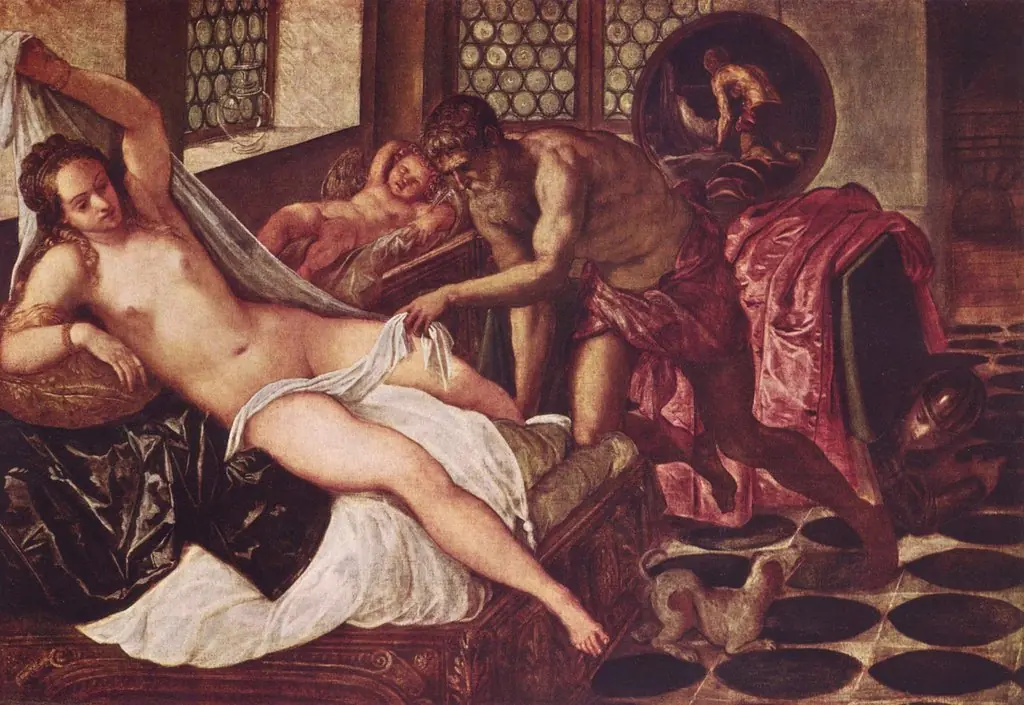 Venus and Mars Surprised by Vulcan
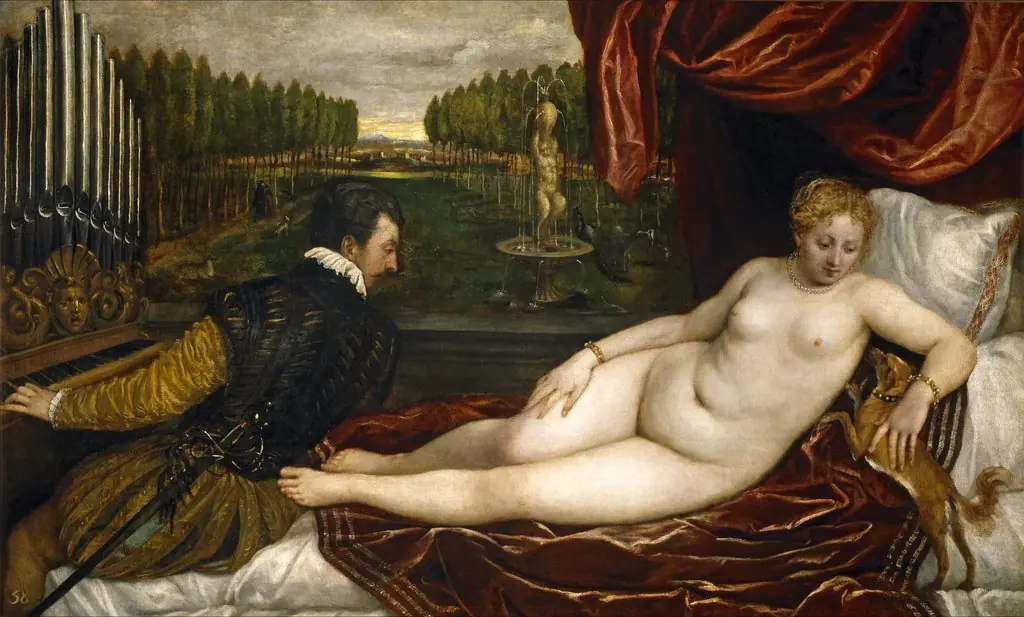 Venus and Music
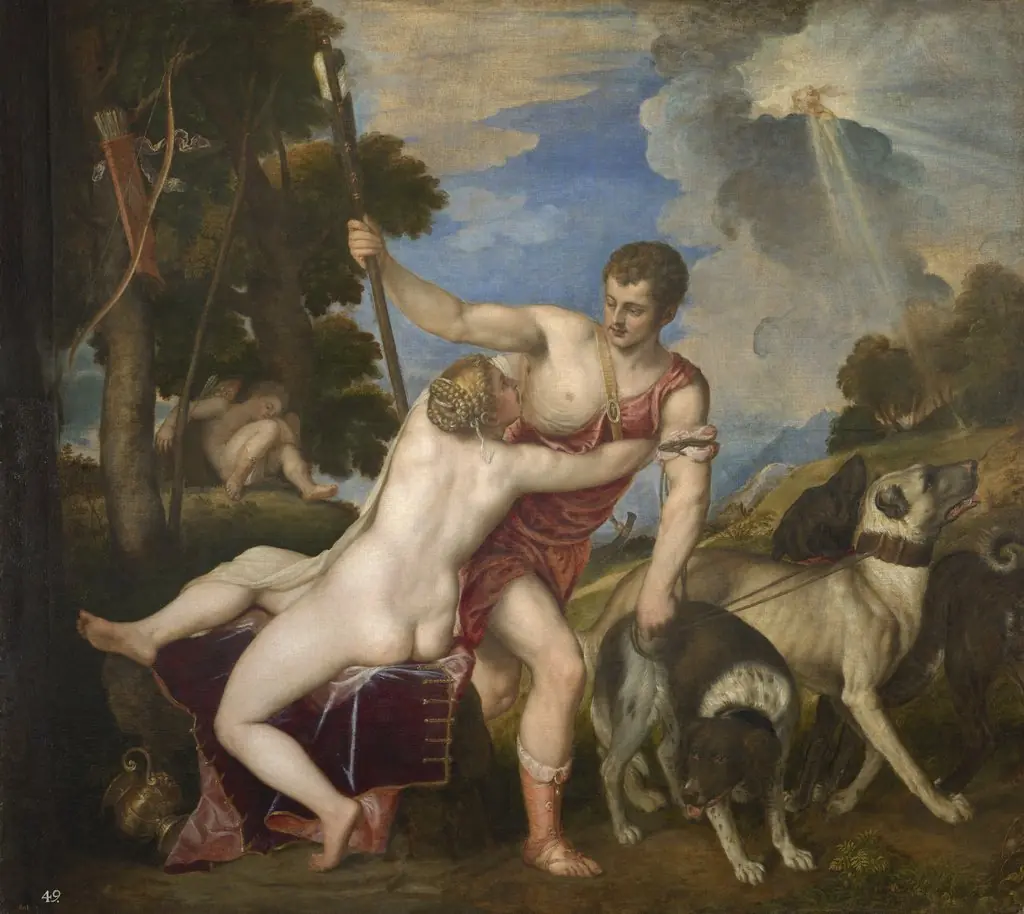 Venus and Adonis
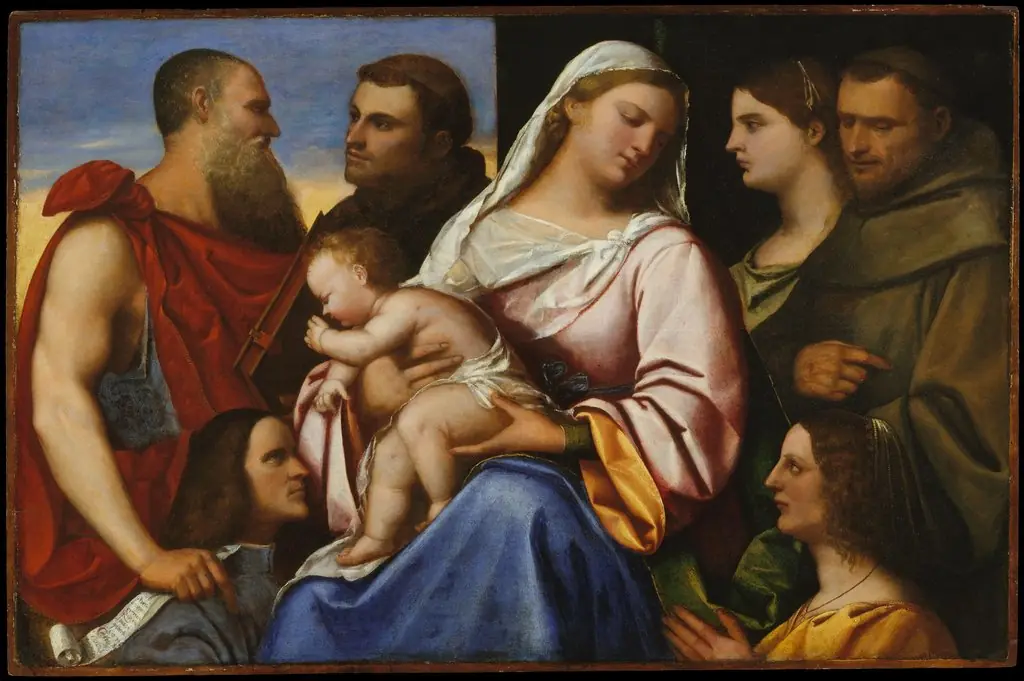 Madonna and Child with Saints and Donors
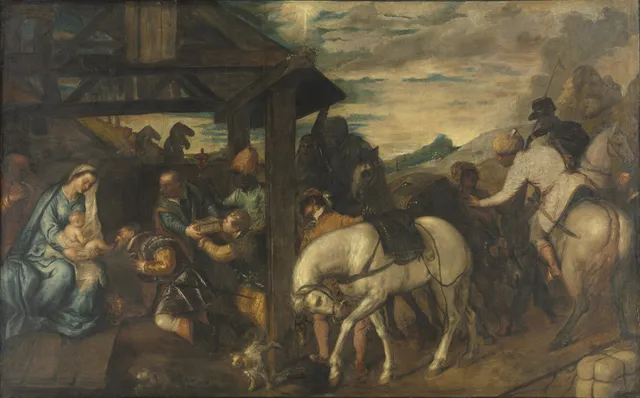
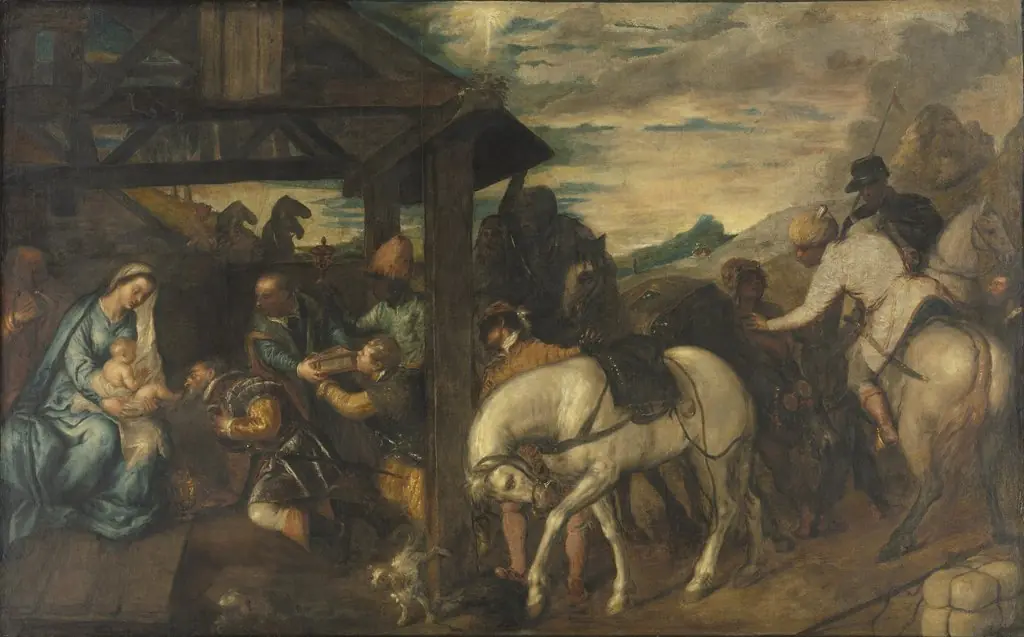 Adoration of the Magi
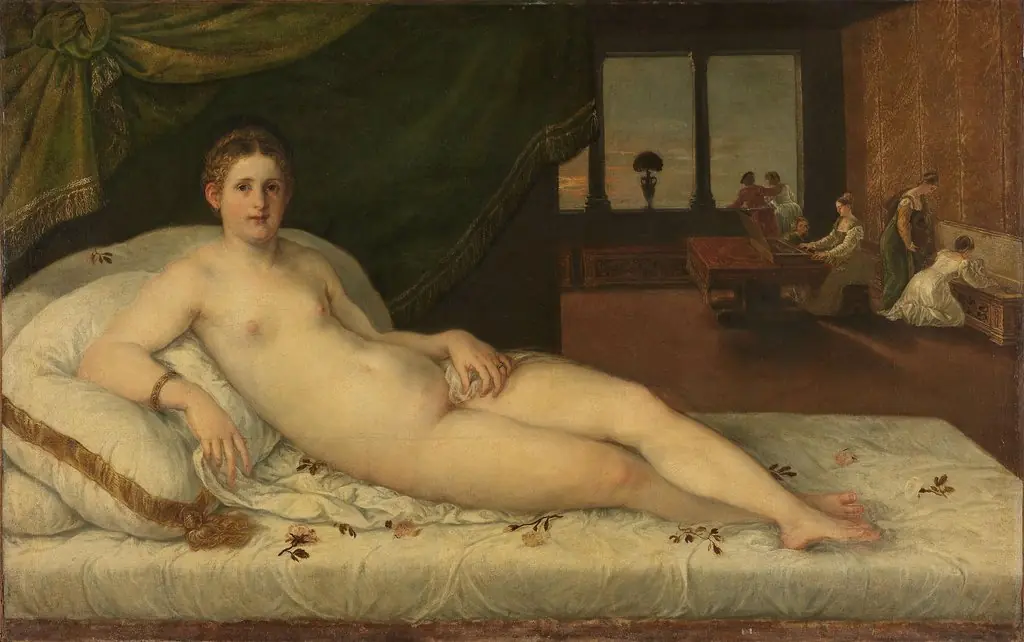 Reclining Venus
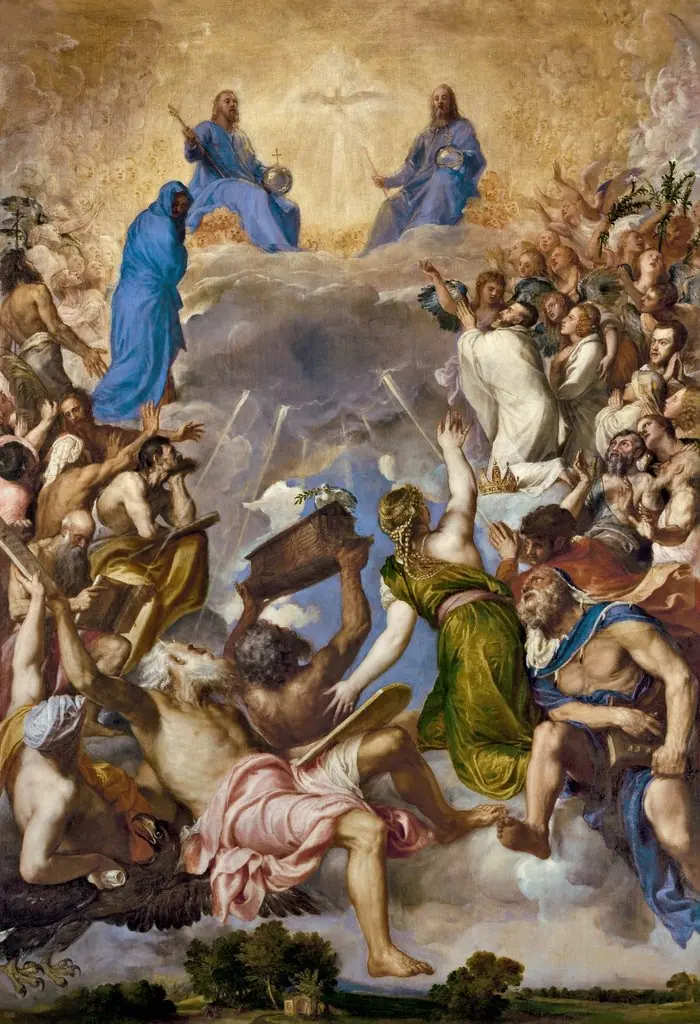 La Gloria
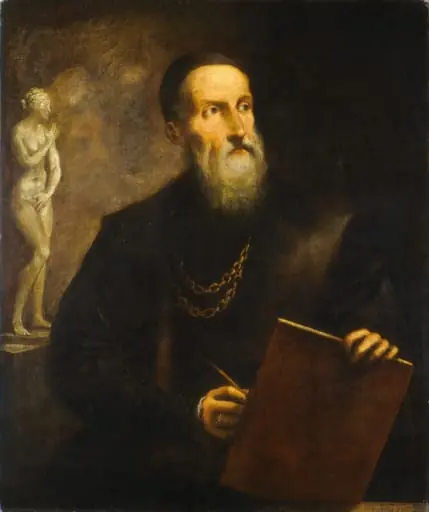 Imaginary Self-Portrait of Titian
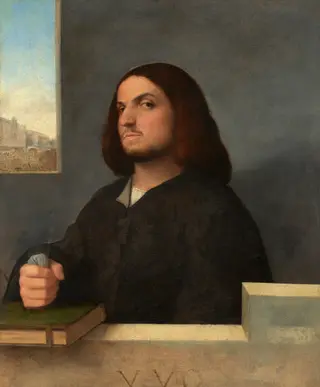 Portrait of a Venetian Gentleman
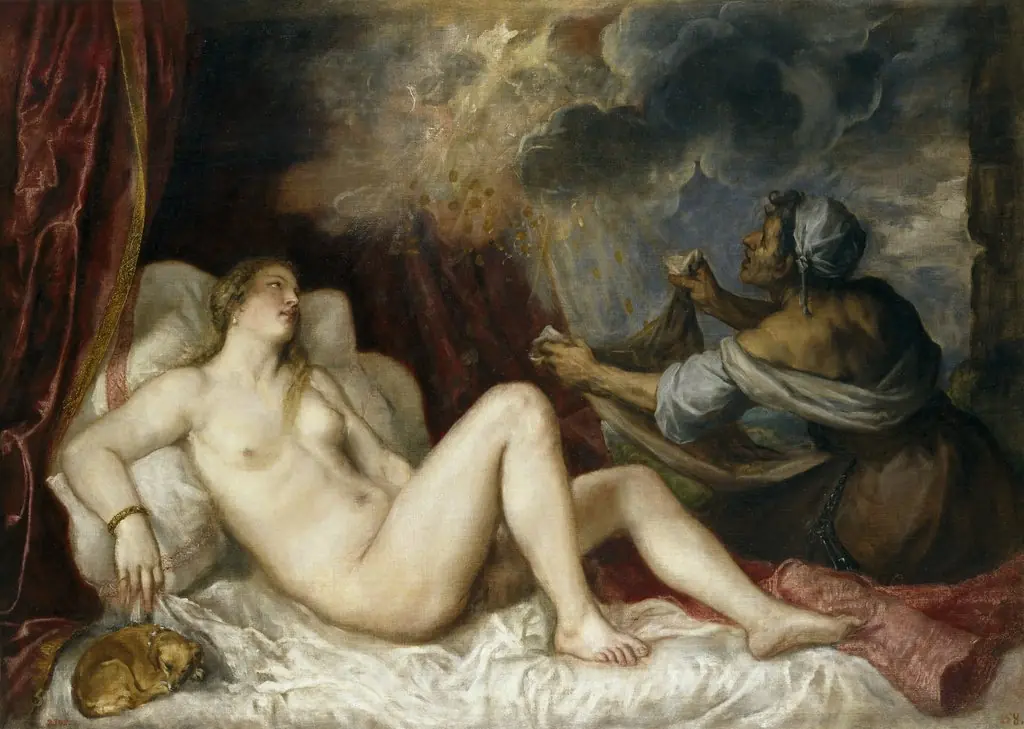 Danaë
Danaë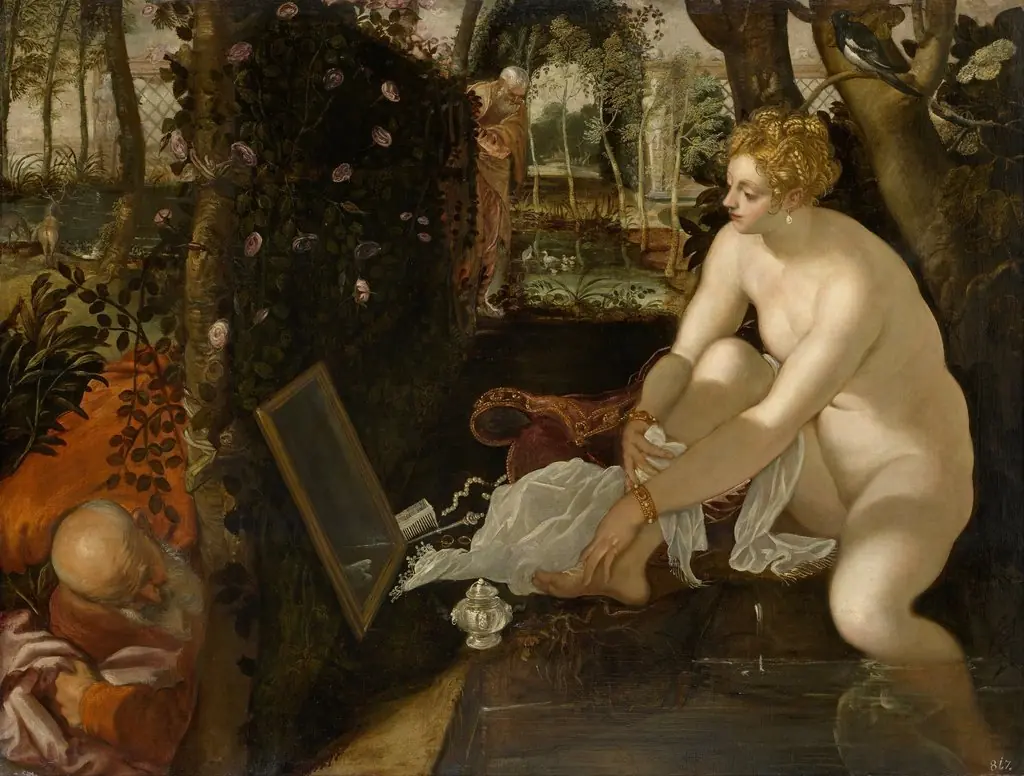 Susanna and the Elders
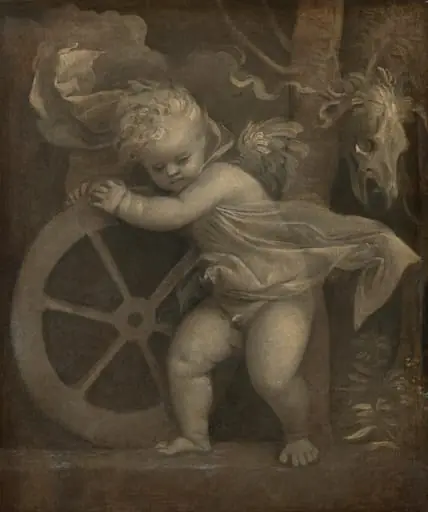 Cupid with the Wheel of Time
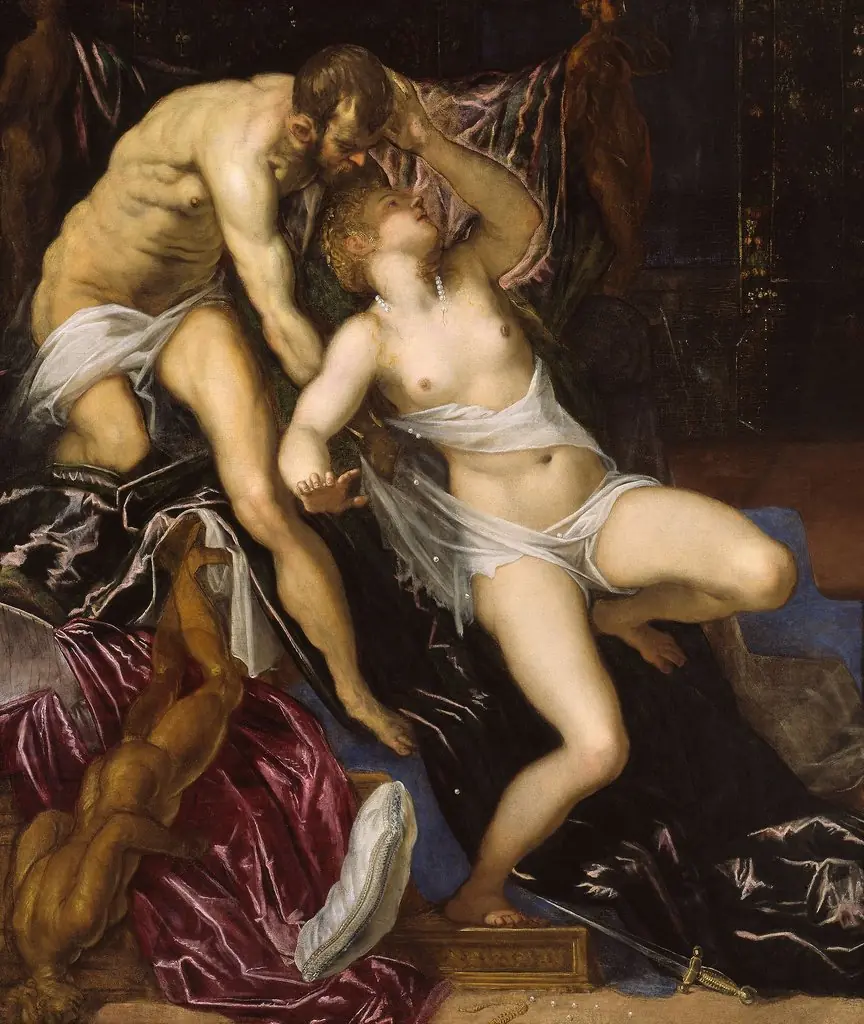 Tarquin and Lucretia
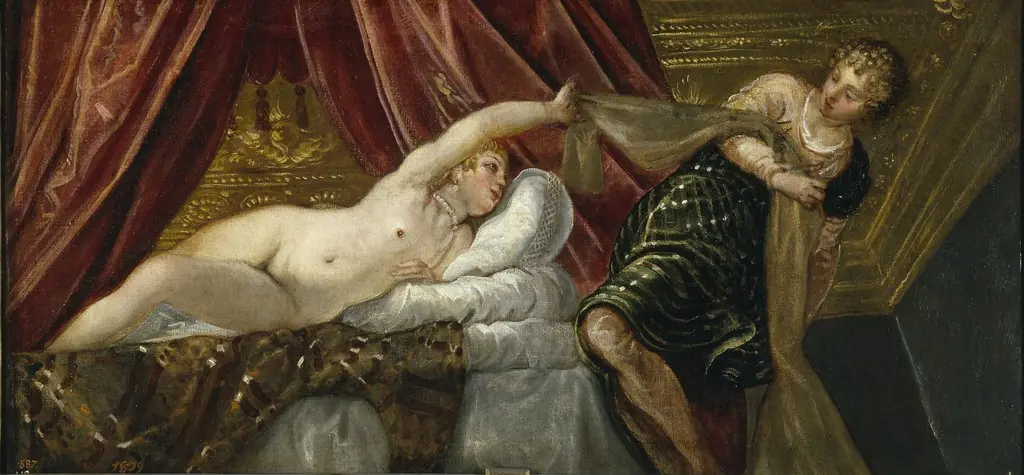 Joseph and Potiphar's Wife
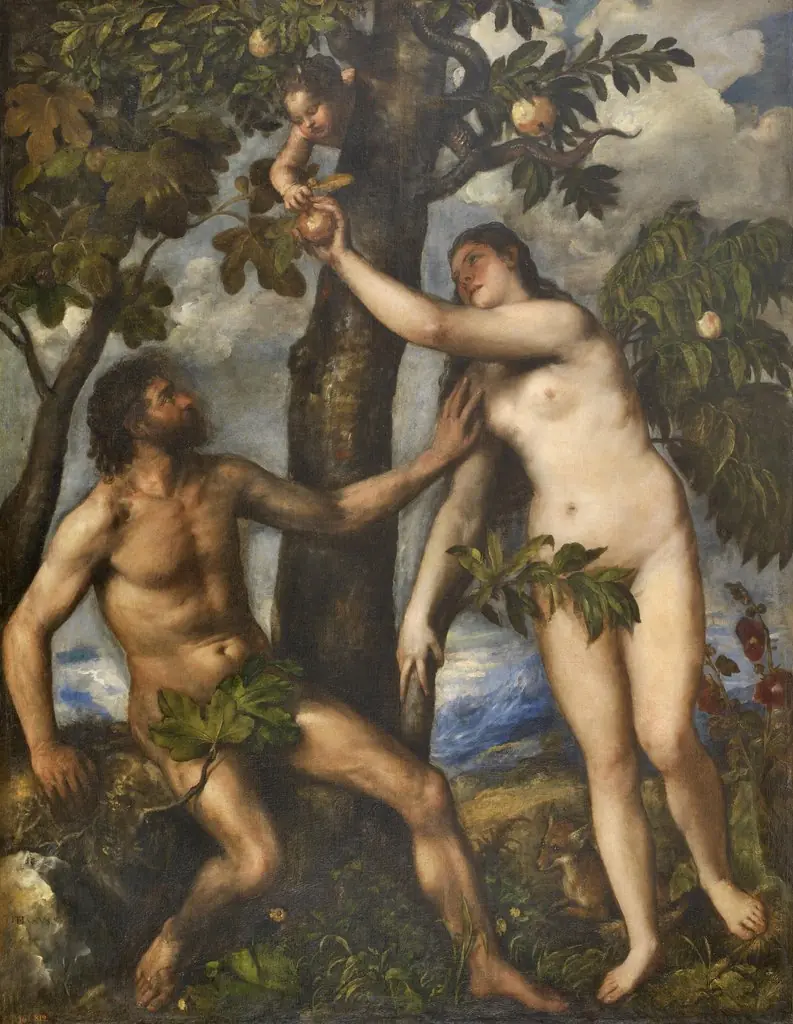 The Fall of Man
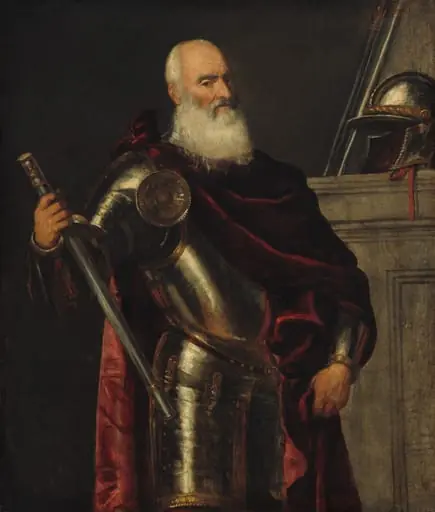 Vincenzo Cappello
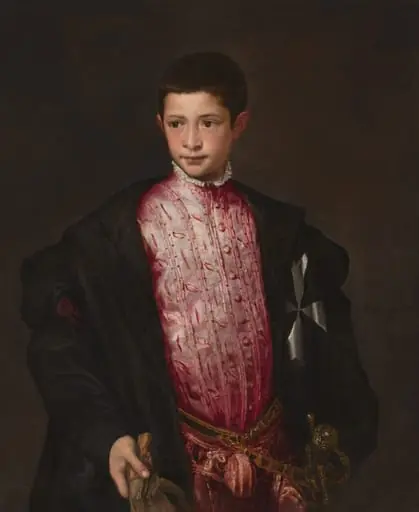 Ranuccio Farnese
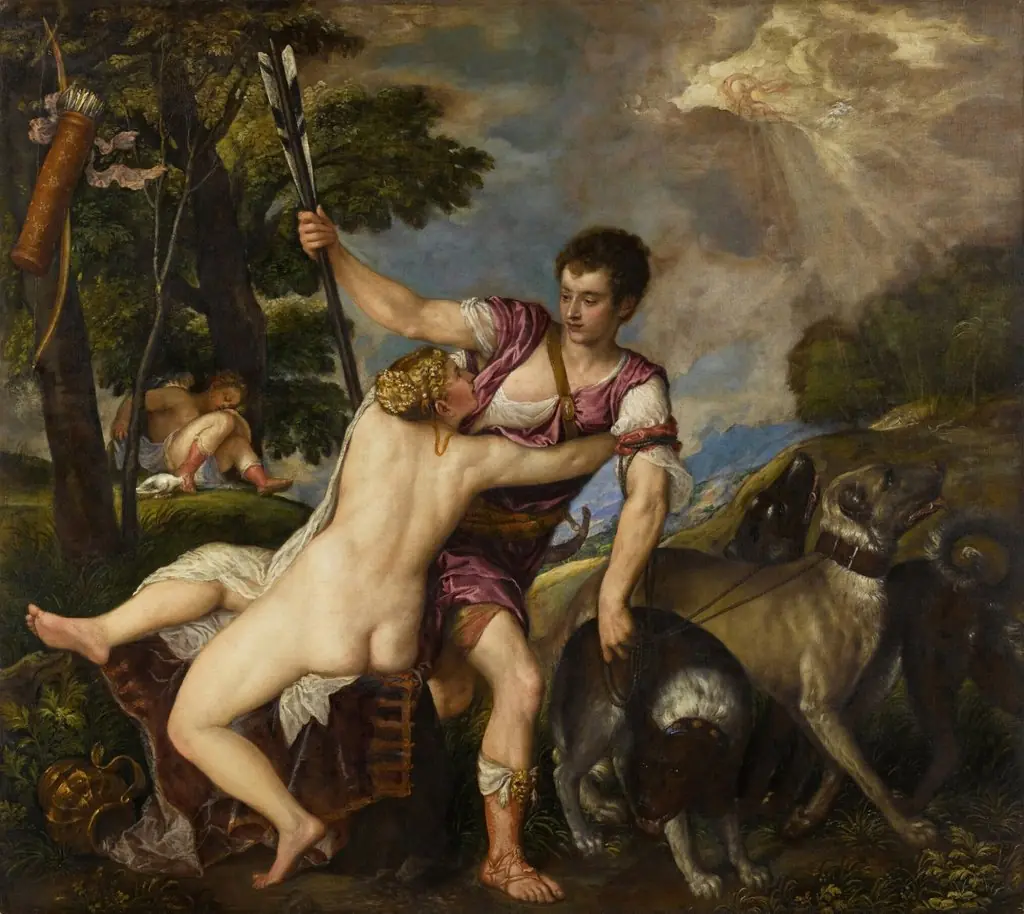 Venus and Adonis
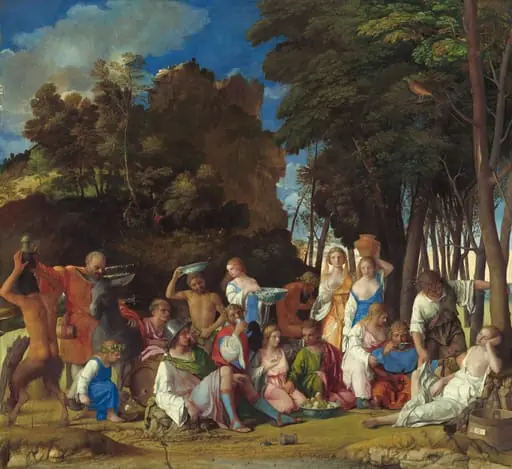 The Feast of the Gods
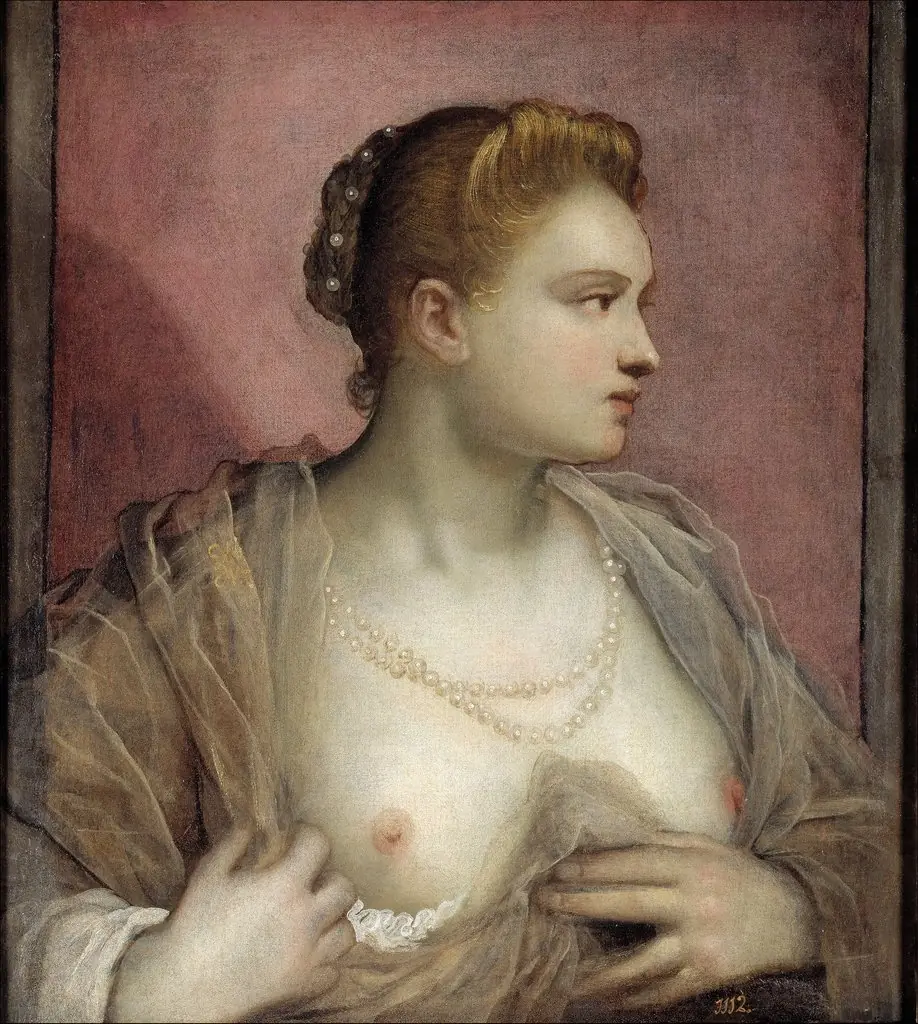 Portrait of a Bare-Breasted Woman
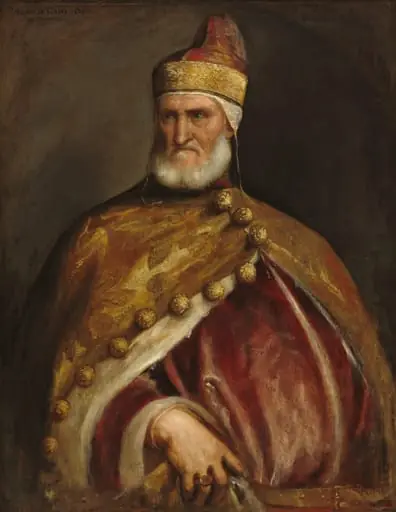 Doge Andrea Gritti
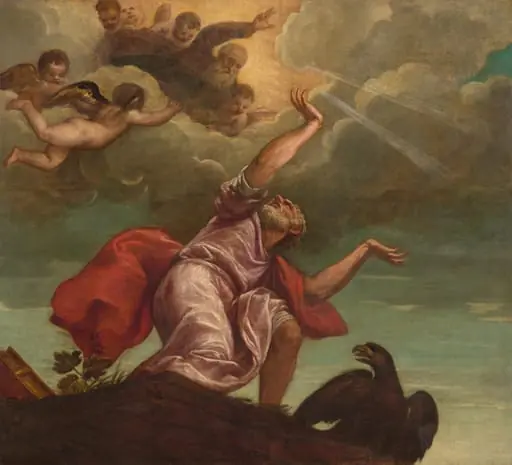 Saint John the Evangelist on Patmos
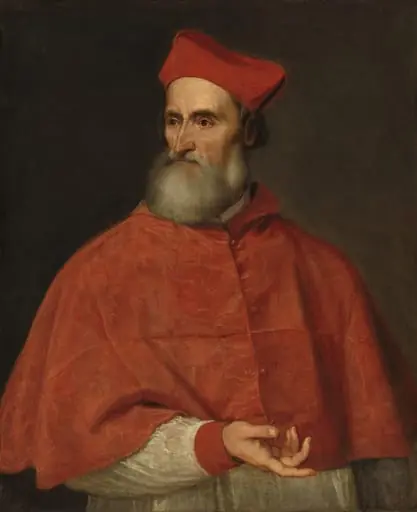 Cardinal Pietro Bembo
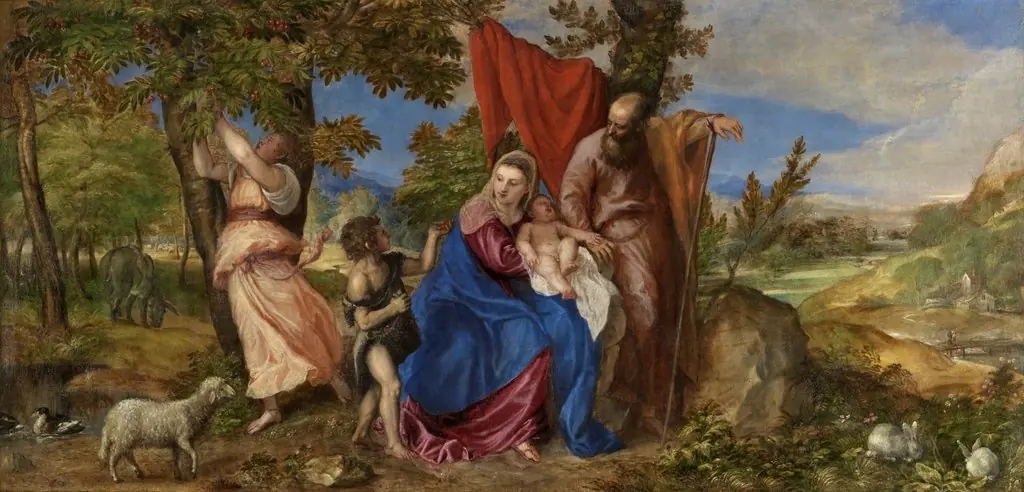 Rest on the Flight into Egypt
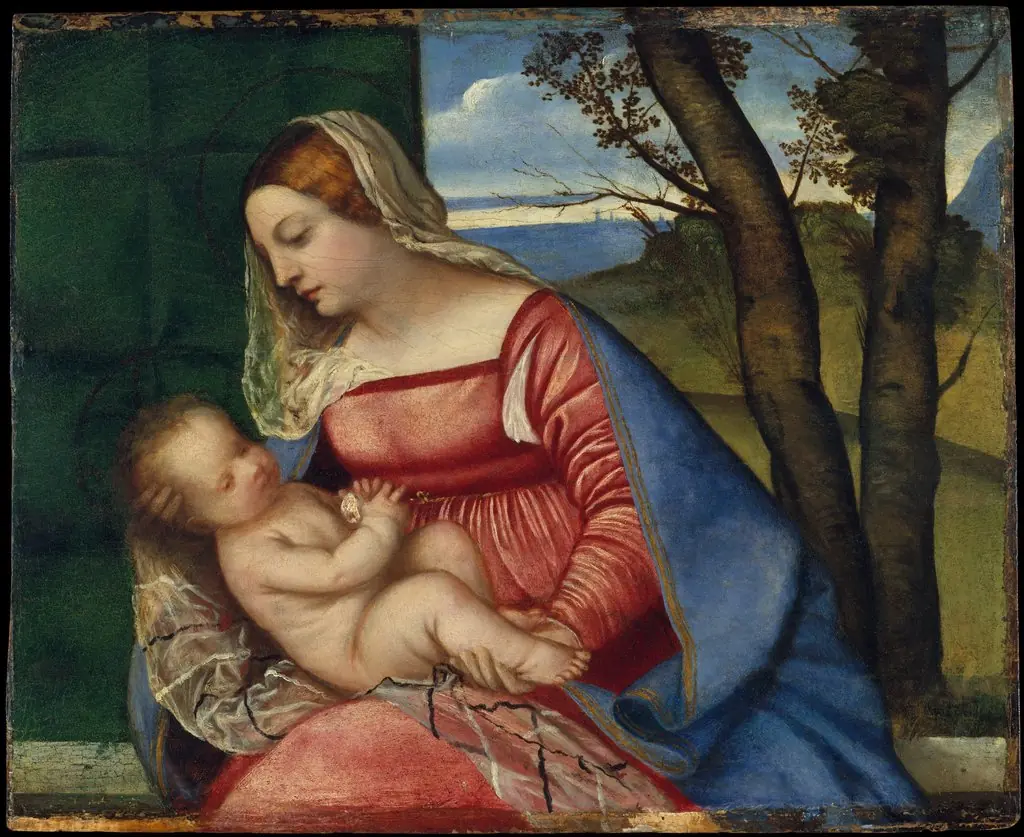 Bache Madonna
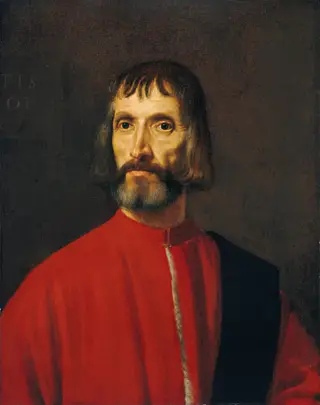 Andrea de' Franceschi
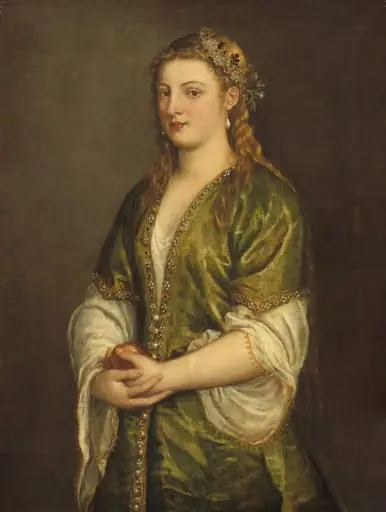 Woman Holding an Apple
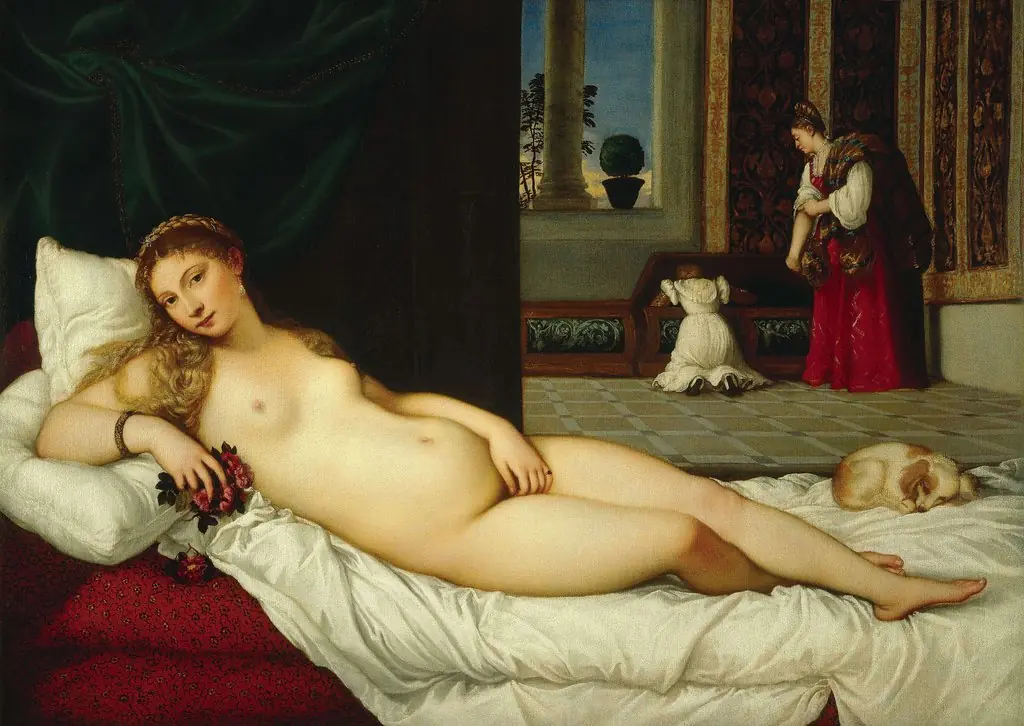 Venus of Urbino
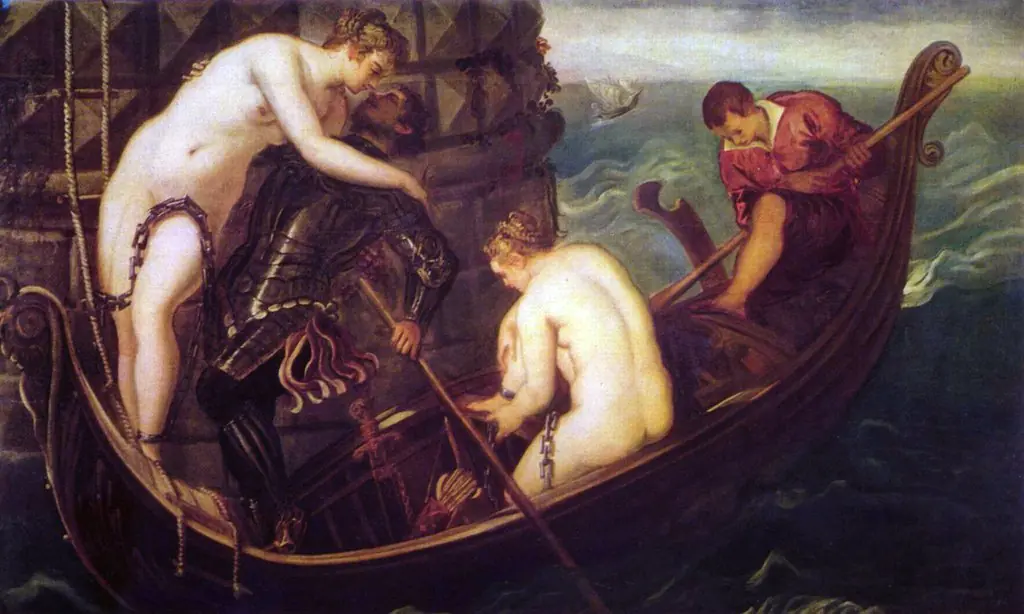 The Deliverance of Arsinoe
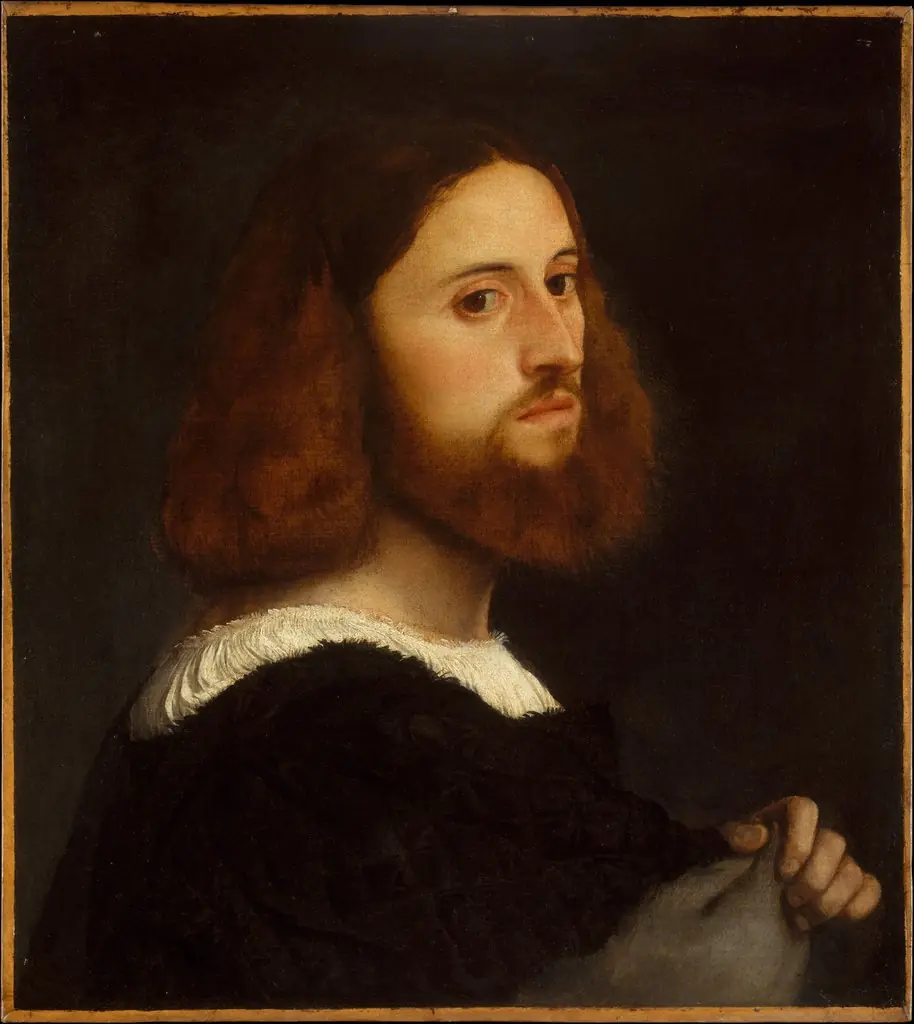 Portrait of a Man
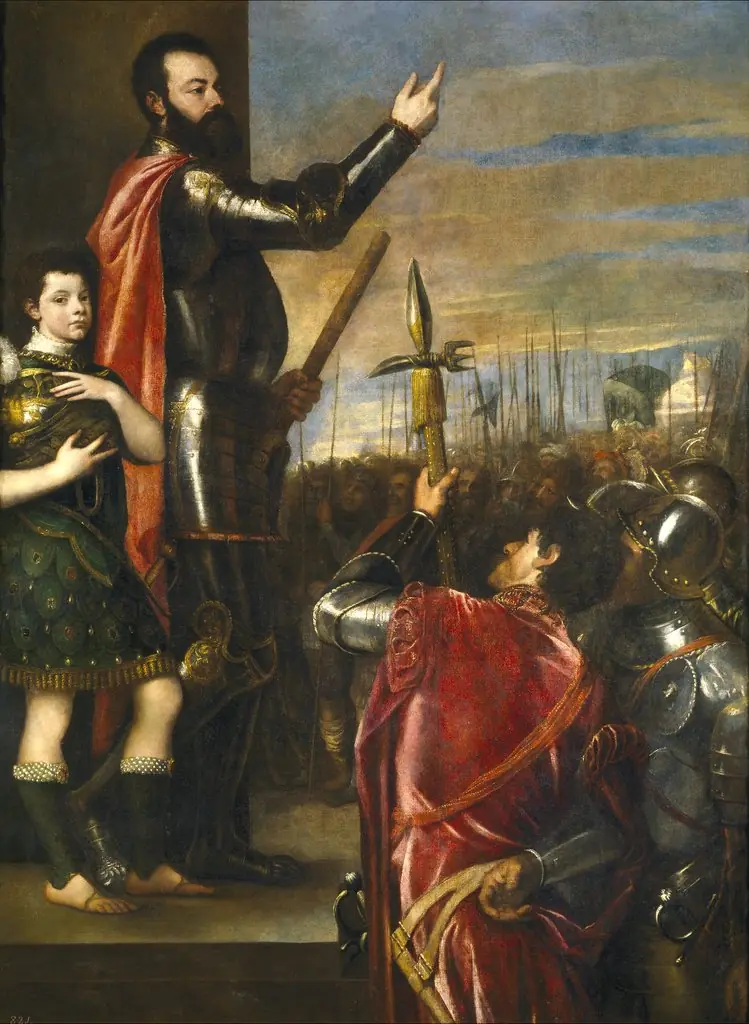 Alfonso d'Avalos Addressing his Troops
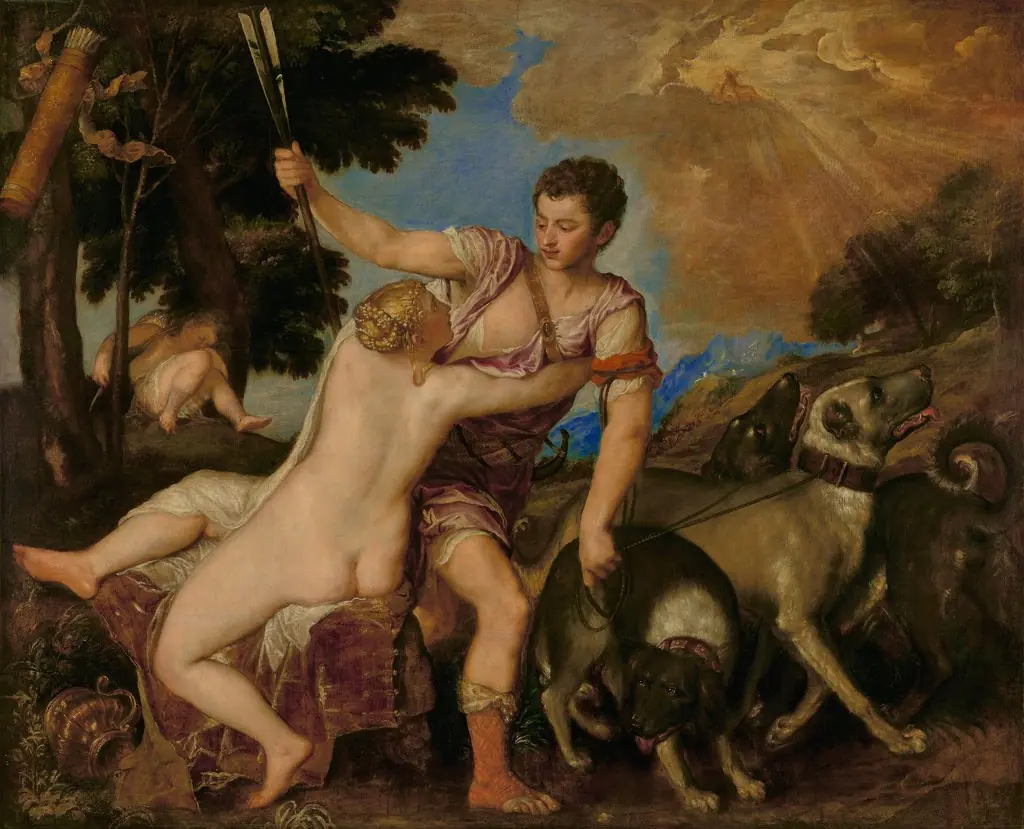 Venus and Adonis
 Christ at the Sea of Galilee
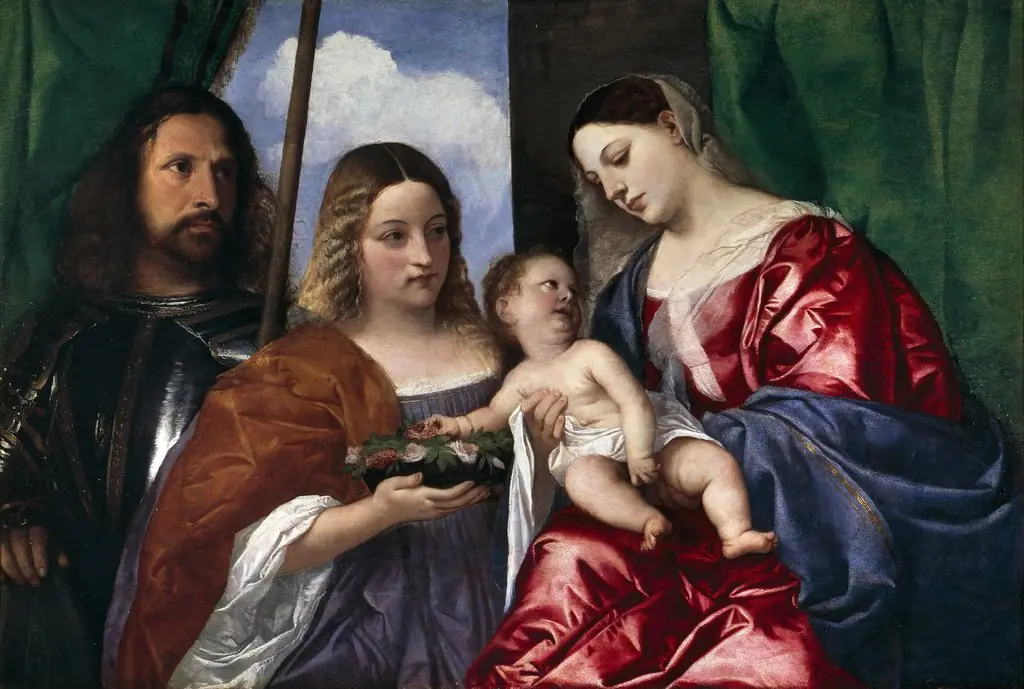 Madonna and Child with Saints Dorothy and George
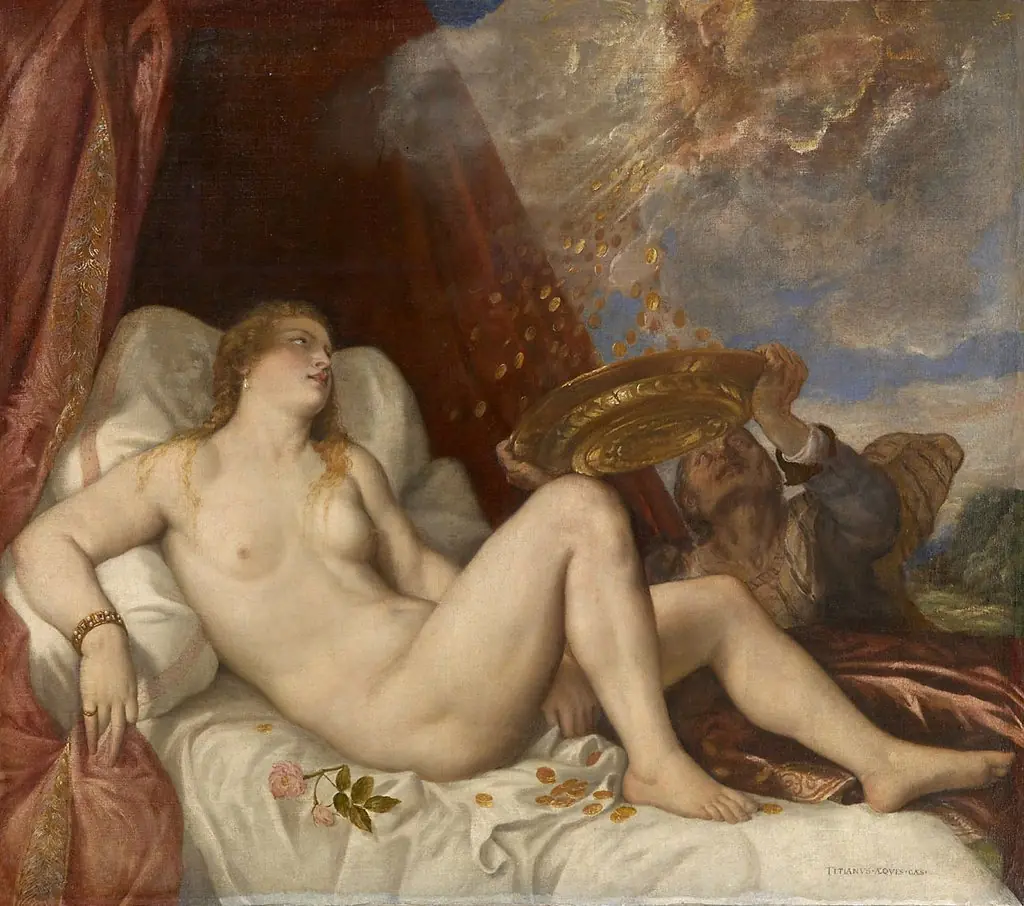 Danaë
Danaë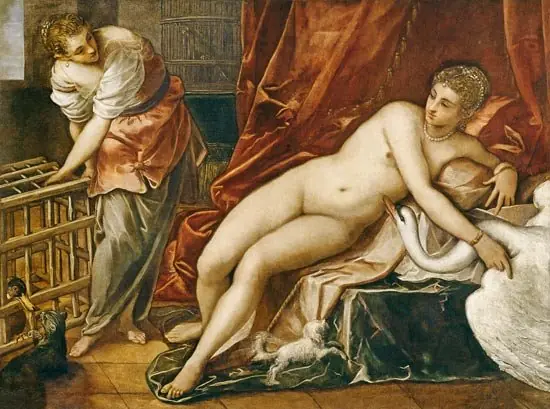 Leda and the Swan
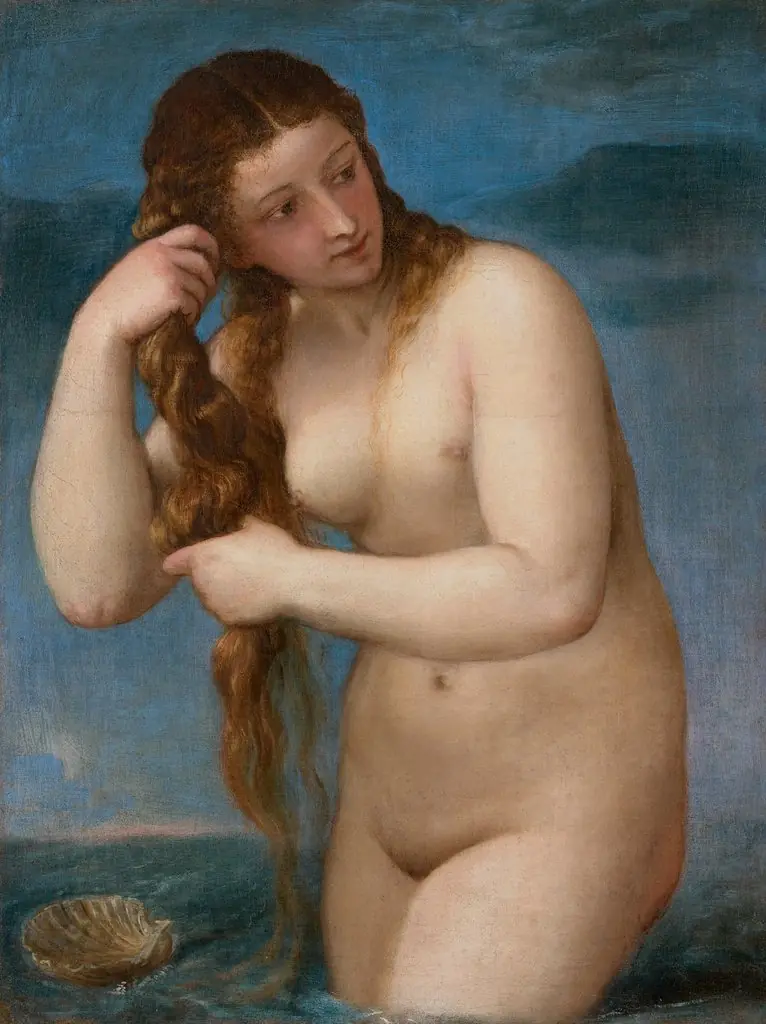 Venus Anadyomene
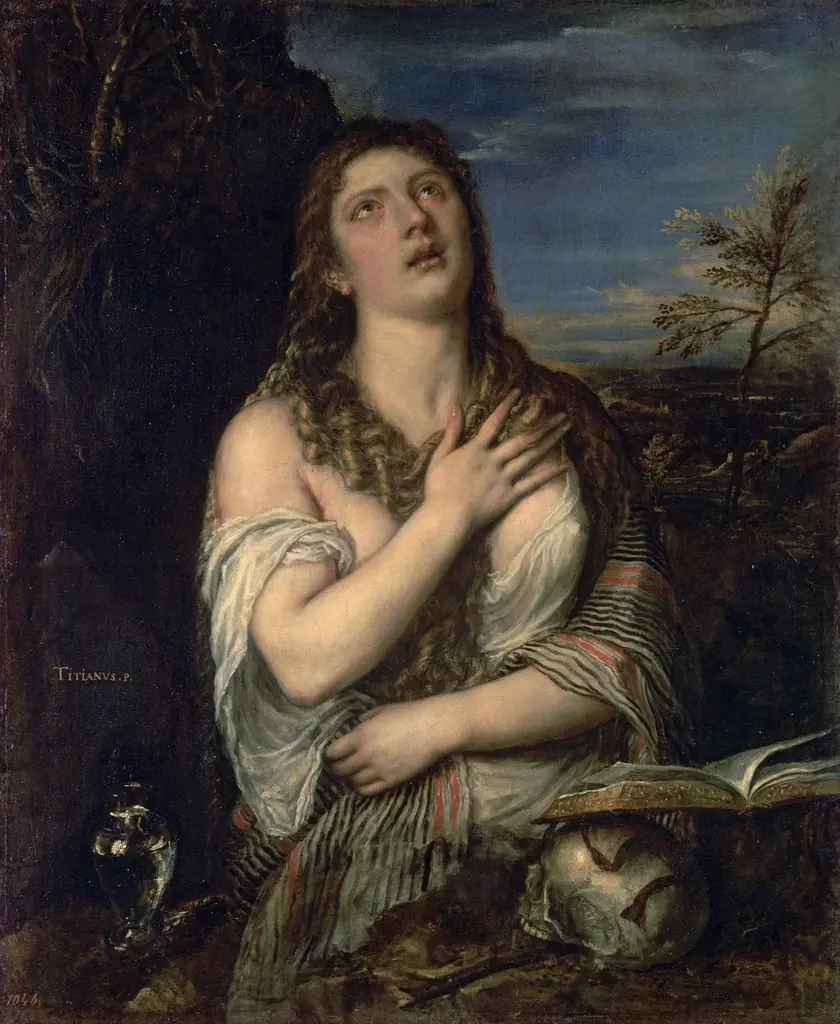 Penitent Magdalene
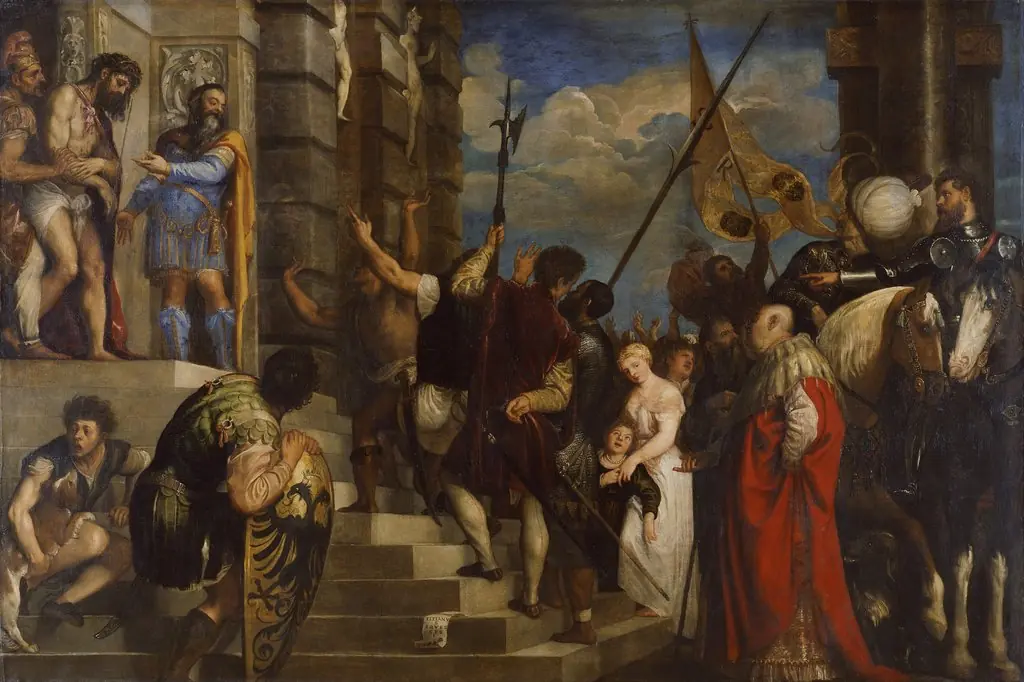 Ecce Homo
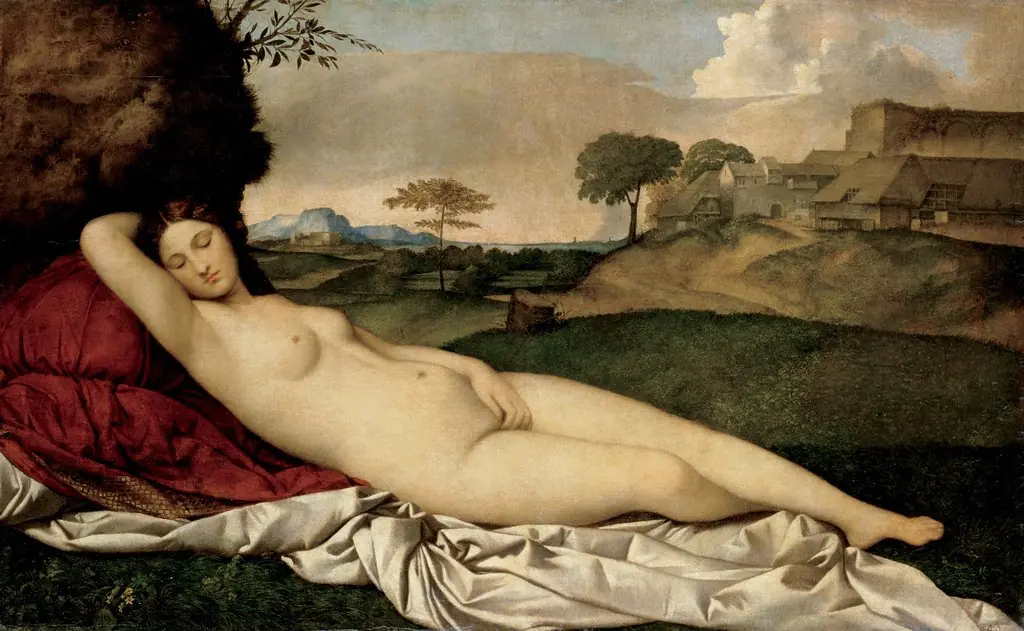 Sleeping Venus
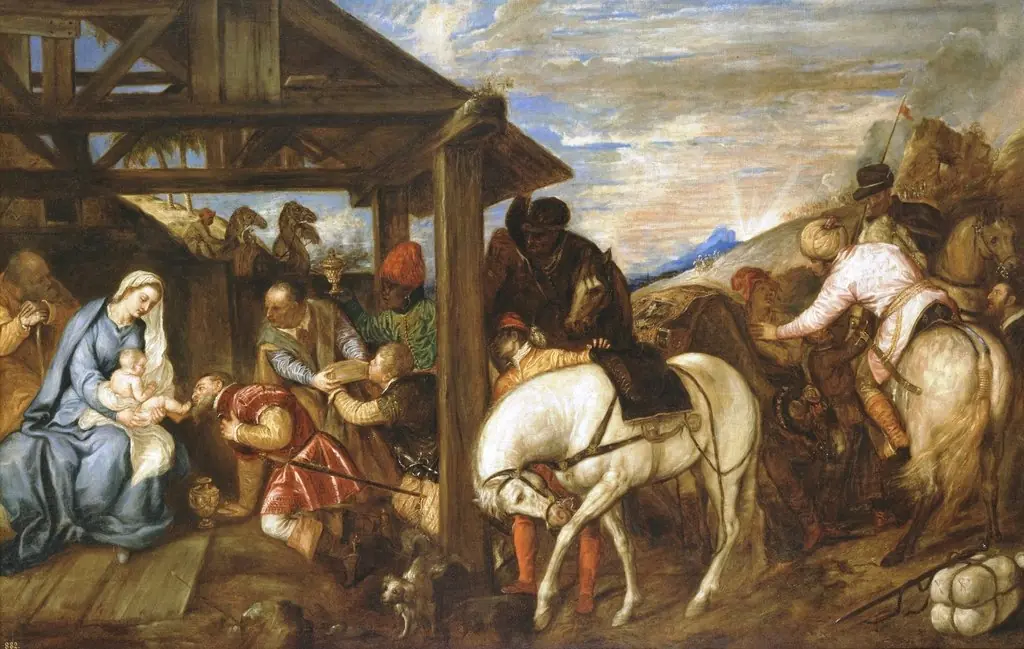 The Adoration of the Magi
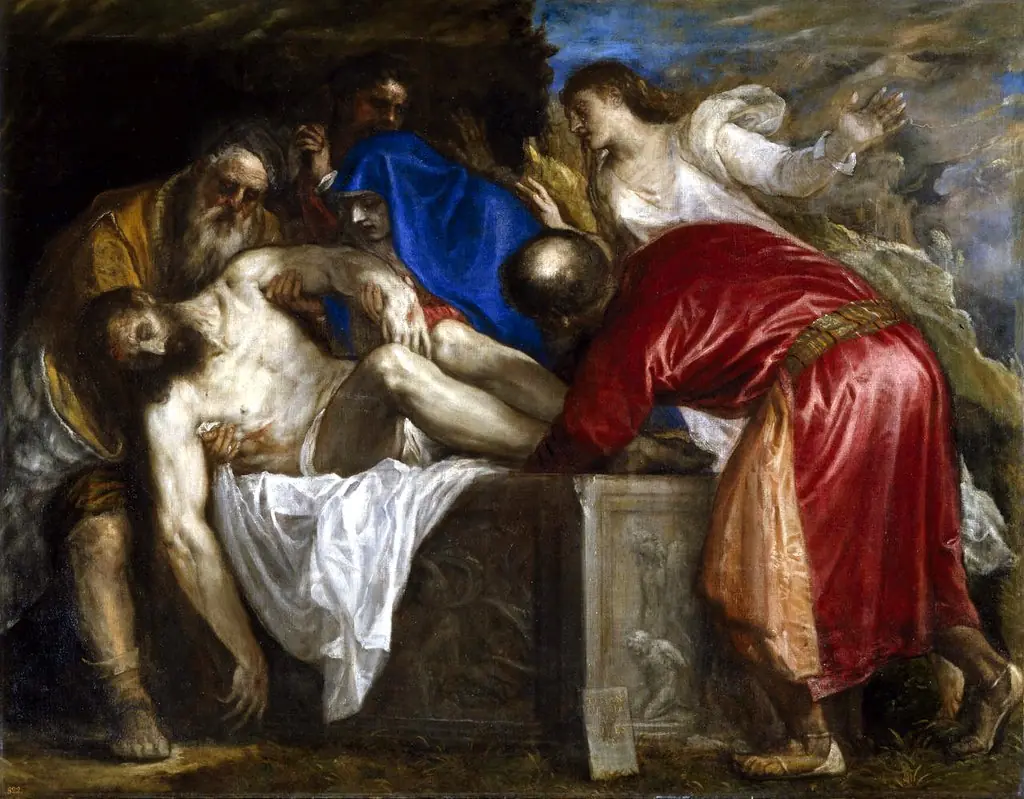 The Entombment
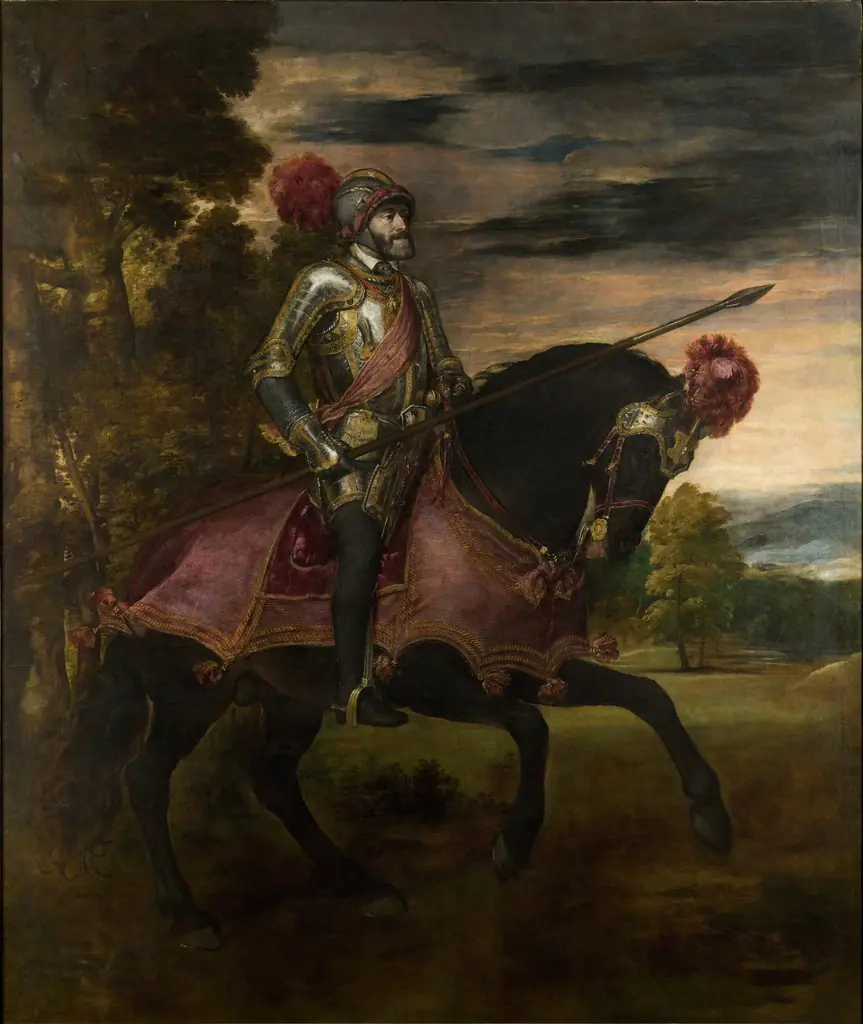 Equestrian Portrait of Charles V
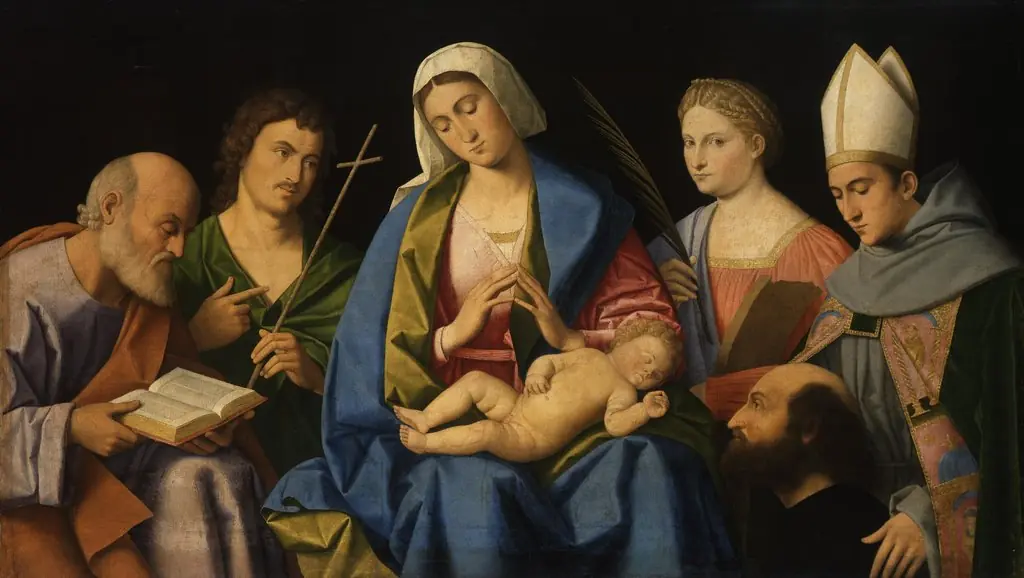 Madonna and Child with Saints and Donor
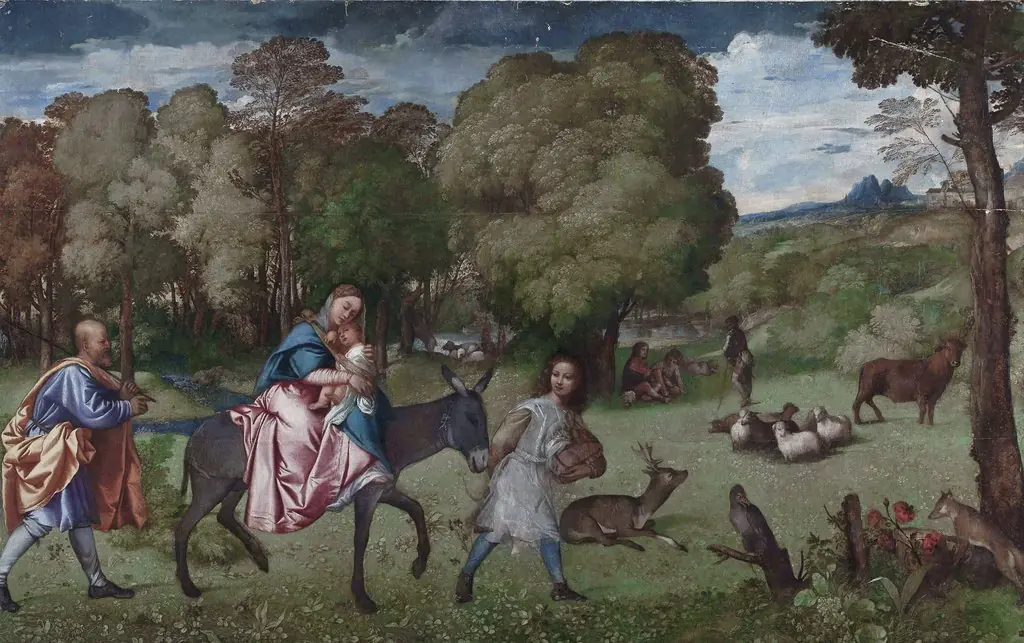 Flight into Egypt
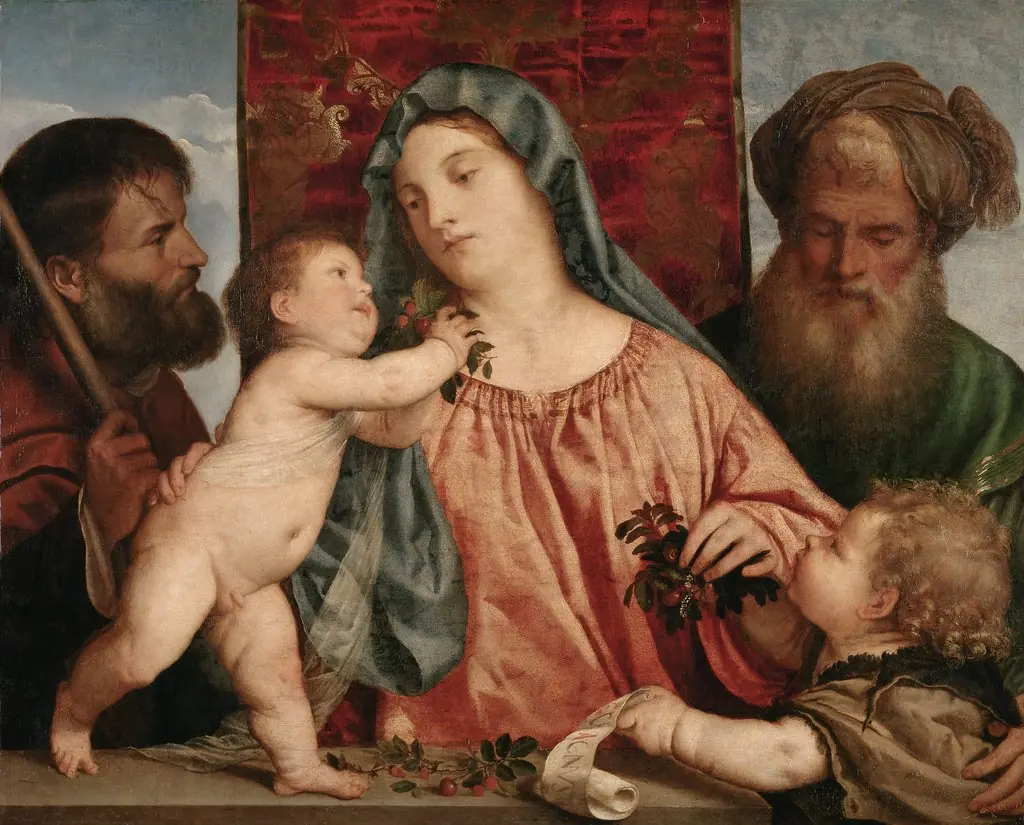 Madonna of the Cherries
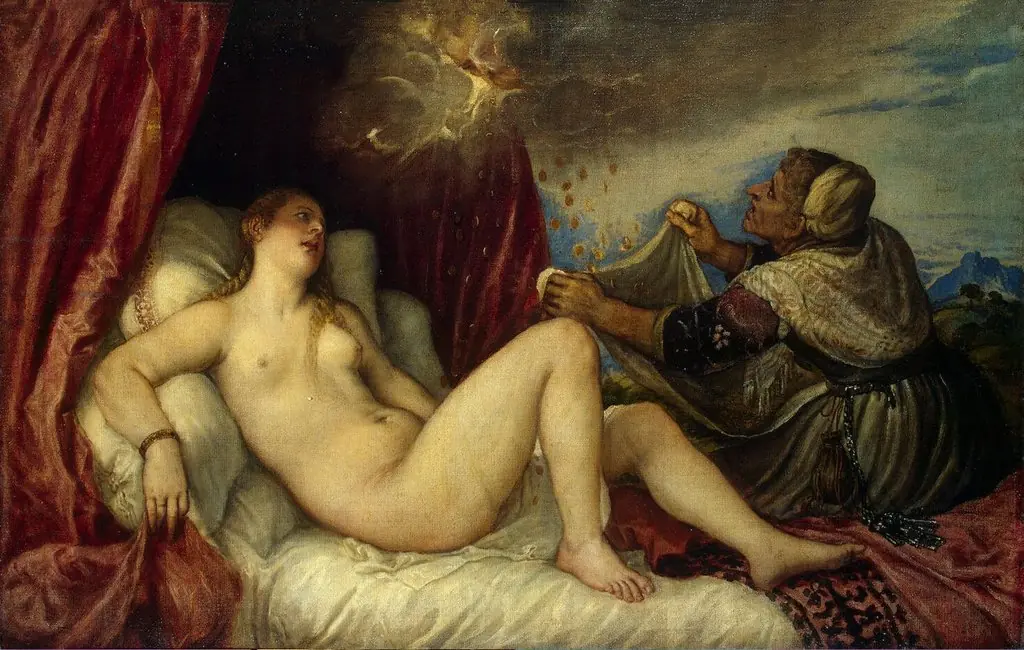 Danaë
Danaë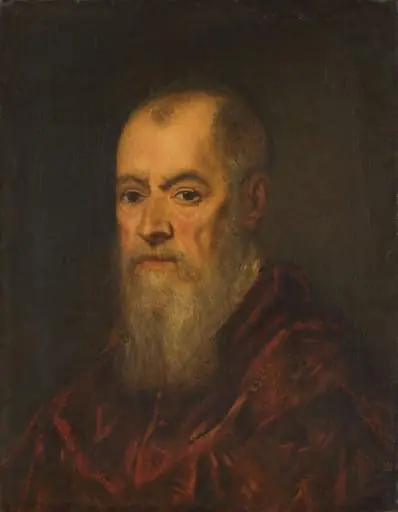 Portrait of a Man with a Red Cloak
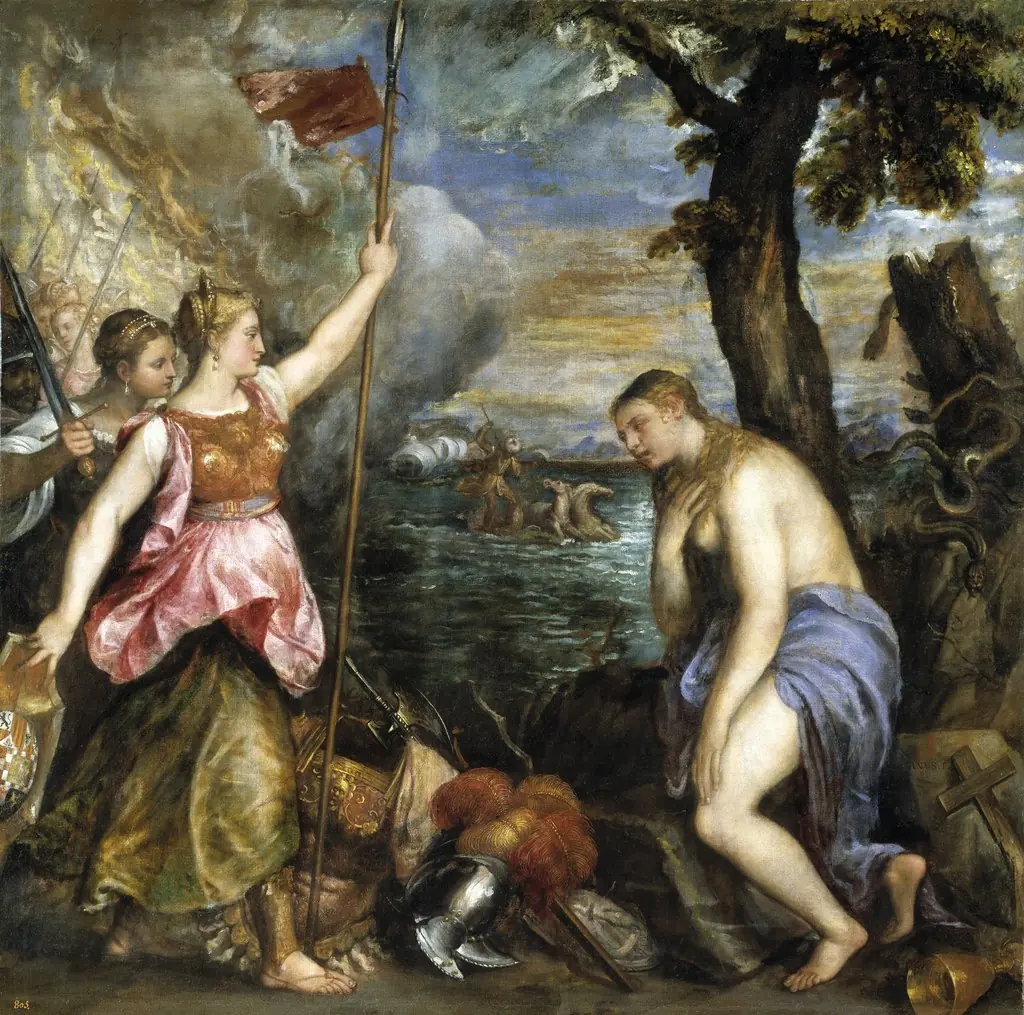 Religion saved by Spain
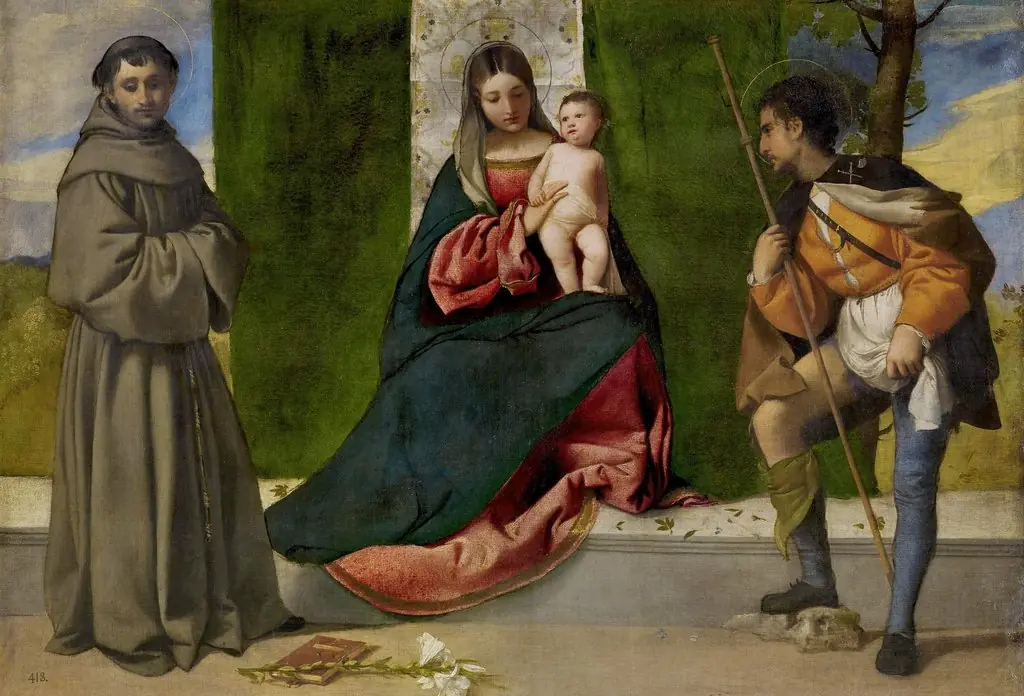 The Virgin and Child between Saint Anthony of Padua and Saint Roch
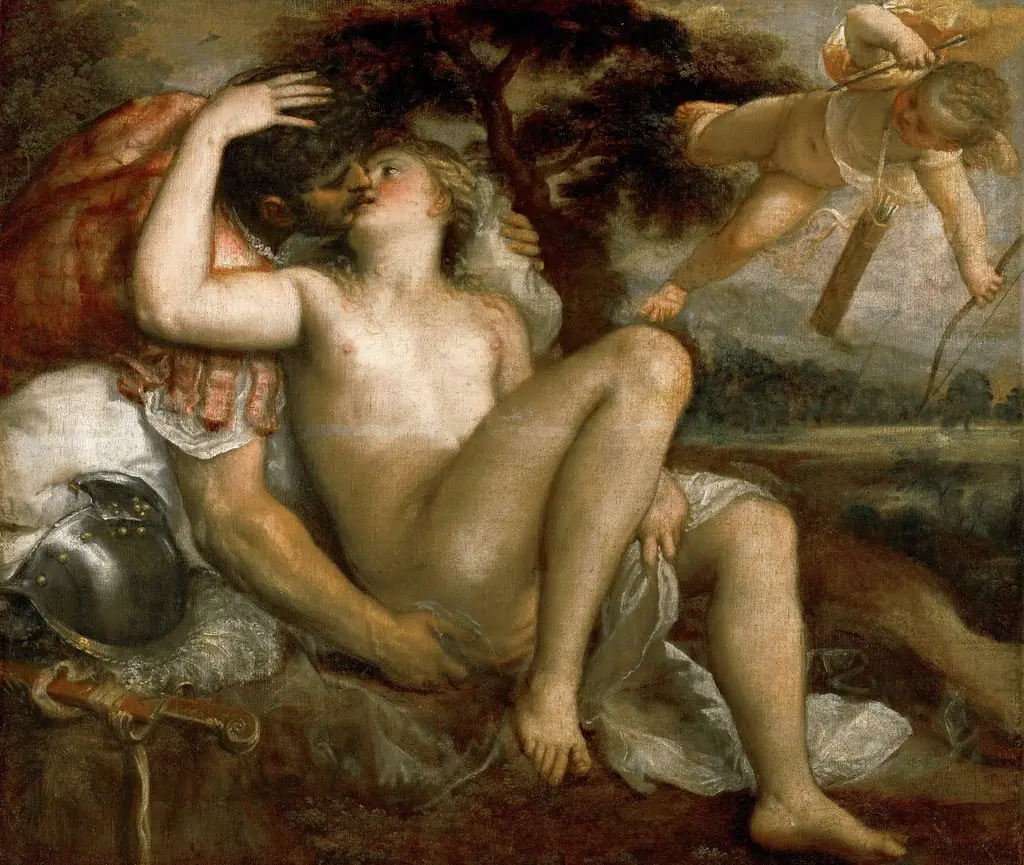 Mars, Venus and Amor
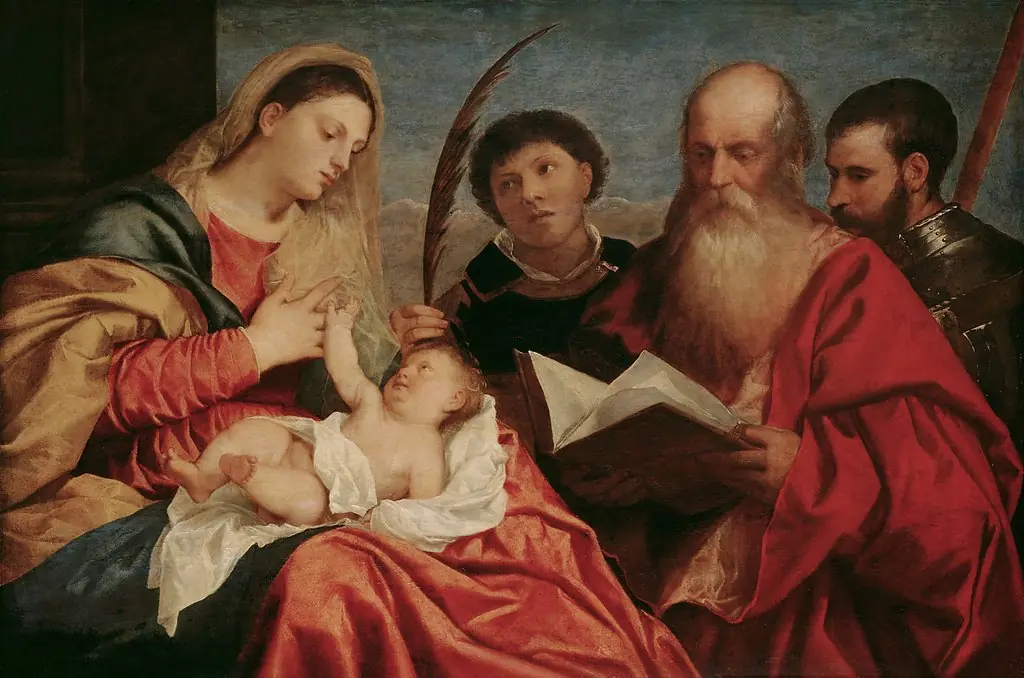 Virgin and Child with Saints Stephen, Jerome and Maurice
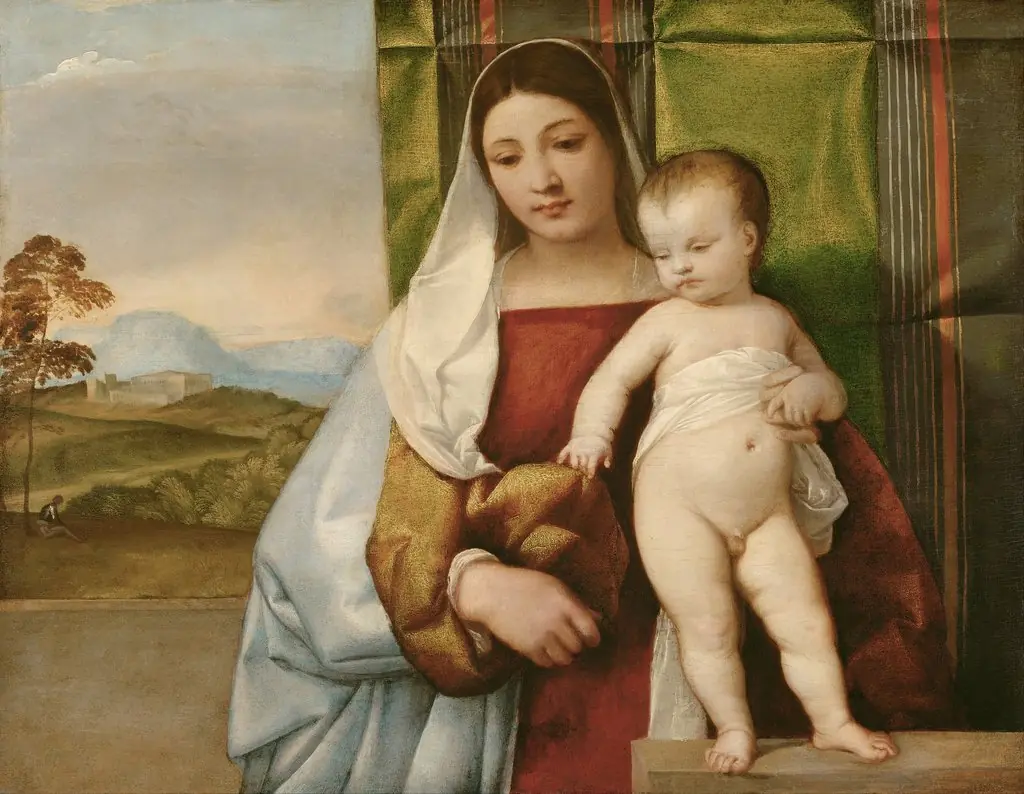 The Gypsy Madonna
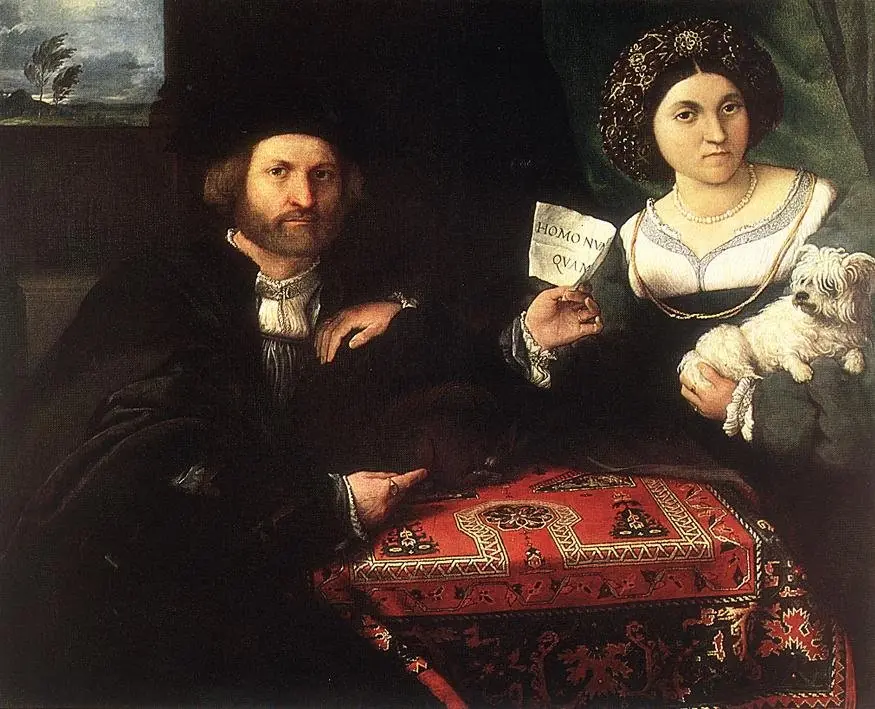 Husband and Wife
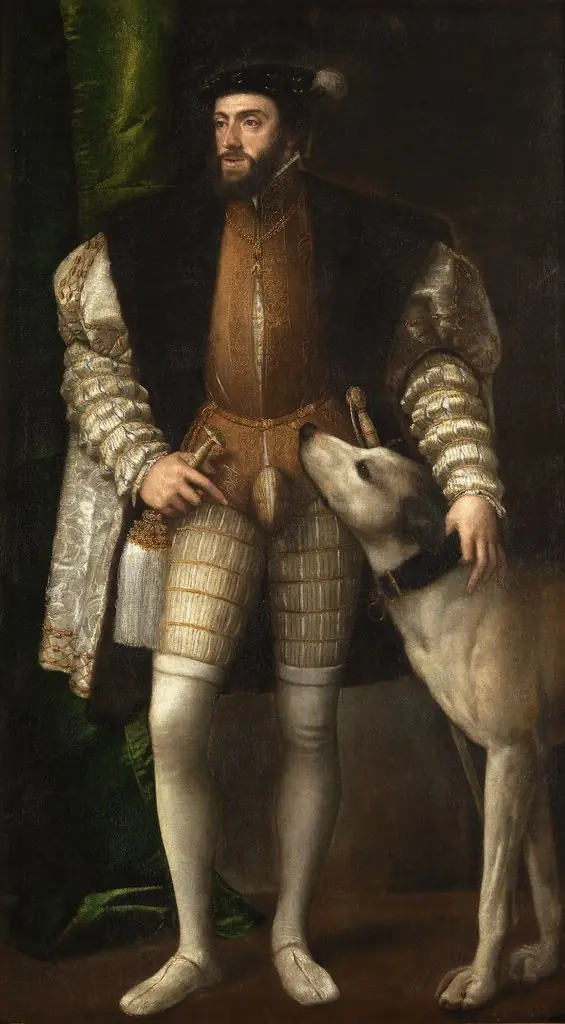 Portrait of Charles V with a Dog
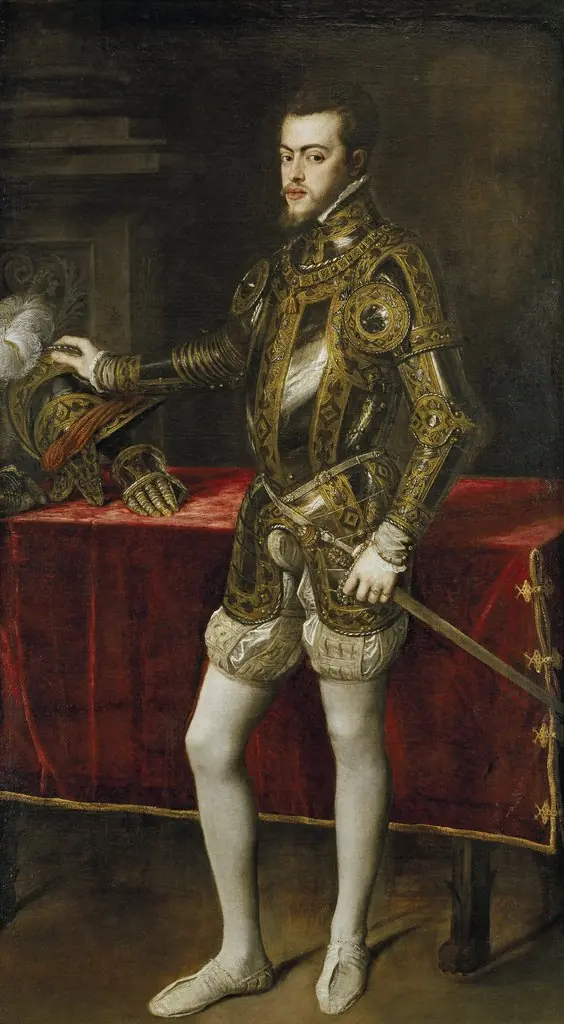 Philip II in Armour
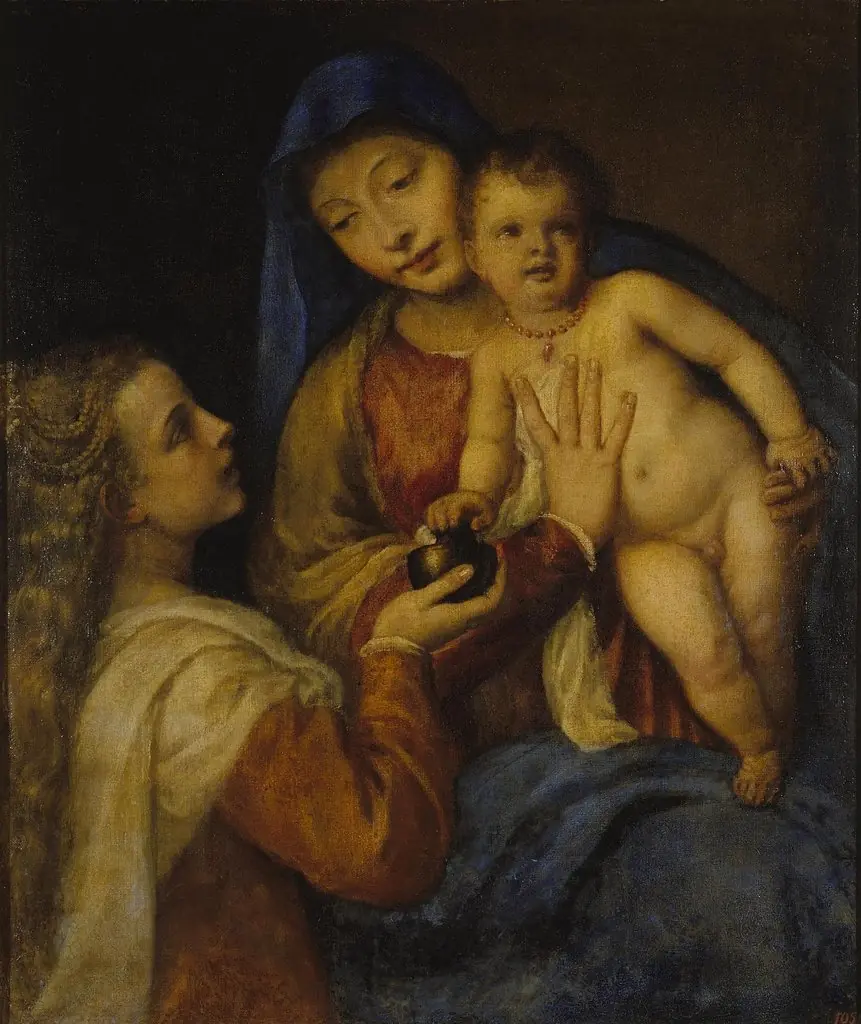 Madonna and Child with Mary Magdalene
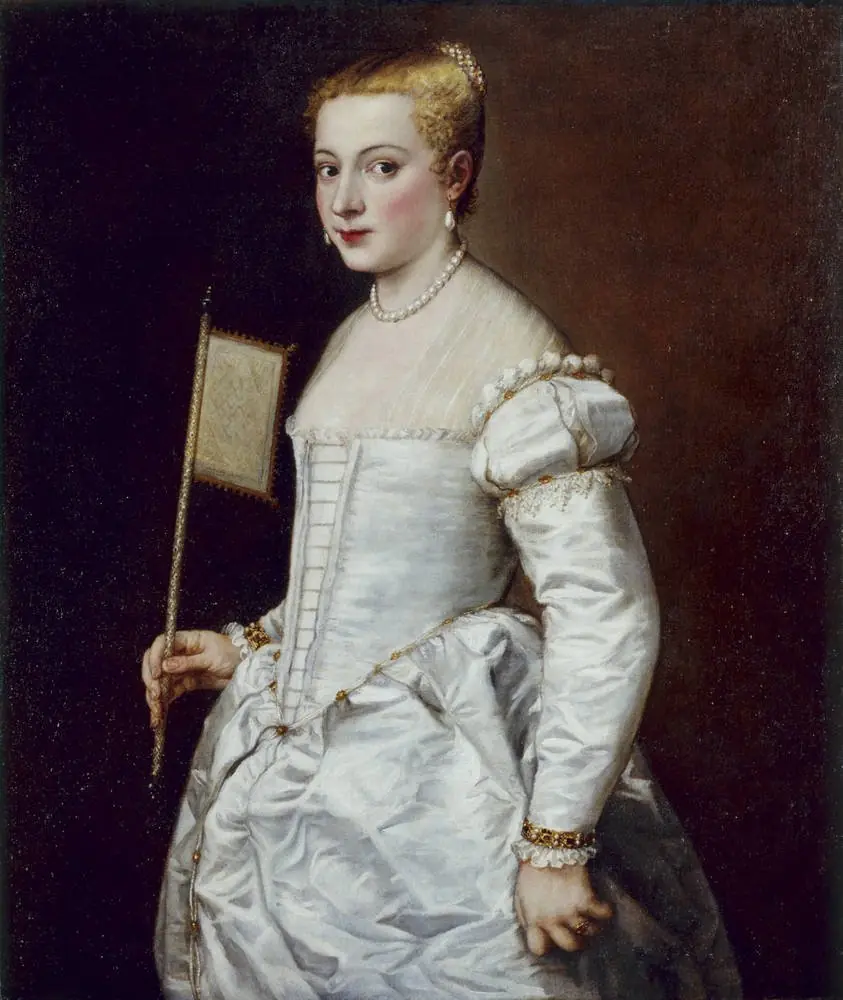 Portrait of a Lady in White
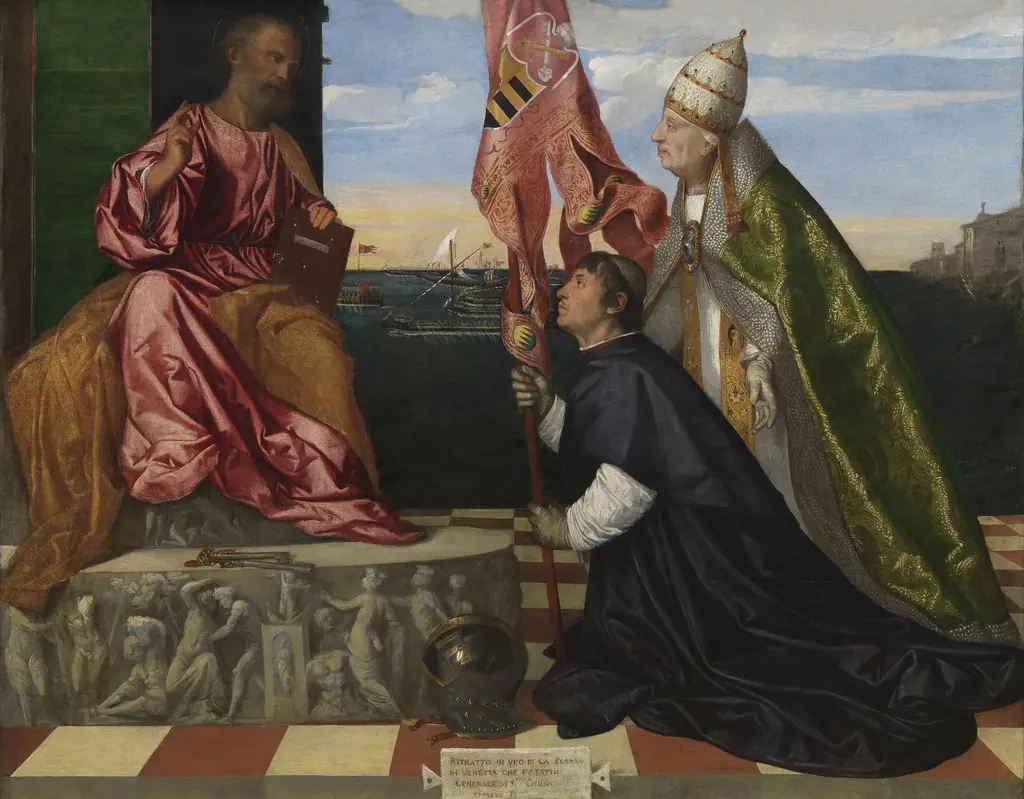 Jacopo Pesaro, Bishop of Paphos, being presented by Pope Alexander VI to Saint Peter
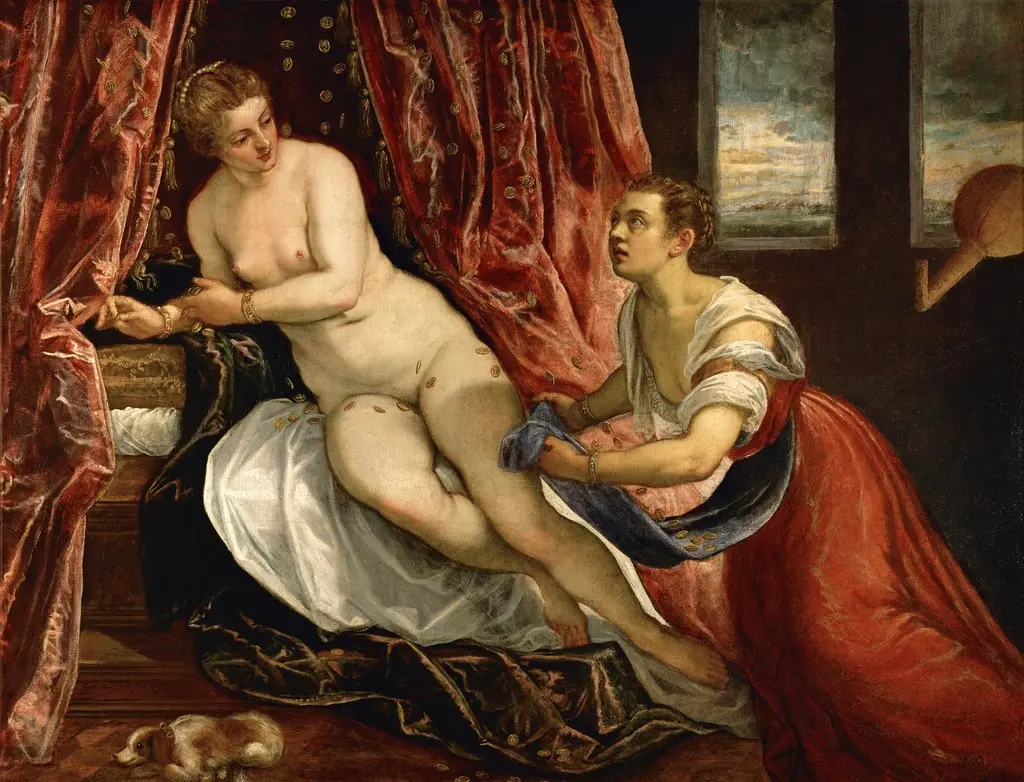 Danae
Danae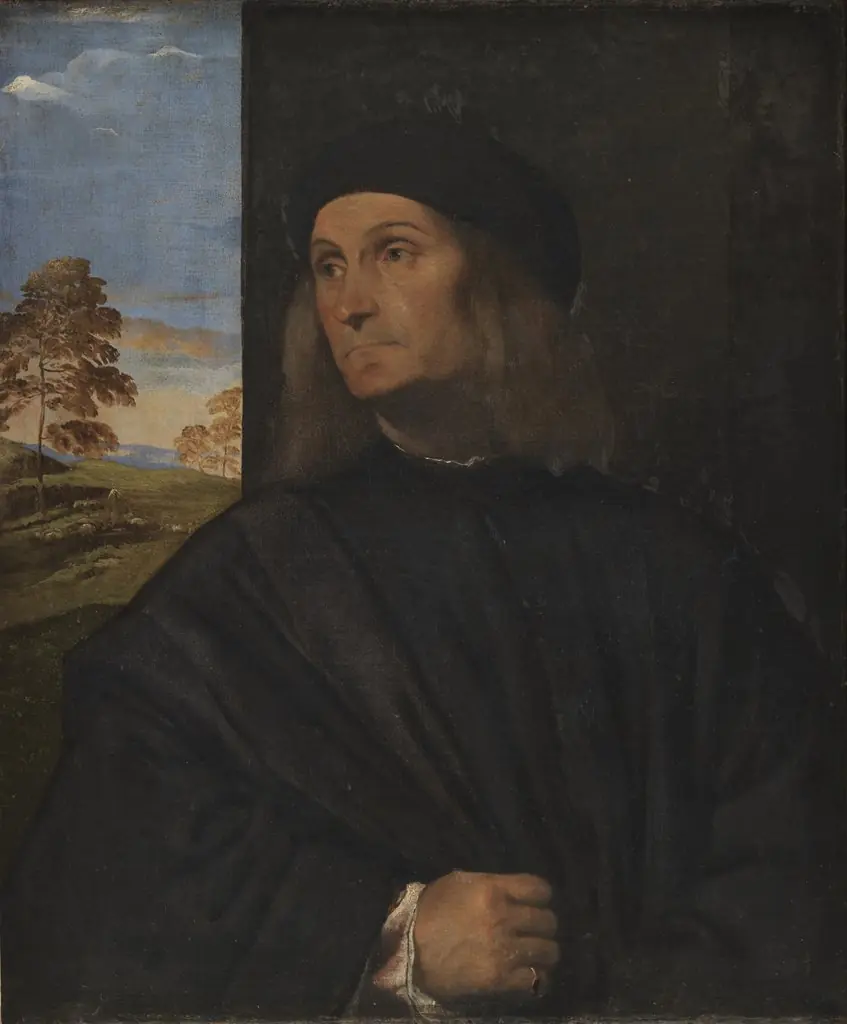 Portrait of the Venetian Painter Giovanni Bellini (?)
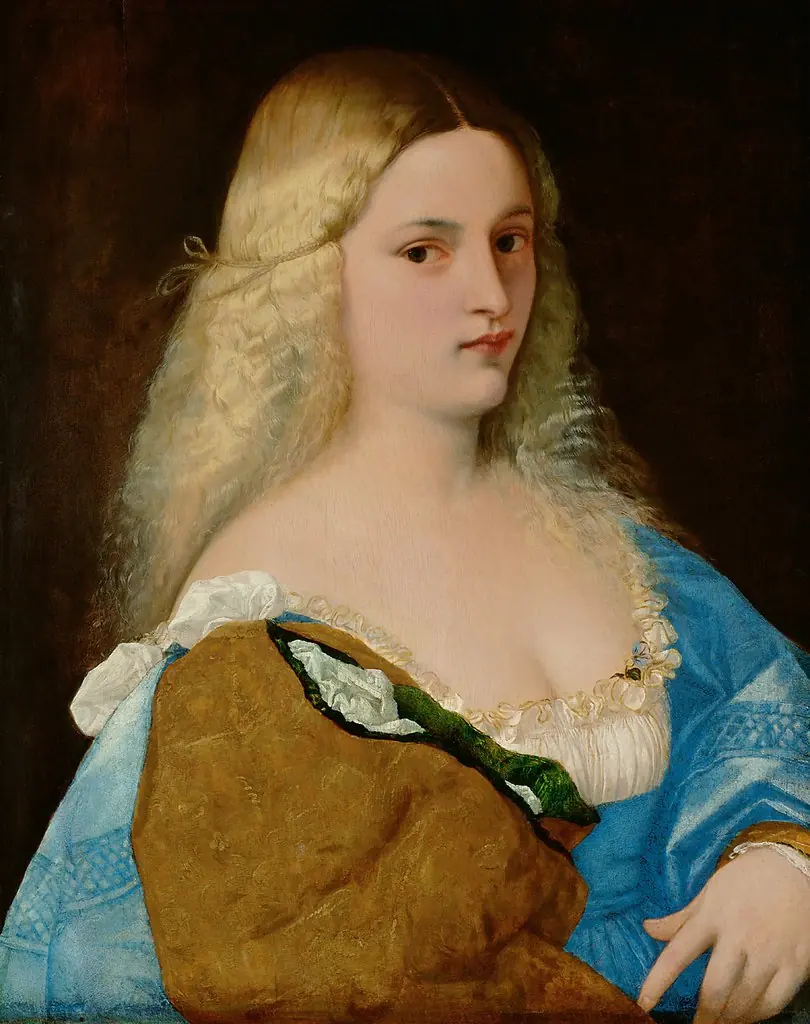 Violante
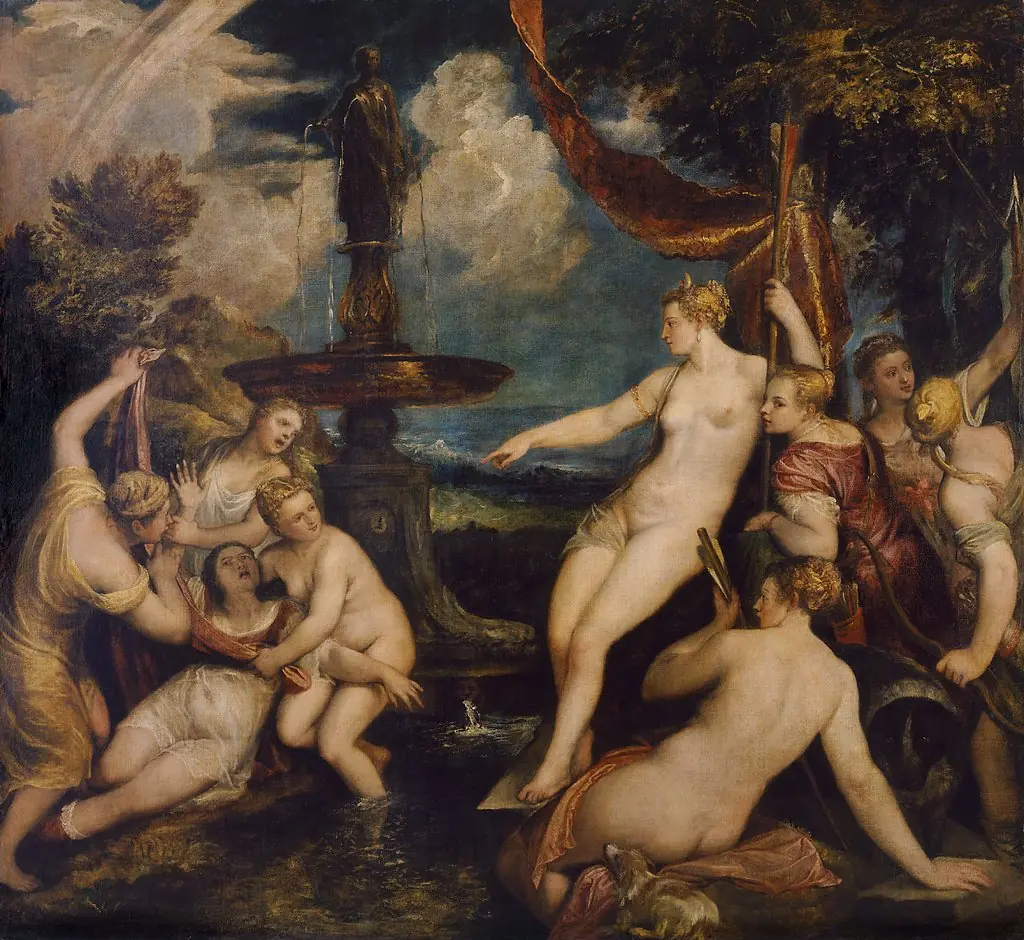 Diana and Callisto
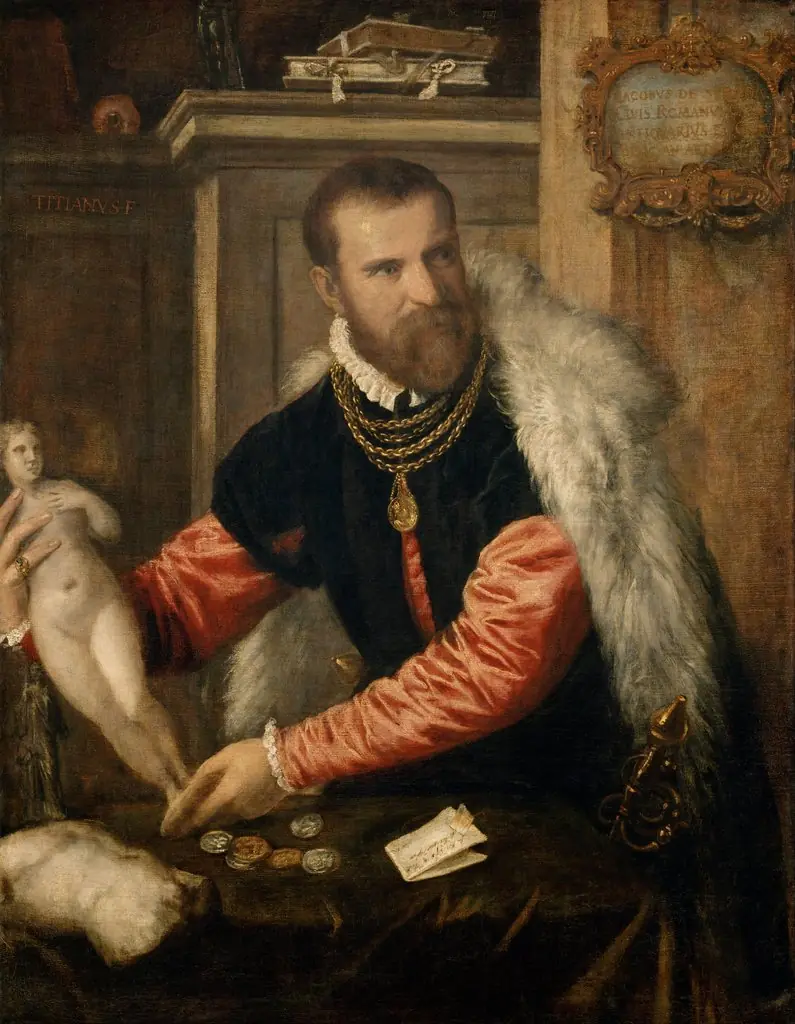 Portrait of Jacopo Strada
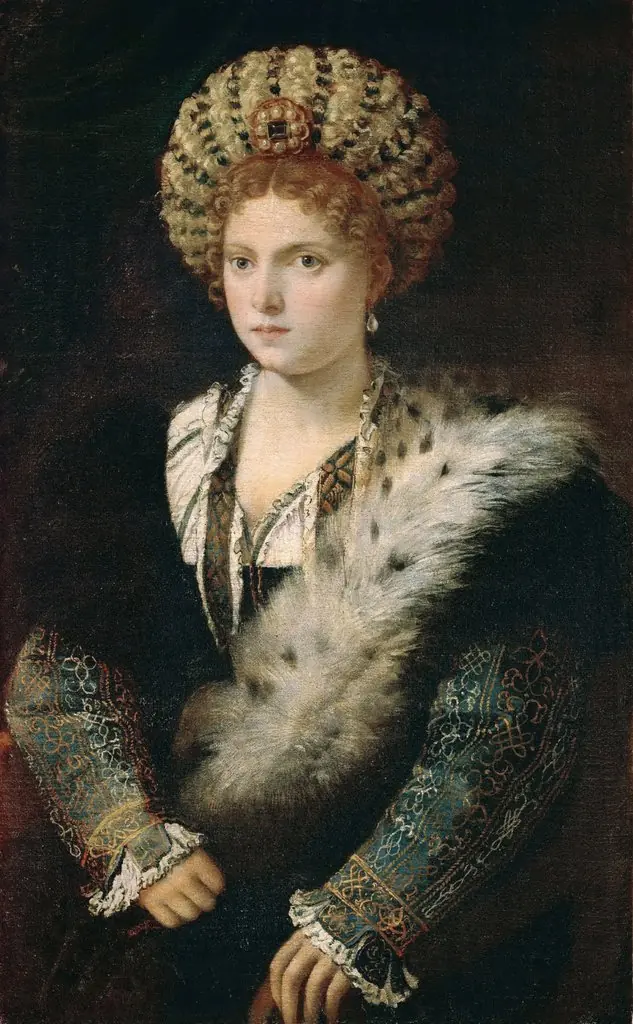 Portrait of Isabella d'Este
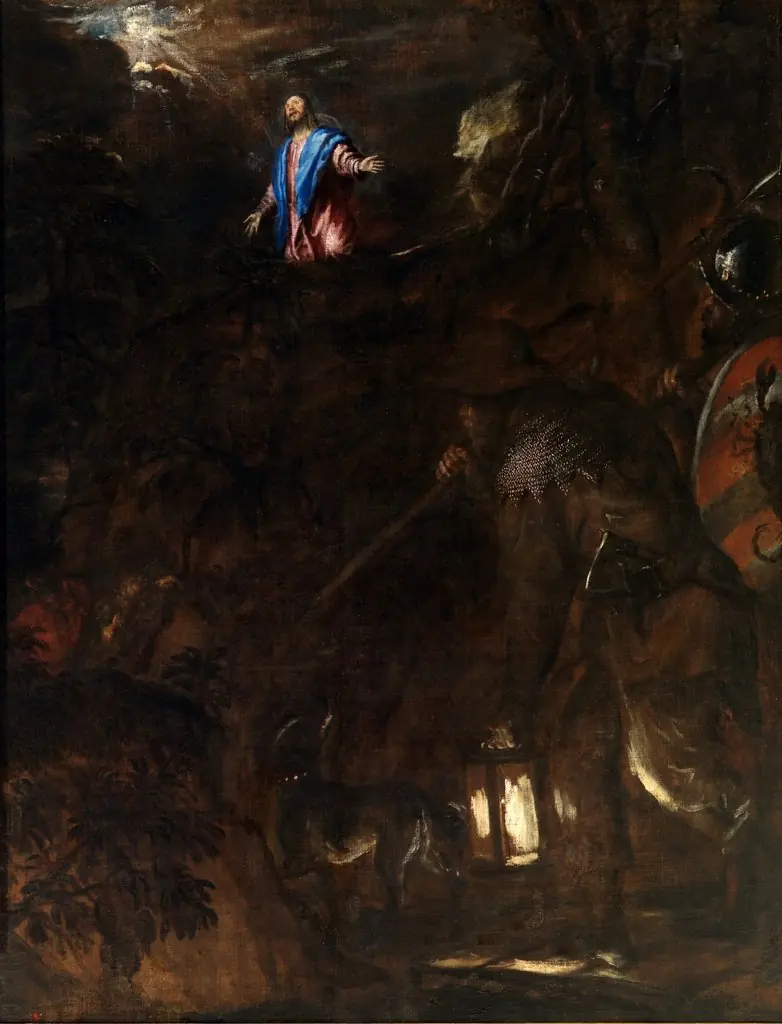 The Agony in the Garden
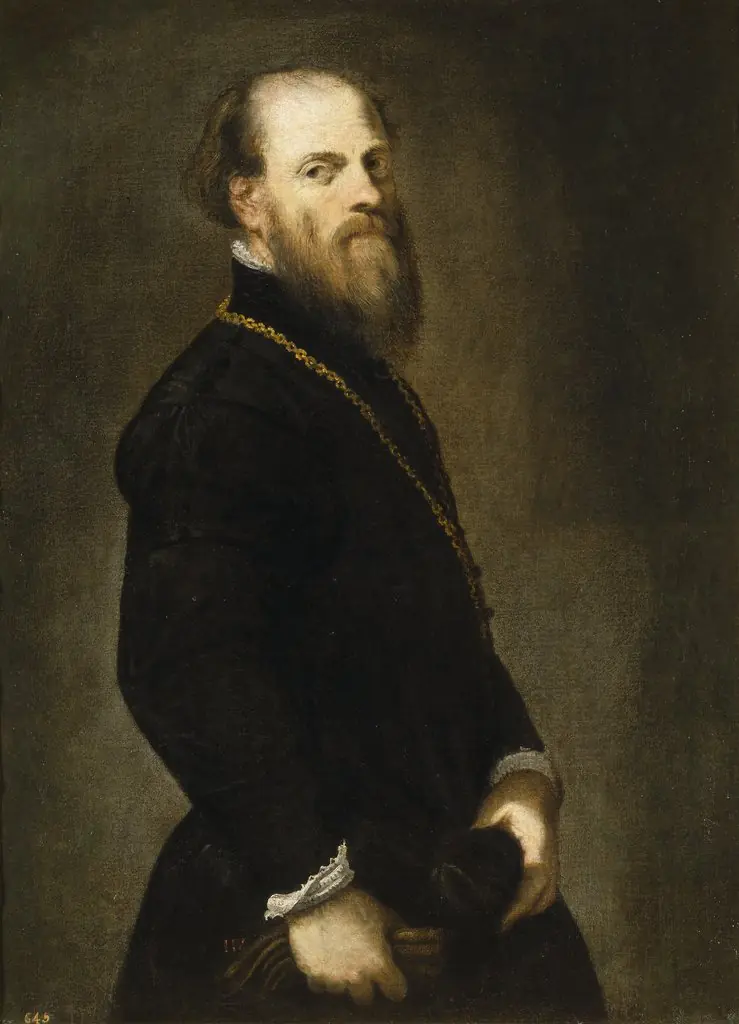 Man with a Golden Lace
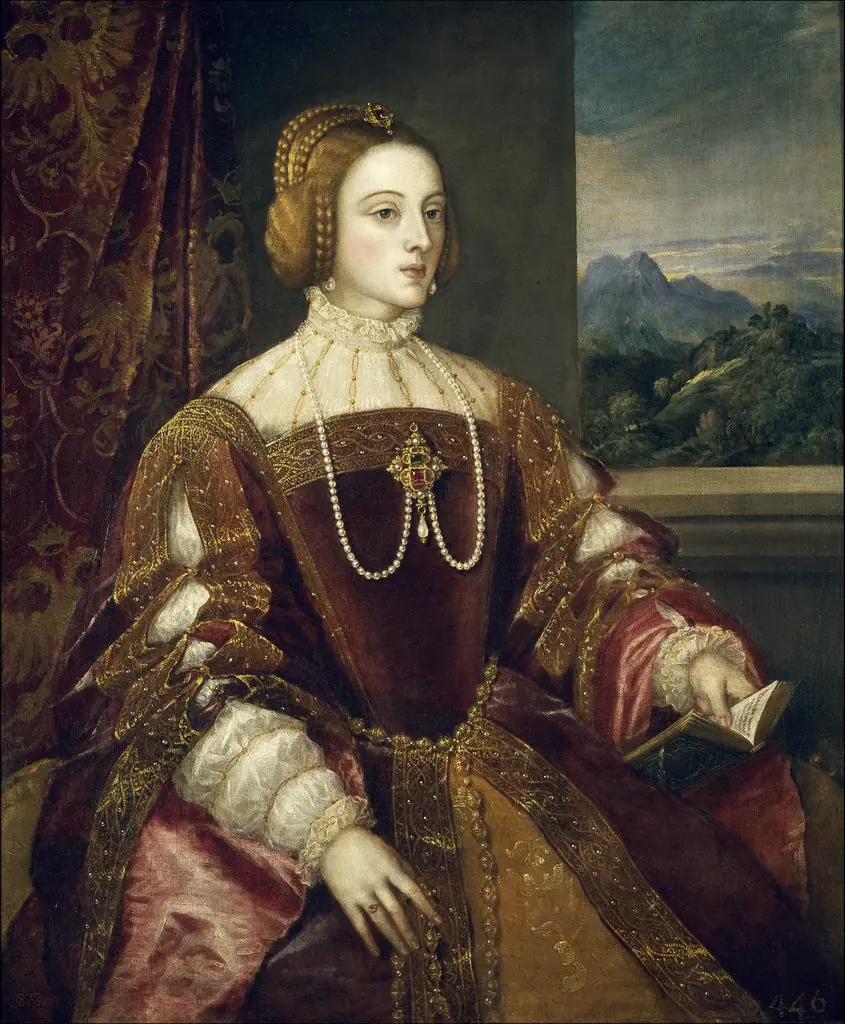 Portrait of Isabella of Portugal
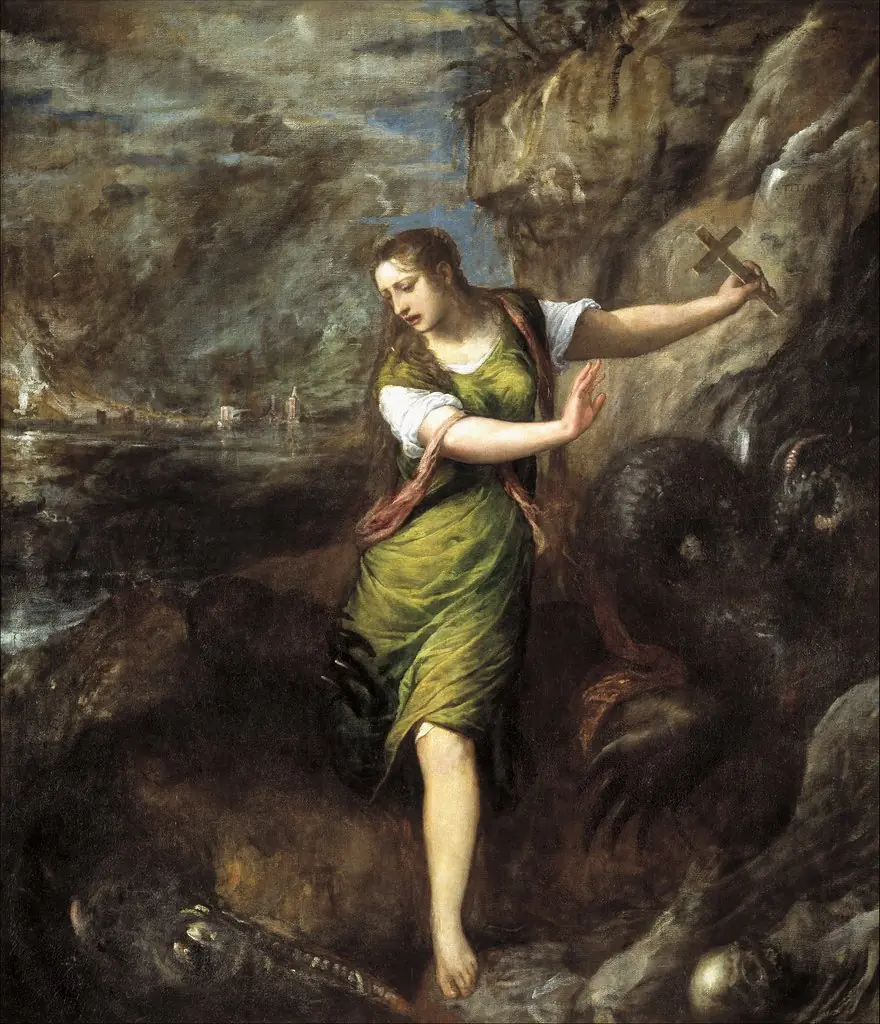 Saint Margaret and the Dragon
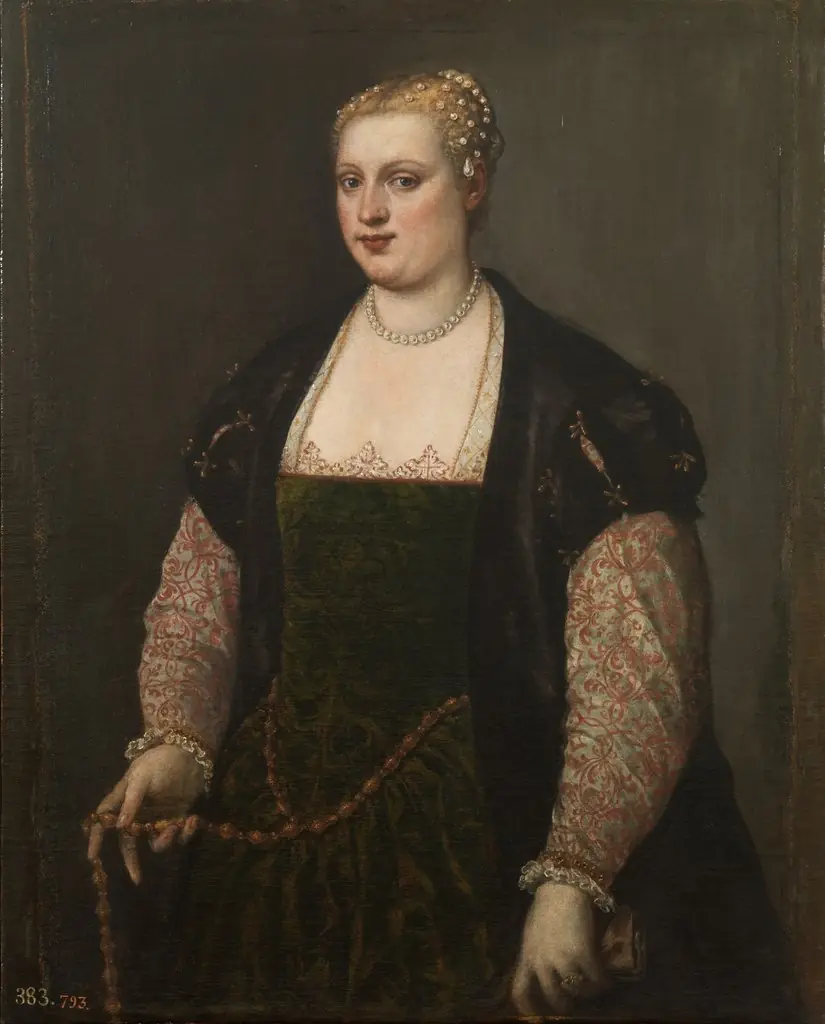 Portrait of a Woman
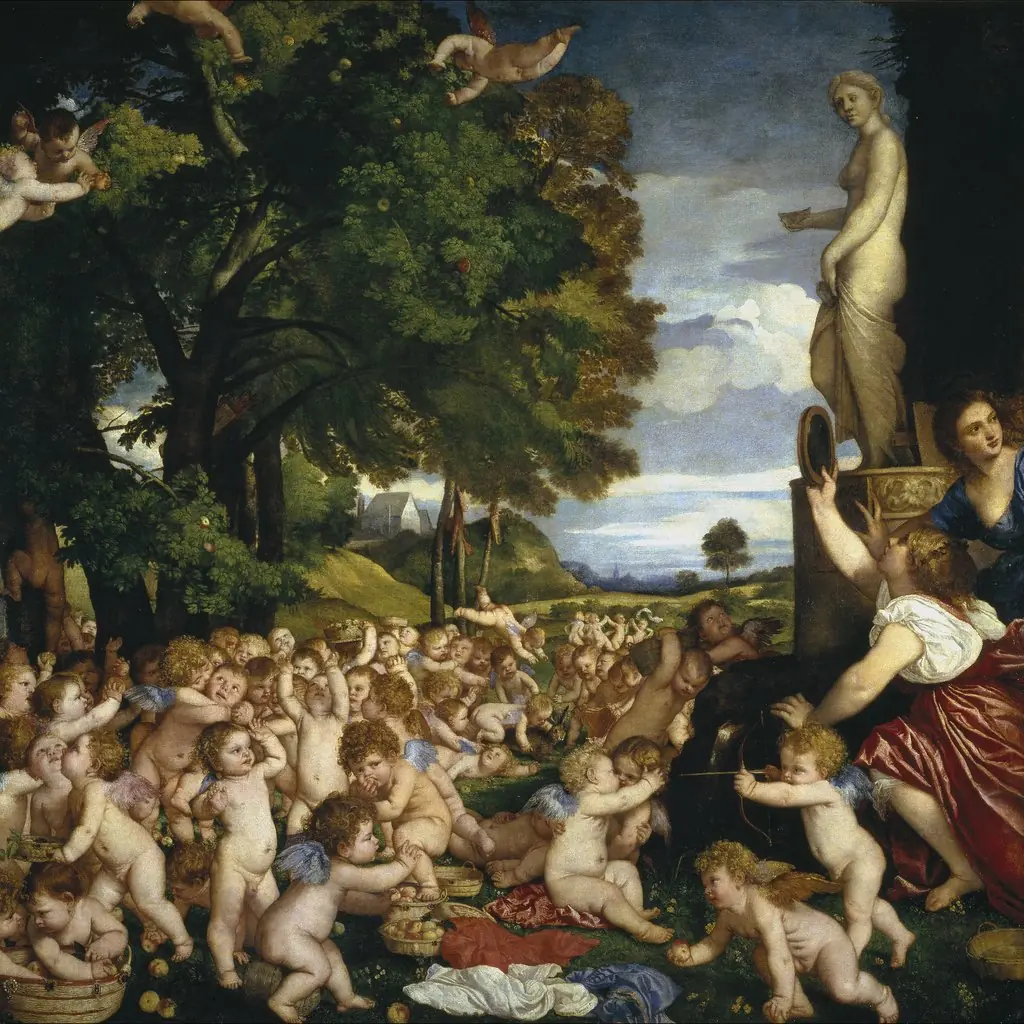 The Worship of Venus
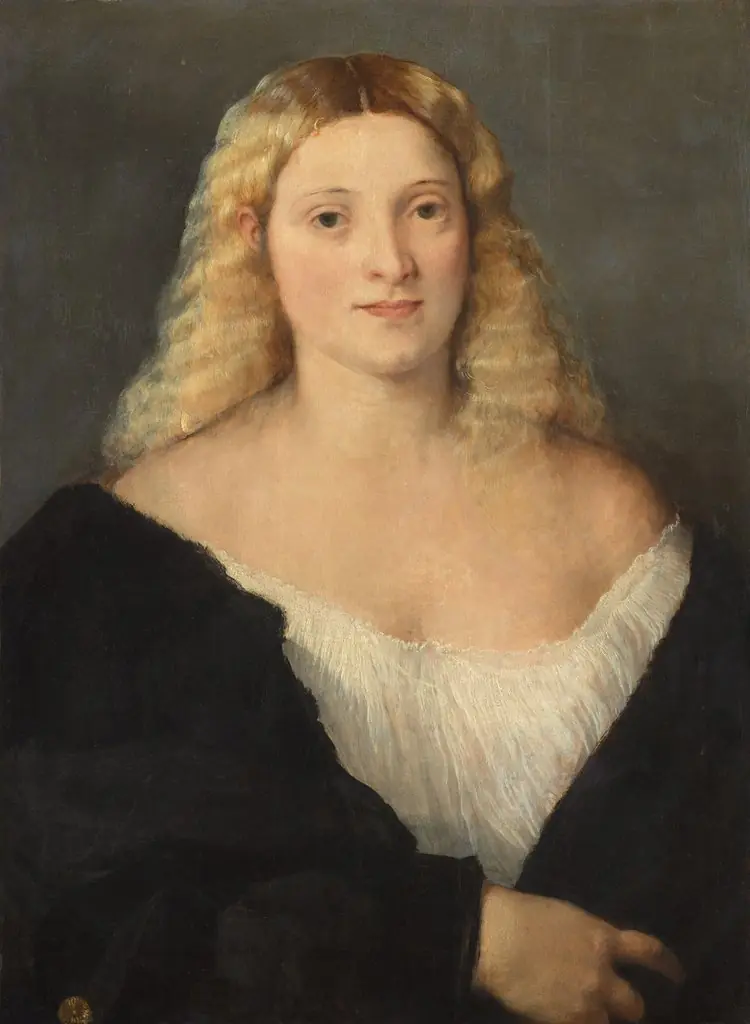 Young Woman in a Black Dress
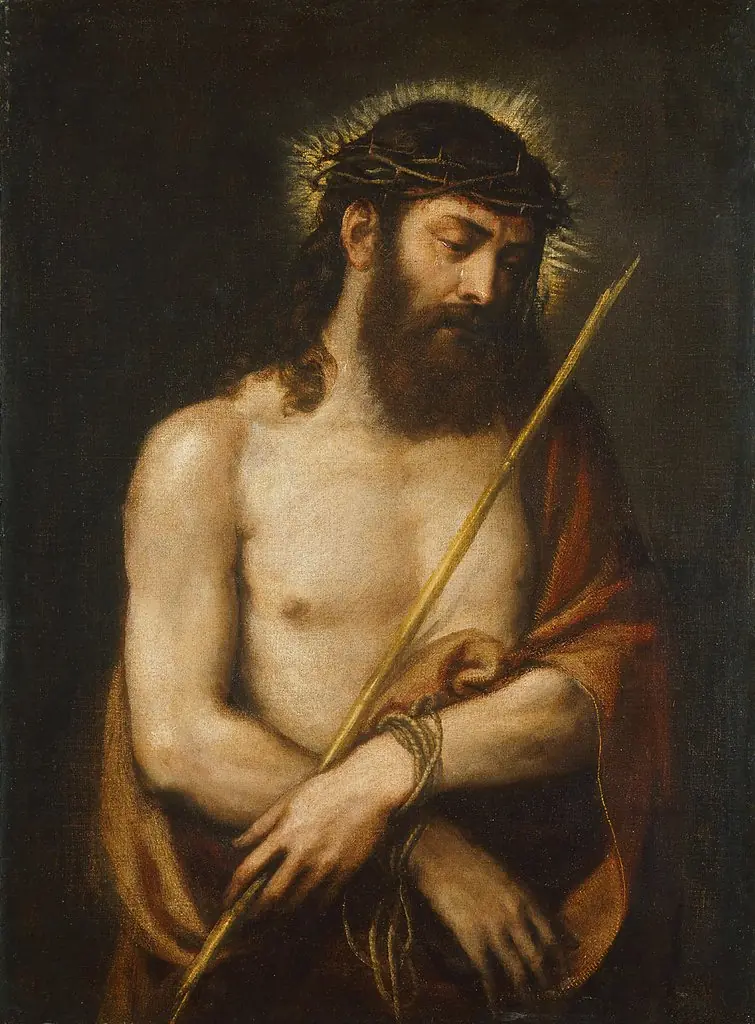 Christ Crowned with Thorns
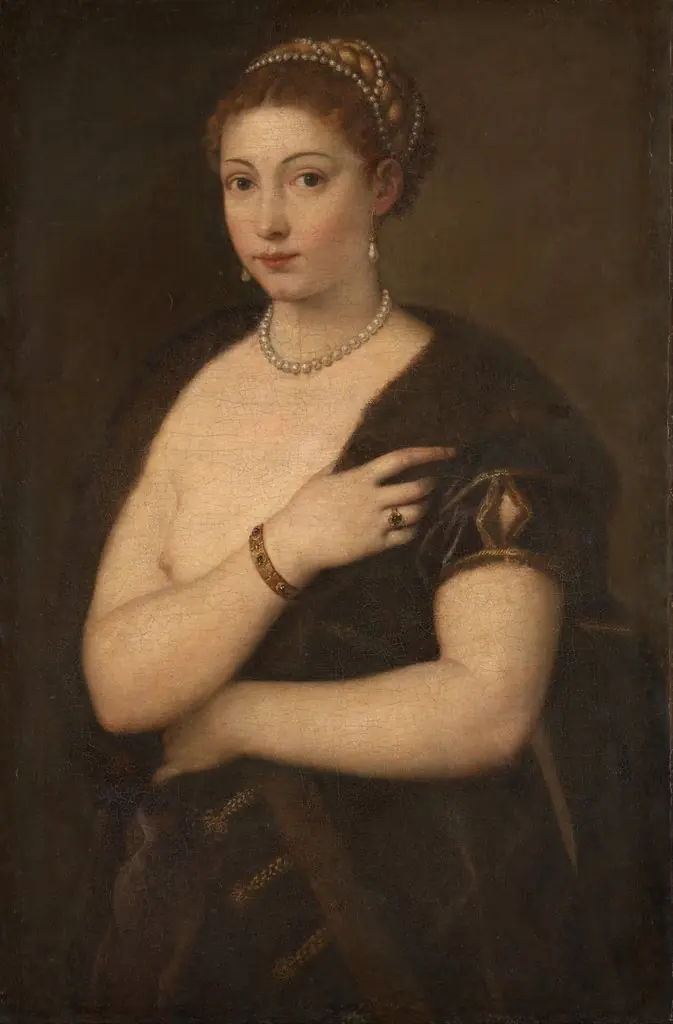 Girl in a Fur
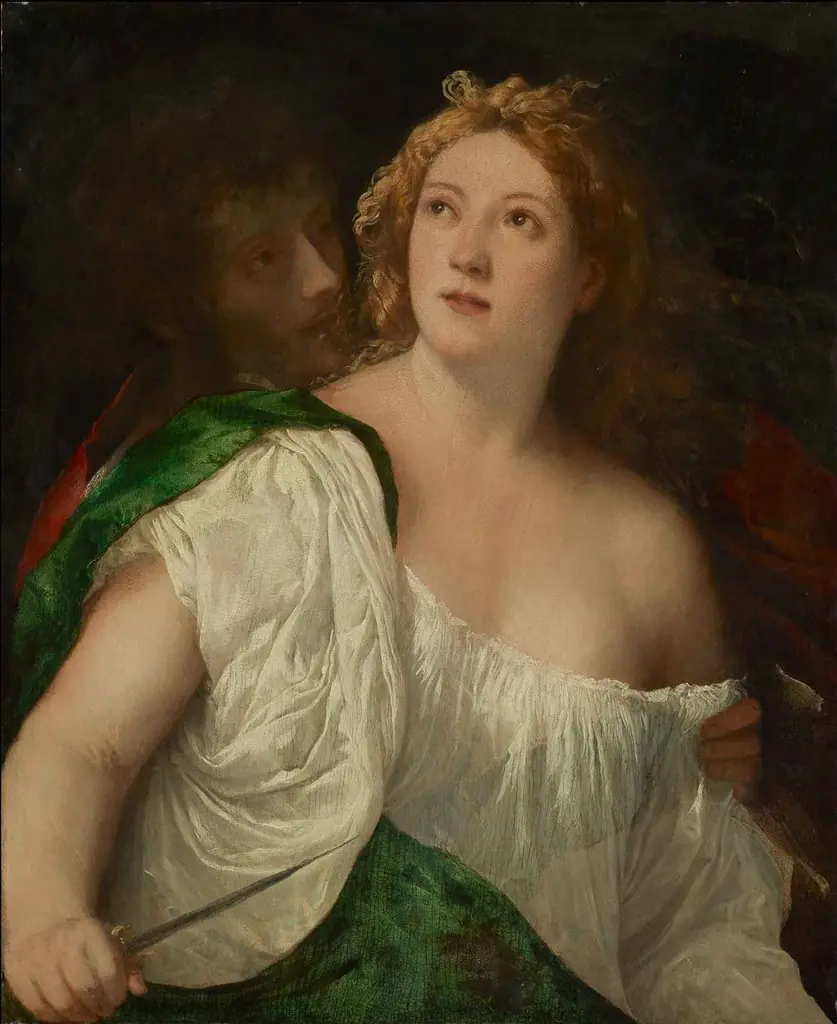 Lucretia and her Husband Lucius Tarquinius Collatinus
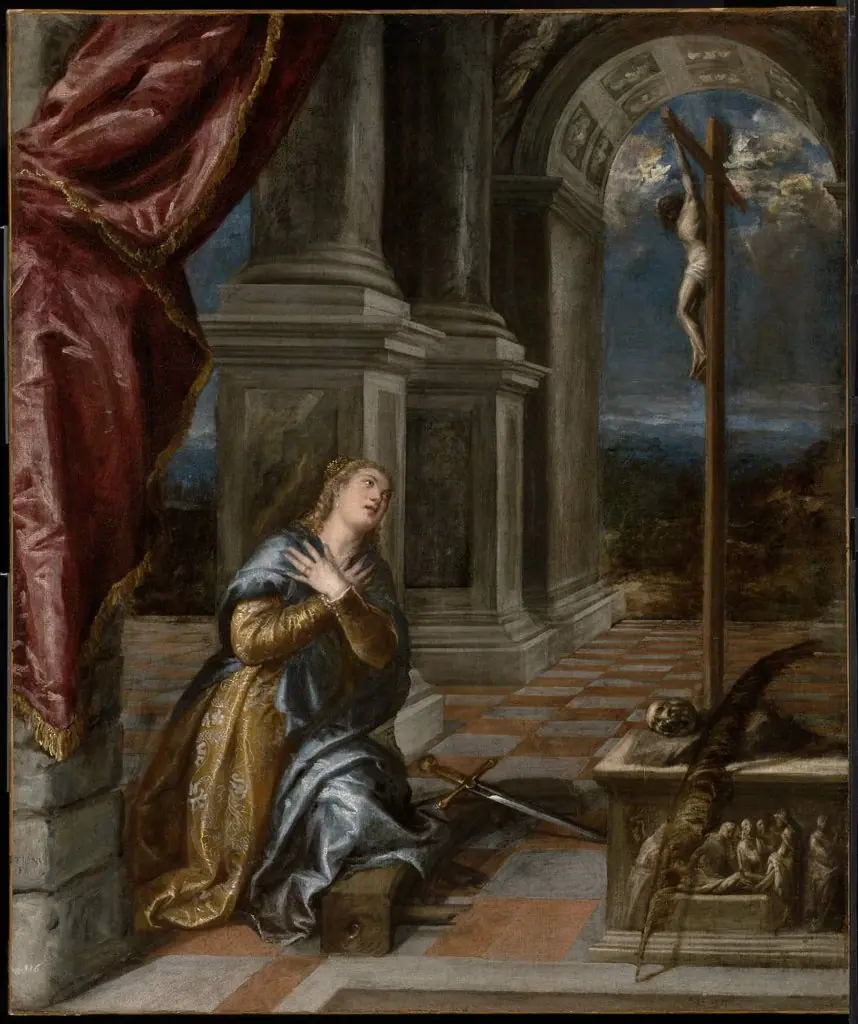 Saint Catherine of Alexandria at Prayer
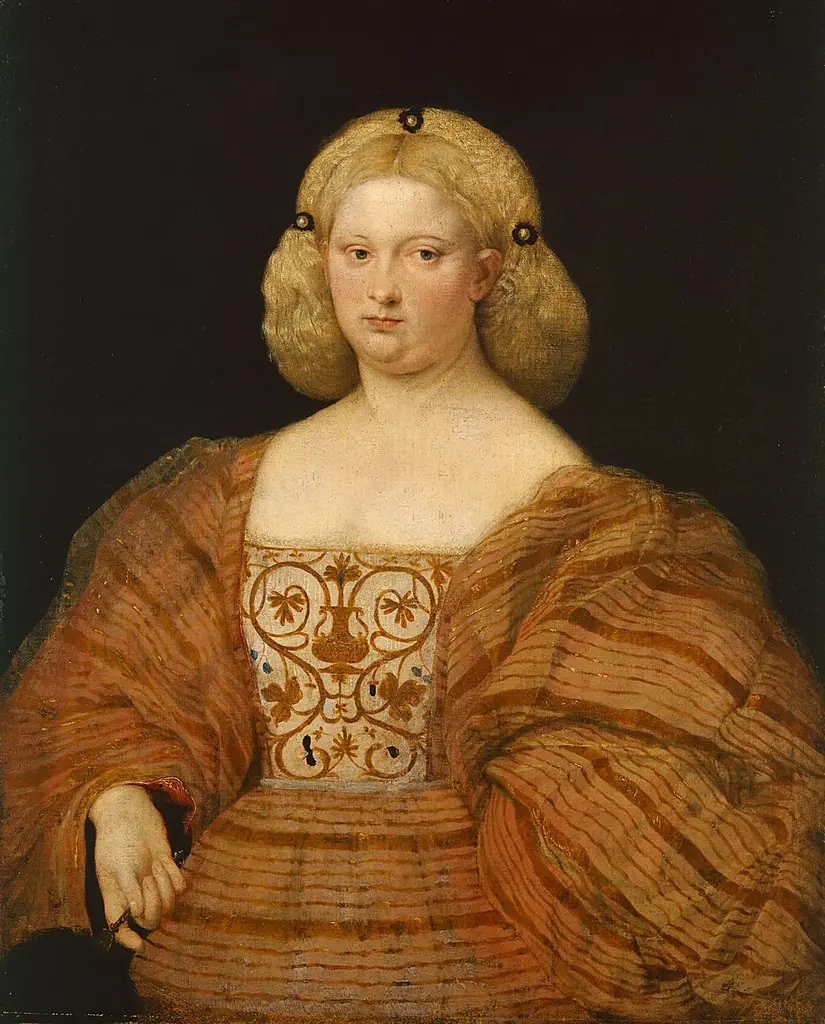 Portrait of a woman in a striped dress and holding a fan
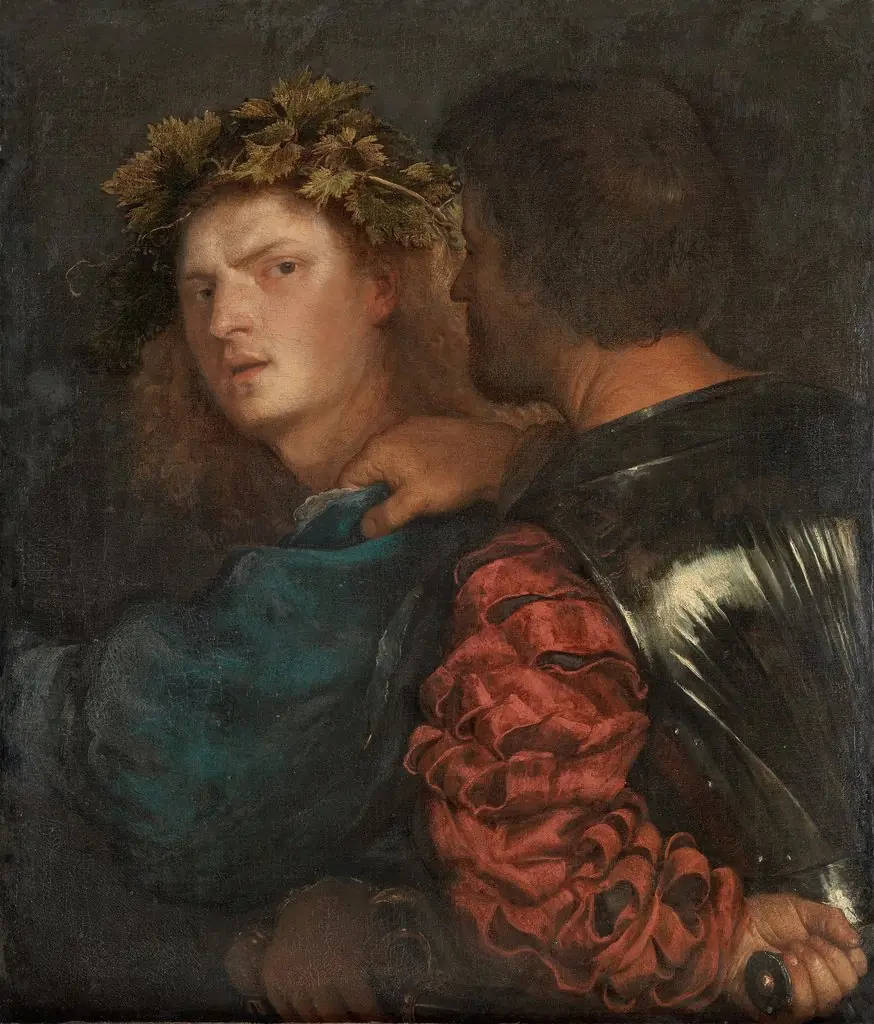 The Bravo
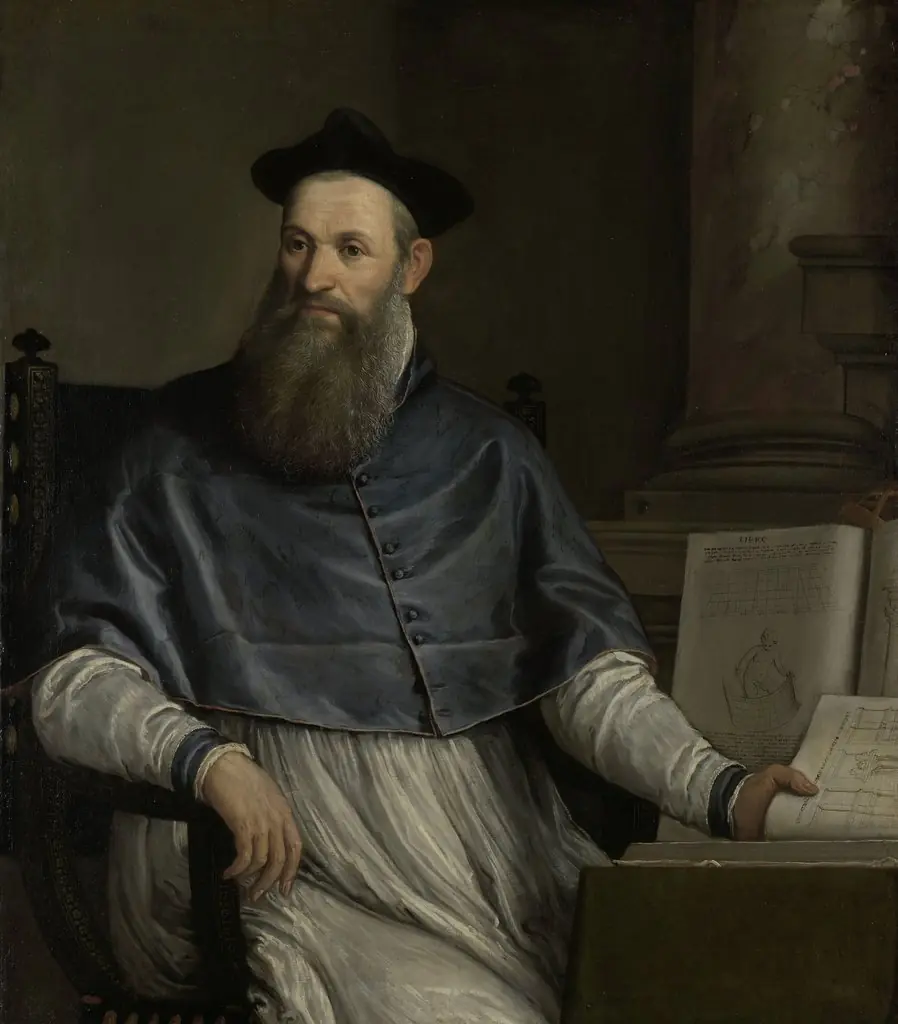 Portrait of Daniele Barbaro
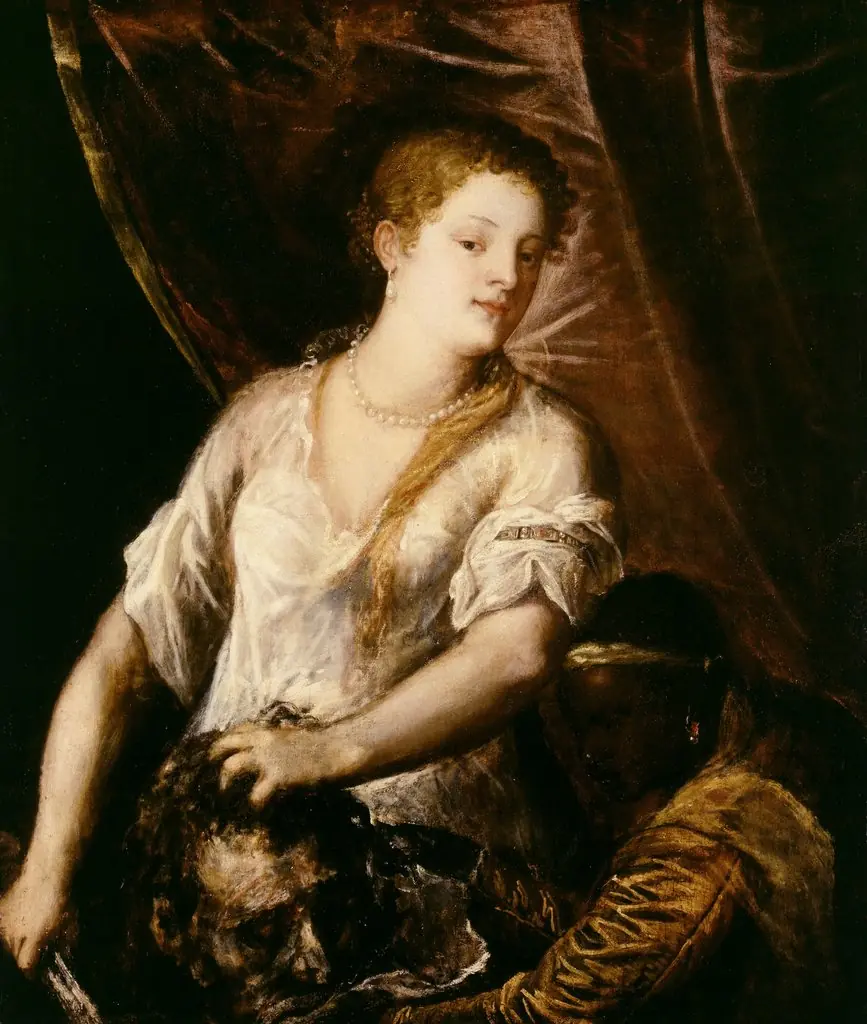 Judith with the Head of Holofernes
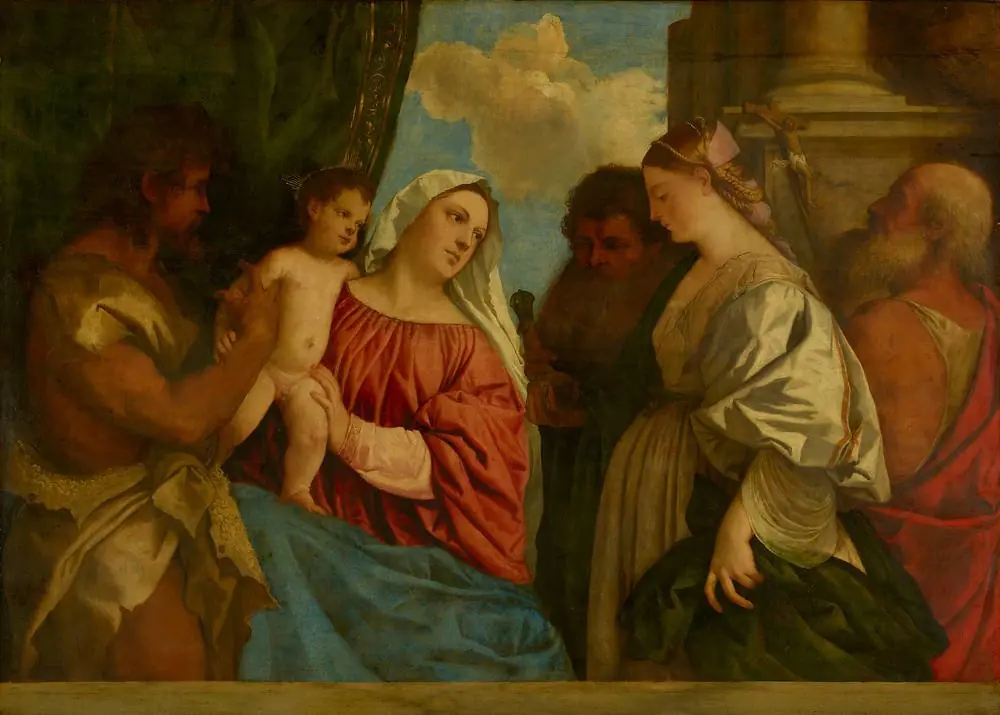 Madonna and Child with Four Saints
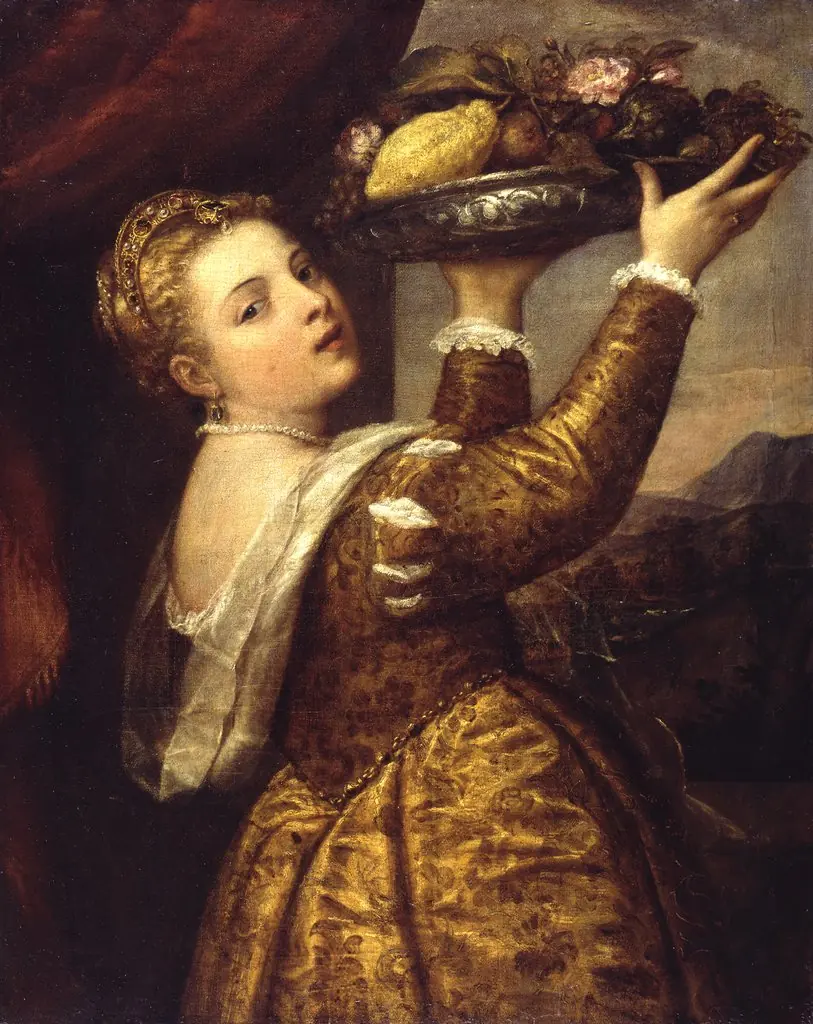 Girl with a Platter of Fruit
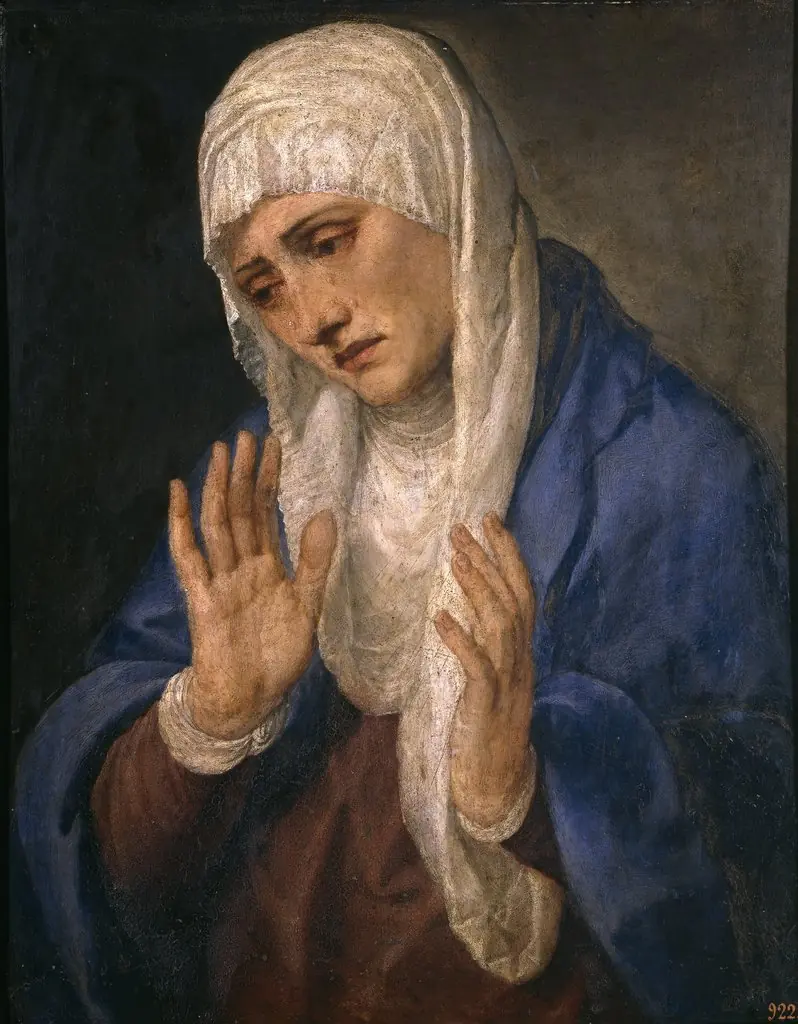 Mater Dolorosa with her Hands apart
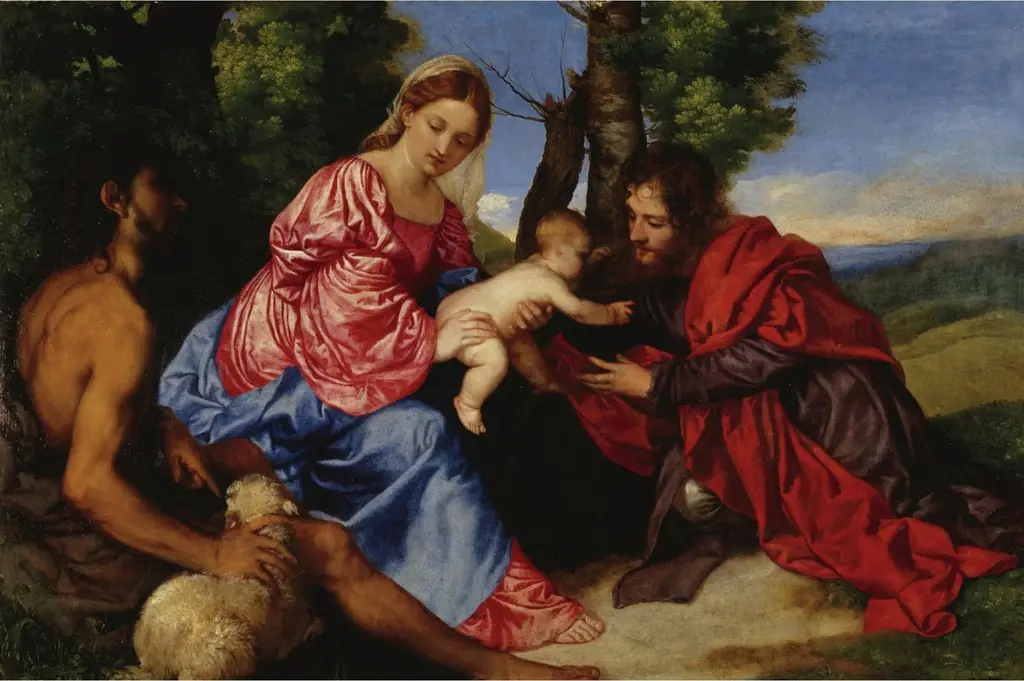 The Virgin and Child with St John the Baptist and an Unidentified Saint
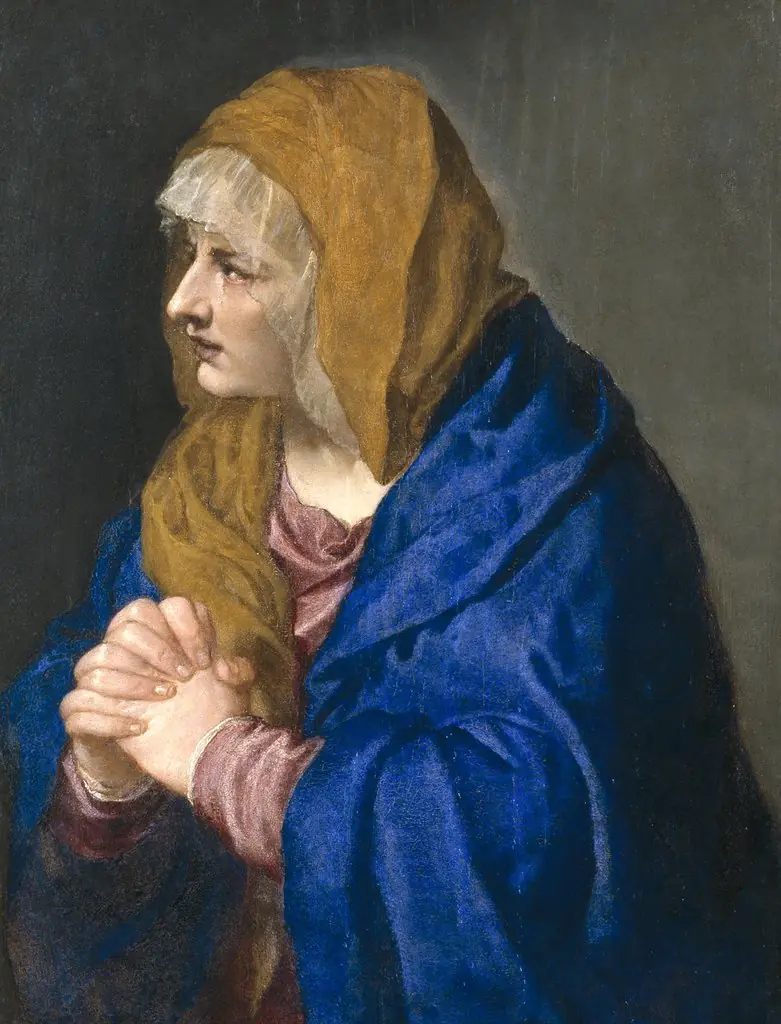 Mater Dolorosa with Clapsed Hands
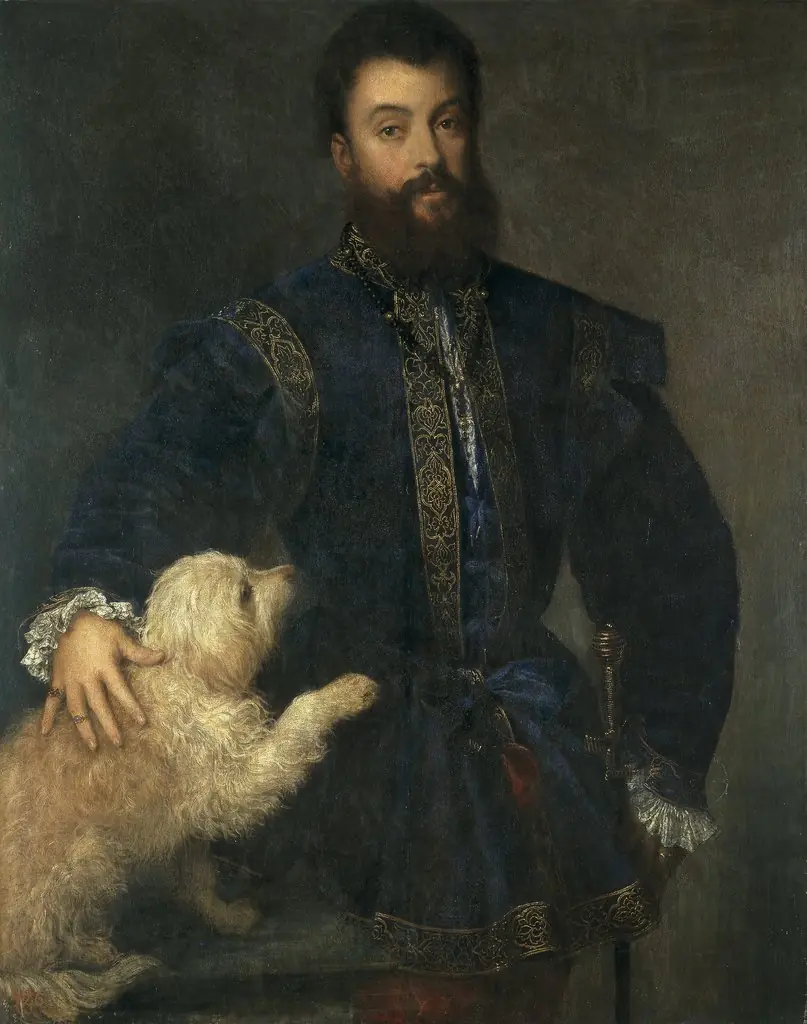 Portrait of Federico II Gonzaga
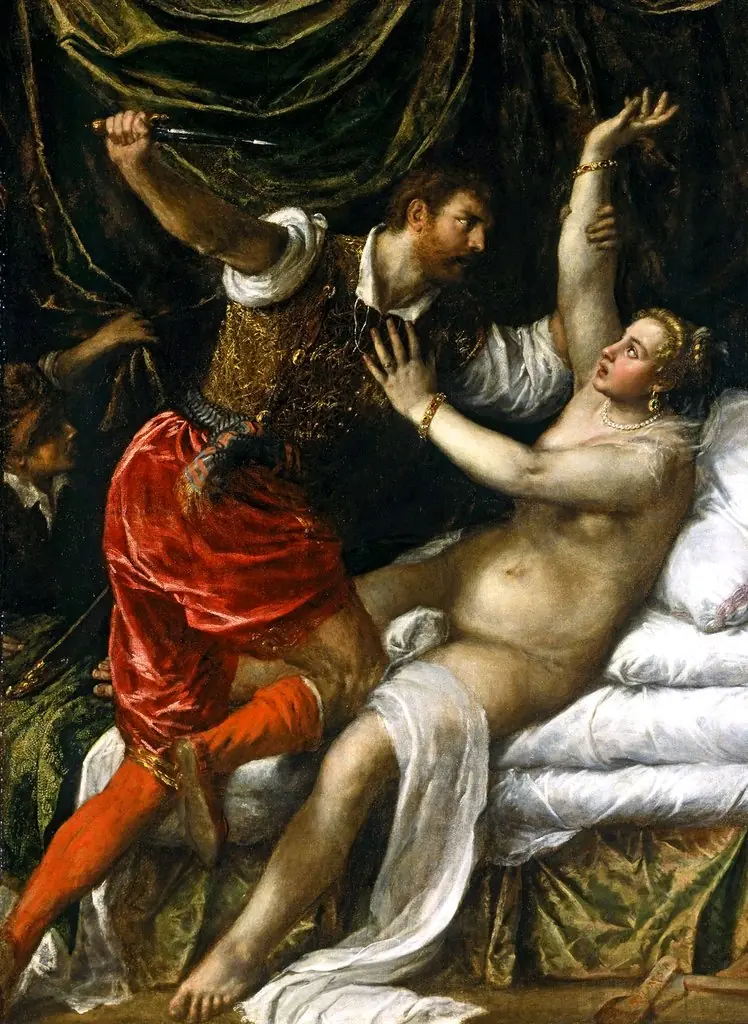 Tarquin and Lucretia
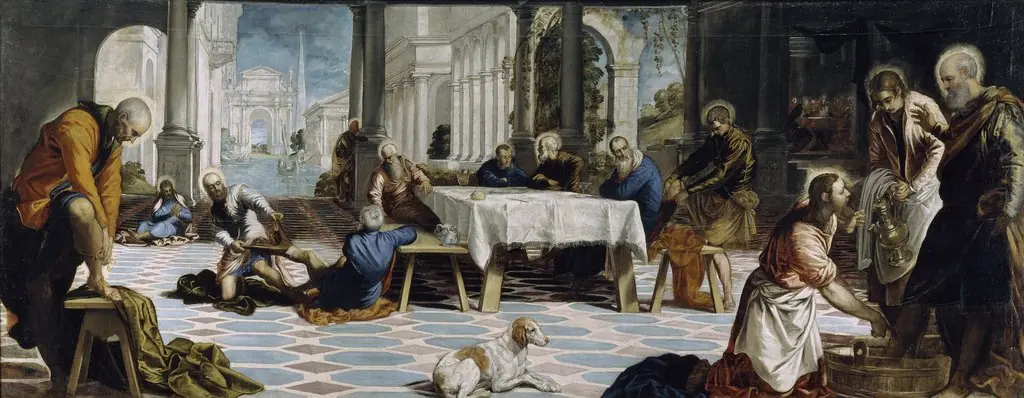 Christ Washing the Disciples' Feet
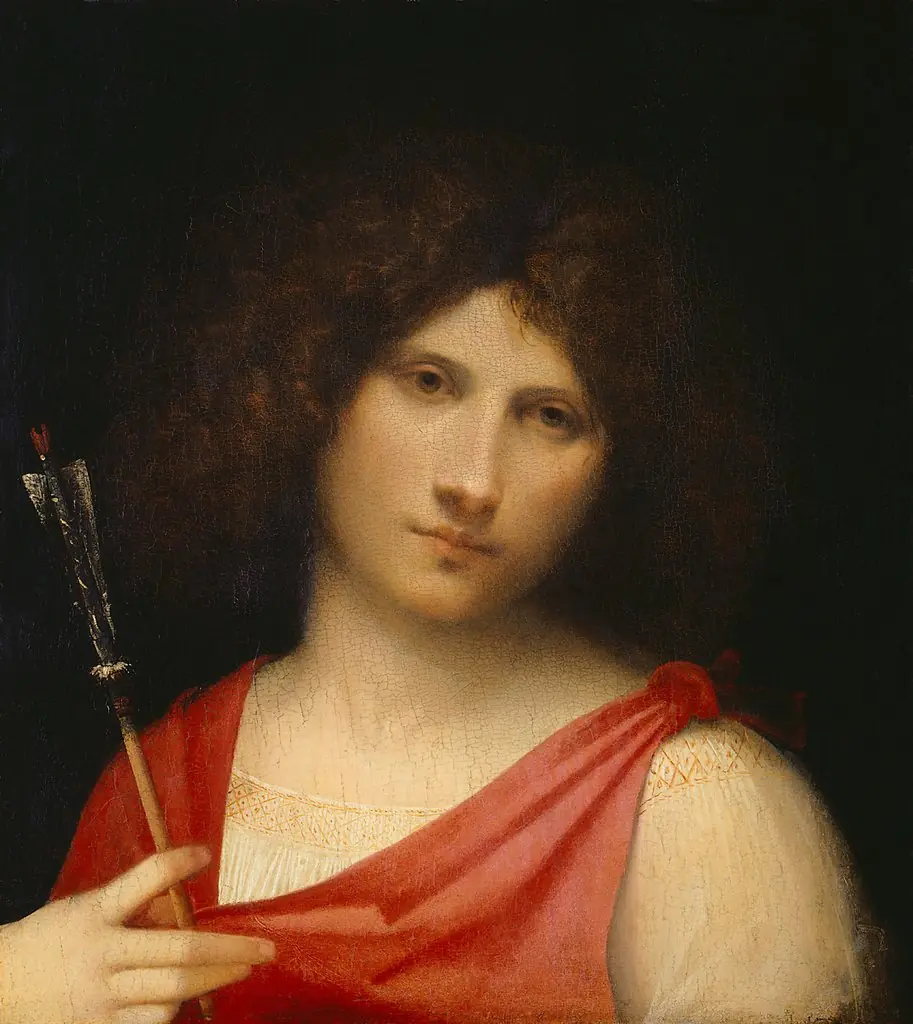 Young Man with Arrow
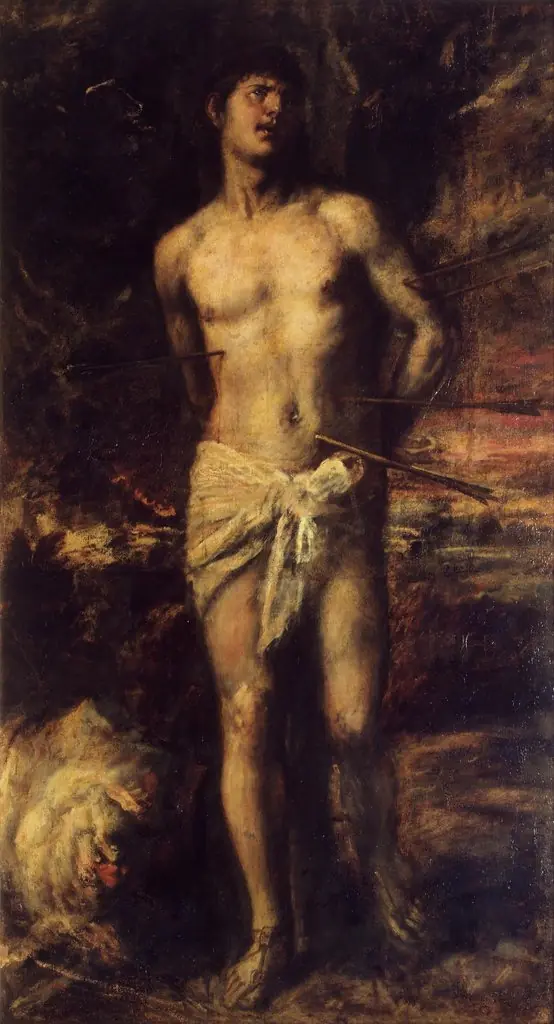 Saint Sebastian
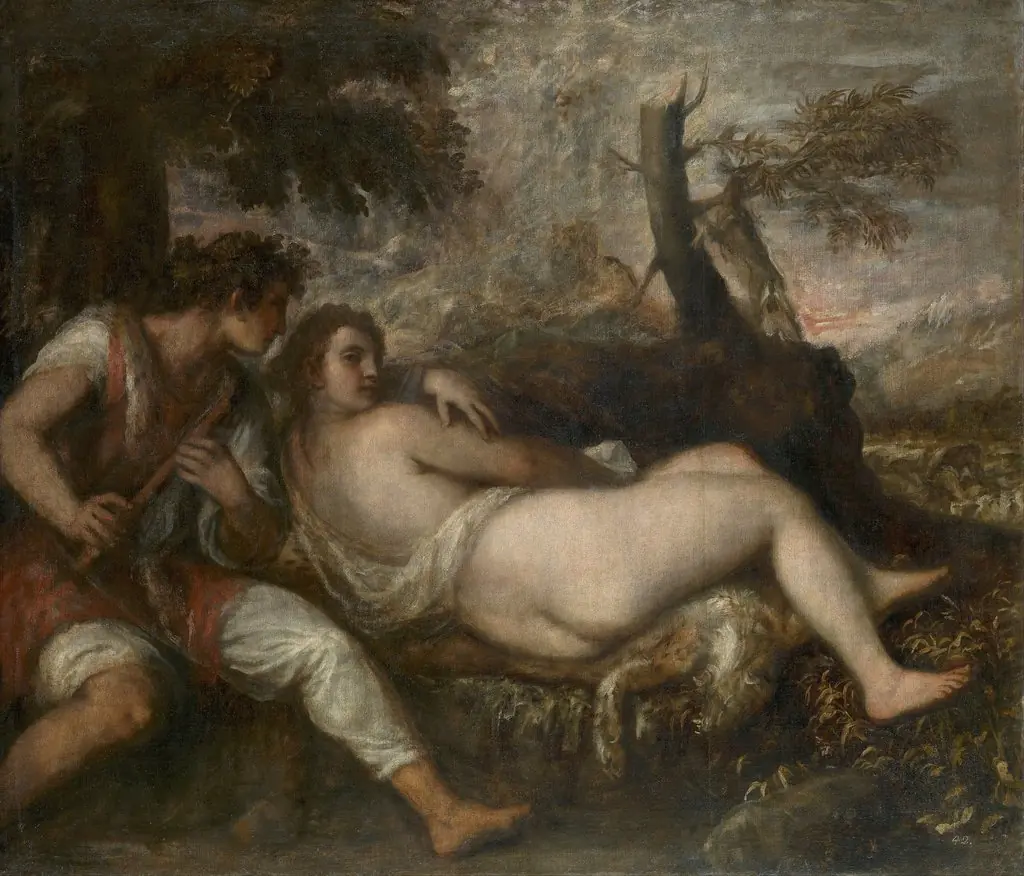 Nymph and Shepherd
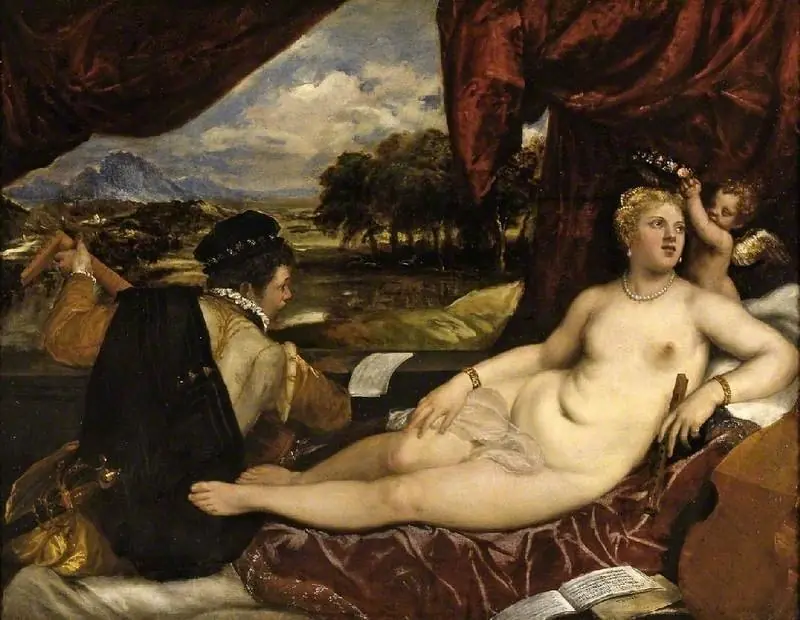 Venus and Cupid with a lute-player
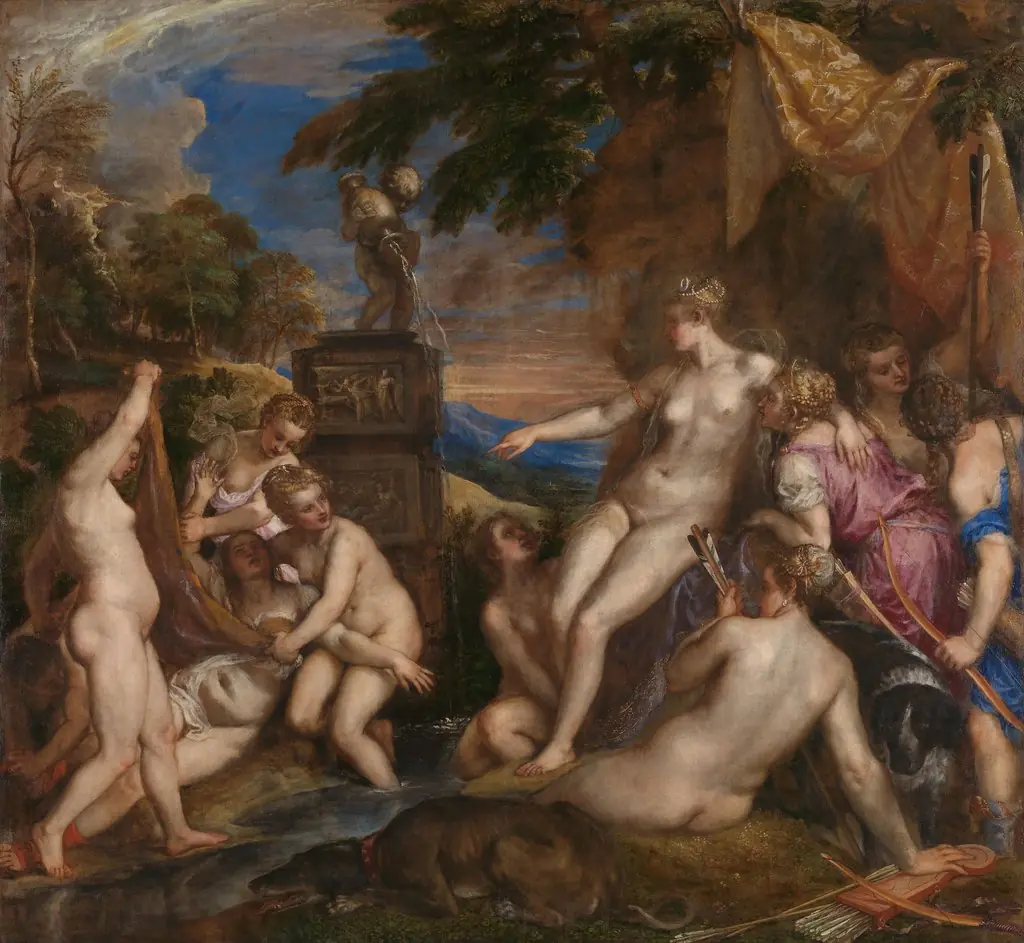 Diana and Callisto
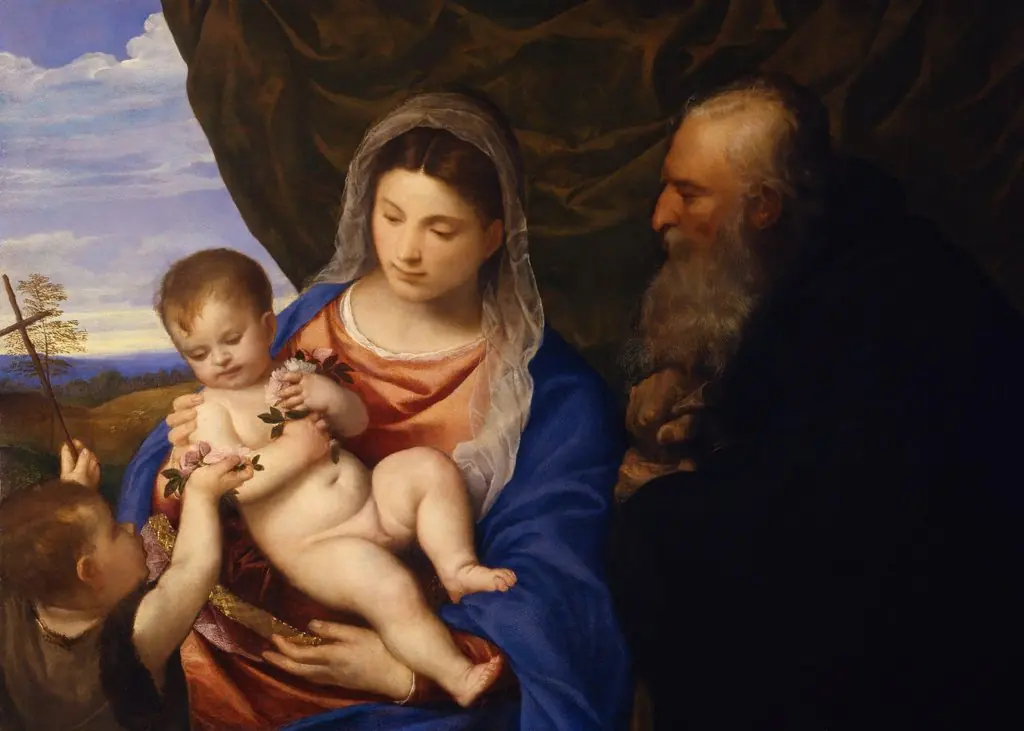 Madonna of the Roses
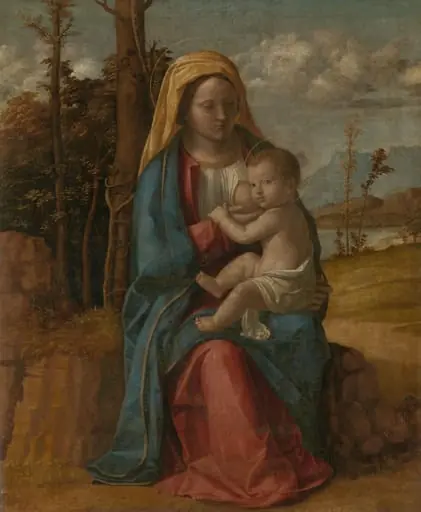 Madonna and Child
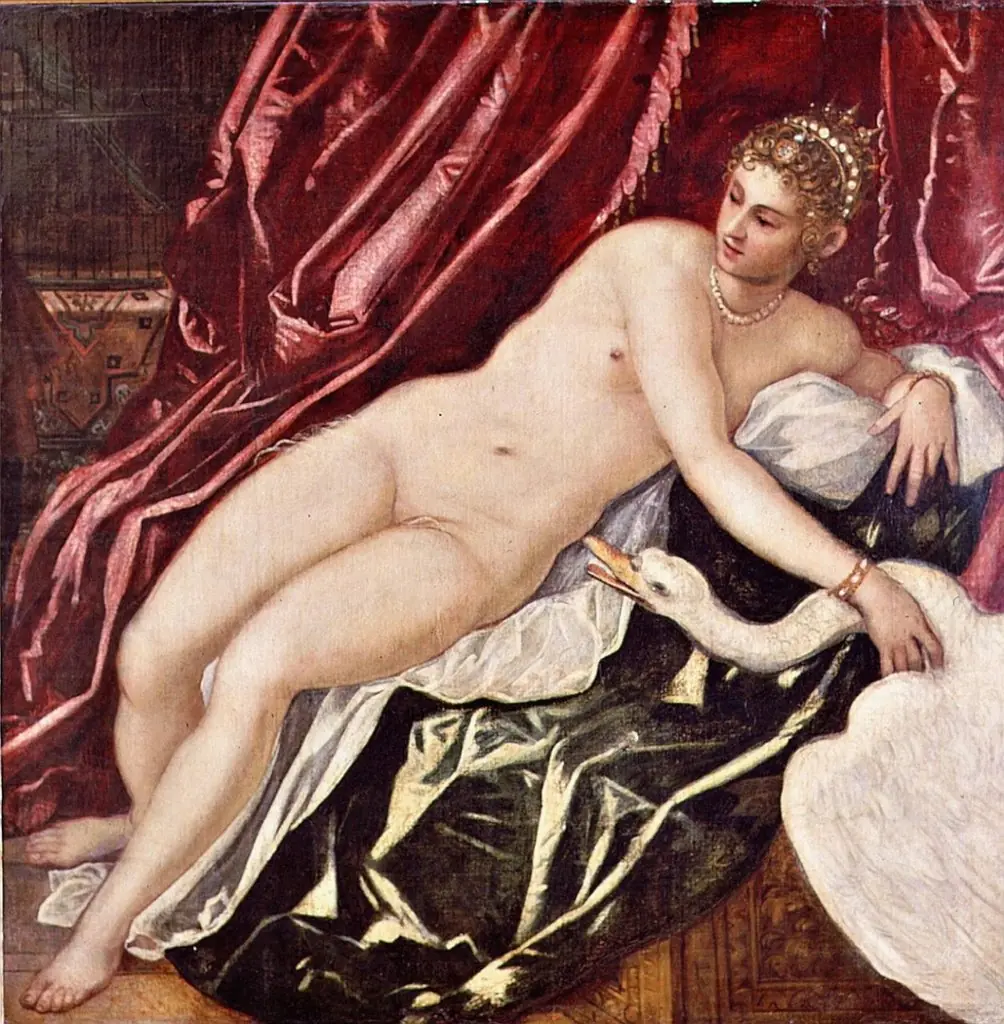 Leda and the Swan
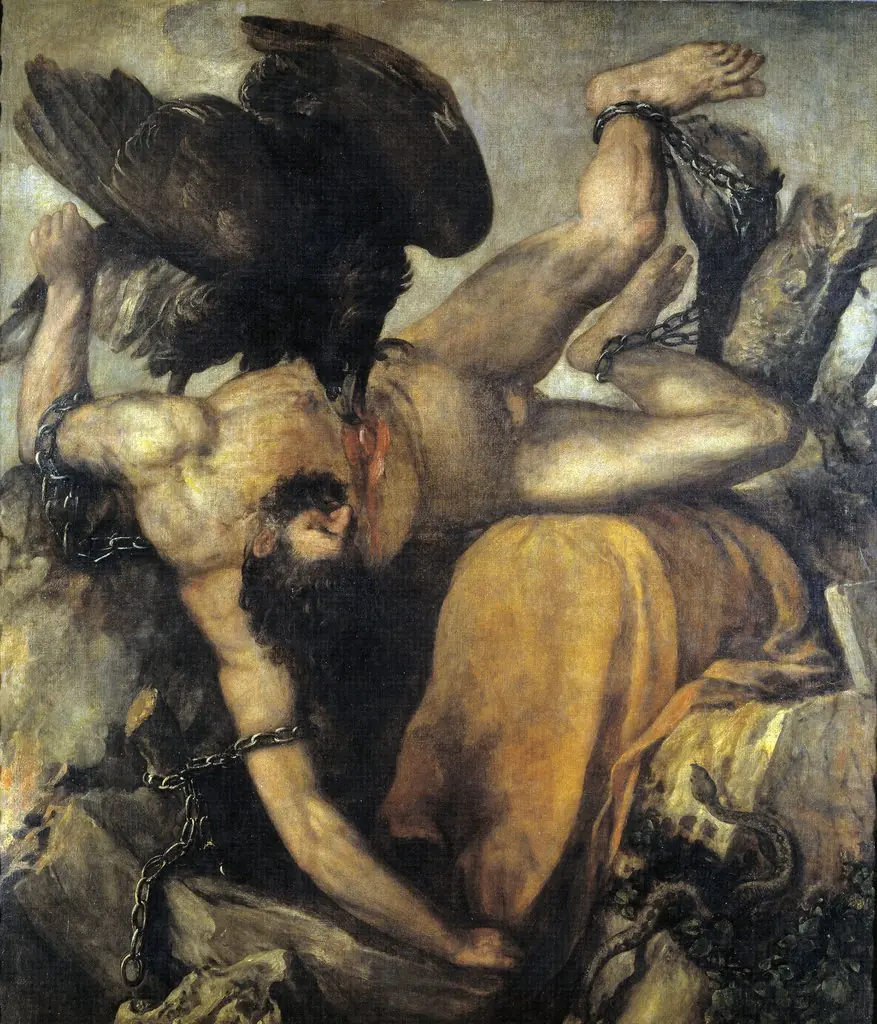 Tityus
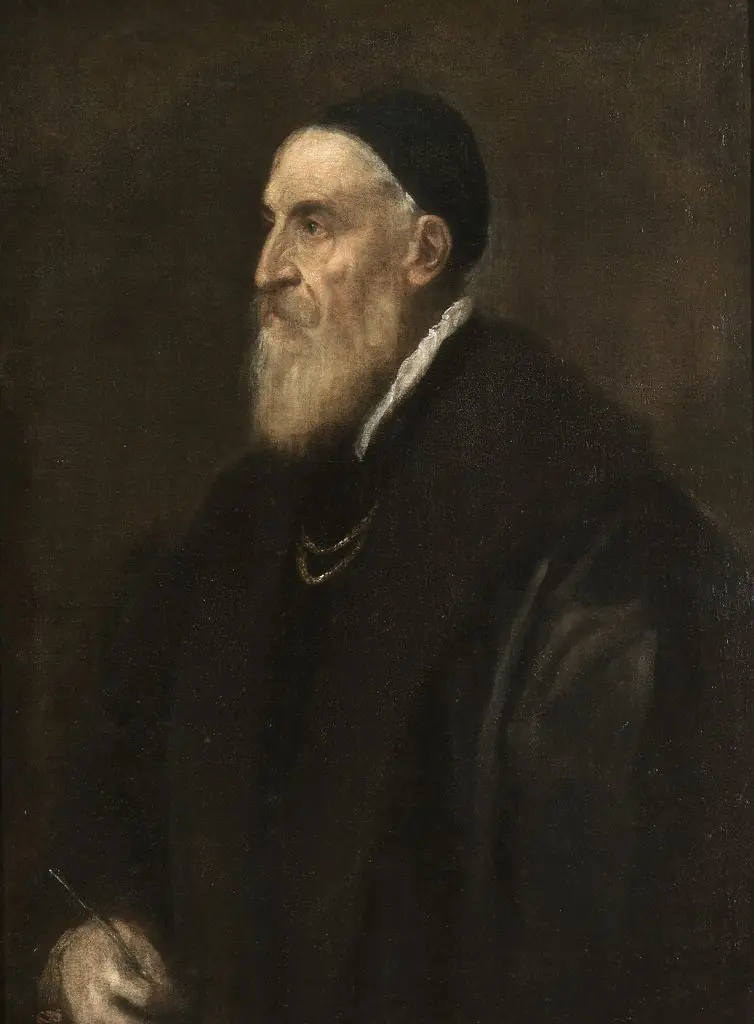 Self-Portrait
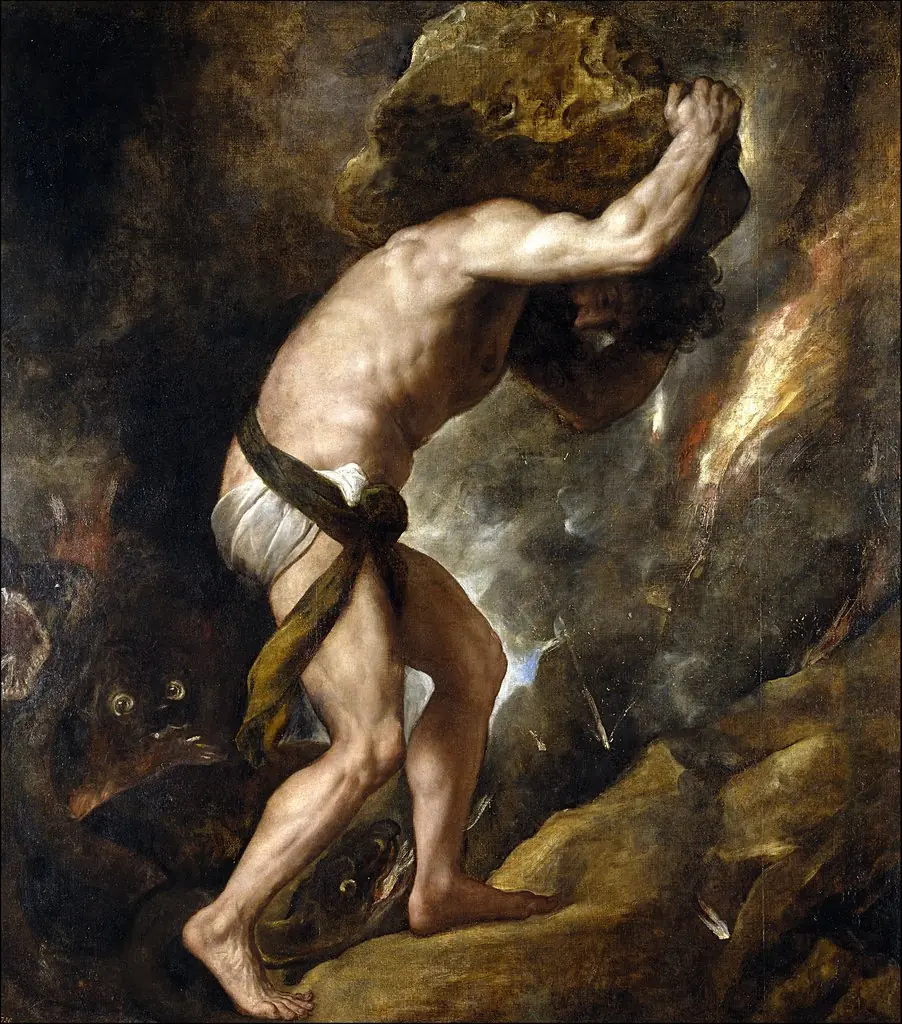 Sisyphus
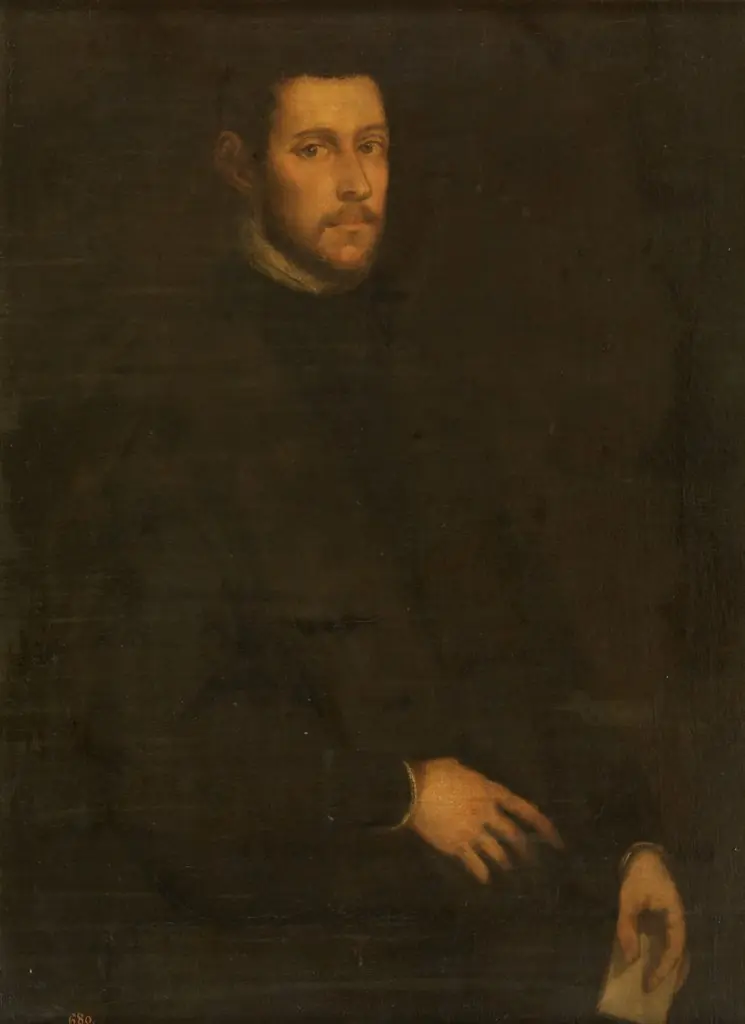 Self-portrait (?)
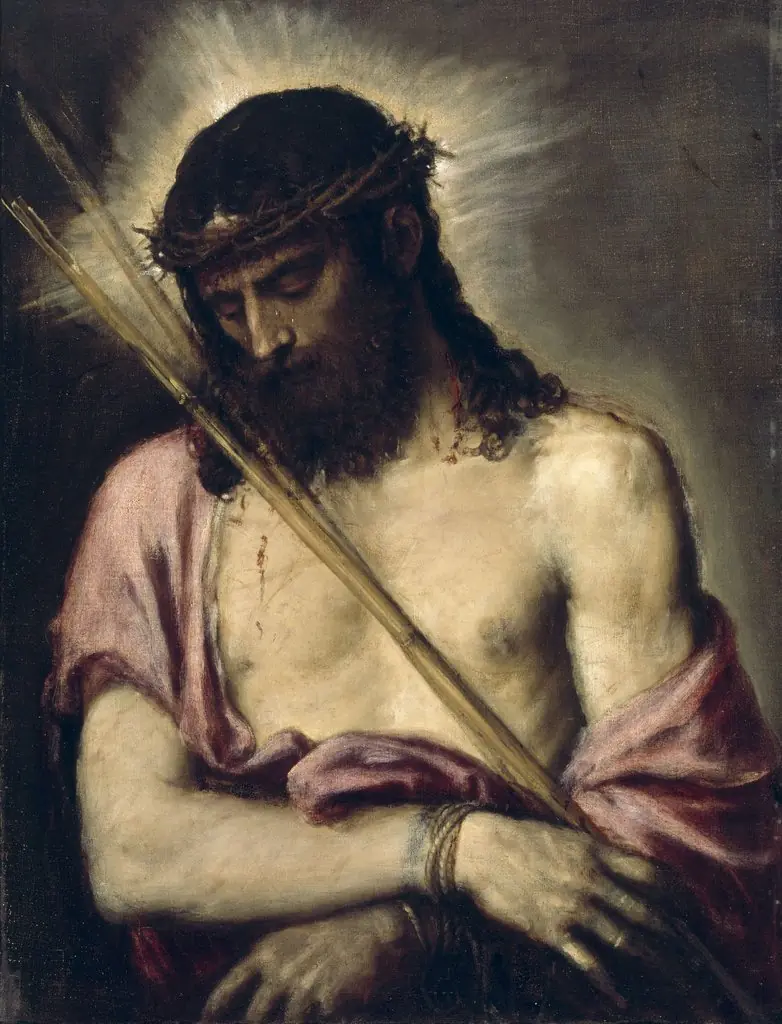 Ecce Homo
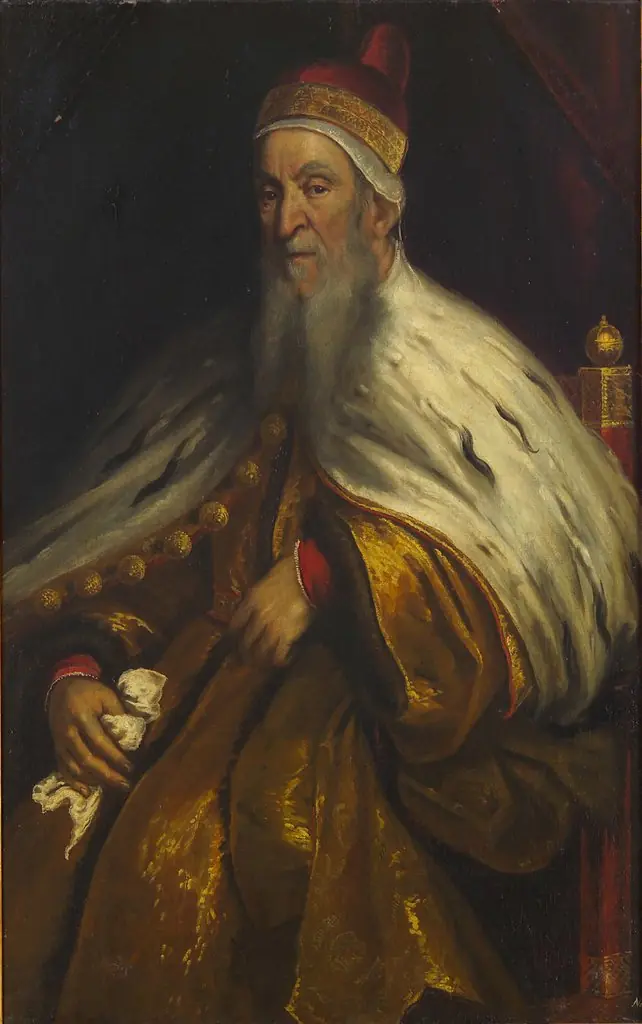 Portrait of Niccolo da Ponte (1491-1585), Doge of Venice
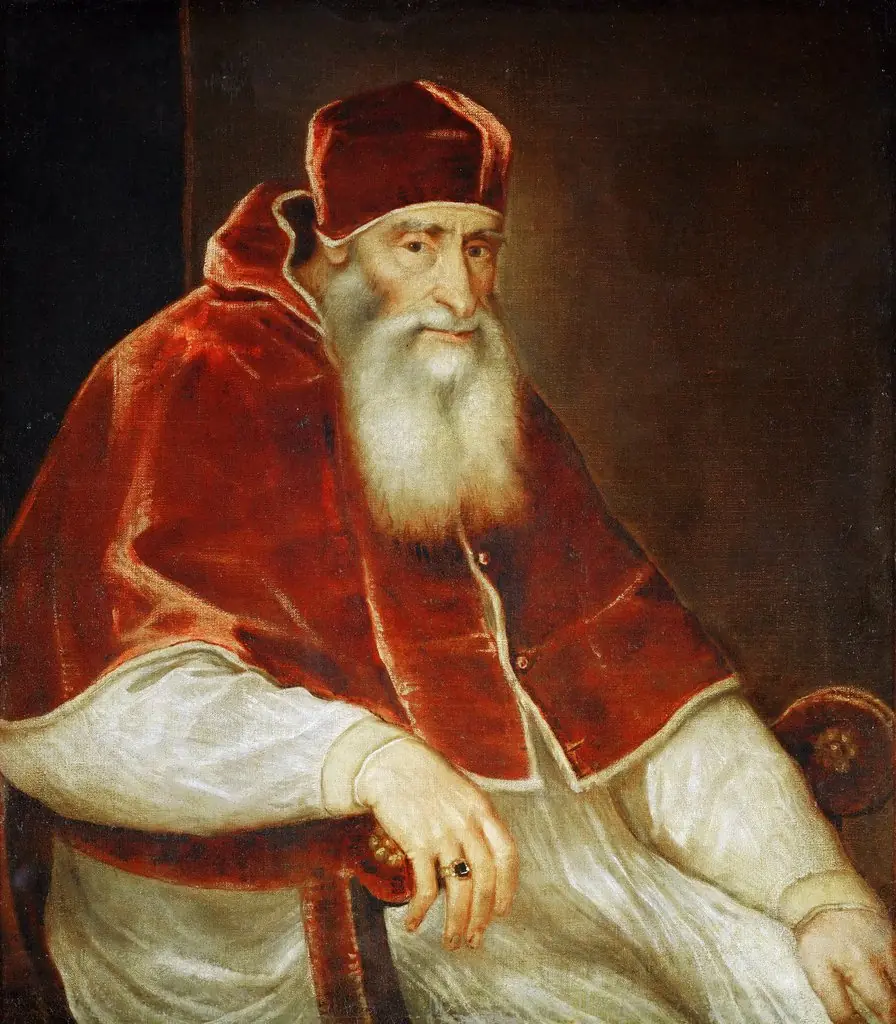 Pope Paul III Farnese (1468-1549)
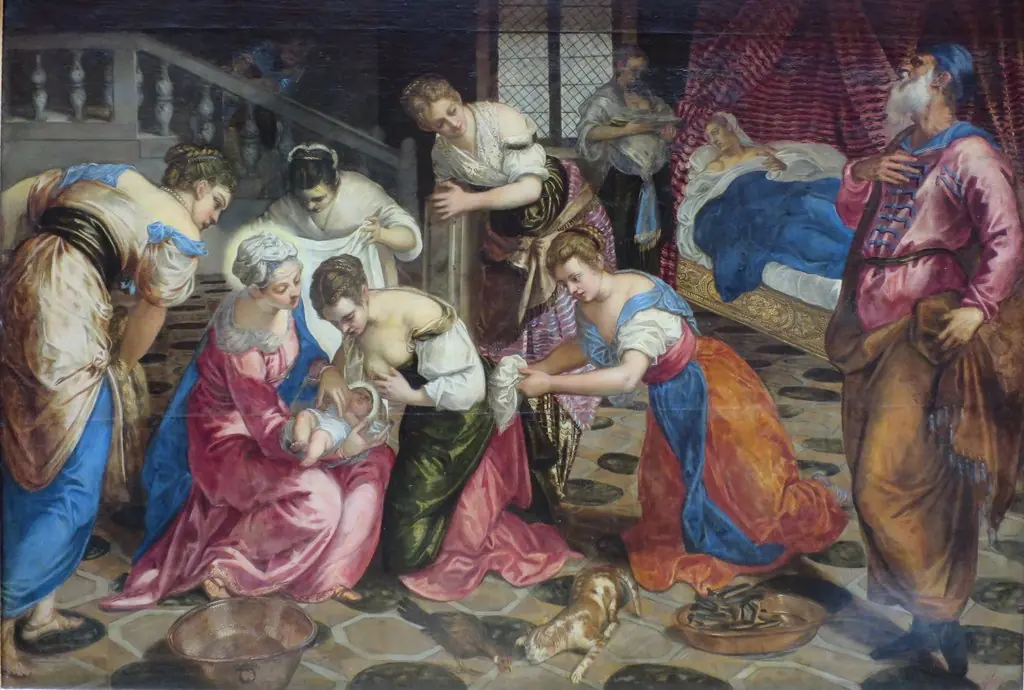 The Birth of John the Baptist
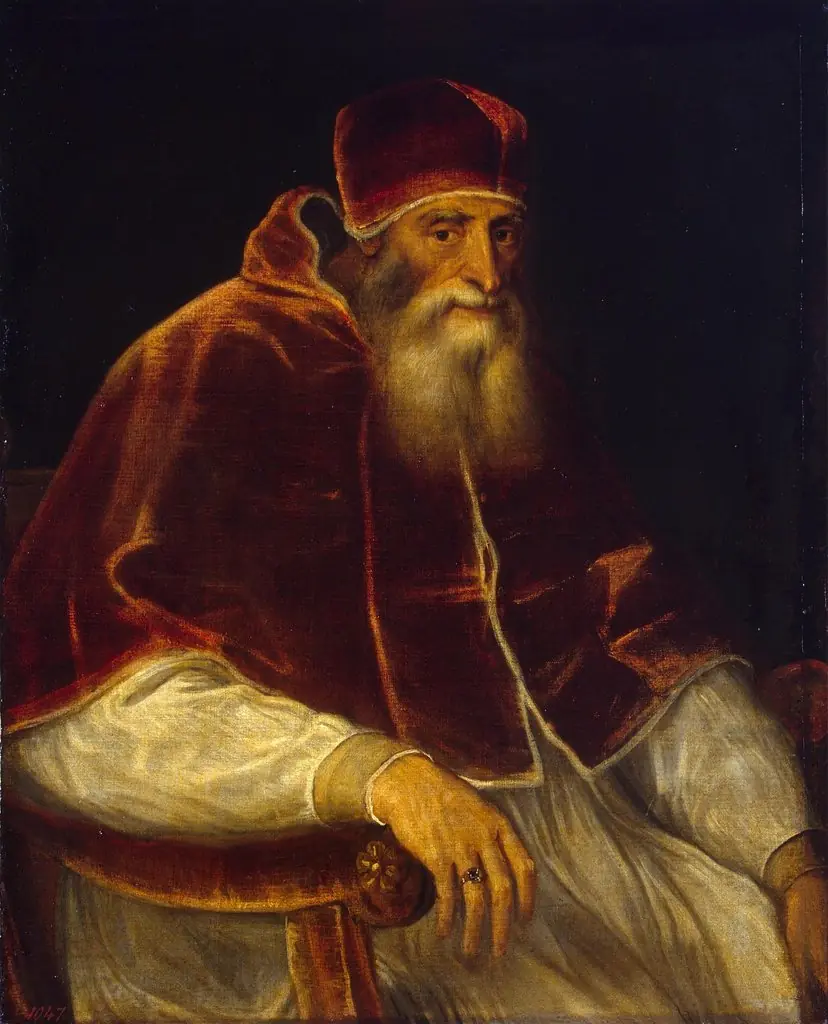 Portrait of Pope Paul III
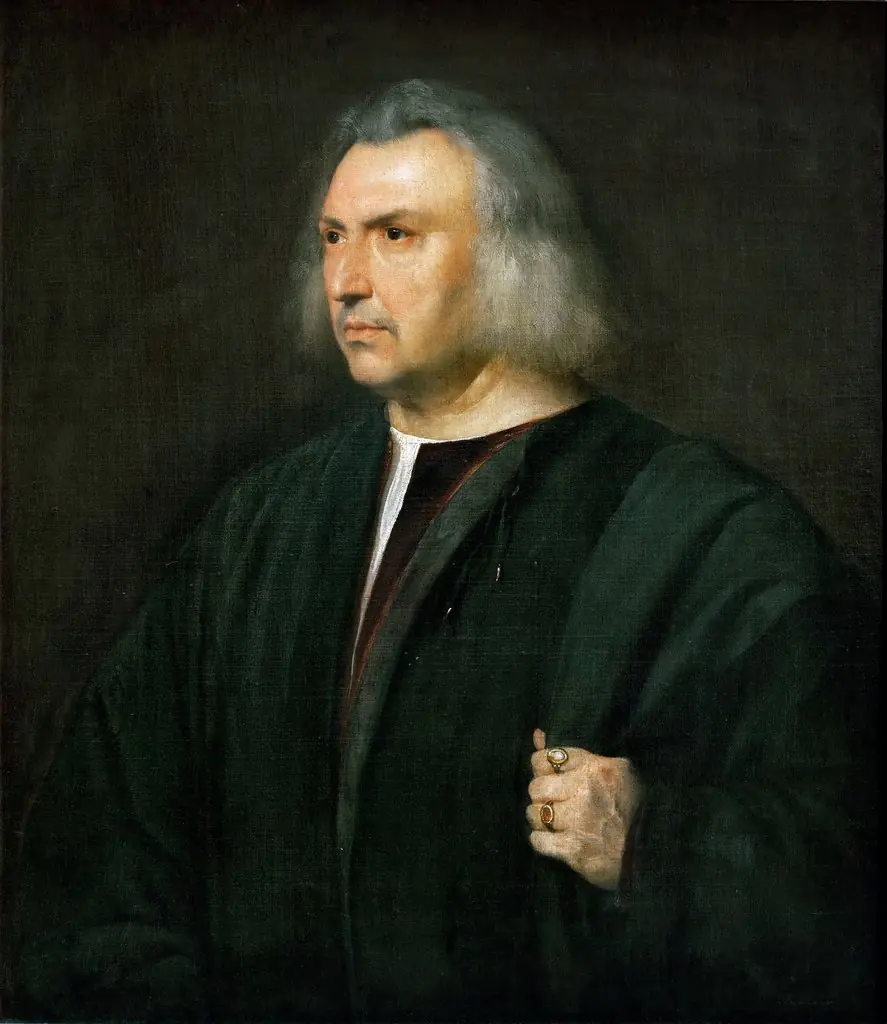 The physician Gian Giacomo Bartolotti da Parma
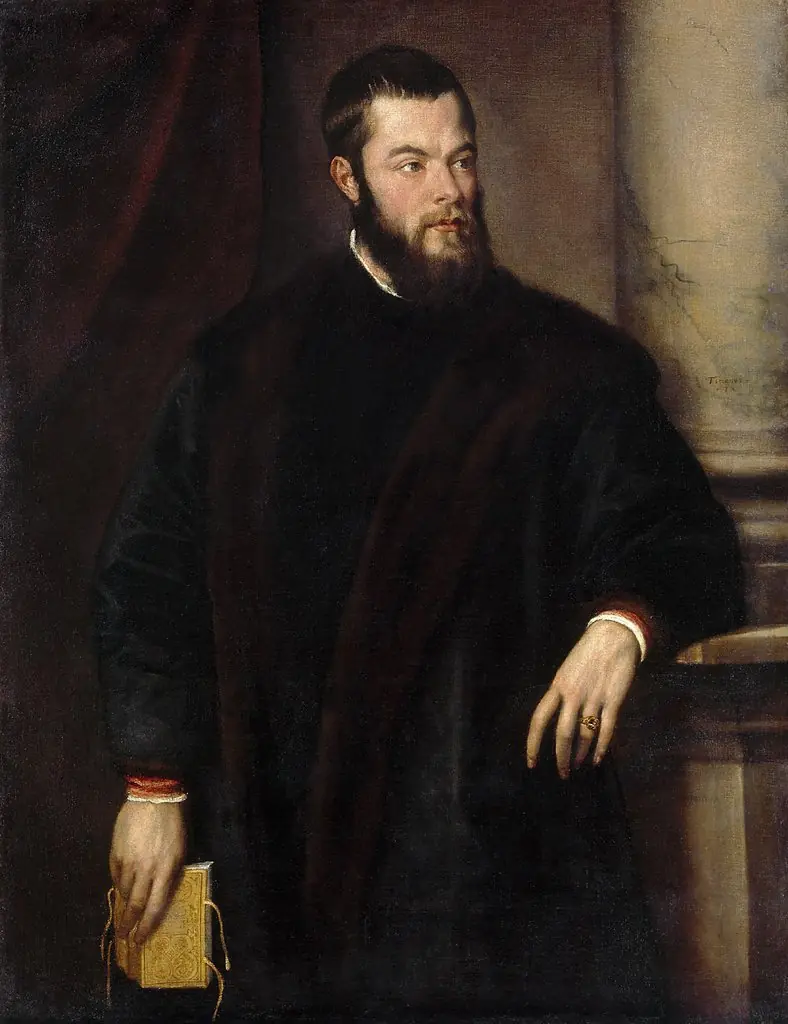 Portrait of Benedetto Varchi
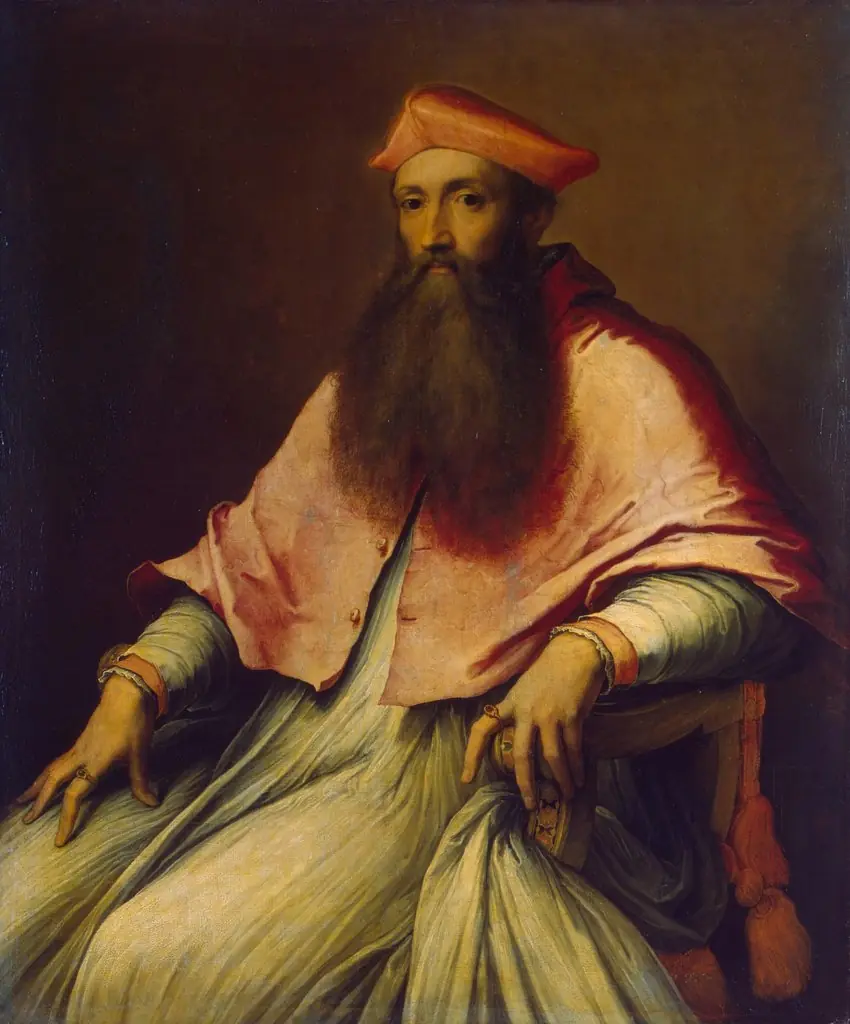 Portrait of Cardinal Reginald Pole
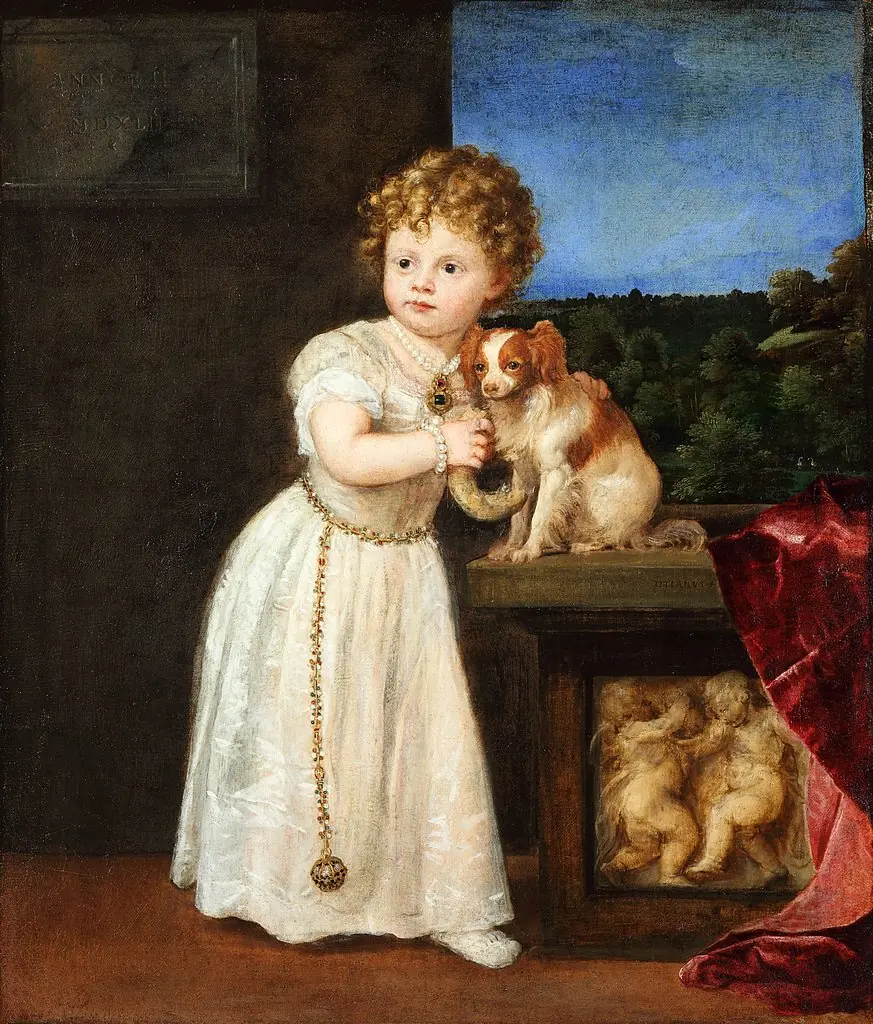 Portrait of Clarissa Strozzi
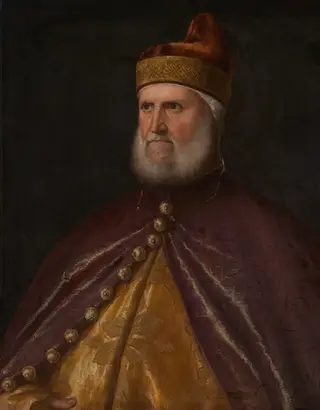 Doge Andrea Gritti
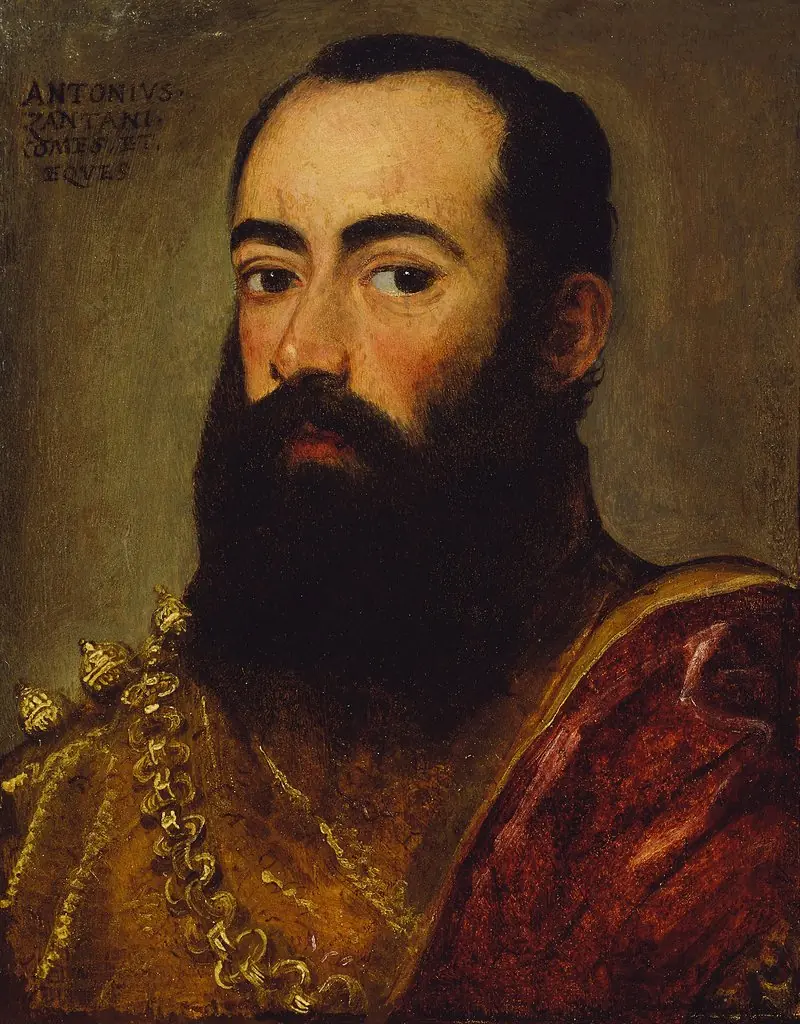 Portrait Presumed to Be of Antonio Zantani
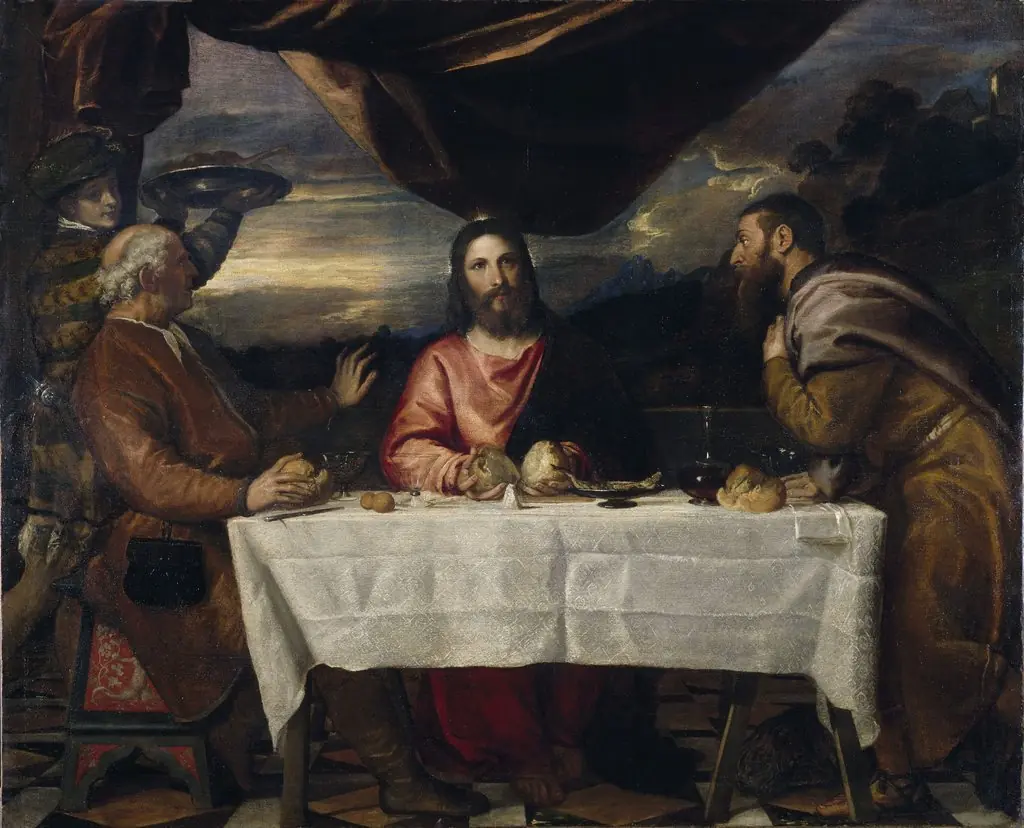 The Supper at Emmaus
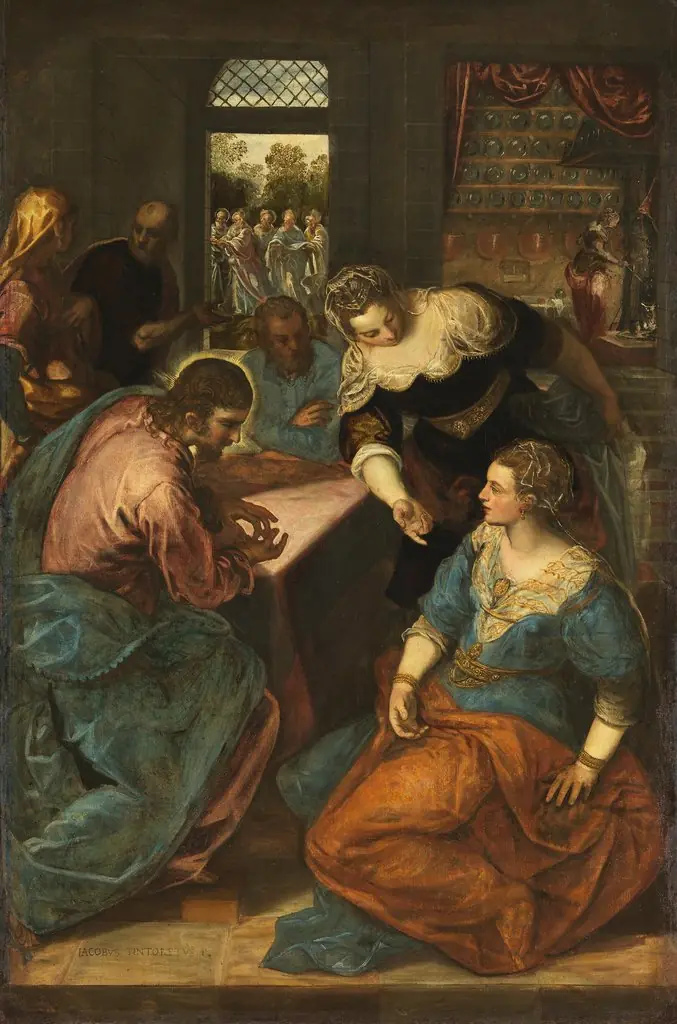 Christ with Mary and Martha
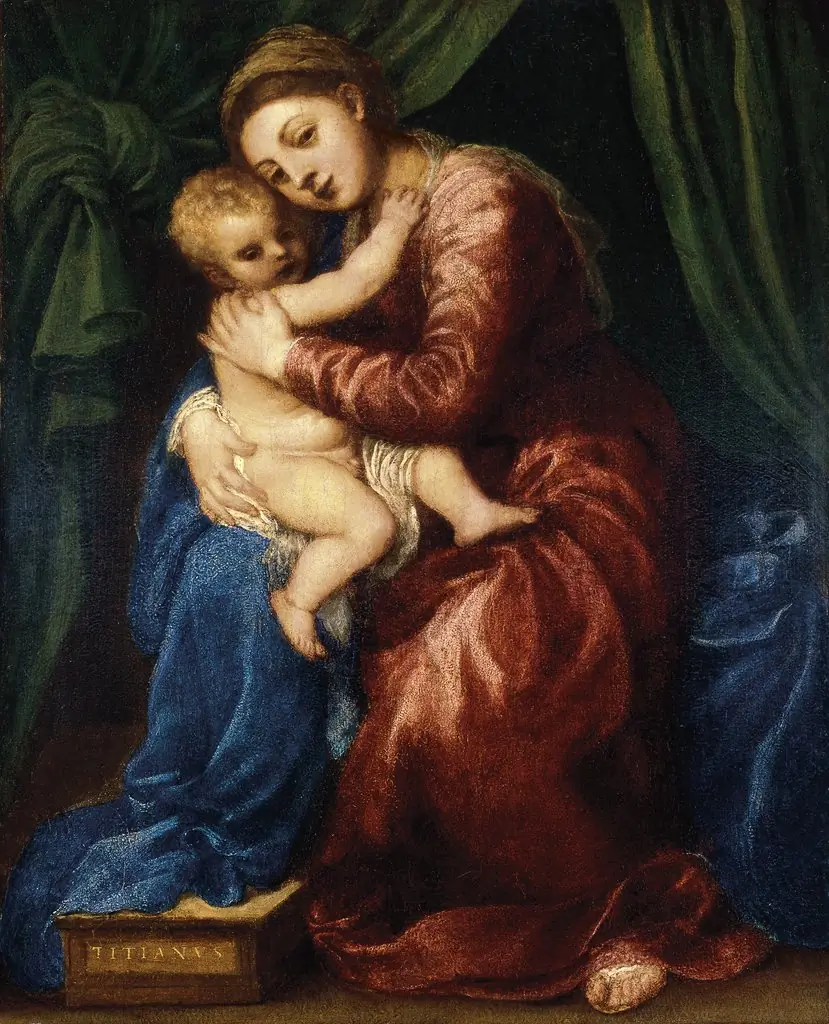 Sciarra Madonna
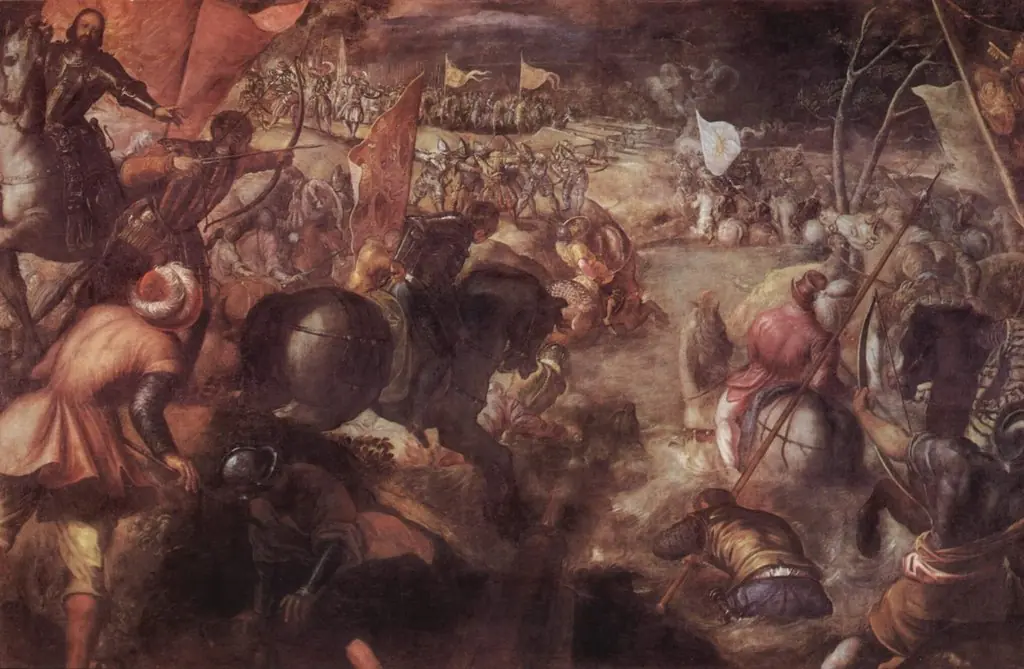 The battle of Taro
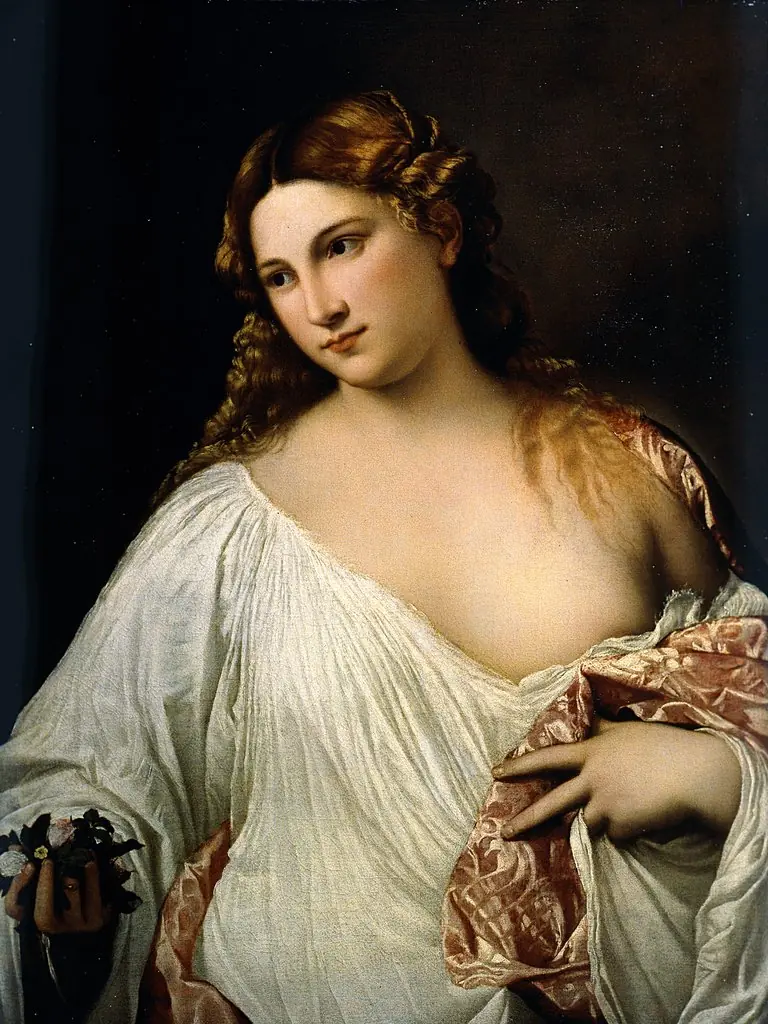 Flora
Flora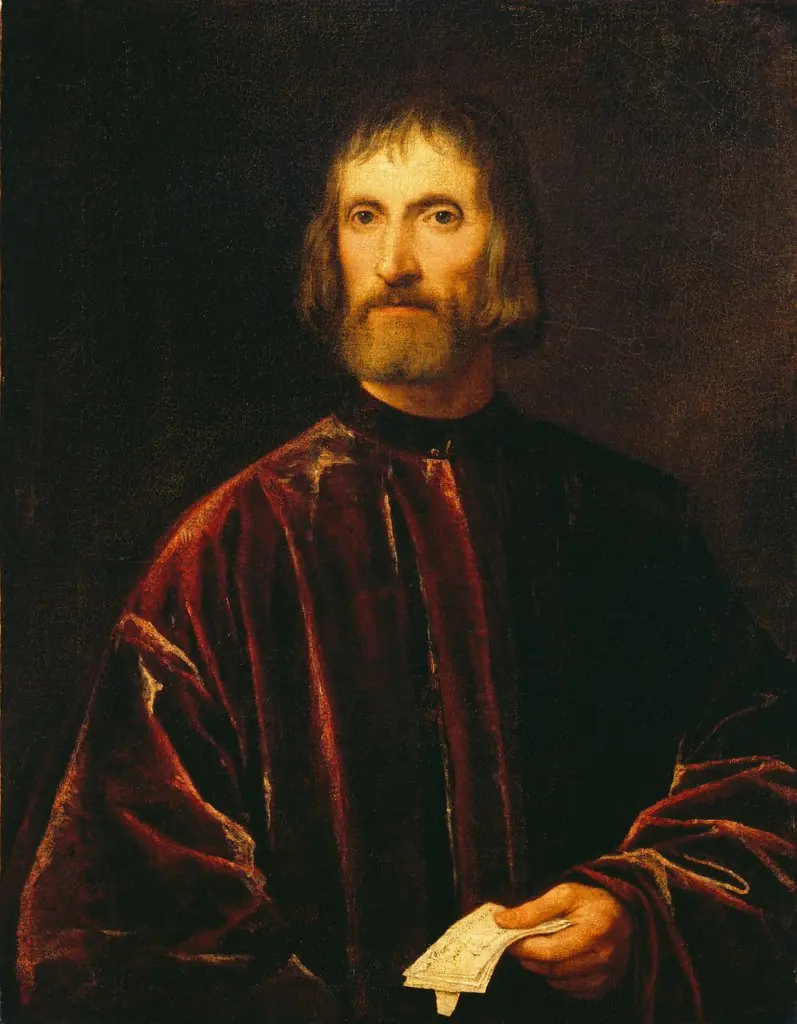 Portrait of Andrea dei Franceschi
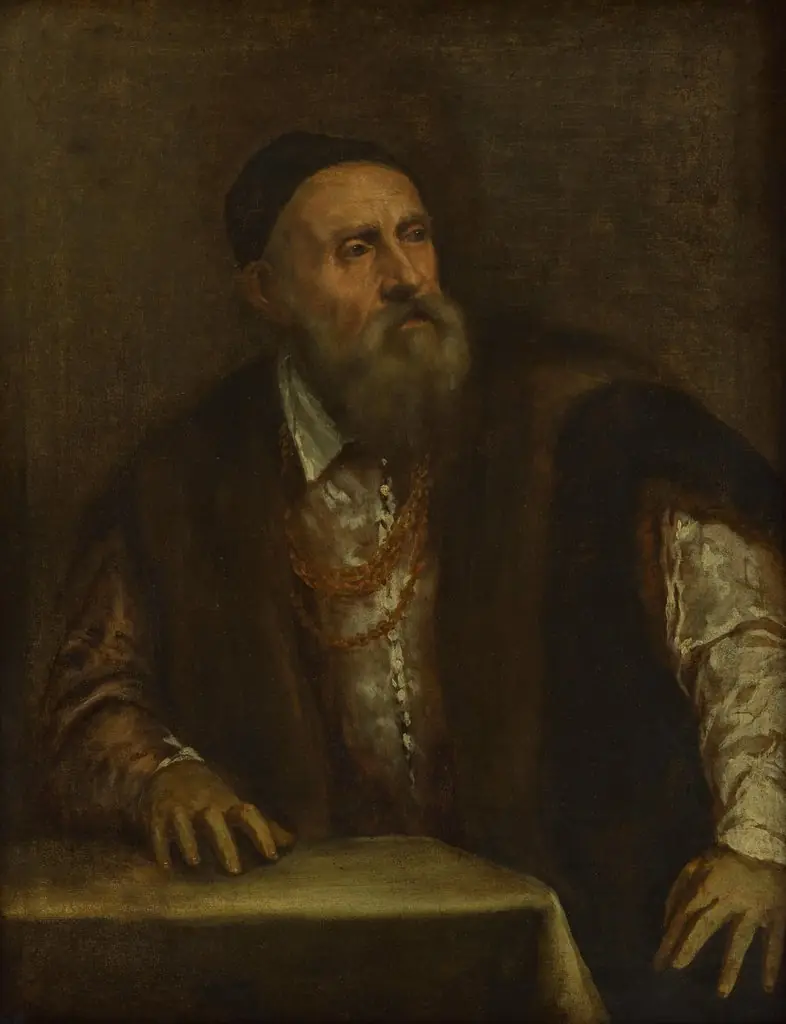 Self-Portrait
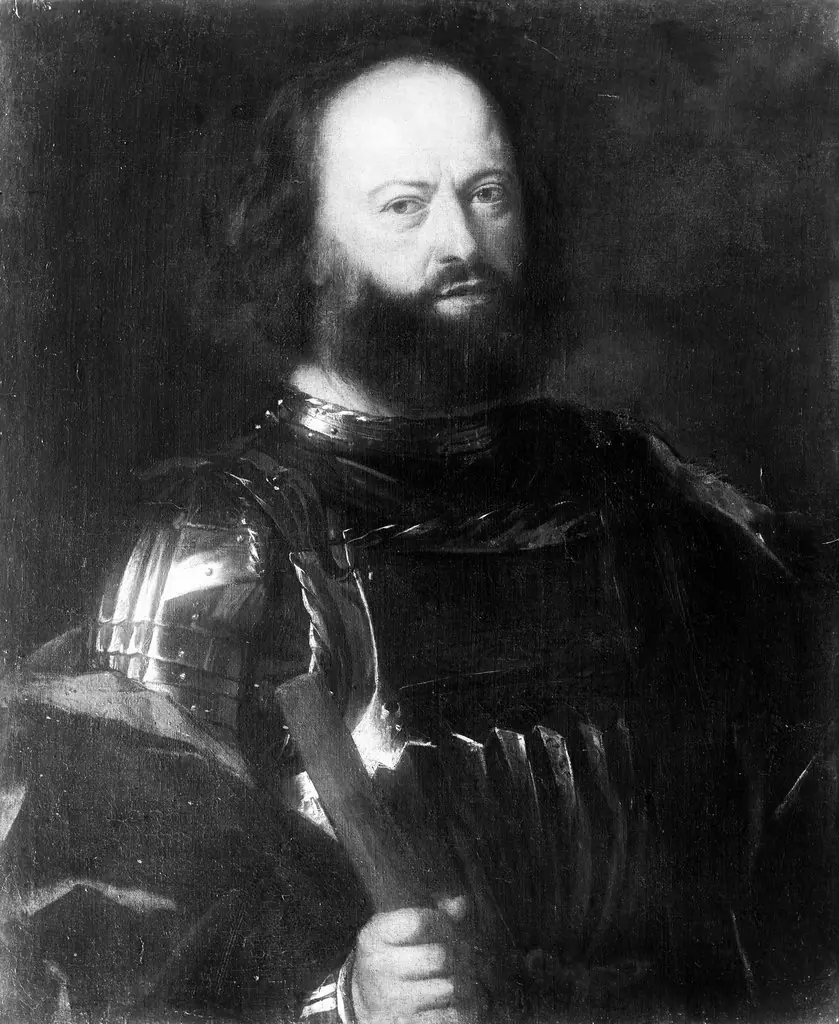 Portrait of the Venetian Admiral Giovanni Moro
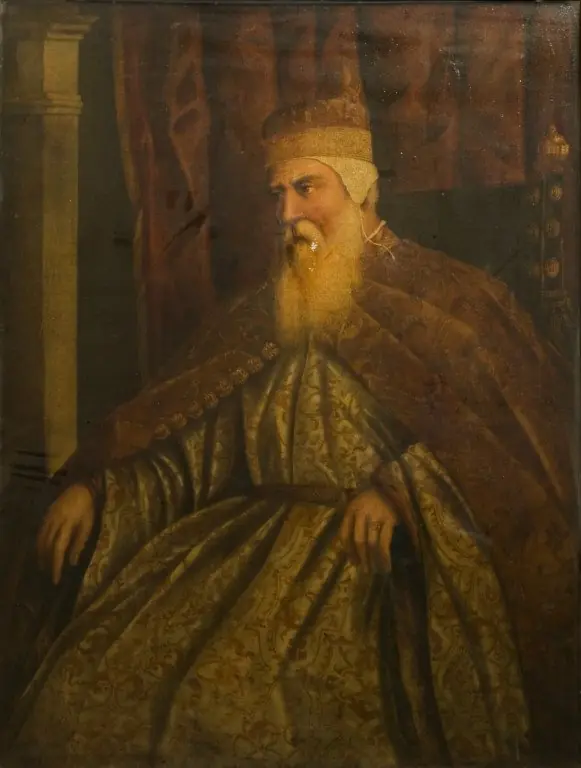 Portrait of Doge Pasquale Cicogna
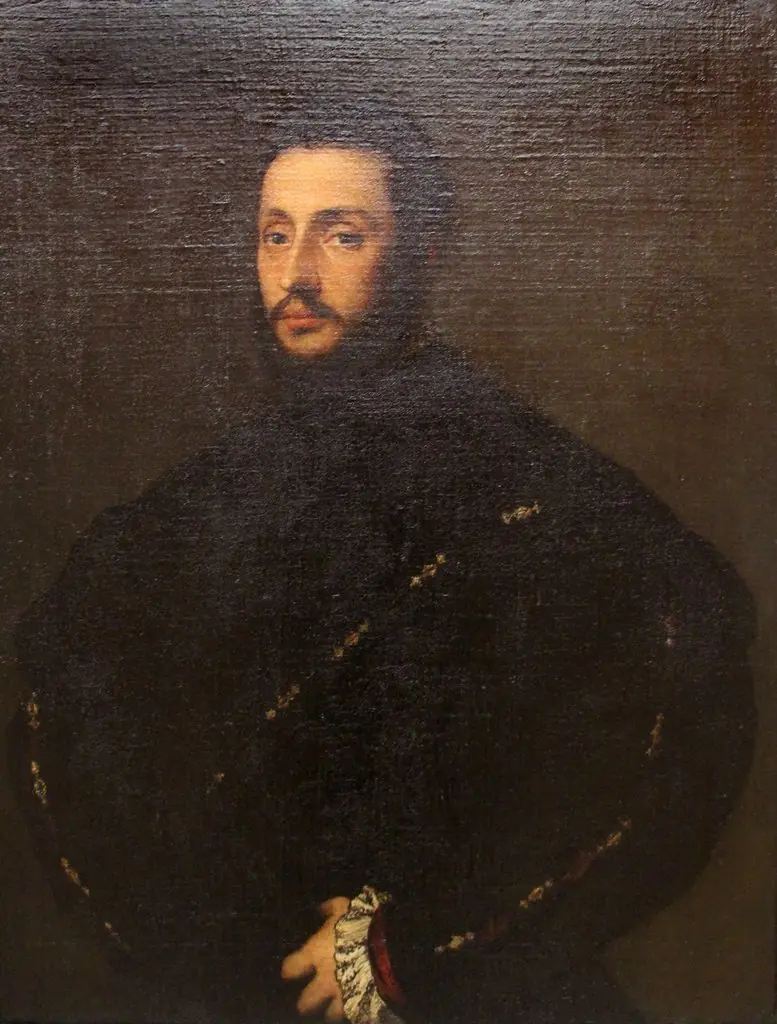 Portrait of a Man
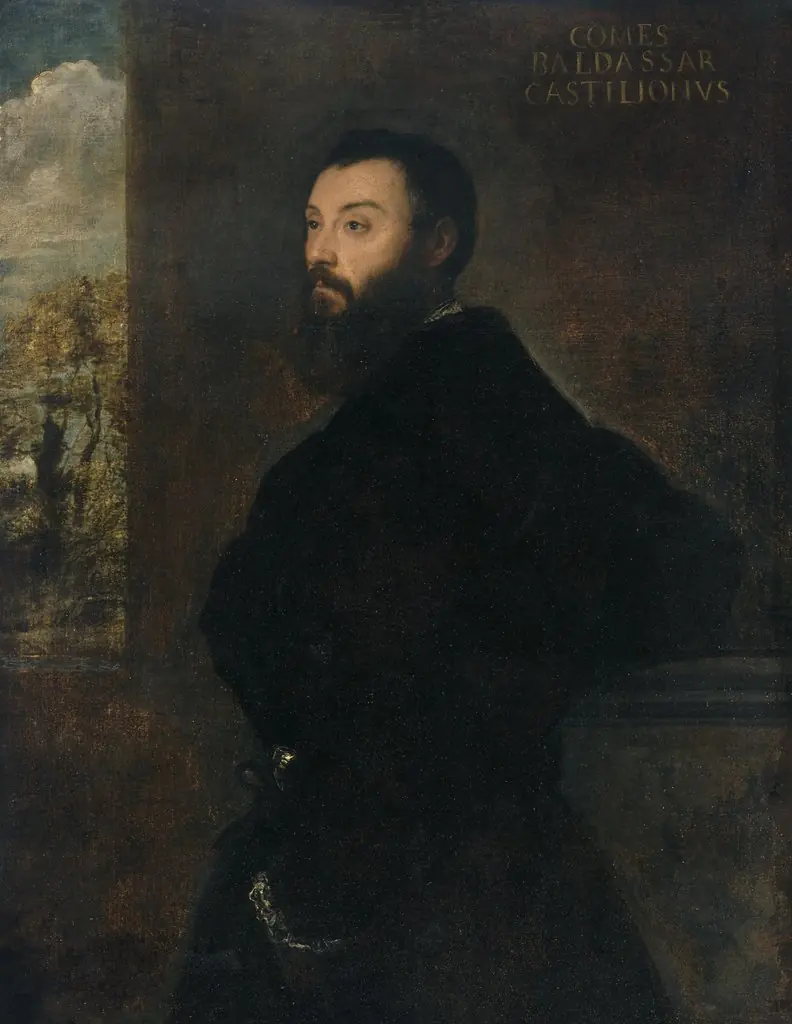 Portrait of Baldassare Castiglione
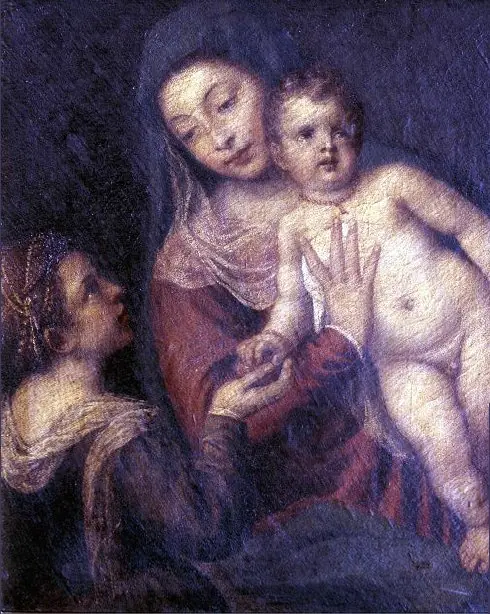 Madonna and Child with Saint Catherine
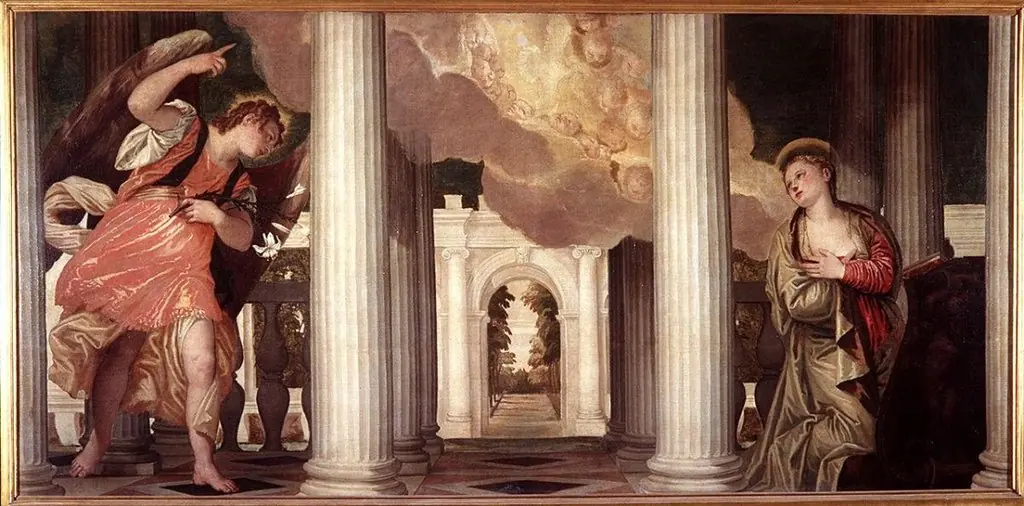 Annunciation
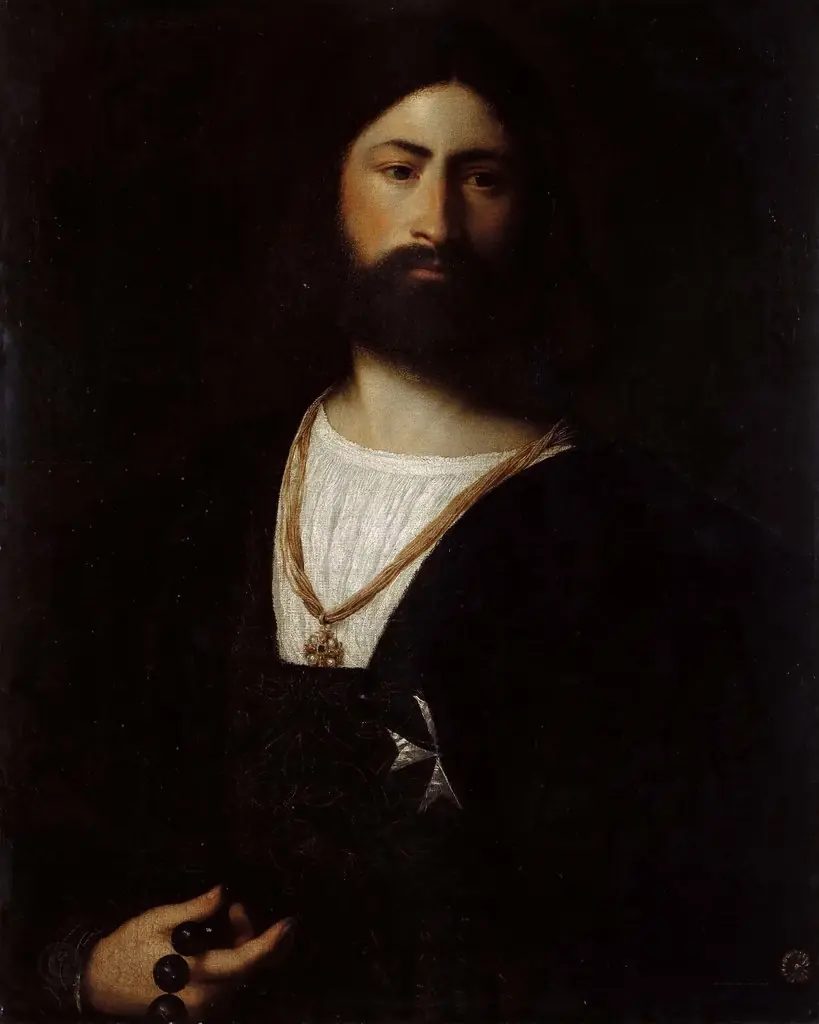 Knight of Malta
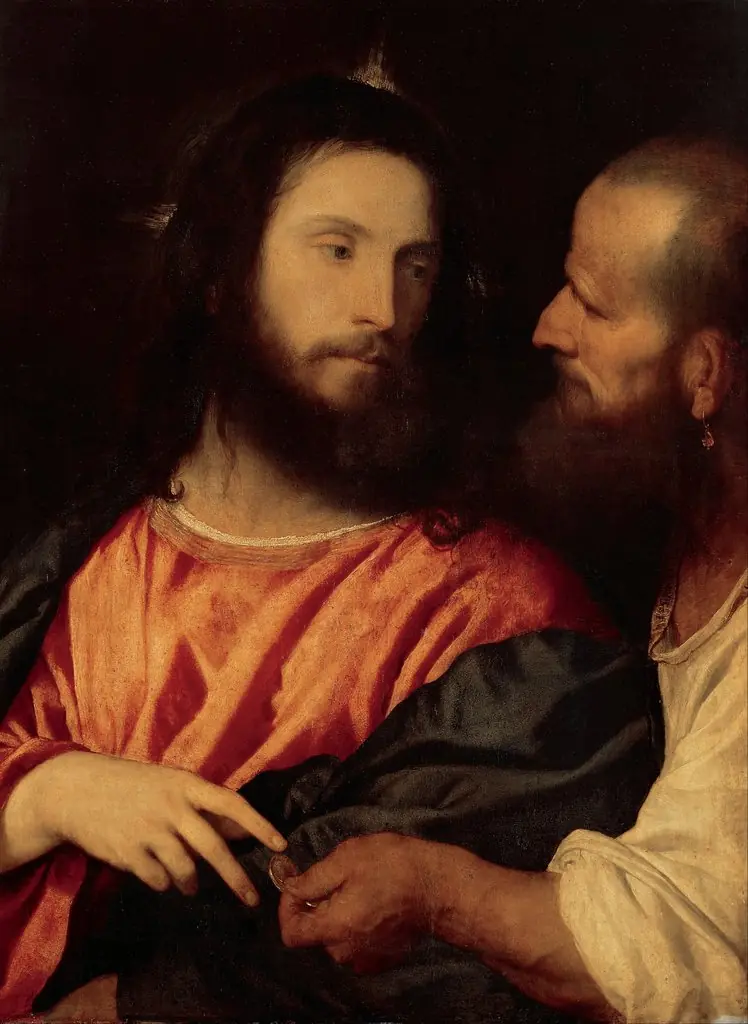 The Tribute Money
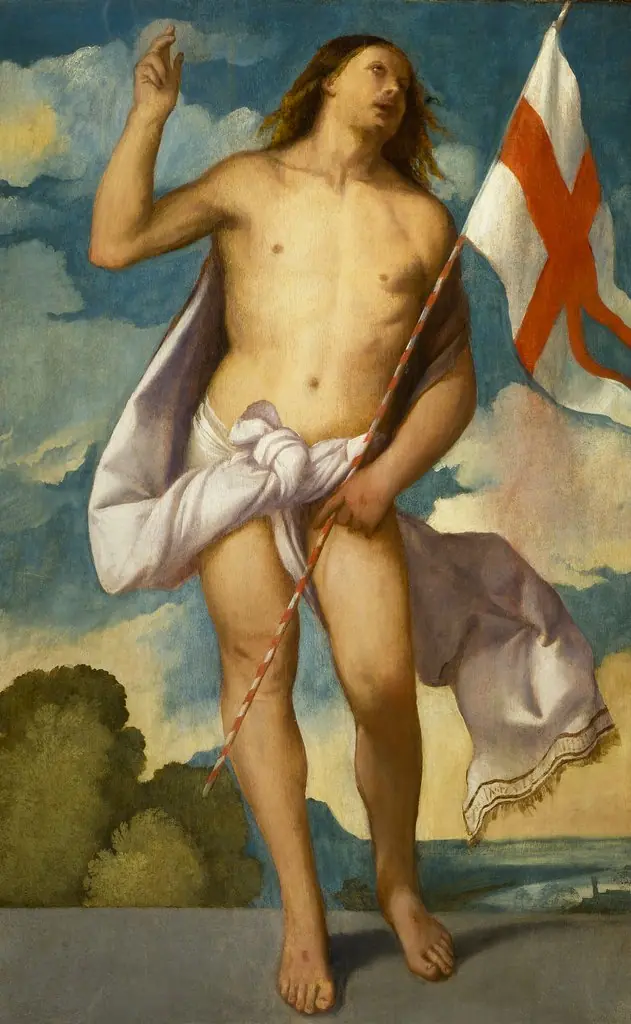 The Resurrected Christ
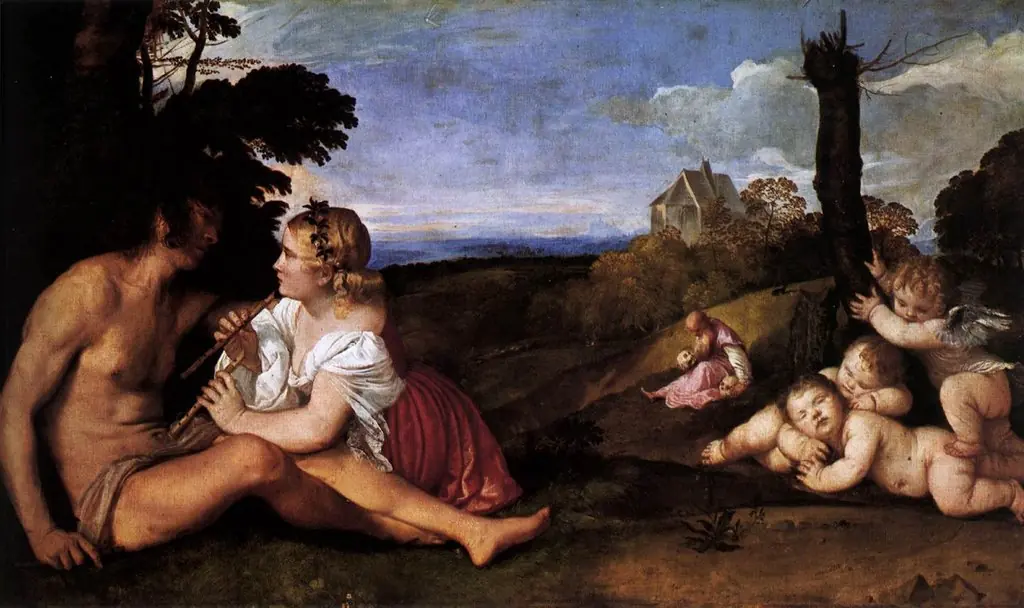 The Three Ages of Man
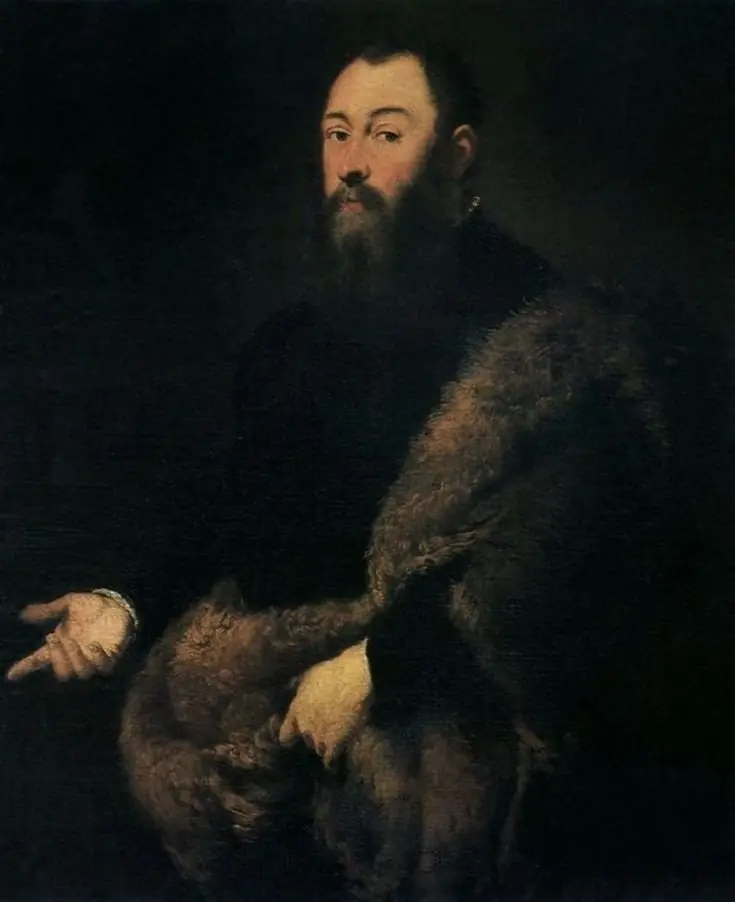 Portrait of a man in a fur coat
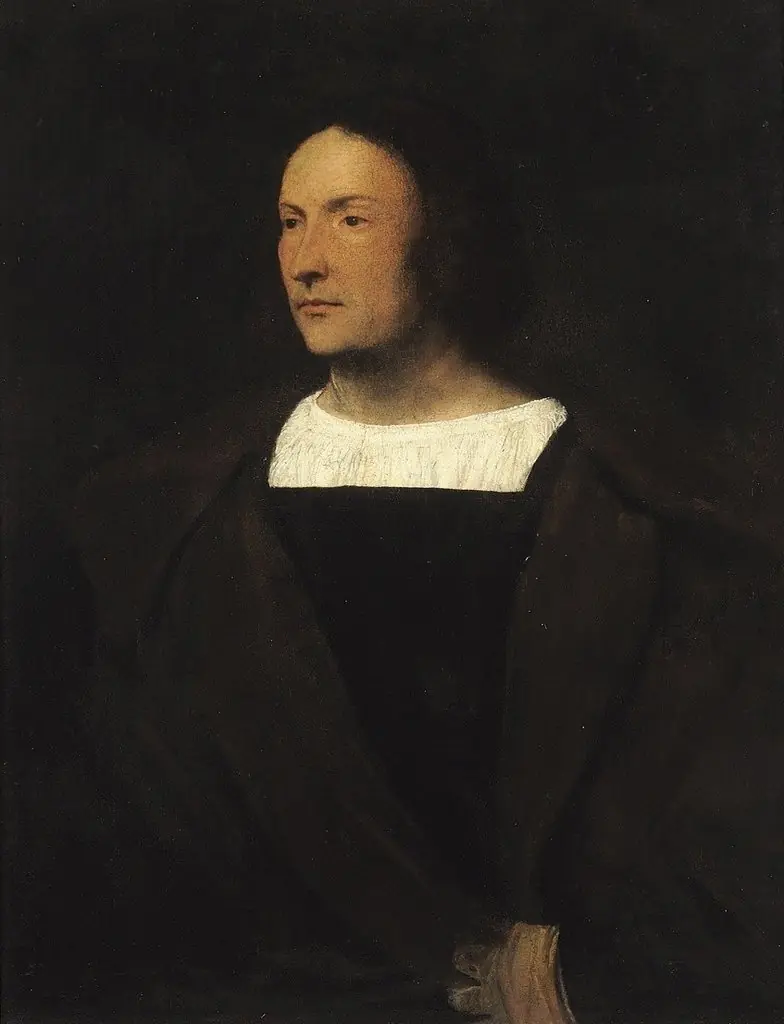 Portrait of a Man
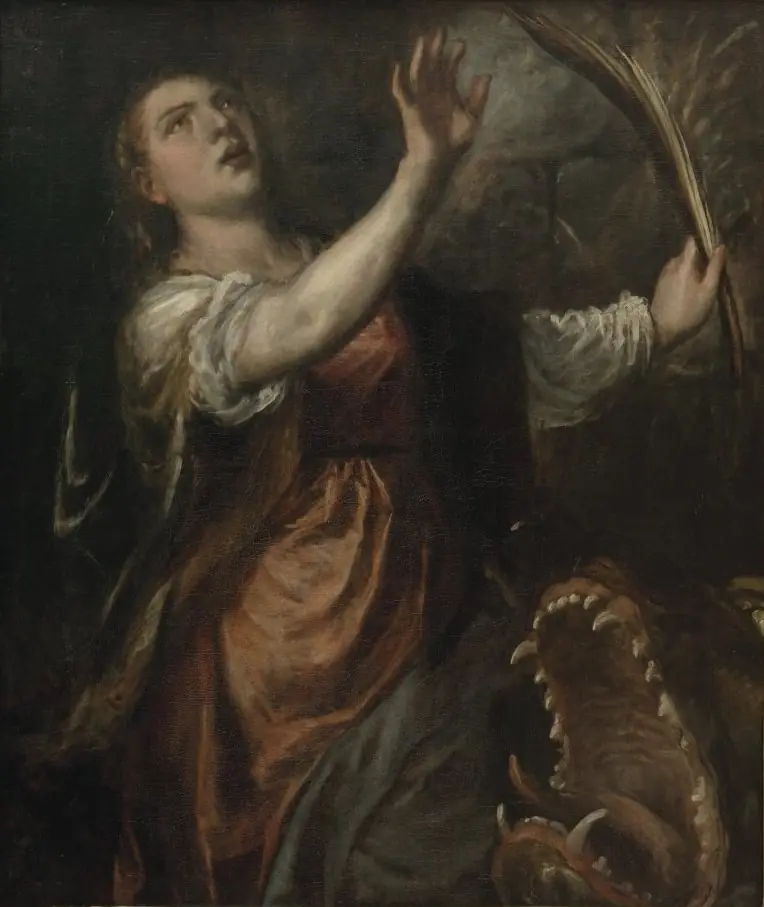 Saint Margaret and the Dragon
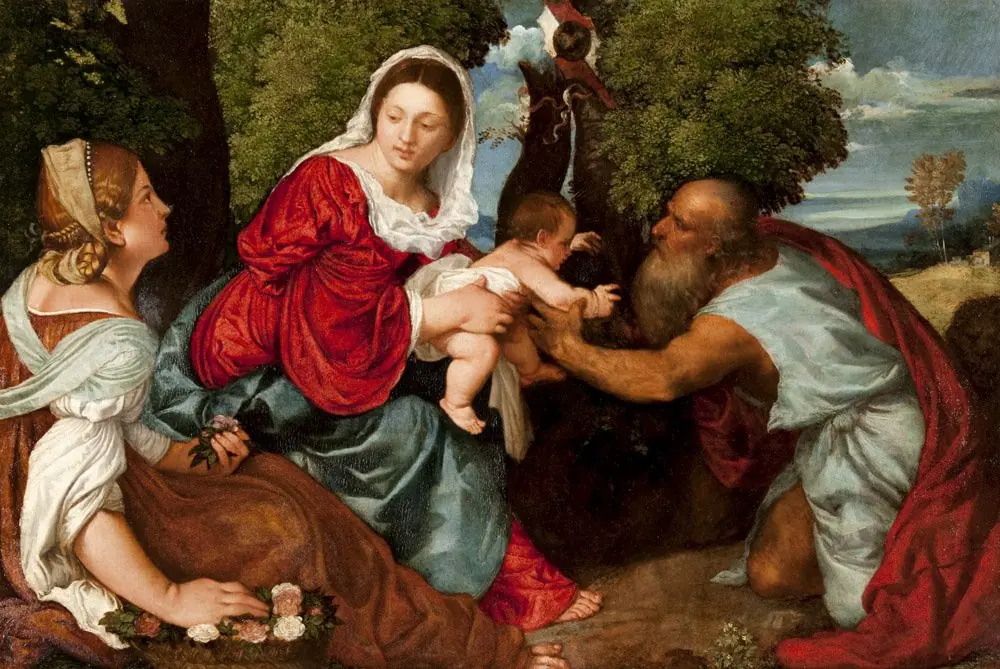 Madonna and Child with Saint Jerome and Saint Dorothy
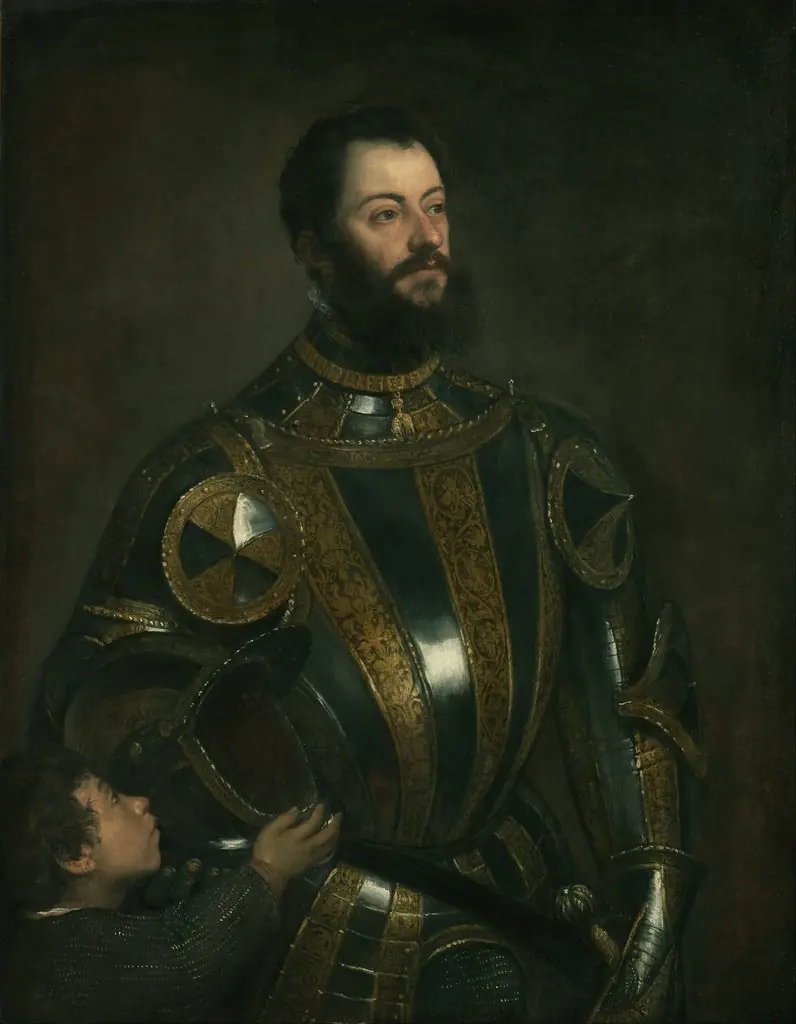 Portrait of Alfonso d'Avalos, Marchese del Vasto, in Armor with a Page
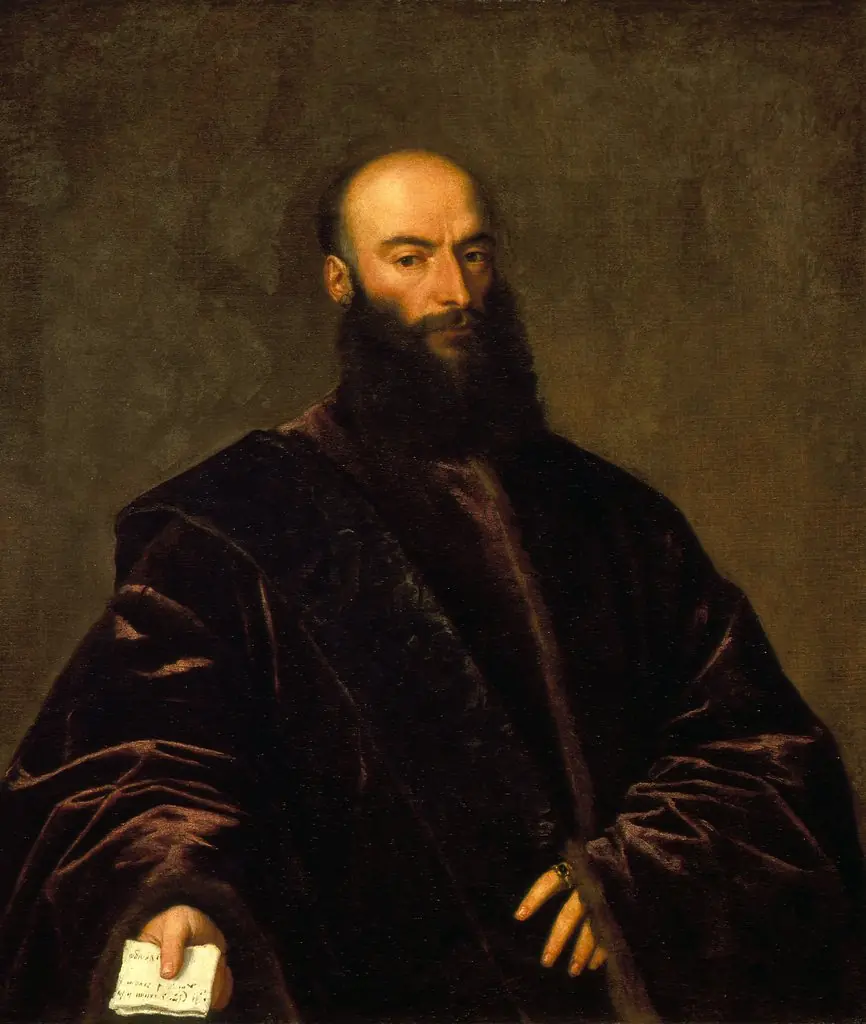 Portrait of Giacomo di Andrea Dolfin
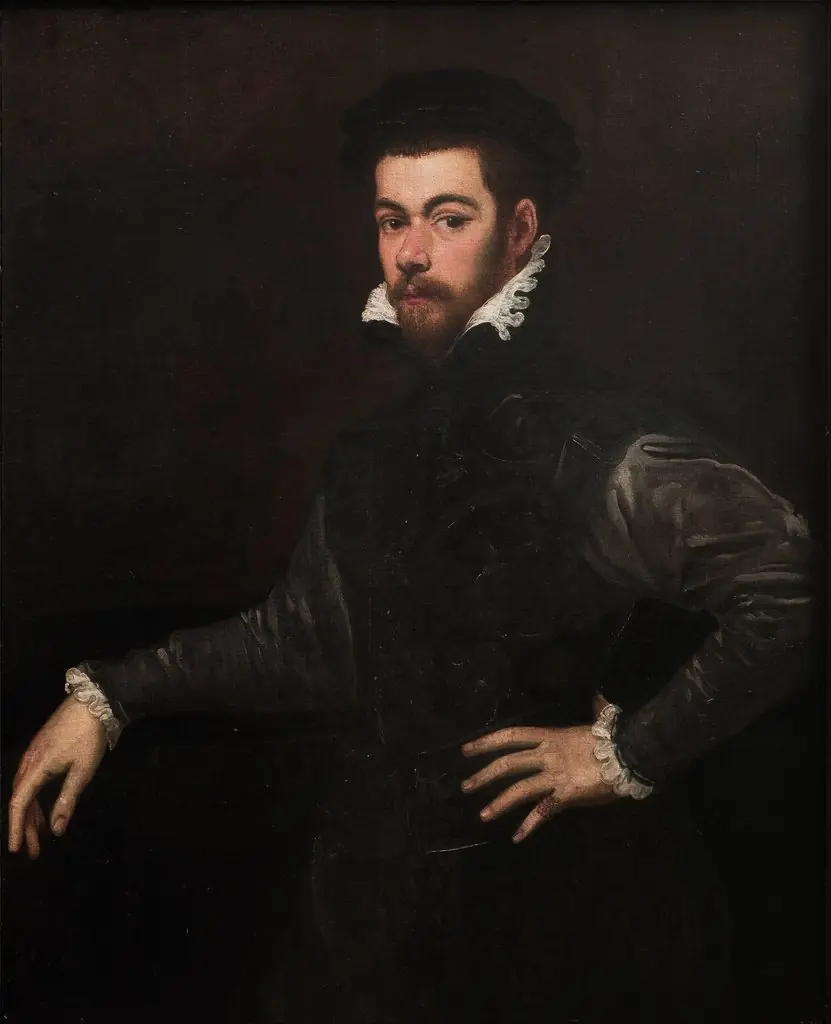 Portrait of a Gentleman
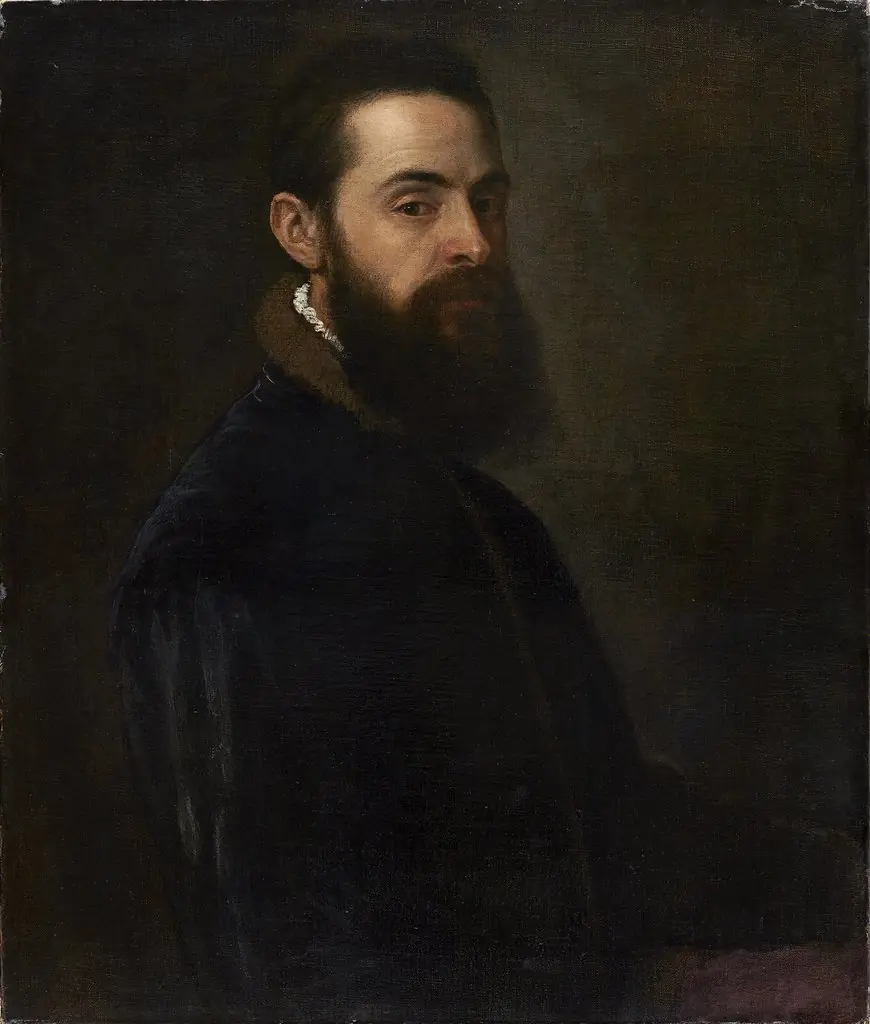 Portrait of Antonio Anselmi
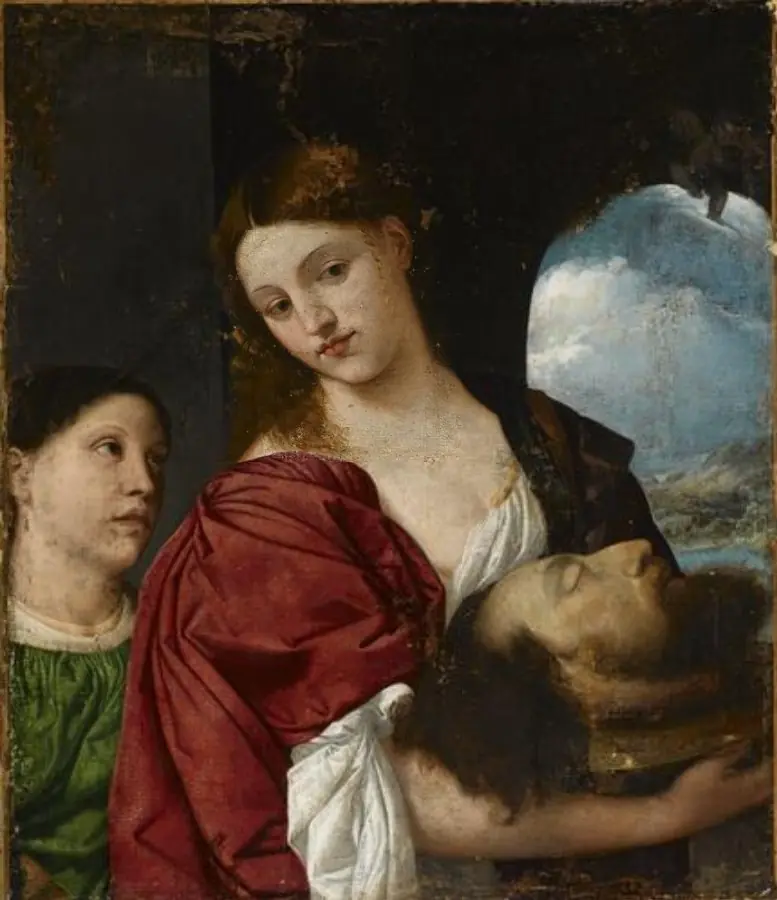 Salome
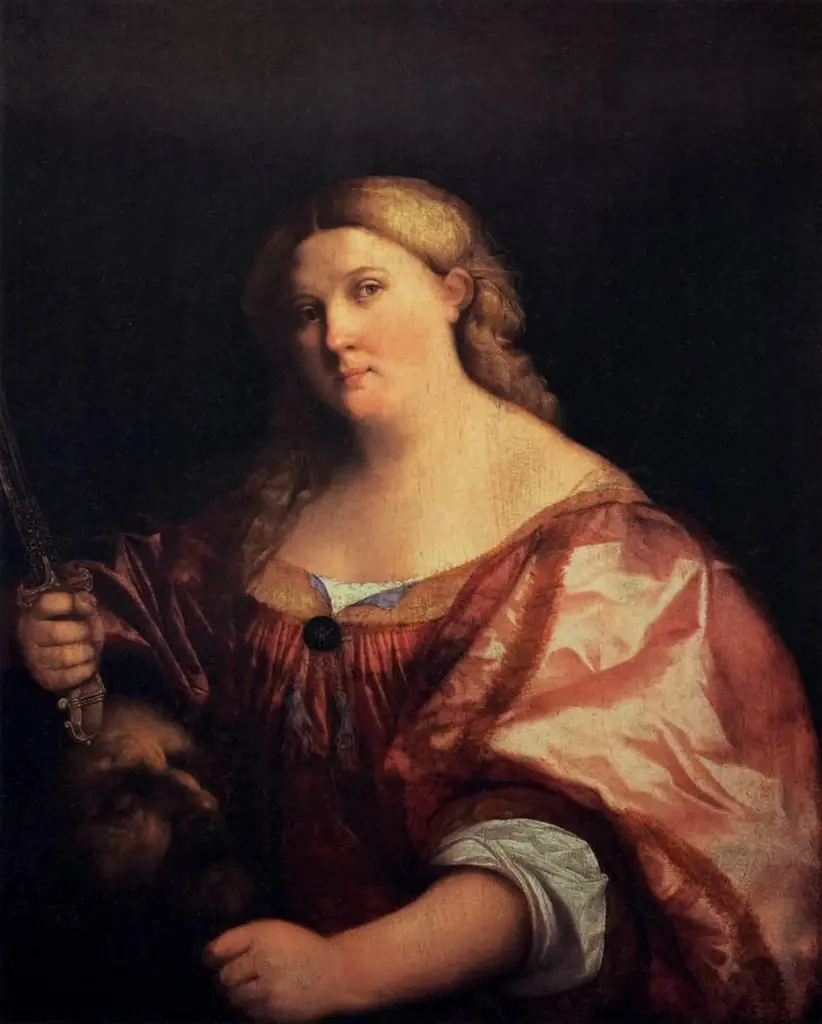 Judith
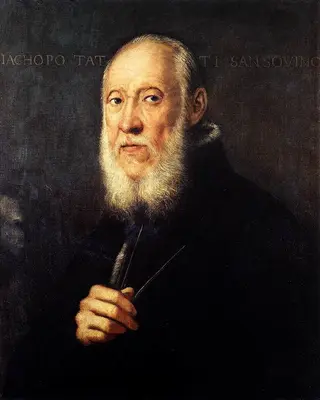 Portrait of Jacopo Sansovino
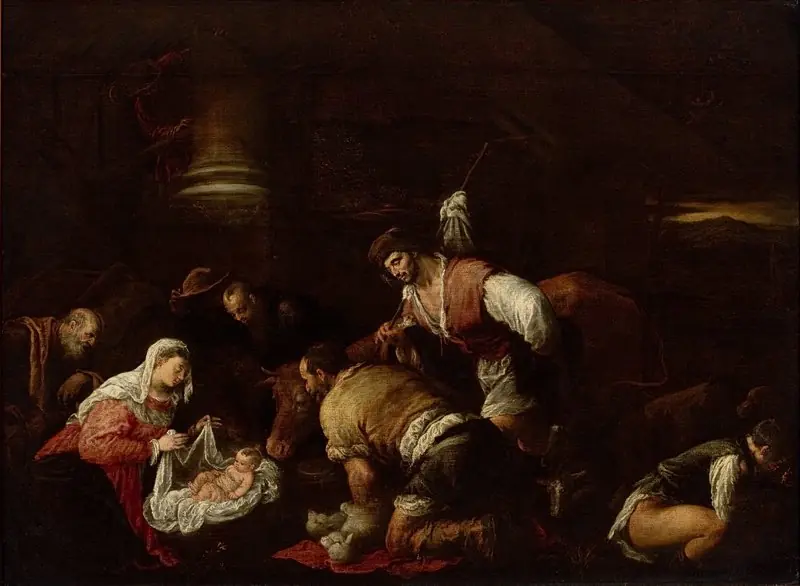 Adoration of the Shepherds
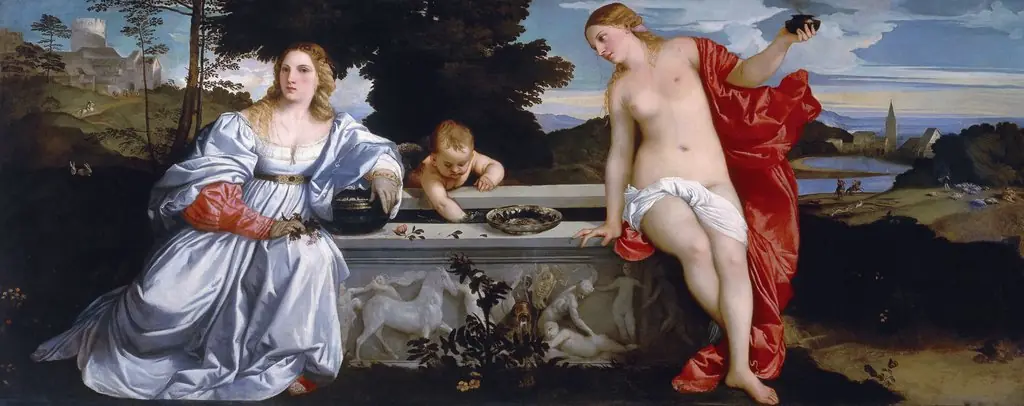 Sacred and Profane Love
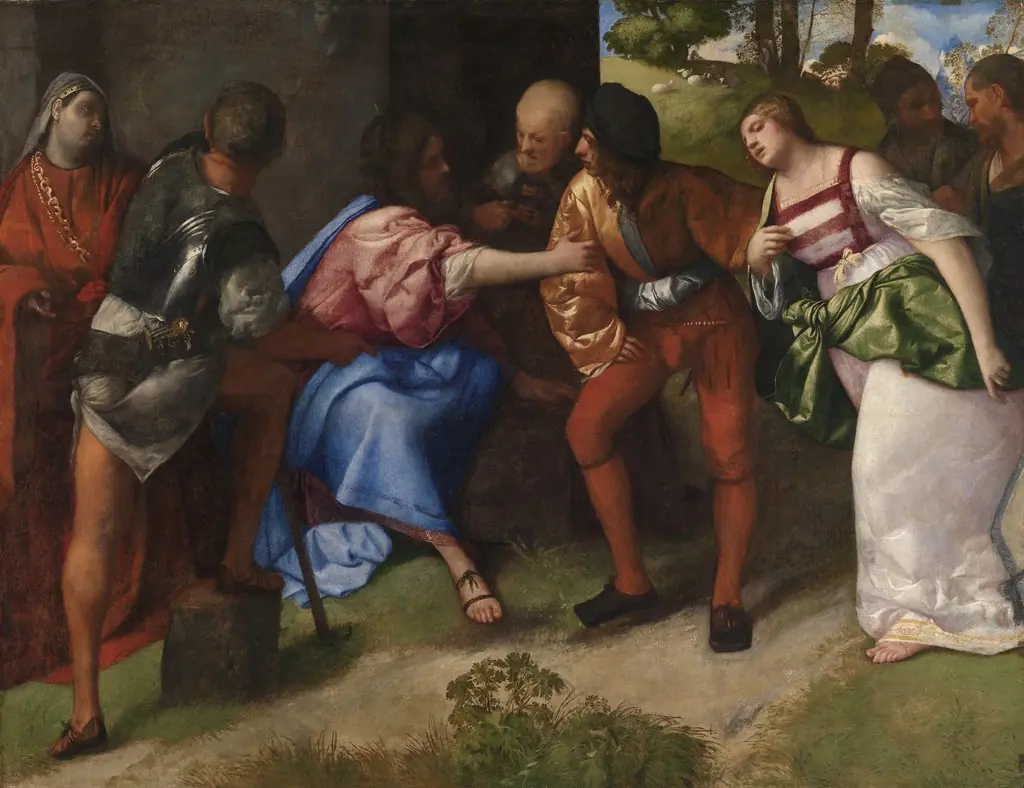 Christ and the Woman Taken in Adultery
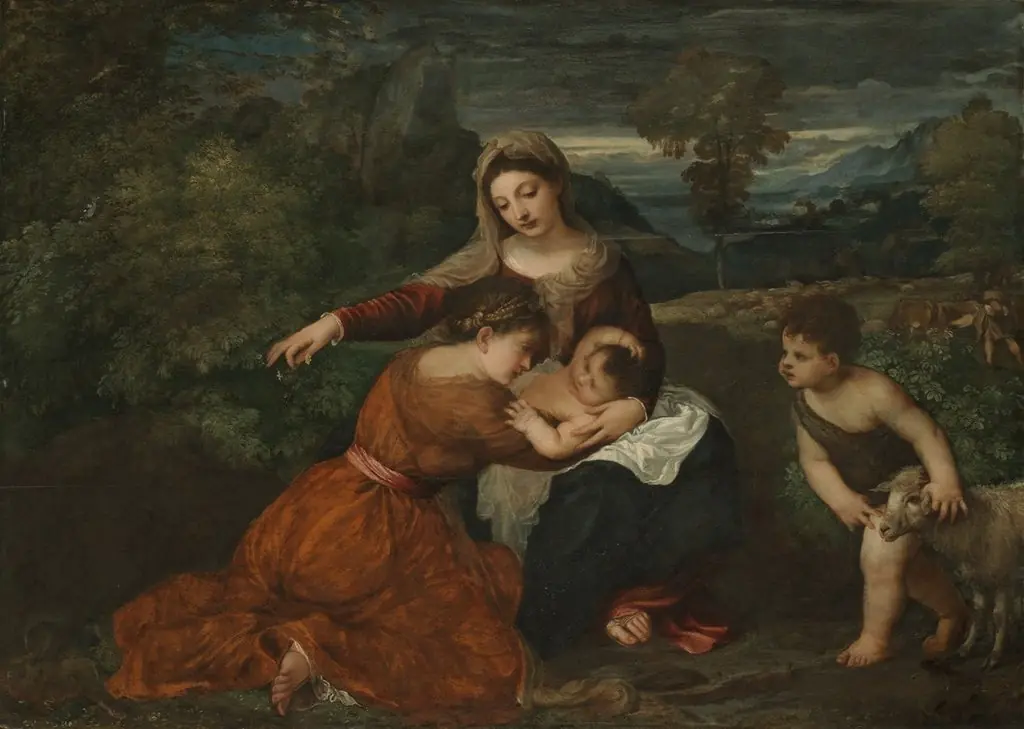 The Madonna and Child with a Female Saint and the Infant Saint John the Baptist
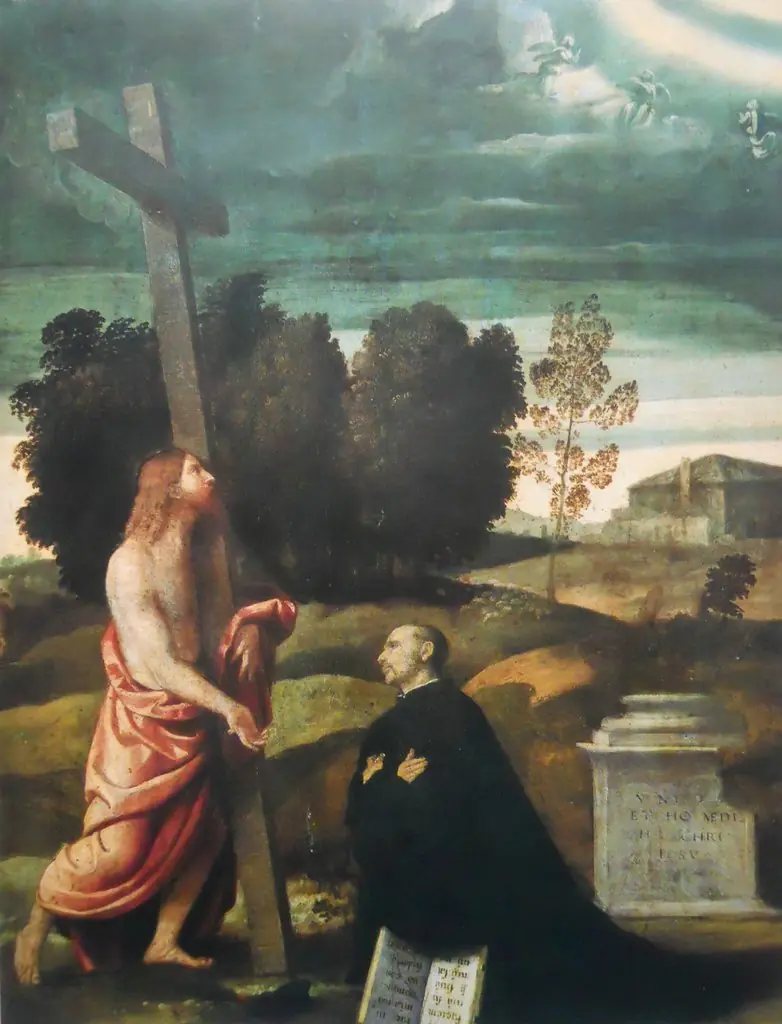 Christ carrying the cross before a kneeling figure
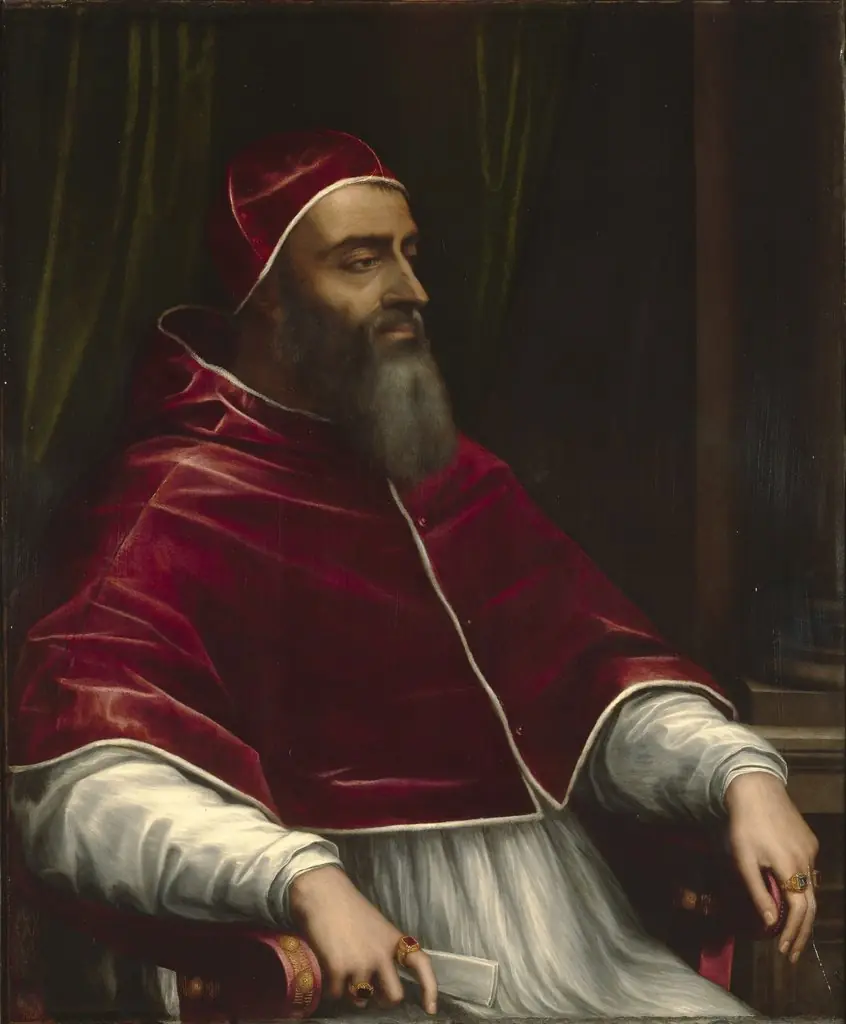 Pope Clement VII
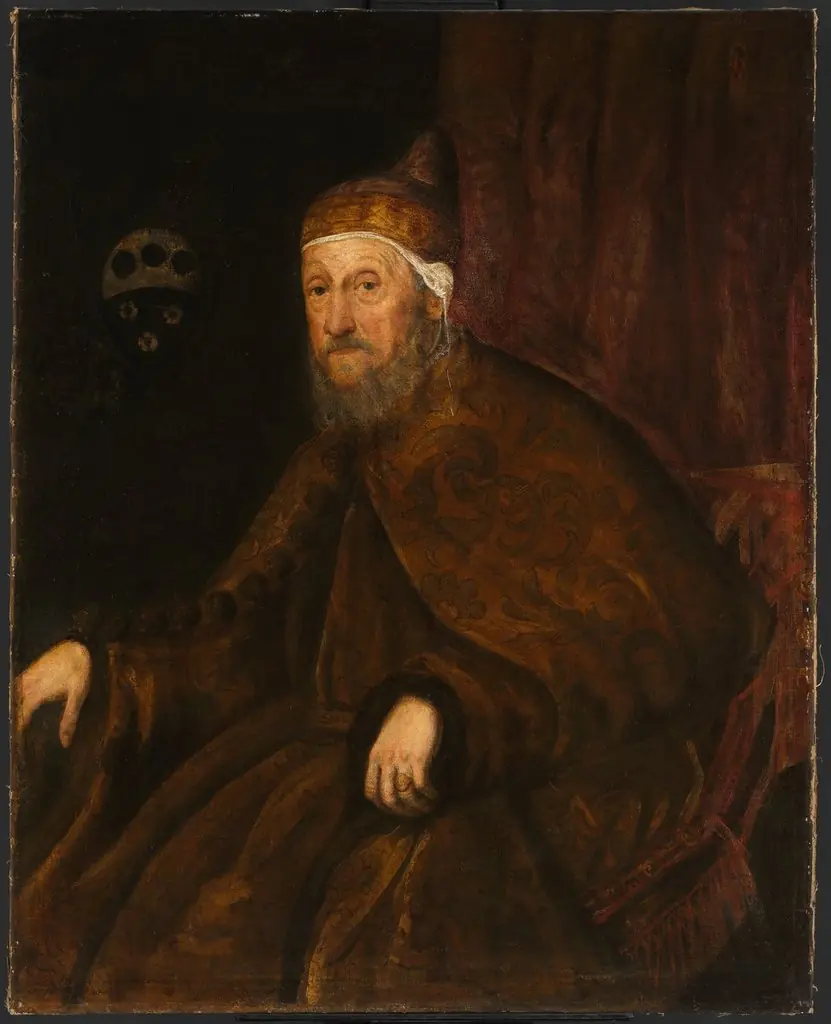 Portrait of Doge Pietro Loredano
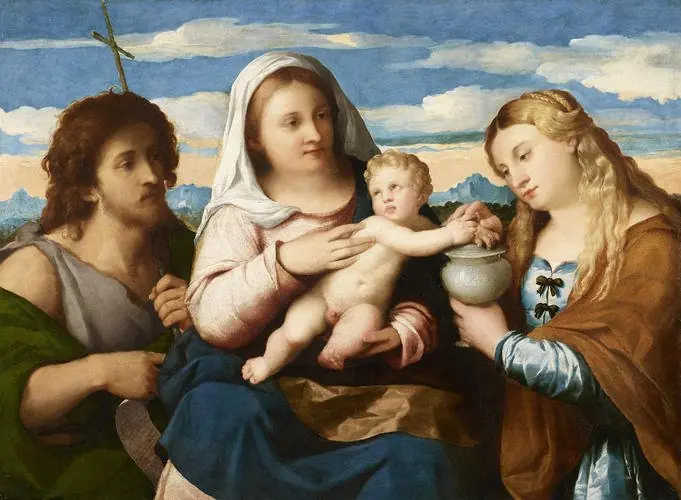 Madonna and Child with Saints
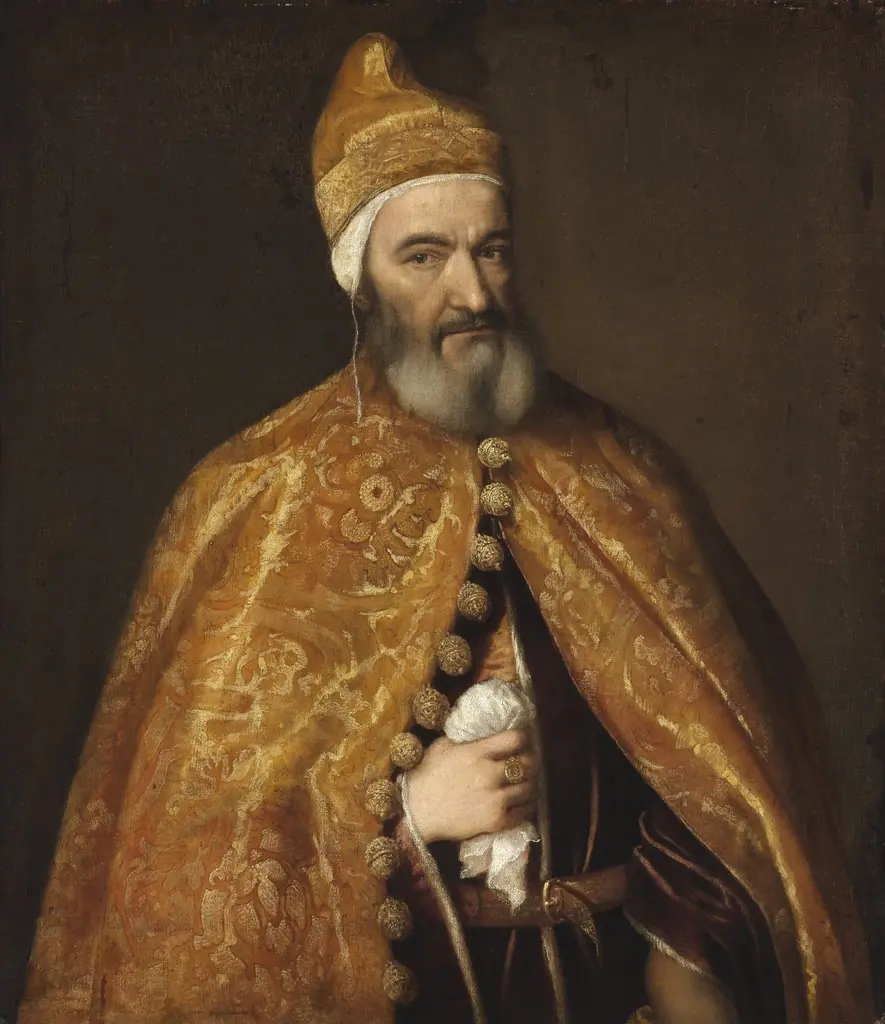 Portrait of Marcantonio Trevisan, Doge of Venice
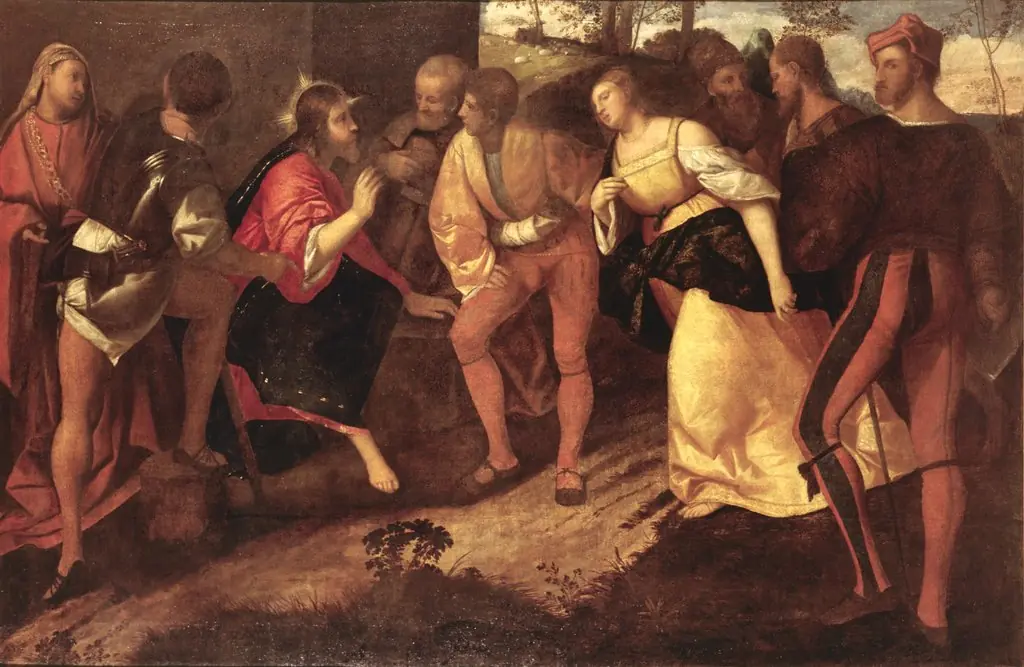 Christ and the Adulteress
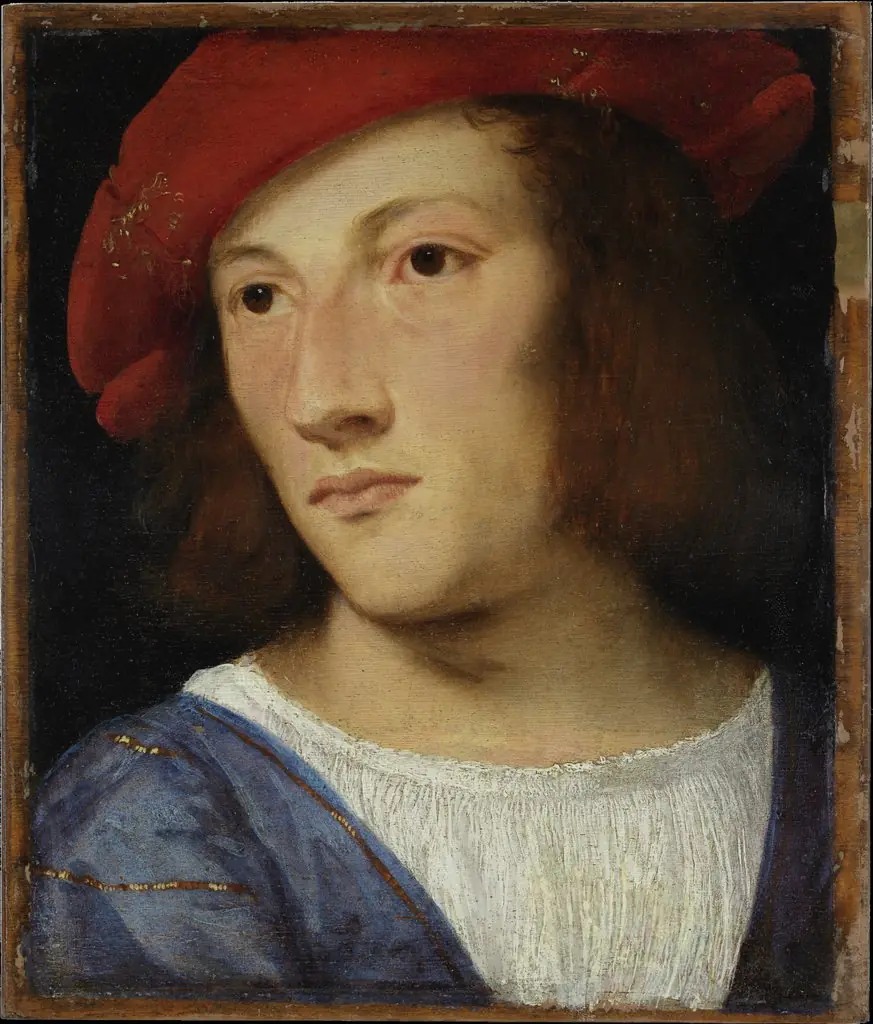 Portrait of a Young Man
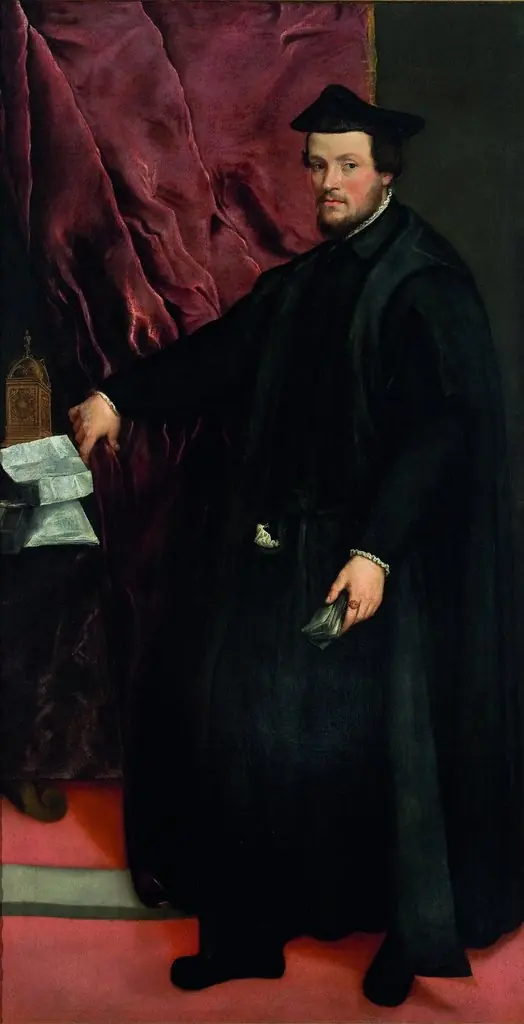 Portrait of Cardinal Cristoforo Madruzzo
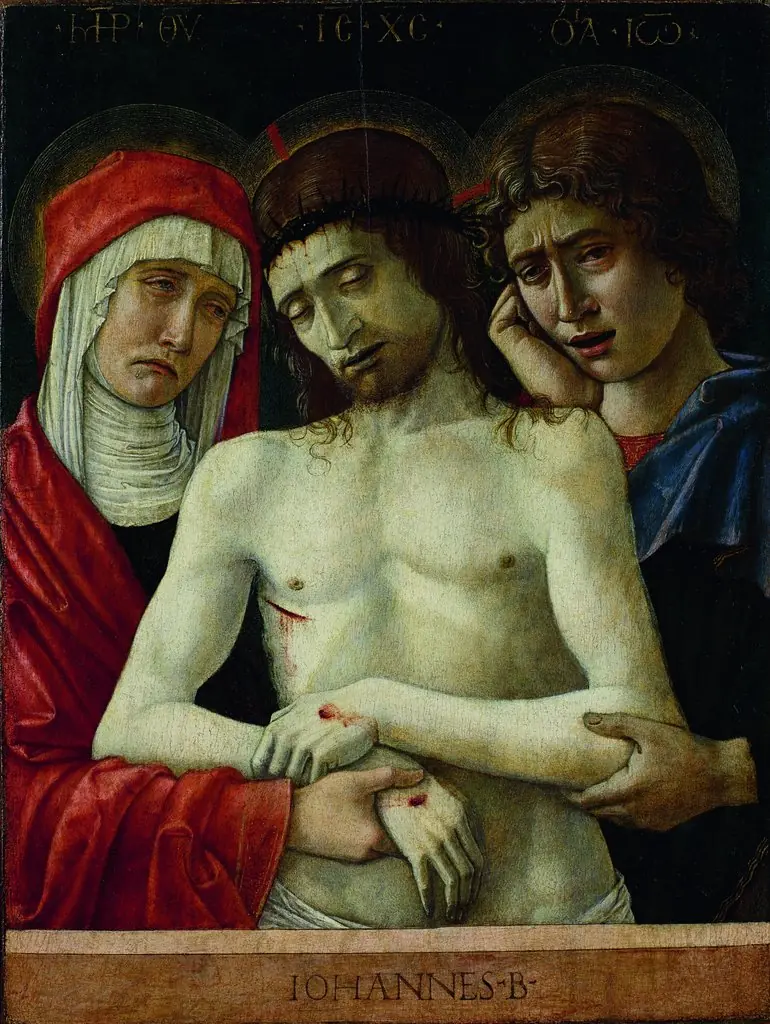 Pietà with Madonna and St. John the Evangelist
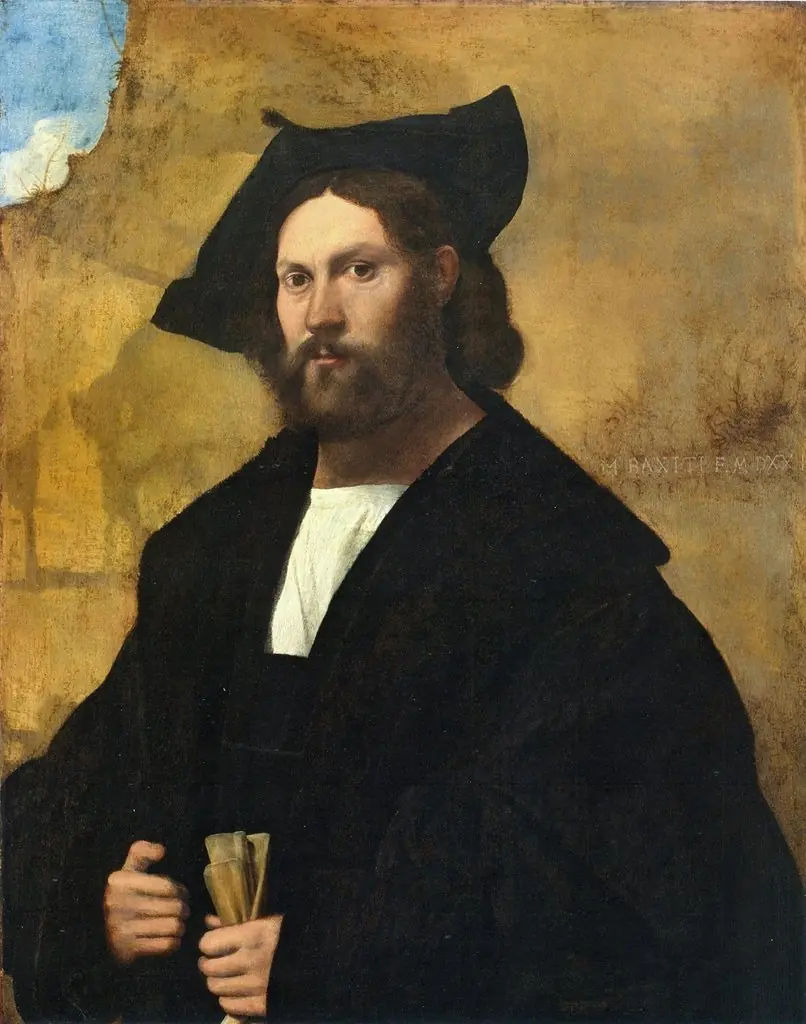 Portrait of a gentleman in black
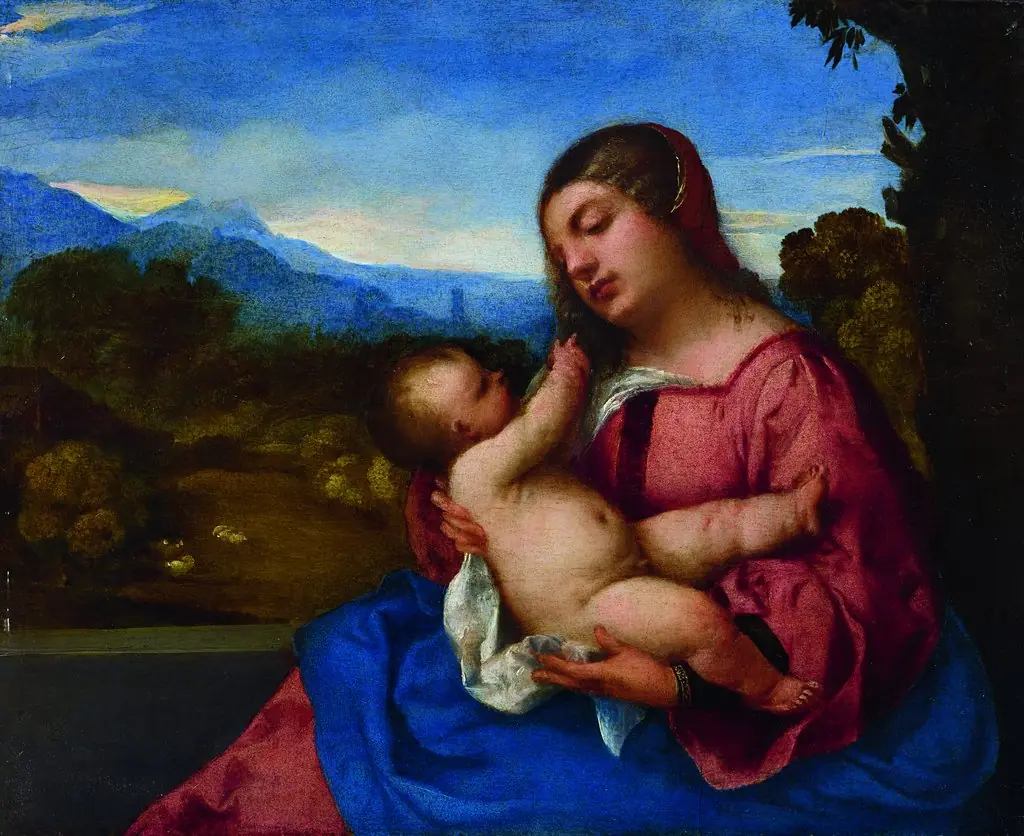 Lochis Madonna
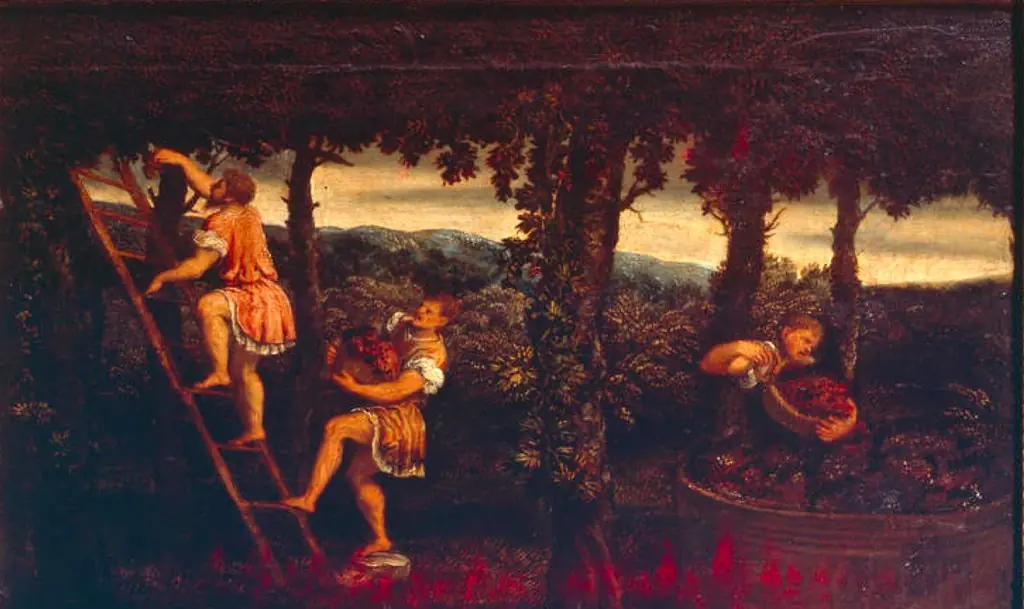 Harvest Scene
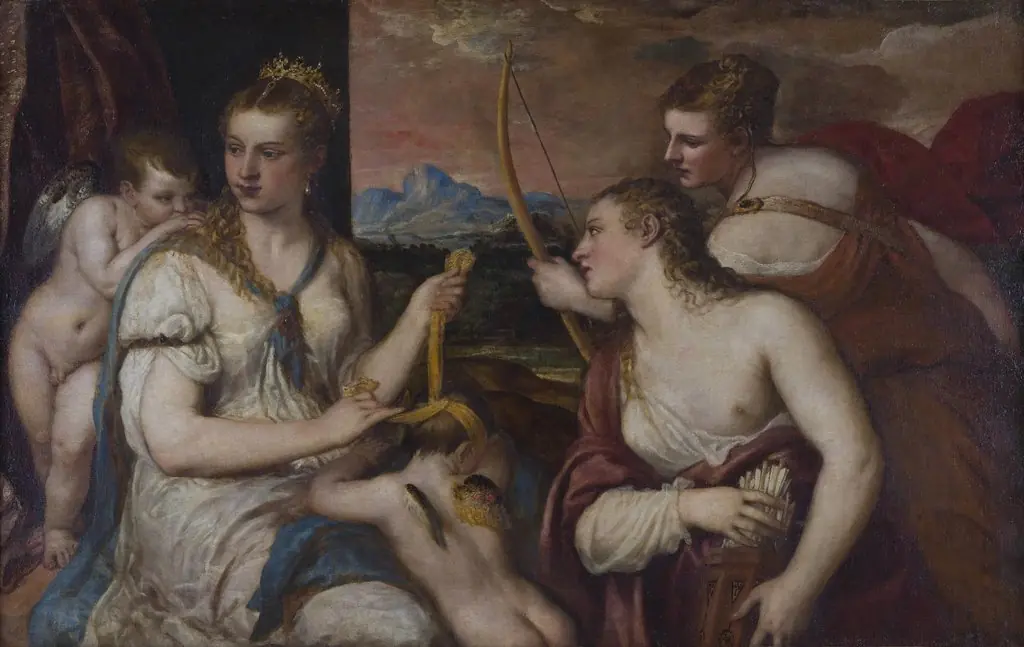 Venus Blindfolding Cupid
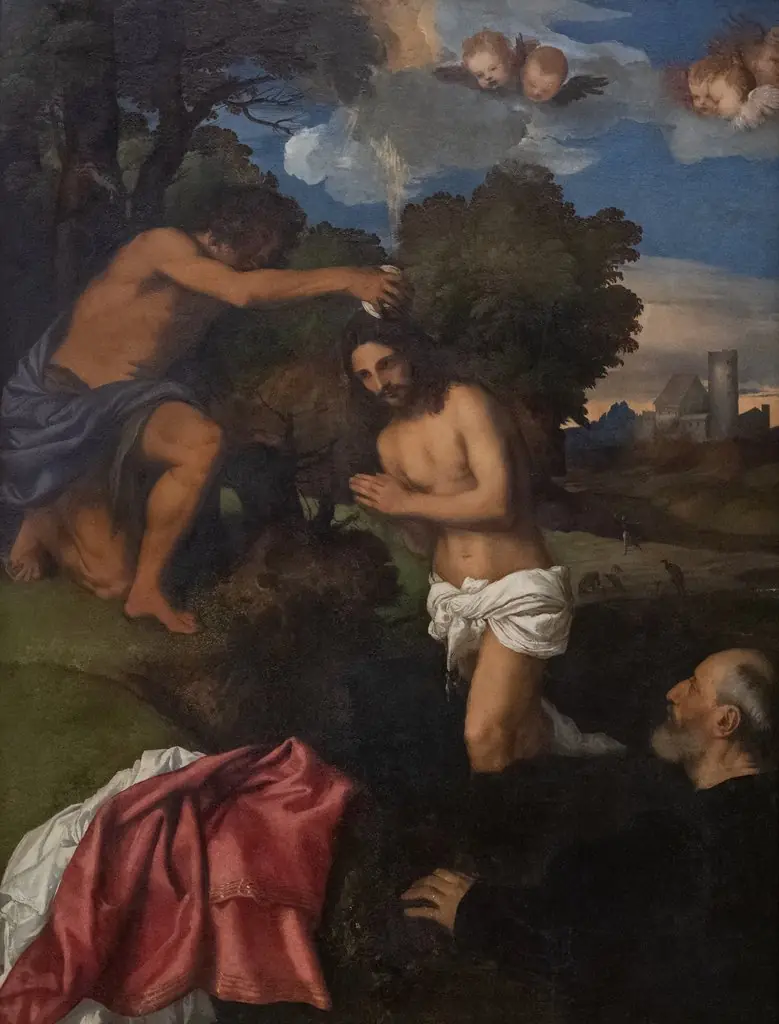 Baptism of Christ
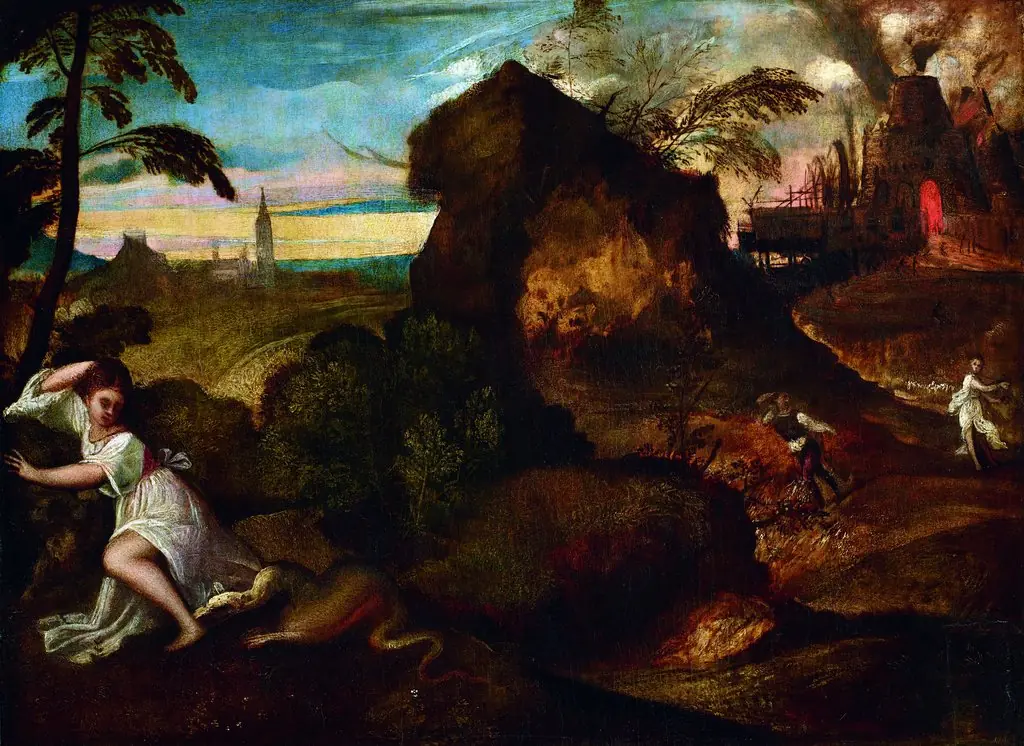 Orpheus and Eurydice
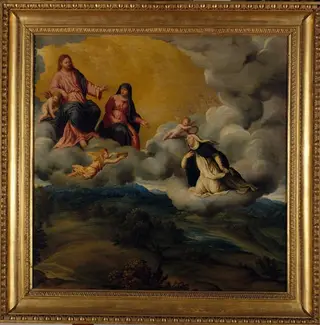 Cristo in trono con la Madonna e Santa Caterina da Siena
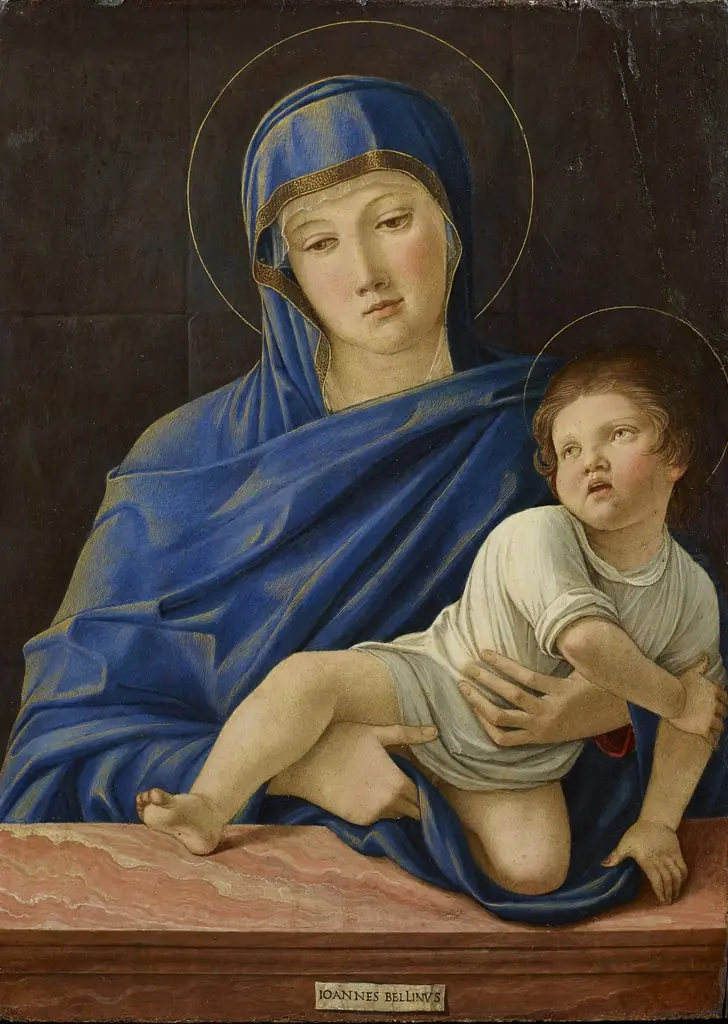 Lochis Madonna
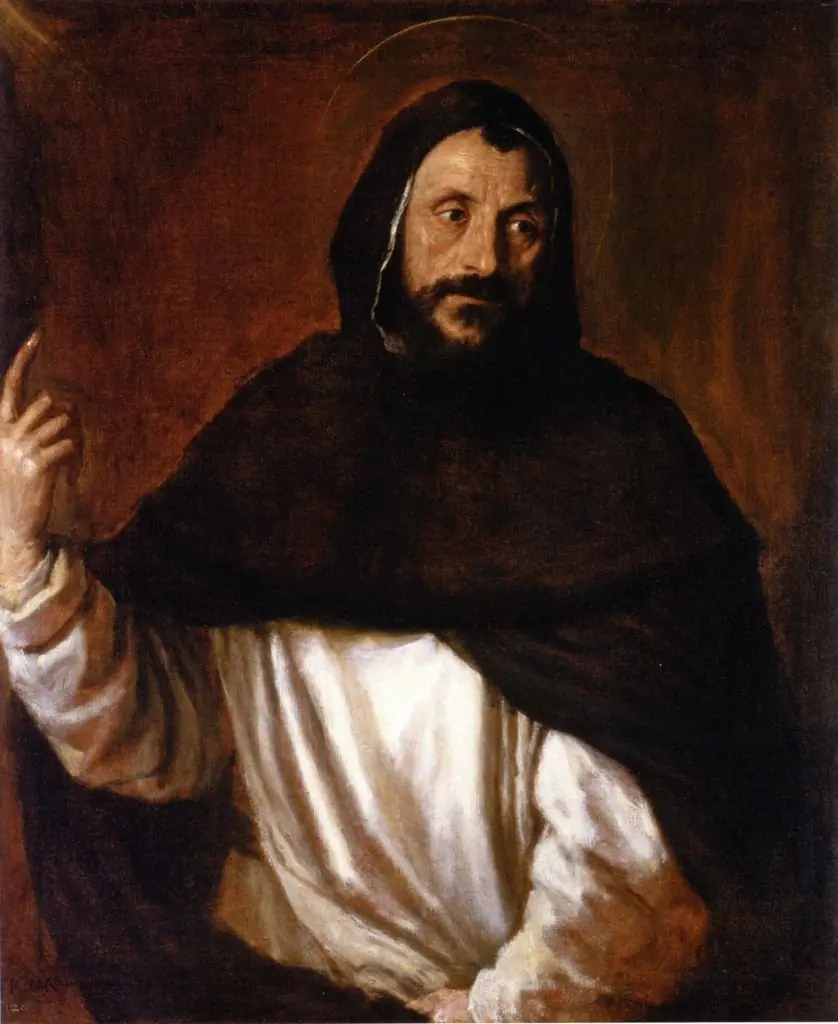 Saint Dominic
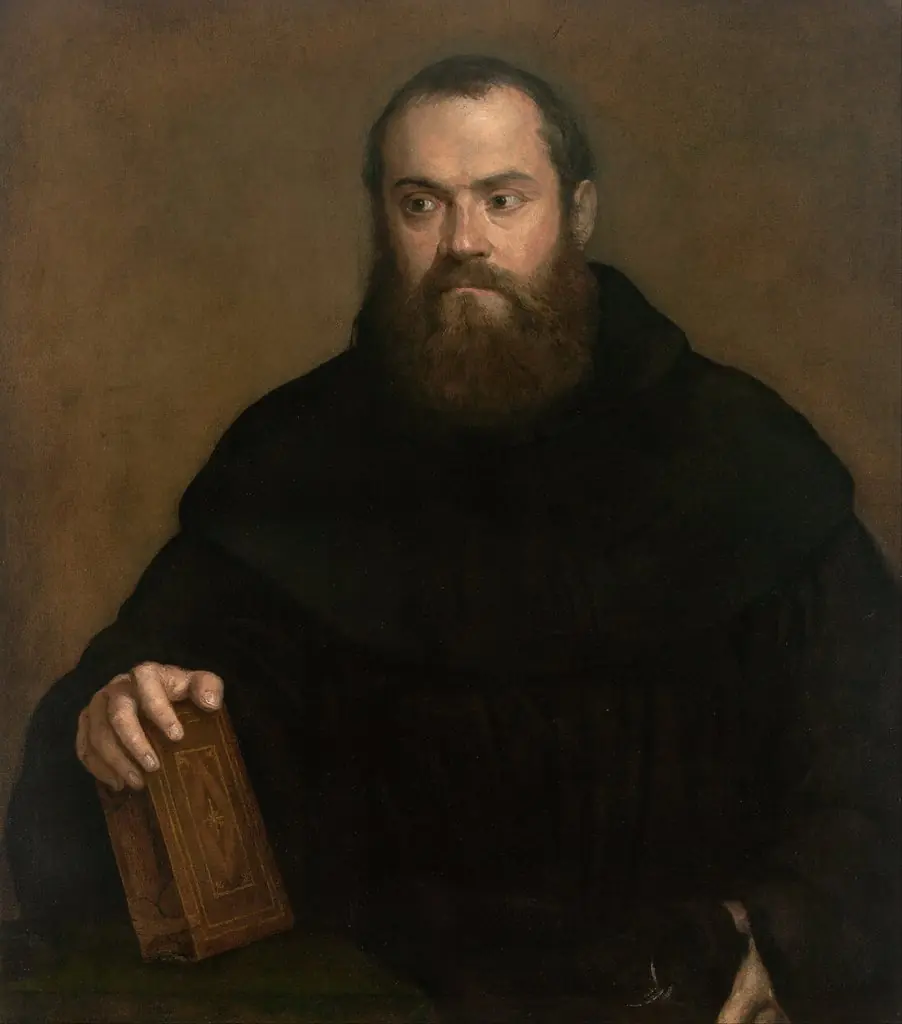 A monk with a book
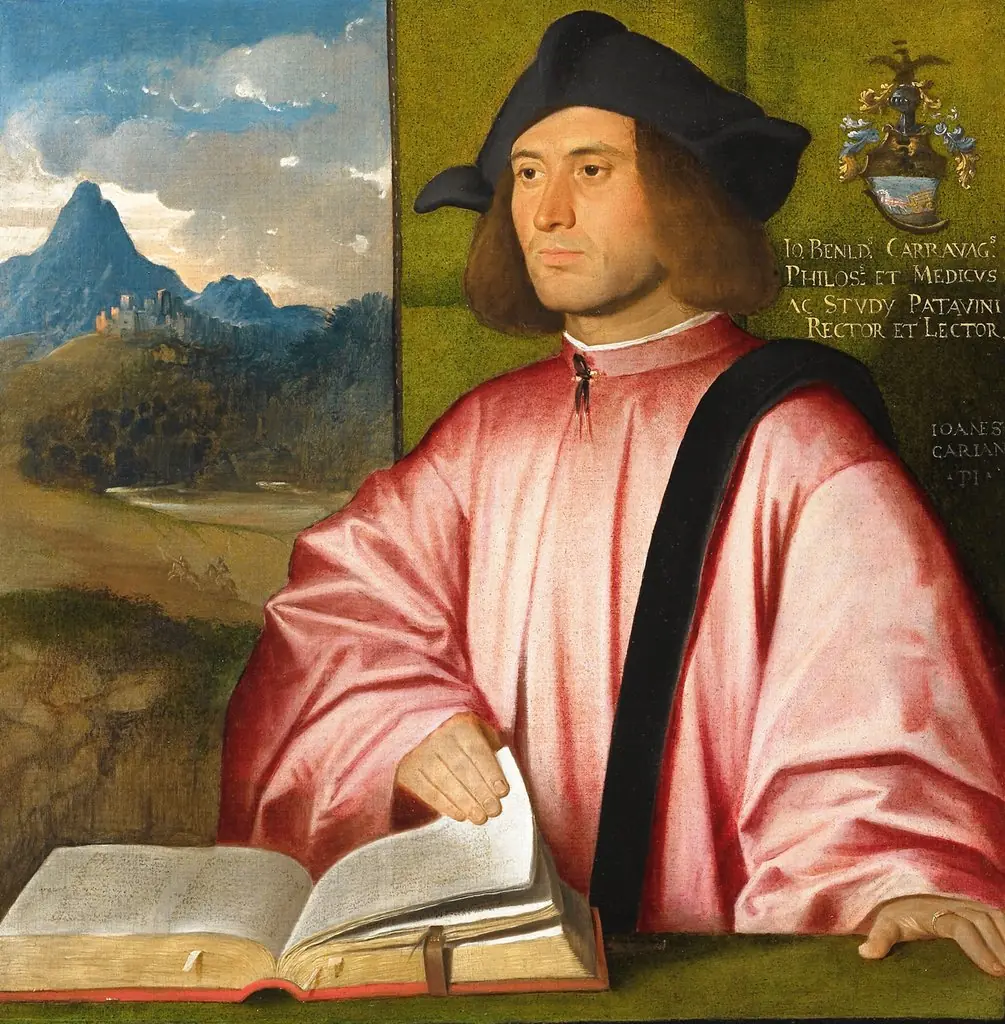 Portrait of Giovanni Benedetto Caravaggi
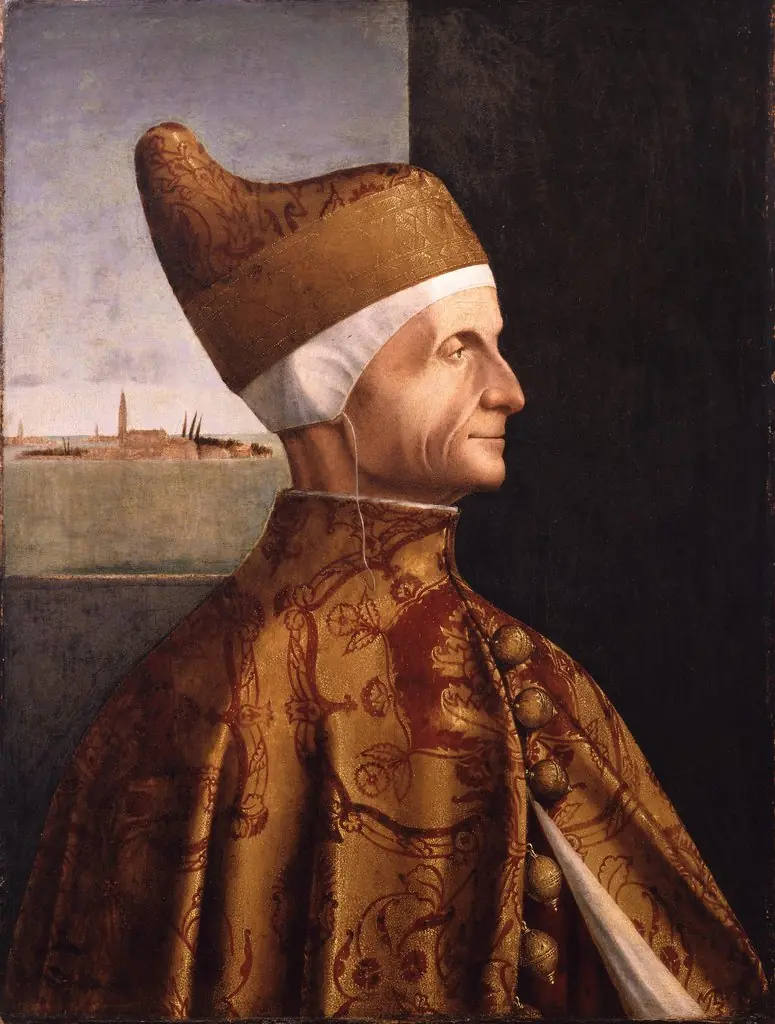 Portrait of Doge Leonardo Loredan
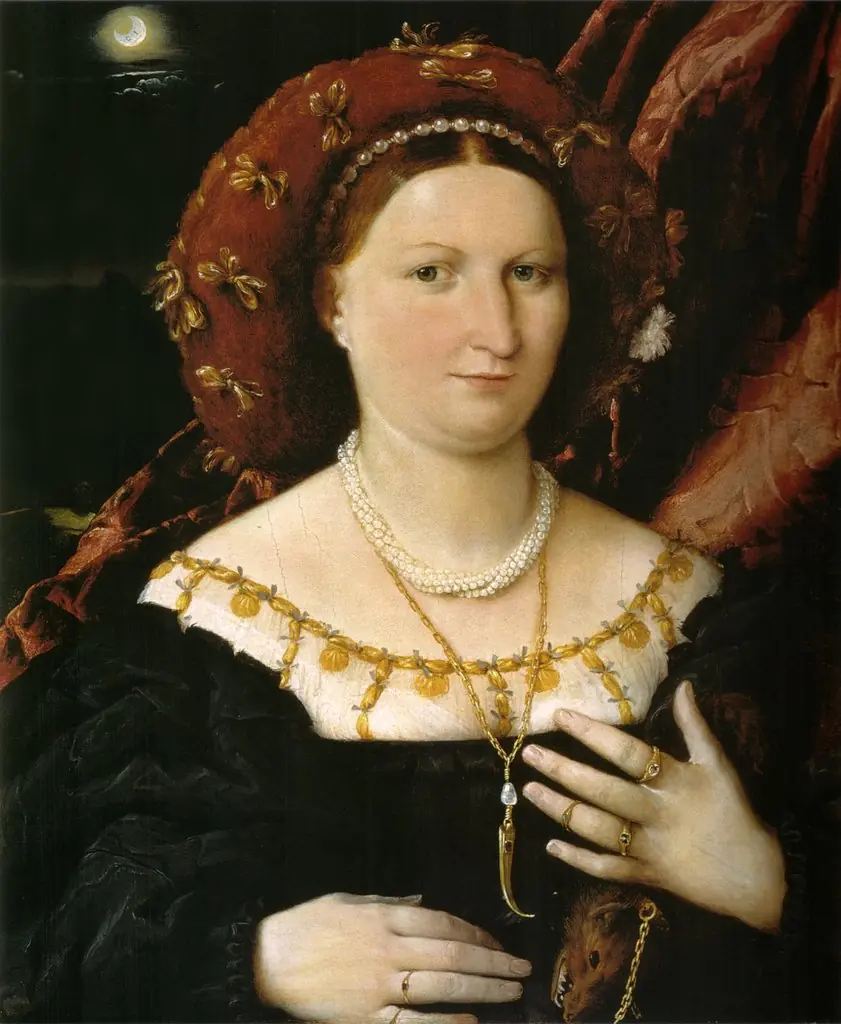 Portrait of Lucina Brembati
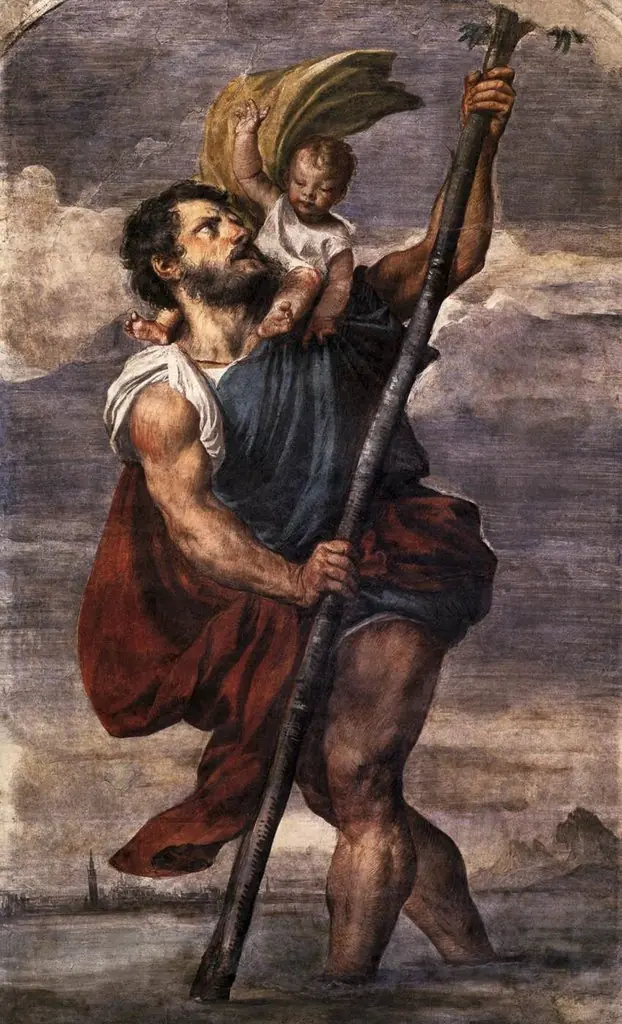 Saint Christopher
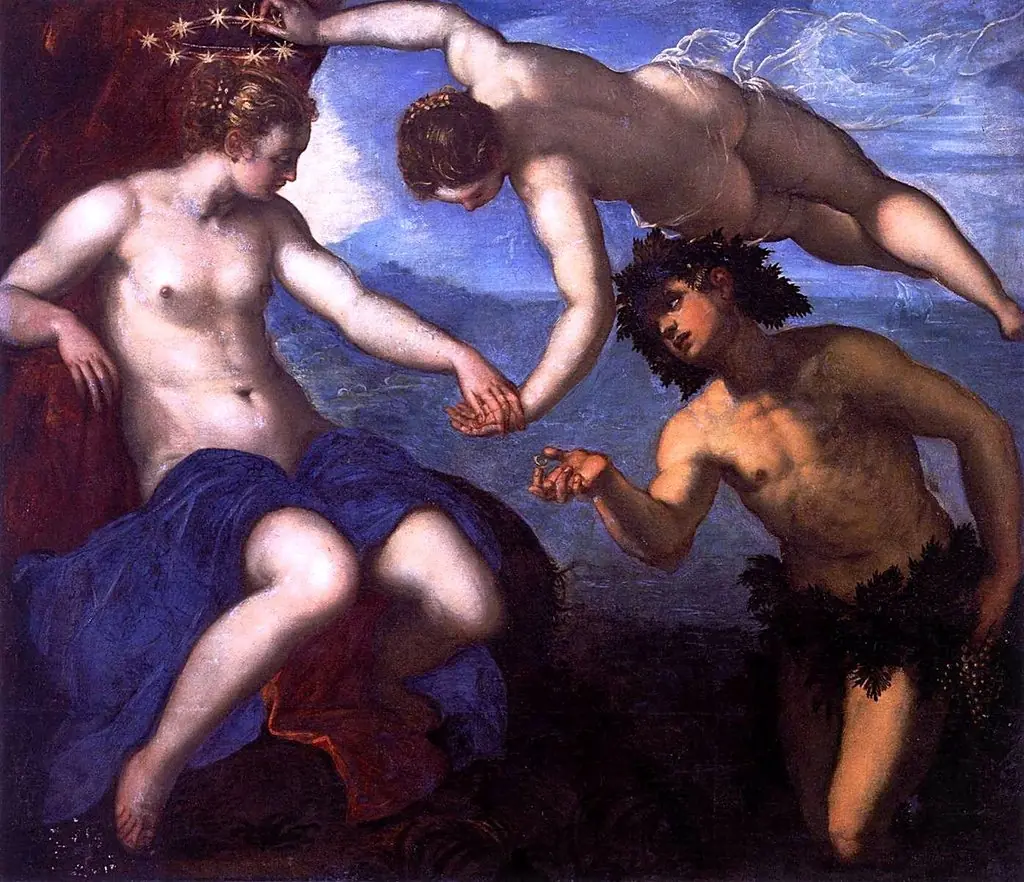 Bacchus, Venus and Ariadne
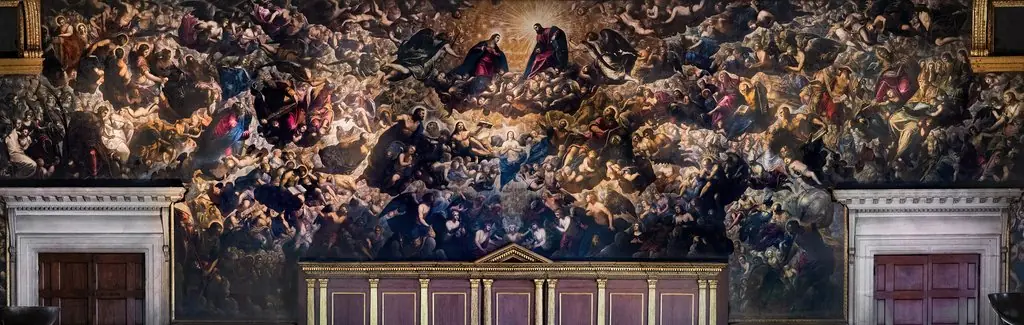 Paradise
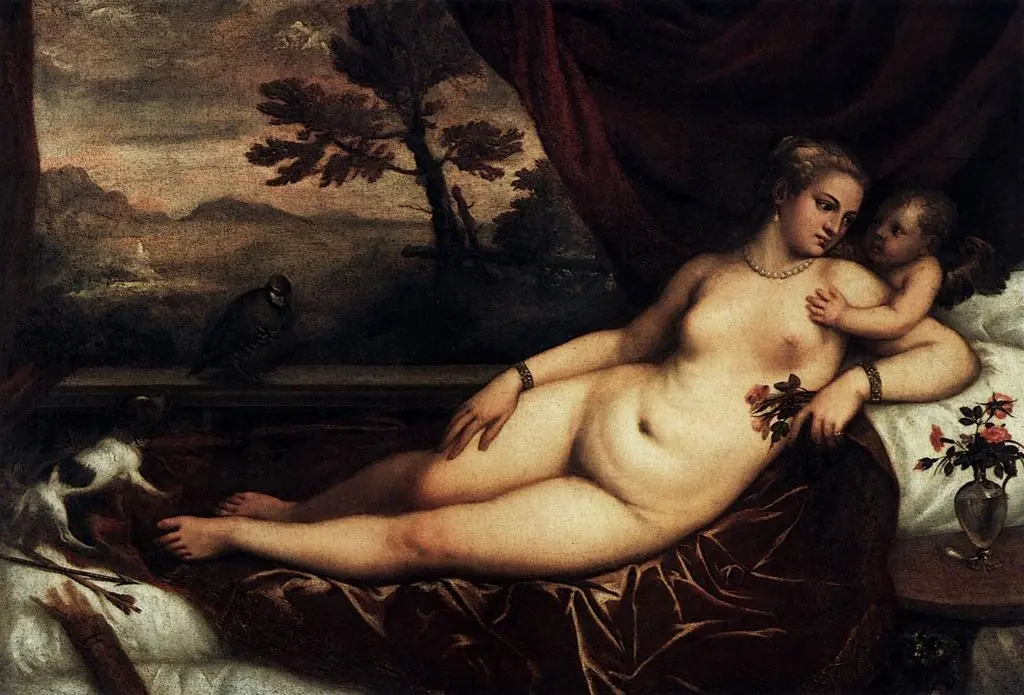 Venus with Cupid
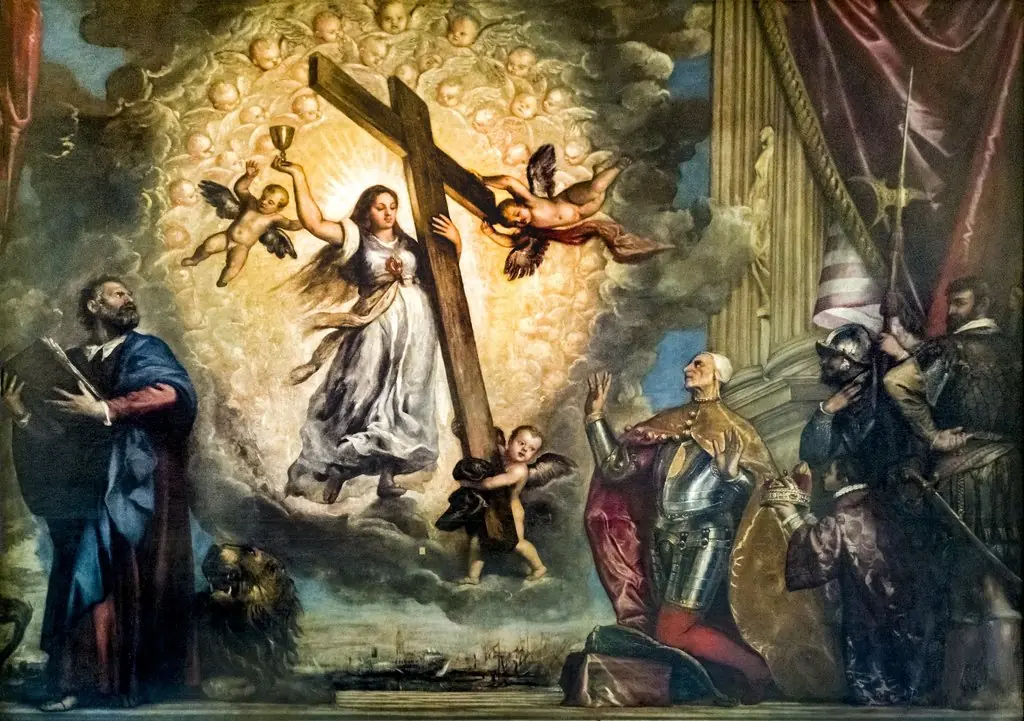 Doge Antonio Grimani Kneeling Before the Faith
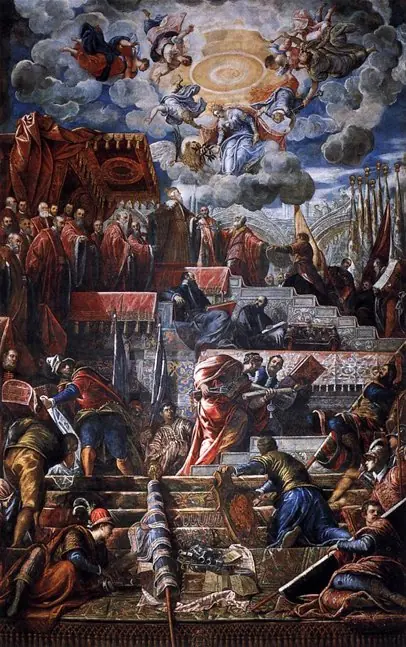 Doge Nicolò da Ponte Receiving a Laurel Crown from Venice
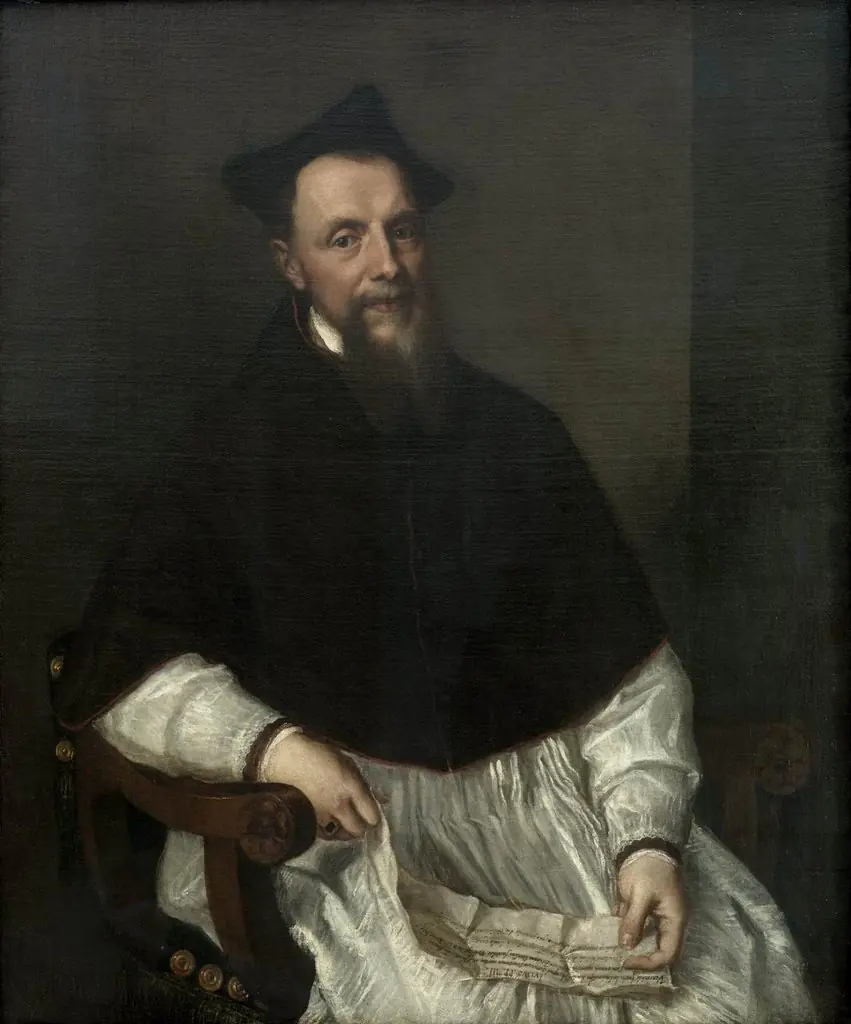 Portrait of Bishop Ludovico Beccadelli
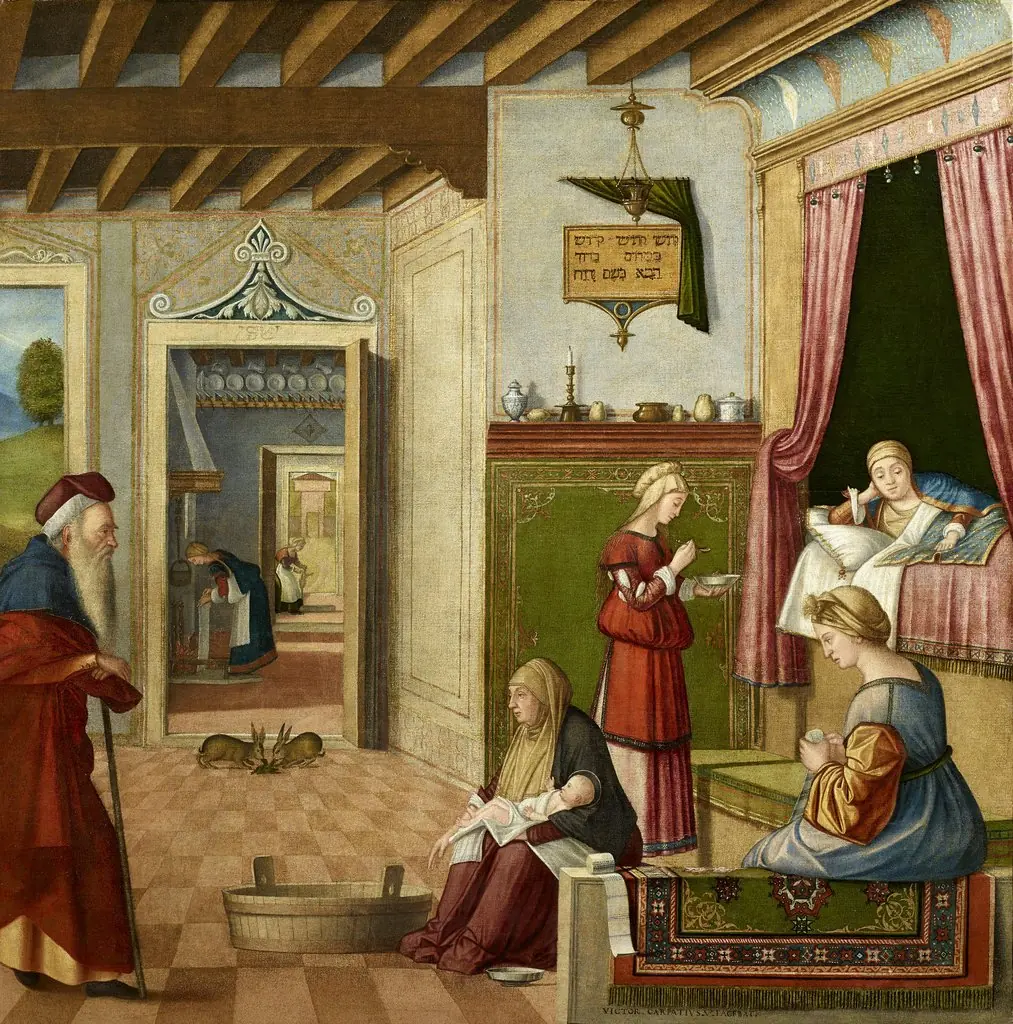 Birth of Virgin Mary
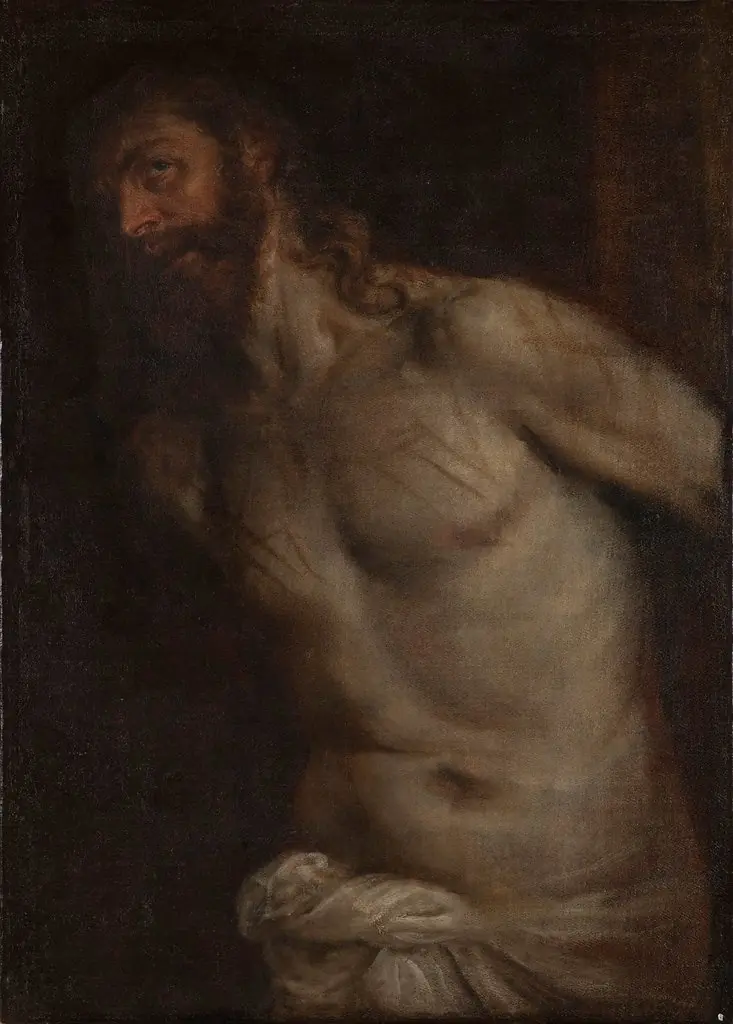 Scourged Christ
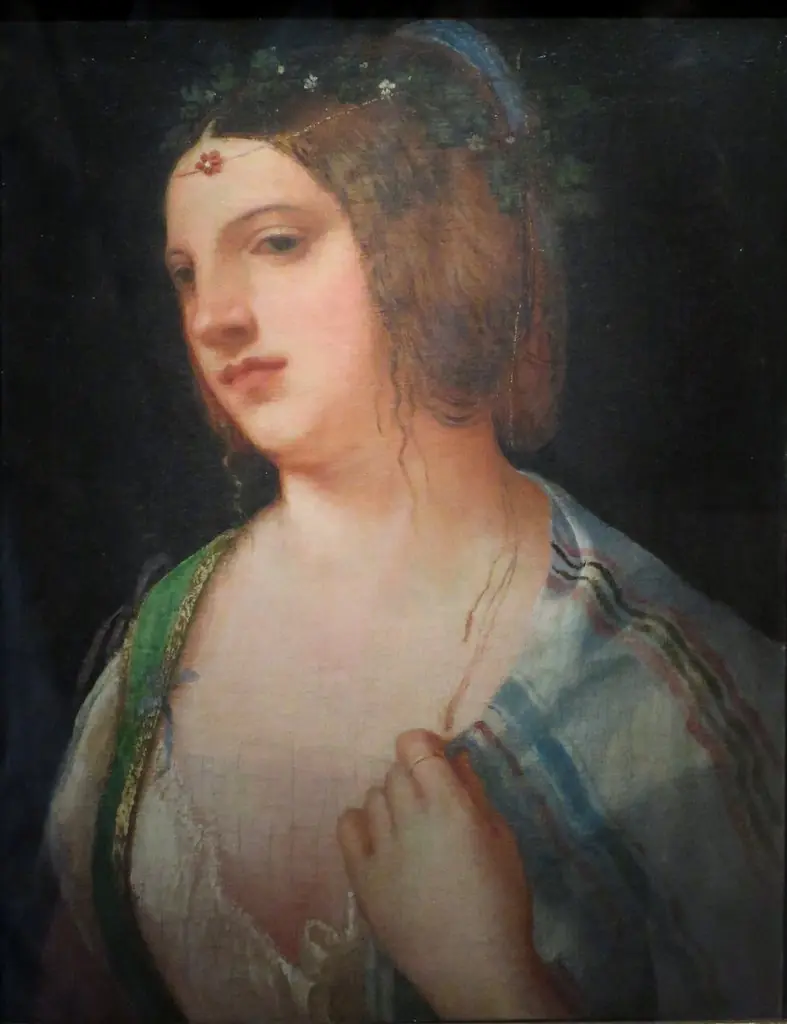 Head of a Venetian Girl
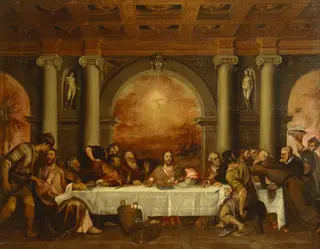 The Lord's Supper with the Apostles
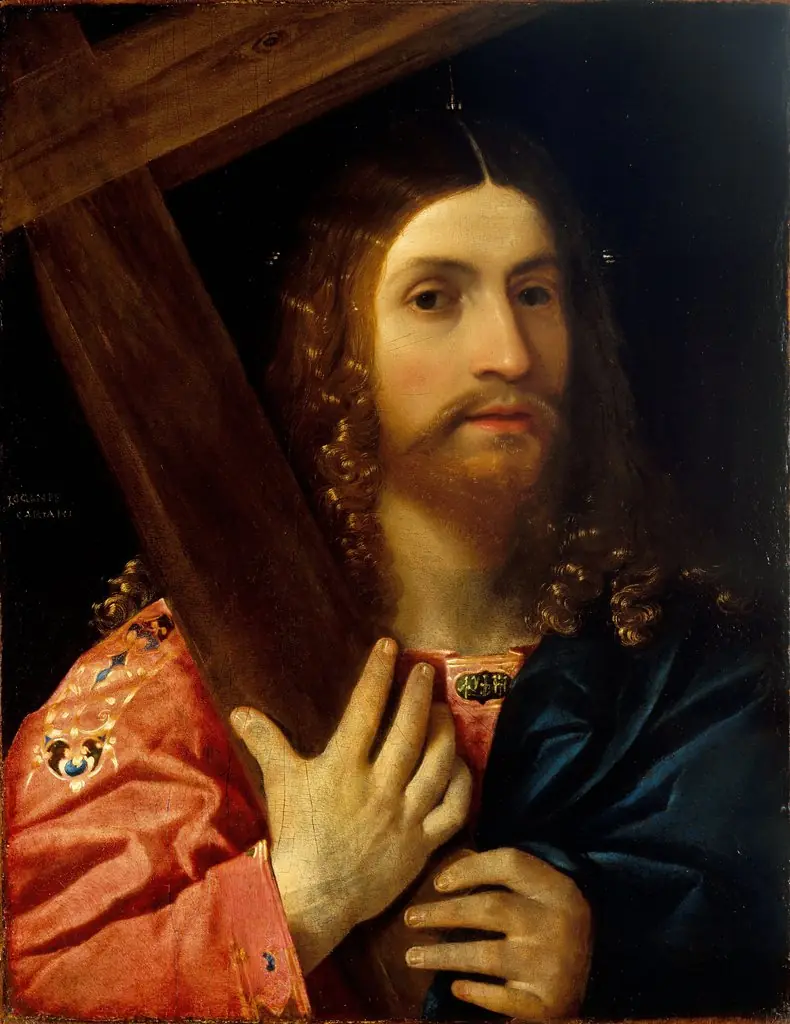 Christ Holding the Cross
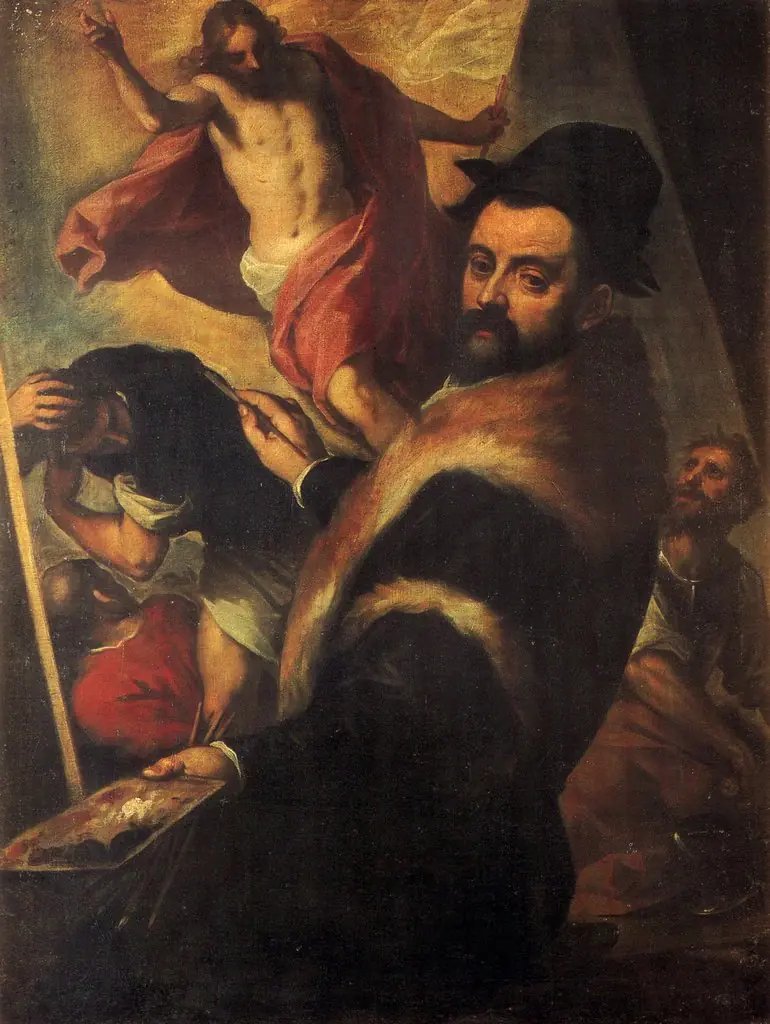 Self-portrait
Frequently asked questions
What is Venetian School?
Venetian School is an art movement. The broader painting tradition of Venice from the late 14th through 18th centuries — encompassing the Renaissance masters and the 18th-century vedutisti like Canaletto and Guardi who documented the city's canals and festivals for the tourist trade.
How many Venetian School works does Artifact World Gallery have?
Artifact World Gallery holds 183 public-domain Venetian School works, all free to view and download.
Who are the key Venetian School artists?
Key Venetian School artists in the collection include Titian, Paolo Veronese and Lorenzo Lotto.
Where can I see Venetian School works?
Venetian School works in the collection are held by Museo del Prado, Kunsthistorisches Museum and Uffizi Gallery.