Artwork
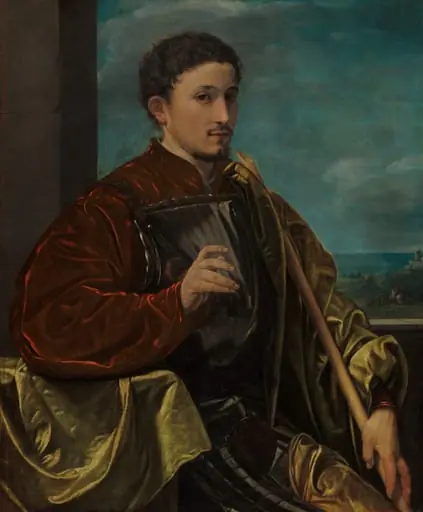
Portrait of a man in Brescia
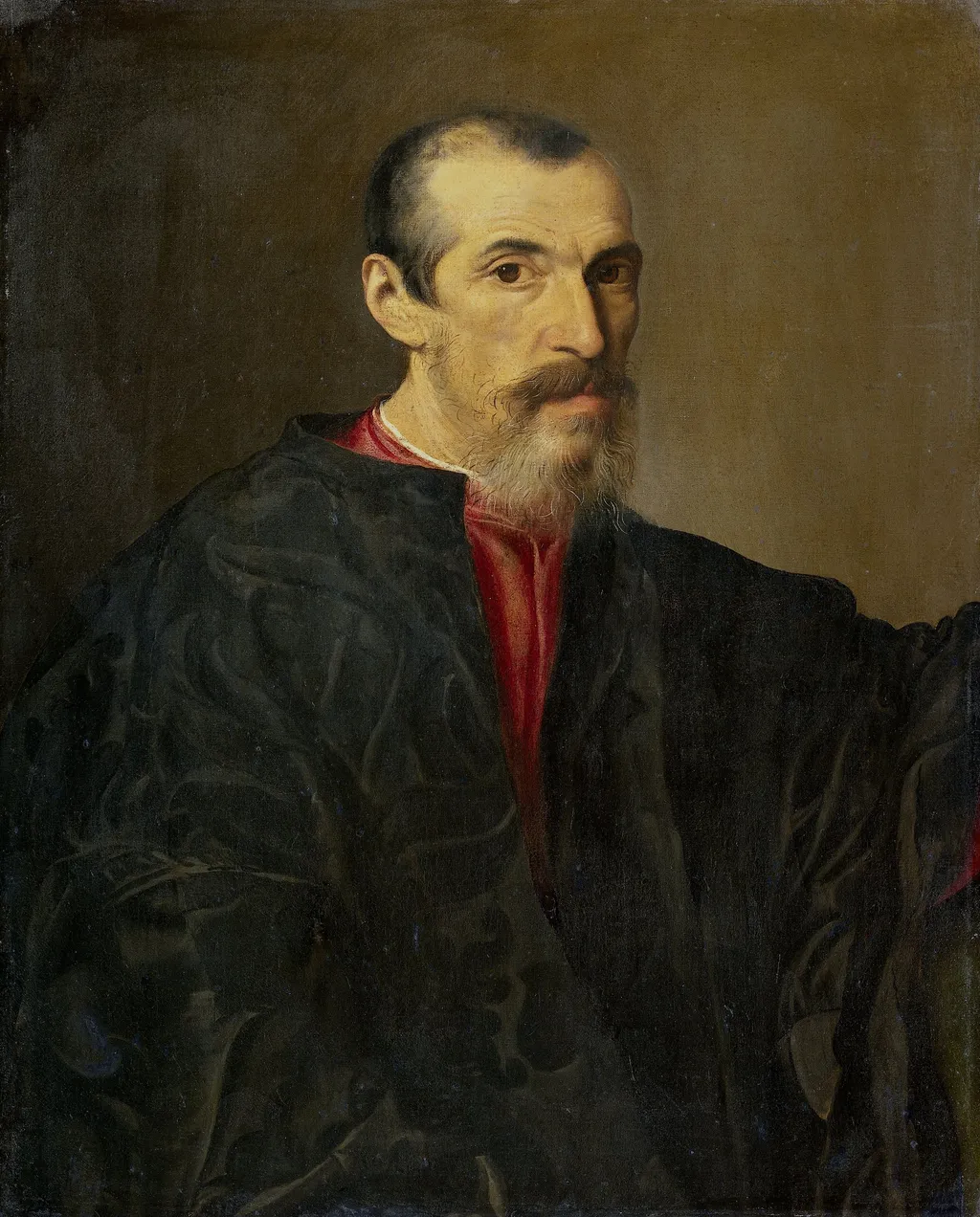
Portrait of a man in Brescia is an oil painting by the Mannerist artist Giovanni Girolamo Savoldo. It is held in the collection of the Rijksmuseum.
About this work
Subject & Meaning
No specific symbolism, objects, or contextual elements beyond the sitter himself are documented in the provided sources.
The work depicts a single male figure, identified as the main subject of this portrait. Created in 1550 by Giovanni Girolamo Savoldo, the painting presents a straightforward representation of a man without additional narrative context or symbolic attributes explicitly detailed in the available records. The composition focuses entirely on the individual, adhering to the conventions of the portrait genre rather than illustrating complex iconography or allegorical meaning. No specific symbolism, objects, or contextual elements beyond the sitter himself are documented in the provided sources.
Technique & Style
Executed in 1550, this portrait is an oil painting on canvas. The work measures 69 cm in height and 56.5 cm in width. Stylistically, it functions as a portrait depicting a male subject.
While the piece is currently attributed to Giovanni Girolamo Savoldo, historical assessments have formerly assigned its creation to the same artist under slightly different attributive contexts.
History & Provenance
Created in 1550, this oil painting on canvas was executed by Giovanni Girolamo Savoldo. While the work is currently attributed to Savoldo, it has historically been classified under former attributions to the same artist. The portrait depicts a male subject and measures 69 cm in height by 56.5 cm in width.
It is currently held in the collection of the Rijksmuseum, where it remains part of the institution's holdings. No specific details regarding the original commission or the intermediate ownership chain prior to its arrival at the Rijksmuseum are provided in the available records.
Context
The Portrait of a man in Brescia, painted by Giovanni Girolamo Savoldo around 1550, exemplifies the mature phase of Venetian portraiture in the mid-sixteenth century, reflecting the refined naturalism and psychological depth characteristic of Savoldo’s work within the broader context of Northern Italian art. The attribution to Savoldo, a leading figure in the Venetian school known for his chiaroscuro modeling and subtle rendering of texture, has been solidified through comparative stylistic analysis with securely attributed portraits, though earlier scholarship occasionally associated the work with his contemporaries due to shared compositional motifs. The painting’s placement in the Rijksmuseum collection since its acquisition underscores its significance as a representative example of Savoldo’s contribution to portraiture, bridging the technical innovations of Titian’s circle with a more intimate, almost sculptural approach to figure depiction.
Its dimensions of 69 cm by 56.5 cm and oil-on-canvas technique highlight the material precision of the period, while its enduring scholarly attention reflects its role in tracing the evolution of individualism in Renaissance portraiture.
Overview
Created circa 1550, the oil on canvas known as Portrait of a Man in Brescia is attributed to Giovanni Girolamo Savoldo, an Italian painter active in the mid‑sixteenth century. The work belongs to the Rijksmuseum’s collection and represents one of the few portrait commissions among Savoldo’s roughly forty extant pieces.
Own this work as a print
Artist & collection
Artist
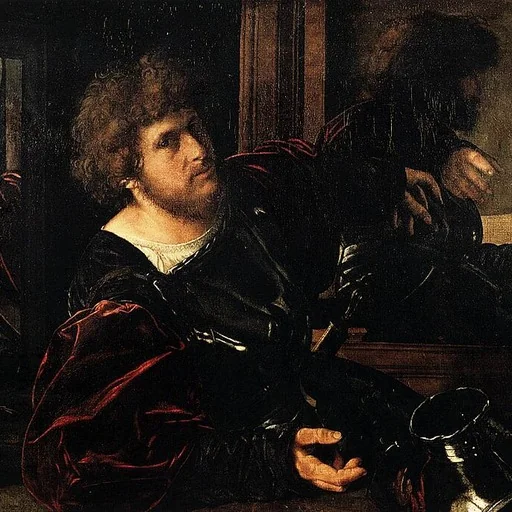
Giovanni Girolamo Savoldo, also called Girolamo da Brescia (c. 1480–1485 – after 1548), was an Italian High Renaissance painter active mostly in Venice, although he also worked in other cities in northern Italy. He is…

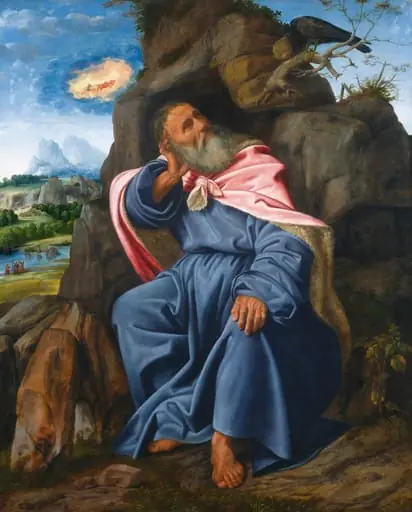
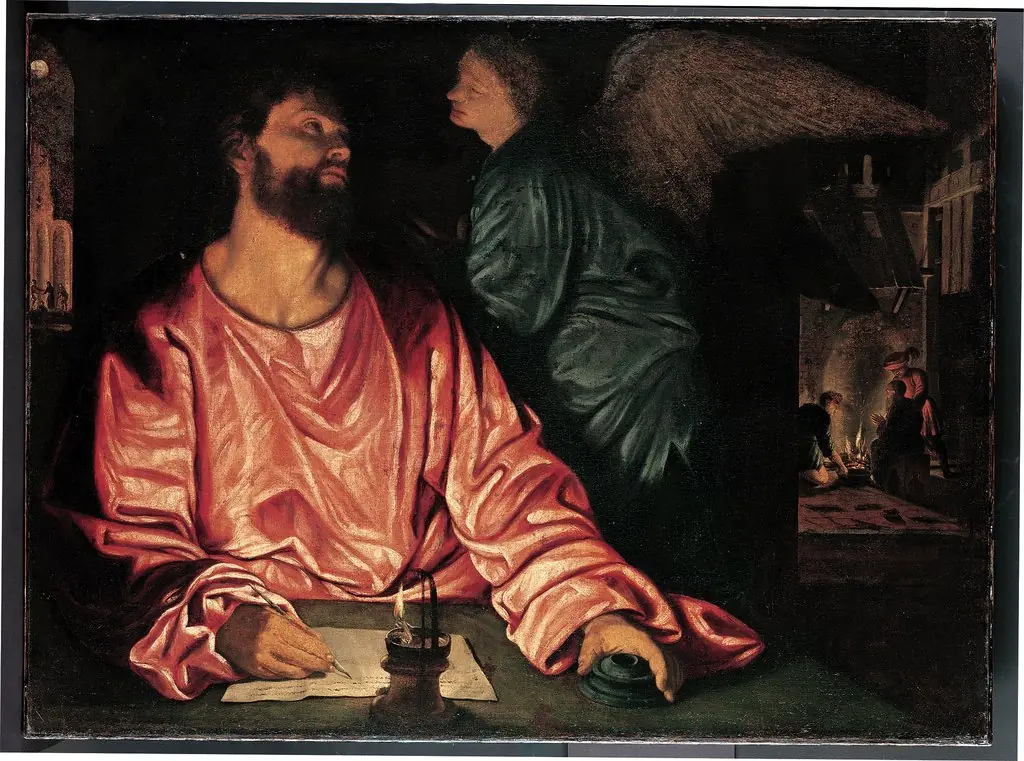
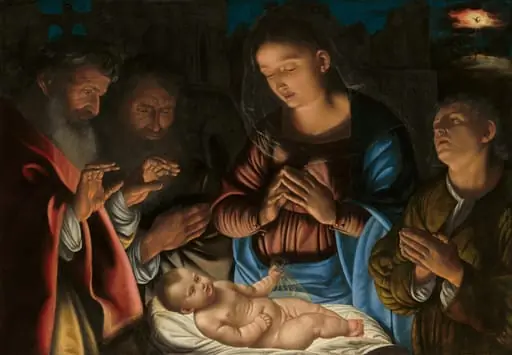
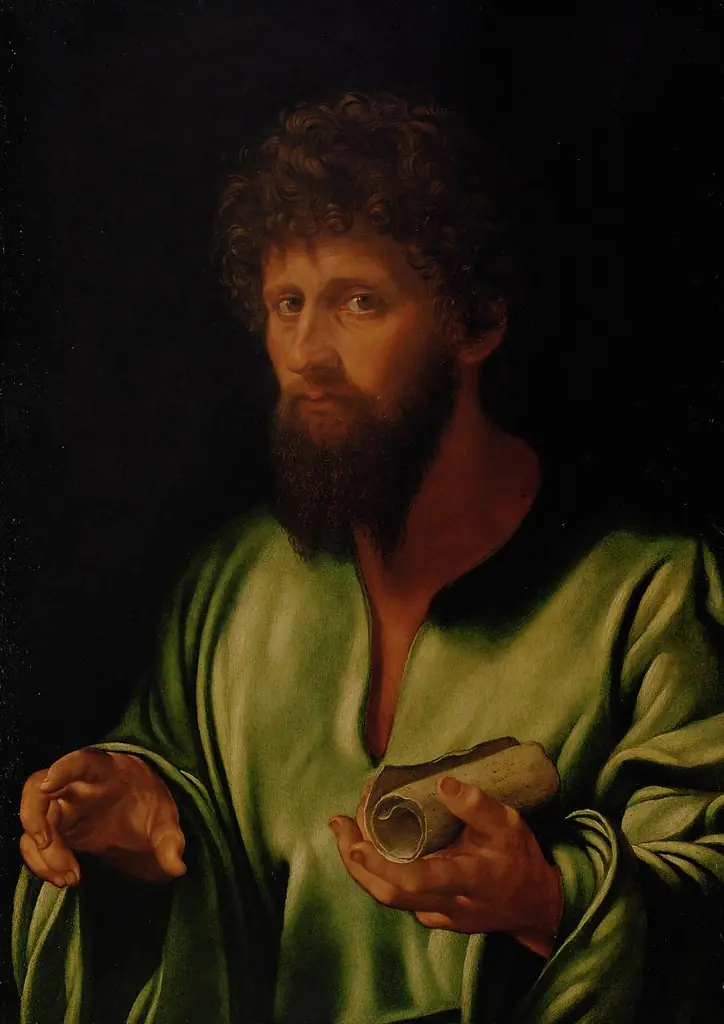
- Portrait of a Man
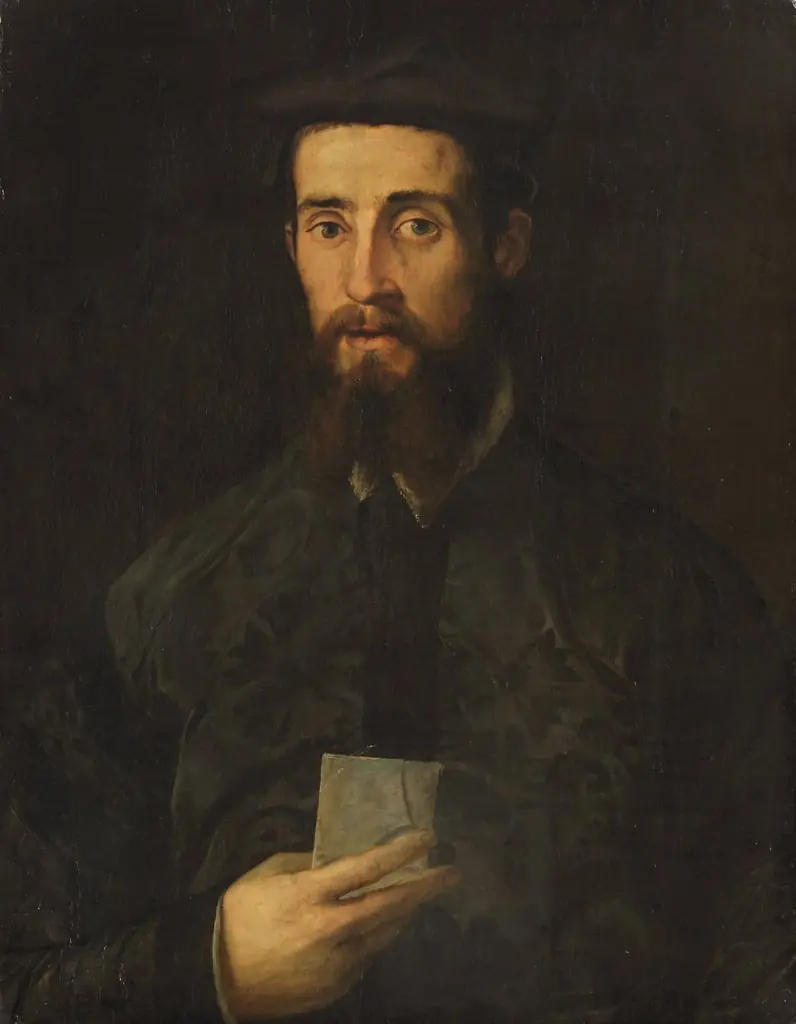 Giovanni della Casa (1503-1556)
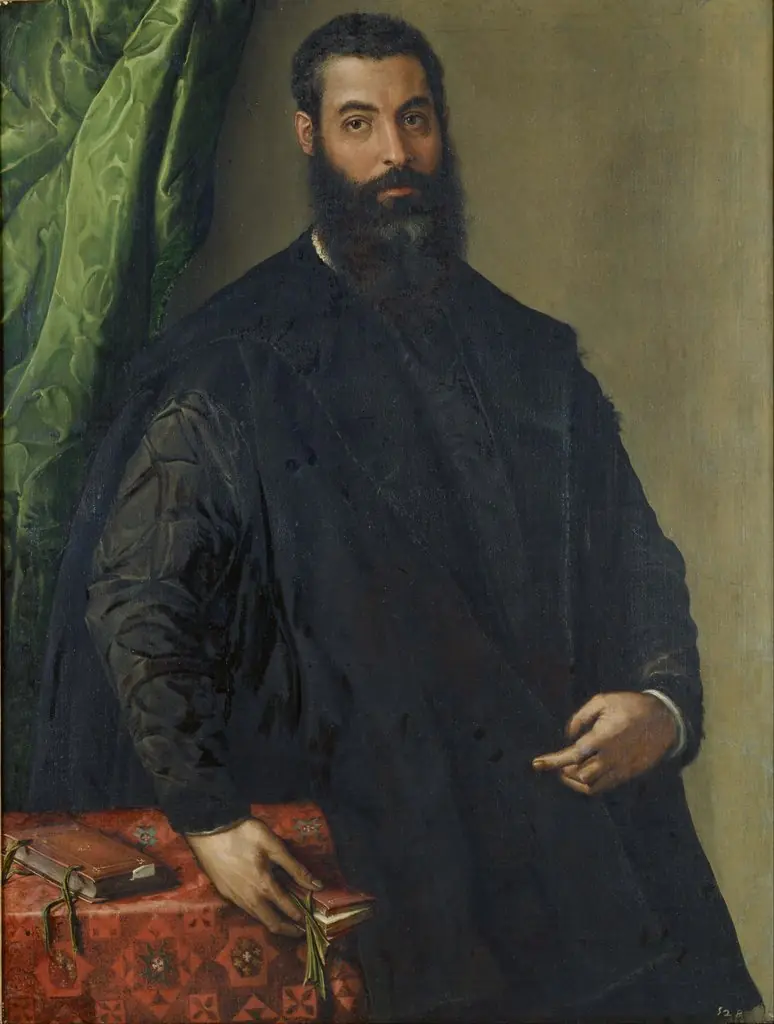 Portrait of a Man
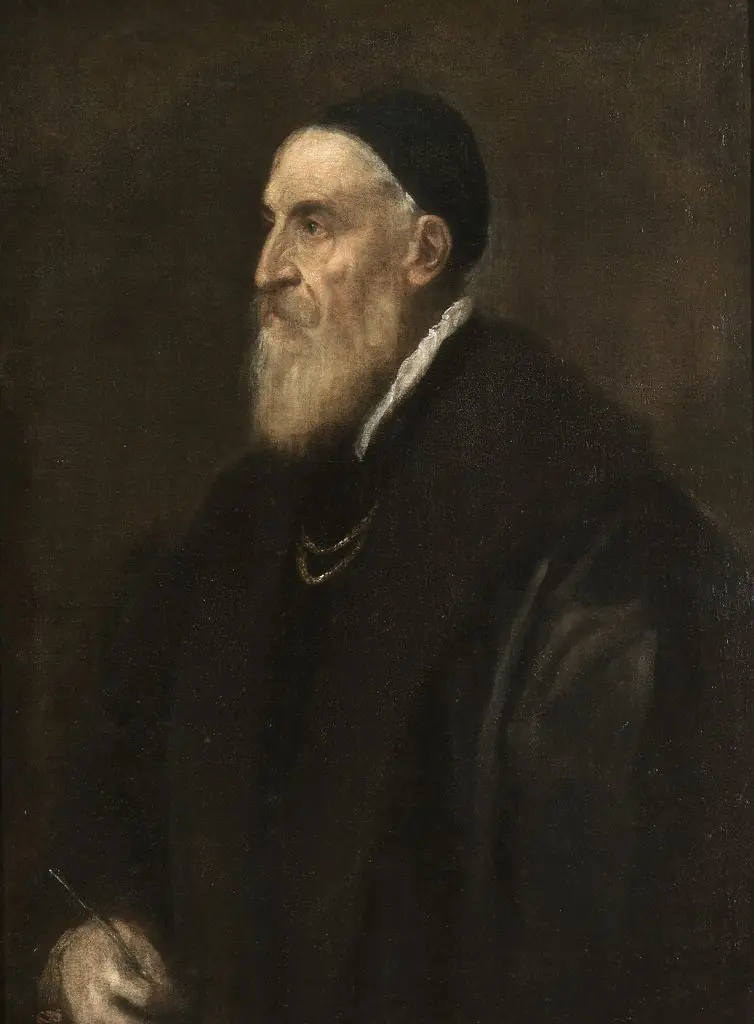 Self-Portrait
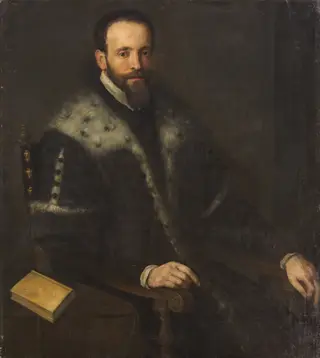 Bildnis eines Mannes im Lehnstuhl
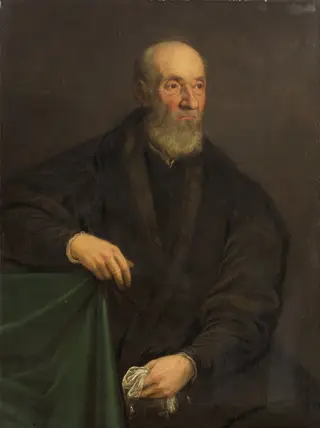 Bildnis eines alten Mannes, an einem Tisch sitzend
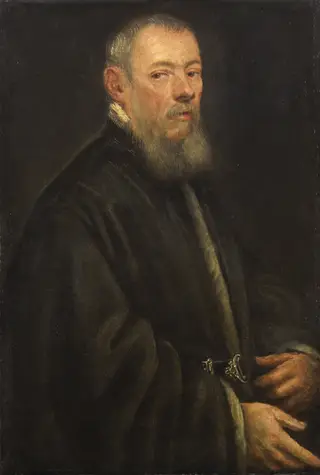 Portrait of a man with a gray beard
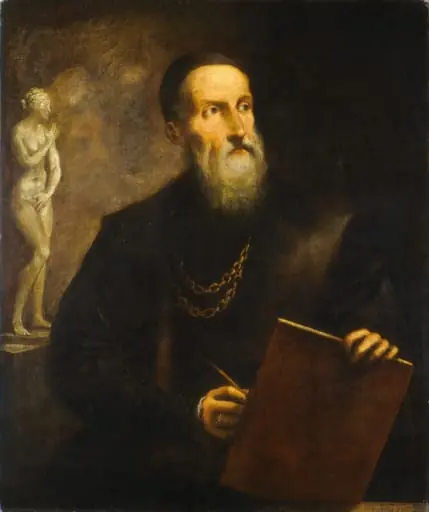 Imaginary Self-Portrait of Titian
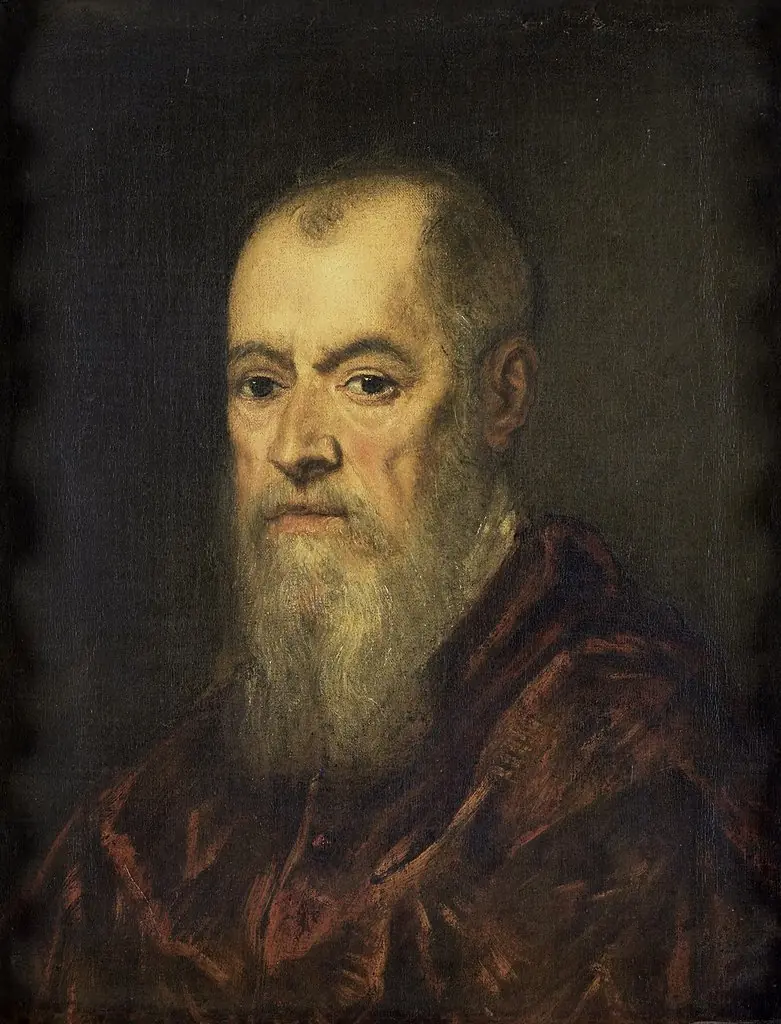 Portrait of a Man with a Red Cloak
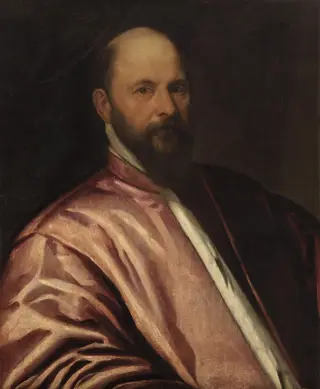 Bildnis eines Prokurators
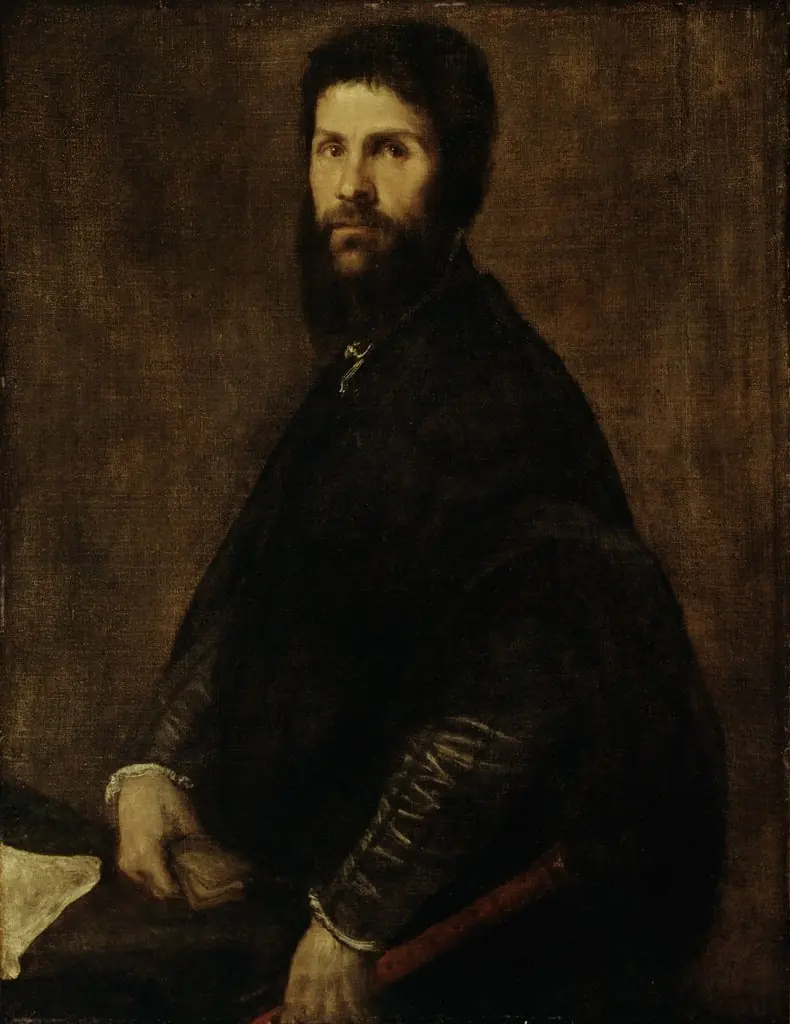 Man Holding a Flute
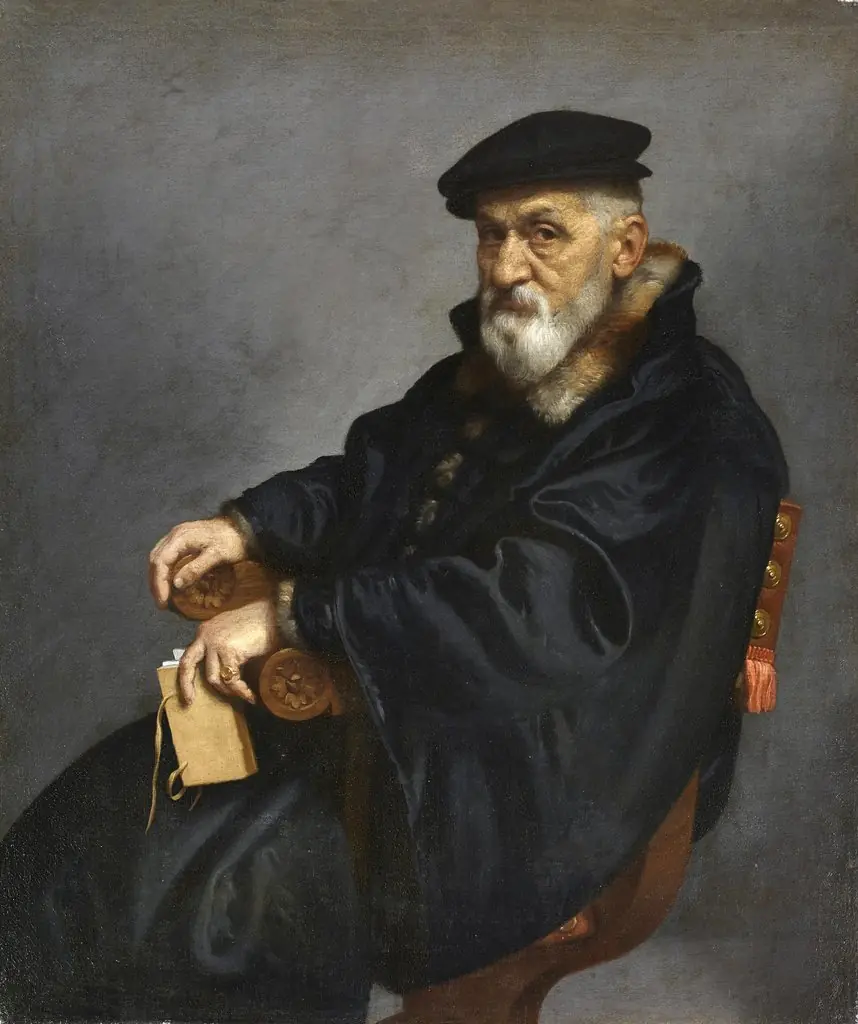 Portrait of a seated Old Man