Artwork
Hippolyte Lavoignat
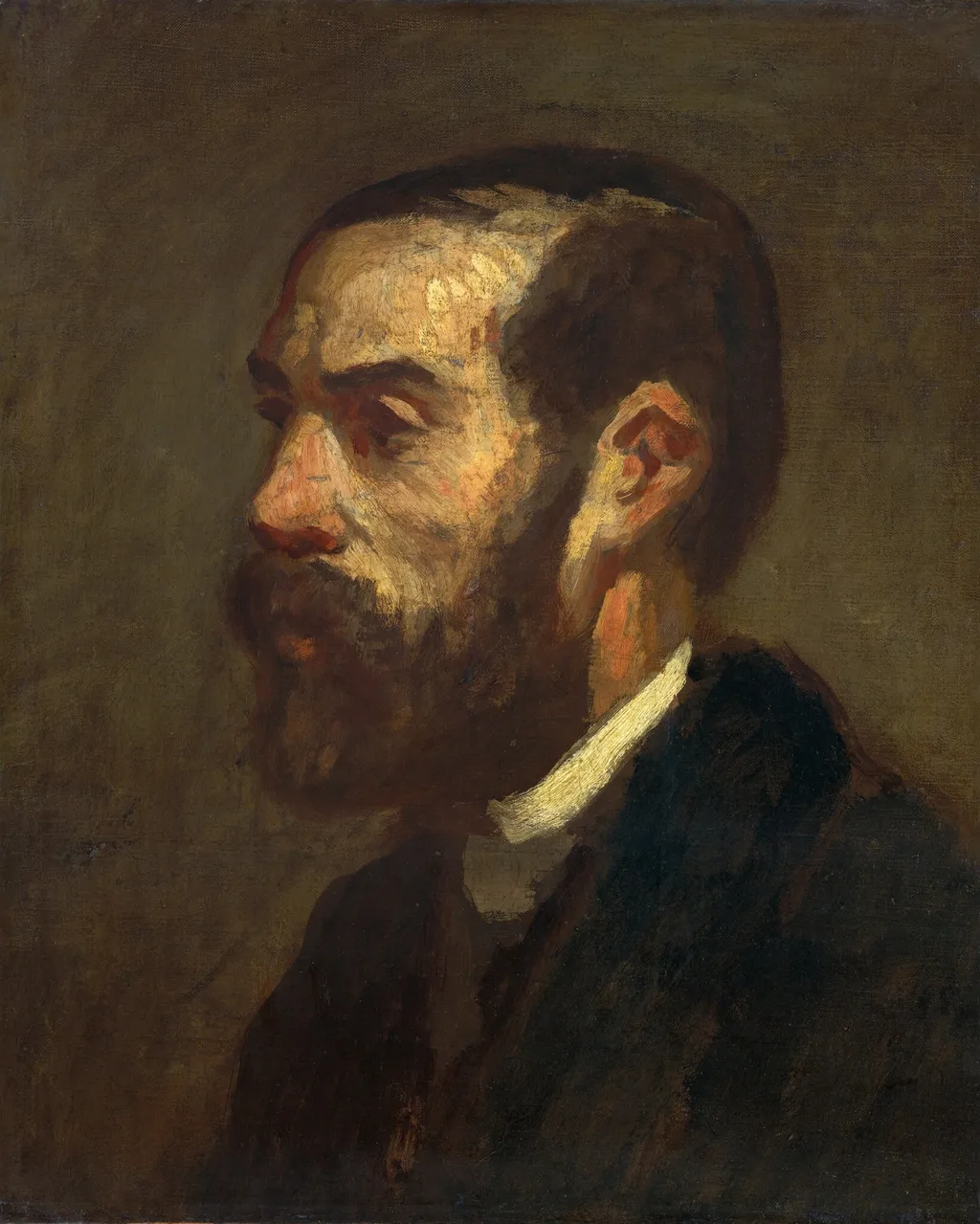
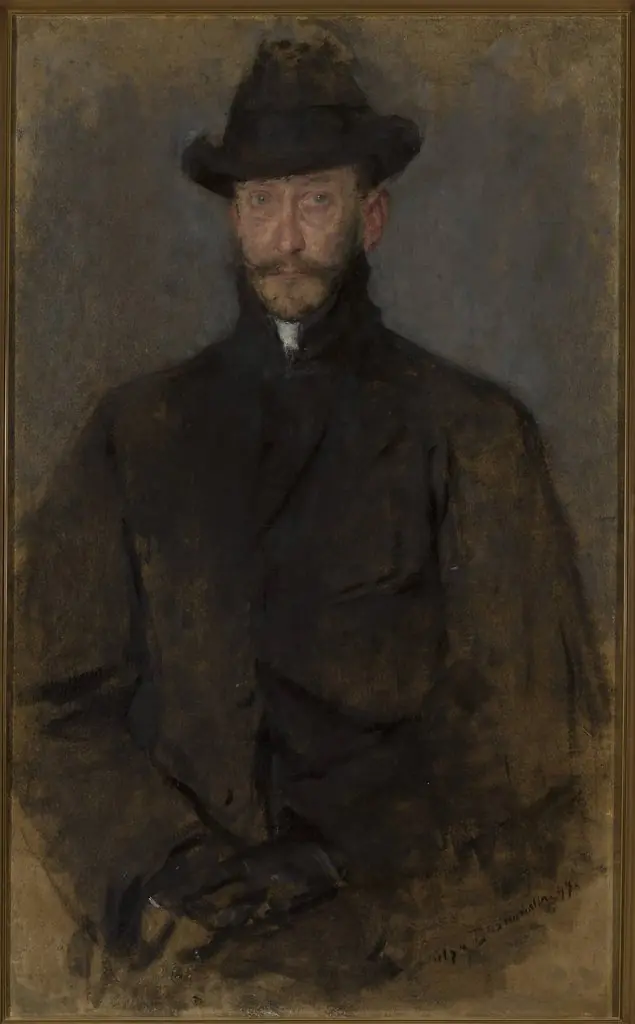
Hippolyte Lavoignat is an oil painting by the Impressionist artist Follower of Honoré Daumier. It dates from 1860 and is held in the collection of the National Gallery of Art.
About this work
History & Provenance
It descended through the artist's family until the 1890s, after which it passed to the Parisian physician and collector Dr.
The portrait of Hippolyte Lavoignat was painted circa 1860 in oil on canvas. It descended through the artist's family until the 1890s, after which it passed to the Parisian physician and collector Dr. Georges Viau, who lent it to a 1912 exhibition in Saint Petersburg. The painting later moved through the trade, handled by Ferargil Galleries and M. Knoedler & Co., and was acquired by the American collector Chester Dale in February 1927.
Dale bequeathed it to the National Gallery of Art in Washington, D.C., in 1963, where it remains. Earlier and intermediate ownership details are not consistently documented in the available sources.
Overview
This oil on canvas depicts Hippolyte Lavoignat, seated within an interior setting. The portrait conveys a sense of formality and seriousness through the subject's posture and expression. The artist employed a restrained palette, contributing to the overall tranquil atmosphere of the composition. The work primarily focuses on Lavoignat's countenance, offering insight into his character.
Subject & Meaning
The painting centers on the figure of Hippolyte Lavoignat, presented in a formal, seated pose. His serious gaze and composed demeanor suggest a deliberate portrayal of his public persona or inner disposition. By emphasizing the sitter's face, the artist invites viewers to engage directly with Lavoignat's individuality, aiming to capture and communicate his distinctive presence.
Technique & Style
Executed in oil on canvas, the portrait demonstrates a deliberate approach to color and light. The artist utilized a simplified color scheme, which contributes to the painting's serene and understated mood. The technique of glazing, involving thin, translucent layers of paint, was likely employed to achieve the subtle transitions and depth visible in the work, particularly in rendering the subject's features.
Artist & collection
Artist

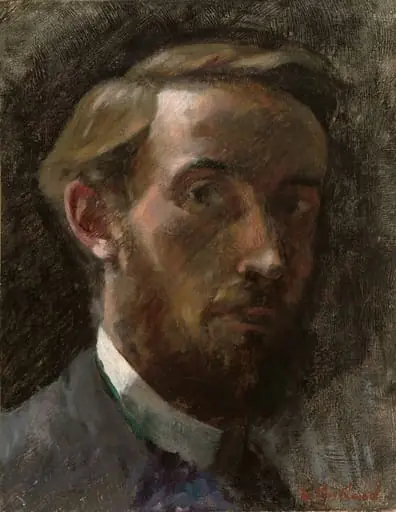
- Self-Portrait, Aged 21
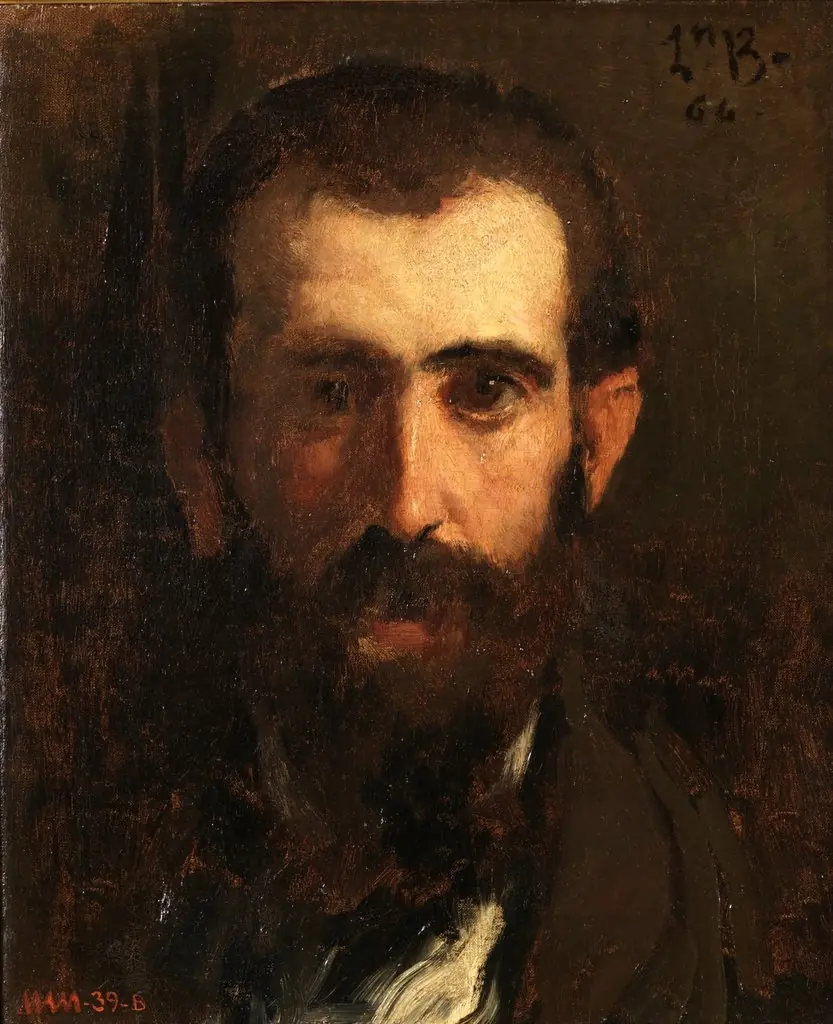 The painter Ceferino Araujo Sánchez
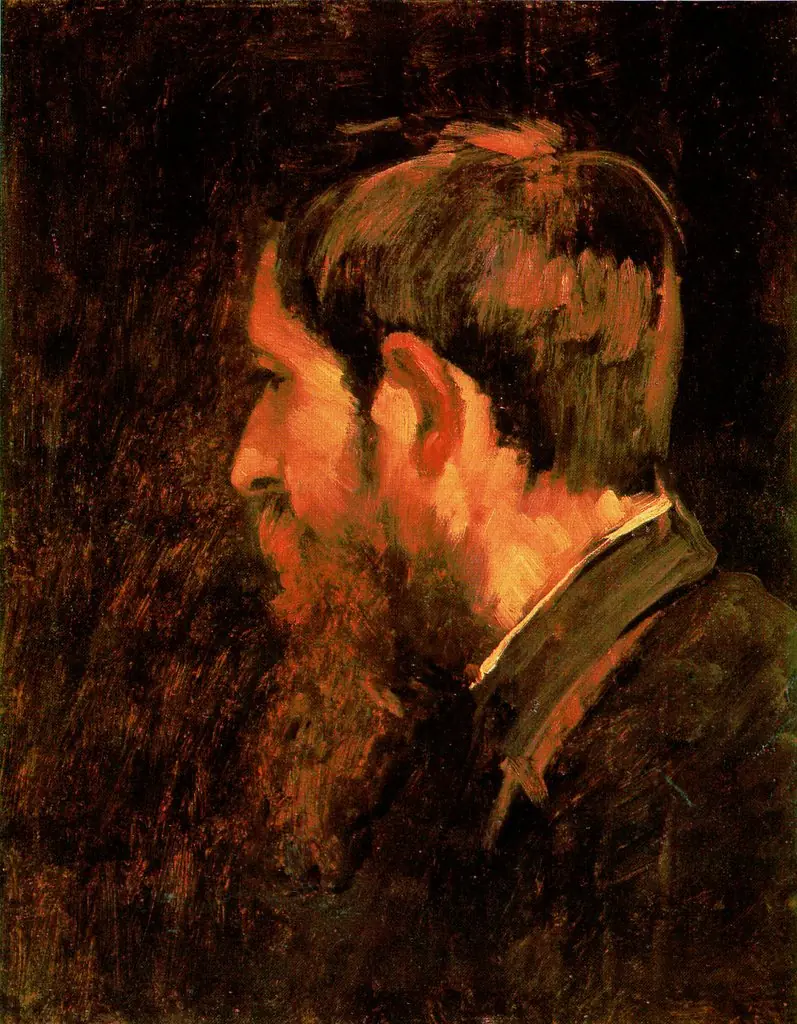 Portrait of László Paál
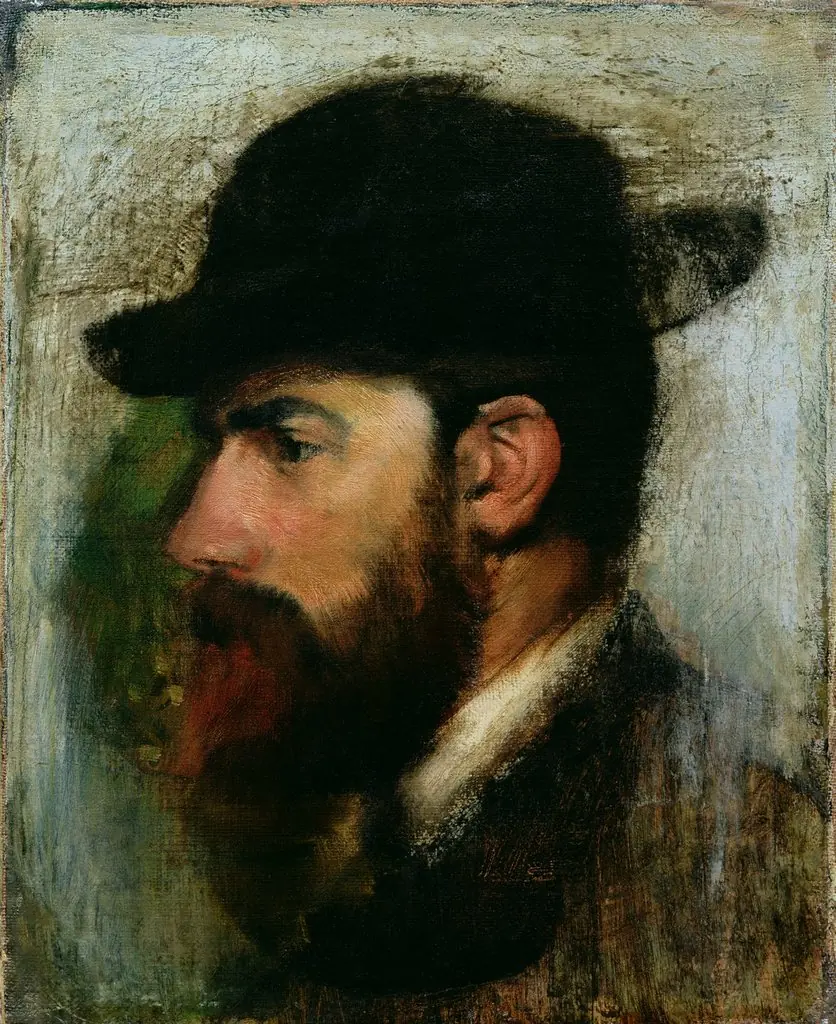 Portrait d’Henri Rouart
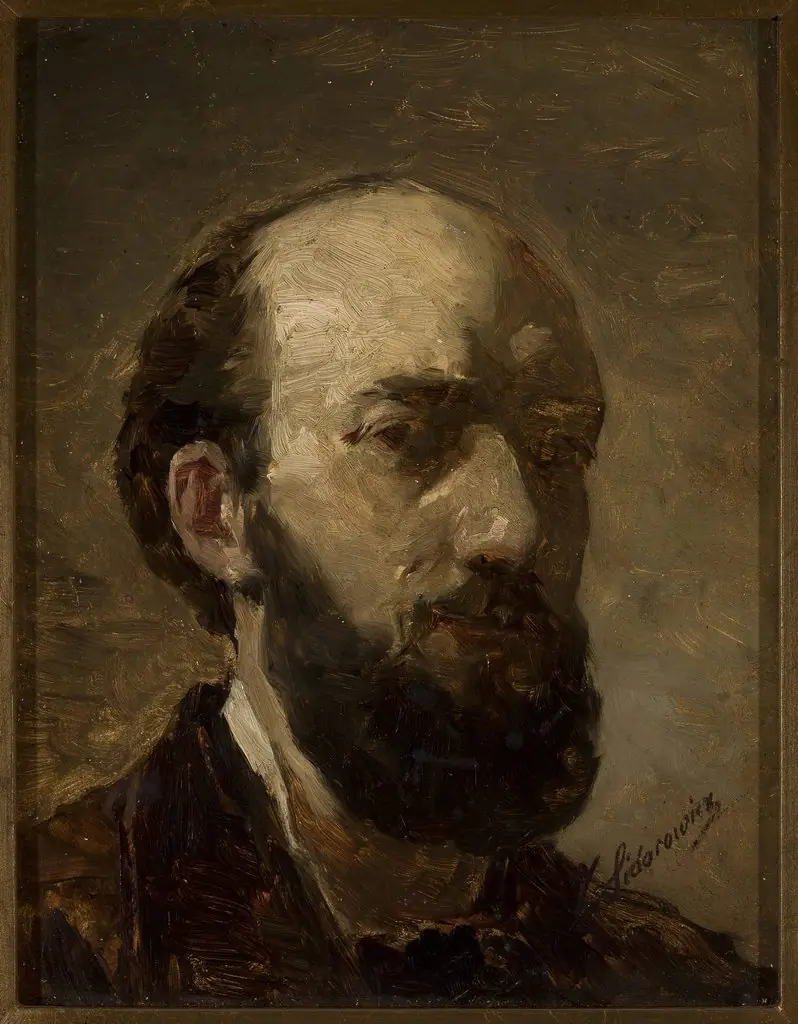 Self-portrait
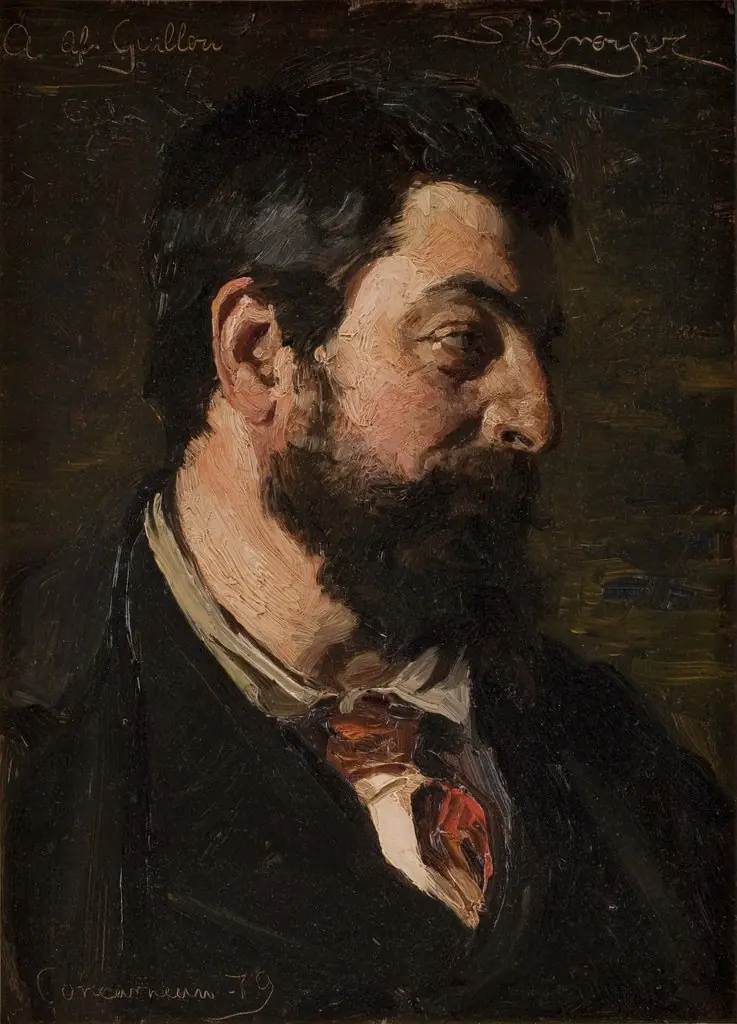 Portrait of the French painter Alfred Guillou
 Portræt af den franske maler Alfred Guillou
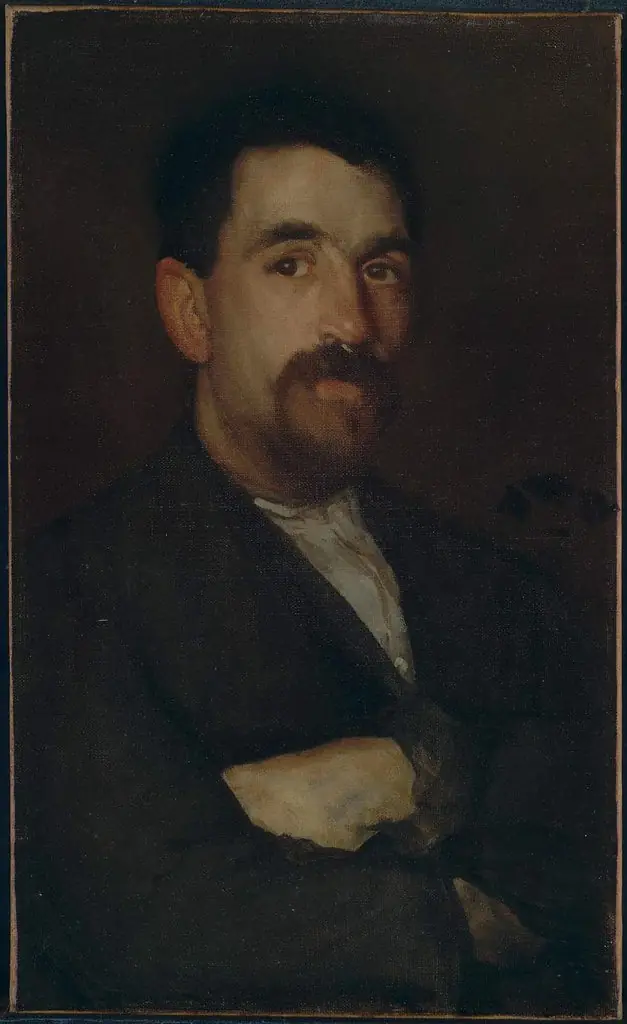 The Master Smith of Lyme Regis
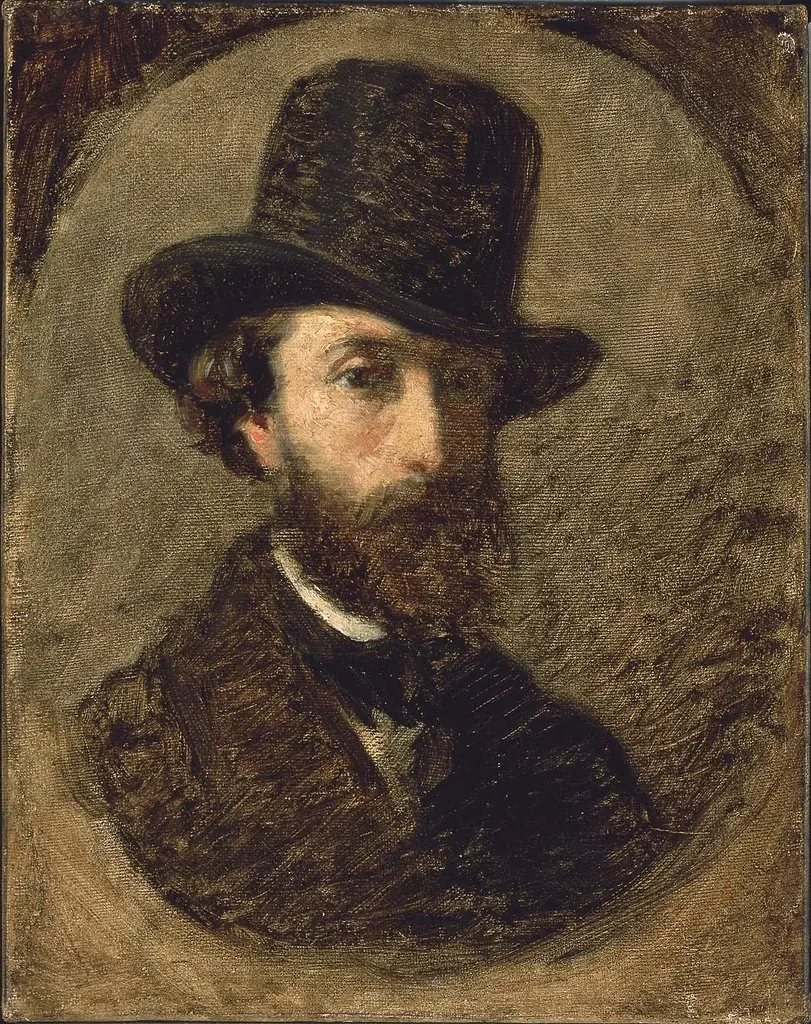 Self Portrait
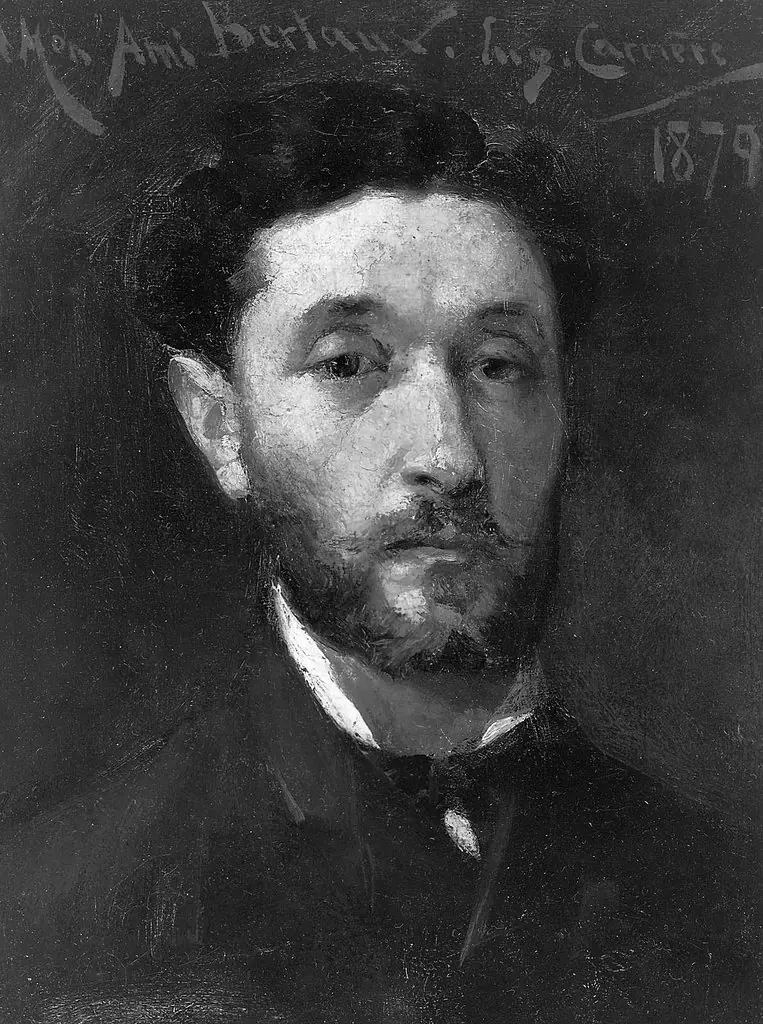 Portrait of a Man
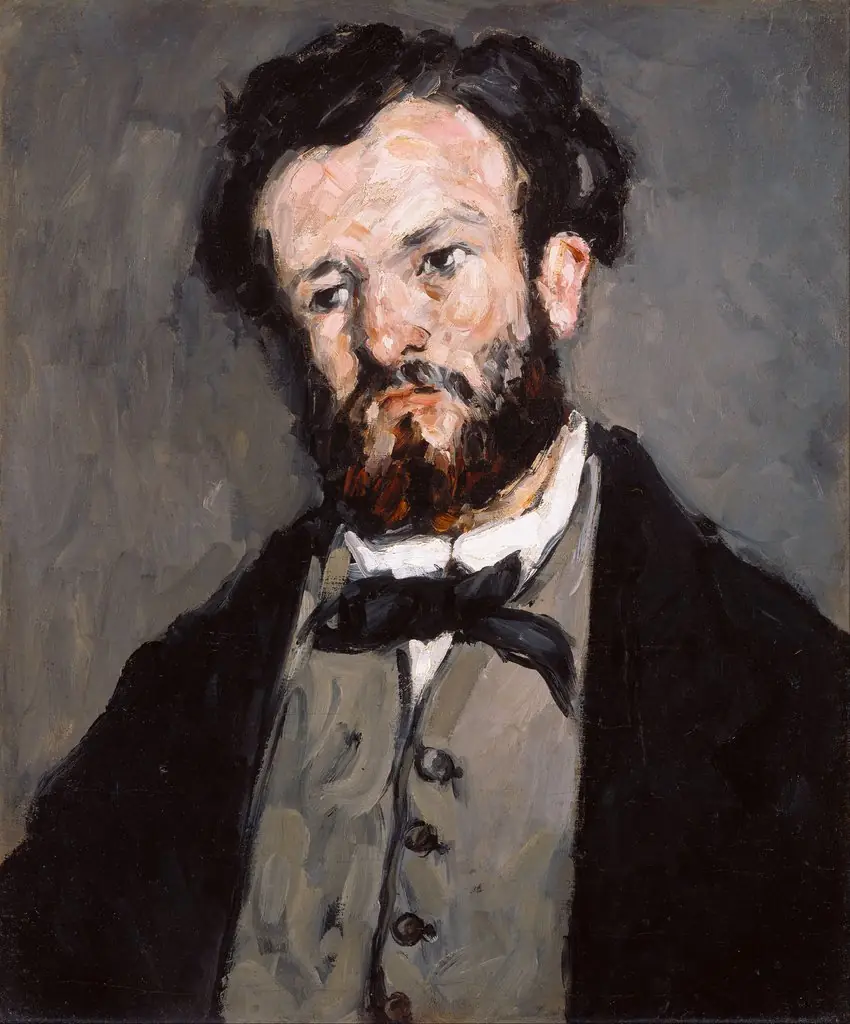 Portrait of Anthony Valabrègue
 Portrait of Antoni Kamieński (1860/1861–1933), painter