Subject
Beard
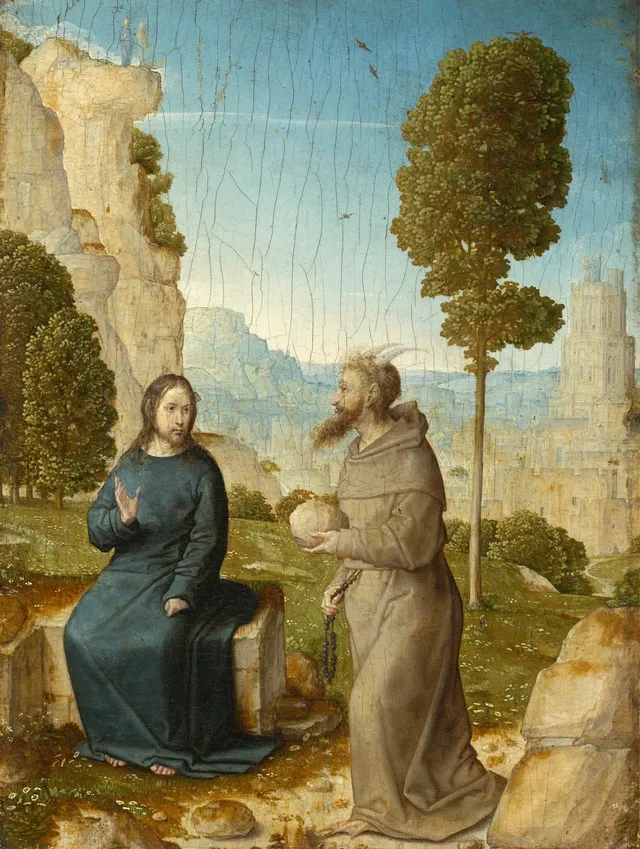
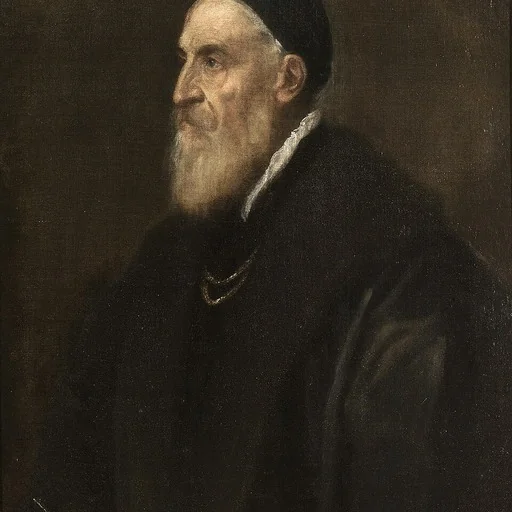
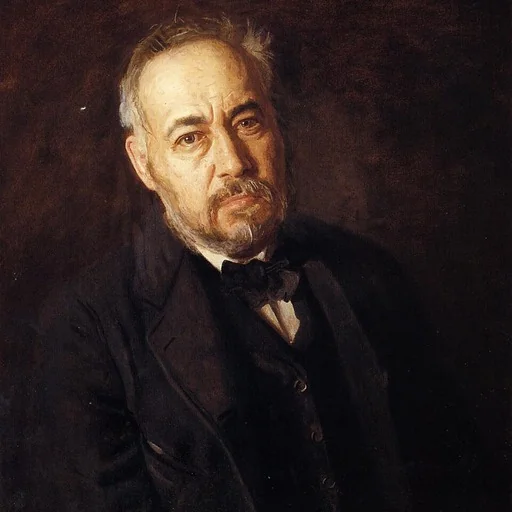
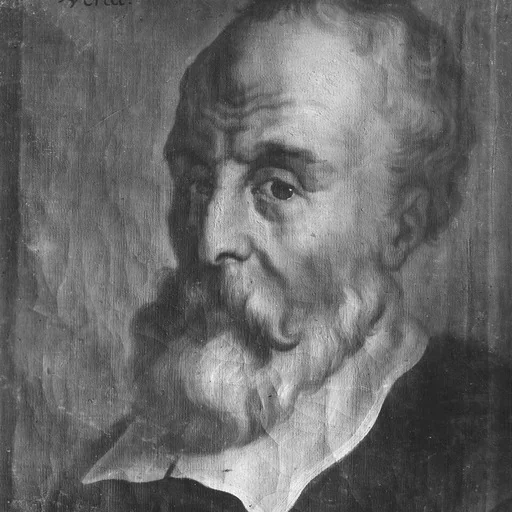
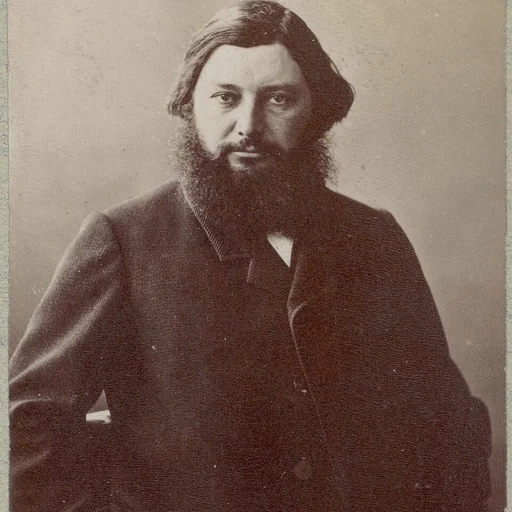
Beard is a subject in art. The gallery holds 170 works in this subject in art, including works by Titian, Thomas Eakins and Paolo Veronese.
Though the word “Beard” survives in English as a surname of Anglo-Saxon and Old French origin first recorded in the Domesday Book, the beard itself is one of the oldest and most charged motifs in visual art. In ancient Mesopotamia—among Sumerians, Assyrians, and Babylonians—the beard was a badge of rank: rulers and elites had their facial hair oiled and tonged into tiered ringlets, then rendered in stone with geometric precision, while slaves went clean-shaven. Egypt inverted the convention. Most Egyptian men shaved, but pharaohs—and even the female king Hatshepsut—wore the postiche, a plaited false beard, often of metal, that signalled sovereignty and kinship with Osiris, god of the afterlife.
Greek and especially Roman art made the beard a marker of intellect. Republican and early imperial Romans favoured the clean-shaven face, but Hadrian (reigned 117–138 AD) became the first emperor regularly portrayed with a full beard, emulating the Greek philosophers he admired. The so-called philosopher's beard then carried through the Antonine dynasty, carved with deep drillwork and increasingly elaborate curls that advertised both Hellenic learning and cosmopolitan authority.
Christian art absorbed and transformed these associations. The catacomb paintings of the third and fourth centuries show a youthful, beardless Christ in the guise of a Roman shepherd; only around AD 300 did the bearded, long-haired type begin to form, borrowing the gravitas of Zeus and Serapis, and it became standard in the Eastern church by the sixth century. God the Father was likewise fixed as a white-bearded elder after the biblical “Ancient of Days.” Édouard Manet's The Dead Christ with Angels follows this canonical bearded type, while the warrior Mars in Paolo Veronese's Venus and Mars and the aged smith in Jacopo Tintoretto's Venus and Mars Surprised by Vulcan are both unmistakably bearded gods.
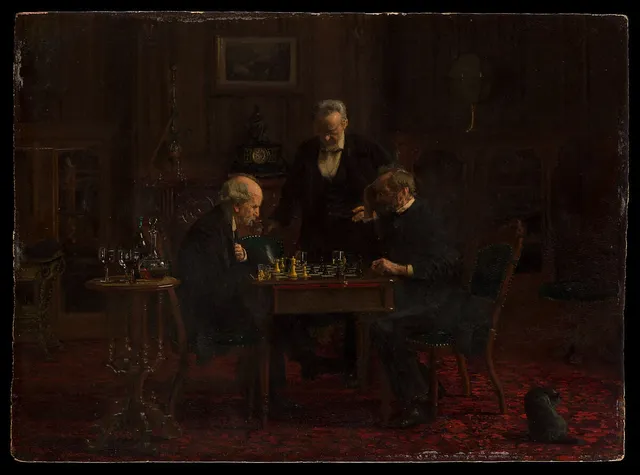
By the Renaissance, “the beard maketh the man”: nearly every male sitter portrayed between the mid-sixteenth and mid-seventeenth centuries wears facial hair, and artists such as Leonardo da Vinci used flowing beards to signal the sagacity of philosophers and prophets. The motif's last great flowering came in the nineteenth century, when a Victorian beard revival filled portraiture with luxuriant whiskers—seen in the bearded sitters of Thomas Eakins's The Chess Players and in Anders Zorn's portrait of the industrialist Hugo Reisinger. Across these traditions the beard remains a remarkably stable shorthand for masculinity, wisdom, authority, and age.
Key artists
Works
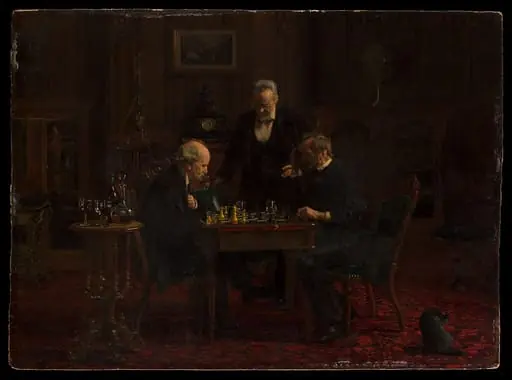 The Chess Players
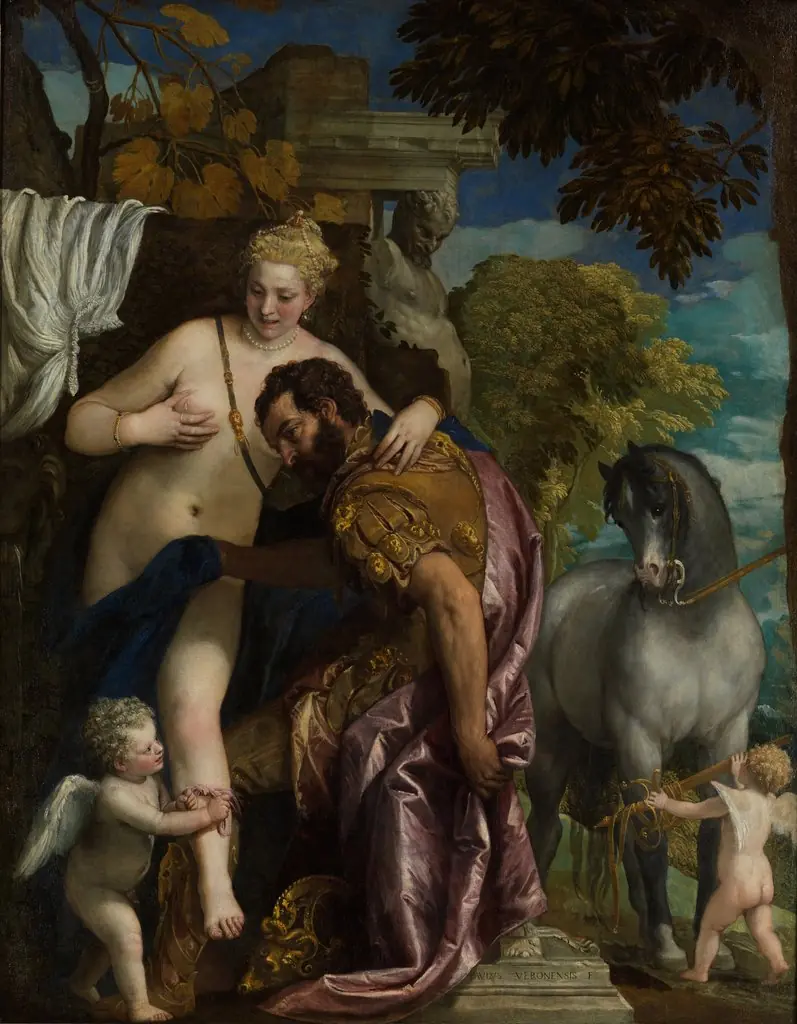 Venus and Mars
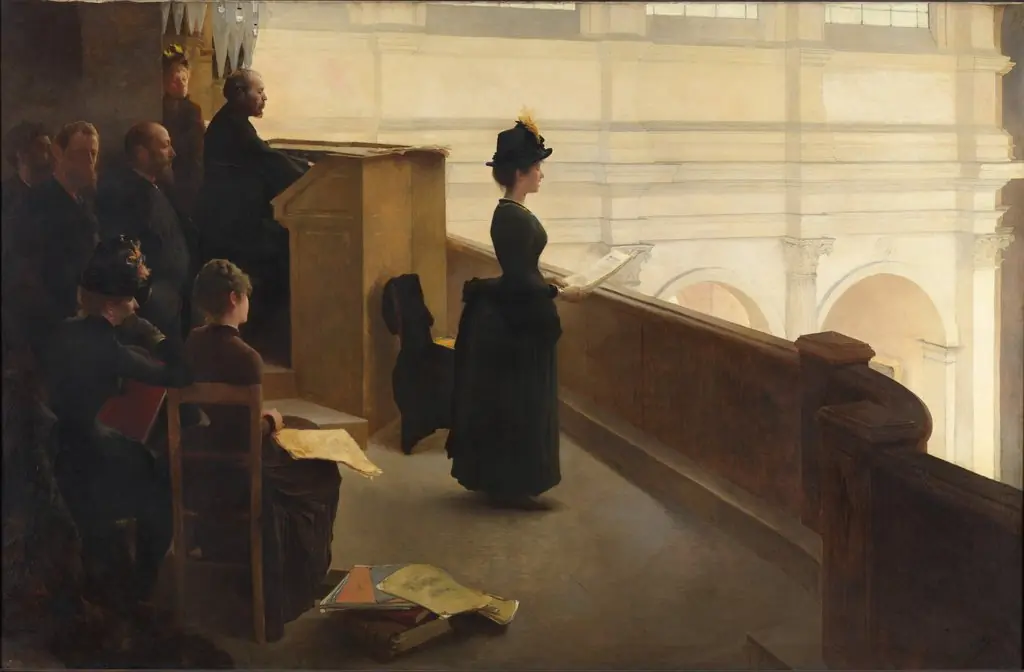 The Organ Rehearsal
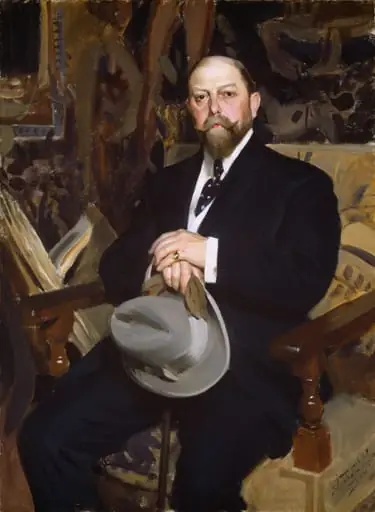 Hugo Reisinger
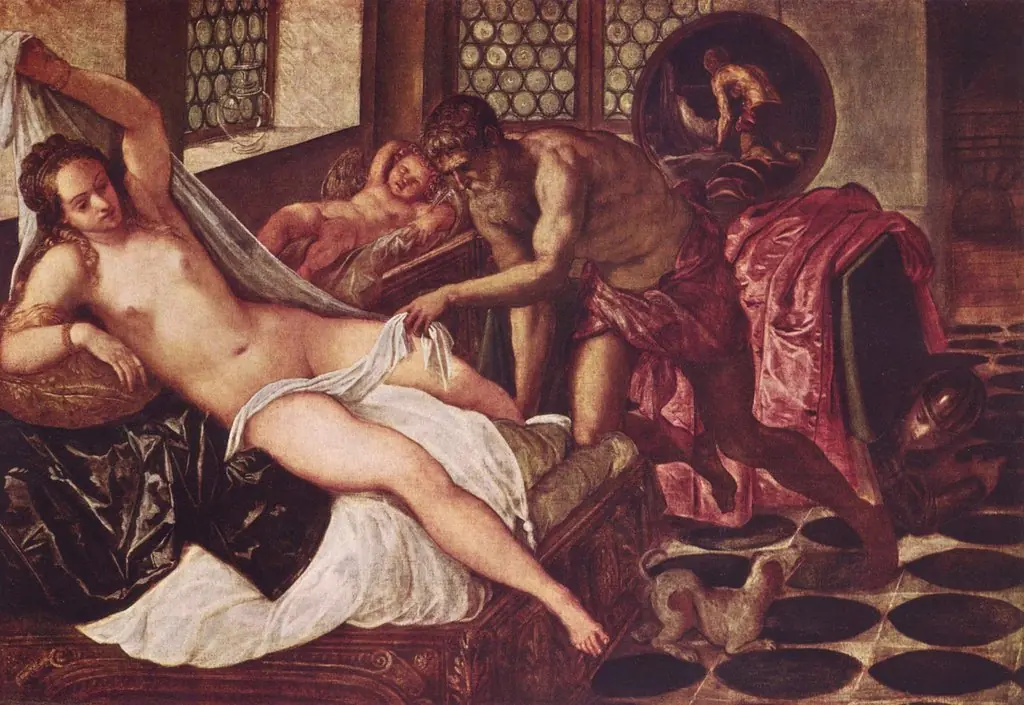 Venus and Mars Surprised by Vulcan
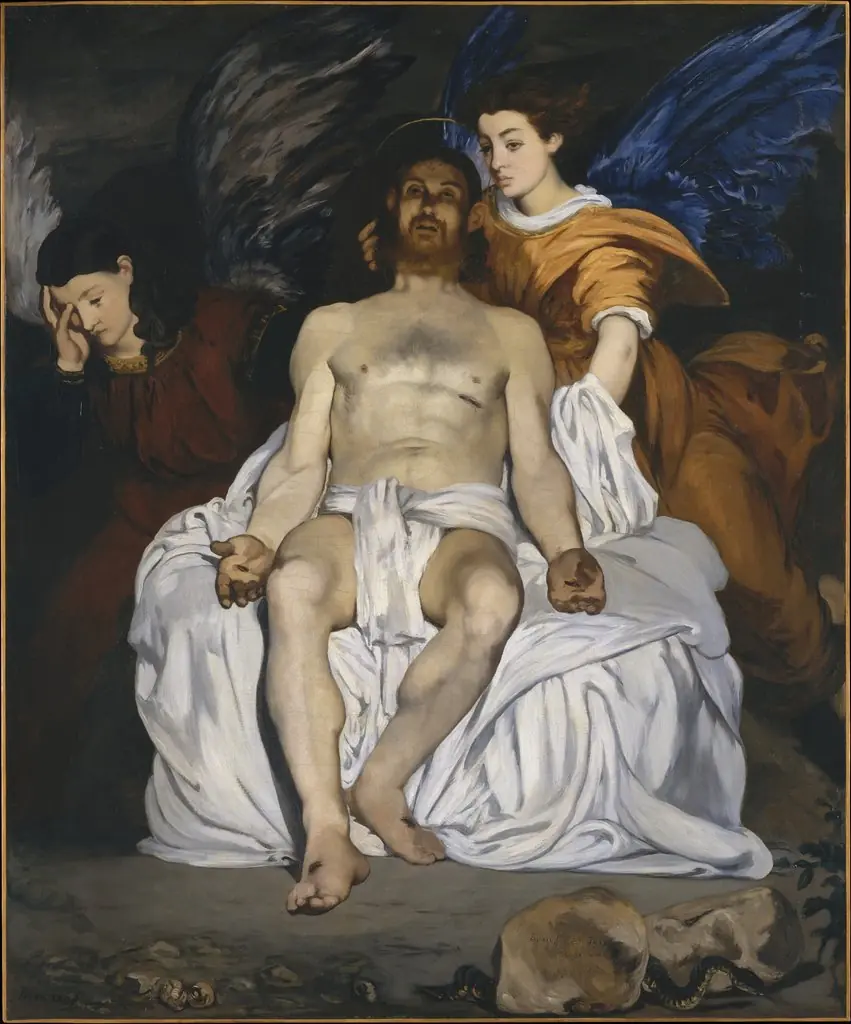 The Dead Christ with Angels
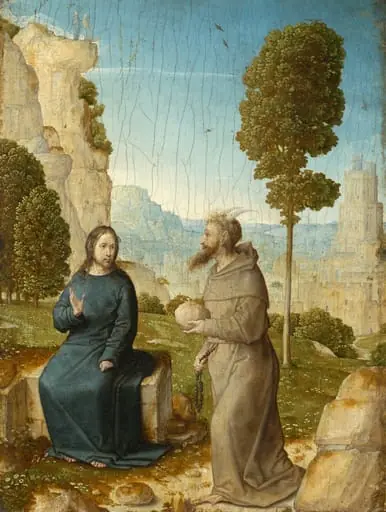 The Temptation of Christ
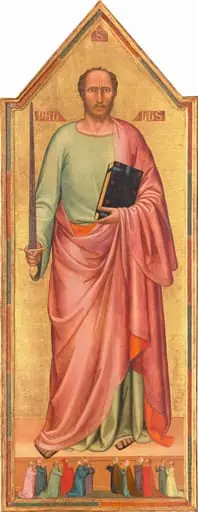 Saint Paul and a Group of Worshippers
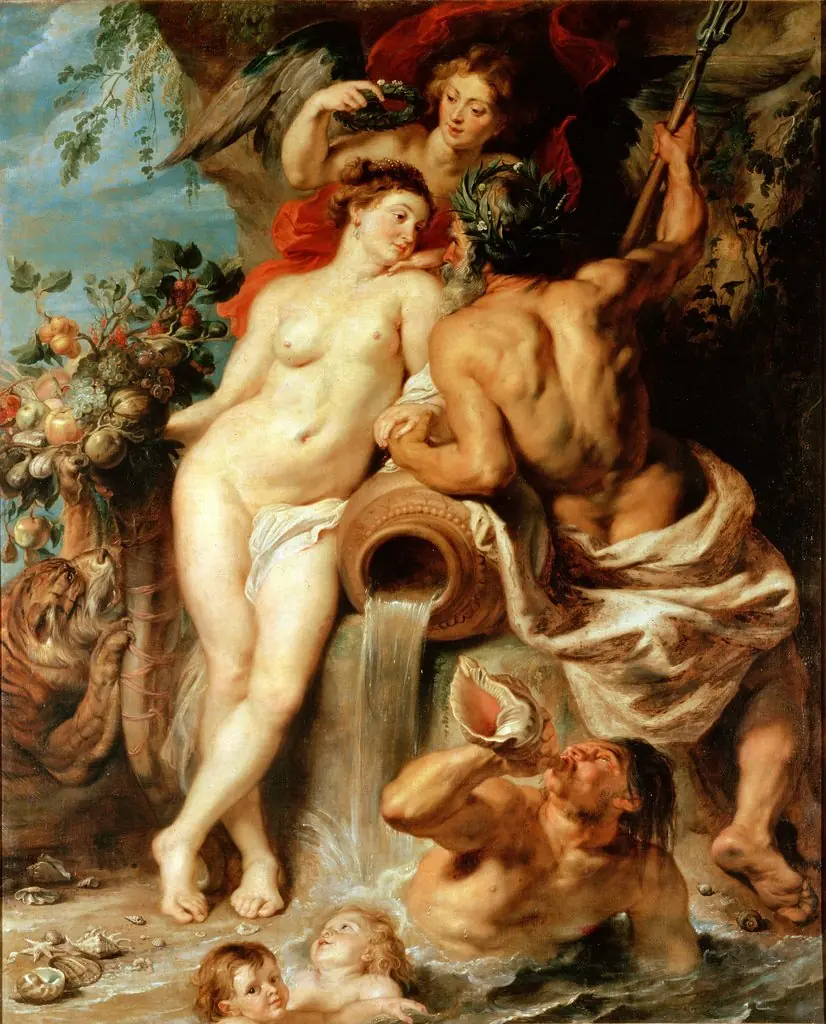 The Union of Earth and Water (Antwerp and the Scheldt)
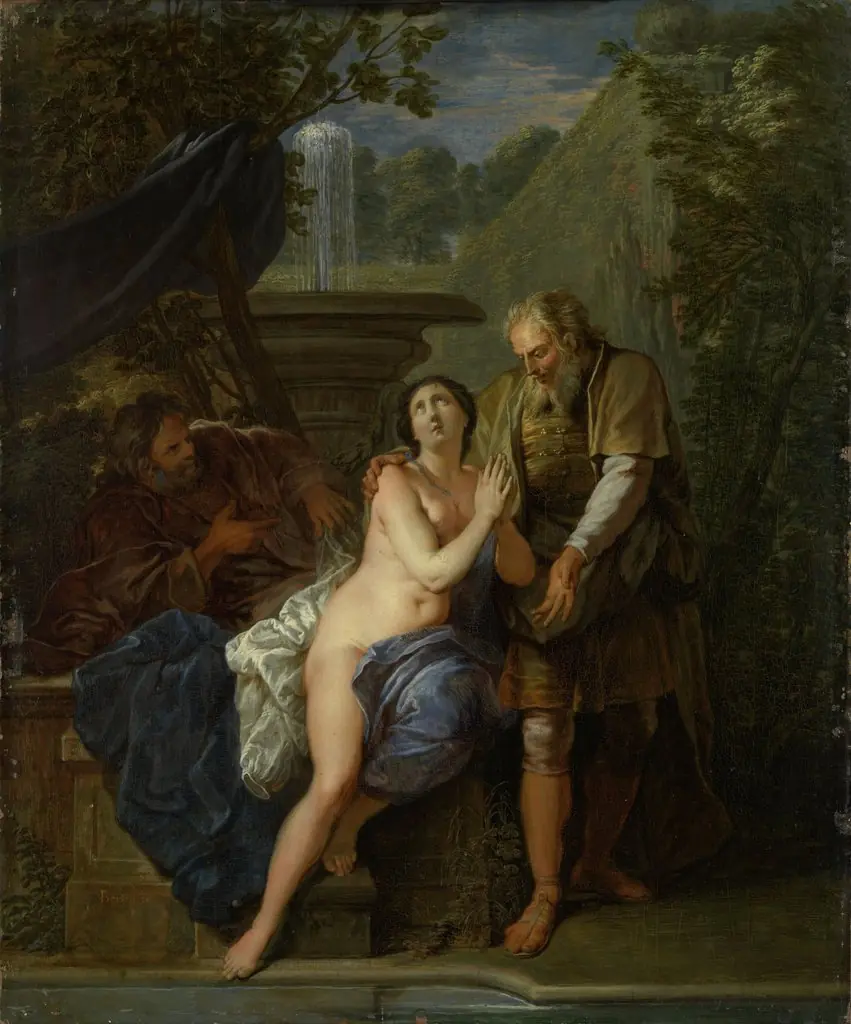 Susanna and the Elders
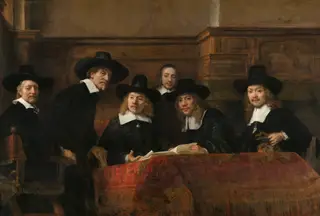 Syndics of the Drapers' Guild
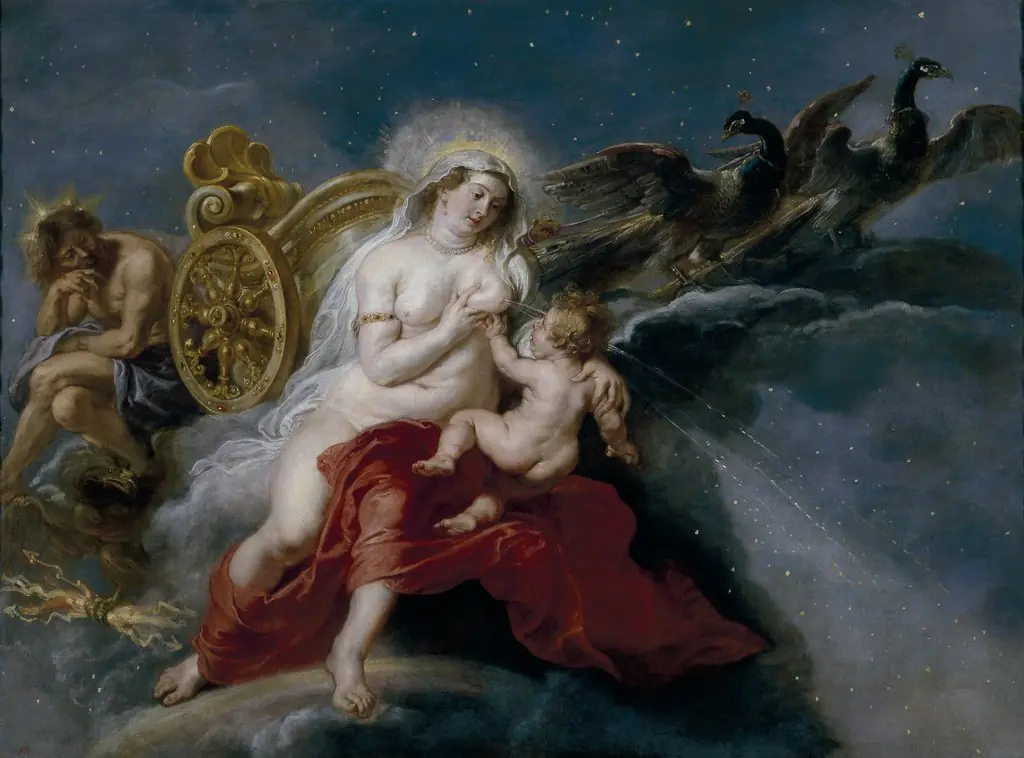 The Origin of the Milky Way
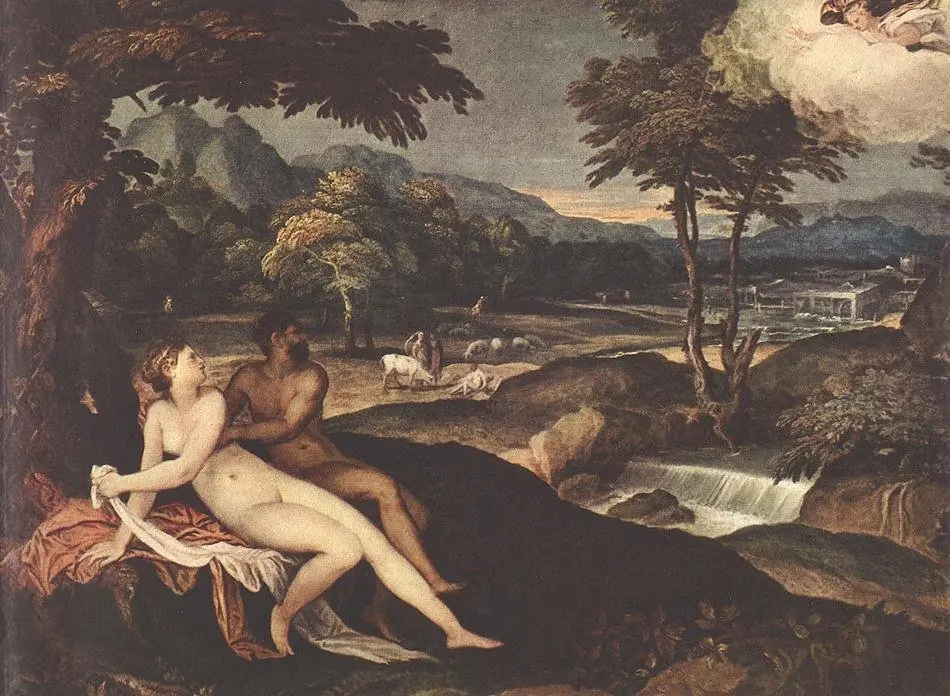 Landscape with Jupiter and Io
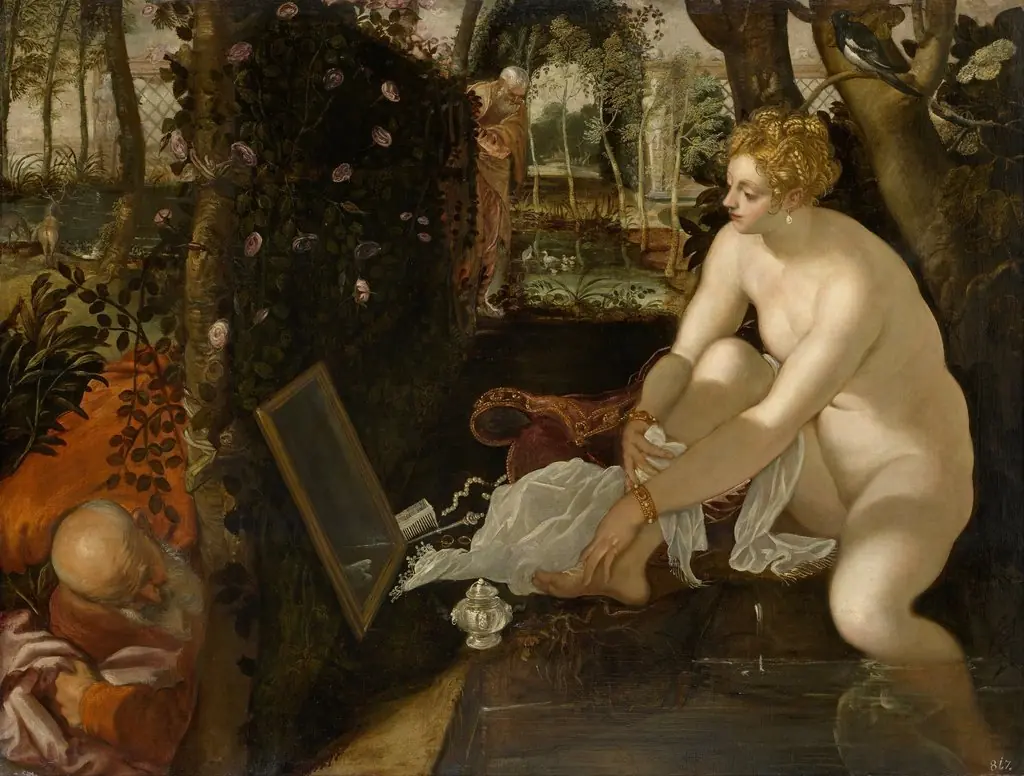 Susanna and the Elders
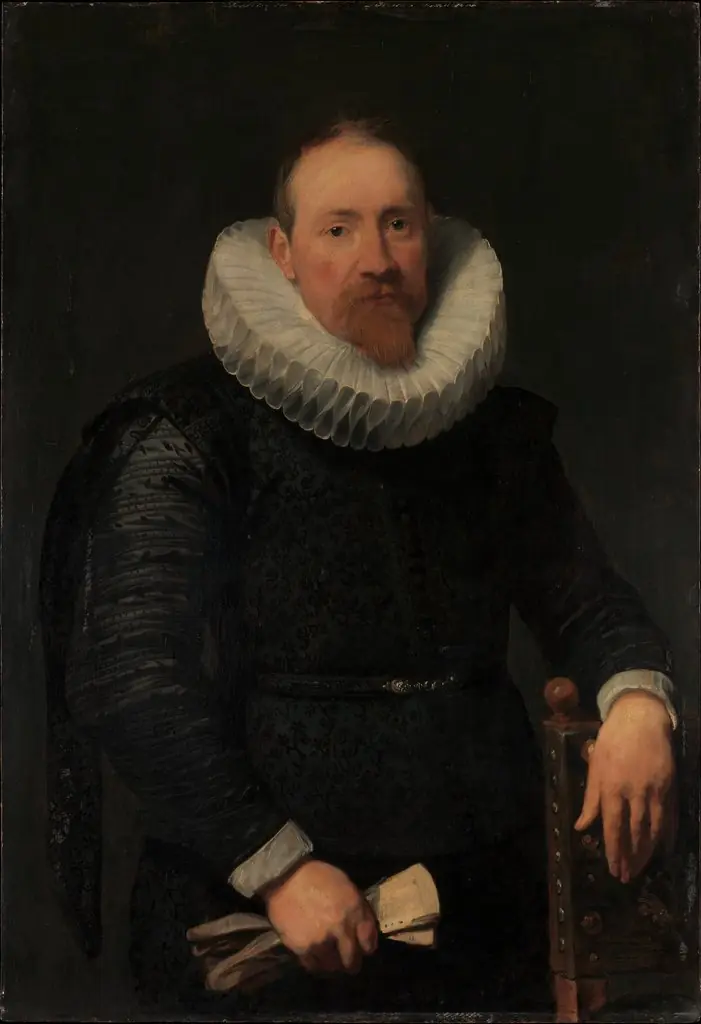 Portrait of a Man
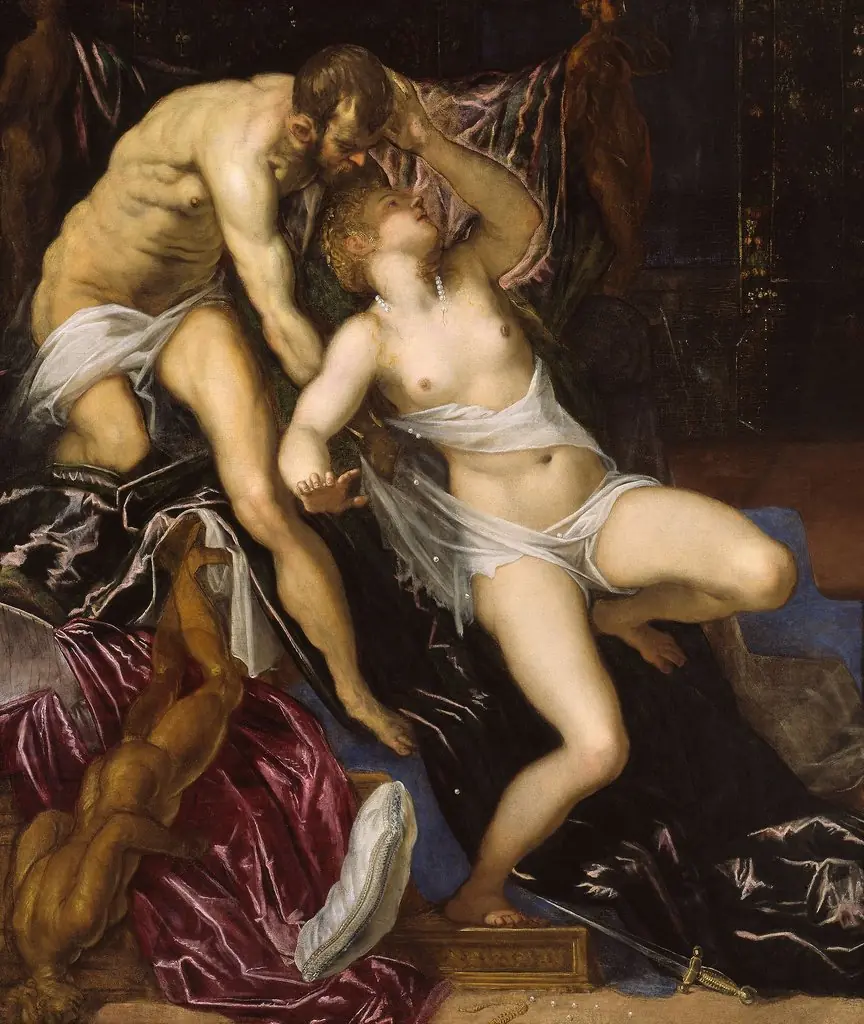 Tarquin and Lucretia
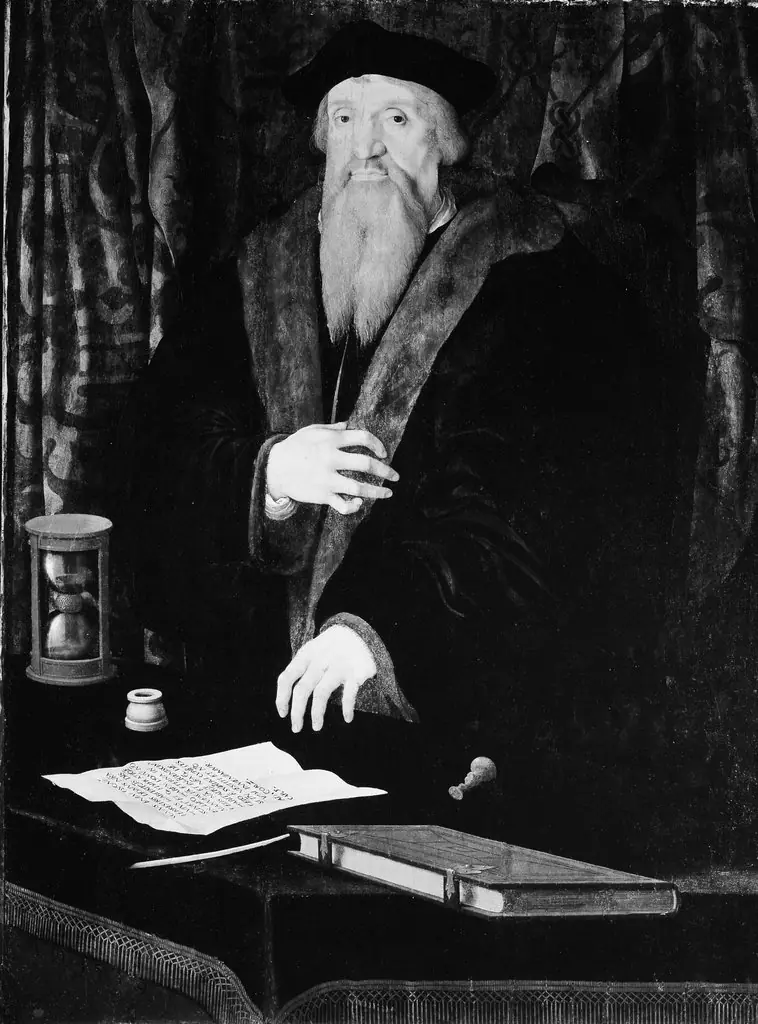 Portrait of a Man, Possibly Jean de Langeac (died 1541), Bishop of Limoges
 Noli me tangere
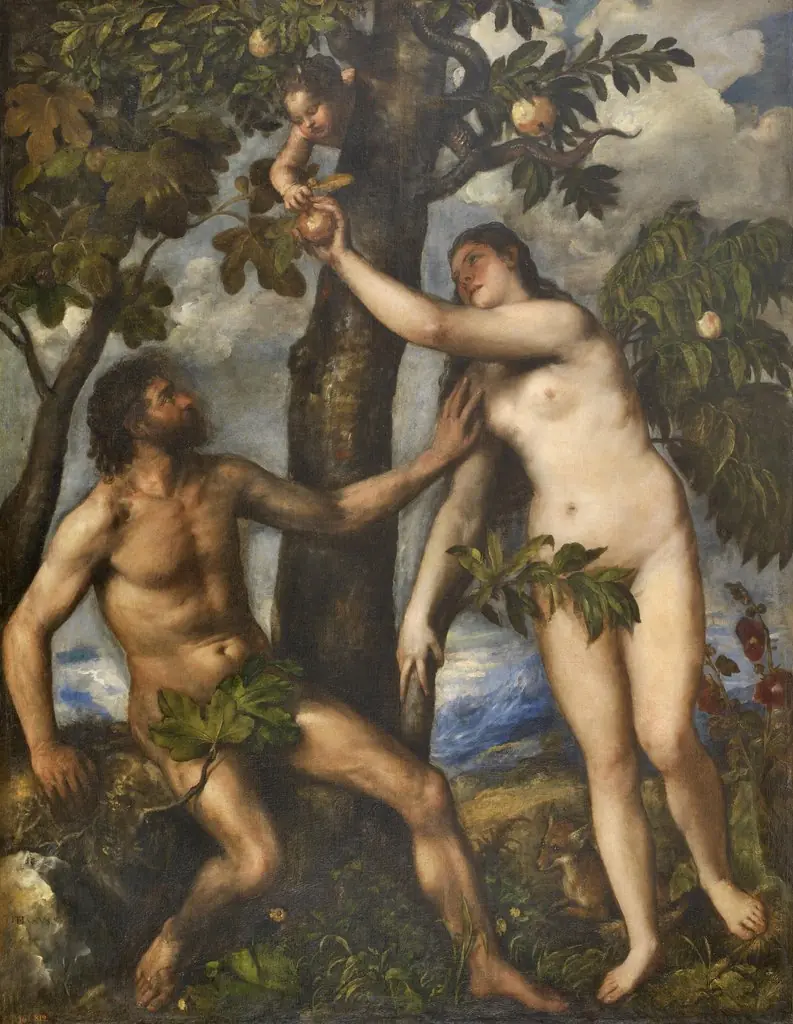 The Fall of Man
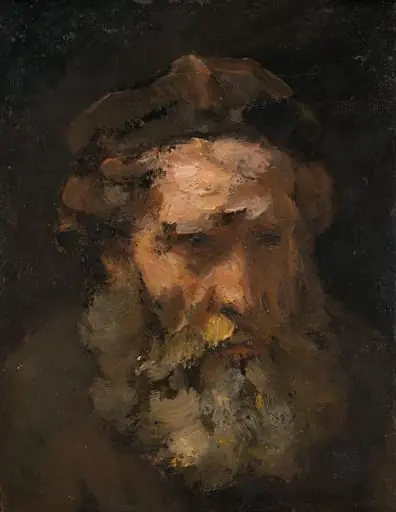 Head of Saint Matthew
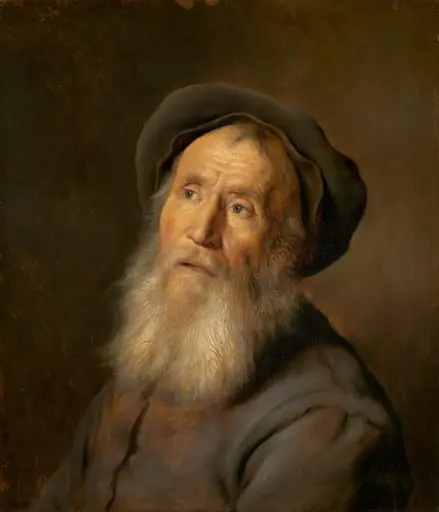 Bearded Man with a Beret
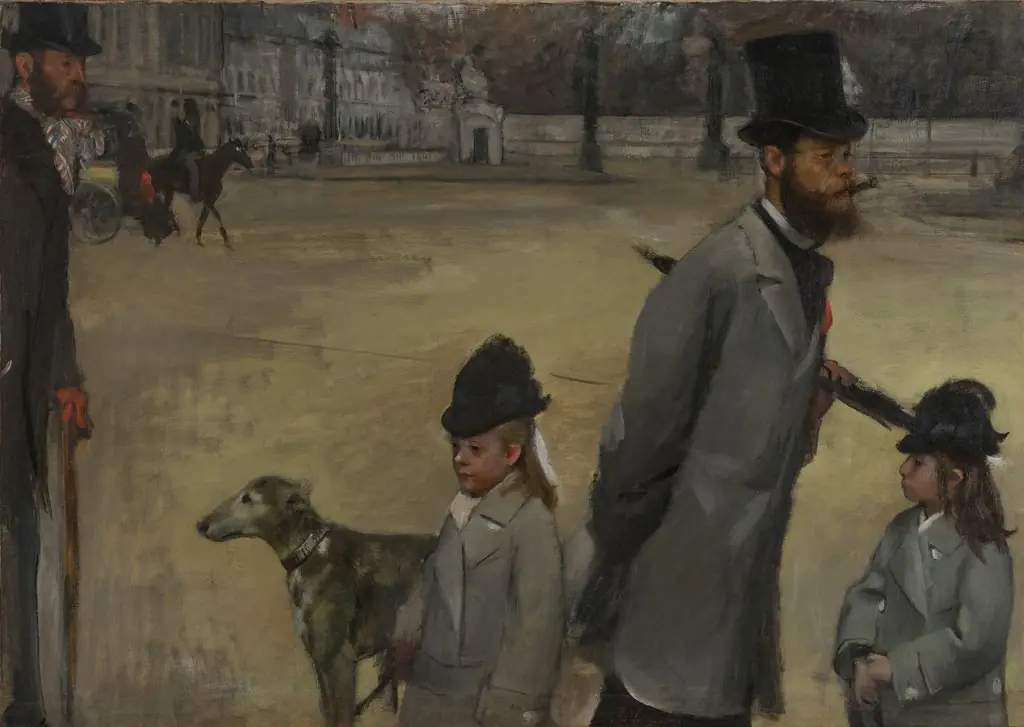 Place de la Concorde
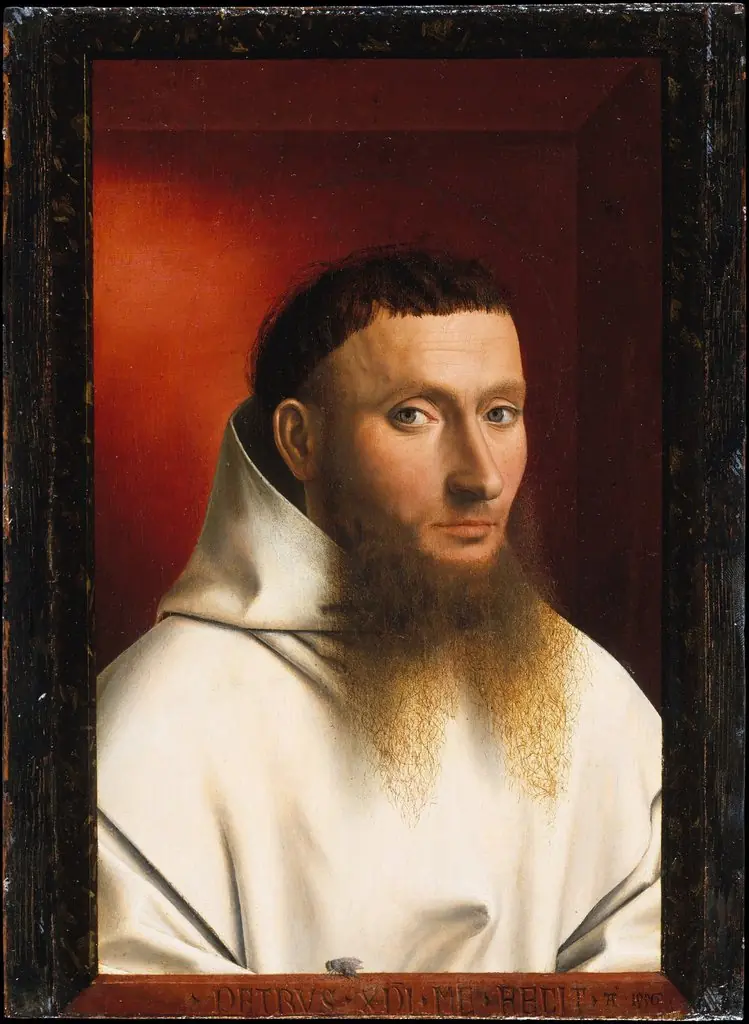 Portrait of a Carthusian
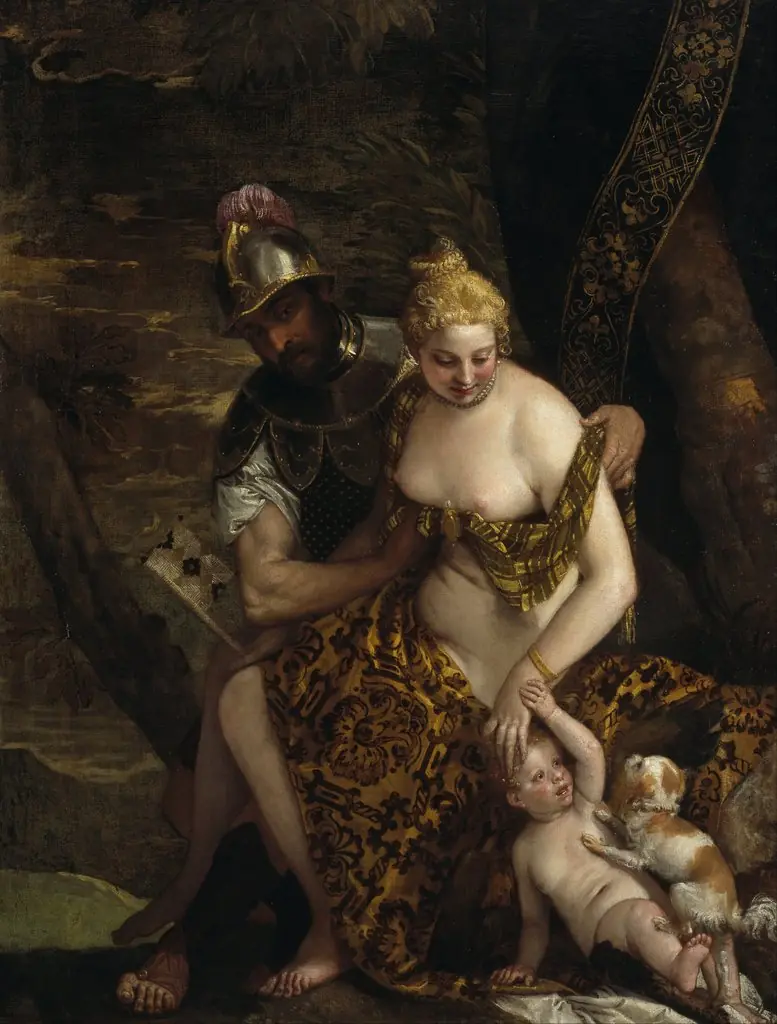 Mars and Venus with Cupid and a Dog
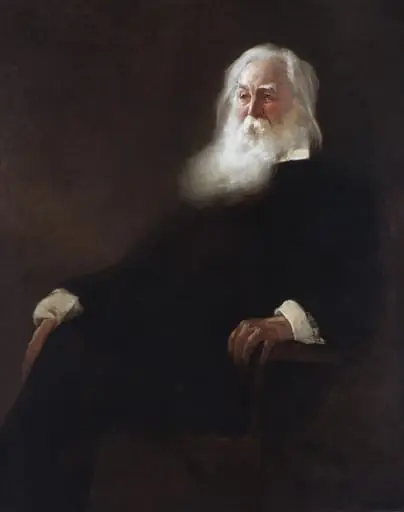 Walt Whitman
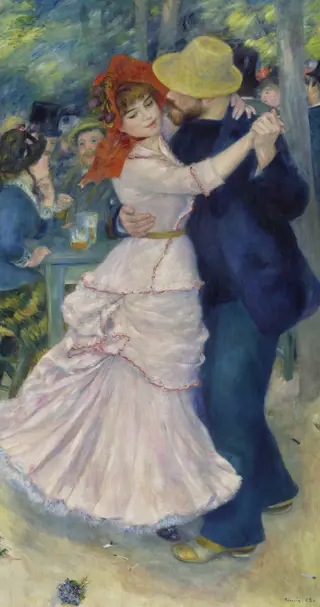 Dance at Bougival
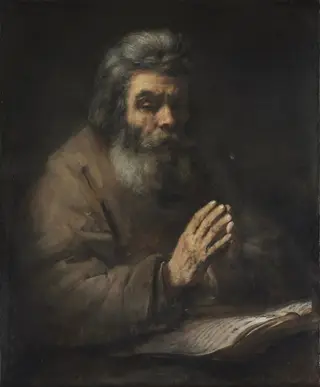 An Elderly Man in Prayer
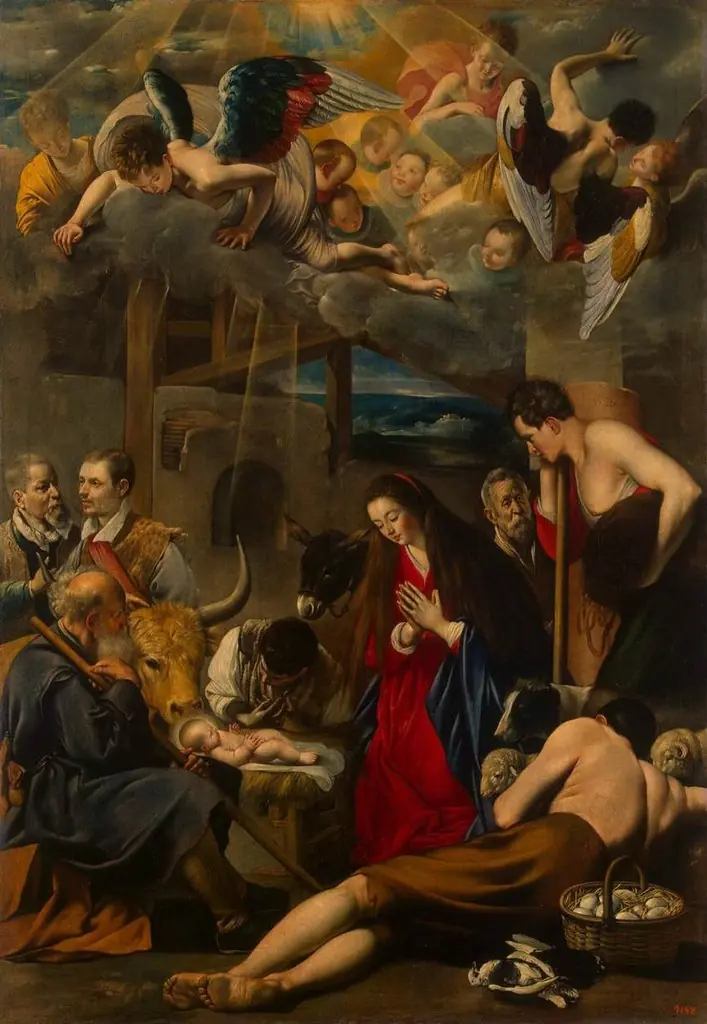 Adoration of the Shepherds
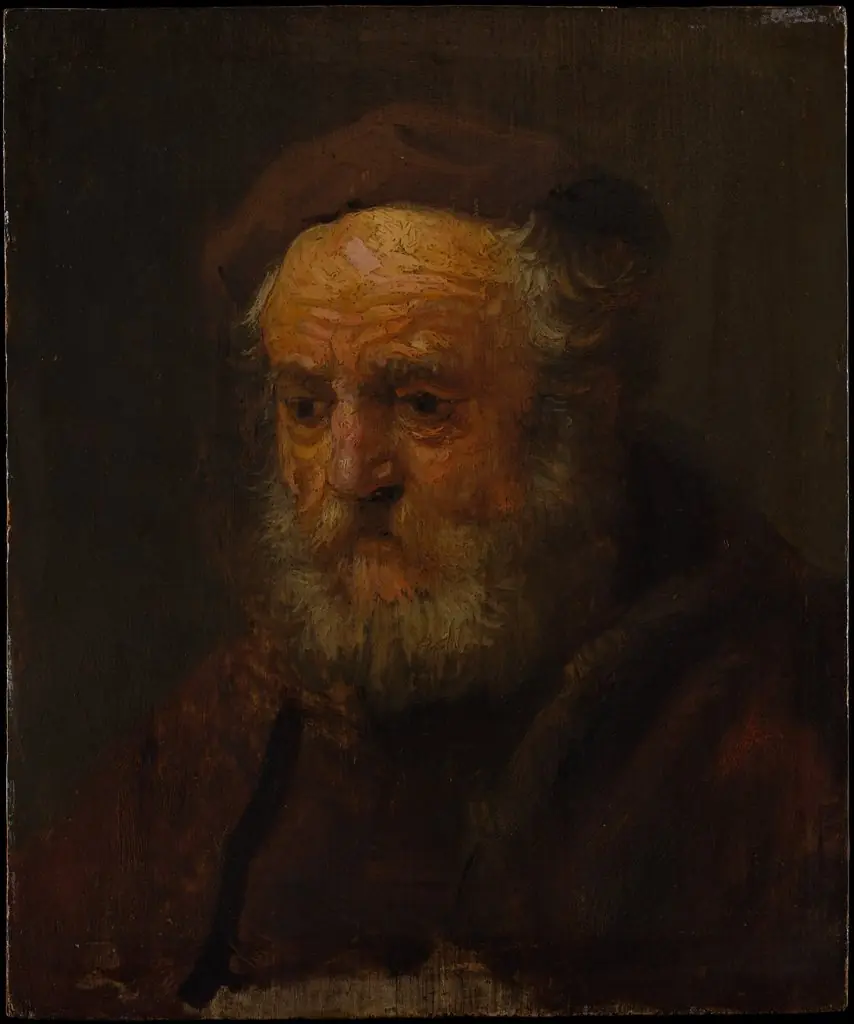 Study Head of an Old Man
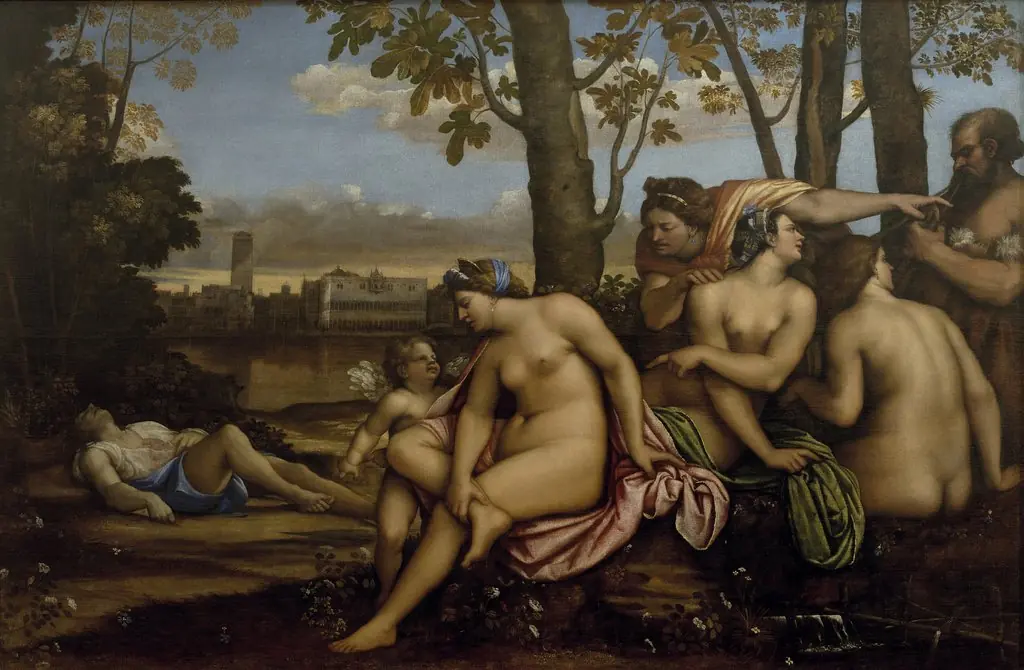 Death of Adonis
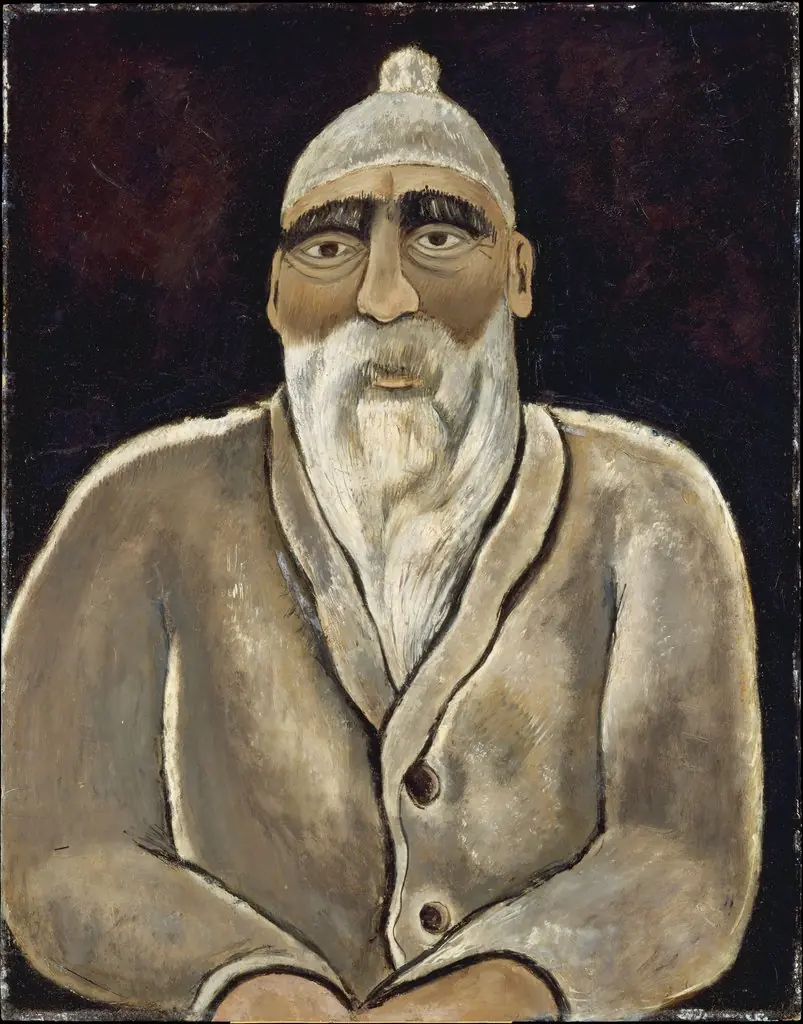 Albert Pinkham Ryder
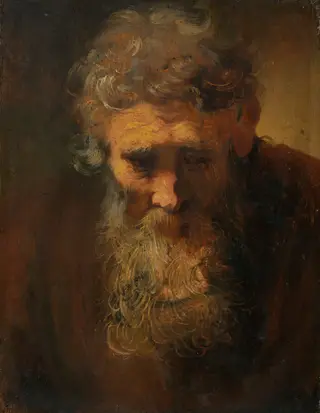 Study of an Old Man
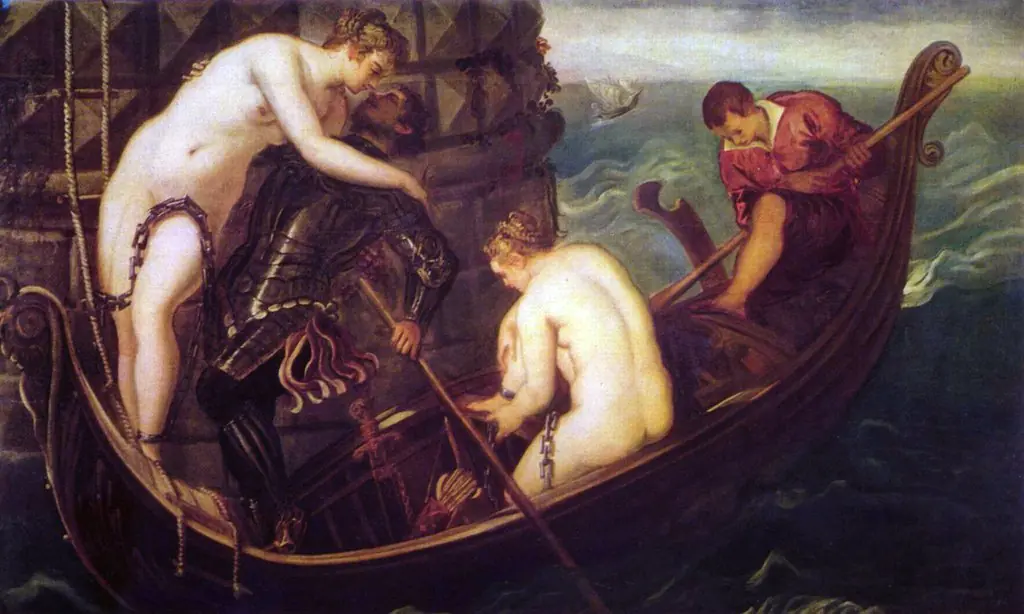 The Deliverance of Arsinoe
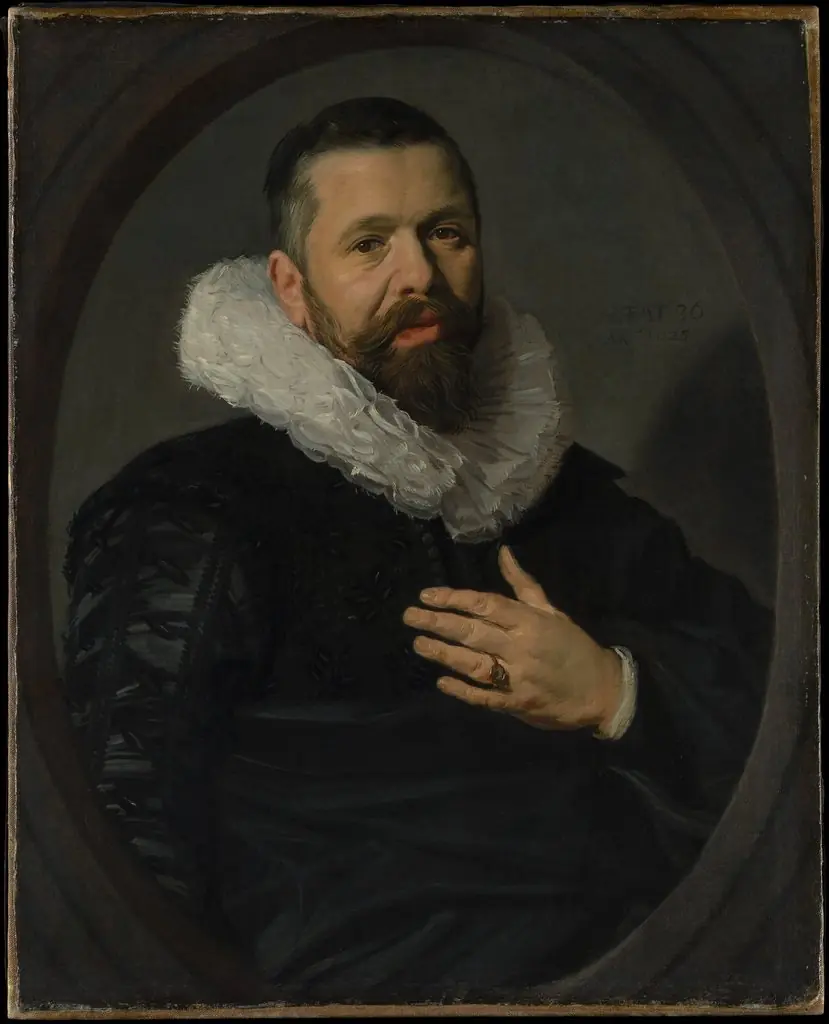 Portrait of a Bearded Man with a Ruff
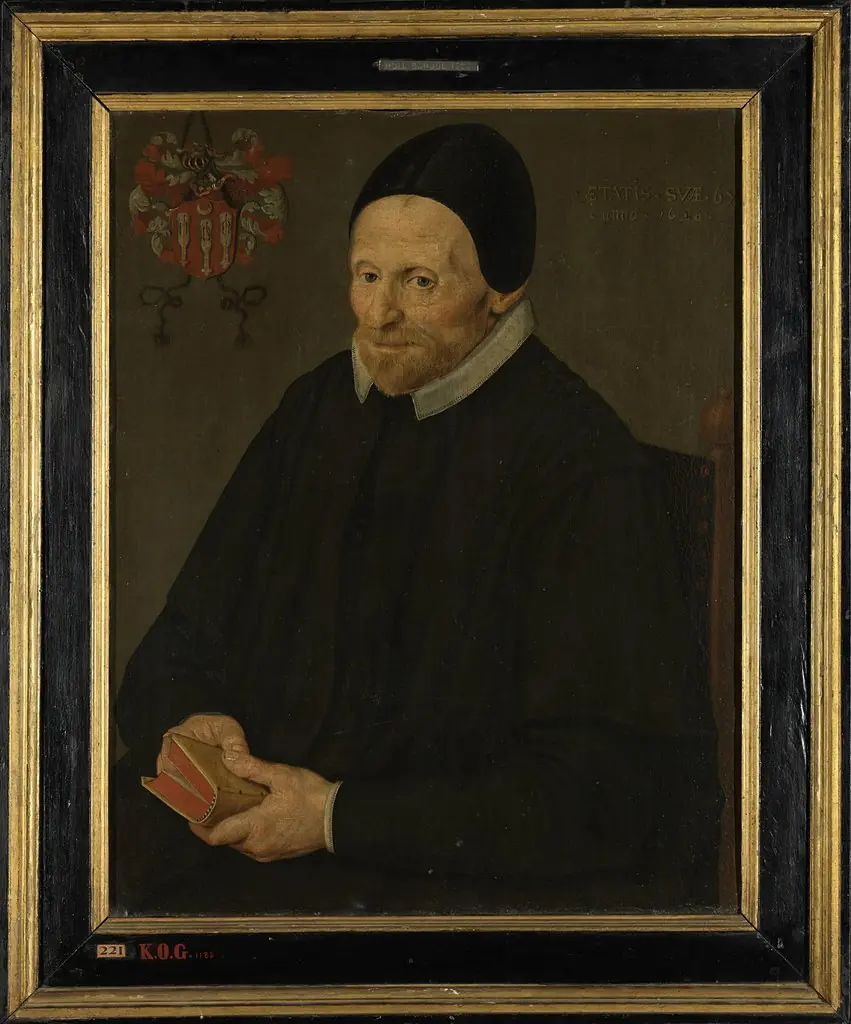 Portrait of Jacob Hendricksz van Swieten (1558-1626)
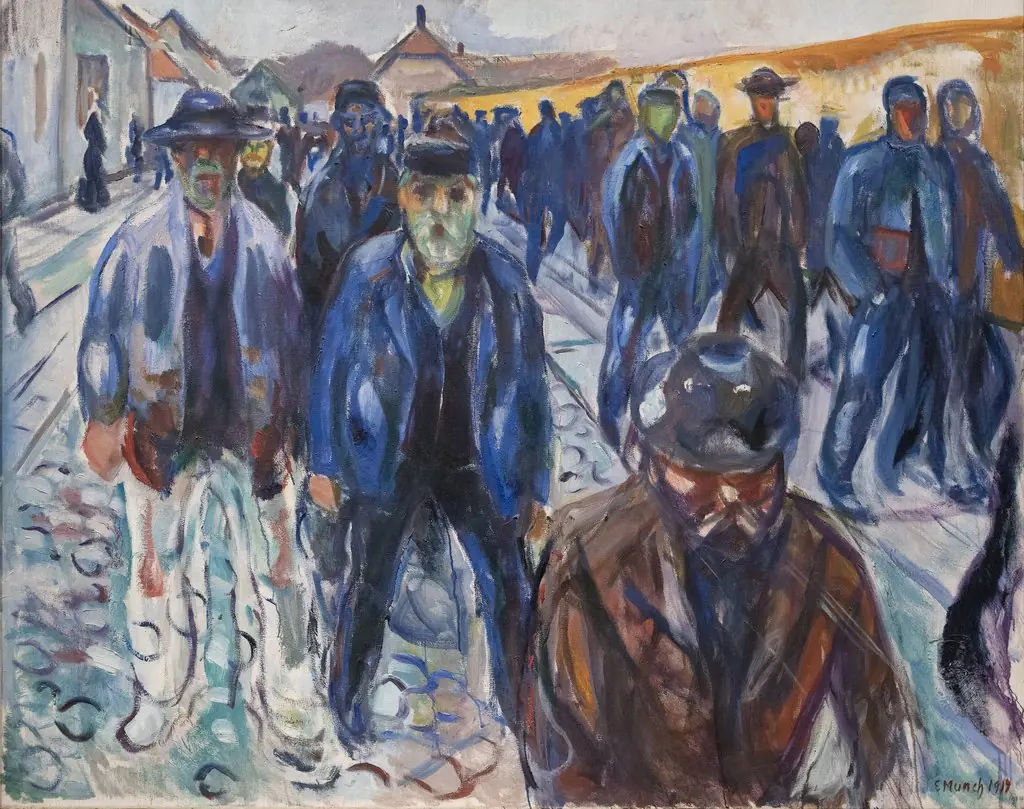 Workers on their Way Home
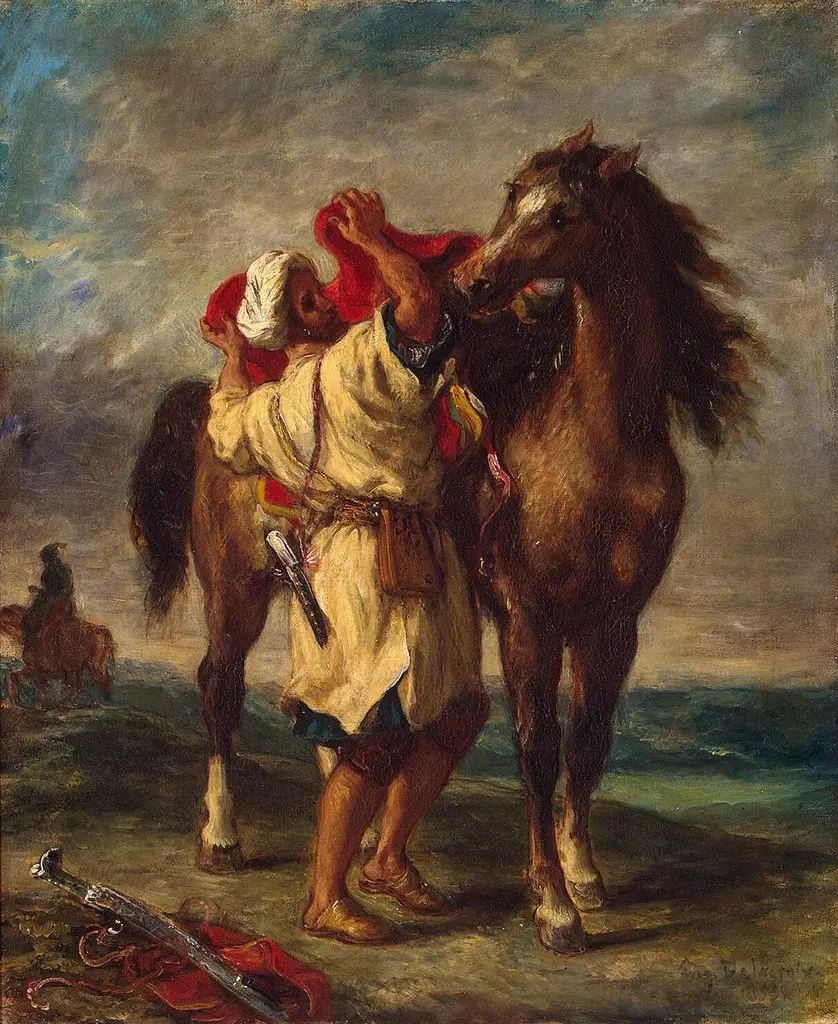 Arab Saddling his Horse
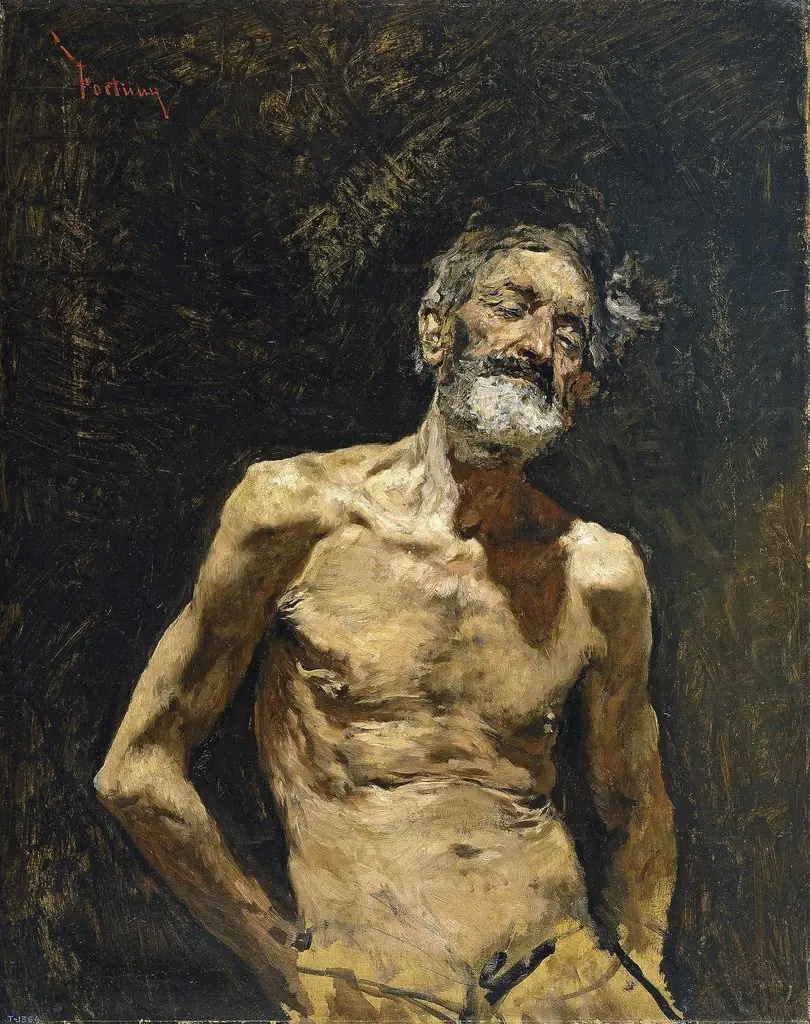 Nude Old Man in the Sun
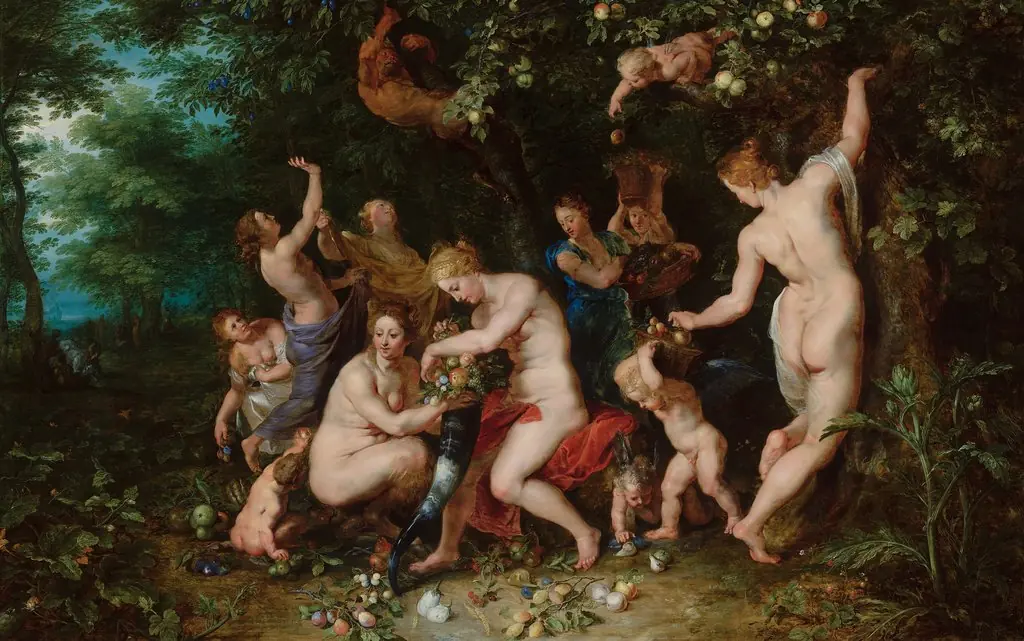 Nymphs filling the horn of plenty
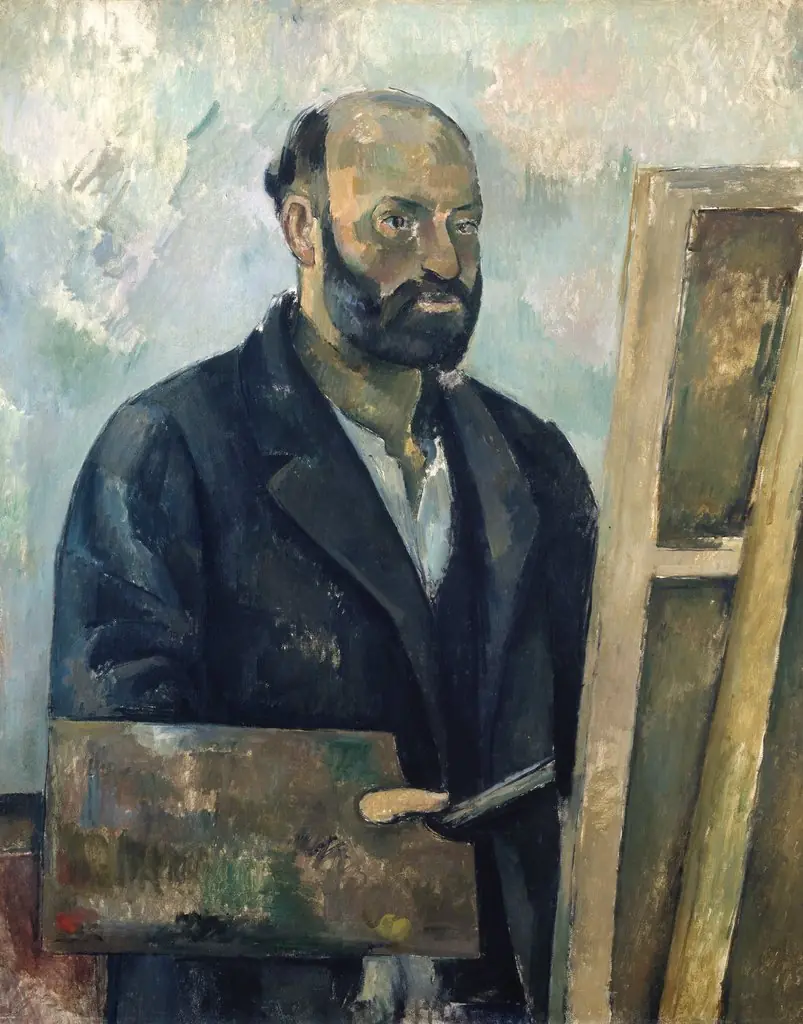 Self-Portrait with Palette
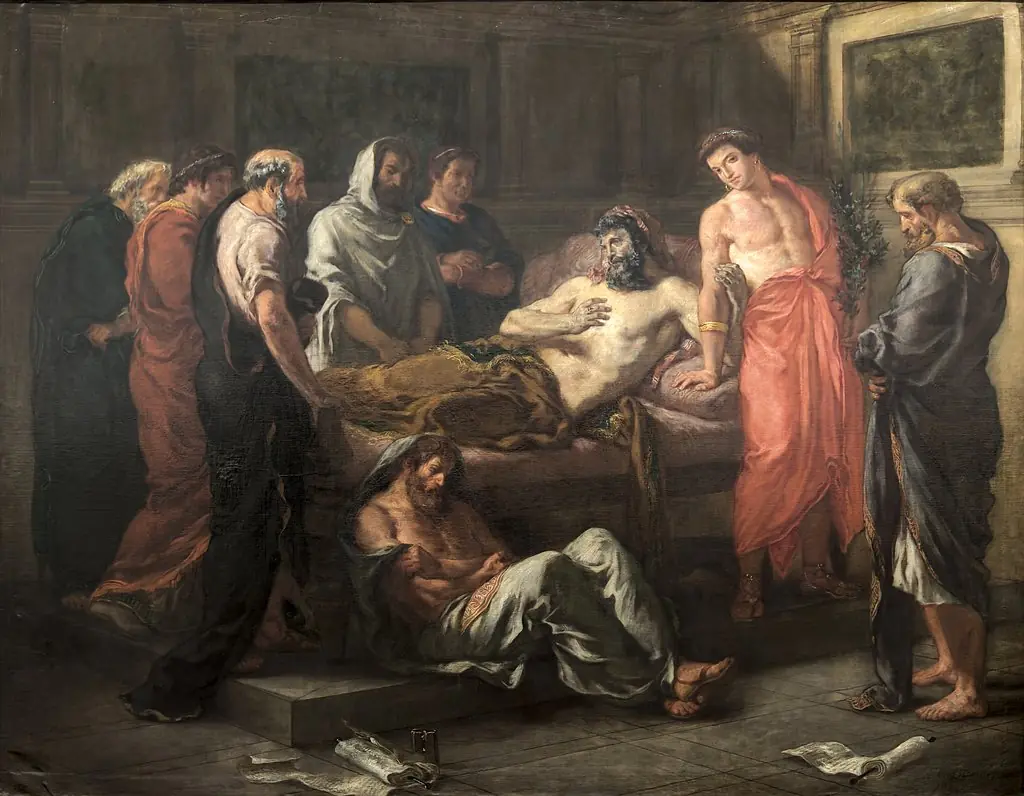 Last Words of the Emperor Marcus Aurelius
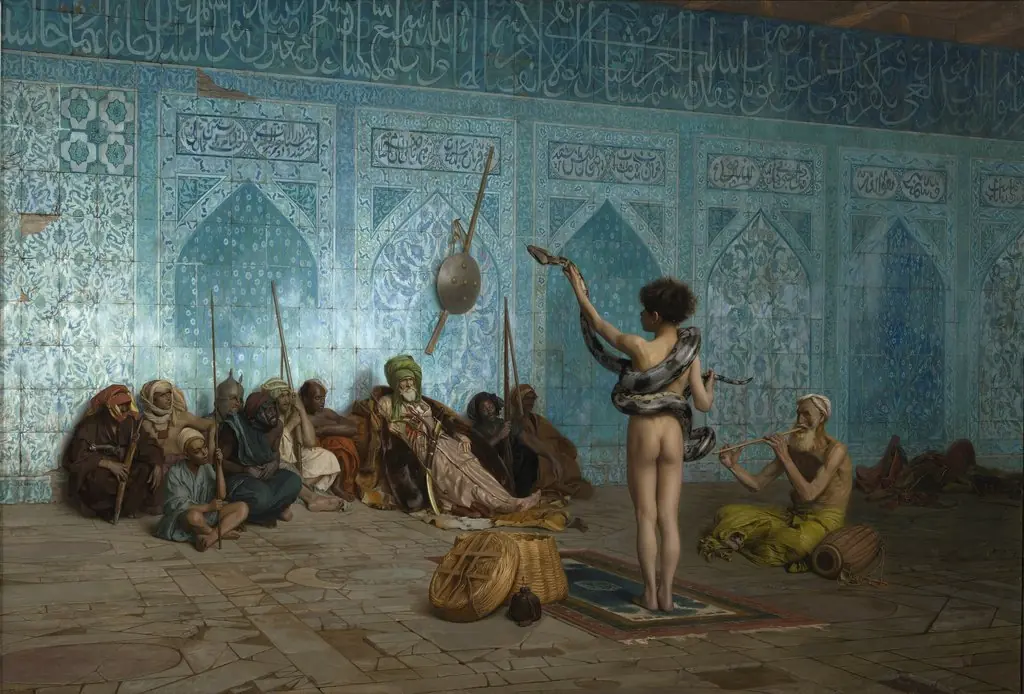 The Snake Charmer
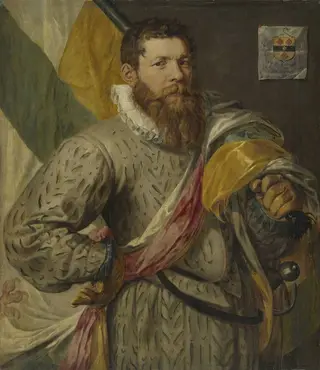 Portrait of Hendrick Jansz. Spijcker, called De Veer, as Flag Bearer
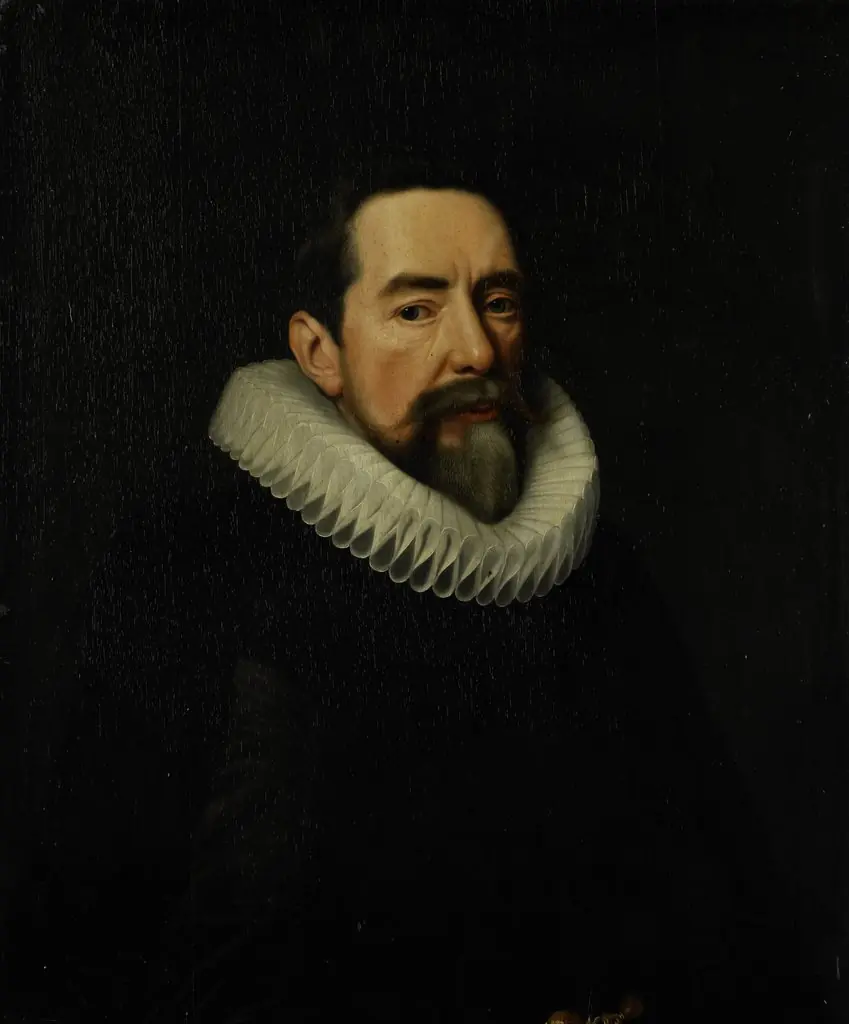 Portrait of a man
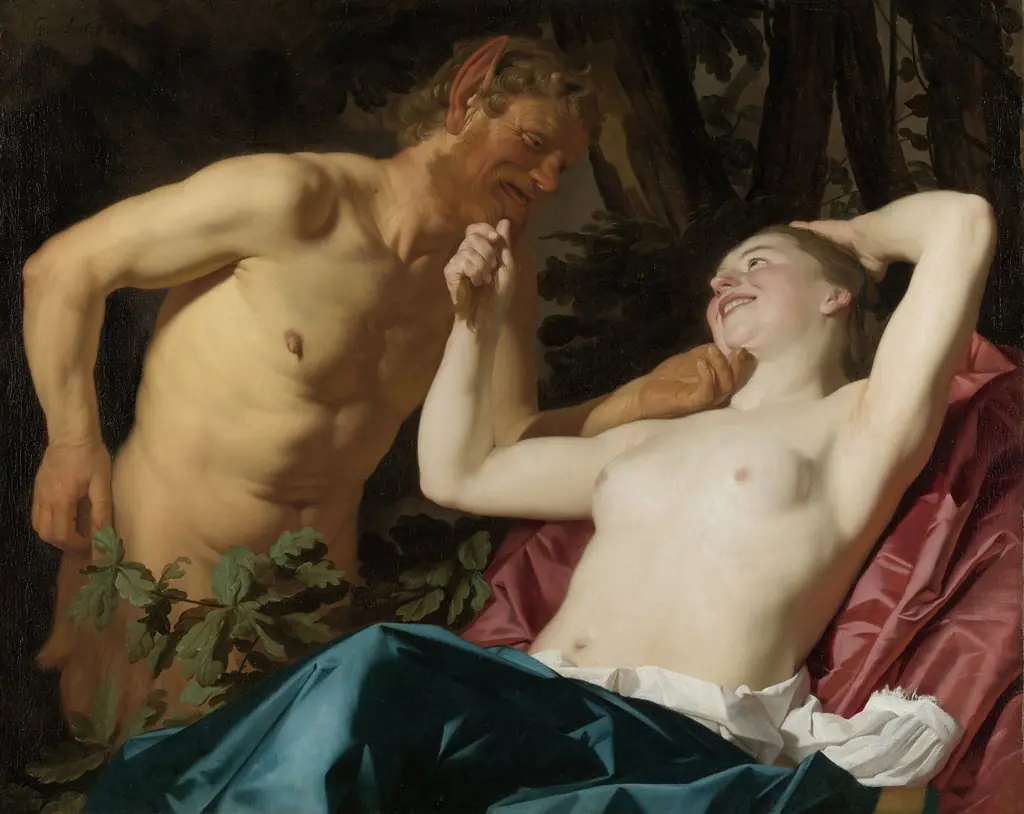 Satyr and Nymph
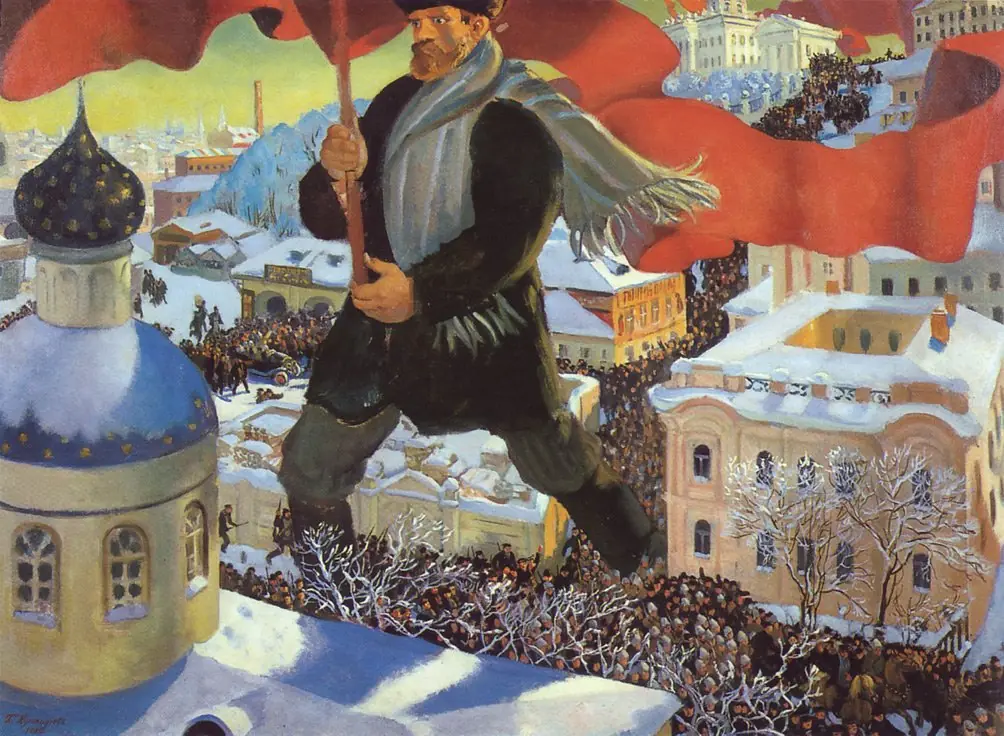 Bolshevik
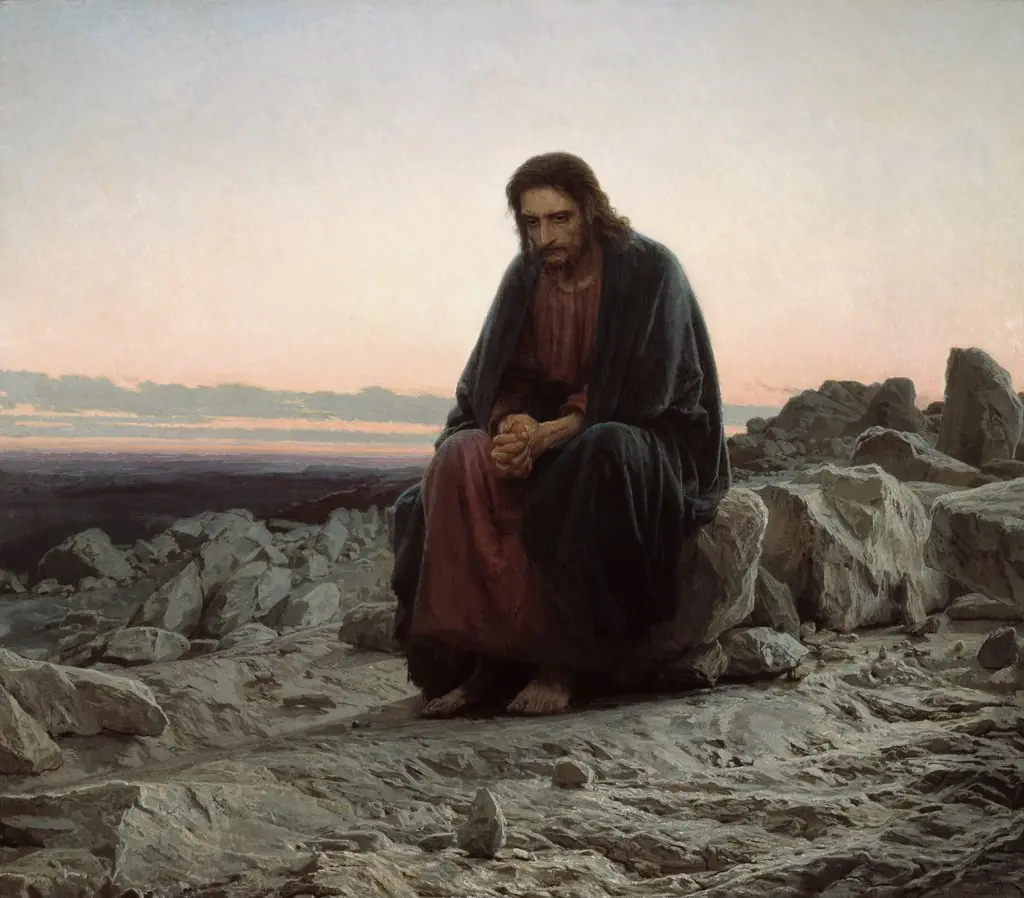 Christ in the Wilderness
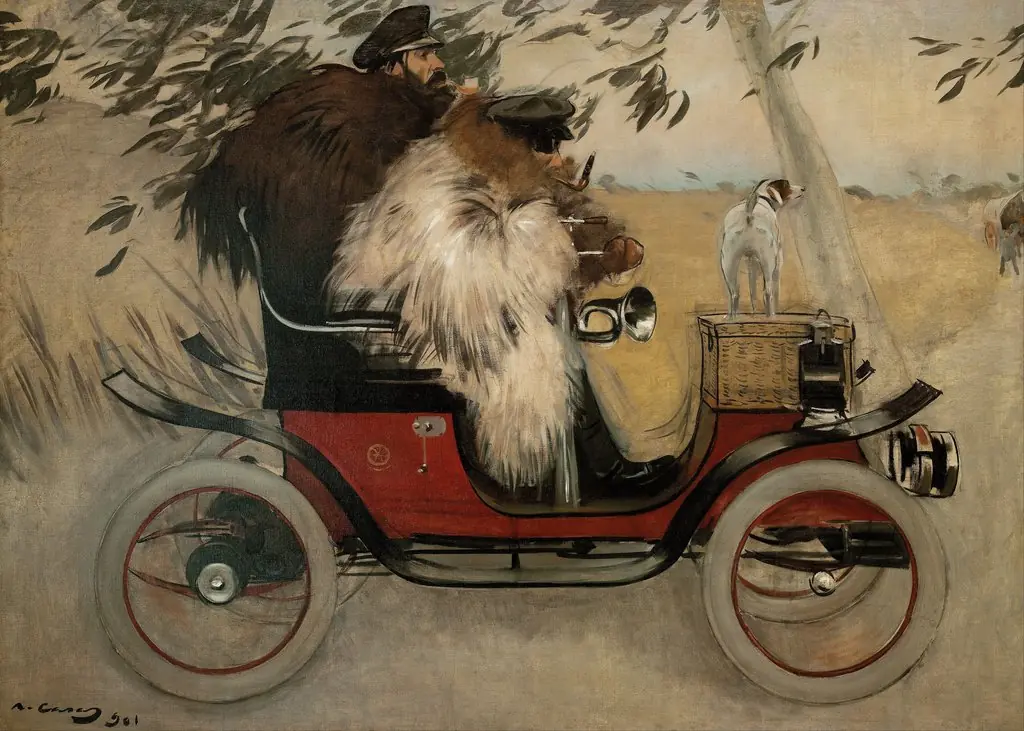 Ramon Casas and Pere Romeu in an Automobile
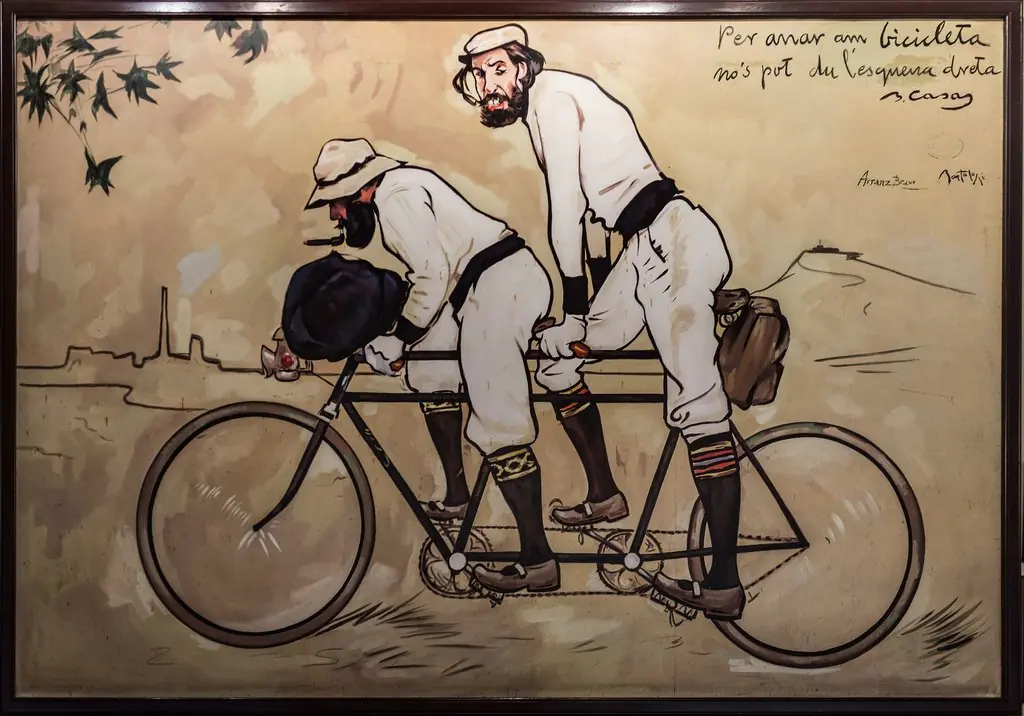 Ramon Casas and Pere Romeu on a Tandem
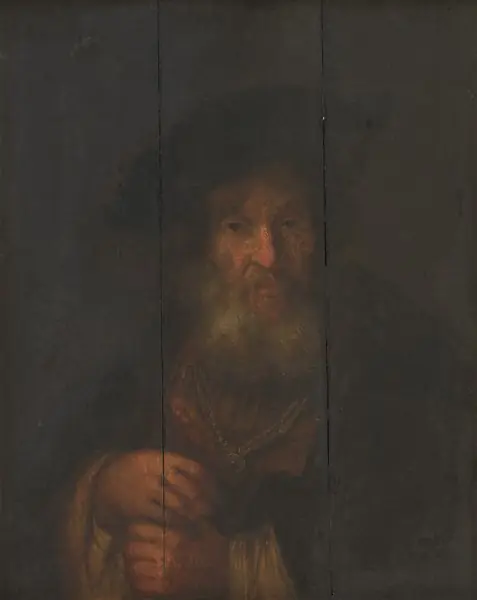 Portrait of an Old Jew
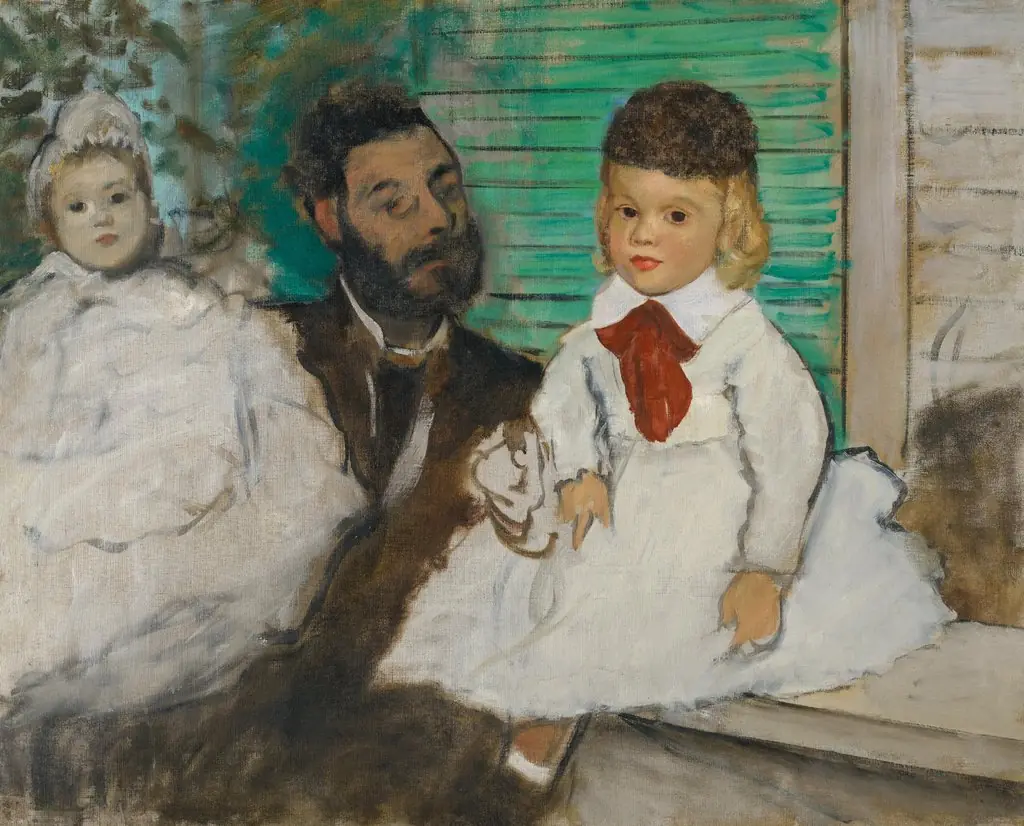 Count Lepic and His Daughters
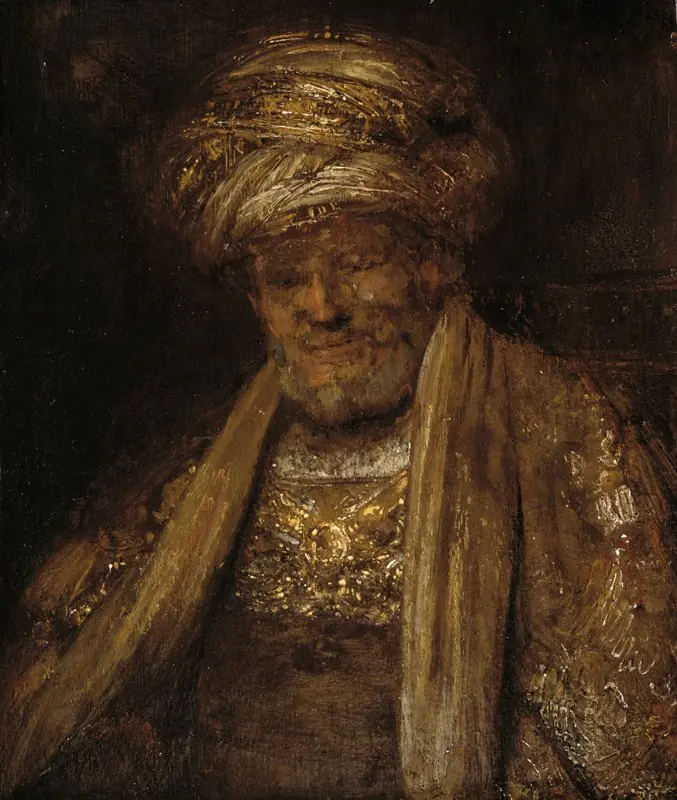 Portrait of an Oriental Man
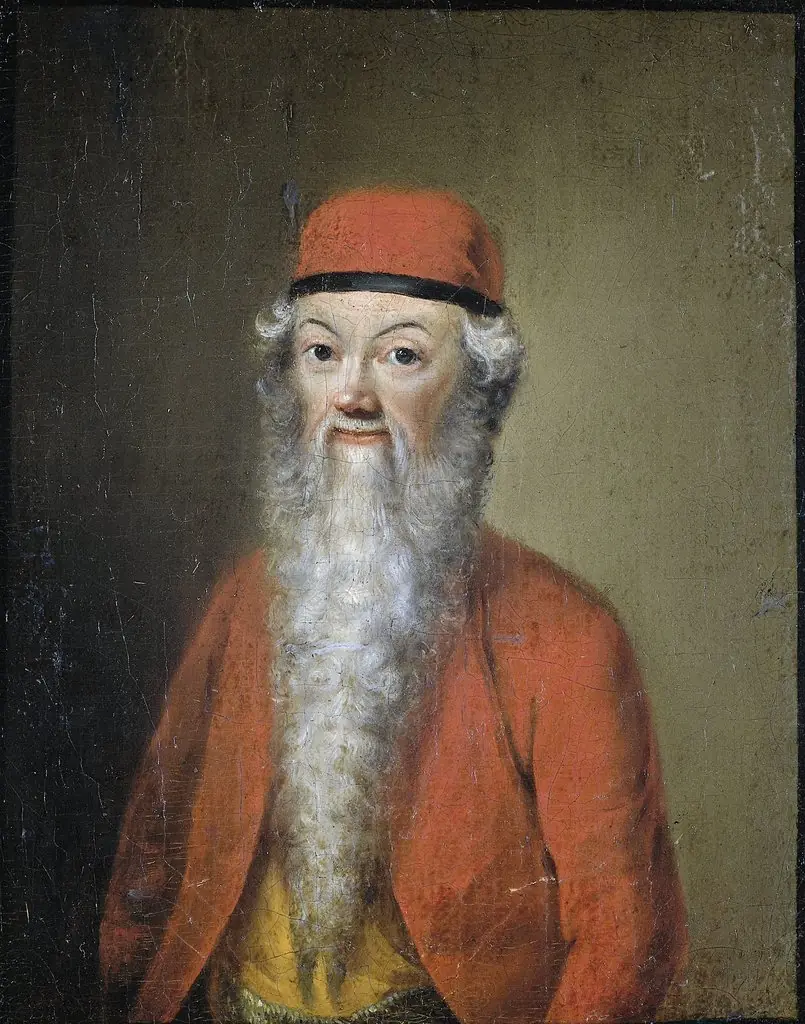 Portrait of Jean-Étienne Liotard at approximately 54 years of age (Self Portrait in Turkish Costume)
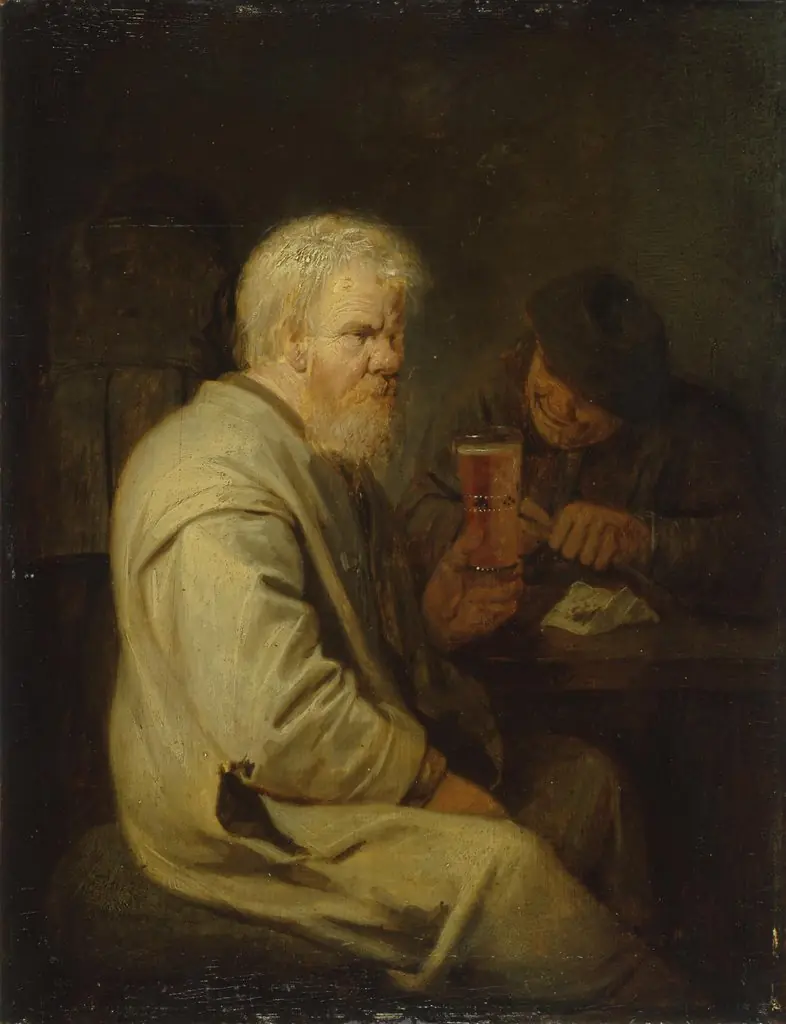 Peasants in a Tavern
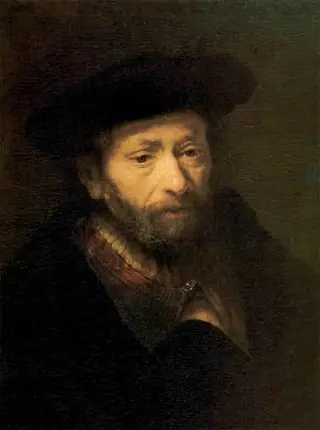 Portrait of a Bearded Old Man with a Hand in his Cloak
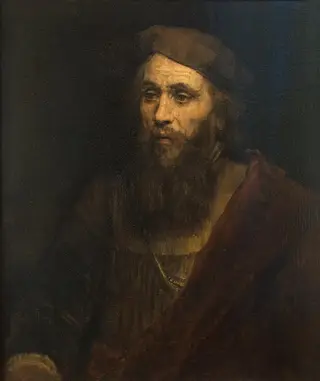 Half-length figure of a man with beard and beret
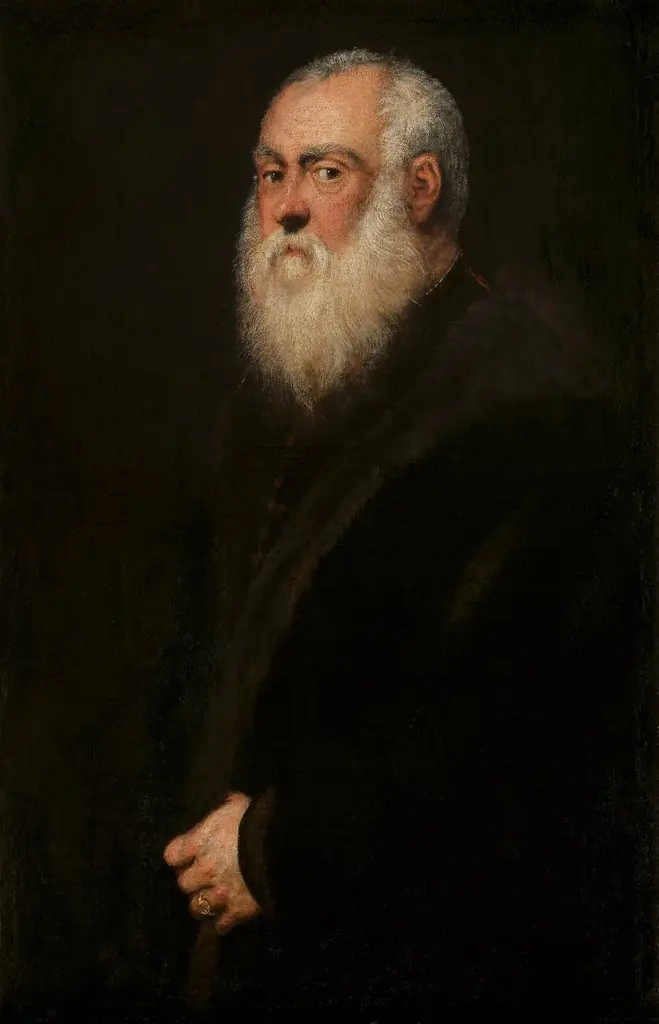 Portrait of a White-Bearded Man
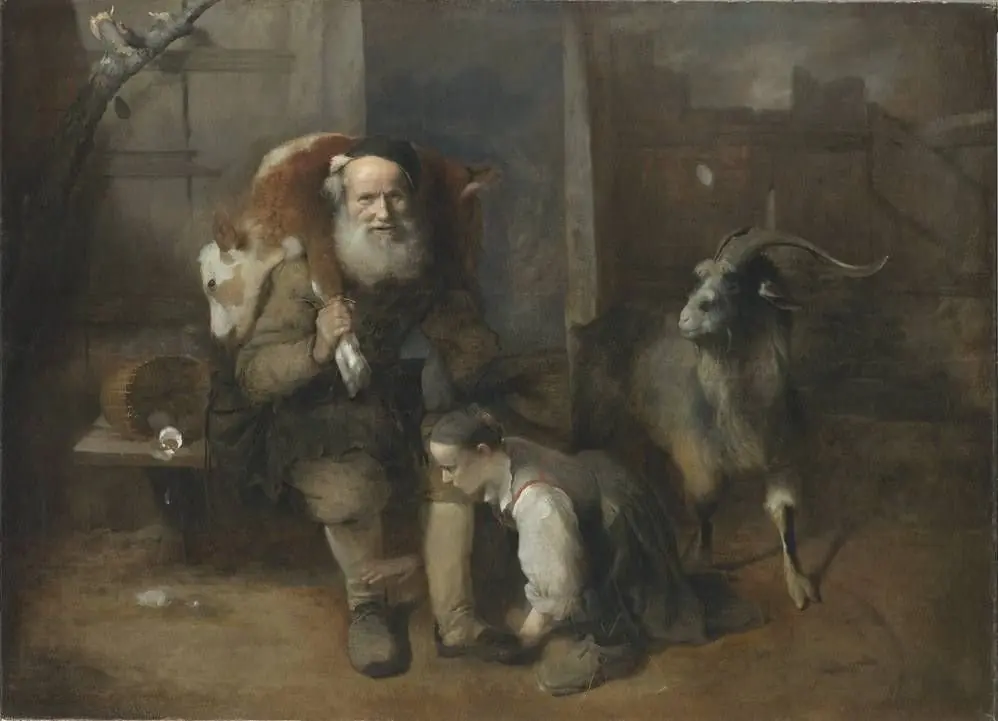 Peasant returning from the market
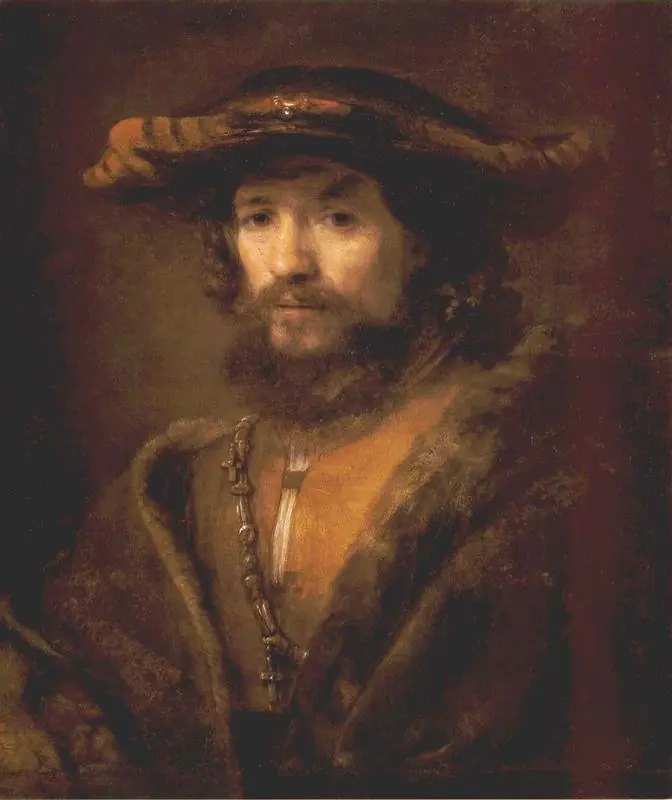 Bust of man wearing a large-brimmed hat
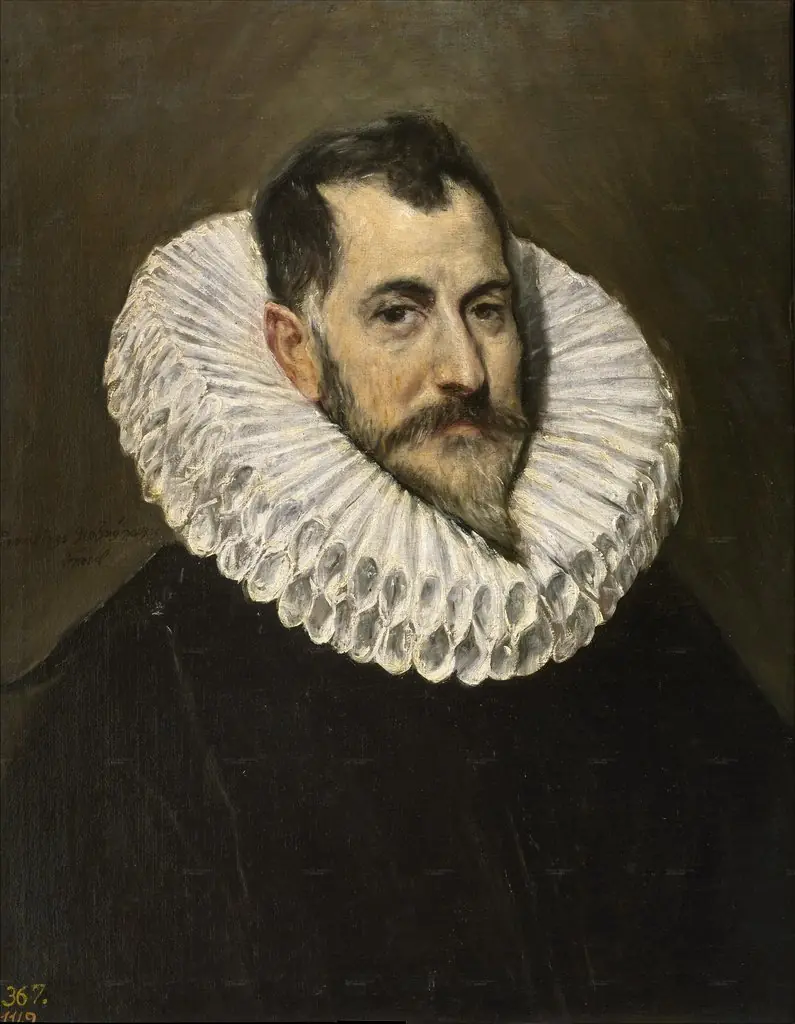 Retrato de un caballero desconocido
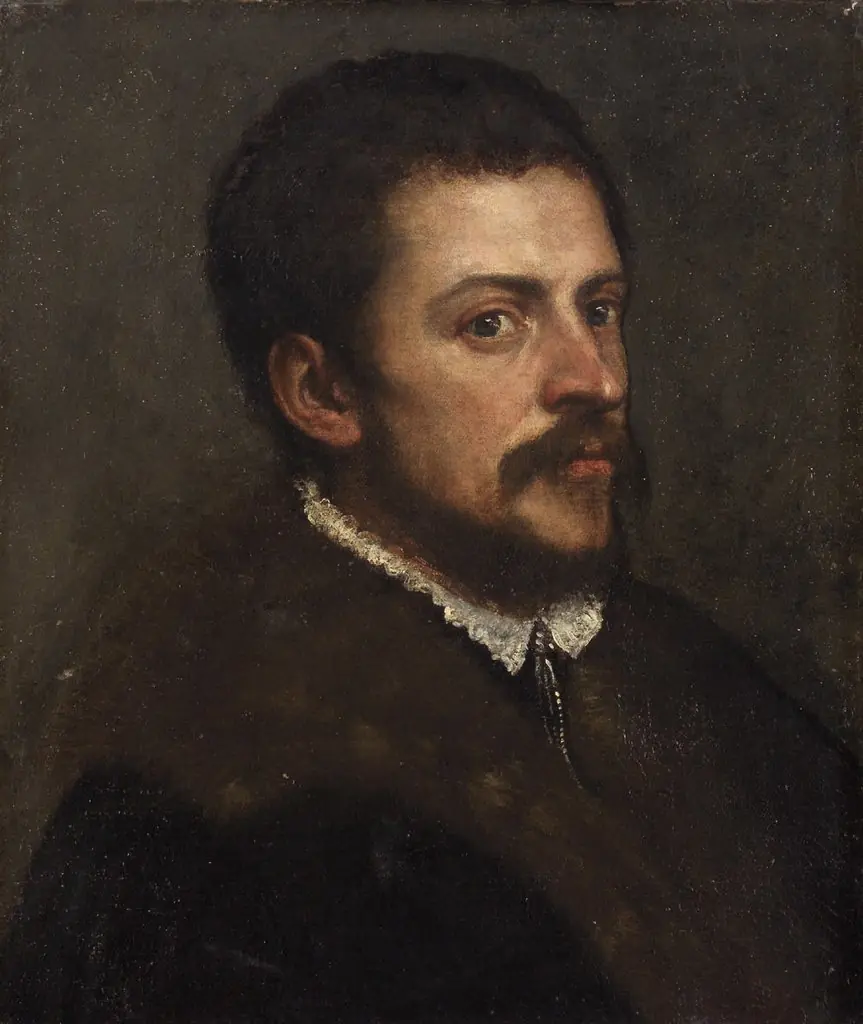 Portrait of a Bearded Man
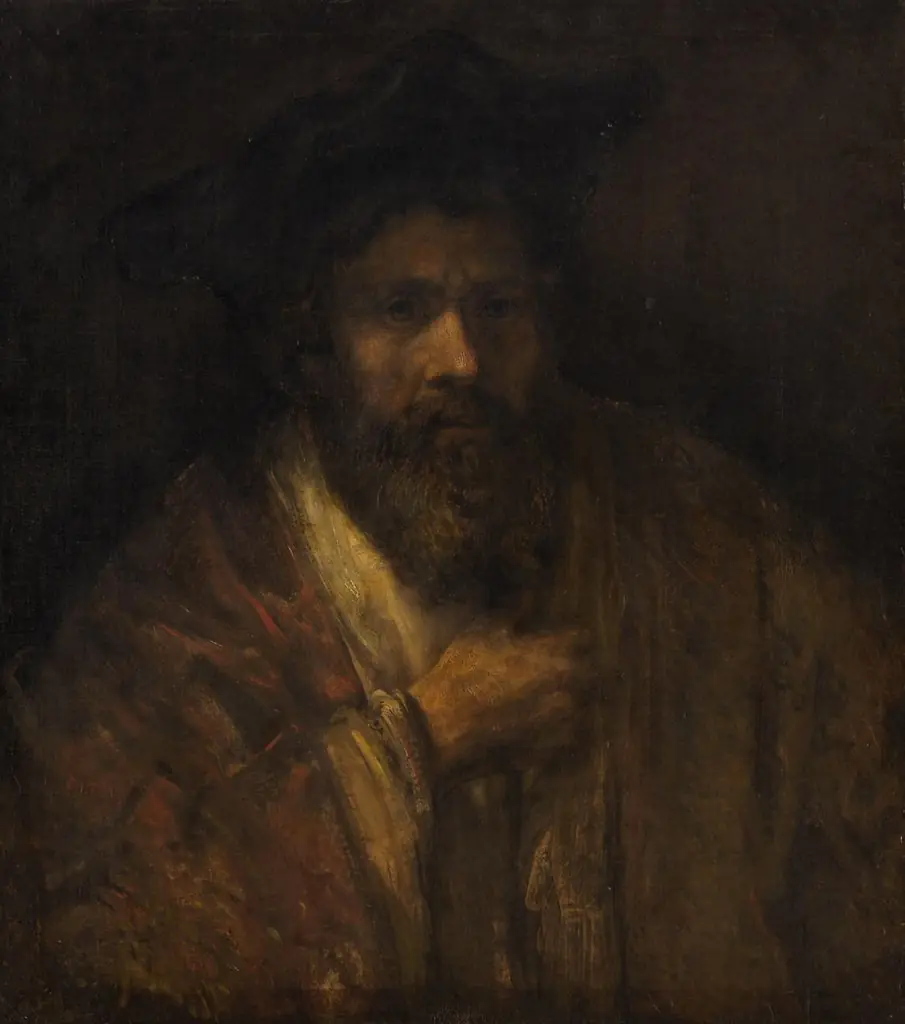 Portrait of a Bearded Man
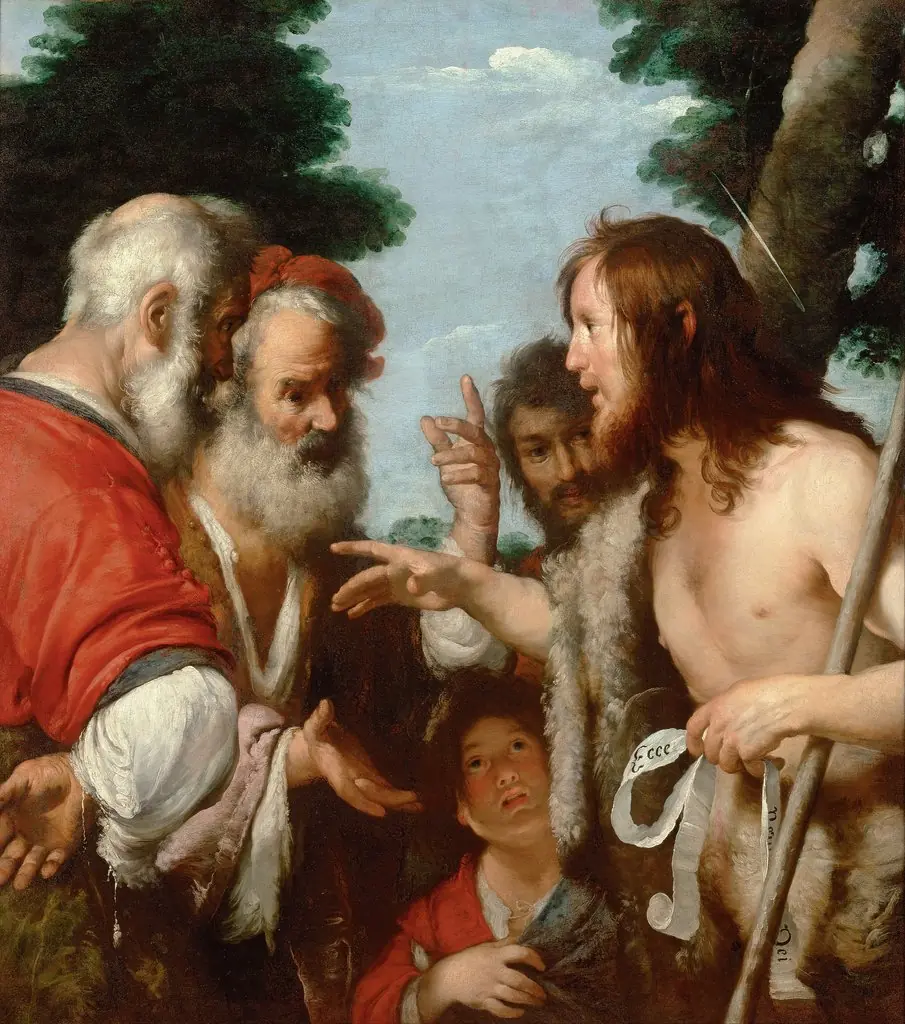 The Sermon of St. John the Baptist
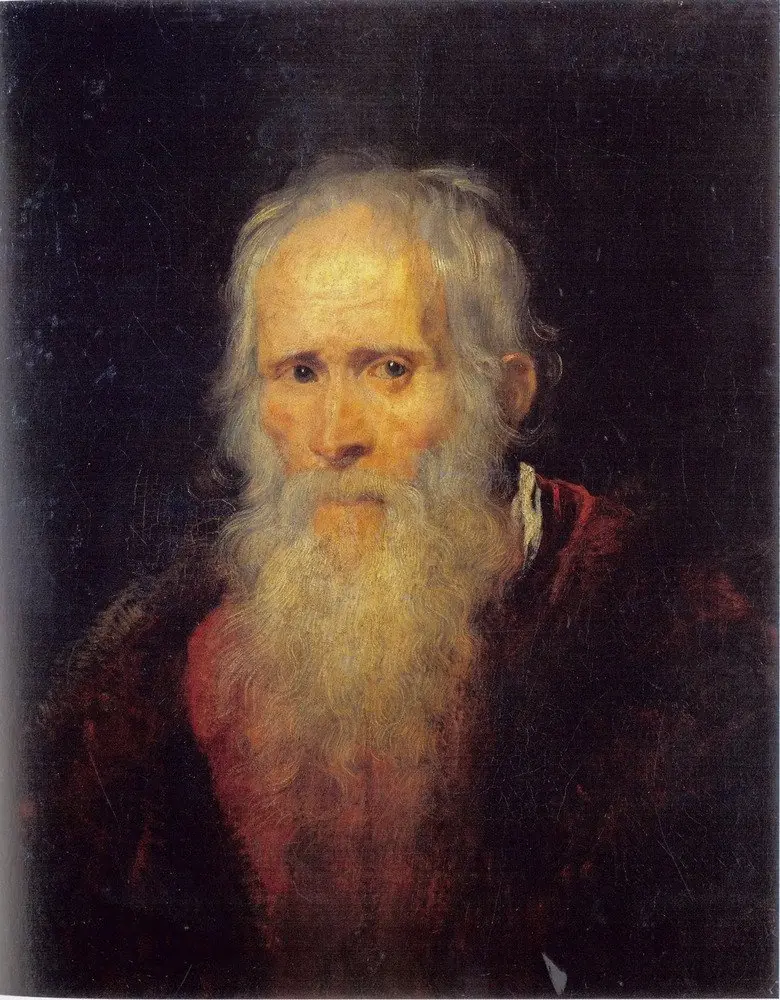 Head of an Old Man
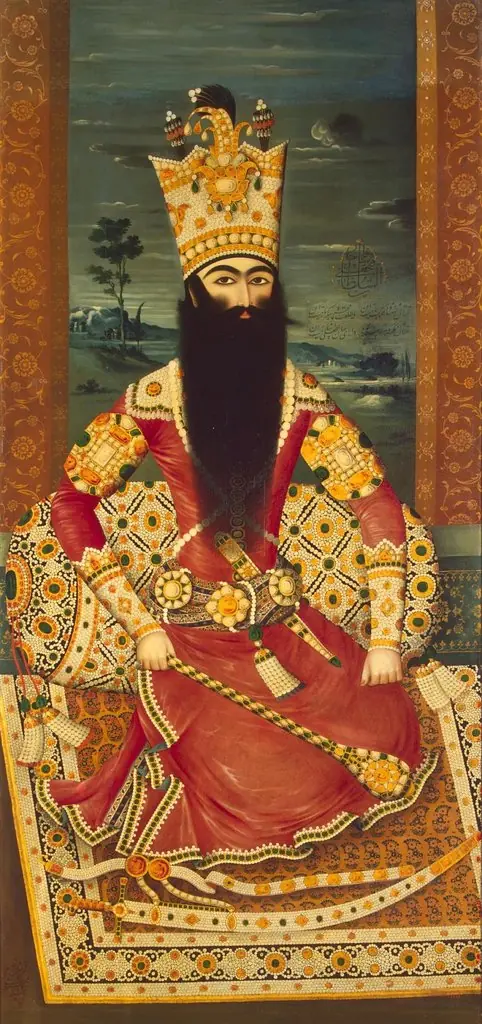 Portrait of Fath Ali Shah Seated
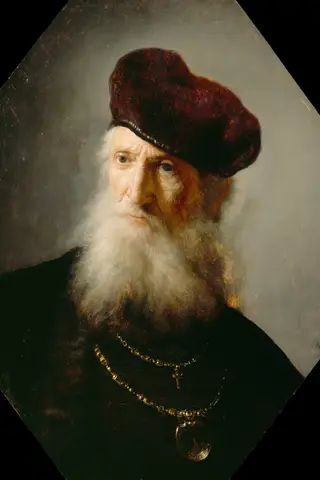 Head of a Bearded Old Man in High Beret
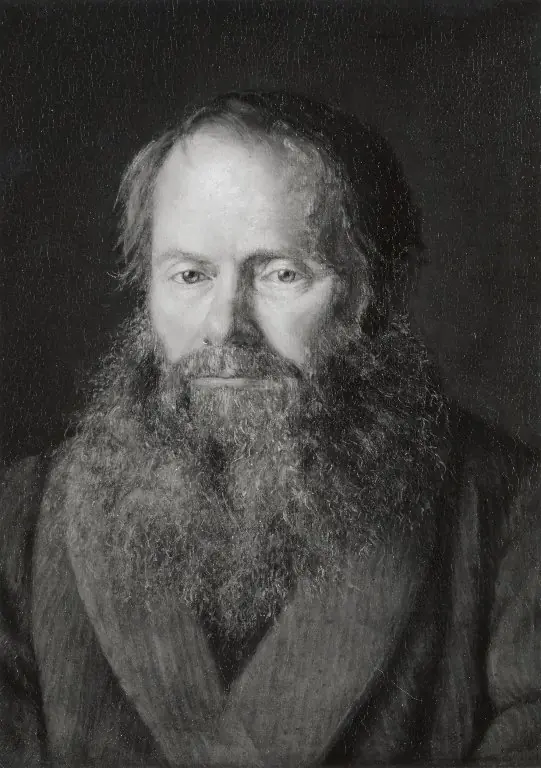 Portræt af zoologen, professor H.N. Krøyer, kunstnerens plejefader
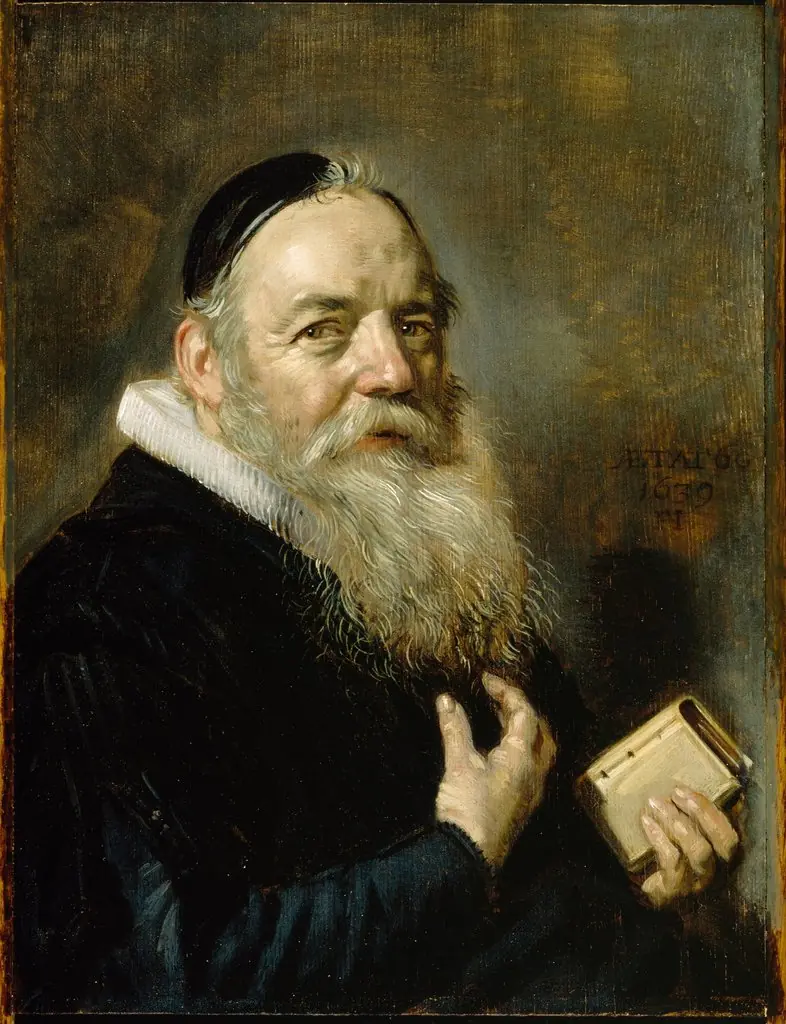 Portrait of Hendrik Swalmius
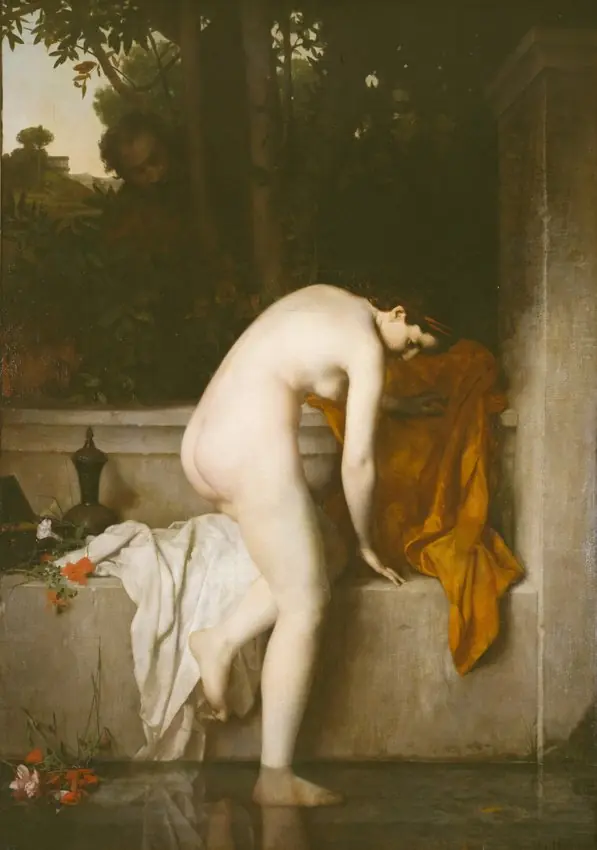 The Chaste Susannah
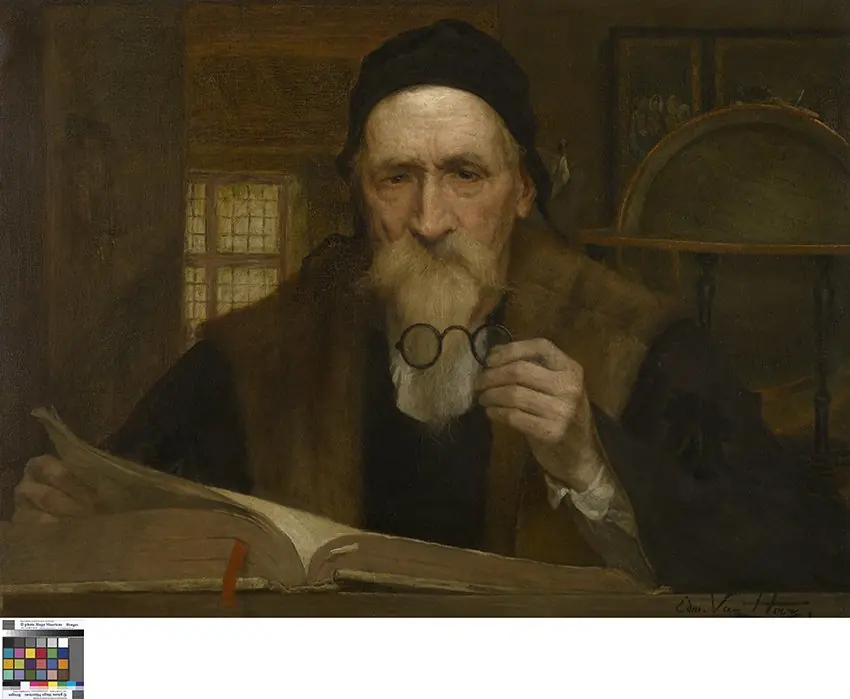 Philosopher
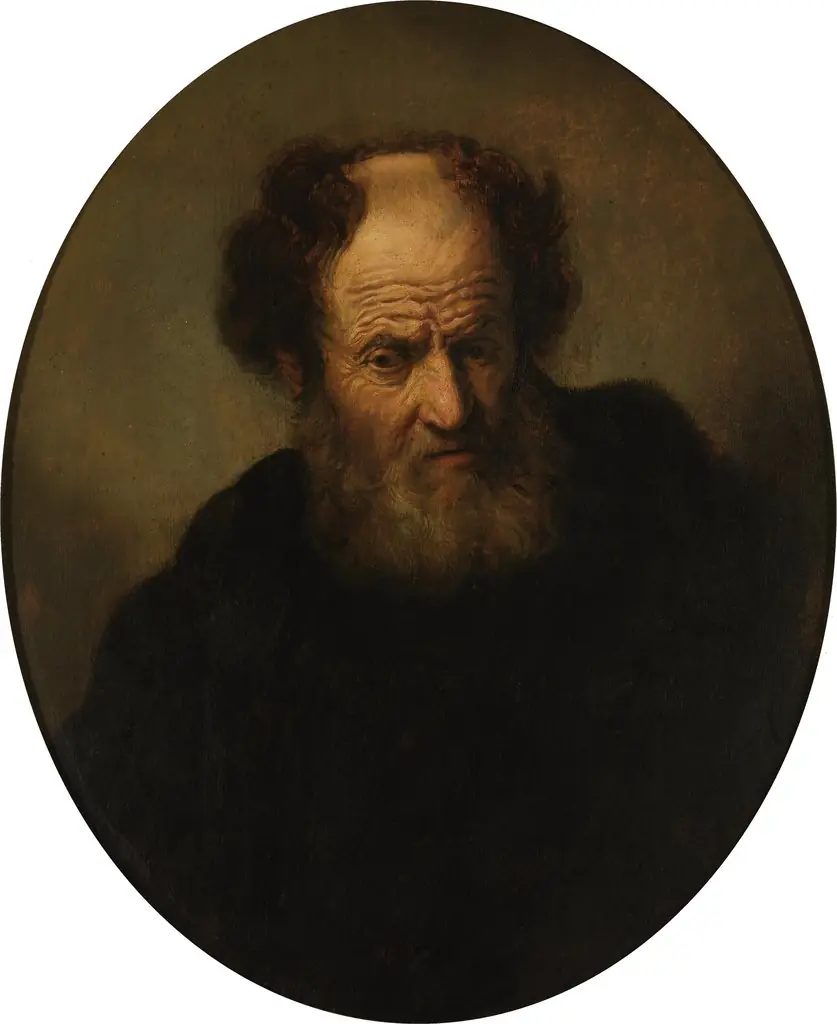 Old Man
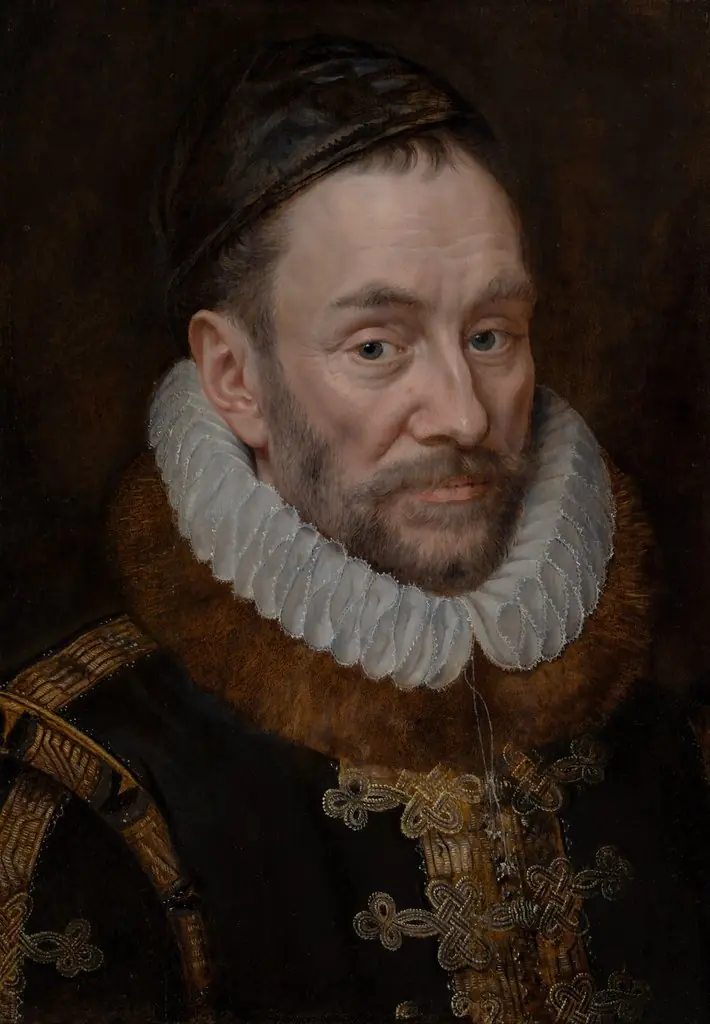 Portrait of William I (1533-1584), Prince of Orange
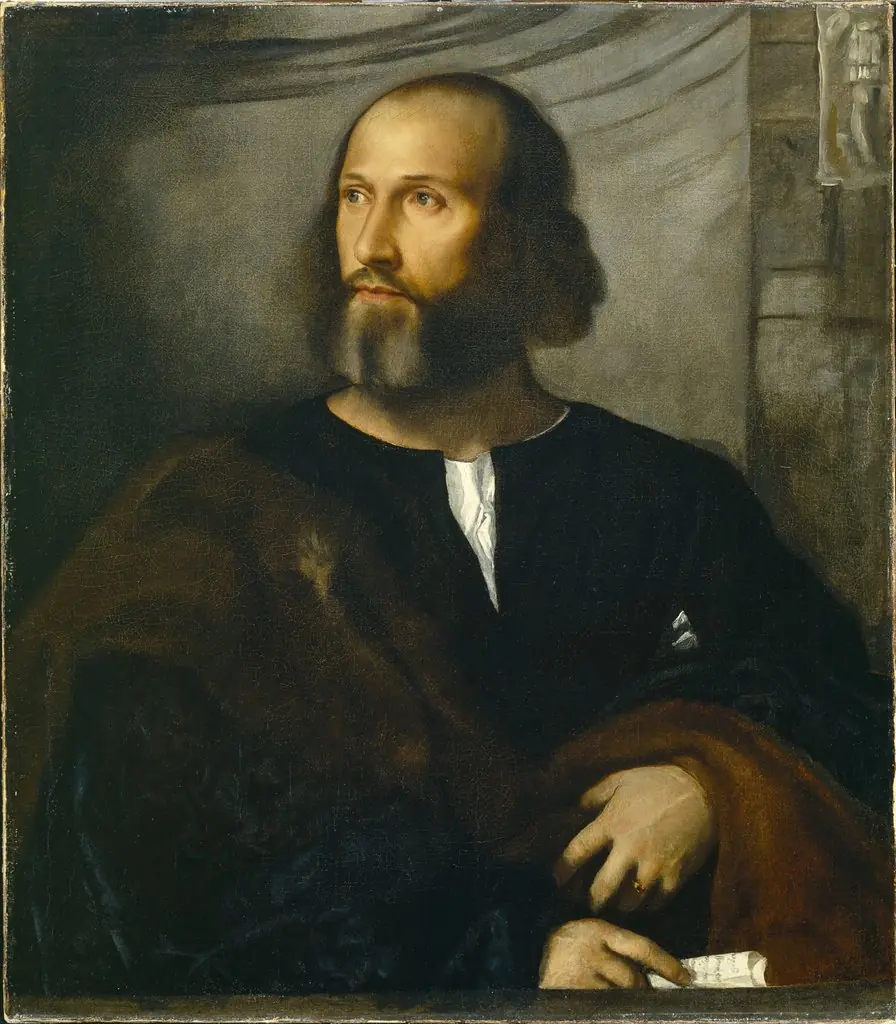 Portrait of a Bearded Man
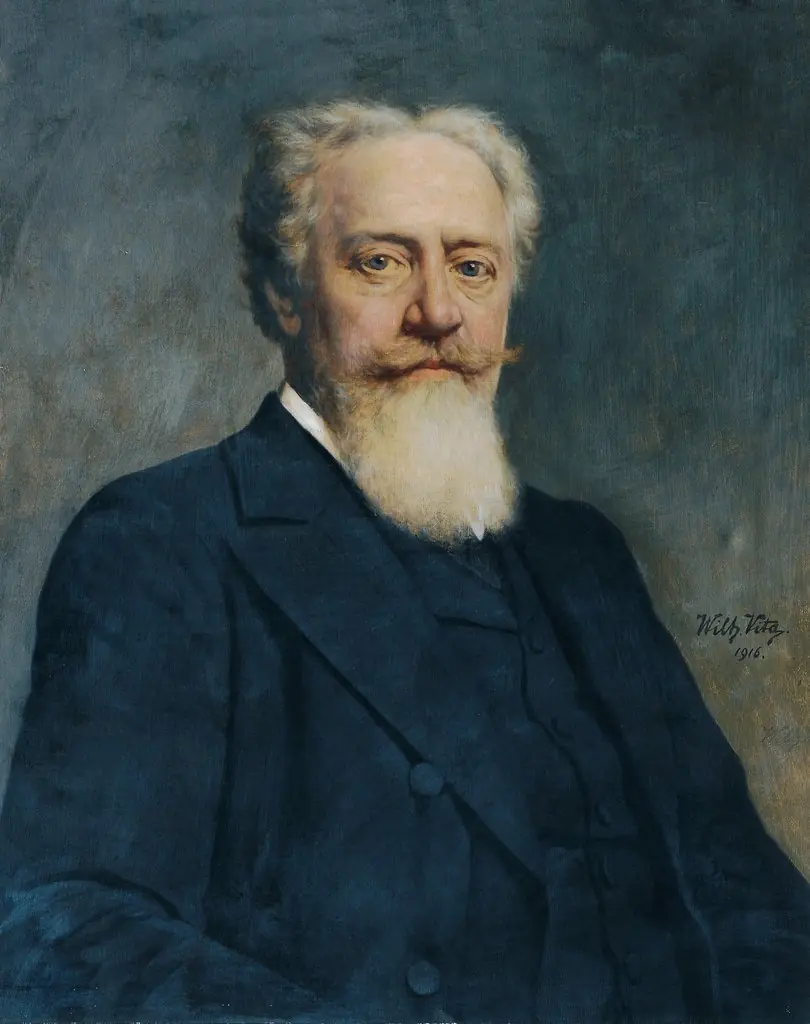 August Schaeffer
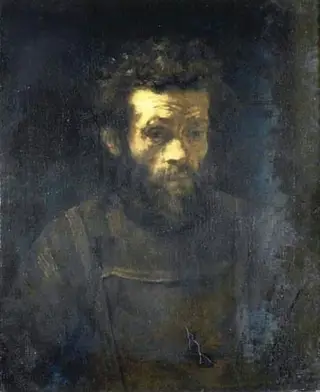 Man with a Beard
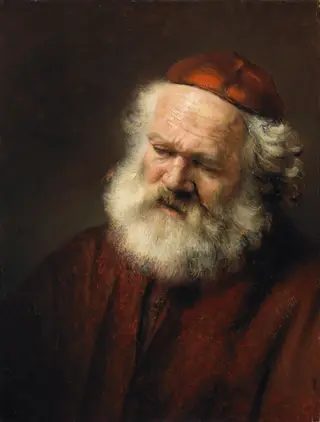 Bust of an old bearded man with red cap
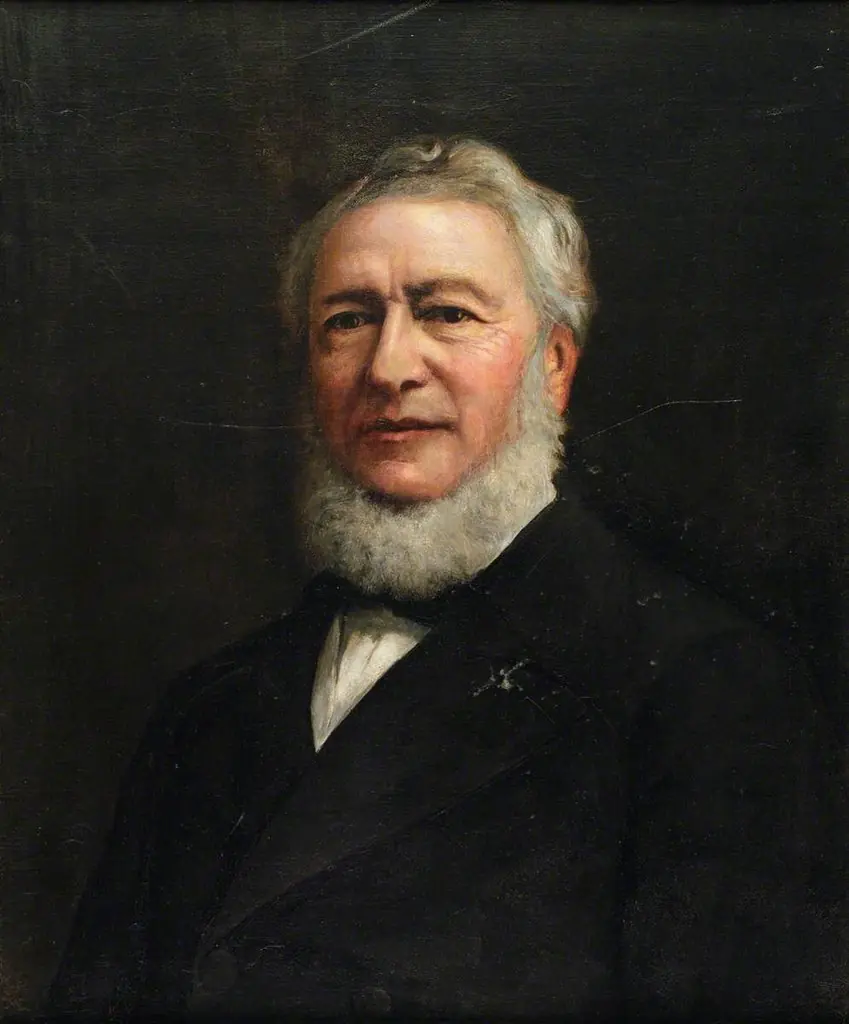 Reverend Richard Davies (1818–1896), Aelod seneddol Rhyddfrydol Môn (1868–1886)
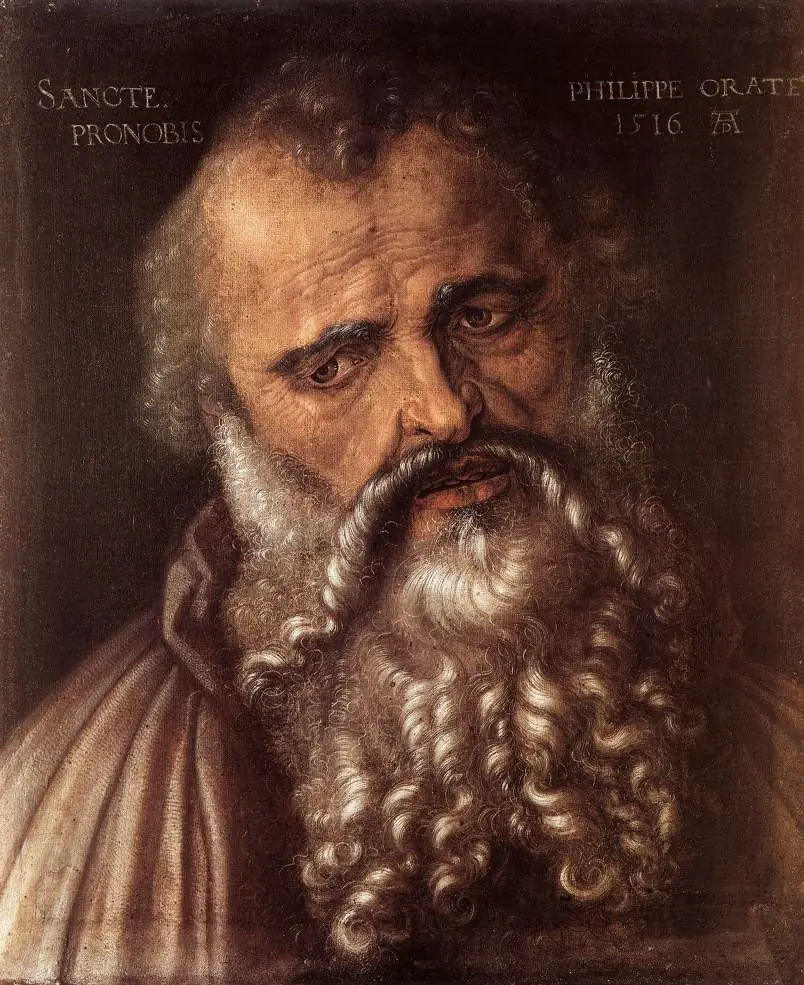 Saint Philip
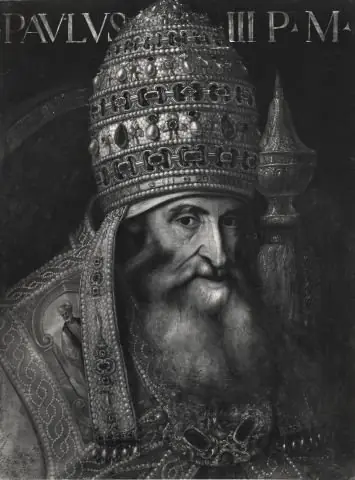 Portrait of Pope Paul III
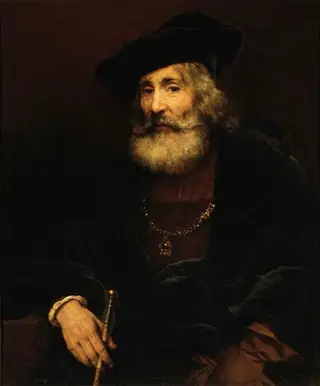 Seated old man with a cane in fanciful costume
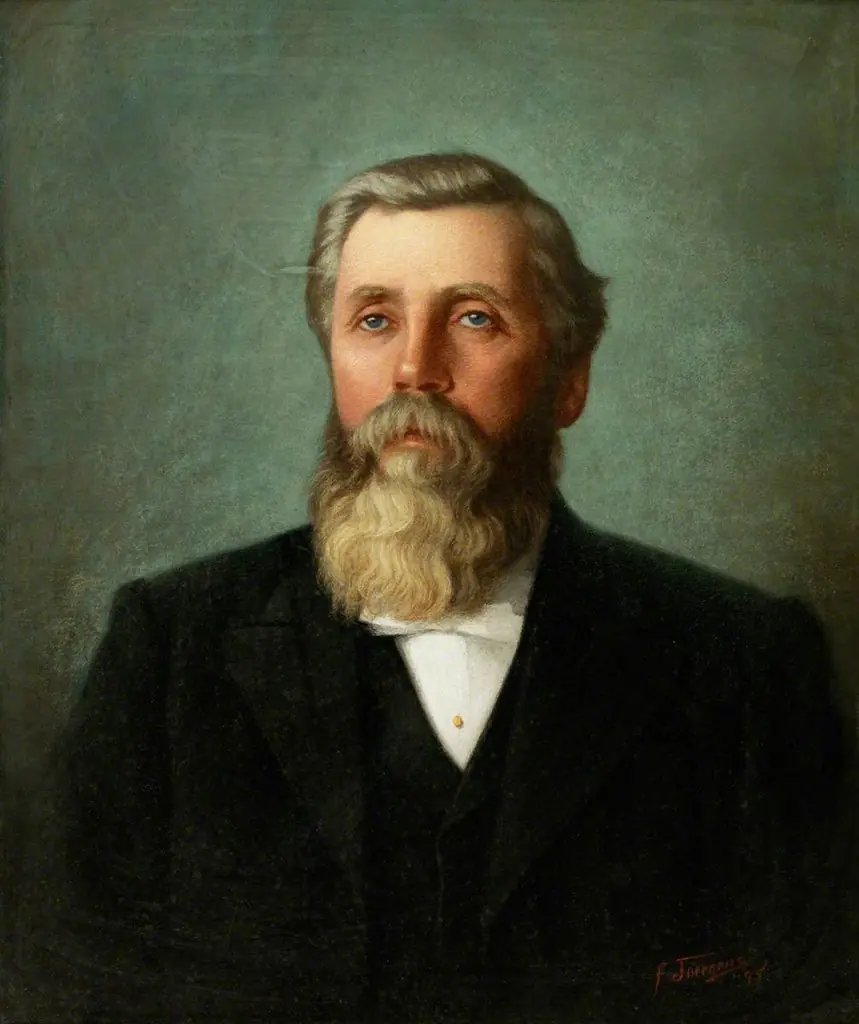 Reverend Dr John Cynddylan Jones (1841–1930)
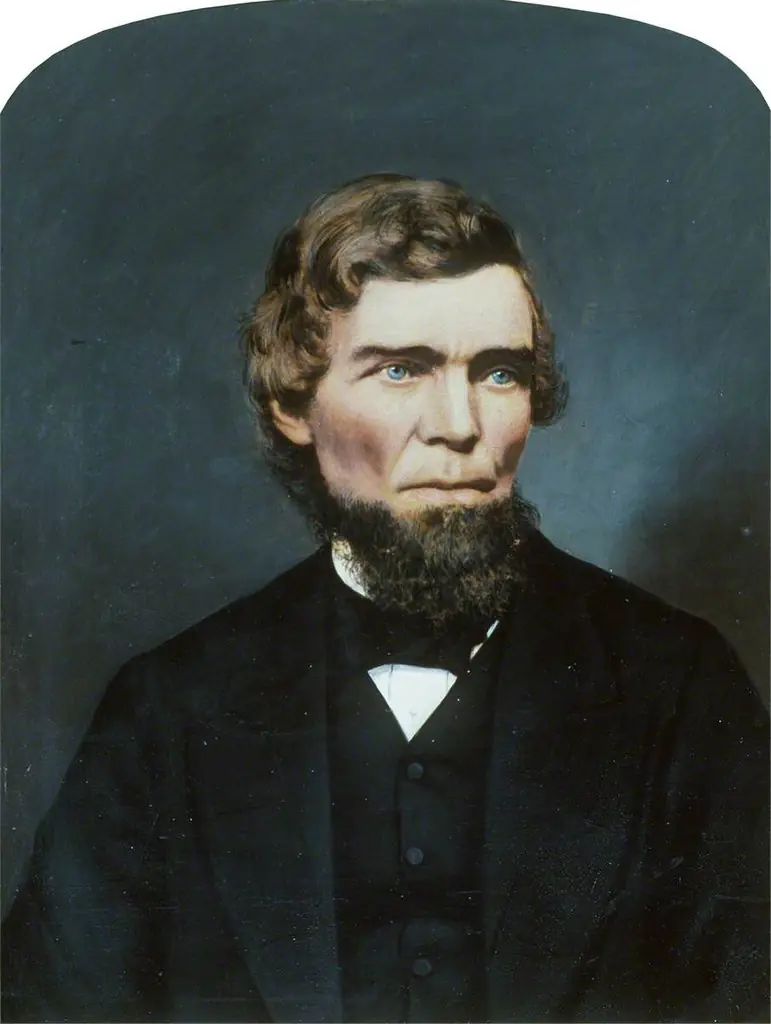 Reverend John Evans (I. D. Ffraid)
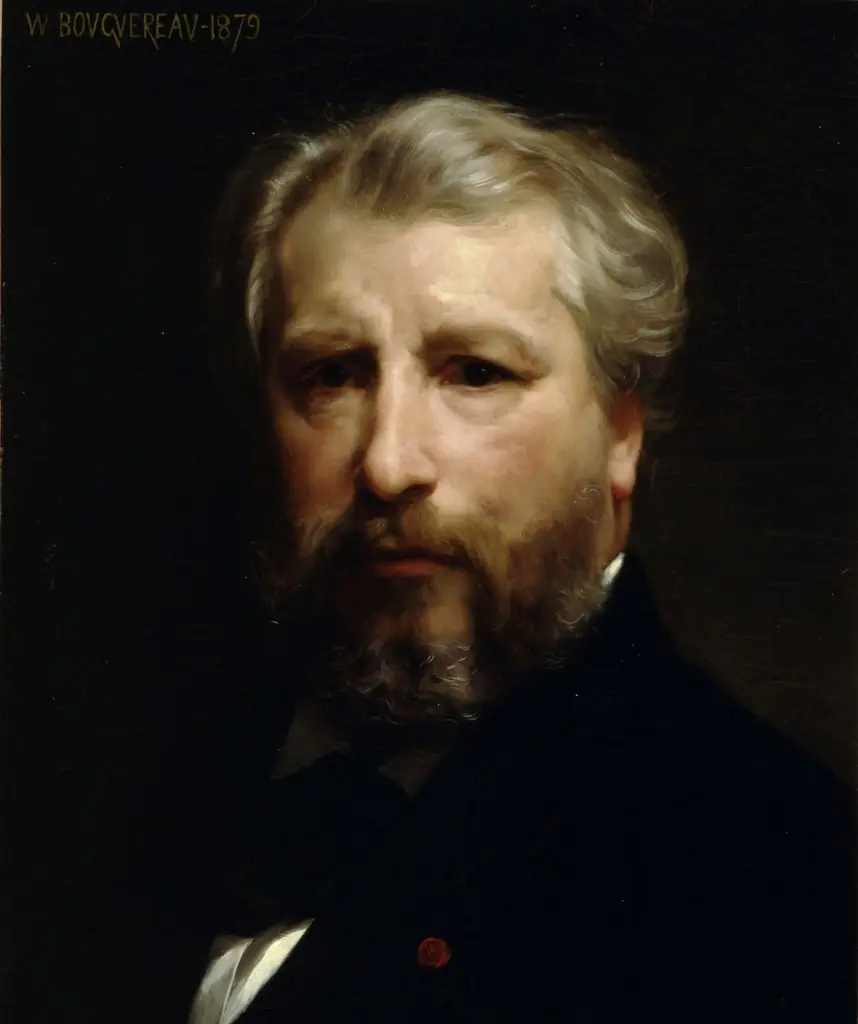 Portrait of the Artist
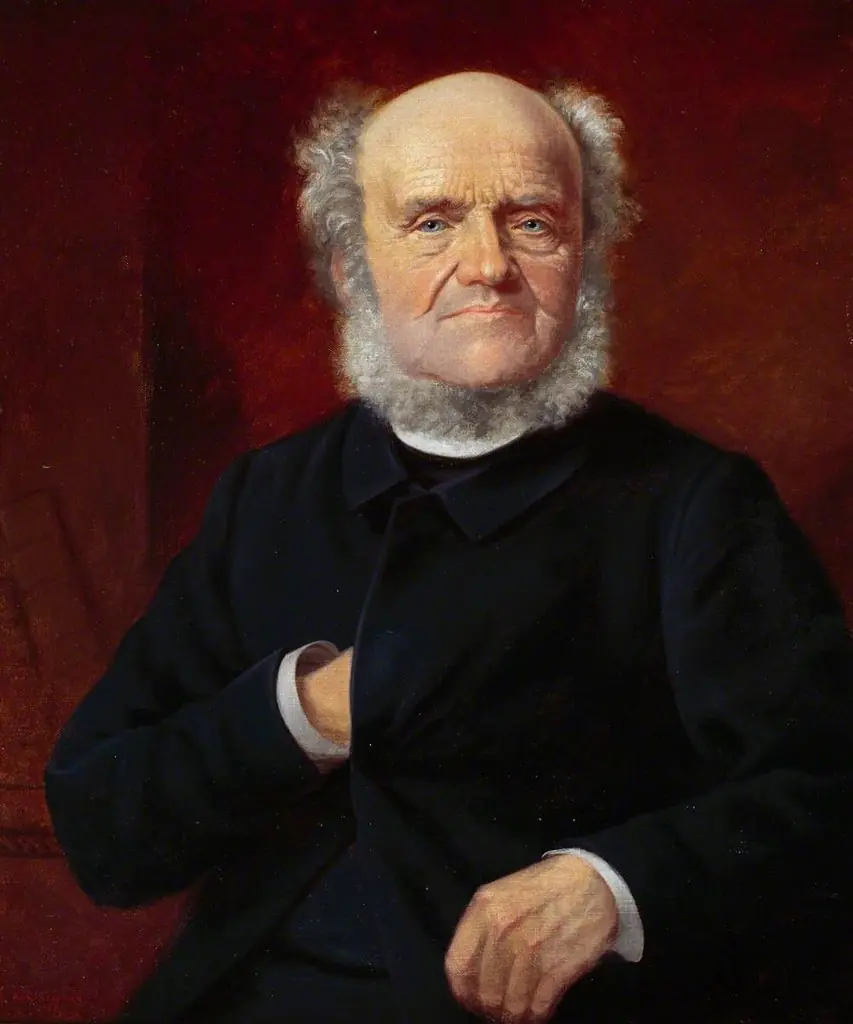 John Roberts (1804–1884), Brother of Samuel Roberts of Llanbrynmair
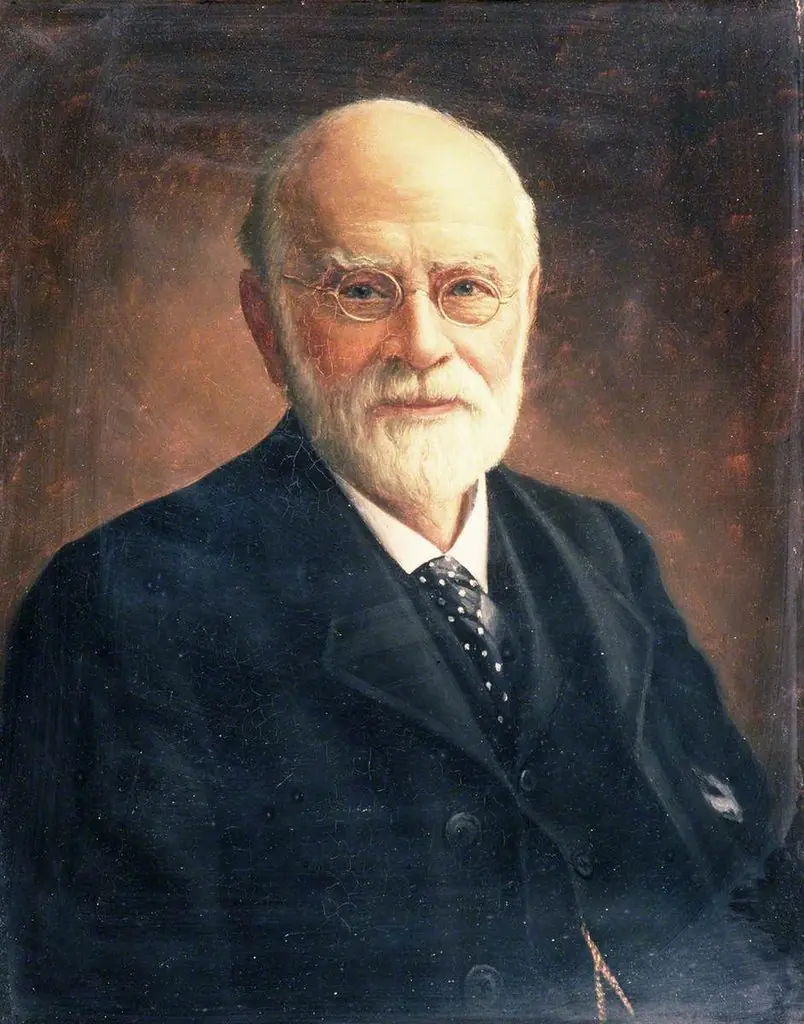 Professor David Jenkins (1848–1915)
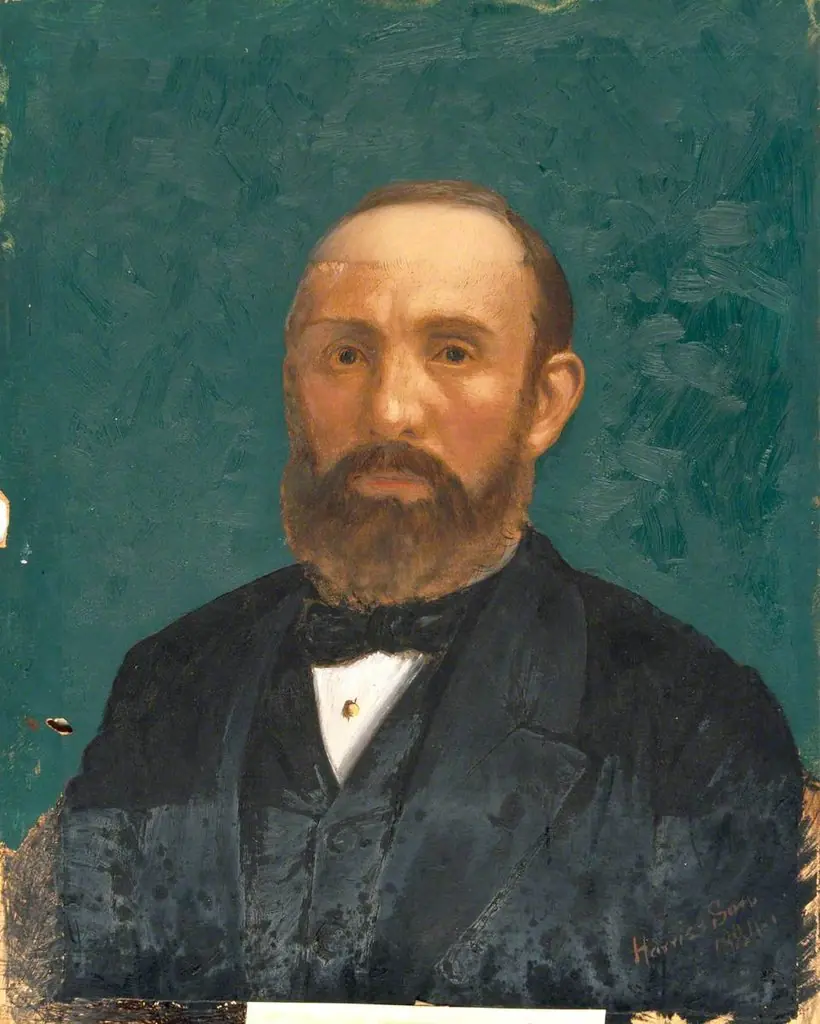 David William Jones
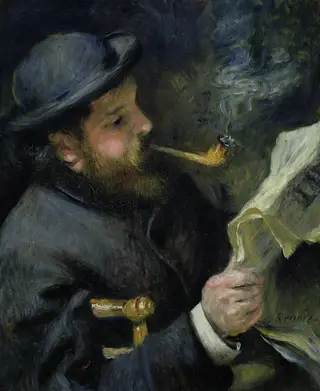 Monet that reads
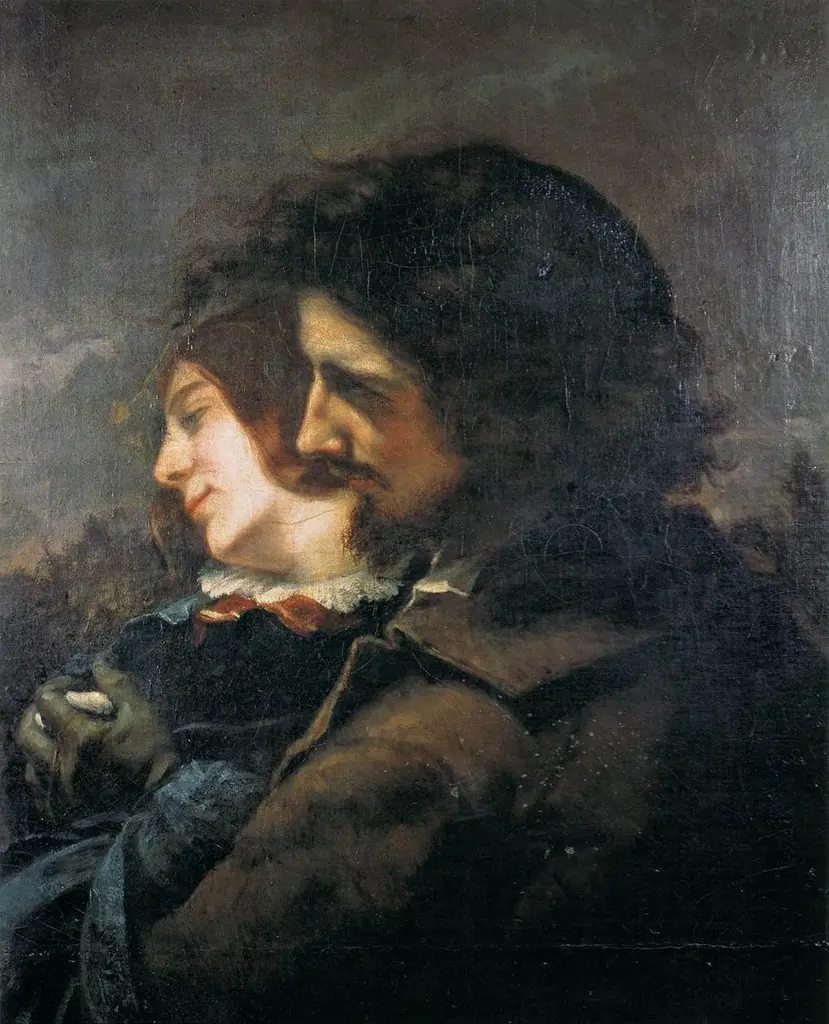 The Happy Lovers
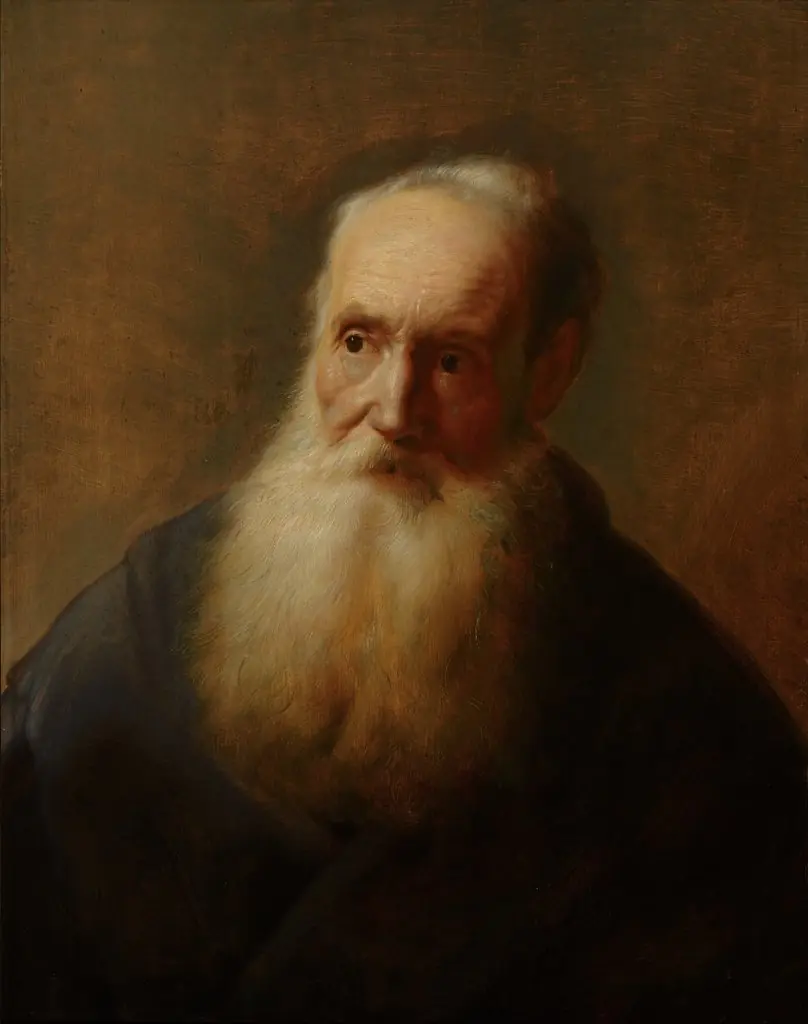 'Tronie' of an Old Man
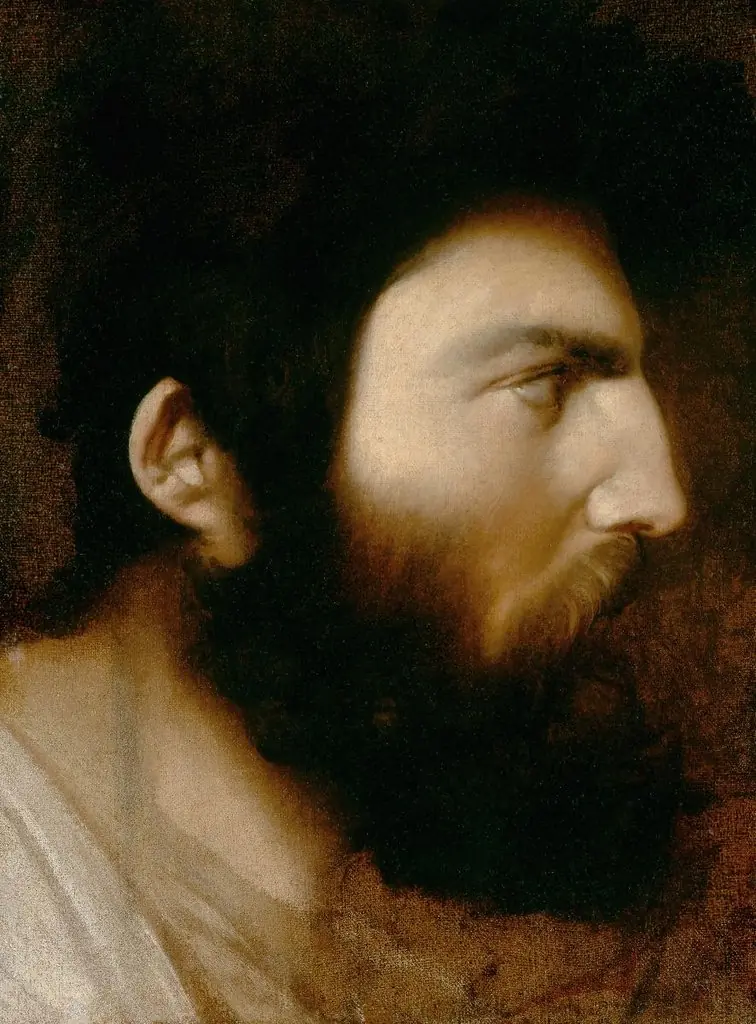 Head of a Bearded Man
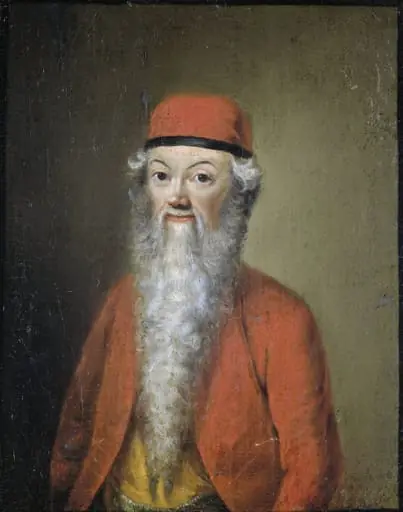 Untitled
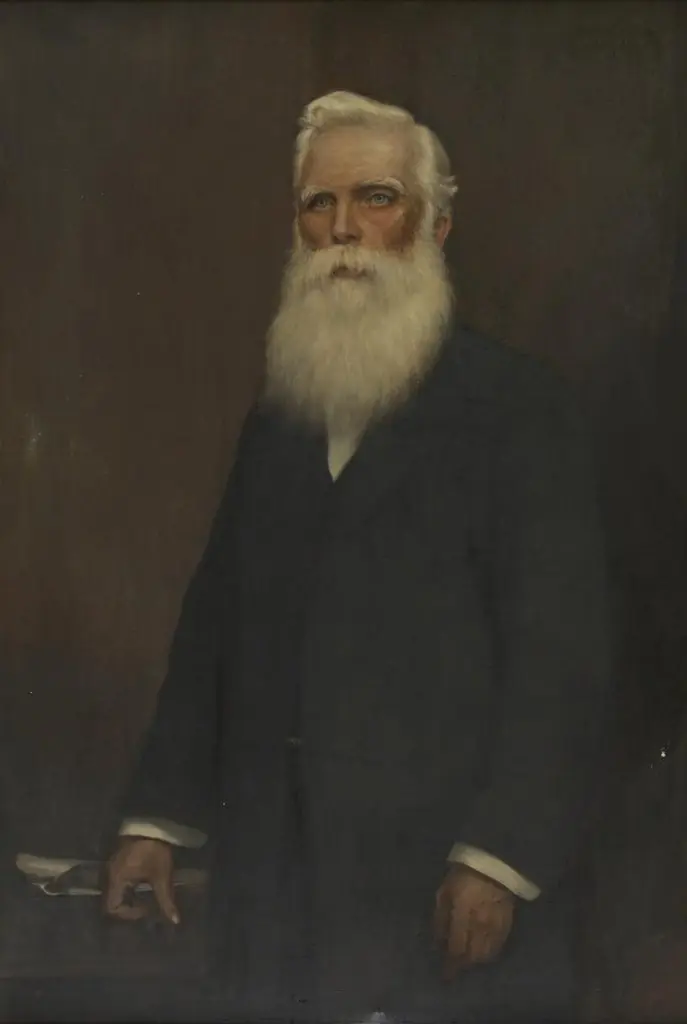 Rev. David Rowlands
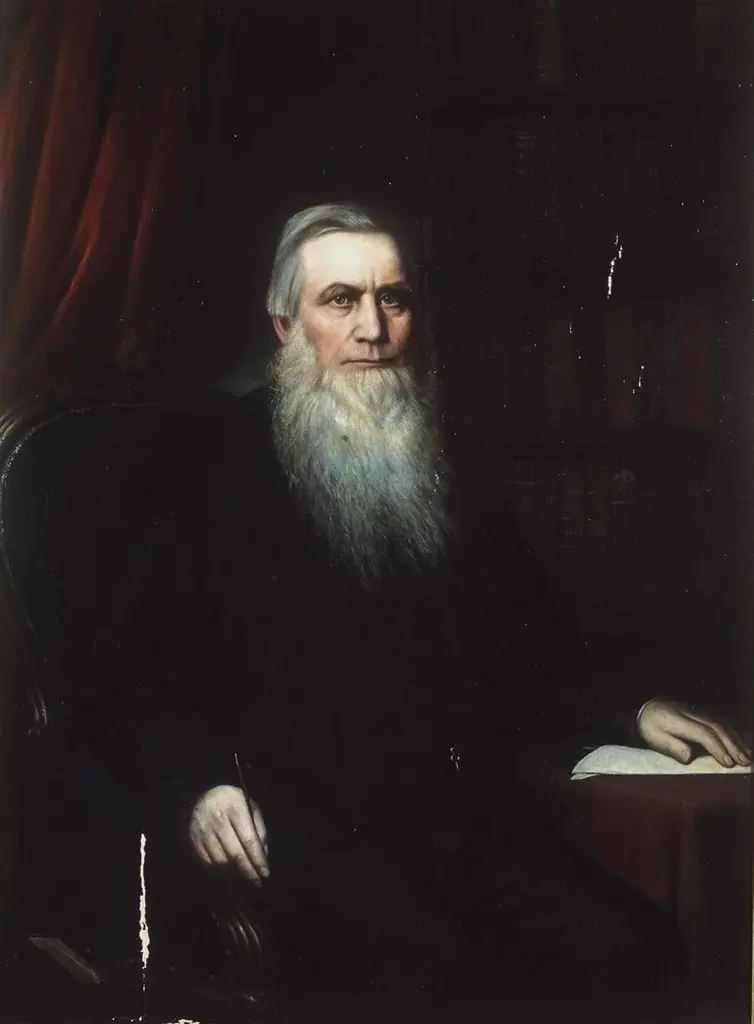 Portrait of a bearded man
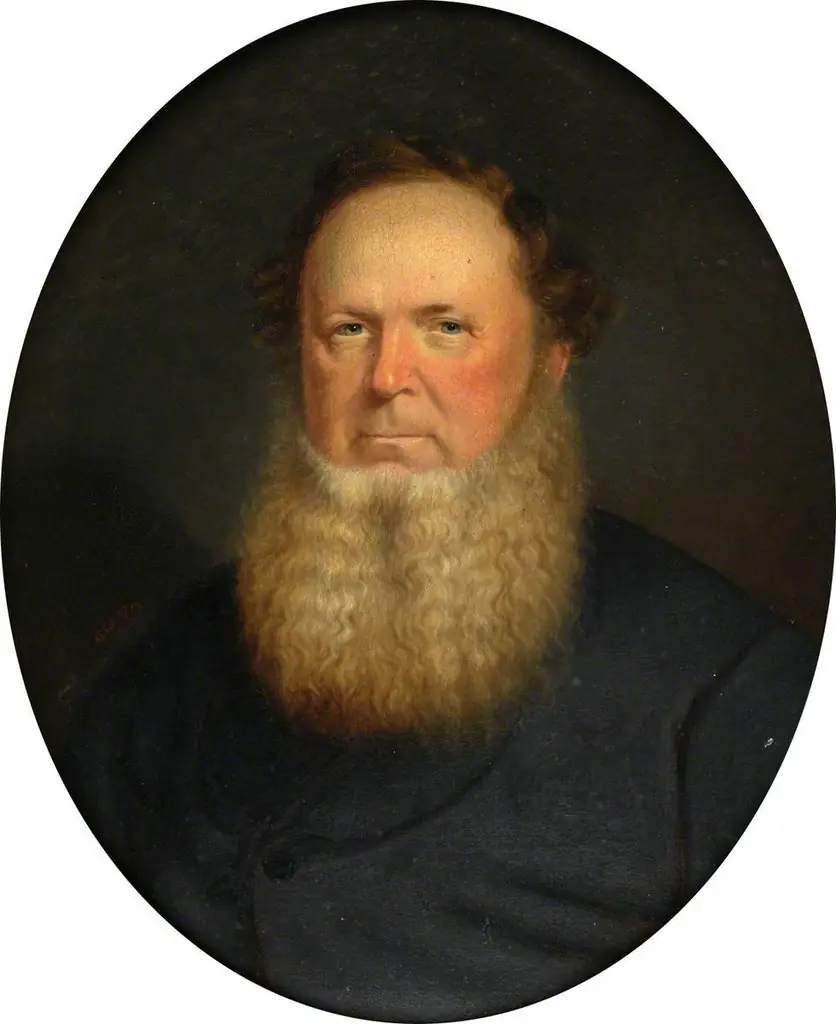 Dewi Haran (David Evans) (1812–1885)
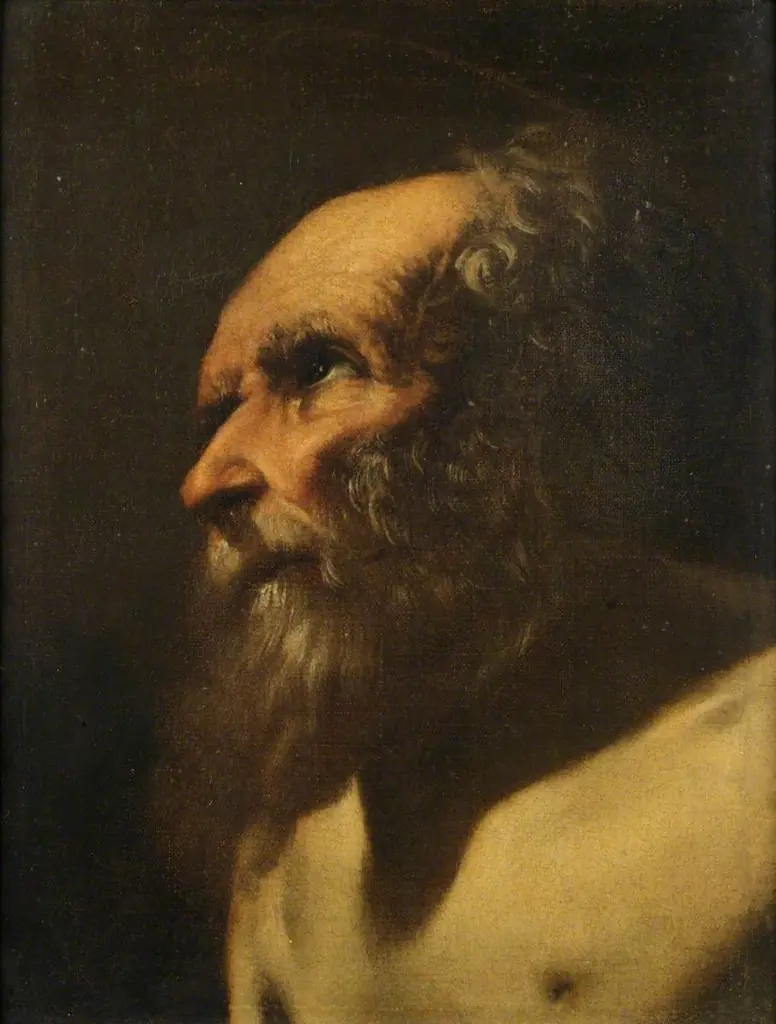 Saint Jerome (c.347–420)
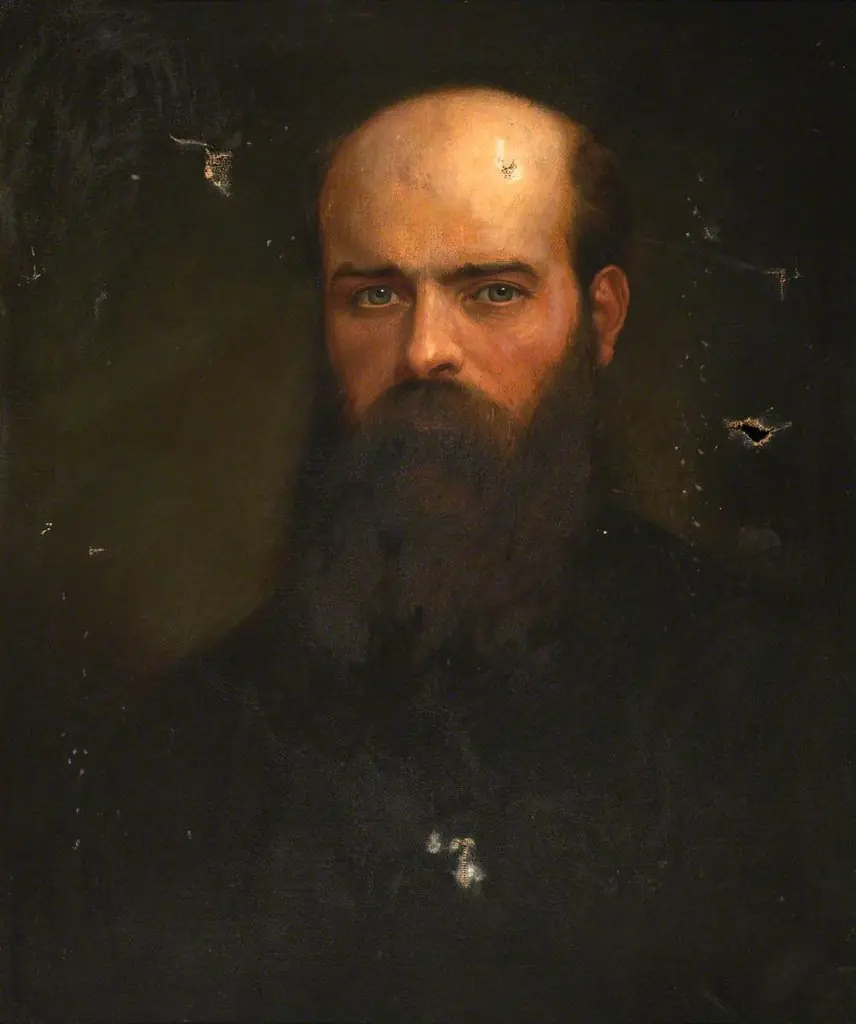 Reverend Dr William Edwards (1848–1929)
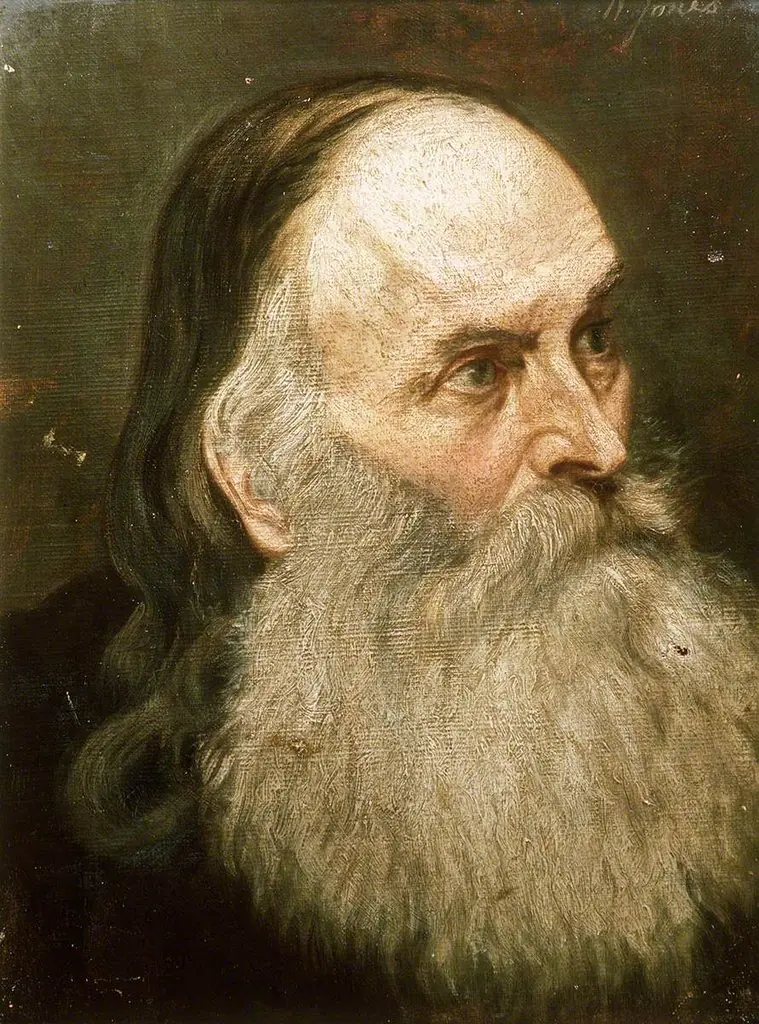 N. Jones
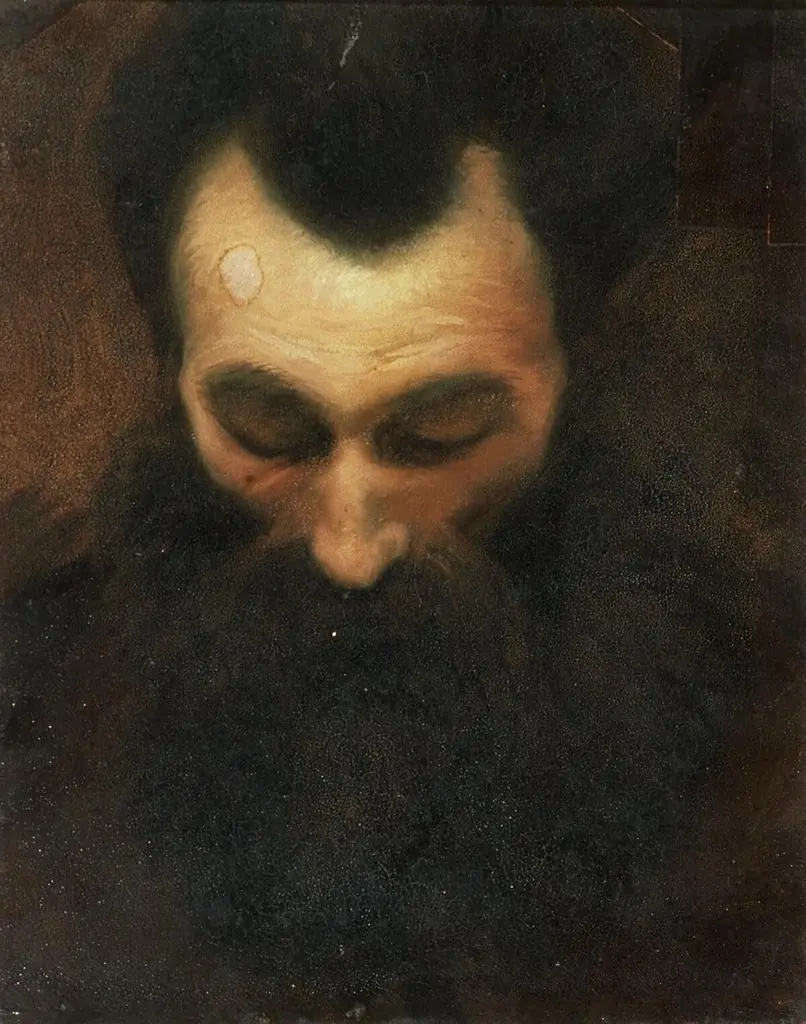 Study for a portrait
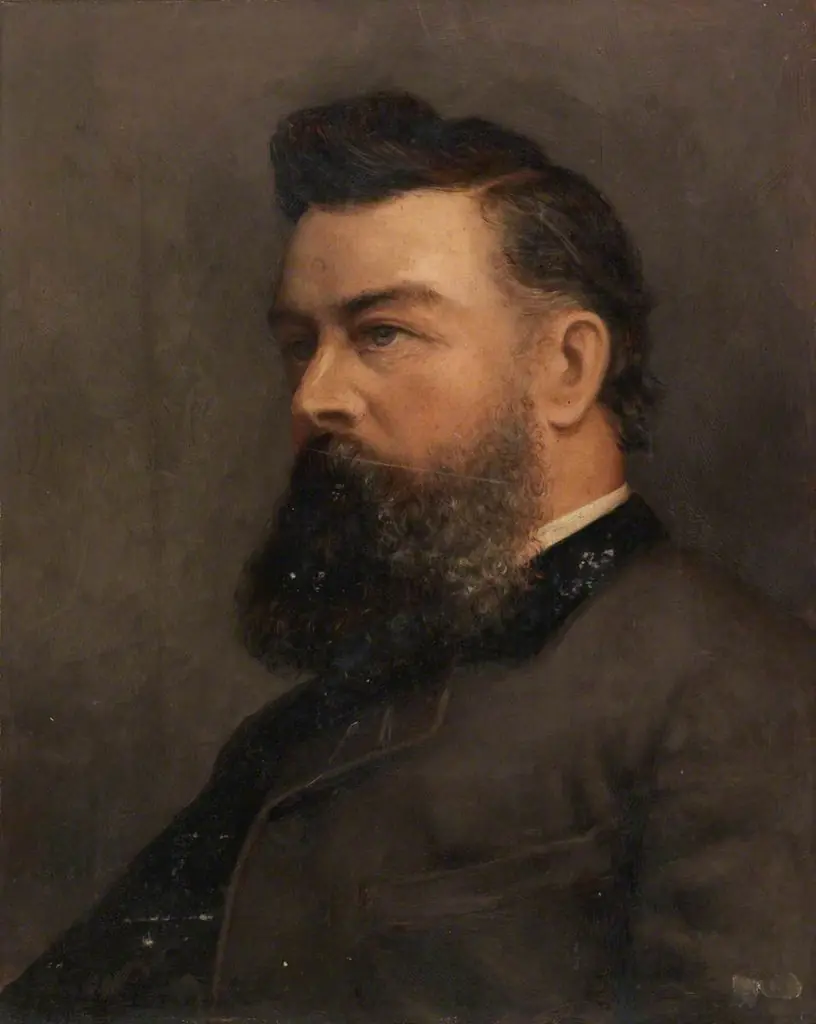 George Parfitt (c.1835–1886)
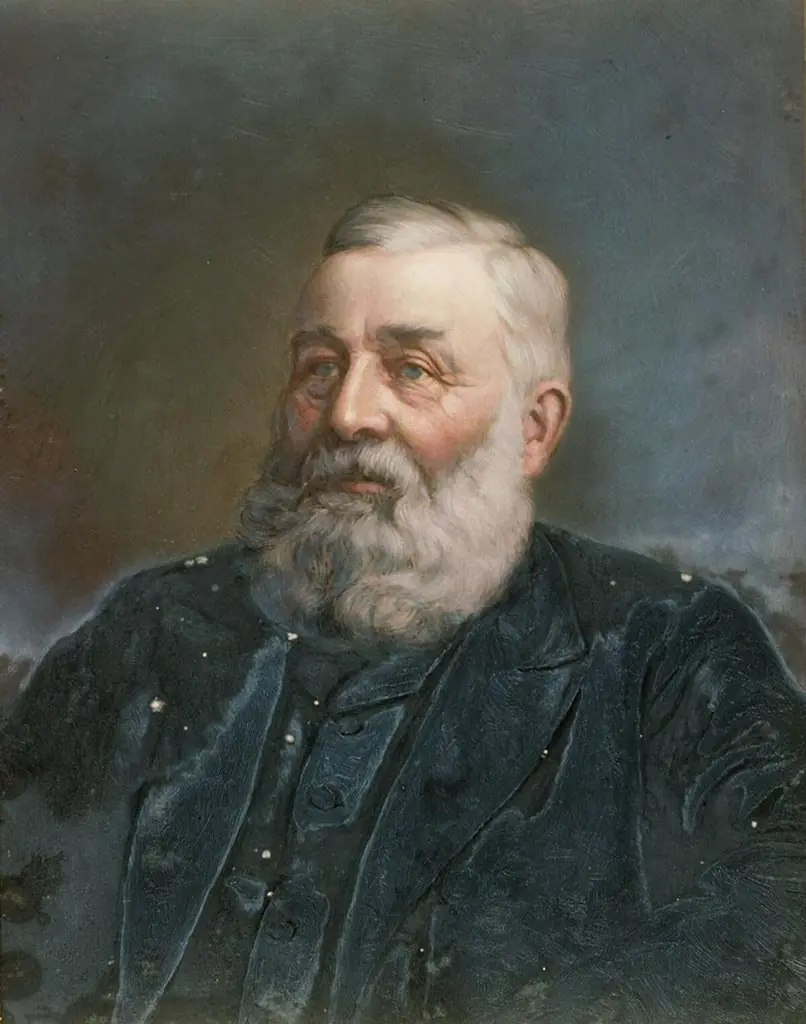 William Humphrey Owen
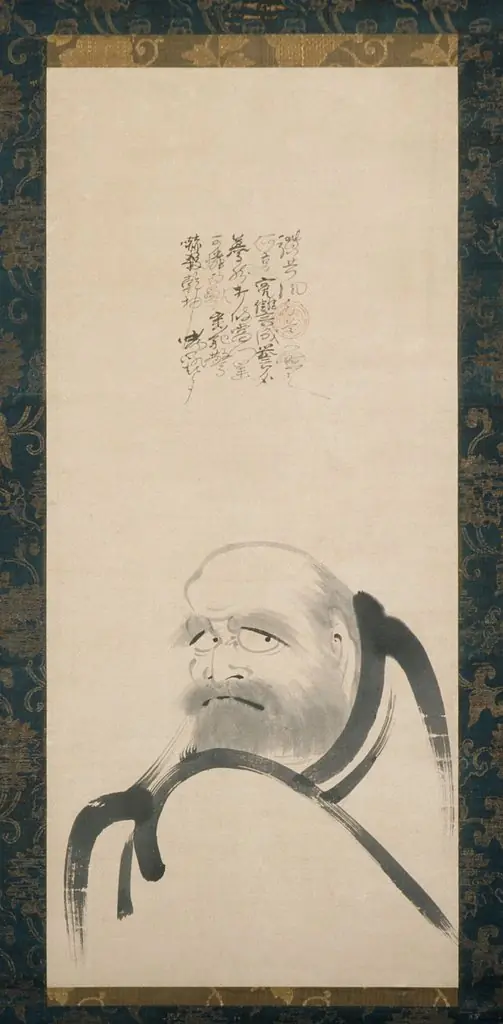 Daruma
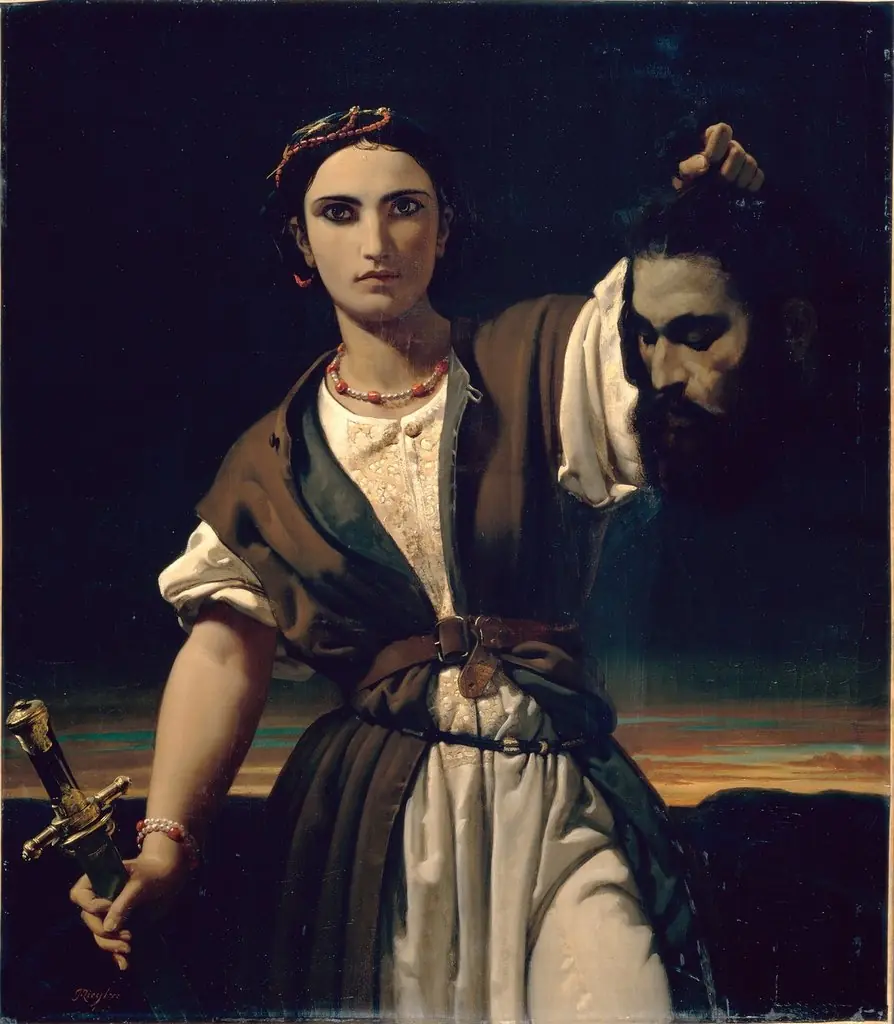 Judith
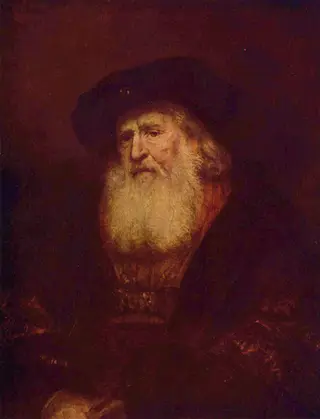 Portrait of a Bearded Old Man
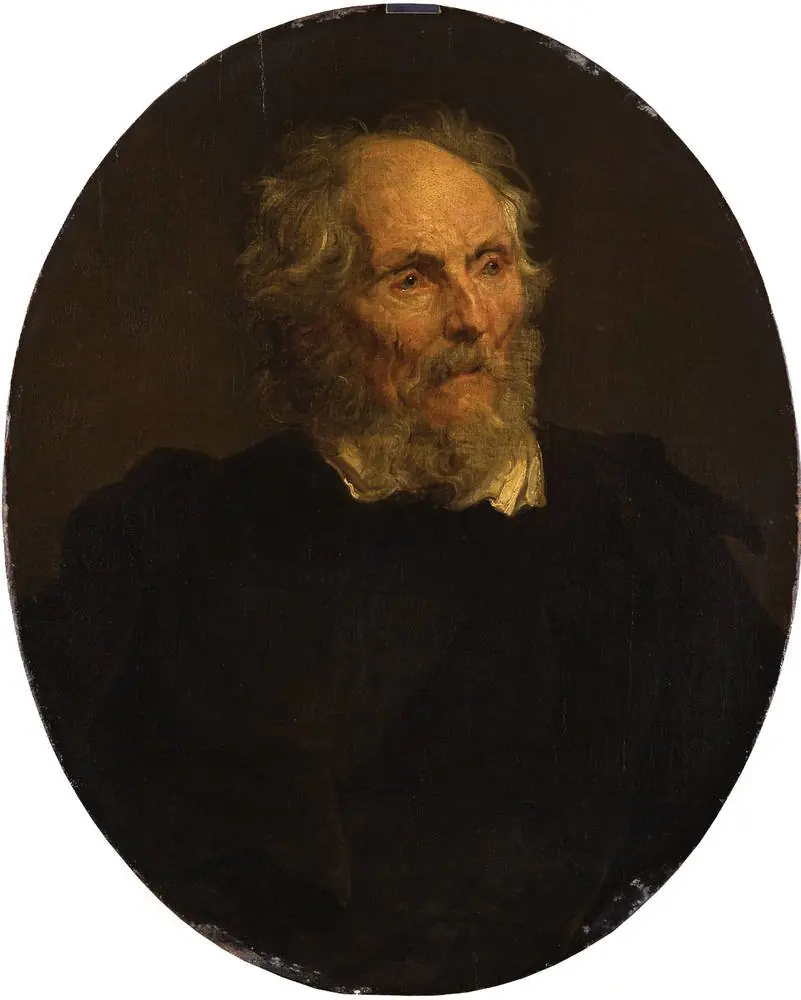 Portrait of Thomas Parr
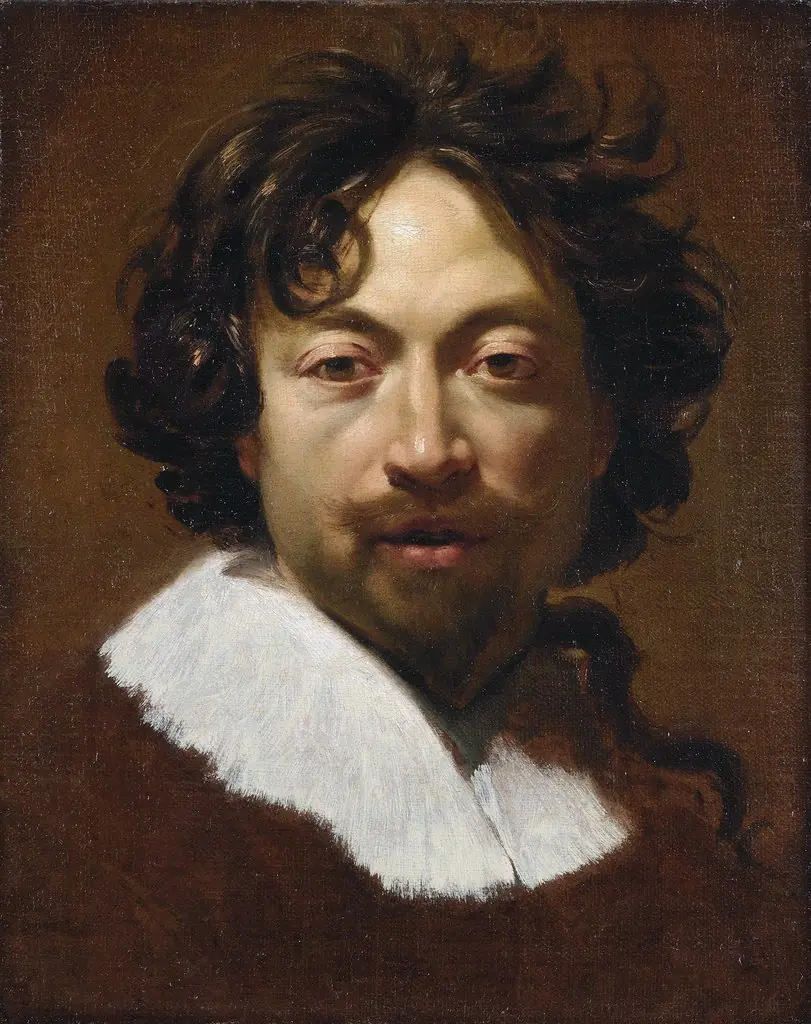 Self-portrait
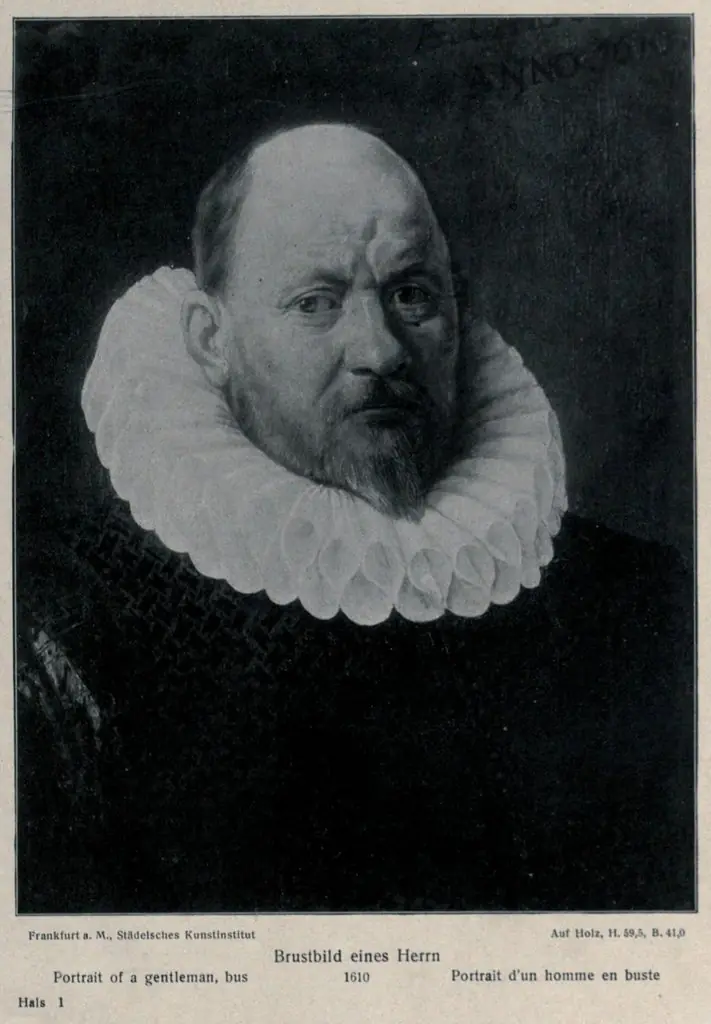 Portrait of a man in a ruff collar
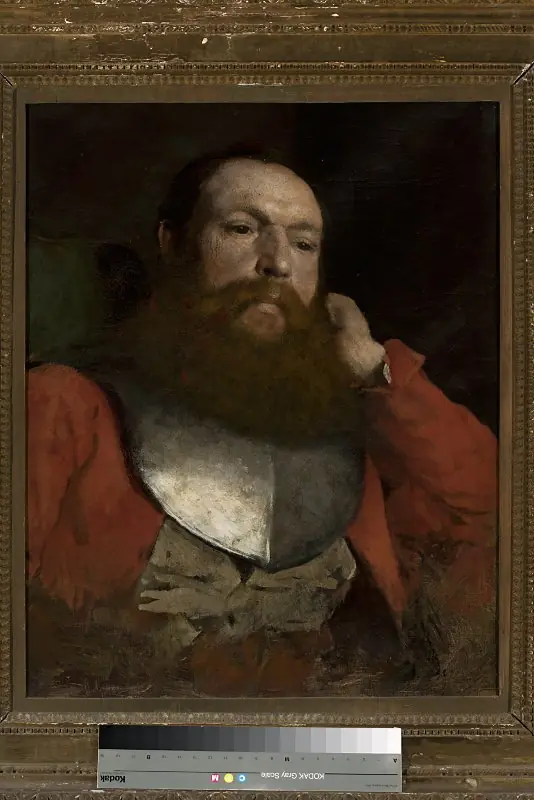 Portrait study
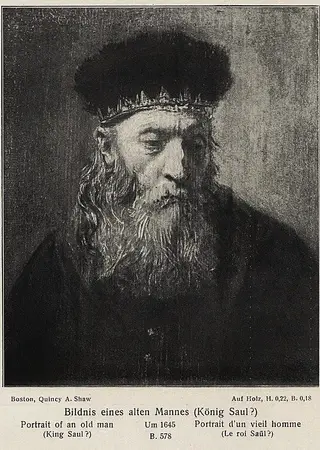 Head of a Bearded Man, Study for King Saul?
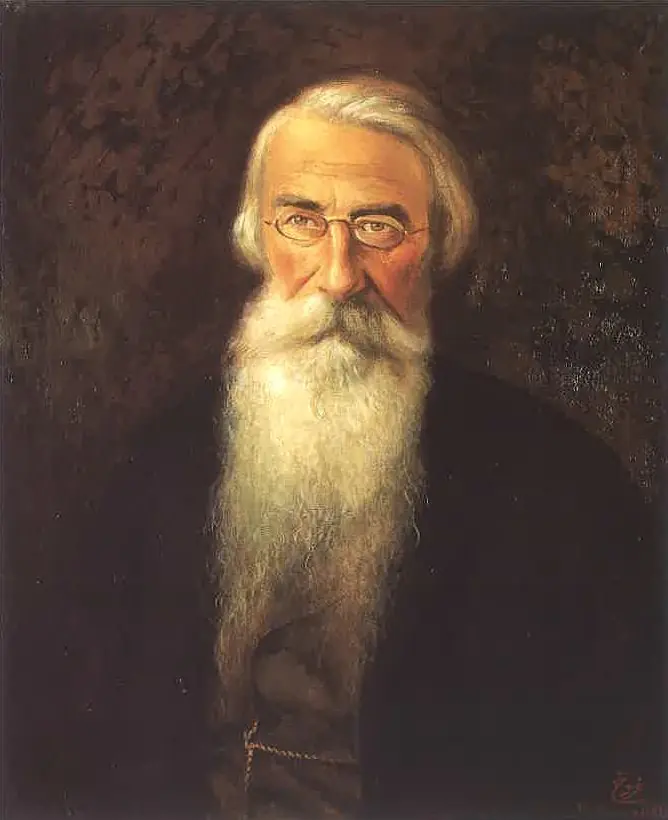 Portrait of Cornelius Van Dyck (1818 - 1896)
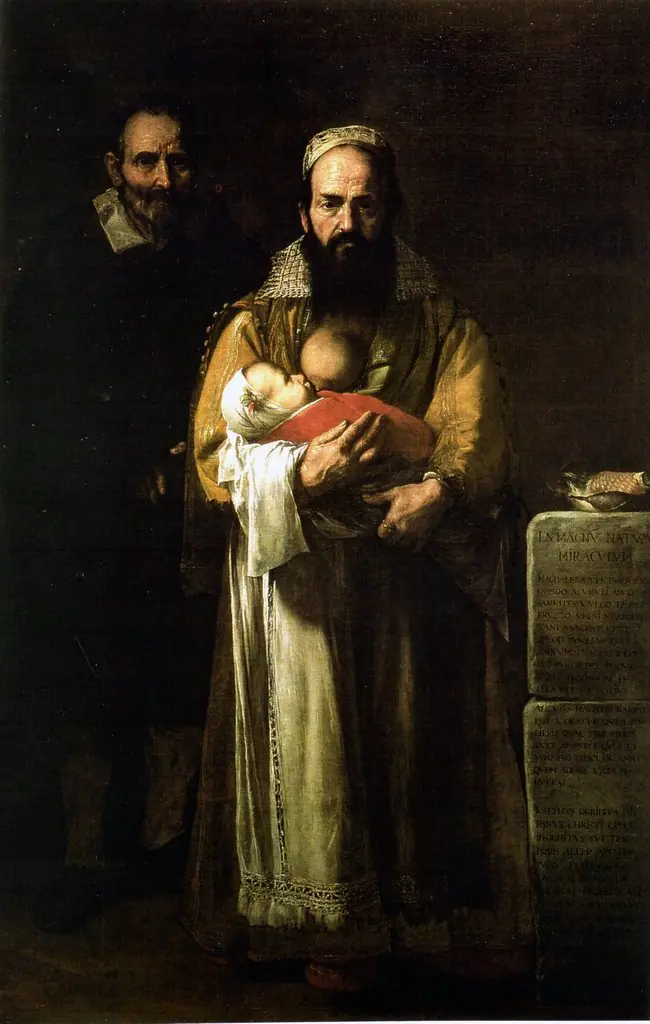 Magdalena Ventura with Her Husband and Son
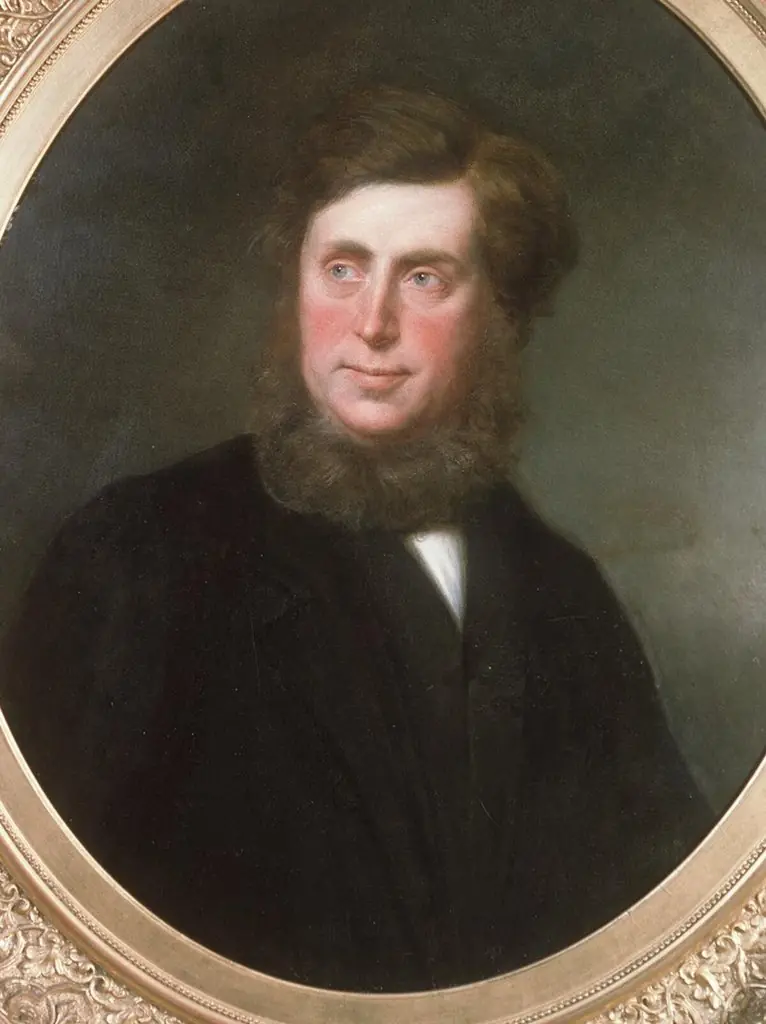 Henry Robertson, Railway Pioneer
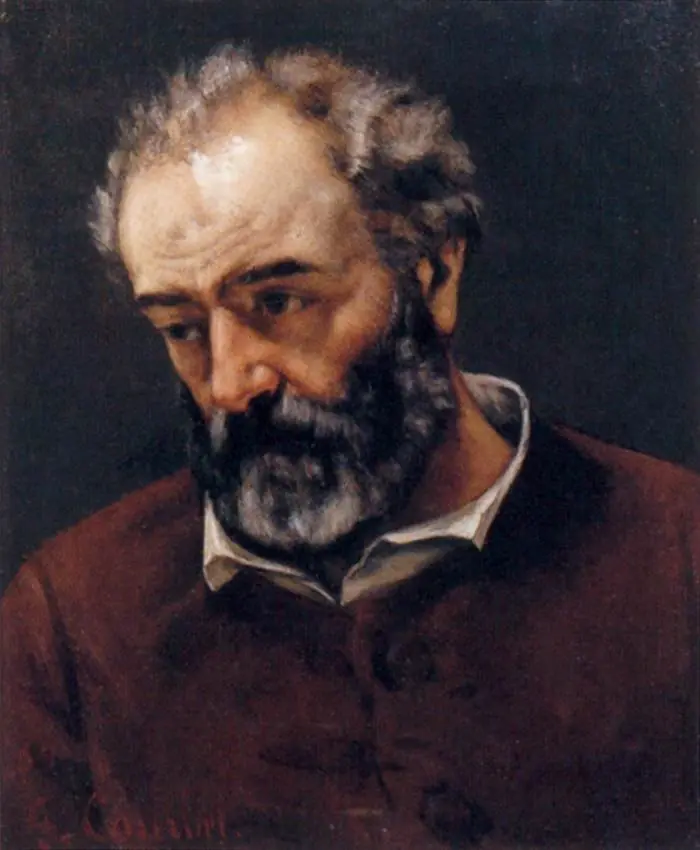 Portrait of Paul Chenavard
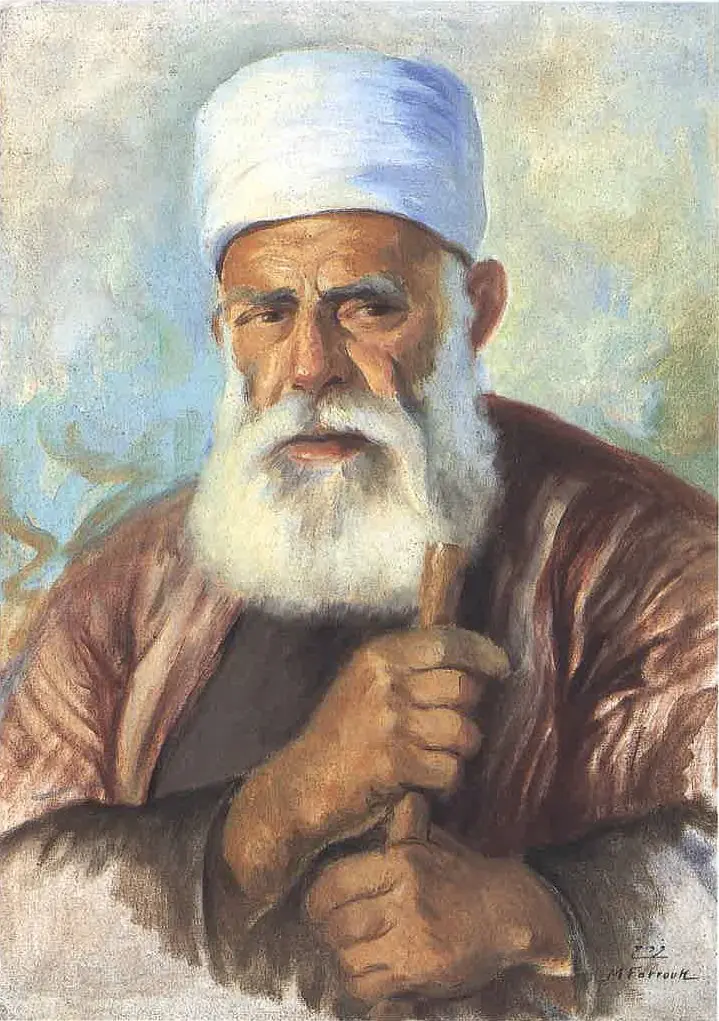 A Druze Sheikh
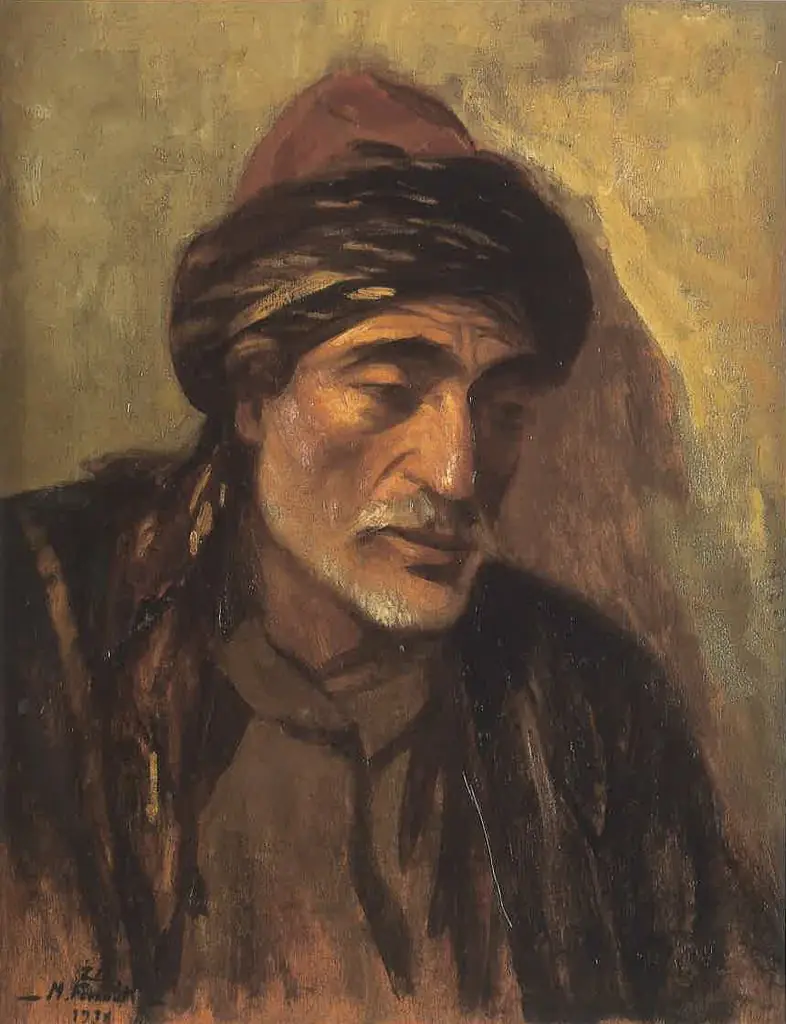 Portrait of a Lebanese Villager
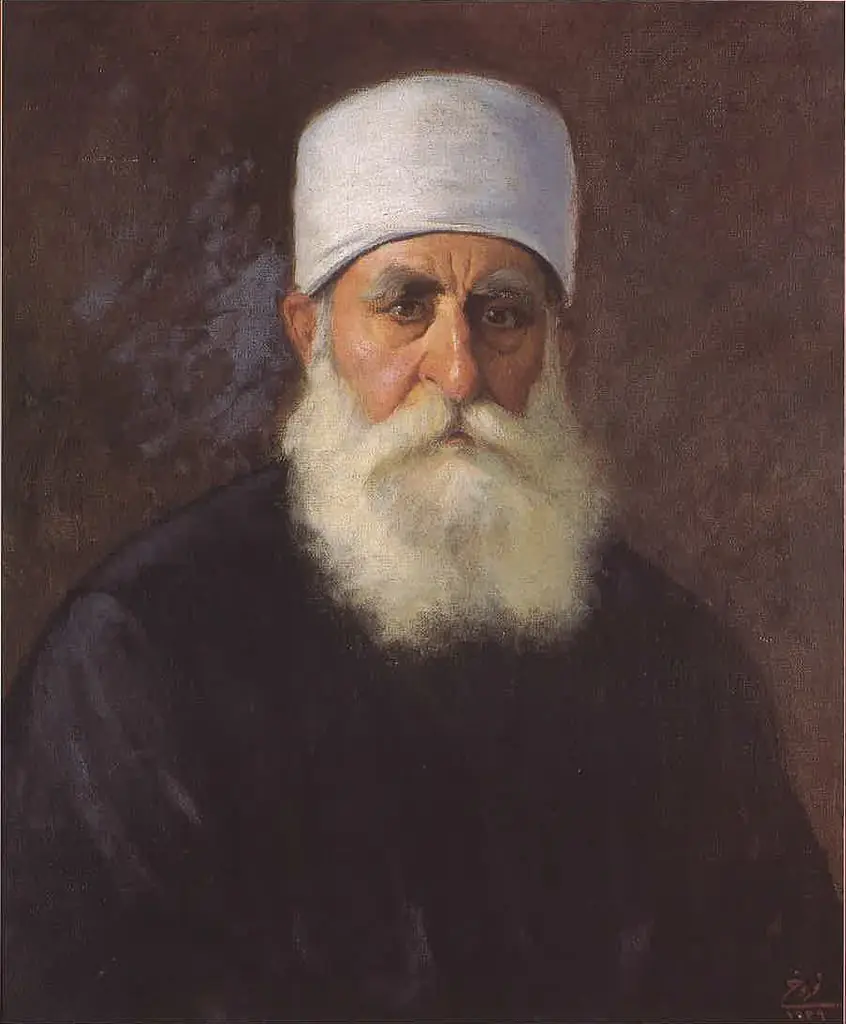 Portrait of Sheikh Saïd Hamdane
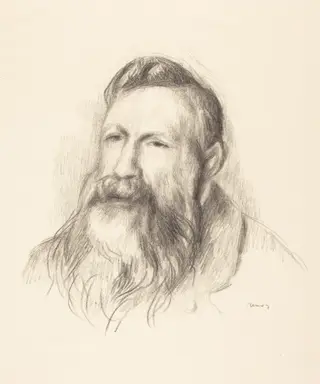 Auguste Rodin
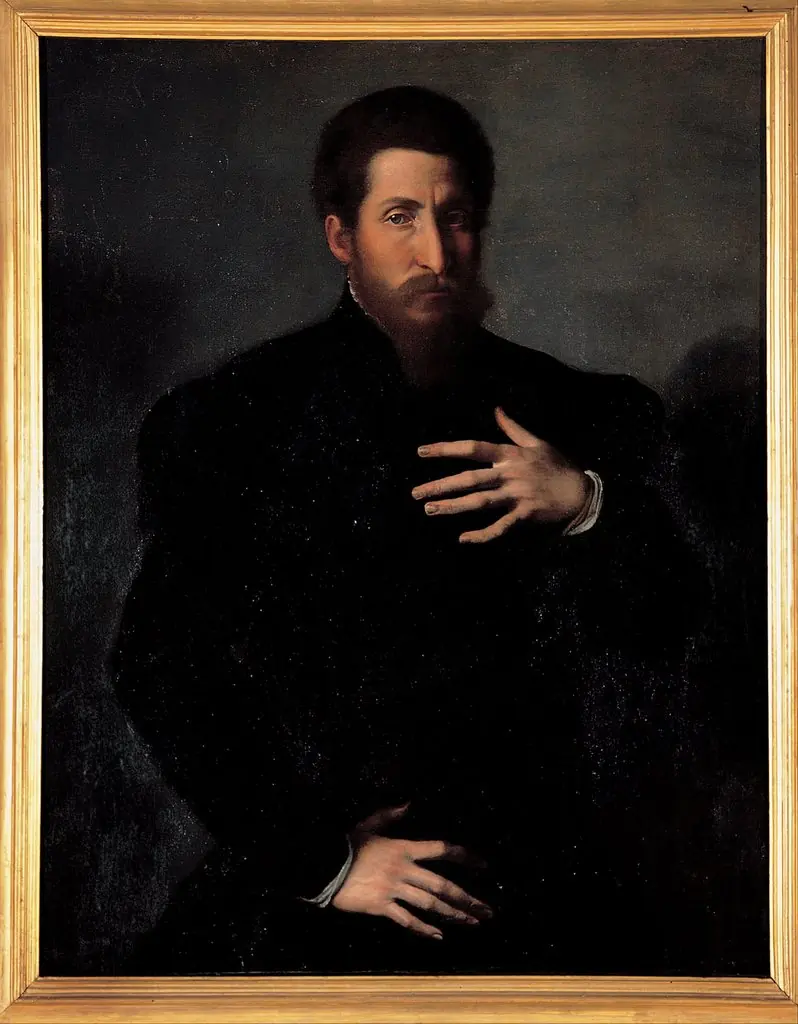 Portrait of a virile man
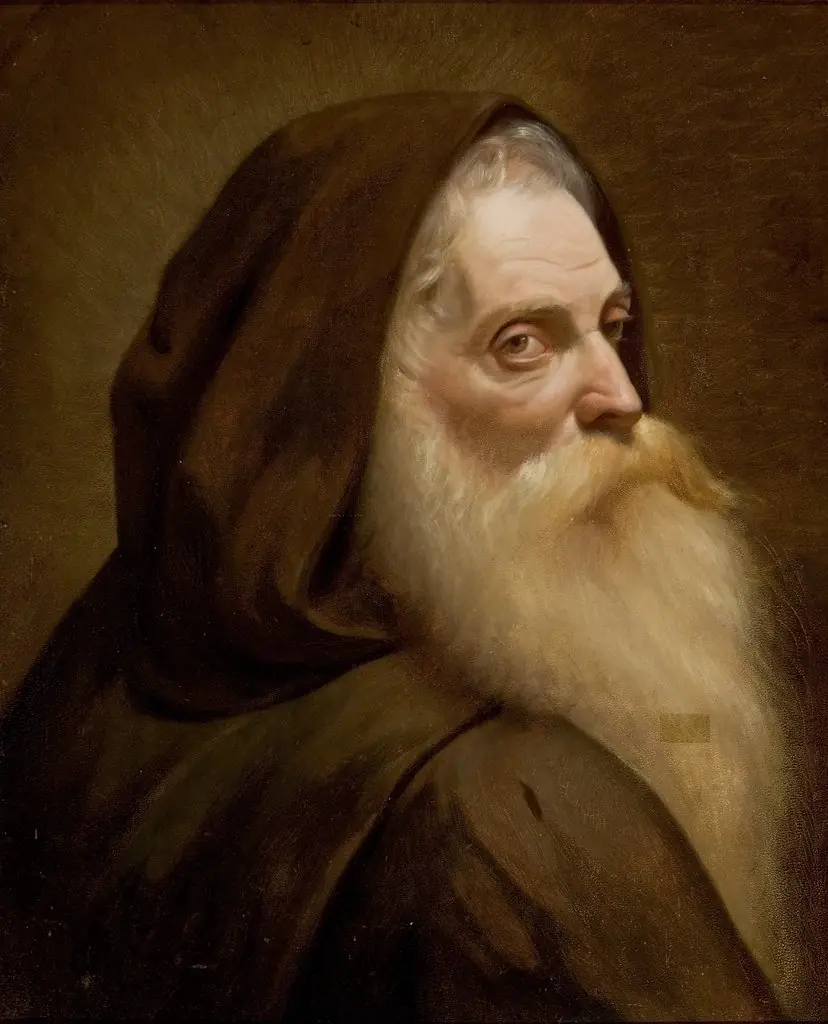 Capuchin Monk
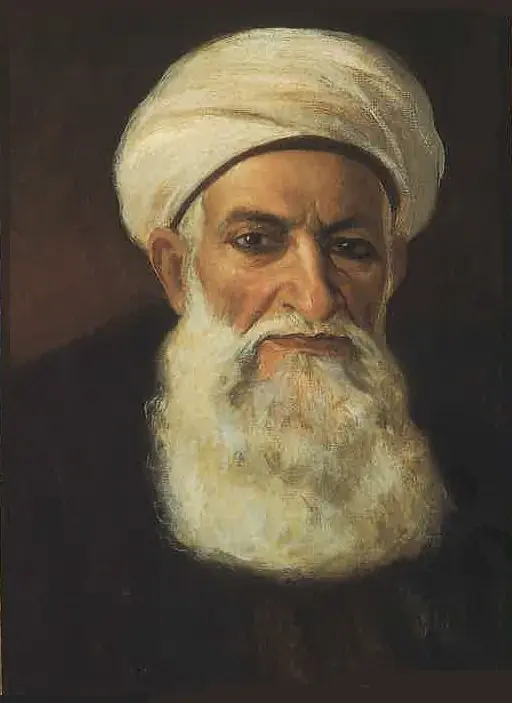 Portrait of Sheikh Selim Nasser
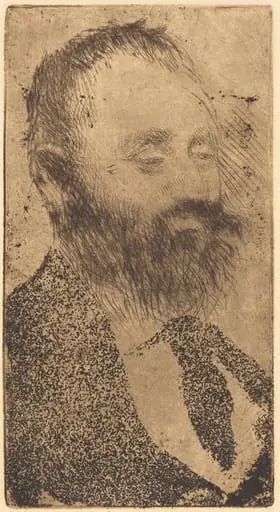 Alphonse Hirsch
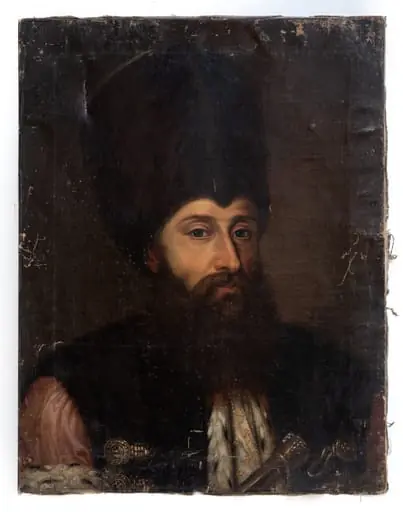 Alexandru Ipsilanti
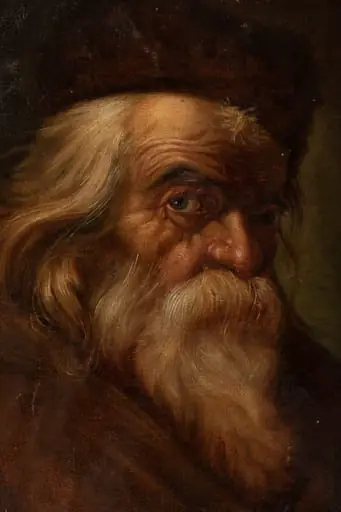 Un rus bătrân
 Bătrân cu turban
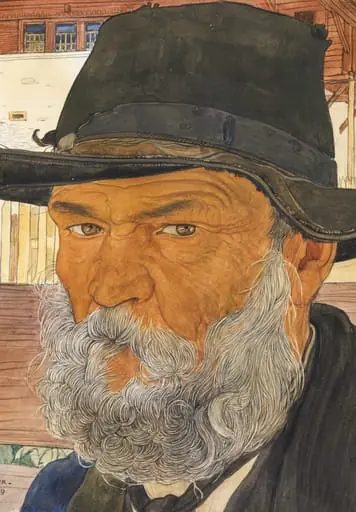 Țăran la Valais
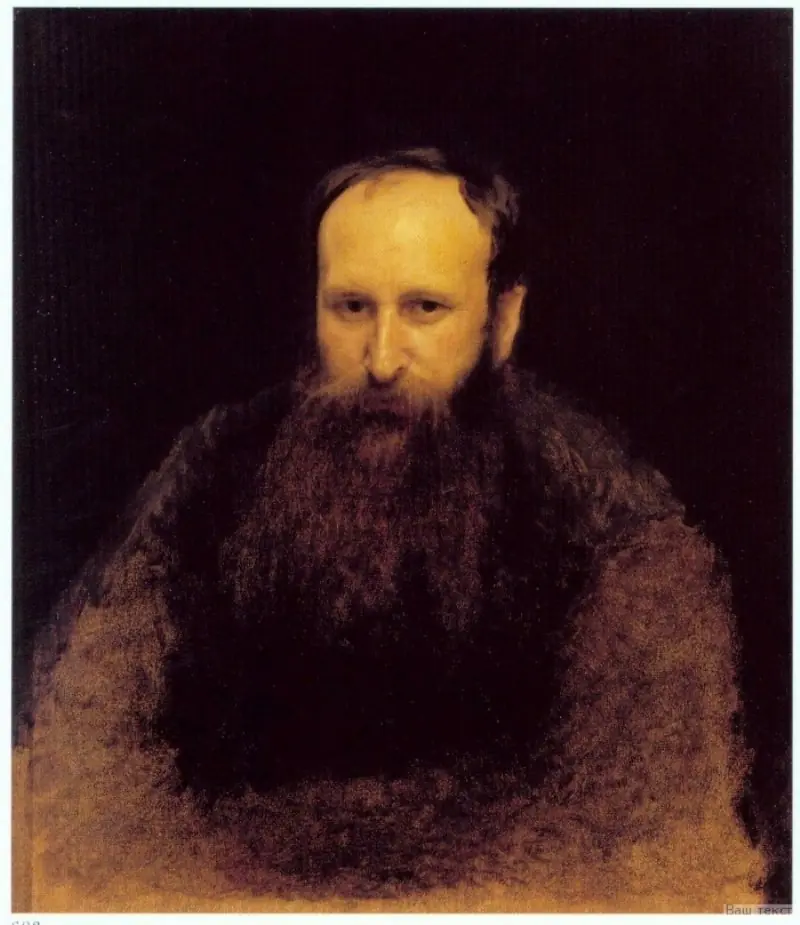 Vasily Vereshchagin
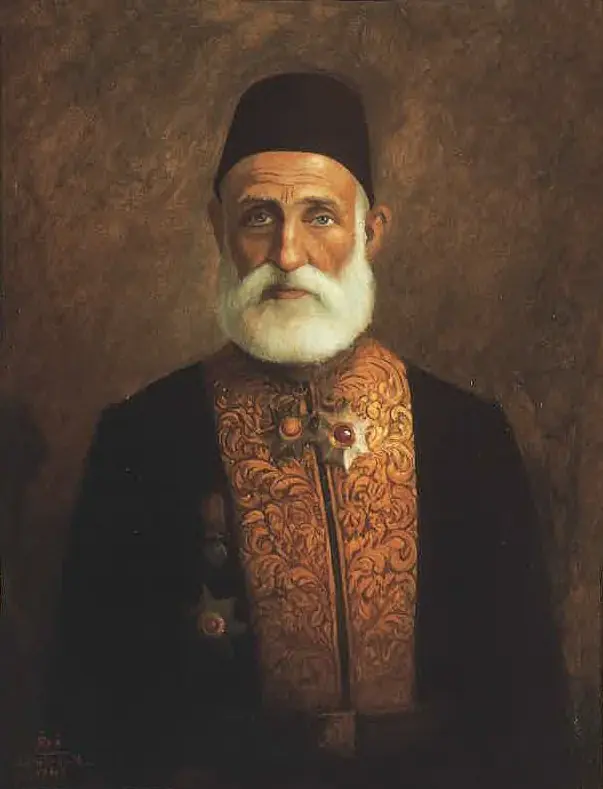 Portrait of Amin Pasha Moukhaiech (1905)
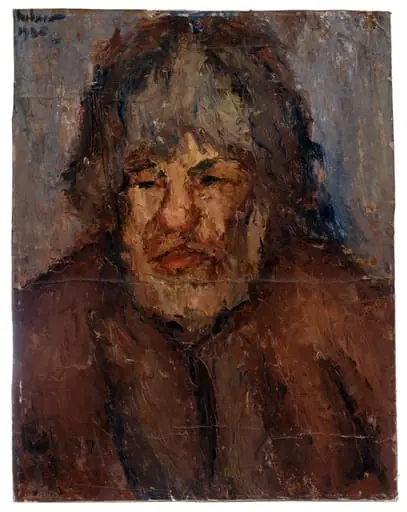 Strămoșul
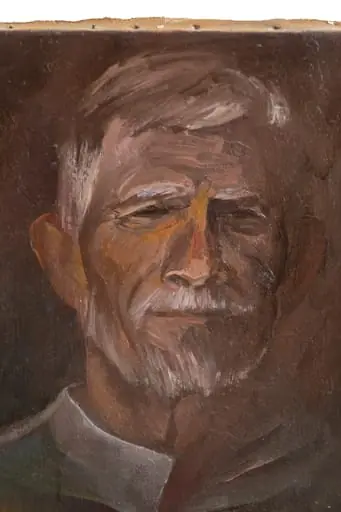 Portret de bătrân
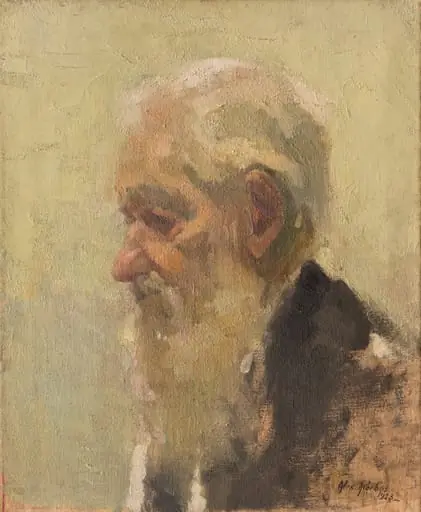 CAP DE BĂTRÂN
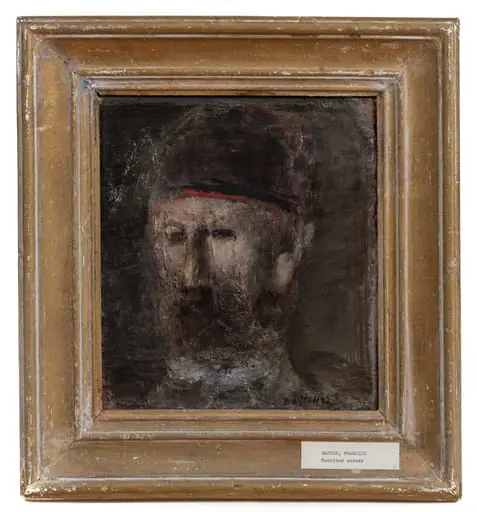 Pescar
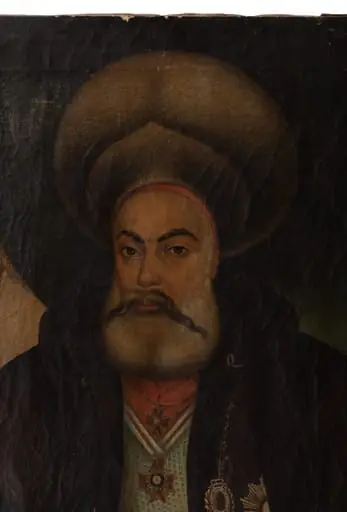 Logofătul Alecu Ghica
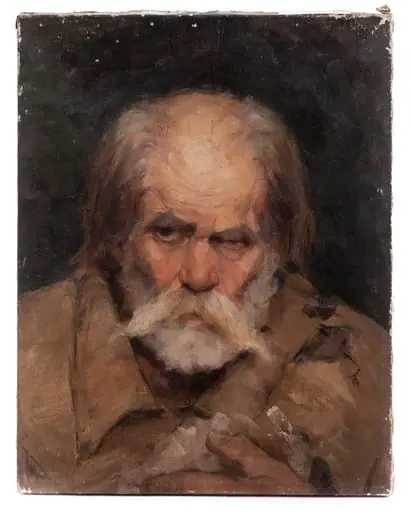 Portret de bătrân (Bătrân lemnar)
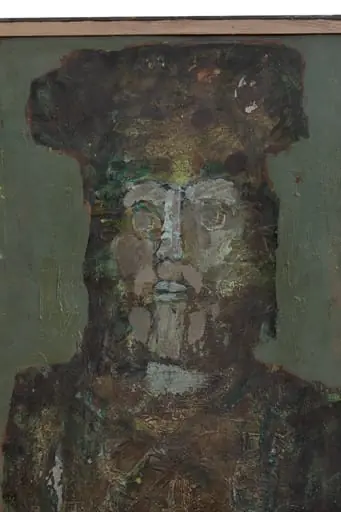 Voievod
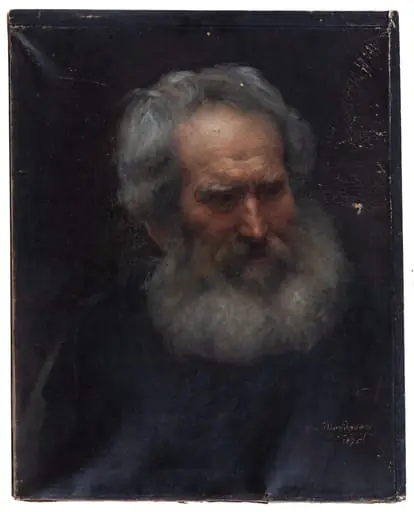 Portret de bătrân
 Autoportret
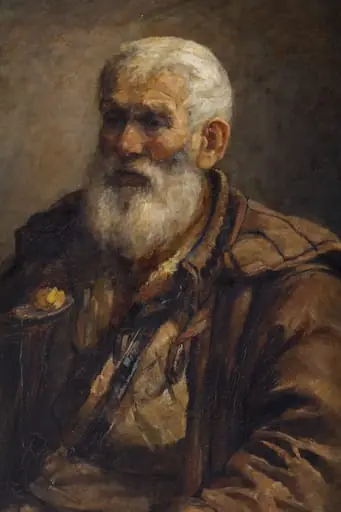 Bătrân mâncând (Un bătrân mâncând mămăligă)
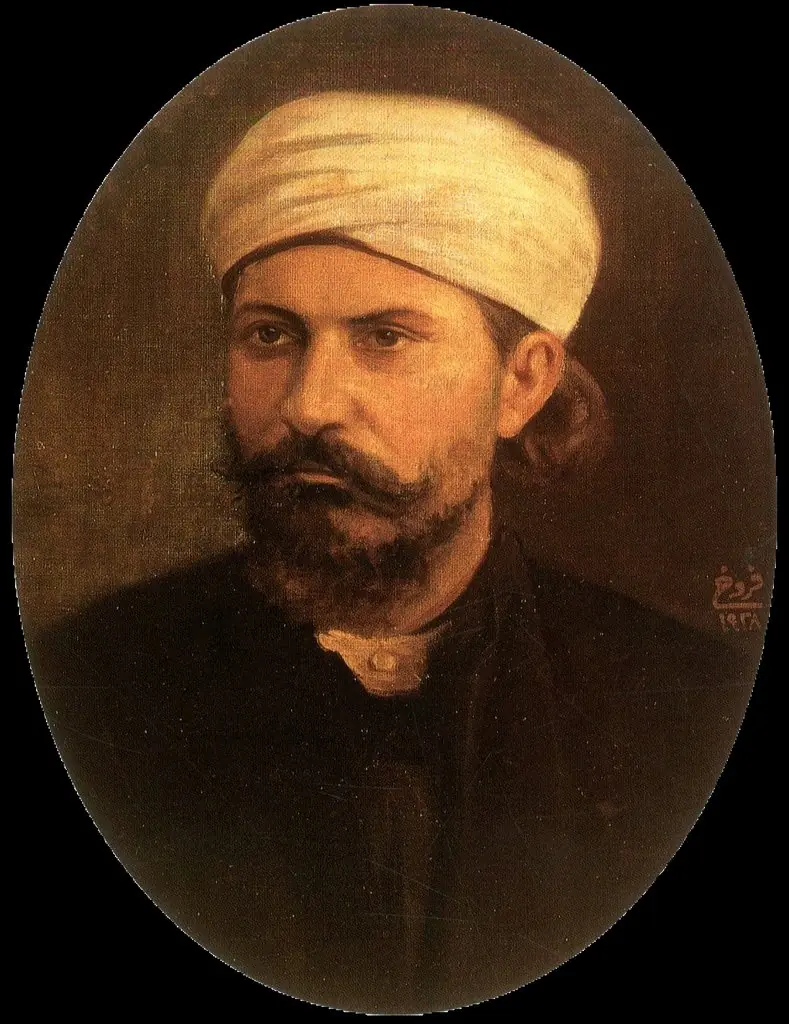 Al-Dāʿīa Jamal Al-Din Al-Afghani
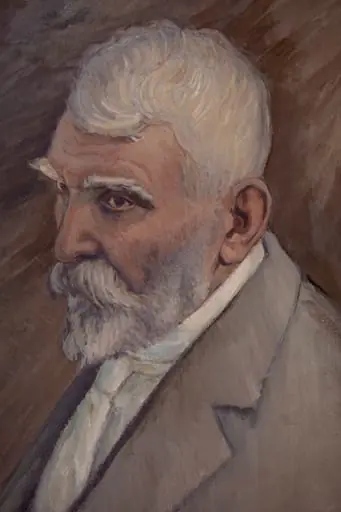 Profesor Gh. Popovici
 Cap de studiu
 Portretul lui C. Stahi
 Capul lui Ioan Botezătorul
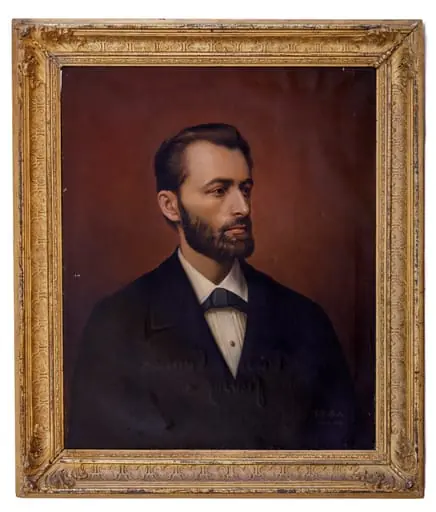 Vasile Conta
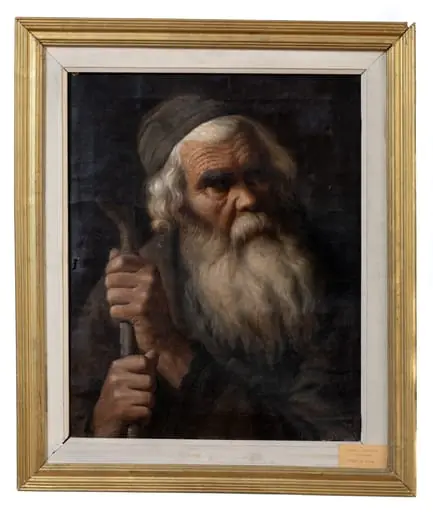 Bătrân cu toiag
 Portret de evreu bătrân
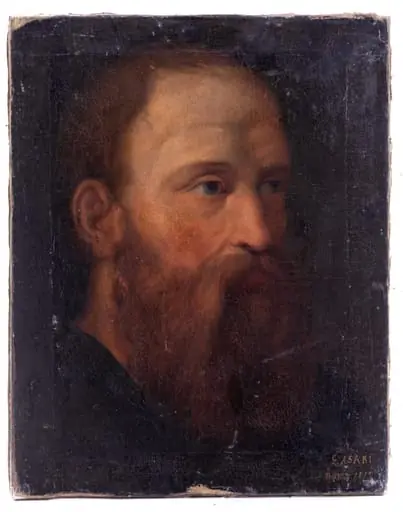 Cap de bărbat
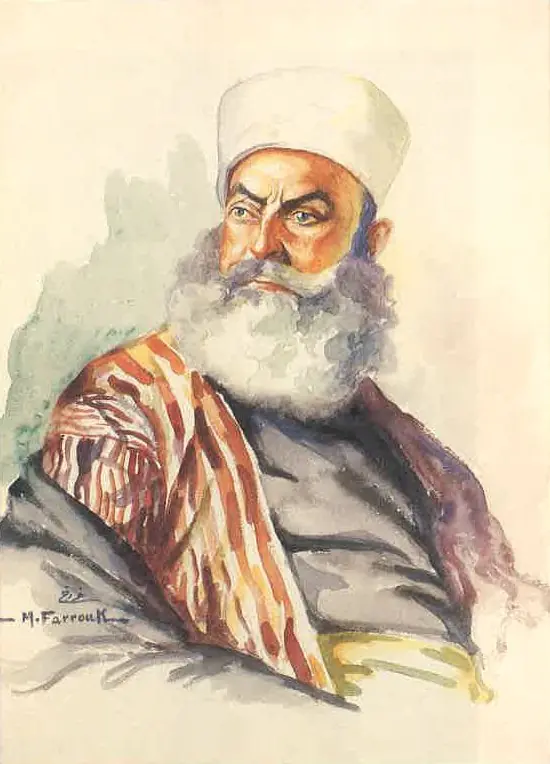 A Druze Sheikh from the Mala'eb Family of Bayssour
 Bătrân rezemat în cârjă
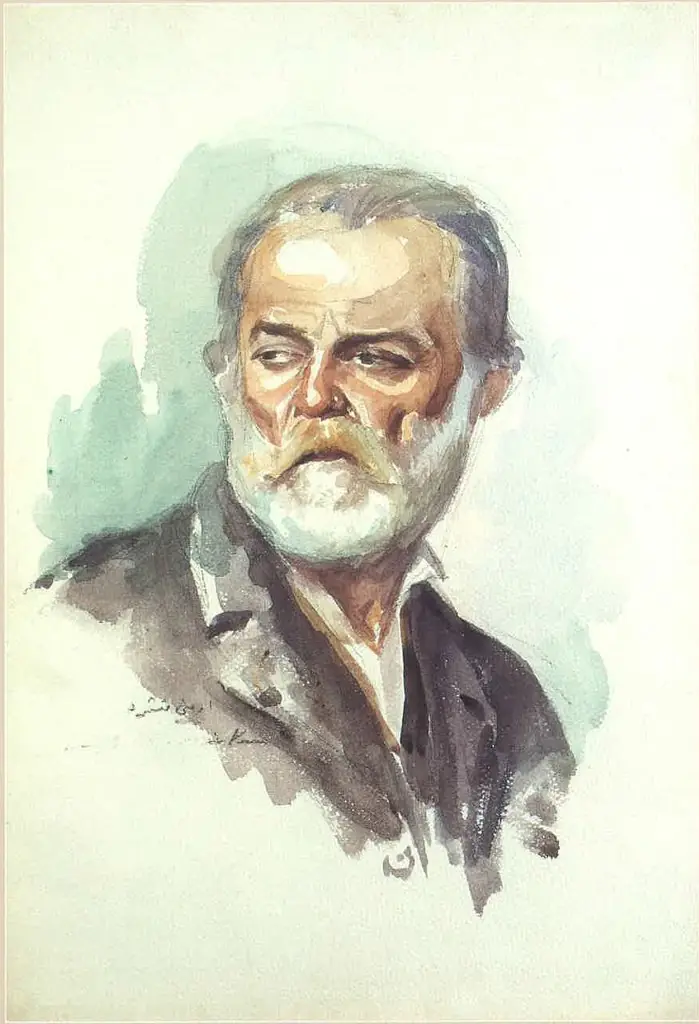 A Displaced Armenian
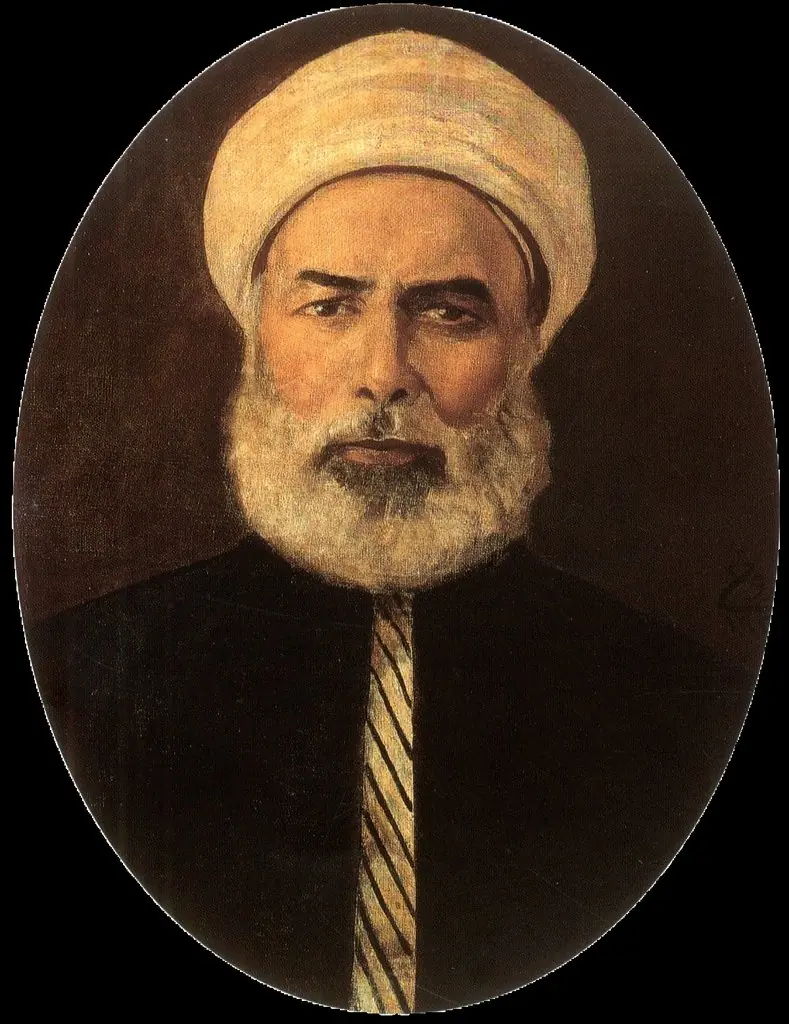 Imam Muhammad Abduh
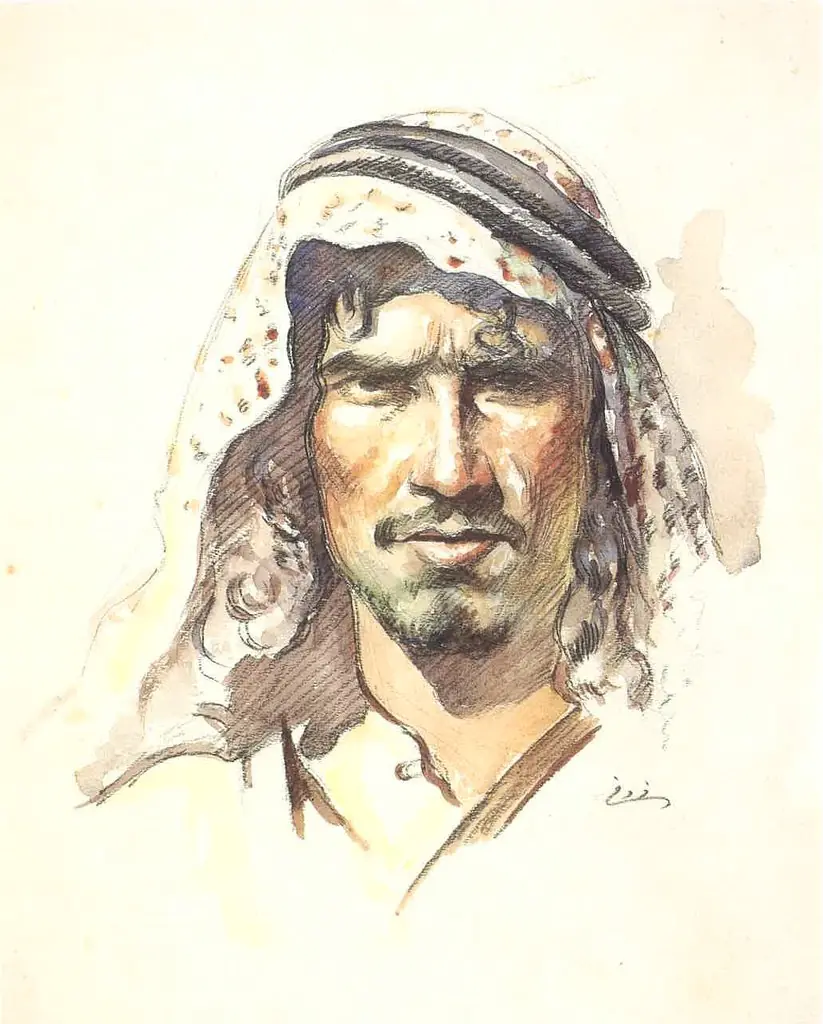 A Bedouin's Portrait
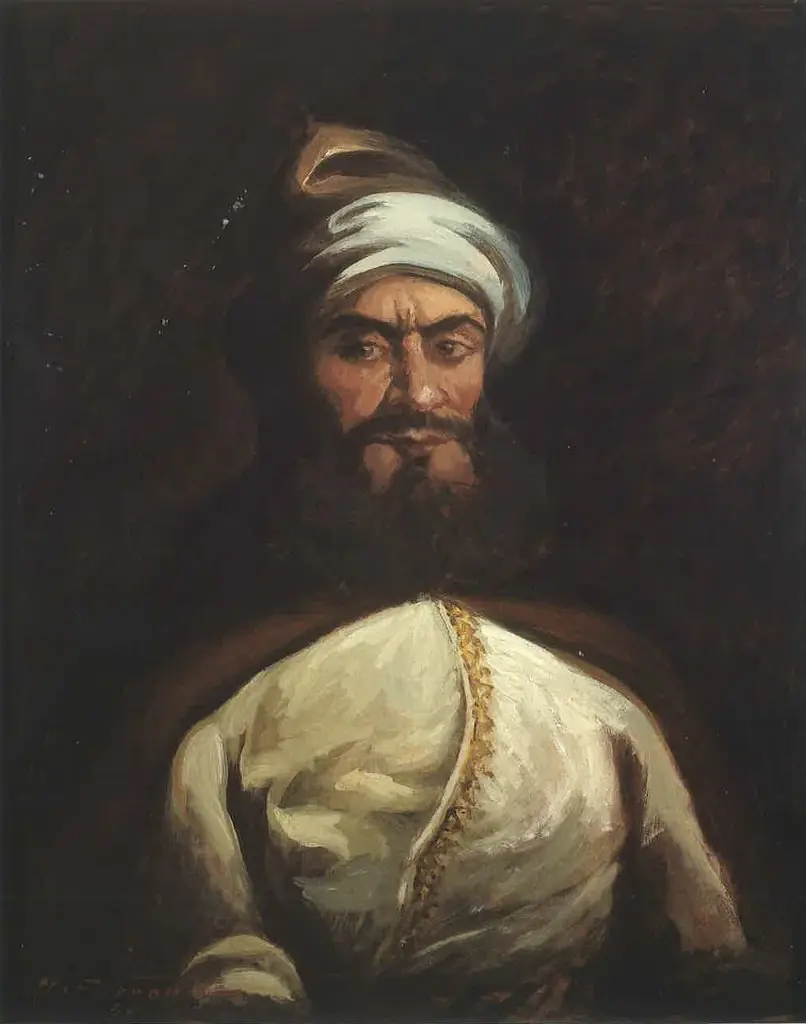 Emir Fakhr Al-Din
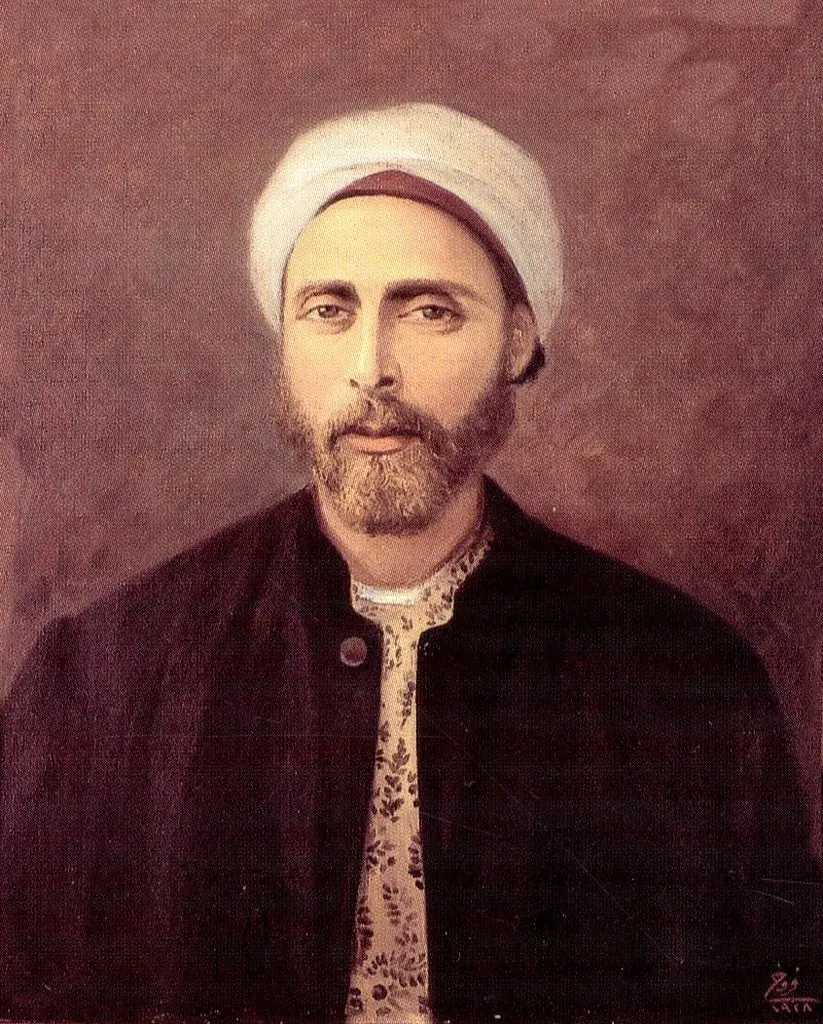 Hajj Hussein Beyhum
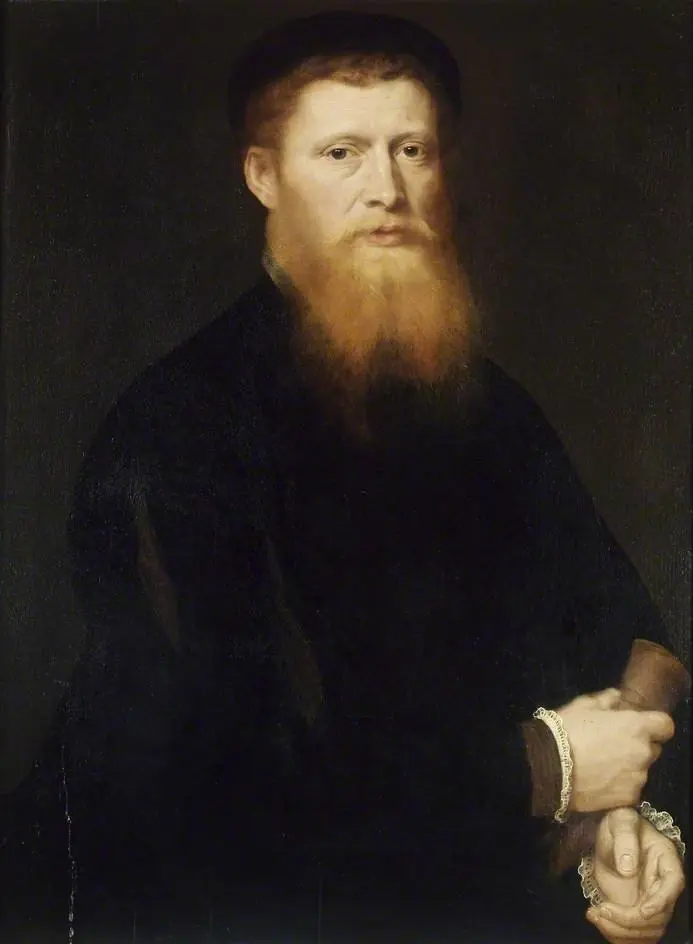 Half-length Portrait of a bearded Man
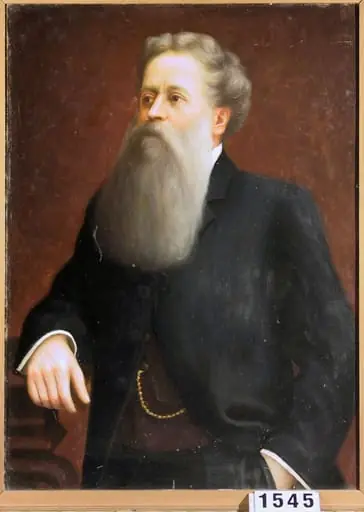 Vasile Stroescu
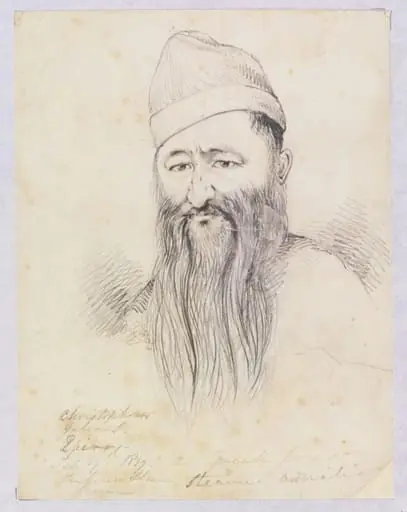 Christophoros Galinos. a Greek priest
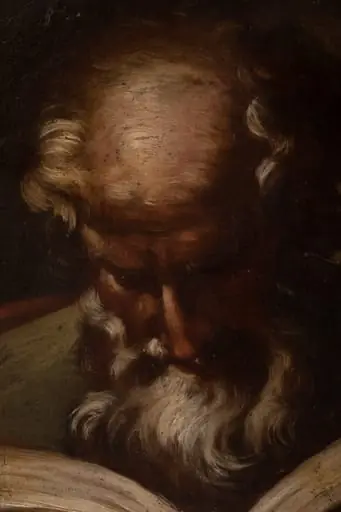 Bătrân pleșuv cu carte
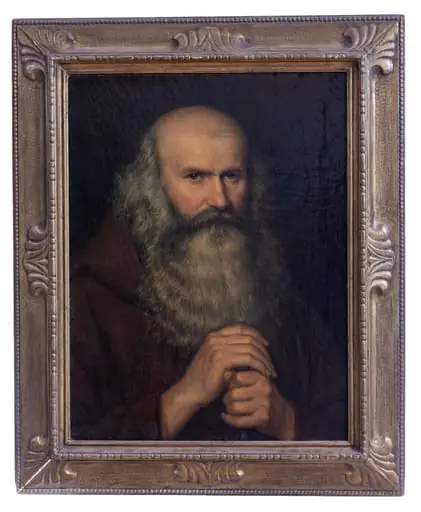 Franciscanul
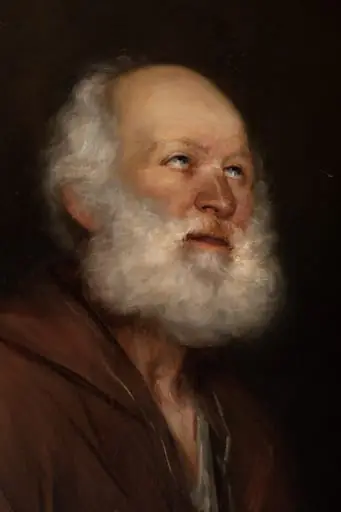 Cap de bărbat
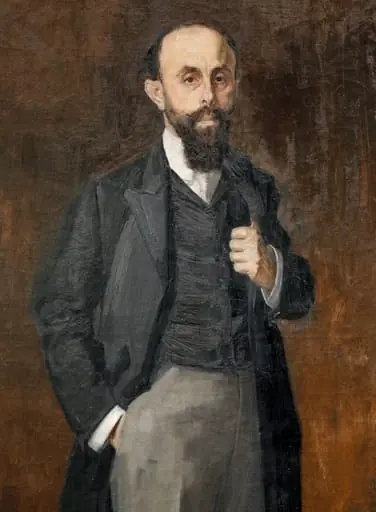 Portret
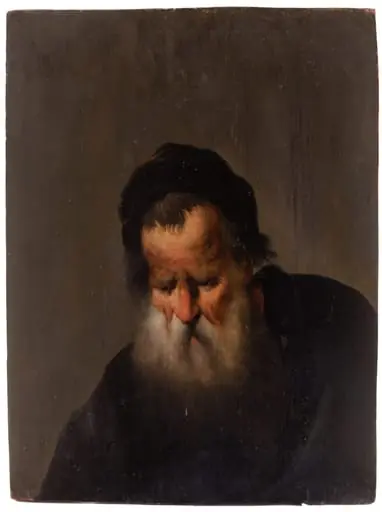 Studiu de bătrân
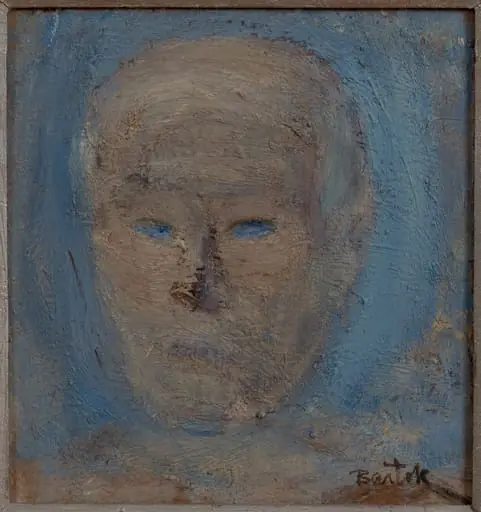 Portretul lui Gheorghe Lesnea
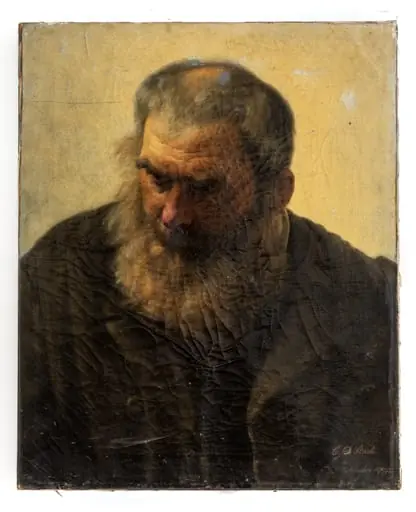 Un veteran bavarez
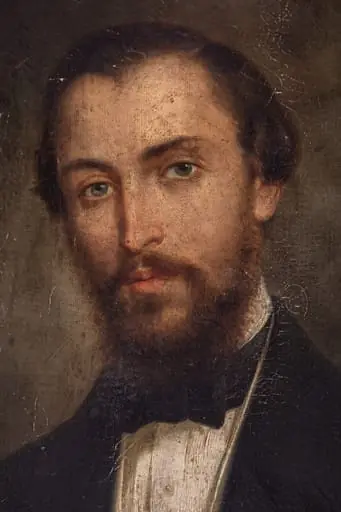 Portret de bărbat
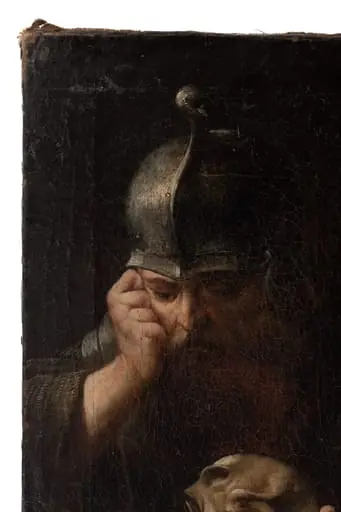 Sfântul Eustațiu
 LĂUTARUL
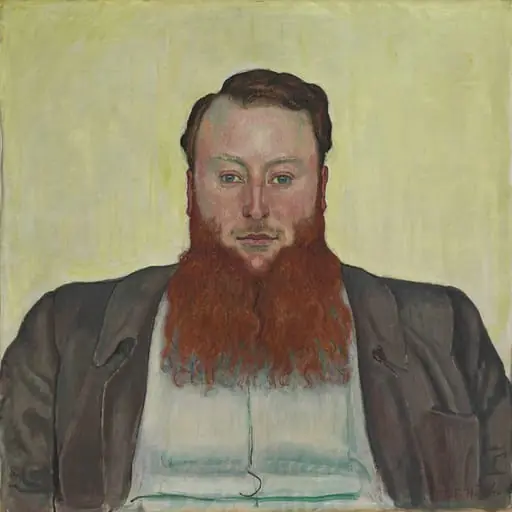 James Vibert, Sculptor
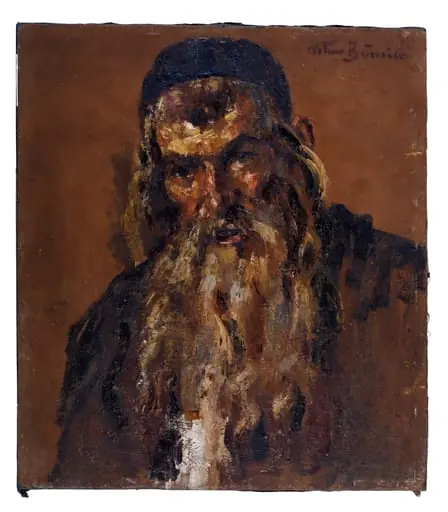 Portret de bătrân evreu
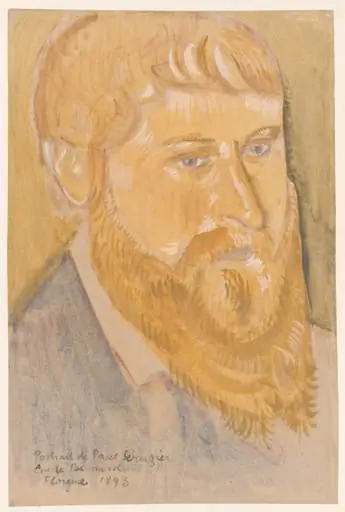 Portrait of Paul Sérusier
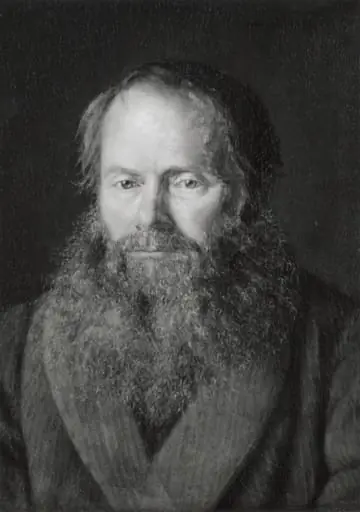 Portræt af zoologen, professor H.N. Krøyer, kunstnerens plejefader
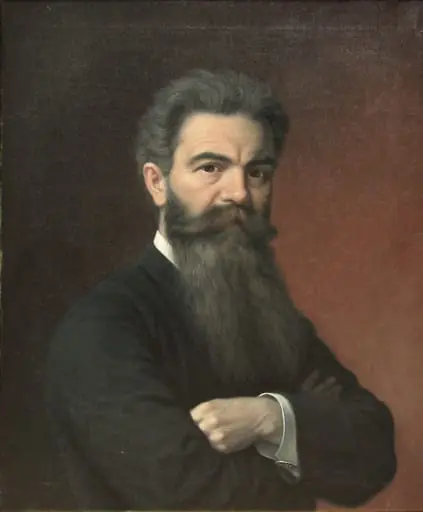 Autoportret
Frequently asked questions
What is Beard?
Beard is an English surname of Anglo-Saxon and Old French origin, first recorded in the Domesday Book.
How many Beard works does Artifact World Gallery have?
Artifact World Gallery holds 170 public-domain Beard works, all free to view and download.
Who are the key Beard artists?
Key Beard artists in the collection include Titian, Thomas Eakins and Paolo Veronese.
Where can I see Beard works?
Beard works in the collection are held by Moldova National Museum Complex, National Library of Wales and Sursock Museum.