Artwork
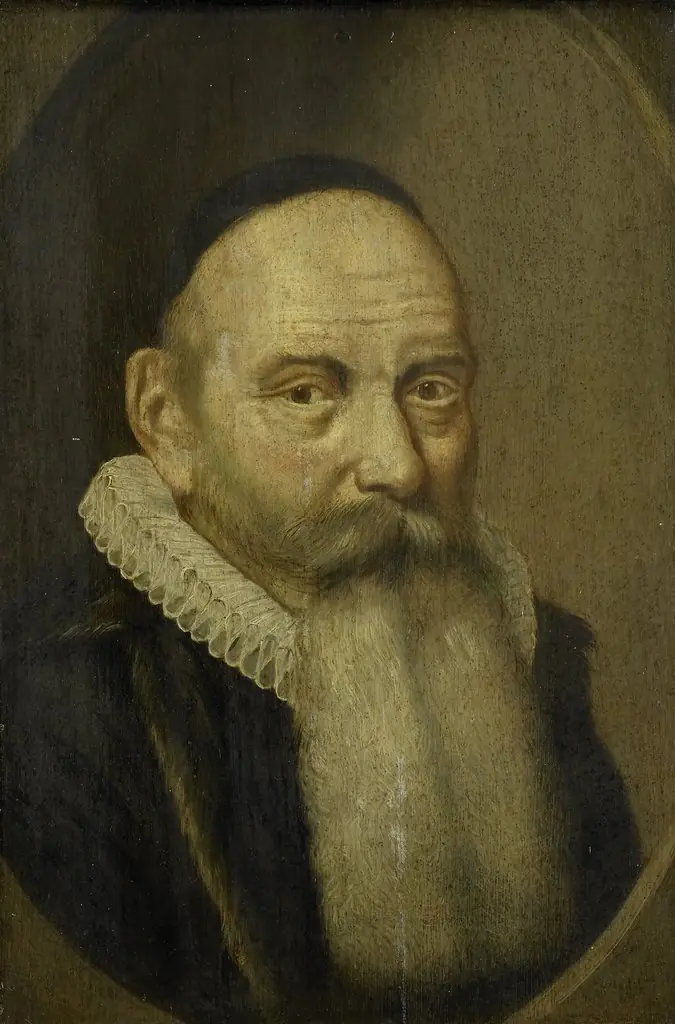
Portrait of a man, probably a clergyman
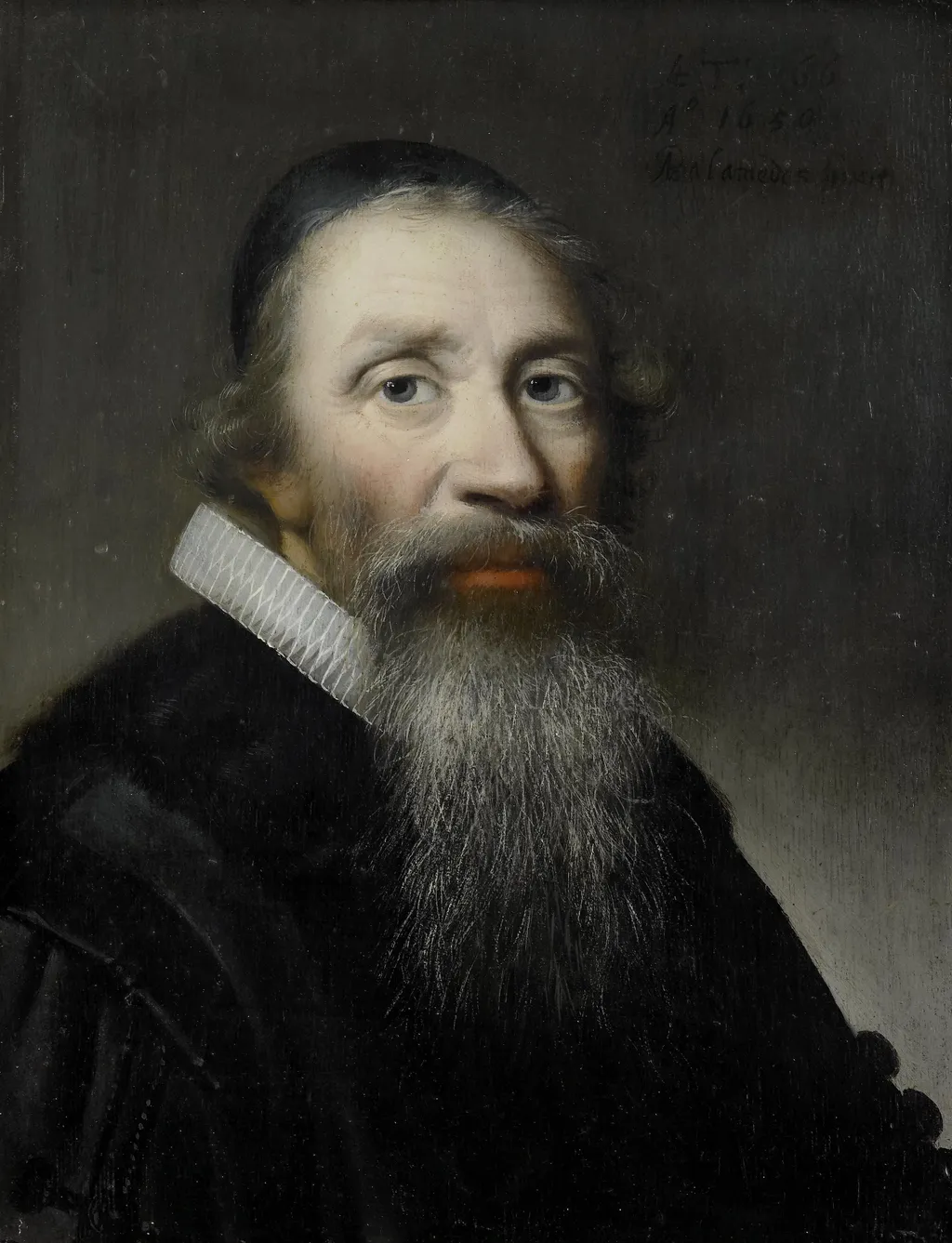
Portrait of a man, probably a clergyman is an oil painting by the Dutch Golden Age artist Anthonie Palamedesz. It dates from 1650 and is held in the collection of the Rijksmuseum.
About this work
Subject & Meaning
The sitter is identified as a cleric based on his attire and the probable context of the work, though specific symbolic attributes are not documented.
The sitter is identified as a cleric based on his attire and the probable context of the work, though specific symbolic attributes are not documented. The portrait shows a man in conventional clerical dress, reflecting the status of a learned or religious figure in 17th-century Dutch society. This interpretation aligns with the painting’s genre as a portrait and its depiction of a man in formal attire.
The work is housed in the Rijksmuseum and Museum Catharijneconvent, institutions that hold Dutch Golden Age religious and portrait works.
Palette, panel support, and oil medium indicate a typical 1650s Dutch portrait practice, with the figure’s direct gaze and sober presentation underscoring themes of dignity and piety.
The iconography is minimal, focusing on realistic representation rather than allegory, suggesting the subject’s identity may be tied to personal or institutional patronage rather than overt symbolic meaning.
The painting measures 30.8 by 23.8 centimeters and was created in the Northern Low Countries, placing it within the artistic milieu of the Dutch Republic’s portrait tradition.
Technique & Style
The work is executed in oil paint on panel, a support consistent with mid-seventeenth-century Dutch portrait practice. According to the catalogue record, the painted surface measures approximately 30.8 by 23.8 cm, with a closely matching secondary dimension of 30.5 cm noted for the panel. The work is classified as a painting within the portrait genre and was produced in the Northern Low Countries in 1650 by Anthonie Palamedesz.
No further details regarding the handling of the paint, the condition of the panel, or specific stylistic qualities are documented in the available sources.
Overview
An oil portrait executed around 1650 by the Dutch painter Anthonie Palamedesz presents a solitary male figure. The work is part of the Rijksmuseum’s collection and exemplifies mid‑seventeenth‑century portraiture in the Netherlands. Its modest dimensions and restrained composition focus attention on the sitter’s visage and attire, offering a quiet study of personal presence.
History & Provenance
Created circa 1650, the painting entered the Rijksmuseum’s holdings as part of its Dutch Golden Age collection. Documentation traces its acquisition to the museum’s early 20th‑century purchases, though earlier ownership records remain scarce. Its presence in the national collection underscores its relevance to Dutch portraiture of the era.
Own this work as a print
Artist & collection
Artist
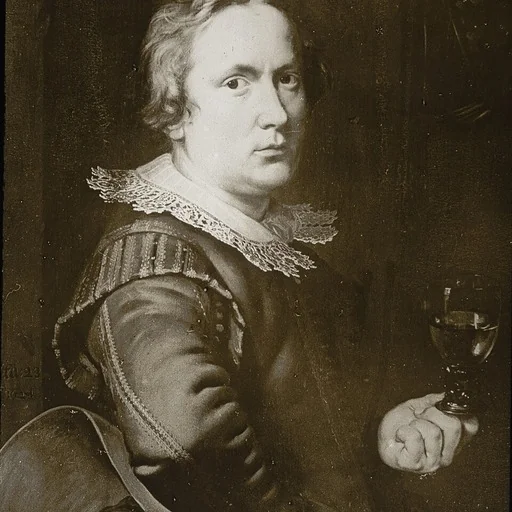
Anthonie Palamedesz., also Antonie Palamedesz, birth name Antonius Stevens, was a Dutch portrait and genre painter.

- Portrait of Johannes Wttenbogaert (Jan Uytenbogaert), Remonstrant Minister in The Hague, Pastor of the Wallon Church
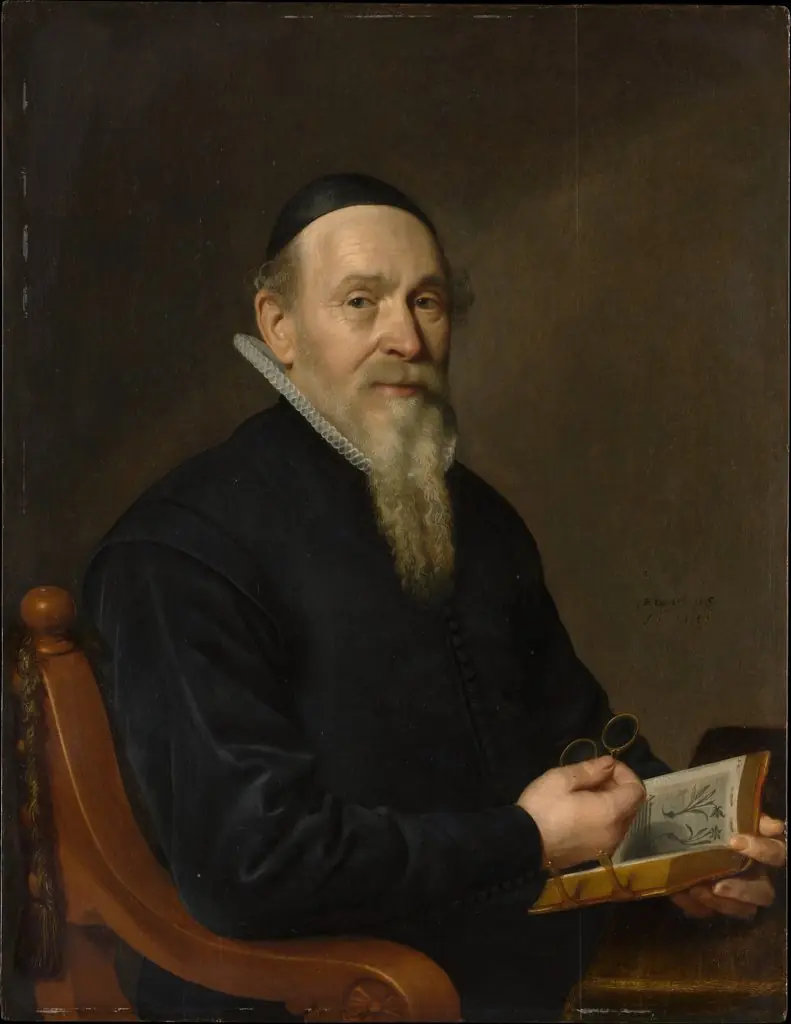 Portrait of a Man, Possibly a Botanist
 Untitled
 Portrait of Jacob Trip
 Portrait of an unknown old man
 Portrait of Jacob Trip
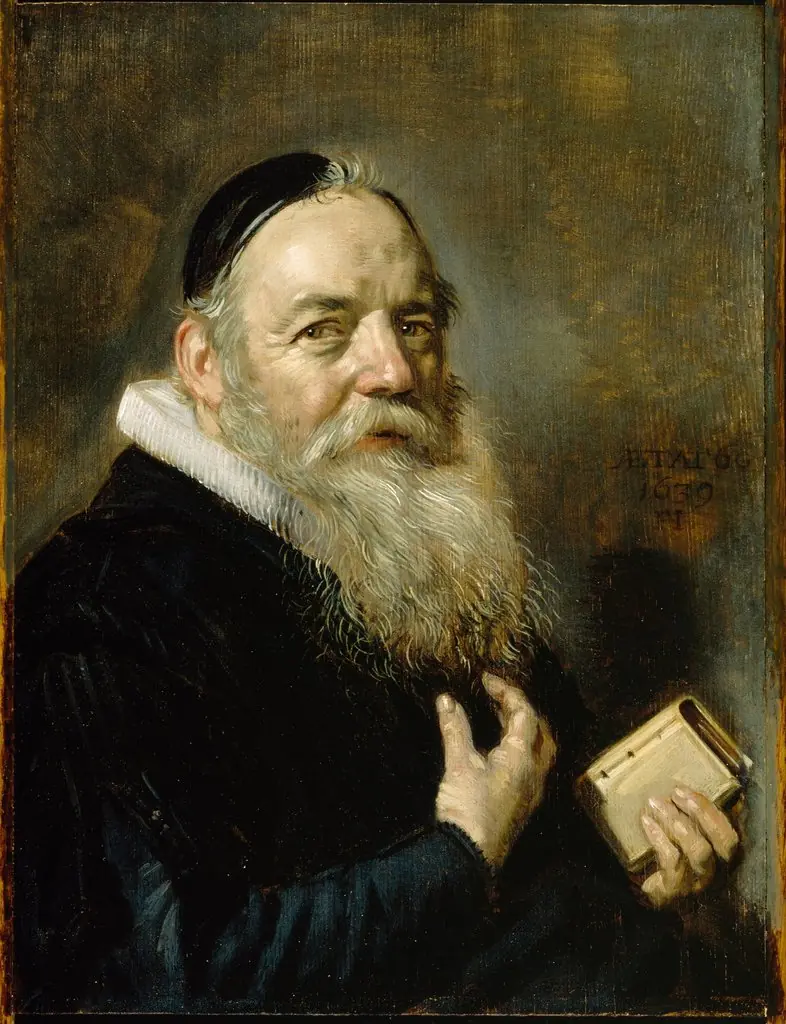 Portrait of Hendrik Swalmius
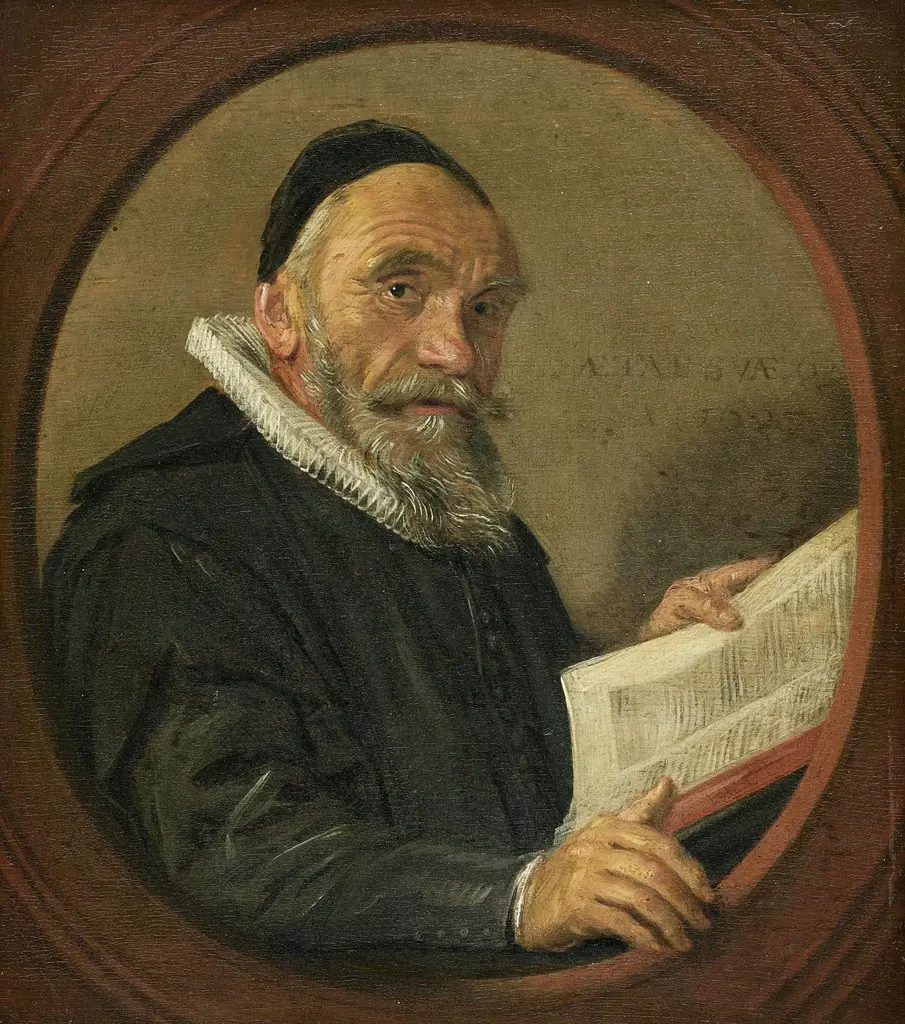 Portrait of Johannes Acronius
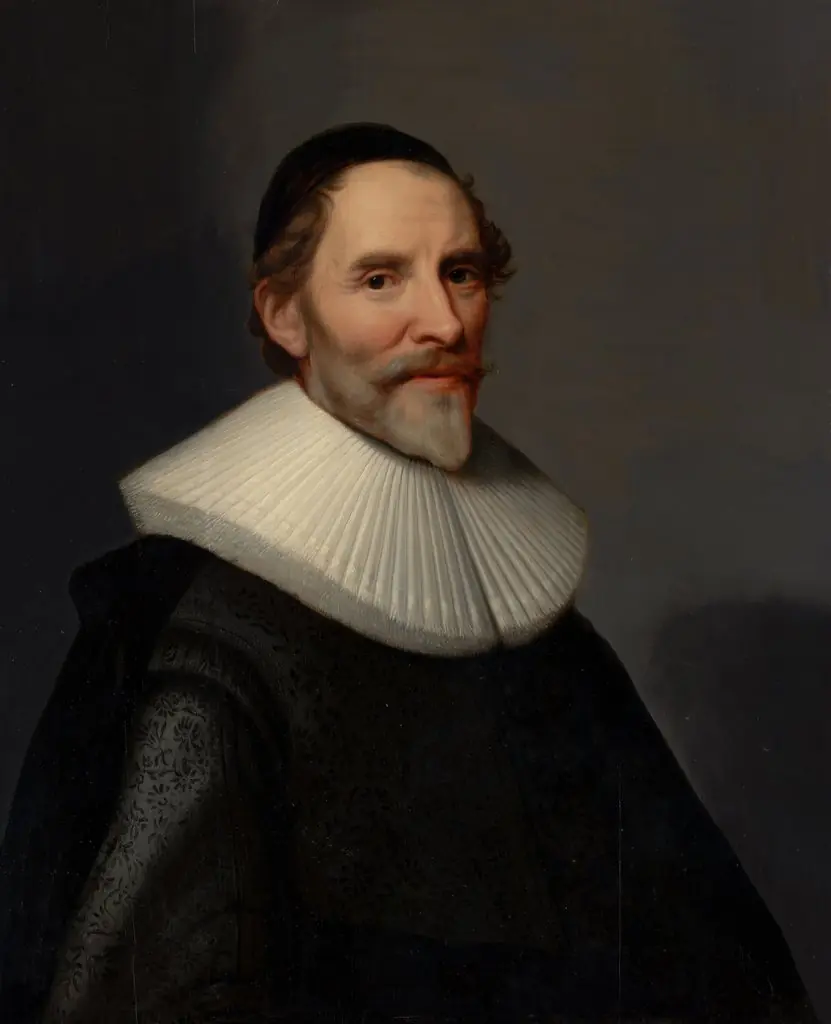 Portrait of François van Aerssen (1572-1641)
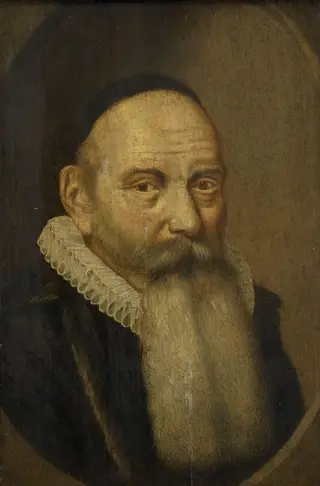 Untitled
 Portrait of Jacobus Rolandus (1562-1632)
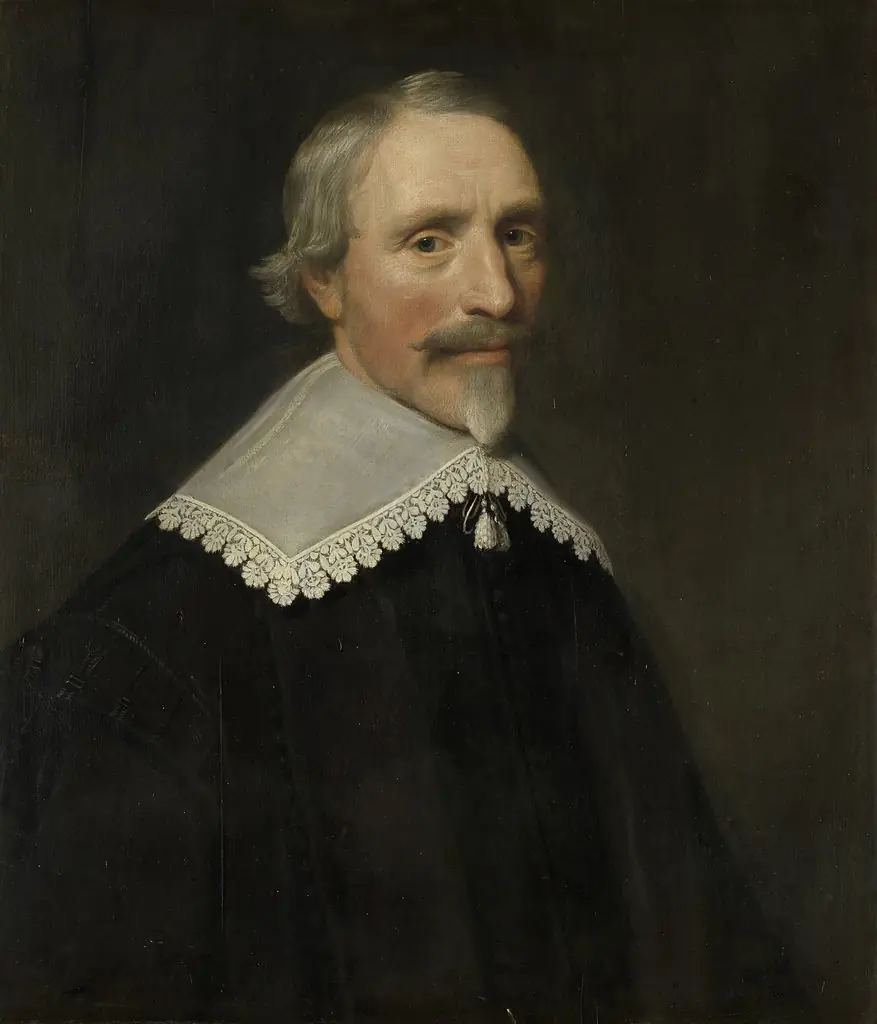 Portrait of Jacob Cats (1577-1660)