Artwork
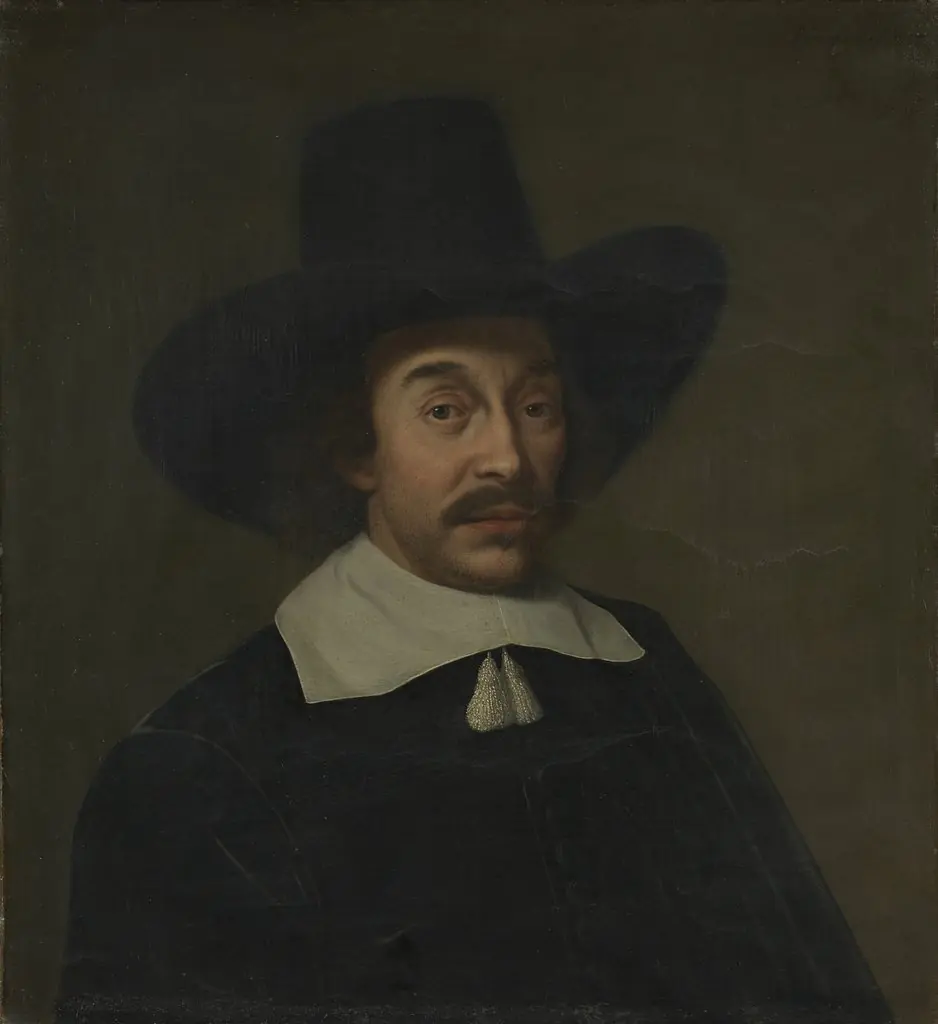
Portrait of a man, probably Pieter Anthonisz van Bronckhorst (1588-1661)
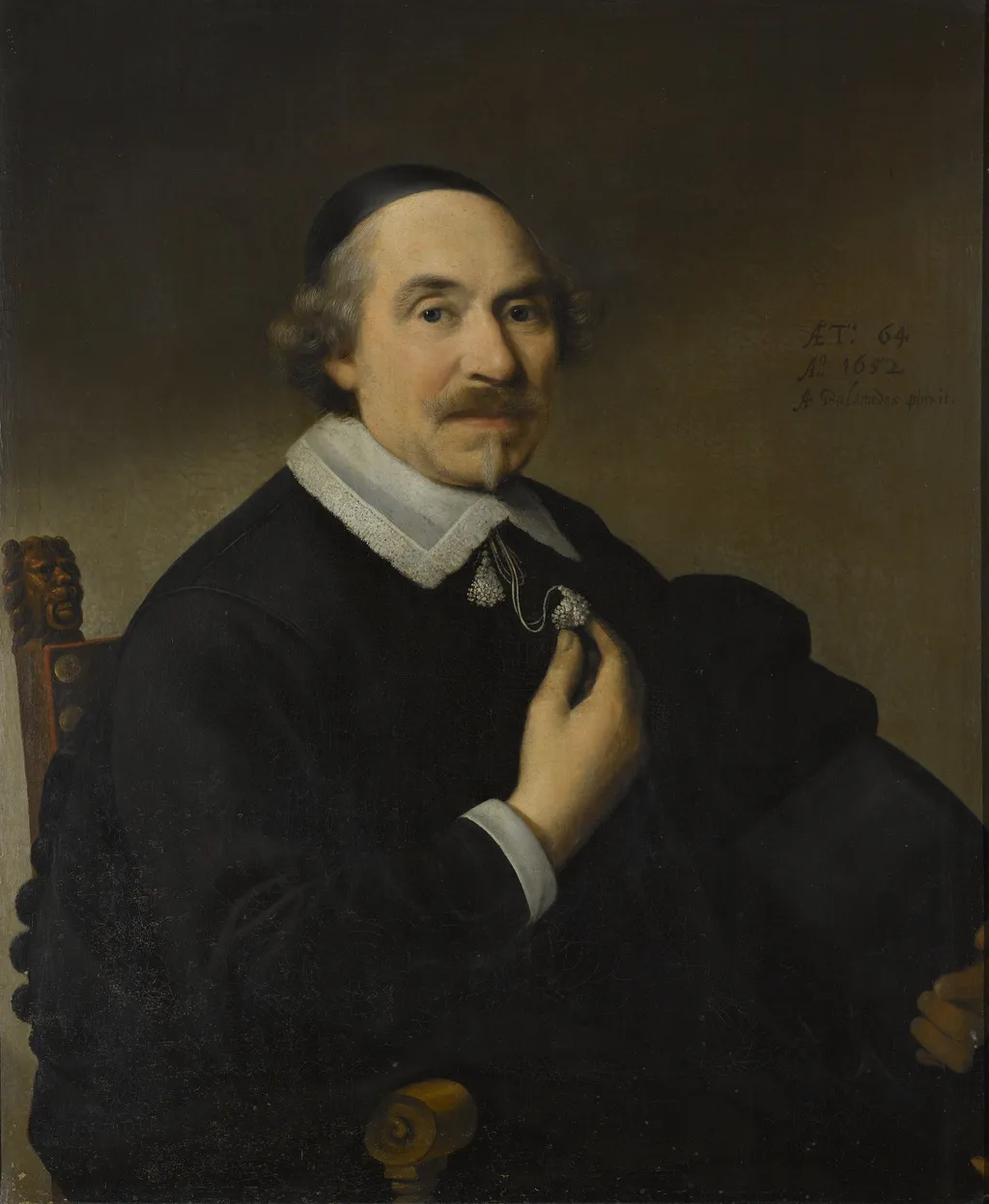
Portrait of a man, probably Pieter Anthonisz van Bronckhorst (1588-1661) is an oil painting by the Dutch Golden Age artist Anthonie Palamedesz. It dates from 1652 and is held in the collection of the Rijksmuseum.
About this work
Subject & Meaning
The portrait shows a man identified as Pieter van Bronckhorst, a member of a prominent Dutch family. He is depicted in period attire typical of 17th-century portraiture, reflecting status and respectability. The work belongs to the portrait genre and was created in 1652 using oil paint on canvas, now housed in the Rijksmuseum collection.
Technique & Style
Its execution in oil on canvas, combined with the naturalistic rendering of the sitter, supports its attribution to Palamedesz within the portrait genre.
The work is an oil painting executed on canvas, measuring 82 cm in height by 67 cm in width. It depicts a man identified as Pieter van Bronckhorst, rendered in a portrait format characteristic of mid-17th-century Dutch art. The brushwork and composition reflect the stylistic conventions of Anthonie Palamedesz, with fine detailing in facial features and attire, as recorded in the Rijksmuseum catalogue.
The painting's condition is stable, with no noted structural damage or significant degradation reported in the institutional record. Its execution in oil on canvas, combined with the naturalistic rendering of the sitter, supports its attribution to Palamedesz within the portrait genre.
Overview
Painted in 1652 by Anthonie Palamedesz, this oil portrait depicts a man identified as likely being Pieter Anthonisz van Bronckhorst. The composition features a three-quarter view of the sitter against a dark, neutral background, a convention typical of Dutch Golden Age portraiture that emphasizes the subject's presence. The man is dressed in a dark cloak with a crisp white collar, and his right hand is captured in the act of adjusting a heavy gold chain around his neck, a gesture that conveys both status and a moment of casual intimacy.
At the lower edge, a portion of a scroll or book is visible, while a faint, indistinct shape resembling a bust or statue appears in the shadows behind him. Palamedesz, known for his precise technique and ability to render textures, applies the paint with a controlled touch, particularly in the treatment of the face and the metallic sheen of the chain. This work exemplifies the artist's mature style, balancing formal dignity with psychological immediacy.
Created during the height of his career, the portrait reflects the era's interest in individual character and the subtle display of wealth through accessories rather than ostentatious settings.
History & Provenance
Created in the mid‑17th century, the painting entered the Rijksmuseum’s holdings through acquisition in the early 20th century, though earlier ownership records are sparse. Its attribution to Palamedesz rests on stylistic analysis and documentary evidence linking the artist to portrait commissions for prominent Haarlem families, including the van Bronckhorsts.
Context
The work reflects the Dutch Golden Age’s emphasis on individual achievement and civic virtue. Portraits of this type were often displayed in private homes or municipal buildings, serving both as personal commemoration and as visual affirmation of the sitter’s role within the urban elite. The subdued palette and restrained composition align with contemporary trends favoring realism over ornamental excess.
Own this work as a print
Artist & collection
Artist
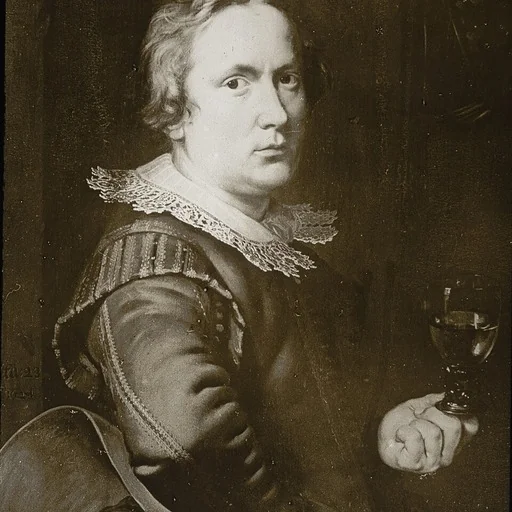
Anthonie Palamedesz., also Antonie Palamedesz, birth name Antonius Stevens, was a Dutch portrait and genre painter.

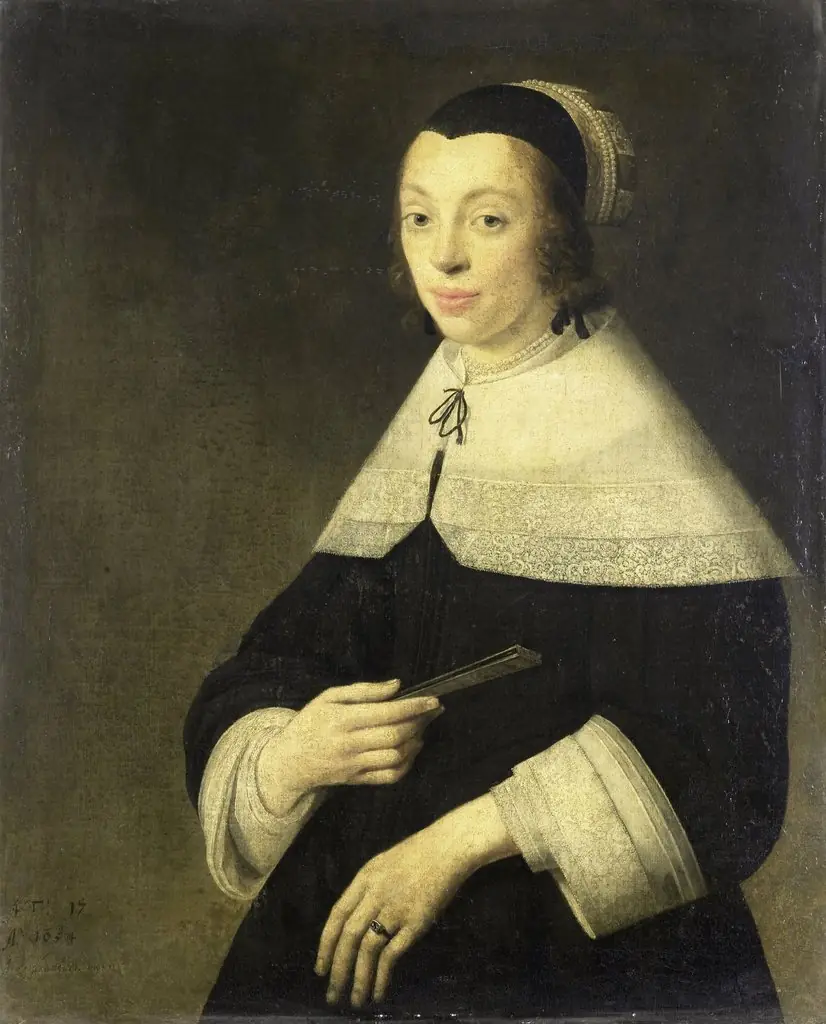
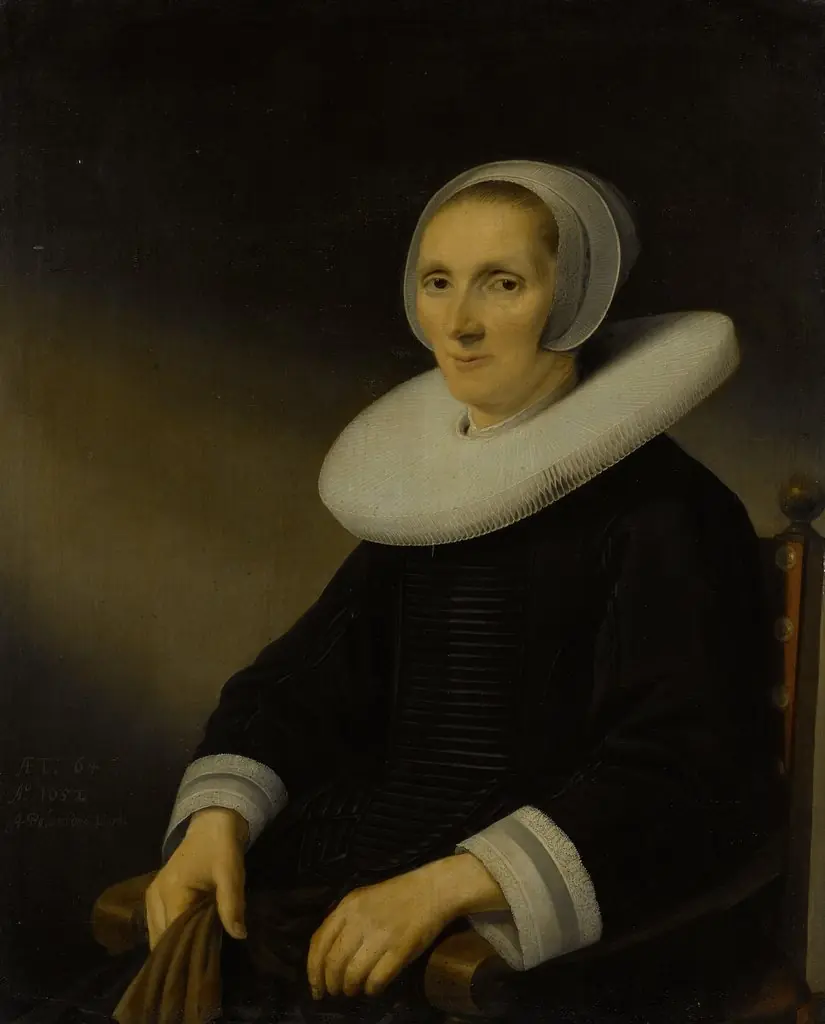
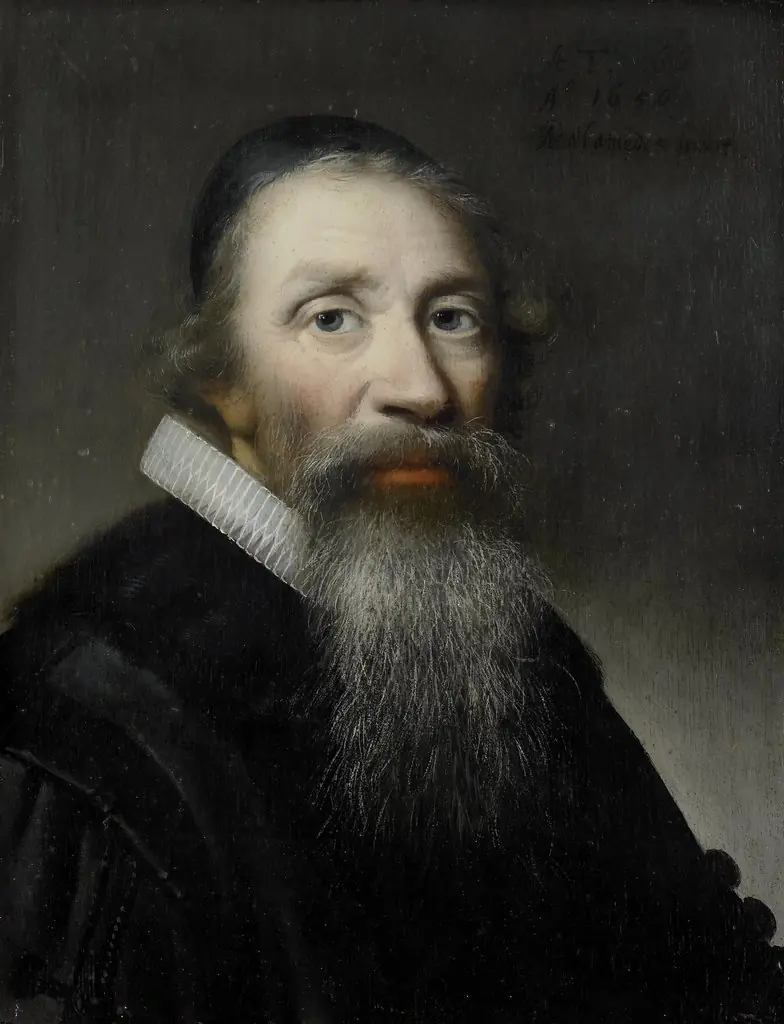
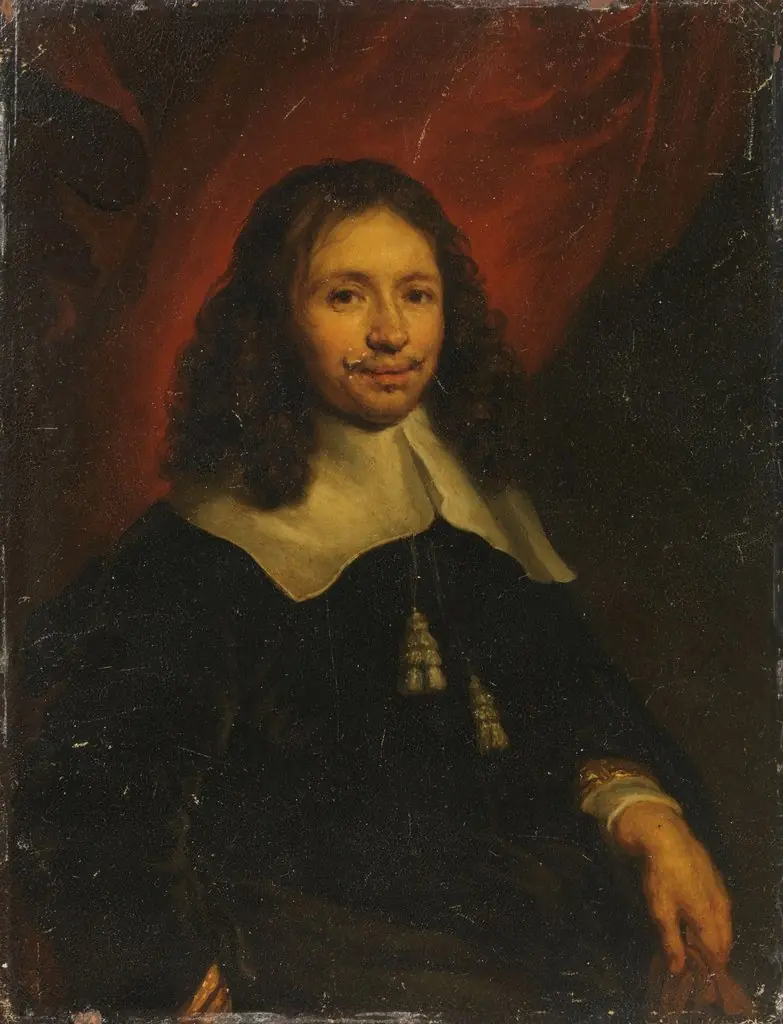 Dionijs Wijnands (1628-73). Amsterdam merchant
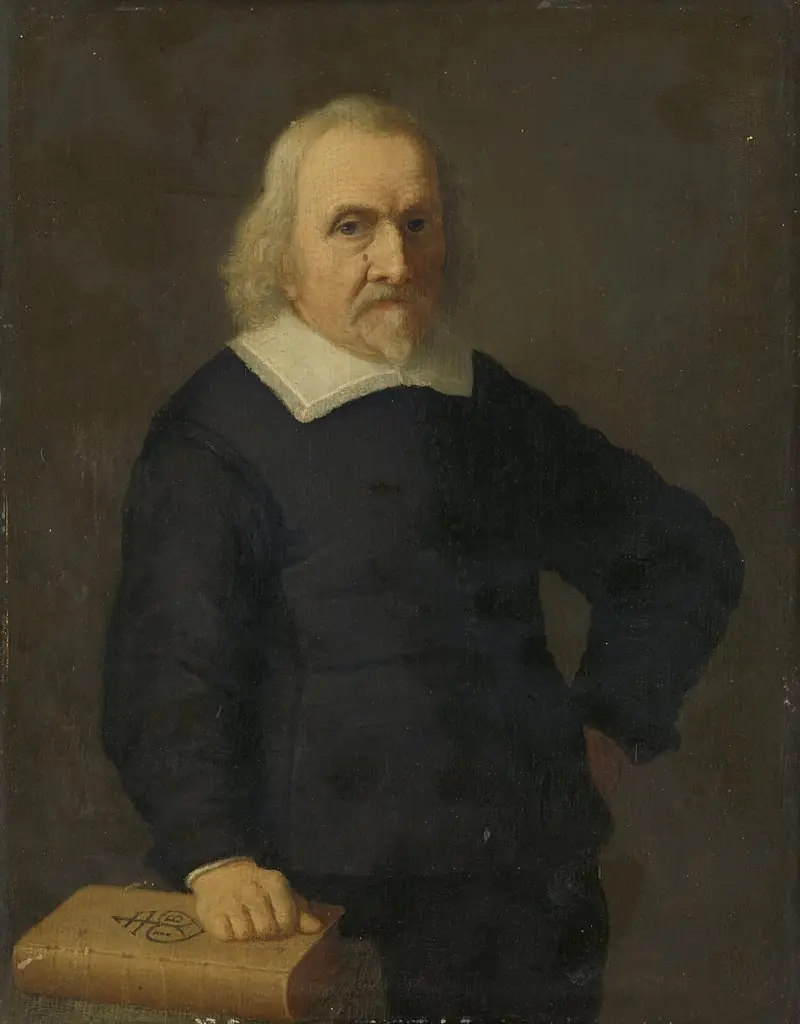 Portrait of a Man
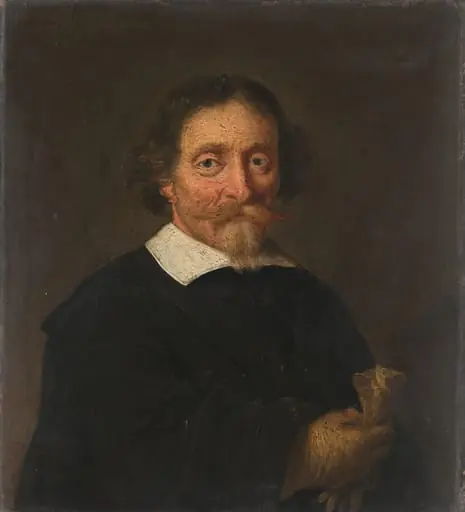 Portrait of a Man
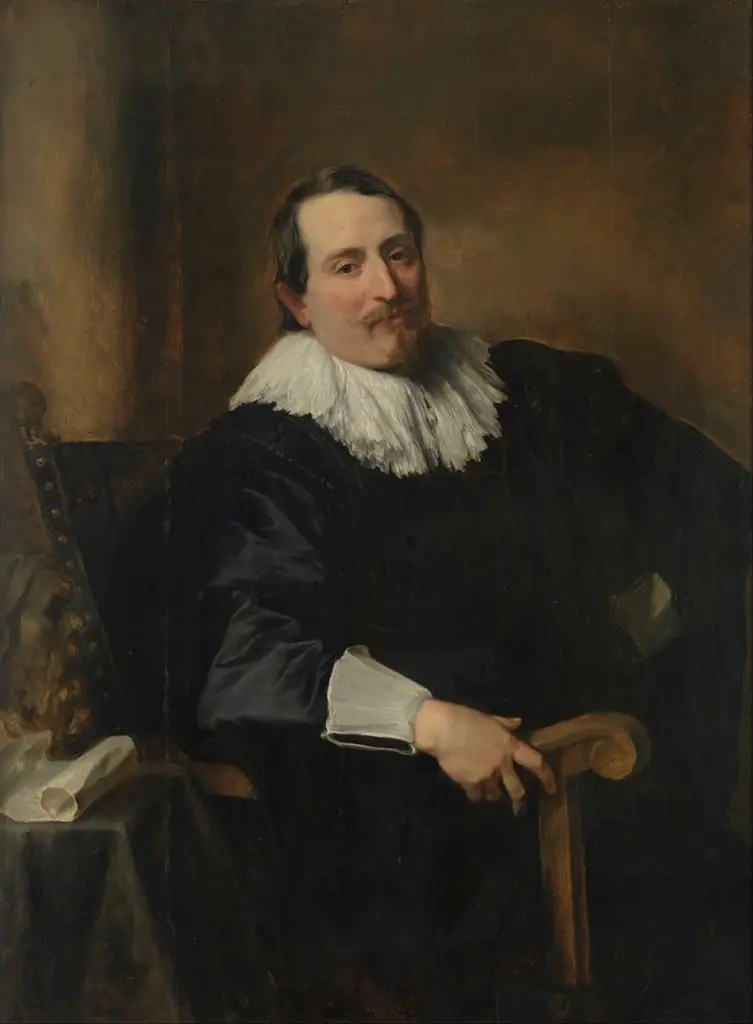 Portrait of the painter Theodor Rombouts
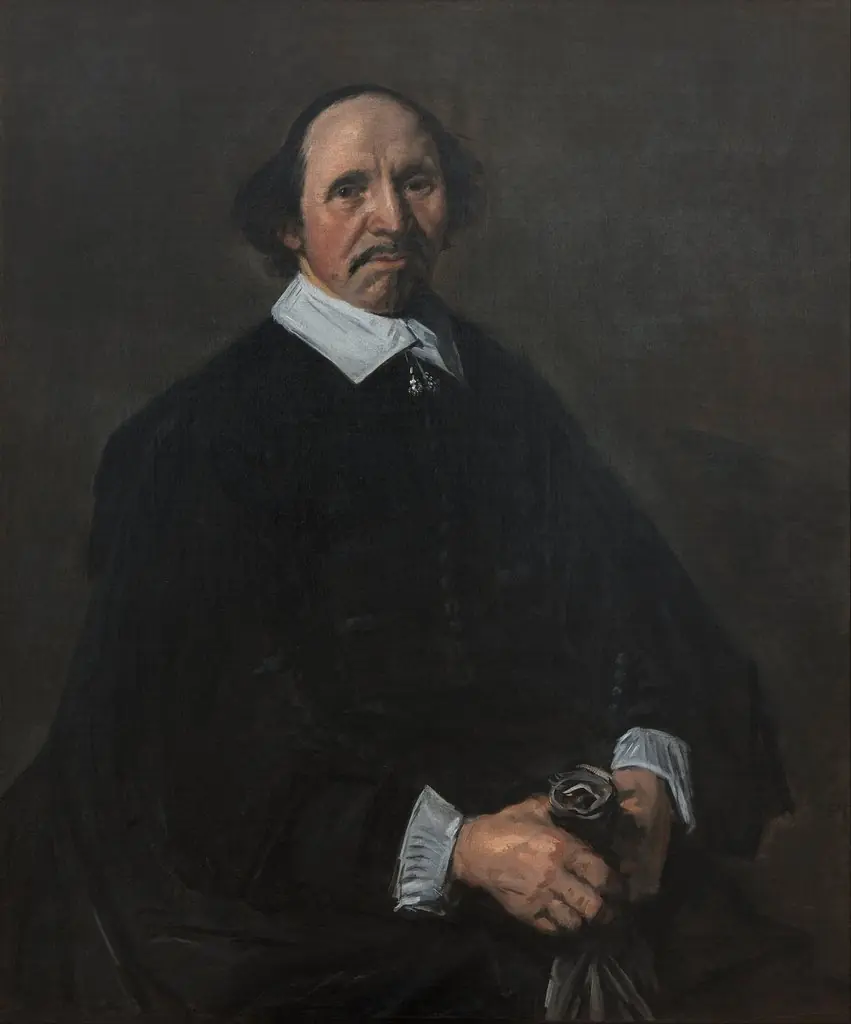 Portrait of a man
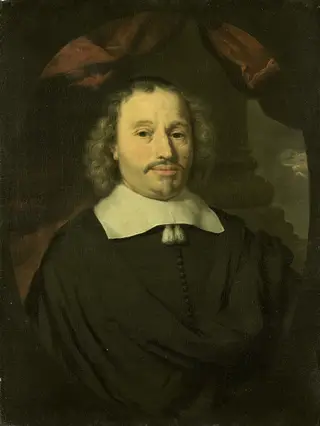 Portrait of Hendrick Wijnands (1601/2 - 76), grocer of Amsterdam
![Portrait of a Gentleman [possibly Jacob van Campen], by Thomas de Keyser](https://artifactworldgallery.com/img/thomas-de-keyser--portrait-of-a-gentleman-possibly-jacob-van-campen--d0c829ca95efaf31-w320.webp) Portrait of a Gentleman [possibly Jacob van Campen]
Portrait of a Gentleman [possibly Jacob van Campen]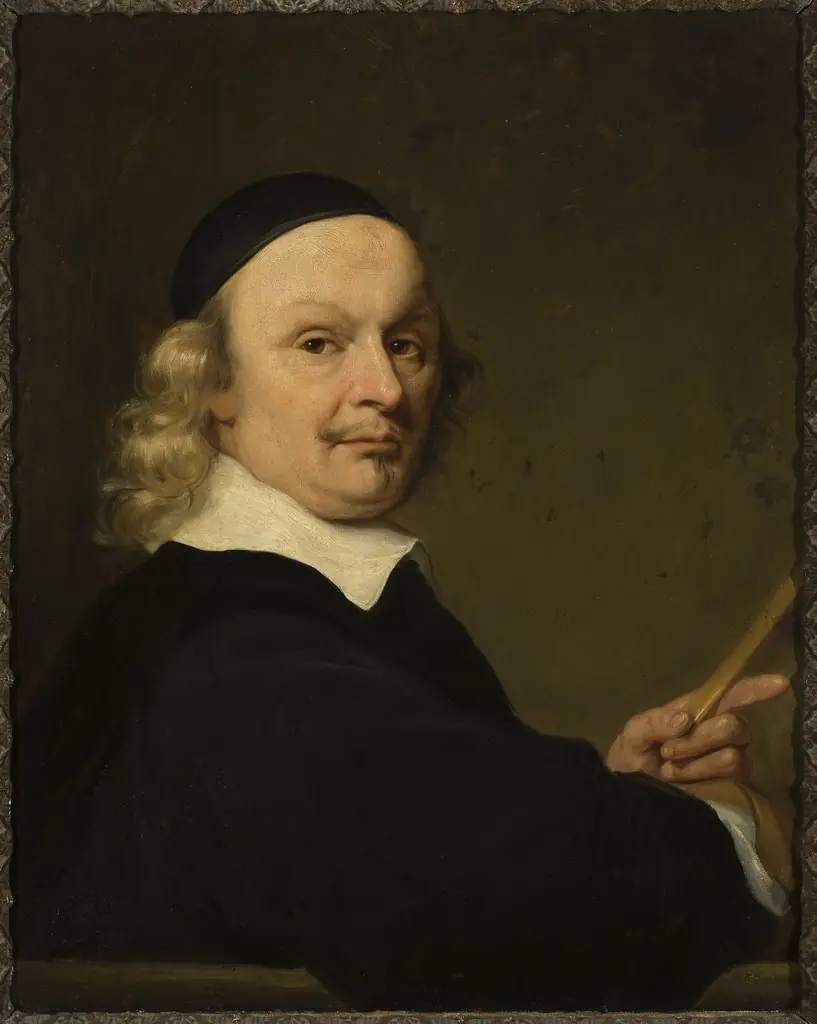 Portrait of a mathematician
 Untitled
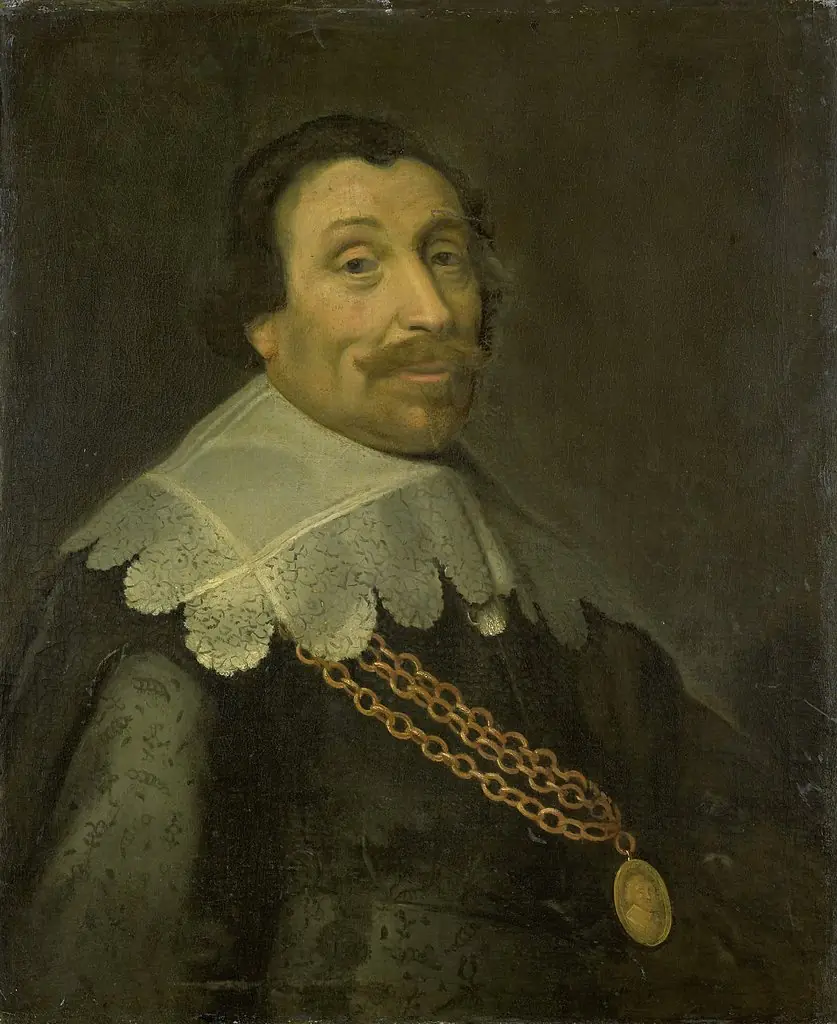 Portrait of Maerten Harpertsz Tromp (1597-1653)
 Jan de Hooghe (1608-82). Father-in-law of the painter Ludolf Bakhuysen
- Portrait of a Man, probably Hans van Hogendorp