Artwork
Piazza Navona in Rome
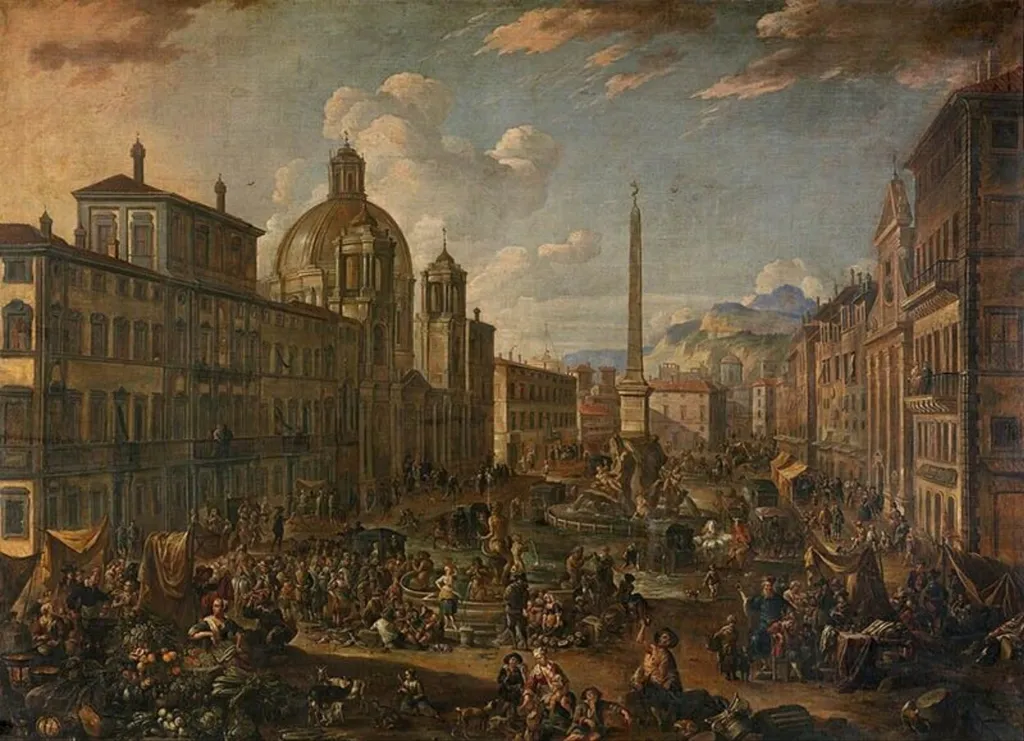
Piazza Navona in Rome is an oil painting by the Flemish Baroque painting artist Anton Goubau. It dates from 1690 and is held in the collection of the Royal Museum of Fine Arts Antwerp.
About this work
Subject & Meaning
Together, these elements frame the piazza as a symbol of Baroque Rome, where monumental sculpture, sacred architecture, and street life converge.
Anton Goubau's cityscape depicts the Piazza Navona in Rome, capturing the famous square as both an urban space and a stage for Roman daily life. The composition centers on the Four Rivers Fountain, the Bernini-designed centerpiece of the piazza, with the church of Sant'Agnese in Agone rising as its architectural counterpoint. Crowds of figures animate the open square, lending the scene a sense of bustling civic activity rather than a purely topographical survey.
Together, these elements frame the piazza as a symbol of Baroque Rome, where monumental sculpture, sacred architecture, and street life converge. The painting thereby represents not only a specific Roman landmark but also the cultural prestige of the city as a destination for seventeenth-century artists and travelers.
Technique & Style
Created in 1680, this cityscape is executed in oil paint on a canvas support. The work measures 205 cm in height and 286.5 cm in width, indicating a substantial scale for a genre painting of its time. As a depiction of the Piazza Navona, the composition captures specific architectural landmarks including the Four Rivers Fountain and the church of Sant'Agnese in Agone, alongside a crowd of figures.
The handling of the medium serves the genre's requirements, translating the bustling urban atmosphere of Rome into a structured visual narrative.
History & Provenance
Anton Goubau created the oil painting Piazza Navona in Rome in 1680. Executed on canvas, the work depicts the famous Roman square, featuring the Four Rivers Fountain, the church of Sant'Agnese in Agone, and a bustling crowd. The painting is currently held in the collection of the Royal Museum of Fine Arts Antwerp, where it forms part of the Vlaamse Kunstcollectie.
No specific details regarding the original commission or the intermediate ownership chain prior to its museum acquisition are provided in the available records.
The painting is held in the collection of the Royal Museum of Fine Arts Antwerp, which operates as part of the Flemish Art Collection. The work depicts the Piazza Navona in Rome, featuring the Four Rivers Fountain and the church of Sant'Agnese in Agone amidst a crowd. Created in 1680, the oil on canvas measures 205 cm in height and 286.5 cm in width.
The provided sources do not contain specific inventory numbers or a record of exhibition history for this artwork.
Legacy
Anton Goubau's 1680 oil painting Piazza Navona in Rome entered the collection of the Royal Museum of Fine Arts Antwerp, where it remains on display as part of the Vlaamse Kunstcollectie. The composition depicting the bustling square with the Four Rivers Fountain and Sant'Agnese in Agone influenced later Roman vedute through its dynamic portrayal of public space and crowd interaction, establishing a precedent for vedute painters in the 18th century
Overview
Anton Goubau’s 1690 oil painting, Piazza Navona in Rome, presents a bustling Roman square centered on the Four Rivers Fountain and the dome of Sant’Agnese in Agone. The composition captures a lively mixture of pedestrians, vendors, and seated figures against a backdrop of surrounding architecture, all rendered under a partly clouded sky that emphasizes the spatial depth of the scene.
Context
The painting reflects the cross‑cultural exchange of the late 17th century, when Northern European artists absorbed Italianate motifs and urban subjects. Goubau’s depiction aligns with the Bamboccianti’s interest in quotidian scenes, yet his treatment of light and architectural grandeur also reveals the influence of Italian Baroque masters active in Rome at the time.
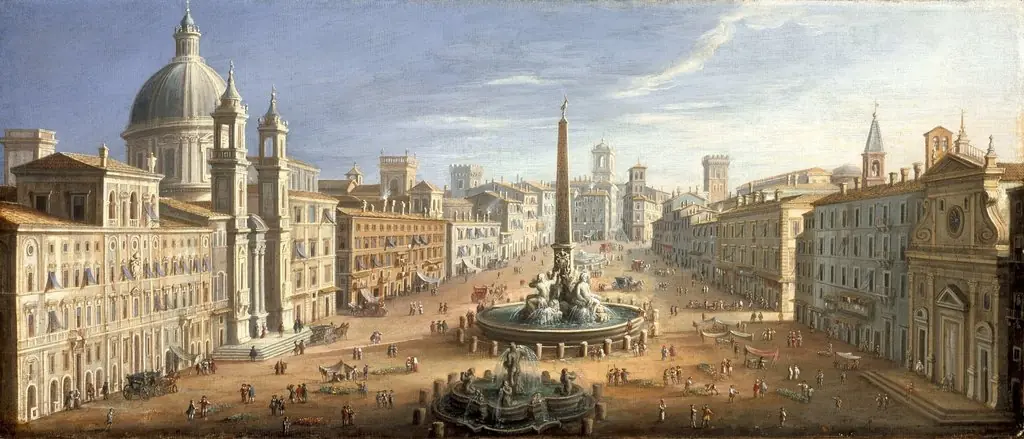
Own this work as a print
Artist & collection
Artist
Anton Goubau or Anton Goebouw (May 1616 – 11 March 1698) was a Flemish Baroque painter.

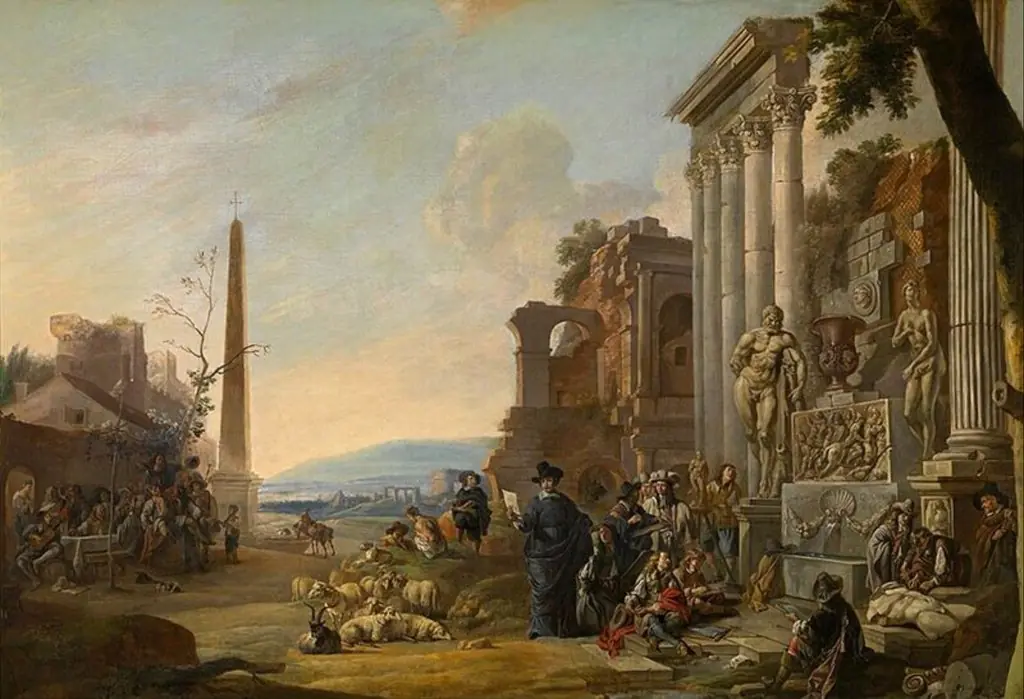 The Study of Art in Rome
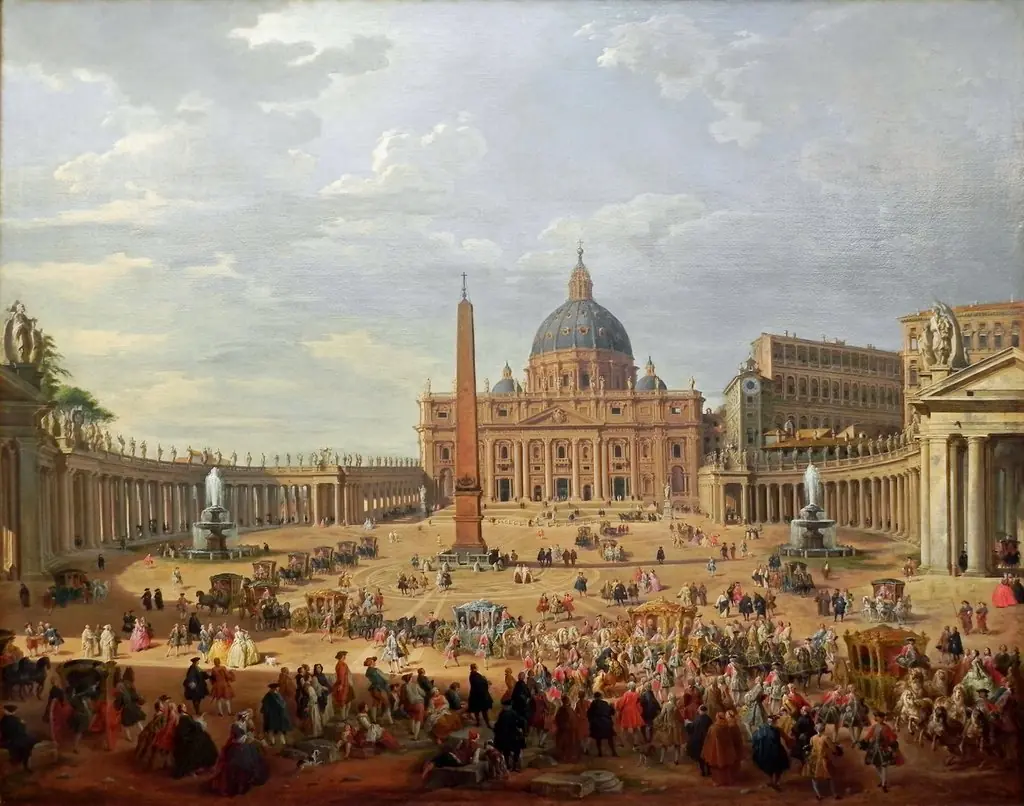 Departure of the Duc de Choiseul from the Piazza di San Pietro
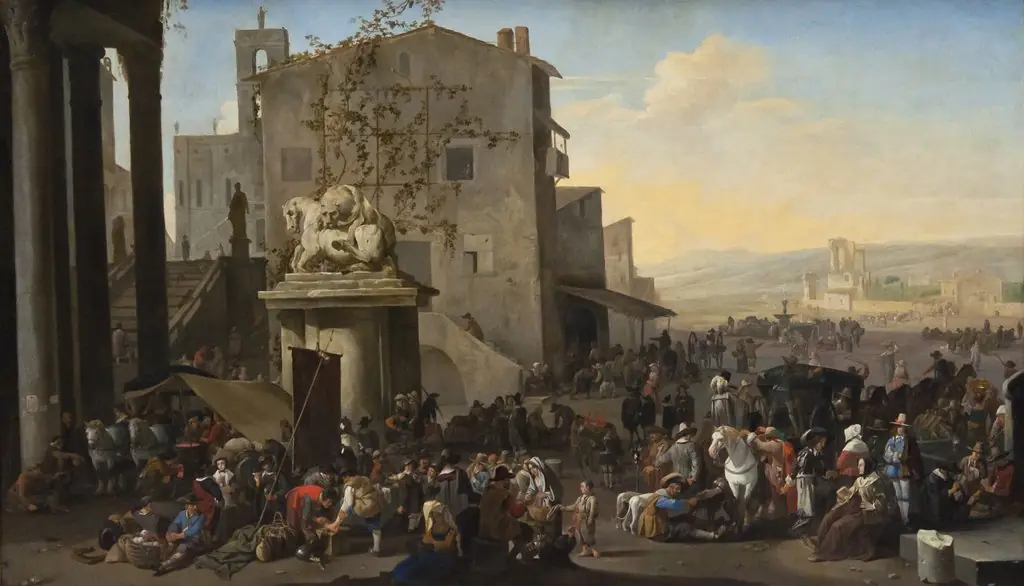 Campo Vaccino in Rome
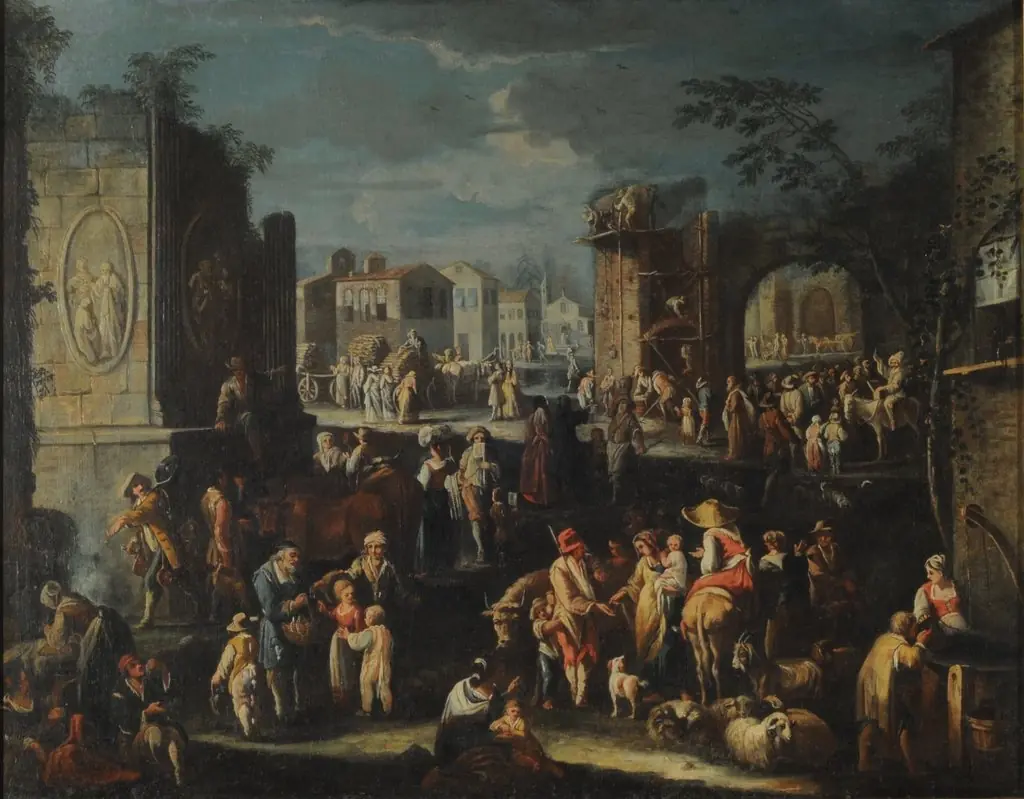 Ferias italianas. (Tit. Ant.: Costumbres genovesas del año 1652)
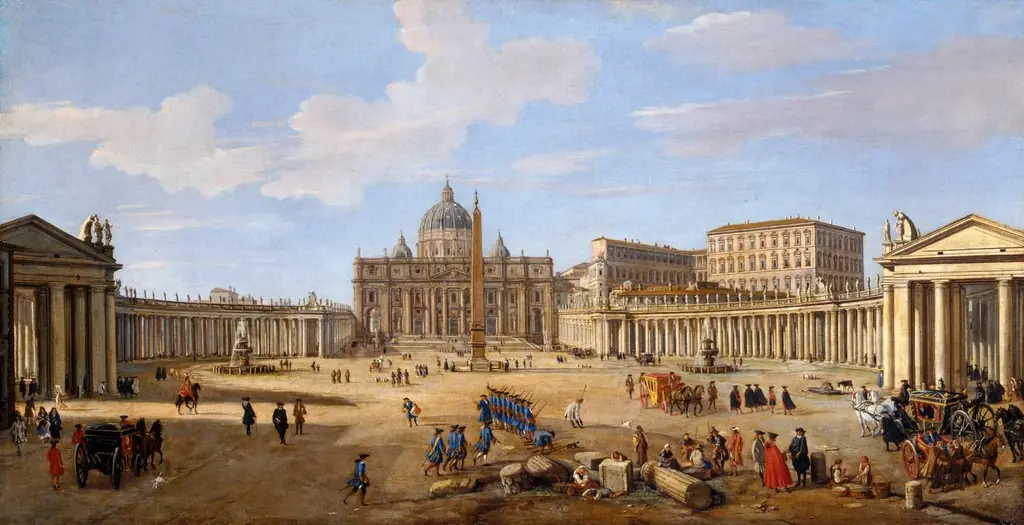 View of St. Peter's Square, Rome
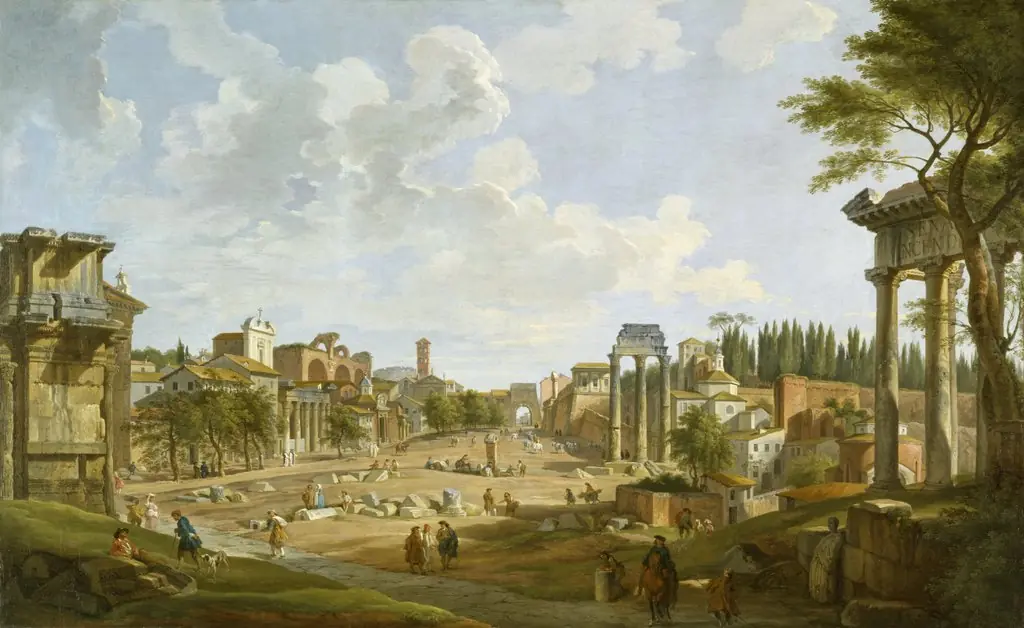 View of the Roman Forum
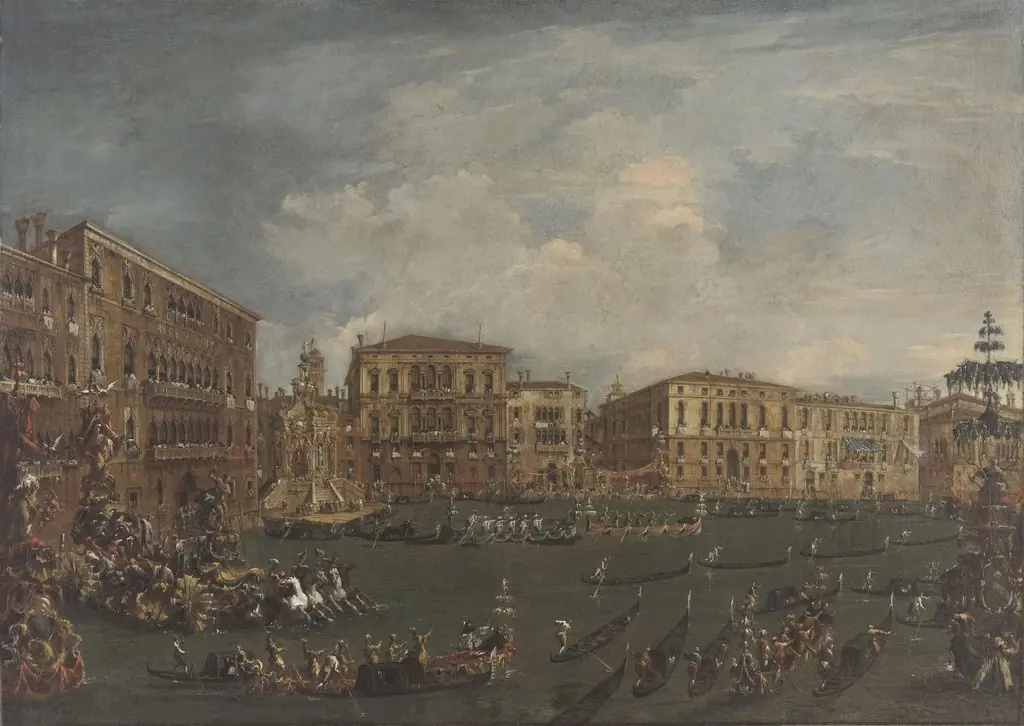 Regatta in Volta di Canal
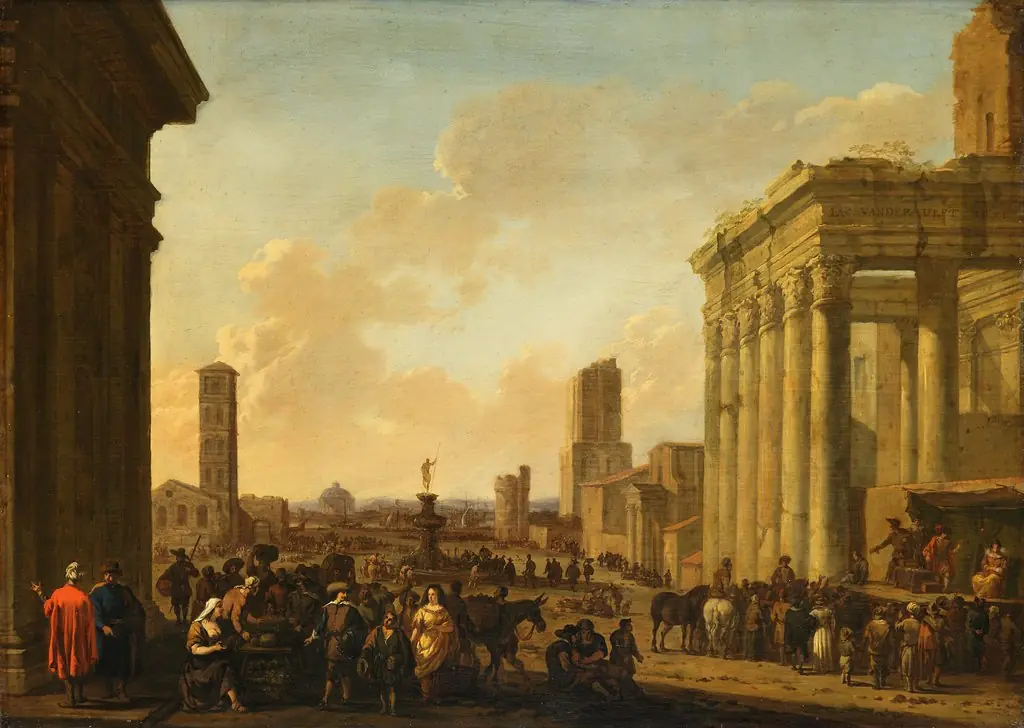 The Roman Forum in Rome
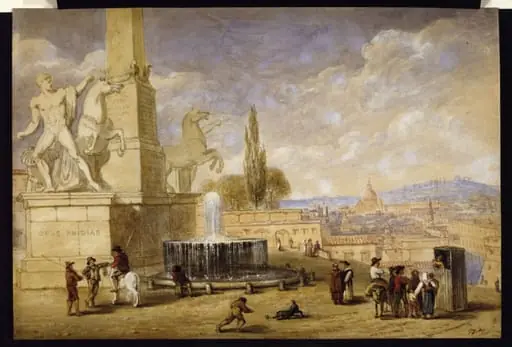 Monte Cavallo, Rome
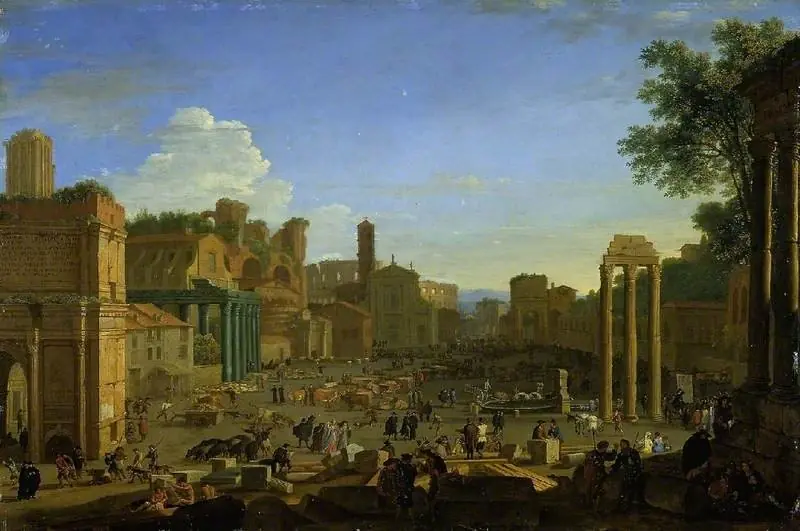 The Campo Vaccino, Rome