Artwork
Maria Luisa of Parma
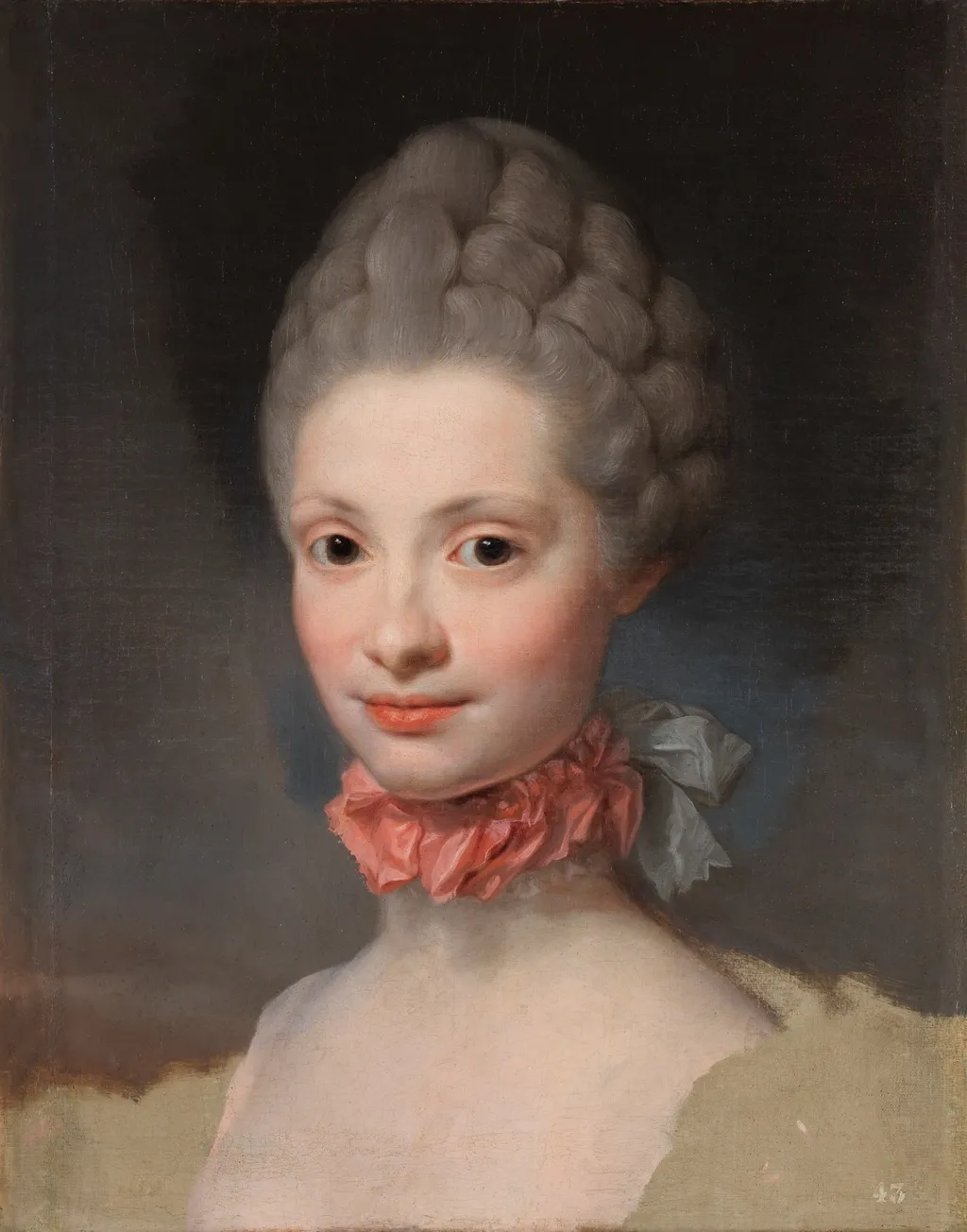
Maria Luisa of Parma is an oil painting by the Rococo painting artist Anton Raphael Mengs. It dates from 1765 and is held in the collection of the Museo del Prado.
About this work
Subject & Meaning
The painting's composition underscores themes of femininity and power, reflecting the political ambitions of the Parma branch of the Bourbon family.
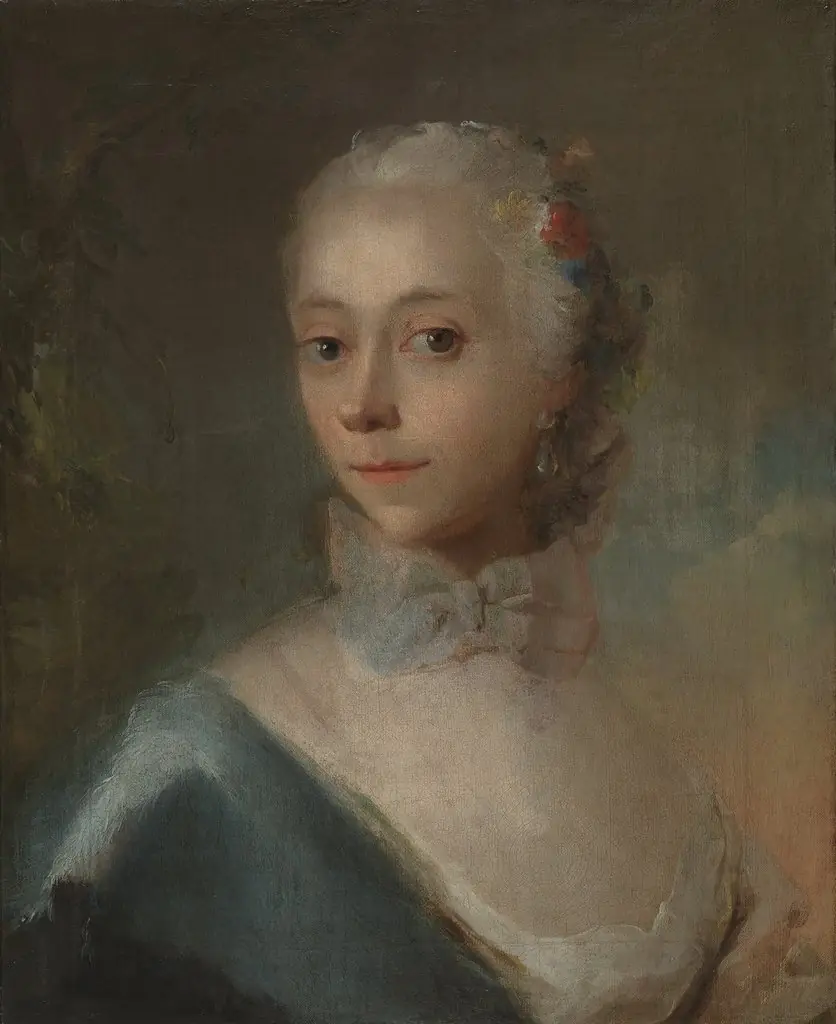
The portrait shows Maria Luisa of Parma as a young Spanish infanta, rendered in oil on canvas. Mengs emphasizes her royal status through fine attire and poised composure, while the work functions as both a personal likeness and a statement of dynastic legitimacy within the Spanish court. The painting's composition underscores themes of femininity and power, reflecting the political ambitions of the Parma branch of the Bourbon family.
The subject's direct gaze and delicate hand gesture suggest both aristocratic refinement and maternal authority, inviting viewers to interpret the image as an embodiment of enlightened monarchy. The artwork is housed in the Museo del Prado, where it remains a key example of 18th‑century European portraiture.
Technique & Style
The portrait is executed in oil paint on canvas, a standard combination for Anton Raphael Mengs's formal portraiture of this period. The work is a relatively small cabinet-scale picture, measuring 48 cm in height by 38 cm in width. Its modest dimensions support the identification of the medium as oil on canvas rather than panel, and the format is consistent with intimate courtly portraits produced in 1765. No further technical details regarding handling, condition, or stylistic characterization are documented in the available sources.
History & Provenance
The portrait of Maria Luisa of Parma was created in 1765 by the artist Anton Raphael Mengs. Executed in oil paint on canvas, the work measures 48 cm in height and 38 cm in width. It currently resides in the collection of the Museo del Prado.
Legacy
The portrait of Maria Luisa of Parma by Anton Raphael Mengs, painted in 1765 and housed in the Museo del Prado, has been recognized for its refined Neoclassical technique and its role in shaping aristocratic portraiture of the late 18th century. Scholars note its influence on subsequent court portraitists who emulated Mengs' blend of psychological depth and idealized form. The work remains a reference point in studies of Enlightenment-era representation of royalty.
Overview
Painted in 1765 by Anton Raphael Mengs, this oil portrait depicts Maria Luisa of Parma, who later became Queen of Spain. Executed during the artist's tenure at the Spanish court, the work exemplifies the Neoclassical style Mengs championed, characterized by refined elegance and a departure from the exuberance of the Rococo. The composition presents the subject in a three-quarter view against a dark, unadorned background that isolates her figure and emphasizes her pale complexion.
She is dressed in a white gown featuring a distinctive pink ruffled collar, with her hair arranged in an intricate updo typical of mid-18th-century aristocratic fashion. Mengs employs a smooth, polished technique to render the textures of the fabric and skin, creating a sense of idealized serenity. The subject's gaze is directed slightly to the side, avoiding direct engagement with the viewer, which contributes to the formal and dignified atmosphere of the piece.
This portrait stands as a significant example of Mengs's court portraiture, reflecting his role in introducing Neoclassical aesthetics to the Spanish royal family and his influence on the artistic direction of the Bourbon court.
Own this work as a print
Artist & collection


 Dameportræt
 Dameportræt
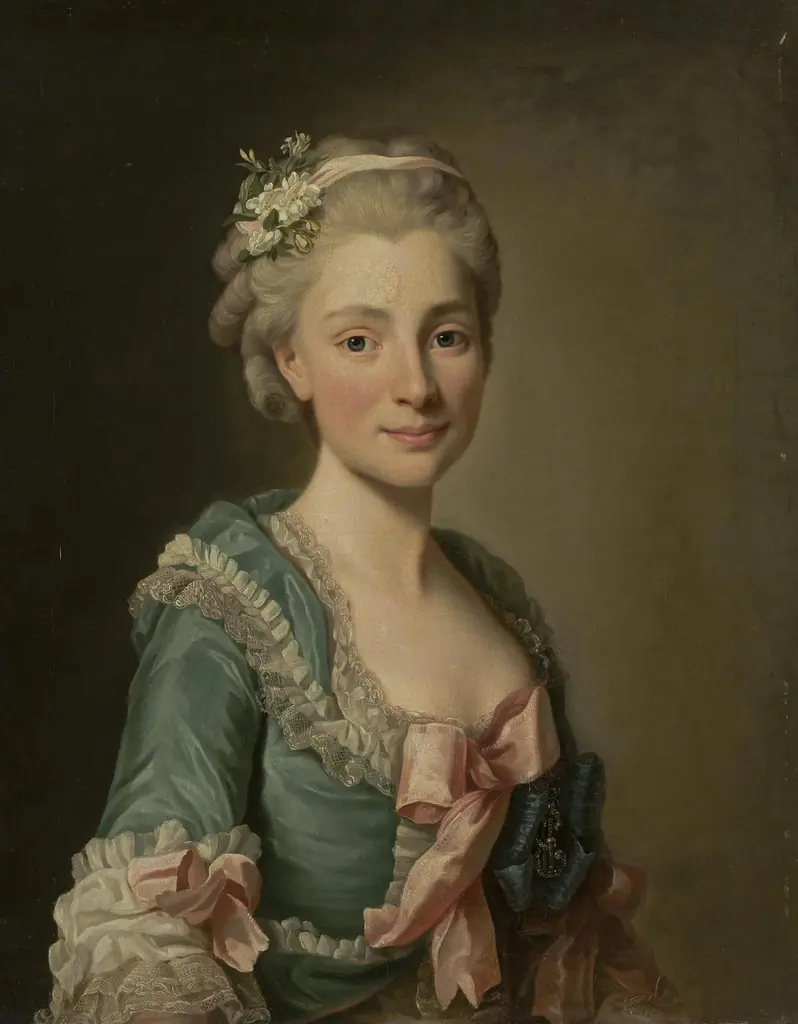 Portrait of Countess Yekaterina P. Stroganova (1744-1815) (copy)
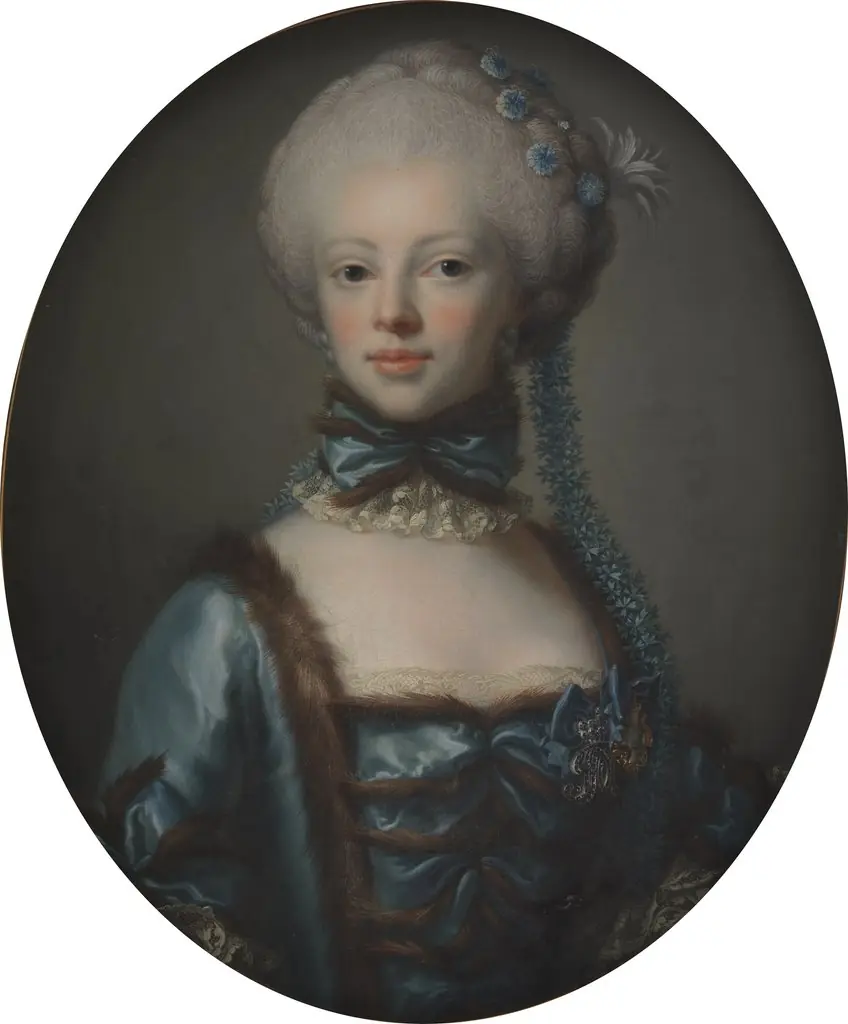 Portrait of Countess Eleonora Agnes Scheel, neé Raben
 Portrait of Countess Eleonora Agnes Scheel, neé Raben
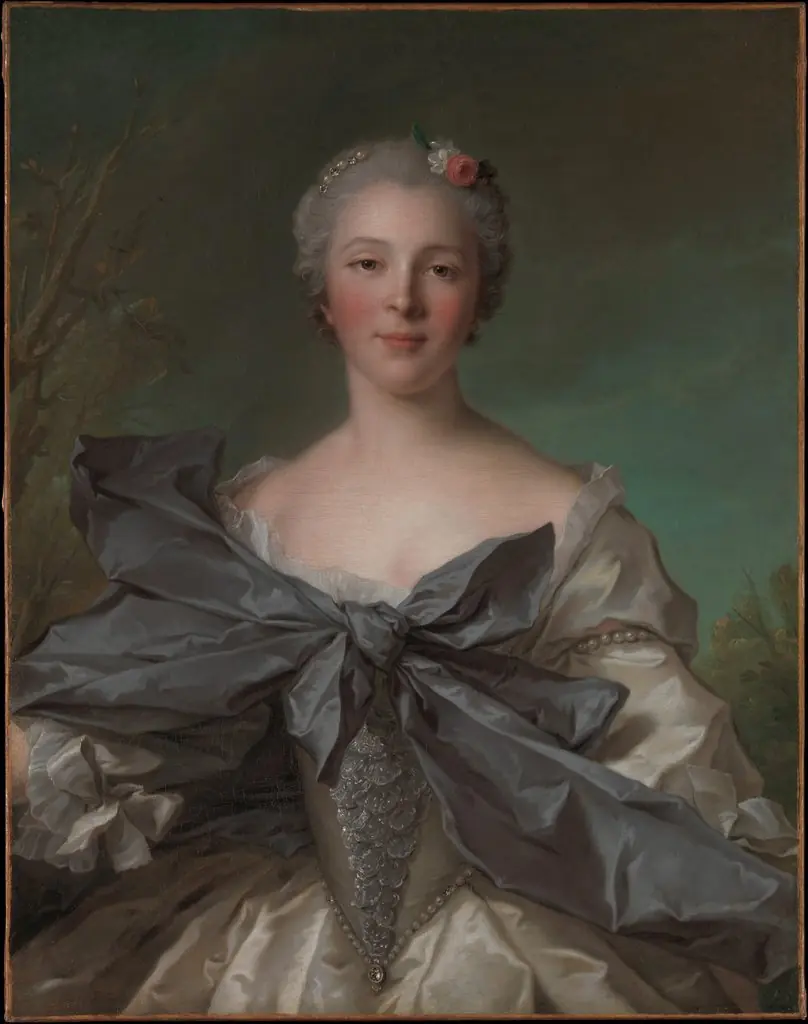 Marie Françoise de La Cropte de St. Abre, Marquise d'Argence
 Nuori tyttö
 The Artist's First Betrothed
 Portrait of Anna Elisabeth Battier, née Storp
 Madame de La Porte