Artwork
Portrait of José Nicolás de Azara
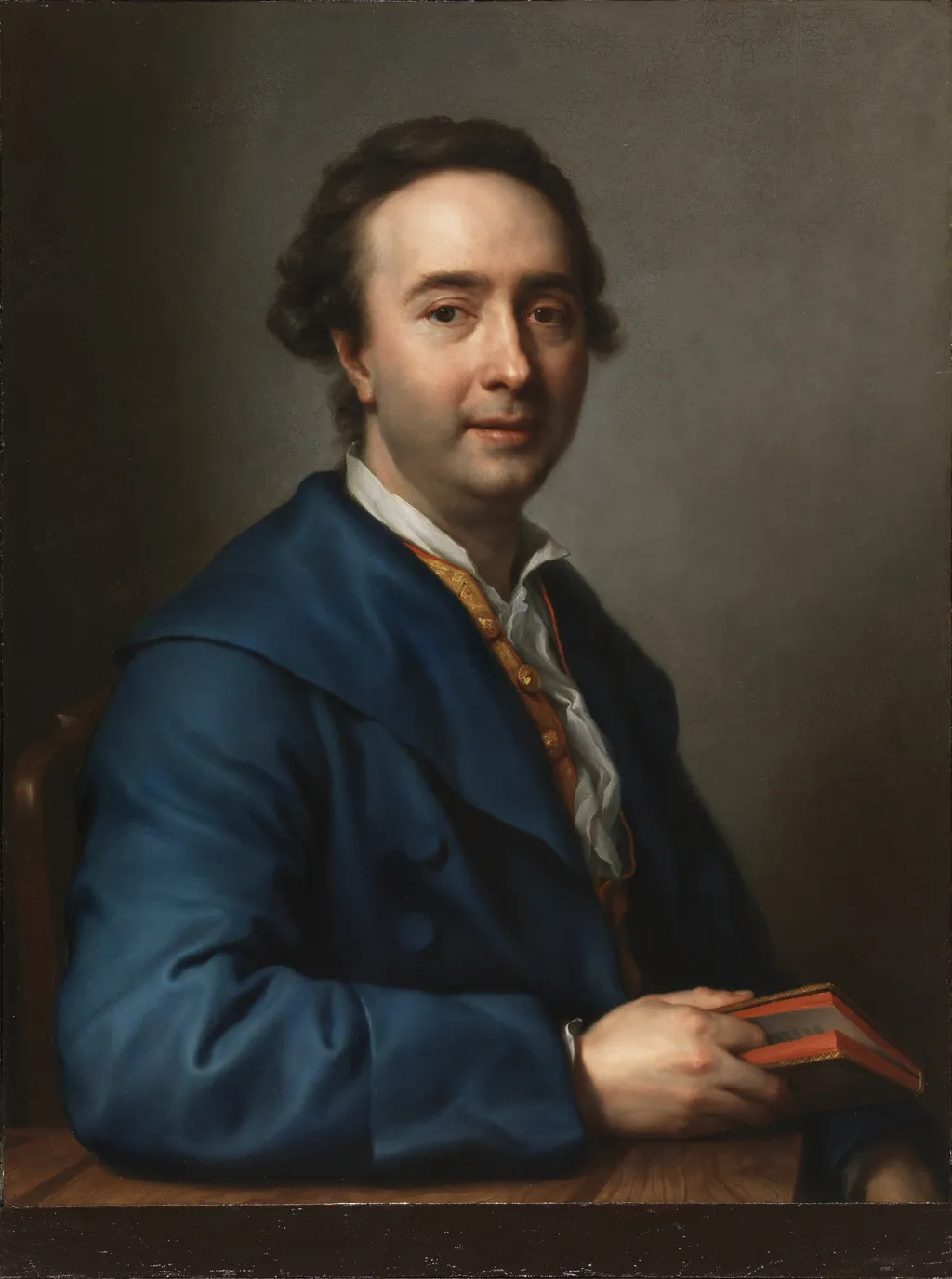
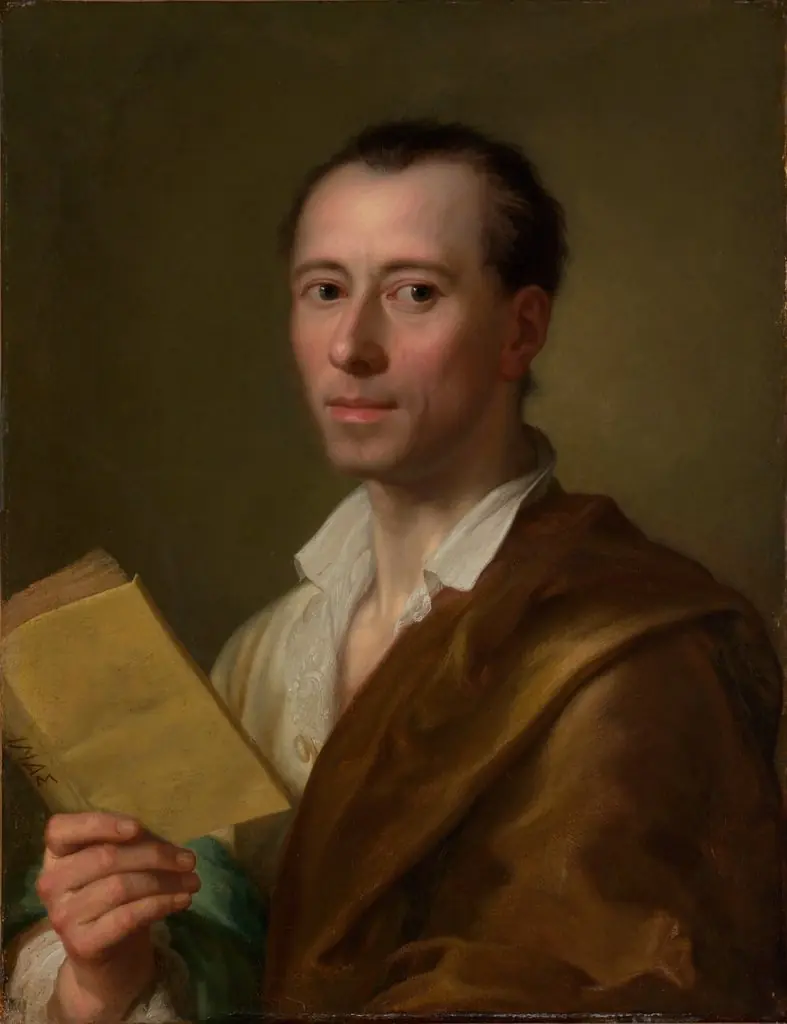
Portrait of José Nicolás de Azara is an oil painting by the Rococo painting artist Anton Raphael Mengs. It dates from 1774 and is held in the collection of the Museo del Prado.
About this work
Subject & Meaning
This dissemination transformed the image into a lasting testament of their friendship and shared commitment to Neoclassical ideals.
The painting depicts José Nicolás de Azara, a Spanish diplomat and close friend of the artist Anton Raphael Mengs. Created in Florence in January 1774, the work is characterized by an intimate and personal tone, distinguishing it from Mengs' more formal official portraits of the royal family. The subject's identity as a scholar and patron is reinforced by the inclusion of a book within the composition. The portrait's symbolic weight regarding their intellectual bond was further amplified when Azara commissioned engravings of the likeness for the 1784 Italian edition of Johann Joachim Winckelmann's *History of the Art of Antiquity*, a volume dedicated to him. This dissemination transformed the image into a lasting testament of their friendship and shared commitment to Neoclassical ideals.
Technique & Style
The Portrait of José Nicolás de Azara is an oil on poplar panel created in Florence in 1774. Anton Raphael Mengs applied oil paint to a wooden support, producing a neoclassical style marked by precise linear drawing and restrained coloration typical of late 18th‑century portraiture. The surface shows careful handling, with fine brushwork that defines facial features and fabric details. The work’s condition is described as excellent, retaining original pigments and varnish. A second, nearly identical version on canvas is held at the Getty Center, donated in 2019.
History & Provenance
The portrait was commissioned by José Nicolás de Azara, a Spanish diplomat, during his time in Florence where Anton Raphael Mengs painted it between late 1773 and early 1774. Mengs created the work while in Florence, completing it in January 1774 as confirmed by an inscription on the reverse stating 'Mengs à su amigo Azara, en Florencia por enero 1774'. After Azara's death, the painting remained in his family until it was loaned to the Museum of Fine Arts of Zaragoza between 1928 and 1976. It was subsequently acquired by the Museo del Prado in November 2012 for €180,000 from Azara's descendants. A second, nearly identical version painted on canvas is housed at the Getty Center in Los Angeles, donated in 2019.
The painting is held in the collection of the Museo del Prado, Madrid, where it carries accession number P007608.
It was purchased by the museum in November 2012 from the sitter’s descendants for €180,000 and entered the Prado’s holdings that same year.
Between 1928 and 1976 the work was on long-term loan from the family to the Museum of Fine Arts of Zaragoza.
Context
The portrait was created in Florence between late 1773 and early 1774, as confirmed by an inscription on the reverse dating it to January 1774, and was painted by Anton Raphael Mengs during a period when the artist was active in Italy, producing works for diplomatic figures such as José Nicolás de Azara, a Spanish diplomat and close friend of Mengs whose patronage extended to other artistic projects including engravings after 1781 and 1784
Critical reception and scholarly attention have emphasized the painting's significance as one of Mengs' most impressive late portraits, noted for its intimate and personal character compared to his earlier official royal portraits, and its acquisition by the Museo del Prado in 2012 for €180,000 from Azara's descendants marked a notable addition to the museum's collection of the artist's works, which previously comprised twenty-seven pieces mostly consisting of royal family portraits
The work's placement in art history reflects both Mengs' neoclassical style and his engagement with Enlightenment themes through subjects like Azara, while its subsequent reproductions through engravings by Domenico Cunego, Jacopo Bossi, and others facilitated wide dissemination in the 18th century, and its later display at the Getty Center in 2019 as a nearly identical autograph version on canvas further underscores its recognized artistic importance
Scholarly discussion, including contributions from researchers such as Manuela B. Mena Marqués and Gudrun Maurer, has highlighted the painting's exceptional state of preservation and its role in enriching the Museo del Prado's holdings with a portrait that exemplifies both Mengs' technical mastery and the personal relationships that shaped his late career
Legacy
The portrait's legacy stems from its role in disseminating Azara's image through multiple engravings, including those by Domenico Cunego in 1781 and Giacomo Bossi in 1784, which were used in Winckelmann's translated works and cemented his cultural presence. The painting remained in Azara's family until its 2012 acquisition by the Museo del Prado, marking a significant addition to their collection of Mengs' works, particularly noted for its intimate character compared to other royal portraits. A near-identical autograph version on canvas was later donated to the Getty Center in 2019, further highlighting its enduring significance.
Own this work as a print
Artist & collection


 Portrait of Georg Friedrich von Martens
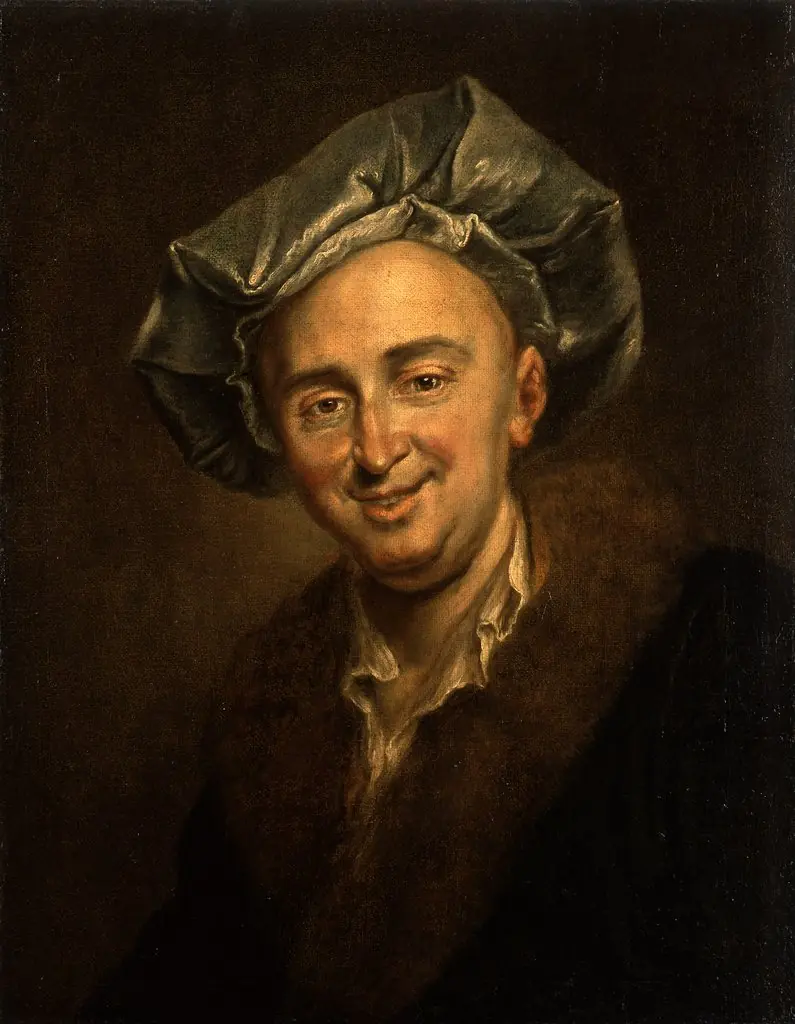 Julien Offray de la Mettrie (1709-1751)
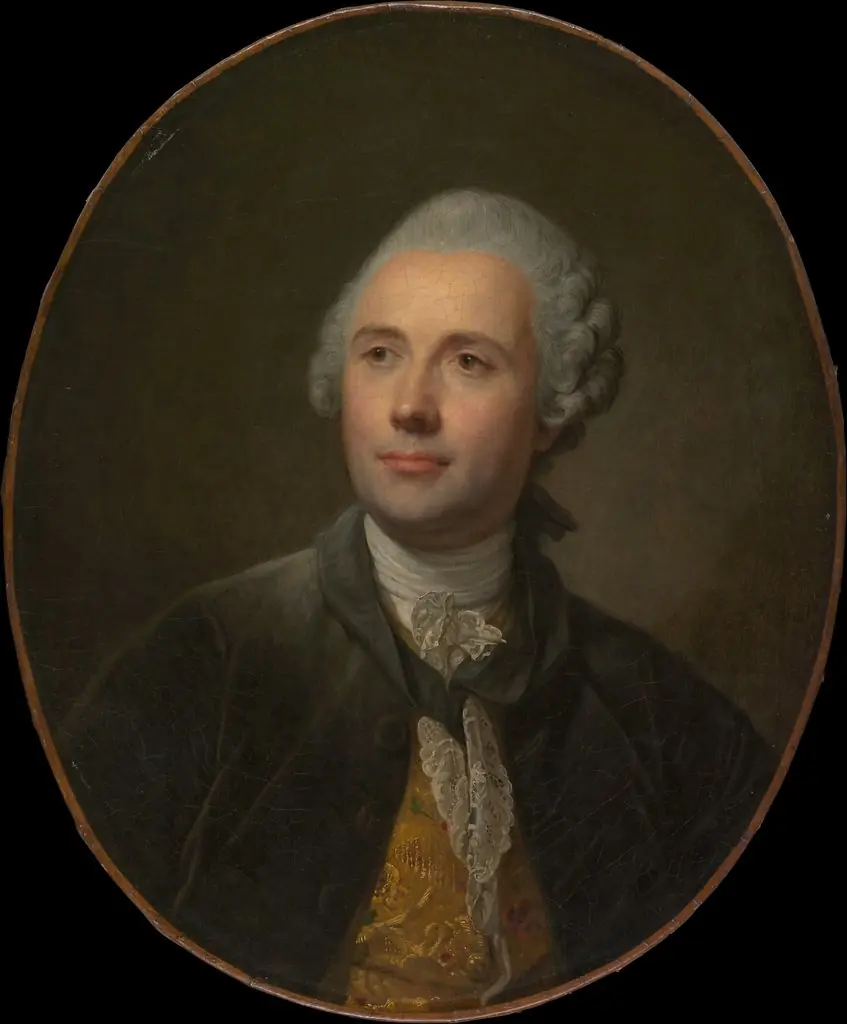 Jean Jacques Caffieri (1725–1792)
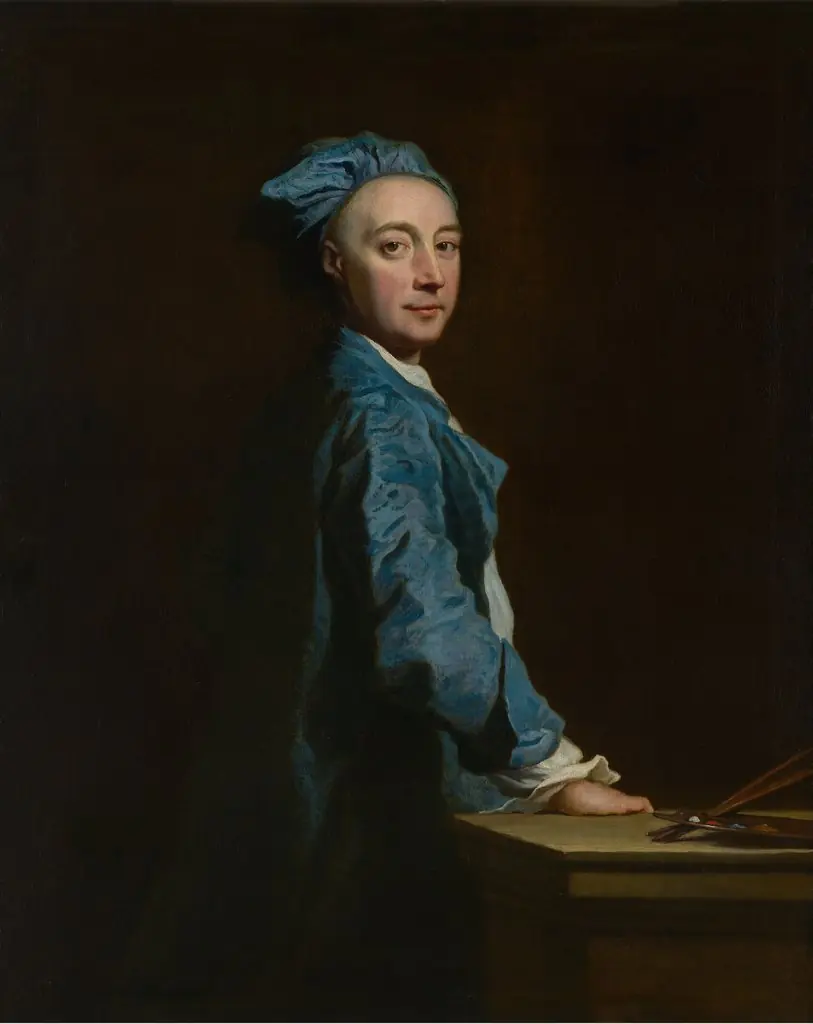 Self-portrait
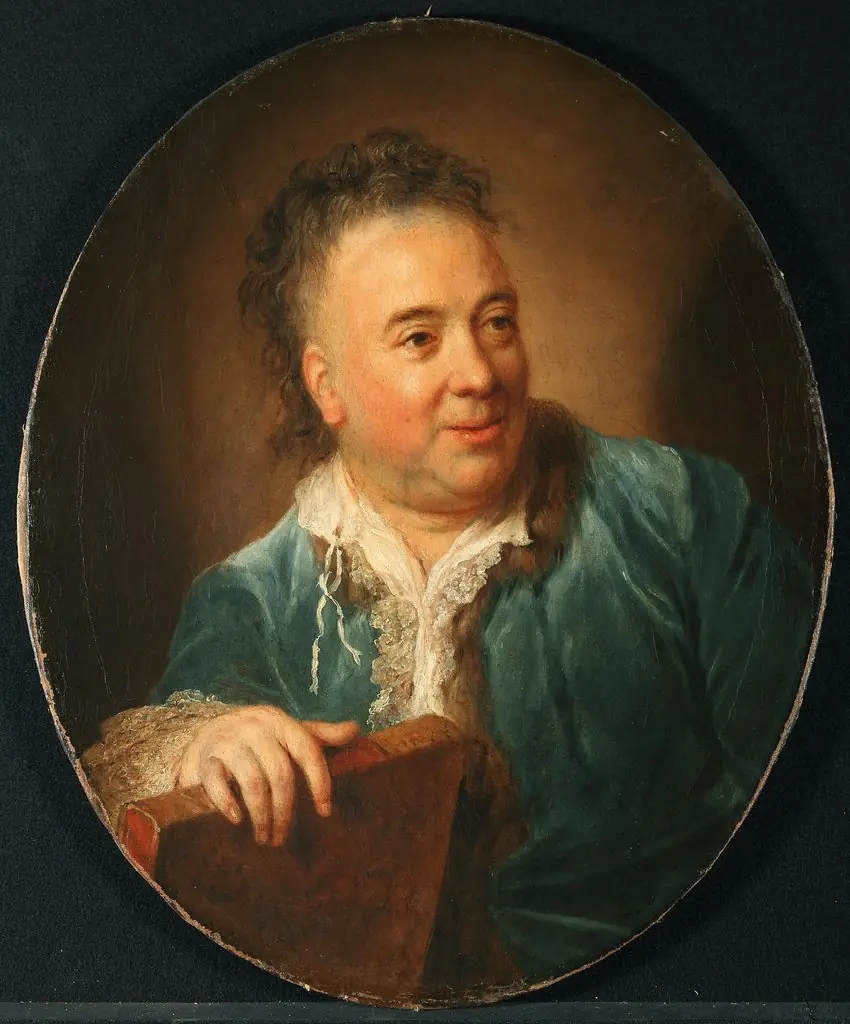 Portrait of an Unknown Man
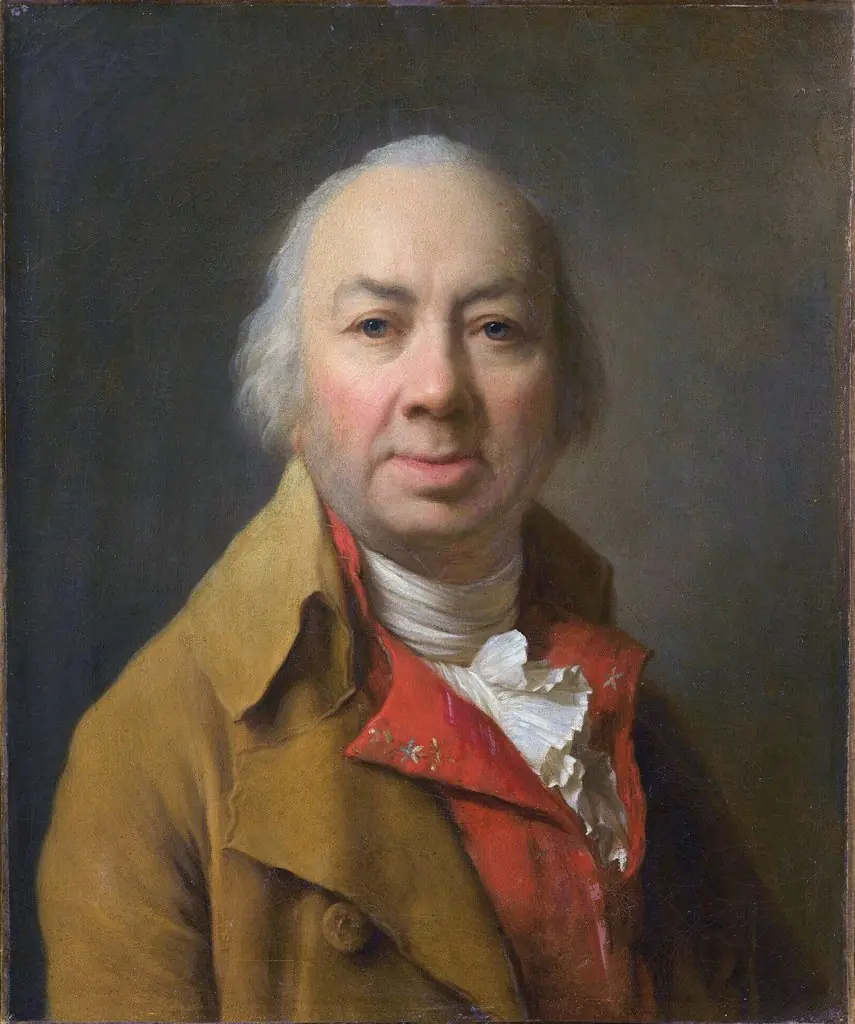 Self-Portrait
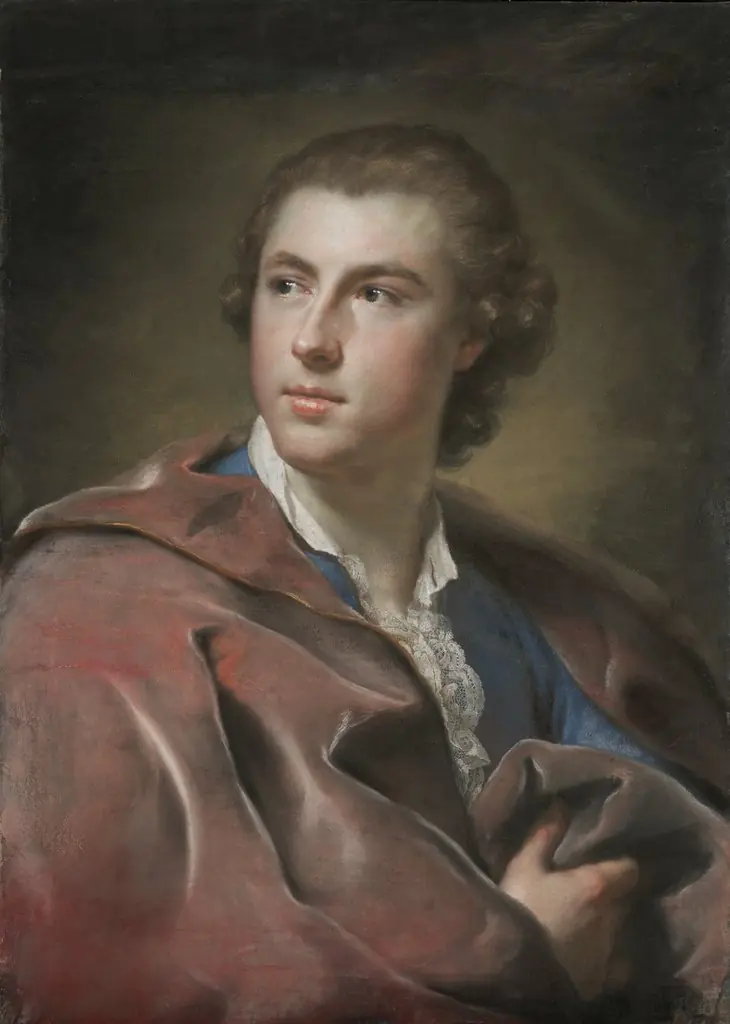 Portrait of William Burton Conyngham
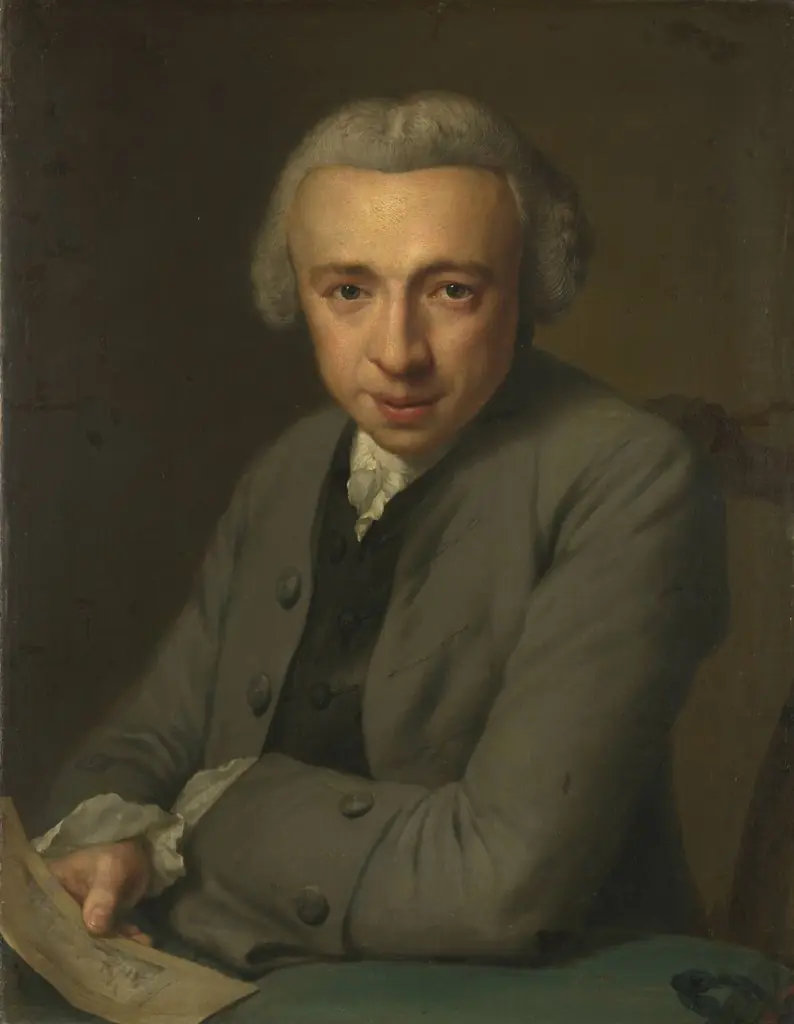 Portrait of Louis Métayer Phz., Goldsmith and Art Collector
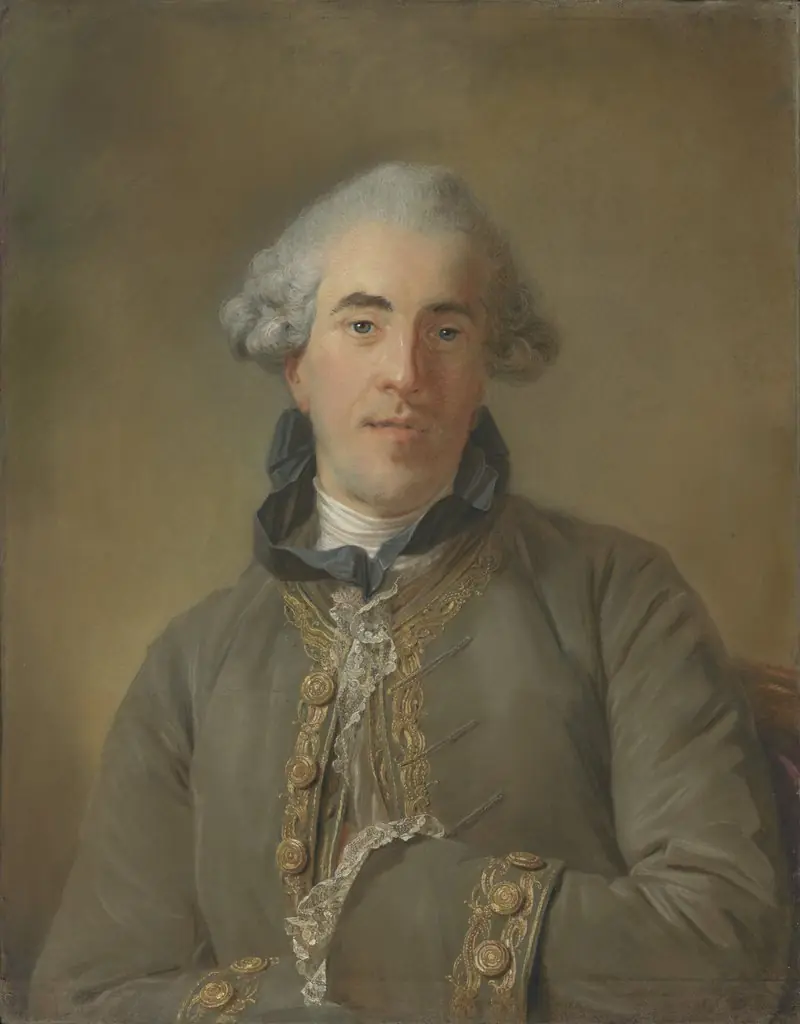 Portrait of Théophile Van Robais
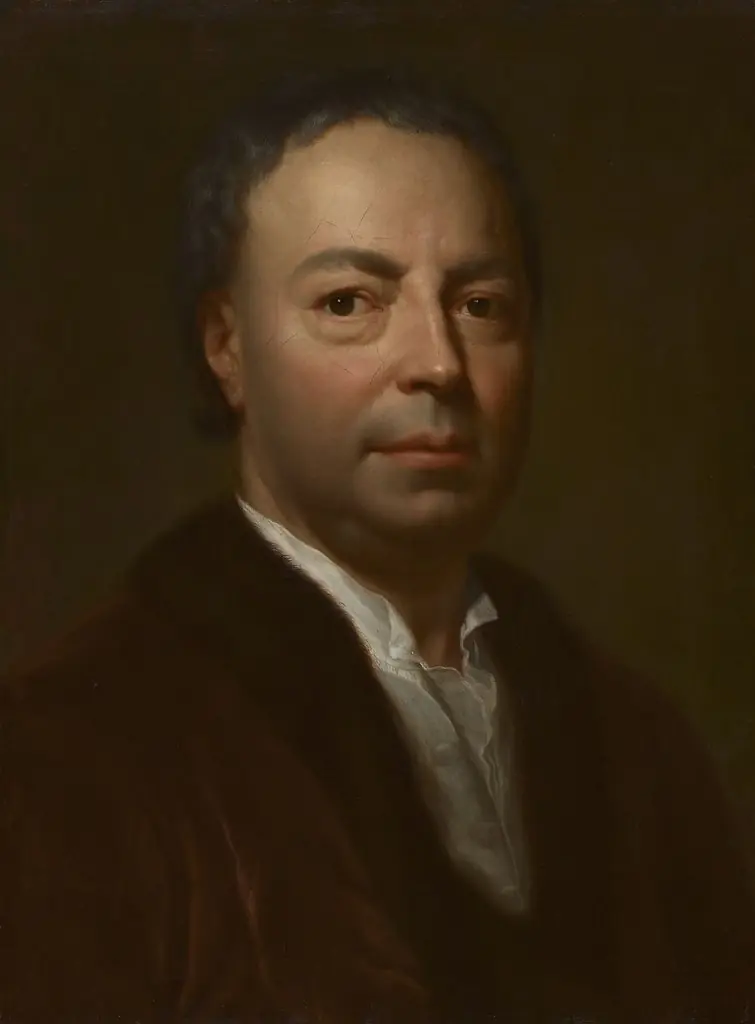 Portrait of the Artist's Father, Ismael Mengs
- Portrait of Laurent-Nicolas de Joubert