Artwork
Goat
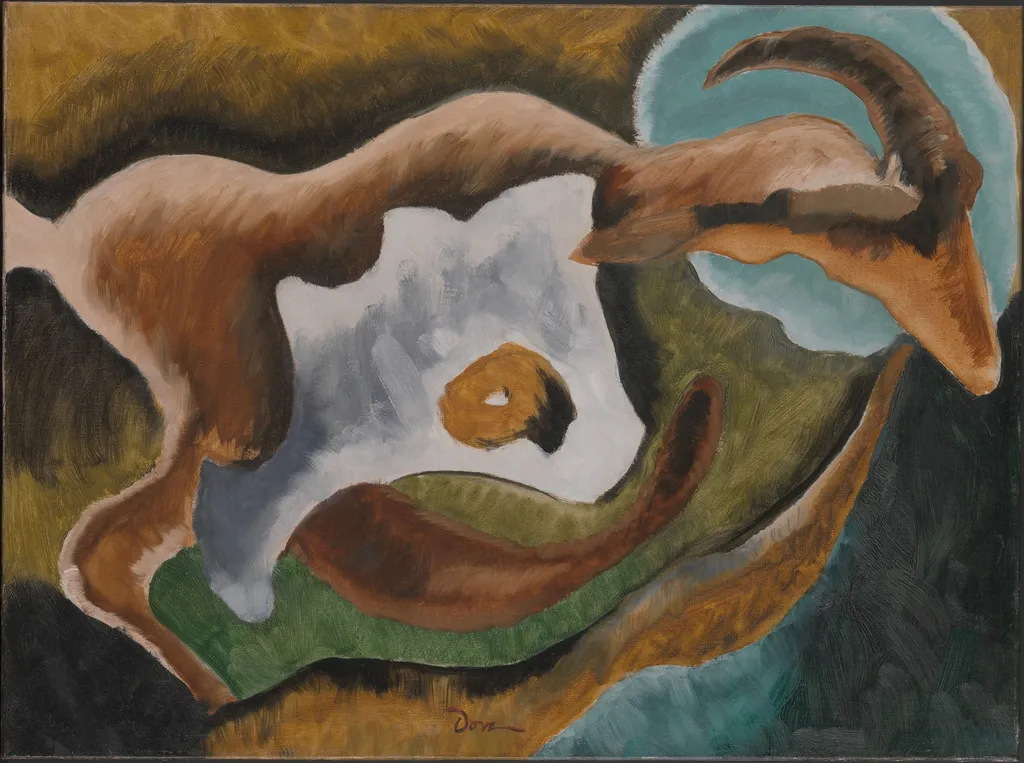
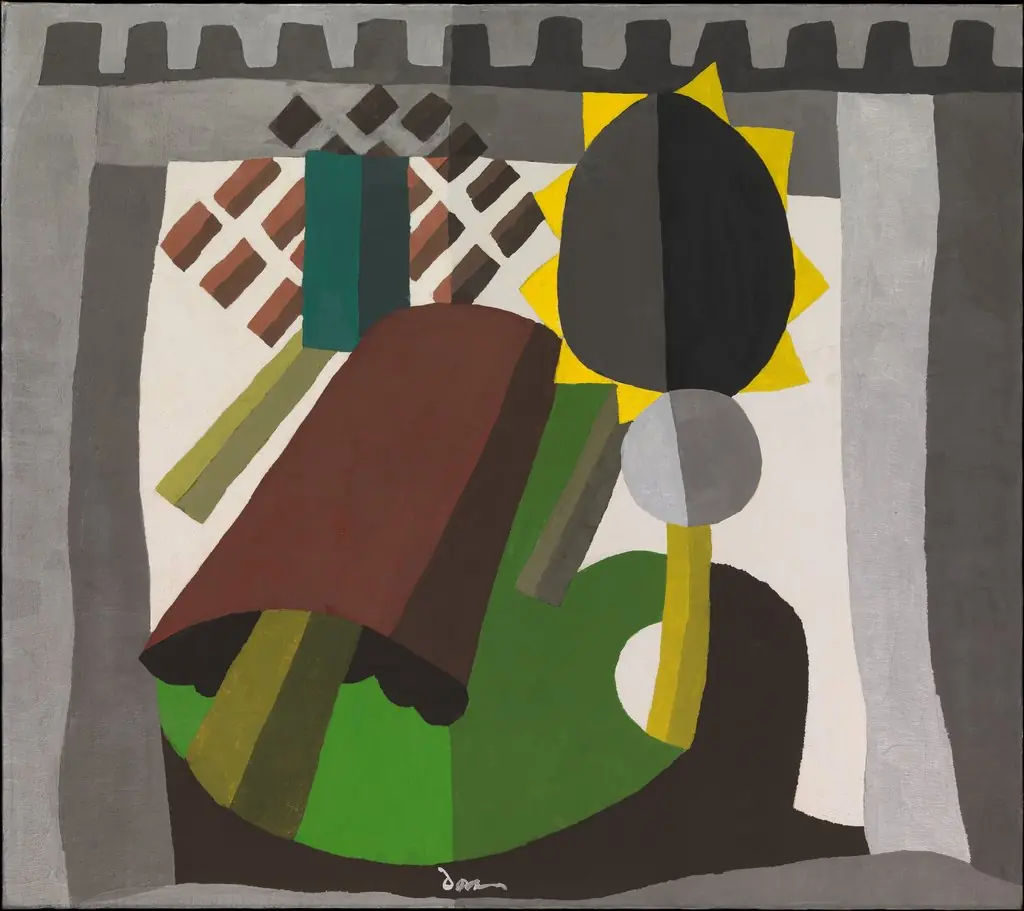
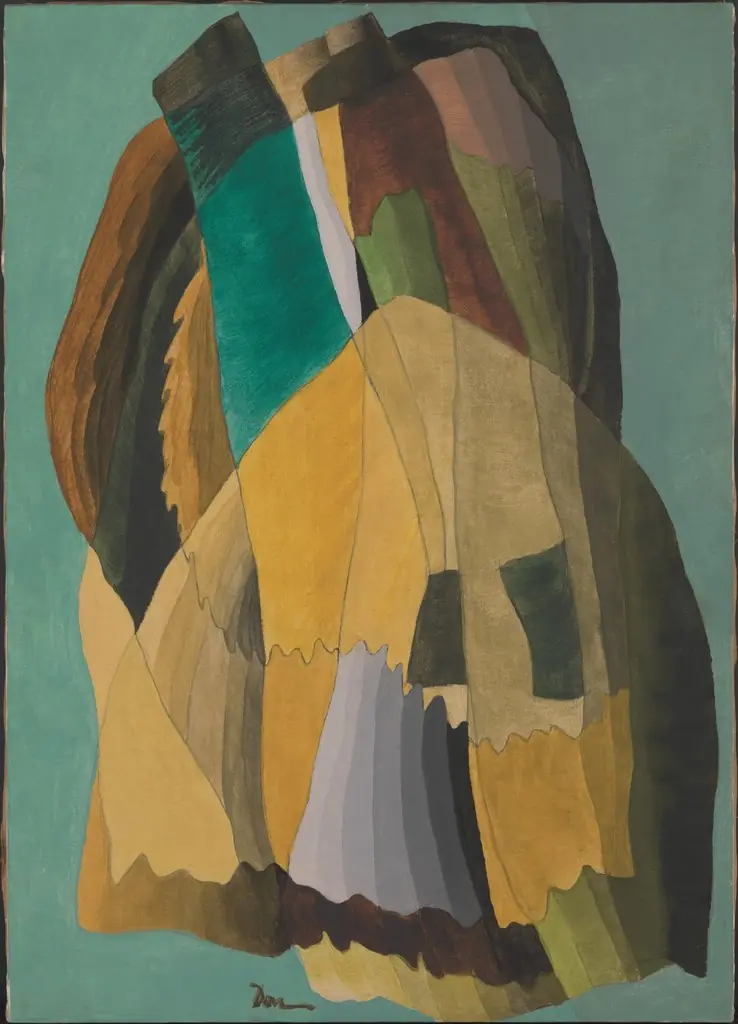
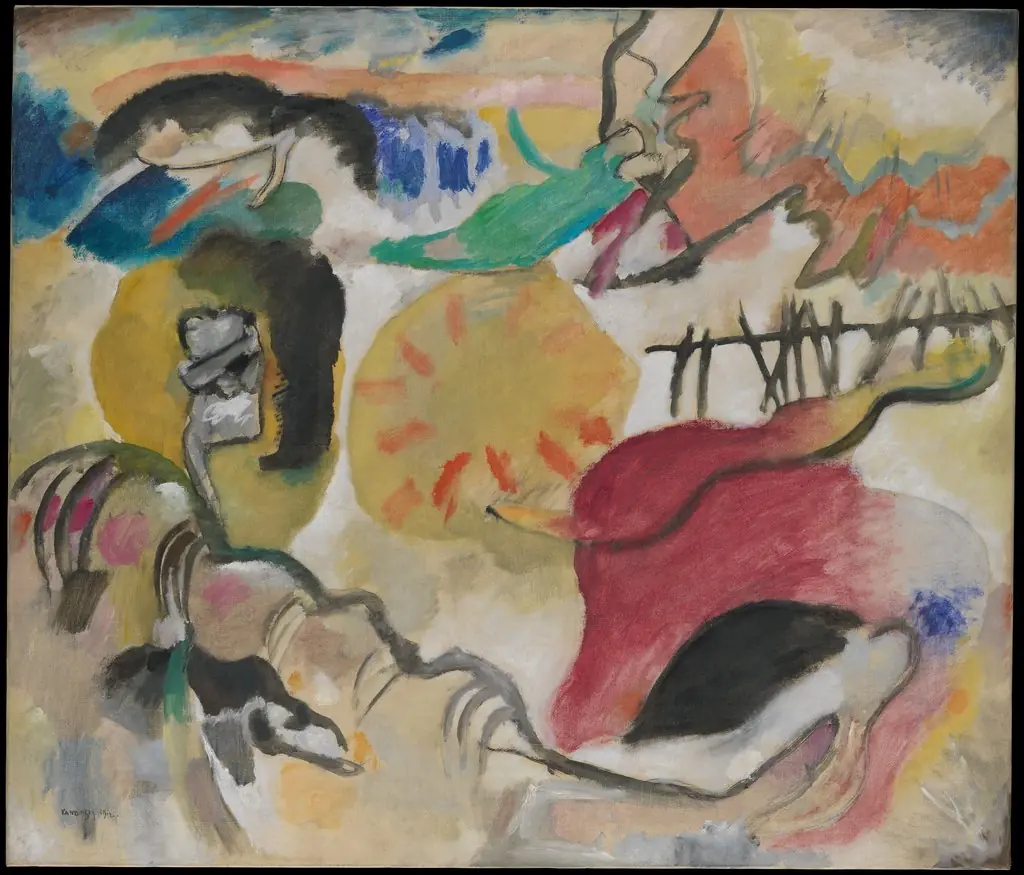
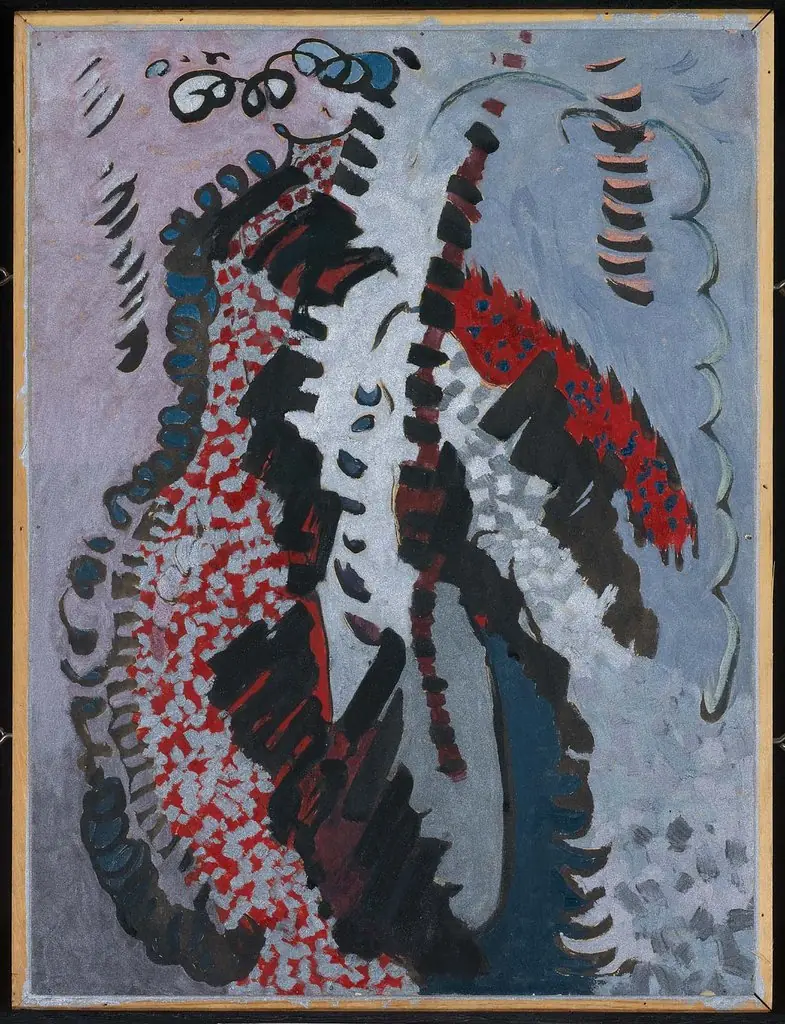
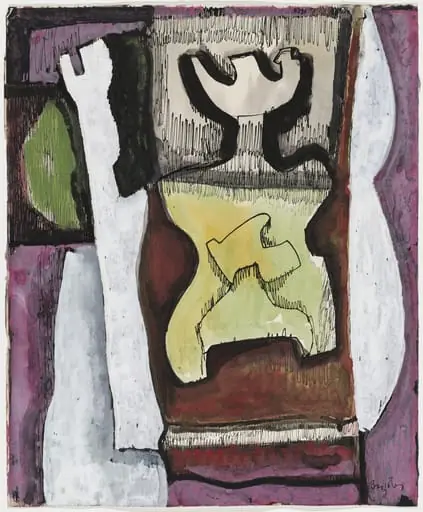
Goat is an oil painting by Arthur Dove. It dates from 1935 and is held in the collection of the Metropolitan Museum of Art.
About this work
Subject & Meaning
In this sense, the painting represents Dove's broader interest in finding abstract equivalents for subjects drawn from the natural world.
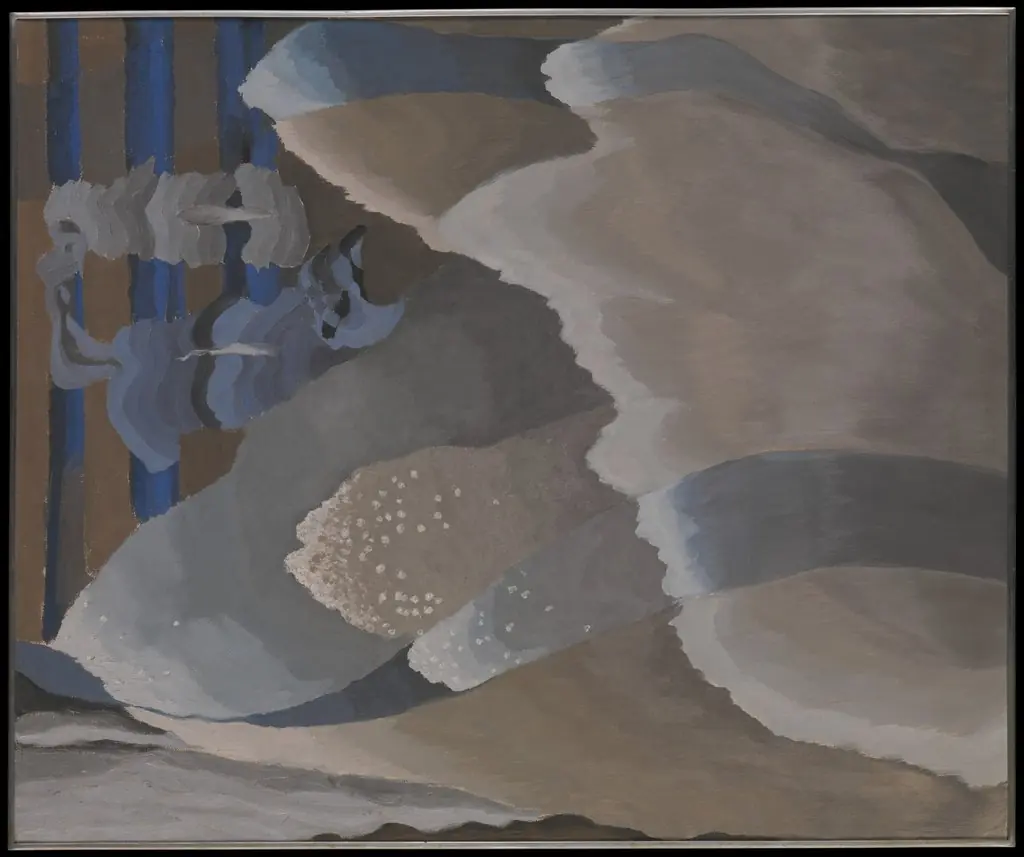
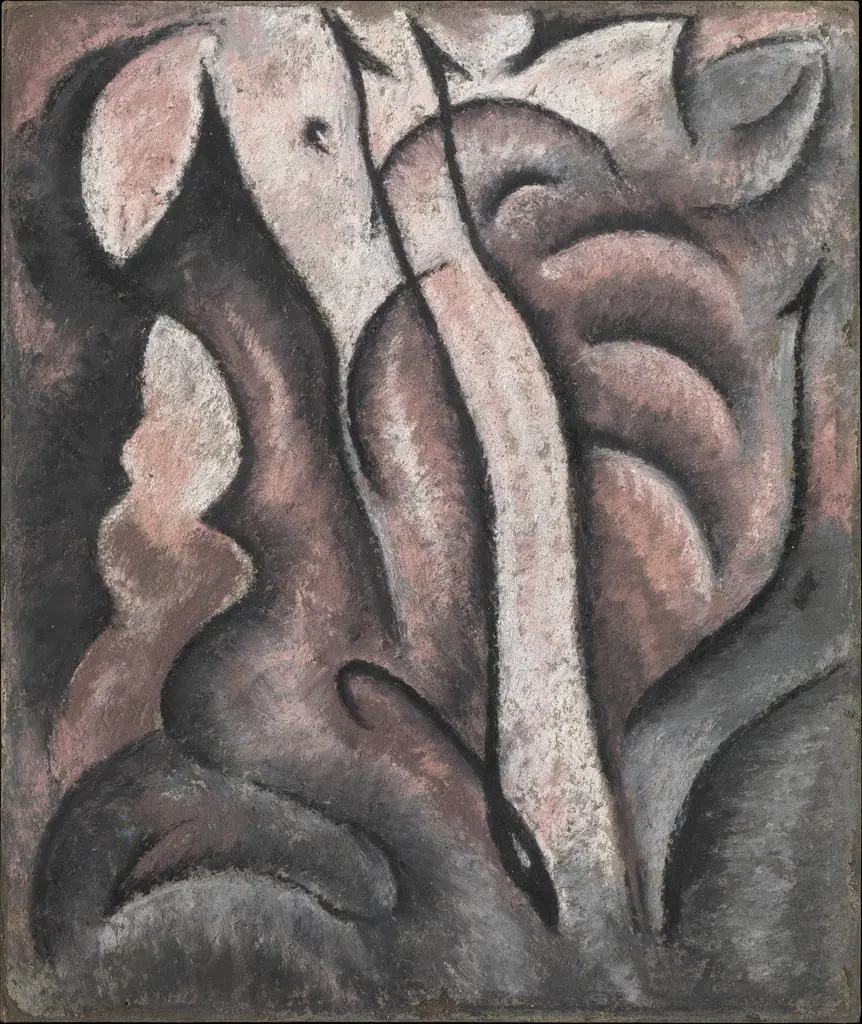
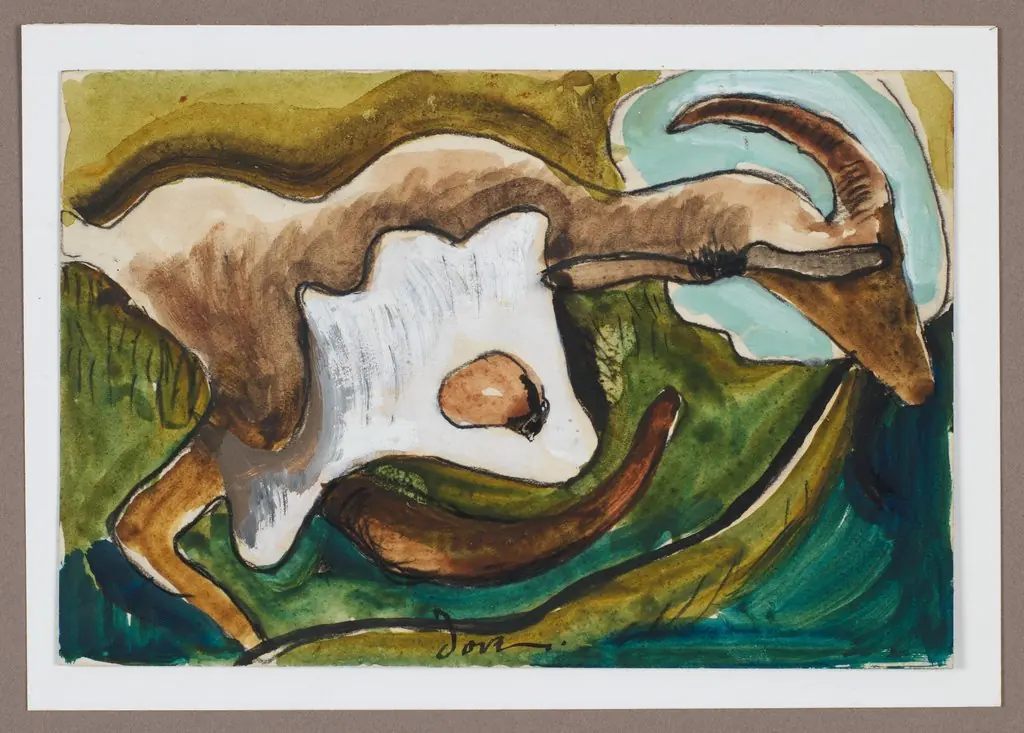
Arthur Dove's 1935 oil painting "Goat" depicts a goat as its central subject, rendered within the visual language of abstract art. Rather than offering a naturalistic portrait of the animal, Dove abstracts the goat into simplified forms, shapes, and tonal passages characteristic of his mature abstract style. The work transforms a familiar farmstead creature into a vehicle for formal experimentation, where the recognizable identity of the goat is filtered through non-representational composition.
In this sense, the painting represents Dove's broader interest in finding abstract equivalents for subjects drawn from the natural world. The goat functions less as a literal depiction than as a point of departure for exploring form, color, and rhythm on canvas, aligning the work with the abstract art movement of which Dove was an early American proponent.
Technique & Style
The painting employs oil on canvas, with the artist using fluid, layered brushwork to render the subject in an abstracted manner. Dove’s handling emphasizes simplified, curvilinear forms to evoke the animal’s organic silhouette, reducing detail while preserving its essential structure. The composition balances muted earth tones against softer highlights, creating a quiet yet dynamic interplay of light and mass.
Dimensions are recorded at 58.4 cm in height by 78.7 cm in width.
History & Provenance
The painting Goat by Arthur Dove was created in 1935 and is executed in oil on canvas. According to its Wikidata entry, the work has been part of the collection of the Metropolitan Museum of Art since its inception, with dimensions recorded as 58.4 cm in height and 78.7 cm in width. The museum’s records indicate that the painting was produced in 1935, aligning with the date provided in Dove’s internal documentation for the work.
Arthur Dove's 1935 oil painting Goat is held in the collection of the Metropolitan Museum of Art. The work, which depicts a goat and measures 58.4 by 78.7 cm, is classified as an abstract art piece within the museum's holdings. The provided sources confirm its location and inception year but do not list a specific accession number or detail any past exhibitions.
Legacy
Arthur Dove's 1935 painting Goat is recognized as an early example of American modernism that helped shape the trajectory of abstract art in the United States. The work entered the collection of the Metropolitan Museum of Art, where it remains on view, and has been cited by scholars as a precedent for later explorations of form and animal symbolism in mid-century abstraction. Its influence is noted in discussions of Dove's role in introducing European modernist strategies to American audiences, with the painting frequently referenced in studies of abstract expressionist precedents and the development of non-representational imagery in 20th-century art.
Overview
Arthur Dove’s 1935 oil painting titled Goat presents a pair of goats positioned face‑to‑face, their curved horns dominant in the composition. The animals are rendered in a palette of brown and white fur against a background of swirling green, blue and yellow tones, creating a balanced yet slightly ambiguous spatial setting. The work belongs to the collection of the Metropolitan Museum of Art.
Own this work as a print
Artist & collection
Artist
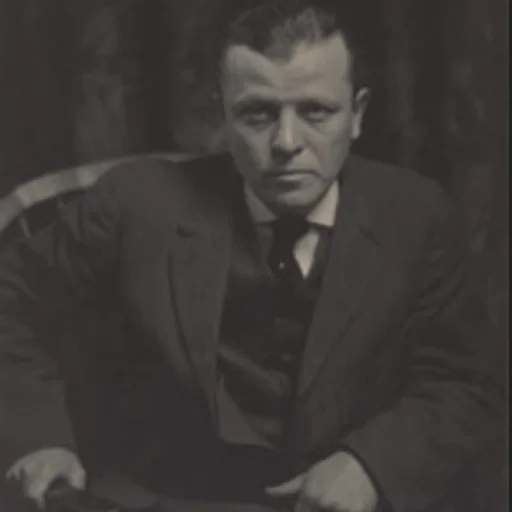
Arthur Garfield Dove (August 2, 1880 – November 23, 1946) was an American artist.