Artwork
Painting with Troika
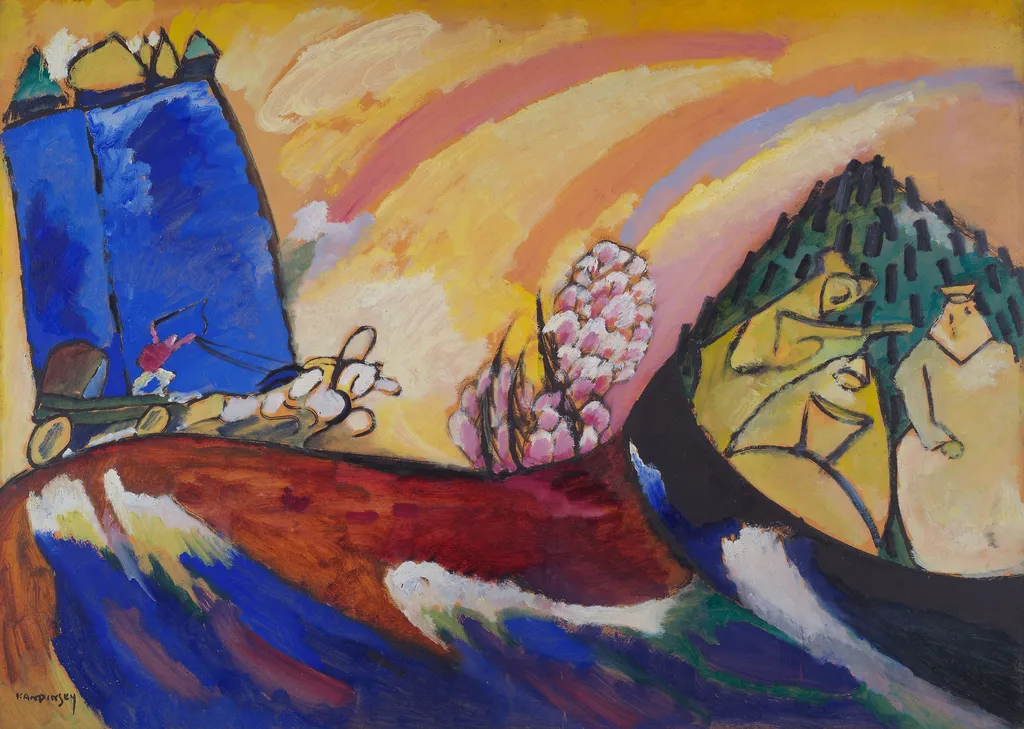
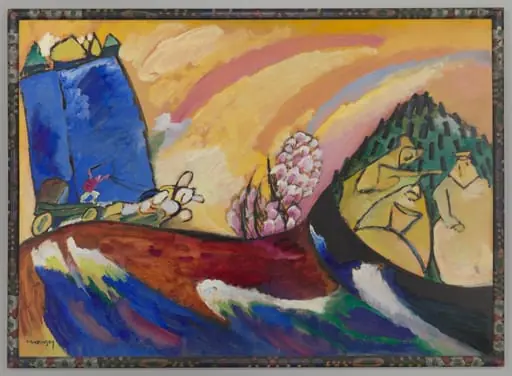
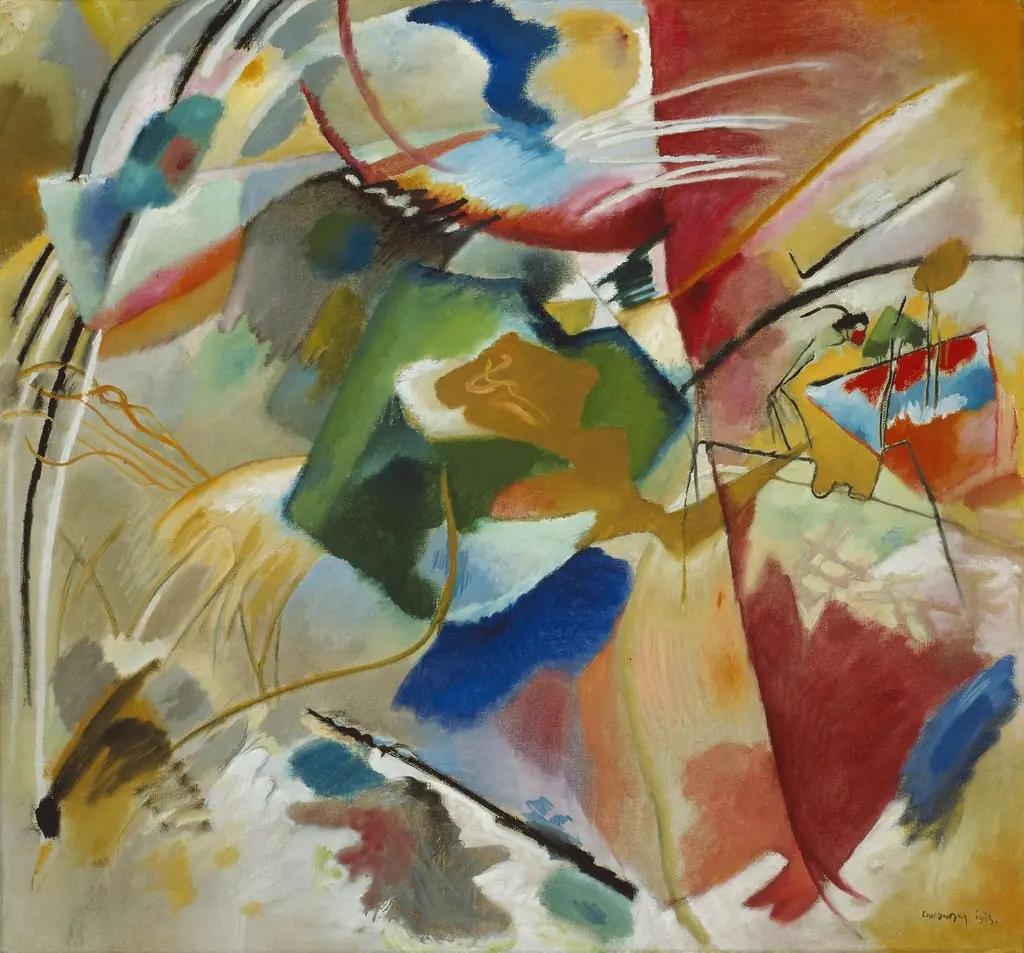
Painting with Troika is an oil painting by the Abstract Expressionist artist Wassily Kandinsky. It dates from 1911 and is held in the collection of the Art Institute of Chicago.
About this work
Overview
Created in 1911, Painting with Troka is an oil work by Russian artist Wassily Kandinsky, produced during his productive years in Germany. The canvas presents a stylized Russian troika, three horses pulling a sled, set against a vivid, non‑representational backdrop. The piece exemplifies Kandinsky’s early move toward abstraction, combining recognizable motifs with a dynamic, color‑driven language.
Subject & Meaning
The central motif is a troika, a traditional three‑horse sled used in Russia, rendered in simplified geometric forms. By reducing the horses and sled to bold outlines and flat color fields, Kandinsky transforms a cultural symbol into a vehicle for expressing motion, rhythm, and the emotional resonance of speed and travel.
Technique & Style
Executed in oil, the painting employs strong black contour lines to delineate the troika’s elements, while the surrounding space swirls with saturated blues, yellows, and pinks. The composition relies on flat planes of color and angular shapes, reflecting the artist’s interest in synesthetic connections between visual form and musicality, hallmarks of early 20th‑century avant‑garde abstraction.
History & Provenance
Kandinsky painted the work after relocating to Munich in 1896, where he studied under Anton Ažbe and at the Academy of Fine Arts. Painting with Troka entered the collection of the Art Institute of Chicago, where it remains part of the museum’s holdings of early modernist paintings.
Own this work as a print
Artist & collection
Artist
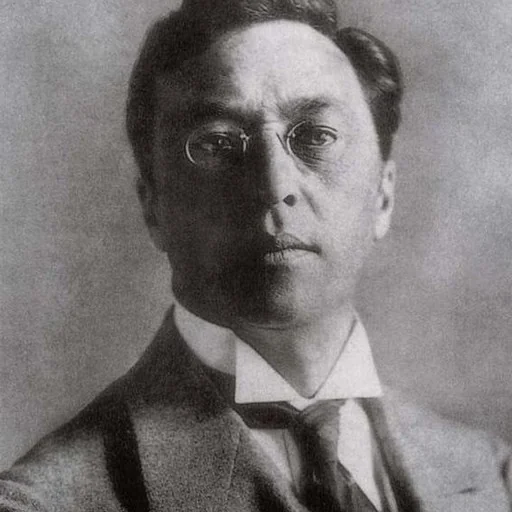
Wassily Wassilyevich Kandinsky (16 December 1866 – 13 December 1944) was a Russian painter and art theorist active in Germany during the late Belle Époque and Interwar eras.

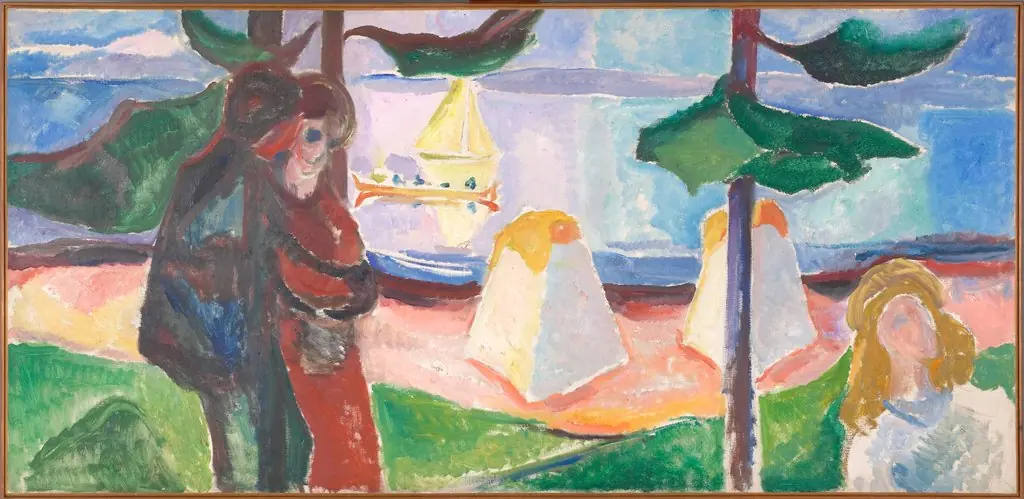 Groups of People on the Beach
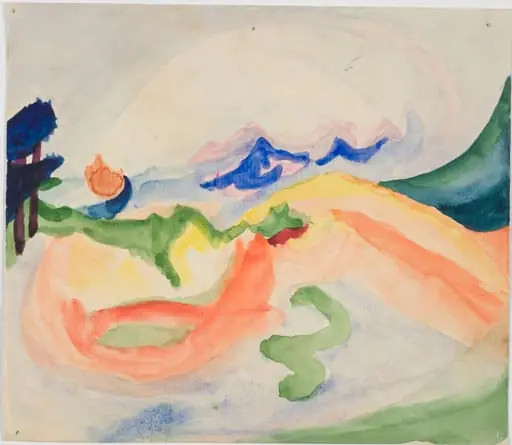 Χωρίς τίτλο
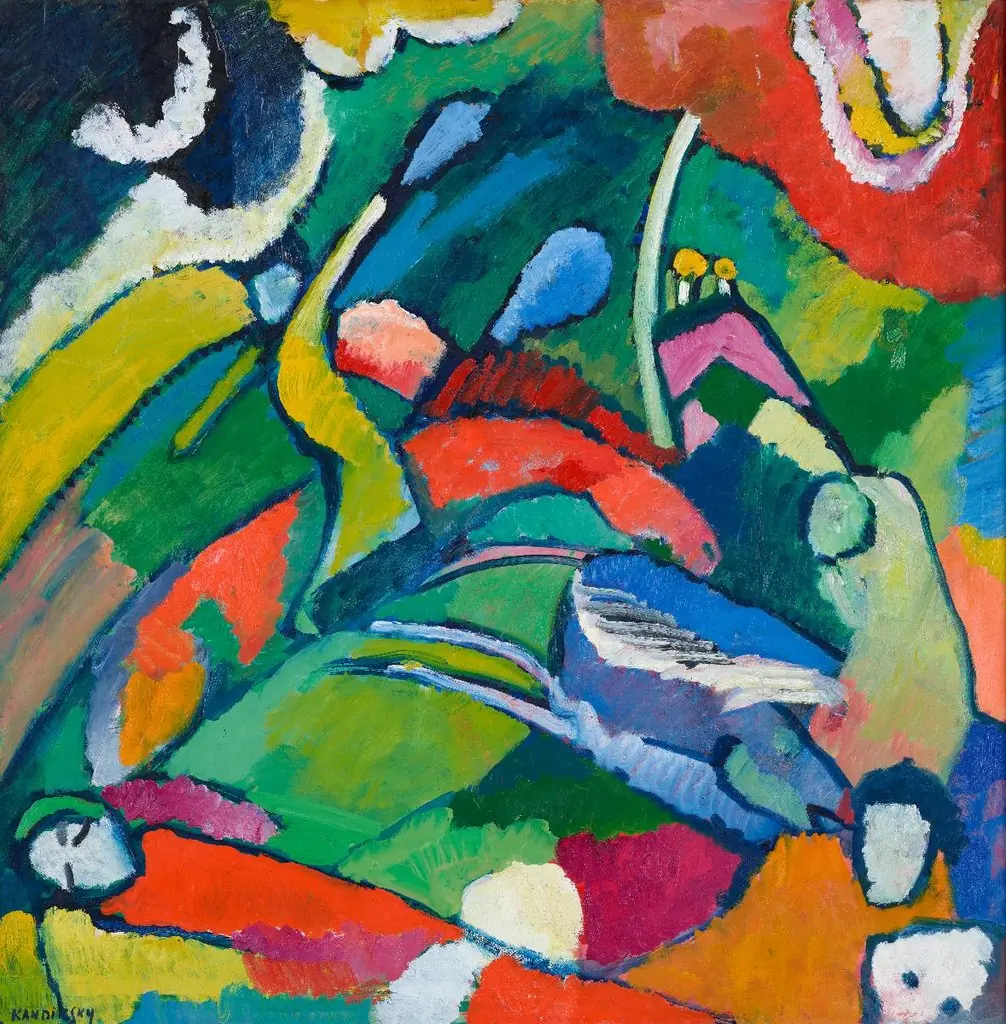 Two Riders and Reclining Figure
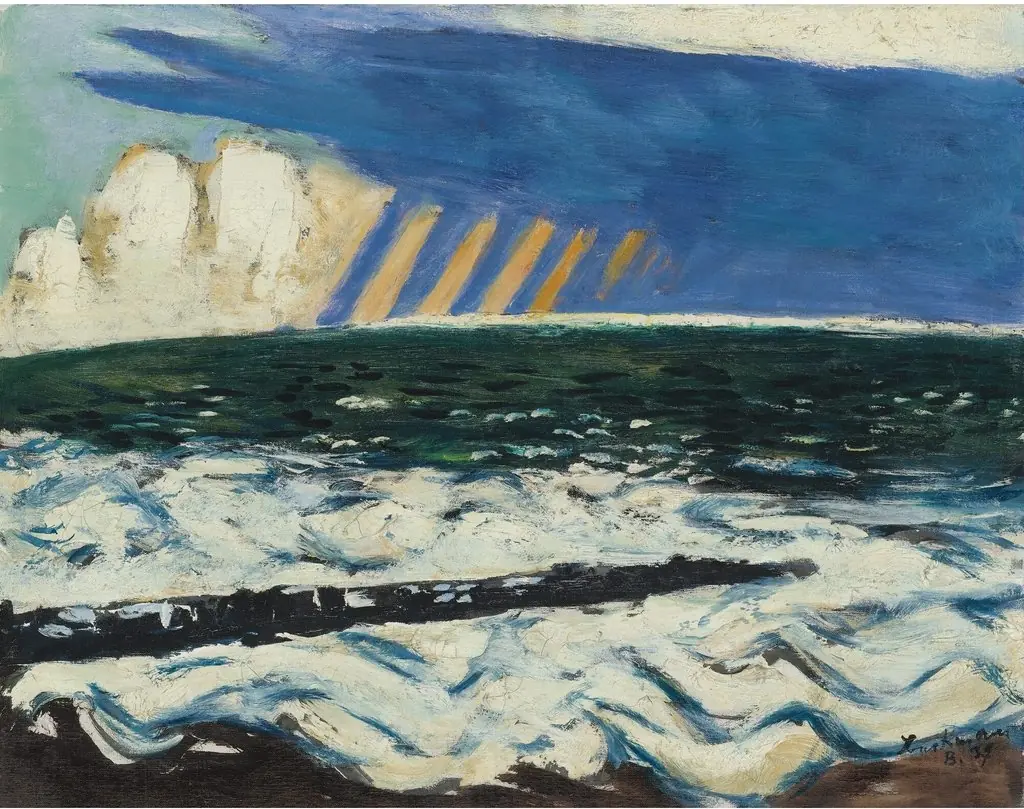 North Sea I (Thunderstorm)
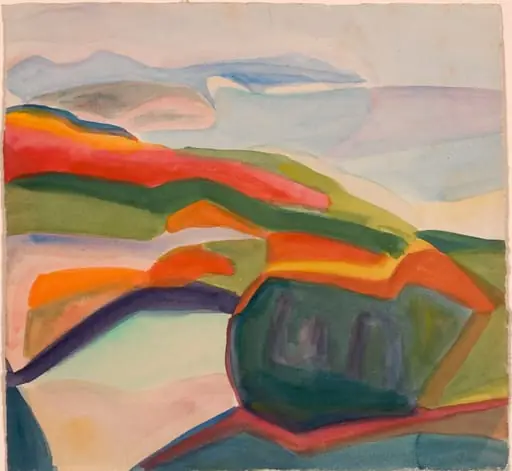 Ο «Χωρικός Ρεαλισμός» είναι αποτέλεσμα της καλλιτεχνικής και επιστημονικής έρευνας του Mikhail Matiushin από το 1914 ως το 1929. Ο Matiushin, με τον όρο Χωρικό Ρεαλισμό αντιτίθεται στην αφαιρετικότητα που παρουσιάζουν οι σπουδές των «ρώσων κυβιστών» και προτείνει τη ζωγραφική που αντανακλά τη ζωή. Εάν οι «κυβιστές» και «οι σουπρεματιστές» έφτιαξαν τις μη-παραστατικές συνθέσεις τους σύμφωνα με τους νόμους της φορμαλιστικής ανάλυσης της πρόσφατης γαλλικής ζωγραφικής, ο Matiushin και η ομάδα του προτίμησαν να χρησιμοποιήσουν από το γαλλικό κυβισμό και τον Ιμπρεσιονισμό, την ιδιαίτερη προσοχή στη λειτουργία του ματιού – «διευρυμένη όραση», στην άμεση αίσθηση, τη διαίσθηση, κ.λπ.. Μελέτησαν την τοπιογραφία και τη νεκρή φύση, θεωρώντας αυτά τα στοιχεία απαραίτητα για τις πιο επαρκείς συνθήκες ανάπτυξης της διευρυμένης όρασης. Τα ζητήματα που μελέτησαν ήταν τα εξής: Αν το χρώμα και το σχήμα αλλοιώνονται όταν η φόρμα αλλάζει θέση ή από διάφορες φυσιολογικές οπτικές συνθήκες. Τι ρόλο παίζει η κίνηση στην οπτική αντίληψη, ποιες οι σχέσεις μεταξύ χρώματος και φόρμας κ.ά.
Η Σχολή του Matiushin έδωσε τα καλύτερα αποτελέσματά της τη δεκαετία του 1920. Οι μη-αντικειμενικές αρχές και ιδιότητες της θεωρίας του, τόσο διαφορετικές από εκείνες του Σουπρεματισμού, πήραν μορφή μέσα από τα έργα των Enders και του ίδιου. Η καμπύλη γραμμή, και όχι η ευθεία, έγινε η βάση της εικαστικής δομής του έργου του, ενώ το χρώμα χρησιμοποιήθηκε σύμφωνα με τους οργανικούς νόμους της φύσης. Οι γραμμές αυτές αποτελούσαν το πρότυπο της δημιουργίας του, η οποία δεν αποσκοπούσε στο να αντιγράψει τη φύση, αλλά στο να αποδώσει με τη βοήθεια των εικαστικών μέσων τις «χειρονομίες» της φύσης πάνω στον καμβά. Για τον Matiushin η ζωγραφική επιφάνεια αποτελεί τμήμα της φύσης, και τα στοιχεία που τη συνθέτουν –υφή, χρώμα, σχέδιο- λειτουργούν σύμφωνα με τους κανόνες που τη διέπουν.
Ο «Χωρικός Ρεαλισμός» είναι αποτέλεσμα της καλλιτεχνικής και επιστημονικής έρευνας του Mikhail Matiushin από το 1914 ως το 1929. Ο Matiushin, με τον όρο Χωρικό Ρεαλισμό αντιτίθεται στην αφαιρετικότητα που παρουσιάζουν οι σπουδές των «ρώσων κυβιστών» και προτείνει τη ζωγραφική που αντανακλά τη ζωή. Εάν οι «κυβιστές» και «οι σουπρεματιστές» έφτιαξαν τις μη-παραστατικές συνθέσεις τους σύμφωνα με τους νόμους της φορμαλιστικής ανάλυσης της πρόσφατης γαλλικής ζωγραφικής, ο Matiushin και η ομάδα του προτίμησαν να χρησιμοποιήσουν από το γαλλικό κυβισμό και τον Ιμπρεσιονισμό, την ιδιαίτερη προσοχή στη λειτουργία του ματιού – «διευρυμένη όραση», στην άμεση αίσθηση, τη διαίσθηση, κ.λπ.. Μελέτησαν την τοπιογραφία και τη νεκρή φύση, θεωρώντας αυτά τα στοιχεία απαραίτητα για τις πιο επαρκείς συνθήκες ανάπτυξης της διευρυμένης όρασης. Τα ζητήματα που μελέτησαν ήταν τα εξής: Αν το χρώμα και το σχήμα αλλοιώνονται όταν η φόρμα αλλάζει θέση ή από διάφορες φυσιολογικές οπτικές συνθήκες. Τι ρόλο παίζει η κίνηση στην οπτική αντίληψη, ποιες οι σχέσεις μεταξύ χρώματος και φόρμας κ.ά.
Η Σχολή του Matiushin έδωσε τα καλύτερα αποτελέσματά της τη δεκαετία του 1920. Οι μη-αντικειμενικές αρχές και ιδιότητες της θεωρίας του, τόσο διαφορετικές από εκείνες του Σουπρεματισμού, πήραν μορφή μέσα από τα έργα των Enders και του ίδιου. Η καμπύλη γραμμή, και όχι η ευθεία, έγινε η βάση της εικαστικής δομής του έργου του, ενώ το χρώμα χρησιμοποιήθηκε σύμφωνα με τους οργανικούς νόμους της φύσης. Οι γραμμές αυτές αποτελούσαν το πρότυπο της δημιουργίας του, η οποία δεν αποσκοπούσε στο να αντιγράψει τη φύση, αλλά στο να αποδώσει με τη βοήθεια των εικαστικών μέσων τις «χειρονομίες» της φύσης πάνω στον καμβά. Για τον Matiushin η ζωγραφική επιφάνεια αποτελεί τμήμα της φύσης, και τα στοιχεία που τη συνθέτουν –υφή, χρώμα, σχέδιο- λειτουργούν σύμφωνα με τους κανόνες που τη διέπουν.- Painting with Troika