Artwork
Bacchus and Cupid
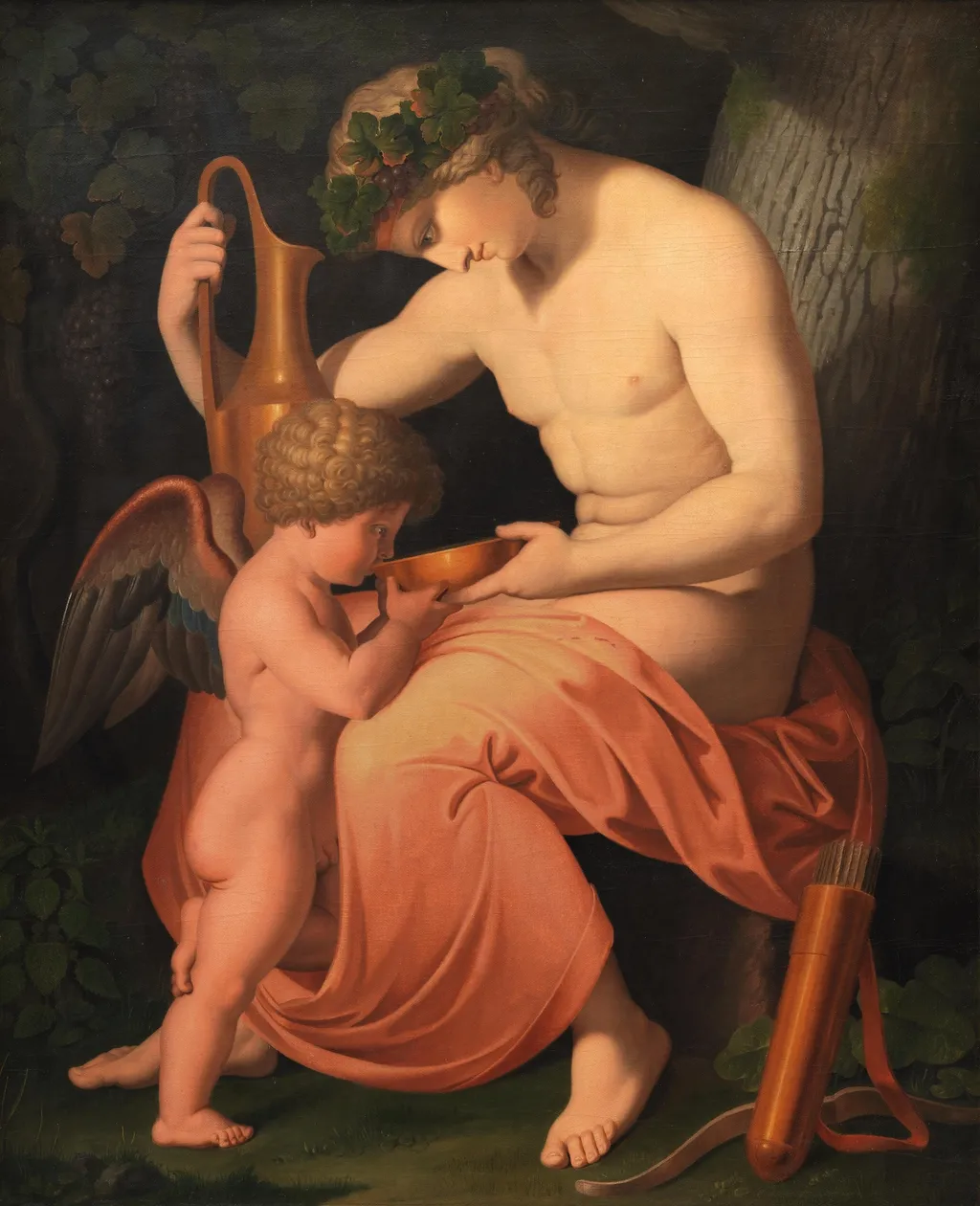
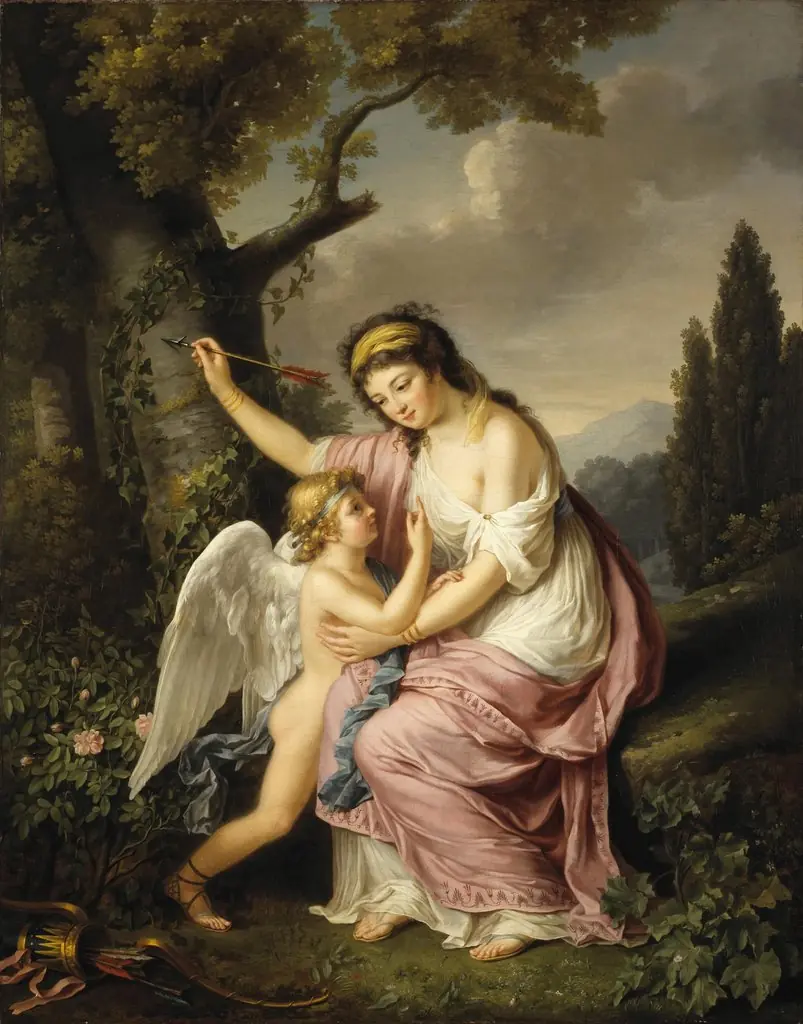
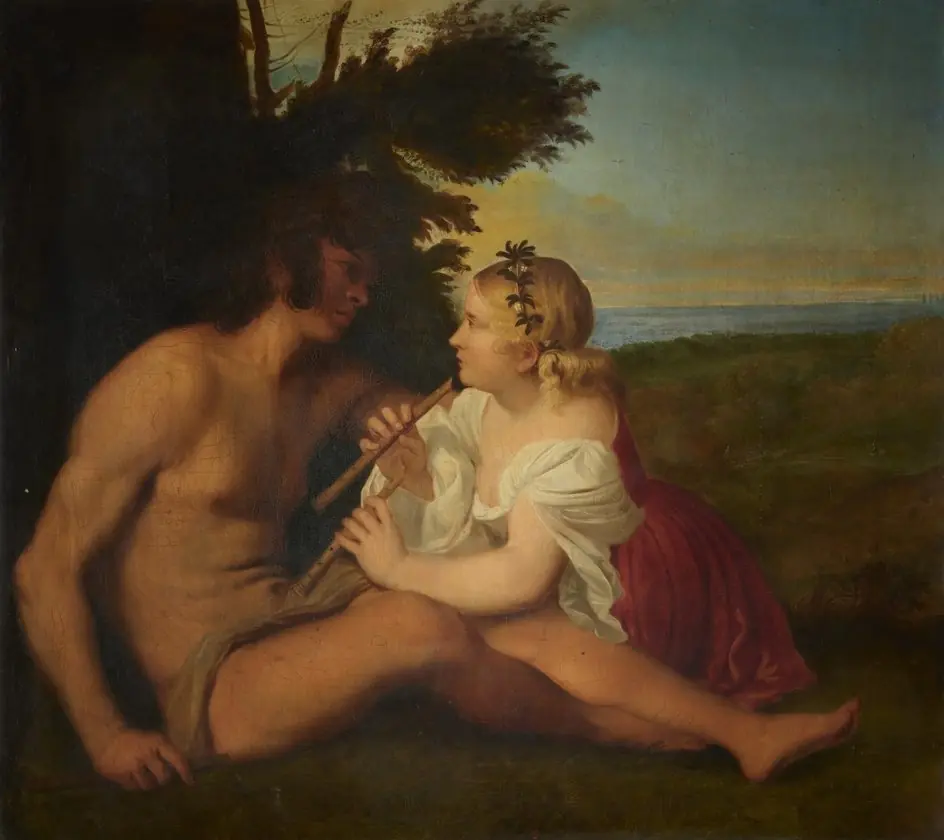
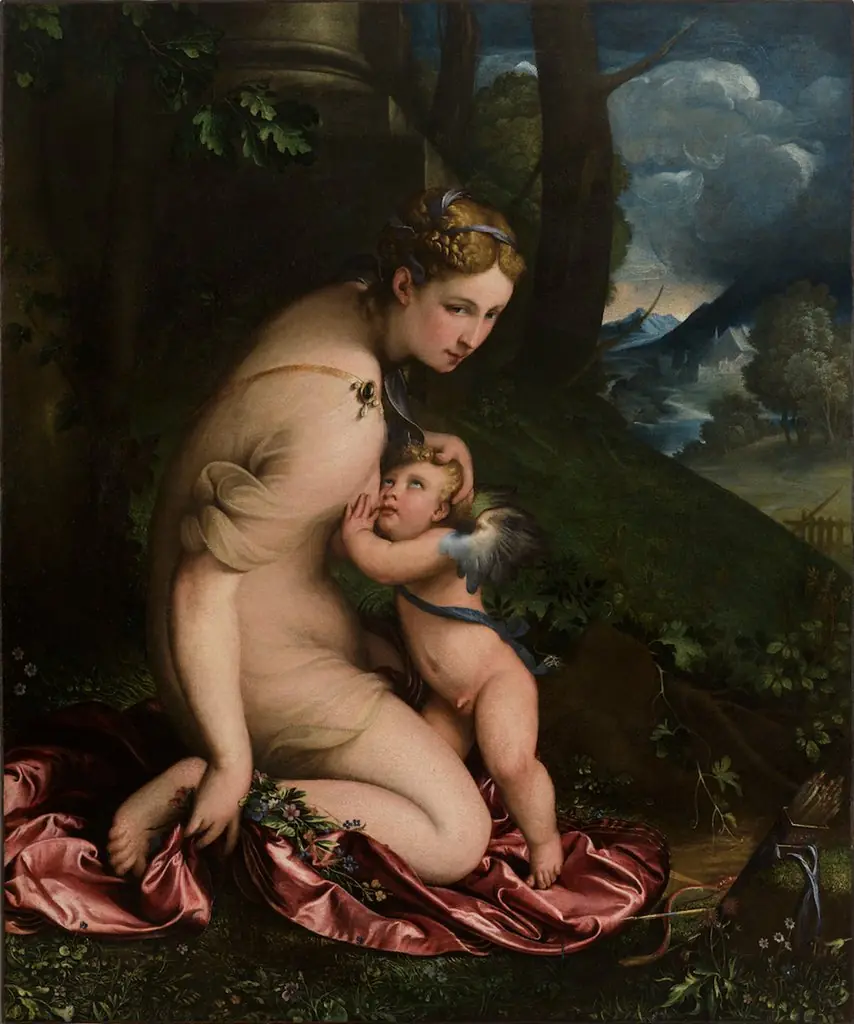
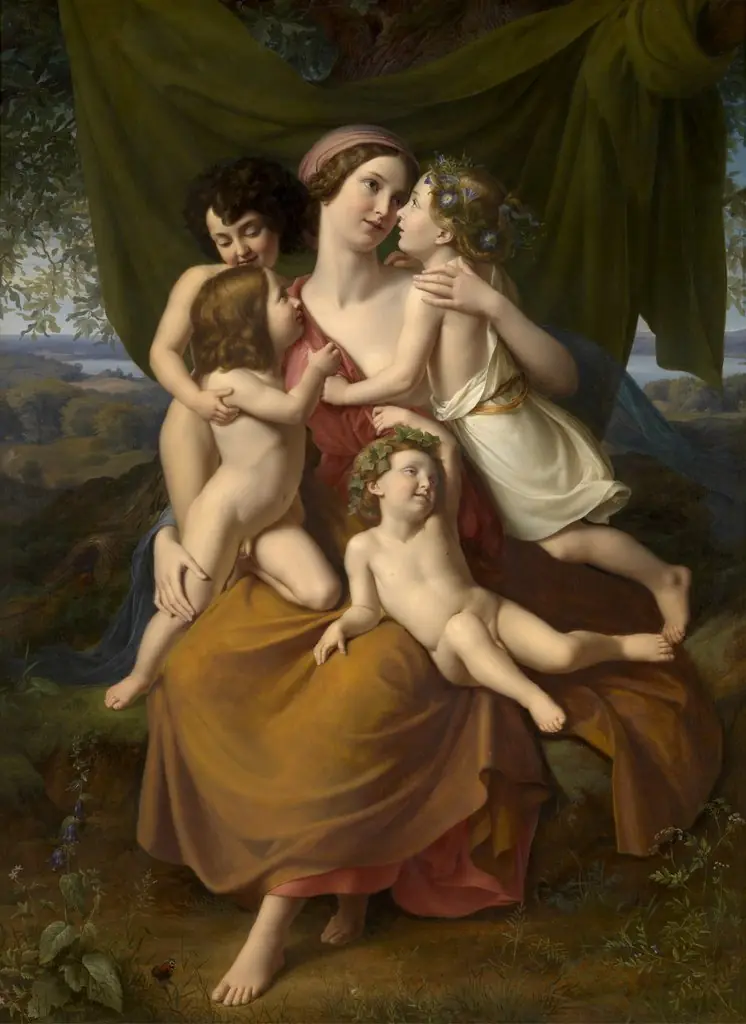
Bacchus and Cupid is an oil painting by the German Romanticist artist Asmus Jacob Carstens. It dates from 1798 and is held in the collection of the Statens Museum for Kunst.
About this work
Technique & Style
The work depicts the figures of Bacchus and Cupid within a composition measuring 141 cm in height and 116 cm in width.
Executed in 1796, this mythological painting by Asmus Jacob Carstens utilizes oil paint applied to a canvas support. The work depicts the figures of Bacchus and Cupid within a composition measuring 141 cm in height and 116 cm in width. As a piece classified within the painting genre, it represents Carstens's engagement with classical subjects through traditional materials of the late eighteenth century.
History & Provenance
The painting Bacchus and Cupid by Asmus Jacob Carstens is housed in the collection of the Statens Museum for Kunst, with the accession number not specified in the available sources. It has been exhibited at the Statens Museum for Kunst as part of its permanent display of mythological paintings.
Legacy
The painting Bacchus and Cupid by Asmus Jacob Carstens, completed in 1796, has been recognized for its mythological composition and technical execution, influencing later neoclassical interpretations of classical themes. Its presence in the collection of the Statens Museum for Kunst has ensured continued scholarly attention to Carstens' work, particularly in studies of 18th-century mythological painting. The work is frequently referenced in art historical surveys of the period as an example of the era's engagement with Bacchic iconography.
Overview
In 1798 the Danish‑German artist Asmus Jacob Carstens painted Bacchus and Cupid in oil. The canvas presents a nude male figure, crowned with a leafy wreath and holding a golden cup, accompanied by a small winged child reaching toward his face. The figures are illuminated against a deep, shadowed background, creating a stark contrast that defines the composition.
Subject & Meaning
The work draws on classical mythology, pairing the god of wine, Bacchus, with the youthful Cupid, symbol of love. Their interaction, Cupid’s eager gesture toward the older deity, suggests a playful merging of indulgence and affection, inviting viewers to contemplate the balance between pleasure and desire within the mythic narrative.
Context
Created during a period when German artists were negotiating the legacy of neoclassicism and the emerging Romantic sensibility, the painting illustrates Carstens’ engagement with classical themes while exploring more expressive, emotionally charged compositions. The work thus situates itself within the broader shift toward personal feeling and dramatic lighting that characterized late‑18th‑century German art.
Own this work as a print
Artist & collection
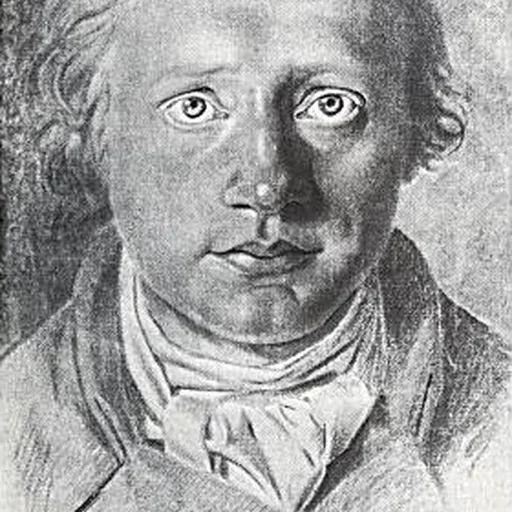
Artist
Asmus Jacob Carstens (or "Jakob", May 10, 1754 – May 25, 1798) was a Danish-German painter, one of the most committed artists of German Neoclassicism.