Artwork
Bacchus, Ceres and Cupid
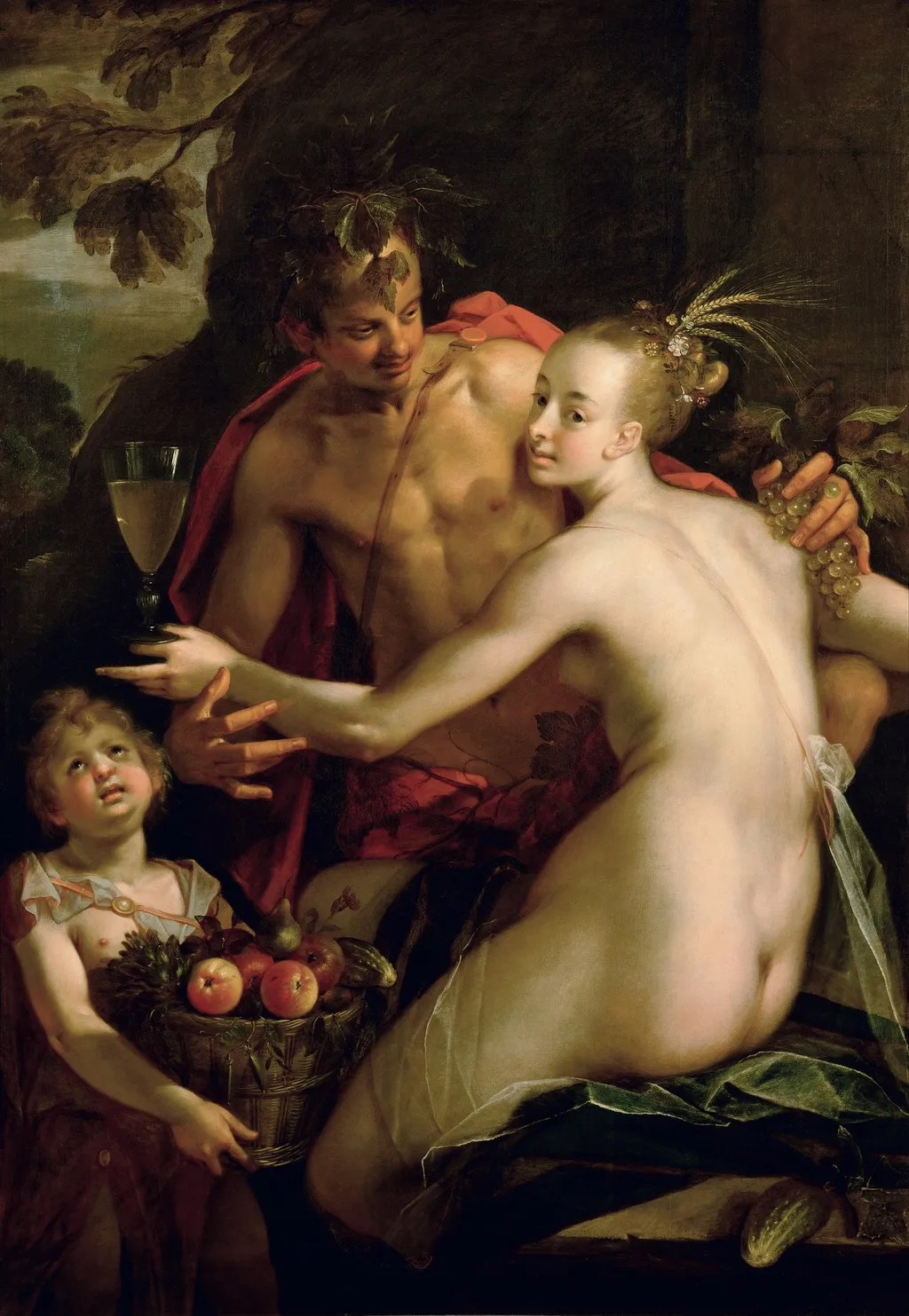
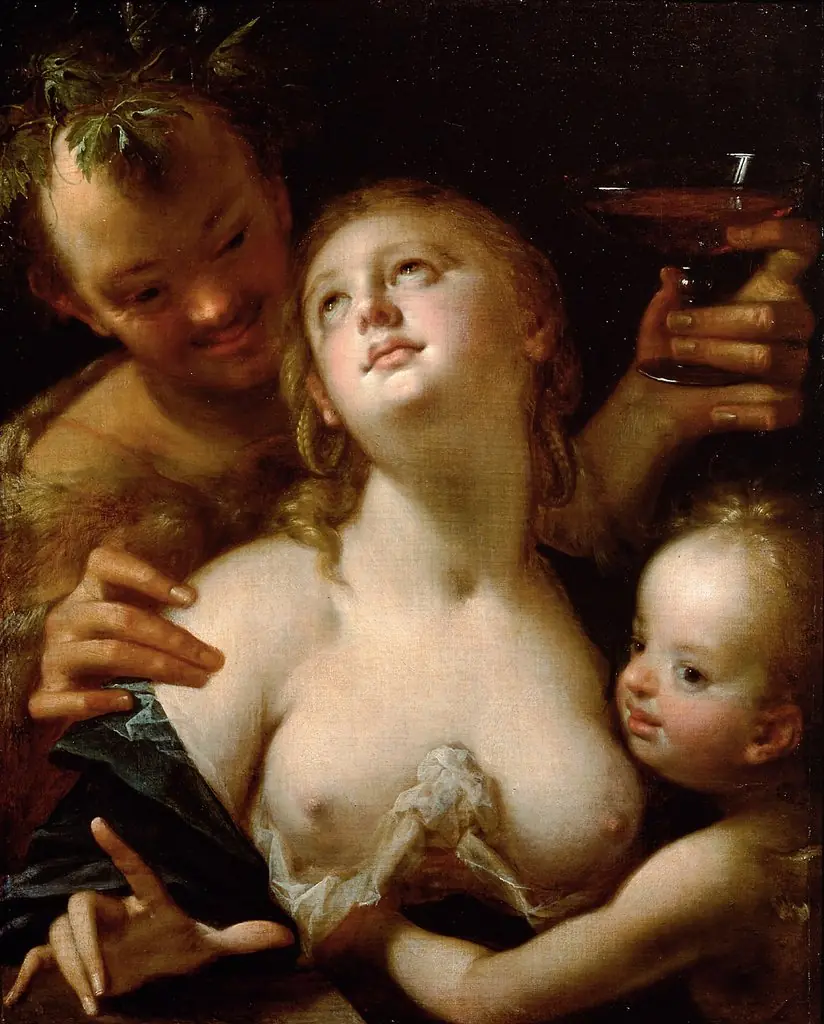
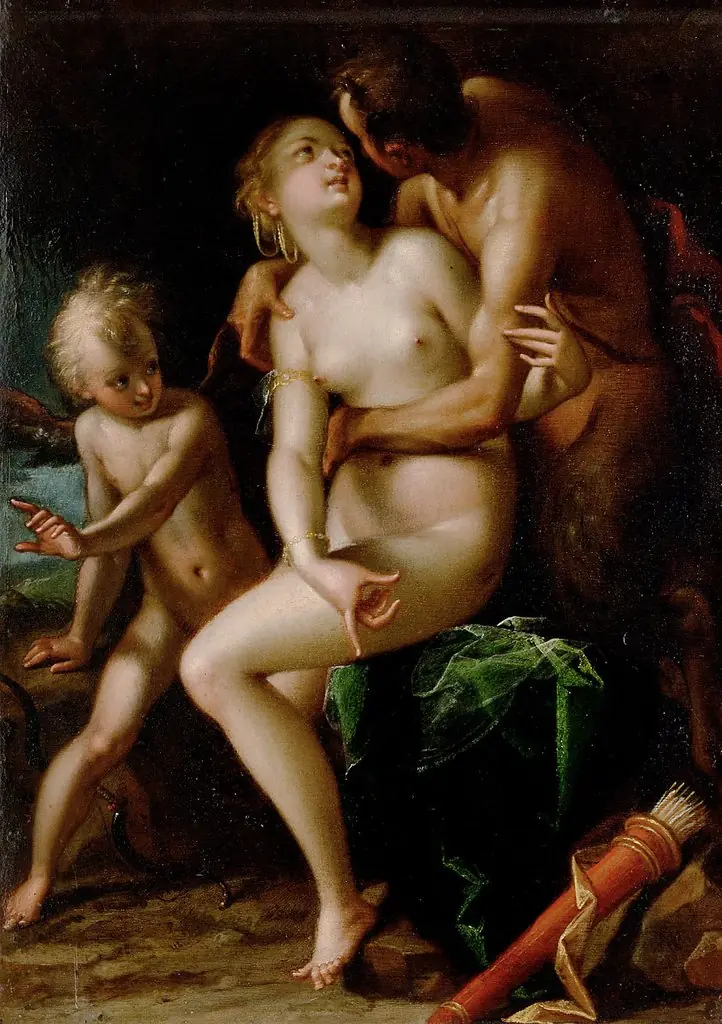
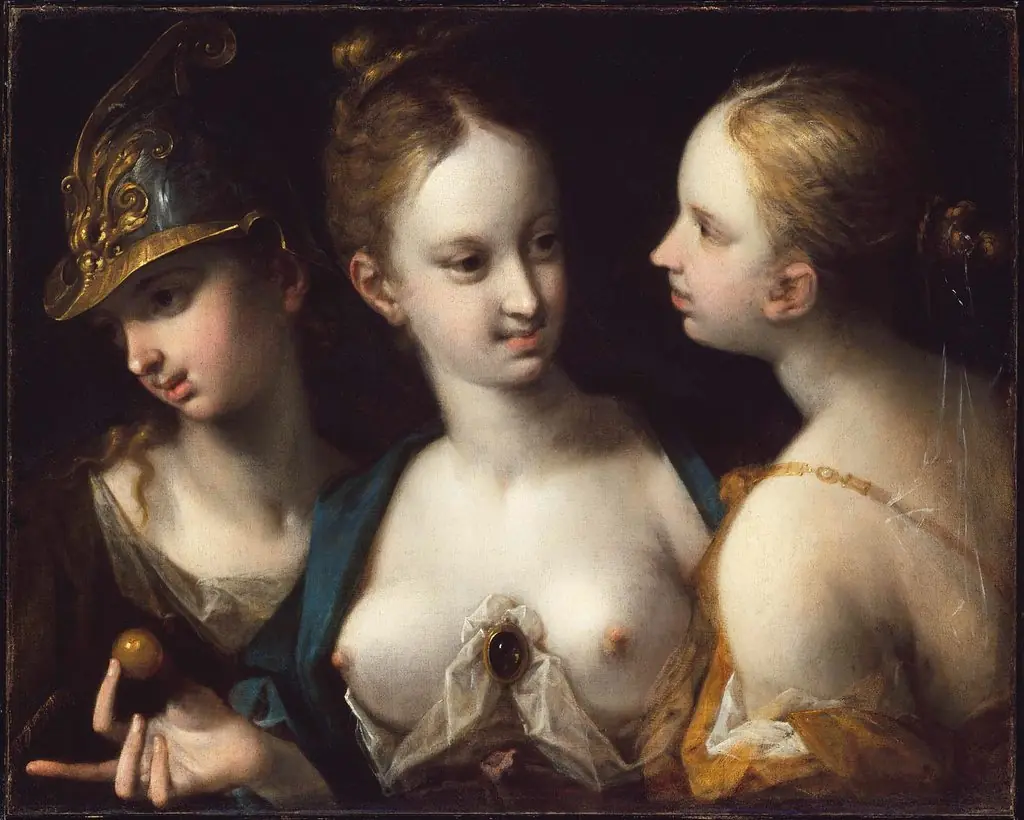
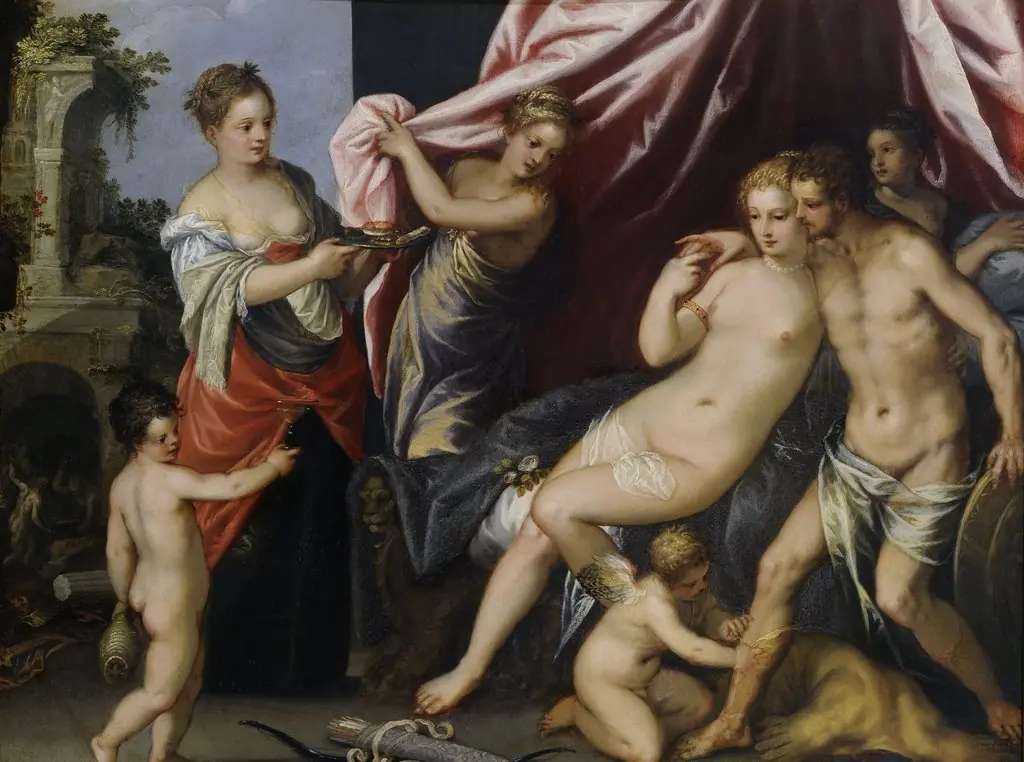
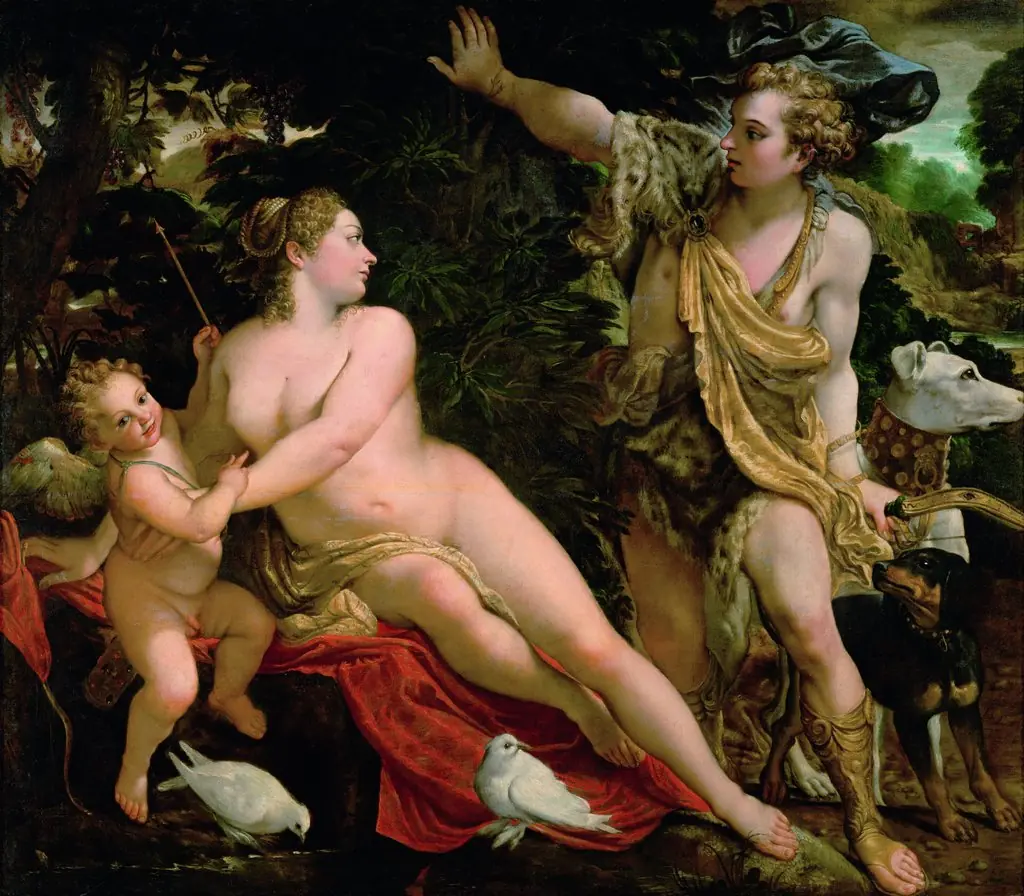
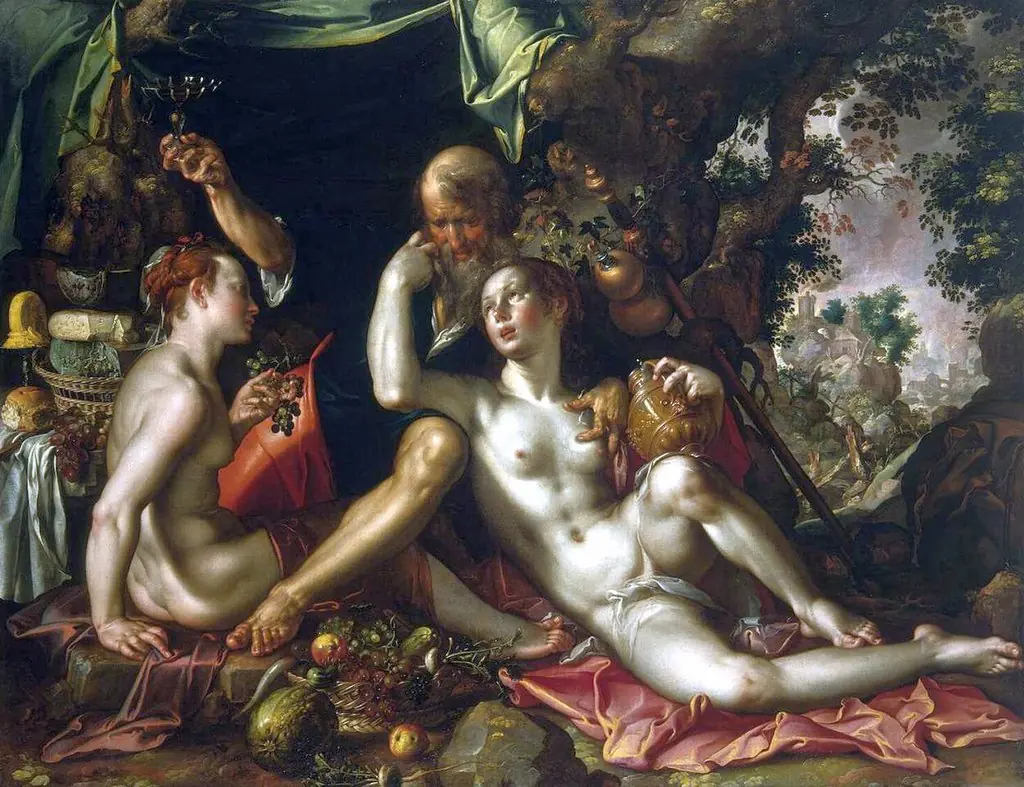
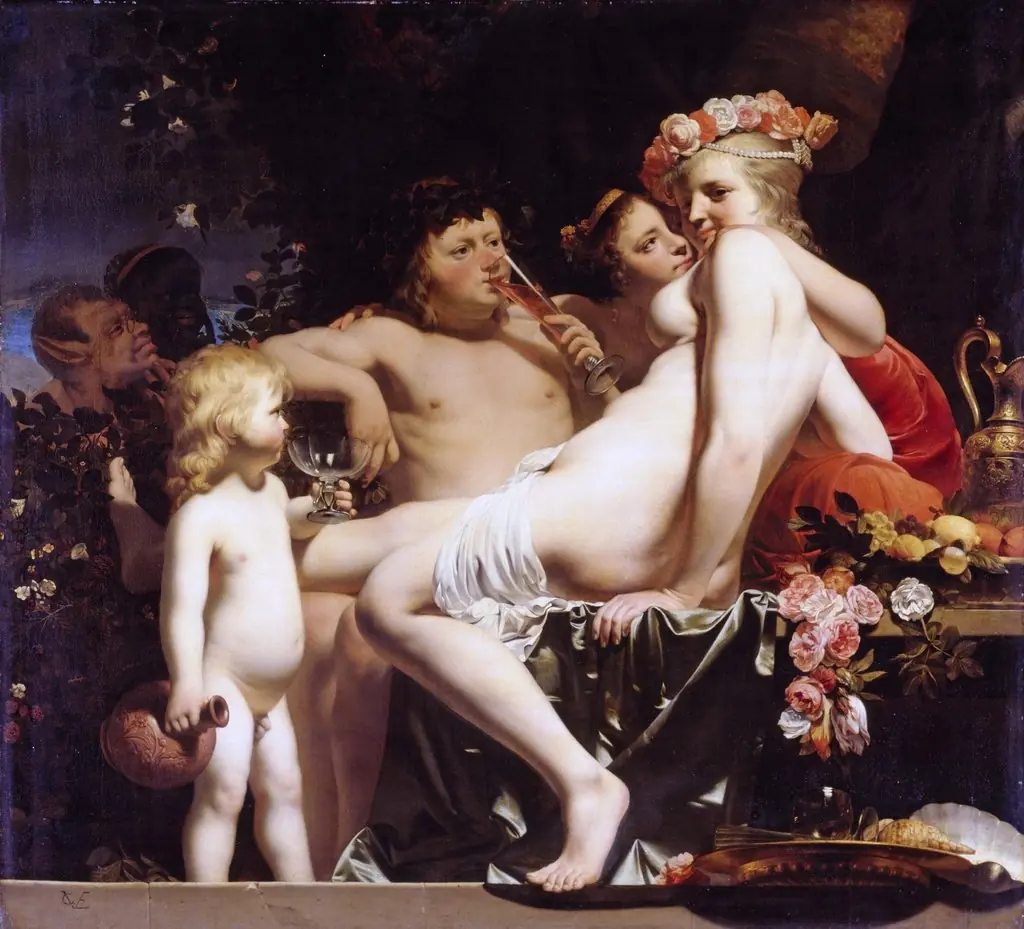
Bacchus, Ceres and Cupid is an oil painting by the Mannerist artist Hans von Aachen. It dates from 1600 and is held in the collection of the Kunsthistorisches Museum. Created around 1600, this oil on canvas presents a mythological gathering of three figures in a verdant landscape.
About this work
Subject & Meaning
Cupid, with his arrows, introduces the theme of amorous pursuit, suggesting the intertwining of physical pleasure and natural prosperity.
Hans von Aachen’s Bacchus, Ceres and Cupid (1600) embodies a mythological allegory of abundance and desire. The central figures, Bacchus (or Dionysus), the Roman god of wine, Ceres, the goddess of agriculture, and Cupid, the god of love, converge to symbolize the fruitful union of intoxication, harvest, and erotic passion. Bacchus’s presence evokes revelry and fertility, while Ceres personifies the earth’s bounty, often linked to grain and sustenance.
Cupid, with his arrows, introduces the theme of amorous pursuit, suggesting the intertwining of physical pleasure and natural prosperity.
The composition likely represents the harmonious interplay of these forces, celebrating the sensual and material richness of life. Such mythological scenes were common in late Renaissance and Mannerist art, where classical deities served as vehicles for exploring humanist themes of indulgence, generosity, and the cyclical nature of growth and decay.
Technique & Style
Executed in 1600, this mythological painting by Hans von Aachen utilizes oil paint applied to a canvas support. The work measures 163 cm in height and 113 cm in width. As a piece classified within the mythology genre, it depicts the figures of Bacchus, Ceres, and Cupid. The composition is currently held in the collection of the Kunsthistorisches Museum in Vienna.
History & Provenance
Hans von Aachen painted Bacchus, Ceres and Cupid in 1600 as an oil on canvas work depicting mythological figures Dionysus, Ceres, and Cupid. The piece entered the collection of the Kunsthistorisches Museum Wien, where it remains on display.
The painting was created during von Aachen's mature period in Rome and subsequently transferred to the imperial collection, eventually finding its permanent home in the Kunsthistorisches Museum's cabinet of paintings.
Its provenance is documented solely through its inclusion in the museum's catalog and the Wikidata entry noting its acquisition by the museum.
The painting is housed in the Kunsthistorisches Museum in Vienna, where it is listed under inventory number 2011:46. It was created in 1600 by Hans von Aachen as an oil on canvas work depicting mythological figures. The piece has been part of the museum's collection since at least 2011 and was featured in the 2013 exhibition "Mythological Paintings of the Late Renaissance" at the Kunsthistorisches Museum.
The work measures 163 cm by 113 cm and is cataloged as a mythological painting from the late Renaissance period.
Overview
Created around 1600, this oil on canvas presents a mythological gathering of three figures in a verdant landscape. The central male, seated and holding a wine glass, is flanked by a nude female and a clothed child. Trees, foliage, and scattered produce frame the scene, conveying a mood of plenty and festivity.
Context
Von Aachen was a prominent exponent of Northern Mannerism, a style that merged Italianate elegance with the intricate detail favored in the German lands. His mythological subjects often catered to the intellectual and decorative tastes of Habsburg patrons, reflecting the period’s fascination with classical allegory.
Own this work as a print
Artist & collection
Artist
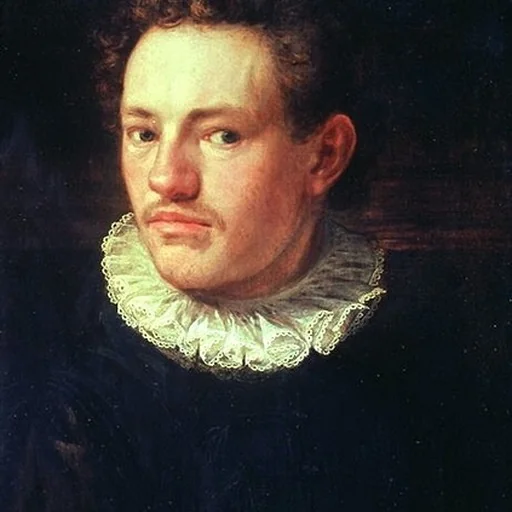
Hans von Aachen (1552 – 4 March 1615) was a German painter who was one of the leading representatives of Northern Mannerism.