Movement
German Romanticism
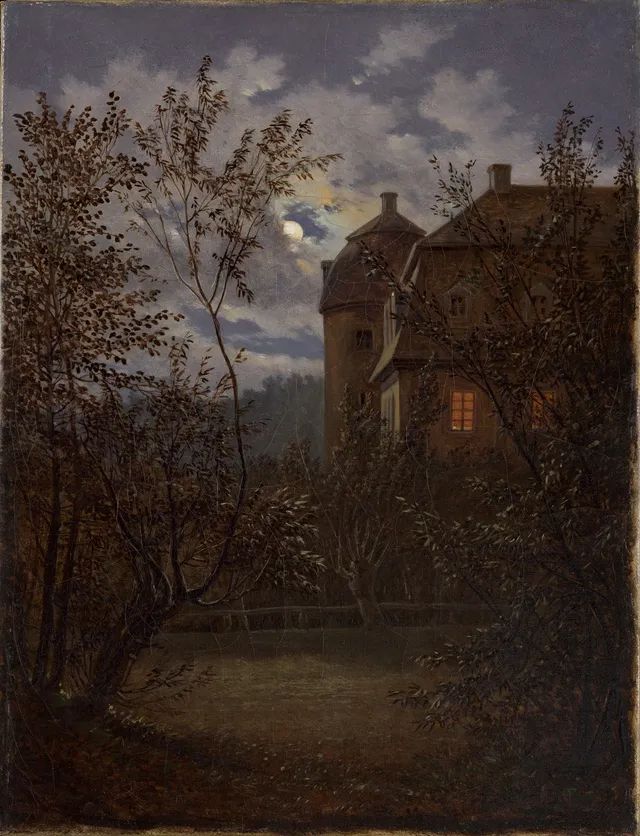
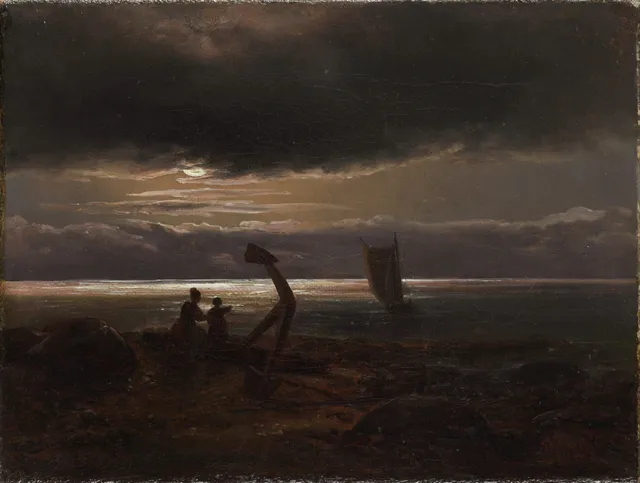
German Romanticism is an art movement of the 1770–1850 period. The gallery holds 504 works in this movement, including works by Arnold Böcklin, Caspar David Friedrich and F.M.E. Fabritius de Tengnagel. Browse German Romanticism paintings, portraits, pictures and artworks from the world's public-domain museum collections.
German Romanticism was the dominant intellectual and artistic current of the German-speaking lands in the late eighteenth and early nineteenth centuries, reaching across philosophy, literature, criticism, and painting. Its earliest phase crystallised among the "Jena Romantics" of roughly 1798 to 1804, the circle that gathered around the brothers August Wilhelm and Friedrich Schlegel, the poet Novalis, and Ludwig Tieck, and published its programme in the journal Athenaeum. Jena was then the centre of post-Kantian thought, where Fichte's lectures and the emerging Naturphilosophie reframed nature as a living, spiritual whole. Against Enlightenment rationalism and Napoleonic upheaval, these writers and the painters who followed prized feeling, longing, faith, and the inexhaustible mystery of the natural world.
In painting the movement found its heart in Dresden, home to its two leading figures, Caspar David Friedrich (born in Greifswald in 1774) and Philipp Otto Runge. Friedrich transformed landscape — long treated as a minor genre — into a vehicle for religious and metaphysical meditation. His pictures favour vast, hushed spaces: fog-bound seas, barren trees, Gothic ruins, and solitary figures seen from behind (the Rückenfigur) who draw the viewer into contemplation. Works such as Monk by the Sea (1808–10) and Wanderer above the Sea of Fog (1818) established the sublime — human smallness before nature's immensity — as a central Romantic preoccupation.
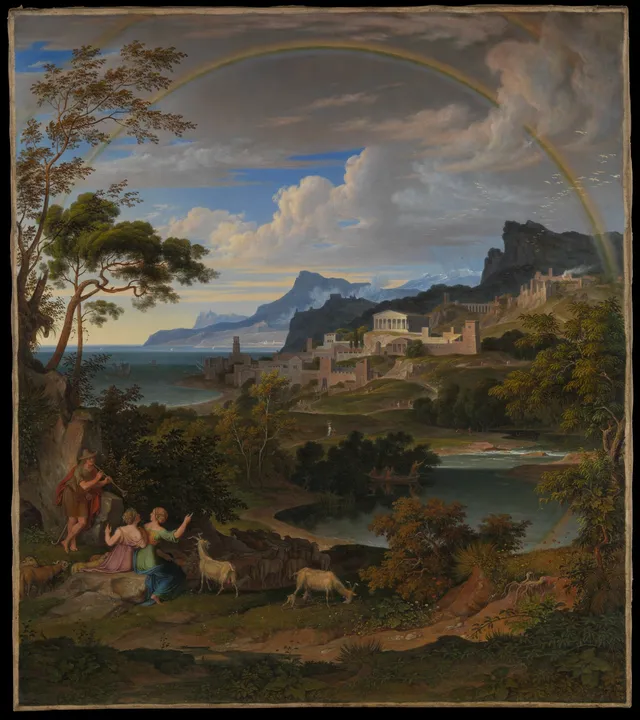
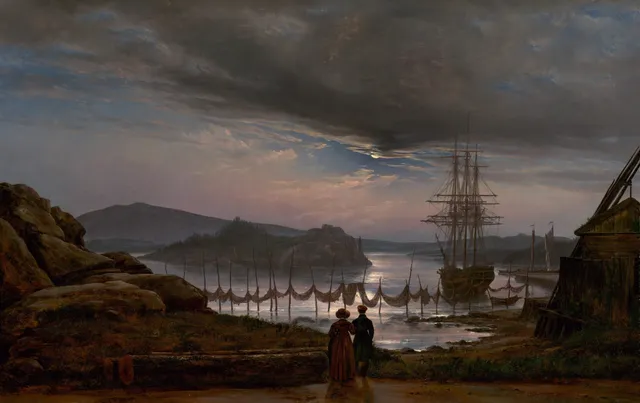
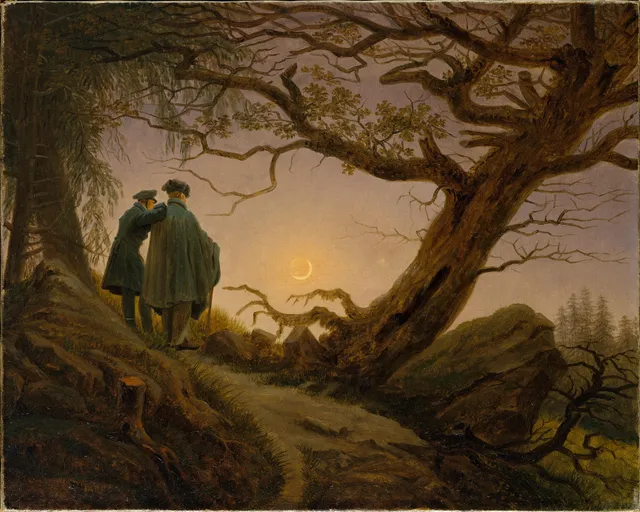
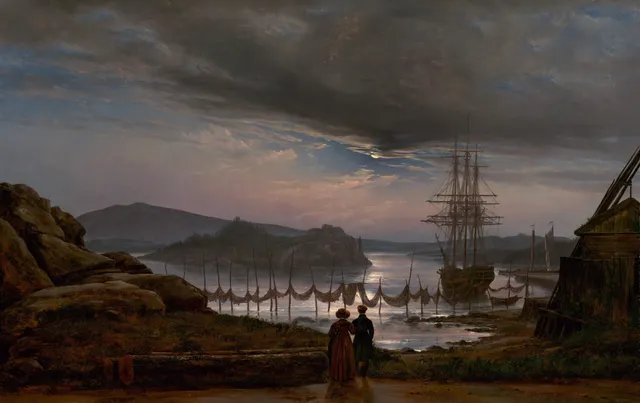
Friedrich gathered a circle of pupils and friends, among them the physician-painter Carl Gustav Carus and the Norwegian Johan Christian Dahl, who came to Dresden in 1818 and lived in the same house. Their moonlit and atmospheric scenes — Carus's Schloss Milkel in Moonlight, Dahl's View from Vaekero near Christiania and Mother and Child by the Sea, and Friedrich's own Two Men Contemplating the Moon — exemplify the style. In the south, Joseph Anton Koch pursued a more classicising "heroic landscape" of divine order, seen in his Heroic Landscape with Rainbow.
German Romanticism ran parallel to British Romanticism, sharing its reverence for nature and the sublime, and stood beside the religiously revivalist Nazarenes. Long neglected, Friedrich was rediscovered in the twentieth century and is now a national icon, his vision echoing through Symbolism, Expressionism, and modern art.
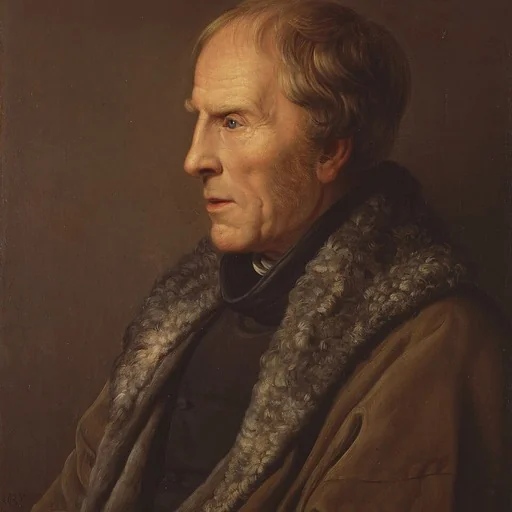
Key artists
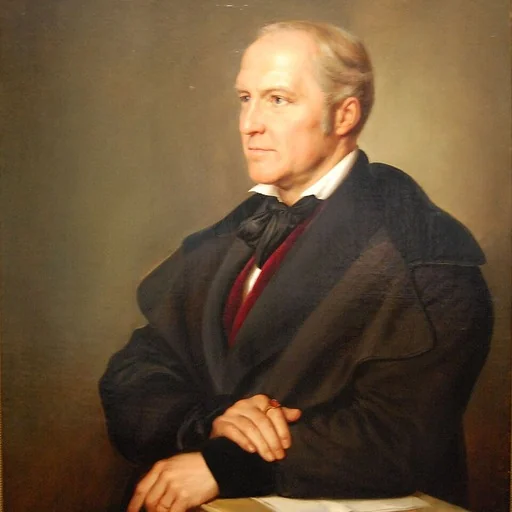
Works
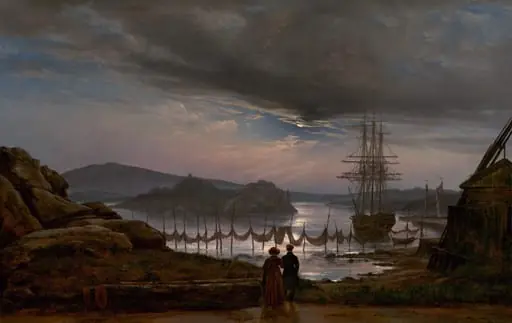 View from Vaekero near Christiania
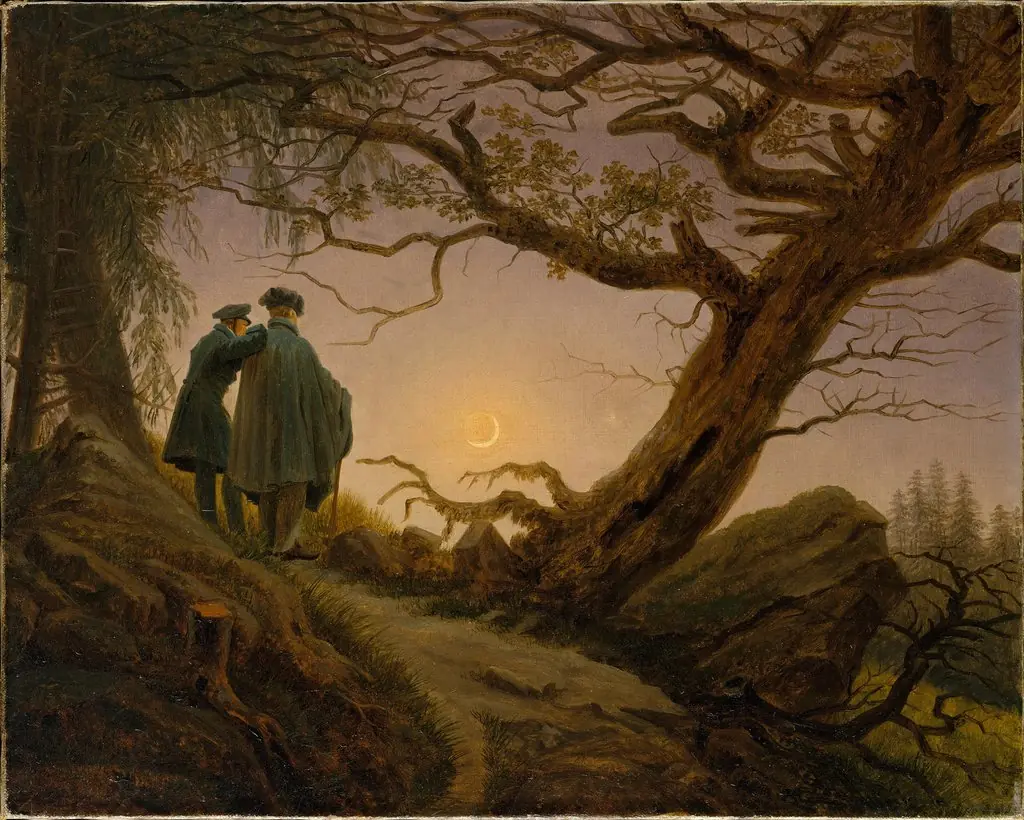 Two men contemplating the Moon
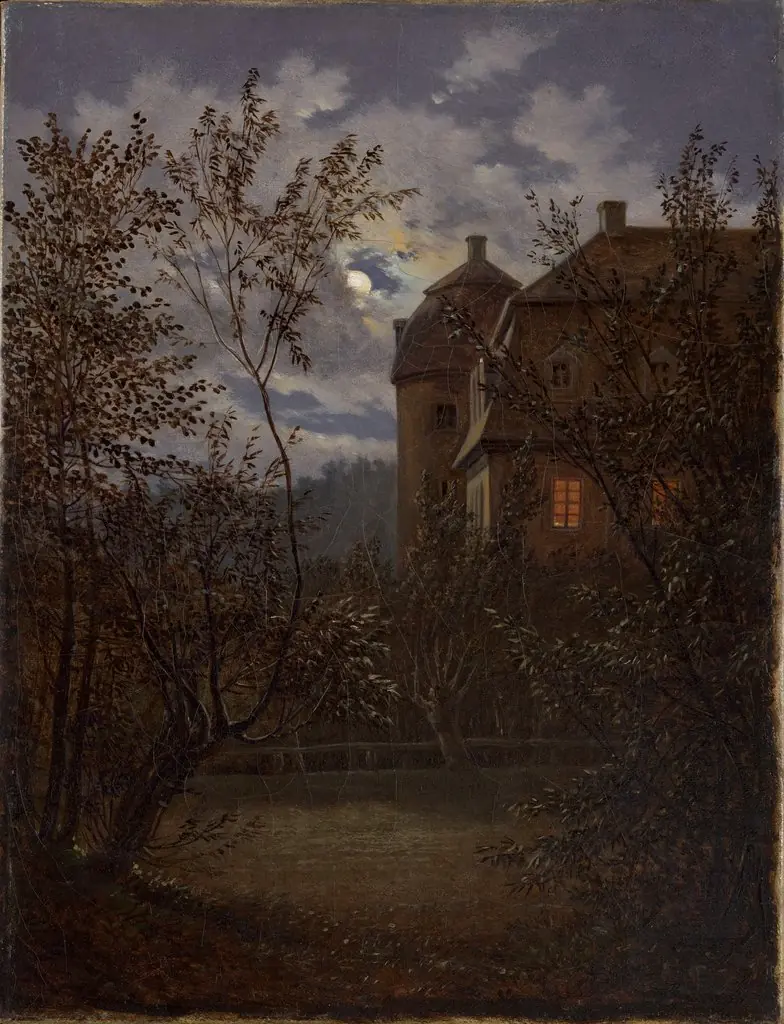 Schloss Milkel in Moonlight
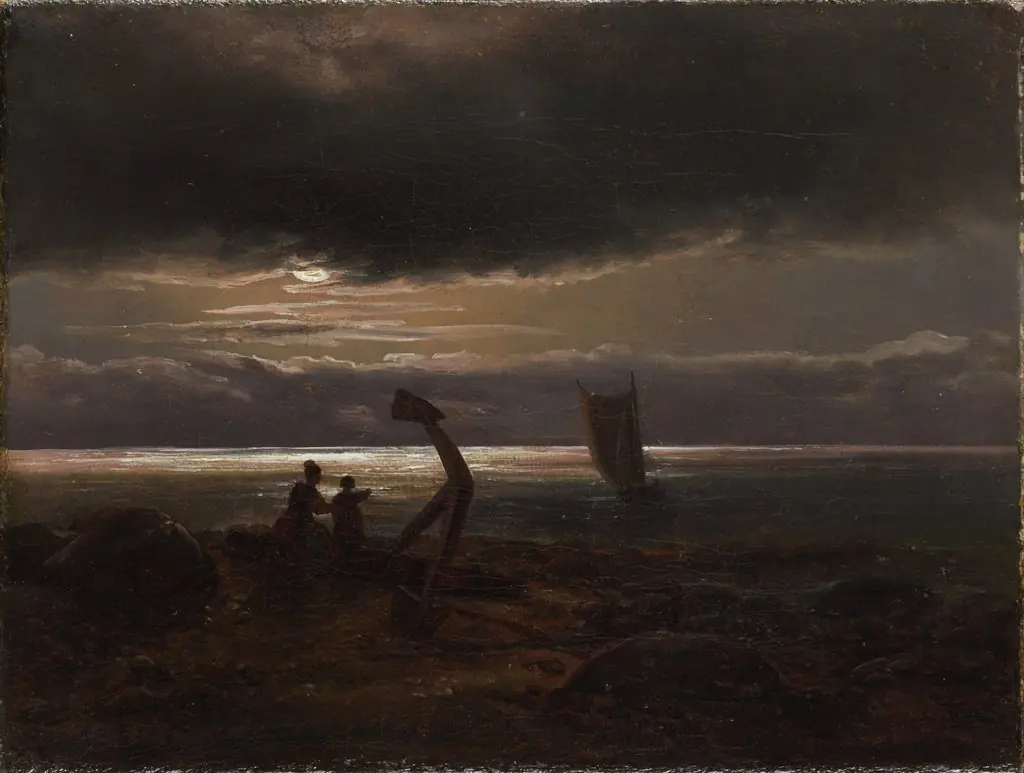 Mother and Child by the Sea
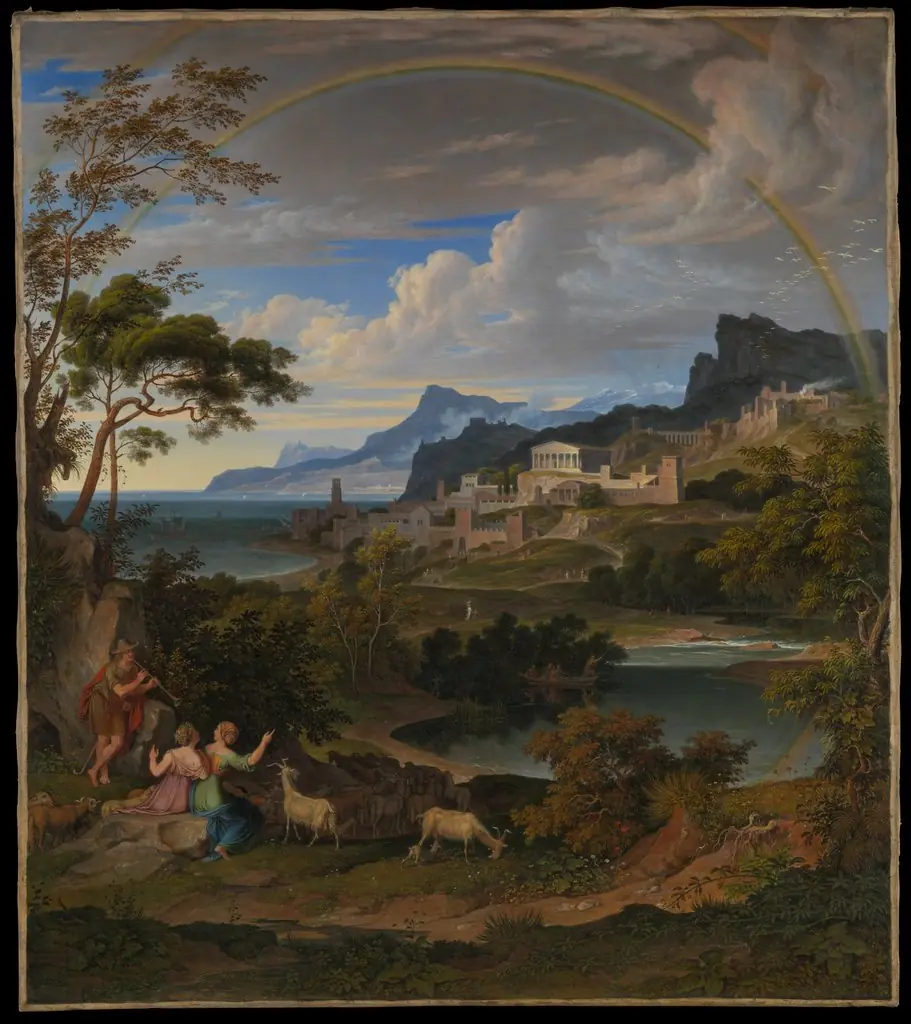 Heroic Landscape with Rainbow
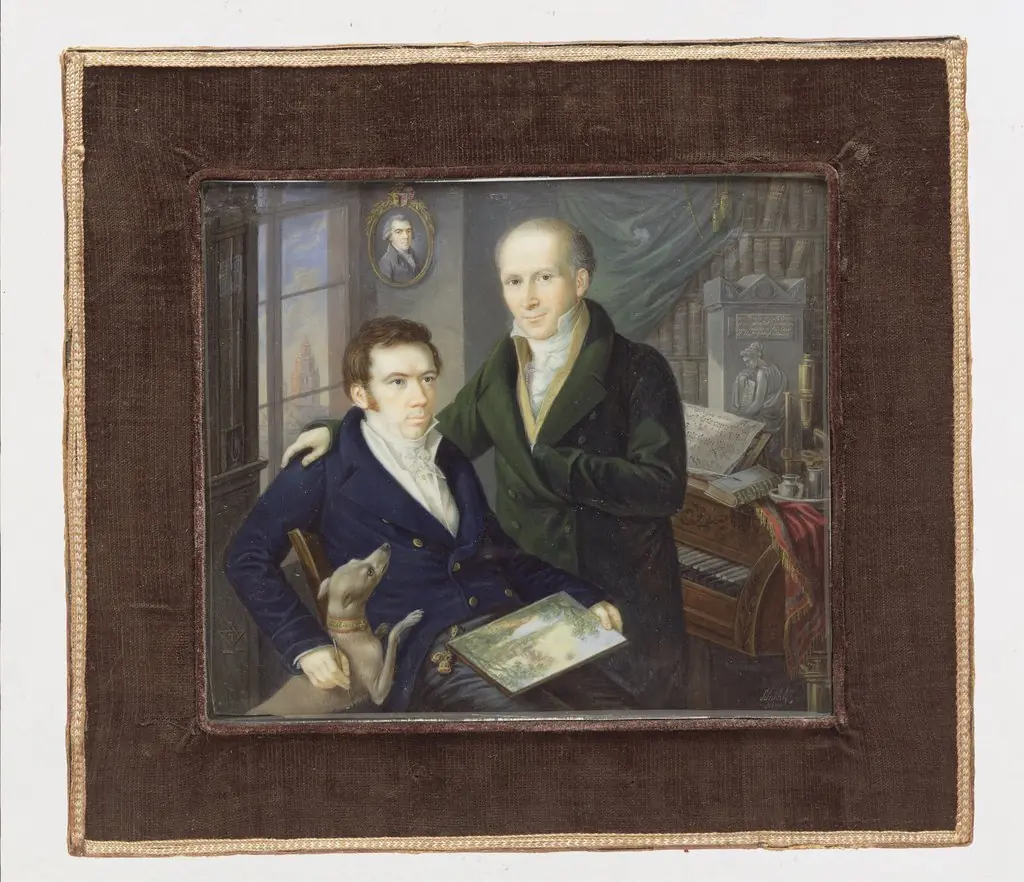 Joseph and Karl August von Klein
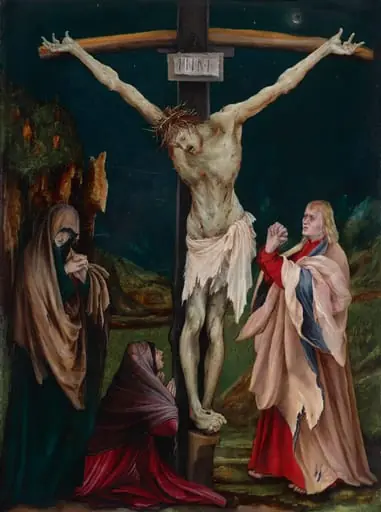 The Small Crucifixion
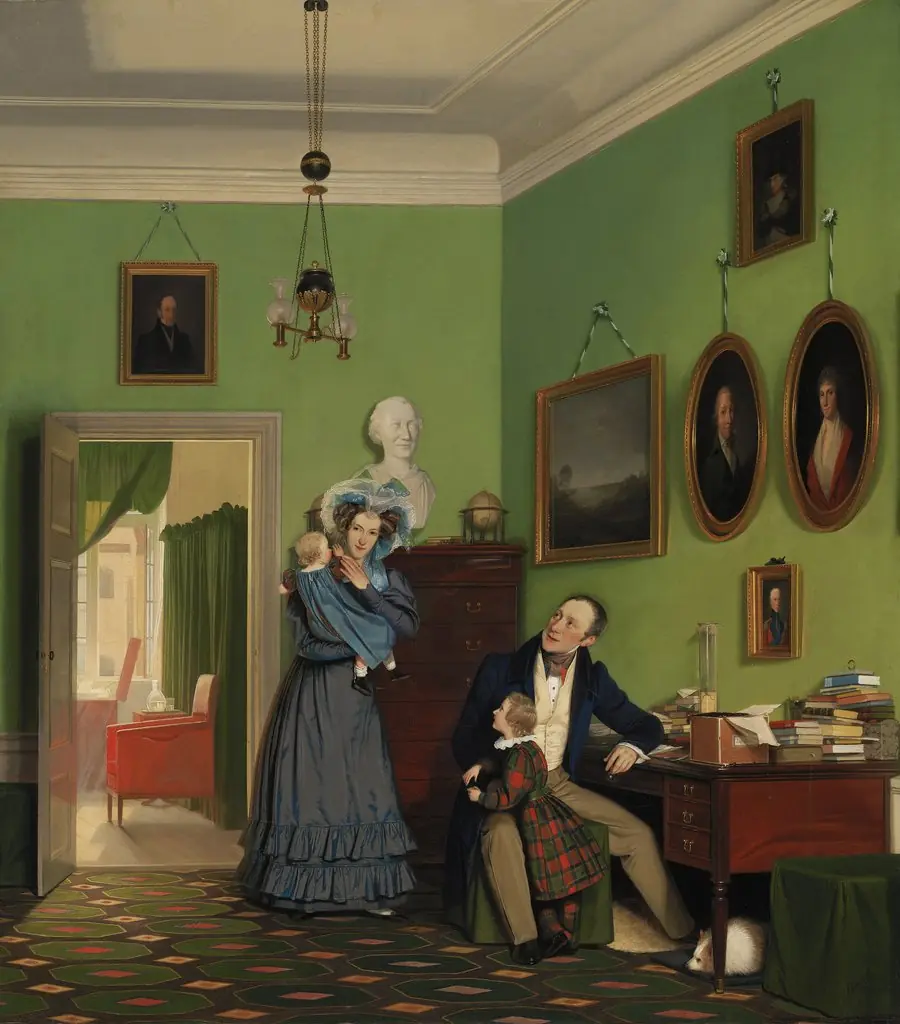 Familien Waagepetersen
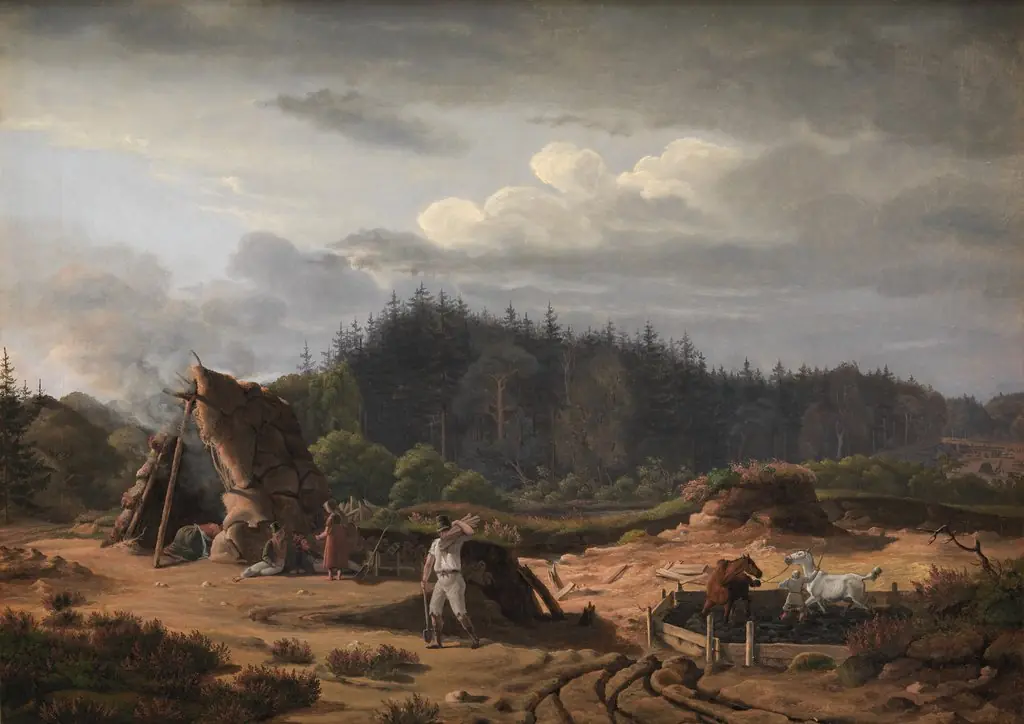 A Bog with Peat Cutters. Høsterkøb, North Zealand
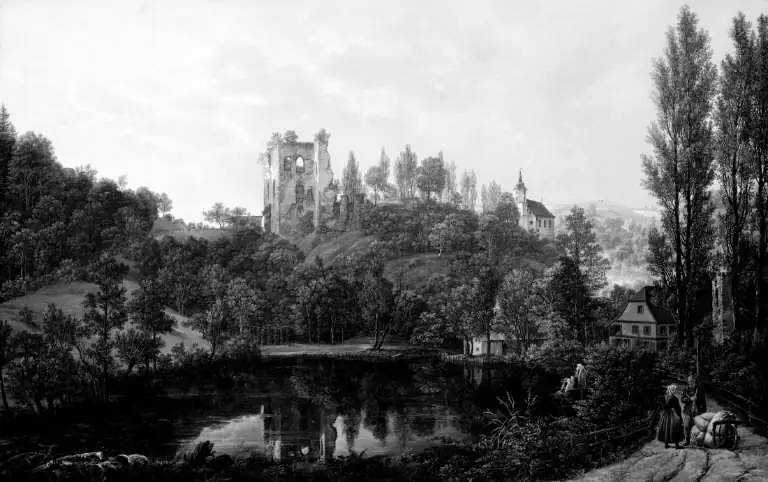 The Castle Ruin at Tharandt
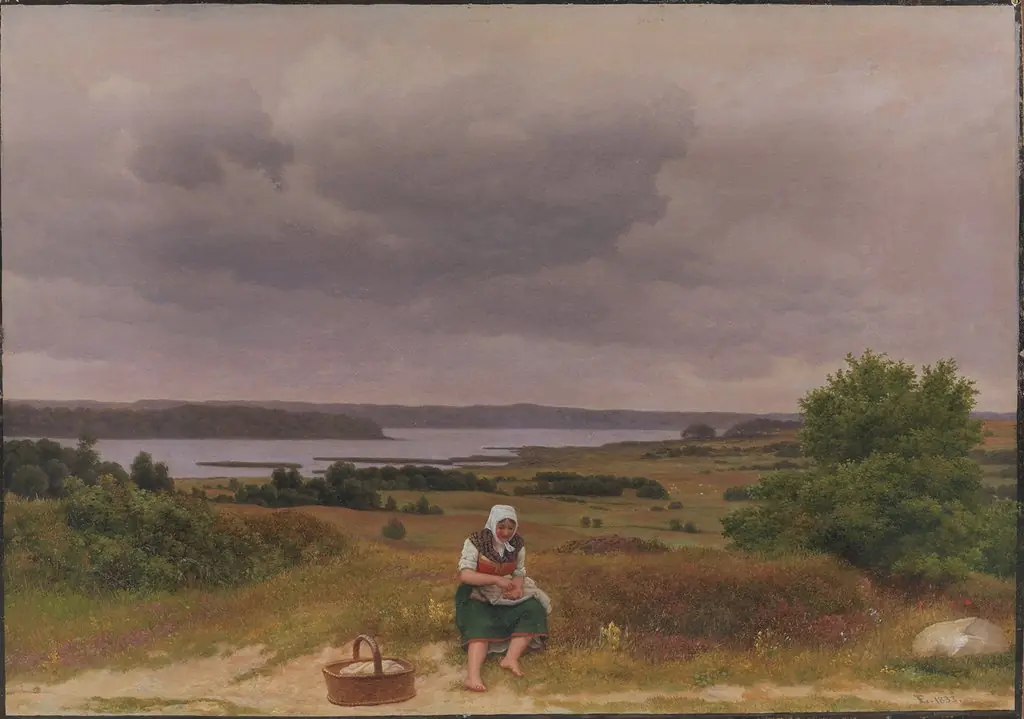 View of Lake Fure near Rudersdal, North Sealand.
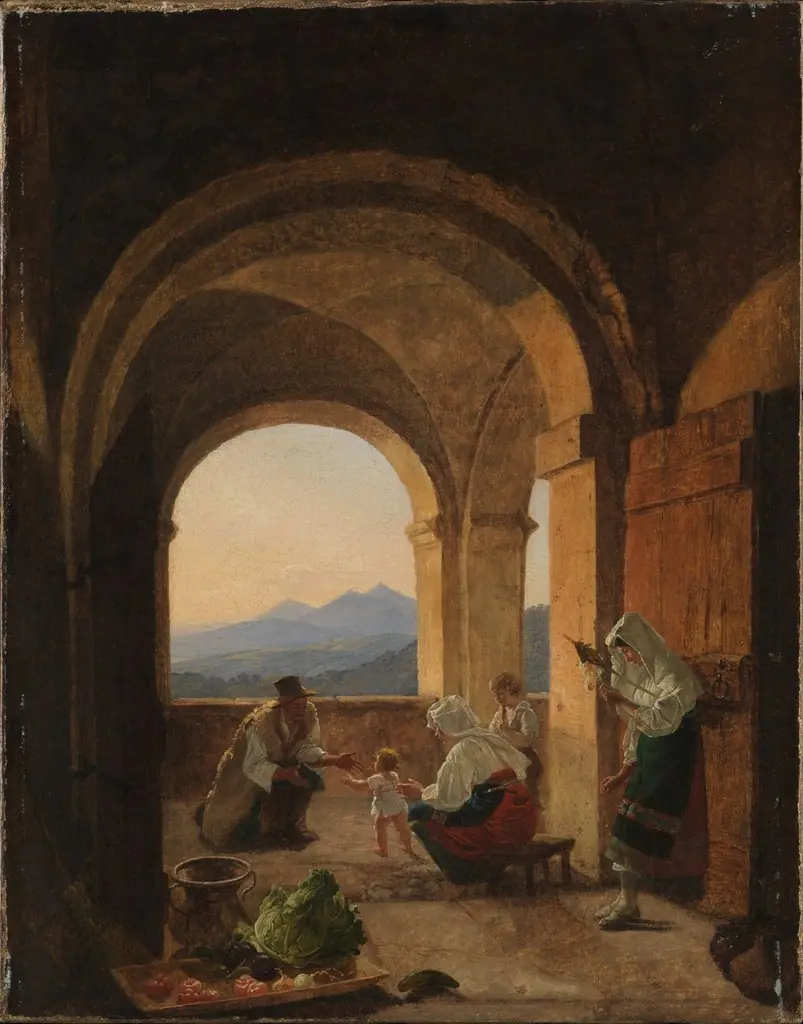 First Steps
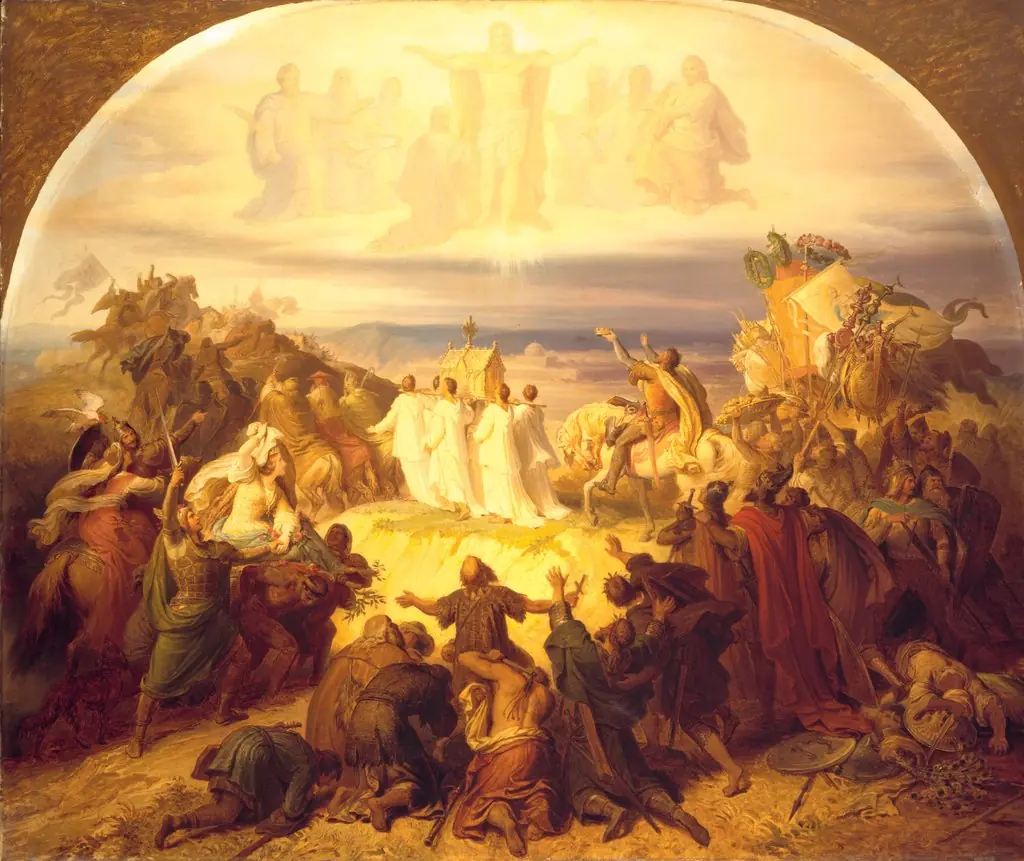 Crusaders before Jerusalem
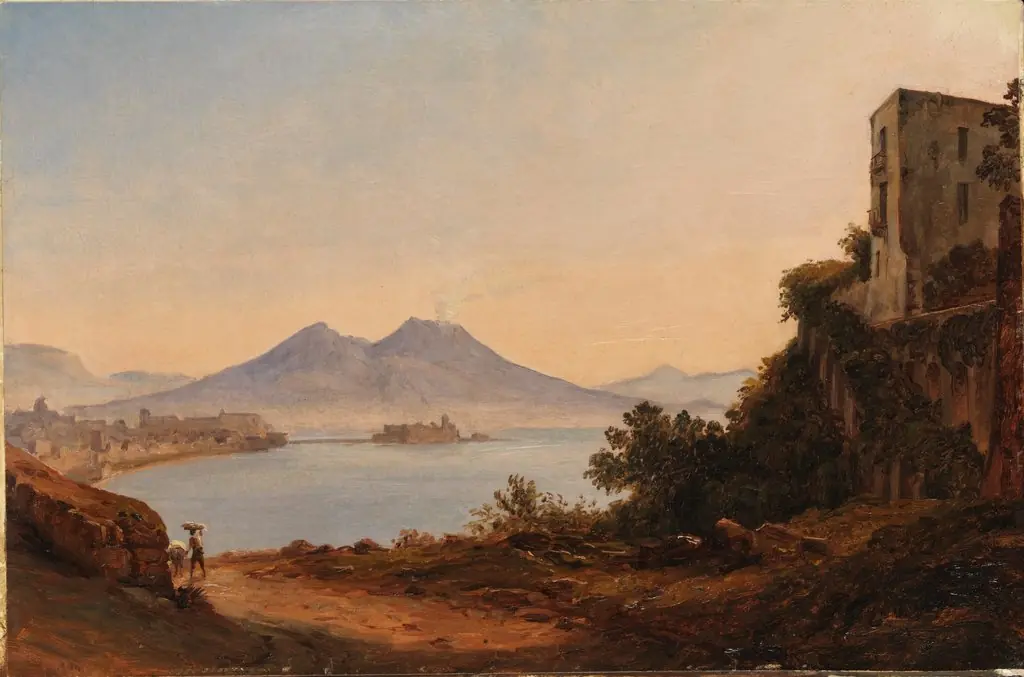 The Bay of Naples with Vesuvius and Castel dell'Ovo
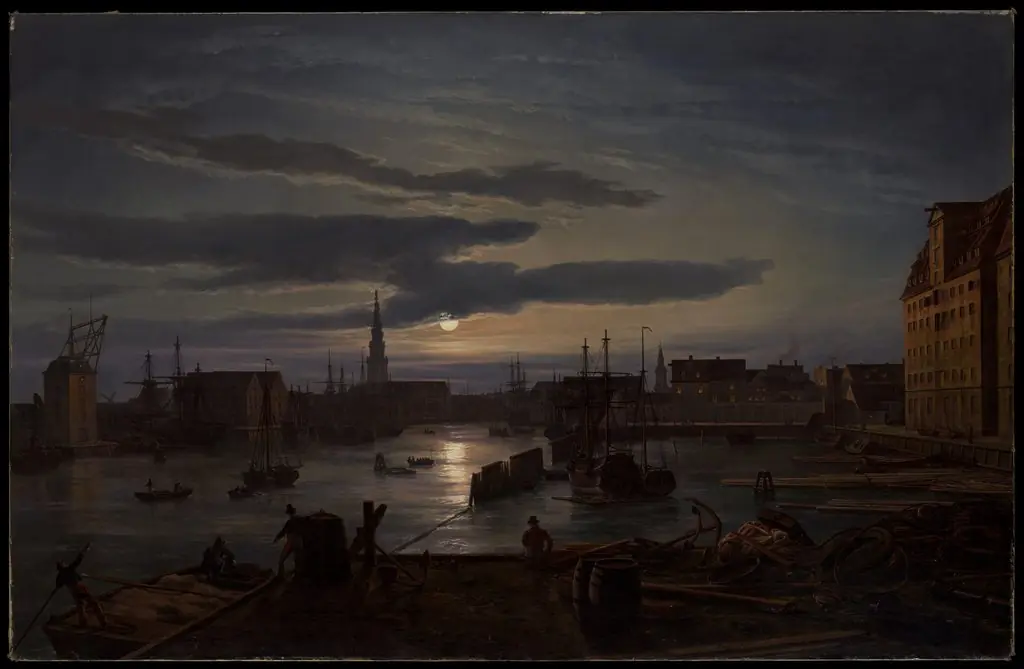 Copenhagen Harbor by Moonlight
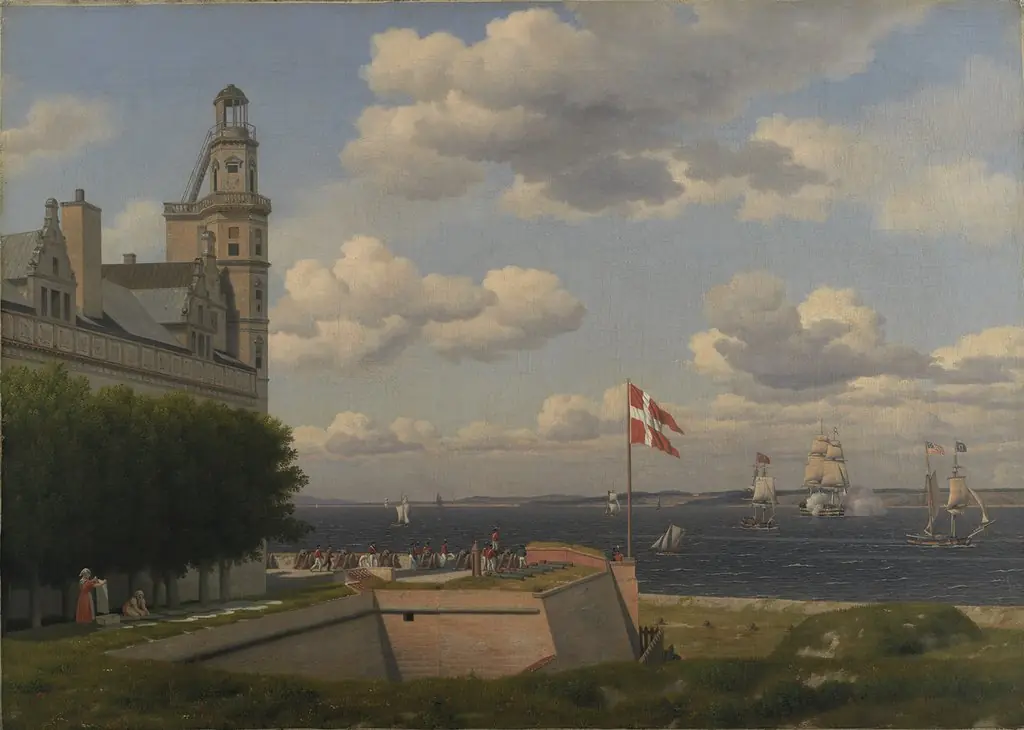 A View towards the Swedish Coast from the Ramparts of Kronborg Castle
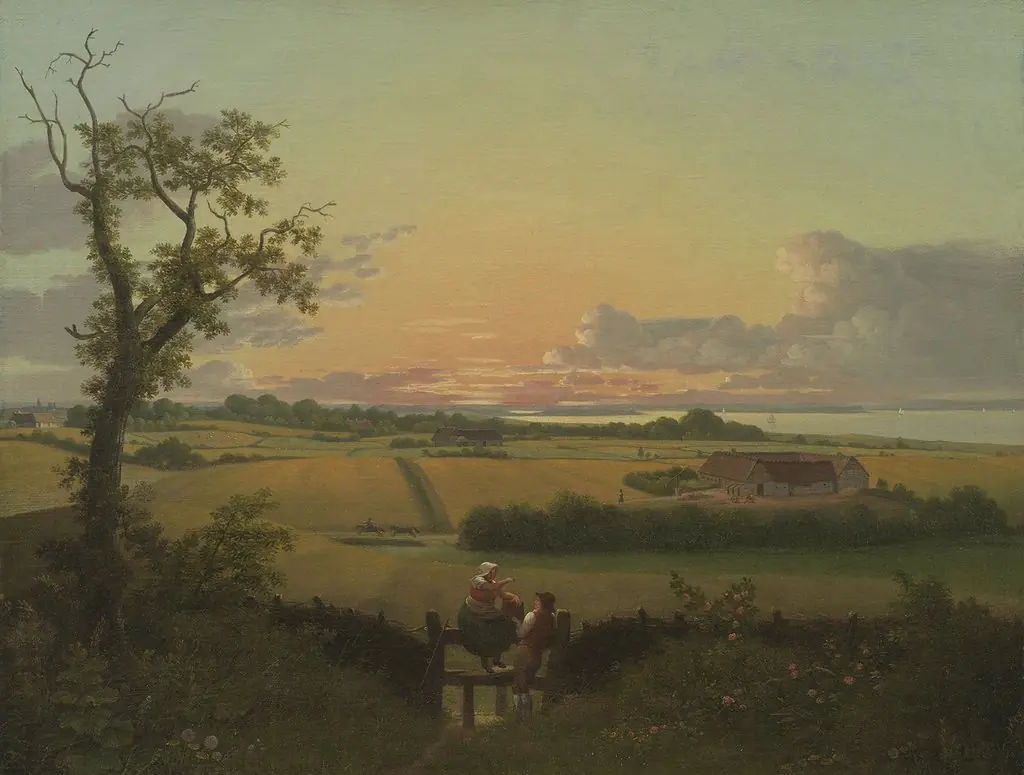 Landscape with a Stile. The Isle of Møn
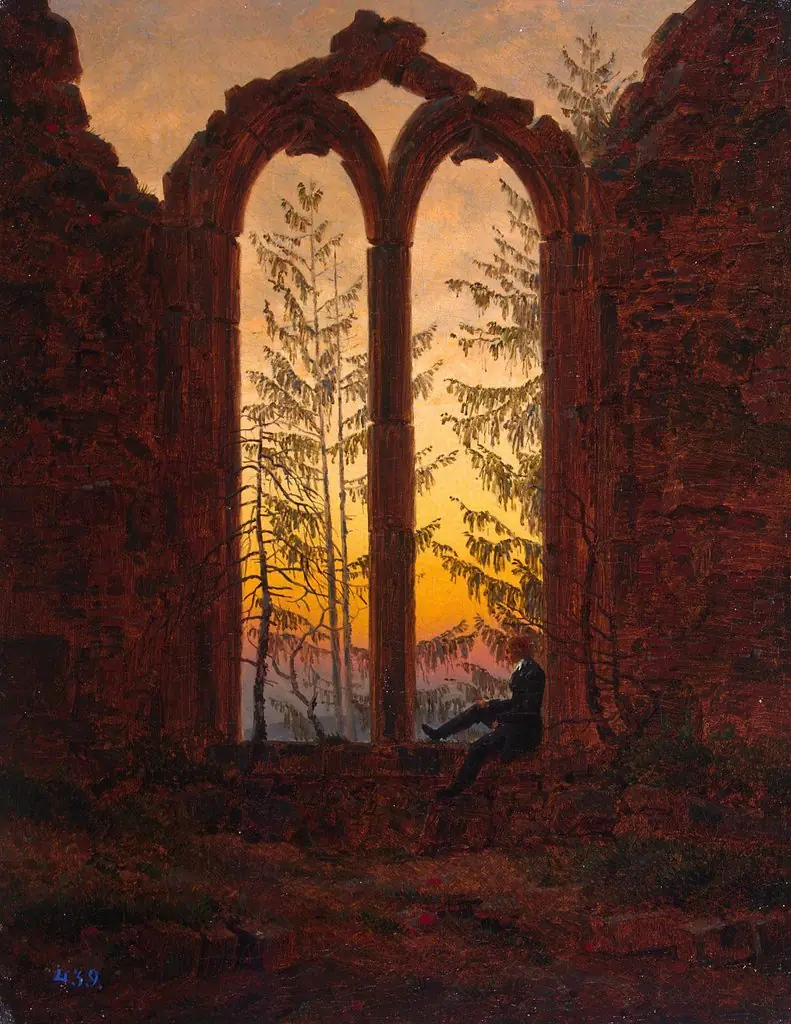 Ruins of the Oybin
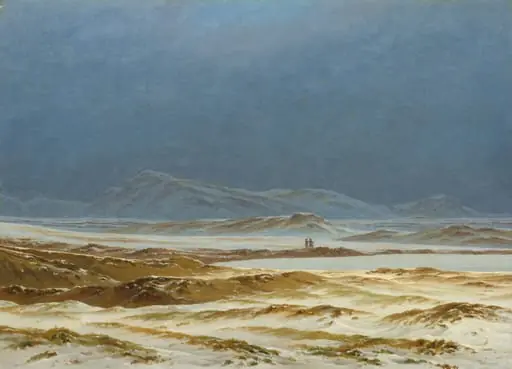 Northern Landscape, Spring
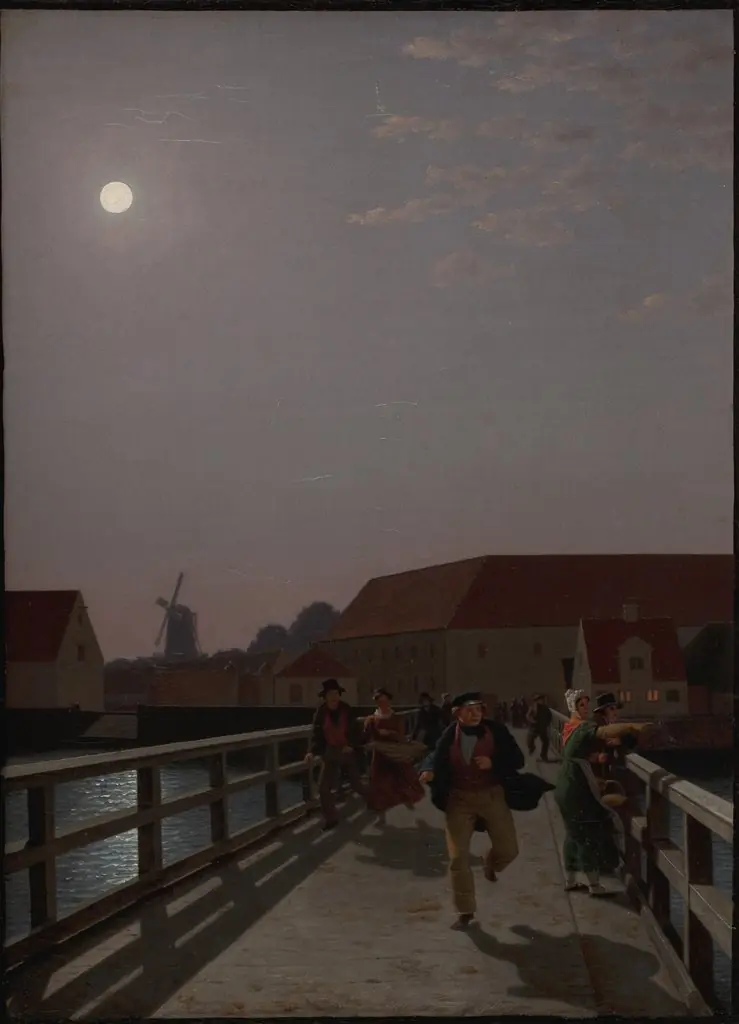 Langebro, Copenhagen, in the Moonlight with Running Figures
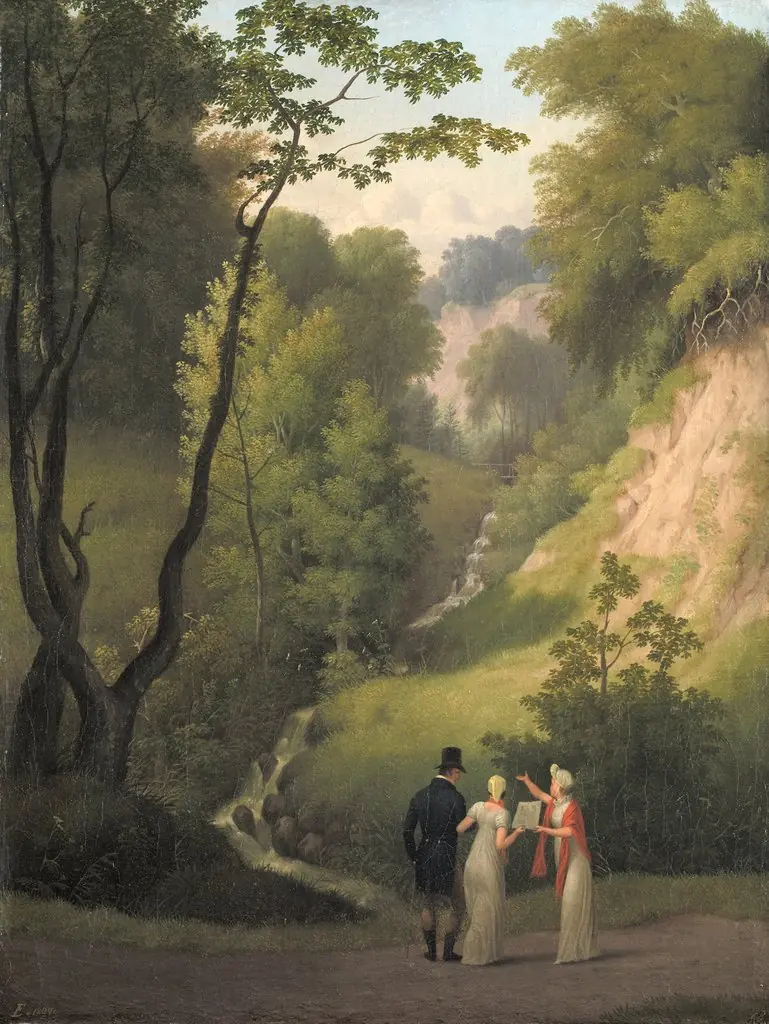 View of the Park of Liselund Manor on the Island of Møn
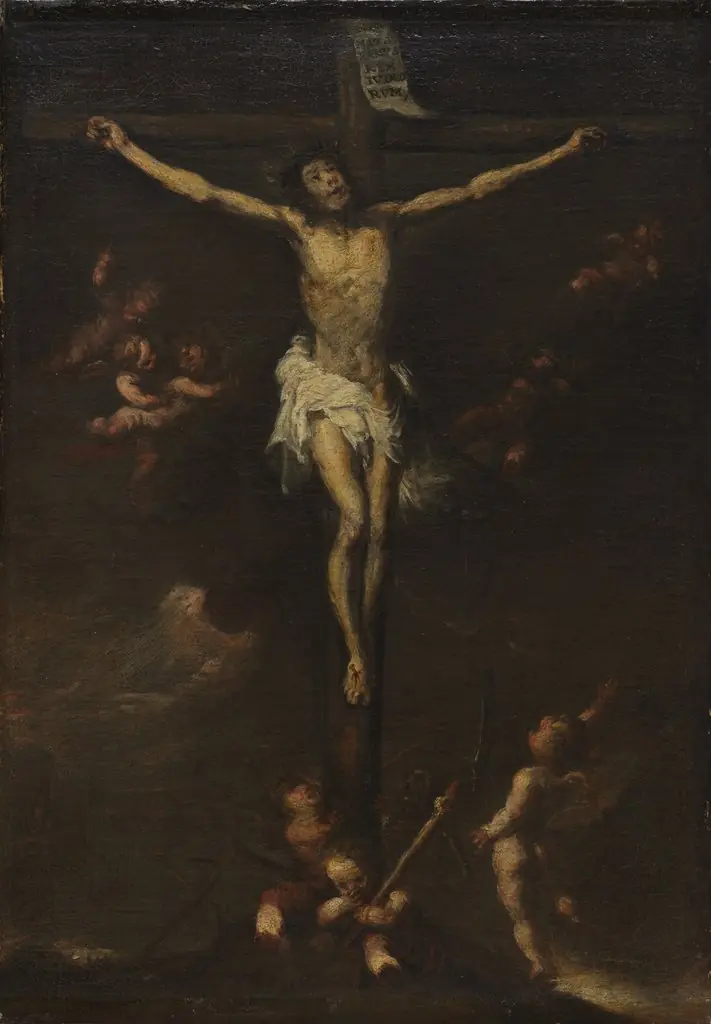 Crucifixion
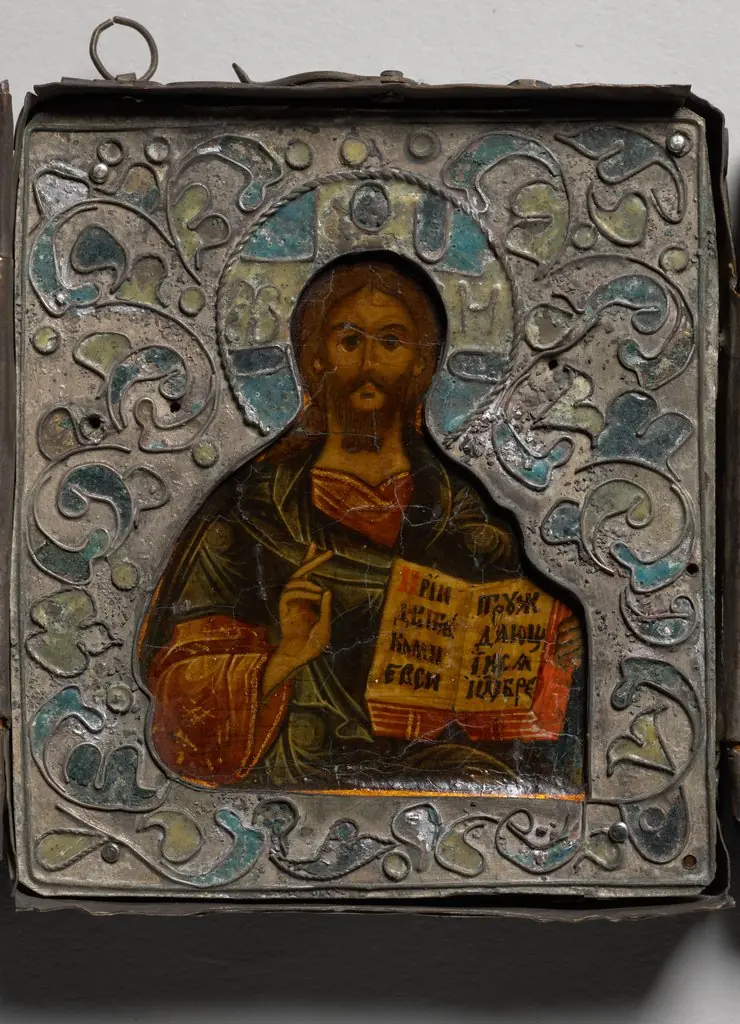 Christ
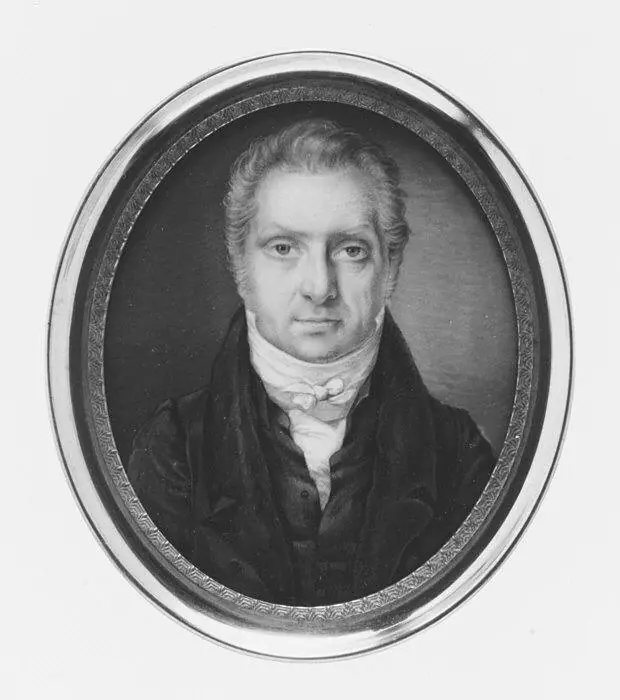 Portrait of a Man, Said to Be Alexander von Humboldt (1769–1859)
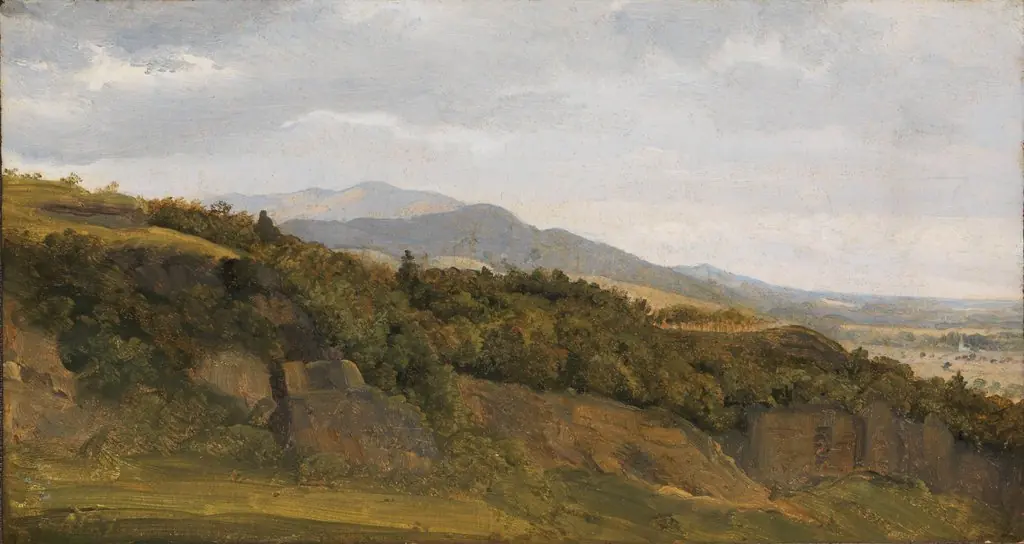 German Landscape with View towards a Broad Valley
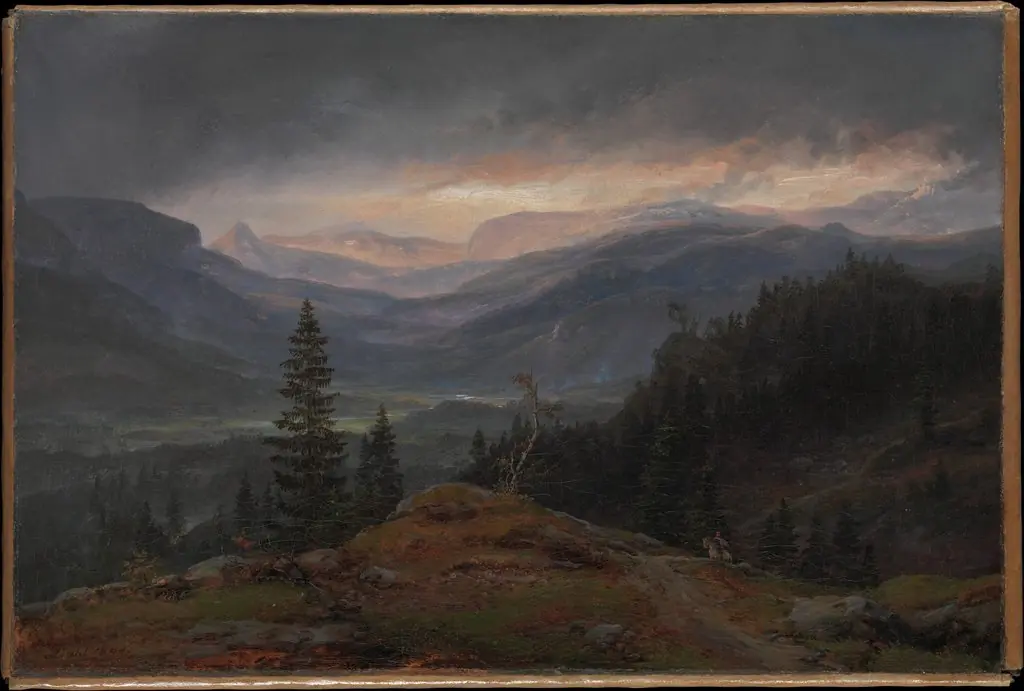 View over Hallingdal
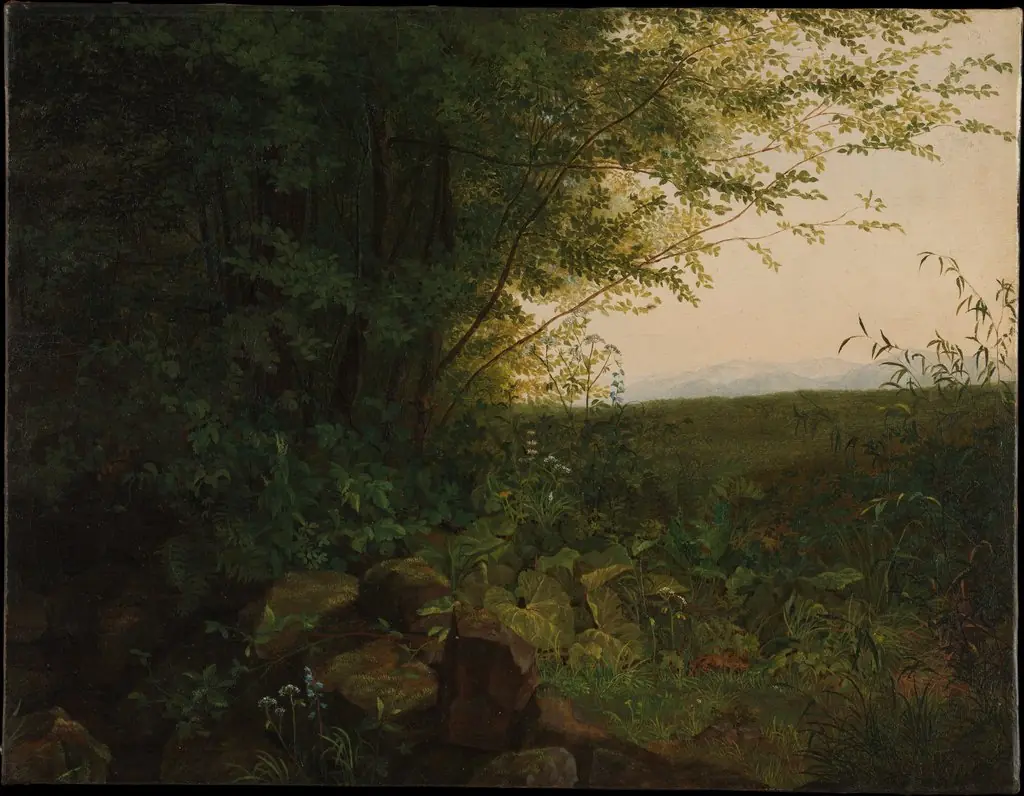 At the Edge of the Forest
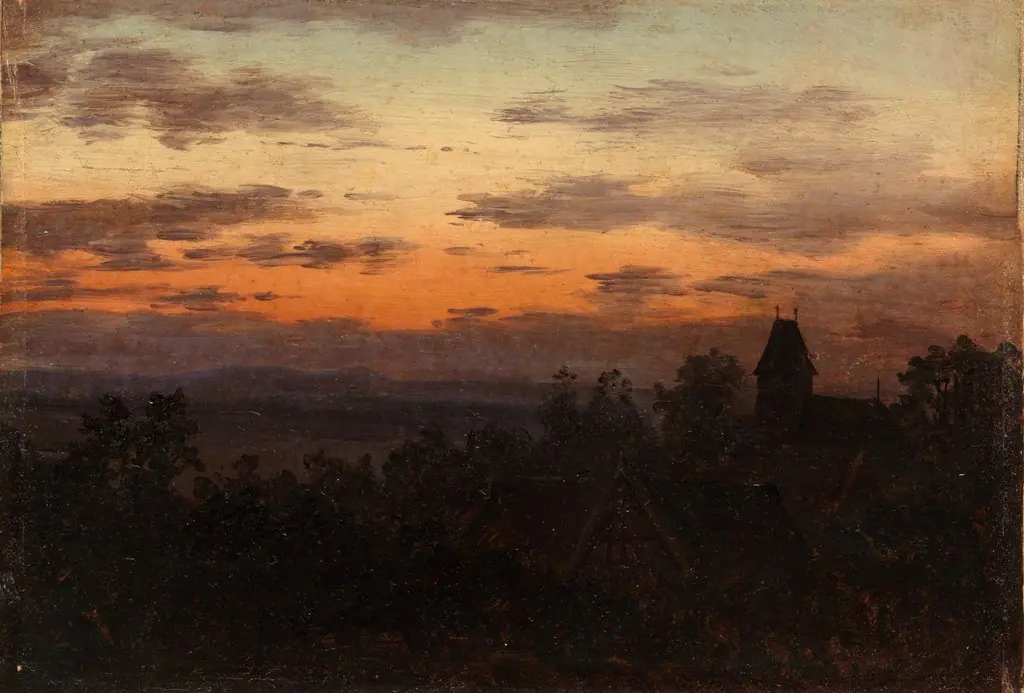 Landscape at Sunset
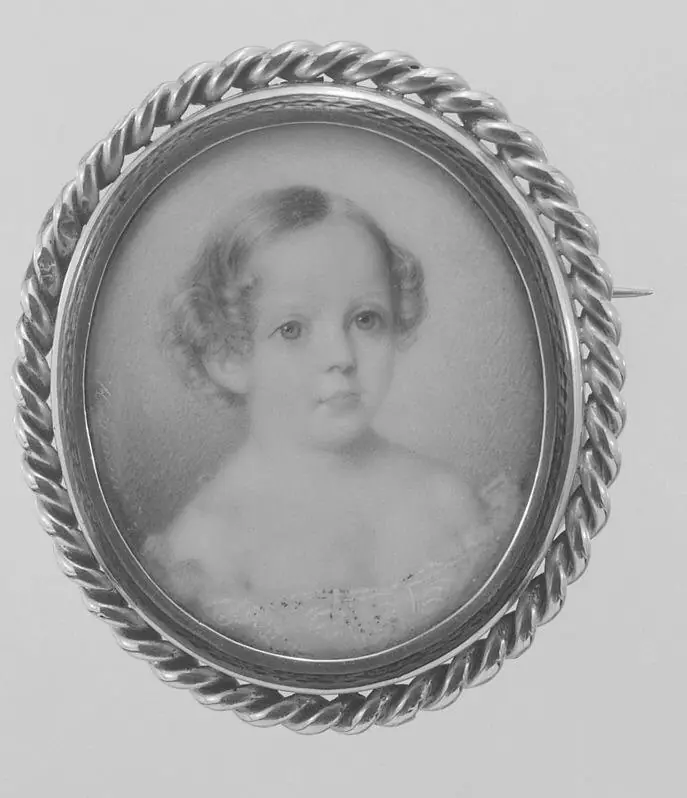 Portrait of a Girl
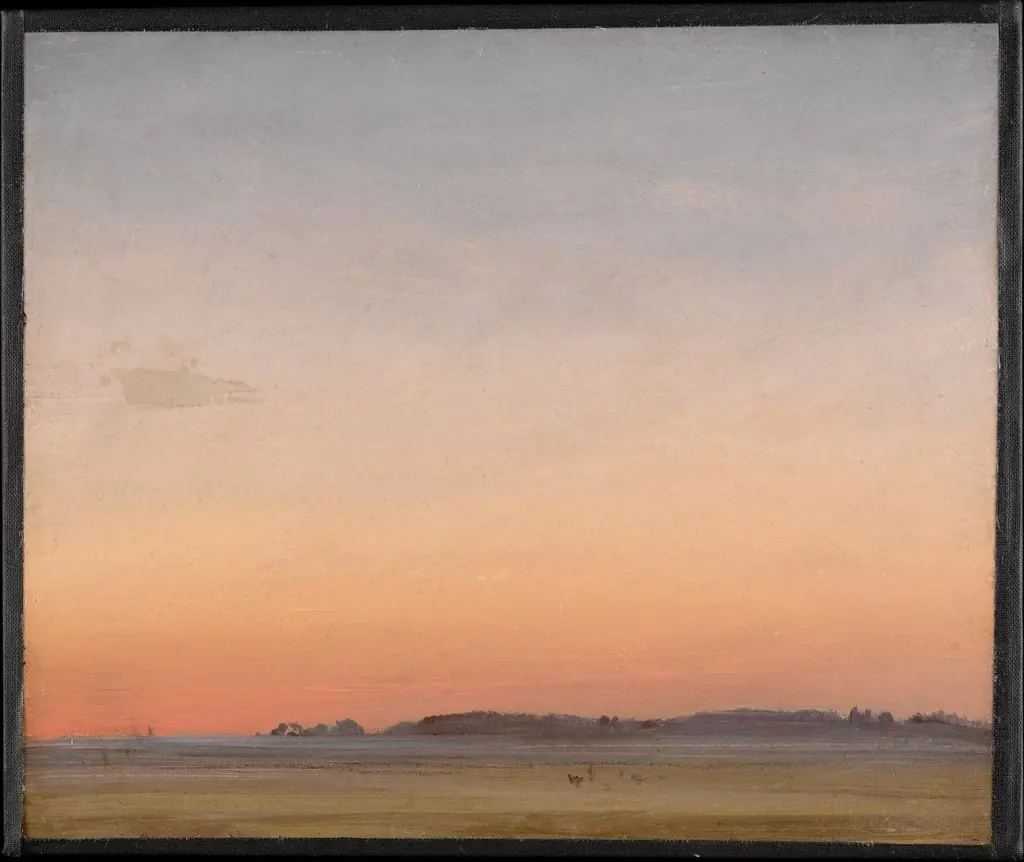 Landscape
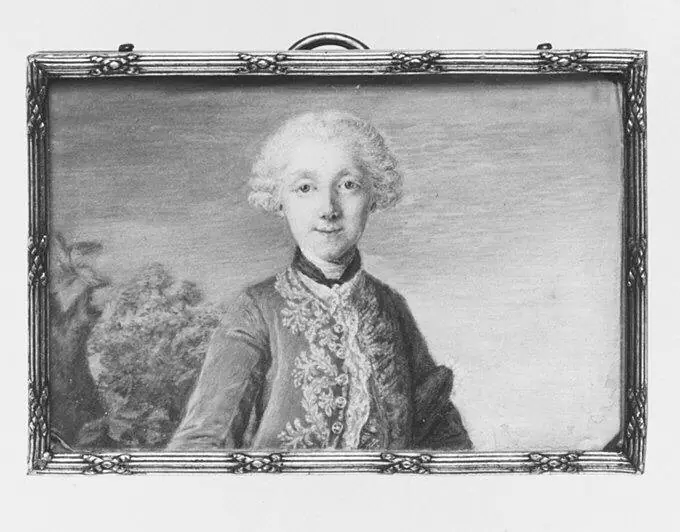 Portrait of a Man
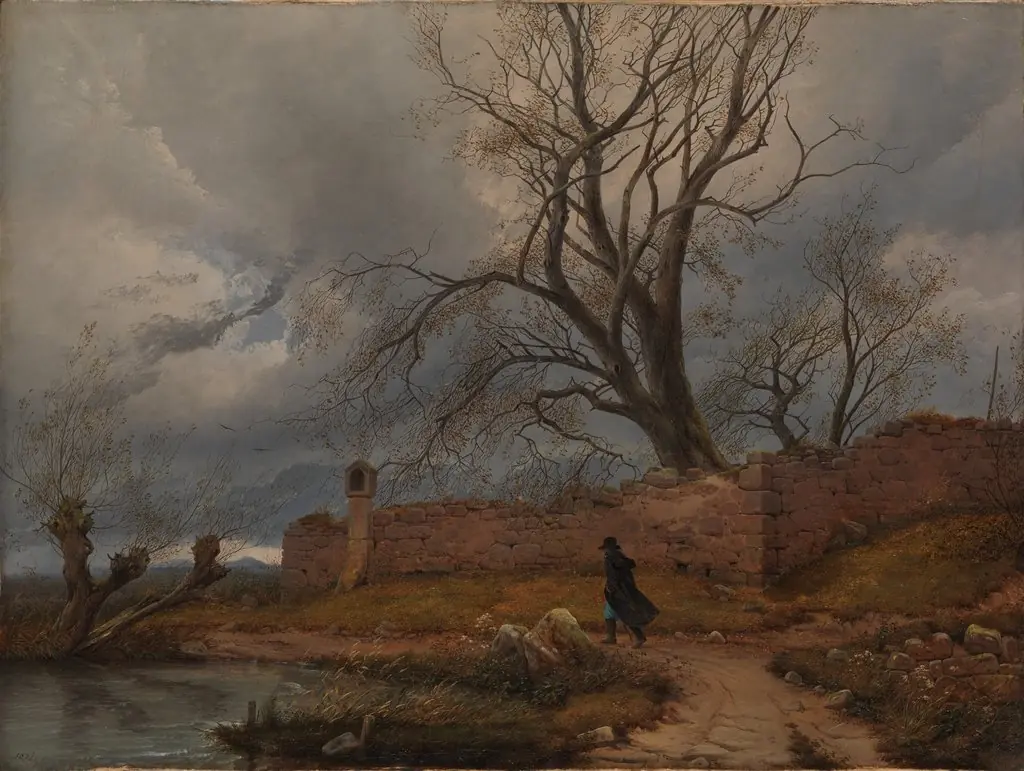 Wanderer in the Storm
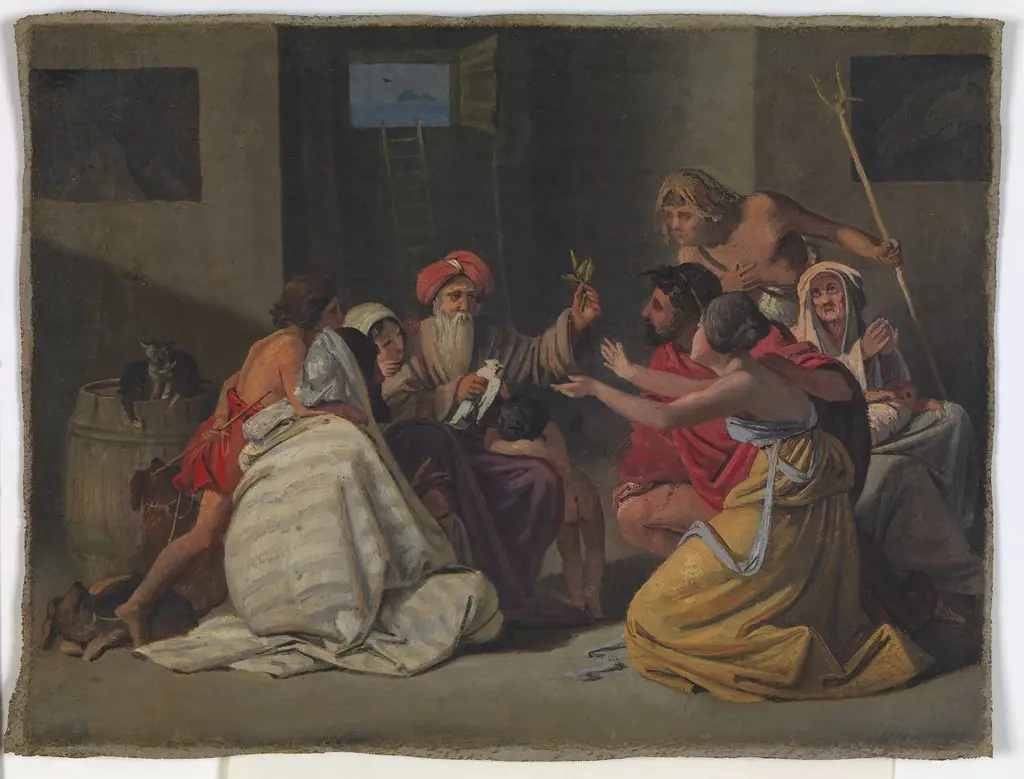 Study for the painting "Noah i arken"
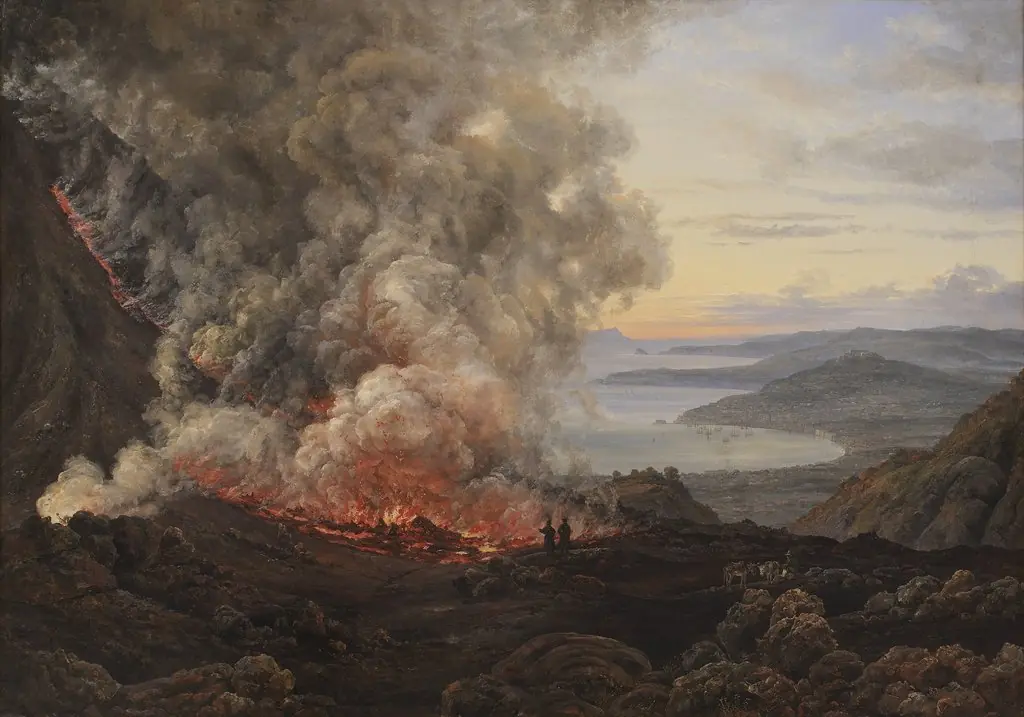 Eruption of the Volcano Vesuvius, 1820
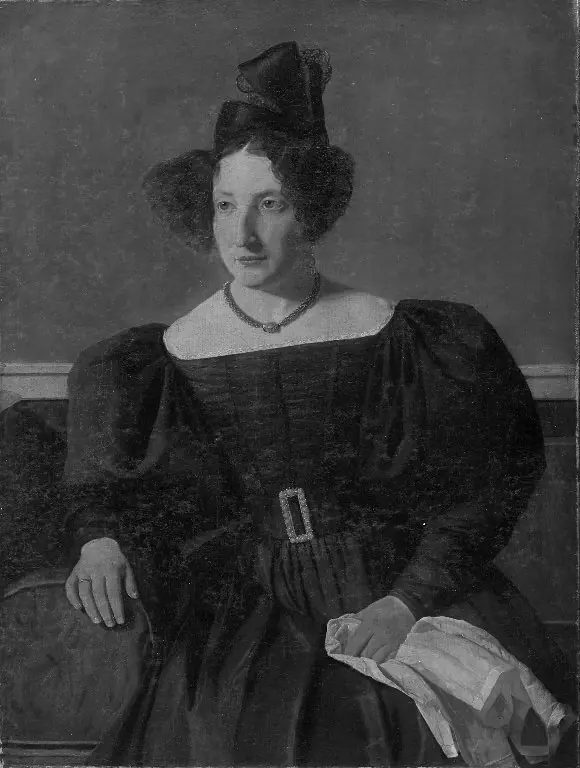 Portrait of Henriette Petersen, née Philipsen, Mrs Michael Christian Petersen
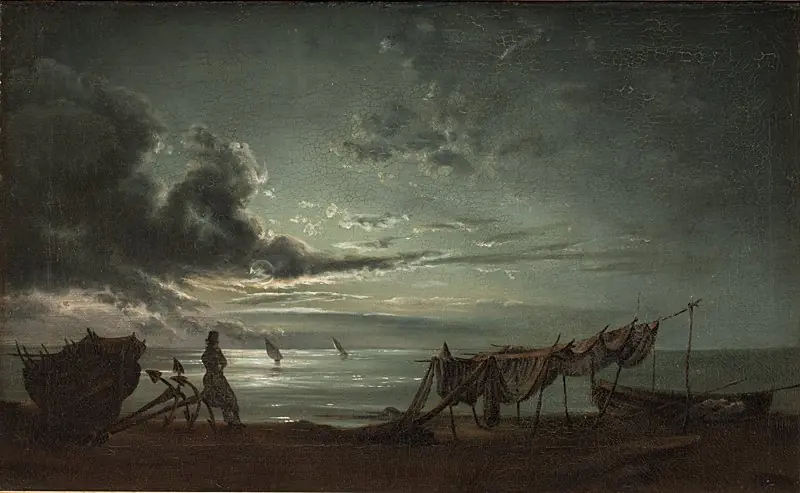 The Gulf of Naples. Moonlight
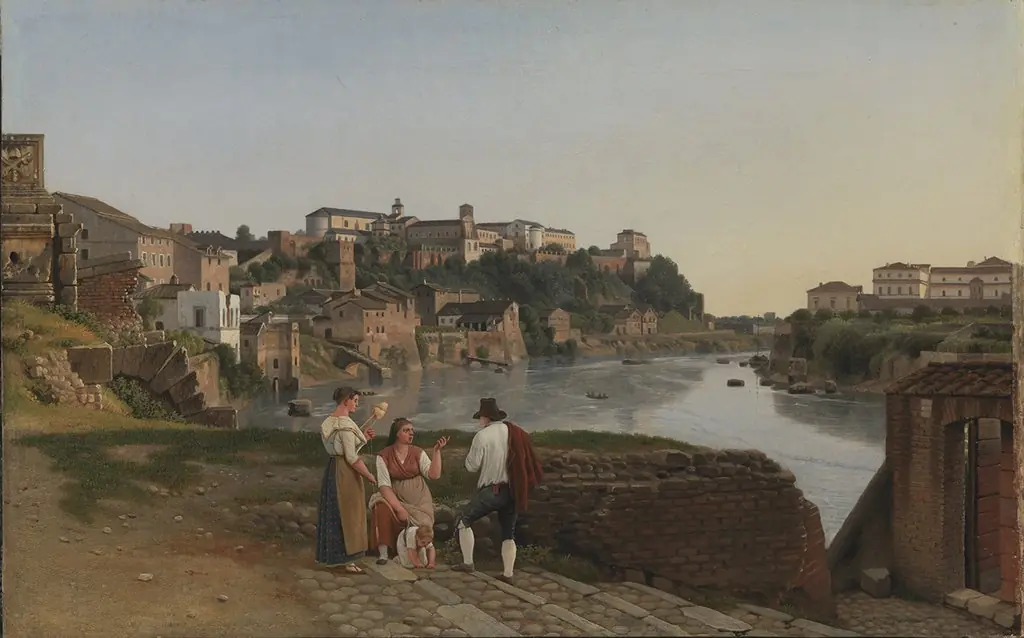 Udsigt over Tiberen i nærheden af den sammenstyrtede bro Ponte Rotto i Rom
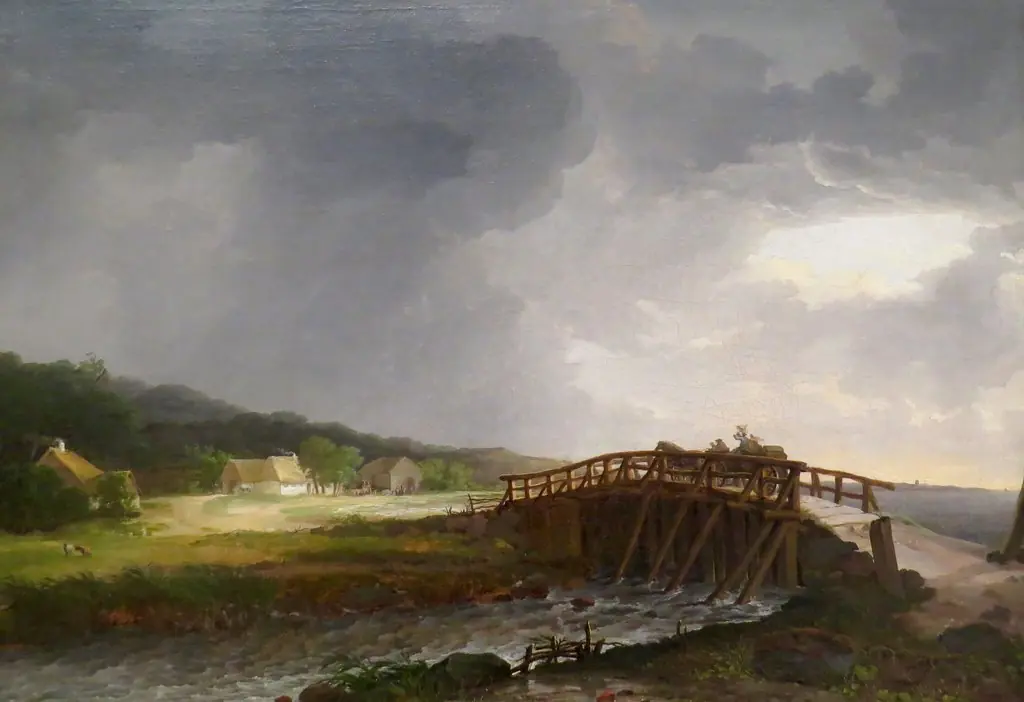 The Bridge across Tryggevælde River with a View of Køge, Zealand
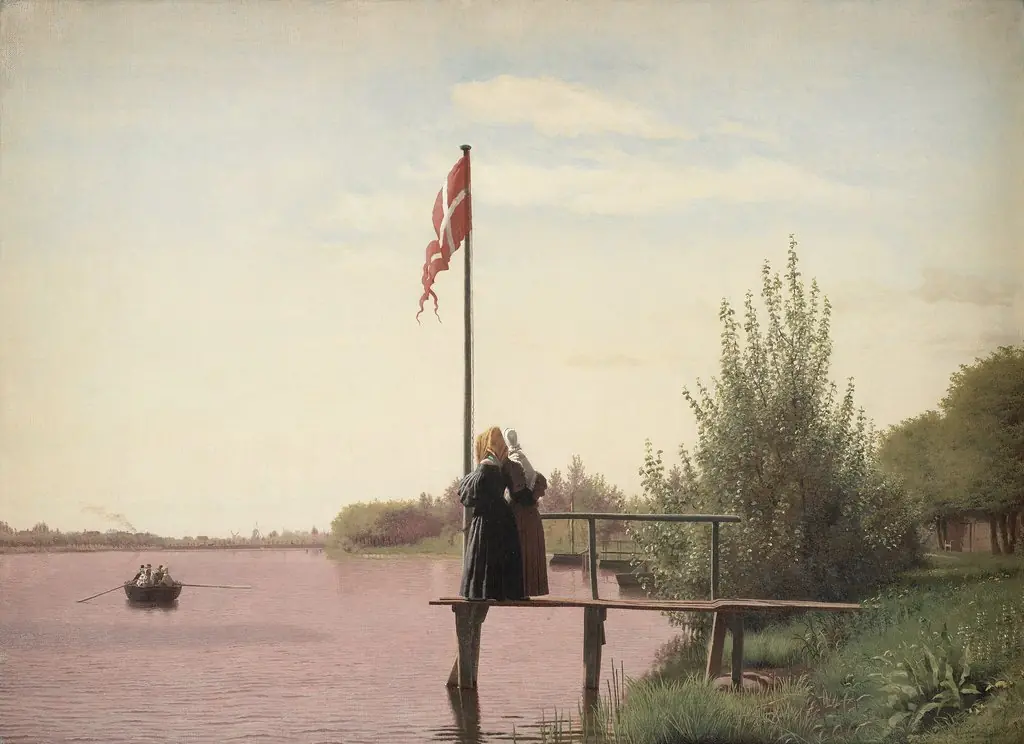 A View of Lake Sortedam from Dosseringen Looking towards the Suburb Nørrebro outside Copenhagen
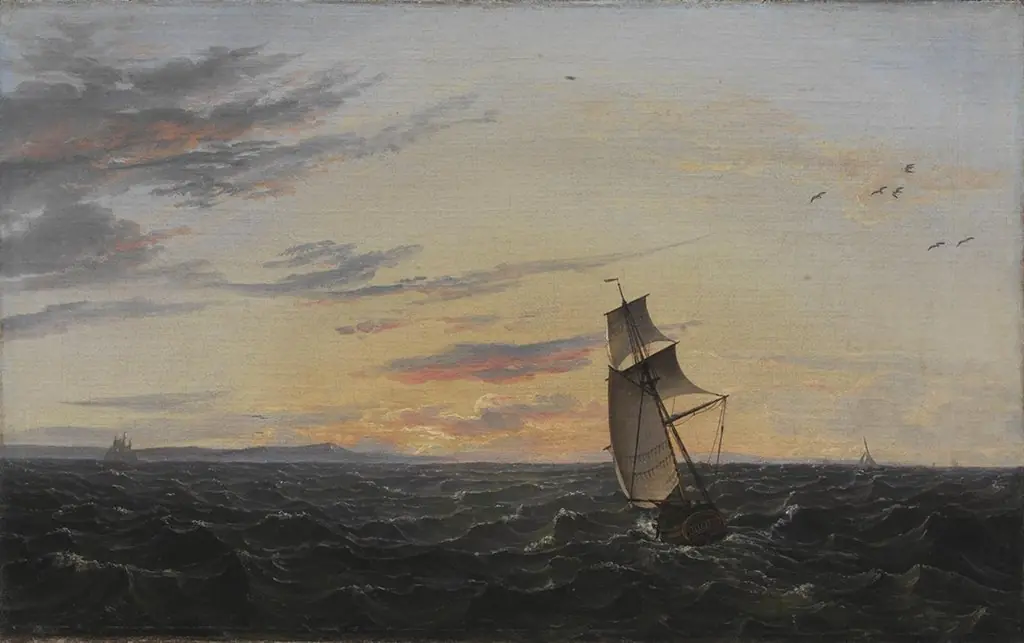 A Seascape. The coast of the Island of Rügen in Evening Light
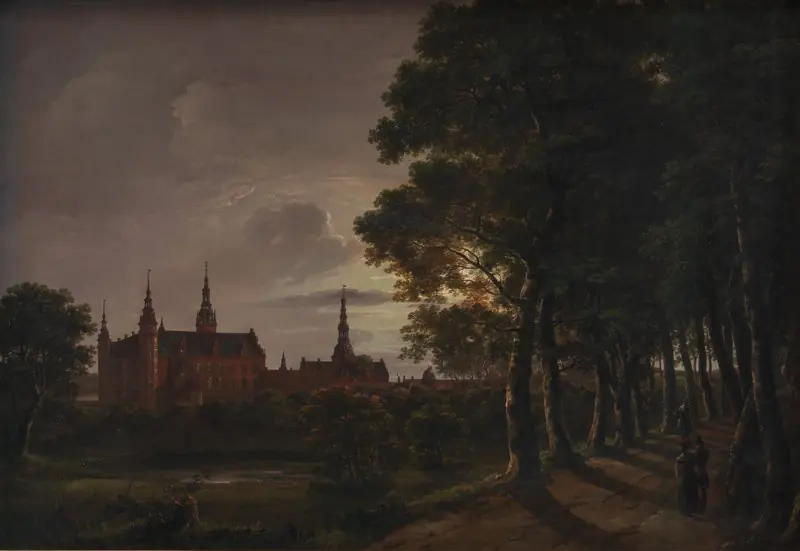 Frederiksborg Castle by Moonlight
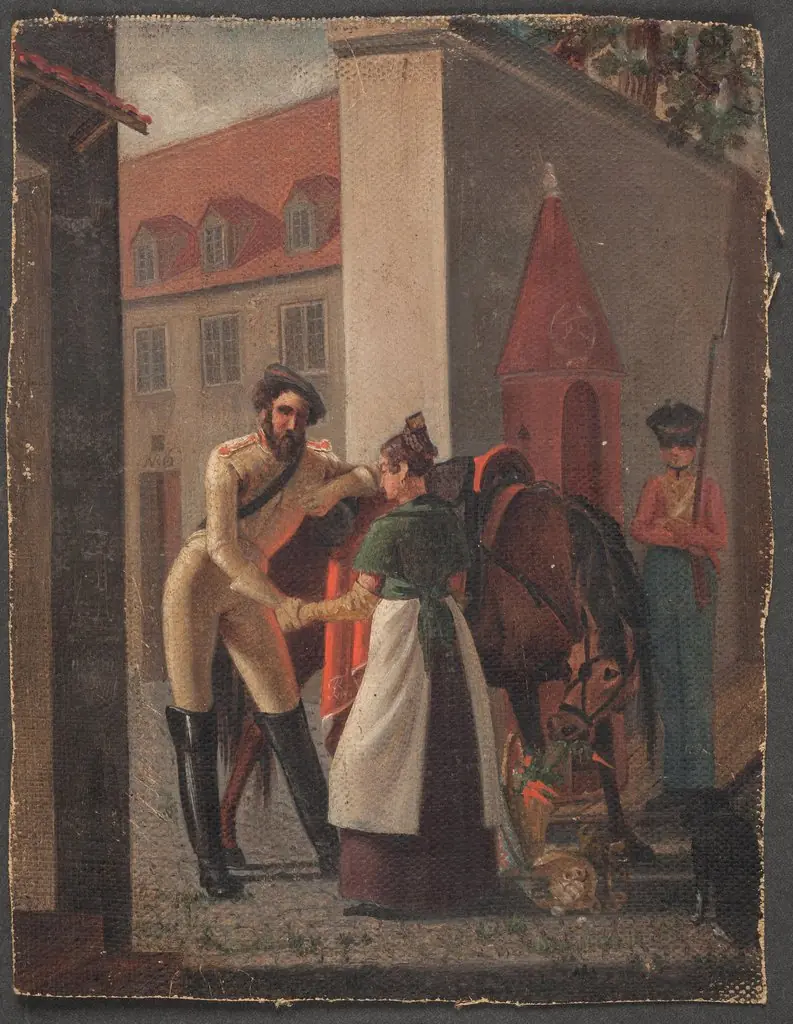 Gadescene. En kavalerist tager afsked med en pige
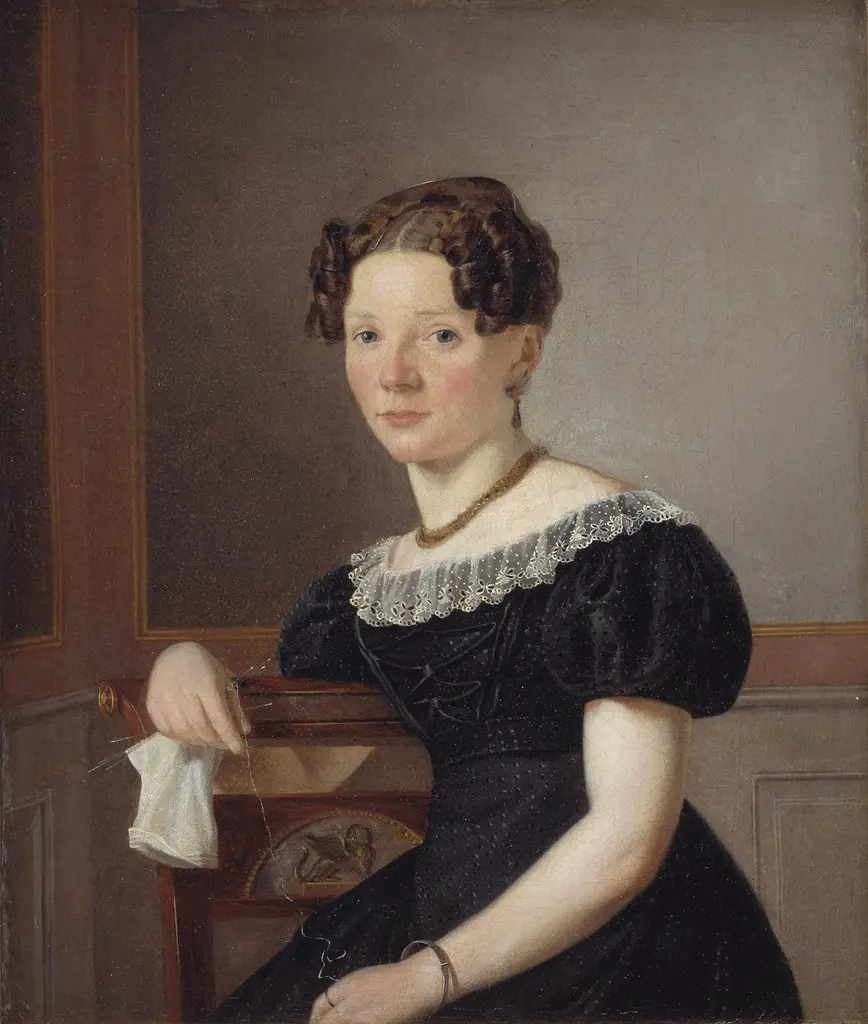 Dame med strikketøj. En af kunstnerens søstre (?)
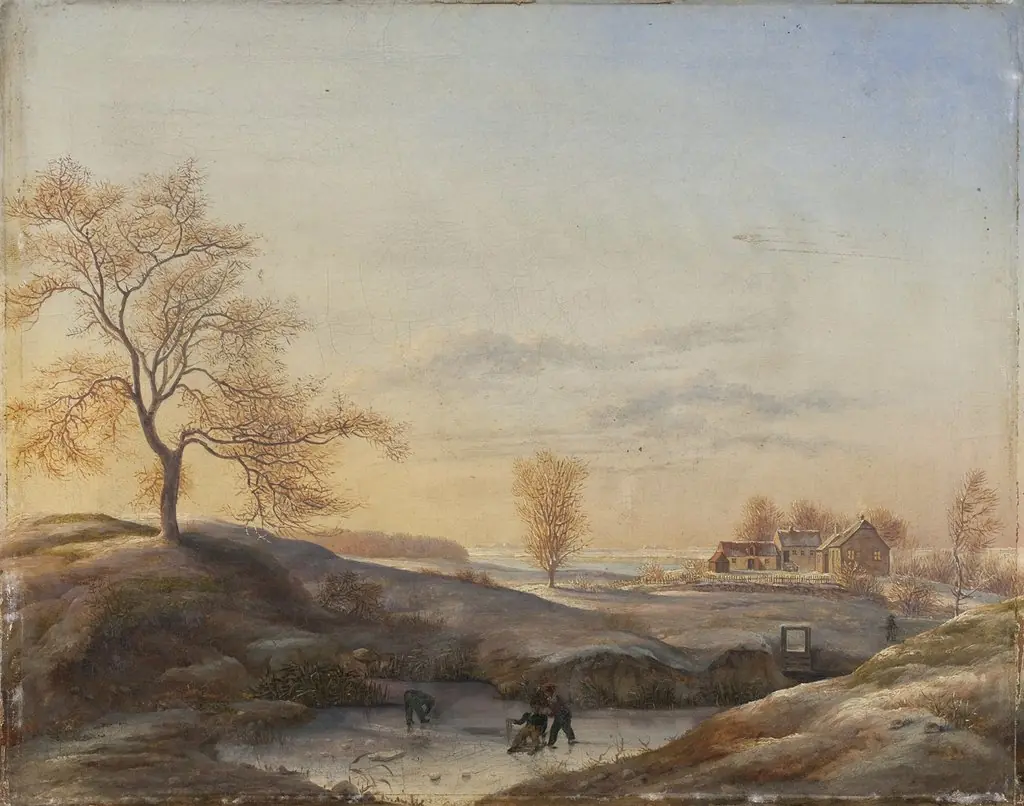 Vinterlandskab fra Frederiksdal med skøjteløbere
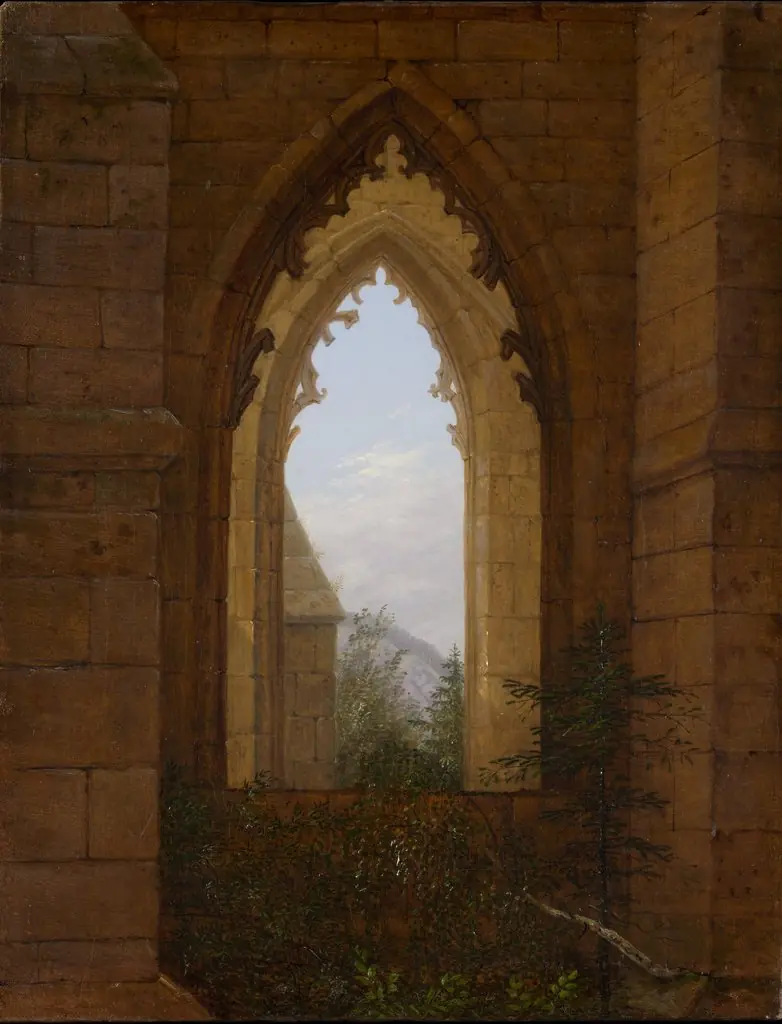 Gothic Windows in the Ruins of the Monastery at Oybin
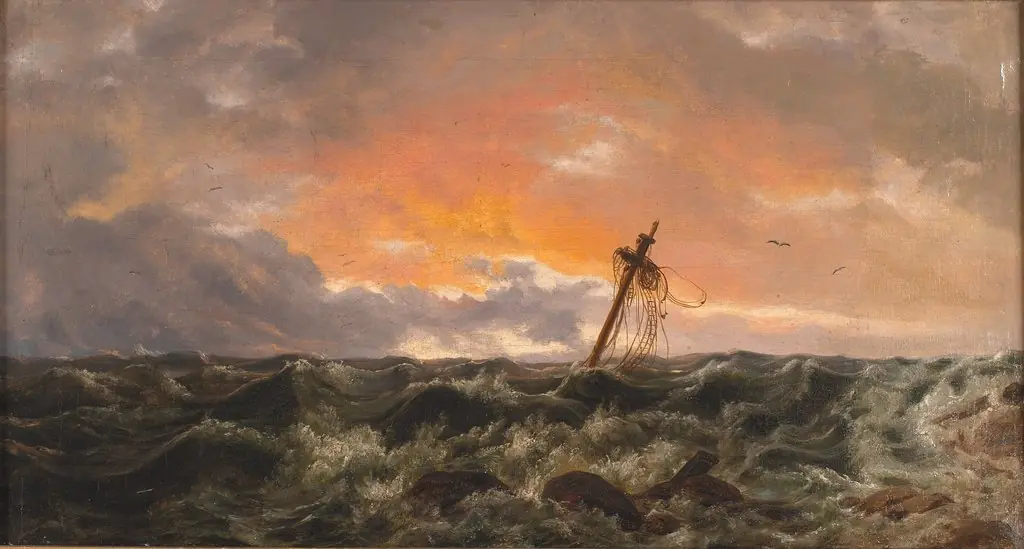 Seascape with a Wreck
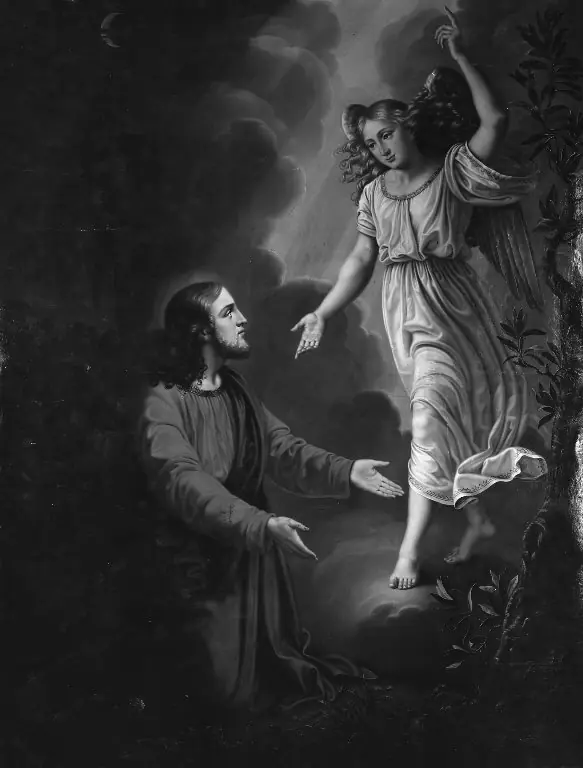 Kristus i Gethsemane Have
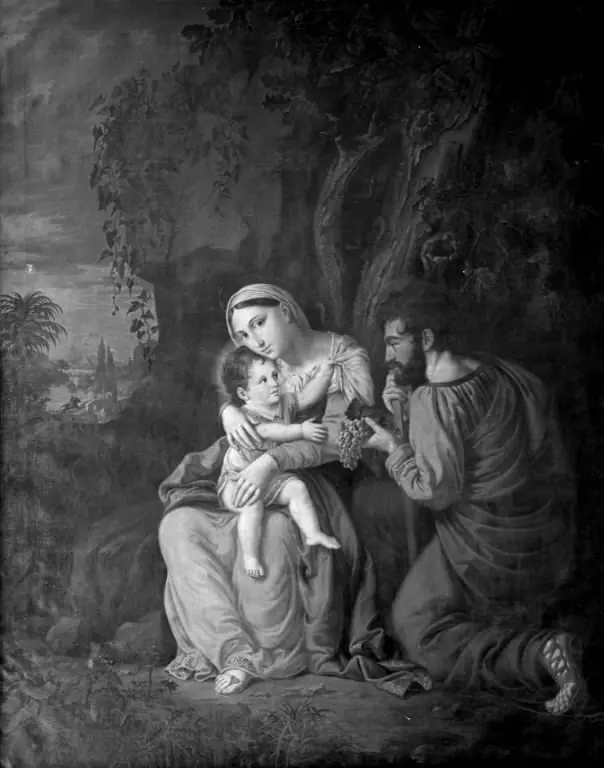 Den hellige familie
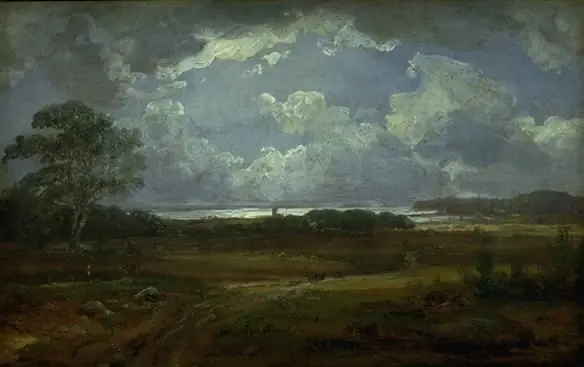 View towards Jungshoved
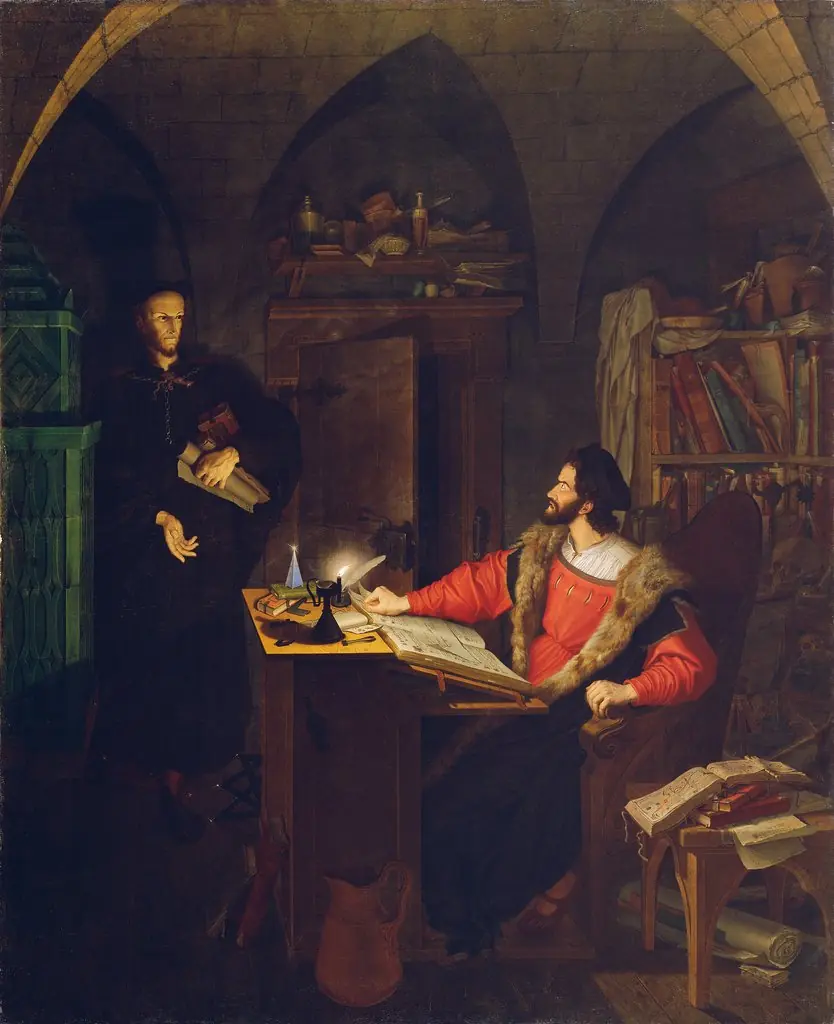 Faust und Mephisto in der Studierstube
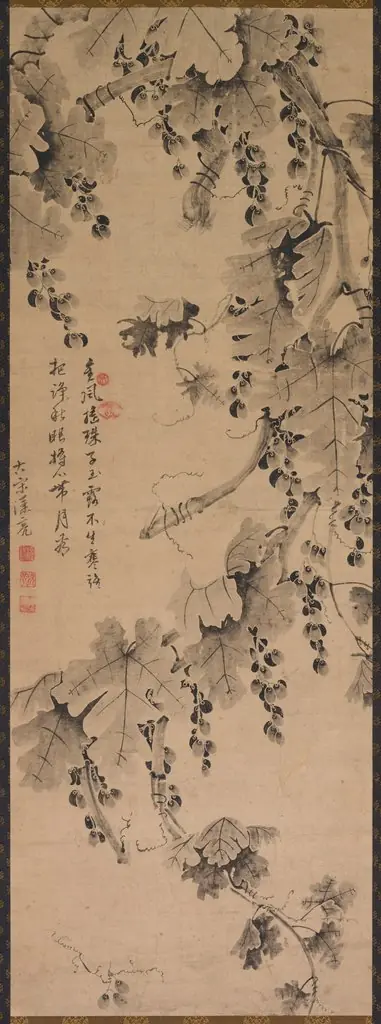 Grapevine
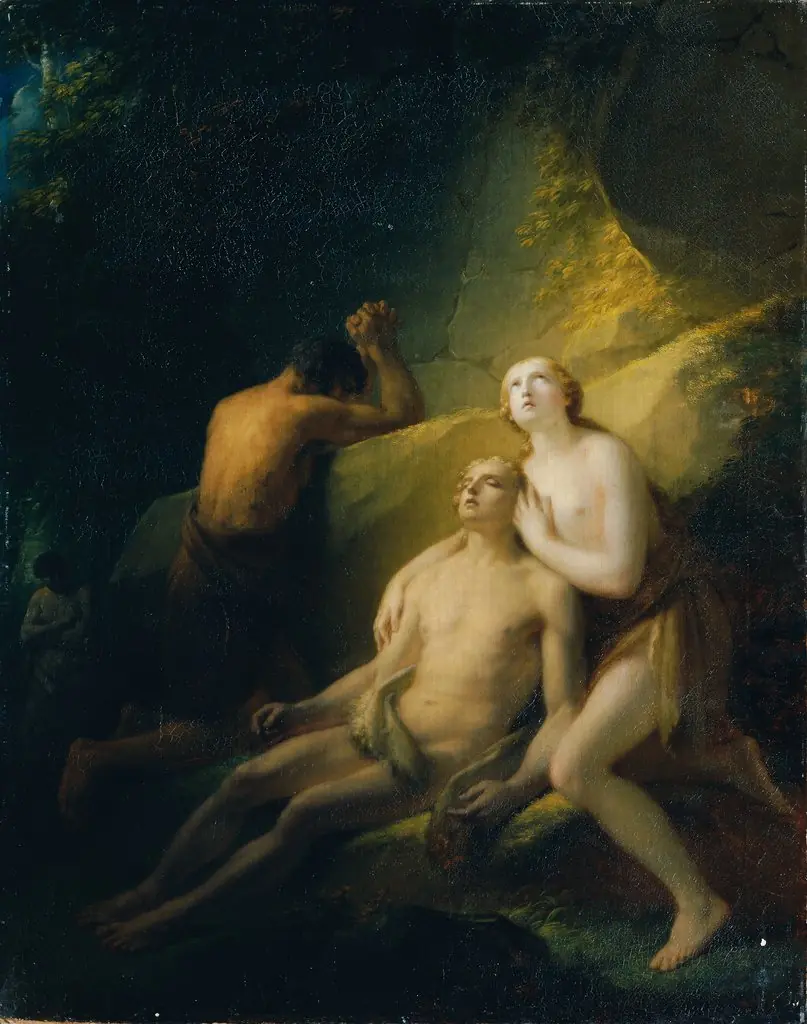 Adam and Eve Mourn the Dead Abel
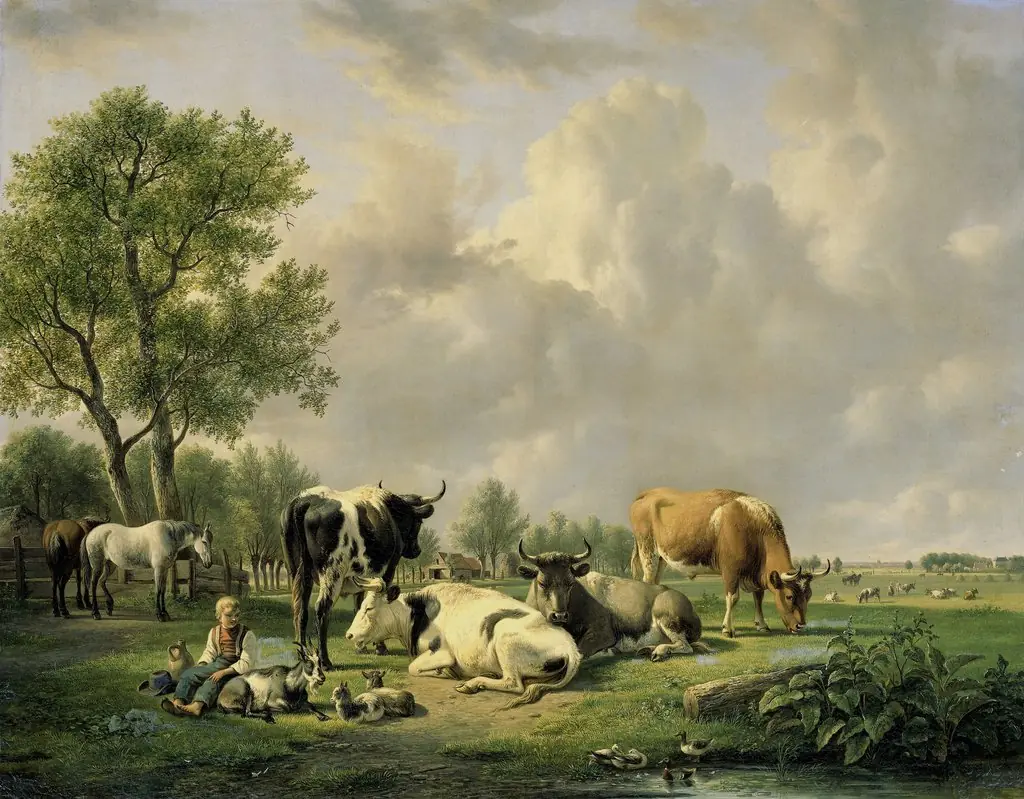 Meadow with Animals
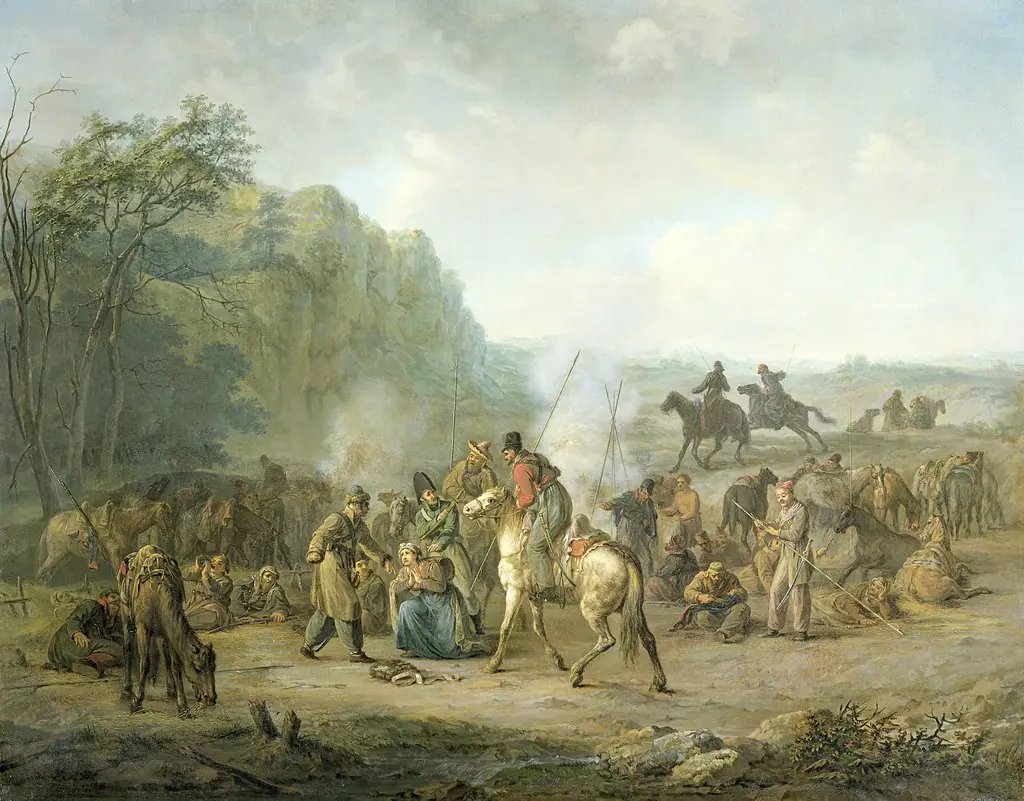 Cossack Camp, 1813
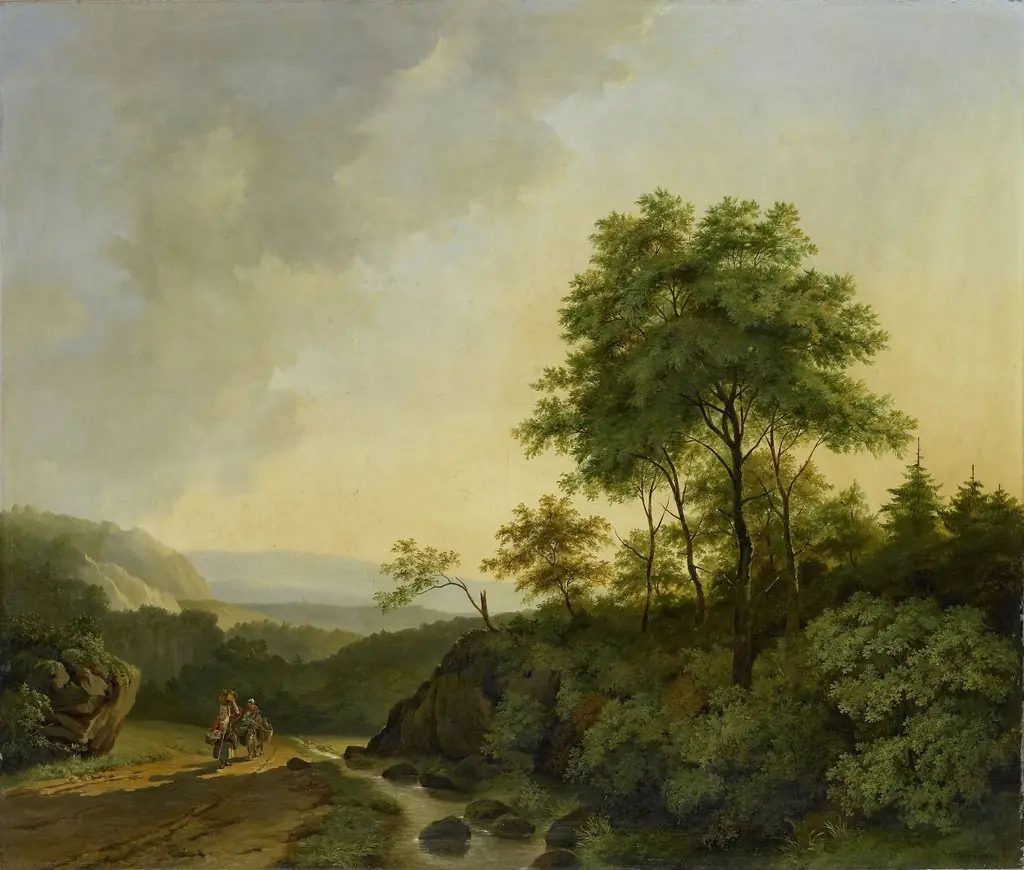 View in the Harz Mountains
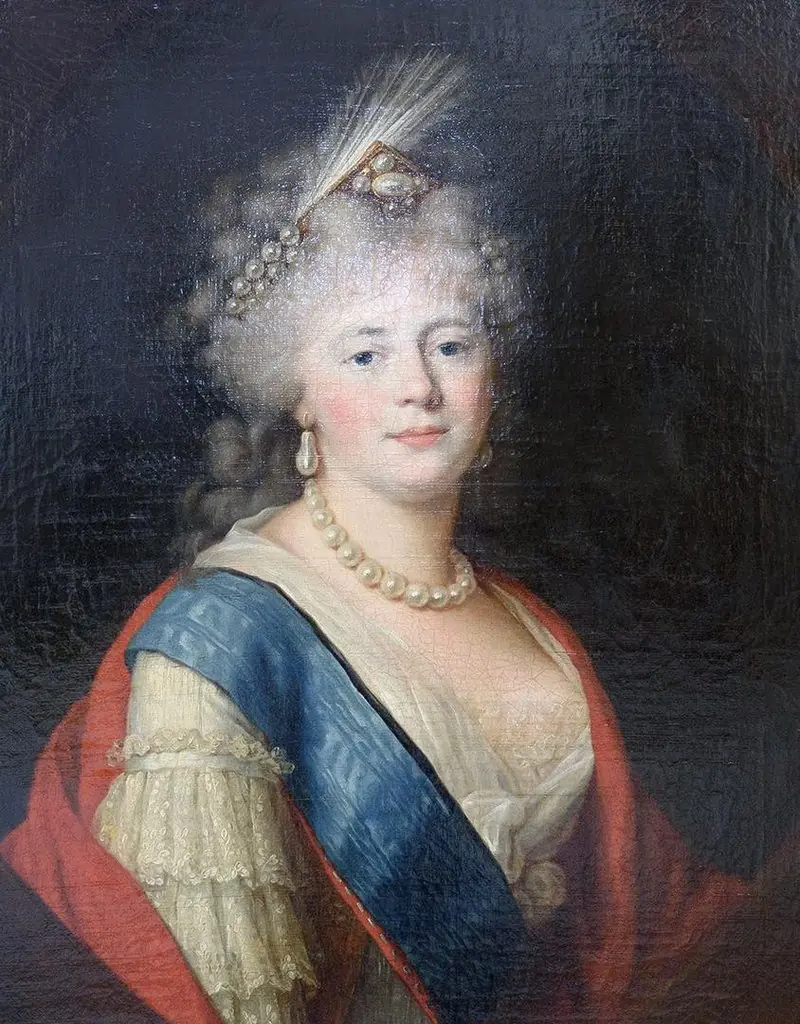 Portrait of Empress Maria Feodorovna, née Princess Sophie Dorothea of Württemberg (1759-1828), Wife of Emperor Paul I of Russia ( Type of Gerhard von Kügelgen)
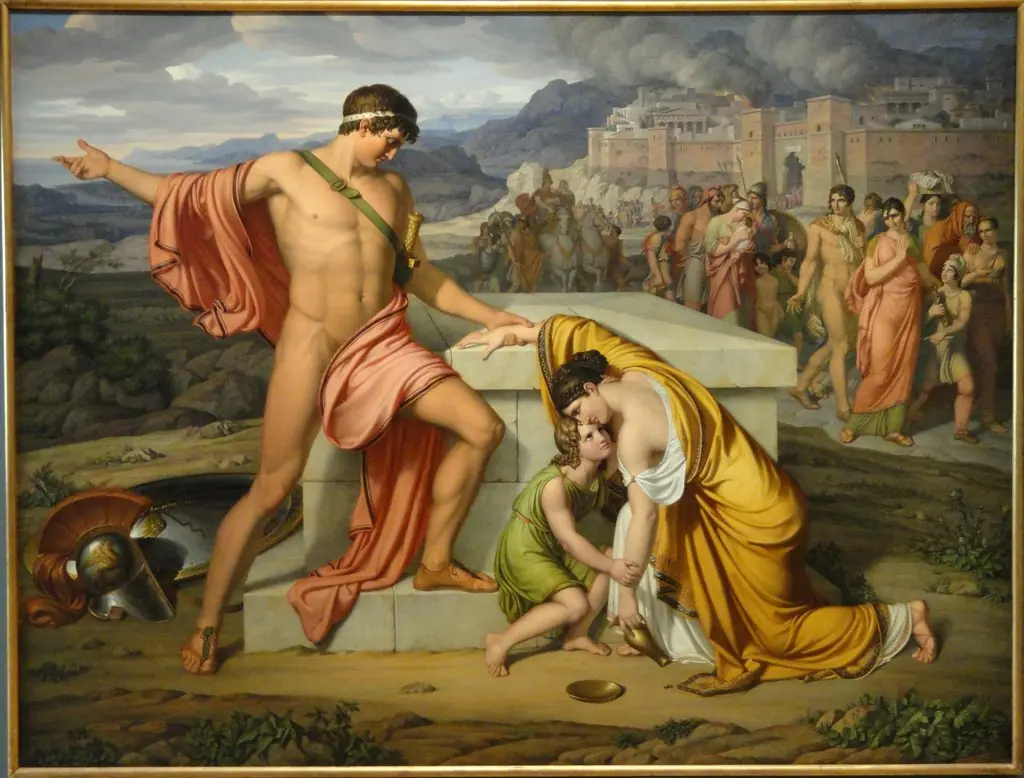 Pyrrhus and Andromache at Hector's Tomb
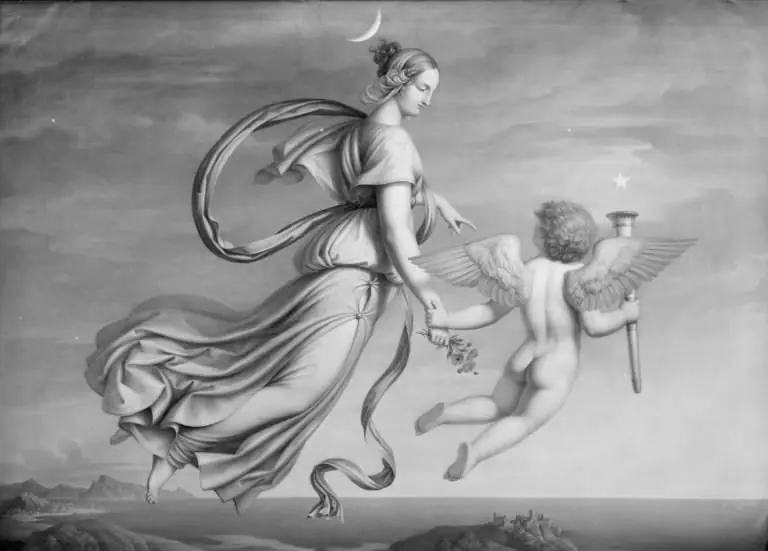 Luna og Hesperus
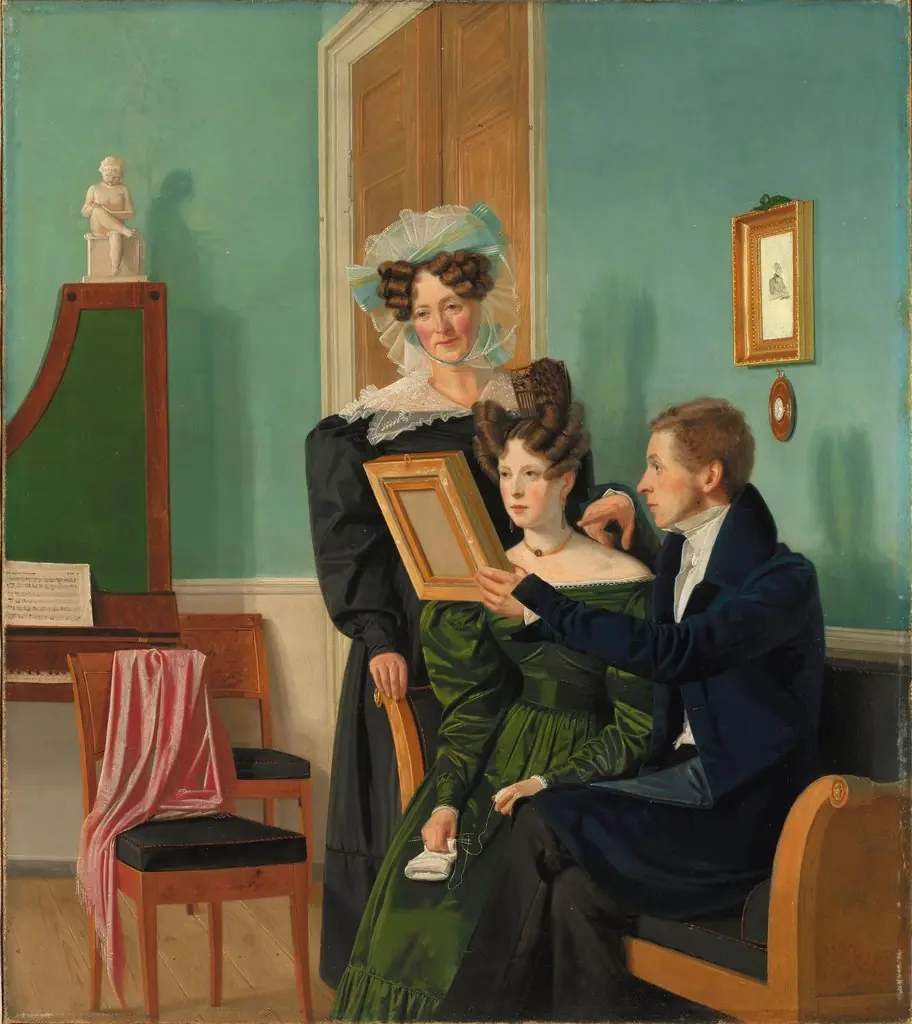 The Raffenberg Family
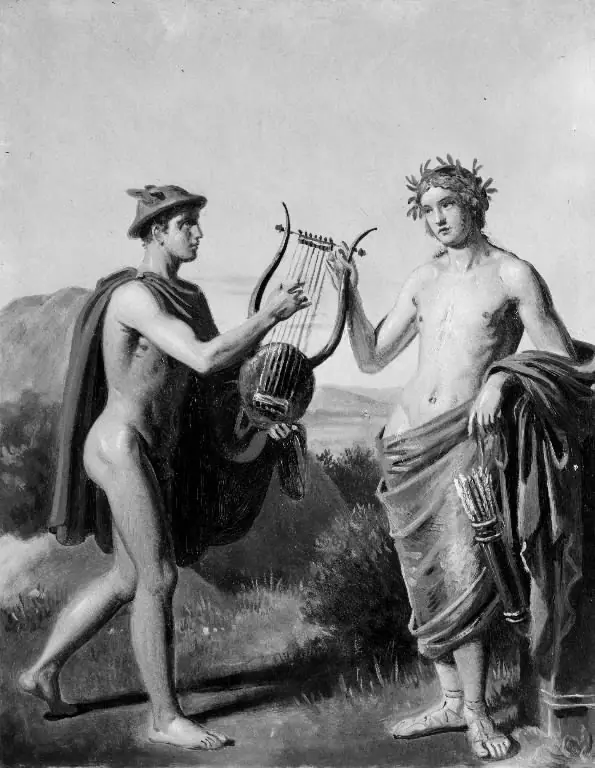 Apollon og Hermes
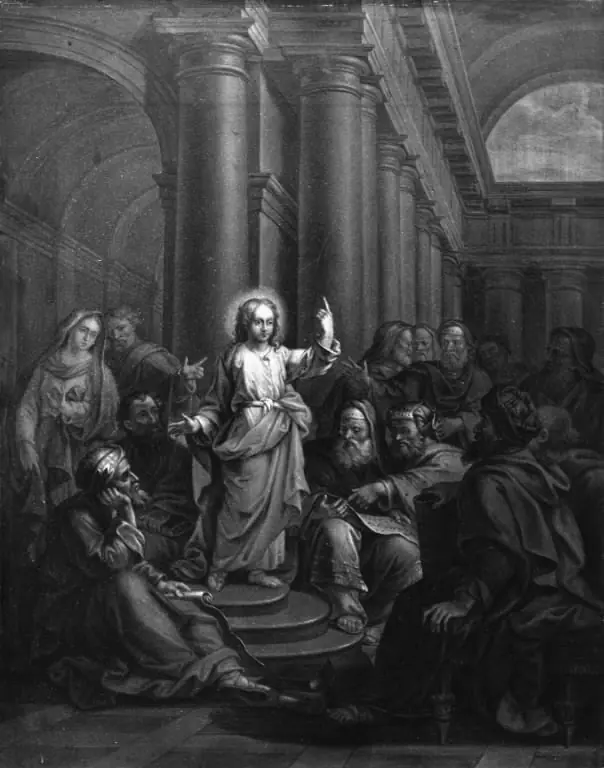 Kristus i templet
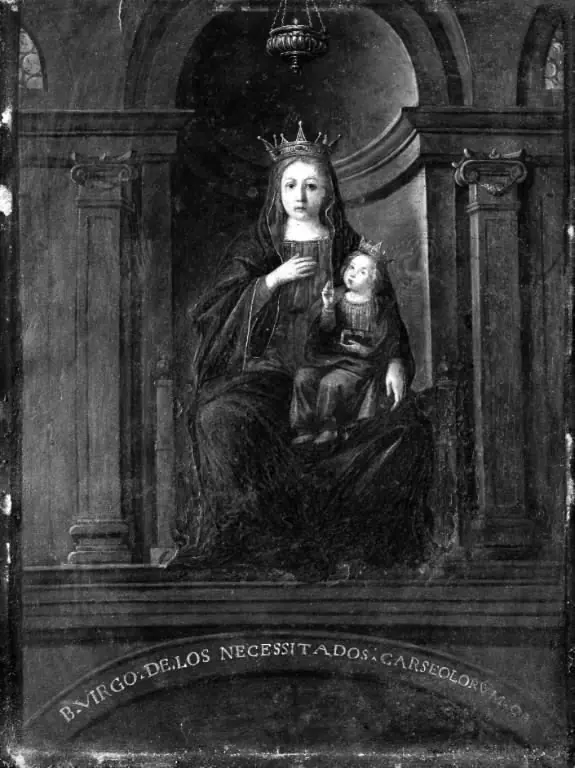 Madonna med Barnet
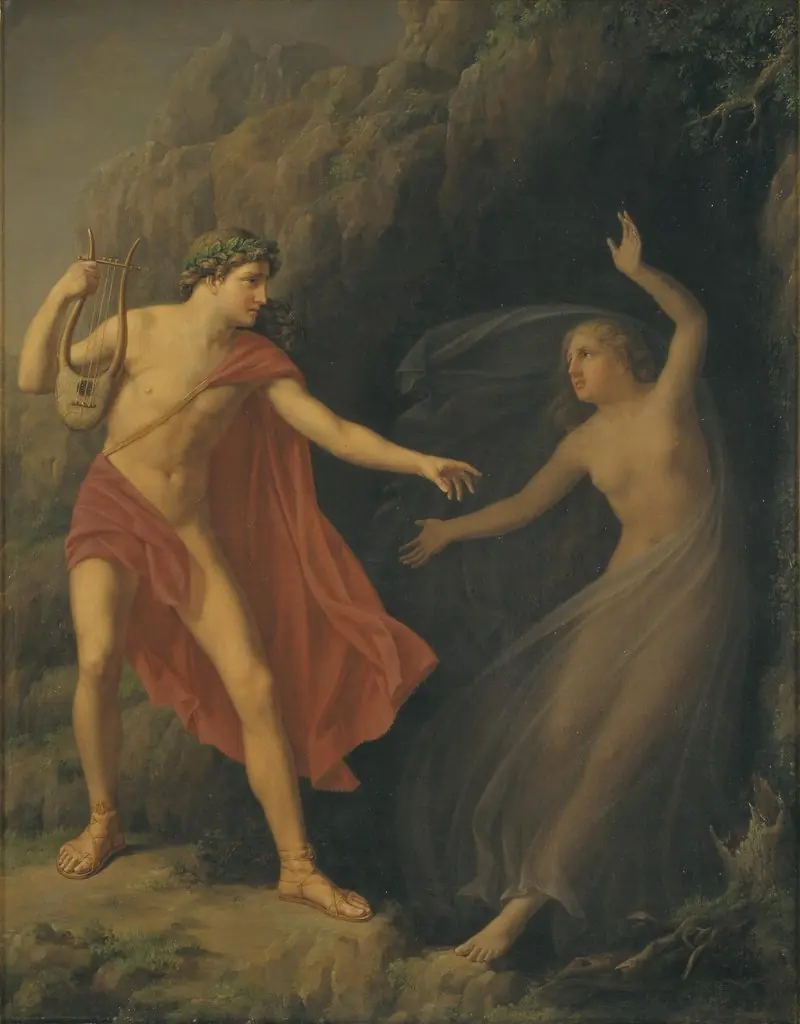 Orpheus and Eurydice
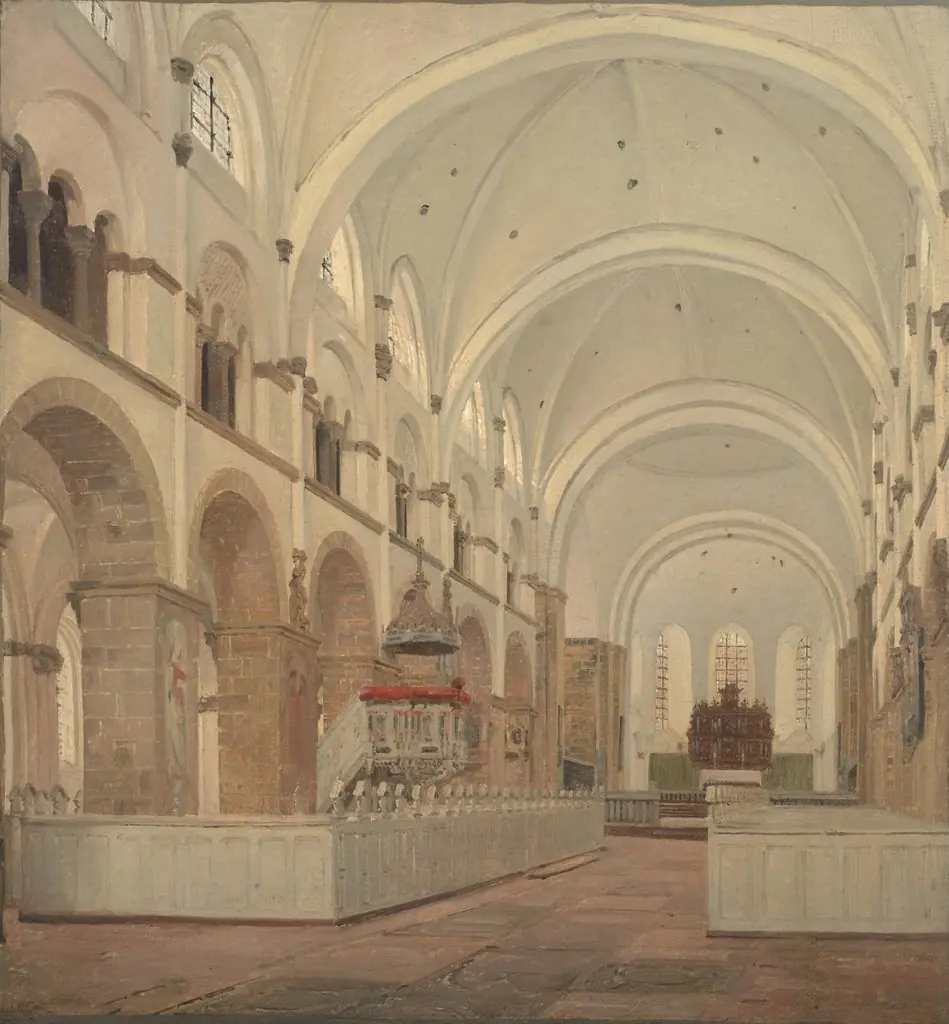 The Interior of Ribe Cathedral
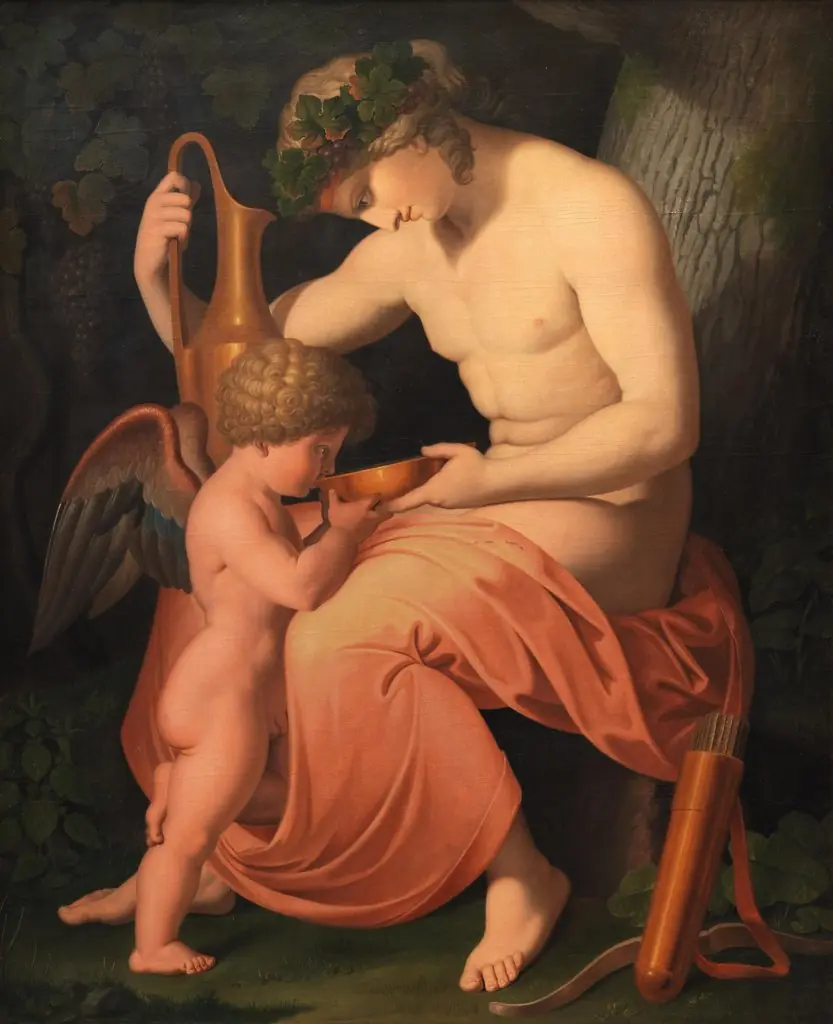 Bacchus and Cupid
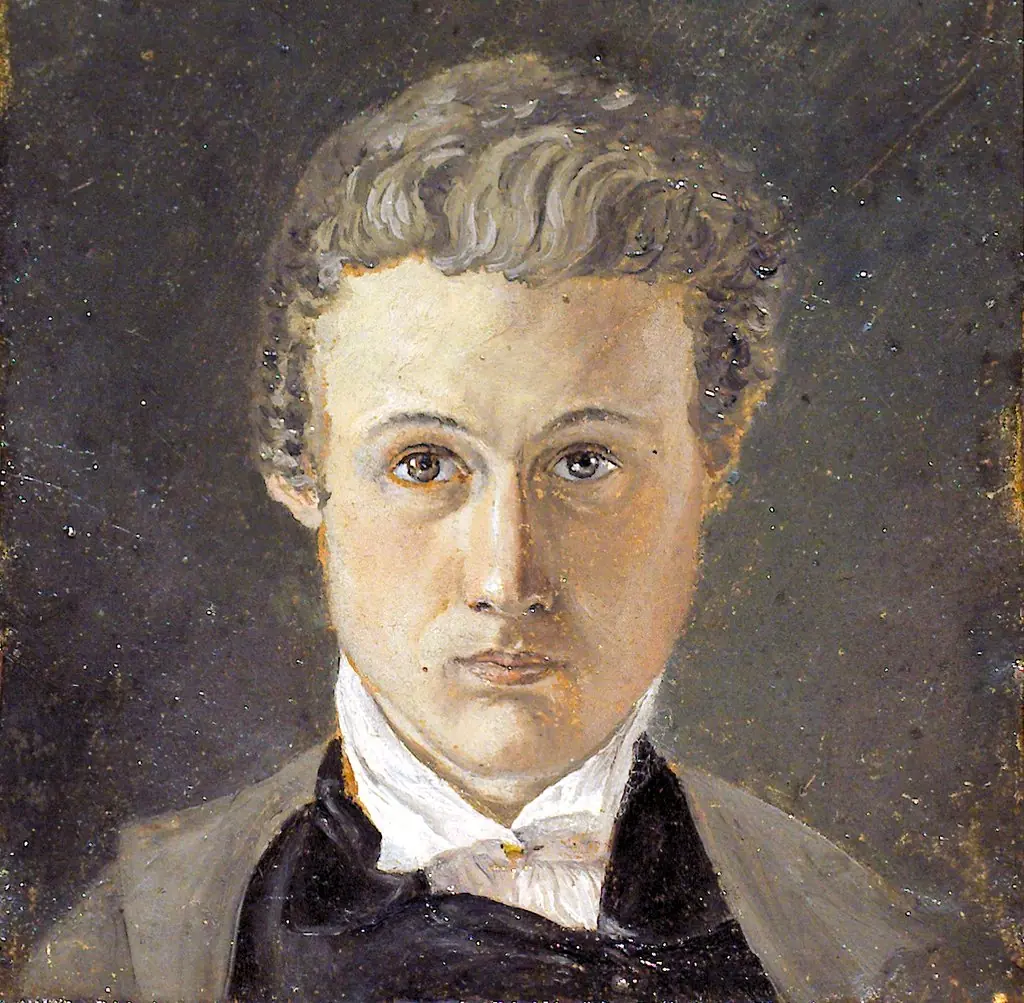 Self-Portrait
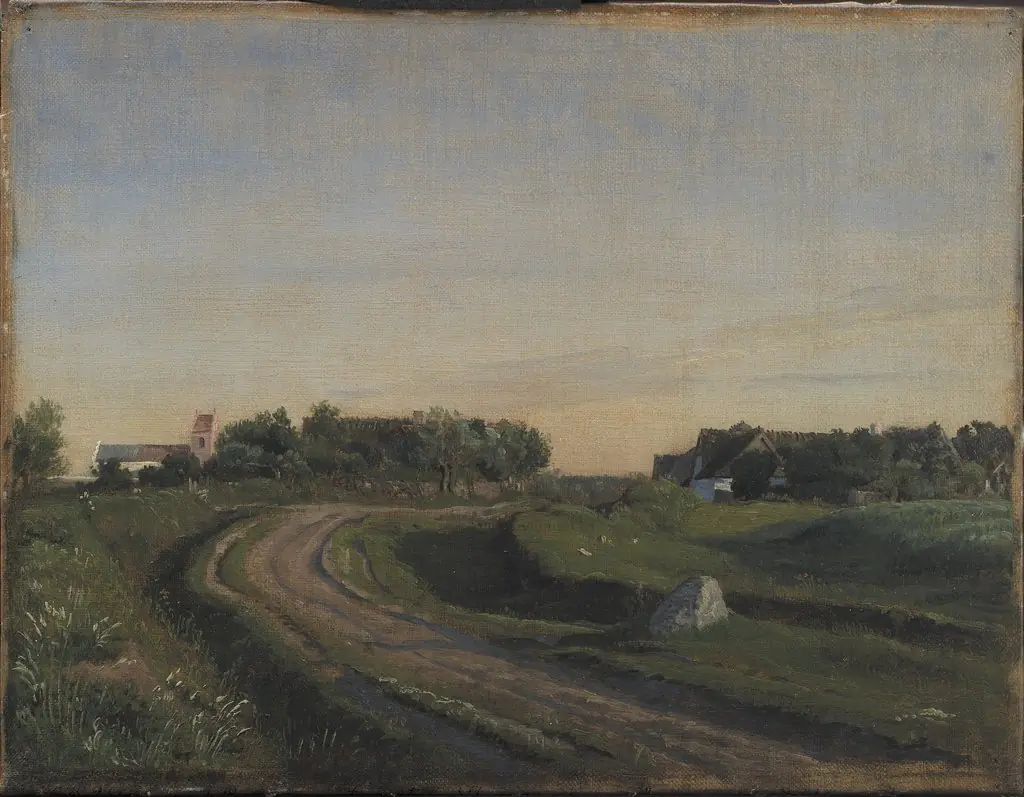 Vejby with the Church seen from the North. Evening Light. Zealand
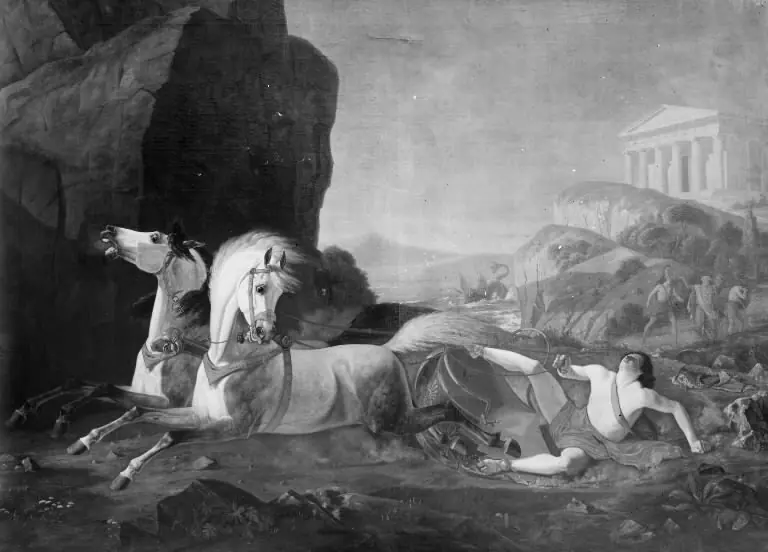 Hippolyts død
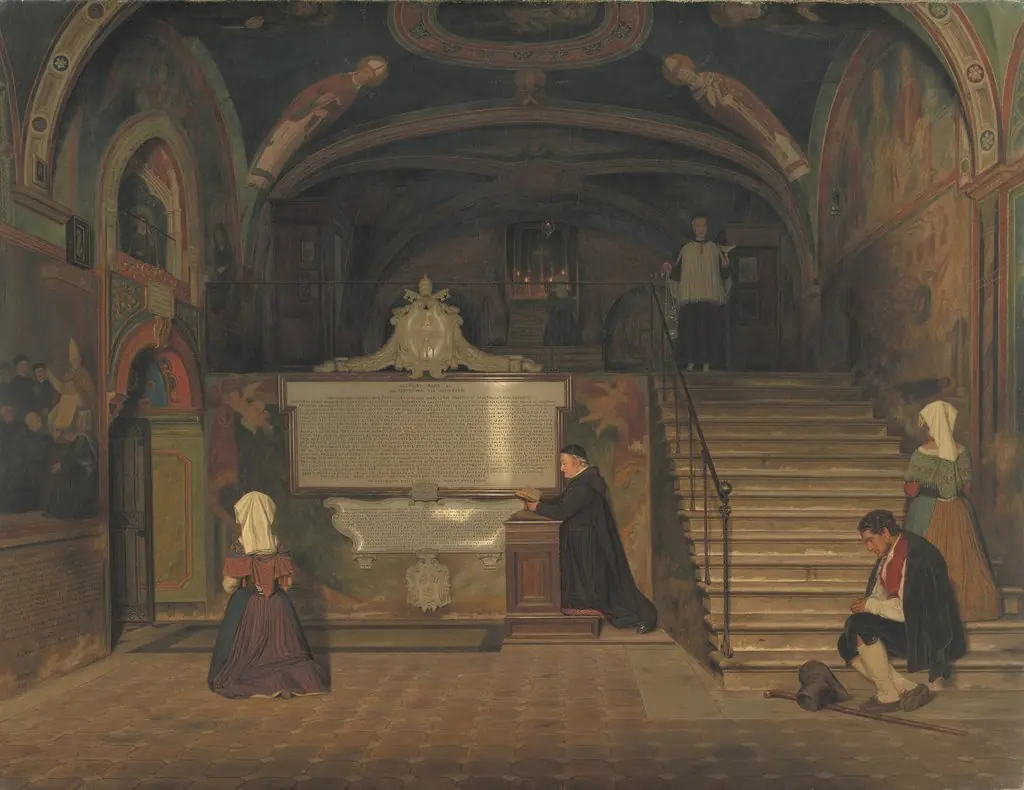 The Crypt in the Monastry of San Benedetto in Subiaco, Italy
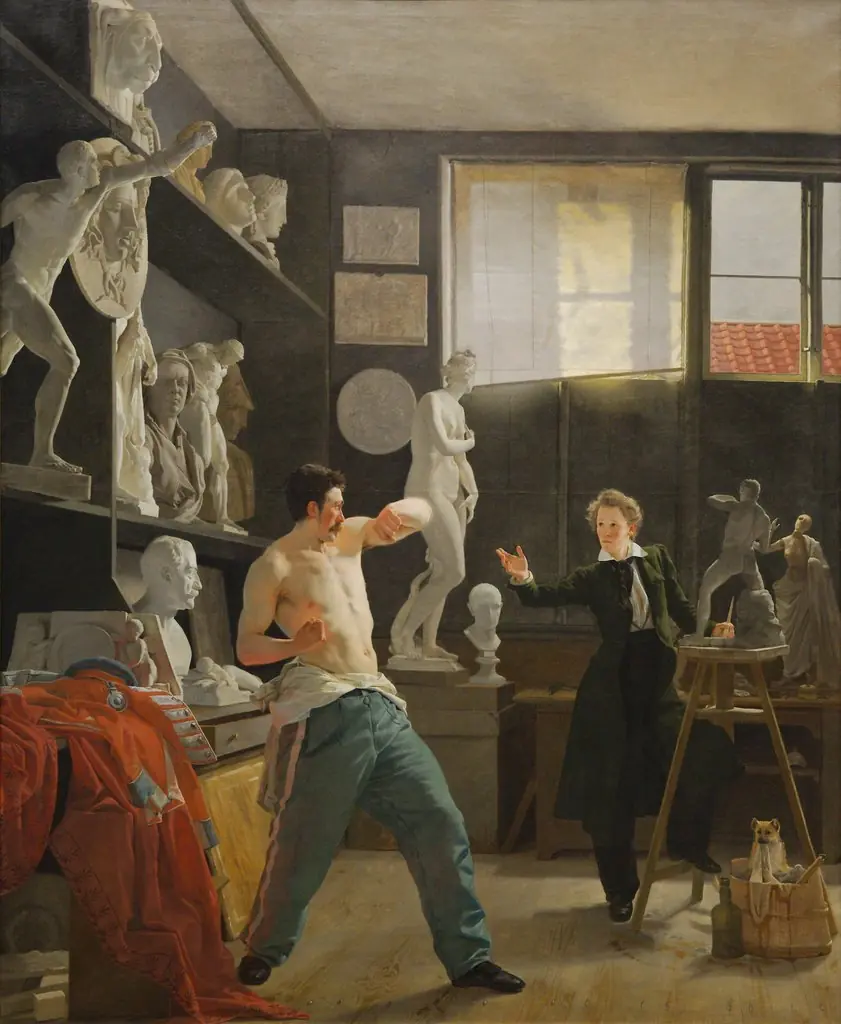 A Sculptor in his Studio Working from the Life
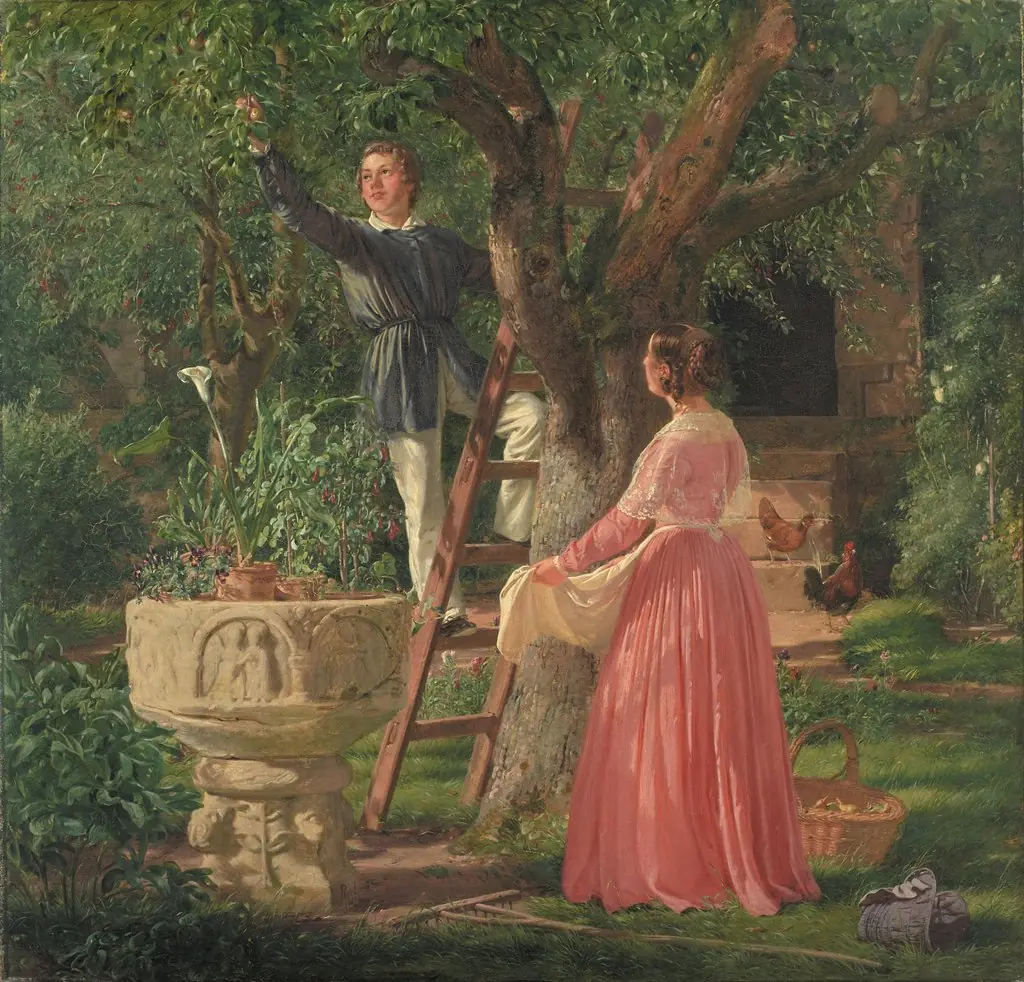 Haven med den gamle døbefont
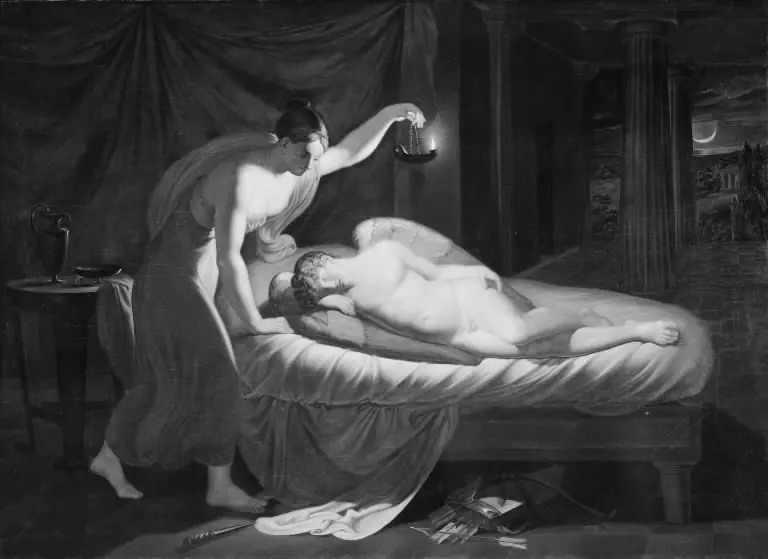 Psyke, der nærmer sig den sovende Amor
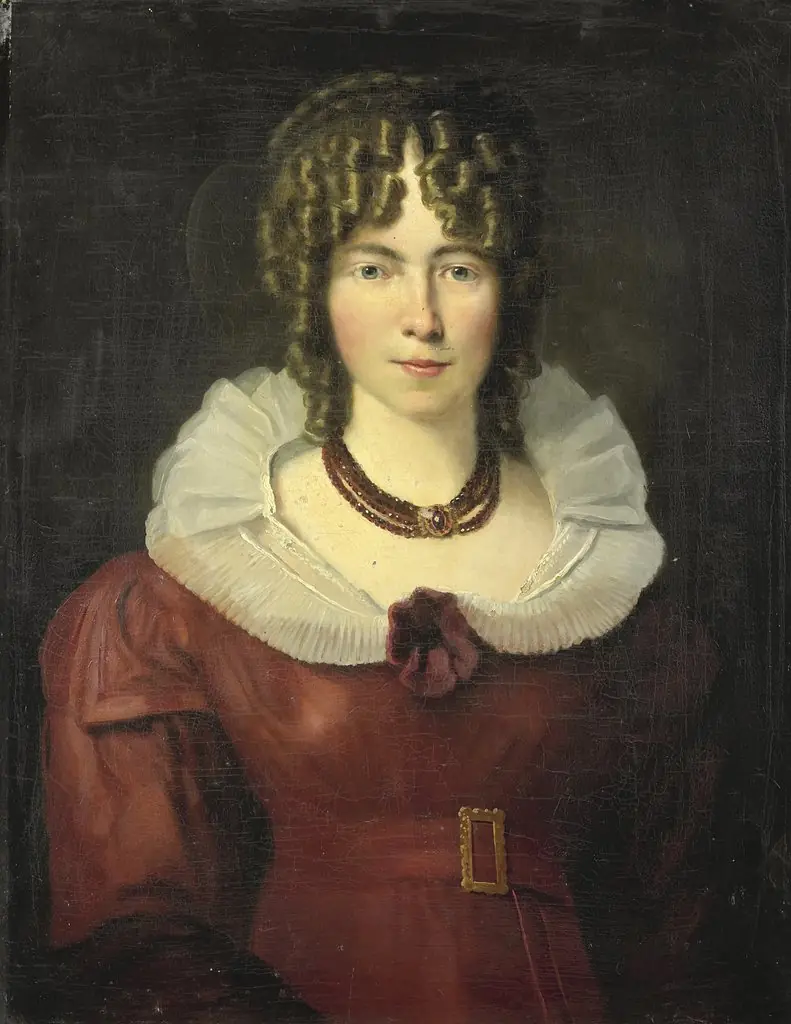 Portrait of a young Woman
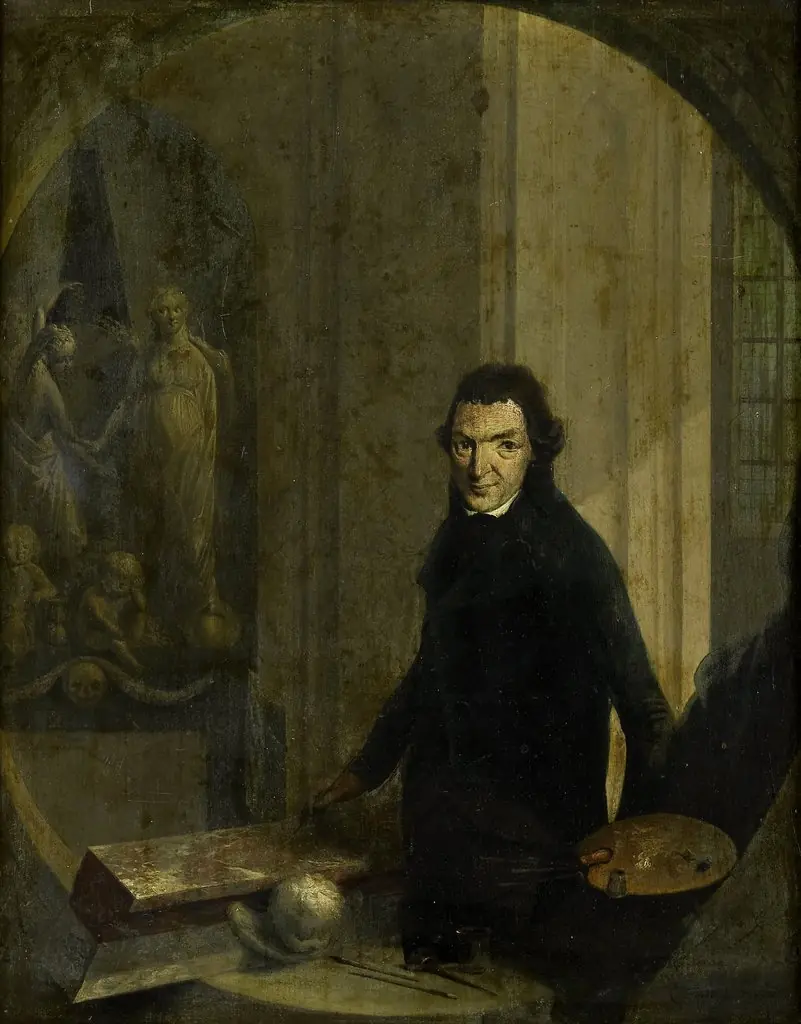 Self-Portrait
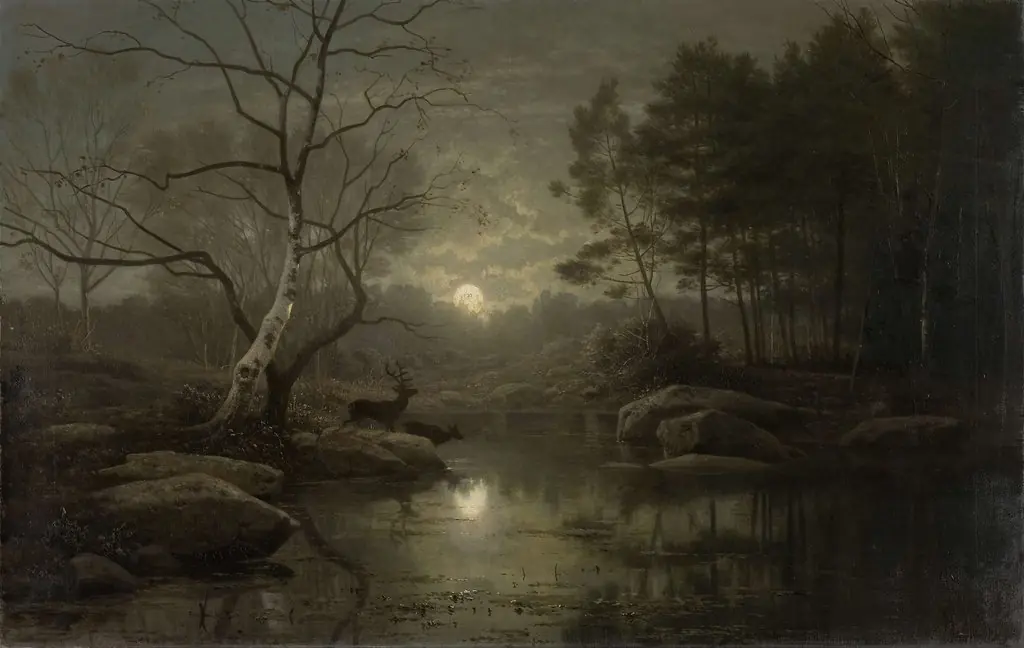 Forest Landscape in the Moonlight
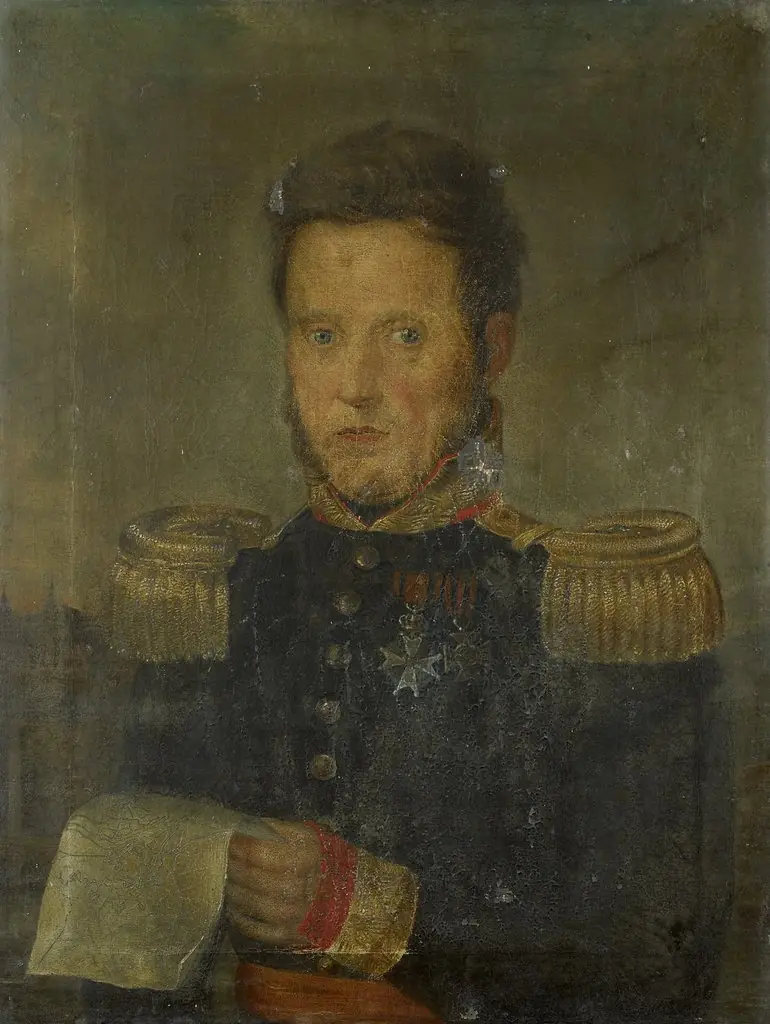 Portret van een generaal
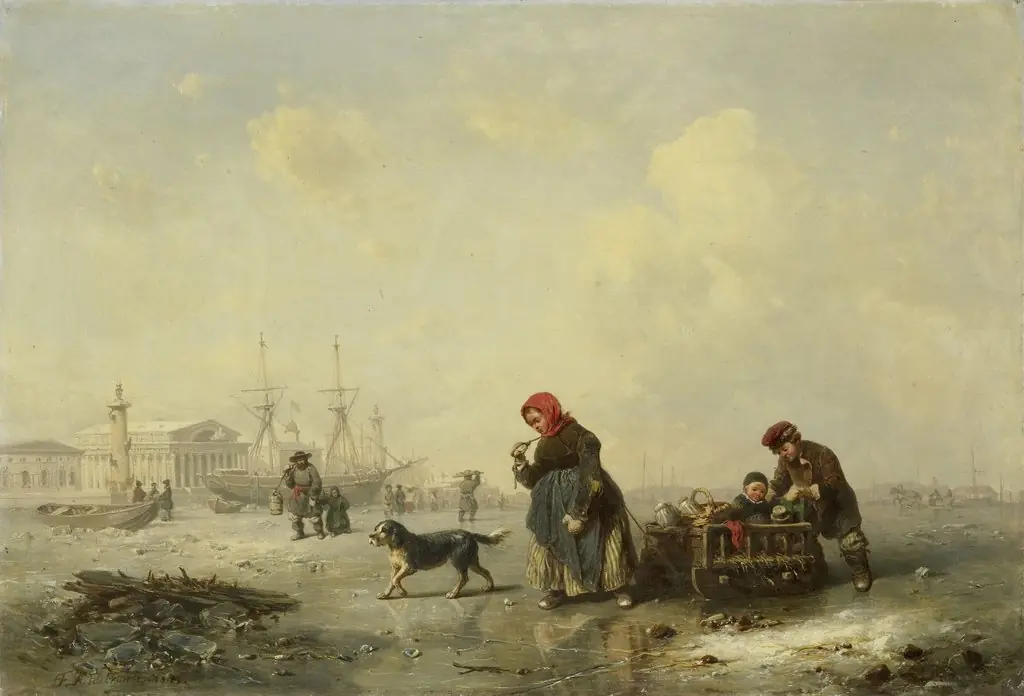 The Newa river at St. Petersburg in Winter
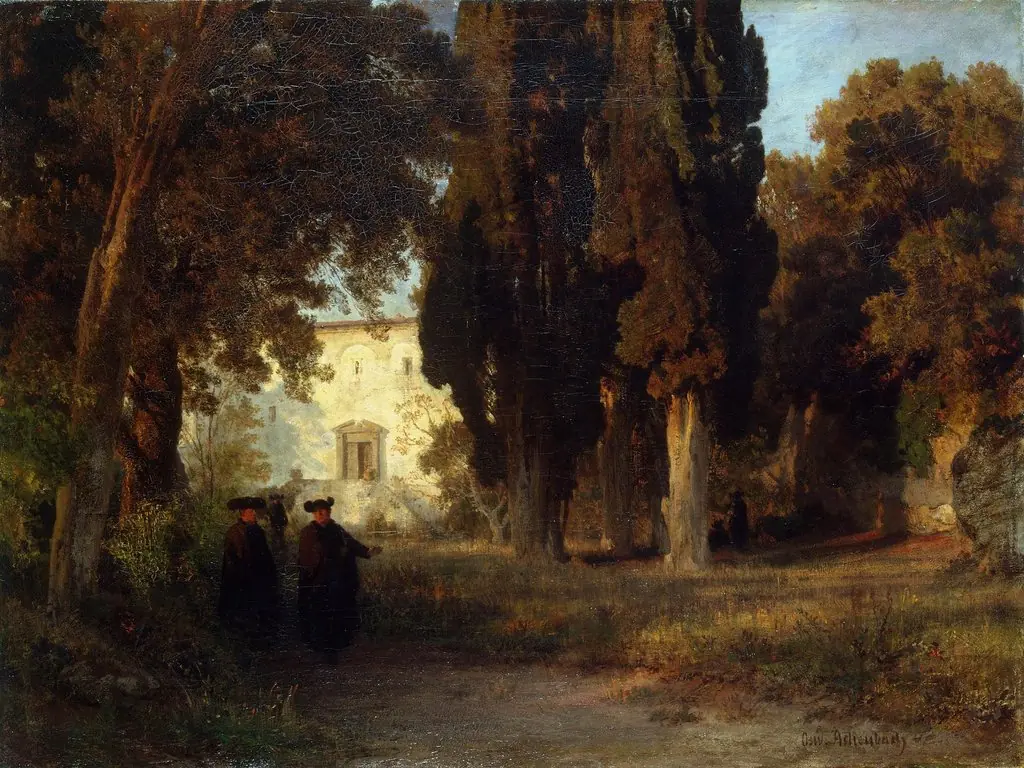 Garden in a Monastery
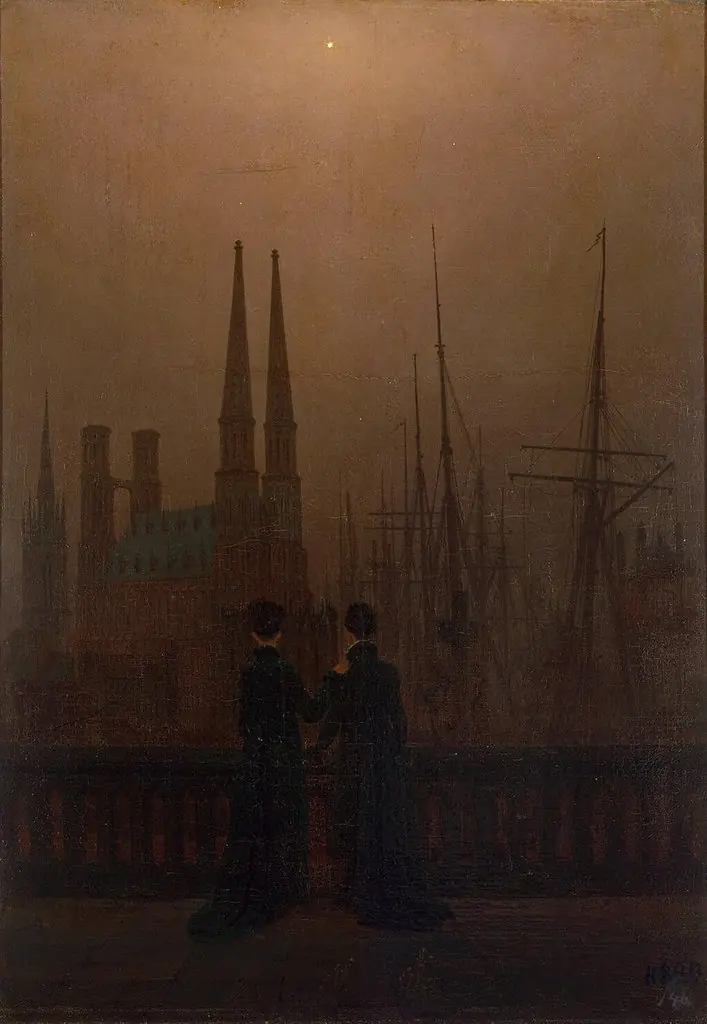 Night in a Harbour
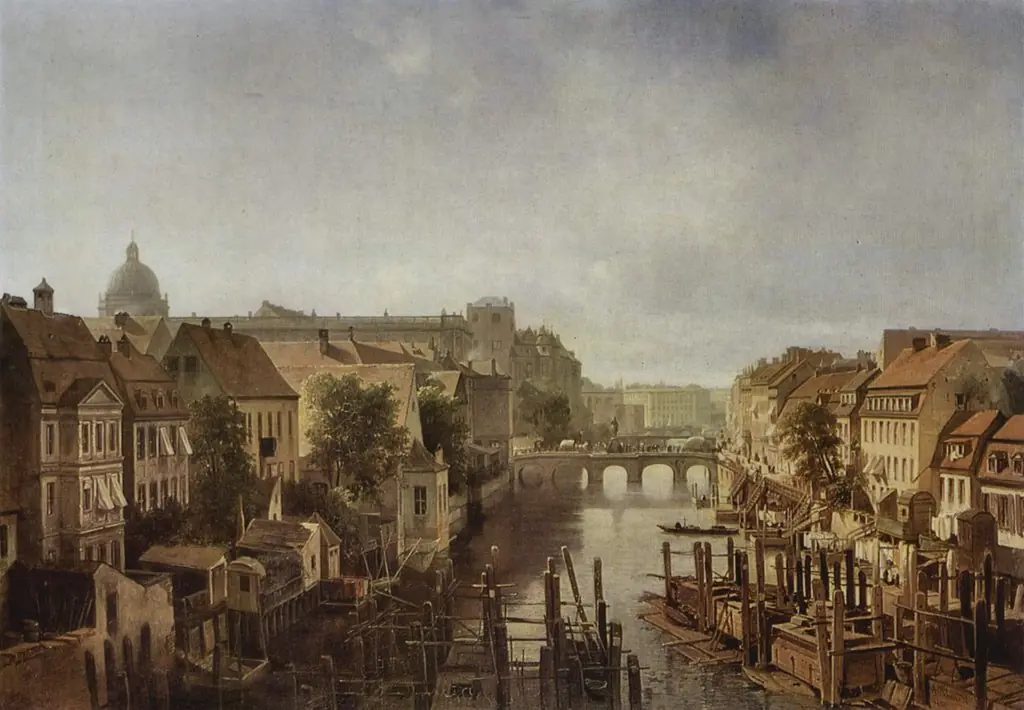 View from Royal mills at the Mühlendamm to the Lange Brücke in Berlin
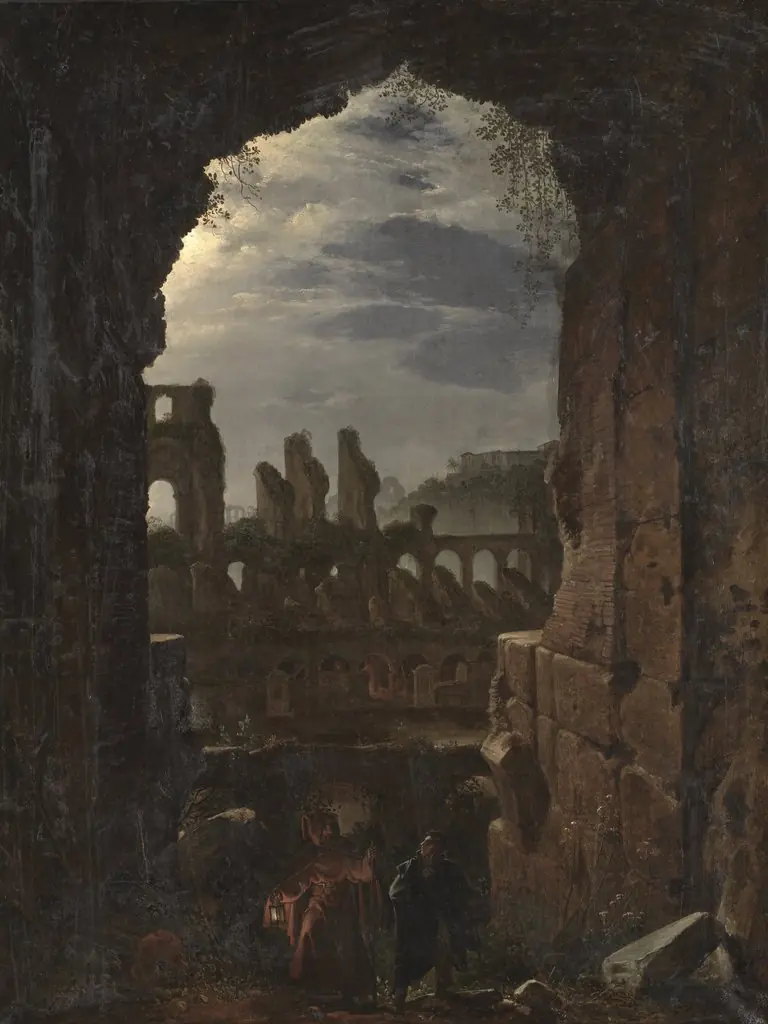 View of the Colosseum in Moonlight
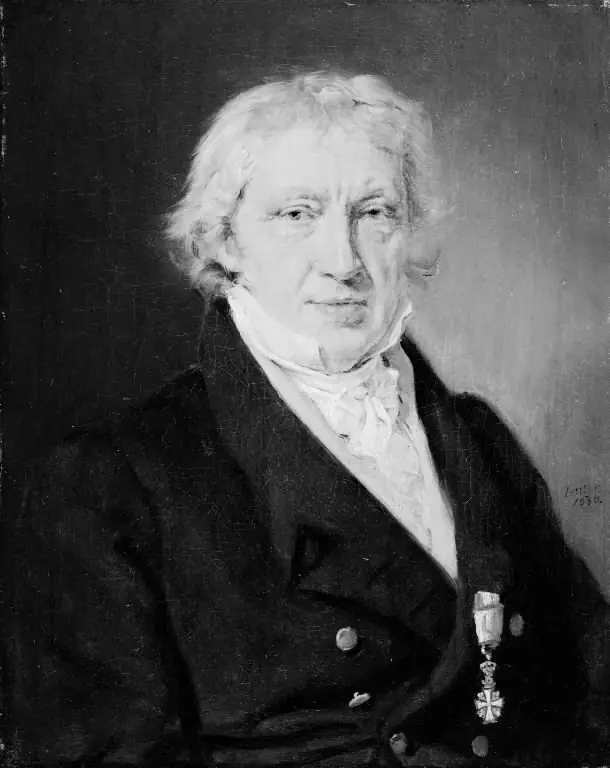 Portræt af Søren Nicolaus Johan Bloch, rektor ved Roskilde Kathedralskole
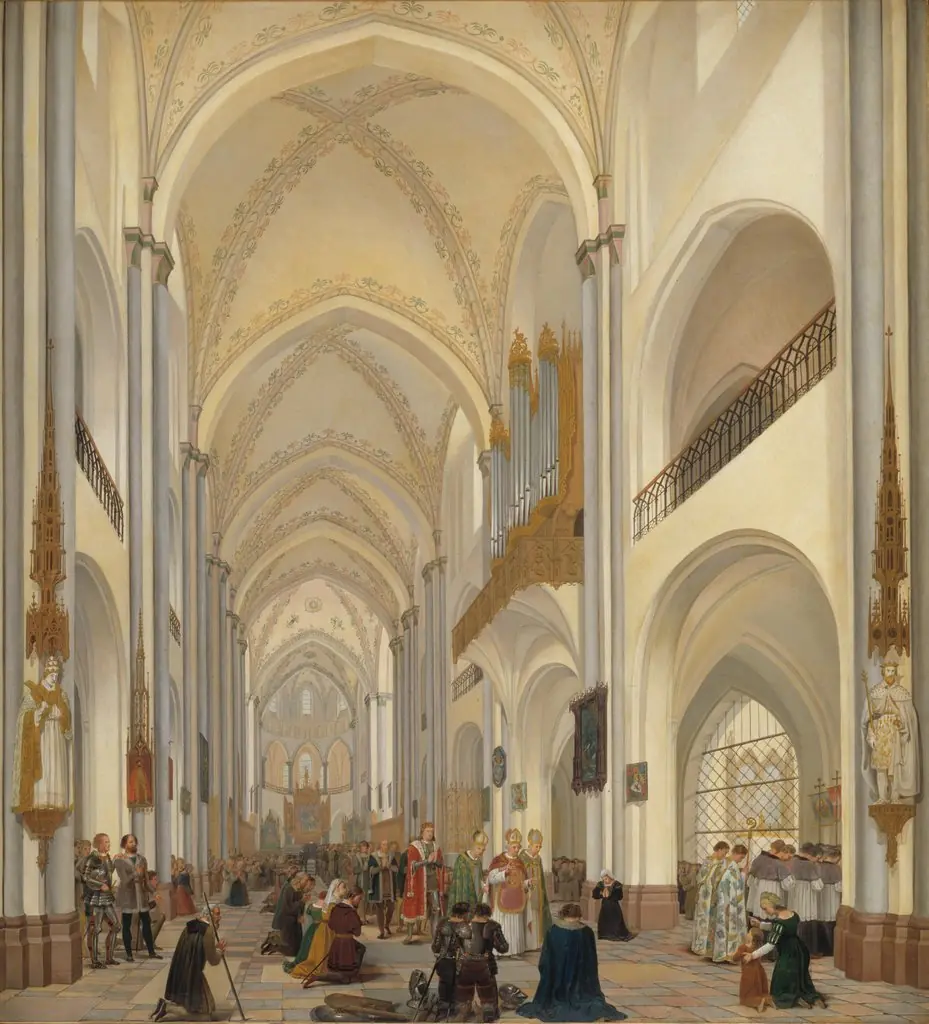 Det indre af Roskilde Domkirke
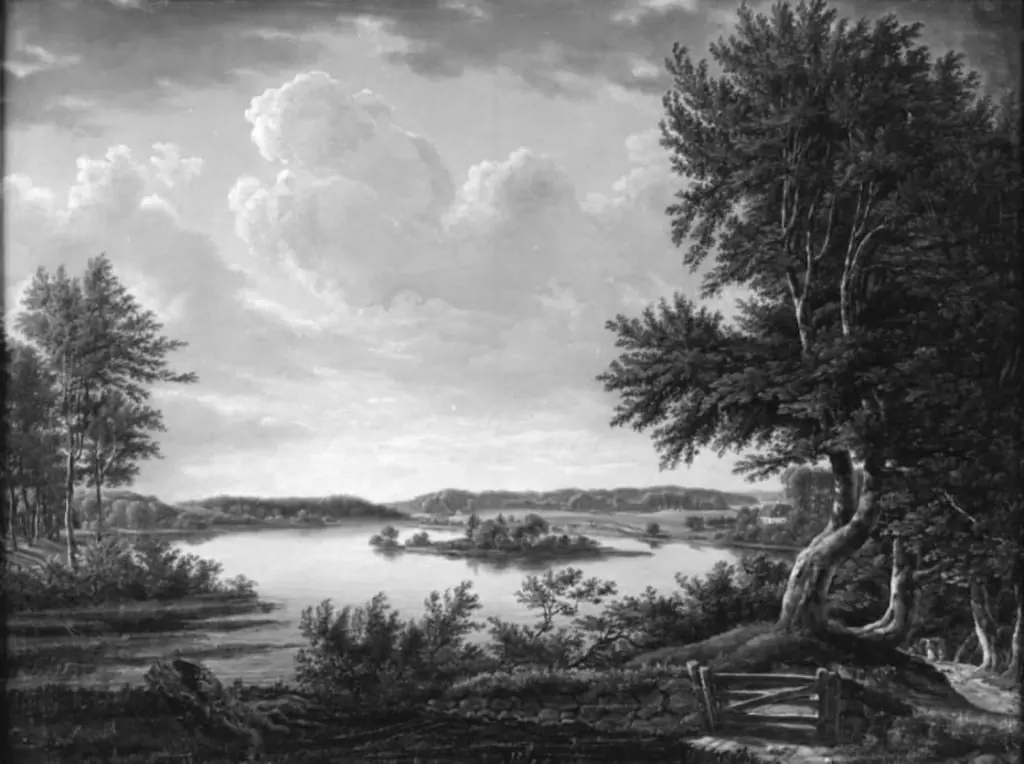 Et parti fra Farum
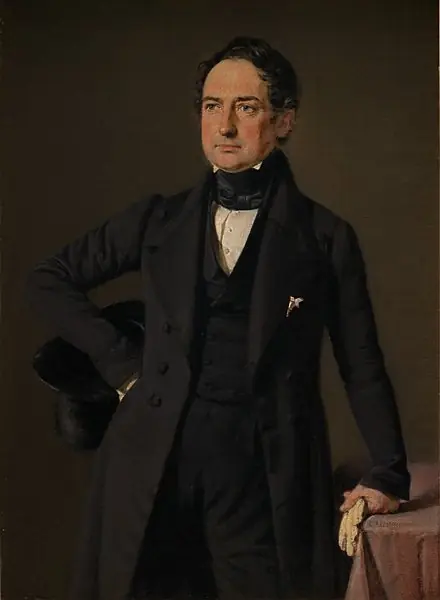 Fabriksdirektør Ole Jørgen Rawert
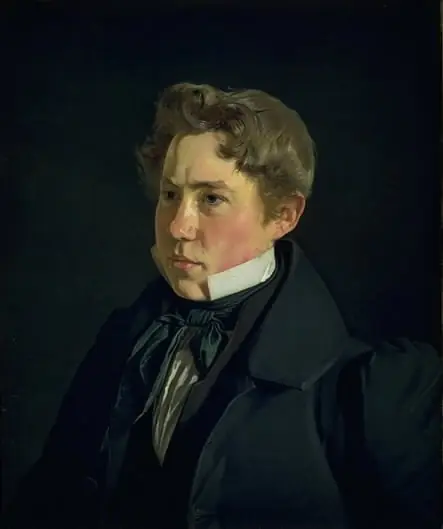 Portrait of the Painter and Lithographer P.H. Gemzøe
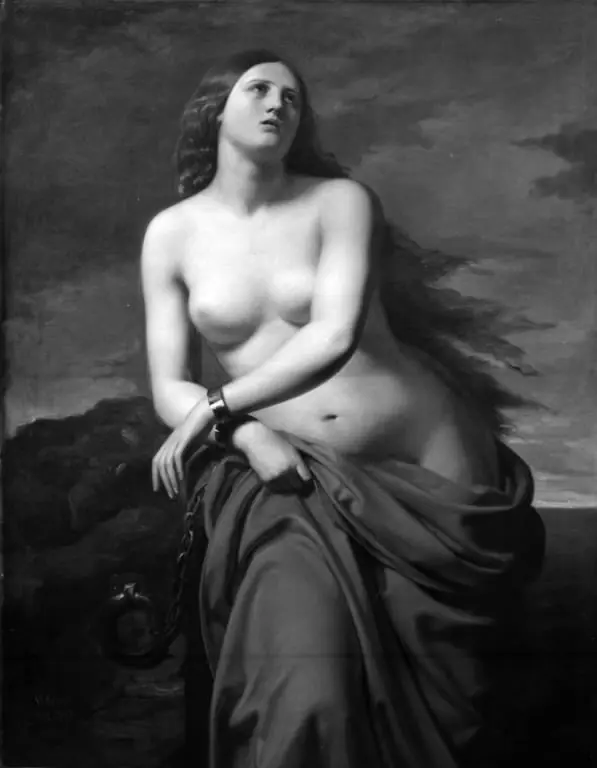 Andromeda Chained to the Rock
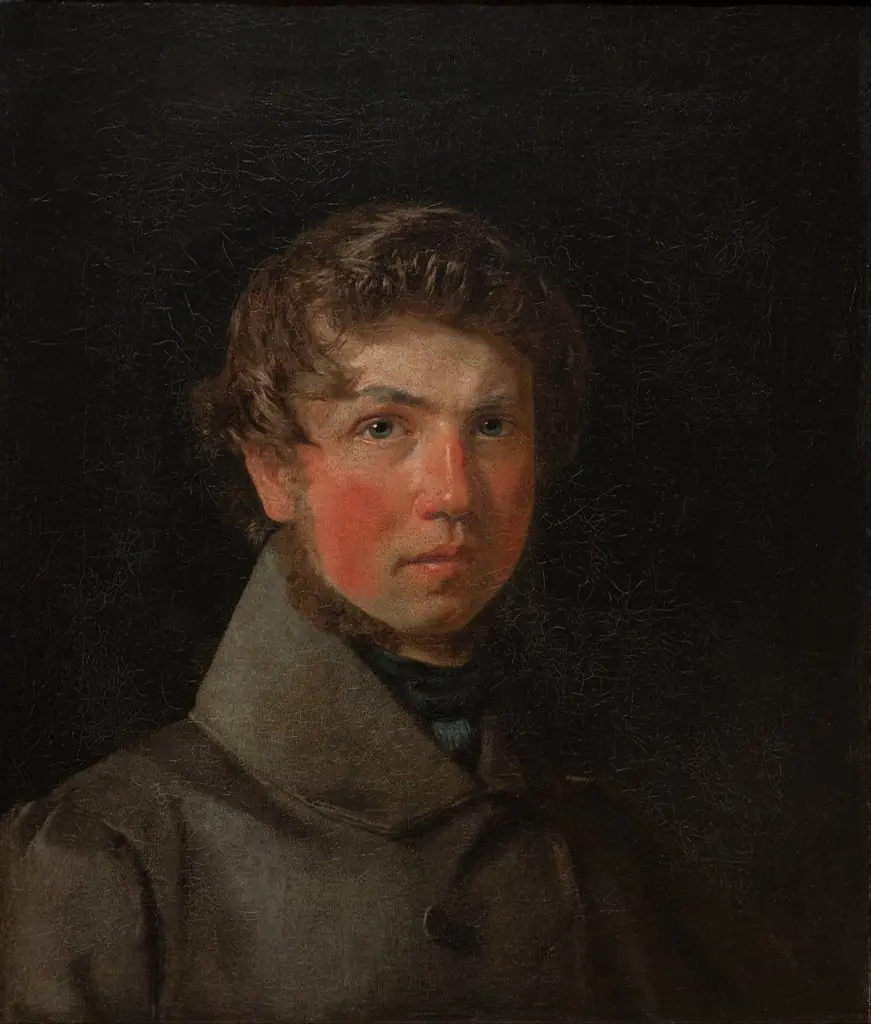 Self-Portrait
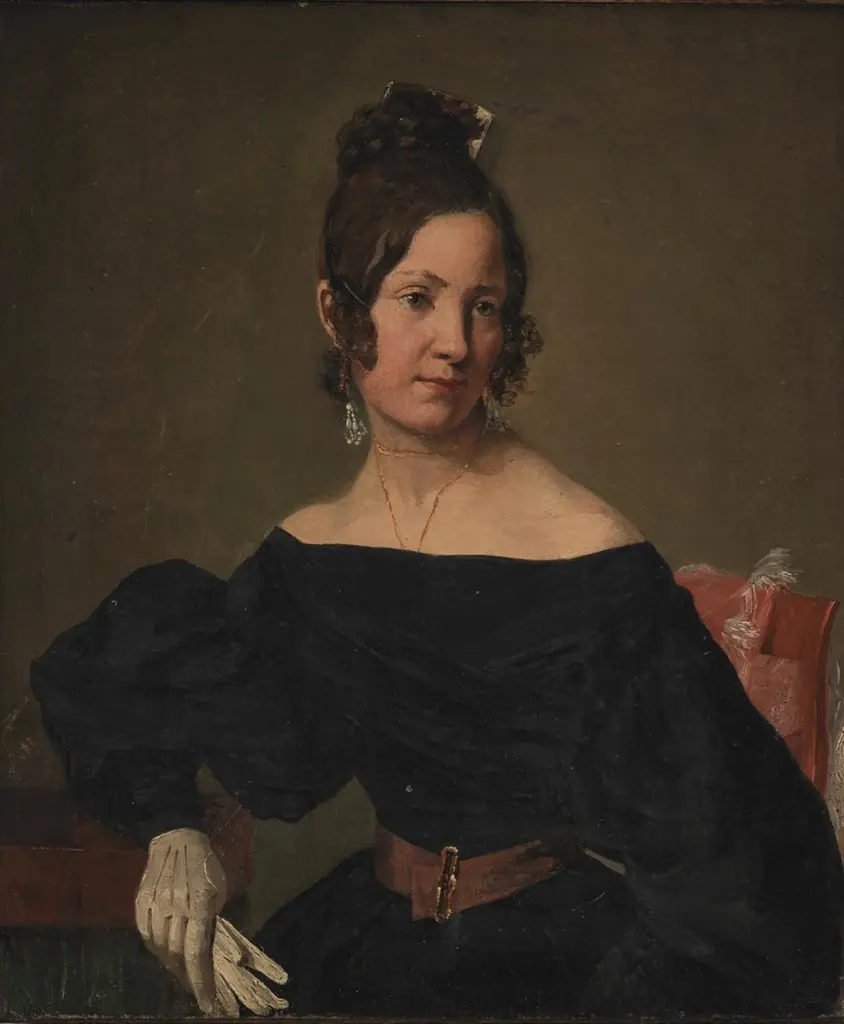 Actress Anna Nielsen
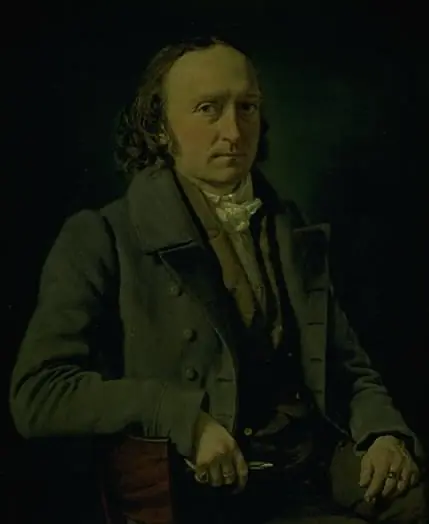 Self-Portrait
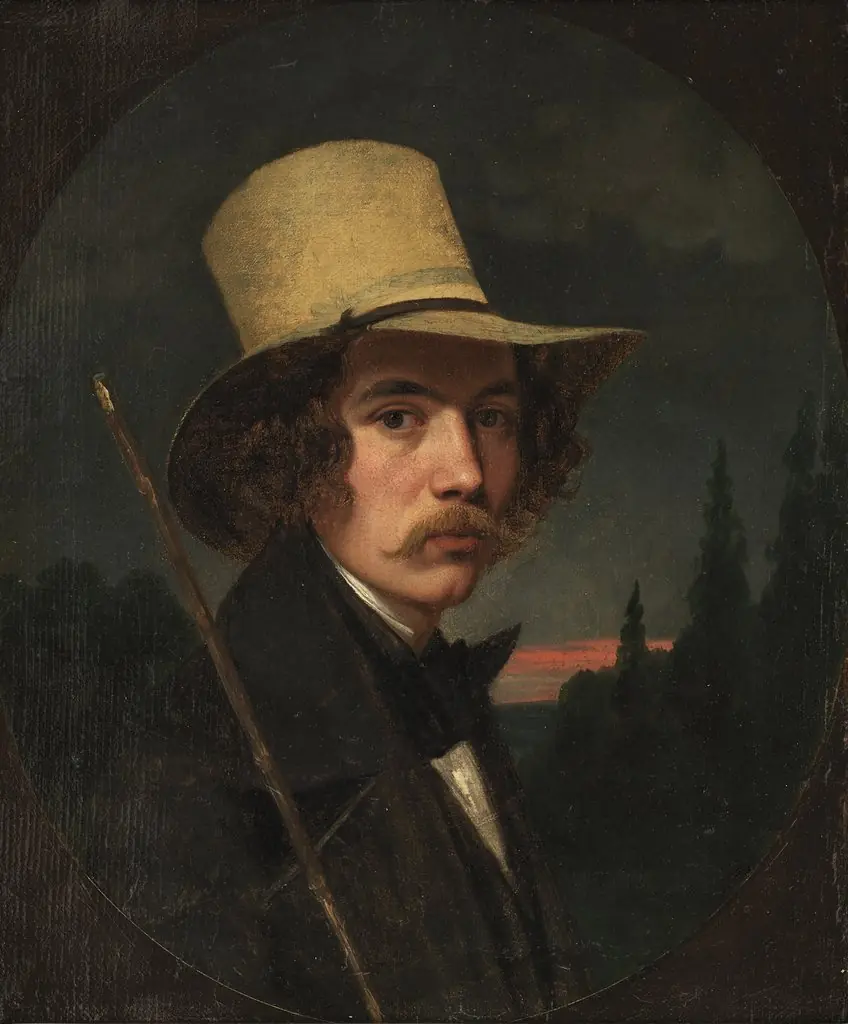 Selvportræt
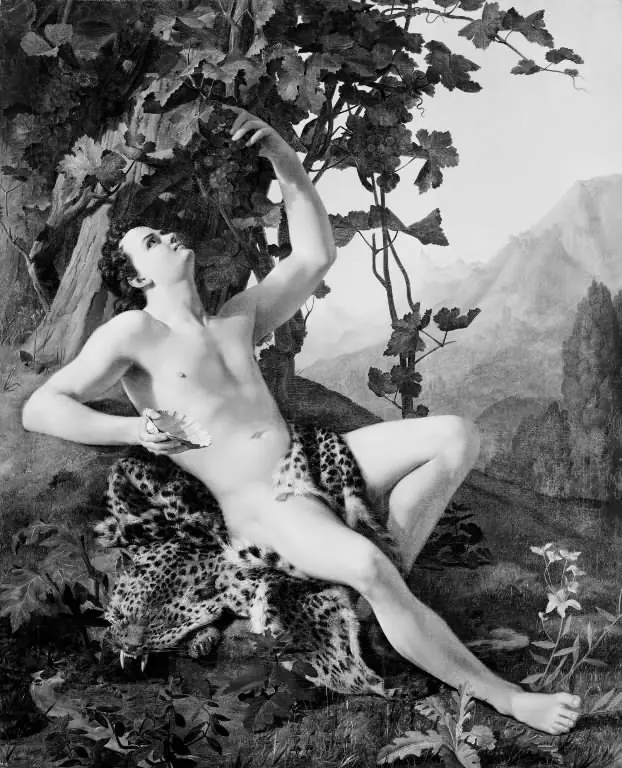 A young faun picking grapes
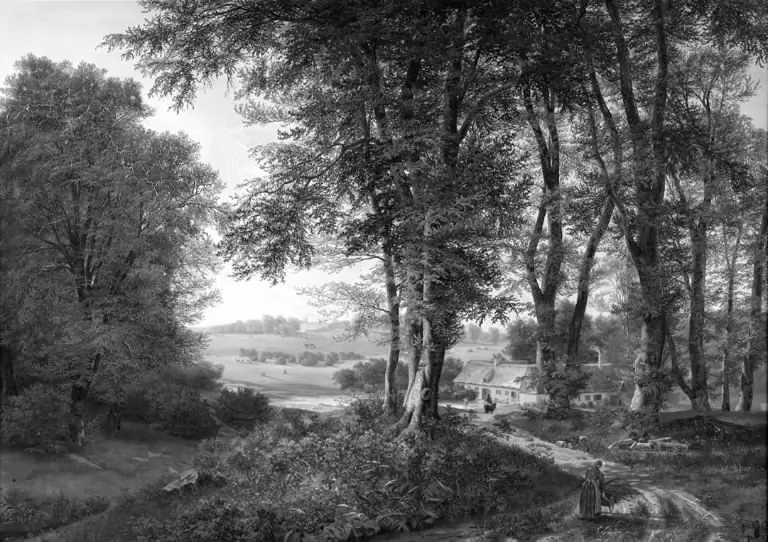 Landskab nær Frederiksborg
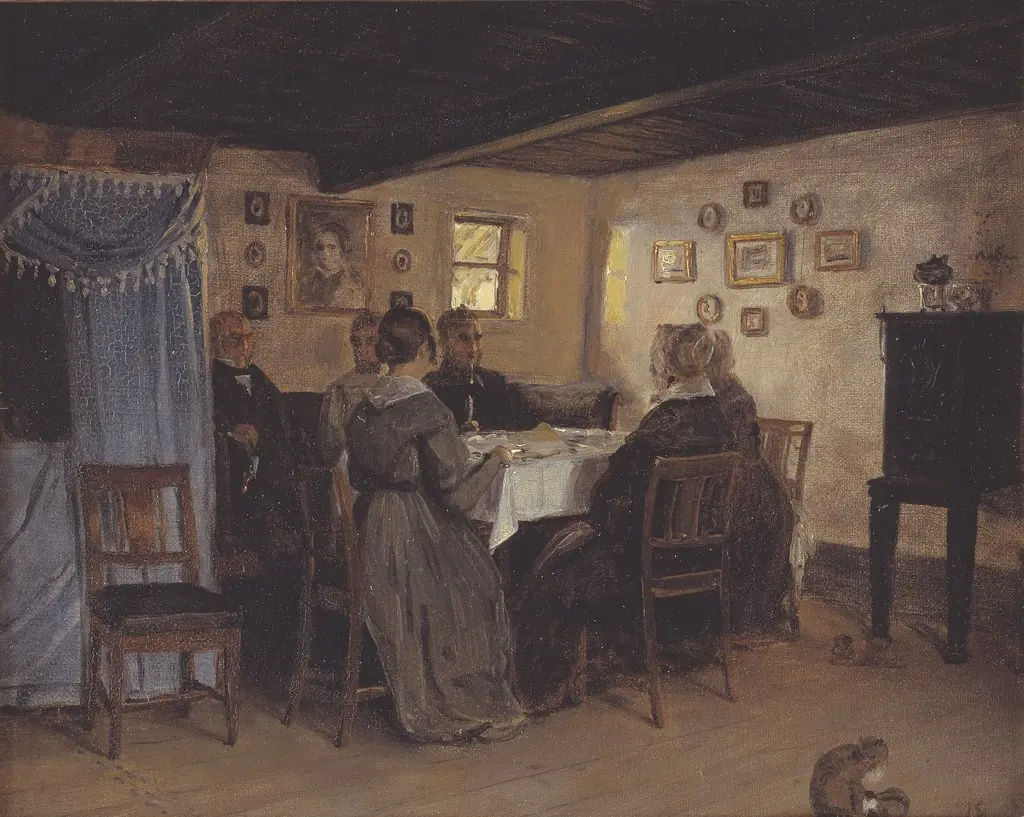 The Artist's Friends and Family Seated Round a Table. Vejby, North Zealand
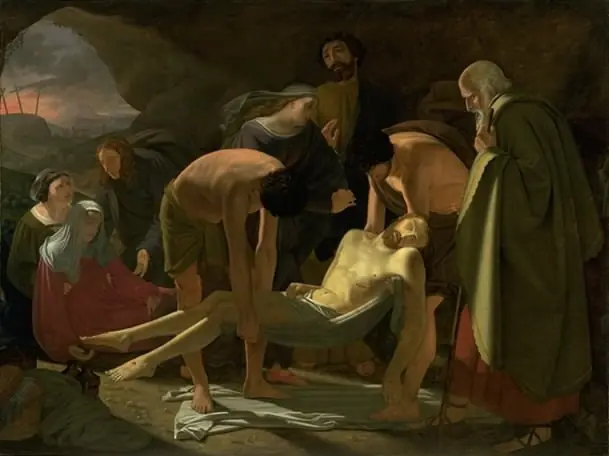 Kristi gravlæggelse
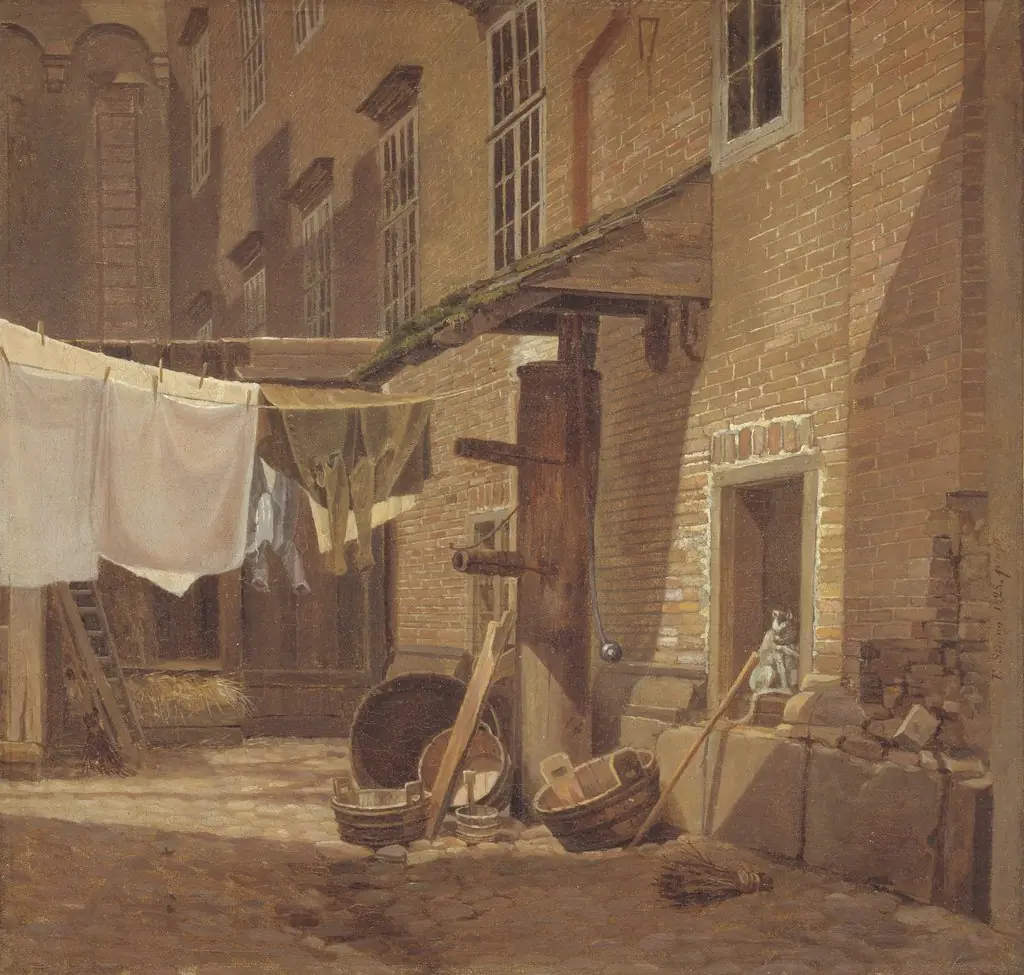 The Rear Courtyard of Charlottenborg Palace
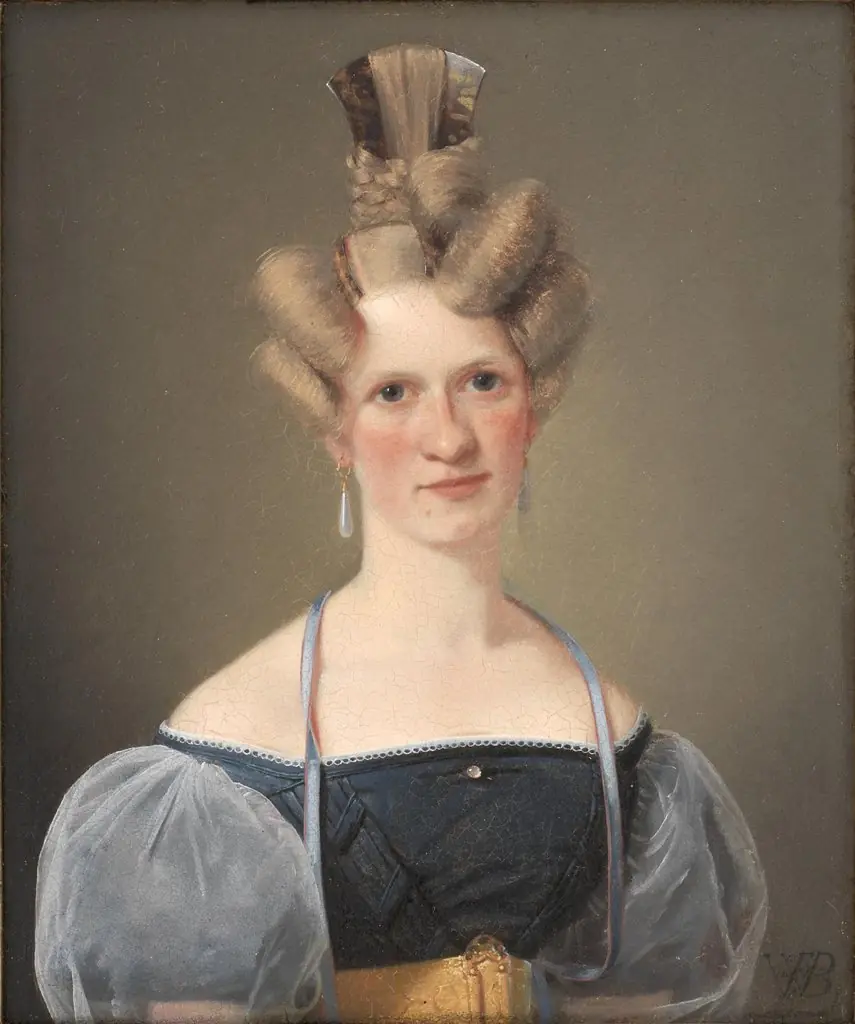 Marie Raffenberg, the Artist's Betrothed
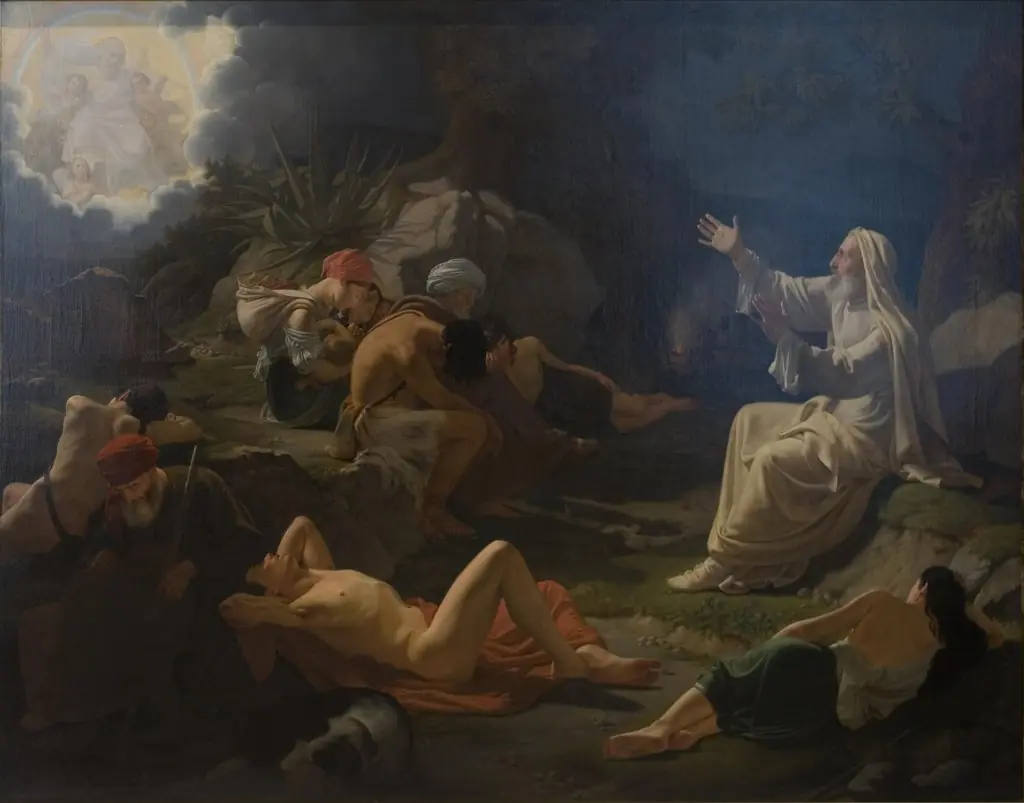 The Vision of the Prophet Ezekiel
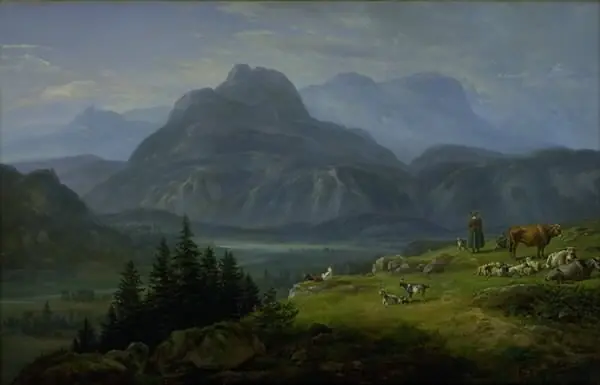 The Etsch Valley near Roveredo
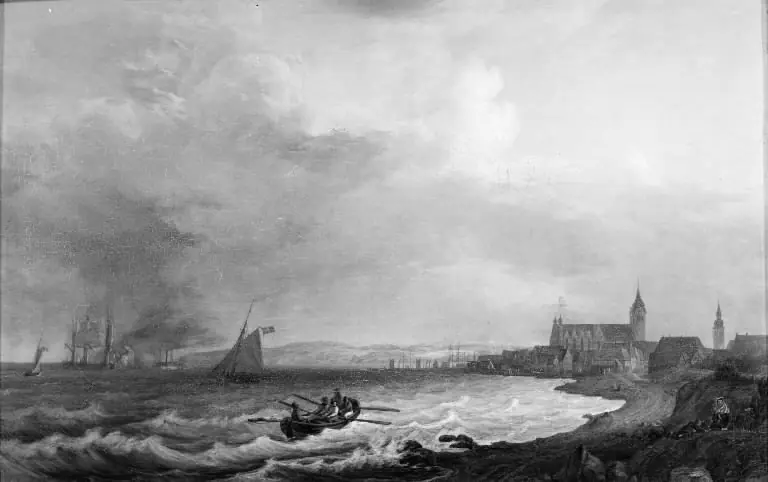 Fregatten "Havfruen"s ankomst uden for Århus
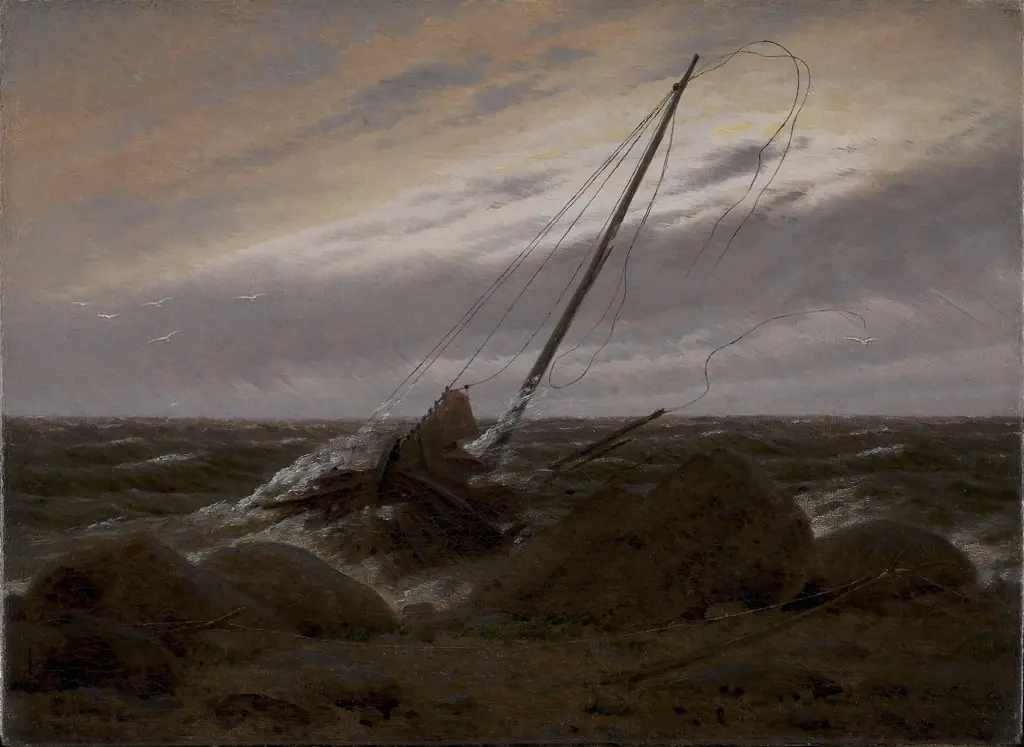 After the Storm
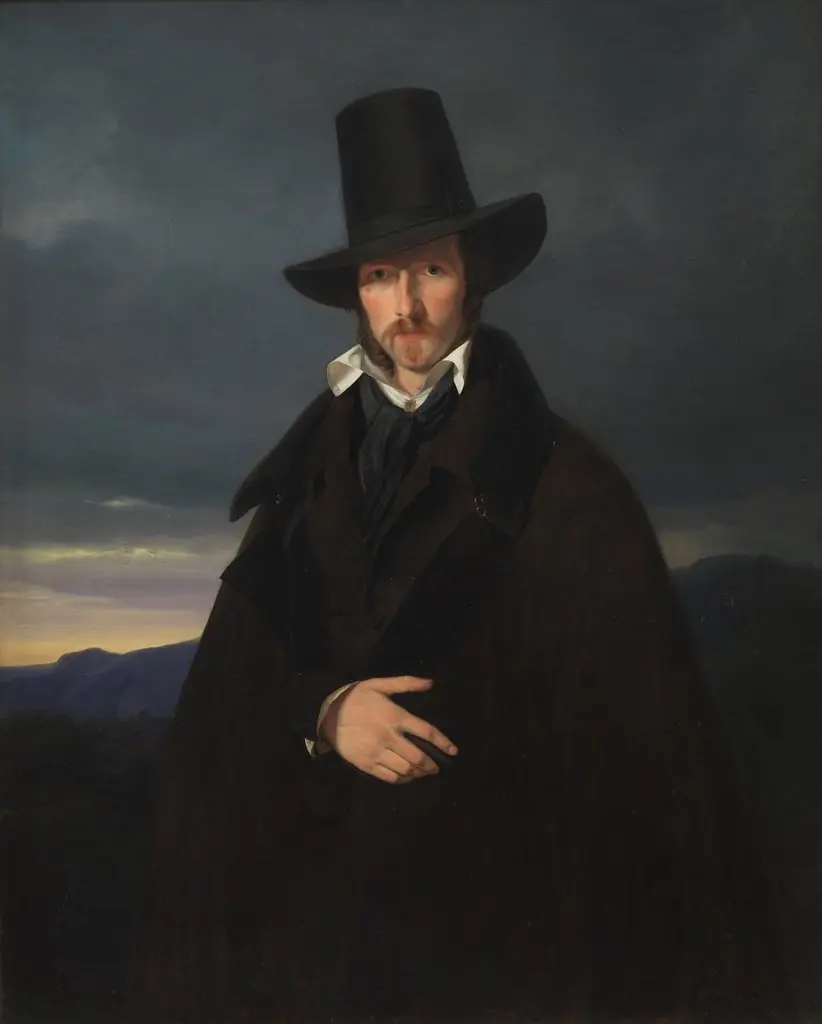 Portrait of the German Painter Wilhelm von Kaulbach
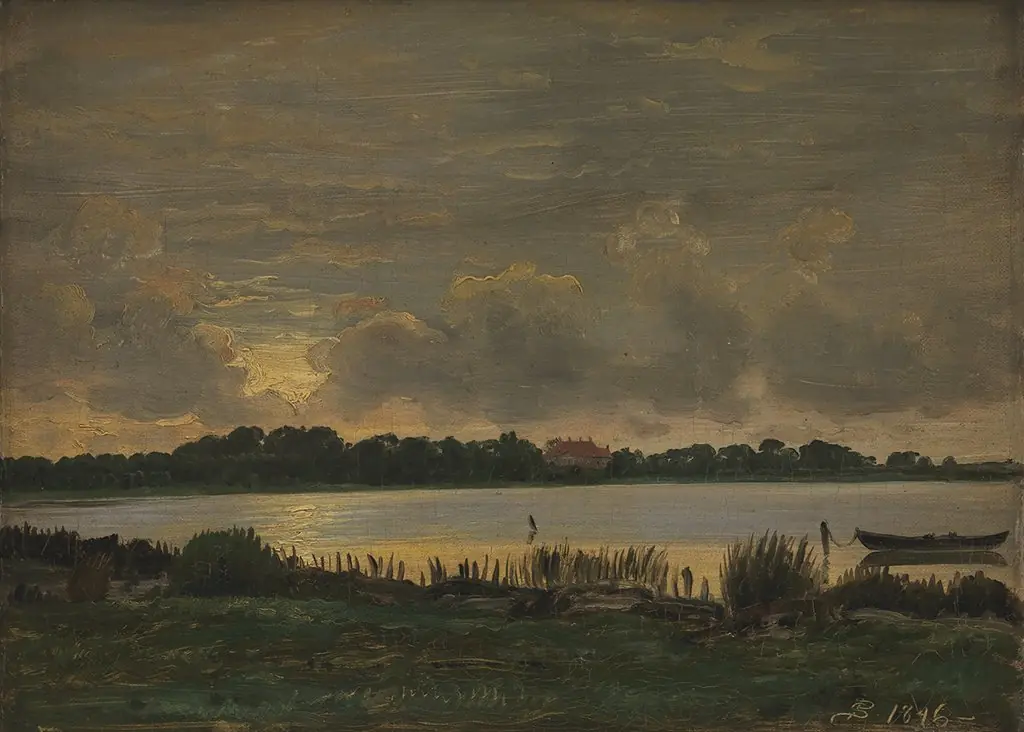 View Across Præstø Fiord towards the manor of Nysø
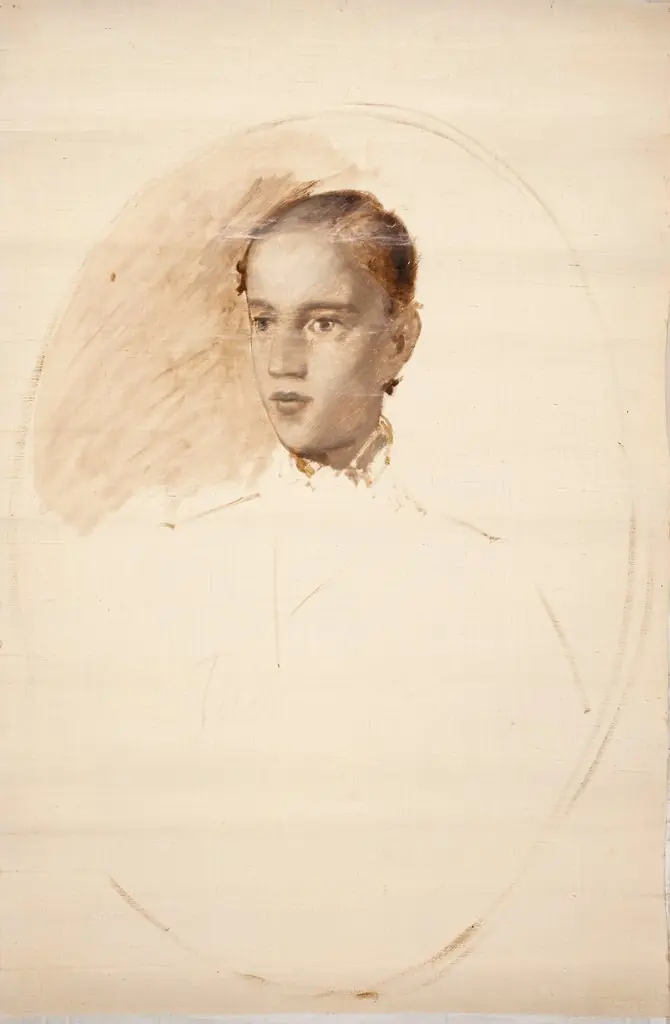 Portrætskitse. Formodentlig kunstnerens søn Thorald Jerichau
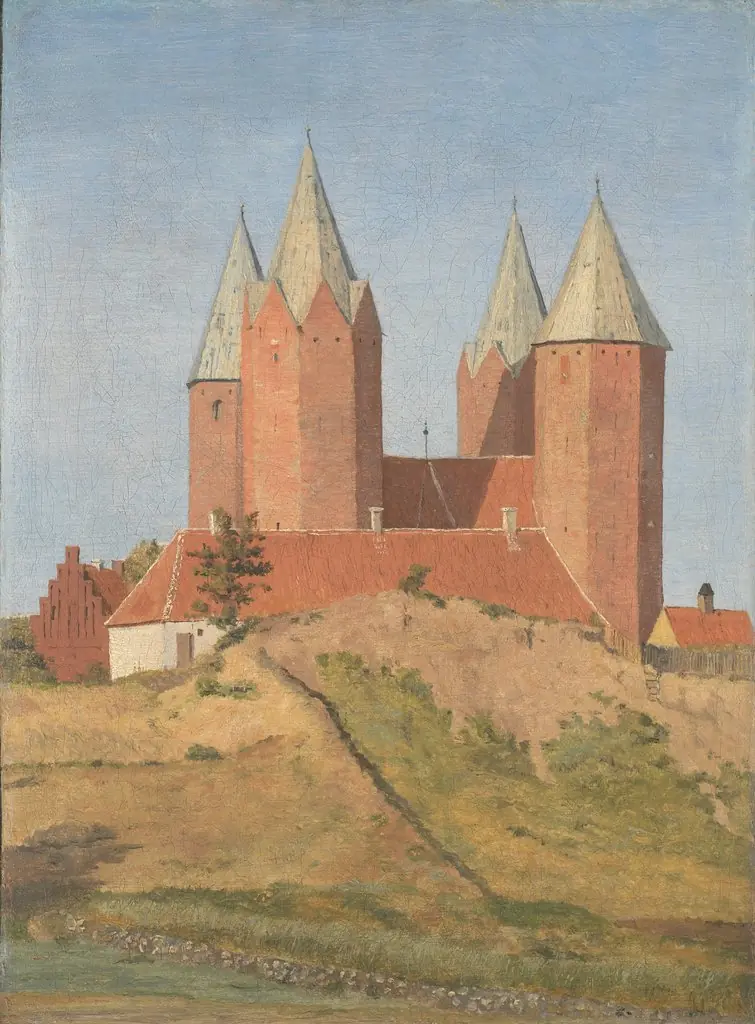 Kalundborg Church
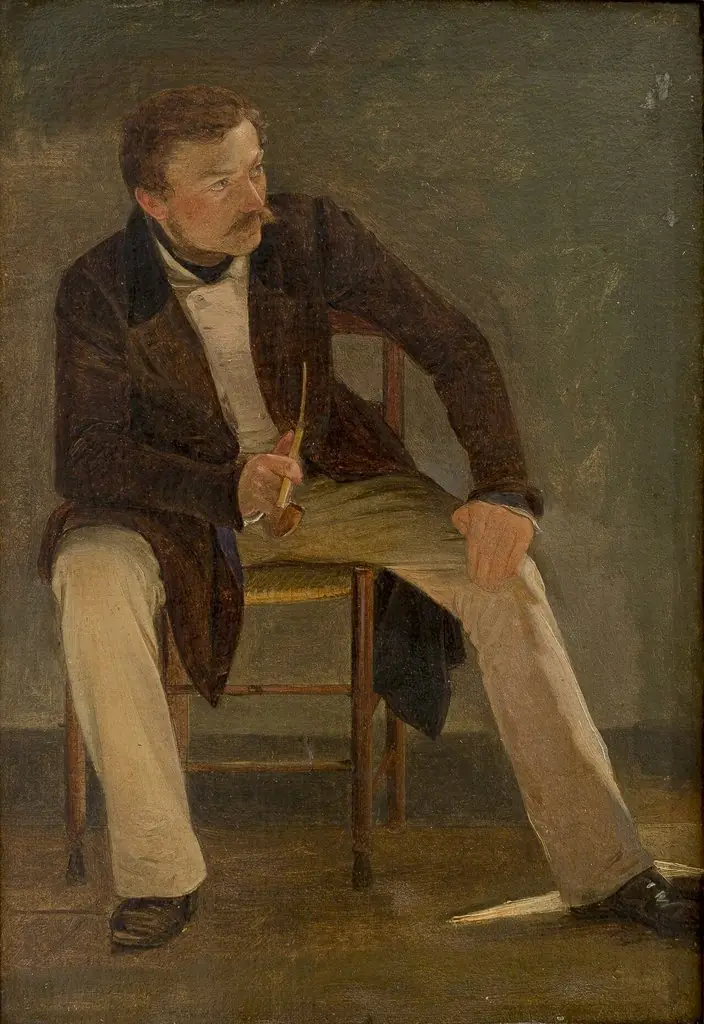 The Painter Constantin Hansen
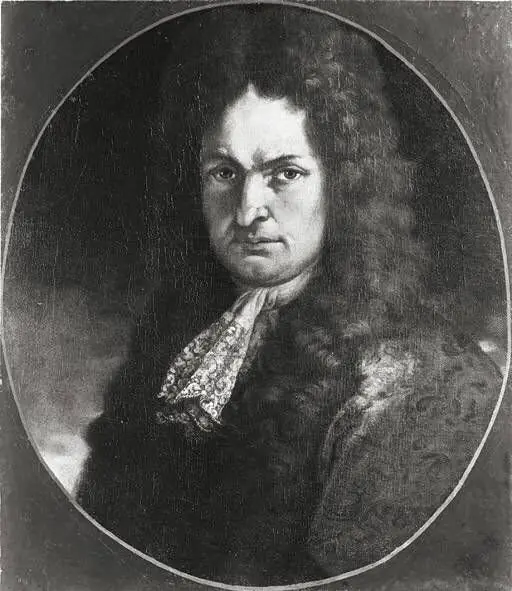 Self-portrait
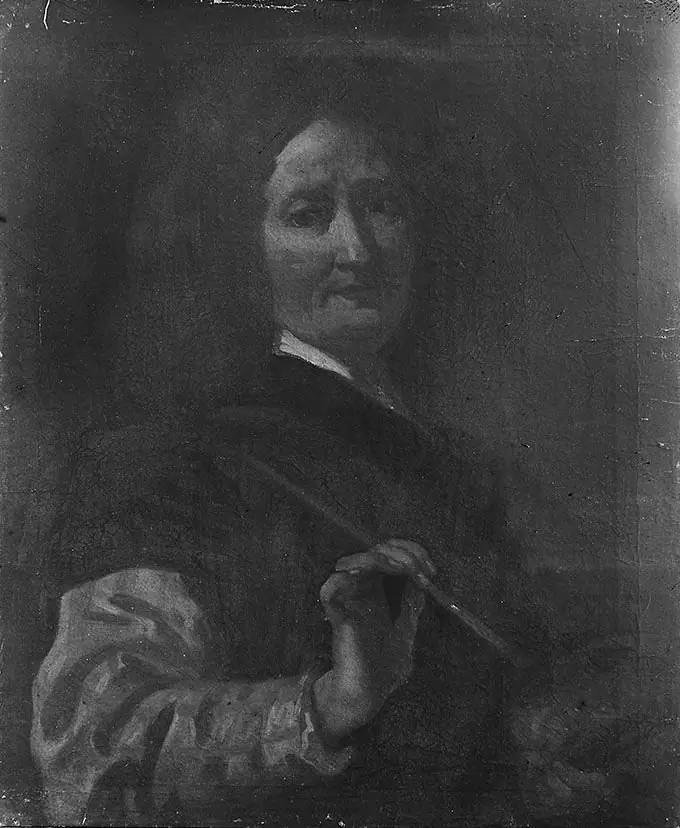 Selbstbildnis
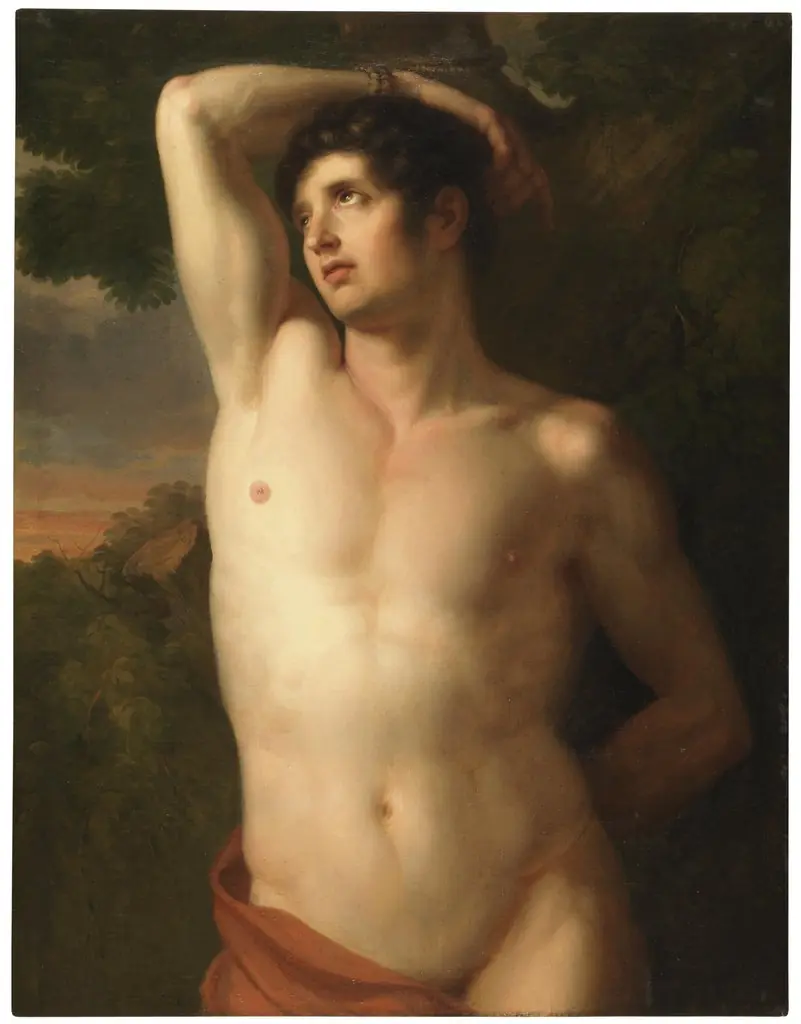 Saint Sebastian
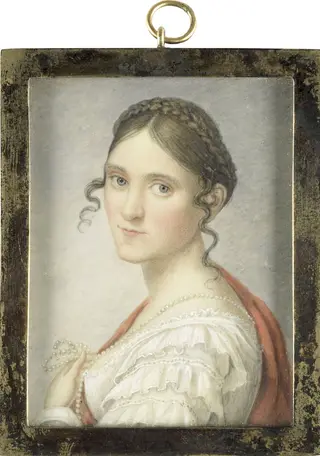 Portret van een vrouw
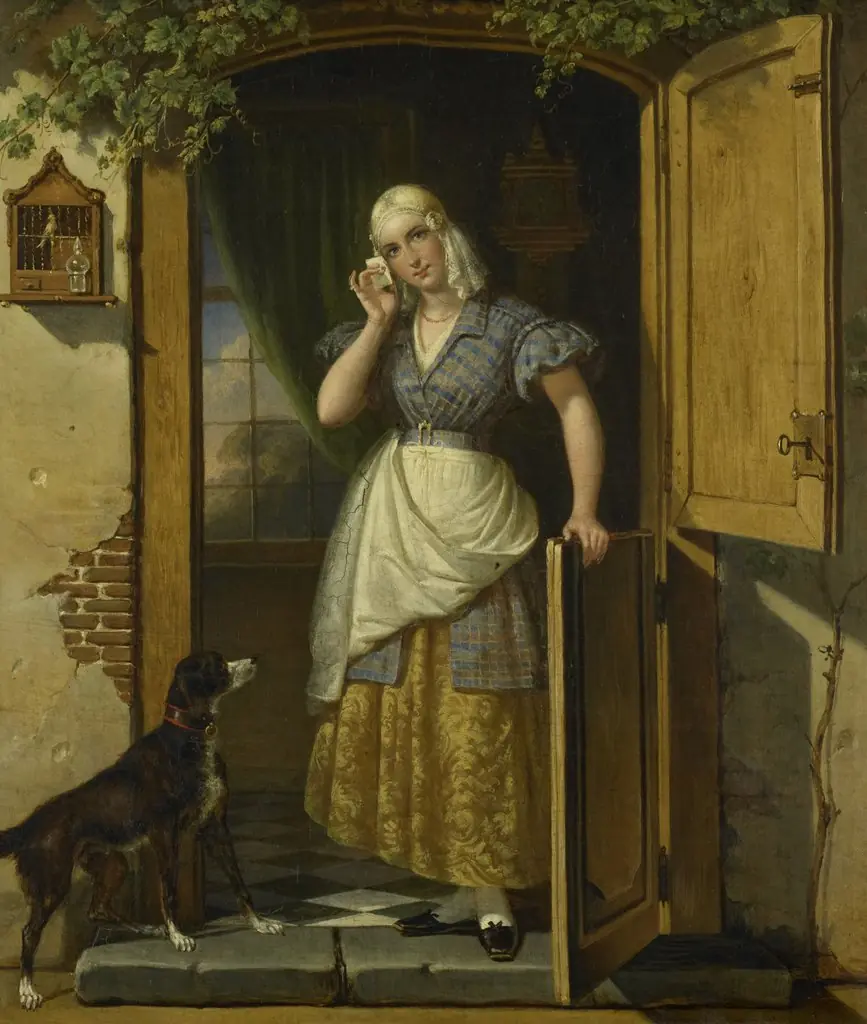 Love Note
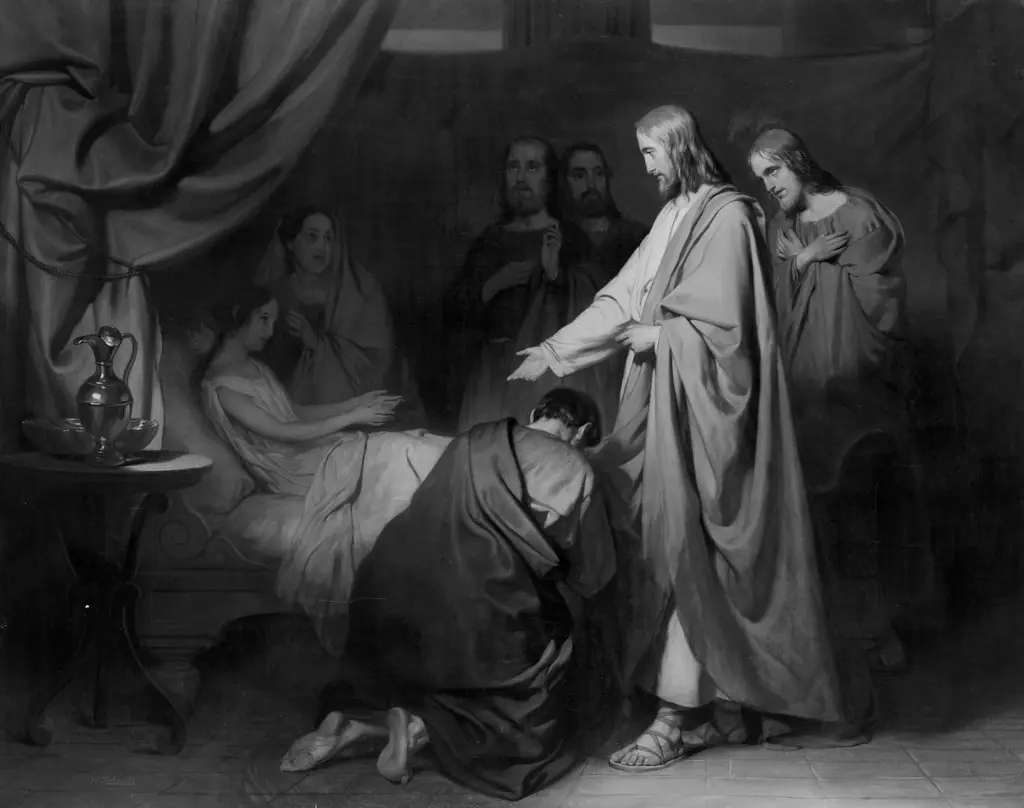 Raising of Jairus's Daughter
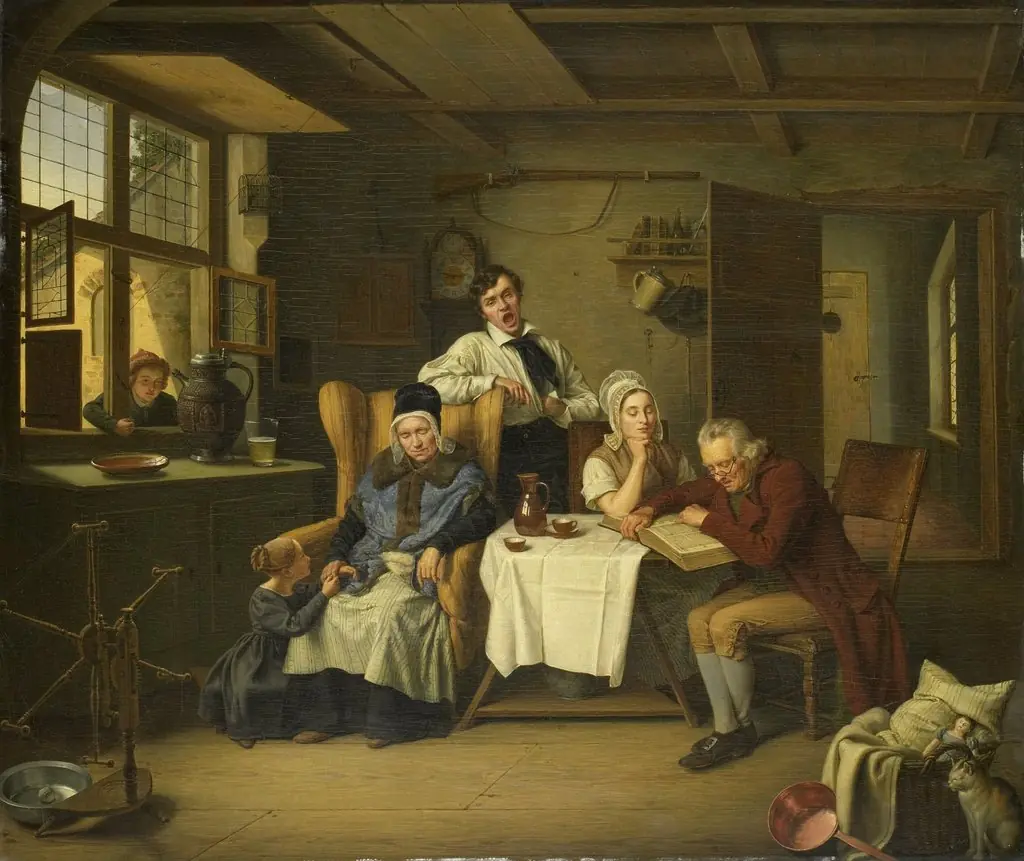 Bible Reading
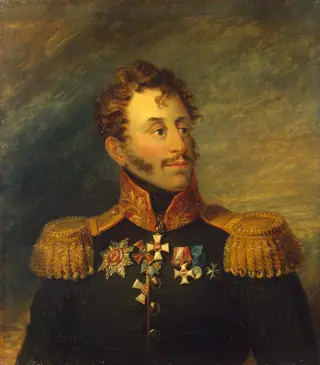 Portrait of Karl B. von Knorring (1774-1817) (3rd)
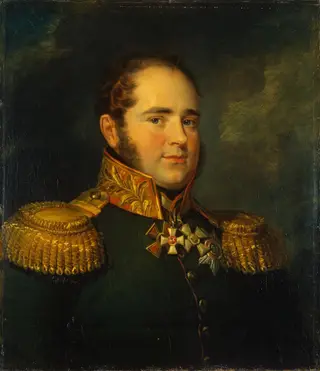 Portrait of Karl F. Baggowut (1761-1812)
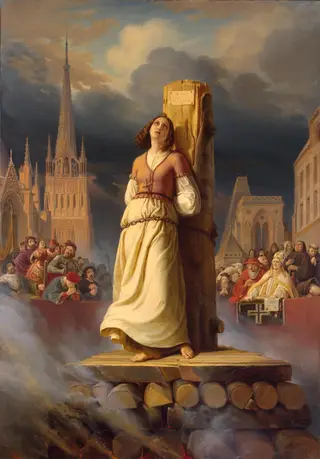 Joan of Arc's Death at the Stake (Right-Hand Part of ''The Life of Joan of Arc'' Triptych)
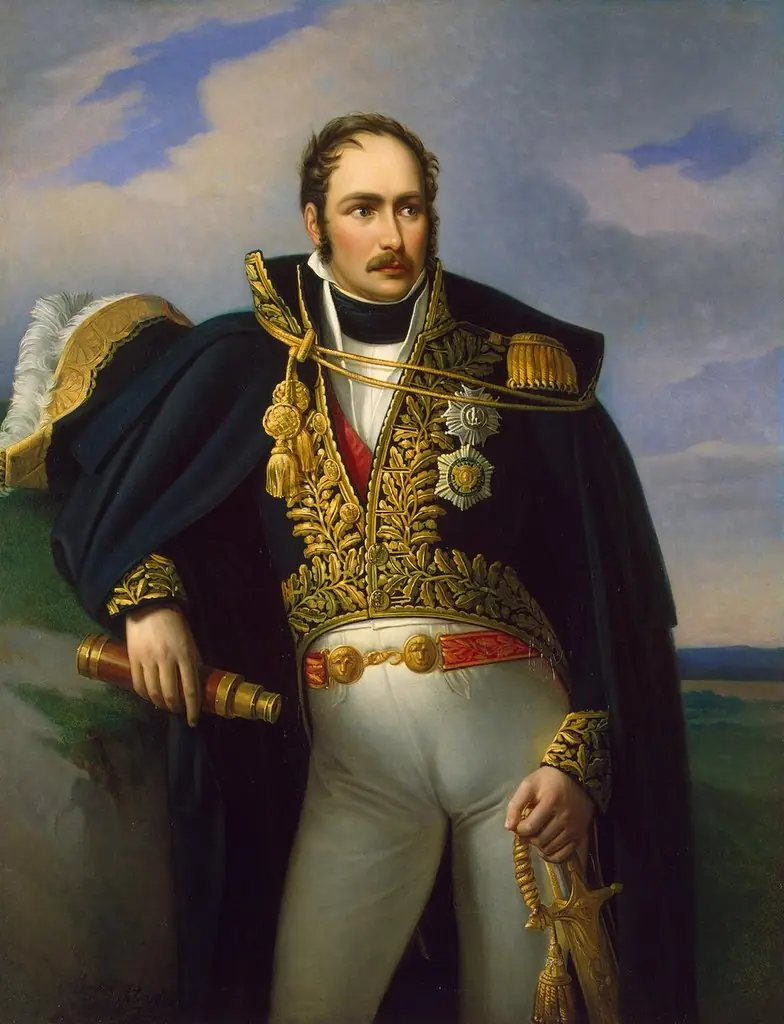 Portrait of Eugene de Beauharnais
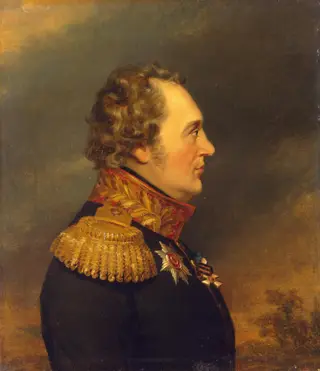 Portrait of Ivan N. (Magnus Gustav) Essen (1758/59-1813)
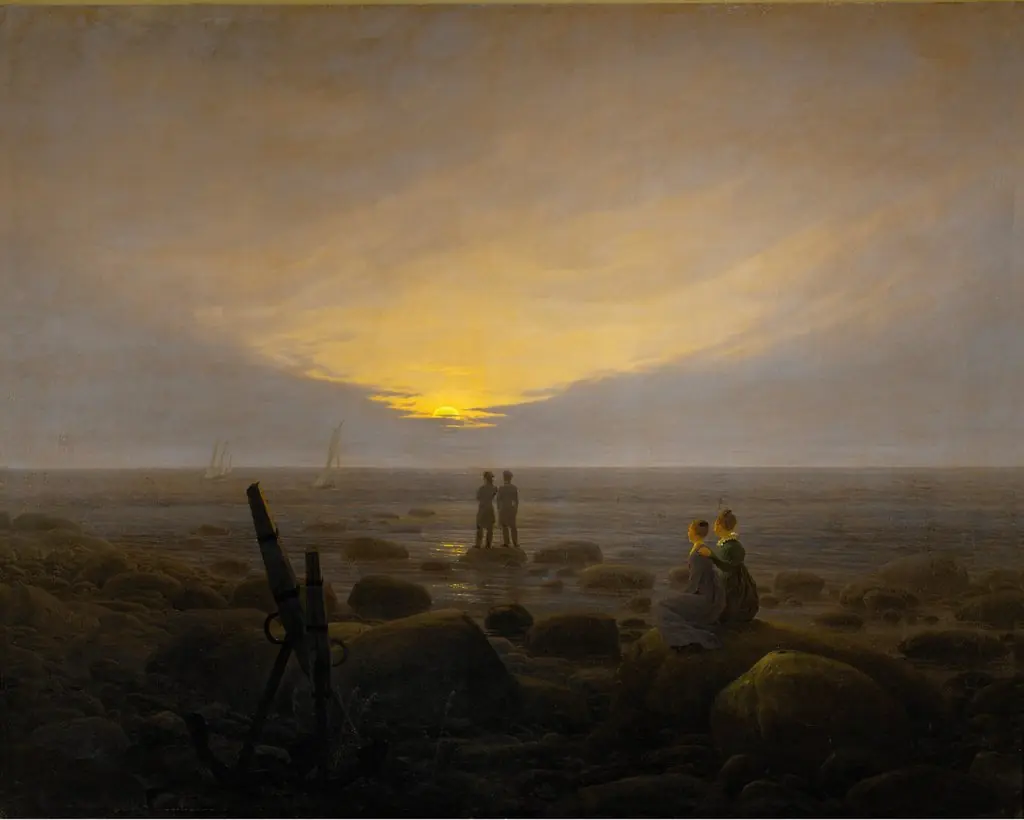 Moonrise over the Sea
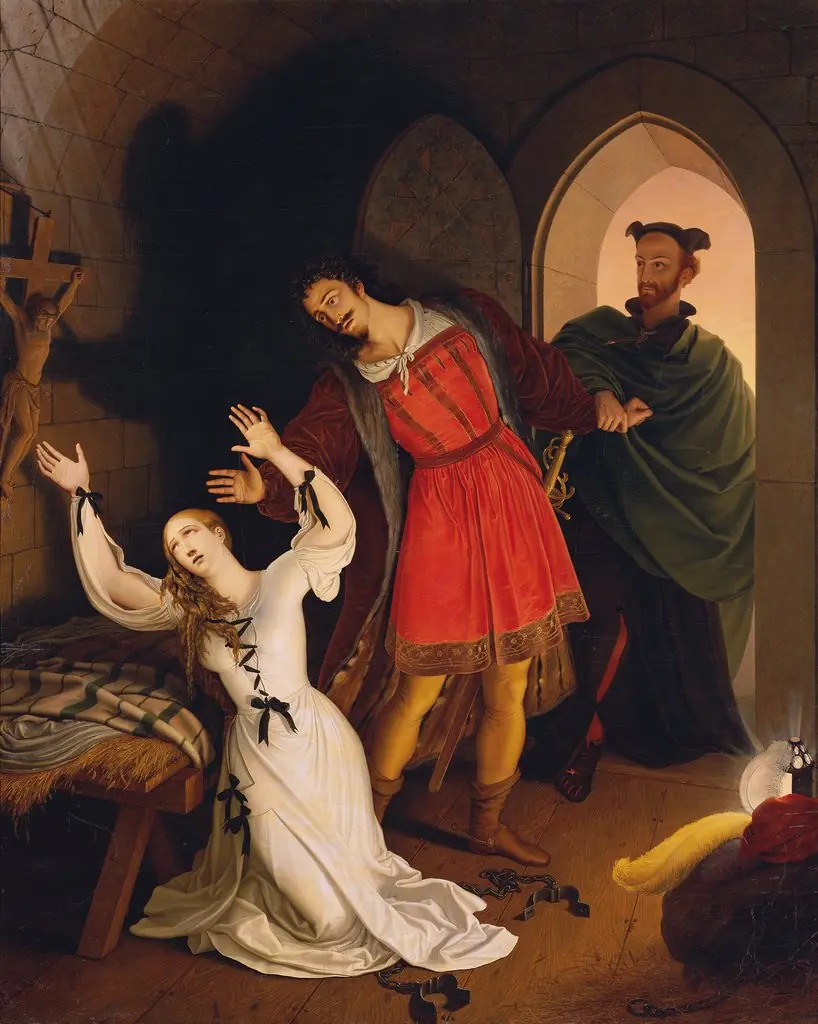 Faust und Gretchen im Kerker
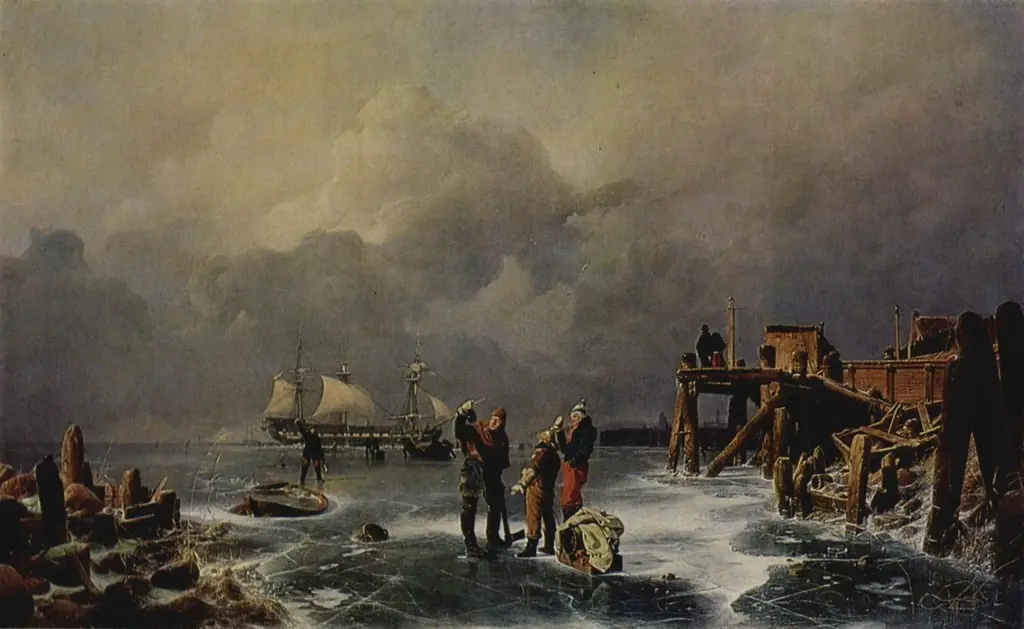 Shore of the Frozen Sea (Winter Landscape)
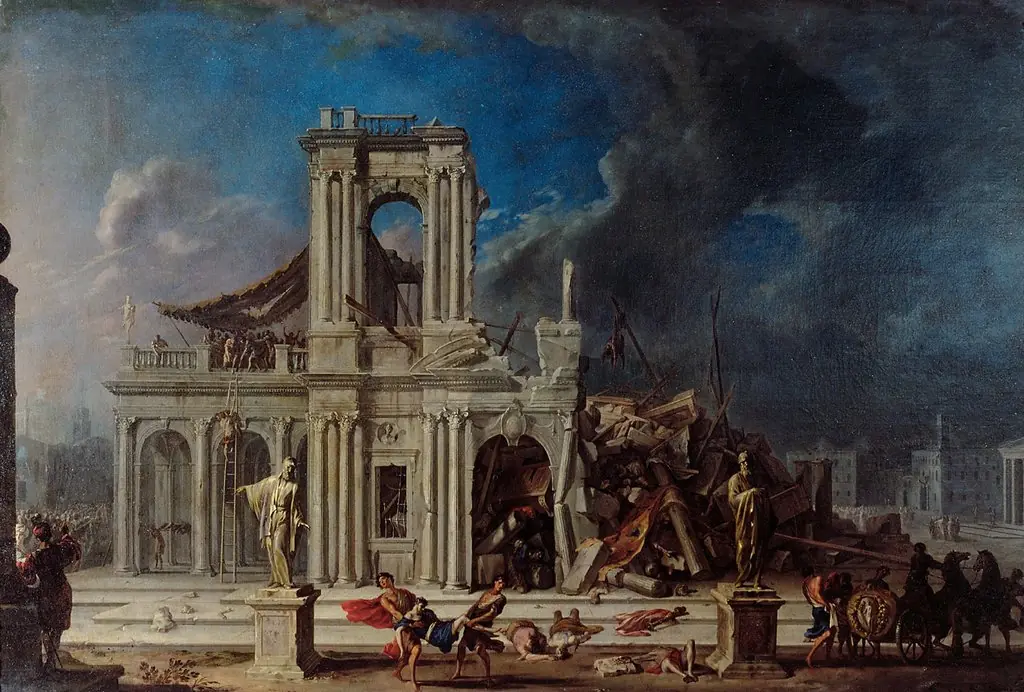 Samson's Revenge on the Philistines
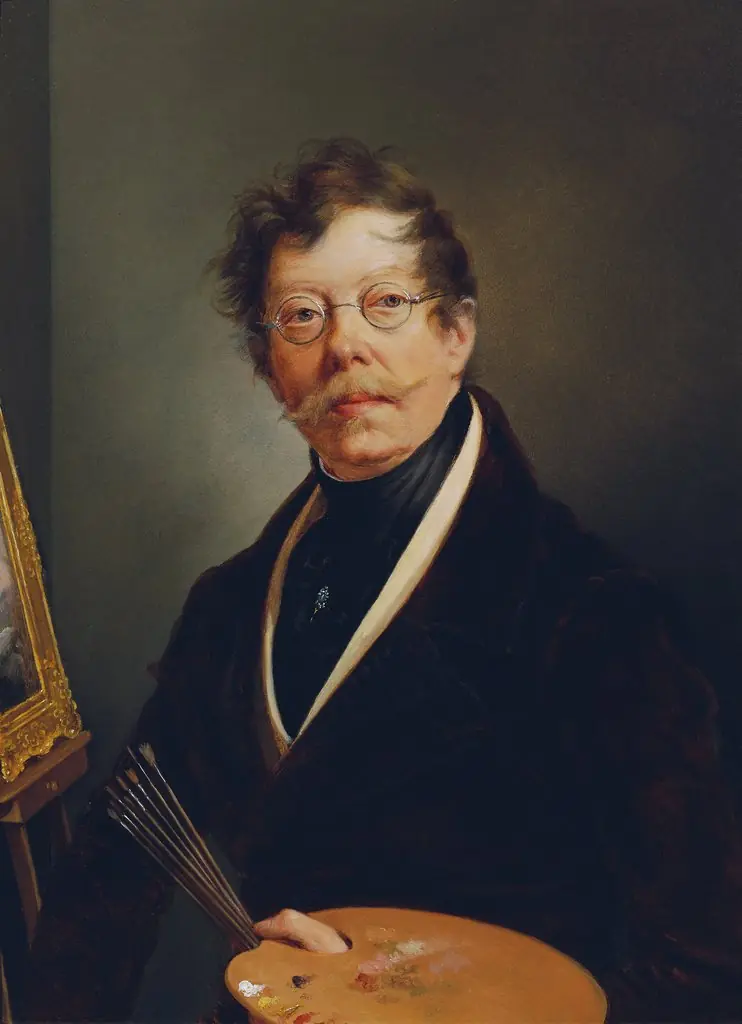 Selbstbildnis an der Staffelei
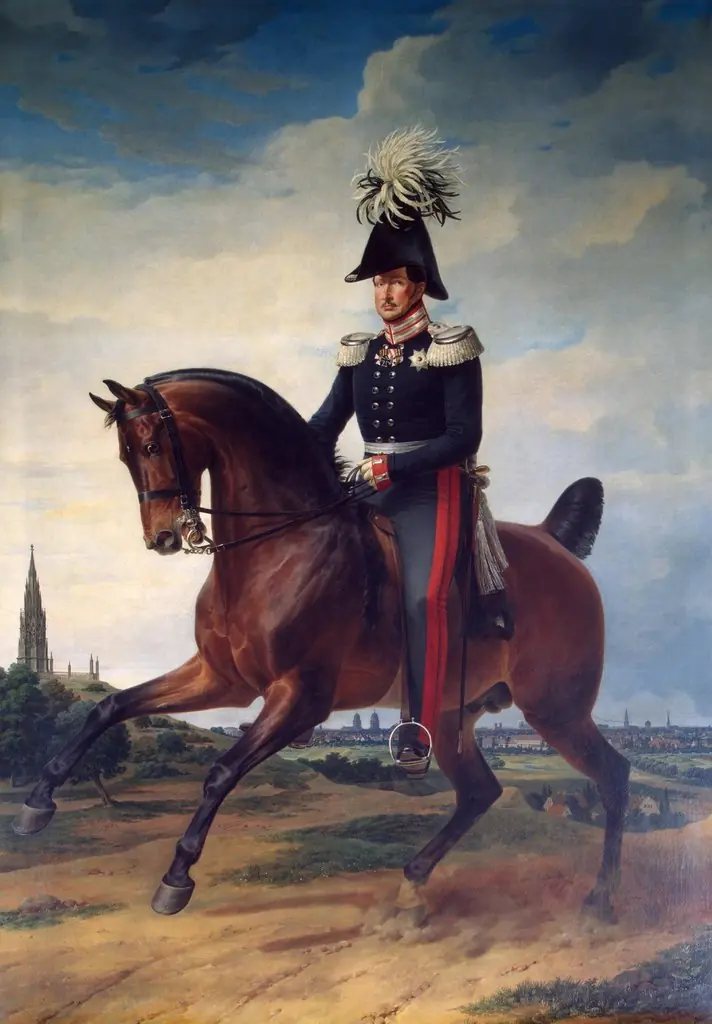 Equestrian Portrait of Frederick William III
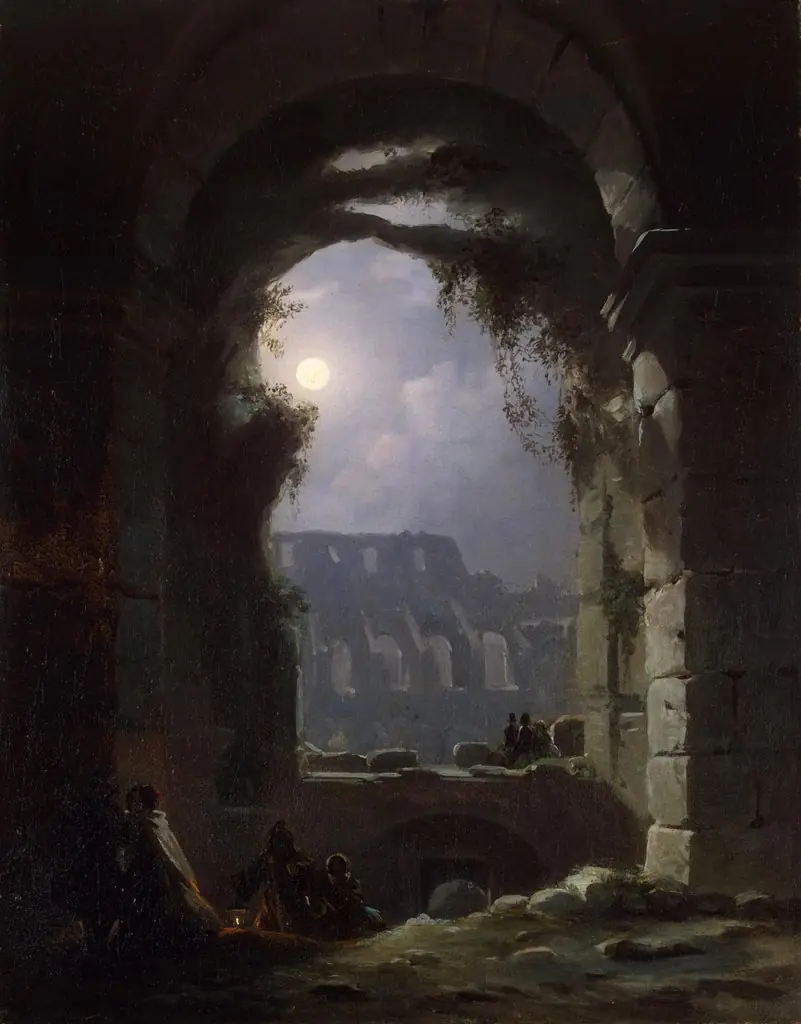 View of the Colosseum by Night
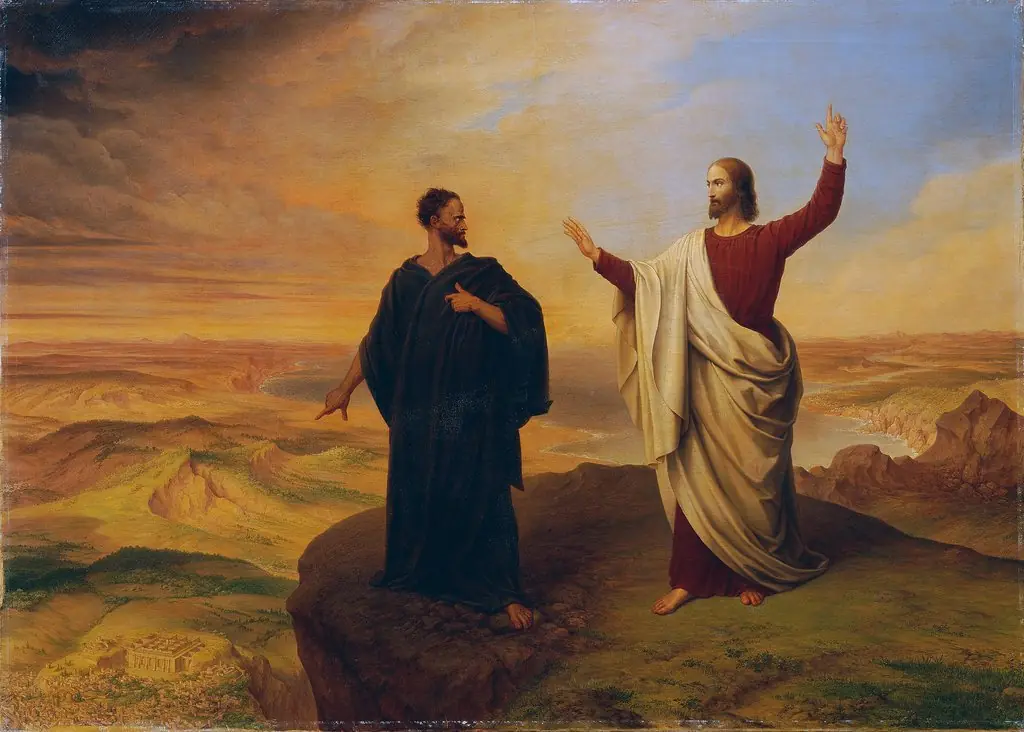 Die Versuchung Christi
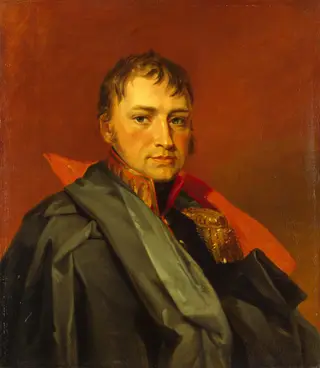 Portrait of Otto I. Buchholtz (1770- after 1820)
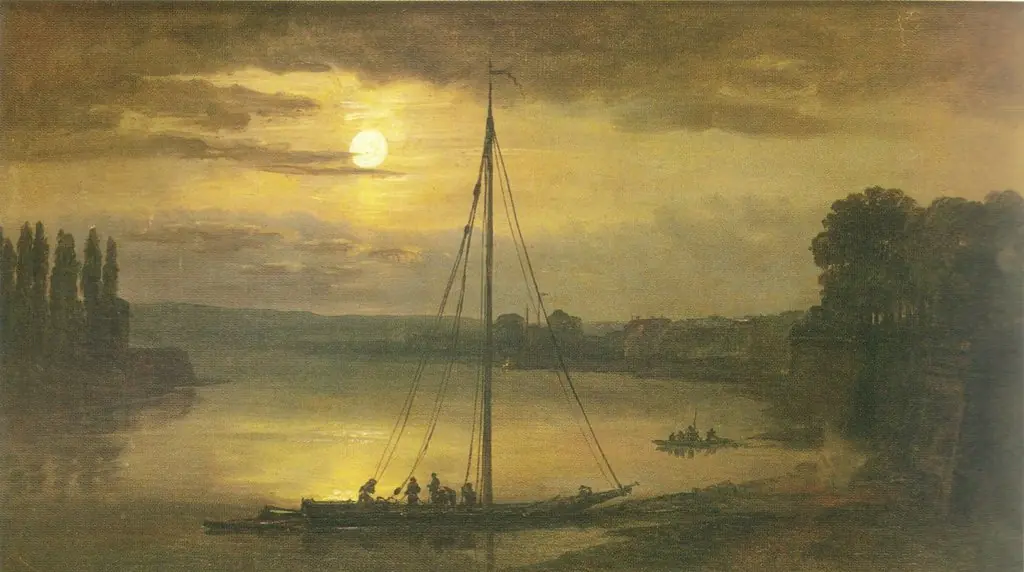 View of the Elbe near the Brühlsche Terrasse
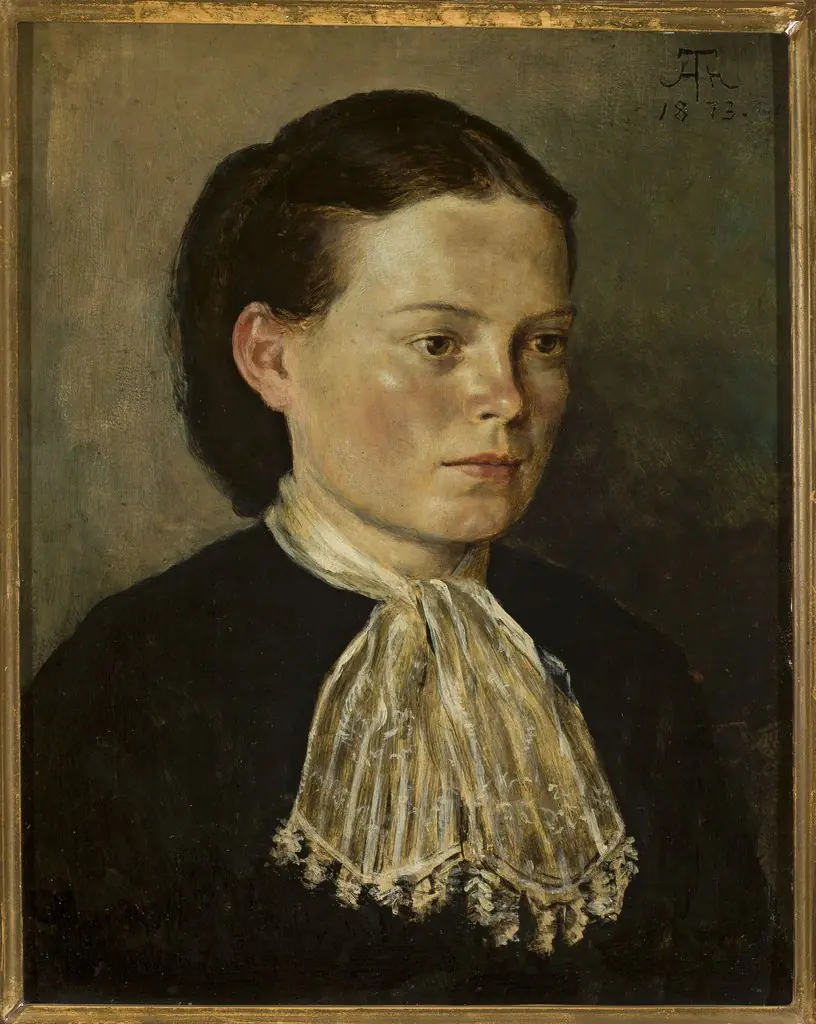 Portrait of Agathe, artist’s sister
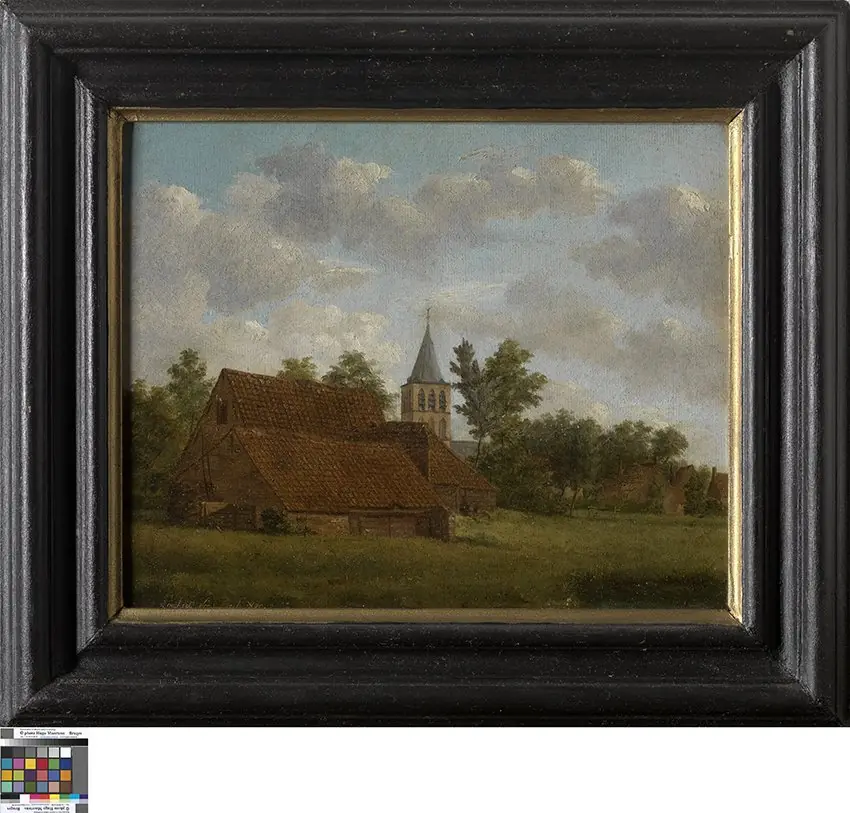 De Sint-Gilliskerk in Brugge
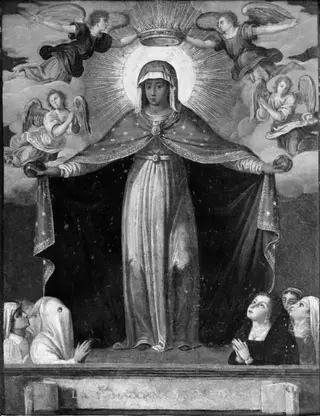 Madonna i en glorie af engle
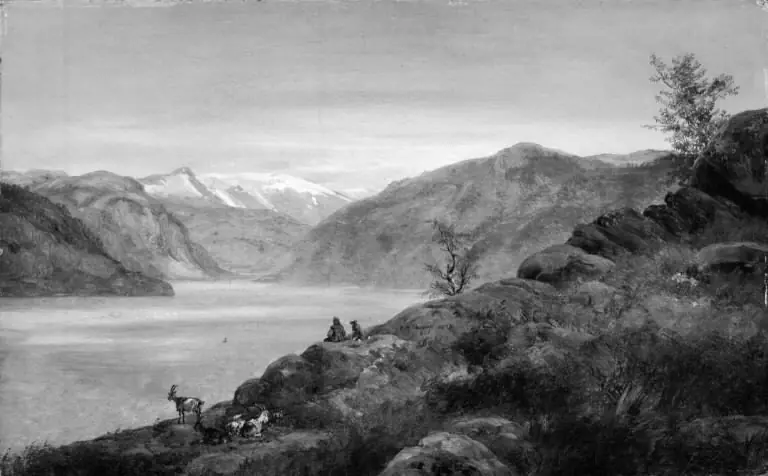 Landscape Study. Kroken at Sogn, Norway
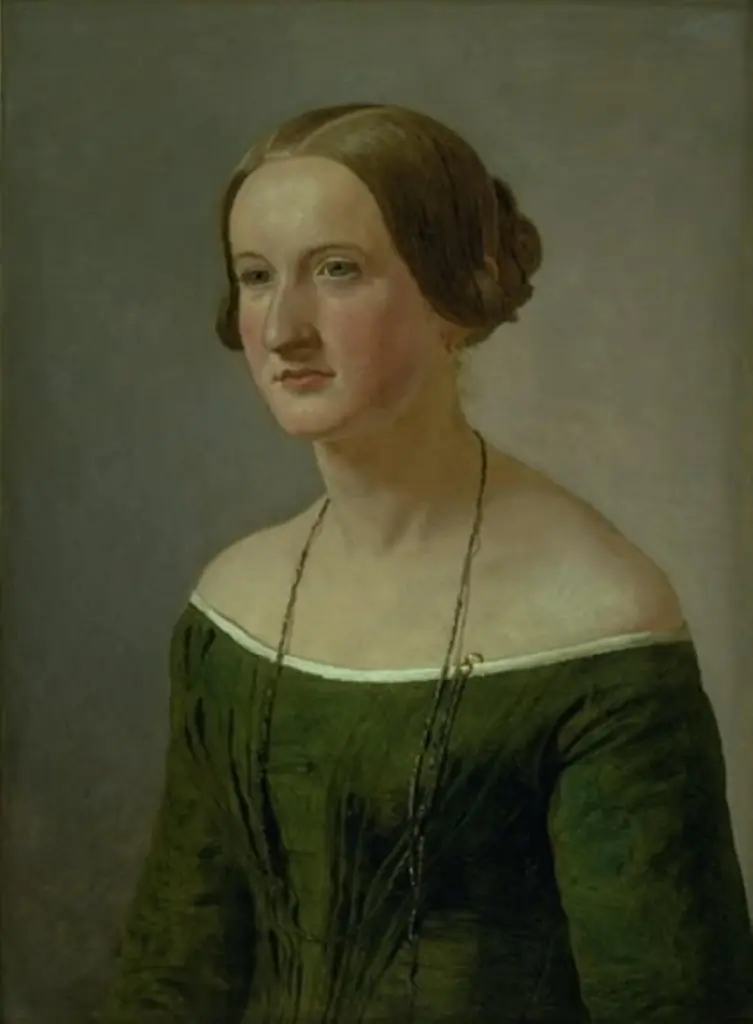 Portrait of the Artist´s Cousin, Petrea Petersen
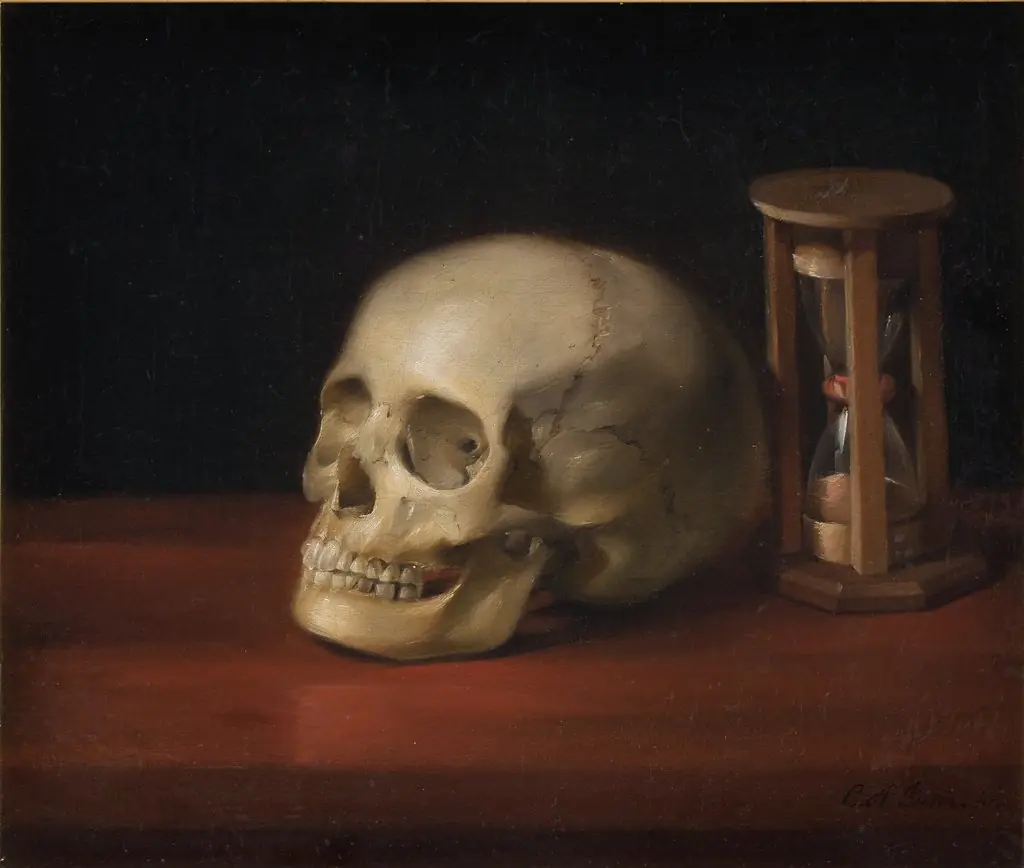 Skull and Hourglass
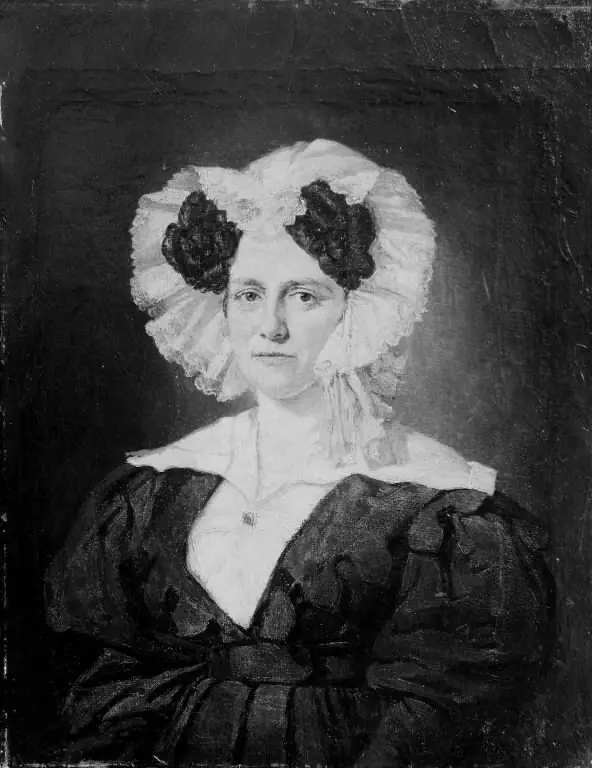 Dameportræt
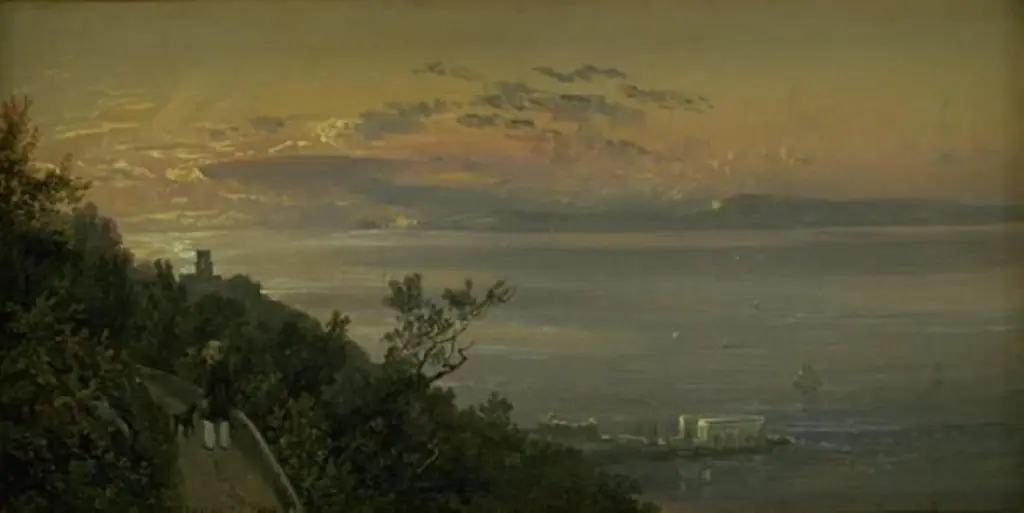 View from the Hills above Castellamare at Naples
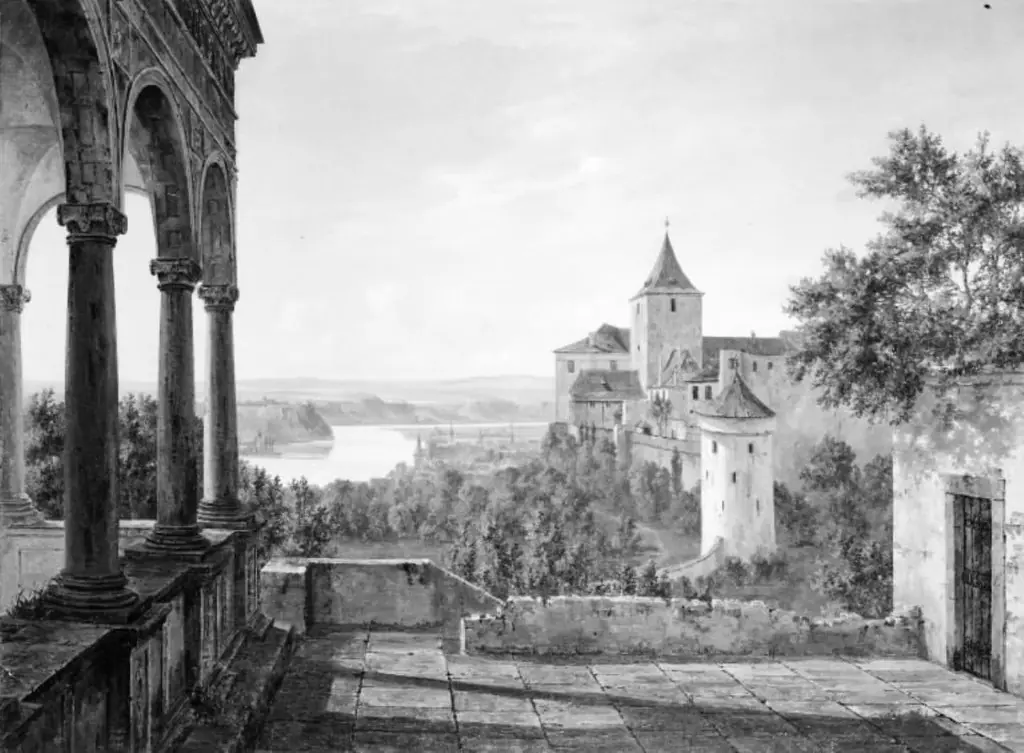 Udsigt ved Tycho Brahes observatorium i Prag
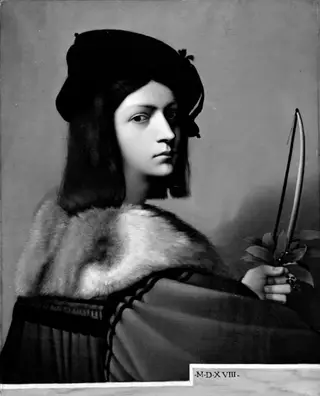 Violinspilleren
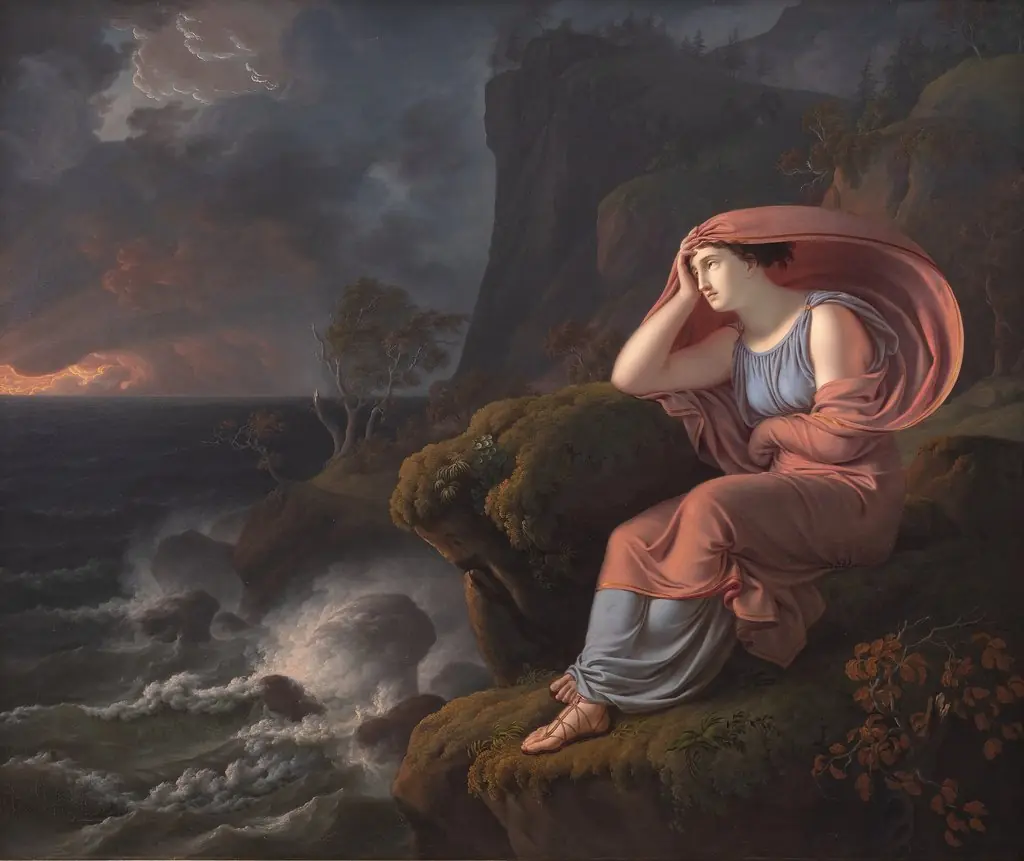 Alkyone venter forgæves sin bortrejste ægtefælle
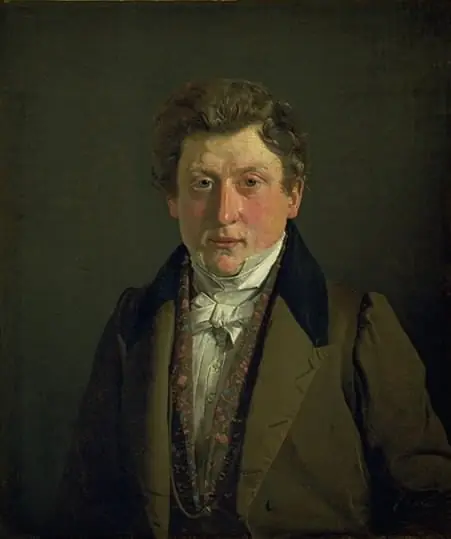 Portrait of the Artist´s Cousin and Brother-in-Law, the Grocer Christian Petersen
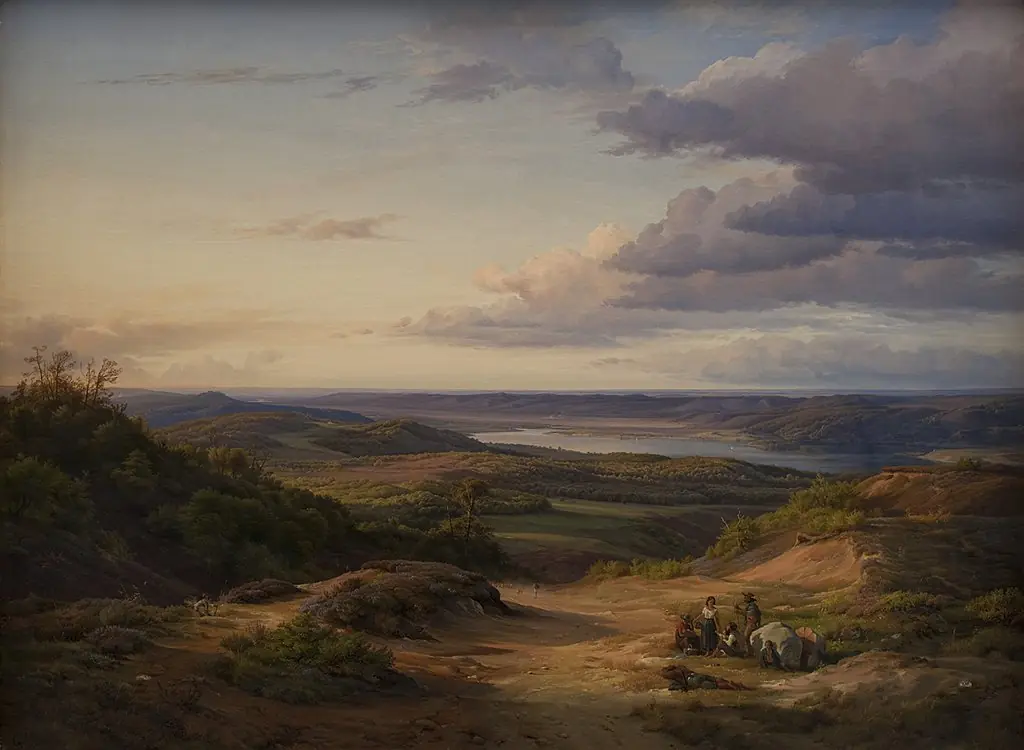 A Landscape near Himmelbjerget, Jutland. In the Foreground a Gypsy Family
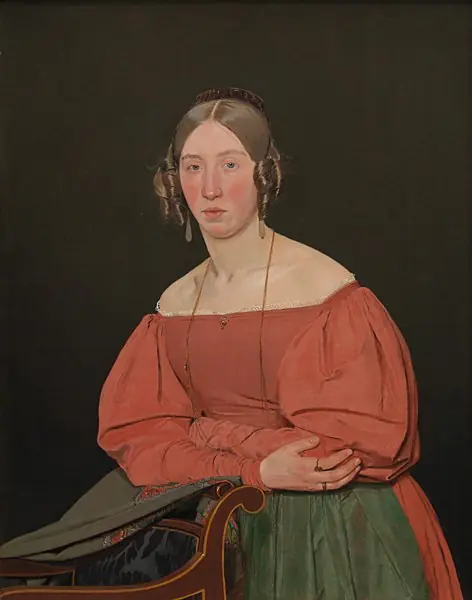 Portrait of the Artist´s Sister, Cecilie Margrethe Petersen, née Købke
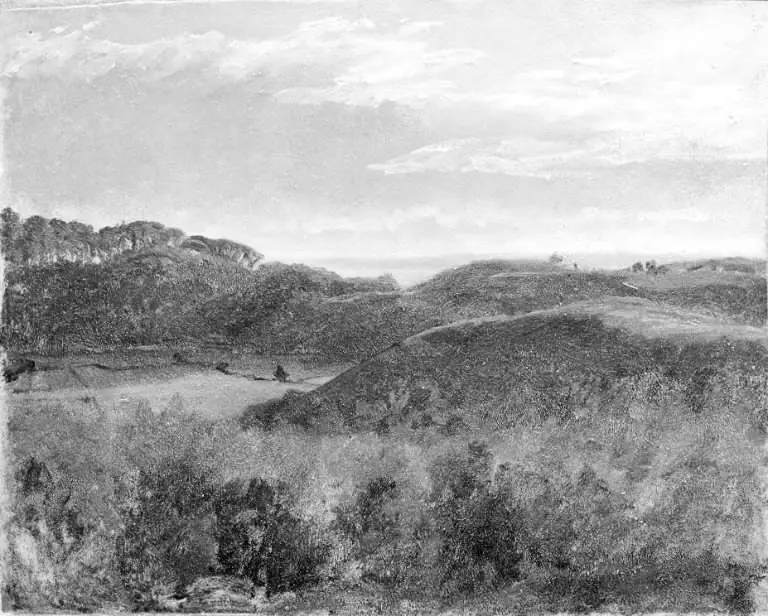 Landscape with Hills
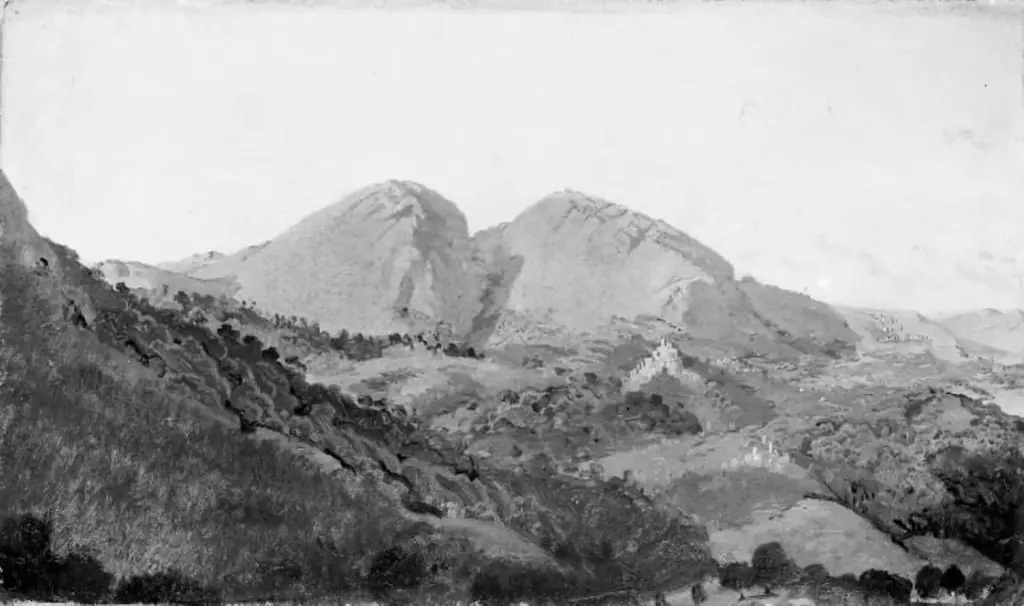 Udsigt mod Mammellerne (Monti Ruffi) nær Olevano
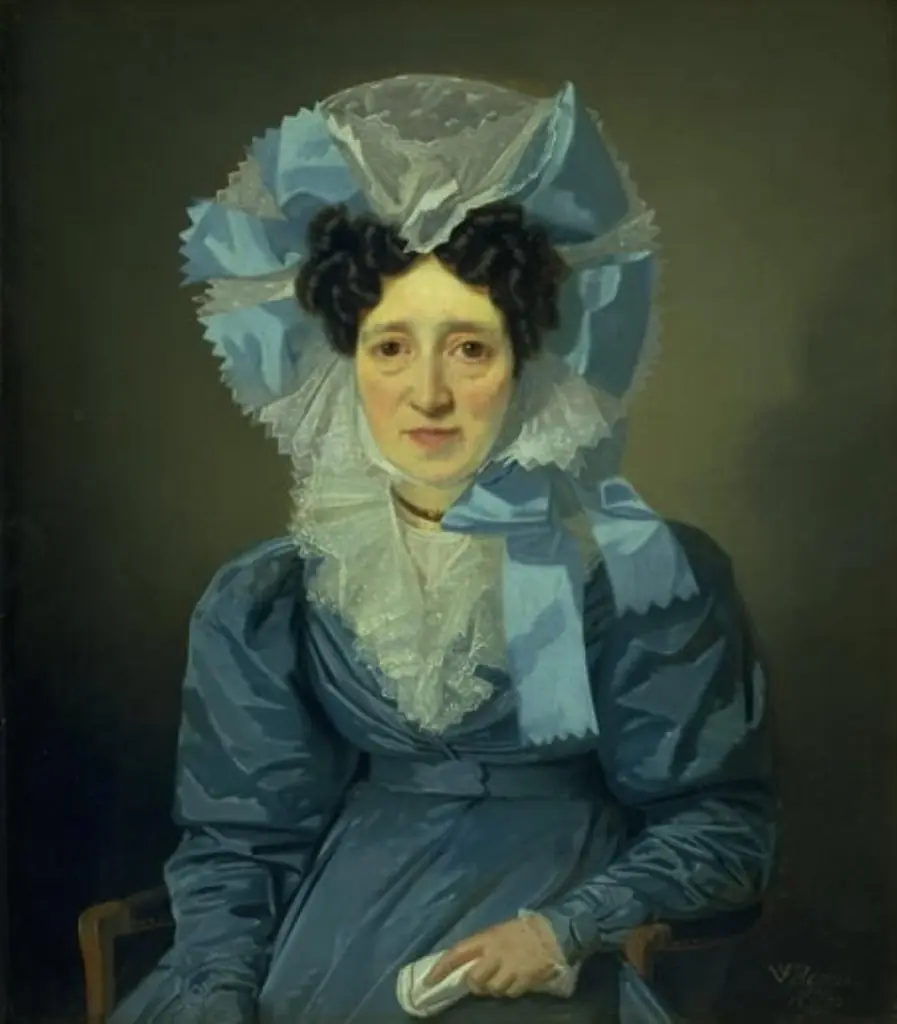 Cathrine von Halle, née Nathanson
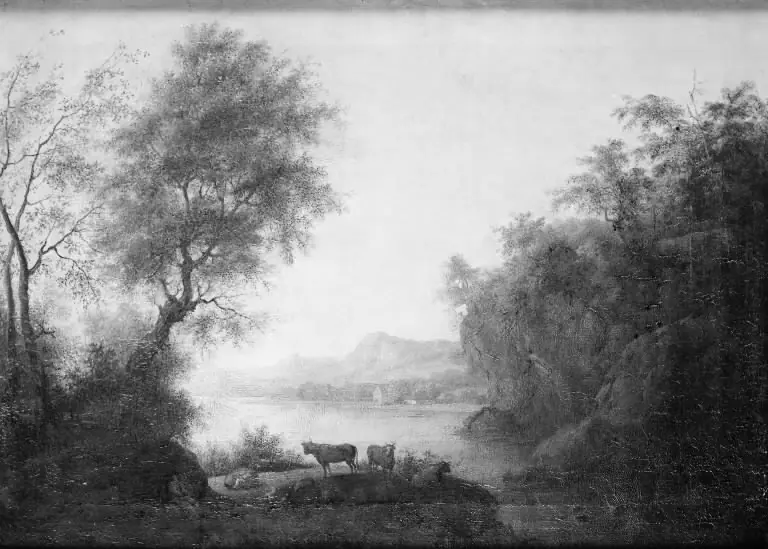 Udsigt over en sø i et bjergrigt landskab
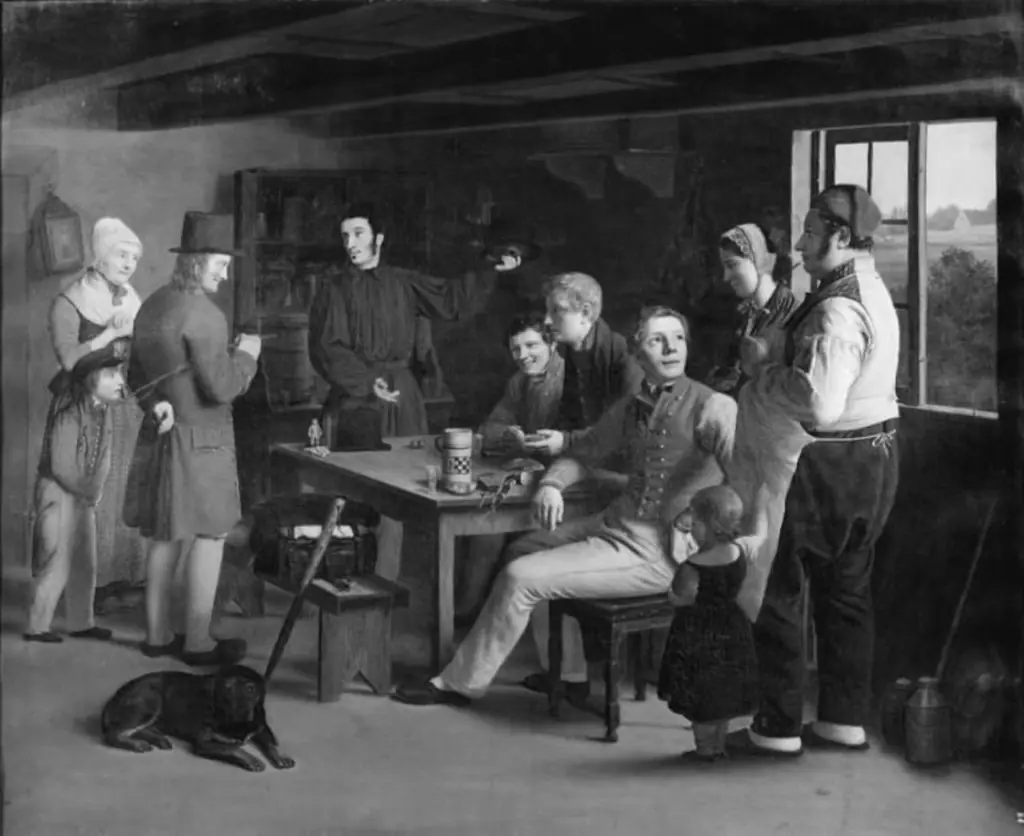 En taskenspiller som foreviser kunster i en krostue
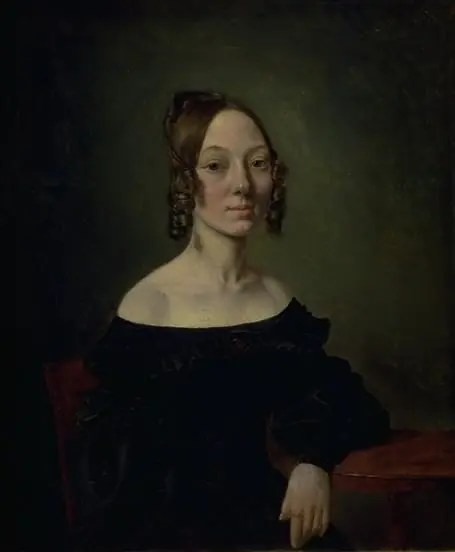 Portrait of a girl in a black dress sitting at table
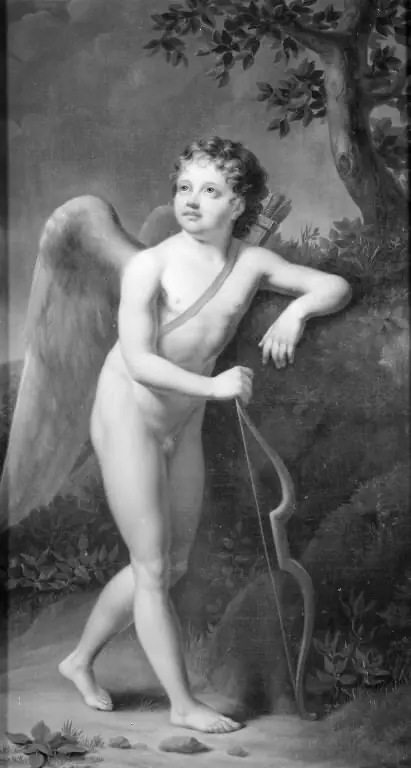 En stående amor i et landskab
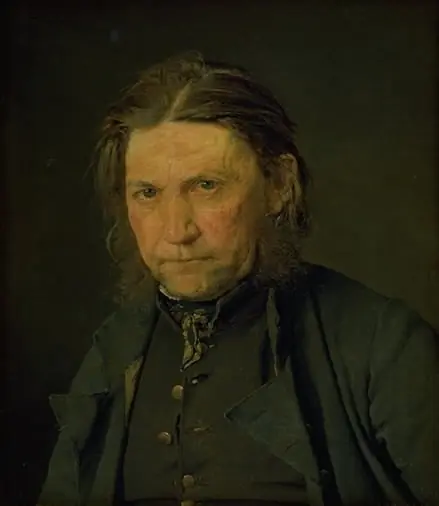 Portrait of an Old Sailor
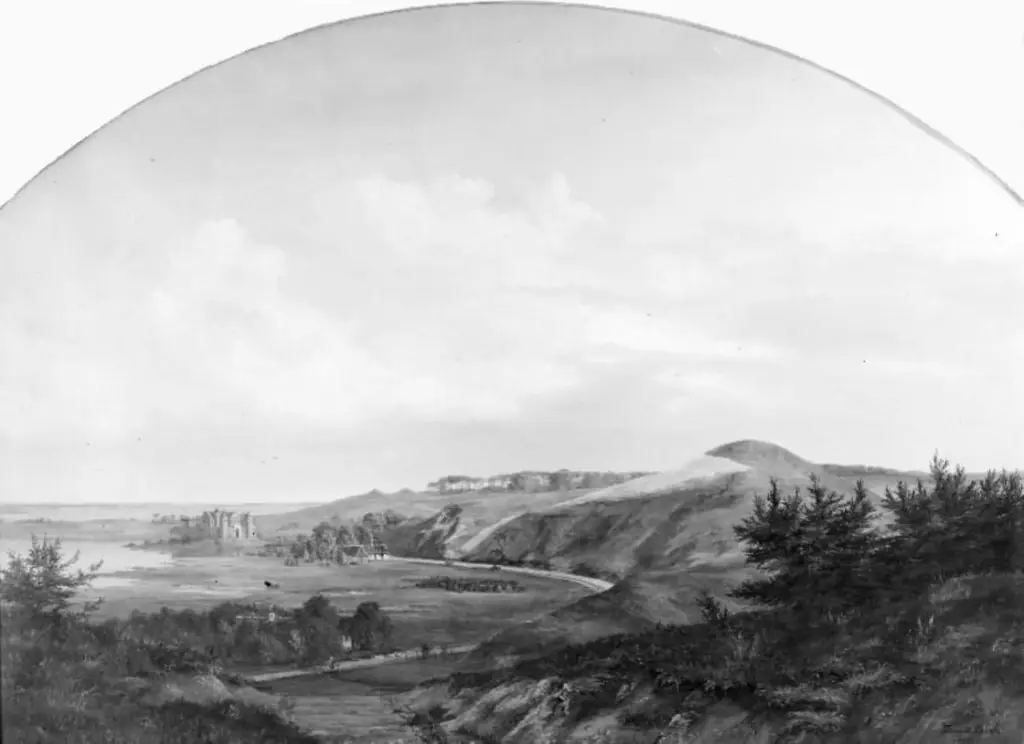 North Zealand Landscape at Lake Arre where King Valdemar the Victor built Dronningholm Castle in Memory of his Queen Dagmar
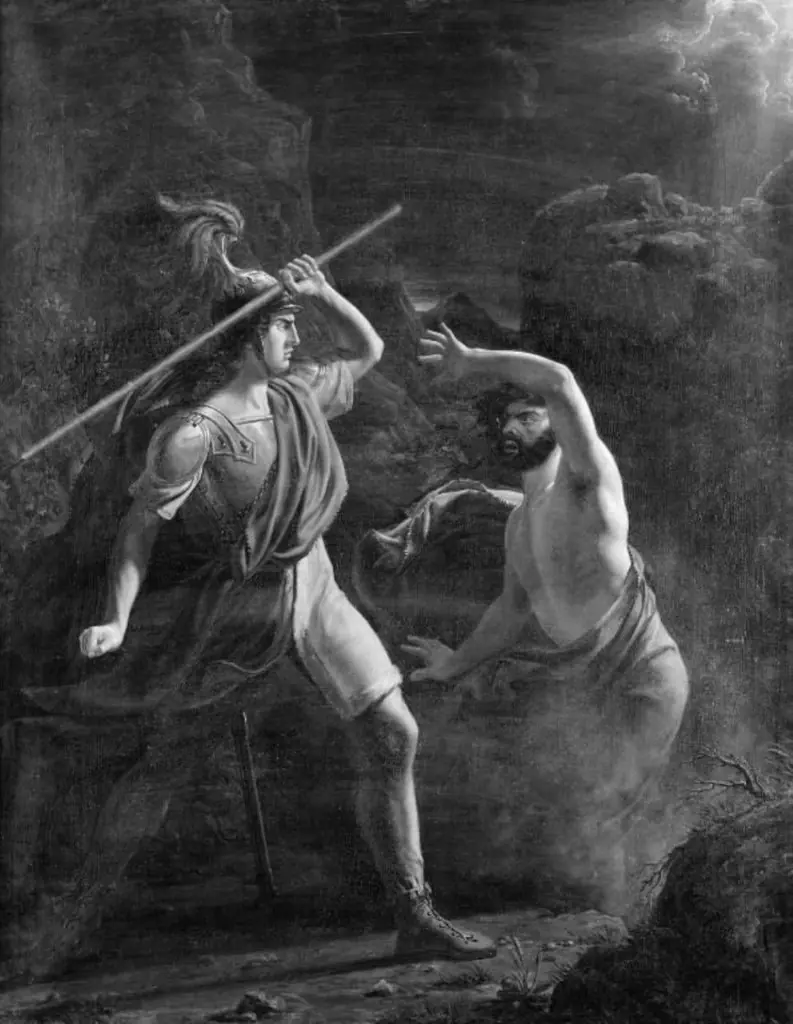 Loke styrtes i afgrunden af Hother
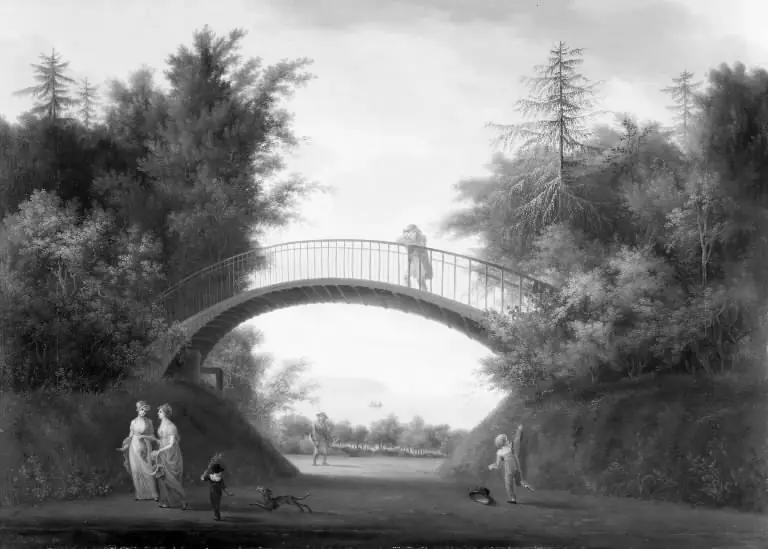 En bro over Skodsborgvej. I baggrunden Sundet
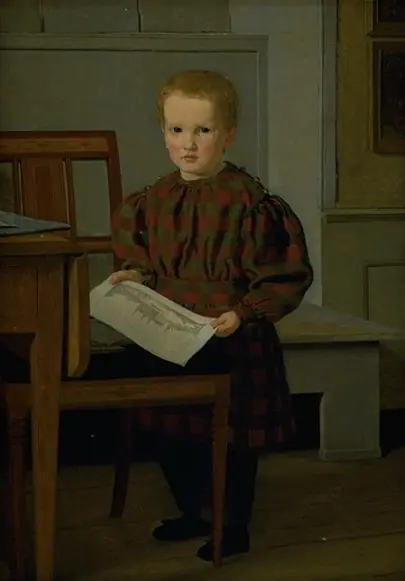 The Painter C.W. Eckersberg's Son Julius in his Fathers Studio
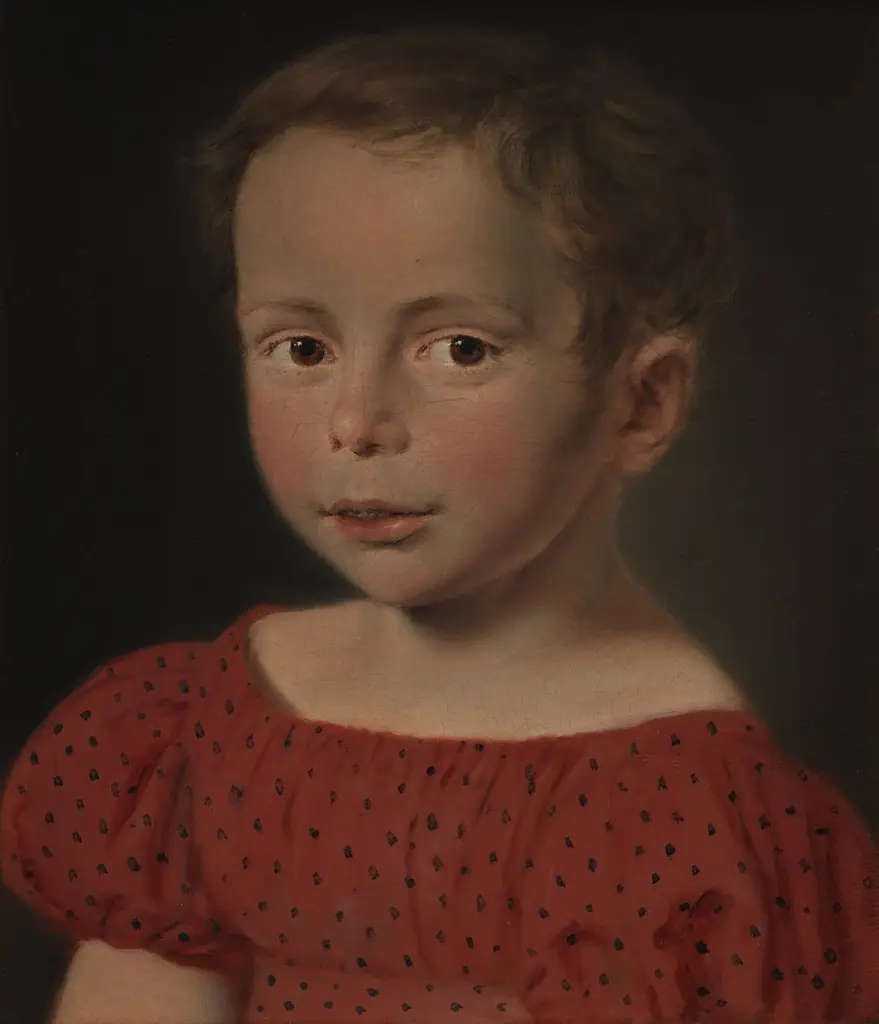 Barneportræt
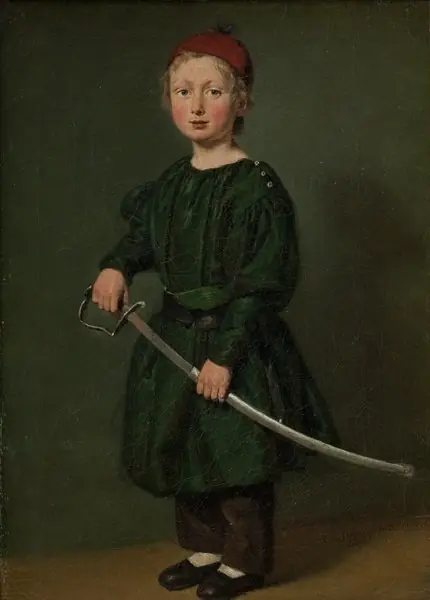 One of the Artist's Sons
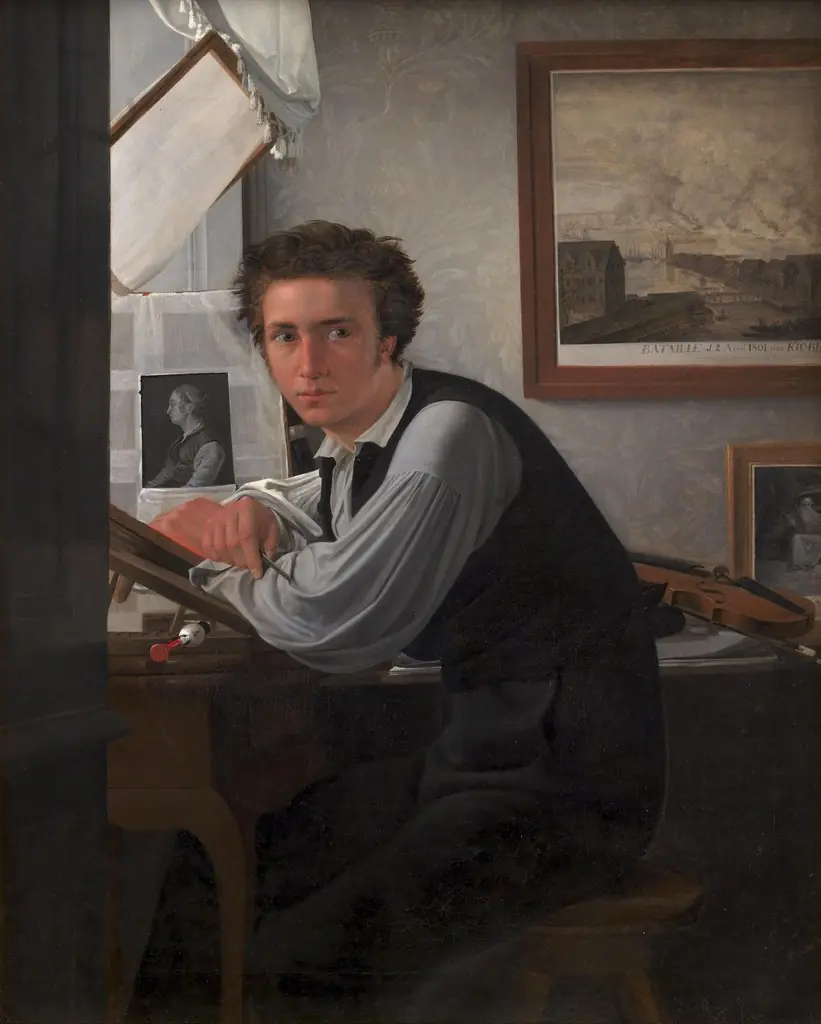 Portrait of the Copperplate Engraver Carl Edvard Sonne
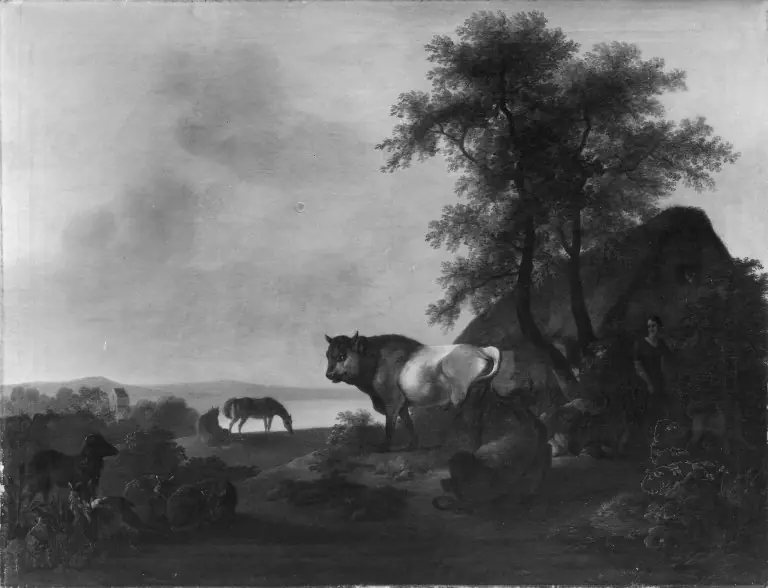 Kvæg i et landskab
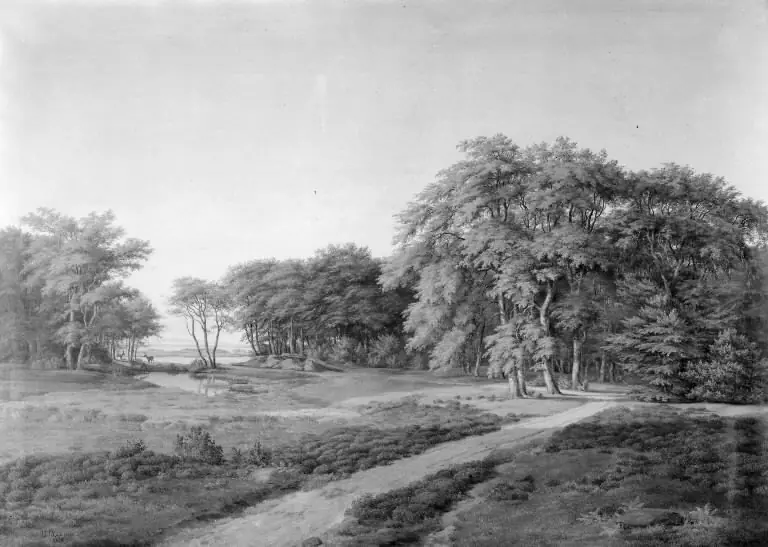 Landscape. Composition
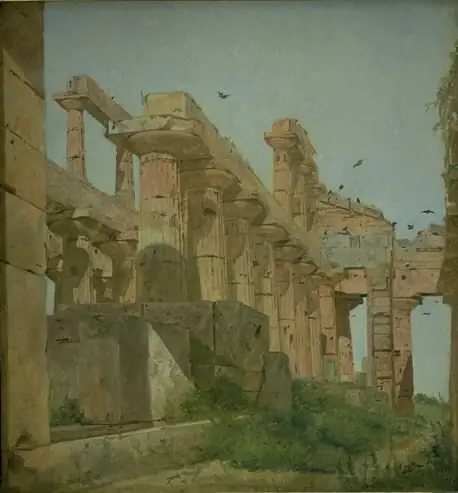 The Temple of Hera at Paestum, Italy
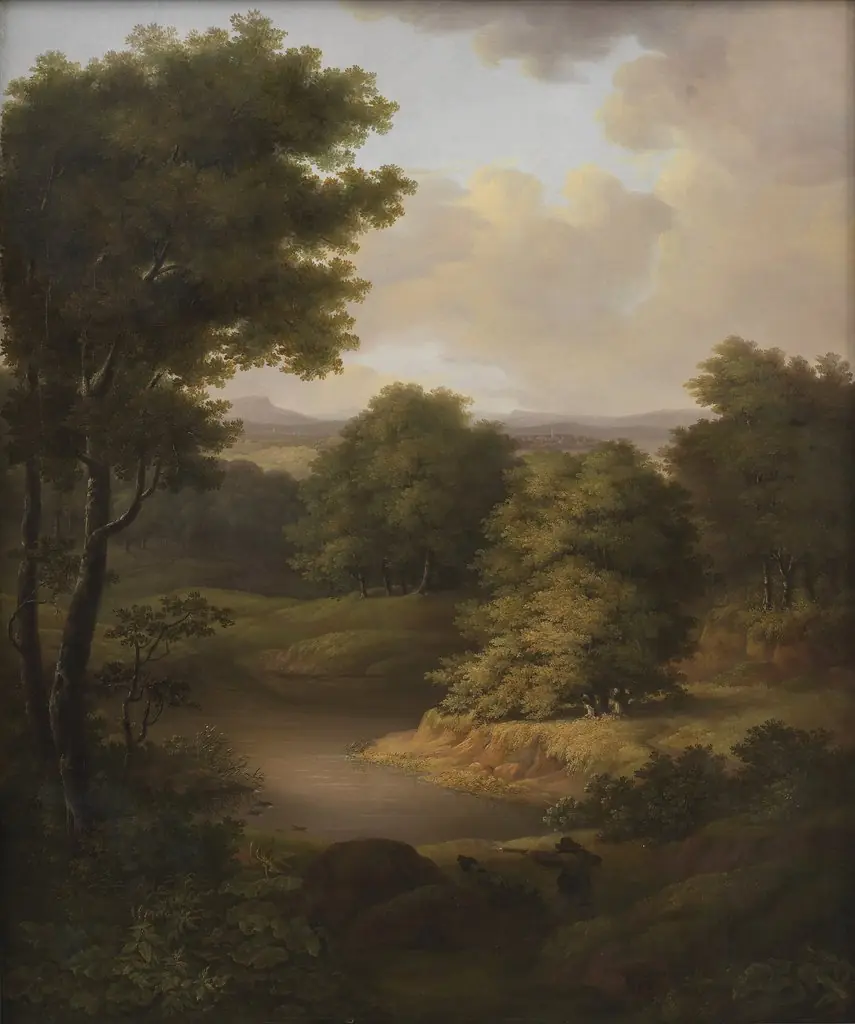 Duck Shooting in a Wooded Landscape
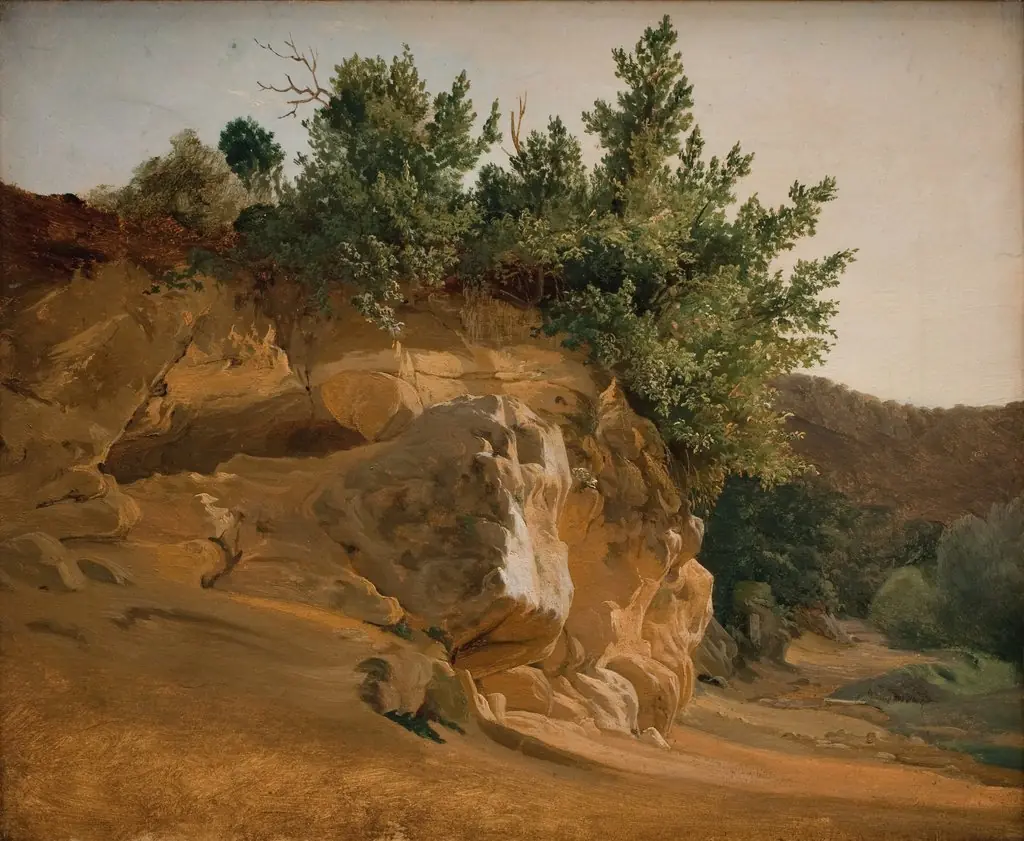 Italian Mountain Landscape with Overgrown Rock, probably near Olevano
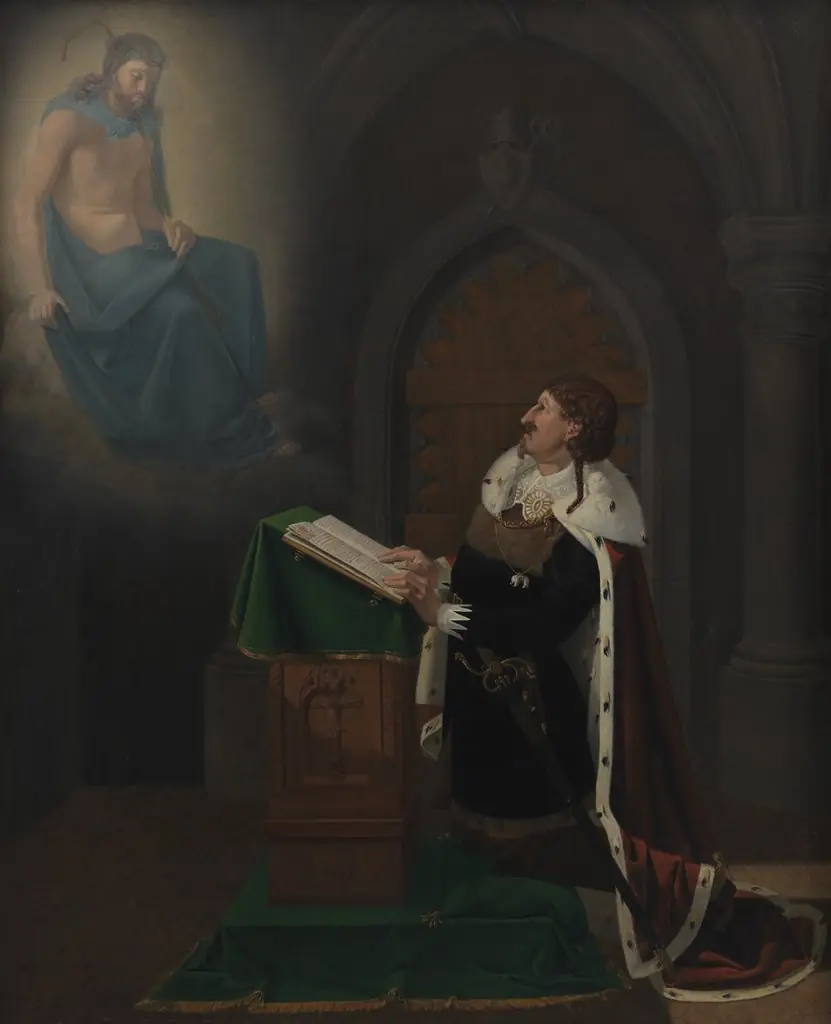 Christian IV's Vision at Rothenburg Castle
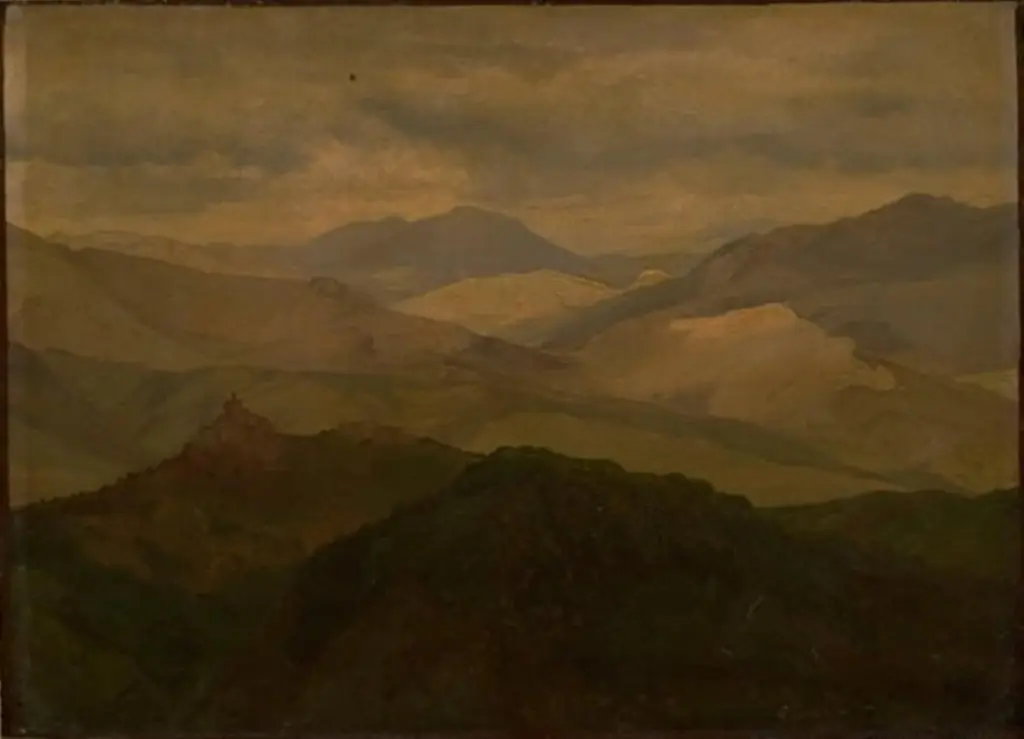 Bjerglandskab ved Civitella
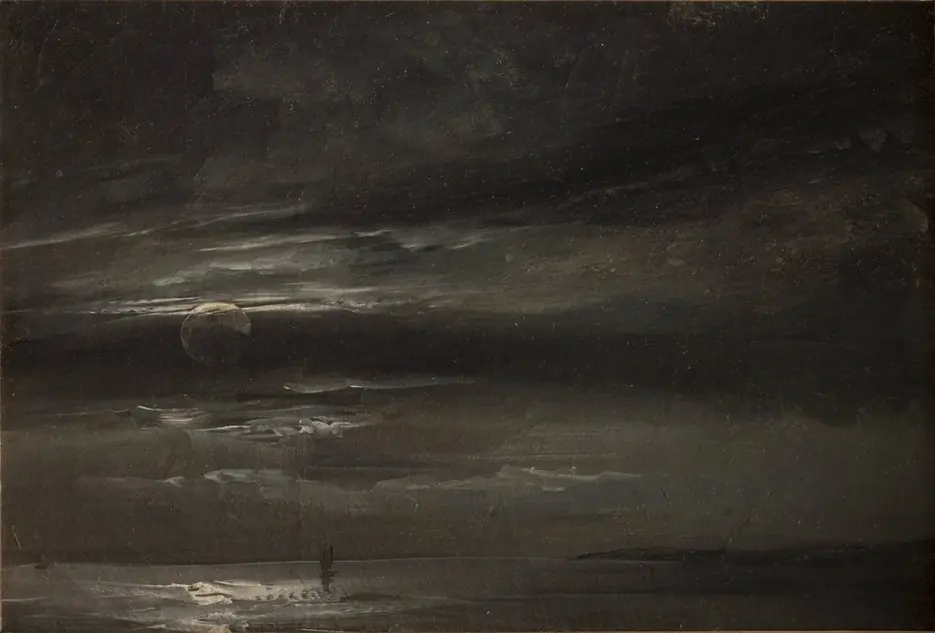 Moonlight over the Sea
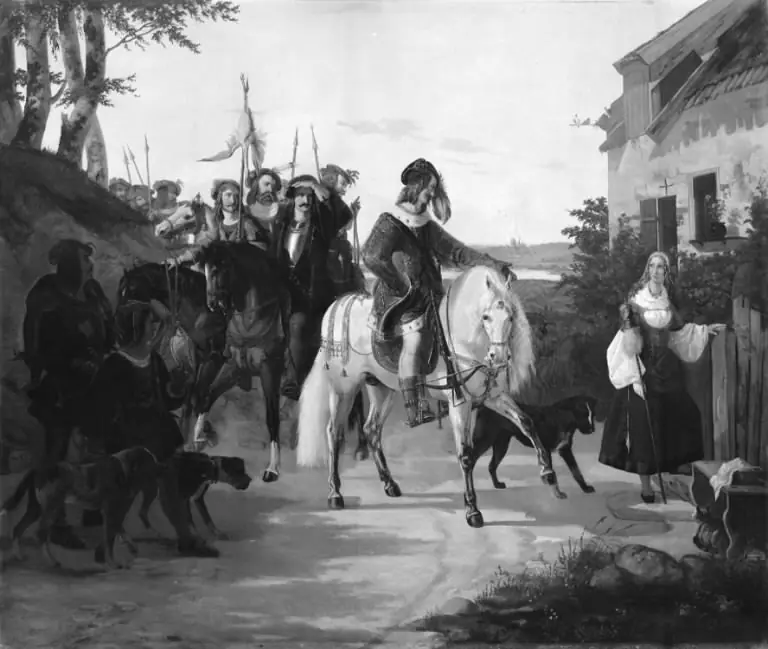 Kong Valdemar sætter Liden Else på prøve
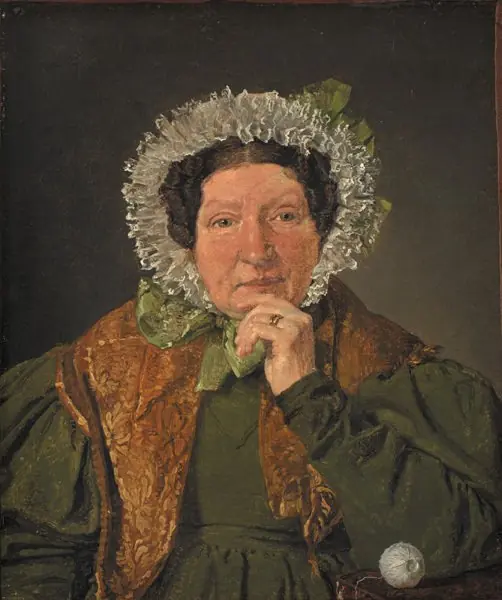 Portrait of the Artist´s Mother, Cecilia Margrethe Købke, née Petersen
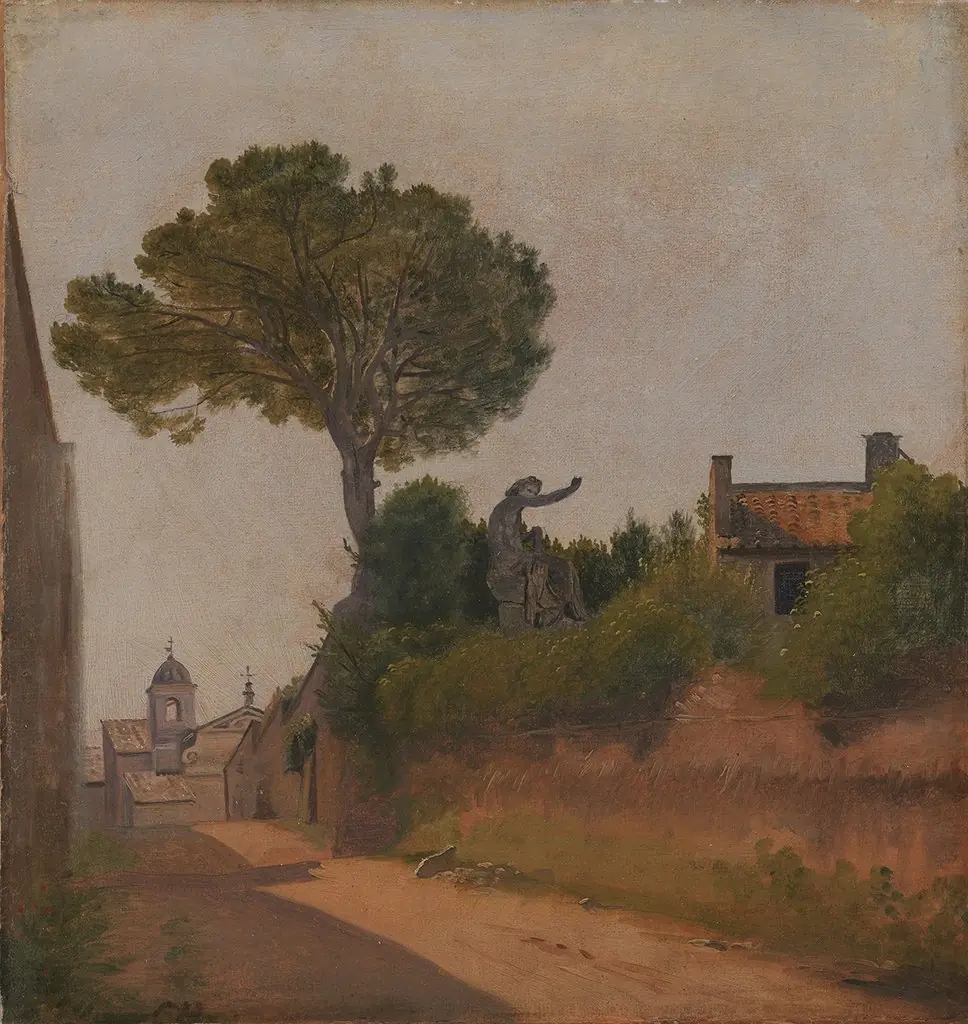 A Street in Rome. Vicolo Sterrato
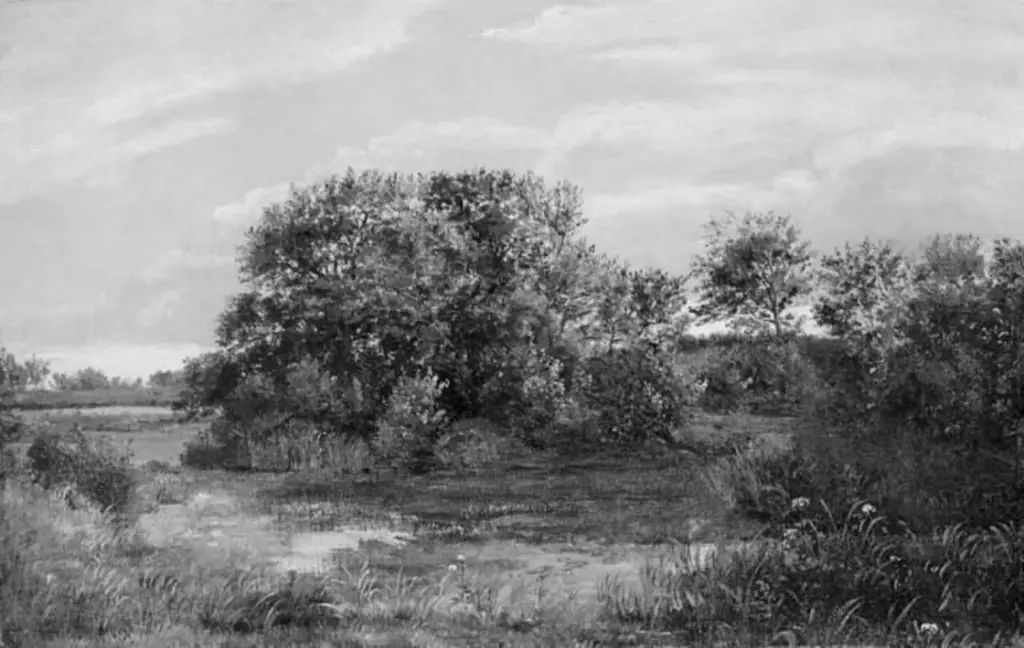 Bog on a Wooded Islet
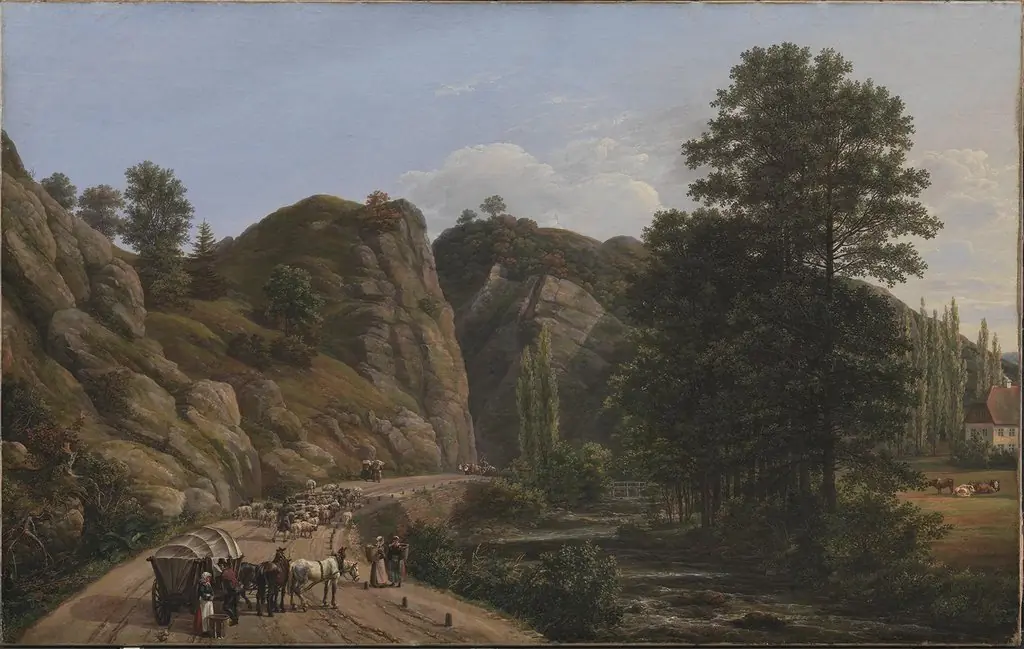 Plauenscher Grund at Dresden
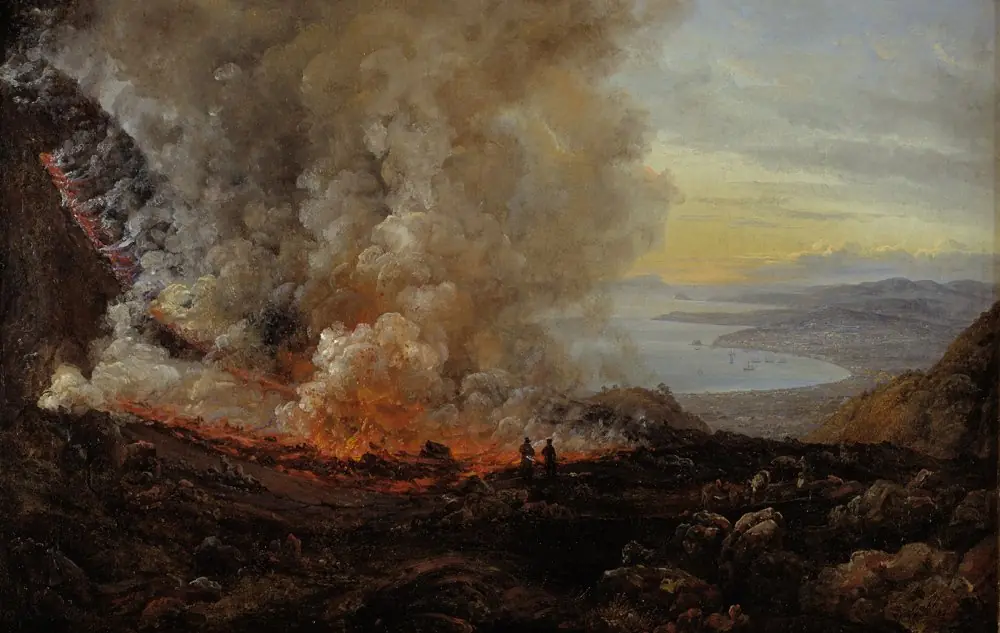 The Eruption of Vesuvius
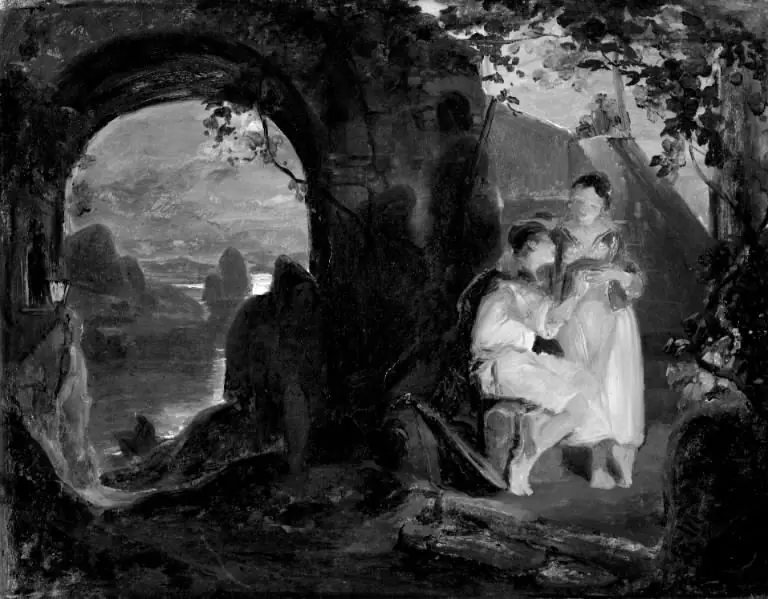 Lovers in a Landscape
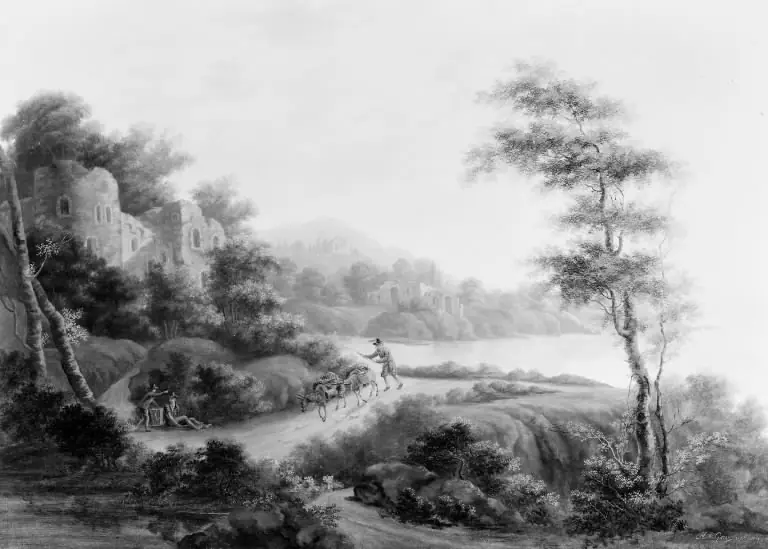 Bjerglandskab med ruiner
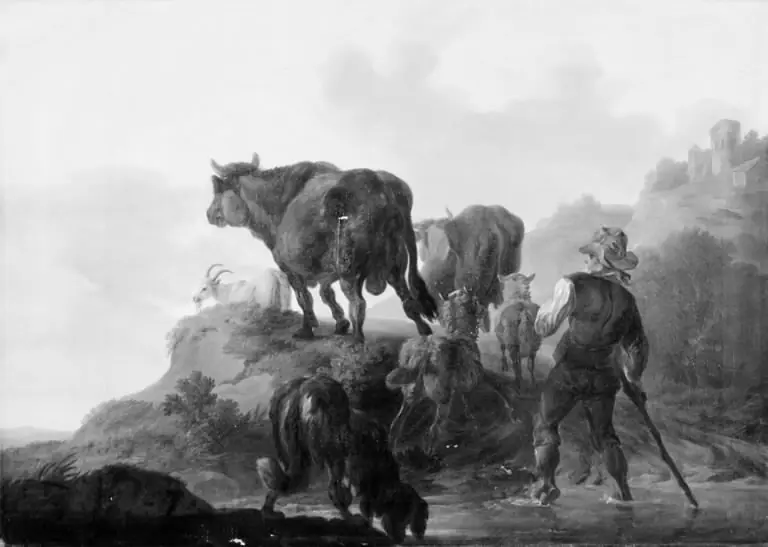 En hyrde driver okser, geder og får
 View of the Forum Romanum and the Via Sacra. In the background the Capitol
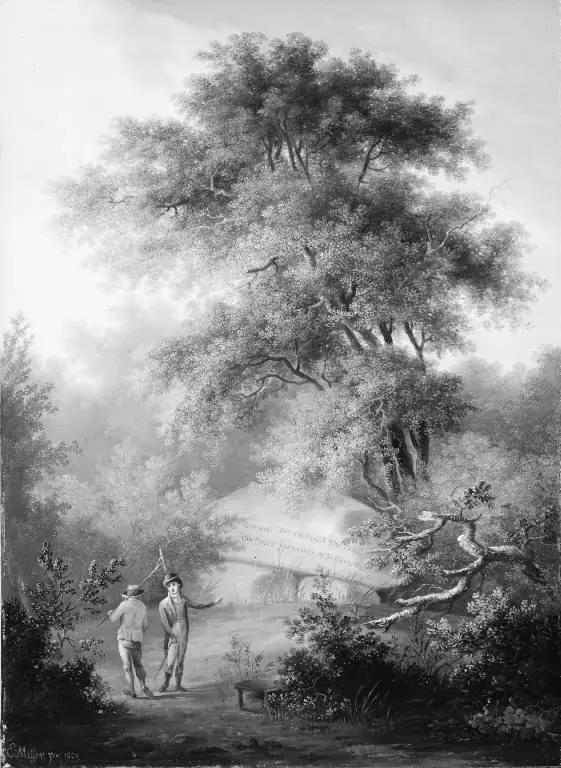 En gravhøj ved Løvenborg
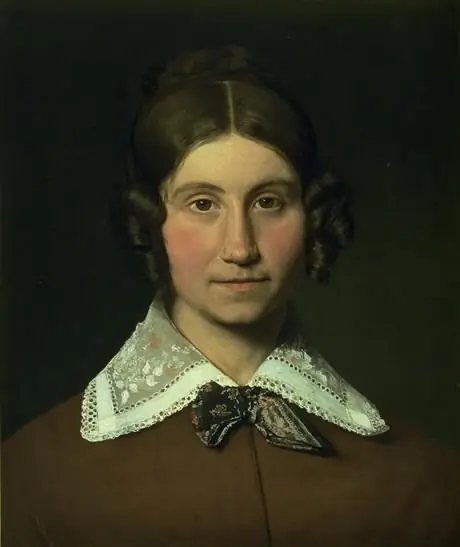 Portrait of Emilie Krohn, née Købke, the Artist´s Sister-in-Law
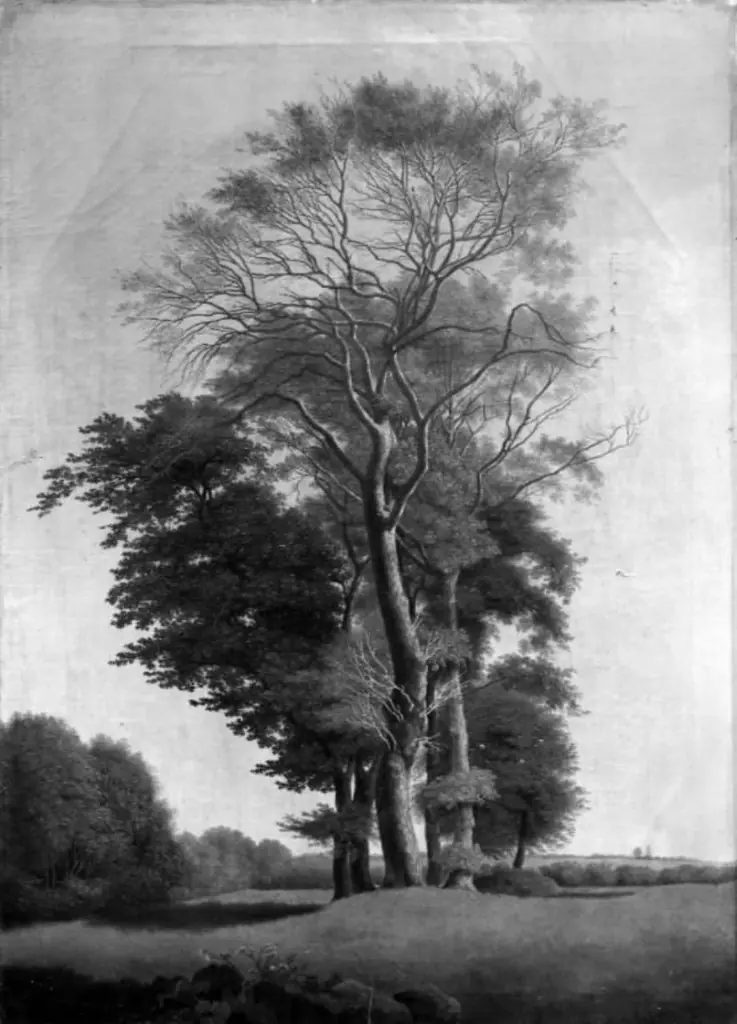 Landscape with Trees
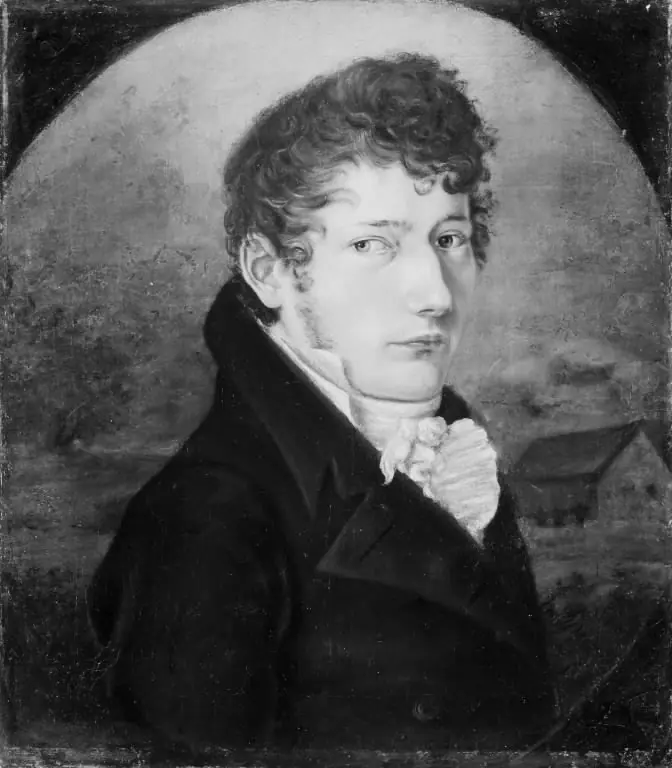 Portrait of a Young Man
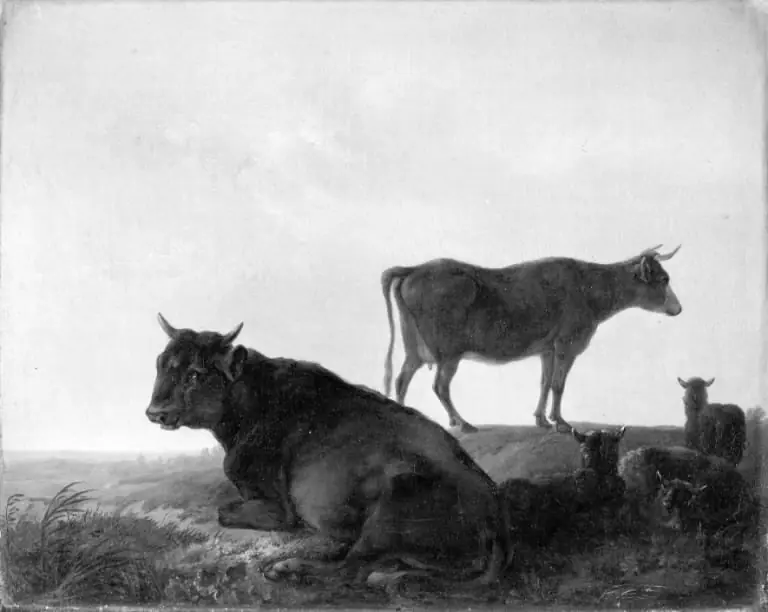 Et kvægstykke
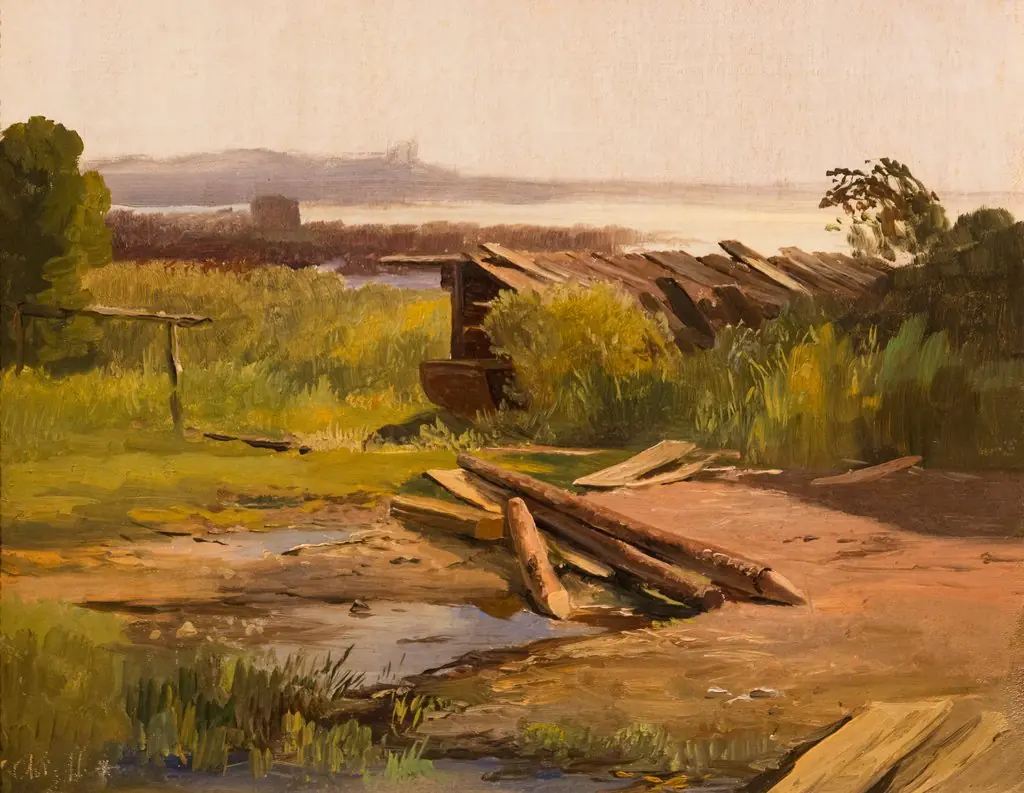 Landscape by a Lake in Bavaria, Germany
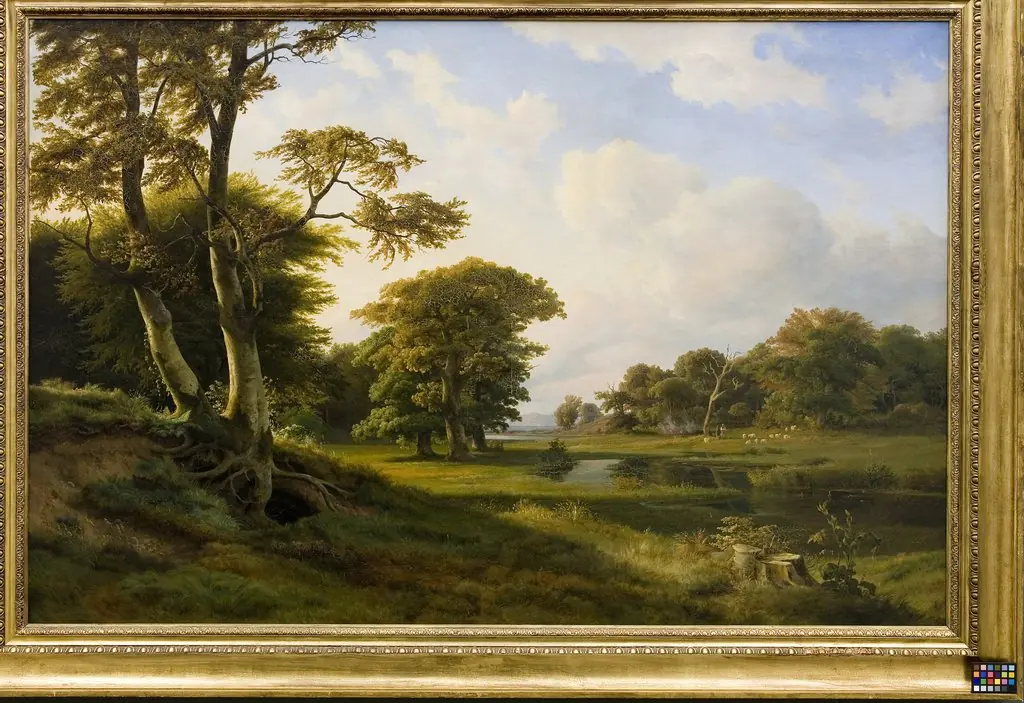 Skovlandskab ved Hellebæk. Efterår
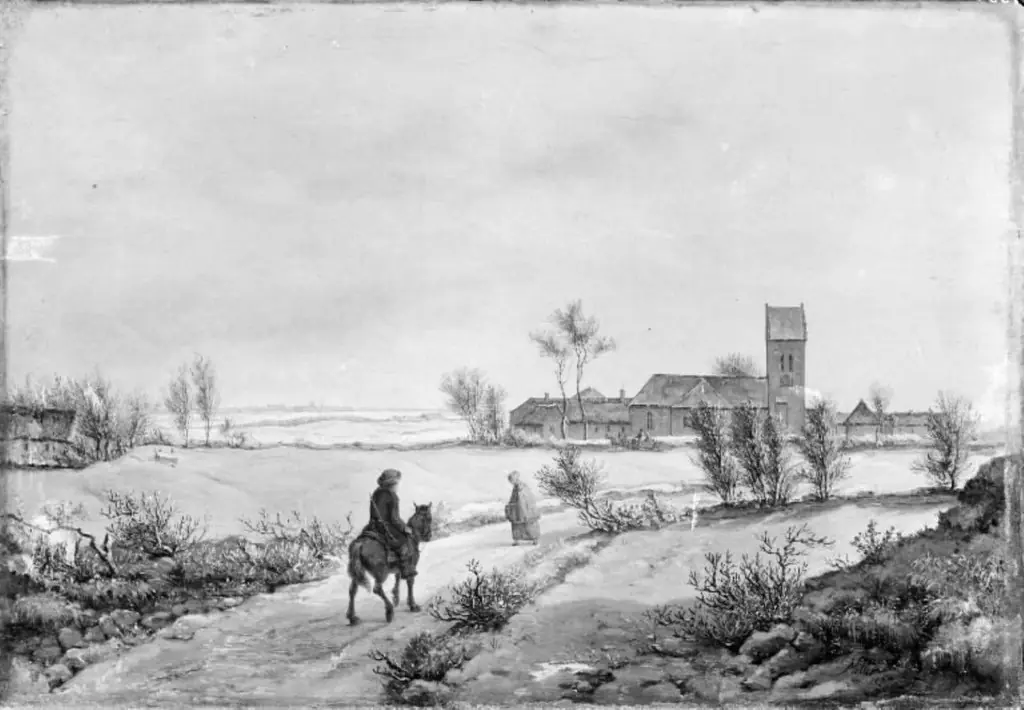 Winterlandscape in Gentofte with Copenhagen in the Distance
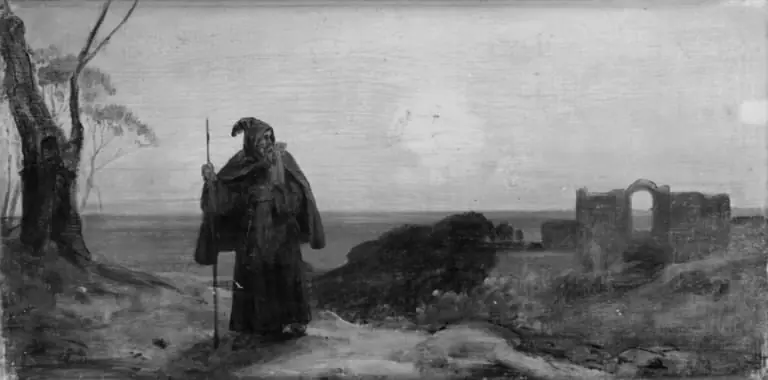 Evening Landscape with an Old Monk
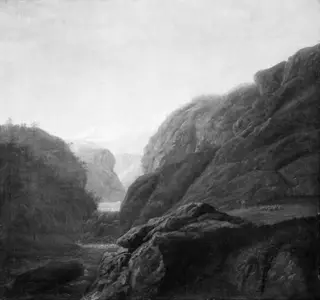 Norwegian Landscape with a River and a Waterfall between Rocks
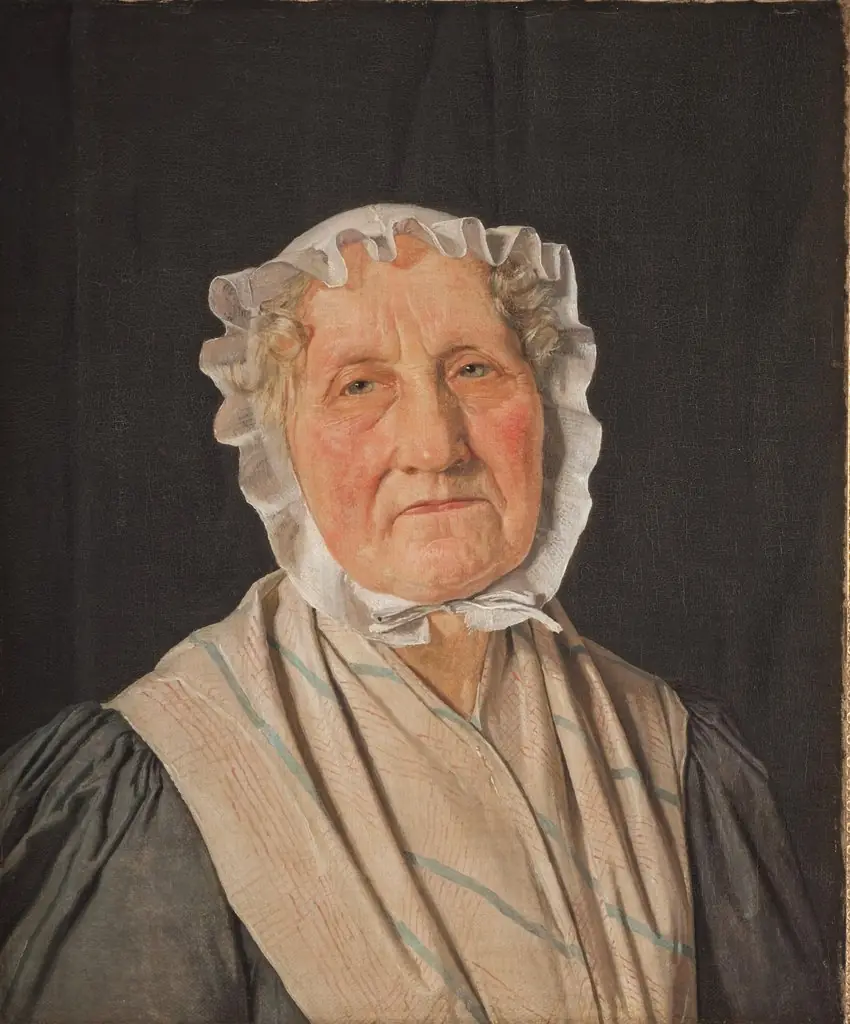 Portrait of Inger Margrethe Høyen, née Schrøder, the Mother of the Art Historian N.L. Høyen
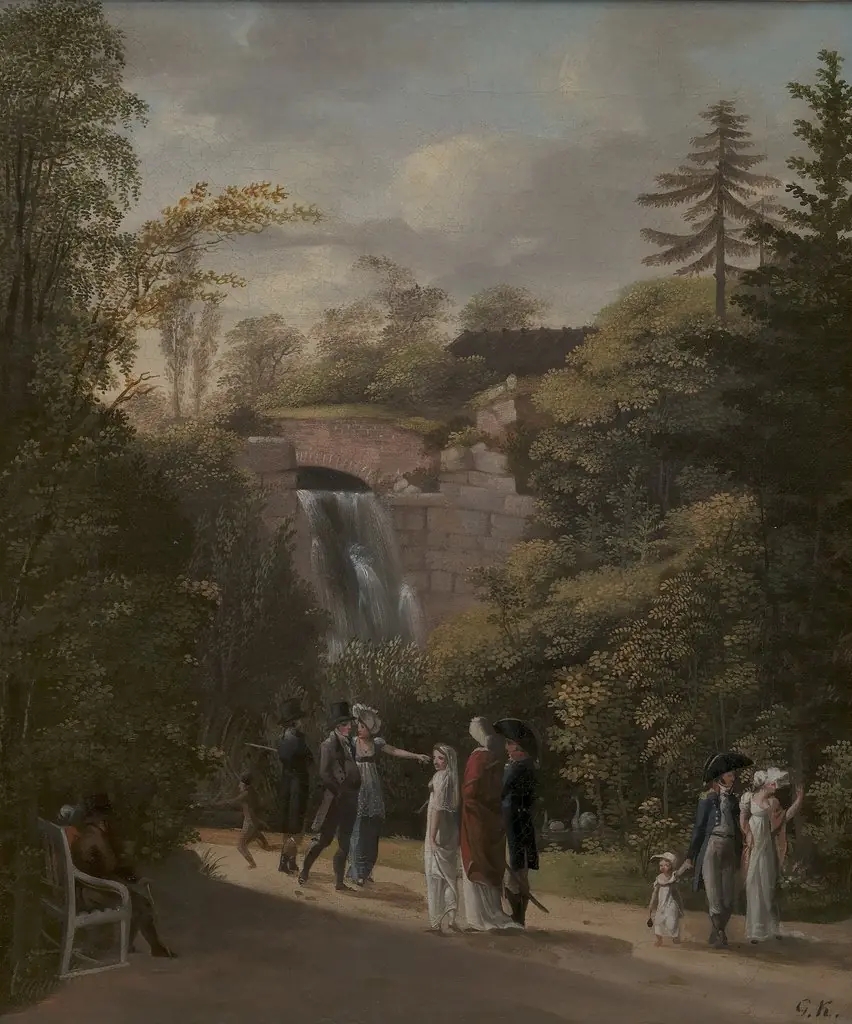 The Cascade in Frederiksberg Garden near Copenhagen
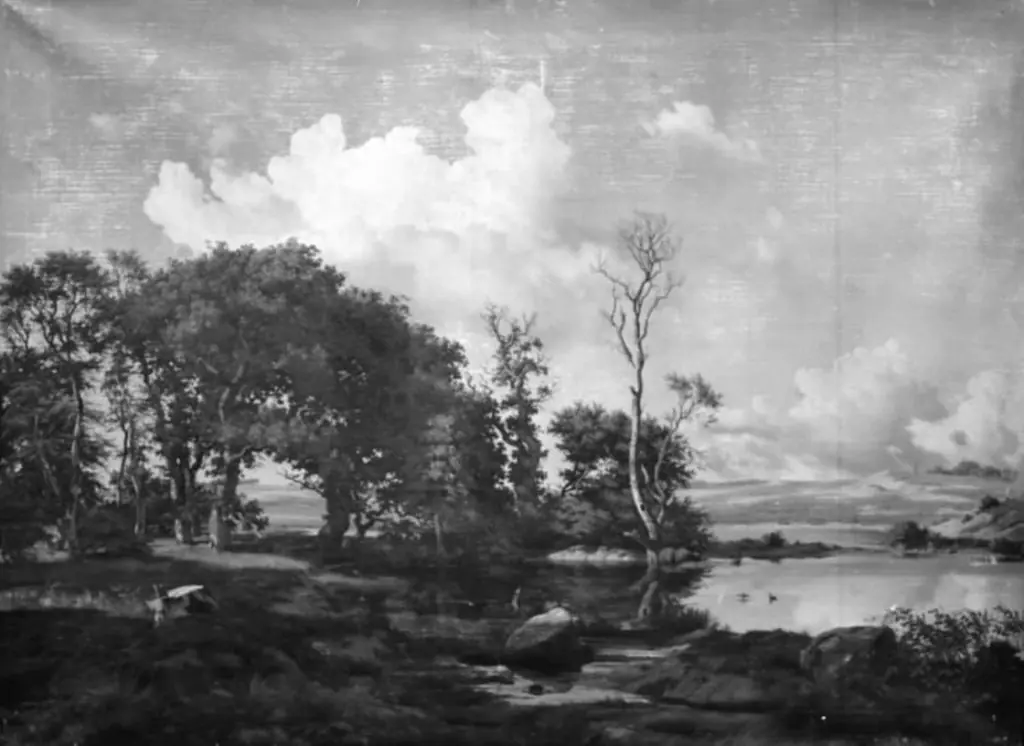 Landscape with oak trees
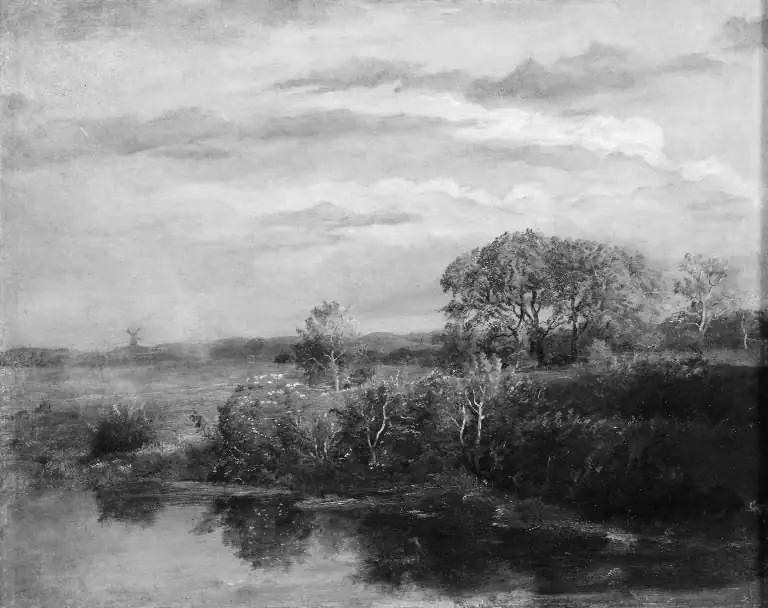 Landscape with a Rainbow
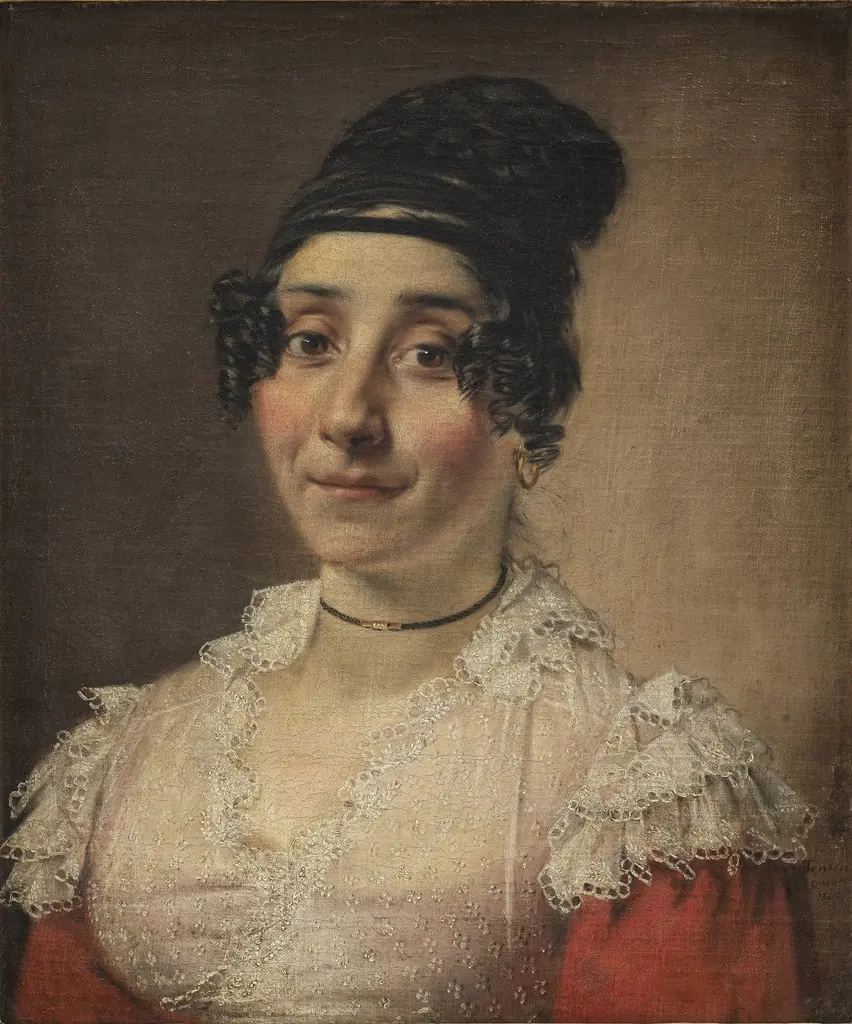 Portræt af fru Gumperd
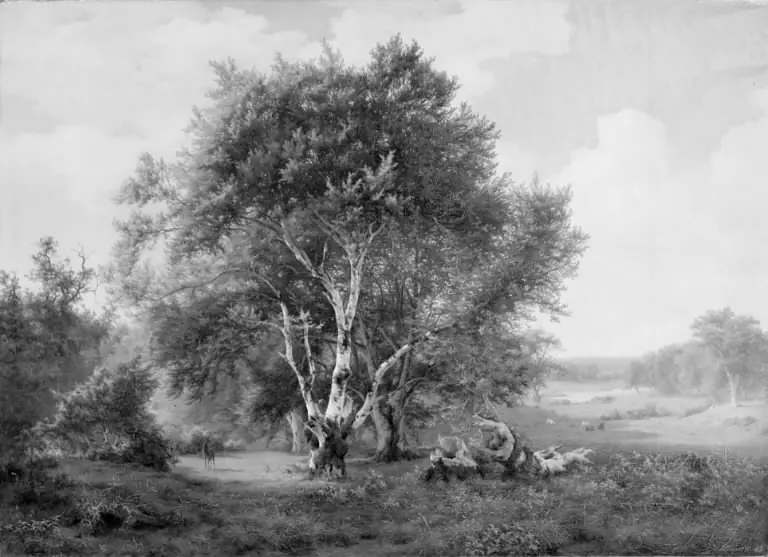 A Landscape near Frederiksborg Castle
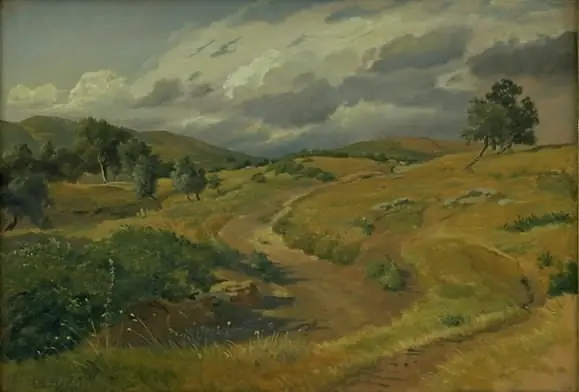 Landscape near Tivoli, Italy
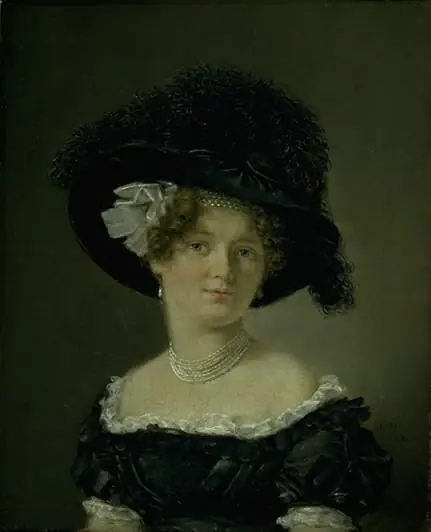 Mathilde Theresia von Irgens-Bergh, née Holsten, Wife of Mathias Friis von Irgens-Bergh
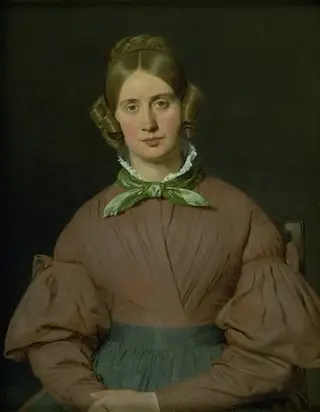 Portrait of Susanne Cecilie Købke, née Købke, the Artist´s Wife
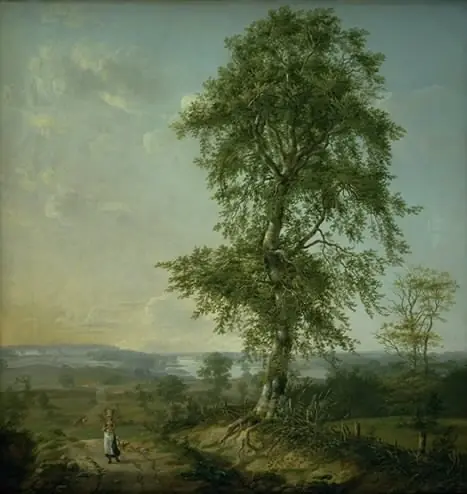 Landscape with a Big Tree
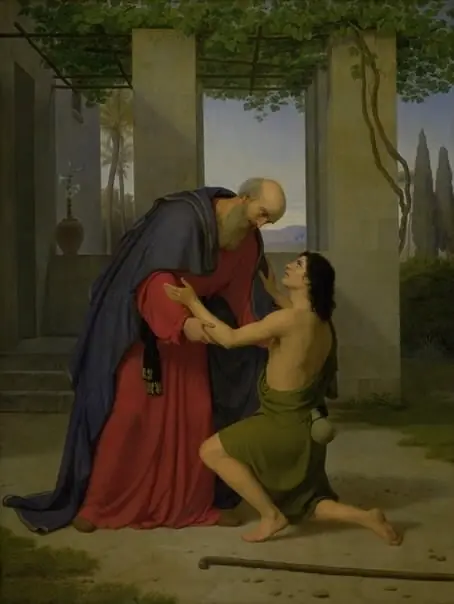 Return of the Prodigal Son
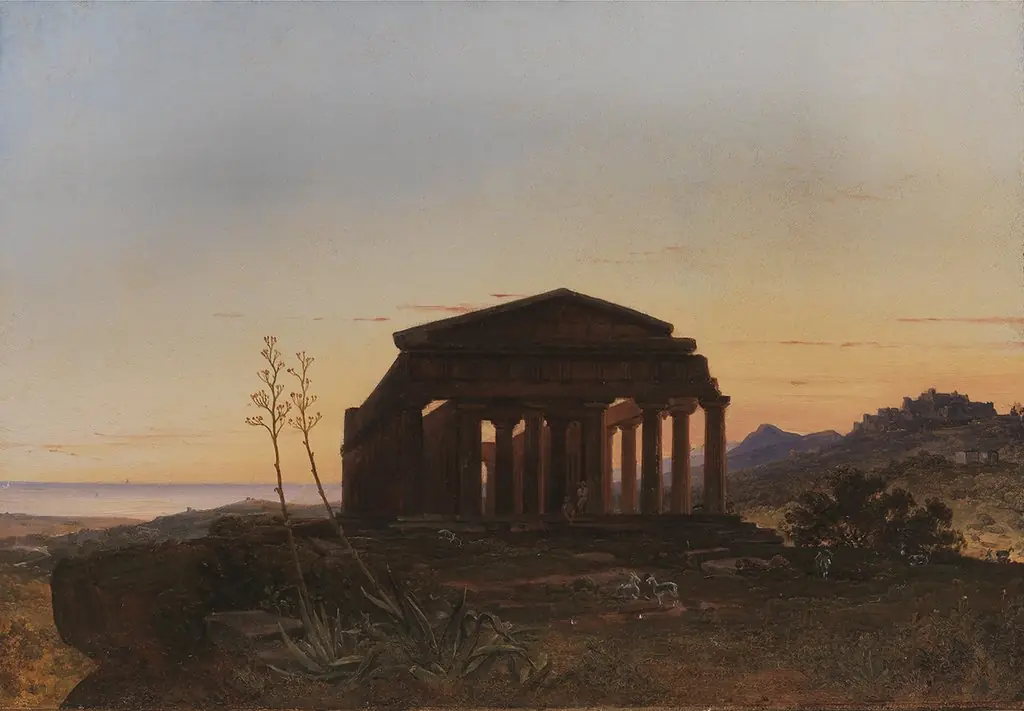 The Temple of Concordia by Girgenti
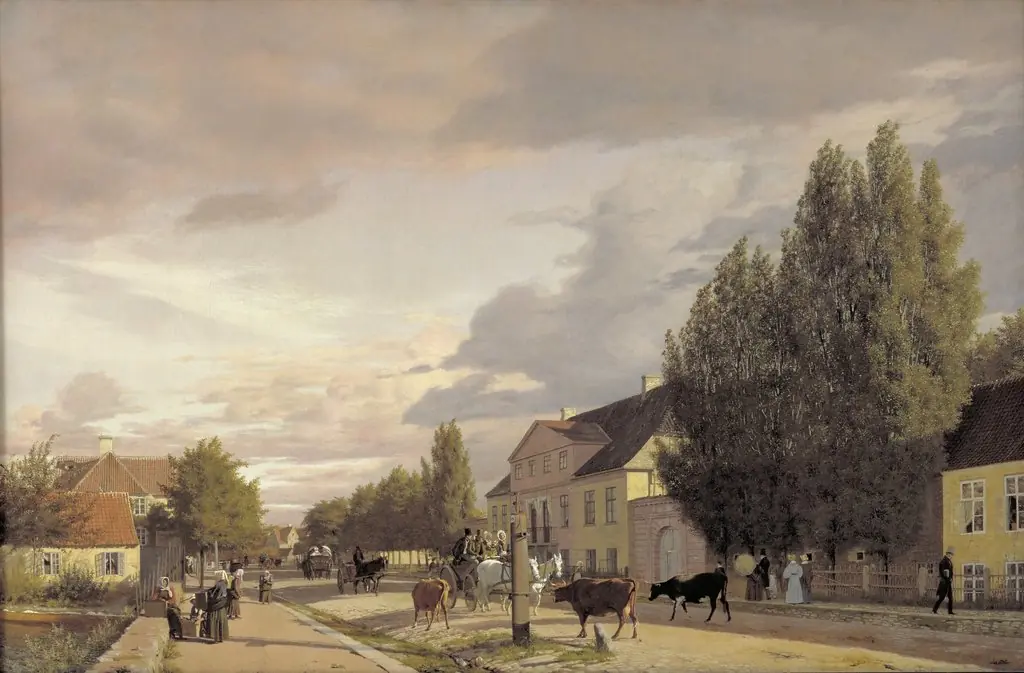 View of a Street in Østerbro outside Copenhagen. Morning Light
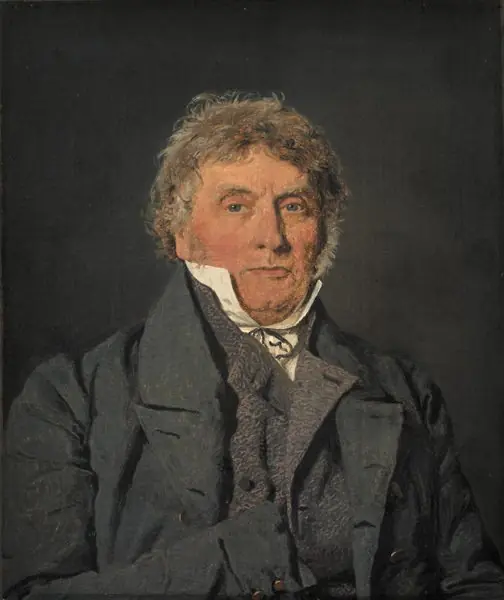 Portrait of the Artist´s Father, Master Baker Peter Berendt Købke
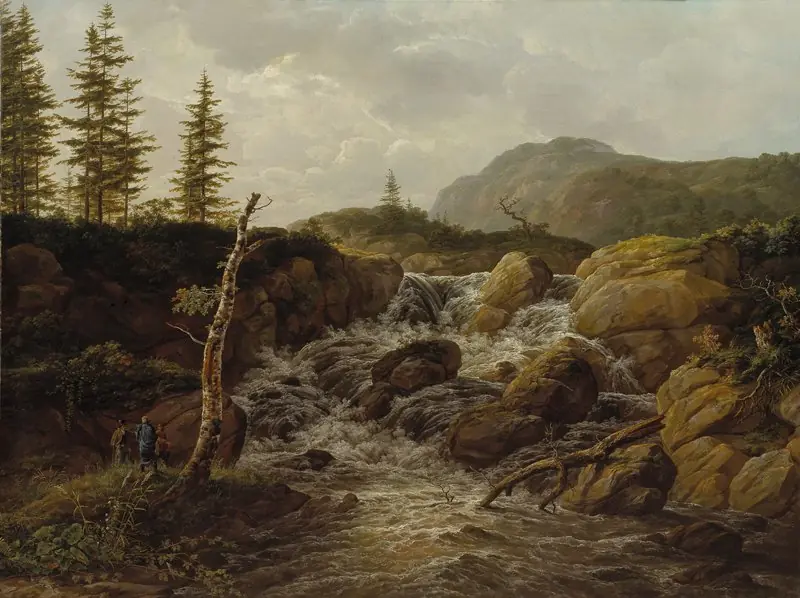 Mountainous Landscape with a Waterfall, Norway
Frequently asked questions
What is German Romanticism?
German Romanticism is an art movement. The German manifestation of Romanticism (roughly 1795–1850), notable for its deep engagement with landscape as spiritual allegory.
How many German Romanticism works does Artifact World Gallery have?
Artifact World Gallery holds 504 public-domain German Romanticism works, all free to view and download.
Who are the key German Romanticism artists?
Key German Romanticism artists in the collection include Arnold Böcklin, Caspar David Friedrich and F.M.E. Fabritius de Tengnagel.
When did German Romanticism take place?
German Romanticism dates from 1770–1850.
Where can I see German Romanticism works?
German Romanticism works in the collection are held by Statens Museum for Kunst, Hermitage Museum and Hamburger Kunsthalle.