Artwork
Auguste III. Roi de Pologne
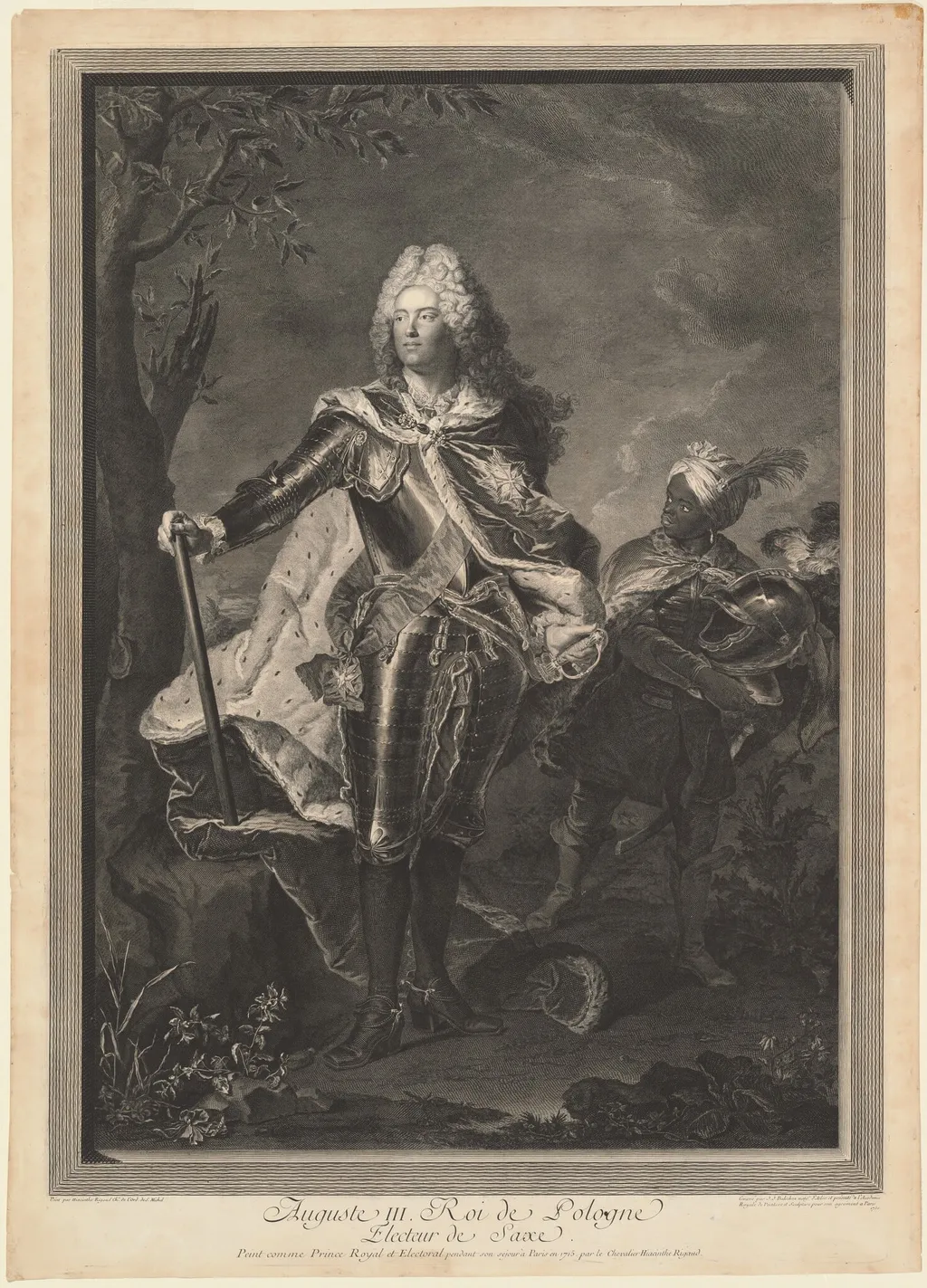
Auguste III. Roi de Pologne is an ink print by the Romanticist artist Jean-Joseph Balechou. It dates from 1750 and is held in the collection of the National Gallery of Art.
- Inscription
- Inscribed:lower left in plate: Peint par Hyacinthe Rigaud Chr. de l'Ord de S Michel; lower right in plate: Gravé par J. J. Bachalon natif d'Arles et présenté à l'Academie / royale de Peinture et Sculpture pour son agrément a Paris / 1750; lower center in plate: Auguste III. roi de Pologne / Electeur de Saxe / Peint comme Prince Royale et Electoral pendant son sejour à Paris en 1715 par le Chevalier Hyacinthe Rigaud
About this work
Overview
This engraving, produced in 1750 by Jean-Joseph Balechou, depicts Auguste III, King of Poland, in formal attire. Executed on laid paper, the work belongs to the printmaking tradition of the mid-18th century. Its purpose was likely to circulate a standardized image of the monarch, serving both political and dynastic functions within European courts.
Subject & Meaning
Auguste III is portrayed with a composed, solemn expression, reflecting the expected gravitas of royal authority. His attire, elaborate lace, velvet, and military insignia, signals his dual roles as sovereign and commander. The portrait avoids idealization, instead emphasizing dignity through restraint, aligning with Enlightenment-era ideals of leadership grounded in order and decorum.
Technique & Style
This method required meticulous planning and steady handwork, typical of professional engravers who translated painted portraits into reproducible images.
Balechou employed fine-line engraving to render minute details in the king’s facial features and clothing textures. The precision of cross-hatching and controlled incisions captures the sheen of silk, the depth of fur trim, and the subtlety of skin tone. This method required meticulous planning and steady handwork, typical of professional engravers who translated painted portraits into reproducible images.
History & Provenance
Created during Auguste III’s reign, the print likely originated in Dresden, where the Saxon-Polish court was based. It may have been commissioned for diplomatic distribution or private collection among nobility. While specific early ownership records are sparse, similar engravings by Balechou circulated widely across Europe, reinforcing royal imagery through print.
Context
In mid-18th-century Europe, engraved portraits were vital tools for projecting monarchical presence beyond the reach of court painters. Balechou’s work reflects the broader trend of using print to standardize royal iconography. Auguste III’s rule, marked by political passivity, made visual representation a key means of sustaining legitimacy amid declining influence in Polish affairs.
Legacy
Though not widely exhibited today, this engraving remains a representative example of 18th-century portraiture in print. It illustrates how engravers like Balechou bridged the gap between painting and mass communication, preserving the visual language of monarchy for posterity. Its technical discipline continues to inform studies of pre-industrial image production.
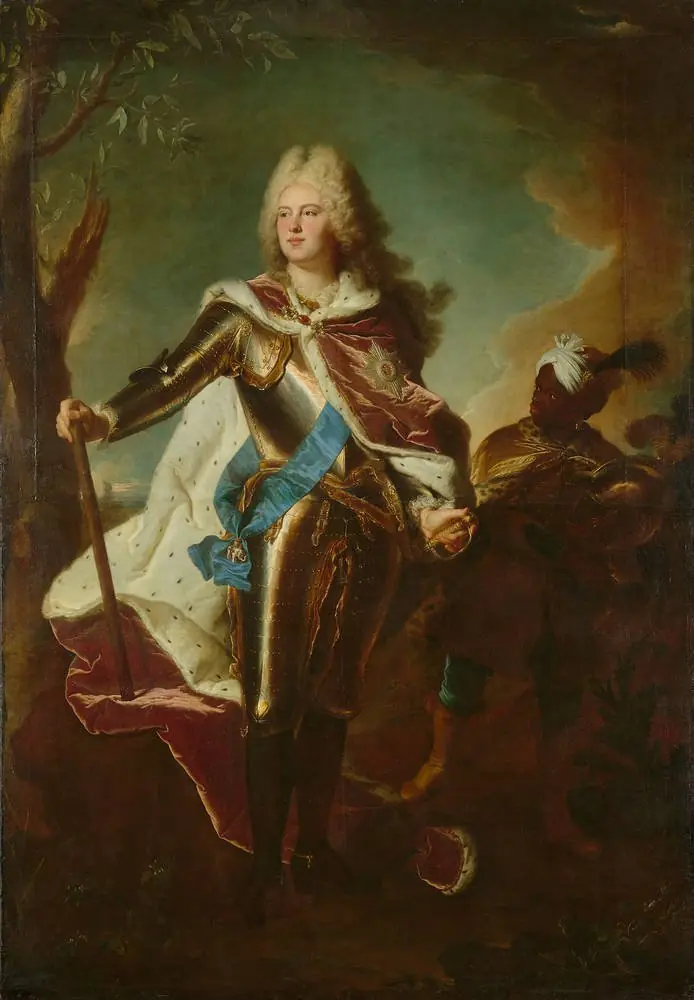
Own this work as a print
Artist & collection


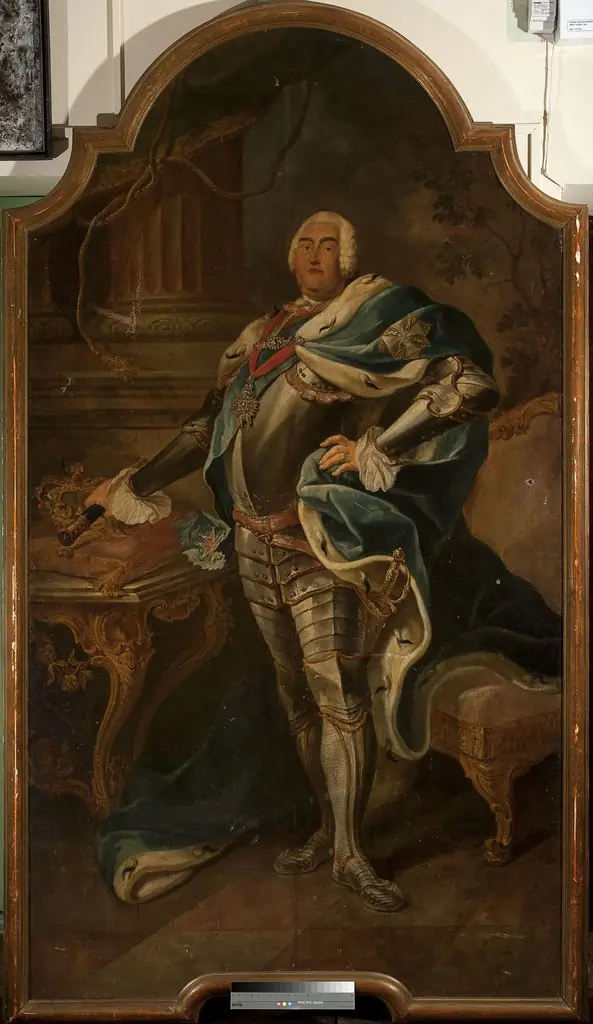 Portrait of Augustus III (1696–1763), King of Poland
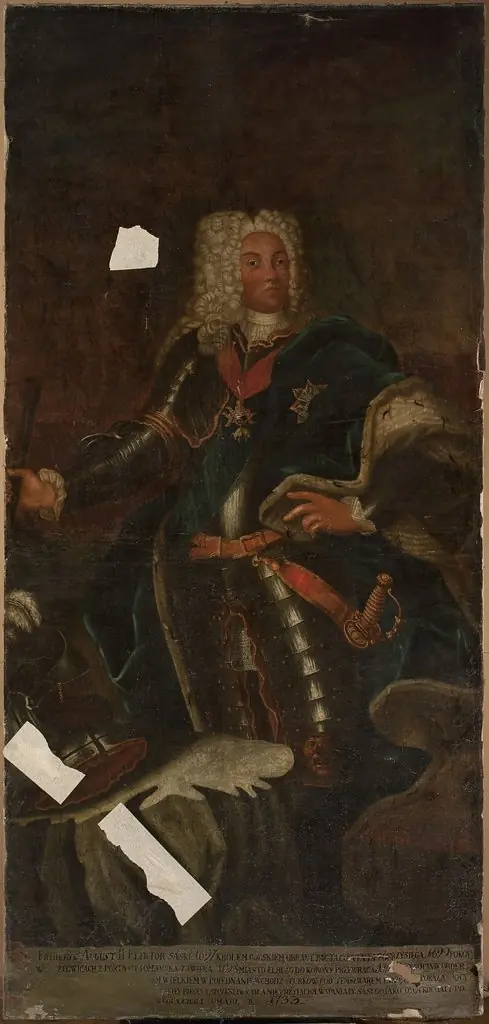 Portrait of Augustus II the Strong (1670–1733)
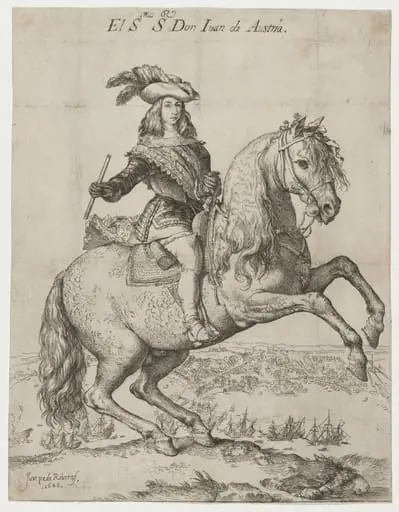 Equestrian Portrait of Don Juan de Austria
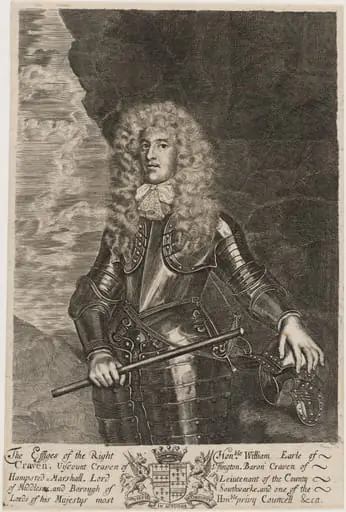 William, Earl of Craven
 Louis XIII
 Louis Hector, duc de Villars
 Louis de France, duc de Bourgogne
 Louis XV
 Portrait of Adrien Maurice de Noailles (1678-1766)
 Portrait of a Gentleman
 Willem V (1748-1806), Prince of Orange-Nassau
- Portrait of August III of Poland