Artwork
Portrait of Augustus III (1696–1763), King of Poland
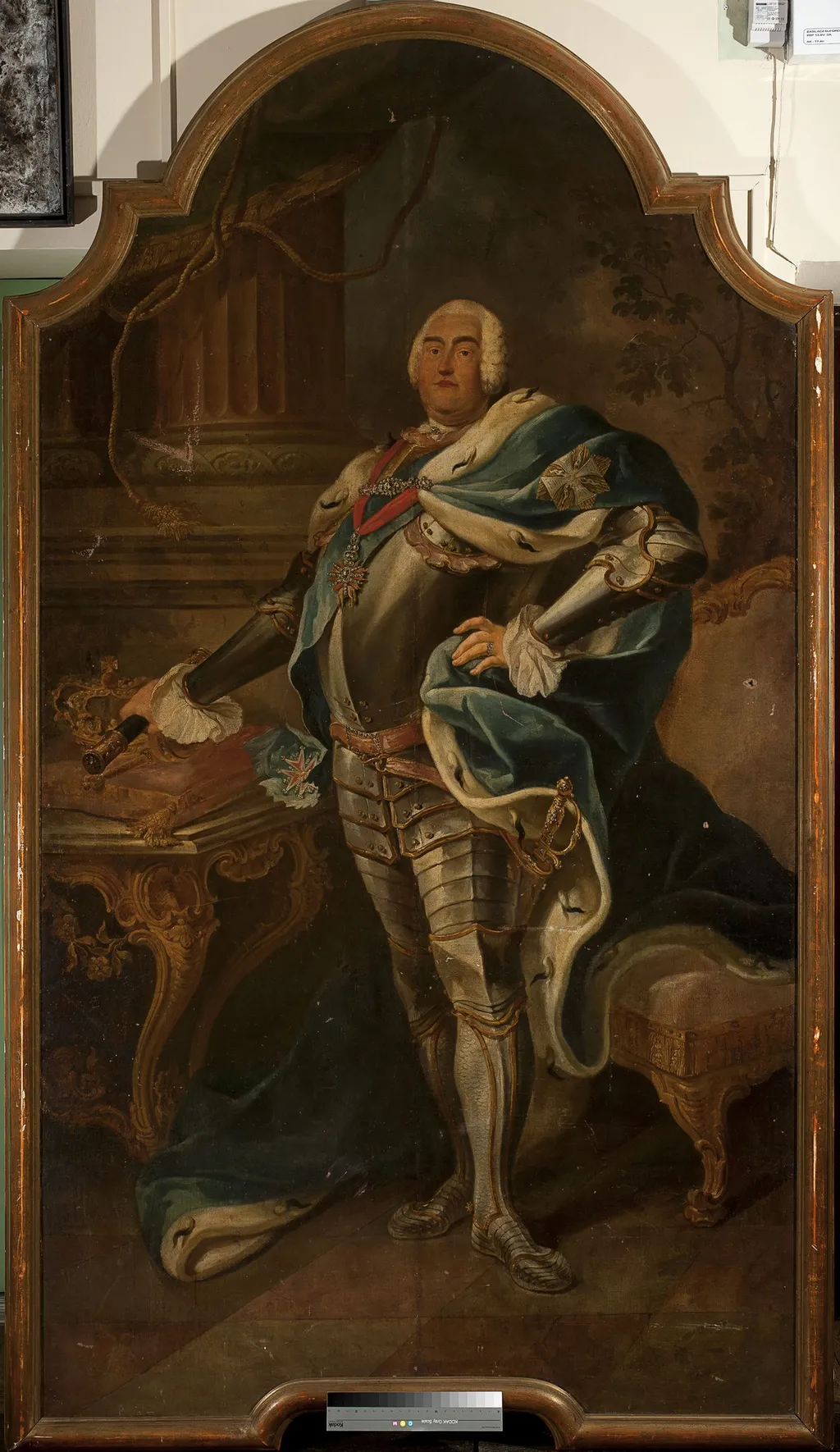
Portrait of Augustus III (1696–1763), King of Poland is an oil painting by the Rococo painting artist Unknown. It dates from 1756 and is held in the collection of the National Museum in Warsaw.
About this work
Overview
Measuring 300 by 154 centimeters, this full-length portrait depicts the Polish monarch and Elector of Saxony in ceremonial armor and regalia.
The Portrait of Augustus III (1696-1763), King of Poland is an oil on canvas painting dated 1756, attributed to an unknown Polish artist. Measuring 300 by 154 centimeters, this full-length portrait depicts the Polish monarch and Elector of Saxony in ceremonial armor and regalia. The work is held in the collection of the National Museum in Warsaw under accession number MNW MP 3185. As one of the most substantial surviving painted likenesses of Augustus III from the final year of his reign, the portrait offers significant insight into the visual projection of royal authority in the Polish-Lithuanian Commonwealth during a period of deepening political crisis.
Subject & Meaning
The painting depicts Augustus III in a three-quarter pose, his left hand on his hip and his right hand resting on a table, a stance that conveys both ease and command. He wears polished steel armor with gold accents, a white lace cruff, and a voluminous blue velvet cloak lined with white fur that cascades to the floor. A red sash crosses his chest, and star-shaped orders are visible on his cloak and chest, signaling his membership in chivalric orders and his dual status as monarch and military leader. The armor itself carries layered significance: it proclaims martial legitimacy while the polished surface reflects the controlled image of a ruler who, in historical fact, delegated military and administrative affairs to his chief adviser, Heinrich von Brühl. The ornate gilded furniture to the left bears a plumed helmet and a rolled document or baton, further reinforcing the apparatus of command. Behind him, a dark draped curtain partially reveals a fluted column and decorative wall paneling, situating the monarch within a classical architectural framework that evokes imperial continuity. The palette of deep blues, warm browns, and metallic grays, punctuated by gold and crimson, reinforces the gravity and luxury of royal representation.
Technique & Style
The work is executed in oil paint on canvas, a support that allowed the artist to achieve the large scale and detailed surface effects characteristic of eighteenth-century court portraiture. Light falls from the upper left, illuminating the figure's face, armor, and the white fur trim while deep shadows pool in the background and lower portions of the composition, creating a dramatic chiaroscuro that focuses attention on the monarch's person. The brushwork varies across the surface: smooth handling in the flesh and fabrics contrasts with more textured application in the armor reflections and background details, demonstrating technical versatility in rendering different materials. The painting is housed in an elaborate carved and gilded frame with a curved arched top, an original presentation element that complements the work's ceremonial function. The overall approach aligns with European Baroque and early Rococo conventions of state portraiture, though the attribution to an unknown Polish painter suggests the adaptation of international models within a local workshop context.
History & Provenance
The portrait is dated 1756, a year of particular significance in Augustus III's reign as it marked the outbreak of the Seven Years' War, during which Saxony was defeated and occupied by Prussia. The painting thus emerges from a moment of acute political tension for the Polish-Lithuanian Commonwealth and its monarch. The work entered the collection of the National Museum in Warsaw, where it remains today, though specific details of its commission, early ownership, and transfer to the museum are not recorded in the available sources. The accession number MNW MP 3185 indicates its place within the museum's systematic cataloguing. The painting's substantial dimensions and formal character suggest it was intended for display in a significant public or ceremonial space, perhaps a royal residence or government building, where it would serve as a visible assertion of continuing authority despite the deteriorating political situation.
Context
Augustus III's reign from 1733 to 1763 coincided with the terminal decline of the Polish-Lithuanian Commonwealth's political independence. While the king was a notable patron of the arts who left administrative duties to others, his rule deepened what historical sources describe as social anarchy and increased dependence on neighboring powers, particularly Prussia, Austria, and Russia. The Russian Empire ultimately prevented him from installing his family on the Polish throne, supporting instead Stanisław August Poniatowski. The portrait category on Wikimedia Commons contains eighty files of painted portraits of Augustus III, indicating the substantial volume of his visual representation and the importance attached to royal likenesses during his reign. This particular work, however, stands out for its monumental scale and for being the product of an unidentified Polish painter rather than a recognized court artist, suggesting broader participation in the visual culture of monarchy beyond the immediate circle of named masters. The painting thus participates in a wider European phenomenon of state portraiture while bearing specifically Polish authorship and institutional preservation.
Legacy
The Portrait of Augustus III endures as a material record of a monarchy in crisis, its polished surface and ceremonial trappings now preserved in the National Museum in Warsaw as a historical document of eighteenth-century political representation. The work's attribution to an unknown artist has limited its integration into monographic studies of individual painters, yet this very anonymity makes it valuable for understanding the broader workshop practices and dissemination of courtly conventions in the Polish-Lithuanian Commonwealth. As part of a corpus of eighty documented painted portraits of the monarch, it contributes to understanding how Augustus III's image was propagated across media and contexts. The painting's survival and museum display ensure its continued role in public engagement with the final decades of the elective monarchy, a period that would culminate in the First Partition of Poland in 1772, less than a decade after the monarch's death.
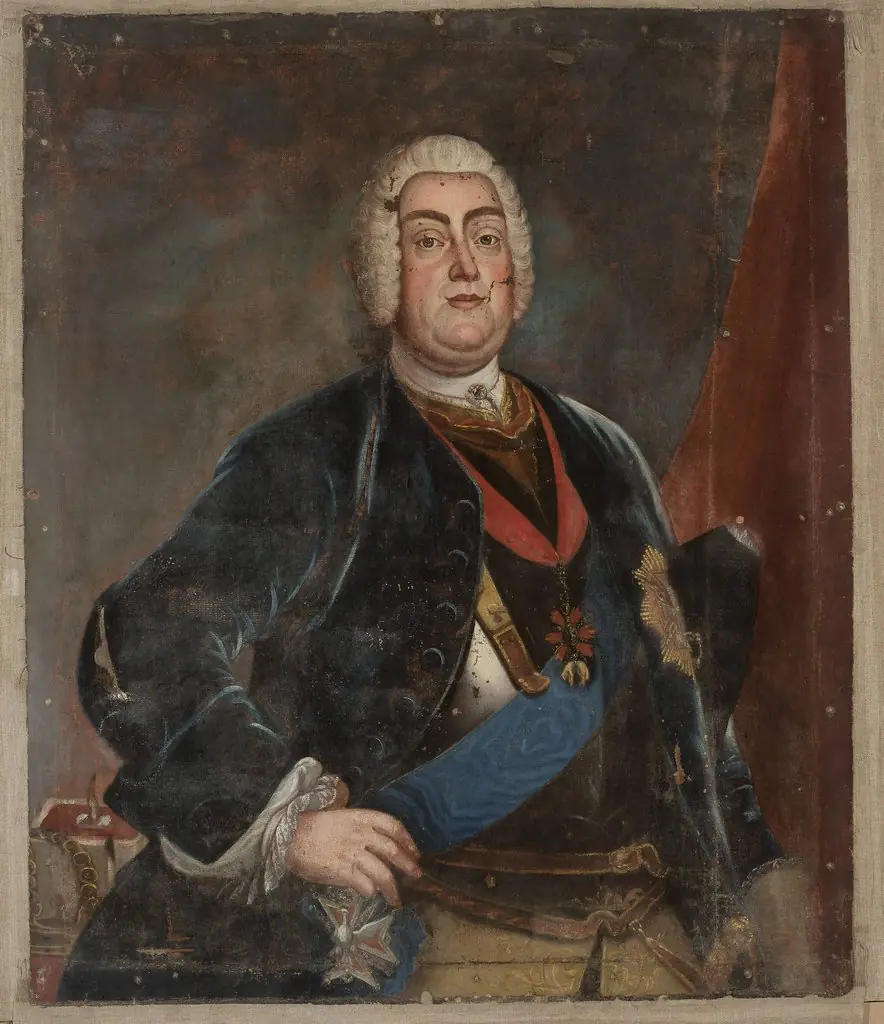
Artist & collection









- Portrait of Augustus III (1696–1763), King of Poland
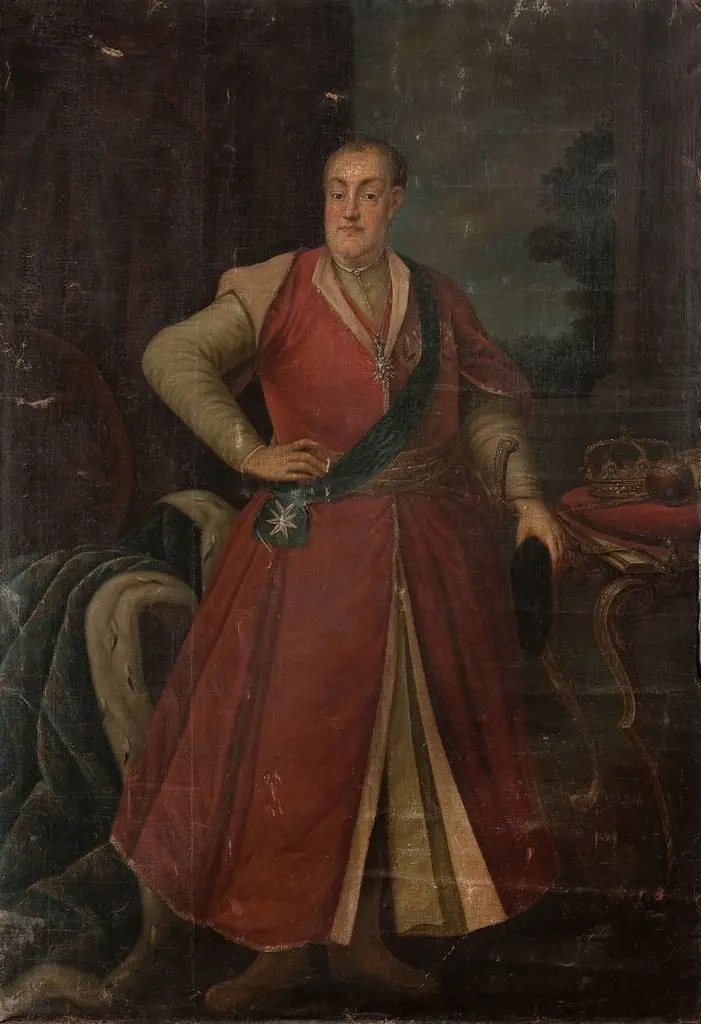 Portrait of Augustus III (1696–1763), King of Poland
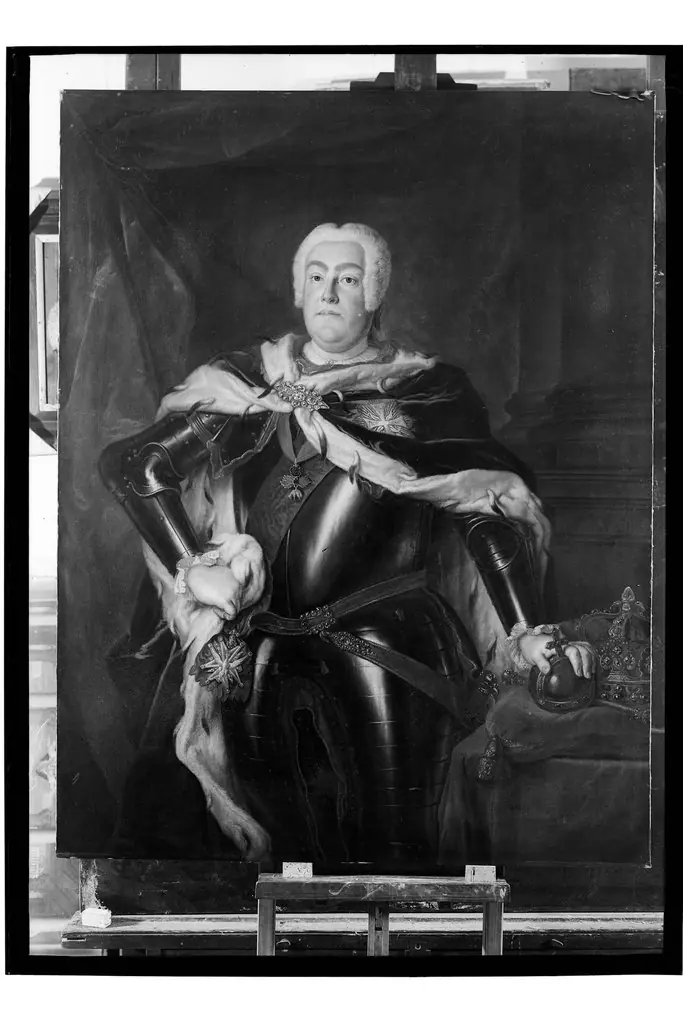 Portrait of Augustus III (1696–1763)
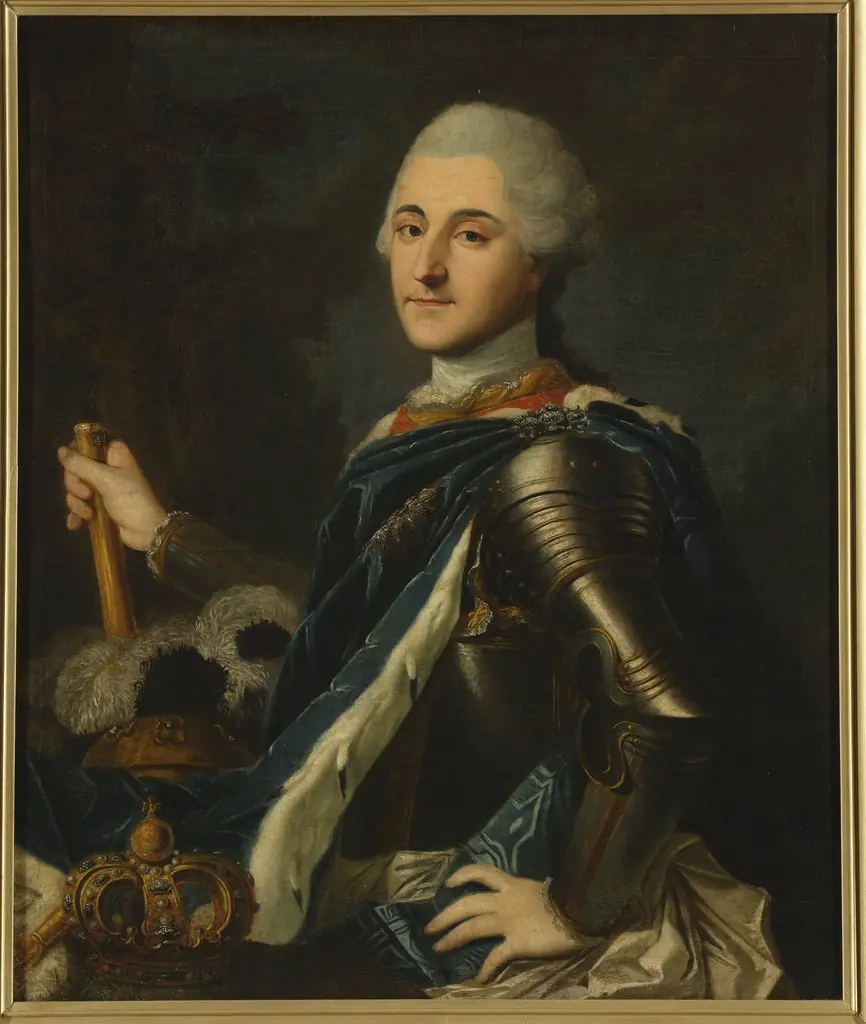 Portrait of king Stanisław August in armour
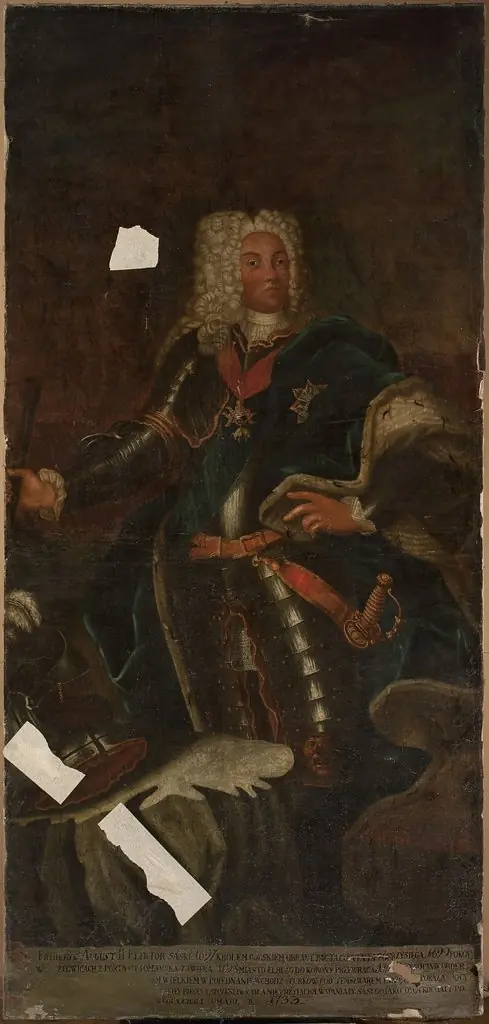 Portrait of Augustus II the Strong (1670–1733)
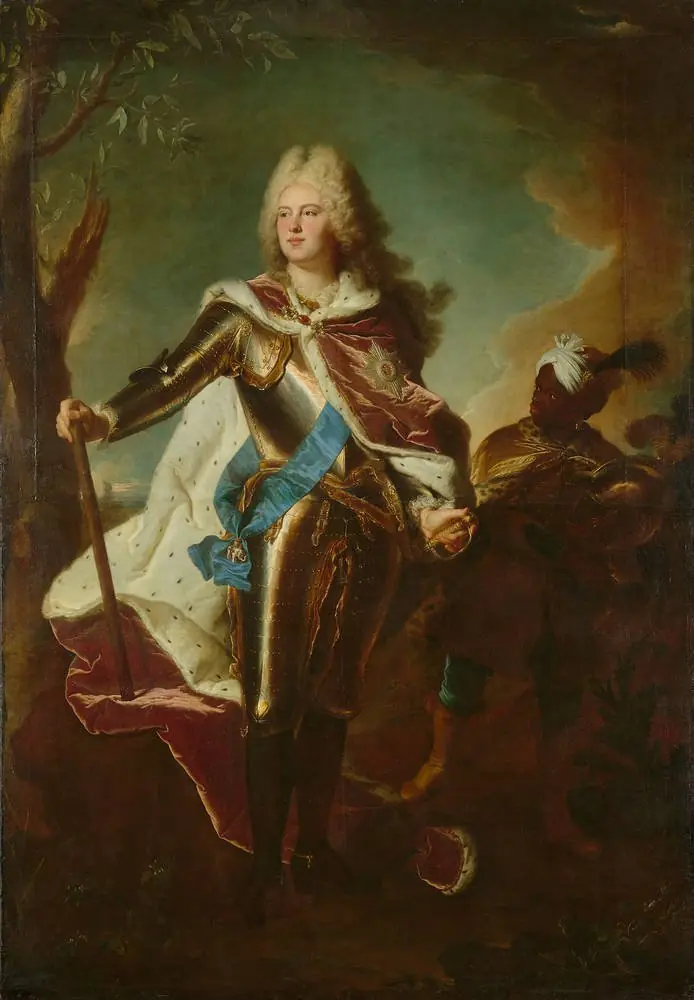 Portrait of August III of Poland
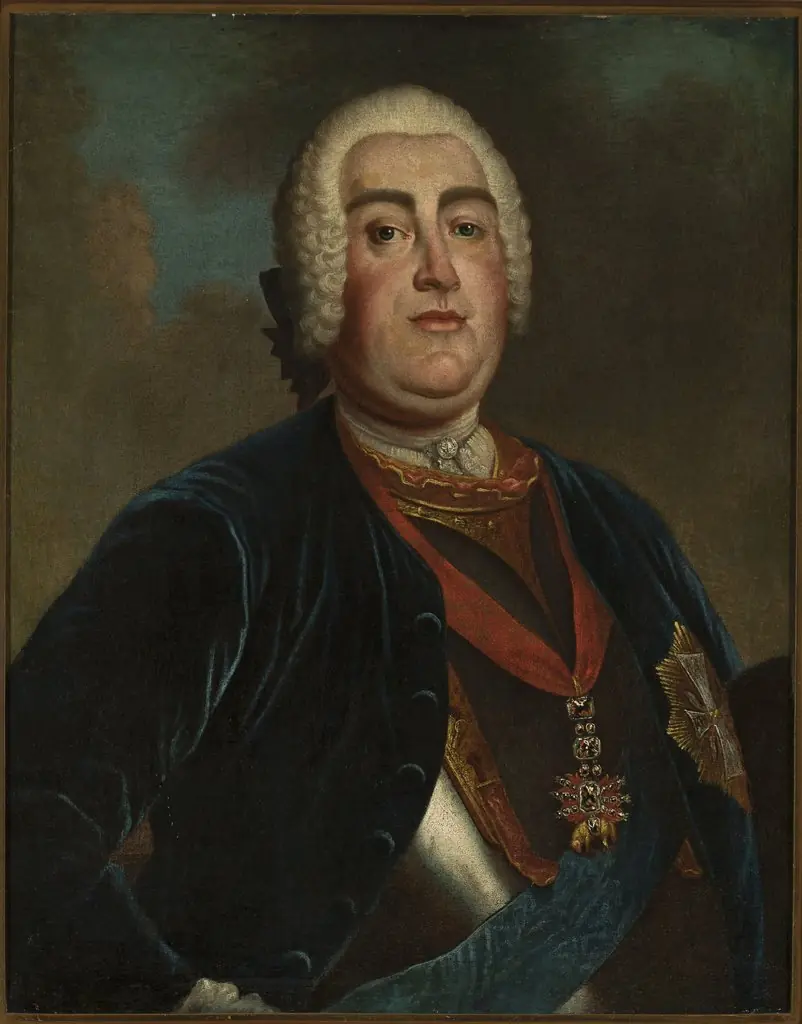 Portrait of Augustus III
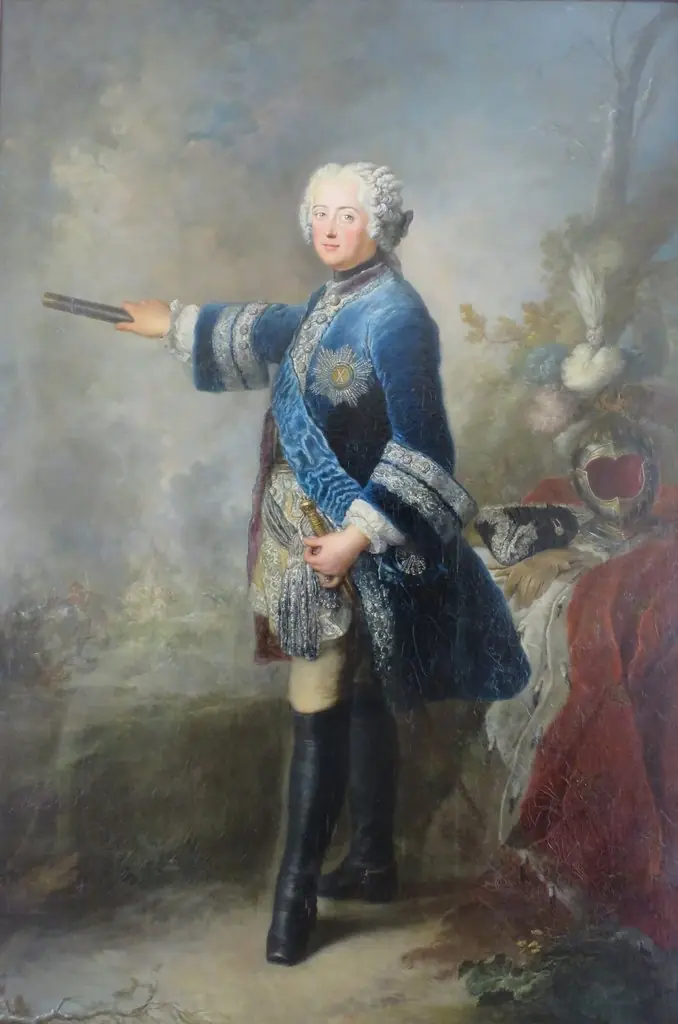 Portrait of Frederick II, King of Prussia
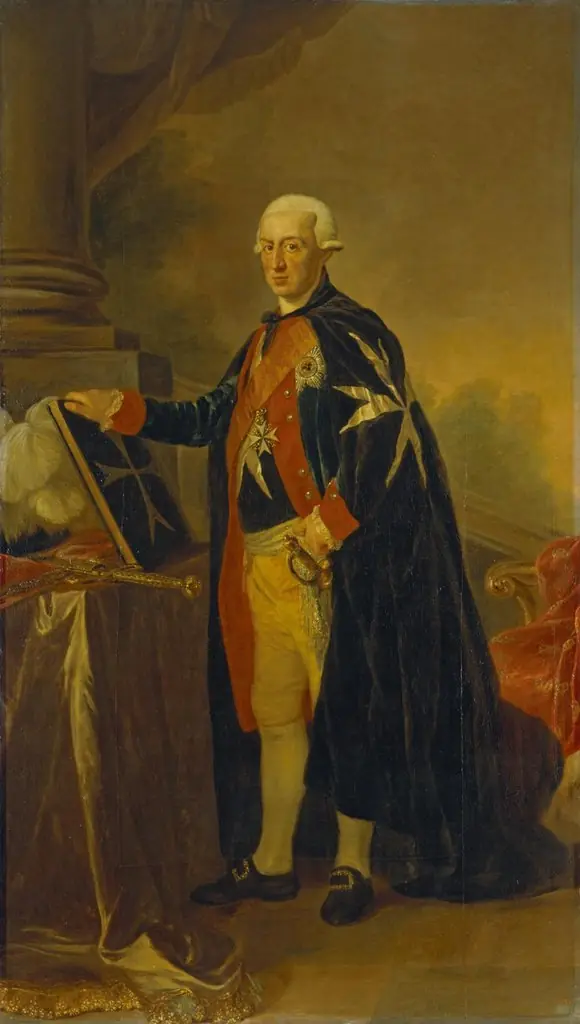 Portrait of Prince Augustus Ferdinand of Prussia