Artwork
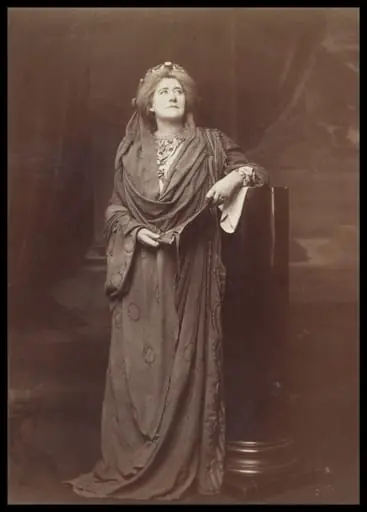
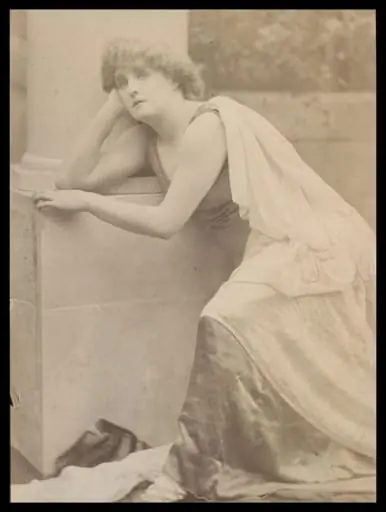
Guy Little Theatrical Photograph
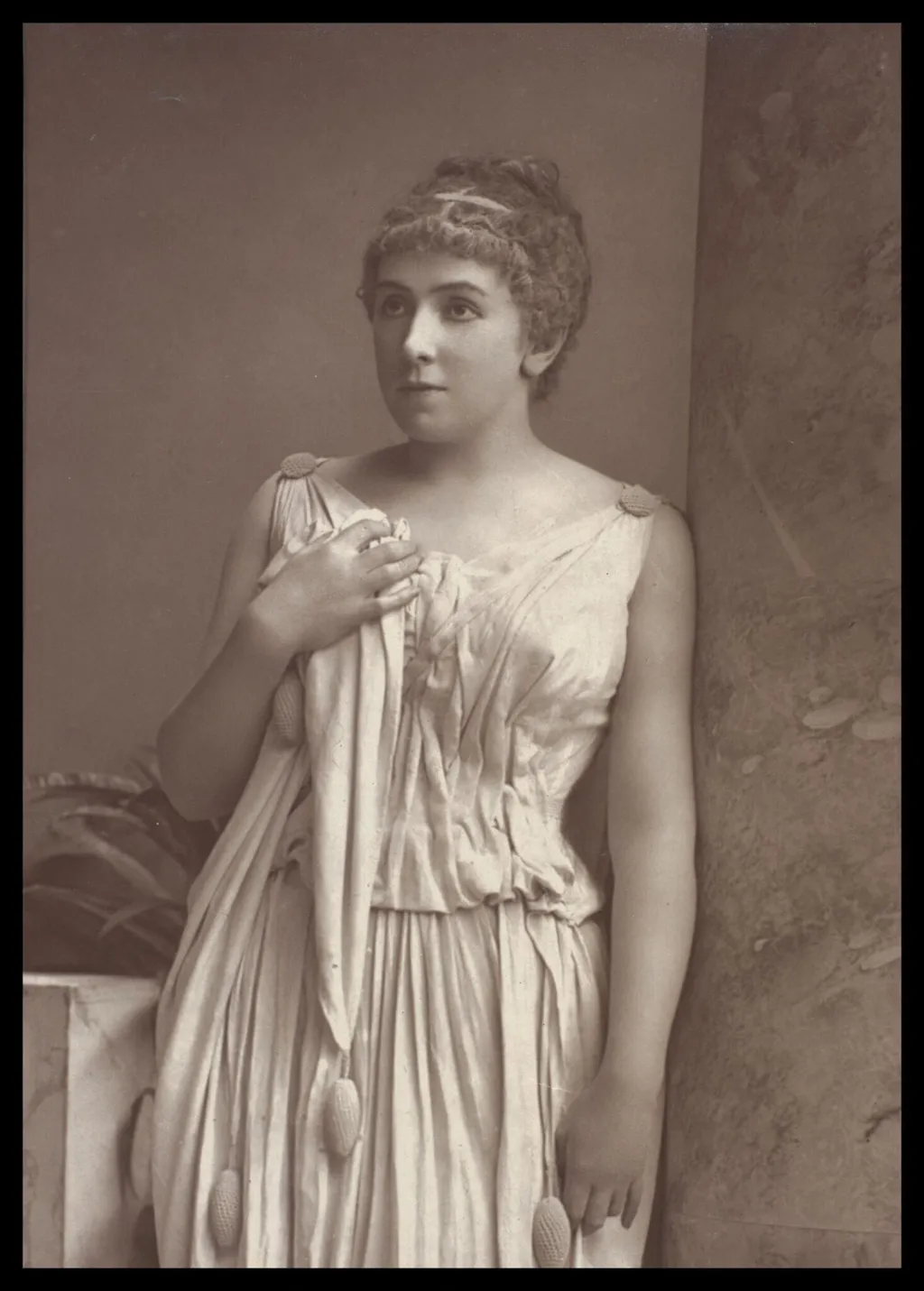
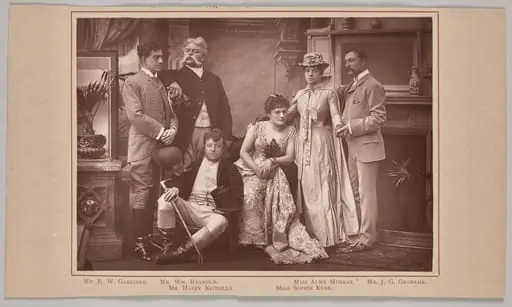
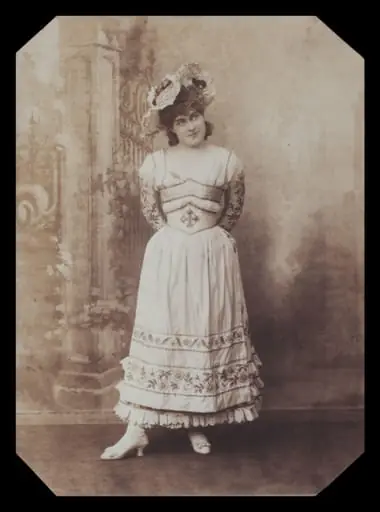
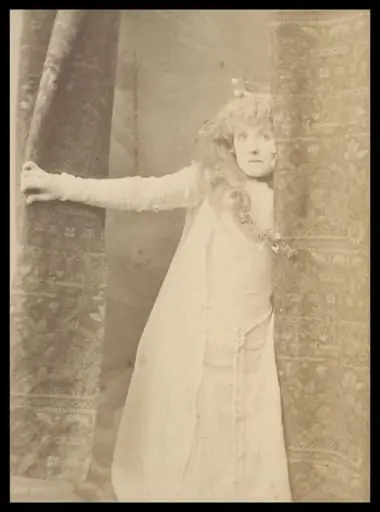
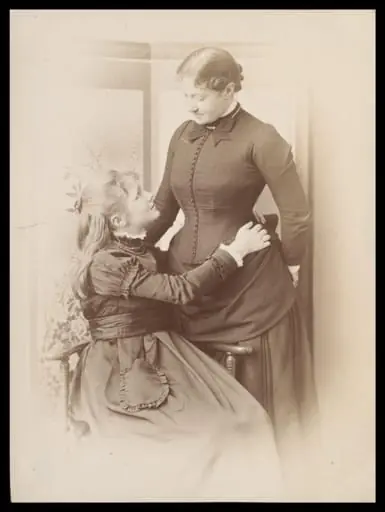
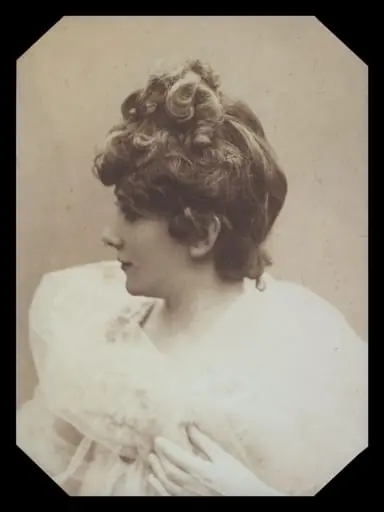
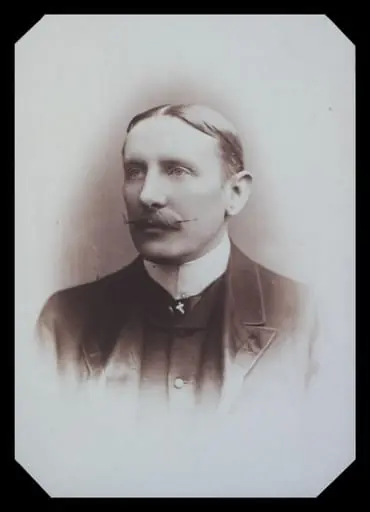
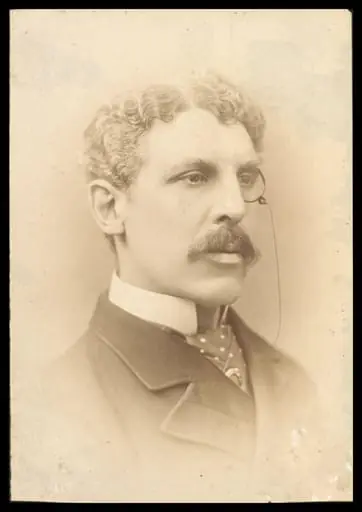
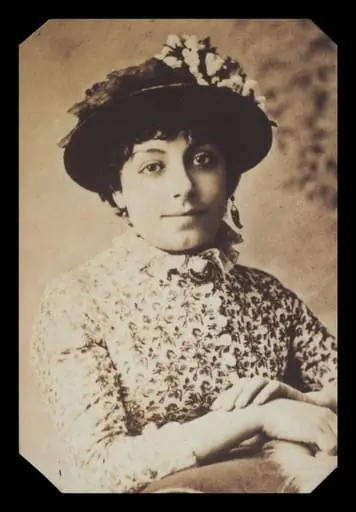
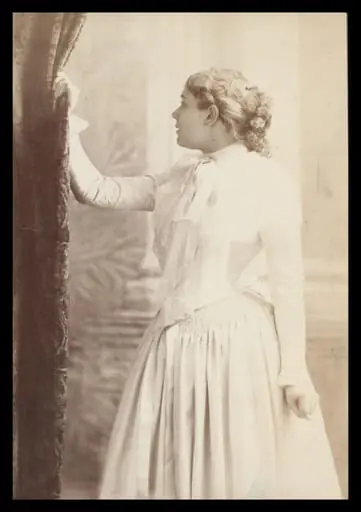
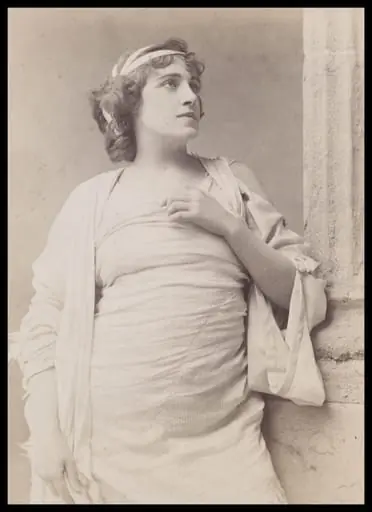
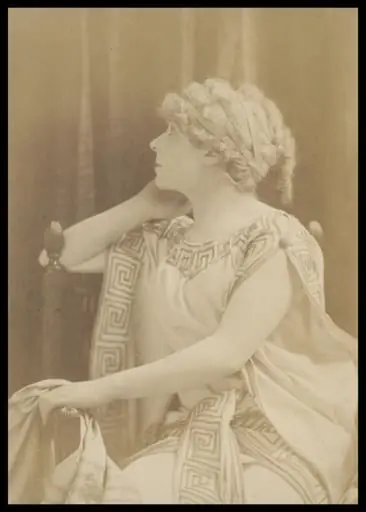
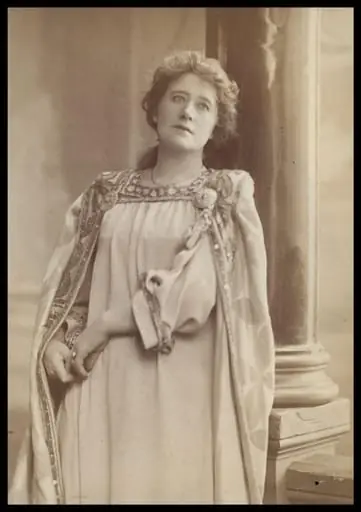
Guy Little Theatrical Photograph is a photographic photography by the Impressionist artist Herbert Rose Barraud. It dates from 1888 and is held in the collection of the Victoria and Albert Museum. This photograph depicts Marie Roze in a theatrical character, captured by Guy Little.
About this work
Overview
This photograph depicts Marie Roze in a theatrical character, captured by Guy Little. It is an albumen print on glass negative, mounted on stiff card, characteristic of Victorian-era portrait photography.
Subject & Meaning
The subject, Marie Roze, is portrayed in character, reflecting the Victorian theatrical practice of documenting actors in role or everyday attire for public consumption.
Technique & Style
The image employs the albumen print process from a glass negative, adhering to the technical standards of 'cartes de visite' and later 'cabinet cards', popular formats during the 1860s to 1890s.
History & Provenance
Originally part of a 'cartes de visite' or 'cabinet cards' collection, this photograph was removed from its backing, mounted in an album by collector Guy Tristram Little, and later bequeathed to the V&A.
Context
Created during the heyday of 'cartes de visite' (patented 1854, popular in the 1860s) or the subsequent 'cabinet cards' (late 1870s), it reflects Victorian fascination with photography and theatrical culture.
Artist & collection