Artwork
El padre Remigio
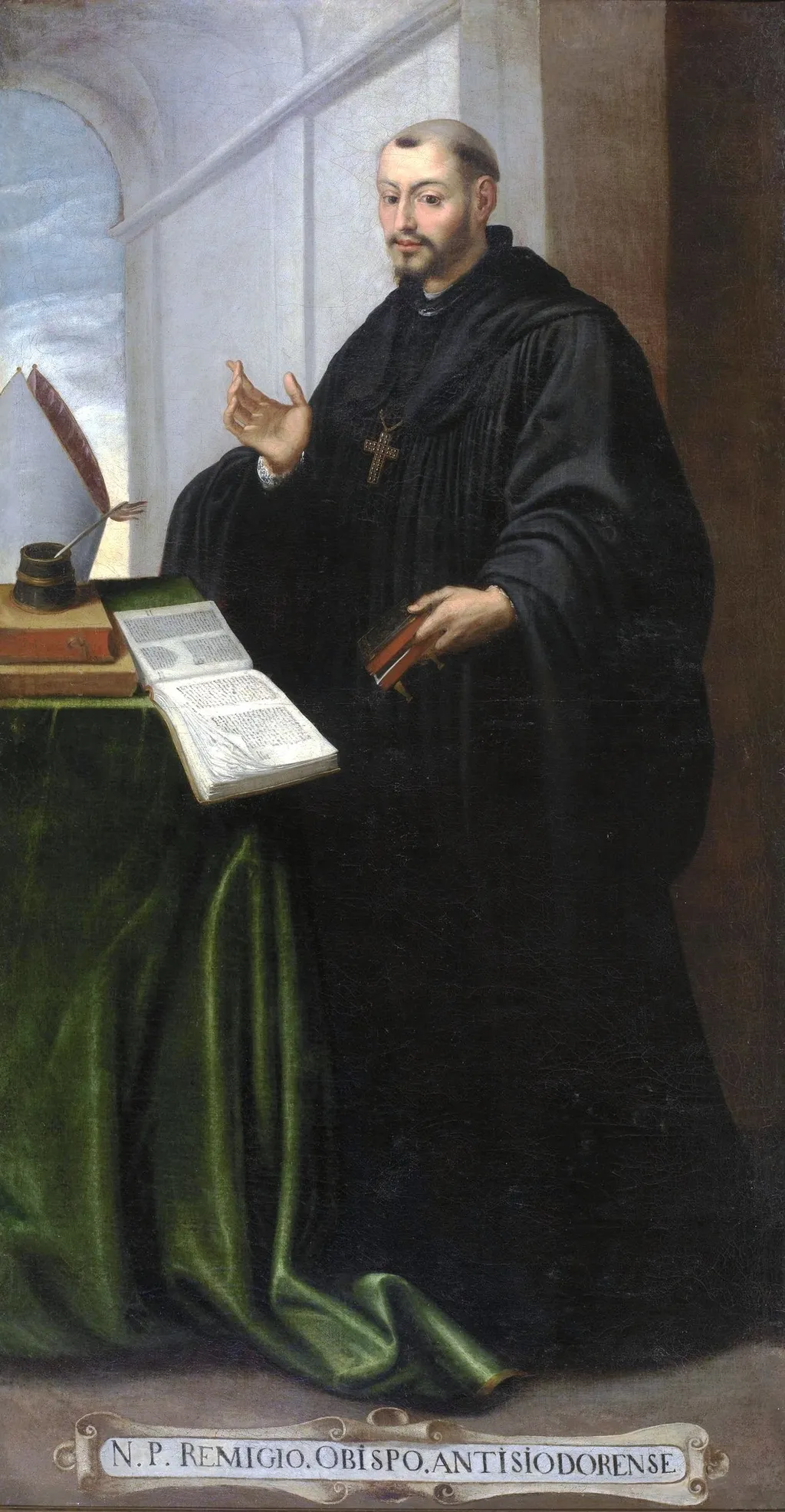
El padre Remigio is an oil painting by the Early Baroque Italian artist Bartolomé Román. It dates from 1601 and is held in the collection of the Museo del Prado.
About this work
Subject & Meaning
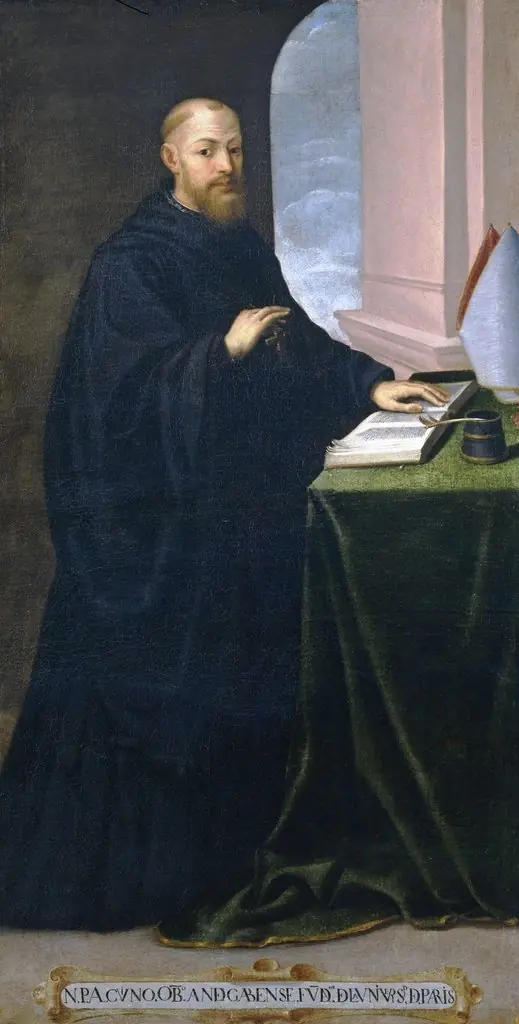
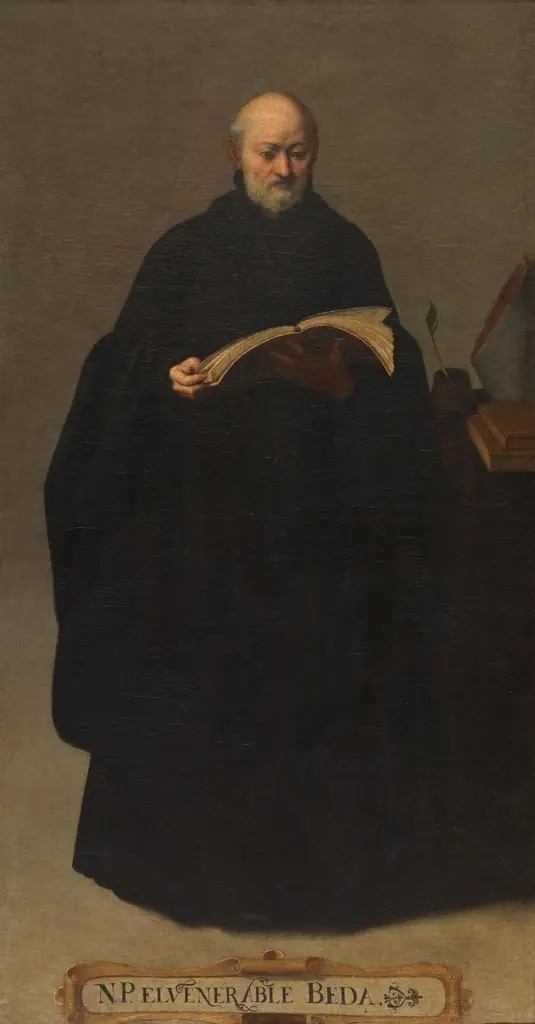
El padre Remigio portrays a cleric holding a book and an inkwell, symbols that identify him as a learned religious figure within the Spanish Baroque tradition.
El padre Remigio portrays a cleric holding a book and an inkwell, symbols that identify him as a learned religious figure within the Spanish Baroque tradition. The composition emphasizes quiet contemplation, reflecting the intellectual role of the subject. The work belongs to the collection of the Museo del Prado, where it is displayed as part of the museum’s early‑17th‑century Spanish painting holdings.
Technique & Style
Executed in 1601 by Bartolomé Román, El padre Remigio is an oil painting on canvas. The work measures 210 cm in height and 110 cm in width. Stylistically, the composition incorporates specific still-life elements, depicting a book and an inkwell alongside the primary subject.
These objects are rendered within the oil medium on the textile support, characteristic of the artist's output during this period.
History & Provenance
El padre Remigio is an oil-on-canvas painting by Bartolomé Román dated 1601. The work was created in the early seventeenth century and has historically been associated with two Spanish public collections: the Museo de la Trinidad and the Museo del Prado, with its current location recorded at the Museo del Prado. No information is available regarding the original commissioner, the circumstances of its creation, or any intermediate private owners between its production and entry into these institutional collections.
The painting's documented institutional history therefore begins with the Museo de la Trinidad, a collection that was later incorporated into the holdings of the Museo del Prado following the dissolution of the former institution in the nineteenth century, though the specific transfer date is not recorded in the available sources.
The painting El padre Remigio is currently held by the Museo del Prado in Madrid. It was previously part of the collection of the Museo de la Trinidad before its transfer to the Prado. The work is cataloged as an oil on canvas measuring 210 cm in height and 110 cm in width. No specific accession number or exhibition history is provided in the available sources.
Overview
Created in 1601, this oil on canvas by Spanish painter Bartolomé Román portrays a cleric identified as N.P. Remigio, bishop of Antisiodoro. The work is part of the collection of the Museo del Prado and measures a modest size typical of early‑Baroque portraiture.
Context
Executed during the transition from late Renaissance to early Baroque in Spain, the work reflects the period’s interest in individual portraiture that conveys intellectual virtue. Its focus on scholarly attributes aligns with Counter‑Reformation ideals that emphasized learned clergy.
Artist & collection