Artwork
El padre Alcuino
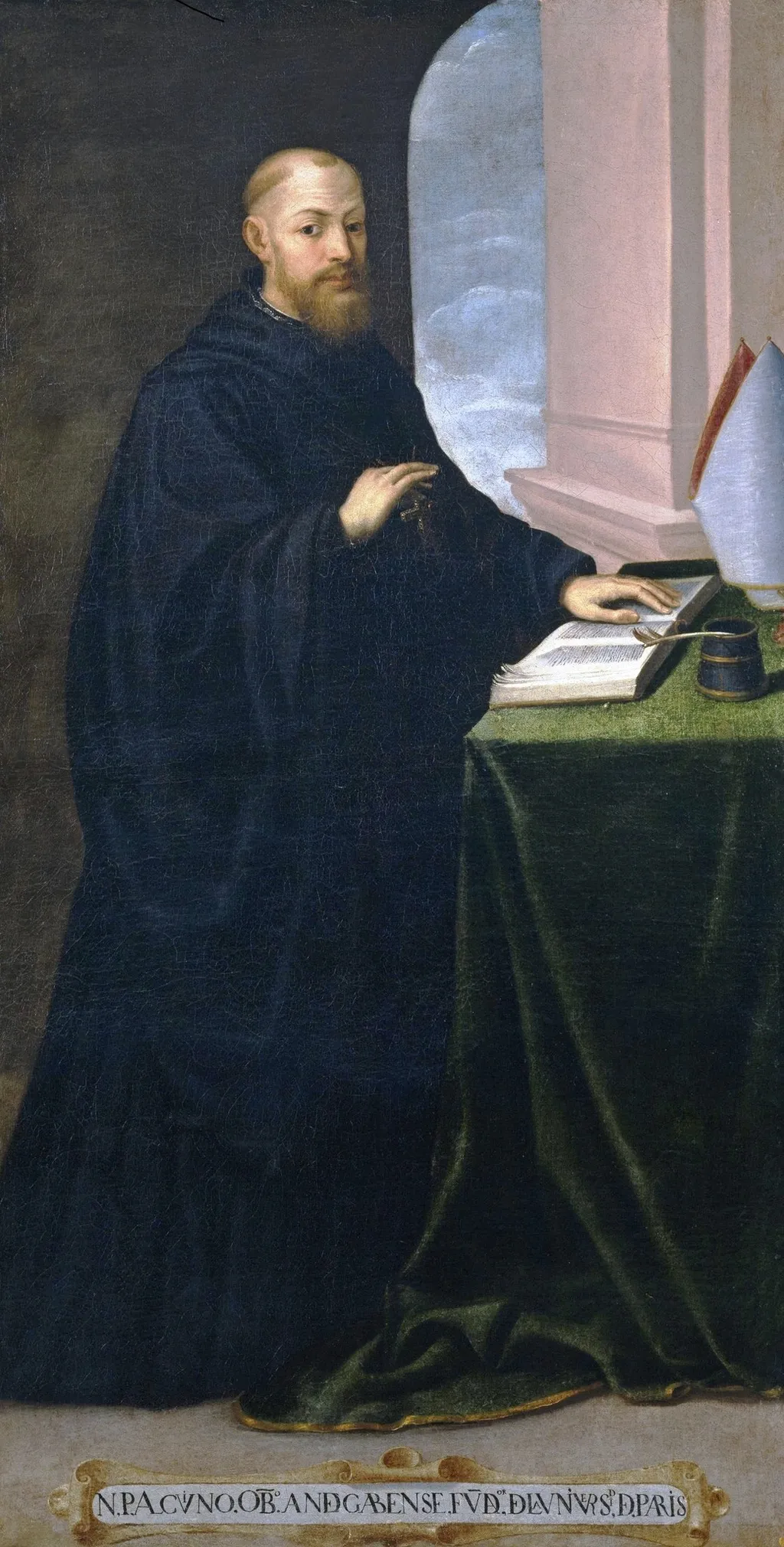
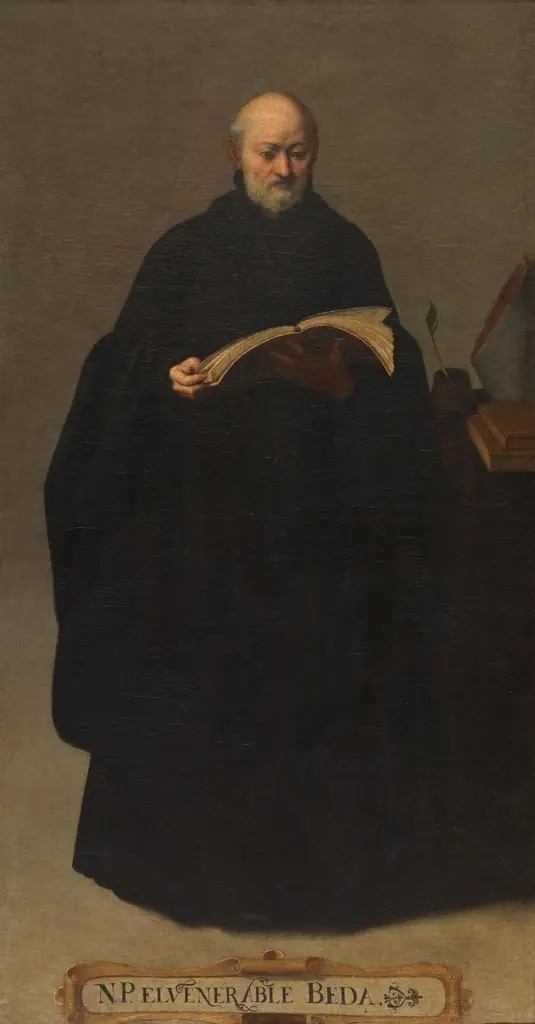
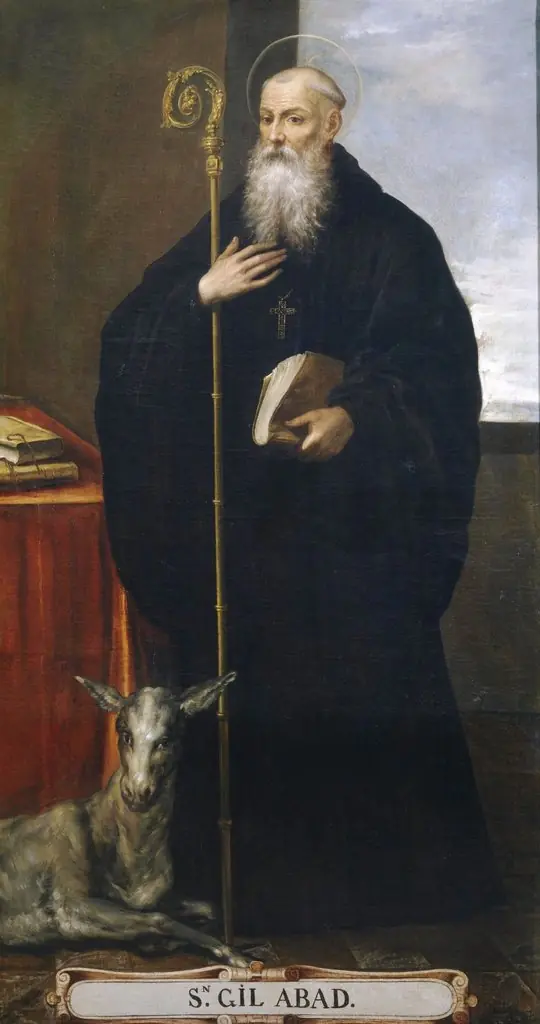
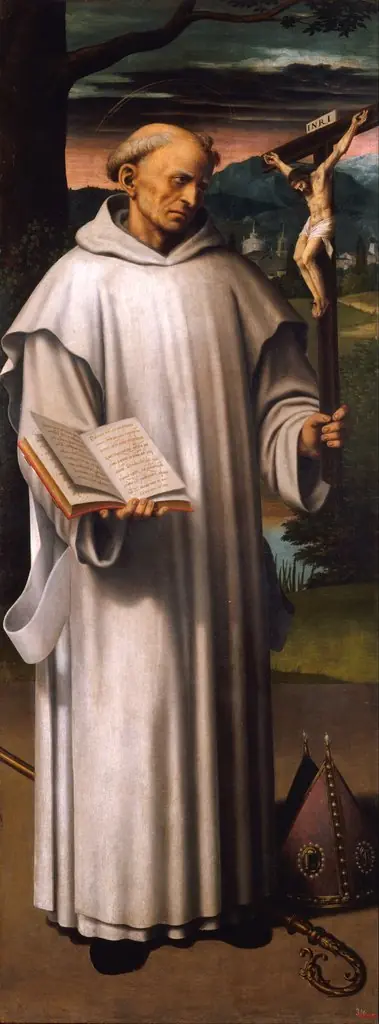
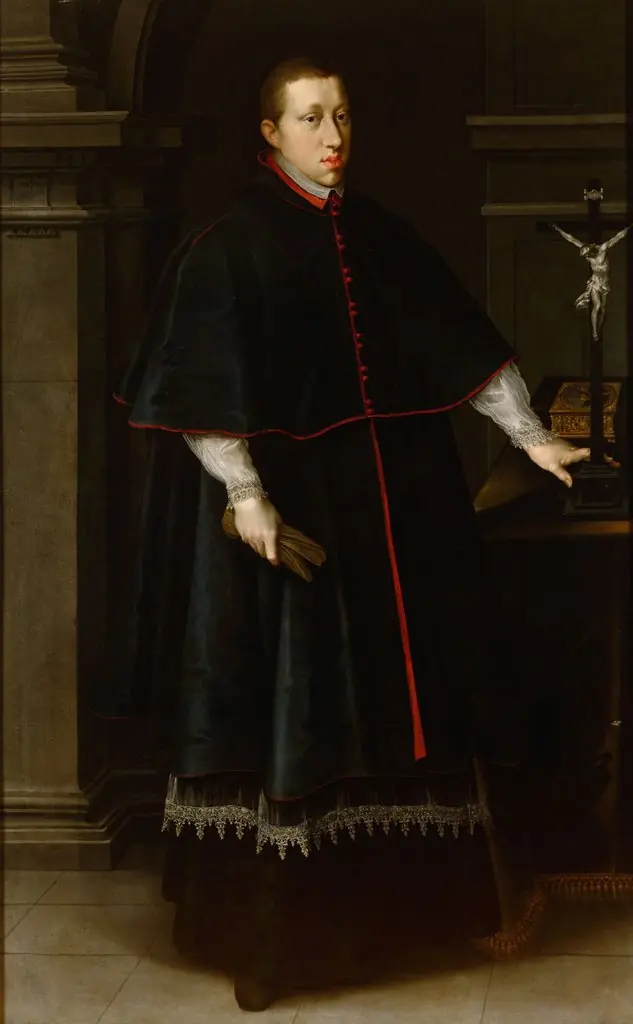
El padre Alcuino is an oil painting by the Early Baroque Italian artist Bartolomé Román. It dates from 1601 and is held in the collection of the Museo del Prado.
About this work
Subject & Meaning
The subject holds a closed book in one hand and rests the other on an inkwell and quill, iconographic elements that signal scholarly or theological authority.
The painting depicts a tonsured cleric seated at a table, identified in the title as El padre Alcuino, rendered in half-length format by Bartolomé Román in 1601. The subject holds a closed book in one hand and rests the other on an inkwell and quill, iconographic elements that signal scholarly or theological authority. The restrained palette and concentrated pose emphasize interiority and learned piety, aligning with Counter-Reformation ideals of religious erudition and discipline.
Symbolically, the closed book and writing tools together suggest the transmission of knowledge and the preservation of doctrine, while the sitter’s tonsure marks his status within the ecclesiastical hierarchy.
Technique & Style
El padre Alcuino is an oil painting executed on a canvas support by Bartolomé Román in 1601. The work measures 210 cm in height and 111 cm in width. Stylistically, the composition depicts specific still-life elements including a book and an inkwell alongside the primary figure. The piece is currently held in the collection of the Museo del Prado.
History & Provenance
The painting titled El padre Alcuino was created in 1601 by the artist Bartolomé Román. Executed in oil on canvas, the work measures 210 centimeters in height and 111 centimeters in width. It depicts a figure accompanied by a book and an inkwell.
The artwork is currently held in the collection of the Museo del Prado in Madrid, having previously been associated with the Museo de la Trinidad.
El padre Alcuino is held in the collection of the Museo del Prado in Madrid. The work was previously part of the holdings of the Museo de la Trinidad before its integration into the Prado. Painted in 1601 by Bartolomé Román, the oil on canvas measures 210 cm in height and 111 cm in width.
The provided sources do not contain information regarding specific inventory numbers or a history of public exhibitions for this painting.
Context
Bartolomé Román’s 1601 painting El padre Alcuino entered scholarly discourse as a significant example of Counter-Reformation devotional imagery, particularly for its nuanced portrayal of intellectual authority. Critical reception highlighted its technical mastery in rendering texture and light, with early 20th-century Spanish art historians identifying it as a pivotal work bridging Mannerist conventions and Baroque naturalism. The painting’s inclusion in the Museo del Prado’s collection cemented its status within the broader narrative of Spanish Golden Age art, serving as a key reference for understanding the era’s synthesis of theological subject matter and artistic innovation.
Its composition, featuring symbolic elements like the book and inkwell, continues to inform studies on artistic representations of scholarly piety in early modern Iberia.
Overview
Bartolomé Román’s oil painting, dated 1601, portrays a solitary, bearded figure in a dark habit. The man stands before a modest interior space, his face illuminated by a gentle window light while the surrounding room recedes into shadow. In his left hand he raises a sheet of paper, and a small table before him holds an open book, an inkwell and a quill.
Artist & collection