Artwork
San Pedro Celestino papa
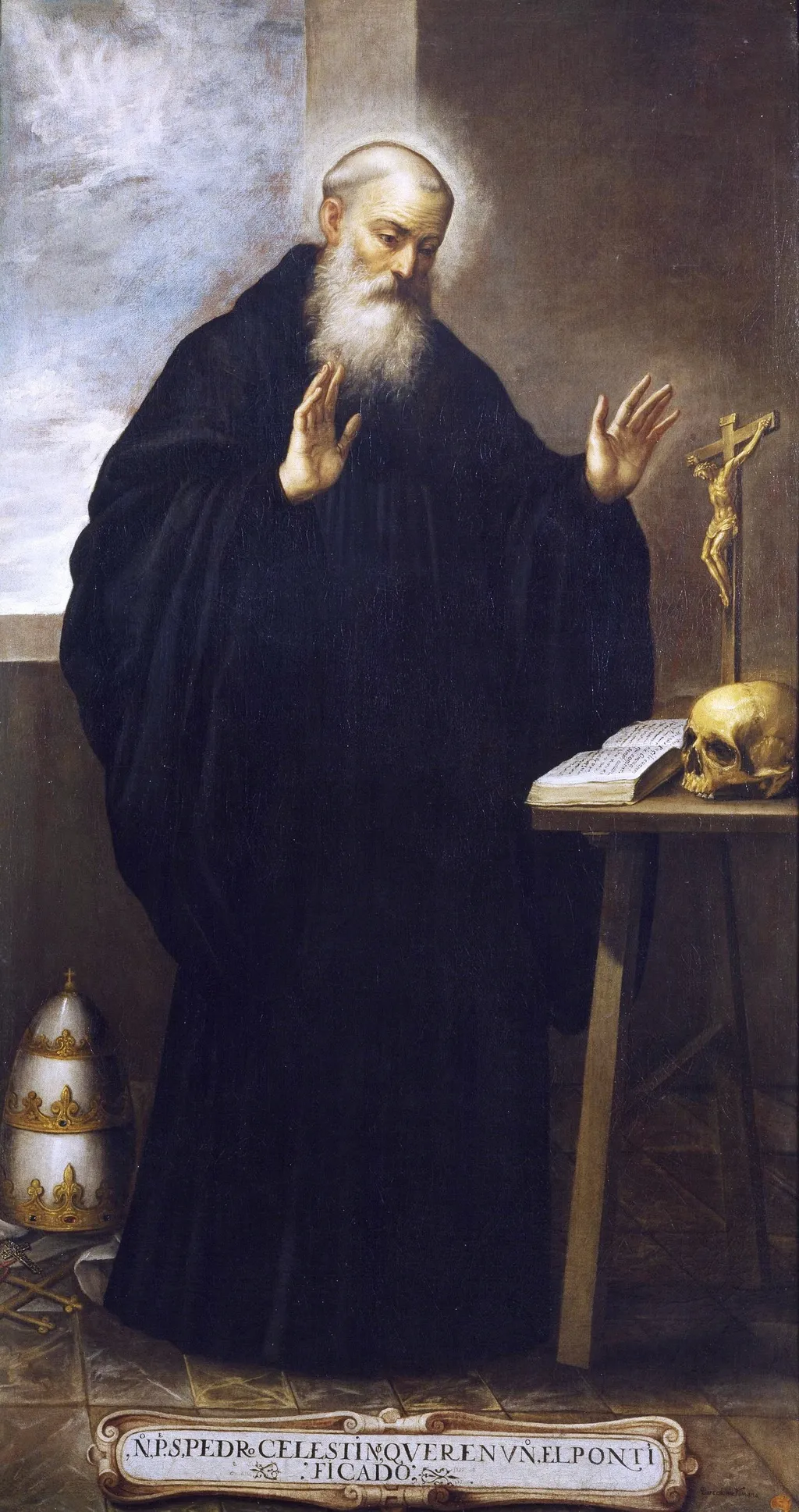
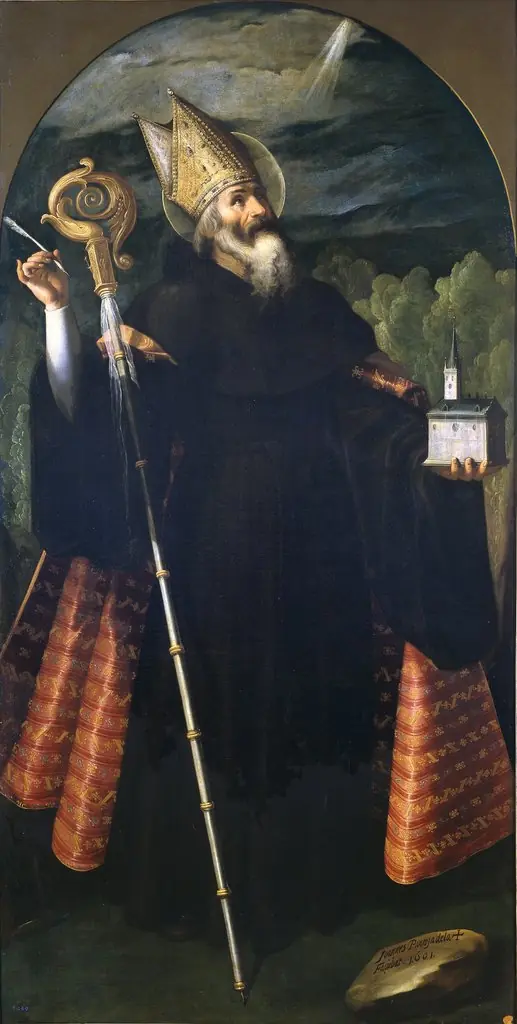
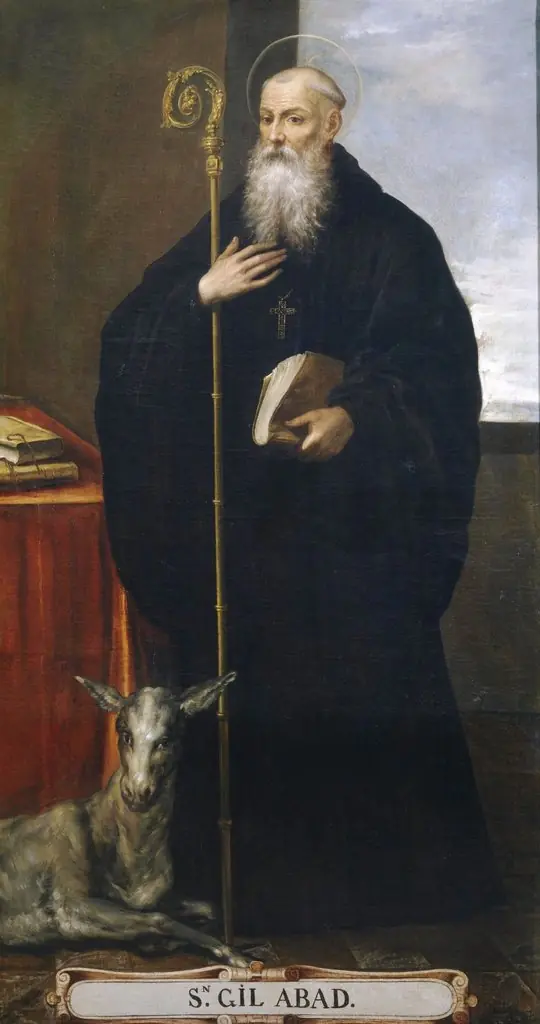
San Pedro Celestino papa is an oil painting by the Early Baroque Italian artist Bartolomé Román. It dates from 1601 and is held in the collection of the Museo del Prado.
About this work
Subject & Meaning
The overall iconography addresses the paradox of a man who sought holiness yet accepted, and ultimately renounced, the highest ecclesiastical office.
The painting depicts Pope Saint Celestine V, a 13th-century pontiff who famously abdicated the papacy. The work is rich in symbolic objects that convey the tensions of his legacy: a skull evokes memento mori and the transience of earthly power, while a crown and crucifix together suggest the conflict between temporal authority and spiritual devotion. A book signals his role as a religious scholar and leader, and the table grounds these emblems in a contemplative, interior setting.
The overall iconography addresses the paradox of a man who sought holiness yet accepted, and ultimately renounced, the highest ecclesiastical office.
Technique & Style
The work is an oil painting executed on canvas. Its dimensions measure 208 cm by 110 cm, and it portrays a skull, a book, a table, a crown, and a crucifix. The composition and handling of light reflect the Baroque emphasis on dramatic contrast and symbolic detail.
The painting’s surface shows the typical handling of oil on canvas, with a smooth finish that accentuates the chiaroscuro effects characteristic of early 17th‑century Spanish art. Formal elements include a restrained palette and a balanced arrangement of symbolic objects that underscore themes of mortality and devotion.
History & Provenance
San Pedro Celestino papa is an oil painting on canvas by Bartolomé Román, dated 1601. The work originated as part of the holdings of the Museo de la Trinidad before entering the collection of the Museo del Prado, where it is currently located. It measures 208 cm in height by 110 cm in width.
The painting San Pedro Celestino papa by Bartolomé Román is currently held by the Museo del Prado in Madrid. It is part of the former collection of the Museo de la Trinidad, which was merged into the Prado's holdings. The work, executed in oil on canvas in 1601, measures 208 cm in height and 110 cm in width.
No specific accession number or detailed exhibition history is provided in the available records. The artwork remains in the permanent collection of the Museo del Prado.
Overview
Bartolomé Román’s oil painting, executed in 1601, presents a solitary figure in a black habit before a modest wooden table. The composition includes an open book, an upright crucifix, a skull, and a crown, all set against a tiled floor and a wall that opens onto a cloudy sky through a window.
Artist & collection