Artwork
Primula Scotica
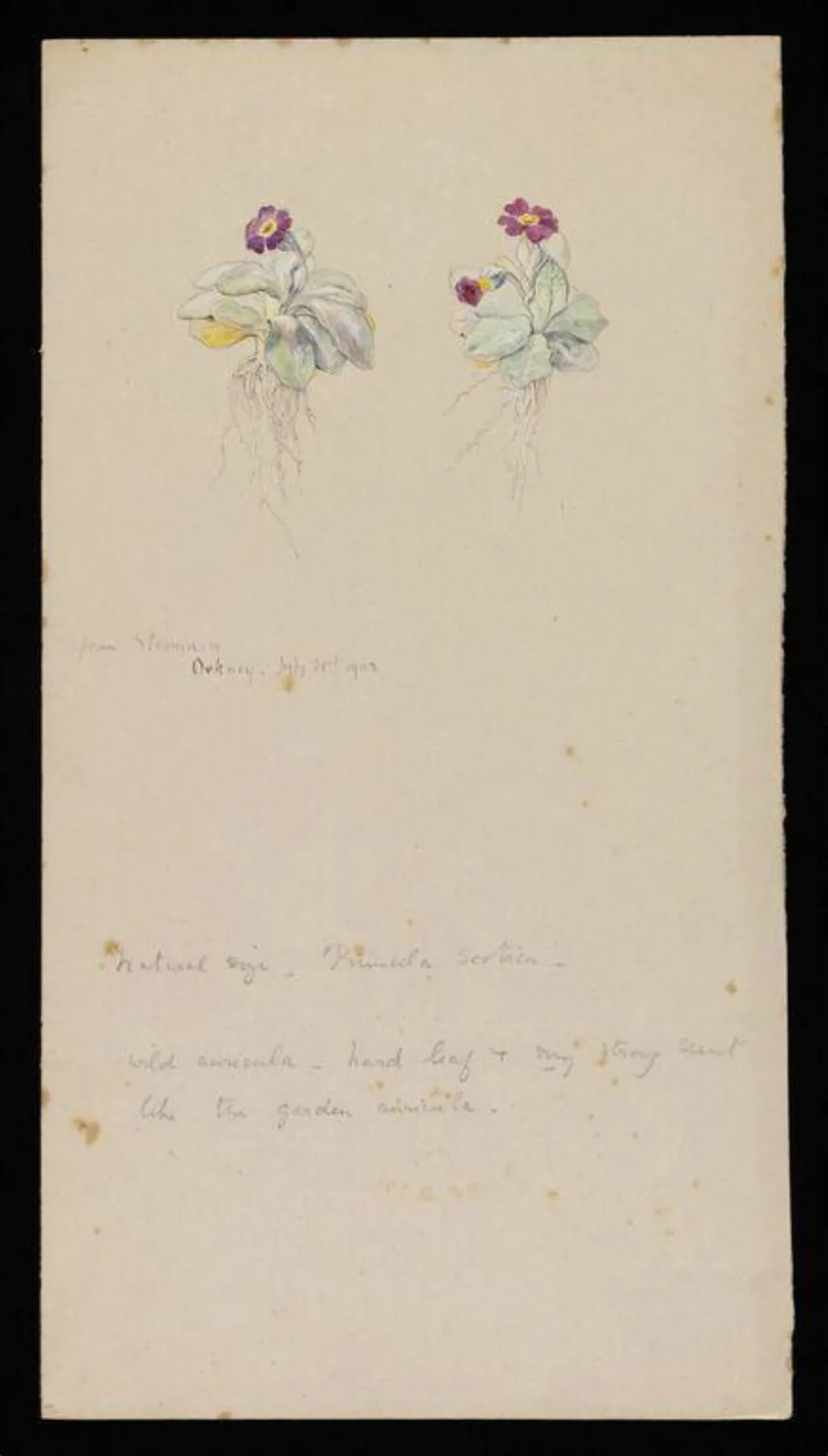
Primula Scotica is a watercolor work on paper by the Impressionist artist Beatrix Potter. It dates from 14 and is held in the collection of the Victoria and Albert Museum.
About this work
She wrote the leaves were hard and the flowers had a strong scent.
Beatrix Potter painted Primula Scotica in 1902 using watercolour. The painting shows a real plant with small purple flowers. It’s a close-up study of the Scottish primrose.
Potter noted the plant came from Stromness, Orkney. She wrote the leaves were hard and the flowers had a strong scent. These details show her deep interest in nature.
Her notes and sketches were made to record the plant’s look. She kept them for her natural history work. See more of her studies at the Victoria and Albert Museum.
Overview
Primula Scotica is a watercolour painting by Beatrix Potter, created in 1902. It is a detailed study of the Scottish primrose, a plant with small purple flowers.
Subject & Meaning
The painting depicts a close-up view of the Primula Scotica, capturing its botanical characteristics. Potter's notes on the artwork highlight her observations of the plant's hard leaves and strong scent, similar to that of the garden auricula.
Technique & Style
Executed in watercolour, the painting showcases Potter's skill in rendering the subtleties of the natural world. The work is characteristic of her meticulous and life-size approach to botanical illustration.
History & Provenance
The plant depicted in the painting was sourced from Stromness, Orkney, as noted by Potter. The artwork is part of a larger body of natural history studies undertaken by the artist.
Artist & collection
Artist
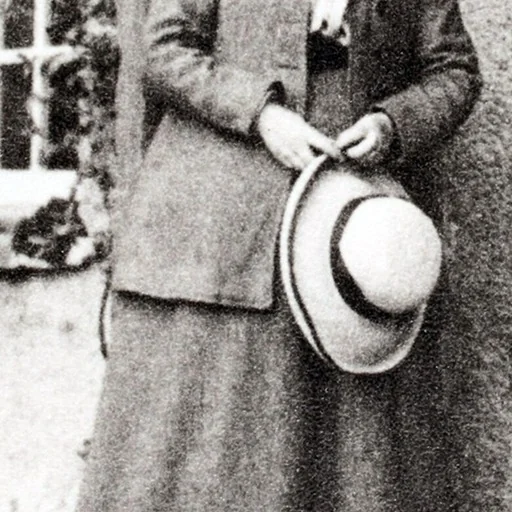
Helen Beatrix Heelis (née Potter; 28 July 1866 – 22 December 1943), usually known as Beatrix Potter ( BEE-ə-triks), was an English writer, illustrator, natural scientist, and conservationist.

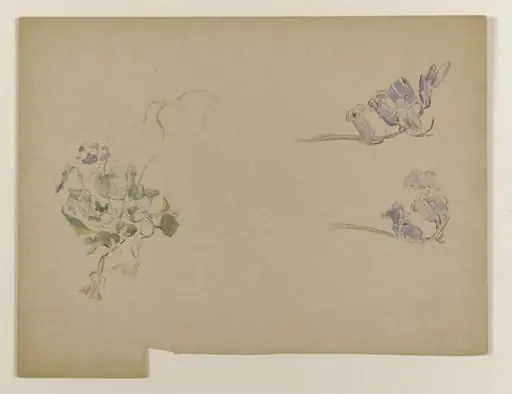 Violets and bluebells
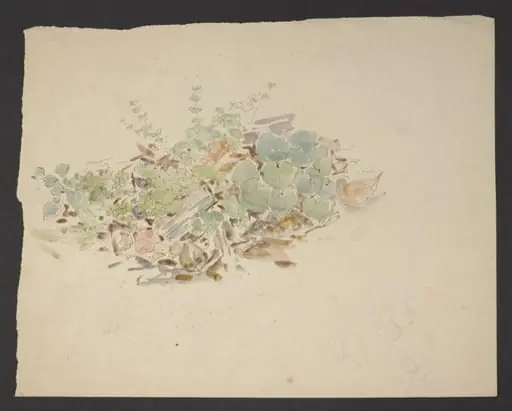 Study of a patch of ground with plants including clover
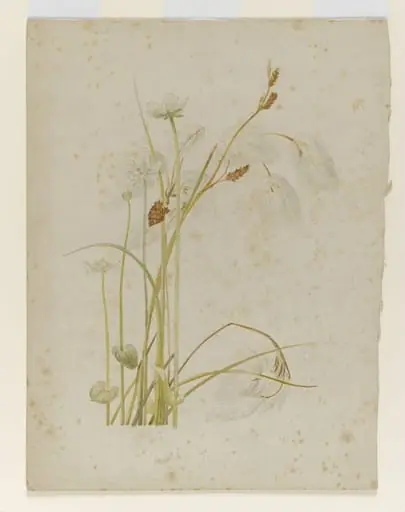 Cotton sedge with white wildflowers
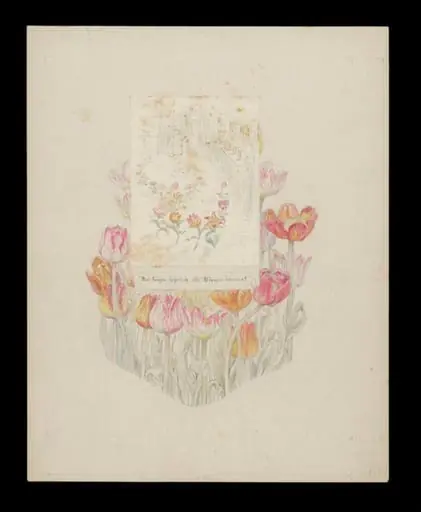 Illustration to 'Little Ida's Flowers'
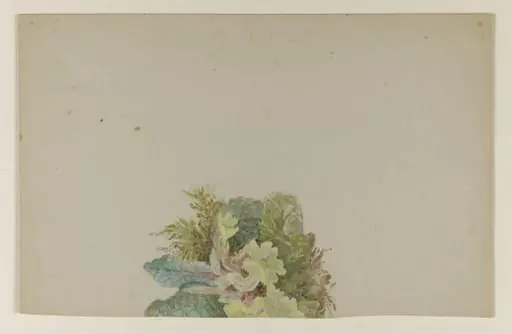 A cluster of primroses with leaves and moss
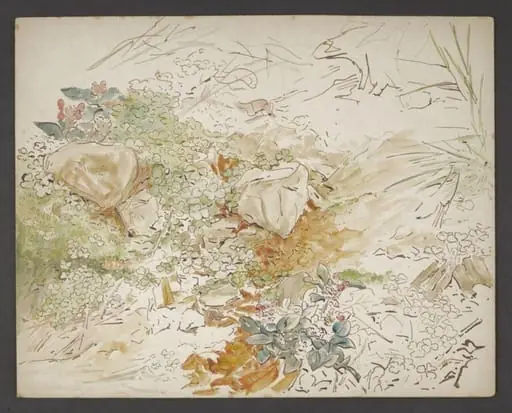 Study of a patch of ground with plants and rocks
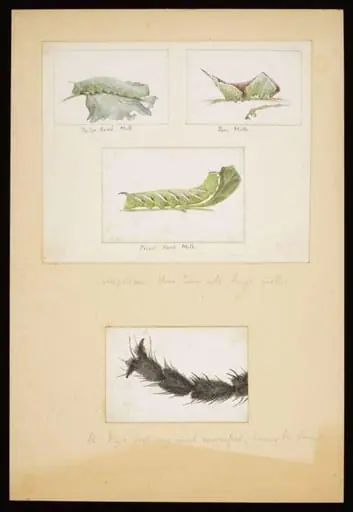 Studies of caterpillars and study of a magnified fly's foot
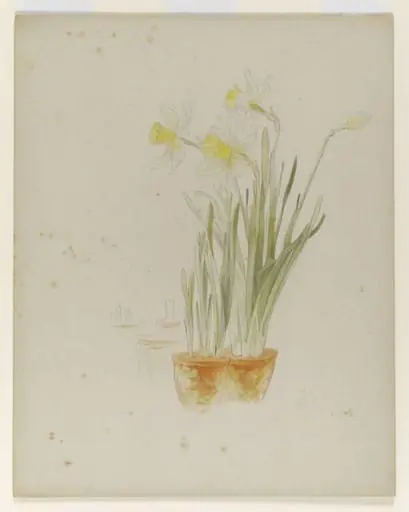 Daffodils and a bud in pots
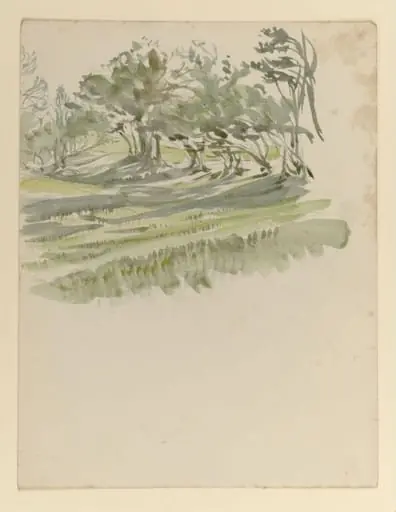 A meadow flanked by a line of trees
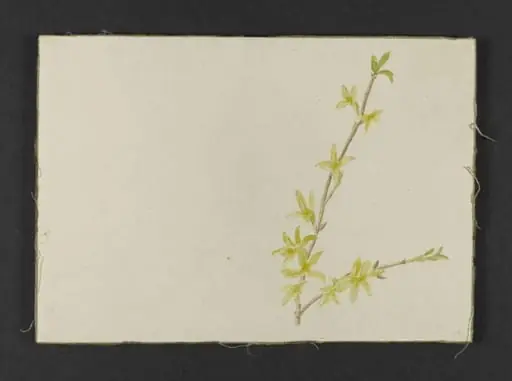 Spray of yellow forsythia