Artwork
Beschneidung Christi (Circumcisio)
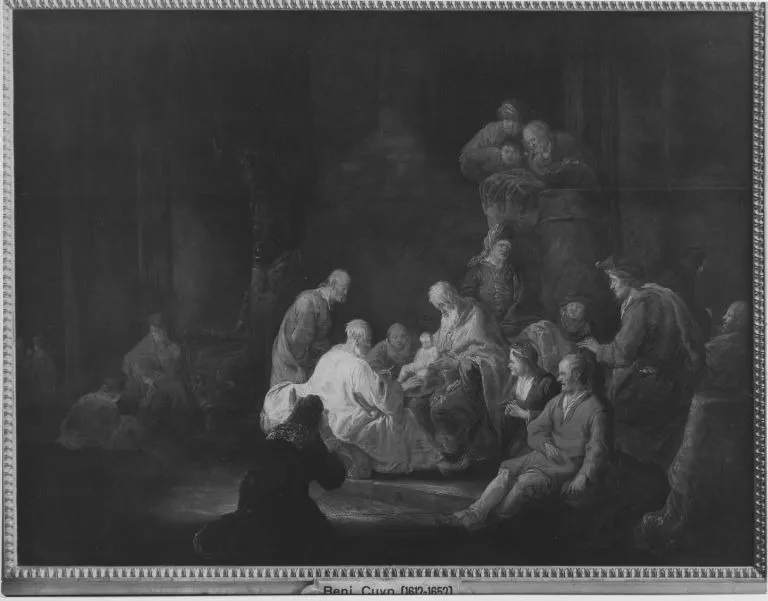
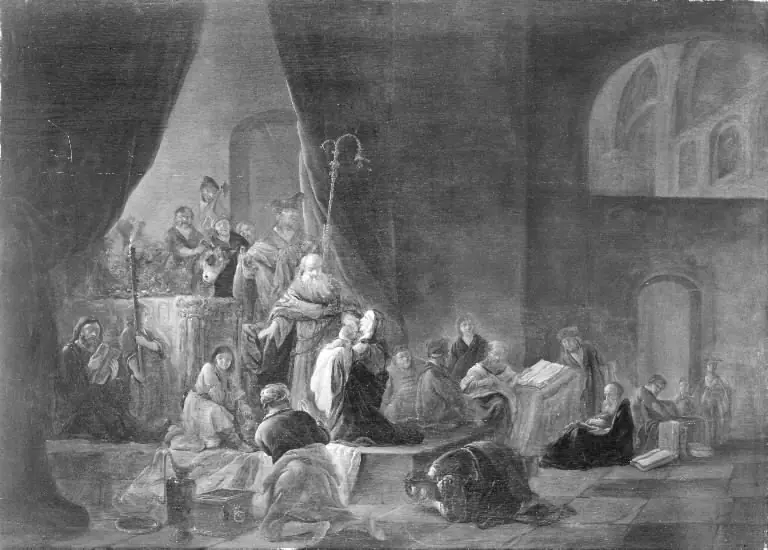
Beschneidung Christi (Circumcisio) is an unspecified painting by the Dutch Golden Age artist Benjamin Gerritsz Cuyp. It dates from 1632 and is held in the collection of the Bavarian State Painting Collections.
About this work
Subject & Meaning
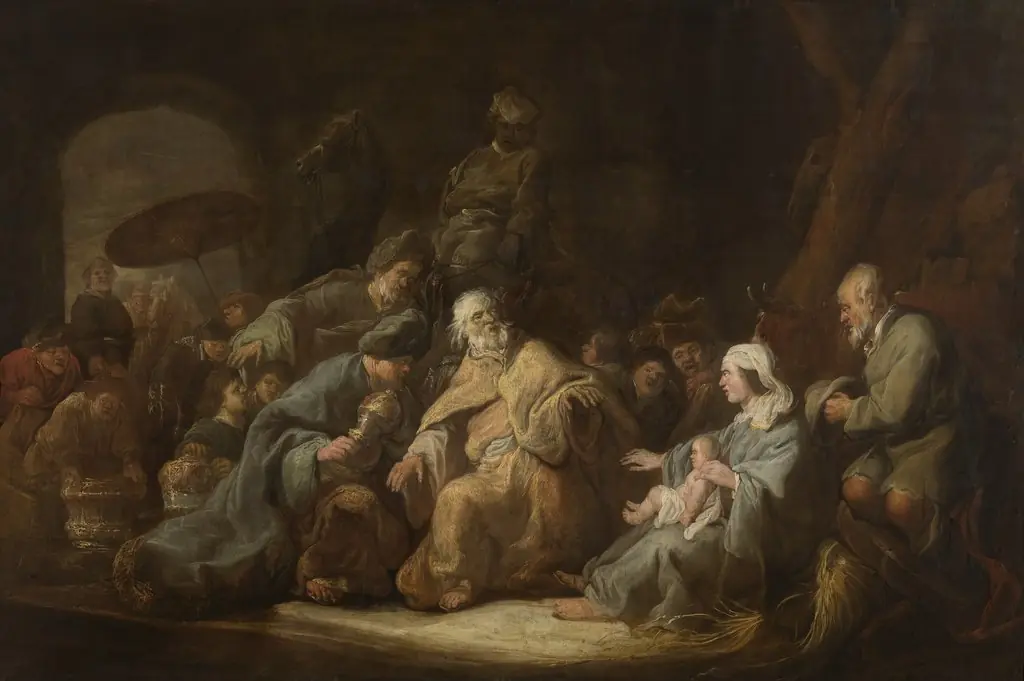
Benjamin Gerritsz Cuyp's 1632 painting depicts the Circumcision of Jesus, a specific episode from the New Testament where the infant Christ undergoes the Jewish ritual of circumcision eight days after his birth. As a work of religious art, the piece focuses on this theological moment which signifies Jesus's entry into the covenant of Abraham and his submission to Mosaic Law. The iconography centers on the physical act of the ritual performed on the divine child, serving as a visual representation of his humanity and early obedience to religious tradition.
By illustrating this narrative, the artwork functions as a devotional object intended to reflect on the incarnation and the fulfillment of Old Testament prophecies through the life of Christ.
History & Provenance
The work is held by the Bavarian State Painting Collections and is housed at the Alte Pinakothek.
Beschneidung Christi (Circumcisio) was painted by Benjamin Gerritsz Cuyp in 1632. The work is held by the Bavarian State Painting Collections and is housed at the Alte Pinakothek.
The sources document the painting's creation date and its current institutional ownership, but they do not provide information on an earlier ownership chain, a commissioning party, or any intermediate provenance prior to its acquisition by the Bavarian State Painting Collections.
Legacy
The painting influenced 17th-century religious art through its depiction of the circumcision of Jesus, a subject later explored by Dutch painters emphasizing biblical narratives with realistic detail. Its composition and treatment of sacred ritual contributed to the visual language of devotional works in the Dutch Golden Age, particularly in how artists rendered intimate moments from Christ’s early life. The work remains part of the Bavarian State Painting Collections, where it is displayed at the Alte Pinakothek, preserving its historical presence in a major museum context.
Overview
Benjamin Gerritsz Cuyp’s 1632 oil painting, titled Beschneidung Christi, portrays the biblical episode of Jesus’ circumcision. Executed in the Dutch Golden Age, the work is part of the collection of the Alte Pinakothek in Munich, offering a quiet yet emotionally charged interpretation of the rite.
Technique & Style
Cuyp employs a chiaroscuro scheme, casting deep shadows that isolate the bed and its immediate participants in a soft, focused light. This contrast heightens the drama of the scene, while the muted palette and restrained brushwork convey a sense of stillness and reverence.
Context
The work reflects the 17th‑century Protestant interest in biblical moments that emphasize Christ’s humanity and obedience. By choosing a relatively rare subject, Jesus’ circumcision, Cuyp aligns with contemporary theological discourse while adhering to the period’s devotional artistic conventions.
Artist & collection

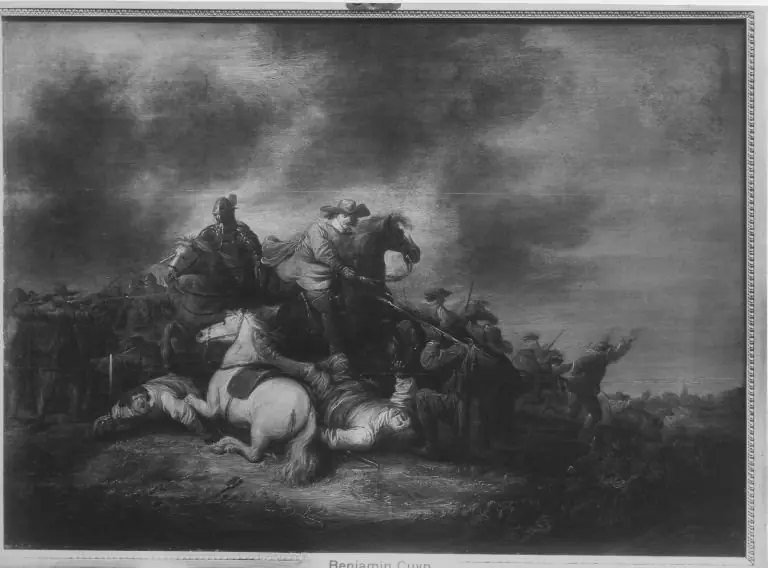
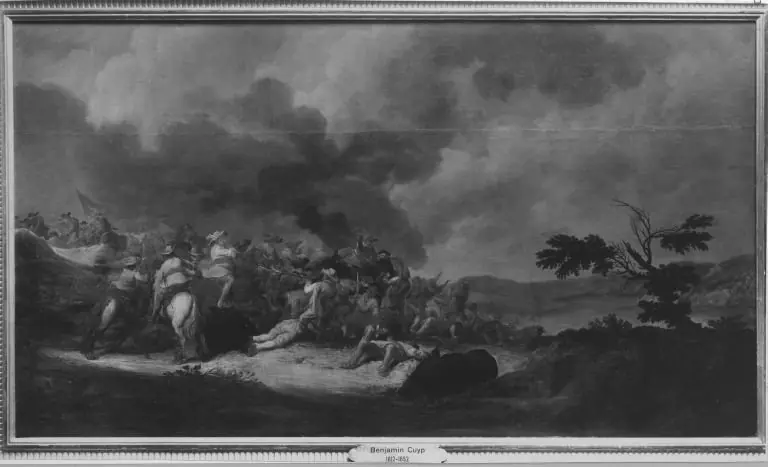
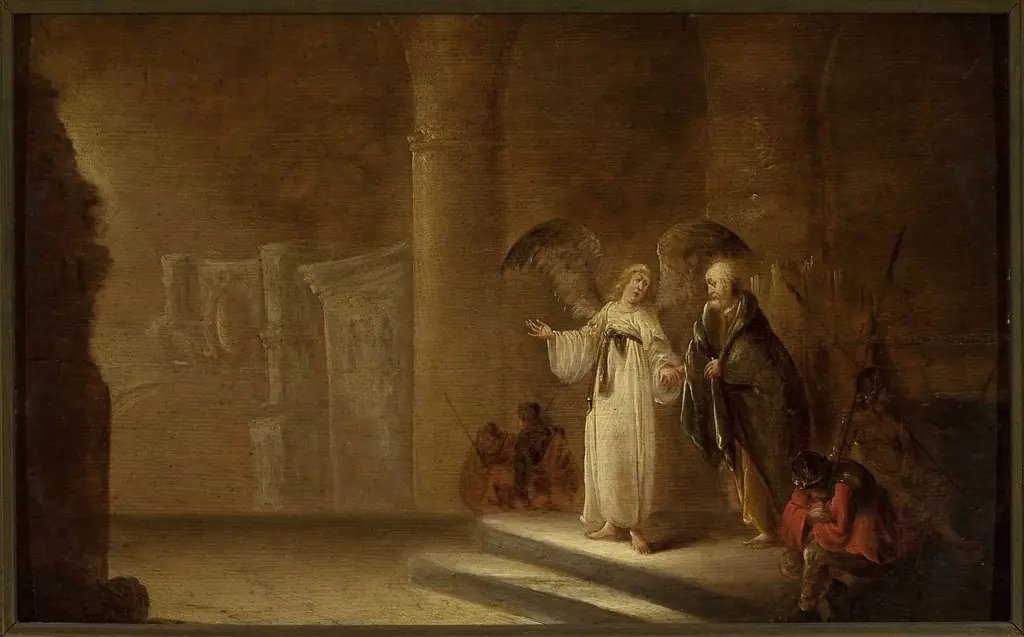
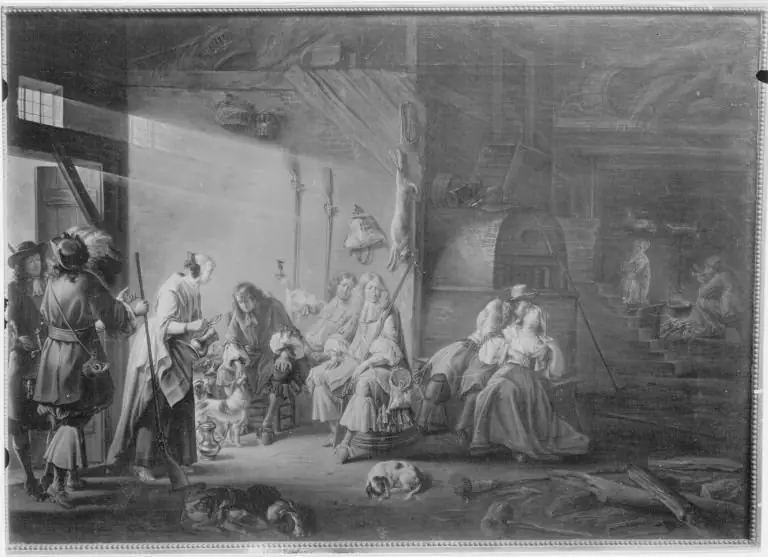
- Einkehr nach der Jagd
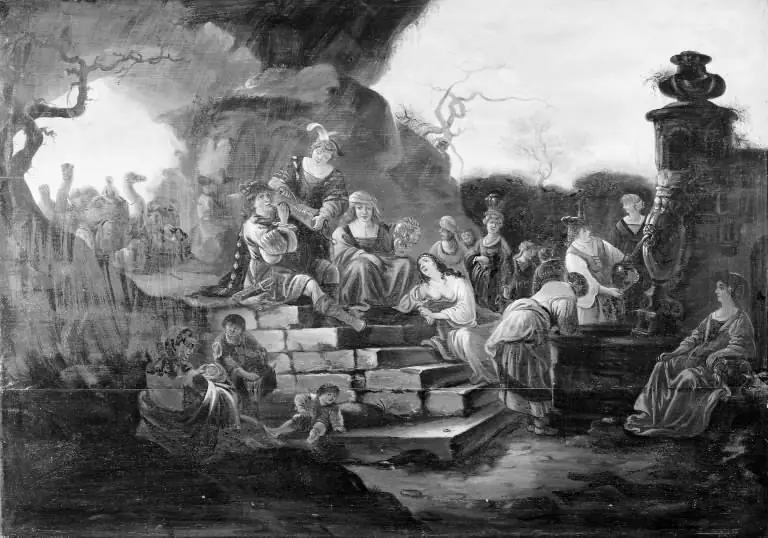 Merry Company by a Fountain
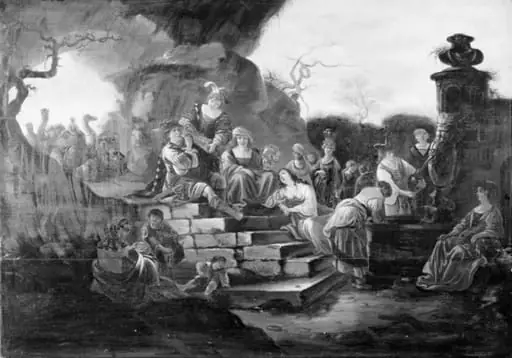 Merry Company by a Fountain
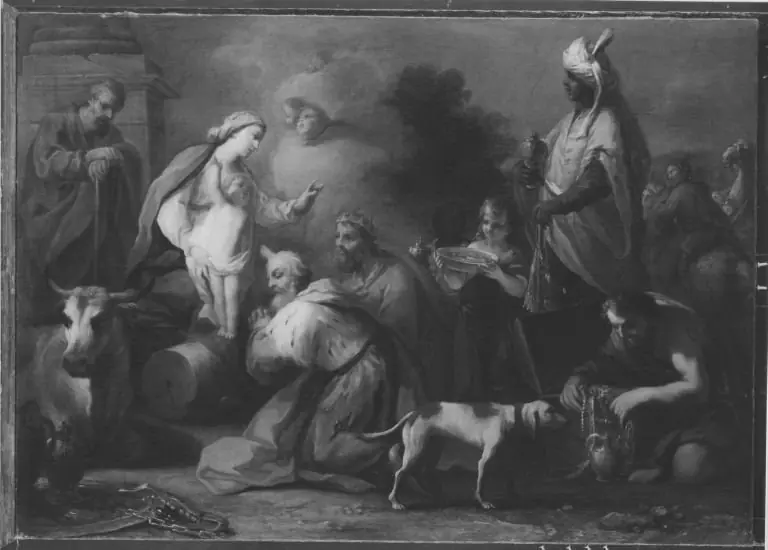 Anbetung der Könige
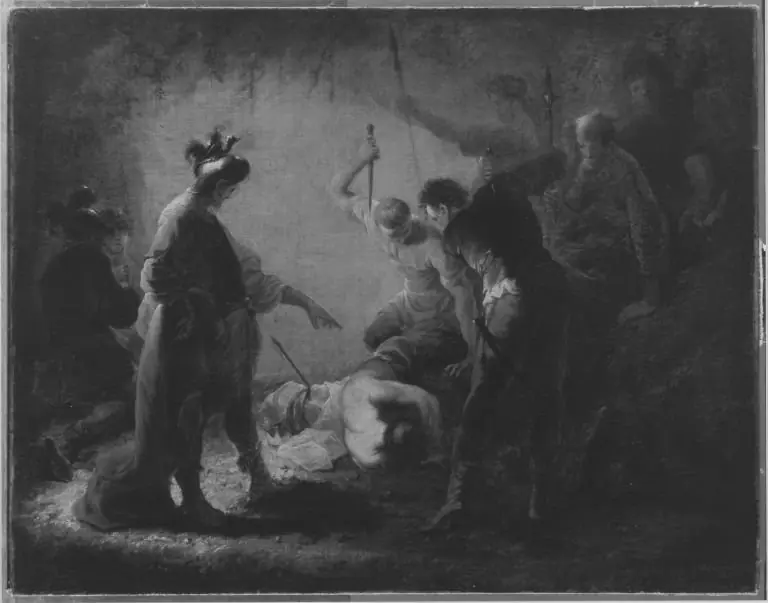 Die Ermordung des hl. Severus
 Christ healing the sick: 'The hundred guilder print'
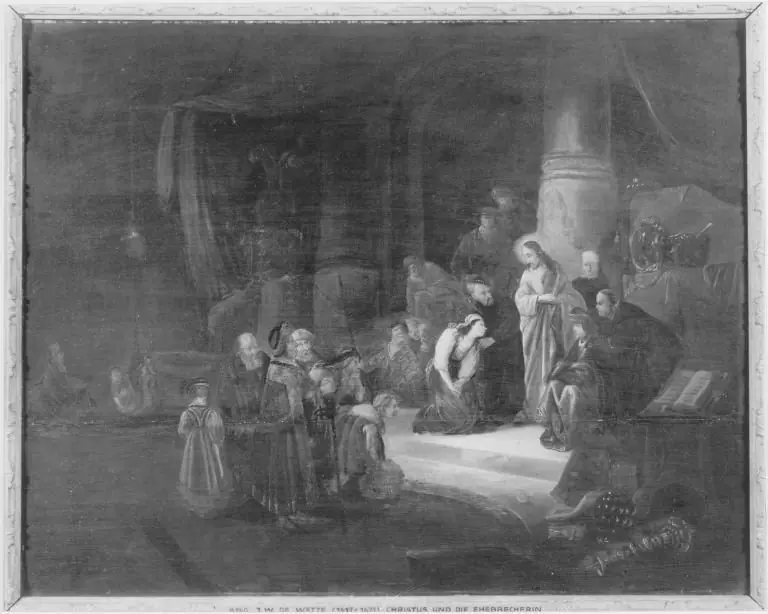 Christ and the woman taken in adultery (John 8:2-11)
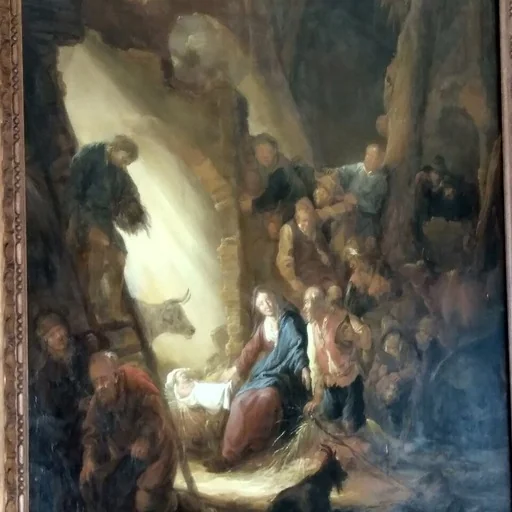
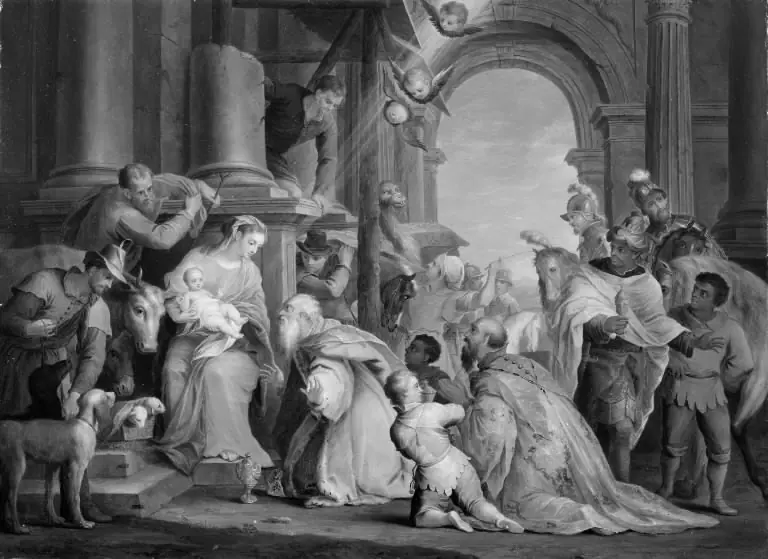
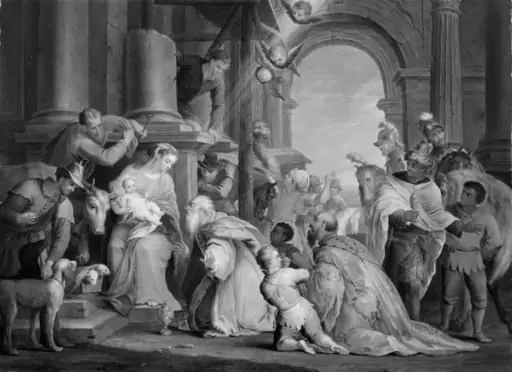 The Adoration of the Magi
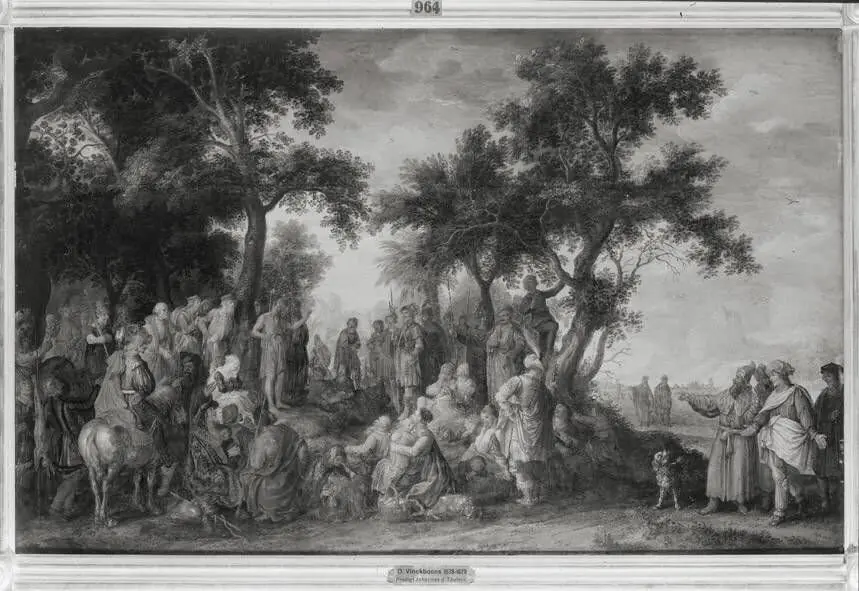 Predigt Johannes des Täufers
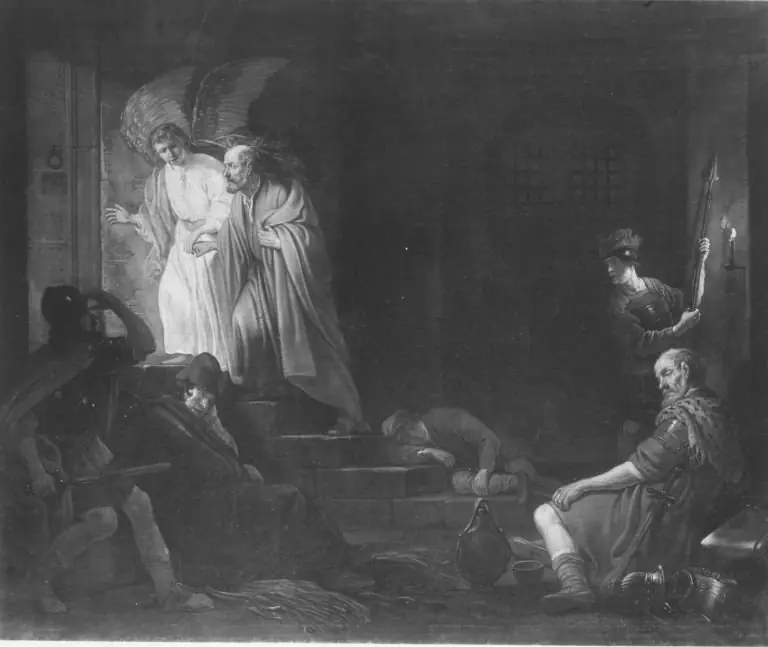 Befreiung des Petrus
 The Adoration of the Magi
 The Presentation in the Temple