Artwork
Linkerluik van het retabel van de broederschap van het Heilig Kruis te Veurne. Voorzijde : De heilige Helena voor de paus in Rome. Keerzijde : Christus valt onder het kruis
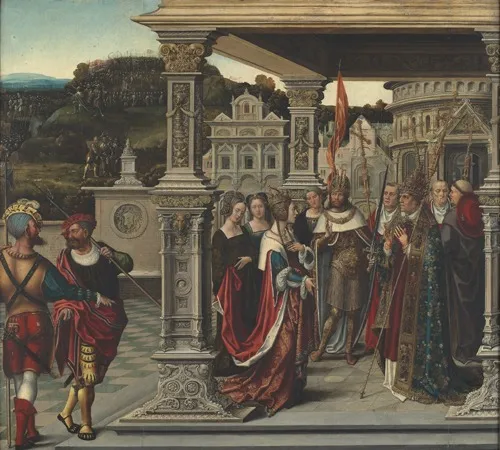
Linkerluik van het retabel van de broederschap van het Heilig Kruis te Veurne. Voorzijde : De heilige Helena voor de paus in Rome. Keerzijde : Christus valt onder het kruis is an oil painting by the Northern Renaissance artist Bernard Van Orley. It dates from 1517 and is held in the collection of the Royal Museums of Fine Arts of Belgium.
About this work
Overview
Van Orley, based in Brussels, was a leading figure in the Romanist movement, adapting classical forms into religious narratives for elite patrons.
Painted in 1517 by Bernard van Orley, this oil-on-panel work served as the front face of a double-sided triptych commissioned by the Brotherhood of the Holy Cross in Veurne. It reflects the fusion of Northern European detail with Italianate composition characteristic of early 16th-century Flemish art. Van Orley, based in Brussels, was a leading figure in the Romanist movement, adapting classical forms into religious narratives for elite patrons.
Subject & Meaning
The front panel portrays Saint Helena, mother of Emperor Constantine, presenting a fragment of the True Cross to the Pope in Rome. This moment affirms the relic’s authenticity and the Church’s authority. The reverse depicts Christ’s fall beneath the cross, linking the discovery of the sacred object to its central role in Christian suffering. Together, the panels frame devotion around the relic’s origin and its spiritual weight.
Technique & Style
Van Orley employed fine brushwork to render intricate textiles, architectural details, and individualized facial expressions. The composition arranges figures in a shallow, stage-like space, with architectural elements receding in perspective—a nod to Italian Renaissance spatial logic. Palette choices favor subdued earth tones, enhancing the solemnity of the scene while maintaining clarity in gesture and costume.
History & Provenance
Commissioned for the Brotherhood of the Holy Cross in Veurne, the triptych was likely used in liturgical processions or devotional gatherings. Its double-sided design allowed for seasonal or feast-day display. After the dissolution of religious guilds in the late 16th century, the panels entered private and institutional collections, eventually becoming part of public museum holdings in Belgium.
Context
In early 16th-century Flanders, religious confraternities commissioned altarpieces to reinforce communal identity and piety. Van Orley’s integration of Italianate architecture and classical drapery signaled alignment with humanist ideals, even as local traditions of meticulous realism persisted. This work exemplifies how Northern artists absorbed Renaissance innovations without abandoning native devotional intensity.
Legacy
Van Orley’s synthesis of Northern and Italian styles influenced later Flemish painters, helping bridge the gap between medieval panel painting and early modern religious art. Though the full triptych is no longer intact, surviving panels remain key examples of Romanist practice. His approach to narrative clarity and dignified figuration set a standard for religious imagery in the Low Countries during the Reformation era.
Artist & collection
Artist
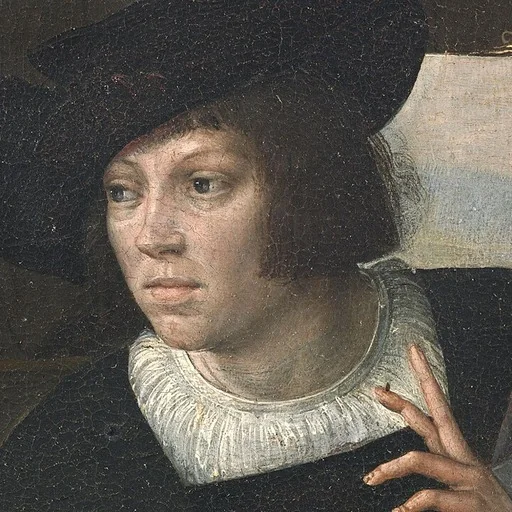
Bernard van Orley (between 1487 and 1491 – 6 January 1541), also called Barend or Barent van Orley, Bernaert van Orley or Barend van Brussel, was a versatile Flemish artist and representative of Dutch and Flemish…

Museum
Royal Museums of Fine Arts of Belgium
Continue through works from the same source collection.
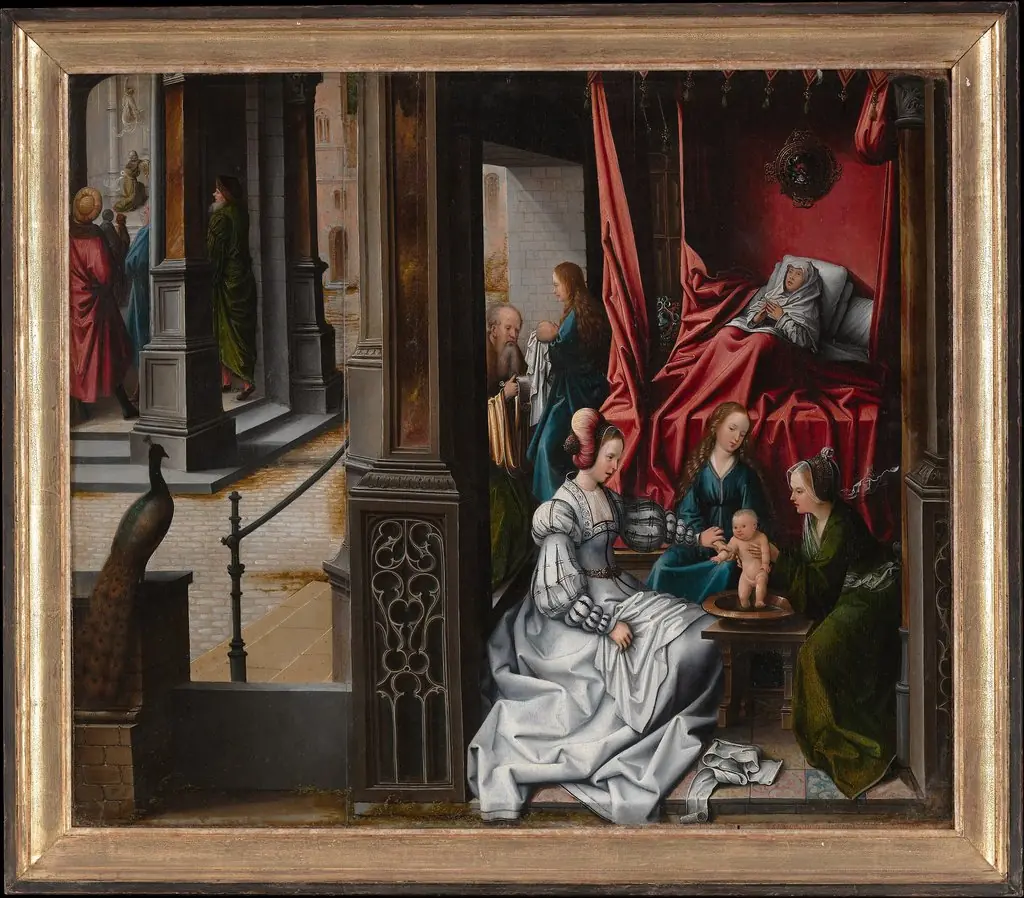 The Birth and Naming of Saint John the Baptist; (reverse) Trompe-l'oeil with Painting of The Man of Sorrows
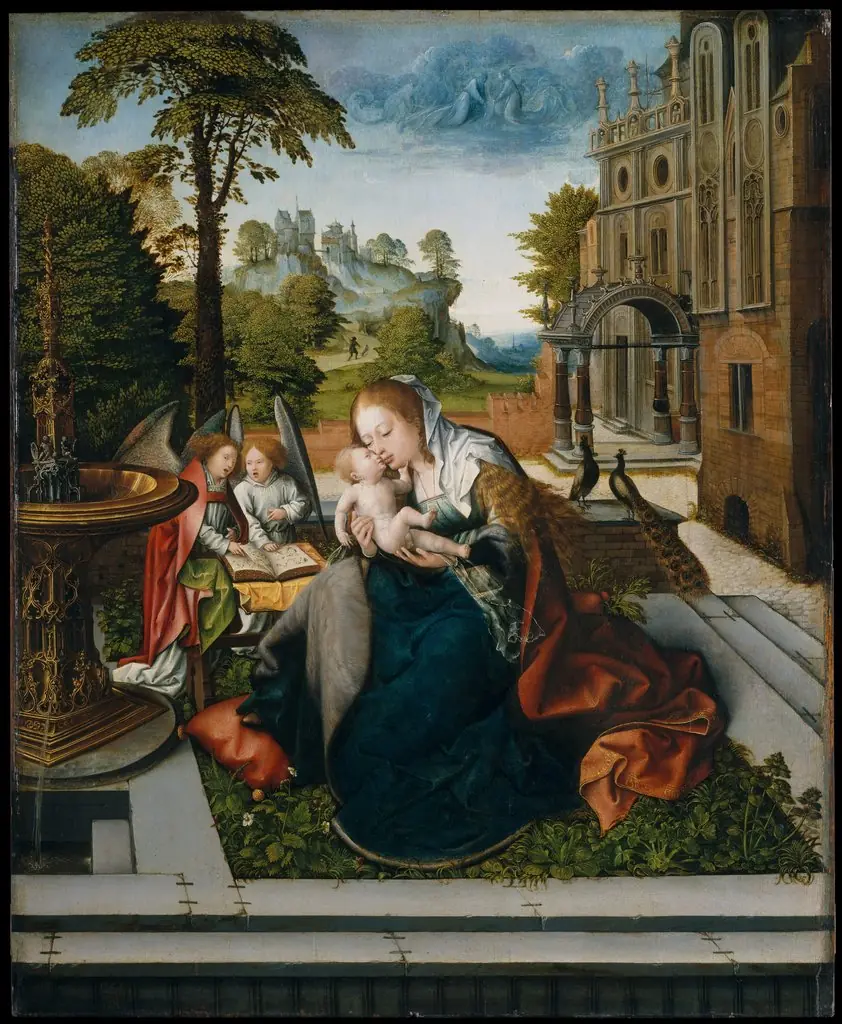 Virgin and Child with Angels
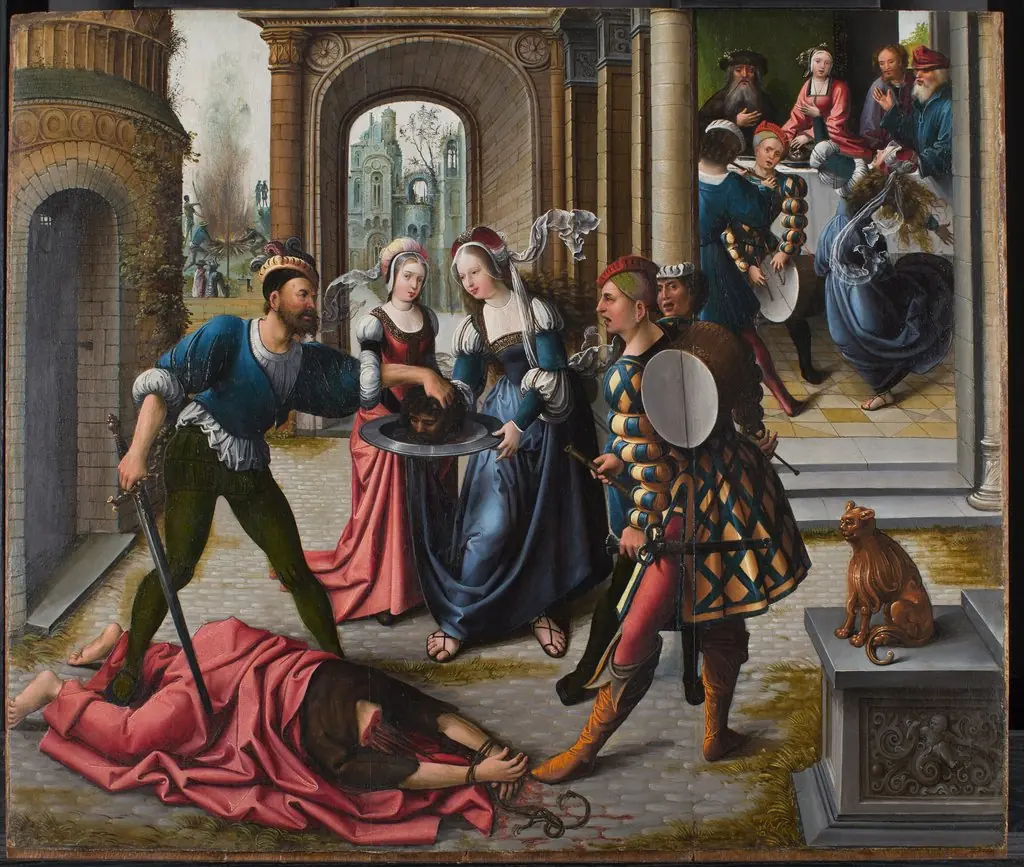 The Martyrdom of Saint John the Baptist
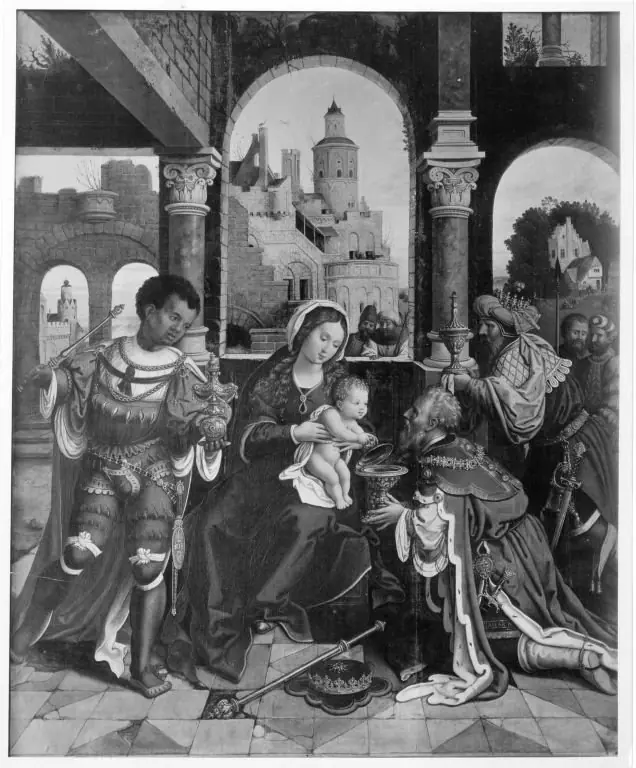 The Adoration of the Magi
![Christ among the Doctors [obverse], by Bernard Van Orley](https://artifactworldgallery.com/img/bernard-van-orley--christ-among-the-doctors-obverse--78795f311364e613-w320.webp) Christ among the Doctors [obverse]
Christ among the Doctors [obverse]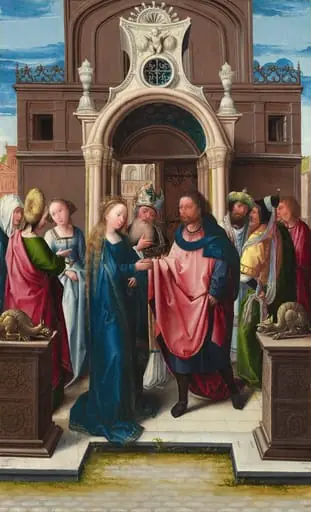 The Marriage of the Virgin
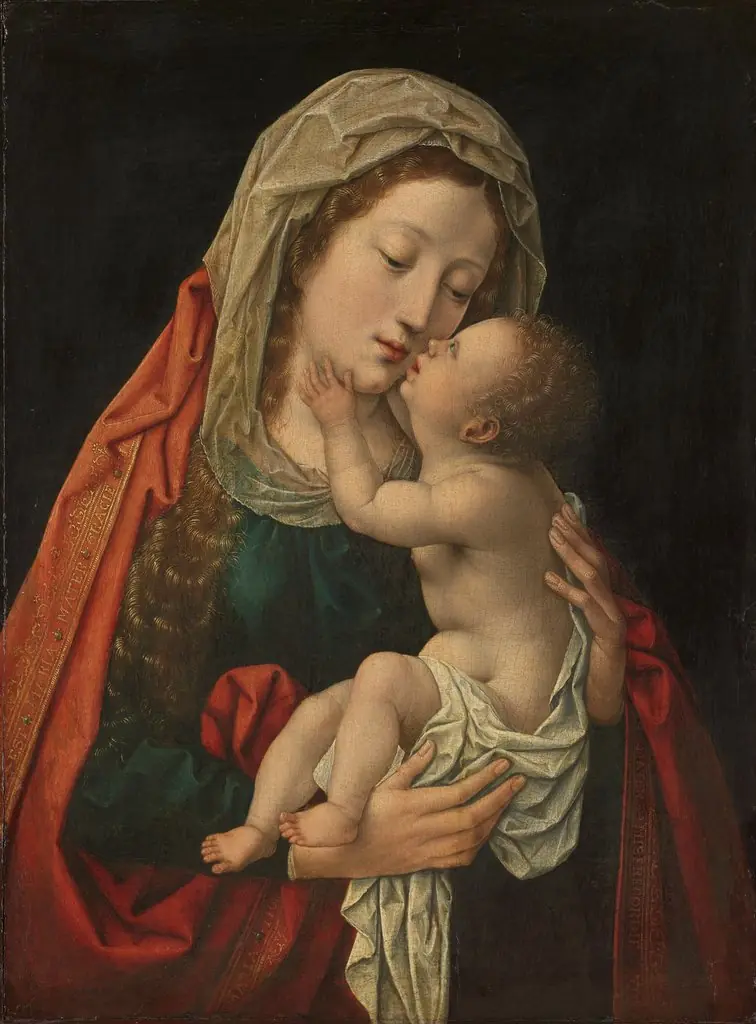 The Virgin and Child
 The Virgin and Child with the Infant Saint John the Baptist