Artwork
The Virgin and Child with the Infant Saint John the Baptist
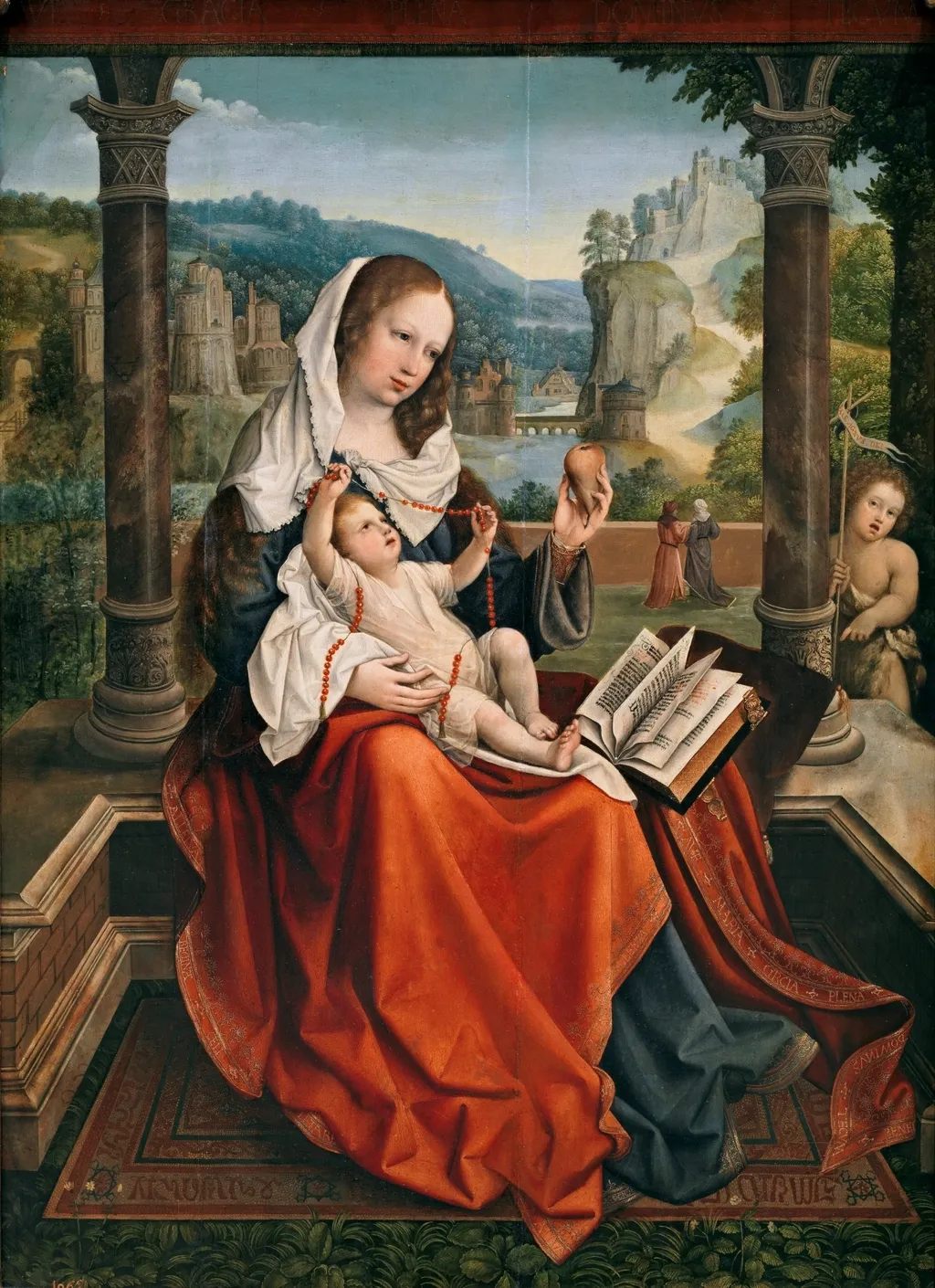
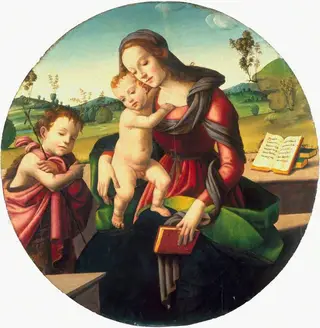
The Virgin and Child with the Infant Saint John the Baptist is an oil painting by the Northern Renaissance artist Bernard Van Orley. It dates from 1515 and is held in the collection of the Museo del Prado.
About this work
Subject & Meaning
Mary's role as Madonna underscores the theological emphasis on the Incarnation, and the inclusion of John signals the recognition of Christ's future mission.
The painting presents the Virgin Mary cradling the infant Jesus alongside the infant Saint John the Baptist, a composition typical of early sixteenth-century devotional art. According to the sources, the figures are identified by attributes: the Christ Child is shown with a halo, while Saint John holds a scroll and a rosary, symbols that reference his prophetic role and his later association with baptism. Mary's role as Madonna underscores the theological emphasis on the Incarnation, and the inclusion of John signals the recognition of Christ's future mission.
Together the elements convey a theological narrative of salvation, linking the Holy Family with the foretold precursor of Christ.
Technique & Style
The painting is an oil work executed on a wooden panel, measuring 98 cm in height by 71 cm in width and dated to 1515. It belongs to the religious genre and was created by Bernard van Orley; it is held in the collection of the Museo del Prado. The composition follows the traditional Madonna and Child format, placing the Virgin and Child at the center and incorporating the infant Saint John the Baptist with attributes such as a rosary and a scroll. The work is painted in oil on panel, a medium typical of early sixteenth-century devotional panels.
History & Provenance
The painting titled "The Virgin and Child with the Infant Saint John the Baptist" was executed by Bernard van Orley in 1515 as an oil on panel work. It measures 98 cm in height and 71 cm in width. The work belongs to the collection of the Museo del Prado in Madrid, where it has been recorded as part of the museum's holdings.
Its creation is dated to 1515, reflecting the devotional artistic practice of the period. No inventory or accession number is provided in the available sources, and no exhibition history is documented.
Context
Created by Bernard van Orley around 1515, The Virgin and Child with the Infant Saint John the Baptist stands as a significant example of early 16th-century religious art. The work, executed in oil on panel, depicts the Madonna and Child alongside the infant Saint John the Baptist, a common devotional subject of the period. Currently held in the collection of the Museo del Prado, the painting measures 98 cm in height and 71 cm in width.
Its attribution to van Orley situates it within the artist's broader production of religious imagery during the Renaissance in the Low Countries, reflecting the era's focus on intimate, humanized biblical narratives.
Overview
Bernard van Orley, a prominent Flemish artist, completed The Virgin and Child with the Infant Saint John the Baptist in 1515 using oil paint. This religious composition exemplifies the Northern Renaissance style, yet also reflects Italian artistic trends that influenced van Orley's work. The painting features the Virgin Mary, the Christ Child, and the young Saint John the Baptist, offering a devotional scene now housed in the Museo del Prado.
Own this work as a print
Artist & collection
Artist
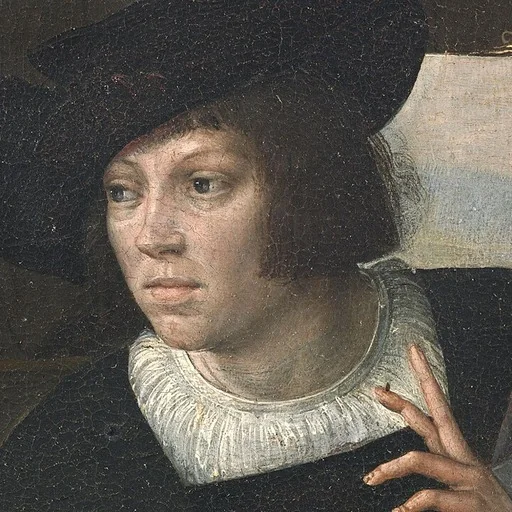
Bernard van Orley (between 1487 and 1491 – 6 January 1541), also called Barend or Barent van Orley, Bernaert van Orley or Barend van Brussel, was a versatile Flemish artist and representative of Dutch and Flemish…

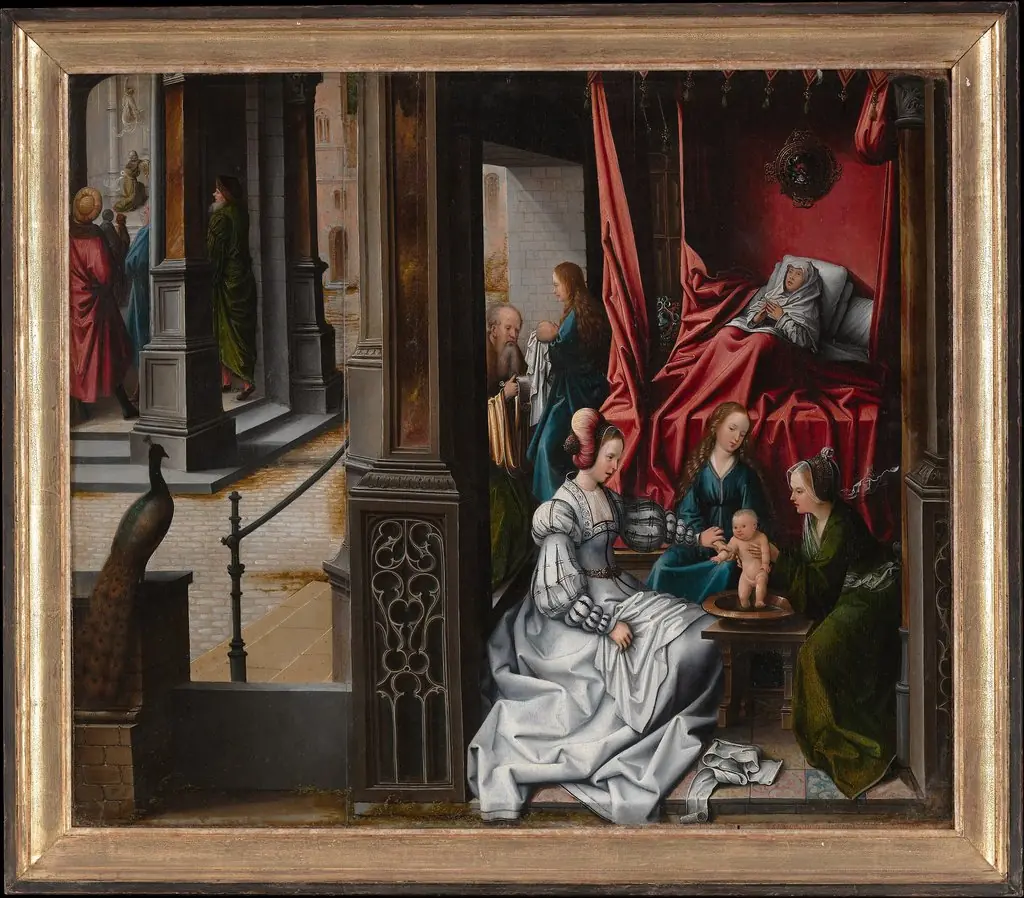 The Birth and Naming of Saint John the Baptist; (reverse) Trompe-l'oeil with Painting of The Man of Sorrows
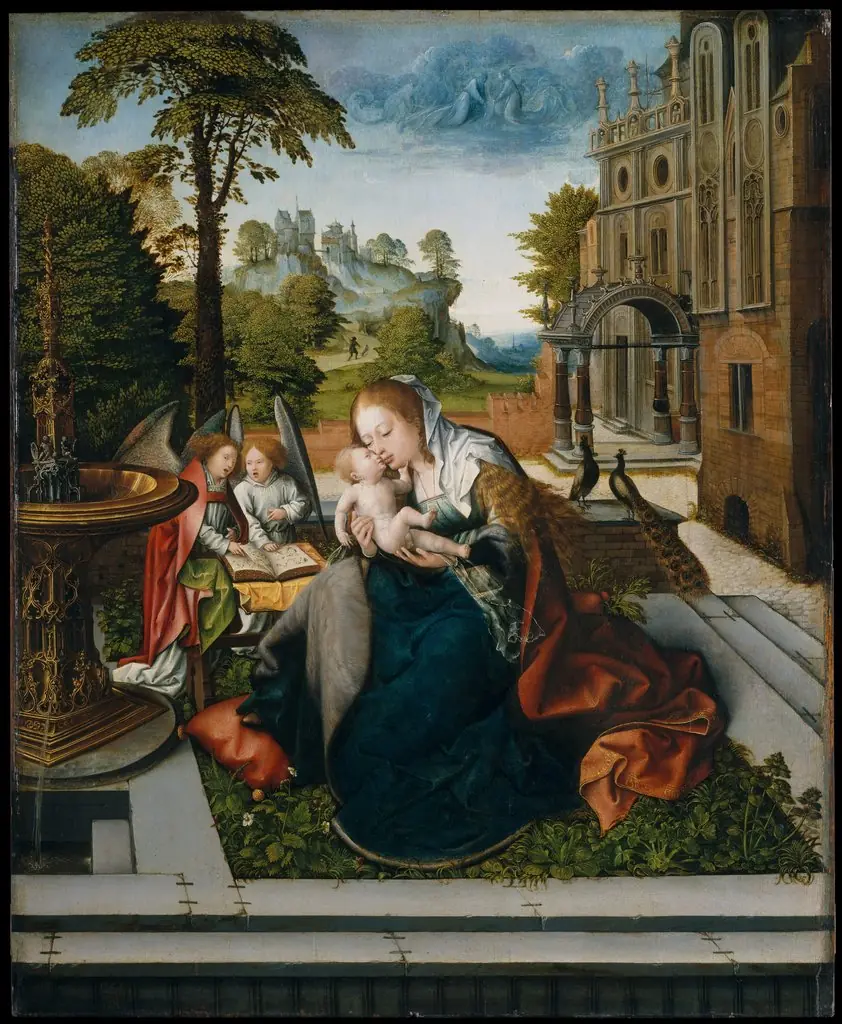 Virgin and Child with Angels
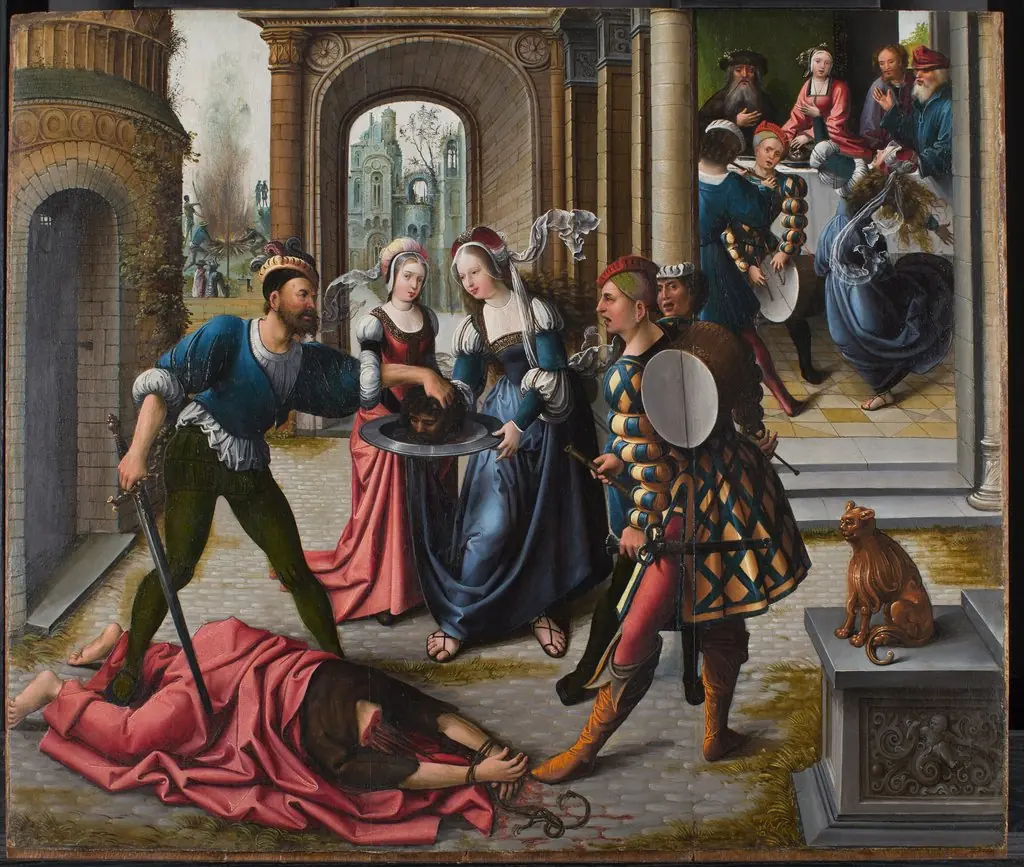 The Martyrdom of Saint John the Baptist
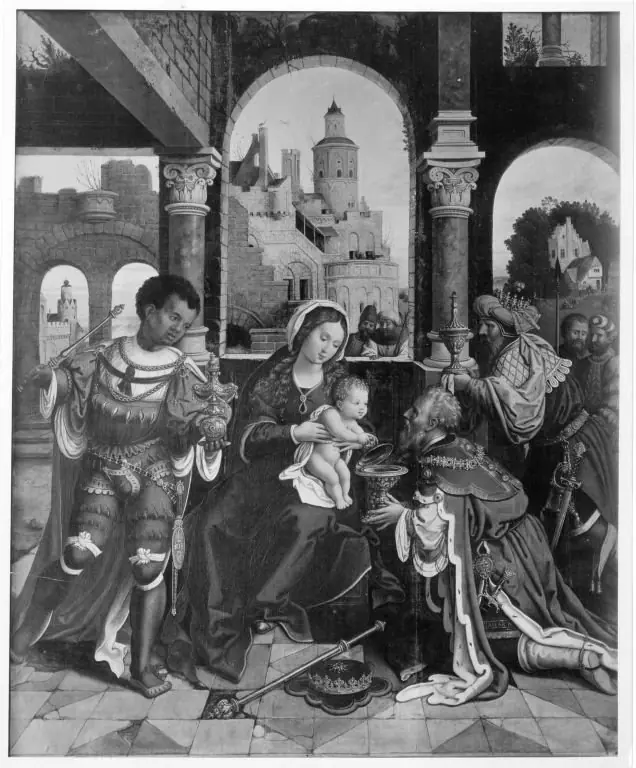 The Adoration of the Magi
![Christ among the Doctors [obverse], by Bernard Van Orley](https://artifactworldgallery.com/img/bernard-van-orley--christ-among-the-doctors-obverse--78795f311364e613-w320.webp) Christ among the Doctors [obverse]
Christ among the Doctors [obverse]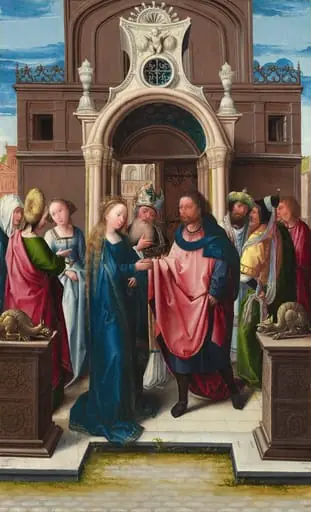 The Marriage of the Virgin
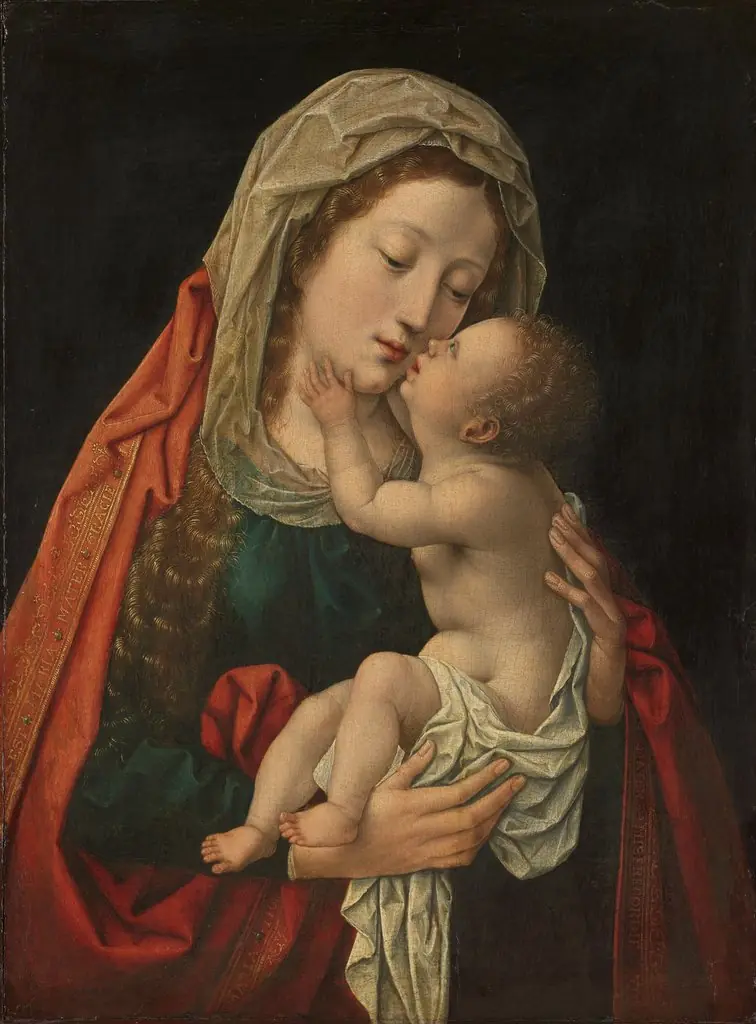 The Virgin and Child
![Putto with Arms of Jacques Coëne [reverse], by Bernard Van Orley](https://artifactworldgallery.com/img/bernard-van-orley--putto-with-arms-of-jacques-coene-reverse--841c6ba9c9e9862d-w320.webp) Putto with Arms of Jacques Coëne [reverse]
Putto with Arms of Jacques Coëne [reverse]
- Rest on the flight into Egypt
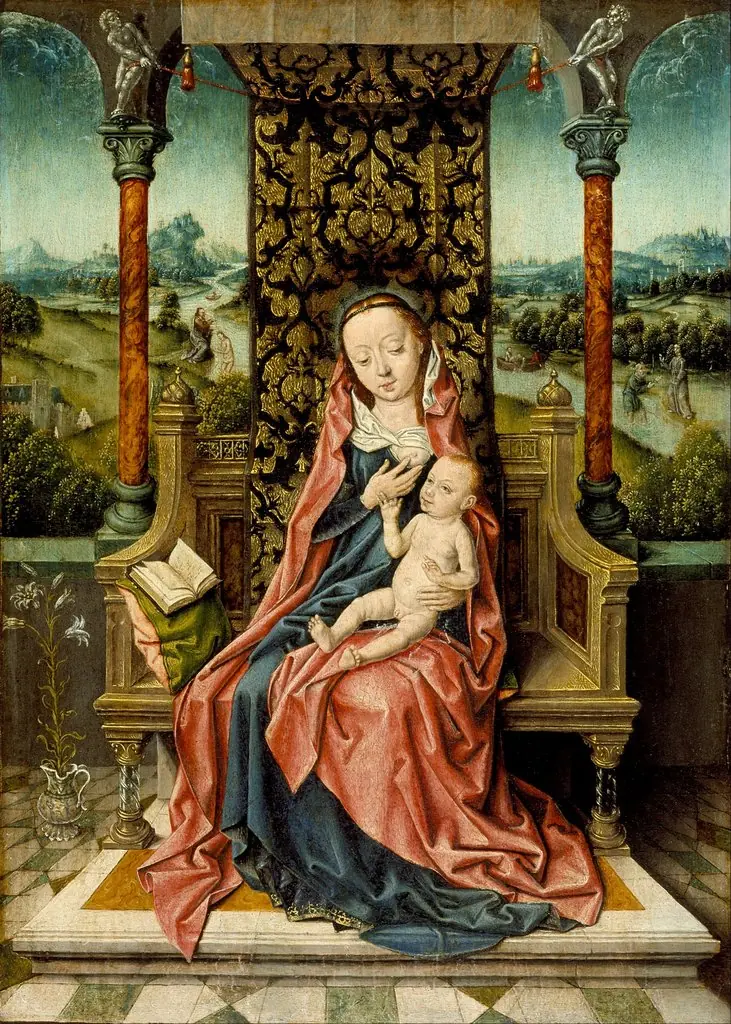 Madonna and Child Enthroned
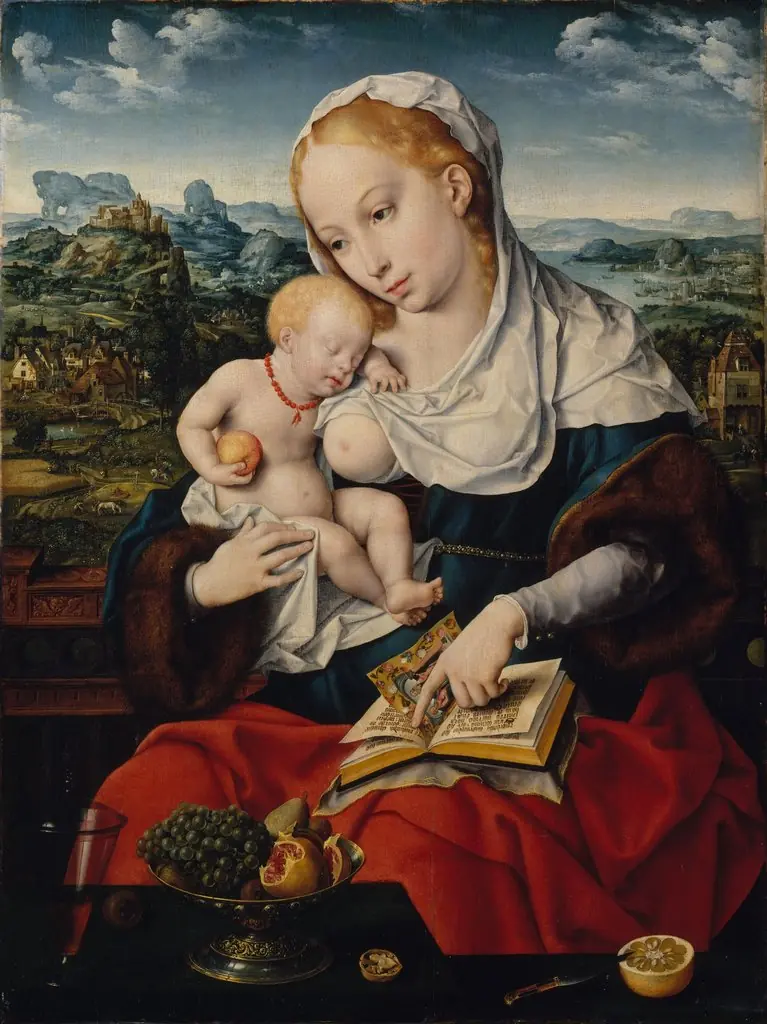 Virgin and Child
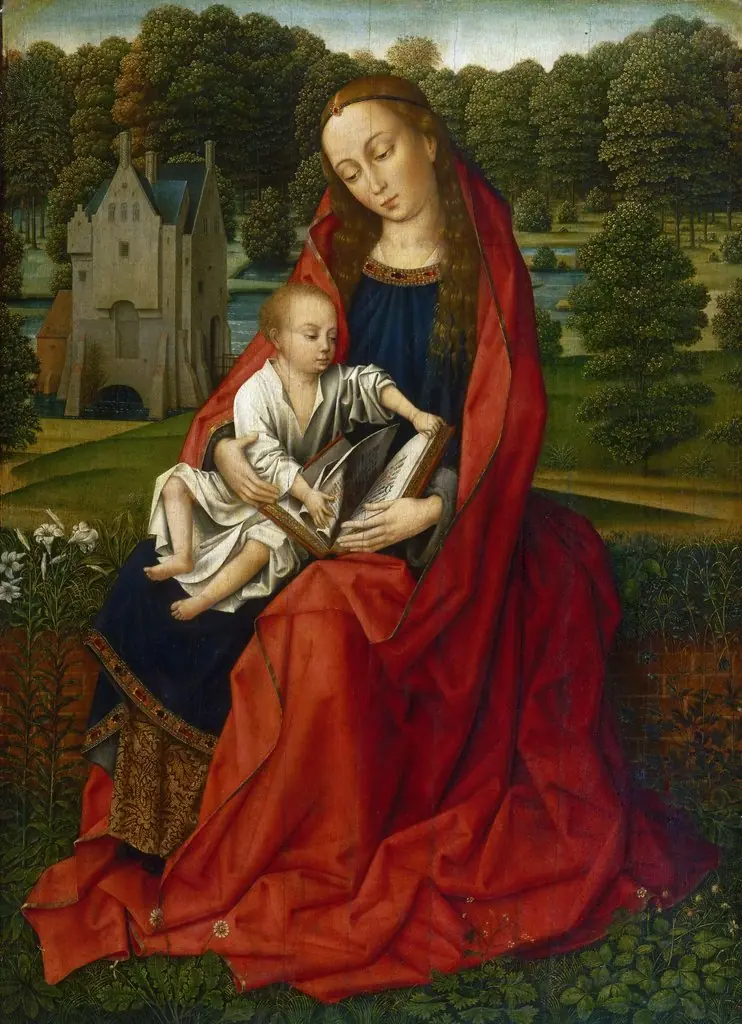 Virgin and Child in a Landscape
 The Virgin Enthroned
 Madonna and Child
 Madonna with Angels
 The Virgin and Child Enthroned
 Rest on the Flight into Egypt
 Mary with Child
 The Madonna of Humility
 The Virgin and Child with the Infant Saint John the Baptist