Artwork
The Marriage of the Virgin
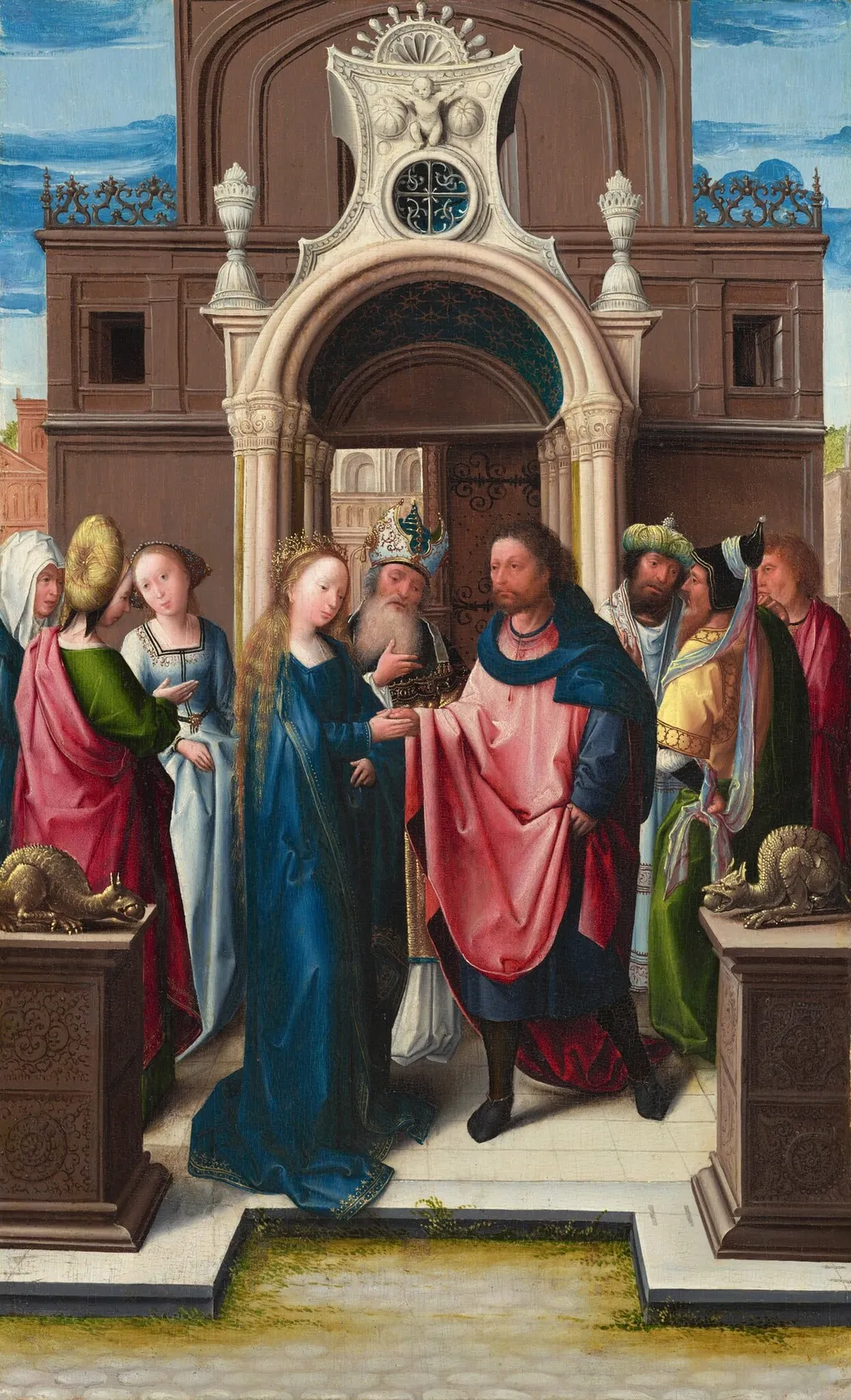
The Marriage of the Virgin is an oil painting by the Northern Renaissance artist Bernard Van Orley. It dates from 1513 and is held in the collection of the National Gallery of Art.
About this work
Subject & Meaning
Kress Collection and the National Gallery of Art highlights its recognized importance as a representative example of 16th‑century Northern European sacred art.
The Marriage of the Virgin is a religious painting that illustrates the biblical episode of the marriage of the Virgin Mary, a theme common in early Netherlandish art. Executed in oil on panel in 1513, the work exemplifies the devotional focus on sacred narrative characteristic of the period. Its inclusion in the Samuel H. Kress Collection and the National Gallery of Art highlights its recognized importance as a representative example of 16th‑century Northern European sacred art.
Technique & Style
The Marriage of the Virgin is executed in oil on panel, a standard support for early Netherlandish painters working in the early sixteenth century. The panel is relatively modest in scale, measuring 55.5 cm in height by 34 cm in width, giving the composition a vertical, intimate format suited to its devotional subject. Bernard van Orley, working in 1513, employed the layered oil technique characteristic of the Brussels school, building up translucent glazes over a prepared ground to achieve depth in drapery and flesh tones.
The vertical orientation and narrow proportions shape the formal arrangement, allowing the figures of the marriage ceremony to be stacked along the central axis while architectural and landscape elements recede into the background.
No specific information regarding current condition, conservation history, or detailed stylistic analysis is provided in the available sources.
History & Provenance
Created in 1513 by Bernard van Orley, this oil-on-panel painting depicts the Marriage of the Virgin. The work's earliest known owner was Abbot Jacques Coëne of Marchiennes, who died in 1542. By January 1923, the painting was held by Annesley Gore in London before passing to Kunsthandel AG in Lucerne.
It was acquired by F. Kleinberger Galleries in October 1923 and sold to Albert J. Kobler of New York later that year. Upon his death in 1936, the piece passed to his wife, Mignon Sommers Kobler, and subsequently to their sons, John and Jason S. Kobler. Consigned in 1946 and sold in 1947 to Duveen Brothers, the work was purchased by the Samuel H. Kress Foundation in 1949.
In 1952, the foundation gifted the painting to the National Gallery of Art in Washington, D.C., by exchange.
Bernard van Orley's The Marriage of the Virgin (1513) is held in the collection of the National Gallery of Art in Washington, D.C., as part of the Samuel H. Kress Collection. The panel painting entered the museum in 1952 as a gift by exchange from the Samuel H. Kress Foundation, which had purchased the work in 1949. Prior to this acquisition, the artwork passed through several private and commercial hands, including the Duveen Brothers, who sold it to the foundation after obtaining it from the Kobler family in 1947.
The work was exhibited at Duveen Brothers in 1946, where it was listed under the ownership of Mrs. Edward A. Westfall, a detail later revised by curatorial research into Duveen Brothers Records.
Context
The Marriage of the Virgin (1513) is an oil on panel religious painting by Bernard van Orley, documented in the National Gallery of Art’s collection through the Samuel H. Kress bequest (1952). Its early provenance records ownership by Abbot Jacques Coëne, a Lucerne dealer, and later collectors before acquisition by the Kress Foundation, illustrating 20th‑century European art market pathways. Scholarship on the work appears in the NGA’s systematic catalogue of Early Netherlandish painting and in provenance research that revises earlier attributions, reflecting sustained academic interest in van Orley’s synthesis of Flemish tradition and Italianate influence.
As a representative example of early‑16th‑century Northern Renaissance art, the painting occupies a key position in studies of religious imagery and the career of a major workshop master.
Overview
Bernard van Orley, a Flemish artist working in Brussels, completed The Marriage of the Virgin around 1513. This oil-on-panel painting exemplifies the detailed narrative approach characteristic of the Northern Renaissance. It showcases the artist's skill in depicting a complex religious scene with intricate detail, reflecting the period's focus on symbolic meaning and precise execution.
Own this work as a print
Artist & collection
Artist
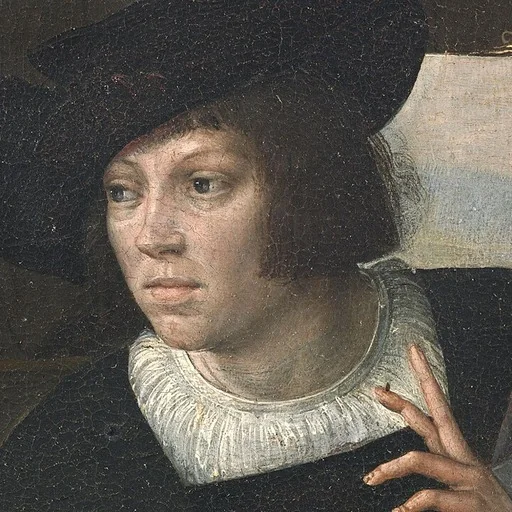
Bernard van Orley (between 1487 and 1491 – 6 January 1541), also called Barend or Barent van Orley, Bernaert van Orley or Barend van Brussel, was a versatile Flemish artist and representative of Dutch and Flemish…

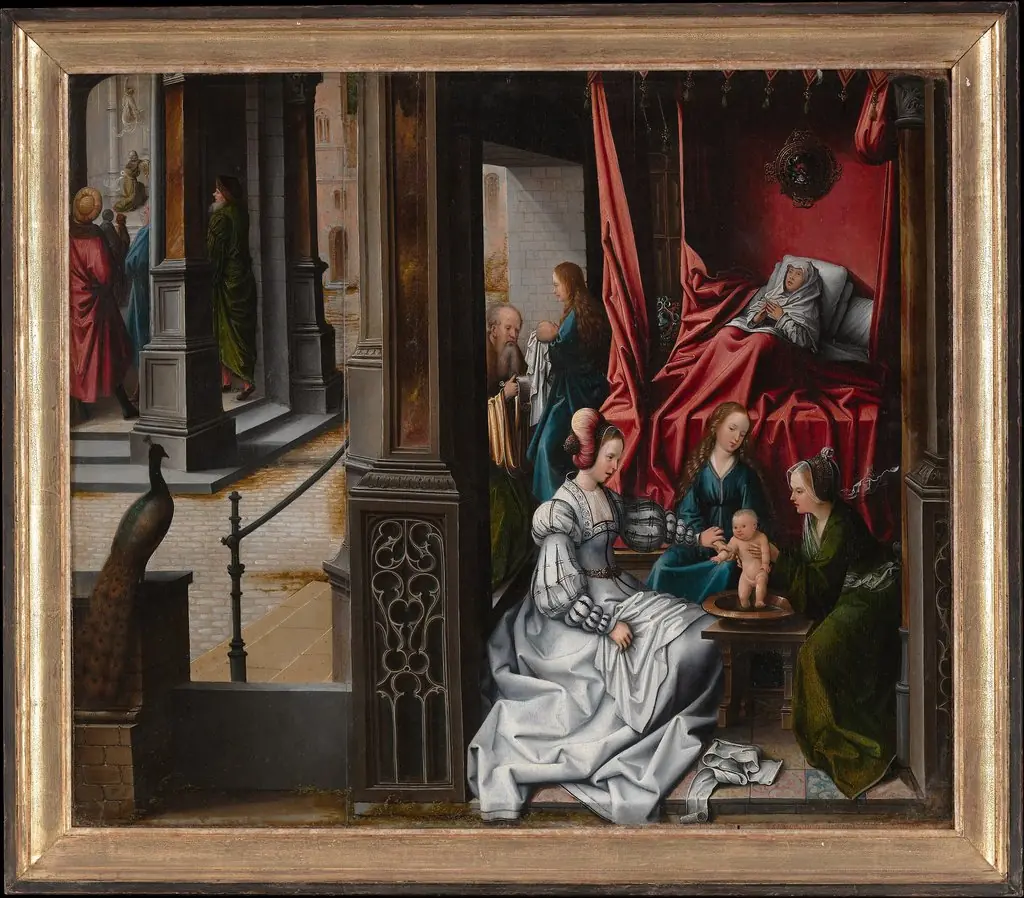 The Birth and Naming of Saint John the Baptist; (reverse) Trompe-l'oeil with Painting of The Man of Sorrows
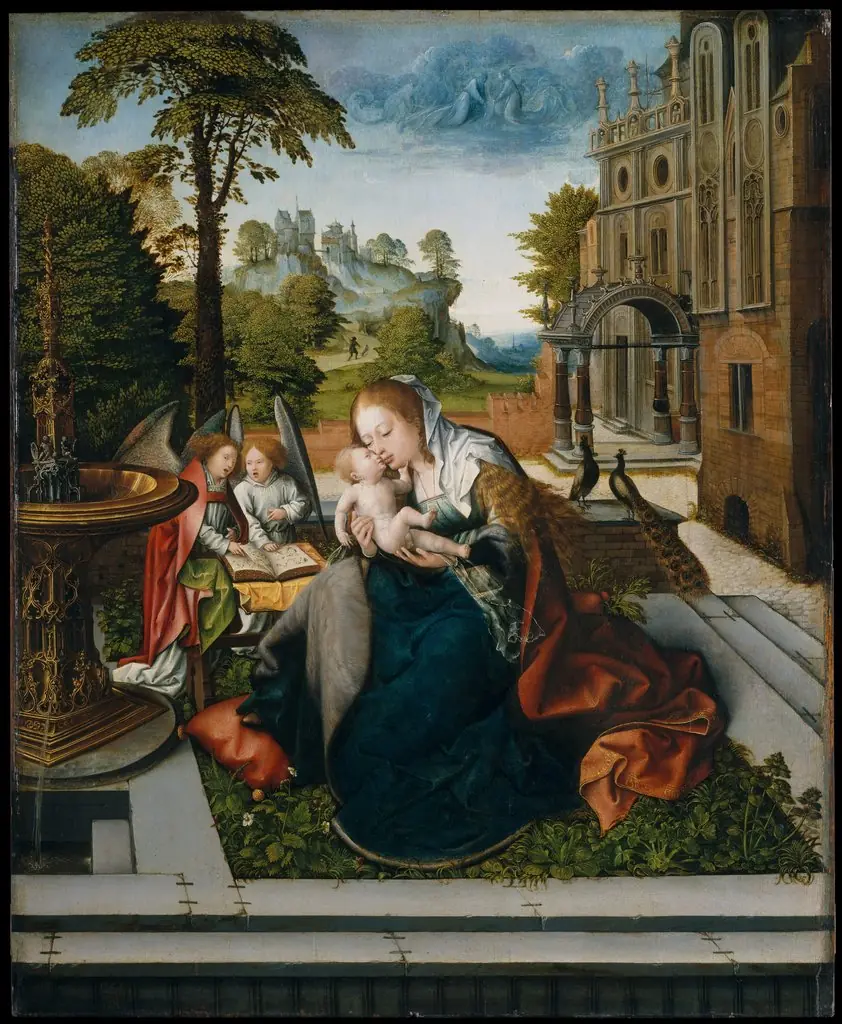 Virgin and Child with Angels
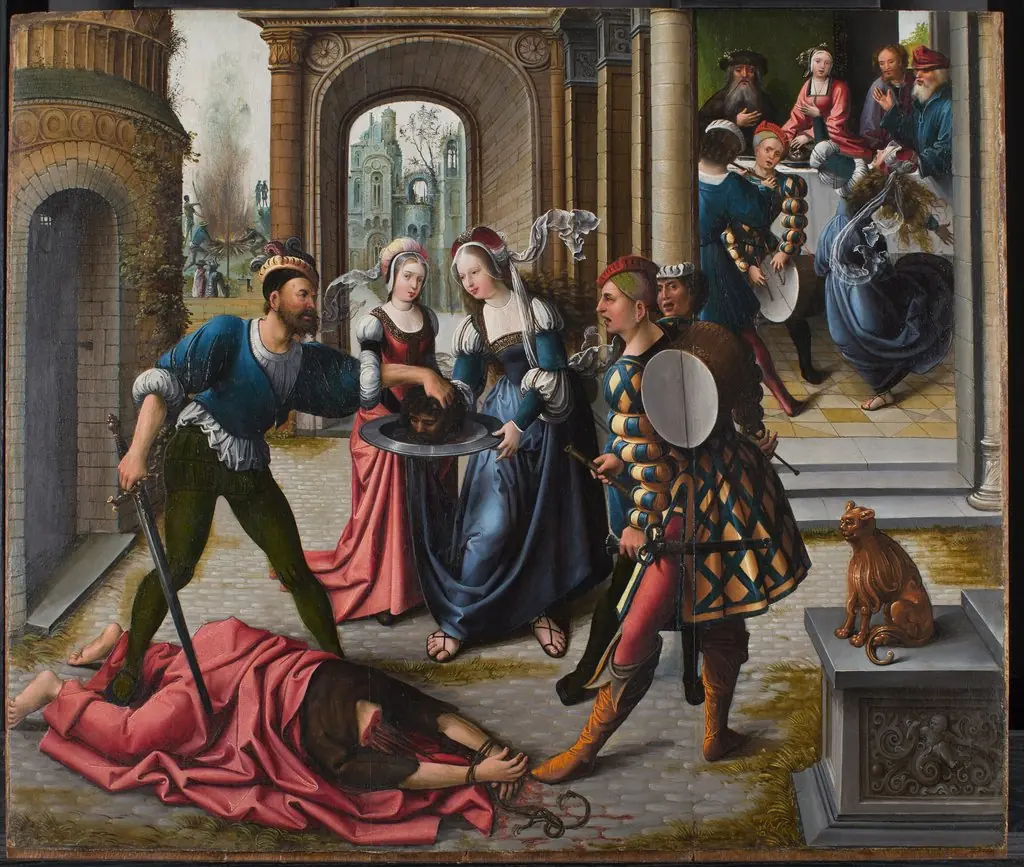 The Martyrdom of Saint John the Baptist
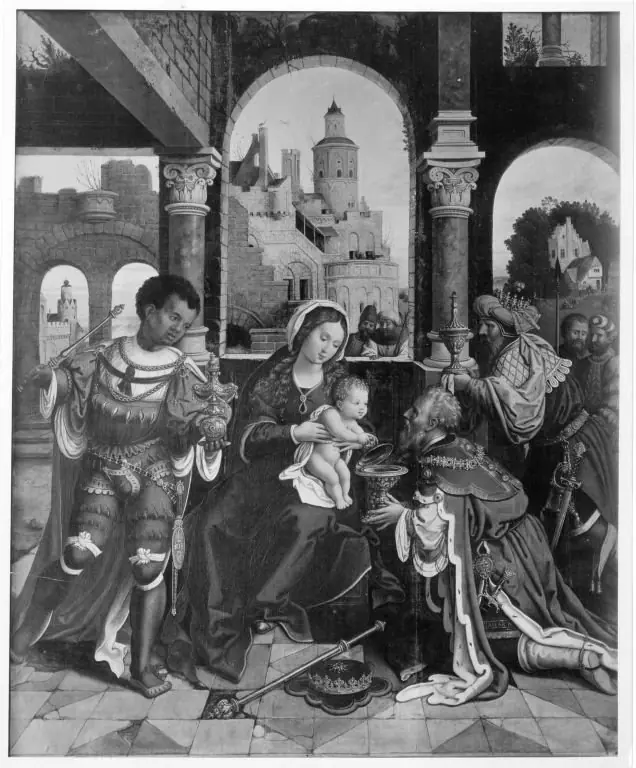 The Adoration of the Magi
![Christ among the Doctors [obverse], by Bernard Van Orley](https://artifactworldgallery.com/img/bernard-van-orley--christ-among-the-doctors-obverse--78795f311364e613-w320.webp) Christ among the Doctors [obverse]
Christ among the Doctors [obverse]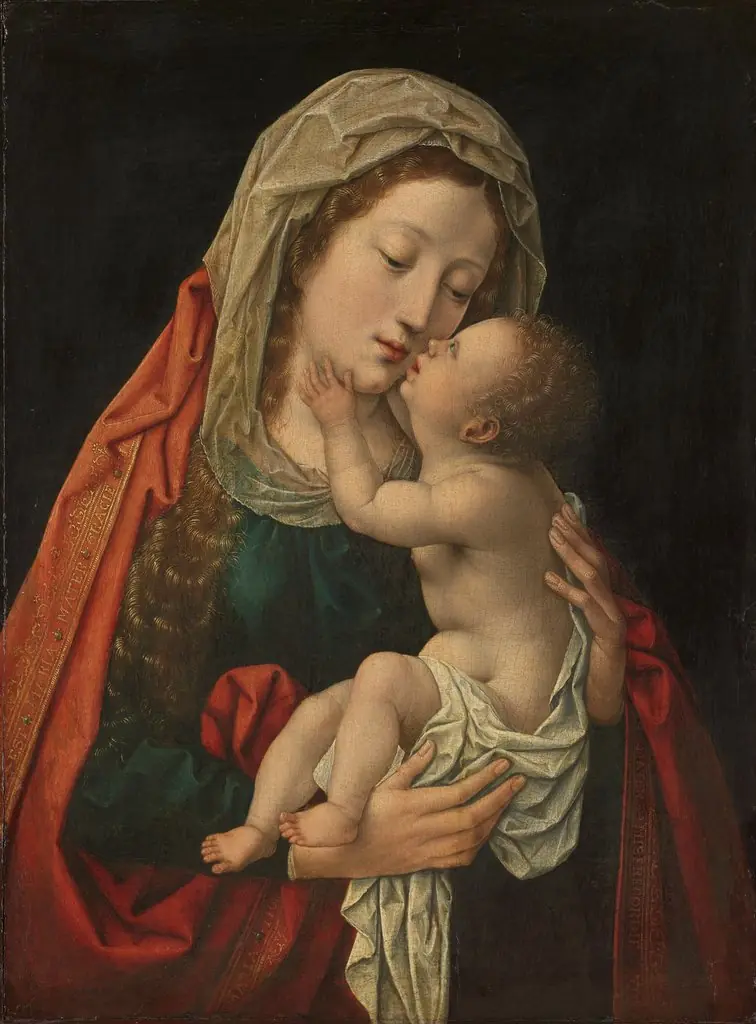 The Virgin and Child
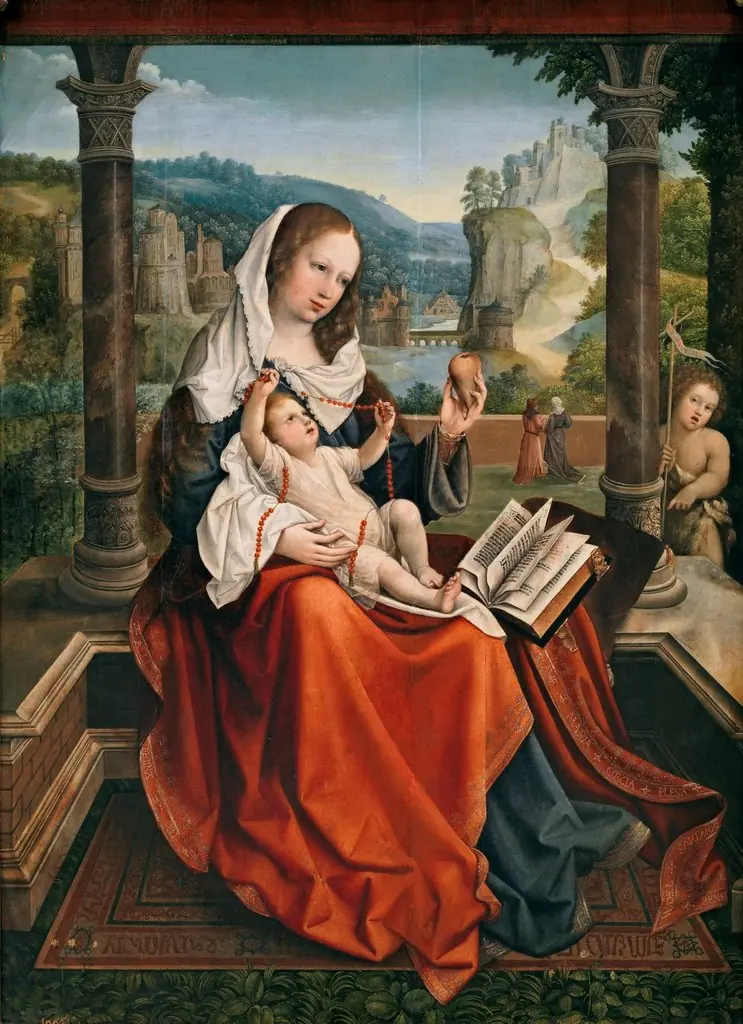 The Virgin and Child with the Infant Saint John the Baptist
![Putto with Arms of Jacques Coëne [reverse], by Bernard Van Orley](https://artifactworldgallery.com/img/bernard-van-orley--putto-with-arms-of-jacques-coene-reverse--841c6ba9c9e9862d-w320.webp) Putto with Arms of Jacques Coëne [reverse]
Putto with Arms of Jacques Coëne [reverse]
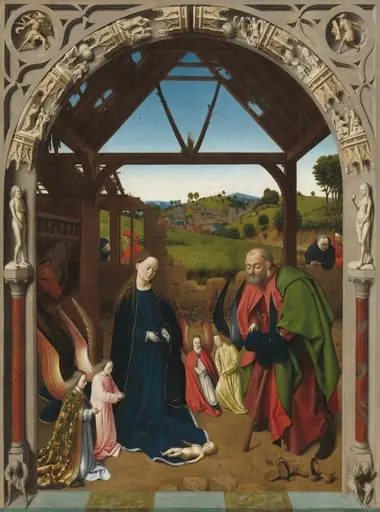 The Nativity
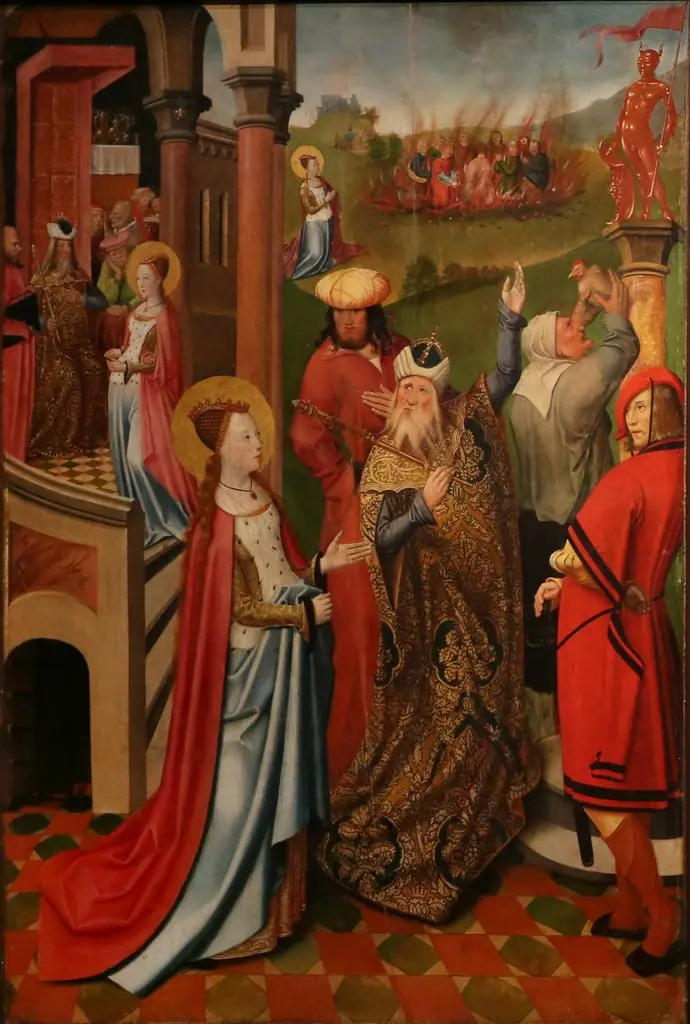 Saint Catherine refuses idolatry
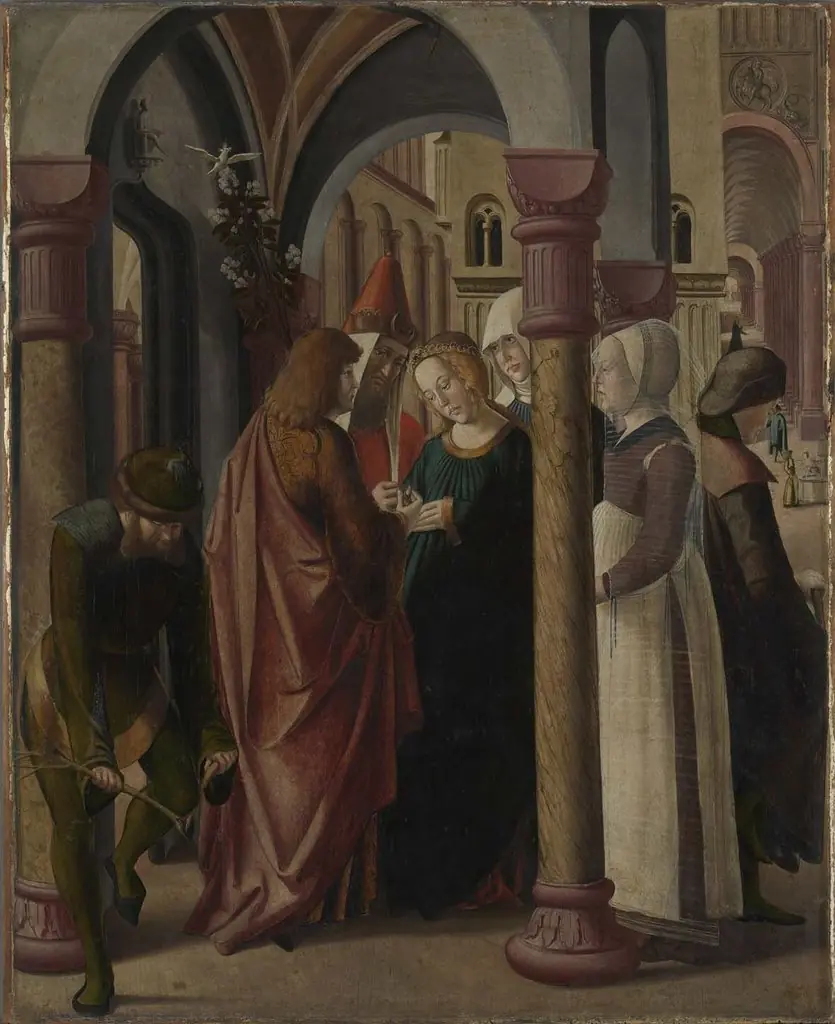 Marienaltar: Vermählung Mariae
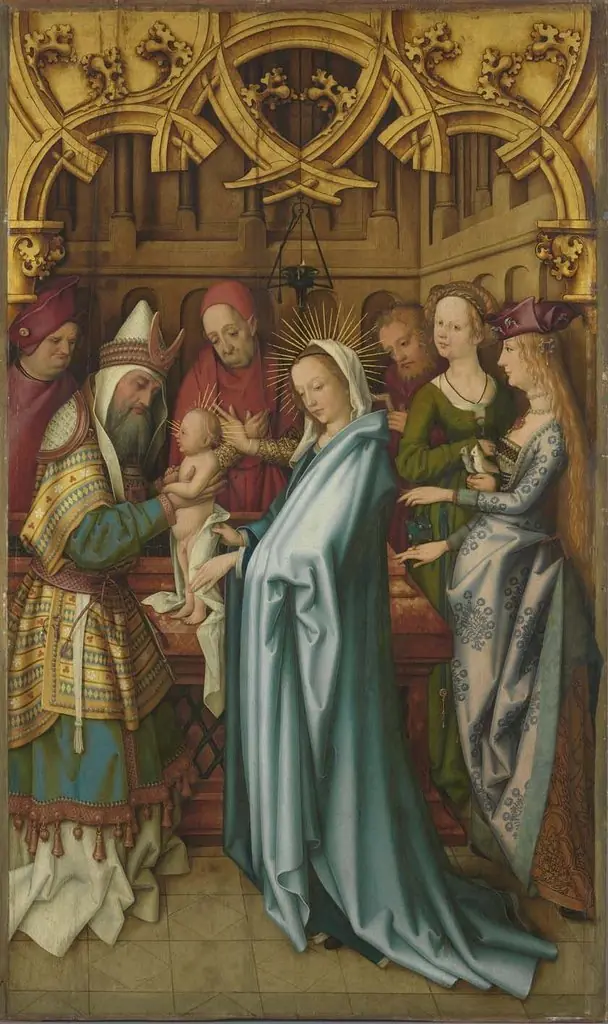 Kaisheimer Altar: Darbringung im Tempel
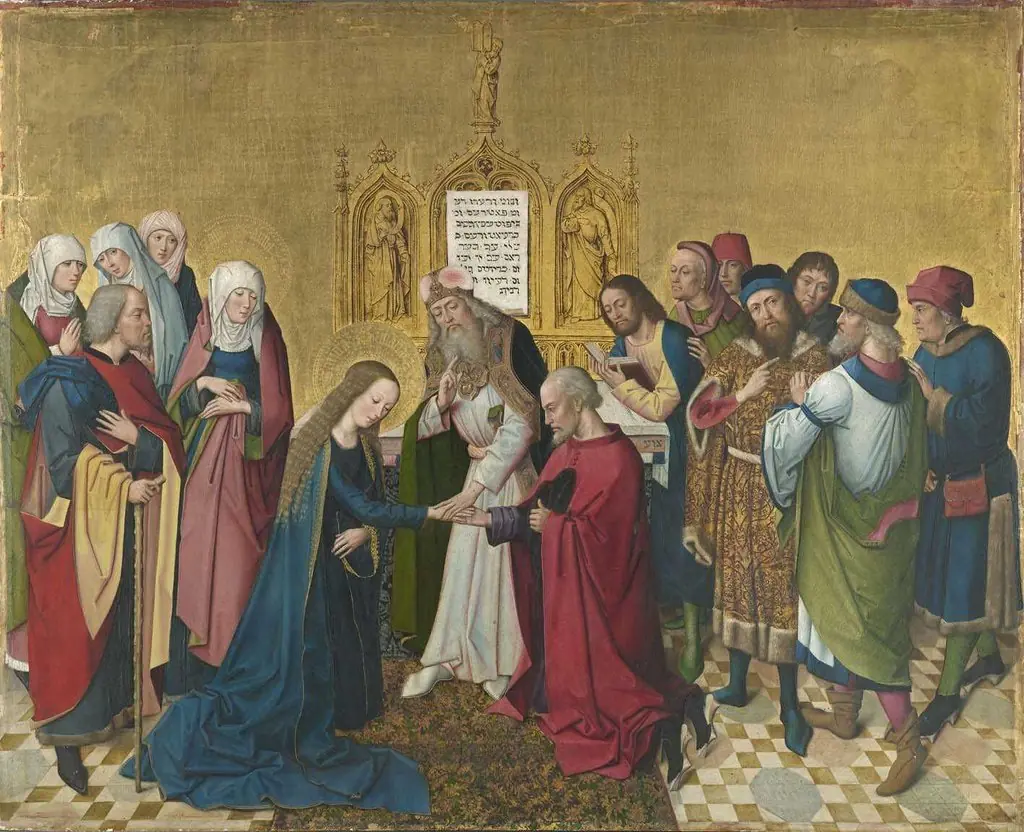 The Engagement of Mary (verso: upper half of the Coronation of Mary)
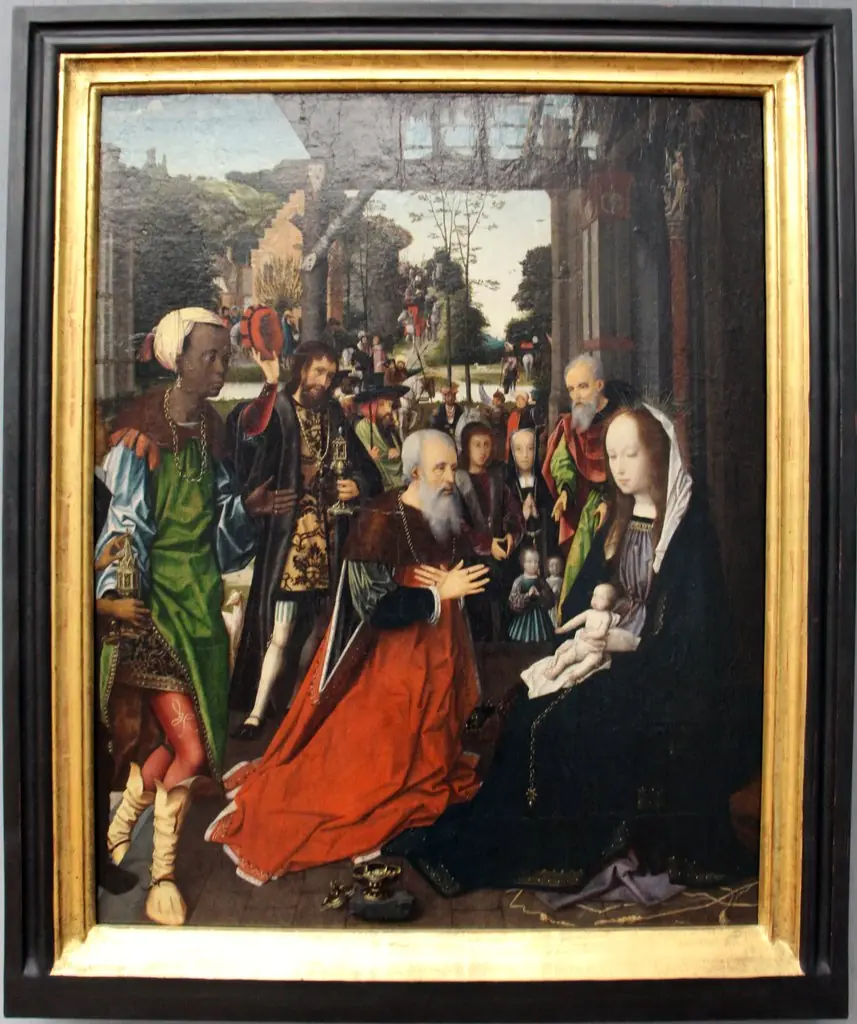 Adoration of the Magi
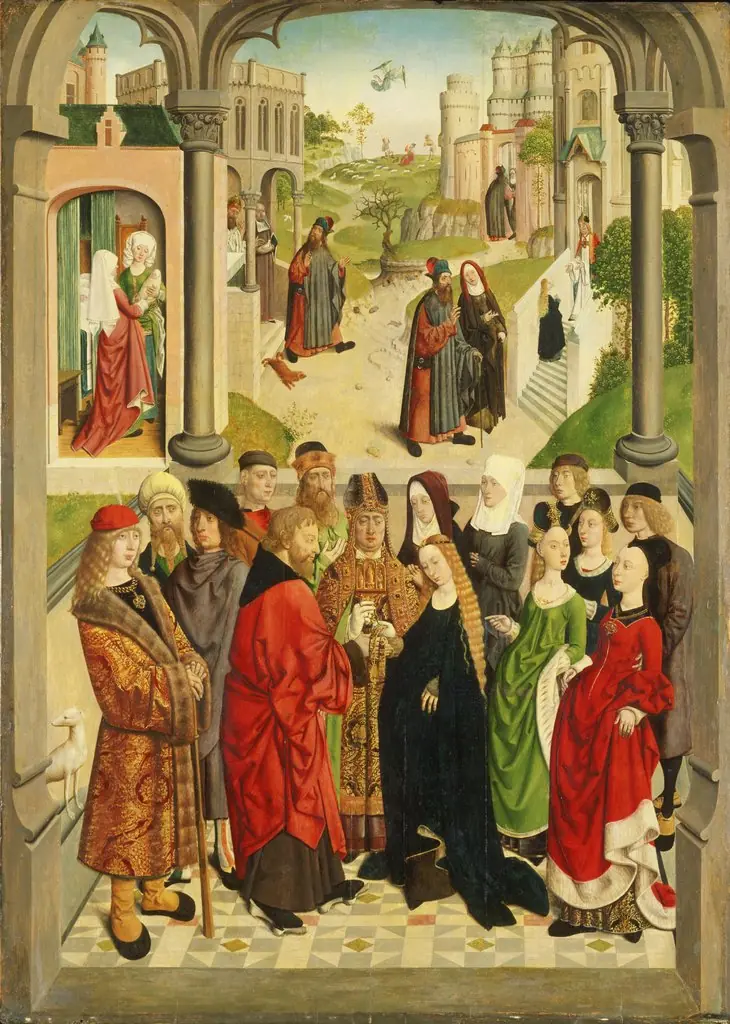 The Marriage of the Virgin, with the Expulsion of Saint Joachim from the Temple, the Angel Appearing to Saint Joachim, the Meeting at the Golden Gate, the Birth of the Virgin, and the Presentation of the Virgin
 Der hl. Veit entsagt den Freuden der Welt