Artwork
The Virgin and Child
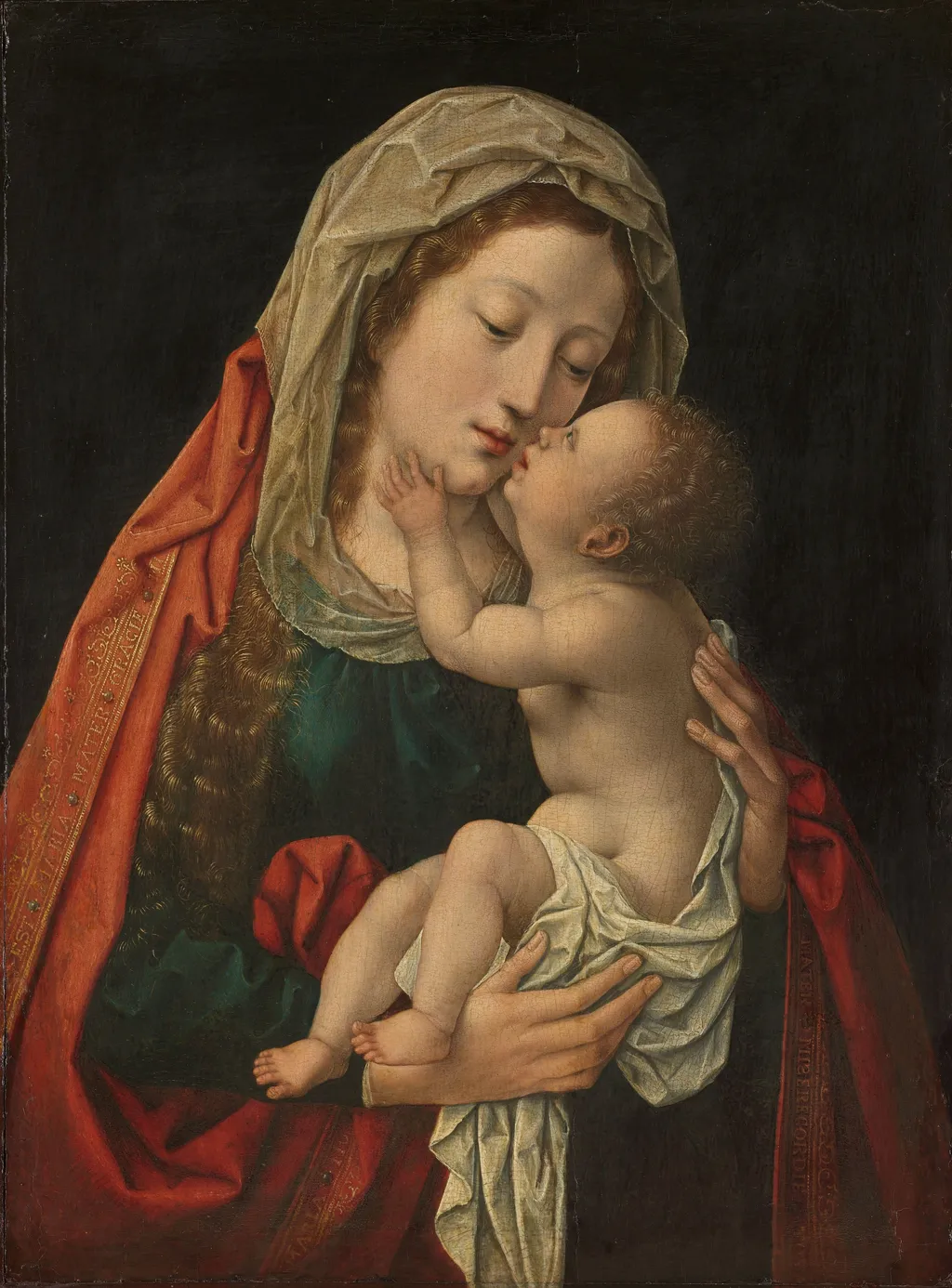
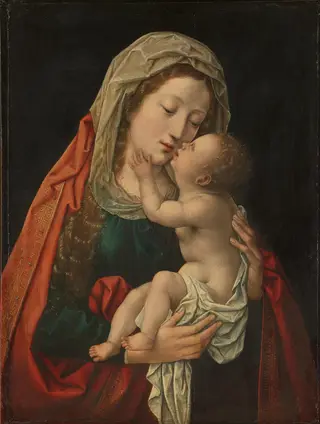
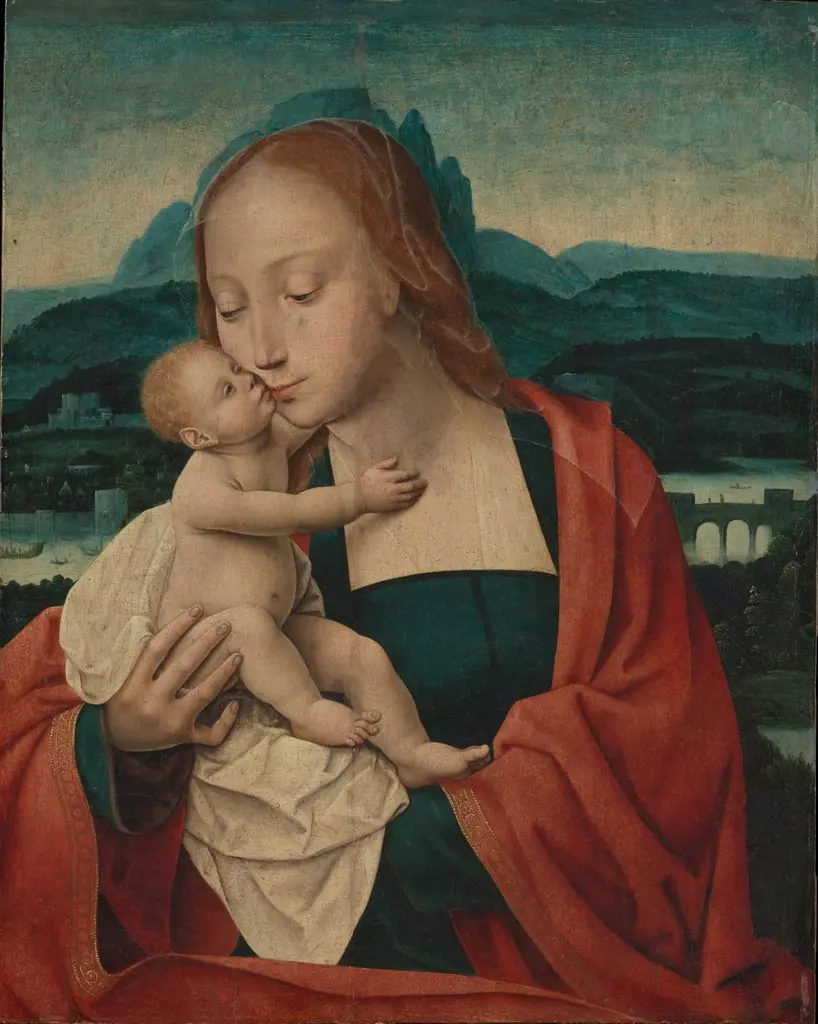
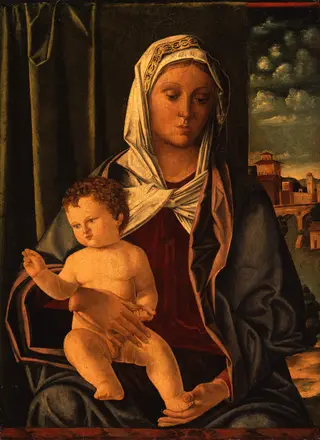
The Virgin and Child is an oil painting by the Northern Renaissance artist Bernard Van Orley. It dates from 1525 and is held in the collection of the Rijksmuseum.
About this work
Subject & Meaning
The painting's principal subject is the Madonna and Child, a devotional theme in which the Virgin Mary is shown with the Christ Child.
The painting's principal subject is the Madonna and Child, a devotional theme in which the Virgin Mary is shown with the Christ Child. The catalogue record describes Mary alongside the Christ Child, and the work belongs to the genre of religious art, consistent with the long tradition of Marian imagery that emphasized Mary's maternal tenderness and her role as the mother of Christ.
The intimate scale of the panel, 37 cm high by 27.8 cm wide, suggests the image was intended for private devotion rather than public display, a context in which the bond between mother and son would have invited personal prayer and meditation on the Incarnation.
History & Provenance
The Virgin and Child is a religious oil painting on panel created by Bernard van Orley in 1525. The work depicts the Madonna and Child and measures 37 cm in height by 27.8 cm in width. Historical records indicate that the painting was previously owned by Cornelis Hoogendijk before entering the collection of the Rijksmuseum, where it remains part of the holdings.
Overview
Bernard van Orley's The Virgin and Child, an oil painting from 1525, exemplifies the Northern Renaissance style. This work depicts Mary tenderly holding the Christ Child, a common religious theme. Van Orley, a Flemish artist based in Brussels, was known for his versatility across various media, including painting, tapestry, and stained glass.
The artwork is presently housed in the collection of the Rijksmuseum, representing a significant piece from the early 16th century.
Technique & Style
Executed in oil paint, The Virgin and Child showcases Bernard van Orley's command of the medium, which allowed for detailed rendering characteristic of the Northern Renaissance. Although active in Brussels and never having traveled to Italy, van Orley incorporated elements of Italian Renaissance aesthetics into his Flemish artistic tradition. His broader practice also encompassed designs for tapestries and stained glass, demonstrating a comprehensive artistic skill set that blended local precision with broader European influences.
Own this work as a print
Artist & collection
Artist
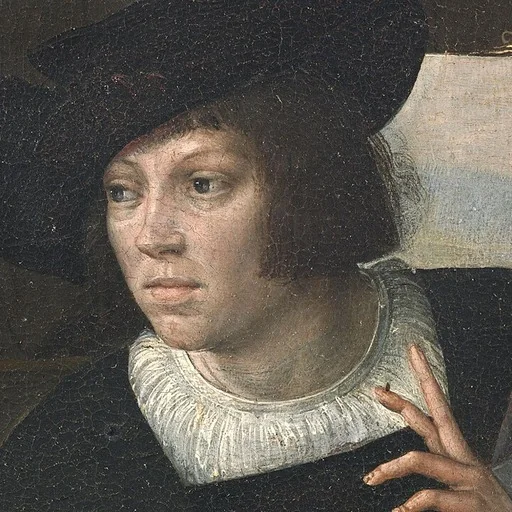
Bernard van Orley (between 1487 and 1491 – 6 January 1541), also called Barend or Barent van Orley, Bernaert van Orley or Barend van Brussel, was a versatile Flemish artist and representative of Dutch and Flemish…

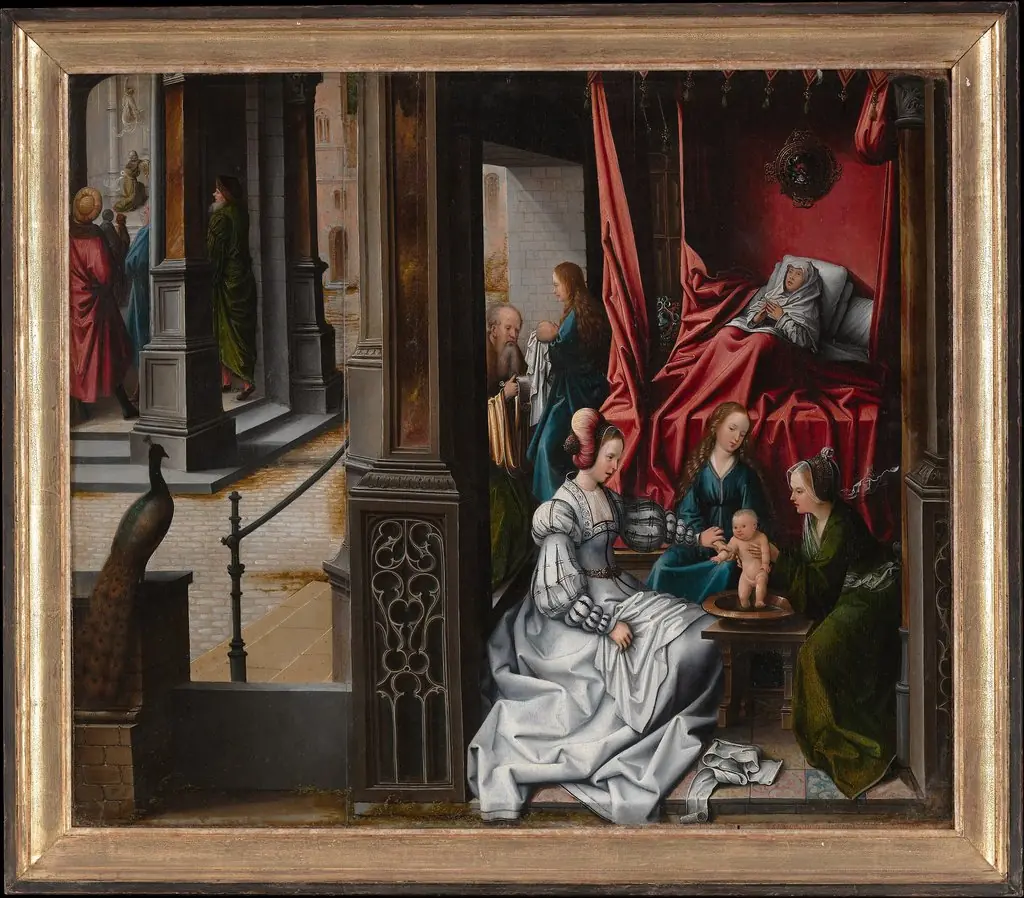 The Birth and Naming of Saint John the Baptist; (reverse) Trompe-l'oeil with Painting of The Man of Sorrows
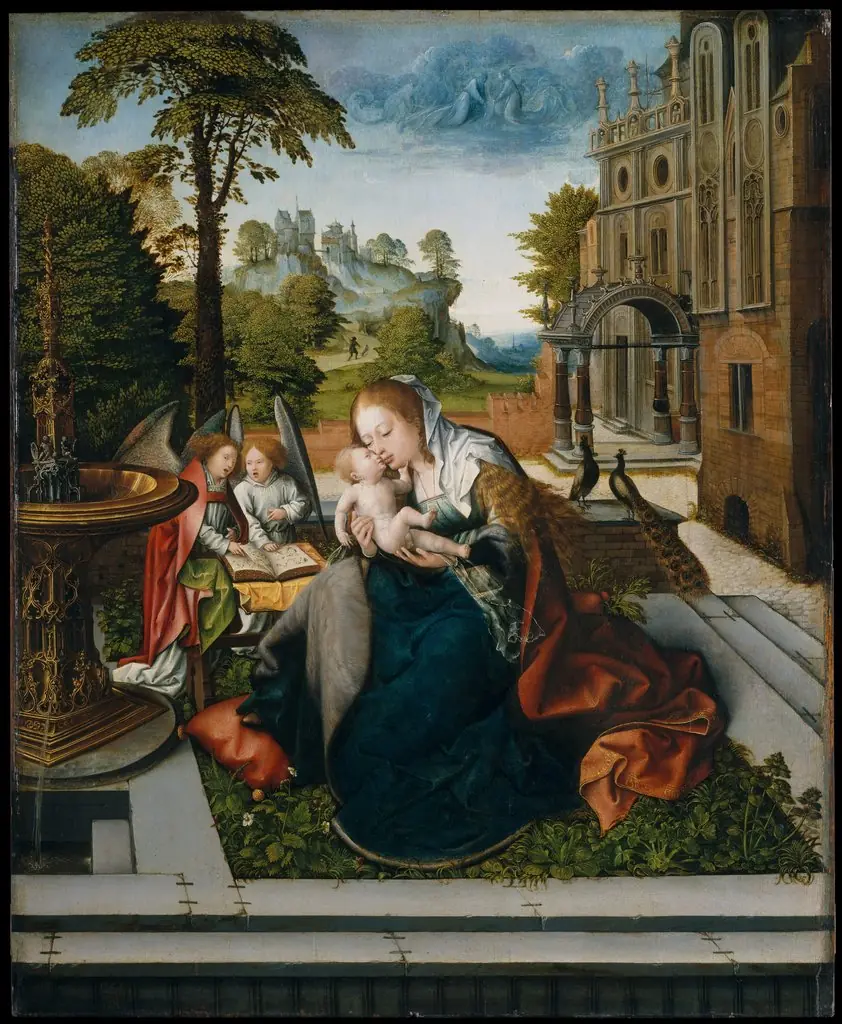 Virgin and Child with Angels
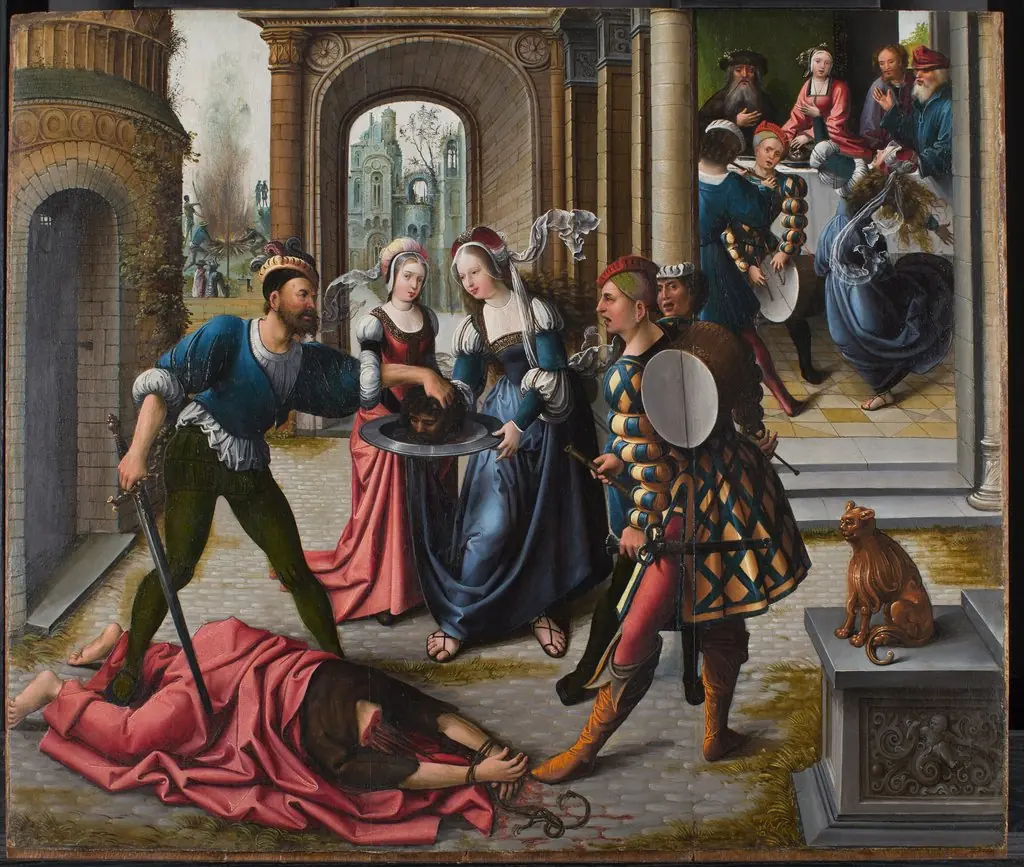 The Martyrdom of Saint John the Baptist
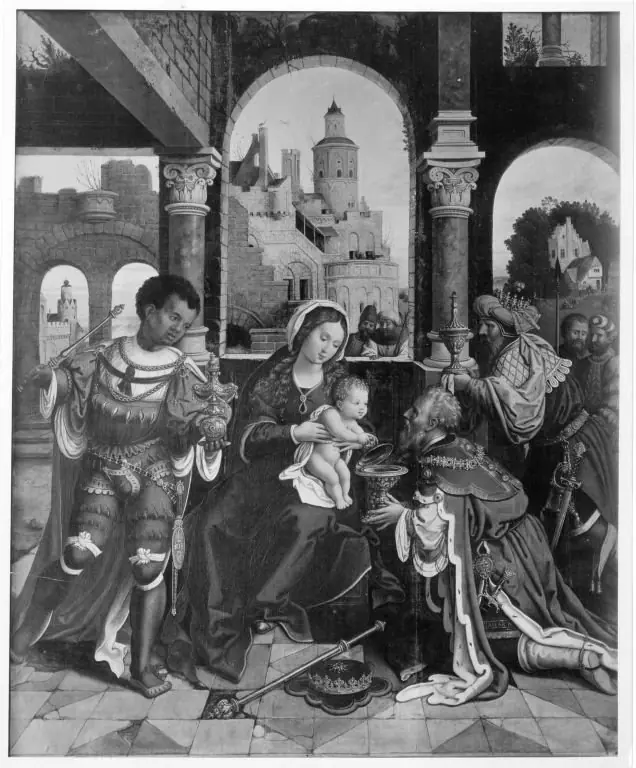 The Adoration of the Magi
![Christ among the Doctors [obverse], by Bernard Van Orley](https://artifactworldgallery.com/img/bernard-van-orley--christ-among-the-doctors-obverse--78795f311364e613-w320.webp) Christ among the Doctors [obverse]
Christ among the Doctors [obverse]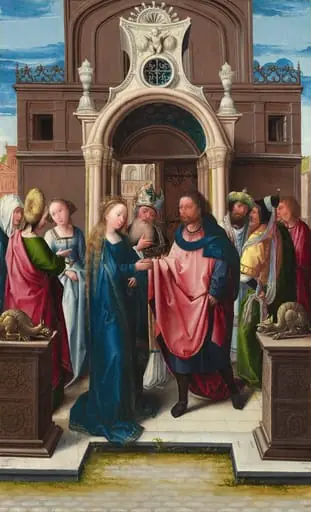 The Marriage of the Virgin
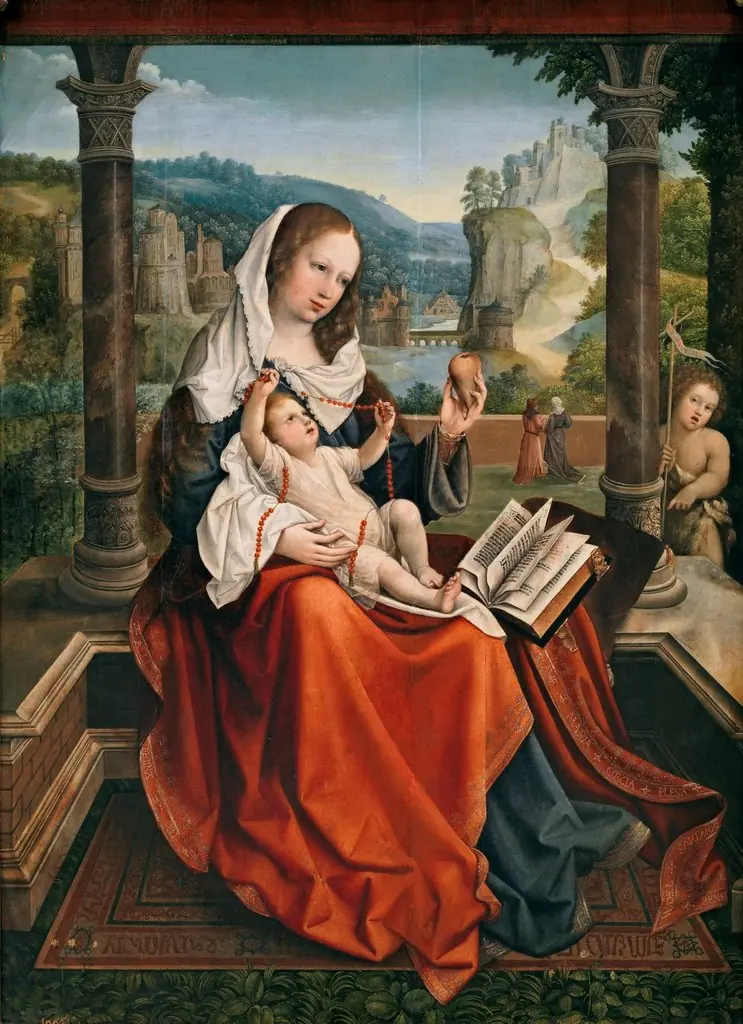 The Virgin and Child with the Infant Saint John the Baptist
![Putto with Arms of Jacques Coëne [reverse], by Bernard Van Orley](https://artifactworldgallery.com/img/bernard-van-orley--putto-with-arms-of-jacques-coene-reverse--841c6ba9c9e9862d-w320.webp) Putto with Arms of Jacques Coëne [reverse]
Putto with Arms of Jacques Coëne [reverse]