Artwork
The Virgin and Saint Anne
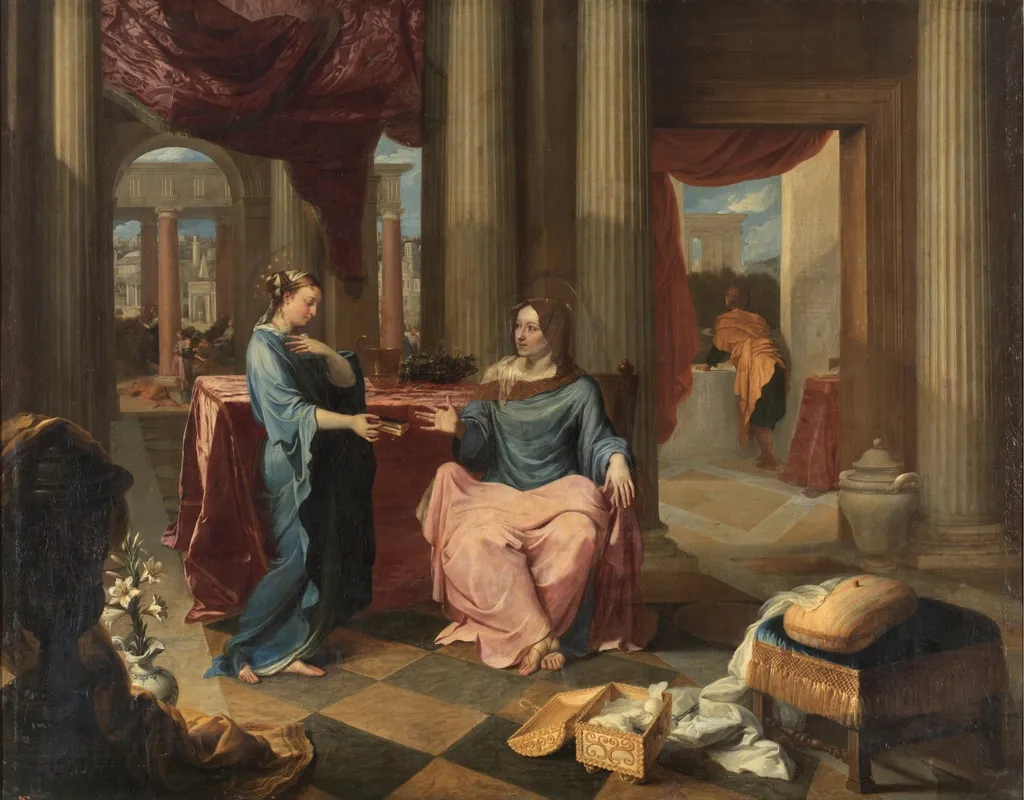
The Virgin and Saint Anne is an oil painting by the Early Baroque Italian artist Bertholet Flémal. It dates from 1601 and is held in the collection of the Museo del Prado.
About this work
Subject & Meaning
The Virgin and Saint Anne depicts the biblical encounter between the Virgin Mary, her mother Saint Anne, and the infant Jesus, a subject drawn from apocryphal tradition that emphasizes the maternal lineage of Christ. In this composition, Mary is shown holding the child Jesus while Saint Anne gestures toward him, symbolizing the transmission of faith across generations and underscoring themes of divine motherhood and familial holiness within Catholic devotional practice. The work reflects Counter-Reformation emphasis on familial sanctity and the veneration of female saints, linking personal devotion to broader theological narratives of redemption.
Technique & Style
The work is an oil painting executed on canvas, measuring 145 cm in height and 185 cm in width. The composition depicts the Virgin Mary with Saint Anne, rendered in a religious style characteristic of early 17th-century Flemish practice. The painting was created in 1601 and originally belonged to Ferdinand VII of Spain before entering the collection of the Museo del Prado, where it remains today.
History & Provenance
The work later entered the collection of Ferdinand VII of Spain and is now held by the Museo del Prado, where it is recorded as part of the museum's holdings.
The Virgin and Saint Anne is a religious oil painting on canvas by Bertholet Flémal, dated 1601. The work later entered the collection of Ferdinand VII of Spain and is now held by the Museo del Prado, where it is recorded as part of the museum's holdings.
The painting is held in the collection of the Museo del Prado in Madrid. Historical records indicate the work was once owned by Ferdinand VII of Spain. The canvas measures 145 cm in height and 185 cm in width.
The provided sources do not contain information regarding a specific inventory or accession number, nor do they list any exhibitions where the artwork has been displayed.
Legacy
The painting was acquired by King Ferdinand VII of Spain, which helped preserve it within the royal collection and later facilitated its display at the Museo del Prado. Its composition, featuring the intimate interaction between the Virgin, Saint Anne, and the infant John the Baptist, influenced subsequent Spanish religious art, inspiring artists to explore similar devotional groupings in the 17th and 18th centuries.
Overview
Bertholet Flémal’s oil painting, dated 1601, presents a domestic interior in which the Virgin Mary and her mother, Saint Anne, are the central figures. Executed in the early seventeenth‑century style, the work now belongs to the collection of the Museo del Prado. The composition balances two female figures within an opulently furnished space, inviting close observation of their gestures and surroundings.
Context
The work belongs to a tradition of devotional images that pair the Virgin with Saint Anne, a motif popular in Counter‑Reformation Europe. By situating the figures in an elegant interior rather than a purely sacred setting, Flémal aligns the holy narrative with contemporary domestic ideals, bridging the sacred and the everyday.
Own this work as a print
Artist & collection

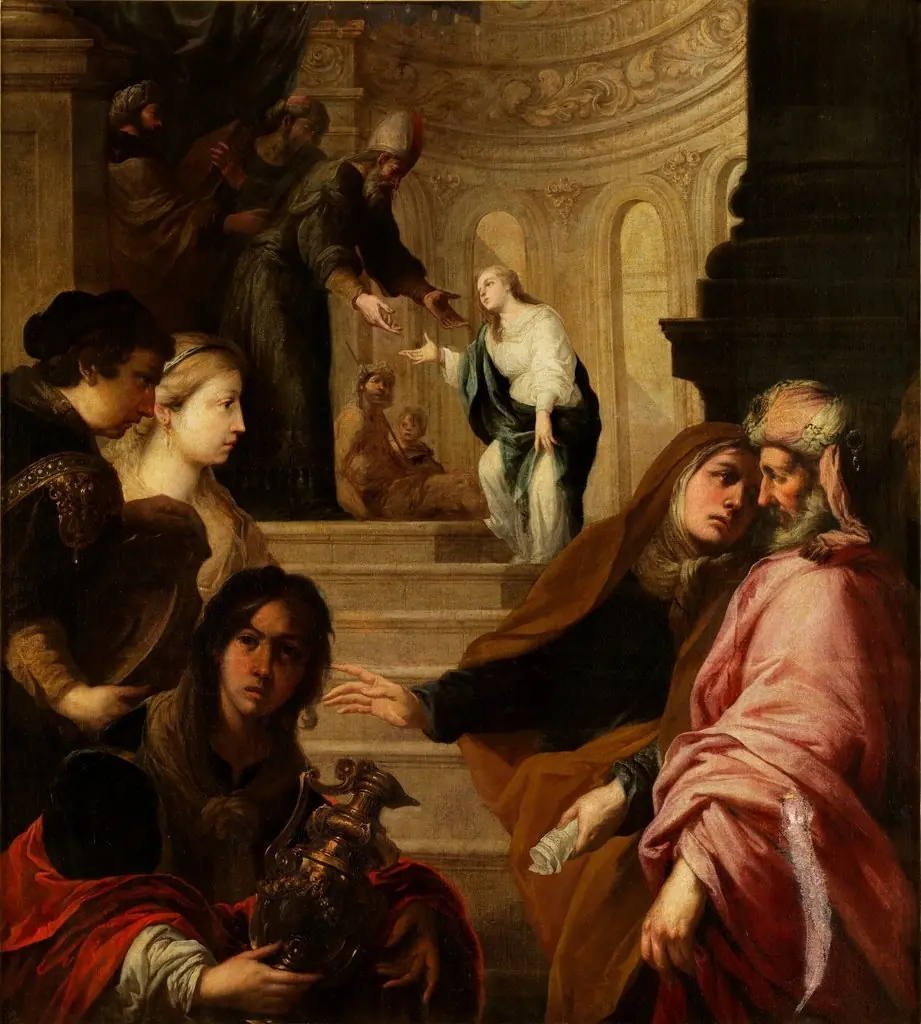
- La Presentación de la Virgen en el Templo
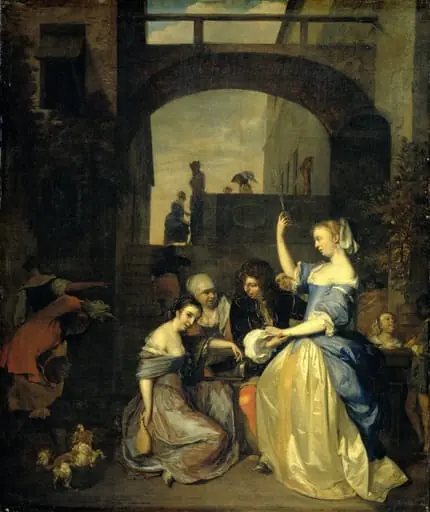 The Prodigal Son
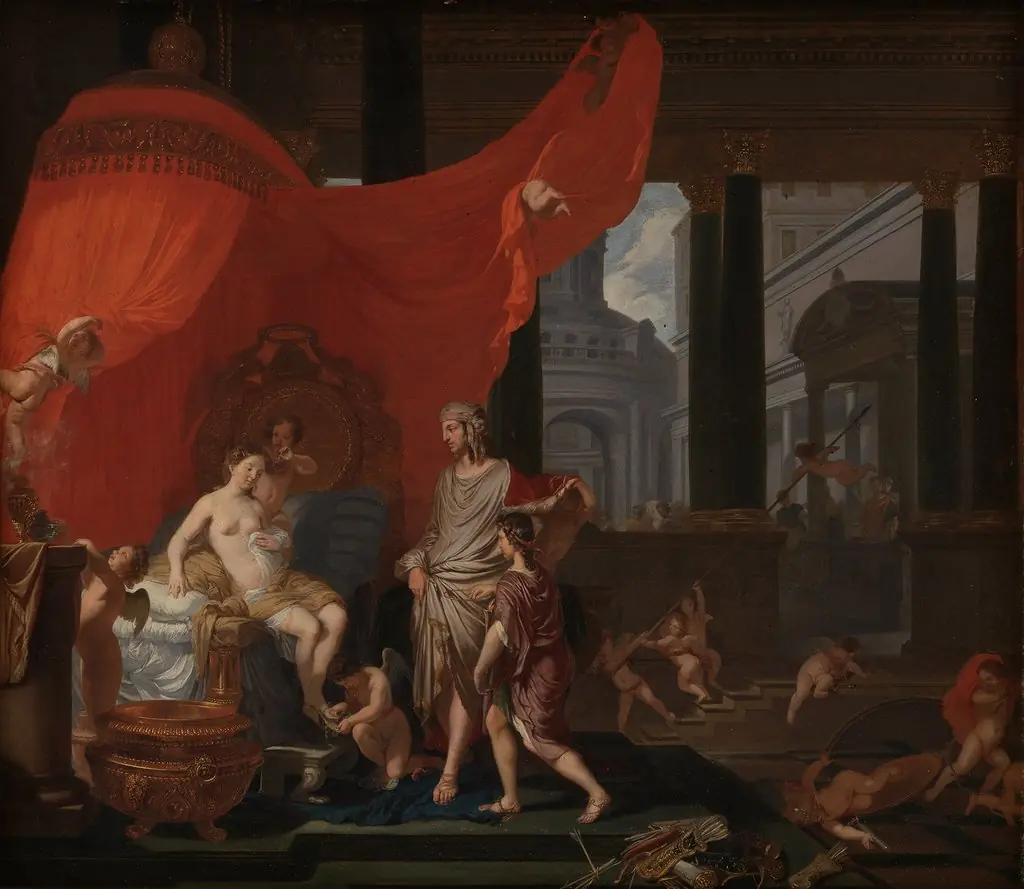 The Wedding of Alexander and Roxana
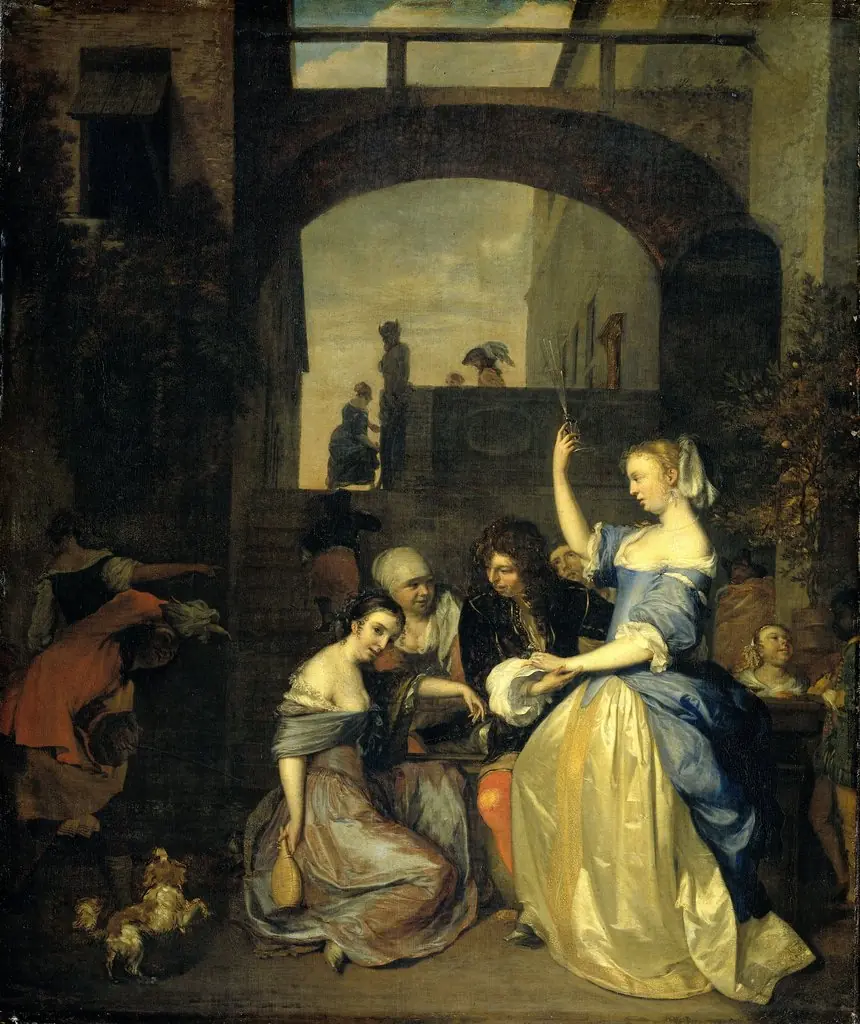 The prodigal son
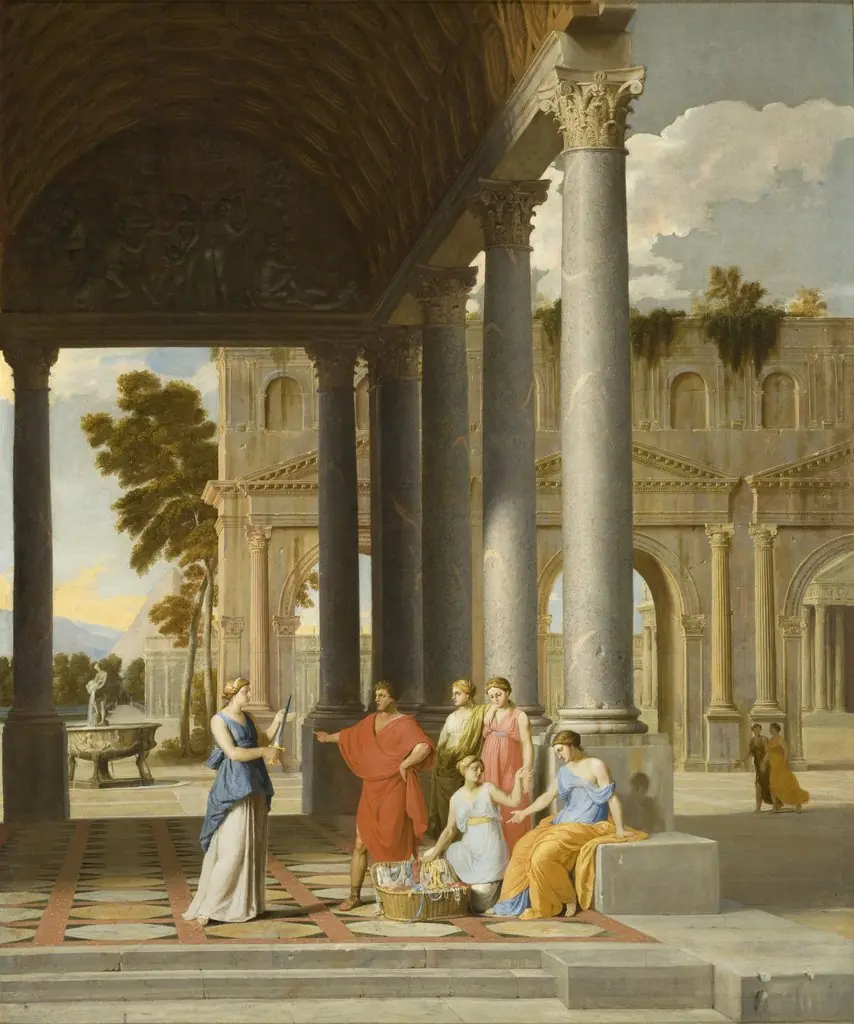 Achilles Discovered Among the Daughters of Lycomedes
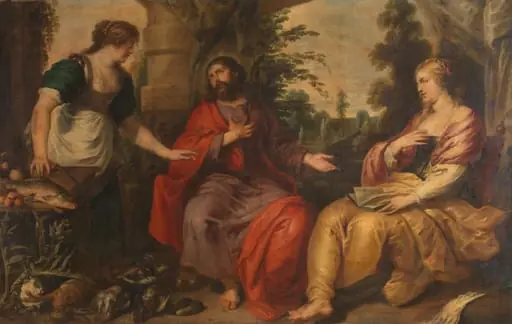 Christ with Martha and Mary
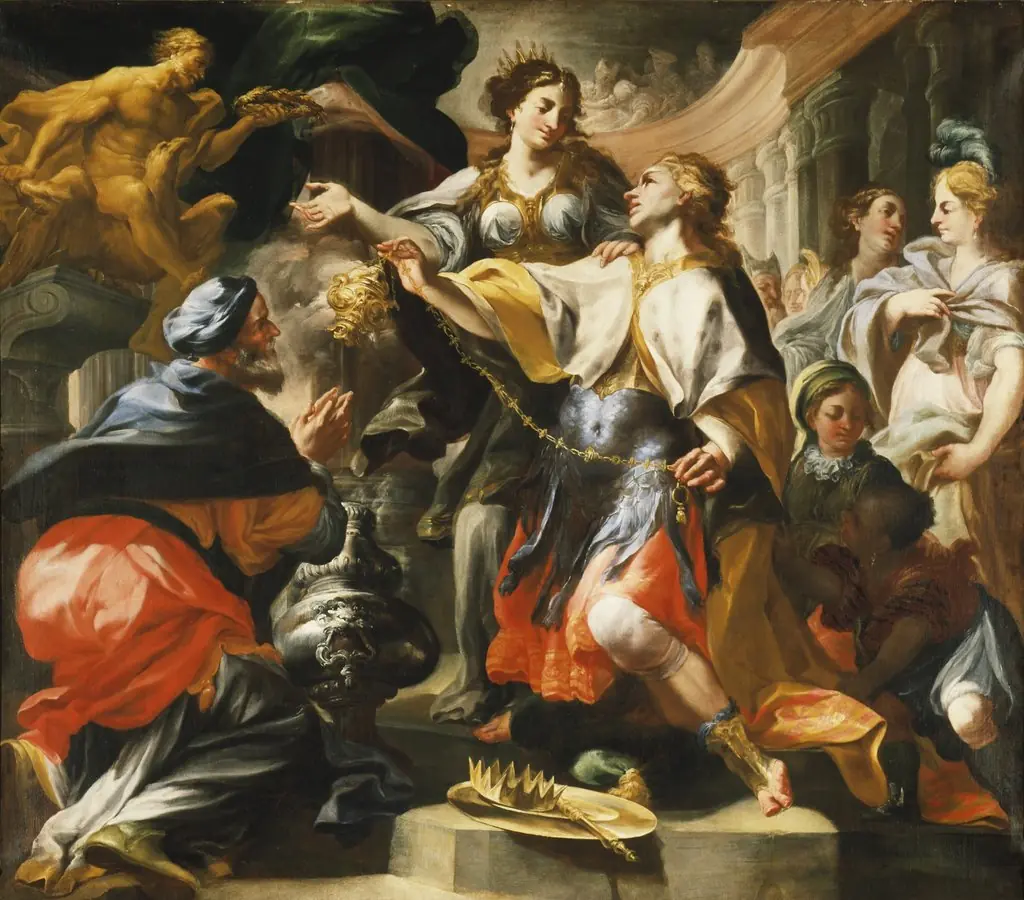 Solomon Worshiping a Pagan God
 The Wedding of Alexander and Roxana
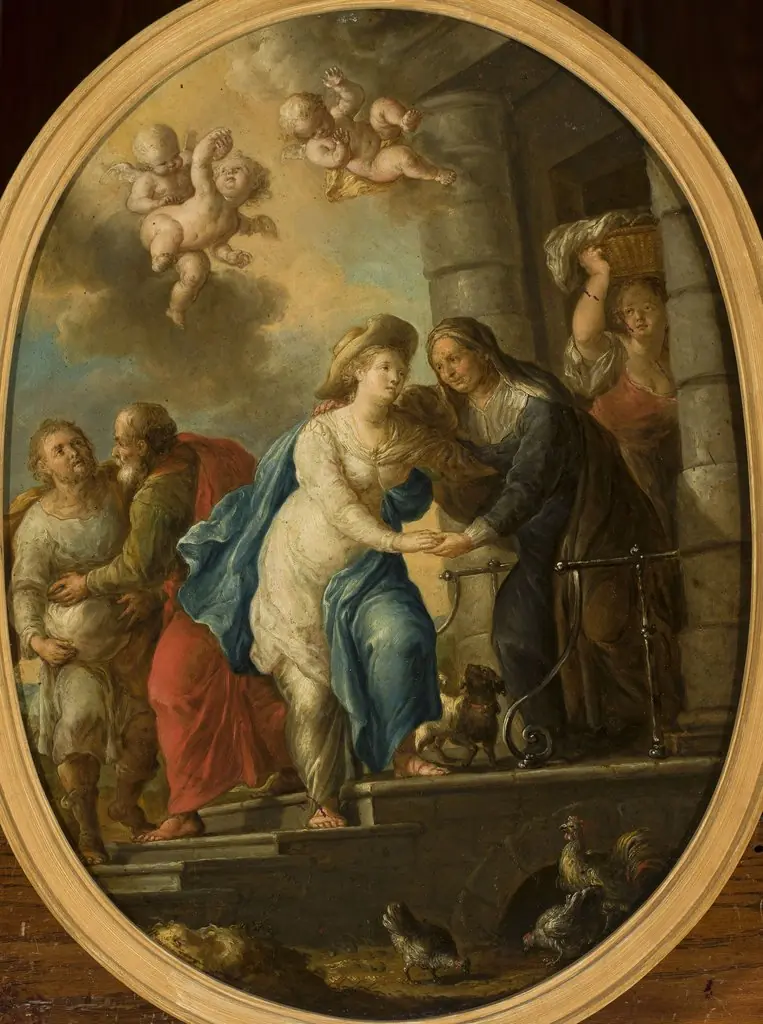 Visitation
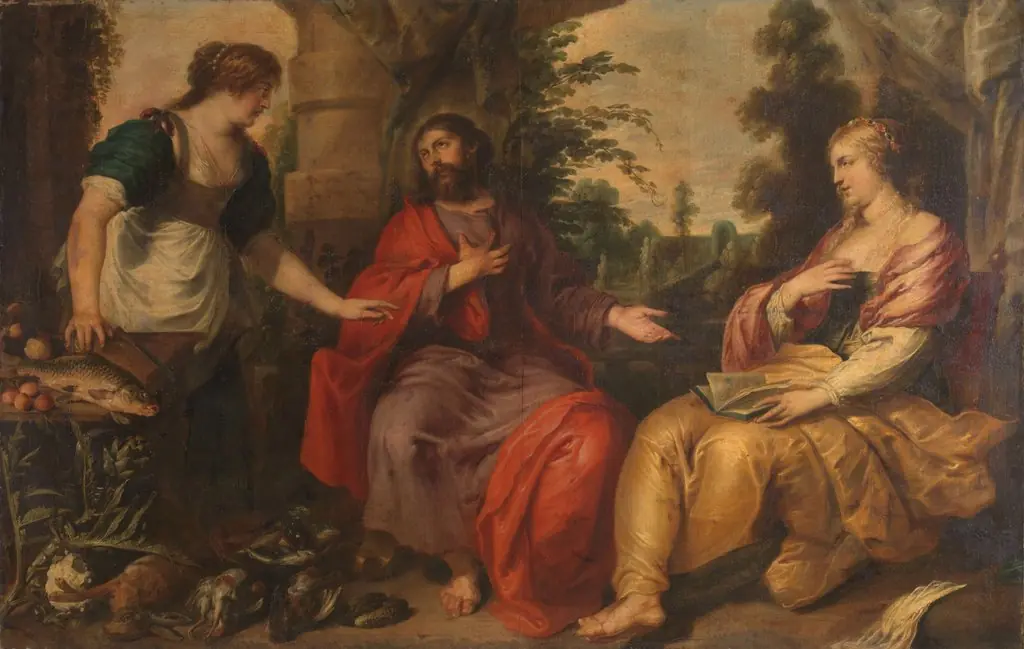 Christ in the house of Martha and Mary
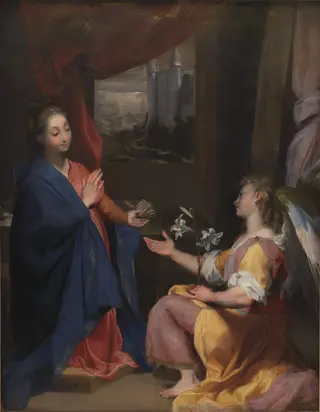 The Annunciation
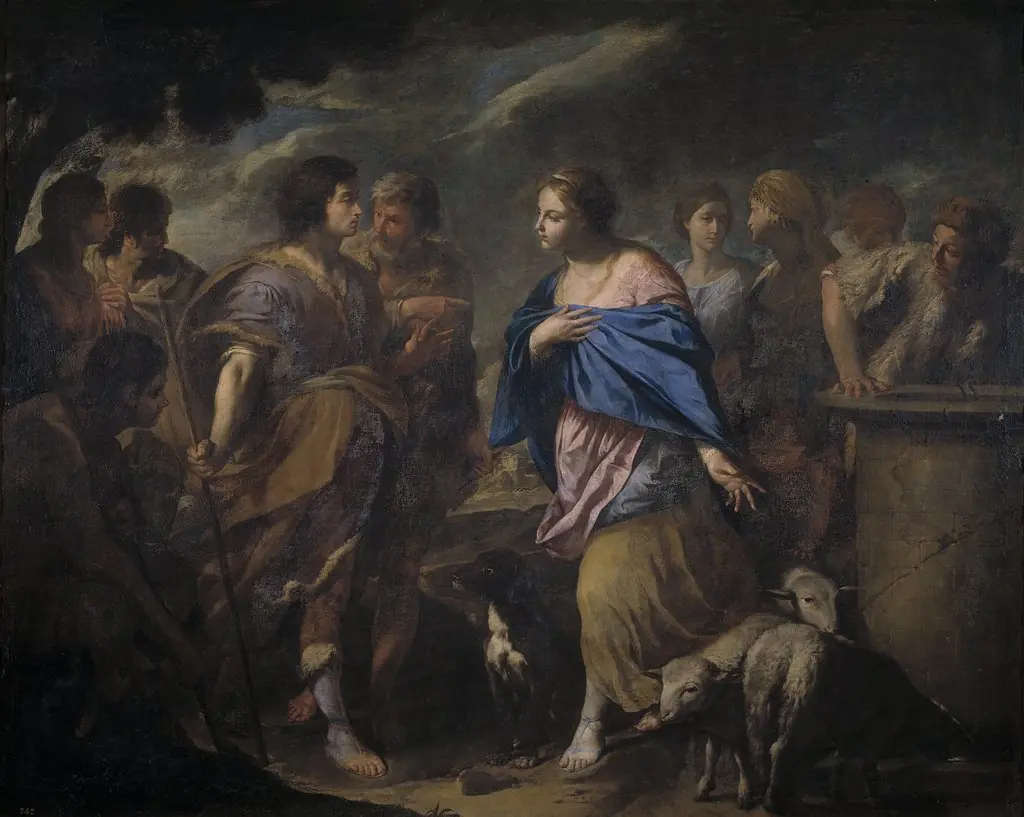 Meeting of Isaac and Rebeca