Artwork
Gluttony
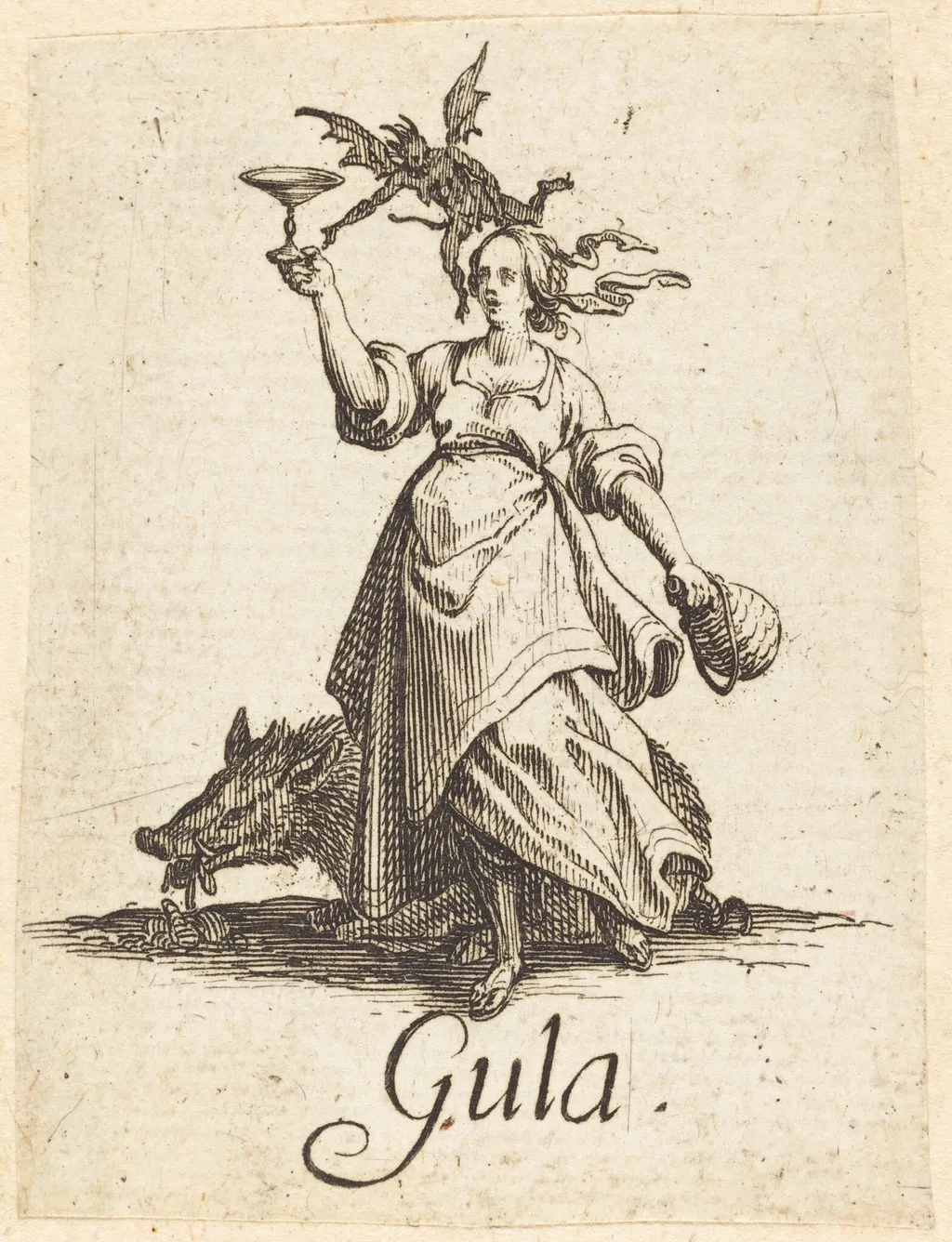
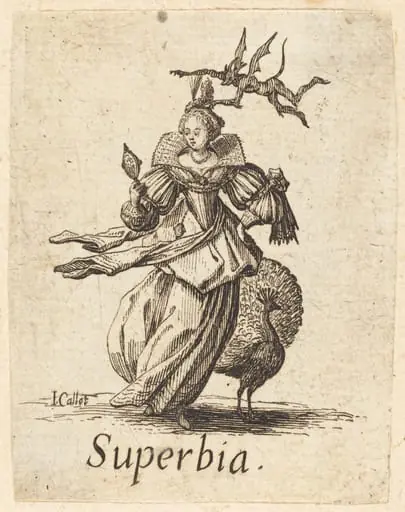
Gluttony is an ink print by the Baroque artist Jacques Callot. It dates from 1621 and is held in the collection of the National Gallery of Art.
About this work
Overview
Gluttony is a print created by Jacques Callot around 1621 using etching and engraving on laid paper. It is one of over 1,400 etchings produced by the French artist.
Subject & Meaning
The print depicts a winged woman standing on a wild boar, holding a wine glass and a cornucopia. The inscription 'Gula' below the image refers to gluttony, suggesting the work is a warning against overindulgence.
Technique & Style
Callot combined etching and engraving to create the detailed image on laid paper, a technique characteristic of his extensive printmaking output.
Context
Gluttony is part of Callot's broader exploration of human behavior and social types, often set against detailed landscapes, which he documented through his prints.
Own this work as a print
Artist & collection
Artist
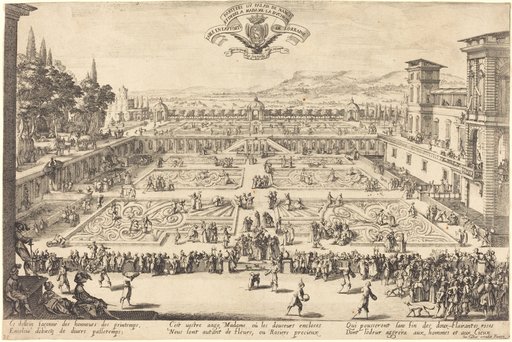
Jacques Callot (French: ; c. 1592 – 1635) was a baroque printmaker and draftsman from the Duchy of Lorraine. He is an important person in the development of the old master print. He made more than 1,400 etchings that…

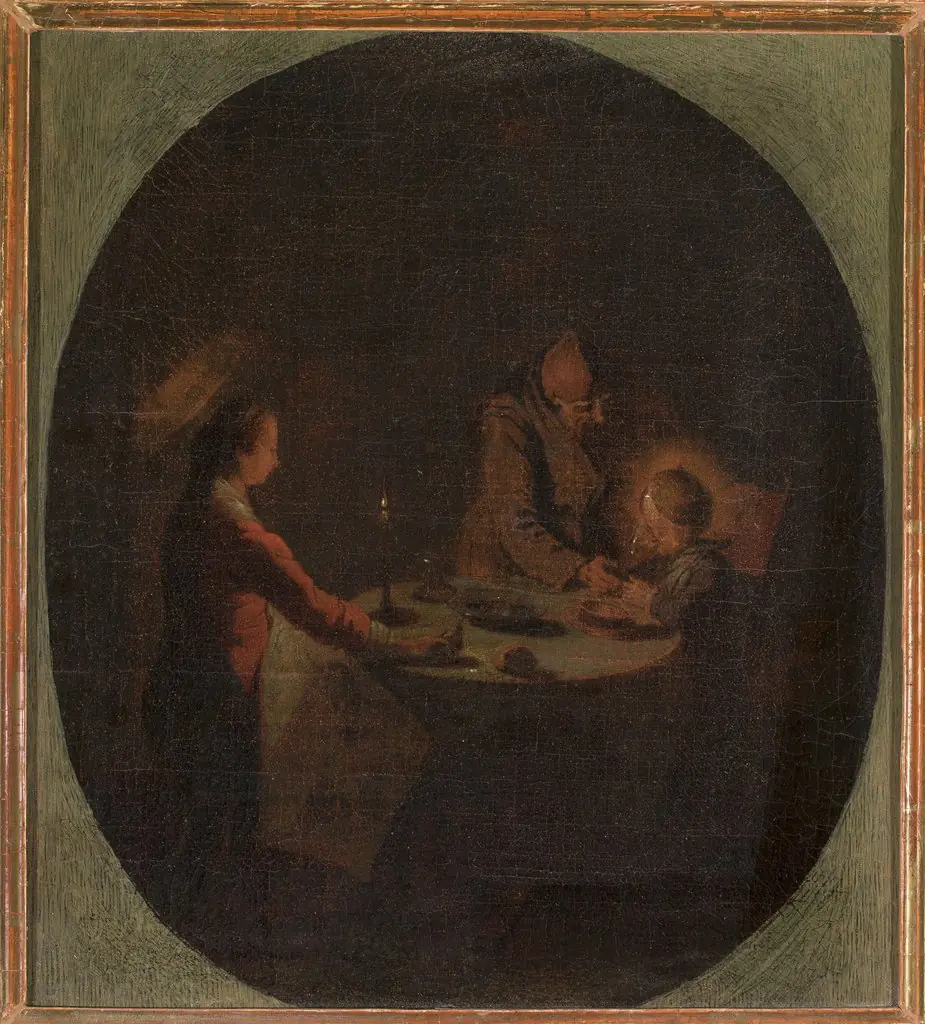 Holy Family at supper
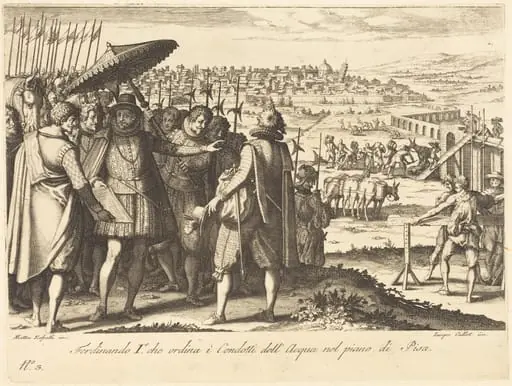 Restoration of the Aqueduct at Pisa
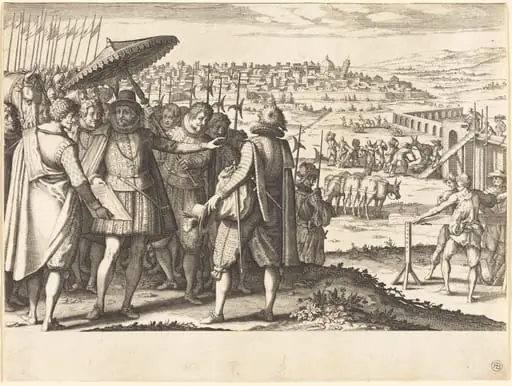 Restoration of the Aqueduct at Pisa
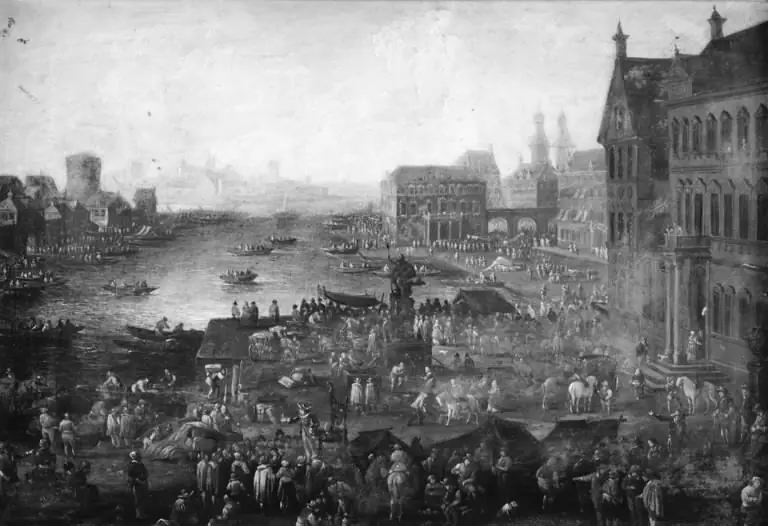 Square in Paris with Many Figures
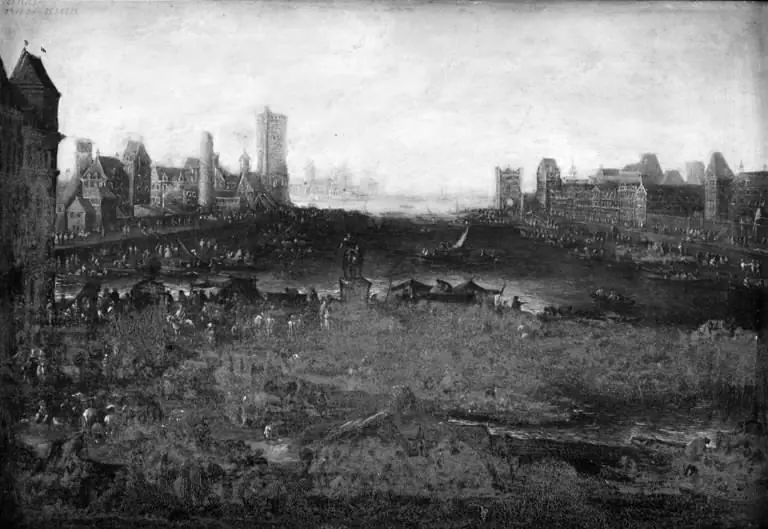 Square in Paris with Many Figures
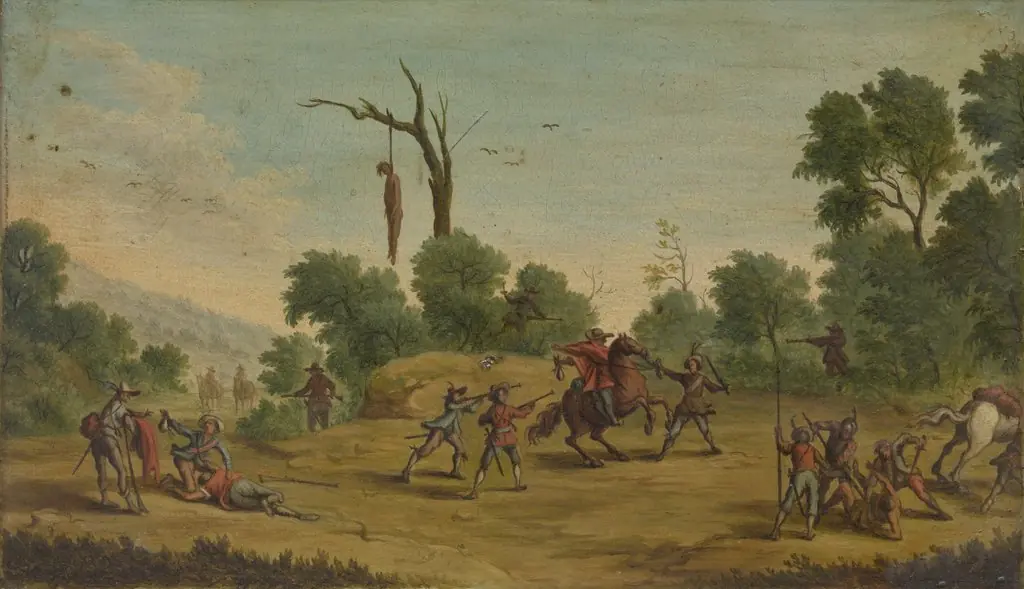 Horsemen Attacked by Robbers
 HOW WILL A COVERED PART BE CORRECTED?HOW WIKA A COVERED HEART DEED CORRECTED?
![Christ Walking on the Water [second plate], by Jacques Callot](https://artifactworldgallery.com/img/jacques-callot--christ-walking-on-the-water-second-plate--2069f3bfe4cb2126-w320.webp) Christ Walking on the Water [second plate]
Christ Walking on the Water [second plate]