Artwork
Lust
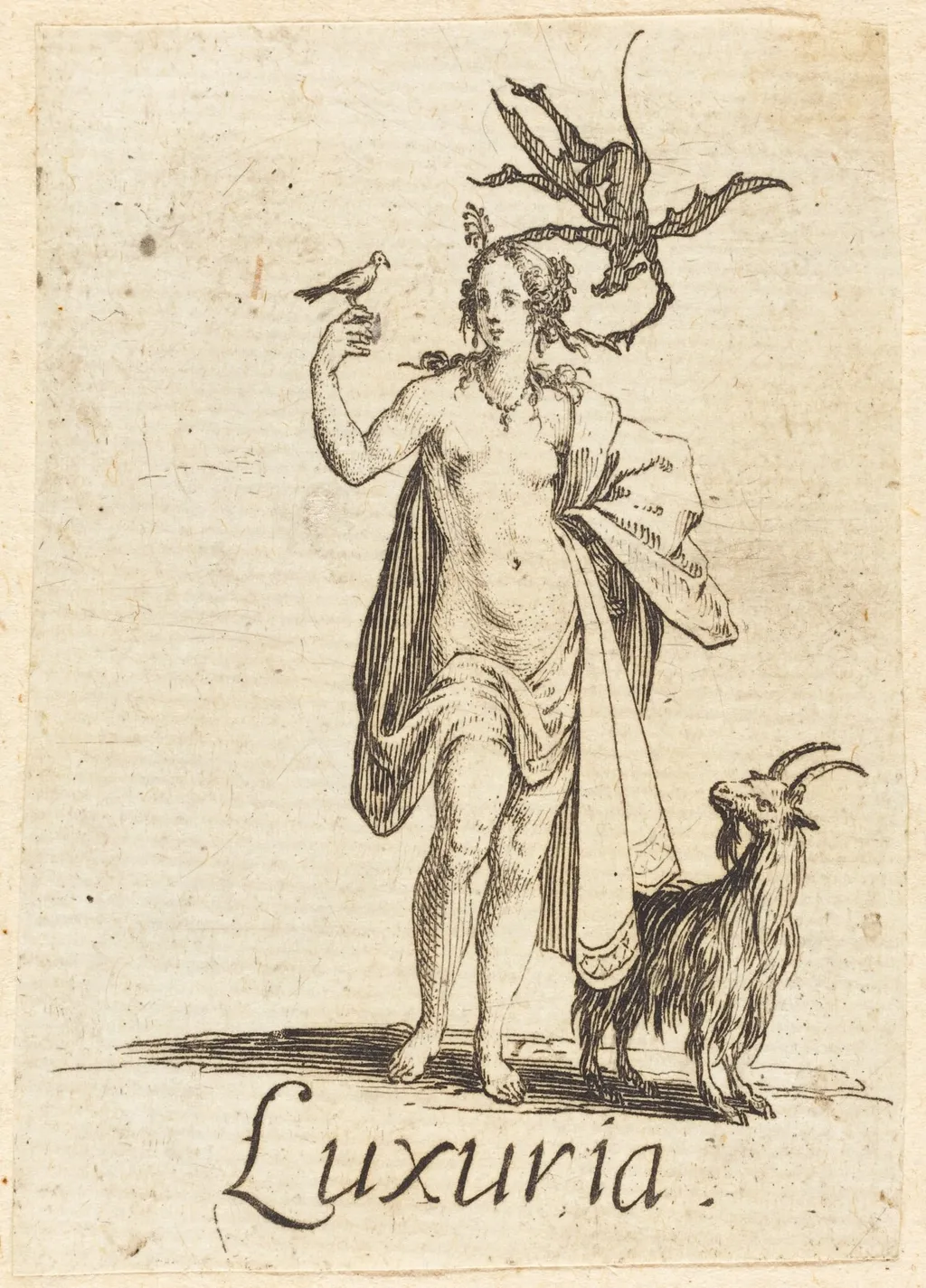
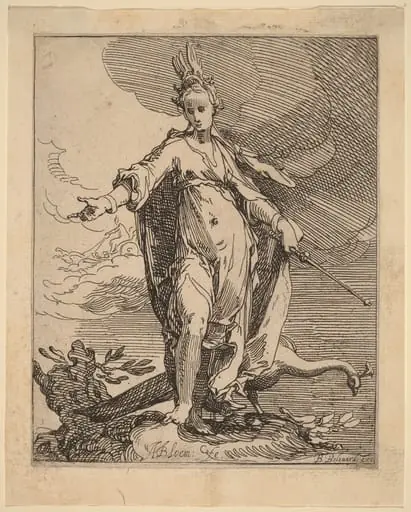
Lust is an ink print by the Baroque artist Jacques Callot. It dates from 1621 and is held in the collection of the National Gallery of Art.
About this work
Overview
Lust is a print created by Jacques Callot around 1621 using etching and engraving techniques on laid paper.
Subject & Meaning
The print depicts a woman with antlers and a goat, labeled 'Luxuria', suggesting a representation of the vice of lust. The imagery implies a symbolic or allegorical meaning rather than a realistic portrayal.
Technique & Style
Callot employed etching and engraving to achieve a detailed, textured effect, with visible lines creating shadows and texture, giving the print a sketchy appearance.
Context
As a French Baroque printmaker, Callot's work often documented contemporary life and explored social and cultural themes, with Lust being one of over 1,400 etchings that showcased his skill and thematic engagement.
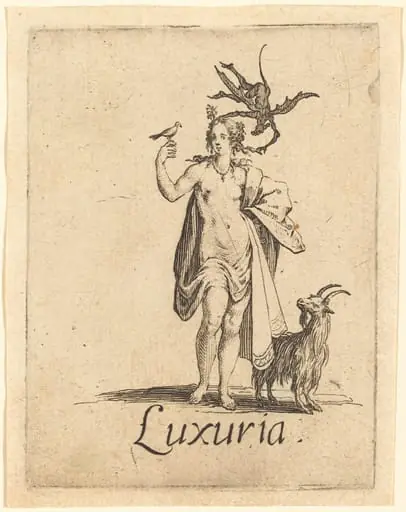
Own this work as a print
Artist & collection
Artist
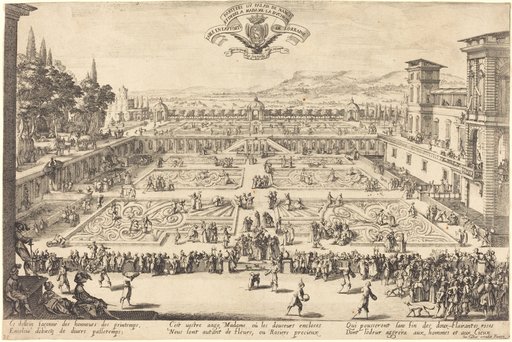
Jacques Callot (French: ; c. 1592 – 1635) was a baroque printmaker and draftsman from the Duchy of Lorraine. He is an important person in the development of the old master print. He made more than 1,400 etchings that…

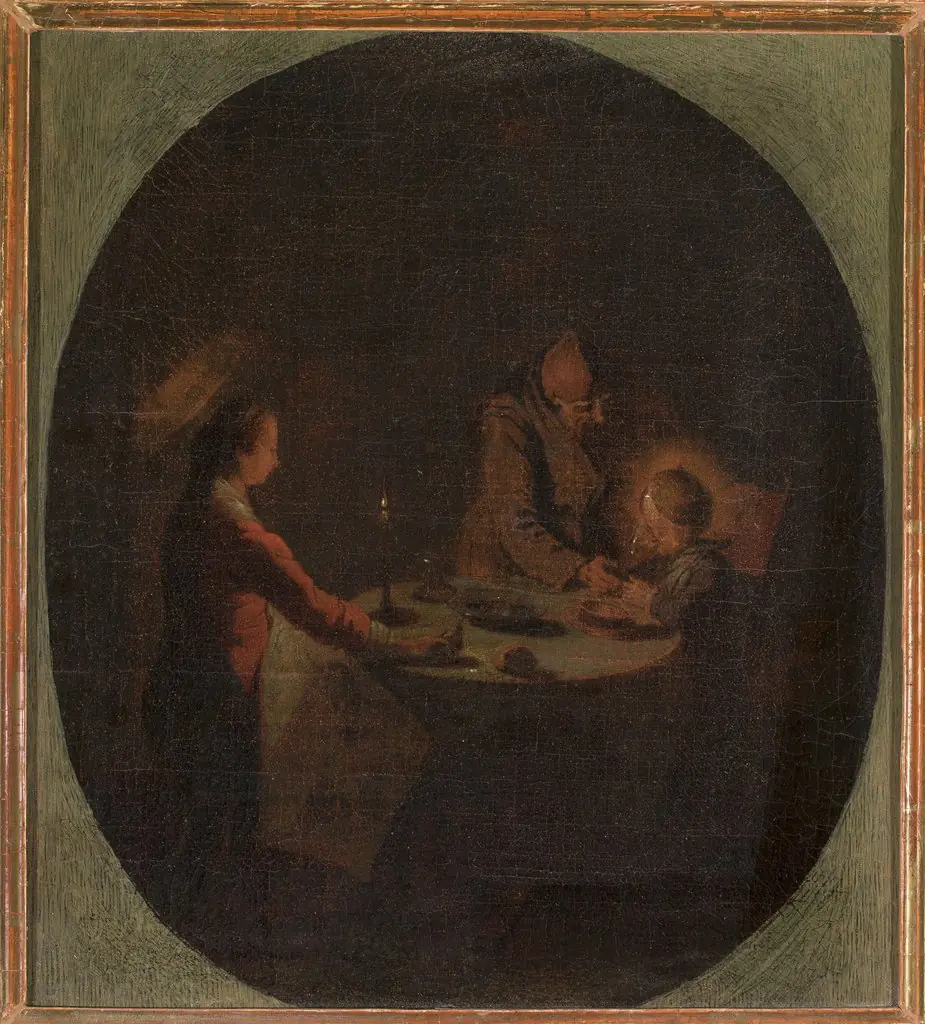 Holy Family at supper
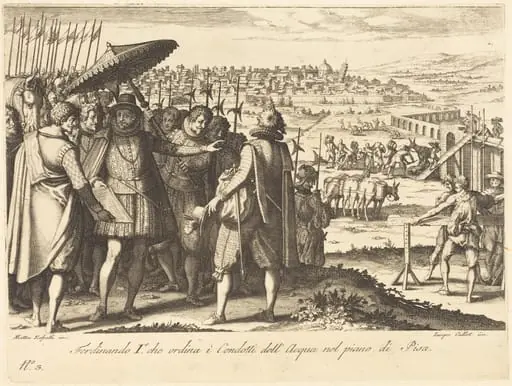 Restoration of the Aqueduct at Pisa
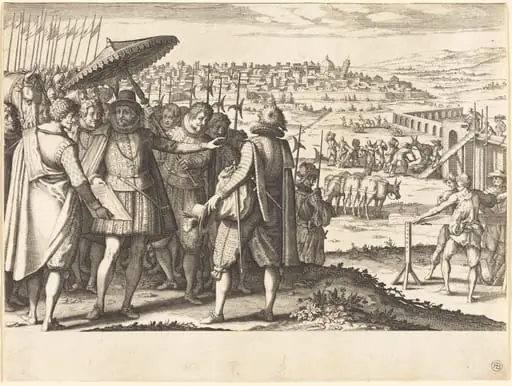 Restoration of the Aqueduct at Pisa
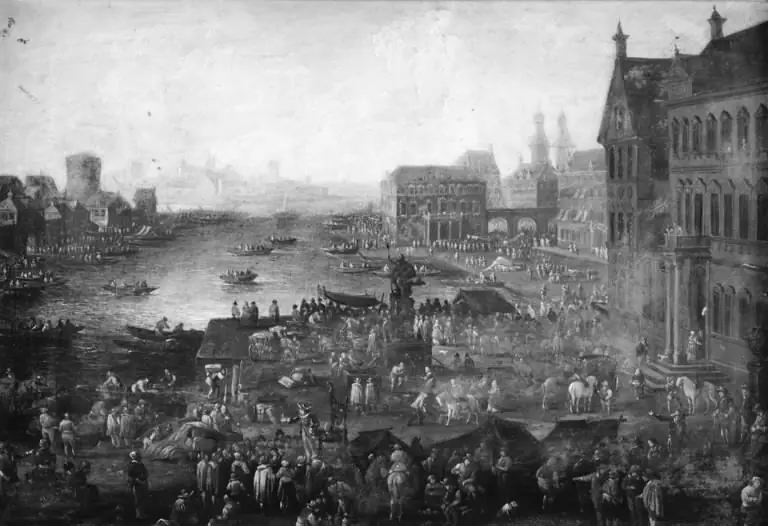 Square in Paris with Many Figures
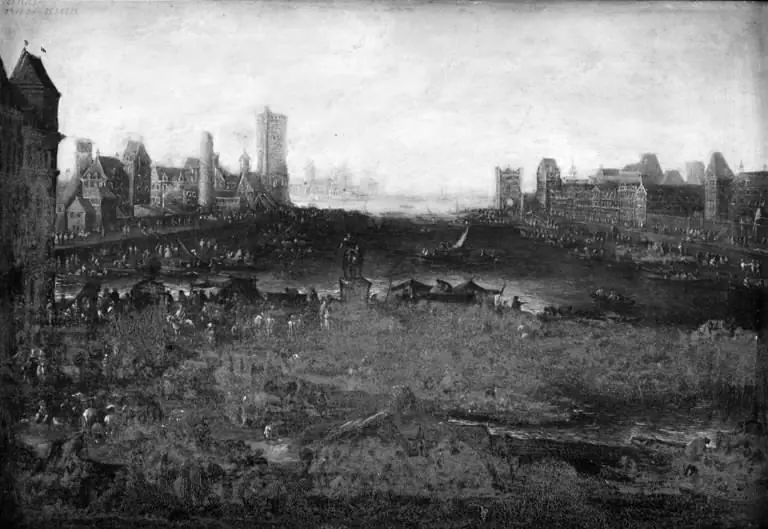 Square in Paris with Many Figures
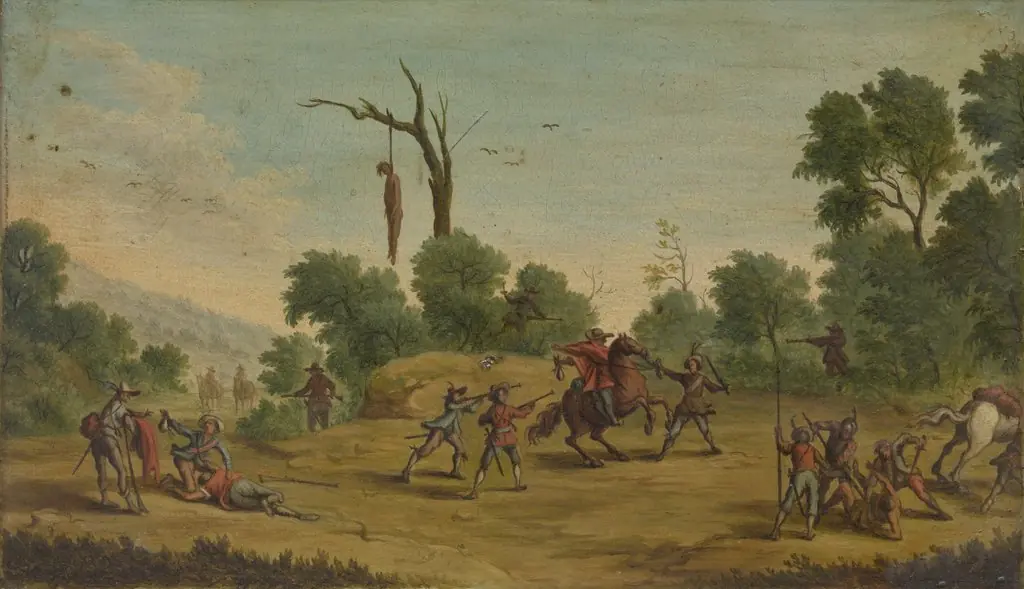 Horsemen Attacked by Robbers
 HOW WILL A COVERED PART BE CORRECTED?HOW WIKA A COVERED HEART DEED CORRECTED?
![Christ Walking on the Water [second plate], by Jacques Callot](https://artifactworldgallery.com/img/jacques-callot--christ-walking-on-the-water-second-plate--2069f3bfe4cb2126-w320.webp) Christ Walking on the Water [second plate]
Christ Walking on the Water [second plate]