Artwork
Pride (Vanity)
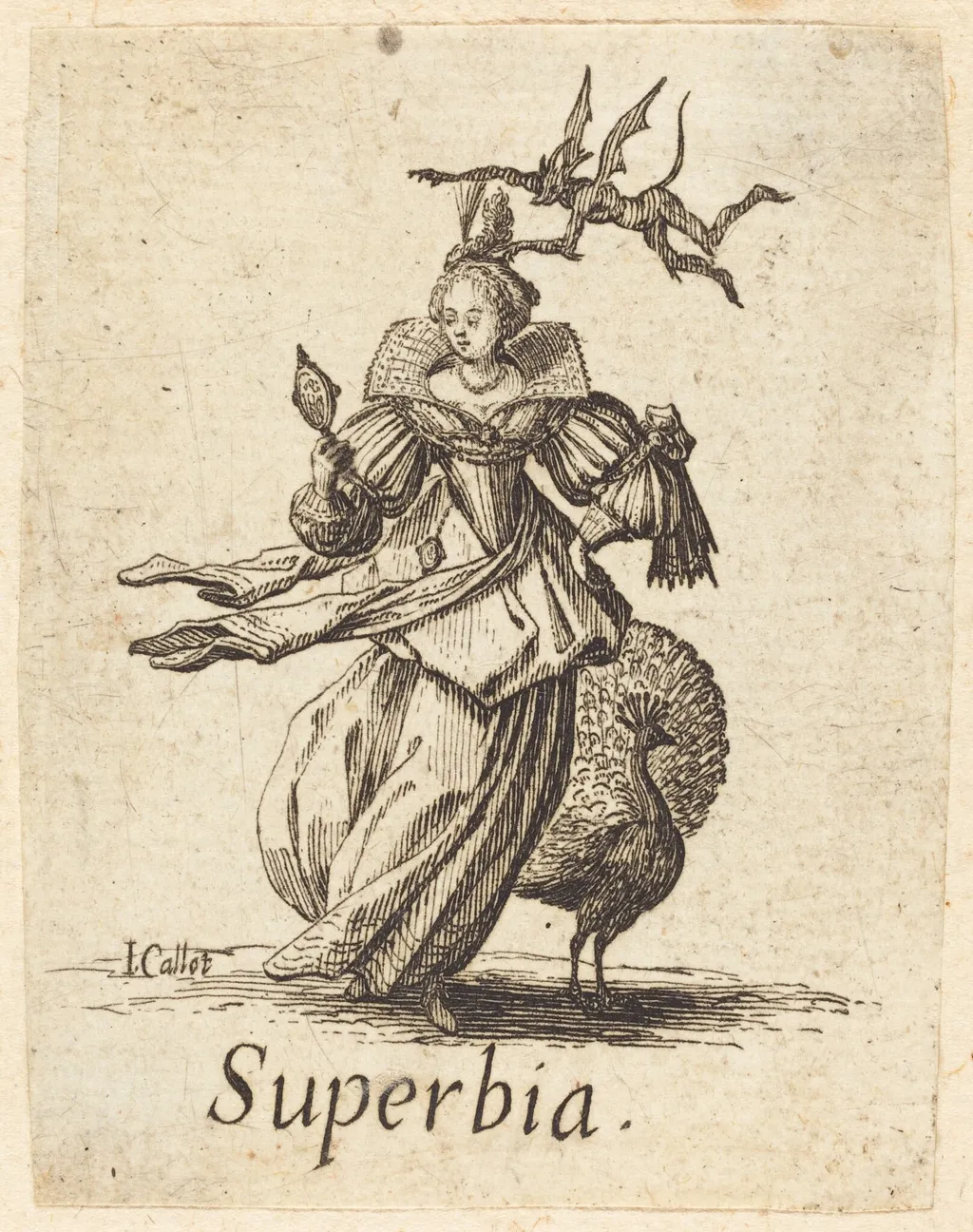
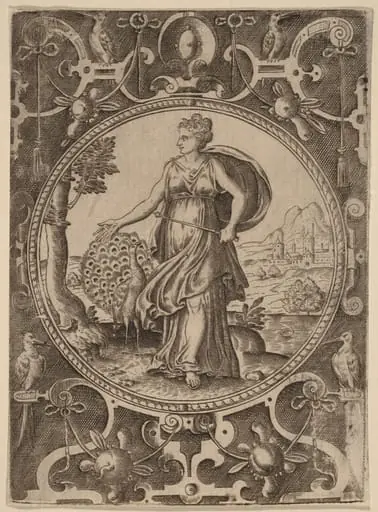
Pride (Vanity) is an ink print by the Baroque artist Jacques Callot. It dates from 1621 and is held in the collection of the National Gallery of Art.
About this work
Overview
Created circa 1621, Pride (Vanity) is a print by Jacques Callot, a French artist active in the Duchy of Lorraine. Executed with both etching and engraving on laid paper, the work exemplifies Callot’s prolific output, which exceeds fourteen hundred prints documenting a range of early‑modern subjects.
Subject & Meaning
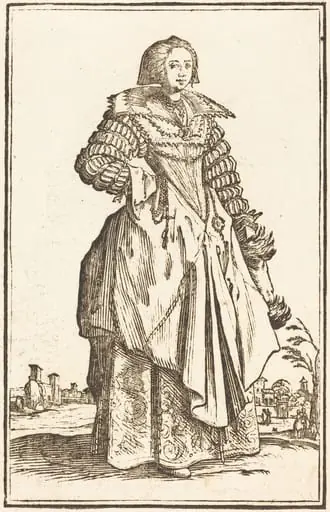
The image portrays a woman in elaborate, antiquated attire, holding a mirror and crowned with a feathered headdress. A turkey with outstretched wings rests on her shoulders, while the Latin inscription Superbia appears below. The composition functions as an allegory of pride, using the bird as a visual metaphor for vanity or arrogance.
Technique & Style
Callot combines the line‑rich qualities of engraving with the tonal subtleties of etching, allowing fine detail in the costume and landscape while achieving depth in shadowed areas. The use of laid paper provides a textured surface that enhances the contrast between the delicate figures and the broader compositional elements.
History & Provenance
The print belongs to Callot’s early period, when he was establishing his reputation for documenting contemporary life and social types. It was produced during a phase of rapid technical innovation in printmaking, reflecting the broader shift toward more intricate and narrative-driven prints in the early seventeenth century.
Context
Pride (Vanity) fits within Callot’s extensive series of genre and allegorical works that juxtapose detailed landscapes with human figures representing moral or social themes. The piece aligns with the Baroque fascination with vanitas motifs, using symbolic objects, here, the mirror and turkey, to comment on human folly.
Legacy
The print illustrates Callot’s influence on later printmakers who adopted his hybrid etching‑engraving technique and his approach to allegorical representation. Its study contributes to understanding the development of moralizing imagery in early modern European art.
Own this work as a print
Artist & collection
Artist
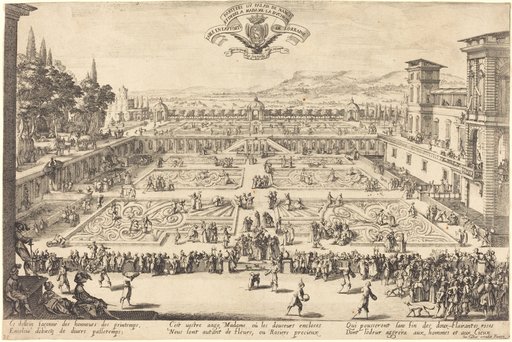
Jacques Callot (French: ; c. 1592 – 1635) was a baroque printmaker and draftsman from the Duchy of Lorraine. He is an important person in the development of the old master print. He made more than 1,400 etchings that…

 Holy Family at supper
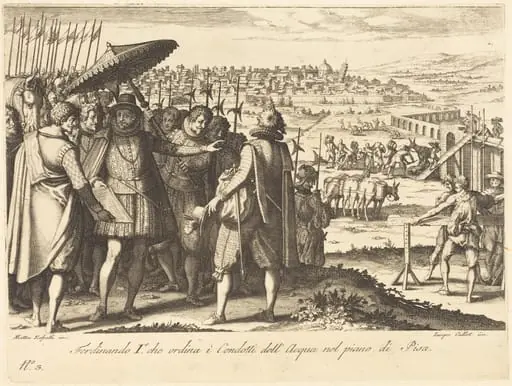 Restoration of the Aqueduct at Pisa
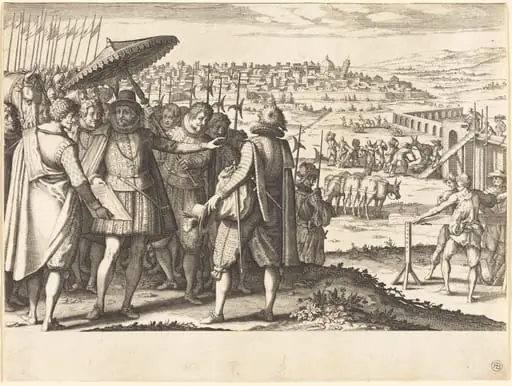 Restoration of the Aqueduct at Pisa
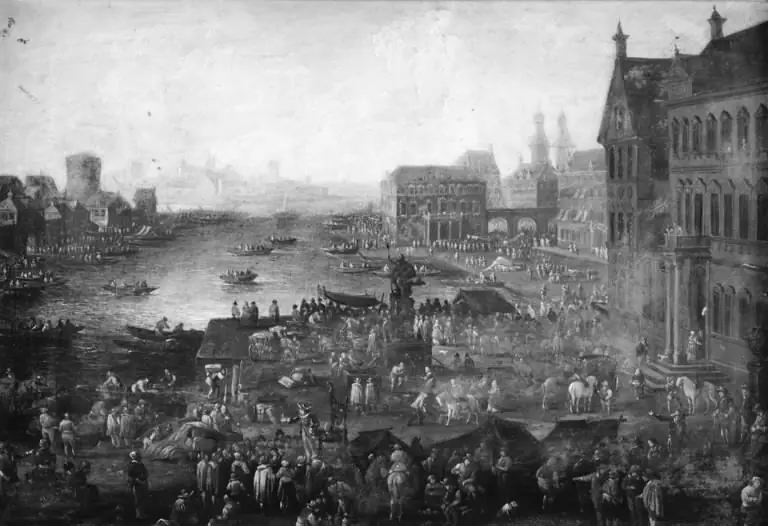 Square in Paris with Many Figures
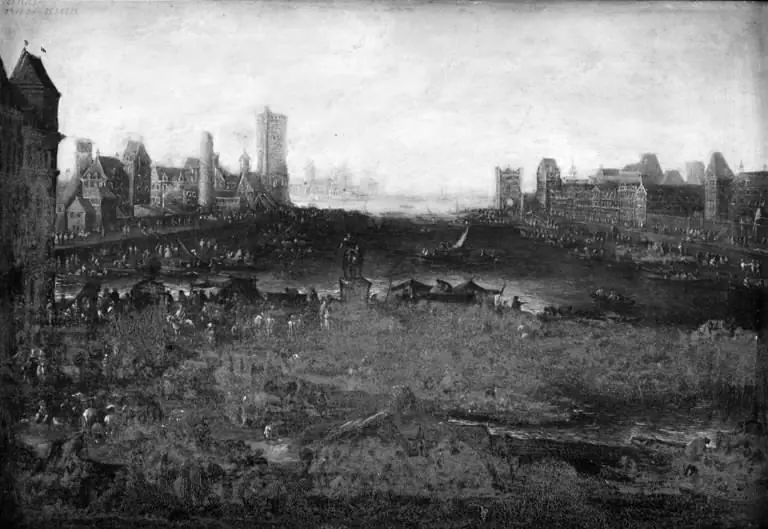 Square in Paris with Many Figures
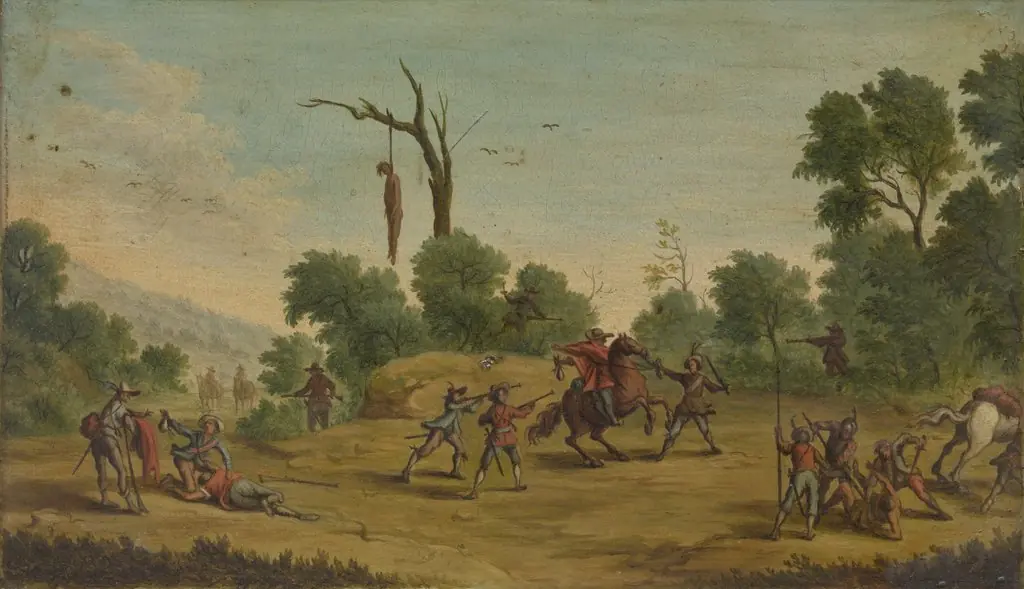 Horsemen Attacked by Robbers
 HOW WILL A COVERED PART BE CORRECTED?HOW WIKA A COVERED HEART DEED CORRECTED?
![Christ Walking on the Water [second plate], by Jacques Callot](https://artifactworldgallery.com/img/jacques-callot--christ-walking-on-the-water-second-plate--2069f3bfe4cb2126-w320.webp) Christ Walking on the Water [second plate]
Christ Walking on the Water [second plate]