Artwork
The Young Jesus
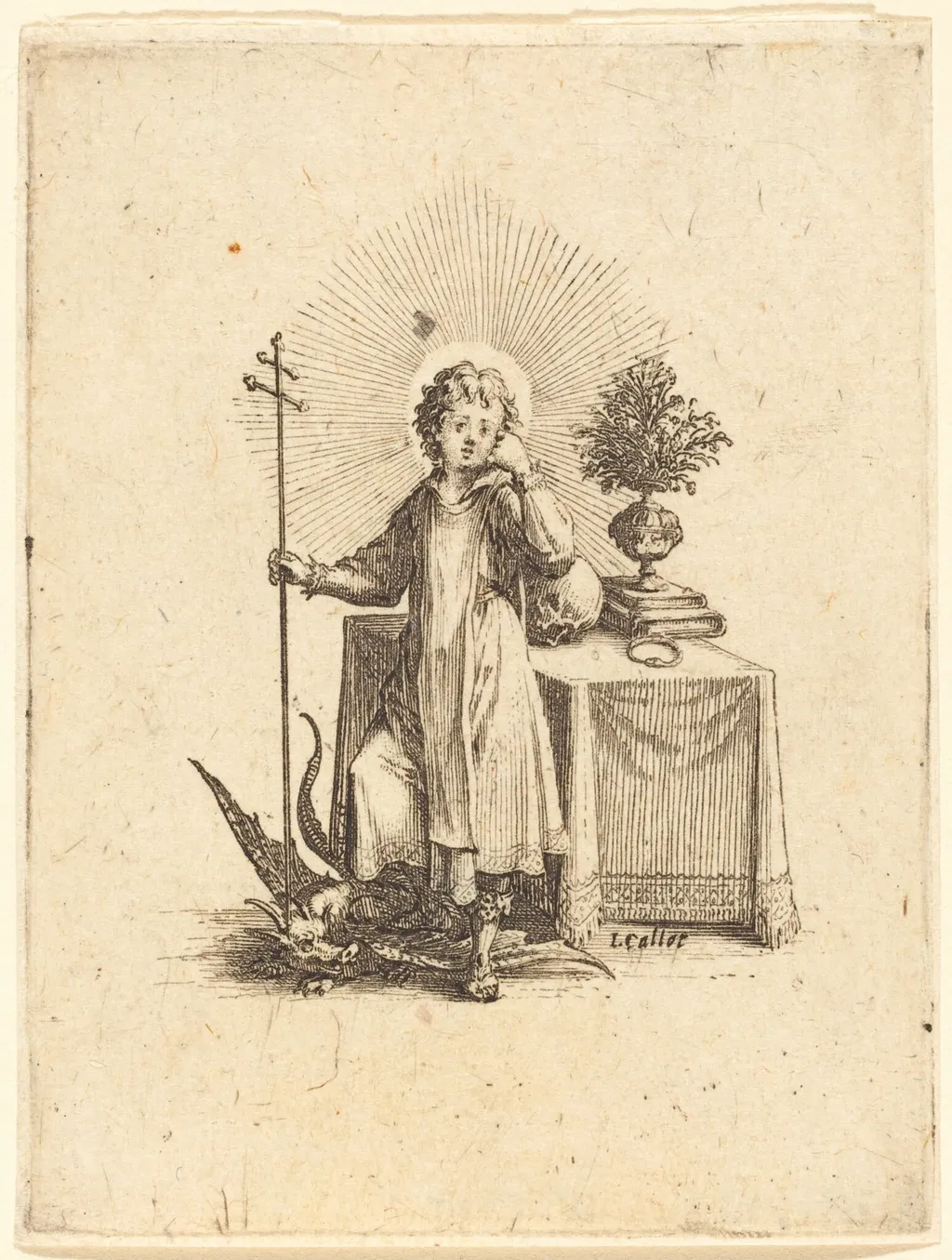
The Young Jesus is an ink print by the Renaissance artist Jacques Callot. It dates from 1620 and is held in the collection of the National Gallery of Art.
About this work
Overview
The Young Jesus is an etching on laid paper, created by French baroque printmaker Jacques Callot around 1620. Characteristic of Callot's prolific output, this work combines narrative with detailed background elements.
Subject & Meaning
Depicting a youthful Jesus in a simple robe with a halo, the etching conveys holiness through symbolic elements: a cross, a potted plant, stacked books, and a subdued snake at his feet. These motifs collectively underscore the subject's sacred nature.
Technique & Style
Callot employed etching techniques to achieve nuanced textures and shadows, evident in the folds of the robe, the pages of the books, and the subtle play of light around the figure's head.
History & Provenance
Created circa 1620, The Young Jesus reflects Callot's practice of blending religious narratives with meticulous backgrounds, a hallmark of his over 1,400 etchings that documented 17th-century life.
Context
This work sits within Callot's broader oeuvre, which often featured soldiers, court life, and marginalized figures, providing a glimpse into the social and cultural landscape of early 17th-century Lorraine.
Legacy
As part of Callot's extensive body of work, The Young Jesus contributes to the artist's influence on baroque printmaking, notable for its detailed storytelling and blend of the everyday with the sacred.
Own this work as a print
Artist & collection
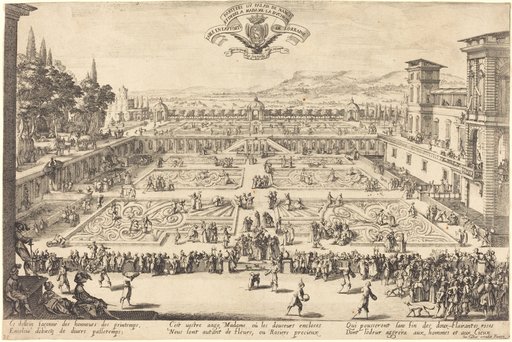
Artist
Jacques Callot (French: ; c. 1592 – 1635) was a baroque printmaker and draftsman from the Duchy of Lorraine. He is an important person in the development of the old master print. He made more than 1,400 etchings that…

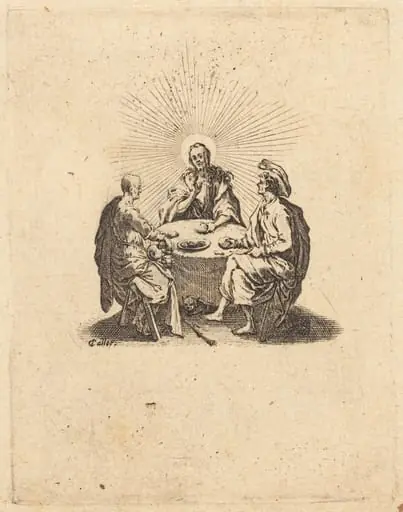
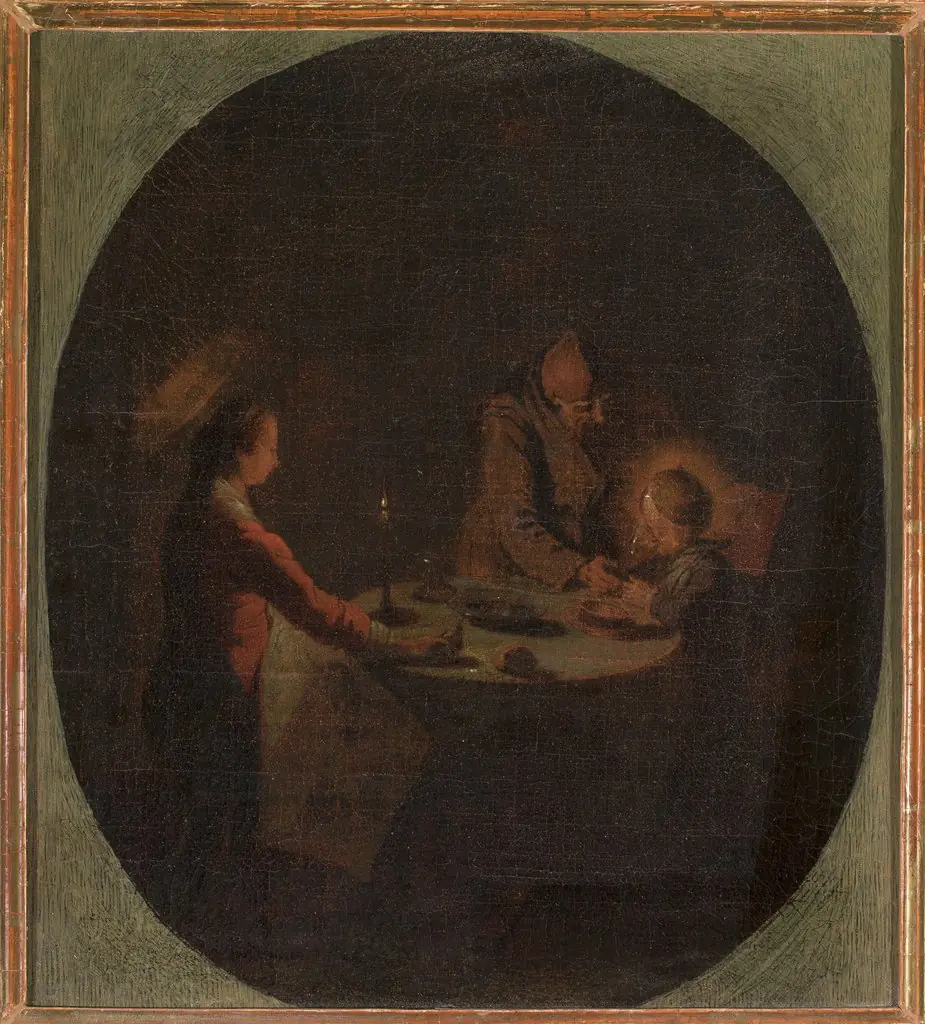 Holy Family at supper
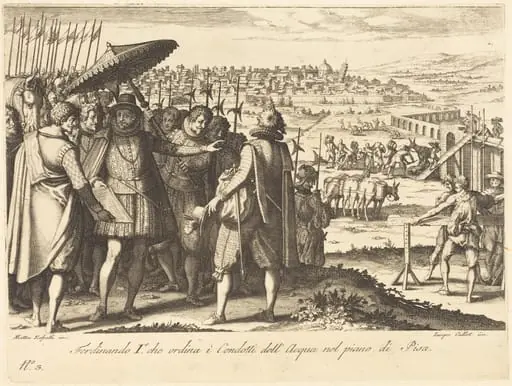 Restoration of the Aqueduct at Pisa
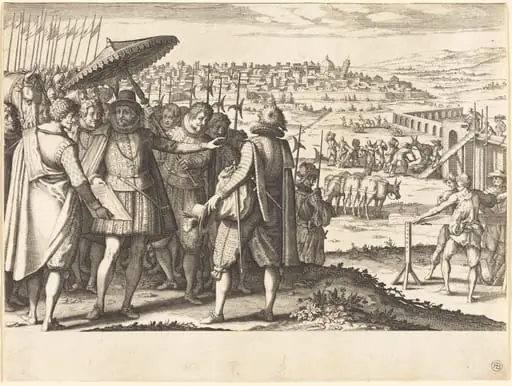 Restoration of the Aqueduct at Pisa
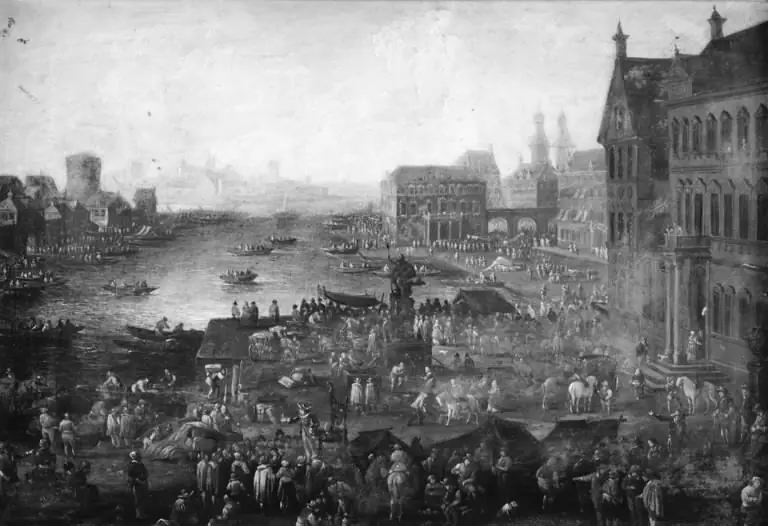 Square in Paris with Many Figures
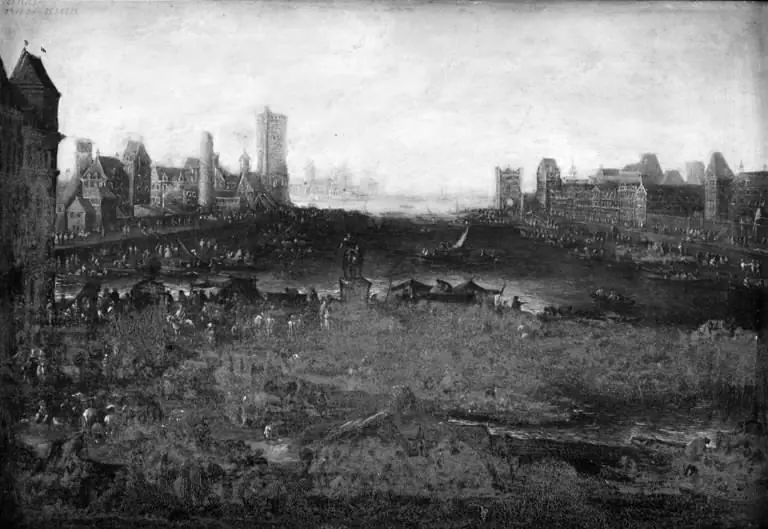 Square in Paris with Many Figures
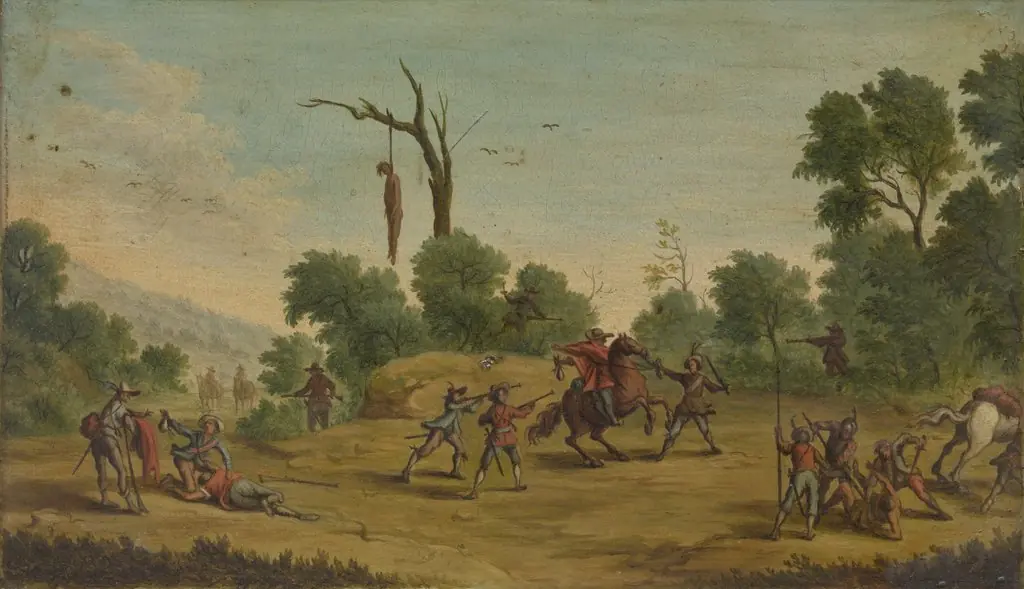 Horsemen Attacked by Robbers
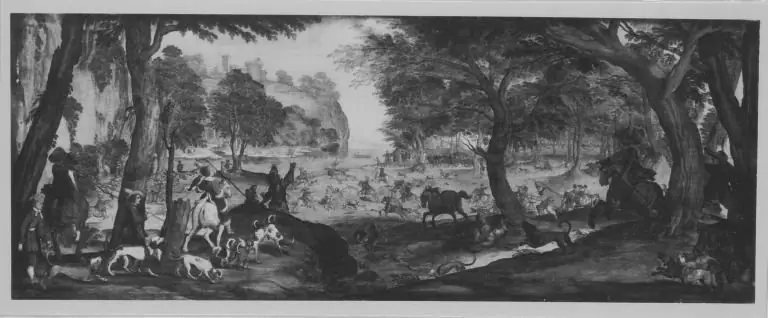 HOW WILL A COVERED PART BE CORRECTED?HOW WIKA A COVERED HEART DEED CORRECTED?
![Christ Walking on the Water [second plate], by Jacques Callot](https://artifactworldgallery.com/img/jacques-callot--christ-walking-on-the-water-second-plate--2069f3bfe4cb2126-w320.webp) Christ Walking on the Water [second plate]
Christ Walking on the Water [second plate]