Subject
Saint
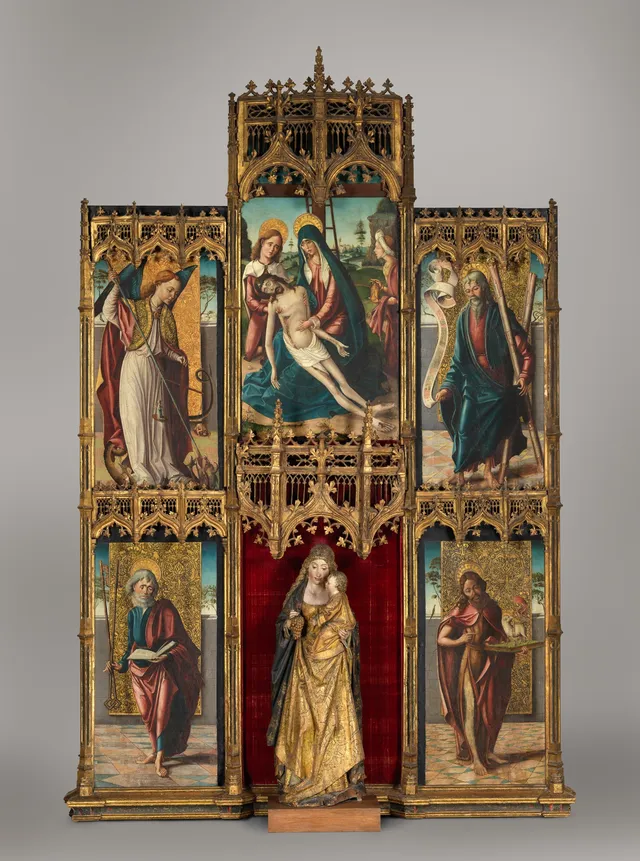
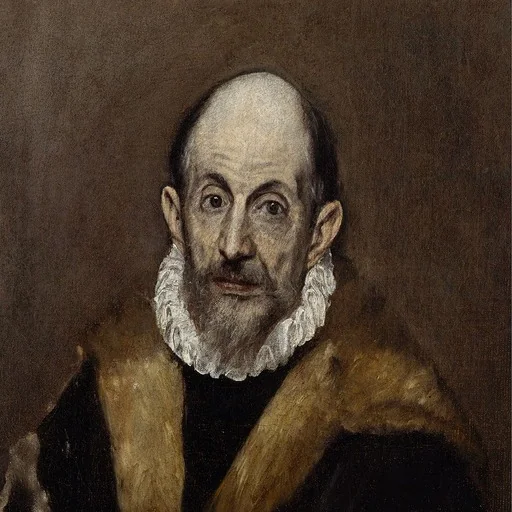
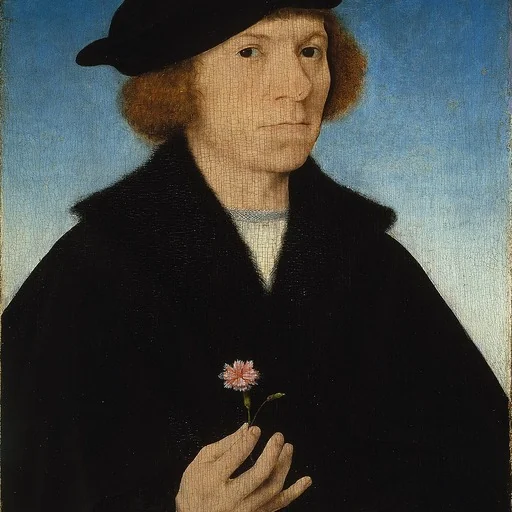
Saint is a subject in art. The gallery holds 200 works in this subject in art, including works by El Greco, Joos van Cleve and Anthony van Dyck.
In Christian belief, a saint—also called a hallow—is a person recognized as possessing an exceptional degree of holiness and closeness to God, though the precise meaning of the term varies by denomination. As a subject in art, the saint emerged from the early cult of the martyrs. The veneration of relics is attested by the second century, and the Martyrdom of St. Polycarp (c. 167) already records both the keeping of a martyr's body as a relic and the annual feast at his tomb. From these graveside devotions in the Roman catacombs grew a vast tradition of holy images, which in the Eastern empire crystallized into the painted icon, surviving the iconoclastic crises of the seventh and eighth centuries to become central to Byzantine Christianity.
The defining problem of saintly imagery is identification: a viewer, often illiterate, had to know which holy figure stood before them. Artists solved this with the attribute, an emblem drawn from the saint's life or death—Catherine of Alexandria with her spiked wheel, Peter with the keys of heaven, Jerome with his book, Sebastian pierced by arrows. The halo, or nimbus, signalled sanctity from the sixth century onward; in the naturalistic painting of the fifteenth century it shrank from a flat gold disc into a thin ring seen in perspective, floating above the head.
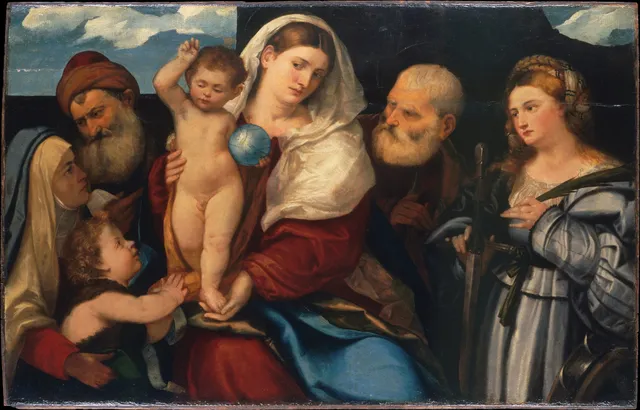
The great compositional invention was the sacra conversazione, in which the enthroned Virgin and Child are surrounded by saints from different eras gathered in a single, unified space. Pioneered by Fra Angelico in Florence, it reached its quattrocento summit in Giovanni Bellini's San Zaccaria Altarpiece (1505) in Venice, and was elaborated by Botticelli and, in our own collection, by Bonifazio Veronese, Sebastiano del Piombo, and Benozzo Gozzoli.
The Counter-Reformation recharged the theme. Asserting the legitimacy of saintly intercession against Protestant criticism, artists turned to drama and emotion: Caravaggio's tenebrist martyrdoms, Francisco de Zurbarán's austere monastic figures, and Bernini's Ecstasy of Saint Teresa (1647–52), which renders the mystic's vision of an angel piercing her heart as a theatrical vision in marble. The saint thus moved from hieratic emblem to living, suffering, transported witness—an arc that shaped Western religious art for a millennium and a half.
Key artists
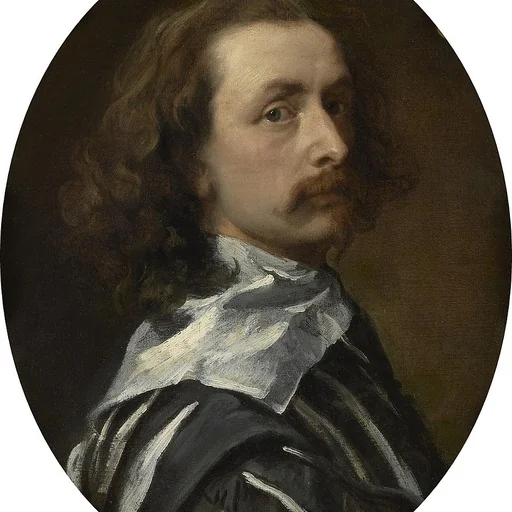
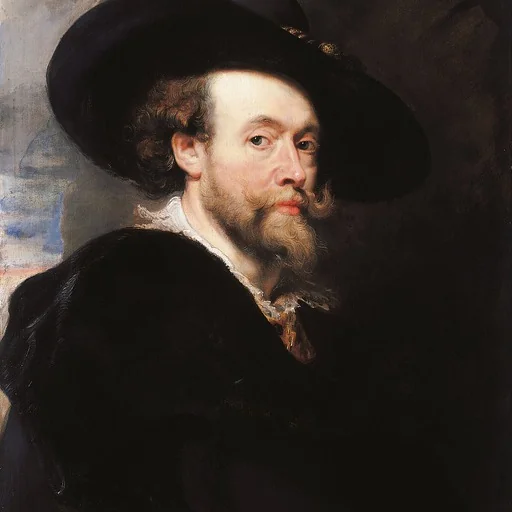
Overview
In Christian belief, a saint, also known as a hallow, is a person recognized as having an exceptional degree of holiness, likeness, or closeness to God. The term derives from the Latin sanctus, meaning "holy" or "consecrated," and entered English through Old French and Middle English. While the word originated in Christianity, comparable concepts of specially holy persons exist across many religions, including the Hindu rishi, Sikh bhagat, Jewish tzadik, Islamic walī, and Buddhist arhat or bodhisattva. Within Christianity itself, the meaning of "saint" varies by denomination: Catholic and Eastern Orthodox churches practice formal veneration through canonization or glorification, while Protestant traditions often use the term more broadly for all believers. The subject of the saint is one of the most enduring and widely depicted themes in Western art, with 572 works in this collection alone representing figures from the apostles and martyrs to mystics and founders of religious orders.
Iconography & meaning
The iconography of saints developed to make the holy immediately recognizable to viewers. A halo or nimbus above the head became the standard visual signifier of sanctity, a practice noted across Christian artistic traditions. Individual saints acquired specific attributes based on their lives, deaths, or miracles: Saint Peter carries keys, Saint Paul a sword, and martyrs often display the instruments of their passion. The Legenda Aurea, a medieval collection of saints' lives, helped standardize these visual codes. Saints functioned as intercessors between the faithful and the divine, their images serving as focal points for devotion and pilgrimage. Reliquaries and images of saints were believed to channel spiritual power, with their graves becoming cultic centers attracting pilgrims. In Catholic theology, saints exemplify heroic virtue and offer models for imitation saints, while in Eastern Orthodoxy they participate in the uncreated light of divinity. The anthropologist Lawrence Babb described saints as "focal points of spiritual force-fields," exerting transformative influence on followers.
Across movements & periods
The treatment of saints in art evolved significantly across periods. Early Christian art emphasized martyrs and apostles, drawing on traditions of Roman portrait busts while adding symbolic content. The medieval period saw the systematization of saint imagery through the Legenda Aurea and liturgical calendars, with local and regional cults proliferating; many place names still commemorate these figures. Gothic art heightened emotional engagement with saints, while the Renaissance introduced greater naturalism in depicting holy figures, placing them in believable spaces with individualized features. The Baroque period intensified drama and direct emotional appeal, as seen in works like Saint Teresa of Ávila Interceding for Souls in Purgatory. The Counter-Reformation particularly promoted saint imagery as a means of strengthening Catholic identity against Protestant critique. Different cultures developed distinctive saintly iconographies: Irish Christianity fostered its own monastic saints, while local patron saints became embedded in civic identity across Europe. The late medieval centralization of canonization by the papacy gradually standardized which saints received official recognition, though popular veneration often preceded and outpaced formal processes.
Notable depictions
Among the most frequently depicted saints in Western art are the apostles Peter and Paul, foundational to the early Church. Peter, considered the first Pope by tradition, was crucified upside down in Rome around 64 AD, a scene often rendered to emphasize his humility. Paul, the converted persecutor turned missionary, appears with his attribute of the sword, symbolizing both his martyrdom and his penetrating theological insight. Saint Francis of Assisi, founder of the Franciscan Order, became a favored subject following his canonization in 1228; his reception of the stigmata, compassion for animals, and embrace of poverty offered artists a rich visual vocabulary. Saint Teresa of Ávila, the Carmelite mystic and reformer, was depicted by Bernini and others in ecstasy, her writings on the soul's interior castle influencing how contemplative experience was visualized. Female saints gained particular prominence in medieval art, with Hildegard of Bingen, though not formally canonized until 2012, long revered as a visionary, composer, and patron of musicians and writers. Saint Margaret of Cortona and other penitent saints provided models of redemption accessible to lay viewers.
Legacy
The legacy of saints extends far beyond religious art into the broader fabric of Western culture. Saint veneration shaped the calendar, with feast days becoming holidays and structuring communal time. Pilgrimage sites from Santiago de Compostela to Lourdes became centers of commerce and cultural exchange. The stories of saints inspired charitable institutions: Saint Vincent de Paul's Congregation of the Mission and Daughters of Charity, Saint Francis of Assisi's Franciscan Order, and Saint Mother Teresa's Missionaries of Charity all originated in saintly example. The concept of patron saints for causes, cities, and professions created enduring cultural associations, from Saint Christopher protecting travelers to Saint Barbara guarding miners. In modern times, saints have been reclaimed as figures of resistance and social justice, their radical poverty and challenge to authority resonating with contemporary concerns. The continued production of saint imagery in the collection and beyond testifies to the enduring power of these figures as mediators between human aspiration and transcendent meaning, their visual forms adapting to new contexts while retaining their core function as models of holiness and intercessors for the faithful.
Works
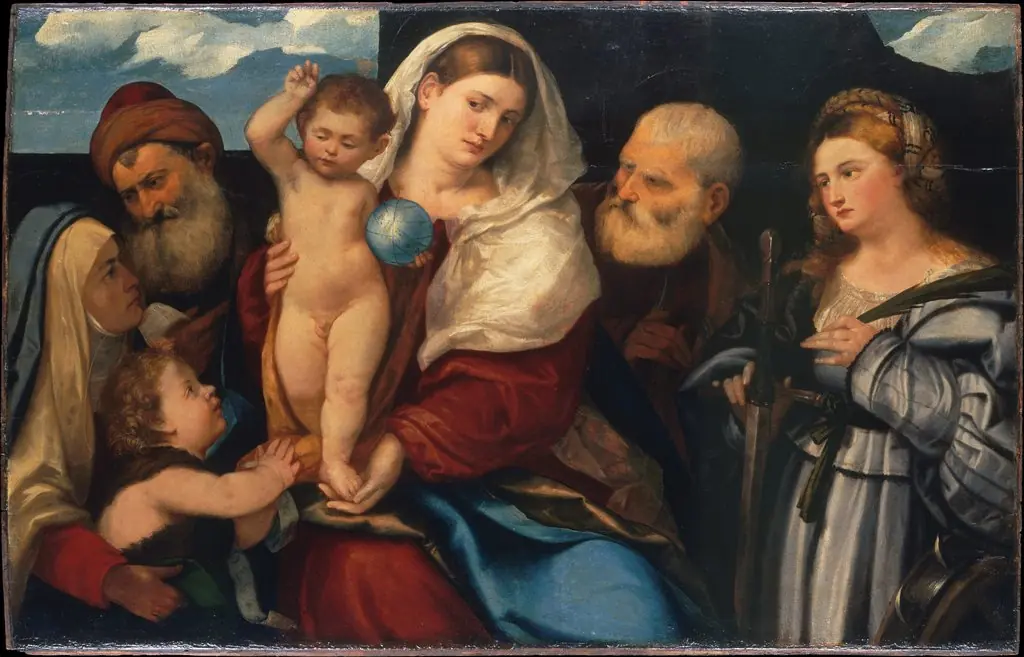 Madonna and Child with Saints
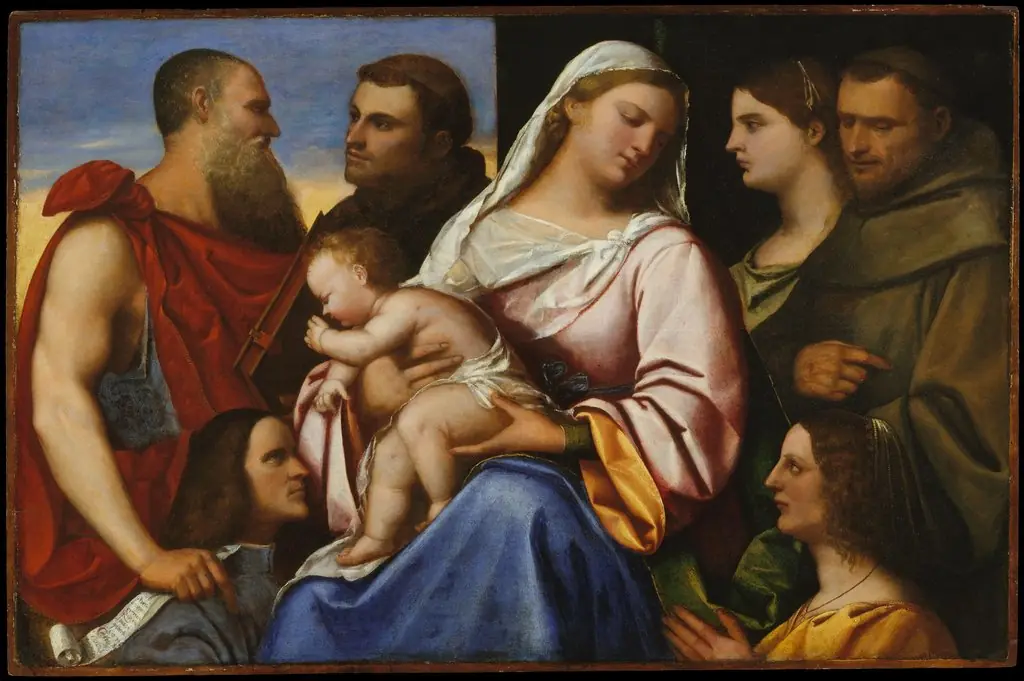 Madonna and Child with Saints and Donors
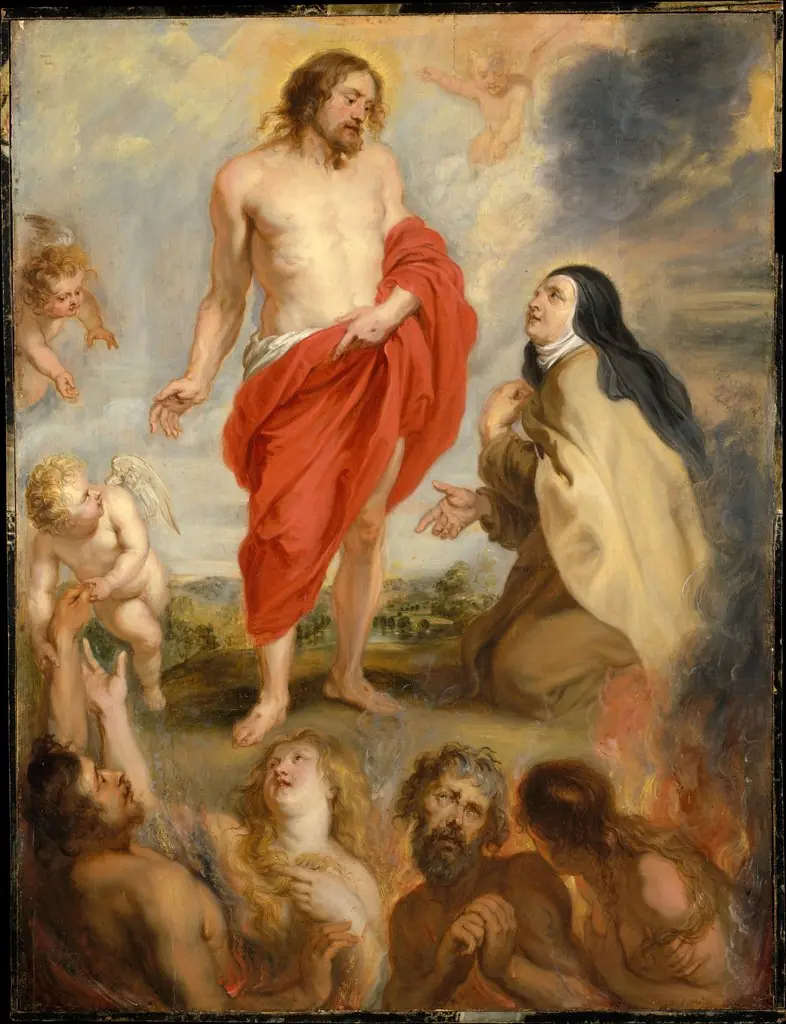 Saint Teresa of Ávila Interceding for Souls in Purgatory
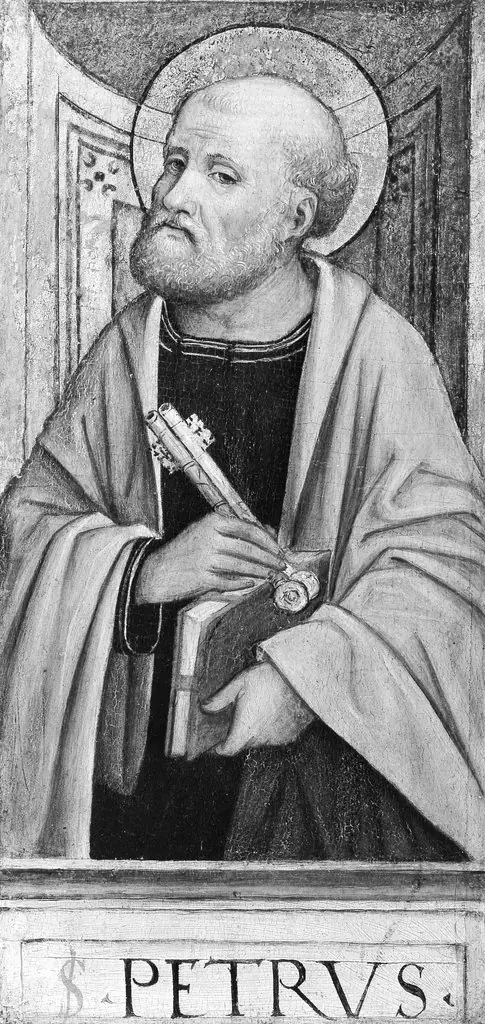 The Twelve Apostles: Saints Bartholomew, Andrew, Matthew, James the Greater, Thaddeus, Philip, James the Lesser, Simon, Peter, Paul, Thomas, and John
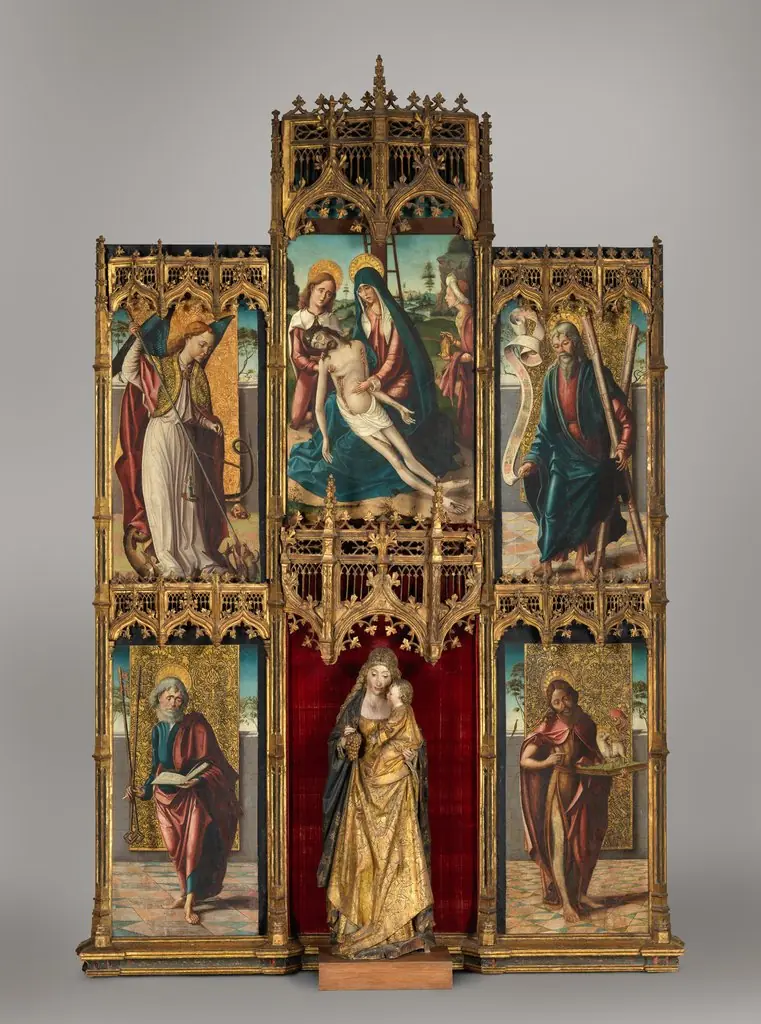 Virgin and Child with the Pietà and Saints
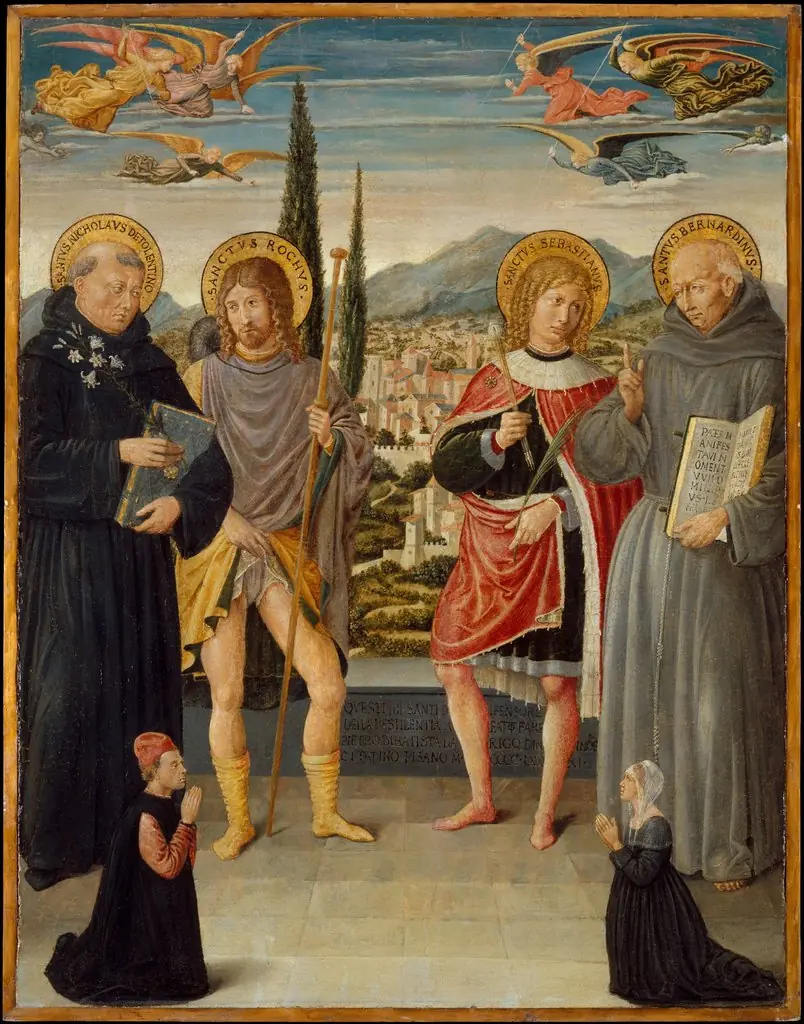 Saints Nicholas of Tolentino, Roch, Sebastian, and Bernardino of Siena, with Kneeling Donors
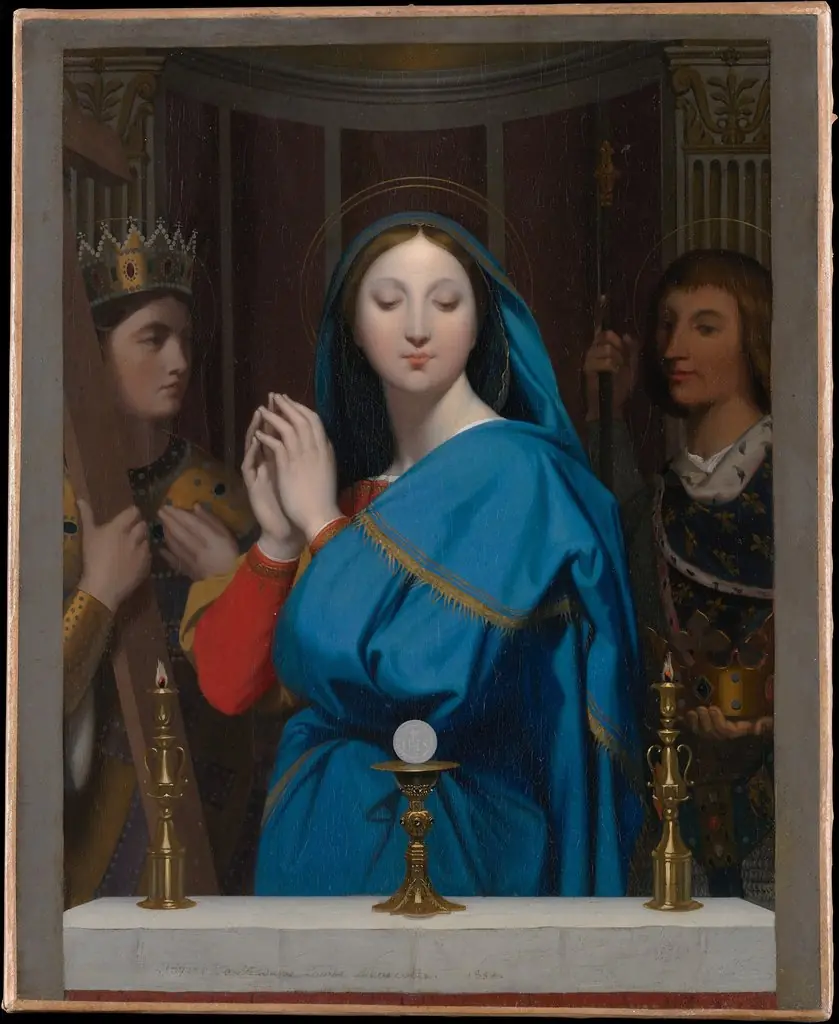 The Virgin Adoring the Host
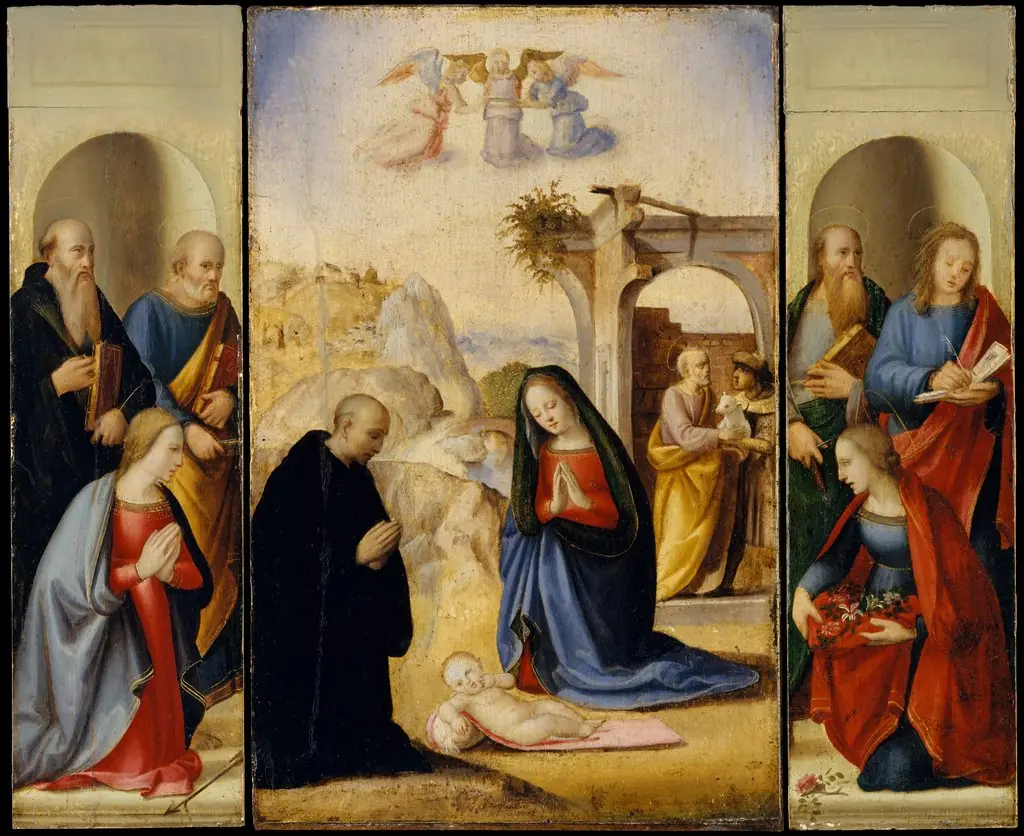 The Nativity with Saints
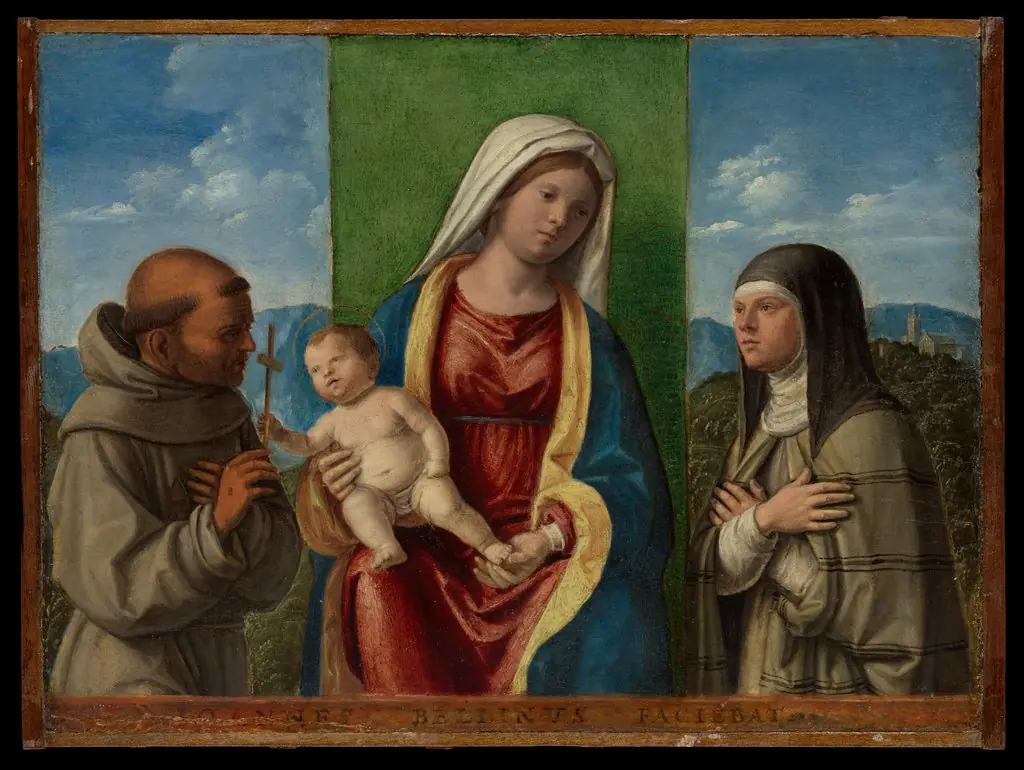 Madonna and Child with Saints Francis and Clare
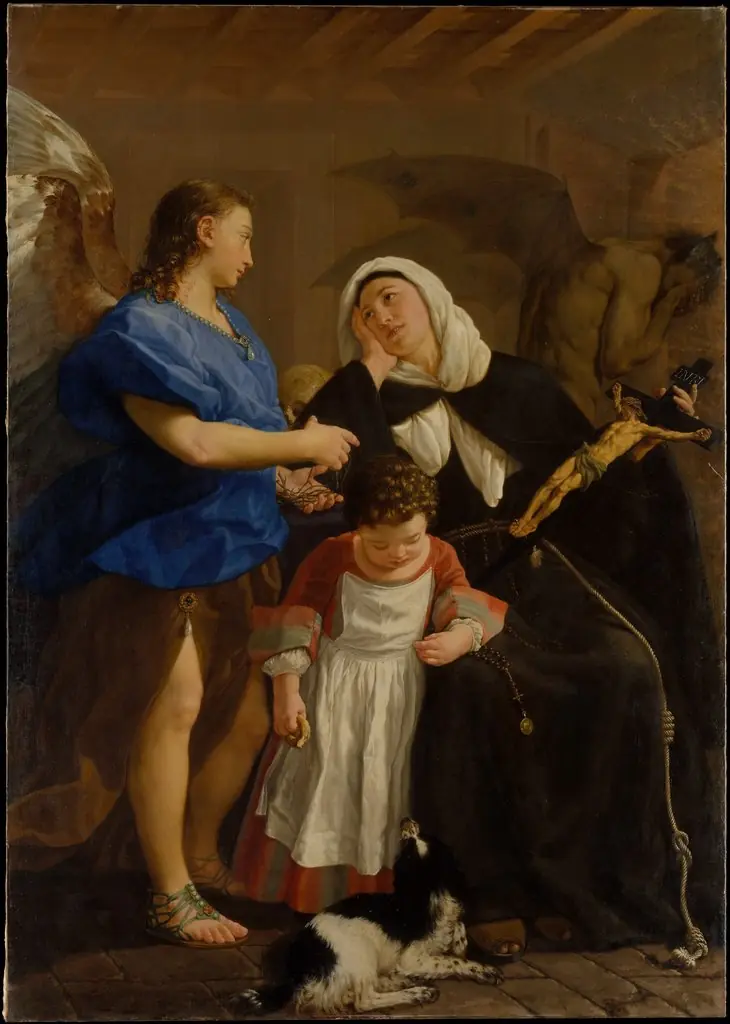 Saint Margaret of Cortona
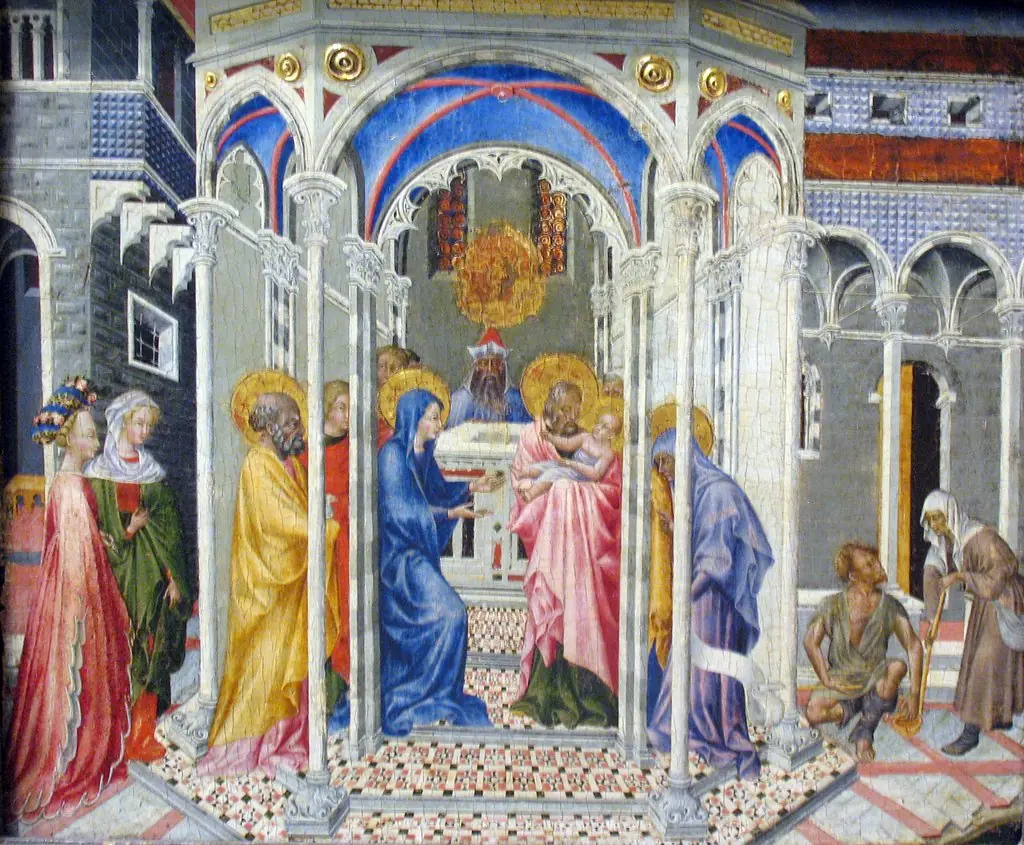 The Presentation of Christ in the Temple
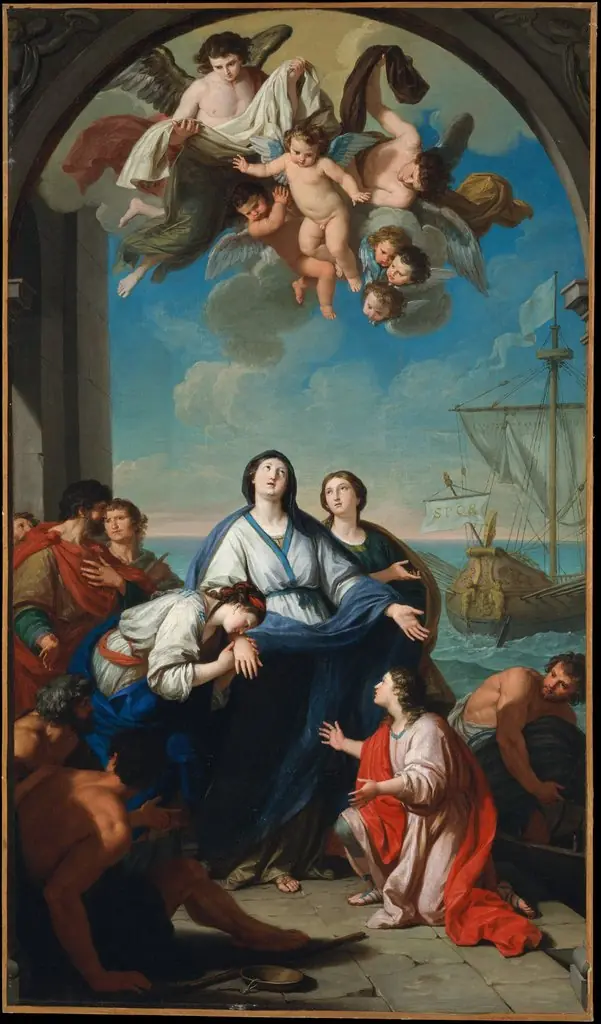 The Departure of Saints Paula and Eustochium for the Holy Land
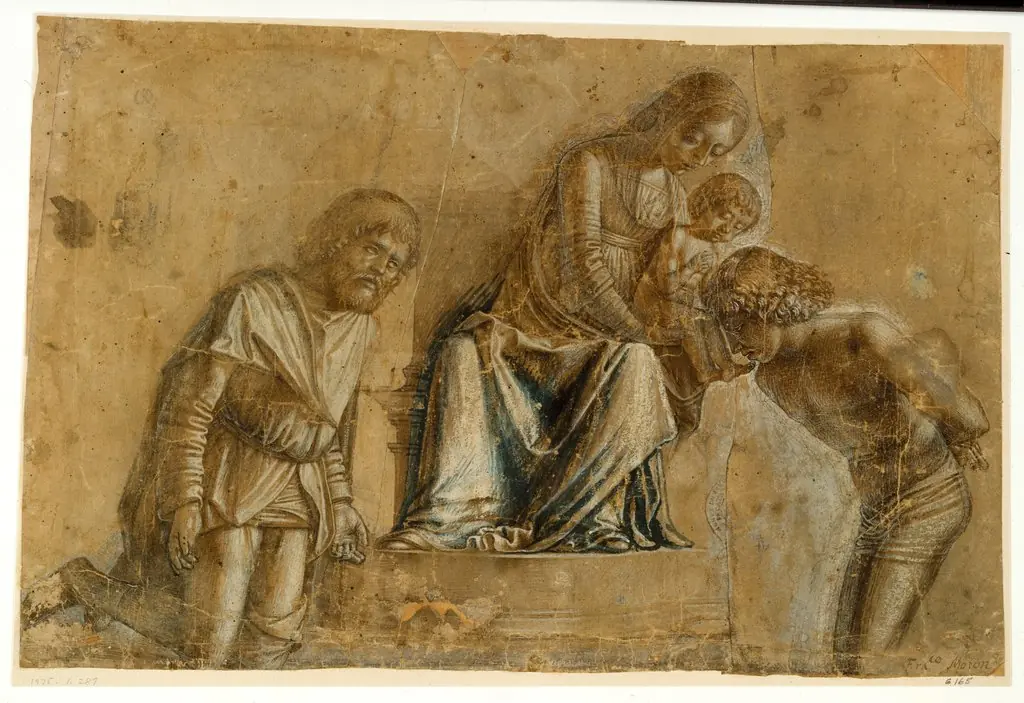 Madonna and Child with Saints Roch and Sebastian
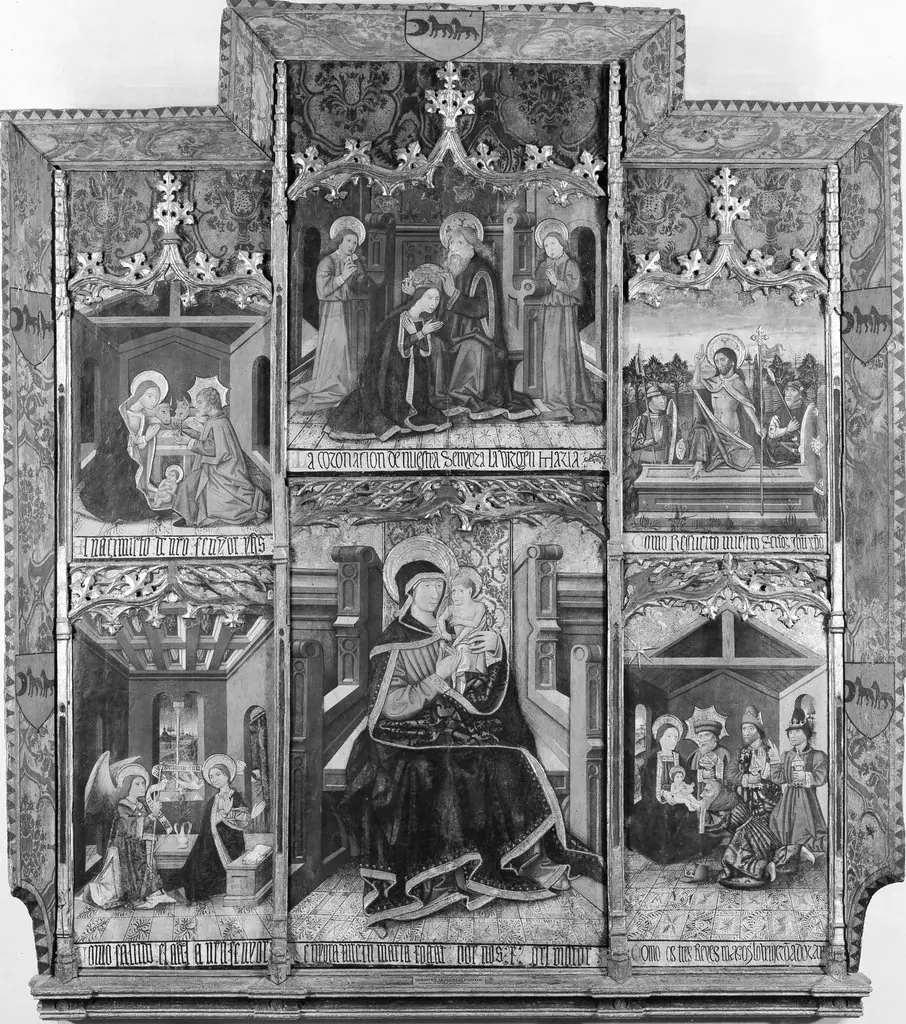 Virgin and Child Enthroned with Scenes from the Life of the Virgin
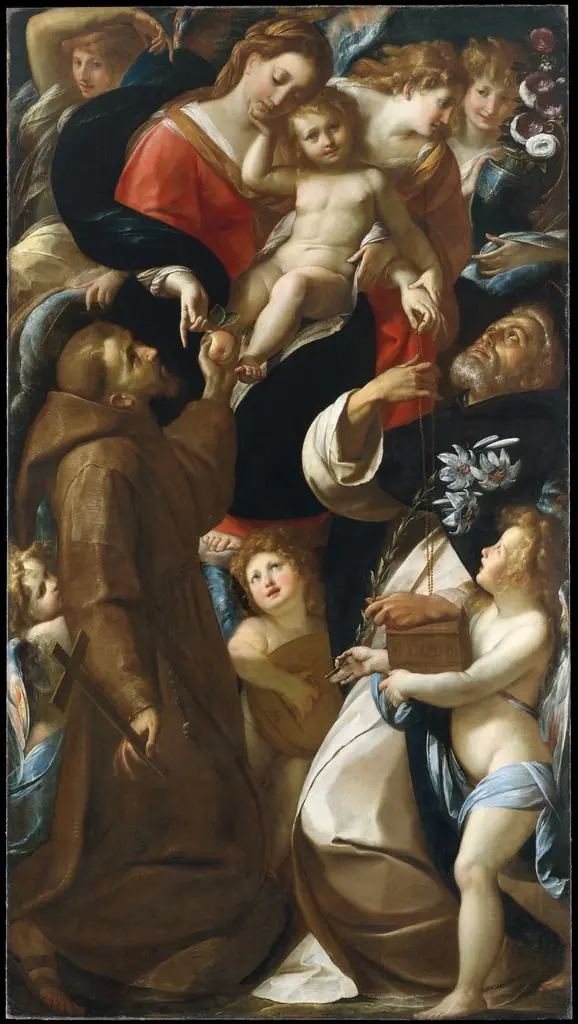 Madonna and Child with Saints Francis and Dominic and Angels
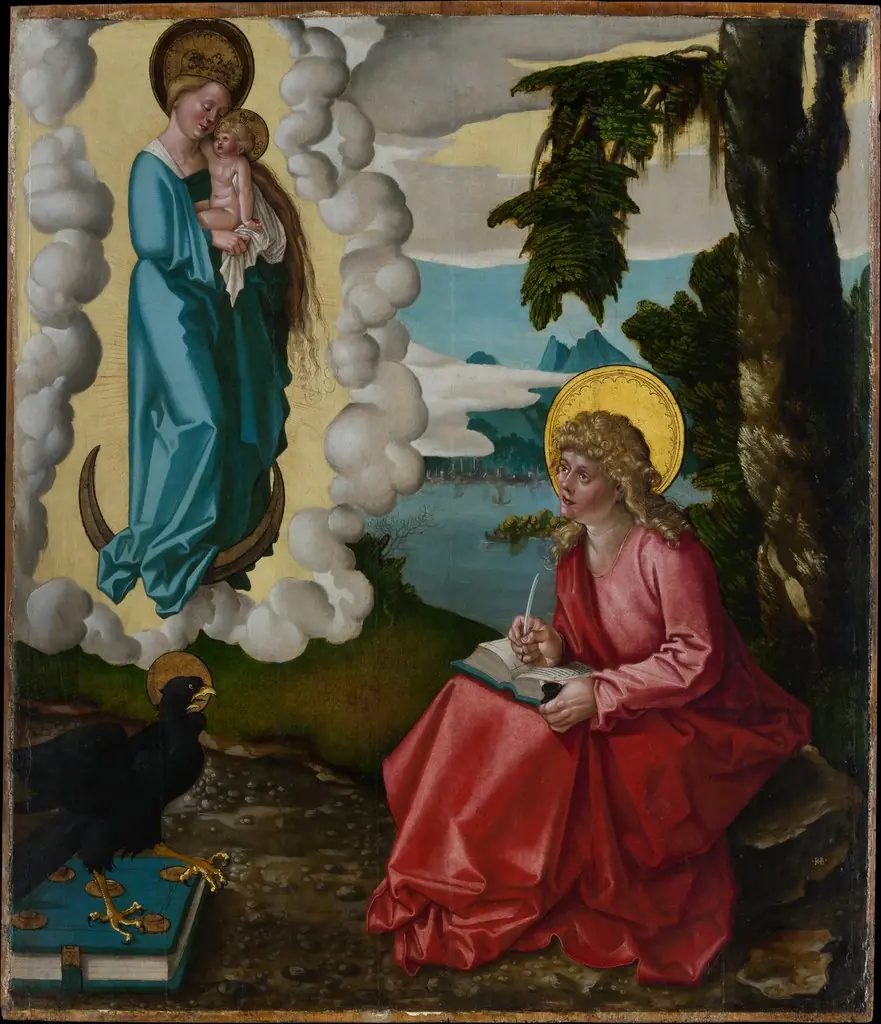 Saint John on Patmos
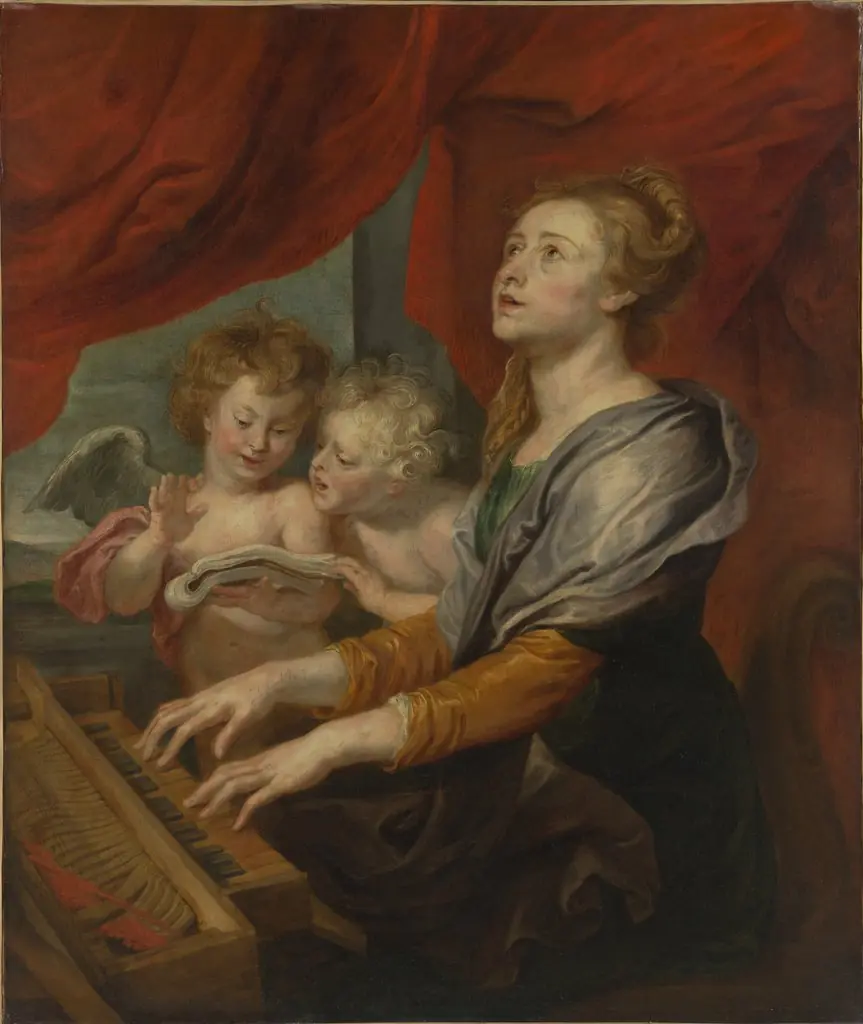 Saint Cecilia
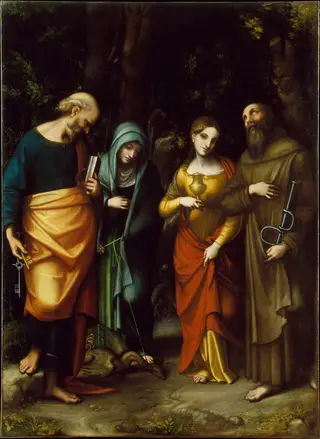 Saints Peter, Martha, Mary Magdalen, and Leonard
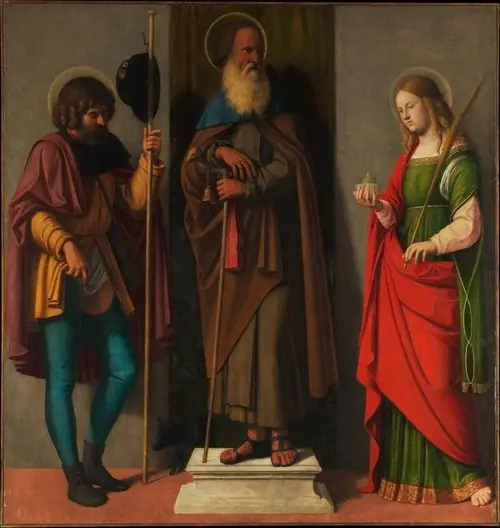 Saints Roch, Anthony Abbot and Lucy
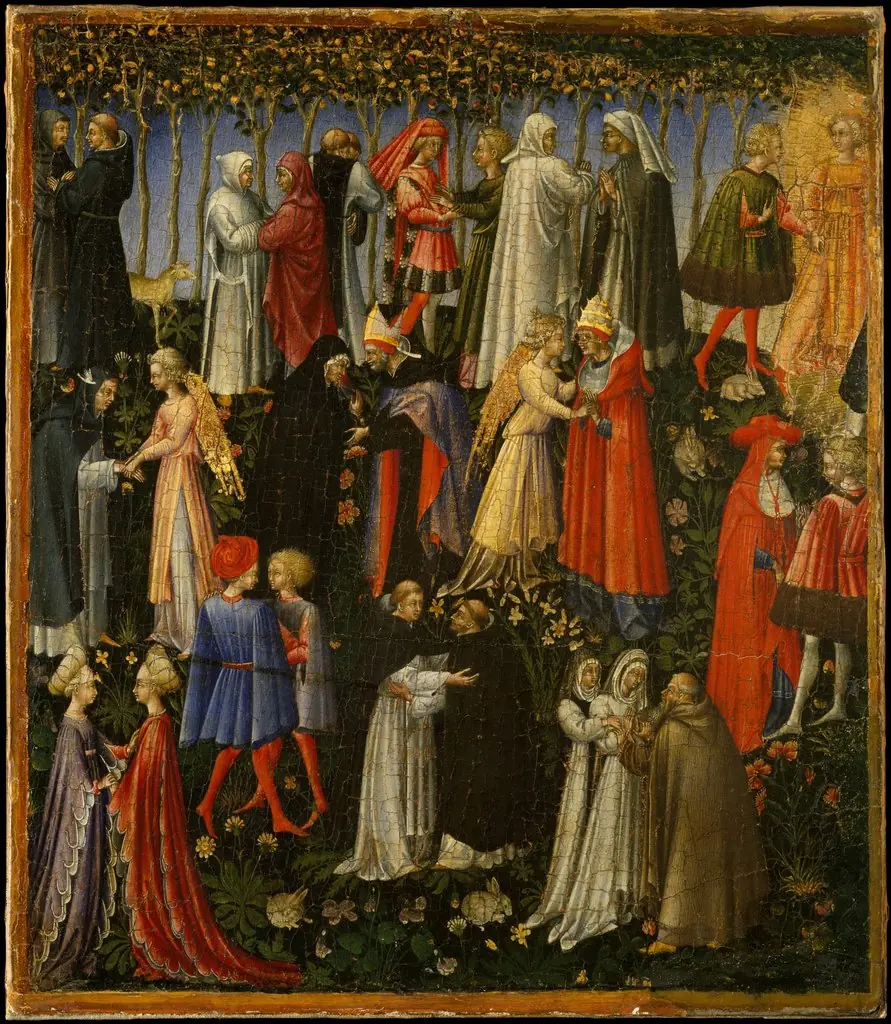 Paradise
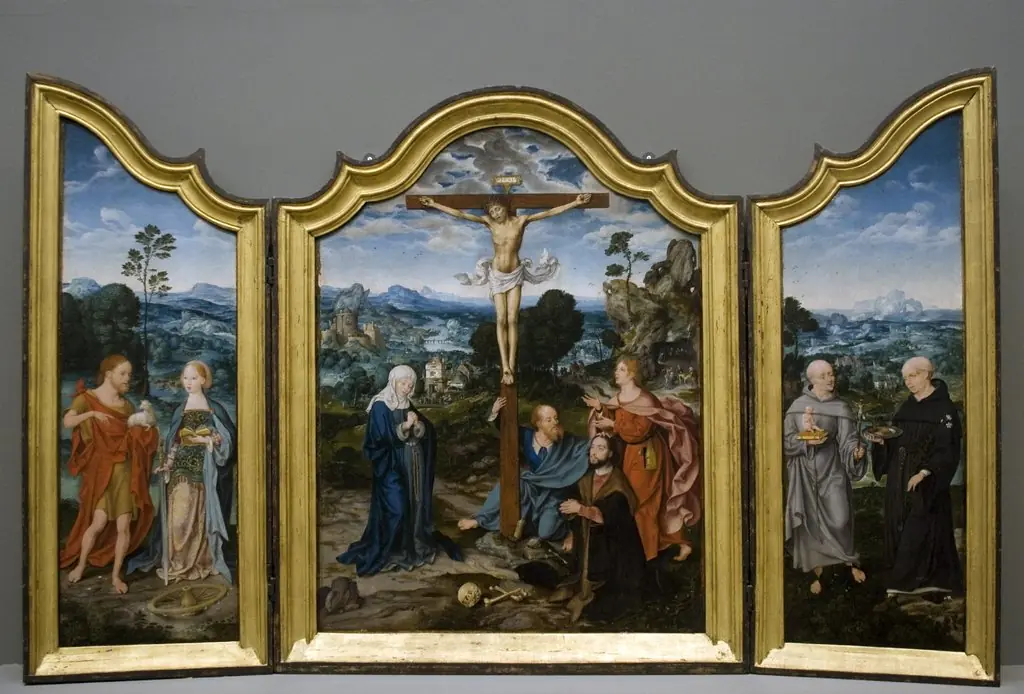 The Crucifixion with Saints and a Donor
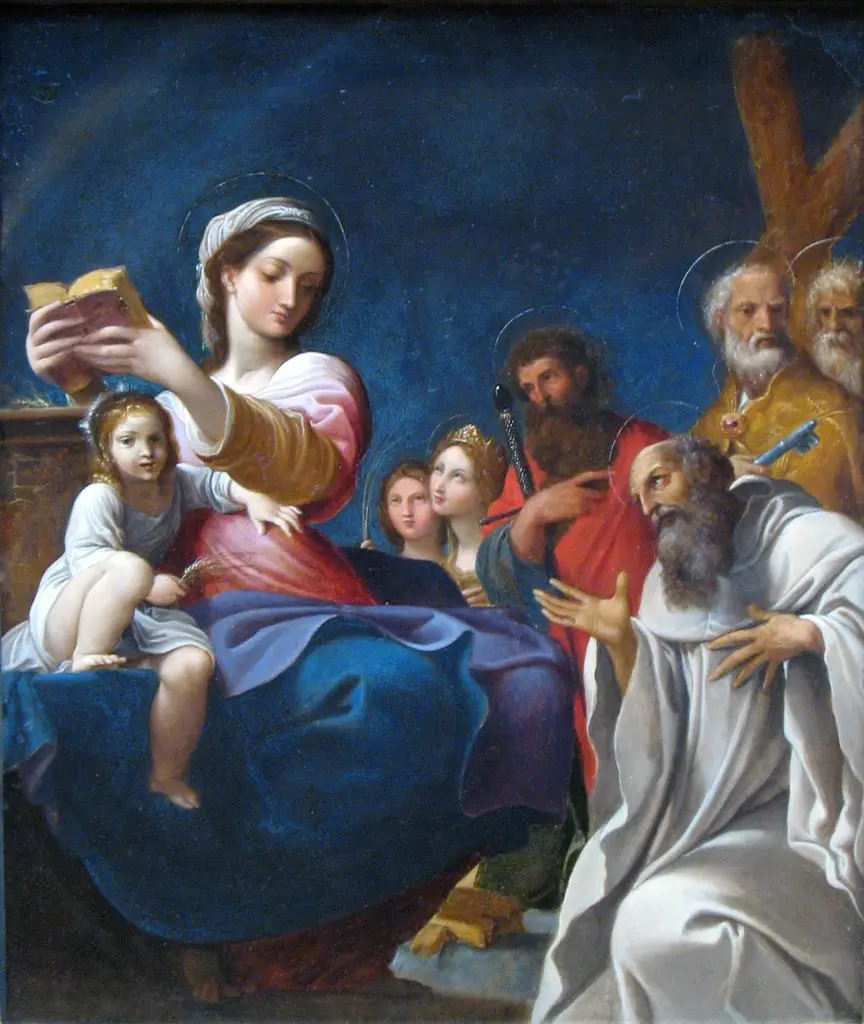 Madonna and Child with Saints
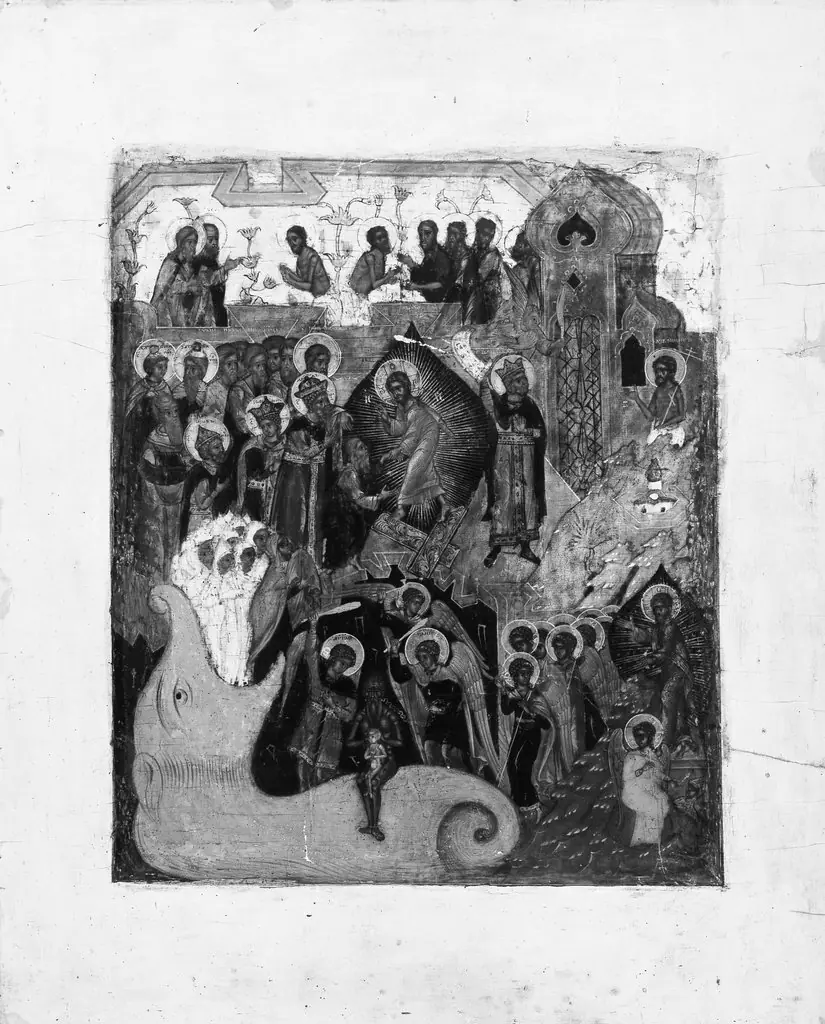 The Resurrection of Christ and the Harrowing of Hell
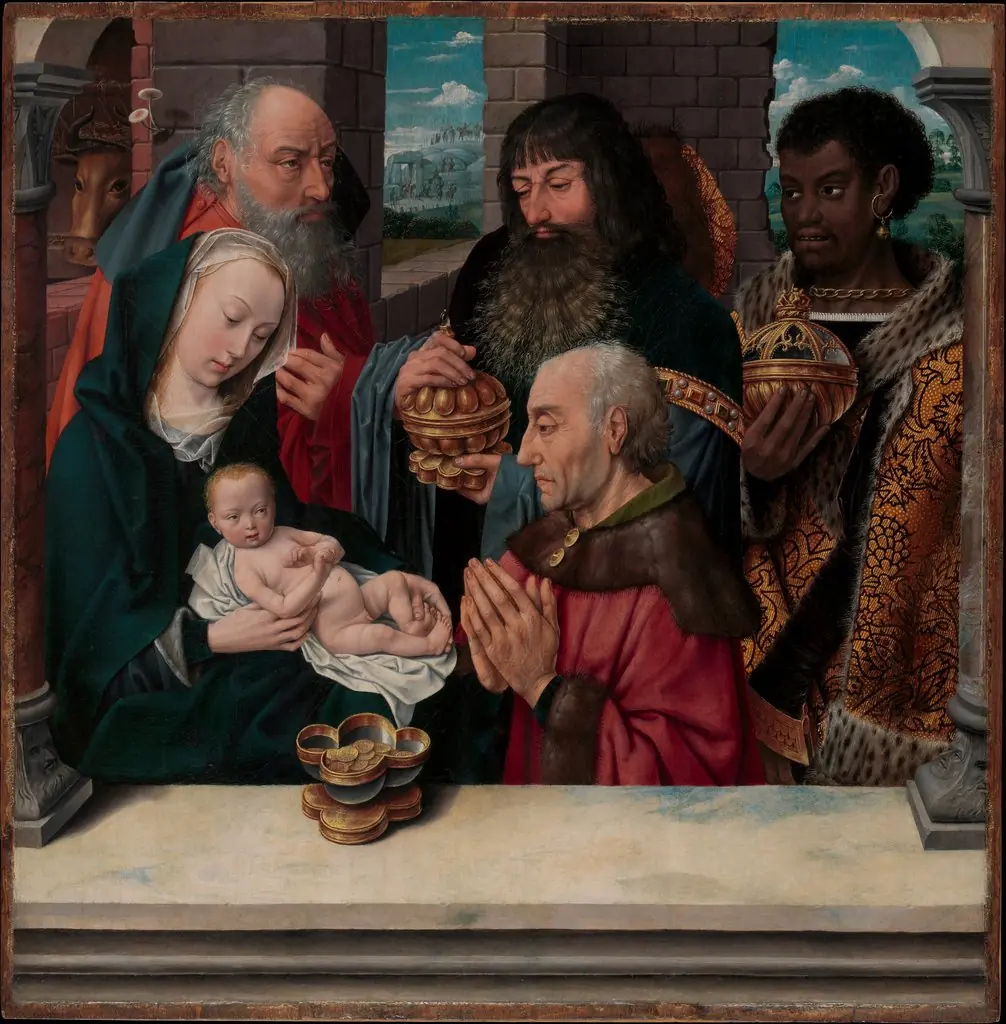 The Adoration of the Magi
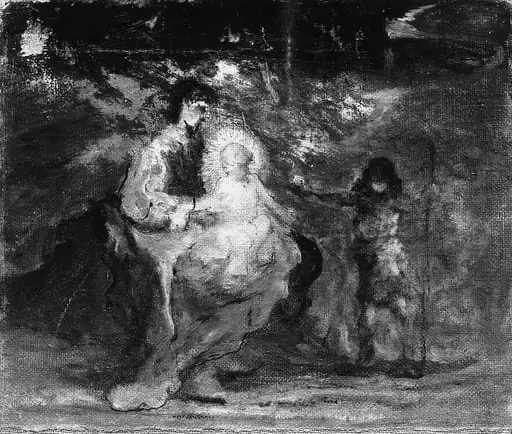 Madonna and Child and Little Saint John
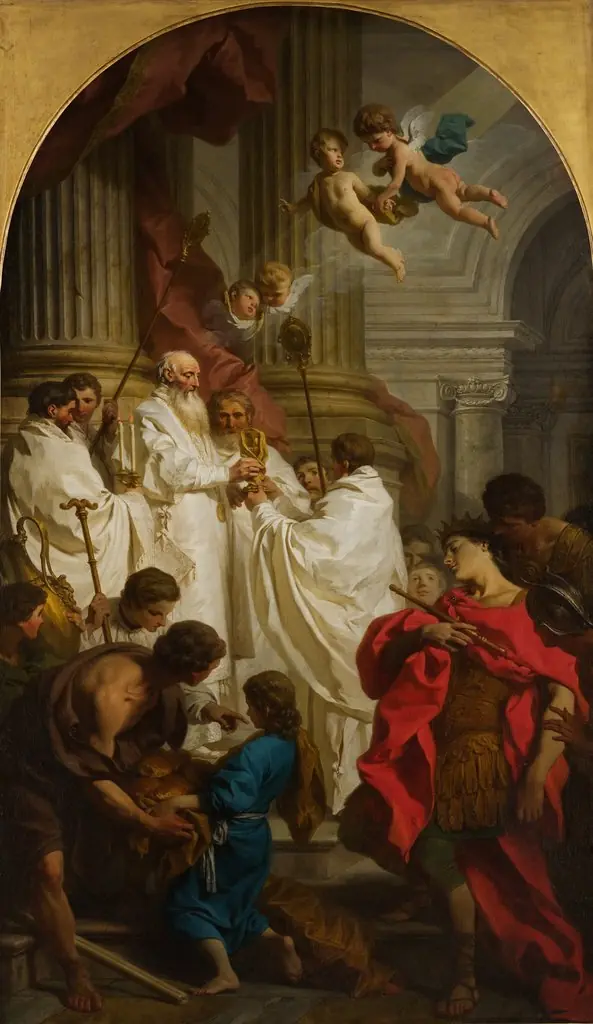 The Mass of Saint Basil
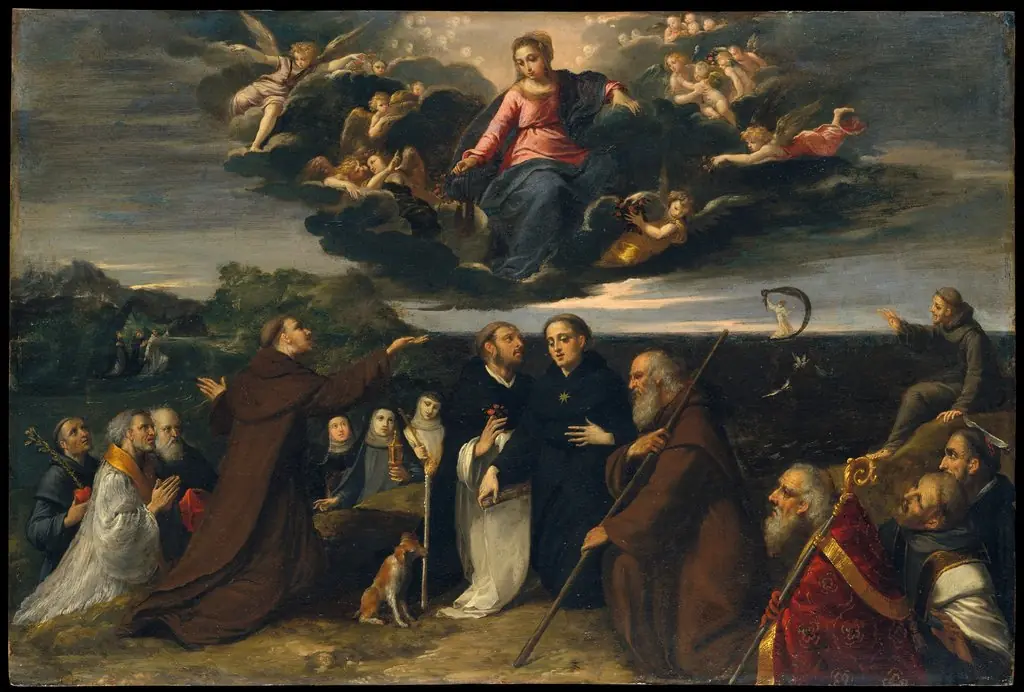 The Virgin Adored by Saints
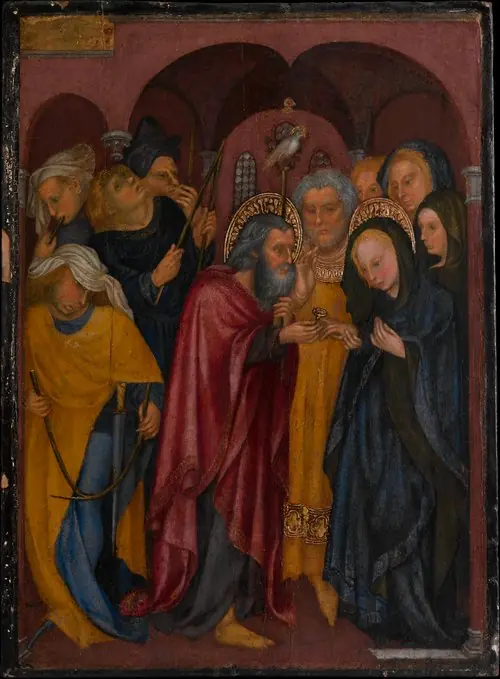 The Marriage of the Virgin
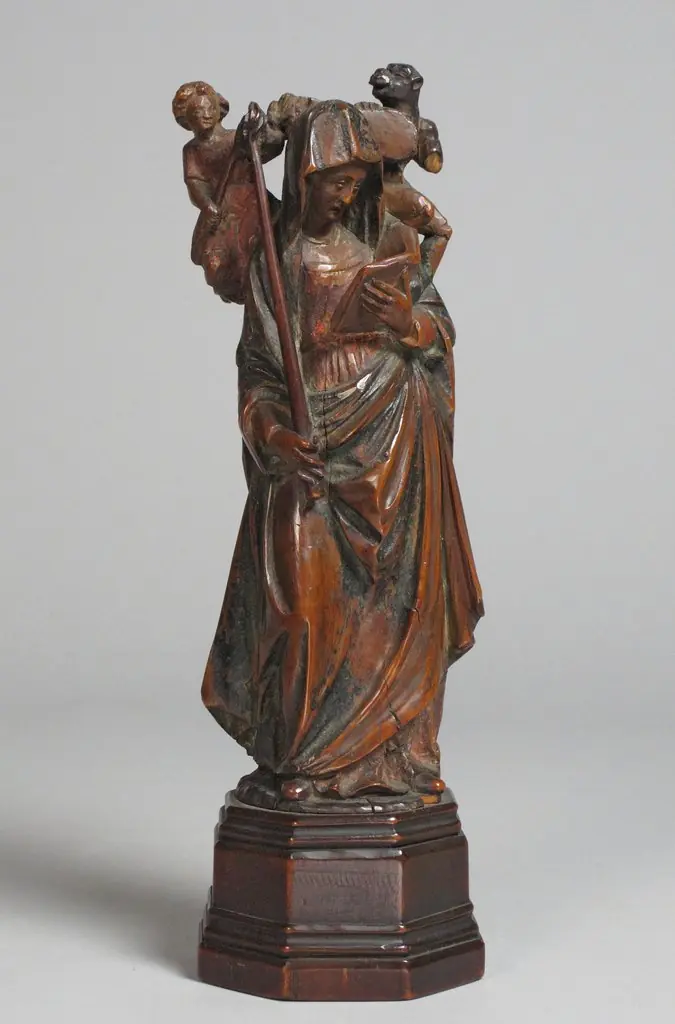 Saint Geneviève
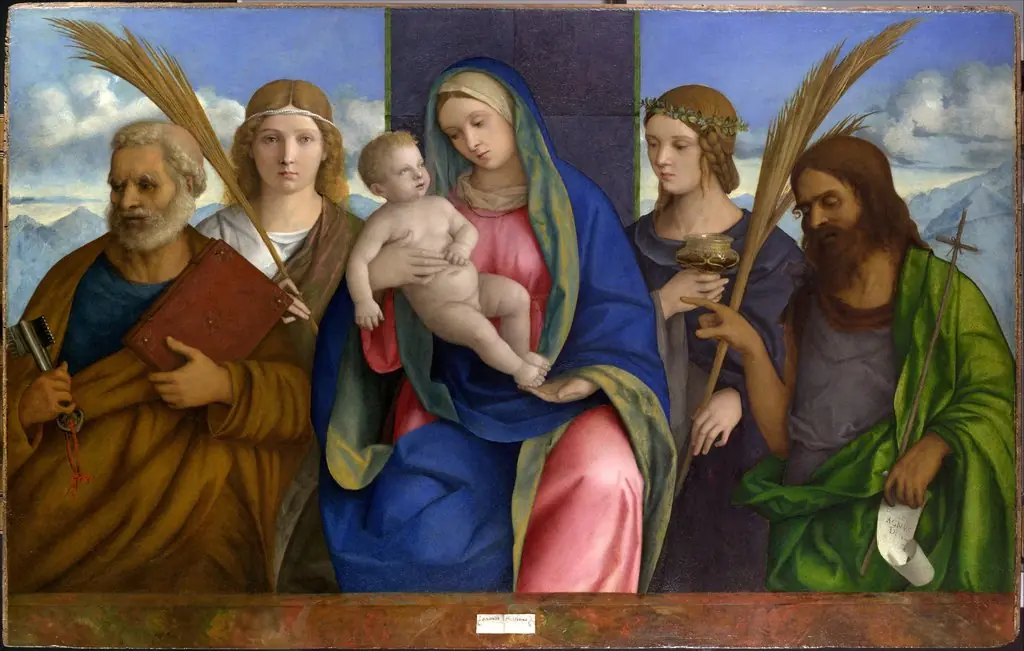 Madonna and Child with Saints
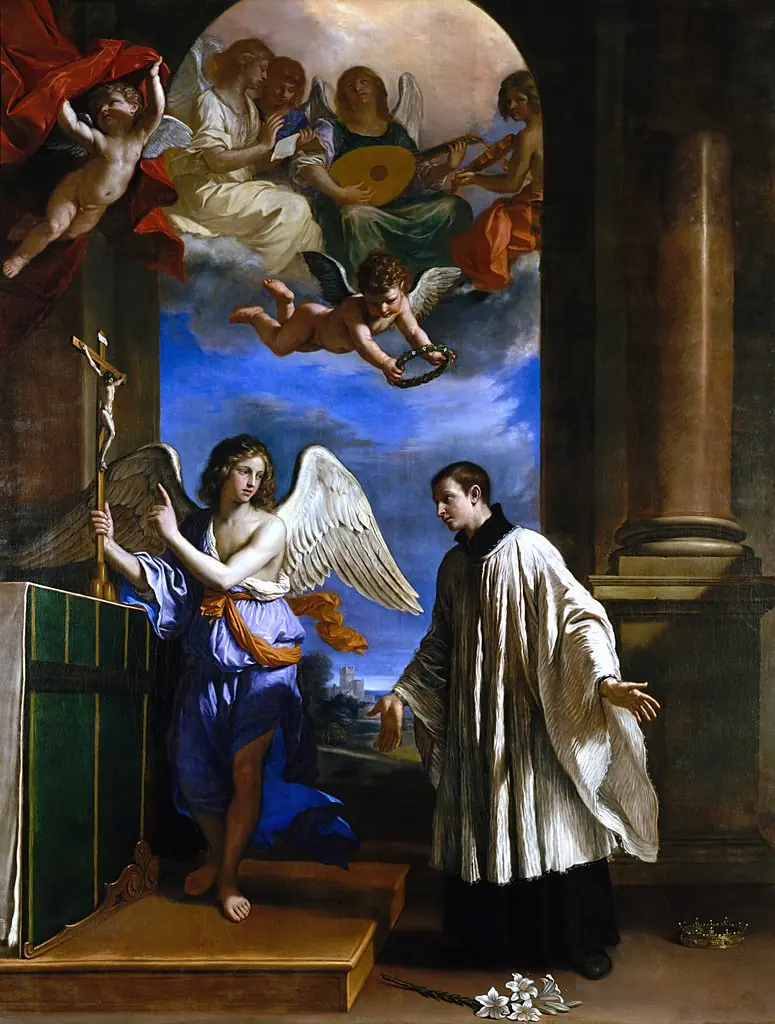 The Vocation of Saint Aloysius (Luigi) Gonzaga
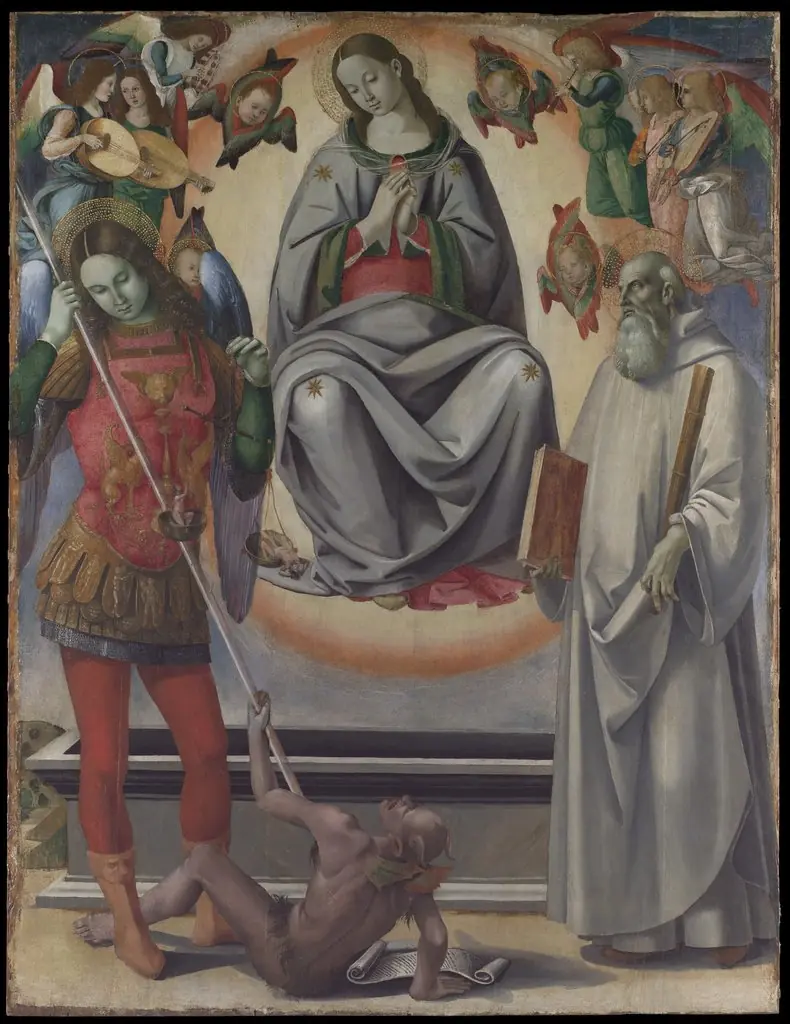 The Assumption of the Virgin with Saints Michael and Benedict
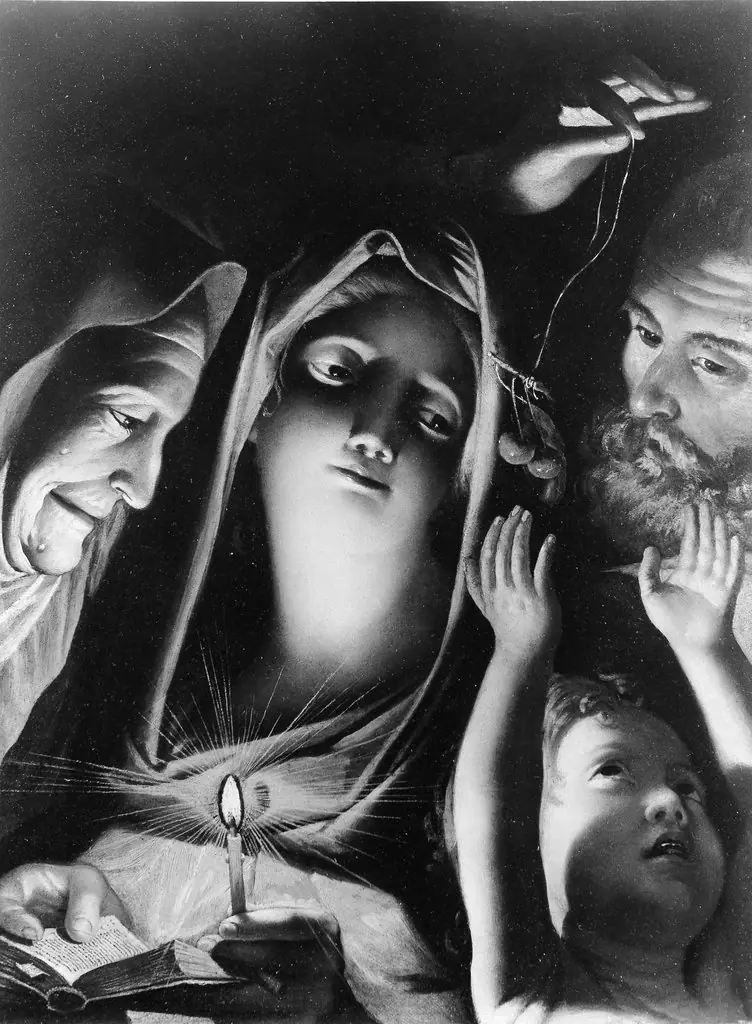 Holy Family with Saint Anne
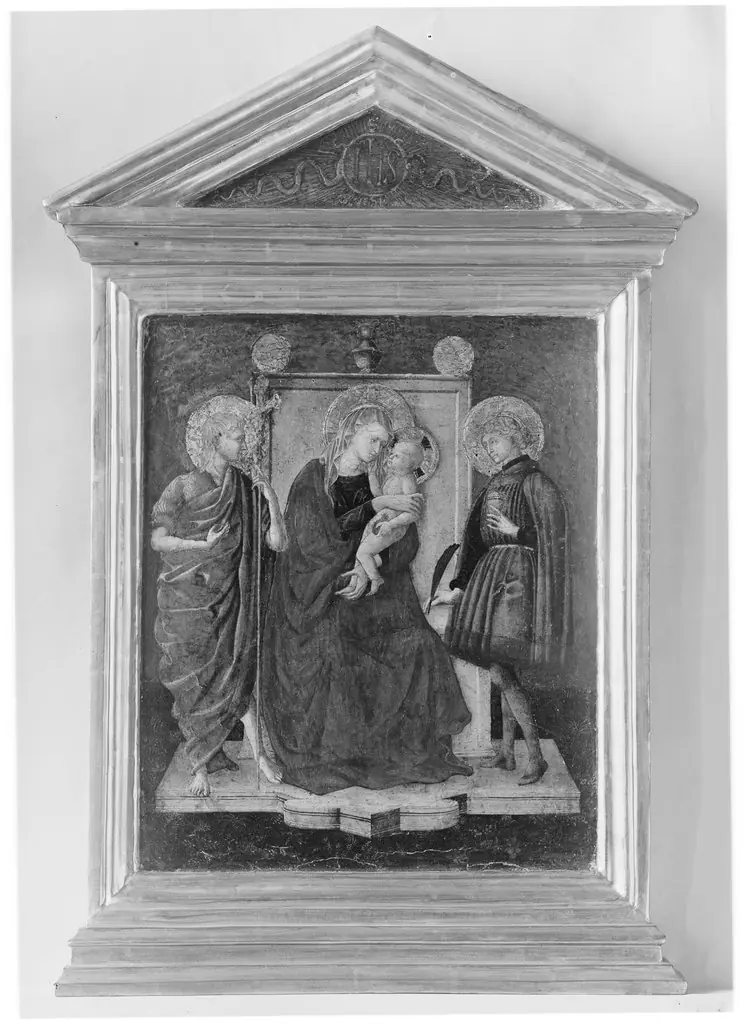 Madonna and Child Enthroned with Saint John the Baptist and Another Saint
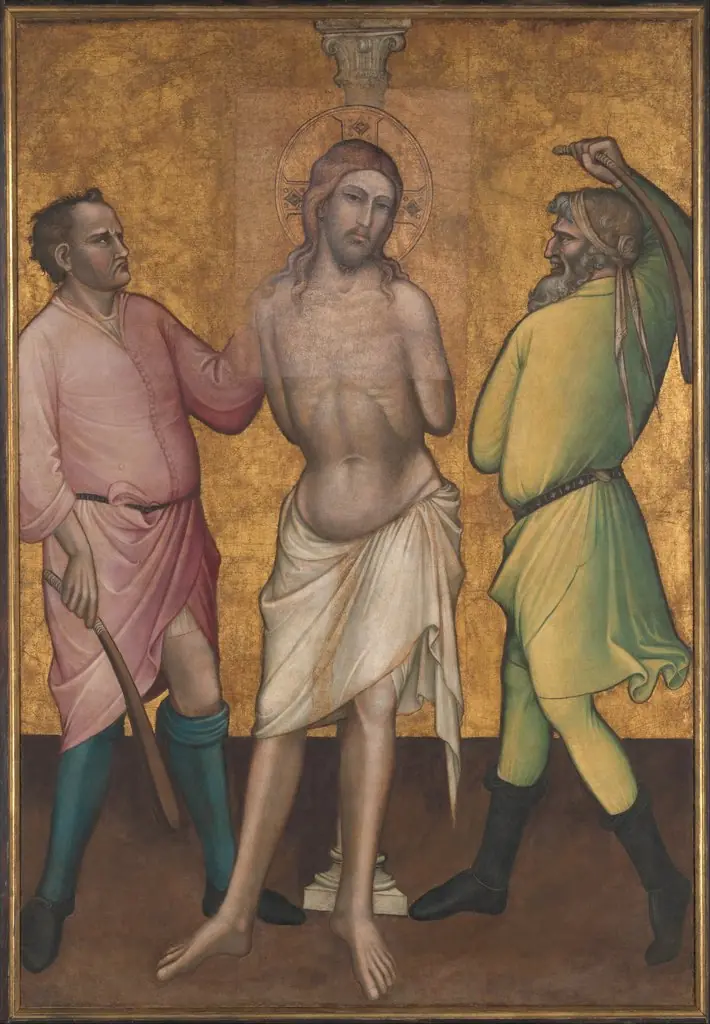 Saint Mary Magdalen Holding a Crucifix; (reverse) The Flagellation
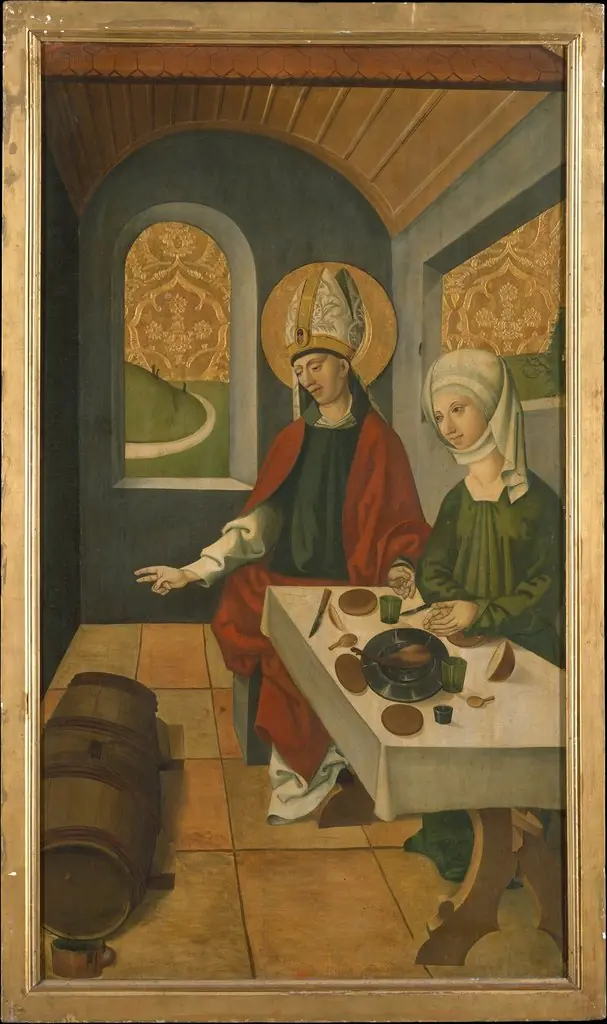 Saint Remigius Replenishing the Barrel of Wine; (interior) Saint Remigius and the Burning Wheat
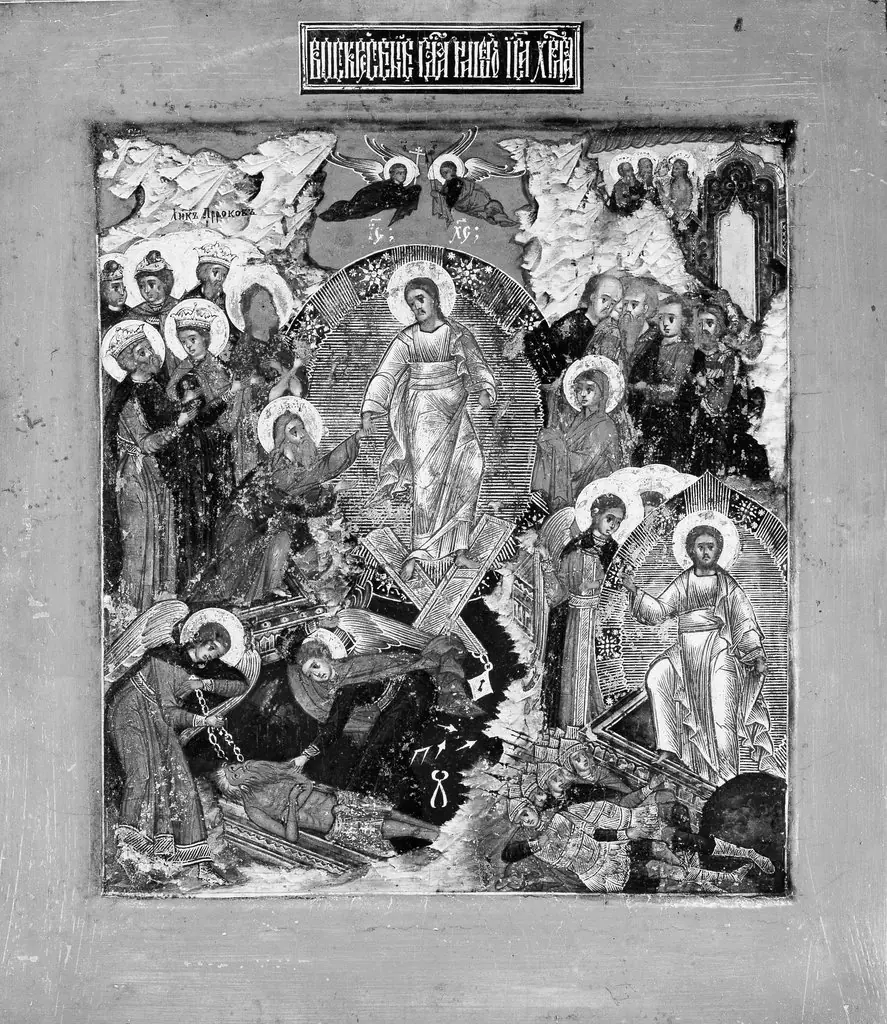 The Resurrection of Christ and the Harrowing of Hell
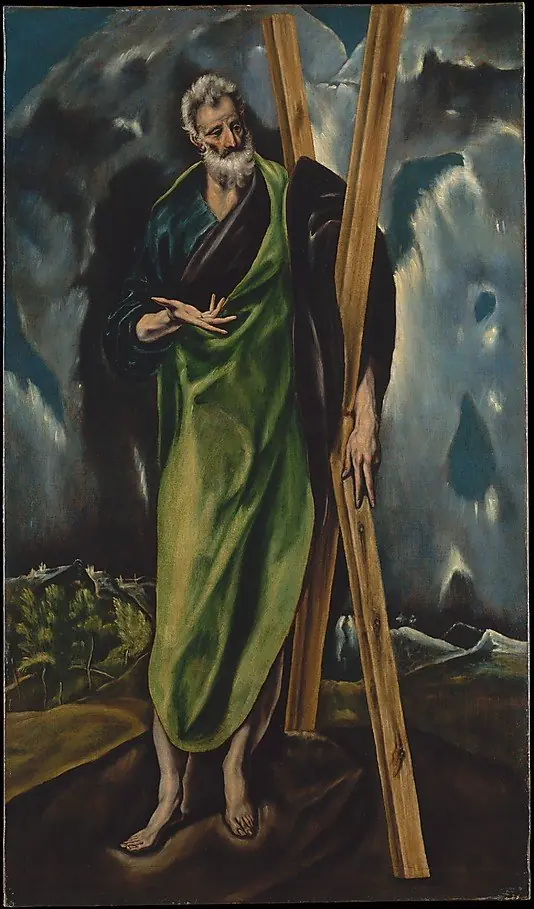 Saint Andrew
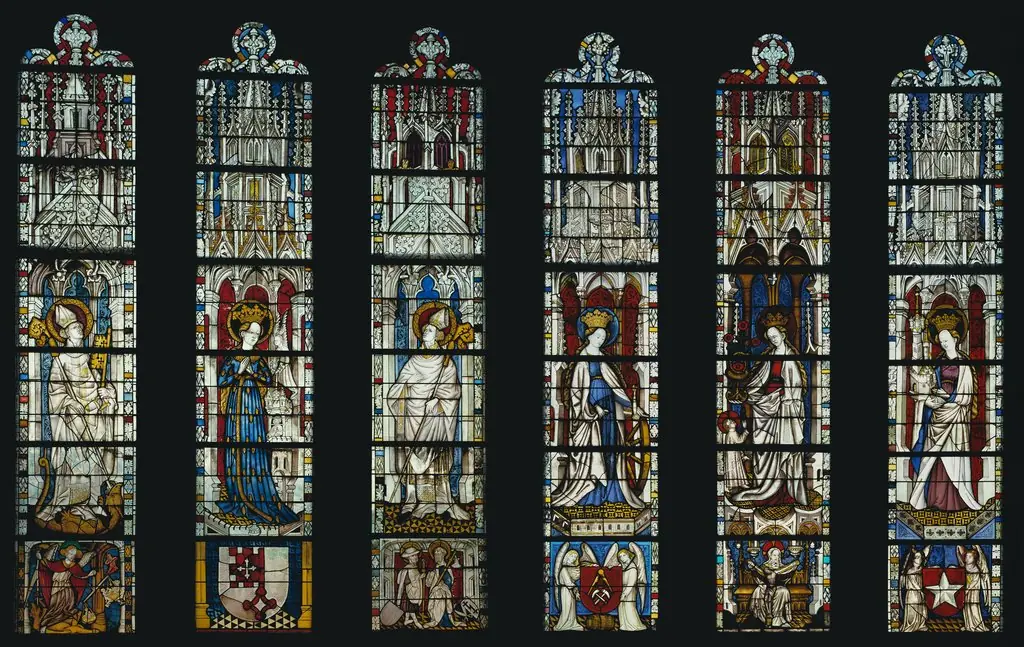 The Virgin Mary and Five Standing Saints above Predella Panels
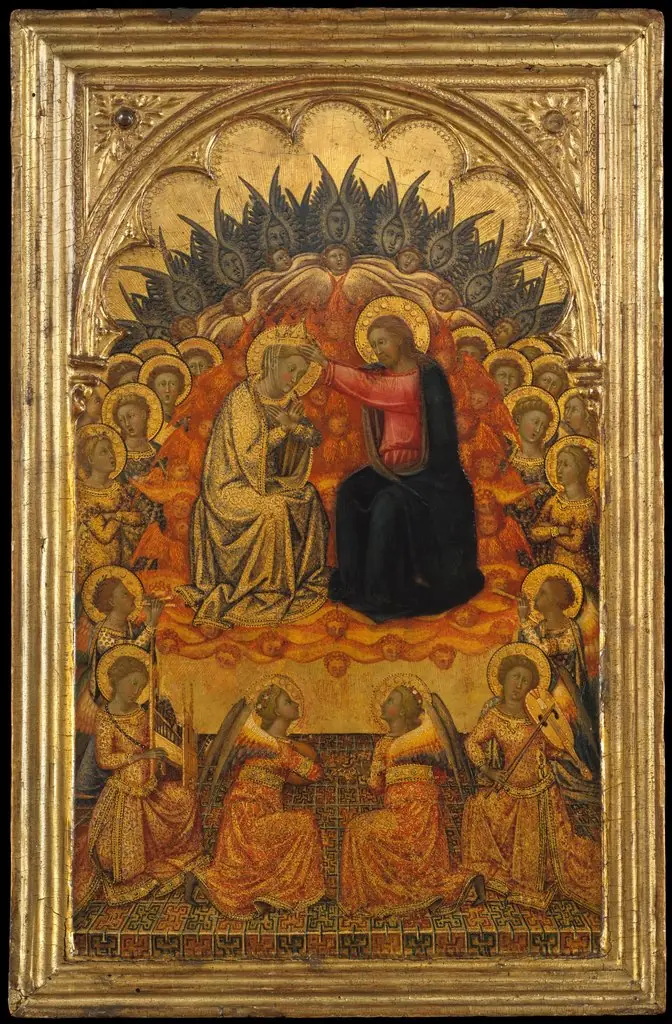 Engaged cassetta frame on a polyptych panel
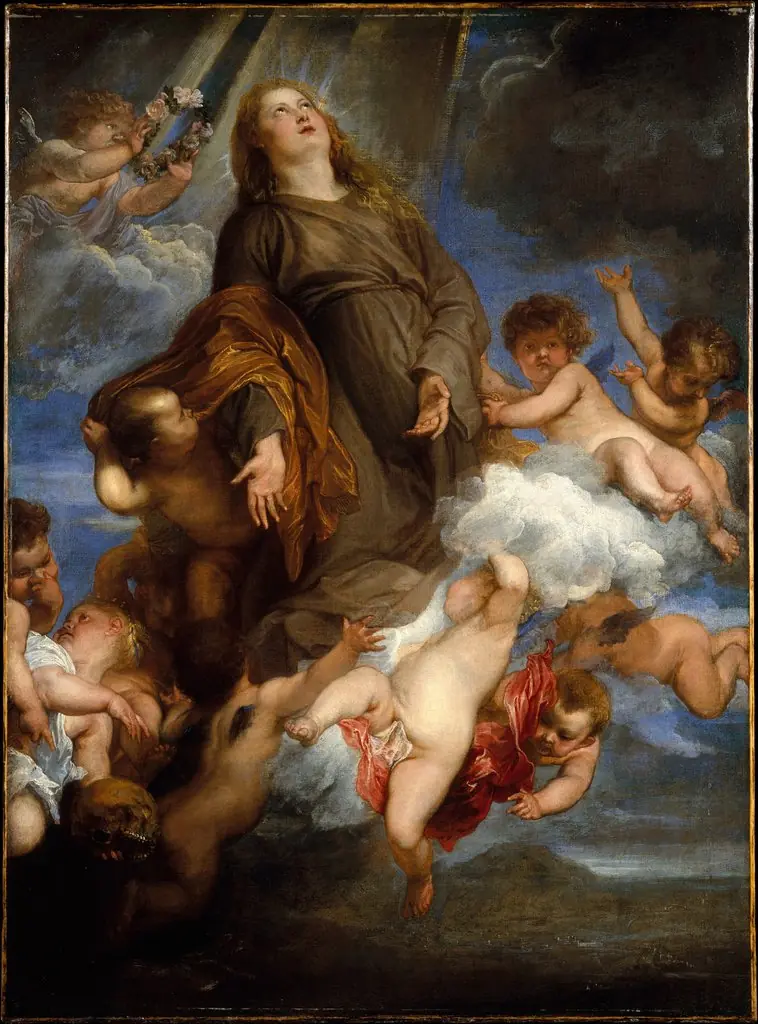 Saint Rosalie Interceding for the Plague-stricken of Palermo
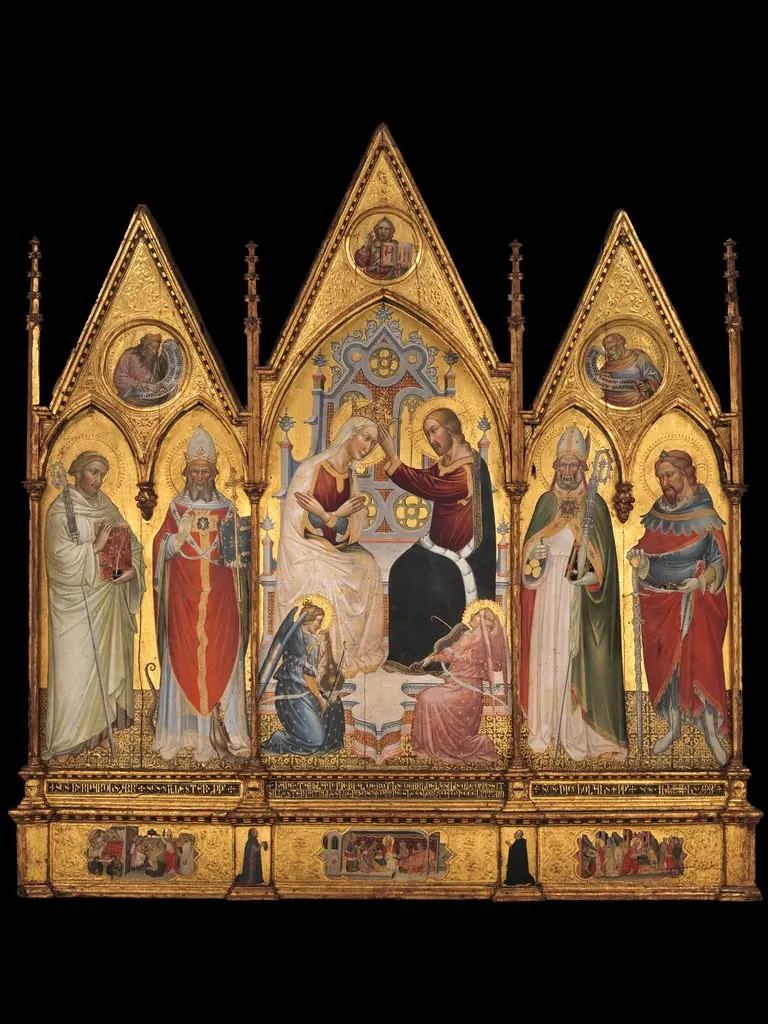 The Coronation of the Virgin, and Saints
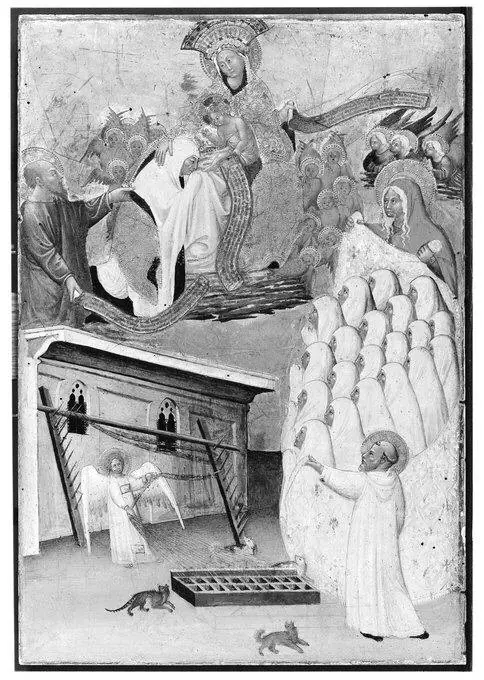 Santa Francesca Romana (1384–1440) Clothed by the Virgin
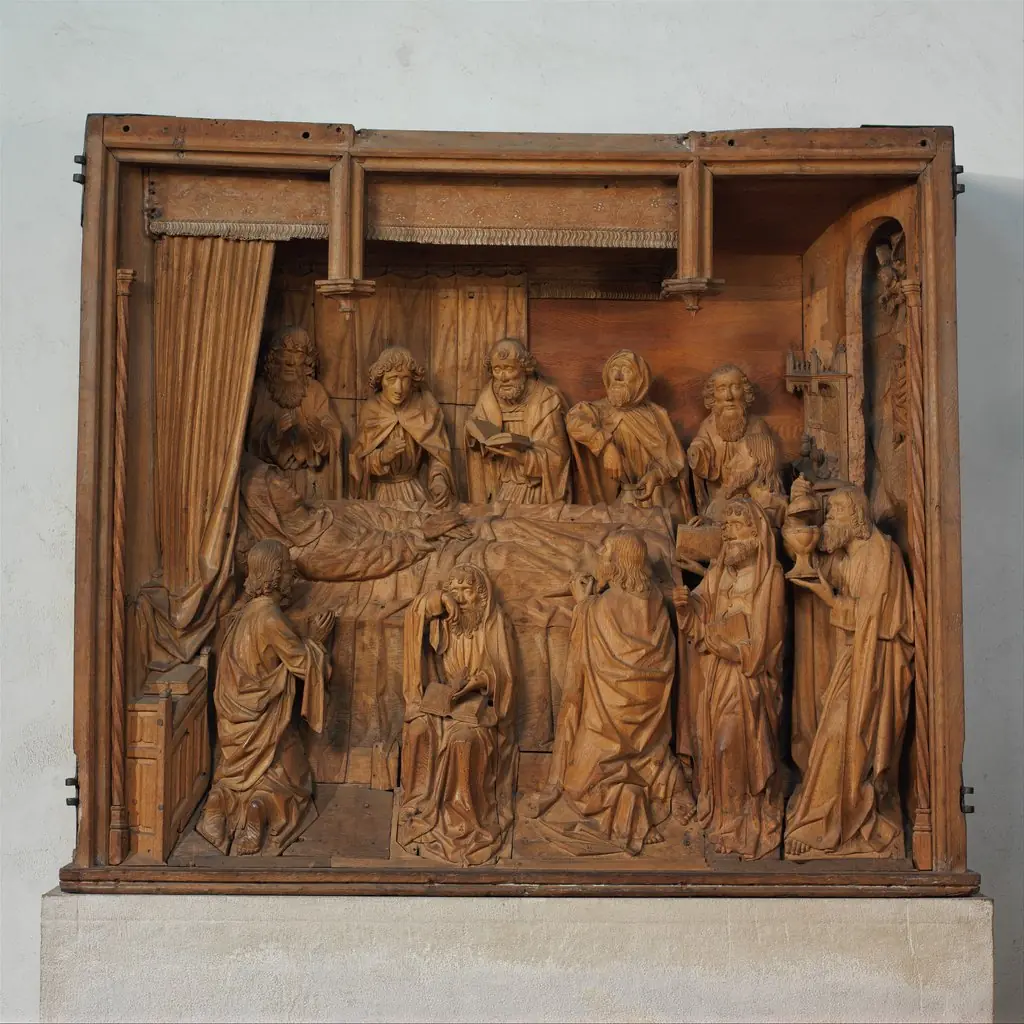 The Death of the Virgin (The Dormition)
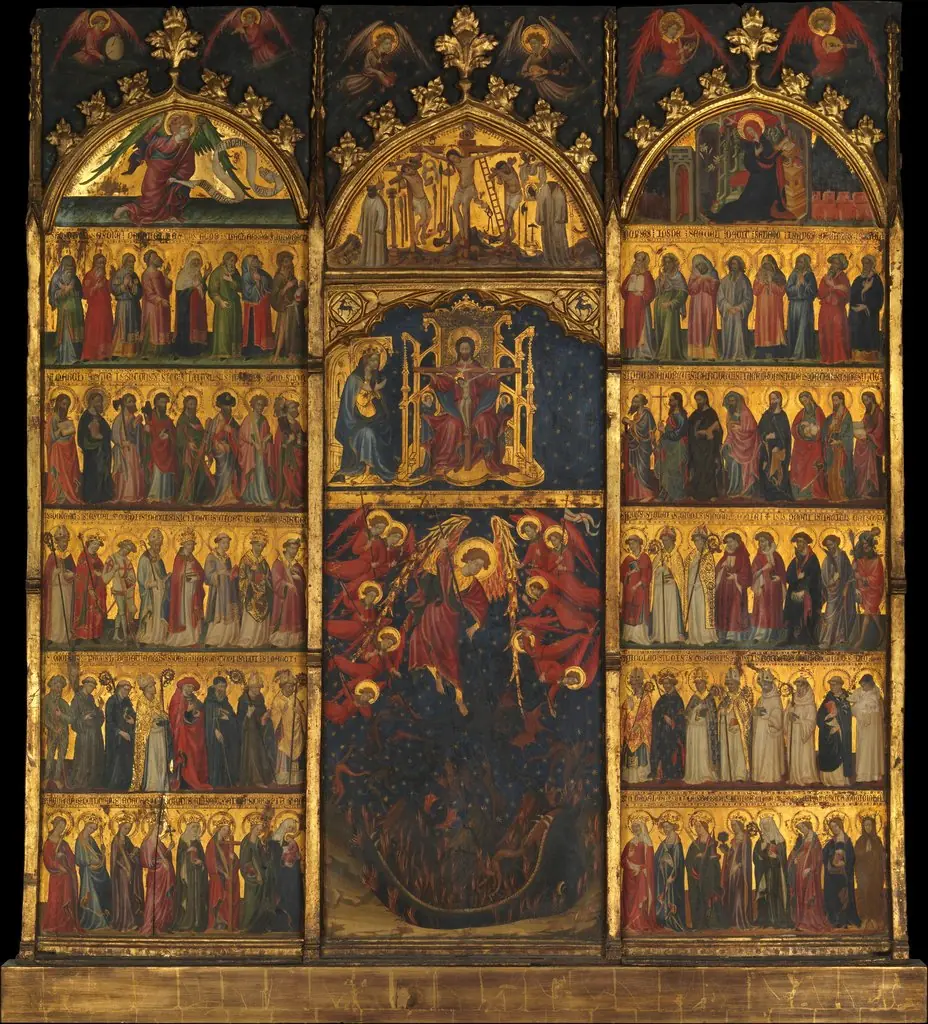 The Trinity Adored by All Saints
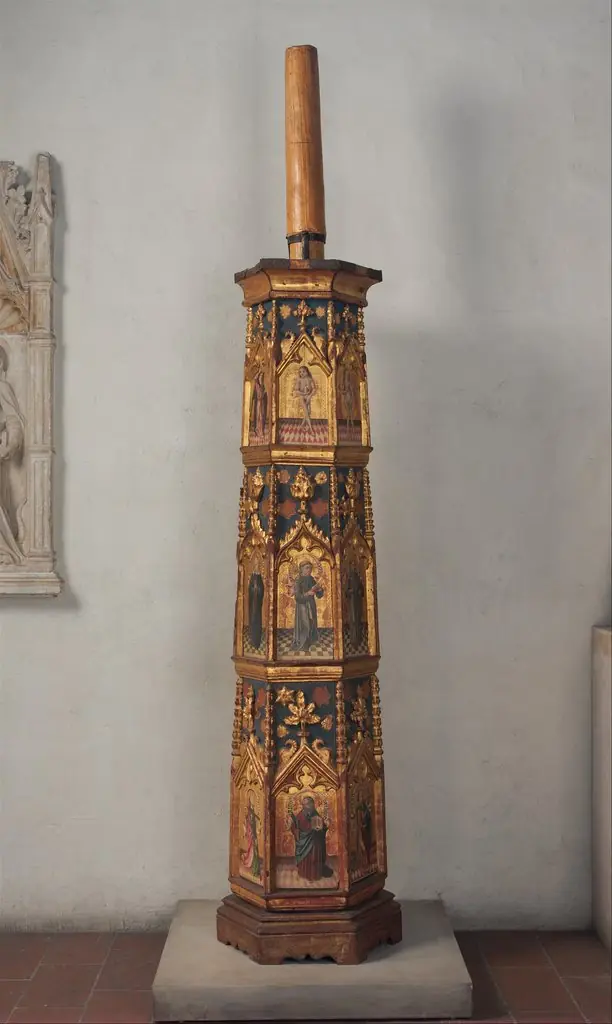 Paschal Candlestick
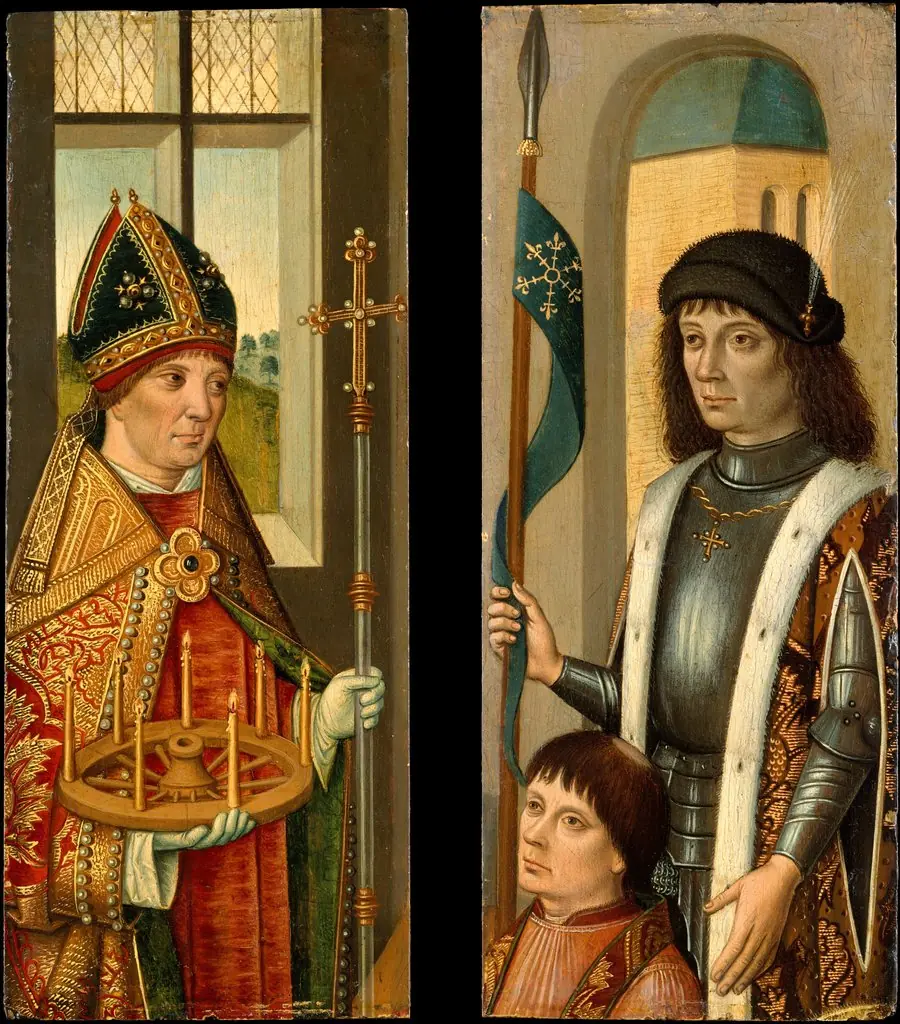 Saint Donatian; Saint Victor Presenting a Donor
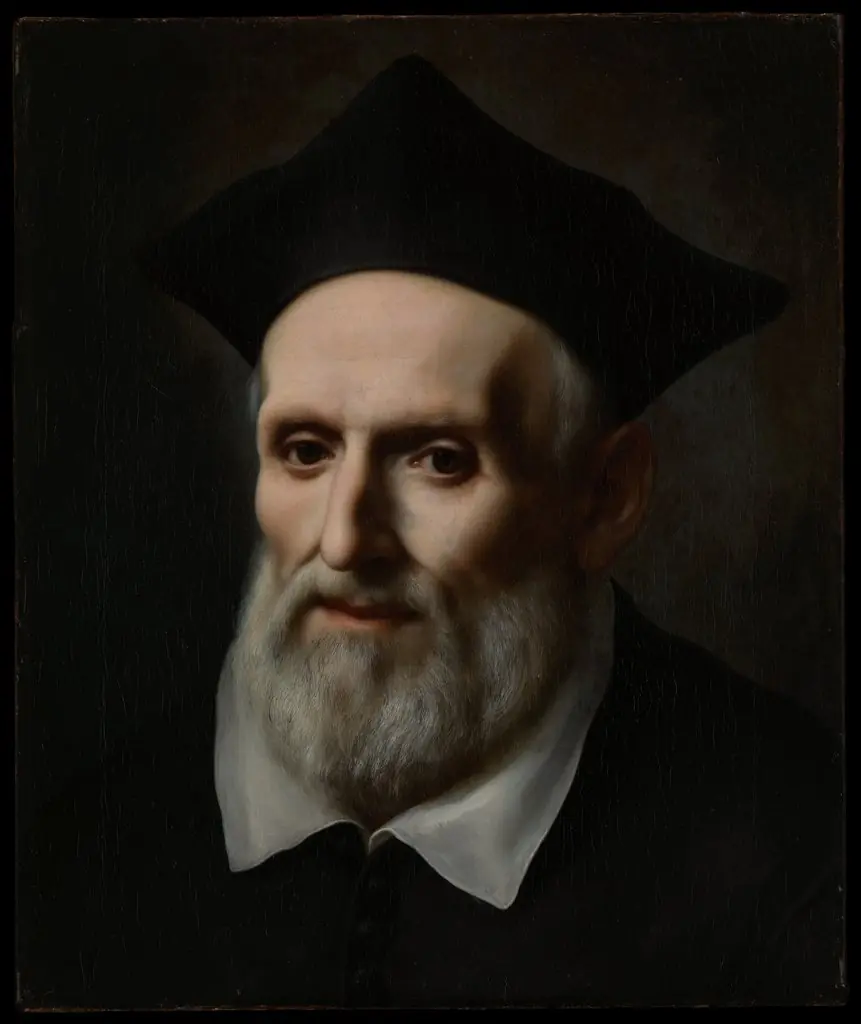 Saint Philip Neri (1515–1595)
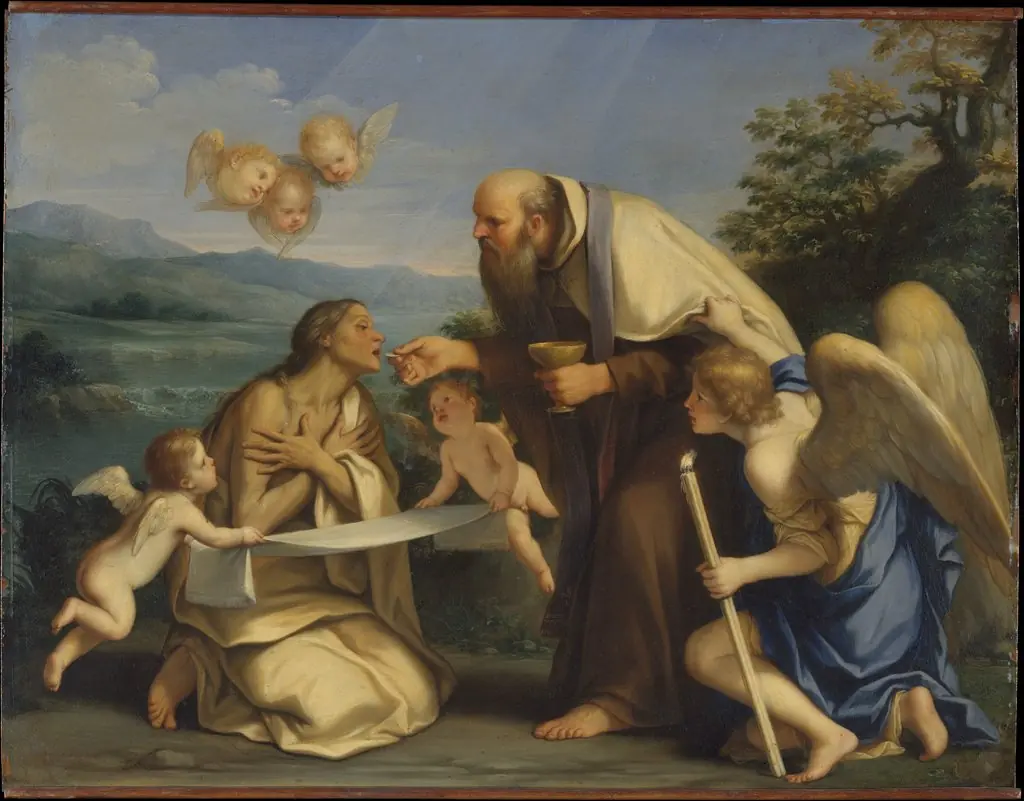 The Last Communion of Saint Mary of Egypt
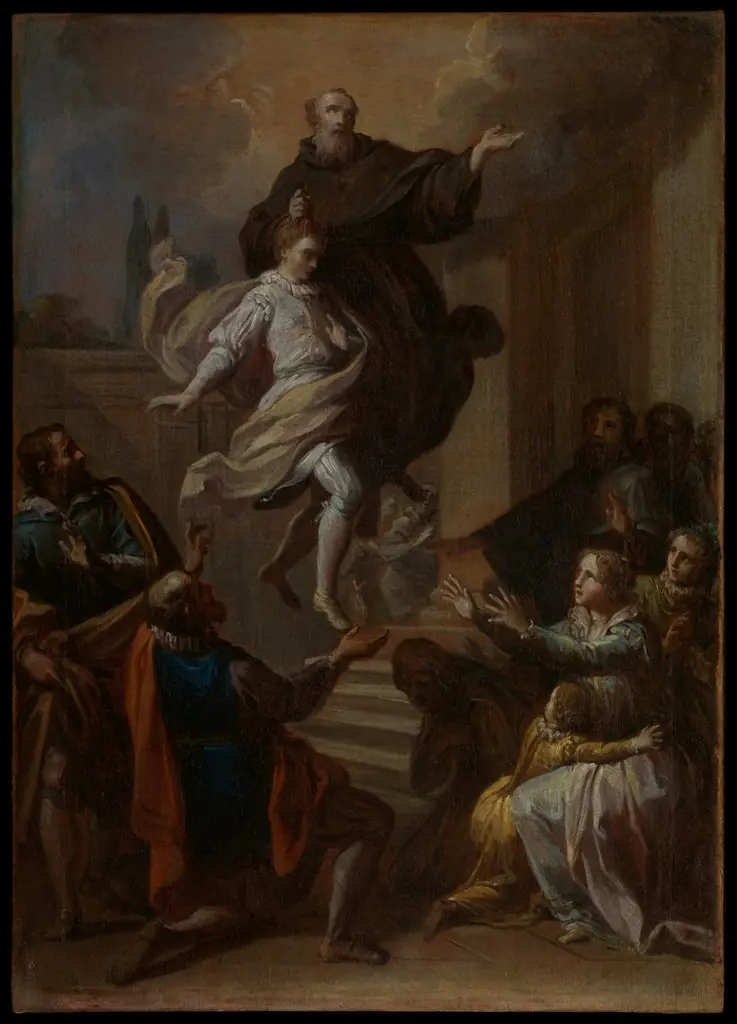 A Miracle of Saint Joseph of Cupertino (1603–1663)
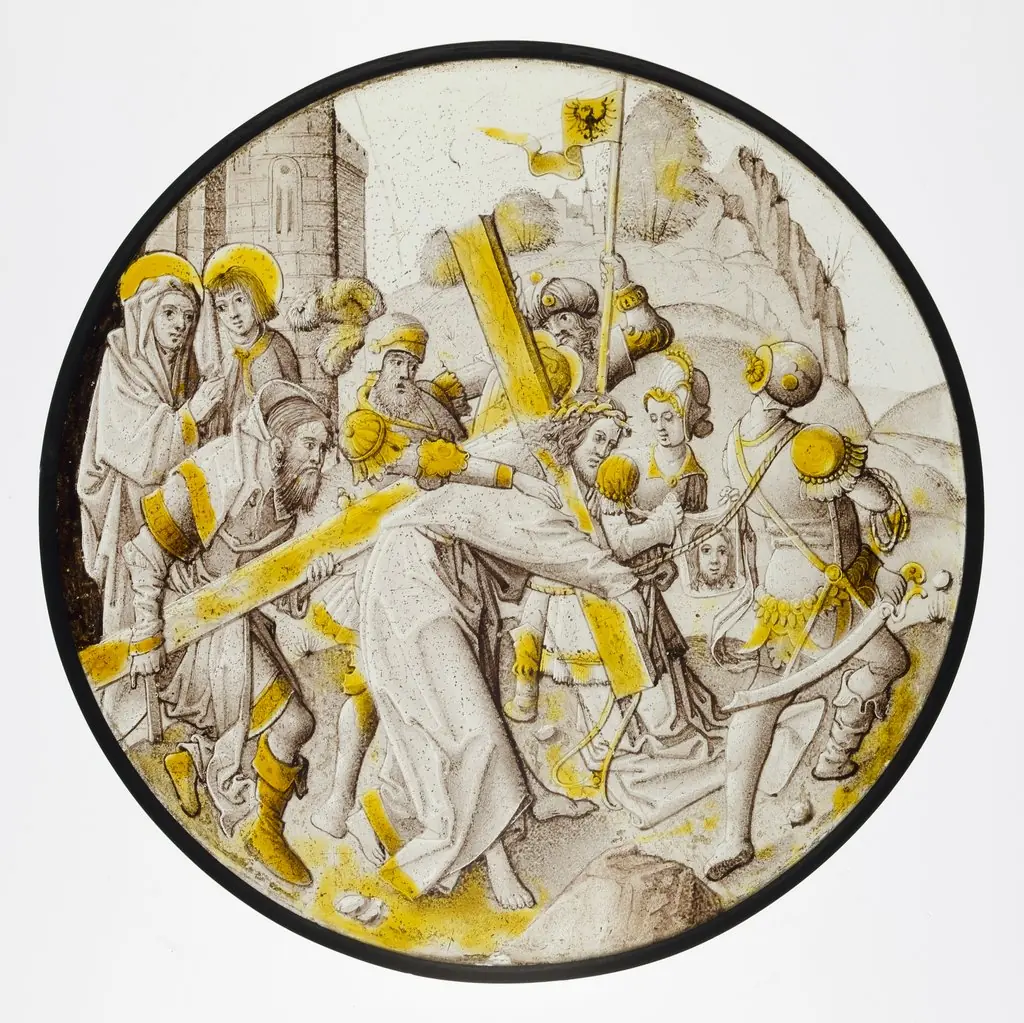 Roundel with Christ Carrying the Cross with Saint Veronica
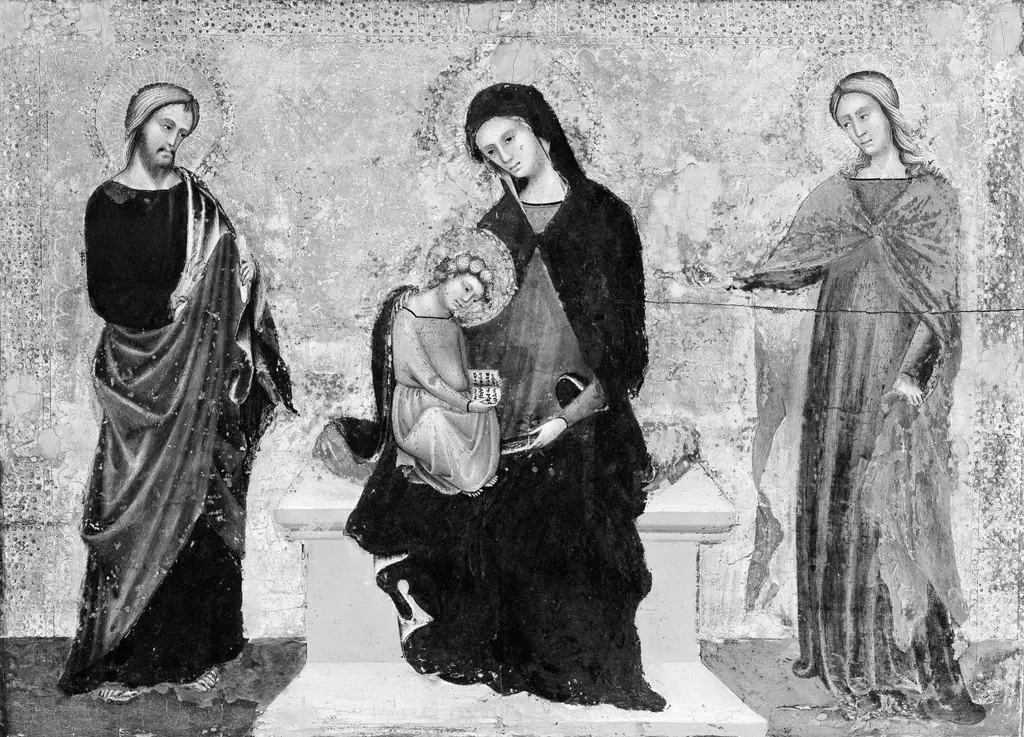 Madonna and Child Enthroned with Saints James Minor and Lucy
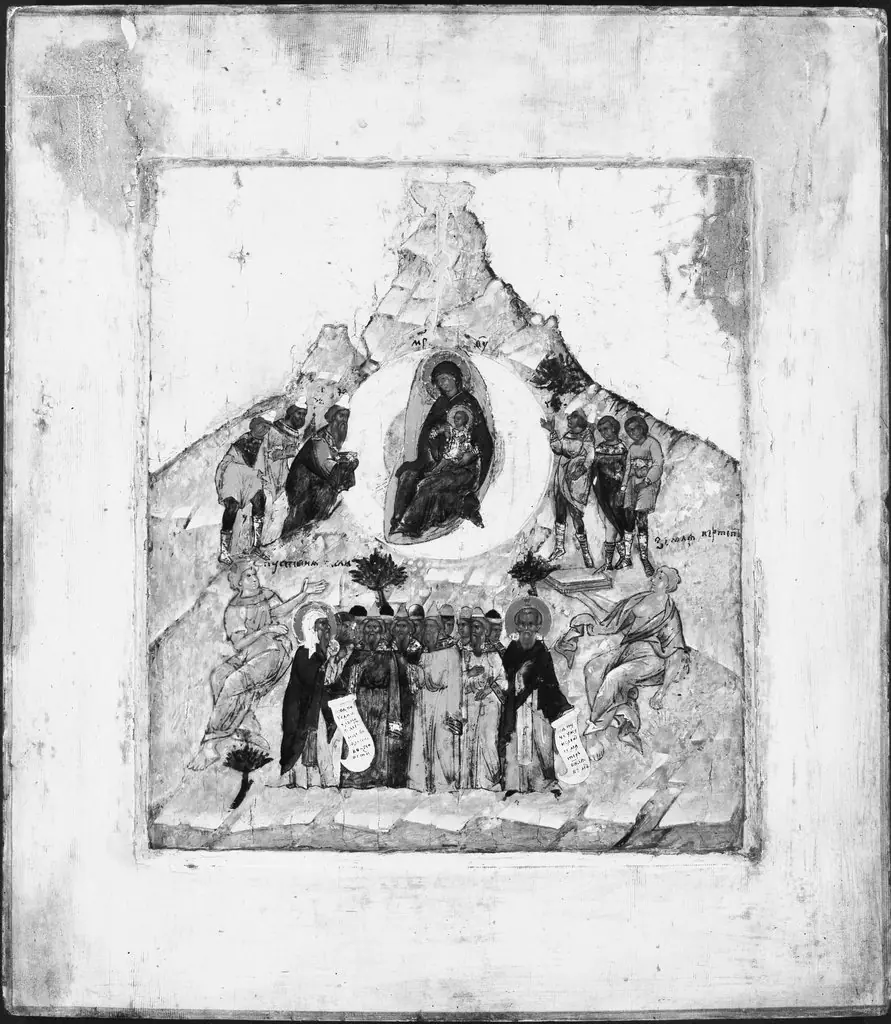 The Congregation of the Mother of God
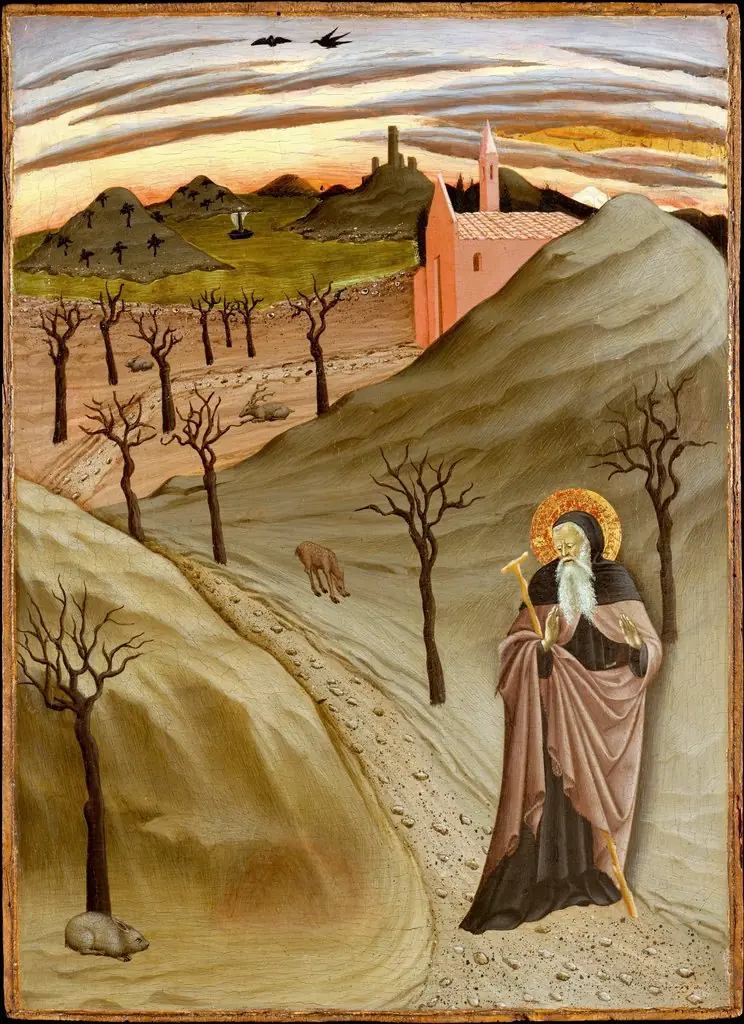 Saint Anthony Abbot Tempted by a Heap of Gold
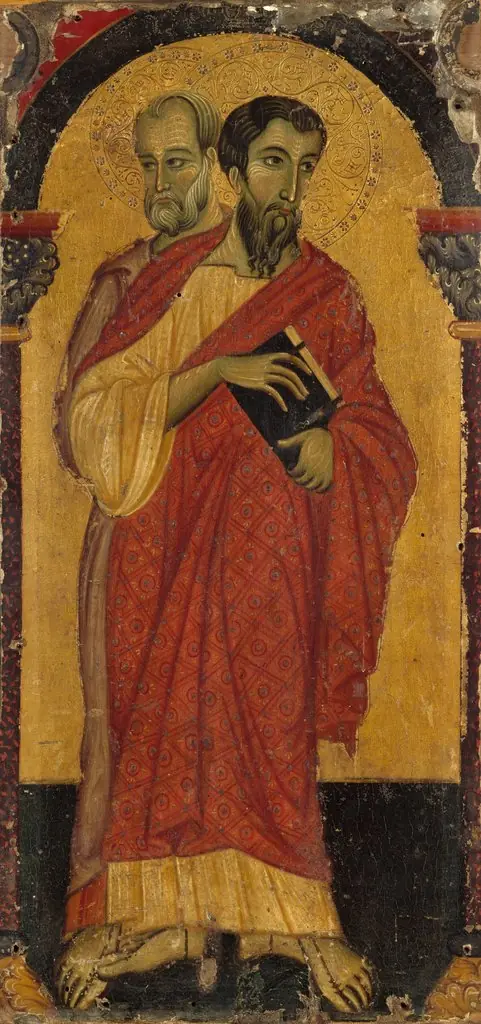 Saints Bartholomew and Simon
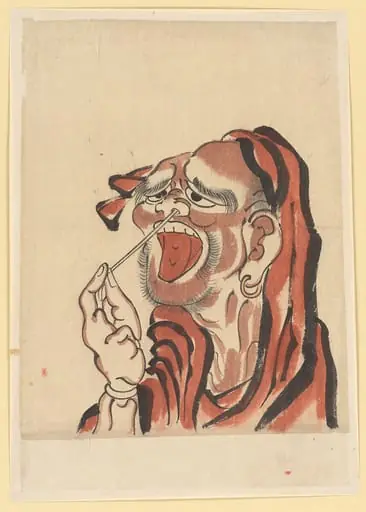 Untitled
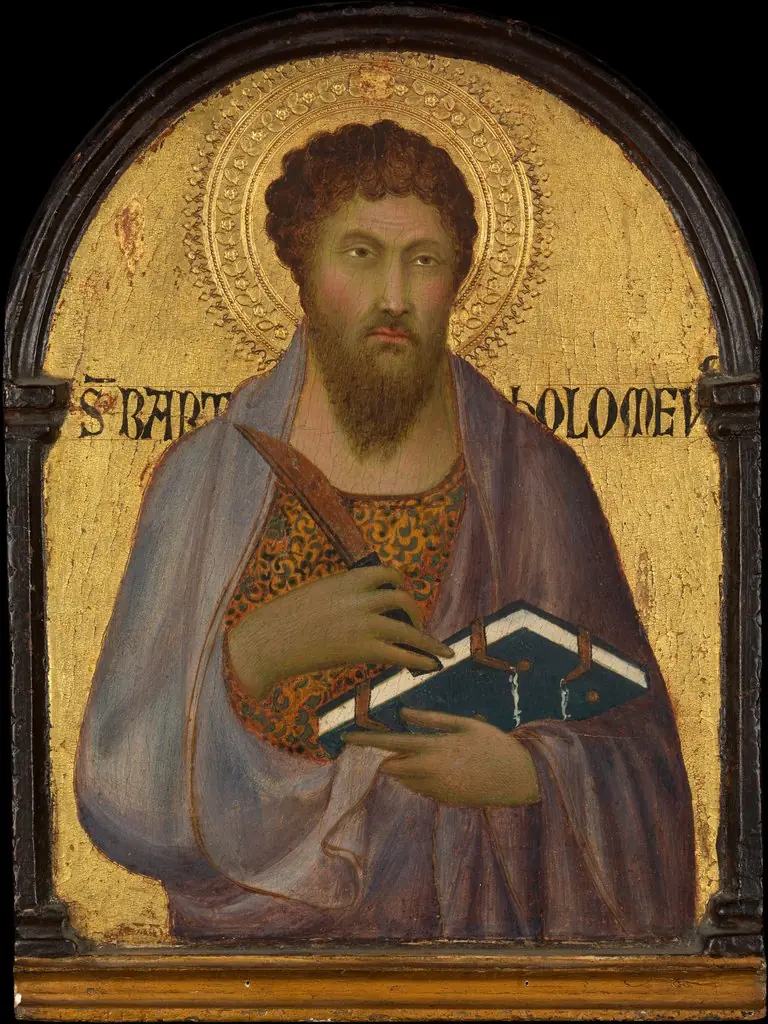 Saint Bartholomew
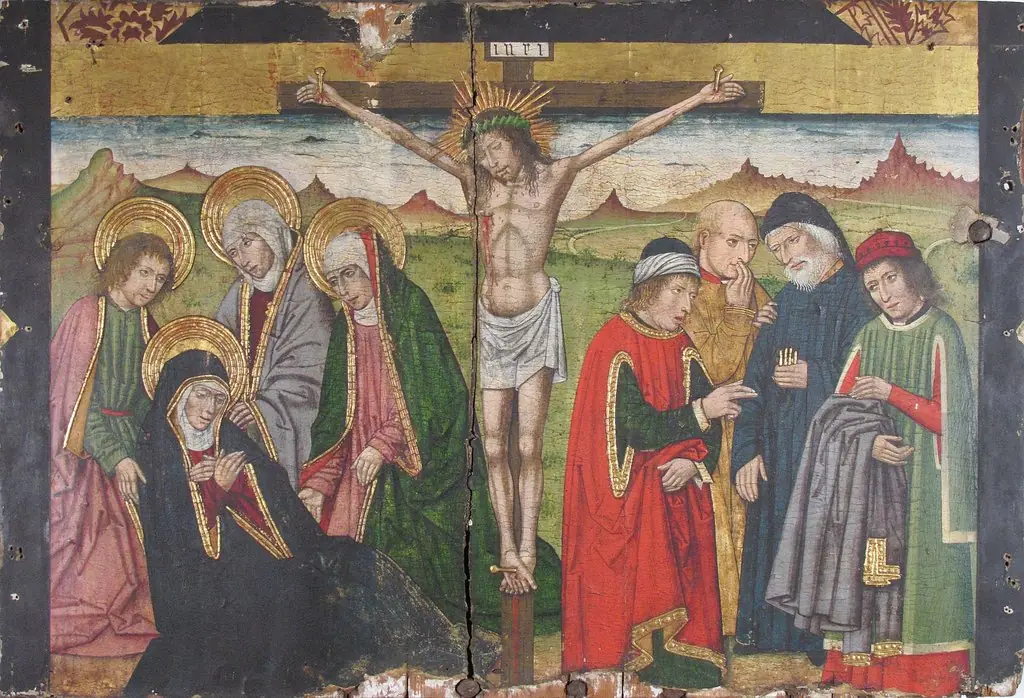 Panel with The Crucifixion from Retable
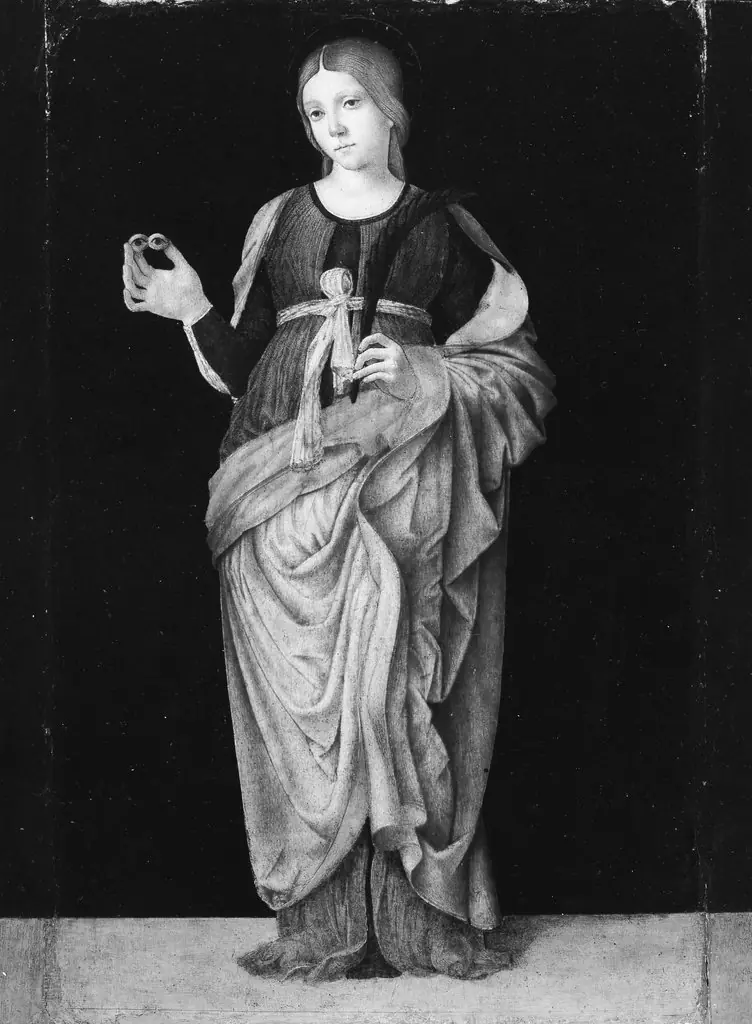 Saint Lucy
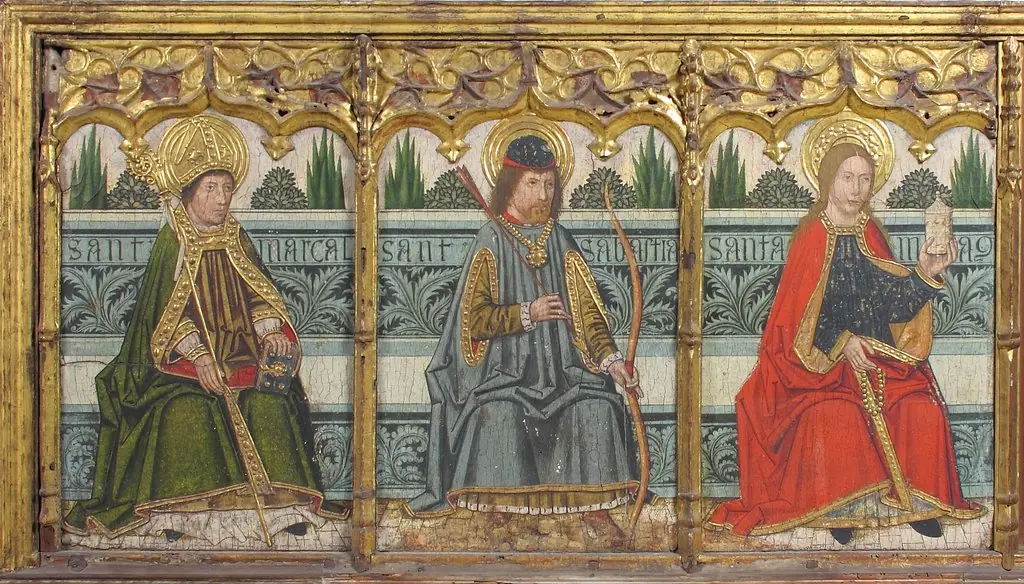 Predella panel with Saint Martial, Saint Sebastian, and Saint Mary Magdalen from Retable
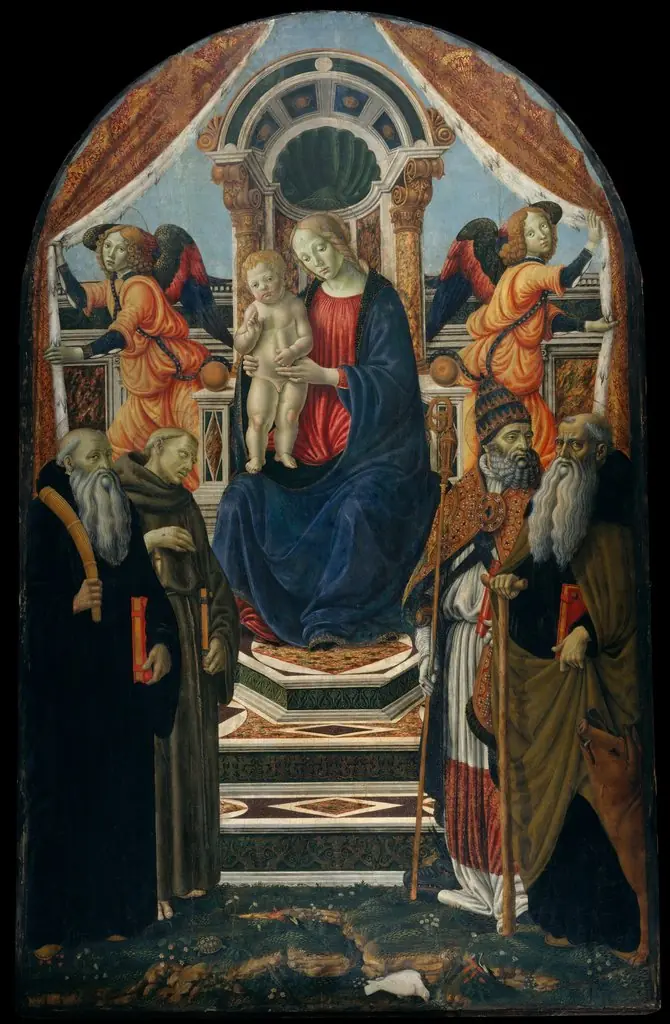 Madonna and Child Enthroned with Saints and Angels
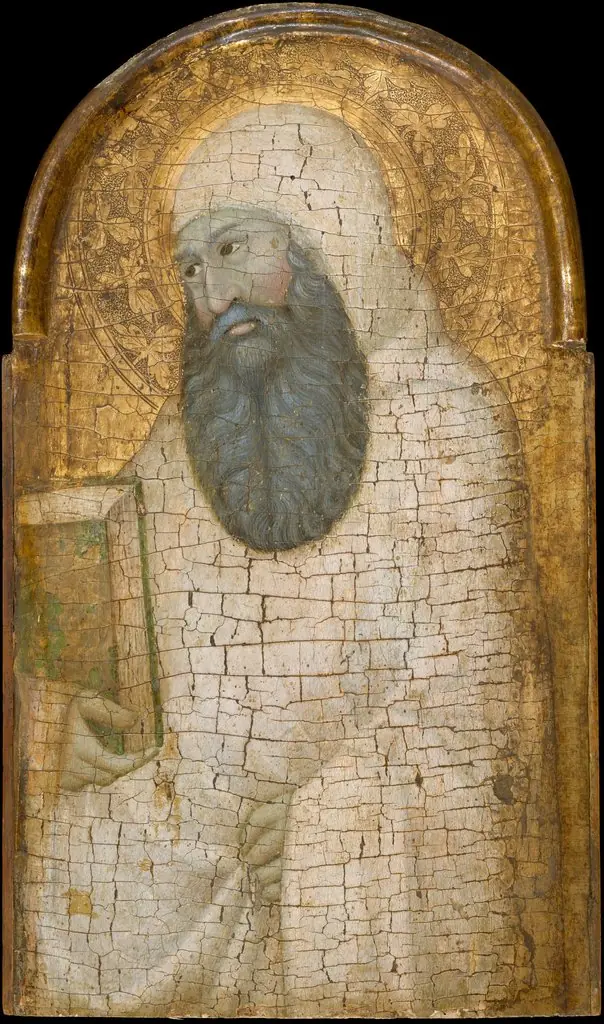 Saint Romuald
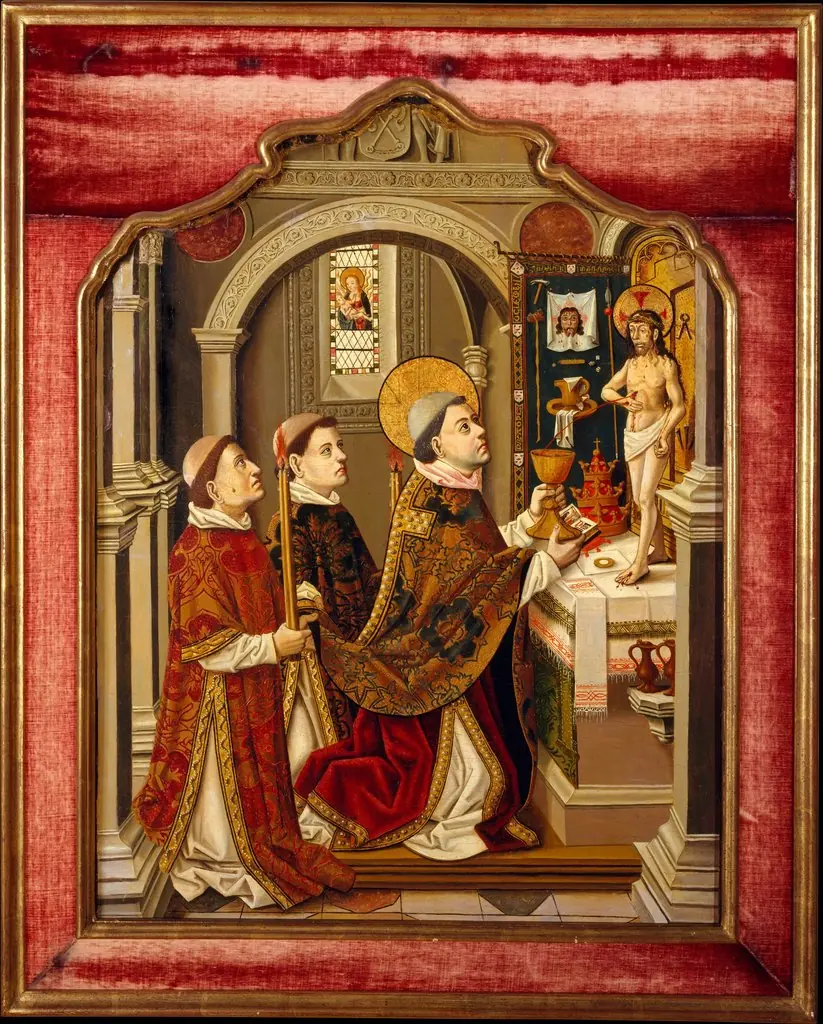 The Mass of Saint Gregory
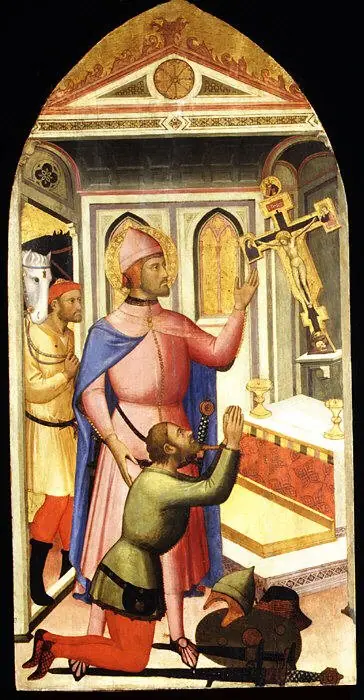 An Episode from the Life of Saint Giovanni Gualberto
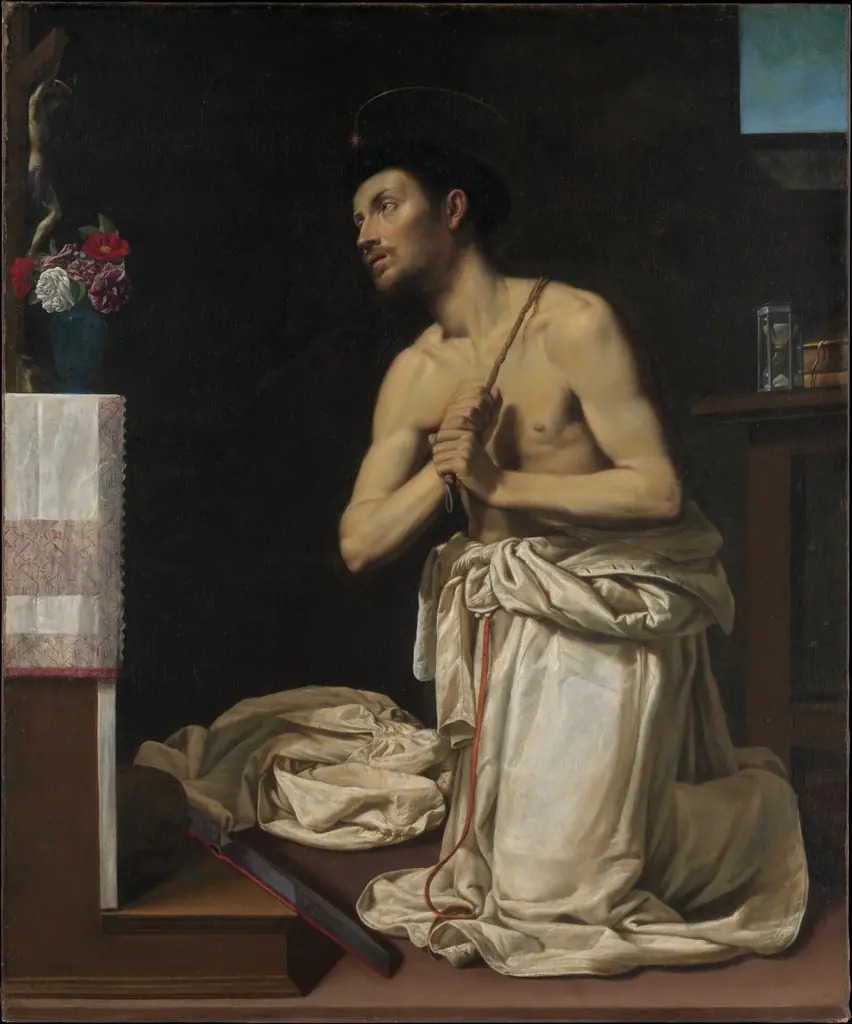 Saint Dominic in Penitence
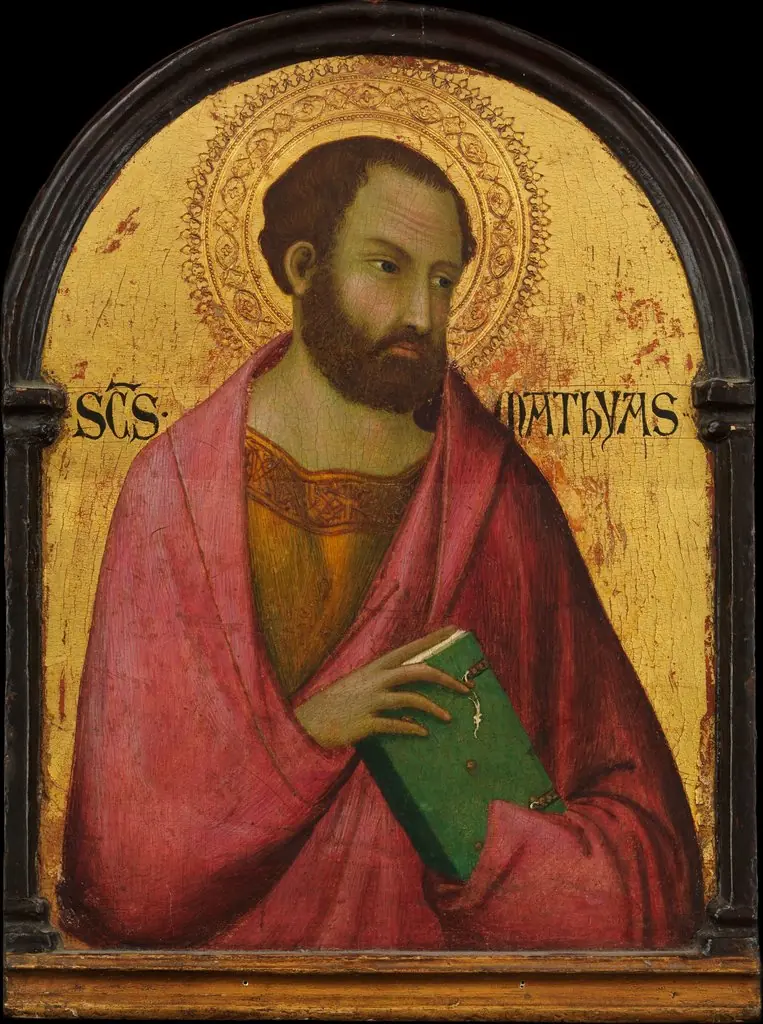 Saint Matthias
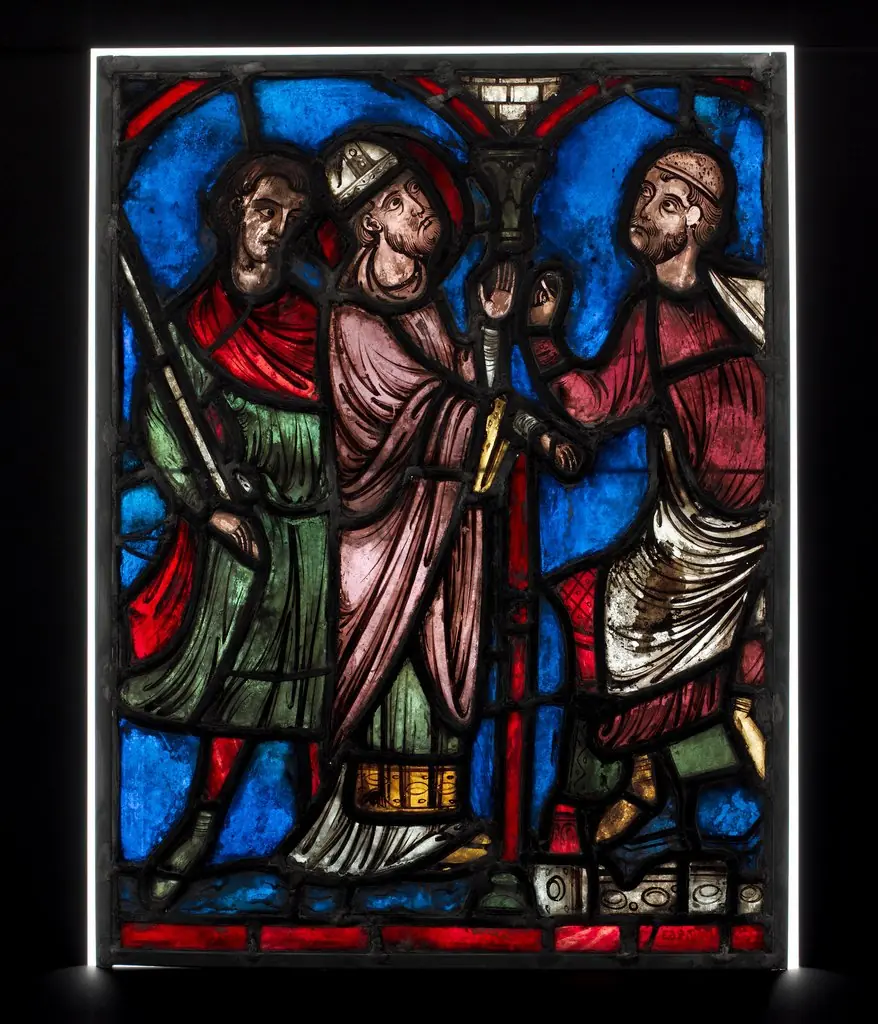 St. Nicholas Accuses the Consul from Scenes from the Life of St. Nicholas
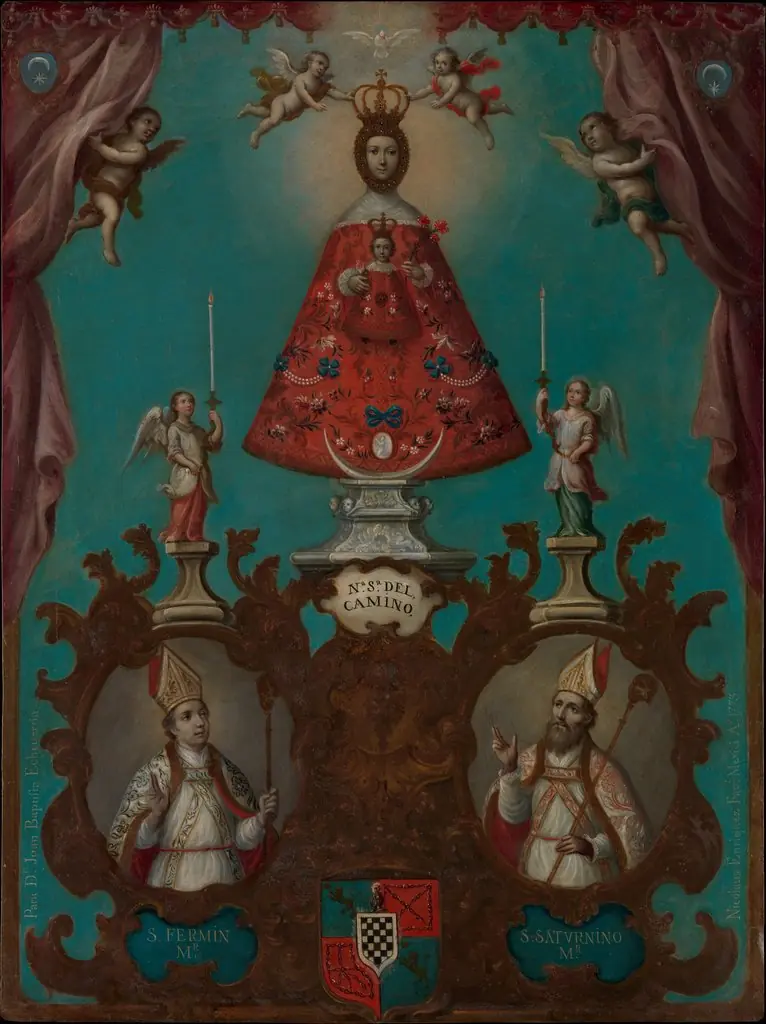 The Virgin of El Camino with St. Fermín and St. Saturnino
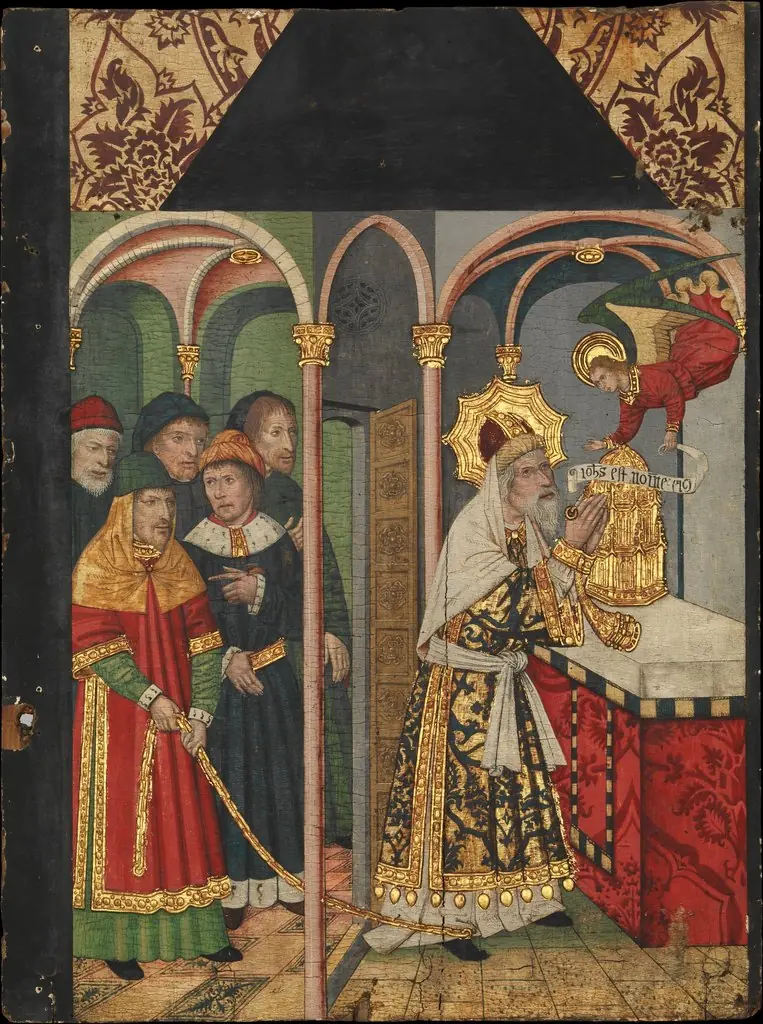 Panel with the Angel Appearing to Zacharias (from a Retable depicting Saint John the Baptist and scenes from his life)
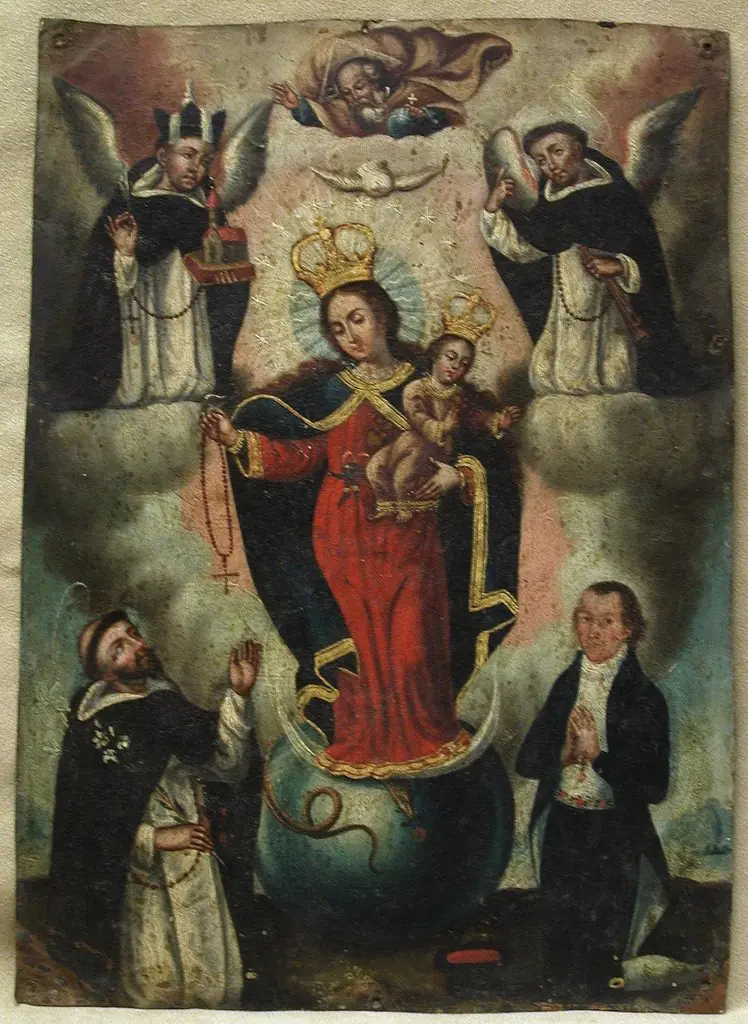 Virgin of the Rosary with Dominican Saints and Donor
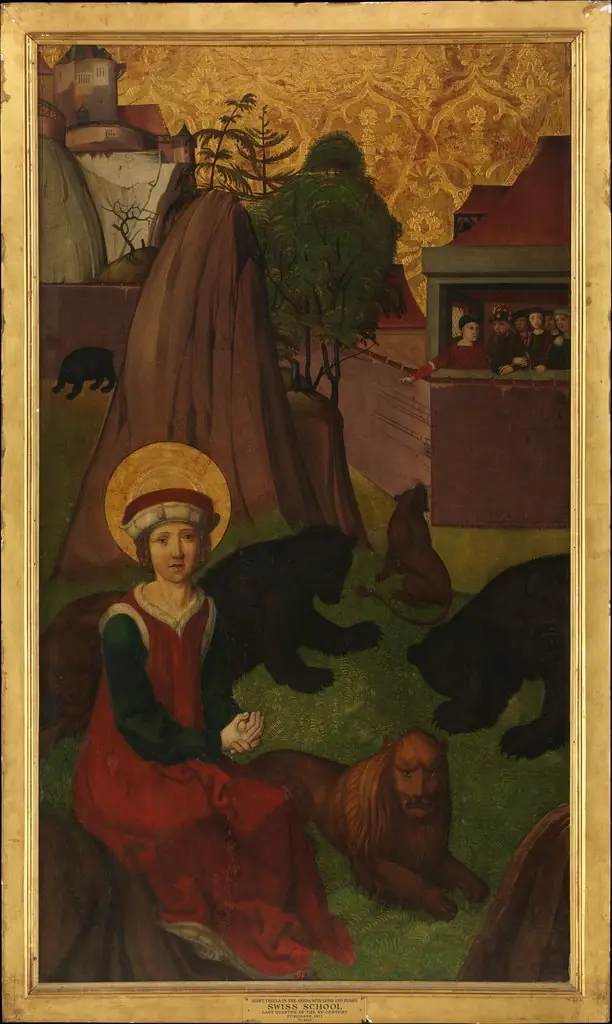 Saint Agapitus of Praeneste in the Arena; (interior) The Beheading of Saint Agapitus of Praeneste
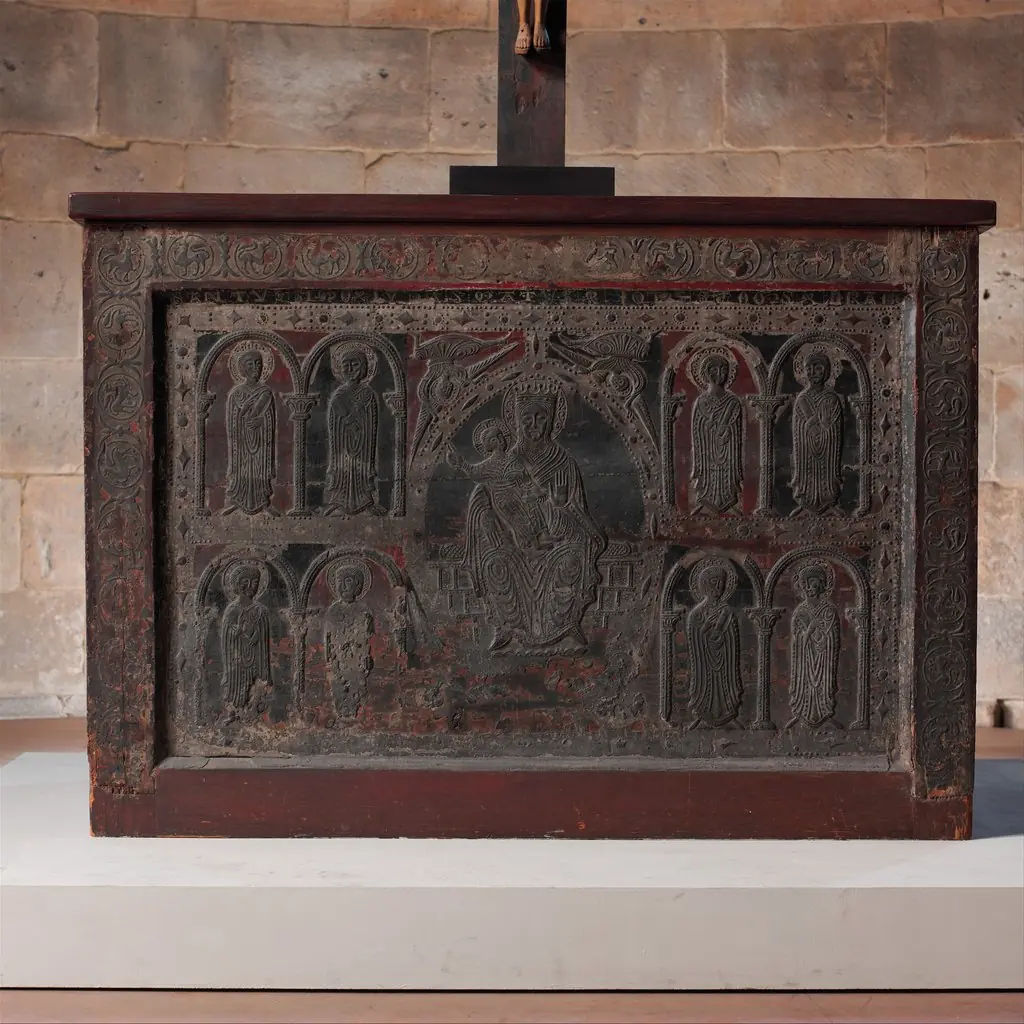 Altar Frontal
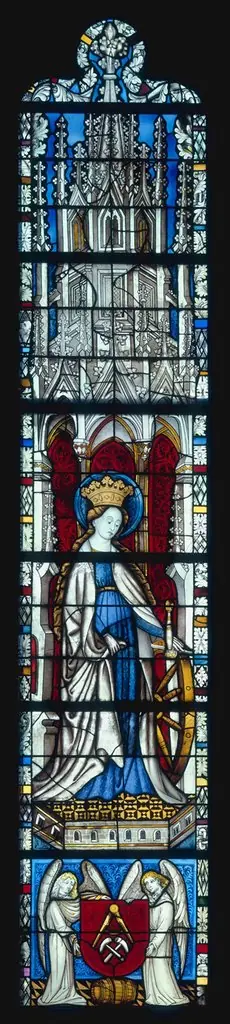 The Virgin Mary and Five Standing Saints above Predella Panels
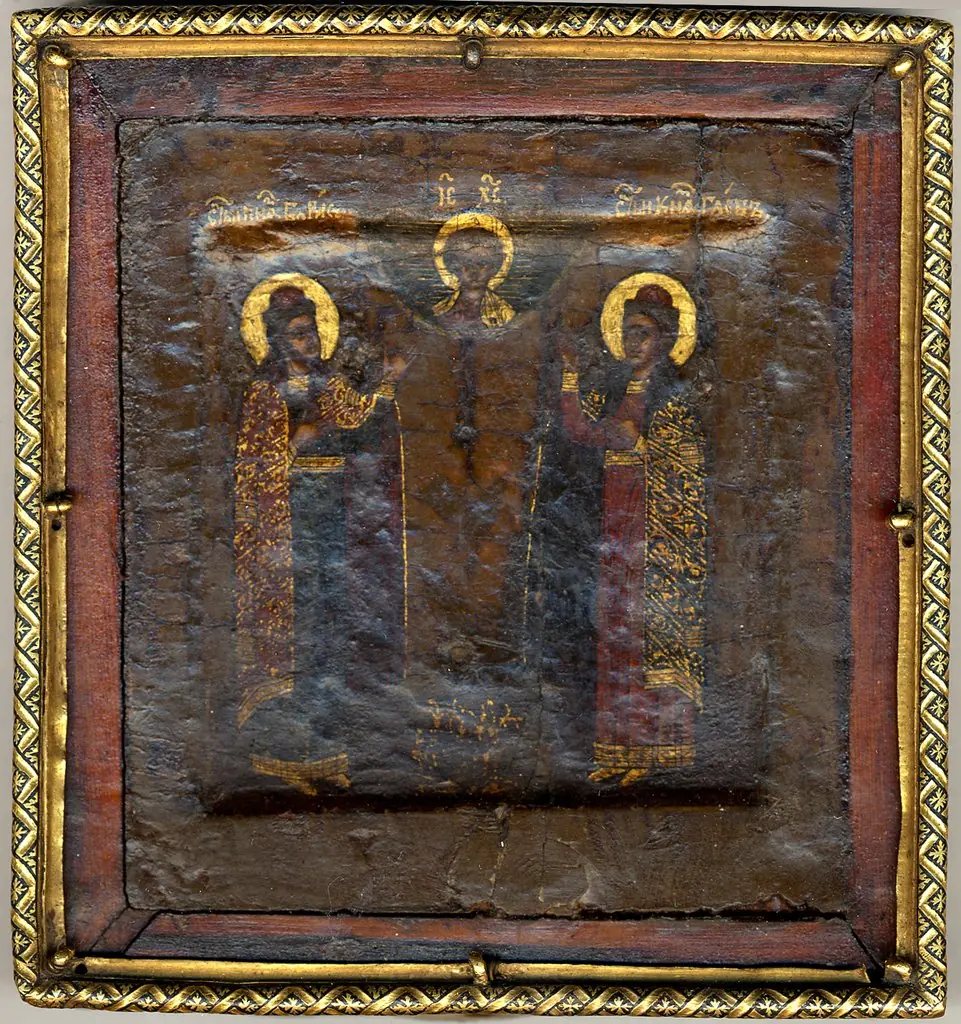 The Christ Child with Saints Boris and Gleb
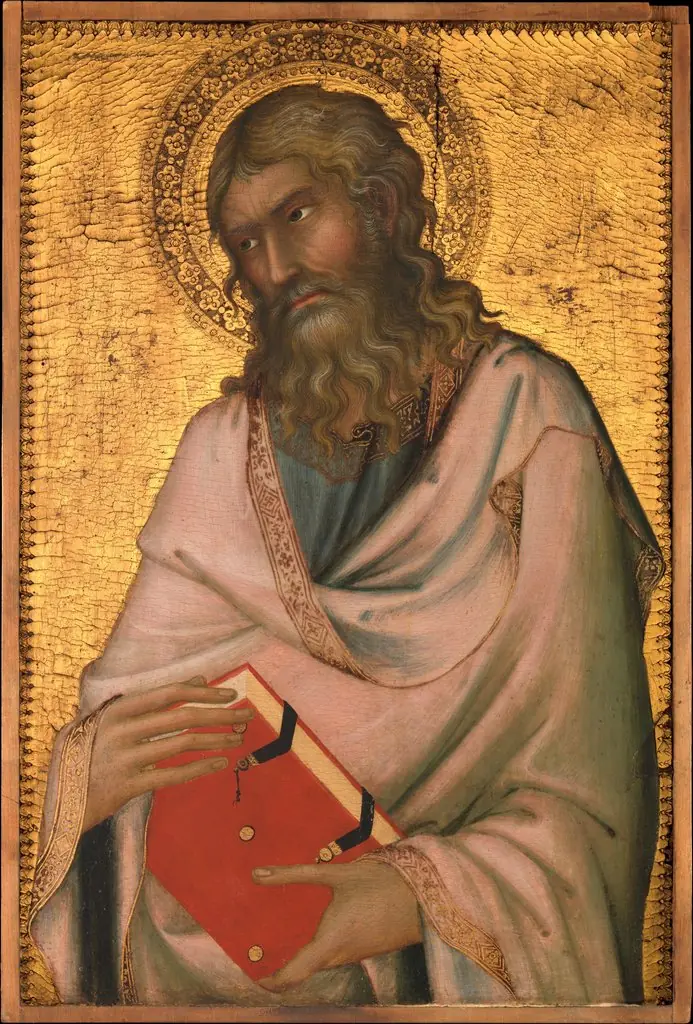 Saint Andrew
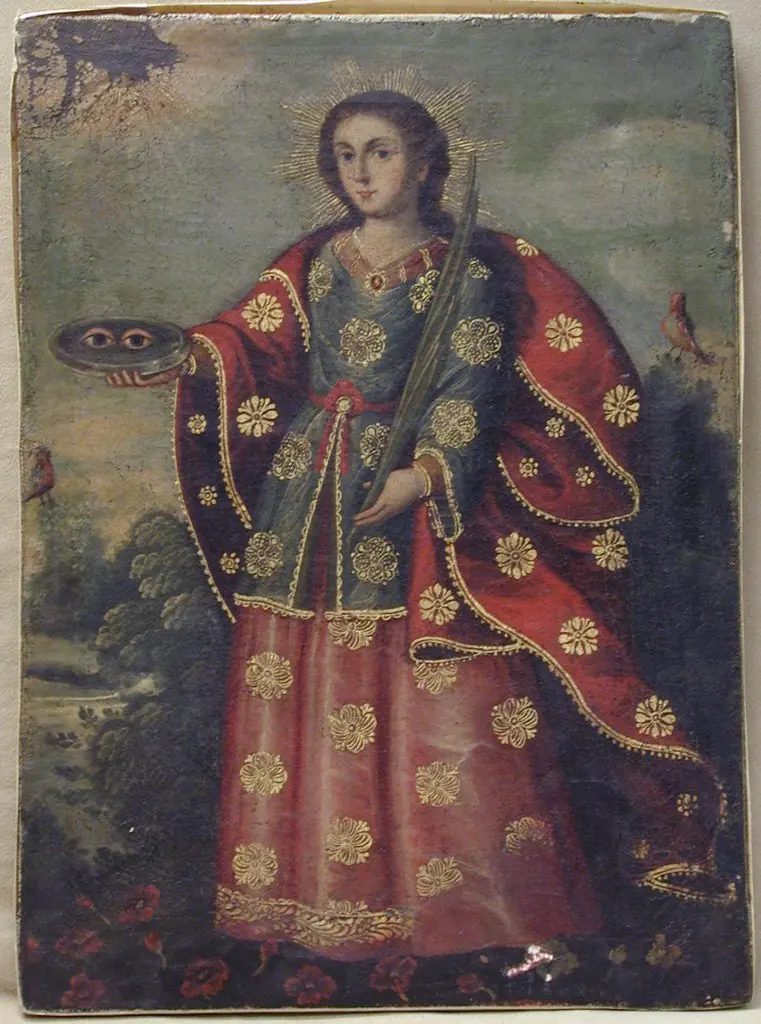 Saint Lucy
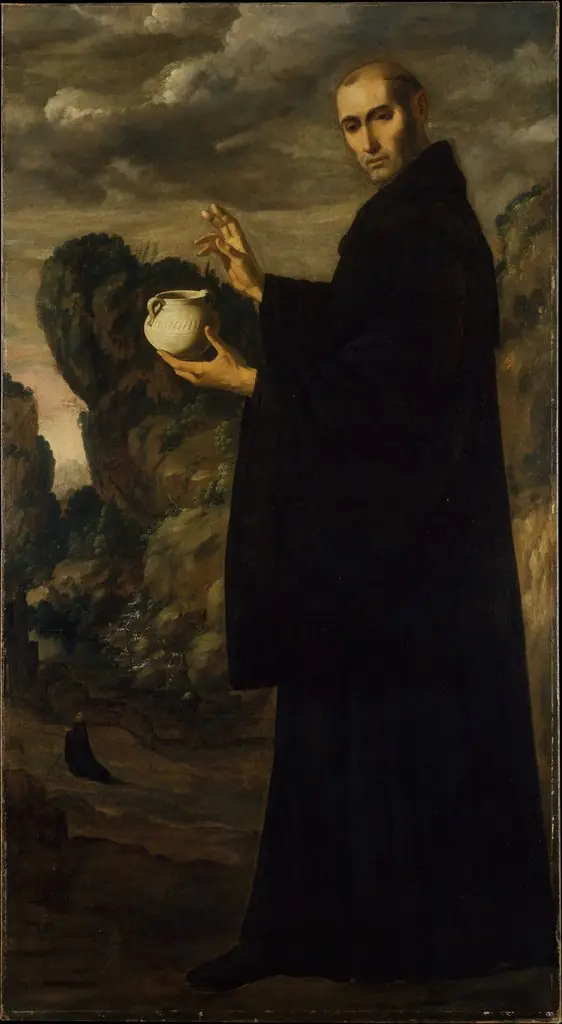 Saint Benedict
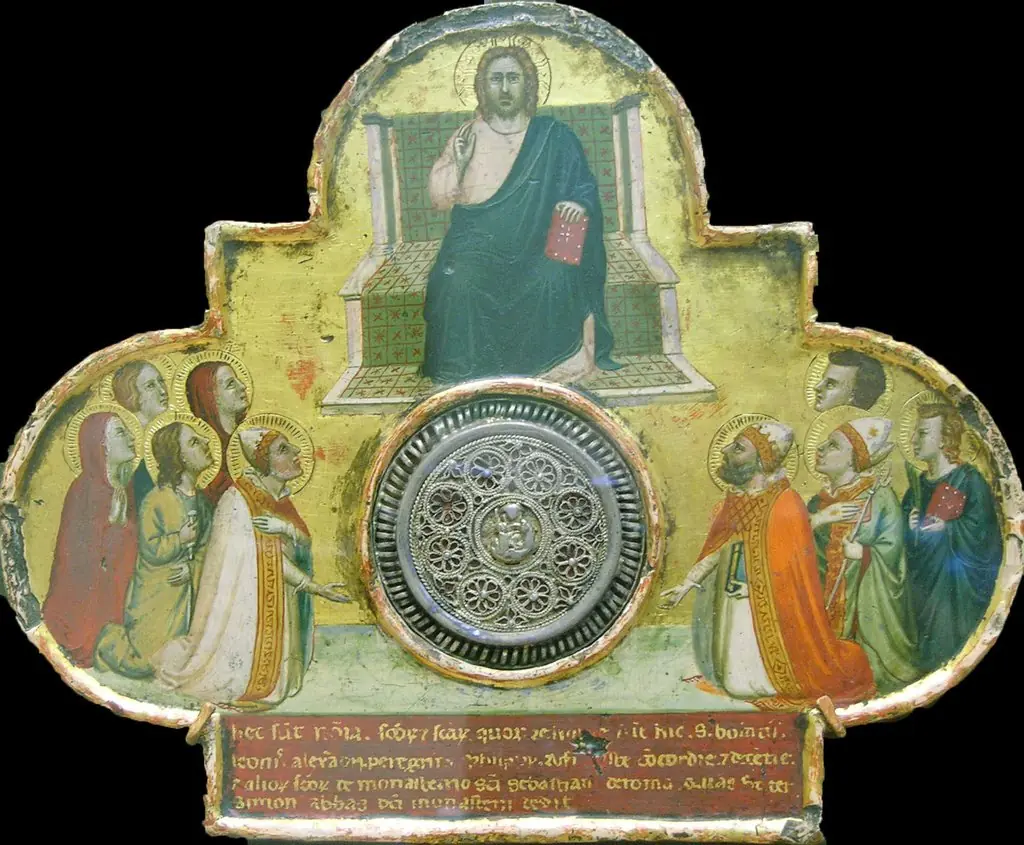 Christ Enthroned with Saints
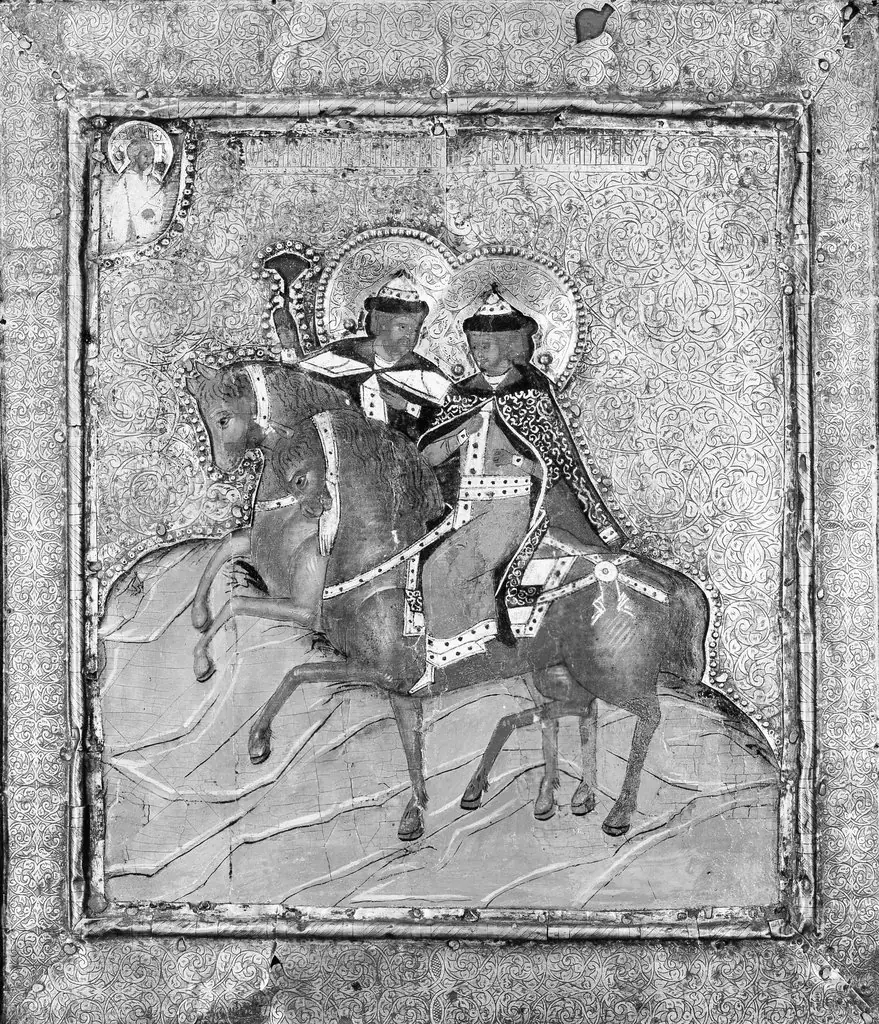 Saints Boris and Gleb
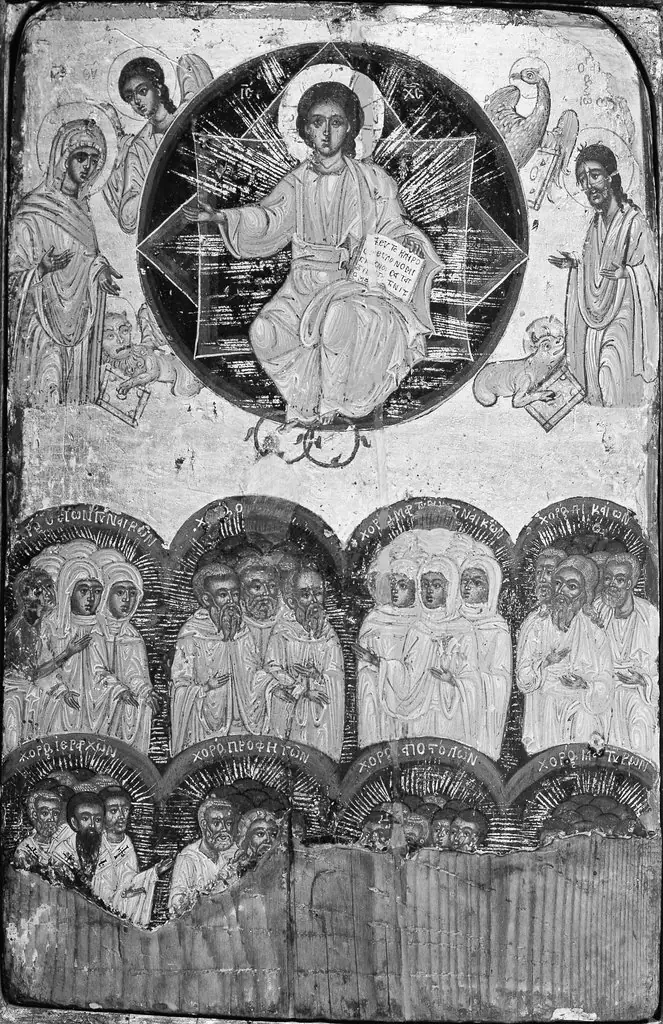 All Saints
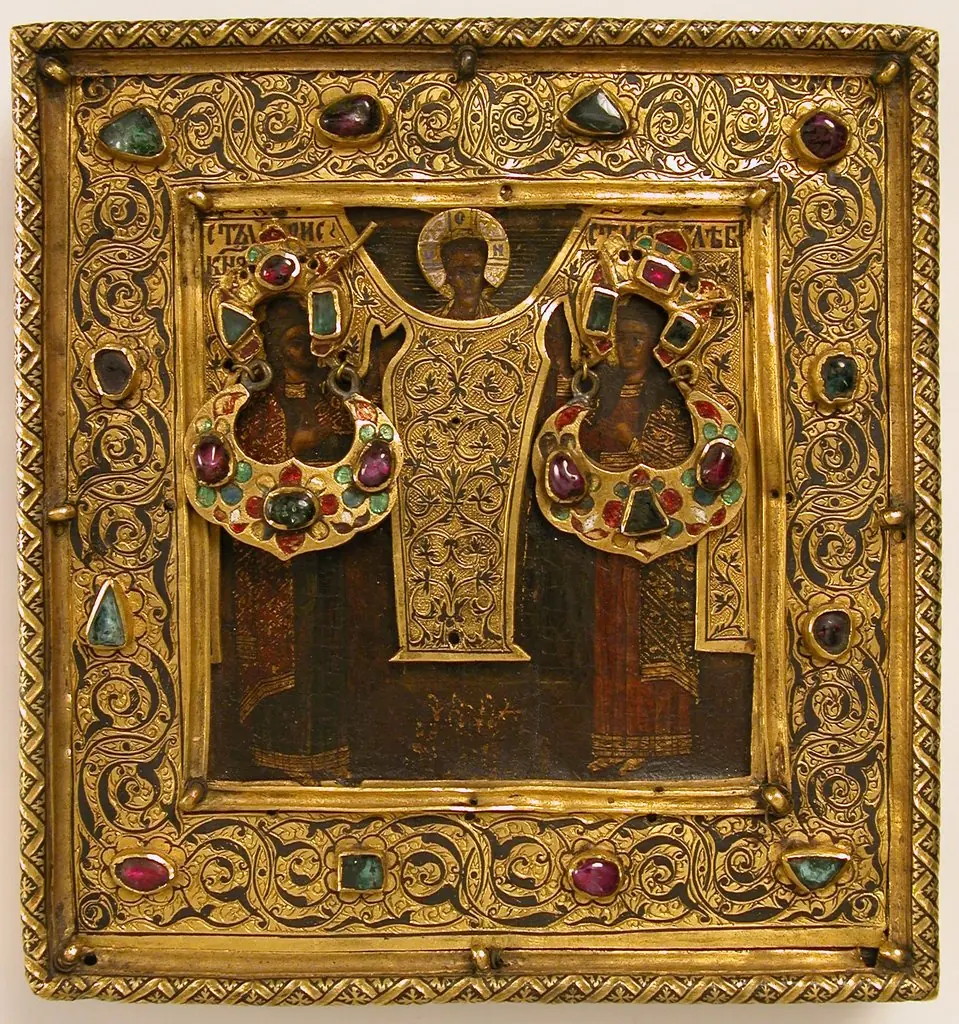 The Christ Child with Saints Boris and Gleb
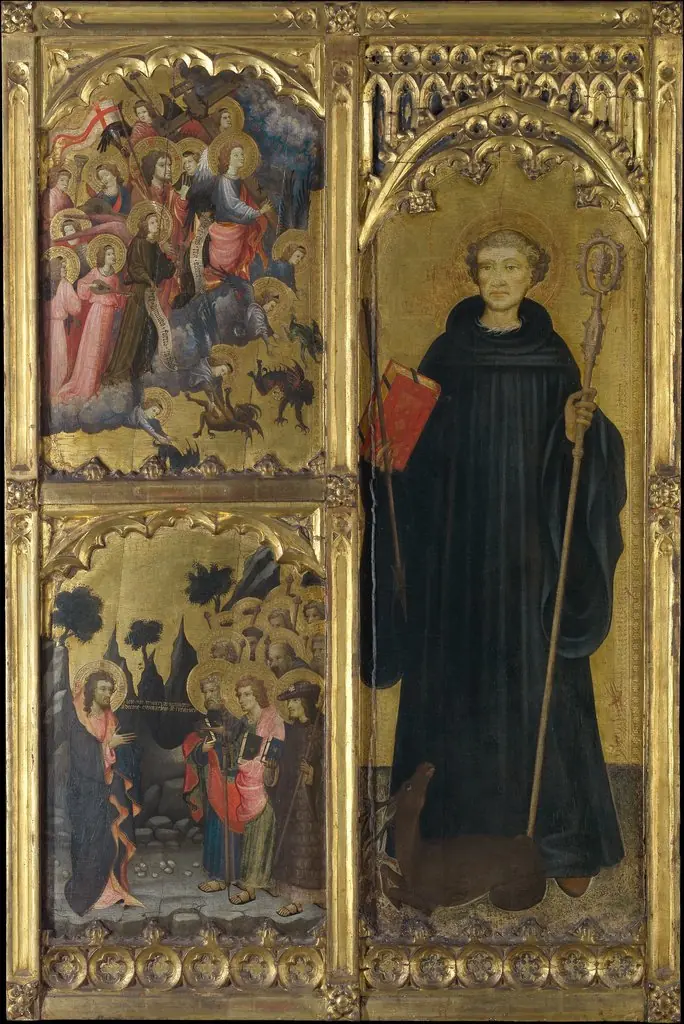 Saint Giles with Christ Triumphant over Satan and the Mission of the Apostles
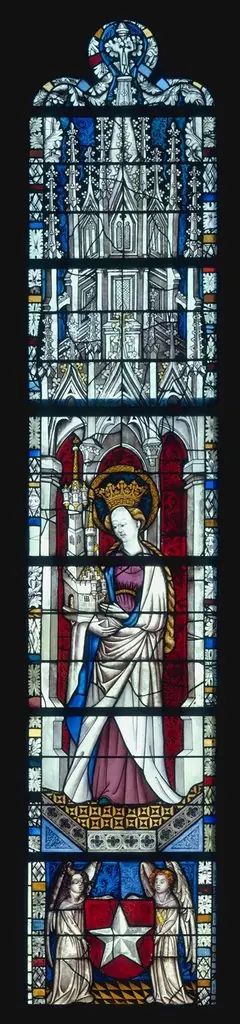 The Virgin Mary and Five Standing Saints above Predella Panels
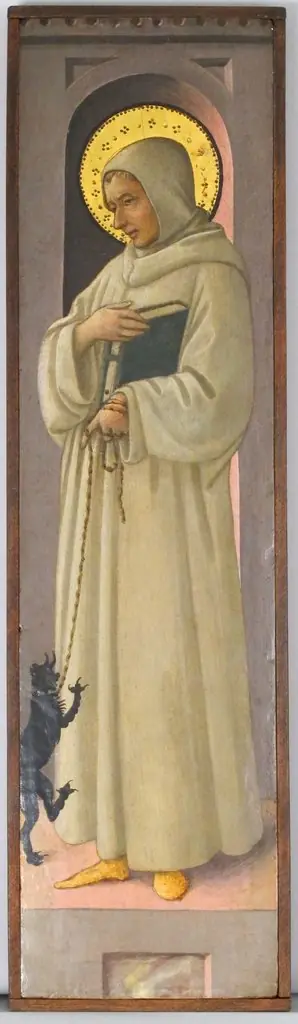 Saint Bernard of Clairvaux
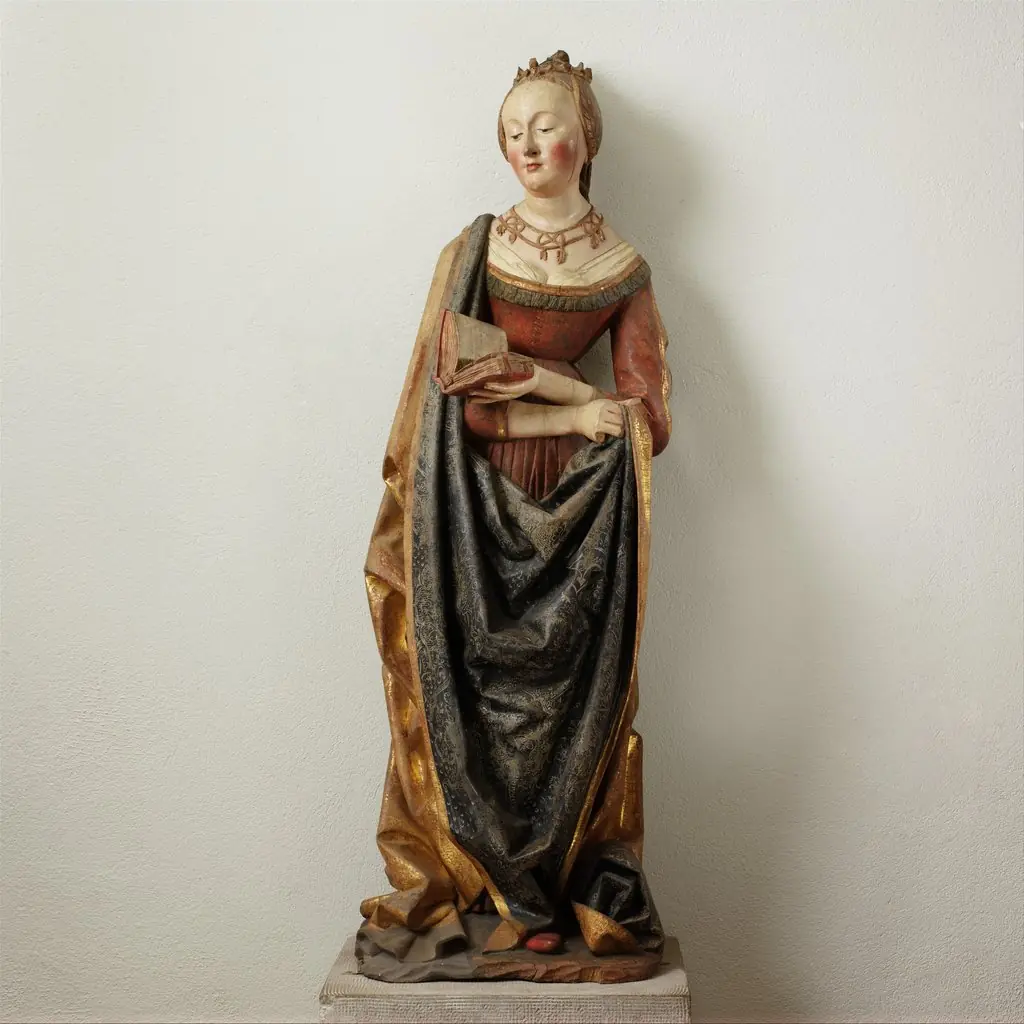 Saint Barbara
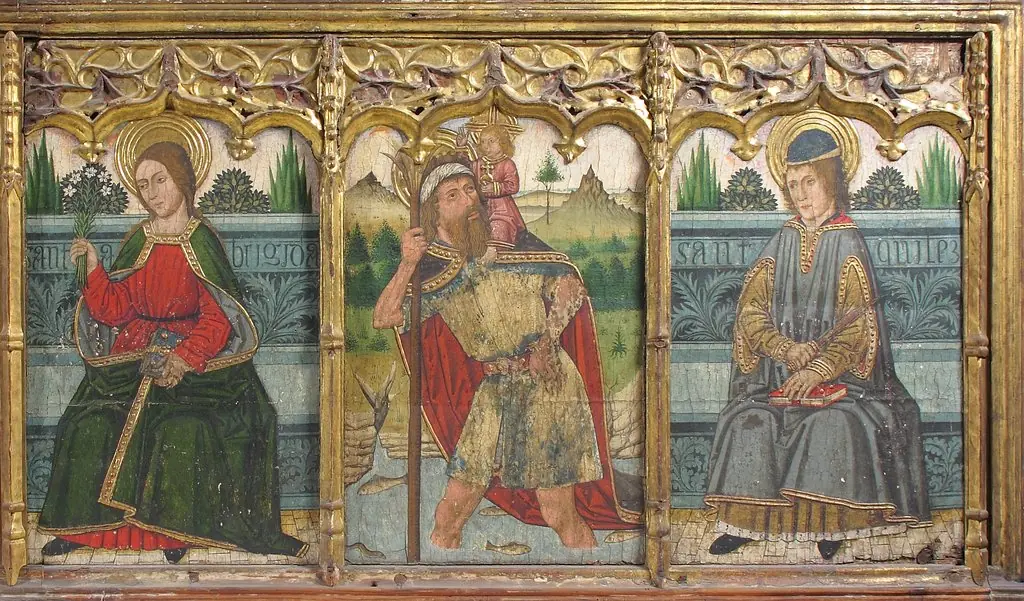 Predella pane with Saint Bridget, Saint Christopher, and Saint Kilian from Retable
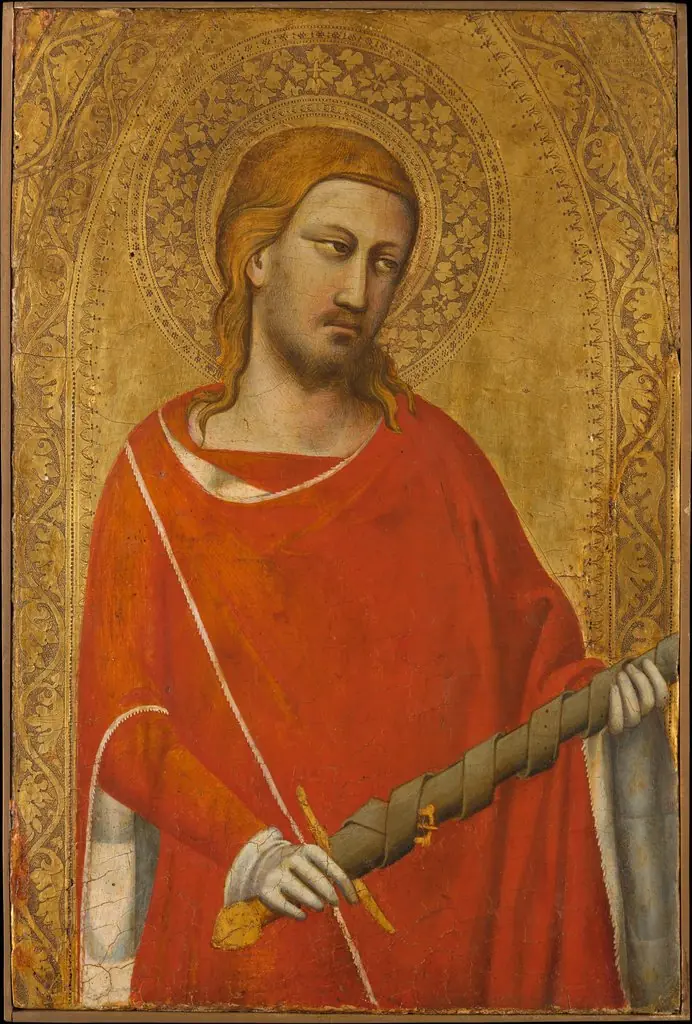 Saint Julian
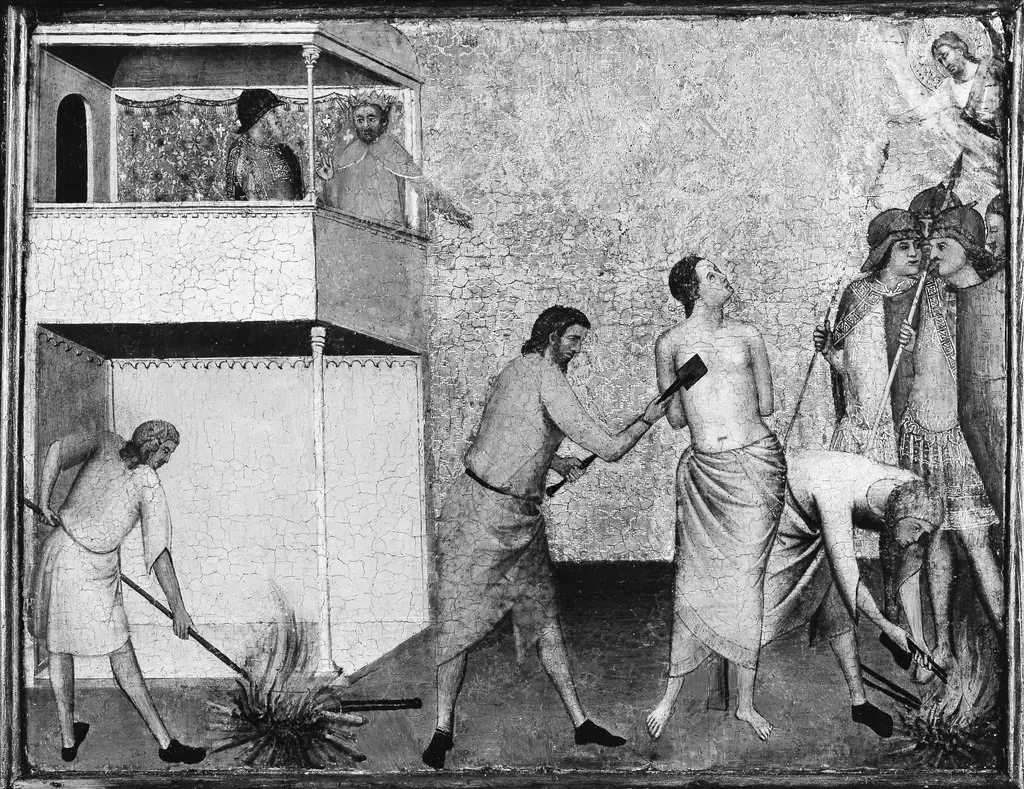 Saint Reparata Tortured with Red-Hot Irons
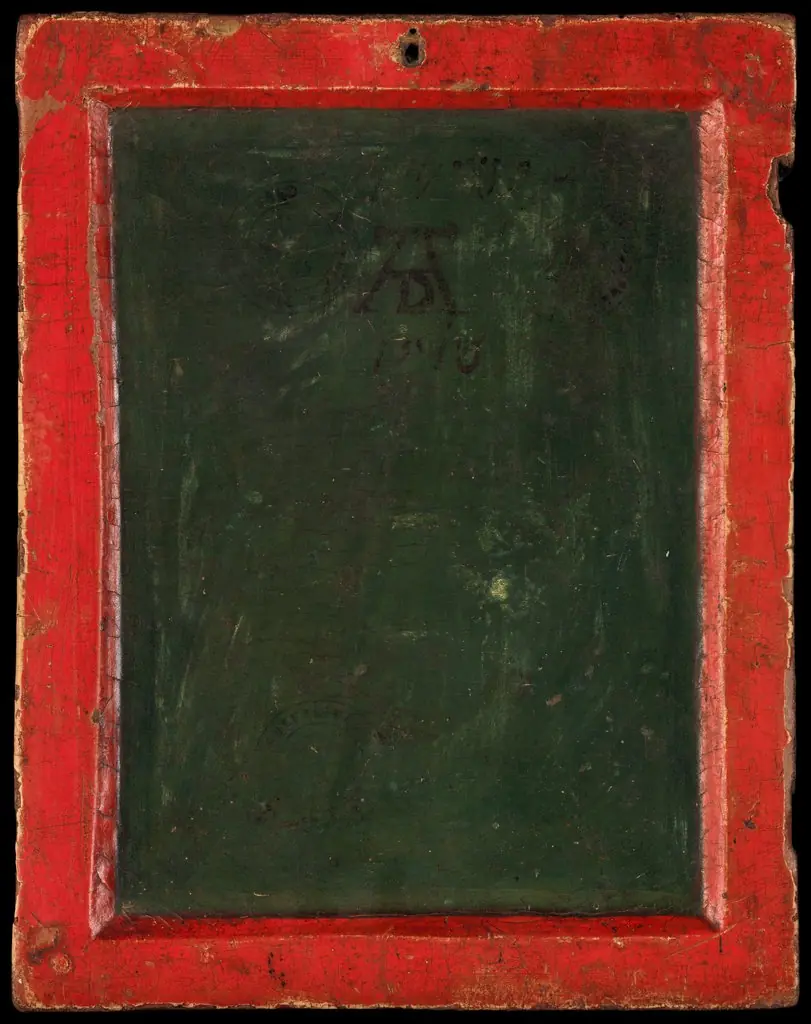 Saints Procopius and Adalbert
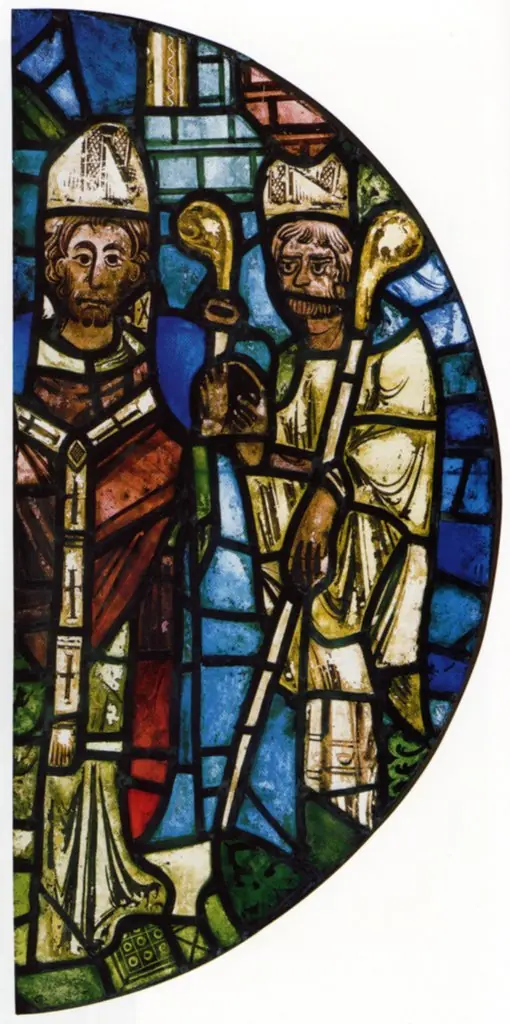 Saint Martial Founding the Cathedral of Saint-Pierre
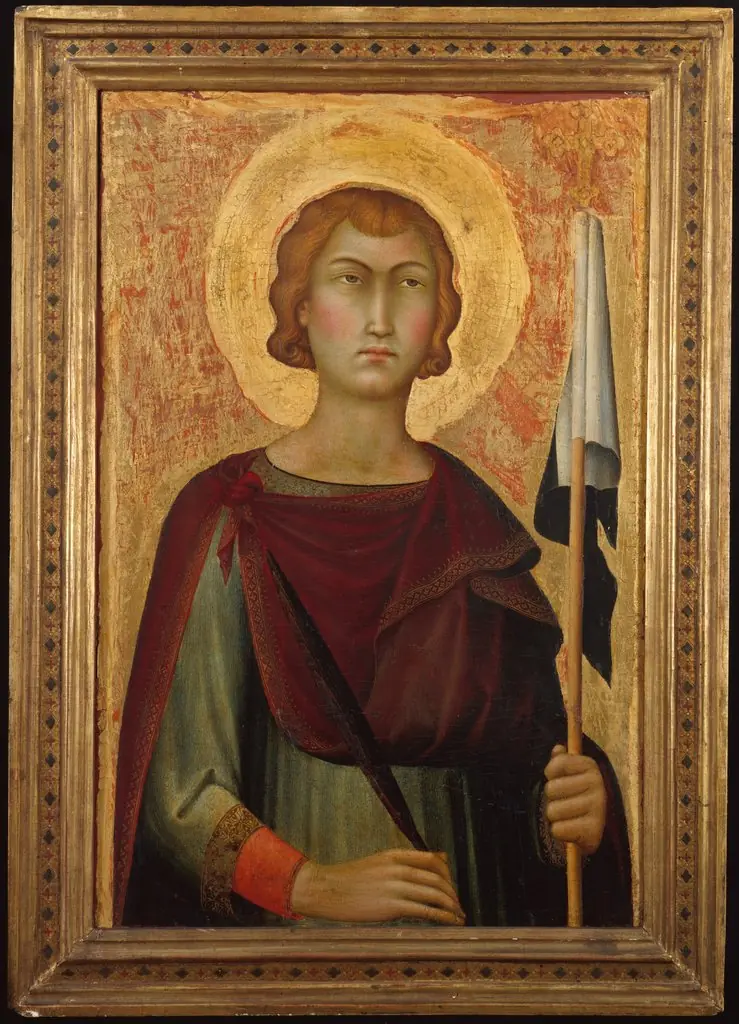 Saint Ansanus
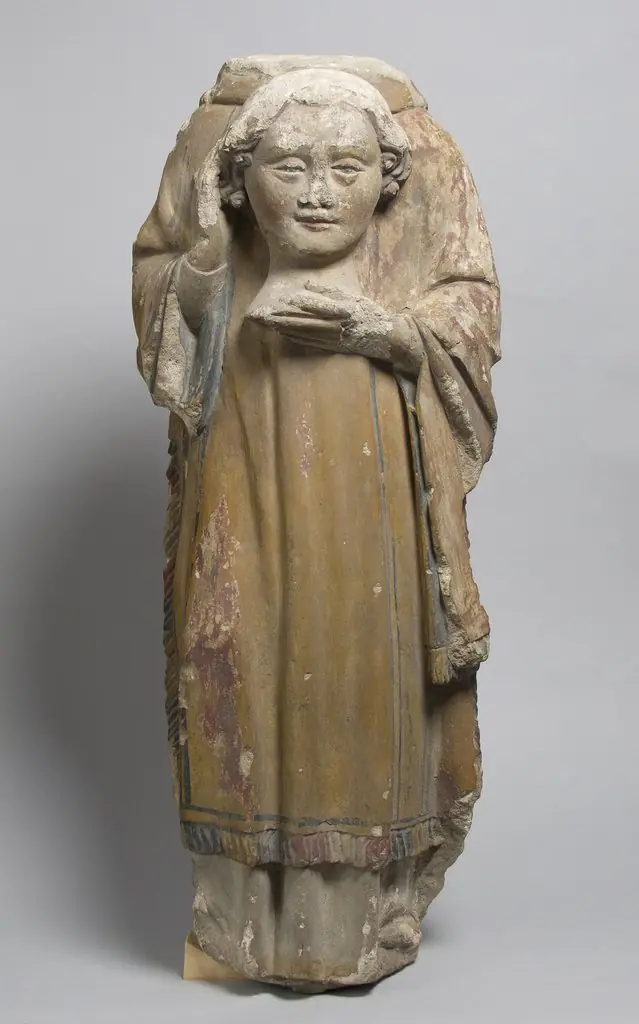 Saint Eleuthere or Saint Rustique
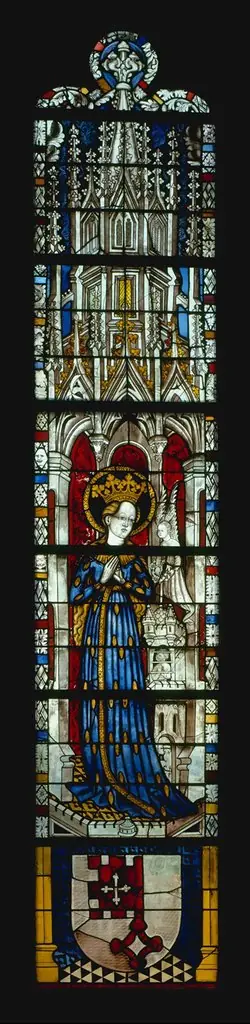 The Virgin Mary and Five Standing Saints above Predella Panels
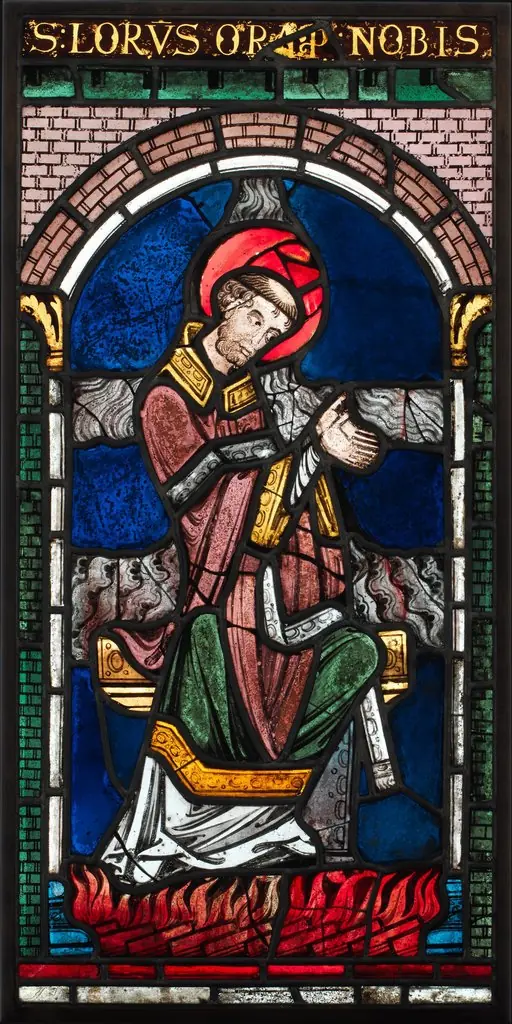 Martyrdom of Saint Lawrence
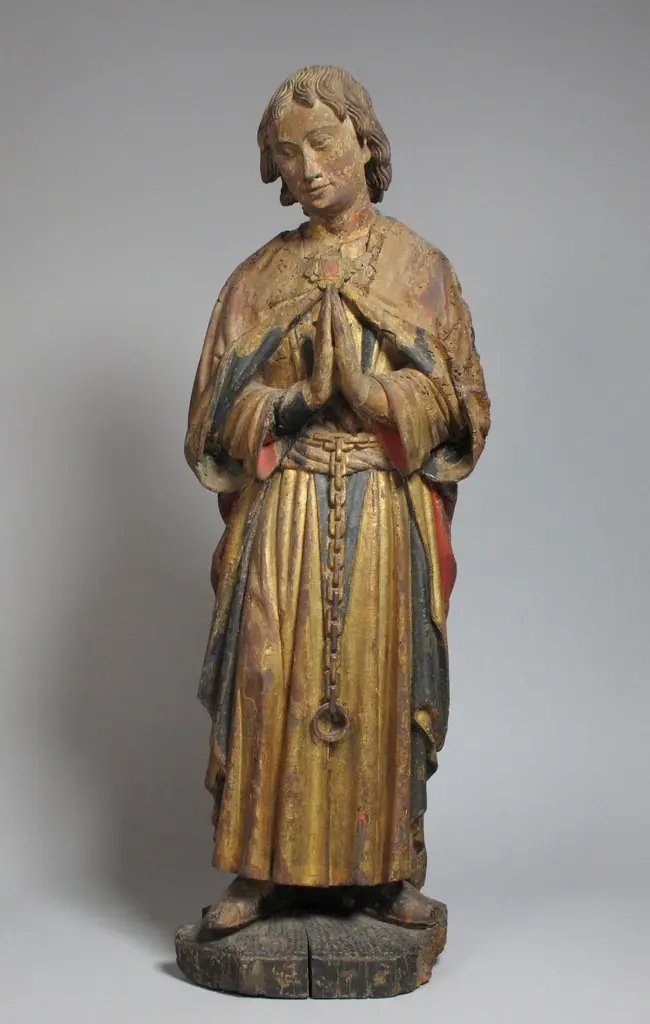 Saint Frederick
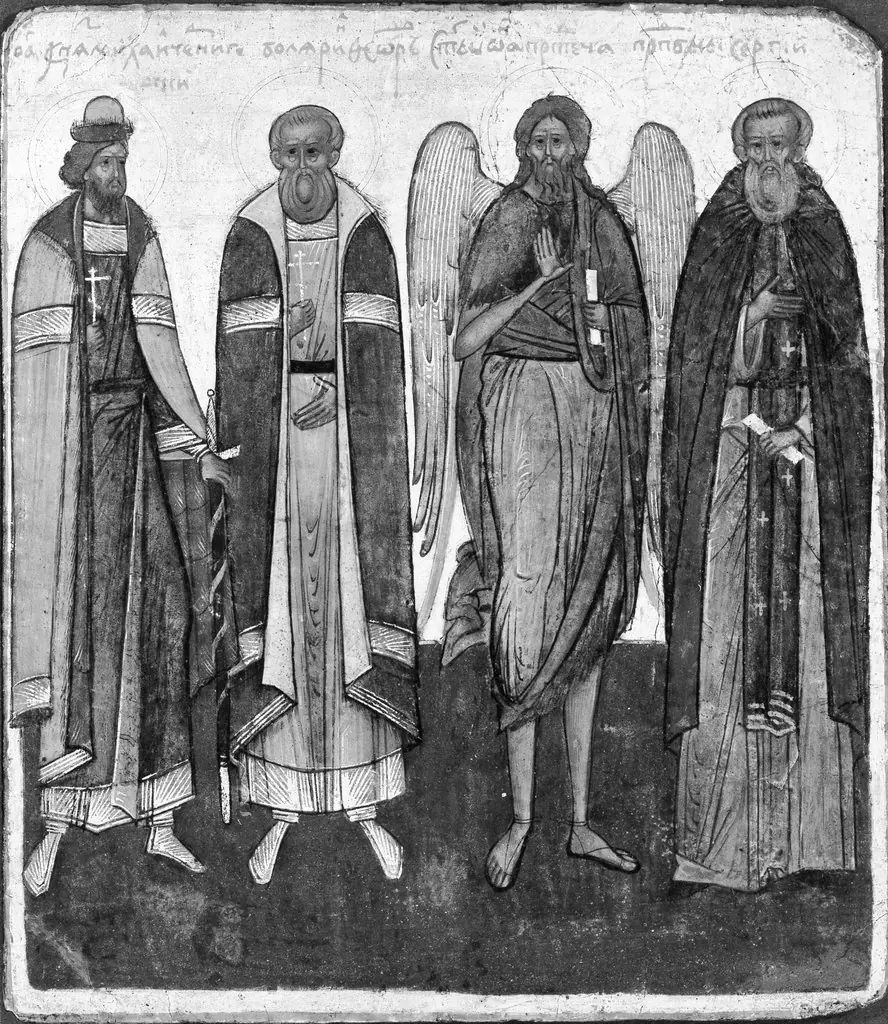 Panel from a Saints' Calendar (painted on both sides)
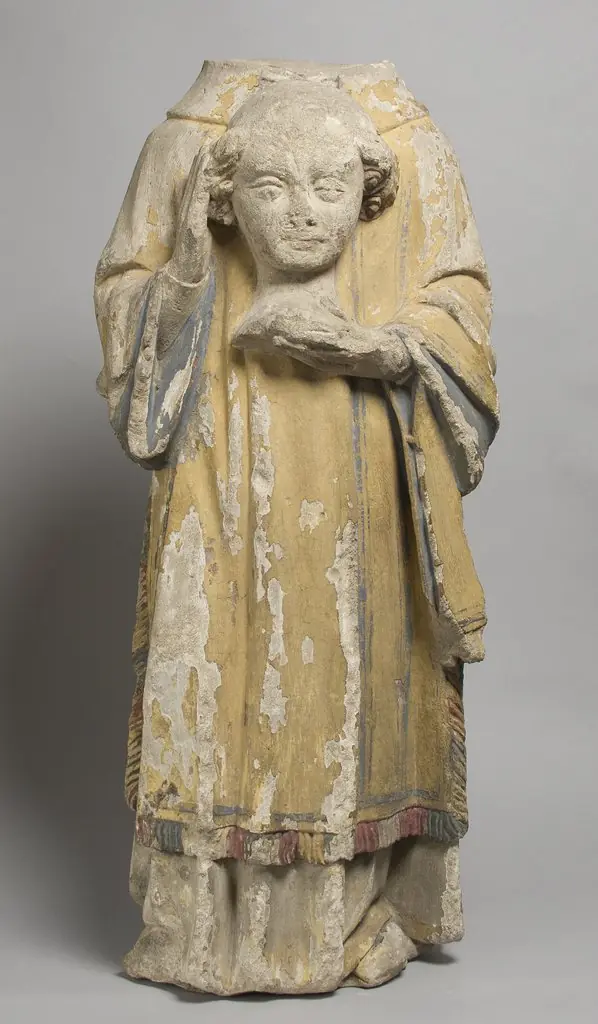 Saint Eleuthere or Saint Rustique
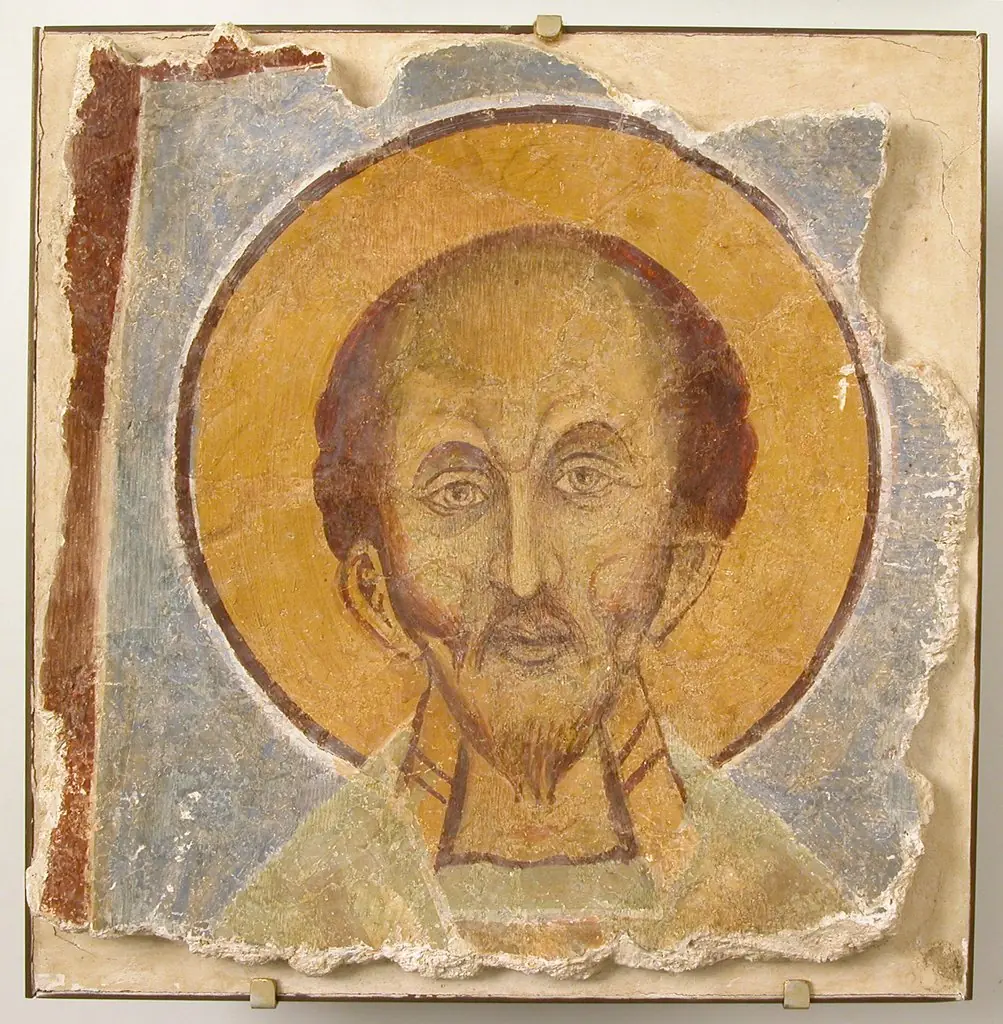 Wall Painting of Male Saint
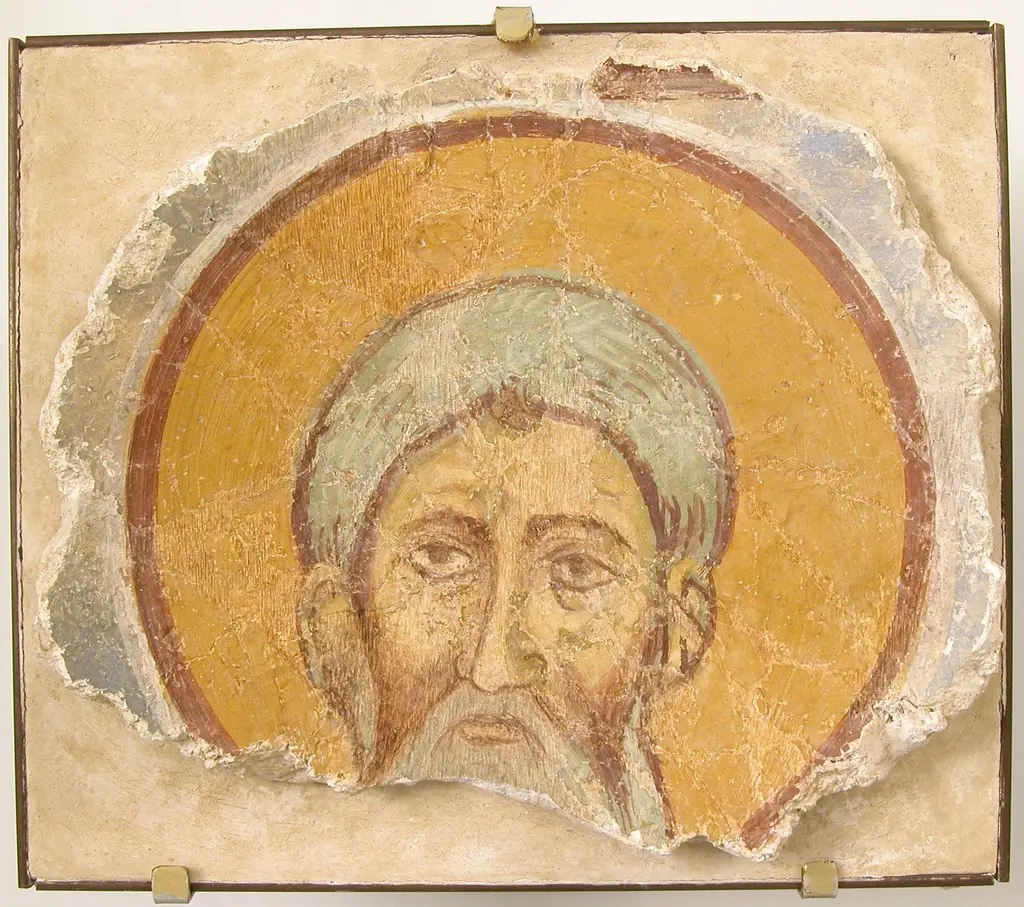 Wall Painting of a Male Saint
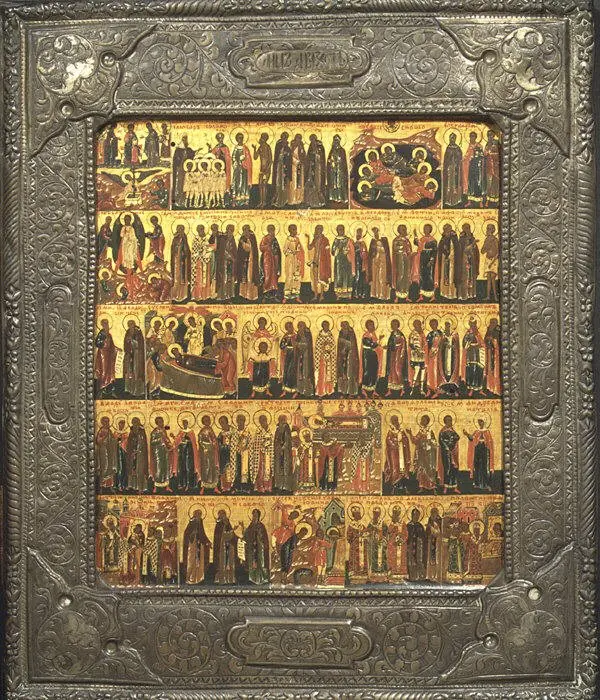 Calendar of Saints and Festivals
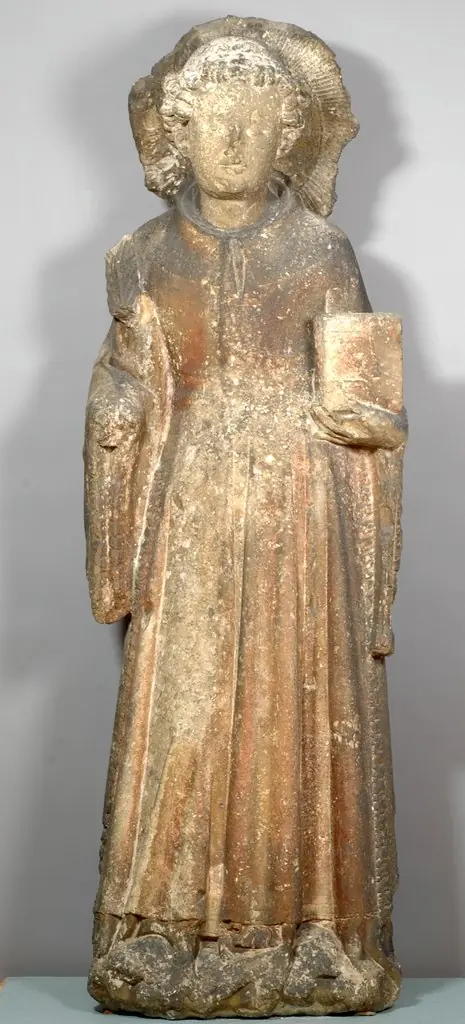 Martyred Deacon Saint
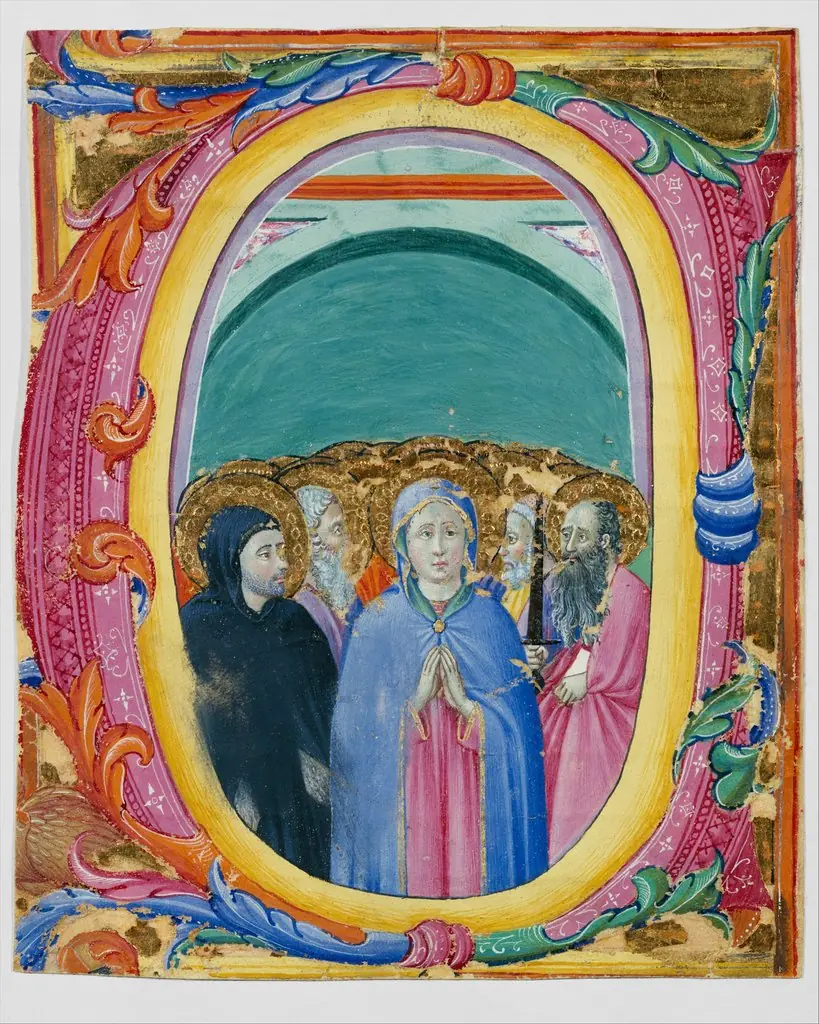 All Saints in an Initial E or O
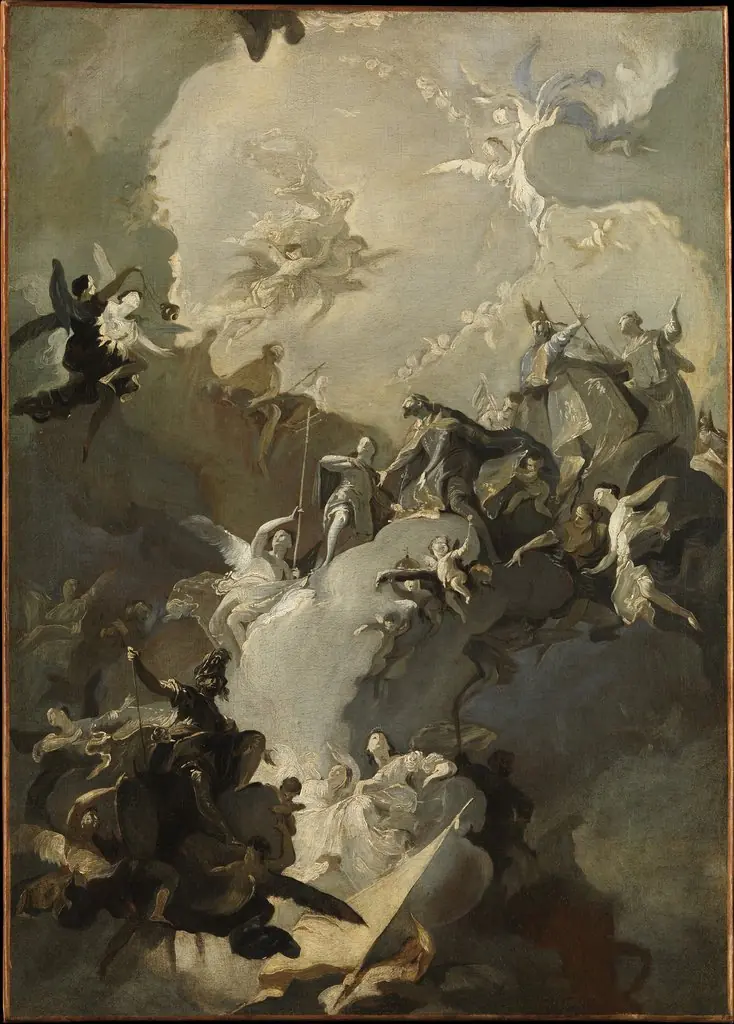 The Glorification of the Royal Hungarian Saints
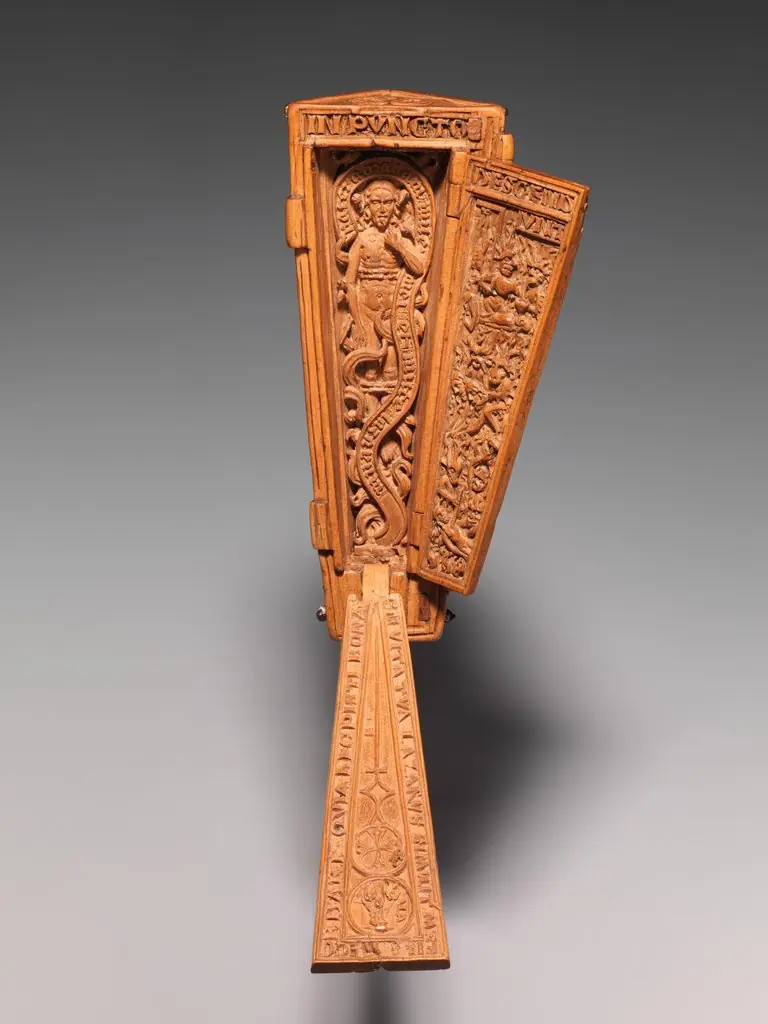 Memento Mori: Dives in Hell
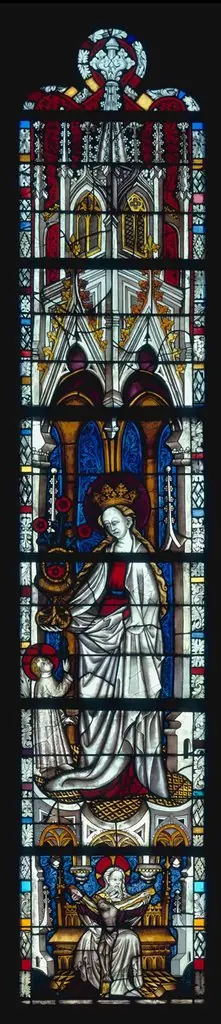 The Virgin Mary and Five Standing Saints above Predella Panels
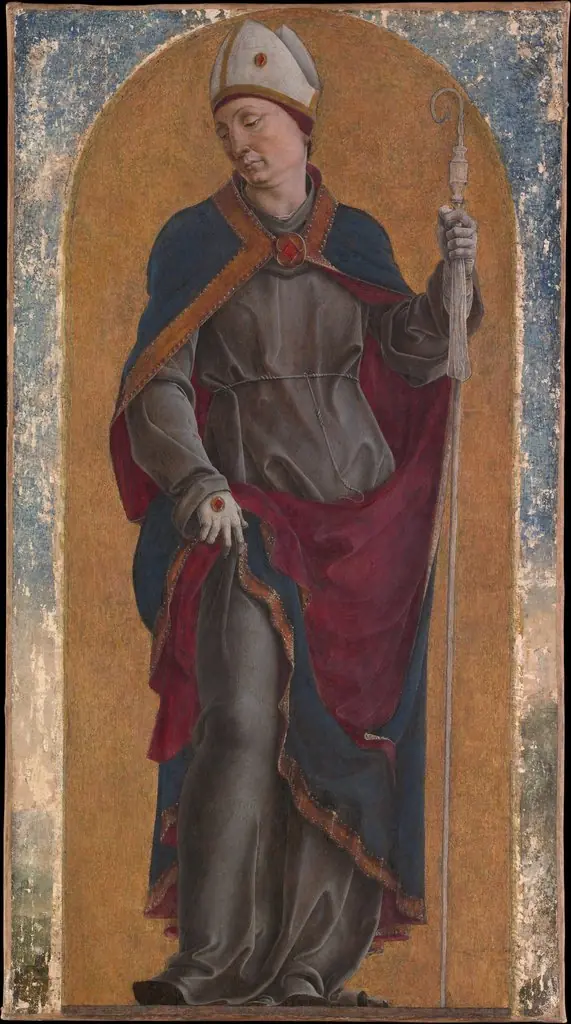 Saint Louis of Toulouse
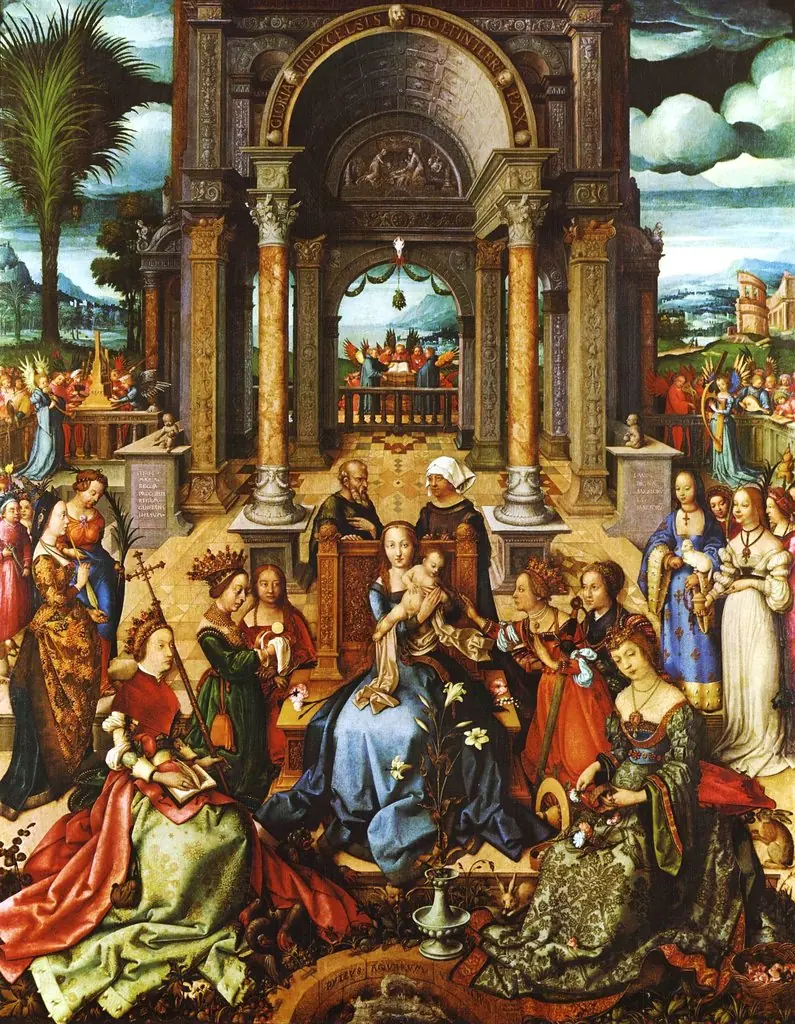 Virgin with Child by Hans Holbein the Elder, Museu Nacional de Arte Antiga
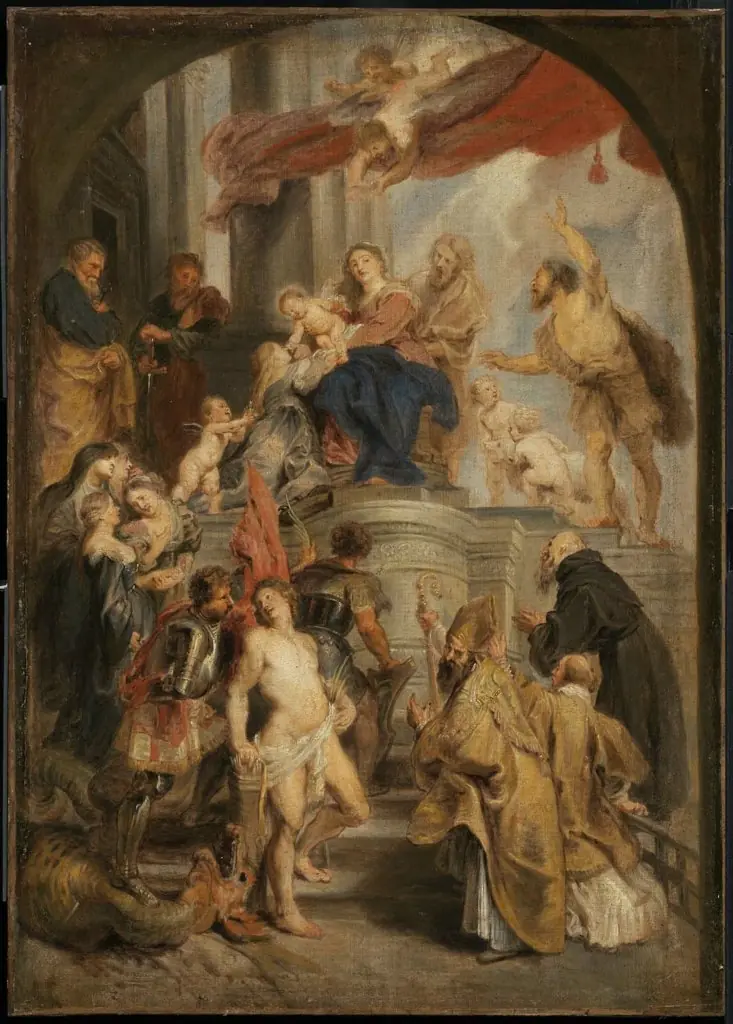 Virgin and Child Adored by Saints
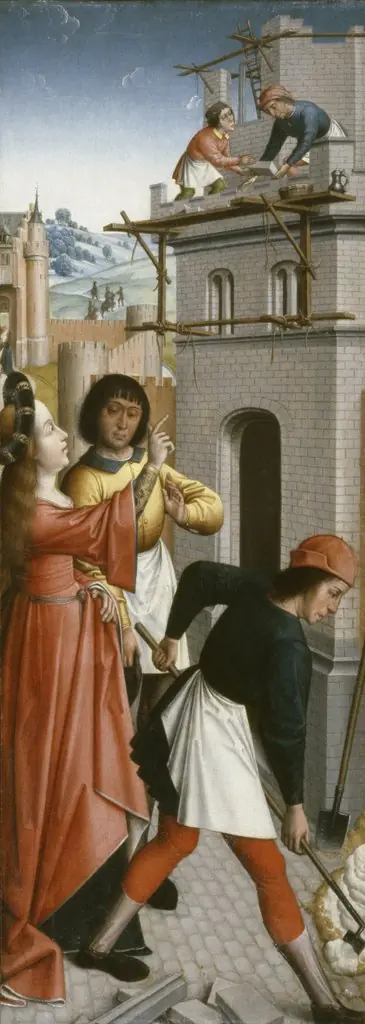 St. Barbara Directing the Construction of a Third Window in Her Tower
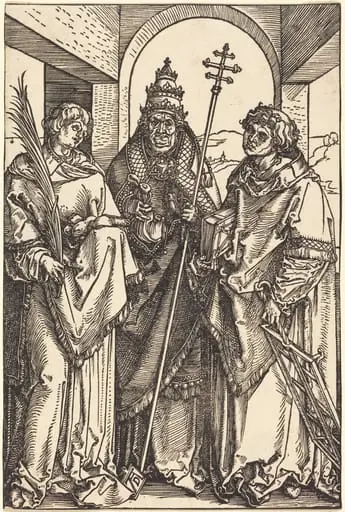 Saints Stephen, Sixtus, and Lawrence
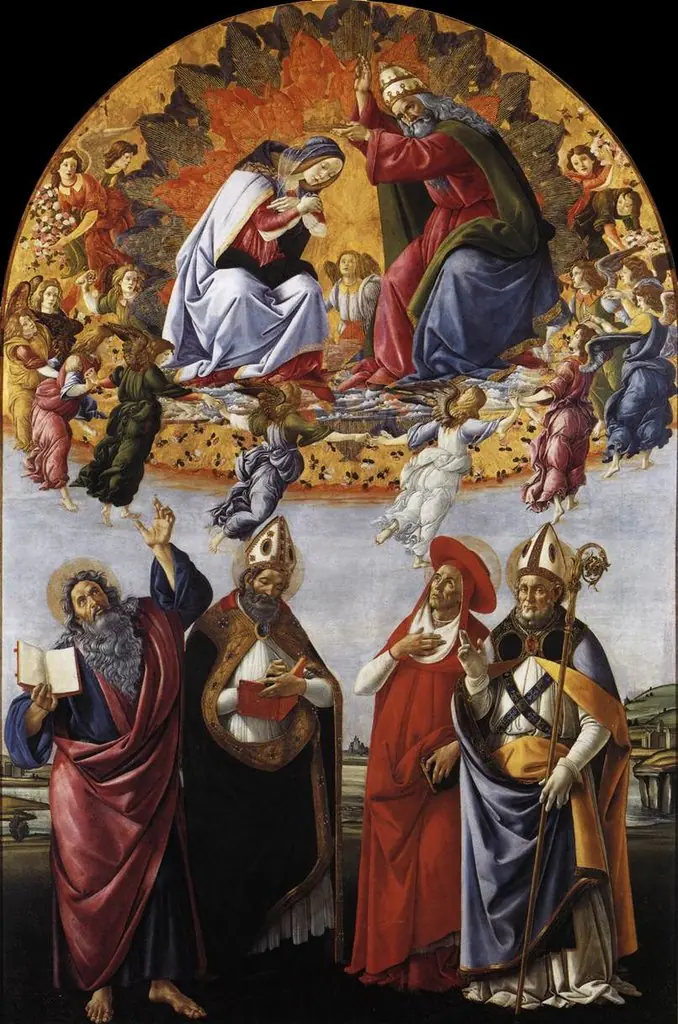 Coronation of the Virgin
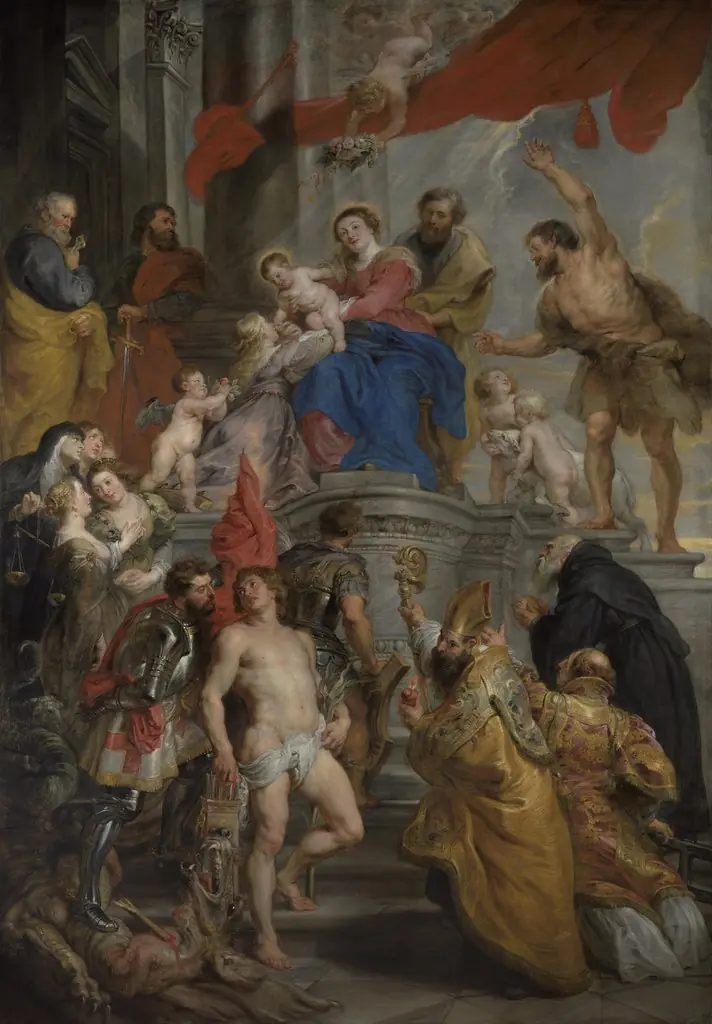 The Virgin and Child Enthroned with Saints
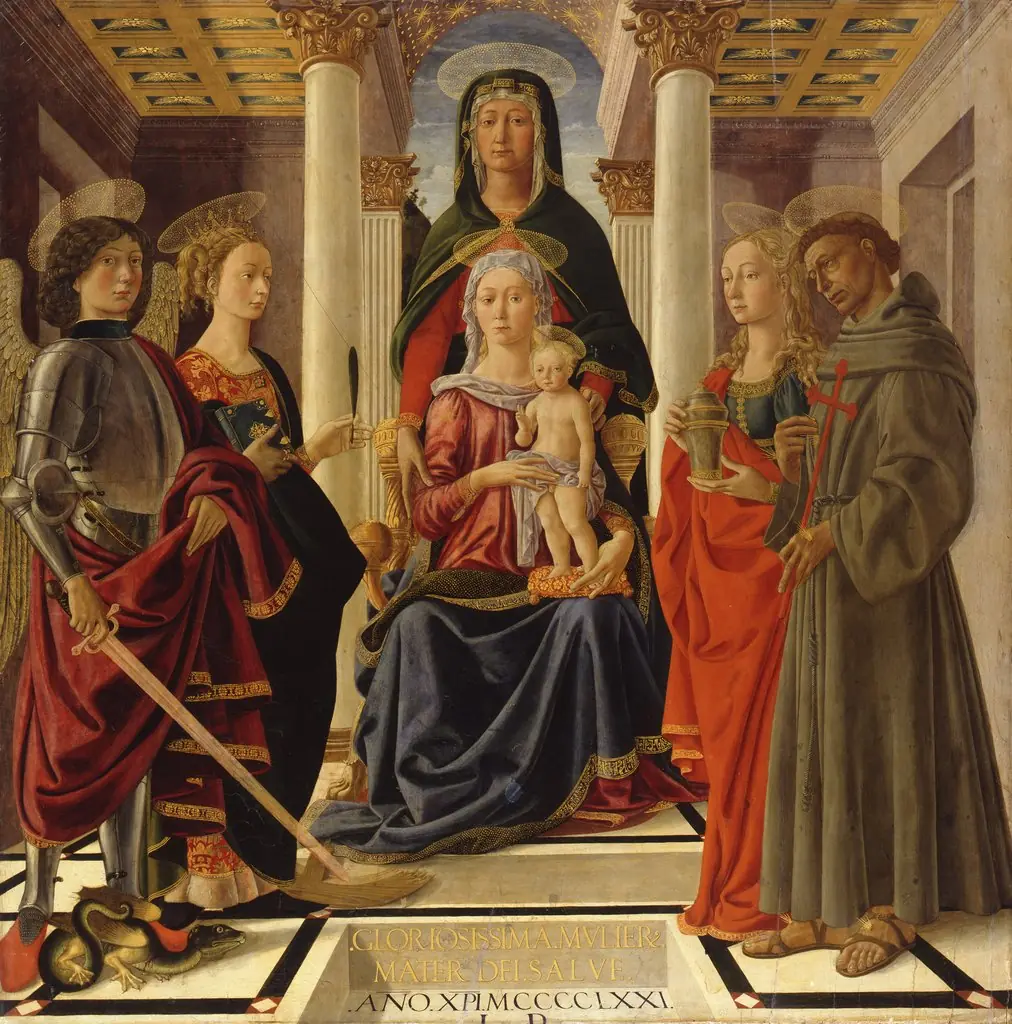 St. Anne Selbdritt with Archangel Michael and Saints
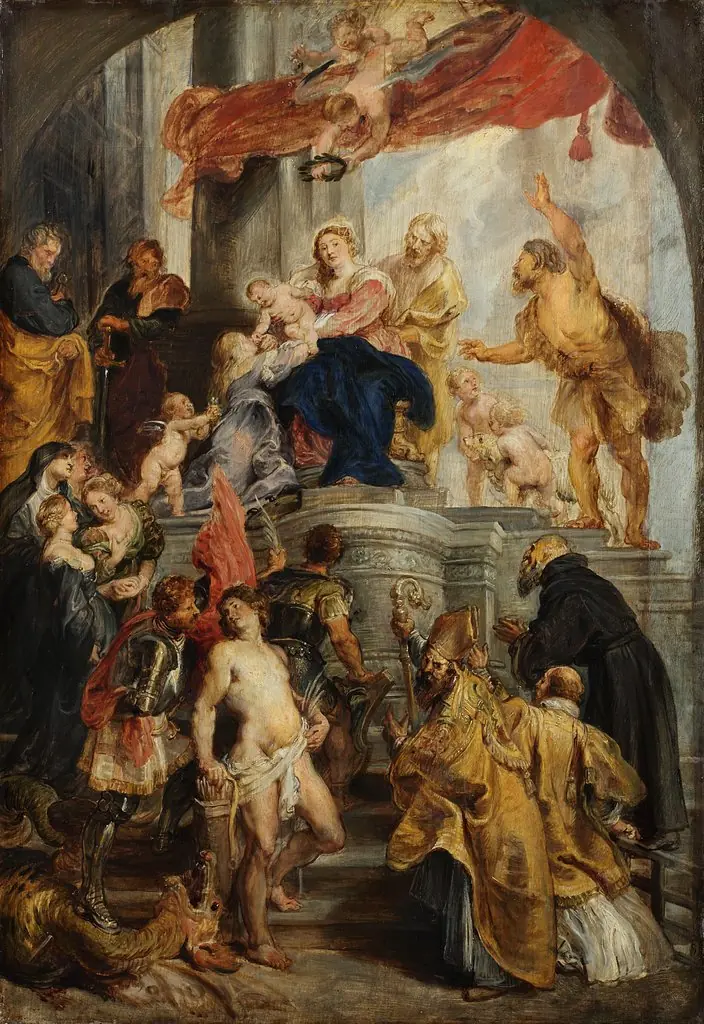 The Virgin and Child Enthroned with Saints by Peter Paul Rubens
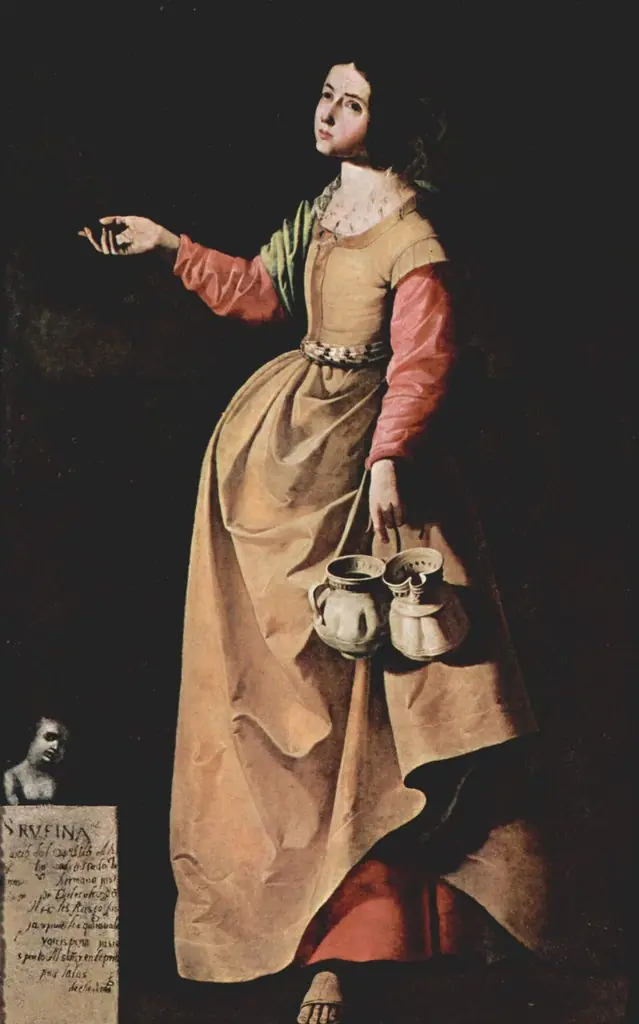 Saint Rufina
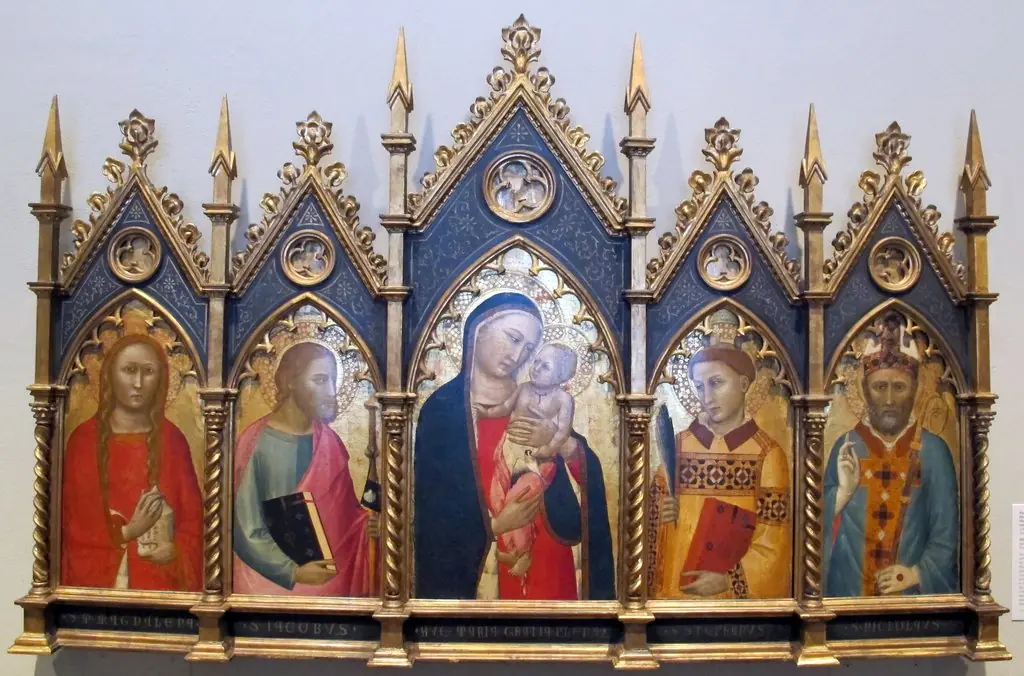 Virgin and Child, with Saints Mary Magdalene, James Major, Stephen, and a Bishop Saint
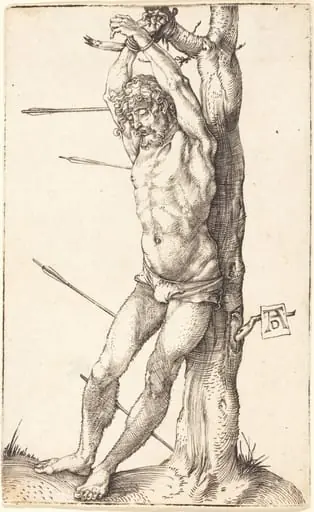 Saint Sebastian Bound to the Tree
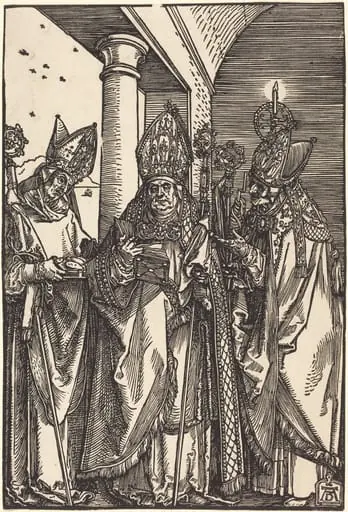 Saints Nicholas, Ulrich, and Erasmus
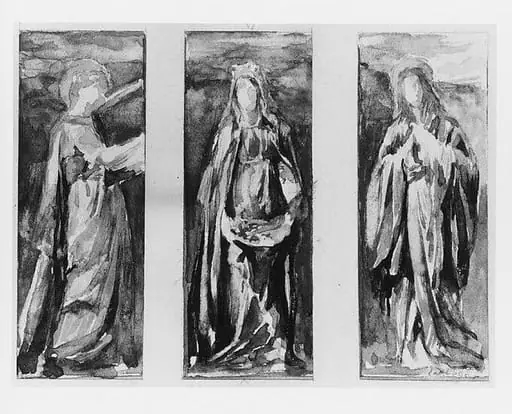 Three Saints (Alternate Study for Chapel Windows, Caldwell House, Newport)
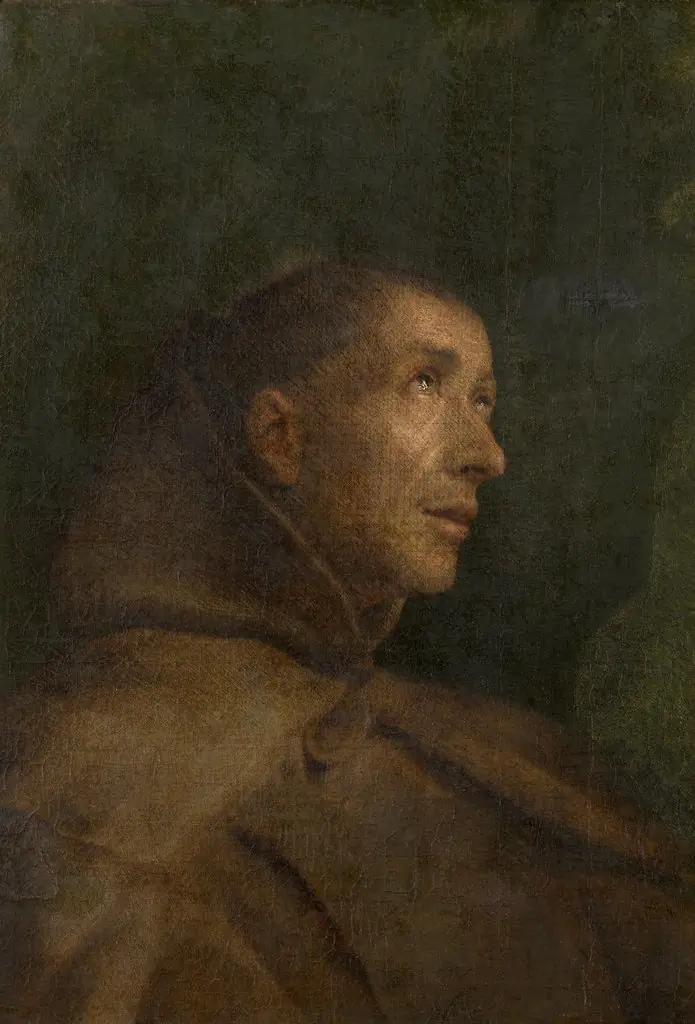 A Franciscan Saint
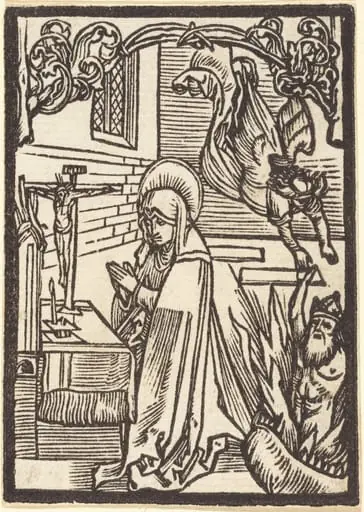 Saint Odilia
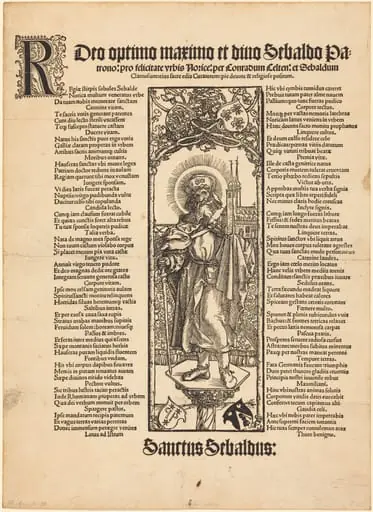 Saint Sebaldus Standing on a Column
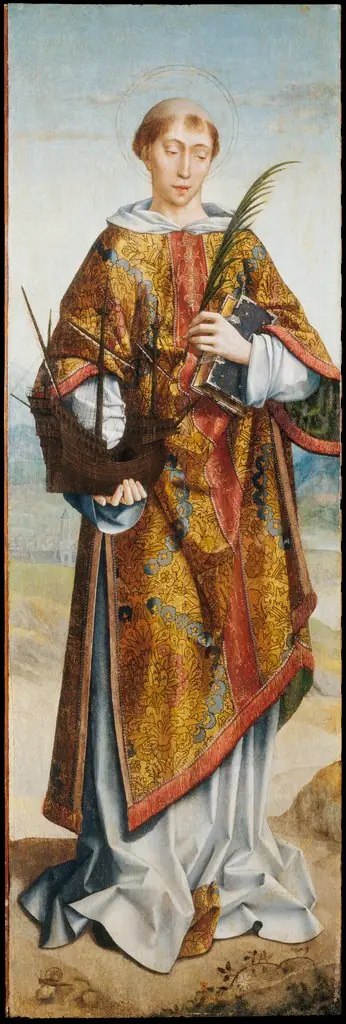 Saint Vincent, Patron Saint of Lisbon
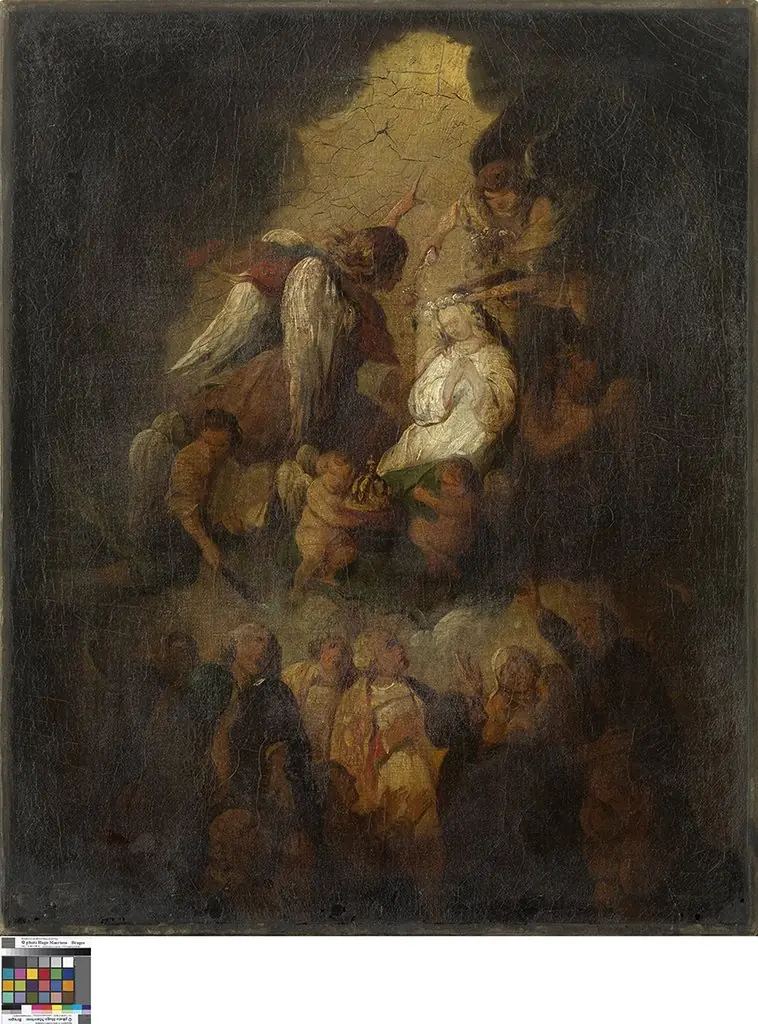 Verheerlijking van een vrouwelijke heilige
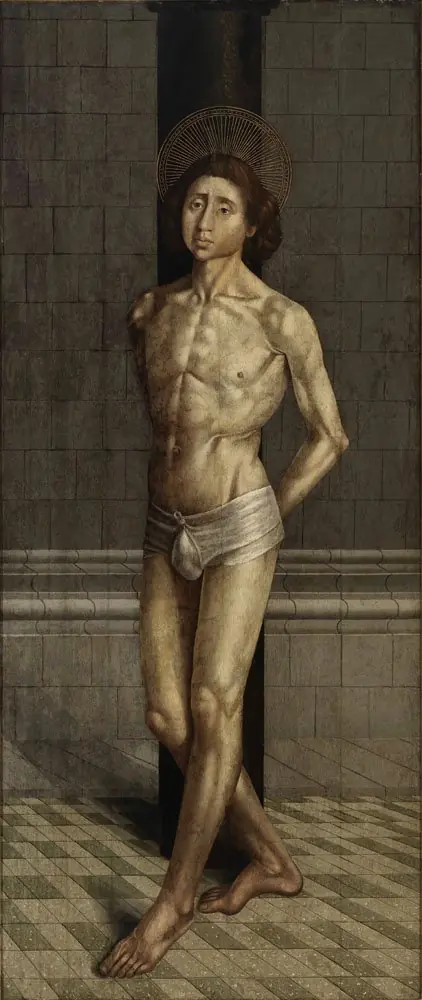 Saint Vincent Tied to a Column
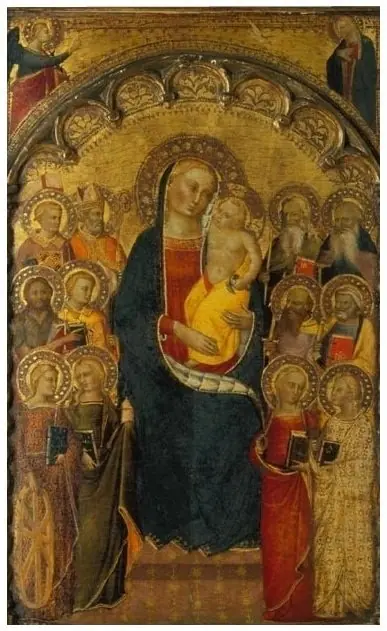 A Virgem e o Menino, Santos e Episódios do Calvário e da Anunciação
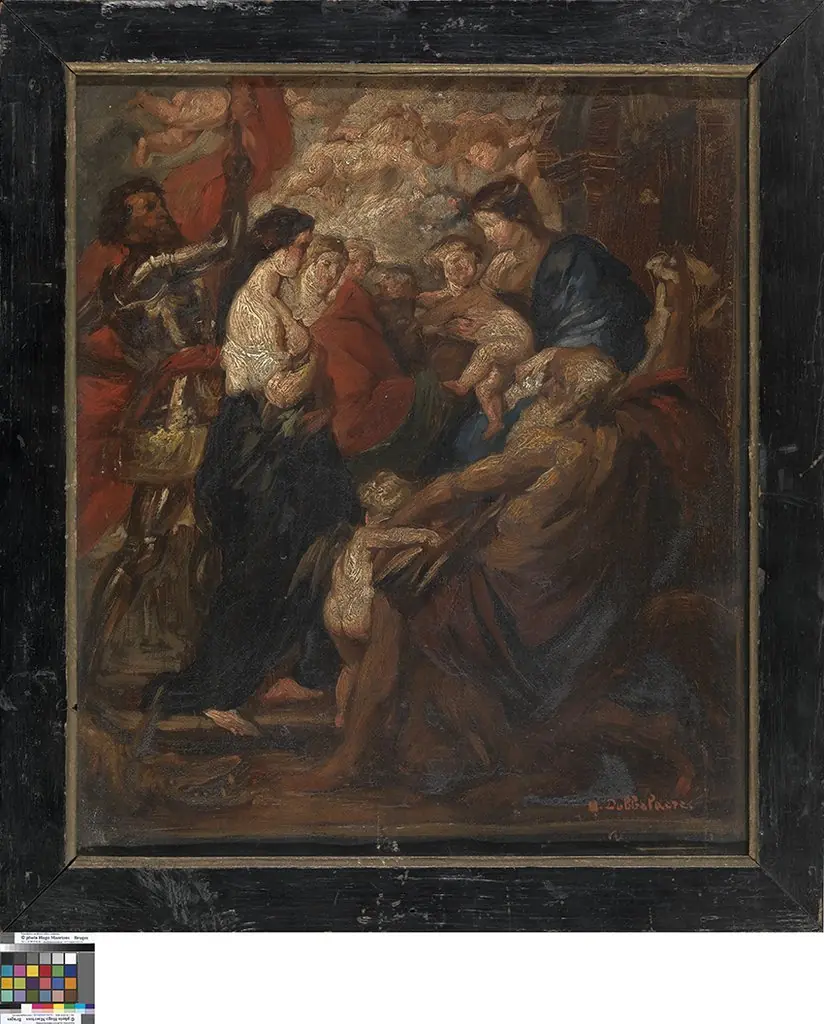 Madonna omringd door heiligen
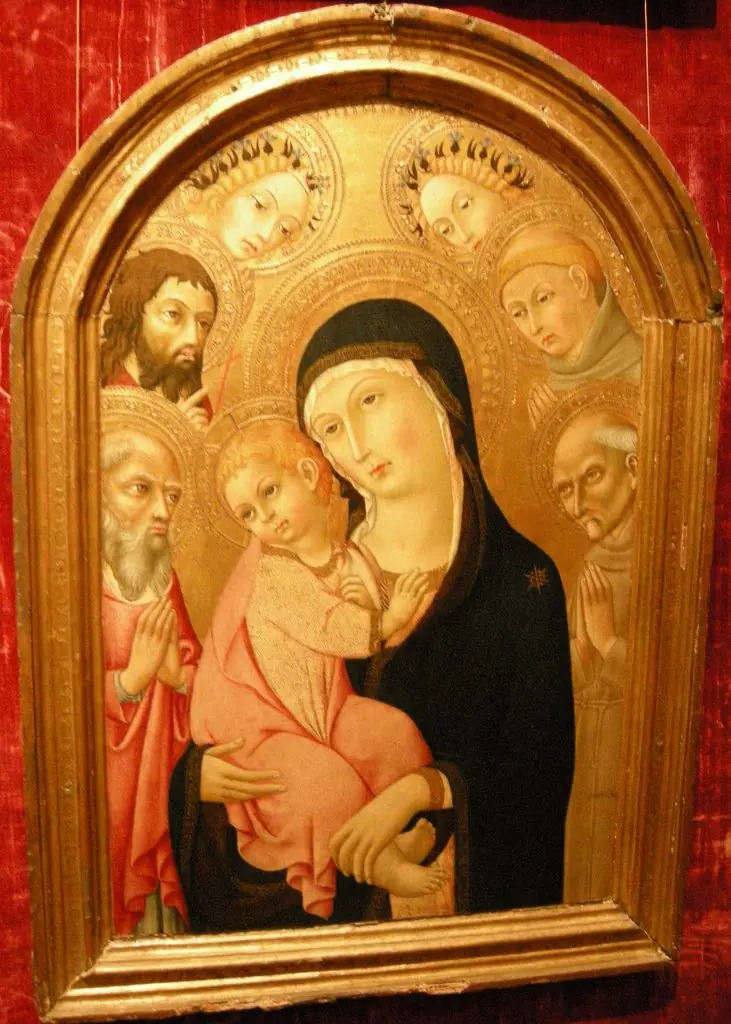 madonna col bambino, santi e due angeli
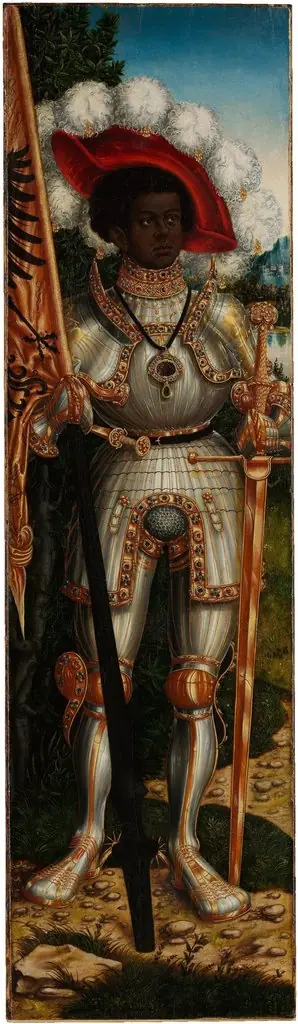 Saint Maurice
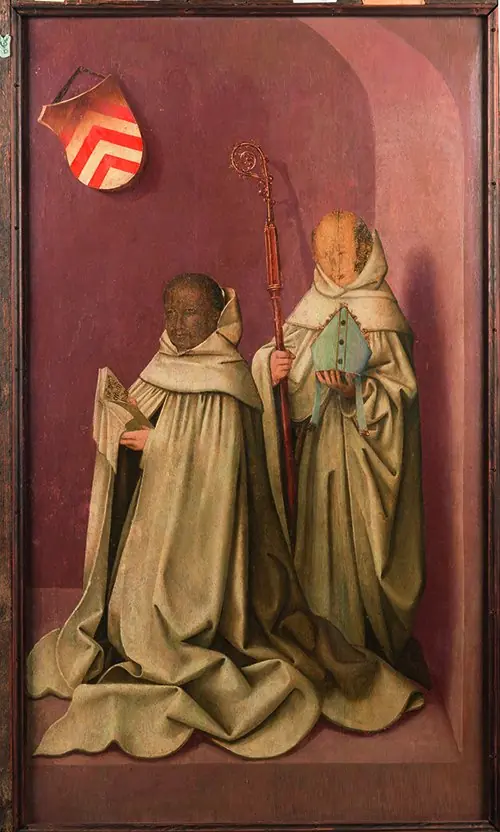 Two male saints
 Zugrăvița a combinat cu inocență două teme iconografice (cea a Bunei Vestiri cu cea a Botezului), fenomen frecvent în icoanele Anei Deji.În prim plan, în picioare, un sfânt cu o ramură verde în mâna dreaptă înălțată binecuvintează un înger. Sfântul tânăr, cu părul lung, negru, barbă scută, mustăți. După poziție și trăsături ar putea fi asimilat Sf. Ioan din scena Botezului. Poartă un chiton roșu, asemănător blănii de cămilă și un himation verde.În jurul capului are o aureolă cu limbi de foc asemănător acelora din Pogorârea Sfântului Duh. Îngerul privește către sfânt, ținînd pe brațul stâng un ștergar cu vrâste verzi și roșii, iarăși asemănare cu scena Botezului. Îngerul are trăsături feminine, ochii mari, negri, aripi strânse, tunică roșie cu poale cafenii.Nu poate fi vorba de Botez deoarece lipsește Isus dintre cele două personaje iar decorul arhitectural din planul doi(o construcție cu mai multe caturi, cu intrări largi, cu portal semicircular, 4 ferestre la ultimul cat și acoperiș rotund de olane) nu se regăsește în scena Botezului. De sus coboară sfântul Duh, sub formă de porumbel roșu cu aripi cafenii, pe un fond verde într-un oval de nori alburii marcați cu linii roșii. În partea de jos,relief ușor vălurit, realizat din benzi late cu margini ondulate de culoare verde, roșie și cafenie.Restul câmpului- albastru ultramarin, decorat cu steluțe albe și roșii. Pe trei laturi este pictat un chenar din semicercuri suprapuse, primul cu roșu alternînd cu verde, al doilea ocru. Icoana ar putea fi asimilată Buneivestiri, dar în acest caz în locul sfântului ar trebui să fie un înger iar în locul îngerului Fecioara Maria. Rama este alcătuită din patru șipci drepte, îmbinate oblic la colțuri. Dosul este realizat din scândurele subțiri de brad, dispuse vertical și fixate în cuie.
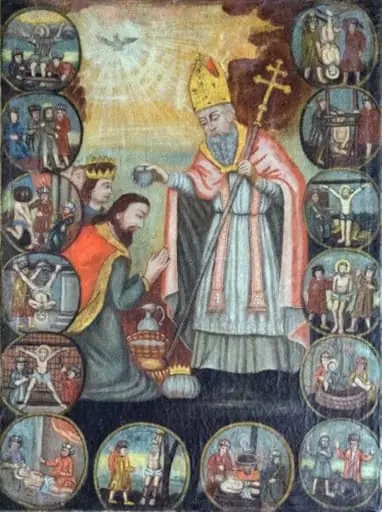 Sfântul Grigore Iluminatorul botezând regele Tiridates (cu scenele torturării sfântului)
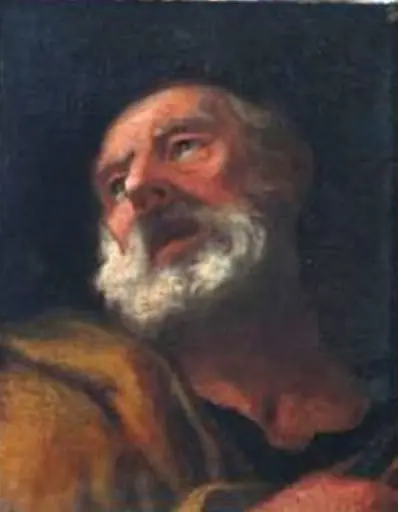 Apostolul Petru
 Sfinții Arhangheli Mihail și Gavriil sunt reprezentați împreună, fiind mai-marii voievozi ai oștilor cerești. În această icoană, primul este Sfântul Arhanghel Gavriil, îngerul aducător de dar și bunăvestire, iar al doilea este Sfântul Arhanghel Mihail, numit slujitorul Legii. Sfinții Arhangheli sunt înveșmântați în tunică-sacos galbenă chihlimbar, cu mânecile largi gri-antracit, cu mantiile roșii vermillon, aripile roșii-gri antracit. Sfântul Mihail are pantalonii de oștean albaștrii bleu-ciel și ține în mâna dreaptă balanța faptelor bune și a fărădelegilor și în mâna stângă are spada dreptății și a credinței. Fondul icoanei este cerul albastru bleu-ciel ceruleum în registrul superior și un câmp de nouri albi-albaștri, asemenea unor mandorle, în registrul de mijloc. Cromatica armonioasă este alcătuită din: roșu vermillon, albastru bleu-ciel și ceruleum, galben chihlimbar, gri antracit, brun, bronziu, alb, negru. Inscripția din româno-chirilică se traduce Mihail și Gavriil. Icoana este din Nordul Transilvaniei, Nicula.
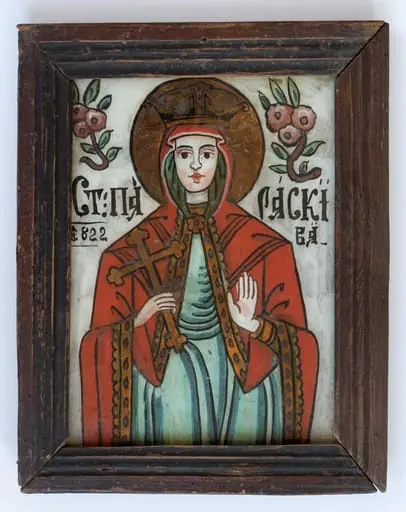 Sfânta Parascheva
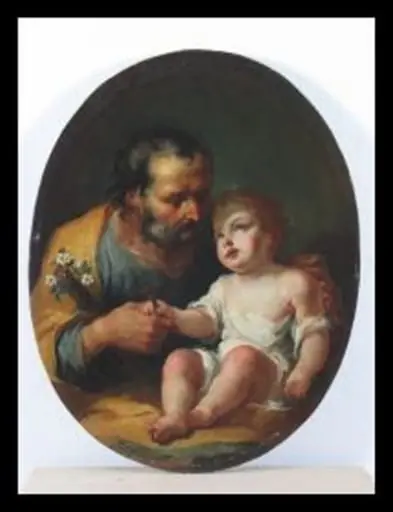 Sfântul Iosif cu pruncul Iisus
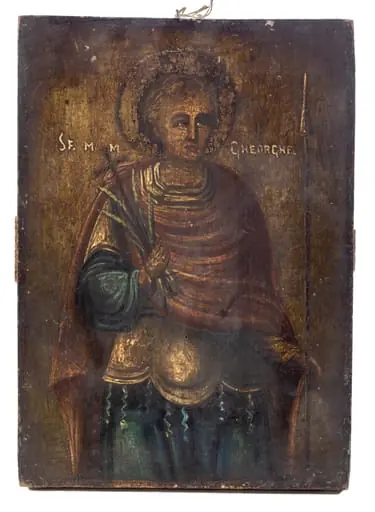 Sfântul Gheorghe
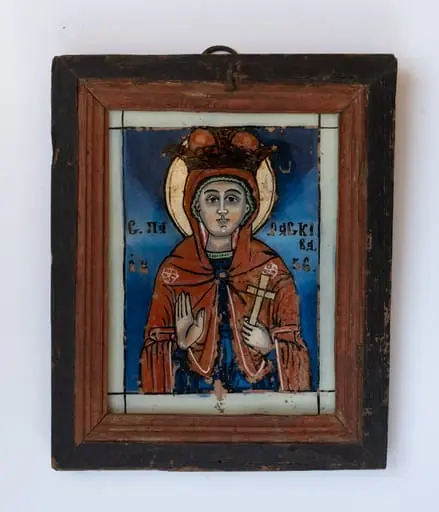 Sfânta Parascheva
 Icoana este mai rară, prin tematica iconografică abordată. Este un prăznicar cu 6 sfinți ierarhi, mucenici, arhidiaconi. Sunt împărțiți în două registre, a câte trei grupuri, înscrise între coloane, pe sub arcade de Biserică. În registrul superior sunt cei trei Ierarhi Vasile cel Mare, Grigorie de Dumnezeu-Cuvântătorul și Ioan Gură-de-Aur. Cei Trei Sfinți Ierarhi Vasile cel Mare, Grigorie de Dumnezeu Cuvântătorul și Ioan Gură-de-Aur slujesc și săvârșesc Sfânta Liturghie împreună. Sunt înveșmântați în veșminte liturgice: sacos albastru ceruleum și roz putred-stacojiu, cu linii albe, felon roșu vermillon-orange, epitrahil ocru-galben și verde-lime cu câte trei-patru cruci negre. Sfinții ierarhi Binecuvântează cu mâna dreaptă și țin în mâna stângă Sfânta Evanghelie închisă. În registrul al doilea, cel inferior, sunt Sfântul Mare Mucenic Dimitrie Izvorâtor de Mir, Sfântul Mare Ierarh Nicolae făcător de minuni și Sfântul Mare Arhidiacon Ștefan. Se remarcă sacosul de zale gri-argintii ale Sfântului Dimitrie, care ține în mâna dreaptă o cădelniță, iar Sfântul Ștefan Binecuvântează cu crucea, pe care o ține în mâna dreaptă. Fondul întregii icoane este cerul albastru cobalt-ceruleum, împodobit cu stele albe și roșii, elemente astrale. Cromatica este luminoasă și armonioasă: verde văratic, verde lime, alb, orange, roșu vermillon, roz-stacojiu, galben-ocru, galben chihlimbar, bej, crem, albastru cobalt și ceruleum, negru. Este o icoană specifică picturii de Țara Oltului, cu un desen fin cu conturul negru și cromatica pastelată. Inscripția din româno-chirilică se traduce Sf Vasile Sf Grigorie Sf Ioan Sf Dimitrie Sf Nicolae Sf Ștefan.
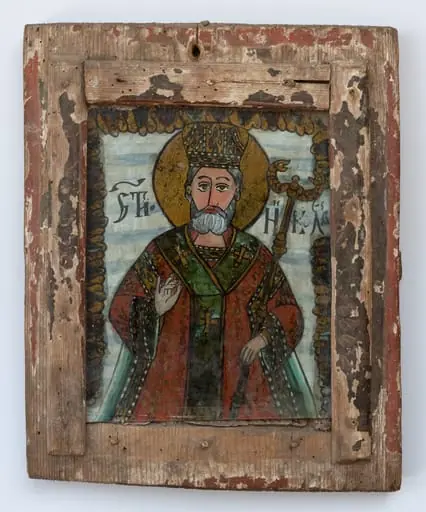 Sfântul Nicolae
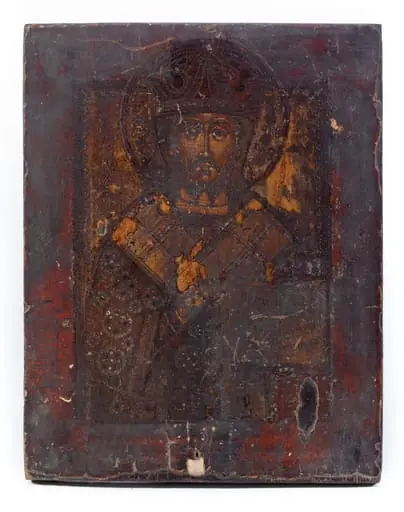 Sfântul Nicolae
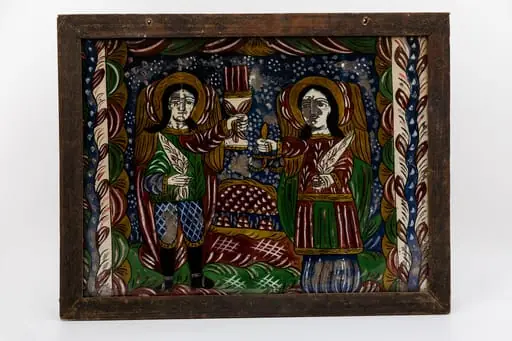 Sfinții Arhangheli Mihail și Gavriil sunt reprezentați împreună, fiind mai-marii voievozi ai oștilor cerești. În această icoană, este Sfântul Arhanghel Gavriil, supranumit îngerul aducător de dar și bunăvestire, iar al doilea este Sfântul Arhanghel Mihail, slujitorul Legii. Sfântul Gavriil este înveșmântat în sacos albastru cobalt, cu tunică și mantie roșie vermillon, cu interiorul verde văratic și are în mână frunzele crinului, iar Sfântul Mihail este îmbrăcat în haine de oștean militar, cavaler, cu pantaloni albaștri și vestă de zale, cu solzi aurii. Sfântul Arhanghel Mihail ridică Potirul Sfintei Împărtășanii. Fondul este cerul albastru ceruleum-cobalt, bogat ornamentat cu elemente decorative punctiflorale roșii și albe. Icoana este încadrată în chenar de linii ondulatorii și vălurite roșii și albastre. Cromatica armonioasă este alcătuită din: roșu stacojiu, albastru ceruleum, cobalt, verde văratic, nuanța de spanac-avocado, galben chihlimbar, crem, acajou, negru, alb. Icoana este pictată de Ana Deji. Icoana este din Țara Făgărașului, Făgăraș.
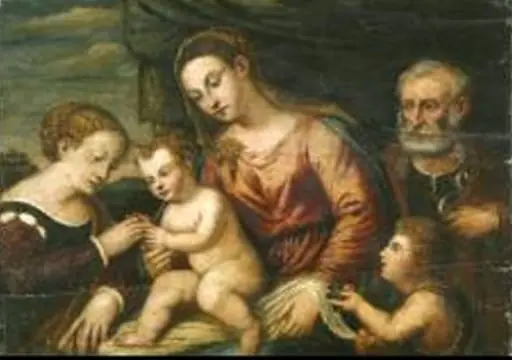 Logodna mistică a sfintei Ecaterina de Alexandria
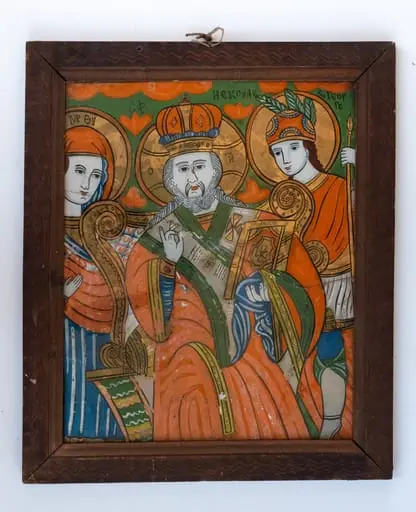 Sfântul Nicolae încadrat de Fecioara Maria și Sfântul Gheorghe
 Sfântul Ierarh Nicolae
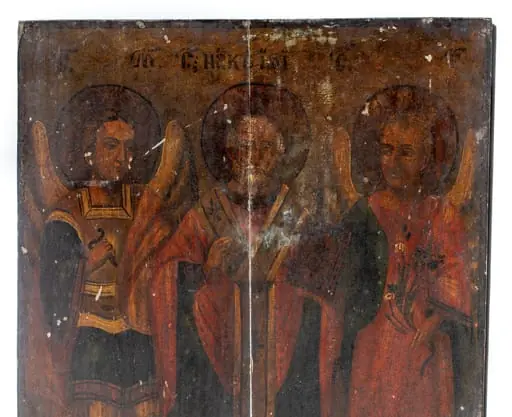 Sfinții Nicolae, Mihail și Gavriil
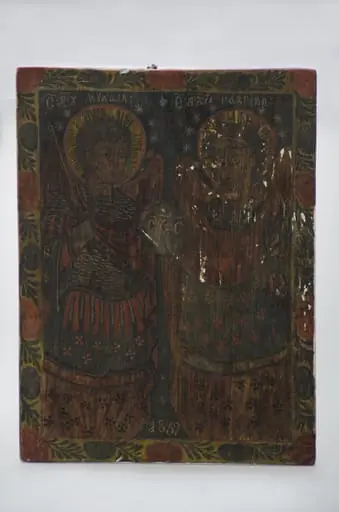 Icoană pe lemn, datată 1839, reprezentând pe Sfinții Arhangheli Mihail și Gavriil ținând în mână globul pământesc pe care sunt literele „S S S (Sfânt Sfânt Sfânt)” - cântarea îngerilor din ceruri. În registrul superior sunt scrise numele îngerilor în românește cu caractere chirilice: „Sf Arh Mihail – Sf Arh Gabriil”. Cu îmbrăcăminte ostășească, îngerii au aoreolă împrejurul capului, Mihail are sabie în mâna dreaptă iar Gavriil are crinul în mâna stângă. Icoana are un chenar realizat cu o linie subțire. Un al doilea chenar exterior cu motive florale și vegetale. Cromatică: roșu, alb, bleumarin; auriu; alb; negru.
 Icoana îl reprezintă pe Sfântul Arhanghel Gavriil, un voievod al puterilor cerești, al doilea în rangul arhanghelilor, după Sfântul Arhanghel Mihail, cunoscut ca mesager al veștilor frumoase. Misiunea Sfântului Gavriil este de a vesti mântuirea omenirii. Sfântul Gavriil este îmbrăcat în cămașă albă de înger cu verde, cu mantie roșie vermillon, cu interiorul căptușit cu verde de China. Cu chipul angelic și foarte tânăr, sfântul are mâinile în gestul de a arăta calea și dăruind crinul, simbolul BuneiVestiri, Maicii Domnului sau totodată, primind o crenguță înflorită din Rai, din mâna Maicii Domnului. Sfântul Gavriil este încadrat într-un medalion auriu, pe un fond gri, îmbogățit cu flori roșii - ruje înfrunzite. Este o tematică rară, pictată la Nicula, din Nordul Transilvaniei. Motivul zăluței albe este prezent în pictura icoanei, abia-întrezărit, în veșmântul sfântului.
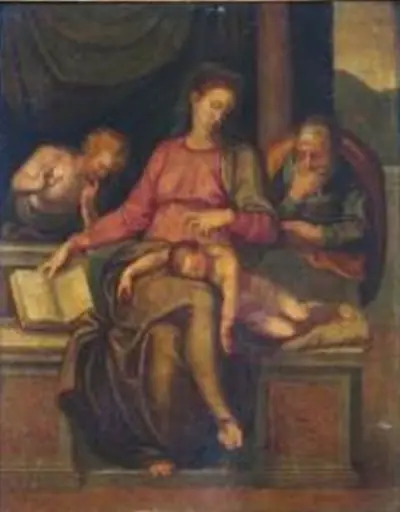 Sfânta Familie cu sfîntul Ioan Botezătorul copil (Madonna del Silenzio)
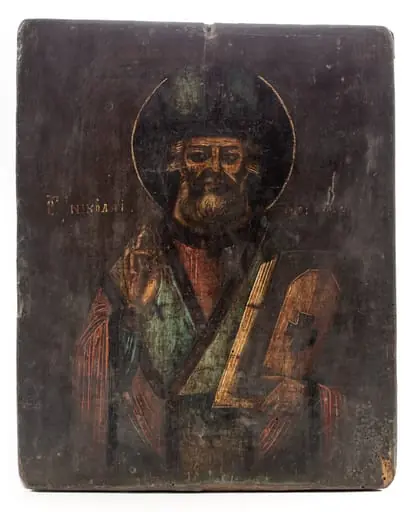 Sfântul Nicolae
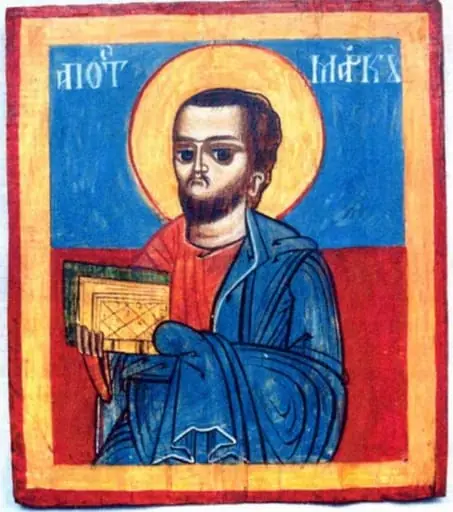 Apostolul Marcu
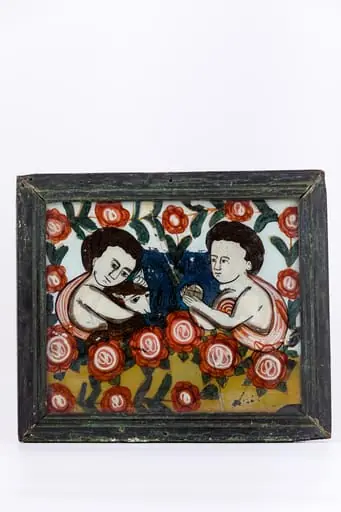 Icoana îi reprezintă dimpreună pe Mântuitorul Iisus Hristos și Sfântul Ioan Botezătorul, copii fiind, verișori, redați semi-profil, înfășurați cu câte o mantie roșie vermillon, dar cu umerii goi de copilași. Copilul Iisus ține în mâini, globul pământesc cu crucea deasupra, asemnea unui chivot de biserică, iar copilul Ioan ține un mieluț. Mieluțul este Însuși Mântuitorul Iisus Hristos, care Se va Jertfi pentru toată lumea, reprezentată de chivotul bisericii pe globul pământesc. Iată Mielul! - sunt cuvintele Sfântului Mare Prooroc Ioan Botezătorul și Înaintemergătorul Domnului nostru Iisus Hristos. Fondul icoanei este albastru bleumarin adânc și profund, în centrul icoanei, și bleu-ciel senin, pe margini, în registrul inferior este un câmp luminos de galben-ocru. În marginile icoanei, fondul este alb-albastru bleu-ciel foarte deschis și senin, înconjurat de elemente decorative fitomorfe - 16 trandafiri și bujori, ruje, roșii, cu frunze verzi. Cromatica este armonioasă și senină: roșu vermillon, albastru bleumarin, albastru bleu-ciel, galben-ocru; alb, negru. Icoana este de Gherla.
 Icoale c
 Maica Domnului, Sfântul Nicolae, Sfântul Gheorghe, Sfântul Mihail
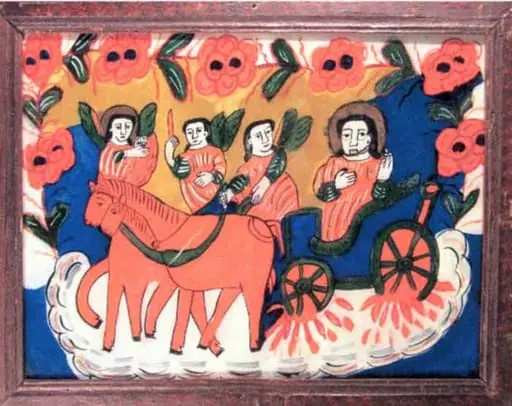 Sfântul Ilie
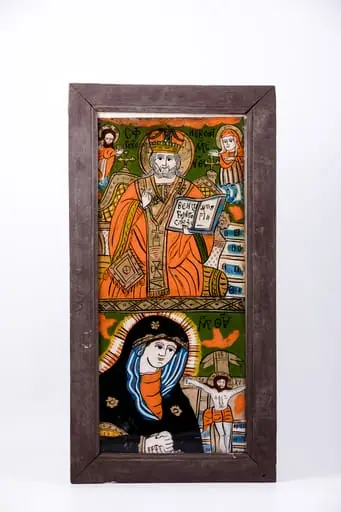 Icoaauri
 Icoana este pictată pe dosul unei bucăți de glajă de formă dreptunghiulară în ax vertical. Sfântul Nicolae este redat în prim plan, așezat pe un tron, ținînd Evanghelia închisă în mâna stângă în timp ce cu dreapta binecuvintează. Sfântul Nicolae este înveșmântat ca Mare Arhiereu, cu mitră înaltă, bipartită, omofor mare, verde, decorat cu cruci "patee", sacos roșu cărămiziu cu galon auriu cu motiv spiralat, stihar roșu. De mâna dreaptă îi atârnă bedernița, percepută ca decor al veșmântului. Chipul este sobru, barba albă,scurtă,la fel părul scurt, ondulat. Ochii sunt negri, bine definiți, arcadele evidențiate. Nimb auriu. Tronul, cu spătarul înalt, are marginea aurită realizată în trepte(surmontatea de câte o cruce) și decorată cu motiv spiralat. Spătarul este alb, decorat cu o rețea de linii negre dublate cu bleu, întretăiate. În colțurile de sus câte un serafim pe nori. Câmpul verde intens în partea de jos, până la nivelul jilțului, albastru de Prusia în registrul superior. Desenul este îngrijit, compoziția aglomerată, paleta cromatică variată, culorile tari, Inscripția cu negru în partea de sus, greu vizibilă. Rama, din lemn de brad băițuit, este alcătuită din patru șipci profilate pe o porțiune mică spre interior, îmbinate oblic la colțuri, decorată cu un motiv ușor ondulat, imitînd fibra lemnului, dispus oblic. Dos din scândurele subțiri de brad, dispuse orizonal și fixate în cuie.
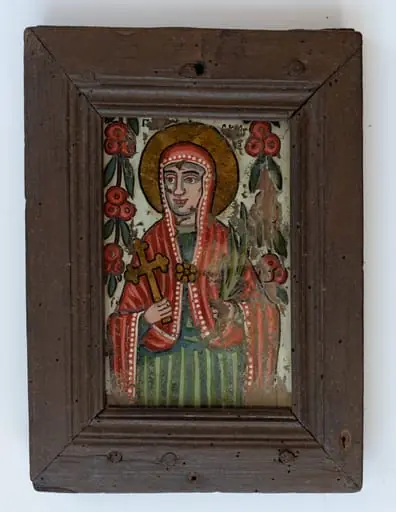 Sfânta Parascheva
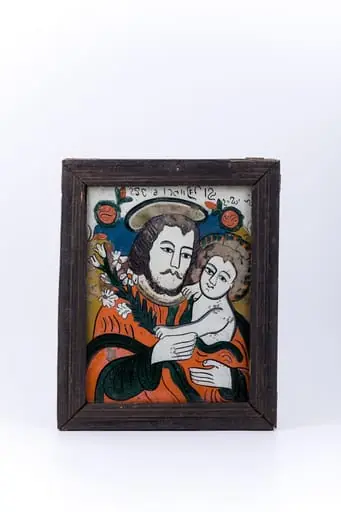 Icoana îi reprezintă pe Sfântul și Dreptul Iosif, Logodnicul PreaCuratei Fecioarei Maria, cu Pruncul Iisus Hristos în brațe. Icoana este mai rară, din punctul de vedere al tematicii compoziționale abordate. Sfântul Iosif este înveșmântat cu un hiton - tunică roșie vermillon, cu mânecile și bordura verde mușchi-de-pădure sau nuanță de China. Pruncul Iisus este dezbrăcat, dar acoperit de veșmântului protector al Sfântului Iosif. În mâna dreaptă Dreptul Iosif Logodnicul ține o ramură de crin, simbolul Fecioriei și a BuneiVestiri. Crinul este ținut împreună cu mânuța Pruncului Sfânt. Aureola Sfântului Iosif este mai aparte, asemenea sfinților catolici. Fondul icoanei este cerul albastru regal, în registrul superior, un câmp luminos de galben-bronziu, în registrele inferior și mediu, pe laterale și un chenar decorativ geometrizant alb-ivoriu. În registrul superior, asemenea unei arcade de boltă, este o ghirlandă de ruje roz - 2 elemente florale. Inscripția din româno-chirilică se traduce Sf Iosif și Iisus. Cromatica este armonioasă și luminos-pastelată: roșu vermillon, verde mușchi-de-pădure, albastru regal, alb-ivoriu, crem, bej, nisipiu, galben-ocru, bronziu, alb, negru. Icoana este din Nordul Transilvaniei, Nicula.
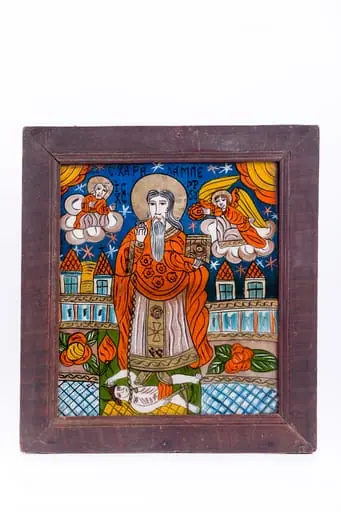 Sfântul Haralambie este cunoscut ca și făcător-de-minuni, vindecător de boli și ocrotitor al caselor familiilor creștine. Central este pictat Sfântul, îmbrăcat cu veșminte liturgice, arhierești, cu sacos roșu vermillon și bej-rozaliu, cu elemente decorative florale brune și epitrahil brun-stacojiu-roz, cu trei cruci și aureolă. Cu mâna dreaptă binecuvântează și cu mâna stângă ține Sfânta Evanghelie închisă. Tot cu mâna dreaptă, binecuvântând, ține și în lanț ciuma, reprezentată antropomorfic și zoomorfic - o vietate goală și diavol, cu trăsături umane. Ciuma, simbolizând boala incurabilă și moartea, are coarne de diavol, fiind, totodată și păcatul, patima, aducătoare de moartea duhovnicească. Fondul este cerul albastru cobalt strălucitor de senin, cu elemente decorative astrale - stele albe și roșii. Compoziția iconografică este îmbelșugat-echilibrată cu elemente de arhitectură. În registrul superior sunt Dumnezeu-Tatăl Binecuvântând și Îngerul păzitor, cu aripile galbene de lumină, ocrotind, fiind pe mandorle de nouri albi-crem-bej. Cromatica este armonioasă și luminoasă: roșu vermillon, brun-rozaliu, albastru cobalt și blau-ciel, verde spanac-avocado, kaki, cafeniu, galben-ocru, alb, negru. Icoana este de Țara Oltului. Inscripția din româno-chirilică se traduce Sfântul Haralambie IC XC MP Iisus Hristos Maica Domnului. Chiar dacă în inscripție scrie MP Maica Domnului este pictat Sfântul Înger ocrotind.
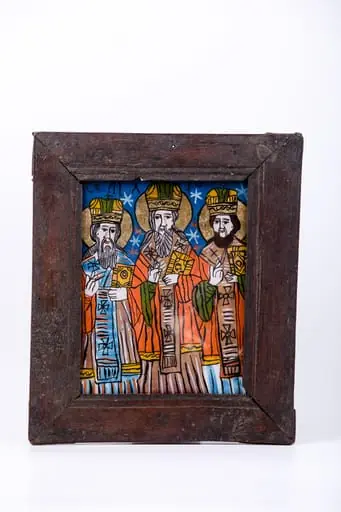 Cei Trei Sfinți Ierarhi Vasile cel Mare, Grigorie de Dumnezeu Cuvântătorul și Ioan Gură-de-Aur slujesc și săvârșesc Sfânta Liturghie împreună. Sunt înveșmântați în veșminte liturgice: sacos crem-albastru-alb-crem, felon roșu vermillon, epitrahil albastru-verde cu câte patru cruci negre. Sfântul Vasile cel Mare are Sfânta Evanghelie în mâna dreaptă. Sfântul Ierarh Grigorie de Dumnezeu Cuvântătorul Binecuvântează. Fondul registrului superior este cerul albastru-regal, bogat ornamentat cu elemente astrale - stele roșii și albe. Cromatica este luminoasă și armonioasă: verde văratic, alb, roșu vermillon, galben-ocru, bej, crem, albastru regal și bleu-ciel, negru. Este o icoană specifică picturii de Țara Oltului, cu un desen fin cu conturul negru și cromatica pastelată. Inscripția din româno-chirilică se traduce Vasile Grigorie Ioan.
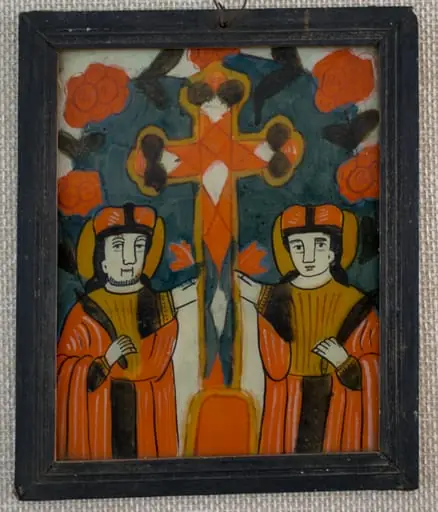 Icoana este pictată pe dosul unei bucăți de sticlă de formă dreptunghiulară în ax vertical. Crucea(tipul calvarului, cu brațele treflate)susținută în partea de jos de cei doi împărați, Constantin și mama sa Elena, (cea care a descoperit crucea la Ierusalim).este plasată sub o arcadă semicirculară de trandafiri roșii. Corpul crucii ornamentat cu motive geometrice policrome(alb, roșu, negru, galben).Sfinții (3/4) sub brațele orizontale ale crucii, o susțin cu cîte o mână(diformă), în cealaltă mână țin câte un sceptru vegetal. Fețele sunt butucănoase, veșmintele identice(galben, negru și roșu), mitrele rotunde, aureolele trasate liber. Câmpul despărțit în două zone de o arcadă de trandafiri roșii(ruje): albastru de Prusia sub arcadă, alb în rest. Desenul este schematic, naiv, Paleta cromatică este dominată culorile calde(roșu, galben, orange) contrastul cu câmpul albastru.creând perspectivă cromatică. Rama este alcătuită din patru stinghii brune, îmbinate oblic; dosul este nou, din lemn subțire de brad.
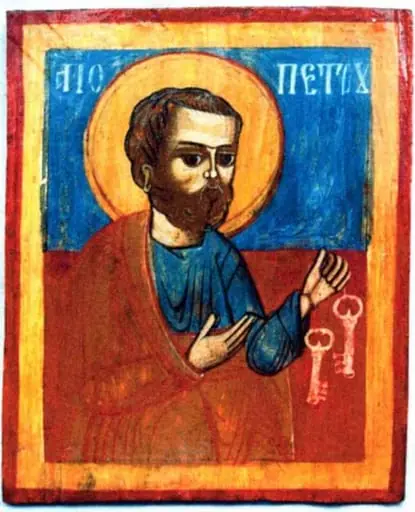 Apostolul Petru
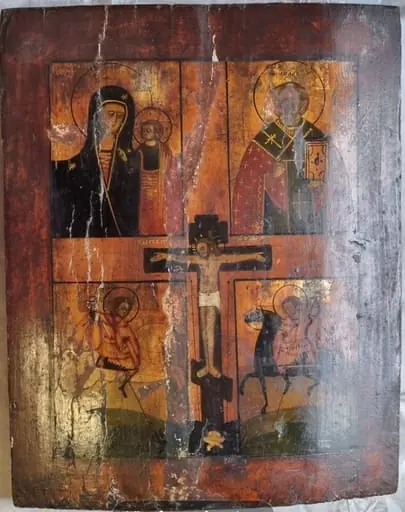 Răstignirea cu patru scene iconografice: 1) Maica Domnului cu Pruncul; 2) Sf. Nicolae; 3) Sf. Gheorghe; 4) Sf. Dumitru
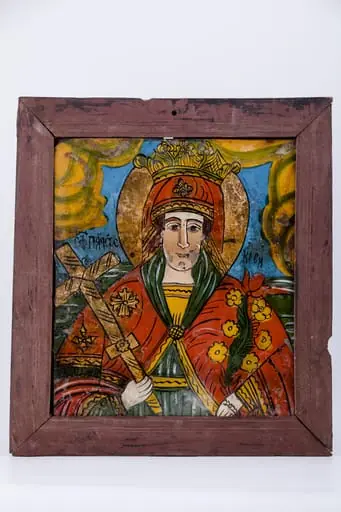 Sfânta Mare Cuvioasă Parascheva de la Iași are crucea în mâna dreaptă și ramură înflorită, cu 6 flori galbene și una roșie în vârf în mâna stângă. Este îmbrăcată în veșmânt roșu vermillon, cu interiorul căptușit cu verde și galben. Peste maforionul roșu, sfânta cuvioasă are aureolă. Fondul icoanei este cerul albastru regal, cu o arcadă de lumină galbenă, în registrul superior și bronziu, în jurul chipului și aureolei Sfintei Paraschiva și o alternanță de câmpuri verzi, dispuse paralel, în registrul mediu și inferior. Este o icoană cu aer cald, tomnatic, de octombrie 14, Praznicul Sfintei Cuvioase Parascheva. Inscripția din româno-chirilică se traduce Sf Paraschiva. Cromatica este armonioasă: roșu vermillon, albastru regal, verde văratic și forest, brun-cafeniu, negru, galben chihlimbar, ocru, bronziu, gri, negru, alb. Icoana este din Țara Oltului.
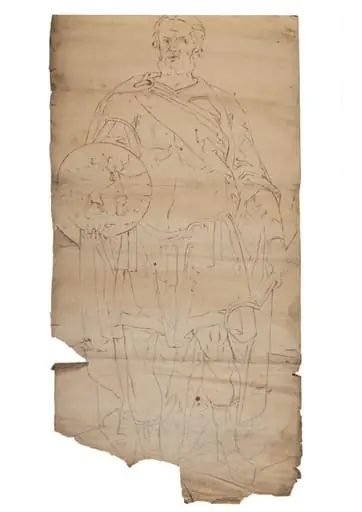 Martirul Eustatiu
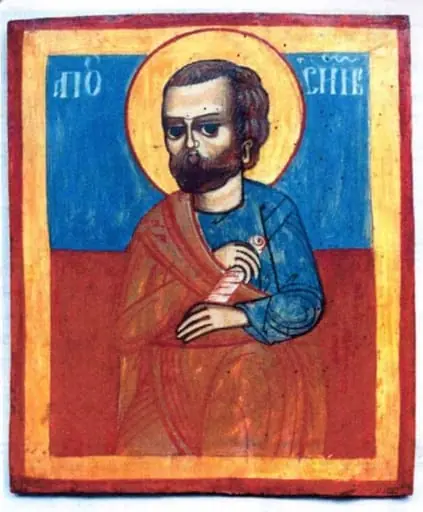 Apostolul Simion
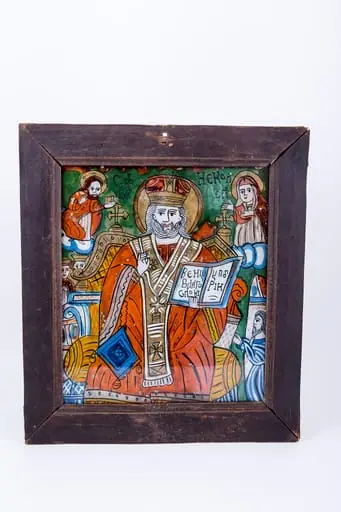 Sfântul Mare Ierarh Nicolae Făcătorul de minuni este redat central, fiind așezat pe un tron arhieresc, ținând în mâna stângă Sfânta Evanghelie deschisă și binecuvântează cu mâna dreaptă. Veșmintele arhierești liturgice ale sfântului ierarh sunt într-o alternanță cromatică de orange-albastru regal-brun-bronziu și alb și negru. Epitrahilul, patrafirul este brun-bronziu, cu patru cruci pe el, sacosul orange-roșu vermillon. Poartă mithră și are aureolă. În registrul superior îndepărtat sunt Dumnezeu-Tatăl și Maica Domnului, care binecuvântează și ocrotesc întreaga narațiune iconografică. Pe fondul verde, Mântuitorul și Maica Domnului au veșminte brune-crem și roșu-vermillon-orange. În registrul inferior sunt cele trei fete salvate de la sărăcie și păcat și tatăl fetelor mulțumind, în genunchi, pentru ajutorul primit. Inscripția din româno-chirilică se traduce Sf Nicolae ICXC MP Iisus Hristos Maica Domnului. Icoana are o cromatică puternic-vie, specifică Țării Oltului: roșu vermillon-orange, verde spanac-avocado, albastru regal, brun, gri,bronziu, alb, negru.
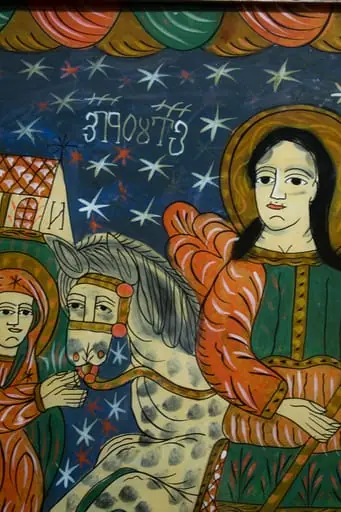 Icoaastr
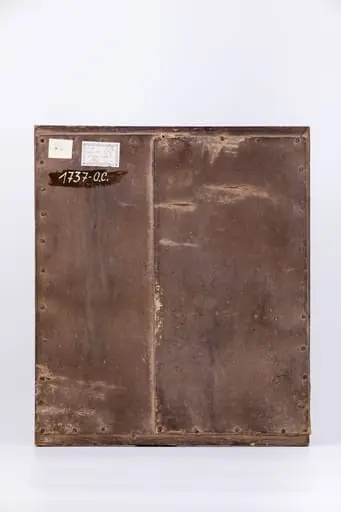 Sfântul Arhanghel Mihail, alături de Sfântul Arhanghel Gavriil, este unul dintre mai-marii voievozi ai oștilor cerești. În această icoană, Sfântul Arhanghel Mihail, slujitorul Legii este reprezentat singur. Sfântul Mihail este îmbrăcat în haine de oștean militar, cavaler, vestă de zale, cu solzi aurii, cu tunică albastră cu ocru-bronziu și mantie roșie. Are în mâna dreaptă sabia dreptății, iar în mâna stângă ține Potirul și o balanță, cu care cântărește faptele bune și fărădelegile, mereu fiind un drept judecător, dorindu-se după modelul Marelui Judecător, Mihail egal, asemenea Lui Dumnezeu. Are aripile foarte mari de culoare brun-bronzie, aureolă, fiind foarte tânăr. Fondul icoanei este ocru luminos în registrul superior. Cromatica armonioasă și foarte luminoasă este alcătuită din: roșu vermillon-stacojiu, orange, galben, ocru, albastru cobalt, gri, auriu- bronziu. Inscripția din româno-chirilică se traduce Arhanghelul Mihail. Icoana este din Mărginimea Sibiului.
 IcoaXC I
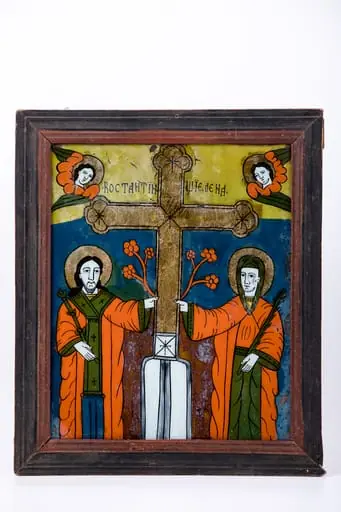 În centrul icoanei este Crucea albă la bază și bronzie în rest, cu capetele brațelor împodobite trilobat, iar în dreapta crucii este Sfântul Împărat Constantin, și în stânga este Împărăteasa Elena, mama sa. În spatele Crucii, sunt flori roșii agățătoare și unduitoare dintr-o grhirlandă de trandafiri. Crucea găsită este susținută cu bucurie de cei doi sfinți. Veșmintele Sfinților Constantin și Elena sunt într-o combinație de roșu vermillon și verde-iarbă de vară. Spațiul albastru-galben de lumină, din fondul icoanei, duce gândul la Crucea de lumină apărută pe cer In hoc signo vinces - prin acest semn vei învinge. Fondul icoanei este cerul albastru cobalt, lumina galbenă și o panglică albă, în josul crucii. În registrul superior, în colțurile stânga-dreapta sunt 2 îngeri serafimi. Cromatica este armonioasă, bogată și senină: roșu vermillon, galben-ocru, albastru cobalt, verde-iarbă de vară nuanță spanac-avocado, alb, negru. Icoana este de Nicula. Inscripția din româno-chirilică se traduce Constantin Elena.
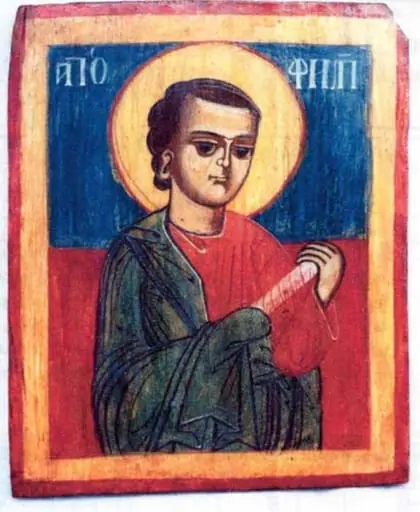 Apostolul Filip
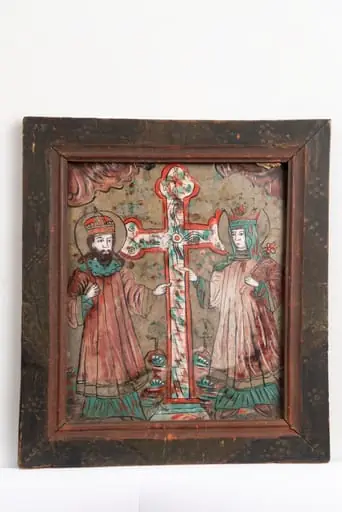 Icoana îi reprezintă pe Sfinții Împărați Constantin și Elena, pictați frontal, în picioare, ținând împreună în mână Crucea Răstignirii, ce domină central compoziția. Împărăteasa Elena ține în mâna stângă o ramură, îar împăratul Constantin are în mâna dreaptă un sceptru. Fondul icoanei e pictat integral doar în partea superioară unde apar în colțuri două ornamente din registrul vegetal, în rest e pictat cu laviuri colorate și decorat cu flori realizate din puncte, fiind vizibil fondul din hârtie argintată. Cromatica icoanei se compune din tonuri de roșu, alb, albastru, maro și gri. Rama icoanei e profilată, bicromă (latura interioară roșie, iar cea exterioară verde, decorată cu motive florale și geometrice) și e formată din îmbinarea a patru baghete de lemn. Sticla are un fragment lipsă, de mici dimensiuni, în partea stângă-sus.
 Icoana este pictată "în oglindă", pe suport de sticlă de formă dreptunghiulară în ax vertical. Sfânta Cuvioasă Paraschiva(care se prăznuiește pe 14 octombrie) este redată așezată pe tron, cu coroană împărătească pe cap. Plasată central, cu doi îngeri în spatele tronului, sfânta este înveșmântată cu un maforion roșu cu intadosul albastru și galon galben. Cămașă multicoloră, albastru, verde, roșu, galben, cafeniu, la mijloc cu o cingătoare galbenă) Pe cap poartă o coroană mare, deschisă. În mâna dreaptă ține o cruce, iar cu stânga binecuvintează cu un gest stângaci.Chipul este ușor diform, arcadele ochilor umbrite, nasul mare, bărbia accentuată, ochii înguști, asimetrici. Tronul, de factură barocă, are spătarul în formă de aripă, cu brațele masive, cu un chenar îngust, aurit, cu volute în partea de jos și câte o cruce pe laturile de sus. Sfânta este așezată pe o pernuță lungă. În spatele tronului doi îngeri cu chipuri copilărești, veșminte lungi, nimburi aurite. os este completată cu linii orizontale pe fond bej. Câmpul este albastru(1/2 superior) cu inscripția cu negru, 1/3 inferior - cafeniu deschis, benzi orizontale. Desen încărcat, paleta cromatică petriță, culorile intense. Stratul pictural este exfoliat pe unele locuri. Rama închisă la culoare, este realizată din lemn de brad, profilată pe o porțiune mică la interior, Porțiunea mai lată este decorată cu "pieptenele", transversal. Dosul este realizat din scânduri subțiri de brad, dispuse orizonal și fixate în cuie. Țăranii considerau că sfânta Paraschiva apără de grindină și de dureri de cap.
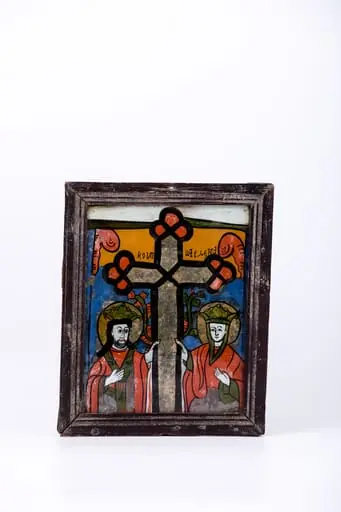 În centrul icoanei este Crucea gri-petrol, cu capetele brațelor împodobite roșu-trilobat, iar în dreapta crucii este Sfântul Împărat Constantin și în stânga este Împărăteasa Elena, mama sa. În spatele Crucii, este un vrej agățător și unduitor dintr-o grhirlandă de trandafiri, cu flori, spini și frunze și spațiul albastru regal unit cu cel galben-chihlimbar creează un izvor tainic de lumină. Crucea găsită este susținută cu bucurie de cei doi sfinți. Veșmintele Sfinților Constantin și Elena sunt într-o combinație de roșu vermillon și verde-iarbă de vară. Spațiul albastru-galben de lumină duce cu gândul la Crucea de lumină apărută pe cer In hoc signo vinces - prin acest semn vei învinge. Fondul icoanei este cerul albastru, lumina galbenă și o panglică alb-ivorie, în laterală superioară. Întreaga compoziție este încadrată armonios de un chenar decorativ geometrizant format din volute roșii. Cromatica este armonioasă, bogată și senină: roșu vermillon, galben-chihlimbar, albastru regal, verde-iarbă de vară, ivoriu, alb, negru. Icoana este de Nicula. Inscripția din româno-chirilică se traduce Constantin Elena.
 Mântuitorul Iisus Hristos, fiind răstignit pe Cruce, are în stânga pe Sfântul Împărat Constantin cel Mare, în locul uceniculuil cel iubit, care a stat lipit de pieptul Învățătorului, la Cina cea de Taină, mai precis, în locul Sfântului Apostol și Evanghelist Ioan Teologul, Evanghelistul Iubirii și în dreapta pe Sfânta Împărăteasă Elena, mama Sfântului Constantin, în locul Maicii Domnului Îndurerate, Jalnică și Plângătoare. Veșmintele Sfinților Împărați sunt sacosuri albastre cobalt și mantii roșii vermillon. Mântuitorul Iisus Hristos Răstignit pe Cruce are o țesătură verde-gri-antracit în jurul mijlocului și a coapselor. Fondul icoanei este cerul albastru bleu-ciel senin și în registrul inferior, în spatele Crucii este un spațiu galben-chihlimbar, prefigurând Lumina Învierii Domnului Iisus Hristos. Întreaga tematică iconografică este încadrată de un chenar decorativ fitomorf, format dintr-o ghirlandă de bujori și trandafiri, 4 ruje. Cromatica este armonioasă: roșu vermillon, albastru ceruleum, cobalt și bleu-ciel, gri antracit, verde forest, galben chihlimbar alb, negru. Inscripția din româno-chirilică se traduce Constantin cu Elena. Icoana este mai rară, datorită abordării tematicii iconografice. Icoana este din Nordul Transilvaniei, Nicula.
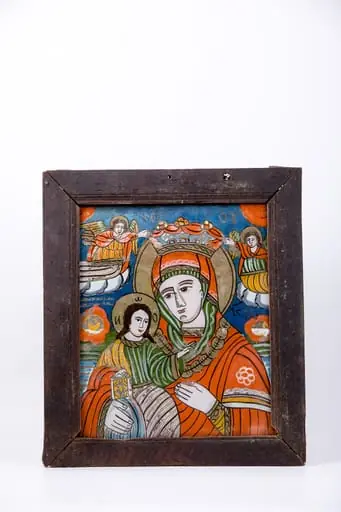 Maica Domnului Împărăteasă ține în brațe lipit pe umărul drept, pe Pruncul Iisus Hristos, care are în mâna dreaptă Sfânta Evanghelie închisă și cu mâna stângă arată înspre Maica Domnului. Maica Domnului arată calea cu mâna dreaptă, deci este Hodighitria. Maica Domnului este înveșmântată în mantie cu maforion roșu vermillon, cu interiorul verde și sacos cu mânecile galbene, poartă coroniță de împărăteasă și aureolă. Pruncul Iisus Hristos este înveșmântat în verde kaki și auriu ocru-brun-bronziu, cu coroană și aureolă. Maica Domnului poartă la gât o salbă din bănuți de aur. În registrul superior, de-a dreapta și de-a stânga Maicii Domnului, sunt Sfinții Arhangheli Mihail și Gavriil, pe câte o mandorlă de nouri rotunzi albi-crem, susținând dimpreună cu mâinile coroana de Împărăteasă a Maicii Domnului. Fondul icoanei este cerul de culoarea albastru regal. Cromatica este luminoasă, vie și armonioasă: roșu vermillon, alb, albastru regal și bleu-ciel, verde-văratic și spanac-avocado, kaki, auriu, ocru-brun-bronziu, galben-chihlimbar, negru. Inscripția din româno-chirilică se traduce MP IC XC Maica Domnului Iisus Hristos. Icoana este de Șcheii Brașovului, Țara Oltului.
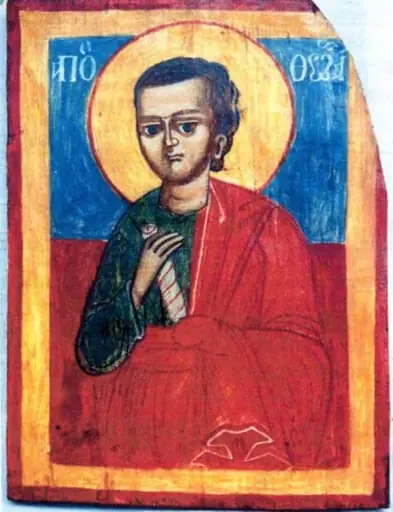 Apostolul Toma
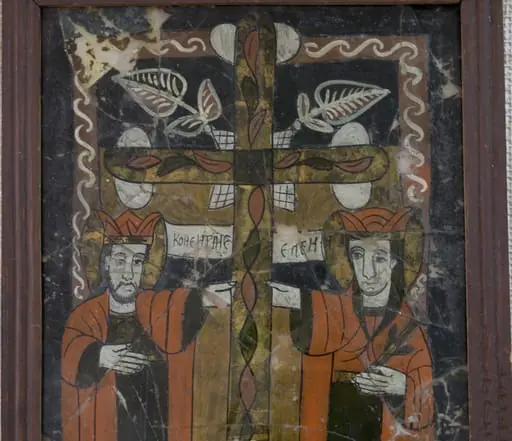 Pictură în oglindă, pe spatele unei bucăți de glajă, ax vertical.Sfinții Împărați Constantin și Elena, 3/4 , în picioare, semiprofil, sub brațele crucii pe care a fost răstignit Isus( găsită de Împărăteasa Elena la Ierusalim) Amândoi au plete castanii, lăsate pe umeri, coroane înalte, veșminte identice, simple, lungi, cămăși verzi și mantii roșii. Plasarea personajelor sub brațele crucii, în jumătatea inferioară, pe fond ocru sugerează complementaritatea celor două planuri(terestru și ceresc). Împărăteasa ține în mână o ramură verde, element ce o însoțește în majoritatea reprezentărilor populare. Fețele sunt ușor diforme, ochii negri. Crucea dreaptă, plasată în centrul compoziției, decorată cu frunze și o spirală în partea de jos, creează simetrie. La întretăierea brațelor crucii elemente vegetale cu contur alb. Chenarul specific icoanelor de Nicula, linia albă(zăluțe, funie) pe fond roșcat. Icoana este caracteristică perioadei de înflorire a picturi pe sticlă de la Nicula. Rama profilată, din lemn de brad, pictată cu o culoare roșcată. Dosul subțire. Sticla spartă în mai multe fragmente.
 Icoana cu tematica iconografică Botezul Domnului Iisus Hristos este realizată pe trei registre: în registrul central, Domnul Iisus Hristos primește Botezul, în râul Iordanului, din partea Sfântului Mare Prooroc și Înaintemergător Ioan Botezătorul, care se află în stânga Mântuitorului. Mântuitorul este înfășurat cu o pânză de culoare roșie vermillon împrejurul șoldurilor și a coapselor, și are mâinile împreunate pe piept, în semn de supunere, ascultare, smerenie, de bună-voie venind la Botez. În dreapta Lui, este un înger evlavios, cu aripile galbene-aurii de lumină, care Îl așteaptă pe mandorlă de nouri albi-albaștri bleu-ciel, cu un ștergar transparent gata să înveșmânteze Trupul Domnului. Sfântul Ioan Botezătorul este îmbrăcat cu o mantie roșie și un himation alb-albastru sau o haină din păr. Cerurile de culoare albastru sunt deschise și din mijlocul unei mandorle de nouri alb-albaștri se pogoară porumbelul, simbolul Sfântului Duh, pe creștetul Mântuitorului. Cromatica este specifică Țării Oltului: roșu vermillon, albastru cobalt-ceruleum, galben chihlimbar și solar, verde-văratic, brun, crem, rozaliu, alb, negru. Cerul albastru-cobalt și văzduhul verde-văratic sunt bogat ornamentate cu elemente florale - ruje roșii, cu frunze albastre. Întreaga icoană este încadrată pe laterale de chenar decorativ geometrizant bronziu, cu ruje roșii și frunze albastre. Inscripția din româno-chirilică se traduce Botezul Lui IC XC Iisus Hristos. Icoana este de Țara Oltului.
 Sunt reprezentați Sfinții Împărați Constantin și Elena(1/1), susținând crucea pe care a fost răstignit Isus, cruce găsită de Împărăteasa Elena la Ierusalim. Crucea, dreaptă, aurită, simplă. Cei doi sfinți, sf. Elena din stânga și sf Constantin din dreapta, plasați sub brațele crucii, o susțin cu câte un braț. Sunt reprezentați cu veșminte împărătești, coroane pe cap, deschise, aurite, la fel cu nimbul delimitat cu alb. Împăratul Constantin are în mâna stângă un sceptru iar împărăteasa o ramură . Amândoi redați tineri, Împăratul cu păr și barba castanii, scurte. Înveșmântați cu tunici cu poale lungi, brodate cu motive fitomorfe, cu galoane late, aurite, delimitate de șiraguri perlate. Fond aurit, inscripția de culoare albă în partea de sus. Proporțiile sunt respectate, fețele expresive, detaliile lucrate minuțios, ceea ce indică un zugrav experimentat și școlit.
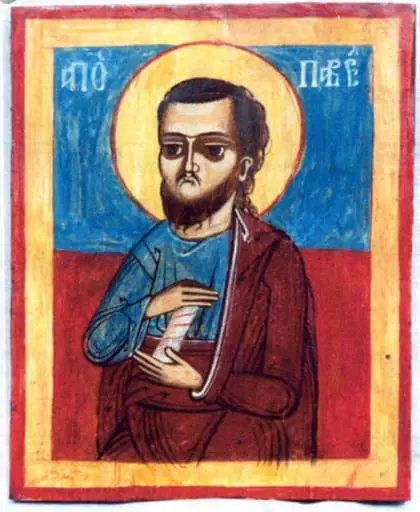 Apostolul Pavel
 Icoaori
 Icoana este pictată "în oglindă", pe un suport de sticlă de formă dreptunghiulară în ax vertical. Cuvioasa Parascheva, 3/4, redată din ușor semiprofil, ține în mâna dreaptă o ramura verde, sinuoasă, în stânga o cruce. Fața butucănoasă, ochii căprui, sprâncenele arcuite, gura marcată cu roșu, bărbia pătrată, părul castaniu, lung, revărsat pe umeri. Pe cap poartă o tocă înaltă tripartită. Este înveșmîntată cu o mantie roșie și cămașă albastră. În jurul capului, aureolă realizată cu bronz auriu. Câmp bicolor(1/2 superior -bleu, 1/2 inferior ocru) două ramuri de trandafiri dispuși pe laturile verticale, întâlnindu-se deasupra capului sfintei. Desenul stângaci, dar destul de îngrijit, corola de flori, predominanța culorii roșii, abundența detaliului, fondul bicolor, utilizarea bronzului auriu, sunt caracteristici ale fazei târzie a picturii din centrele Nicula și Gherla. Rama subțire din lemn de brad, de culoare închisă, este completată cu un "dos" nou din scândură de brad.. Țăranii considerau că sfânta Parascheva păzește de grindină și de dureri de cap.
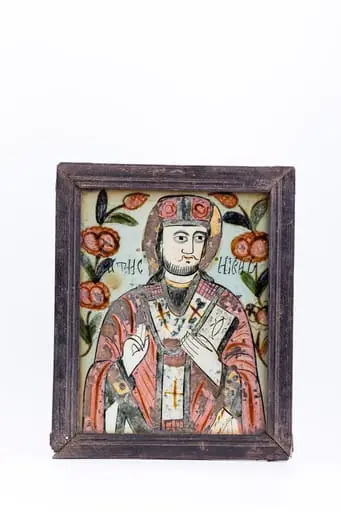 Sfântul Mare Ierarh Nicolae Făcătorul de minuni ține în mâna stângă Sfânta Evanghelie închisă și binecuvântează cu mâna dreaptă. Veșmintele arhierești liturgice ale sfântului ierarh sunt într-o alternanță cromatică de roșu vermillon, verde, ocru și gri-cenușiu antracit, cu broderie galbenă pe margini. Epitrahilul-patrafirul este gri-alburiu cu marginile verzi și trei cruci galben-aurii. Fondul icoanei este albastru bleu-ciel foarte senin. Întreaga compoziție este încadrată în spațiul cerului senin de o ghirlandă de ruje - elemente decorative fitomorfe, 6 trandafiri roșii, cu bobocei și frunze verzi. Icoana este de Nicula, Nordul Transilvaniei. Cromatica este armonioasă, specifică centrului de la Nicula: roșu vermillon, albastru bleu-ciel, galben-ocru-muștar, verde de China, alb, brun, negru, gri. Inscripția din româno-chirilică se traduce Sfântul Nicolae.
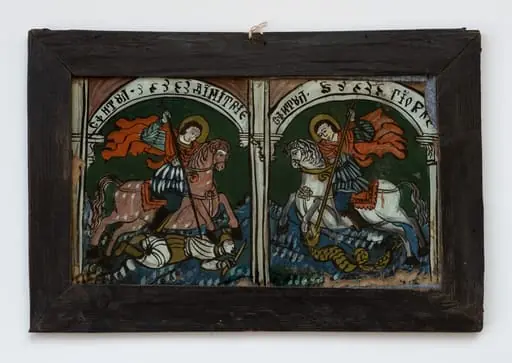 Sfântul Dumitru și Sfântul Gheorghe
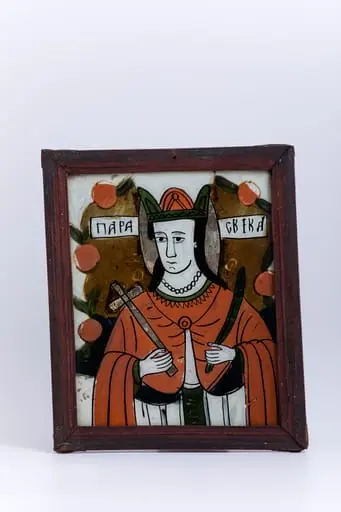 Sfânta Mare Cuvioasă Parascheva de la Iași are crucea bronzie în mâna dreaptă, binecuvântând, și o ramură de finic verde, în mâna stângă. Este îmbrăcată în veșmânt roșu vermillon-corai cu interiorul căptușit cu verde-mușchi de pădure-kaki. Sacosul este cu danteluță, guleraș și dungi, cu fibulă. Sfânta Cuvioasă are părul negru lung, lăsat pe umeri, coroană roșie cu verde-brad și aureolă bronzie-argintie și poartă lănțișor la gât. Fondul icoanei este cerul albastru ultramarin în registrul mijloc și inferior și un câmp auriu în registrul superior și un chenar neregulat, alb-zinc, ancadrator întregii compoziții. Întreaga compoziție iconografică este încadrată de un chenar decorativ fitomorf, format dintr-o ghirlandă de 5 ruje rotunde corai, asemenea unor boboci de merișori, cu frunze verzi. Inscripția din româno-chirilică se traduce Parascheva. Cromatica este armonioasă: roșu vermillon-cărămiziu, corai, albastru ultramarin-bleumarin, verde alge, mușchi de pădure, bej-crem, bronziu-argintiu, negru, alb zinc. Icoana este din Nordul Transilvaniei, Nicula.
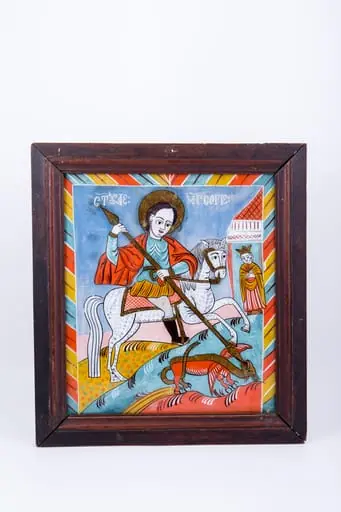 Sfântul Mare Mucenic Gheorghe este așezat călare pe un cal alb cu pete albastre gri, omorând balaurul roșu-bronziu cu creastă, solzi și coadă lungă, cu lancea, pe care o ține cu amândouă mâinile, înfingându-i-o animalului în gâtlej. În partea stângă a Sfântului Gheorghe, în registrul îndepărtat, este pictată domnița salvată și ocrotită de marele mucenic, cu mâinile mulțumindu-i cu sfială și recunoștință sfântului purtător de biruință. Fondul este albastru. În registrul inferior, fondul este verde, cu linii ondulatorii albe, cele două registre în centrul icoanei ușor întrepătrundu-se. Mantia Sfântului Mucenic Purtător de Biruință este roșie, având cămașa de cavaler cu zale. Culoarea roșie este caracteristică mucenicilor și martirilor. Chenarul decorativ geometrizant cu tușe-benzi paralele, oblice, alternative roșii, albastre și ocru încadrează armonios întreaga tematică iconografică. Cromatica este armonioasă; roșu vermillon, roz, albastru-gri, ocru, verde, bronziu, alb și negru. Inscripția din româno-chirilică se traduce Sfântul Gheorghe. Icoana este rafinată prin acuratețea desenului, compoziția echilibrată și armonia cromatică.
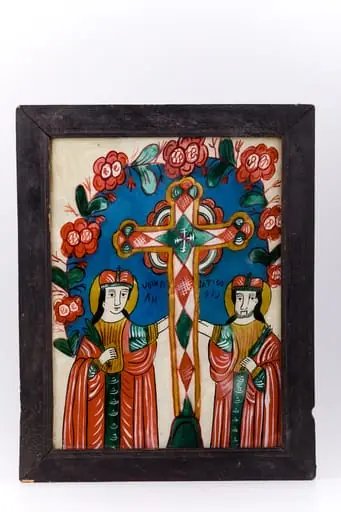 În centrul icoanei este Crucea, iar în dreapta crucii este Sfânta Împărăteasă Elena, și în stânga este Împăratul Constantin. Veșmintele sfinților împărați sunt pictate cu roșu vermillon și ocru-muștar și mânecile și epitrahile-patrafire vernil-gri. Poartă coroane împărătești și aureole de sfinți, mantiiile de împărați le au prinse la gât cu fibulă. Crucea este alb-crem cu elemente decorative geometrizante romboidale roșii-verzi și are capetele brațelor cu elemente decorative trilobate roșii vermillon-vernil. Fondul este cerul albastru ceruleum-regal foarte senin. Împrejurul Crucii este un spațiu luminos de alb-ivoriu Întreaga compoziție iconografică este încadrată de un chenar decorativ geometrizant alb-luminos și un chenar fitomorf, format dintr-o ghirlandă de 7 ruje - trandafiri și bujori roșii vermillon și 2 boboci de măceș - cu frunze gri-verzui. Cromatica este armonioasă: roșu vermillon-stacojiu-rose, albastru cobalt-regal, ocru-muștar, bronziu, brun, galben-chihlimbar, verde brad, vernil-gri, alb, negru. Inscripția în româno-chirilică se traduce Constantin și Elena. Icoana este din Nordul Transilvaniei, Nicula.
 Sfânta Mare Cuvioasă Parascheva de la Iași are crucea aurie-bronzie în mâna dreaptă și ramură de finic verde brad în mâna dreaptă. Este îmbrăcată în veșmânt roșu vermillon, cu interiorul căptușit cu gri antracit, alb ivoriu și galben-solar. Sacosul este alb ivoriu crem-bej, cu danteluță și guleraș galben. Sfânta Cuvioasă are părul negru lung, lăsat pe umeri, coroană roșie și aureolă. Fondul icoanei este cerul albastru bleu-ciel-alburiu senin, în registrul superior și un câmp înalt luminos de grâu galben-copt, în registrul mediu și inferior. Întreaga compoziție iconografică este încadrată de un chenar decorativ fitomorf, format dintr-o ghirlandă de 2 ruje - trandafiri roșii și bujori roșii. Inscripția din româno-chirilică se traduce Paraschiva. Cromatica este armonioasă: roșu vermillon, albastru bleu-ciel, verde forest, bej-crem, galben chihlimbar, ocru, muștar, negru, alb. Icoana este din Nordul Transilvaniei, Nicula.
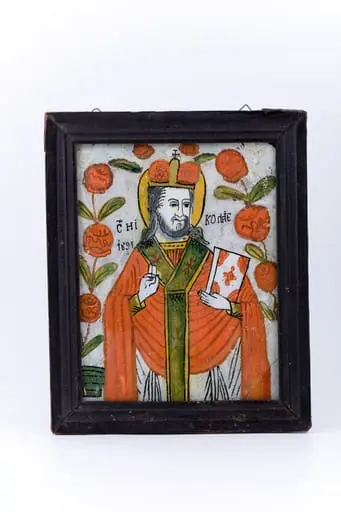 Sfântul Mare Ierarh Nicolae, făcător de minuni, îmbrăcat în veșminte liturgice, de ierarh, sacos alb cu dungi subțiri negre și epitrahil-patrafir verde văratic, cu marginea galbenă și cu trei cruci roșii-acajou. Ține în mâna stângă Sfânta Evanghelie închisă și cu mâna dreaptă Binecuvintează. Este unul dintre cei mai populari și iubiți sfinți, ocrotitor al caselor, familiilor și copiilor. Are barbă sură, părul lung și mithră arhierească bej-brună și aureolă. Fondul icoanei este cerul bleu-ciel senin alburiu, încadrat de un chenar decorativ fitomorf, format dintr-o ghirlandă de 8 ruje roșii-orange. Întreaga tematică iconografică este încadrată de un chenar decorativ geometrizant alb. Inscripția din româno-chirilică se traduce Sf Nicolae. Icoana este datată 1891. Cromatica este armonioasă: roșu-vermillon-orange, albastru bleu-ciel-alburiu, galben-chihlimbar, crem, bej, crem, bronziu, alb zinc, negru. Icoana este din Nordul Transilvaniei, Nicula.
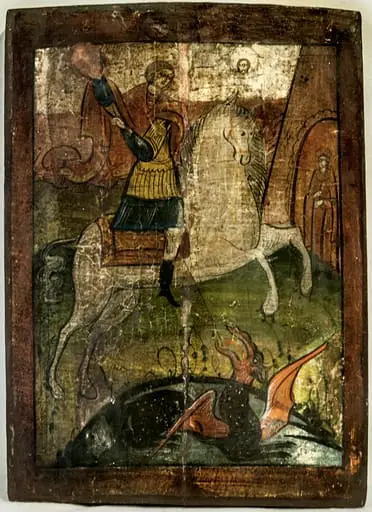 Tema iconografică este "Sfântul Gheorghe omorând balaurul". În prim plan, Sf. Gheorghe, în veșminte ostășești, călare pe un cal alb, cambrat, ridicat în două picioare, omoară balaurul plasat în registrul inferior. Veșmintele sfântului au o tentă țărănească(tunica albastră acoperită 3/4 de lorica argintie, pantaloni albi, cu motiv floral, cizme înalte. Calul are ambii ochi vizibili, coama bogată, coada în fuior. Partea dinspre privitor a ansamblului cal cu călăreț este supradimensionată, creând o impresie optică de înălțare a sfântului. În partea dreaptă, fata de împărat pe care o salvează sfântul, sub portalul palatului. privind scena. Veșminte lungi, simple, coroană împărătească. Înveșmântată în haine simple, lungi, cu coroană pe cap, privește scena cu brațele la piept. În colțul din stânga dreapta sus, Iisus Hristos așa cum apare pe sfântul Keramion. Nimbul cruciger. Balaurul plasat în registrul inferior asemănător unui grifon, corp diform, terminat cu o coadă în săgeată, aripile și capul roșii. Motiv mai elaborat decât în alte icoane unde redarea balaurului este minimizată. Compoziția este dinamică, chipurile expresive, gesturile bine realizate. Linia desenului variază, contribuind la efectul optic. Fondul foiței argintii(superior), relief din benzi late în tonuri de brun, brun roșcat, galben, alb, verde, cu elemente de vegetație. Bordura roșiatică lată, specifică icoanelor de tip krashnuska. Inscripție pe chenar, în partea superioară.
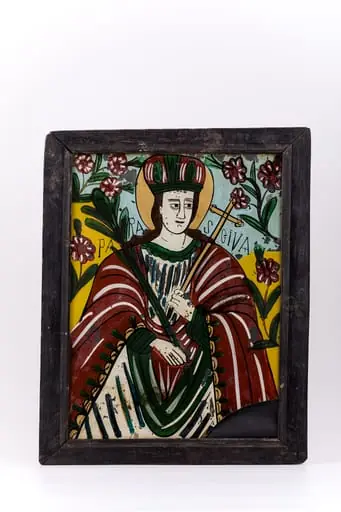 Sfânta Mare Cuvioasă Parascheva de la Iași are crucea brun-bronzie în mâna stângă și o ramură de finic verde în mâna dreaptă. Este îmbrăcată în veșmânt roșu vișiniu-stacojiu, cu interiorul căptușit cu verde-forest și franjuri brun-bronzii. Sacosul este alb-zinc cu danteluță, guleraș verde și dungi albastre. Sfânta Cuvioasă are părul negru lung, lăsat pe umeri, coroană roșie cu verde-brad și aureolă brun-bronzie. Fondul icoanei este cerul albastru bleu-ciel deschis, în registrul superior și un câmp galben-solar de grâu copt, în registrul inferior. Întreaga compoziție iconografică este încadrată de un chenar decorativ fitomorf, format dintr-o ghirlandă de 8 ruje vișinii, cu petale albe și frunze verzi. Inscripția din româno-chirilică se traduce Paraschiva. Cromatica este armonioasă: roșu vișiniu-stacojiu, albastru cobalt-ceruleum și bleu-ciel, verde forest, bej-crem, bronziu, galben-solar, negru, alb zinc. Icoana este din Nordul Transilvaniei, Nicula.
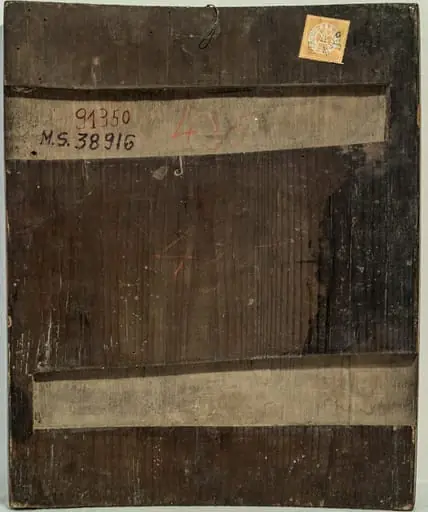 Sfânta Paraschiva încoronată este reprezentată frontal, 3/4, Nimbul trasat cu roșu depășește linia chenarului și partea superioară a coroanei. Tehnica iluminării treptate cu elemente specifice: accentuarea zonei ochilor, tonurile de pământ ale umbrelor. Tunica decorată cu motive fitomorfe ample incizate în stratul de foiță. Mantie închisă în față, cu decor linar și bordură lată cu motive geometrice 3 șiruri de incizii în grund). Pe cap, umeri lăsat pe spate, un maforion de culoare deschisă. În mâna dreaptă, Sfânta ține o cruce mică, rusească, (6 brațe)în stânga un rotulus desfășurat cu inscripția scrisă în limba slavonă: Cred în unul Dumnezeu… alte inscripții: pe chenar de o parte și de alta a nimbului: Chipul Sf. Mucenițe Parascheva Vineri, în colțul stâng al icoanei ѾOН pe nimbul cruciger al lui Iisus, reprezentat ca pe sfântul Keramion. Cromatica: Chenar roșu cu două linii galbene și mărginit cu brun; fond - foița metalică decorată prin incizare, cu chenar multiplu din motive geometrice reteate. Tip Krashnuskha. Pe spate, un timbru al miliței RPR.
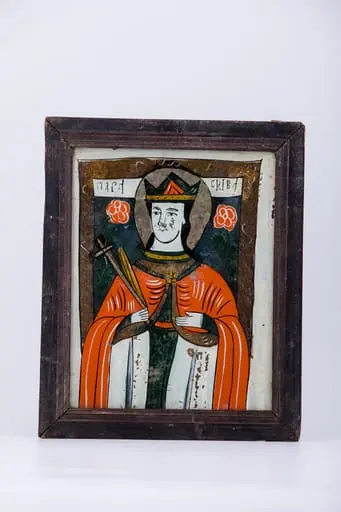 Sfânta Mare Cuvioasă Parascheva de la Iași are crucea brun-bronzie și o ramură de finic galbenă în mâna dreaptă. Este îmbrăcată în veșmânt roșu vermillon, cu interiorul căptușit cu albastru-gri-antracit și brun-bronziu. Sacosul este alb-zinc cu danteluță și guleraș verde-galben. Sfânta Cuvioasă are părul negru lung, lăsat pe umeri, coroană roșie cu verde-brad și aureolă. Fondul icoanei este cerul albastru ultramarin bleu-marin întunecat. Întreaga compoziție iconografică este încadrată de un chenar decorativ geomatrizant brun-bronziu, cu linia șerpuitoare, specifică centrului de la Nicula. Fondul de ansamblu al icoanei este alb-zinc. Inscripția din româno-chirilică se traduce Paraschiva. Cromatica este armonioasă: roșu vermillon, albastru ultramarin bleumarin, verde forest, bej-crem, bronziu, negru, alb zinc. Icoana este din Nordul Transilvaniei, Nicula.
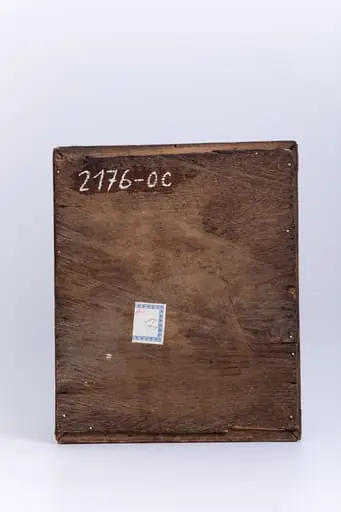 Sfânta Mare Cuvioasă Parascheva de la Iași are crucea cărămizie în mâna stângă, binecuvântând, și o ramură de finic verde, nuanța algelor în mâna dreaptă. Este îmbrăcată în veșmânt roșu vermillon-orange cu interiorul căptușit cu verde-smarald și franjuri brun-bronzii. Sacosul este alb-crem cu danteluță, guleraș și dungi albastre. Sfânta Cuvioasă are părul negru lung, lăsat pe umeri, coroană roșie cu verde-brad și aureolă brun-bronzie. Fondul icoanei este cerul albastru regal în registrul superior-mijloc și un câmp galben-chihlimbar, în registrul inferior. Întreaga compoziție iconografică este încadrată de un chenar decorativ fitomorf, format dintr-o ghirlandă de 4 ruje mari orange-cărămizii cu frunze verzi. Inscripția din româno-chirilică se traduce Paraschiva. Cromatica este armonioasă: roșu vermillon-orange, albastru cobalt-ceruleum, verde alge, mușchi de pădure, bej-crem, bronziu, galben-solar, negru, alb zinc. Icoana este din Nordul Transilvaniei, Nicula.
 Sfântul Mare Mucenic Gheorghe este așezat călare pe un cal alb-zinc, omorând balaurul negru-gri-antracit, cu coadă lungă de reptilă și solzi aurii, cu lancea, pe care o ține în amândouă mâinile. Fondul icoanei este cerul albastru bleu-ciel senin, în registrul superior și câmpuri ocru-aurii, cu dungi negre, în cel inferior, în centrul icoanei ușor întrepătrundu-se toate culorile. Mantia Sfântului Mucenic Purtător de Biruință este albastru-cobalt, având pantaloni albaștri, cizme negre și cămașă-tunică de cavaler roșie vermillon. Coiful de ostaș este roșu vermillon și aureola aurie. Icoana este încadrată de un chenar decorativ fitomorf, format dintr-o ghirlandă înflorită de flori de măr și măceș, 8 ruje roșii, cu frunze galbene și verzi. Ziua de praznic a Sfântului Gheorghe este în 23 aprilie, primăvara, justificându-se pentru încă o dată prezența ghirlandei înflorie. Cromatica este armonioasă; roșu vermillon, albastru bleu-ciel și cobalt, verde smarald și brad forest, galben-ocru, brun, crem, auriu, alb și negru. Inscripția din româno-chirilică se traduce Sfântul Gheorghe. Icoana este din Nordul Transilvaniei, Nicula.
 Intru co
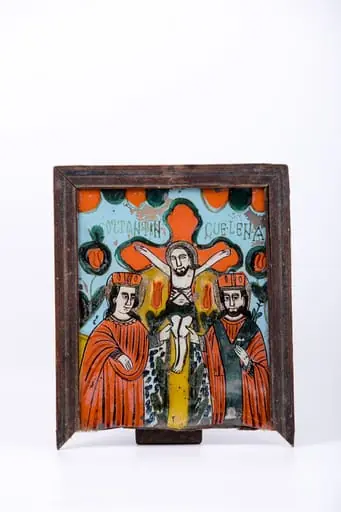 În centrul icoanei este Crucea roșie-galbenă, pe care este Răstignit Mântuitorul Iisus Hristos, iar în stânga crucii este Sfântul Împărat Constantin, și în dreapta este Împărăteasa Elena, mama sa. Deasupra fiecăruia este inscripționat numele, inversat. În spatele Crucii este un spațiu galben izvorâtor de lumină și două elemente florale, asemenea unor martori - îngeri păzitori. Crucea găsită este susținută cu bucurie de cei doi sfinți. Veșmintele Sfinților Constantin și Elena sunt într-o combinație de roșu vermillon și gri antracit. Spațiul galben de lumină duce gândul la Crucea de lumină apărută pe cer In hoc signo vinces - prin acest semn vei învinge. Icoana este bogat ornamentată de culoare, lumină și detalii semnificative, elemente decorative geometrizante. Fondul icoanei este cerul senin, albastru bleu-ciel deschis. Întreaga compoziție este încadrată armonios de un chenar decorativ geometrizant roșu stacojiu și fitomorf, format din rujele de Nicula. Cromatica este armonioasă și senină: roșu vermillon, galben-chihlimbar, albastru bleu-ciel, gri antracit, alb, negru. Icoana este de Nicula. Inscripția din româno-chirilică se traduce Constantin Elena. De menționat este că în icoană apare Mântuitorul Iisus Hristos Răstignit pe Crucea, susținută de Sfinții Constantin și Elena. Icoana este deteriorată, lipsindu-i partea inferioară a ramei.
Frequently asked questions
What is Saint?
Saint is a subject in art. In Christian belief, a saint, also known as a hallow, is a person who is recognized as having an exceptional degree of holiness, likeness, or closeness to God.
How many Saint works does Artifact World Gallery have?
Artifact World Gallery holds 200 public-domain Saint works, all free to view and download.
Who are the key Saint artists?
Key Saint artists in the collection include El Greco, Joos van Cleve and Anthony van Dyck.
Where can I see Saint works?
Saint works in the collection are held by ASTRA National Museum Complex, Metropolitan Museum of Art and "Dimitrie Gusti" National Village Museum.