Subject
Skull
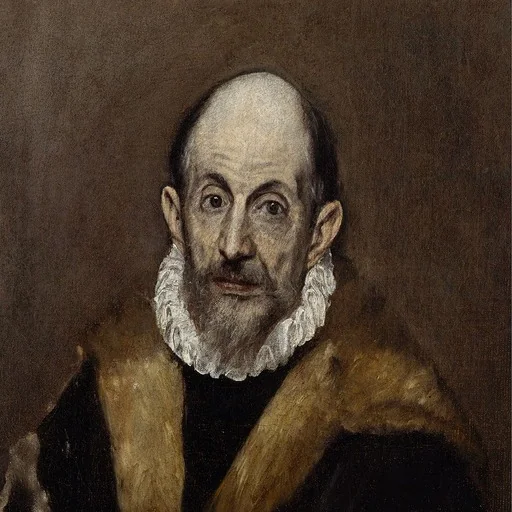
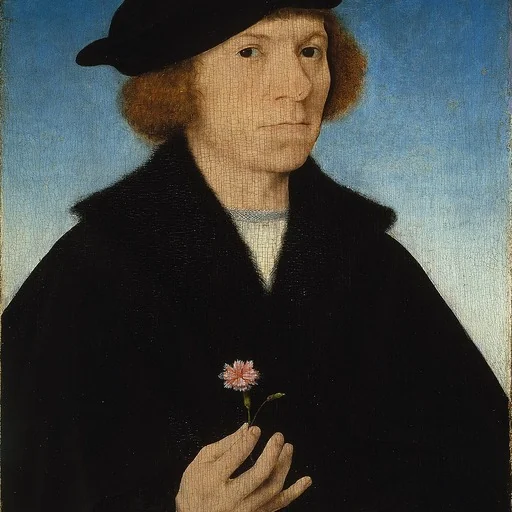
Skull is a subject in art. The gallery holds 143 works in this subject in art, including works by Paolo Veronese, Georges de La Tour and El Greco.
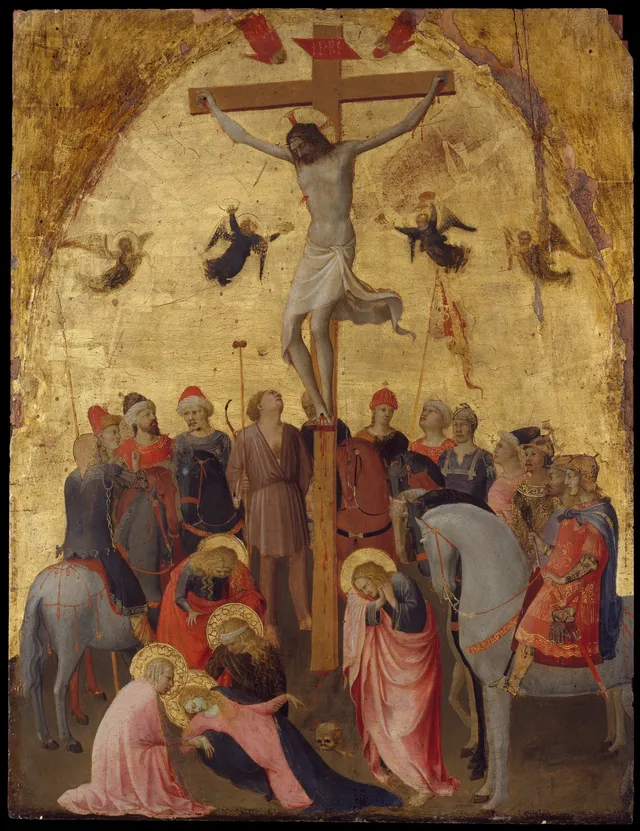
The human skull is among art's most enduring symbols, valued less as anatomy than as a blunt reminder that the body decays. As the bony enclosure protecting the brain of a vertebrate—cartilaginous in some fish and amphibians—it became, in Western art, the central emblem of the memento mori, the Latin admonition to "remember that you must die." The motif has deep Christian roots: Golgotha, the site of the Crucifixion, means "place of the skull," and from at least the time of Origen (c. 185–253) a tradition held that Adam was buried there. This is why a skull so often rests at the foot of the cross—as in Fra Angelico's The Crucifixion and Petrus Christus's The Lamentation—signifying that Christ's blood redeems the sin of the first man.
The skull also served as a saint's attribute, marking figures who had renounced worldly vanity for contemplation of eternity. Penitents such as Mary Magdalene and the scholar-hermit Saint Jerome are shown meditating upon one, a convention Albrecht Dürer helped fix in his engravings. Georges de La Tour gave the theme its most haunting form: in The Penitent Magdalen, the saint cradles a skull by candlelight, her gaze turned from a mirror of vanity toward the flame of spiritual enlightenment.
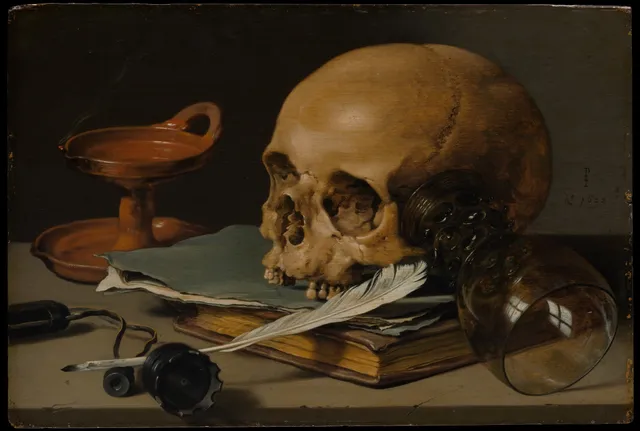
The skull's richest flowering came in the vanitas still life, which emerged in the early seventeenth-century Netherlands and was centered on Calvinist Leiden. Jacques de Gheyn II's Vanitas Still Life of 1603—the earliest known example—pairs a skull with a soap bubble, evoking the idea of homo bulla, "man is a bubble." Painters such as Pieter Claesz, whose Still Life with a Skull and a Writing Quill is a model of the type, and Harmen Steenwijck assembled skulls with snuffed candles, watches, and books to preach the futility of learning, wealth, and pleasure. Jan van Kessel the Elder and church-interior specialists like Emanuel de Witte extended the meditation on transience.
The motif never died. Paul Cézanne's Pyramid of Skulls, Picasso's late variations, Andy Warhol's Skull screenprints of 1976, and Damien Hirst's diamond-encrusted For the Love of God (2007) all renew the ancient bargain between mortality and luxury, proving the skull remains art's most economical image of the end.
Key artists
Works
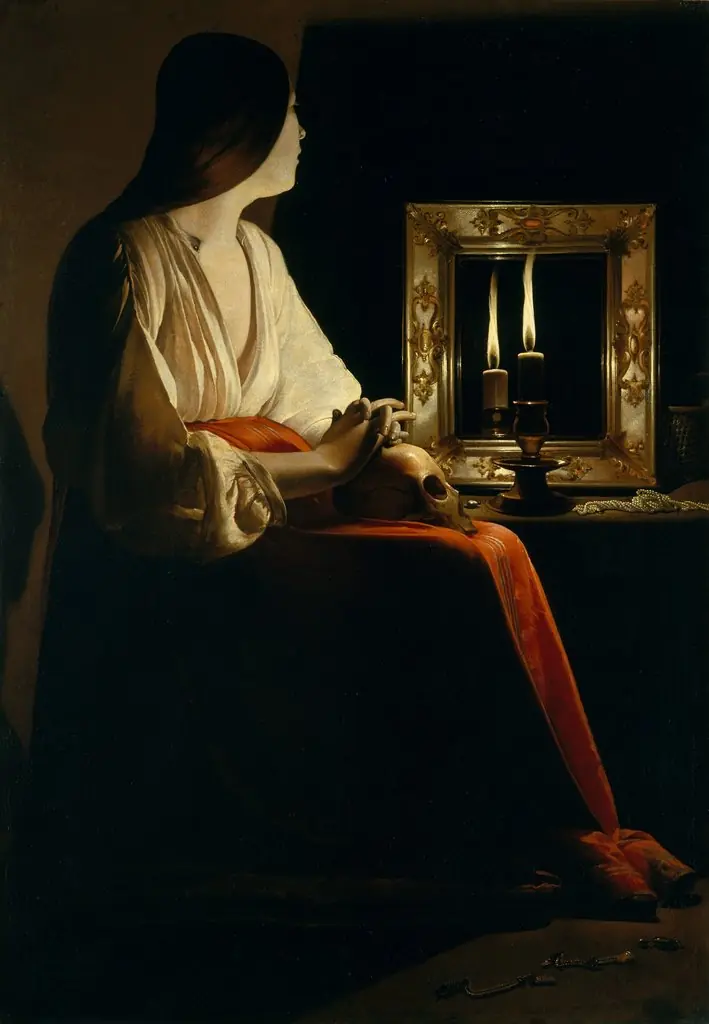 The Penitent Magdalen
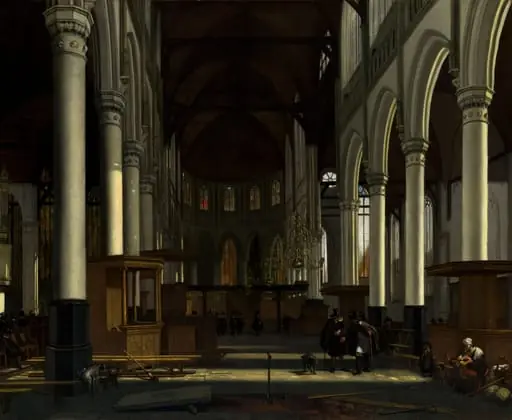 The Interior of the Oude Kerk, Amsterdam
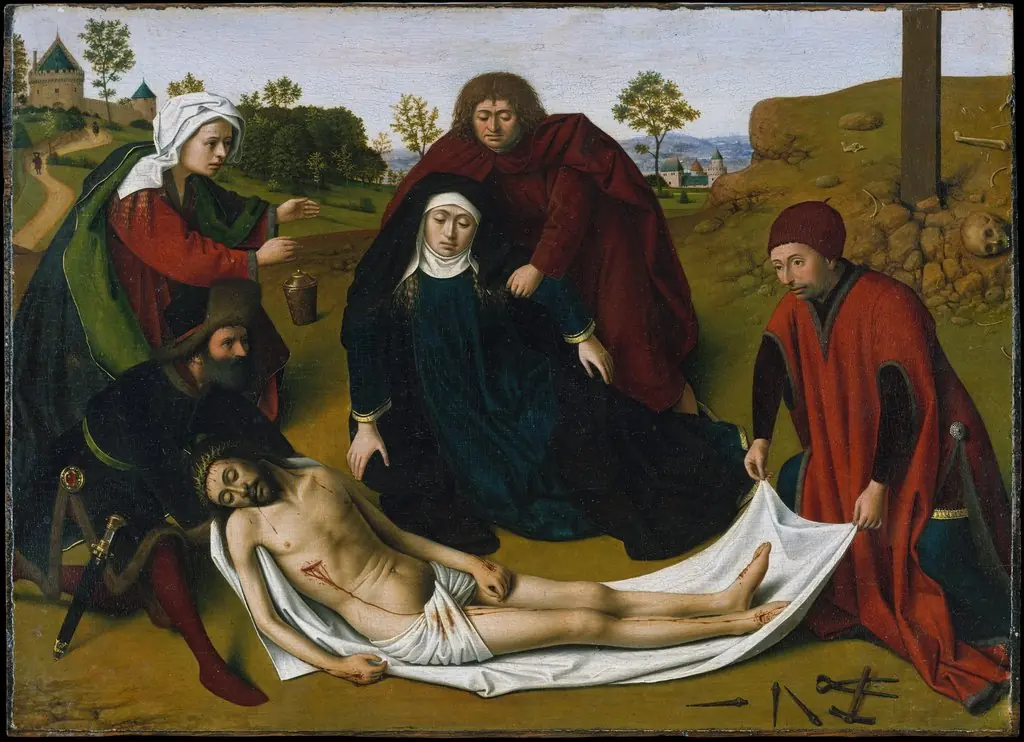 The Lamentation
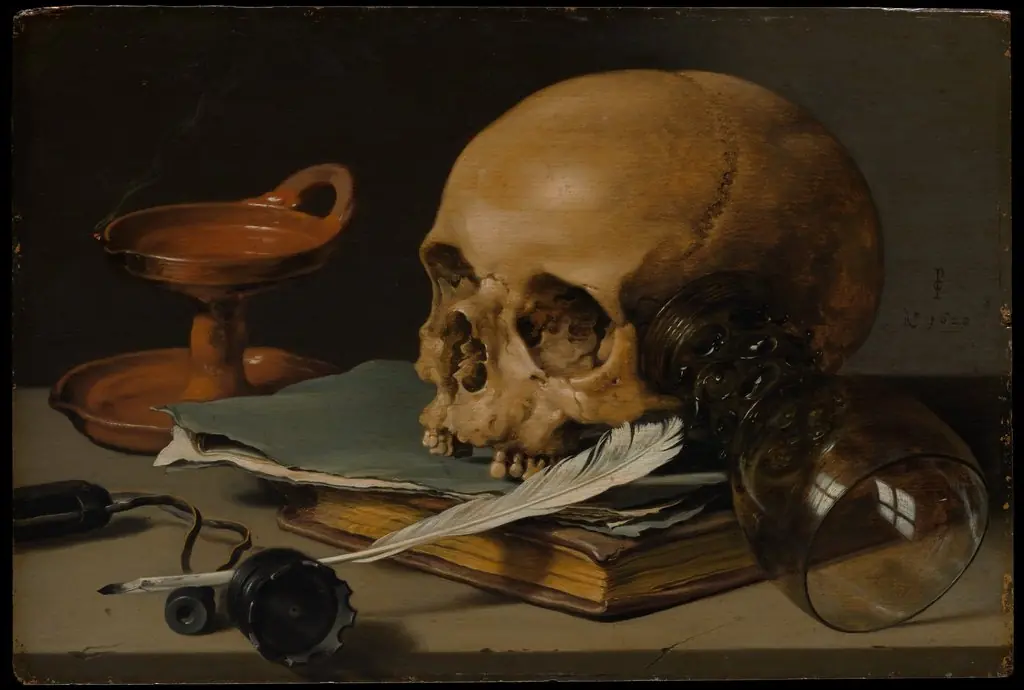 Still Life with a Skull and a Writing Quill
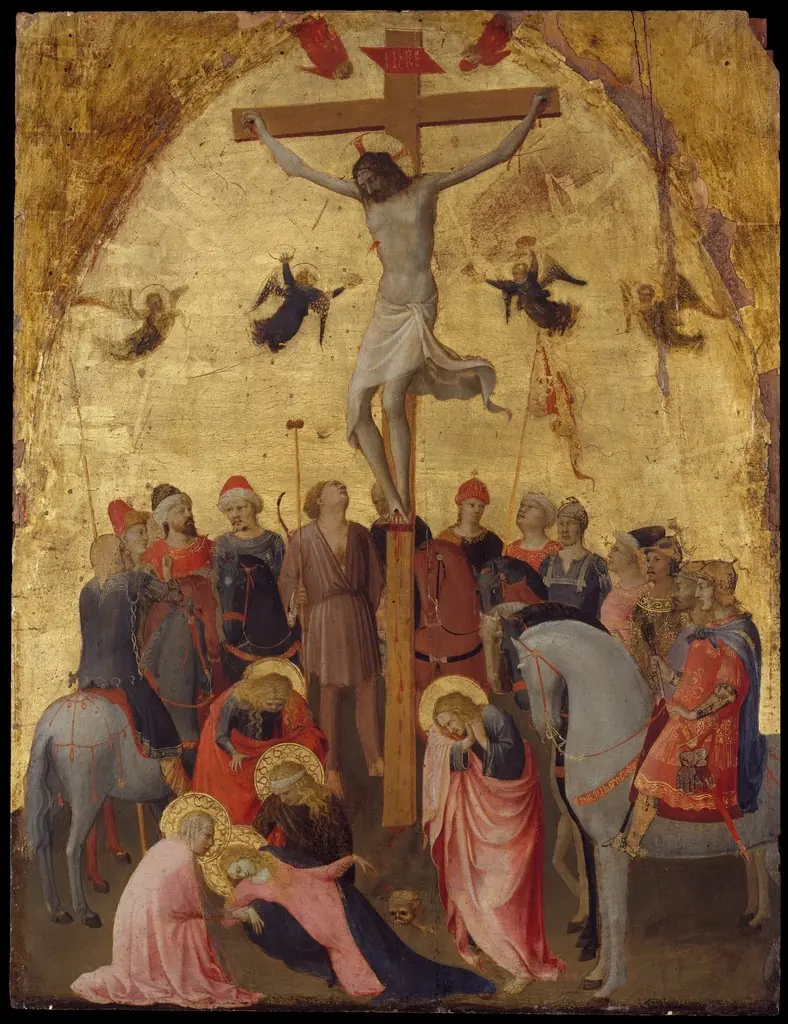 The Crucifixion
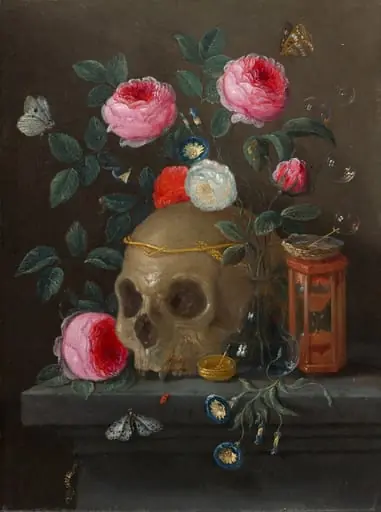 Vanitas Still Life
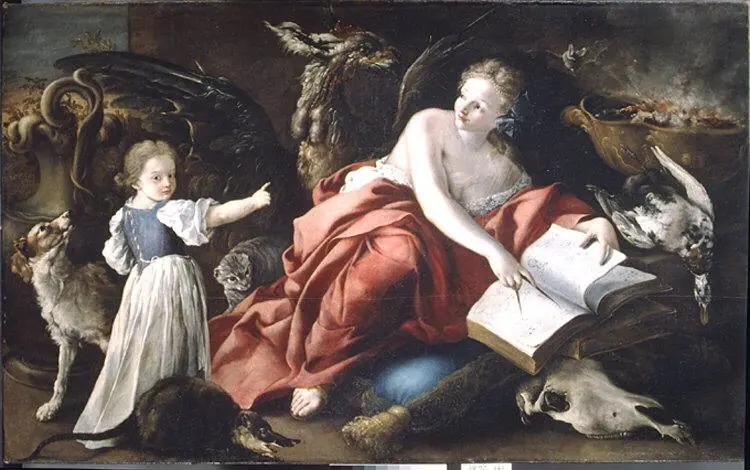 An Allegory
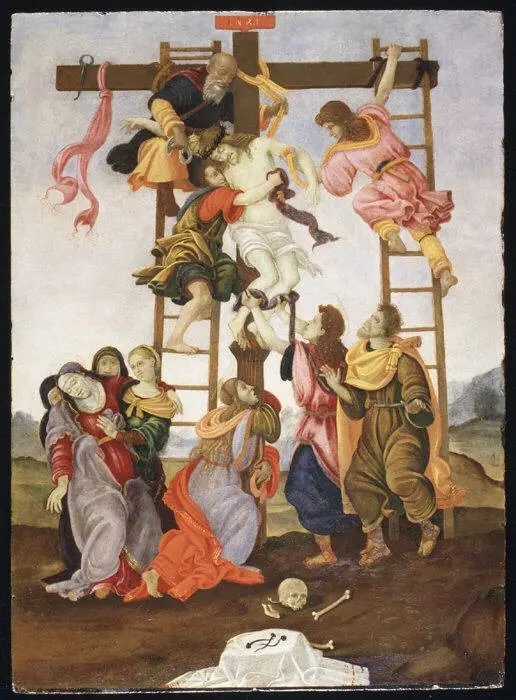 The Descent from the Cross
 The Triumph of Death
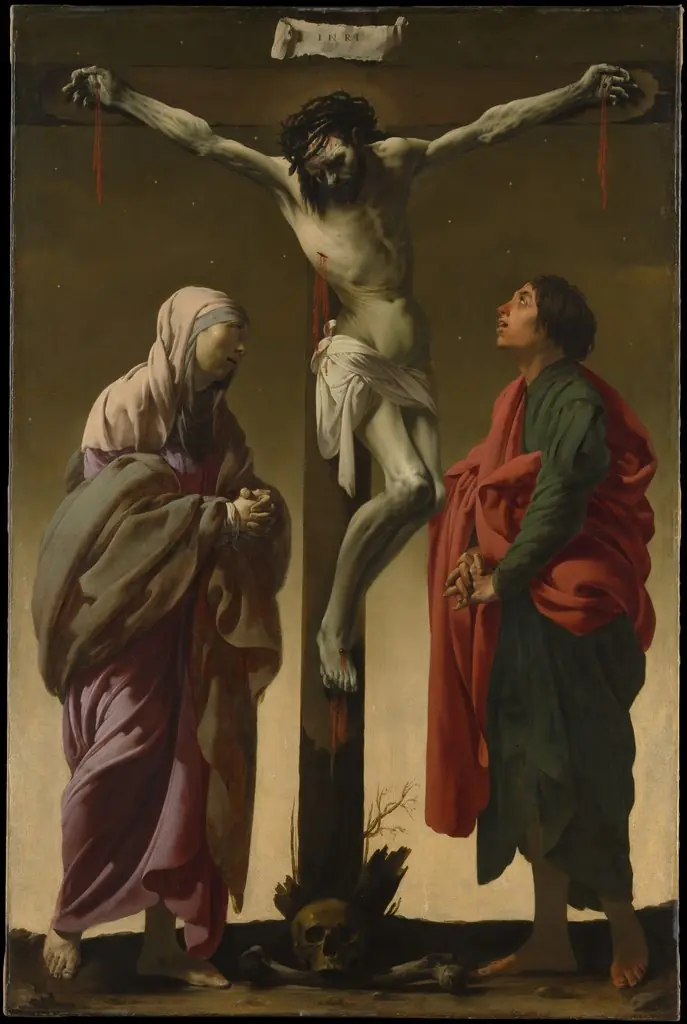 The Crucifixion with the Virgin and St John
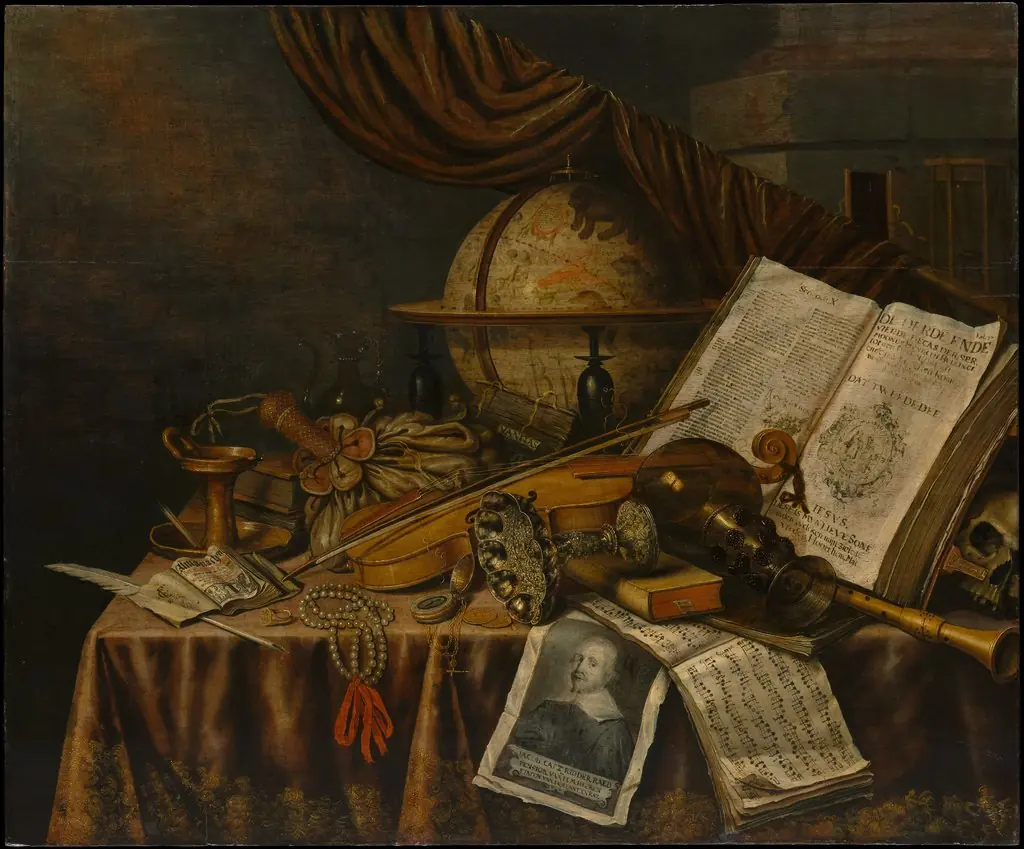 Vanitas Still Life
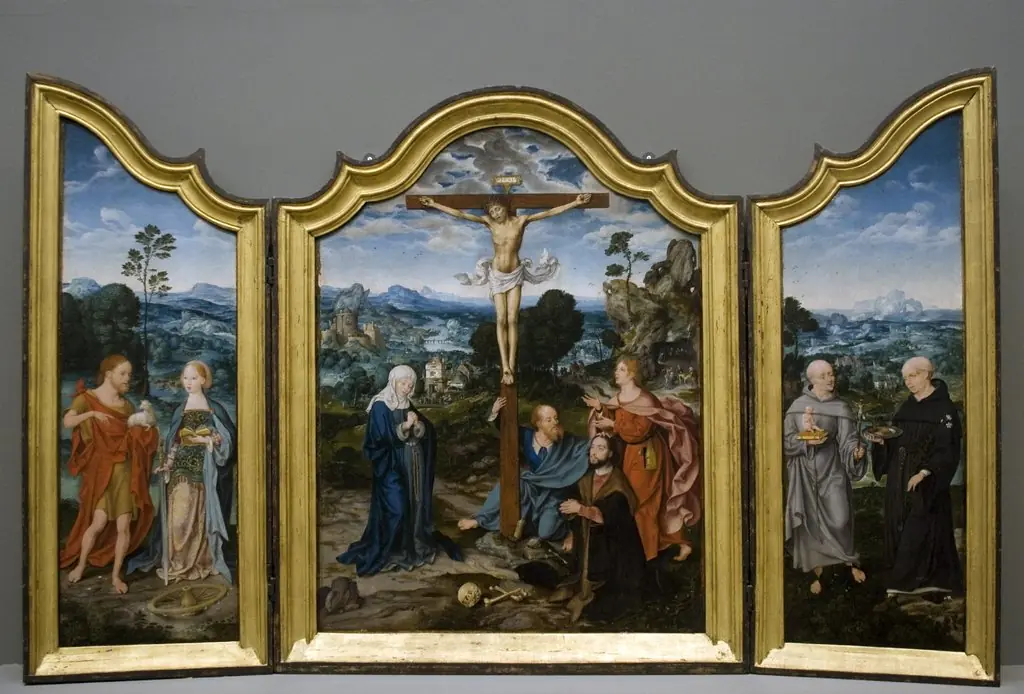 The Crucifixion with Saints and a Donor
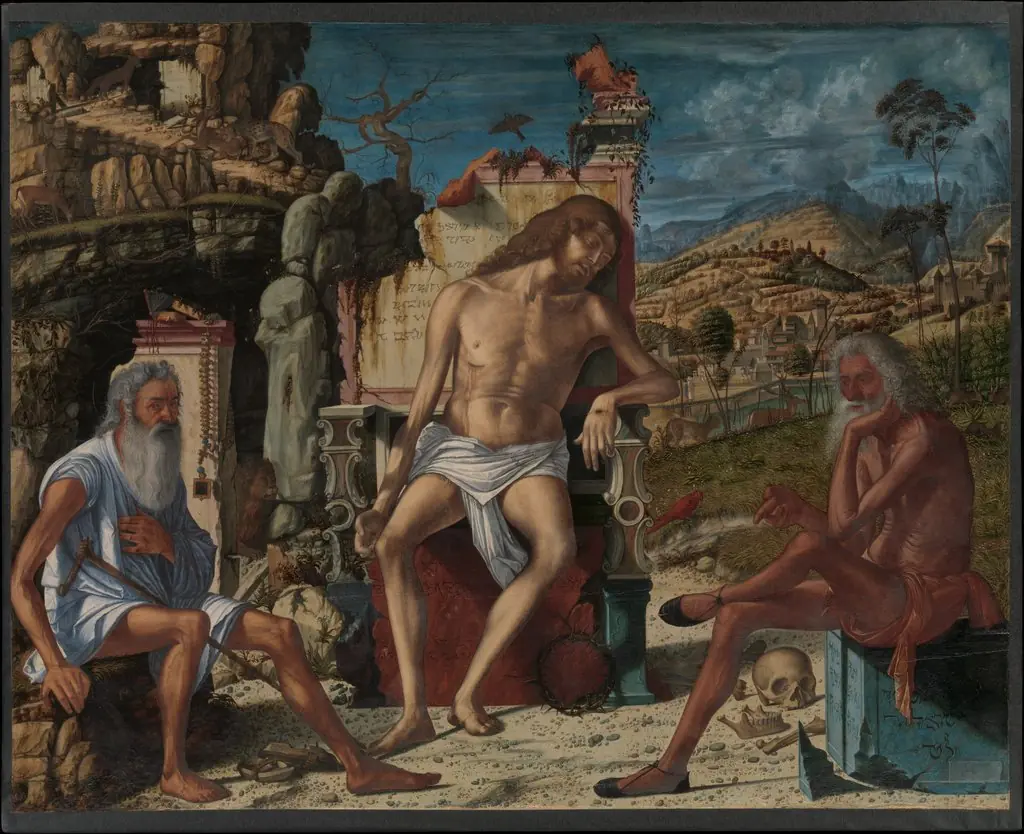 The Meditation on the Passion
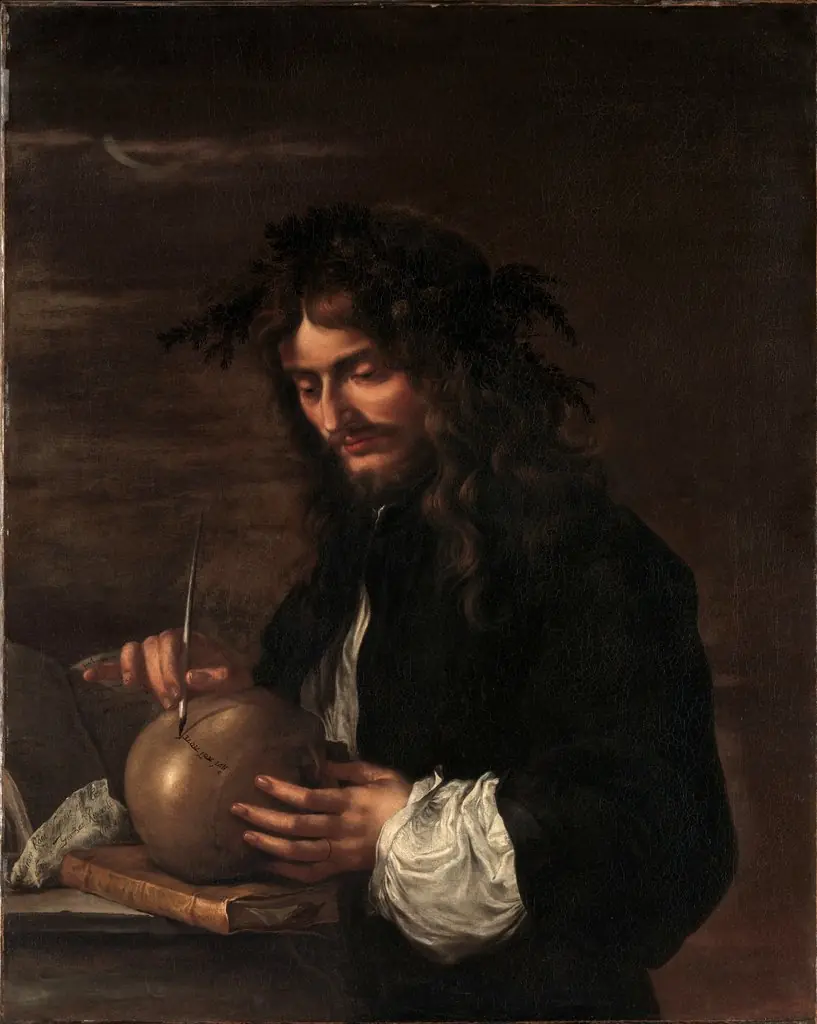 Self-Portrait
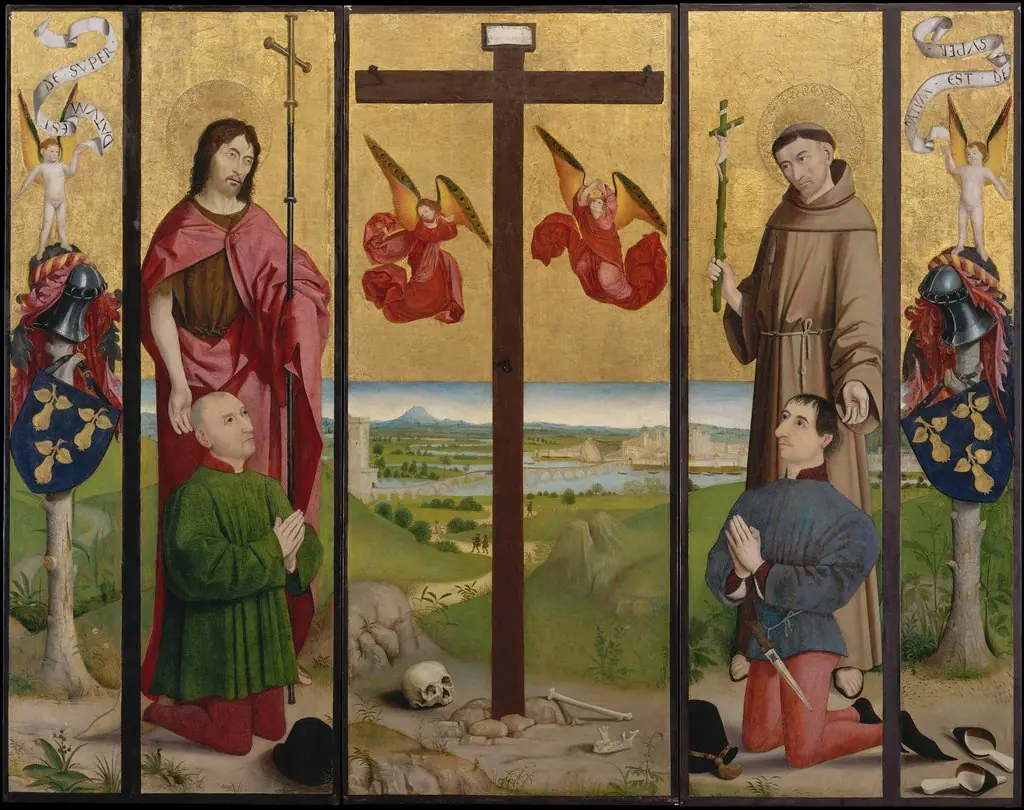 The Pérussis Altarpiece
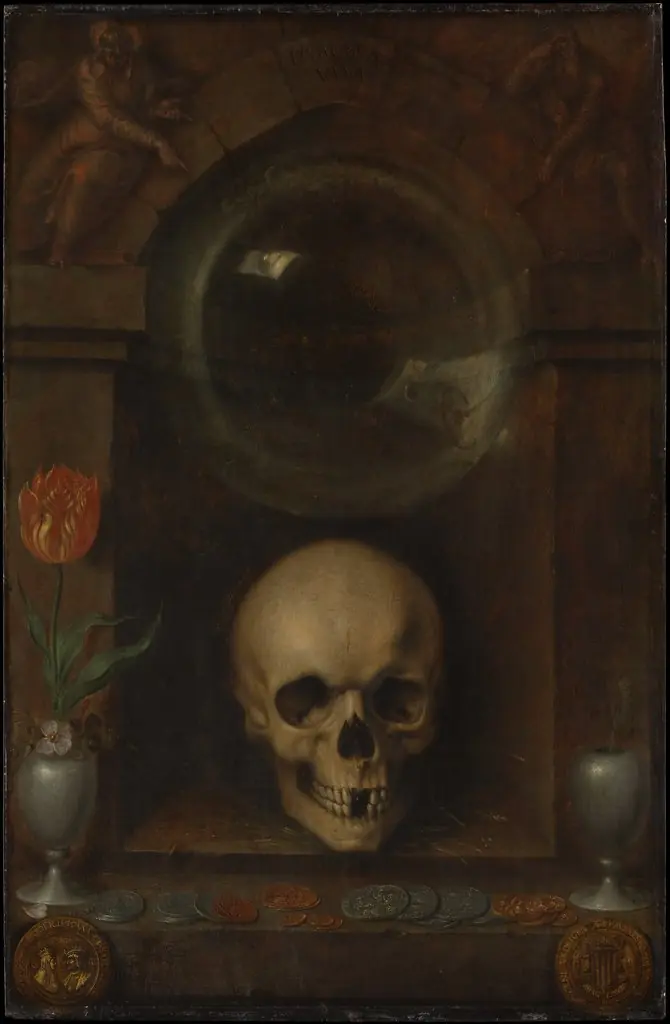 Vanitas Still Life
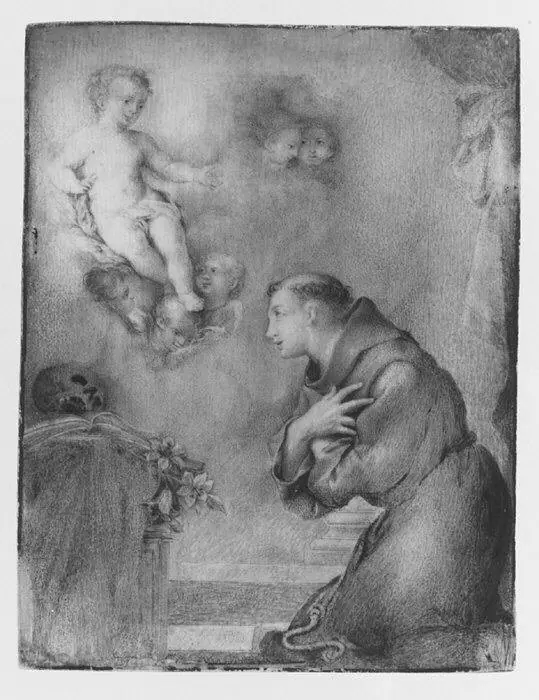 The Vision of Saint Anthony of Padua
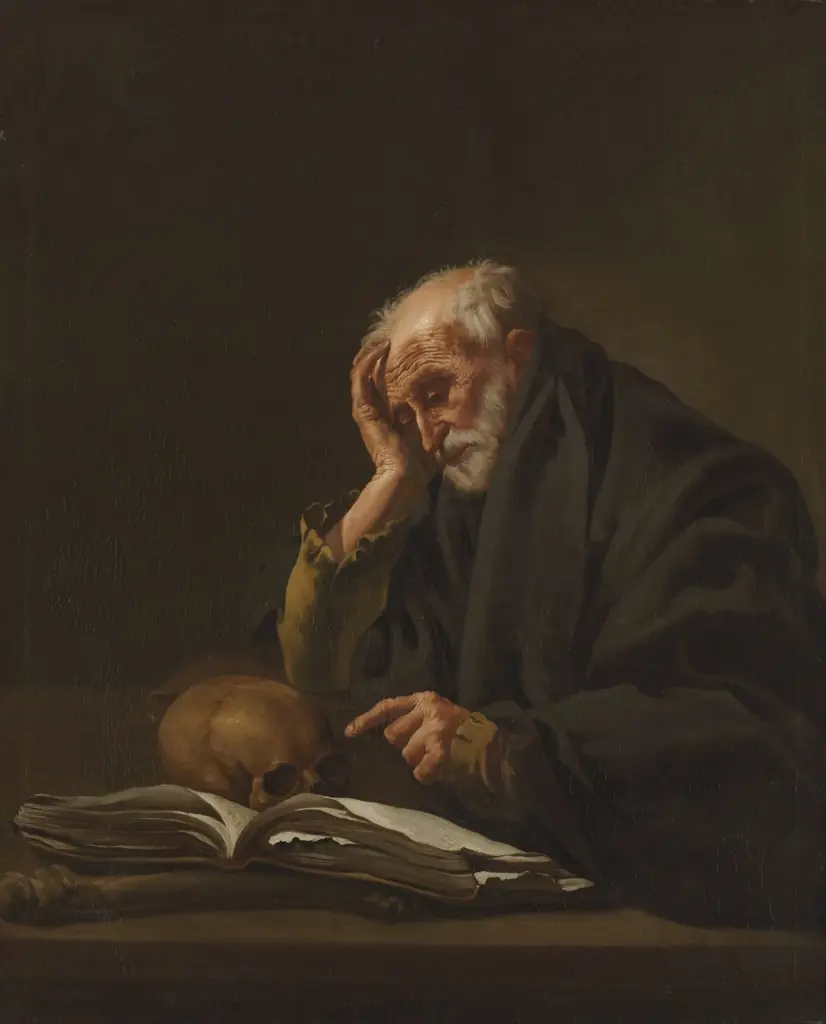 Saint Jerome
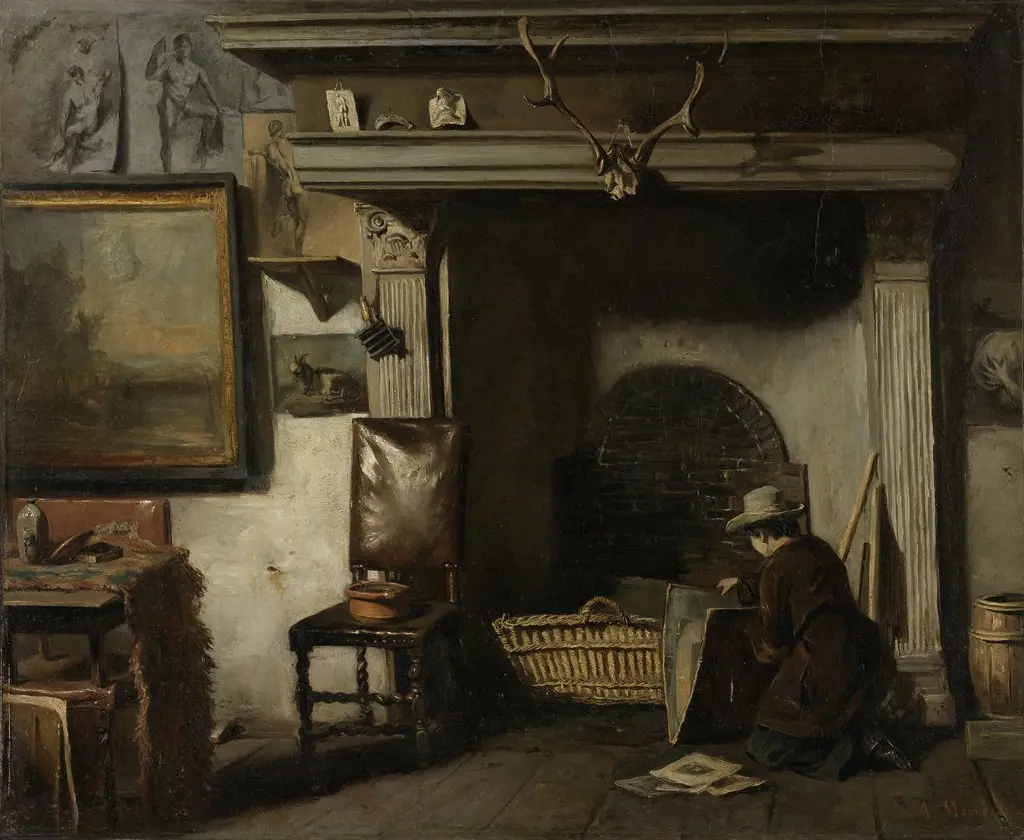 The Studio of the Haarlem Painter Pieter Frederik van Os
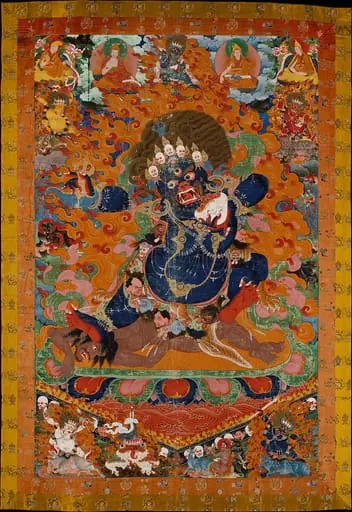 Untitled
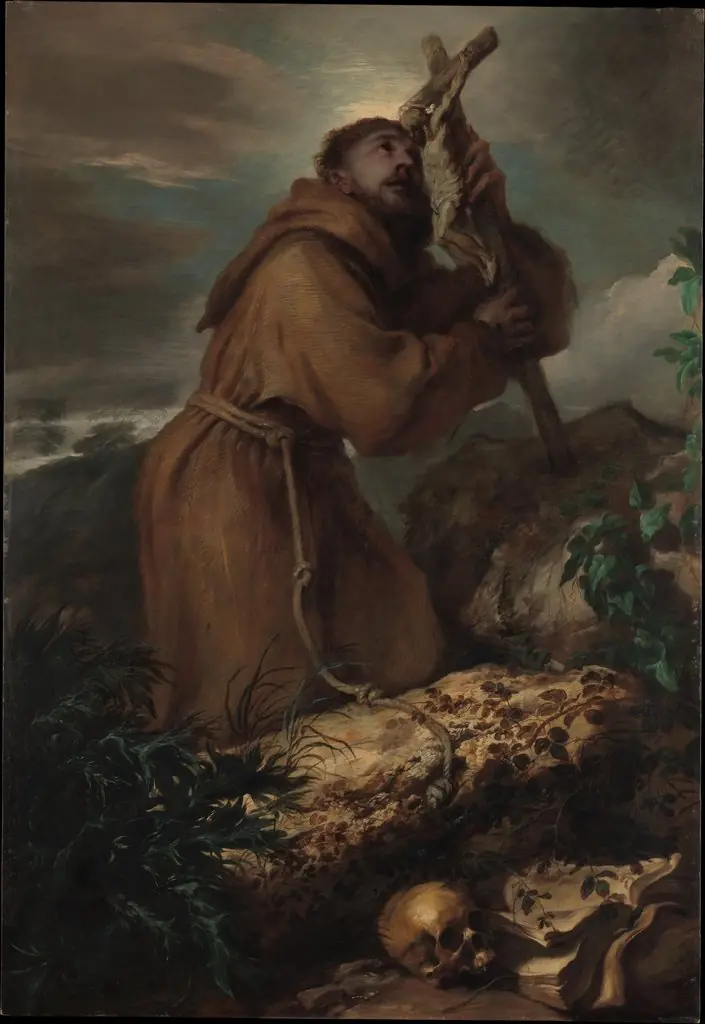 Saint Francis in Ecstasy
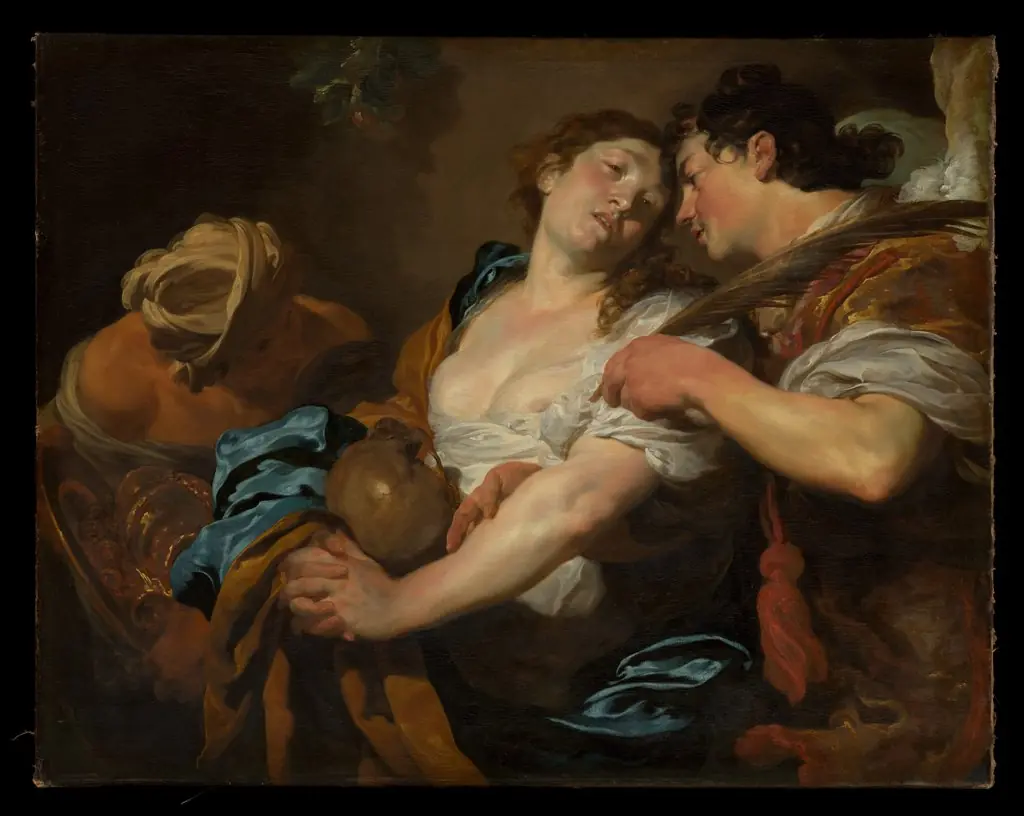 The Temptation of Saint Mary Magdalen
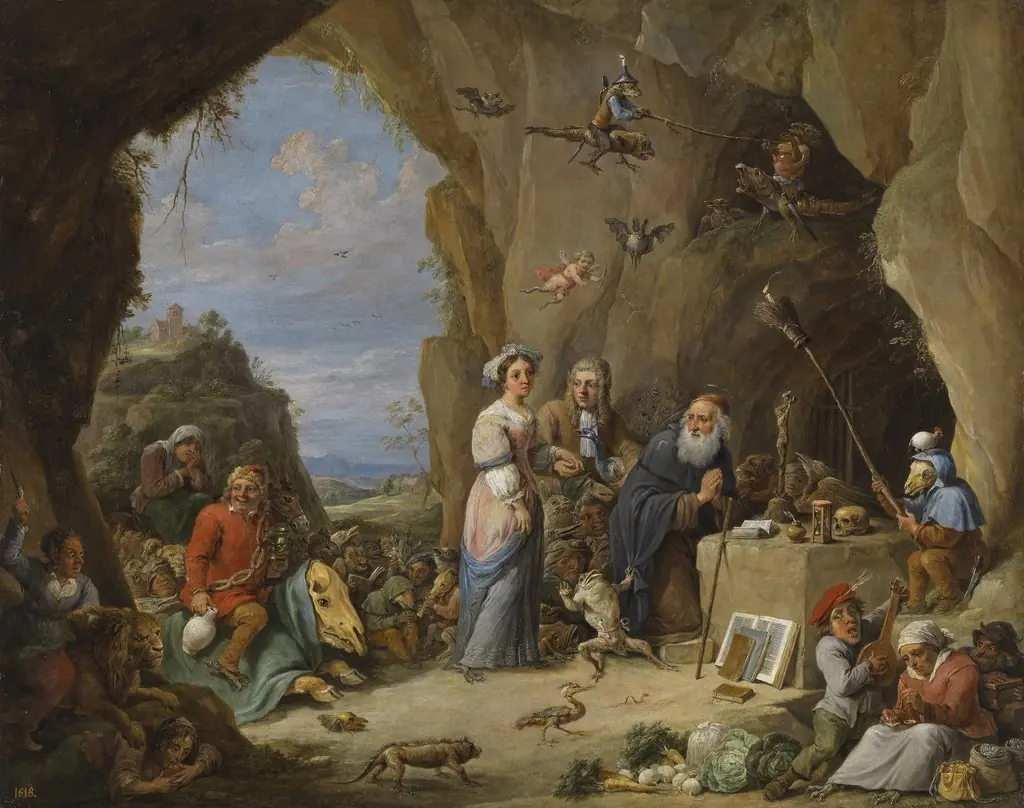 Temptation of St. Anthony
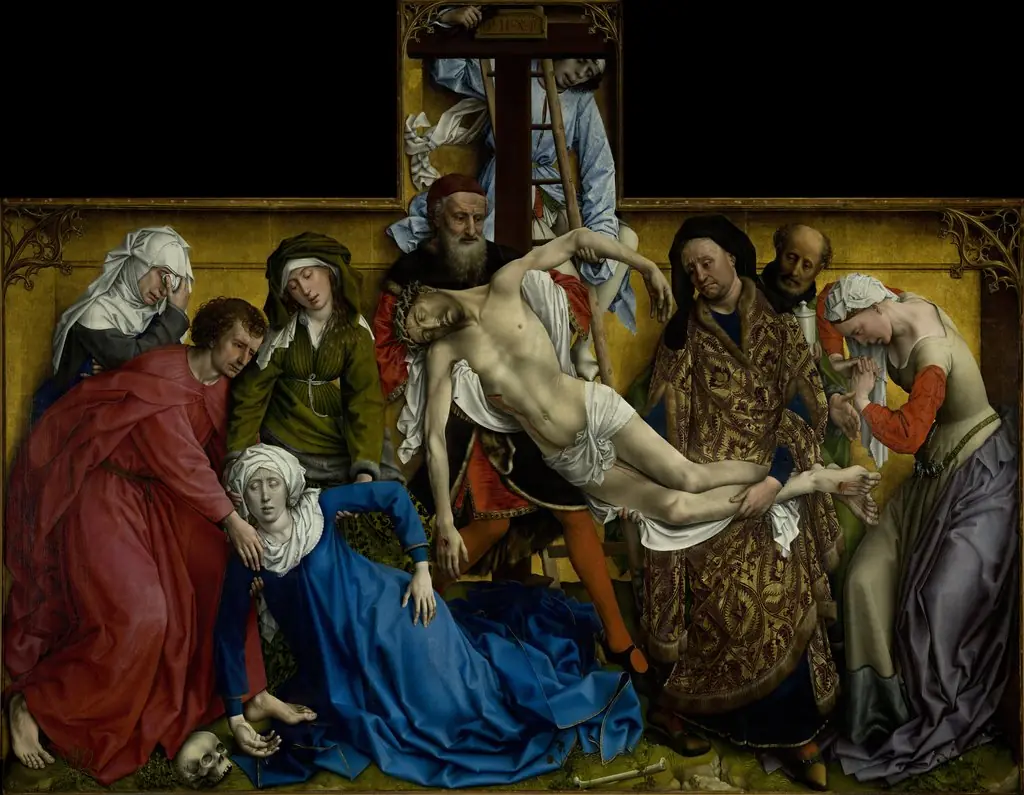 The Descent from the Cross
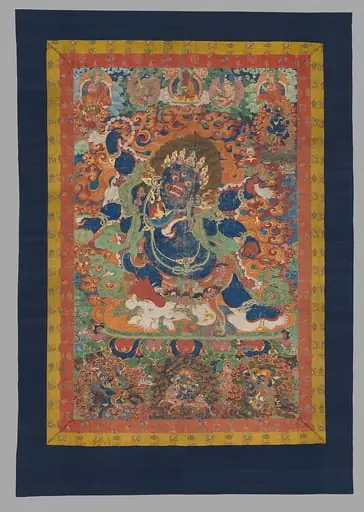 Untitled
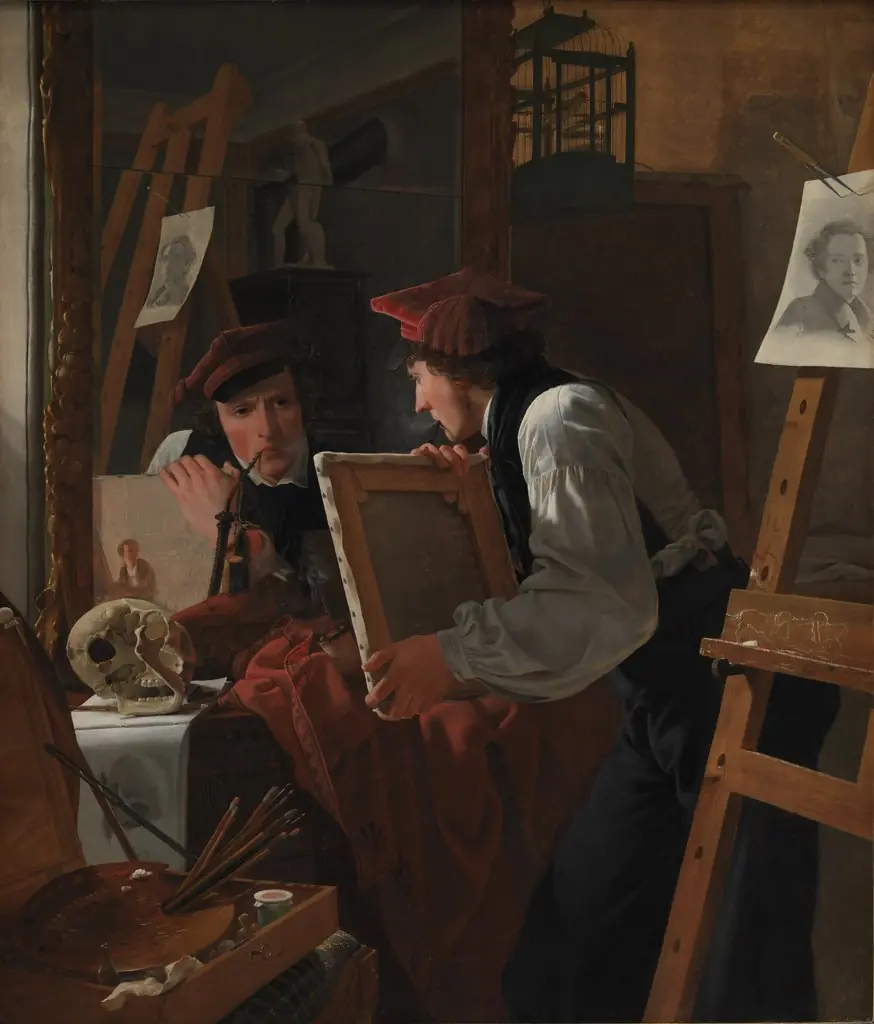 A Young Artist (Ditlev Blunck) Examining a Sketch in a Mirror
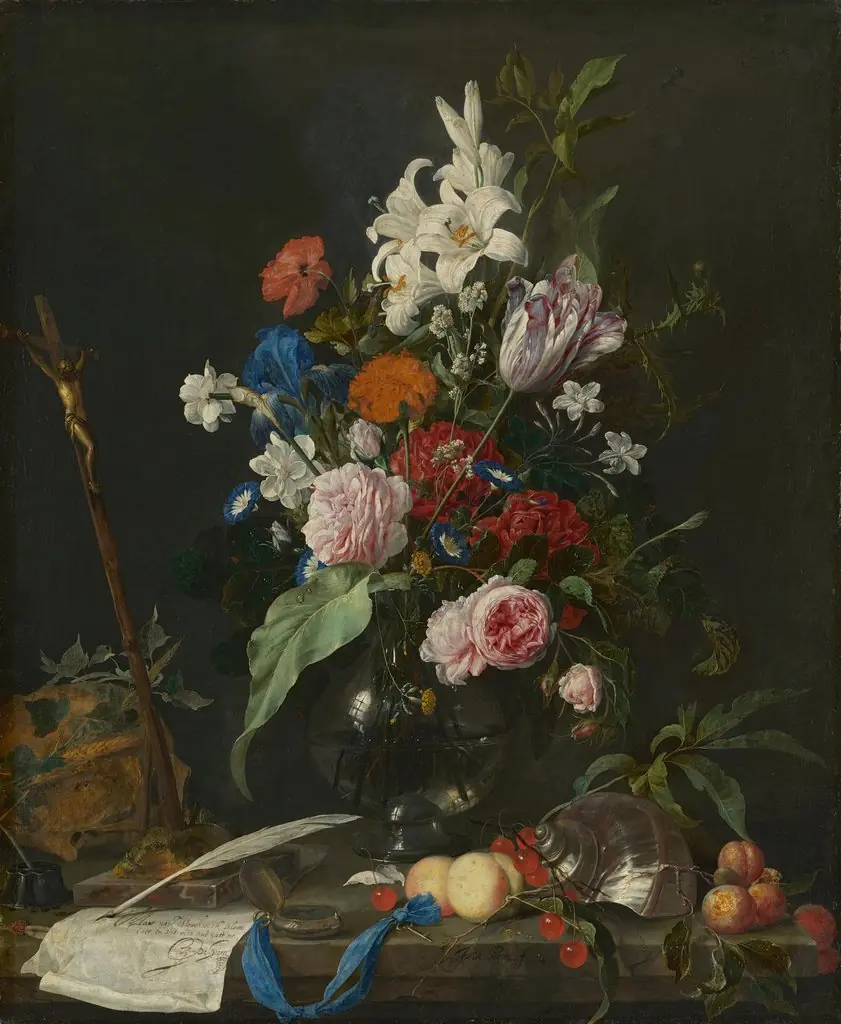 Flower still-life with a skull and crucifix
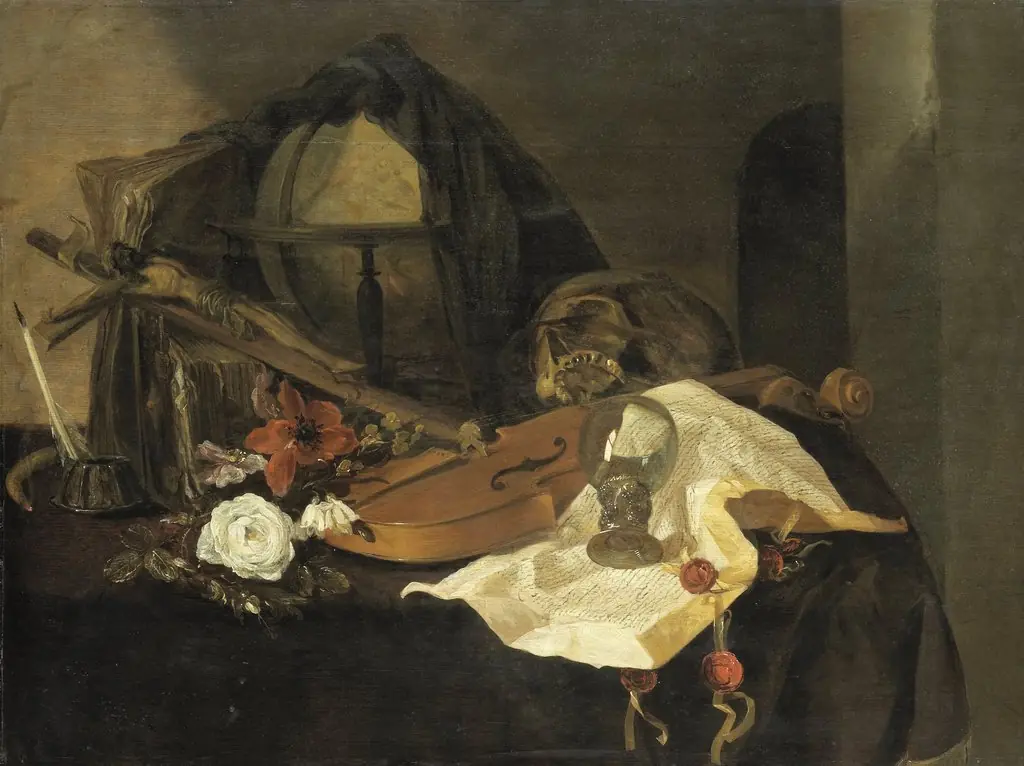 Vanitas still life
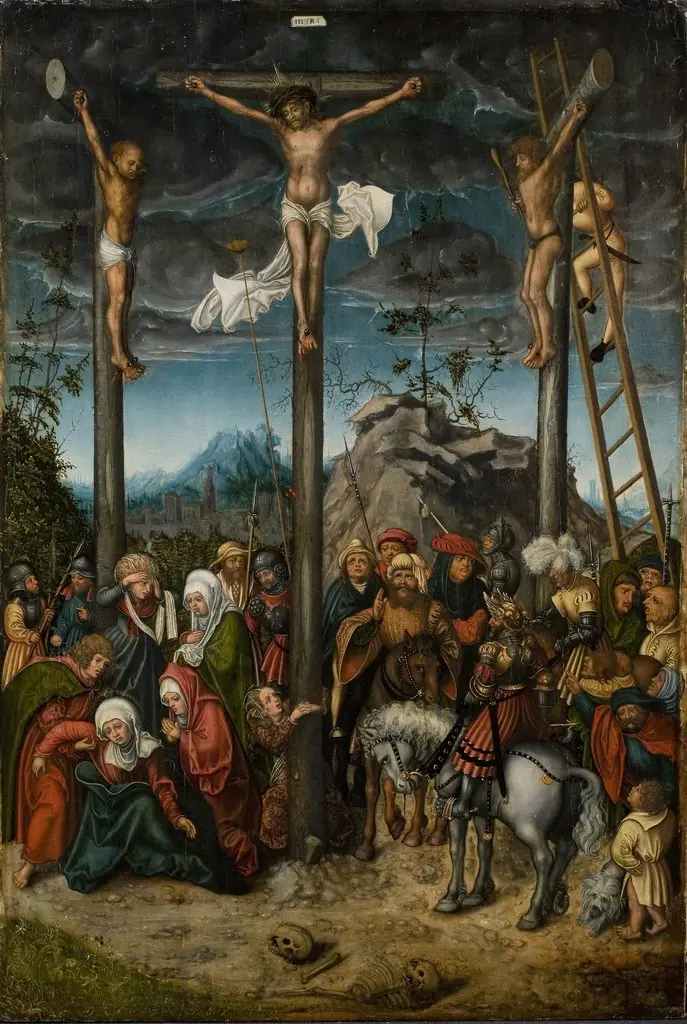 The Crucifixion
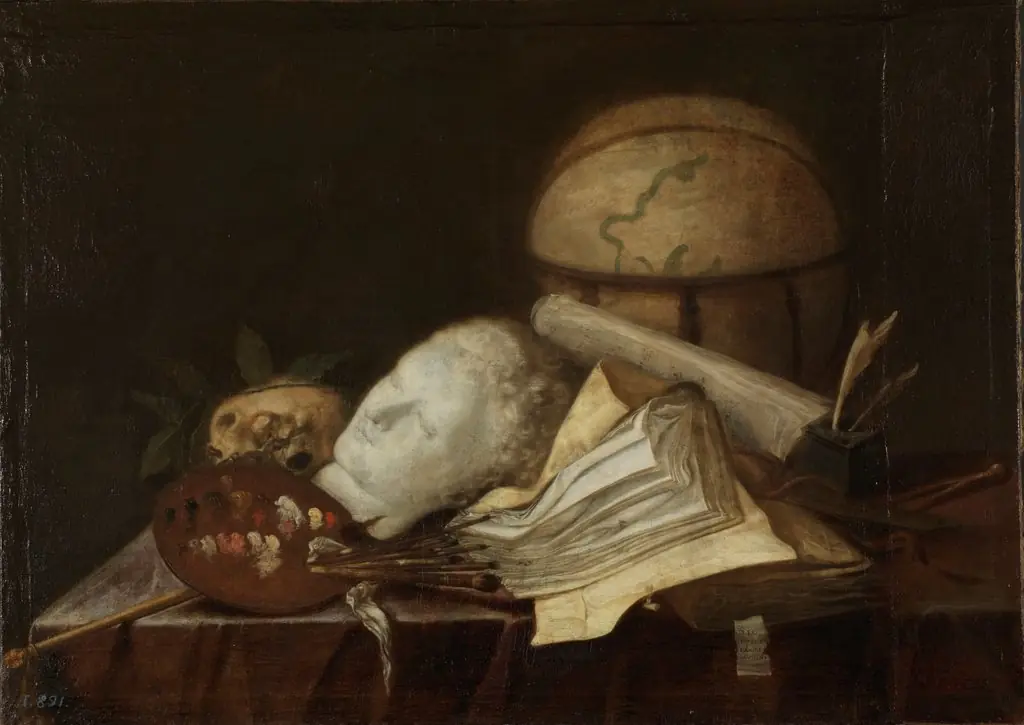 Allegory of the Arts and Sciences
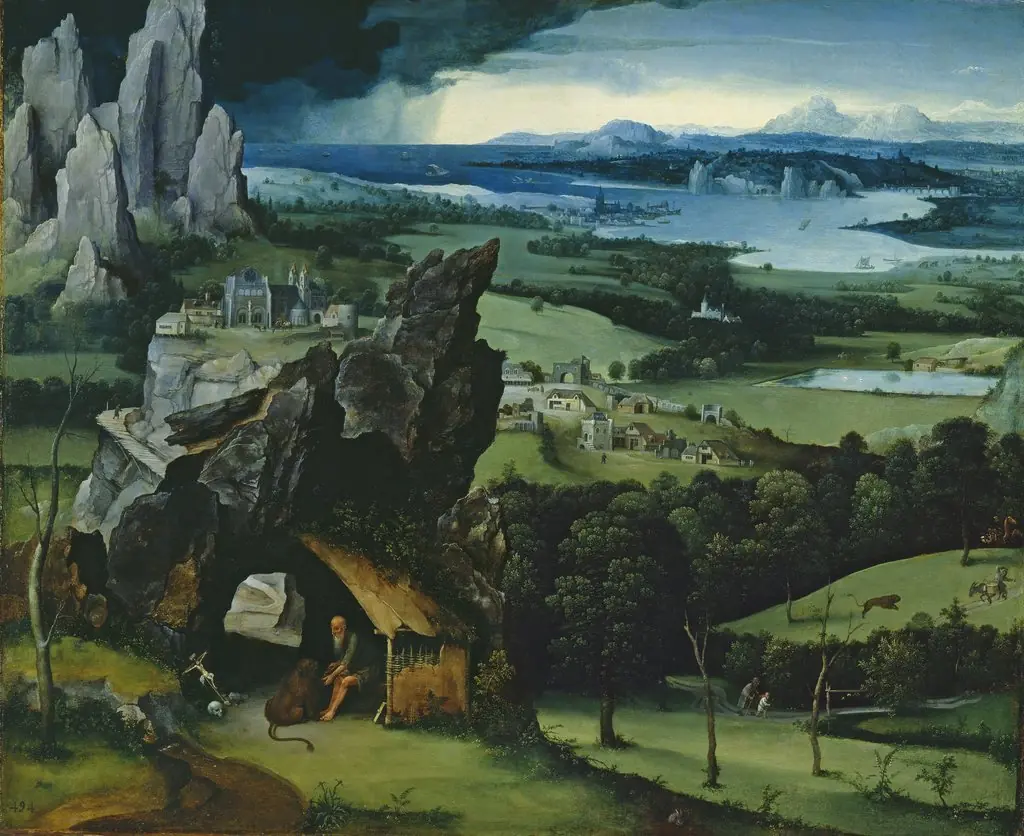 Landscape with St Jerome
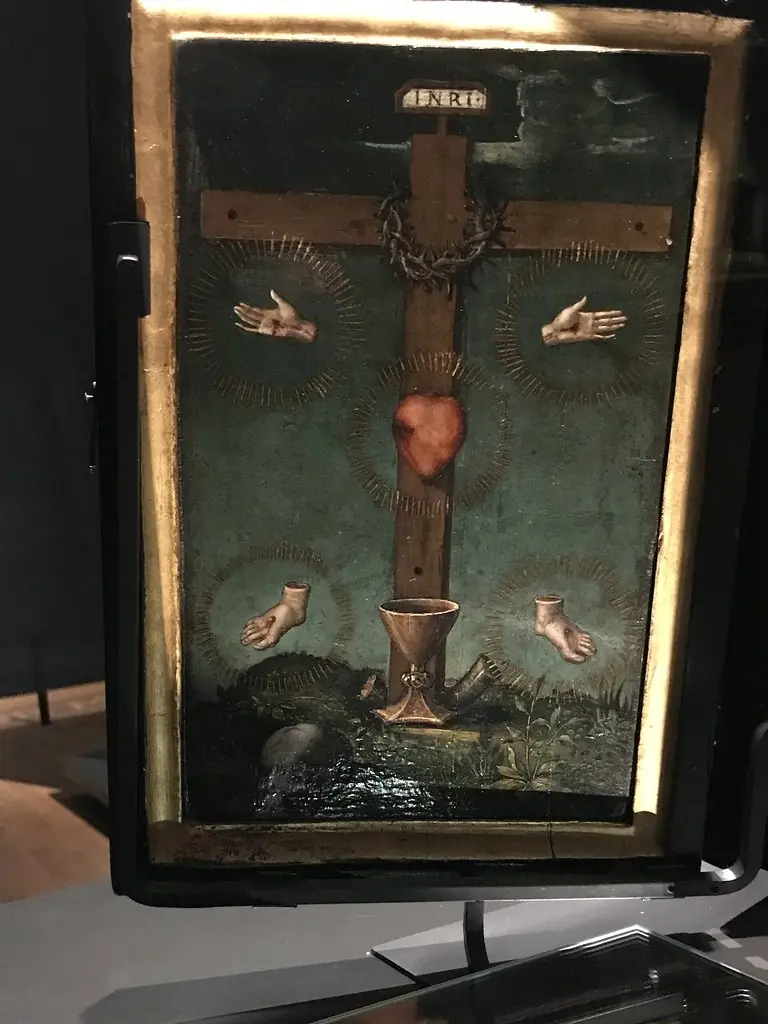 Crown of thorns on the Holy Cross, with the Five Holy Wounds surrounded by rays
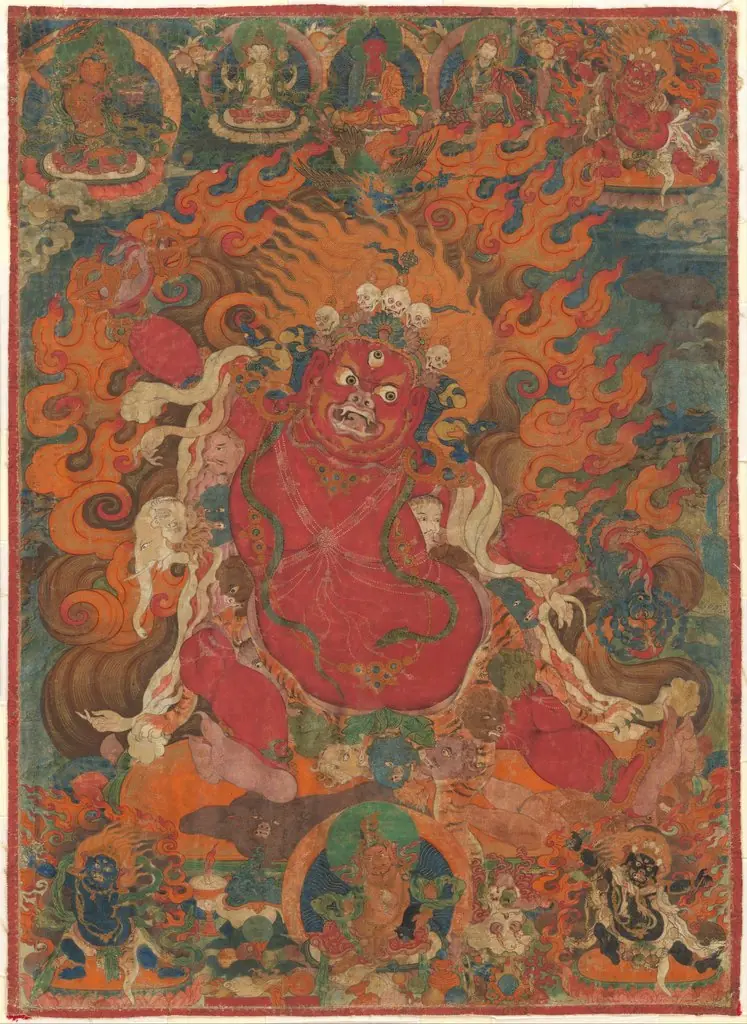 Guru Dragpo
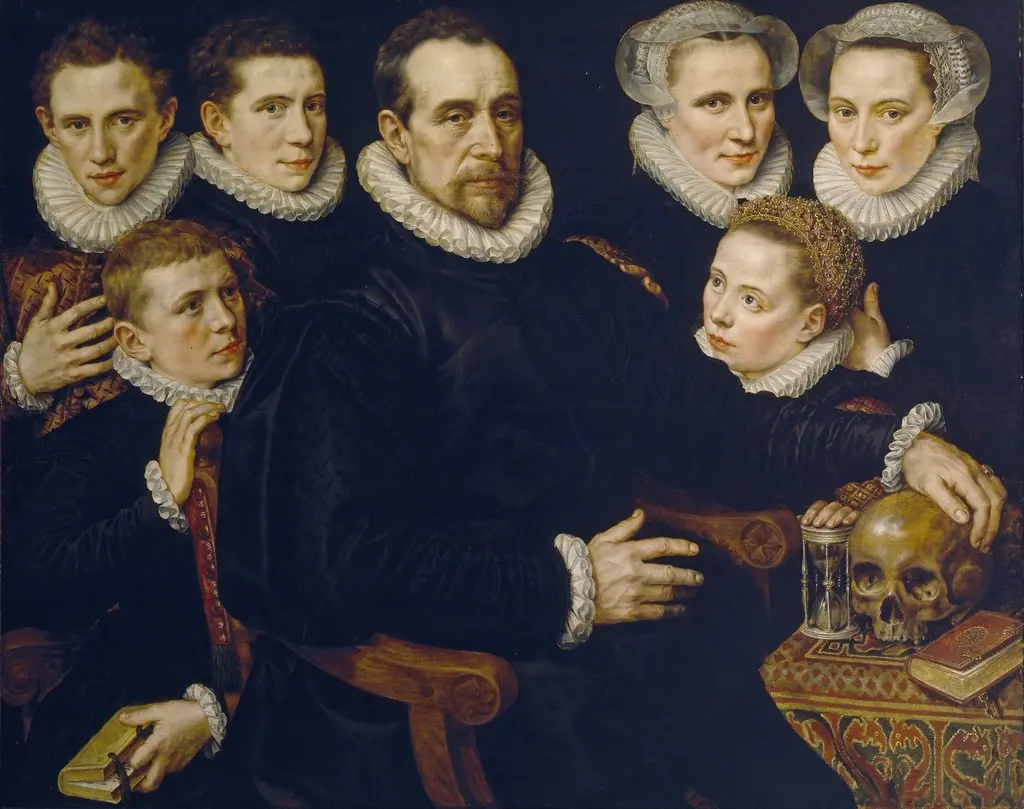 Family Portrait
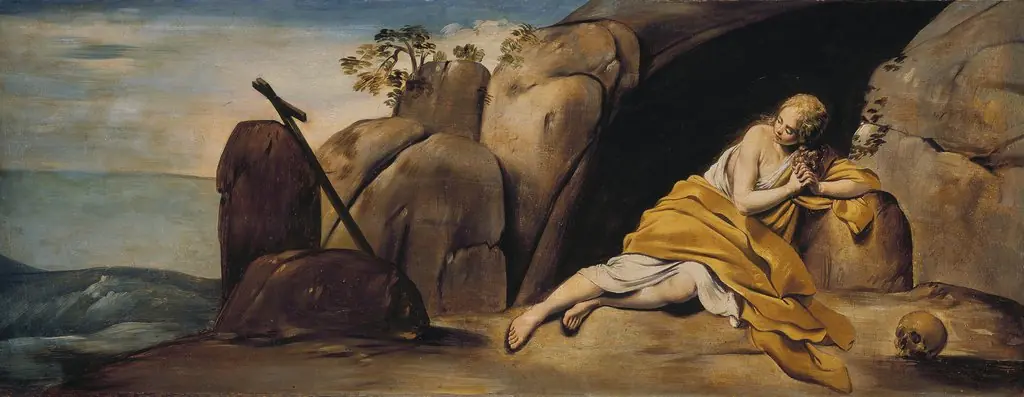 Magdalena penitente en la gruta de Sainte-Baume
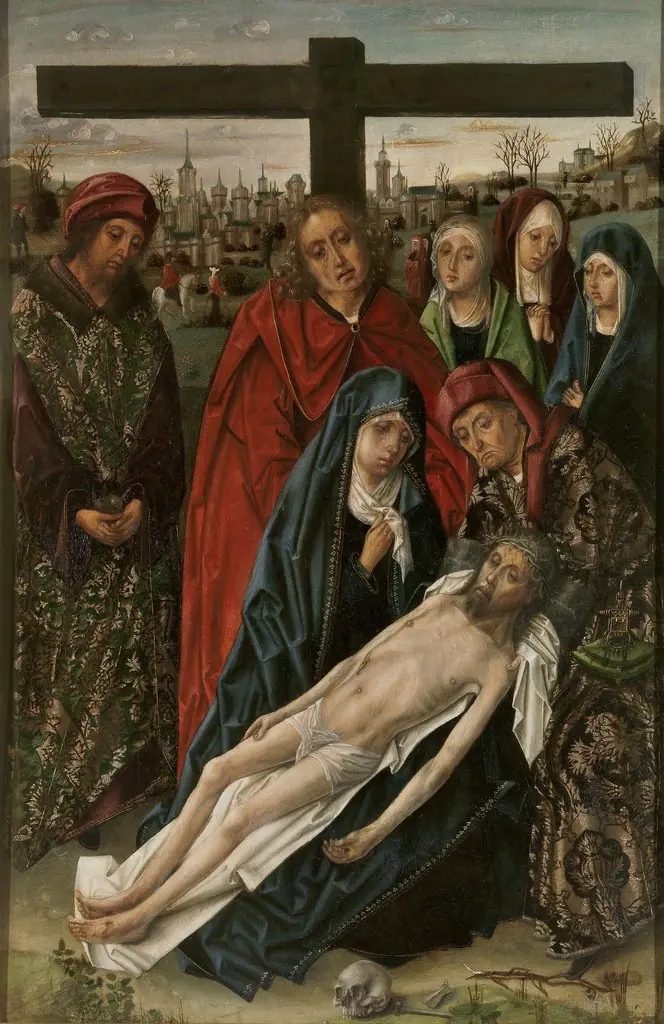 The Lamentation
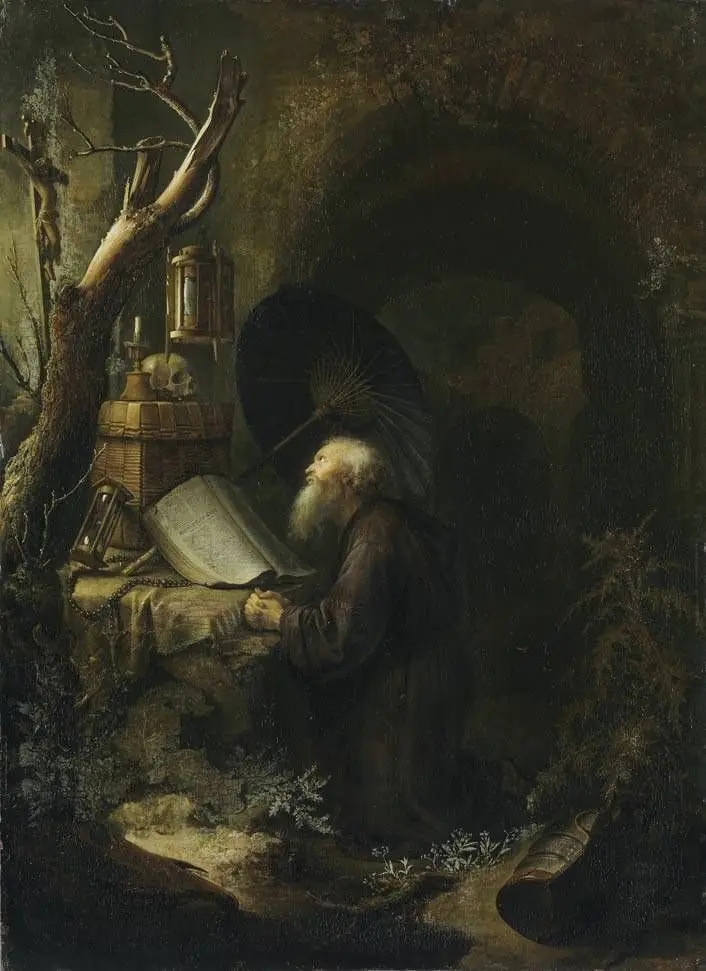 Praying hermit
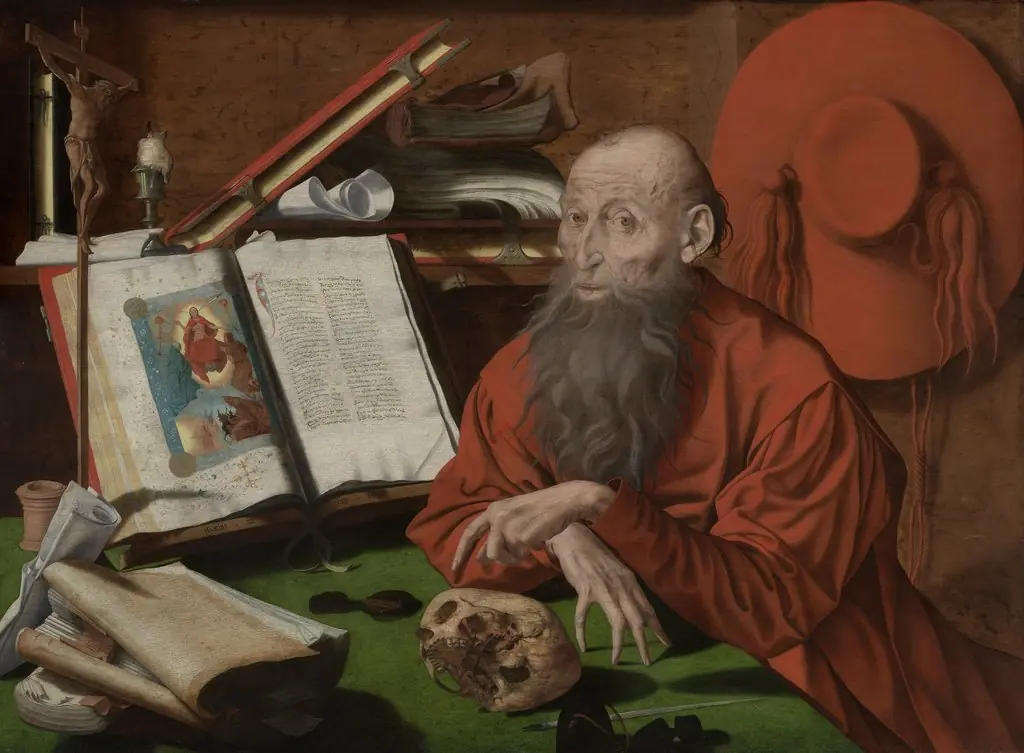 Saint Jerome in His Study
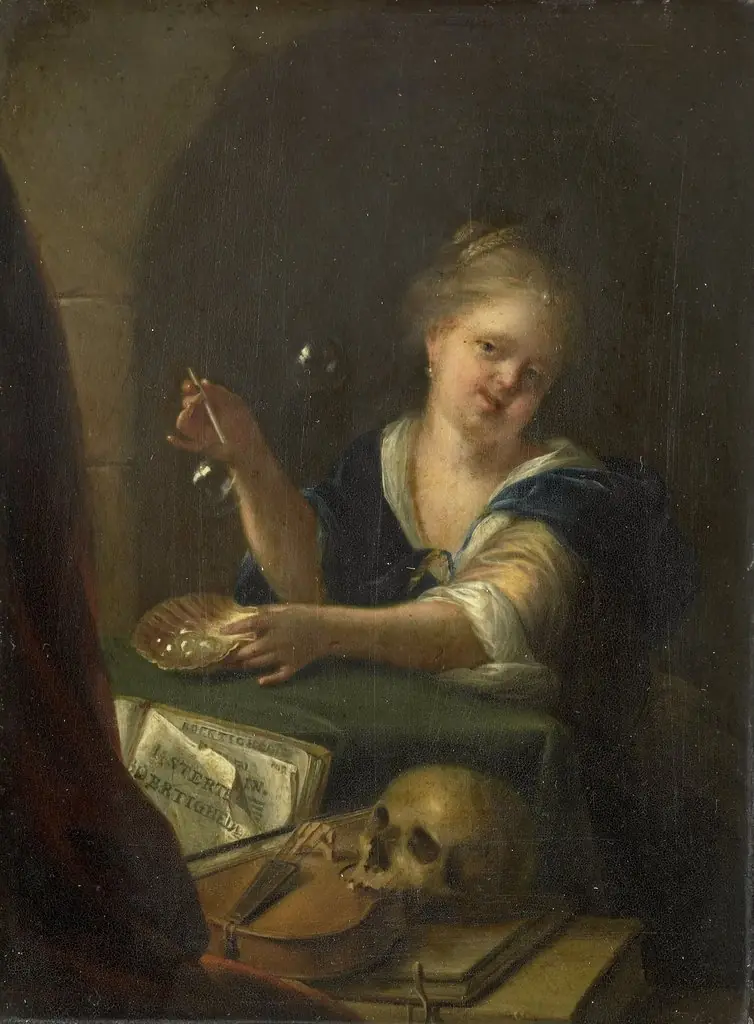 Bubble-blowing Girl with a Vanitas Still Life
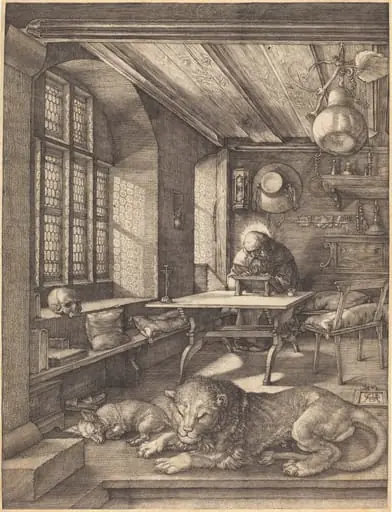 Saint Jerome in His Study
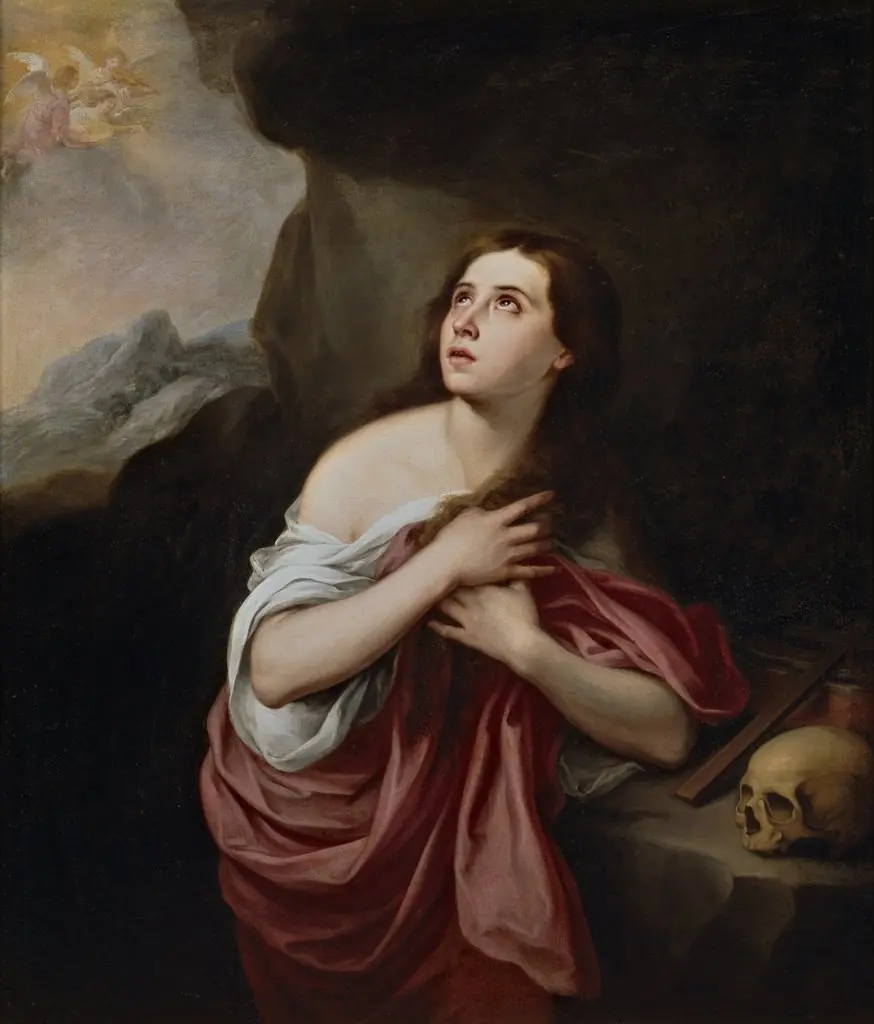 Penitent Magdalen
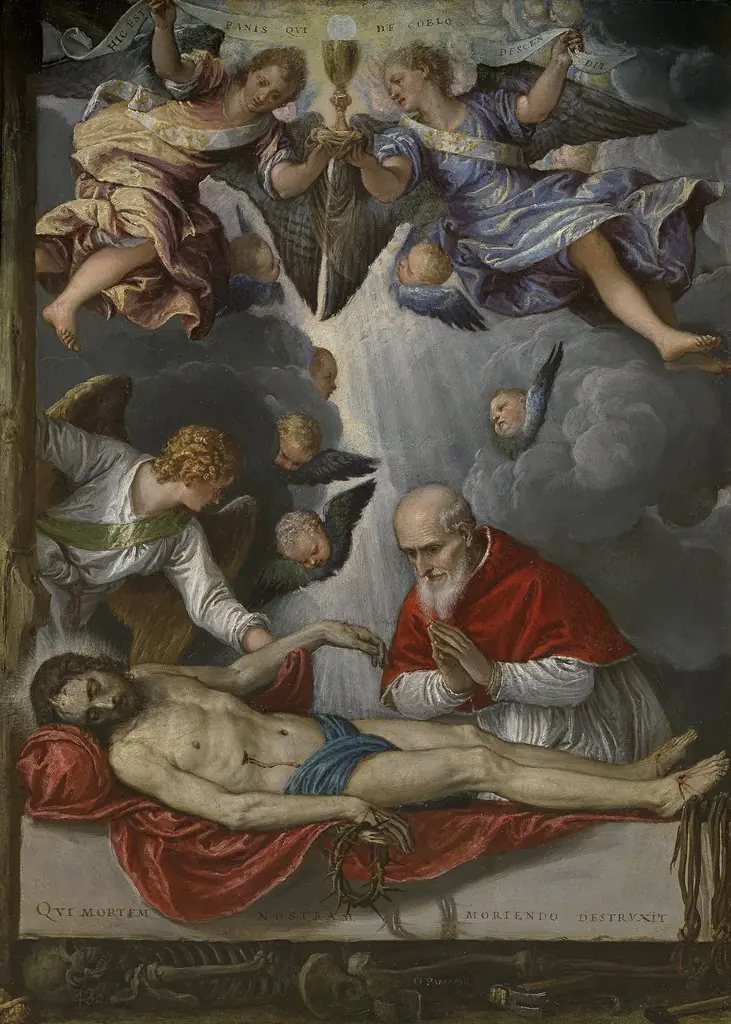 The dead Christ venerated by Pius V
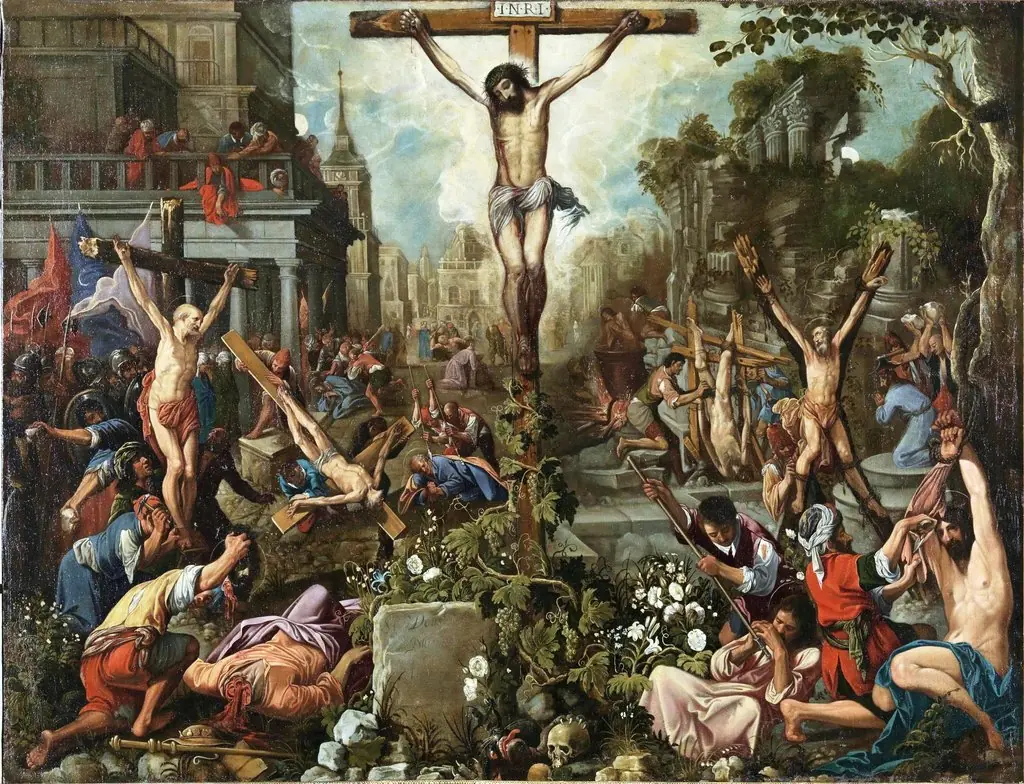 Christ, the Example for Martyrs
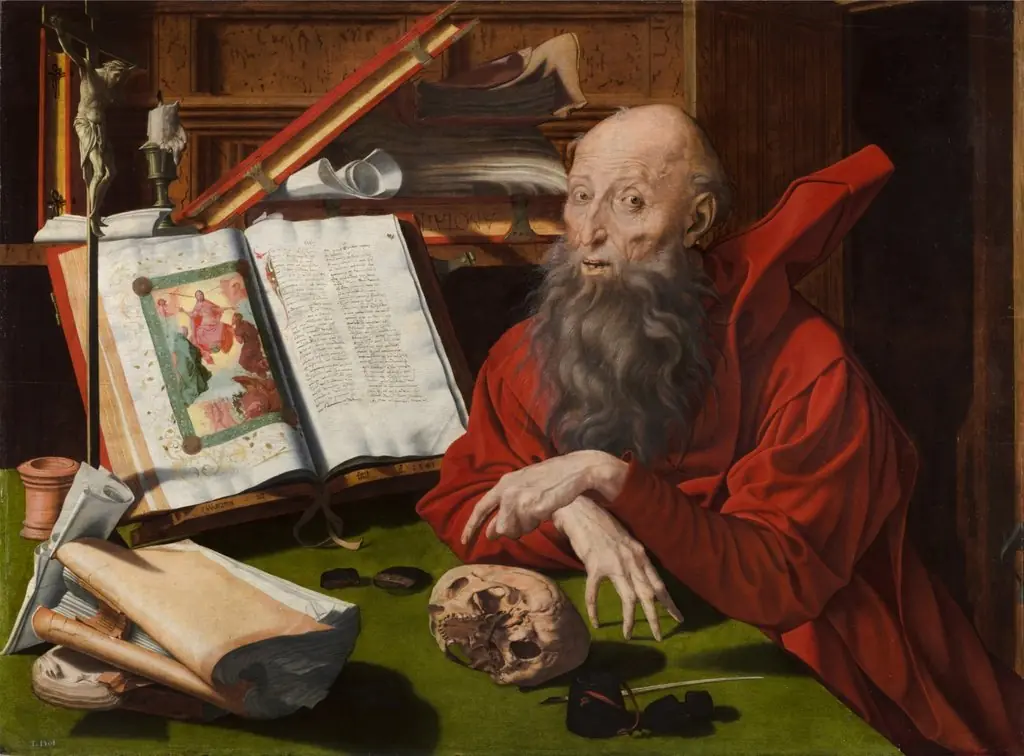 Saint Jerome in his study
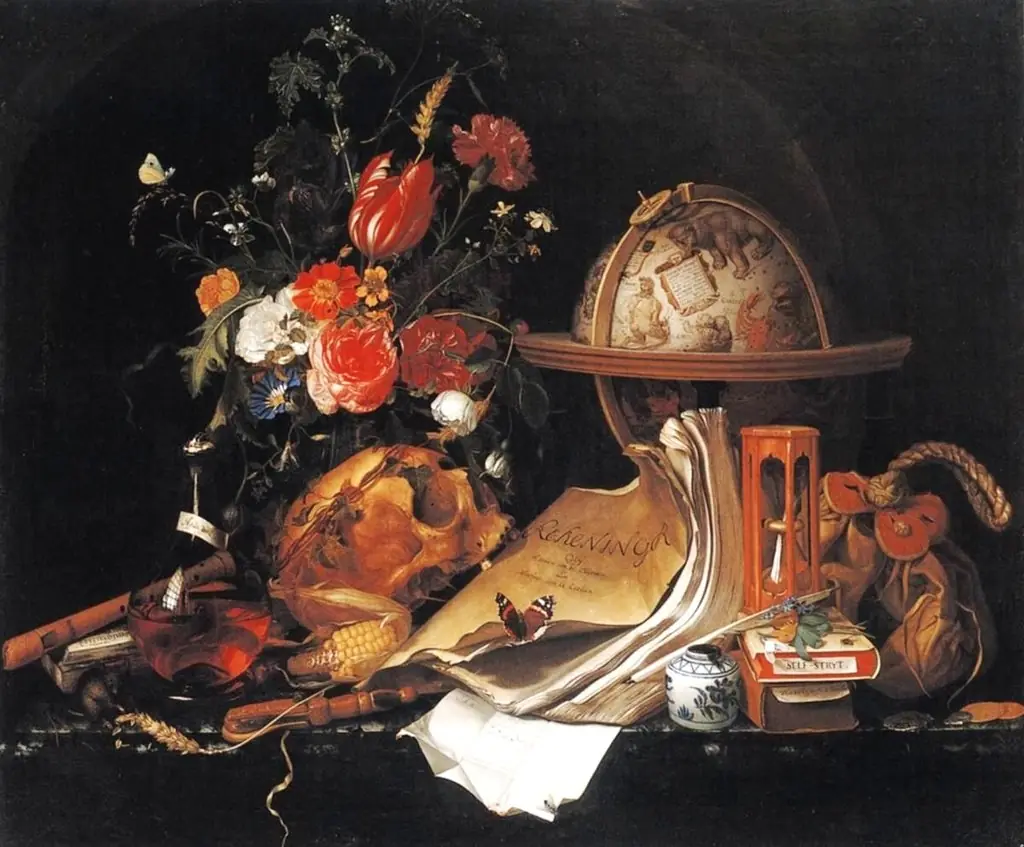 Vanitas still life
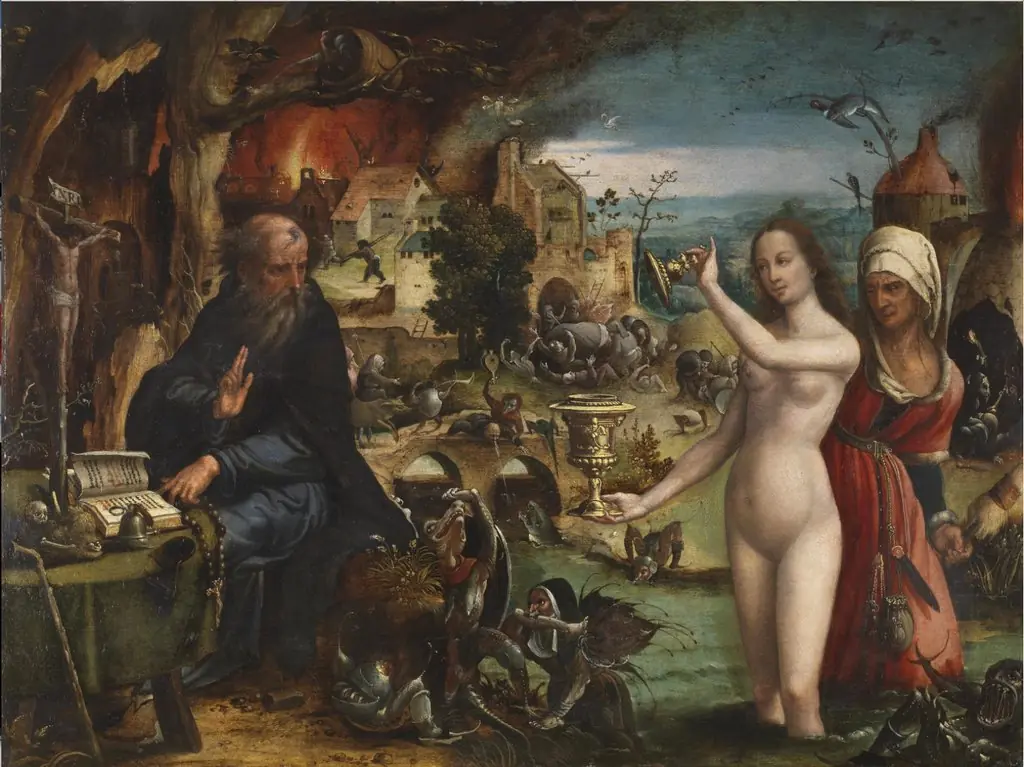 The Temptations of Saint Anthony Abbot
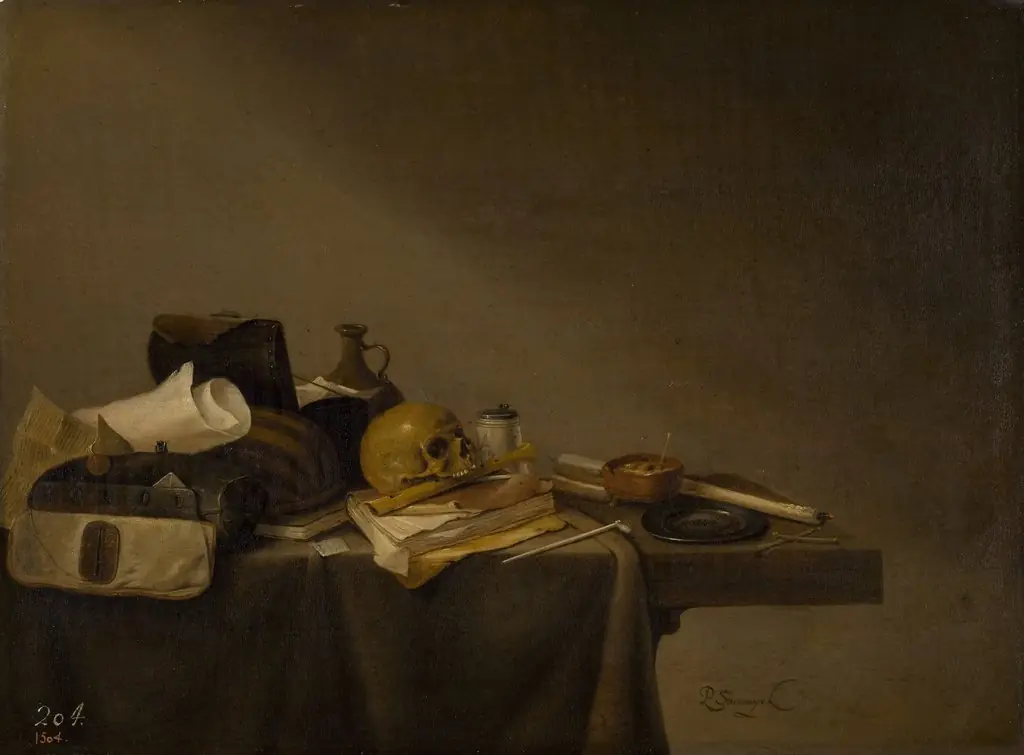 Emblem of Death
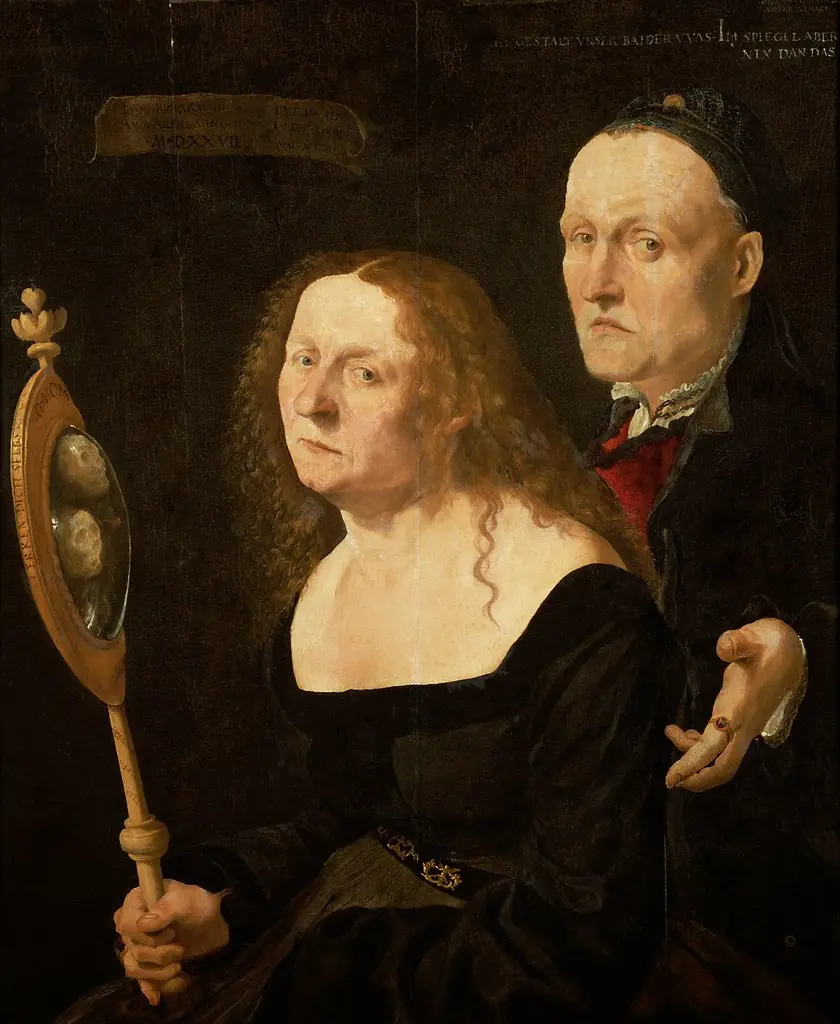 Portrait of the painter Hans Burgkmair (1473) and his wife Anna
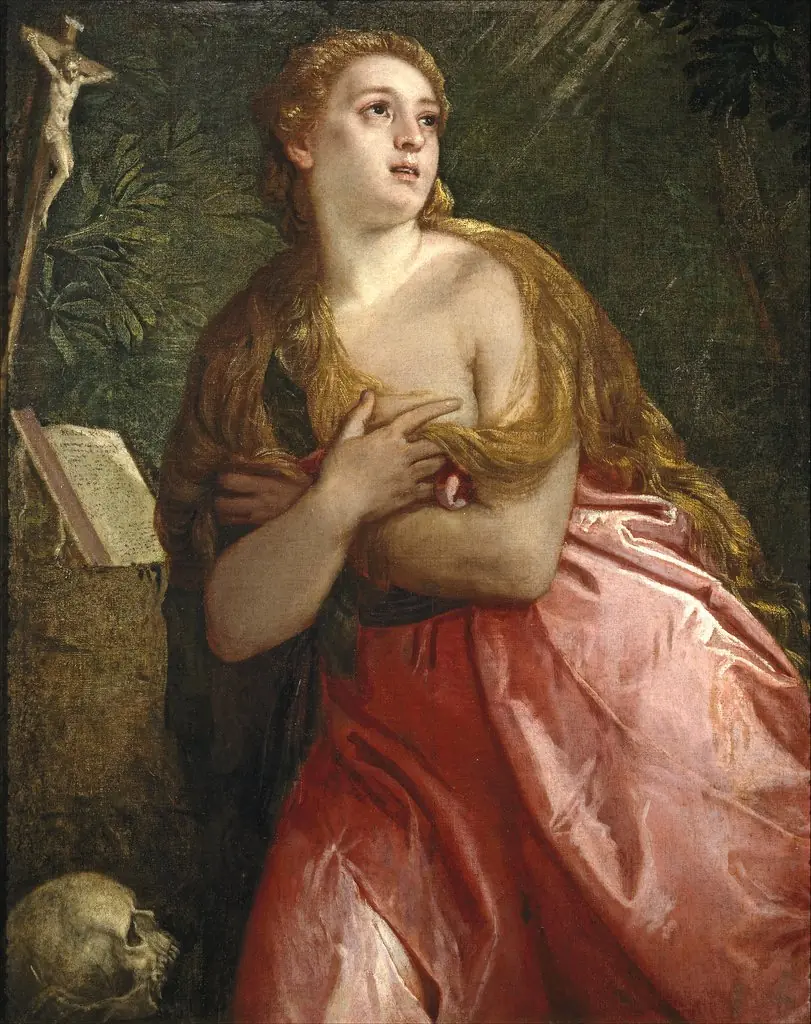 The Penitent Magdalen
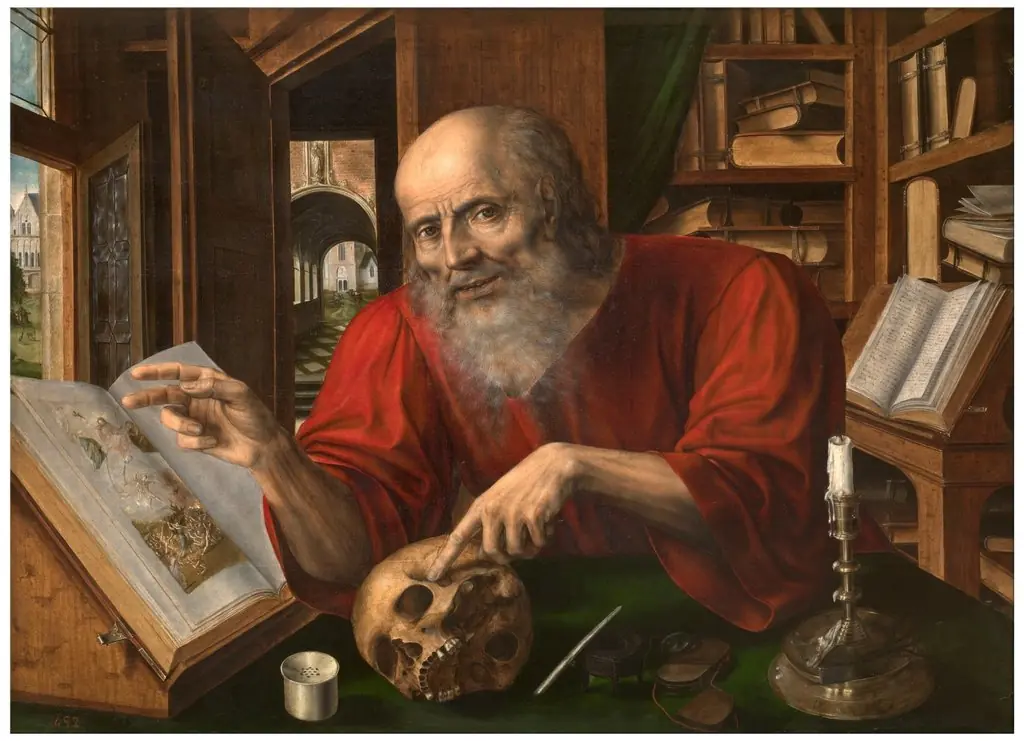 Saint Jerome
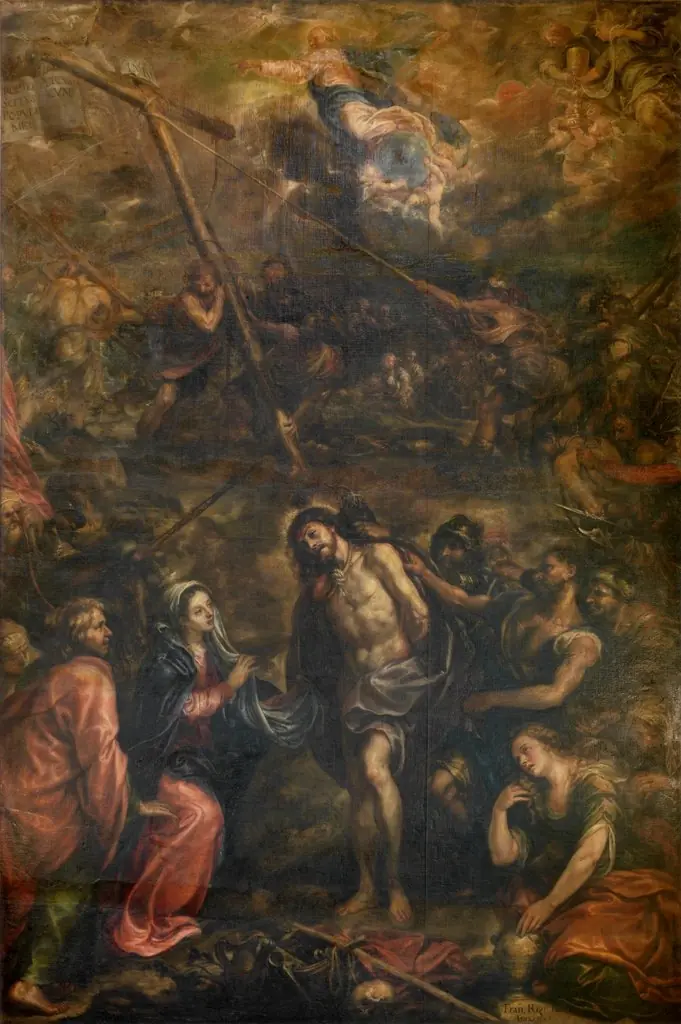 El expolio de Cristo
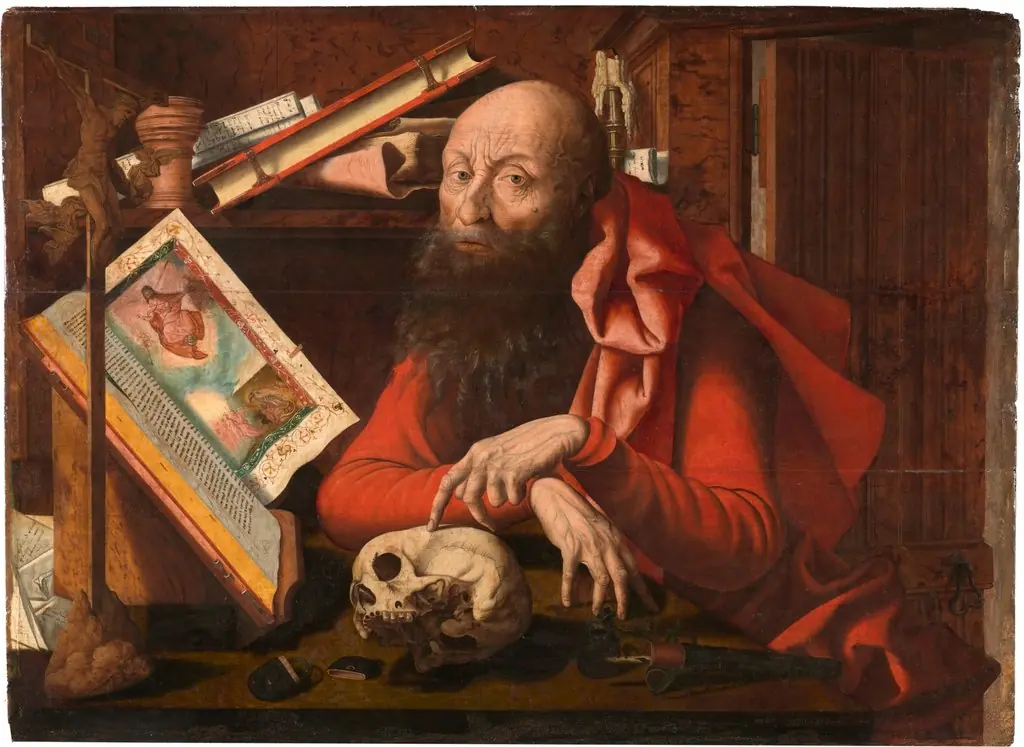 Saint Jerome in his Study
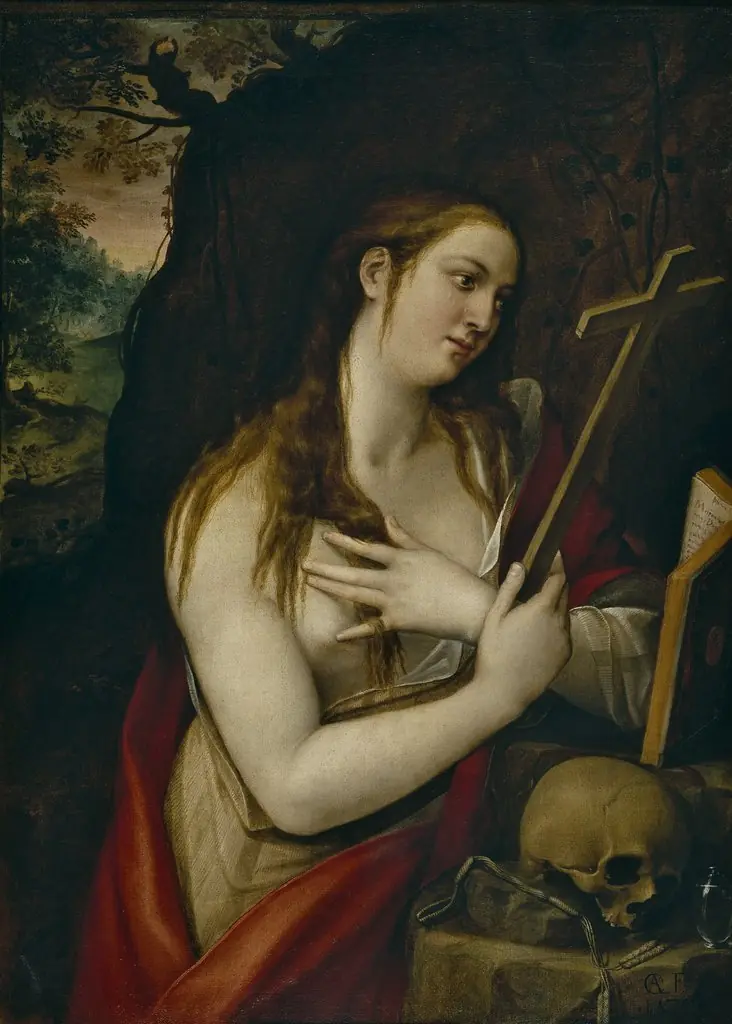 The Penitent Magdalen
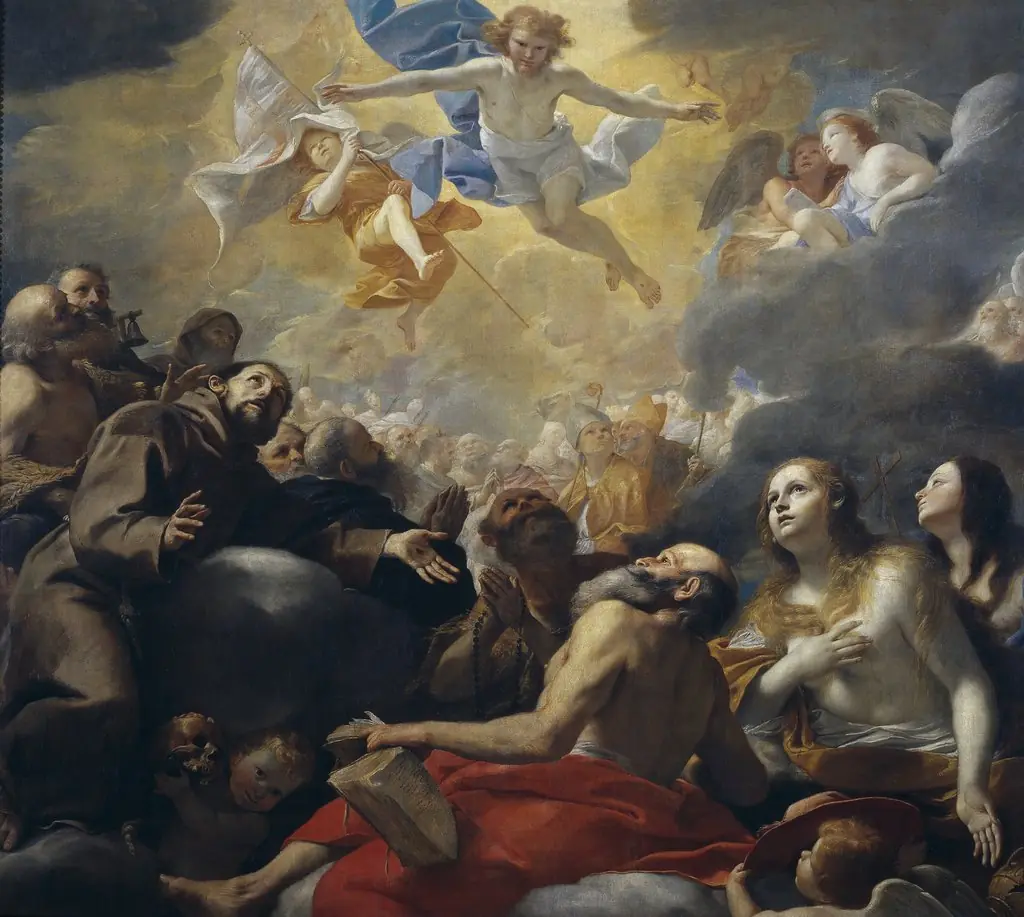 Christ in Glory with Saints
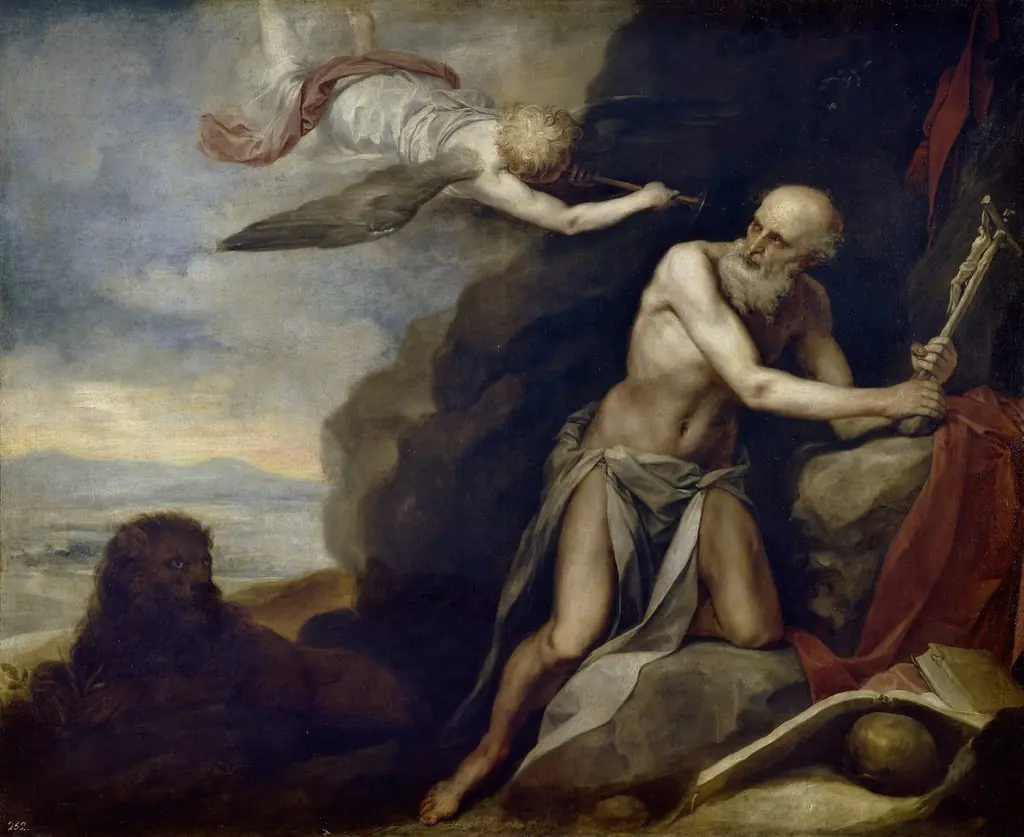 The penitent Saint Jerome
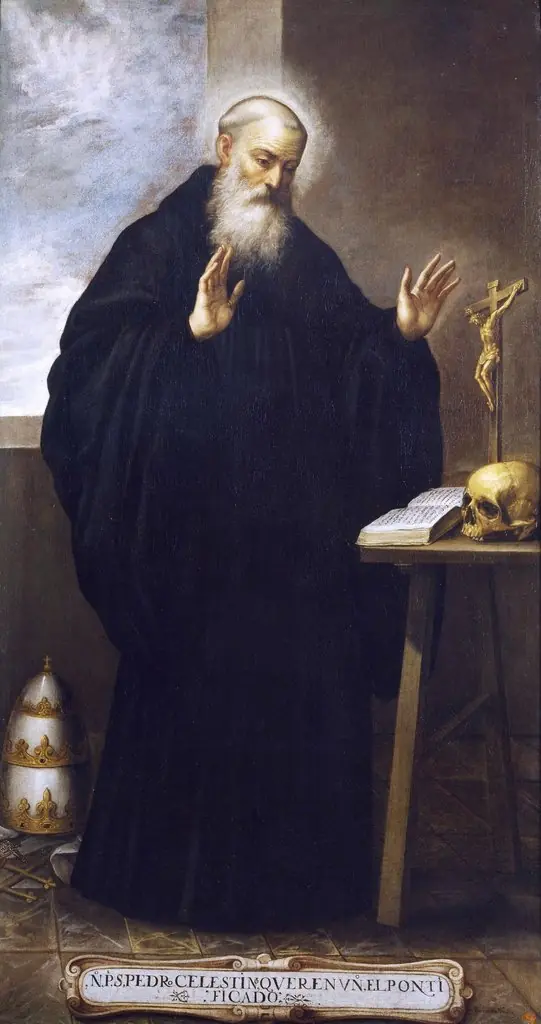 San Pedro Celestino papa
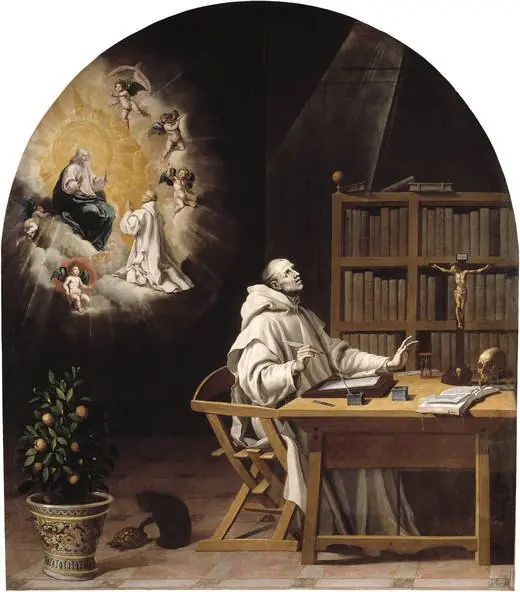 The Vision of Dionisio Rickel The Carthusian
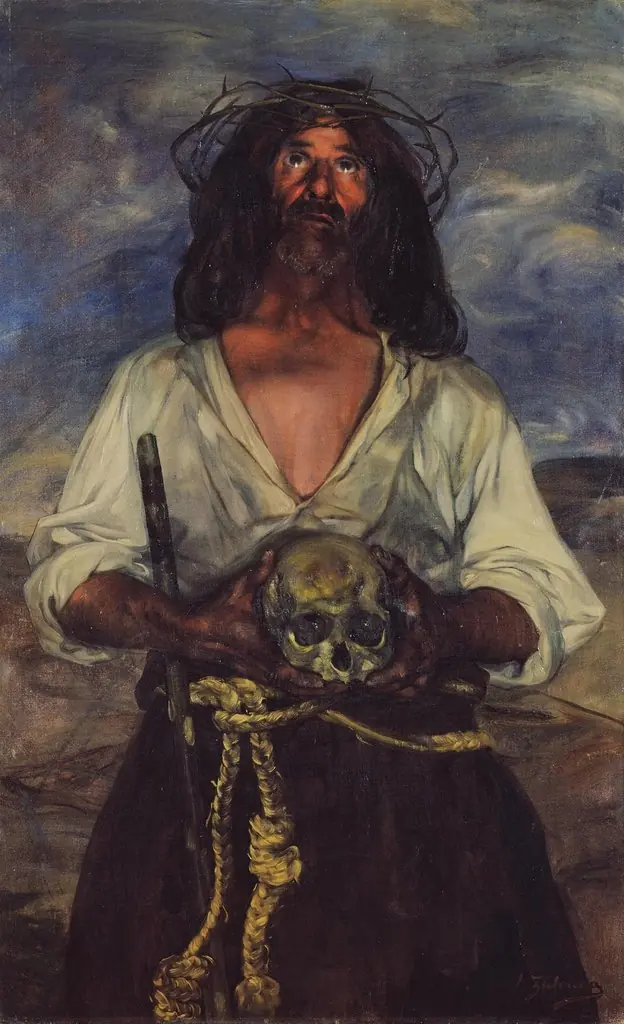 Hermit
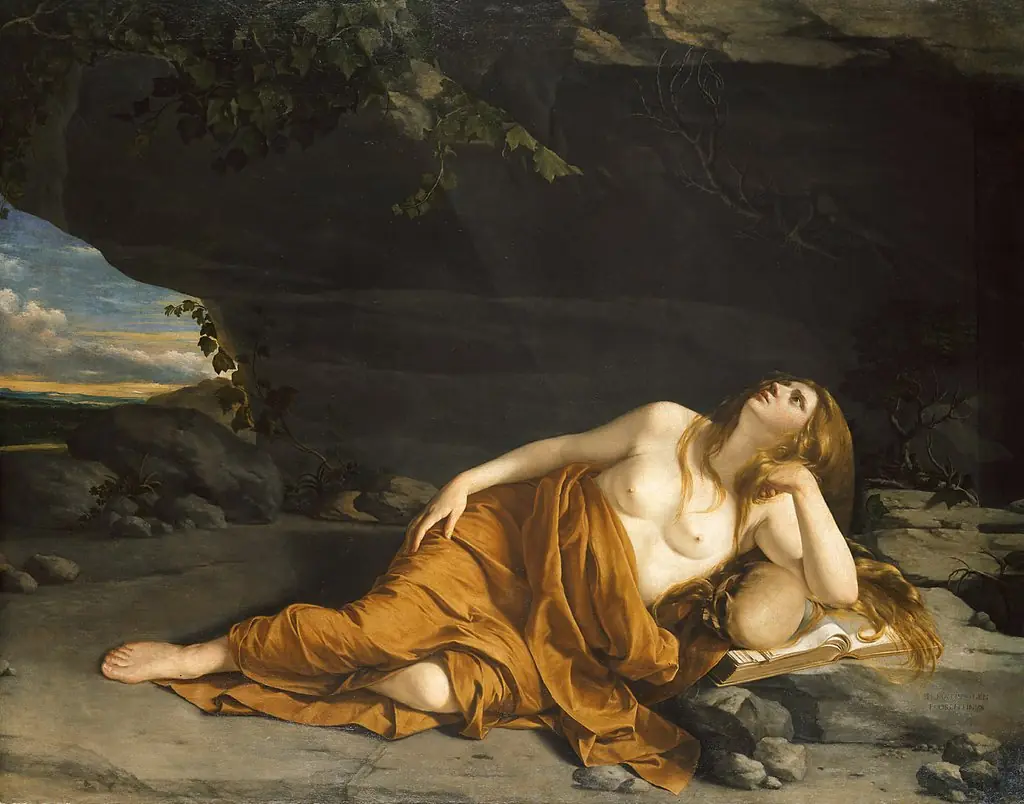 Penitent Magdalene
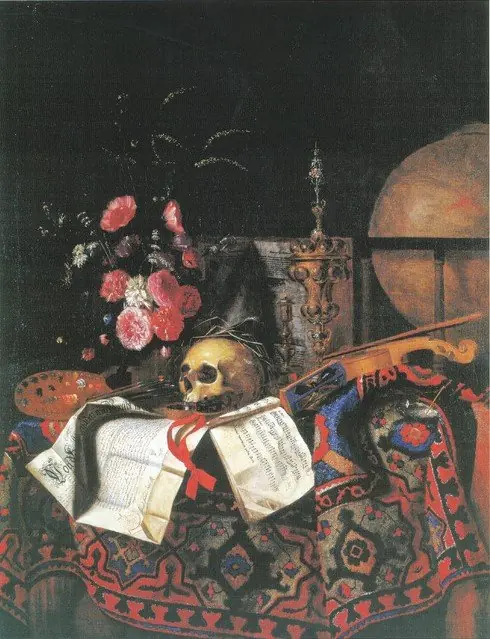 Vanitas still life with bouquet of flowers, painters palette, globe, violin and acorn cup
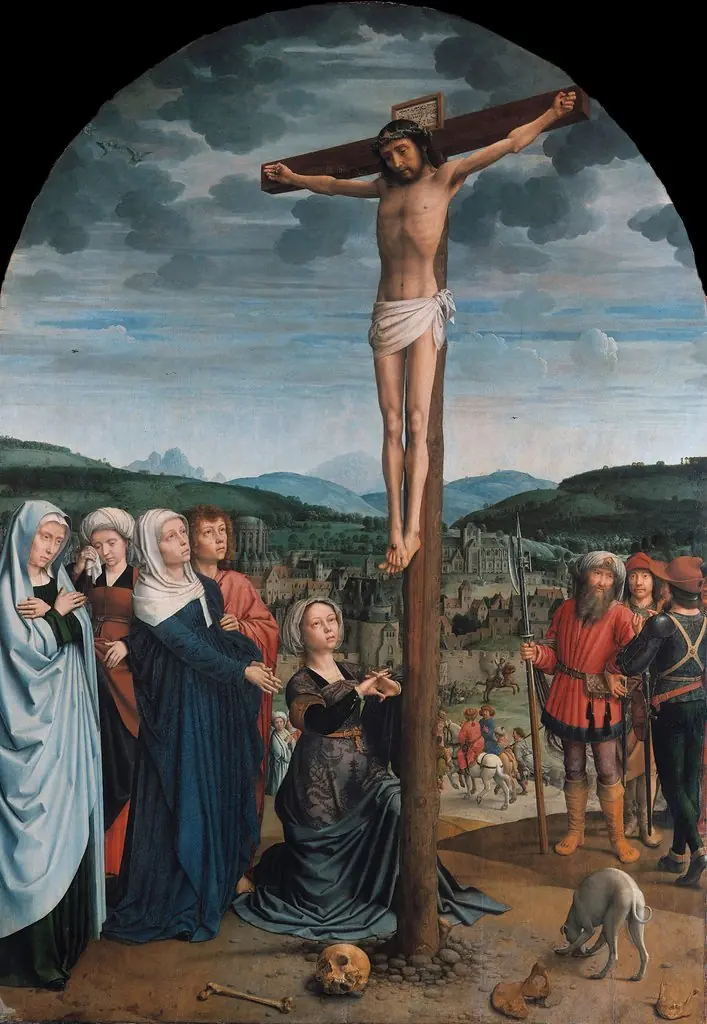 Christ on the Cross
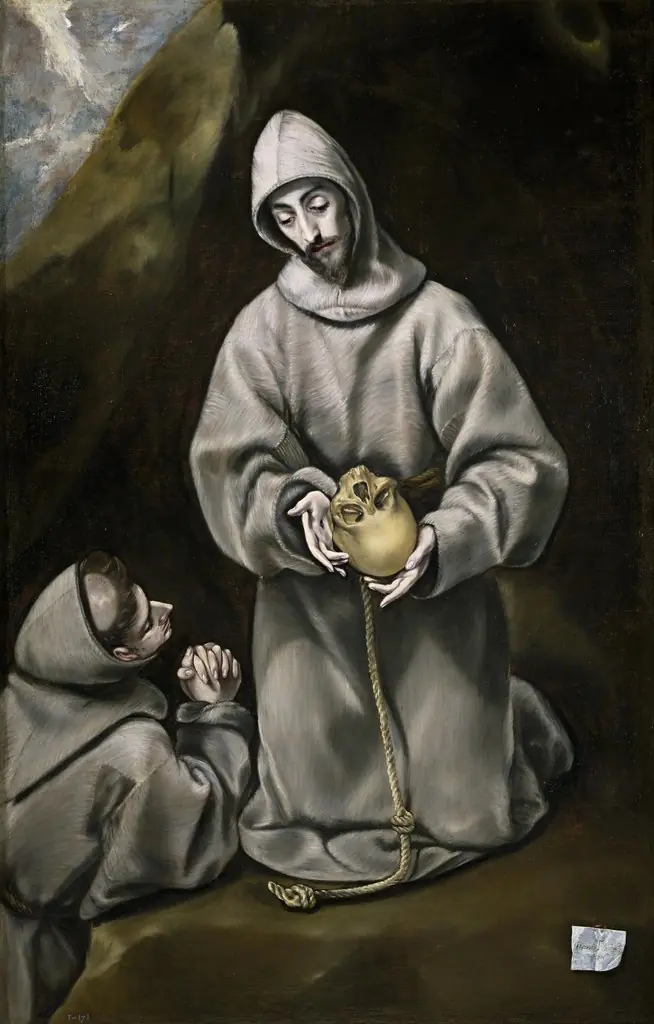 Saint Francis of Assisi and Brother Leo Meditating on Death
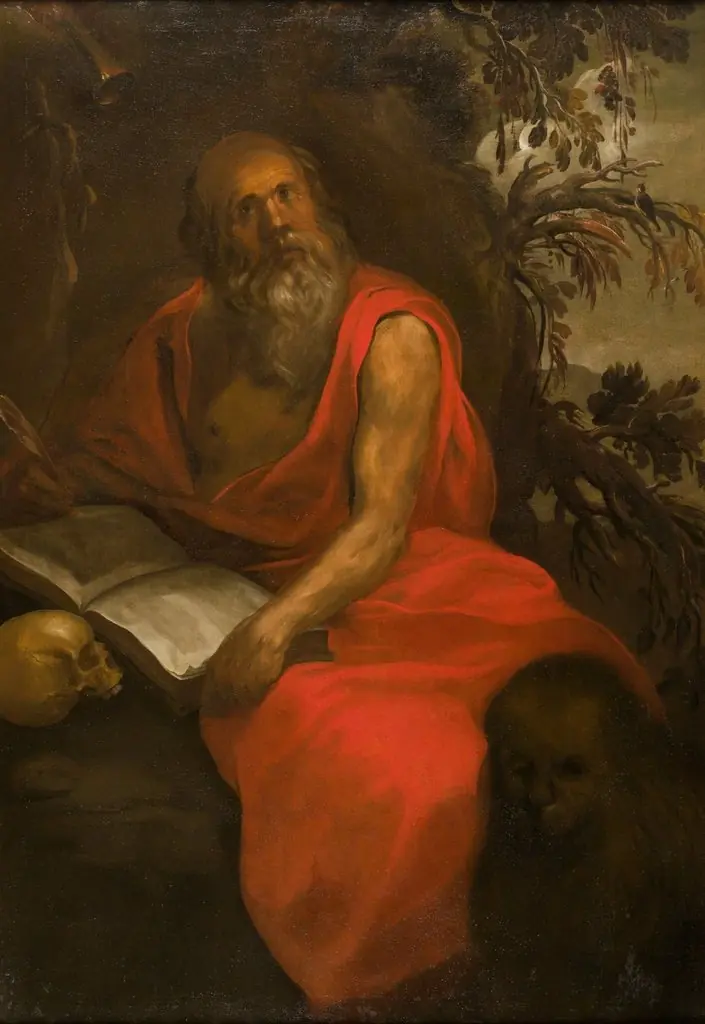 Saint Jerome
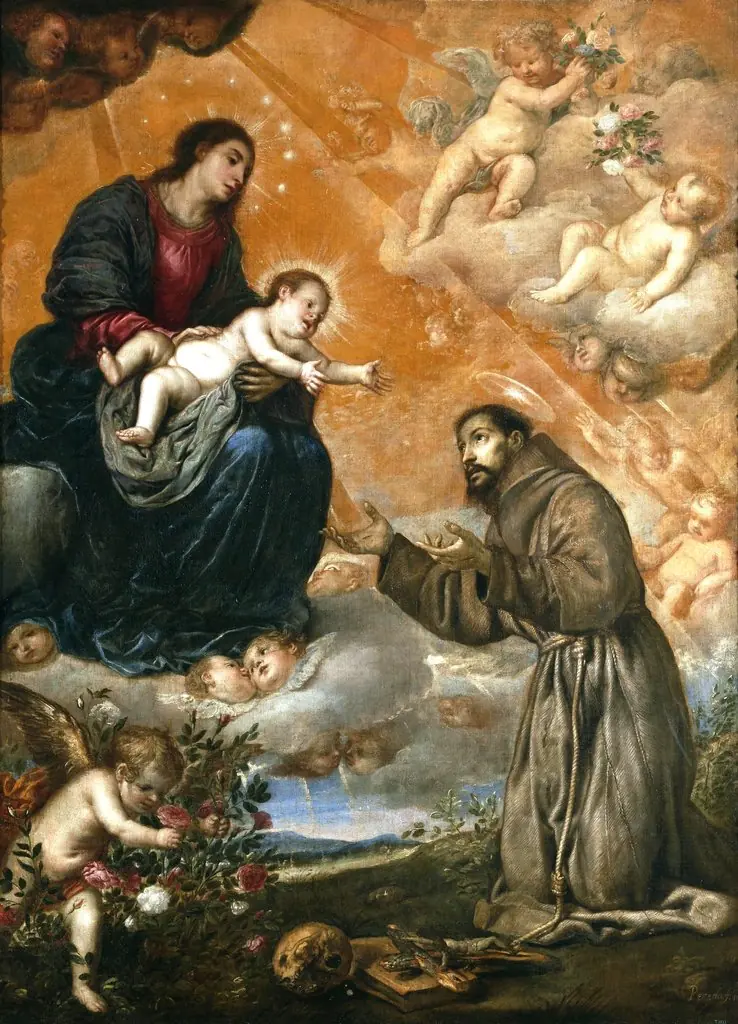 Saint Francis of Assisi in the Portiuncula
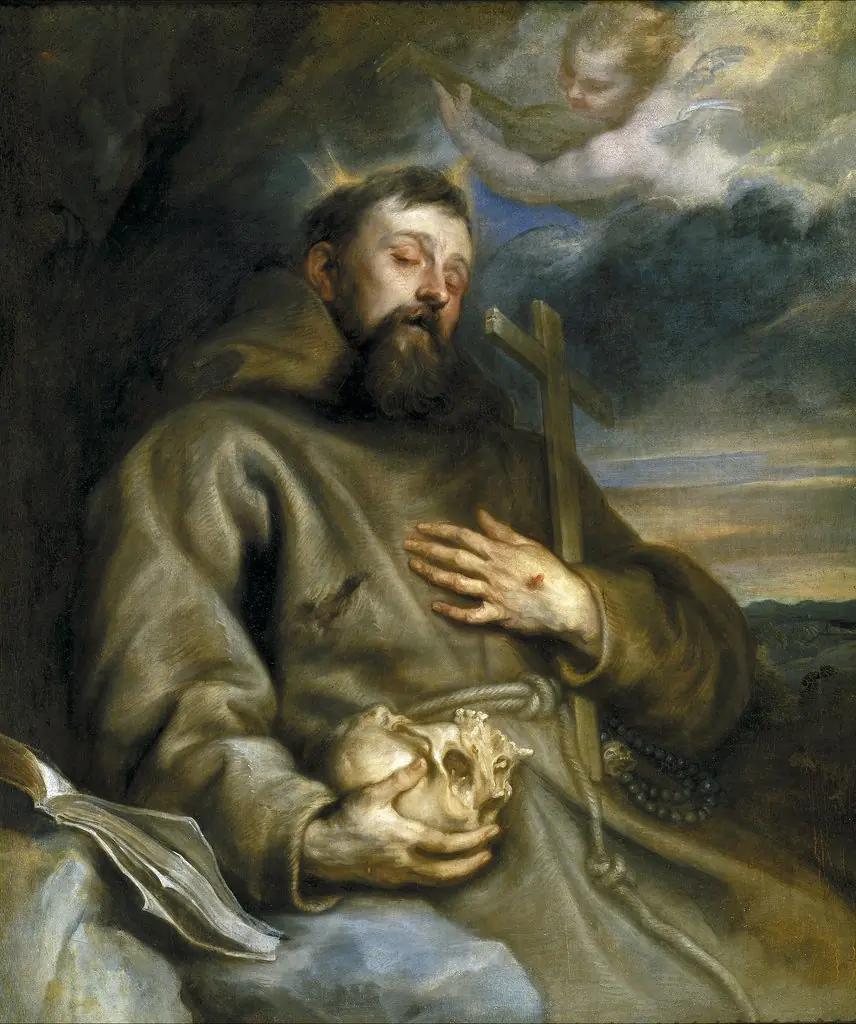 Saint Francis of Assisi in Ecstasy
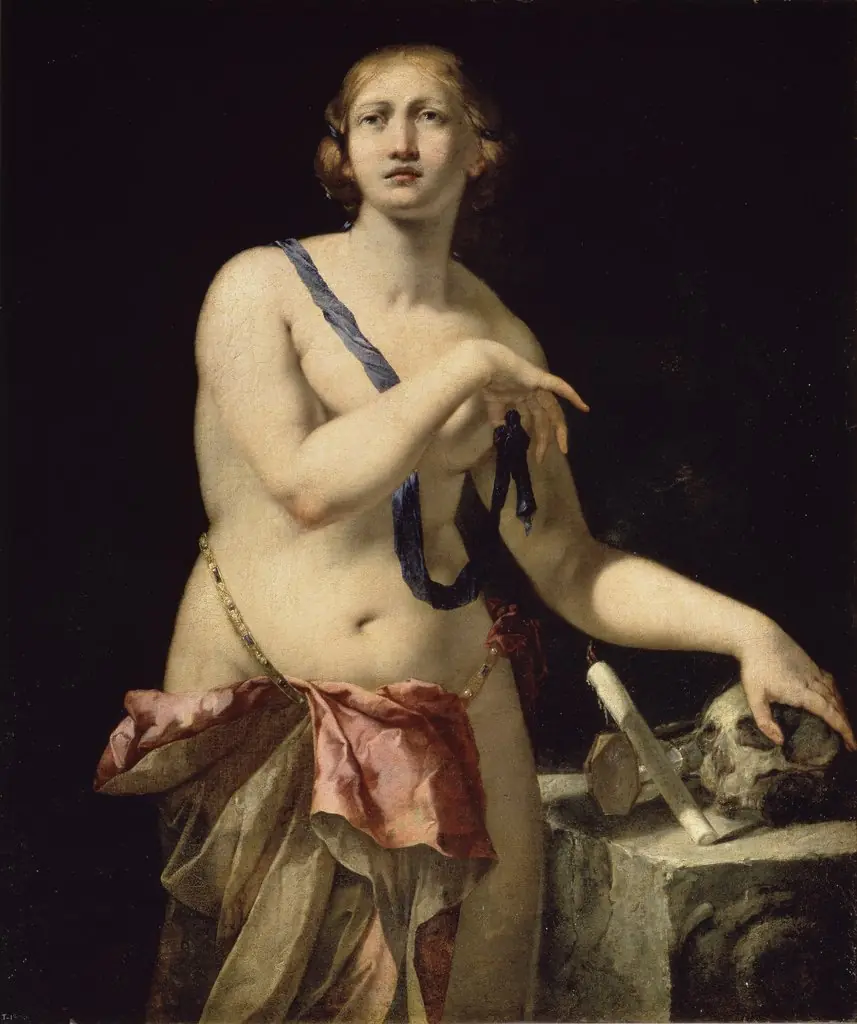 Vanitas
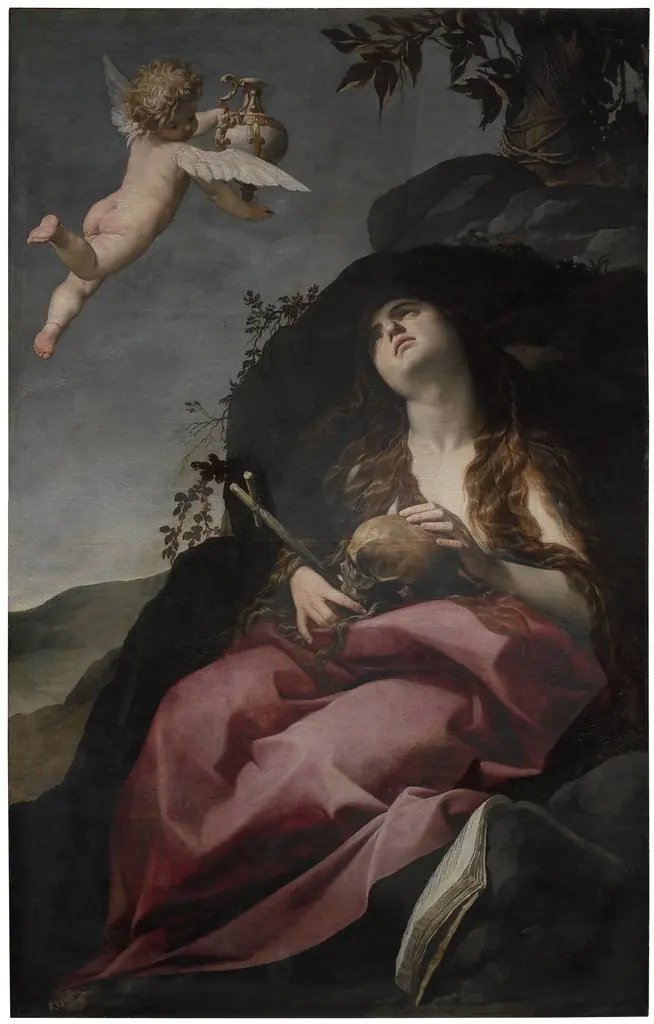 Penitent Magdalene
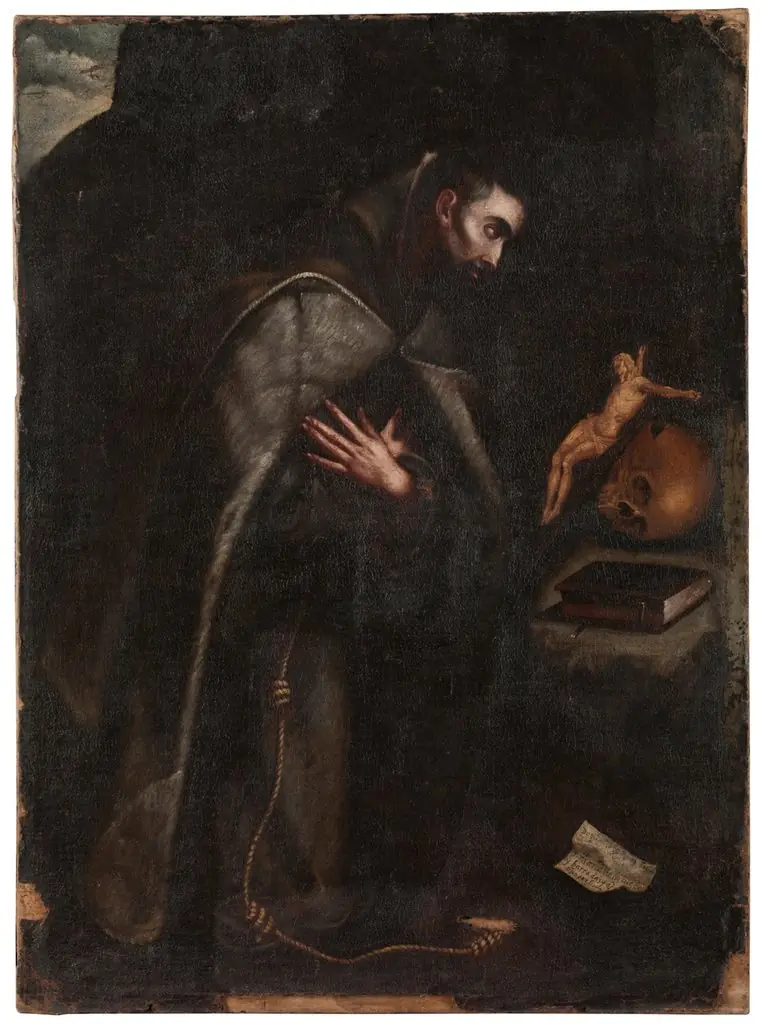 Saint Francis of Assisi kneeling in meditation
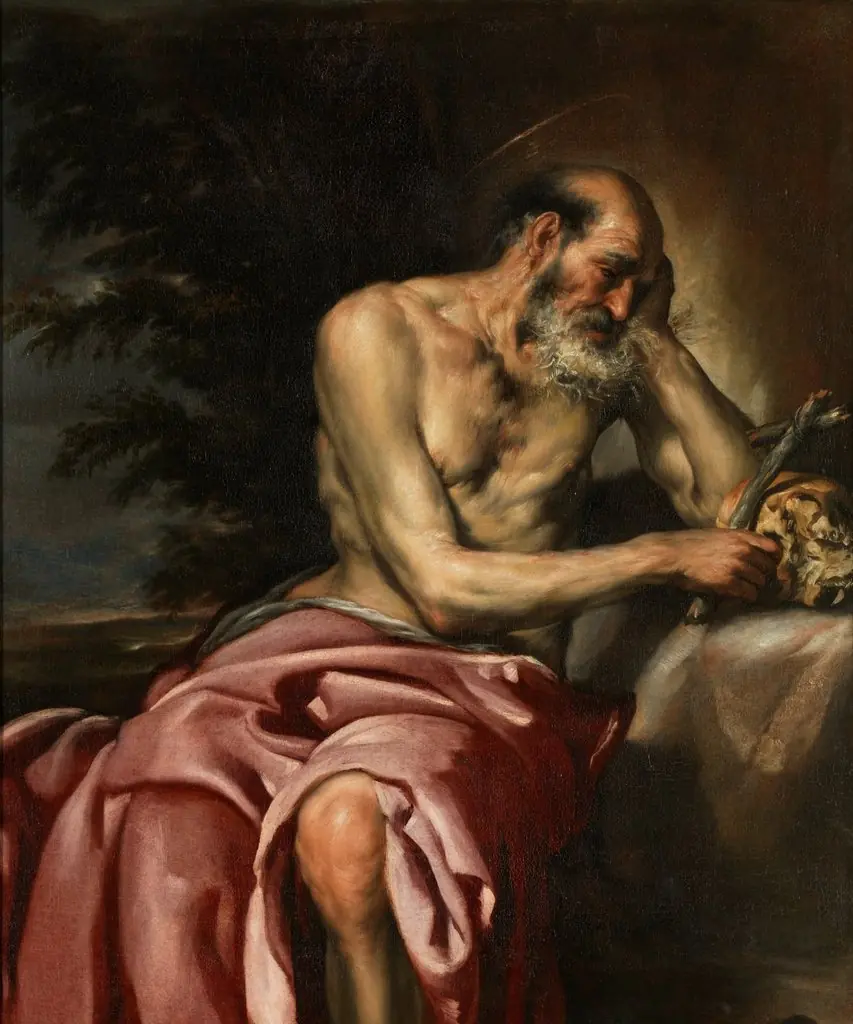 San Jerónimo penitente
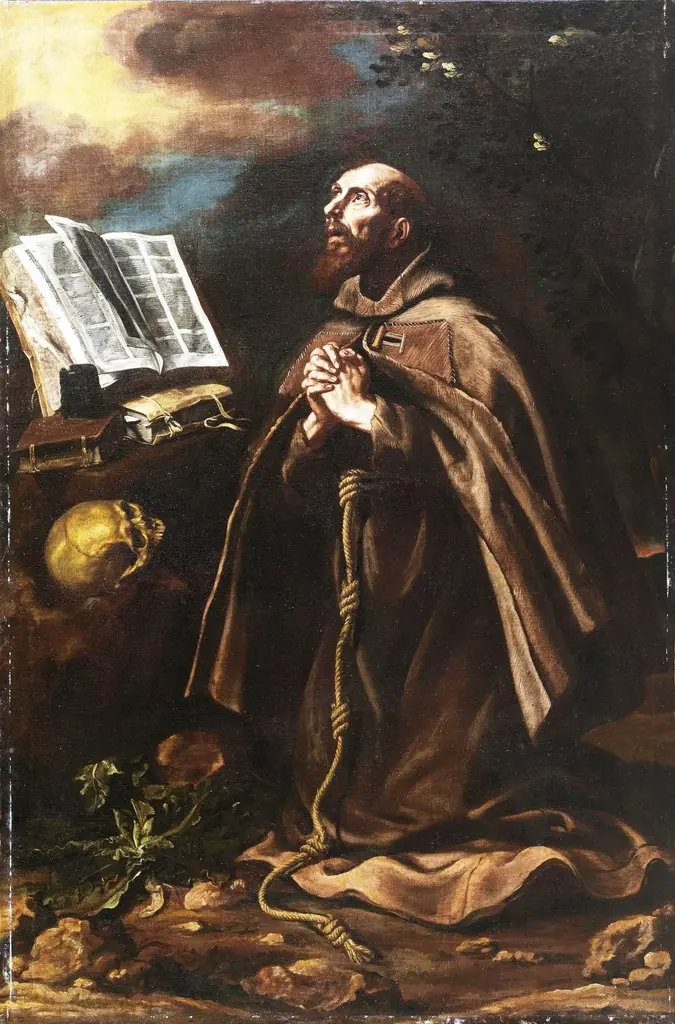 Saint Peter of Alcántara
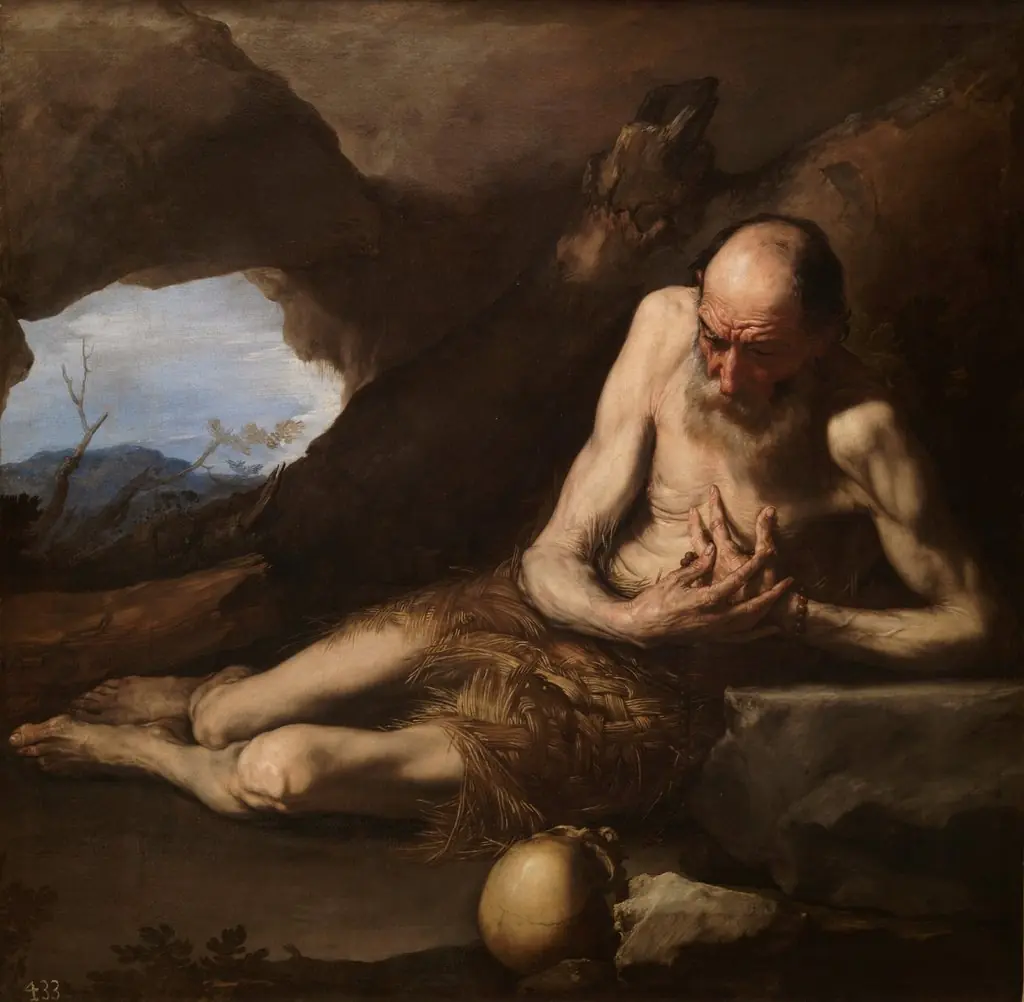 Saint Paul the Hermit
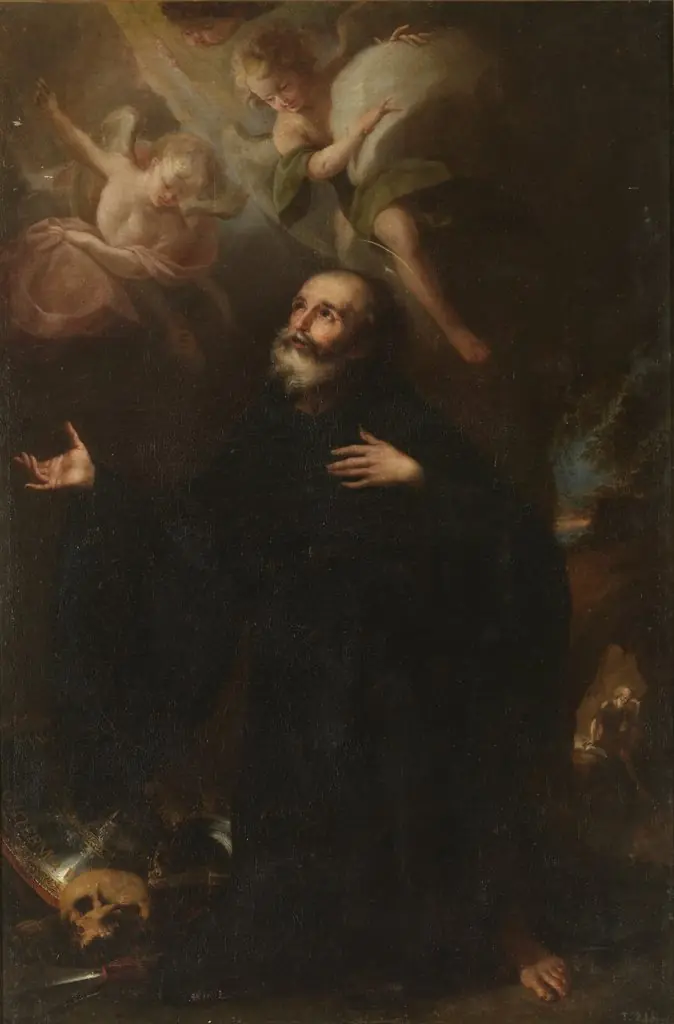 Saint William of Aquitaine
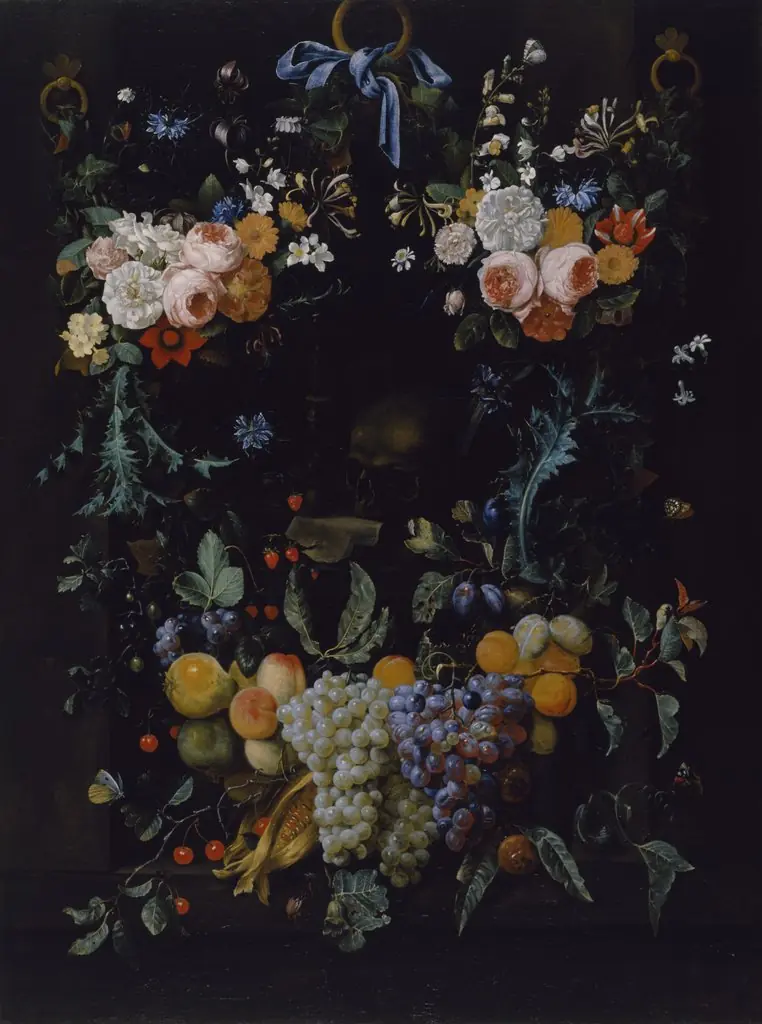 Allegory on Human Life
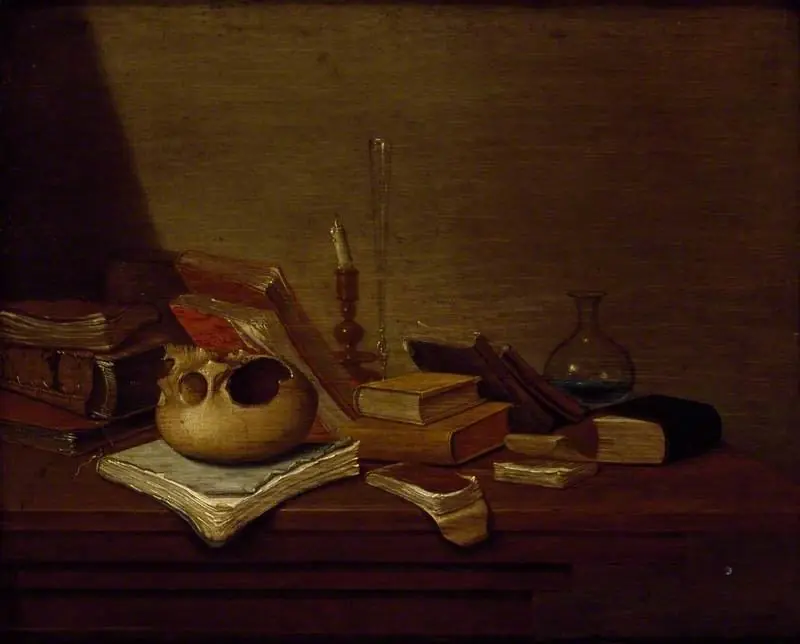 Still life with skull, books, candle and a flask
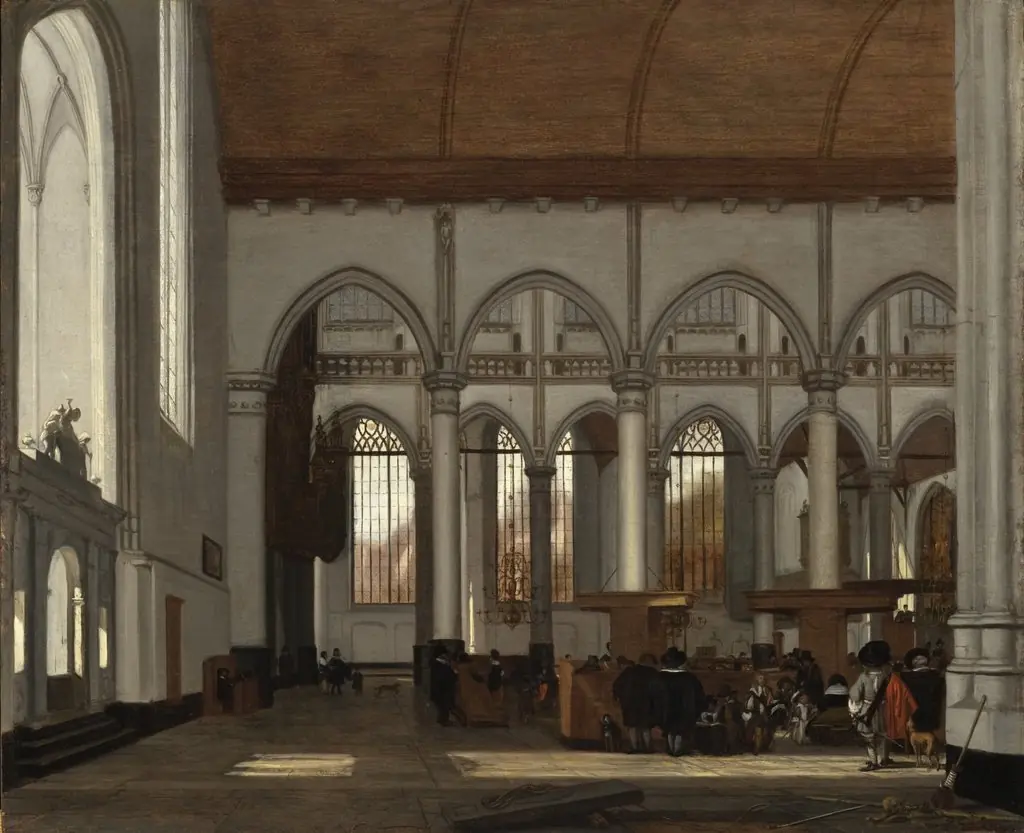 Interior of the Oude Kerk, Amsterdam
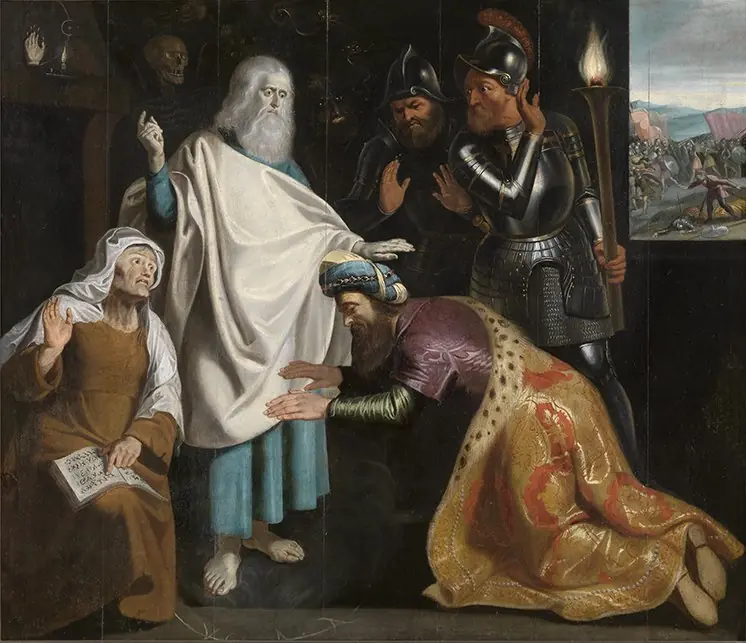 The ghost of Samuel appears to the witch of Endor; Saul falls prostrate to the ground (1 Samuel 28:3-20)
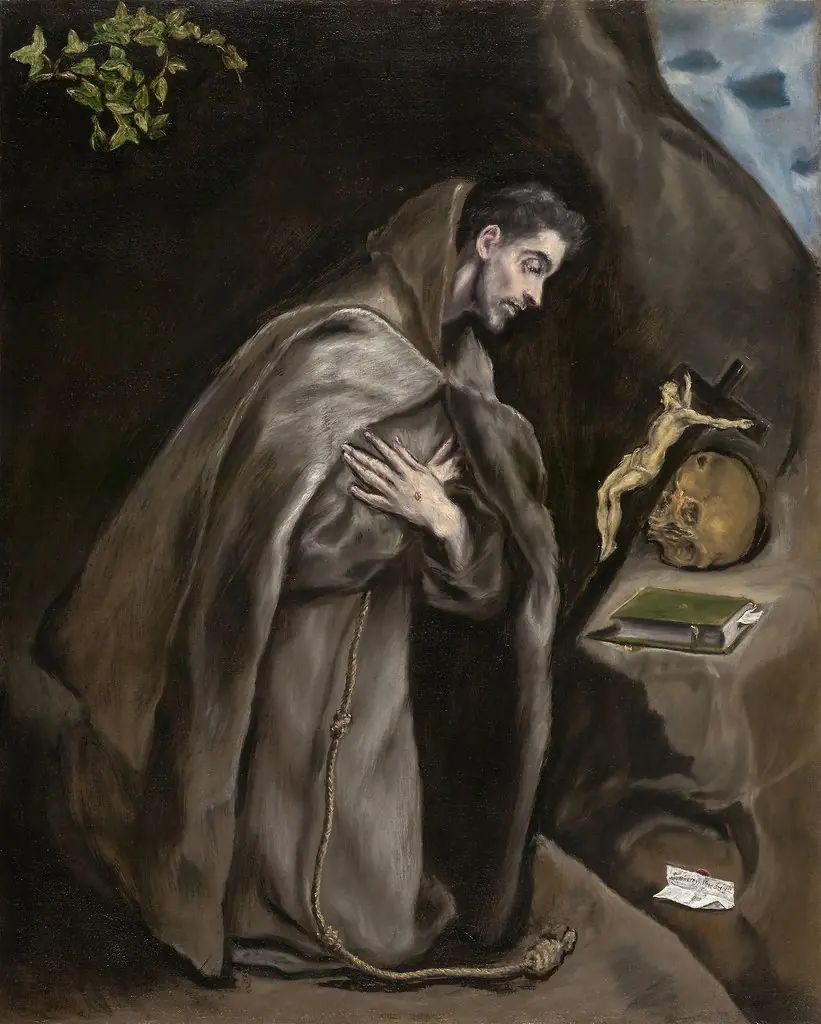 Saint Francis Kneeling in Meditation
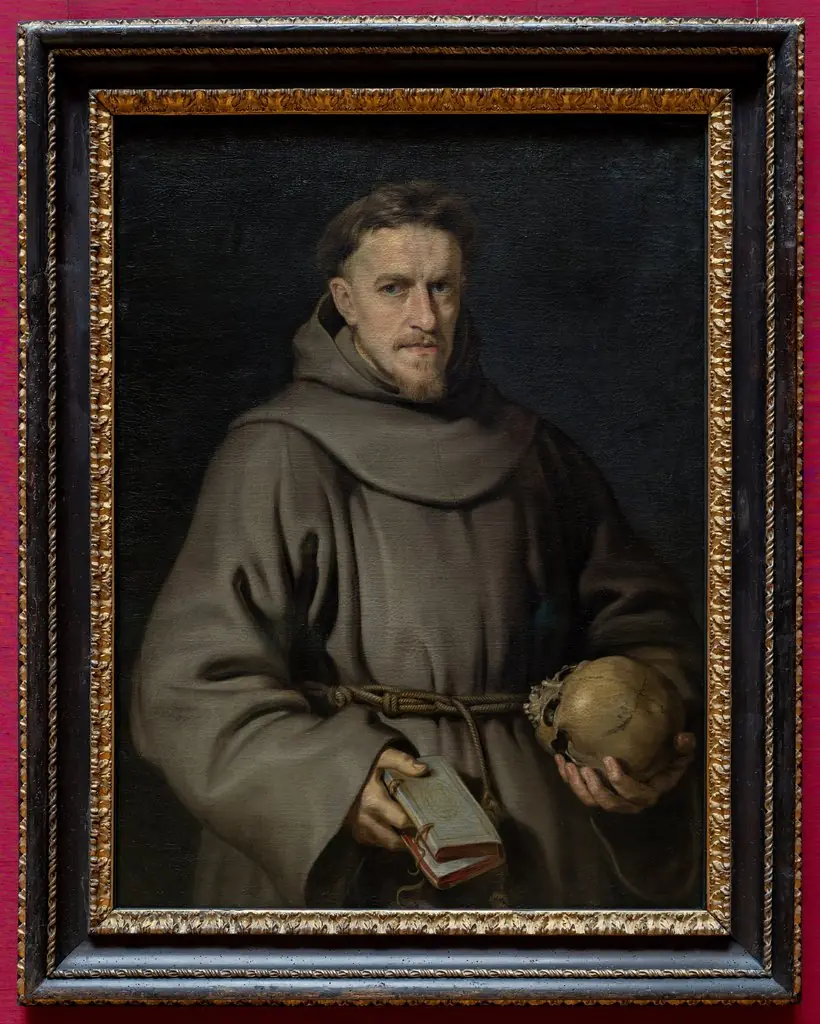 Portrait of a Franciscan friar
 The Visitation
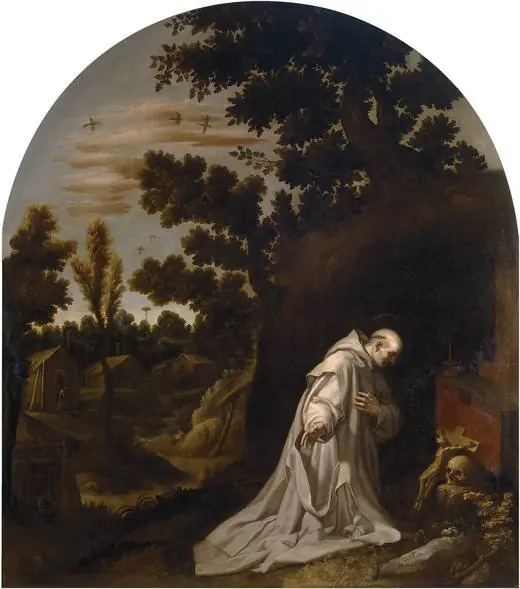 Saint Bruno Prays in La Torre Calabria
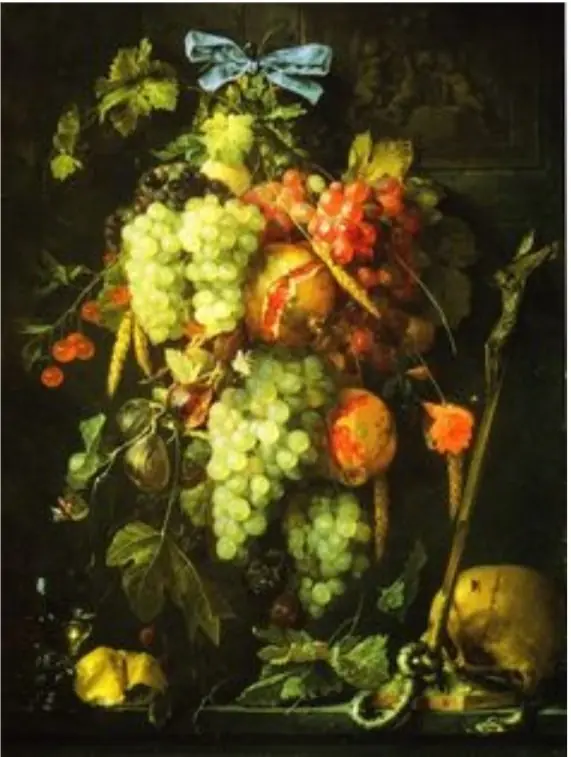 A Vanitas Still Life
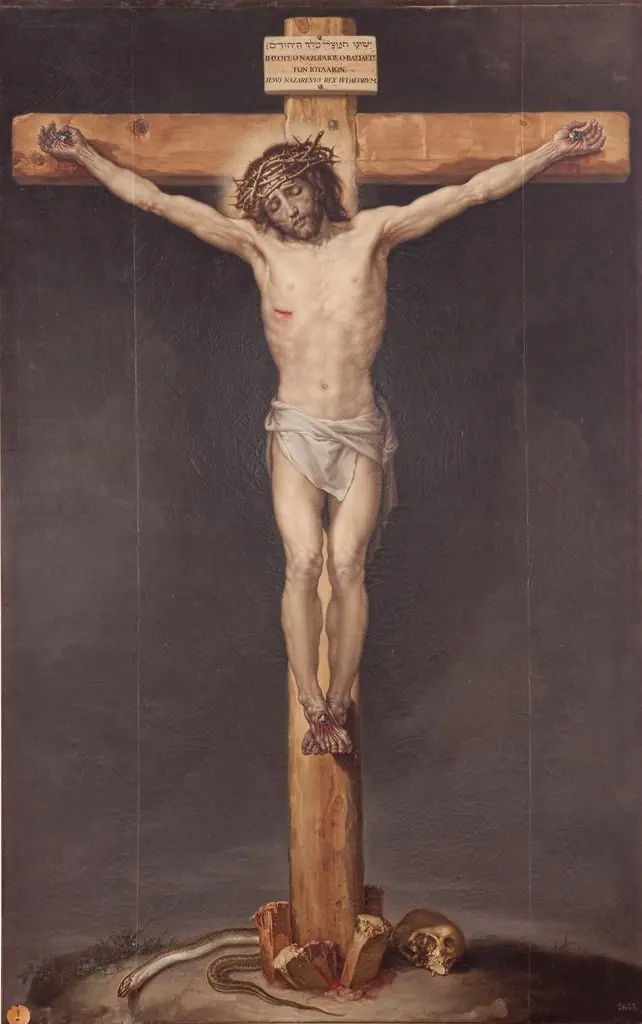 Cristo crucificado
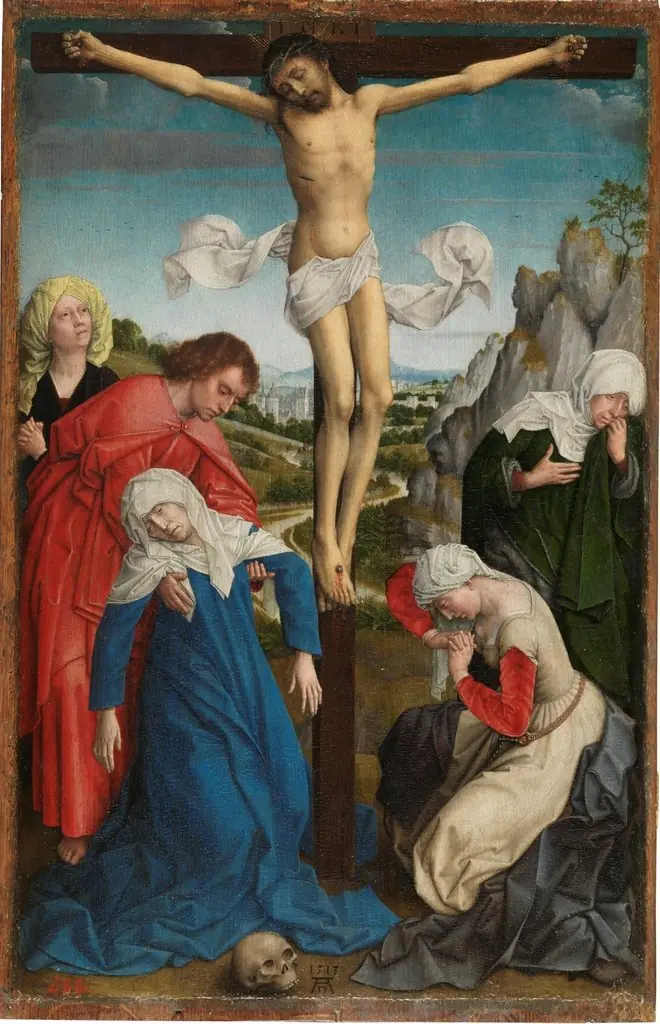 The Crucifixion
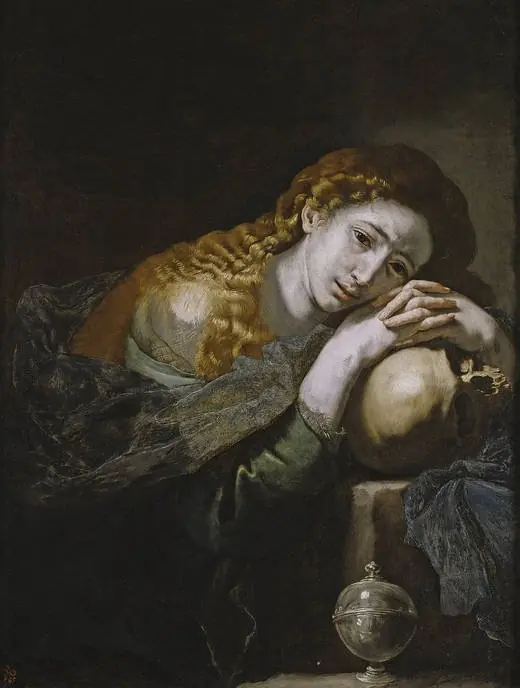 Penitent Magdalene
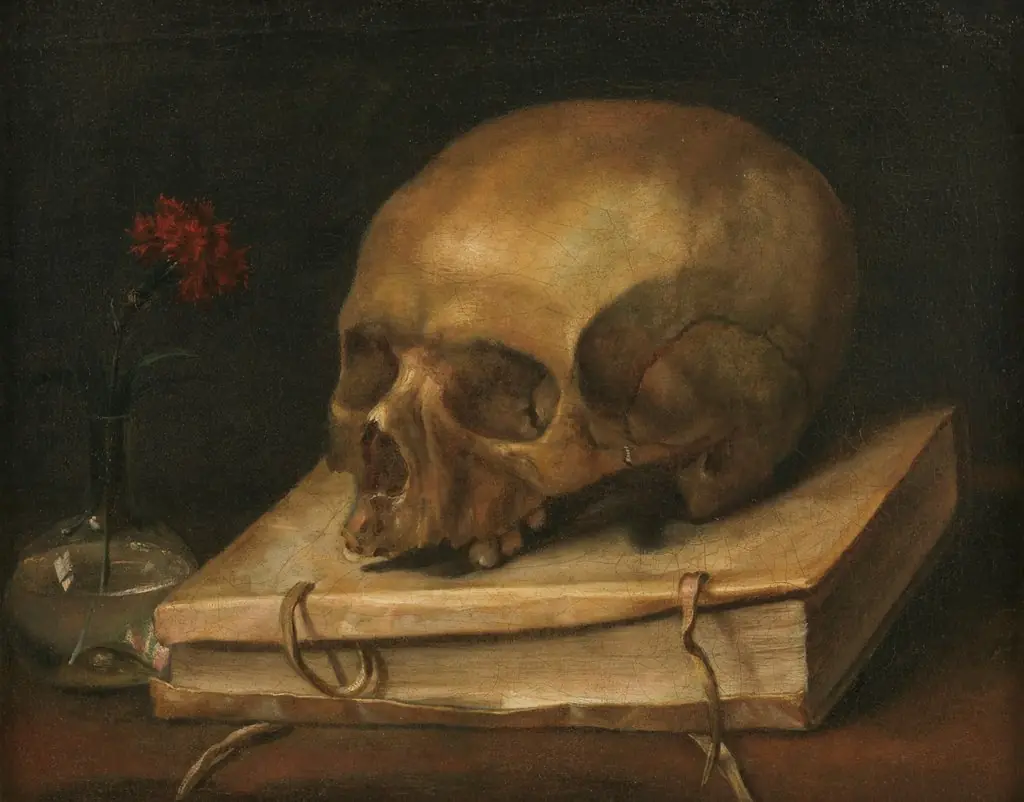 Vanitas
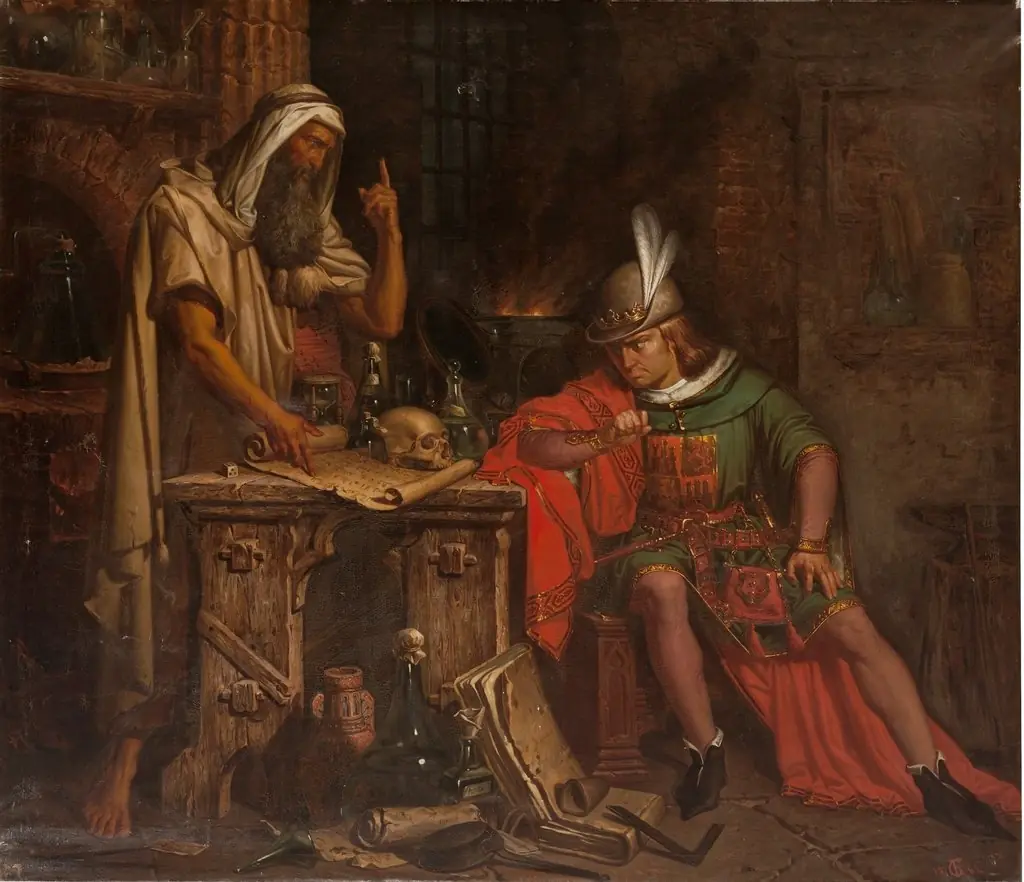 Don Pedro I de Castilla consulta su horóscopo a un moro sabio de Granada llamado Ben-Agatim
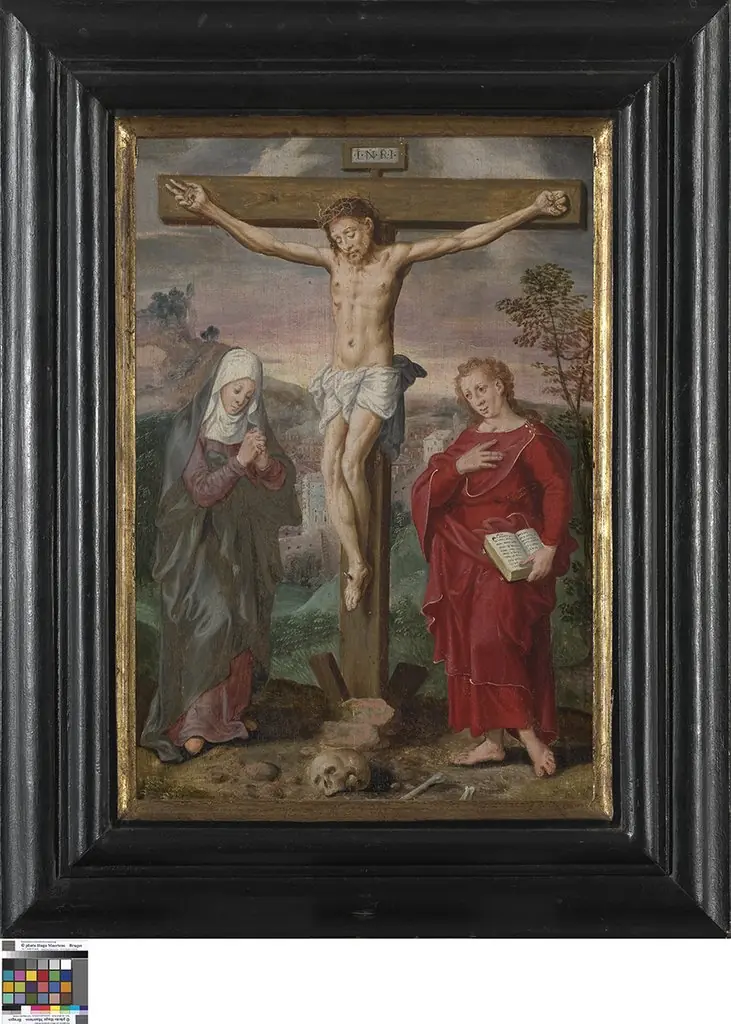 Crucified Christ with Mary and John
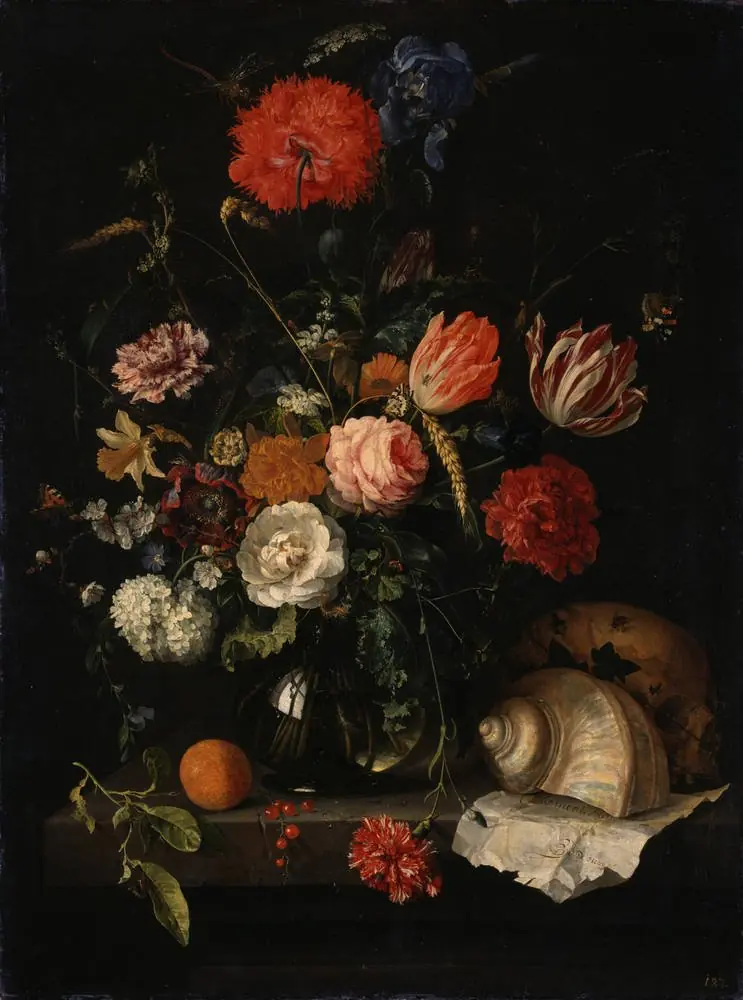 Memento Mori with a Skull under a Vase with Flowers
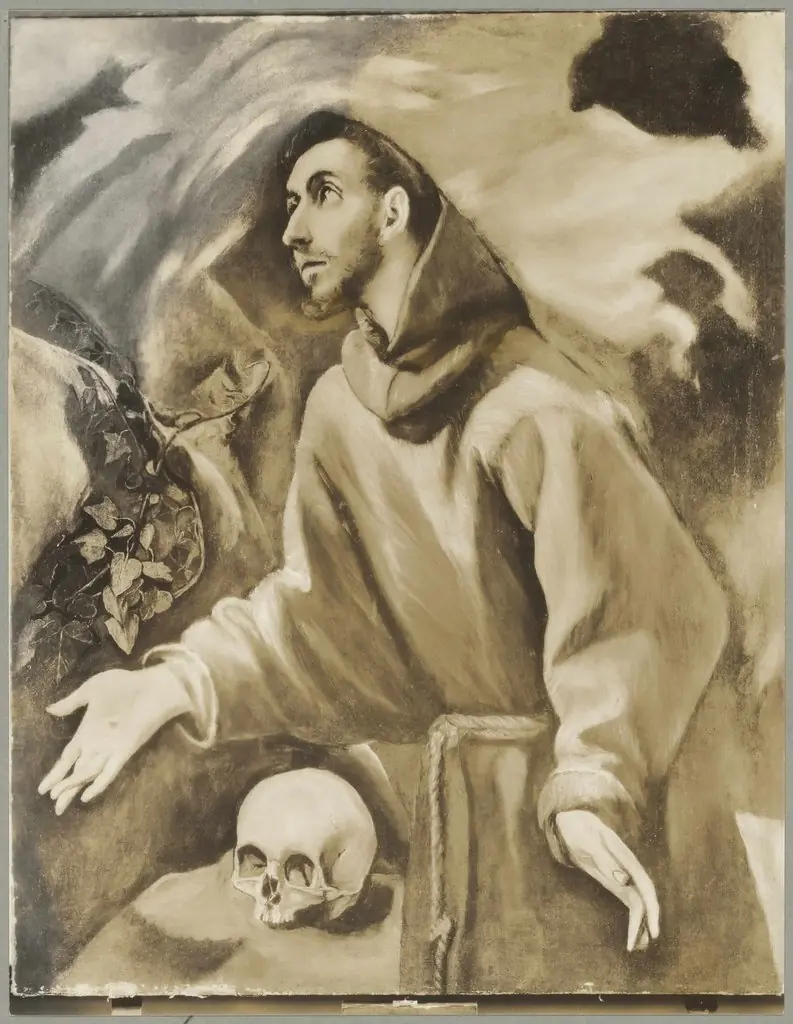 St. Francis receiving the Stigmata
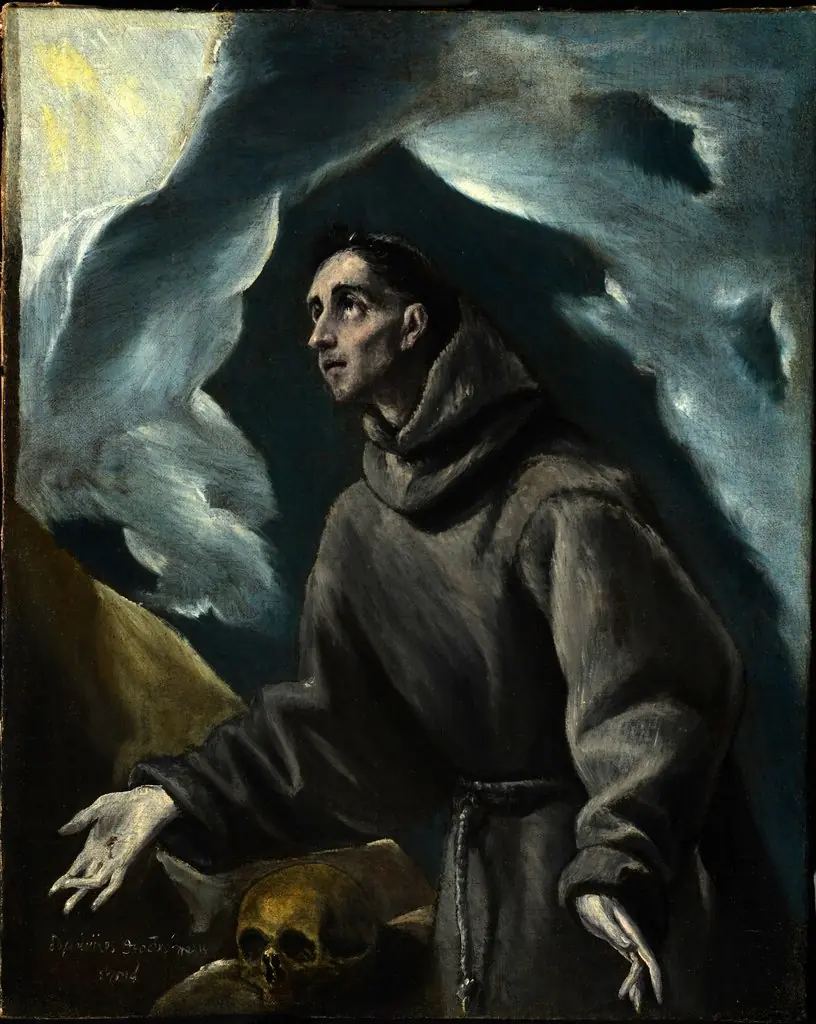 St. Francis receiving the Stigmata
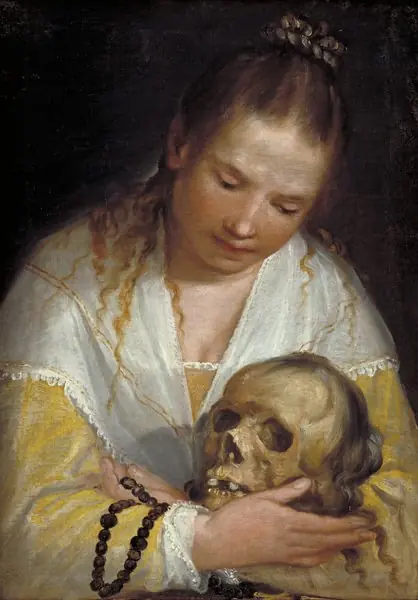 A Young Woman Contemplating a Skull
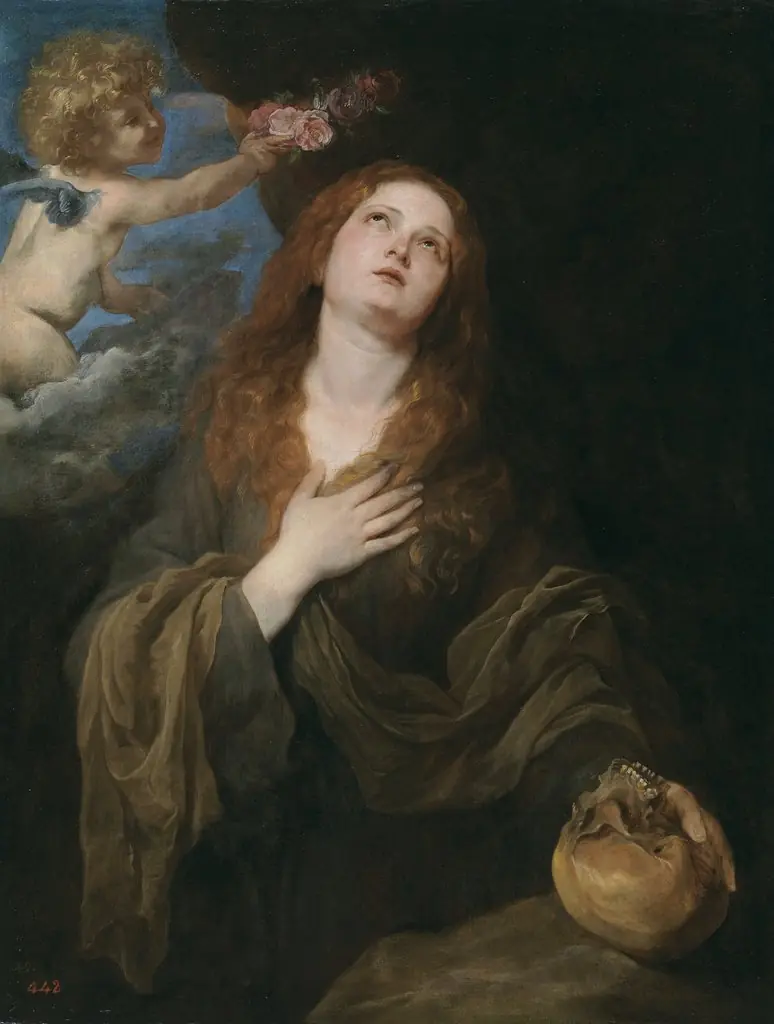 Saint Rosalia
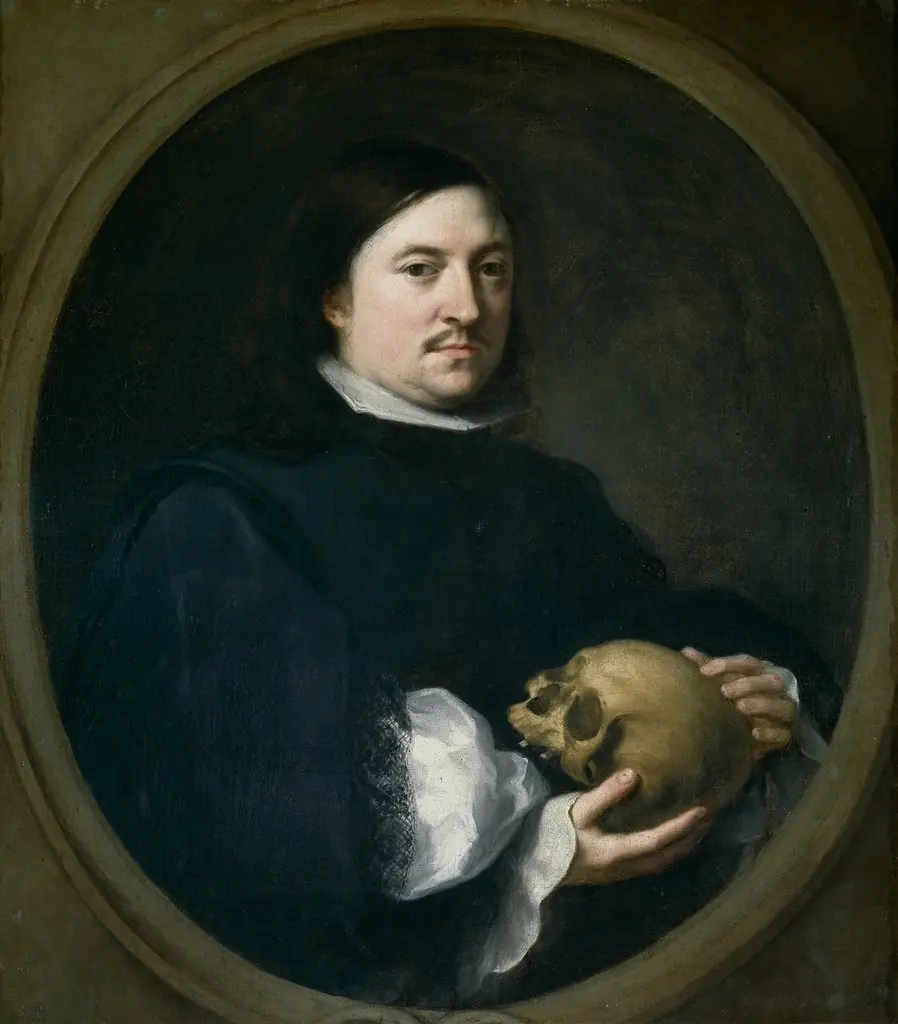 Nicolás Omazur
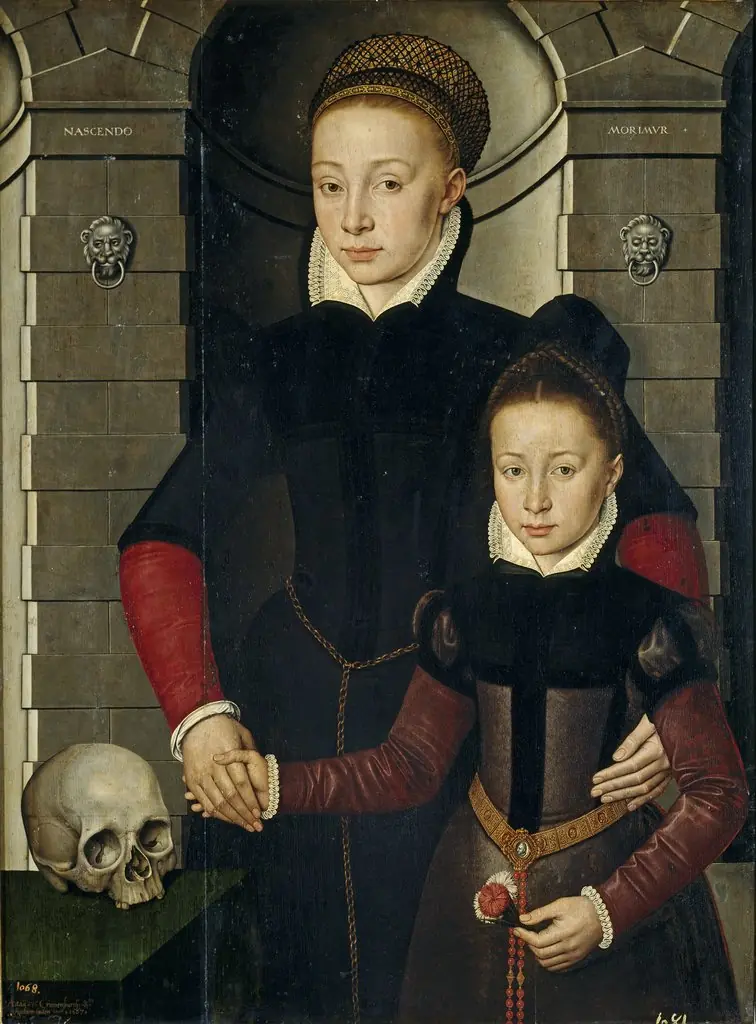 Lady and Girl
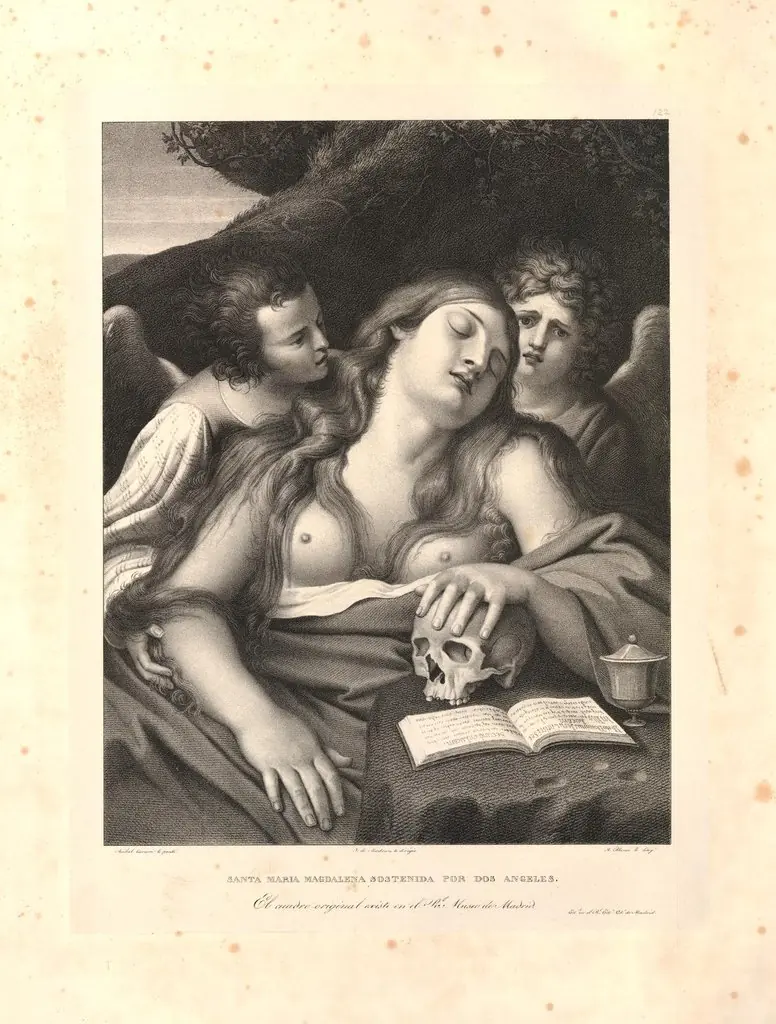 Mary Magdalene and Two Angels
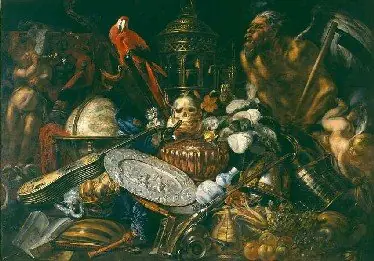 Vanitas
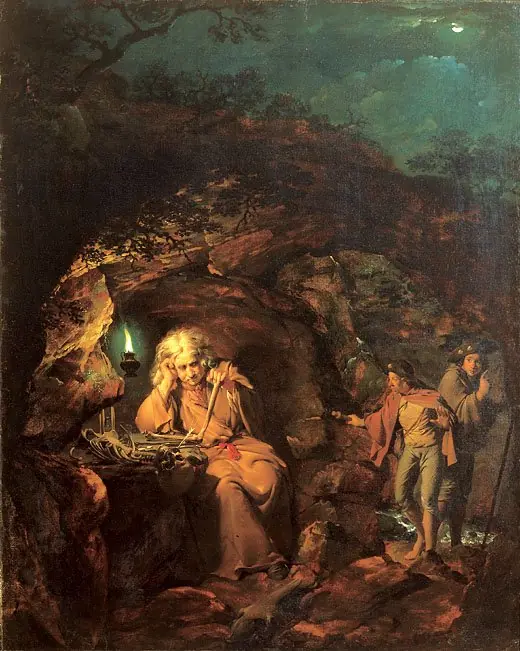 A Philosopher by Lamplight
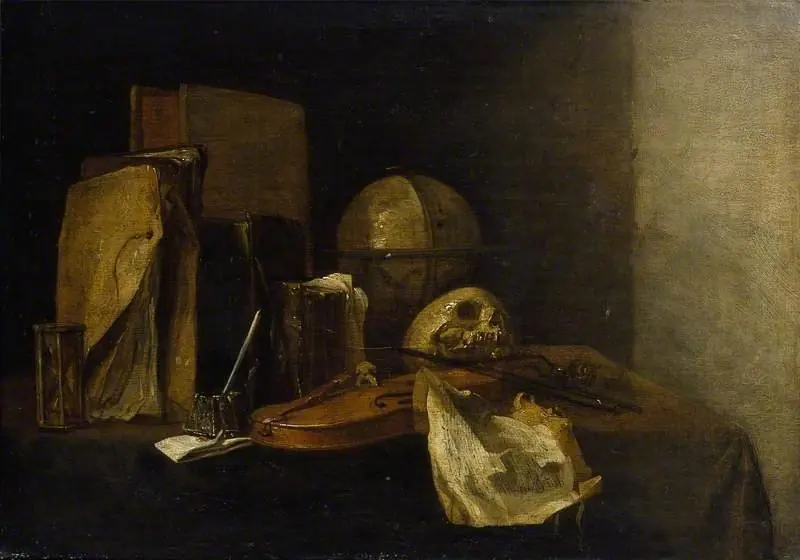 Still Life with a Violin
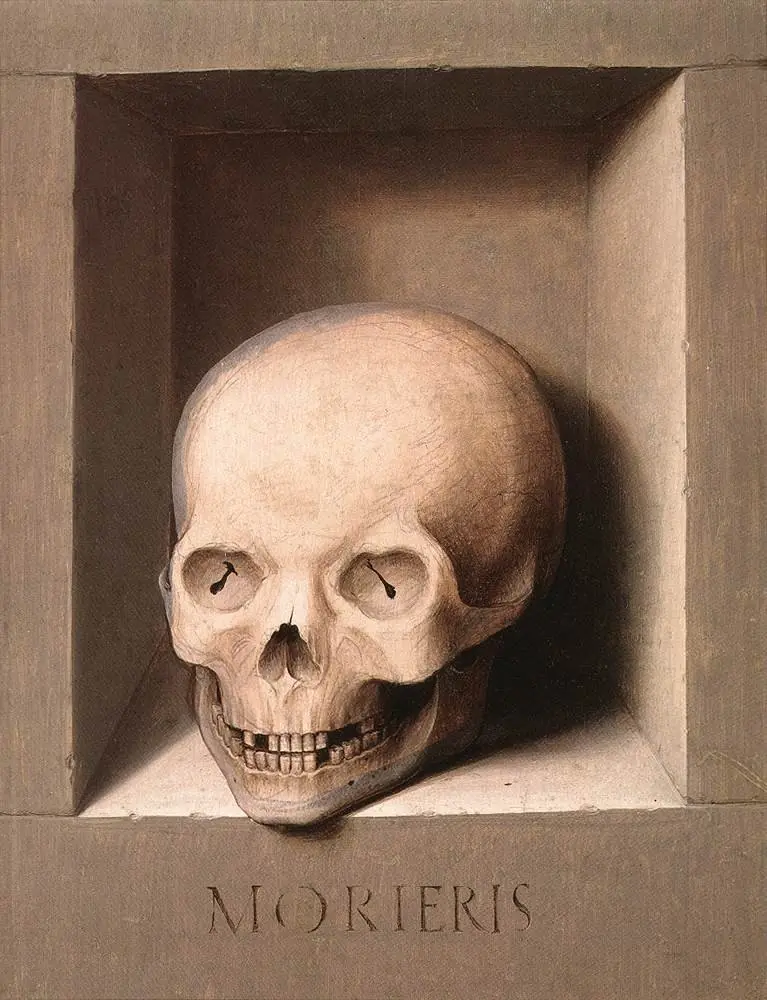 Death; reverse side of St. John
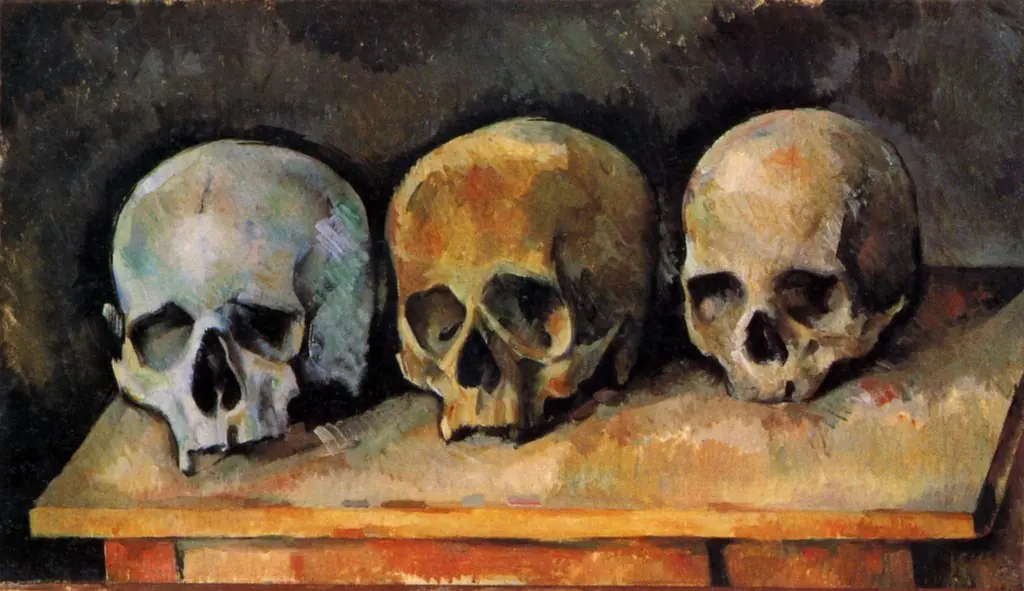 Trois crânes (The Three Skulls)
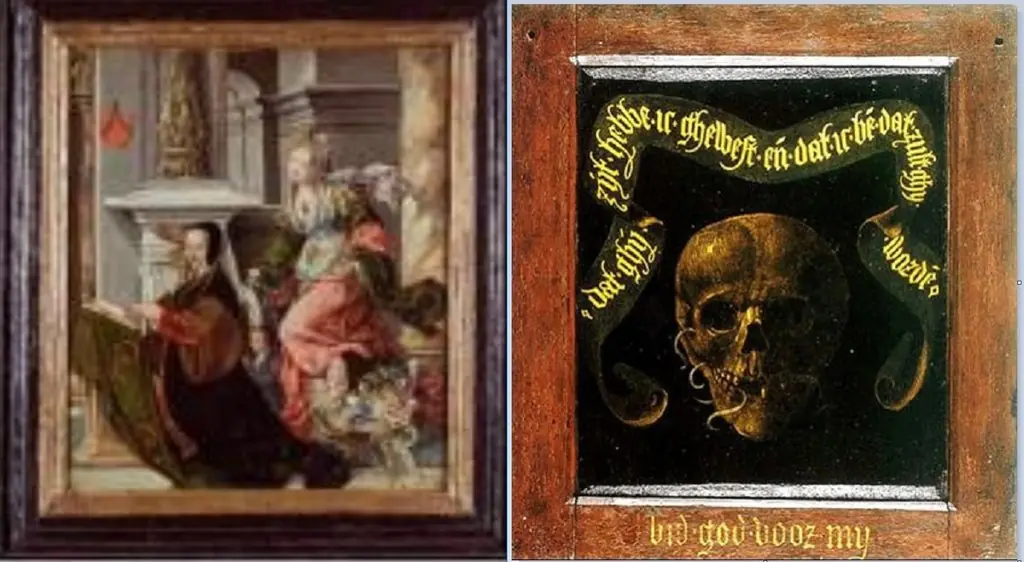 Portrait of Margareta Mettenye with Saint Margaret
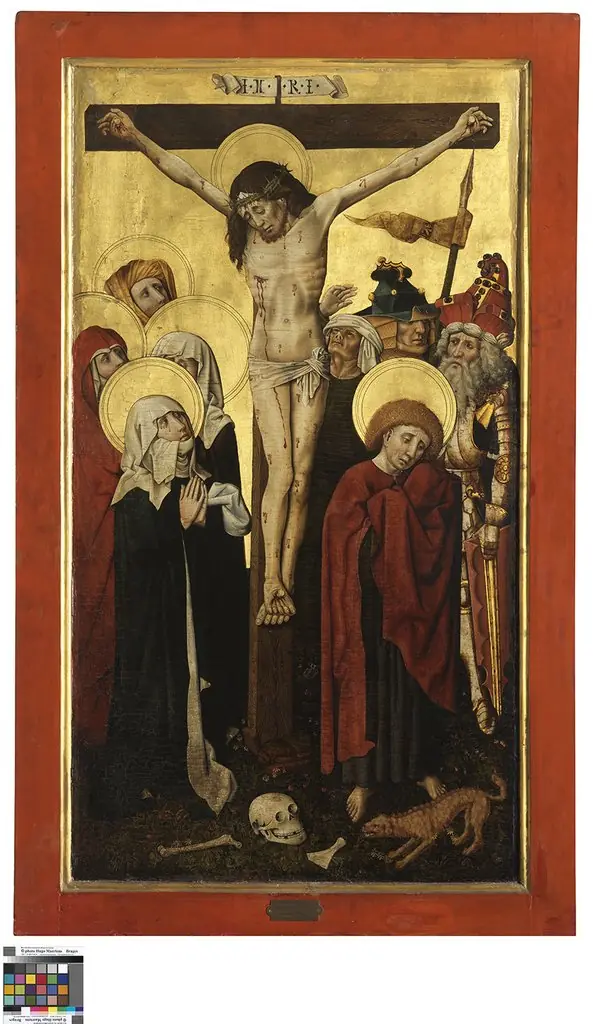 Crucifixion
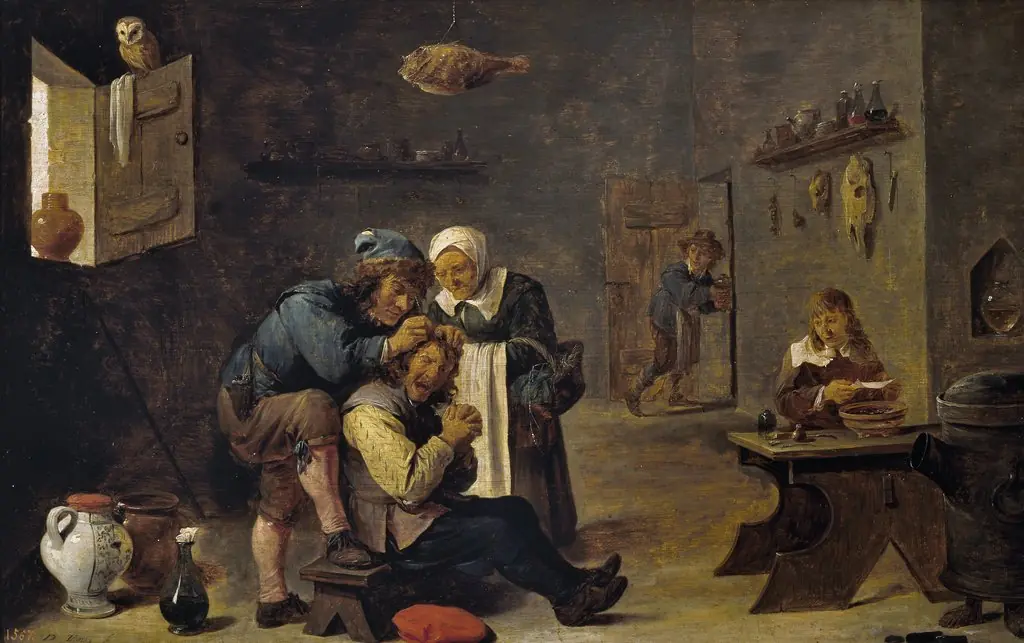 Operación quirúrgica
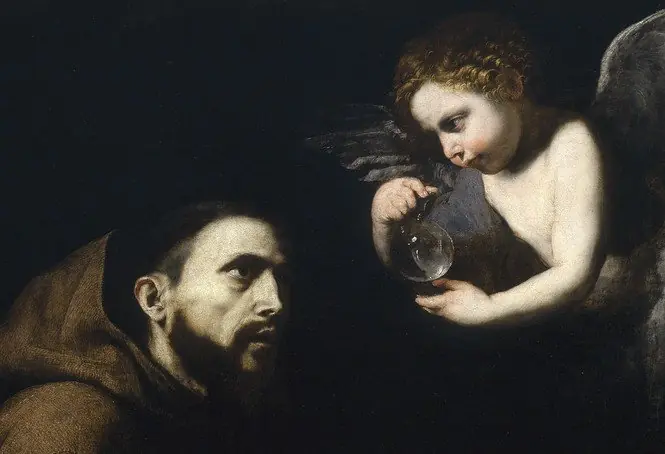 Vision of Saint Francis of Assisi
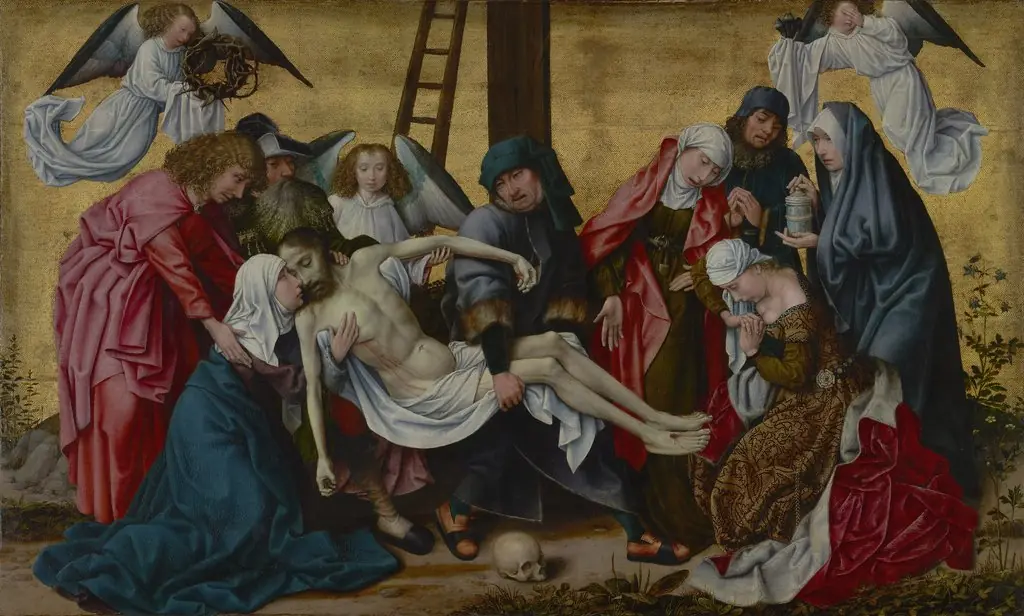 The Deposition
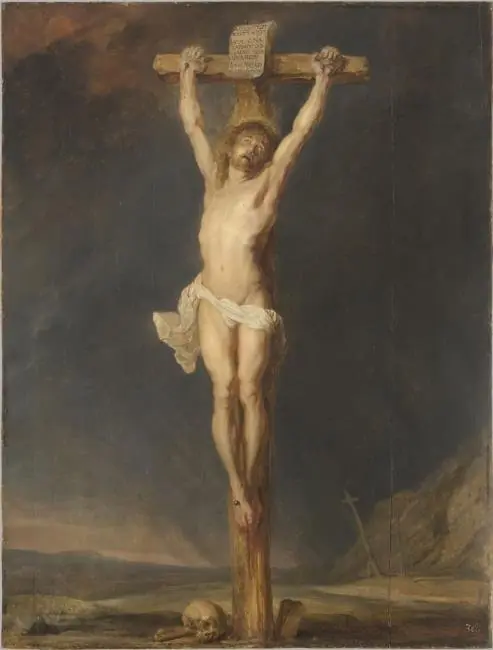 The Crucifixion
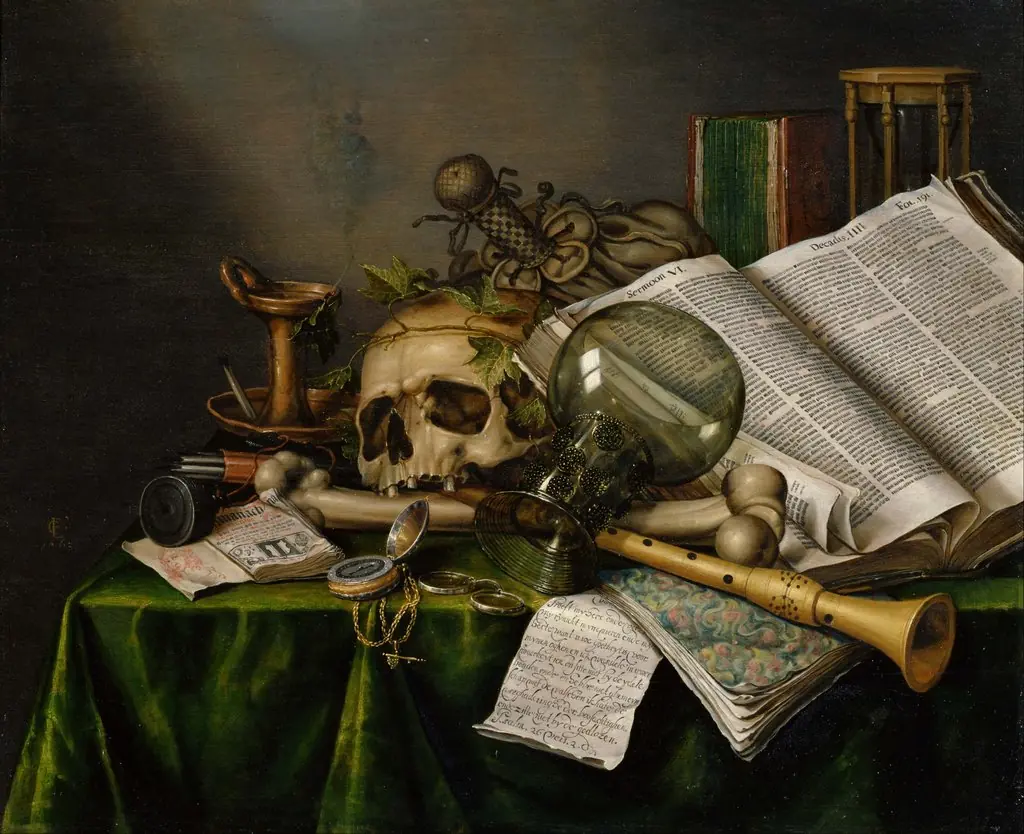 Vanitas, Still Life with Books and Manuscripts and a Skull
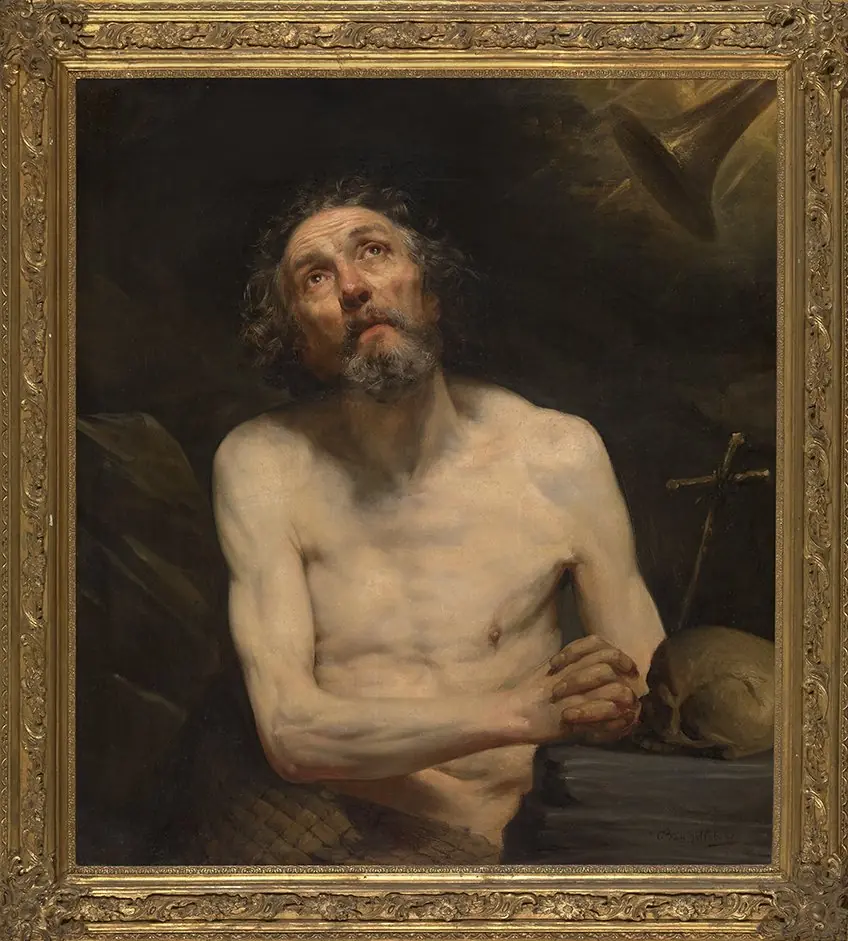 Heilige Hiëronymus
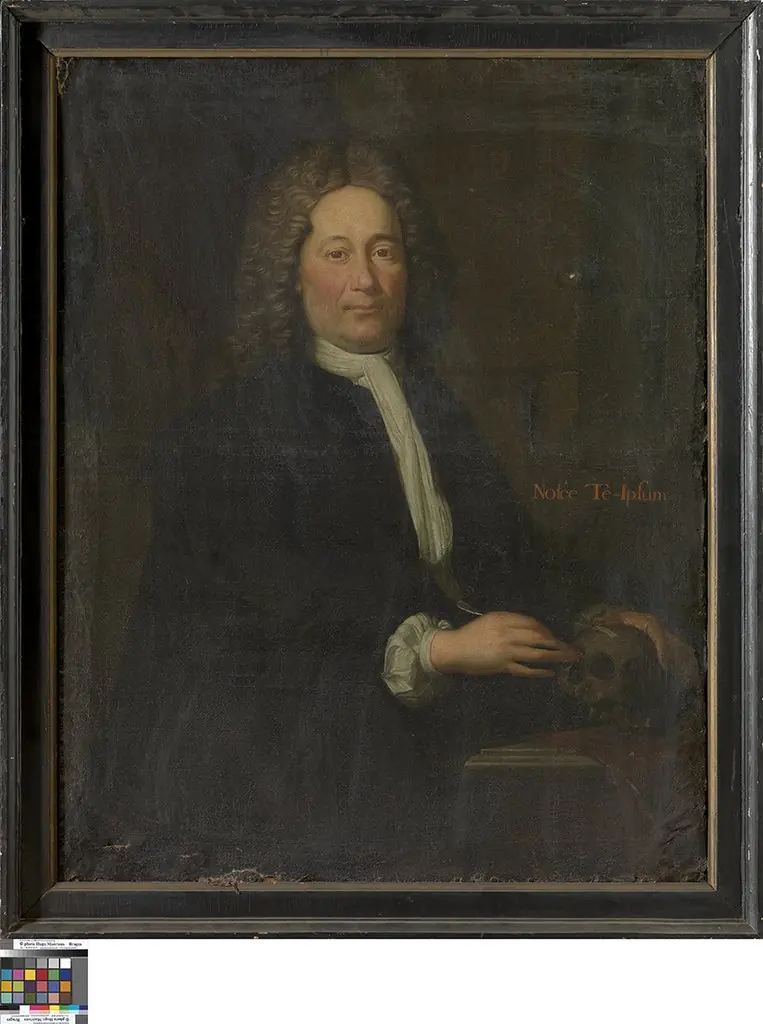 Portret van Jacques Lanbiot
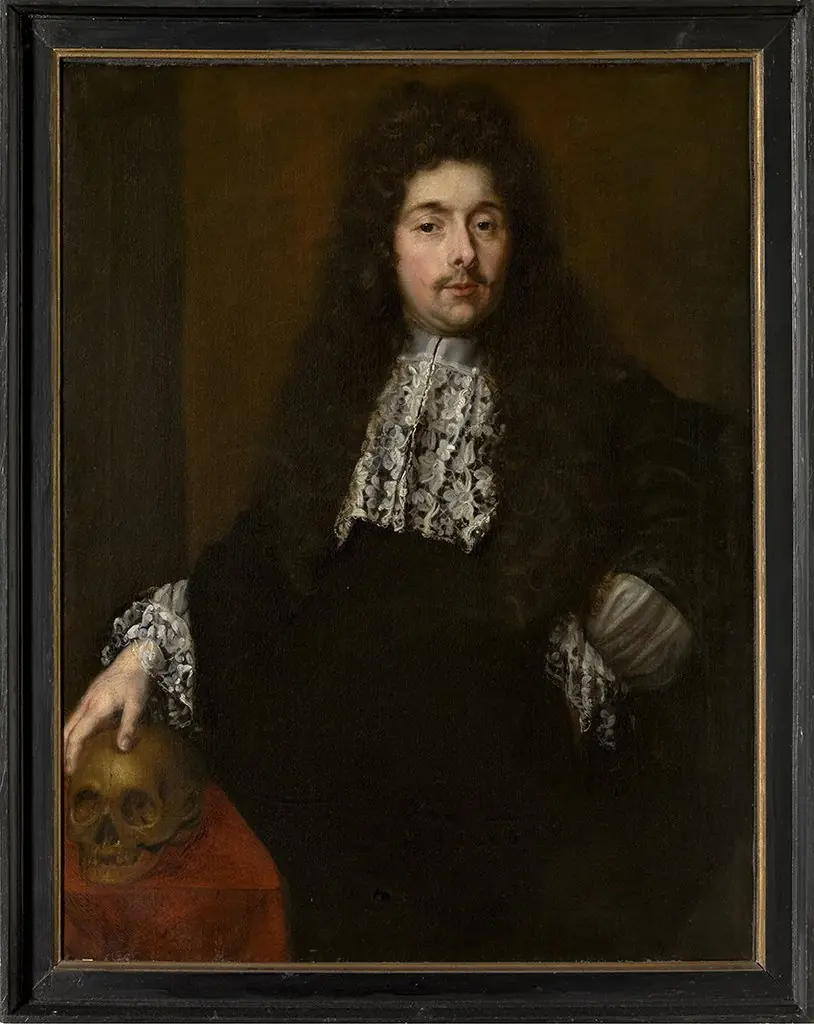 Portrait of Hendrik Franssens, Dean of the Surgeons' Guild in Bruges
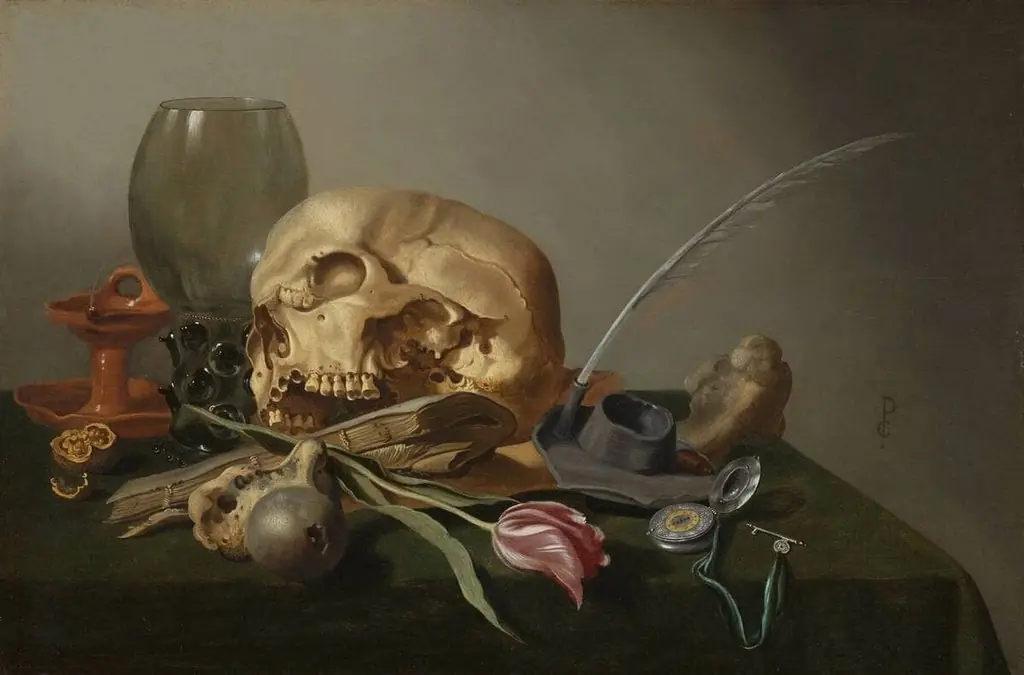 Vanitas, circa 1630
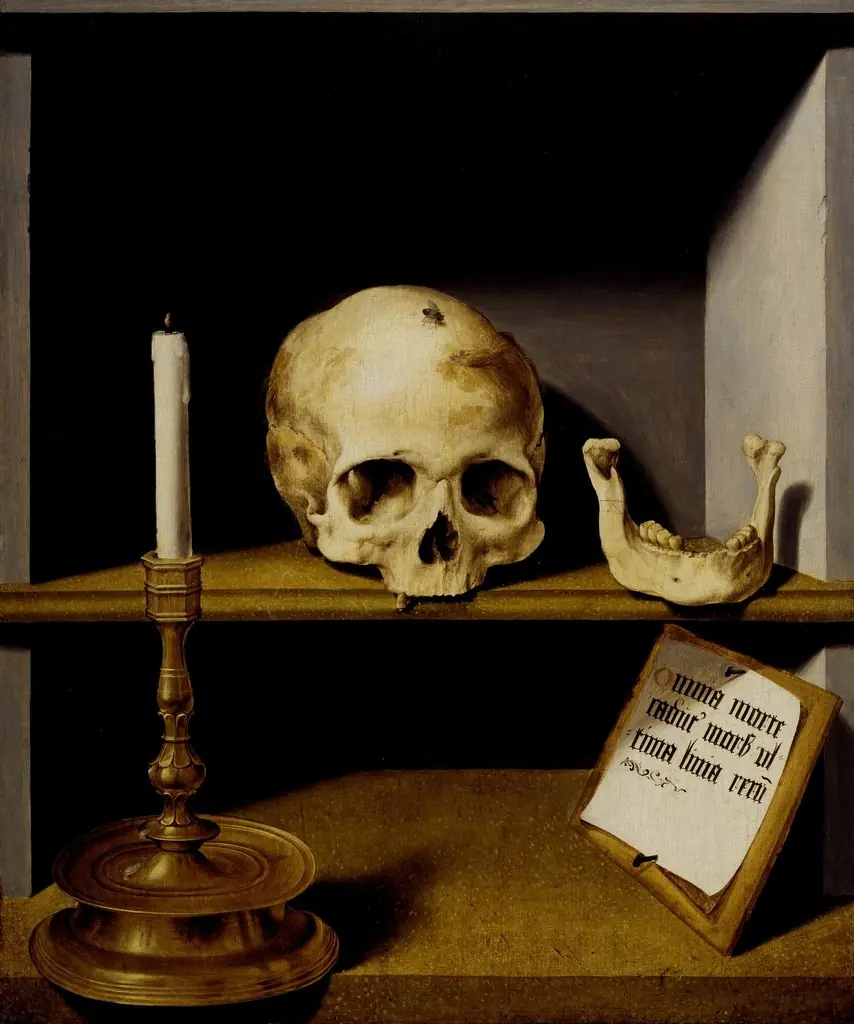 Vanitas Still-Life
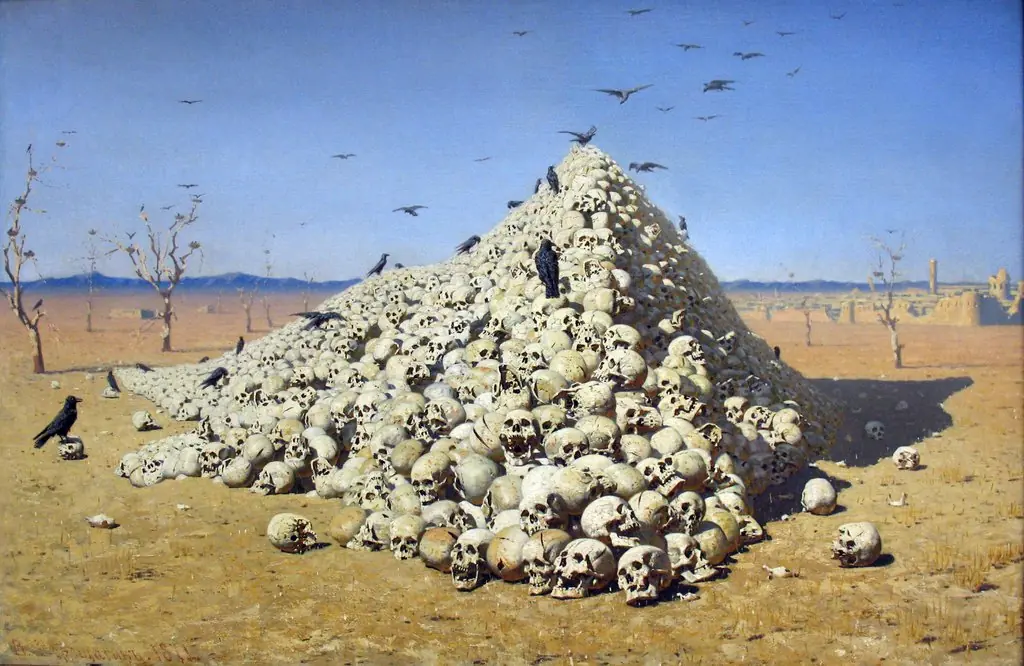 The Apotheosis of War
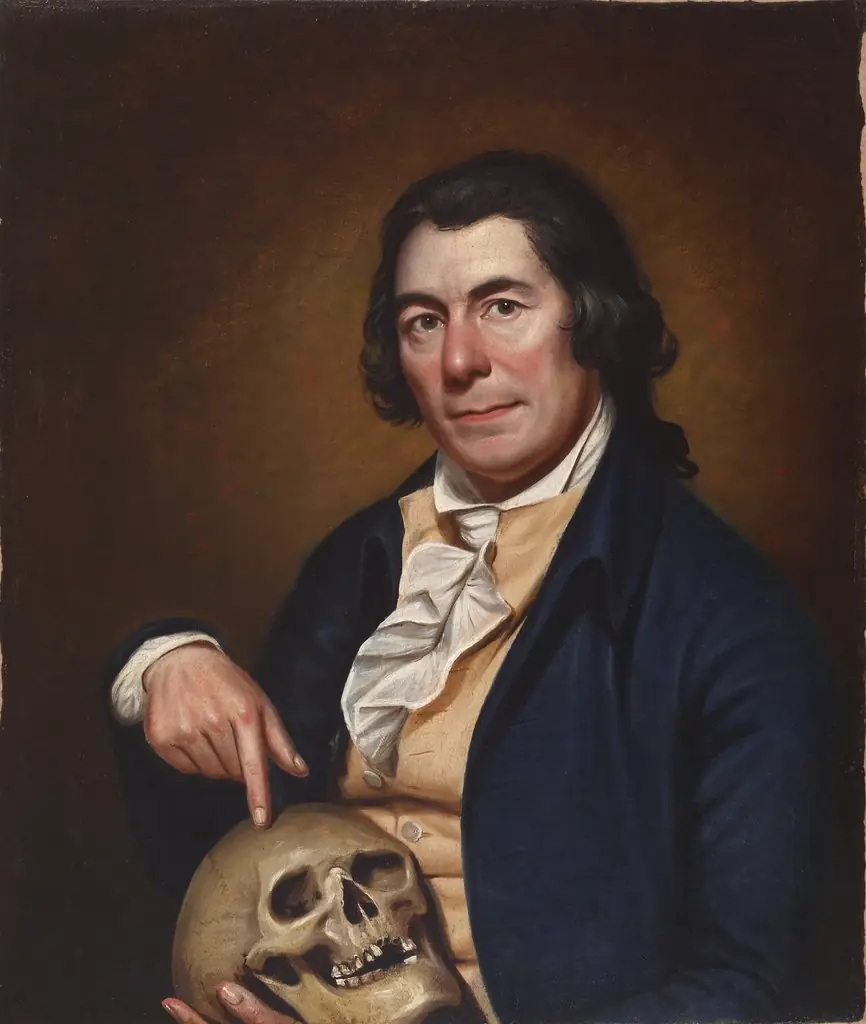 Portrait of Dr. Meer
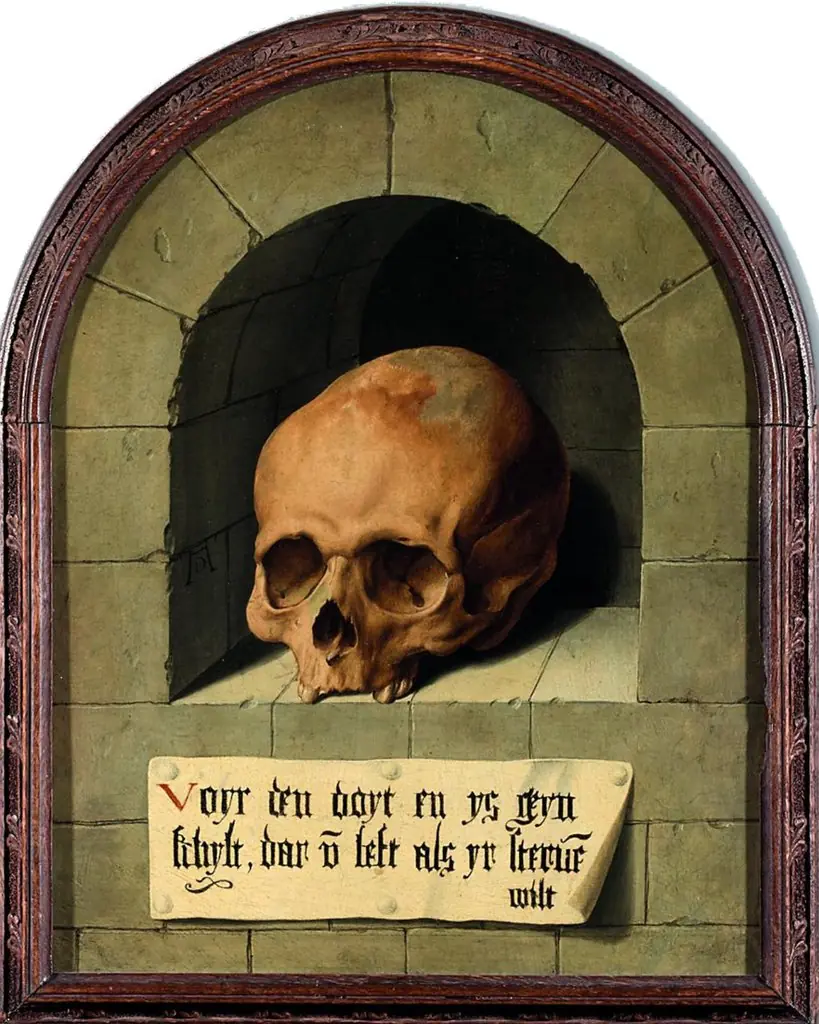 Skull in a Niche
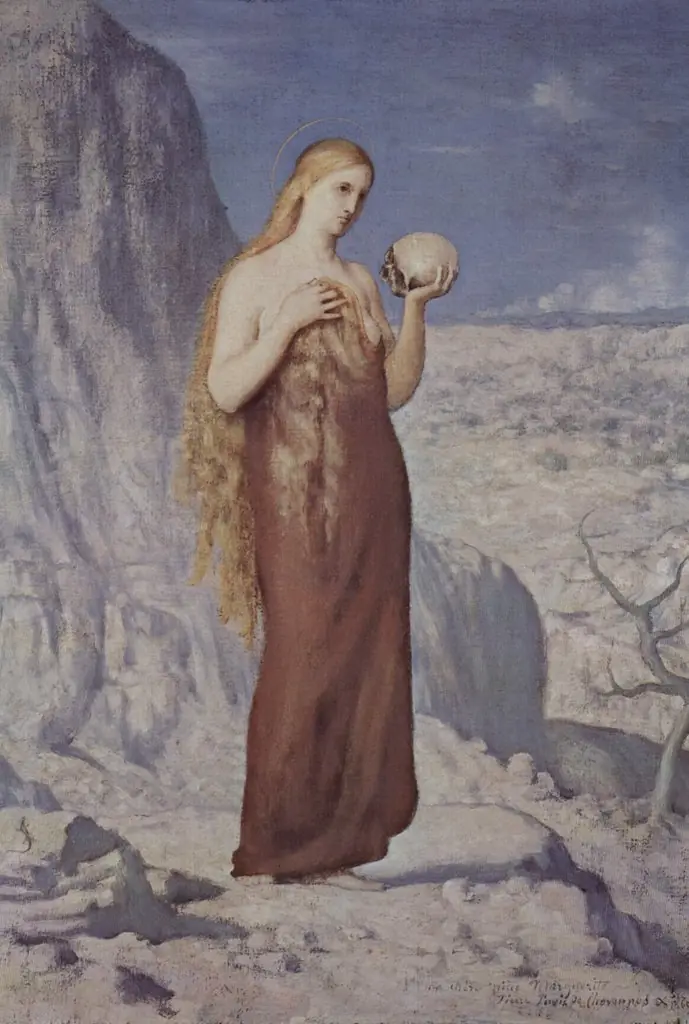 Mary Magdalene in the desert (Meditation)
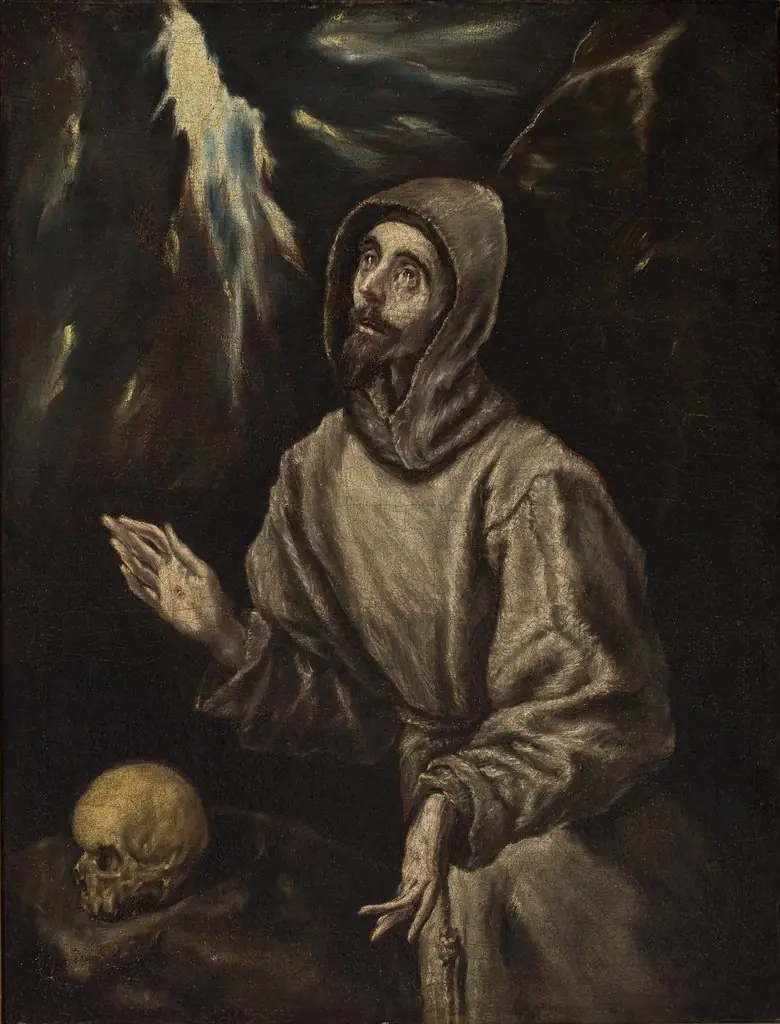 Ecstasy of Saint Francis Receiving the Stigmata
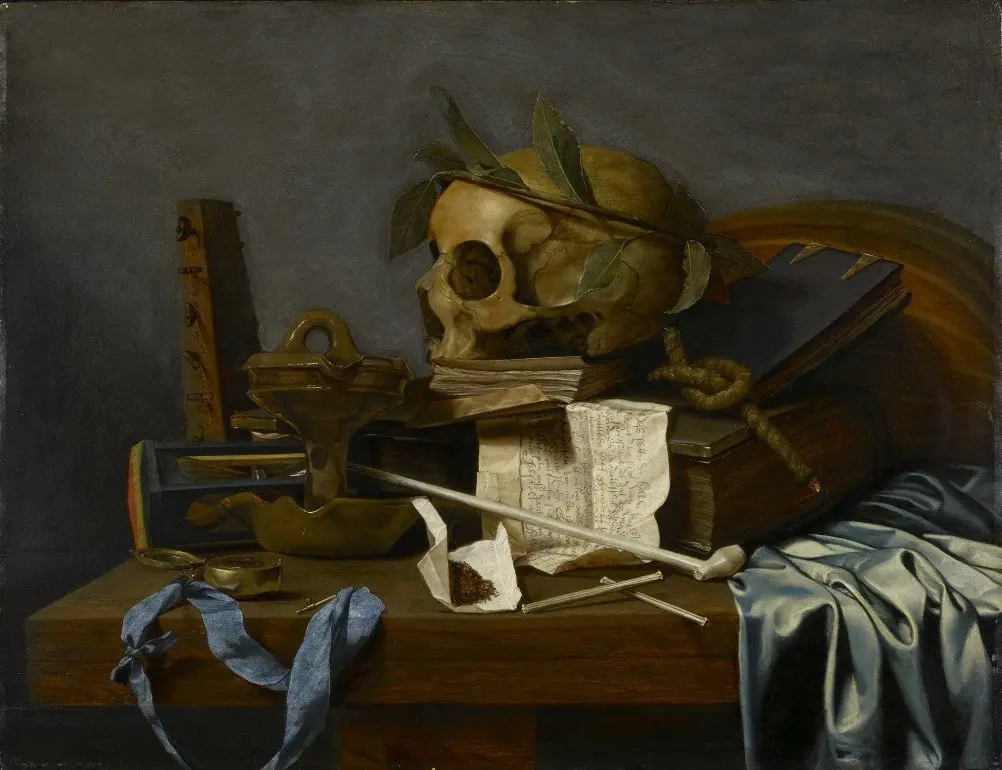 Vanitas Still Life
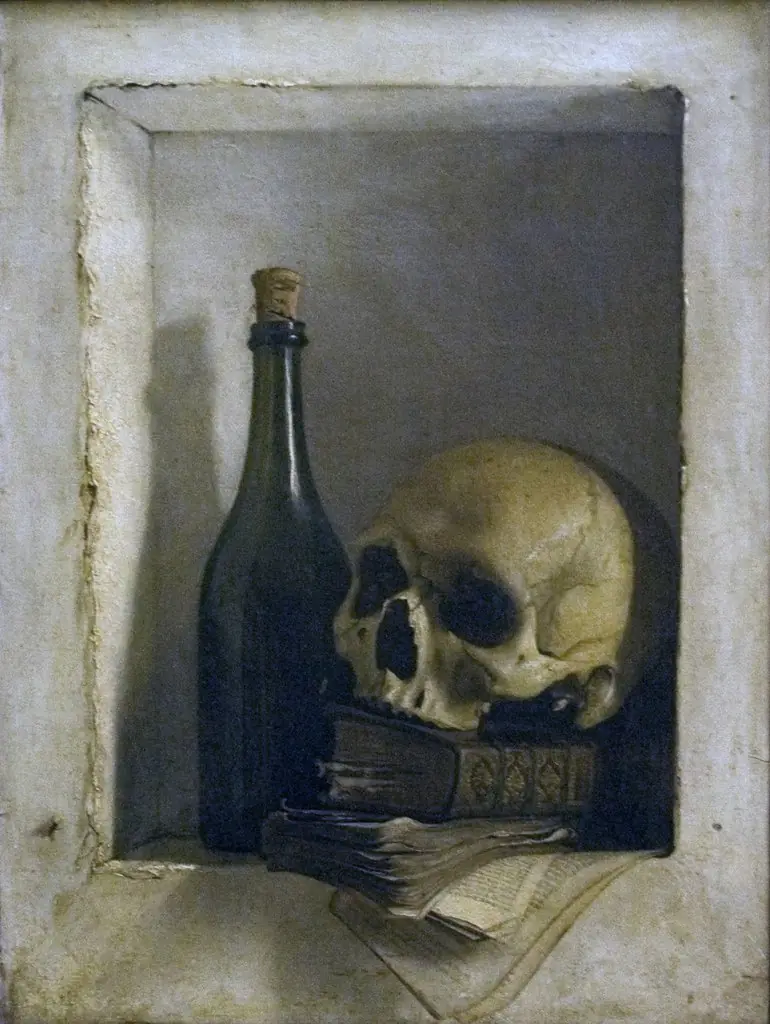 Allegory with Skull
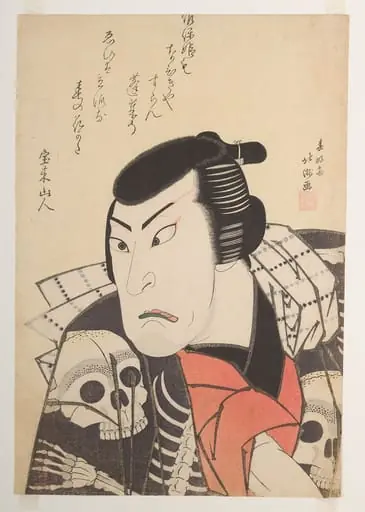 春好斎北洲画 初代市川鰕十郎 「紅紫大坂潤」|Kabuki Actor Ichikawa Ebijūrō I as Tōken (China Dog) Jūbei, in the play Benimurasaki ai de someage (Red and Purple, Rich Dyes of Osaka)
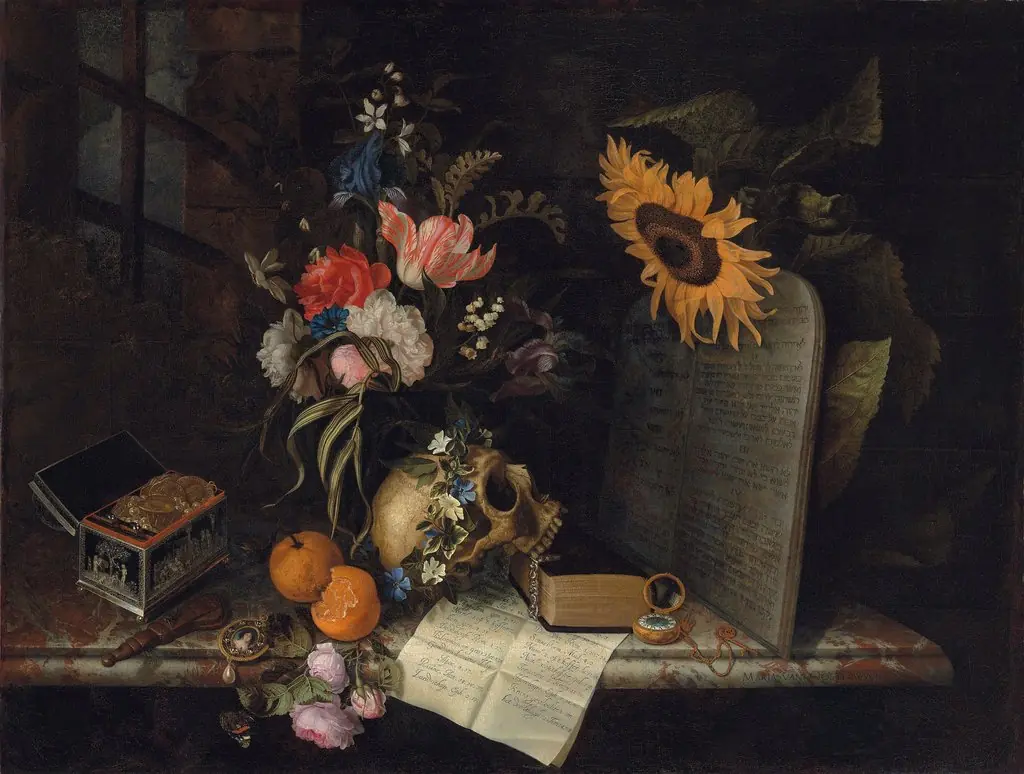 Vanitas Still Life with a Sunflower
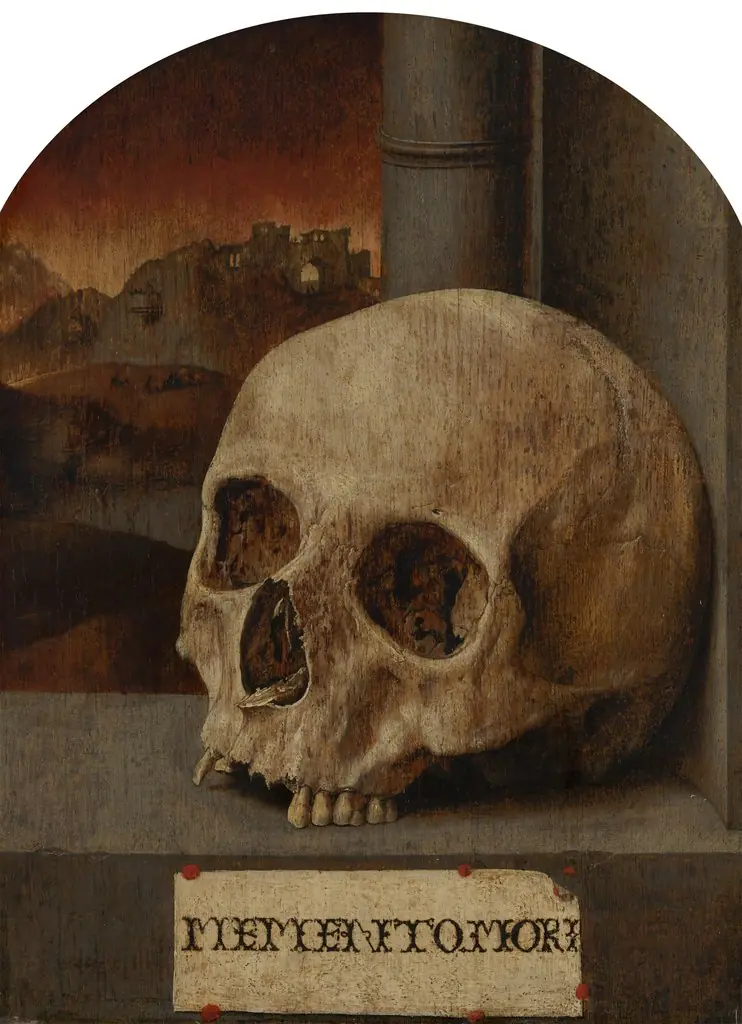 Vanitas Still Life
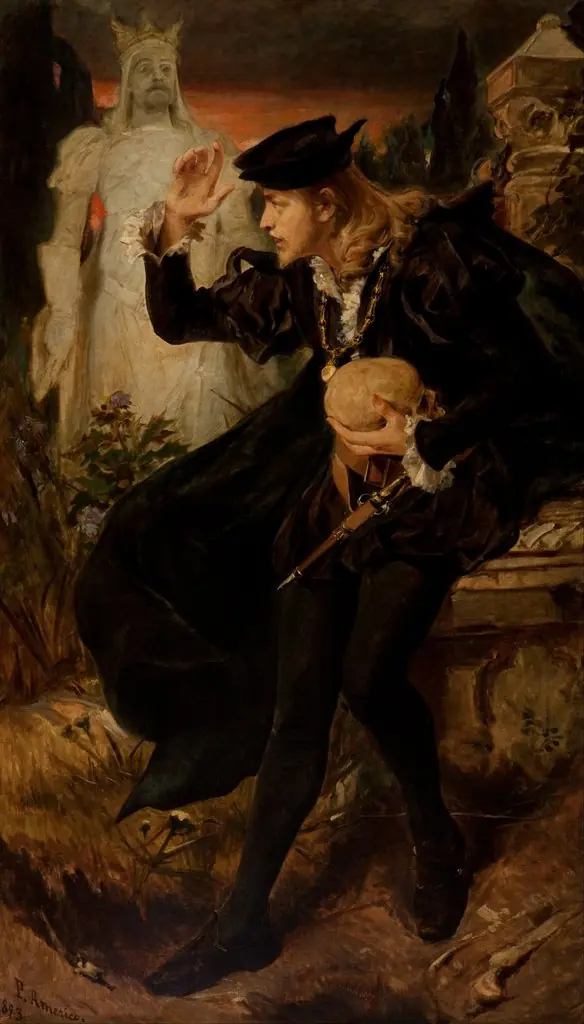 Hamlet’s Vision
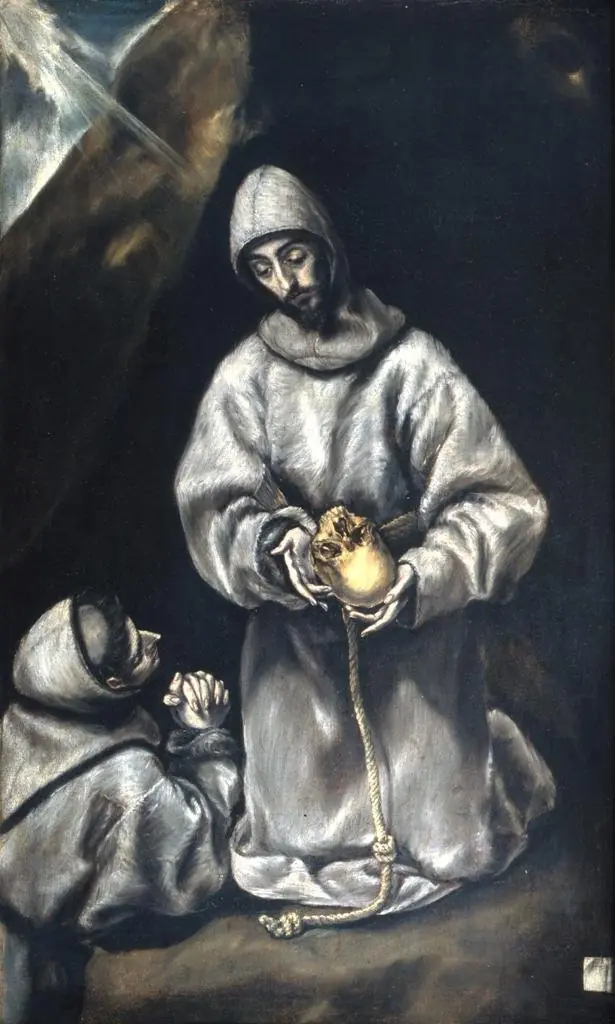 St. Francis and Brother Leo Meditating on Death
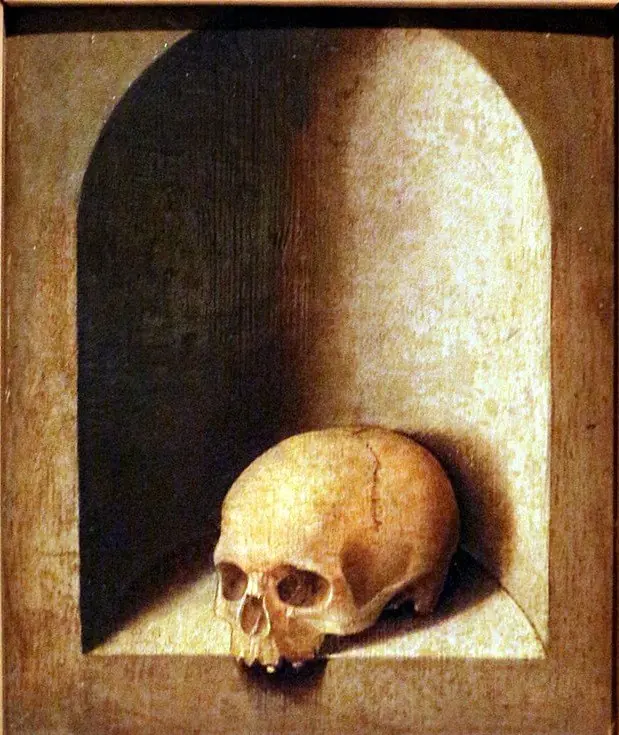 Vanitas
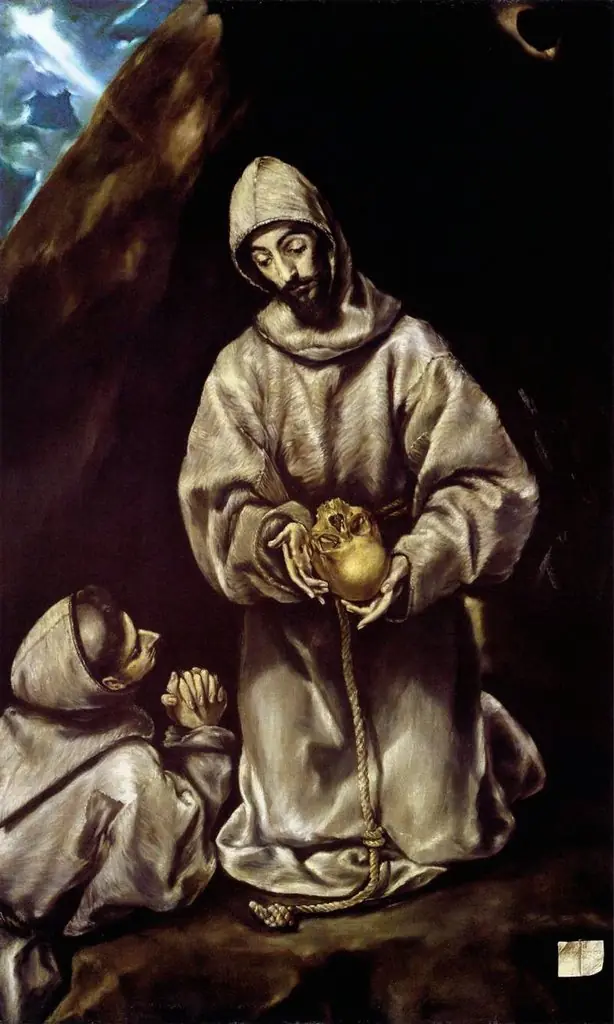 St Francis and Brother Leo Meditating on Death
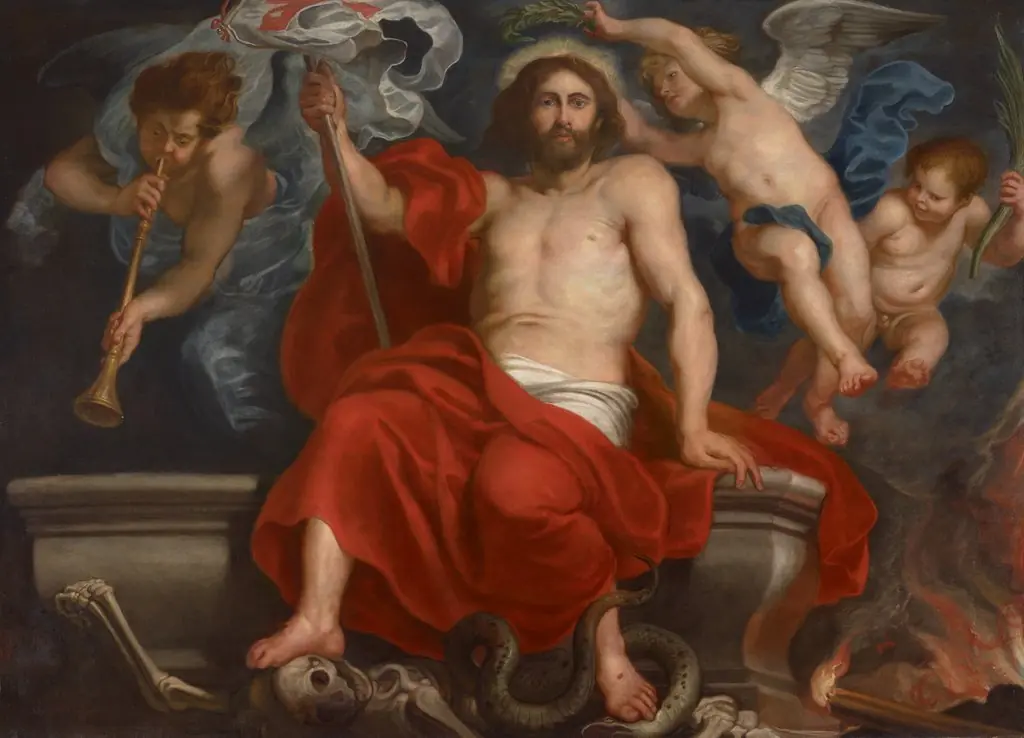 Christ triumphant over Sin, Death, and the Grave
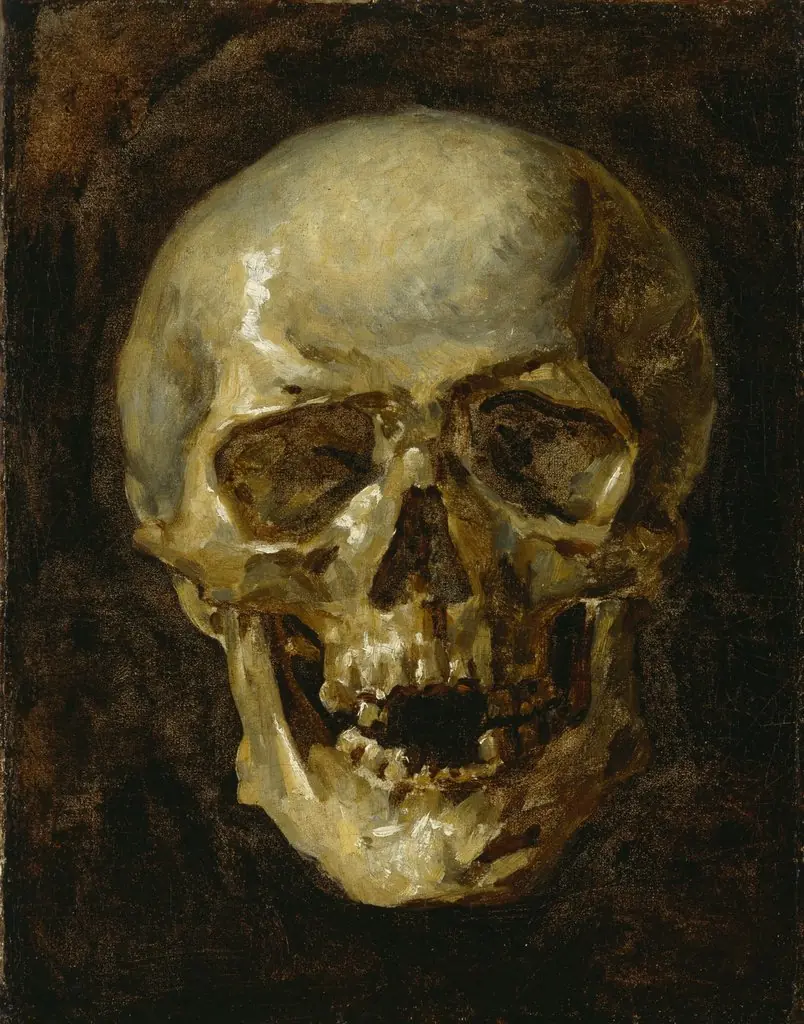 Skull
Skull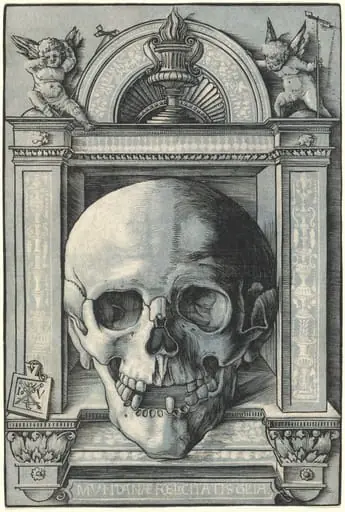 Skull
Skull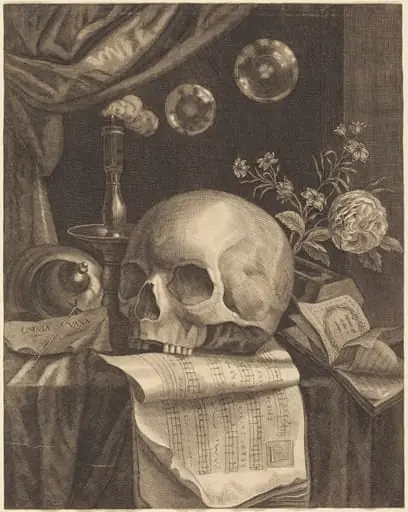 Vanitas
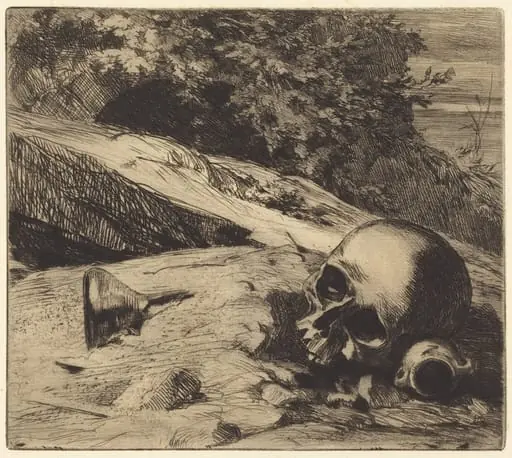 La terre (Earth)
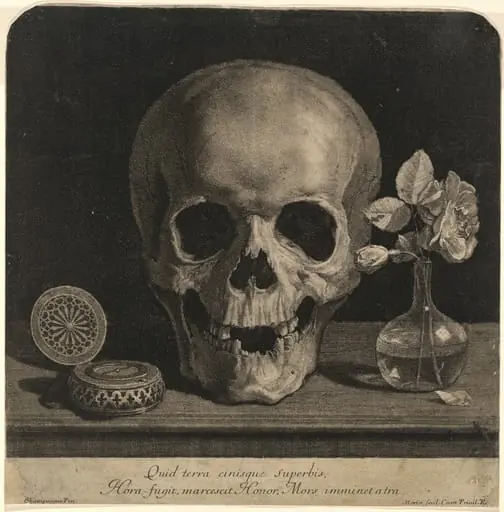 Still Life with a Skull and a Vase of Roses
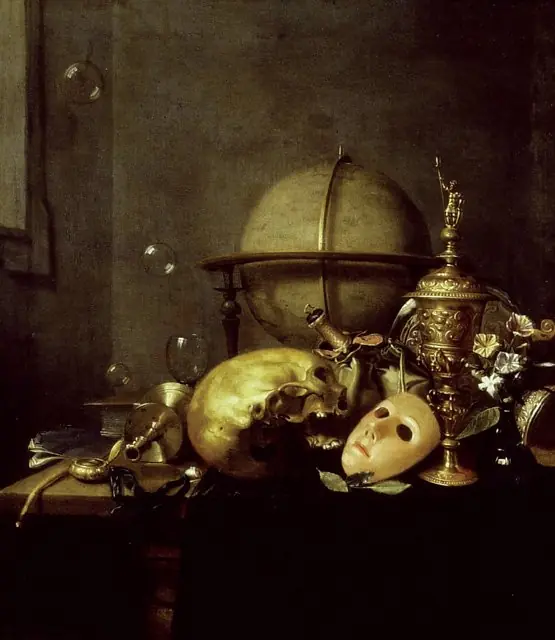 Vanitas still life with a mask
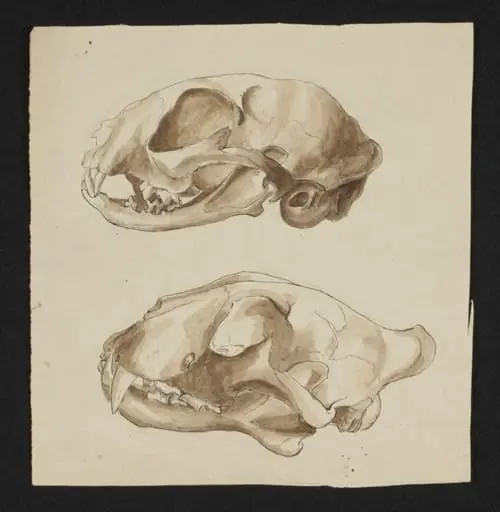 Untitled
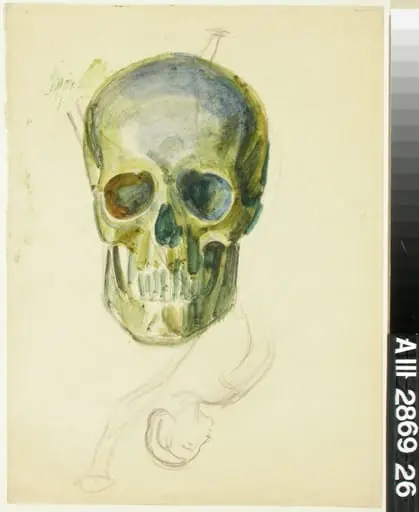 Pääkallo
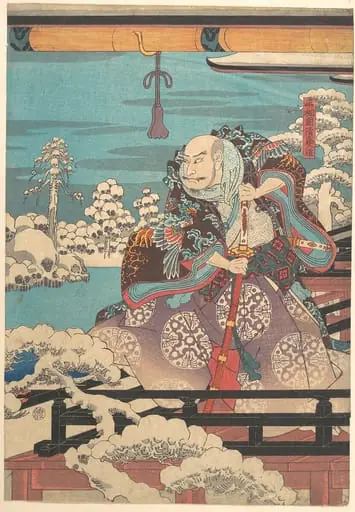 Untitled
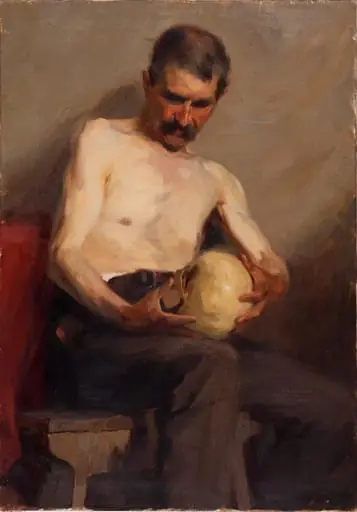 Study of seated man with skull
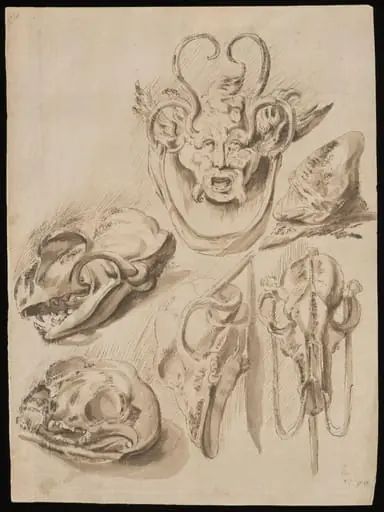 grotesque mask and animal skull
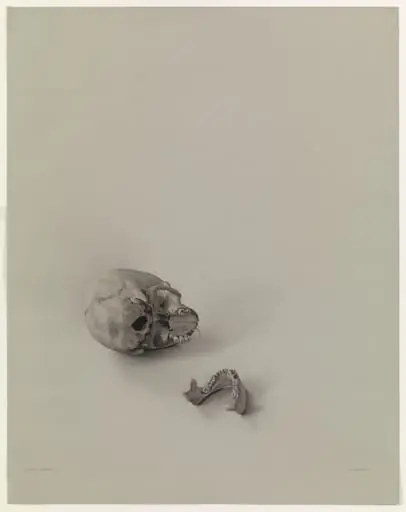 Untitled
 Untitled
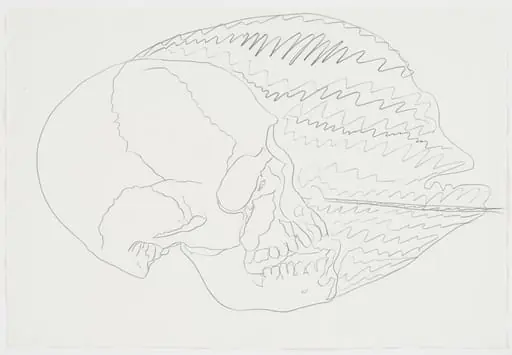 Untitled
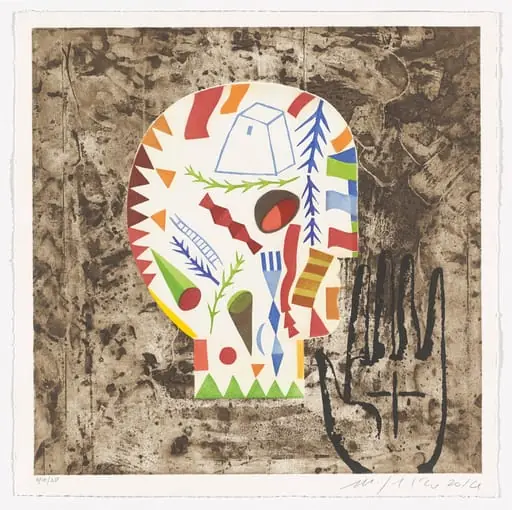 Untitled
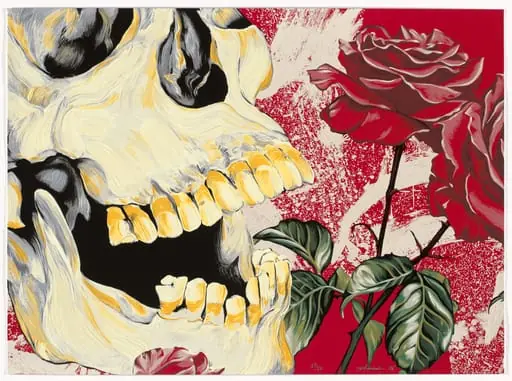 Untitled
Frequently asked questions
What is Skull?
Skull is a subject in art. The skull, or cranium, is typically a bony enclosure around the brain of a vertebrate.
How many Skull works does Artifact World Gallery have?
Artifact World Gallery holds 143 public-domain Skull works, all free to view and download.
Who are the key Skull artists?
Key Skull artists in the collection include Paolo Veronese, Georges de La Tour and El Greco.
Where can I see Skull works?
Skull works in the collection are held by Museo del Prado, Metropolitan Museum of Art and National Gallery of Art.