Artwork
Landscape at Sunset
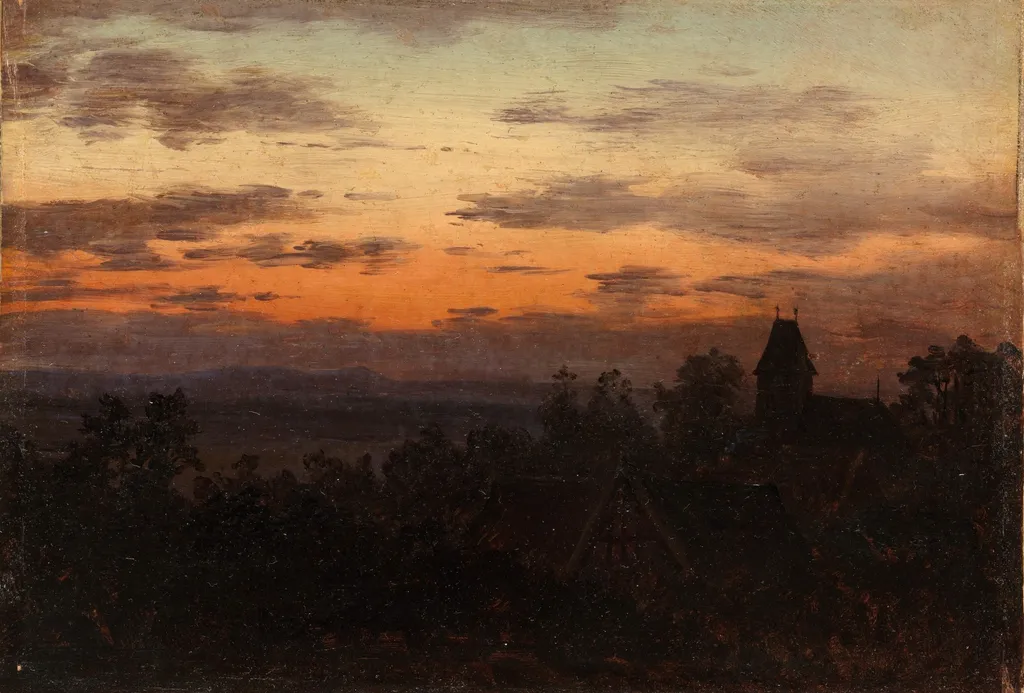
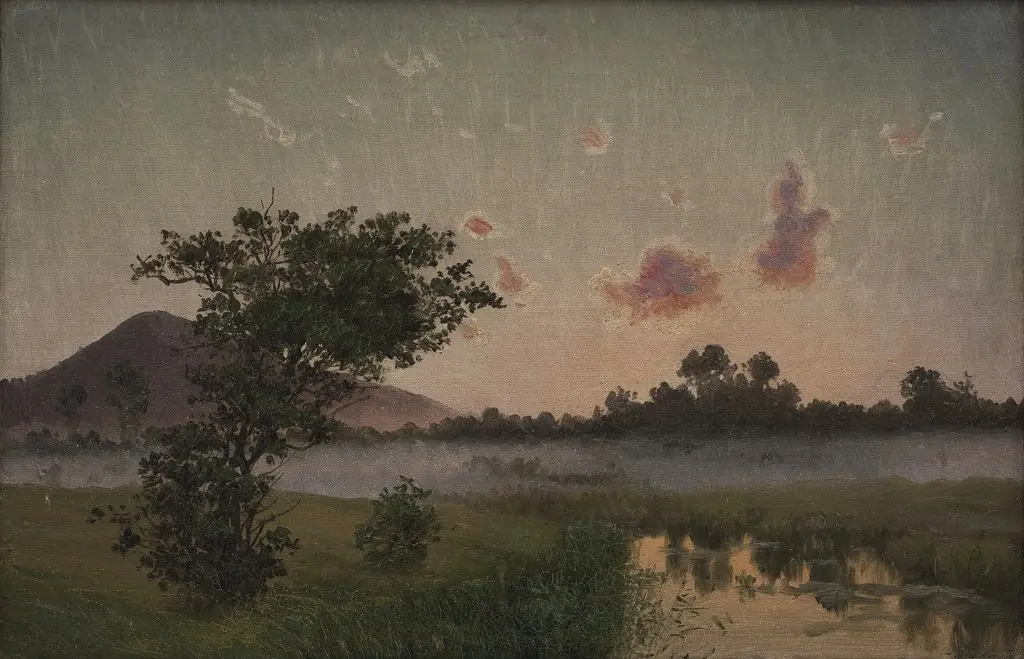
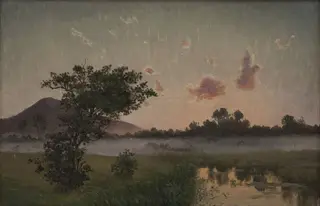
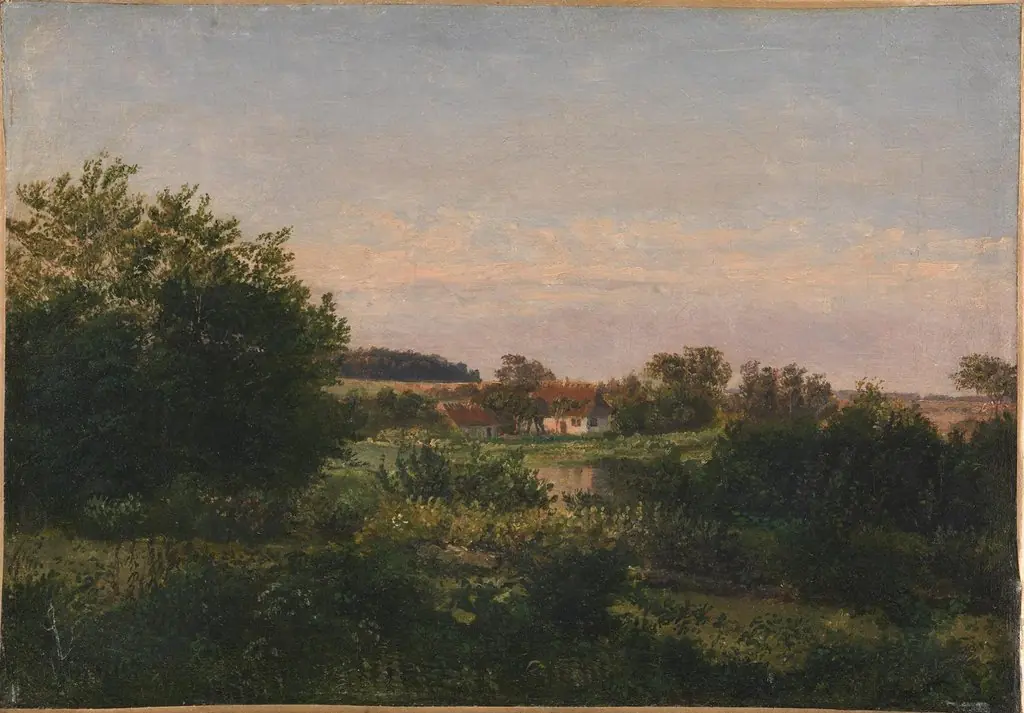
Landscape at Sunset is an unspecified painting by the German Romanticist artist Carl Gustav Carus. It dates from 1830 and is held in the collection of the Metropolitan Museum of Art.
About this work
Subject & Meaning
The painting portrays a natural setting at the close of day, evoking the transitional light and mood associated with evening.
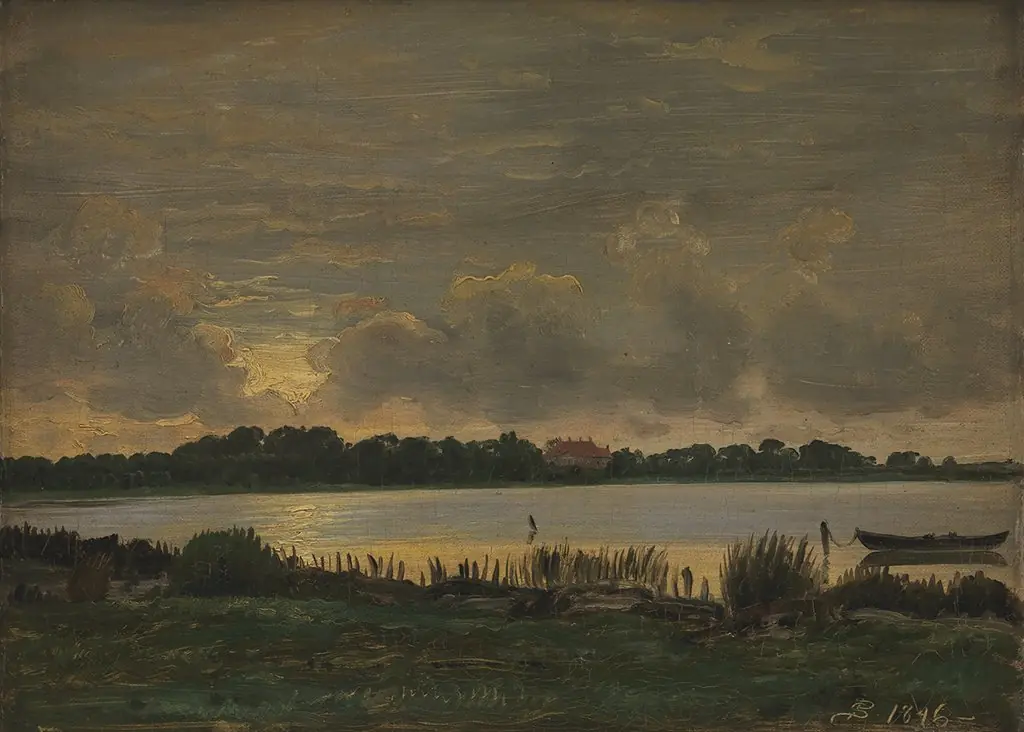
Landscape at Sunset by Carl Gustav Carus is a landscape painting that depicts an evening scene. The work belongs to the landscape painting genre and captures the atmospheric conditions of sunset, a subject Carus explored as part of his broader engagement with Romantic landscape traditions. The painting portrays a natural setting at the close of day, evoking the transitional light and mood associated with evening.
Held in the collection of the Metropolitan Museum of Art, the work represents the artist's interest in rendering the contemplative qualities of nature during the twilight hours. The depiction of evening serves as the central iconographic element, with the fading light of sunset functioning as both subject and symbolic focus, conveying the Romantic preoccupation with nature's transient states and the meditative atmosphere of dusk.
History & Provenance
Landscape at Sunset is a painting by Carl Gustav Carus dated to 1830. The work entered the collection of the Metropolitan Museum of Art, where it is currently held. Prior to its museum accession, the painting was owned by Hugo Perls and later by Eugene Thaw, indicating a documented chain of private ownership before its institutional placement. No information regarding a specific commission or circumstances of creation is recorded in the available sources.
Landscape at Sunset (1830) by Carl Gustav Carus is held by the Metropolitan Museum of Art in New York, where it is catalogued as a landscape painting. The museum's record lists the work’s dimensions as 13.7 cm × 19.4 cm and identifies previous owners Hugo Perls and Eugene Thaw, establishing its provenance. The accession number is not provided in the available sources.
The painting’s creation date of 1830 and its classification as a Romantic‑era landscape reflect the period’s emphasis on atmospheric effect. No exhibition history is documented in the cited references.
Context
Carl Gustav Carus's Landscape at Sunset, painted in 1830, is recorded as a painting and specifically as a landscape within his body of work. The piece portrays an evening scene and has been part of the Metropolitan Museum of Art's collection, where it is displayed. Its provenance traces from initial ownership by Hugo Perls to later ownership by Eugene Thaw, reflecting its movement through notable collections. Inclusion in a major museum's holdings underscores its recognized significance among contemporary landscape works.
Overview
Carl Gustav Carus, a German Romantic painter, created Landscape at Sunset in 1830. This oil painting captures an evening scene, characteristic of the era's focus on nature's evocative power. Carus, also a physician and naturalist, was a significant figure in the German Romantic movement, exploring both scientific observation and artistic expression. The work is now part of The Metropolitan Museum of Art's collection.
Technique & Style
Carus employed loose brushstrokes, allowing light and shadow to blend seamlessly without sharp contours. The sky, in particular, features thick, visible applications of paint, creating a textured surface that suggests the movement and depth of the clouds. This technique contributes to the painting's atmospheric quality, rendering the scene with a sense of softness and depth rather than precise detail.
Own this work as a print
Artist & collection
Artist
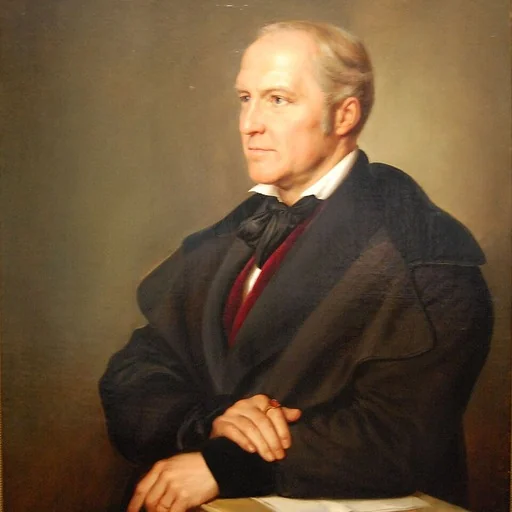
Carl Gustav Carus (3 January 1789 – 28 July 1869) was a German physiologist and painter, born in Leipzig, who played various roles during the Romantic era.