Artwork
George Enescu
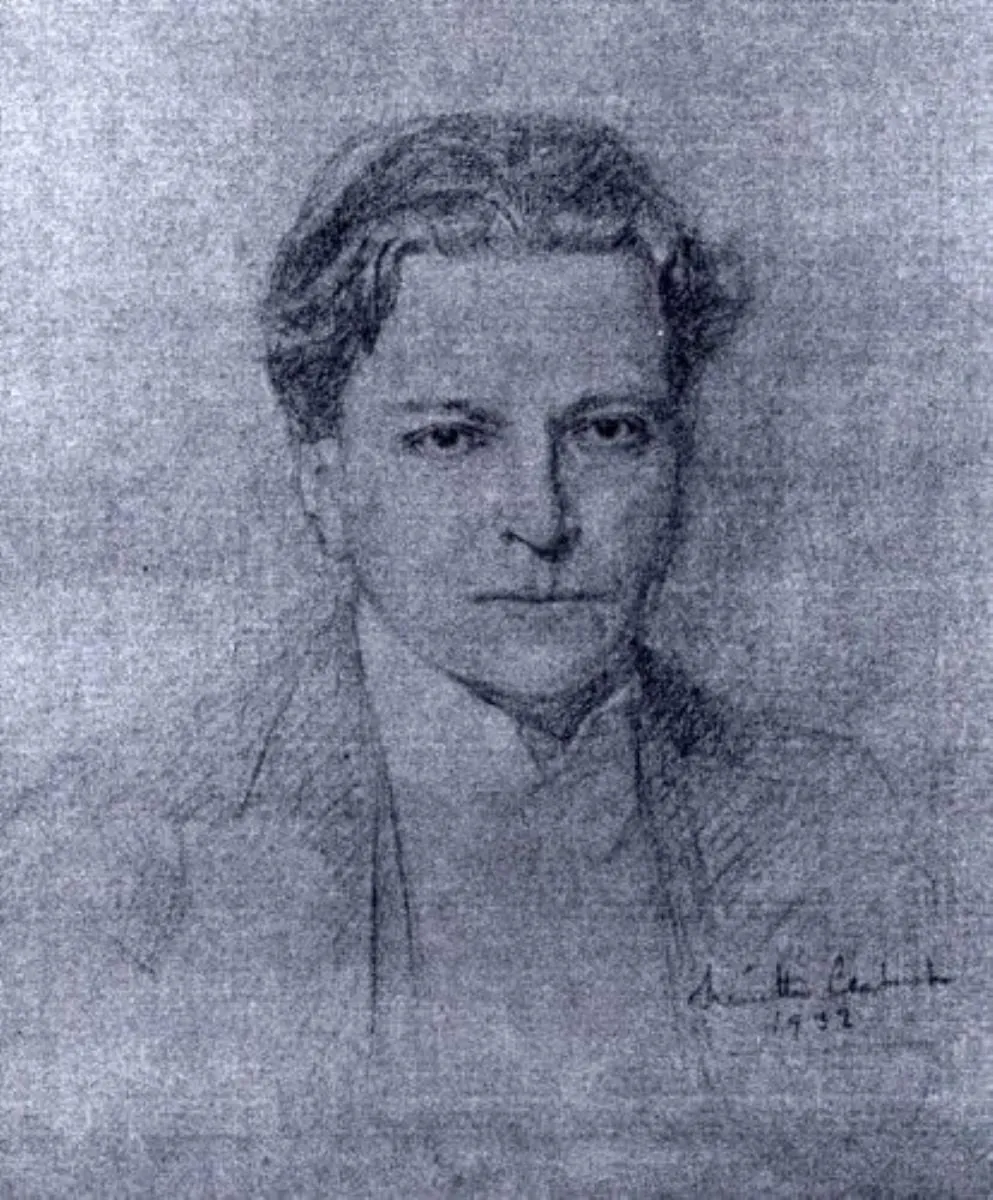
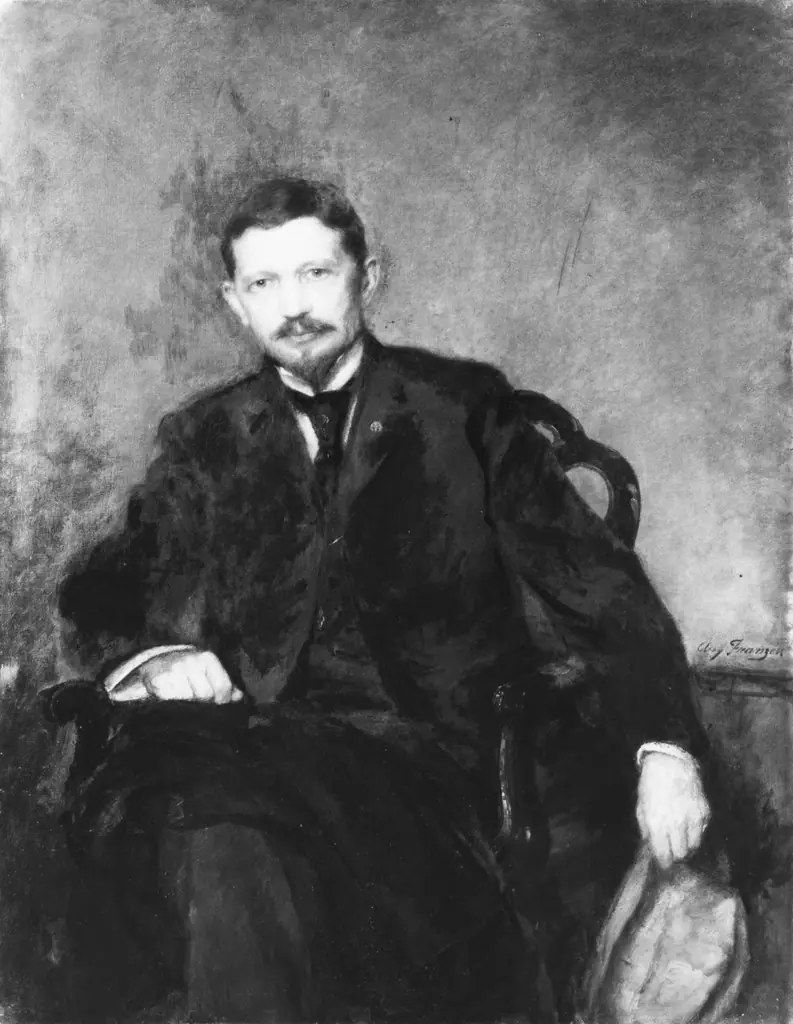
George Enescu is an unspecified painting by Ninette Carteret. It dates from 1932 and is held in the collection of the George Enescu National Museum.
About this work
Overview
Signed in the corner, the piece is held in the collection of the Museum of Ethnography, reflecting its documentary rather than decorative intent.
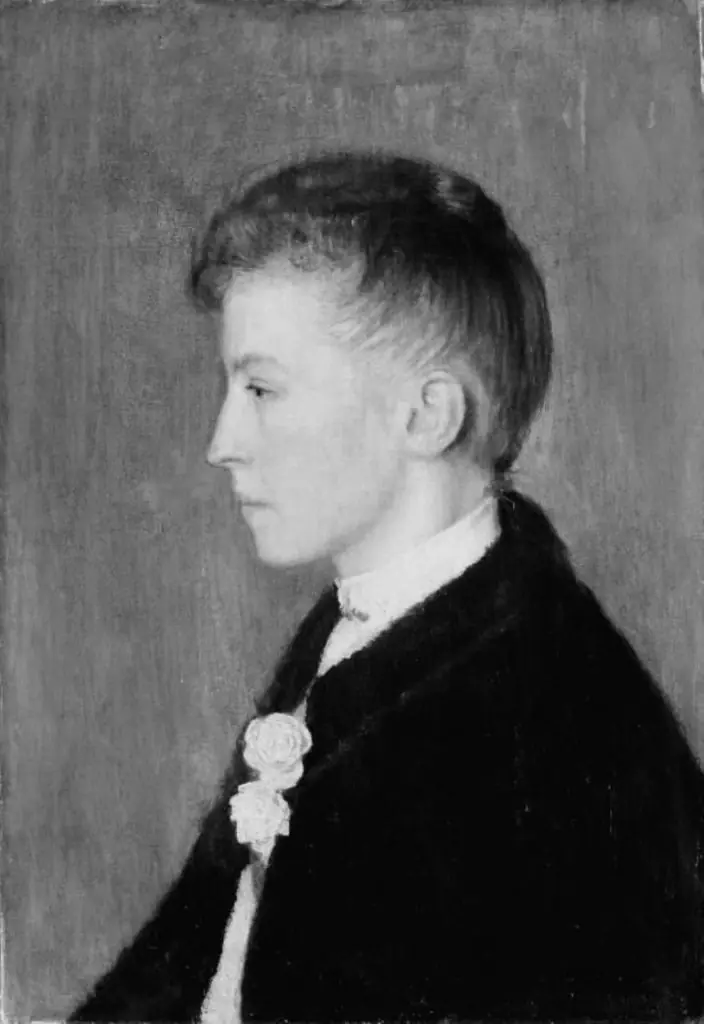
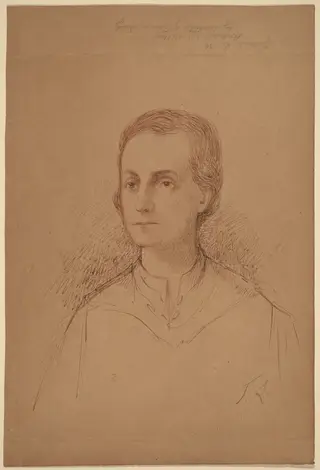
This black-and-white portrait, created in 1932 by Ninette Carteret, depicts the Romanian composer George Enescu. Executed in a delicate, rapid sketch style, the work captures Enescu’s upper torso and face with minimal detail. The plain background directs focus to his expression and posture.
Signed in the corner, the piece is held in the collection of the Museum of Ethnography, reflecting its documentary rather than decorative intent.
Subject & Meaning
George Enescu, a central figure in Romanian musical culture, is portrayed with quiet intensity. His serious gaze and formal attire suggest a moment of contemplation, aligning with his public identity as a serious artist. The portrait does not idealize or dramatize; instead, it presents him as a man of discipline and intellectual gravity, consistent with his reputation as a composer, violinist, and pedagogue.
Technique & Style
Carteret employed soft, blended graphite or charcoal to model Enescu’s features, avoiding sharp contours. The shading is subtle and continuous, particularly around the jaw and forehead, creating a gentle transition between light and shadow. The sketch’s immediacy suggests a direct observation, with loose, confident strokes emphasizing the face and shoulders while leaving the rest of the figure suggestively undefined.
History & Provenance
The portrait was completed in 1932, during a period when Enescu was actively performing and composing across Europe. It entered the Museum of Ethnography’s collection as part of a broader effort to document cultural figures through visual records. Its preservation there underscores its role as an ethnographic artifact, capturing a national intellectual figure in a moment of quiet stillness.
Context
In early 20th-century Europe, portrait sketches of composers and artists were often made for personal or institutional archives rather than public display. Carteret’s work fits this tradition, reflecting a practice where visual documentation served to preserve the likeness of cultural leaders. The absence of elaborate setting or symbolism aligns with the modest, observational ethos of such records.
Legacy
Though not widely reproduced, the portrait remains a key visual reference for Enescu’s appearance during his mature years. Its restrained technique and emotional reserve offer a counterpoint to more theatrical depictions of artists, reinforcing a quieter, more introspective image of cultural authority. It continues to inform scholarly and public understanding of Enescu’s persona.
Artist & collection
Artist
Ninette Carteret’s 1932 portrait of George Enescu offers a quiet moment with the Romanian composer.