Subject
Shirt
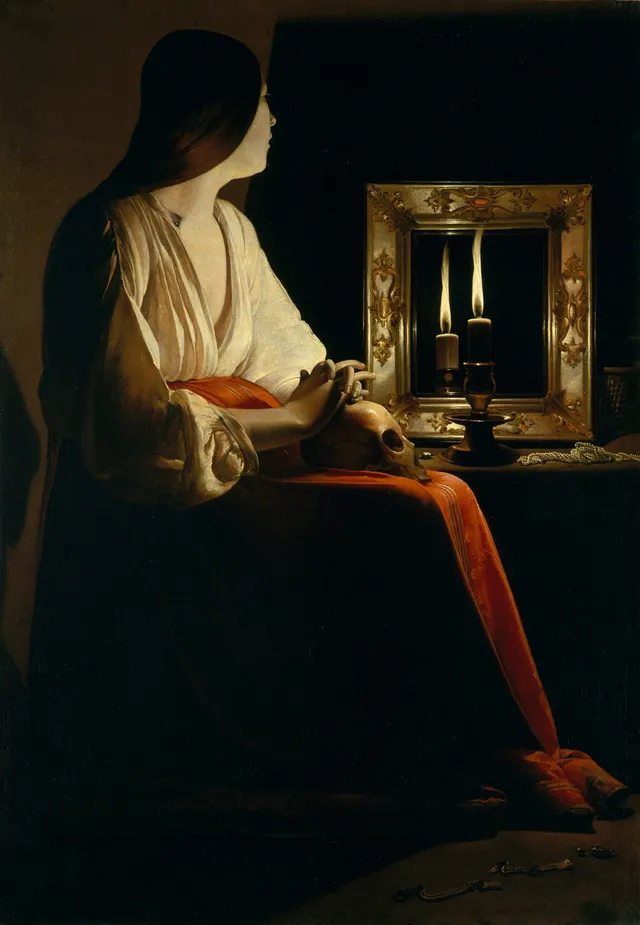
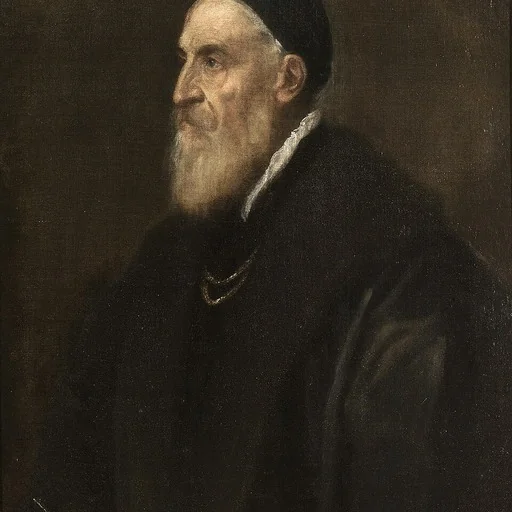
Shirt is a subject in art. The gallery holds 34 works in this subject in art, including works by Titian, Georges de La Tour and Édouard Manet.
A shirt is a cloth garment for the upper body (from the neck to the waist). Originally an undergarment worn exclusively by men, it has become, in American English, a catch-all term for a broad variety of upper-body garments and undergarments.
Key artists
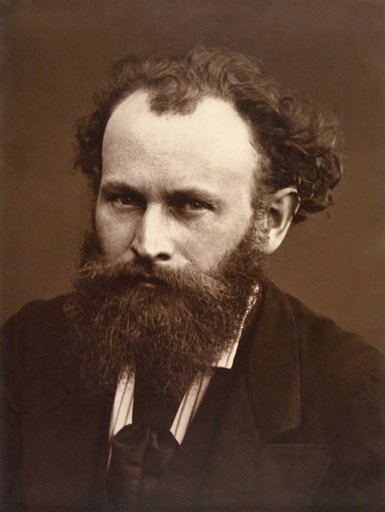
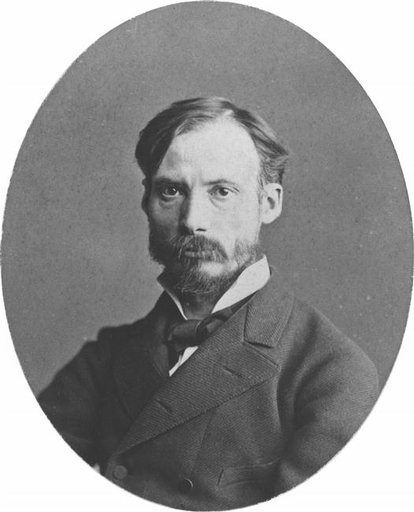
Overview
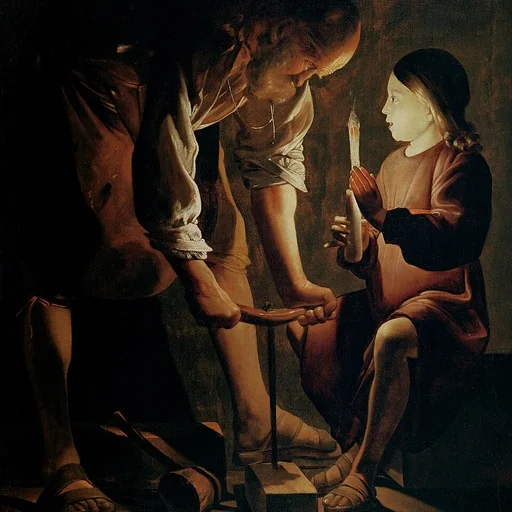
The shirt is a cloth garment for the upper body, extending from the neck to the waist, that has served as one of the most enduring and symbolically charged subjects in Western art. Originating as an undergarment worn exclusively by men, with roots traceable to a linen shirt from a First Dynasty Egyptian tomb at Tarkan dated to circa 3000 BC, it has evolved from hidden base layer to visible signifier of status, virtue, and vulnerability. In the collection under discussion, the shirt appears in 36 works, ranging from penitential scenes to intimate domestic moments, demonstrating its flexibility as both a formal and expressive motif. Its recurrence across centuries speaks to the garment's capacity to carry multiple meanings: as an indicator of social class, a marker of gendered identity, a sign of penitence or spiritual transformation, and as a vehicle for exploring the textures and folds of painted fabric.
Iconography & meaning
The iconography of the shirt in art is deeply tied to its functional evolution from undergarment to outerwear. In medieval and early Renaissance imagery, the visible shirt signaled humility, penitence, or low social status; it appeared on shepherds, prisoners, and penitents whose outer garments had been removed or stripped away. This association with abasement and spiritual purification made the shirt a natural attribute of saints and repentant figures, most notably Mary Magdalene, whose penitential shirt became a standard feature of her iconography. The seventeenth century introduced an erotic dimension, as the partially revealed shirt carried much the same suggestive charge as visible underwear in later periods. By the eighteenth century, the shirt's frills, jabots, and lace served as indicators of social standing and refinement, while its absence or disarray could signal distress, abandon, or revolutionary fervor. The shirt's whiteness, particularly in linen, connected it to ideals of purity and cleanliness, though colored shirts began appearing in the early nineteenth century as markers of casual or working-class identity.
Across movements & periods
The treatment of the shirt in art shifted significantly across periods, tracking its social and material history. In medieval art, as sources note, the shirt was typically visible only on humble figures, its appearance governed by strict conventions of dress and decorum. The Renaissance and Baroque periods exploited its potential for dramatic revelation, particularly in penitential and bath scenes where the removal of outer garments exposed the shirt as a stage in undress. Seventeenth-century Dutch and Flemish painters particularly favored the shirt in domestic interiors, where its crisp white linen provided tonal contrast and demonstrated technical virtuosity. The eighteenth century saw the shirt's decorative elements, frills and jabots, become fashionable indicators of status, though the garment itself remained fundamentally underclothing. The nineteenth century marked a turning point: women began wearing shirts as outergarments, popularized by the Garibaldi shirt of 1860, and the garment gradually shed its exclusively masculine association. By the twentieth century, the shirt had become a unisex garment and a site of fashion innovation, though its representation in art continued to draw on accumulated historical meanings.
Legacy
The shirt's afterlife in visual culture extends far beyond its functional role as clothing. The idiom to give the shirt off one's back, documented from 1771, testifies to its symbolic investment as the last possible possession,liable to be surrendered. The invention of the detachable collar in 1827 by Hannah Montague, and the subsequent development of collar stays in the 1930s, represent material innovations that affected how shirts were worn, washed, and represented. In art historical terms, the shirt has become a critical tool for analyzing constructions of gender, class, and privacy: its presence or absence, its state of arrangement or disarray, and its visibility or concealment offer indices of social and psychological condition. The garment's trajectory from masculine undergarment to unisex outerwear, from sign of penitence to fashion statement, mirrors broader transformations in bodily display and social identity. Contemporary artists continue to exploit these accumulated resonances, even as the shirt itself has become so ubiquitous as to risk invisibility, precisely the condition from which it emerged in medieval art.
Works
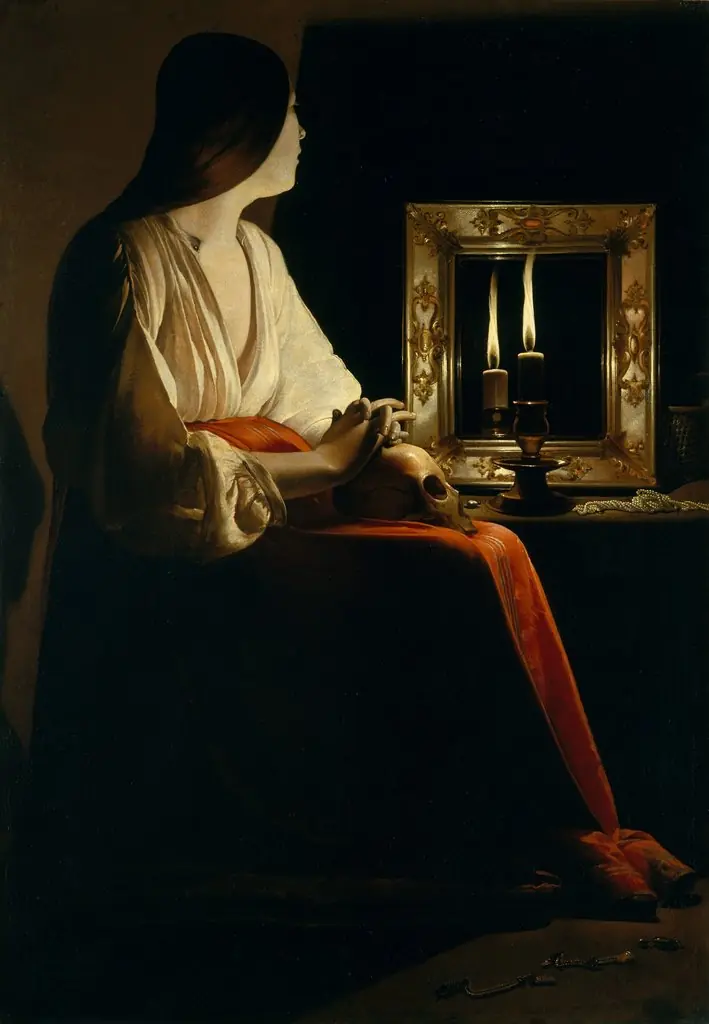 The Penitent Magdalen
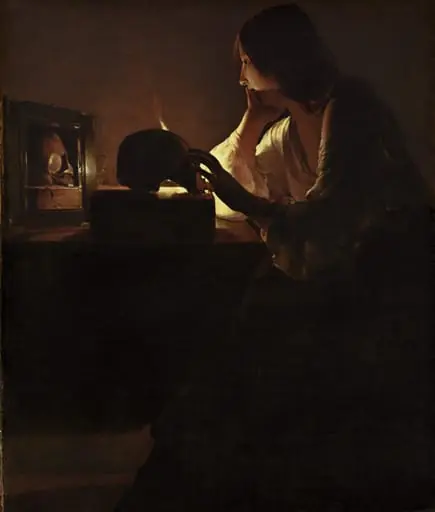 The Repentant Magdalen
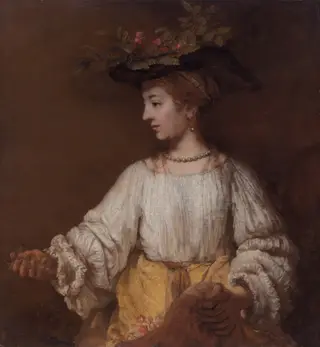 Flora
Flora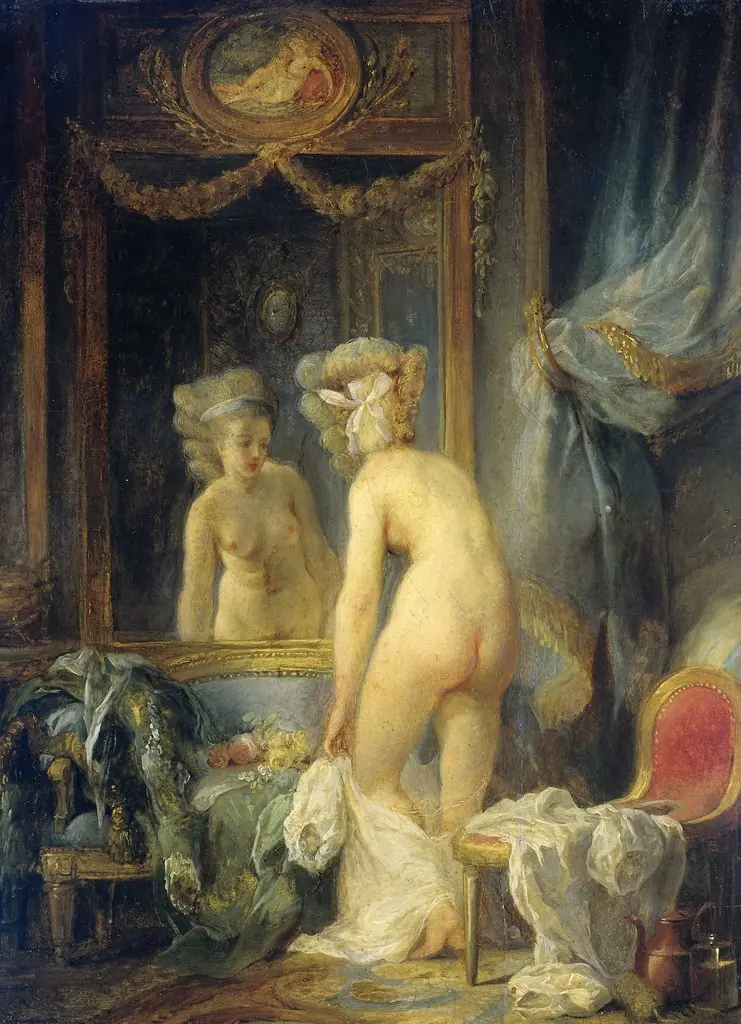 Morning Toilet
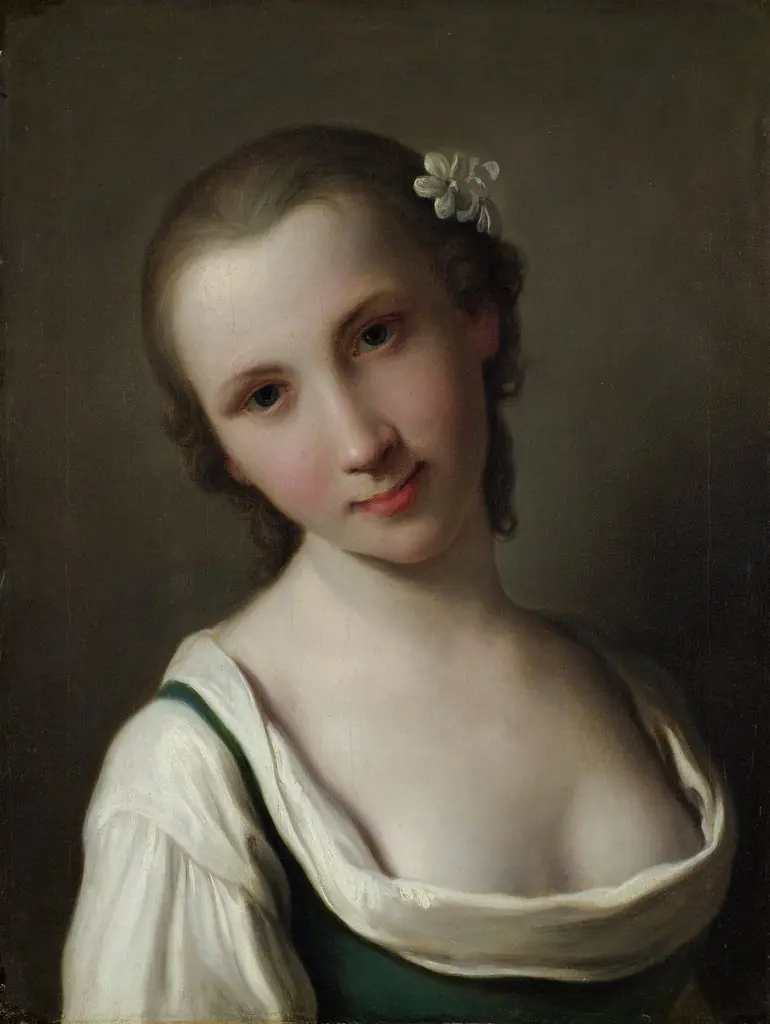 A young Woman
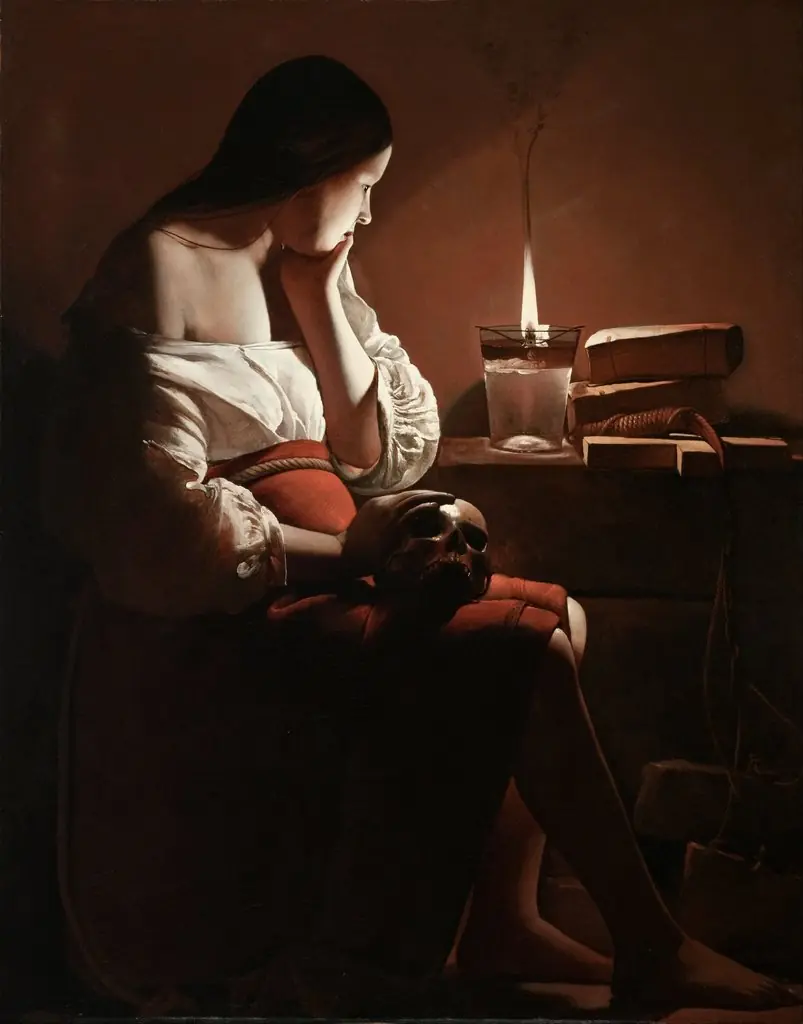 Magdalen with the Smoking Flame
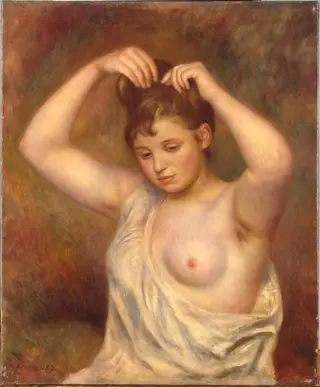 Woman Arranging her Hair
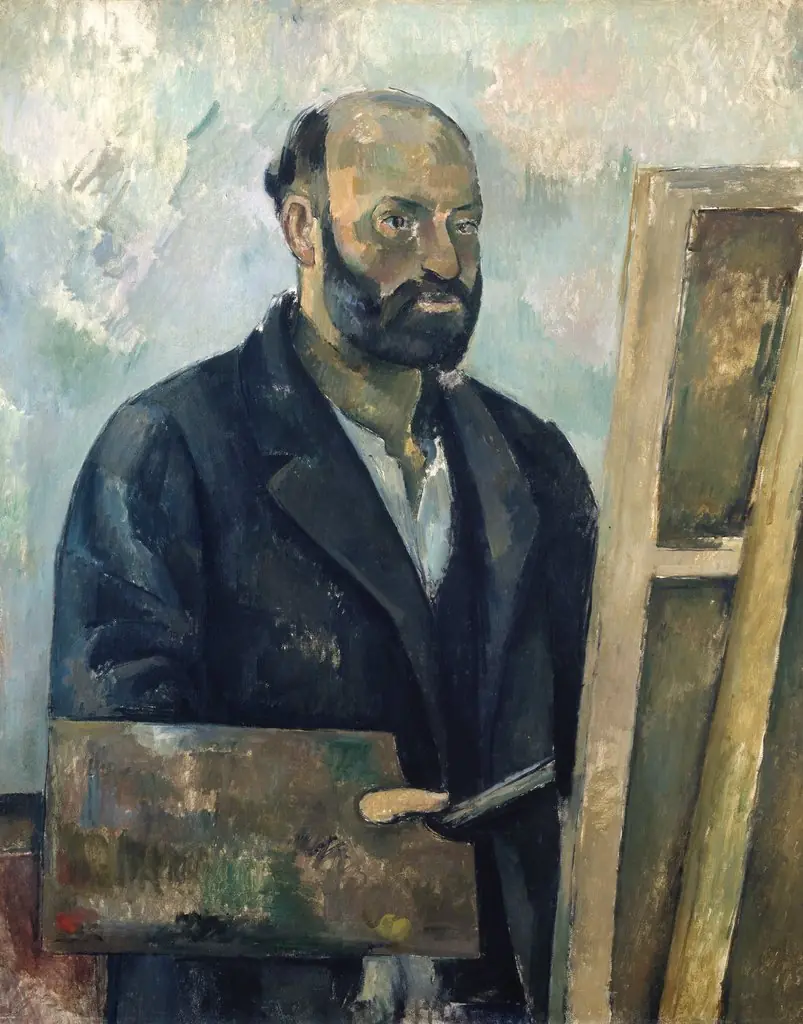 Self-Portrait with Palette
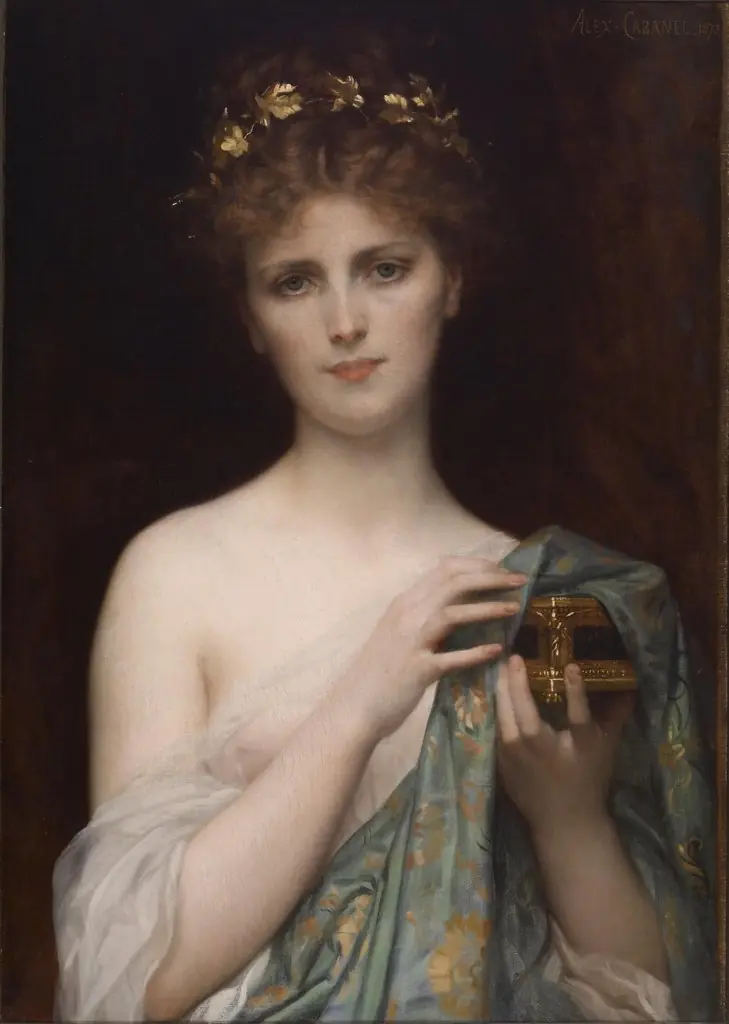 Pandora
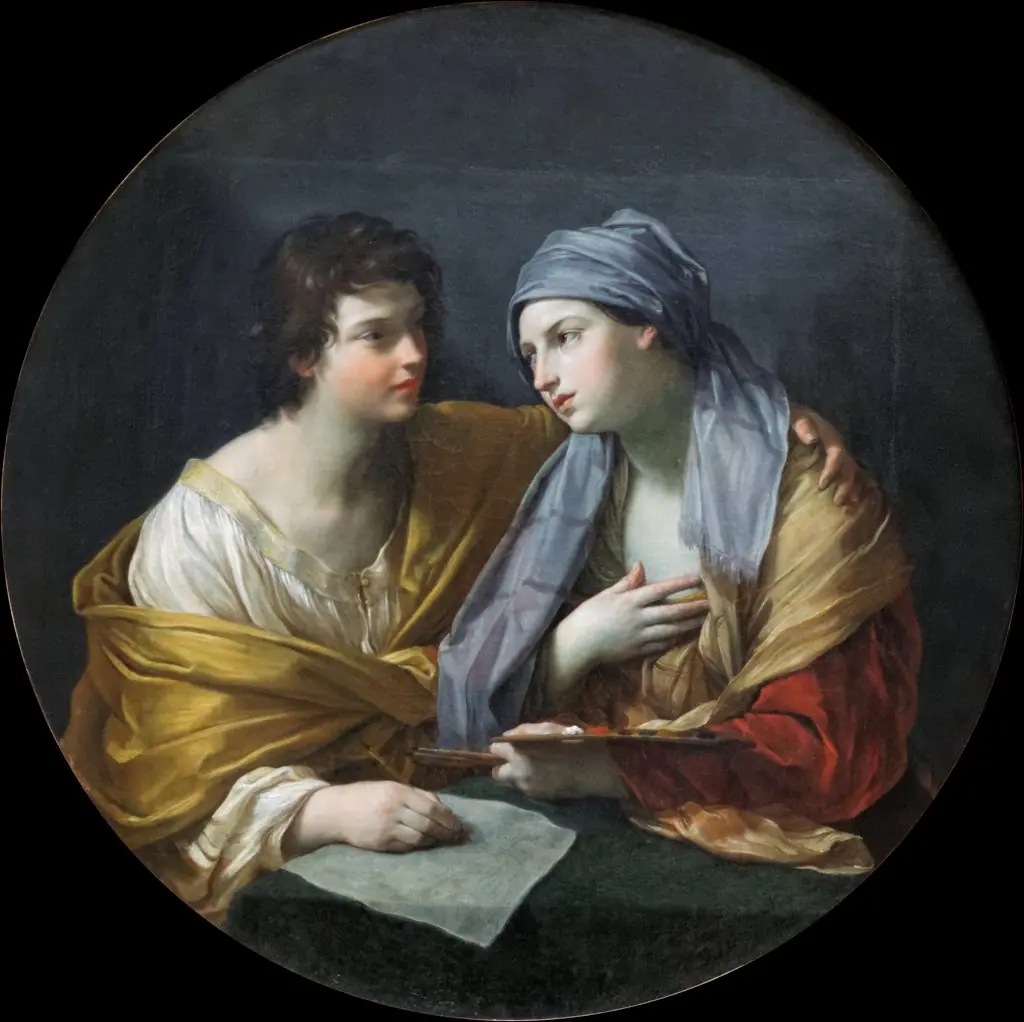 The Union of Drawing and Color
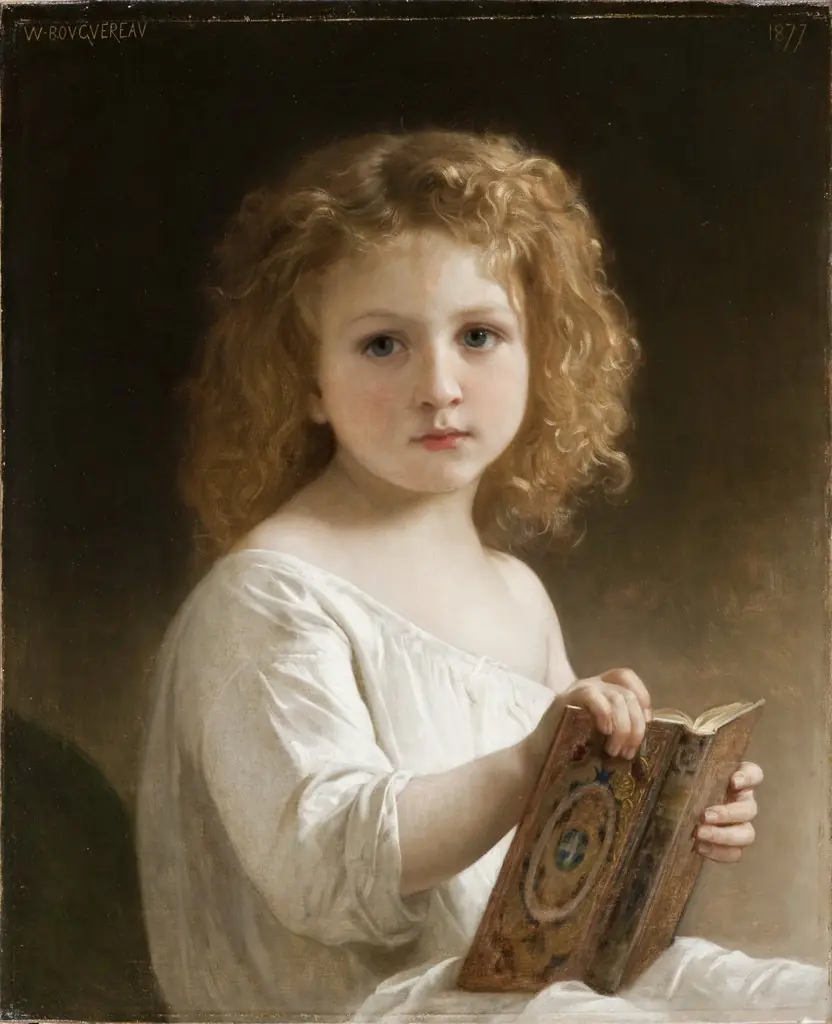 The Story Book
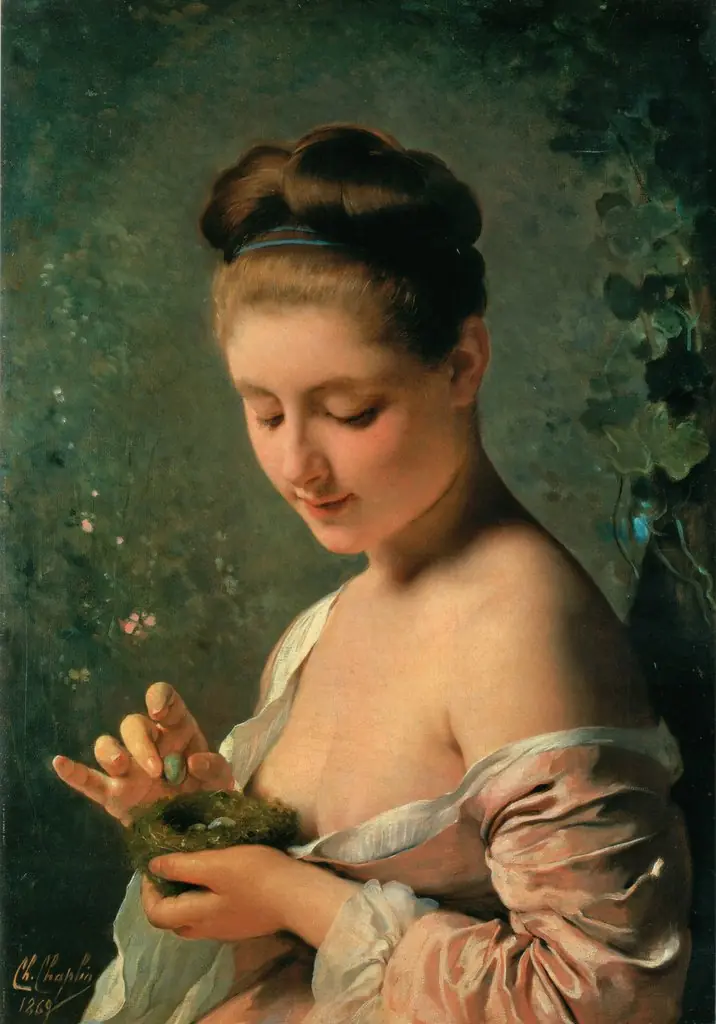 Girl with a Nest
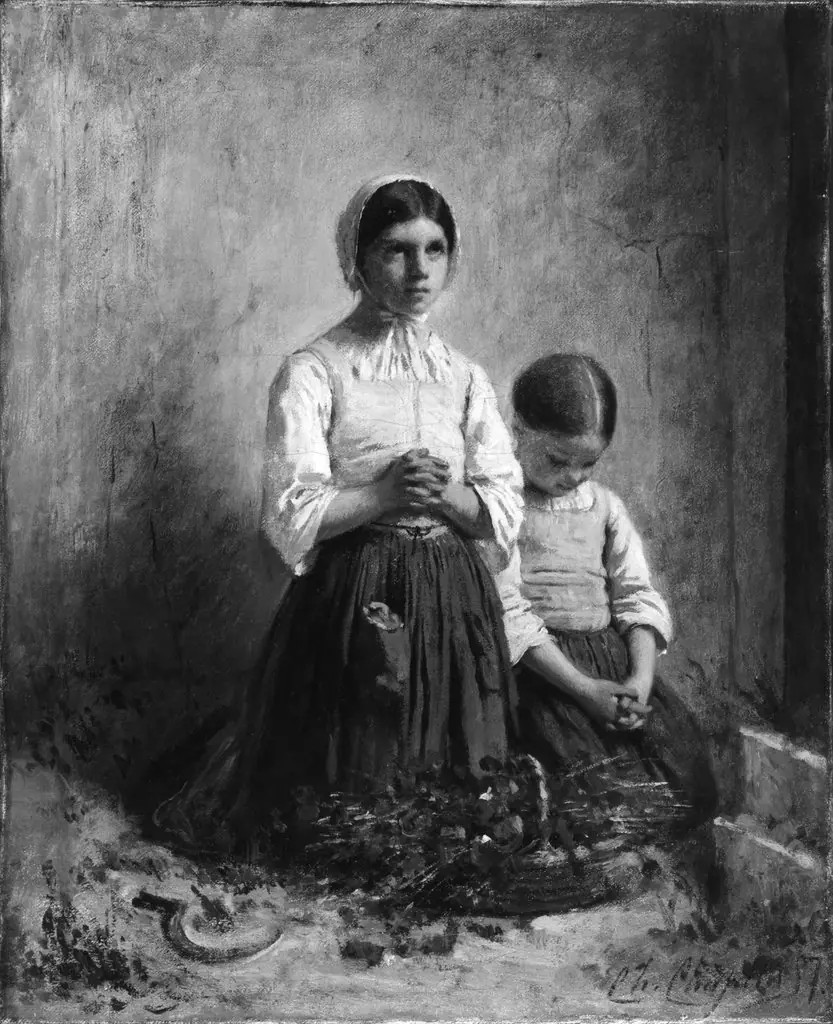 Devotion
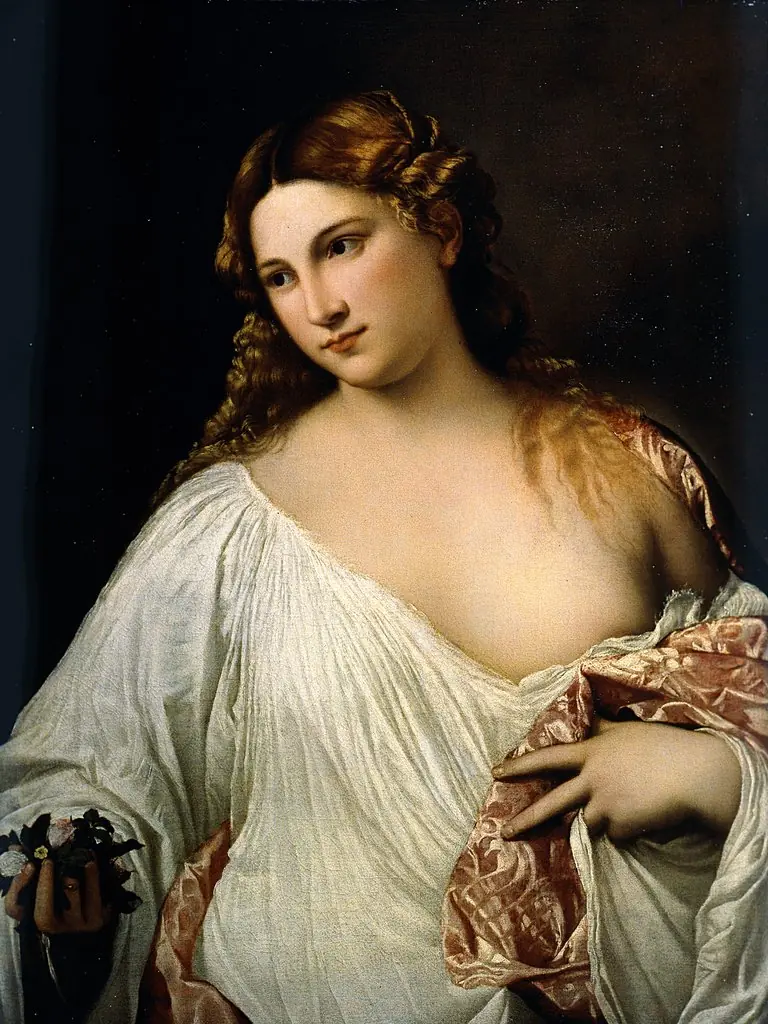 Flora
Flora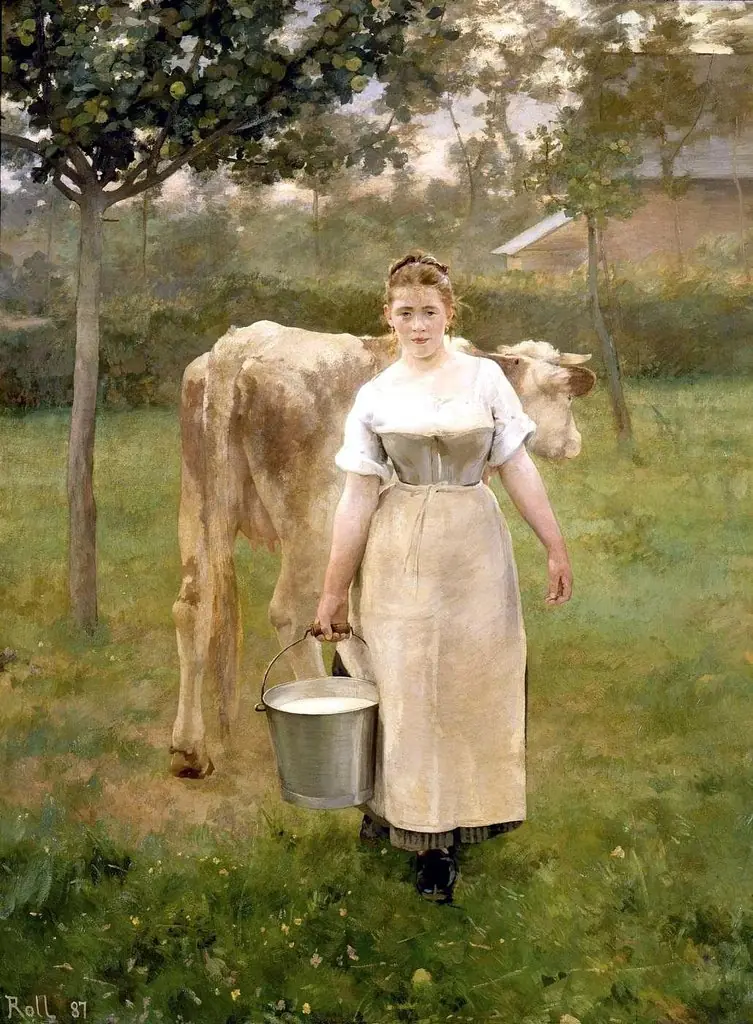 Manda Lamétrie, fermière
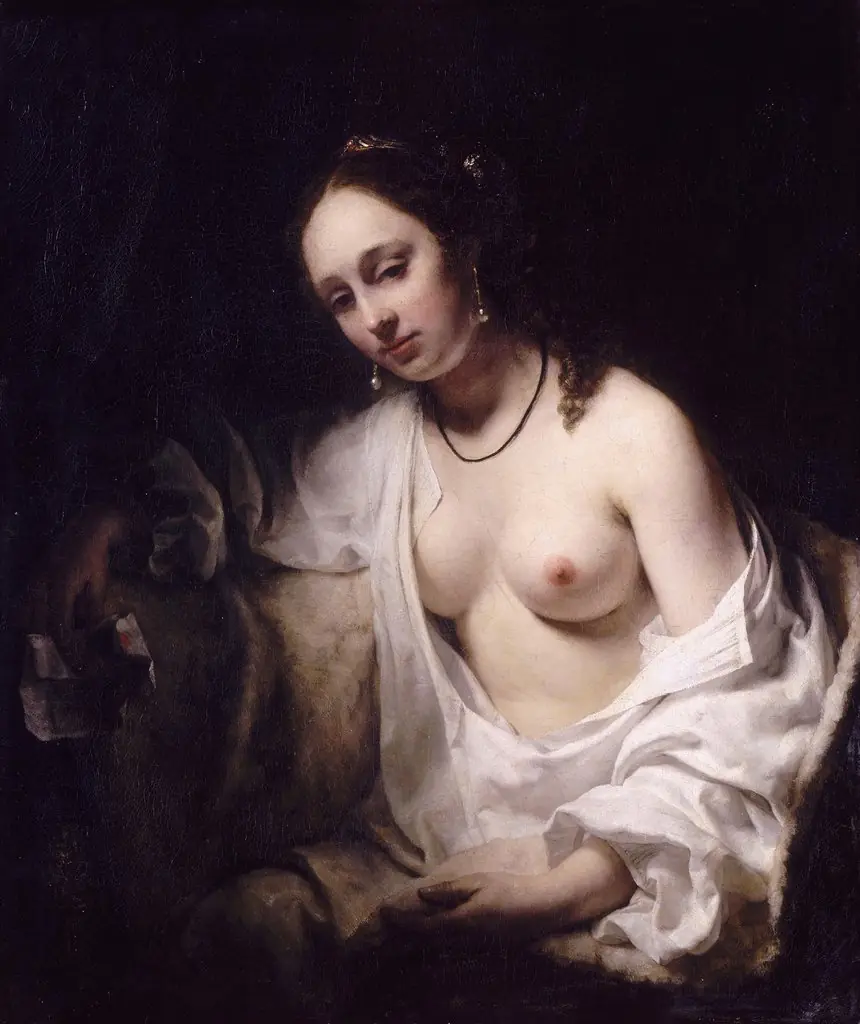 Bathsheba with King David's Letter
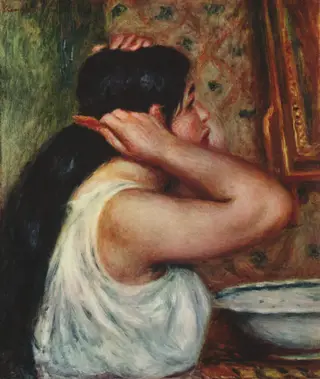 La Toilette
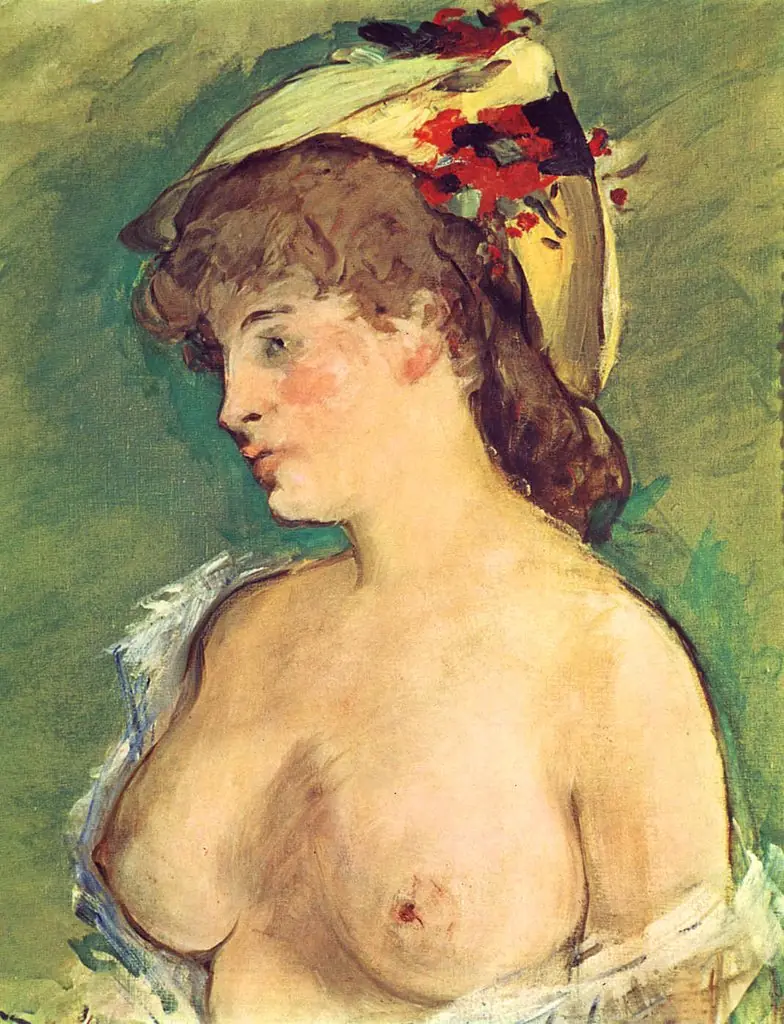 La Blonde aux seins nus
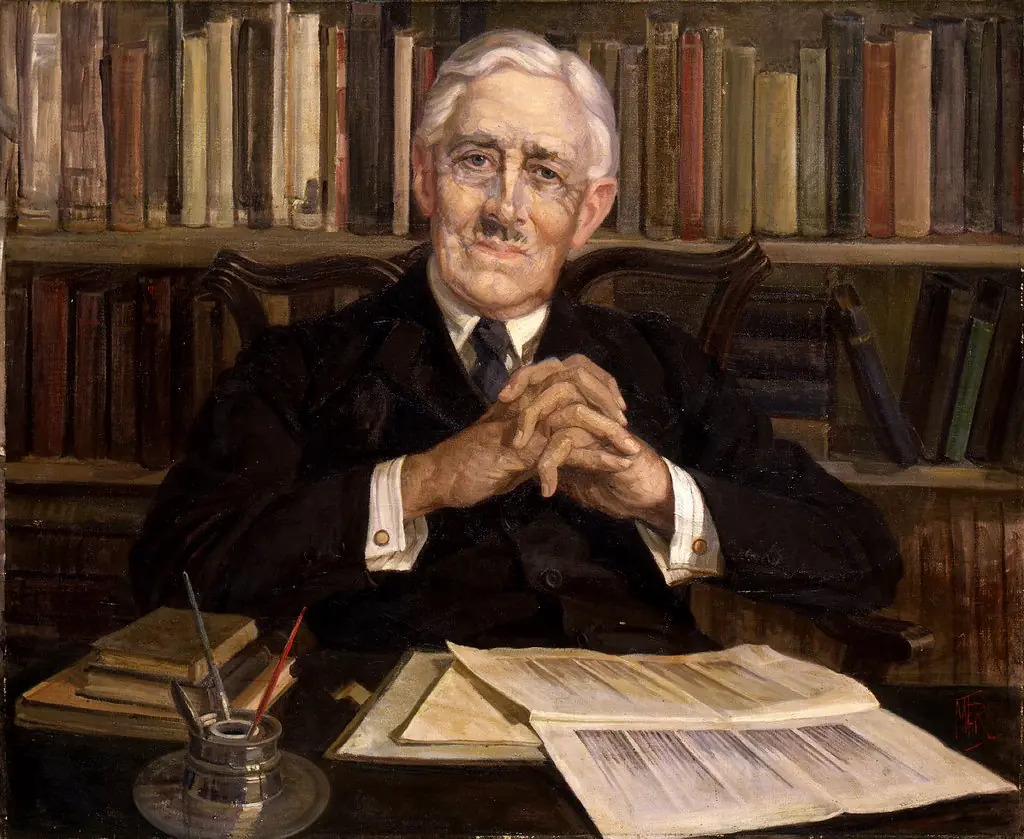 Sir Truby King, C.M.G.
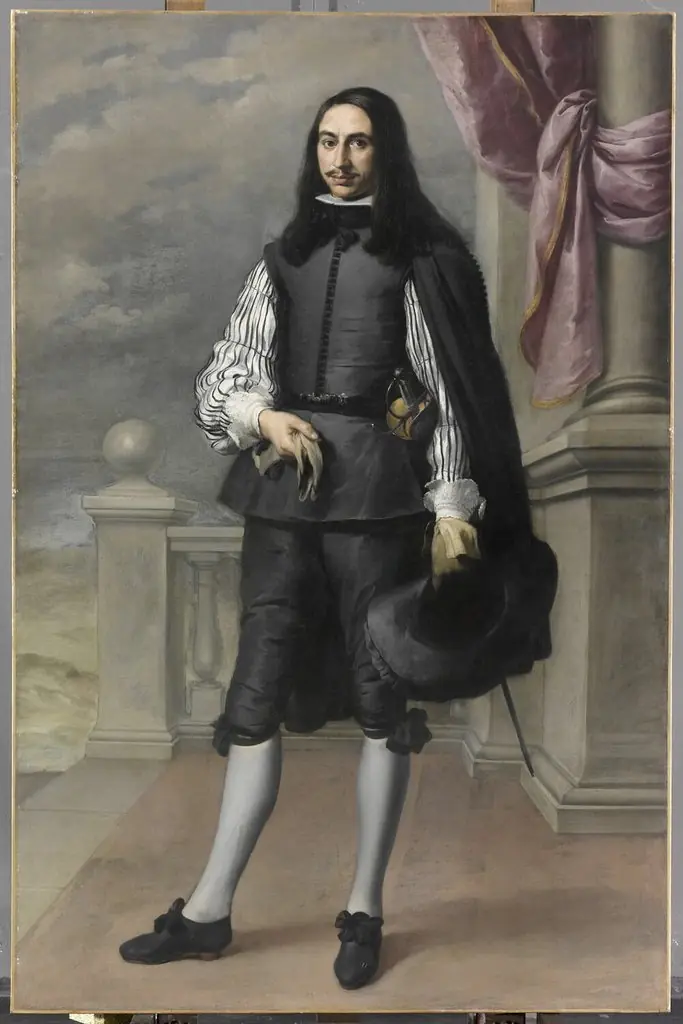 Portrait of Íñigo Fernández de Velasco
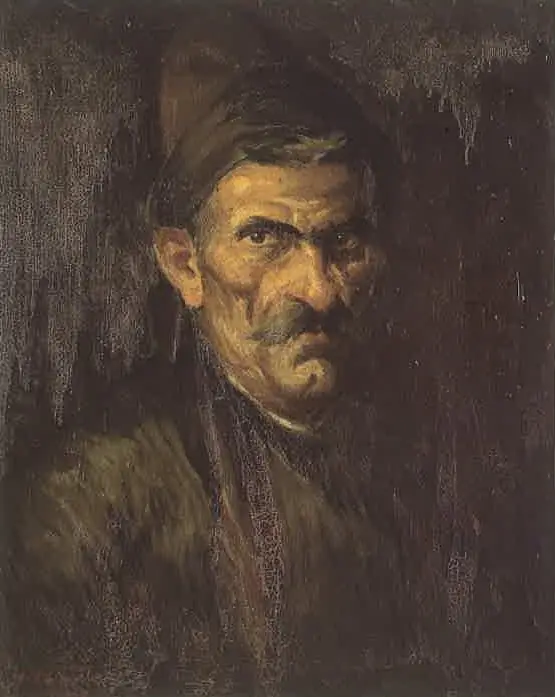 Three Paintings of a Muleteer (3)
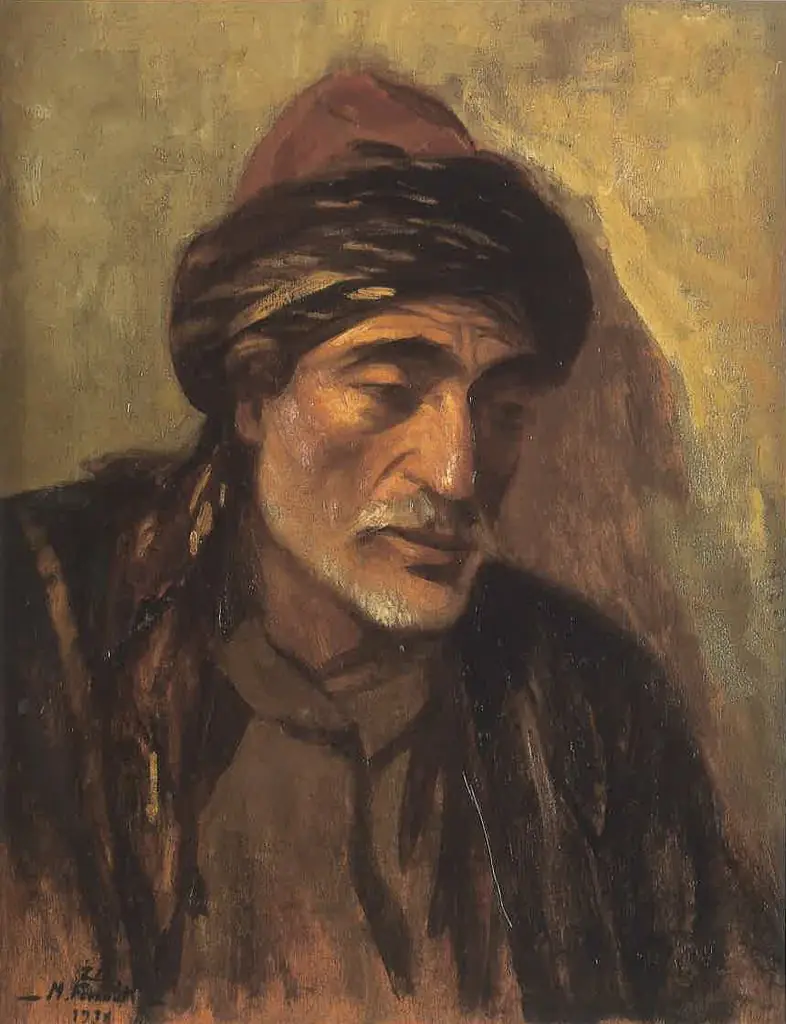 Portrait of a Lebanese Villager
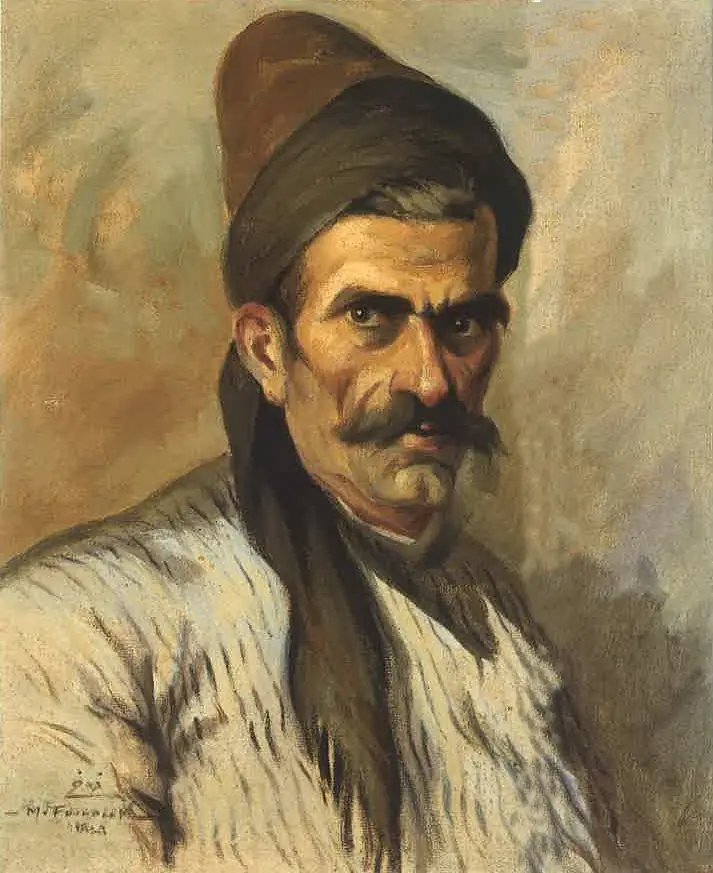 Three Paintings of a Muleteer (2)
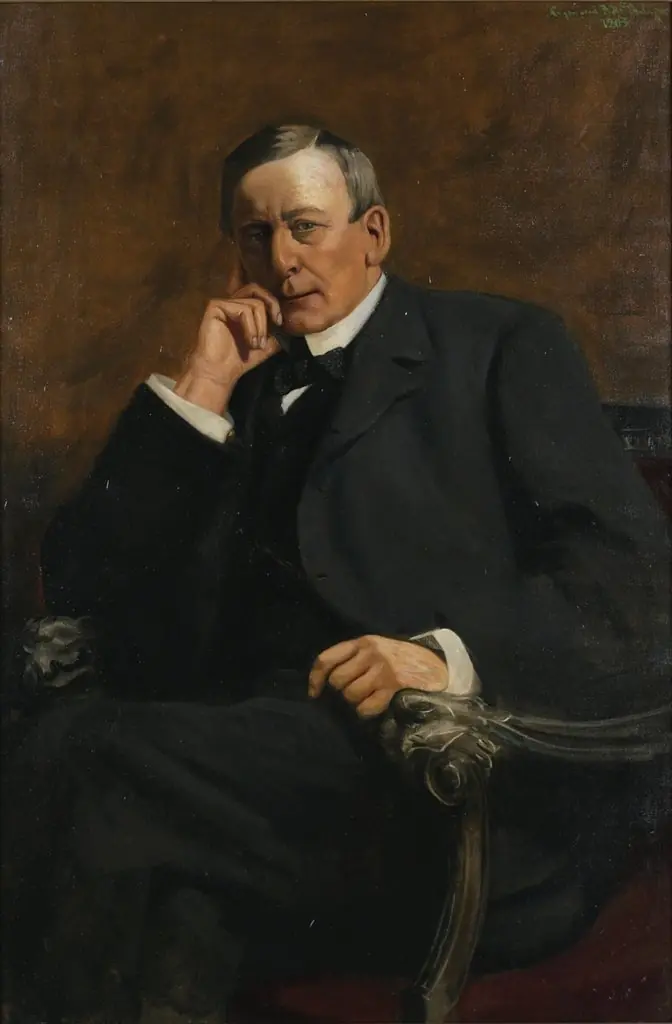 Portrait of William Rolleston
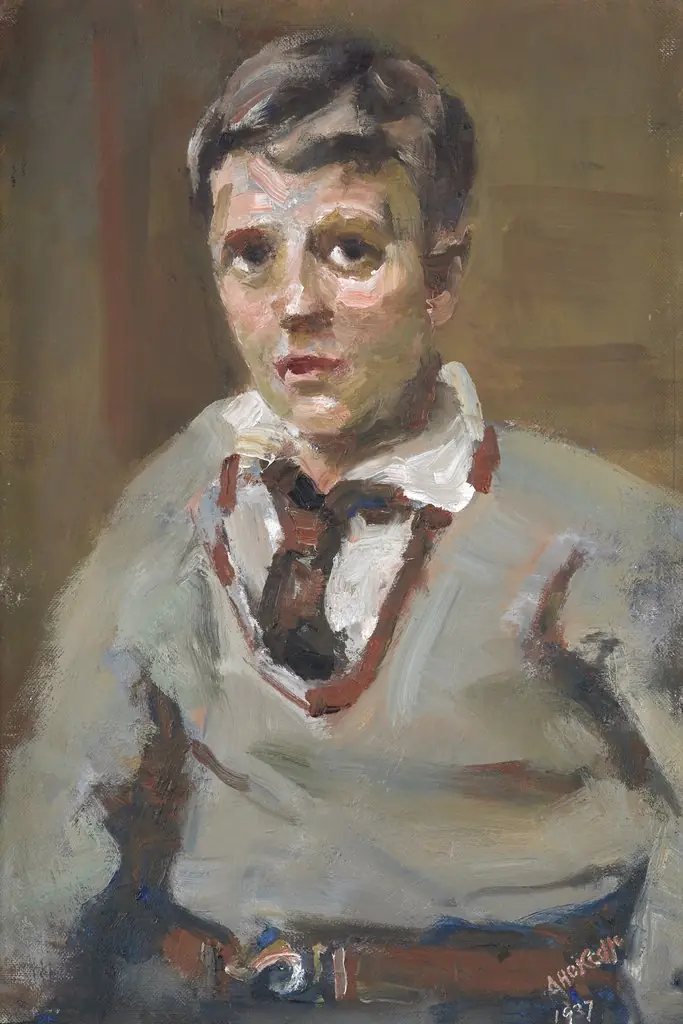 Charlie
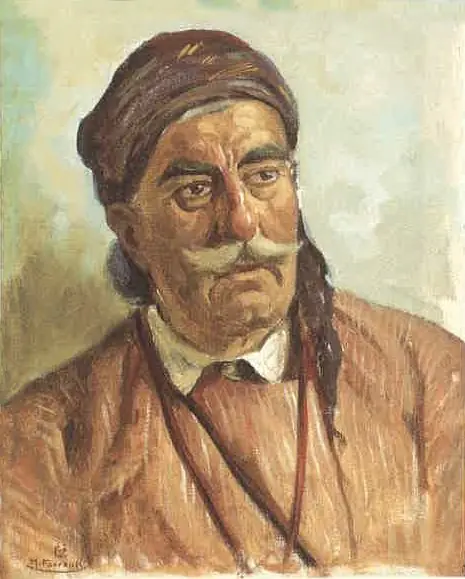 Portrait of a Qawwas
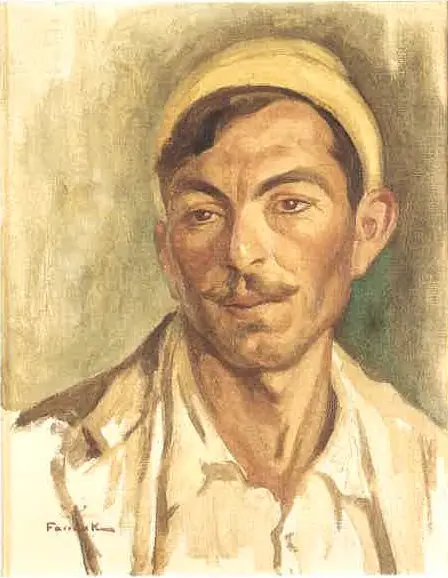 A Kurdish Porter
![Untitled. [Portrait of a man]](https://artifactworldgallery.com/img/elizabeth-berry--untitled-portrait-of-a-man--b0a03ed2c8d53259-w320.webp) Untitled. [Portrait of a man]
Untitled. [Portrait of a man]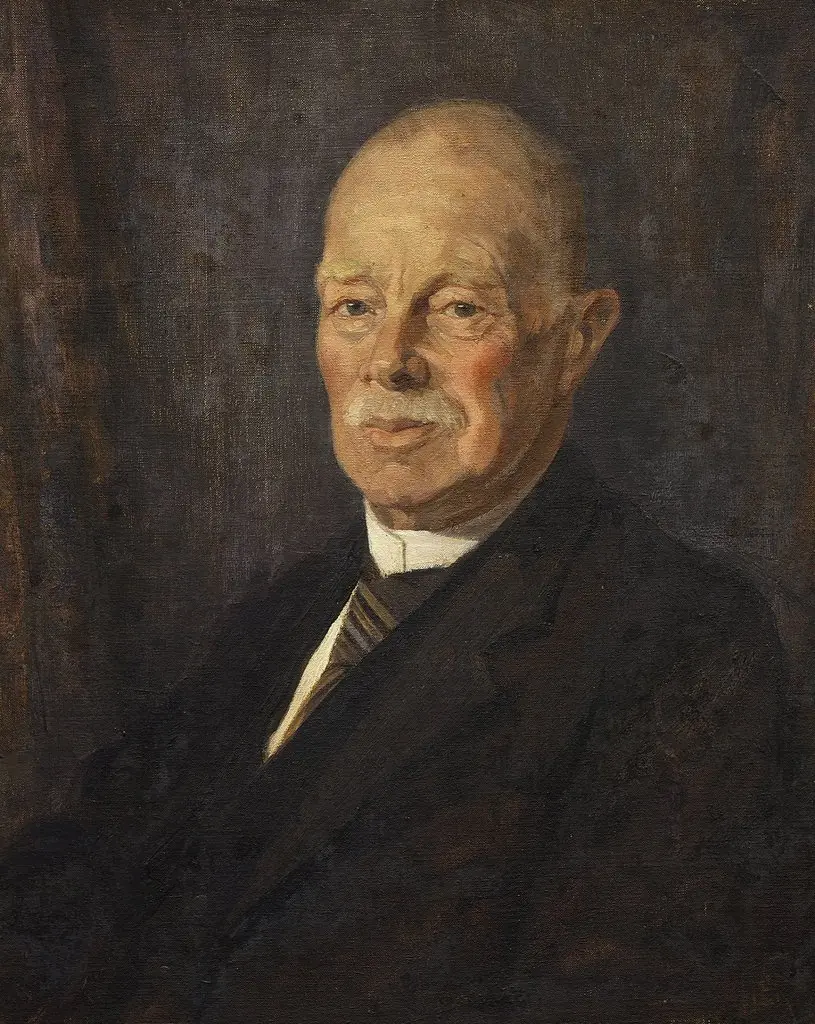 Portrait of George Vernon Hudson
![Untitled [Portrait of a young man]](https://artifactworldgallery.com/img/elizabeth-berry--untitled-portrait-of-a-young-man--e0ae3c0cacb1f228-w320.webp) Untitled [Portrait of a young man]
Untitled [Portrait of a young man]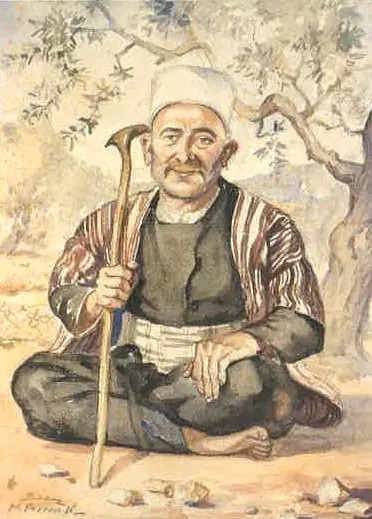 A Druze from the Chouf
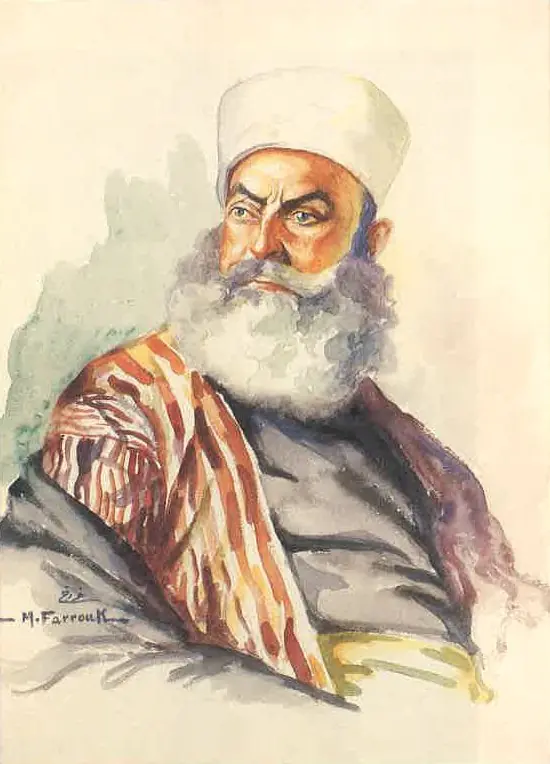 A Druze Sheikh from the Mala'eb Family of Bayssour
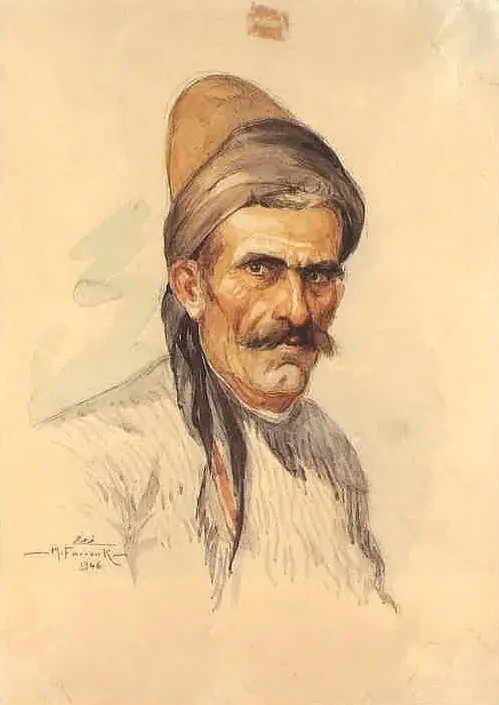 Three Paintings of a Muleteer (1)
 Untitled
Frequently asked questions
What is Shirt?
Shirt is a subject in art. A shirt is a cloth garment for the upper body (from the neck to the waist).
How many Shirt works does Artifact World Gallery have?
Artifact World Gallery holds 34 public-domain Shirt works, all free to view and download.
Who are the key Shirt artists?
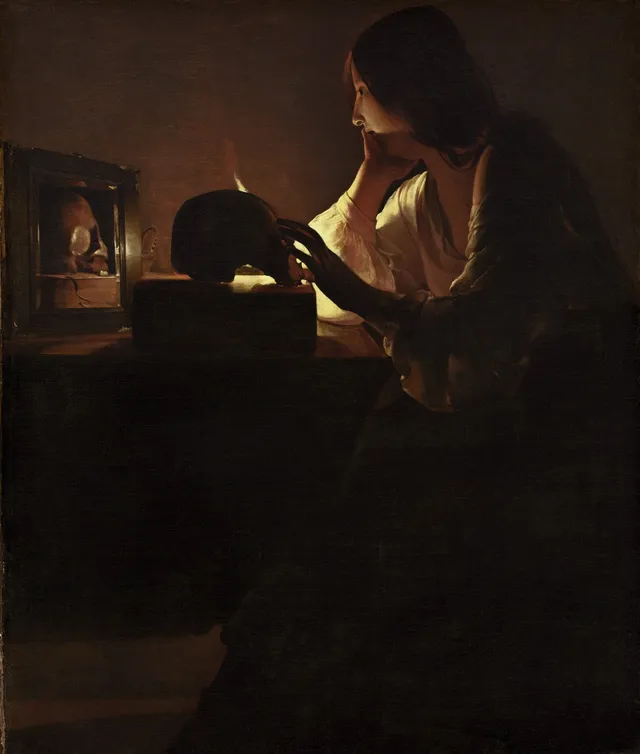
Key Shirt artists in the collection include Titian, Georges de La Tour and Édouard Manet.
Where can I see Shirt works?
Shirt works in the collection are held by Sursock Museum, Museum of New Zealand Te Papa Tongarewa and Department of Paintings of the Louvre.