Subject
Hair
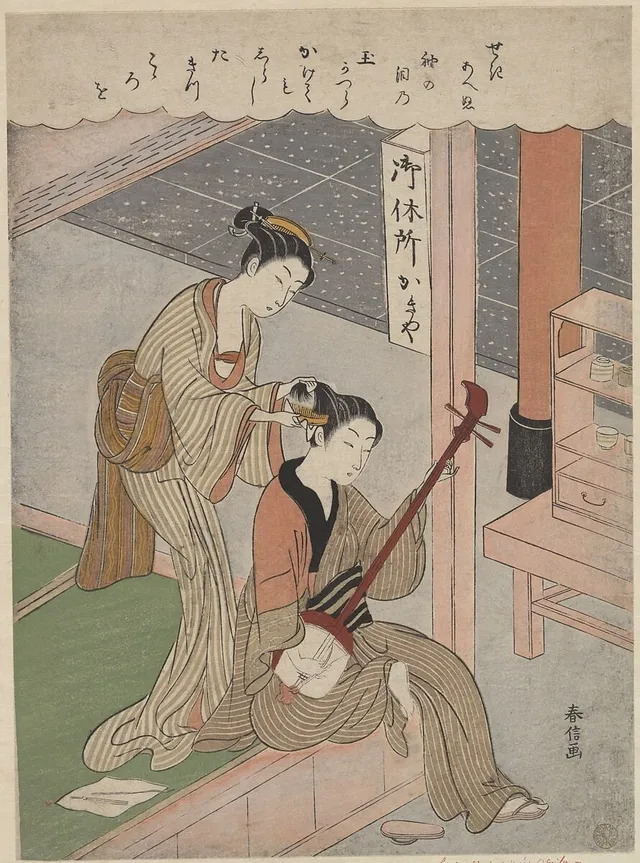
Hair is a subject in art. The gallery holds 30 works in this subject in art, including works by Hishikawa Moronobu, Utagawa Toyokuni I and Kitagawa Utamaro.
Hair is a protein filament that grows from follicles found in the dermis. Hair is one of the distinguishing characteristics of mammals.
Key artists


Overview
Hair, a protein filament composed primarily of keratin that grows from follicles in the dermis, ranks among the most recurrent and symbolically umbrella motifs in visual art. As one of the defining characteristics of mammals, hair carries immediate biological recognition, yet its representation transcends mere anatomy to become a powerful vehicle for identity, social status, and aesthetic expression. The collection holds 33 works that depict hair, spanning portraits, genre scenes, and self-portraits, indicating the motif's persistent hold on artists across periods and cultures. Whether rendered as the subject of intimate grooming rituals or as the crowning feature of formal portraiture, hair in art operates at the intersection of the personal and the public, the natural and the culturally constructed.
Iconography & meaning
The iconography of hair in art draws upon its rich semiotic vocabulary in human societies. Attitudes toward hairstyles, hair length, and hair removal have varied dramatically across cultures and historical periods, making hair a reliable indicator of personal beliefs, age, gender, and religious affiliation. In portraiture, hair signals social position and character, while in genre scenes it can denote private, even sensual, domesticity. The act of hair grooming, as seen in works like Woman Having Her Hair Combed and Woman Combing Her Hair, carries particular resonance, transforming a biological necessity into a ritual of intimacy and self-fashioning. Hair color, determined by melanin types, eumelanin and pheomelanin, has further iconographic significance: blond, brown, black, and red hair have each carried distinct cultural associations, while gray or white hair conventionally denotes age and wisdom. The structural properties of hair, its diameter varying from 0.017 to 0.18 millimeters and its cross-sectional shape determining curl pattern, have also influenced how artists approach its representation, whether as smooth and flowing or tightly coiled.
Legacy
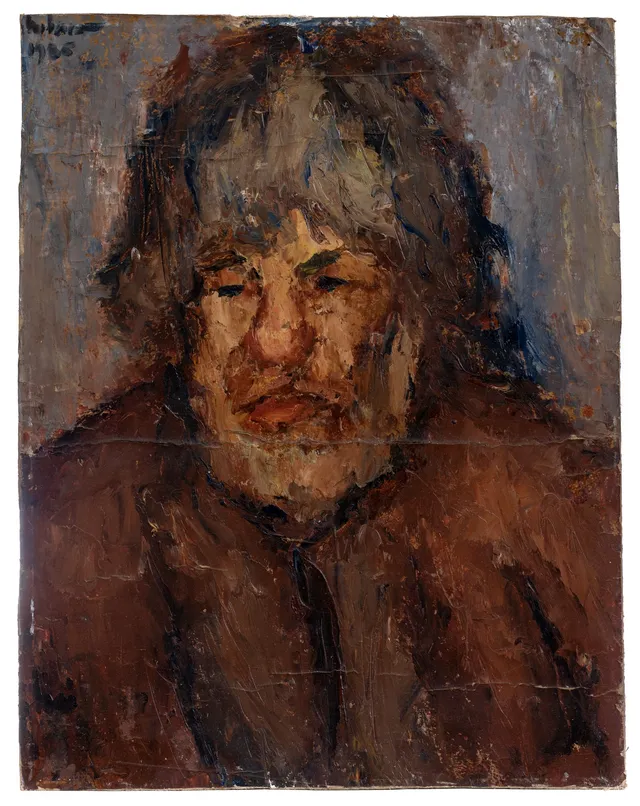
The legacy of hair as an artistic subject extends far beyond the collection's 33 works, informing fundamental practices of representation from the Renaissance to contemporary art. The attention to hair's material properties, its basis in keratin, its growth cycles, and its structural variation, has grounded artistic naturalism while simultaneously providing access to the most abstract realms of identity and symbolism. The grooming scenes in the collection participate in a long visual tradition that feminist art historians have particularly examined for its gendered dimensions, the combing and arranging of hair serving as both constraint and potential site of female self-definition. The ethnographic portraits remind viewers of the political complexities embedded in seemingly neutral physical description. The self-portraits demonstrate how hair becomes a terrain of autobiographical narrative, marking time's passage and the artist's evolving relationship to self-representation. Across all these functions, hair maintains its double character: the most exposed of bodily surfaces, yet the one that most intimately connects to biological process and social coding. The collection's sustained engagement with this motif testifies to its inexhaustible significance for visual art.
Works
 Untitled
 Strămoșul
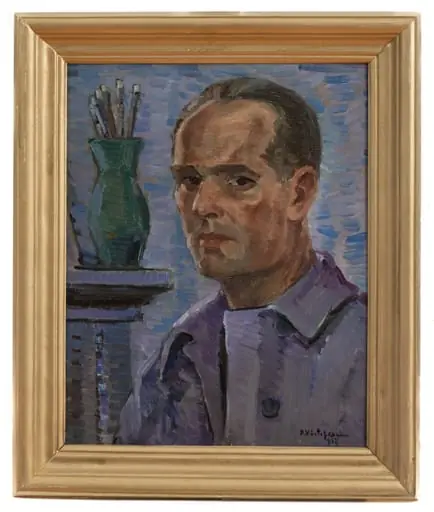 Autoportret 1962
 Cap de fetiță (copie după Greuze)
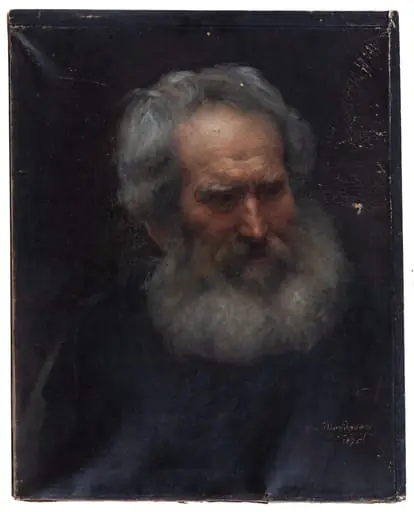 Portret de bătrân
 Autoportret
 Portret
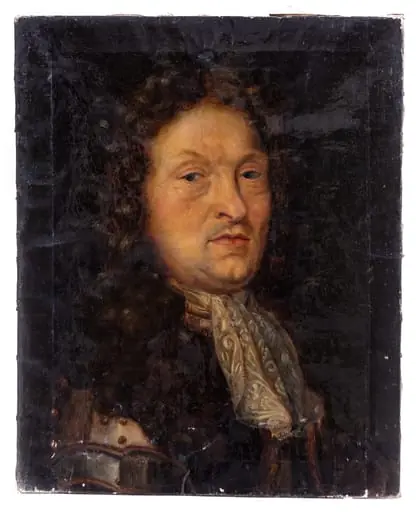 Nobil din sec. XVIII
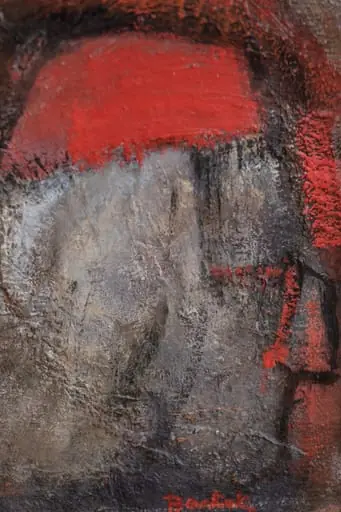 Portretul pictorului Coreliu Baba
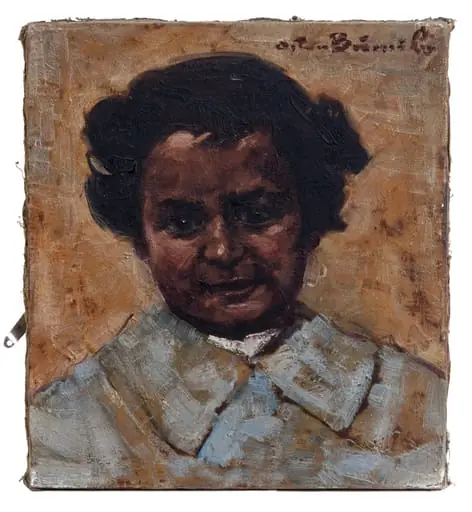 Cap de copil
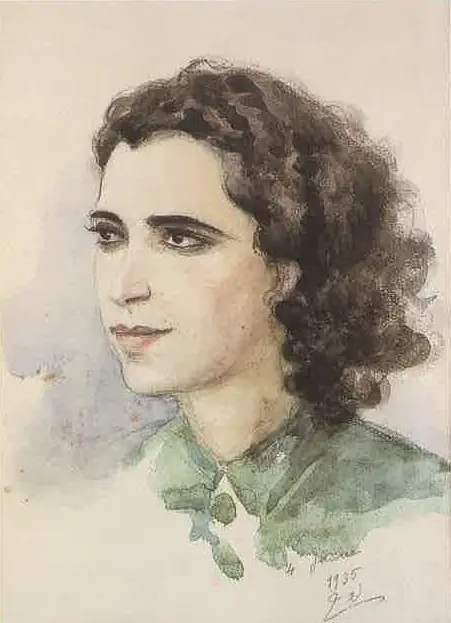 Portrait of Thurayya Farroukh, the artist's Spouse
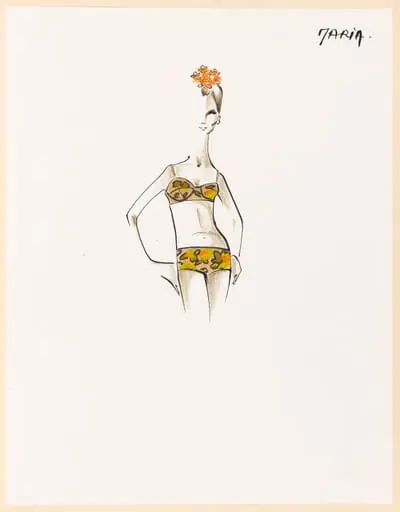 Maria
Maria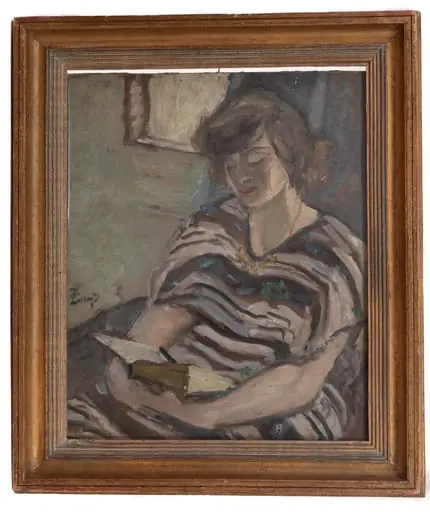 Lectura
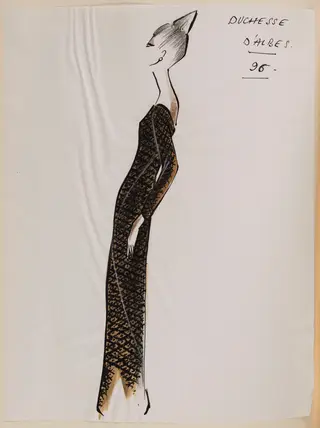 Duchesse d'Albes
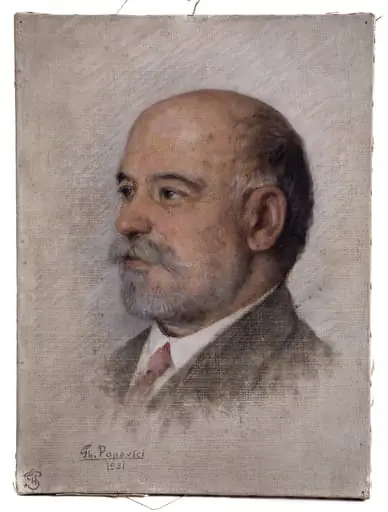 Portretul lui Panait Zosin
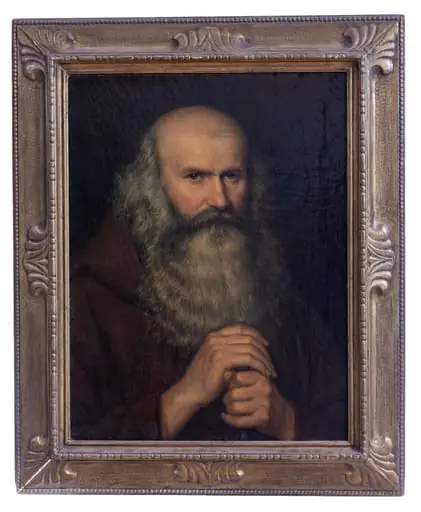 Franciscanul
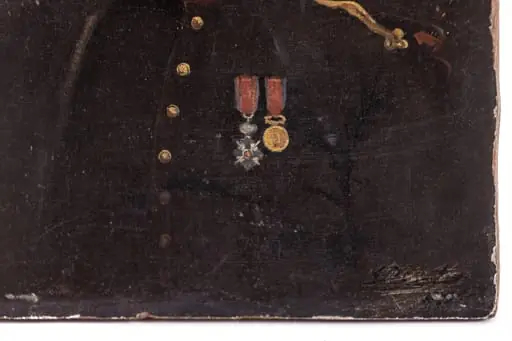 Portretul căpitanului Elefterescu
 În liniștea visării
 Portret de femeie
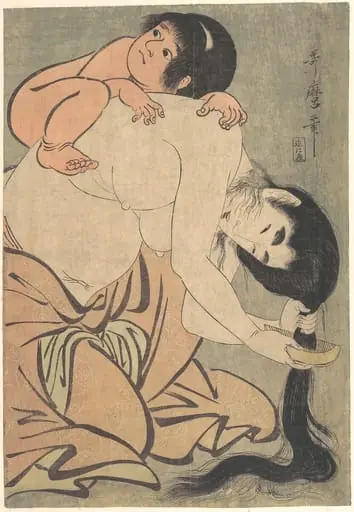 喜多川歌麿画 山姥と金太郎 |Yamauba Combing Her Hair with Kintarō
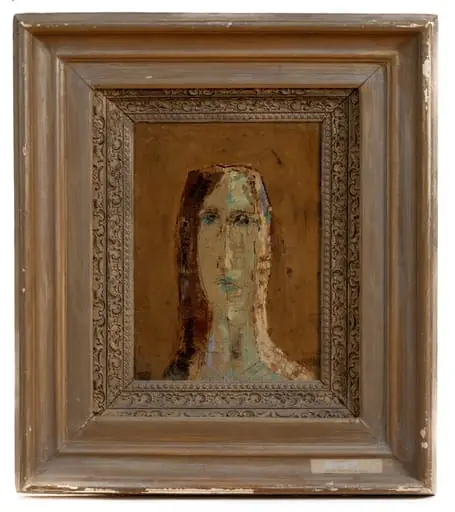 Muza
Muza Da, o să mi-l smulg
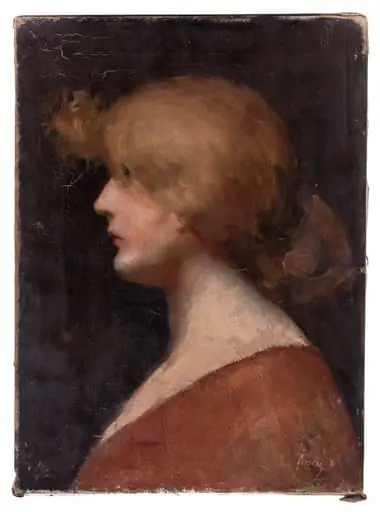 Profil de fată
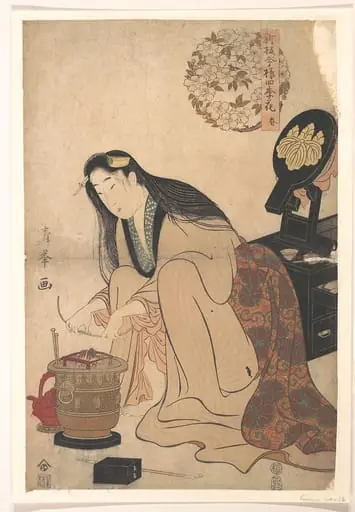 Untitled
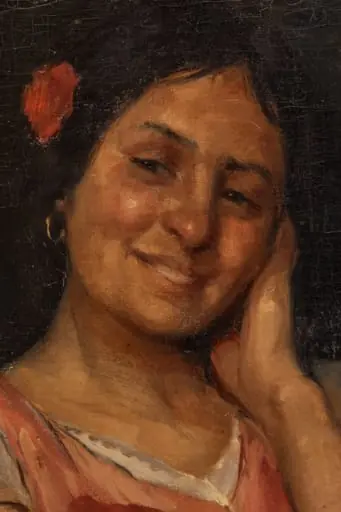 Tânără cu floare roșie în păr
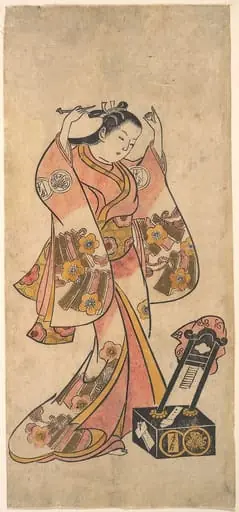 Untitled
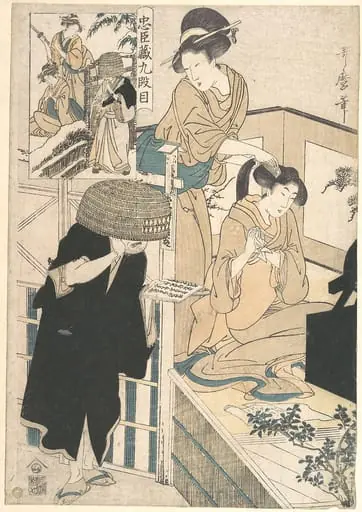 忠臣蔵九段目|A Woman at Her Toilet Seated before a Mirror, Having Her Hair combed by a Kameyui (Woman Hairdresser)
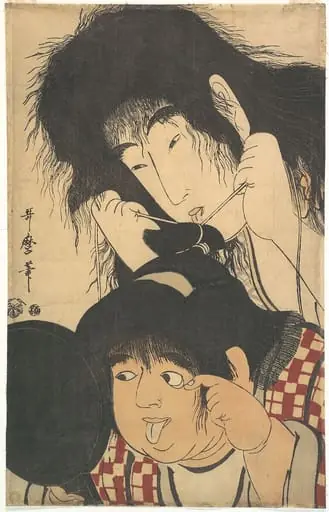 喜多川歌麿画 山姥と金太郎|Yamauba Tying Kintarō’s Topknot
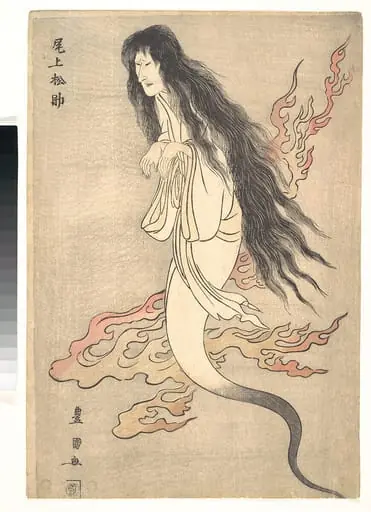 Tokaido Yotsuya Kaidan|Onoe Matsusuke as the Ghost of the Murdered Wife Oiwa, in "A Tale of Horror from the Yotsuya Station on the Tokaido Road"
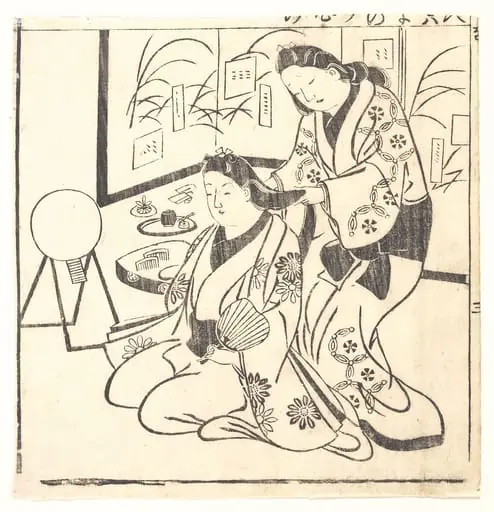 Untitled
Frequently asked questions
What is Hair?
Hair is a protein filament that grows from follicles found in the dermis.
How many Hair works does Artifact World Gallery have?
Artifact World Gallery holds 30 public-domain Hair works, all free to view and download.
Who are the key Hair artists?
Key Hair artists in the collection include Hishikawa Moronobu, Utagawa Toyokuni I and Kitagawa Utamaro.
Where can I see Hair works?
Hair works in the collection are held by Moldova National Museum Complex, Metropolitan Museum of Art and Palais Galliera - Musée de la Mode de la Ville de Paris.