Artwork
Portrait of Johan de Witt (1625-72), Grand pensionary of Holland
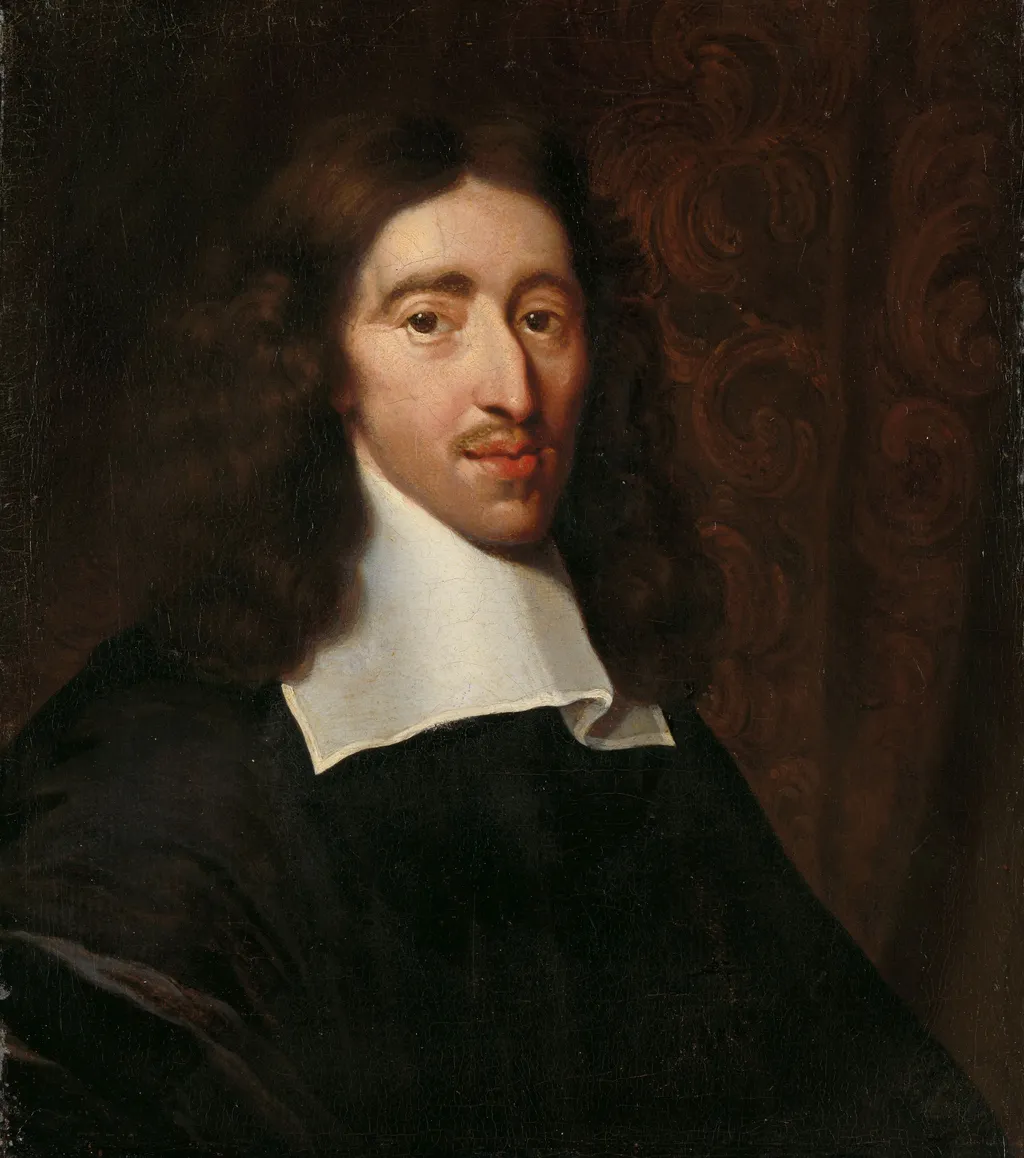
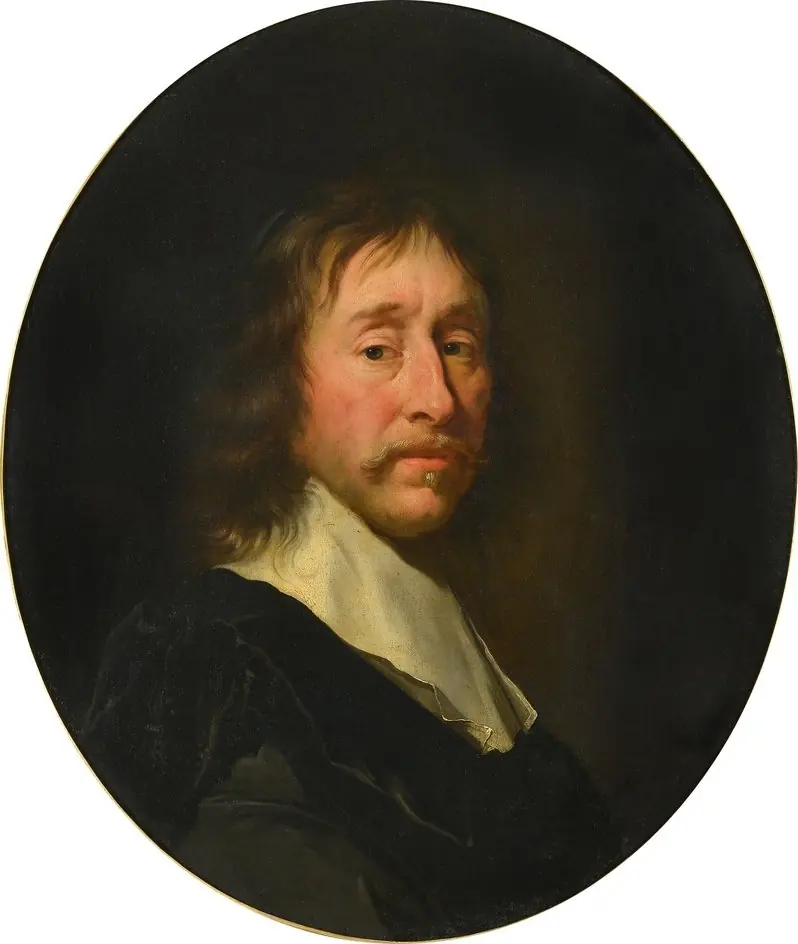
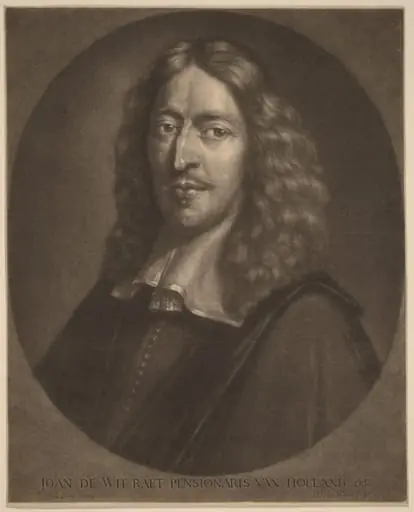
Portrait of Johan de Witt (1625-72), Grand pensionary of Holland is an oil painting by the Dutch Golden Age artist Caspar Netscher. It dates from 1660 and is held in the collection of the Rijksmuseum.
About this work
Subject & Meaning
The painting shows Johan de Witt, who served as Grand Pensionary of Holland, a leading political figure in the Dutch Republic during the mid‑17th century.
The painting shows Johan de Witt, who served as Grand Pensionary of Holland, a leading political figure in the Dutch Republic during the mid‑17th century. He is depicted in formal attire typical of high‑status officials, emphasizing his official rank and authority. The work functions as a state portrait that underscores his role in governance and his personal prominence within the Republic’s political hierarchy.
Technique & Style
Oil paint applied to canvas creates the painted surface, with dimensions measuring 32.5 cm in height and 29 cm in width. The formal qualities reflect a portrait genre rendered in the Baroque style characteristic of Caspar Netscher's work, depicting Johan de Witt as Grand Pensionary of Holland in 1660.
History & Provenance
The portrait of Johan de Witt was created by Caspar Netscher in 1660. The work is an oil painting on canvas that depicts the Grand Pensionary of Holland. A specific version of this portrait is held within the collection of the Rijksmuseum in Amsterdam.
This particular piece is identified as a copy after the original work by Netscher. It was previously part of the collection of Adriaan van der Hoop before entering the museum's holdings.
The work is held in the Rijksmuseum Amsterdam under inventory number SK-A-5443, accession number 1885-12-13. It entered the collection through Adriaan van der Hoop's bequest in 1885 and has been displayed in exhibitions at the Rijksmuseum, including a 2019 showcase of Dutch Golden Age portraits.
Overview
Caspar Netscher’s 1660 oil portrait presents Johan de Witt, the Grand Pensionary of Holland, in a restrained, three‑quarter view. The work is part of the Rijksmuseum’s collection and exemplifies the Dutch portrait tradition of the mid‑seventeenth century, focusing on a dignified representation of a leading statesman.
Context
The painting emerges during a period when Holland’s political leaders were frequently commemorated in oil, reinforcing civic identity. Netscher, known for his meticulous detail, catered to elite patrons, and this work reflects the broader cultural practice of portraying statesmen with an emphasis on moral seriousness and visual authority.
Own this work as a print
Artist & collection

Artist
Caspar Netscher was a Dutch painter. He was a master in depicting oriental rugs, silk and brocade and introduced an international style to the Northern Netherlands.

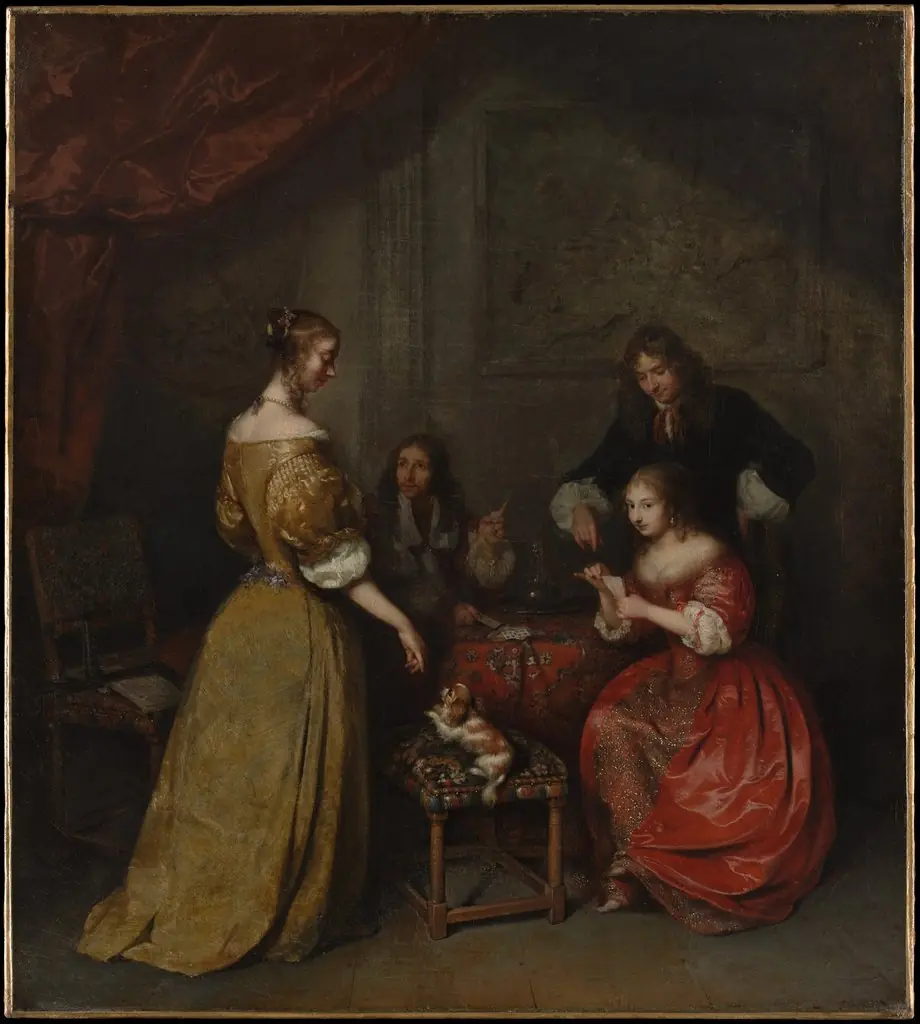 The Card Party
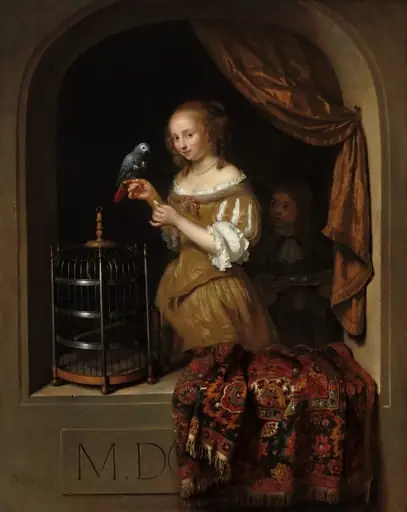 A Woman Feeding a Parrot, with a Page
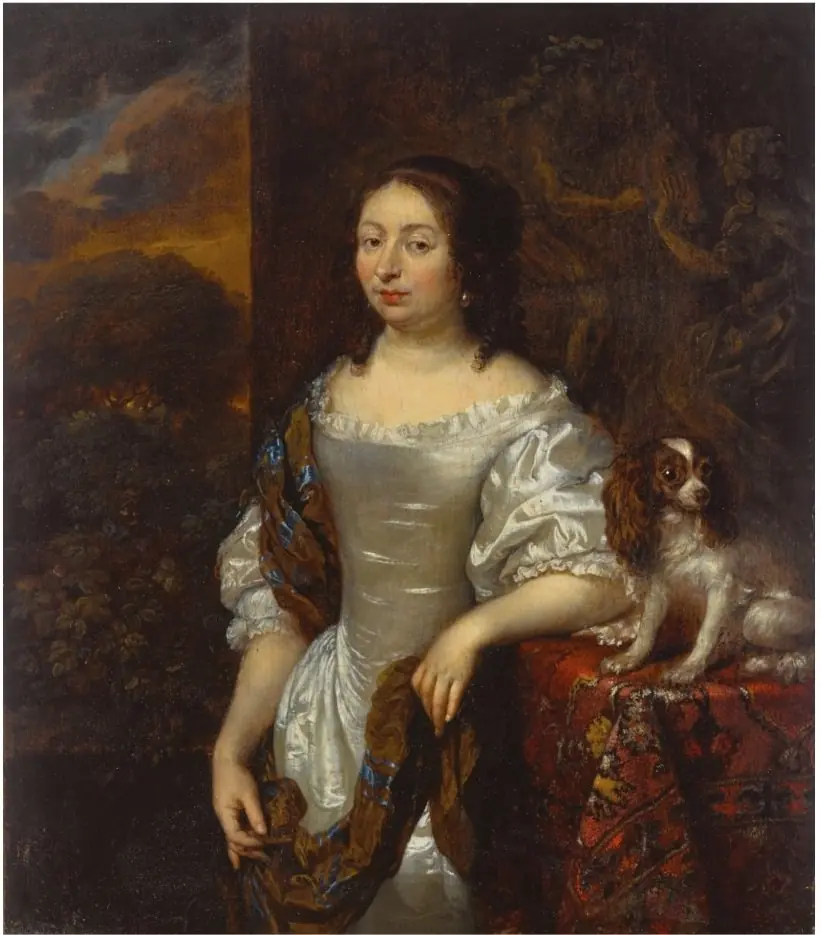 Portrait of a Lady with a Dog on a Table
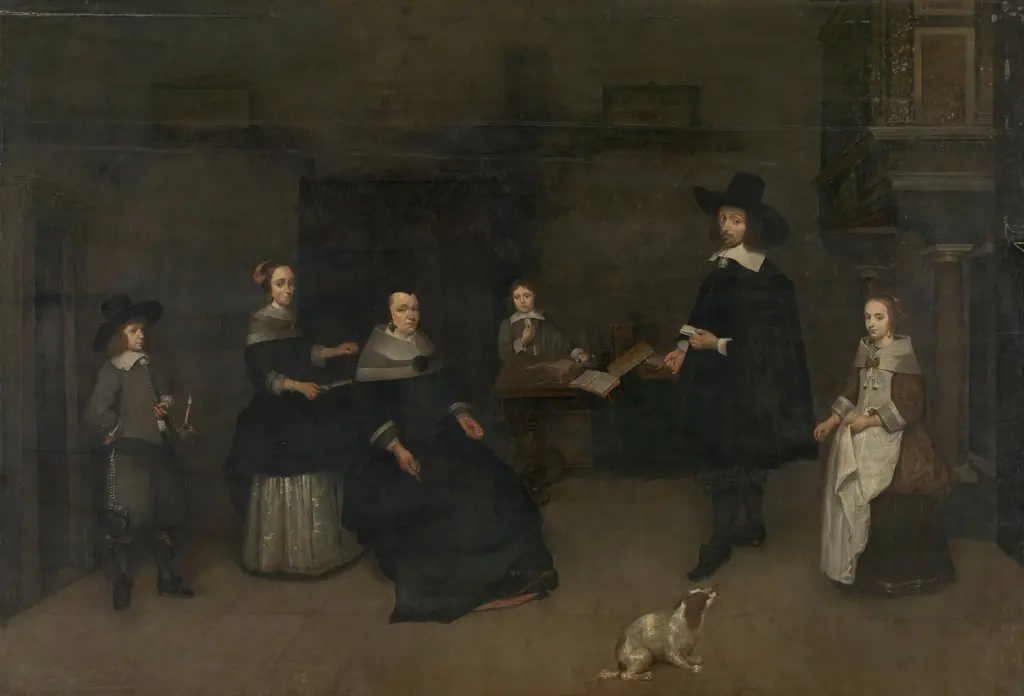 Family scene
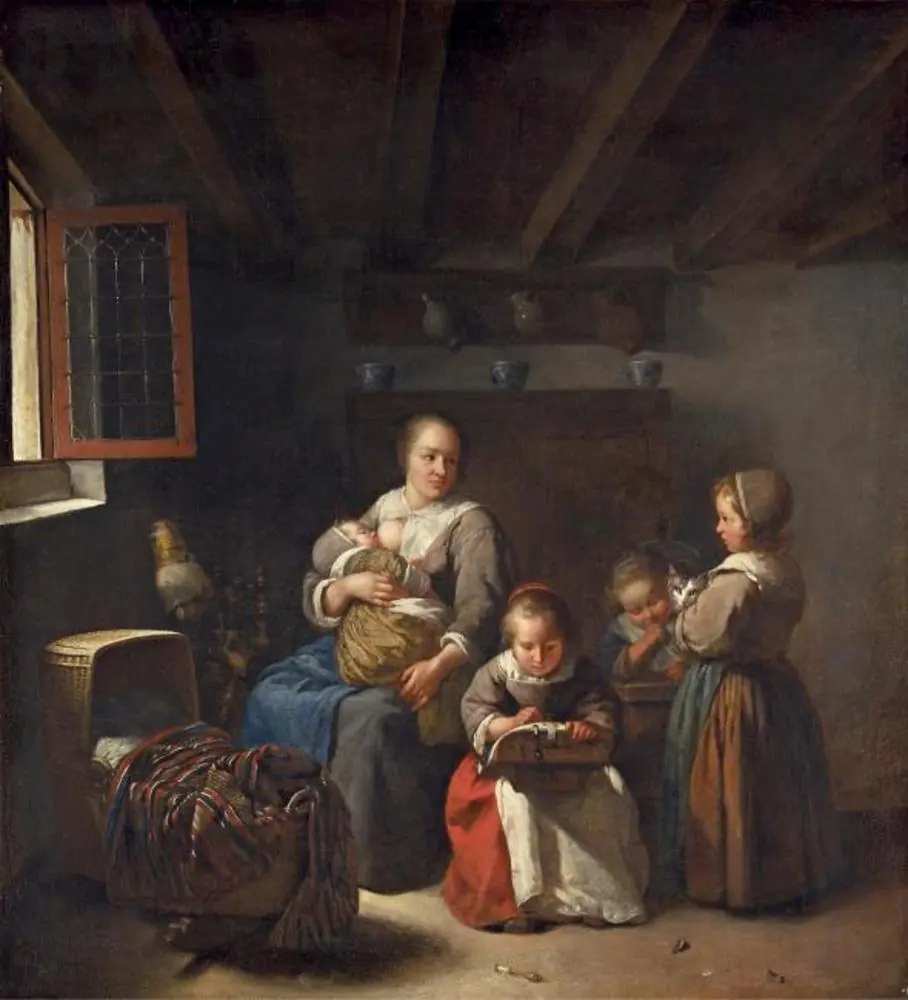 Nursing mother with three girls
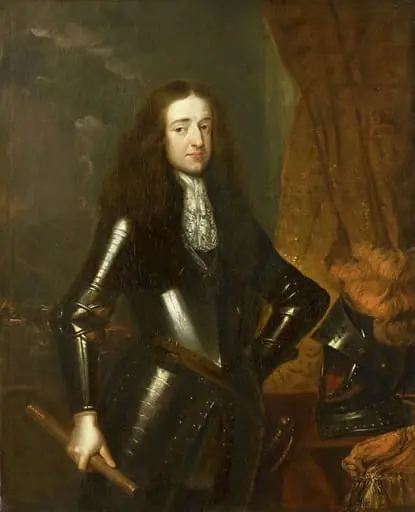 Portrait of Willem III (1650-1702), Prince of Orange and since 1689, King of England
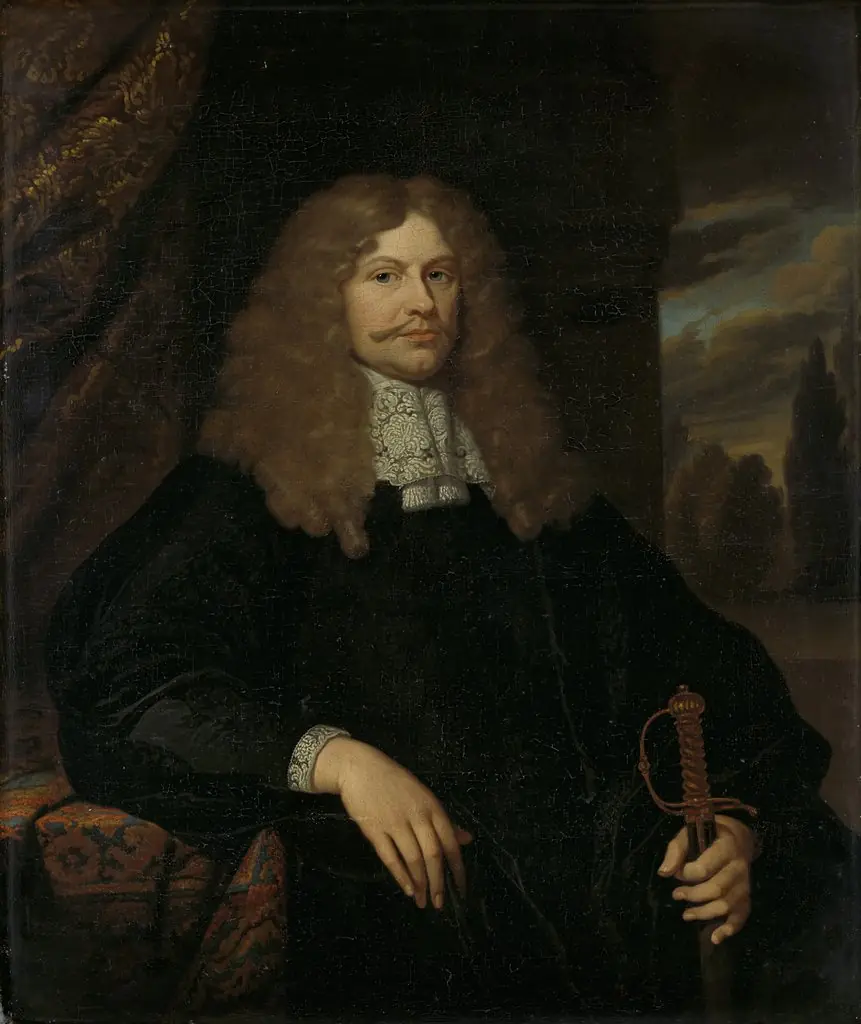 Portrait of Cornelis Backer (1633-81), councillor, alderman, and colonel of the Amsterdam militia
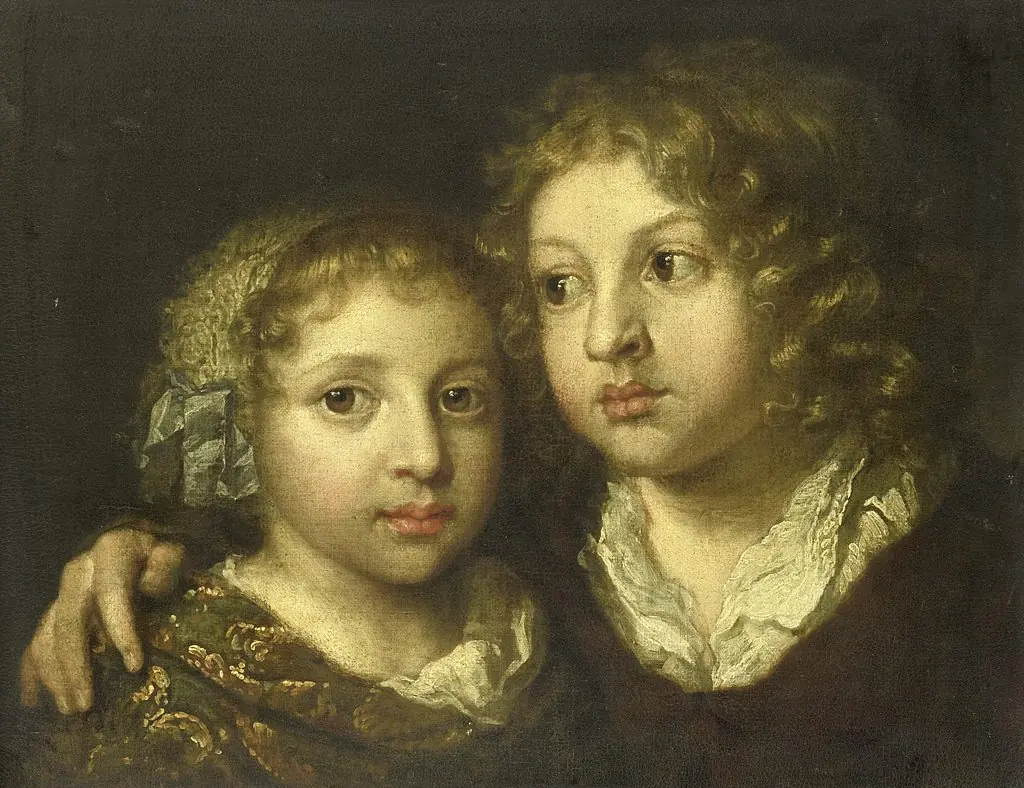 A daughter and a son (Constantijn?) of the artist