Artwork
Portrait of a Man
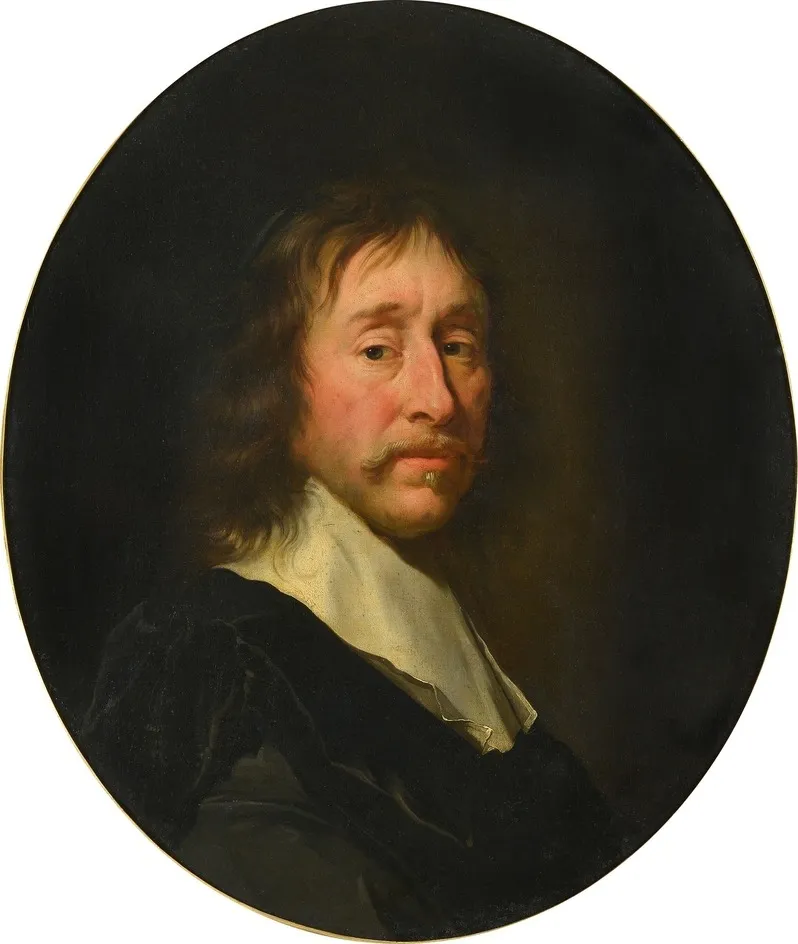
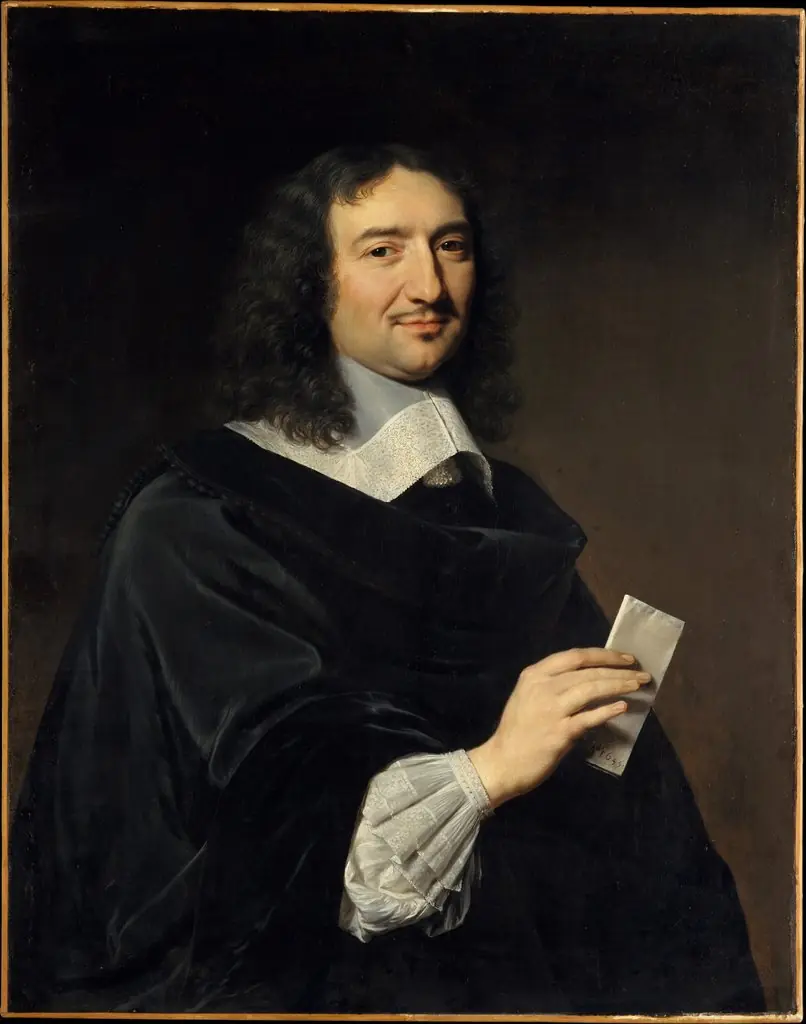
Portrait of a Man is an oil painting by the Caravaggisti artist Philippe de Champaigne. It dates from 1648 and is held in the collection of the Ashmolean Museum.
About this work
Overview
Painted around 1648, this oil portrait is attributed to Philippe de Champaigne, a Flemish-born artist who became a central figure in French court painting.
Painted around 1648, this oil portrait is attributed to Philippe de Champaigne, a Flemish-born artist who became a central figure in French court painting. Known for his restrained elegance and psychological depth, Champaigne captured the quiet dignity of his sitters. The work reflects his mature style, developed during his years at the French royal court and his involvement in founding the Académie royale de peinture et de sculpture.
Subject & Meaning
The subject is an unidentified man, portrayed with solemn composure and direct gaze. His dark attire and crisp white collar suggest a man of modest means or clerical status, rather than aristocracy. The absence of symbols or props emphasizes introspection over status, aligning with a broader trend in mid-17th-century portraiture that valued inner character over external display.
Technique & Style
Champaigne employed subtle chiaroscuro to model the face and hands, using soft transitions between light and shadow to enhance volume without theatricality. The brushwork is precise yet unobtrusive, particularly in the rendering of hair and fabric textures. The dark, undefined background isolates the figure, focusing attention on the quiet intensity of his expression and the nuanced gradations of tone across his skin.
History & Provenance
The painting entered the Ashmolean Museum’s collection in the 19th century, though its earlier ownership remains undocumented. It was likely acquired during a period of increased interest in French Baroque art among British collectors. No records indicate it was commissioned for a specific patron, suggesting it may have been a studio piece or informal portrait.
Context
In the 1640s, French portraiture was shifting from grandeur to intimacy, influenced by Caravaggio’s naturalism and the quiet realism of Dutch painting. Champaigne, though trained in the Flemish tradition, adapted these elements to suit French tastes. His work bridged religious solemnity and secular portraiture, reflecting the spiritual and intellectual currents of the time.
Legacy
Champaigne’s portraits, including this one, helped define a new standard for French painting: restrained, psychologically acute, and technically refined. Though less celebrated than his religious works, his secular portraits influenced later generations of French artists who prioritized emotional authenticity over ornamental display.
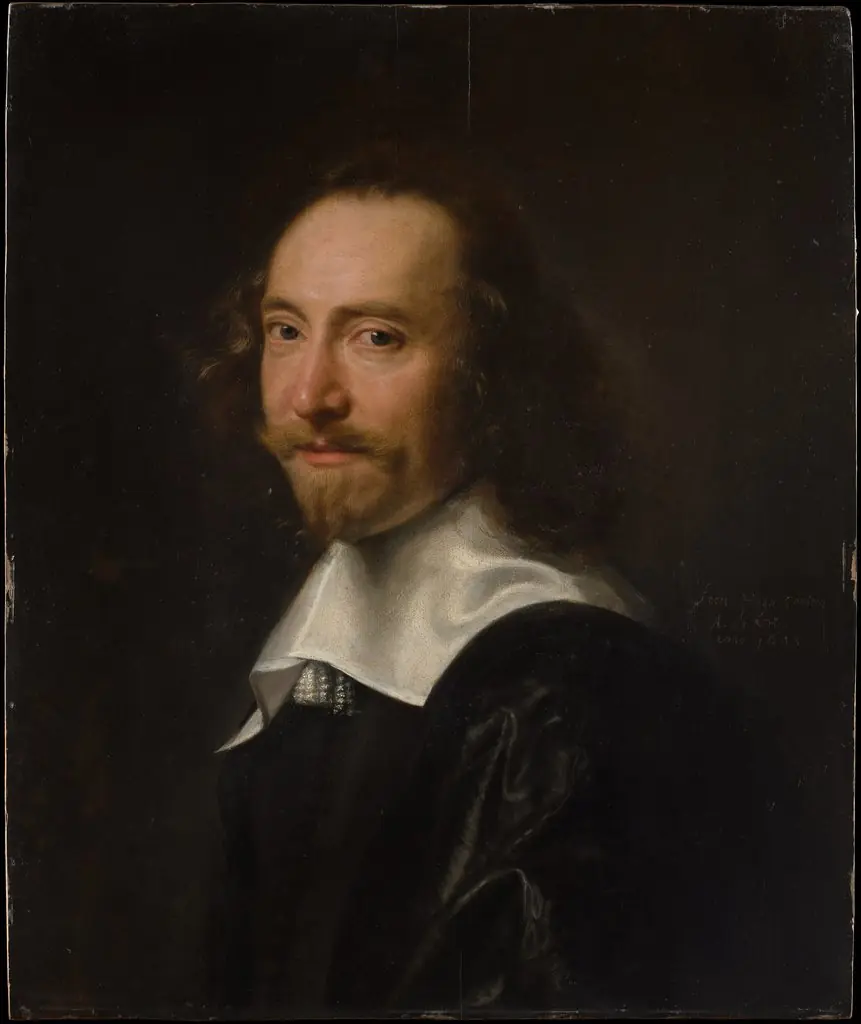
Artist & collection
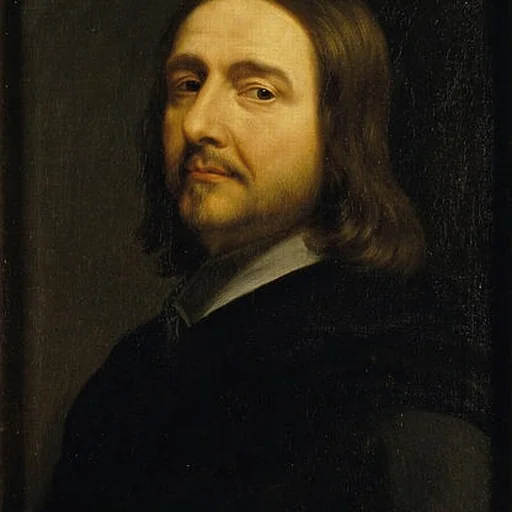
Artist
Philippe de Champaigne (French pronunciation:; 26 May 1602 – 12 August 1674) was a Brabant-born French Baroque era painter, a major exponent of French Baroque painting.

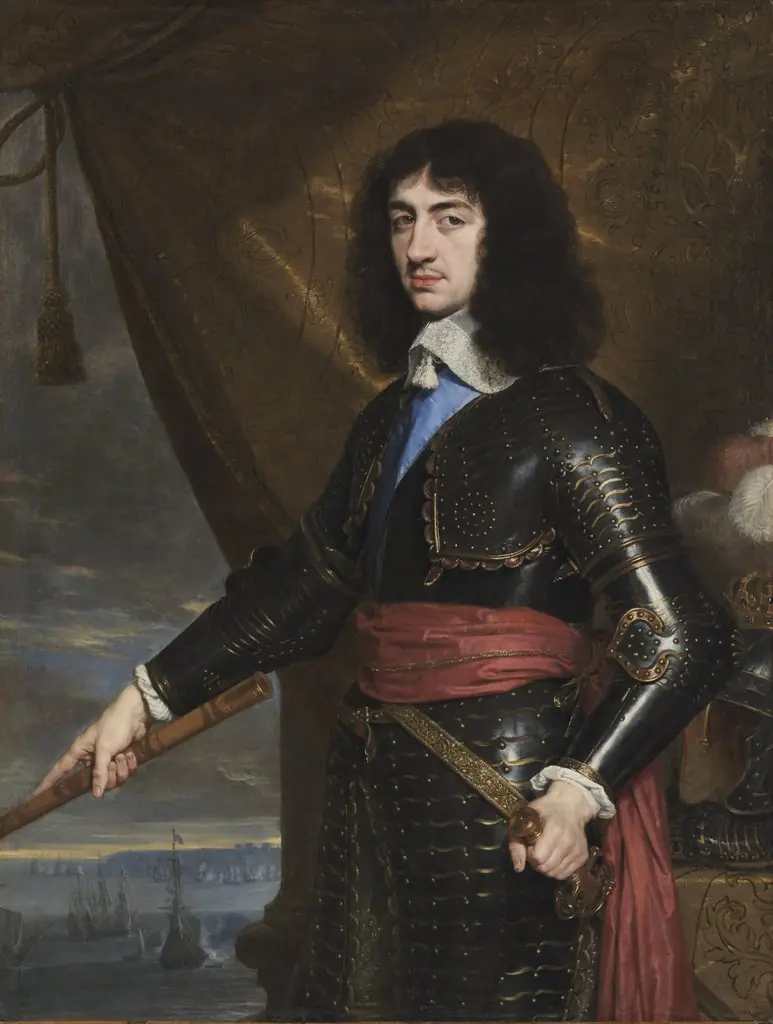
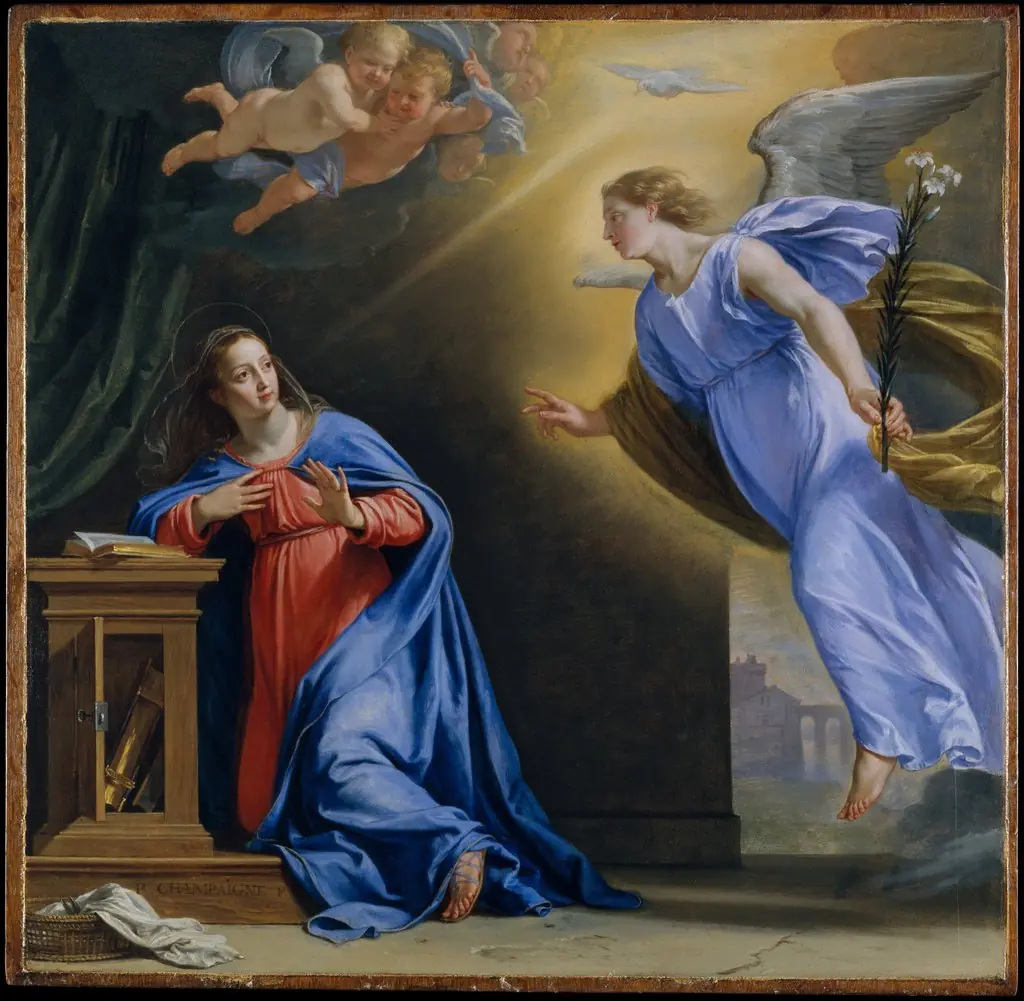
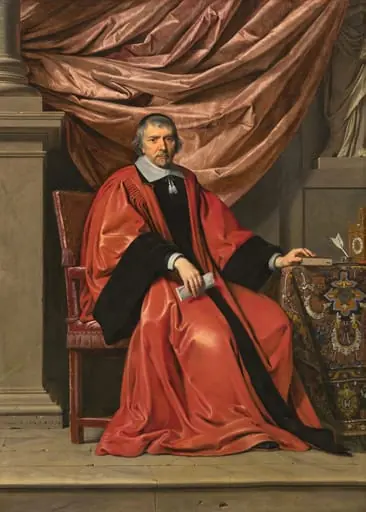
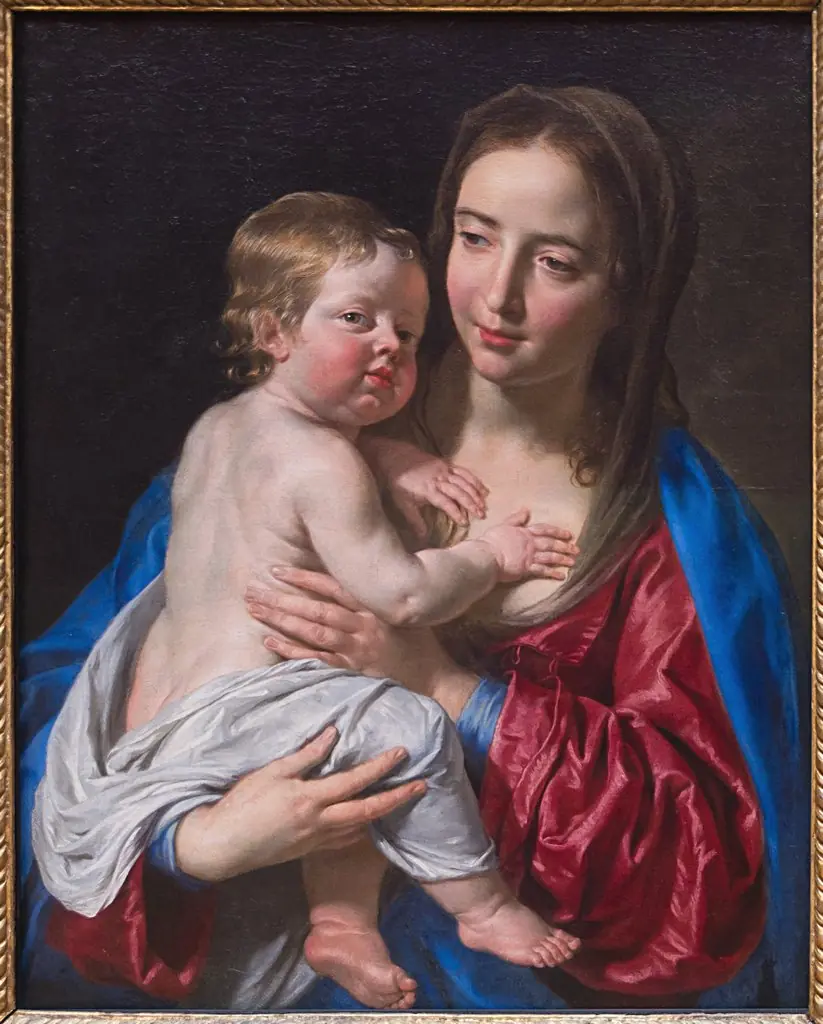
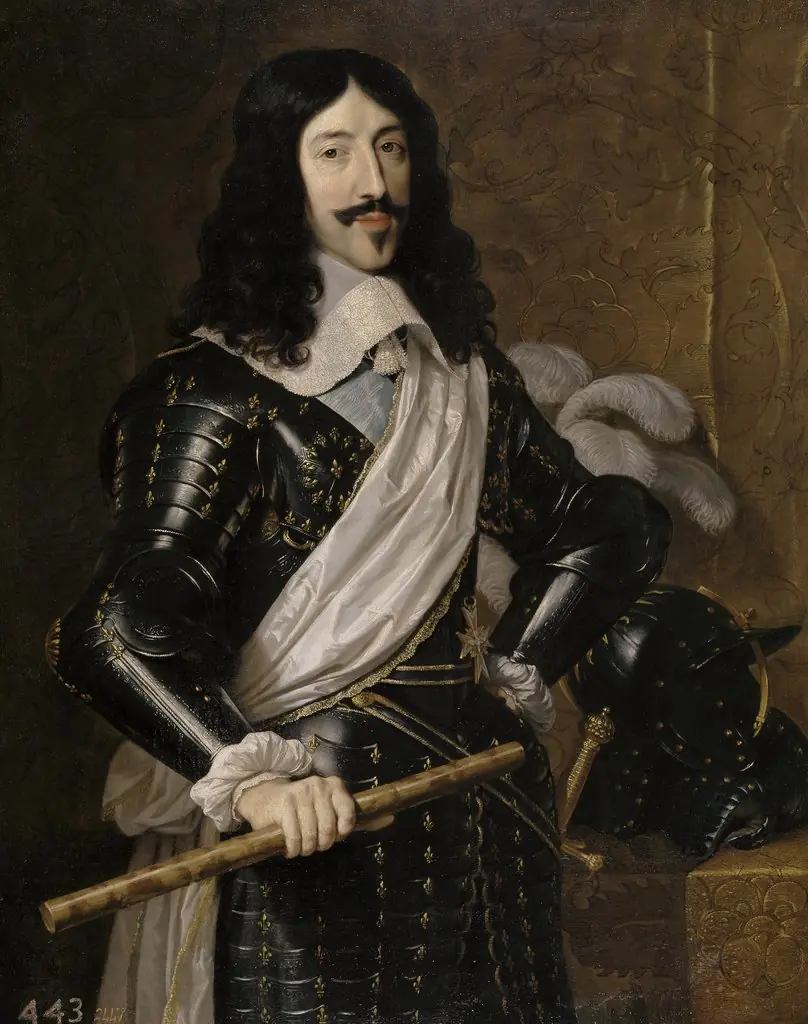
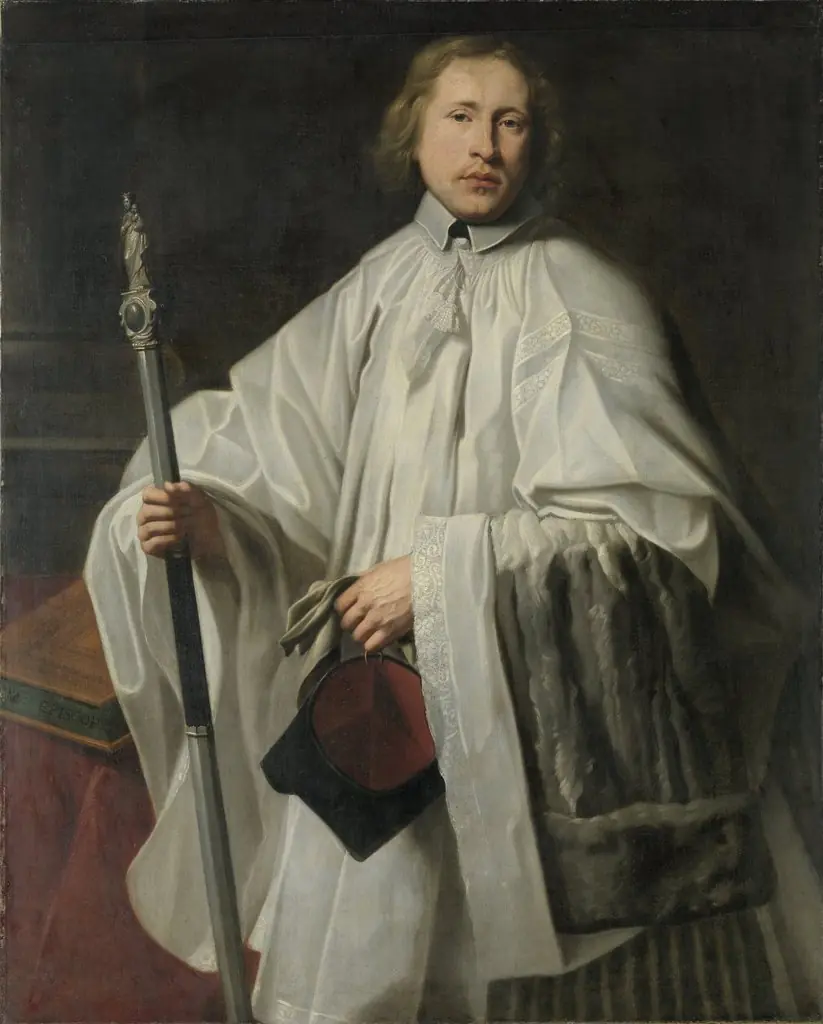
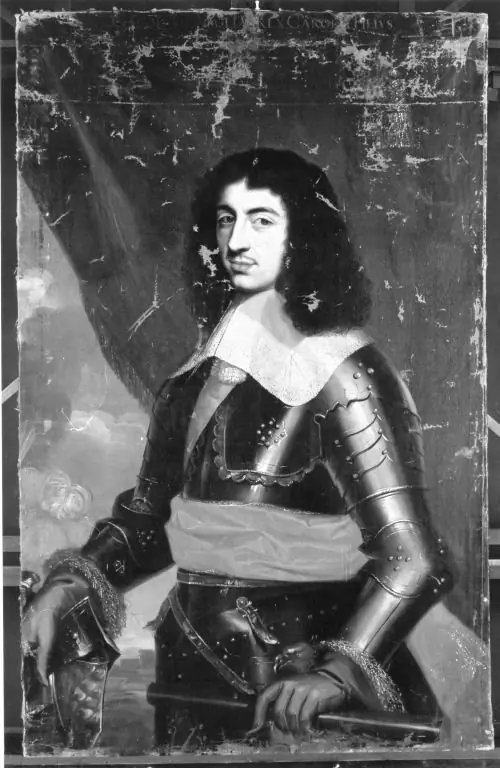
- Portrait of a Man
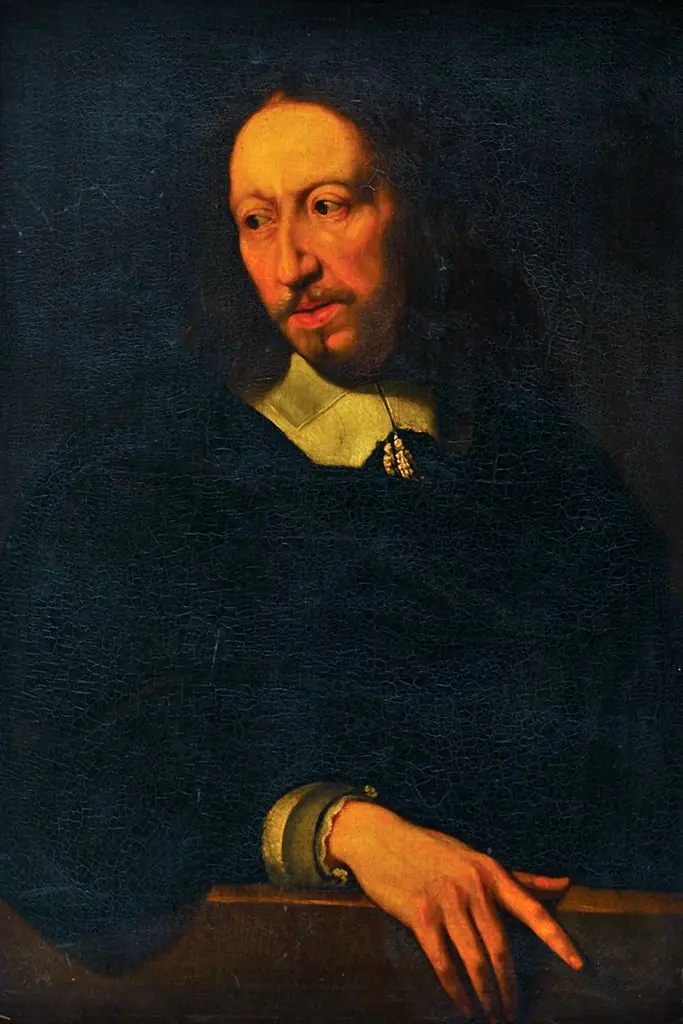 Portrait of a man
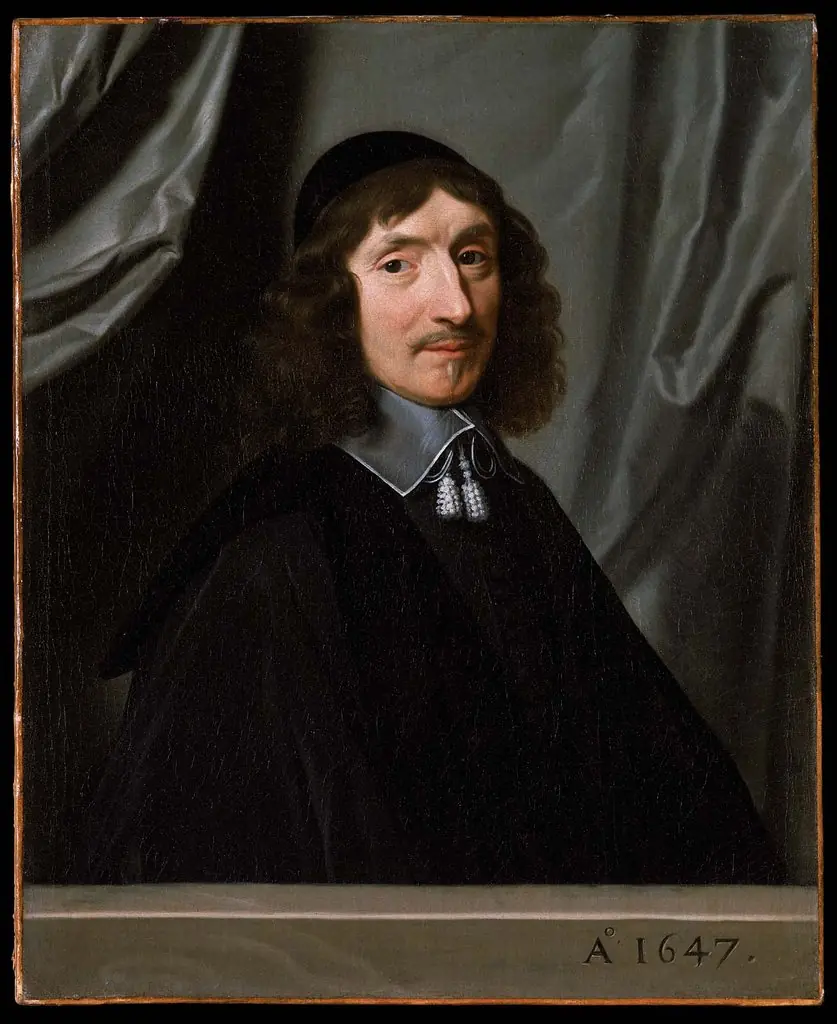 Valentin Valleron de Perrochel
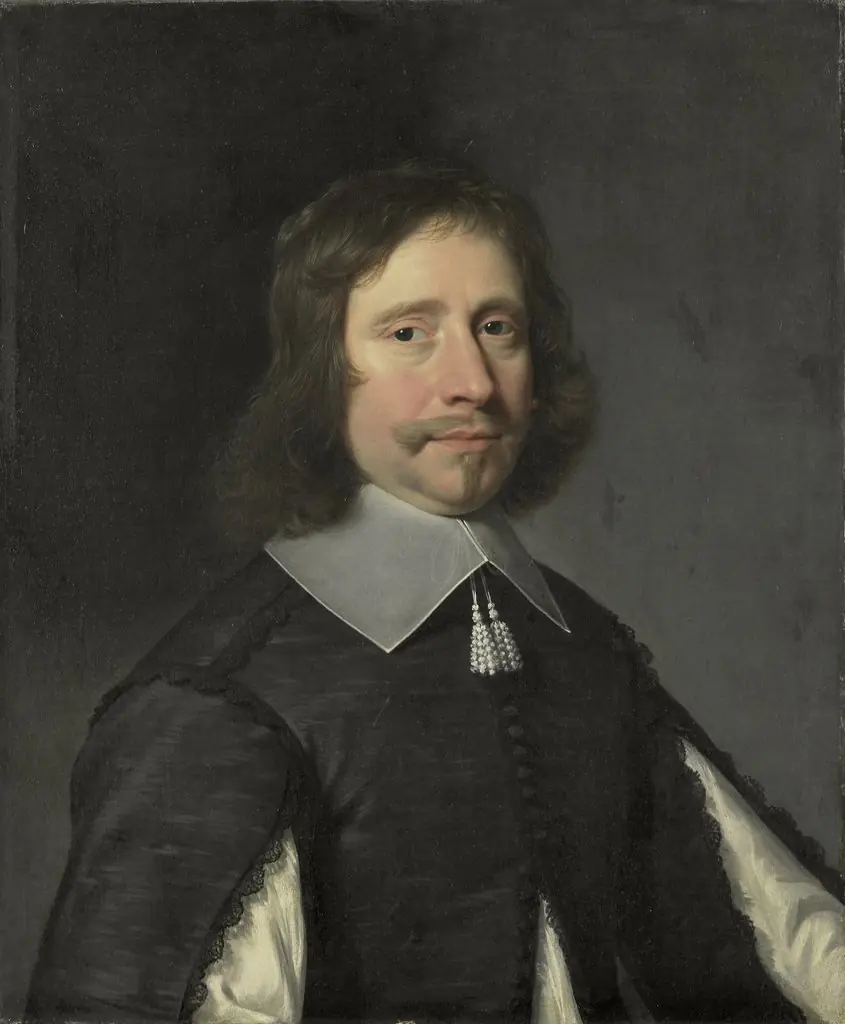 Portrait of a man, perhaps Philippe de la Trémoïlle (1596-?), count of Olonne
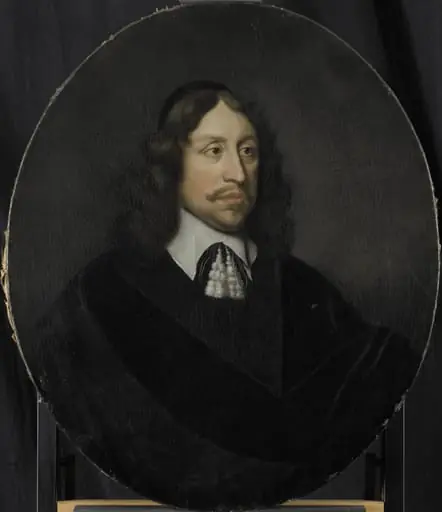 Portrait of Johan de Vries, Director of the Rotterdam Chamber of the Dutch East India Company, elected 1667
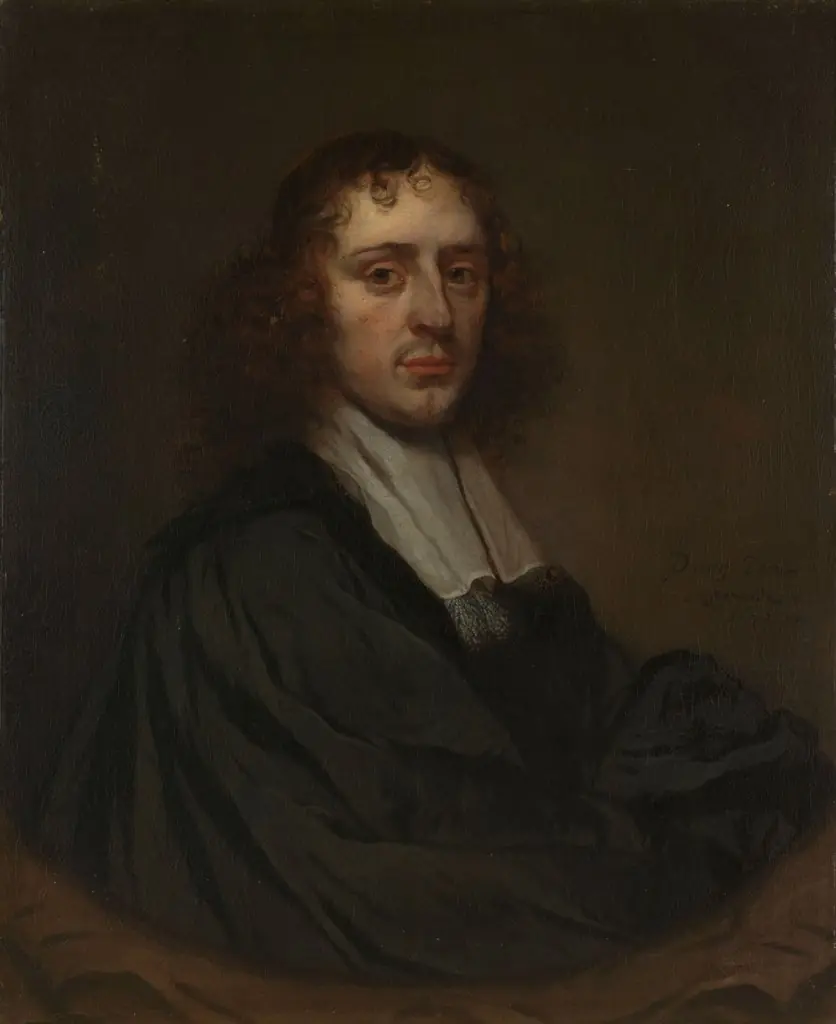 Portrait of a man
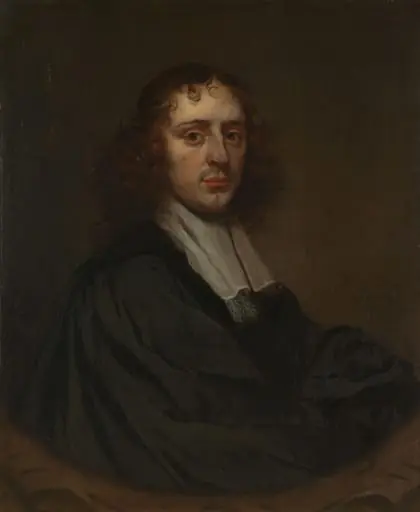 Portrait of a Man
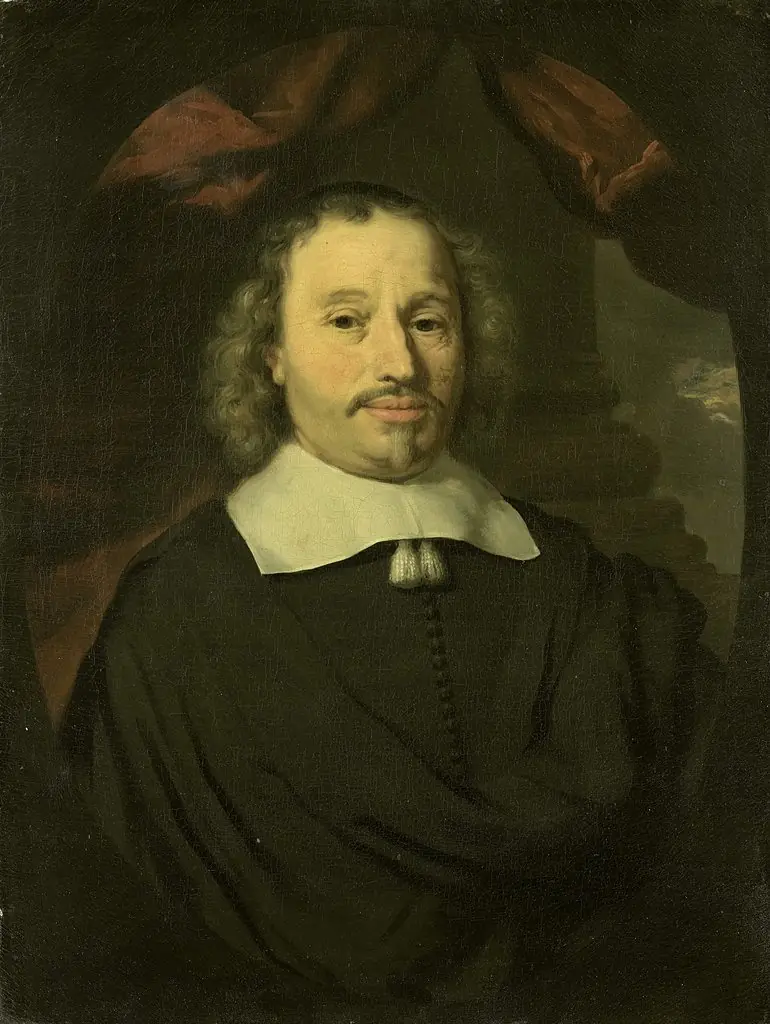 Portrait of Hendrick Wijnands (1601/2 - 76), grocer of Amsterdam
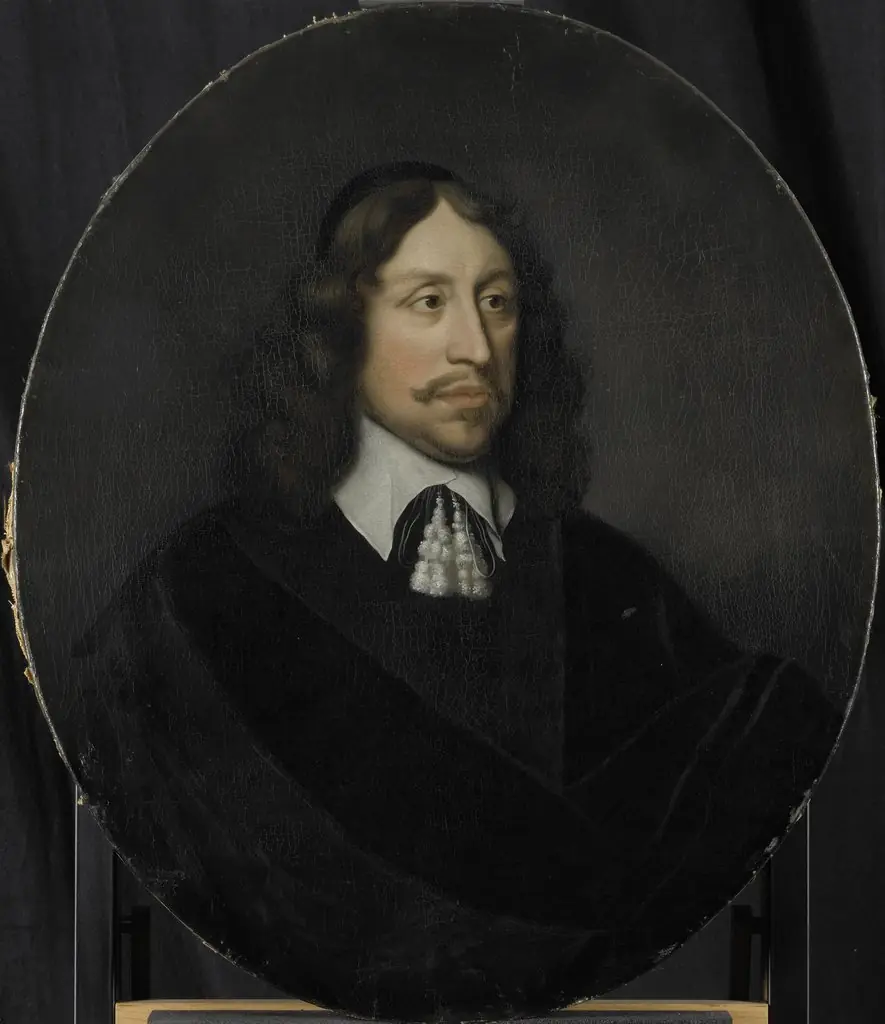 Portrait of Johan de Vries, Director of the Rotterdam Chamber of the Dutch East India Company, elected 1667
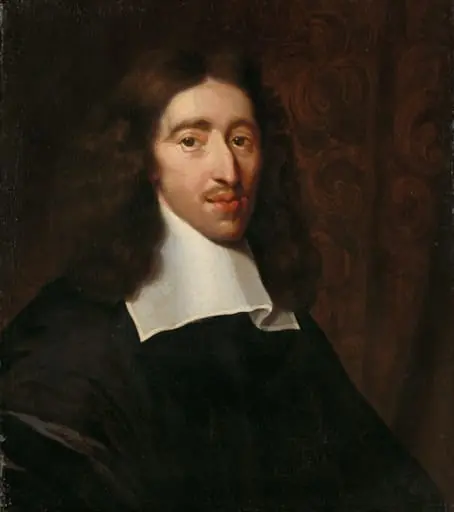 Portrait of Johan de Witt (1625-72), Grand pensionary of Holland
![Portrait of a Gentleman [possibly Jacob van Campen], by Thomas de Keyser](https://artifactworldgallery.com/img/thomas-de-keyser--portrait-of-a-gentleman-possibly-jacob-van-campen--d0c829ca95efaf31-w320.webp) Portrait of a Gentleman [possibly Jacob van Campen]
Portrait of a Gentleman [possibly Jacob van Campen]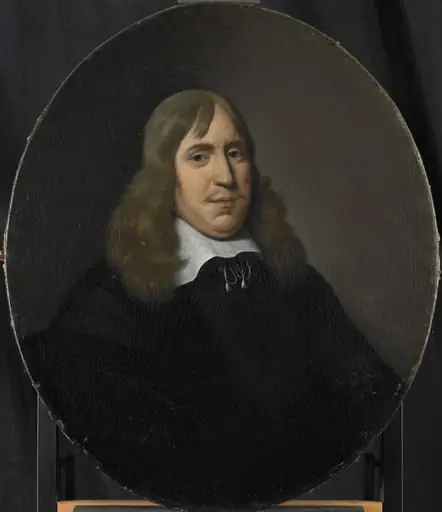 Portrait of Willem Hartigsvelt, Director of the Rotterdam Chamber of the Dutch East India Company, elected 1657