Artwork
Jacob de Witt (1589-1674)
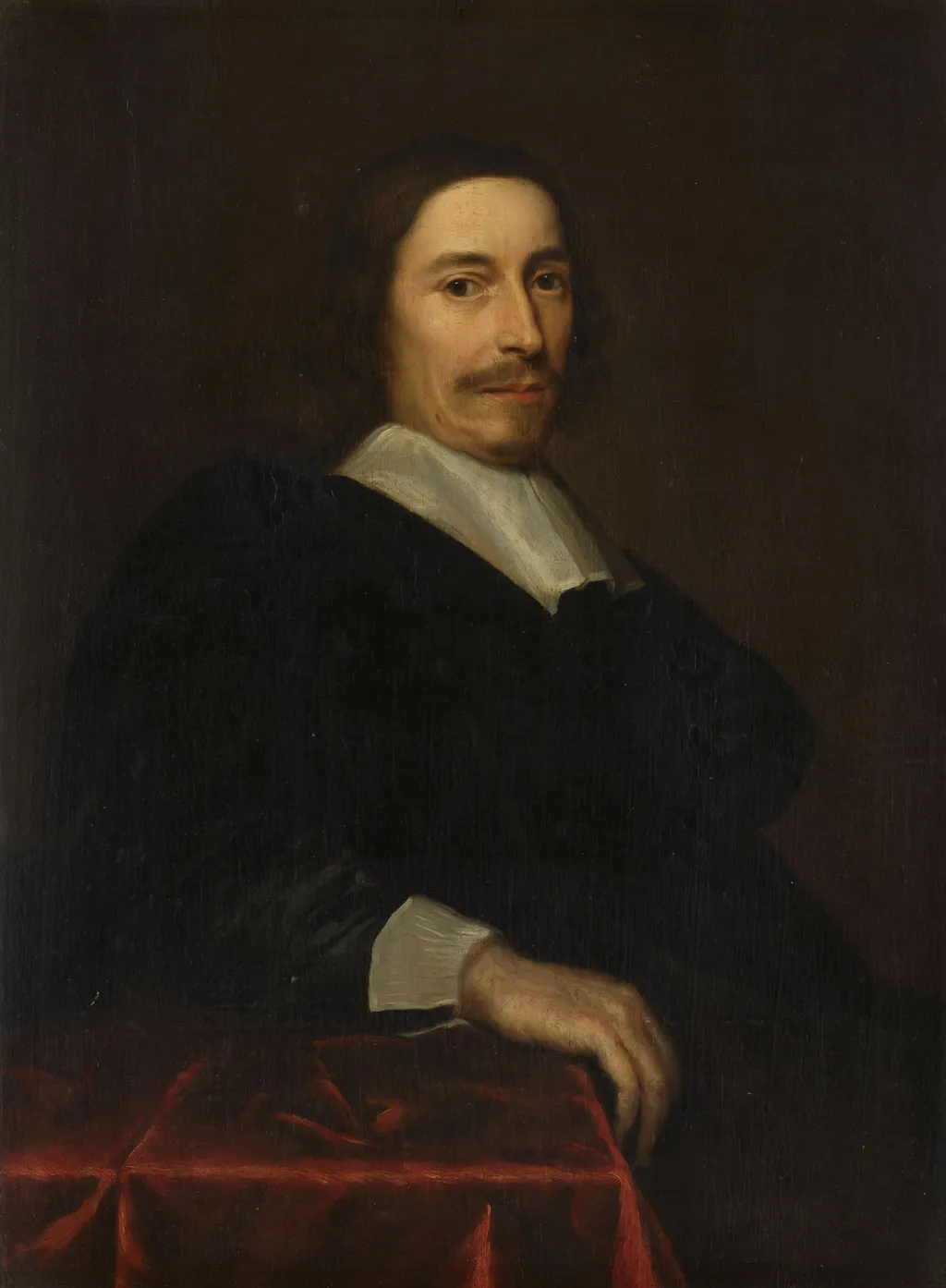
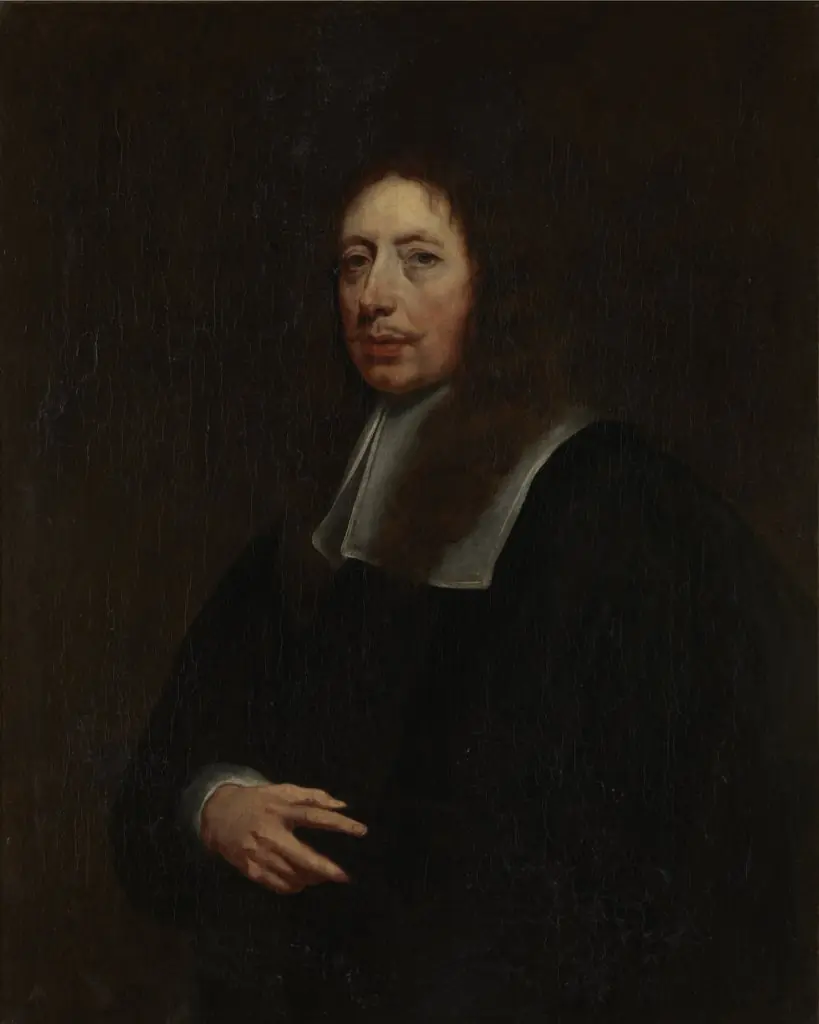
Jacob de Witt (1589-1674) is an oil painting. It dates from 1650 and is held in the collection of the Rijksmuseum. The work is an oil portrait of Jacob de Witt (1589–1674).
About this work
Technique & Style
The application of oil medium on a rigid support was a standard technique for durable panel paintings of this era.
This mid-17th century portrait is executed in oil paint on a wooden panel. The work measures 43 cm in height and 31.5 cm in width. Stylistically, the piece functions as a formal likeness of its subject, Jacob de Witt, adhering to the conventions of portraiture produced in the Northern Low Countries during the 1650s.
The application of oil medium on a rigid support was a standard technique for durable panel paintings of this era.
History & Provenance
The portrait of Jacob de Witt was created in 1650 in the Northern Low Countries as an oil painting on panel. It entered the collection of the Rijksmuseum and has remained in the Cultural Heritage Agency of the Netherlands Art Collection depot. The work has been part of the Rijksmuseum's permanent holdings since its acquisition, maintaining continuous provenance within Dutch institutional custody. Its creation is documented through dated inscription and stylistic analysis tied to the artist's active period.
The painting is held in the collection of the Rijksmuseum, with the Cultural Heritage Agency of the Netherlands Art Collection, and is currently located in the depot of the Rijksdienst voor het Cultureel Erfgoed (RCE). Its inventory number and exhibition history are not provided in the available sources.
Legacy
Jacob de Witt's legacy rests on his significance as a portraitist of the Dutch Golden Age. His work is held in the Rijksmuseum's collection, where the portrait of him painted in 1650 remains part of their depot holdings. This painting exemplifies the genre of portraiture from the Northern Low Countries and has been studied as part of the Rijksmuseum's broader research into 17th-century art.
The attribution and study of this work contribute to ongoing scholarship on Dutch portraiture, though specific later influences on artists are not detailed in the available sources.
Overview
The work is an oil portrait of Jacob de Witt (1589–1674). Rendered in a restrained palette, the sitter is shown seated, his dark cloak contrasting sharply with a plain black backdrop. A red cushion beneath his arm introduces a modest accent of colour, while his serious expression and neatly trimmed beard convey a dignified presence.
Subject & Meaning
Jacob de Witt, a prominent figure of the Dutch Golden Age, is depicted in formal attire that signals his social standing. The composition’s focus on his face and posture suggests an intention to emphasize personal authority and gravitas rather than narrative content.
Context
Portraiture in the Dutch Republic often served to record civic leaders and merchants, reflecting the era’s emphasis on individual achievement. The stark background and limited colour scheme align with contemporary trends that favored realism and personal representation over elaborate settings.
Artist & collection

 Maximus Gerardi
![Portrait of a Gentleman [possibly Jacob van Campen], by Thomas de Keyser](https://artifactworldgallery.com/img/thomas-de-keyser--portrait-of-a-gentleman-possibly-jacob-van-campen--d0c829ca95efaf31-w320.webp) Portrait of a Gentleman [possibly Jacob van Campen]
Portrait of a Gentleman [possibly Jacob van Campen]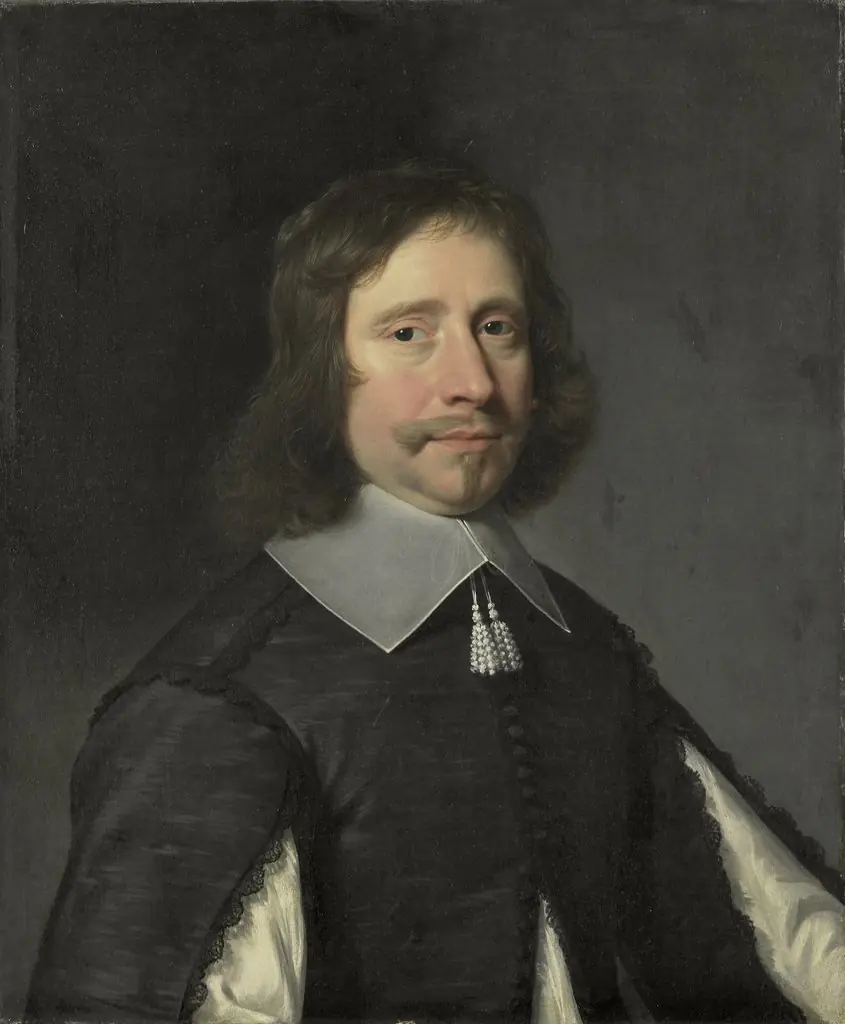 Portrait of a man, perhaps Philippe de la Trémoïlle (1596-?), count of Olonne
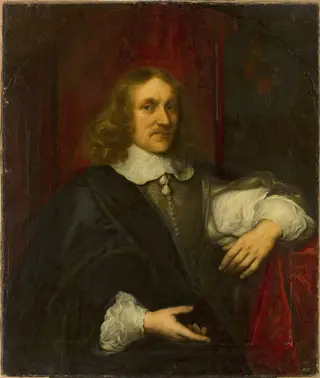 Portrait of a man
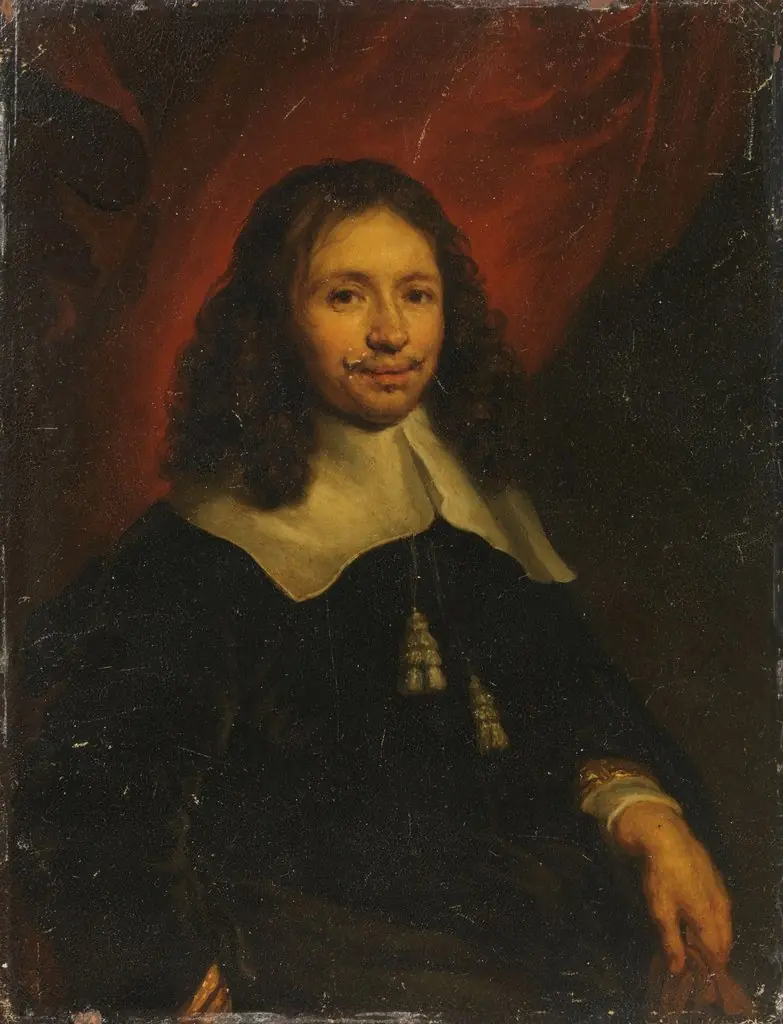 Dionijs Wijnands (1628-73). Amsterdam merchant
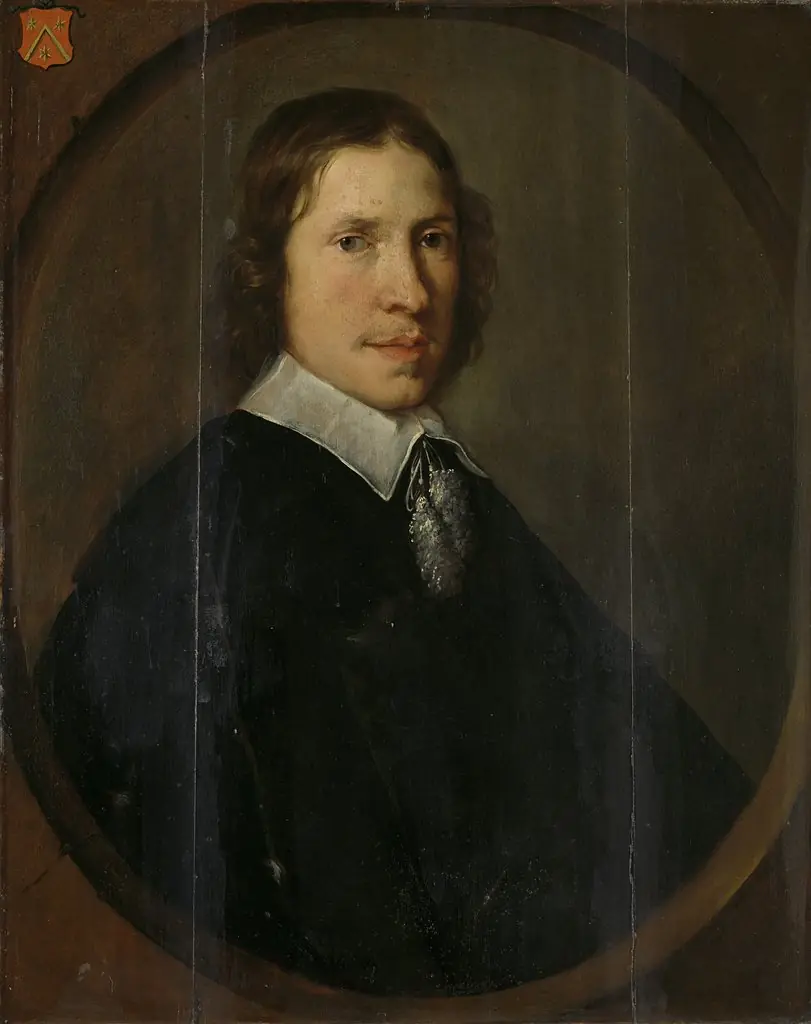 François Leydecker (1626-88). Burgomaster of Tholen
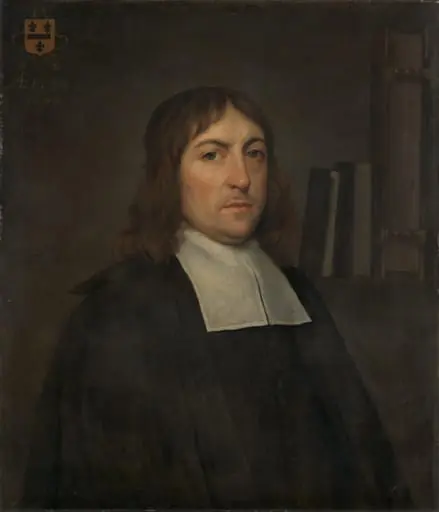 Portrait of Barend Hakvoort (1652-1735)
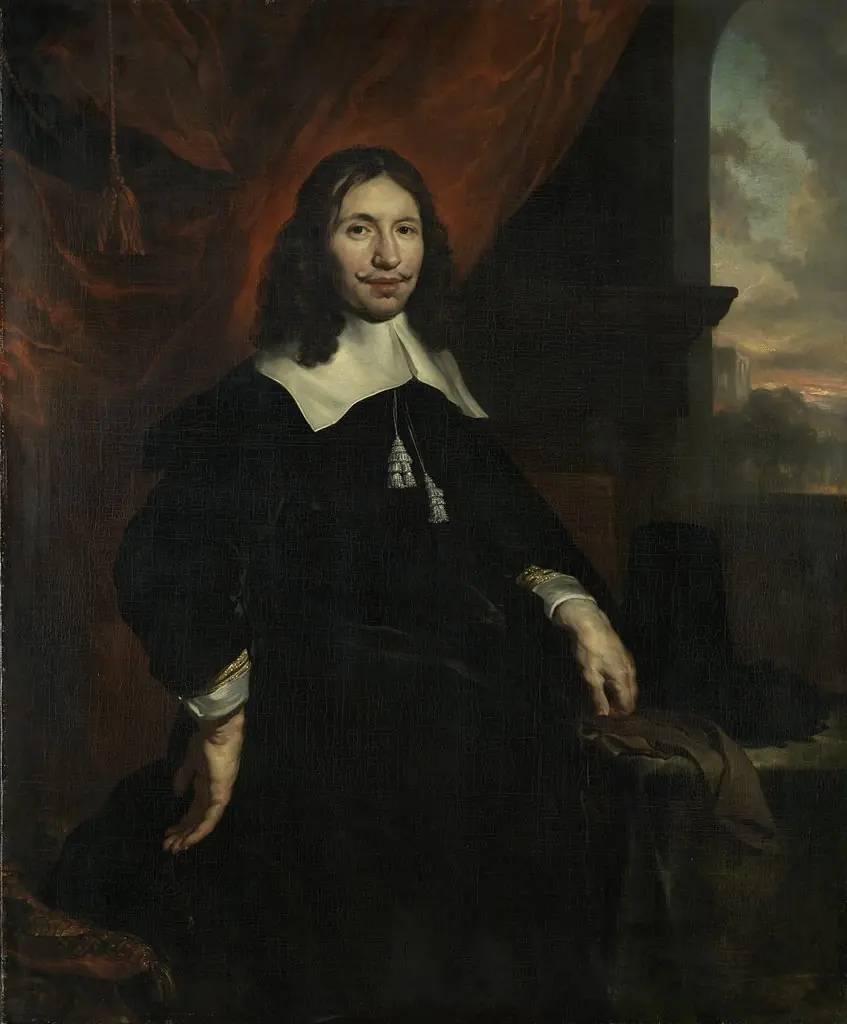 Dionijs Wijnands (1628-73). Amsterdam merchant, son of Hendrick Wijnands and Aeltje Denijs
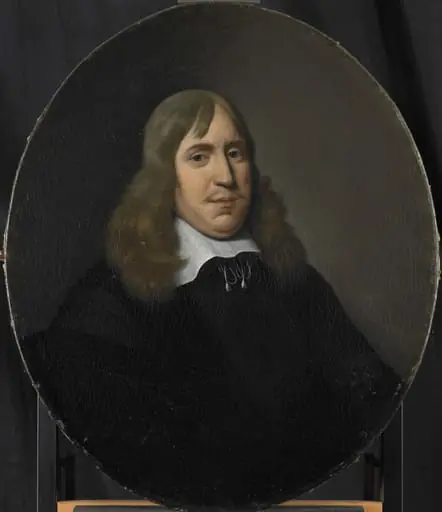 Portrait of Willem Hartigsvelt, Director of the Rotterdam Chamber of the Dutch East India Company, elected 1657