Artwork
Portrait of Willem III (1650-1702), Prince of Orange and since 1689, King of England
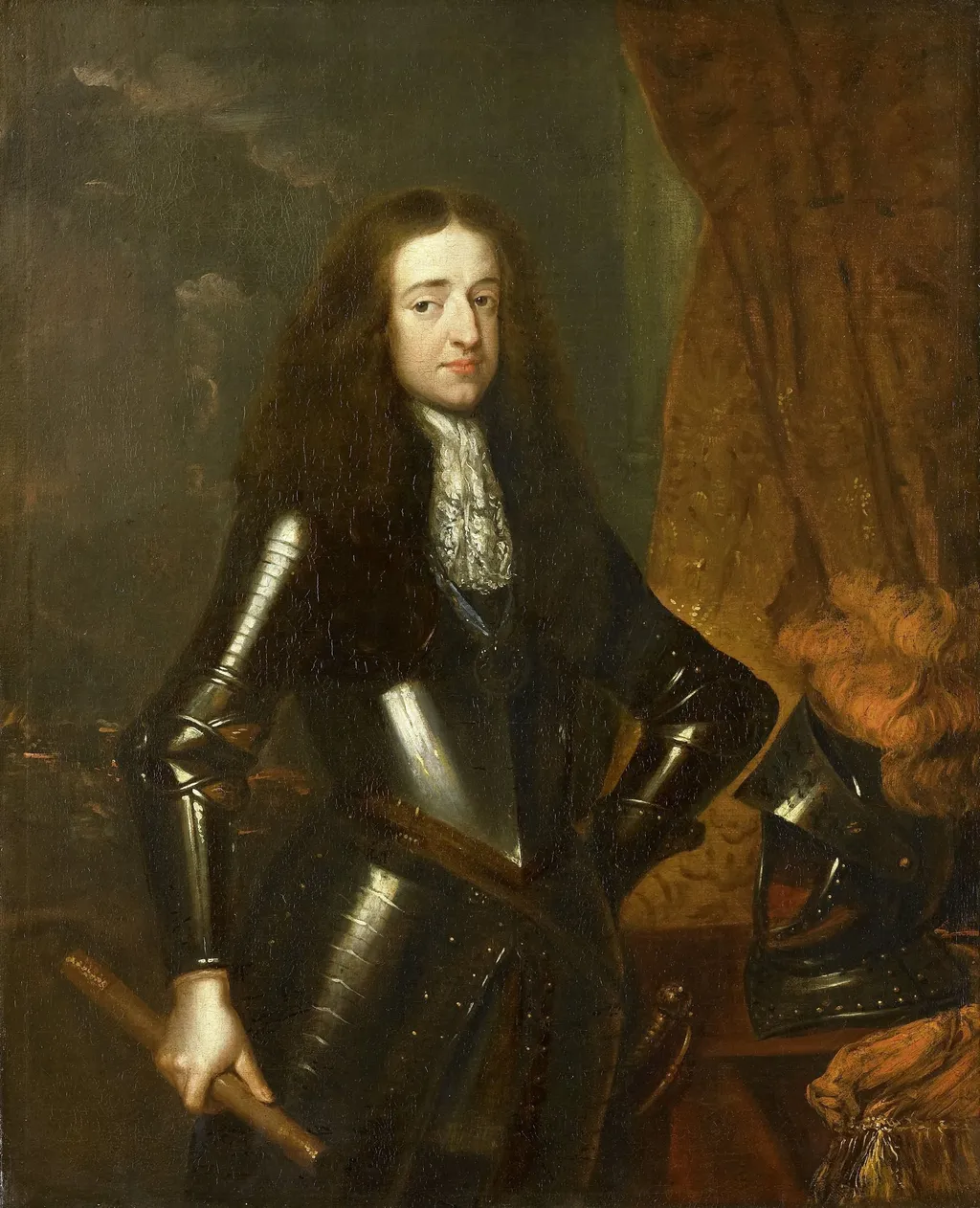
Portrait of Willem III (1650-1702), Prince of Orange and since 1689, King of England is an unspecified painting by the Dutch Golden Age artist Caspar Netscher. It dates from 1677 and is held in the collection of the Rijksmuseum.
About this work
Subject & Meaning
The painting shows William III, who began as Prince of Orange and became King of England in 1689.
The painting shows William III, who began as Prince of Orange and became King of England in 1689. Rendered by Caspar Netscher between 1670 and 1684, the work reflects the sitter’s dual role as a Protestant Dutch stadtholder and a monarch who commanded European attention. Netscher’s depiction emphasizes regal authority through conventional portrait conventions, while also conveying the subject’s patronage network, notably his relationship with the artist that was reinforced by royal favor.
The portrait thus serves both as a record of William’s political stature and as an illustration of the cultural exchange between Dutch artists and the English court.
Technique & Style
The Portrait of Willem III, painted by Caspar Netscher between 1670 and 1684, is an oil on canvas work executed in the Dutch portrait tradition. Netscher applied a fine, even brushstroke to capture the sitter’s dignified pose and the rich textures of his ceremonial dress, emphasizing the sheen of silk and the intricate pattern of an oriental rug. The composition relies on clear, balanced lighting and a restrained palette that models form with subtle gradations of tone.
The painting’s surface remains well preserved, reflecting Netscher’s careful handling of the medium and his skill in rendering luxurious materials with delicate precision.
History & Provenance
Caspar Netscher painted the portrait of Willem III during the period 1670–1684, after settling in The Hague and turning his practice toward portraiture. Willem III, then Prince of Orange and from 1689 King of England, was Netscher's patron, and the artist is recorded as having received high prices for his work in the 1670s. The French-language list of Netscher's works records two portraits of Willem III in the Rijksmuseum, Amsterdam: one dated 1670–1684 on canvas measuring 49 × 39 cm, and a second dated 1680–1684 on canvas measuring 80 × 63 cm. The sources do not specify which of these corresponds to the present work, nor do they detail a commission, intermediate ownership, or acquisition history beyond the paintings' current location in the Rijksmuseum.
The portrait of William III, Prince of Orange and King of England, painted by Caspar Netscher between 1670 and 1684, is held in the collection of the Rijksmuseum in Amsterdam. The museum possesses two distinct versions of this subject attributed to the artist. The first, executed on canvas with dimensions of 49 × 39 cm, dates from the period spanning 1670 to 1684.
A second, larger canvas version measuring 80 × 63 cm was produced between 1680 and 1684. Both works remain part of the Rijksmuseum's holdings, documenting the artist's patronage by the Stadtholder during his career in The Hague.
Context
Caspar Netscher is recognized as a master of the Dutch Golden Age who introduced an international style to the Northern Netherlands, particularly through his exquisite rendering of textiles like oriental rugs, silk, and brocade. His artistic development was fundamentally shaped by his training under Gerard ter Borch in Deventer, whose influence is evident in Netscher's delicate pencilling and choice of subjects featuring female figures in glossy satins. While his early career involved producing small cabinet pictures, he achieved significant fame and wealth after settling in The Hague and focusing on portraiture within the elegant court style favored by the French-oriented elite.
The artist's reputation was solidified by high-profile patronage, most notably from William III, Prince of Orange and King of England, whom he portrayed multiple times between 1670 and 1684. This royal endorsement, alongside purchases by figures such as Cosimo III de' Medici, underscored Netscher's status during his lifetime. Although critics have noted that the refinement in his work occasionally borders on weakness, his technical skill in depicting light, shade, and complex fabrics ensured his paintings were highly valued then and remain so for their finish. His stylistic legacy was continued by his sons, Constantijn and Theodorus, who worked in their father's manner.
Overview
This painting depicts Willem III (1650-1702), a significant European figure who served as Prince of Orange and later became King of England in 1689. The portrait was completed before his ascension to the English throne, presenting him in a formal, authoritative manner. The identity of the artist who created this work remains unrecorded, as the painting is unsigned, a common occurrence for commissions of this period.
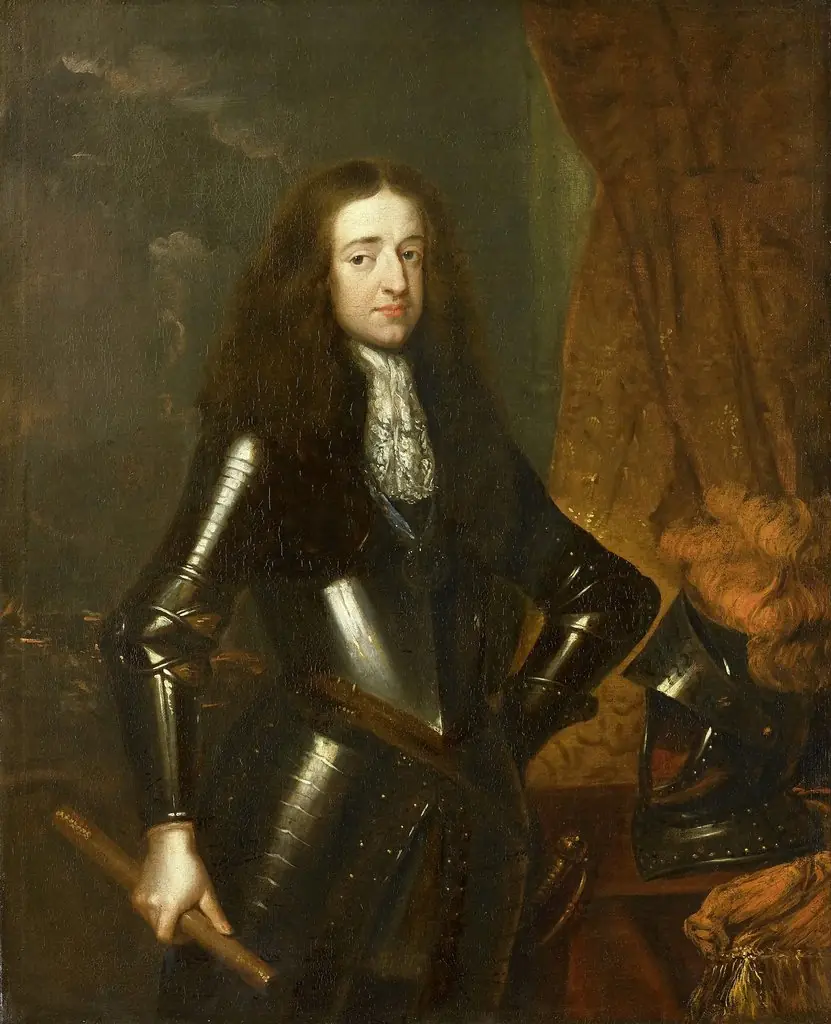
Own this work as a print
Artist & collection

Artist
Caspar Netscher was a Dutch painter. He was a master in depicting oriental rugs, silk and brocade and introduced an international style to the Northern Netherlands.

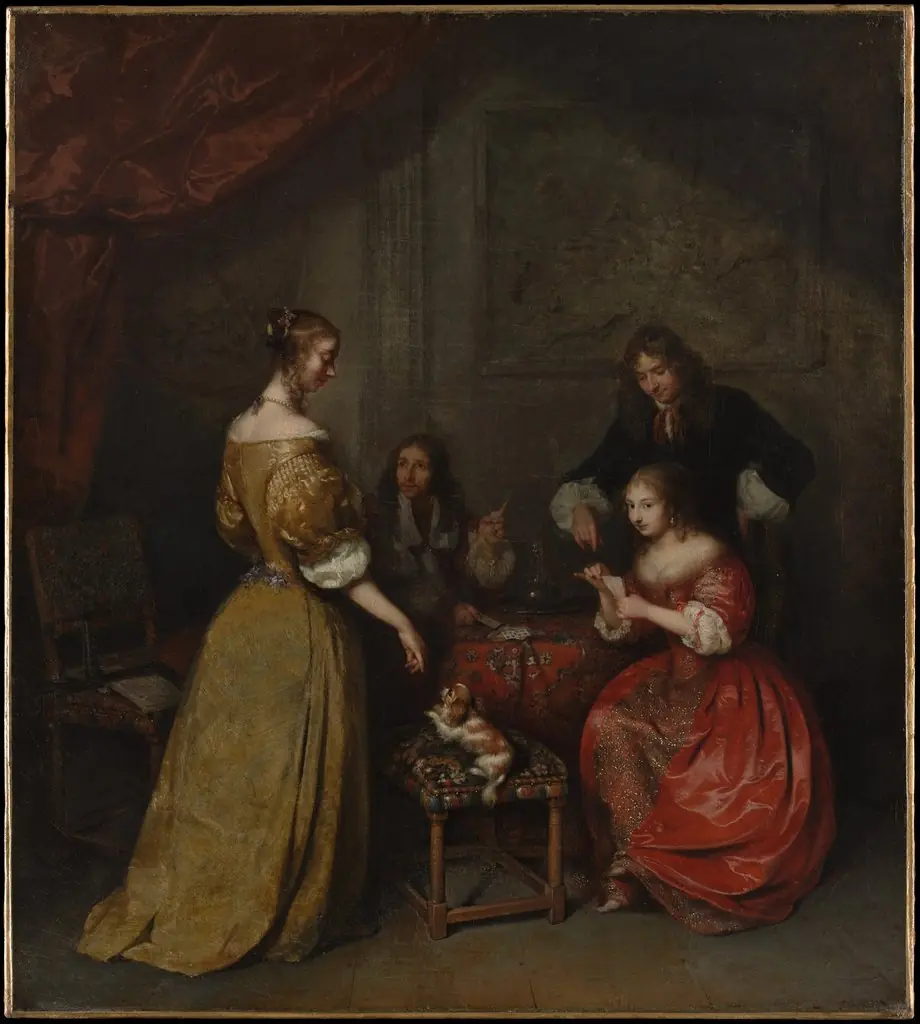 The Card Party
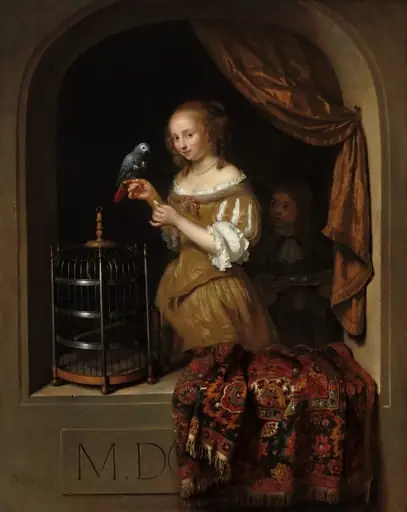 A Woman Feeding a Parrot, with a Page
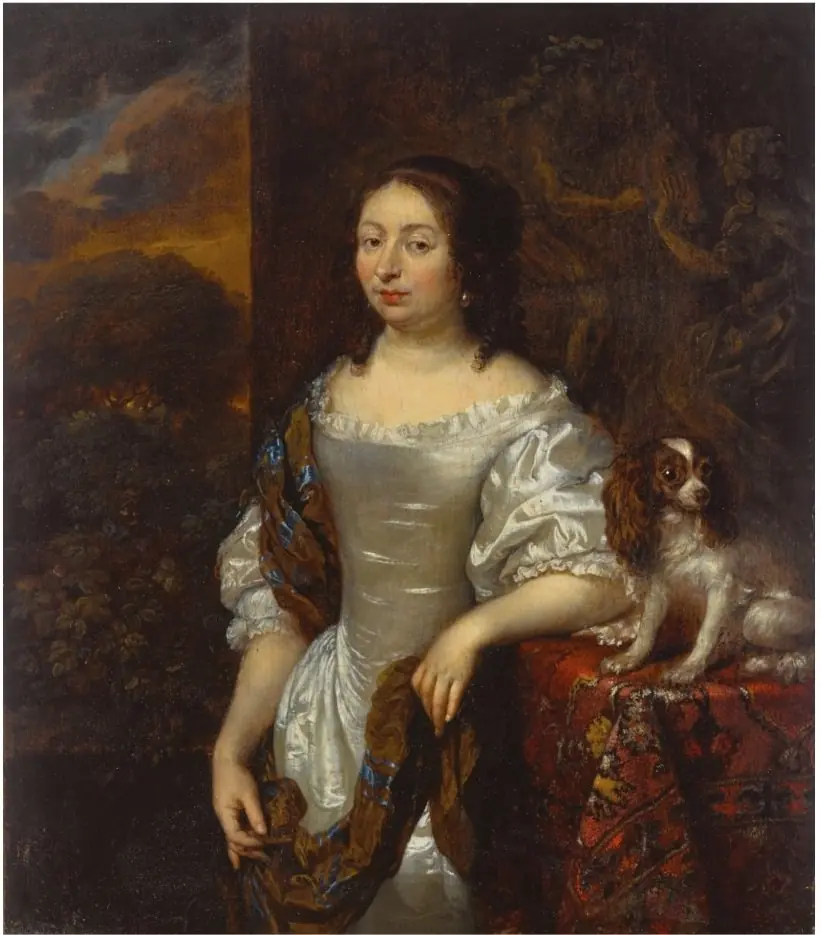 Portrait of a Lady with a Dog on a Table
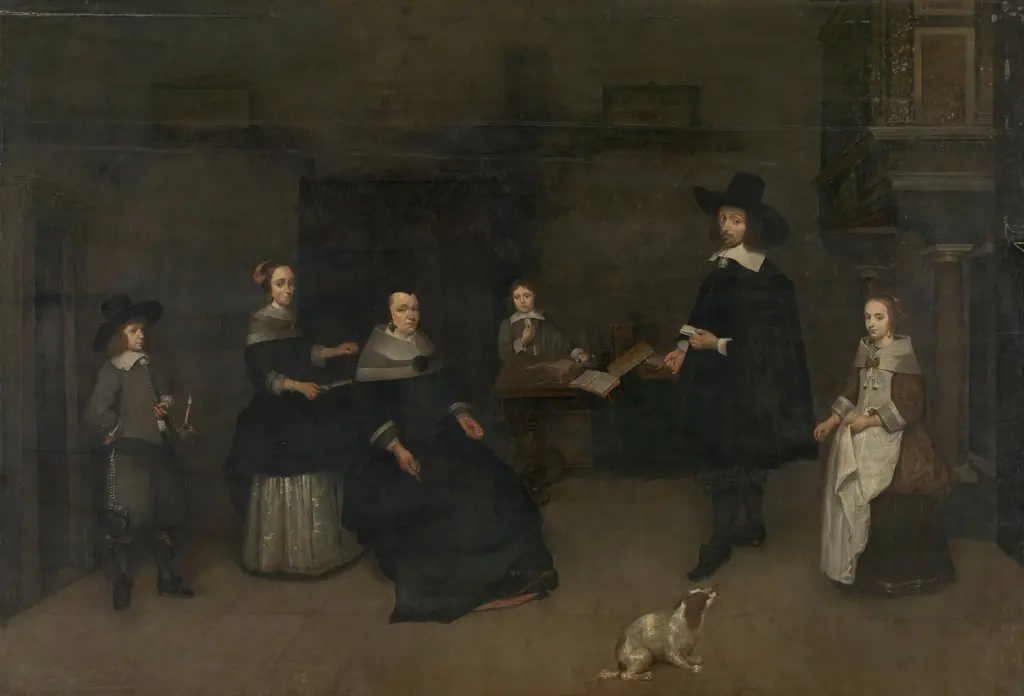 Family scene
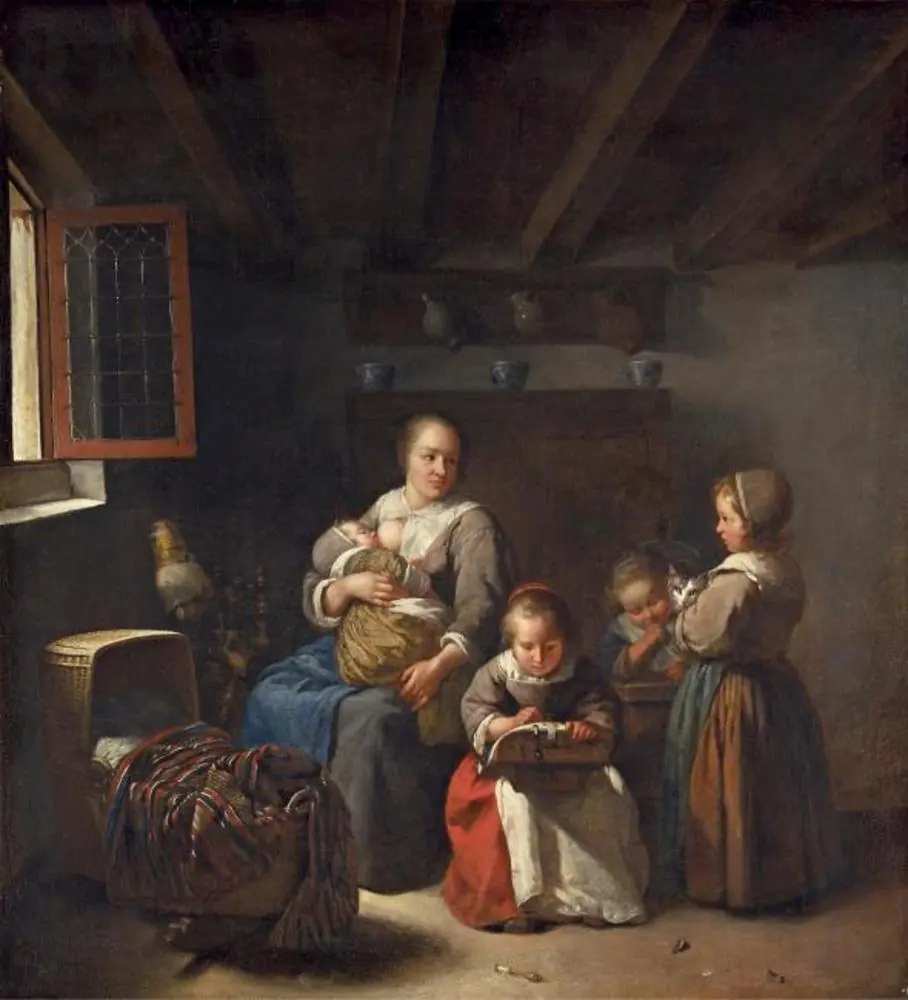 Nursing mother with three girls
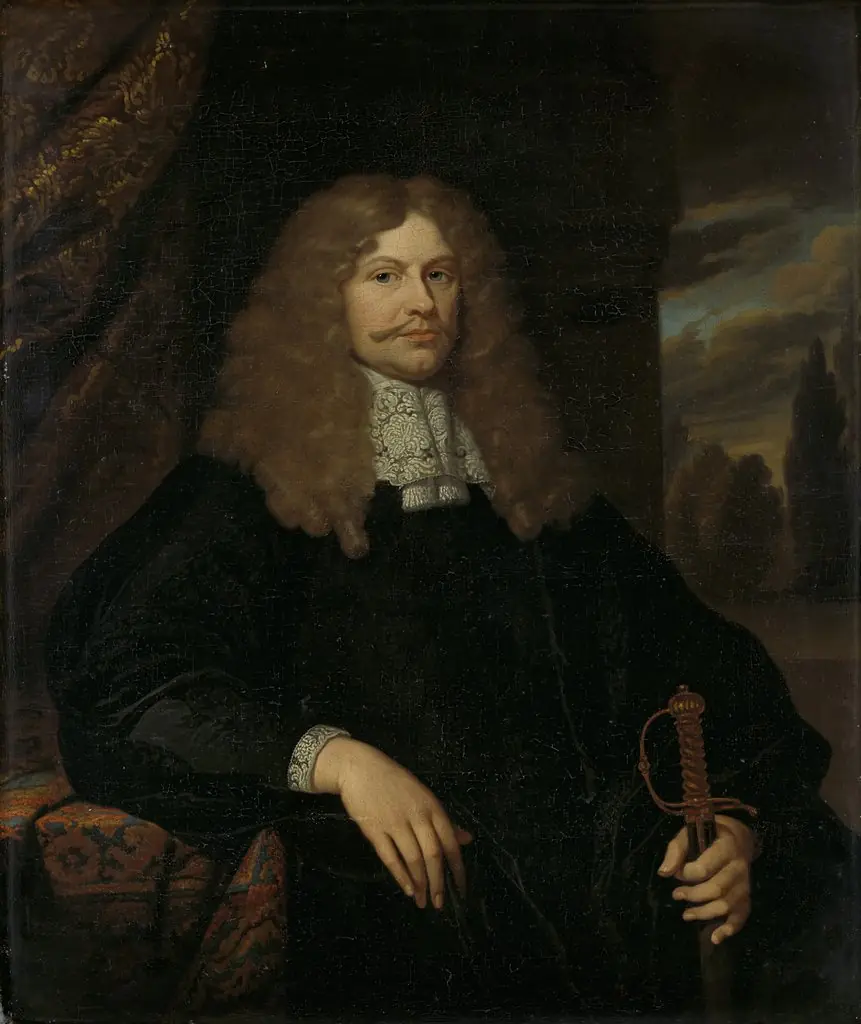 Portrait of Cornelis Backer (1633-81), councillor, alderman, and colonel of the Amsterdam militia
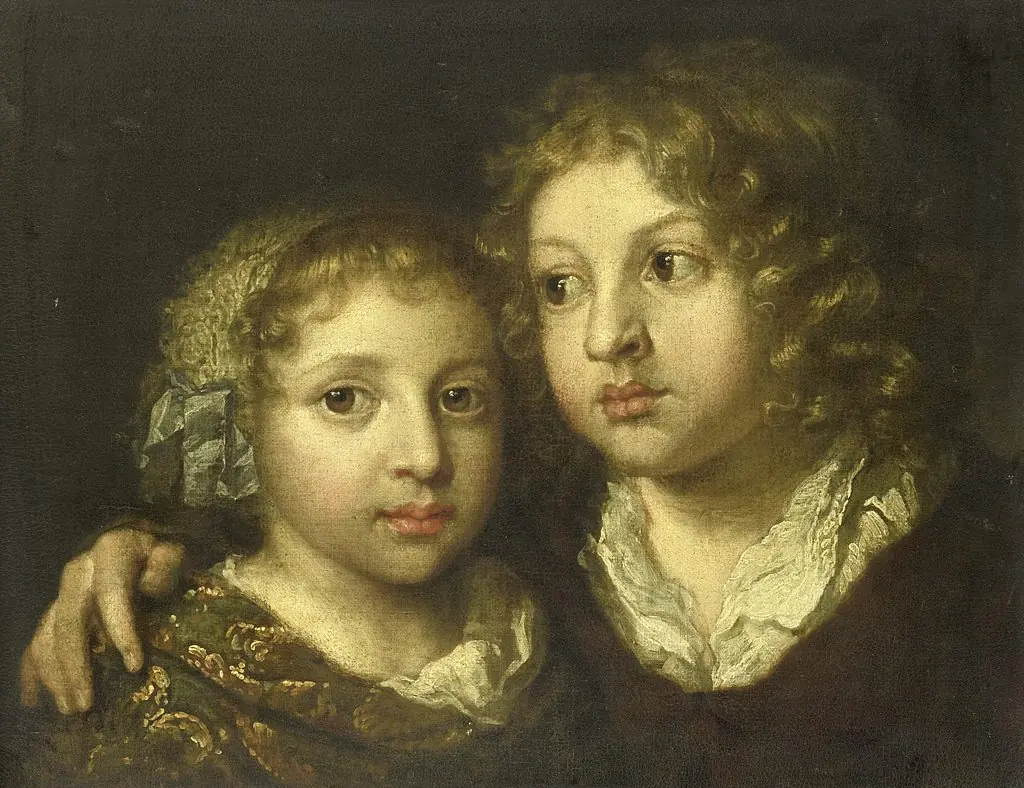 A daughter and a son (Constantijn?) of the artist
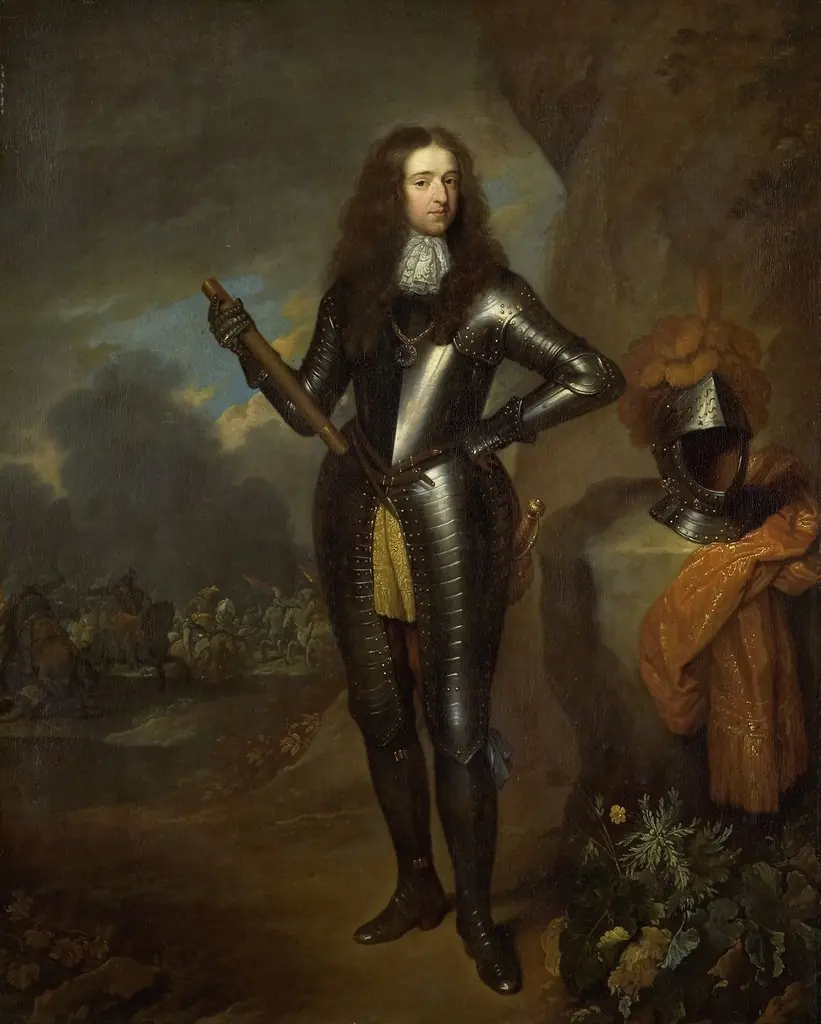 William III (1650-1702), Prince of Orange and since 1689, King of England
- Portrait of Willem III (1650-1702), Prince of Orange and since 1689, King of England
 William III (1650-1702), Prince of Orange and since 1689, King of England
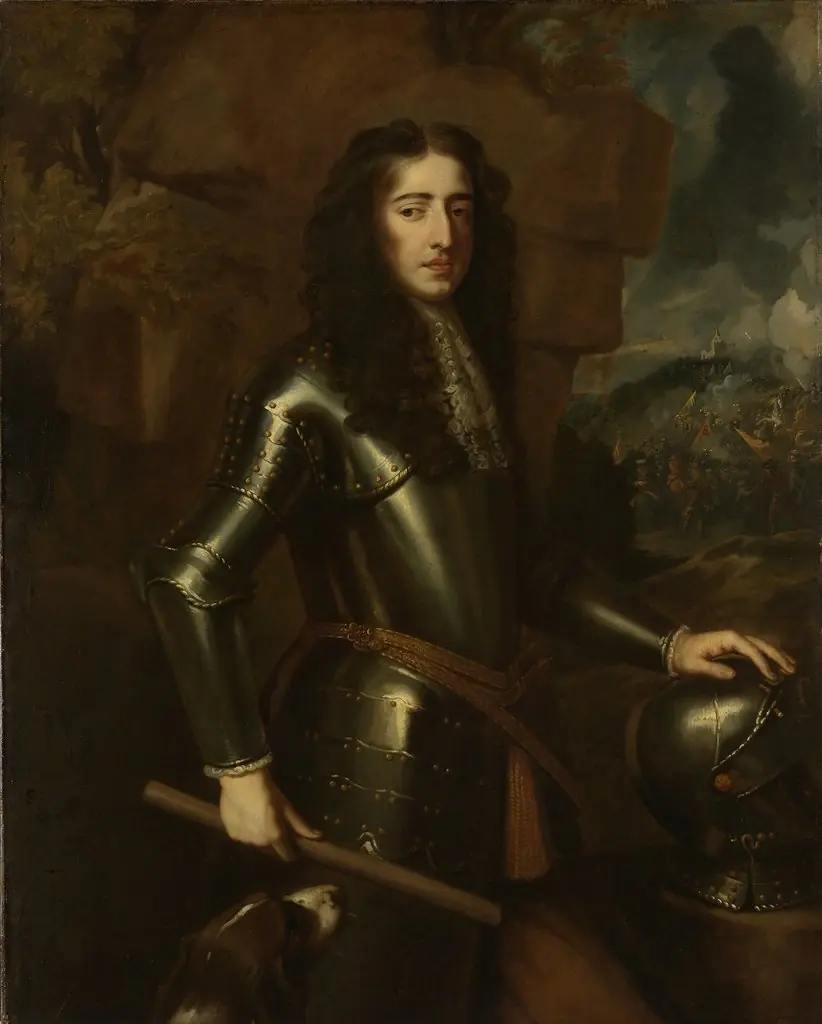 Portrait of William III, Prince of Orange, Stadtholder, after 1689 King of England
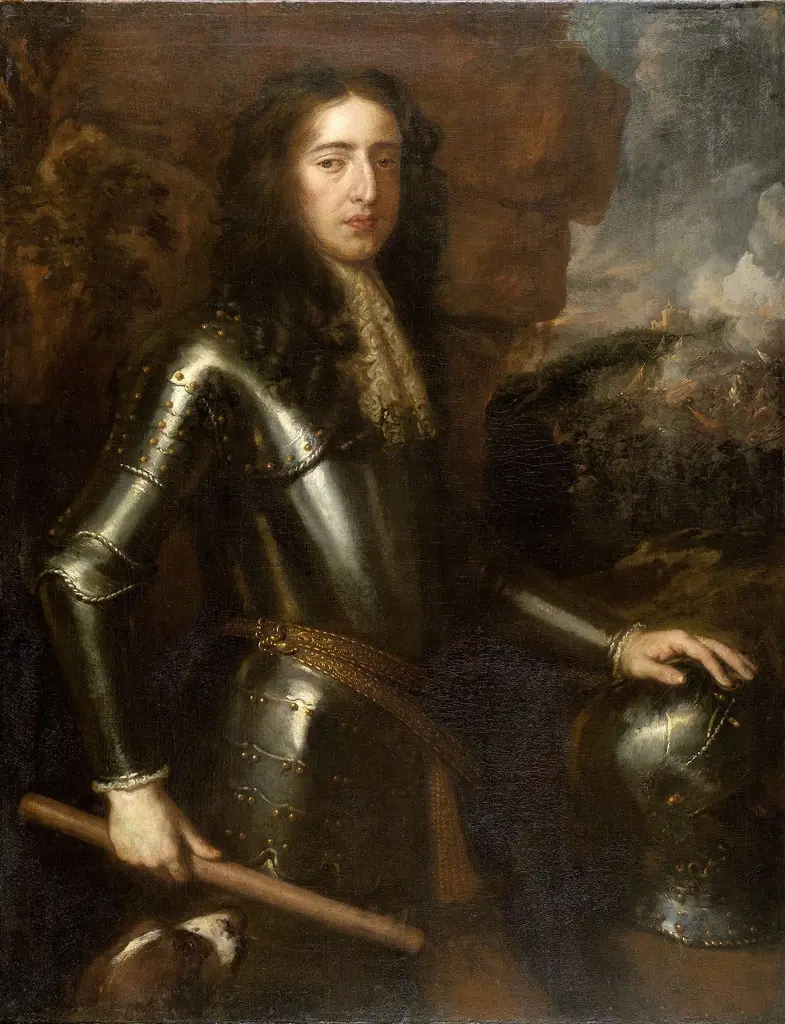 Portrait of William III (1650-1702), Prince of Orange
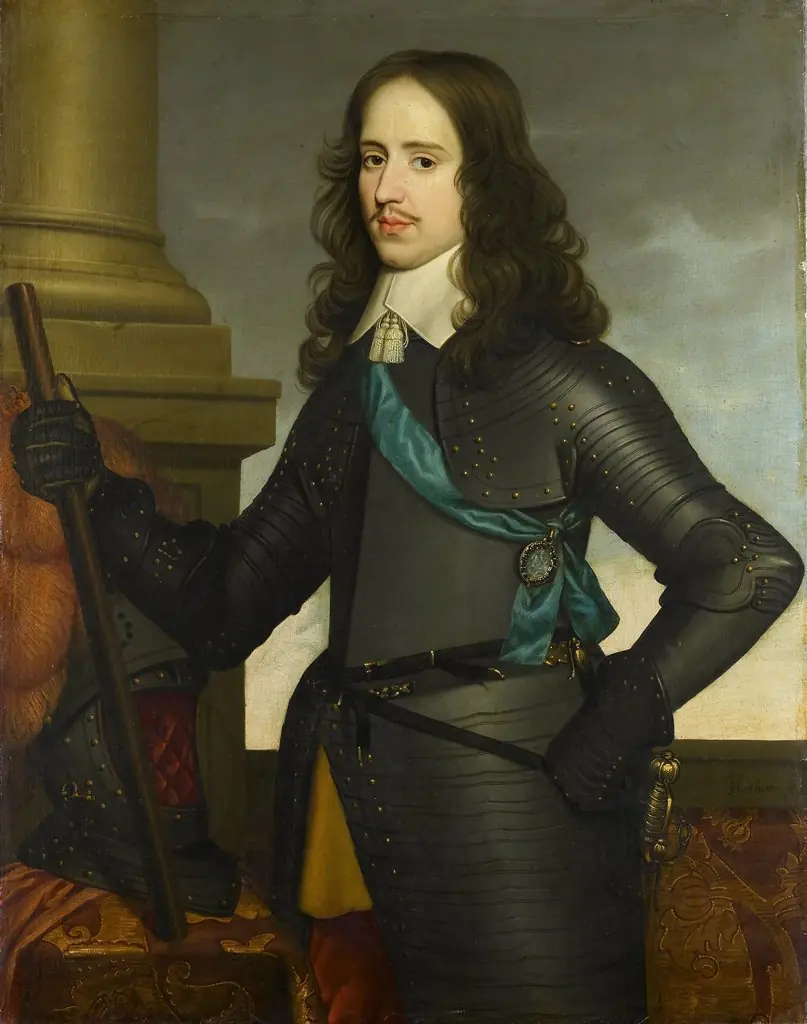 Portrait of Willem II (1626-50), Prince of Orange
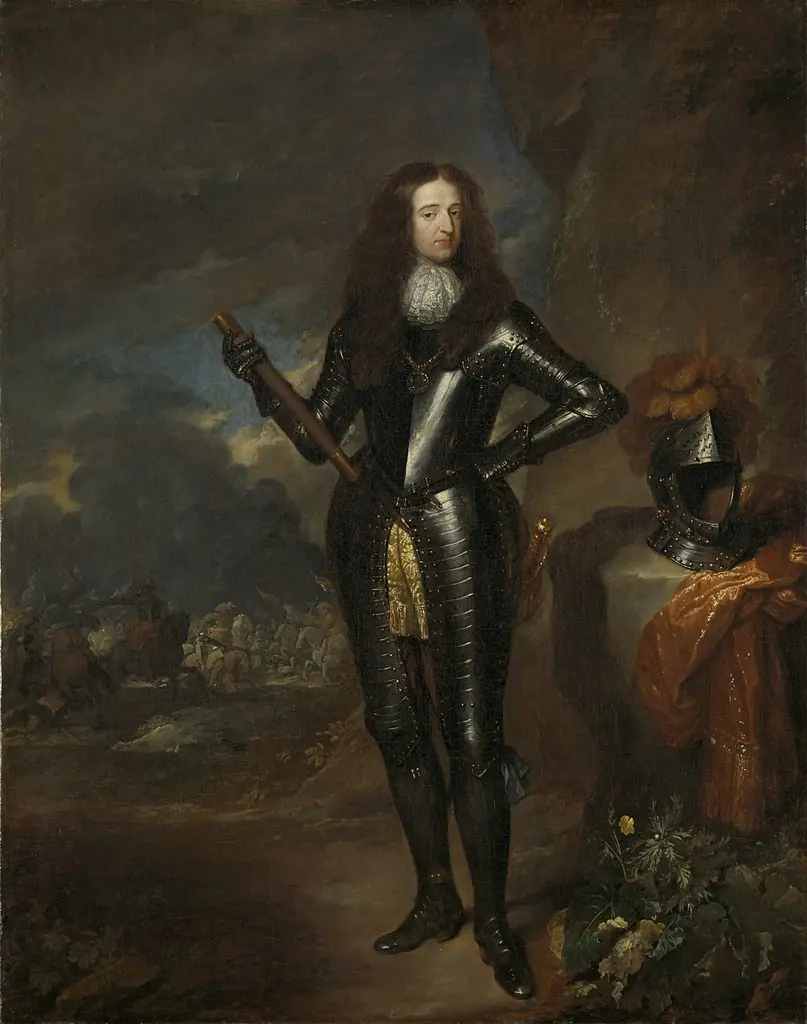 William III (1650-1702), Prince of Orange and since 1689, King of England
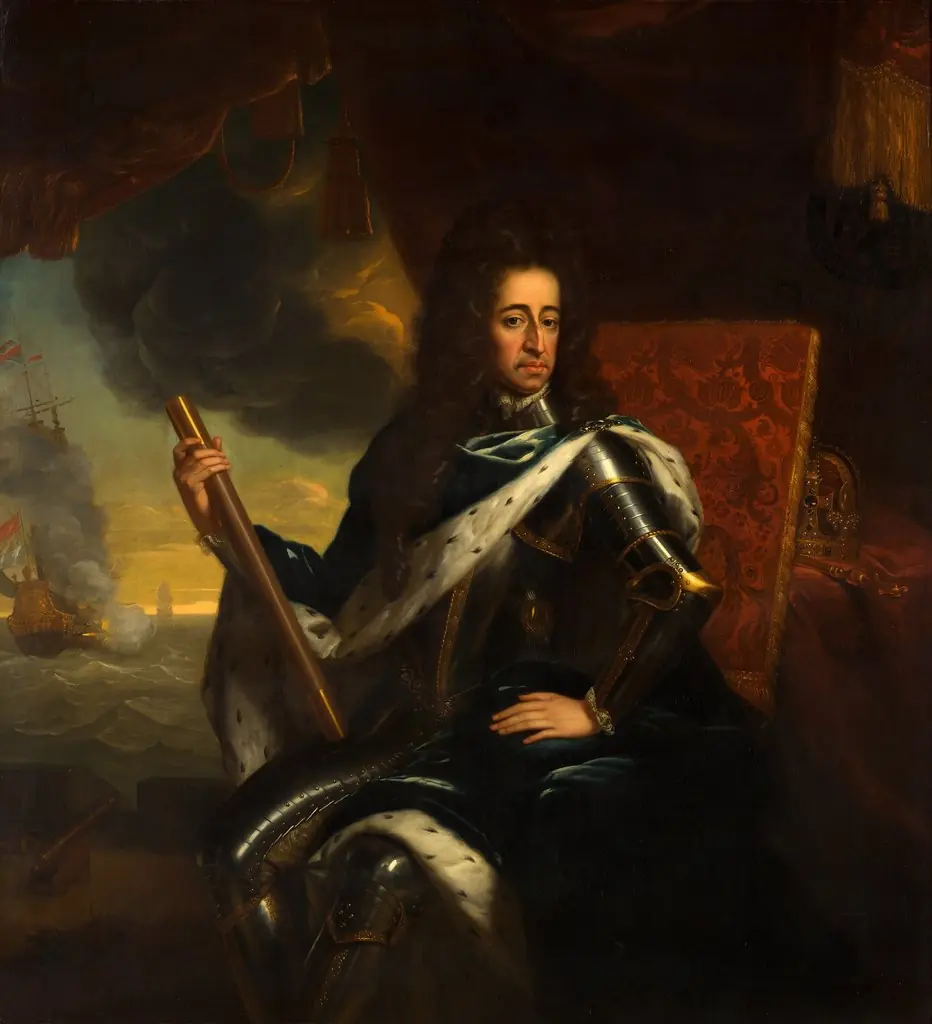 Portrait of Stadholder-King William III (1650- 1702)