Artwork
Madonna of Humility
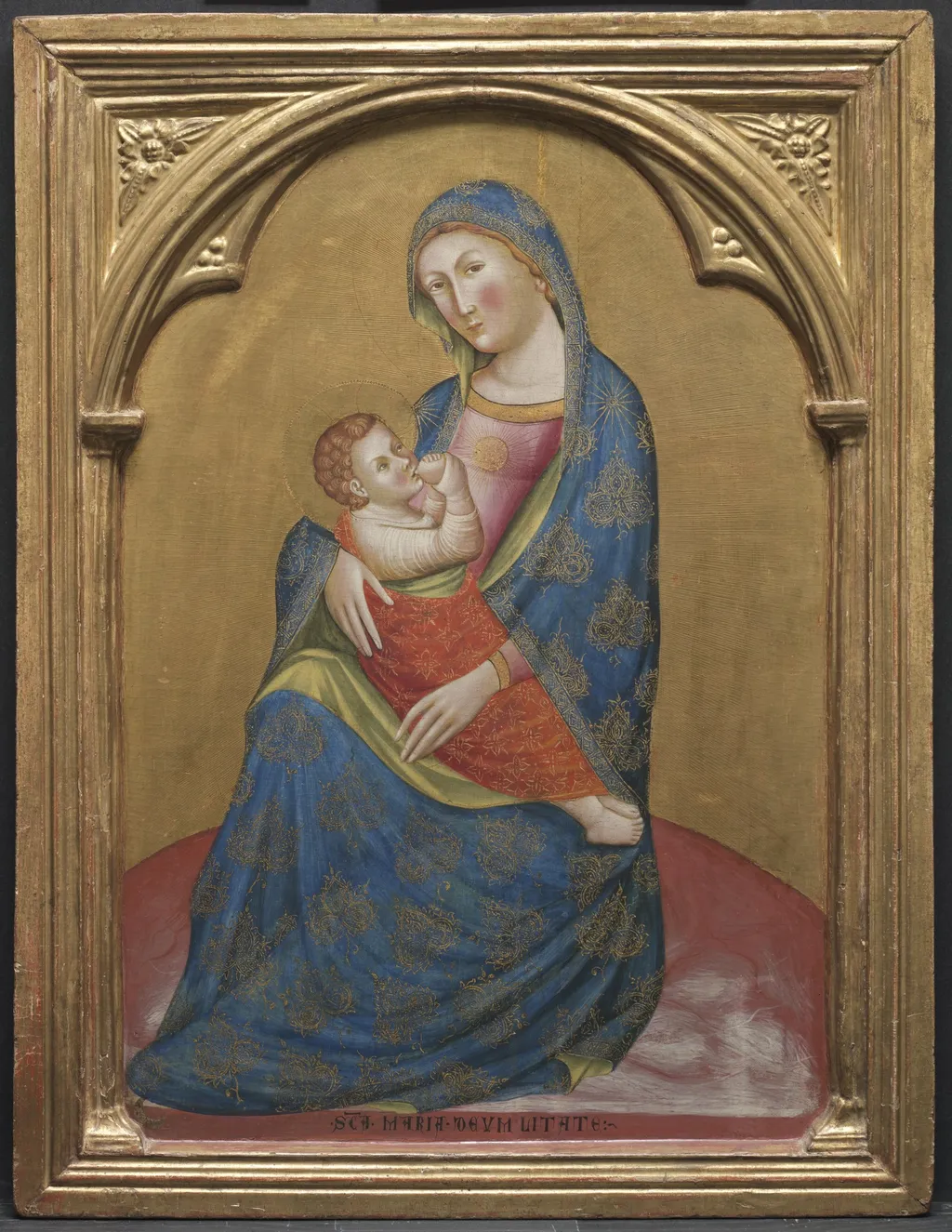
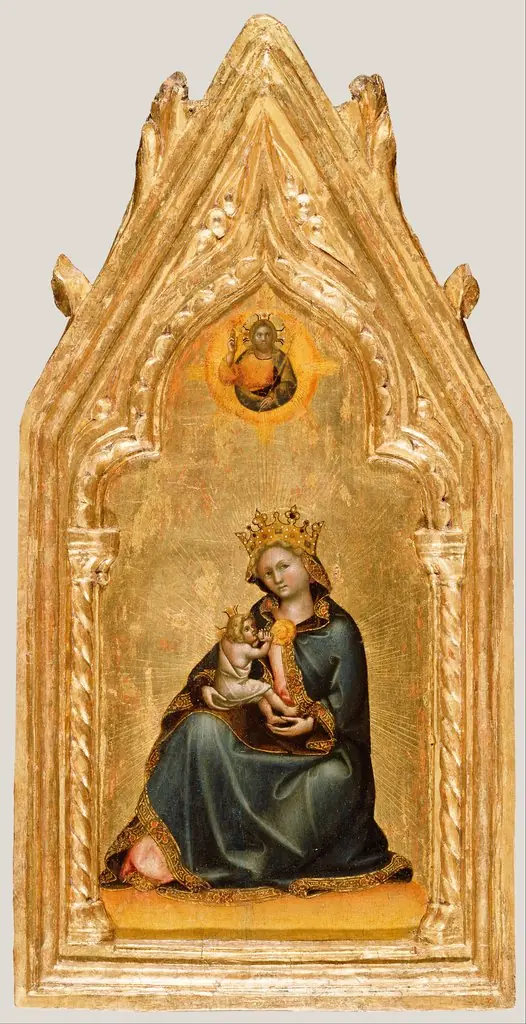
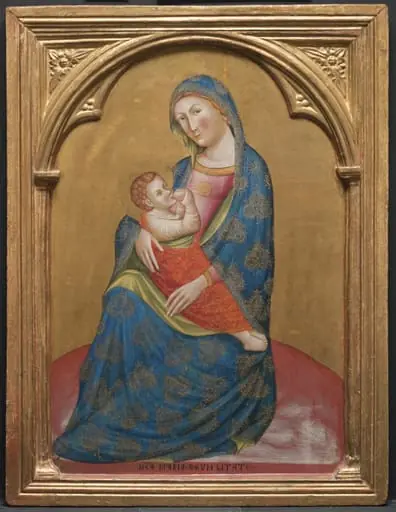
Madonna of Humility is an unspecified painting by the Byzantine icon painting artist Catarino Veneziano. It dates from 1375 and is held in the collection of the Cleveland Museum of Art.
About this work
Subject & Meaning
As a religious work, the image functions as a focus for personal devotion and meditation on the Incarnation, presenting Mary as both accessible and exalted.
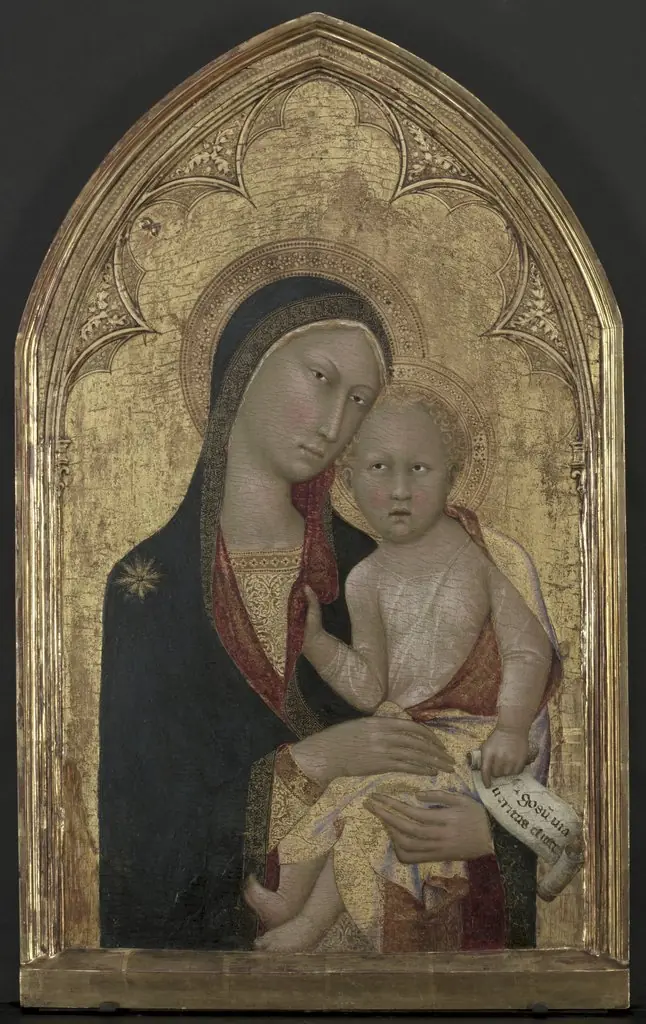
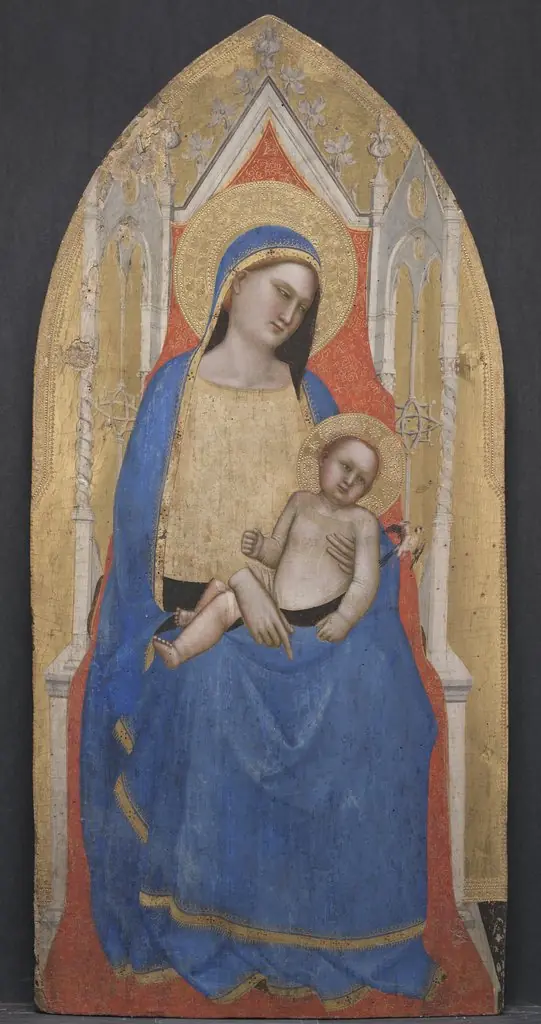
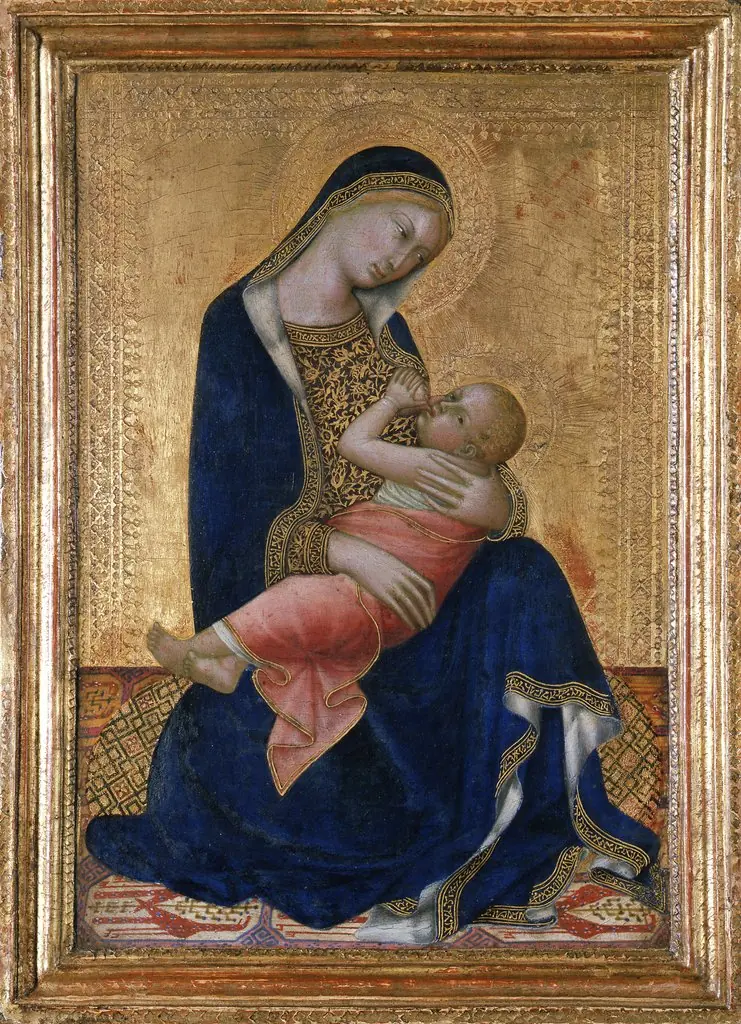
The painting depicts the Madonna and Child, a devotional subject pairing the Virgin Mary with the Christ Child. In this devotional type, known as the Madonna of Humility, Mary is shown seated on the ground rather than enthroned, a compositional choice that emphasizes her humility and humanity while affirming her role as the mother of Christ. The Christ Child is held on her lap, reinforcing the tender maternal bond central to the iconography.
As a religious work, the image functions as a focus for personal devotion and meditation on the Incarnation, presenting Mary as both accessible and exalted.
History & Provenance
The Madonna of Humility was created by Catarino Veneziano in 1375, originating in Italy. The painting was held at one point by Rudolf J. Heinemann before entering the Cleveland Museum of Art, where it is currently held under accession number 1963.500. No further details regarding its original commission or earlier ownership chain are documented in the available sources.
Overview
Catarino Veneziano's Madonna of Humility, created in 1375, is a devotional painting featuring the Virgin Mary and the Christ Child. This artwork is part of the collection at The Cleveland Museum of Art. The composition presents a tender interaction between the figures, reflecting a prevalent theme in late medieval Italian art.
The artist's approach to color and form aligns with the stylistic conventions of the era, conveying spiritual reverence through its visual language.
Technique & Style
Veneziano's work exhibits a tranquil quality, achieved through a palette of simple colors and gracefully rendered forms. The figures of Mary and the Christ Child are depicted with a gentle softness, their contours subtly defined. A plain gold background, characteristic of the period, establishes a luminous, otherworldly setting, while a red cushion and a gold arch serve to frame the central figures.
The pervasive use of gold in the background and on Mary's attire emphasizes the sacred character of the scene.
Own this work as a print
Artist & collection