Artwork
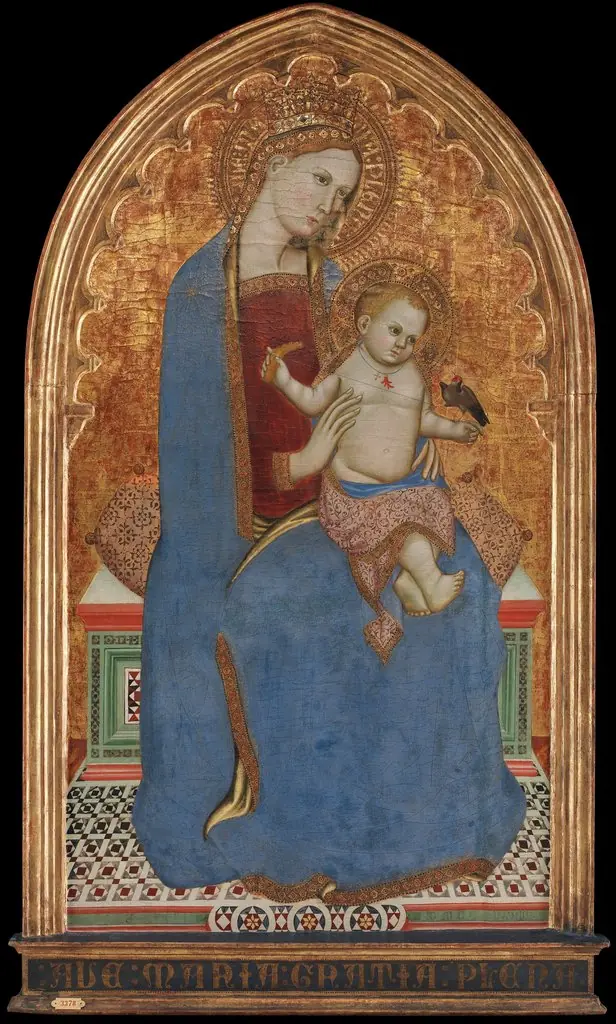
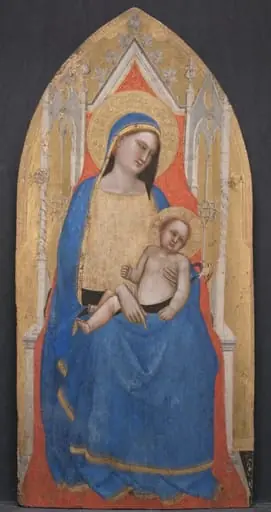
Madonna and Child Enthroned
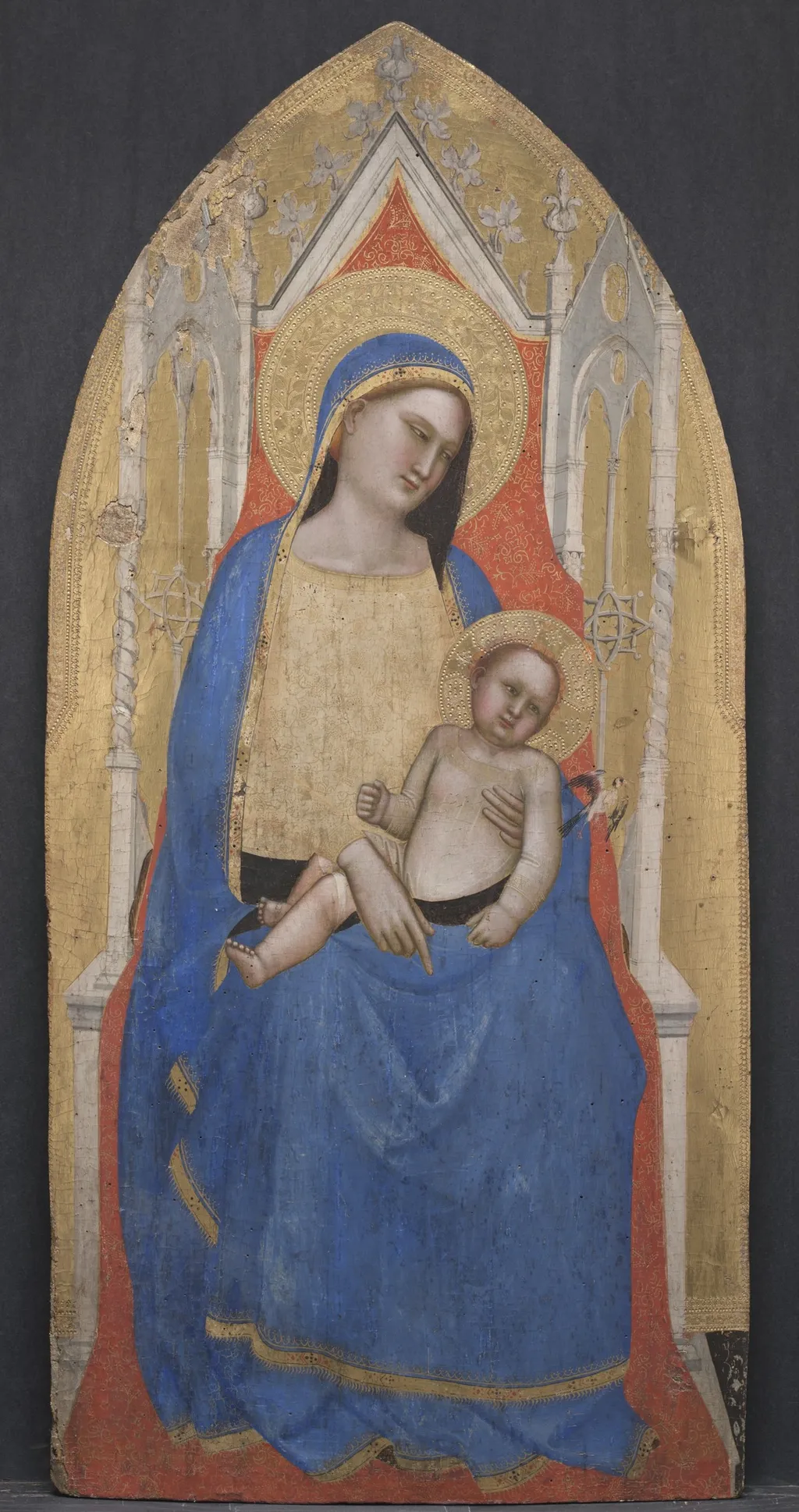
Madonna and Child Enthroned is an unspecified painting by the Italo Byzantine artist Master of San Lucchese. It dates from 1350 and is held in the collection of the Cleveland Museum of Art.
About this work
Subject & Meaning
Its provenance in the Cleveland Museum of Art and earlier ownership by Wildenstein & Company illustrate its historic circulation among collectors.
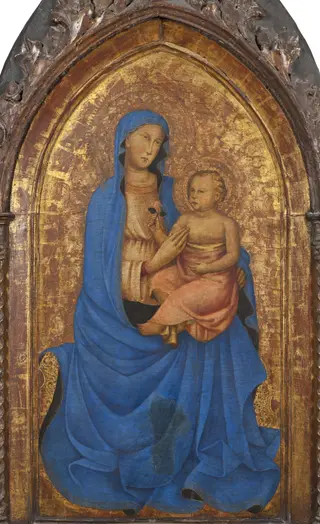
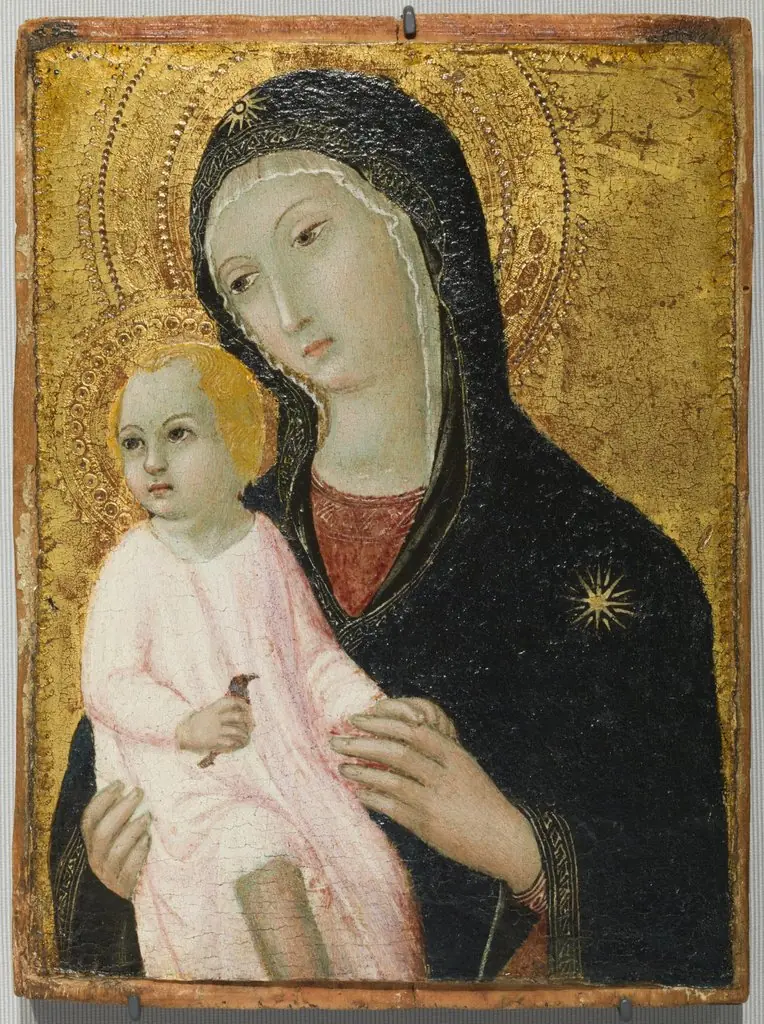
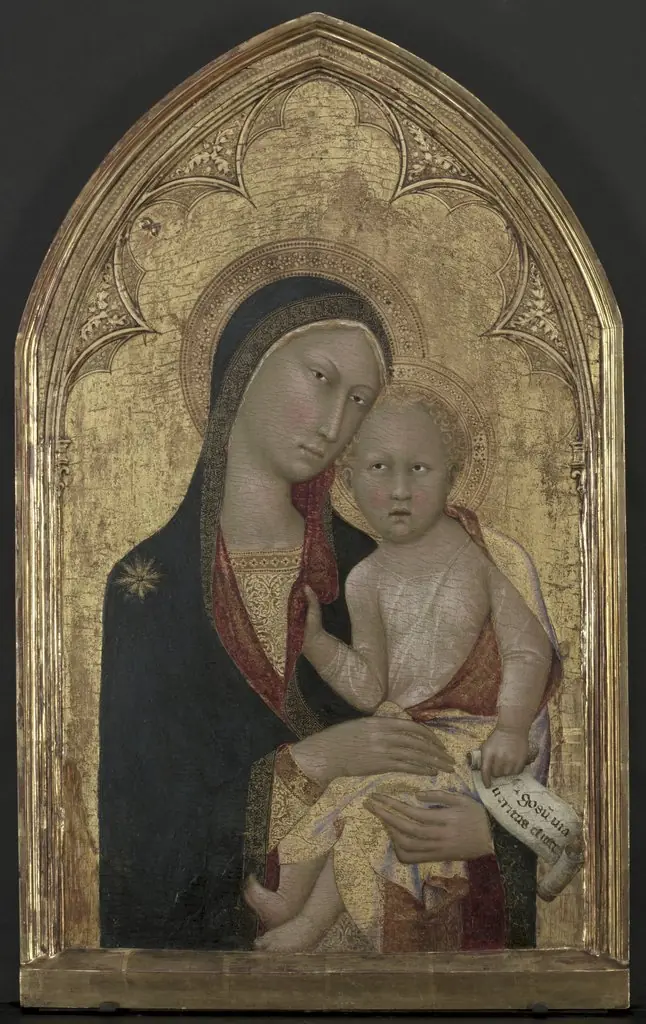
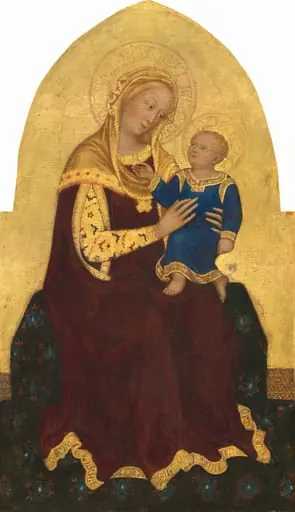
The painting shows the Virgin Mary seated on a throne with the infant Christ on her lap, a common motif in 14th‑century Italian devotional art. Mary’s regal attire and the throne emphasize her role as Queen of Heaven, while the Child’s blessing gesture underscores his divine authority. The work’s religious genre reflects its function as an object of veneration, inviting contemplation of the maternal bond and the incarnation.
Its provenance in the Cleveland Museum of Art and earlier ownership by Wildenstein & Company illustrate its historic circulation among collectors.
History & Provenance
The painting Madonna and Child Enthroned was executed around 1350 by the Master of San Lucchese in Italy. Its original commission was for a devotional setting, reflected in its religious genre and subject matter. The work passed through the dealer Wildenstein & Company before entering the Cleveland Museum of Art, where it has been held since its acquisition.
Stylistic analysis and the documented inception date of 1350‑01‑01 support the dating of the work. Today the piece remains in the museum’s collection, listed under the Master of San Lucchese.
Context
The Madonna and Child Enthroned is a 14th‑century Italian religious panel painting attributed to the Master of San Lucchese and dated to circa 1350. It portrays the Virgin Mary holding the Christ Child in a devotional composition and measures approximately 113.7 cm by 54 cm. The work belongs to the Cleveland Museum of Art collection and was previously owned by Wildenstein & Company. Its iconography and placement within the Master’s oeuvre illustrate early Italian approaches to Madonna imagery and situate it among contemporary religious artworks of the period.
Overview
This painting, titled Madonna and Child Enthroned, was created around 1350 by an artist known as the Master of San Lucchese. This religious work depicts the Virgin Mary holding the Christ Child. It is currently part of the collection at The Cleveland Museum of Art, representing a significant example of Italian painting from the mid-14th century.
Technique & Style
Characteristic of its period, the painting features a radiant gold background, embellished with subtle red and white decorative motifs, which emphasizes the sacred nature of the scene. White columns frame the enthroned figures, adding architectural depth to the divine setting. The use of rich colors, particularly the Virgin's blue robe and the throne's red and gold, reflects the prevailing aesthetic traditions of 14th-century Italian art.
Artist & collection
Artist
The Master of San Lucchese was an Italian painter active in Tuscany around the middle of the fourteenth century.