Artwork
Title Page to Ovid's Metamorphosis, translated by G. Sandy
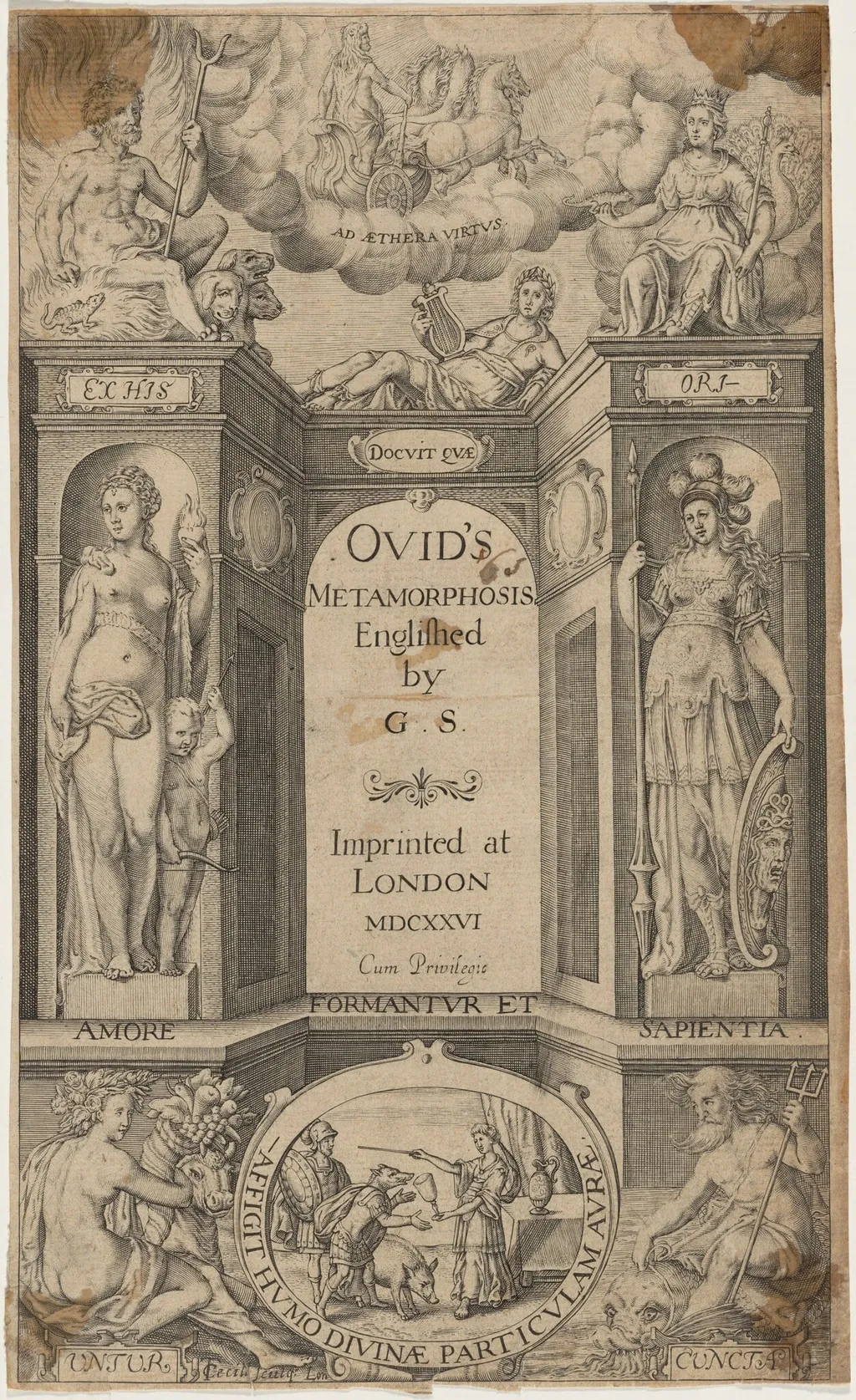
Title Page to Ovid's Metamorphosis, translated by G. Sandy is an ink print by the Renaissance artist Thomas Cecil. It dates from 1621 and is held in the collection of the National Gallery of Art. Created in 1621, this engraving serves as the frontispiece for George Sandys's English translation of Ovid's Metamorphoses.
About this work
Overview
Flanking the central title block are two supporting figures holding shields inscribed with Latin mottos, framing the work's dedication to the translation.
Created in 1621, this engraving serves as the frontispiece for George Sandys's English translation of Ovid's Metamorphoses. Executed by Thomas Cecil, the work functions as a complex allegorical introduction to the classical text. The composition is densely packed with mythological iconography arranged in a hierarchical structure.
At the apex, Neptune, identifiable by his trident, stands beside Pegasus, the winged horse, symbolizing the elemental forces and poetic inspiration central to Ovid's narratives. Directly beneath them, a figure playing a harp likely represents the muse or the harmonious nature of poetry. Flanking the central title block are two supporting figures holding shields inscribed with Latin mottos, framing the work's dedication to the translation.
The lower register features a series of smaller vignettes depicting specific scenes from the Metamorphoses, offering a visual summary of the transformations described within the book. This print exemplifies the early 17th-century tradition of elaborate title pages, which were designed not merely as labels but as intellectual gateways that contextualized the classical source material for an English-speaking audience. It stands as a significant example of English book illustration from the Jacobean era, bridging classical antiquity with contemporary print culture.
Subject & Meaning
At the upper centre, a male figure bearing a trident stands beside a winged horse, evoking the god Neptune and his mythic steeds. Beneath, a female musician plucks a harp, suggesting the poetic inspiration of the text. Flanking the composition, two shield‑bearing figures display Latin mottos, while the lower register presents a variety of human and animal figures, including a tutor instructing a child, underscoring the educational purpose of the translation.
Technique & Style
Cecil employed fine cross‑hatching to model forms and suggest depth within the limited scale of the print. The intricate line work creates subtle tonal variations, allowing the numerous narrative episodes to be distinguished without the use of color. The overall style reflects early‑seventeenth‑century English engraving, characterized by dense, ornamental detailing and a preference for allegorical iconography.
History & Provenance
The engraving was produced in London in 1621, contemporaneous with the first English edition of Ovid’s Metamorphoses translated by George Sandy. As a frontispiece, it would have been bound to each copy of the volume, serving both as a visual introduction and as a marker of the book’s scholarly ambition. Surviving examples are found in several rare‑book collections, confirming its original function as a printed title page.
Context
The early 1620s saw a surge of interest in classical literature among English readers, and publishers often commissioned elaborate title pages to signal the cultural value of their editions. Engravers like Cecil were tasked with translating literary themes into visual allegories, a practice that linked the printed word with the visual traditions of Renaissance humanism.
Legacy
While the frontispiece is primarily a functional element, its intricate design offers insight into the visual culture of early modern England. The plate exemplifies how engravers mediated classical texts for a new readership, and it remains a reference point for scholars studying the intersection of print, illustration, and literary reception in the period.
![Archetypa studiaque patris Georgii Hoefnagelii [Part 4, Title Page]](https://artifactworldgallery.com/img/jacob-hoefnagel--archetypa-studiaque-patris-georgii-hoefnagelii-part-4-title--d842859cac0814bc-w320.webp)
Own this work as a print
Artist & collection

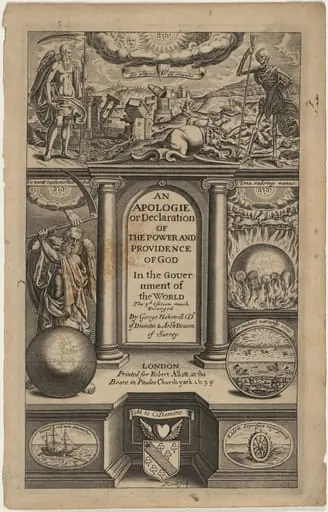 Title Page to An Apologie, or Declaration of the Power and Providence of God
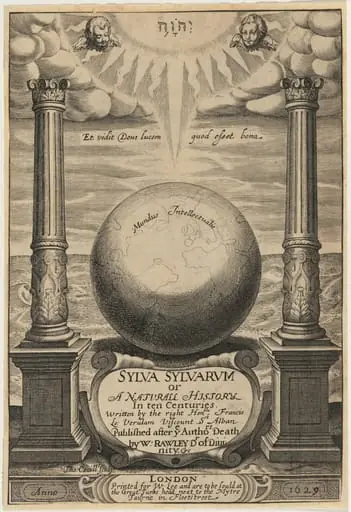 Title Page for Sylva Sylvarum, Francis Bacon
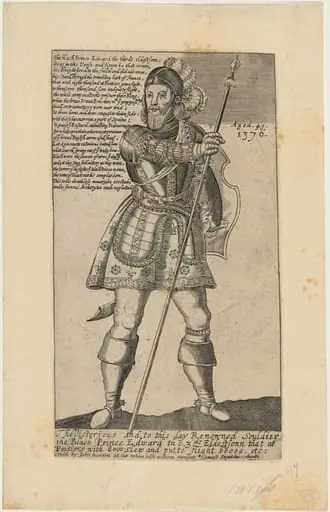 Edward, the Black Prince at the Age of 49
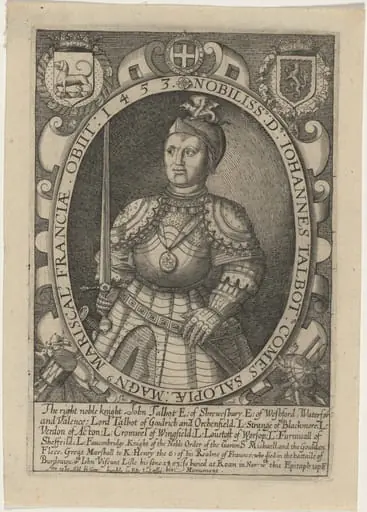 John Talbot, First Earl of Shrewsbury
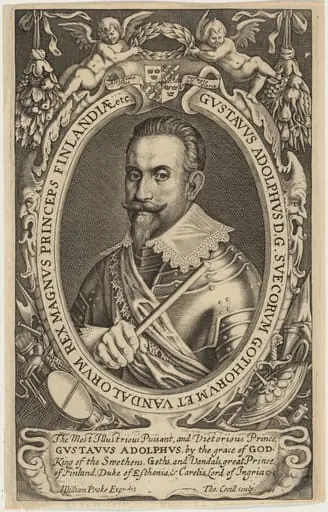 Gustavus Adolphus
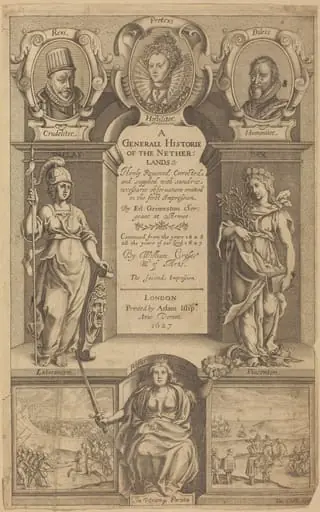 Frontispiece
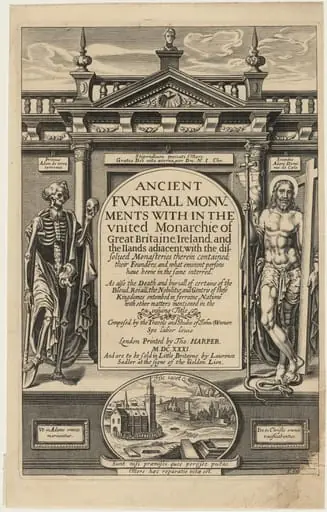 Title Page to John Weever, Ancient Funeral Monuments
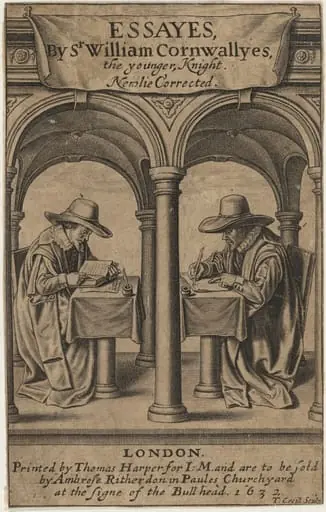 Title Page to Sir William Cornwally's Essays
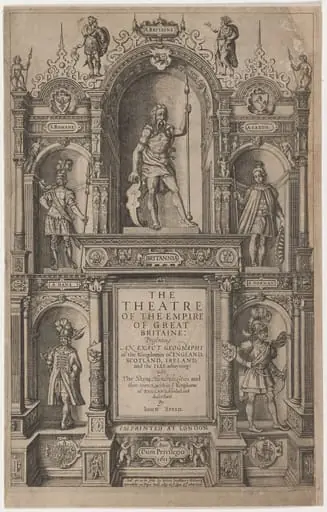 Title Page to "The Theatre of the Empire of Great Britaine" by John Speed
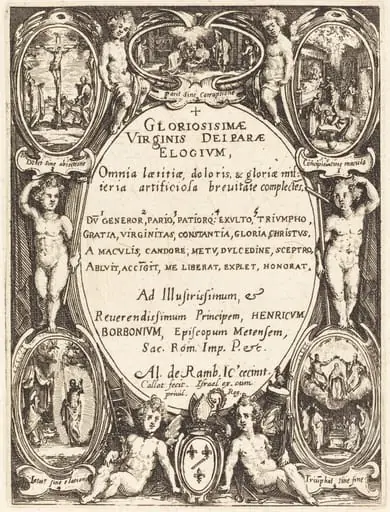 Frontispiece for "Gloriosissimae"
 Ornament
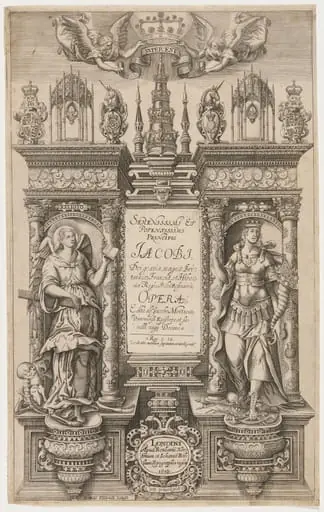 Title Page. James I, an Opera
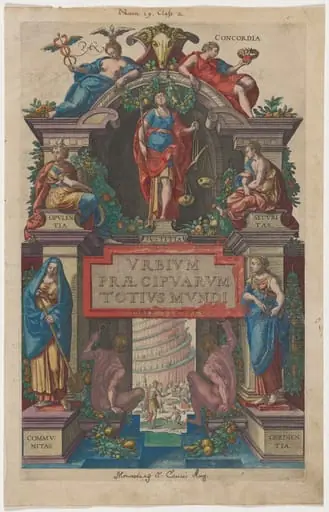 Title Page to Urbium Praecipuarum Totius Mundi
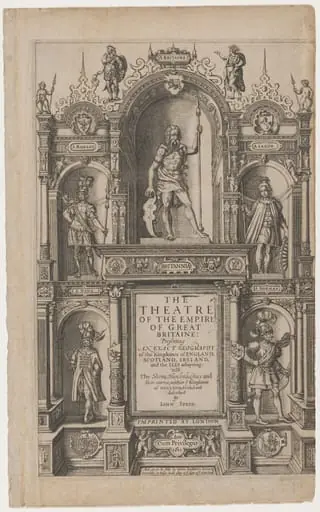 Title Page to "The Theatre of the Empire of Great Britaine" by John Speed
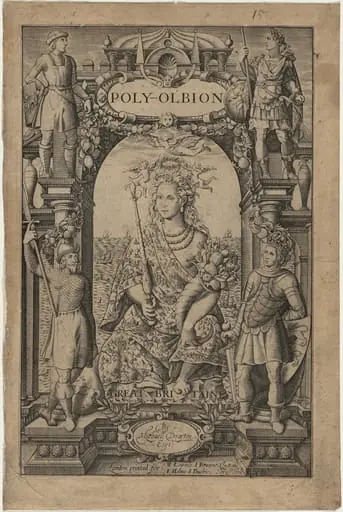 Frontispiece to Drayton's Poly-olbion
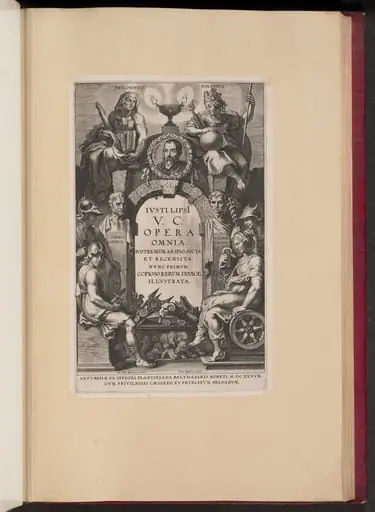 Title Page for Justus Lipsius, Opera Omnia, I
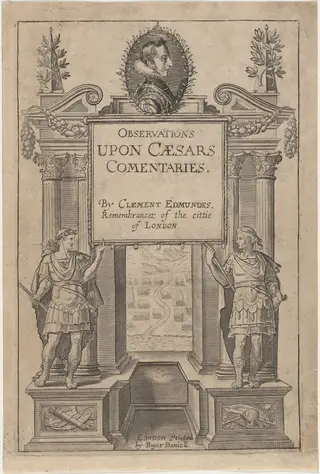 Title Page to Observations Upon Caesar's Commentaries by Clement Edmondes
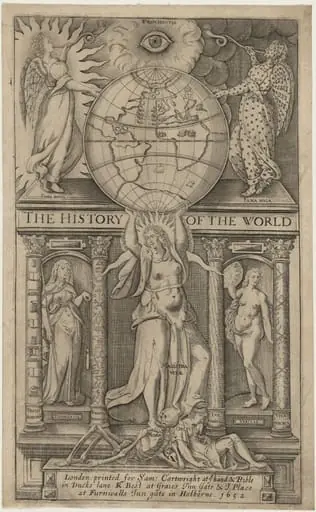 Title Page to Sir Walter Raleigh, History of the World
- Archetypa studiaque patris Georgii Hoefnagelii [Part 4, Title Page]