Artwork
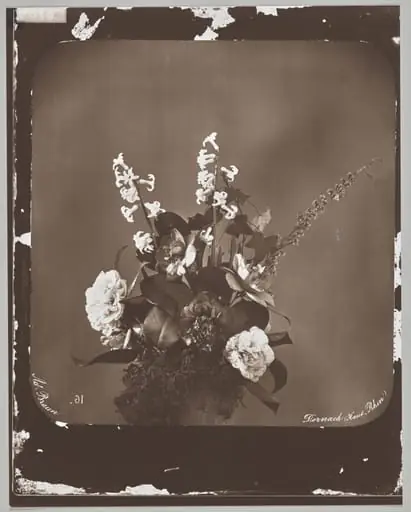
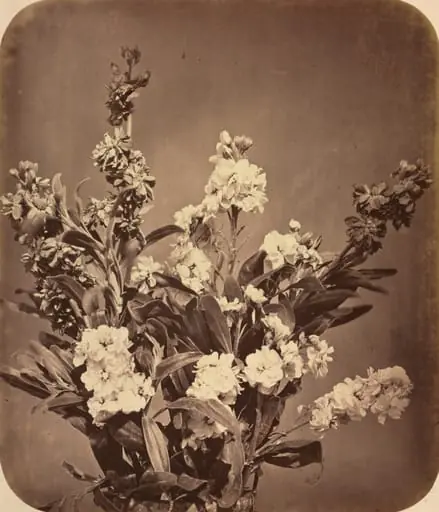
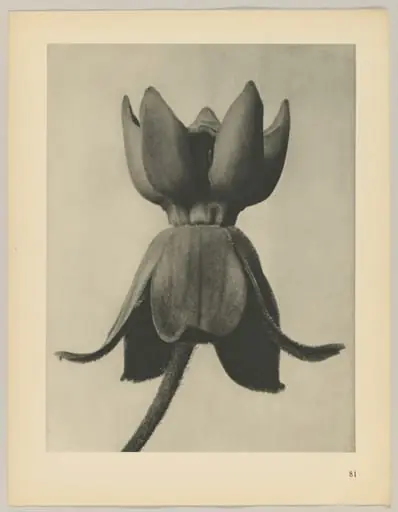
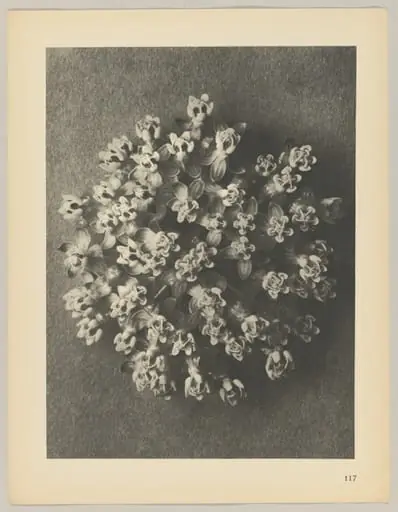
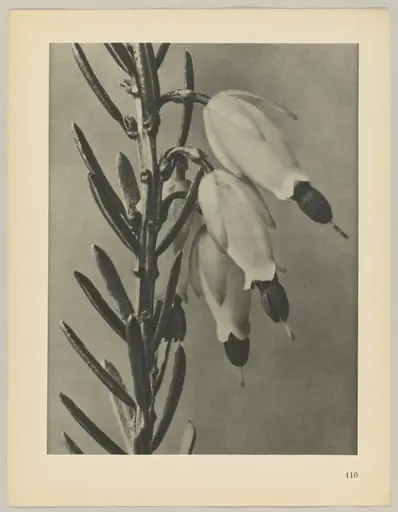
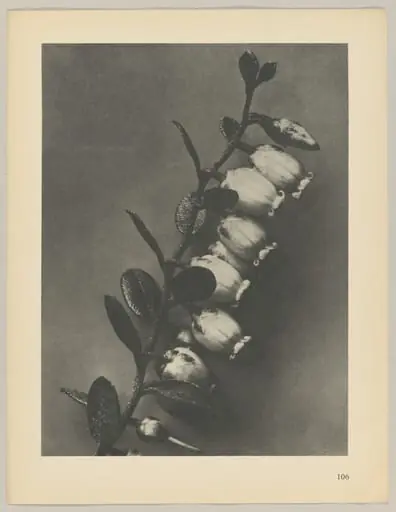
Floral Still Life (Bleeding Hearts)
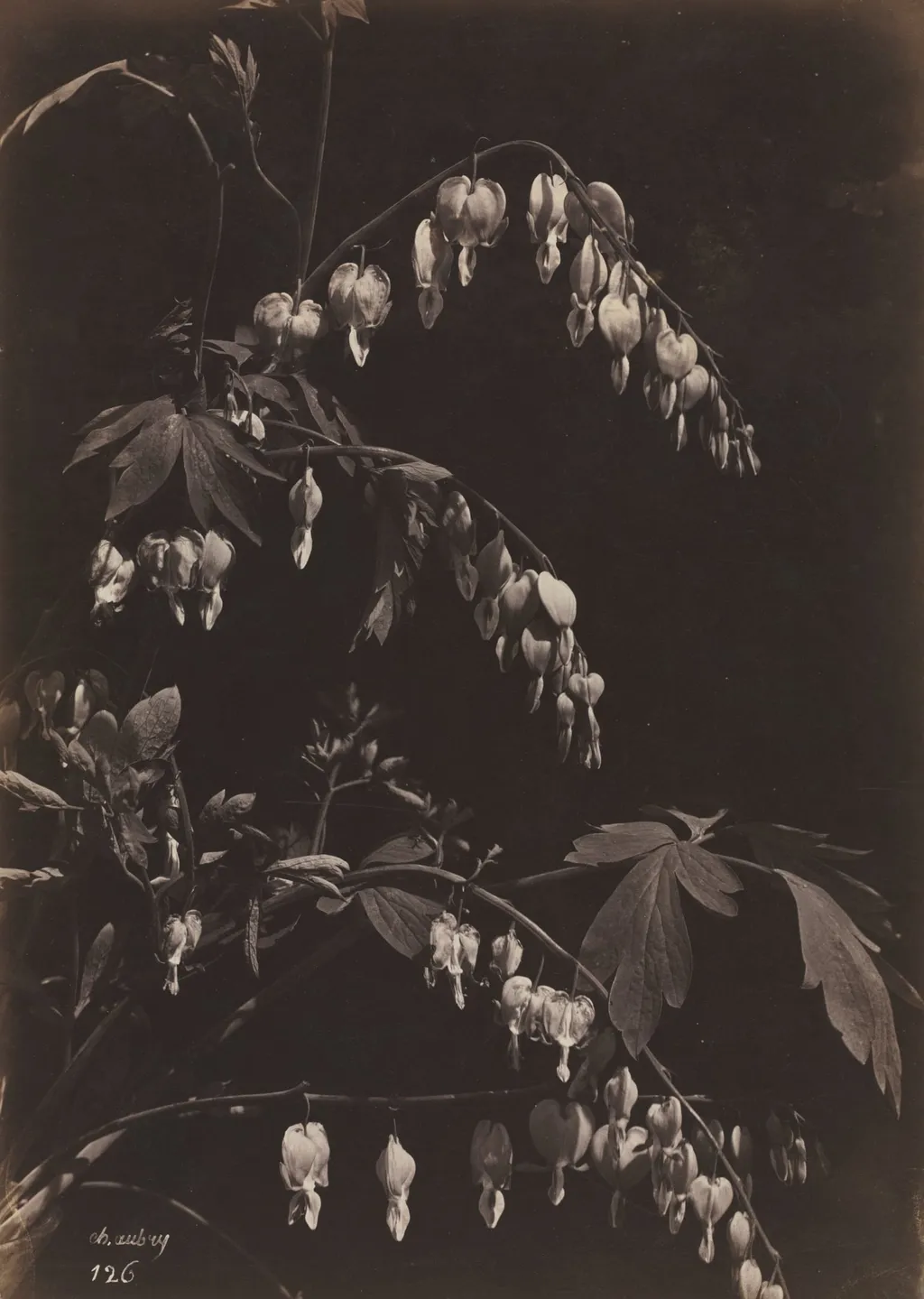
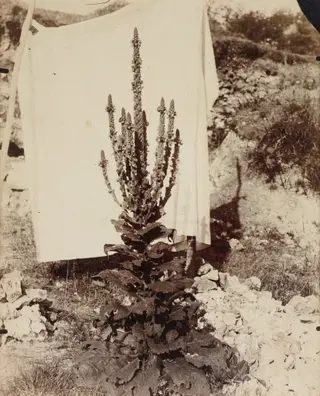
Floral Still Life (Bleeding Hearts) is a photography by the Impressionist artist Charles Aubry. It dates from 1865 and is held in the collection of the Cleveland Museum of Art.
- Accession no.
- 1988.86
- Credit line
- John L. Severance Fund
About this work
Overview
This approach reflects Aubry’s broader interest in botanical subjects, where he sought to reveal structure and rhythm through careful framing and lighting.
Charles Aubry’s photograph 'Floral Still Life (Bleeding Hearts)' presents a tightly framed view of a single plant, stripped of context and set against a deep, neutral backdrop. The composition eliminates environmental distractions, focusing solely on the plant’s form. This approach reflects Aubry’s broader interest in botanical subjects, where he sought to reveal structure and rhythm through careful framing and lighting.
Subject & Meaning
The subject is a bleeding heart plant, its delicate, pendulous blooms and sinuous stems rendered with precision. Rather than depicting the plant in a garden setting, Aubry isolates it to emphasize its internal geometry. The image invites contemplation of natural forms as abstract compositions, suggesting harmony and quiet vitality without symbolic or narrative intent.
Technique & Style
Aubry employed controlled lighting to heighten contrast between the plant’s luminous surfaces and the dark background, creating a chiaroscuro effect that defines each curve and vein. The high degree of detail, achieved through careful exposure and focus, reveals textures otherwise overlooked. His method merges scientific observation with aesthetic restraint, avoiding ornamentation in favor of clarity.
History & Provenance
Produced in the late 19th or early 20th century, this photograph was part of Aubry’s systematic study of plant morphology. His images were collected by botanical institutions and admired by artists for their formal rigor. While not widely exhibited in his lifetime, his work gained recognition among peers for its contribution to visual documentation of flora.
Context
Aubry worked during a period when photography was expanding beyond portraiture and landscape into scientific and artistic domains. His botanical studies aligned with contemporaneous efforts to use the camera as a tool for both analysis and expression. In this context, his images bridged the gap between empirical record and visual poetry.
Legacy
Aubry’s photographs influenced later generations of photographers interested in natural forms, particularly those exploring abstraction through close observation. His disciplined approach to botanical subjects helped establish photography as a legitimate medium for studying organic structure, contributing to the evolving discourse on art and science in visual culture.
Artist & collection