Genre
Floral
Floral is an art genre. The gallery holds 3,068 works in this genre, including works by Jean Baptiste Camille Corot, Gustave Courbet and Jean Honoré Fragonard.
Floral painting—the depiction of cut flowers, usually arranged in a vase or basket, as the principal subject of a picture—emerged as an independent genre in northern Europe around the turn of the seventeenth century. Though Italian artists such as Jacopo de' Barbari had painted autonomous still lifes a century earlier, the flower piece coalesced in the Dutch Republic and Flanders, where a prosperous merchant class, a Protestant aversion to religious imagery, and a booming horticultural trade created both supply and demand. Ambrosius Bosschaert the Elder (baptized 1573), who settled in Middelburg, was among the earliest specialists, founding a dynasty that made the town a centre of the form. Tulips, introduced to the Low Countries by the botanist Carolus Clusius in the 1590s, were prized commodities, and many bouquets doubled as displays of botanical wealth.
The genre's defining traits are precision and abundance. First-generation painters favoured symmetrical bouquets, evenly lit and set against dark grounds, each bloom rendered with near-scientific clarity. Crucially, the lavish arrangements were composites: flowers that bloom in different seasons appear together, assembled from studies, so the pictures were inventions rather than records. Painters lavished equal care on dewdrops, insects, and wilting petals—details that carry vanitas meaning, reminding viewers of beauty's transience and the futility of earthly goods.
The tradition's masters include Jan Brueghel the Elder, whose densely packed bouquets set the early standard, and Rachel Ruysch (1664–1750), who painted into her eighties and produced asymmetrical, naturalistic arrangements of remarkable refinement. Jan van Huysum brought an airy, light-filled elegance in the eighteenth century; his only acknowledged pupil, Margaretha Haverman, painted the accomplished 'A Vase of Flowers' (1716). The catalogue also holds Brueghel's 'Flowers in a Basket and a Vase' and Ruysch's 'Still Life with Flowers on a Marble Slab'.
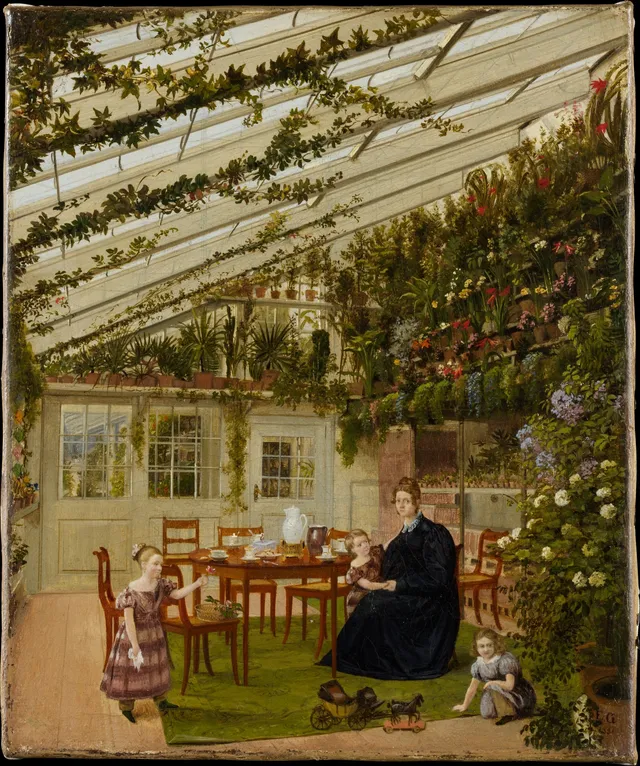
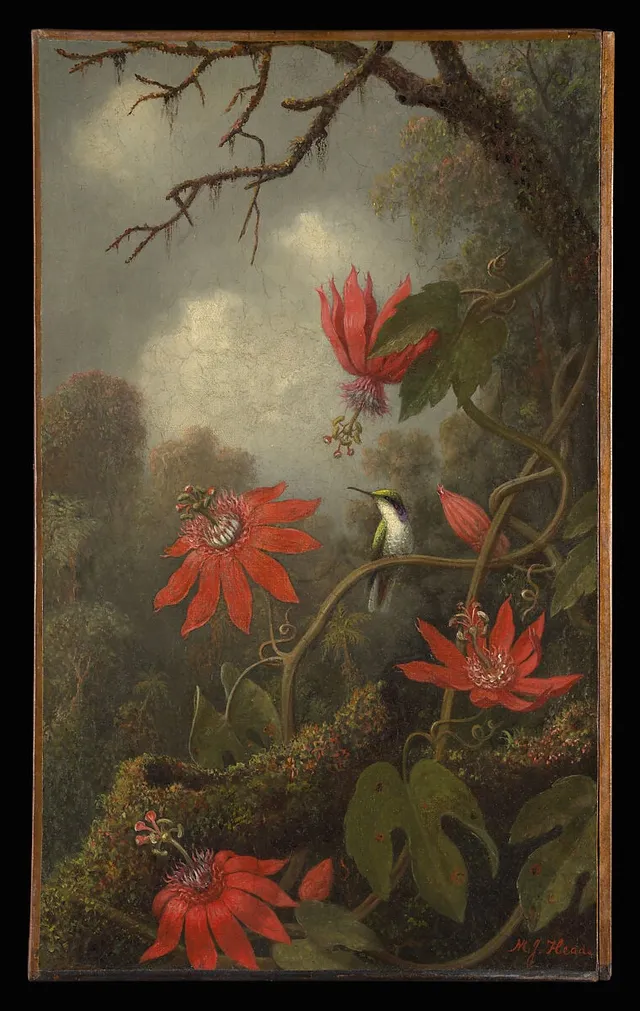
The flower piece never disappeared. In the nineteenth century Henri Fantin-Latour (1836–1904) produced over five hundred floral canvases of quiet, atmospheric calm, while the American Martin Johnson Heade fused botany and ornithology in tropical scenes such as 'Hummingbird and Passionflowers' and 'Hummingbird and Apple Blossoms'. A subgenus of still life, floral painting also shades into botanical illustration and the conservatory and garden imagery of works like Gaertner's 'The Family of Mr. Westfal in the Conservatory', and it remained a touchstone for later artists from the Impressionists to van Gogh.
Key artists

Works
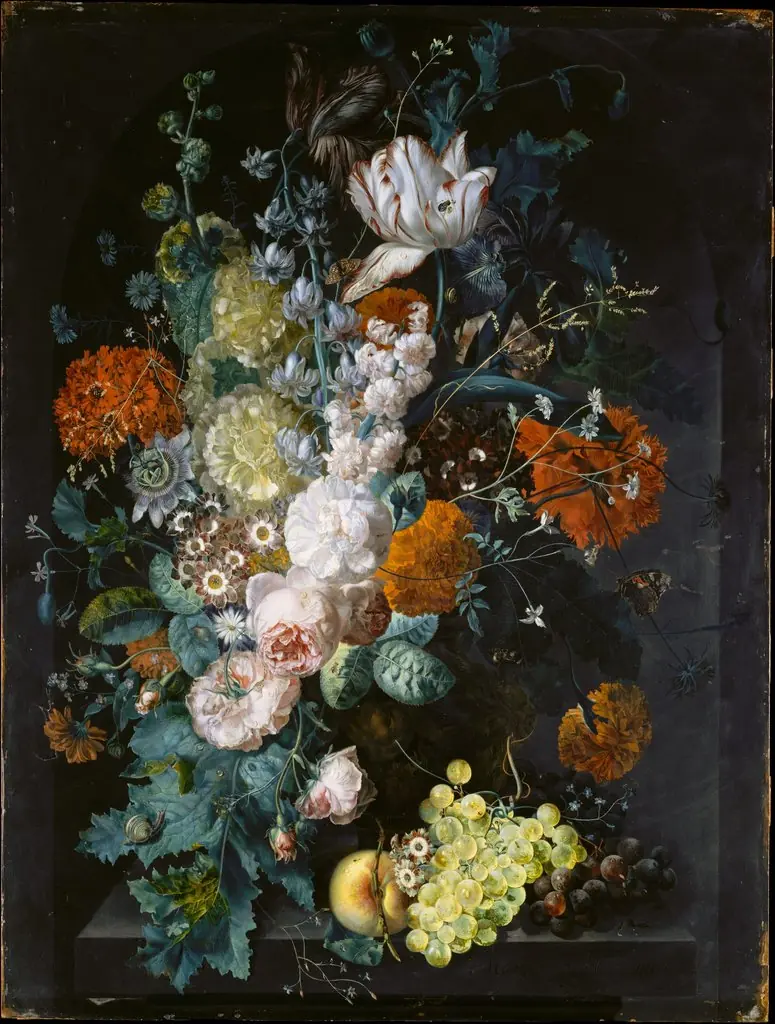 A Vase of Flowers
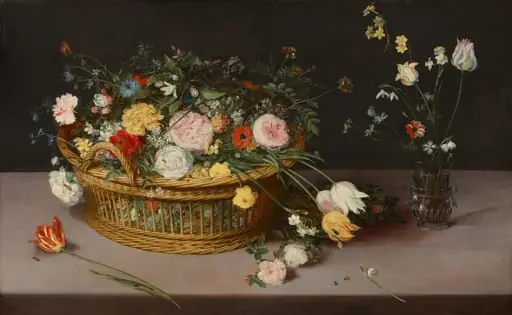 Flowers in a Basket and a Vase
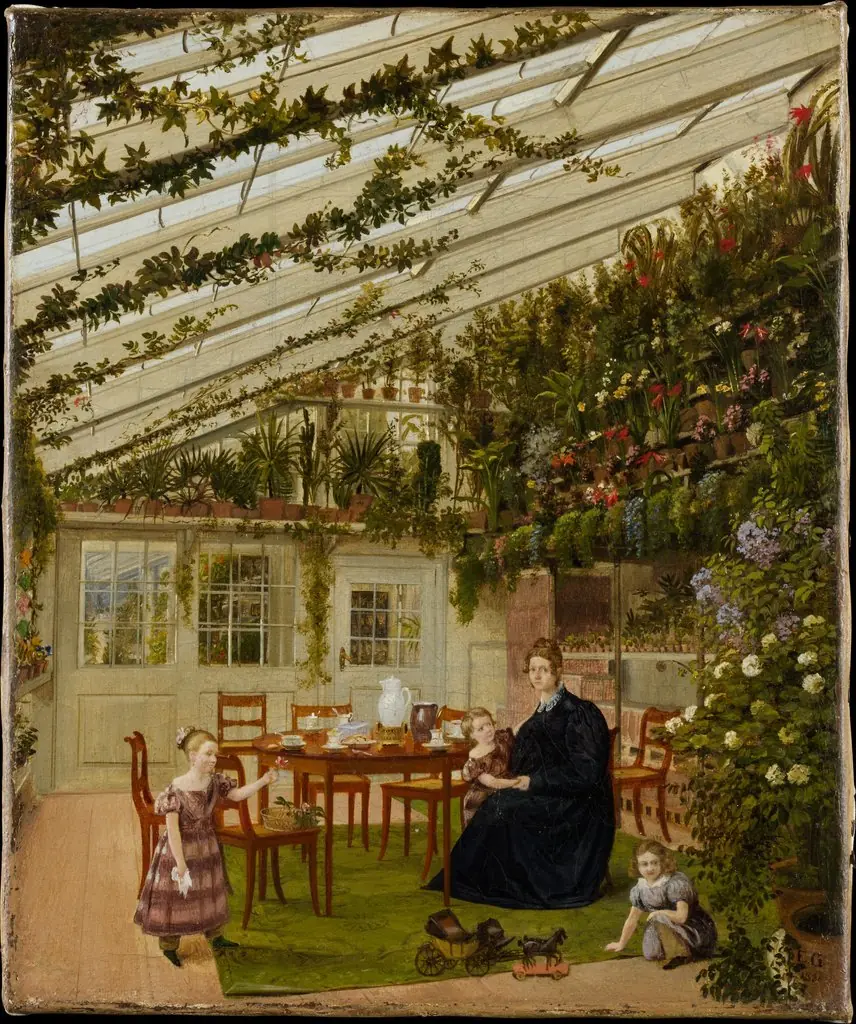 The Family of Mr. Westfal in the Conservatory
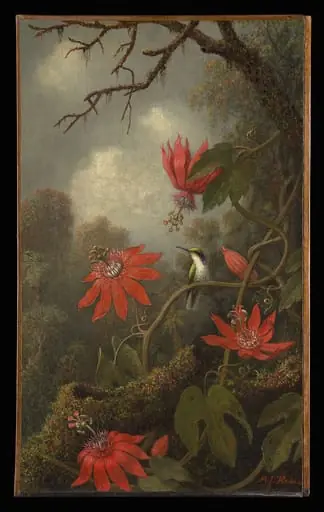 Hummingbird and Passionflowers
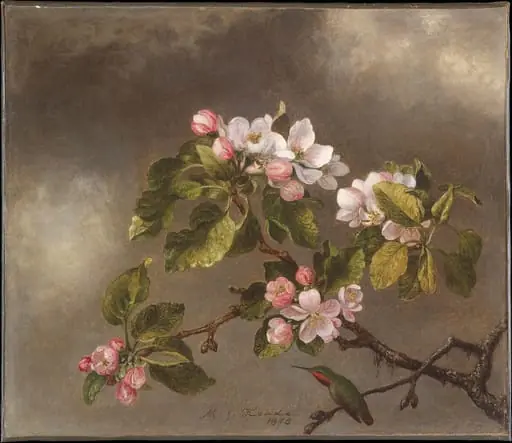 Hummingbird and Apple Blossoms
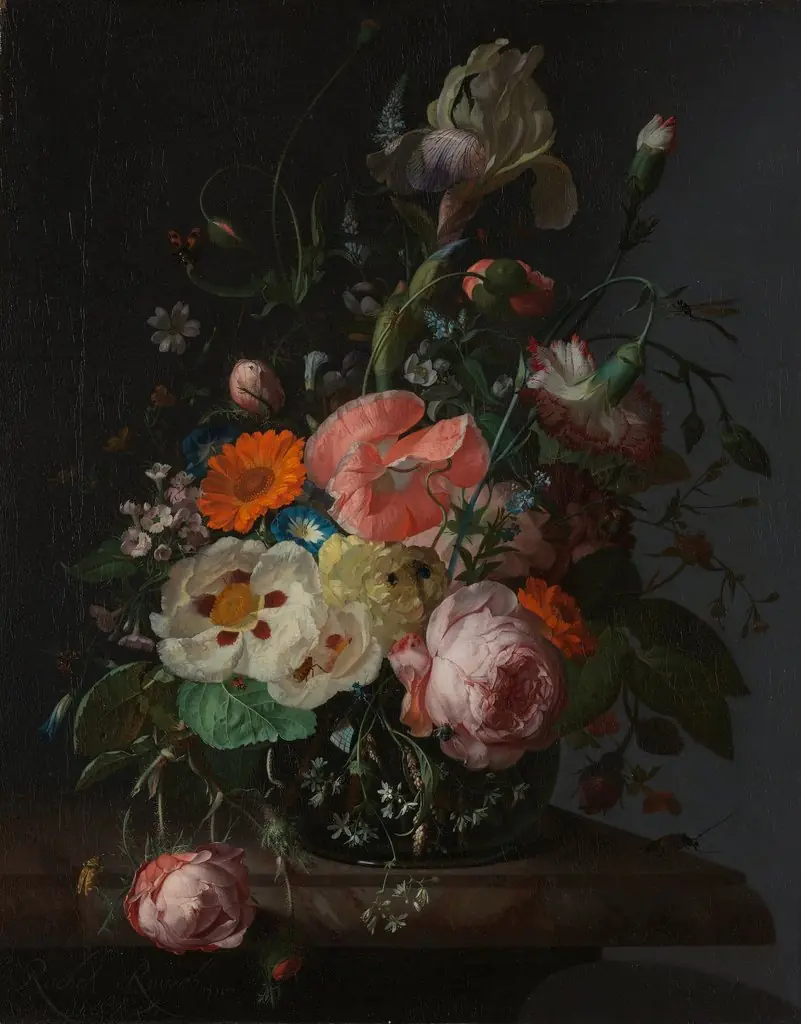 Still Life with Flowers on a Marble Slab
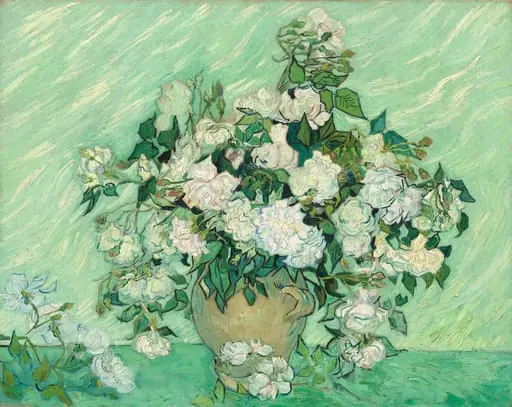 Roses
Roses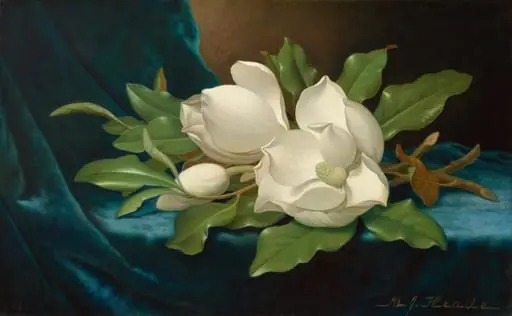 Giant Magnolias on a Blue Velvet Cloth
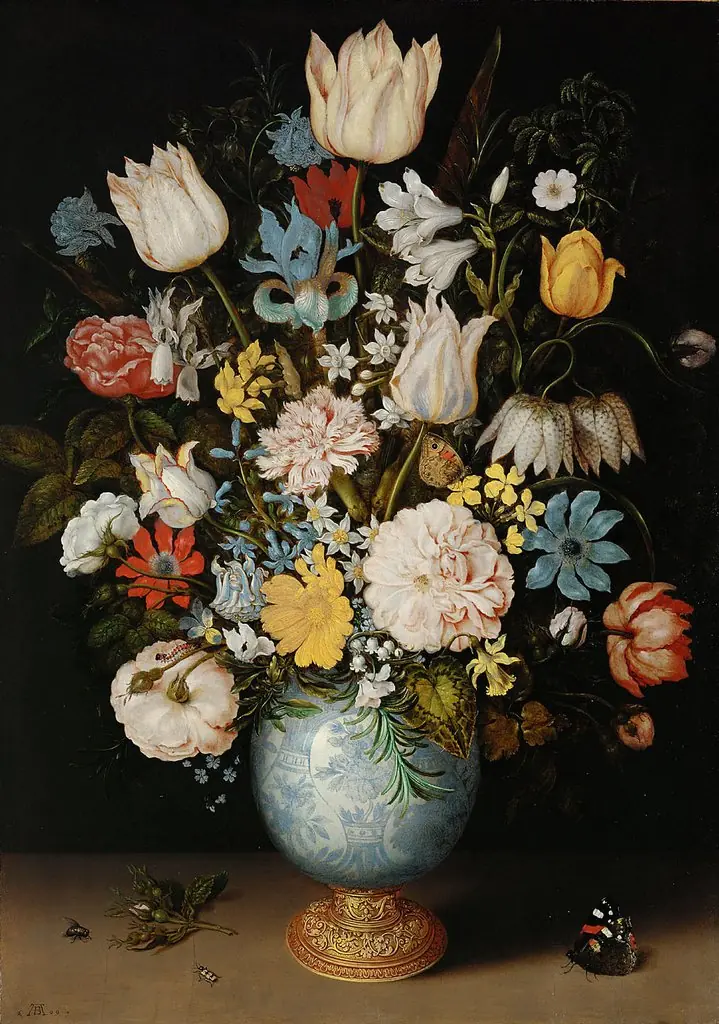 Flowers in a blue and white porcelain vase
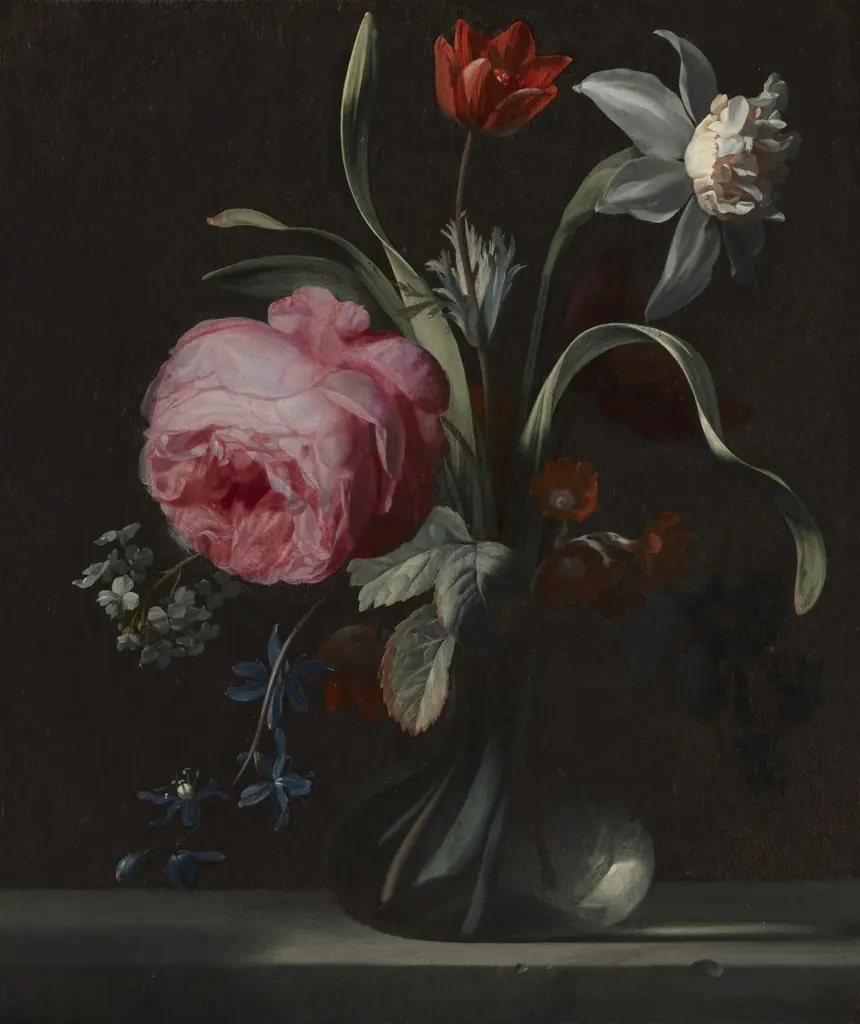 Flowers in a Vase
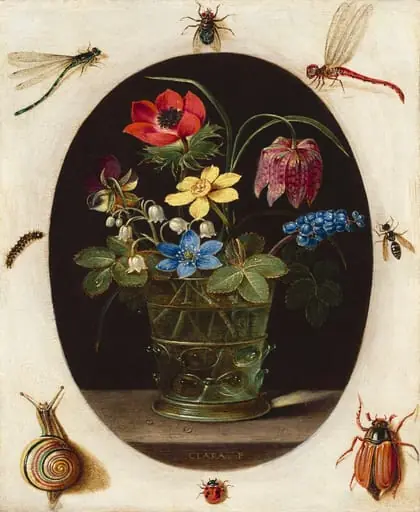 Still Life with Flowers Surrounded by Insects and a Snail
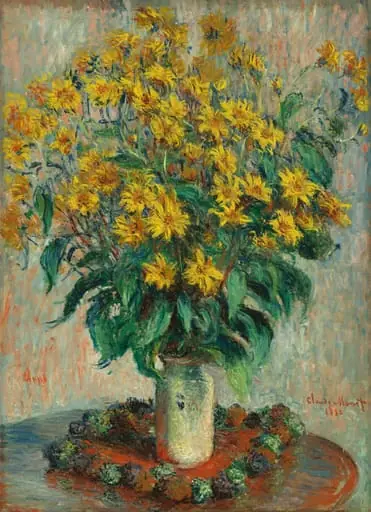 Jerusalem Artichoke Flowers
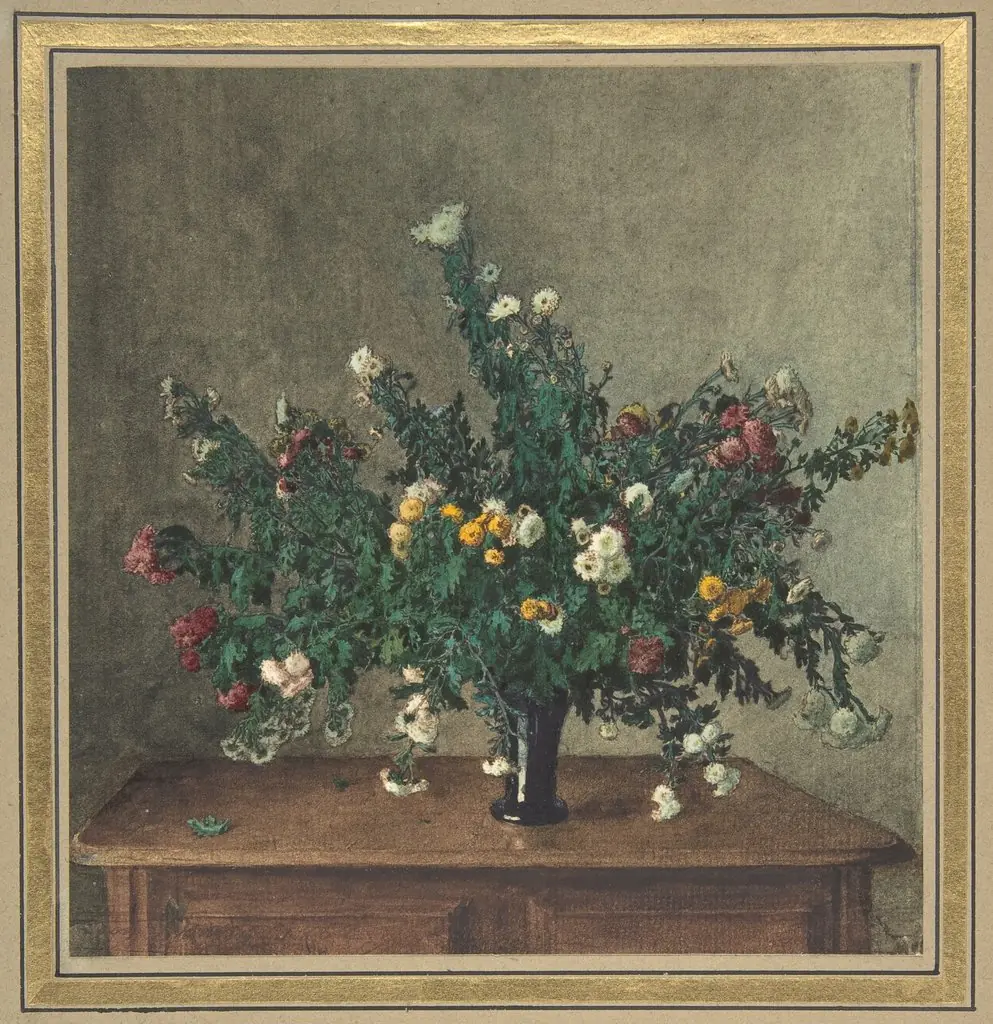 Bouquet of Small Chrysanthemums
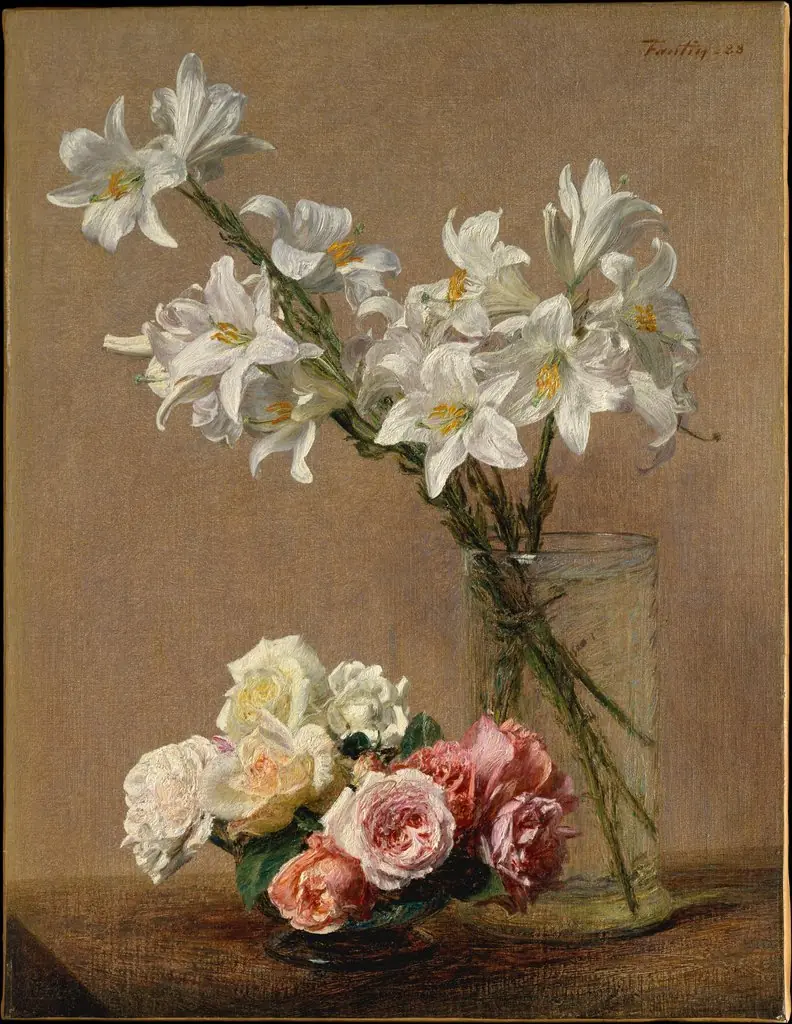 Roses and Lilies
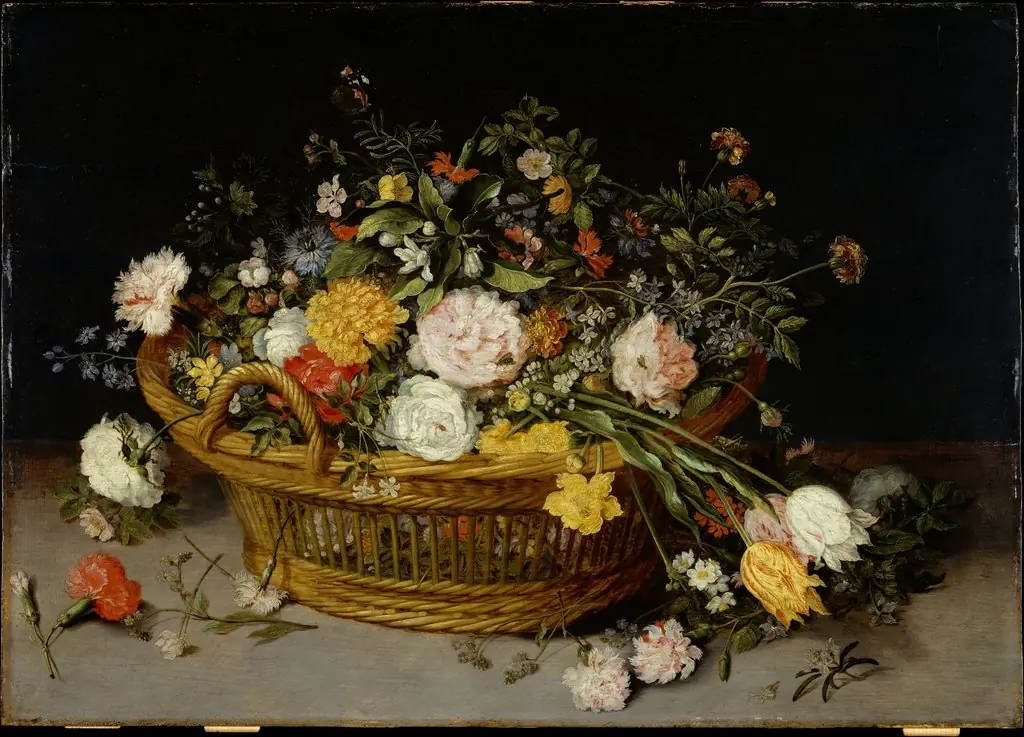 A Basket of Flowers
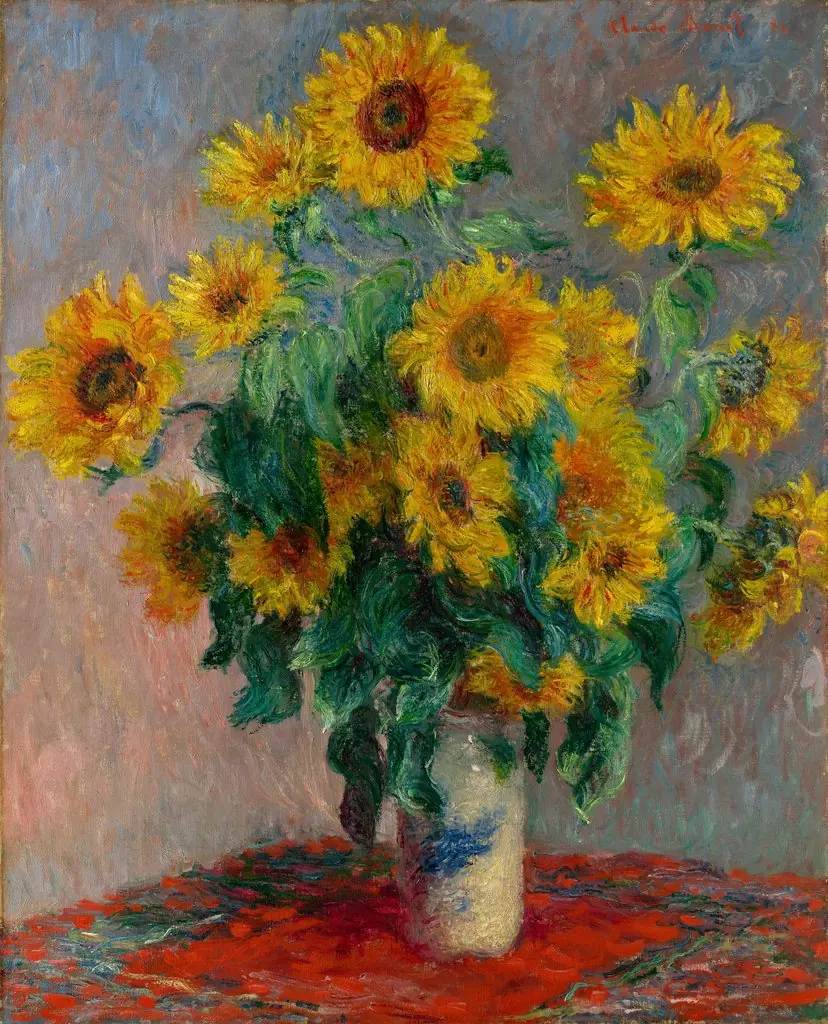 Bouquet of Sunflowers
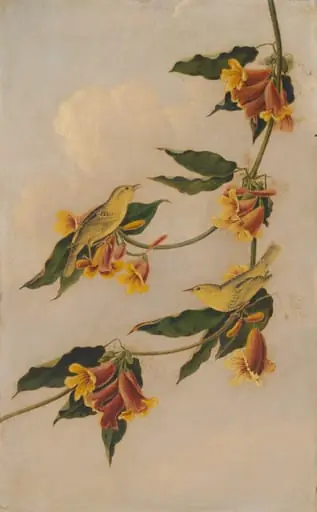 Yellow Warbler
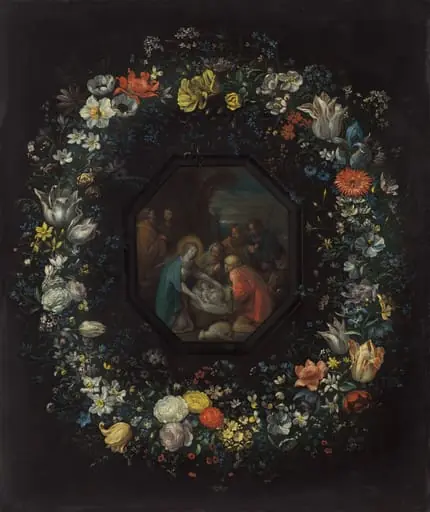 Garland of Flowers with Adoration of the Shepherds
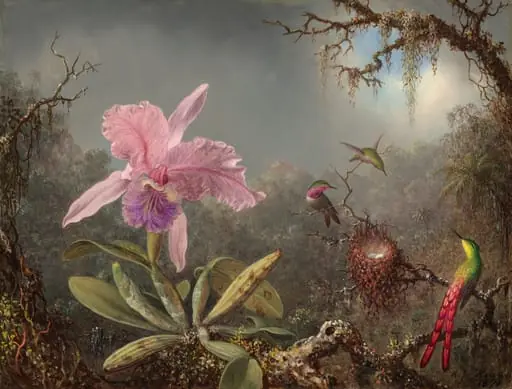 Cattleya Orchid and Three Hummingbirds
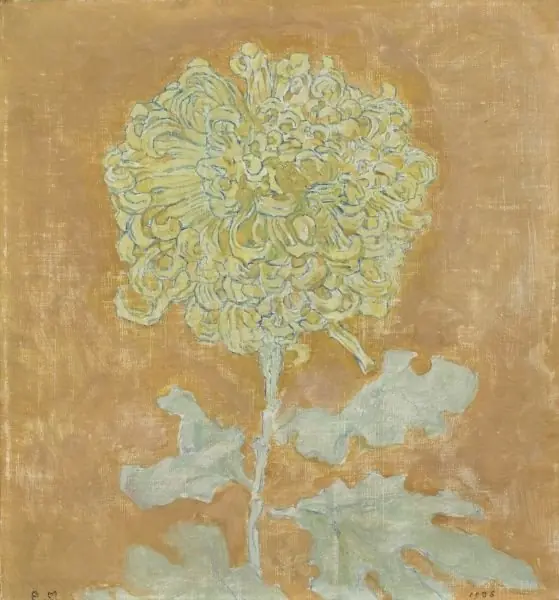 Chrysanthemum
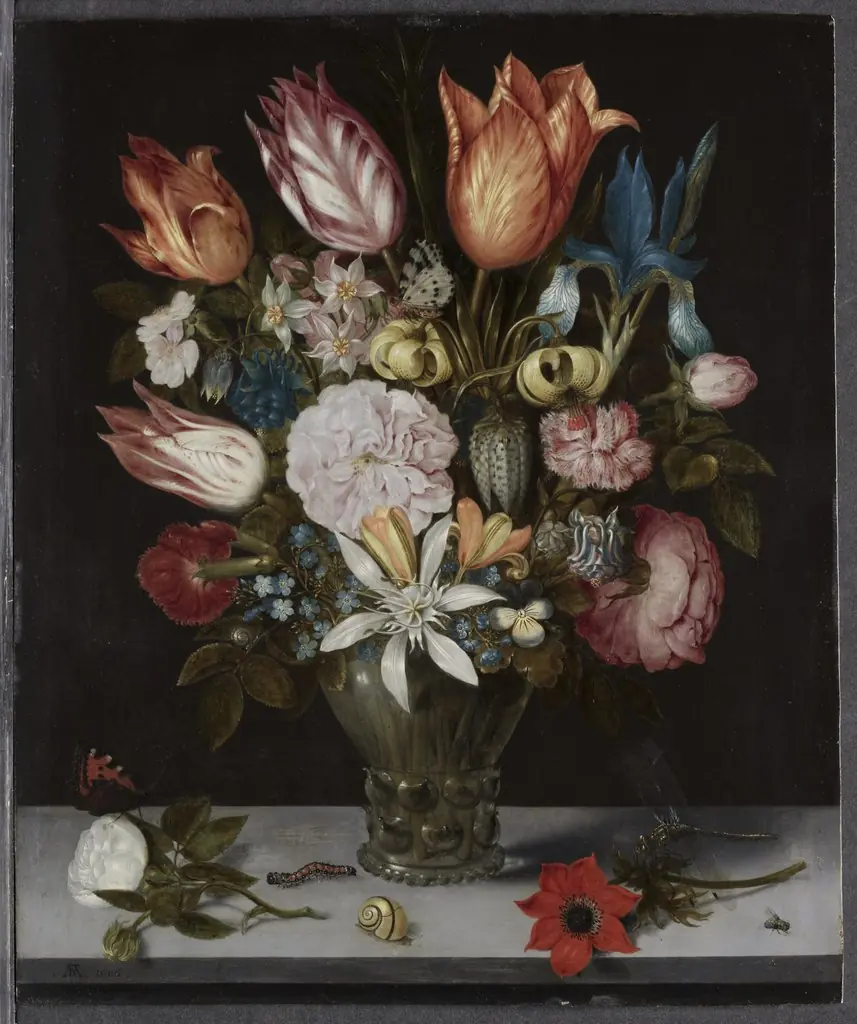 Flowers in a Glass
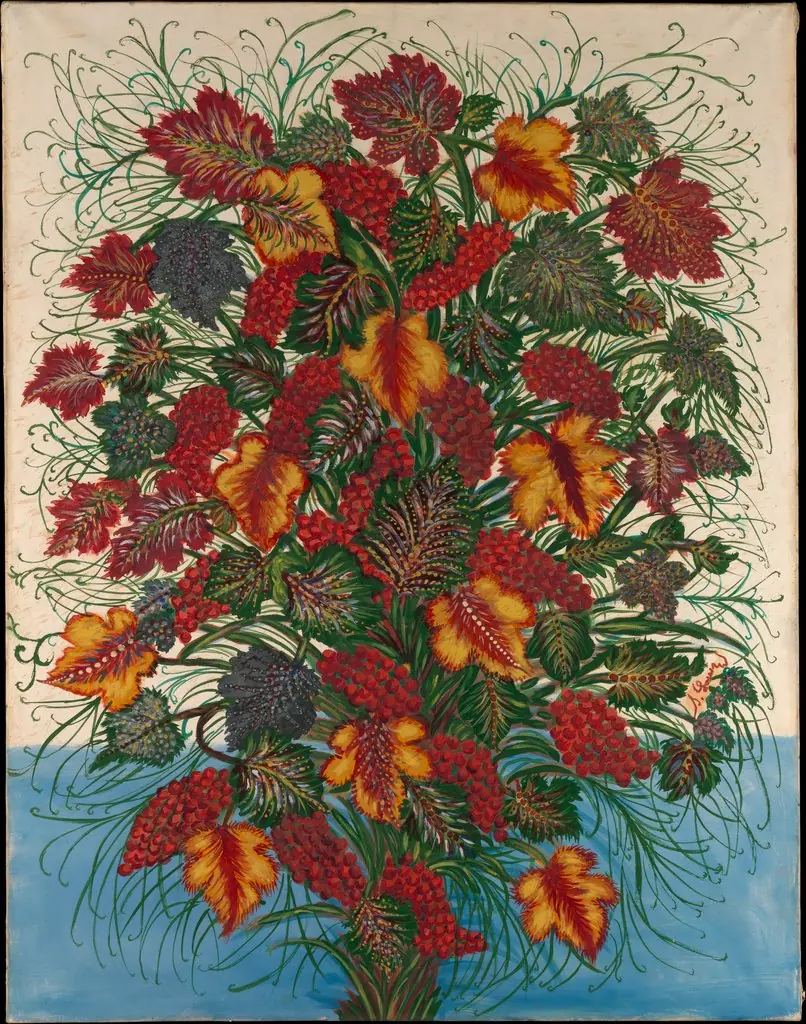 The Large Bouquet
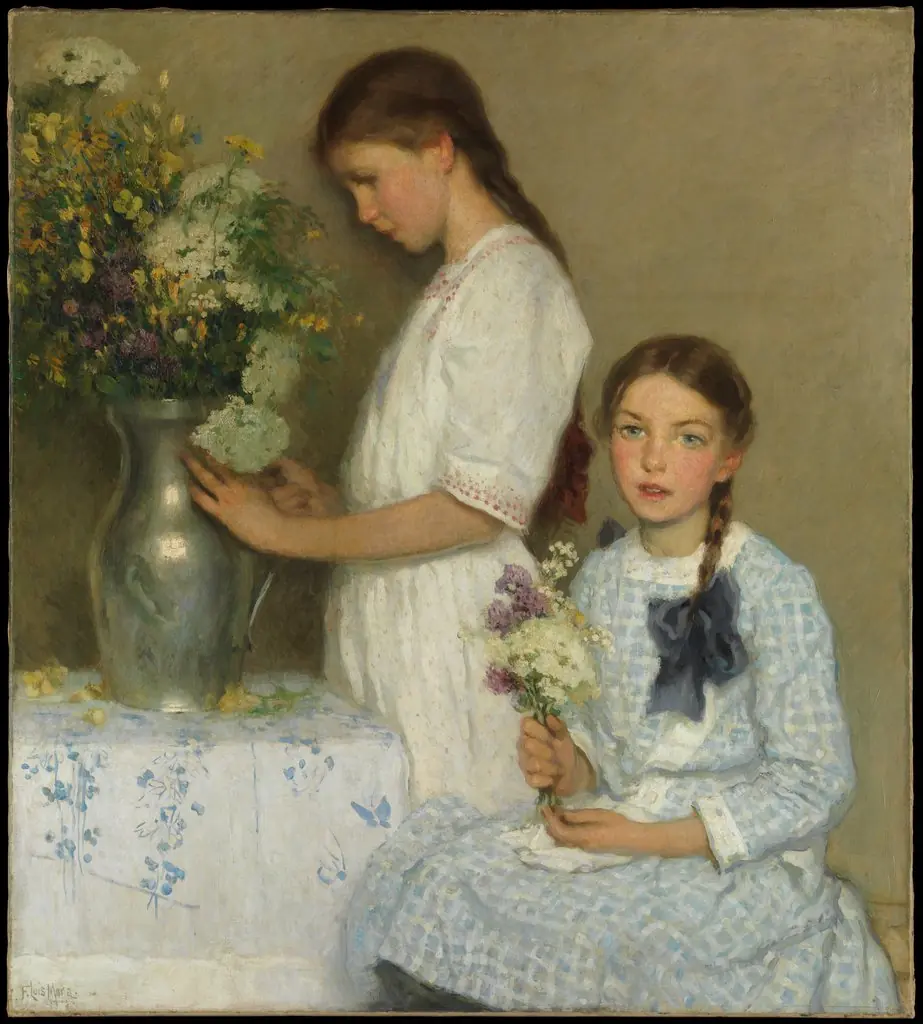 Flowers of the Field
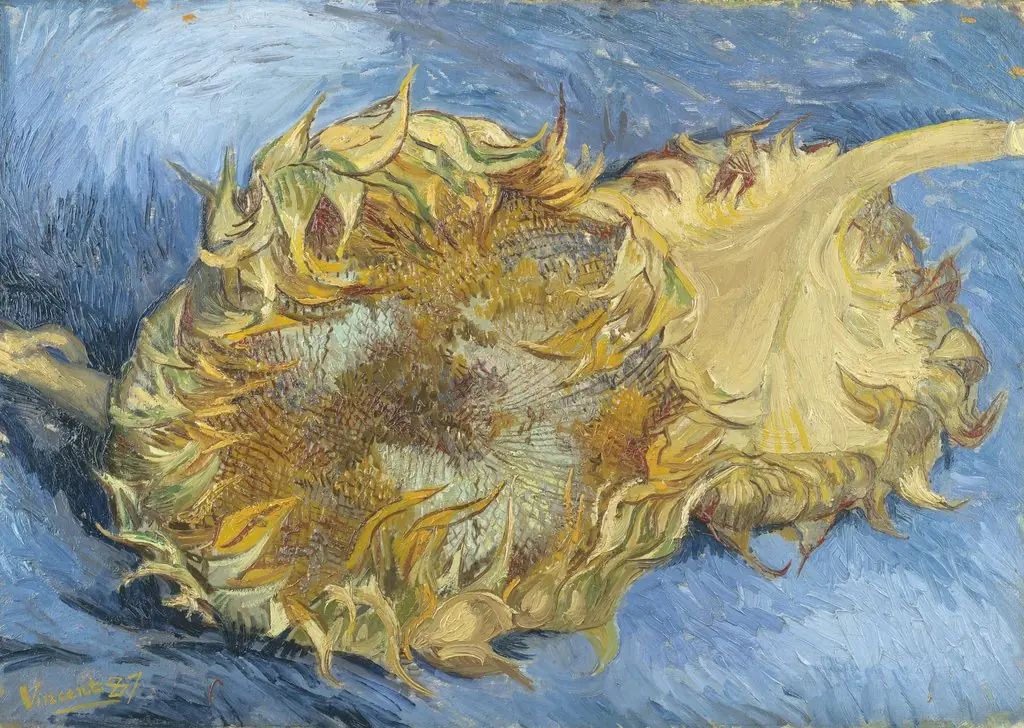 Sunflowers
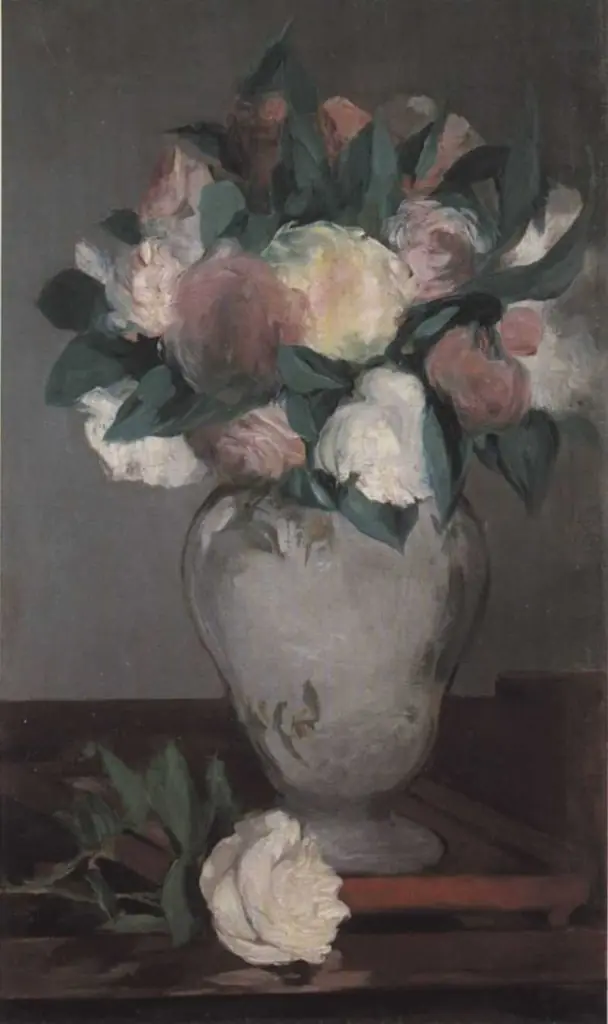 Peonies
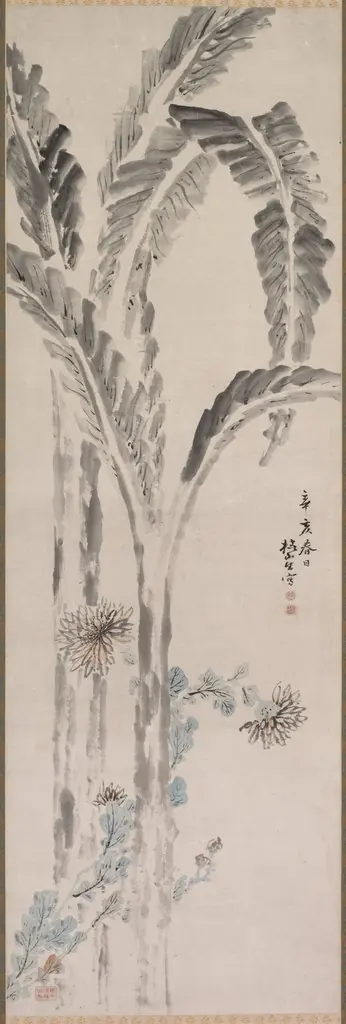 Banana Plant and Chrysanthemum
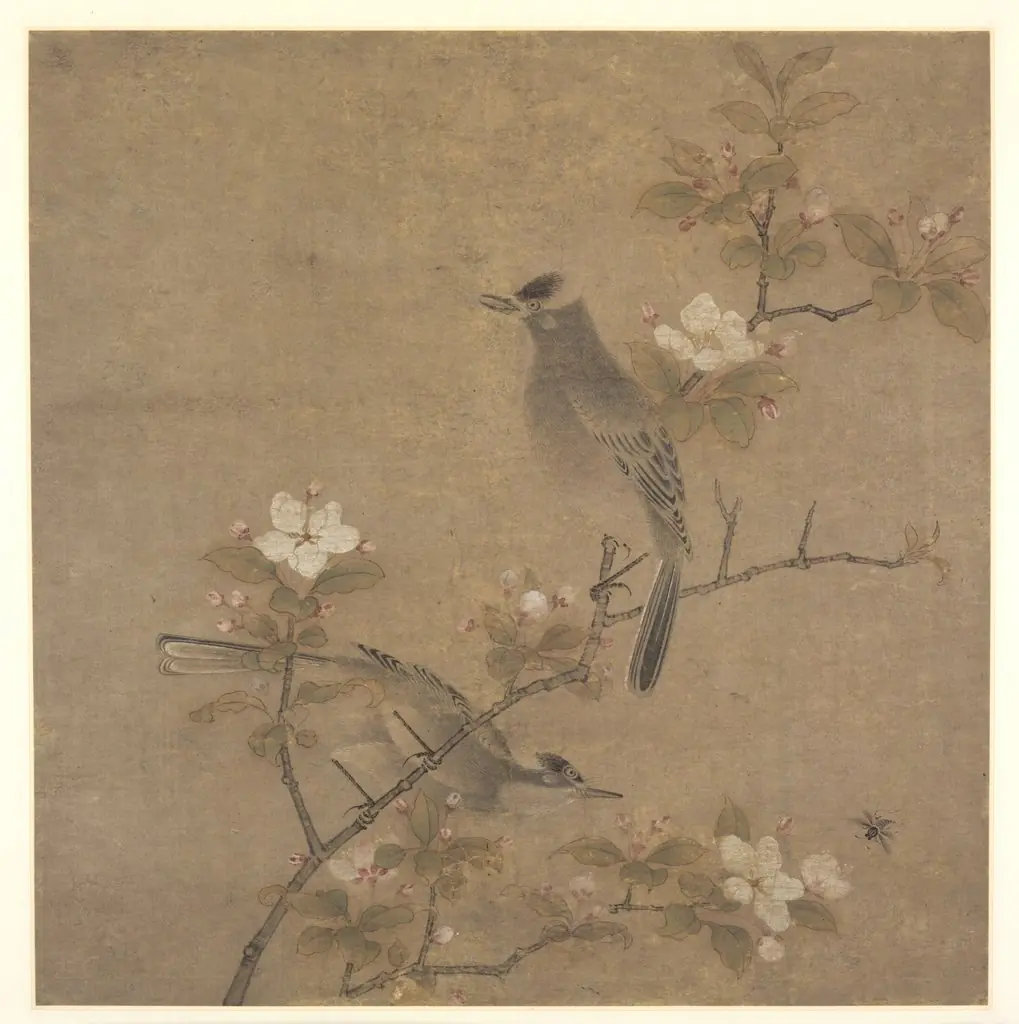 Flowers and Birds
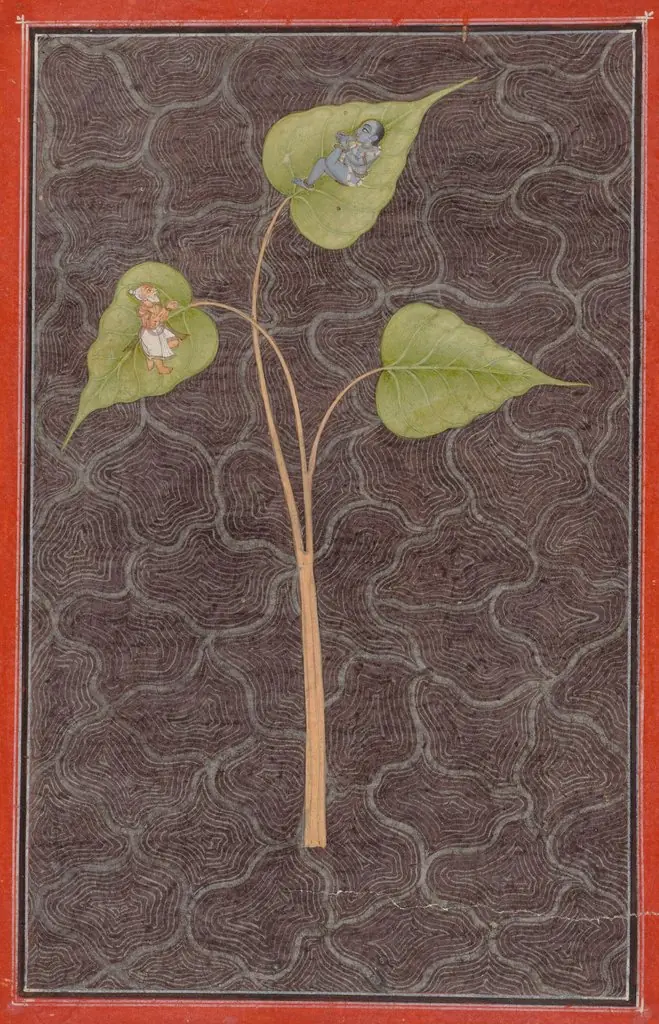 Markandeya Viewing Krishna in the Cosmic Ocean
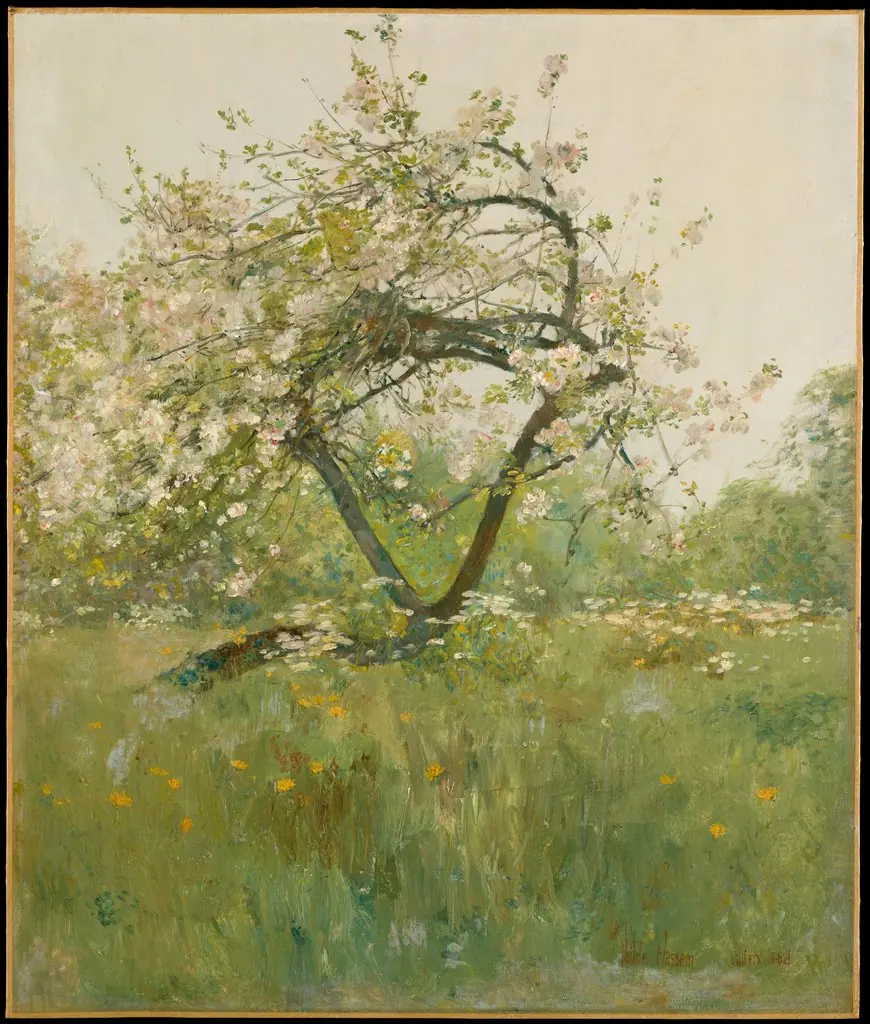 Peach Blossoms—Villiers-le-Bel
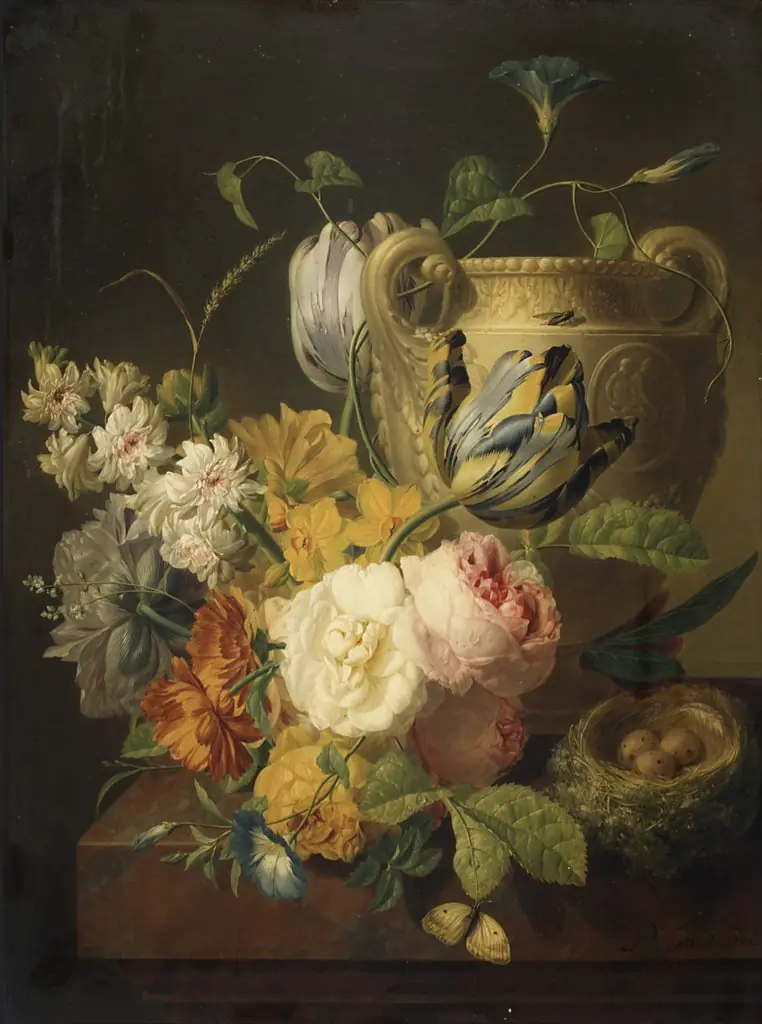 Flowers by a Stone Vase
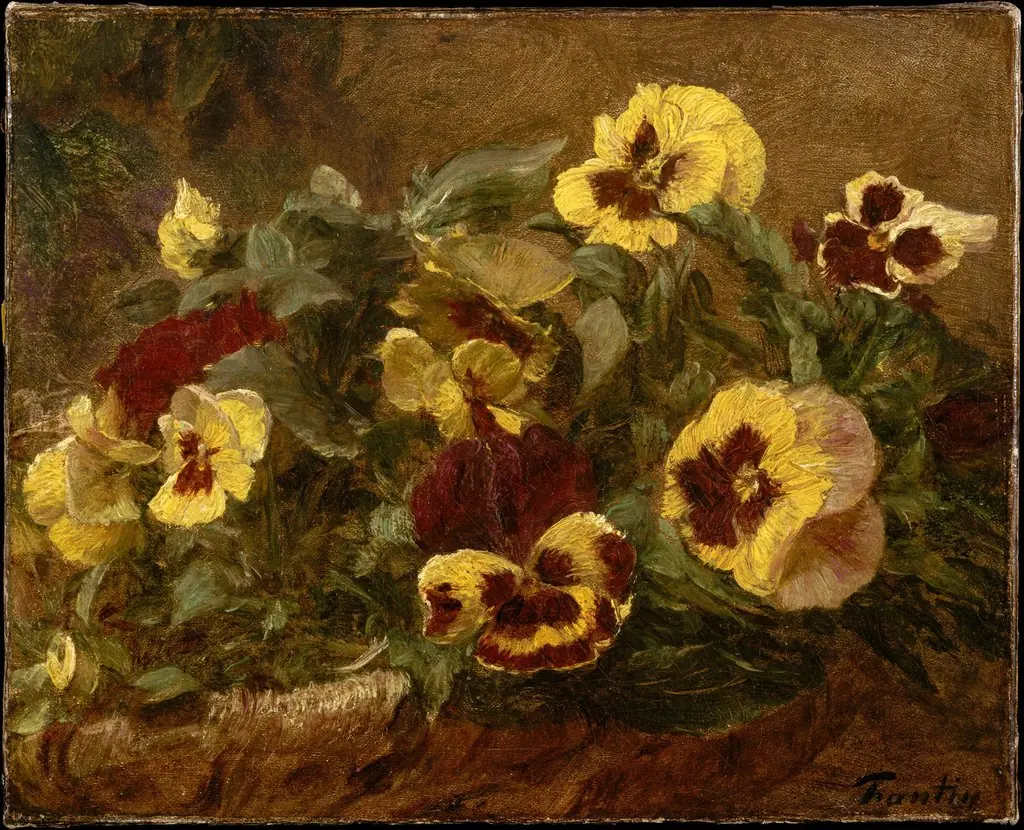 Pansies
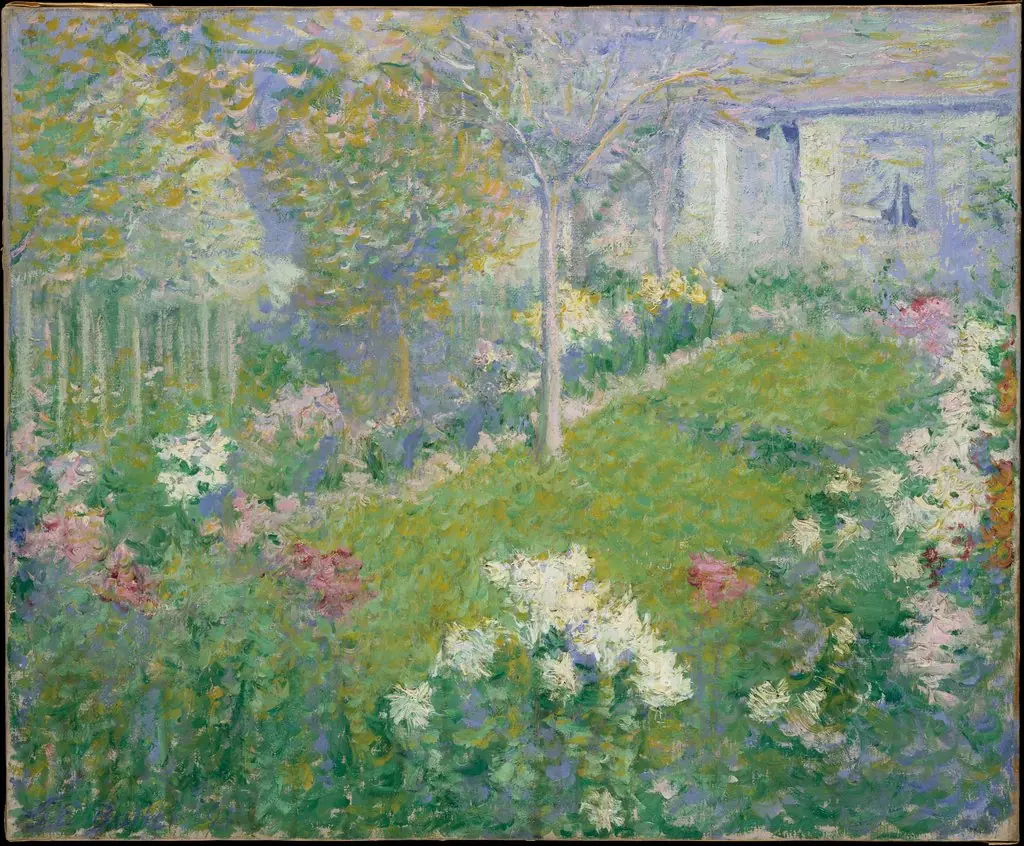 Un Jardin, Maison Baptiste
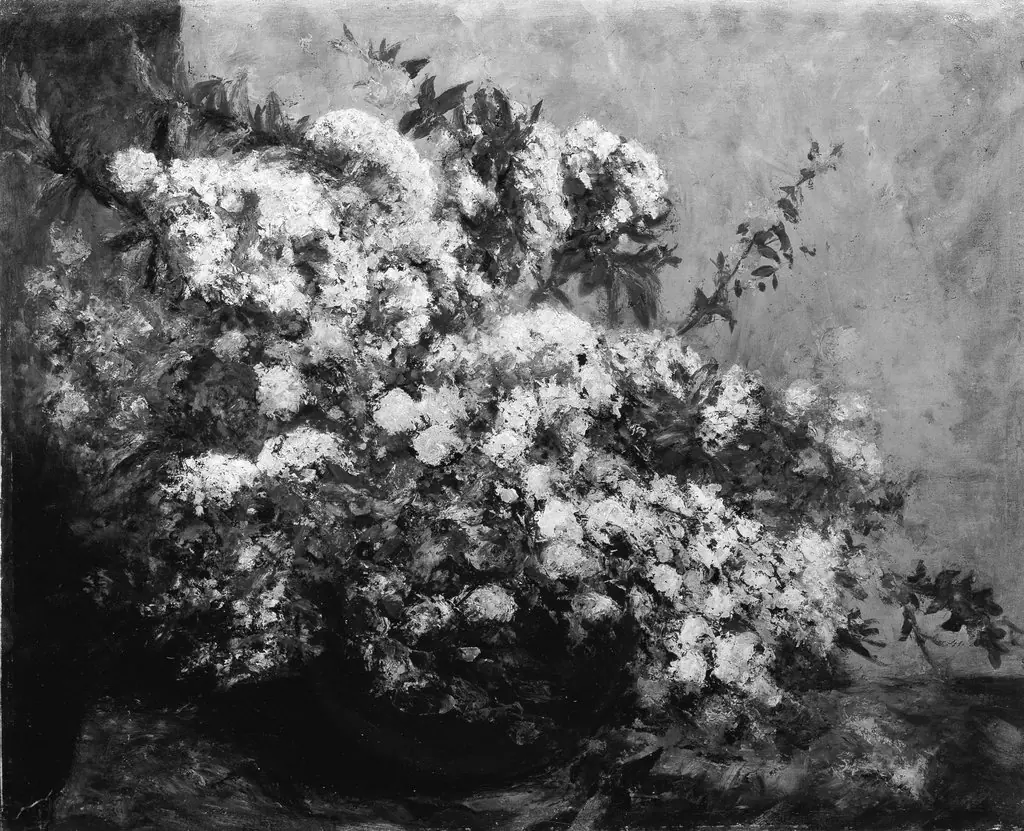 Spring Flowers
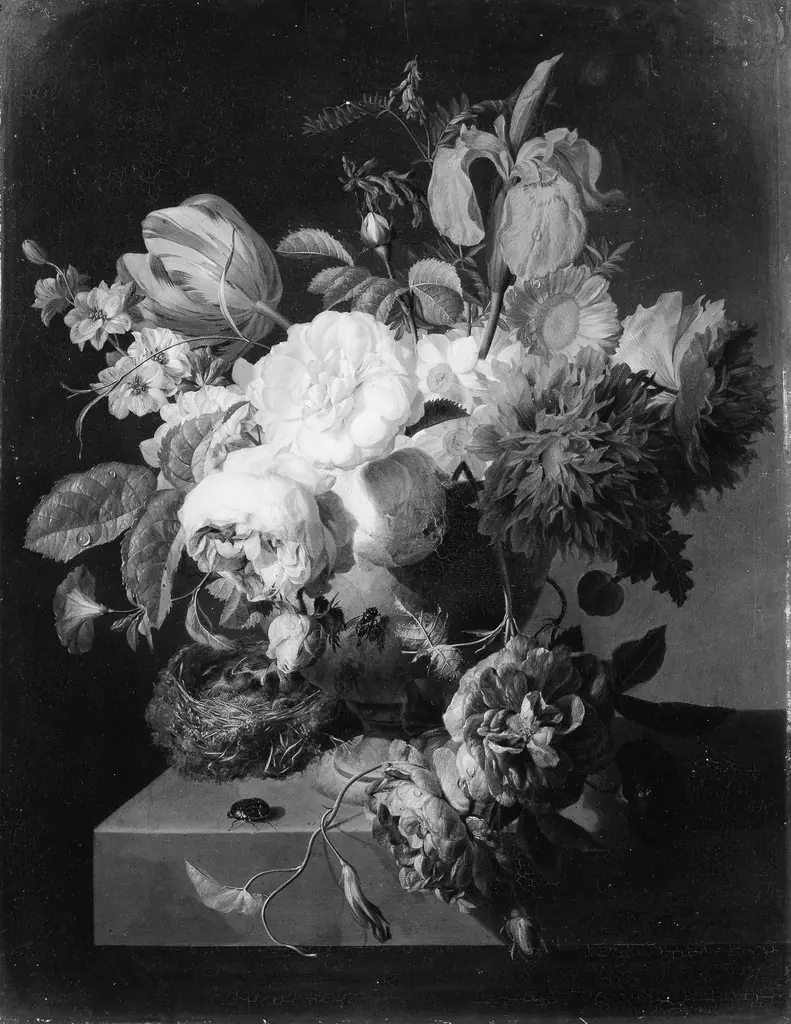 Flowers in a Stone Vase
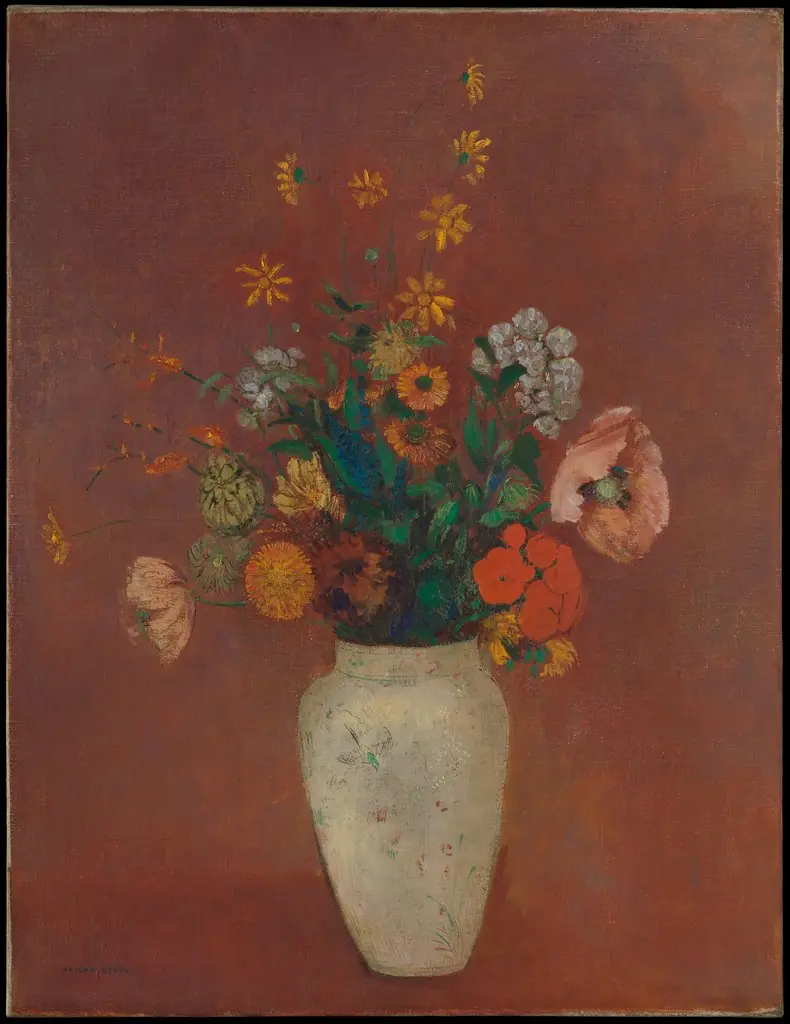 Bouquet in a Chinese Vase
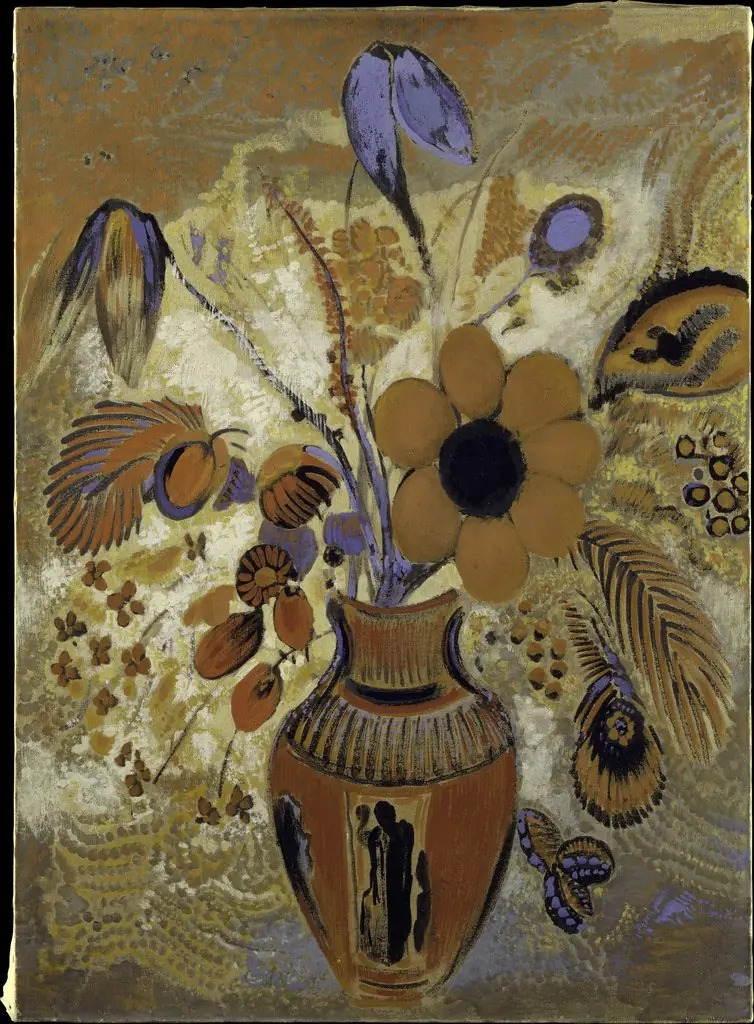 Etruscan Vase with Flowers
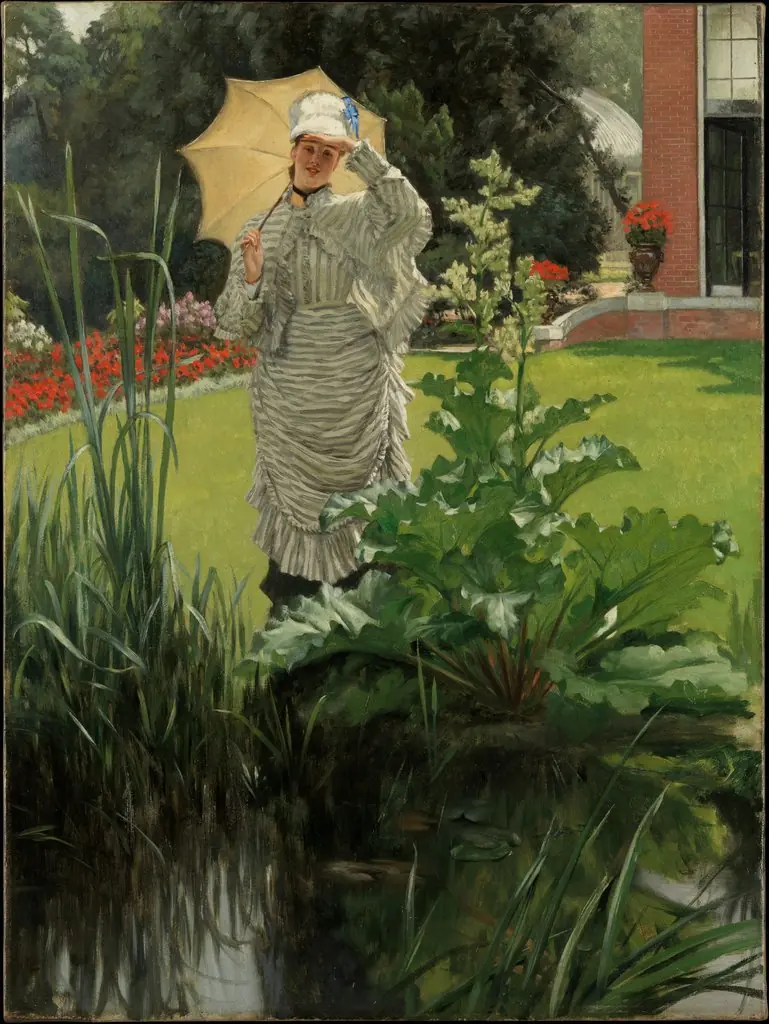 Spring Morning
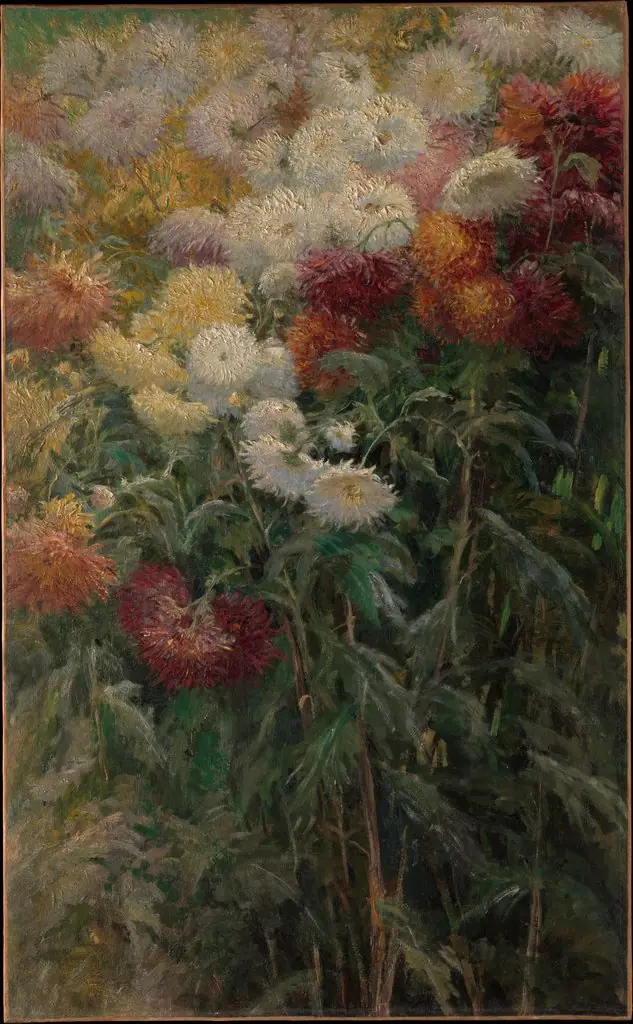 Chrysanthemums in the Garden at Petit Gennevilliers
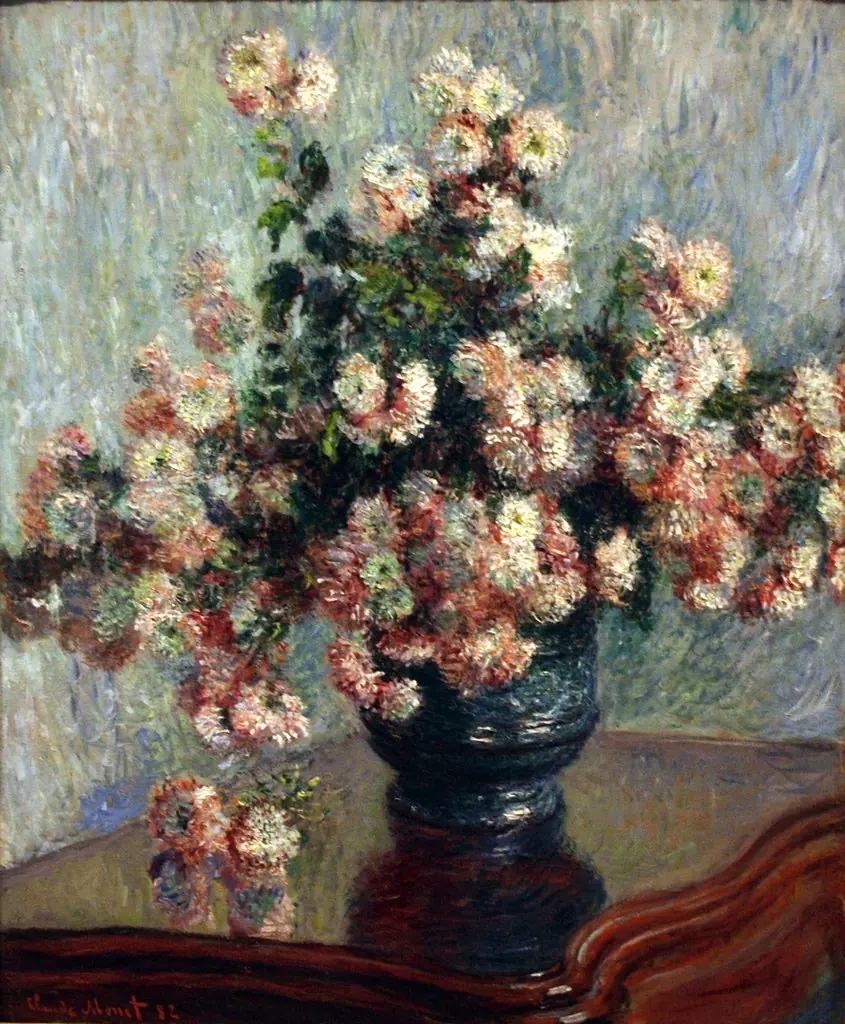 Chrysanthemums
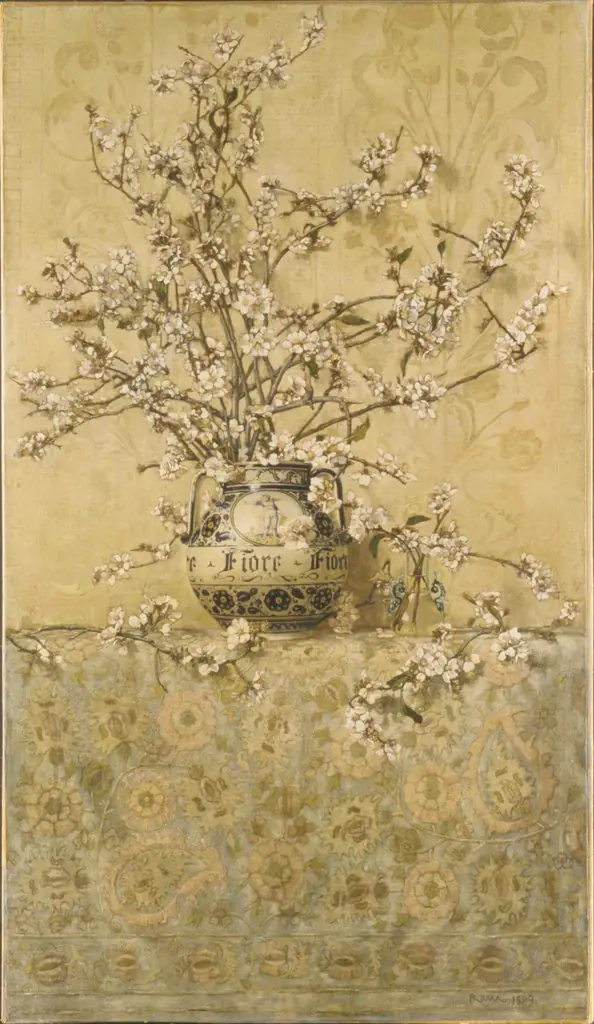 Apple Blossoms
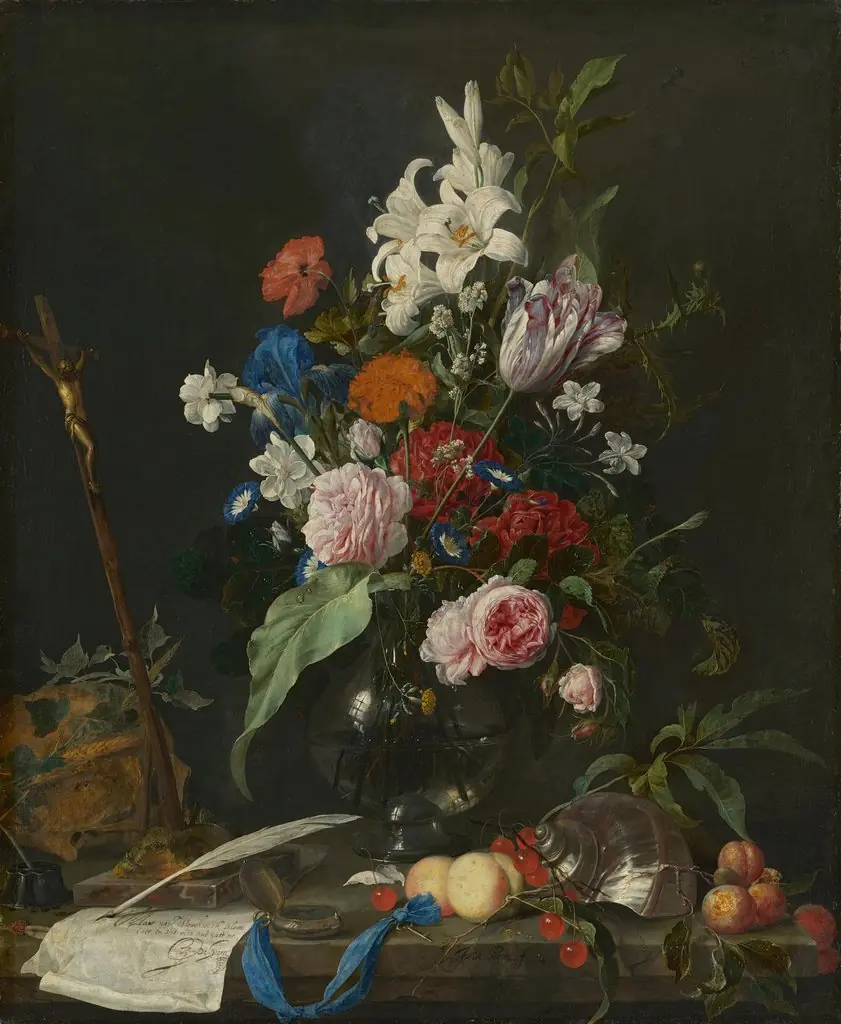 Flower still-life with a skull and crucifix
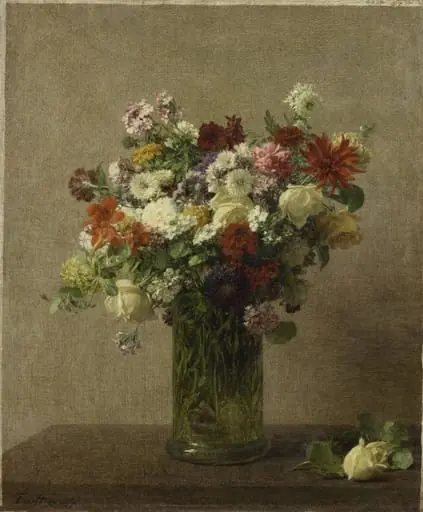 Flowers from Normandy
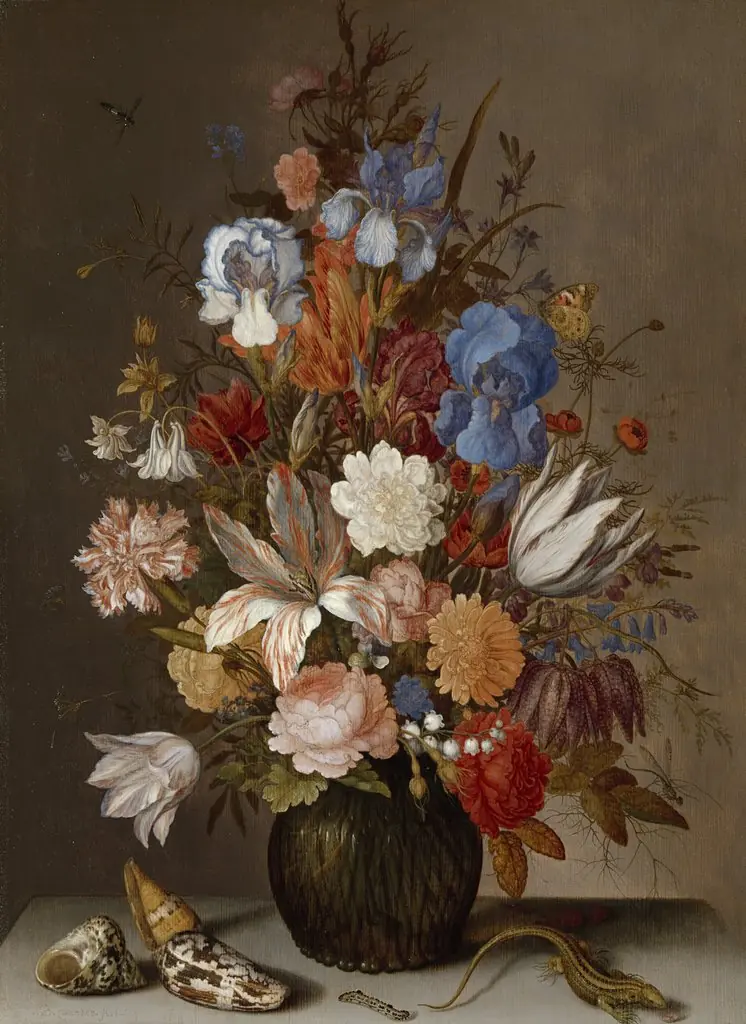 Still Life with Flowers
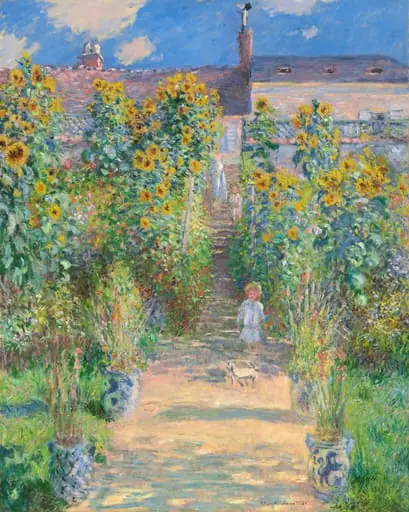 The Artist's Garden at Vétheuil
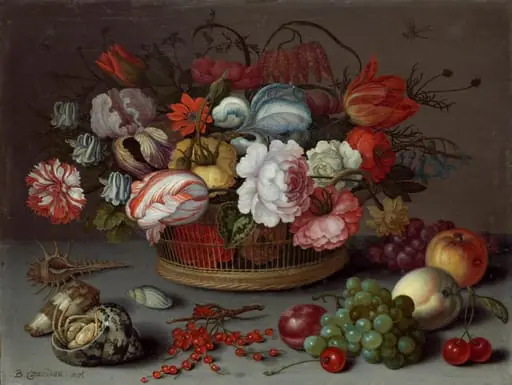 Basket of Flowers
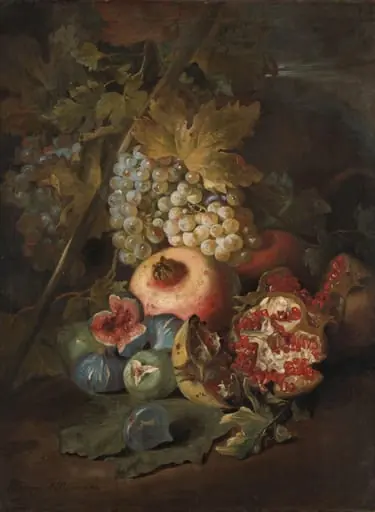 Bunches of Grapes, Pomegranates and Figs in a Landscape
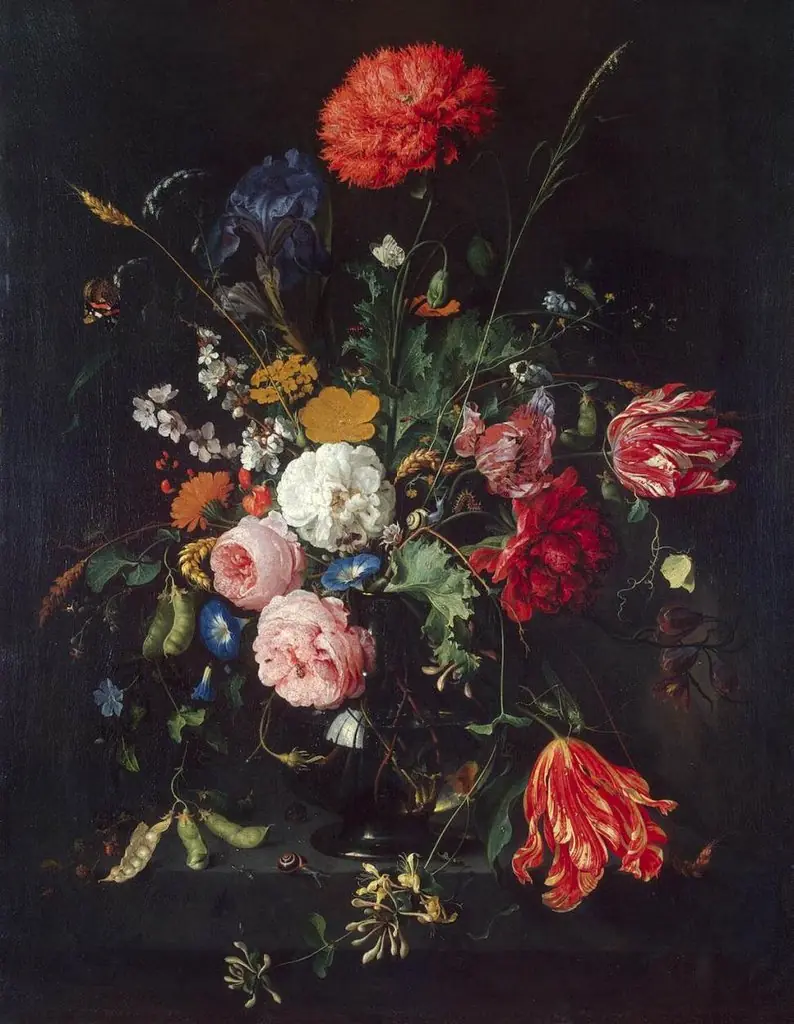 Flowers in a Vase
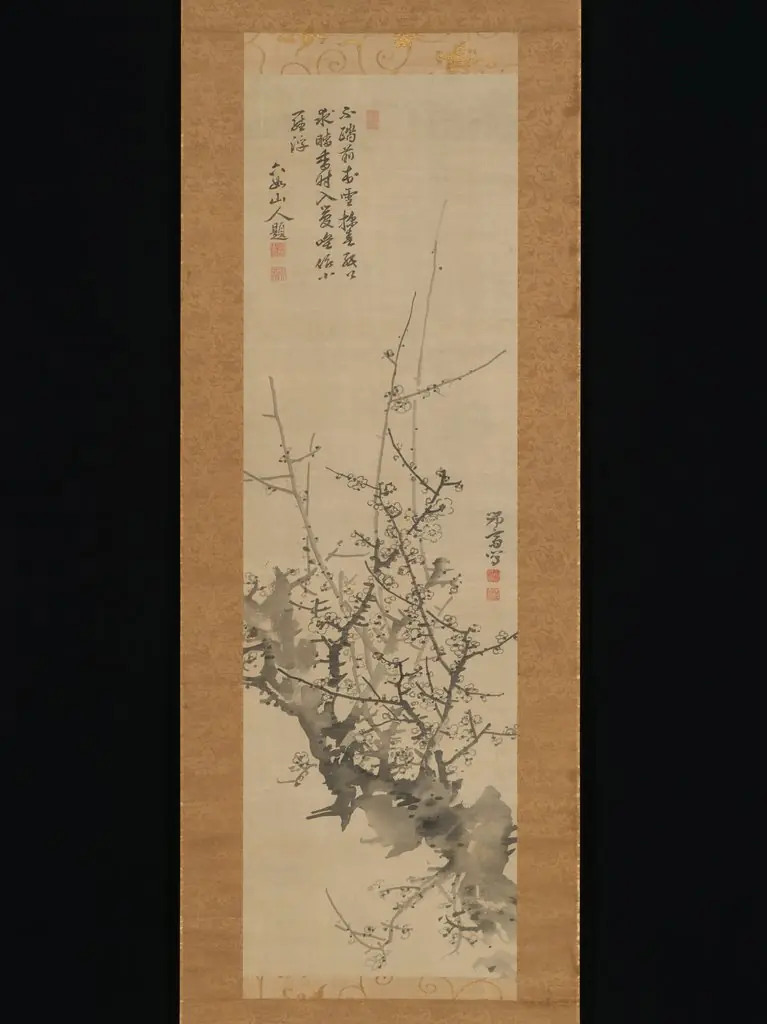 Plum Blossoms
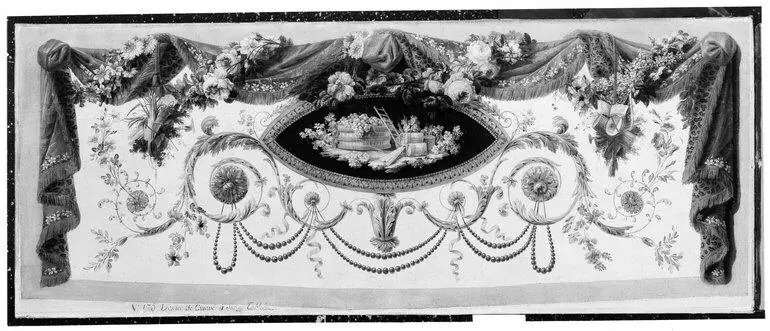 Cartoon for the Back of a Tapestry Settee
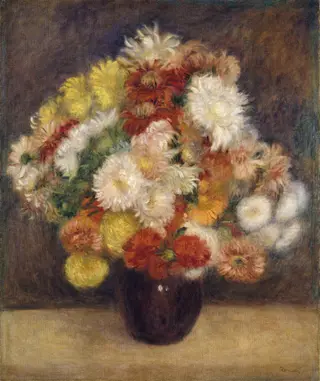 Bouquet of Chrysanthemums
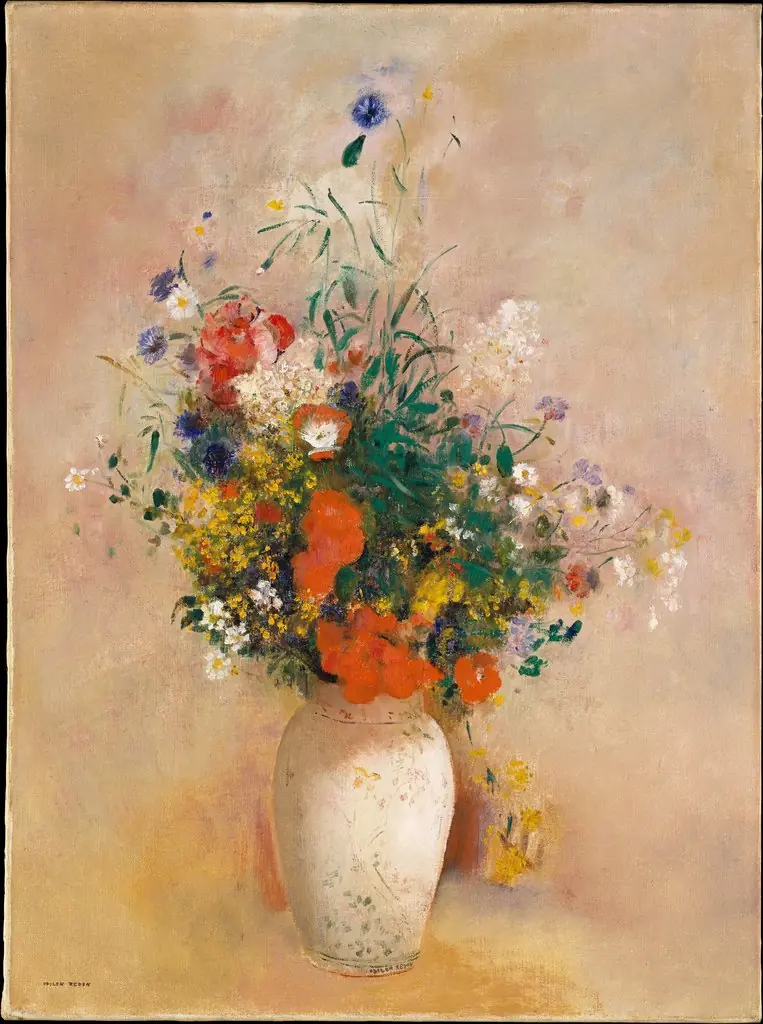 Vase of Flowers (Pink Background)
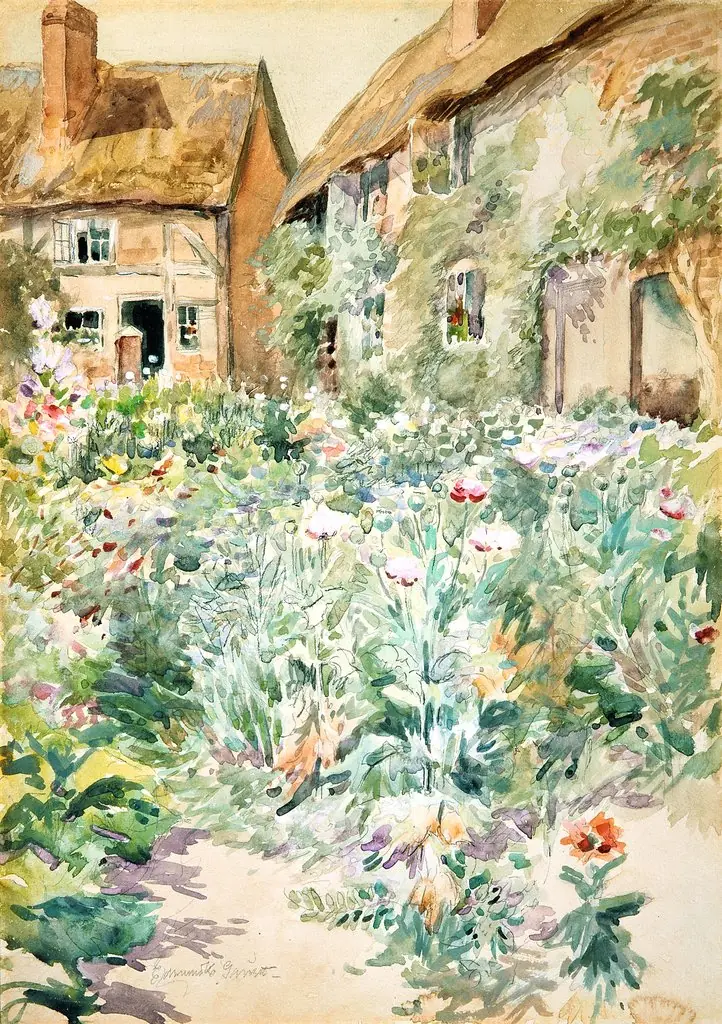 Cottage Garden, Warwick, England
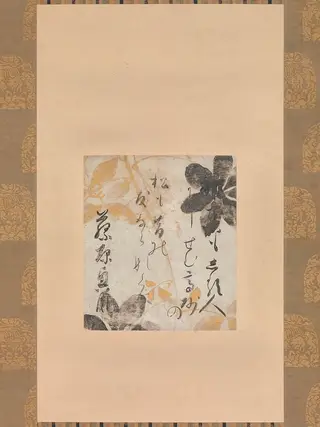 鉄線下絵和歌色紙|Poem by Fujiwara no Okikaze with Underpainting of Clematis
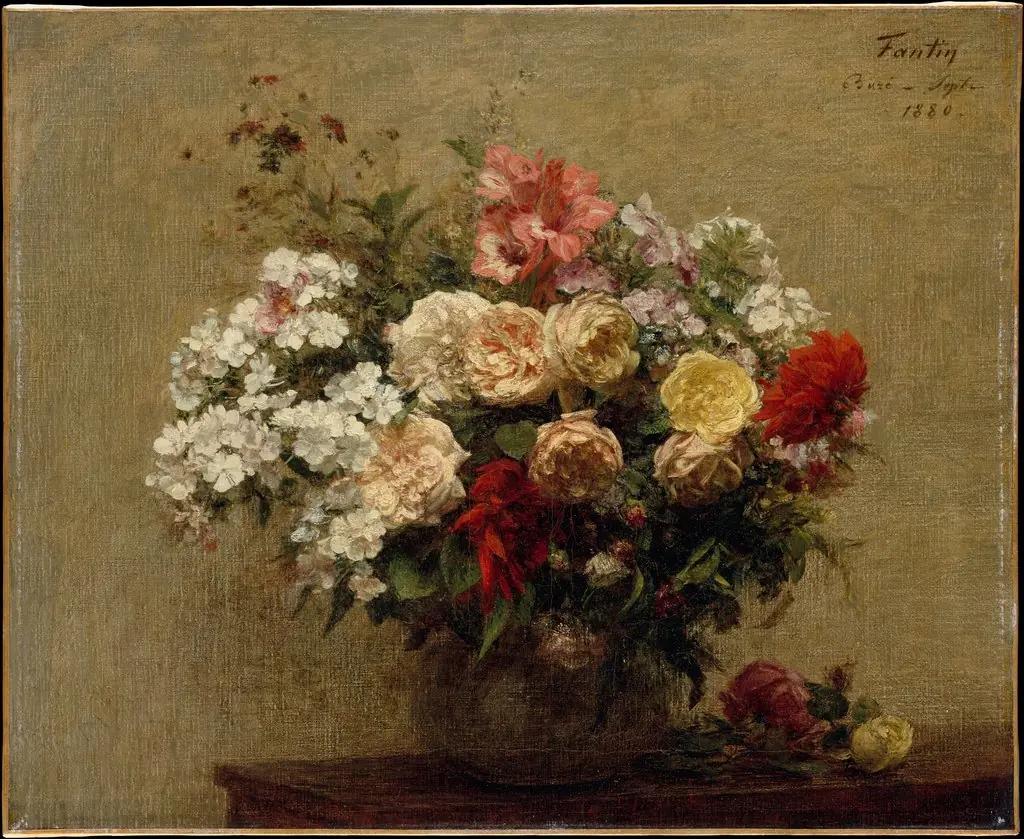 Summer Flowers
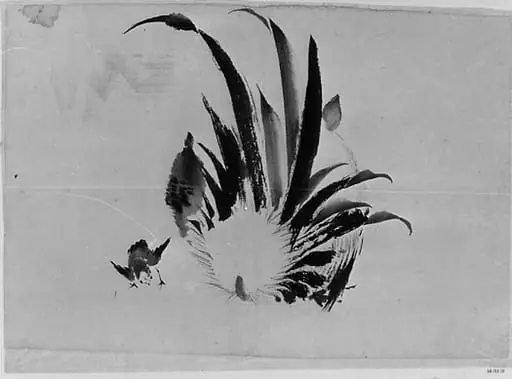 Untitled
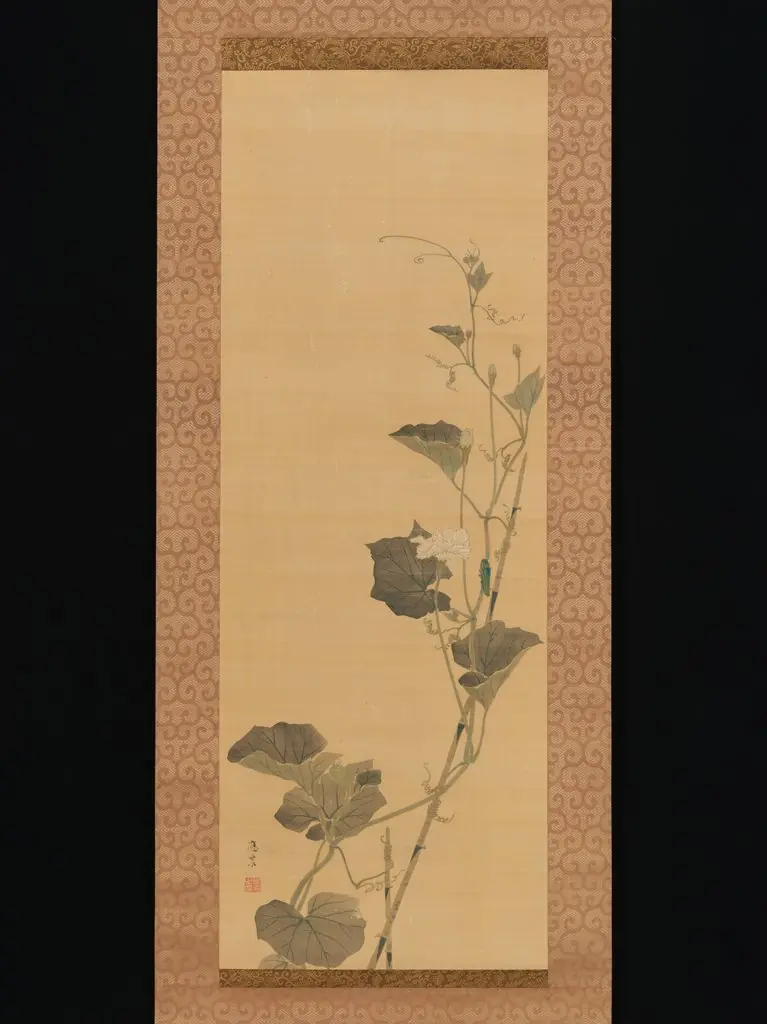 Calabash Flowers and Beetle
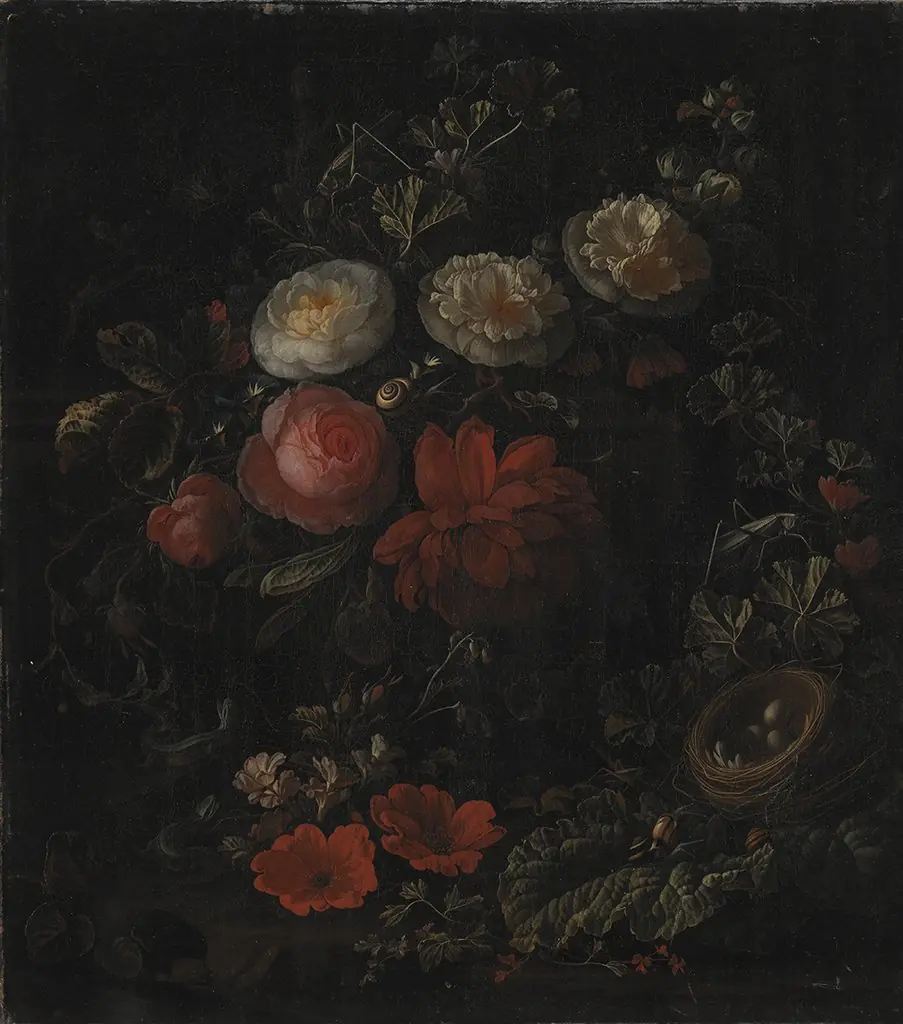 Flowers
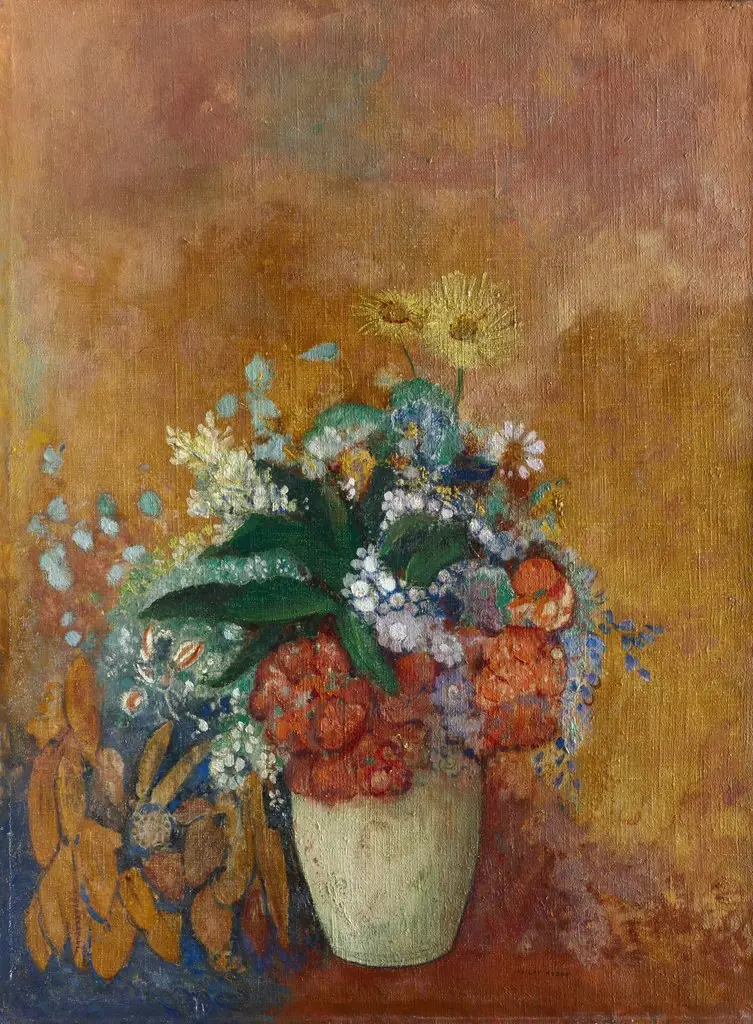 Vase of Flowers
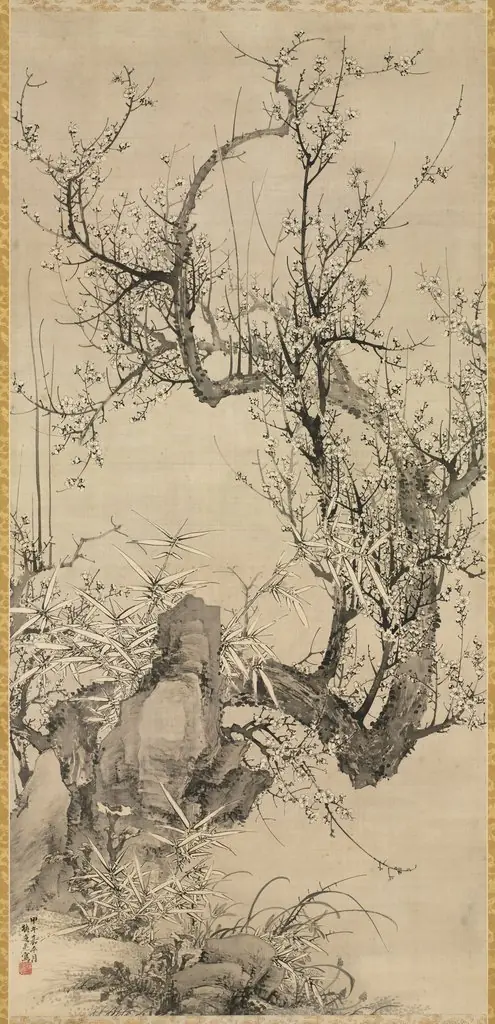 Plums, Bamboo, and Orchid
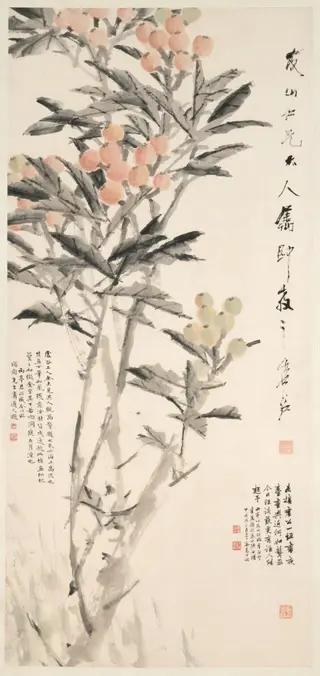 Pipa (Loquats)
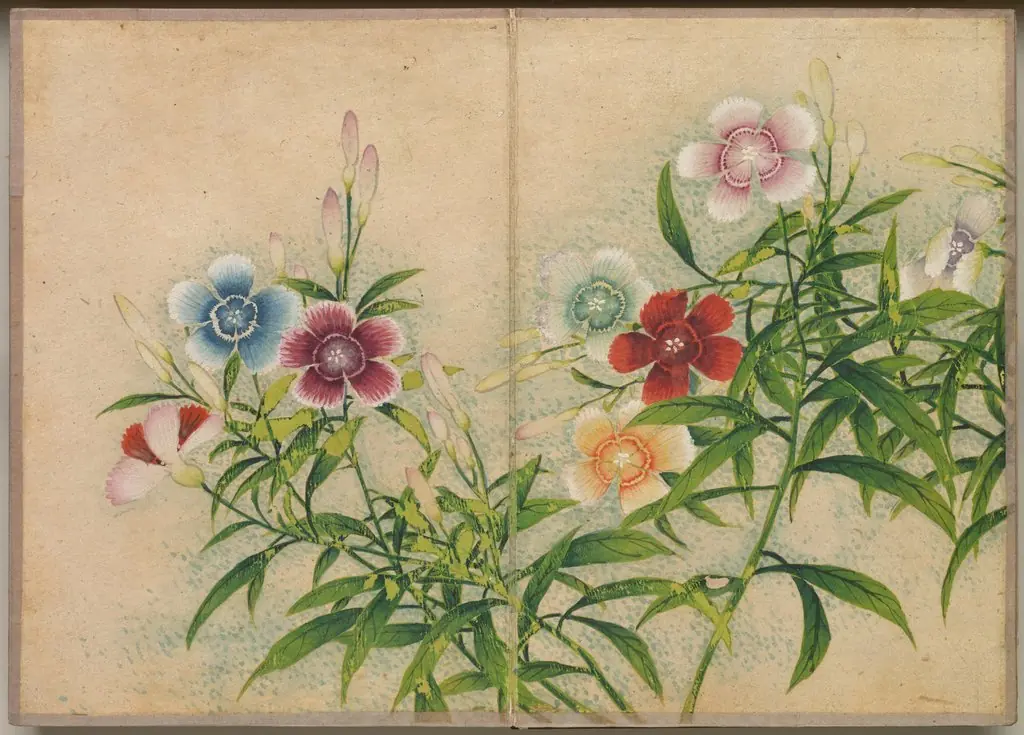 Desk Album: Flower and Bird Paintings (Pinks)
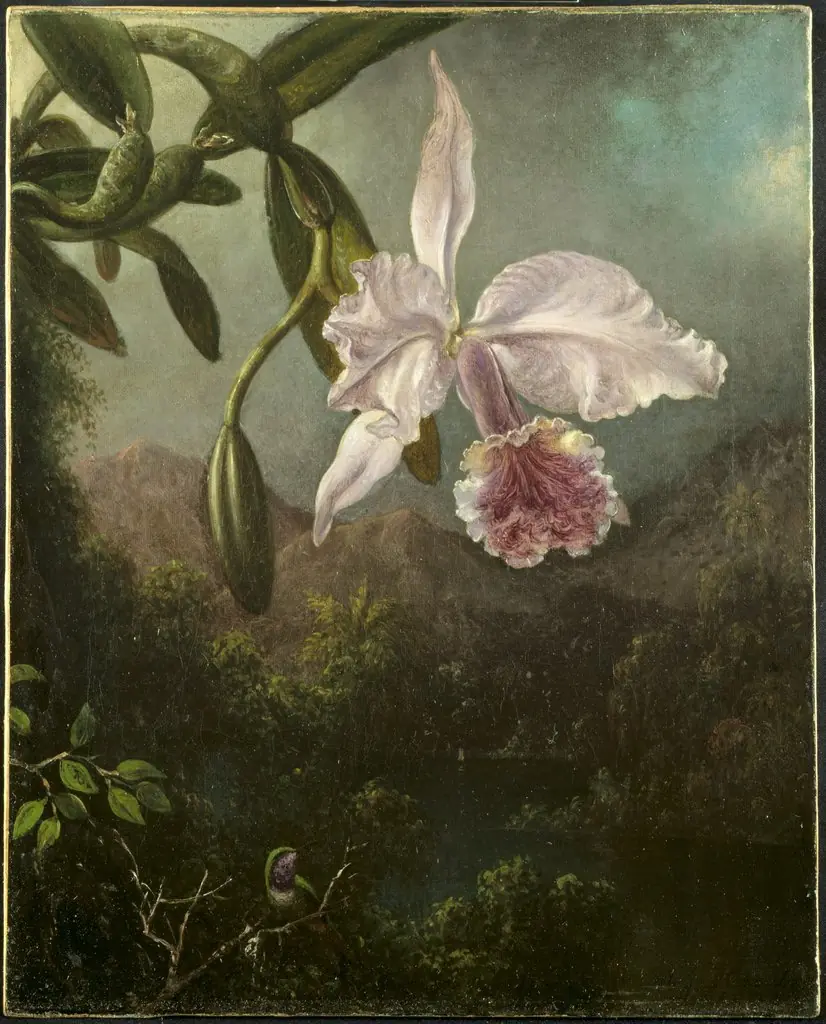 Orchid Blossoms
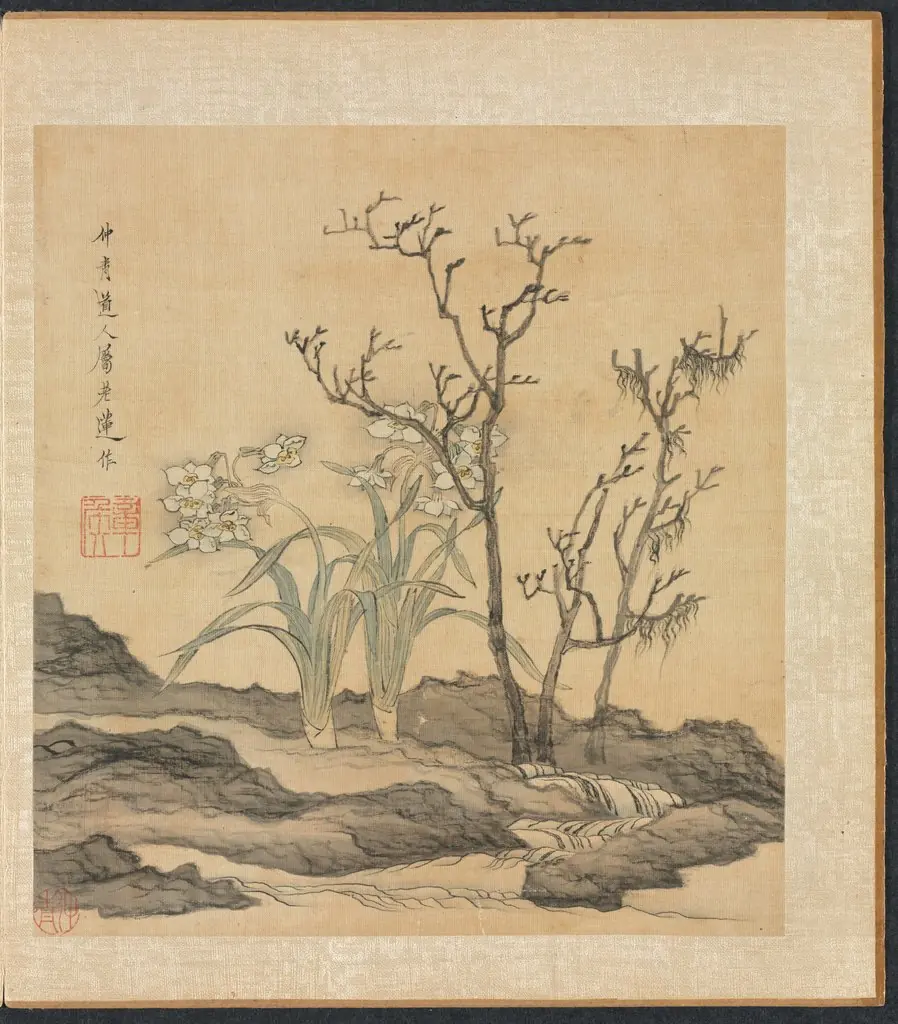 Paintings after Ancient Masters: Narcissus and Bare Trees
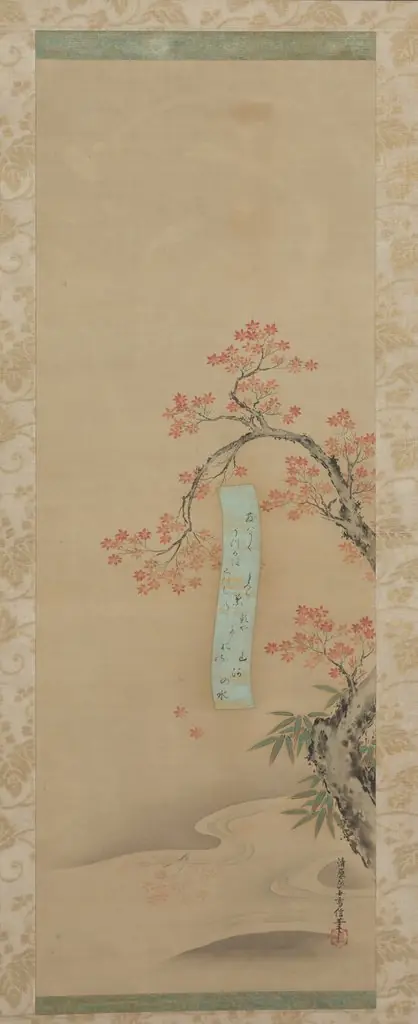 Autumn in Takao
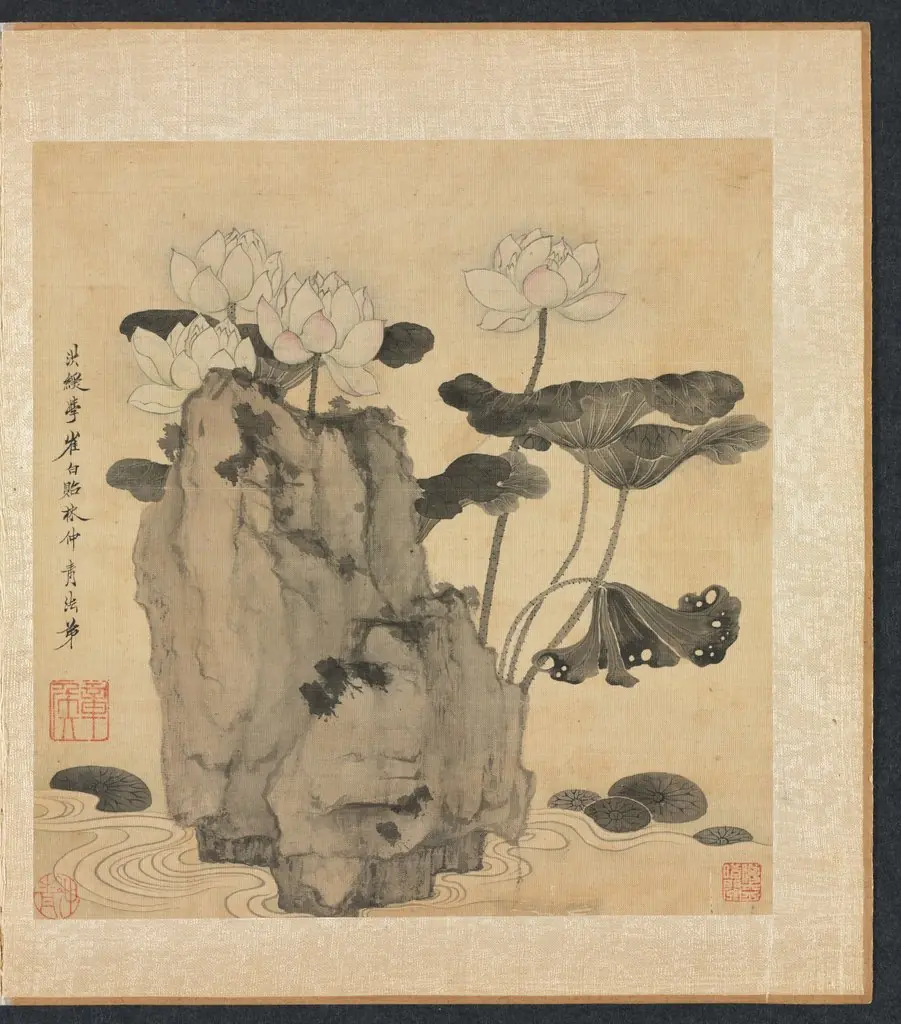 Paintings after Ancient Masters: Lotus and Rocks
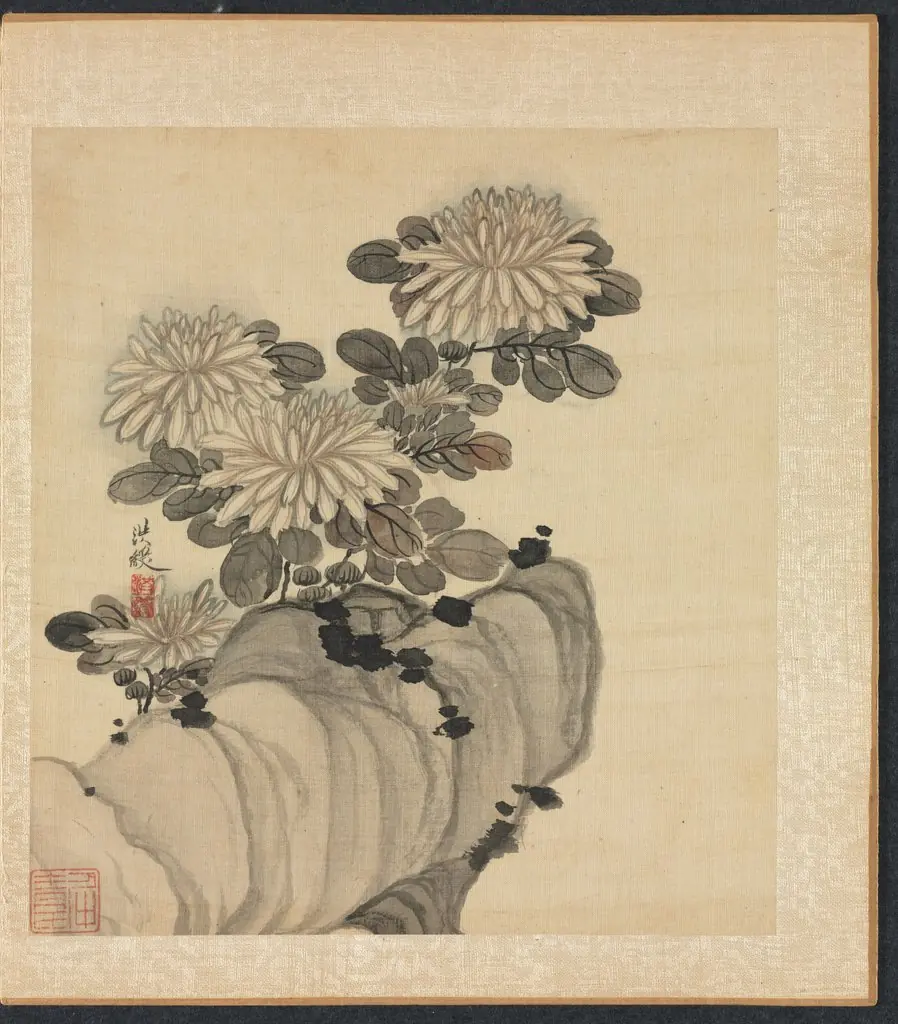 Paintings after Ancient Masters: Chrysanthemum and Rock
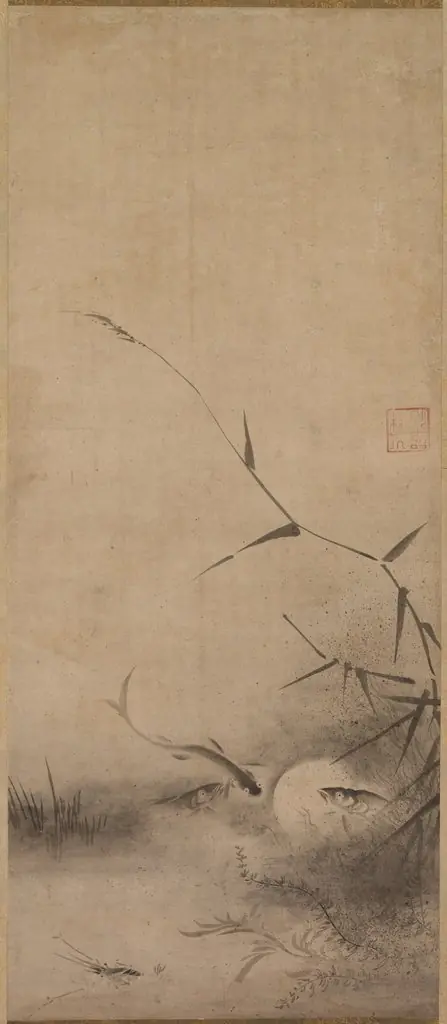 Fish and Seaweed
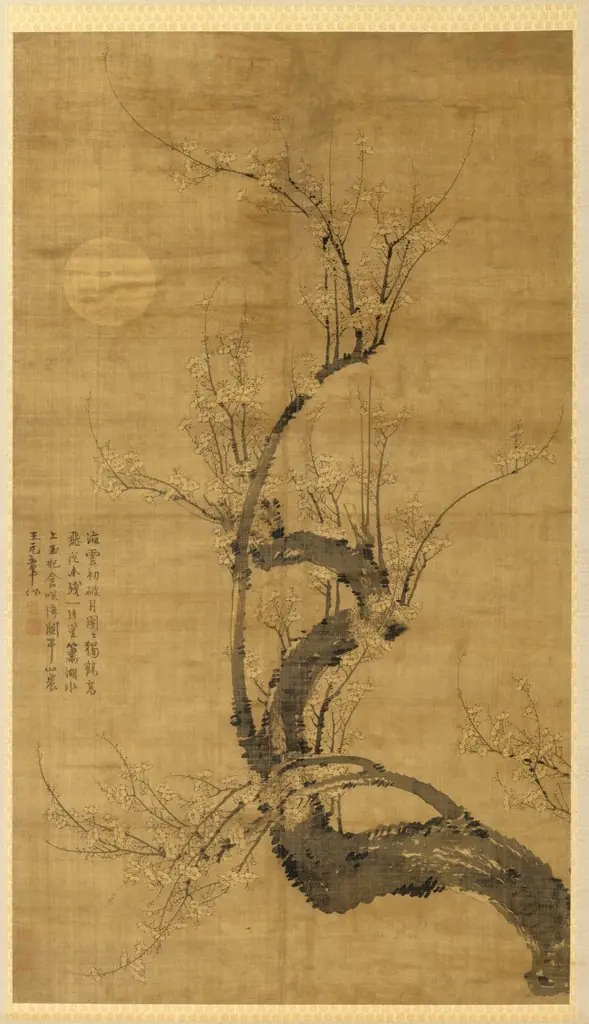 A Prunus in the Moonlight
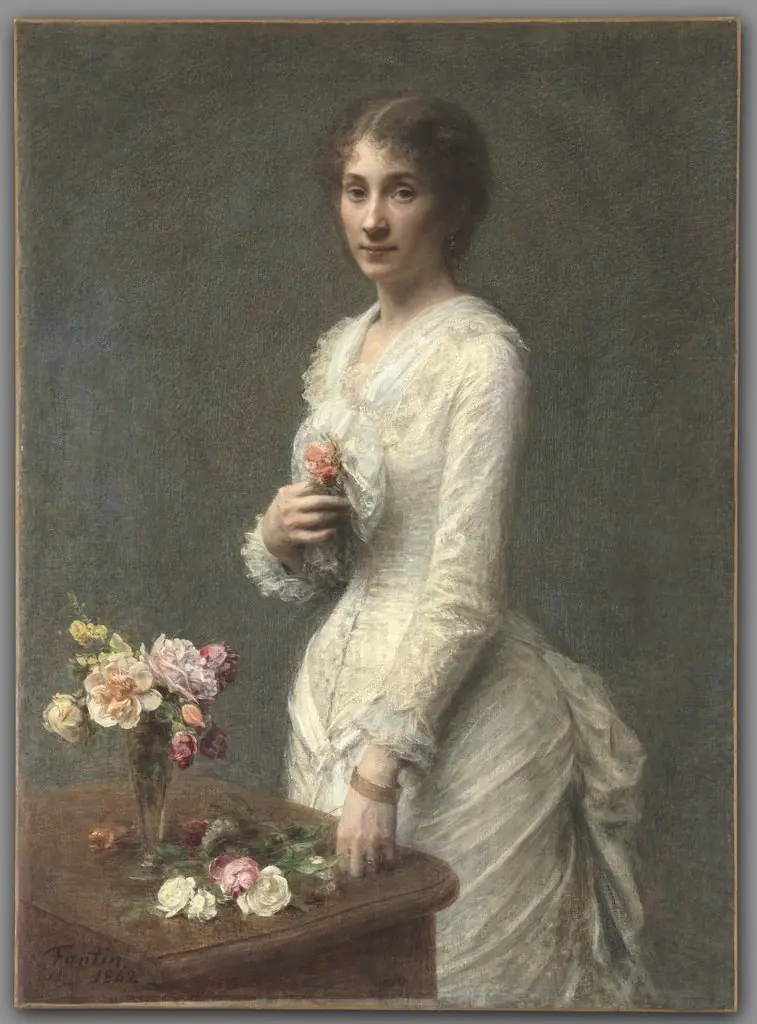 Madame Lerolle
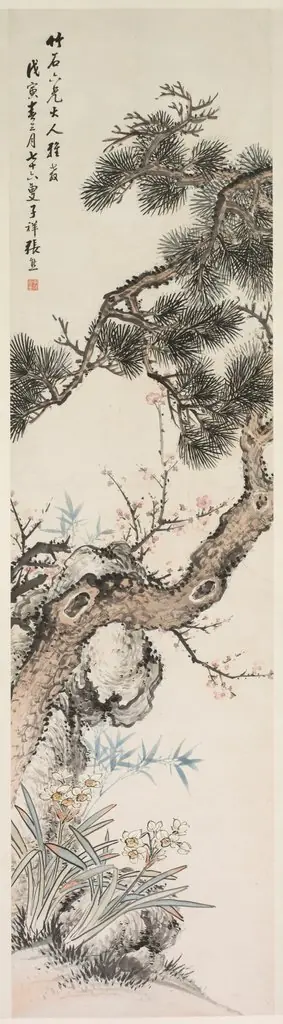 Three Purities
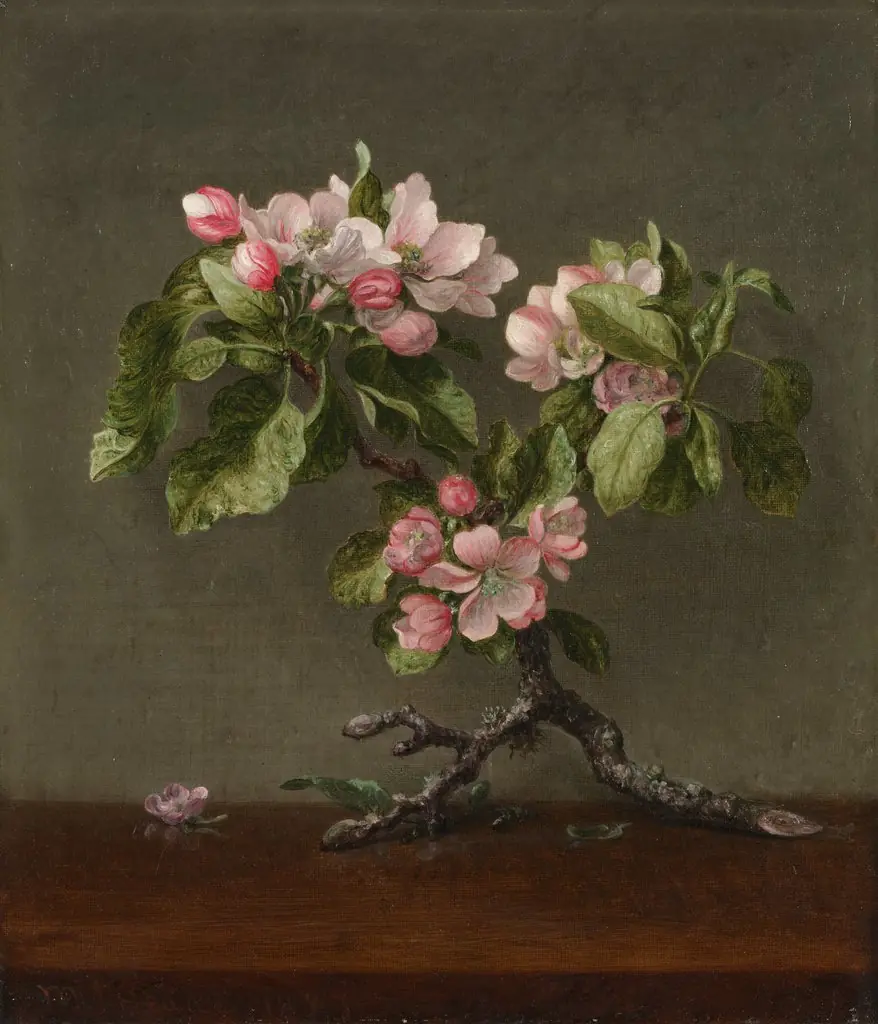 Apple Blossoms
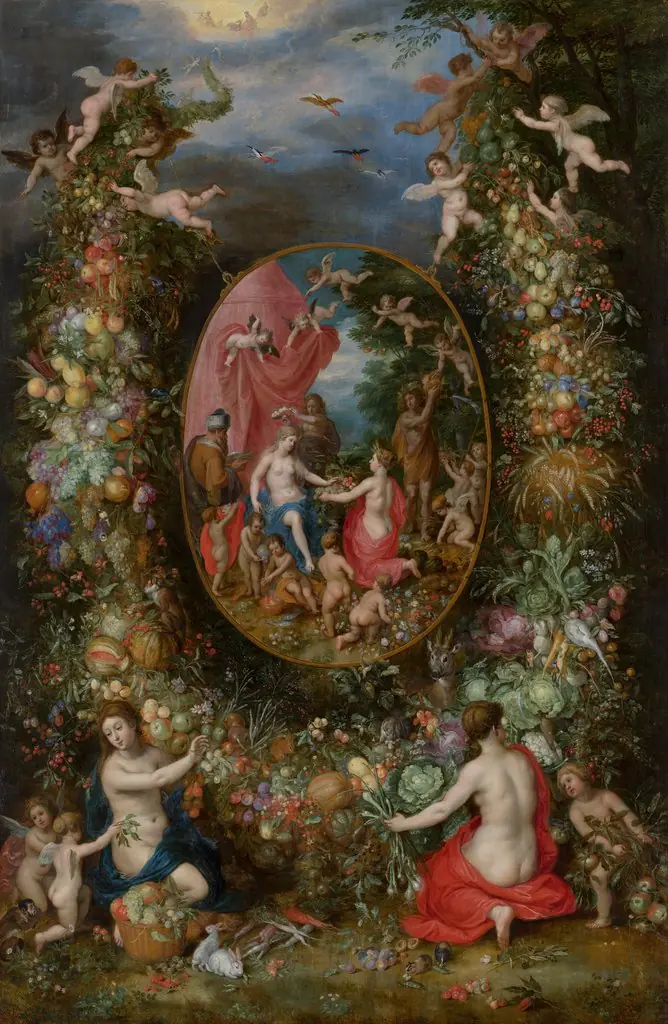 Garland of Flowers around an Allegory of Farming
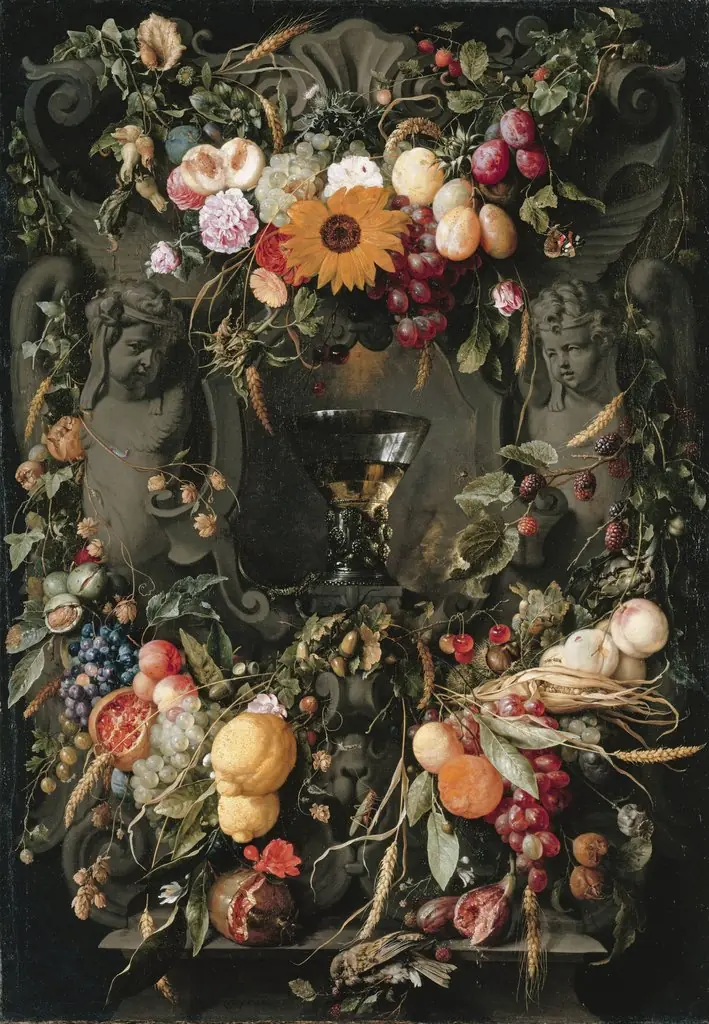 Cartouche with fruit and flowers and wine glass
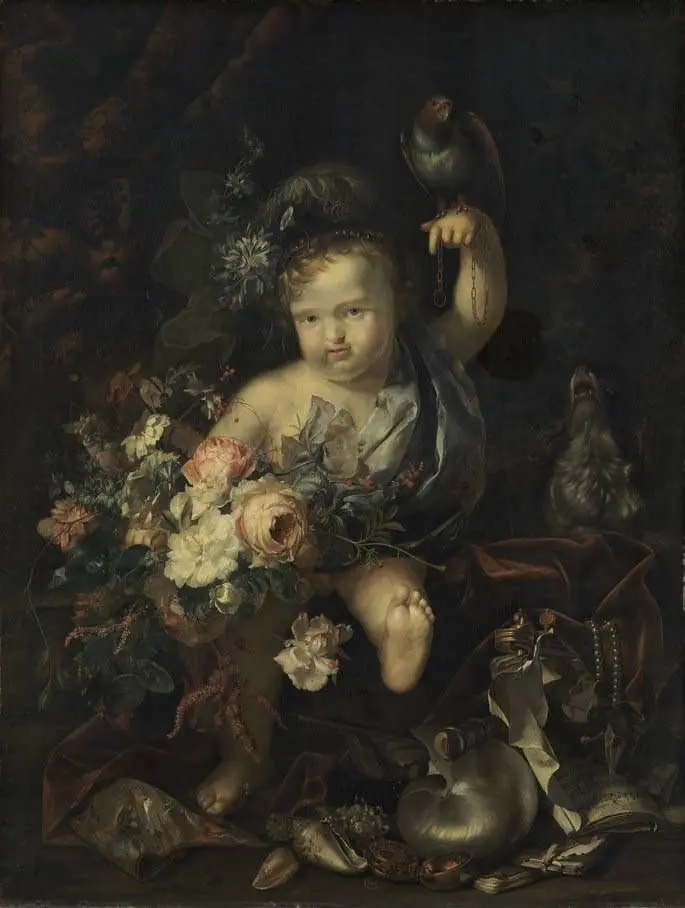 Cherub with Flowers and Parrot
 A Woman with a Dog
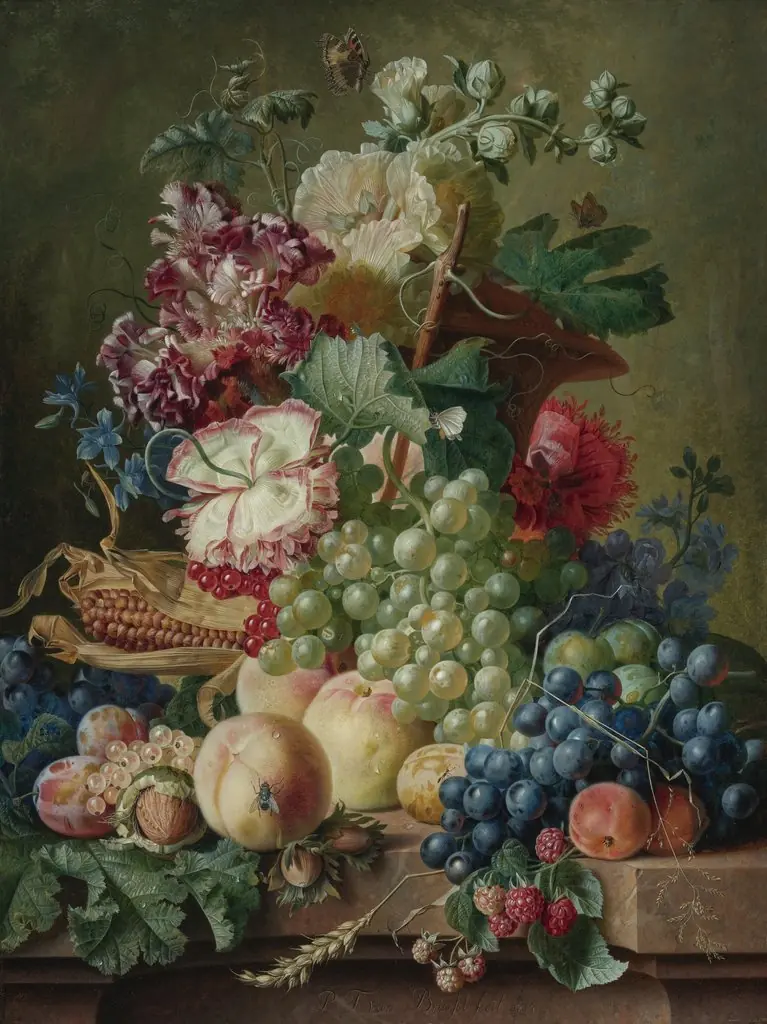 Still life of flowers and fruits on a marble ledge
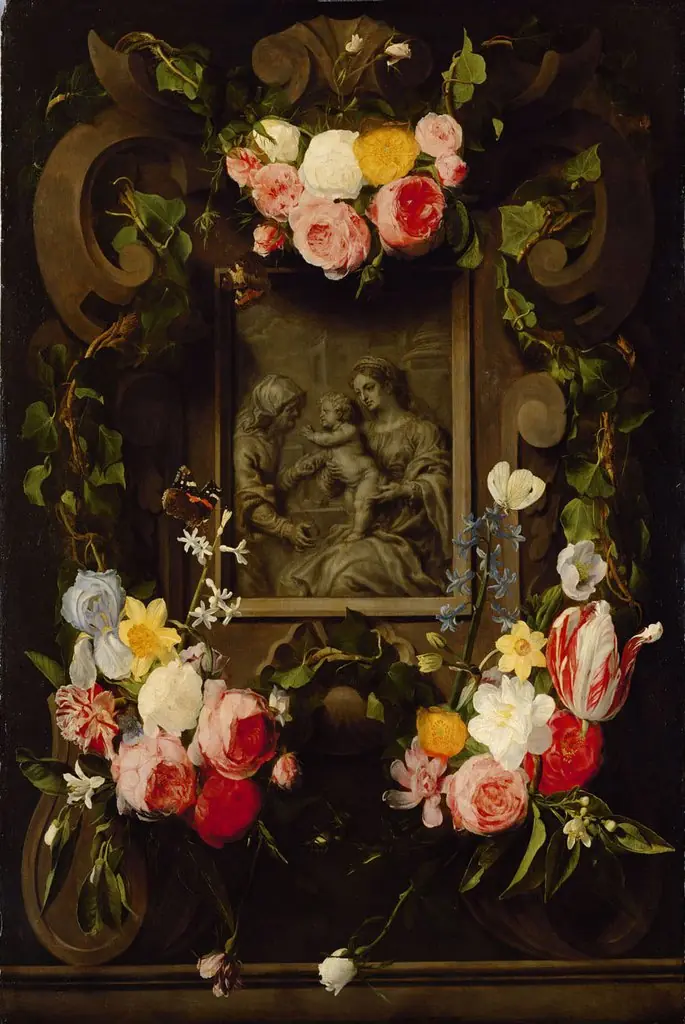 Madonna and Child with St Anna in a Flower Garland
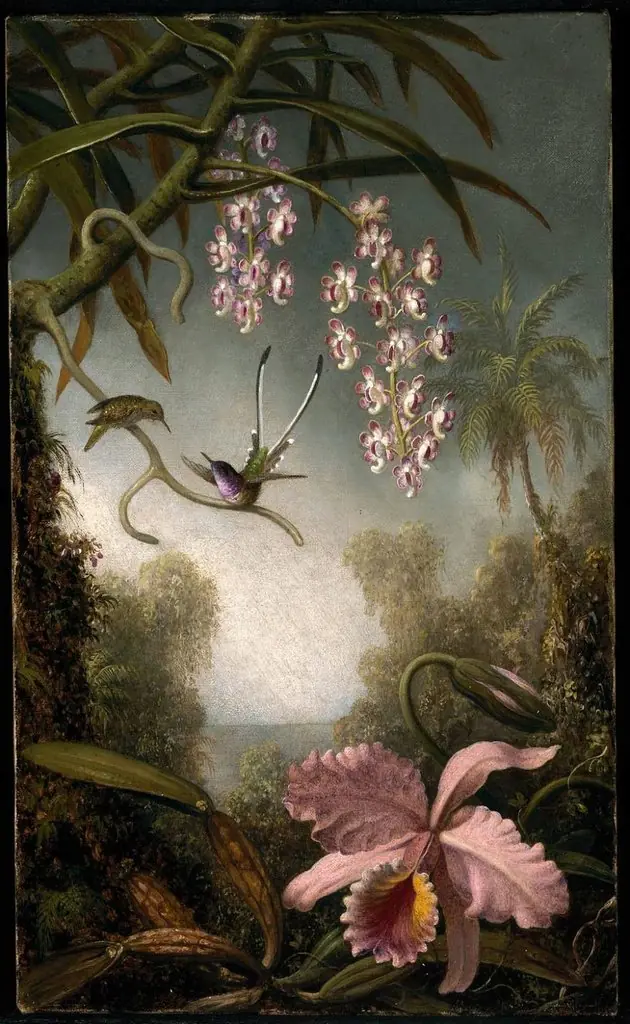 Orchids and Spray Orchids with Hummingbird
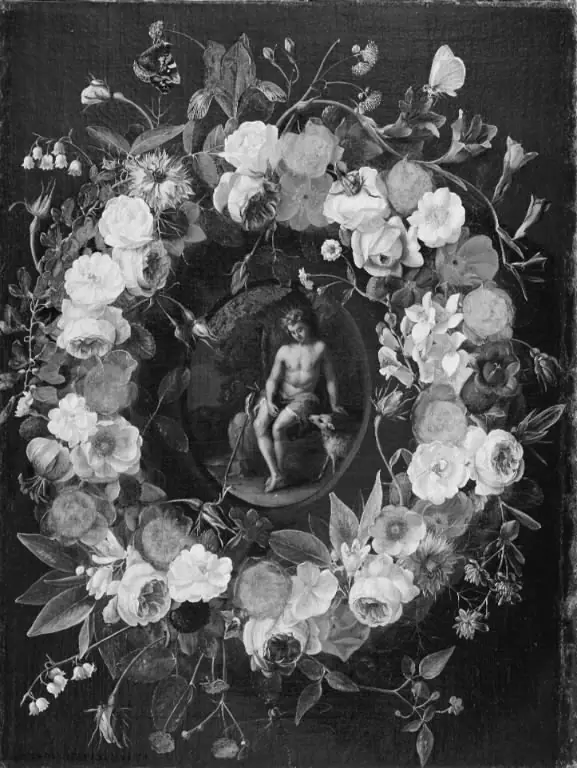 Flower garland surrounding John the Baptist with the lamb
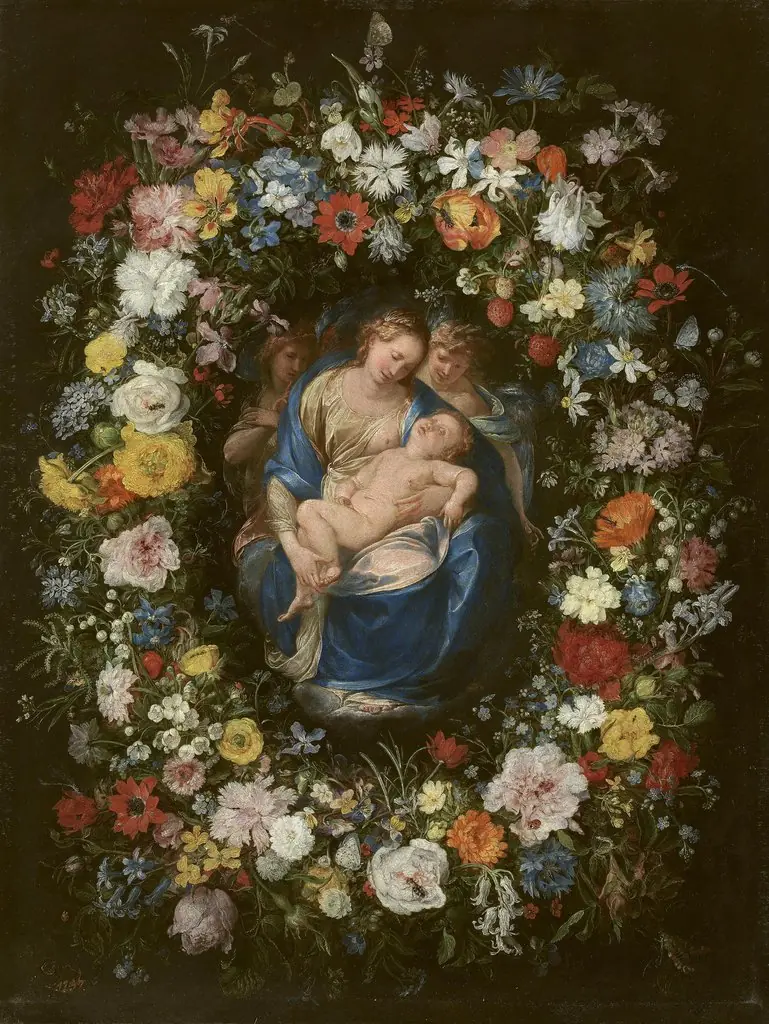 Garland with the Virgin, the Christ Child and two Angels
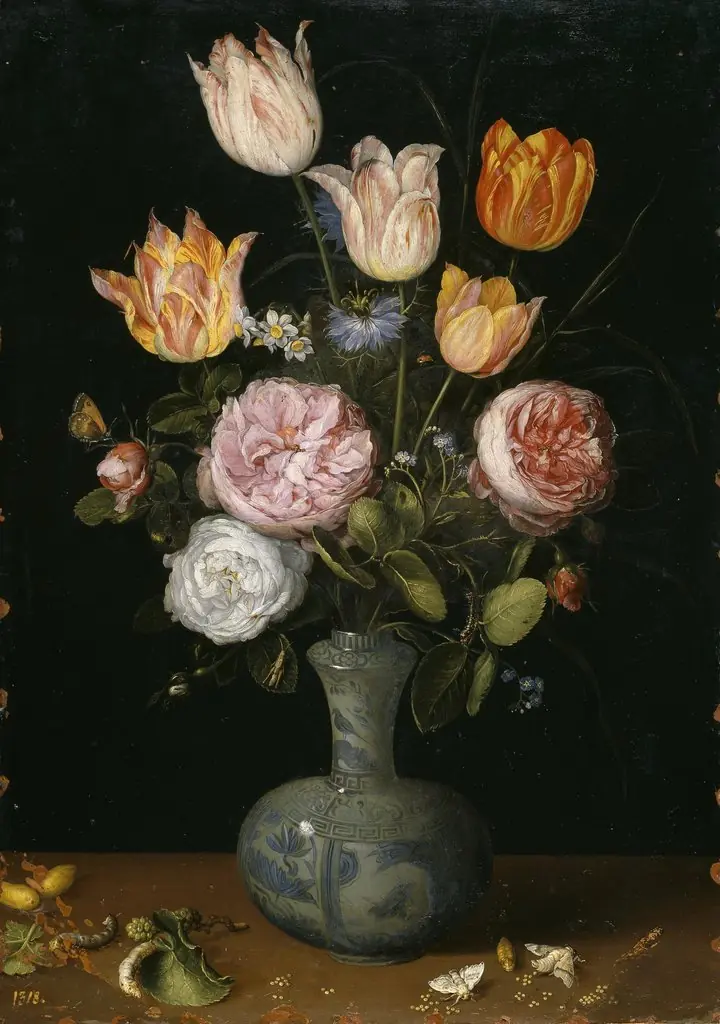 Vase of Flowers
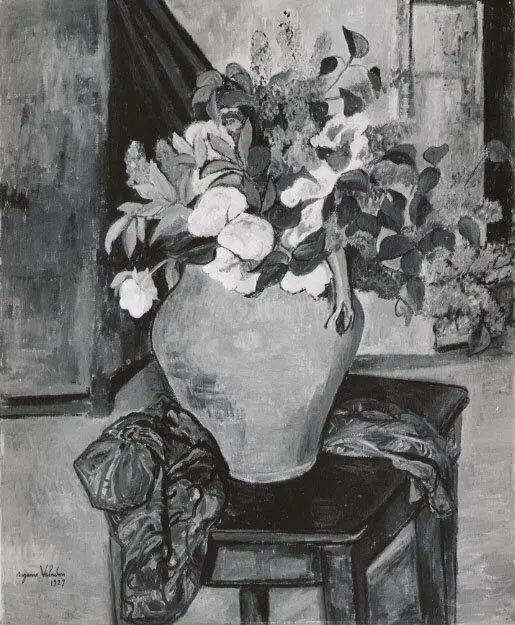 Lilacs and Peonies
 Lilacs
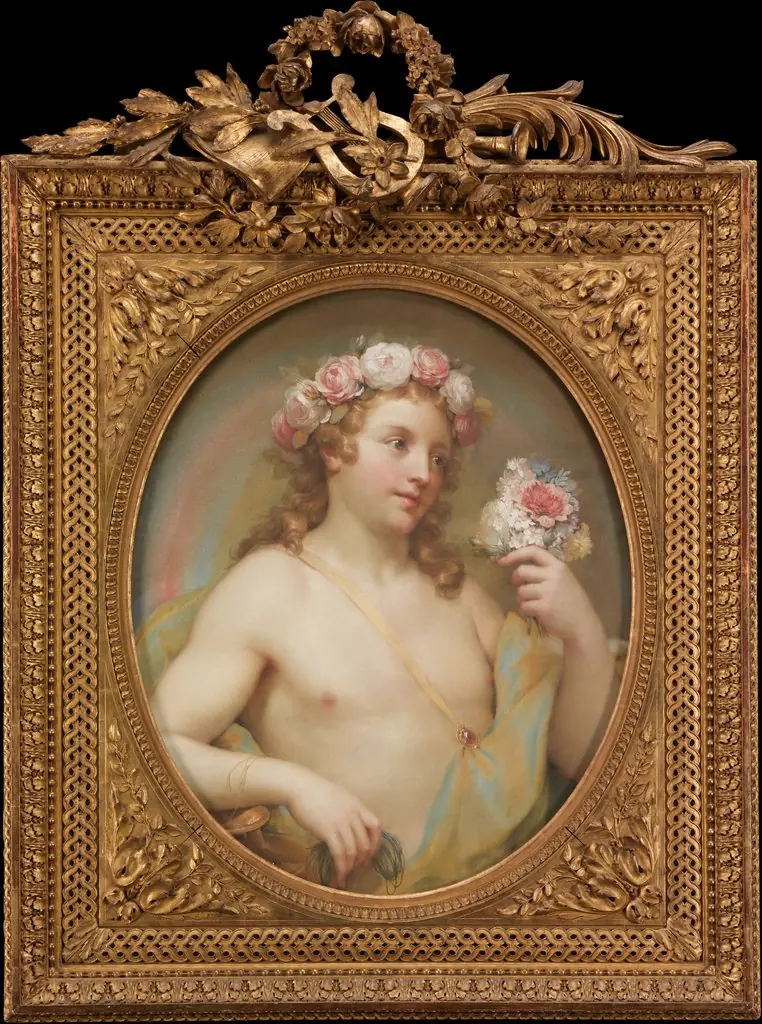 Pleasure
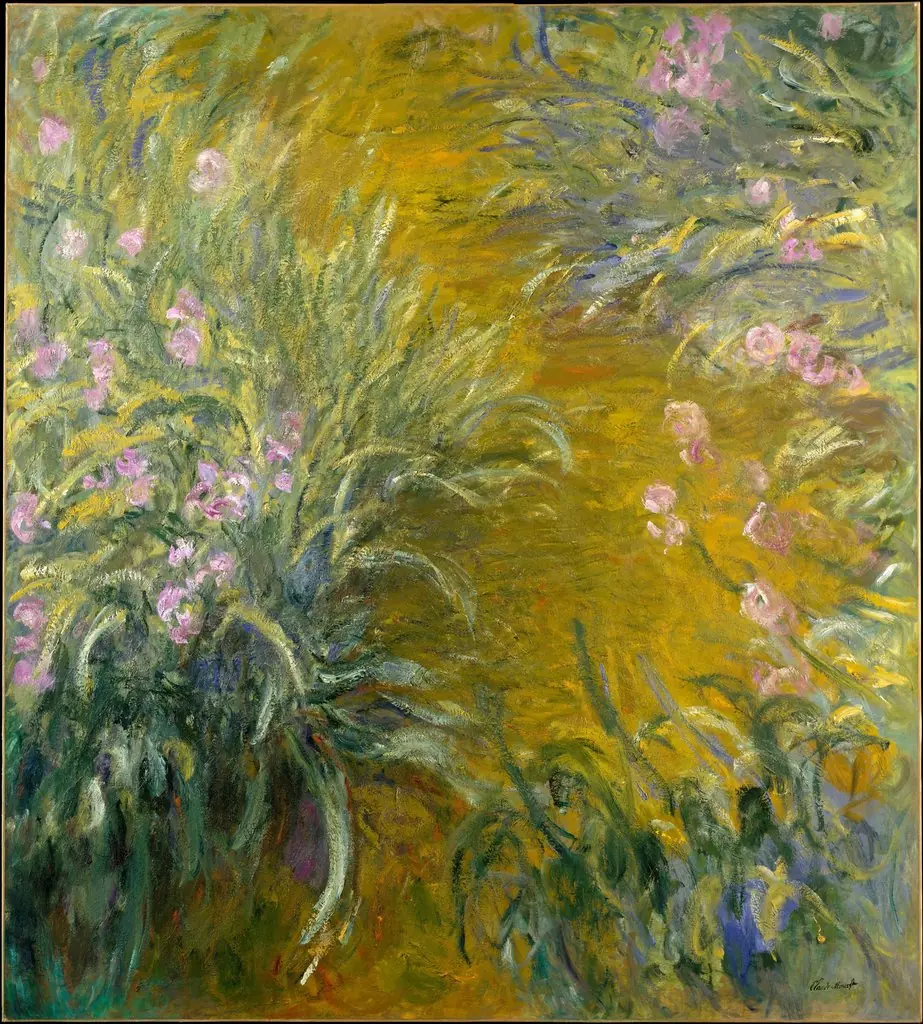 The Path through the Irises
 Untitled
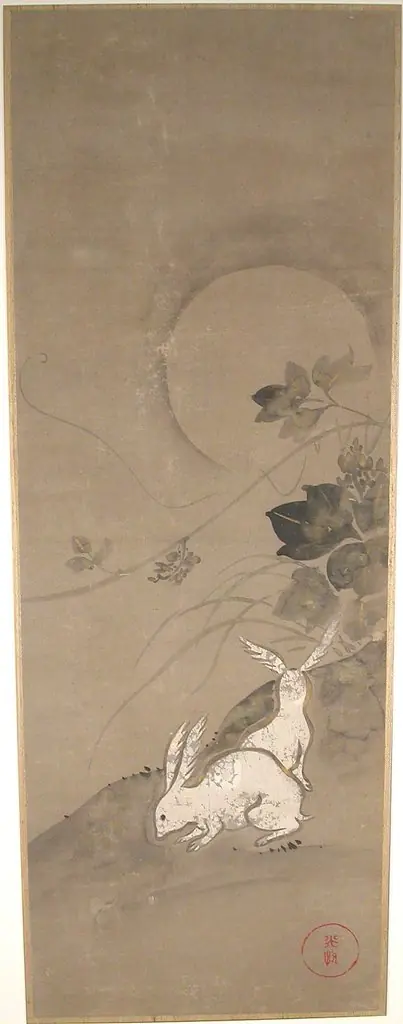 Rabbits
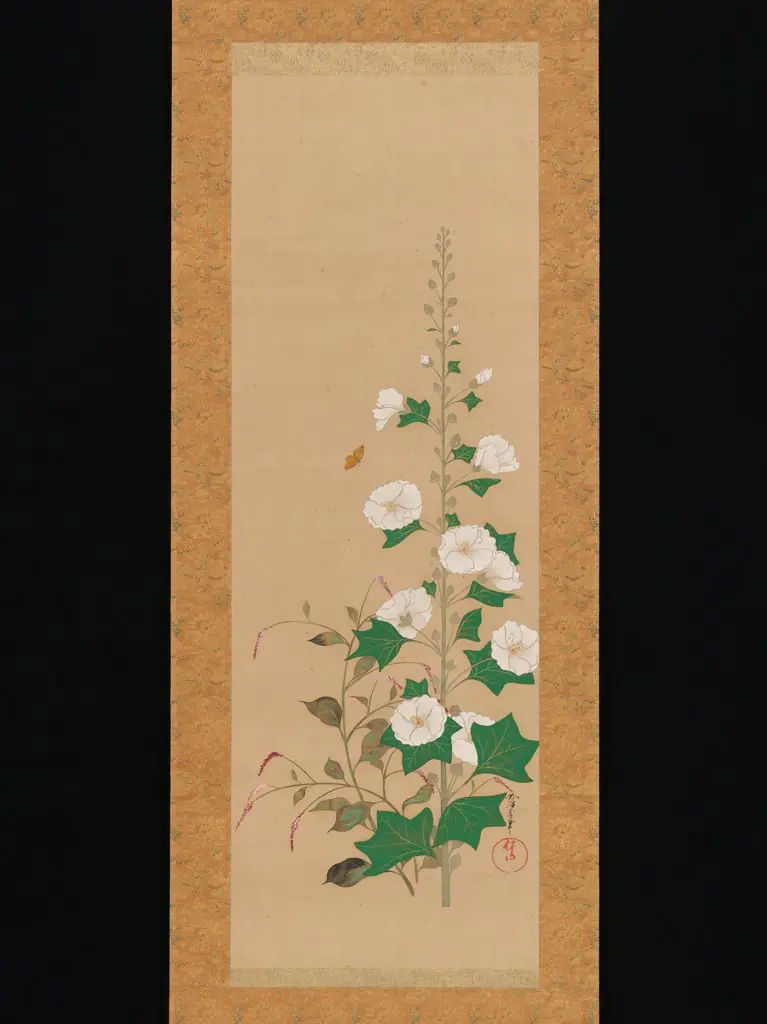 Hollyhocks and Prince’s-Feather Flowers
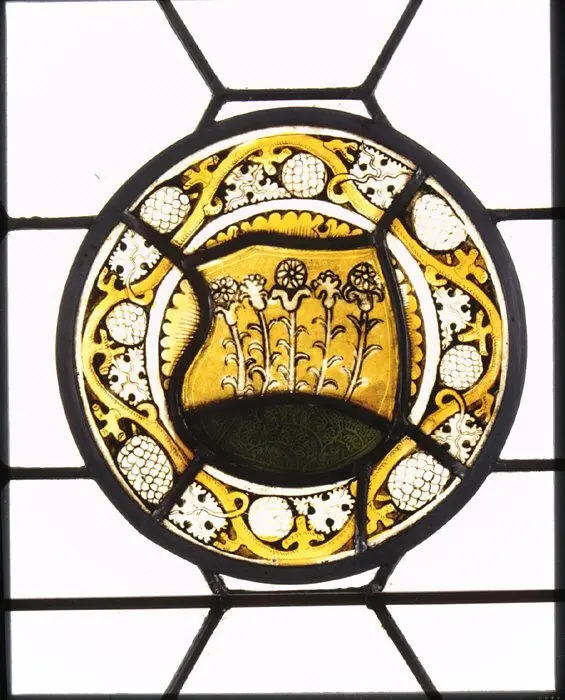 Armorial Roundel
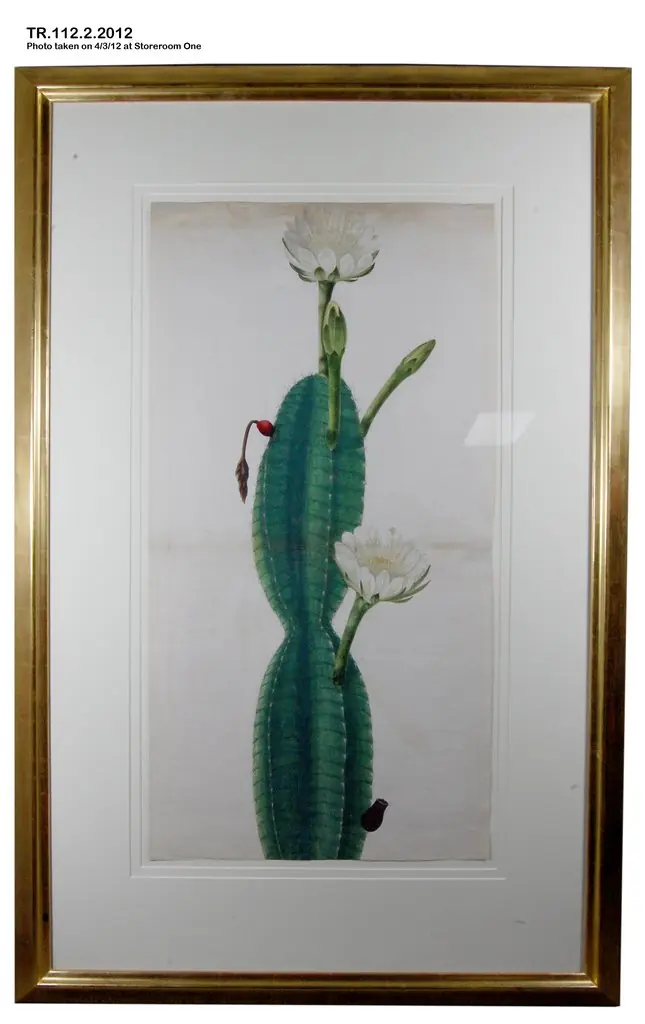 Cactus Plant in Flower
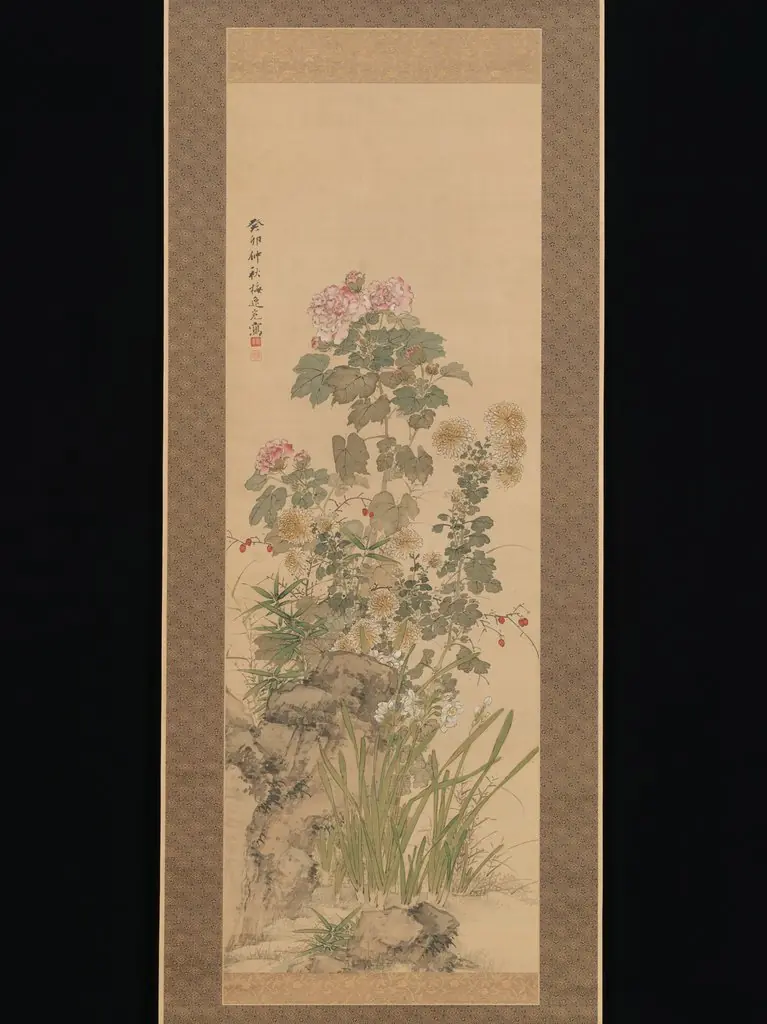 Autumn Flowers
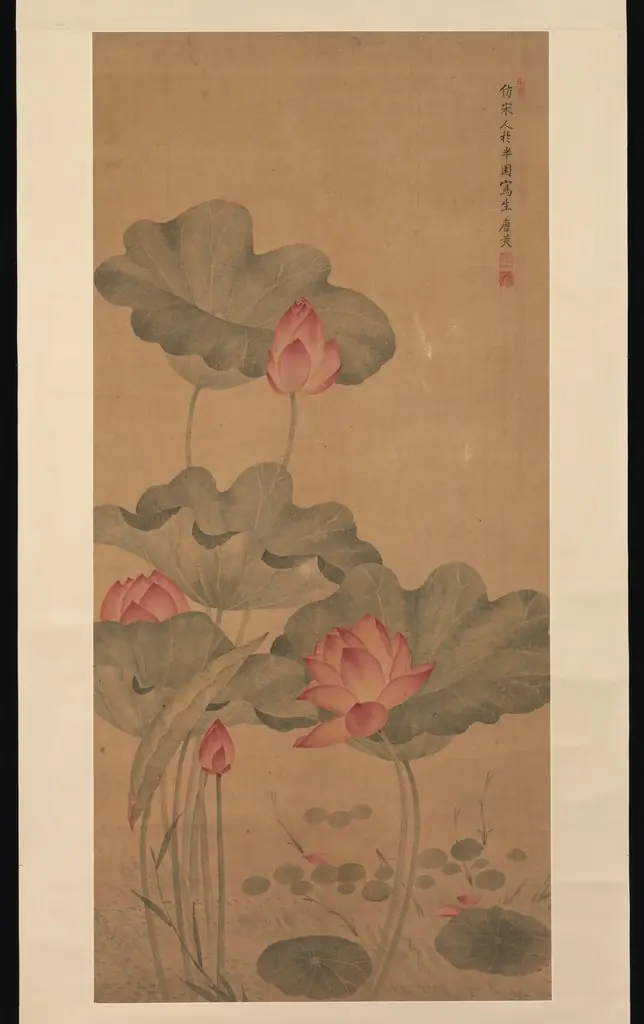 Red Lotus and Fish
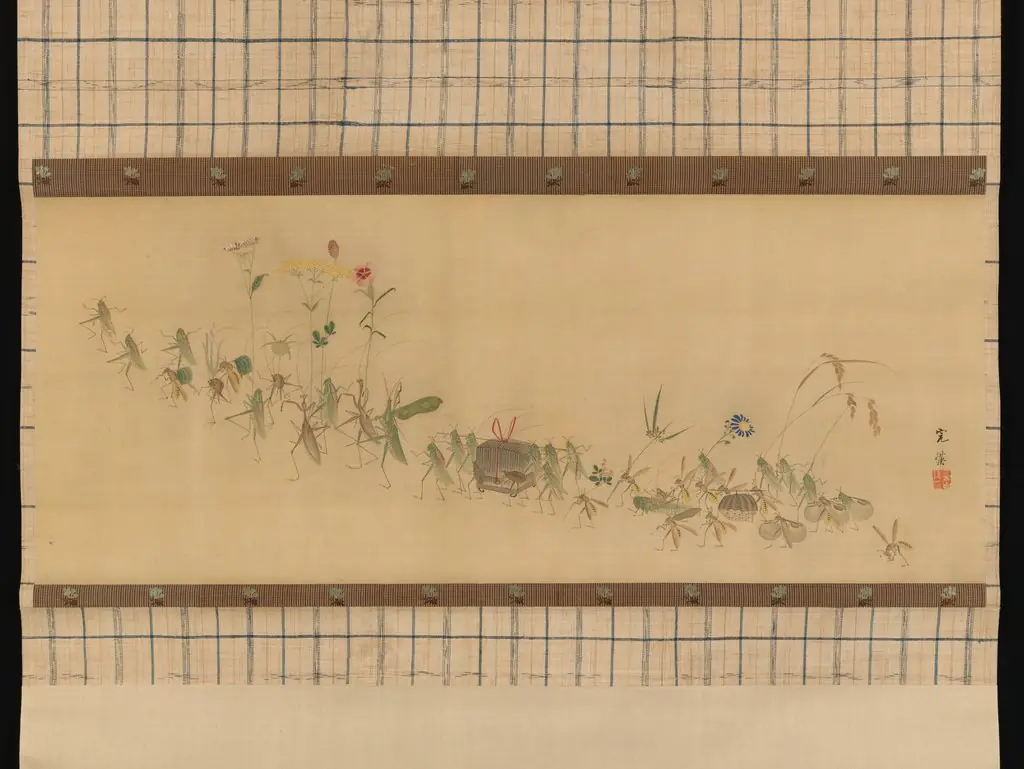 Procession of Insects
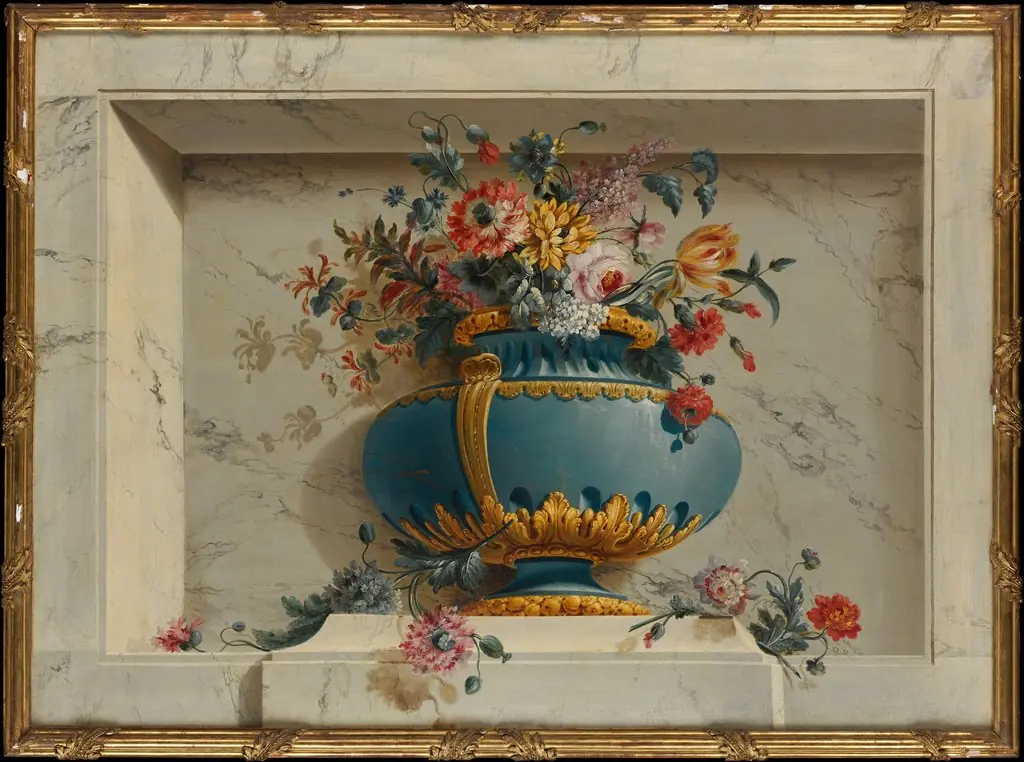 Vase of Flowers in a Niche
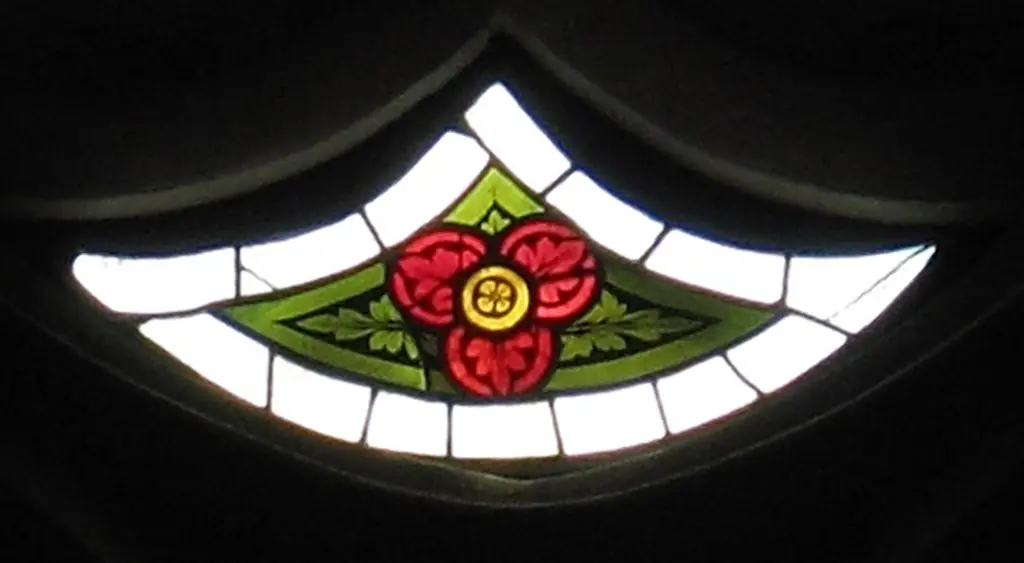 Triangular-shaped Tracery Light
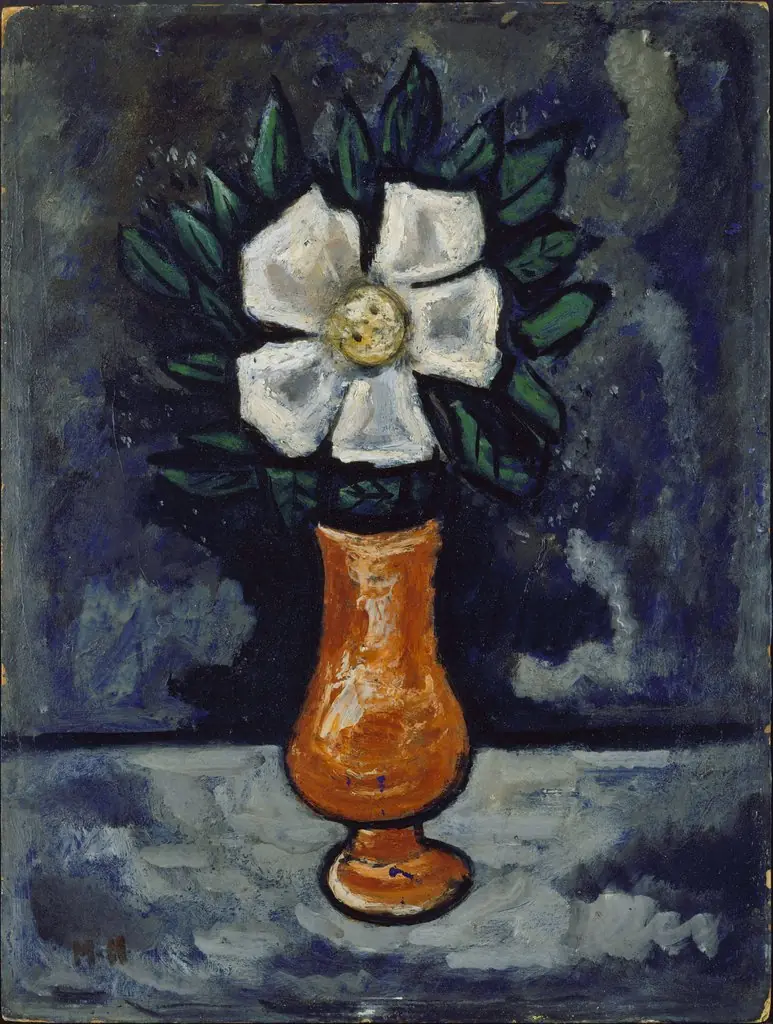 White Flower
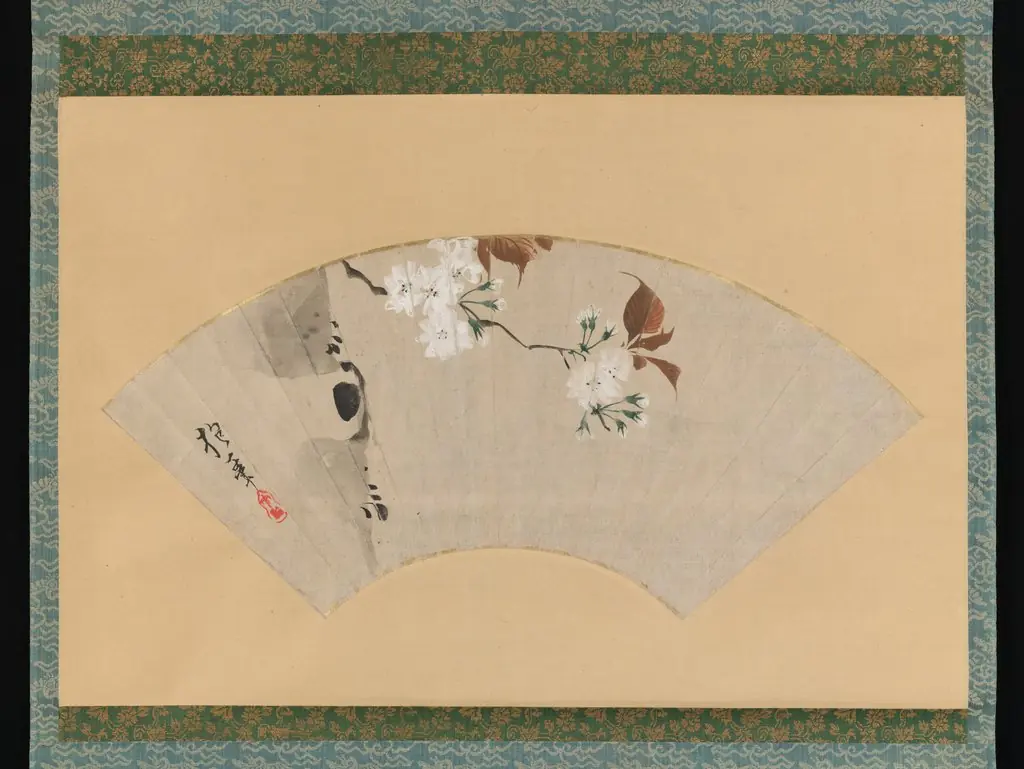 Cherry Blossoms
 Cycad
Cycad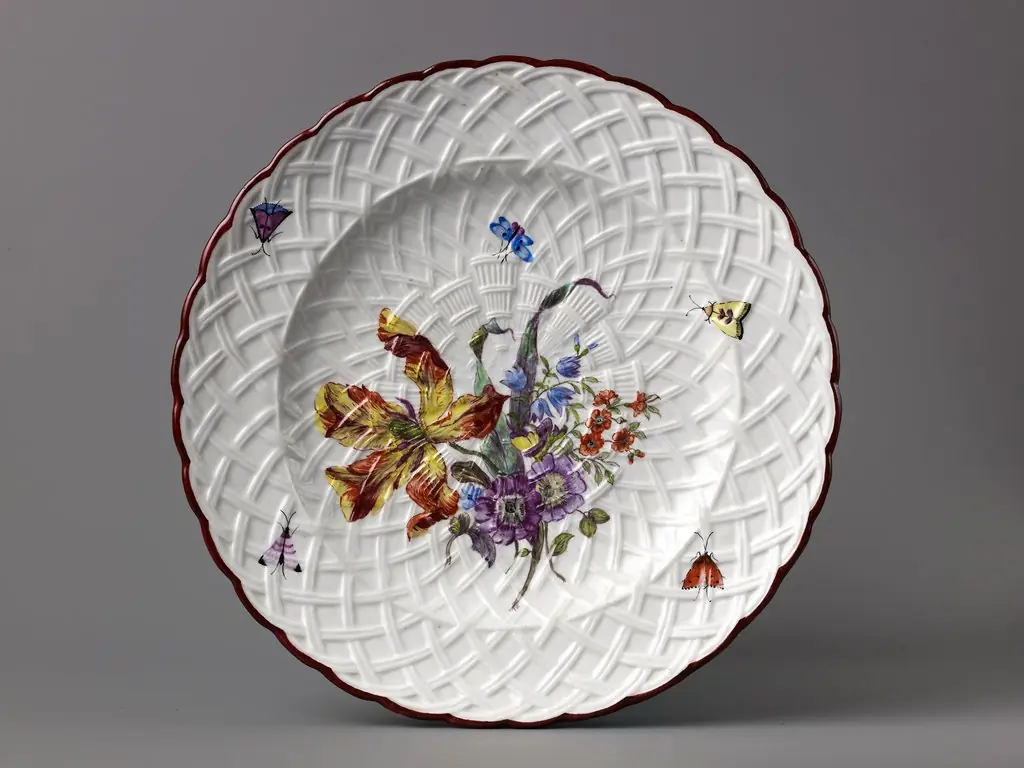 Nine dessert plates
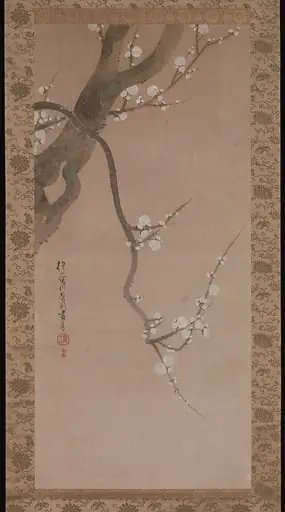 Untitled
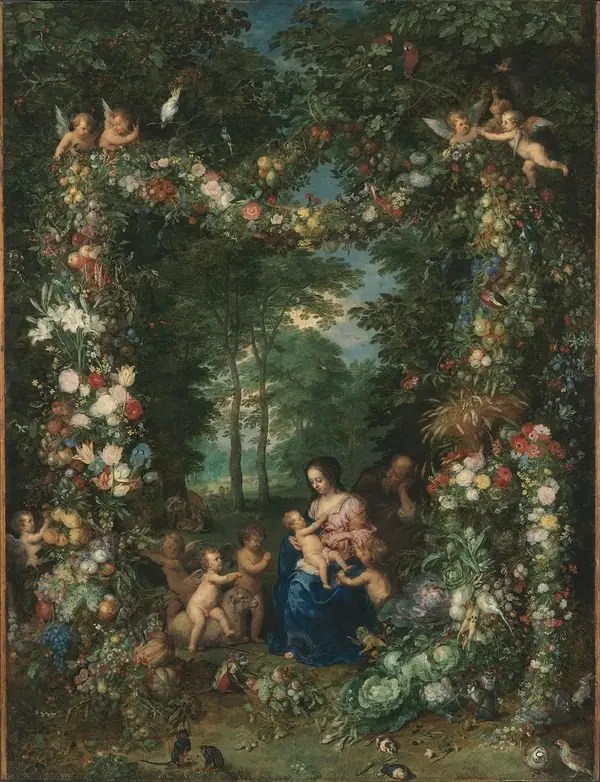 Holy family with a garland of flowers and fruits
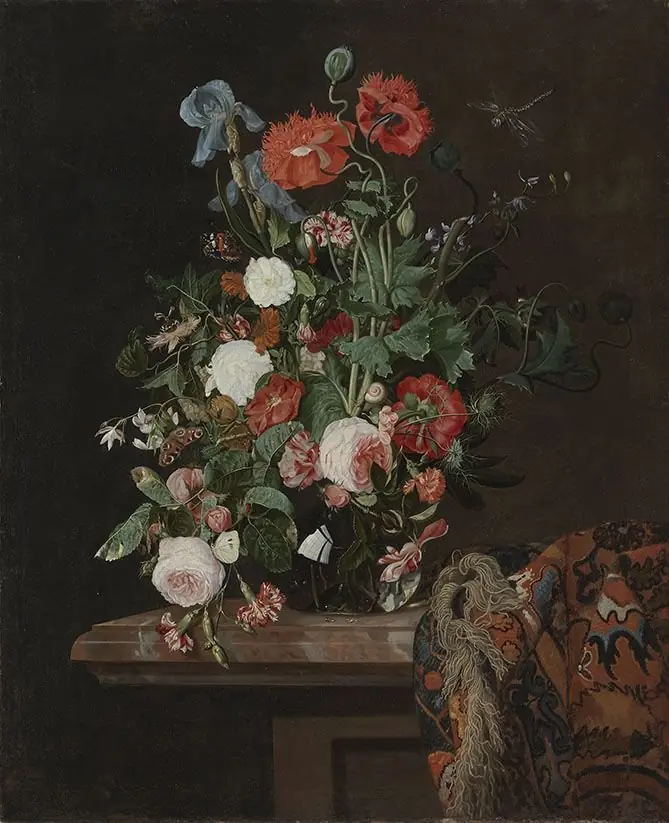 Flower still-life with oriental table carpet
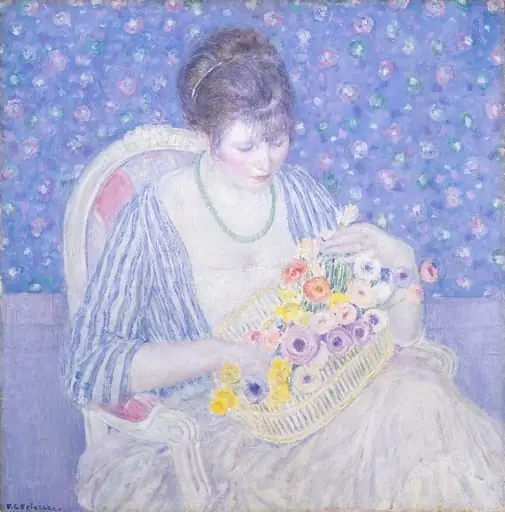 The Basket of Flowers
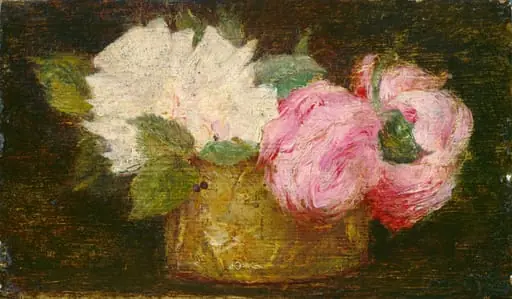 Roses in a Vase
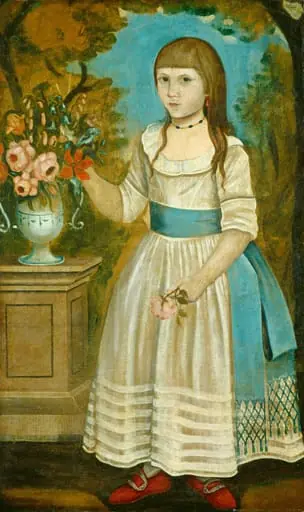 Catherine Brower
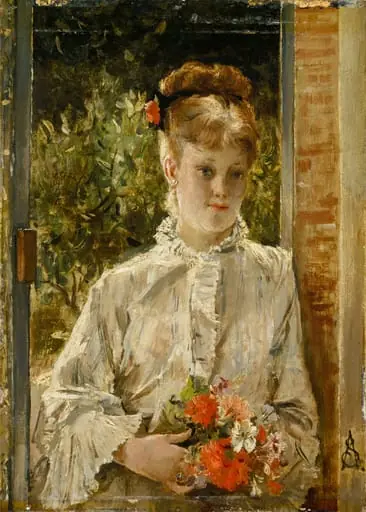 Young Woman in White Holding a Bouquet
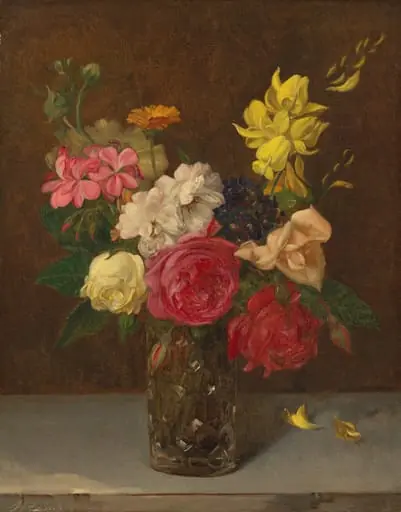 Flowers in a Cut Glass Vase
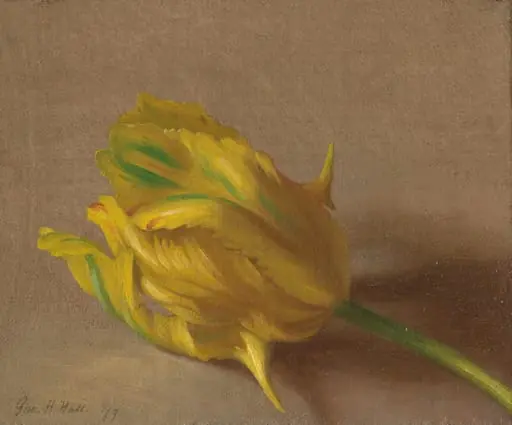 Tulip
Tulip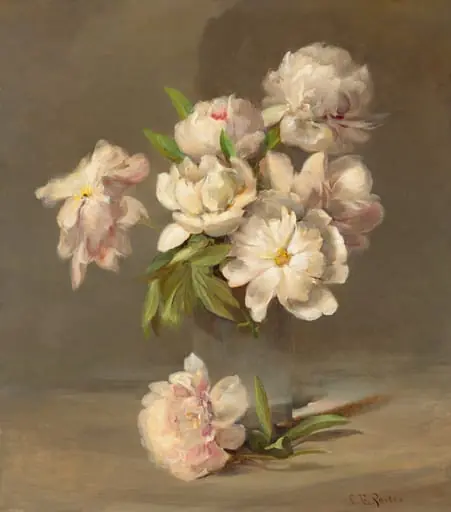 Peonies in a Vase
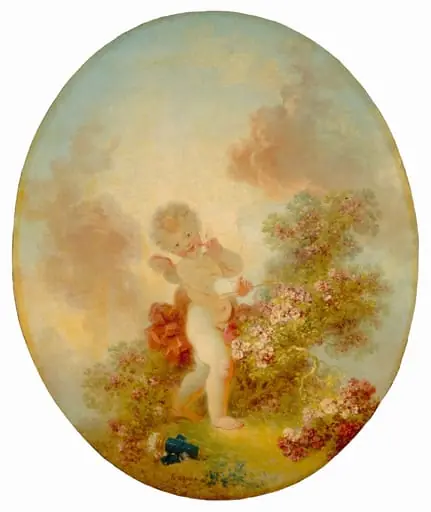 Love the Sentinel
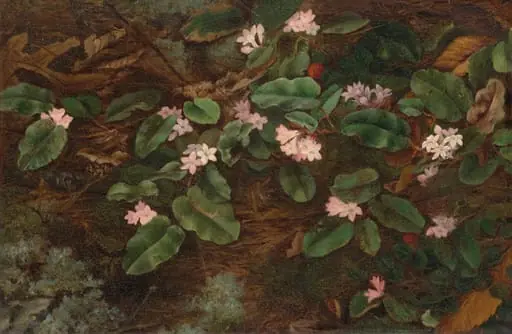 Trailing Arbutus
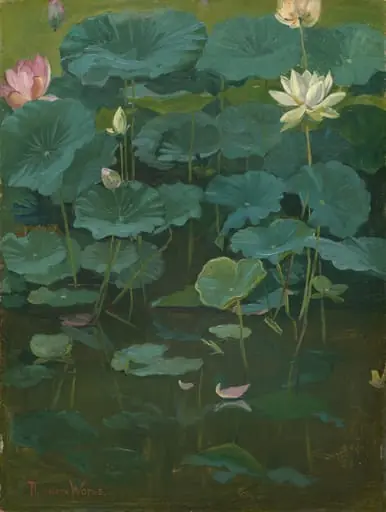 Buddha's Flowers: Lotus, Tokyo
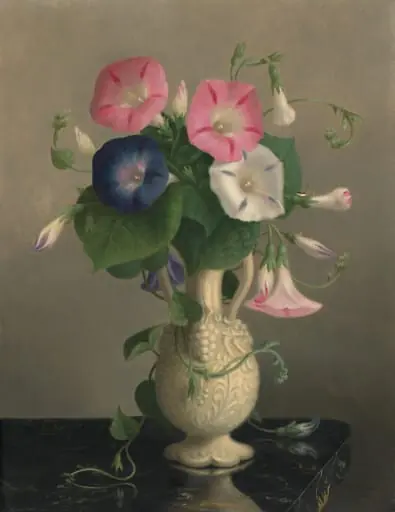 Vase of Morning Glories
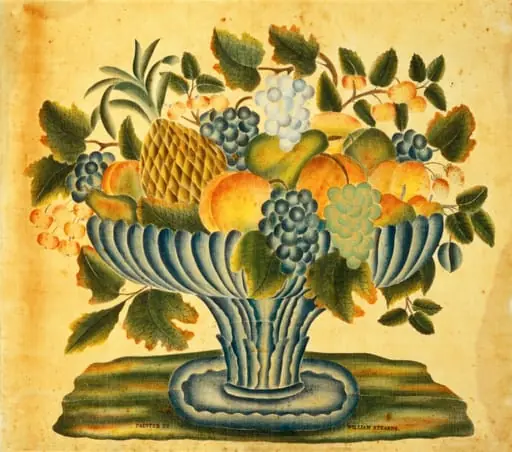 Bowl of Fruit
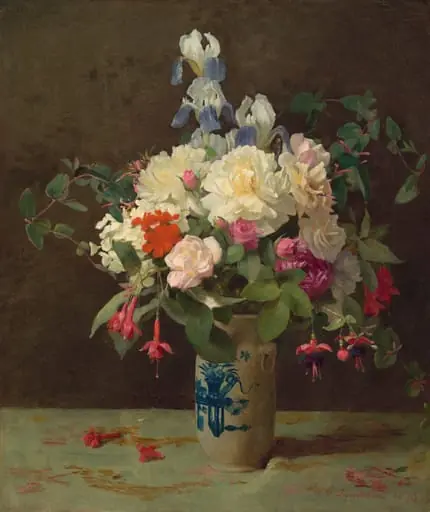 Vase of Flowers
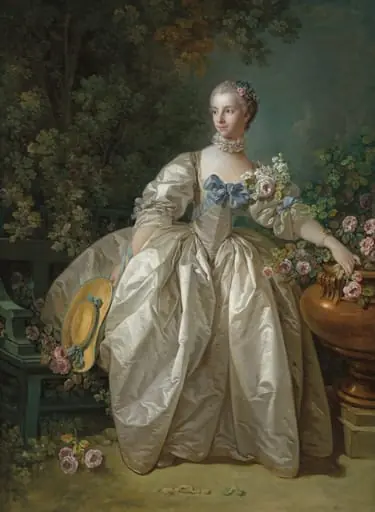 Madame Bergeret
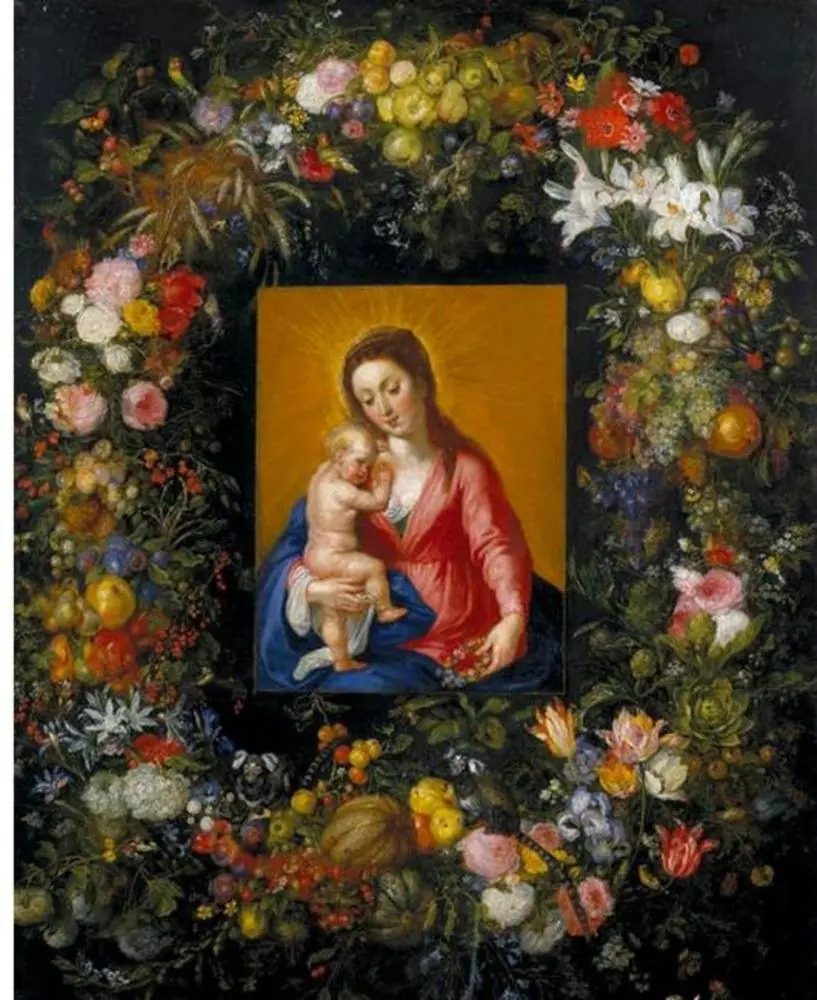 Garland with the Virgin and Child
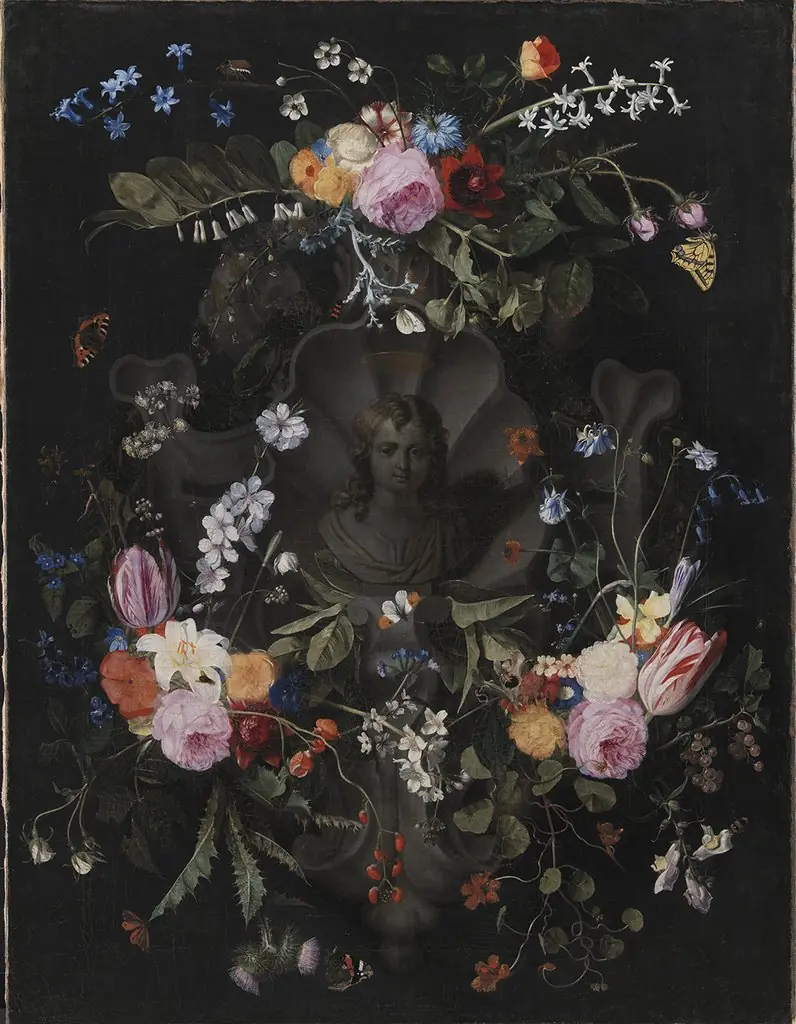 Cartouche with the bust of Jesus surrounded by festoons
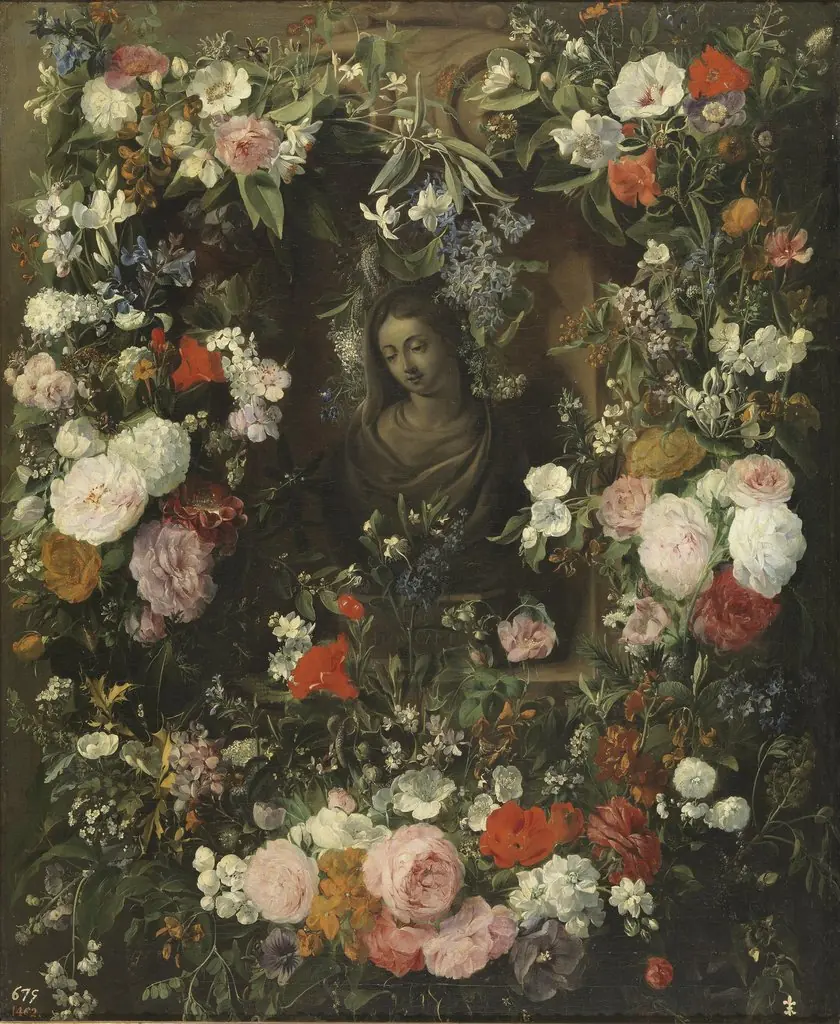 Garland surrounding the Virgin Mary
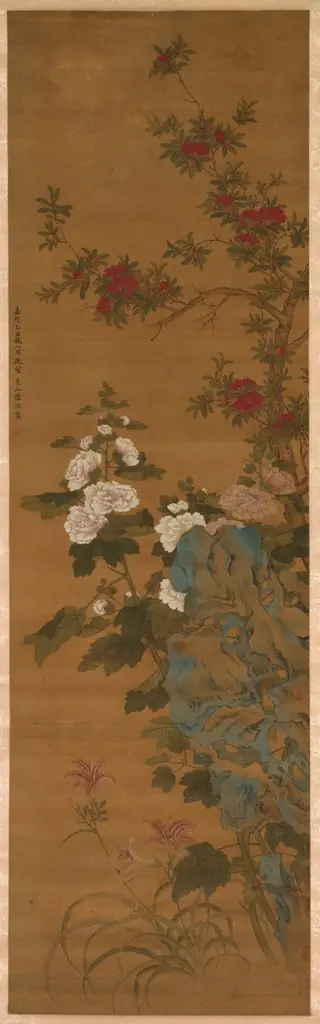 Flowers and Rocks
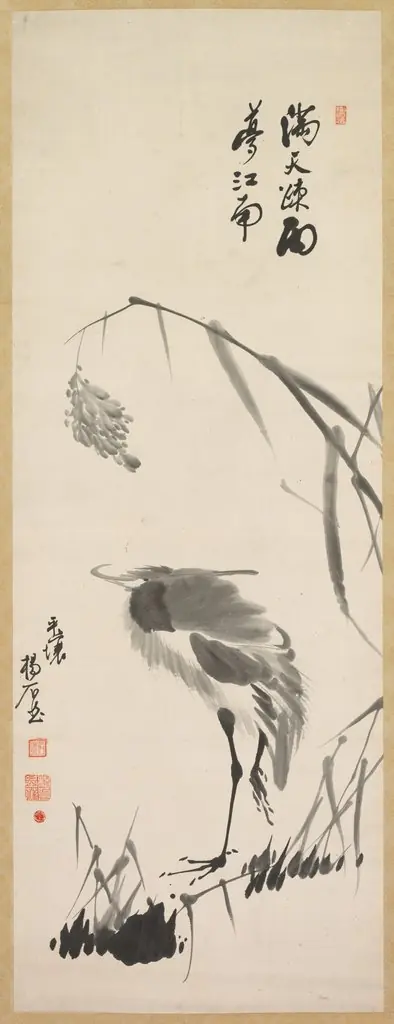 Egret and Reeds
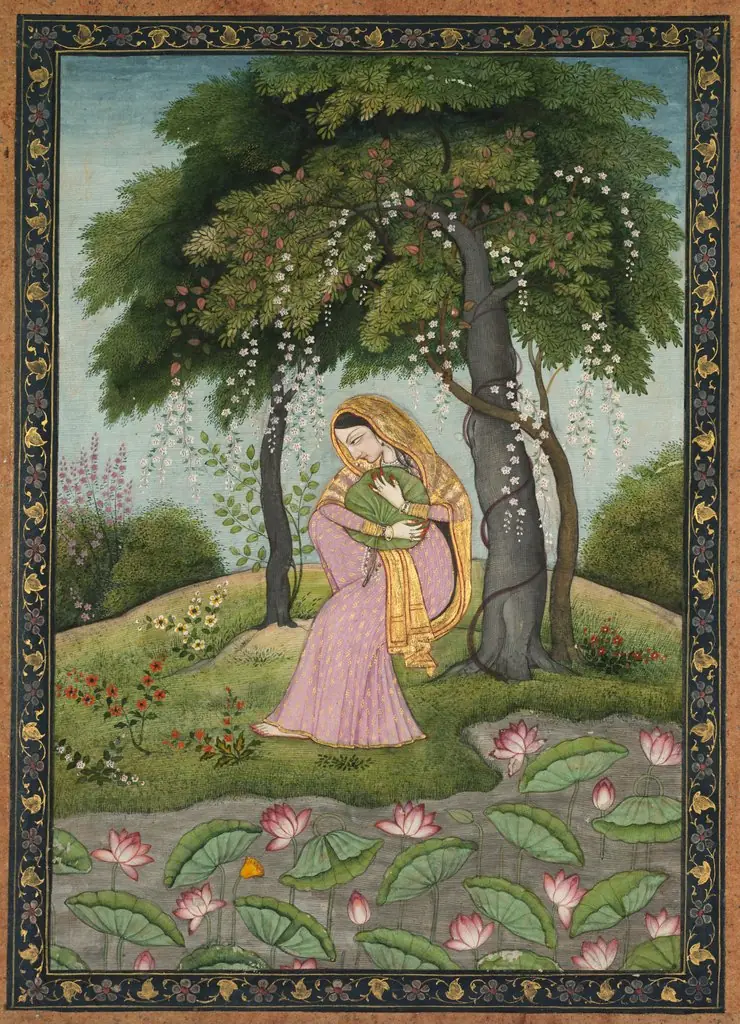 Virhini Nayika, Love-Torn Heroine
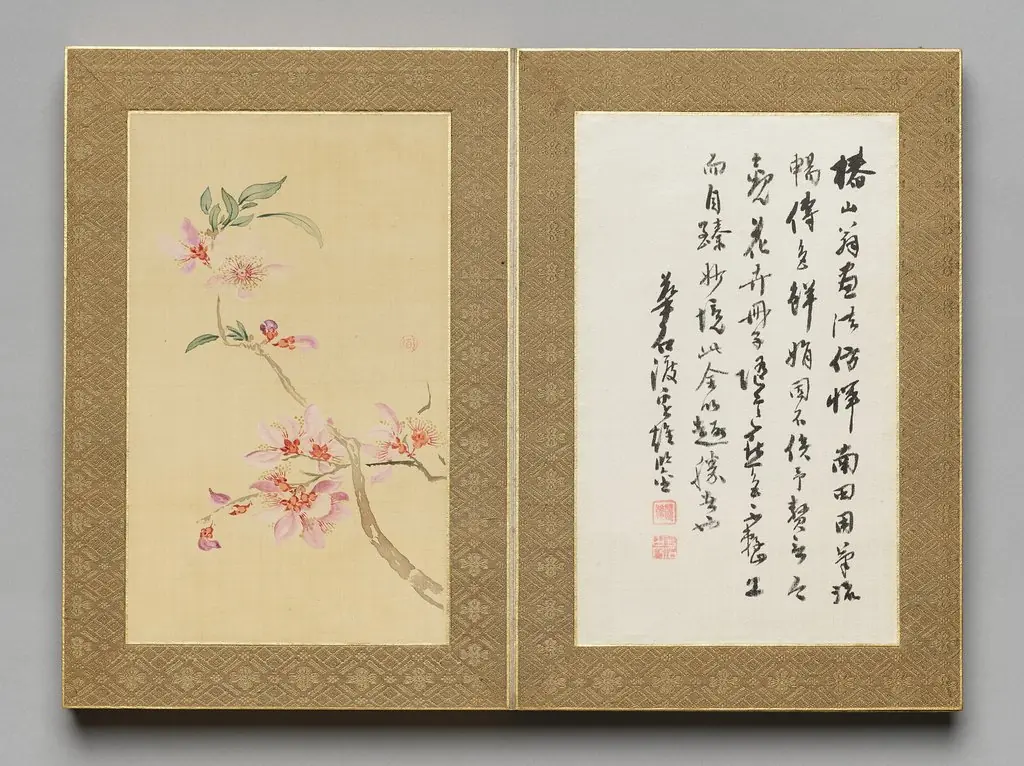 Preface from Flowers and Grasses
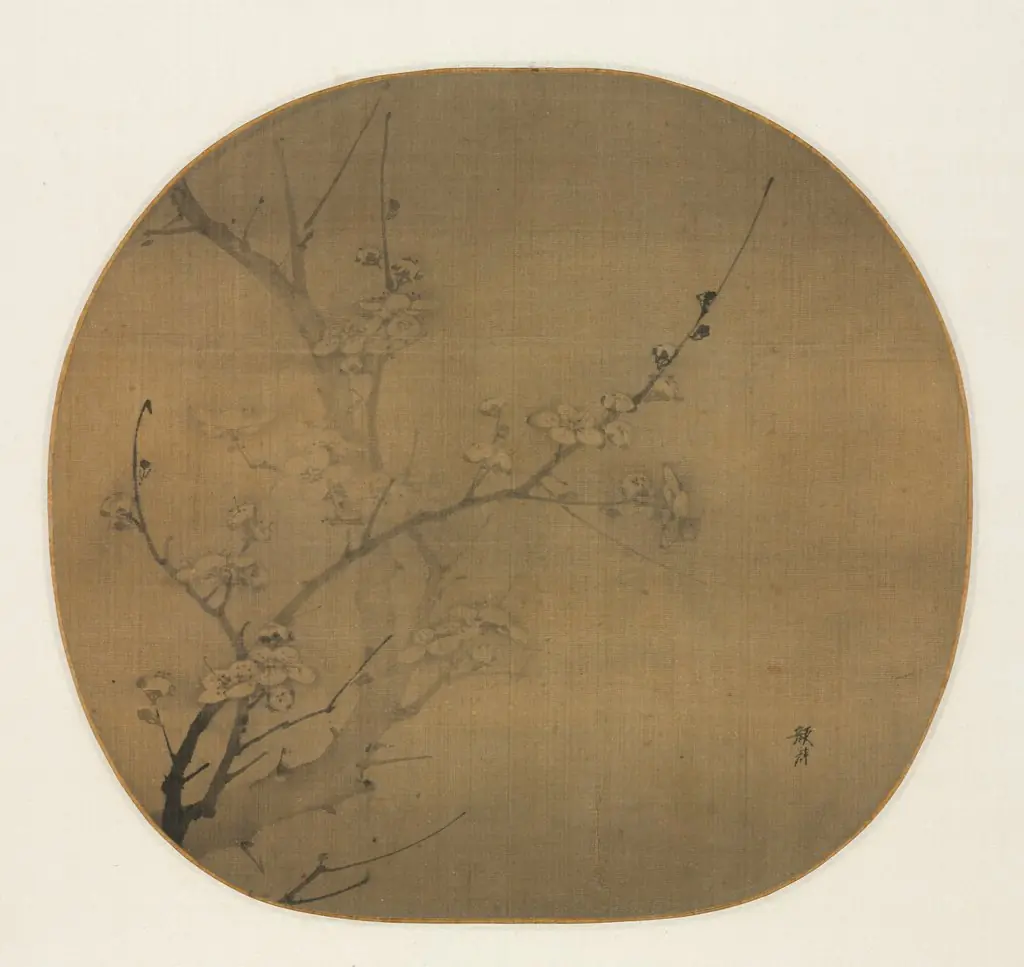 Plum Blossoms in Moonlight
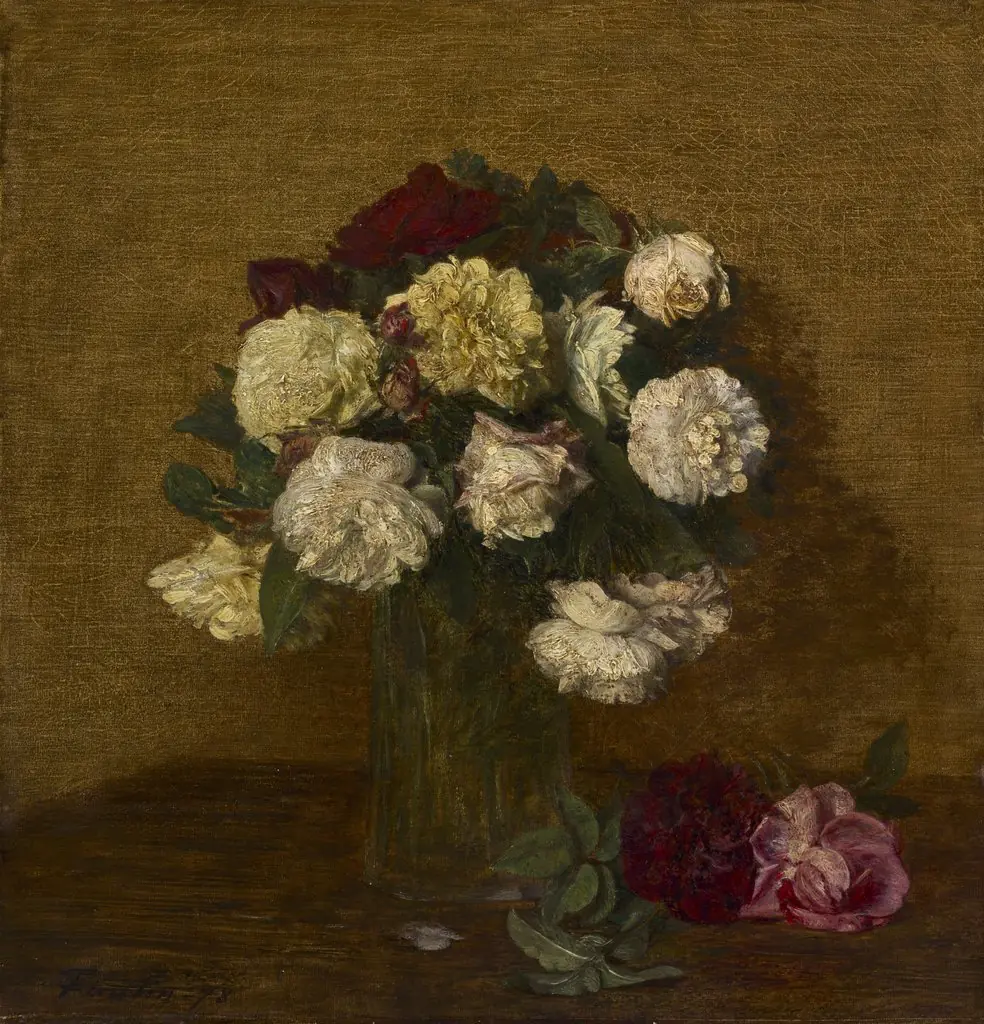 Roses in a Vase
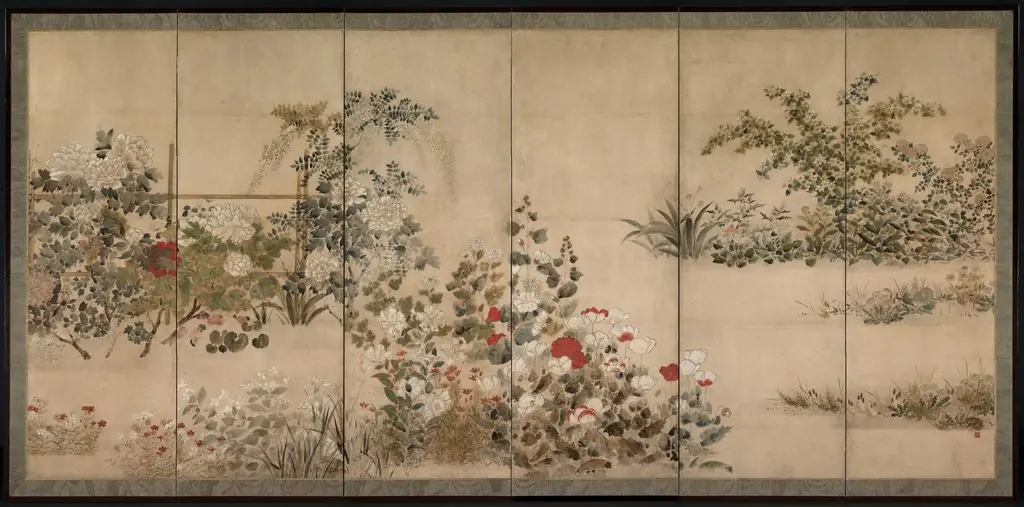 Flowers and Grasses
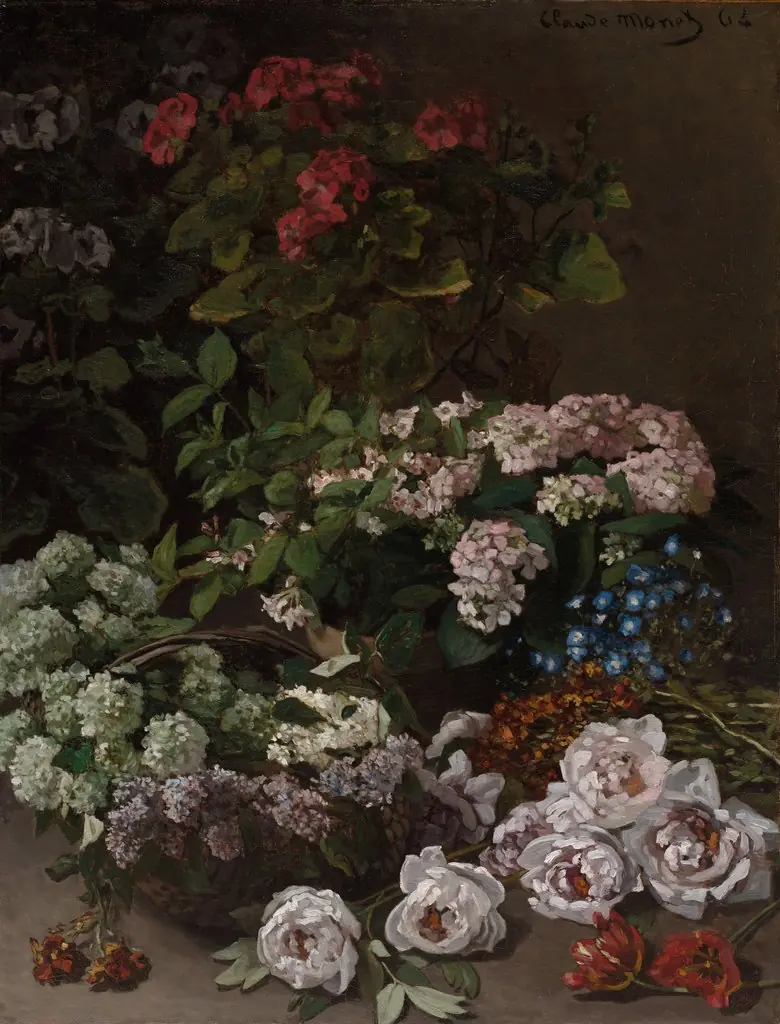 Spring Flowers
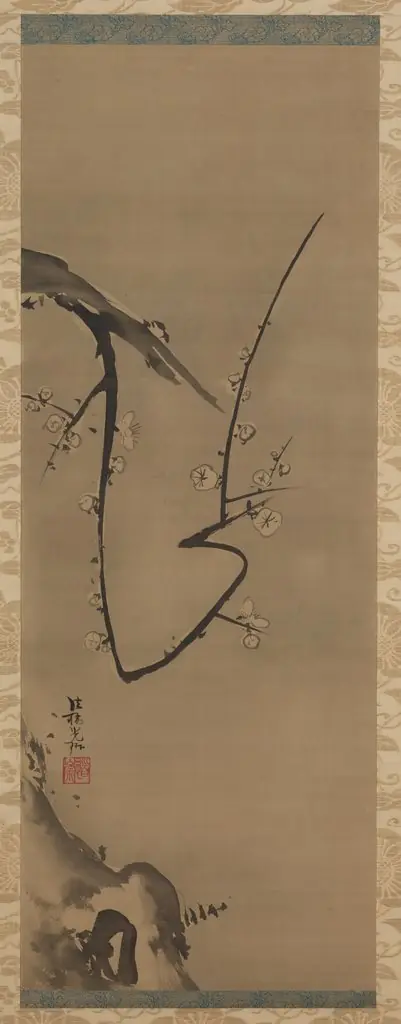 Plum Tree
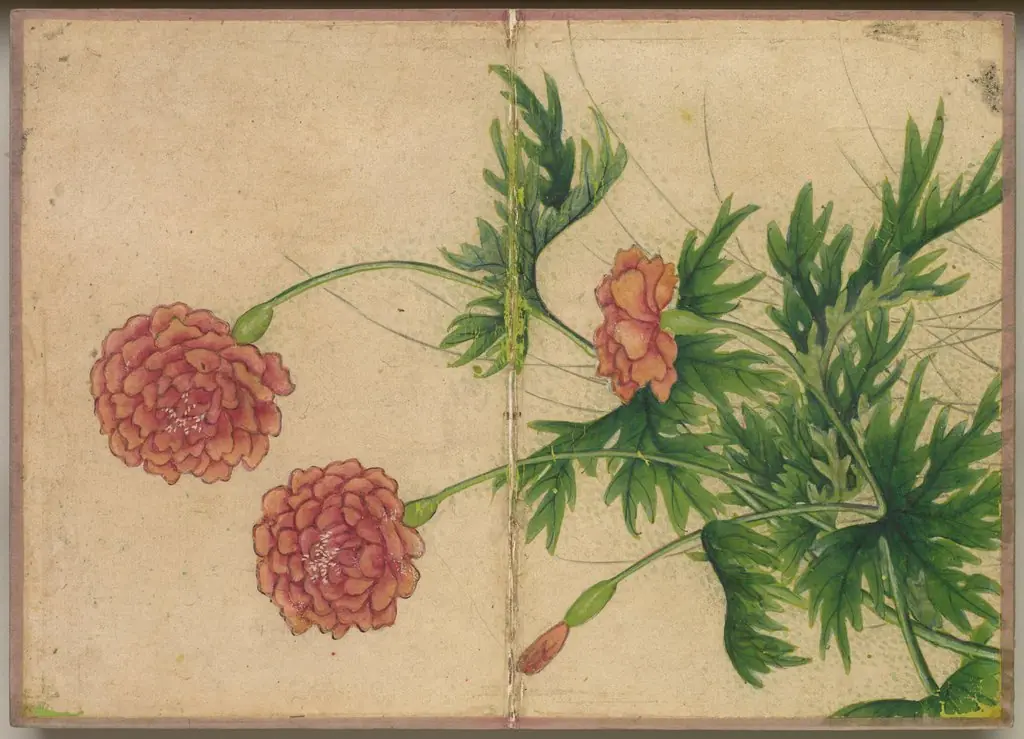 Desk Album: Flower and Bird Paintings (Peony)
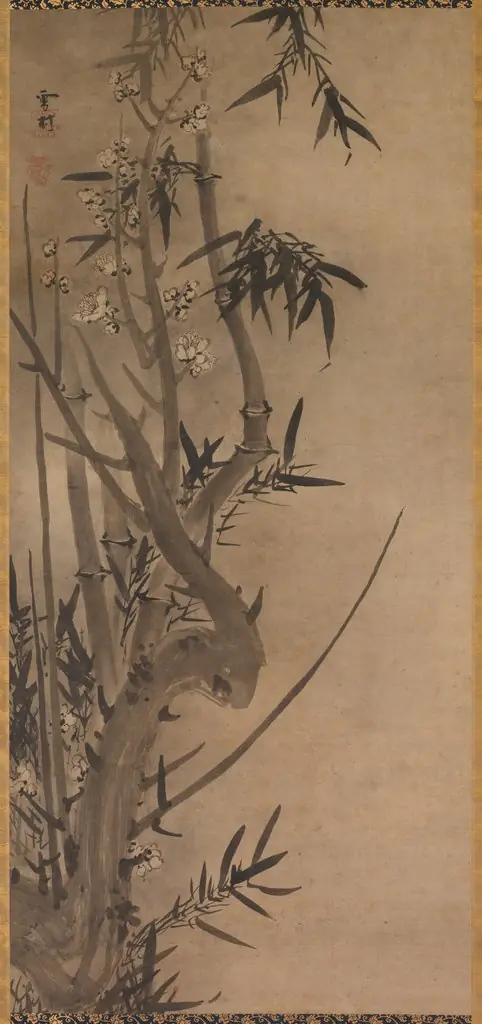 Bamboo and Plum
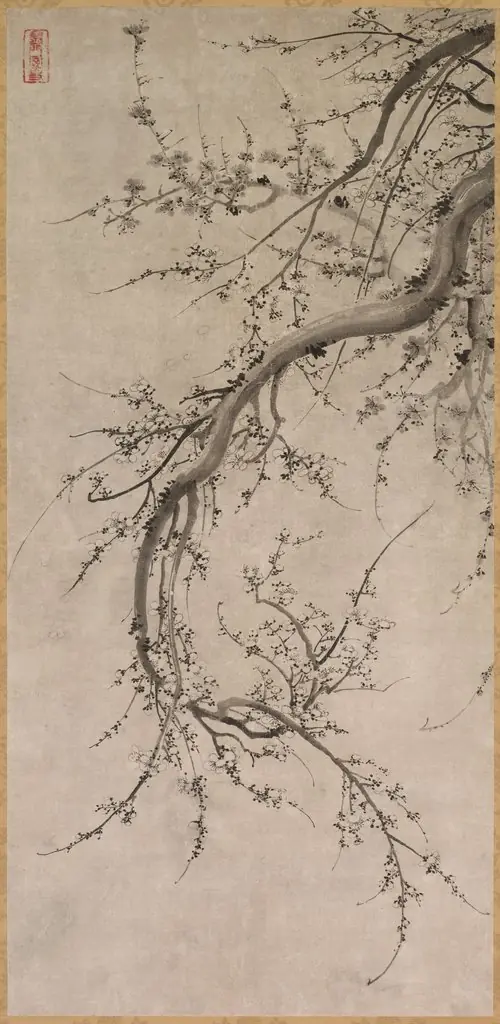 Prunus
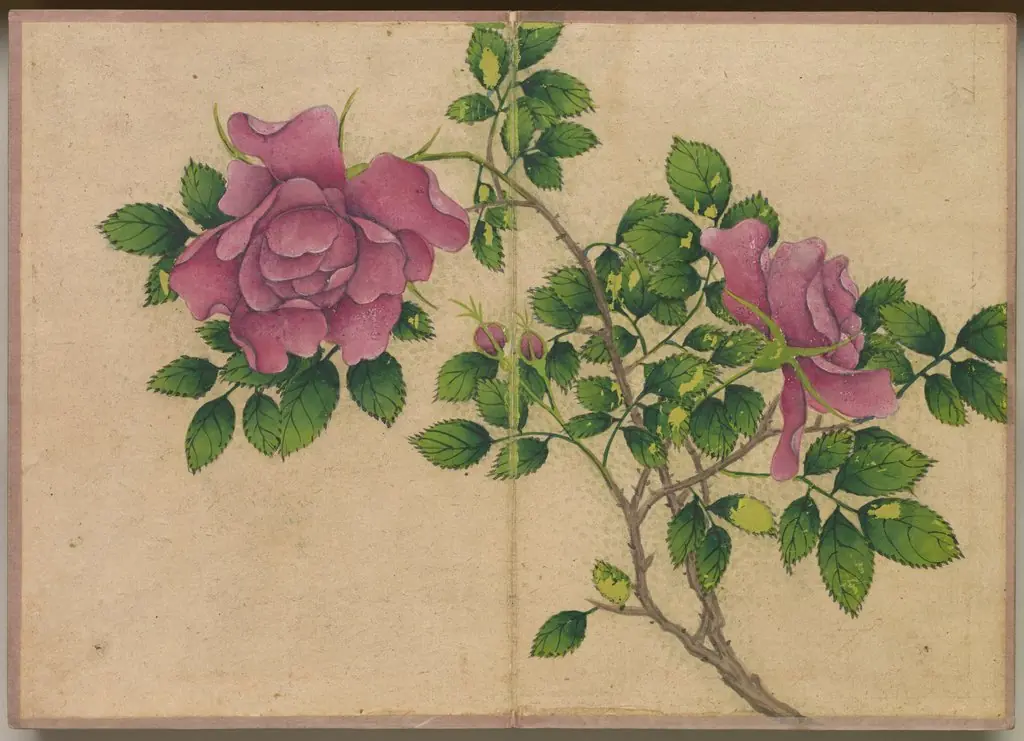 Desk Album: Flower and Bird Paintings (Rose)
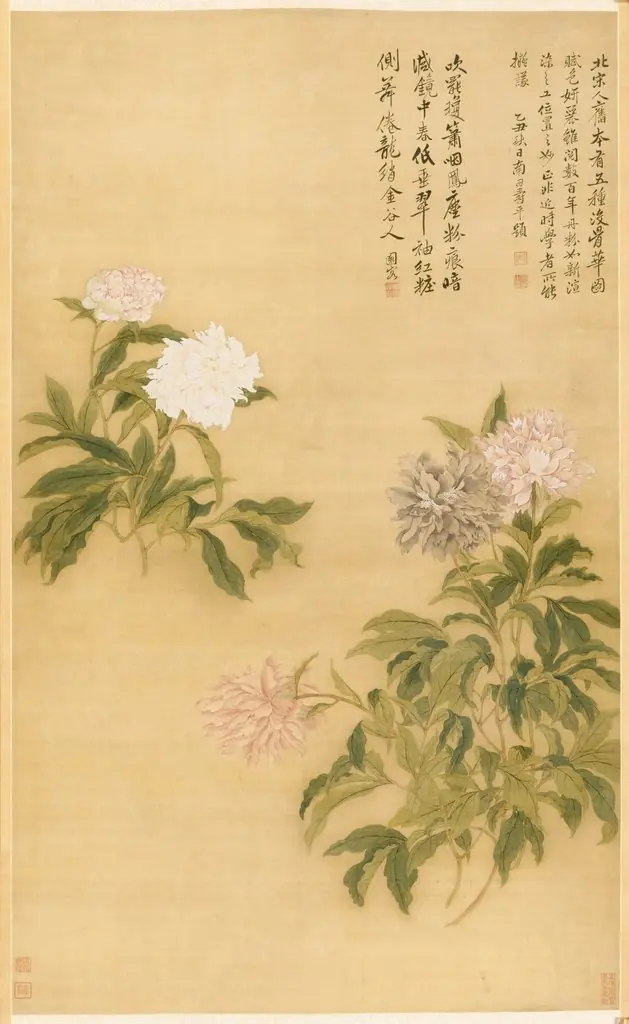 Herbaceous Peony
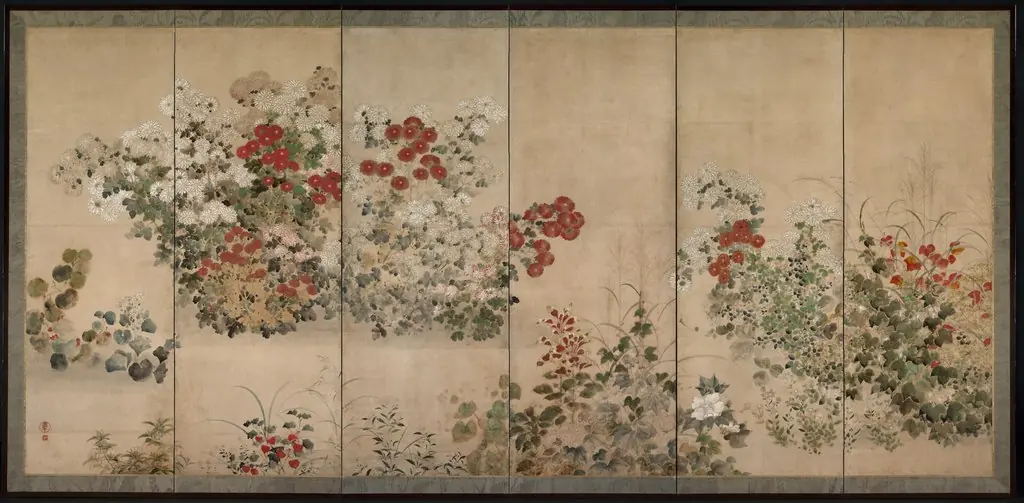 Flowers and Grasses
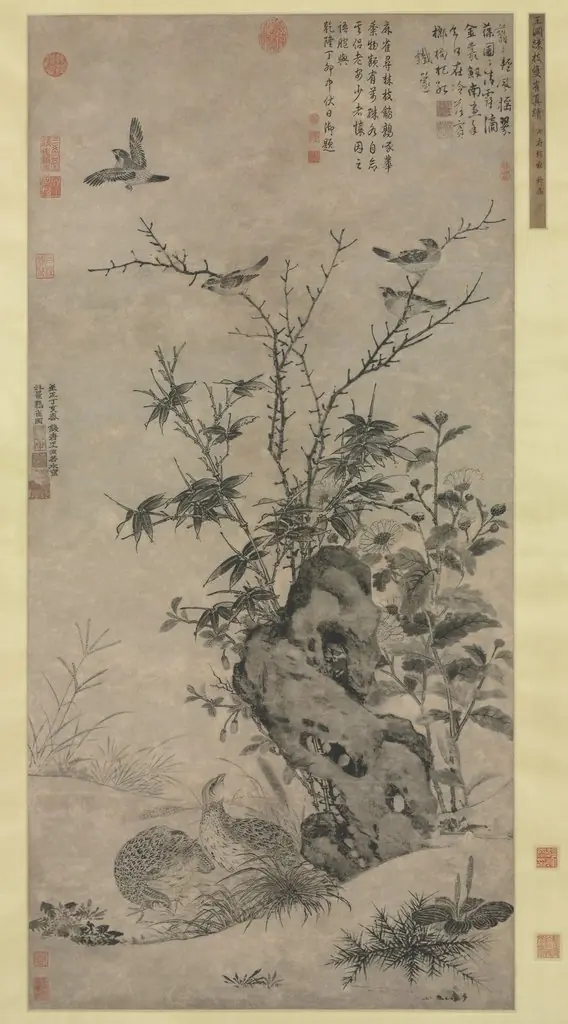 Quails and Sparrows in an Autumn Scene
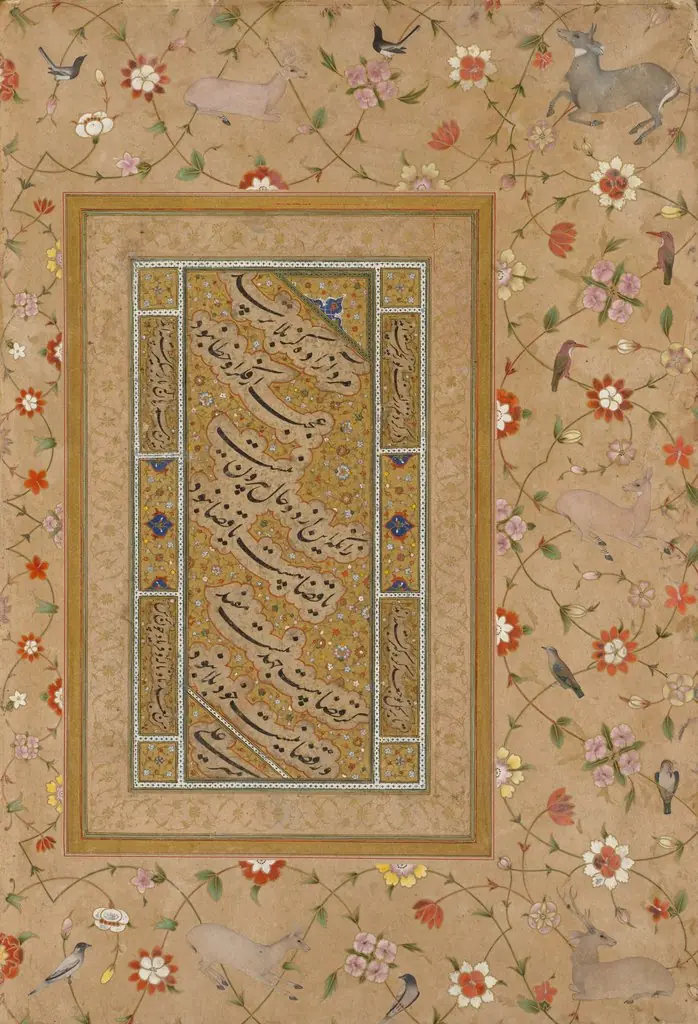 Page from the Late Shah Jahan Album: Persian Calligraphy framed by an ornamental border of flowers, birds, and deer
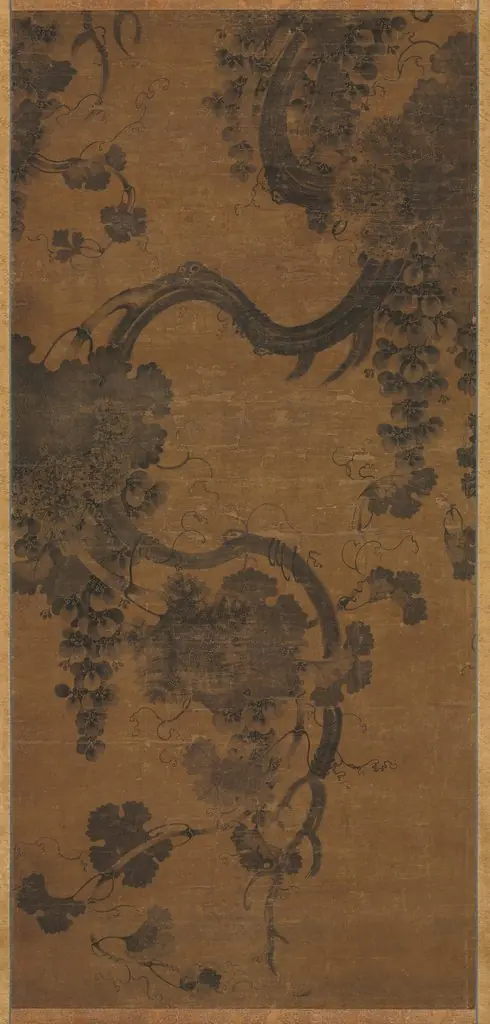 Grapes
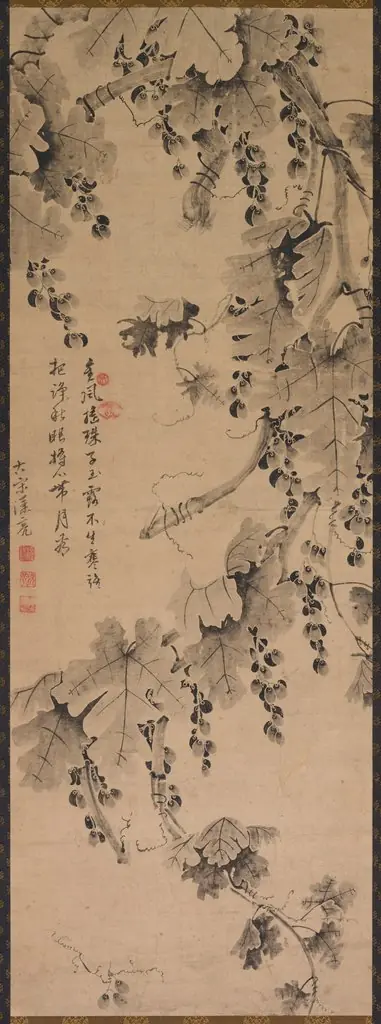 Grapevine
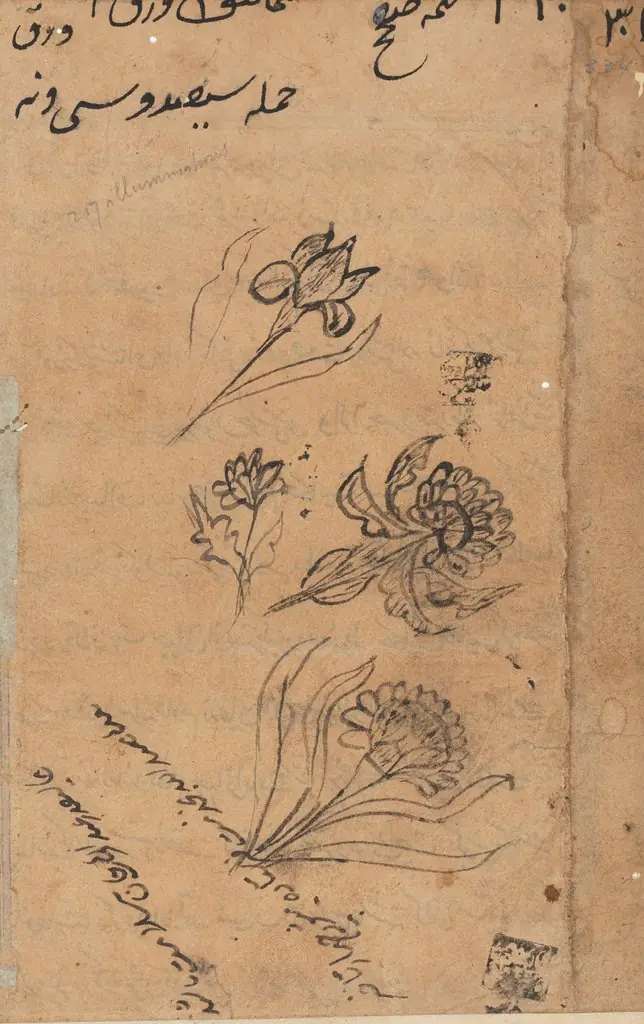 Page from Tales of a Parrot (Tuti-nama): text page
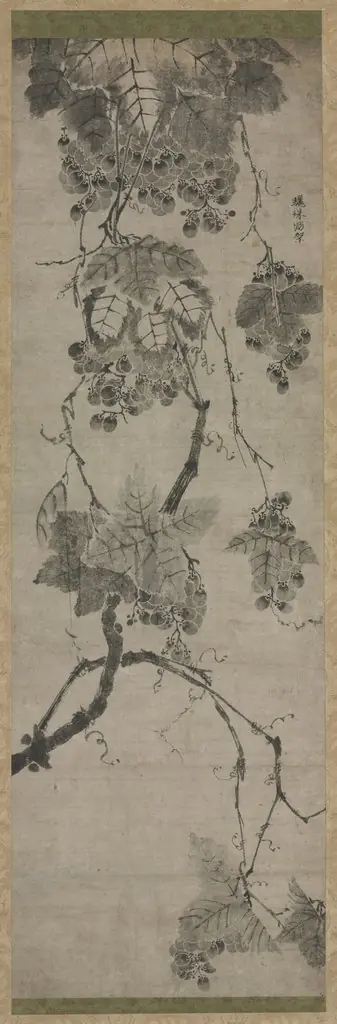 Grapes
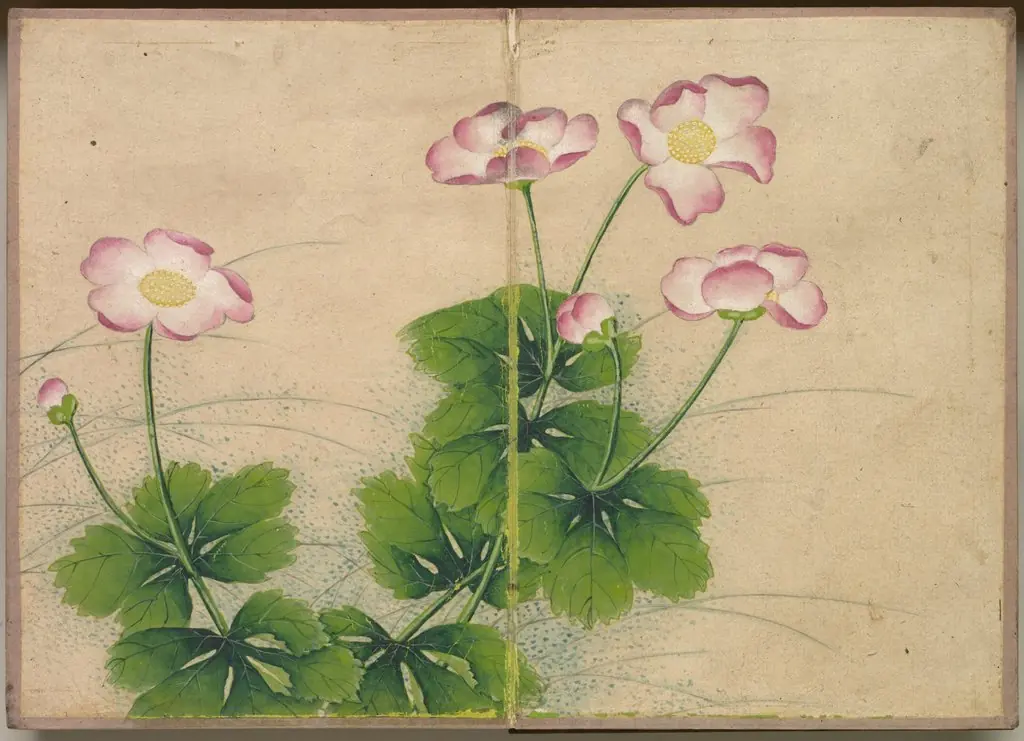 Desk Album: Flower and Bird Paintings (mallow flowers)
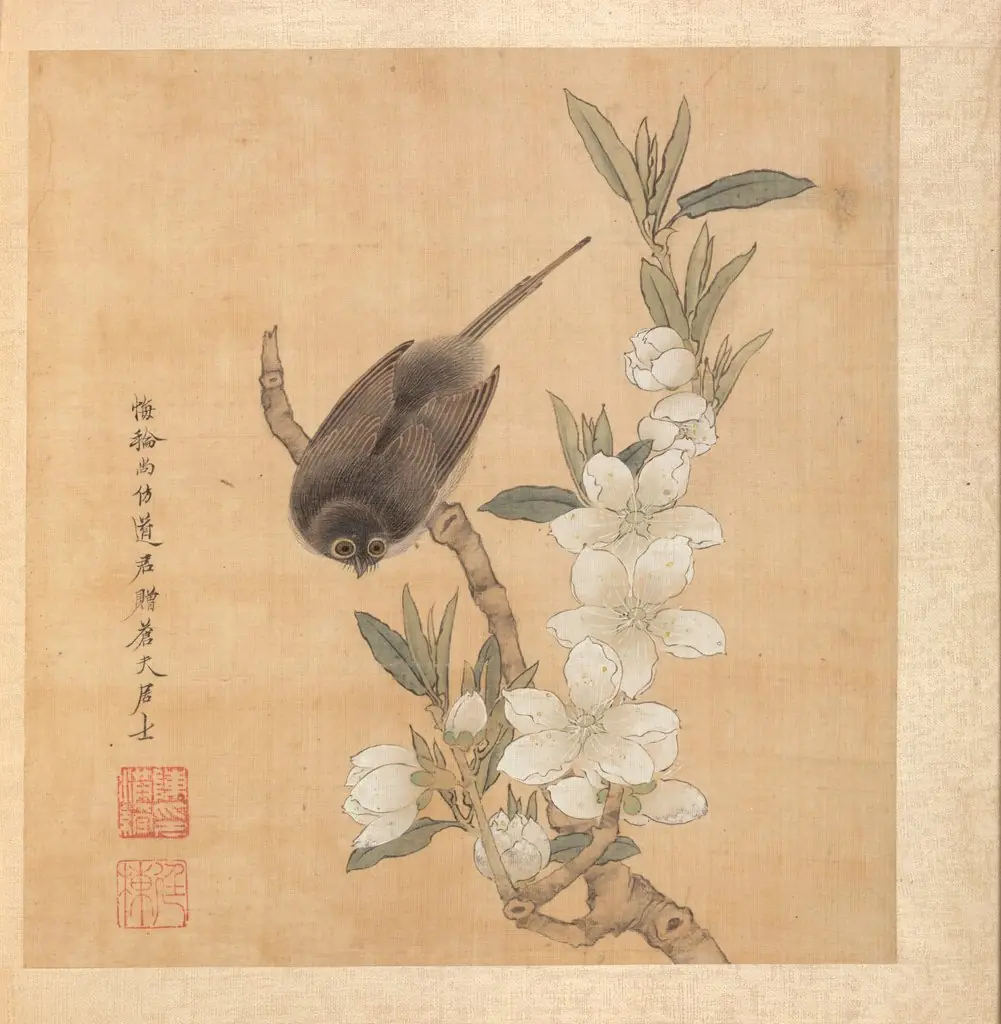 Paintings after Ancient Masters: A Bird and Peach-Blossom Branch
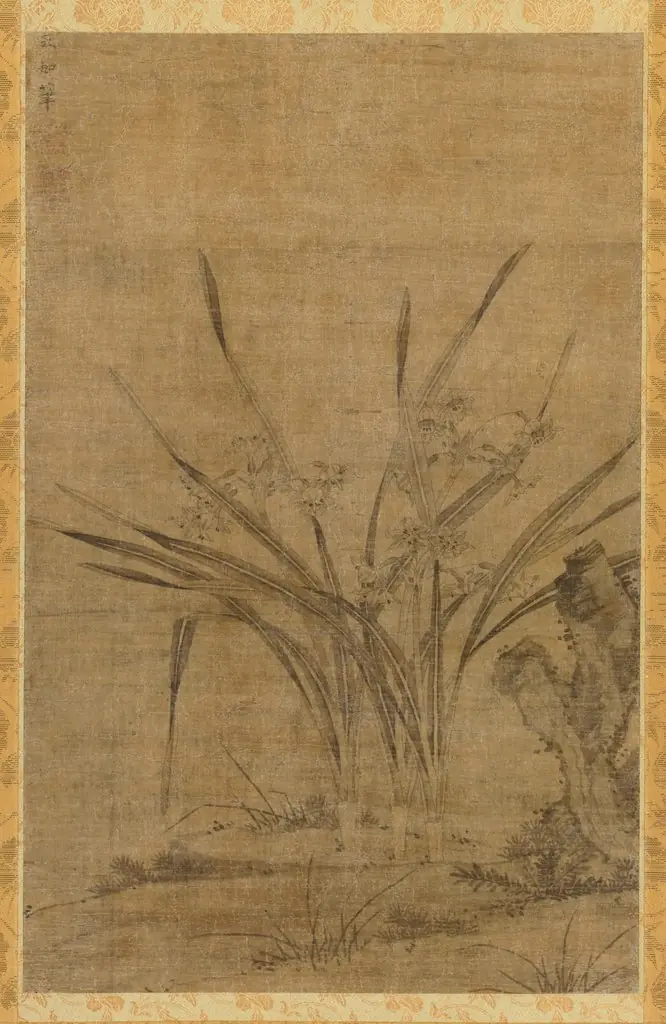 Narcissus and Rocks
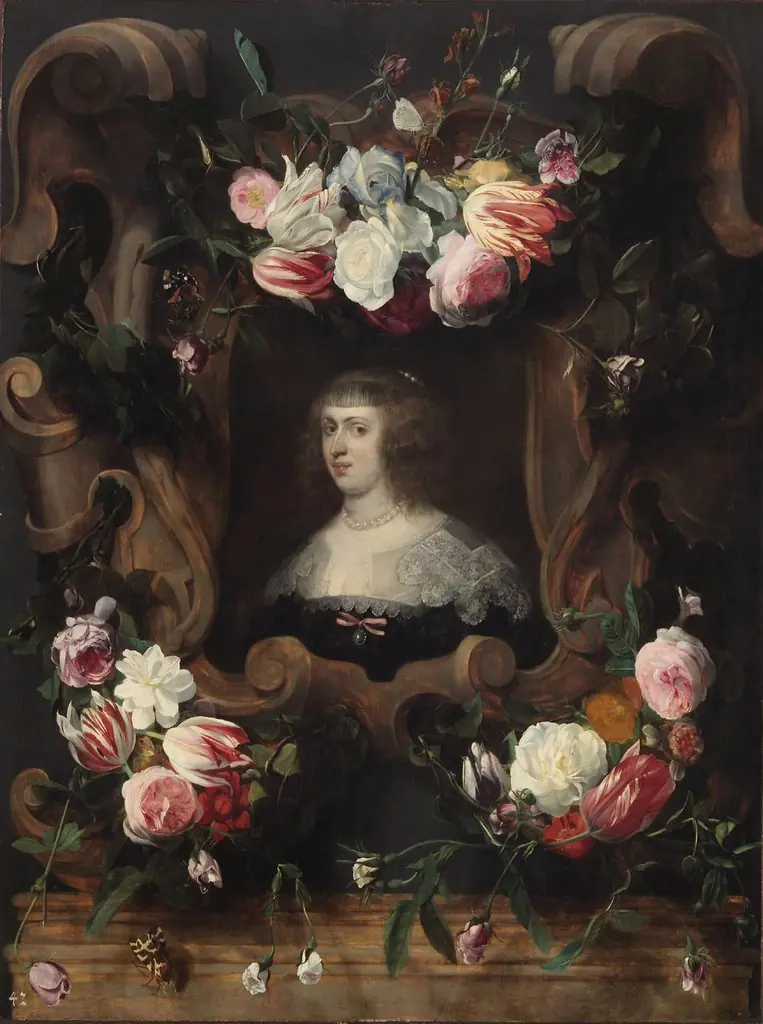 Cartouche decorated with flowergarlands surrounding a portrait of archduchess Maria Anna of Austria (1610-1665)
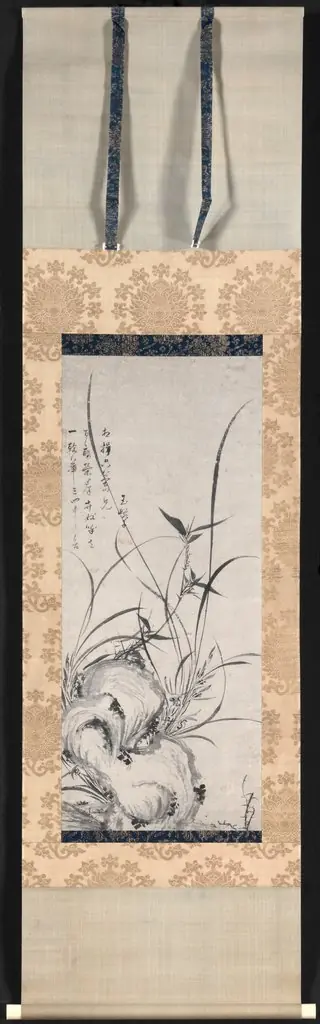 Rock, Bamboo, and Orchids
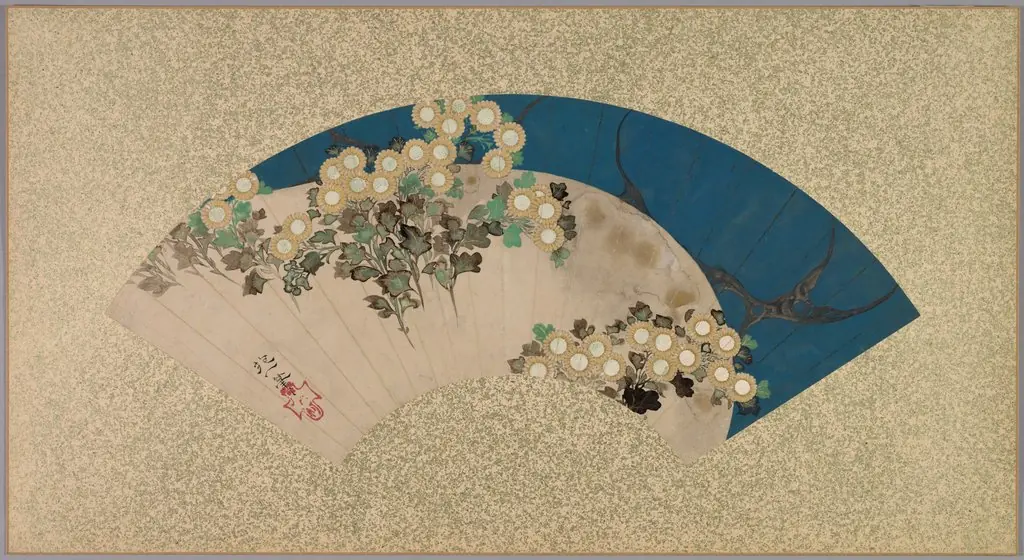 Chrysanthemums by the Water
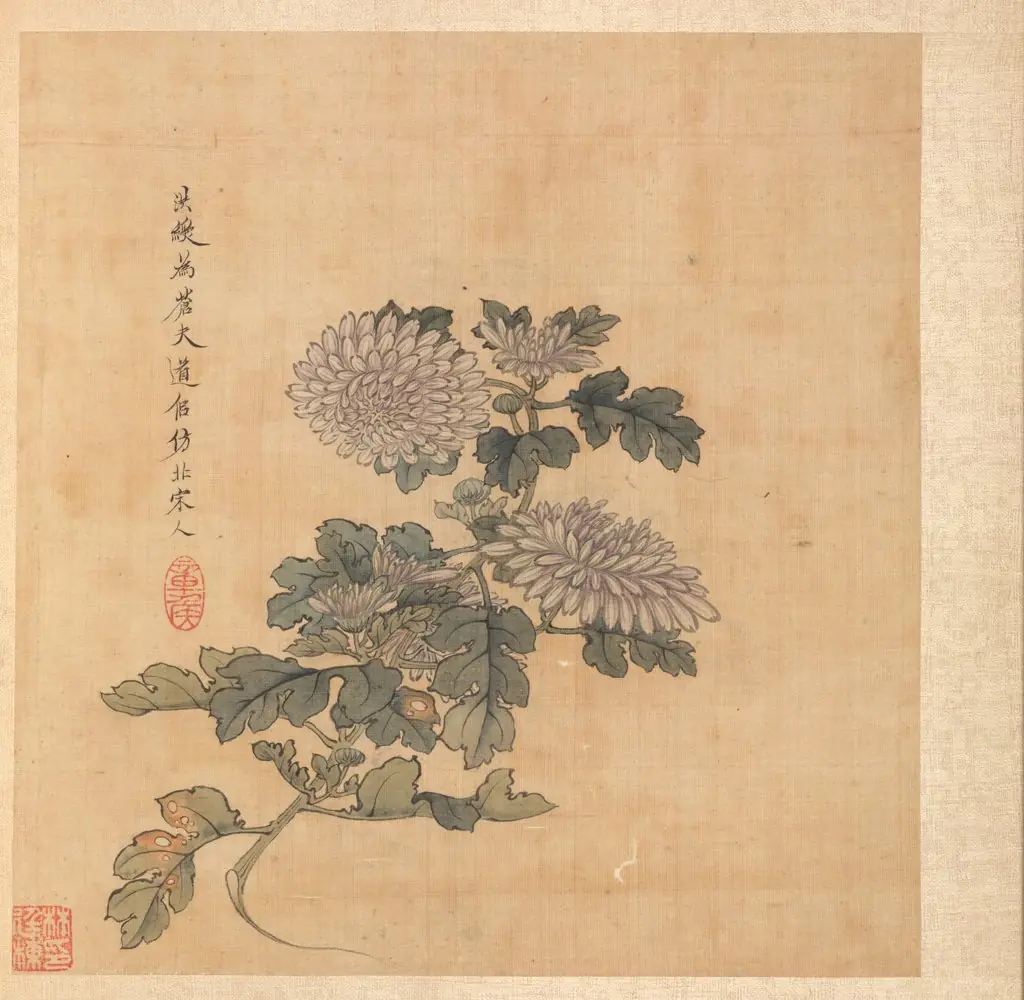 Paintings after Ancient Masters: Chrysanthemum
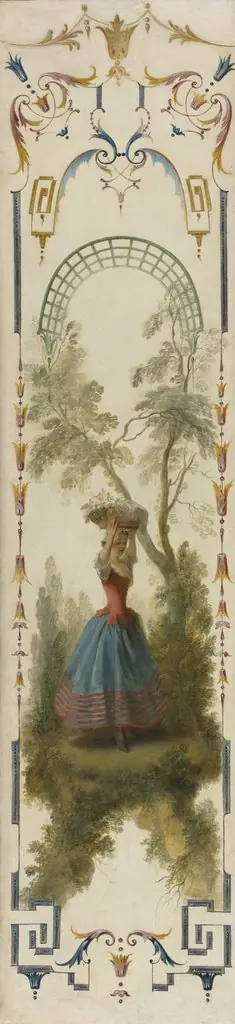 Horticulture
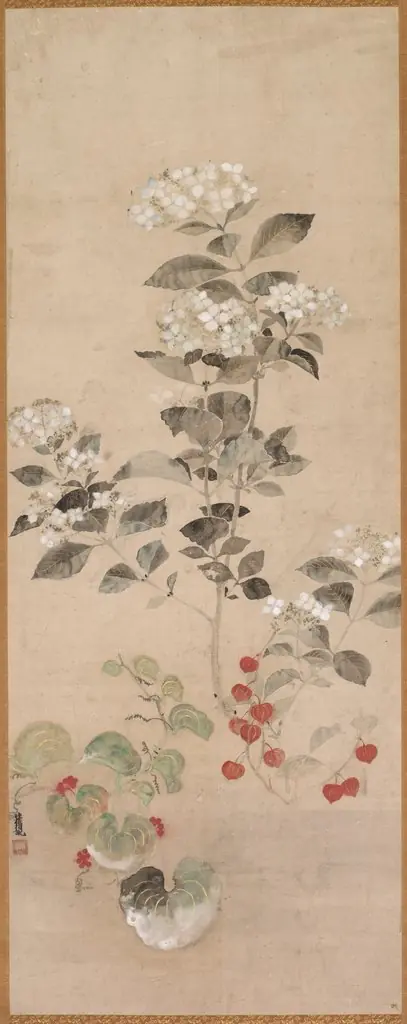 Summer Flowers
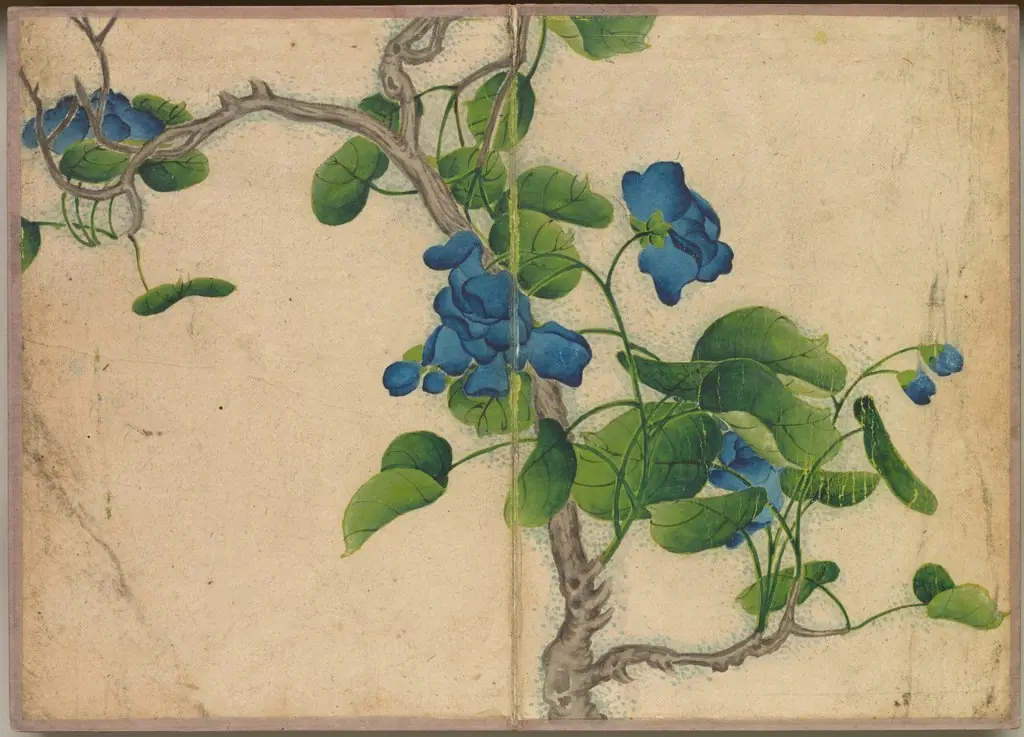 Desk Album: Flower and Bird Paintings (Climbing Blue Flowers)
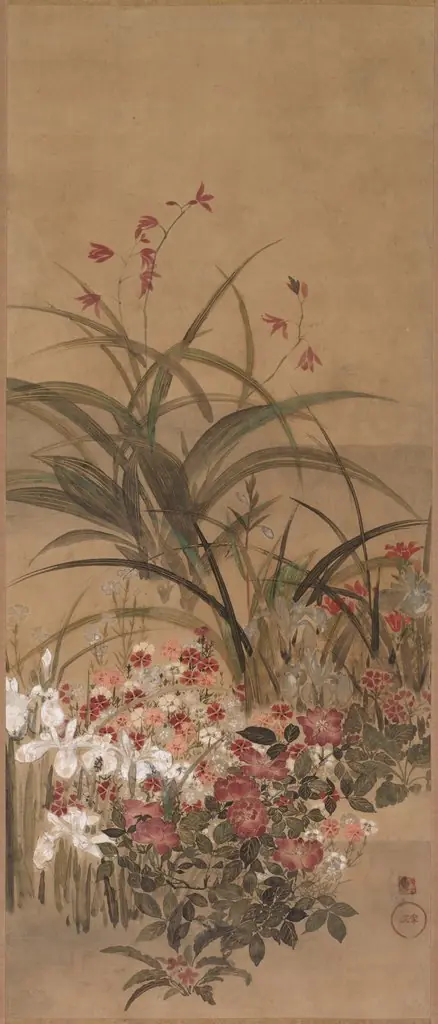 Summer Flowers
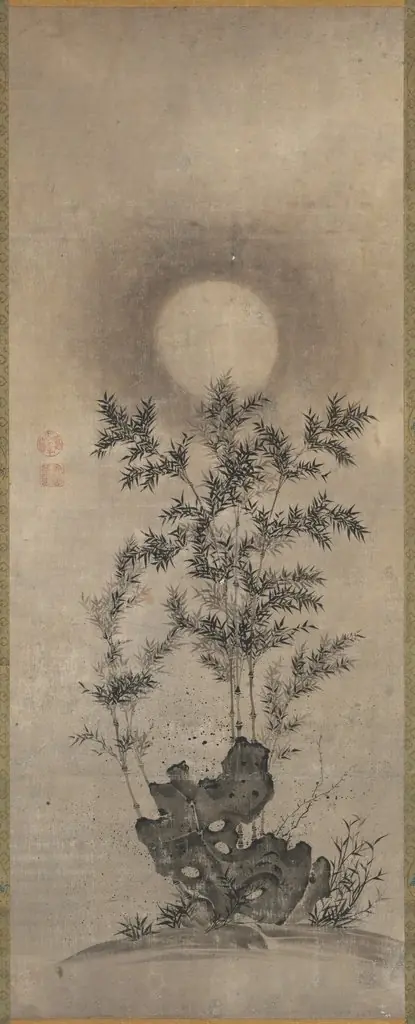 Bamboo in Moonlight
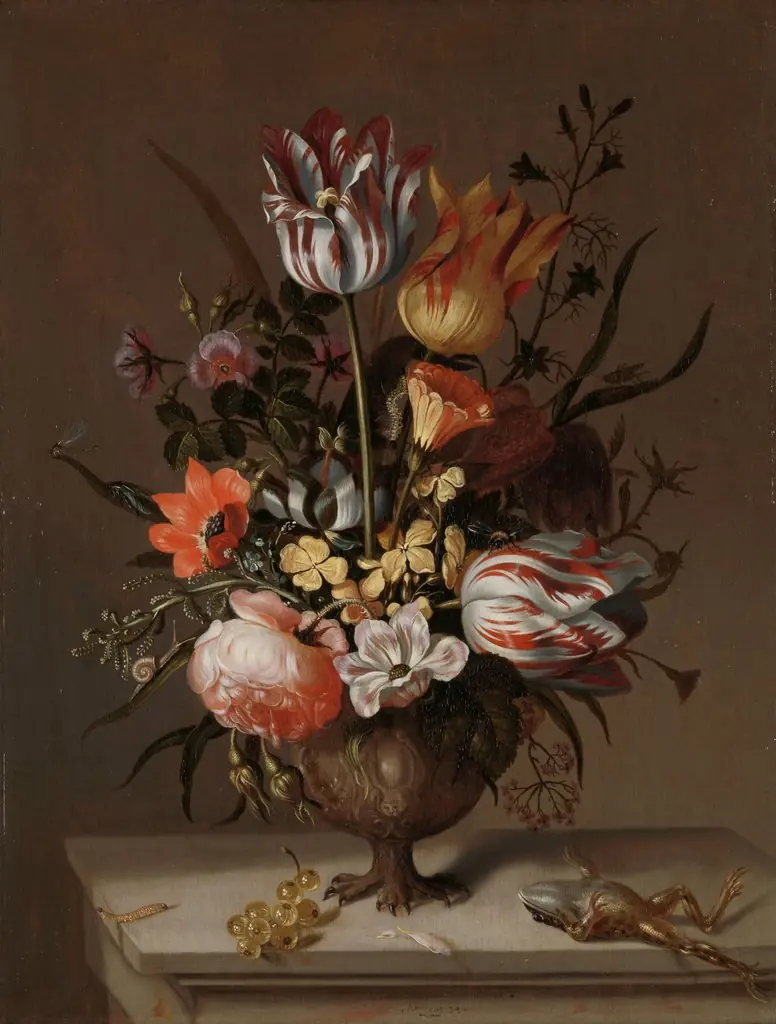 Still Life with a Vase of Flowers and a Dead Frog
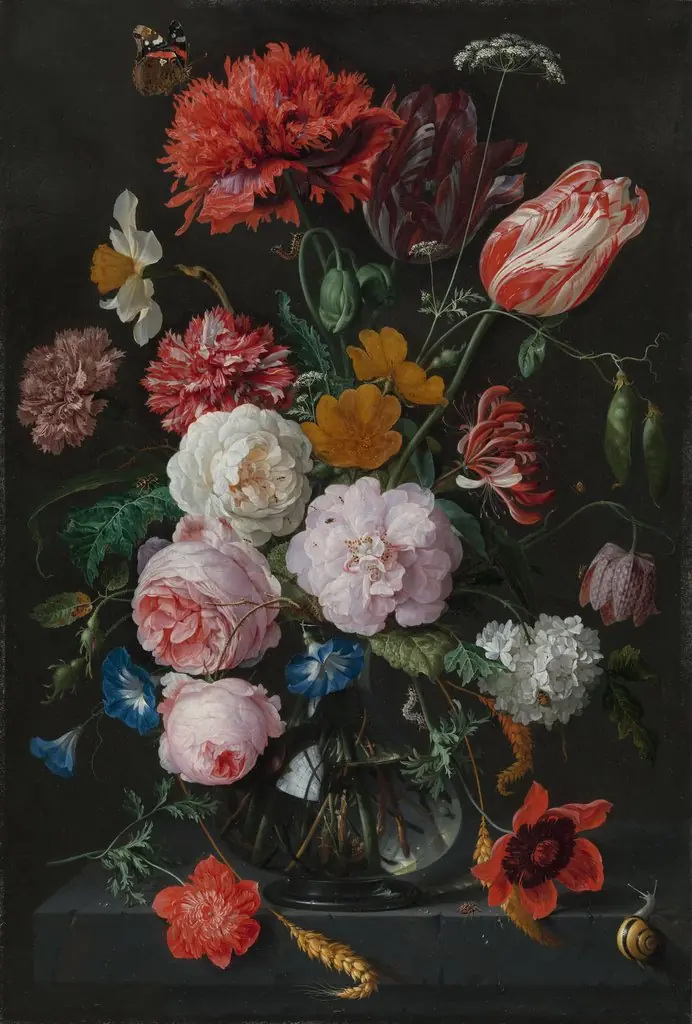 Still life with flowers in a glass vase
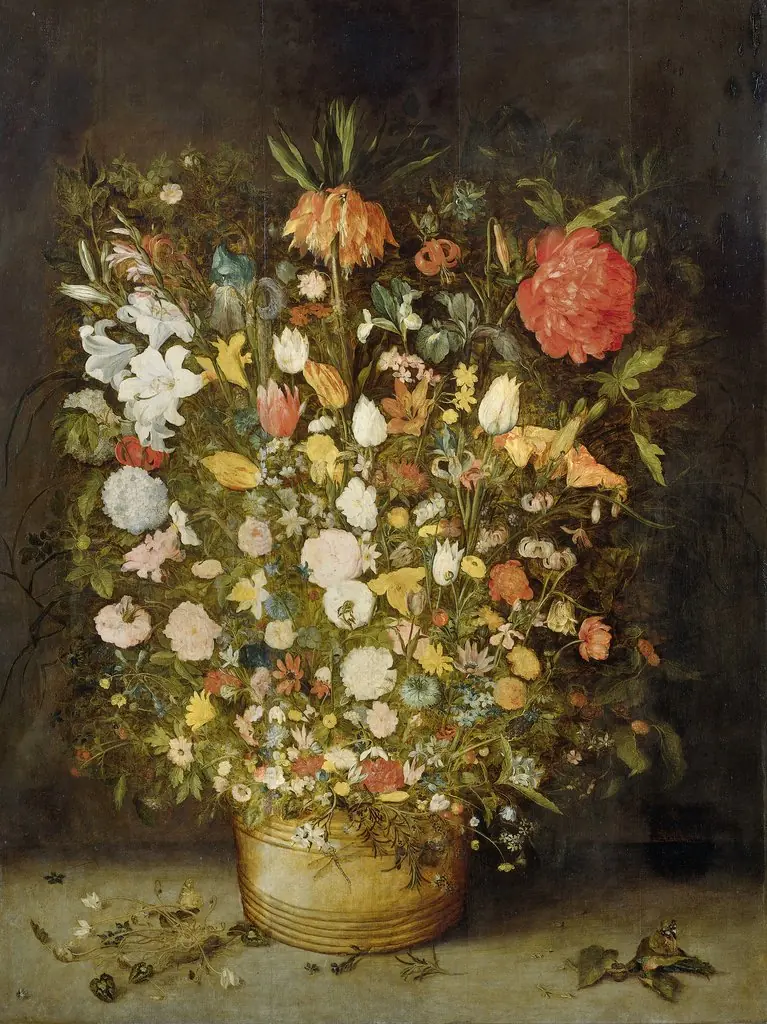 Still Life with Flowers
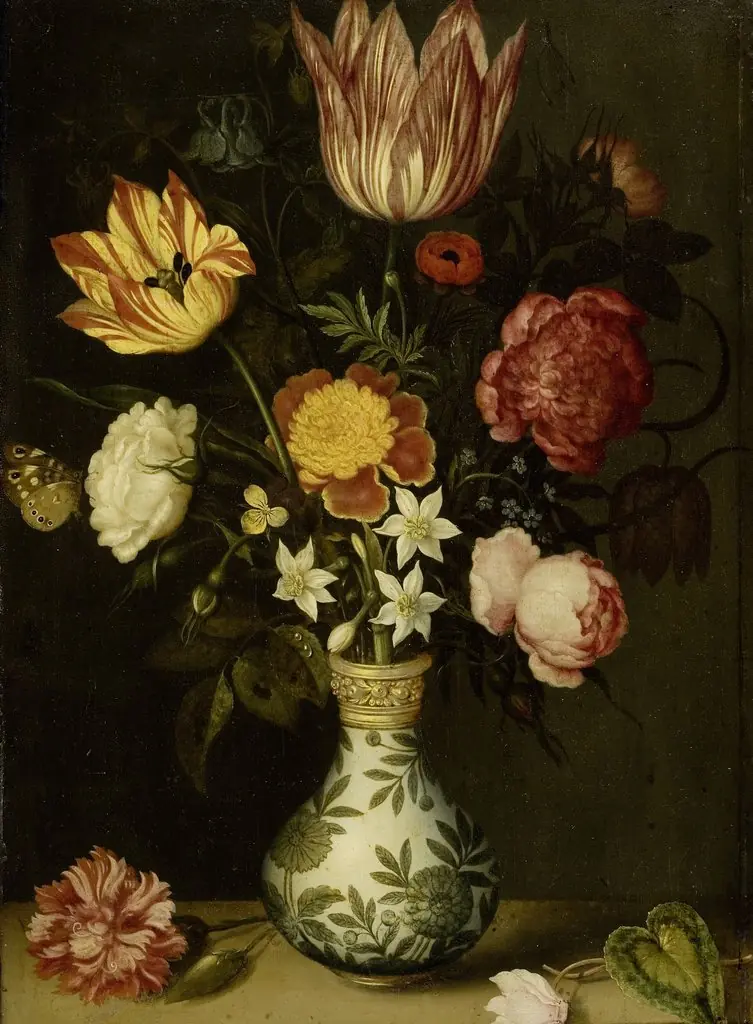 Still life with flowers in a Wan-li vase
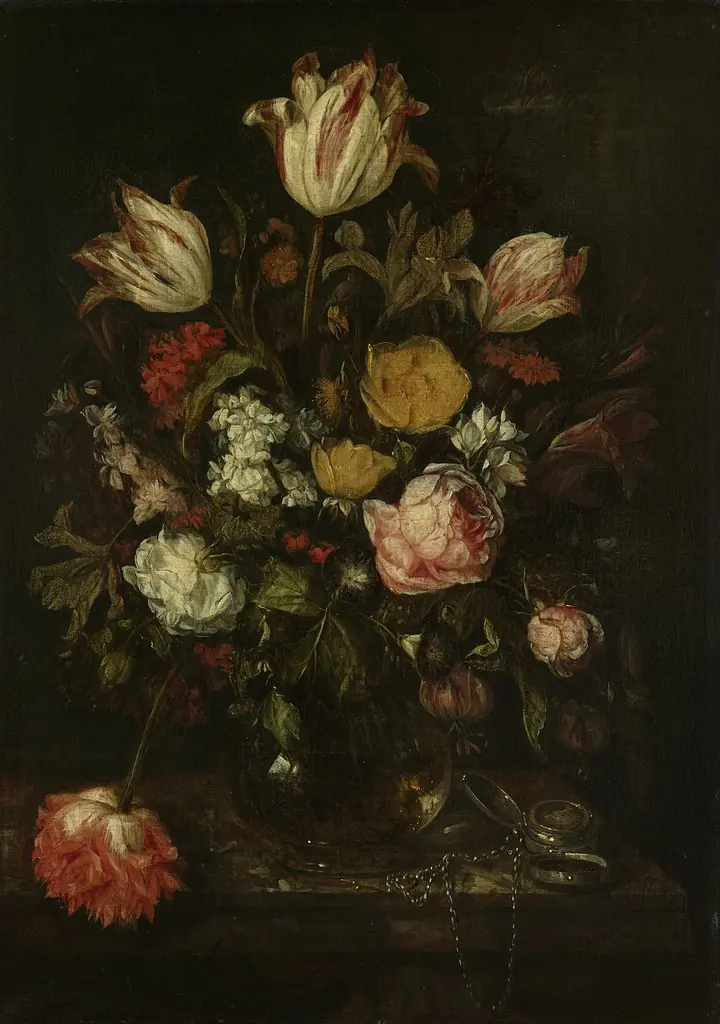 Still life with flowers
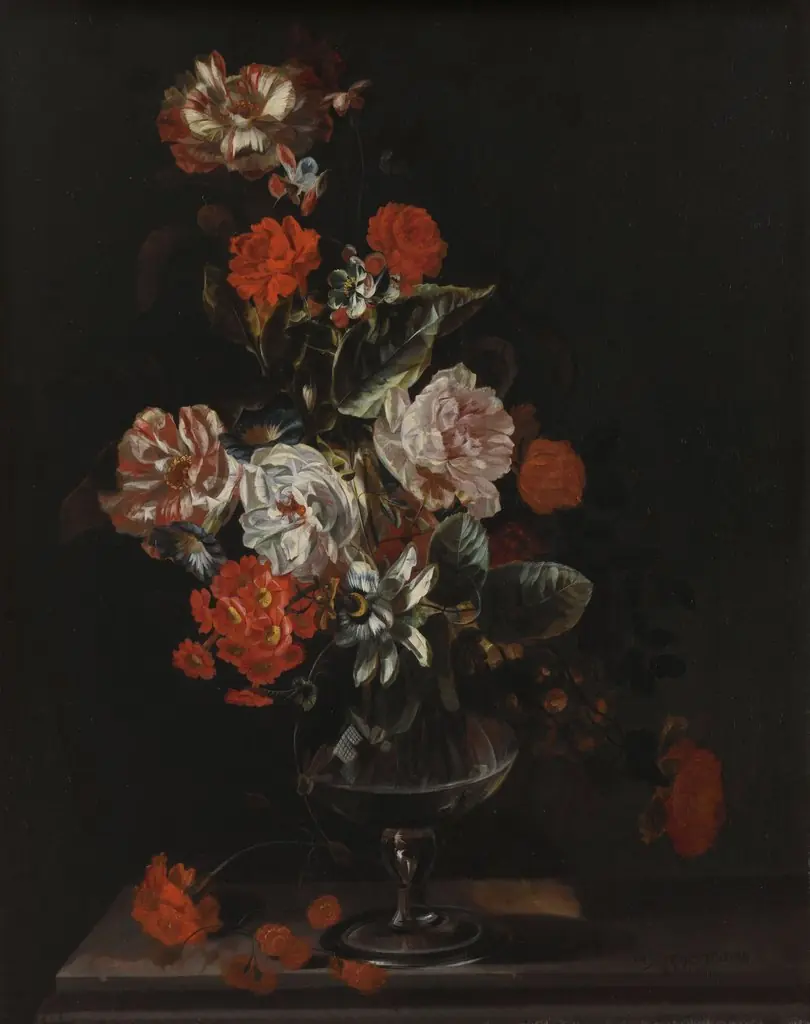 Still Life with Flowers
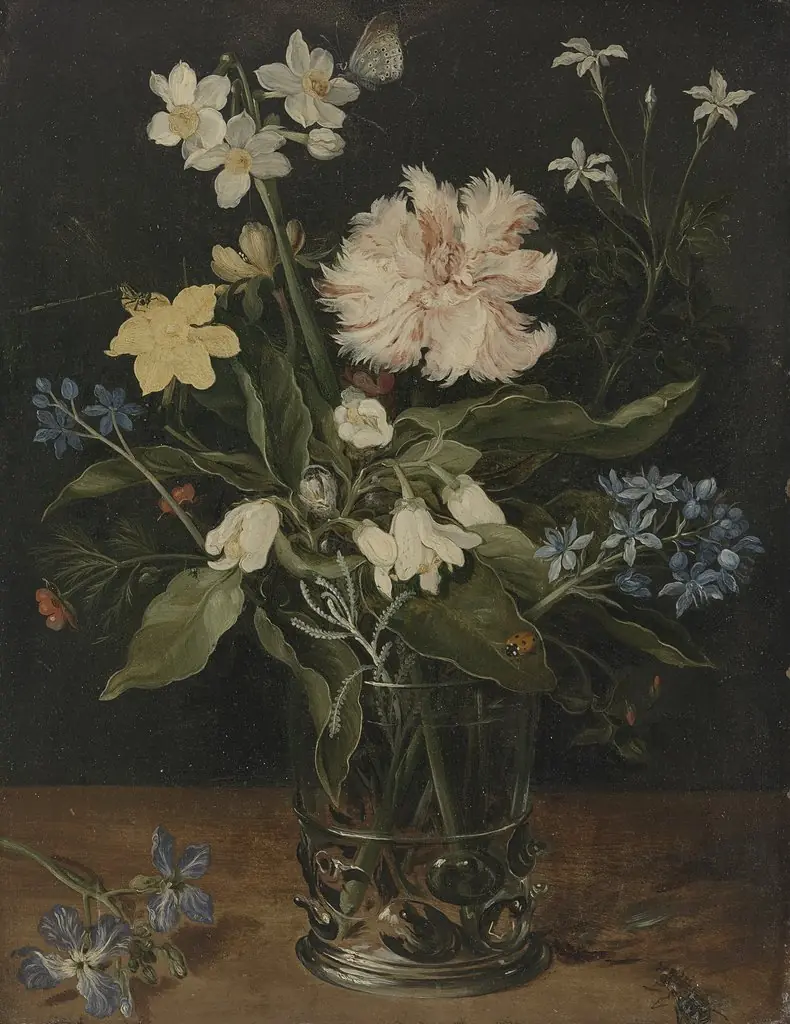 Still Life with Flowers in a Glass
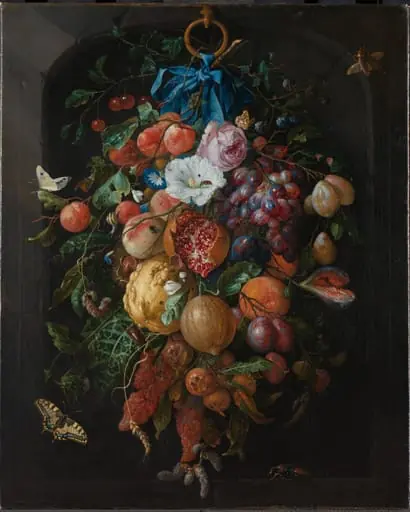 Festoen van vruchten en bloemen
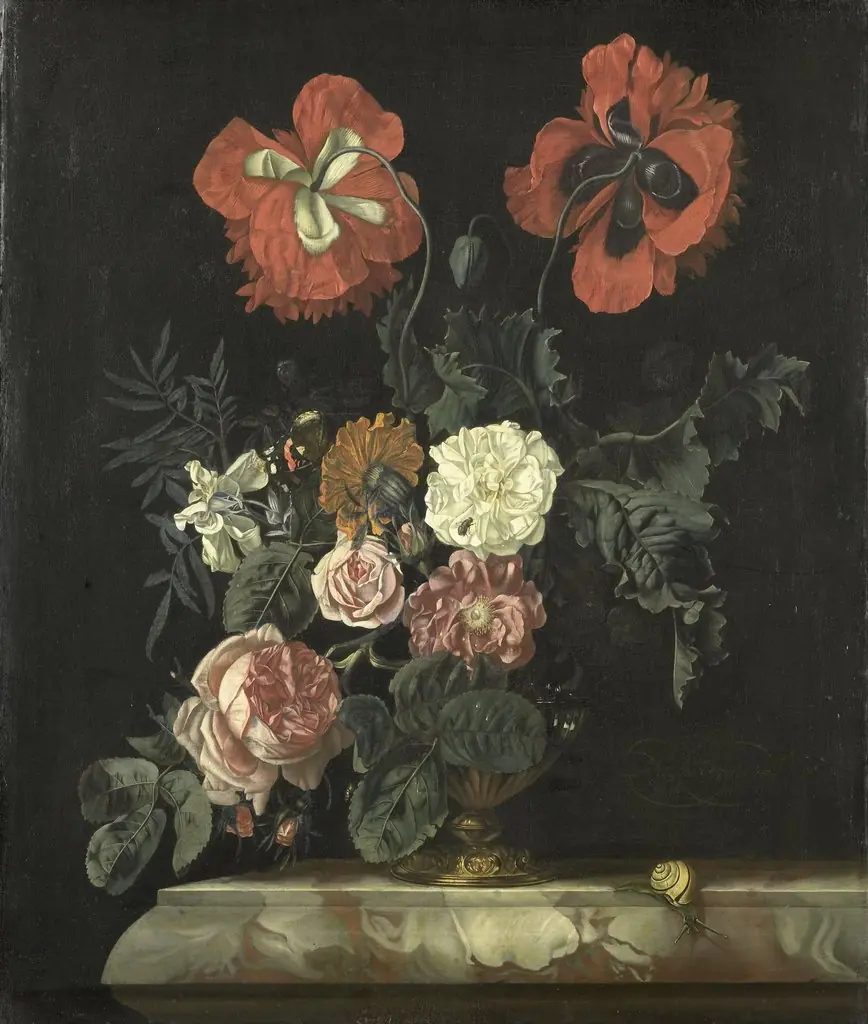 Still life with flowers
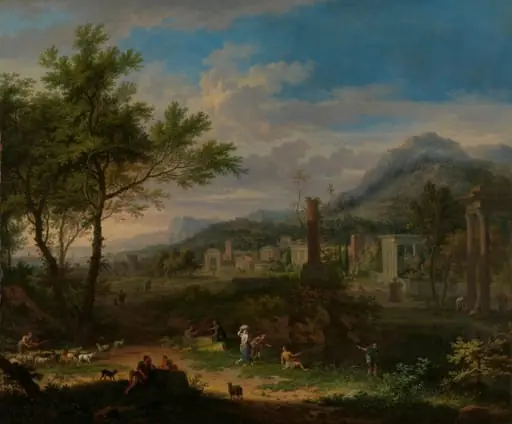 Arcadian Landscape with Fishermen
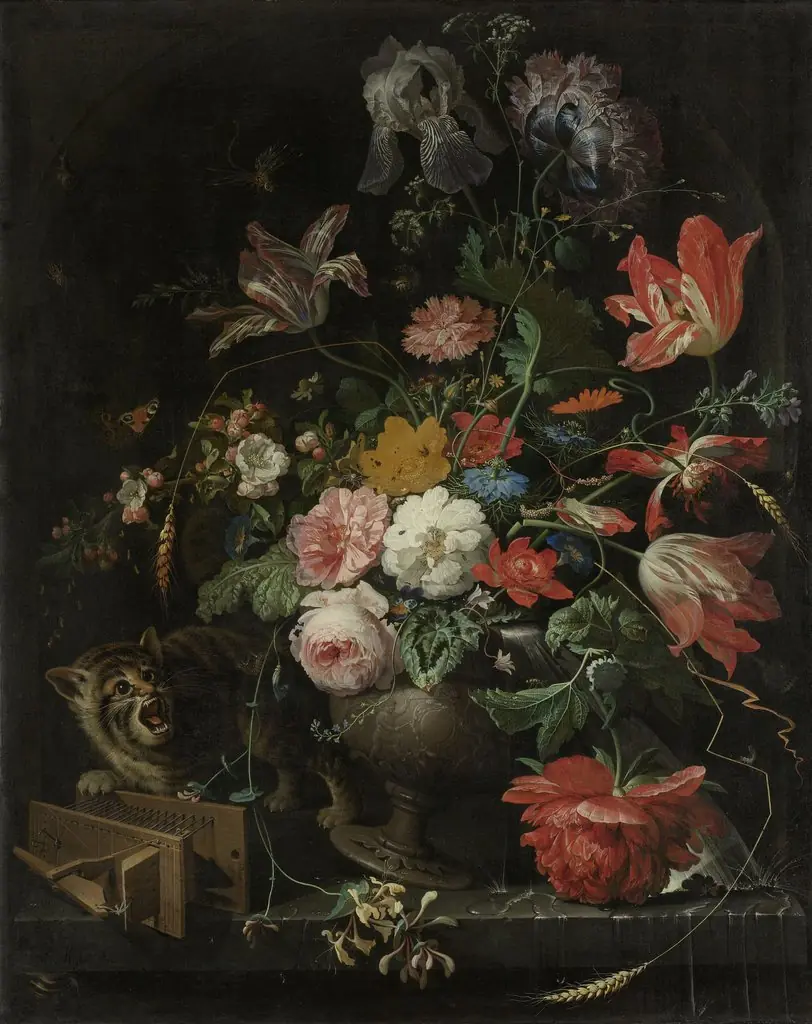 The Overturned Bouquet
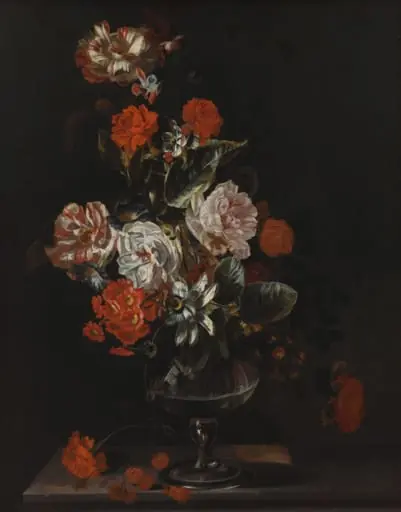 Still Life with Flowers
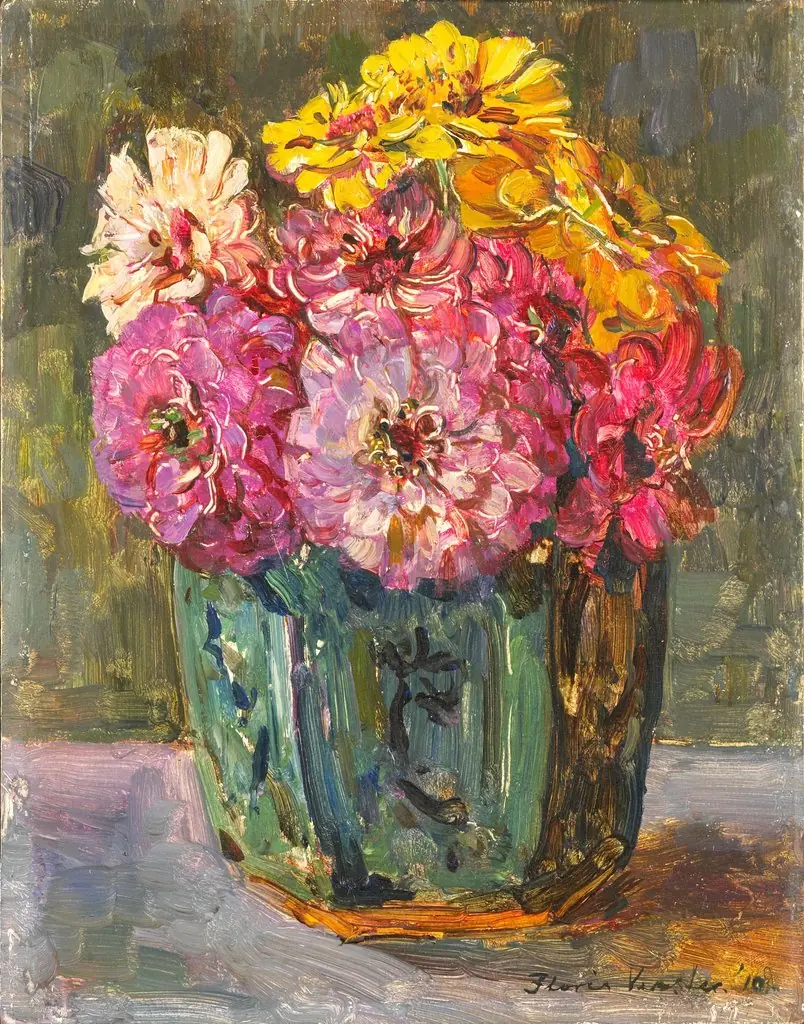 Still Life with Zinnias in a green Jar
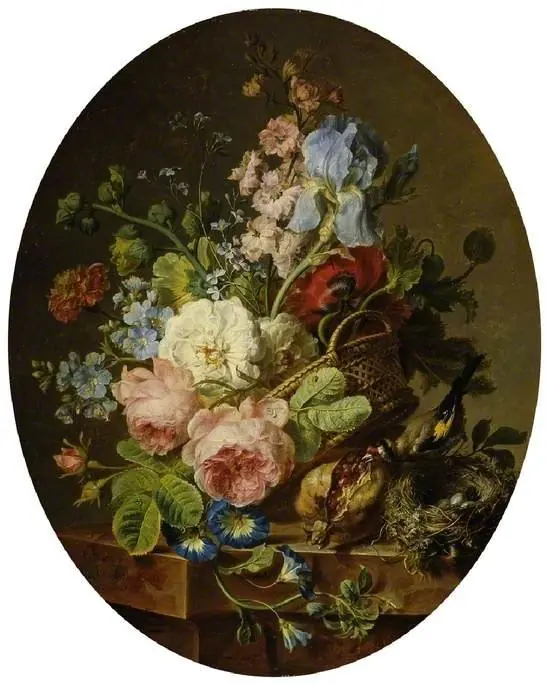 Open wicker basket of mixed flowers, including iris, roses, poppies, hollyhock, marygold, larkspur and convolulus on a marble ledge with an open pomegrante and a goldfinch with its nest
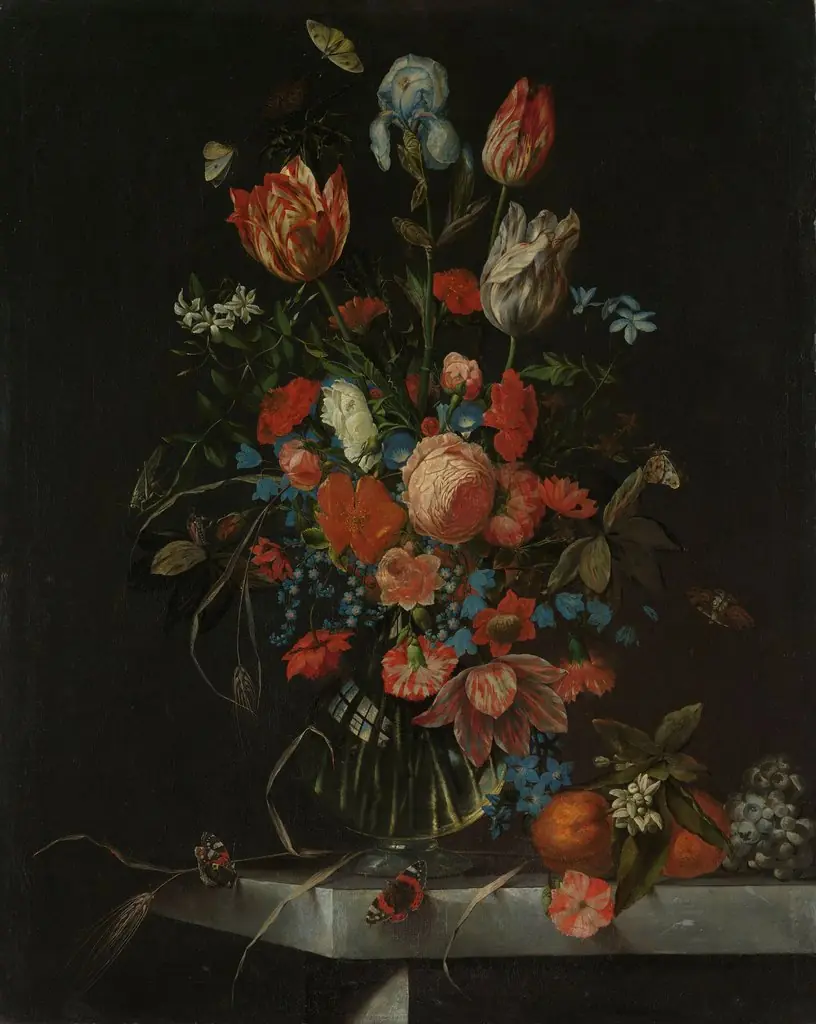 Still life with flowers
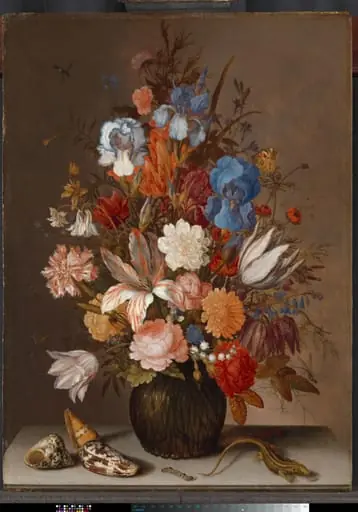 Still Life with Flowers
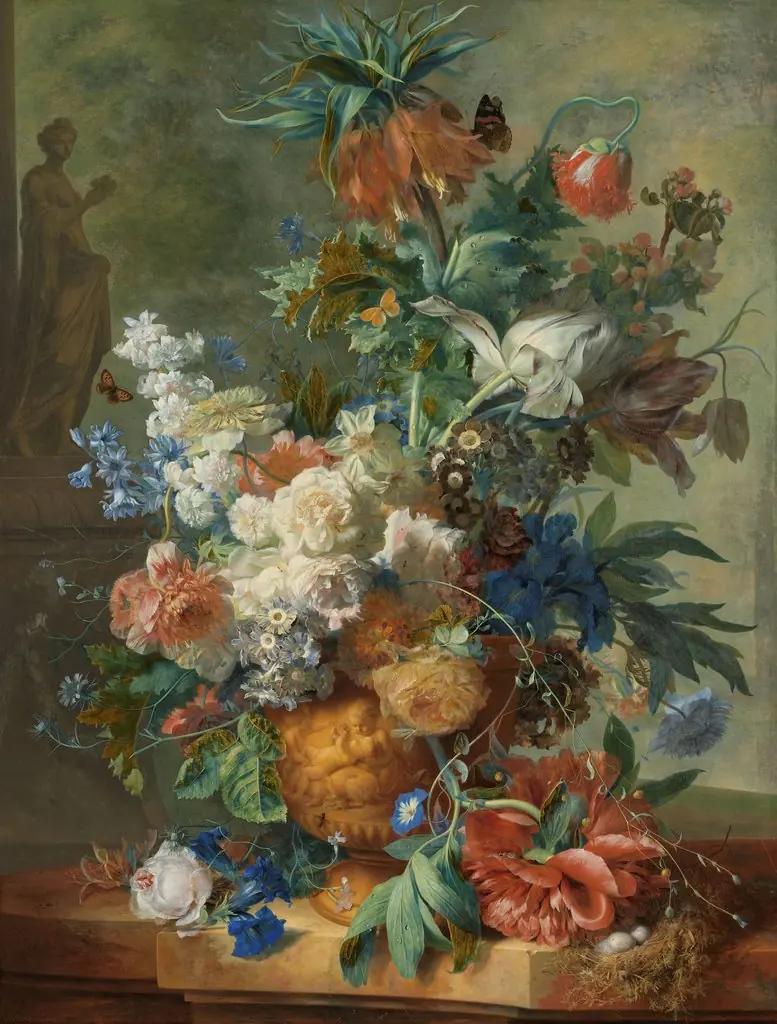 Still Life with Flowers
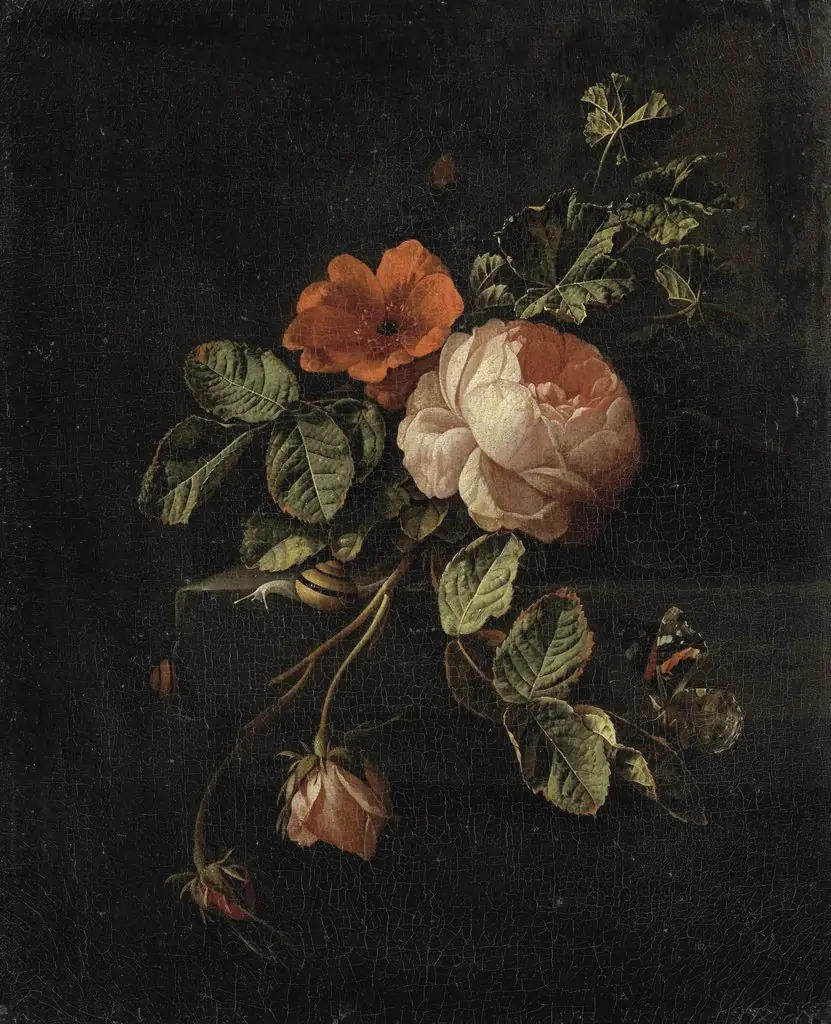 Still Life with Roses
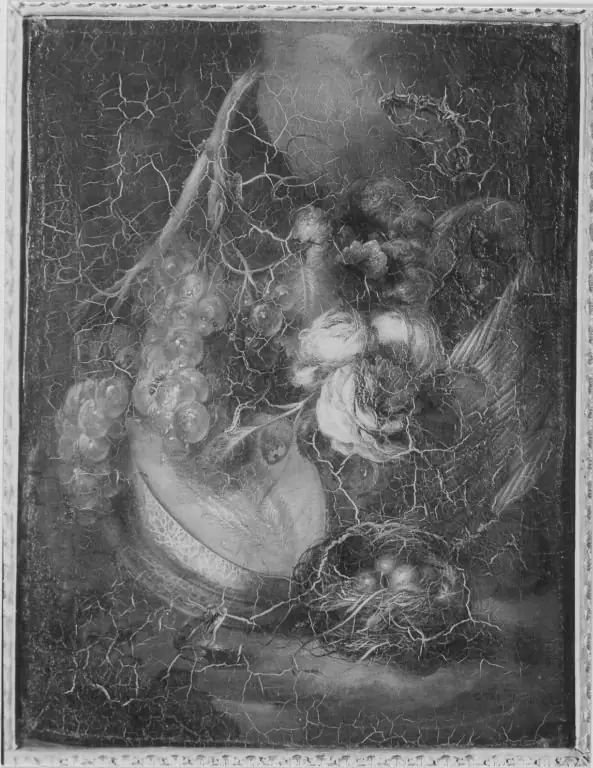 Still Life with Fruit, Flowers and Bird's nest
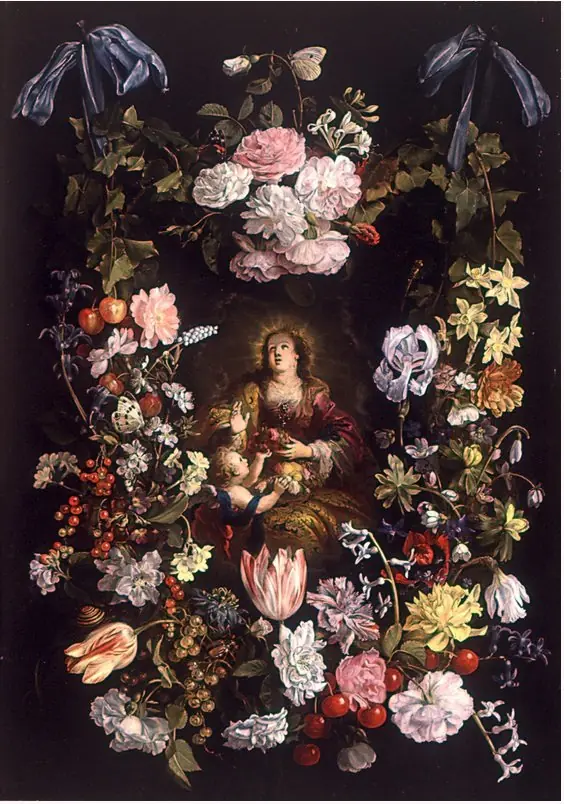 St Dorothea of Caesarea in a Flower Garland
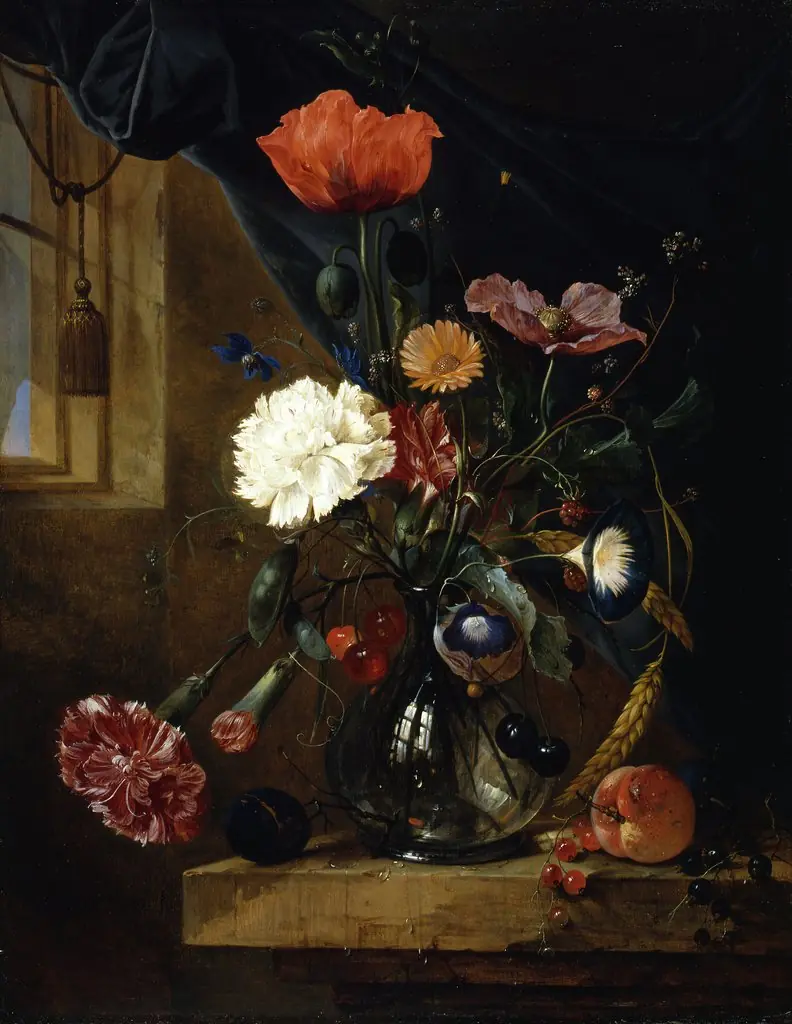 Bouquet in a Glass Vase
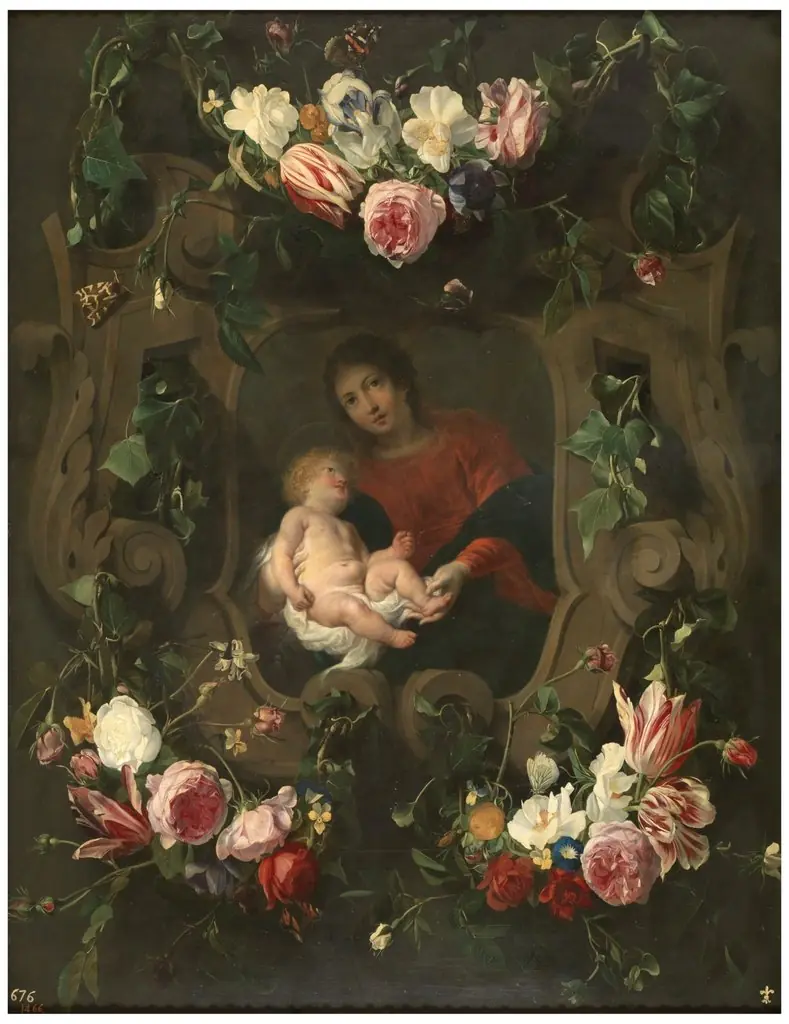 Flower garland around the Virgin and Child
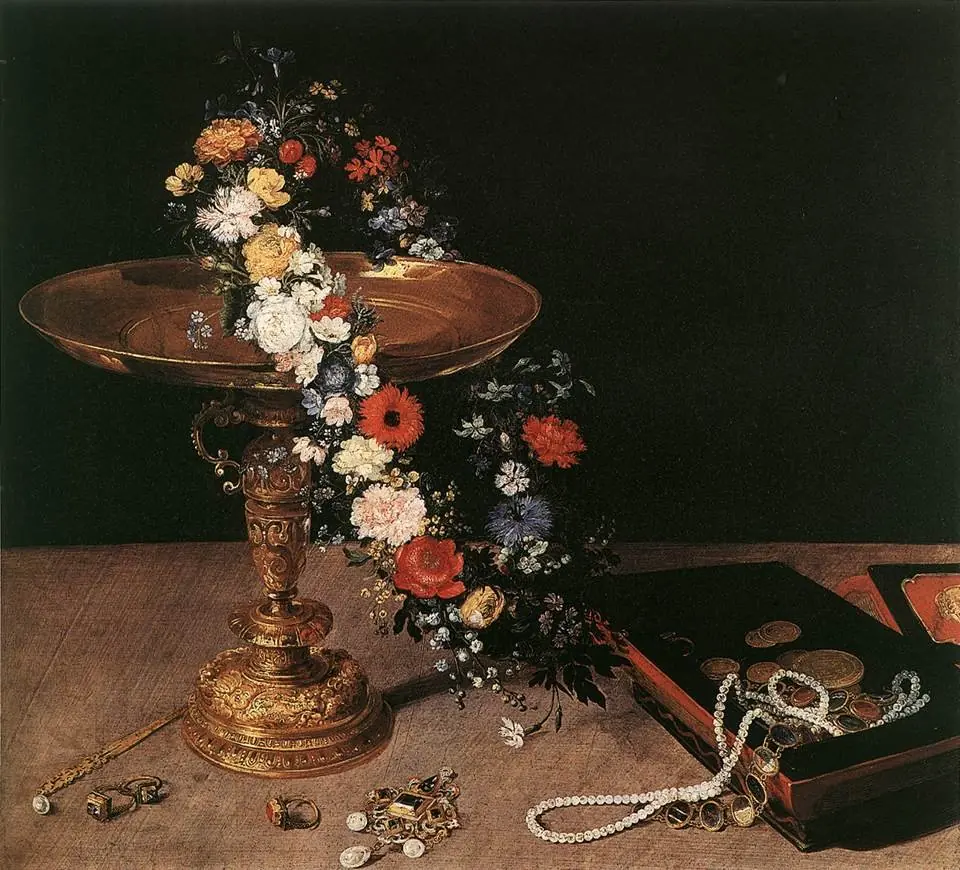 Still-Life with Garland of Flowers and Golden Tazza
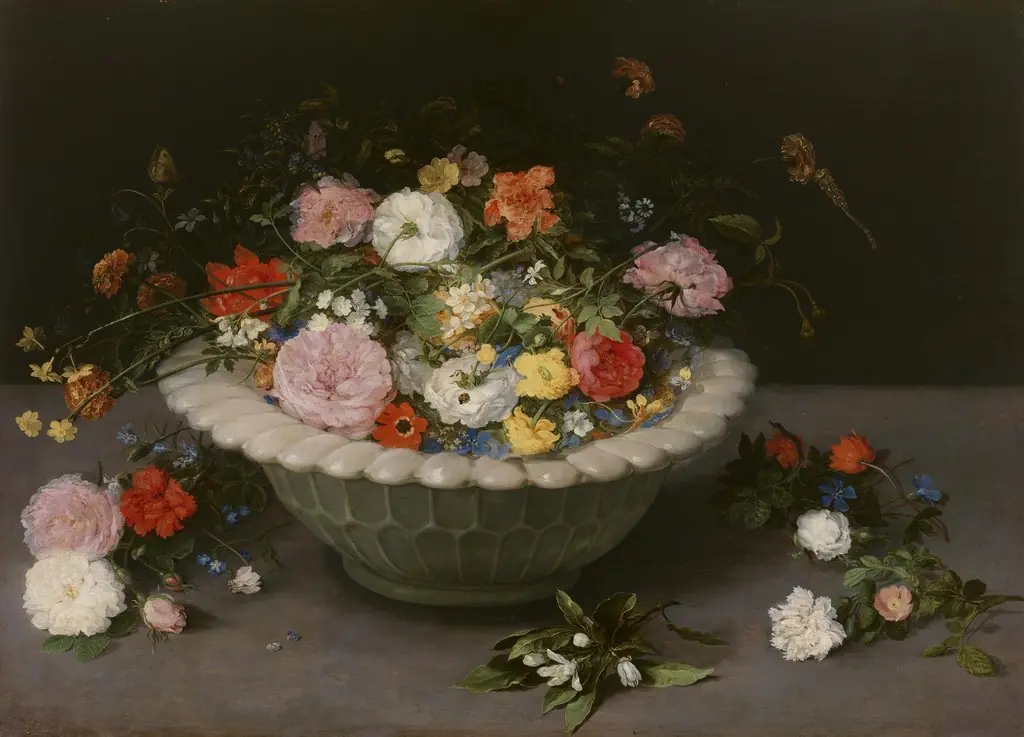 Flowers in a Bowl
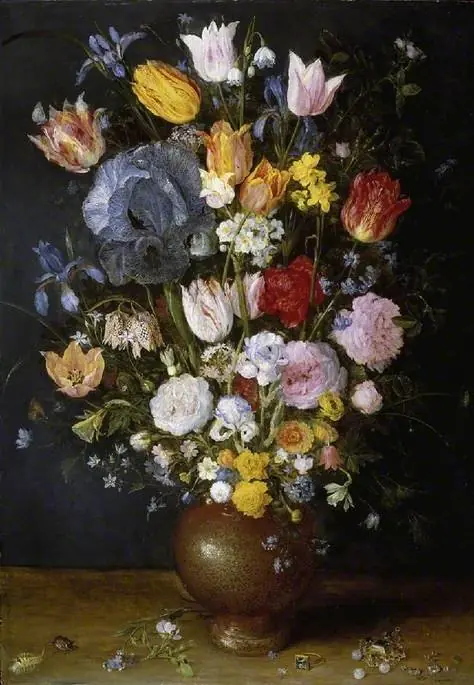 A stoneware vase of flowers
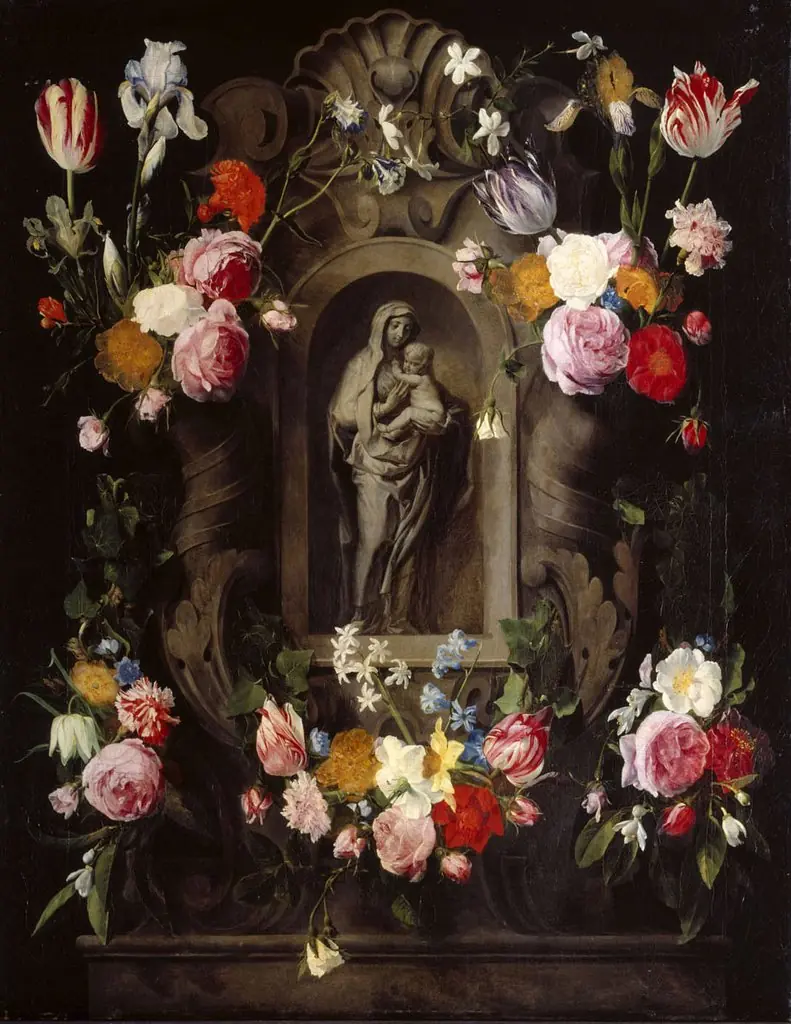 Madonna & Child Statuette in a Niche surrounded by a Garland of Flowers
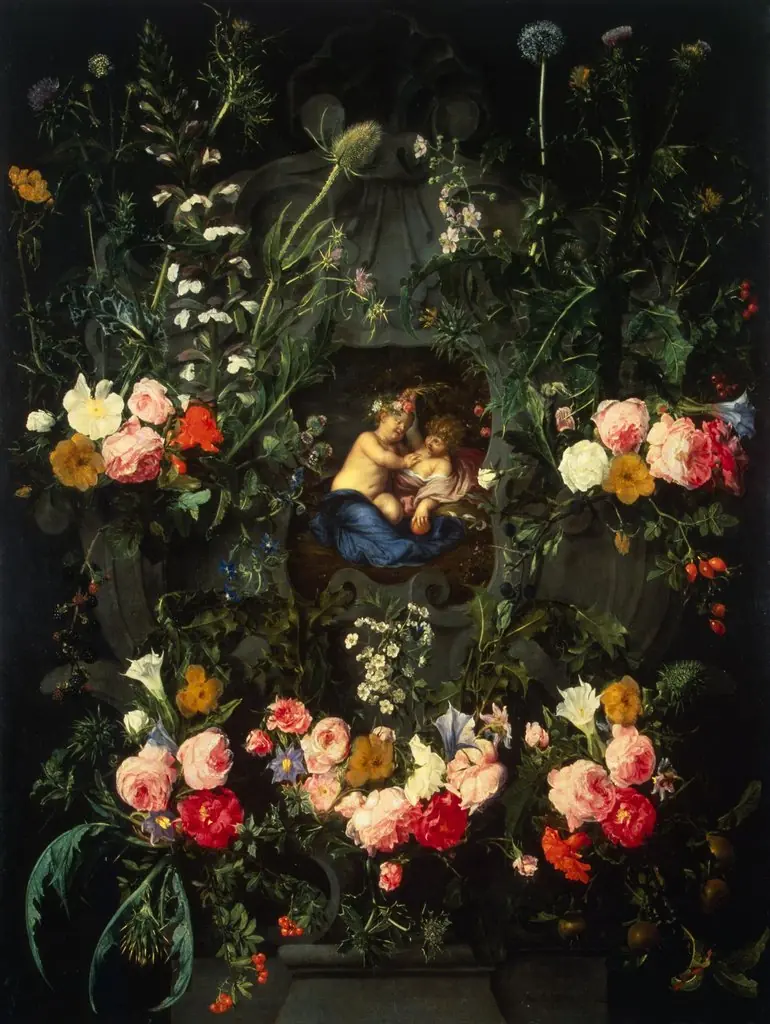 Garland of Flowers Around a Cartouche with Jesus and St John the Baptist as Children
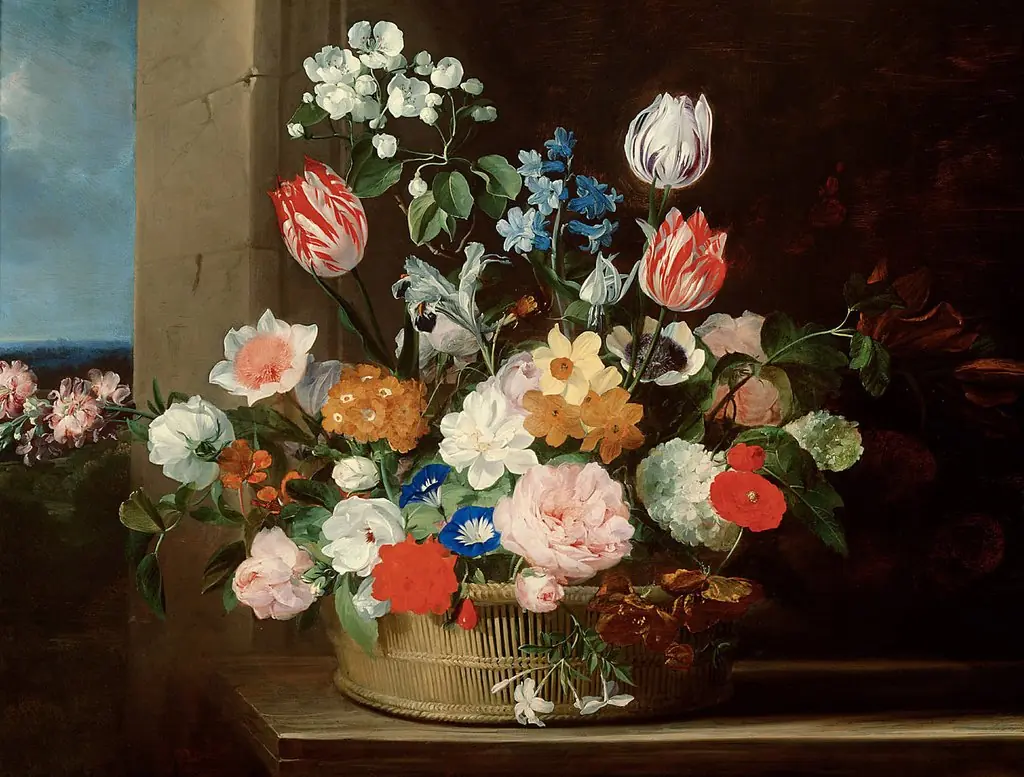 Flower Basket
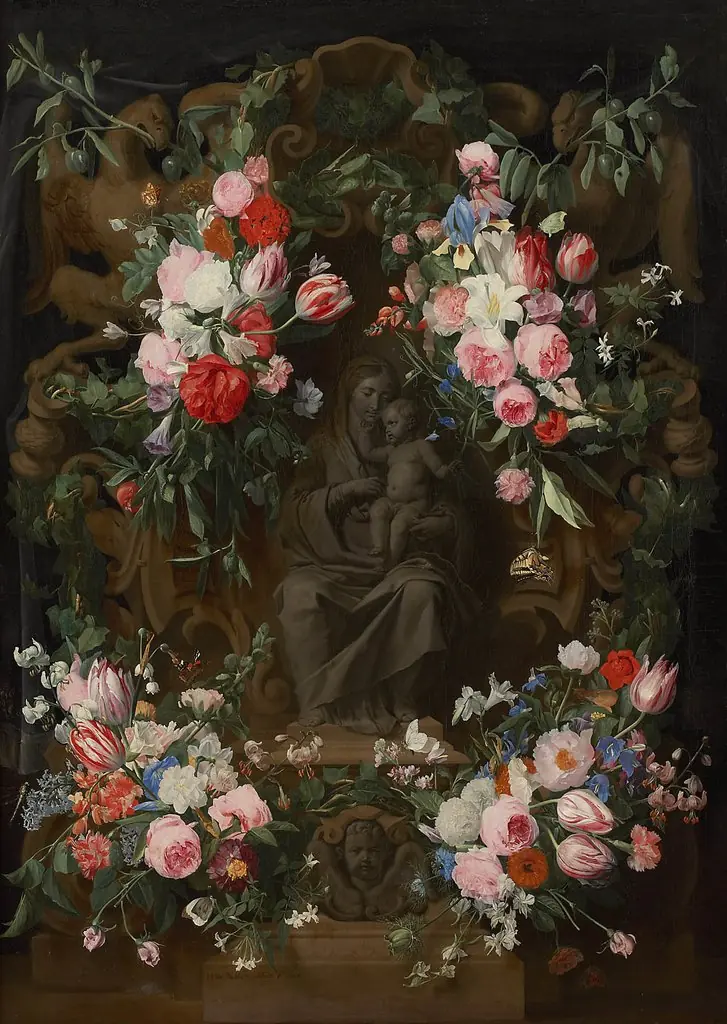 Seated Maria in a Flower Garland
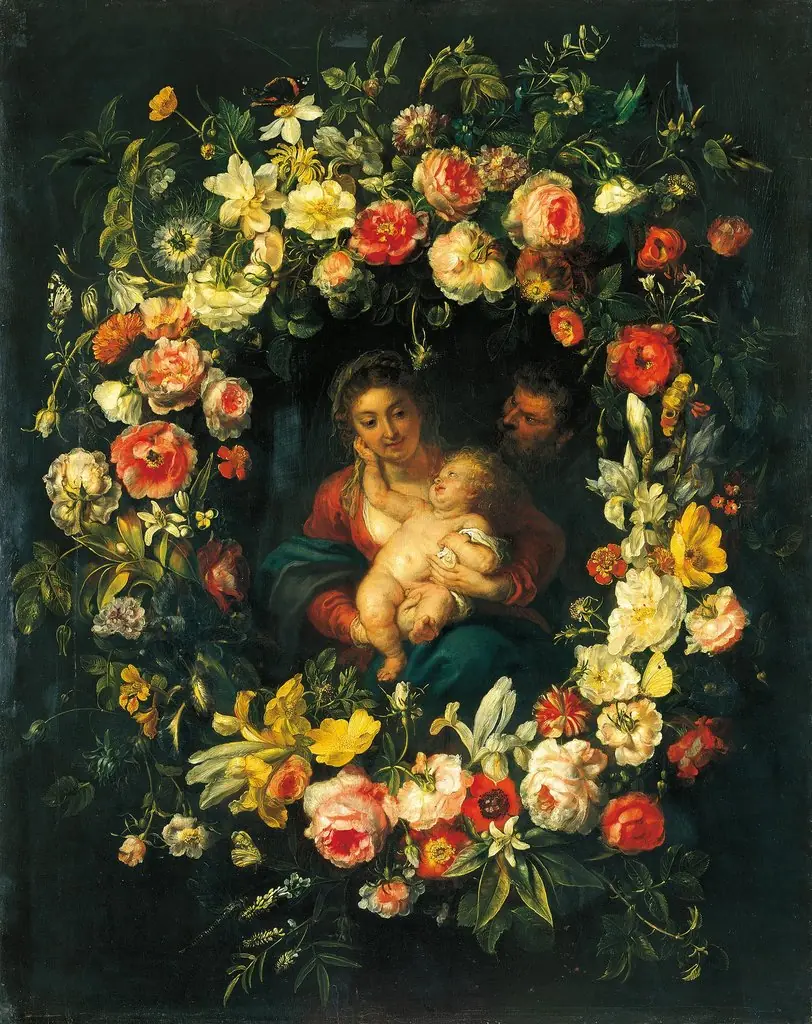 Holy Family in a Wreath of Flowers
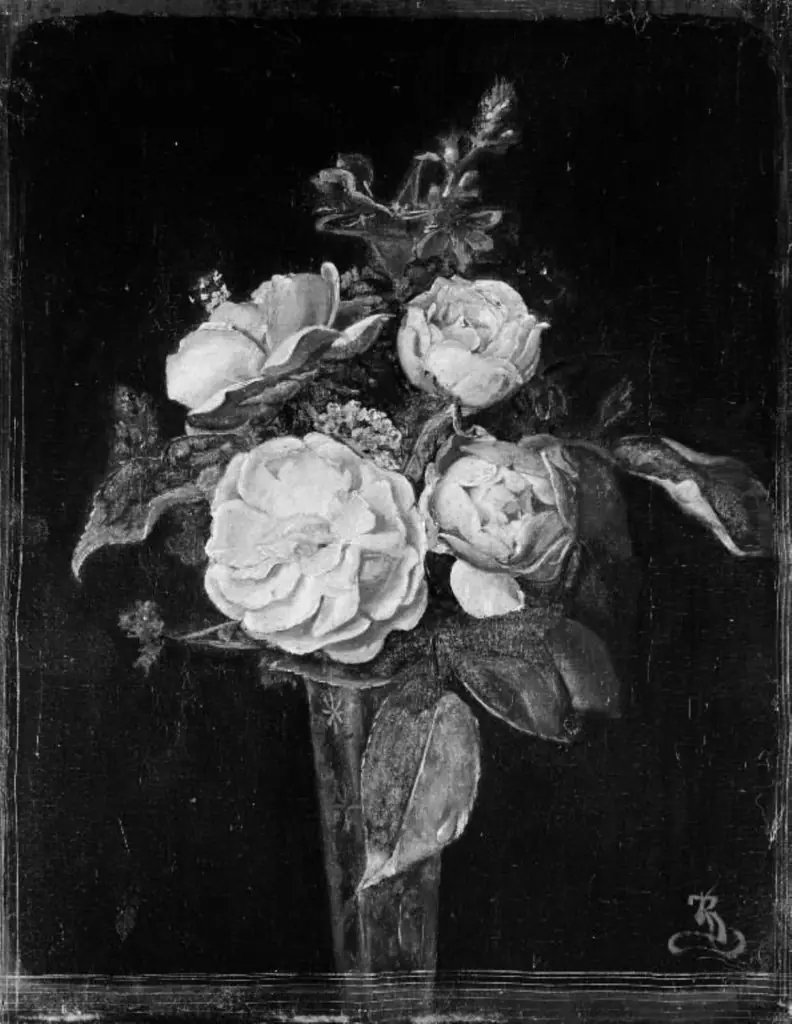 Roser og reseda i et blomsterglas
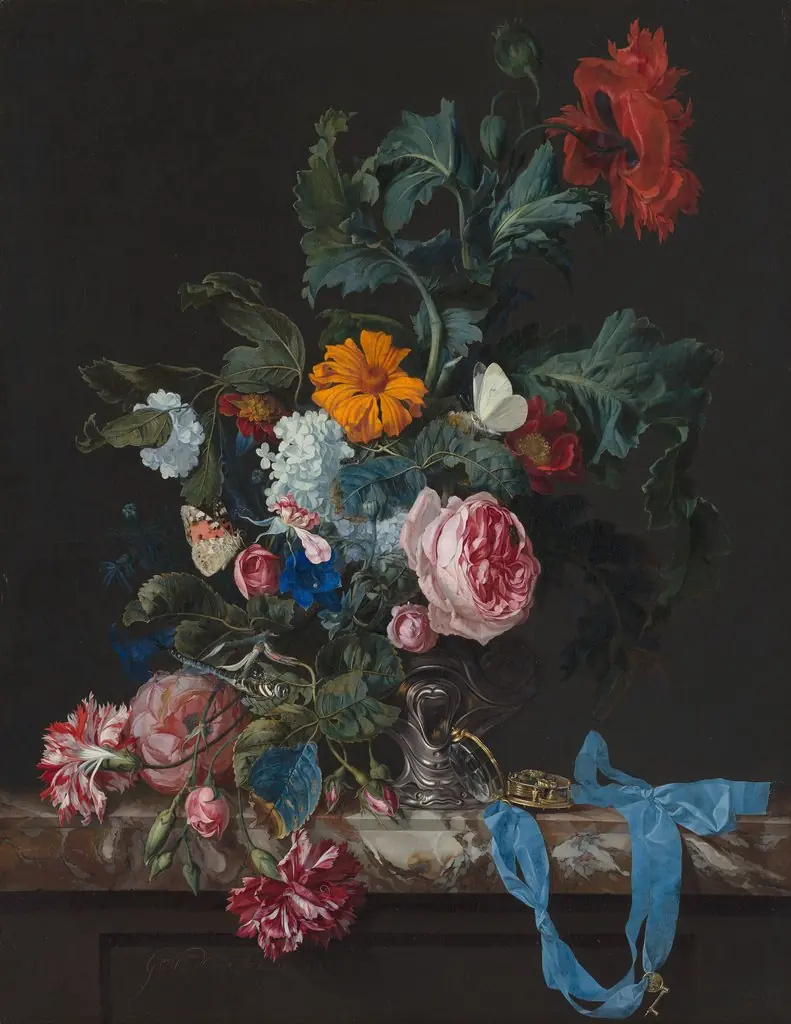 Flower still life with a watch
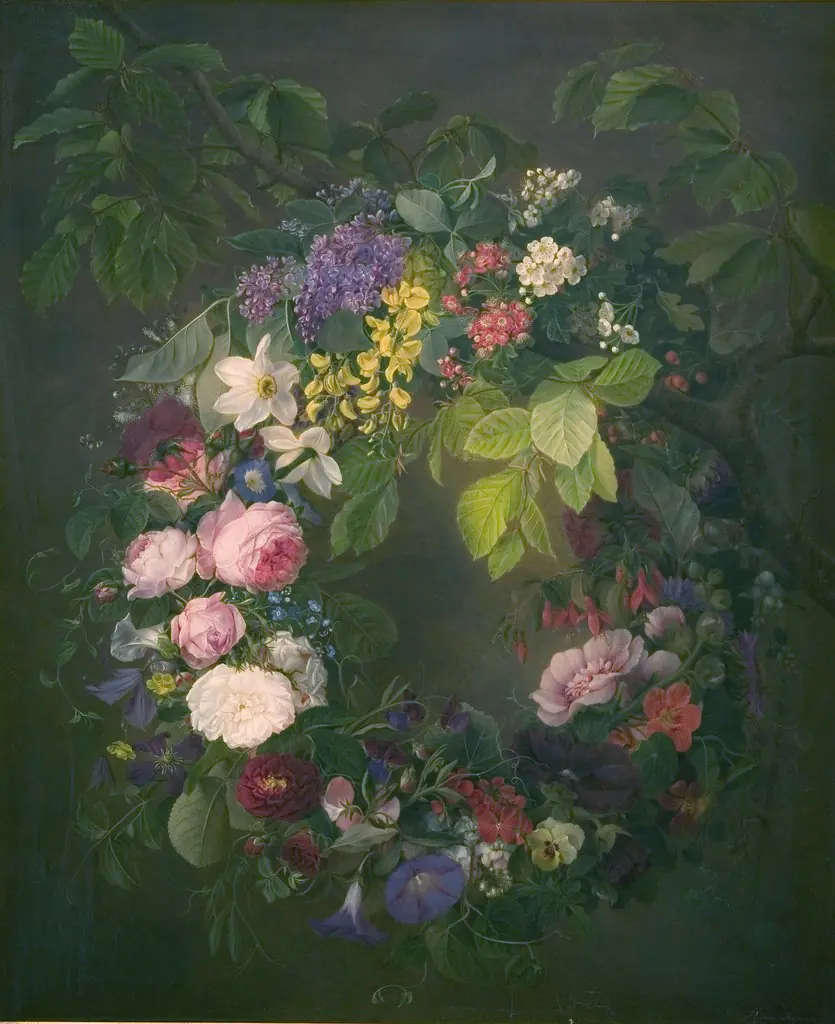 En blomsterkrans
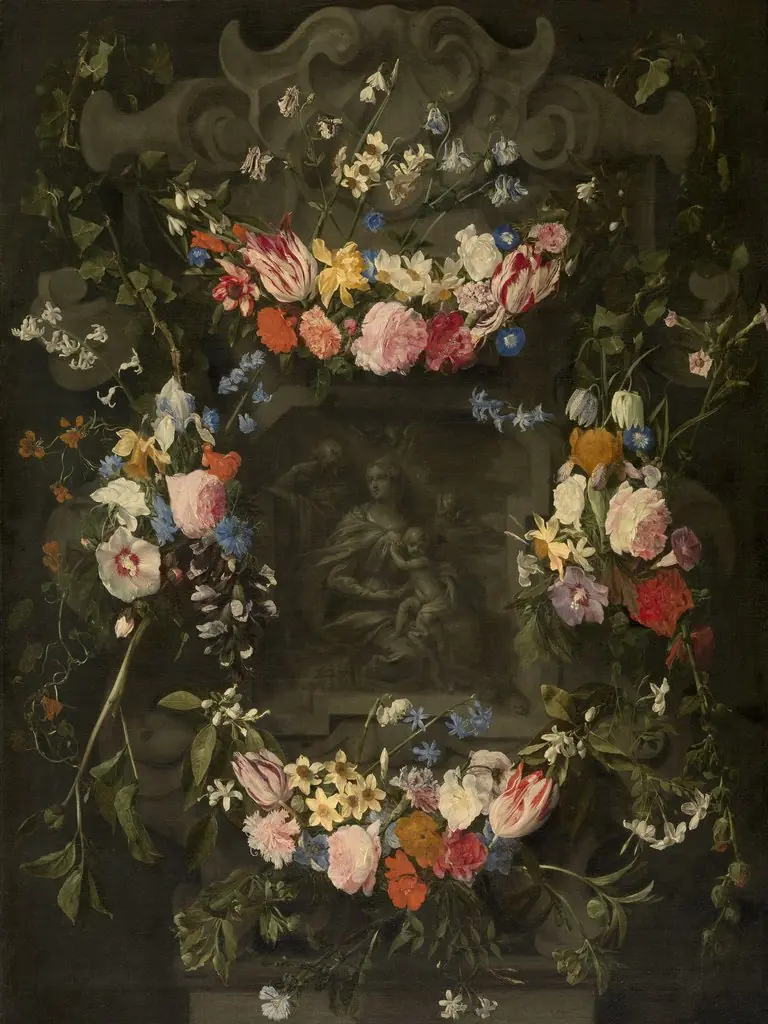 Holy Family in a Flower Garland
 Untitled
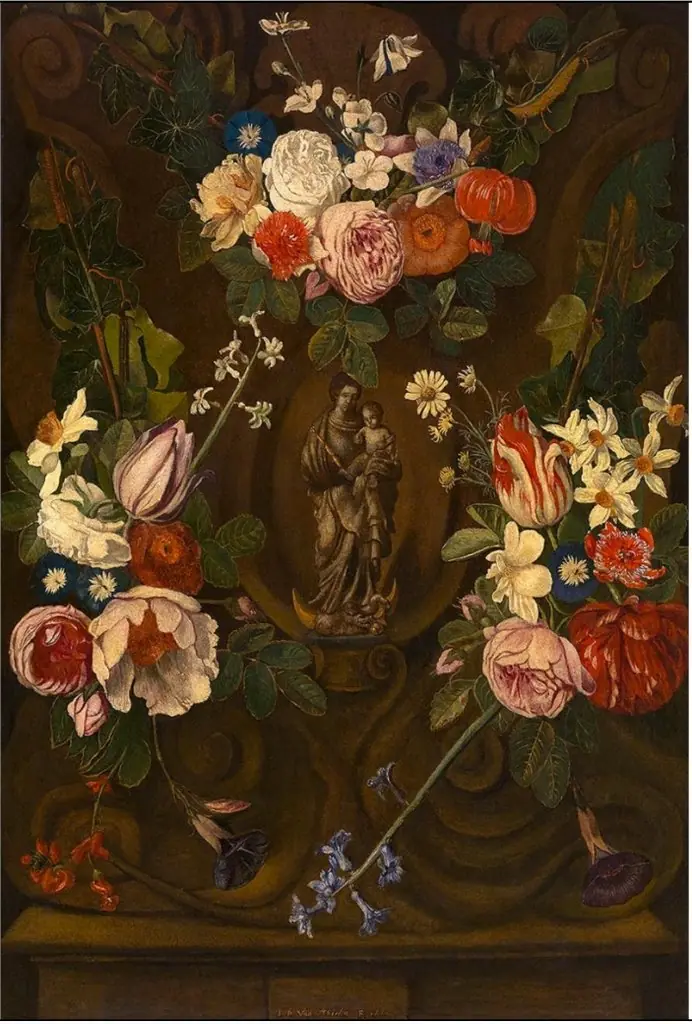 Madonna in a flower garland
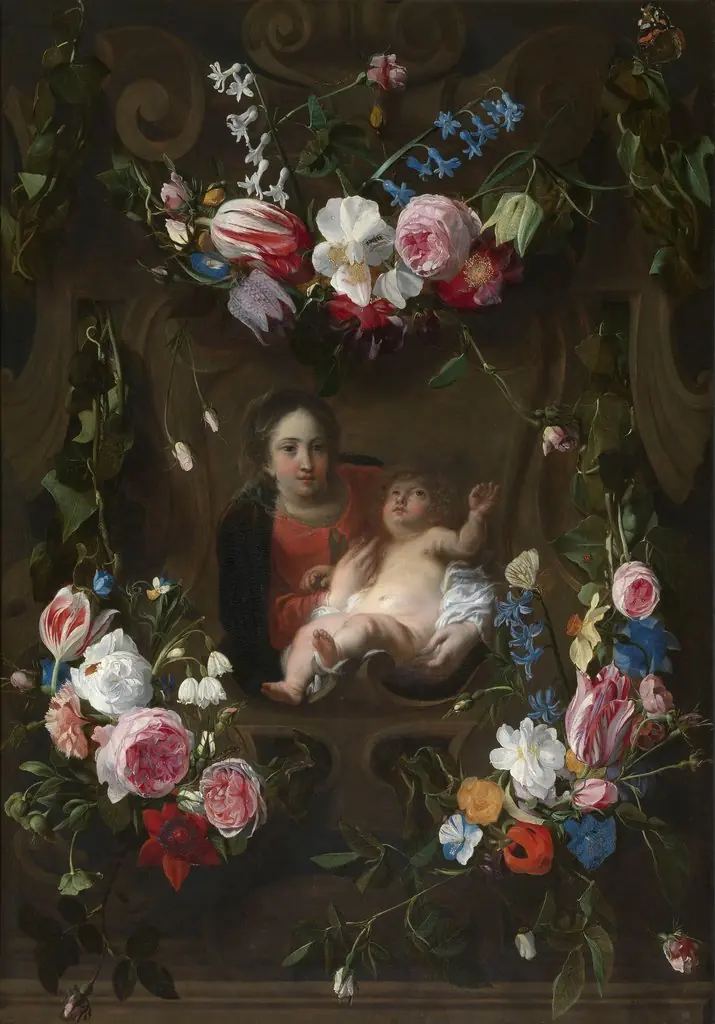 Madonna Surrounded by a Garland of Flowers
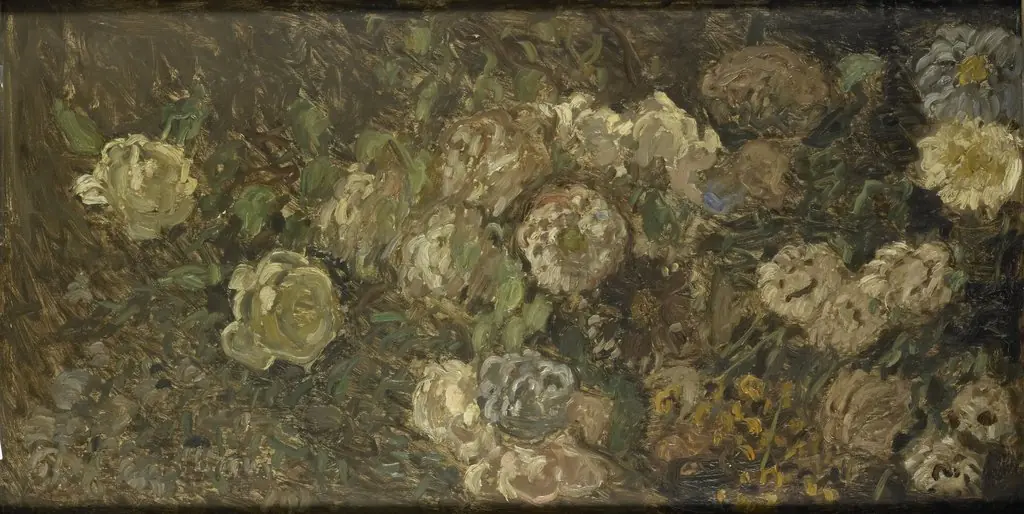 Flowers
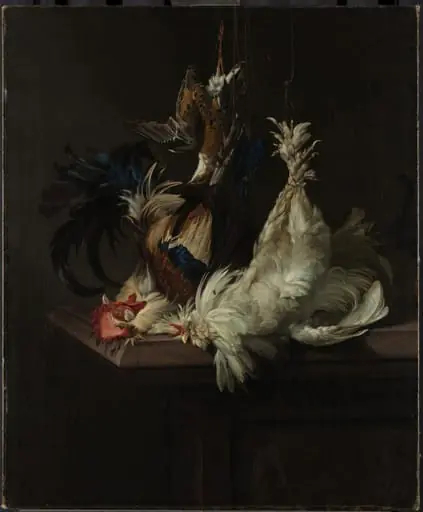 Still Life with Fowl
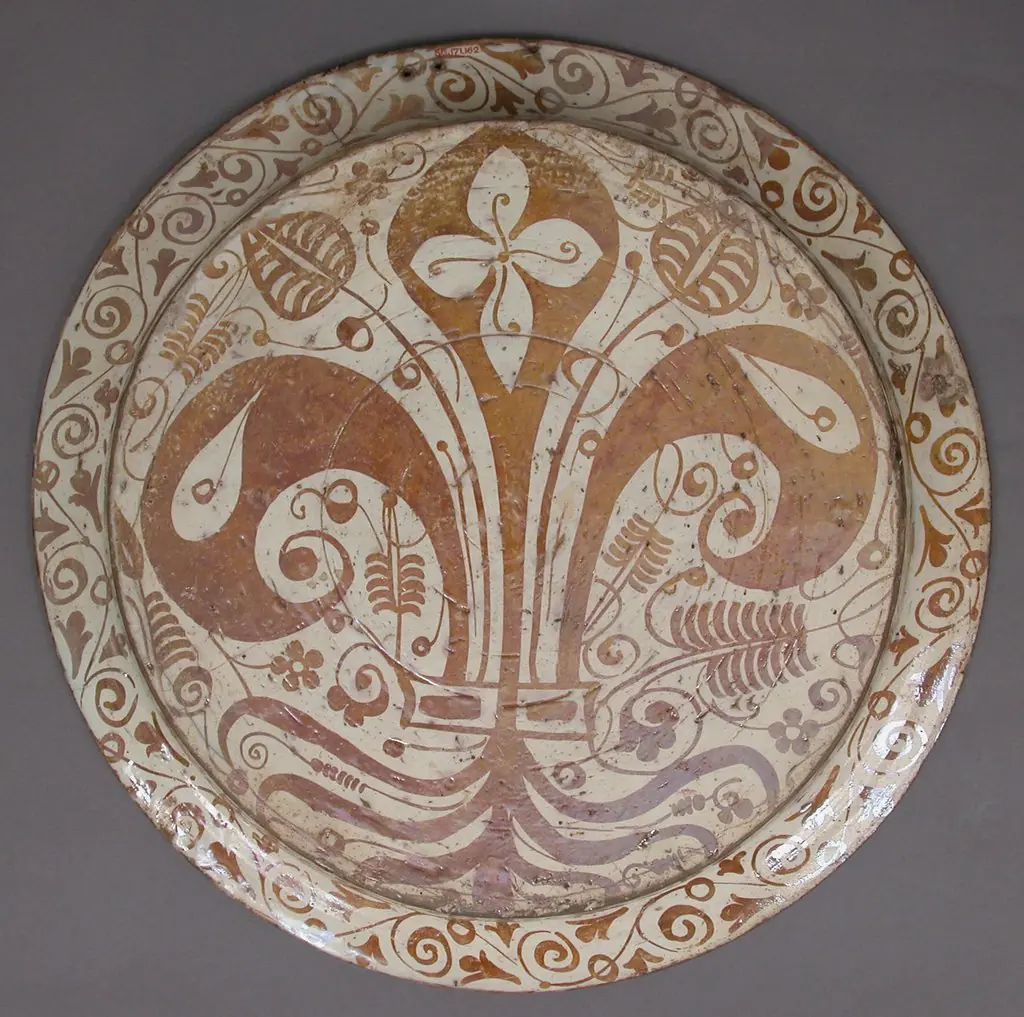 Deep Dish
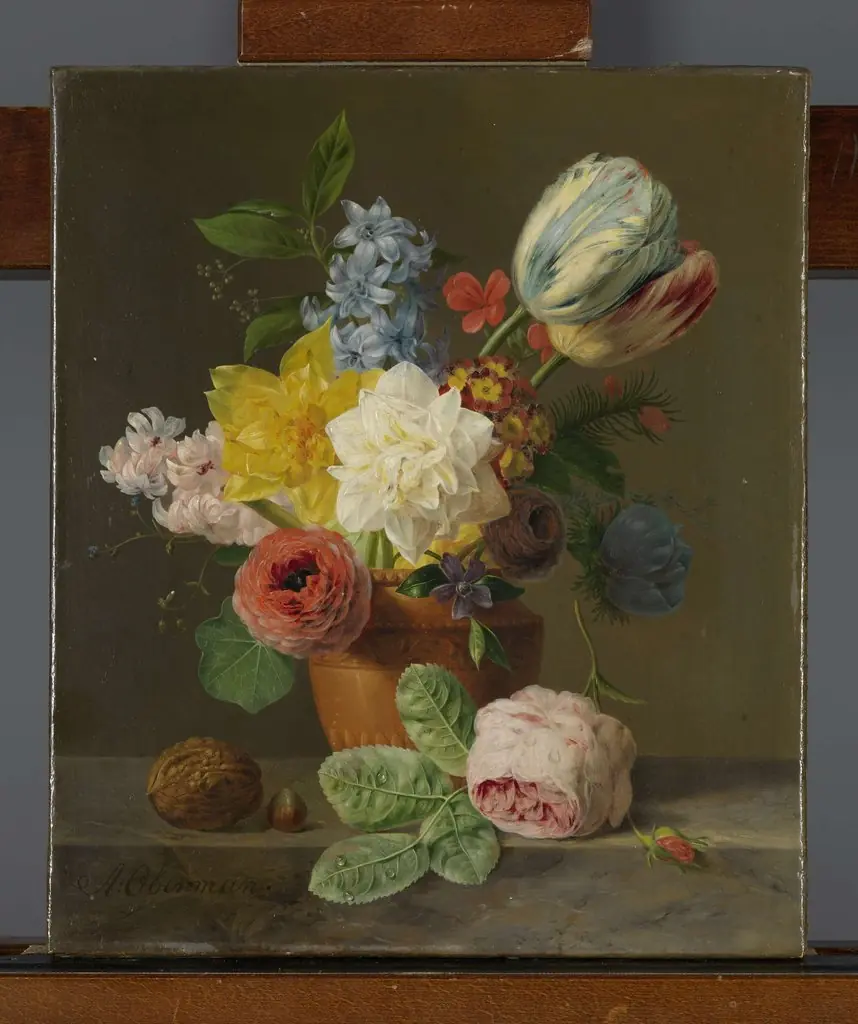 Still Life with Flowers and Nuts
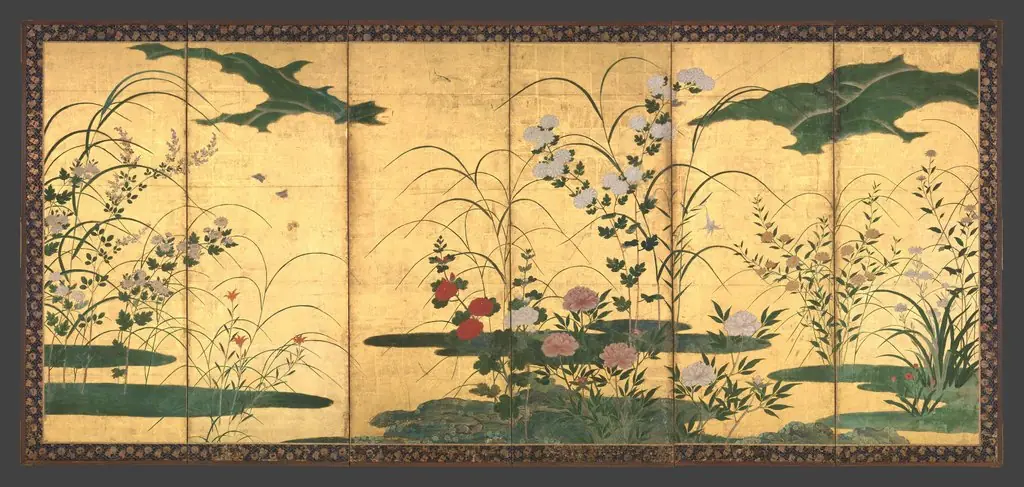 Flowers and Grasses of the Four Seasons
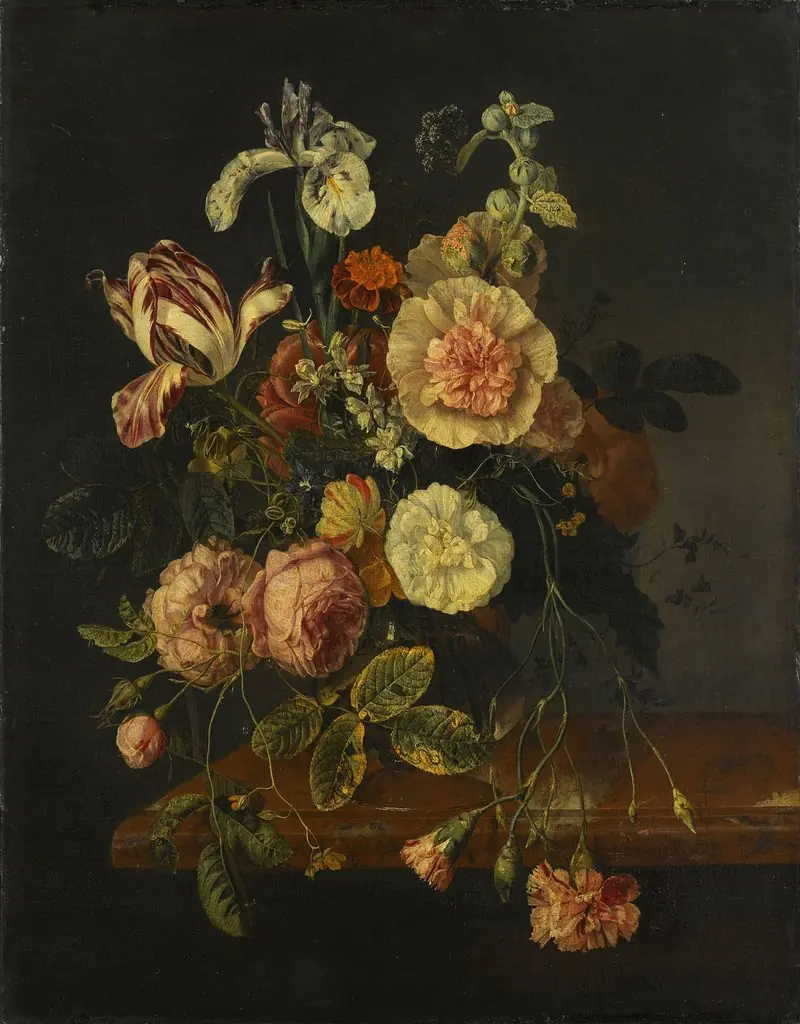 Still life with flowers
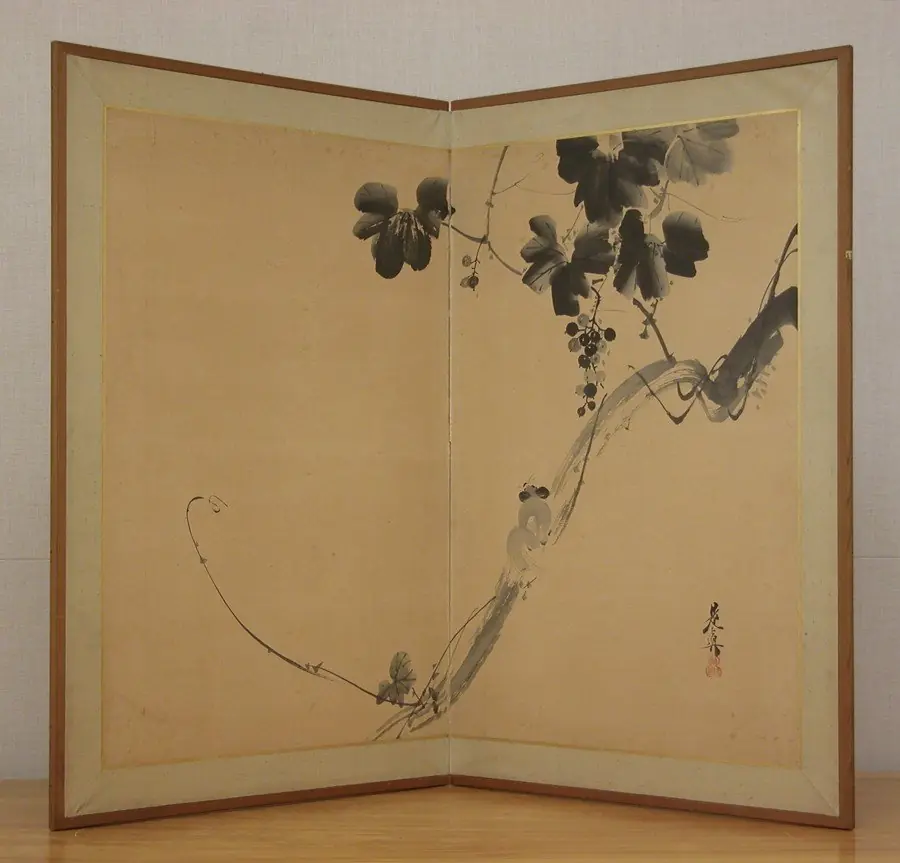 Squirrel on Grapevine
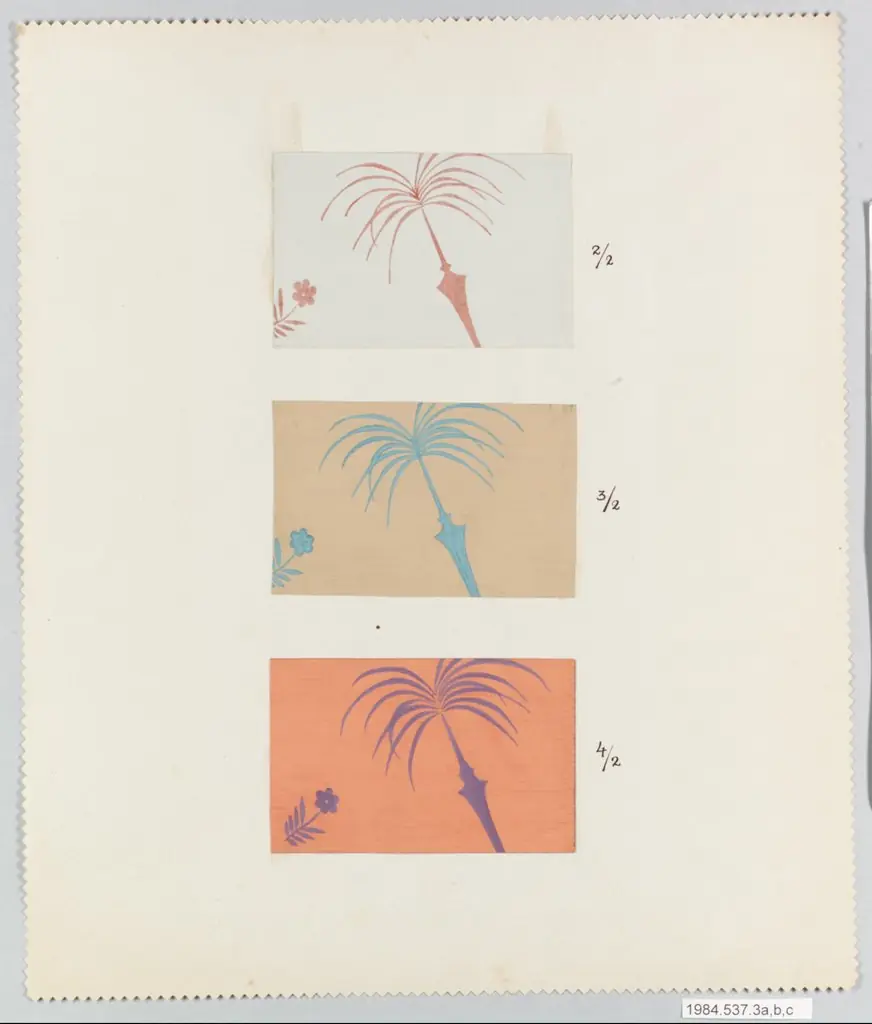 PALM
PALM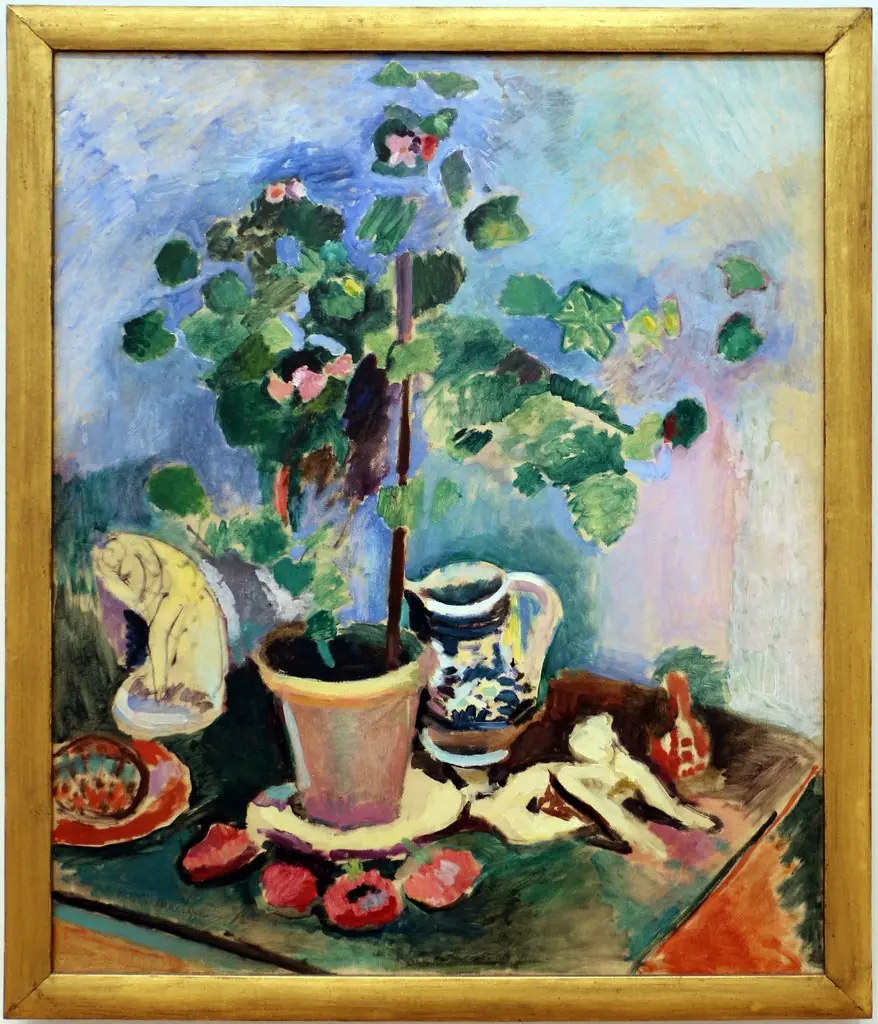 The Geranium
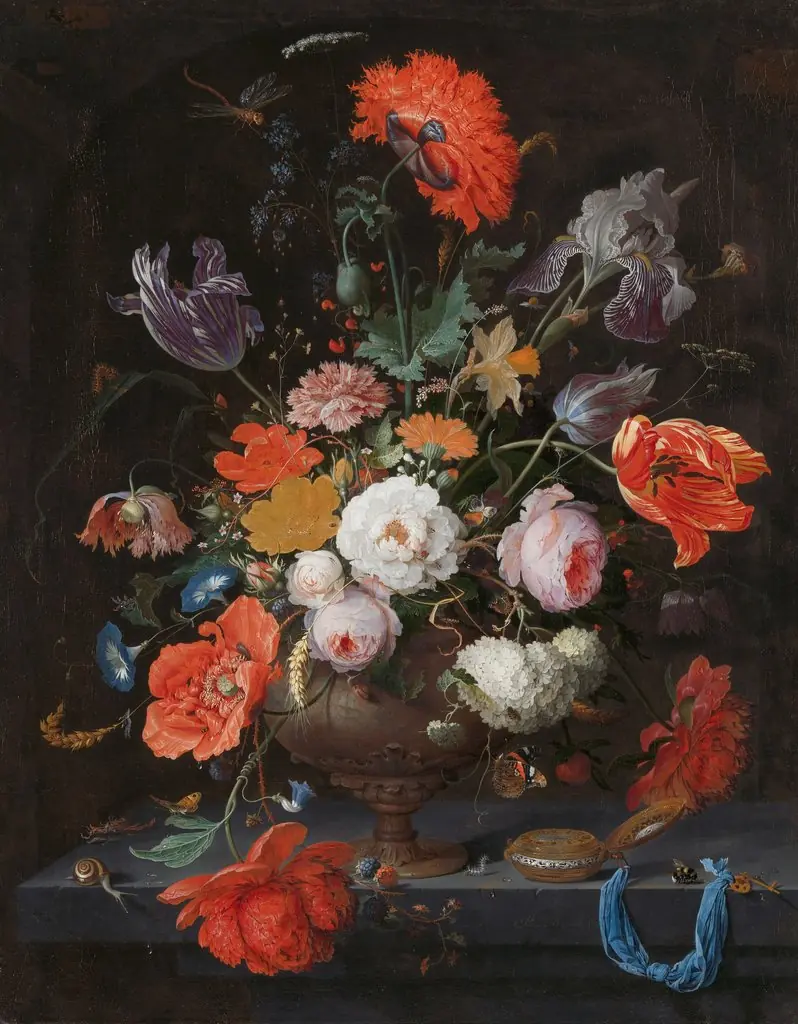 Still life with flowers and a watch
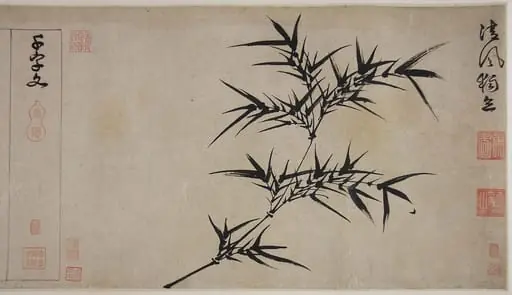 明 詹景鳳 草書千字文 卷|Thousand Character Classic
Frequently asked questions
What is Floral?
Floral is an art genre. A specialized strand of still life focused on flowers — bouquets, wreaths, and botanical studies.
How many Floral works does Artifact World Gallery have?
Artifact World Gallery holds 3,068 public-domain Floral works, all free to view and download.
Who are the key Floral artists?
Key Floral artists in the collection include Jean Baptiste Camille Corot, Gustave Courbet and Jean Honoré Fragonard.
Where can I see Floral works?
Floral works in the collection are held by Statens Museum for Kunst, National Gallery of Art and Victoria and Albert Museum.